Five fuzzy insulations get measured head-to-head: Polartec Alpha Direct, Primaloft Evolve, and three Teijin Octa builds. See how structure drives air permeability, MVTR, drying rate and energy, directional R-value, and durability. Results highlight Alpha’s breathability and efficiency, Evolve’s resilience, and Octa’s structured, durable use cases for high-output backcountry layering systems.
Flying to a trailhead is easy until fuel, stakes, poles, and batteries come into play. This guide compiles verifiable TSA, FAA PackSafe, and airline rules into a practical packing matrix: what’s allowed on aircraft, what must be checked, what belongs in carry-on, and how to handle common edge cases safely.
Introduction
Air travel imposes different constraints on backpacking equipment than ground transport. At U.S. airports, three rule sets matter: (1) TSA security screening rules that determine what may pass through the checkpoint, (2) FAA hazardous materials restrictions that prohibit certain items on passenger aircraft regardless of where they are packed, and (3) airline policies that may be more restrictive than TSA or FAA requirements. These layers are enforced independently, and compliance with one does not guarantee acceptance under the others.
Backpacking gear includes several categories that routinely trigger enforcement actions: fuel and fuel containers, pressurized canisters, ignition sources, sharp or pointed hardware (stakes, crampons, ice tools), and lithium batteries and power banks. For each of these categories, the practical question is not “Is it allowed?” in a general sense, but: (a) is the item permitted on the aircraft at all, and if so, (b) is it permitted in carry-on baggage, checked baggage, or both.
Destination backpacking: Bozeman, Montana (BZN).
This article provides rule-based classification for common backpacking items based on verifiable U.S.-focused sources. “Allowed on aircraft” indicates whether the item can legally be transported by passengers under FAA hazmat rules and related TSA guidance. “Checked allowed” and “Carry-on allowed” indicate where the item may be packed, if permitted at all. Where the rules are conditional (for example, a stove is permitted only when free of fuel and vapors, or trekking poles are permitted only when blunt-tipped), the table states the specific condition so that the reader can make a packing decision before arriving at the airport.
Table of Contents • Note: if this is a members-only article, some sections may only be available to Premium or Unlimited Members.
Blunt-tipped poles are allowed; sharp-tipped poles are not allowed in carry-on. Airline carry-on acceptance can vary. [1]
Crampons / traction devices
Yes (conditional) [2]
Yes [2]
Yes (special instructions) [2]
Generally permitted, but TSA officers can disallow if they judge it a security threat. [2]
Small scissors
Yes [3]
Yes [3]
Yes (special instructions) [3]
Carry-on only if blades are < 4 in from the pivot point. [3]
Multi-tools
Yes (conditional) [4]
Yes [4]
Conditional [4]
Multi-tools with knives of any length are prohibited in carry-on. Multi-tools with scissors < 4 in may be allowed in carry-on. [4]
Hand tools (general)
Yes [5]
Yes [5]
Conditional [5]
Tools 7 in or shorter may be allowed in carry-on; power tools and tools > 7 in must be checked. [5]
Knives
Yes [6]
Yes [6]
No [6]
Generally prohibited in carry-on (with limited exceptions like butter knives/plastic cutlery); allowed in checked. [6]
Ice axe / ice pick
Yes [7]
Yes [7]
No [7]
Prohibited in carry-on; allowed in checked (sheath/wrap recommended). [7]
Axe / hatchet
Yes [8]
Yes [8]
No [8]
Prohibited in carry-on; allowed in checked. [8]
Saws
Yes [9]
Yes [9]
No [9]
Prohibited in carry-on; allowed in checked (secure sharp edges). [9]
Camp stove (no fuel)
Yes (conditional) [10][11]
Yes (special instructions) [10]
Yes (special instructions) [10]
Stove is allowed only if empty of all fuel and cleaned so no fuel vapors/residue remain. [10] Fuel (and fuel residue) is forbidden. [11]
Camp stove fuel (any type)
No [11]
No [11]
No [11]
All forms of camp stove fuel are forbidden in carry-on and checked, including compressed canisters, liquid fuels, solid fuel tabs, and even containers/equipment with residual fuel. [11]
Power banks / spare lithium batteries
Yes (conditional) [12][13]
No [12][13]
Yes [12][13]
Must be in carry-on only. FAA also sets capacity-based limits (e.g., >160 Wh not allowed on passenger aircraft). [13]
Toiletries and liquid/gel/aerosol items (incl. sunscreen, insect repellent)
Yes (conditional) [14]
Yes
Conditional [14]
Carry-on must follow TSA 3-1-1 (3.4 oz/100 mL containers in 1 quart bag). Checked is generally allowed (subject to hazardous-material limits). [14]
Pepper spray / mace (≤ 4 fl oz)
Yes (conditional) [15][17]
Conditional [15][17]
No [15][17]
TSA: one 4 fl oz container permitted in checked if it has a safety mechanism; some airlines prohibit entirely (example: American Airlines lists defense sprays as not allowed). [15][17]
Bear spray / animal repellent
No (in practical backpacking sizes) [16]
No [16]
No [16]
FAA notes most bear sprays exceed 4 oz and therefore cannot be carried. [16]
Safety matches
Yes (conditional) [18][20]
No [18]
Yes (limited quantity) [18][20]
TSA: one book of safety (non-strike-anywhere) matches allowed in carry-on; prohibited in checked. FAA: quantity limit is one book/packet in carry-on or on person. [18][20]
Strike-anywhere matches
No [19]
No [19]
No [19]
Prohibited in both carry-on and checked. [19]
Disposable butane lighter
Yes (limited) [22]
No (with limited exception) [21]
Yes (1 per passenger; carry-on or on-person) [22]
FAA PackSafe: absorbed liquid and butane lighters (including disposable) are limited to one lighter per passenger in carry-on or on one’s person. [22] TSA: “Disposable and Zippo” lighters are generally allowed in carry-on; fueled lighters are prohibited in checked baggage unless properly enclosed in a DOT-approved case (up to two). [21]
Default to conservative packing for ambiguous items. If an item is marked “conditional” or “special instructions,” assume it may be questioned and pack it in checked baggage when feasible (or leave it behind).
Remove the highest-risk categories entirely. Do not attempt to fly with stove fuel, fuel canisters, or fuel-containing equipment. Plan to purchase fuel after landing or arrange legal ground shipment where applicable.
Assume sharp/pointed hardware belongs in checked baggage. Tent stakes, crampons, ice tools, knives, saws, and similar items routinely trigger carry-on denials; checking them reduces the probability of confiscation and delays.
Treat lithium spares as carry-on-only and keep them accessible. Power banks and spare lithium batteries should not be checked. If you are forced to gate-check a bag, remove any spares before surrendering it.
Minimize “judgment calls.” Where possible, replace contentious items with lower-risk alternatives (for example, ship or rent bear spray at the destination; use blunt-tipped pole caps; carry only compliant liquid volumes in carry-on).
Prepare for inspection. Pack items so they can be quickly presented and understood: sheath edges, cover tips, and group related items (e.g., a “sharp hardware” pouch in checked baggage). For stoves, if you choose to travel with one, ensure it is demonstrably free of fuel and odor and packed so it can be inspected without disassembling your entire bag.
Have a failure mode. If an item is critical to your trip, plan a backup: identify where you can buy/borrow/rent it at your destination, or ship it ahead to a hotel/outfitter.
Your objective is not to prove you are right at the checkpoint; it is to reduce the probability that a single item causes delay, confiscation, or a missed connection.
Edge case examples
Rechargeable headlamps with sealed LiPo packs, satellite messengers, and PLBs are best treated as lithium-battery electronics: pack them in your carry-on so they remain accessible, protected from damage, and not subjected to checked-baggage lithium restrictions. FAA guidance is explicit that spare (uninstalled) lithium batteries and power banks must be in carry-on, and if a carry-on is gate-checked, those spares (including power banks) must be removed and kept in the cabin; in practice, the same “keep it with you” approach reduces trip risk for devices that are expensive, safety-critical, and battery-powered. If you carry larger-capacity battery packs, confirm the watt-hour rating before you fly, because both the FAA and TSA impose stricter limits as capacity increases (notably in the 101–160 Wh category and airline-approval expectations), and units above typical consumer sizes are more likely to be questioned. Smart luggage (packs or suitcases with built-in batteries or tracking batteries) is a specific edge case: the FAA states that baggage equipped with lithium batteries must be carried on unless the batteries are removed, and checked baggage is only allowed under very small battery thresholds.
Avalanche airbags and chemical heat sources require different handling. FAA PackSafe routes avalanche rescue backpacks into the “self-inflating personal safety device” category when they use compressed non-flammable gas cartridges (e.g., CO₂/argon) and emphasizes that lithium-battery-powered systems must also comply with battery rules; because these are high-friction items at check-in and screening, a conservative approach is to travel without the cartridge and source it at your destination when feasible. For hand warmers, FAA explicitly permits disposable air-activated warmers (carbon/charcoal/iron types) in either carry-on or checked baggage with no quantity limit, while forbidding warmers that use flammable liquids or gases; TSA lists hand warmers as allowed but also reiterates that the final decision rests with the TSA officer, which is a useful reminder for any “edge case” item that is technically permitted but unfamiliar to screeners.
Enforcement variability
This guide summarizes U.S.-focused rules from TSA, FAA PackSafe, and selected airline policies, but it cannot guarantee that any specific item will be accepted on a given day. In practice, these rules are applied through discretionary decisions made by (1) airline personnel at check-in and at the gate, and (2) TSA officers at the checkpoint. Even when an item appears to fall within published guidance, it may be delayed for additional screening, refused for carriage, or prohibited based on an officer’s judgment that it presents a security or safety risk. Airline policies can also be more restrictive than TSA/FAA baseline rules and may be enforced differently across airports, staff, and operational contexts (for example, during irregular operations when carry-on bags are gate-checked).
Because policies and interpretations change over time, treat this table as a decision-support tool rather than a definitive authorization. Before departure, verify the current rules for any borderline item using the official TSA “What Can I Bring?” entry, FAA PackSafe guidance, and your airline’s restricted items page. If those sources conflict, the most restrictive rule governs your trip.
Find information about all of our upcoming Member Q&A’s, Webinars, Live Courses, other live events, and more on our Events Calendar Page.
Main Topic Bullets
Backcountry motivation extends beyond recreation into measurable effects on work, relationships, stress, and decision-making.
Modern life fills a mental queue through constant interruptions, responsiveness, and unfinished obligations.
Scarcity research shows urgent demands can dominate attention and reduce longer-term planning quality (Shah et al., 2012. https://doi.org/10.1126/science.1222426).
Financial strain research shows cognitive performance can drop in-the-moment as stress and preoccupation consume capacity (Mani et al., 2013. https://doi.org/10.1126/science.1238041).
Nature exposure effects appear in stages rather than as a binary “in nature equals restored” outcome.
A few minutes outside can reduce checking behavior and loosen the urge to scan for updates.
Two nights in natural light-dark conditions can shift circadian timing earlier relative to typical indoor lighting patterns (Wright et al., 2013. https://doi.org/10.1016/j.cub.2013.06.039).
Seventy-two hours is presented as the first reliable breakpoint where stacked benefits persist after returning home.
Multi-day immersion studies suggest the body responds differently to multi-day forest exposure than to brief exposure (Li et al., 2007. https://doi.org/10.1177/03946320070200S202).
Vacations can fail as resets when social coordination, connectivity, and schedule pressure preserve the same mental strain drivers.
Vacation benefits often fade after re-entry, supporting a maintenance cadence rather than rare “rescue” breaks (de Bloom et al., 2009. https://doi.org/10.1539/joh.K8004).
More recent meta-analytic evidence reinforces the importance of post-vacation conditions in sustaining well-being gains (Speth et al., 2024. https://doi.org/10.1027/1016-9040/a000518).
Microadventures and 24-hour adventures offer repeatable, low-friction breaks, but typically provide relief rather than the more durable shift associated with 72 hours.
A practical maintenance model is proposed: target 72-hour disengagement every 8–12 weeks, using 24-hour trips as stabilizers between longer resets.
Our staff selects their favorite hiking, backpacking, and other backcountry gear that they’ve used over the past year – the next edition of our infamous Staff Picks!
Introduction
Each year, our staff selects their favorite backcountry gear from the past 12 months, and we look forward to you sharing your favorite gear of the year as well in the forum comments below!
Our Staff
This year’s staff picks contributors include our authors, educators, researchers, and operations staff:
Max Brand
Bill Budney
Jeff de Graffenried
Chase Jordan
Ryan Jordan
Stephanie Jordan
Atif Khan
Ben Kilbourne
Matthew King
Warren McLaren
Tom Moran
Jeff Podmayer
Stephen Seeber
Anna Swarts
Emylene VanderVelden
Mark Wetherington
Table of Contents • Note: if this is a members-only article, some sections may only be available to Premium or Unlimited Members.
Two-person single-wall trekking pole shelter using patented X-Mid geometry with Dyneema Composite fly, optional 15D sil/PEU nylon or Dyneema floor, dual doors and vestibules, Dyneema hot-bonded construction, and listed tent weights of 17.9–19.9 oz (509–565 g).
I’ve been this tent since it was released and have spent over 75 nights in it. It still hasn’t lost its charm or performance. After using it on two weeklong trips in Yellowstone National Park this summer where I shared it with my wife, I realized I can’t imagine opting for another tent for multi-night trips in three-season conditions. The weight, the space, and the performance check all the boxes I need for three-season trips in the Northern Rockies. – Mark Wetherington
Sling bag / fanny pack with adjustable 3/4 in strap and buckle, one main pocket with #3 water-resistant coil zipper and exterior gear loop, constructed from Challenge RBC450RS recycled poly and mixed EXP200, VX21, 210d nylon/HDPE gridstop, and EPLX70 fabrics, 4 x 6 in (10 x 15 cm), 2.5 oz (71 g), made in USA.
I’m 6’5″ and am eternally finding myself smacking the sides of my tent, which in most conditions means me and my gear getting soaked. My SoLong is one of the few ultralight tents I’ve found where I can keep my head and feet clear of all surfaces. As an added bonus, while the tent is designed for trekking poles, I was able to rig up a simple system to use packraft paddles instead, saving weight on float trips. – Tom Moran
2-person, side-entry, 2-doors, dual vestibules, single-wall DCF dome-style shelter that can use trekking poles for eyebrow pole support for additional stability in extreme weather.
I shifted my shelter strategy in 2025, and spent most of my nights in either a bivy sack or a dome-style not hub-and-pole) freestanding tent – two extremes. My primary reason for using a dome-style freestanding tent in the winter – ease of pitch with good wind stability. And in the summer, for its ability to pitch on slabs without stakes (to minimize my camping impact). When selecting a tent, I placed a very high priority on light weight and wind stability. The Hyperlite Mountain Gear Crosspeak 2 has proven itself over and again in all seasons for me this year, and has become a trusted shelter. From 50-mph winds at the base of Long’s Peak in the winter to slab camping in the High Sierra, this has become one of my favorite tents. – Ryan Jordan
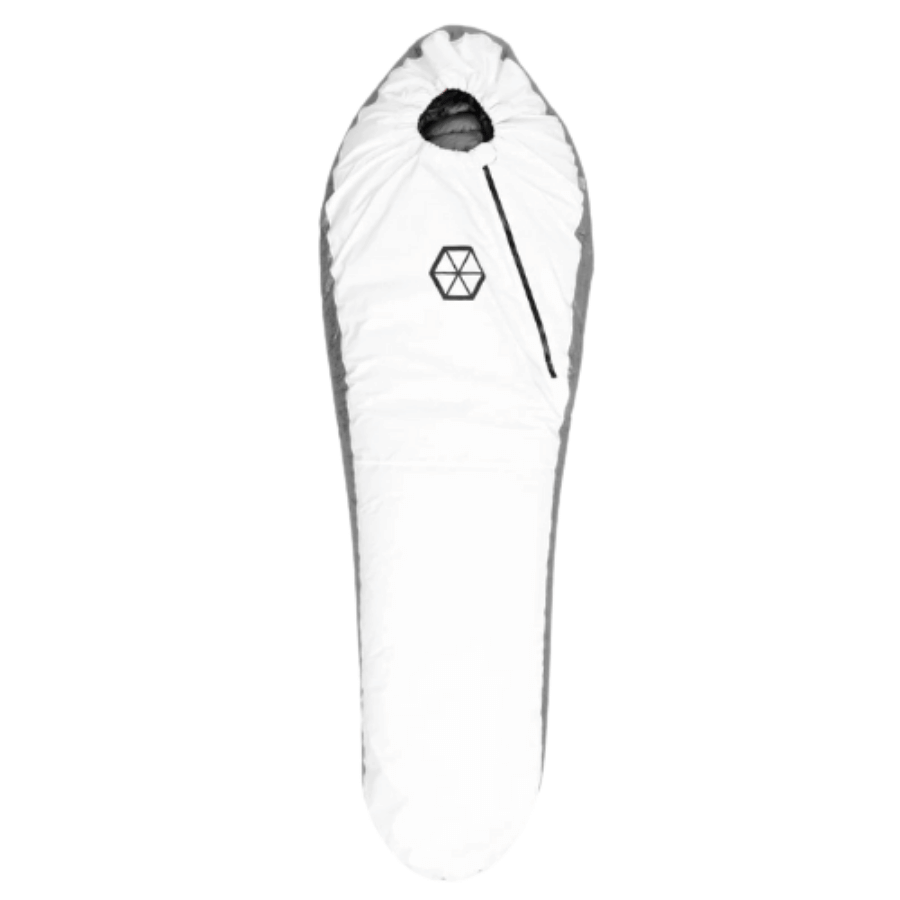
Sea to Summit has managed to cram a very interesting feature set into their premium sleeping bag model, including 950+ fill power down, 10D ultralight nylon fabrics, draft tunnels and collars, and an opposite-side short-zip (2-way) which allows the occupant use of both arms while snuggled up in the hood.
The most comfortable sleeping bag with features that make camp life a whole lot easier. Zipped toe box to air out hot feet or walk around the campsite and button snaps to keep the sleeping bag on while cooking breakfast, this lightweight bag has it all. Putting this bag to the test on a week long paragliding and camping trip through Austria and Switzerland proved this bag’s high tech features, light weight, and low pack volume were worth every penny (or euro)! Most often combined with my Ether Light XR Insulated Air Sleeping Pad, inflatable pillow, and the waterproof Outdoor Research Helium bivy – a system I’ve used across the Swiss Alps, Colorado Rockies, and on big walls in Yosemite. – Max Brand
Forged S55C steel tent stake measuring 8 in long with 0.6 in head, designed for securing small tents or tarps; manufacturer-listed weight is 3 oz (75 g) per stake.
On longer trips, especially in cold and dry climates, I almost always bring my trusty steel tent stake. It flies in the face of everything ultralight — at over 7 times the weight of a small DAC J Stake. That said, it has become an indispensable tool for making pilot holes in frozen or otherwise “harder than aluminium/titanium” ground surfaces where rocks and compact sediment often tear up ultralight stakes. Save your fingers, save your stakes, pitch your tent efficiently every time. – Atticus Lee
LuxuryLite StackPack ($495) is a 36 oz / 66L modular external-frame pack that also becomes a reclining camp chair, built for bear-can carry, fast-access waterproof barrel bags, and a highly adjustable ventilated Easton frame.
An external pack frame that weighs a scant kilogram, including the pack and it is rated to carry 50 or more pounds comfortably. I’ve carried 40 pounds in it with no trouble. The belt is both strong and light, doesn’t fold, and I love the hook feature that allows me to quickly take the pack off or on without adjusting the belt. (The hook can be tied down with zip ties if you prefer a semi-permanent attachment.) It carries very well for walking, and can be cinched down for occasional scrambling, although it doesn’t fit close like a mountaineering pack. The frame can stay slightly off the back for ventilation. Overall it is the lightest pack and frame capable of such heavy carry. It’s on the verge of “ultralight” without making the compromises that most UL packs make. – Bill Budney
Osprey Mutant Nimsdai 90 Backpack
If doing a solo backcountry skiing trip of a week to 10 days, I like a decent bit of room. The Osprey Mutant Nimsdai 90 (now discontinued) offers that extra capacity. But the reason I loved the pack in 2025 was that my sixteen year old son took it on his three day Duke of Edinburgh Award bushwalk in the Blue Mountains, west of Sydney, Australia. And then he carried it again for seven days when we both did the famed Overland Track in Tasmania’s alpine country. What’s not to love about a product that enthuses a teenager to be outdoors and off his digital devices? – Warren McLaren
Day (or minimalist overnight) packs featuring recycled nylon construction with ultra-high molecular weight polyethylene ripstop reinforcement. The Talon Pro 30 weighs 2.4 lbs with 30L capacity, while the Tempest Pro 30 weighs approximately 2.2 lbs with 30L capacity. Both models include injection-molded framesheet, adjustable torso length system, continuous-wrap hipbelt, and top-loading bucket-style main compartment access. External attachment points accommodate trekking poles and ice axes, with water-resistant zippered hipbelt pockets and dual water bottle holders. Known in the Search and Rescue community for their ability to stabilize and comfortably carry heavy, dense loads.
I did a review on this pack earlier in the year and now it’s had a couple hundred more hours of use. Though not super ultra light, this pack has been ideal for SAR. It has just the right amount of pockets and just the right fit to keep it comfortable and stable in the field. – Emylene VanderVelden
Frameless roll-top backpack with snap/buckle/g-hook closure, bottom UHMWPE grid mesh pocket, integrated shoulder strap pockets, reachable side pockets, designated front mesh stake pocket, and stashable hipbelt, built from 210d UHMWPE Gridstop or Ultraweave 200x, 31–37 L internal volume, 17.7–18.7 oz (502–530 g).
The Pa’lante V2 Backpack has been my go-to for shorter trips in three-season conditions and also doubles as my daypack year-round. It’s got all the features I need, none I don’t, and is easy to fit into my bicycle panniers when I’m biking to trailheads. – Mark Wetherington
Hydration-compatible hip pack constructed from materials described as waterproof, configured for standard 1–2 L water bladders with hose and an included magnetic tube clip, with unisex sizing intended to fit approximately S to XL, handmade by Whitebark Gear in Salt Lake City, Utah.
My wife and I are big fans of this pack for day hikes and running. It has just enough room for the essentials. As well as a dedicated spot for bear spray, a must-have here in Alaska. Also works well combined with a larger pack for longer adventures. – Tom Moran
Made with a particularly unique fabric composed of mineral coatings that reflect a reported 70% of sunlight, minimizing heat absorption and improving thermal comfort in direct sun.
This is my go-to sun-hoody for any outdoor adventure—whether backpacking, river trips, alpine climbing, cragging, running, or mountaineering. It offers excellent sun coverage, a comfortable fit, and the perfect balance of thickness for a wide range of temperatures. In 2025, this was the only shirt I wore and brought on all of my backcountry trips. – Jeff Podmayer
Men's waterproof-breathable shell jacket using OutDry Extreme construction with fully seam-sealed external membrane, matte 100% recycled nylon shell and soft wicking interior, underarm vents, drawcord-adjustable hood and hem, PU-coated zippers, adjustable cuffs, and 29 in (73.7 cm) center back length.
This year’s model is slightly lighter than last year’s and also has pit zips. It’s a great option for prolonged and/or heavy rain because it can never wet out (because the membrane is on the outside), while still maintaining some amount of breathability. I bought a comically huge one that fits over a small day pack (and it ventilates better than any other jacket I have tried). – Bill Budney
Down-insulated sleeve accessory sold in pairs, intended for use with Sniveller-style quilts or vests, constructed from 1.1 oz ripstop nylon with DWR and 800 fill Activ-Dri treated down, available in Regular, Long, and XL sizes, weighing 5 oz (142 g) per pair.
These convert a vest into a jacket. A vest is like having huge pit zips, so it can serve dual duty as active or static insulation. The sleeves only come out for static use or extreme conditions. They’re a great upgrade to a puffy vest. Mine are black, oversized so that I can wear them over other layers, and have more loft than most vests I would carry. – Bill Budney
Double thickness skull beanie knitted in New Zealand by Lothlorian Knitwear from a possum merino blend of 40% possum fur, 50% fine merino lambswool, and 10% nylon, in a close-fitting cap style offered in multiple colors.
The cosiest, snuggliest, few grams I carry. Possums are feral animals in New Zealand, and their Department of Conservation manages culling. As a result, my beanie contains 40% possum fur, a hollow fibre, apparently similar to polarbear fur. Indeed, it is claimed to be 55% warmer than merino wool and35% warmer than cashmere.I can’t verify any of that, but I can say that when I accidentally shrunk my first possum beanie in a hot wash, I immediately bought a replacement. Best beanie on the planet. – Warren McLaren
Men's hooded down parka with 7-denier Ballistic Airlight nylon ripstop shell (water repellent finish) and 1000 Fill Power EX Down insulation, using sewn-through quilting, dual-axial hood, elastic cuffs, hem drawcord, and two zippered hand pockets; 8.4 oz (237 g), packed to 5.5 x 7.5 in (14 x 19 cm).
This jacket is lightweight, comfortable, extremely packable and very warm. Plus, it looks good! It is a permanent fixture to my shoulder season winter backpacking kits. – Jeff de Graffenried
Jersey-knit-lined pants keep me cozy for winter camping and hiking. Lots of warmth and mobility (with stretch) in this pant for hiking in fringe season and winter. – Stephanie Jordan
Weighing 105 g, the Mountain Hardwear Kor AirShell Hoody is constructed from Pertex Quantum Air 20D stretch ripstop fabric, featuring an elastic-bound hood, raglan sleeves with underarm gussets, two zippered hand pockets, and elastic bindings at the cuffs and hem; it stows into its internal pocket with a carabiner clip loop.
Regardless of whether I am hiking through gales blowing off the Atlantic Ocean on the south coast of Iceland, or some of Rocky Mountain National Park’s high elevation windstorms, the Kor Airshell has kept me warm in windy conditions all year. The fabric is extremely comfortable against the skin, and is extremely breathable, helping me stay mobile without dampening my layers and skin with sweat. – Chase Jordan
Women's down-insulated pant with Whisperer 15D nylon ripstop shell and lining and 800-fill RDS-certified goose down, featuring internal drawstring waist with snap front and zip fly, two hand pockets, ankle zips, included stuff sack, and approximate weight 9 oz (256 g).
I had been wanting a pair of down pants for years. I finally got this pair and I have not been disappointed. First, the come in lengths short to tall, which is not super common in women’s outdoor pants in my experience. They have a comfortable fit and large pockets for all my small items around camp. The fabric is luxurious and most importantly, they are toasty warm on cold nights. These are a great addition to my sleep layering system and a dry warm layer at camp for cold evenings when I want to star gaze instead of sitting in the tent (or in the house). – Emylene VanderVelden
Malleable nose and cheek cover for extreme cold, built around a thin-gauge windproof reinforced aluminum core wrapped in fuzzy fleece, secured by an adjustable elastic head strap to isolate frostbite-prone areas while leaving the mouth uncovered; handmade in Fairbanks, Alaska.
In very cold climates, wearing a balaclava or buff over the mouth and nose doesn’t work well; condensation from breath ices over on them, making them lose their insulative qualities and sometimes sag right off the face. The phenomenally goofy-looking nose hat is a great solution, as it provides wind protection for the nose and cheeks while leaving the nostrils and mouth exposed. – Tom Moran
When a rain jacket spends most of its time stowed in your pack, weight becomes its most important feature. Of the rain jackets on the market that weigh less than 8 ounces, the Helium is one of the more refined models - waterproof zips, a usable hood, moderately breathable fabric, and articulated fit that's roomy enough for layering.
Summer hike where it may just rain? Spring ski tour with wet snow everywhere? The Outdoor Research Helium Rain Ultralight Jacket will stand up to the harshest conditions year after year and it’s so small, you’ll forget you have it in your pack. Folding up into the front pocket to the size of a baseball, you’ll never regret throwing this in the bottom of your pack or clipping it to your waist for the just in case scenario. I like this jacket because it only has the most necessary features and has built in stretch exactly where you need it. Through slushy winter storms and summer downpours this jacket has kept me dry and warm from the Swiss Alps to the windy Colorado Rockies. – Max Brand
Men's 20D stretch-woven nylon/spandex wind hoodie with trim fit, using bluesign approved 90% nylon / 10% spandex fabric, stowable hood with bonded brim, zip chest and hand pockets with chest pocket stuff sack, drawcord hem, stretch wrist cuffs, and 5.0 oz (142 g) weight, 29 in (73.7 cm) center back length.
The Outdoor Research Shadow Wind Hoodie windshirt is very similar to the famous Mountain Hardwear Kor Airshell, even down to the way it fits. Fabric feels the same, although OR doesn’t say what it is. The Shadow has three full pockets while Kor Airshell has only 2.5 (the small one is just for stuffing the jacket). That makes the Shadow a slight favorite for me. – Bill Budney
The Packa is a lightweight, rainproof jacket designed to double as a pack cover, providing full rain protection for both the wearer and their gear. Its unique design allows for easy access to pack pockets while keeping gear dry, making it ideal for hikers and backpackers in wet conditions.
This is the most sophisticated poncho available for purchase (and is now available in 15d silnylon (no PU) for a total weight of about ten ounces). It has long loose sleeves with cinchable cuffs and long pit zips, offering more ventilation and coverage options than most other sleeves. It is available in six sizes, so that it fits around a pack and person with room for ventilation but without a lot of excess fabric to flap in the wind. It can be worn under or over the pack, can attach to the pack, or be used standalone. It’s knee-length, has a full two-way front zipper, hood with two-way adjustments and a stiff visor that works. It is well-made and stuffs into its own ventilated pocket. – Bill Budney
Unisex fingerless sun gloves constructed from 4-way stretch 84% polyester / 16% spandex fabric with UPF 50+ rating, 100% polyester suede palms, thumbs and pointer fingers, specified for multisport use and incorporating bluesign-approved materials and Climate Label Certified brand designation.
These sungloves met four of my goals: to protect my hands from the sun, to provide a slight barrier to biting insects, to help avoid blisters, and to not spend much money. My wilderness trips this year were more paddling-focused so these became my second skin! – Anna Swarts
Ultralight synthetic insulation pant built from Polartec Alpha Direct 4004 fabric in a very open 90 gsm knit structure with tufted pile, offered in stock sizes Small–Large and selected 120 gsm variants, with a listed medium weight of approximately 4.5 oz (128 g).
Leg insulation can be tricky. Down pants work well for warmth during low exertion activities around camp, but they quickly overheat/sweat out if you try to use them while hiking. I find these Alpha Direct fleece pants from Timmermade to bridge the gap between down insulation and something lighter like merino wonderfully. They are warm enough to boost the efficiency of your sleep system considerably, but still light enough that you could wear them underneath softshell pants in cold weather. They also dry incredibly fast. – Atticus Lee
Waterproof unisex mid-calf gaiters using Flexia 3.0 3-layer breathable stretch ripstop uppers, 1000D nylon lowers, and YKK waterproof zippers, with webbing and buckle top closure, TPU-coated replaceable instep strap, lace hook, and listed weights from 9.1 to 11.4 oz (259–324 g) per pair.
These gaiters are tried and true. They are easy to use, waterproof, fit well, don’t come undone and look good too! In the backcountry they help protect my lower legs, are easy to clean, and keep my legs dry in tall wet grass and brush. Additionally, they can be used to sit on keeping my seat drier and cleaner, used under my inflatable pad for extra protection and they help my shoelaces stay tied too. They were a nice addition to my kit in the recent trip to RMNP. Money well spent! – Jeff de Graffenried
Midweight crew-height performance toesock with an anatomical five-toe design, cushioned footbed, supportive arch band, mesh knit panel on the top of the foot, and ribbed leg, constructed from 58% nylon, 39% Coolmax EcoMade polyester, and 3% Lycra.
Less friction between my toes and blisters means less wear and tear on my toes and more miles!! Not as weird as you think. My feet stay happy and warm! – Stephanie Jordan
MICROspikes Ghost is a chain-free full-foot footwear traction device using a TPU underfoot matrix and hybrid TPE/TPR harness with twelve 0.36 in (9 mm) heat-treated stainless steel spikes per foot, weighing 6.4–7.4 oz (179–208 g) per pair and packing to 4.5 x 4 x 2 in.
While I have limited use given these just released in September of this year, these have been very exciting. While the spikes have 20% less area meaning they offer reduced traction, I have not found it to negatively impact my experience – and the hare only half the weight of regular Microspikes! They held well in the icy paths in Rocky Mountain National Park leading to Chasm Lake. I don’t know about the durability of the rubber strips that replace chains, but with a four year warranty that should help inspire confidence. Hopefully when winter arrives, I will get more experience with these! – Stephen Seeber
Ultralight trail running and hiking gaiter offered in low and mid heights, using 86% stretch-woven recycled nylon / 14% polyurethane with PFAS-free C0 DWR, 3D two-piece pattern, side YKK Vislon zipper, TPU DuraLink instep strap, and pair weights from 1.7–2.7 oz (49–76 g).
I’ve been loving the Kahtoola Instagaiter Mid this year. I’ve tried lots of different gaiters, including very light ones with Velcro, and have been pretty unhappy with all of them. The Velcro always comes off when bushwhacking or creek crossing. The Instagaiter stays on no matter what, keeping sand, seeds, and debris out of my shoes. And the zipper miraculously just keeps on working despite the desert sand. Just swish it around in a creek to get the sand off the zipper before putting them back on. – Ben Kilbourne
Mountain running shoe with recycled airmesh upper, 4-way stretch scree guard and TPU FusionGate integrated lacing, recycled non-slip airmesh lining, Ortholite Hybrid insole, injection-molded EVA midsole with TPU stabilizer, FriXion XF 2.0 outsole with 6.5 mm lugs, 10 mm drop, about 11.2 oz (320 g).
The latest iteration of the La Sportiva Mutant is pretty good. It’s not perfect, but it’s good. The fit is WAY better than the previous version with a wider toe box, so most Americans don’t have to go up two sizes to get them to fit. The overall volume is still low, and that’s good for keeping the foot snugly in place. The sticky rubber performs well scrambling on slickrock. The 10mm drop is unnecessary and makes the heel tippy in some situations. The upper keeps almost all sand out, to my pleasant surprise. This shoe will be discontinued for a couple of years, but will return in a new iteration eventually. Let’s only hope they lower that drop to 8mm or less and round the toe even more so folks can size down closer to their normal size. If everything else about the shoe stayed the same, I’d be happy. – Ben Kilbourne
Although not lightweight compared to trail running shoes, these are light for a mountain boot. And having previously endured a combination of dislocated and broken ankles I’ll go with all the support I can get down there. The rolling gait on flats takes a while to get used to, but on steep, broken terrain the boots feel very nimble, surefooted and supportive. The HDry membrane appears to do its job — unless one steps in a bog deeper than the boot! My boot’s bright orange colour does elicit attention, and, oddly, favourable comment. – Warren McLaren
The Xero Shoes Mesa Trail II features a 5.5mm FeelTrue sole with 3.5mm lugs for ground feedback and traction, paired with a lightweight 218g design (men's size 9) to support trail runners and hikers seeking minimalist performance.
I’ve experimented with so-called barefoot footwear for more than a decade, but it’s only been the past two years that I’ve really committed to them. I now have more than a thousand backcountry miles in Xero Mesa Trail II Shoes, hundreds of which have been on steep and rocky trails, talus, and tundra. They aren’t my first choice for rugged alpine terrain while carrying a heavy pack, and there was a very long (several months) adaptation period. However, the long-term commitment has made my feet stronger, more resistant to injury, and more adaptable to switching across various types of footwear. While the Mesa Trail consistently falls into the realm of “training shoe” for me, it’s now an essential part of my strategy to maintain healthy feet as I age. – Ryan Jordan
Women's 15 in rubber Legacy boot built from triple-dipped latex neoprene for chemical, oil and acid resistance, with 100% waterproof construction, non-marking slip-resistant Chevron outsole, open-cell foam insole, 1 in heel, 15.5 in calf circumference, and average pair weight 1.85 lb.
I started wearing Xtratufs when I worked up in Alaska as a kayak guide, and after nearly 15 years of heavy use I’ve only recently replaced my first pair. They are great for everything from shoulder season wilderness canoeing to wet trail maintenance projects and tick prevention. Their close fit and flexibility helps keep splashes out and makes it easy to have confident footing in wet conditions. – Anna Swarts
A cult favorite in the ultralight community for its ease of use, pre-mix stability, efficacy against viruses, bacteria, and protozoan cysts, and its ability to impart better flavor and odor to bad water sources. Can be repackaged if using opaque PE dropper bottles.
This is a new addition to my kit. It’s easy to use, small, and keeps me safe. Once the liquids were transferred to a smaller bottle they were even more portable. In situations with extra dirty water, I use a cloth filter to remove larger material and then add AM to purify. Cheap, easy to use, highly portable and usable in freezing conditions. I removed my Sawyer Squeeze for this. – Jeff de Graffenried
One liter reusable HDPE bottle with 28 mm neck compatible with common inline water filters, slim rectangular profile for side or shoulder strap pockets, molded volume markings, tethered cap with pull cord, and listed weight 3.18 oz (90 g); BPA, BPS, and BPF free.
The CNOC Thru-Bottle is one of my top picks because it takes the popular SmartWater bottle form and makes it more durable and free of microplastics. It fits well in most backpack water bottle holders and works seamlessly with many of the water filters on the market. – Jeff Podmayer
28 W foldable monocrystalline portable solar charger using SunPower panels on 900D polyester backing with grommets and included carabiners, multiple 5V USB outputs for charging devices, folding to about 11.1 x 6.3 x 1.3–1.4 in and weighing roughly 1.48–1.5 lb (0.67–0.68 kg).
When you’re on a multi day backcountry trip and you’re carrying life saving safety and navigation electronic devices, you better have multiple ways to keep them charged. The BigBlue 28W Solar Panel Charger was a game changer for keeping all the devices juiced up during a summer paragliding and camping trip in the Austrian Alps. With lots of electronics getting drained every day, I was able to fuel up all my devices in the late afternoon sunlight in just a few hours and even when I was flying! Just tuck the foldable 671g panel in your side pocket or clip it to your backpack to charge up while hiking! – Max Brand
Clip-on rechargeable EDC light with three outputs, combining a 530-lumen floodlight, 450-lumen spotlight, and 800 mW UV light in one O-Aluminum housing, featuring a rotating magnetic mode selector, high-strength clip, N52 magnetic base, hanging loop, and USB-C charging.
I’ve been using this little light as a backup on my SAR pack and as a tent light backpacking for almost a year now. It’s really a really nice option because it’s multipurpose and rechargeable. I can clip it to a hat, a chest harness or from a tent loop. It has reasonable brightness and battery life for its size when used sparingly. – Emylene VanderVelden
The Black Diamond Storm 500-R Rechargeable Headlamp delivers up to 500 lumens with a maximum beam distance of 120 meters, powered by a 2400 mAh Li-ion battery rechargeable via micro-USB; it features proximity and distance modes, dimming, strobe, red/green/blue night vision, lock mode, PowerTap™ Technology for instant brightness adjustment, and an IP67 waterproof/dustproof rating.
My work with lighting this year revealed a lot of duds and a few gems in the lighting market. One of those gems was a headlamp that’s been in my arsenal for many years, but has been collecting a little dust in storage while I tested other lights. I restored the Storm 500-R to regular use and it has resumed its rightly spot as my top headlamp for extended lighting for alpine-start mountaineering and long nights on the move during the winter. – Ryan Jordan
Unisex descent-oriented touring ski with 97 mm average waist, 100% poplar core reinforced by Carbon Speed Stringer construction, full sidewalls and single-radius sidecut, with tip/tail rocker and listed weights from 1390–1540 g per ski depending on length.
These skis have been a great way to get out in late spring when lower elevation conditions are muddy, but there’s still too much snow for hiking in the high country, and the stuff in between is a total mess. They’re reasonably light so carrying them up to the snowline isn’t backbreaking and skinning uphill with them isn’t tortuous. They ski great in variable conditions when headed back down. My favorite place to take them is an old lookout tower where I can enjoy some great views and a respite from the elements. – Mark Wetherington
As a training complement to hiking, a mountain bike offers a welcome change from the gym. It is more fun than road cycling, it keeps you far from vehicles and immersed in nature, it has a lower physical impact than running, and it is an easy way to incorporate VO2 max training. For these reasons, mountain biking twice a week on and off trail has proven revelatory for me this year. If you have some experience, you may appreciate an ultralight, full carbon, full suspension, cross-country bicycle like my Specialized Epic World Cup Expert; otherwise there are great entry-level and mid-range aluminum hardtails that will help you negotiate just about any trail. – Atif Khan
This has been my go-to this year for long days exposed to the sun in alpine and glaciated terrain. It provides excellent protection, spreads easily, and feels light and soft on the skin. I usually transfer a small amount into a 1oz container for shorter trips. – Jeff Podmayer
Unisex adjustable three-section folding trekking poles with 100% carbon shafts, FlickLock+ length adjustment and speed-cone deployment, lightweight EVA foam grip and extension with recycled nylon straps, interchangeable carbide and rubber tech tips, and pair weights from 10.9–12.8 oz (308–364 g).
After a decade with Black Diamond’s Alpine Carbon Cork poles, I switched to the Distance Carbon FLZ about 18 months ago. The lighter swing weight, slim foam grips, and simple/comfortable straps hooked me immediately. Since then I’ve come to trust their stiffness and love how tiny they pack when I shove them into the front pocket of my pack.
If I’m above treeline with a shelter that needs pole support, I will still grab the Alpines. Outside of that use case, these lighter FLZs are the ones I am reaching for these days. – Matthew King
The Black Diamond Carbon Distance FLZ Poles have been my go-to hiking poles for the last few years. The low weight is noticeable when really putting in the miles. Even though they’re fixed length, I can pitch my Zpacks Hexamid Pocket Tarp with them no problem. – Ben Kilbourne
A compact 3-axis (3D) accelerometer pedometer that uses multi-direction motion sensing to count steps accurately in most orientations (vertical/horizontal/tilted), typically displaying steps, distance, calories, and time on an LCD.
I was overestimating my step count until I got a step counter. On non-hiking days I aim for 15,000 to 20,000 steps for fat loss and overall strength. The Neskla Pedometer is reliable, but I suppose any will do. – Atif Khan
65 L roll-top river dry bag constructed from heavy-duty 21 oz TobaTex body with 34 oz TobaTex reinforced bottom, using StormStrip fold-down closure, four compression straps with aluminum fasteners, removable backpack harness with padded shoulder straps, and listed weight 3.8 lb (1724 g).
Even though it isn’t ultralight, I’ve found that this dry bag has been awesome for streamlining and simplifying my wilderness canoe adventures. The simple, rugged design allows it to accommodate varied trip lengths, and its shape and straps make for easy packing in a boat and allow me to wear it comfortably while portaging my canoe. Packing light, having a bag that doesn’t soak up water, and being able to make portages in a single trip greatly increases the distance I can make it into the backcountry. – Anna Swarts
Armless sunglasses with TR-90 frame and integrated recycled marine-grade cord, featuring Carl Zeiss polarized lenses with 100% UVA/UVB protection, ANSI Z87.1 safety rating, oleophobic and scratch-resistant hard coating, available in two frame sizes, weighing 0.8 oz (22.5 g) and made in Italy.
No pressure headaches from these sunglasses, especially during winter hiking, when I need to wear my fleece beanie and a Buff to cover my ears. Fits nicely, whether my hair is up in a ponytail or worn down. Most comfortable glasses I’ve ever worn for outdoor sports. – Stephanie Jordan
Small Home Gym
No single change to my regimen has yielded more benefit than strength training three times a week. A squat rack, deadlift bar, and bench press fits into the corner of your home, and makes any hike easier. Focus on compound lifts and add isolated lifts as you progress. – Atif Khan
Garage Grown Gear is an online marketplace featuring ultralight and cottage-industry outdoor gear, with a selection of backpacks, shelters, apparel, and accessories from independent brands. It focuses on small-batch, innovative products for backpacking, hiking, and adventure travel.
Born from a near-fatal accident in the mountains, Kahtoola builds innovative stretch-on traction, hiking crampons, and gaiters that make people more capable in the outdoors.
MICROspikes Ghost is a chain-free full-foot footwear traction device using a TPU underfoot matrix and hybrid TPE/TPR harness with twelve 0.36 in (9 mm) heat-treated stainless steel spikes per foot, weighing 6.4–7.4 oz (179–208 g) per pair and packing to 4.5 x 4 x 2 in.
Northern Lites are just what their name implies: lightweight snowshoes that are meant to withstand rugged, snow-covered mountains. Loved and lauded by athletes, weekend-warriors and first-timers alike, these USA-made snowshoes will open your eyes to the beauty of a lightweight, snow-top flotation device.
Super Cruiser is a Polartec Alpha Direct 120gsm hooded fleece top available as a full zip with pockets or as a pullover; in size medium it weighs 7.8 oz (221 g) for the zip version with pockets and 6.5 oz (184 g) for the hoodie configuration.
PoleClinometer by SnoWander is an adhesive ski pole inclinometer sticker that provides line-of-sight slope angle references when mounted on the upper shaft of a straight, uniform, cylindrical pole, with standard kits fitting 14–18 mm diameters and requiring approximately 60–75 mm of unobstructed shaft length.
Two-way satellite communicator using the global Iridium network, with SOS, text messaging, location sharing, TracBack routing, weather forecasts, and digital compass, in a 2.04 x 3.90 x 1.03 in, IPX7-rated housing weighing 3.5 oz (100 g) with internal rechargeable lithium battery.
This article examines canister fuel transfer devices from a thermodynamics and engineering perspective, focusing on pressure-driven flow, headspace constraints, fractional distillation of LPG mixtures, and measured transfer rates. It evaluates Alpenflow, FlipFuel, and generic EN 417 adapters and outlines conservative operating practices that respect established EN 417 design safety margins.
Introduction
Backpackers who cook with canister stoves often accumulate a small graveyard of partially used fuel canisters. Each canister contains some unknown quantity of liquefied petroleum gas (LPG). The usual strategy is to discard the canister, make a wild guess about their fuel contents, or bring an extra canister and accept the weight penalty. Over the course of a season, this pattern produces logistical friction when it comes to fuel planning, wasted fuel, recycling hassle, and unnecessary metal in the landfill waste stream.
Fuel transfer devices aim to solve this problem by enabling users to transfer fuel between canisters. The idea is straightforward: consolidate partially used canisters at home, top off a canister before a trip, and occasionally harvest useful fuel from hiker boxes or trip partners. Devices like the Alpenflow (Alpenglow Gear), FlipFuel, and a variety of generic EN 417 adapters all work from the same basic principle, but differ in how they interface with the canister, how they control flow, and how tightly they constrain the user to safer operating practices.
This article examines that product category from a physics and engineering perspective. It addresses common myths, explains the thermodynamics that actually move fuel, describes how representative devices are built and how they behave in use, and outlines appropriate safety and testing frameworks.
Table of Contents • Note: if this is a members-only article, some sections may only be available to Premium or Unlimited Members.
Funding Disclosure:Alpenglow Gear provided financial support and product samples to underwrite the development of this report.
Editorial Independence: Backpacking Light and the author retained full editorial control over this content, including all ideation, research, experimental design, analysis and conclusions with no influence from Alpenglow Gear.
Affiliate Links: This article does not contain affiliate links.
Backpacking Light does not accept financial compensation for product placements in editorial reviews. When we accept funding to underwrite non-review technical reporting or education, we fully disclose funding sources, retain full editorial control, and develop the content without brand influence, review, or approval. We do not accept financial compensation for brand-directed (sponsored) “advertorial” content. Learn more about Backpacking Light Trust Standards.
Myths and misconceptions
There is no shortage of informal advice about fuel transfer circulating online. Some of it is partially correct, but much of it is incomplete or misleading. A science-based discussion has to start by clearing a few of these out of the way.
One persistent myth is that fuel moves from the “fuller” canister to the “emptier” one. In reality, fuel flows from higher pressure to lower pressure. Internal pressure in a canister is set primarily by temperature and the composition of the liquefied gas mixture, not by how full the canister is. A nearly empty canister that has been sitting in the sun can easily push fuel into a half-full canister that has been cooled in a snowbank.
Another misconception is that refilling is safe as long as the liquid level stays below the top of the canister. These canisters are designed with a significant vapor headspace, typically about 15 to 20% of the internal volume at room temperature. That headspace is an engineered safety margin that allows the liquid to expand if the canister warms. Overfilling reduces this margin. If an overfilled canister is then exposed to higher temperatures, internal pressure and mechanical stress can rise above the conditions assumed in the original design.
A third common belief is that all EN 417 adapters are functionally equivalent. From a purely geometric standpoint, many of them do connect two Lindal valves in roughly the same way. However, there are fundamental differences in thread quality, seal design, internal passage volume, valve control, and documentation. The Alpenflow, FlipFuel, and generic Asia-made adapters all move fuel, but they do not necessarily do it with the same degree of predictability or control.
It is also common to hear that any fuel can be moved into any canister as long as the user is careful. This is not accurate. Different canisters are sold with different propane-to-butane ratios and are optimized for specific vapor-pressure and temperature envelopes. Repeatedly topping off a standard mix canister with higher-propane winter blends (or vice-versa) alters its internal mixture over time. Filling any propane/butane mix canister with pure propane is outside the assumptions used to design the shell and the valve. Use similar mixtures for both donor and recipient canisters.
Finally, there is a myth at both extremes of the risk conversation. One camp asserts that refilling is inherently unsafe and will inevitably “make canisters explode.” The other camp treats refilling as obviously benign as long as a transfer adapter is used. In practice, refilling moves the canister outside the original EN 417 non-refillable certification, and it does increase risk. At the same time, if users respect fill limits, temperature bounds, mixture compatibility, and mechanical inspection guidelines, the incremental risk can be bounded and made intelligible instead of hand-waved.
Safety guidelines & disclaimer
This article describes techniques that are prohibited by all gas canister manufacturers. Performing these techniques will void your canister warranty and absolve the manufacturer of any liability if you cause harm or injury to yourself or others. The information in this article is provided for educational purposes only and does not constitute safety guidance or usage recommendations.
Specifically, manufacturers of gas canisters warn:
Use only in well-ventilated areas.
Keep away from flames and items that create sparks.
Do not expose to temperatures above 120 °F (49 °C).
Avoid prolonged exposure to sunlight.
Do not refill canisters.
Failure to heed these (and other) warnings can result in death, burns, or property damage.
The physics of fuel transfer
To understand how these devices work, it is important to understand what is inside a canister, how vapor pressure behaves, and what actually drives fuel movement.
When two canisters are connected with a sealed passage, and both Lindal valves are opened, fuel flows from the canister with the higher internal pressure to the one with the lower internal pressure. The direction and magnitude (rate) of that flow are influenced by gravity, mixture, and temperature.
In the common “warm donor on top, cool recipient on bottom” setup used for refilling, the donor canister is typically inverted so that its valve is immersed in liquid. In contrast, the cooler recipient is kept upright so its valve opens into the vapor space. When both valves are opened, the higher pressure (created by both gravity and vapor pressure) in the warm, inverted donor drives liquid fuel out through its valve, through the adapter, and into the recipient. Inside the recipient canister, the incoming liquid falls to the bottom, partially vaporizing until the vapor above it reaches a new equilibrium pressure at the lower temperature. At the same time, vapor from the recipient canister may flow back up through the passage into the donor canister to replace the volume of liquid that left it and to prevent a vacuum from forming.
During active transfer, the small passage between canisters is effectively filled with liquid LPG; the measured transfer rates reported in this study imply liquid velocities of order 1–10 m/s in a millimeter-scale bore. Any vapor that forms at the valve faces is swept along with this liquid. Pressure equalization between donor and recipient occurs primarily because liquid in the donor boils into its headspace as pressure falls, and incoming liquid in the recipient partially vaporizes as pressure rises, not because of a sustained counter-flow of vapor through the connector.
The details of how the passage is opened – a needle valve in a threaded device like FlipFuel or manual clamping with a press-fit device like Alpenflow – do not change the core physics: liquid flows from the higher-pressure, warmer, liquid-fed valve toward the lower-pressure, cooler canister, while vapor circulates in the opposite direction so that the pressure difference, set by temperature and evolving mixture composition, is gradually reduced.
Fuel stops flowing when the driving pressure difference disappears or when the user mechanically closes the passage. As liquid leaves the warm donor canister and evaporates at its valve, the donor cools slightly and its internal pressure drops. At the same time, the cooler recipient is gaining liquid, some of which vaporizes, warming the recipient slightly and raising its internal pressure. The temperature gradient that initially drove flow therefore shrinks over time, and so does the pressure gradient. Once the vapor pressures in the two canisters (plus any small hydrostatic difference due to elevation and liquid column height) equalize, there is no net force pushing liquid one way and vapor the other, so bulk flow essentially ceases even though the valves are still open. In practice, users usually stop the transfer earlier by breaking the clamp or closing a valve in response to their audible perception of decreasing flow rate. The underlying physical endpoint is the same: when pressures equalize, both liquid and vapor transfer rates drop to negligible levels, and the system settles into a new static equilibrium.
What drives fuel flow between two canisters at the same temperature?
Consider the simple case where the donor canister starts full of fuel, and the recipient canister starts empty and has just been vented to the atmosphere. At time zero (the point at which a fuel transfer device is actuated), the donor contains LPG with saturated vapor in the headspace above it. Therefore, its internal gas pressure is approximately equal to the fuel mixture’s saturation vapor pressure at that temperature, plus a small hydrostatic term from the liquid column above the valve. If the donor is inverted and the liquid surface is a distance h(t) above the valve, the donor pressure can be written as:
P_donor(t) ≈ P_sat(T) + ρ⋅g⋅h(t) {eq. 1}
where
P_sat(T) is the saturation vapor pressure of the LPG mixture at temperature T;
ρ is the liquid gas mixture density; and
g is the gravitational acceleration constant.
In practice, a canister that has been used in a stove until it seems “empty” still contains LPG vapor in its headspace. During normal use, gas only flows out through the Lindal valve; air is not drawn back in. For modeling the early stage of a transfer, it is reasonable to treat the recipient’s initial internal pressure as close to atmospheric, but its gas phase is predominantly low-pressure fuel vapor:
P_recip(0) ≈ P_atm {eq. 2}
When the valves are opened and the two canisters are connected, the initial driving pressure for flow is the difference between donor and recipient pressures:
In the early phase of the transfer, the term [P_sat(T) − P_atm] is much larger than the hydrostatic term ρ⋅g⋅h(0), so the process is dominated by vapor-pressure difference rather than hydrostatic head. The donor pressure is several bars, the recipient pressure is near 1 bar (atmospheric pressure), and the resulting ΔP(0) produces a strong initial flow from donor to recipient. A simple way to represent the mass flow rate (ṁ) is with an orifice model:
ṁ(t) = K⋅√[ΔP(t)] {eq. 4}
where
K is an effective conductance that lumps together valve and adapter geometry and the discharge coefficient.
At this stage ΔP(t) is large, so ṁ(t) is large. On a mass-time plot, the donor’s fuel mass m_donor(t) decreases steeply, and the recipient’s mass m_rec(t) increases steeply (see the “Early” phase in the following plot):
Equalization of mass between two canisters (donor full, recipient empty) undergoing fuel transfer in response to a constant-temperature pressure gradient.
As LPG flows into the recipient, the system enters an intermediate phase (see the “Intermediate” phase on the graph above) where the recipient pressure continues climbing above P_atm. The recipient vapor now contains LPG > 1 atm (partial pressure grows from zero toward its own saturation pressure at the recipient temperature). A simple way to capture this behavior is to model the recipient pressure as asymptotically approaching the saturation pressure as LPG mass accumulates:
m_moved(t) is the cumulative LPG mass that has transferred into the recipient;
M_scale is a characteristic mass scale over which the recipient transitions from “monophase LPG where headspace is near 1 atm” to “dual-phase LPG where headspace P >> 1 atm” behavior.
The instantaneous driving pressure is then:
ΔP(t) = P_donor(t) − P_rec(t) {eq. 6}
Since P_rec(t) is increasing with time, ΔP(t) decreases. From equation (4), this means ṁ(t) decreases as well. On the mass-time graph, both curves begin to bend: the donor’s mass continues to decrease but with a gentler slope, and the recipient’s mass continues to increase but also with a gentler slope.
Eventually, the system reaches a late phase (see the “Late” phase on the graph above) where the recipient has accumulated enough LPG that it now contains liquid fuel with saturated vapor above it, just like the donor. If both canisters are at essentially the same temperature, their saturation pressures are approximately equal, so the gas-phase (partial pressure) contribution to canister pressure gradient largely cancels in equation (6). The donor still has liquid above its inverted valve, so a small hydrostatic head remains, and the driving pressure reduces to:
ΔP(t) ≈ ρ·g·h(t) {eq. 7}
As fuel continues to move, the liquid level in the inverted donor drops toward the valve, reducing h(t) and therefore reducing ΔP(t). As h(t) approaches zero, the hydrostatic term goes to zero, ΔP(t) approaches zero, and thus ṁ(t) approaches zero by equation (4). In the mass-time graph above, this appears as a long, shallow tail: the donor mass m_donor(t) approaches a final asymptotic value, the recipient mass m_rec(t) approaches a corresponding final value, and the transfer process naturally stops when the donor’s valve is no longer submerged and the pressure difference between canisters has effectively vanished.
Experimental validation
We have conducted more than 200 fuel transfer tests using the Alpenflow to understand its performance under various conditions. In selected tests, we monitored audio at the valve using a very low self-noise (< 10 dB-A) condenser microphone with high sensitivity (SNR > 80 dB). Matching that audio to high-frame-rate (240 fps) videography recordings gave us insight into the various fuel transfer phases and what was happening during the first few hundred milliseconds of a fuel transfer cycle. For other tests, we monitored donor/recipient canister and ambient temperatures (using standard and infrared thermography and thermocouples, canister fuel mass (using a balance with a calibrated accuracy of 0.1 g), and transfer times (to within 0.01 sec).
The primary outcome of these experiments was the calculation of fuel transfer rates under various conditions. With the Alpenflow fuel transfer device, the early phase (see graph above) occurs quickly – within about 0.1 seconds. During this phase, fuel is transferred at a rate close to the maximum liquid fuel flow rate through the device (about 10 to 15 g/s). During the transition phase between early and intermediate phases (between about 1 and 5 seconds), fuel flows at a rate of about 2 to 6 g/s. During the intermediate phase (between about 10 and 150 seconds), fuel flows at a rate of about 0.5 to 2 g/s. During the late phase (longer than 150 seconds), fuel flows at a rate of less than 0.1 g/s and is dominated by hydrostatic pressure.
The following video shows the progression of these phases during a room-temperature transfer from a donor canister that was 65% full to an empty recipient canister. At the end of this transfer (which lasted a total of about three minutes, the donor canister was about 7% full and the recipient canister was about 57% full (about 1% of the fuel was lost due to uncontrolled losses from the fuel transfer device).
Influence of fractional distillation
Most backpacking fuel canisters contain a mixture of propane, isobutane, and n-butane. At typical ambient environmental temperatures, the fuel exists in two phases. The bulk is a liquid phase at the bottom of the canister. Above it is a vapor phase that is in equilibrium with the liquid. The internal pressure is the vapor pressure of the LPG mixture at the current temperature:
P_vapor(T) ≈ Σ [ x_i · P_sat,i(T) ] {eq. 8}
where:
x_i = mole fraction of component i in the liquid; and
P_sat,i(T) = saturation pressure of pure component i at temperature T.
Propane has a higher saturation pressure than butane at a given temperature. Early in a canister’s usage life, the vapor phase is relatively rich in propane, so the canister has a higher vapor pressure and better cold-weather performance. As the canister is used, the stove preferentially boils off propane from the vapor space at the top. The remaining liquid becomes richer in butane, and the vapor pressure at a given temperature gradually decreases. Over its lifetime, the canister undergoes a mild form of “fractional distillation”: the composition of the remaining liquid shifts, and so does its pressure-temperature behavior.
This dynamic influences fuel transfer because connecting canisters with different fill histories and mixtures means that their pressure response to temperature will not be identical, and the pressure difference driving transfer will change as fuel moves.
Influence of temperature
In practice, fuel transfer rates can be enhanced by manipulating pressure gradients by creating a thermal gradient between the donor (warm) and recipient (cool) canisters. For two canisters containing equal amounts of fuel at similar fractional compositions, the vapor pressure in the higher-temperature (donor) canister will be higher than the vapor pressure in the lower-temperature (recipient) canister, driving fuel transfer from the donor to the recipient. Because temperature influences vapor pressure, large temperature gradients can drive fuel transfer even when the donor contains less fuel than the recipient, or when the donor mixture has a lower overall vapor pressure than the recipient.
Canister temperatures can be manipulated using water, sunshine, or body heat. Examples of how to manipulate canister temperatures:
Place the donor canister in a warm water bath, and/or the recipient canister in an ice water bath, refrigerator or freezer.
Place the donor canister in the sun and the recipient canister in the shade.
Place the recipient canister in a cold stream or lake, or bury it in snow.
Place the donor canister inside your jacket or sleeping bag (assuming you’re in it).
The rate at which a canister warms (or cools) will depend primarily on how much fuel is in the canister. It will take about twice as long to cool (or warm) a full canister to a set temperature as it does a half-full canister. Cooling dynamics can be visualized in the following graph:
Headspace, expansion, and overfilling
If you simply let the system run until audible hissing stops, you are allowing the two canisters to achieve a new thermodynamic equilibrium: the same vapor pressure (at their respective temperatures), with no net liquid or vapor flow. From a physics standpoint, that endpoint is not inherently dangerous. The device is just doing what a piece of tubing between two LPG vessels will always do.
The risk comes from what you aren’t controlling while you wait for that equilibrium:
You have no guarantee that the recipient canister’s final liquid mass is below its rated “full” weight (~80 to 85% of the canister volume). If the donor started full (e.g., 80% by volume of liquid fuel), the temperature gradient is large, and the recipient already contained more than 10% by volume of liquid fuel, the equilibrium state can result in a substantially overfilled recipient with inadequate headspace. That may still look and feel “normal” when the canisters are cold, but it pushes the recipient closer to its safety limits if it later warms up (e.g., if left in the sun or on an automobile dashboard).
The manufacturer’s specified net weight of fuel in a new, full canister is intended to provide adequate headspace at a reference temperature (usually near room temperature). Exceeding that net weight reduces the available headspace (vapor-phase gas) in the canister. This reduces the safety margin when the canister is exposed to higher temperatures. At higher temperatures, liquid gas expands, increasing the vapor pressure in the headspace. If that headspace vapor pressure exceeds the pressure design limit of the canister, then the canister will rupture.
Under the EN 417 Standard, canisters are type-tested so they do not leak or show permanent deformation at a “test pressure” that is at least 1.5X the maximum service pressure at 50 °C (and never less than 10 bar), and they must not leak or burst until at least 1.2X that test pressure is reached. For typical backpacking LPG mixtures, this corresponds to surviving internal pressures on the order of 300 to 350 psi without bursting.
If you were reckless enough to overfill a canister to 95%+ liquid and then heat it in very hot water (e.g., approaching the boiling point) or use an overly conductive Moulder strip with it, the combination of almost no headspace plus aggressive heating could push internal pressure up into, or even beyond, that same 300 to 350 psi range. In other words, an overfilled canister in a high-temperature environment is exactly the scenario that reduces the factor of safety that EN 417 is trying to preserve. Do not exceed the manufacturer-rated full net weight of fuel in the canister.
That said, I have performed stress testing (overfilling to 90%+ liquid capacity and then dropping into hot water > 80 °C) more than two dozen times with several brands of canisters, including Jetboil, MSR, and Optimus. No canisters ruptured, and in most cases, no leakage occurred. However, in about 30% of tests, leakage through the Lindal valve occurred, most likely due to failures of elastomeric valve components. This damage was permanent in about 50% of cases (i.e., very slow fuel leaks persisted) and may pose a substantial risk if the canister were used with an operating stove and exposed to combustion. (Do not conduct these types of tests on your own. They are dangerous and require careful safety controls, including blast shielding.)
Some brands of canisters have water-immersion gauges printed on the canister so you can evaluate the approximate fuel level. If you immerse your canister in water (lake, stream, pot, etc.) and the waterline is higher than the “F” (full) line on the canister, you have exceeded the safe operating fuel capacity of the canister.
In practical terms, most of the fuel moves in the first several seconds of a transfer session, when the pressure difference is largest. As donor and recipient pressures converge, the remaining flow slows, and the last several grams of fuel may take disproportionately long to move. Letting the system run all the way until flow is essentially zero doesn’t tell you anything useful about whether you’re still below the canister’s safe fill mass; it just gives the recipient a little extra fuel that you’re no longer actively controlling. That extra “tail” of transfer is what increases the chance of quietly drifting past a safe fill level if you are not monitoring the canister’s fuel level as you go.
In addition, the valves and surrounding metal cool during sustained flow due to evaporative cooling at the orifices. At very low (e.g., winter) temperatures, cooling can promote icing around valve stems and seals, which, in turn, can affect how well the valve self-closes when you finally separate the system. That is a secondary risk compared to overfilling. Still, it is not zero, and I have observed Lindal valves persistently leaking numerous times when transferring fuel between canisters at ambient temperatures below freezing. The problem usually resolves once the canister is warmed and the ice around the valve has melted.
In summary, it’s important to realize that allowing the system to equalize pressure is not, by itself, hazardous. The practical safety issue here is that you generally do not want to sit there and “let it finish”, especially in cases where the temperature gradient is high, and the combined fuel in both donor and recipient exceeds the rated capacity of the recipient. The safest operating practice is to transfer fuel using controlled pulses of flow (5 to 10 seconds each), evaluate the fuel level, and repeat the cycle as long as the fuel level remains below the recipient canister capacity.
Fuel transfer device product landscape
The devices considered here all accomplish the same broad goal: they connect two Lindal valves and allow pressure to equalize in a controlled manner. The engineering details, however, differ significantly.
Alpenflow (Alpenglow Gear)
The Alpenflow is an ultralight, non-threaded transfer device that weighs roughly 2.4 grams. It is built around a micro-injection-molded polymer body with a very small internal bore and an insert that contacts the valve stems. Instead of threads, it uses a press fit geometry that mates with the recess around the Lindal valve. The user seats the Alpenflow between two canisters and presses them together so that the adapter simultaneously depresses both valve stems.
Alpenflow fuel transfer device, by Alpenglow Gear. The housing (purple) contains the Lindal valve coupling (pink). Lindal valves are actuated by a pin (purple, center) and sealed by manually compressing the canister valves against the soft, rubber-like transfer device seals (black).
Because there is no internal shutoff valve, flow is controlled entirely by the user’s clamping force and the duration of contact. When the user releases pressure, both Lindal valves self-reseal, and flow stops. The absence of threads keeps this device’s weight extremely low (since no threaded metal is required) and eliminates thread wear on the canister collar (which can compromise the seal security when attached to your stove). It also removes the possibility of leaving a device partially threaded and leaking. The trade-off is that the user must manually maintain proper alignment and pressure, which, with some practice, is not difficult. The short internal passage and small transfer device bore volume (estimated 0.1 to 0.2 ml) means that the amount of gas trapped in the device at the end of a transfer is almost negligible.
In practice, the Alpenflow is well-suited both as an at-home canister-fuel consolidation tool and as a field-carry for hikers who can pay reasonable attention to good press technique. Preserving vertical alignment with the collar is essential. During my stress-testing of the Alpenflow device, I was able to fatigue (and eventually break) one of the valve-actuation pins with excessive out-of-alignment force. Under normal use, I don’t see this as a significant user risk, just something to be aware of. I’ve done hundreds of fuel transfers with Alpenflow devices without failure when I’ve paid reasonable attention to device alignment.
FlipFuel
FlipFuel uses a different design philosophy. It is a machined metal block with female EN 417 threads at both ends and an internal valve opened and closed by a rotating knob. Each canister is fully threaded into the device, creating a rigid assembly. Once assembled and correctly oriented, the user gradually opens the internal valve to initiate transfer.
The FlipFuel device is comprised of female (EN 417) threaded inserts for the donor (a) and recipient (b) canisters. The canister’s Lindal valves are actuated upon threading, and fuel flow in the device is controlled by a wire handle (c) that operates a needle valve inside the FlipFuel device. Because of the volume in the assembly between the two canisters, a pressure-release valve (d) should be used to vent the assembly prior to unthreading the canisters.
FlipFuel is substantially heavier than Alpenflow (about 40 grams), but it offers more control over flow. The threaded assembly can be set down during long transfers without losing alignment. Newer versions include a small vent button that allows the user to release gas trapped in the internal passage after closing the main valve. This reduces the likelihood of residual pressure releasing unexpectedly when unscrewing the canisters.
The larger body and internal cavity mean that FlipFuel traps more gas volume than Alpenflow, which increases the importance of deliberate venting. In exchange, the user gains more mechanical security and more precise control over start and stop conditions.
Generic EN 417 adapters and Asia-made knockoffs
The third category includes a wide variety of generic adapters, many manufactured in Asia and sold under multiple brand names. Most use threaded EN 417 interfaces, and some include additional ports for other canister form factors, such as nozzle-type butane cans or small propane cylinders. Internal valves range from simple needle mechanisms with little tactile feedback to more refined designs. O-ring materials and machining quality vary. We have tested several of these with varying degrees of success, with a failure/leak rate exceeding 10%.
These devices can function adequately when well-made, but there is more variability between units and more ambiguity in the documentation. Many of them emphasize cost and versatility rather than tightly defined operating procedures. Some explicitly support cross-system refilling that moves well outside the original design envelopes for backpacking canisters. As a result, using them safely requires a higher level of user knowledge and attention, and perhaps, a bit of product QA/QC luck.
Product comparison
Despite their differences, these devices are solving the same problem. The table below summarizes key technical attributes.
Feature / Spec
Alpenflow (Alpenglow Gear)
FlipFuel
Generic EN 417 Adapter (typical)
Approx. weight
~2.4 g
~40 g
20-80 g
Interface to canister
Non-threaded press fit on Lindal
7/16 28 UNEF female threads on both sides
Typically 7/16 28 UNEF threads, sometimes multi-standard
Flow control
Manual press-fit (clamping)
Internal shutoff valve and knob
Simple valves with variable control mechanisms
Internal passage volume
Very small
Moderate
Variable
Vent feature
None
Dedicated vent button (later models)
Rarely present
Compatible fuel types (intended)
EN 417 LPG mixes only
EN 417 LPG mixes only
Often EN 417 LPG, sometimes cross system
Primary design goal
Minimum weight, simple UL field tool
Controlled, secure refilling
Versatility and low cost
Typical use case
UL backpacking and hiker box consolidation
Home bench and thru hike resupply
Car camping and mixed fuel systems
Documentation quality
Very good (conservative safety guidance)
Good (moderate safety guidance)
Highly variable (poor to moderate safety guidance)
Manufacturing origin
USA
China
Primarily Asia
From a design philosophy context, Alpenflow sits at one end of the spectrum: minimum weight, minimal trapped volume, and a direct connection between user technique and fuel movement. FlipFuel occupies a middle ground, with a clear bias toward fuel control and hands-off usage. Generic adapters span a wider range and introduce more fuel transfer control uncertainty and less predictable device quality.
Summary
Fuel transfer between backpacking canisters is not magic, and it is not guesswork. It is a straightforward application of vapor pressure, hydrostatics, and basic fluid dynamics, with risk controlled primarily by four variables: temperature, LPG mixture fractions, canister headspace, and transfer device engineering. When two canisters are connected, liquid moves because a pressure gradient exists, and that gradient is controllable by manipulating canister temperatures. Most of the useful transfer happens in the first several seconds while that pressure gradient is large; the long tail of slow equalization adds relatively little fuel and a disproportionate amount of uncertainty.
For practical use, the non-negotiables are clear. If you choose to use fuel transfer devices despite manufacturer prohibitions, you should (a) treat the manufacturer’s rated full net weight as a hard upper limit, (b) manipulate temperature gradients deliberately rather than incidentally, and (c) transfer in short, controlled pulses while monitoring the fuel amount in the recipient between pulses instead of “letting it finish.” Overfilling and aggressive heating act together to reduce the safety margin built into EN 417 canister design standards. A lack of headspace and overheating are the most likely combination to cause valve damage, leaks, or, in worst cases, structural failure. In contrast, conservative fill levels, modest thermal gradients, and careful inspection of canisters and adapters keep the system within more defensible operational envelopes.
From a product perspective, Alpenflow, FlipFuel, and generic EN 417 adapters occupy different points along a design spectrum rather than competing to solve different problems. Alpenflow prioritizes minimal mass, minimal internal volume, and direct, user-mediated control, at the cost of requiring good technique. FlipFuel trades grams for threaded security and valve-based flow control, making it well-suited to bench work and long, hands-off transfers. Generic adapters emphasize cost and versatility but introduce more variability in machining quality, sealing performance, and documentation; using them safely demands a deeper understanding and more QA vigilance from the user. All three categories can move fuel effectively, but none can compensate for poor thermodynamic control or casual attitudes toward overfilling.
The data presented here – including time-resolved transfer rates, phase behavior across early, intermediate, and late stages, and sensitivity to temperature and fill fraction – support a simple conclusion. Fuel transfer devices can be used to reduce waste, consolidate partial canisters, and improve trip logistics, but only if they are treated as precision tools operating near the limits of thin-walled pressure vessels, not as convenience gadgets. If you are unwilling to monitor canister fuel capacity, track temperatures, and stay below rated fill masses, you probably should not be refilling canisters at all. If you are willing to do those things, fuel transfer devices offer a technically sound way to recover otherwise wasted fuel and avoid discarding partially used canisters.
The Alpenflow Fuel Transfer Valve addresses redistribution of fuel between partially used threaded isobutane canisters by providing a 2.4 g (0.09 oz), EN-417–compatible interface used warm-donor-top / cool-recipient-bottom with no threading, relying on a pressure differential to move liquid fuel between canisters.
Funding Disclosure:Alpenglow Gear provided financial support and product samples to underwrite the development of this report.
Editorial Independence: Backpacking Light and the author retained full editorial control over this content, including all ideation, research, experimental design, analysis and conclusions with no influence from Alpenglow Gear.
Affiliate Links: This article does not contain affiliate links.
Backpacking Light does not accept financial compensation for product placements in editorial reviews. When we accept funding to underwrite non-review technical reporting or education, we fully disclose funding sources, retain full editorial control, and develop the content without brand influence, review, or approval. We do not accept financial compensation for brand-directed (sponsored) “advertorial” content. Learn more about Backpacking Light Trust Standards.
Sponsor’s Message:
Alpenglow is the rosy light from a setting sun that reflects off peaks to better illuminate your path. Alpenglow Gear was founded by Gadget, a 2023 PCT hiker, to invent & manufacture gear that can help you along your own path as well. Each product is assembled in California after being vetted by long-distance hikers on each of America’s Triple Crown trails. The gear might be considered a luxury, but it’s never weighed less!
2025/12/08 – (1 of 2) The original article contained the statement: “The recipient canister, immediately after venting and sealing, contains only air at roughly atmospheric pressure (P_atm), so its initial pressure is.” This factually incorrect statement was corrected in an earlier edit of this article but that edit didn’t make it into this draft – thank you to David Thomas for catching this. The revised paragraph now reads: “In practice, a canister that has been used in a stove until it seems “empty” still contains LPG vapor in its headspace. During normal use, gas only flows out through the Lindal valve; air is not drawn back in. For modeling the early stage of a transfer, it is reasonable to treat the recipient’s initial internal pressure as close to atmospheric, but its gas phase is predominantly low-pressure fuel vapor…” (2 of 2) In addition, Roger Caffin pointed out that vapor flowing upward into the donor canister may be “a bit of a myth”. This is especially true during the early and intermediate stages of fuel transfer. This clarification was added: “During active transfer, the small passage between canisters is effectively filled with liquid LPG; the measured transfer rates reported in this study imply liquid velocities of order 1–10 m/s in a millimeter-scale bore. Any vapor that forms at the valve faces is swept along with this liquid. Pressure equalization between donor and recipient occurs primarily because liquid in the donor boils into its headspace as pressure falls, and incoming liquid in the recipient partially vaporizes as pressure rises, not because of a sustained counter-flow of vapor through the connector.”
This market report summarizes the category of satellite messaging-centric devices, i.e., devices that focus on satellite messaging as its primary, rather than secondary, function. This is in contrast to navigation-centric devices (which usually offer integrated mapping on the device), such as the Garmin inReach Explorer or Garmin GPSMap.
Introduction
Satellite messaging has entered a period of rapid transformation. What was once a narrowly defined category (dedicated messengers operating exclusively on Iridium or Globalstar) now encompasses devices with multimedia capability, smartphones that can initiate satellite links, and the early stages of Direct-to-Cell integration with terrestrial networks. The pace of change has been remarkable, but it has also introduced widespread misunderstanding. Marketing narratives and superficial coverage have too often obscured the technical realities of these systems, particularly their architectural constraints, coverage gaps, and operational limitations in the field.
This market report, therefore, prioritizes clarity and precision. It focuses on messaging-centric devices, i.e., tools where satellite communication is the primary function, not a secondary feature. Navigation-first devices such as the Garmin inReach Explorer or GPSMap remain outside this scope. Within this framework, we evaluate the full landscape: dedicated Iridium messengers that continue to define the expeditionary standard, Globalstar devices bolstered by Apple’s recent investment, Starlink’s Direct-to-Cell service that blurs the line between cellular and satellite, and emerging NTN systems like Skylo that signal a longer-term direction of convergence.
In addition to cataloging devices, this edition integrates three key elements:
A refined classification system, distinguishing between 1-way and 2-way messengers, and between standalone and paired devices.
An expanded networks overview, situating each device within its architectural context (including Iridium’s cross-linked mesh, Globalstar’s bent-pipe model, Starlink’s LTE-based D2C, and NTN standards).
Performance testing and methodology, where reliability, latency, retry logic, and power consumption are measured under controlled field conditions and compared across networks.
The goal is not only to describe products, but to provide a framework for decision-making that accounts for the realities of backcountry communication: reliability under canopy, continuity during extended expeditions, and the presence (or absence) of professional monitoring infrastructure. In a marketplace now crowded with claims and counterclaims, this guide seeks to establish an evidence-based foundation for understanding satellite messaging in 2025.
What About the Garmin inReach Mini 3 Plus?
The Garmin inReach Mini 3 Plus currently represents the most advanced satellite communicator available. Technically, the inReach Mini 3 Plus is unique because it is the first truly pocket-sized, stand-alone satellite communicator that merges full two-way text, photo and voice messaging with Mini-style navigation and long-duration tracking, rather than asking you to choose between “a dumb puck plus phone” or “a larger GPS handset.” Other features unique to the Mini 3 Plus include a color touchscreen, photo viewing on the device, transcription of incoming voice replies to on-screen text, on-device text message composition, and IP67 ingress protection.
The Garmin inReach Mini 3 Plus addresses off-grid communication and emergency coordination by combining two-way satellite messaging, photo and voice messaging, and interactive SOS via the Iridium network in a 4.42 oz handheld. It adds a 1.9 in color touch screen, IP67 housing, internal Li-ion (up to 350 h at 10 min tracking), pressure altimeter, compass, visual basemap, LiveTrack location sharing, voice-command operation, and smartphone/watch integration for control, routing, weather, and trip syncing.
Deccember 2, 2025 – Added the Garmin inReach Mini 3 and Mini 3 Plus.
August 20, 2025 – This guide was significantly revised to reflect the rapid evolution of satellite messaging since spring 2025. Major updates include: (1) Expanded coverage of Apple Messages via Satellite (iOS 18+) and Pixel 9 Satellite SOS, including session limits, reply windows, and field reliability; (2) A new section on Direct-to-Cell (D2C) networks (e.g., T-Mobile T-Satellite / Starlink), detailing technical architecture, performance, and limitations for backcountry users; (3) A comprehensive Networks Overview, comparing Iridium, Globalstar, Starlink D2C, and Skylo/NTN in terms of architecture, coverage, latency, and reliability.
May 20, 2025 – Introduction streamlined to clarify device classification;
context expanded on Garmin Messenger Plus multimedia messaging; added section on iPhone and Pixel satellite SOS; performance testing addresses smartphone limitations; editorial conclusions and purchasing recommendations updated to reflect new market context in 2025; “Do Not Buy” rationale updated with framing about decision criteria; added the HMD OffGrid to the comparison table.
November 15, 2024 – added “Performance Tests” section – device and network performance tests for inReach, Zoleo, and iPhone to test device and satellite network performance (Iridium vs. Globalstar).
September 18, 2024 – added the Garmin inReach Messenger Plus.
May 24, 2024 – updated specifications to reflect new model availability and product updates; updated some conclusions based on our additional long-term testing and performance comparisons; added four messengers to our “Do Not Buy” list.
1-way vs. 2-way messengers. Satellite messengers are categorized in many different ways. The most common way to characterize them is as either 1-way or 2-way messengers. A 1-way messenger can send messages out but cannot receive messages. The SPOT Gen4 is a typical example.
Standalone vs. paired messengers. Standalone messengers provide basic messaging functionality, including the ability to send a preset check-in message or initiate an SOS response. However, pairing the messenger to a smartphone (and the messenger’s companion app) is the only way to access a messenger’s full capabilities. The Garmin inReach Mini 3 Plus and Mini 3 are are typical examples of standalone messengers, but pairing them with a smartphone and the Garmin Explore app provides easier access to messaging features and more robust mapping. On the other hand, the Zoleo Satellite Communicator and Somewear Global Hotspot provide minimal functionality as standalone devices and require pairing to their companion apps to use them productively as messaging devices. The Garmin inReach Messenger falls in between these two extremes.
Messaging vs. tracking, mapping, and navigation. All messengers can send messages, but only 2-way messengers can receive them. Some messengers provide the mapping and navigation features of standalone GPS devices or apps. Also, the tracking and location-sharing features available in satellite messengers vary widely.
The inReach Plus models’ support for multimedia messaging – specifically, photos and voice memos – marks a significant shift in how satellite messengers can be used in remote settings. These capabilities increase the device’s utility for expedition leaders, field researchers, and risk managers who need to communicate context beyond plain text. The underlying technology (Iridium Messaging Transport protocol) is purpose-built for this kind of low-bandwidth media transfer, and in field use, it’s been surprisingly reliable.
In terms of connecting to our friends and family, we appreciate the inReach Mini 3 Plus and Messenger Plus’s photo-sharing capabilities, which enhance our communication experience with them while we’re away.
The Garmin inReach Messenger Plus is currently the only satellite messaging device on the market that can transmit photos and audio messages (voice memos) via satellite.
WEIGHT:
4.1 ounces (116 g)
WHAT'S UNIQUE:
can transmit photos and voice memos
reverse-charging capability
integrates with both Garmin Messenger (messaging) and Garmin Explore (navigation) smartphone apps
This image was sent via a Garmin inReach Messenger Plus from Ryan Jordan to his wife, from one of his trips into the remote wilderness of Rocky Mountain National Park.
Networks Overview
The reliability of a satellite messenger depends less on the device itself than on the architecture of the network it uses. Each of the major networks supporting consumer-grade devices is built on different design principles, and those choices dictate coverage, latency, and resilience.
Iridium
Iridium operates a constellation of 66 cross-linked low-earth orbit (LEO) satellites at an altitude of approximately 780 km. The cross-linking is significant: messages can be relayed between satellites until they reach a ground station, which means there is no dependence on whether the satellite overhead has line-of-sight to a terrestrial gateway. This mesh design produces true global coverage, including polar regions, oceans, and remote mountain environments. Latency is generally measured in tens of seconds, and reliability in difficult terrain is high compared to other networks. Iridium underpins the Garmin inReach family and remains the reference standard for expedition-grade reliability.
Globalstar
Globalstar operates a smaller constellation of bent-pipe LEO satellites, which function only as repeaters to ground gateways. Messages are carried from the user to the satellite and immediately down to a gateway, where they are injected into the terrestrial network. Without cross-linking, coverage is inherently limited to regions within view of both a satellite and a functioning gateway. This constraint produces service gaps at the fringes and beyond mid-latitudes and in parts of the world without gateway infrastructure. Latency can be low under favorable conditions but becomes highly variable when gateway access is obstructed. Globalstar powers SPOT devices and Apple’s satellite messaging features. Apple has invested heavily in Globalstar’s capacity, improving availability in North America and select regions, but the fundamental bent-pipe limitations remain.
Starlink Direct-to-Cell (D2C)
Starlink’s Direct-to-Cell service relies on a large LEO constellation at roughly 550 km altitude. Satellites are equipped with high-capacity phased-array antennas capable of communicating with unmodified smartphones using LTE-standard waveforms. Traffic is forwarded down to terrestrial gateways and integrated into the carrier’s network. The promise of D2C lies in its seamless integration with consumer handsets and mobile carriers. However, it inherits gateway dependence, has not demonstrated proven reliability under canopy or congestion, and currently supports only SMS and location sharing in its first deployment with T-Mobile’s T-Satellite service.
Skylo and Other Non-Terrestrial Network (NTN) Operators
Skylo and similar operators provide satellite connectivity through partnerships with existing GEO and LEO satellite systems. These services implement the 3GPP Release 17 NTN standards, which allow compatible devices to use satellites as network nodes within ordinary carrier infrastructure. Latency varies depending on whether the link is routed through LEO (lower) or GEO (higher, typically >600 ms). Reliability is uneven, and consumer adoption is still nascent. Devices such as the HMD OffGrid, which builds on the legacy of the Bullitt/Motorola Defy, are powered by these NTN-style services.
Comparative Assessment
Iridium’s mesh remains the only truly global and expedition-ready network, with predictable performance across environments. Globalstar offers cost-effective service and is bolstered by Apple’s investment, but its dependence on gateway geography introduces unavoidable blind spots. Starlink D2C represents an ambitious attempt to merge satellite and cellular systems, but its wilderness performance remains unproven. NTN operators such as Skylo highlight the direction of standardization, but for now, provide inconsistent service.
Smartphone messaging
Satellite relay smartphone messaging
Apple and Google have now embedded satellite communication into consumer smartphones, which has generated significant public interest and, in some circles, the assumption that a separate satellite messenger is no longer necessary. That assumption is problematic. The current implementations are constrained in important ways that limit their utility in the backcountry.
Apple Messages via Satellite
With iOS 18, iPhone 14 and later models can send and receive texts, emoji, and Tapbacks through the Globalstar satellite network. Unlike Iridium’s cross-linked constellation, Globalstar satellites operate as bent pipes: a user’s message is transmitted to the satellite and must then be relayed down to a ground gateway before it can move into Apple’s servers and on to the recipient. This architecture introduces two distinct limitations. First, coverage is not global because service is only available in regions with gateway infrastructure. Second, message delivery depends on the simultaneous visibility of both the user and a ground gateway, which makes performance more sensitive to terrain obstructions.
Apple’s system also manages traffic by restricting how inbound communication flows. A user must initiate a satellite conversation before replies from that contact are delivered. Once an outbound message is sent, a temporary relay path is opened for that recipient, and replies are accepted for a limited time before the session expires. Apple does not publish a guaranteed specification for the duration of these sessions, but field experience and in-use feedback from the app suggest a window on the order of 24 hours. The only documented exceptions are Emergency Contacts and Family Sharing members, who may be able to reach the user after satellite messaging has been activated. In practice, this means that unless you are regularly re-initiating contact, replies from others may never be delivered.
Pixel Satellite SOS
Google’s implementation is more limited. The Pixel 9 includes “Satellite SOS,” which provides emergency-only text communication with public safety services when no cellular or Wi-Fi signal is available. The feature guides the user through orienting the phone toward the satellite and presents a structured interface for relaying critical information. Unlike Apple’s service, there is no ability to communicate with ordinary contacts; this is a dedicated emergency channel.
Implications
Apple and Google both present their satellite SOS features as major safety upgrades for people who find themselves out of cellular range. Still, the reality is that these services occupy a middle ground between convenience and capability. When examined against dedicated satellite communicators like Garmin inReach or SPOT, their limitations become clear.
Apple’s Emergency SOS via Satellite, available on the iPhone 14 and newer, relies on the Globalstar satellite network and Apple-funded and built custom ground infrastructure (as revealed by Apple-released technical briefs and Globalstar SEC filings). These Apple-designed relay stations are installed at Globalstar’s satellite gateways. They include Apple-made high-powered antennas and run custom hardware/software specifically optimized for iPhone satellite messaging.
Messages are passed directly into existing public safety systems, or, when local dispatch centers cannot accept text, they are routed through relay centers staffed by Apple contractors. These relay centers function as intermediaries, but they are not the equivalent of a professionally monitored global emergency coordination center. Google’s approach with the Pixel 9 series and Pixel Watch 4 follows a similar model. Instead of building its own monitoring infrastructure, Google partners with Garmin Response, which receives the SOS message via Skylo and Iridium, and then hands it off to the appropriate emergency agency. While Garmin’s involvement provides some continuity, particularly given its history in the satellite messaging market, the system is still not a full-scale monitoring service with ongoing case management, translation, or logistics coordination. In contrast, dedicated devices like Garmin inReach connect directly to professionally staffed monitoring centers that handle emergencies from start to finish, providing continuity and coordination beyond the initial alert.
Reliability in marginal conditions is another area where smartphones fall short. Apple’s interface guides users through pointing the iPhone toward the correct part of the sky, displaying an on-screen alignment tool. Google offers nearly the same experience, with a circular target that helps the user maintain orientation with the satellite. In both systems, message delivery is highly dependent on open sky conditions, satellite constellation density, and latitude. A short text may take half a minute to send if the view of the sky is unobstructed in mid-latitude regions, but delays stretch into several minutes under tree cover, in terrain-shadowed valleys, or in more northern or southern latitudes.
Neither Apple nor Google has implemented robust automated retry logic that continues attempting delivery in the background. Instead, both depend on user compliance with prompts to adjust position and try again. Dedicated devices, on the other hand, are engineered with aggressive retry protocols, automatically resending buffered messages until delivery succeeds. This makes them much more dependable in canyons, forests, or other environments where connectivity is intermittent.
Power efficiency is an equally important differentiator. Both Apple and Google smartphones are general-purpose devices with large displays, multitasking operating systems, and power-hungry radios. Satellite communication adds significant overhead, and repeated use of the feature drains batteries quickly. Neither system is designed for multi-day operation without recharging. Dedicated satellite messengers, by contrast, are built around narrowband modems and stripped-down operating systems, allowing them to send and retry messages continuously for days or weeks on a single charge.
The scope of features also differs. Apple allows iPhone users to transmit emergency messages via satellite, and with iOS 18 expanded the service to include general satellite texting with ordinary contacts. Google has, at least for now, limited Pixel’s Satellite SOS to emergency use only, though both companies provide the service free for the first two years with an expected subscription afterward. Coverage is still geographically limited – Apple to selected middle-latitude regions in North America and Europe, and Google primarily to the U.S. – while dedicated devices offer truly global coverage and additional services like GPS tracking, weather updates, and unrestricted two-way messaging.
Taken together, Apple’s and Google’s solutions are remarkable achievements for multipurpose consumer electronics. They lower the barrier to entry for satellite safety communications and will undoubtedly save lives among casual hikers, climbers, and travelers who carry only their phones. But they are not substitutes for dedicated satellite communicators when the stakes involve prolonged expeditions, remote guiding, or high-risk environments. They lack the professional oversight, the retry logic, and the endurance that expeditionary travel demands. In that sense, they are valuable emergency backups, but not yet replacements for the purpose-built tools relied upon by professionals and serious adventurers.
The bottom line is that while smartphone satellite features add redundancy and are likely to become widely adopted by casual hikers and travelers, they should be understood as supplemental. They are not substitutes for devices that operate on Iridium or similar networks when reliability and accountability are essential.
Direct-to-Cell (D2C) Smartphone Messaging
Direct-to-Cell (D2C) represents a different paradigm from Apple’s and Google’s satellite integrations. Instead of building a separate messaging layer on top of a constrained satellite link, D2C aims to extend terrestrial cellular networks directly into space. In principle, this allows an ordinary smartphone to connect to a satellite as if it were communicating with a terrestrial tower.
Technical Foundations
D2C services operate by transmitting standard LTE (and, in the future, 5G) waveforms between handsets and satellites equipped with large phased-array antennas. Because the phones are unmodified, the system relies on satellites that can receive and transmit signals at extremely low signal-to-noise ratios. Once the signal is captured, it is relayed to a ground gateway and then integrated into the carrier’s terrestrial core network. In contrast to Iridium’s cross-linked mesh, D2C is still gateway-dependent: coverage exists only when both the satellite and a ground station are available, and service quality depends on backhaul capacity.
Current Developments
In July 2025, T-Mobile launched its “T-Satellite” service in partnership with SpaceX’s Starlink. At present, the service supports SMS texting and location sharing. T-Mobile describes the satellites as “cell towers in space,” and the architecture is intended to be transparent to the end user (i.e., messages appear to flow as if they were ordinary texts). Roadmap features include MMS and limited data services, but these remain under development and are not yet generally available.
Limitations
Despite the promise of seamless integration, D2C inherits several structural weaknesses. Because the link budget is constrained by the low transmit power of a handheld phone, communication is highly sensitive to line-of-sight. Under forest canopy or canyon walls, connections are unreliable, and retransmission behavior has not yet been proven in difficult terrain. Congestion is also a risk: satellites must divide limited bandwidth across potentially thousands of concurrent users, and performance under heavy load has not been revealed to the public.
Emergency communication is another unresolved gap. While D2C users can, in principle, reach public safety services (for example, through 911 text relays in the United States), the system does not provide a dedicated, professionally monitored SOS service comparable to the GEOS/IERCC center used by Garmin inReach devices. This distinction is critical in risk management contexts.
Implications
D2C is an important technical milestone because it signals the convergence of satellite and cellular networks under a single standards framework (3GPP Release 17 Non-Terrestrial Networks). However, its present utility in wilderness settings is limited. Texting and location sharing may work in open-sky conditions, but the absence of robust retry mechanisms, professionally managed SOS infrastructure, and proven performance under marginal conditions make it unsuitable as a primary communication tool for backcountry travel. For now, D2C should be regarded as a supplemental or experimental capability, not a replacement for Iridium-based messengers.
Comparison: inReach vs. Zoleo vs. SPOT vs. Somewear messengers
The two most popular messaging devices in the Backpacking Light Community, other than the Garmin inReach Mini 2, are the Garmin inReach Messenger and the Zoleo Satellite Communicator. Both have their strengths and limitations, and are worth comparing:
Lighter and smaller than a Zoleo and a more pocketable form factor than a inReach Mini 2, the Garmin inReach Messenger boasts a very long battery life, reverse charging, and a display that doesn't require a smartphone for monitoring weather, incoming messages, and more.
Description:
Requires a smartphone to get the most out of it, but arguably offers the best service package of all messengers, including more usable test modes and access to non-emergency medical assistance. Other benefits include an assigned (fixed) messaging number and long-form messages that don't get truncated.
WHAT'S UNIQUE:
long battery life
buttons and mini-display provides access to all functions without a smartphone
smart watch integration
mapping/navigation features accessible with a smartphone
WHAT'S UNIQUE:
a unique SMS number is assigned to the device
long messages are not truncated and split up
no-cost professional medical assistance is available for non-emergency situations
seamless messaging across cellular and satellite networks
MAIN ISSUES:
long messages are truncated and split into multiple messages
Lighter and smaller than a Zoleo and a more pocketable form factor than a inReach Mini 2, the Garmin inReach Messenger boasts a very long battery life, reverse charging, and a display that doesn't require a smartphone for monitoring weather, incoming messages, and more.
WHAT'S UNIQUE:
long battery life
buttons and mini-display provides access to all functions without a smartphone
smart watch integration
mapping/navigation features accessible with a smartphone
MAIN ISSUES:
long messages are truncated and split into multiple messages
Requires a smartphone to get the most out of it, but arguably offers the best service package of all messengers, including more usable test modes and access to non-emergency medical assistance. Other benefits include an assigned (fixed) messaging number and long-form messages that don't get truncated.
WHAT'S UNIQUE:
a unique SMS number is assigned to the device
long messages are not truncated and split up
no-cost professional medical assistance is available for non-emergency situations
seamless messaging across cellular and satellite networks
Scroll to the right to view all columns of this table.
Garmin inReach Mini 3 Plus
Garmin inReach Mini 3
Garmin inReach Mini 2
Garmin inReach Messenger PLUS
Garmin inReach Messenger
Zoleo Satellite Communicator
SPOT Gen4
SPOT X
ACR Bivy Stick
Somewear Global Hotspot
Motorola Defy Satellite LInk
HMD Off Grid
battery life (active tracking at 10-15 minute intervals, 8 hr/day)
12-15 days
12-15 days
10-14 days
25 days
20-30 days
6-8 days
20-40 days
8-15 days
3-5 days
7-10 days
4 days
3 days
battery type
rechargeable Li-ion
rechargeable Li-ion
rechargeable lithium
rechargeable lithium
rechargeable lithium
rechargeable lithium
4xAAA
rechargeable lithium
rechargeable lithium
rechargeable lithium
rechargeable lithium
rechargeable lithium
interface
USB-C
USB-C
USB-C
USB-C
USB-C
Micro USB
Micro USB
Micro USB
USB-C
Micro USB
USB-C
USB-C
reverse charging
no
no
no
yes
yes
no
no
no
no
no
no
no
text messaging
2-way
2-way
2-way
2-way
2-way
2-way
1-way
2-way
2-way
2-way
2-way
2-way
photo messaging
yes
no
no
yes
no
no
no
no
no
no
no
no
audio messaging
yes
no
no
yes
no
no
no
no
no
no
no
no
group message conversations
yes
yes
yes
yes
yes
no
no
no
no
no
no
no
send check-in messages from device*
yes
yes
yes
yes
yes
yes
yes
yes
yes
no
yes
no
send custom messages from device*
yes
yes
yes
yes
yes
no
no
yes
no
no
no
no
send custom messages from app*
yes
yes
yes
yes
yes
yes
no
yes
yes
yes
yes
yes
activate SOS from device
yes
yes
yes
yes
yes
yes
yes
yes
yes
yes
yes
yes
seamless messaging (network-independent)**
yes
yes
yes
yes
yes
yes
n/a
no
yes
yes
yes
no
tracking
yes
yes
yes
yes
yes
limited (Location Share+)
yes
yes
yes
yes
not yet
yes
local storage of track data
yes
yes
yes
no
no
no
no
no
no
no
no
no
start/stop from device
yes
yes
yes
yes
yes
yes
yes
yes
yes
no
n/a
no
track retrace
yes (TracBack)
yes (TracBack)
yes (TracBack)
yes (TracBack)
yes (TracBack)
no
no
no
no
no
no
no
satellite network
Iridium
Iridium
Iridium
Iridium
Iridium
Iridium
Globalstar
Globalstar
Iridium
Iridium
Inmarsat
Echostar/Viasat
SOS monitoring
IERCC
IERCC
IERCC
IERCC
IERCC
IERCC
IERCC
IERCC
Global Rescue
IERCC
FocusPoint
Overwatch x Rescue
plan costs
$15 - $65
$15 - $65
$15 - $65
$15 - $65
$15 - $65
$20 - $56
$12 - $15
$12 - $30
$20 - $70
$8 - $50
$5 - $30
$7 - $15
weather forecasting (integrated)***
yes
yes
yes
yes
yes
yes
no
no
yes
yes
no
no
view forecast on device***
yes
yes
yes
yes
yes
no
no
no
no
no
no
no
mapping/navigation on device
yes
yes
yes
yes
yes
no
no
limited
no
no
no
no
mapping/navigation in app
yes
yes
yes
yes
yes
no
limited
limited
limited
limited
no
no
visual display
yes
yes
yes
yes
yes
no
no
yes
no
no
no
no
show incoming messages?
yes
yes
yes
yes
yes
no
no
yes
no
no
no
no
smart watch integration
yes
yes
yes
yes
yes
limited
no
no
no
no
no
no
waterproofing****
IP67
IP67
IPX7
IPX7
IPX7
IPX8
IPX8
IPX7
IPX7
IPX8
MIL-STD-810H
MIL-STD-810H
user rating @ REI
n/a
n/a
4.2 / 5.0
n/a
n/a
4.2 / 5.0
2.9 / 5.0
3.0 / 5.0
n/a
n/a
3.3 / 5.0
n/a
companion app
Garmin Explore & Garmin Messenger
Garmin Explore & Garmin Messenger
Garmin Explore & Garmin Messenger
Garmin Explore & Garmin Messenger
Garmin Explore & Garmin Messenger
Zoleo
The Spot App
The Spot App, Spot X Bluetooth
Bivy
Somewear
Bullitt Satellite Messenger
HMD OffGrid
App Store rating
3.9 / 5.0
3.9 / 5.0
3.9 / 5.0
3.9 / 5.0
3.9 / 5.0
4.1 / 5.0
2.1 / 5.0
3.0 / 5.0
3.6 / 5.0
4.2 / 5.0
2.6 / 5.0
no ratings
dimensions
3.85 x 2.16 x 1.05
3.85 x 2.16 x 1.05
3.9 x 2.0 x 1.0 inches
3.1 x 2.5 x 0.9 inches
3.1 x 2.5 x 0.9 inches
3.6 x 2.6 x 1.1 inches
3.5 x 2.7 x 0.9 inches
7.5 x 5.8 x 2.0 inches
4.5 x 1.9 x 0.8 inches
3.0 x 3.6 x 0.8 inches
3.4 x 2.5 x 0.5 inches
3.7 x 2.37 x 0.47 inches
weight
4.42 ounces
4.31 ounces
3.5 ounces
4.1 ounces
4.0 ounces
5.3 ounces
5.0 ounces
7.0 oz
3.4 ounces
4.0 ounces
2.5 ounces
2.1 ounces
msrp
$500
$450
$400
$500
$300
$200
$150
$250
$250
$280
$150
$200
* For this comparison, we define a “check-in” message as a preset message that can be sent to a group of contacts you specify and a “custom” message that can be specified on the device to say whatever you want it to say (via a physical or online keyboard). Some devices offer the ability to send more than one type of preset message (e.g., the Spot Gen4 calls these two message types check-in and custom messages, but neither is customizable without configuring them via a live internet connection).
** Seamless messaging refers to a device’s ability to maintain message conversations in one place (i.e., inside the device app on your smartphone) across cellular, WiFi, and satellite networks.
*** Some devices (e.g., Garmin inReach Mini 2) offer integrated (built-in) weather forecast requests and display on the device and in-app. Other devices (e.g., Spot X) do not, but third-party services may be used to deliver text-based weather forecasts via satellite messaging features.
**** IPX7 – Can withstand incidental exposure to water up to 1 meter for up to 30 minutes. IPX8 – can withstand continuous immersion of water exceeding 1 meter in depth (devices are usually hermetically sealed).
For most users, a dedicated 2-way messenger on the Iridium network remains the gold standard for wilderness use, balancing coverage, reliability, and functionality. Garmin’s inReach Mini 3 Plus, Mini 3, and Messenger Plus continue to lead this category. Zoleo offers a viable alternative with a strong smartphone app and excellent reliability. Budget-oriented or app-paired-only devices have improved, but still come with trade-offs that limit their suitability for extended or high-risk trips.
Performance Tests
Satellite Messenger Performance Test Results
This table shows the average results of 170 message send and receive tests we conducted between a satellite messenger in a remote location ("remote user environment") and a cellular phone user with a 5G signal strength greater than -50 dB (excellent reception). All tests were conducted side-by-side with several satellite messaging devices. The "message send relay time" is the time delay between sending a message from the satellite device to receiving the message on the cellular phone. Updated: November 15, 2024.
Remote User Environment, Test Type
# test locations
inReach Messenger Plus
inReach Mini 2
Zoleo
Spot X
Apple iPhone 14
open sky, message send failure rate
7
0%
0%
0%
9%
4%
open sky, message send relay time
7
38 seconds
37 seconds
41 seconds
164 seconds
141 seconds
heavy tree cover, message send failure rate
4
0%
1%
1%
17%
12%
heavy tree cover, message send relay time
4
85 seconds
94 seconds
112 seconds
382 seconds
294 seconds
deep mountain valley, message send failure rate
6
0%
1%
4%
21%
18%
deep mountain valley, message send relay time
6
91 seconds
73 seconds
135 seconds
873 seconds
649 seconds
Minor differences were observed between devices on the same network. This is expected since each device attenuates signals differently due to its chipset data processing and antenna technology. Newer devices seem to perform a little better than older devices.
Significant differences were observed between satellite networks.
These network-level differences have become even more relevant with the introduction of satellite messaging in smartphones like the iPhone and Pixel. While these phones offer a lower entry point to emergency satellite communication, they also come with critical limitations – such as the need for precise directional orientation during message sending and a lack of two-way messaging continuity. In our tests, iPhone messages on Globalstar were less reliable than those sent through dedicated Iridium-based devices.
The Globalstar network provides regional coverage, operating primarily in areas between 70° N and 70° S latitudes (i.e., excluding polar regions). Satellites in the Globalstar network do not have inter-satellite links. Therefore, messages are relayed only when a satellite is in direct line of sight with a ground station. In addition, gaps in coverage may occur in remote areas far from ground stations or under obstructions (e.g., dense forests). When using satellite messaging devices on the Globalstar network in mountainous regions, we’ve commonly experienced message delays of several minutes, with a much higher incidence of delivery failures than Iridium devices. In particular, the small (low-power) antenna used in iPhones requires a directional orientation of the phone towards the satellite to maximize data throughput speeds. The iPhone software guides you to turn the phone during this process. Sometimes, as one satellite leaves the sky view and another one enters, this directional change could be dramatic. The process is inconvenient at best, and results in frequent message send failures if you ignore it.
The Iridium network provides global coverage (including the poles), utilizing a low-earth orbit constellation of satellites arranged in overlapping paths. Satellites are cross-linked, allowing for more reliable and faster communication in more remote or obstructed areas (e.g., canyons, forests). When compared side-by-side with Globalstar devices (we used Spot X and Apple iPhone in our tests), Iridium devices (Garmin inReach and Zoleo) were consistently faster and more reliable.
The Garmin inReach Mini 3 Plus addresses off-grid communication and emergency coordination by combining two-way satellite messaging, photo and voice messaging, and interactive SOS via the Iridium network in a 4.42 oz handheld. It adds a 1.9 in color touch screen, IP67 housing, internal Li-ion (up to 350 h at 10 min tracking), pressure altimeter, compass, visual basemap, LiveTrack location sharing, voice-command operation, and smartphone/watch integration for control, routing, weather, and trip syncing.
The Garmin inReach Messenger Plus is currently the only satellite messaging device on the market that can transmit photos and audio messages (voice memos) via satellite.
The Garmin inReach Mini 3 addresses off-grid communication, SOS, and tracking needs by providing a compact Iridium satellite communicator with 2-way messaging and interactive SOS to Garmin Response. It adds a 4.31 oz, IP67-rated housing, 1.9" color touchscreen plus buttons, 350 hr (10 min tracking) lithium battery, LiveTrack sharing, weather and basemap navigation via Garmin Messenger, Explore, and compatible watches.
Lighter and smaller than a Zoleo and a more pocketable form factor than a inReach Mini 2, the Garmin inReach Messenger boasts a very long battery life, reverse charging, and a display that doesn't require a smartphone for monitoring weather, incoming messages, and more.
Requires a smartphone to get the most out of it, but arguably offers the best service package of all messengers, including more usable test modes and access to non-emergency medical assistance. Other benefits include an assigned (fixed) messaging number and long-form messages that don't get truncated.
Not as feature-rich as other messengers, but the Spot Gen4 offers a very long battery life and is the only messenger that uses replaceable/disposable batteries (Lithium AAA).
The only messenger with a built-in Blackberry-style QWERTY keyboard, the Spot X is one of the few messengers that's (supposed to be) easy to message without a smartphone. However, keyboard response times are slow, and customer support at the parent company is notoriously difficult to work and slow to respond for plan changes, cancellations, or technical support.
Small, light, simple, rugged, and durable. Needs a smartphone to access messaging features. A somewhat expensive device for what you get in the context of the rest of the market today, but durability is its strong suit.
The lightest satellite messenger available, and one of the few offering mil-spec grade durability, the Motorola Defy is a popular option for gram-counters, but poor network coverage and signal quality in tree cover is an issue. It doesn't use a standard satellite network like Globalstar or Iridium, and coverage outside of CONUS (including AK) is extremely poor or nonexistent.
Do Not Buy (Updated May 24, 2024): At this time, we can no longer recommend the ACR Bivy Stick or Somewear Global Hotspot for general backpacking use (although we acknowledge there may be narrow use cases for each). In addition, SPOT has never addressed the hardware (button delay) issues associated with the SPOT X and continues a years-long pattern of unresolved, poor customer support. Despite the latter, the Spot Gen4 remains on our list because of its reliability and more modern hardware and software integration – but buyer beware if customer support is needed.
Bullitt (the company behind the network used by the Motorola Defy) collapsed in 2024. HMD acquired the rights to the Defy and now offers a refreshed version called the HMD Offgrid. The Defy/Offgrid is a rugged Bluetooth accessory capable of messaging, check-ins, location sharing, and SOS capabilities (Smartphone required). Initially, delays and other issues delayed the deployment of the Bullitt network, with coverage limited to CONUS. It now includes Hawaii and Alaska. SOS signals are routed through FocusPoint/Overwatch X Rescue, providing professionally-monitored search-and-rescue services. However, the device suffers notable messaging delays beneath tree canopy and in canyons (consistent with the technical limitations of Skylo/Viasat NTN networks), and it suffers from poor battery life. In addition, my testing revealed some reliability issues (undelivered and unreceived messages) about 7% of the time.
These recommendations reflect a combination of technical reliability, long-term support concerns, and real-world performance in backcountry conditions. Devices are not disqualified for niche use – but in our opinion, they no longer represent the best value or dependability for most users.
These recommendations may change as the market evolves.
Product mentions in this article are made by the author with no compensation in return. In addition, Backpacking Light does not accept compensation or donated/discounted products in exchange for product mentions or placements in editorial coverage.
Some (but not all) of the links in this review may be affiliate links. If you click on one of these links and visit one of our affiliate partners (usually a retailer site), and subsequently place an order with that retailer, we receive a commission on your entire order, which varies between 3% and 15% of the purchase price. Affiliate commissions represent less than 15% of Backpacking Light's gross revenue. More than 70% of our revenue comes from Membership Fees. So if you'd really like to support our work, don't buy gear you don't need - support our consumer advocacy work and become a Member instead.
Learn more about affiliate commissions, influencer marketing, and our consumer advocacy work by reading our article Stop wasting money on gear.
This study quantifies how quilt pad-attachment geometry affects convective heat loss. Using a controlled thermal surrogate, standardized wind exposure, and time-constant (τ) modeling, we compare pad strap to sheet-and-shingle systems. Results show that tighter pad coupling preserves a substantially higher fraction of still-air thermal resistance, especially under modest side winds.
Introduction
Quilt performance is often discussed in terms of fill power, loft, and temperature ratings, but in the field, a significant fraction of heat loss can occur through gaps between the quilt and the sleeping pad. Those gaps become especially important in wind, when even a modest breeze can drive convective leaks along the pad-quilt interface and erode the effective insulation of an otherwise well-built quilt. Pad attachment systems are intended to manage those gaps by controlling quilt position and edge tension around the torso, but their actual impact on heat loss resistance is rarely quantified.
To move this discussion from theory and product marketing into measured behavior, a controlled proof-of-concept experiment was conducted using a heated-water reservoir on an insulated sleeping pad, with two different quilt-pad coupling strategies and standardized lateral wind exposure at pad height. Reservoir and ambient temperatures were logged over time and analyzed using a simple lumped-capacitance model to estimate a thermal time constant tau (τ) for each configuration. For a fixed thermal mass, tau (τ) is proportional to overall thermal resistance, so differences in tau (τ) between test conditions can be interpreted as differences in how effectively each quilt-pad system resists heat loss, both in still air and under a 4-5 mph side breeze.
Table of Contents • Note: if this is a members-only article, some sections may only be available to Premium or Unlimited Members.
Funding Disclosure:Zenbivy provided financial support and product samples to underwrite the development of this report.
Editorial Independence: Backpacking Light and the author retained full editorial control over this content, including all ideation, research, experimental design, analysis and conclusions with no influence from Zenbivy.
Affiliate Links: This article contains affiliate links to Zenbivy.
Backpacking Light does not accept financial compensation for product placements in editorial reviews. When we accept funding to underwrite non-review technical reporting or education, we fully disclose funding sources, retain full editorial control, and develop the content without brand influence, review, or approval. We do not accept financial compensation for brand-directed (sponsored) “advertorial” content. Learn more about Backpacking Light Trust Standards.
Background
In a quilt sleep system, heat leaves the body through several interacting mechanisms:
Conduction moves heat from the skin through clothing and trapped air to the quilt interior, and from compressed contact points into the pad, then into the ground.
Radiation carries energy as infrared emission from the skin to the inner quilt surfaces and from the quilt shell or exposed skin to the sky, shelter walls, and surrounding terrain.
Phase change and mass transfer remove heat when sweat and insensible perspiration evaporate at or near the skin, when that moisture migrates outward and condenses or freezes in colder layers, and when damp fabrics are dried by body heat.
Respiratory losses occur as the body warms and humidifies cold, dry inhaled air, which is then exhaled at near-body temperature and high humidity.
In addition, convection removes heat as air circulates under the quilt and around the body, and leaks through gaps at the neck, sides, or footbox. Users perceive this convection as “draftiness”.
Mechanisms of body heat (a) loss in a quilt-based sleep system: (b) conduction from the body to the cold ground, resisted by the sleeping pad; (c) conduction from the body to cooler air inside the quilt; (d) conduction to the interior surface of the quilt that’s in direct contact with the user; (e) radiation from the outer surface of the quilt to the night sky or shelter interior; (f) convective cooling of the outer surface of the quilt caused by wind or other types of air currents passing across the sleep system; (g) convective exchange of warm and cold air through poorly-sealed gaps in the sleep system due to air pressure differentials, bellows effects caused by user movement, or wind. Not shown: respiration, evaporation (phase change), and mass transfer.
This perception (or fear) of “draftiness” may be the single most important barrier to the broader adoption of backpacking quilts as the de facto standard for ultralight backcountry sleep systems.
Drafts enter and exit through gaps between the sleeping pad and quilt, and can result from passive convection, bellows effects during movement, and wind:
Passive convection occurs when high-pressure warm air inside the quilt is displaced by low-pressure cool air outside the quilt.
Because the quilt, sleeping pad, and user can all move independently of each other, the system is subjected to air currents caused by bellows effects.
Wind blowing across the system can induce movement of the quilt, expanding the gaps and magnifying the bellows effect.
Therefore, controlling heat loss in a quilt depends on the effectiveness of the coupling of the quilt edges to the sleeping pad.
The open underside of a quilt introduces an inherent vulnerability that a fully-enclosed sleeping bag does not have: gaps at the quilt edges result in the displacement of inside warm air with outside cool air, decreasing the effectiveness of the system’s insulative capacity.
Design strategies
Design variability in quilt-to-pad attachment systems is best described as a sequence of increasingly restrictive mechanical couplings among these three elements. Each successive category removes degrees of freedom, thereby reducing the probability and magnitude of edge drafts. What follows is an ordered description of that evolution, from least to most effective at controlling drafts, with terminology and reasoning grounded in first principles of basic heat transfer and mechanics.
Free floating quilts: no intentional mechanical coupling
The starting point in this evolution is the free-floating quilt. In this configuration, the quilt is simply placed over the sleeper and pad, with no straps, cords, sleeves, or sheets connecting it to either the pad or the body. Draft control is achieved only through quilt width, surface friction, and user behavior, such as tucking the edges under the body.
In mechanical terms, the quilt, pad, and sleeper each have nearly full translational and rotational freedom with respect to one another. When the sleeper turns, flexes their knees, or extends an arm, the quilt may lift or slide laterally. When the pad shifts on the shelter floor, its edge may no longer align with the quilt edge. Each of these motions can create an open flow path at the perimeter.
This configuration is simple and light, and it can be adequate in mild conditions where the thermal gradient between inside and outside air is small, and drafts have a limited impact on comfort. However, in colder or windier environments, or for sleepers who move frequently, it is the least effective configuration for controlling drafts because it does not deliberately constrain the relative motion that produces them.
In a system that includes a free-floating quilt with no pad attachment mechanism, the quilt drapes over the user and the edges rest on the sleeping pad or the ground. This creates a poorly-sealed coupling with substantial air gaps (a) that are expanded in response to user movement or wind. This allows cooler air from the outside (b) to replace warmer air on the inside (c) as a result of bellows effects or wind.
Body anchored systems: coupling the quilt to the sleeper
The next class of systems introduces a mechanical coupling between the quilt and the sleeper, while still leaving the pad largely independent. Under body straps, edge tension cords, and snap or drawcord closures that connect one side of the quilt to the other fall into this category. The quilt is effectively formed into a loose tube around the body.
In a body-anchored quilt, a cord or strap (b) is connected to an attachment point on the edge of the quilt (a), which helps keep the quilt edge tucked towards the user and away from the edge of the sleeping pad, blocking drafts at the point of attachment (a) but allowing them to enter between attachment points (c).
With this arrangement, the quilt and sleeper move more or less together. When the sleeper rolls from back to side, the quilt tends to rotate with them rather than remaining fixed over the pad. Large, catastrophic displacements of the quilt, such as it sliding almost entirely off the torso, become less common. The number of degrees of freedom is reduced: the quilt is now somewhat constrained relative to the body, although not to the pad.
From a draft control perspective, this is a meaningful improvement over the free-floating case. The major drafts caused by the gross separation between the quilt and body are reduced. In addition, the length of the straps or cords that attach to the quilt edges can be adjusted, effectively controlling the girth of the quilt at those locations. This can also reduce drafts.
However, the pad remains free to move relative to the combined quilt and body assembly. If the pad shifts laterally on the shelter floor or if the body and quilt rotate relative to the pad, the alignment between quilt edge and pad edge can still be lost. The result is continued exposure to edge gaps – particularly at the hips and shoulders, where motion is largest – and along the quilt edges between the underbody strap attachment points.
Therefore, body-anchored systems are moderately effective. They reduce the frequency of severe drafts but do not systematically stabilize the quilt pad boundary, where convective control must occur to be fully reliable.
Pad-anchored straps: coupling the quilt to the pad
The next stage introduces direct mechanical coupling between the quilt and the pad. In pad-anchored systems, straps wrap entirely under the pad, and the quilt attaches to these via clips, buckles, toggles, or similar hardware. Variants that rely on adhesive anchors or sewn loops on the pad itself are functionally similar: they create fixed reference points on the pad that the quilt connects to.
In a pad-anchored system, a circumferential strap surrounds the girth of the entire pad (b) and provides anchor points (a) for clips, snaps, toggles, etc. sewn into the quilt edges. This secures the quilt to the pad at those anchor points, effectively blocking drafts, but still allows drafts to enter and exit underneath quilt edges between those anchor points (c). One distinct advantage of some pad-anchored systems is that the anchor points are movable (d) which can reduce the quilt girth and more effectively tuck the edges underneath the user’s body (similar to the body-anchored systems described above).
Here, the pad becomes the primary reference frame. The relative motion between quilt and pad is intentionally constrained. The sleeper may still move relative to both, but the alignment of the quilt edge with the pad edge is more stable.
Some pad-anchored systems allow for movable anchor points along the pad perimeter straps, which can reduce the quilt girth and more effectively tuck the edges underneath the user’s body. Thus, depending on strap placement and tension, the quilt can be configured to “cup” around the pad’s outer edge or be tucked in towards the user, maintaining better overlap and contact pressure along a significant portion of the perimeter.
This design has direct implications for convective control. Because the quilt pad interface is stabilized, the number of events in which a continuous flow path opens from ambient air to the interior decreases. Where gaps do occur, they are often smaller and shorter-lived. In cold or windy conditions, this leads to observable increases in perceived warmth and comfort by most users.
The effectiveness of both body-anchored and pad-anchored systems (and their hybridized designs) is not binary. It depends on optimizing configuration: strap spacing, strap tension, and the relationship between quilt cut and pad width all influence outcomes. If straps are too loose or spaced too far apart, channels for convective air movement will be larger. If the pad width or user clothing thickness changes and the system is not adjusted, convective heat loss rates also change. Nevertheless, assuming an optimized setup (where air channels are minimized and girth is preserved so as not to constrain quilt loft), pad-anchored systems with variable anchor positioning provide a high level of draft resistance with relatively minor penalties in weight (1 to 2 ounces / 28 to 57 g) and complexity.
Pad-anchored attachment systems are comprised of some type of strap or cord “loop” that surrounds the girth of the quilt, to which clips or toggles sewn into the edge of the quilt are attached (upper left). If a quilt is clipped too close to the edge of a sleeping pad, large gaps occur through which convective heat loss is high (lower left). Moving the clips inward to narrow the quilt girth helps create a stronger seal (lower right). Upper right: a quilt with no pad attachment system in use lays over the edge of the quilt and results in high convective heat loss when a user changes position or there’s wind.
Sleeved sheet-and-shingle systems: structural integration of pad and quilt
Zippered sleeping bags solve some of the problems of quilts by eliminating edge drafts and maintaining continuous insulation (with no gaps) along the entire length of the sleeping bag. This is accomplished by using zippers along one or both sides. However, it’s essential to realize that this is a body-anchored system, and not a pad-anchored system. As a result, girth is not adjustable (so users find them to be more restrictive in terms of body positioning), the user can roll and expose less-insulated parts of the sleeping bag to the outside environment, and the bag is not integrated with the pad, which limits the insulation benefits of having both of them coupled.
Understanding these drawbacks provides important context for the optimizing quilt-pad system design, which includes systems that:
Maintain continuous draft control along the entire edges of the quilt; and
Retain the benefits of a pad-anchored system.
This can be accomplished by inserting the pad into a fabric structure (some type of sleeved “sheet”) and then attaching the quilt to the sheet with clip-and-loop attachment points. Where this system can offer distinct advantages over traditional cord- or strap-based anchor systems, a sheet can provide continuous draft control along the entire side edges of the quilt using a shingled construction. In addition, a fabric hood (whether insulated or not) can be integrated into the sheet structure to provide draft control at the top edge of the quilt, similar to a hooded sleeping bag.
Sheet-and-shingle systems can be composed of one or more of the following components: (a) a “shingle” (single layer of fabric) is usually sewn into a pad sleeve (c, the “sheet”) which can accommodate part or all of the sleeping pad (yellow) and secured underneath the pad with cords or straps (d). Attachment points (b) that are sewn up the sides of the quilt can then be attached (via clips or toggles) to matching attachment points at the top of the shingle. This attachment pulls the shingle upward, effectively closing drafts at the lower quilt edges. This system can be hybridized with a body-anchored system by creating attachment loops at the lower edge of the quilt that can then be coupled to attachment points on the opposite lower edge of the quilt to control quilt girth and reduce the amount of interior volume that needs to be insulated.
In these designs, the pad may slide into a full-length or partial sleeve on the underside of the sleep system, sit in a pad pocket, or be enclosed by a fitted sheet or “bed” that wraps around it. The quilt then connects to this fabric structure by means of zippers, snaps, or clips.
An example of a quilt that uses a sheet-and-shingle coupling system (Zenbivy Ultralight), showing the shingle (a), the shingle-to-quilt attachment clips (b), and a partial pad sleeve/sheet (c).
In this arrangement, the pad and sheet behave as a single (coupled) unit. The pad cannot easily shift laterally or longitudinally relative to the attachment grid, and the quilt attachment points themselves can be distributed around the perimeter in a controlled fashion. With the inclusion of a longitudinal shingle, quilt attachment points can be placed above the two-dimensional plane of the pad. Now, the system is coupled to the sheet in a third dimension instead of constrained to the surface of the pad. This is what allows the shingle to overlap the quilt edges, control drafts, and retain heat.
The detailed 3D geometry of the system can be specified in detail: the height of attachment points above the pad surface, the amount of overlap between quilt edge and pad edge, and the way tension is shared among them.
The consequence for draft control is straightforward. Because pad, lower fabric, and quilt are all tightly coupled, the opportunities for creating an open convective pathway at the quilt pad interface are minimized. Small movements of the sleeper are absorbed within the structure. Larger positional changes, such as rolling from back to side, occur within a system that maintains its perimeter geometry. In effect, these designs approximate the convective control of a sleeping bag while maintaining some of the adjustability and venting options of a quilt.
Because the sheet-and-shingle system eliminates heavy zippers and doesn’t rely on underbody insulation (like in a sleeping bag), they provide nearly as much warmth as a sleeping bag without much additional weight (integrated pad sheets weigh about 2.5 to 4.5 ounces / 70 to 130 g).
The tradeoffs between sheet-and-shingle systems vs. quilts with pad straps are notable. Additional fabric and hardware increase system weight and packed volume. The system’s performance is often tuned to specific pad widths, shapes, and thicknesses, and attachment point geometry. These systems are often sold as packages and do not include interchangeable components. Attempting to use system components from different brands can introduce slack or misalignment that compromises both comfort and draft resistance. Nonetheless, when properly matched and configured, sheet-and-shingle configurations represent the most effective current strategy for controlling drafts in quilt-based sleep systems.
Testing and performance
Up until this point, pad-quilt-user coupling has been treated as a theoretical problem within the broader context of complex heat transfer thermodynamics. To move beyond theory, a simple but tightly-controllable experimental method was developed to measure the effectiveness of coupling systems and their role in resisting overall heat loss from a pad-quilt-user system.
Experimental method
Overview
This experiment is designed to quantify how different quilt-pad coupling designs affect heat loss from a sleeping system, with particular emphasis on products designed to control wind-driven convective leaks at the pad-quilt interface. The core idea is to replace a human sleeper with a well-characterized thermal mass, expose that system to controlled wind at the height of likely draft gaps, and track how quickly it cools. From each cooling curve, a single thermal time constant tau, τ, which serves as a proxy for the overall thermal resistance of the quilt-pad system under the tested conditions, can be derived.
Thermal surrogate and instrumentation
The heat source is a 20 L flexible water bladder (400D PU-coated nylon, 11 x 9 x 4 inches) filled with hot tap water. Water is used as a surrogate for the human torso and core for two reasons:
It has a high, well-known specific heat capacity, so a 20 L volume provides a substantial and well-defined thermal mass.
Its thermal properties are effectively constant over the temperature range of interest, and it does not change its own heat production or circulation as it cools.
At the start of each test, the bladder is filled with water heated to a target initial temperature (typically 105 to 115 °F), sealed, and gently mixed to reduce temperature stratification.
The bladder is “clothed” in a thin ultralight polyester T-shirt. This provides:
A minimal base layer between the “body” and the quilt.
A consistent interface and mechanical protection for the temperature sensor.
Reservoir temperature is measured with a compact, battery-powered wireless data logger incorporating a factory-calibrated digital temperature sensor in a sealed housing with an accuracy of ±0.1 °C with a maximum error of ±0.3 °C. The sensor was placed on top of the bladder, under the T-shirt, in direct contact with the bladder surface. In this configuration the sensor is strongly coupled to the water by conduction and only weakly coupled to the ambient air, so the recorded temperature closely tracks the bulk water temperature.
Ambient air temperature is recorded separately using a second sensor placed near the sleeping system, shielded from direct radiative exchange with the bladder and quilt. Both reservoir and ambient temperatures are logged at fixed intervals (typically 1 minute) for the duration of each test.
Additional sensors were placed at various locations for experimental control purposes to ensure that each test was performed in the absence of anomalies that could unknowingly influence results. These included sensors for environmental monitoring (ambient wind, station pressure, relative humidity, and dew point) and test configuration monitoring (between the reservoir and sleeping pad, below the sleeping pad on the ground, and on the ground in the absence of the sleeping pad). Notably, no test data are included when the ground sensor temperatures (below and away from the pad) were materially different, to avoid complicating results due to excess heat loss from the test system to the ground surface.
For the series of tests reported here, ambient air temperatures ranged from 17 °F to 37 °F. Tests were performed at night and in a location protected from environmental (non-engineered) wind and radiative heat loss to night skies. Each test had a minimum runtime of six hours and all test data was collected between 10 PM and 6 AM.
Sleeping system configuration
All tests use the same sleeping pad: a 25 x 72 x 3.5 inch mylar-insulated air pad with a reported R-value of 5.4.
The clothed water bladder is placed on top of the pad, centered laterally and aligned lengthwise to approximate the position of a human torso on the pad. The quilt under test is then arranged over the bladder and pad as follows:
The quilt is centered over the bladder.
The foot end and head end are oriented as they would be in normal use.
Edges are allowed to drape naturally along the sides of the pad, unless a specific attachment or tensioning system is being evaluated.
This setup provides a realistic geometry for how a quilt interacts with a pad and a warm torso region, while keeping the underlying pad and thermal mass constant across all tests.
Experimental design
This experimental method and apparatus is used as part of our ongoing research to investigate and compare the overall performance of products from different manufacturers.
However, the primary experimental question investigated in this study is:
To what extent does a specific product design resist heat loss in the presence of controlled wind-induced convection?
To answer this question, selected tests are presented here:
Naked control. This test is performed with no quilt – just the t-shirt wrapped water bladder. Zero wind. This test is normalized against zero-wind tests of specific products to investigate a product’s overall insulative performance.
Product control. This test is performed with a quilt and its pad attachment systems engaged and coupled to the edge where the side of the pad meets the top of the pad. Zero wind. This test is normalized against product tests using the same product to investigate various product test scenarios (in this case, the presence of wind).
Product test. Same as #2, but with a controlled wind.
For each configuration:
The same pad, bladder, clothing layer, and sensor placement are used.
Attachment hardware is used according to the manufacturer’s intended design.
Strap tension or attachment positions are set in a repeatable way and documented.
No additional ad hoc clips, extra tucks, or improvised seals are added beyond the configuration being tested.
This approach is designed to isolate the effect of pad-quilt coupling on convective leakage while holding the rest of the system constant.
Wind generation and measurement
To investigate how these coupling designs perform in the presence of wind-driven convection, an industrial fan was used to generate a controlled lateral breeze across the pad-quilt interface:
The fan is positioned so that airflow approaches the system from the side, roughly perpendicular to the long axis of the pad.
The flow is aimed at the torso region, where quilt edges and pad width tend to create the most consequential draft paths.
Wind speed is measured with an anemometer at a height of 3 inches above the ground, which corresponds to:
The top surface of the sleeping pad.
The height of typical pad-quilt edge gaps and potential draft channels.
Fan speed is adjusted to maintain a steady 4 to 5 mph breeze at this 3-inch height. This height-specific measurement ensures that the reported wind speed reflects the flow conditions at the actual leak points of interest rather than at some arbitrary reference height.
For wind-on tests, the fan is operated continuously for the entire duration of the run, and both fan and system positions are kept fixed so that wind direction, speed, and impingement location remain as constant as possible. Still-air tests (fan off) were run using the same setup to provide a baseline for comparison.
Data processing
The thermal performance of each configuration is summarized by a thermal time constant tau (τ) derived from the cooling curve.
Because both reservoir and ambient temperatures are measured, the analysis is based on the temperature excess:
ΔT(t) = T_res(t) − T_amb(t)
where T_res(t) is the temperature of the reservoir reported by the reservoir sensor at time t and T_amb(t) is the ambient temperature reported by the ambient sensor at time t.
For a lumped thermal mass losing heat to its surroundings through a fixed thermal resistance, the cooling can be modeled as a first-order process:
d(ΔT)/dt = −(1/τ) · ΔT(t)
which integrates to:
ΔT(t) = ΔT₀ · e^(−t/τ)
where ΔT₀ is the initial temperature difference at t = 0, and tau (τ) is the thermal time constant.
Tau (τ) was derived from test data by fitting the test data to the equation above using natural logarithmic regression modeling.
For this experimental setup, the thermal capacity of the water reservoir, bladder, pad, and base layer is held constant. As a result, differences in tau (τ) between tests directly reflect differences in the overall heat loss coefficient of the system, and thus differences in effective thermal resistance. Larger values of tau (τ) correspond to slower cooling and better resistance to both still-air and wind-driven heat loss, depending on the condition under which the measurement was made.
Representative test plots of the temperature differences between the reservoir and ambient derived from raw data collected from the sensors. test run examples; for the purposes of this plot, “∂T” represents the difference between reservoir and ambient temperatures, subtracted from the initial reservoir temperature. This is provided for plot visualization purposes only and doesn’t correspond to ∂T or ΔT definitions in the text.
Repeatability and statistical analysis
All tests were performed in duplicate. If tau (τ) differed by more than 5% between duplicate tests, additional replicate tests were completed until this repeatability standard was achieved.
Tau (τ) was estimated for each test run by linear regression of ln(ΔT) versus time (R² > 0.99 for all tests), and uncertainty was quantified using 95% confidence intervals derived from the regression, confirmed with a nonparametric bootstrap of residuals and analysis of replicate runs.
Differences in tau (τ) between configurations were considered not statistically significant when their 95% confidence intervals, incorporating both regression and replicate-test variability, substantially overlapped.
Test results
The following table summarizes five test conditions reported in this study. They include two products:
Product #1 – Hyperlite Mountain Gear Quilt 20 (20 °F 1000 FP down, with two circumferential pad attachment straps with buckles attaching the pad to the strap). This quilt was chosen because it consistently scores in the top 10% of heat loss tests performed with this protocol across a variety of different experimental scenarios.
Product #2 – Zenbivy Ultralight (10 °F 900 FP down, partial pad sleeve, shingle system). This quilt was chosen to investigate the effectiveness of Zenbivy’s integrated pad-and-shingle bed system and its ability to resist convective heat loss.
Test Condition Description
Wind
Tau (τ)
Naked Control - No Wind
0
9.6 hr
Product #1 Control - No Wind
0
26.2 hr
Product #1 Test - Wind
4.5 mph
18.2 hr
Product #1 Test - Wind (Narrow)
4.5 mph
22.3 hr
Product #2 Control - No Wind
0
31.5 hr
Product #2 Test - Wind
4.5 mph
28.8 hr
The test results above can be interpreted and qualified as follows:
Raw performance between the two systems should be compared with caution. Products #1 and #2 contain different amounts of down, different types of down, and have different girth geometries. The data shown here is insufficient to claim that one quilt is universally more insulating than the other.
Comparing two different quilt systems: In the context of #1 above, performance factors can be derived that are useful for comparing the performance of the two quilts (especially under different test conditions). Those performance factors can be assumed as the ratio of tau (τ) for the product control (no wind) to tau (τ) for the naked control (no wind). In this case, Product #1 has a score of 26.2 / 9.6 = 2.7 and Product #2 has a score of 31.5 / 9.6 = 3.3. Higher scores generally correspond to more insulative quilts.
Quantifying the influence of an individual product’s pad attachment system. The ratio of tau (τ) derived from a product test run to tau (τ) derived from a product control run is a proxy for the effectiveness of a quilt’s ability to resist convective heat losses in the presence of a controlled, engineered wind. For Product #1, this ratio is 18.2 / 26.2 = 0.70. For Product #2, this ratio is 28.8 / 31.5 = 0.91. Higher scores generally correspond to more effective pad attachment systems. These factors can be visualized in a graph summarizing the test data:
Quantifying the influence of girth. Product #1 Test – Wind (Narrow) represents a test where the girth of the quilt was reduced by sliding the quilt-to-pad-strap attachment clips inward towards the torso. This improved performance, resulting in a ratio of tau (τ) for this test divided by tau (τ) for the Product #1 Control of 22.3 / 26.2 = 0.85. This is nearly as high as the ratio for the sheet-and-shingle system tested in Product #2. This illustrates the potential performance gains that could be made by combining both girth adjustments and a sheet-and-shingle system to maximize performance when convective air movement is present.
Limitations
This experimental method is intentionally simplified. A 20 L water reservoir with no metabolic heat production, thermoregulation, movement, or moisture is used as the heat source, so only passive heat loss through the quilt-pad system is characterized. As a result, the reported time constants tau (τ) describe relative insulation efficiency and wind robustness for this standardized setup and should not be interpreted as direct predictions of perceived warmth for individual sleepers in the field.
The thermal behavior of the system is modeled as a single lumped first-order process, with the entire stack (water, bladder, clothing layer, pad, quilt, air films, and radiative environment) represented by one effective time constant, tau (τ). In reality, multiple thermal pathways and nodes exist, and external heat transfer conditions can vary slightly over time. High goodness of fit (R² > 0.99 for ln(ΔT) vs. time) supports the use of this model over the time scales examined, but tau (τ) should be regarded as an aggregate parameter specific to this configuration, not a fundamental property of any individual component.
Environmental and geometric constraints also limit generality. Tests are conducted with a single pad model, one pad width and R value, a centered “torso” reservoir position, and a controlled 4–5 mph lateral breeze at pad height generated by an industrial fan. Natural wind is typically more variable in speed, direction, and turbulence, and quilt behavior can differ with other pads, body shapes, sleeping positions, and shelter types. Individual runs span several hours, while some tau (τ) values are longer, so tau (τ) is estimated from partial cooling curves rather than full returns to equilibrium.
Finally, measurements and statistics carry finite uncertainty. Temperature sensors have limited resolution and specific response characteristics, and ambient temperature is sampled at a limited number of points. Repeat tests, a 5% repeatability criterion for tau (τ), and confidence intervals (including bootstrap checks) are used to control and quantify this uncertainty, but some differences between configurations remain statistically indistinguishable. Even when differences in τ are statistically significant, their practical importance for comfort depends on user-specific factors and field conditions that are outside the scope of this method.
Summary
This experiment showed that pad attachment strategies can change the effective thermal time constant of a quilt-pad system. Their influence becomes more obvious when a controlled side wind is introduced at pad height. Configurations that allow the quilt to drape freely over the pad tend to lose a significant fraction of their still air tau (τ) contribution when exposed to wind, reflecting the formation of convective leak paths along the pad edges. In contrast, attachment systems that maintain a consistent seal at the torso and control edge position preserve a much higher fraction of their still air τ under the same wind load, indicating better resistance to wind-driven convective loss.
Because the heat source, pad, and environment were held constant, these differences in tau (τ) can be attributed primarily to the pad-quilt coupling geometry and effectiveness, rather than to changes in fill power or nominal temperature rating. Within the limits of the method, the results support a few practical conclusions. First, for a given loft and fill, the way a quilt couples to the pad can be the difference between a system that collapses in the wind and one that maintains most of its insulation value. Second, design details that manage side gaps and stabilize the quilt at the torso are not just “comfort features” but key determinants of real heat loss behavior. Finally, these data provide a framework for comparing and improving pad attachment designs using a measurable, reproducible thermal metric, rather than relying solely on subjective impressions or static lab ratings.
As an example of a quilt-based sleep system that incorporates sheet-and-shingle constructions, the Zenbivy Ultralight bed features premium down (900-fill Expedry Muscovy down), ultralight fabrics (10D Pertex Quantum), and sheet/pad coupler options as light as 3 ounces (85 g).
Funding Disclosure:Zenbivy provided financial support and product samples to underwrite the development of this report.
Editorial Independence: Backpacking Light and the author retained full editorial control over this content, including all ideation, research, experimental design, analysis and conclusions with no influence from Zenbivy.
Affiliate Links: This article contains affiliate links to Zenbivy.
Backpacking Light does not accept financial compensation for product placements in editorial reviews. When we accept funding to underwrite non-review technical reporting or education, we fully disclose funding sources, retain full editorial control, and develop the content without brand influence, review, or approval. We do not accept financial compensation for brand-directed (sponsored) “advertorial” content. Learn more about Backpacking Light Trust Standards.
Sponsor’s Message:
Zenbivy creates gear that empowers you to get outdoors more often and fosters a deeper connection by making the camping experience minimal, comfortable, and hassle-free.
A Zenbivy bed isn’t a mummy bag or a quilt—it’s a bed. With a sheet below and a quilt above, our patented design delivers the most comfortable, draft-free sleep in the backcountry. It’s the only complete sleep system on the market that’s lightweight, comfortable, versatile, and warm.
A curated guide to winter backpacking gear, strategies, skills, podcasts, forums, research, education, product recommendations, and more.
Welcome to the Winter Backpacking Trailhead
What is winter backpacking?
Winter backpacking is uniquely characterized by cold and snowy conditions. Comfort and safety during the winter depends on managing clothing, sleep, and shelter systems to protect you from cold temperatures, wind, and snow. In addition, winter backpacking often requires traction systems for stability on ice, or flotation in deep snow. Finally, winter backpacking involves different navigation and safety considerations than backpacking in other seasons, including the need to plan for longer days and shorter daylight hours and the increased probability of extreme weather conditions.
About this Trailhead
This article is one of Backpacking Light’s curated gateway pages (a trailhead, so to speak). Here, you’ll find information and resources about winter backpacking philosophy, gear, techniques, and more.
About this Trailhead: Curated and maintained by our staff, this Trailhead page includes an overview of the topic and links to information and resources on the Backpacking Light website. Those resources may consist of gear reviews, technology and testing, research, skills articles, online education (webinars, masterclasses, or other types of online courses), podcast episodes, forum threads, product recommendations, and other discovery tools, including our Gear Finder, Gear Shop, and Site Search engine.
Navigating this Trailhead
Table of Contents • Note: if this is a members-only article, some sections may only be available to Premium or Unlimited Members.
There are several benefits to winter backpacking, including:
Solitude: Many popular wilderness areas, national parks, and other hiking areas are less crowded in the winter, providing a quieter and more secluded outdoor experience.
No Permits: Land management agencies that normally require difficult-to-acquire lottery-based or first-come-first-served backcountry permits in other seasons often lift permit requirements in the winter.
Scenery: Winter can offer a unique and beautiful perspective on nature, with snow-covered landscapes, frozen waterfalls, and the perception of less human impact (e.g., trails and established campsites may be covered with snow).
Camp Anywhere: Winter backpacking removes some of the constraints of finding durable surfaces for camping (a Leave No Trace practice) because the landscape is covered with snow.
Challenge: Winter backpacking can be more challenging than backpacking in other seasons, due to the colder temperatures, harsher weather conditions, a higher level of skill requirements, and the increased physical effort required to carry more gear over snowy terrain.
Insects and Bear Activity is Lower: In most locations, biting insects are not active during the winter and bears are hibernating.
Winter scenery is unique and beautiful, with frozen, snow-covered landscapes (Rocky Mountain National Park).
What are the challenges of winter backpacking?
There are also several challenges to winter backpacking that must be overcome with different skills and gear strategies:
Cold Temperatures: Lower temperatures require more careful management of clothing layering systems and sleep systems.
Snow and Ice: Snow and ice requires traction or flotation devices in order to move efficiently.
Limited Daylight: Later sunrises and earlier sunsets limit the amount of time you can travel safely, and longer nights place additional demands on sleep systems and clothing insulation.
Heavier Pack Weight: Additional gear and supplies needed to survive in colder temperatures and safely travel across snow and ice add pack weight.
Access to Water: Streams and lakes are often frozen, making access to water difficult.
Avalanche Risk: Mountainous areas receiving heavy snowfall are prone to avalanches.
Extreme Weather: Winter storms bring high winds, heavy snowfall, and low-visibility during blizzards which can make travel dangerous, progress slow, and navigation difficult.
Ultralight shelters pitched with multiple stake-out points and trekking poles can sometimes take more time and effort to pitch than conventional tents. Consider this when selecting a tent for above-the-treeline camping in winter, especially in windy conditions. Managing an ultralight tent that’s finicky to set up in the summer can be an exercise in frustration during cold temperatures, high winds, and deep snow.
Winter Backpacking Strategy Depends on Snow Conditions
There is a big difference between winter backpacking on highly-trafficked, packed snow trail corridors and winter backpacking in deep powder snow. Each requires a slightly different set of skills and equipment. These two articles highlight the differences in gear lists between the two scenarios:
Not all parts of the world are snowy during the winter months, but still experience very cold temperatures. This requires changes to your shelter, sleep, clothing, water, and cooking systems. This article presents some examples:
A fully-enclosed shelter provides more comfort in windy conditions since it prevents the entry of spindrift into your living space. At this mid-winter campsite in Wyoming’s Sherman Range, winds blow so high and so frequent that snow seldom has the chance to settle into deep drifts.
Winter Backpacking Gear
Overview
Here are some places to start to get a big picture view of winter gear vs. backpacking gear used the rest of the year:
Winter backpacking requires more gear, and often heavier gear. For example, on multi-day treks in the Northern Rocky Mountains, nighttime temperatures can fall below zero degrees fahrenheit (-18 °C). This requires shelters that can withstand blizzard conditions in addition t0 other winter gear such as snowshoes or skis (and their repair kits). This makes winter base pack weights ranging from 15 to 25 pounds (7 to 12 kg), as opposed to common summer base pack weights in the same region of 10 to 15 pounds (4 to 7 kg).
As a result of these gear demands, a winter backpack needs a more robust suspension for carrying heavier loads and increased volume for carrying bulkier gear. To get you up to speed on how pack comfort is related to suspension performance, see:
Keeping pack weight down is critical to being efficient when traveling over snow, but winter gear adds enough pack weight to warrant a backpack with an internal frame for most hikers.
In addition, on low-angle terrain, pulling a pulk or sled may be easier – and allow you to carry more weight (luxury items!) for long winter nights! Learn more about pulks here:
Towing a pulk – with no pack on your back – can be an enjoyable way to explore low-angle terrain in the winter (Absaroka-Beartooth Wilderness, Montana).
Layering for Winter Backpacking
Winter backpacking in cold temperatures requires unconventional approaches to layering if you want to save as much weight as possible and still be able to manage moisture and heat while hiking.
Some users prefer a full, winter-rated, down mummy sleeping bag for winter camping as opposed to one of the more frequent choices among lightweight backpackers – a quilt. However, there are some compelling reasons to think about a 2-layer quilt/bag system. The inner layer is typically a down bag or quilt, and the outer layer is typically a synthetic quilt or overbag, sized larger. The latter serves the purpose of moving the dew point out of the down bag and trapping condensation into the synthetic fill, where it has less negative impact than if it was trapped inside a down bag. Learn more:
A bivy sack-sleeping bag (or quilt) combination can be used both inside and outside a shelter in the winter. It’s difficult (even in a shelter) to keep snow off of your sleeping bag and a bivy sack can provide an extra layer of protection against spindrift and frozen condensation that happens to fall from your tent ceiling.
Shelter Considerations for Winter Backpacking
Typical ultralight shelters (e.g., those supported by trekking poles) are neither comfortable nor safe to use above the treeline in a winter storm. Watch this case study to see what we mean:
Ultralight shelters can, however, be used successfully in snowy but more sheltered locations or in mild weather conditions.
An ultralight shelter can provide an enjoyable and comfortable winter retreat in mild weather. On this trip in Yellowstone National Park, temperatures were cold and the snow was deep, but blue skies and light winds allowed for light packs.
When extending an ultralight shelter into winter conditions, consider these challenges your shelter has to overcome:
Wind-blown spindrift (light snow) entering your shelter through vents and gaps in the canopy.
Snow-loading during blizzards.
More condensation that inevitably accumulates in cold conditions.
Wind and ventilation results in drafty conditions inside the tent.
Using a tarp in the winter may require some creativity.A trekking pole tent can be used successfully in the winter when it can be protected from high winds. This camp in the intermontane Laramie Basin (Wyoming) is protected in a limestone canyon sheltered within the basin. Prevailing winds just 20 feet higher in elevation commonly exceed 70 mph in the late winter and early spring.
Spindrift can be mitigated by using a full-perimeter shelter, such as a pyramid shelter, where the edges come all the way to the ground (and can be sealed with snow), or by using a double-wall shelter with a solid-fabric inner tent (the latter of which also helps with condensation and wind drafts).
Snow loading resistance requires overhead structure, as one might find with a tent with geodesic arches.
In mountain environments during the winter, you may need a tent with enough structure to withstand heavy overnight snowfall. Most low-profile ultralight tents don’t cut it.
Also – consider stakes and guylines in the snow, which requires a different strategy!
Staying in remote Forest Service cabins means you can lighten your pack and leave a tent at home, and instead enjoy the cozy and comfortable environment with a wood stove!
If you’re camping near or above treeline in an environment known for violent winds and storms, you may have to give up your desire for an ultralight shelter and opt for a more stable tent that can keep you safe and comfortable in extreme conditions. Hilleberg Soulo in Wyoming’s Snowy Range.
Footwear and Traction Systems
Winter backpacking creates many challenges for the ultralight hiker – cold and wet feet, flotation, and traction. Learn how to mitigate these challenges and stay comfortable in cold, snowy environments:
In deep snow, you’ll need the added flotation provided by snowshoes or skis.
Winter Backpacking Stoves
Ultralight stoves using solid fuel and alcohol fuel can be used in the winter, but aren’t powerful enough to withstand blizzard conditions. Consider inverted canister (liquid-feed) stoves, which provide a good balance between power and weight when you need to melt snow for water.
In extreme cold (-15 °F / -26 °C at this camp), a stove that boils water as fast as possible may be a higher priority than stove weight (Sherman Range, Wyoming).
Water Treatment and Transport
Narrow-mouth water bottles and hydration bladders tend to freeze in the winter. This can be mitigated a little by making a DIY cozy and/or inverting the water bottle in your pack (since water freezes from the top-down, ice won’t clog up the opening).
In the winter, surface water is not available, so melting snow may be your only option. That will increase your fuel requirements and stove power!
If you’re persistent, you may be able to find water where no snow exists on the ground:
Forums & Skills: See our winter water challenge about how to extract water from a frozen stream covered by thick ice and how Ryan Jordan resolved it
Water filters are generally frowned on as unreliable in the winter because water can turn to ice in the pores. In some cases, that freezing could cause the filter to crack and fail. If you carry a water filter in the winter, keep it warm inside your jacket while hiking and in camp, and in your sleeping bag at night.
Chemical treatment is reliable, but because of cold temperatures, consider doubling the treatment time. Ultraviolet (UV) pens work well, but cold temperatures rapidly drain batteries.
Melting snow and boiling water is still the most common method of water production and treatment in cold and snowy environments.
A winter hiker should budget additional time, energy, stove power, and fuel weight for melting snow and boiling water.
More Winter Backpacking Skills
Avalanche Awareness, Safety, Skills & Equipment
Winter hikers should be aware of avalanche risk when venturing into the backcountry. An avalanche is a mass of snow, ice, and debris that can be triggered by natural factors such as heavy snowfall or weak snow layers in the snowpack. Avalanches are often triggered by humans because of the extra weight they place on a weak snowpack. Hikers and backpackers can trigger avalanches even when they aren’t traversing the steepest parts of avalanche-prone slopes. Winter hikers and backpackers who travel in avalanche-prone areas should do so in a group, with all of them armed with current avalanche forecast information, avalanche safety and rescue skills, and the proper gear – including an avalanche transceiver, shovel, and probe.
During the winter, you have some limitations in what type of food you can bring. Higher water content foods can freeze, and make poor choices for cold snacks because they are difficult to eat. On the other hand, because of low temperatures in the winter, foods that normally spoil in the summer can be safely packed on multi-day winter trips. These include cheeses, pre-made sauces, fresh breads and tortillas, vegetables, and condiments like mayonnaise.
Winter backpacking requires more energy, so you may be packing more food weight to get the extra calories.
In addition, if you’re a cold-soaker in the summers, you may opt for hot food, drinks, and soups in the winter for morale and safety. That requires more fuel weight and a stove system.
Plenty of soups and hot drinks are staples in most winter backpacking menus.
Thermoregulation
Effective thermoregulation is a skill that also requires effective layering systems, sleep systems, and shelter systems. Fitness, nutrition and hydration play a role as well, and the skilled winter hiker must be extraordinarily capable of self-care in the backcountry.
Hypothermia occurs when the body’s core temperature drops below normal. Hypothermia can be caused by a combination of cold temperatures, wind, and wetness, which can be magnified by hiking with a heavy backpack in winter environments.
Leave No Trace (LNT) is a set of principles for outdoor ethics that aim to minimize the impact of human activities on the environment. During the winter, the backpacker faces unique LNT challenges, including the disposal of human feces (frozen ground makes it difficult to dig a cathole) and winter fire-building (because dismantling and leaving no trace of new firepits is challenging with frozen ground and deep snow). However, winter reveals some opportunities that make it easier to practice LNT, including oversnow travel and camping that isn’t as damaging to the fragile surfaces underneath. Learn more:
Building fires in the winter can be challenging because of wet wood. Finding tinder on the ground is difficult because of deep snow. Learn more about winter fire-building here:
Fire-building skills in winter conditions can be an important safety tool. Winter campfires can boost morale, provide real warmth when it’s wet and cold, and be a source of fuel (that doesn’t have to be carried) for melting snow and cooking.
Browse our curated recommendations for winter gear in the Backpacking Light Gear Shop. The Gear Shop is a product research & discovery tool to explore Member gear reviews, Gear Swap (used gear) listings, and more info about specific products recommended by our staff and members.
If you found value in other related resources at Backpacking Light that you’d like to share with our community, please post them in the comments section below. No external links or resources, please – this trailhead is designed to be an index of content at Backpacking Light.
Winter backpacking skills can be very useful during those inopportune times when you find yourself in wintry conditions when it’s not winter (Texas Pass, Wind River Range, Wyoming, September).
DISCLOSURE (Updated April 9, 2024)
Backpacking Light does not accept compensation or donated/discounted products in exchange for product mentions or placements in editorial coverage.
Some (but not all) of the links in this review may be affiliate links. If you click on one of these links and visit one of our affiliate partners (usually a retailer site), and subsequently place an order with that retailer, we receive a commission on your entire order, which varies between 3% and 15% of the purchase price. Affiliate commissions represent less than 15% of Backpacking Light's gross revenue. More than 70% of our revenue comes from Membership Fees. So if you'd really like to support our work, don't buy gear you don't need - support our consumer advocacy work and become a Member instead.
Learn more about affiliate commissions, influencer marketing, and our consumer advocacy work by reading our article Stop wasting money on gear.
Learn how to build ultralight repair kits using context, consequence, and capability. Ryan Jordan compares short-term and expedition trips and addresses how to fix shelters, packs, footwear, lighting, and water treatment without carrying excess gear.
Show Notes:
What’s New at Backpacking Light?
Find information about all of our upcoming Member Q&A’s, Webinars, Live Courses, other live events, and more on our Events Calendar Page.
Weatherproof repair patches designed to keep jackets, tents, and packs ready for adventure. Stick on in seconds for a tough, permanent fix with a little personality.
Compact and tough: one yard of Gorilla Tape in a lightweight 24 g spool, perfect for unexpected repairs in the field. Fits seamlessly into ultralight setups while delivering heavy-duty adhesion when you need it most.
Tenacious Tape by Gear Aid is a durable, self-adhesive repair tape designed for quick and long-lasting fixes on outdoor gear such as jackets, tents, sleeping bags, and backpacks. It bonds strongly to nylon, polyester, vinyl, rubber, and plastic surfaces, creating a waterproof and abrasion-resistant seal that withstands washing and outdoor use. Available in clear and various colors, as well as specialized versions for silnylon and flexible materials, Tenacious Tape is easy to apply - simply peel and stick - and leaves minimal residue if removed.
Durable 2″ × 50′ duct tape rolls designed for rugged outdoor use. Ideal for patching gear mid-trail. Strong adhesion meets backcountry practicality, making this tape a go-to fix-it solution for adventurous setups.
The Igneous Repair Spool is a 32g compact repair kit for ultralight backpackers, featuring 1 yard of Gorilla Tape, 3 yards of nylon thread with an integrated sewing needle, and repair patches for clothing, tents, and sleeping pads, all organized within a hollow spool to minimize bulk. Also available in an ultralight (smaller) version.
An ultralight on-trail repair kit: one yard of 1″-wide Gorilla Tape, three yards of nylon cord, and a needle wrapped in a compact spool weighing only 14 g. Perfect for minimal-weight backcountry setups that demand real gear-fixing capability.
Compact titanium-bonded fine-cut scissors (2.5″) that deliver sharp precision in a lightweight form. Ideal for trail repairs, sewing shelters or tents, and pack modifications where weight and performance matter.
A versatile collection of ultralight pouches designed for organizing essentials on and off the trail. From insulated food pouches to mesh zipper pockets and shoulder-strap carry options, these pieces keep your small gear protected, accessible, and neatly arranged.
A compact ultralight sewing awl designed for quick, durable field repairs on tough materials like X-Pac, ripstop, and webbing. Pre-loaded with thread and a spare needle, it keeps your gear trail-ready without adding bulk.
Designed to fix punctures on sleeping pads or water bladders, these patches fuse to coated fabrics and inflatables for a reliable, near-invisible repair. Eight patches per pack weigh almost nothing and let you stay on the trail without gear failure slowing you down.
A clear, heavy-duty adhesive that repairs and waterproofs tents, tarps, and gear by curing into a tough, flexible rubber seal. Ideal for reinforcing seams or patching damage so your equipment stays dry and trail-ready.
A clear, silicone-based sealant designed specifically for silnylon tents and tarps creates a flexible rubber barrier that keeps moisture out of seams. One 1.5 oz tube covers up to 24 ft of seam and ensures a long-lasting, water-tight finish that stays tough in the elements.
Learn the Plan–Focus–Trust framework and discover how preparation removes fear, presence builds clarity, and trust turns small wins into lasting confidence – a mindset for wilderness travel and life goals.
Fishnet solves the problem of slow movement (failed wicking) of sweat away from your skin surface by vastly increasing convective airflow in your baselayer. Brynje is the only company combining fishnet with hydrophobic polypropylene fiber, making it a nearly perfect base layer for cold conditions.
The Arms of Andes Men's Alpaca Wool Pullover Hoodie is made with 100% Royal Alpaca wool. Weighing approximately 13.8 oz (393 g) in men's medium, it serves as a cold-weather base layer or temperate-weather mid-layer. Soft and cozy next to skin when compared to polyesters.
A rugged, breathable layer featuring a lightweight Polartec Power Grid interior and abrasion-resistant outer shell, designed for alpine climbing and fast-paced pursuits. Ideal as an insulated outer layer or mid-layer under a shell in cold, active conditions.
An ultralight 2.5-layer shell that offers reliable waterproof protection with Pertex Shield fabric, a minimalist hood, and a packable design. Tailored for fast-moving trail and alpine activities. Weighing just over 3 oz (manufacturer claimed) and featuring full seam sealing, this shell delivers high-end technical performance in a near-weightless package.
Outdoor Research Flurry Sensor Gloves are midweight gloves constructed with a wool, polyester, and nylon blend outer for warmth, hydrophobic water-resistantce, and durability. The inner lining is soft polyester fleece, providing next-to-skin comfort and additional insulation. These gloves feature silicone grip pads on the palm and fingers for improved grip and touchscreen-compatible suede patches on the thumb and index finger for device use without removal. Weight is approximately 2.3–2.6 oz
Black Diamond Waterproof Overmitts are lightweight, non-insulated shell mittens designed to be worn over gloves or liners for added waterproof and windproof protection in wet or cold conditions. Constructed with a stretchy, 3-layer waterproof-breathable fabric and fully taped seams, they provide a reliable barrier against rain, snow, and wind. The mitts feature a textured palm for improved grip, an adjustable drawcord (long) gauntlet to seal out the elements (especially useful in snowy conditions), and an articulated fit to accommodate layering. 94 grams (3.3 oz) per pair.
Long off-trail routes aren’t conquered through toughness but through disciplined attention: plan carefully, focus narrowly, and trust what accumulates.
Preparation dissolves uncertainty – mental readiness follows material readiness.
Robust planning and gear confidence free your mind for terrain and decision-making.
Plan with intent, not perfection – know route zones, escape options, and decision points, but stay flexible.
Confidence in your cold-weather gear eliminates fear that distracts from navigation.
“You can’t think about contour lines if you’re still thinking about staying warm.”
Presence is a performance skill – shrink the map to what fits inside your next ten steps.
Replace “How far to camp?” with “Where’s our next decision point?”
Keep the team’s mental horizon aligned; everyone moves together toward the next visible objective.
Presence converts confusion into flow.
“When the landscape feels too big, shrink the map until it fits inside your next ten steps.”
Confidence grows from evidence – every small success proves the system works.
Progress compounds quietly through hundreds of small, correct actions.
Trust the process: observe, adjust, move – and let small victories build momentum.
Leadership trust is contagious; calm confidence stabilizes the group.
“You don’t conquer the range in a day; you earn it, one verified decision at a time.”
Plan removes fear, focus replaces chaos with clarity, and trust turns effort into confidence.
Using this strategy framework, a group can evolve from anticipation to concentration to quiet mastery.
“Every big thing looks impossible until you shrink it to what you can plan, what you can focus on, and what you can trust.”
Final takeaway: Plan for comfort, focus on small chunks, and trust that micro-movements compound into success.
Learn how to manage backcountry risk using the Risk Control Continuum framework: use hazard triggers, control layers, and field tools like the HEAT and ECG checklists to detect drift, make better decisions, and stay safe in the backcountry.
The Arms of Andes 160 Ultralight Alpaca‑Wool Crew‑Neck Base Layer T‑Shirt is made from 160 g/m² of 100% royal alpaca wool, features a PFAS‑free finish, short‑sleeve crew design, natural odor resistance, moisture‑wicking and temperature‑regulating properties, and is crafted in Peru with no synthetic fibers.
A lightweight line of 100% alpaca-wool apparel built for comfort and versatility, ideal for layering or warm-weather excursions. The collection features minimalist everyday essentials, T-shirts, hoodies, and tank tops designed to wick moisture, regulate temperature, and resist odors naturally.
Arms of Andes offers lightweight, breathable merino wool sun hoodies designed for hiking and travel. They provide UV protection, moisture wicking, and natural odor resistance for comfortable performance in any climate.
Risk in the backcountry is an evolving process, not a single event – control stability changes constantly.
The Control Continuum describes four stages of stability: stable → marginal → eroding → lost control.
Two key terms: drift (early, subtle loss of control – cheap to fix) and cascade (compounding losses – expensive to fix).
Hazard triggers load the system and initiate drift; they fall into three categories: environmental, psychosocial, and operational.
All hazard triggers increase task time, cognitive load, and stress – if ignored, drift becomes a cascade.
Control is expressed through three integrated layers: physiological, functional, and cognitive.
Physiological control involves fatigue, temperature regulation, hydration, and nutrition – small slips here can impair focus and memory.
Functional control governs physical execution – dexterity, balance, coordination, and metabolic efficiency decline as physiology degrades.
Cognitive control shapes awareness, judgment, and decision quality; stress chemistry can temporarily suppress rational thought (Arnsten, 2009).
Use the HEAT checklist (Hands, Energy, Awareness, Thermometer) for rapid self-assessment to detect drift early.
Apply the ECG checklist (Escape, Charge, Gate) to act quickly: escape exposure, restore energy balance, and execute decision gates.
Effective risk management relies on structure, not toughness – monitor continuously, honor your gates, protect transitions, and make decisions early while they’re still cheap.
Fishnet base layers offer a structural solution to the long-standing tradeoff between warmth and moisture control. By emphasizing airflow and vapor transport, they maintain comfort across cold, dry, and humid environments where conventional wicking fabrics fail. This article explains the thermophysiology of fishnet design and provides evidence-based strategies for layering in alpine and variable weather conditions.
Trust Disclosures
Funding Disclosure: Brynje of Norway provided financial support and product samples to underwrite the development of this report.
Editorial Independence: Backpacking Light and the author retained full editorial control over this content, including all ideation, research, analysis and conclusions with no influence from Brynje.
Affiliate Links: This article does not contain affiliate links.
Backpacking Light does not accept financial compensation for product placements in editorial reviews. When we accept funding to underwrite non-review technical reporting or education, we fully disclose funding sources, retain full editorial control, and develop the content without brand influence, review, or approval. We do not accept financial compensation for brand-directed (sponsored) “advertorial” content. Learn more about Backpacking Light Trust Standards.
Introduction
Base layer performance has long been defined by two competing priorities: moisture transport and thermal stability. In cold or variable environments, hikers and mountaineers have traditionally had to choose between thin, ultralight synthetics that wick moisture efficiently but cool rapidly when wet, and denser, heavier merino or polyester knits that insulate but saturate quickly under exertion. Fishnet base layers represent a structural alternative – an architecture designed not around fiber chemistry alone (as with most polyester knit fabrics), but around the void space and airflow mechanics of the fabric structure itself.
Watch this video to see an overview of mesh baselayers that addresses the “why” and “how” of fishnet:
In Part 1 of this series (Jordan, 2024, How Fishnet Works, Backpacking Light), the performance of fishnet fabrics was examined through the lens of vapor transport physics, demonstrating how air gaps between yarn intersections enable sweat vapor to escape more freely, thereby reducing the risk of condensation at the skin-fabric interface. This article builds on that foundation by translating these principles into an applied field strategy, i.e., how to construct layering systems that exploit fishnet’s thermophysiological advantages across a spectrum of cold and humidity conditions.
Fishnet mesh base layers are unique for their large pores, which allow for rapid moisture vapor transport rates compared to conventional polyester knit fabrics.
Thermal Regulation in Layering Systems
A functional layering system must balance four mechanisms of heat transfer: conduction, convection, evaporation, and radiation. Each operates simultaneously in outdoor environments and interacts dynamically with both the wearer’s exertion level and environmental conditions (Havenith 2002, Interaction of Clothing and Thermoregulation, Karger; Parsons 2014, Human Thermal Environments, CRC Press; Lotens 1993, Heat Transfer from Humans Wearing Clothing, TNO; ISO 9920:2007, Thermal insulation & water vapour resistance of clothing ensembles, ISO/preview).
Conduction – Direct heat transfer through contact surfaces. This is most pronounced when the fabric is wet, as conductive heat loss is faster through water (in wet fabric) than through air or fibers (in dry fabric).
Convection – Heat transfer through the movement of air. Air movement is caused by the bellows effect, where cool, dry air from the outside replaces warm, humid air in your clothing layers as a result of body movement or wind pumping air into and out of your clothing through ventilation openings.
Evaporation – Heat transfer resulting from the moisture phase change from liquid to vapor. Moisture vapor leaving the skin cools the body through latent heat exchange. The source of the heat can either be your body, warm air entrapped in your clothing, or the very thin layer of air that exists on the outside face of your layering system.
Radiation – Emission of infrared energy from the body (most prominent on clear nights), or absorption of infrared energy from the sun (most prominent on sunny days).
Thermoregulation is a complex system of relationships between your body (physiology), the environment, and your clothing system.
Perspiration, Evaporation-Condensation, Wicking, and Conduction: What Happens When You Sweat, Then Stop
In a Traditional Knit Base Layer
At rest in cool air, your base layer and skin are dry, and the air in the clothing microclimate (entrapped in the layer of air next to your skin, and in the air pockets of your base layer’s fabric structure) is dry and warm. In other words, you are comfortable.
Once you start moving, metabolism increases and you begin to generate body heat. This activates your sweat glands. The first tiny drops of perspiration start to appear as small amounts of liquid on the skin that evaporate almost instantly, slightly humidifying the air at the skin-base layer garment interface.
If your activity level is low, the humidity of the air entrapped in your garment’s fabric structure remains low (undersaturated). That semi-humid air passes through the garment (via diffusion) and exits to the outside environment. At low levels of activity, you stay dry because the rate of perspiration is less than the rate of evaporation at the skin surface, which is in turn less than the rate of moisture vapor diffusion out of your garment into the environment:
At low levels of activity, the rate of perspiration < the rate of evaporation < the rate of convection/diffusion. Therefore, you stay relatively dry.
As exertion increases, your perspiration rate increases.
Now, the perspiration rate exceeds the rate of evaporation of that perspiration at the skin surface. So instead of all of the sweat evaporating from the skin surface and then diffusing through the garment, the garment starts to “wet out” as liquid sweat wicks into the garment fibers. In addition, due to the presence of liquid moisture that is now in the garment, the air pockets within the garment now become saturated (100% relative humidity) with moisture vapor. And that overwhelms the garment’s ability to diffuse moist air outward.
Thus, at moderate-to-high levels of activity, your garment starts to get wet because the rate of perspiration now exceeds the rate of evaporation at the skin surface, which in turn exceeds the rate of moisture vapor diffusion out of your garment into the environment.
Here is where the marketing claim of wicking comes into play.
A wicking fiber is hydrophilic, resulting in the dispersion of a drop of moisture (in this case, sweat) across the fiber surface as a result of capillary action. This increases the surface area of the liquid moisture, increasing its evaporation rate. The engineering idea behind wicking fabrics is to increase the rate of evaporation to keep up with increased perspiration rates. This does happen; however, the effect is relatively small, and moderate levels of activity over short periods of time easily overwhelm a garment’s wicking rate. In addition, increased wicking likely saturates the humidity in the air pockets of a garment more quickly than in non-wicking garments, overwhelming vapor diffusion rates out of the garment. We have repeatedly observed the failure of wicking to maintain dry garments in our studies on base layer wetting (e.g., Seeber 2022, Why is my base layer soaked?Backpacking Light).
At moderate-to-high levels of activity, sweat enters your clothing via wicking and starts to wet the fabric structure because the diffusion and convection of humid air is no longer fast enough to keep your skin surface and fabric matrix dry.
OK, so now your base layer is wet from the accumulation of perspiration as liquid. And then you stop (for a break, or a longer rest, or to camp). What happens next?
Your activity level drops, so your mechanical heat production (heat produced by muscle activity) drops. There is a lag of a few minutes, but within 5 to 10 minutes (the time it takes for blood to make a round trip through your body), your skin temperature has dropped back to normal and you are no longer overheating. This process may take less time in very cold temperatures, and more time in moderately cool temperatures.
With the body no longer generating mechanical heat from activity, the heat that had accumulated in the air-filled pores of your clothing now dissipates. The drop in air temperature in your garment fabric pores now results in the condensation of water vapor present in the garment air space into liquid moisture. This, on top of all the other liquid moisture that’s already in there because of perspiration.
So now, you have a cooler body temperature, cooler air temperature inside the pores of your garment, and a cool outside temperature – and a whole bunch of liquid moisture in your garment that wants to evaporate. In order for that moisture to evaporate, it needs latent heat from somewhere, and the only source that can offer it is your body. And since your body is no longer producing heat from mechanical work (activity), it must derive that heat from metabolism. We previously showed that about 1 Watt-hour of metabolic energy is required to evaporate one gram of water from a base layer garment (Seeber 2025, The Energy Cost of Drying Your Base Layer, Backpacking Light). Since 1 watt-hour = 3,600 joules and 1 kcal = 4,184 joules, a garment containing 50 g of water requires about 50 Wh (≈180,000 J ≈43 kcal) of metabolic energy to dry. That’s not insignificant. However, 50 g is unrealistically low for a whole garment; using ~7× more (~350 g, near mesh saturation) implies ~350 Wh (≈1.26 MJ ≈300 kcal) to dry. This rapid loss of heat, driven primarily by evaporation, produces the familiar “clammy chill,” or flash-off, when you stop moving in a wet base layer in the cold.
The primary way to combat this is to pile on lots of insulation at rest stops. This keeps the temperature of the water in the base layer warm enough to slow conductive heat loss, and it keeps the temperature of the air in the base layer warm enough to drive evaporation. Interestingly, this strategy does not cure the problem – it just moves the water away from the base layer (by evaporation, thus reducing current risk) and into the insulation (via re-condensation, thus increasing future risk).
The solution to this problem is not a simple one – thermoregulation involves interconnected processes that are both complex (nonlinear) and dynamic (non-steady-state). So coming up with a simple, single solution like “increase wicking” or “increase insulation” or “increase breathability” is impossible because those processes (wicking, insulating, and vapor transmission) impact every other phase change, heat exchange, and moisture and heat transport process in the system.
Therefore, we approach this problem by addressing its root cause: minimizing the amount of moisture that accumulates in the garment layering system.
In a Fishnet Base Layer
The same sequence unfolds differently when you’re wearing a fishnet structure next to your skin. As exertion begins, small amounts of sweat form and evaporate directly from the skin surface – this is the same process as above. However, the moisture vapor is easily (and quickly) transported across the face of a fishnet fabric through its much larger pores, and into the next layer (or out of the system entirely if well-ventilated).
Because of higher vapor transport rates through the fabric, liquid accumulation (from perspiration) doesn’t occur until you reach much higher levels of exertion than when wearing a knit base layer.
So therein lies the first advantage of a fishnet base layer: no liquid moisture accumulation in the garment across a wider range of low-to-moderate activity levels.
Less fiber mass, higher porosity, and more hydrophobic fibers make fishnet more comfortable across a wider range of temperatures and exertion levels than conventional polyester knit fabrics.
What happens as exertion level increases to the point where you are now generating enough perspiration to start accumulating significant amounts of moisture at the skin-fishnet interface?
Perhaps the most noticeable difference between fishnet and knit structures at this point is that liquid moisture has little opportunity to spread or saturate the textile. So when sweat output increases, droplets fall into the mesh voids or drain along the yarn intersections, leaving air pathways more open for vapor to move freely.
Because those voids allow continuous air exchange, the air next to the skin maintains lower levels of humidity, and evaporation continues to occur at the skin surface, and not just within the fabric. Since there’s a much smaller capillary network for moisture to travel through in a fishnet structure, wicking is low, evaporation of moisture in the fabric is low, and re-condensation inside the garment remains low.
Then, when you stop moving, little water remains in the mesh, and what does remain dries quickly thanks to convective air flow across the water surfaces because of the large void space (pore size). In addition, the open geometry traps small pockets of air that act as insulation, interrupting the conductive bridge that a wet knit creates. Cooling proceeds more gradually and predictably as evaporation tapers off – the flash-off effect is not as severe.
The difference in sensation is clear: with a knit, you cool abruptly as the wet fabric pulls heat through conduction and rapid evaporative heat loss; with a fishnet, you cool more slowly as moisture evaporates into drier (and warmer) ventilated air. The result is skin that stays drier, cooling that feels stable rather than harsh, and less post-exertion chill. These are not theoretical differences – they are noticeable sensations, especially as the mercury drops.
Layering Strategies Across Environments
A. Cold and Dry Alpine Conditions
In arid, subfreezing climates, such as those found in high-altitude winter trekking or on continental snowfields, vapor pressure differentials are large, favoring the diffusion of moisture vapor from the skin to the air. Fishnet excels in this gradient-driven environment, but a dry next-to-skin boundary layer requires highly breathable (air-permeable) outer layers to be effective.
Stop-and-go activity patterns, such as ski touring or winter backpacking, expose the limits of moisture management. The body can produce over 1 L of sweat per hour during heavy exertion, yet most knit base layers retain up to 15–20% of that liquid in the fabric itself. Polypropylene fishnet is often reported to retain only a small amount of moisture because of its low fiber density and open structure. However, more recent observations indicate that Brynje-style mesh can hold significantly more moisture depending on conditions, activity intensity, and layering strategy, so we avoid fixed percentages. A layering system that minimizes water absorption in the base layer remains critical. It lets the user sense when perspiration begins to overwhelm the system and adjust ventilation before mid-insulation layers become wet.
Author’s Recommended System:
Base: polypropylene fishnet
Mid: ultralight open mesh high-loft fleece or grid fleece
Shell: air-permeable wind shell
During dry, cold, high-exertion activity where wind is a factor, I prefer a wind shell worn directly over a fishnet base layer. As the temperature drops, I’ll add an open mesh fleece mid-layer (e.g., Polartec Alpha).
B. Cold and Humid (Freezing Rain or Wet Snow)
When ambient humidity approaches saturation, the vapor pressure gradient narrows, and conventional wicking systems struggle – sweat vapor condenses within dense knits before it can escape. Fishnet’s advantage lies in preserving an air gap that continues to transport vapor even as the outer layers dampen. However, the effectiveness of this system now depends on convective ventilation rather than vapor diffusion; your outer shell should offer extensive ventilation options.
In transitional seasons, when air temperatures and exertion rates can fluctuate dramatically, a base layer’s ability to maintain thermal balance through both moisture and heat buffering becomes especially valuable. Merino and alpaca wool excel in these conditions because their fibers can adsorb water vapor into their interior structure, a process that releases small amounts of heat and helps stabilize the microclimate next to the skin. This hygroscopic behavior moderates temperature swings and delays evaporative cooling when activity levels or weather conditions change, providing a more consistent sense of warmth and comfort than purely synthetic fabrics.
Author’s Recommended System:
Base: merino wool or polypropylene fishnet
Mid: ultralight merino wool
Shell: waterproof-breathable shell with open vent zips
A polypropylene fishnet base layer worn under an alpaca wool shirt in cold and humid fringe-season conditions. On this particular day, I opted to wear this combination in the absence of a wind or rain shell, even in light snow flurries. While this resulted in minor wetting of the relatively hydrophobic outer insulating layer, mechanical body heat generated by movement kept me dry and warm. When I stopped, the wool layer provided an evaporative cooling buffer. I would add a shell when the wind picked up.
Common Mistakes and Optimization Tips
Overcompression: Tight mid-layers collapse the air gap, negating convective benefits.
Neglecting Wind Control: Mesh accelerates air movement; a shell or mid layer worn over fishnet as an outer layer is essential in windy environments to prevent convective overcooling.
Misunderstanding Purpose: Fishnet is primarily a moisture manager, not a warmth layer; insulation belongs above it except at high exertion levels in moderate temperatures.
Improper Fit: Too loose, and convective air exchange becomes too high, cooling you too quickly. Too tight, and perspiration gets trapped against the skin. Aim for very light, non-restrictive tension against the skin.
Stopping Without Layering: When you halt activity, immediately don a shell or insulating layer to retain residual warmth to avoid rapid convective cooling.
Key Takeaways
Fishnet base layers redefine how outdoor athletes and backpackers should think about thermal management. Rather than viewing the base layer as a wick or insulator, it should be understood as a microclimate moderator – a mechanism that preserves comfort by controlling both moisture and convective flow.
Across my experience in various alpine and cold climates, fishnet systems consistently demonstrate:
30–50% less water retained against the skin compared to traditional knits,
20–40% faster drying times, and
wider comfort envelopes in both cool, humid and cold, dry environments.
Their performance derives not from exotic fiber chemistry but from structural engineering: a deliberate manipulation of void geometry and airflow. When integrated into a well-vented layering system, this design enables a single base layer to serve effectively across all four seasons.
Brynje’s long-standing fishnet architecture exemplifies how microstructural design, rather than mere fabric type, determines physiological comfort. As field and laboratory data converge, it becomes evident that the future of base layer performance lies not in fiber marketing, but in understanding – and leveraging – the physics of air and moisture movement.
Funding Disclosure: Brynje of Norway provided financial support and product samples to underwrite the development of this report.
Editorial Independence: Backpacking Light and the author retained full editorial control over this content, including all ideation, research, analysis and conclusions with no influence from Brynje.
Affiliate Links: This article does not contain affiliate links.
Backpacking Light does not accept financial compensation for product placements in editorial reviews. When we accept funding to underwrite non-review technical reporting or education, we fully disclose funding sources, retain full editorial control, and develop the content without brand influence, review, or approval. We do not accept financial compensation for brand-directed (sponsored) “advertorial” content. Learn more about Backpacking Light Trust Standards.
Sponsor’s Message:
Take advantage of innovative fabric structure (big holes) for more effective thermoregulation.
👉🏽 Fishnet (mesh) has big holes. That means the warm, moist air generated during moderate- and high-exertion exercise (like backpacking) can be transferred away from your skin rapidly, before it has a chance to condense into sweat. That sweat then causes both conductive and evaporative cooling.
👉🏽 Fishnet made of merino wool is comfortable and soft next to skin, but when it’s made of polypropylene, the fabric is more hydrophobic and doesn’t absorb as much moisture. This means it dries faster, and doesn’t wet out like more hydrophilic base layers (e.g., so-called “wicking” polyester knits).
👉🏽 Those big holes do double-duty as you layer over your fishnet base layer by trapping warm air. That makes fishnet very warm for its weight – when paired with another layer over it – and much more breathable than conventional knits when well-ventilated. These two properties are rare in base layer fabrics. Fishnet mesh with these properties makes for a very effective type of fabric construction for cool- and cold-weather hiking.
Brynje of Norway has set the gold standard for manufacturing technical fishnet base layers for more than a century. It’s no surprise that you’ll find Brynje base layers on the backs (literally) of the world’s most prominent alpinists, explorers, and Nordic skiers.
The integrity of gear reviews is currently experiencing a decline in consumer trust. Consequently, the GearTrust framework, which is substantiated by research, has been developed to conduct credibility audits and elevate consumer confidence.
Debunk wicking myths, optimize thermoregulation with hydrophobic base layers & utilize shell layers effectively to help with fringe season layering in the backcountry.
Brynje of Norway makes both synthetic and merino wool fiber fishnet base layer apparel for outdoor adventures. Fishnet construction is more breathable, lighter, and faster-drying than conventional knits.
Summer layering prioritizes evaporative cooling, sun protection, and minimal weight since most garments are carried rather than worn.
As temperatures drop in the fringe season, continuous wear replaces intermittent use, requiring greater durability, vapor control, and thermal balance.
Evaporation shifts from a cooling benefit to an energy cost, increasing body heat loss in cold and humid conditions.
Thermoregulation functions as an energy-management system balancing metabolic heat production and environmental heat loss.
Wicking fabrics redistribute moisture but fail to remove it, increasing evaporative heat loss in cool, damp environments.
Hydrophobic and open-mesh base layers (e.g., polypropylene fishnet) maintain a drier microclimate by resisting moisture absorption and promoting vapor flow.
Layering in the fringe season emphasizes tuning airflow, vapor transport, and insulation rather than simply adding warmth.
Wind shirts, active insulation, and shell combinations provide fine control over convective and evaporative heat loss.
Effective thermoregulation depends on timely adjustments — venting before sweating and insulating before cooling.
Success in fringe-season layering is measured by energy efficiency and temperature stability, not by the lowest pack weight.
Understand how brush work, impedance work, and hazard work explains the true metabolic cost of bushwhacking and how resistance, rhythm, and stability impact energy.
Show Notes:
What’s New at Backpacking Light?
Find information about all of our upcoming Member Q&A’s, Webinars, Live Courses, other live events, and more on our Events Calendar Page.
The Bushwhacking Leggings (Alpine Fit) are hybrid hiking–leggings made for rugged terrain, featuring quick-dry, abrasion-resistant, and water-repellent front panels. They include a soft wide waistband with drawcord and a side pocket large enough for a smartphone, designed for both outdoor adventure and everyday use.
The Samaya NANO BIVY is a 235g ultralight bivy sack featuring Dyneema Composite Fabric floor (20,000mm waterproofing) and 3-layer Nanovent membrane walls (10,000mm waterproofing, 40,000g/m²/24h breathability). It offers 4-season protection with fully taped seams and a water-repellent YKK AquaGuard zipper, designed for minimalist mountaineering and emergency shelter during alpine races.
The 3400 Southwest by Hyperlite Mountain Gear is an ultralight, minimalist backpack built from waterproof Dyneema composite fabric, designed for rugged multi-day hiking.
Why bushwhacking feels disproportionately hard and how off-trail travel transforms walking from an efficient action into a complex, high-cost movement system.
The Metabolic Energy Mile (MEM) Framework and how it quantifies energy cost through the Metabolic Difficulty Ratio (MDR).
Three forms of off-trail work that increase metabolic demand: Brush Work, Impedance Work, and Hazard Work.
Brush Work: the muscular cost of vegetation resistance and how vegetation density and drag elevate heart rate and energy burn.
Impedance Work: how broken stride rhythm, reacceleration, and constant redirection through obstacles waste energy and create cognitive fatigue.
Hazard Work: the metabolic and mental cost of instability, balance corrections, and sustained vigilance in hazardous terrain.
How identifying the dominant work type (brush, impedance, or hazard) improves route planning accuracy, pace prediction, and risk management.
The physiological triad of bushwhacking: resistance taxes strength, irregularity wastes motion, and instability drains control.
Closing takeaway: bushwhacking is not random suffering but a physical system governed by resistance, rhythm, and stability.
This feature requires an active Backpacking Light Membership.
Premium Articles
You're currently viewing a free preview of a member exclusive premium article. Our premium articles include in depth journalism and insights from the Backpacking Light editorial team.
Get full article access by subscribing to a Premium or Unlimited Backpacking Light membership!


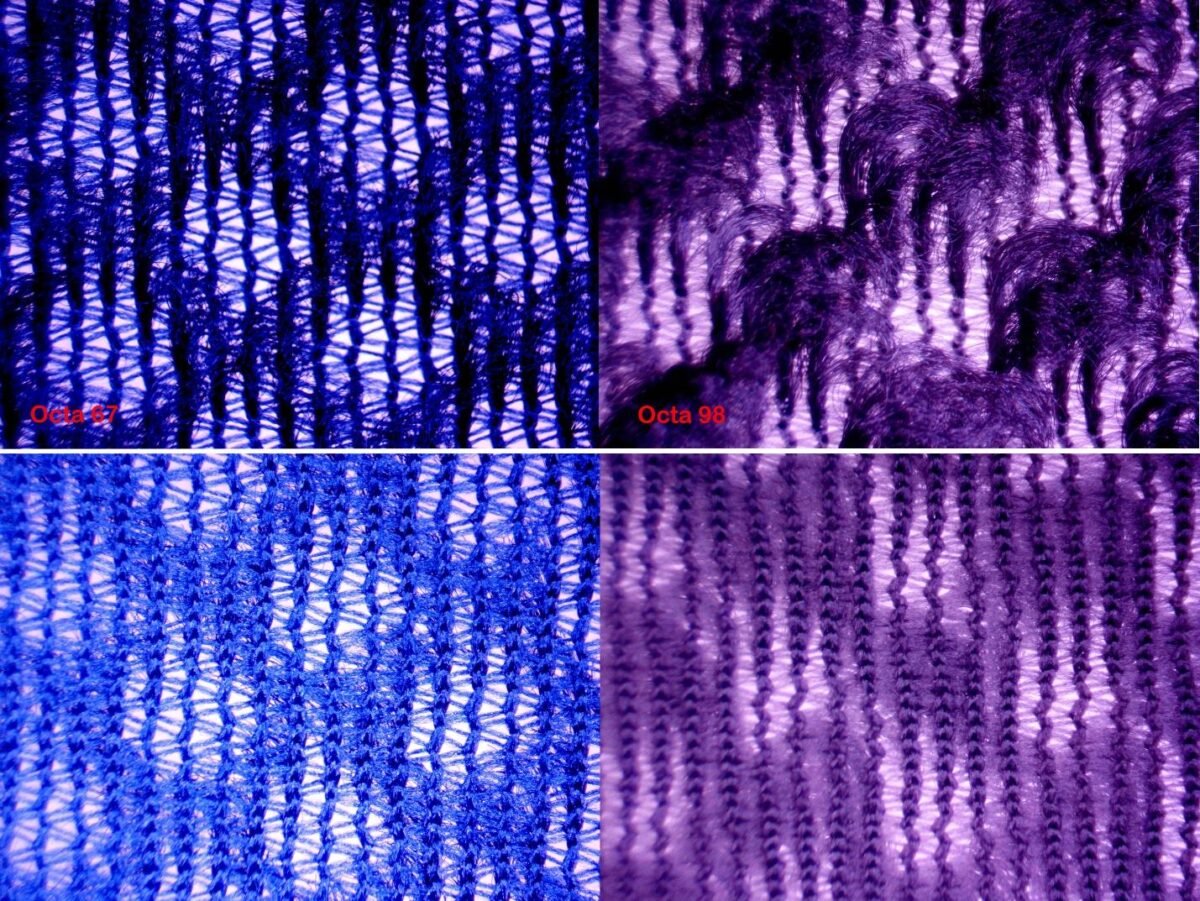
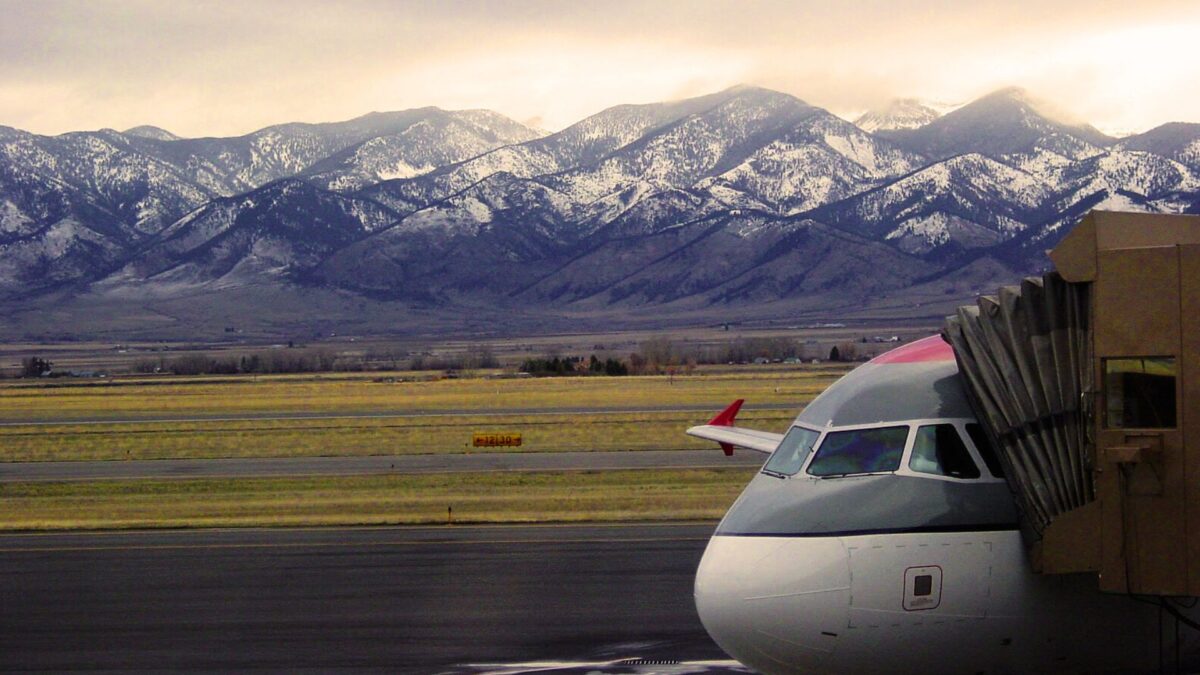
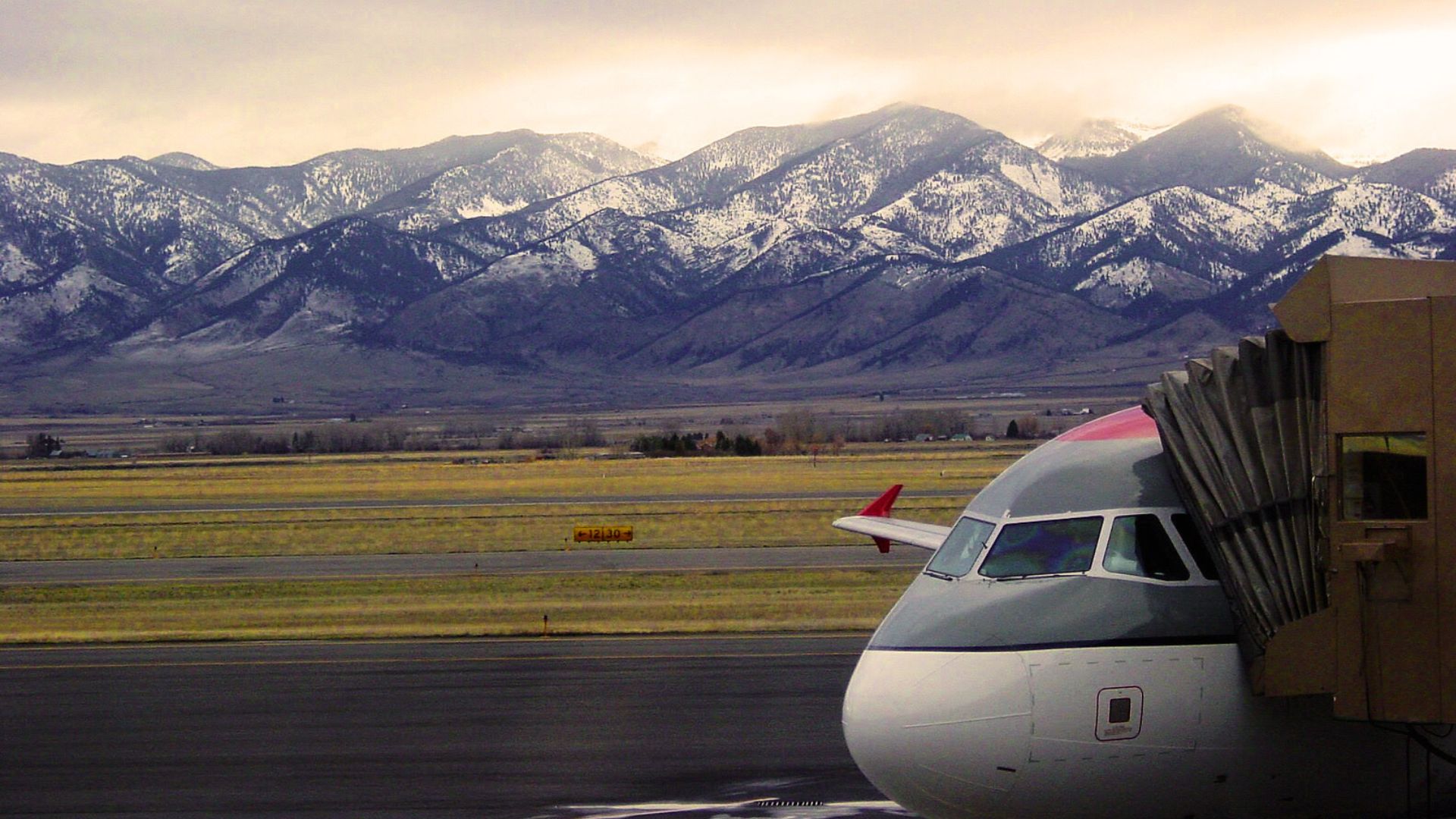
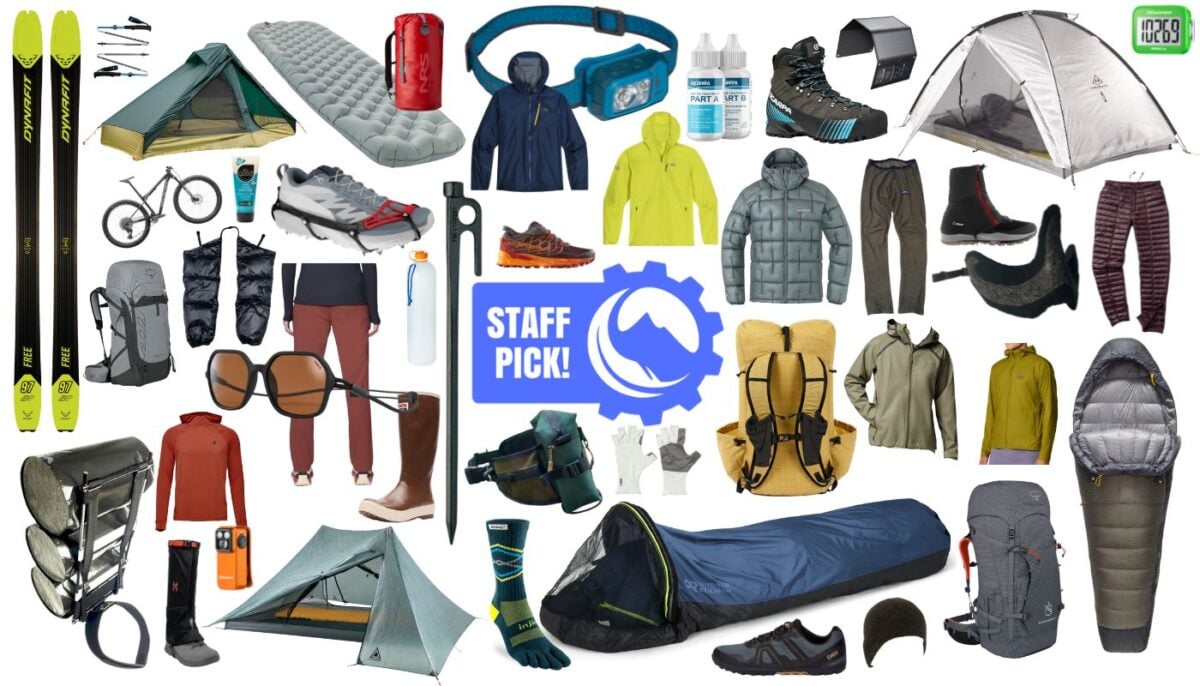
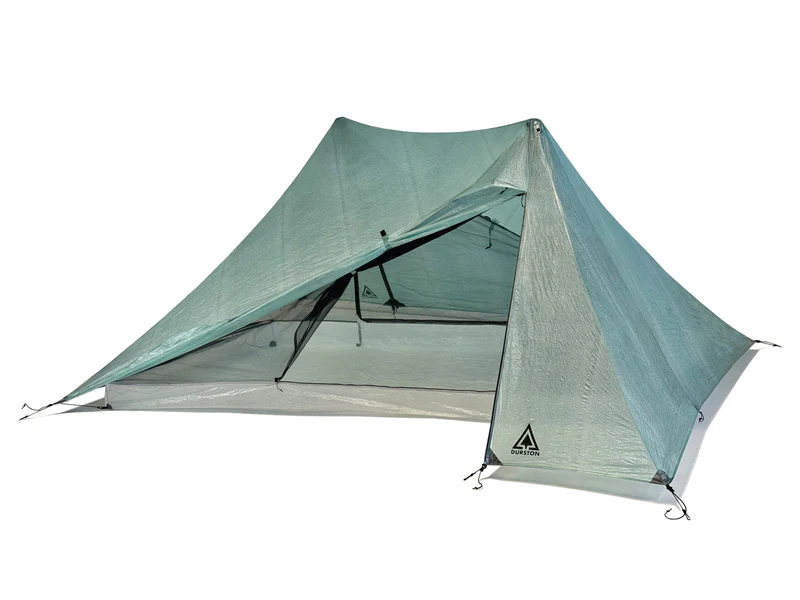
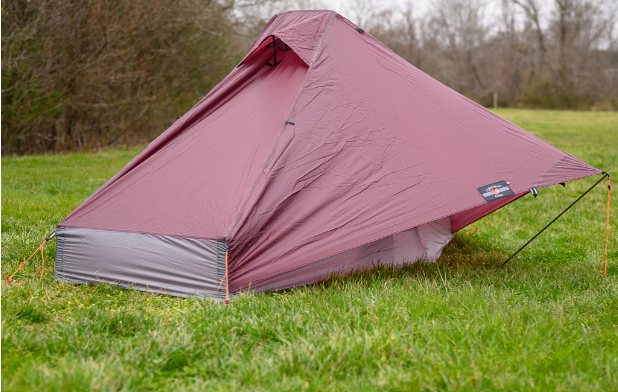

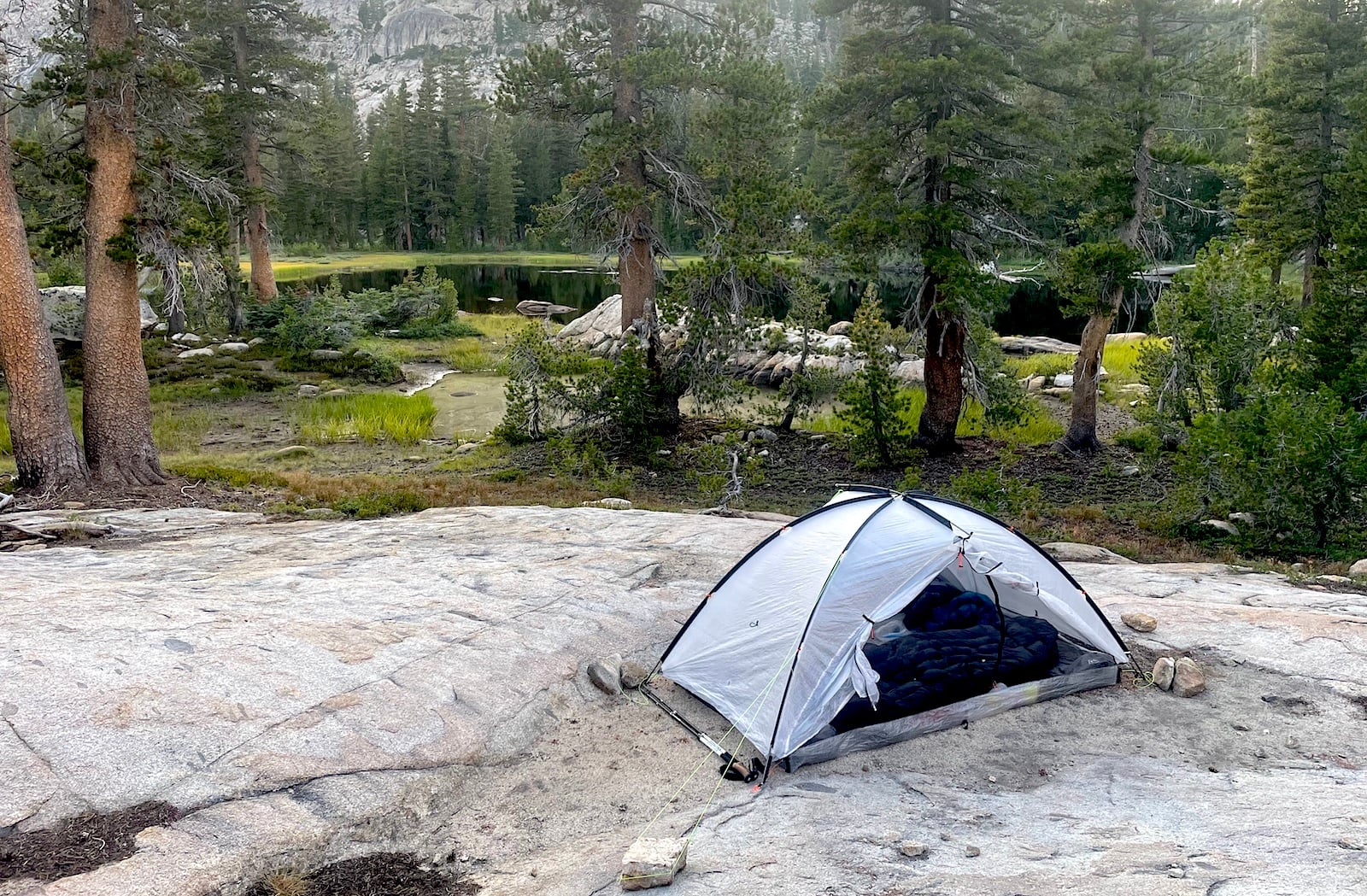
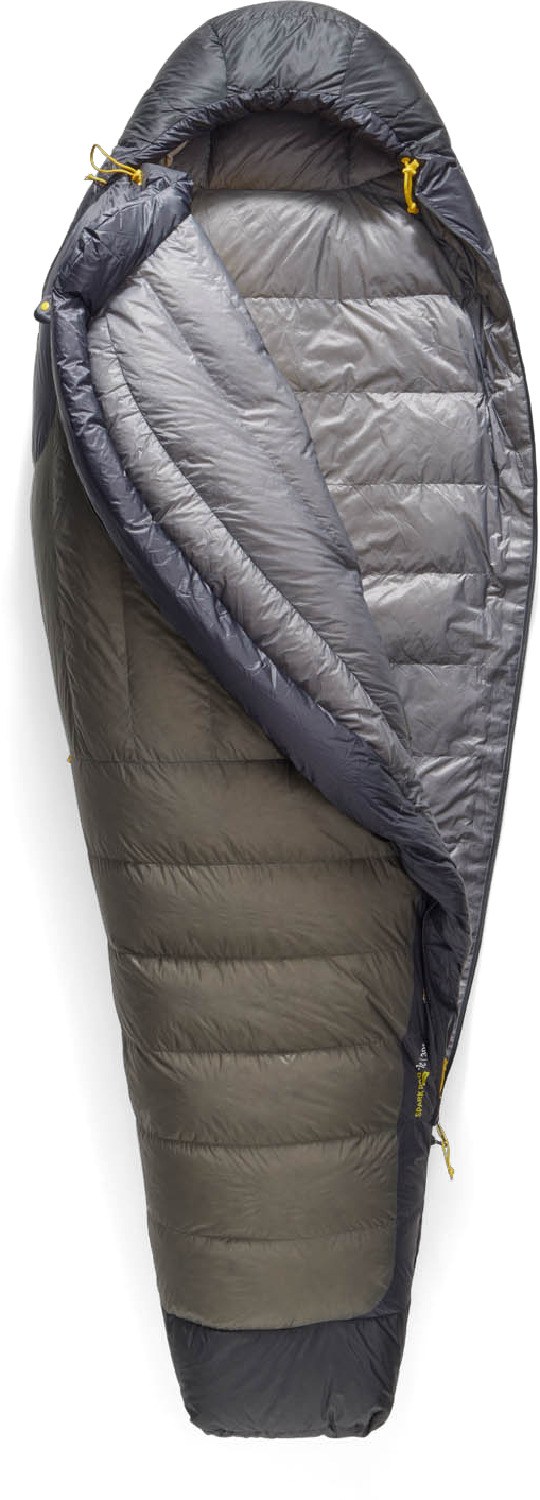
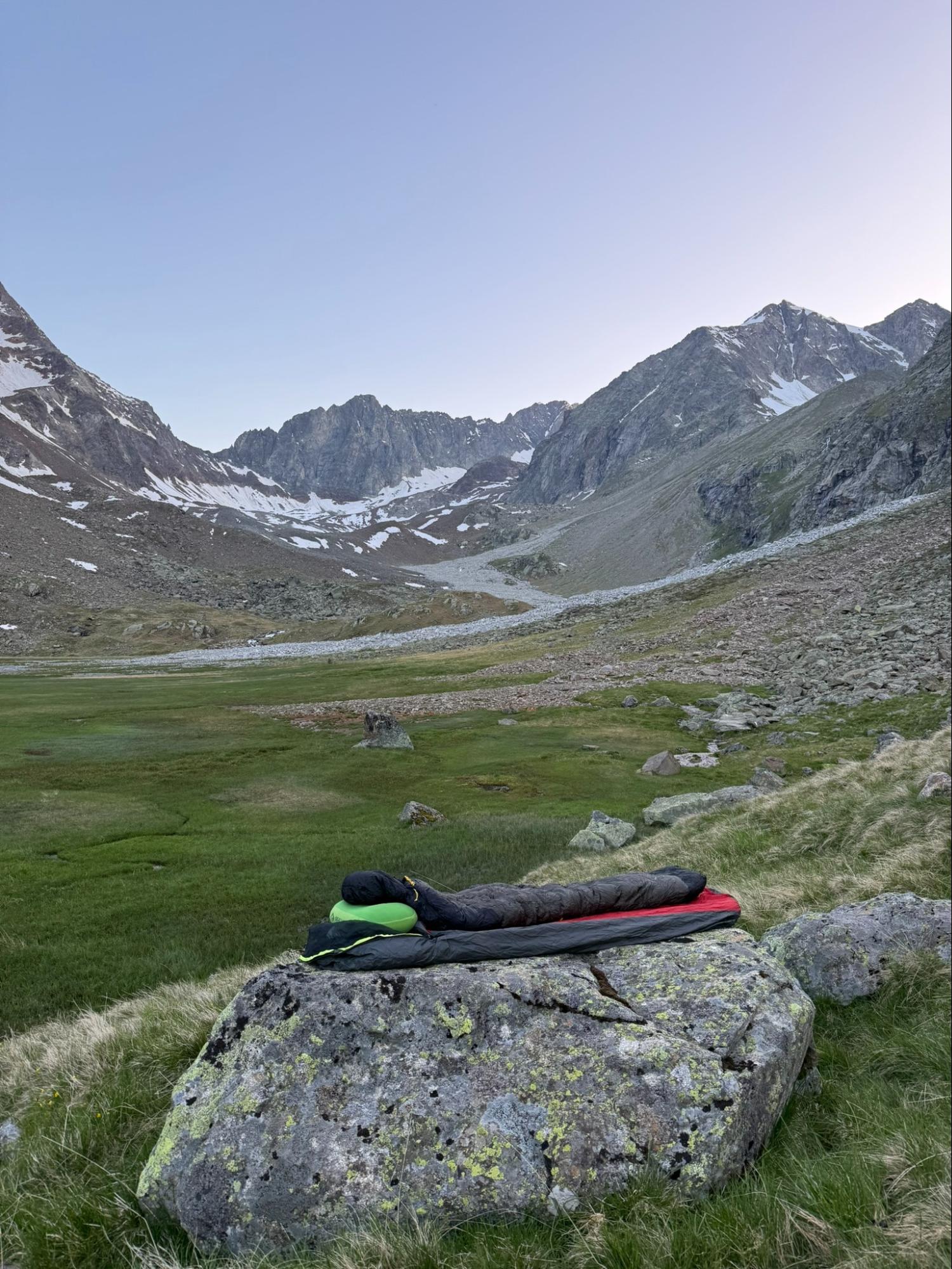
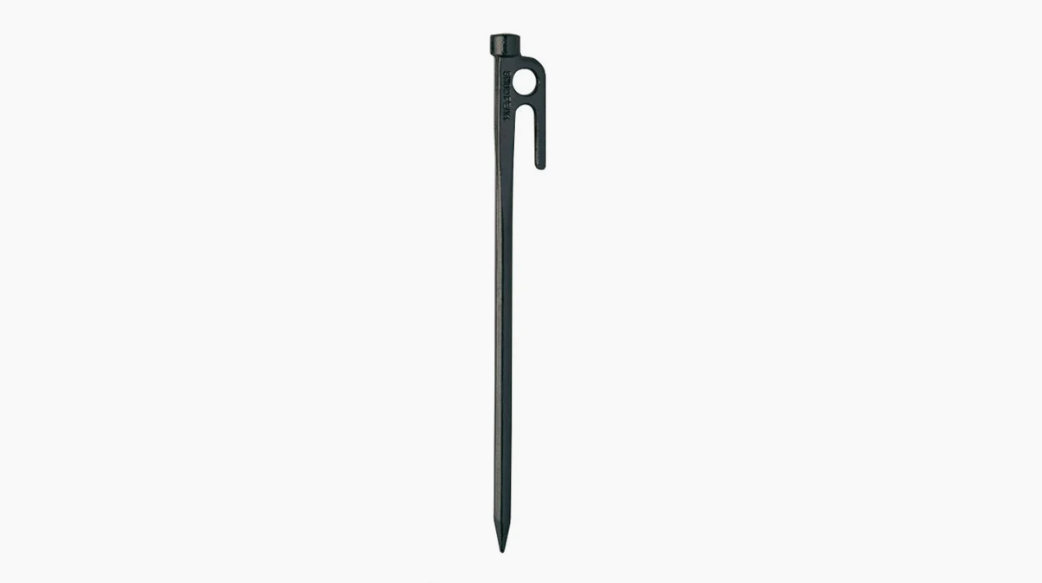
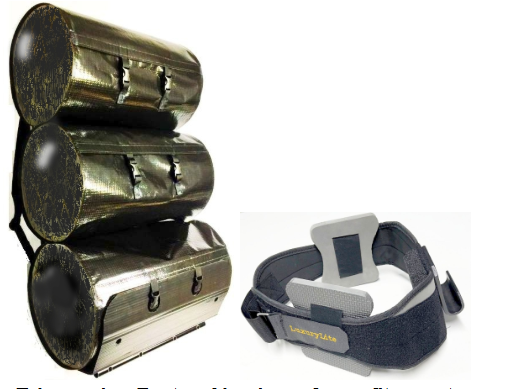

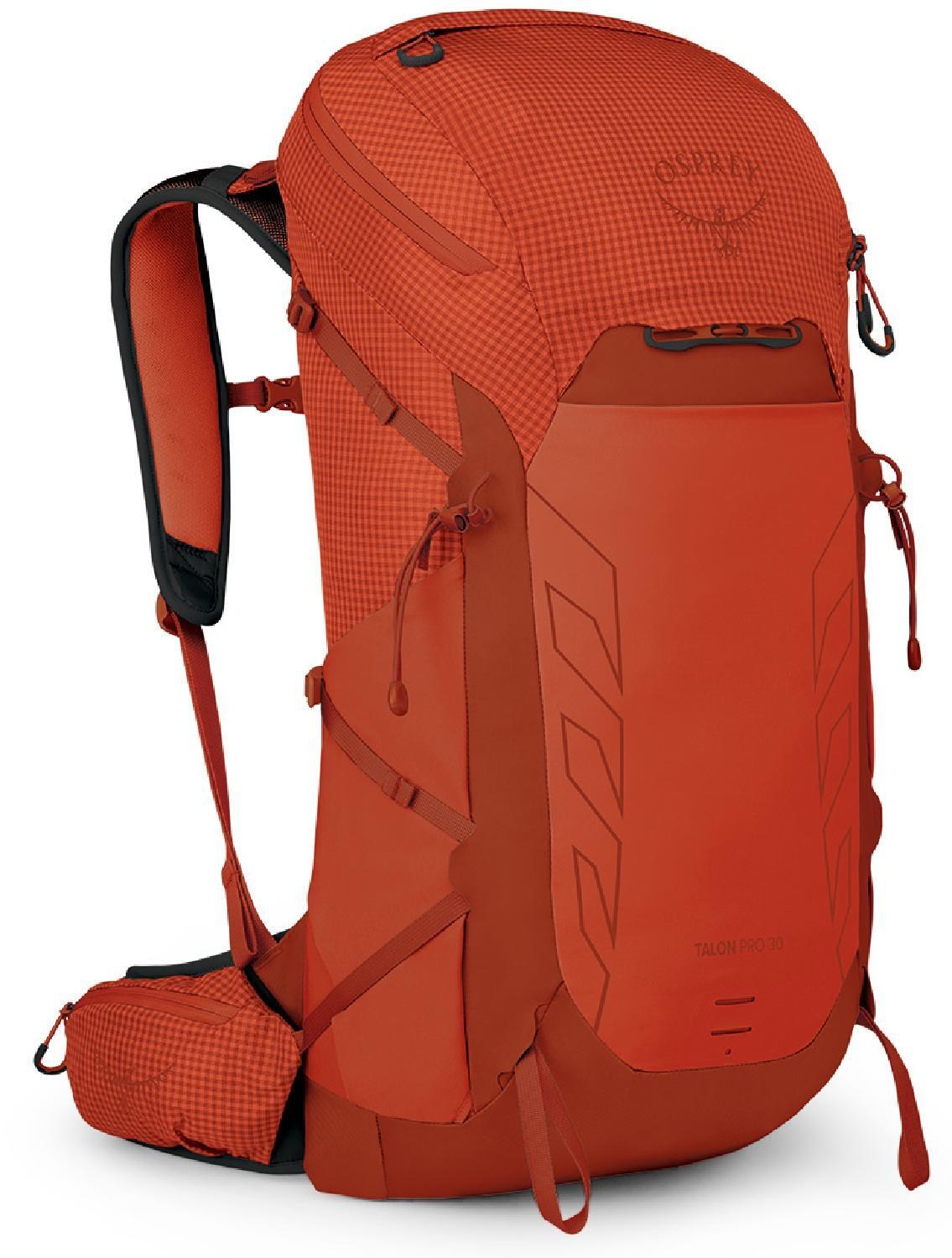
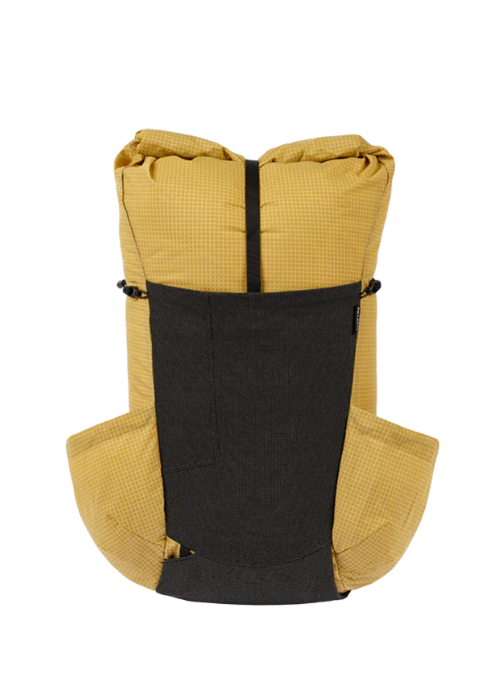
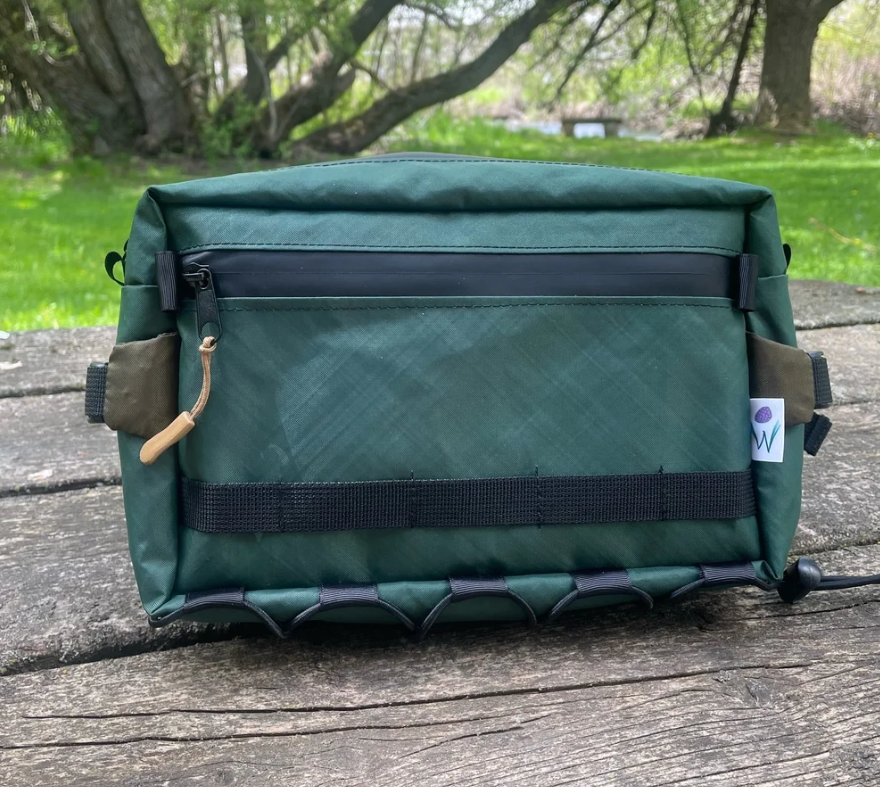
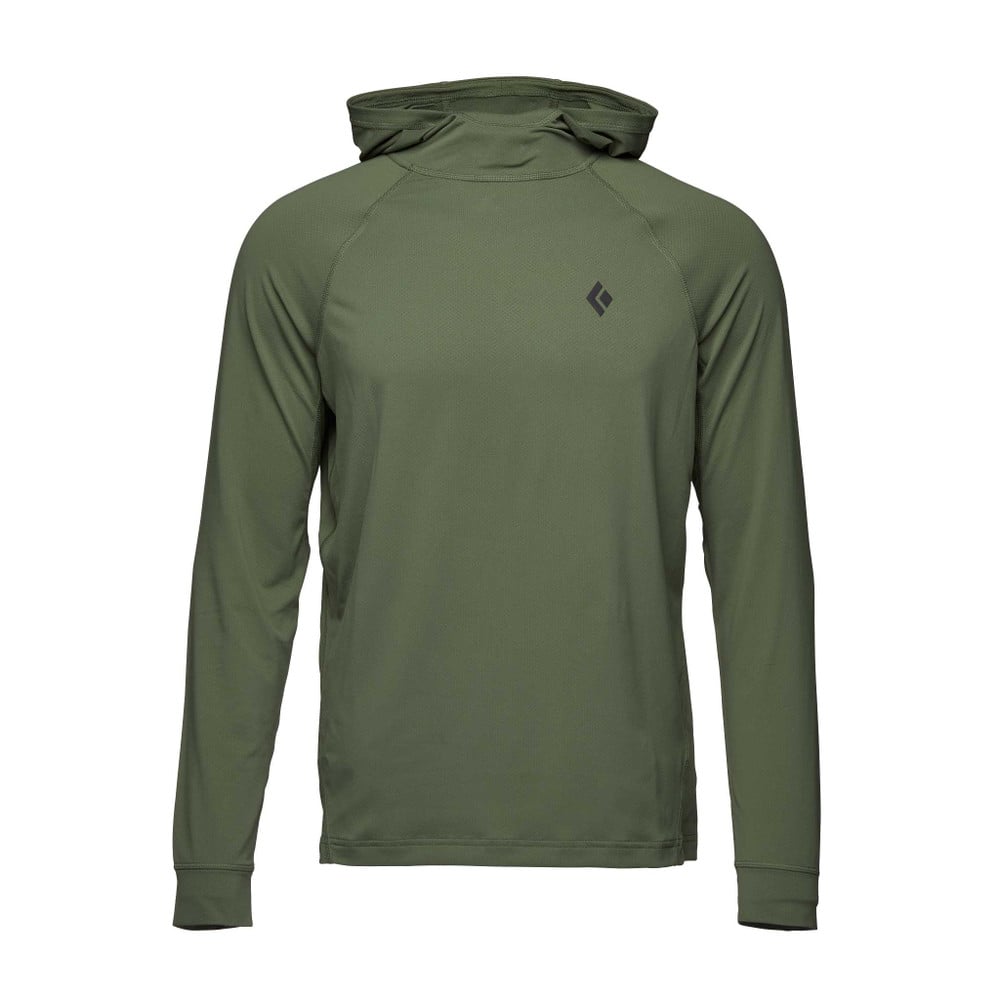
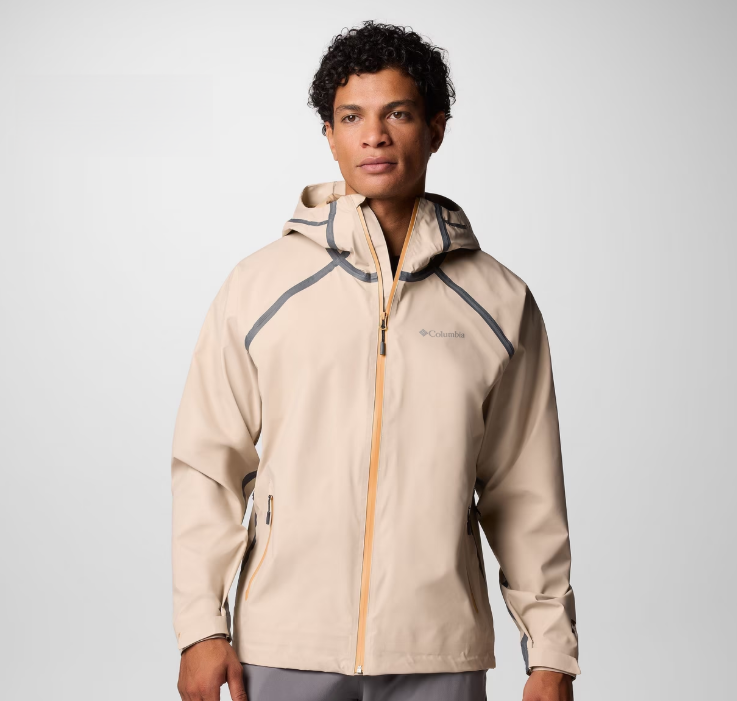
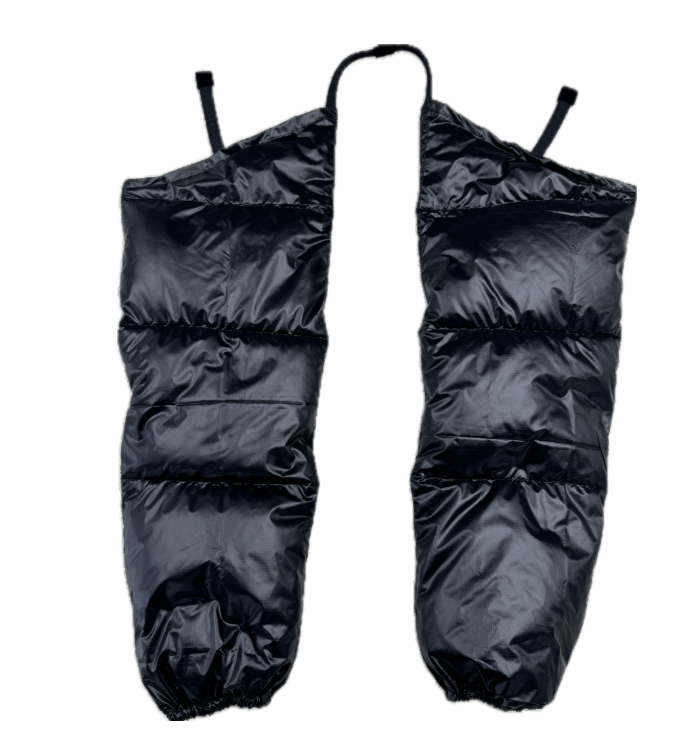
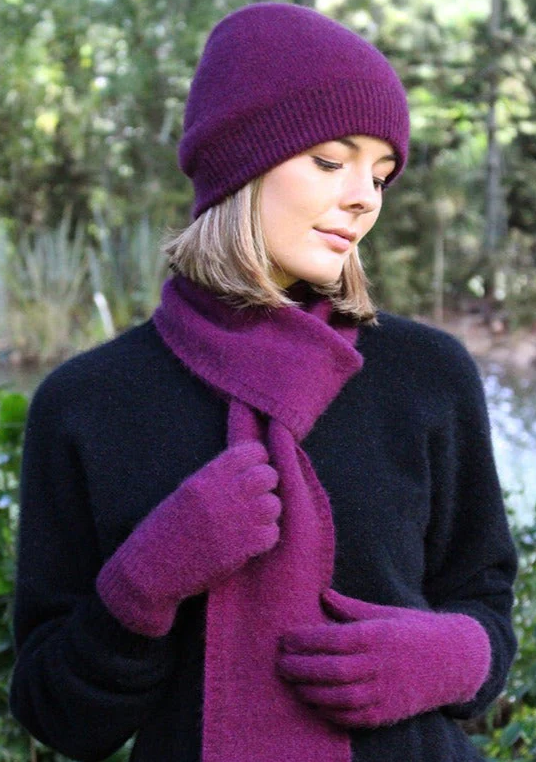
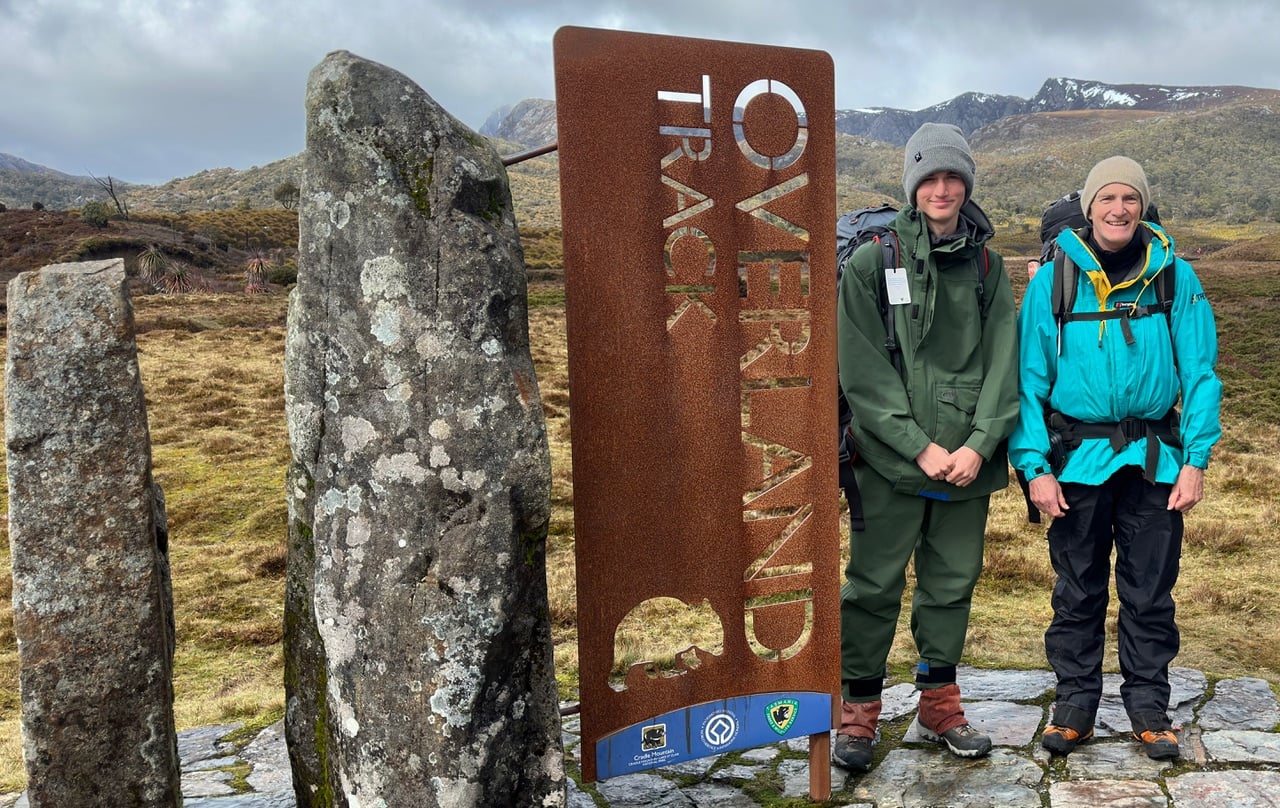
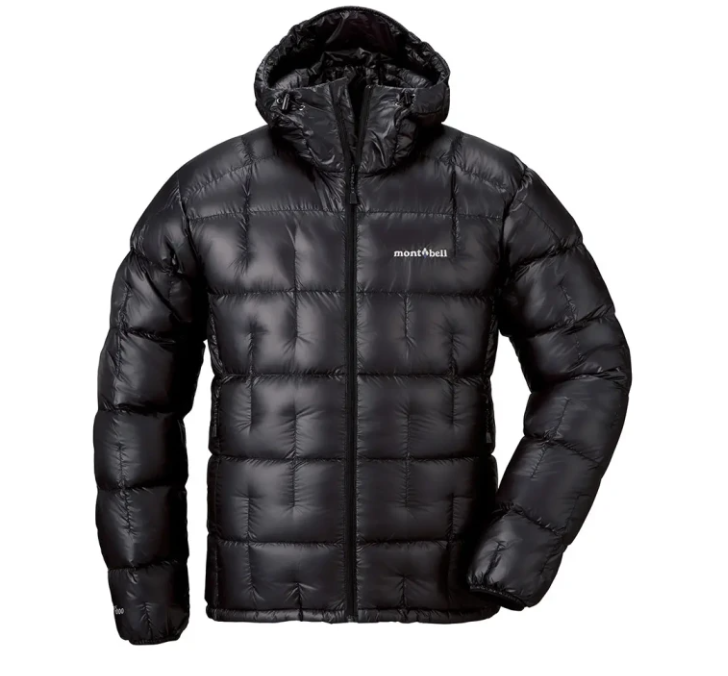
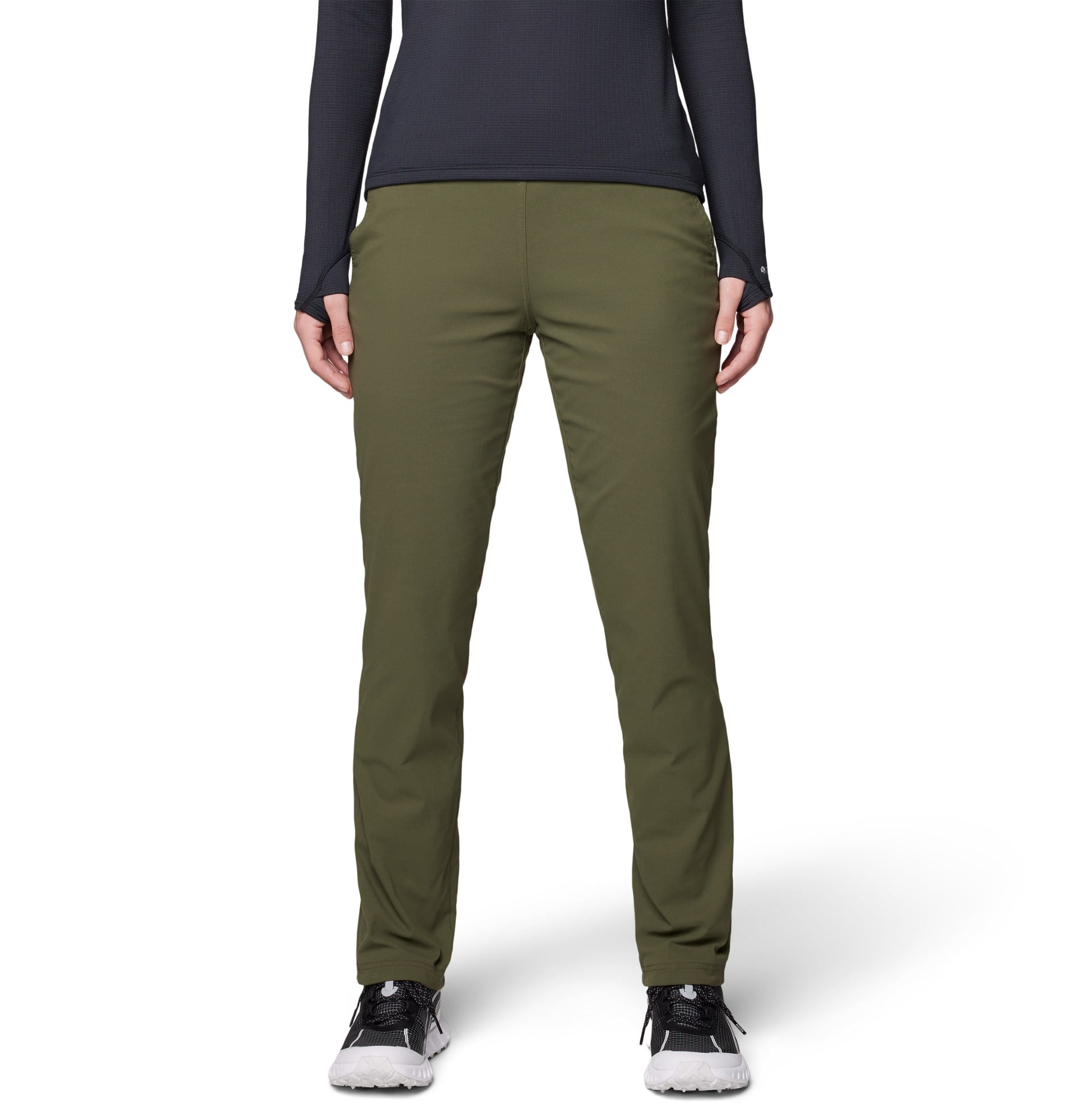
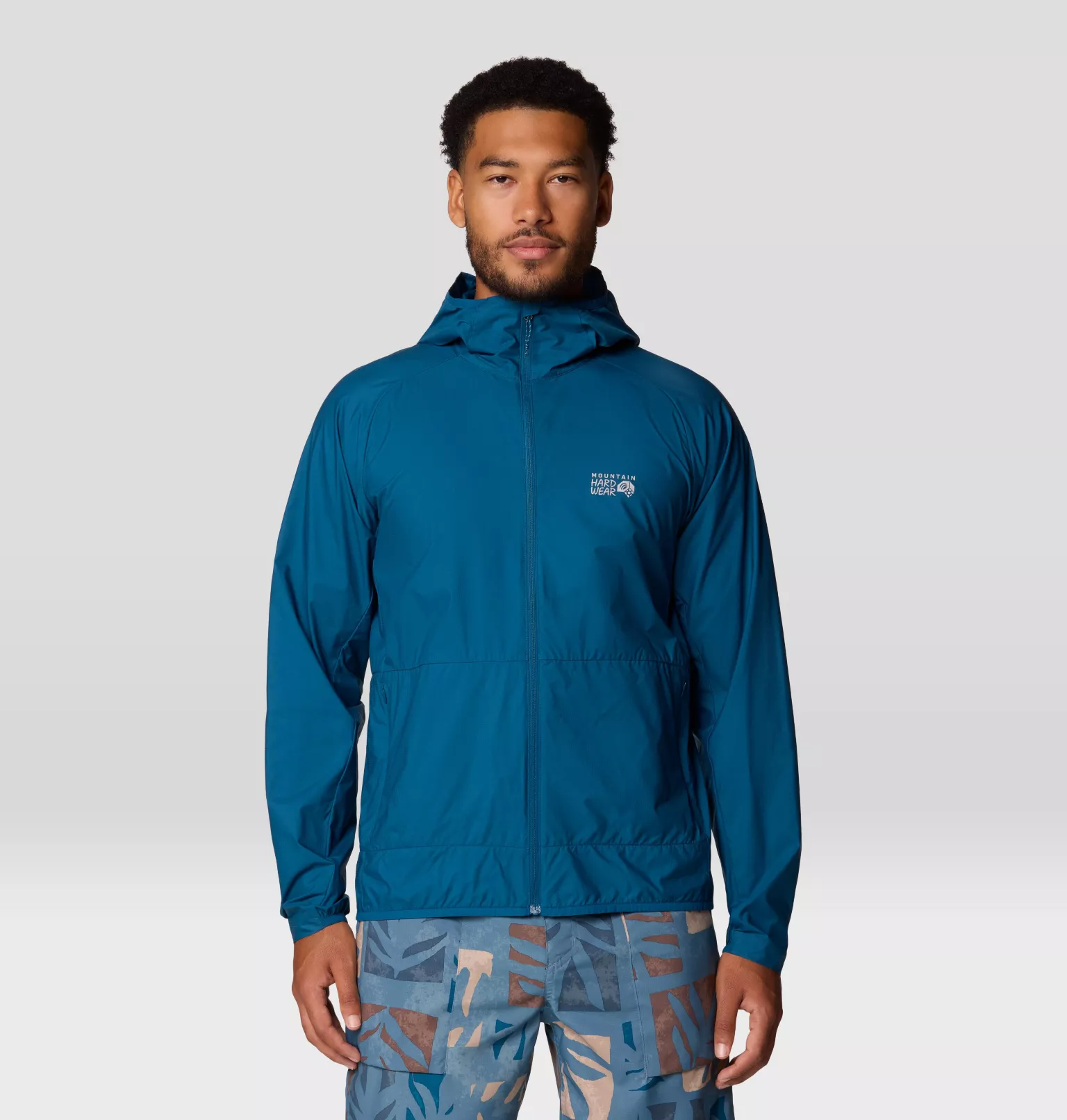
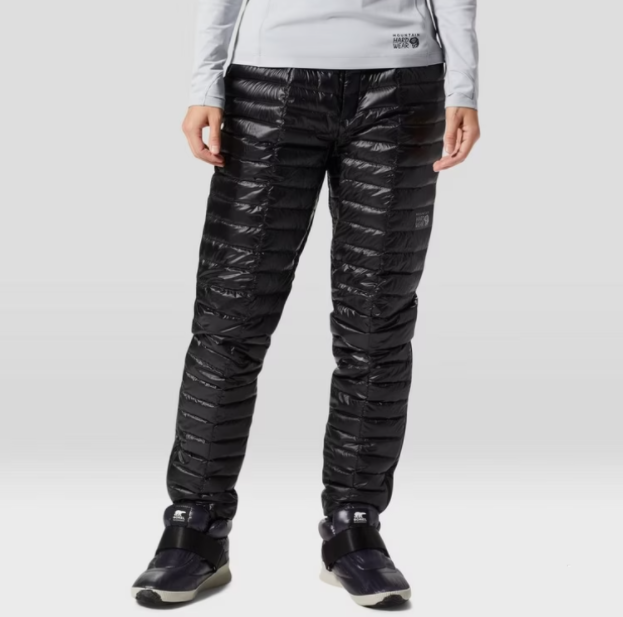
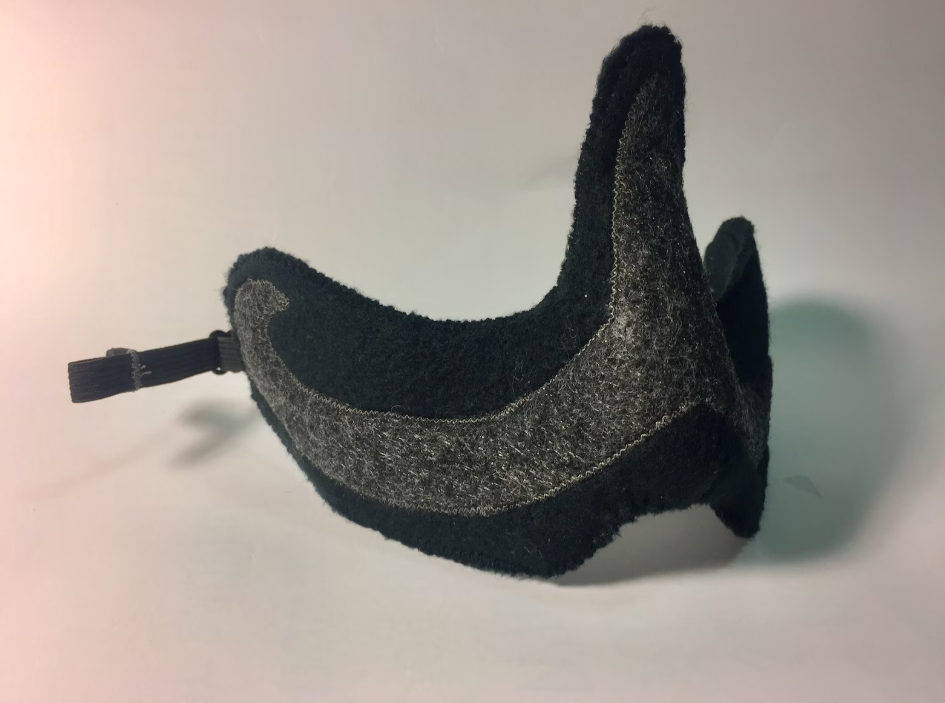
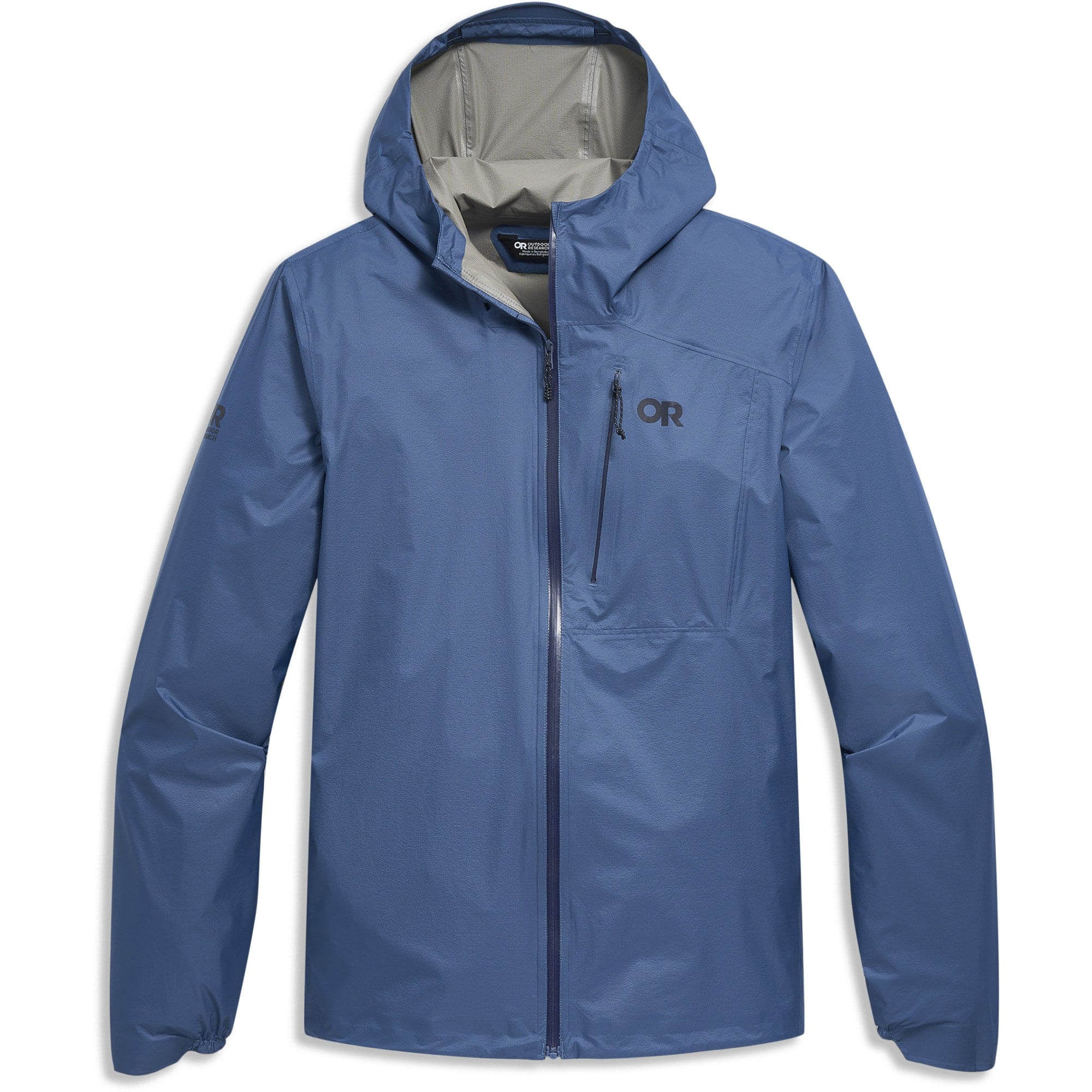
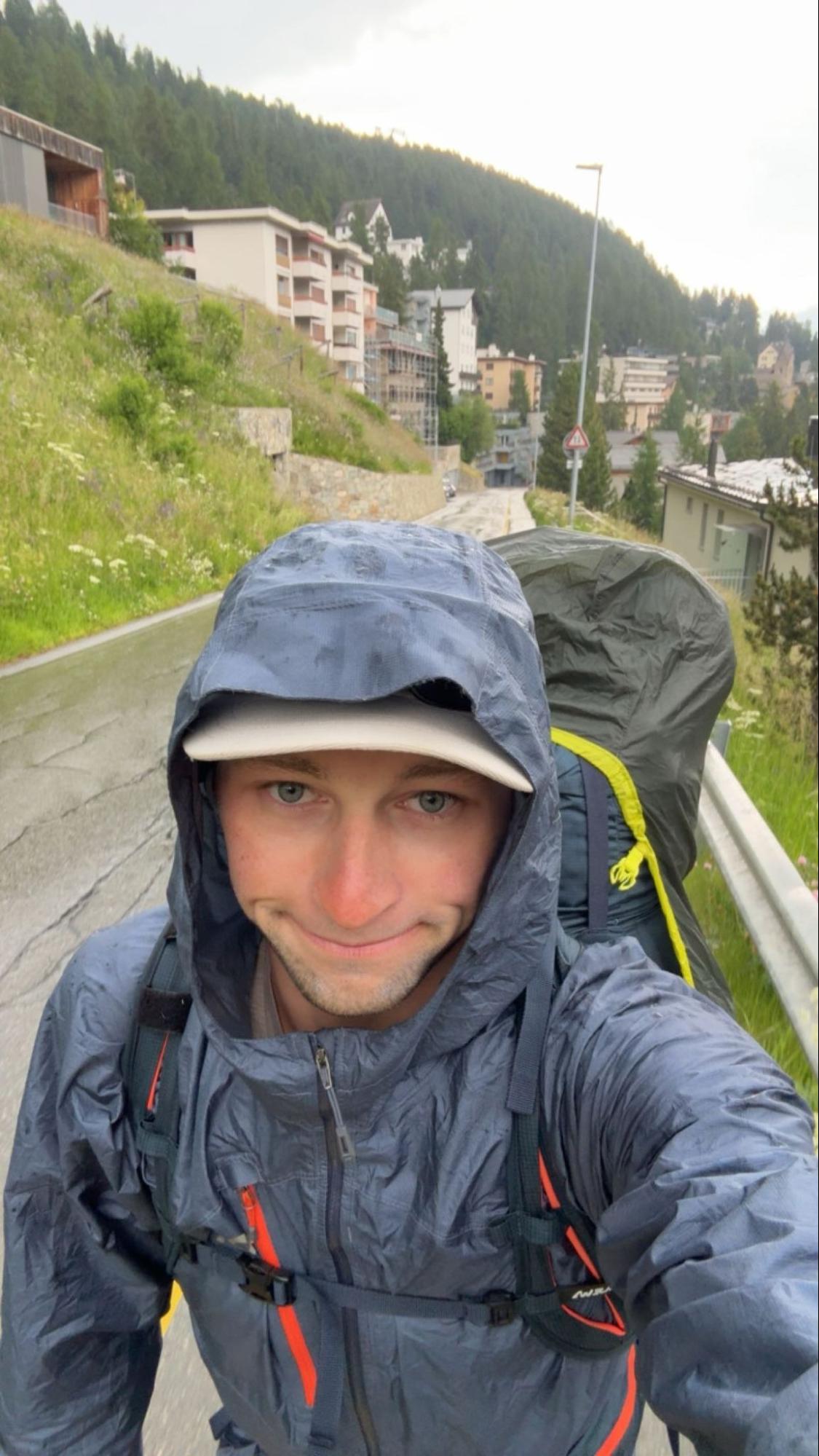
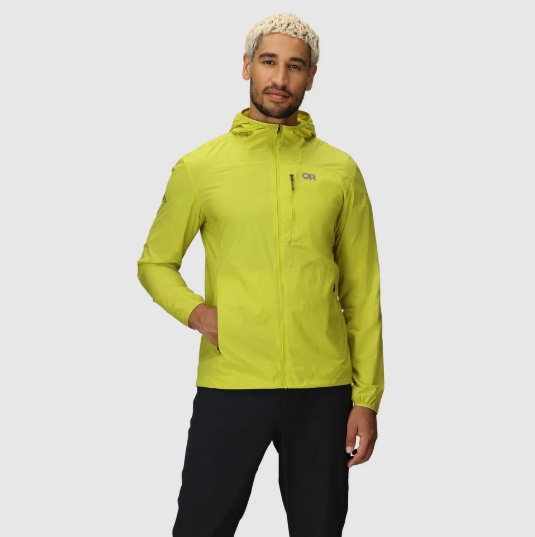
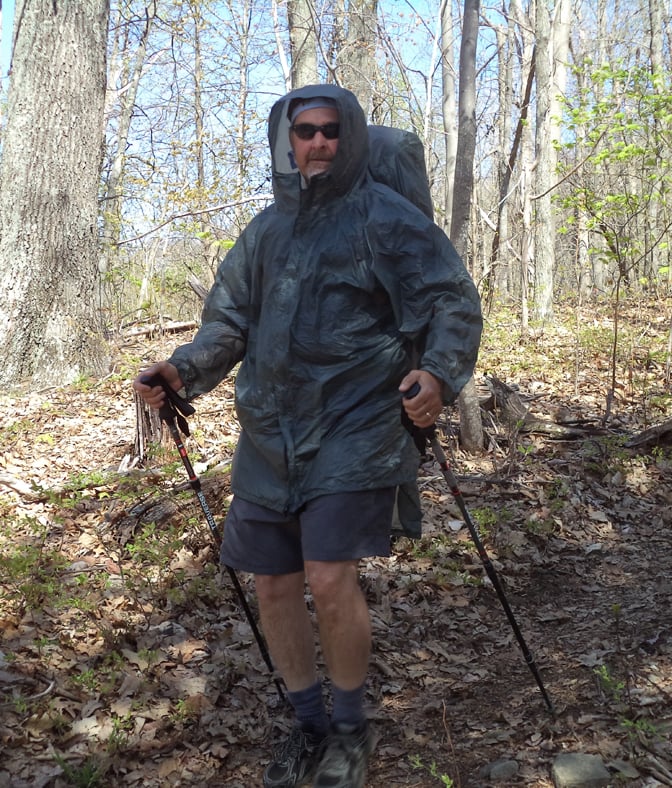
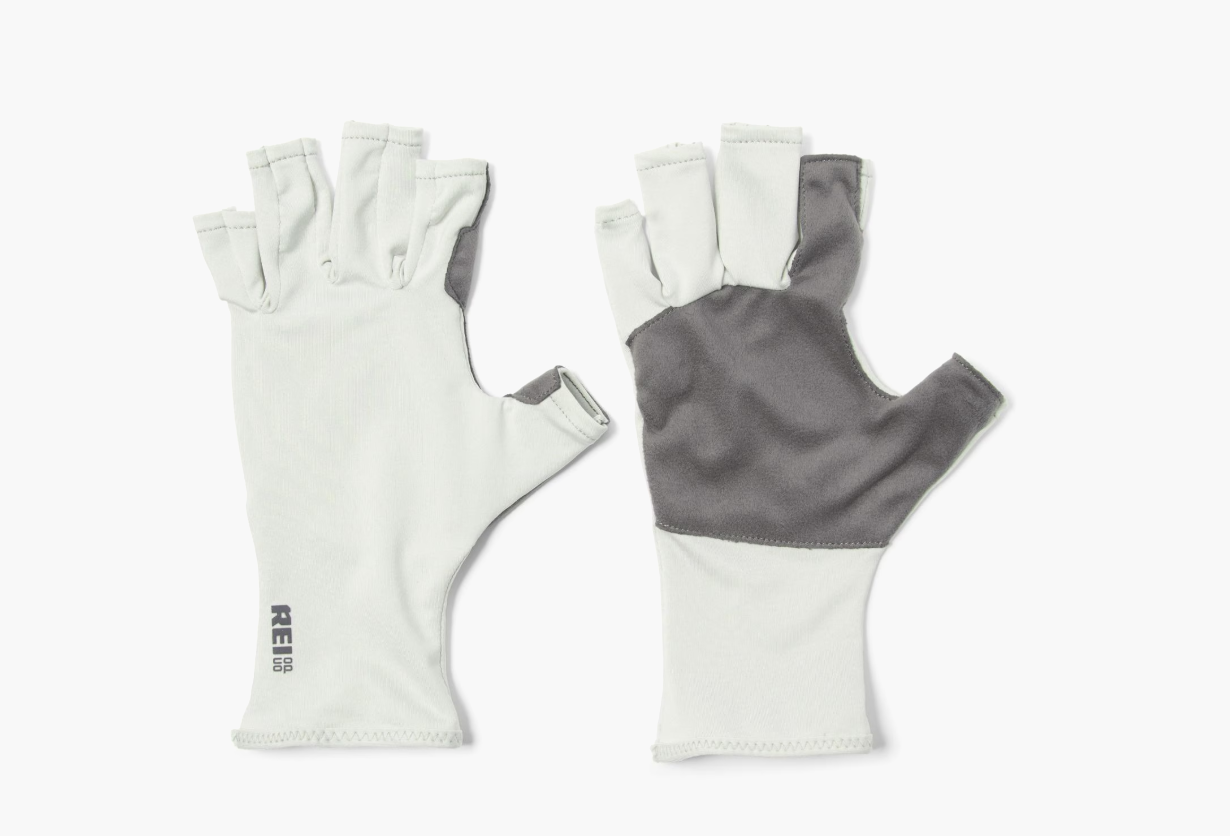
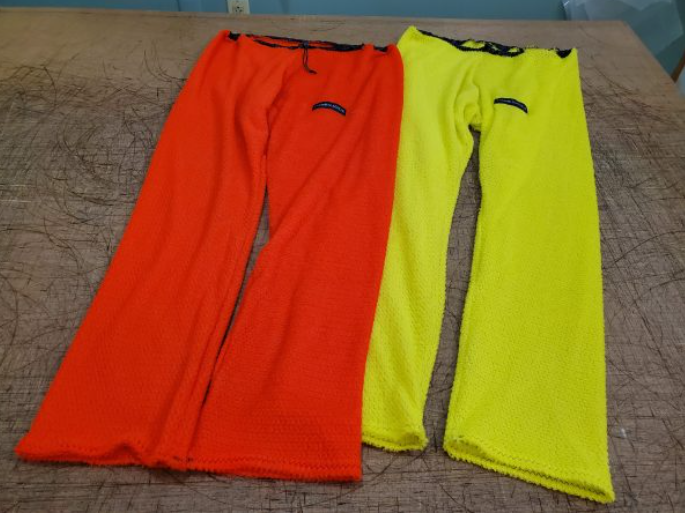
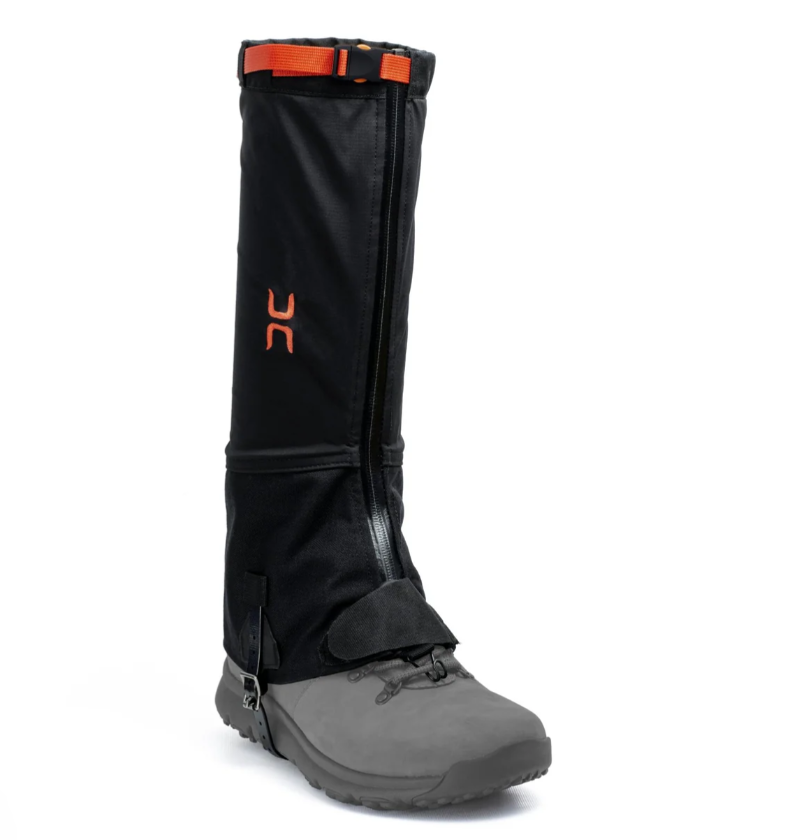
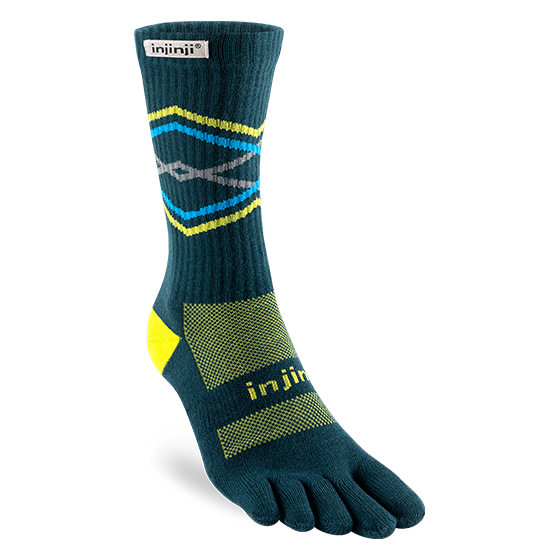
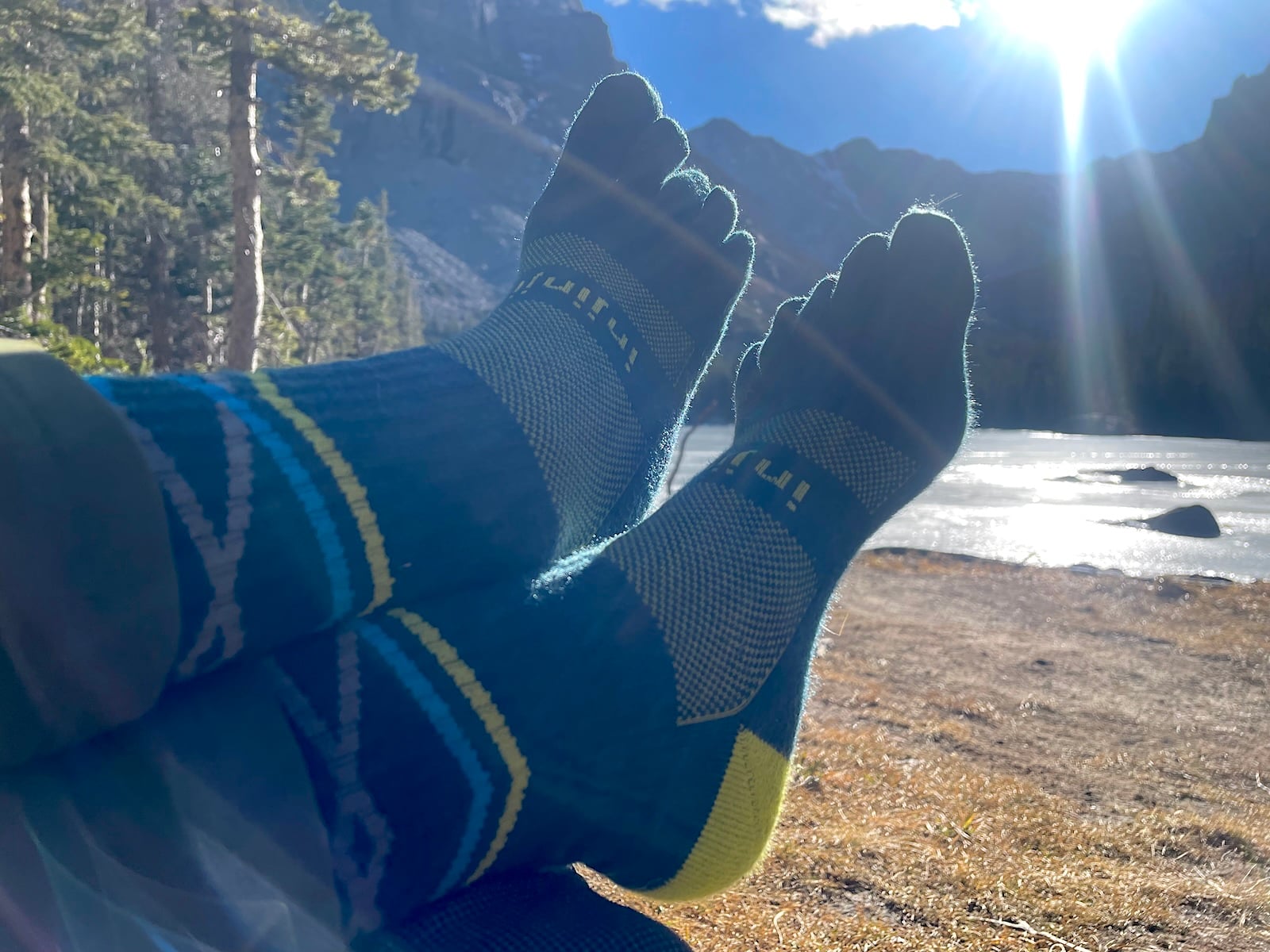
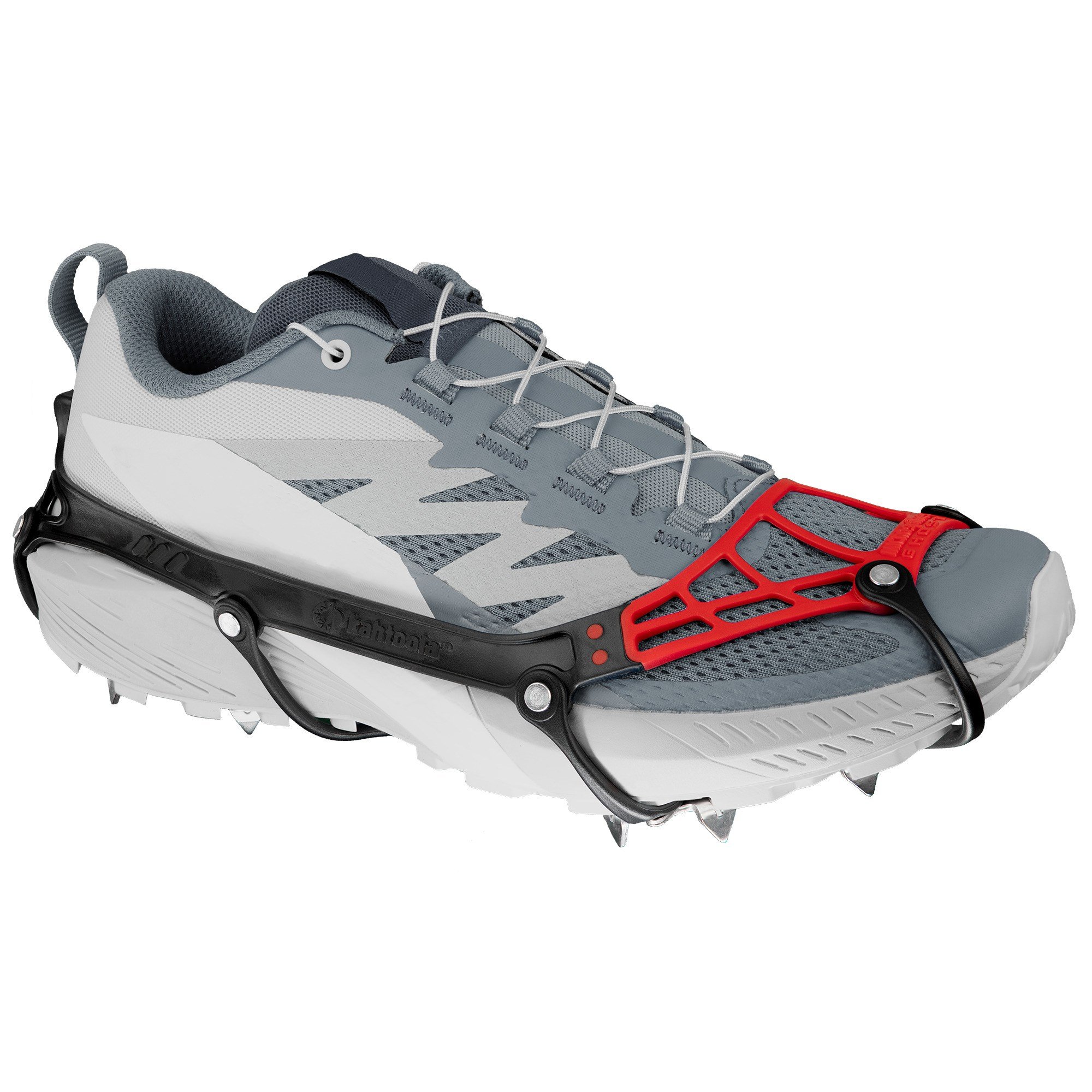
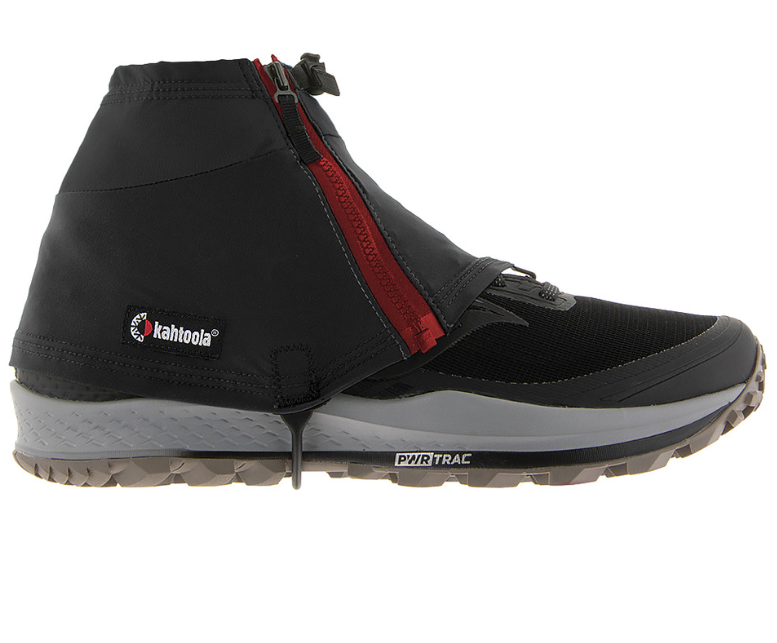
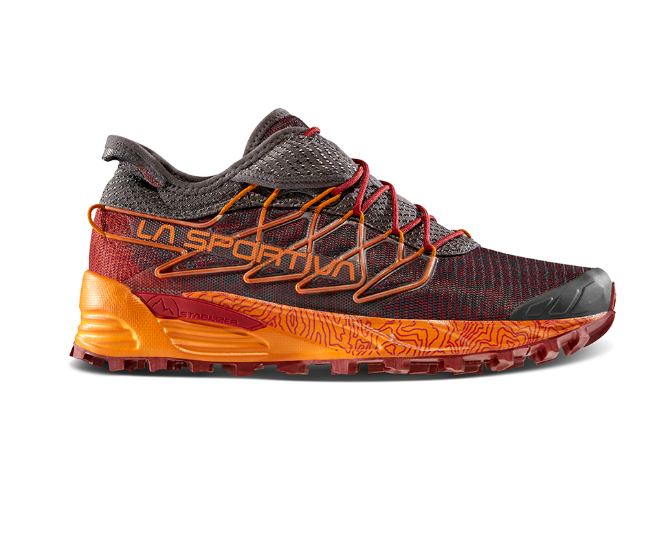
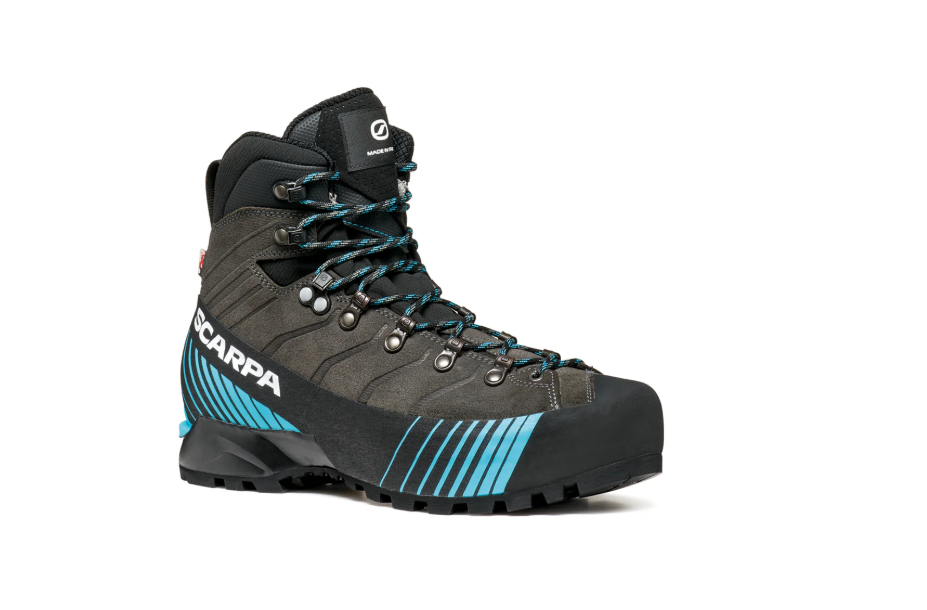

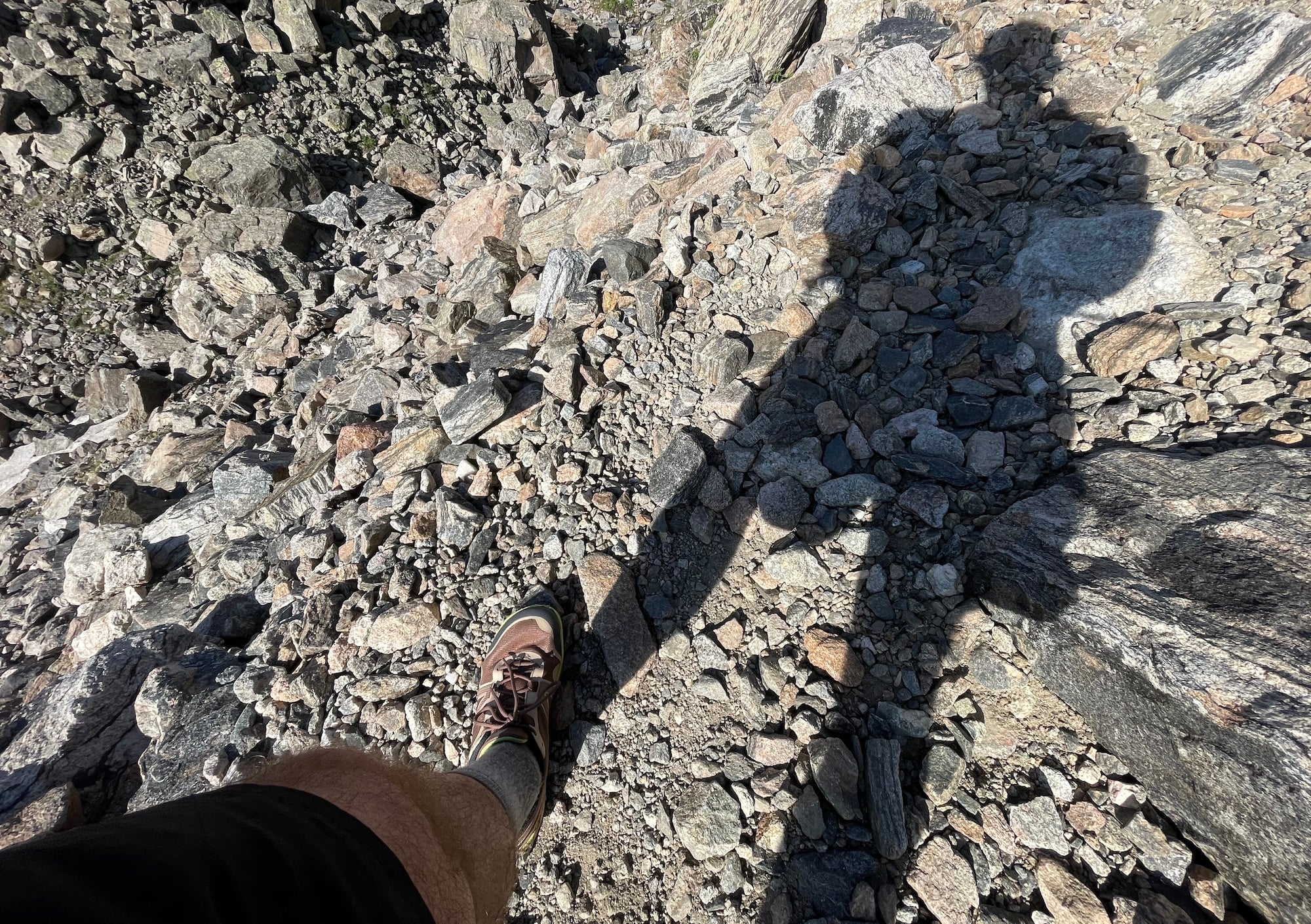
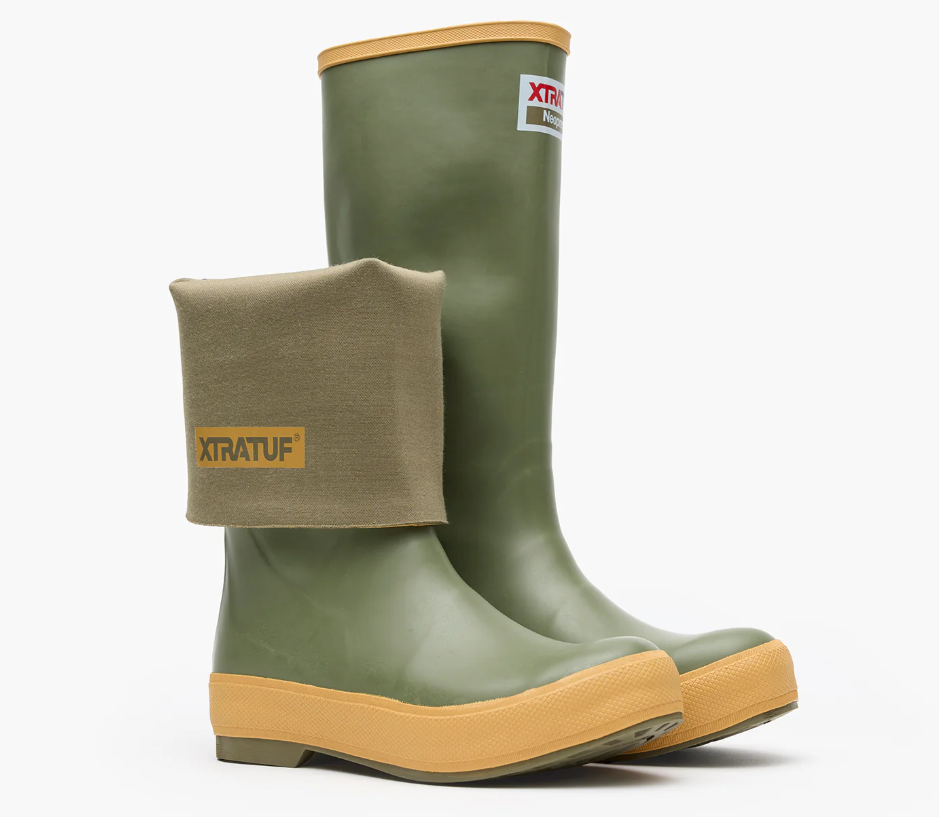
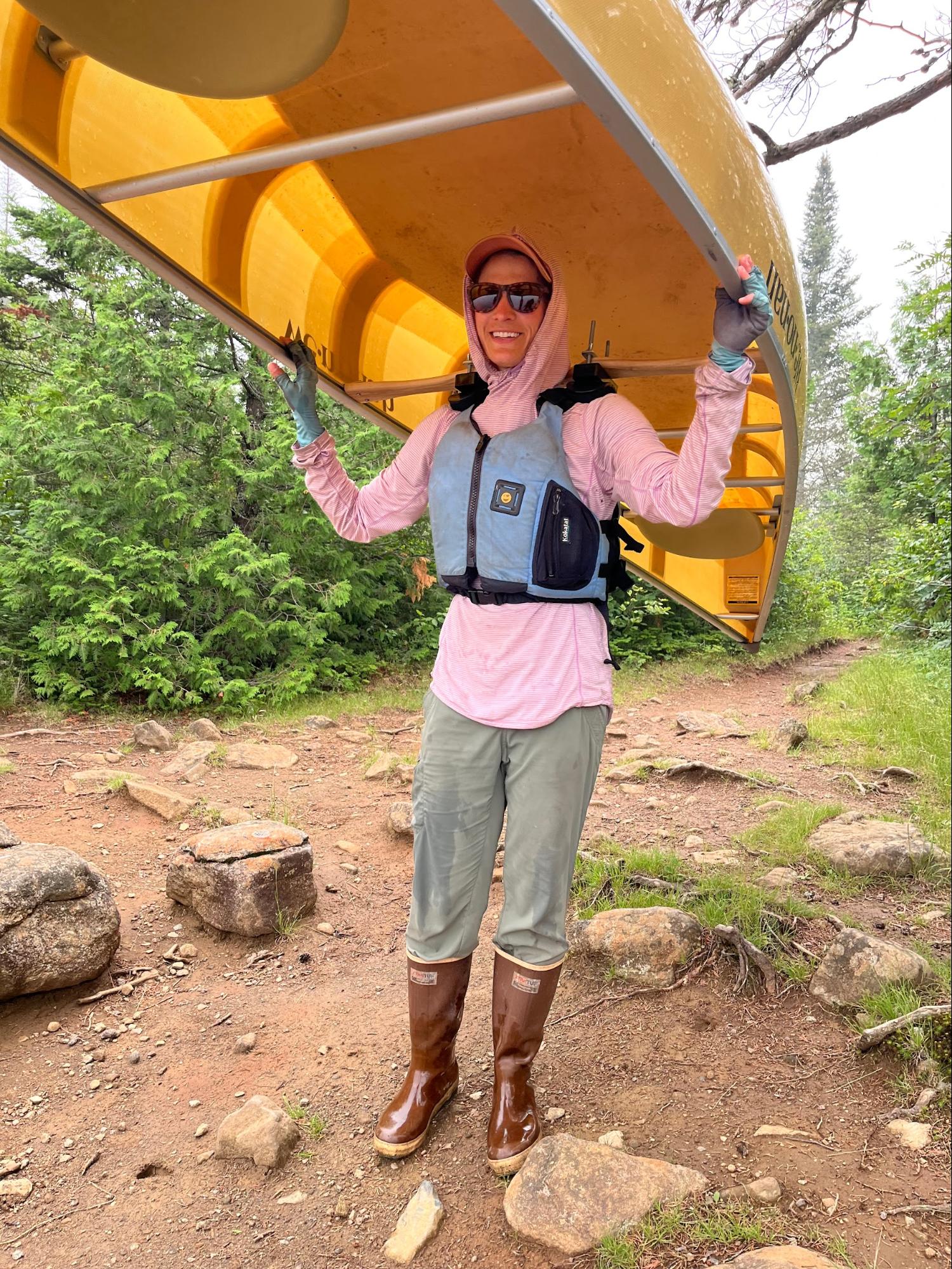

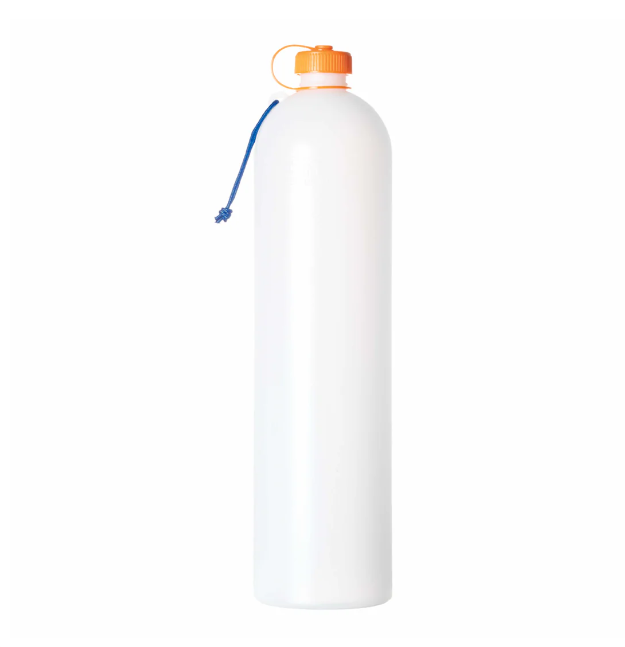
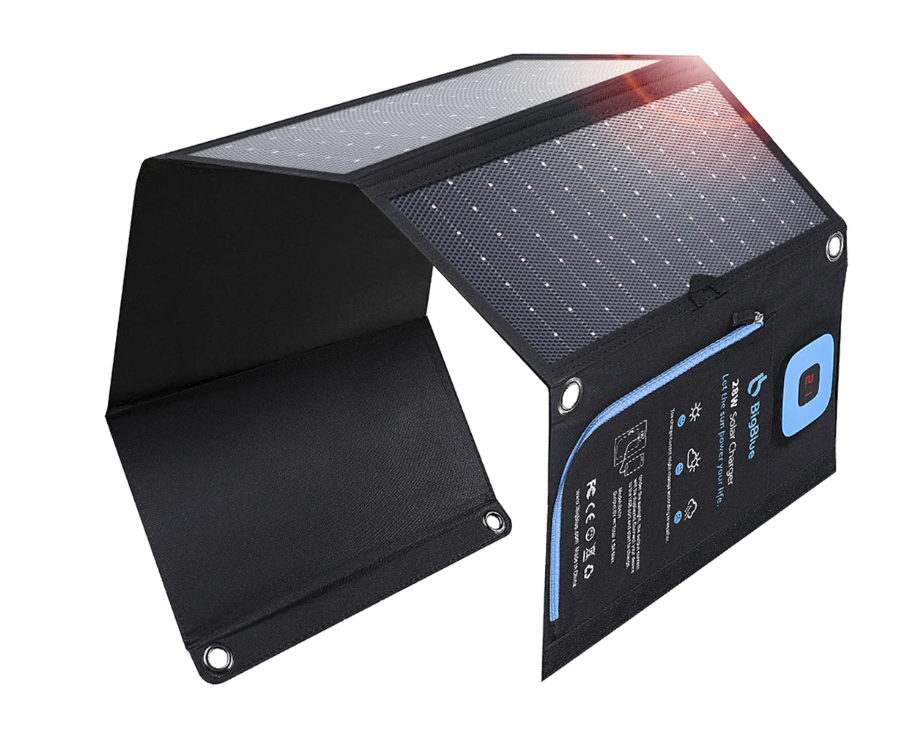
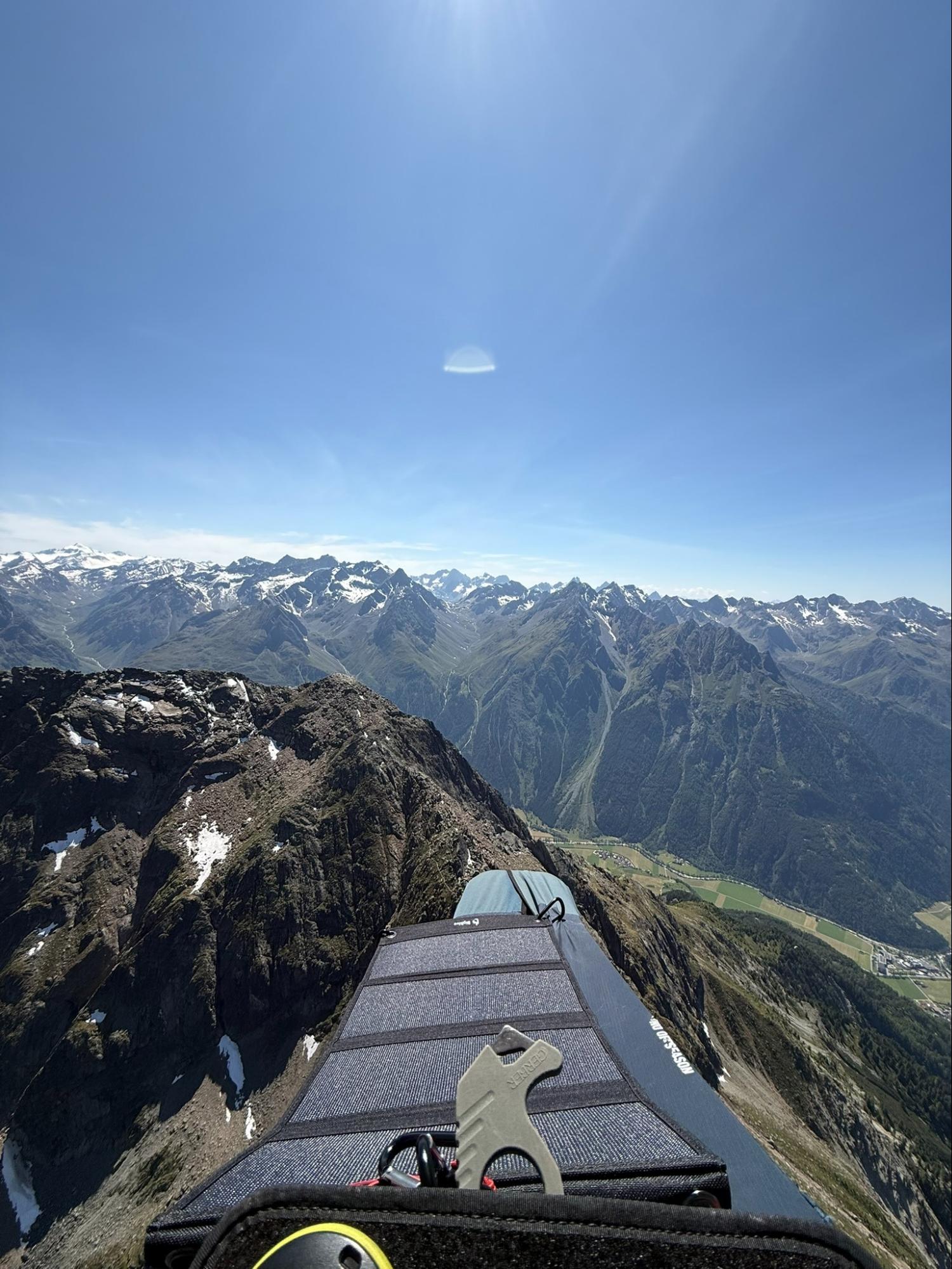
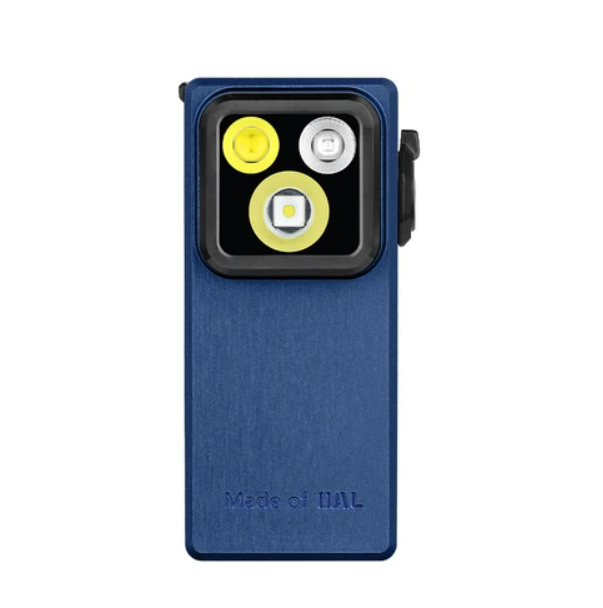

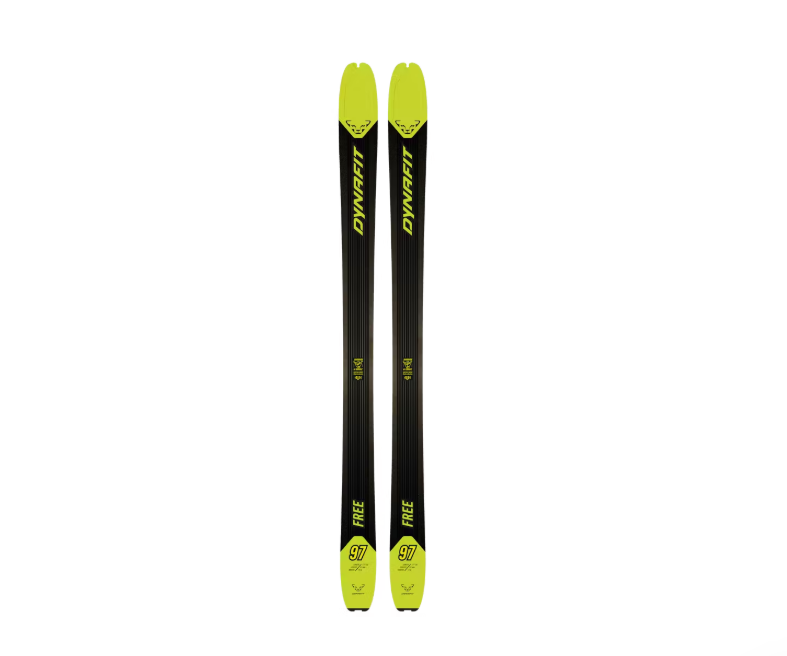

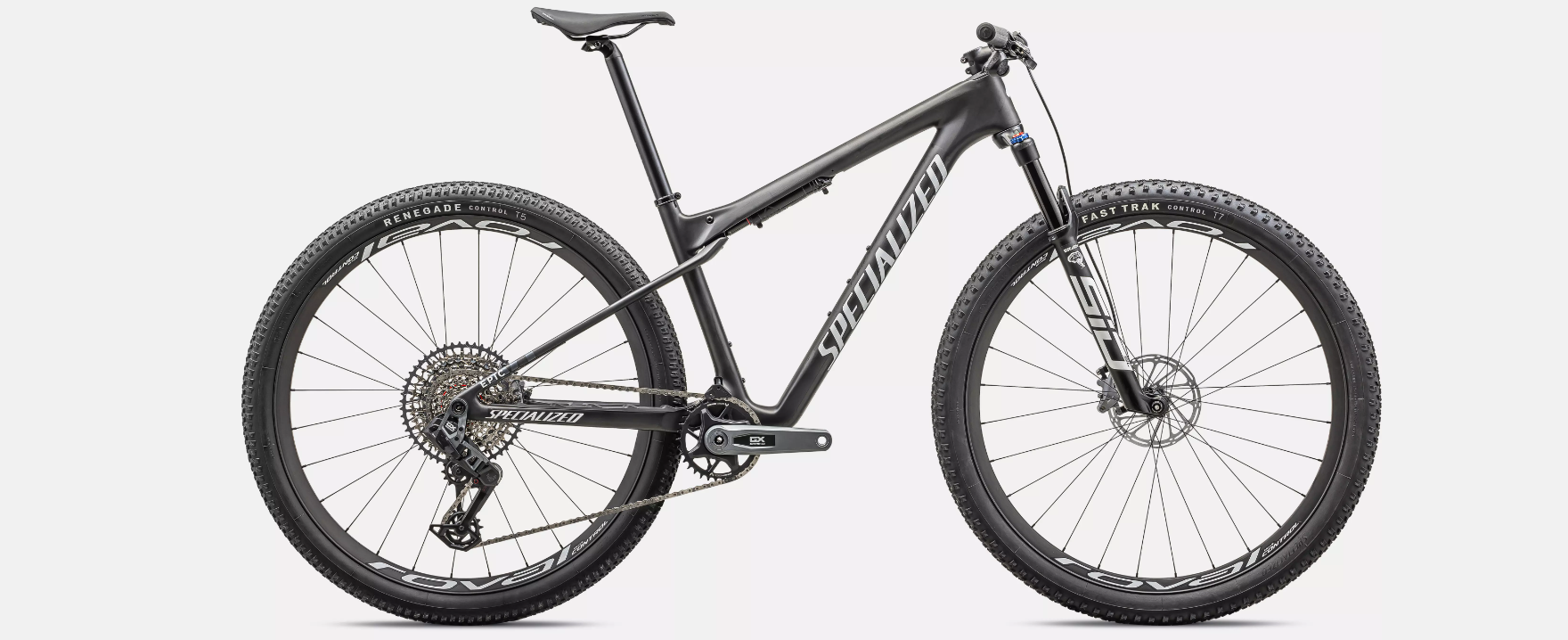
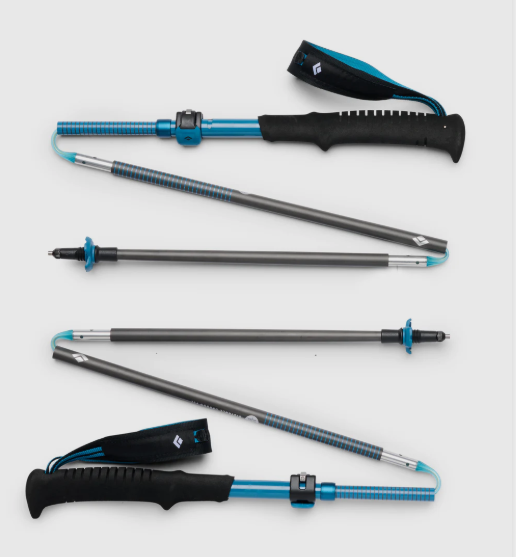
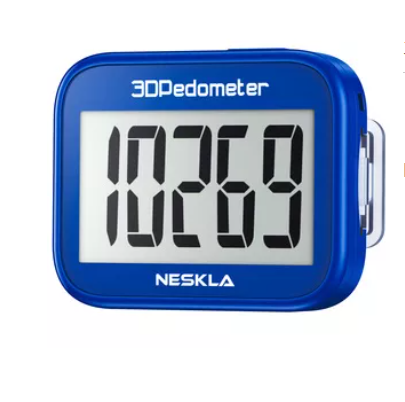
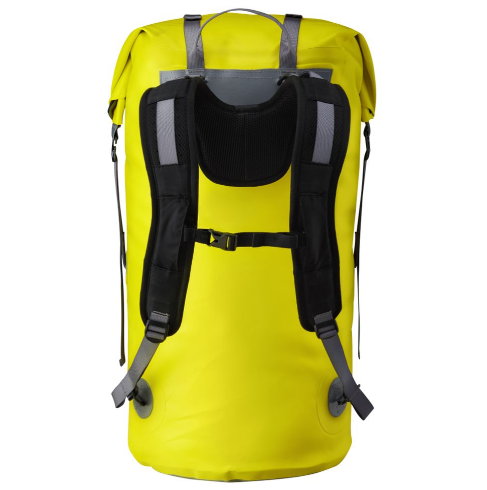
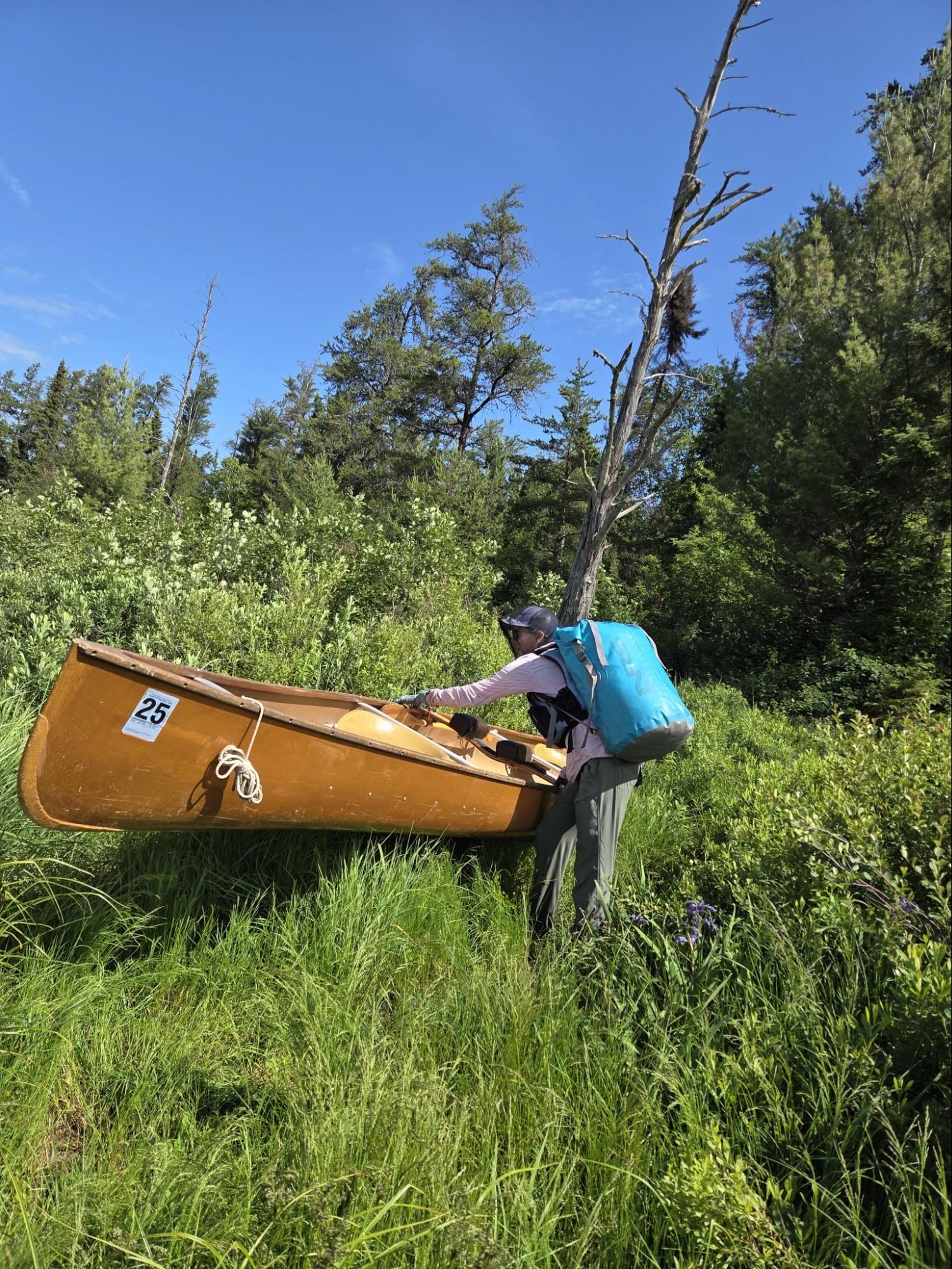
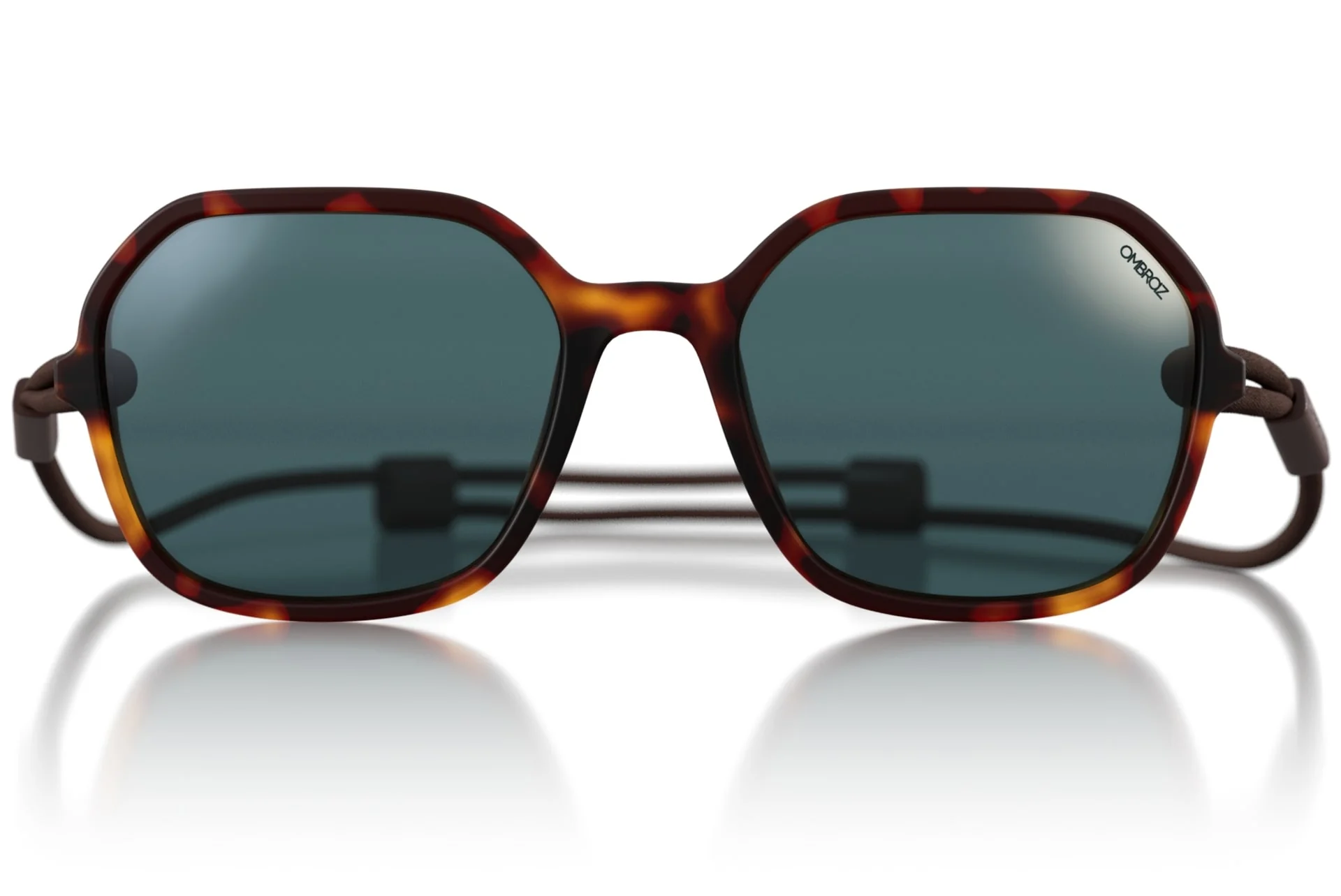
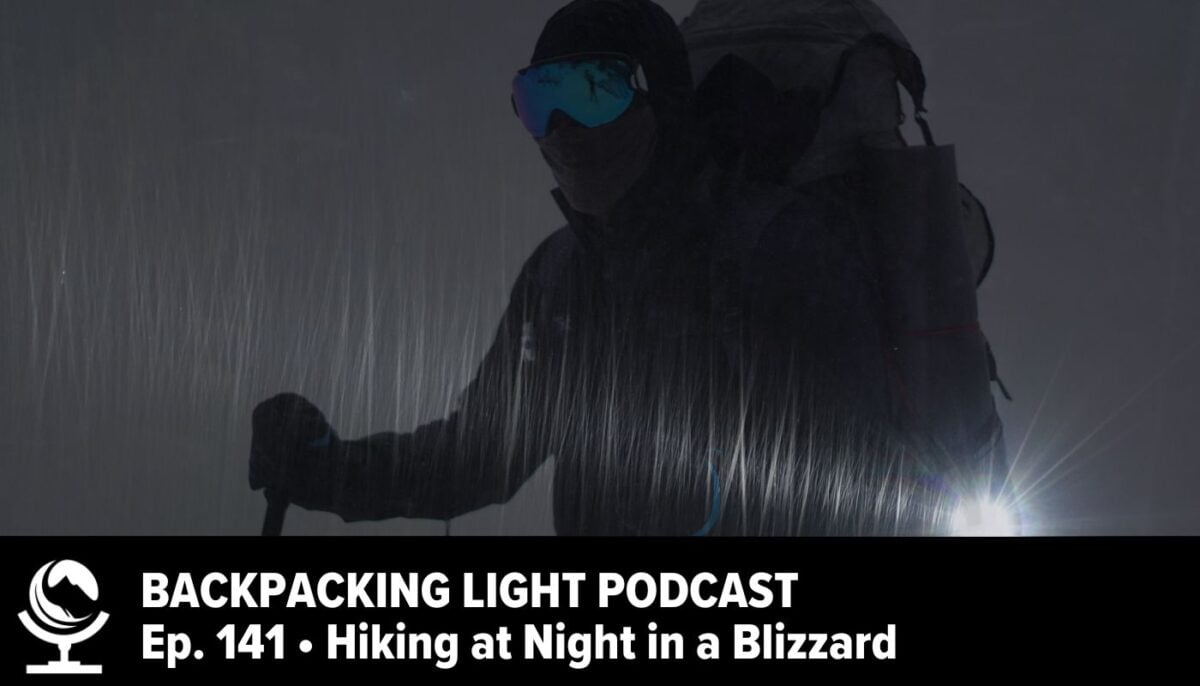
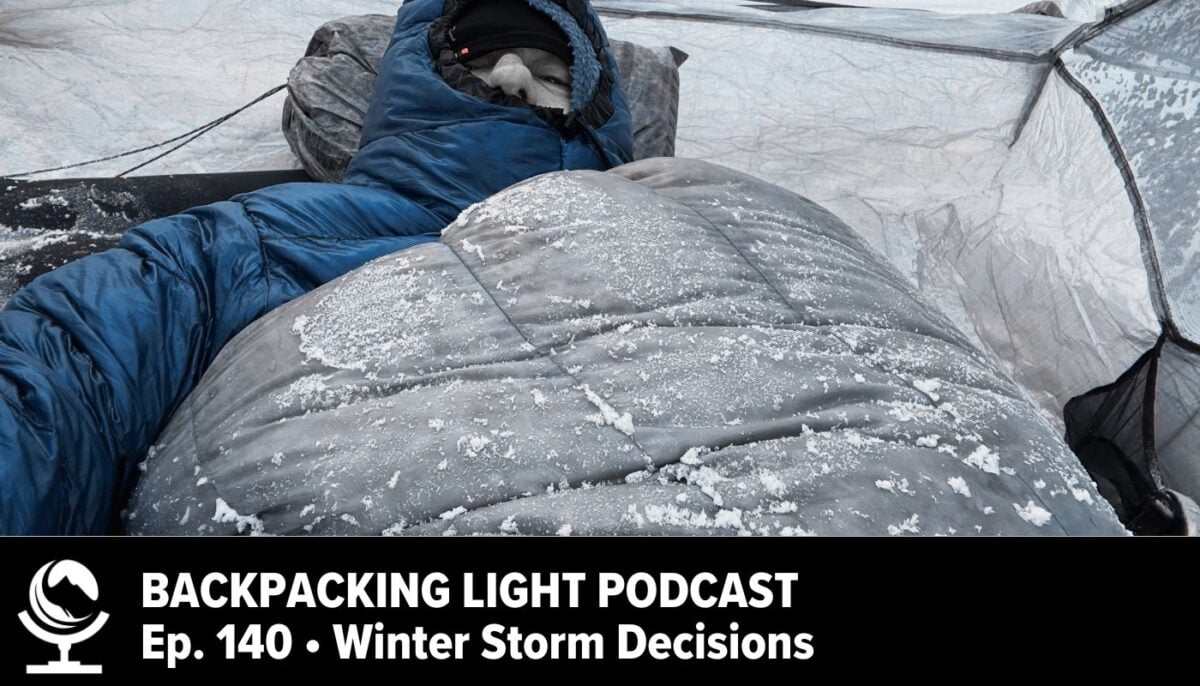

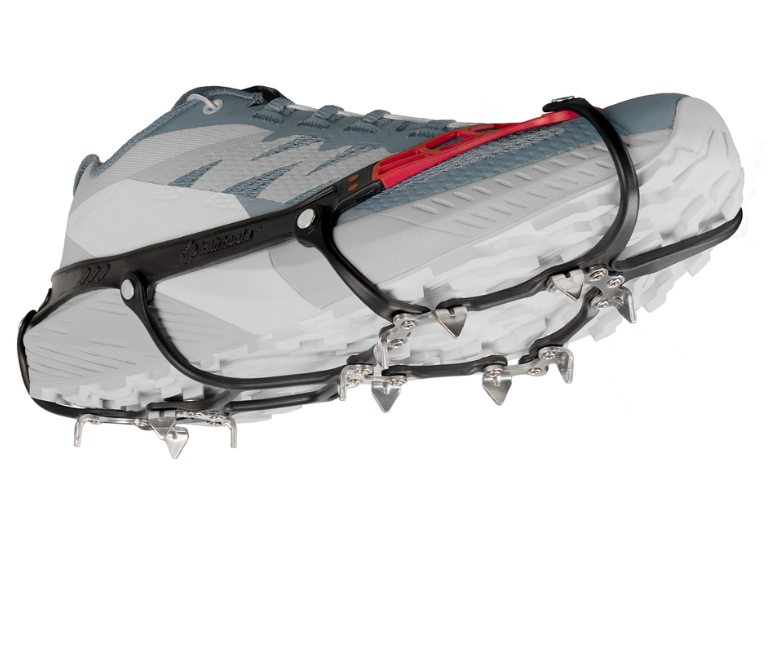
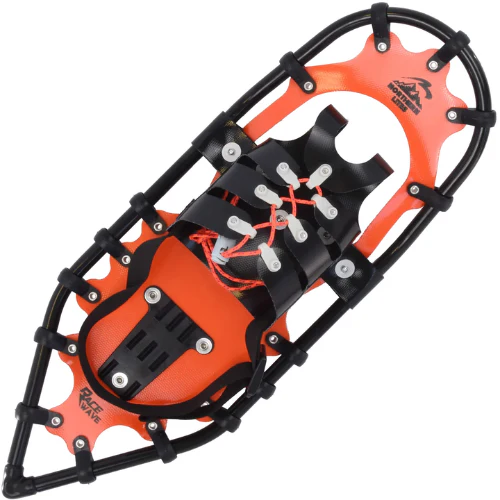

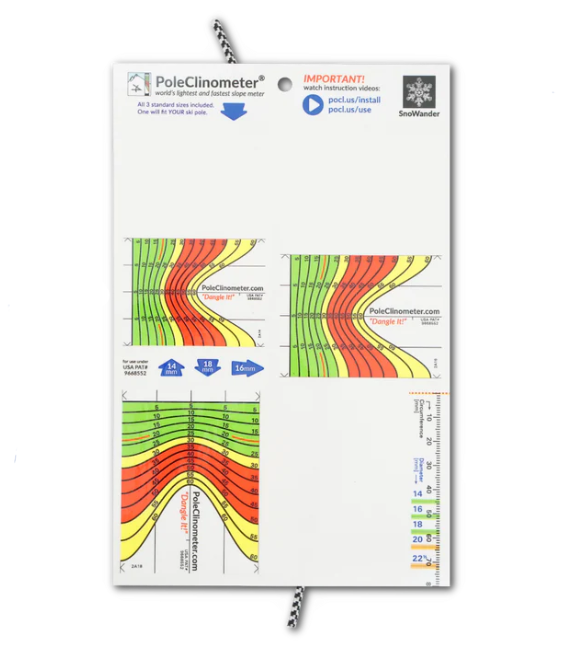
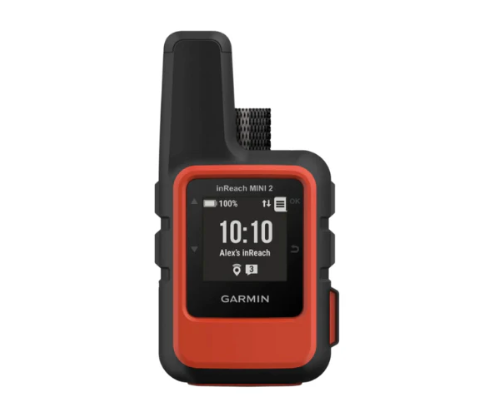
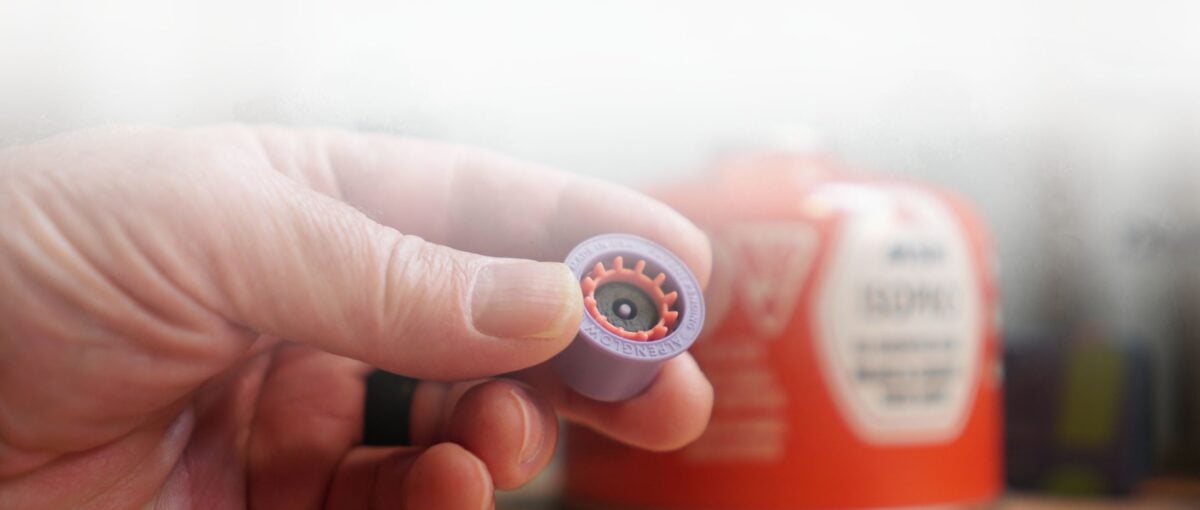
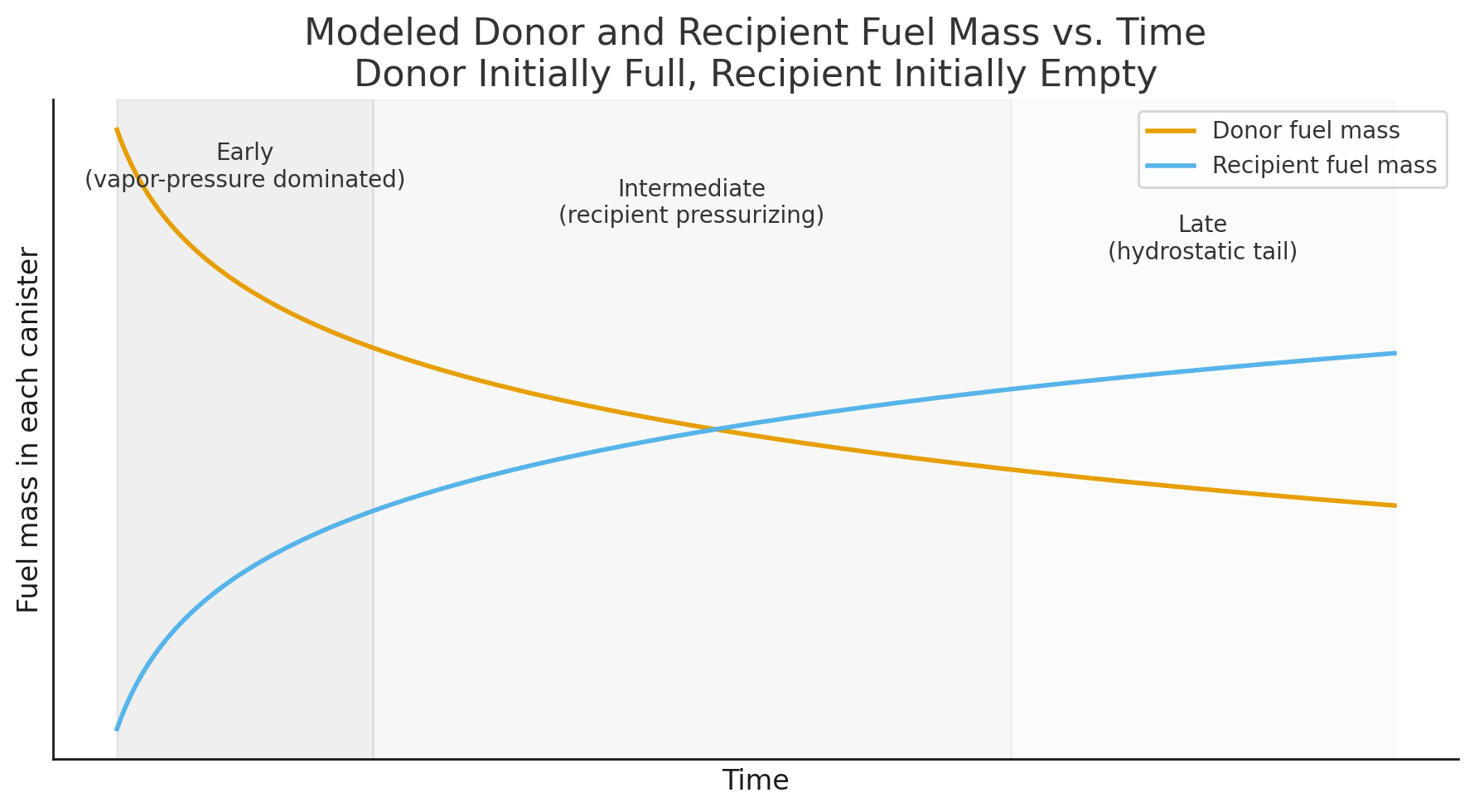

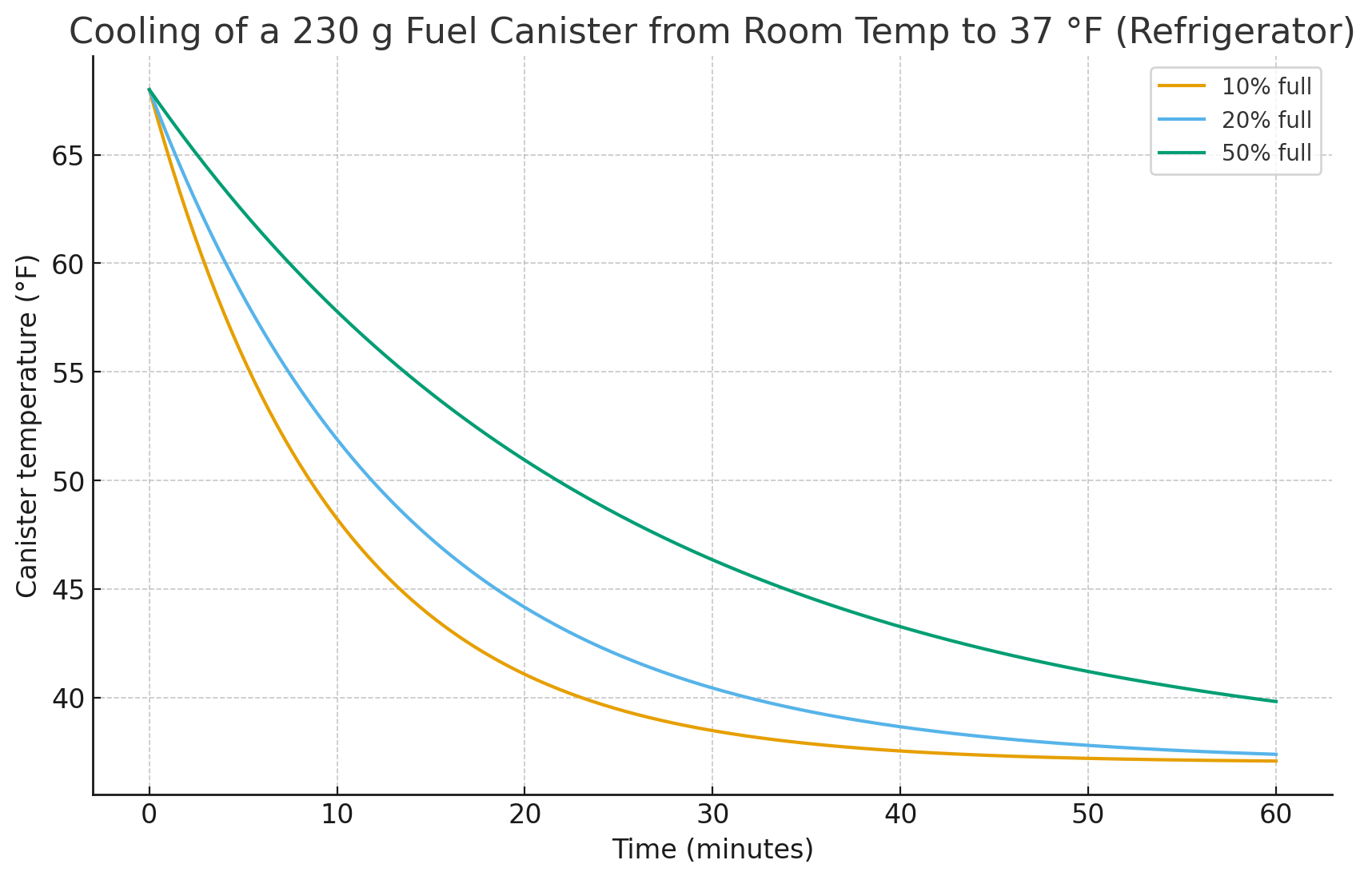
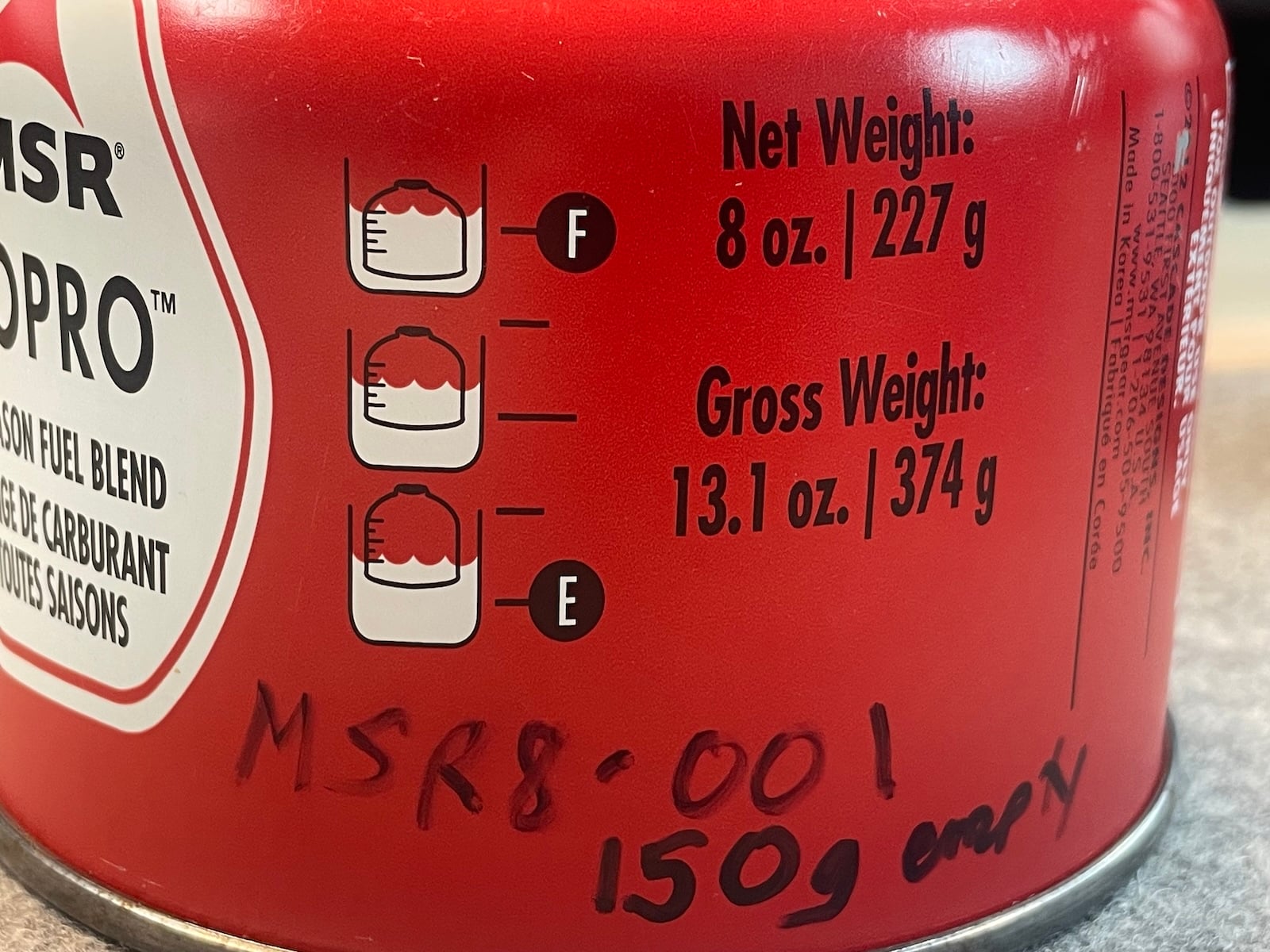
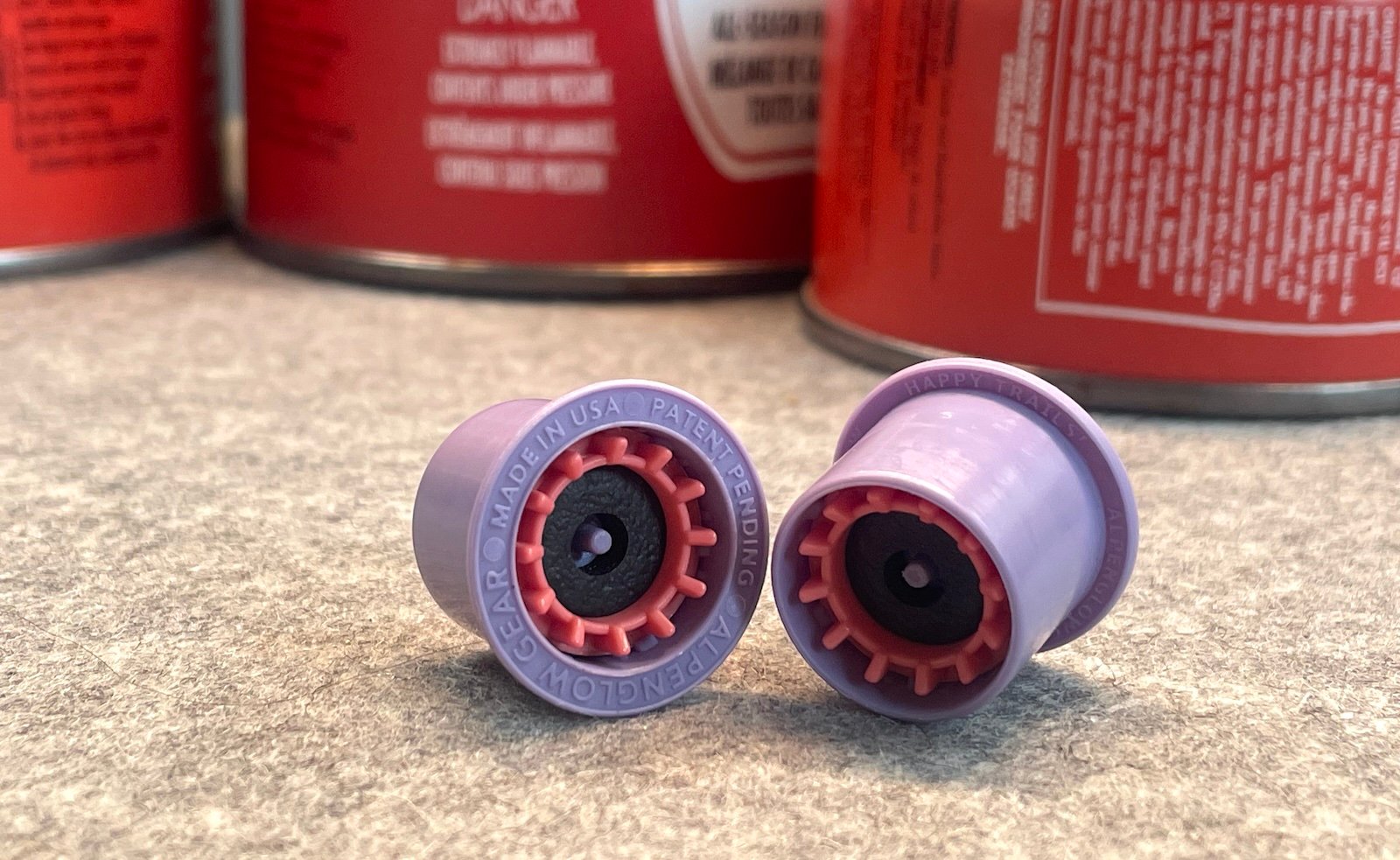
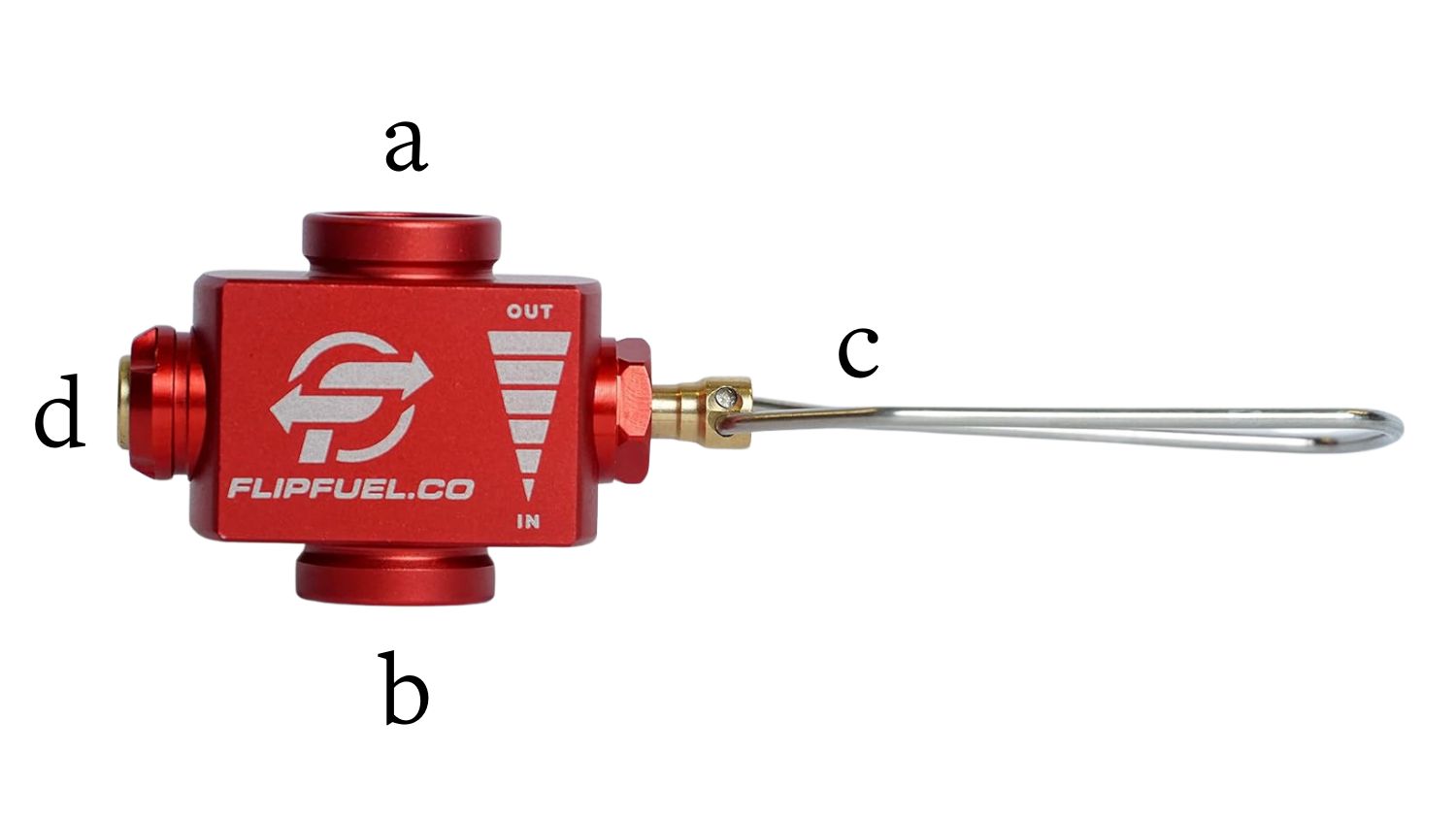
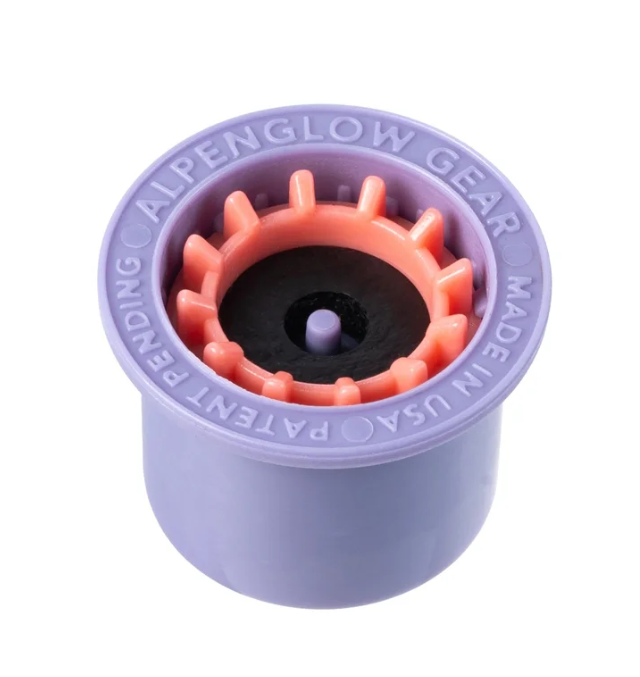

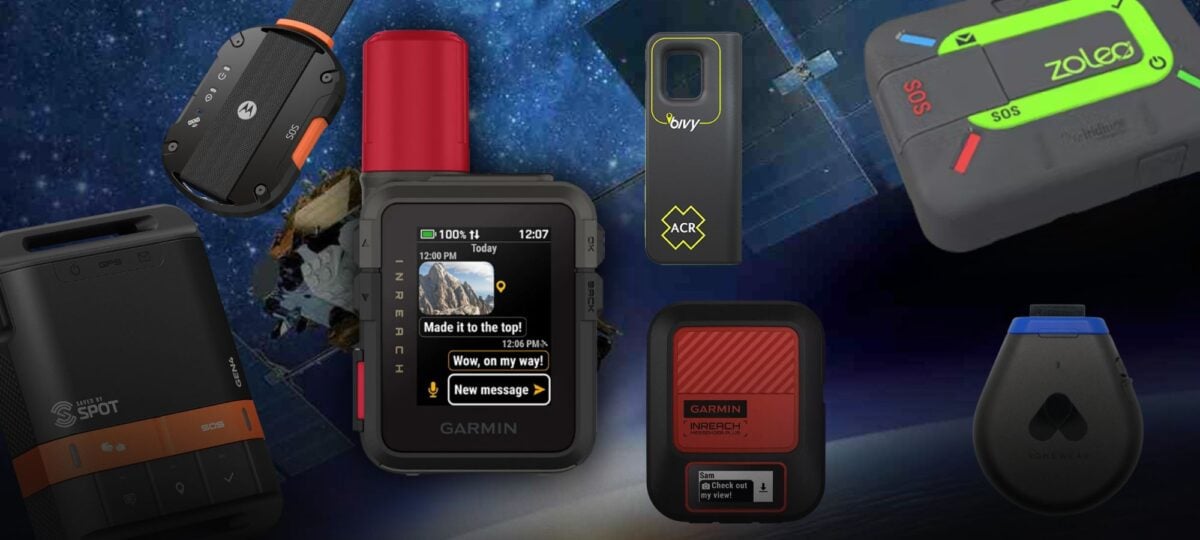
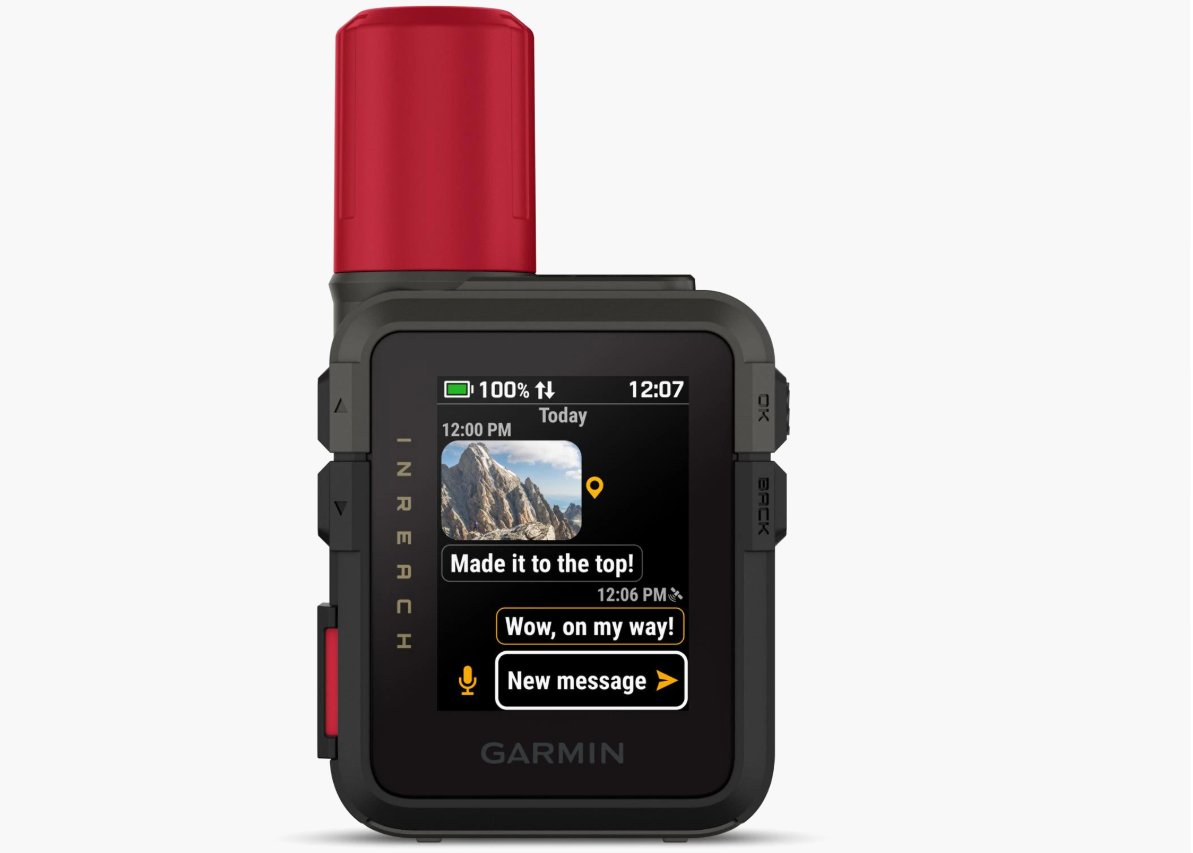
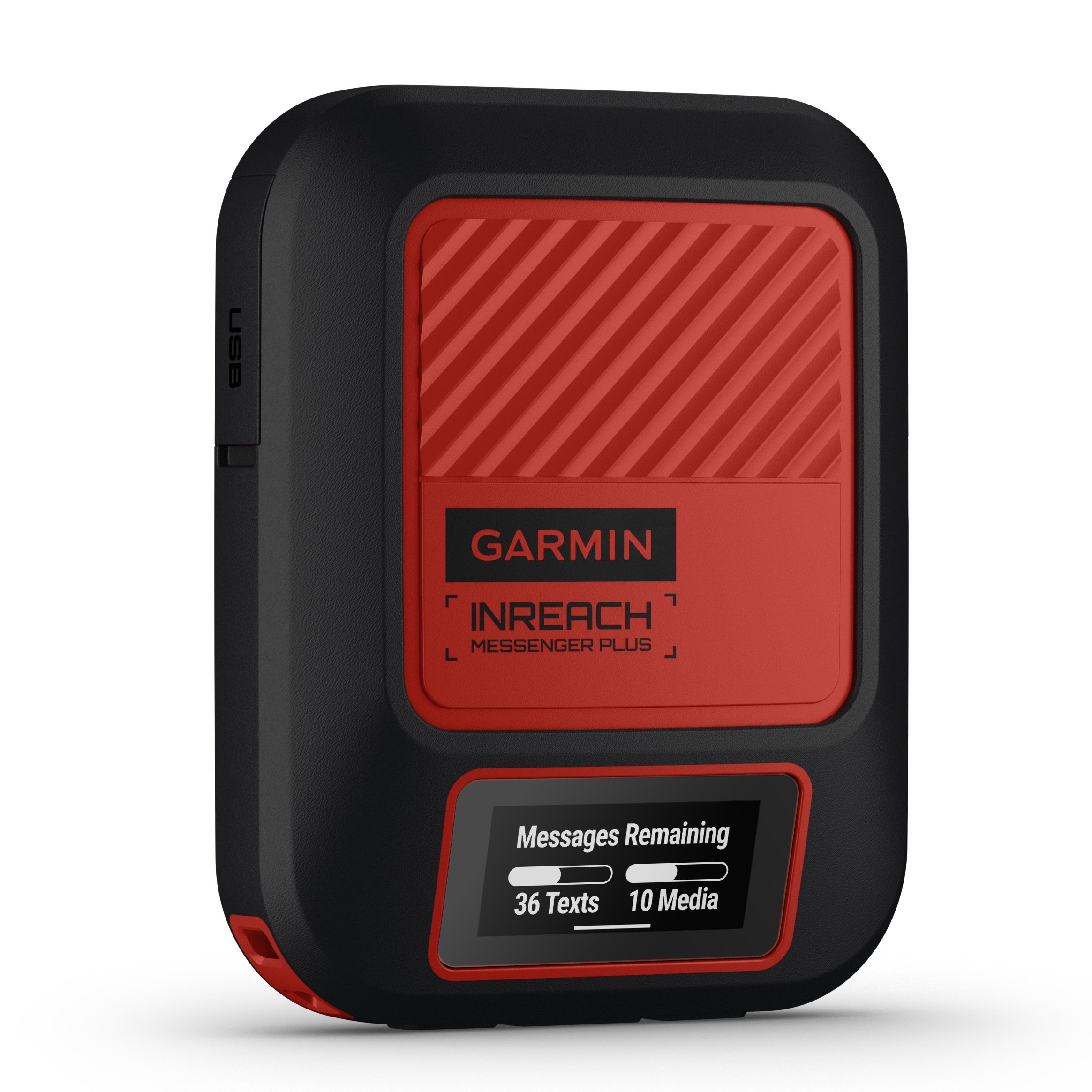
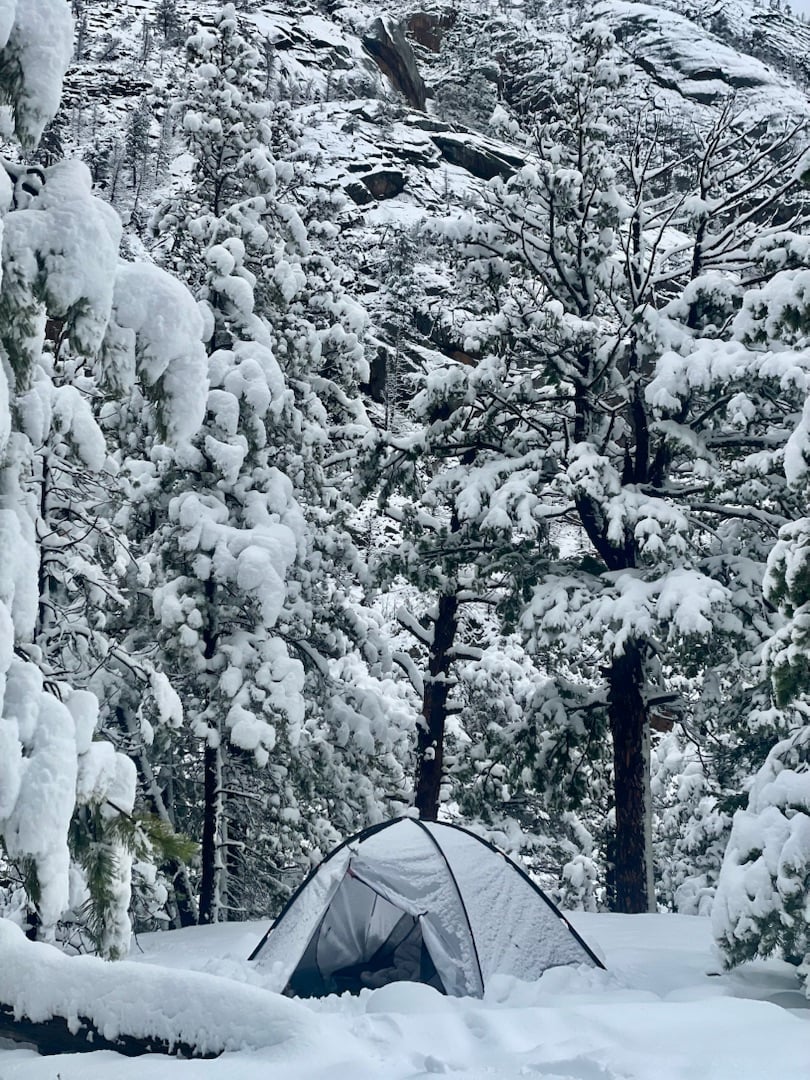
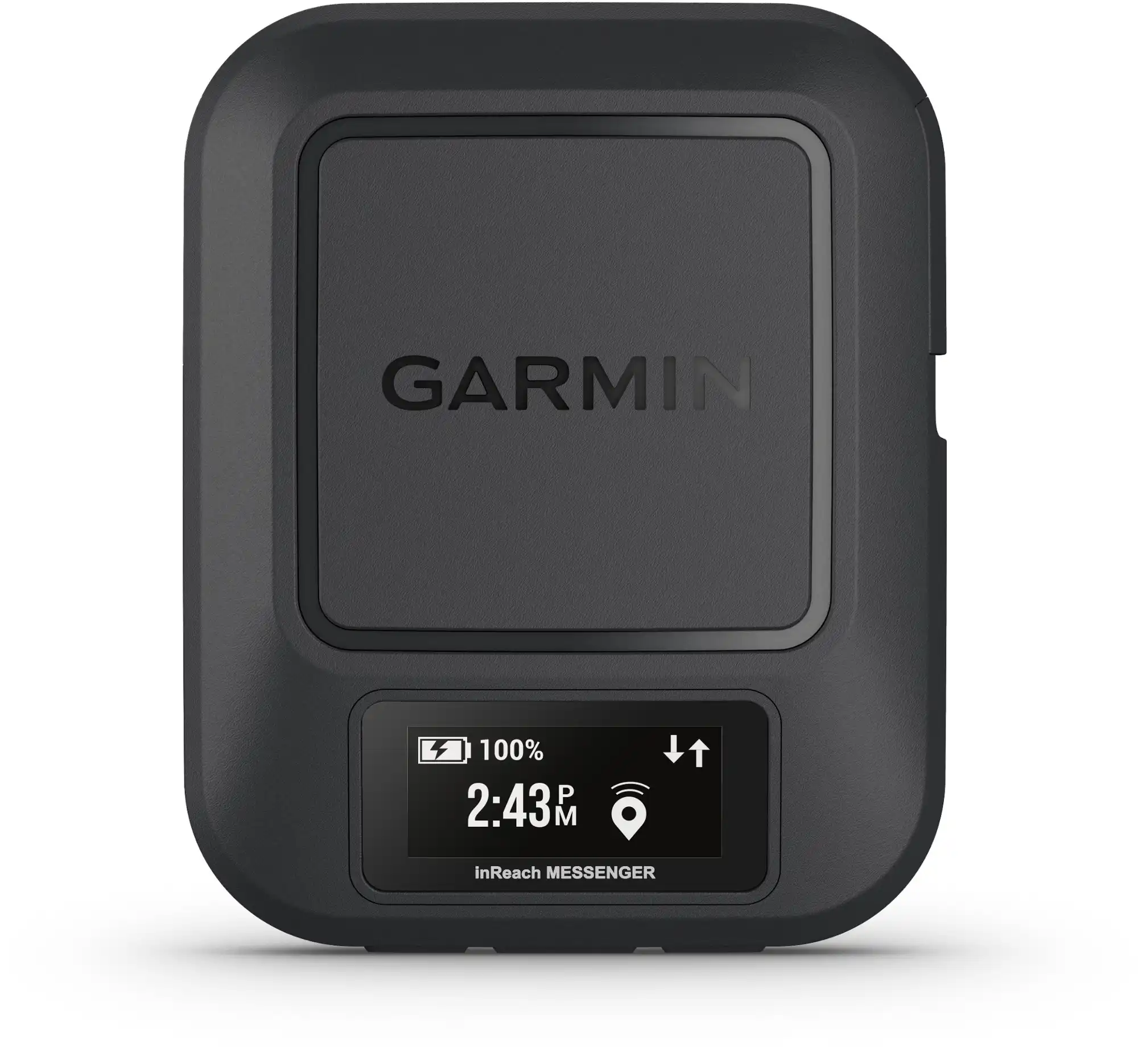
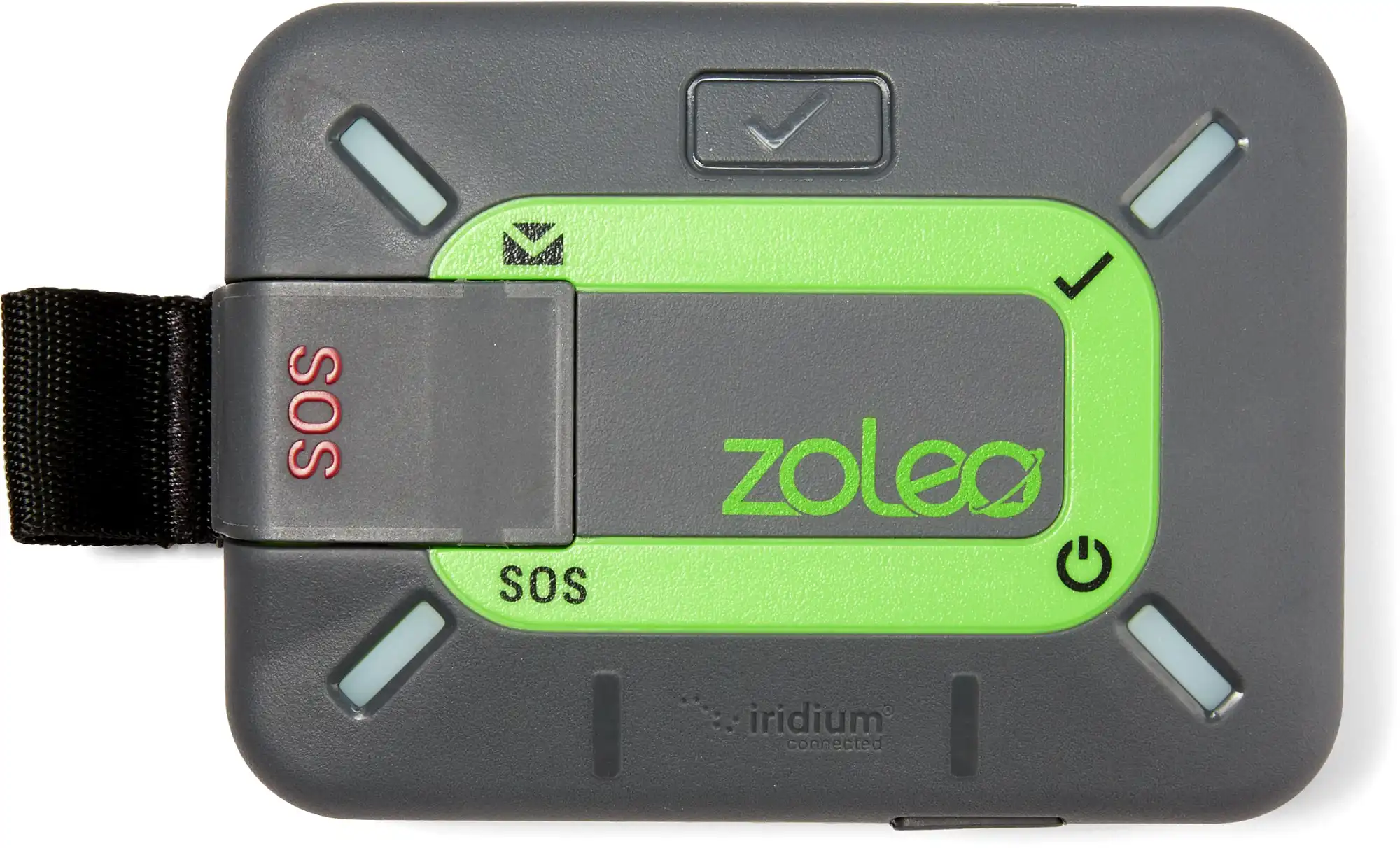
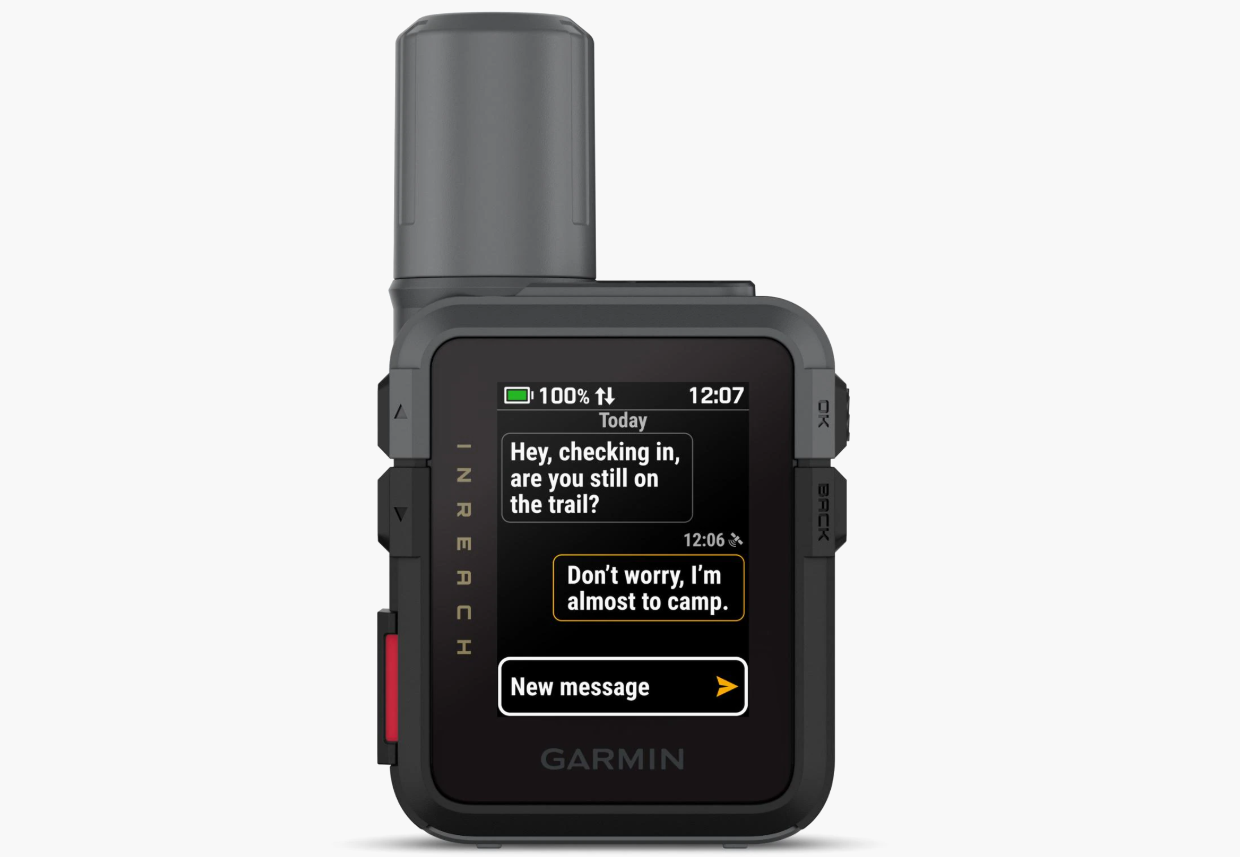

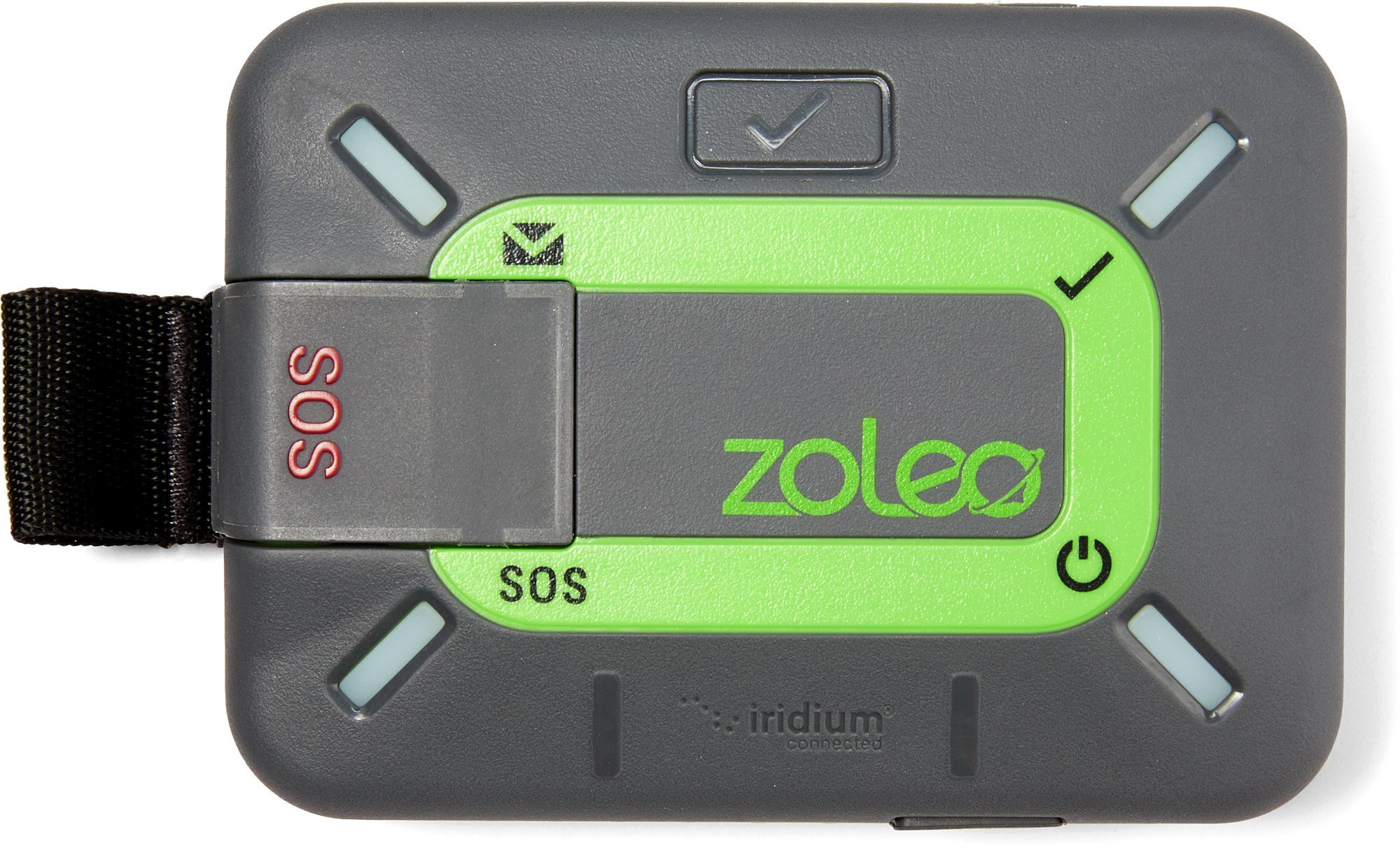
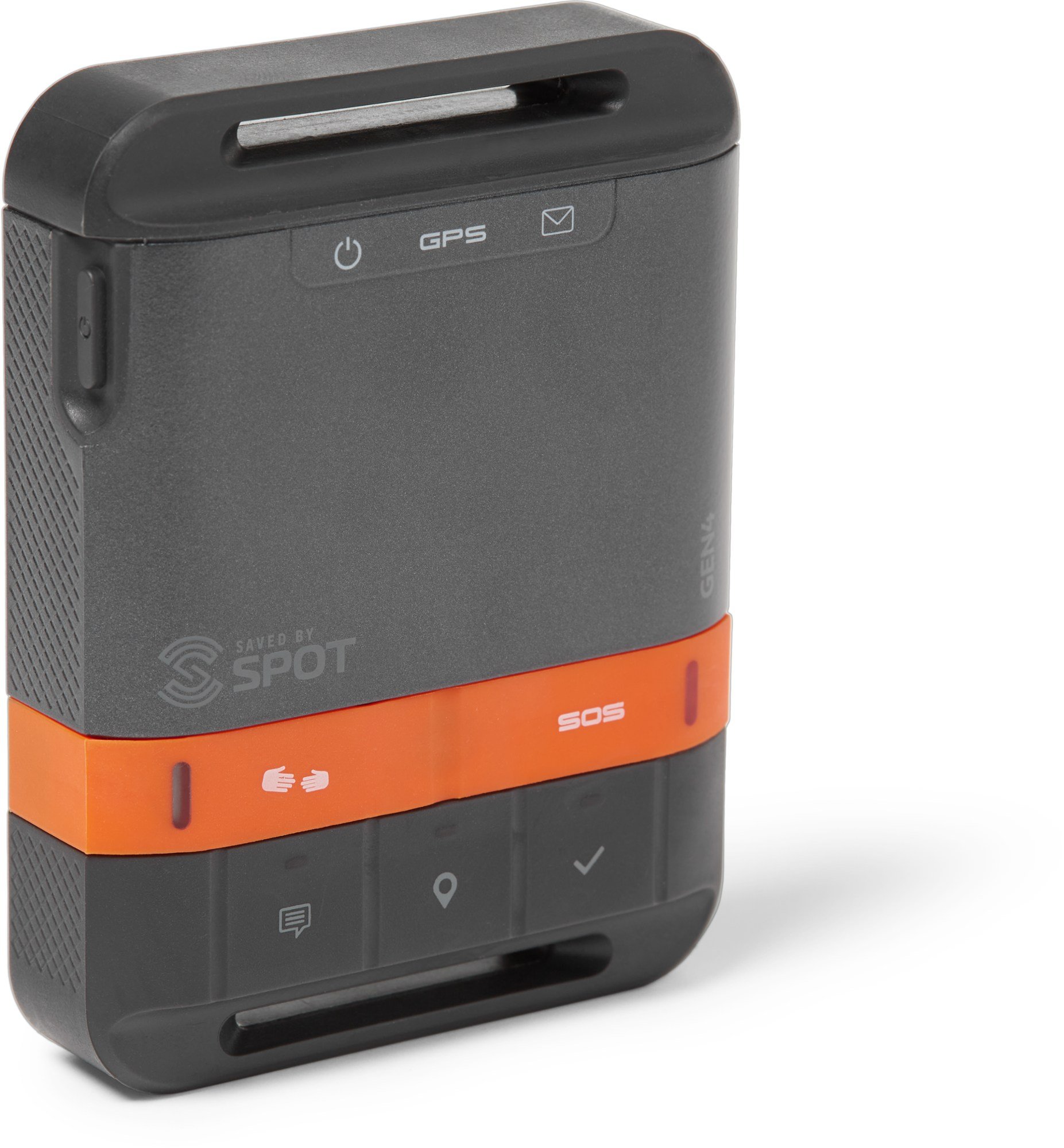
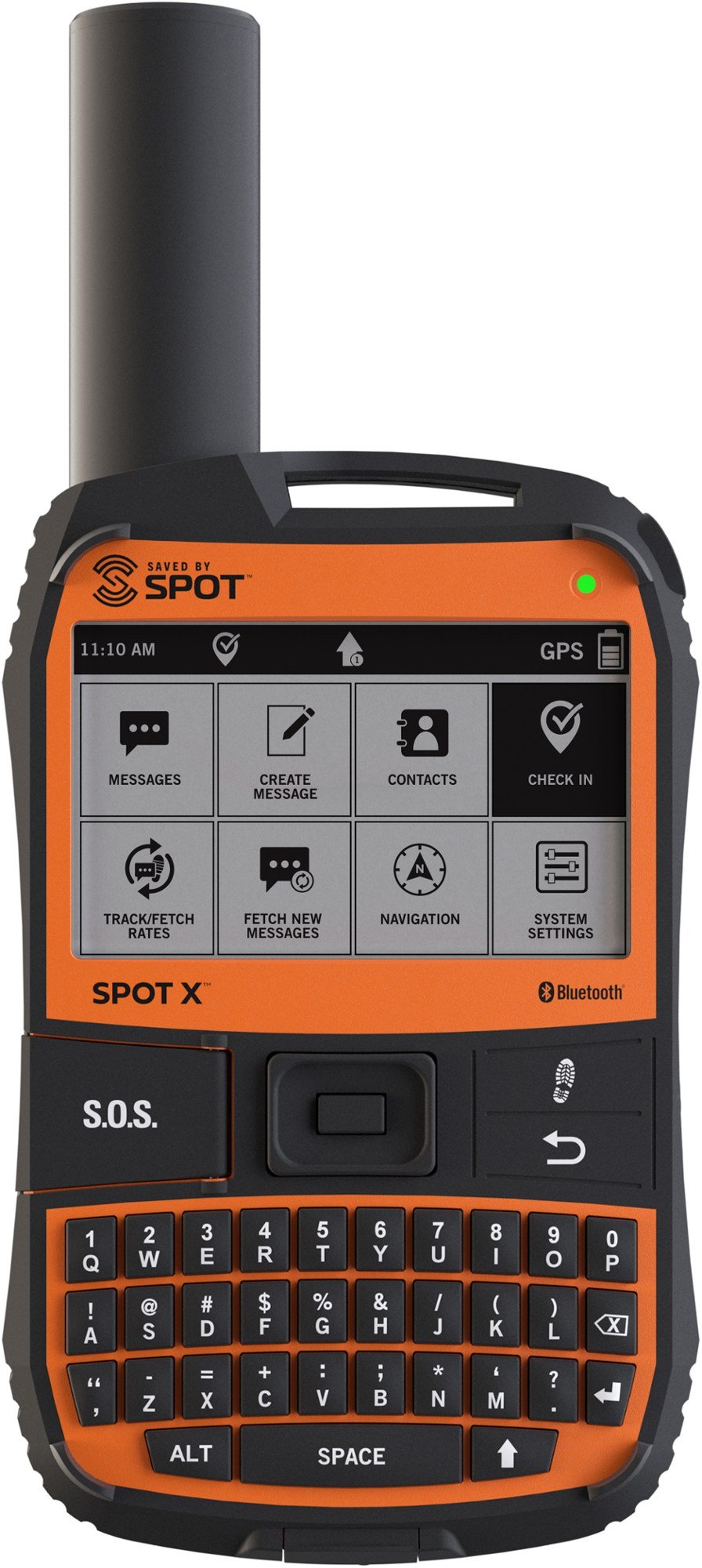
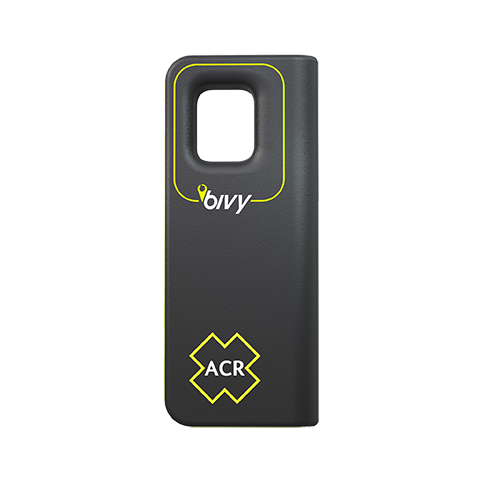
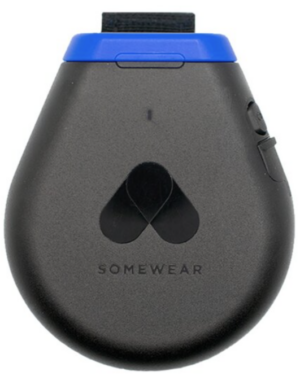
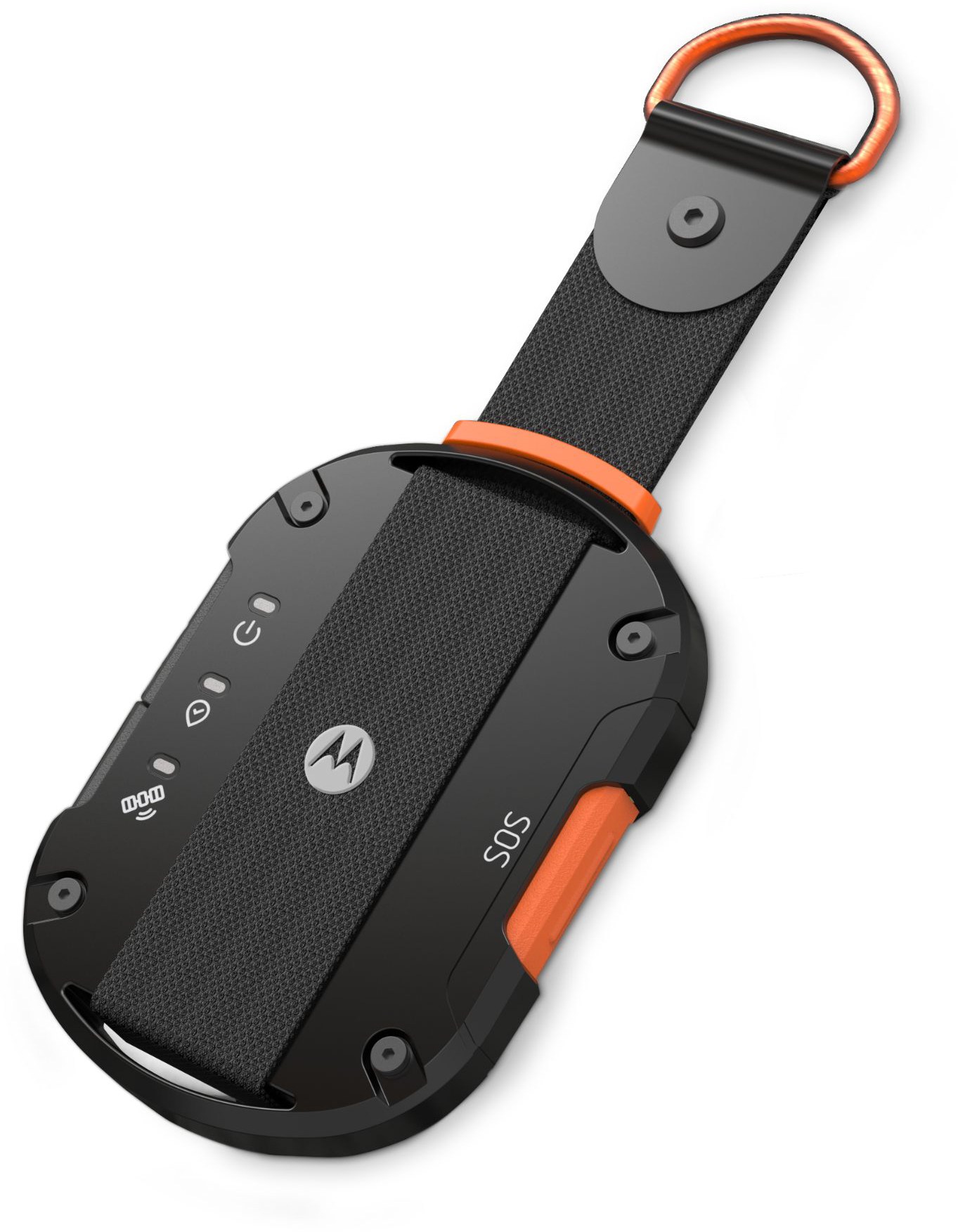

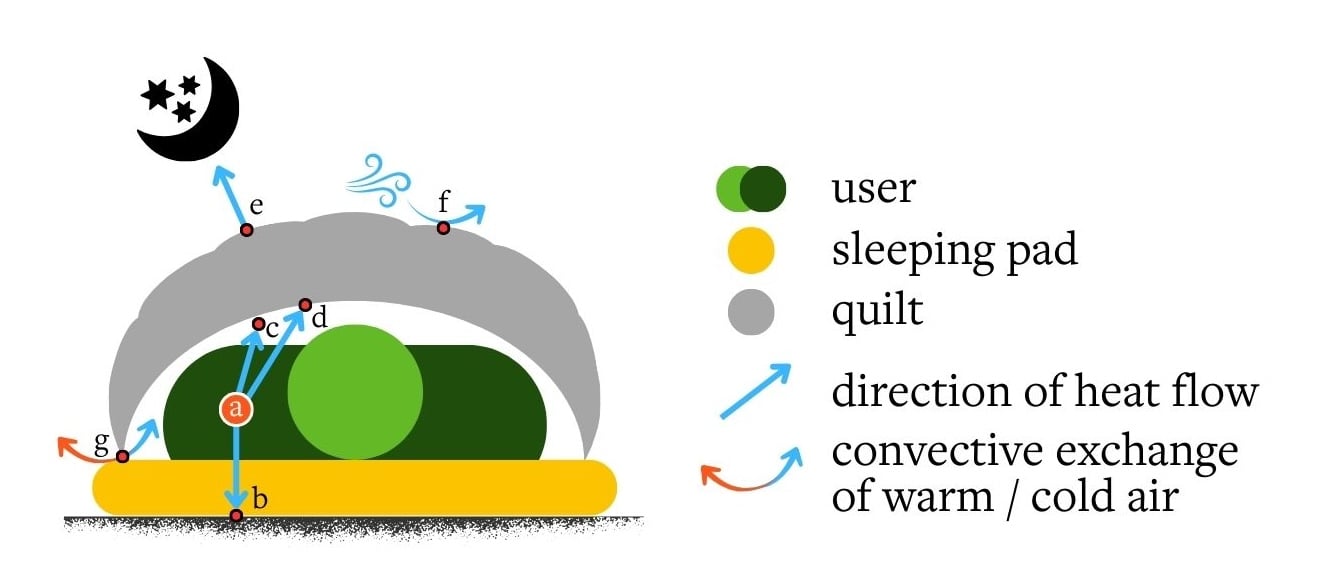
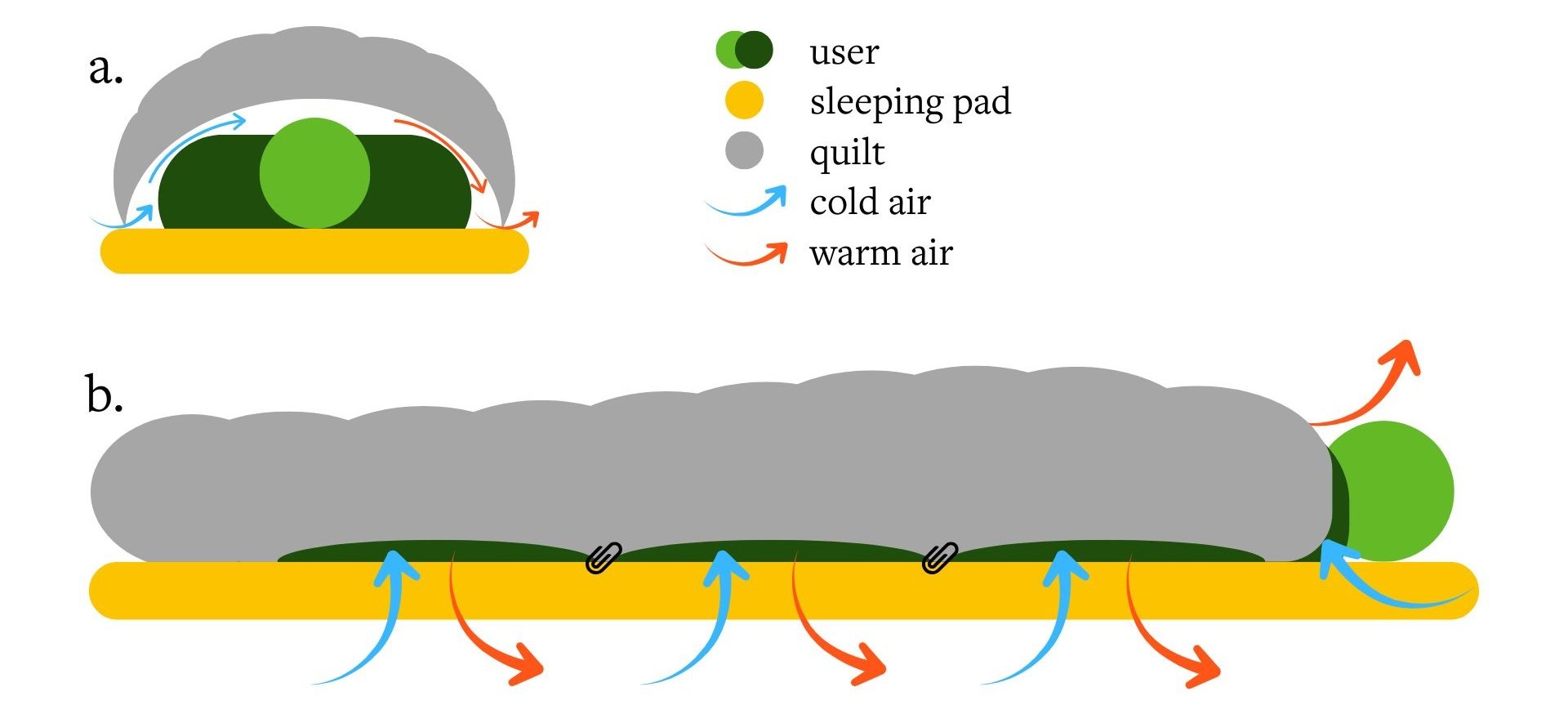
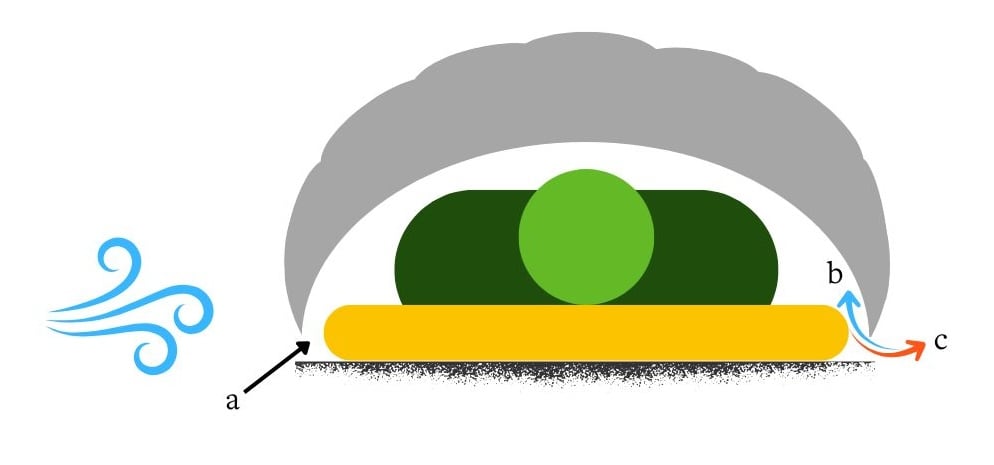
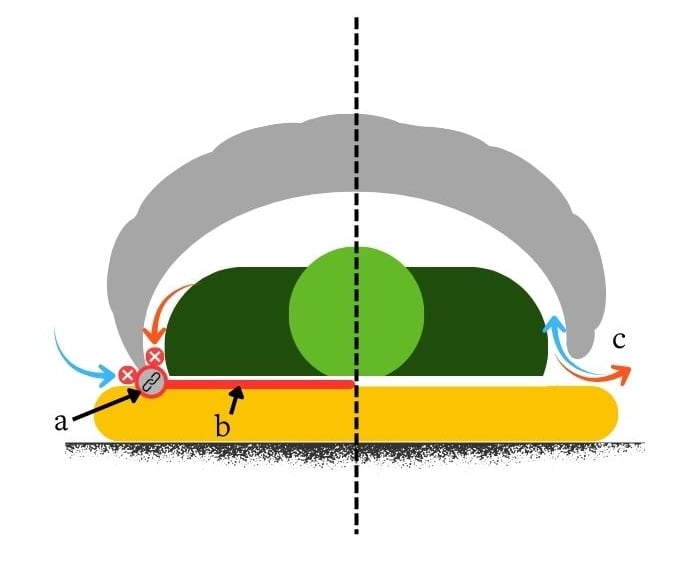
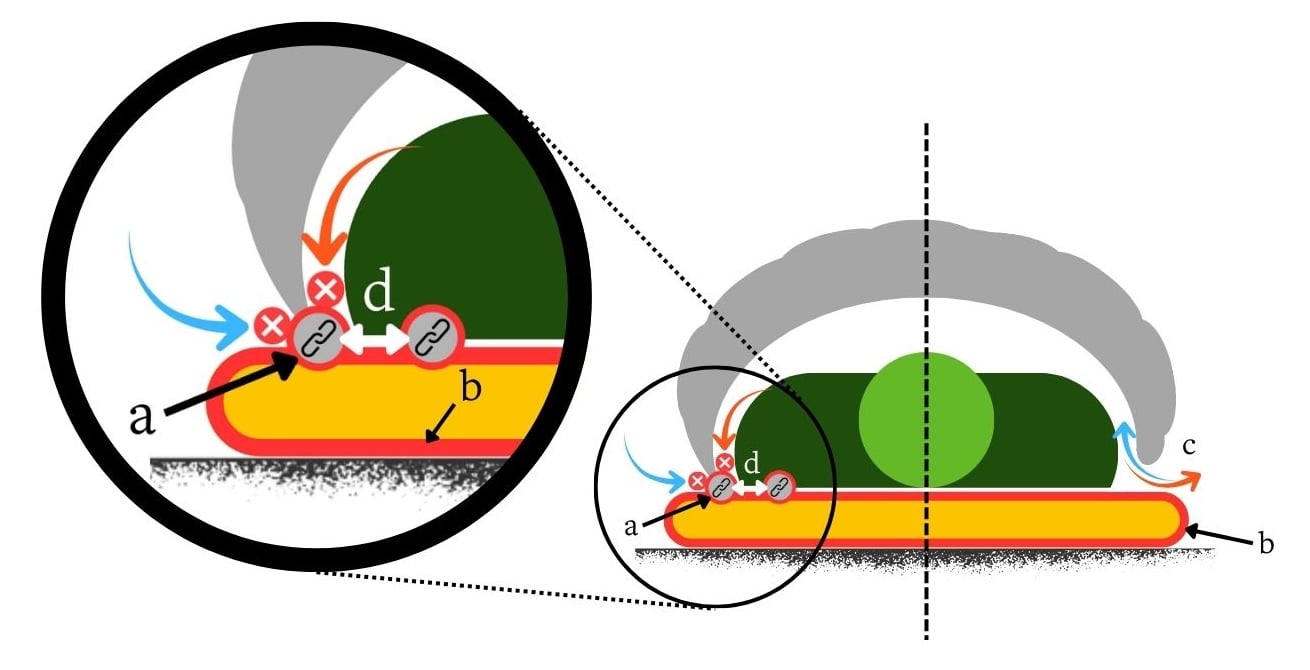
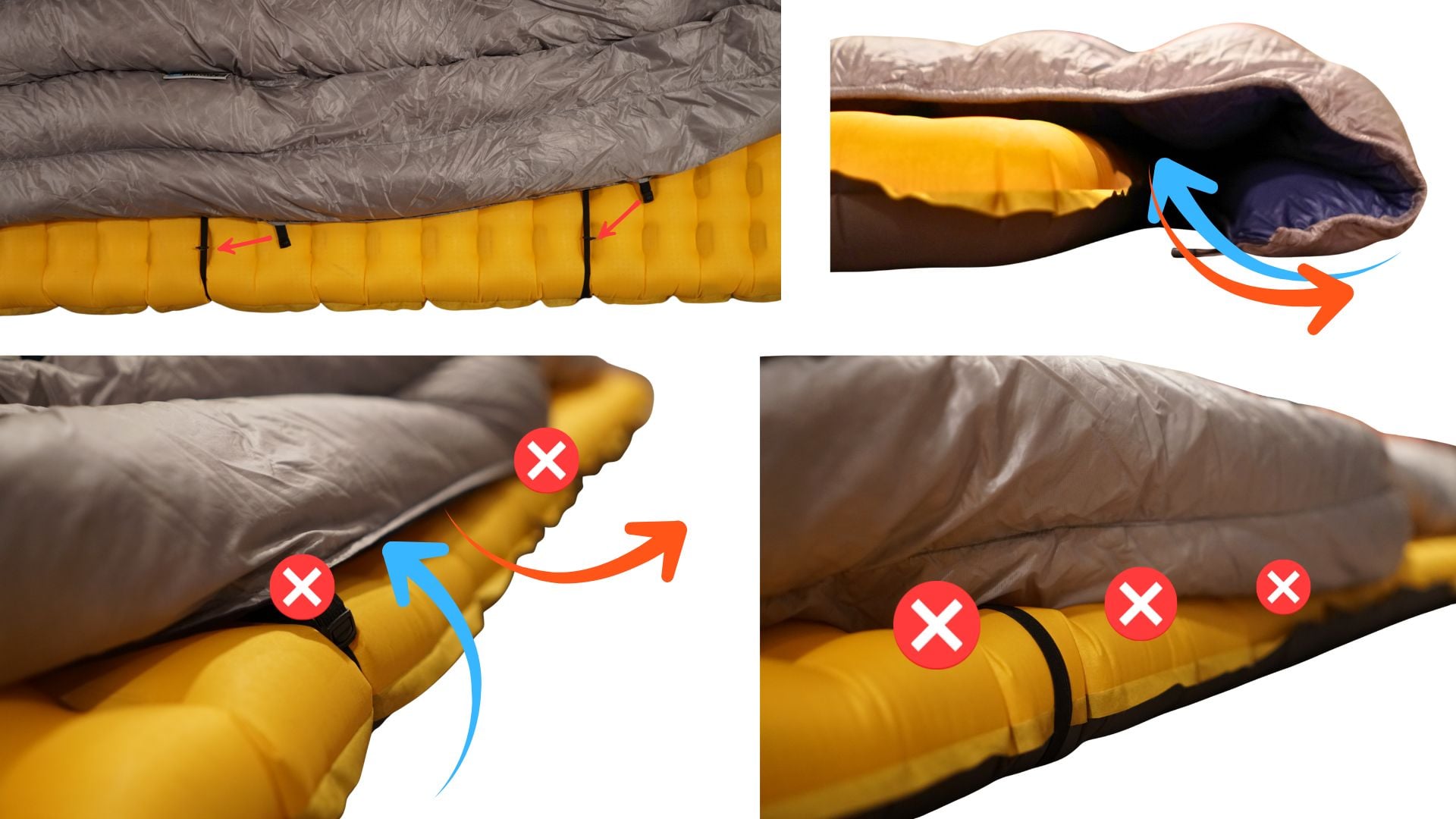
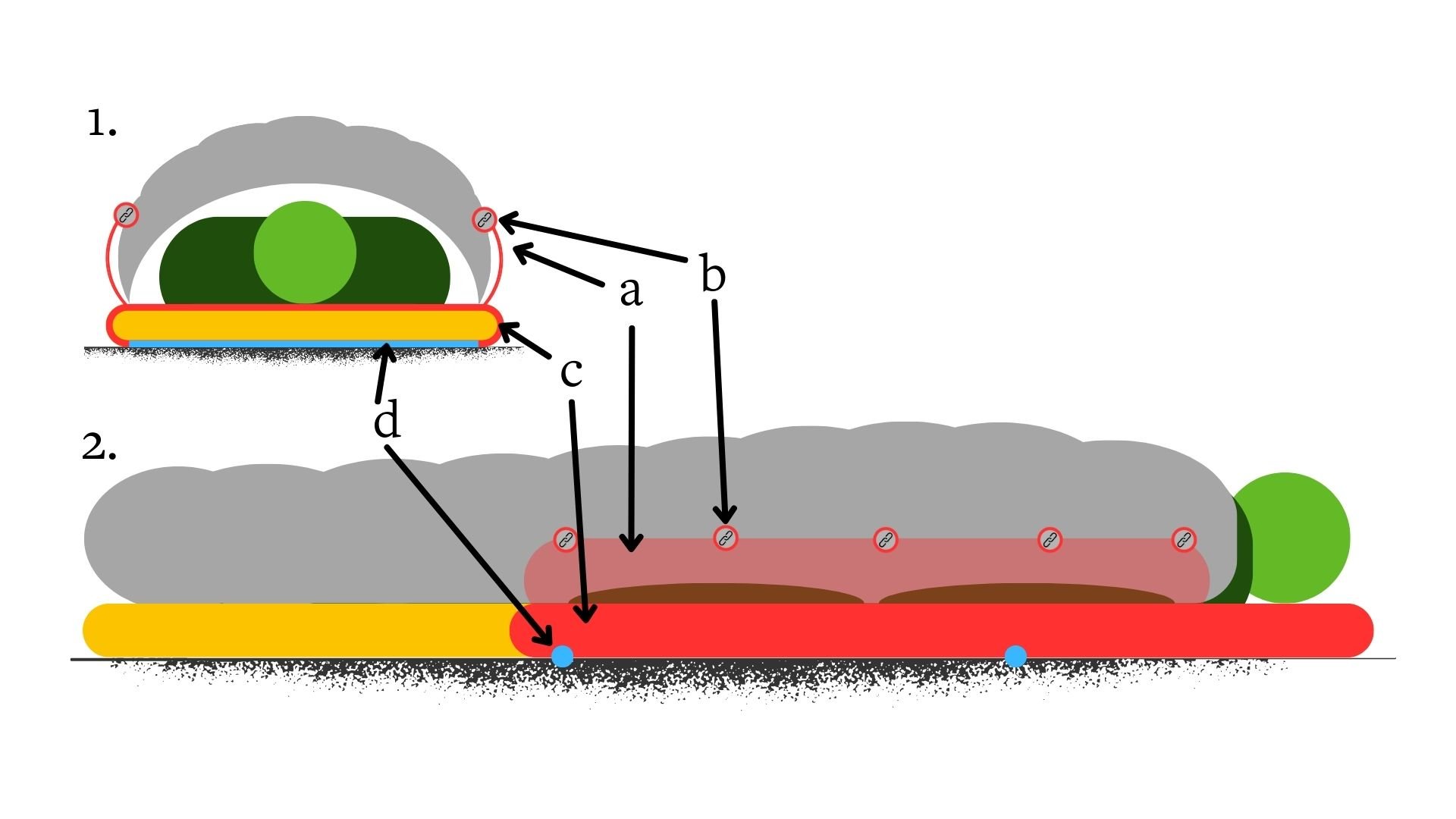
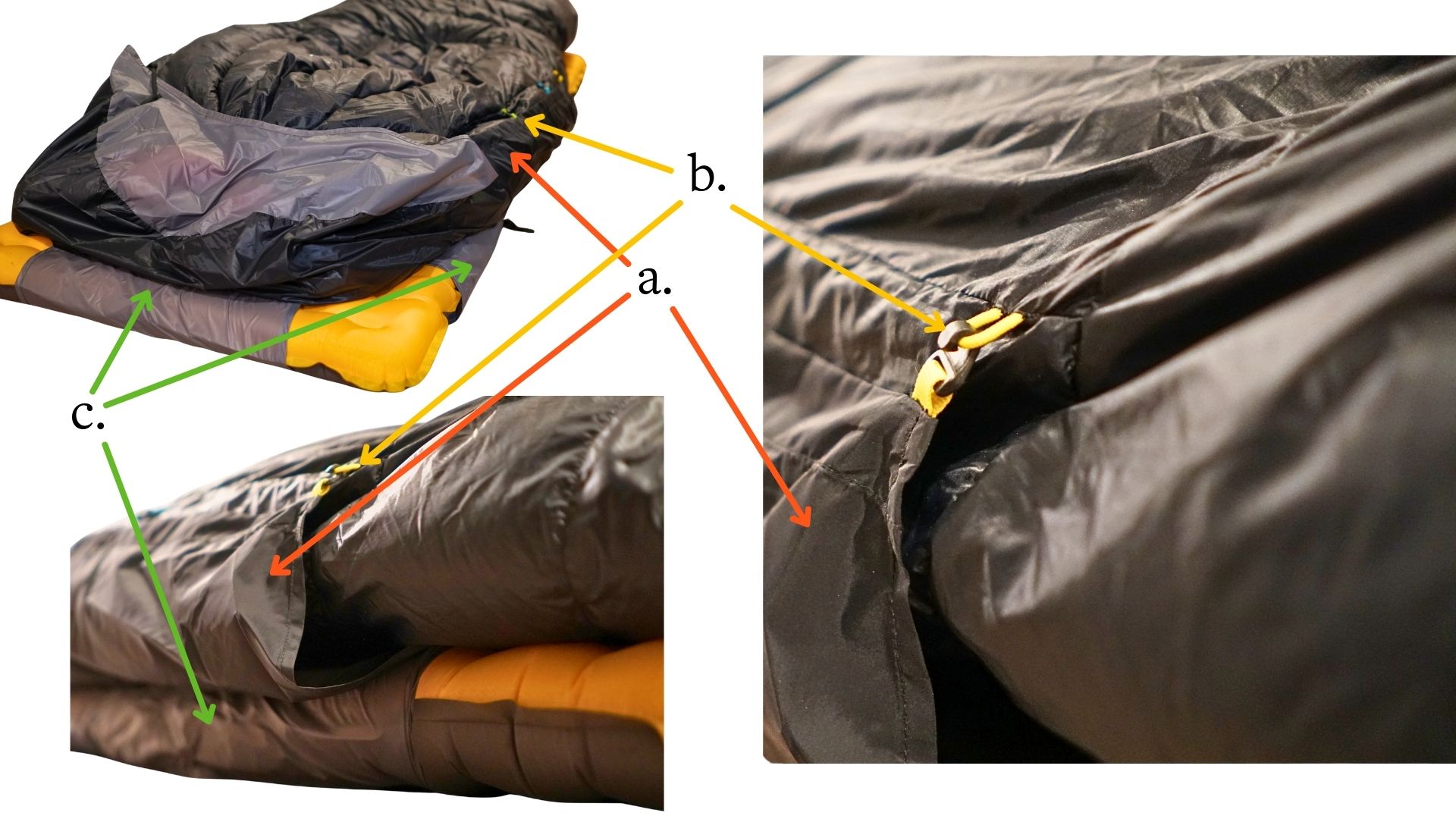
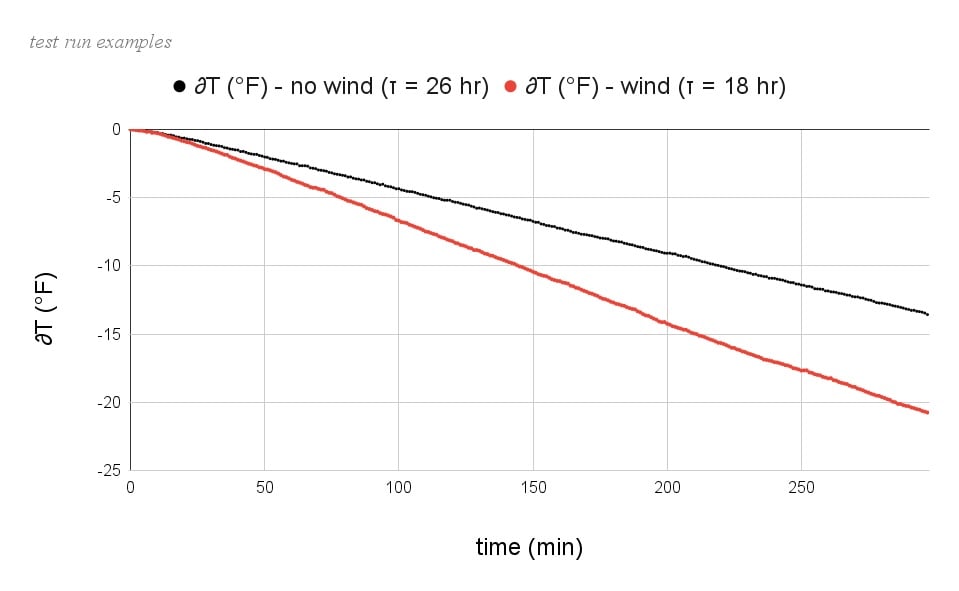
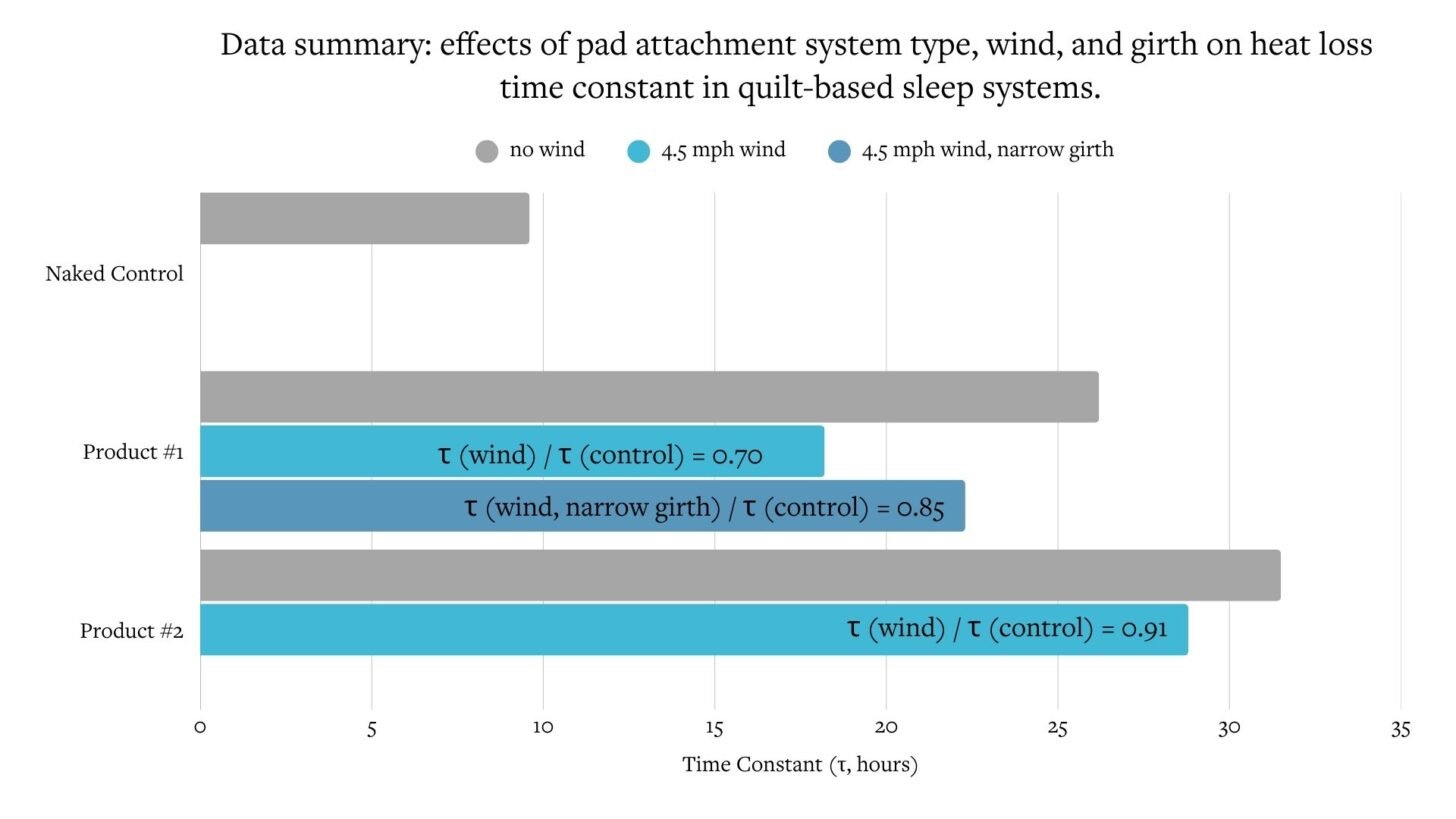
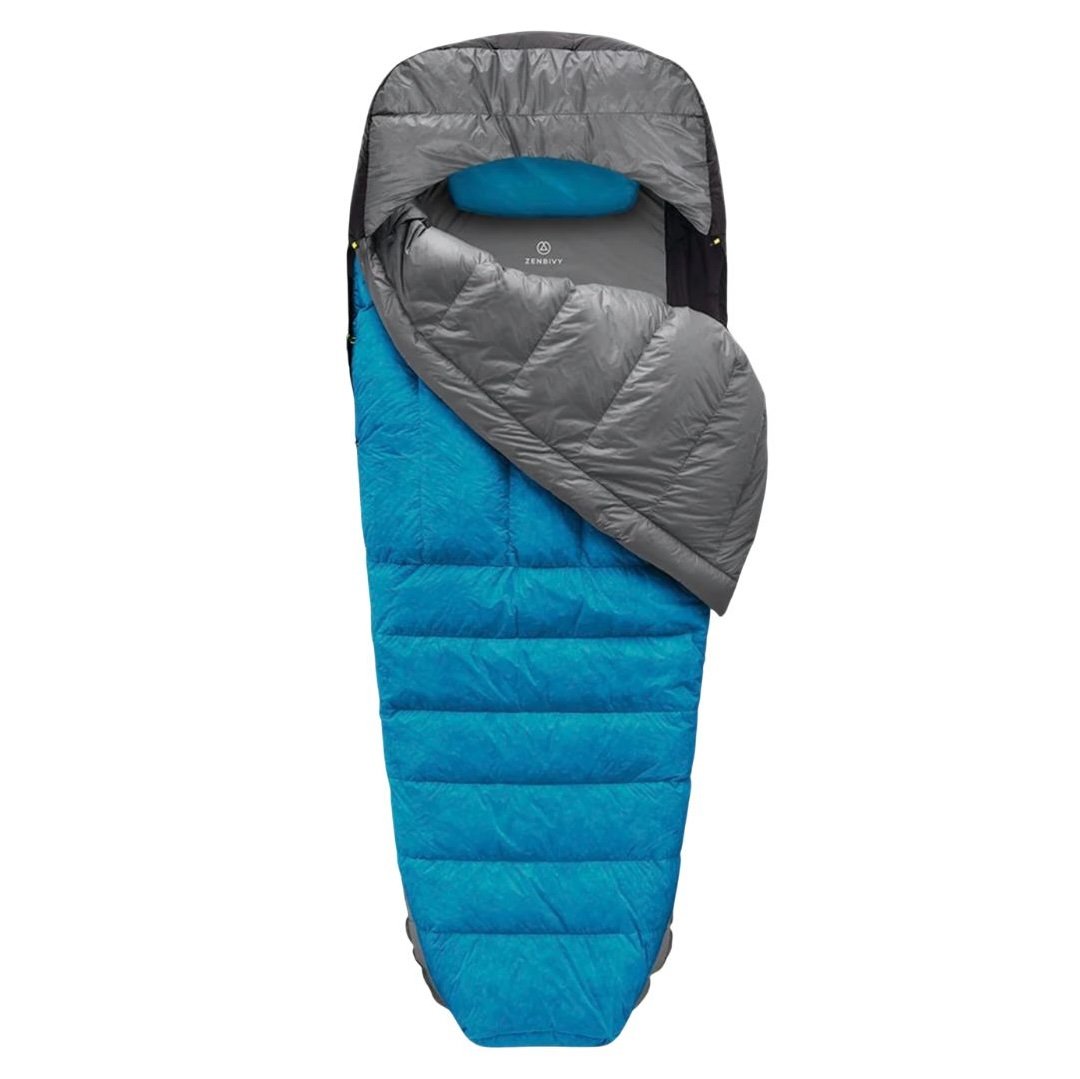




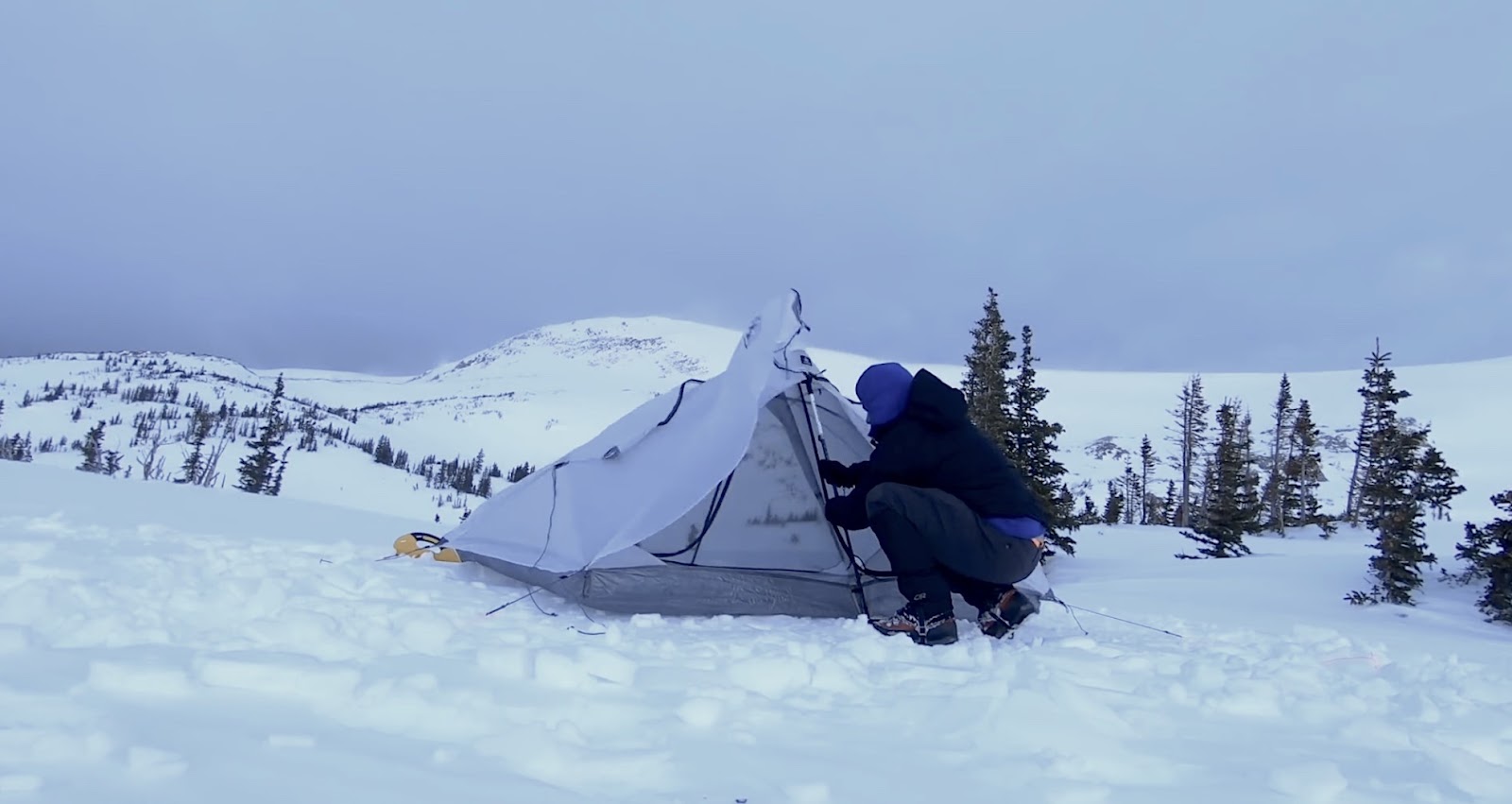
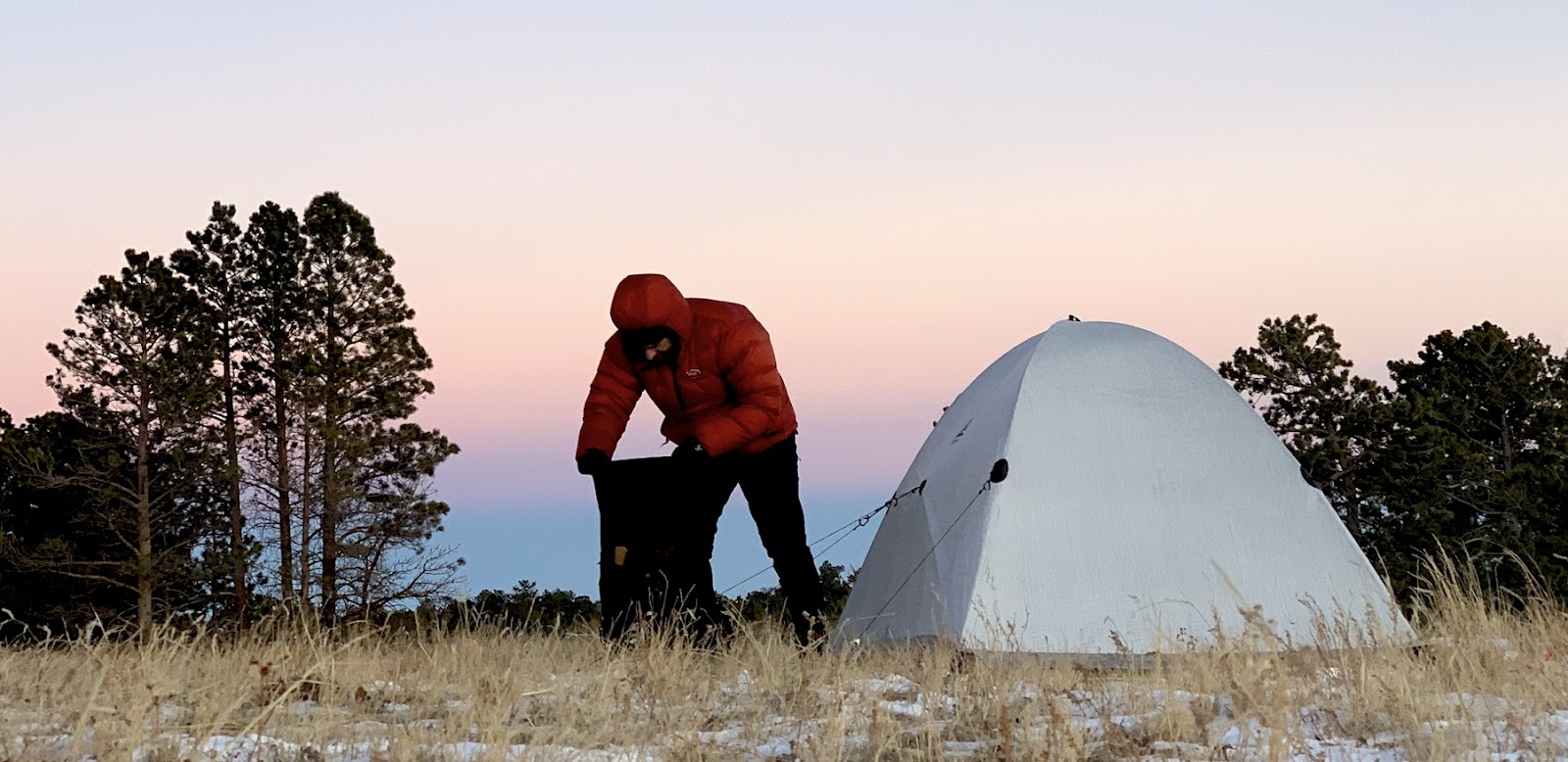
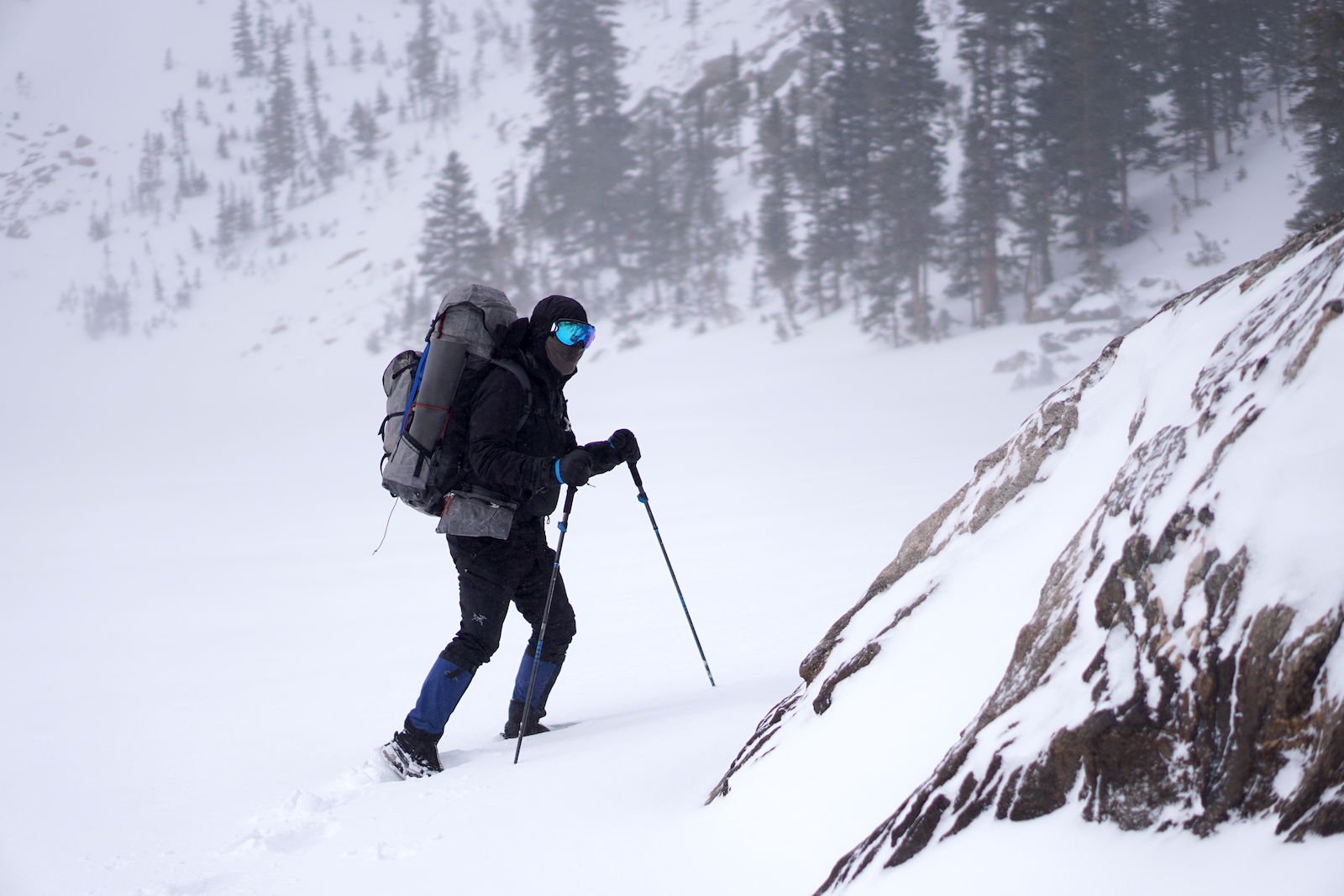

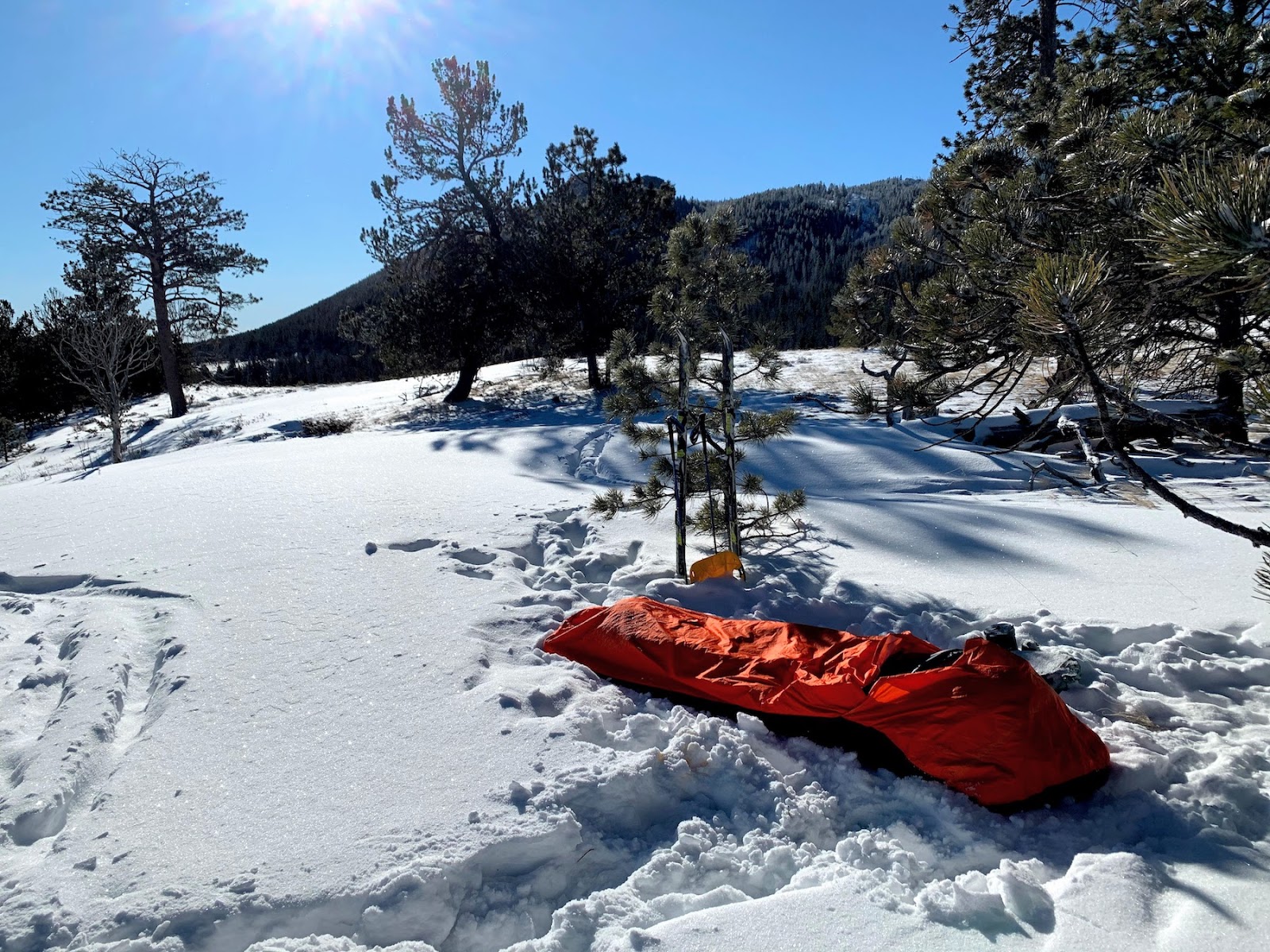
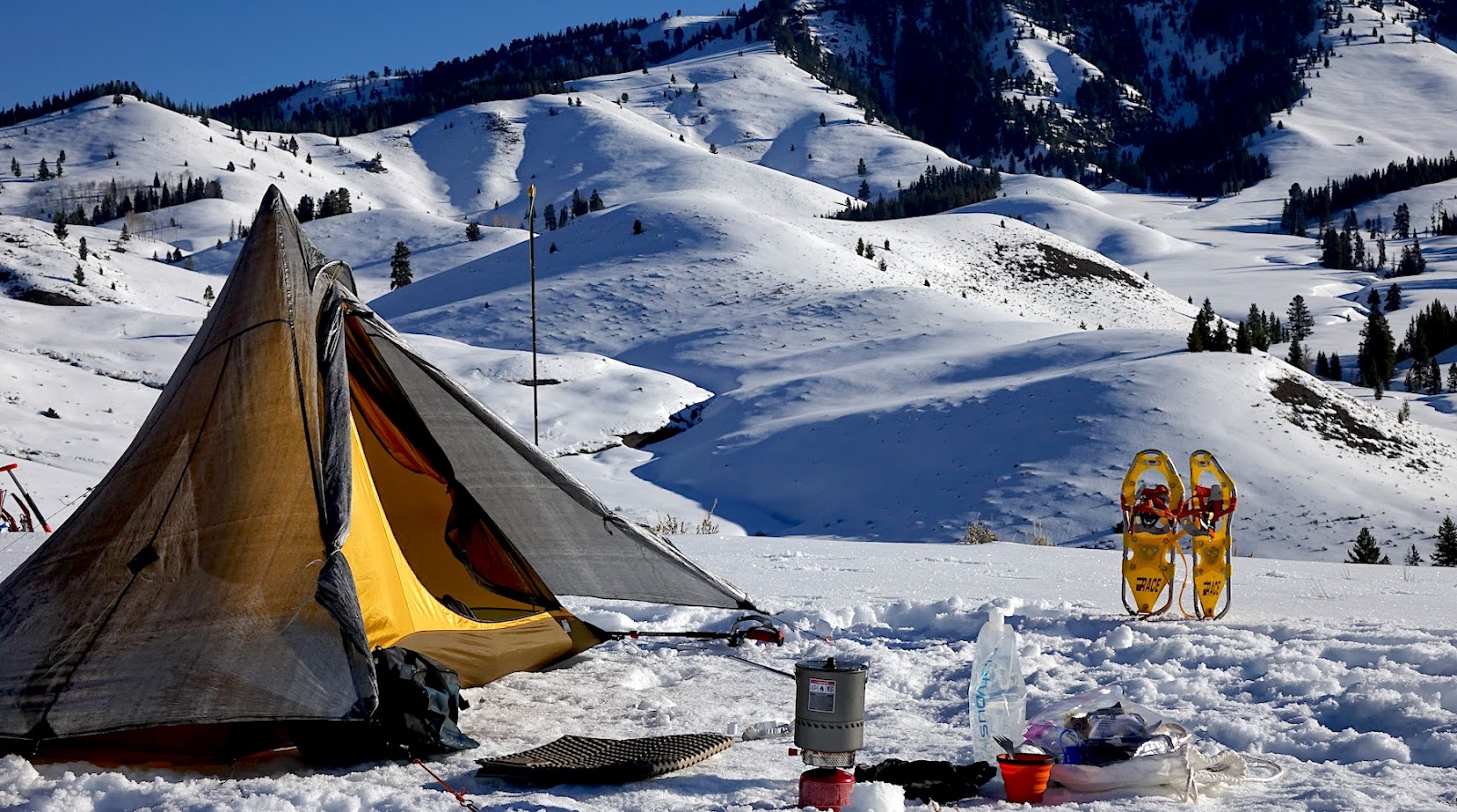
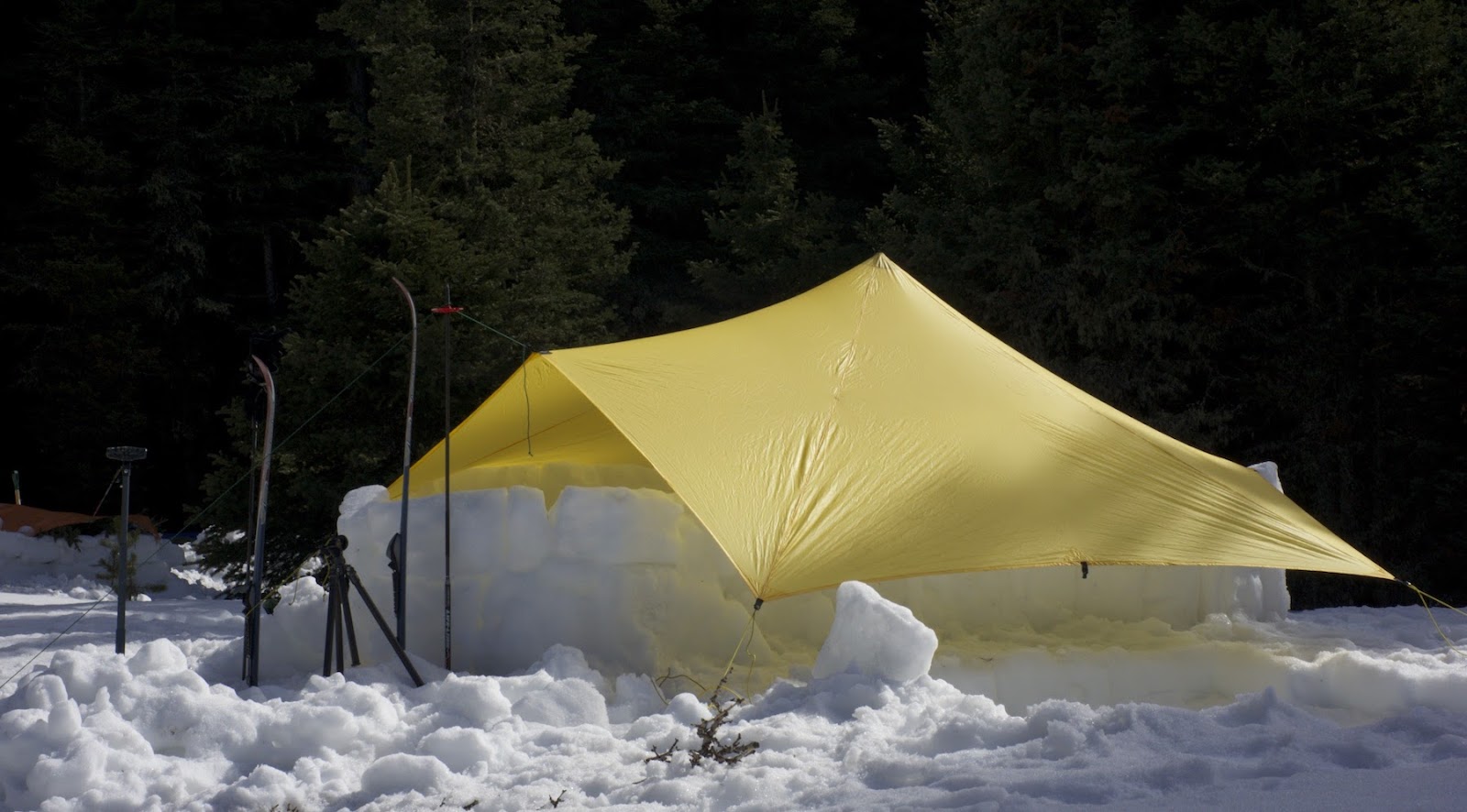
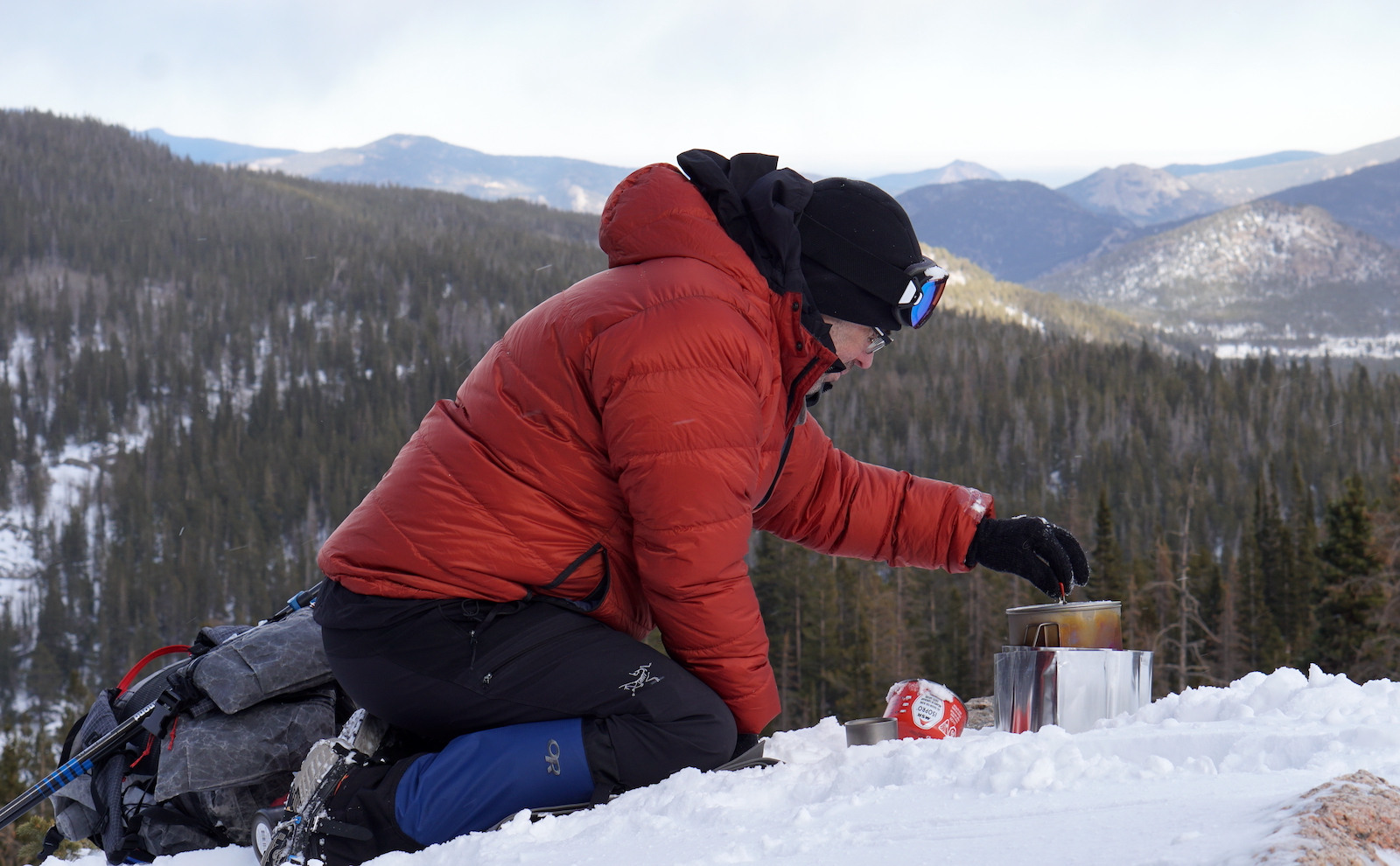
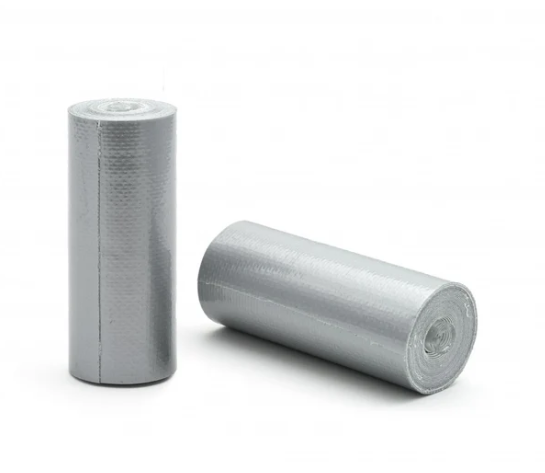
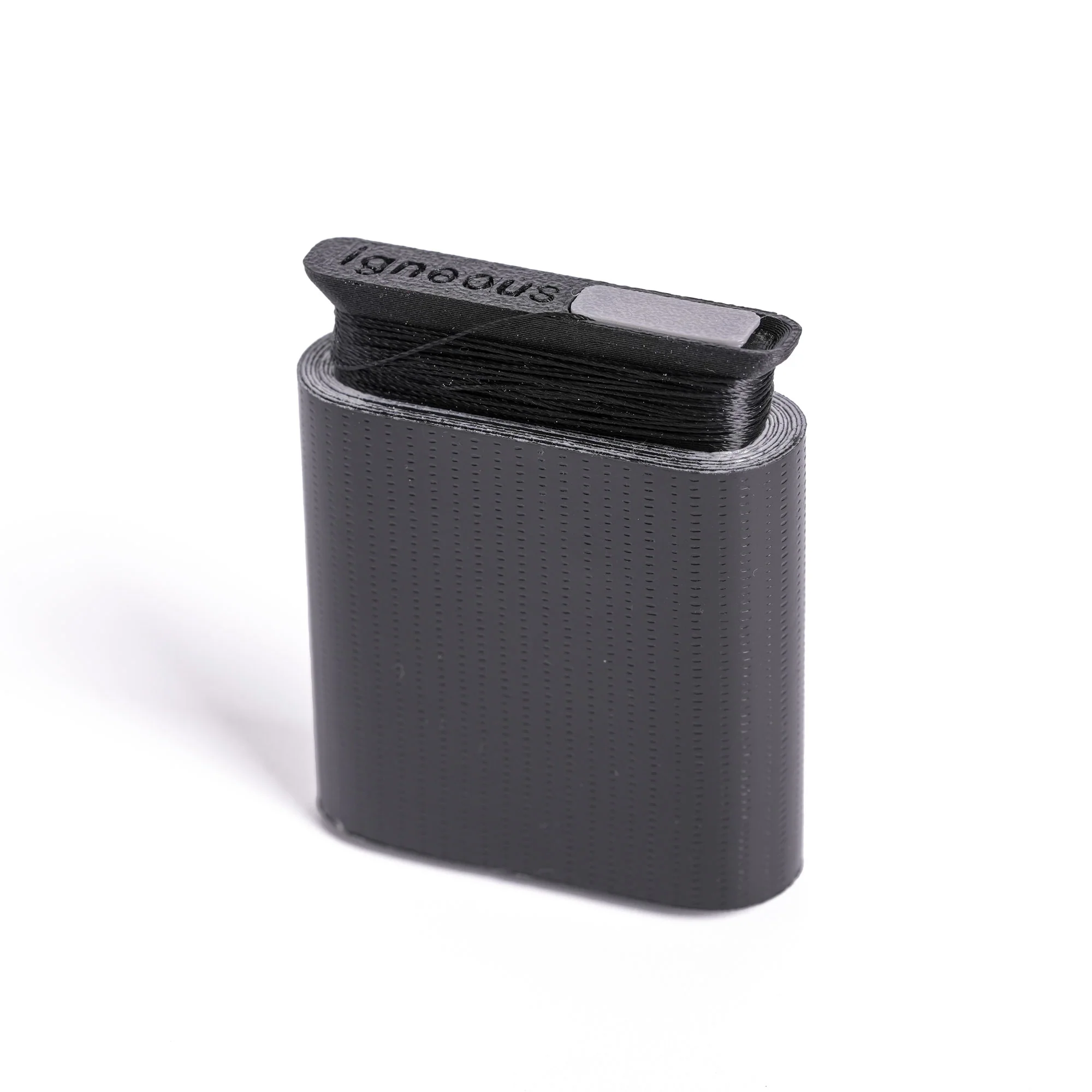

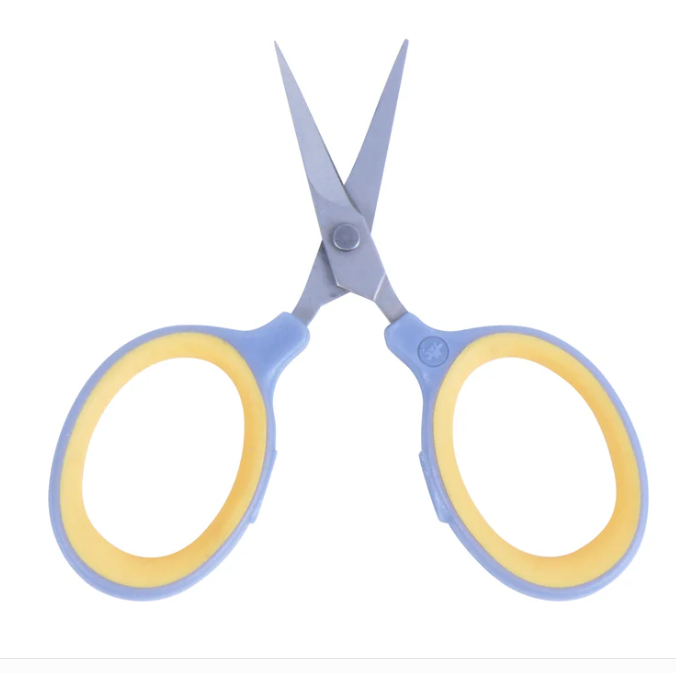
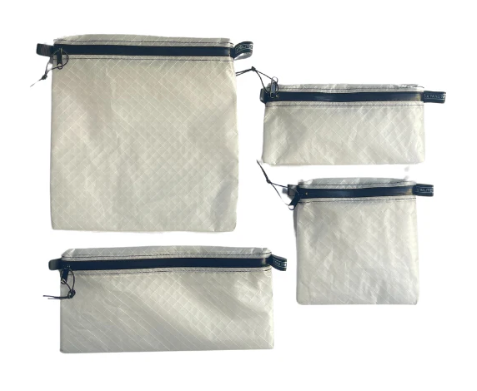
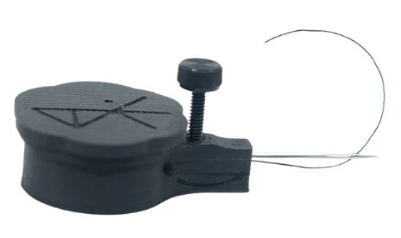

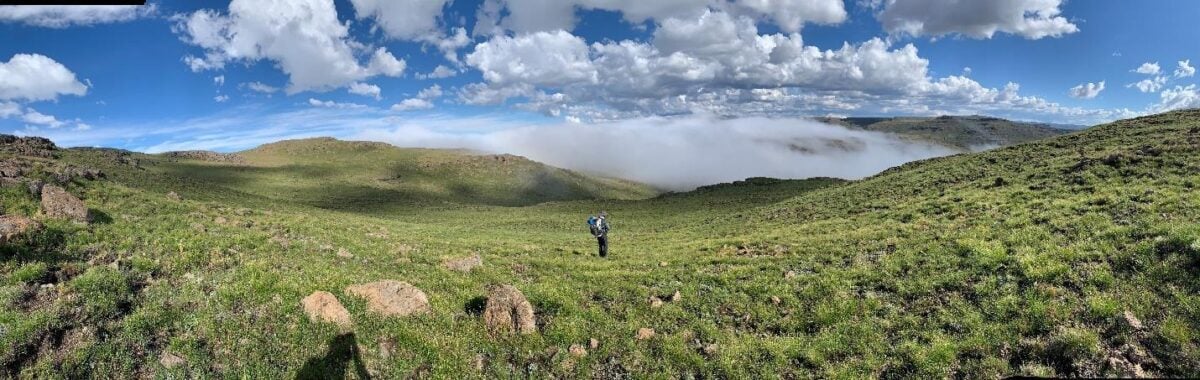
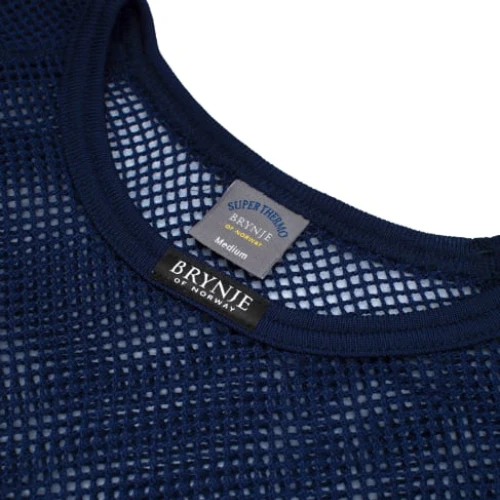
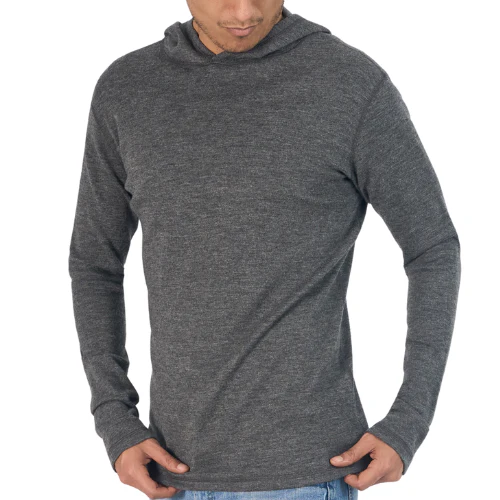
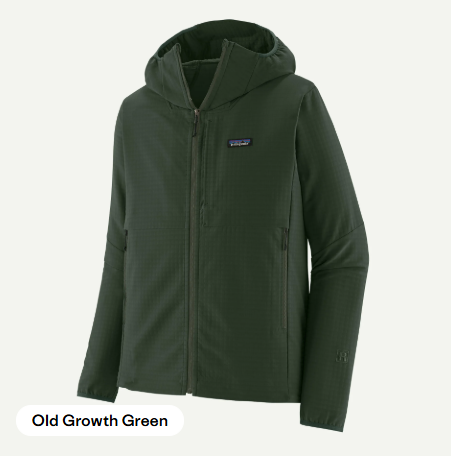
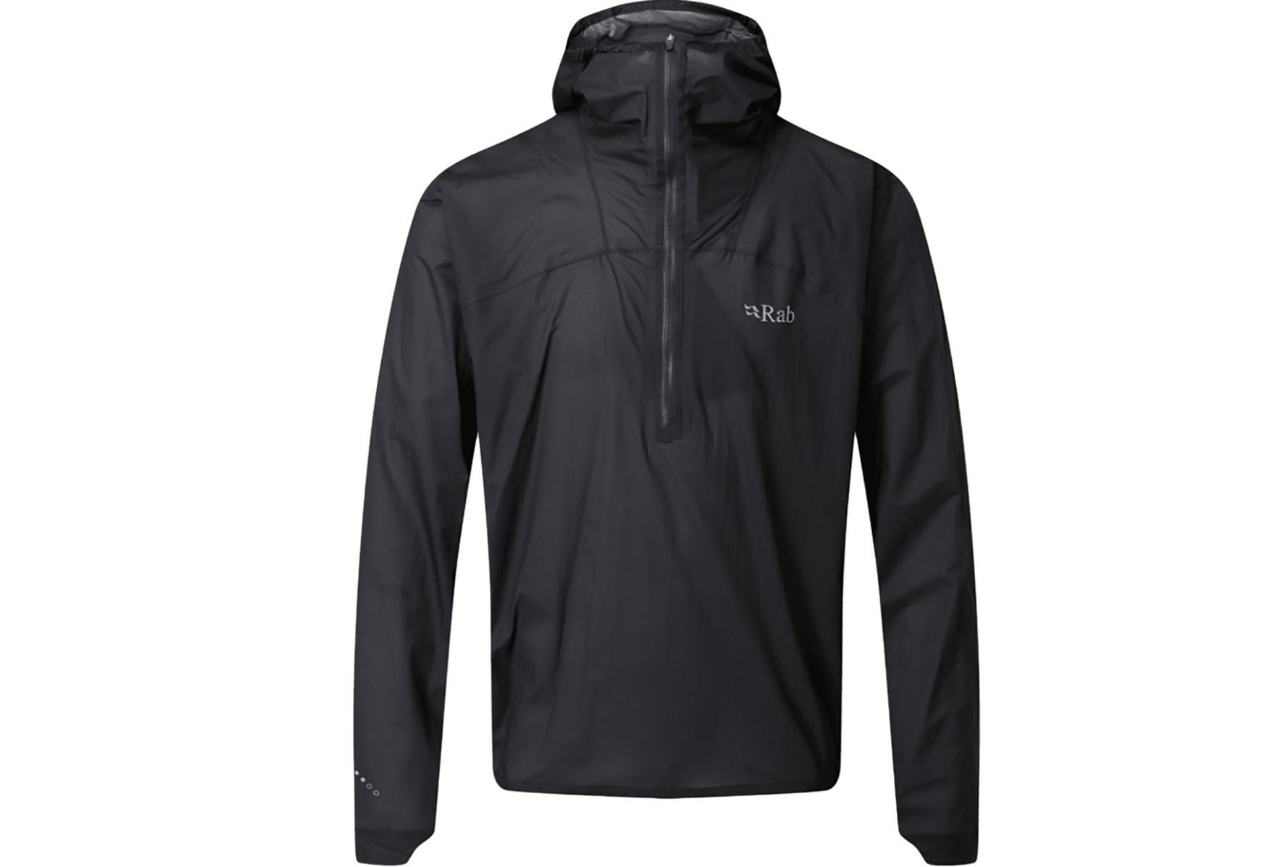
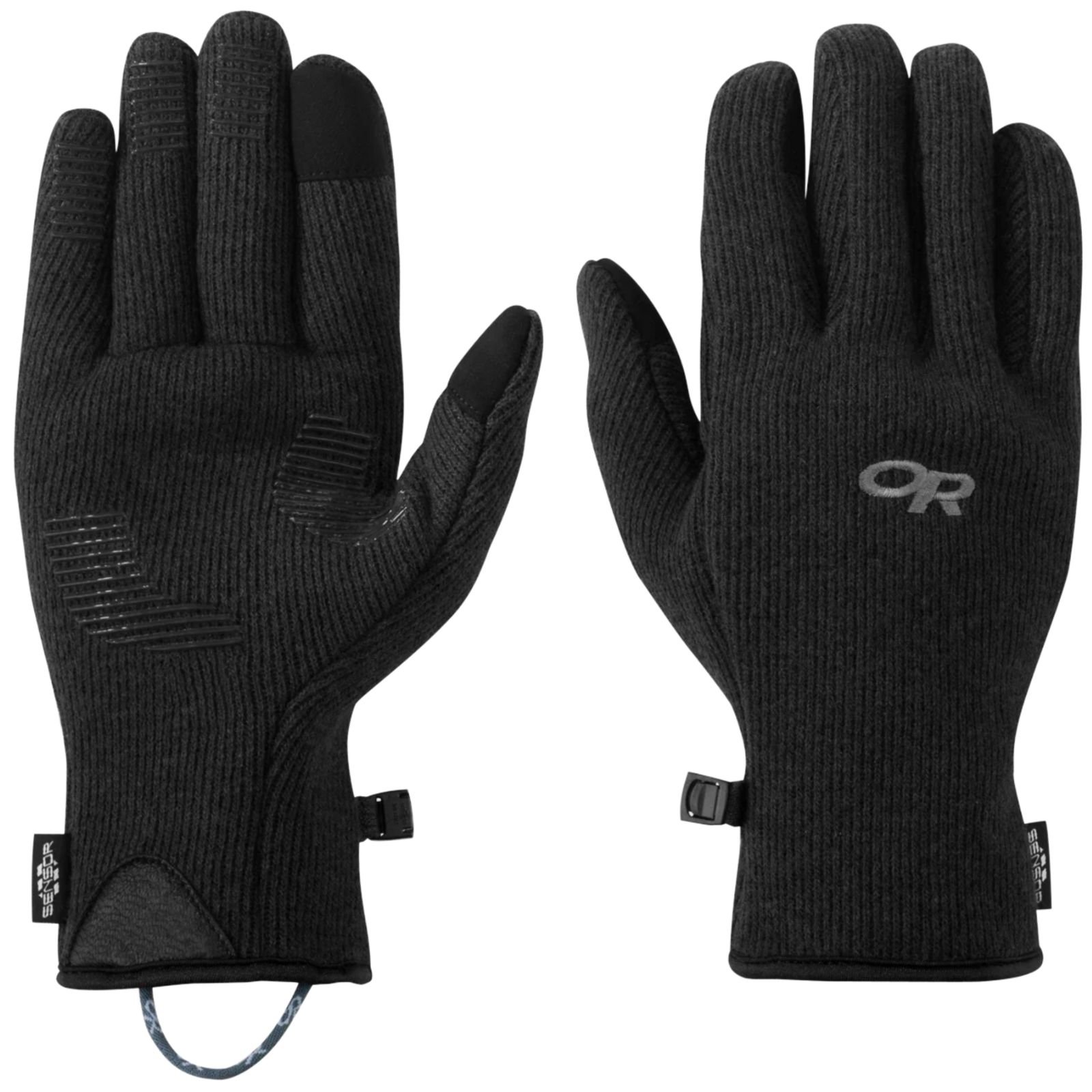
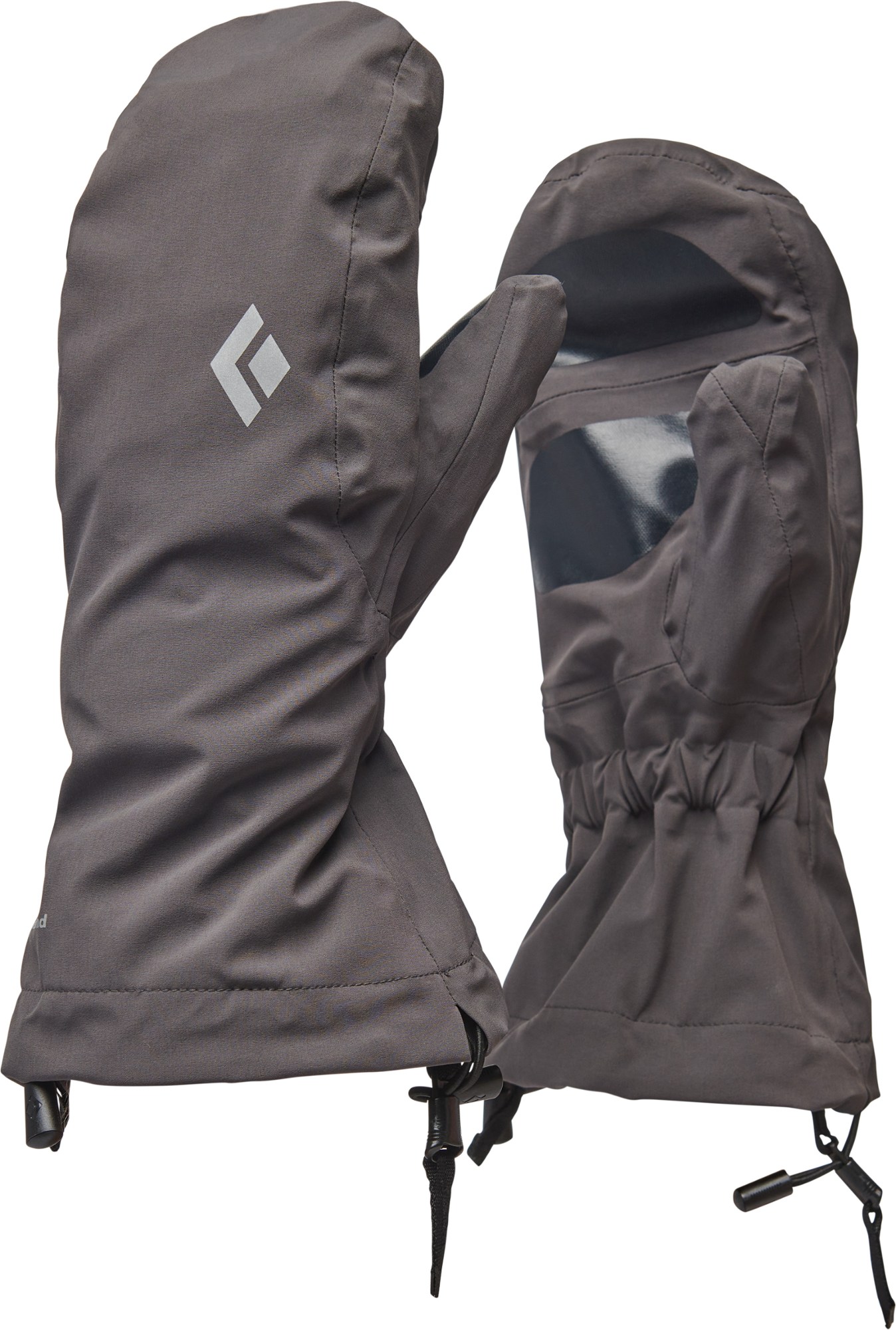
 Funding Disclosure: Brynje of Norway provided financial support and product samples to underwrite the development of this report.