


Introduction
Backpacking and hiking are exciting and rewarding activities that offer opportunities to explore places many people may only visit once in a lifetime. Often, this means travelers fly long distances to reach their dream destinations. However, in the rush of planning logistics and managing daily life, training and physical preparation can fall to the wayside.
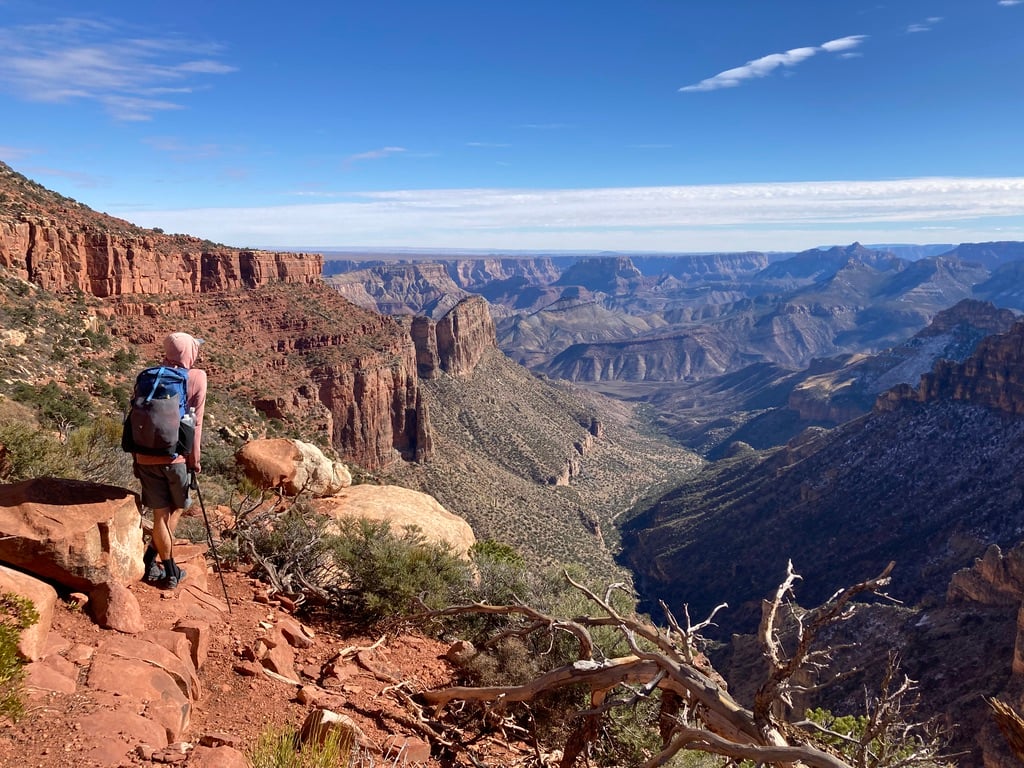
Many hikers arrive at the nearest airport—hours from their trailhead—then drive long distances before starting their trek after an exhausting day of travel. Some begin their backpacking trip without adequate rest or the necessary fitness level to safely complete their planned route. Whether hiking close to home or across the country, backpackers face numerous risks, including overuse injuries, poor nutrition, dehydration, and extreme weather conditions.
One lesser-known but potentially life-threatening condition is exertional rhabdomyolysis (ER) or “rhabdo” for short. Rhabdo occurs when extreme physical exertion causes muscle fibers to break down, releasing their contents into the bloodstream. If not recognized and treated promptly, this can lead to severe complications, including kidney damage and even organ failure. While rhabdo is commonly associated with elite athletes, firefighters, and military personnel, it is increasingly being seen in backcountry hikers who push their bodies beyond their limits—often in remote areas where medical help is hours or even days away.
This article will examine the causes, symptoms, and risk factors of exertional rhabdomyolysis, with a particular focus on its relevance to backpacking. We’ll also discuss how to recognize early warning signs, what to do if you or a hiking partner develops symptoms, and how to prevent rhabdo from derailing your adventure. Additionally, we will review a recent case study of a hiker who suffered from rhabdo, drawing key lessons from the experience.
By understanding rhabdo and taking proactive steps, hikers can better prepare for physically demanding trips, reduce their risk, and ensure a safer and more enjoyable backcountry experience. This article is not meant to replace having the appropriate first aid or medical training for your time spent outside. Learning more about wilderness medicine from trained and certified instructors is a great way to stay safe and help others in the backcountry.
What is Exertional Rhabdomyolysis?
In Knapik et al. (2016), the authors define exertional rhabdomyolysis as “a medical condition whereby damage to skeletal muscle is induced by excessive physical activity in otherwise healthy individuals. The individual performs so much activity that [they] presumably deplete local muscle energy stores and muscle cells are unable to maintain cellular integrity, resulting in cell damage and the release of cellular contents, with resultant secondary complications.”
More specifically, exertional rhabdomyolysis occurs when intense physical activity depletes muscle energy stores, disrupting the function of ATP-dependent ion pumps that regulate calcium. This leads to calcium overload within muscle cells, activating enzymes that break down muscle proteins, damaging cell membranes, and releasing cellular contents, such as myoglobin, creatine kinase, and potassium, into the bloodstream. Myoglobin, in particular, can overwhelm the kidneys, causing acute kidney injury by obstructing renal tubules. Elevated potassium levels can lead to life-threatening cardiac arrhythmias, and phosphate release can further complicate kidney function. Additionally, common risks associated with backpacking, such as dehydration or heat stress, can exacerbate the condition by impairing kidney function and increasing muscle vulnerability.
Causes & Risk Factors in the Backcountry
While few hikers who experience a tough day of backpacking will develop exertional rhabdomyolysis, certain risk factors significantly increase the likelihood of this condition. Factors such as overexertion, dehydration, high-heat conditions, and insufficient recovery time can contribute to muscle damage in some individuals, but they don’t guarantee that it will happen to everyone. That being said, understanding these causes can help reduce the risk, particularly in more demanding backcountry conditions.
Member Exclusive
A Premium or Unlimited Membership* is required to view the rest of this article.
* A Basic Membership is required to view Member Q&A events


Discussion
Become a member to post in the forums.
Companion forum thread to: Exertional Rhabdomyolysis Among Backcountry Hikers
Understanding the causes, symptoms, risk factors, prevention, and treatment of exertional rhabdomyolysis in backcountry hikers and treatment for safer trips.
Good read. I think using the example of ER brought on by over hydration causing hyponatremia really hits on something a lot of people don’t understand. Proper hydration is more than just drinking enough water, electrolytes must be replenished at an equal rate to which they are lost too.
Become a member to post in the forums.