

All Articles, Dispatches, Podcasts, and Trailheads
- GEAR • Gear Reviews
- GEAR • Market Reports
- GEAR • Gear Guides
- GEAR • Gear Checklists
- GEAR • Make Your Own Gear
- GEAR • Gear Testing & Research
- SKILLS • Tips, Tricks, and Hacks
- SKILLS • Wilderness Skills
- SKILLS • Training
- SKILLS • Trip Planning
- SKILLS • Food Preparation
- PLACES • Trips
- PLACES • Routes
- CULTURE • Essays
- CULTURE • Stories
- CULTURE • Issues
- CULTURE • People
- CULTURE • News
- CULTURE • Media Reviews
- ARCHIVES (Before 30.Nov.2015)
- SEARCH LIBRARY
- TRAILHEADS
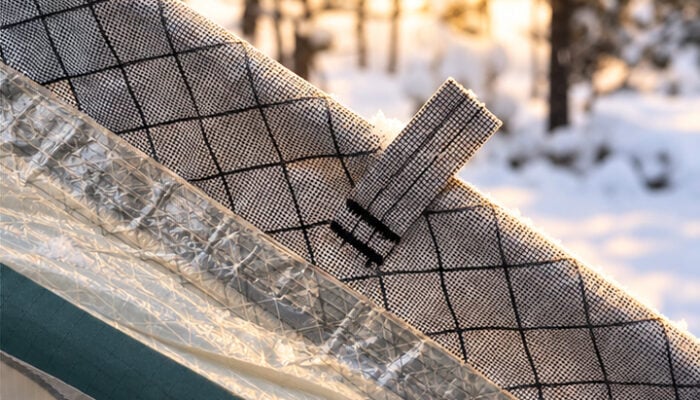
Technical Fabrics for Backpacks, Shelters, and Storage Systems: A Comparative Guide
A technical comparison of modern fabrics used in backpacks, shelters, and storage systems, including DCF, Ultra, X-Pac, ECOPAK, silnylon, silpoly, and ALUULA. The tables compare weight, tear strength, abrasion resistance, waterproofness, dimensional stability, construction, and key tradeoffs using current manufacturer data.

MYOG: SUL Remote Inverted Canister Winter Stove V8
An ultralight winter stove is simple in concept—but devilishly complex in execution. This deep dive traces the evolution of a remote inverted-canister stove through eight generations of design, testing, and refinement. The result is a 75-gram V8 vortex stove shaped by careful experimentation with airflow, thermal balance, burner geometry, fuel vaporization, and field-worthy component design.
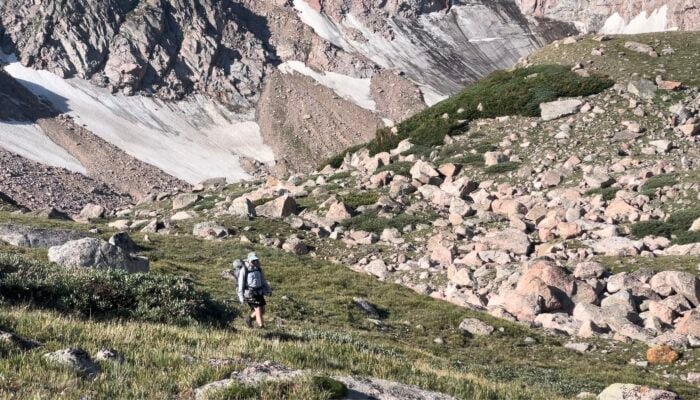
A Multifactorial Case of Acute Mountain Sickness, Carbohydrate Depletion, and Dehydration
After a recent strenuous approach to an alpine area, headache, nausea, fatigue, and dizziness produced a Lake Louise AMS score consistent with moderate acute mountain sickness. Garmin data and a detailed reconstruction of food, fluid, workload, and sleep revealed a more complex event. This case study examines how altitude exposure interacted with carbohydrate depletion, dehydration, and accumulated fatigue - and why backcountry illness is often better understood as a convergence of physiological stressors.
The Engineering Behind Backpack Load Lifters
Load lifters do more than pull the top of a backpack closer to your body. Backpack engineer Nenta Wako explains how they affect lumbar torque, shoulder and pelvic loading, pack stability, and carrying comfort - and how frame rigidity, attachment geometry, and proper adjustment determine whether they work.
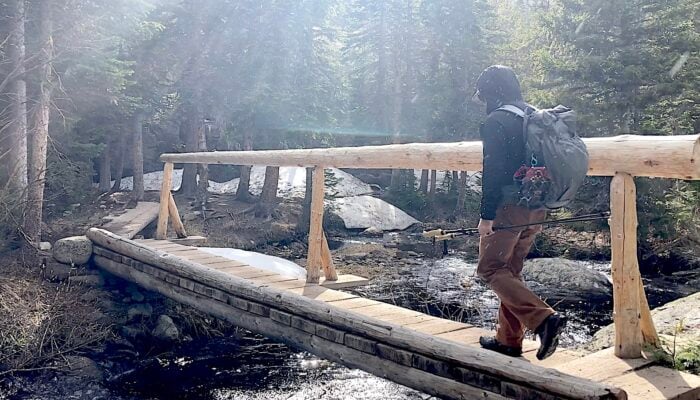
Durston Wapta 30 Backpack Review
The Durston Wapta 30 is a ~1 lb backpack made with Aluula fabric. In this review, we evaluated packbag stability, harness comfort, and usability in the context of its frameless design.
Field notes: backcountry camping in wind
High winds increase risk and planning complexity for backpackers. Deadfall obstacles create delays and add effort. High winds can impact balance and stability while hiking off-trail in exposed terrain. Ultralight shelters are notorious for their tent-stake failures in storms, which require a different strategy for stakes and guylines. This dispatch frames these challenges in the context of the author's recent Colorado high-country overnight to identify three key lessons from the field about how to thrive in windy weather.
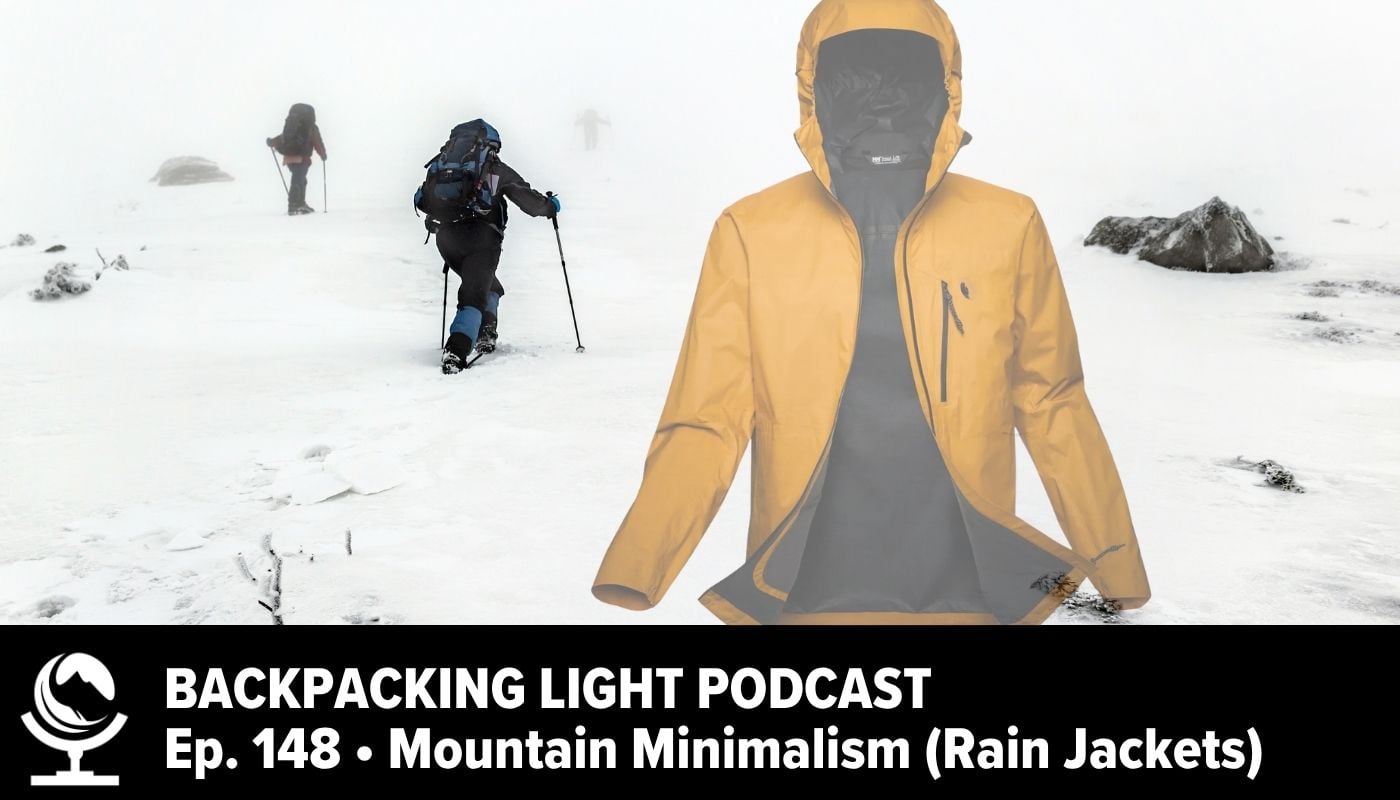
Episode 148 | Rain Jackets for Mountain Minimalism
How to choose rain gear for mountain minimalism based on exposure, retreat options, wind, abrasion, and thermal margin.
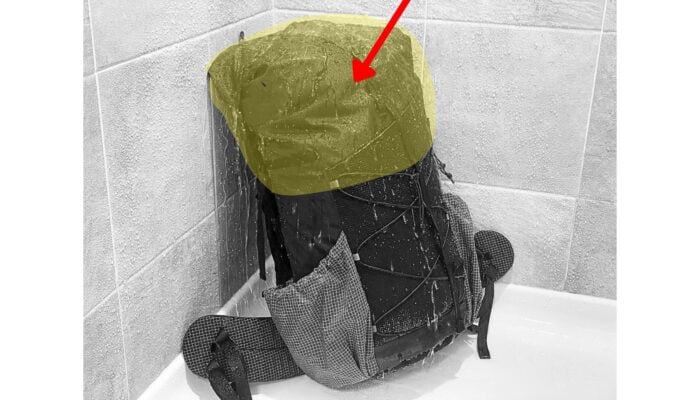
A Simple Shower Test for Evaluating Backpack Water Resistance
We use a simple and repeatable shower test method to evaluate backpack water resistance that incorporates fabrics, closures, seepage, and material water absorption.
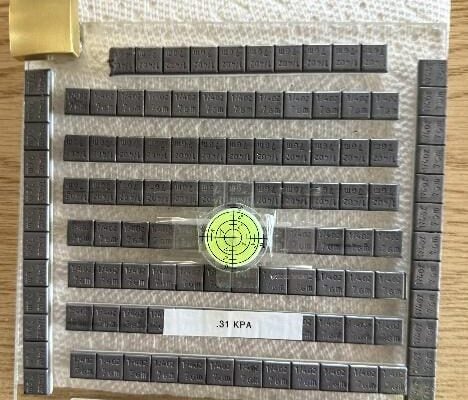
By the Numbers: The Tug of Water – Why Some Layers Hold Sweat and Others Let it Go
Our new test data reveals which hydrophobic and hydrophilic base layers are most effective at liquid water transfer, moving sweat away from your skin during high exertion.
Episode 147 | Thermoregulatory Debt
Avoid thermoregulatory debt by learning how delayed layering decisions in cold, wet, or windy conditions lead to moisture, heat, and performance debt. Timing is key.

Camping Under Trees: Hazard-Tree Awareness and Campsite Selection for Backpackers
Falling trees pose a fatal risk to backpackers, especially when camping. Learn to identify hazard trees and choose a safe campsite by scanning the fall zone.
Rain jackets for mountain minimalism
Ultralight rain jackets are useful, but not universally applicable in all contexts. Here, the author compares ultralight rainwear with mountain rainwear and defines the “mountain minimalist” shell: a simple, 8- to 11-oz, 3-layer jacket built for prolonged exposure, abrasion, and really bad weather without unnecessary features.

REI’s Labor Fight Is a Test of Co-op Trust
Documents show benefit changes, financial pressure, and unresolved legal questions. They also show how little members can verify from public statements alone.
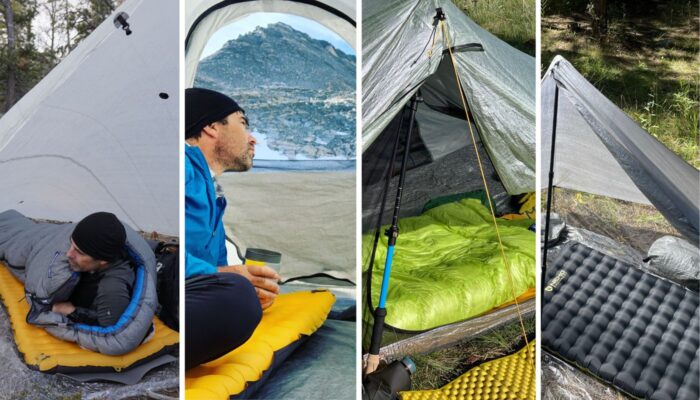
Inflatable Sleeping Pads for Backpacking
The product category of inflatable sleeping pads is trending towards larger, warmer, and more comfortable pads - with very little weight penalty. This market report surveys available products and provides use case guidance, context tips, and feedback heuristics for optimizing comfort.
Why You Should Spend a Few Ounces of Pack Weight on Rainwear Ventilation Features
In this article, we make the case for spending some extra weight on rain jackets and rain pants that offer more ventilation features (and durability) than typical ultralight rainwear styles (updated May 2026).
Backpacking Light x REI Gear Guide
Lightweight and ultralight backpacking gear at REI - updated with recommendations, limitations, disclaimers, and consumer advocacy.
Cottage Gear Guide: Ultralight Hiking & Backpacking Gear from Small, Startup, and Cottage Brands
Discover the most unique, innovative, and ultralight backpacking gear from small, startup, and cottage brands in our Cottage Gear Guide.
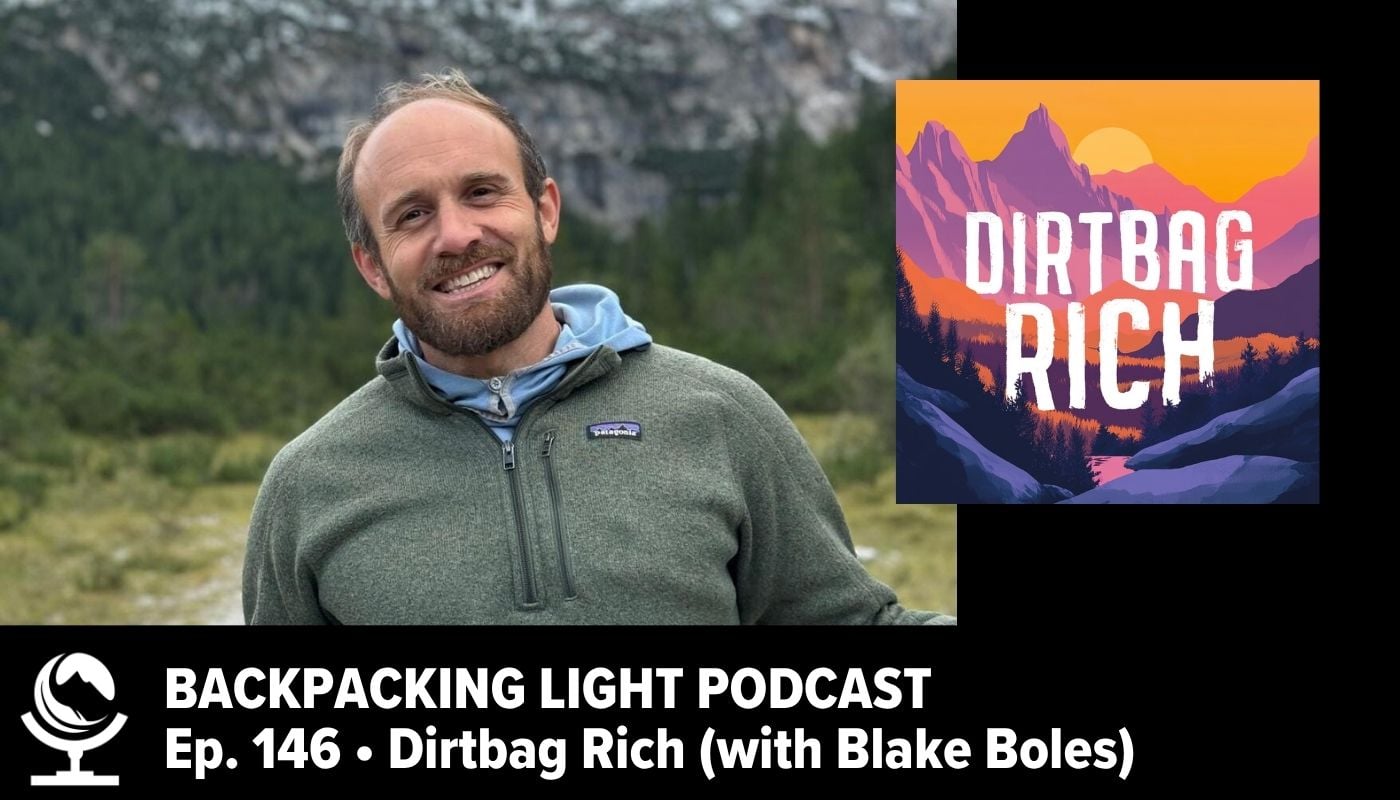
Episode 146 | Dirtbag Rich with Blake Boles
Ryan Jordan interviews Blake Boles, author of Dirtbag Rich, about redefining wealth through time, purpose, flexibility, and outdoor freedom. They explore dirtbag culture, careers, housing, relationships, risk, and the pursuit of a life built around adventure, simplicity, and meaningful time outside before retirement.
On Wilderness and Flourishing
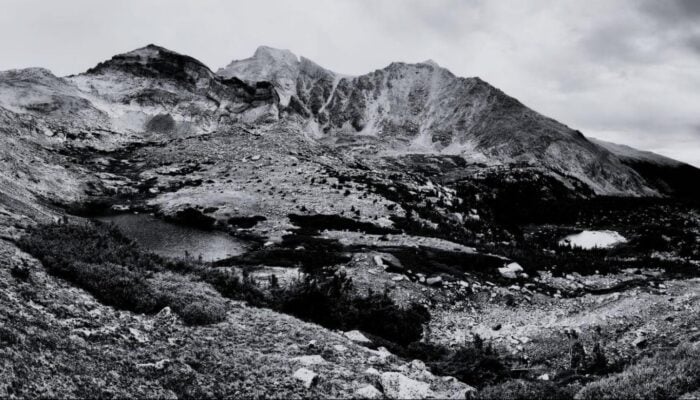
In this philosophical essay, Backpacking Light founder Ryan Jordan argues that wilderness is more than scenery, recreation, or resource. Drawing on Aristotle, and testing ancient and modern philosophies against the state of humanity's relationship to nature, he proposes a Wilderness Ethic of Flourishing: wild places cultivate prudence, courage, temperance, and contemplation in ways modern civilization cannot. This philosophical foundation offers a deeper case for preserving wild lands in an age of distraction, extraction, and political distortion.
Key drivers of activity-related fatigue in the backcountry
Fatigue in the backcountry is not just a subjective sensation of tiredness. It is a cumulative physiological burden that can impair movement quality, physical performance, decision-making, and safety. This article introduces an exposure-dose framework for understanding fatigue accumulation and examines three primary categories: uphill concentric muscular fatigue, downhill eccentric and joint fatigue, and metabolic fatigue. It also considers the interactions among these fatigue types and explains why their recovery and decay occur over different physiological timescales. Two routes with different grade geometries are compared using the TRIPS software platform.
Episode 145 | Backpacking at Altitude
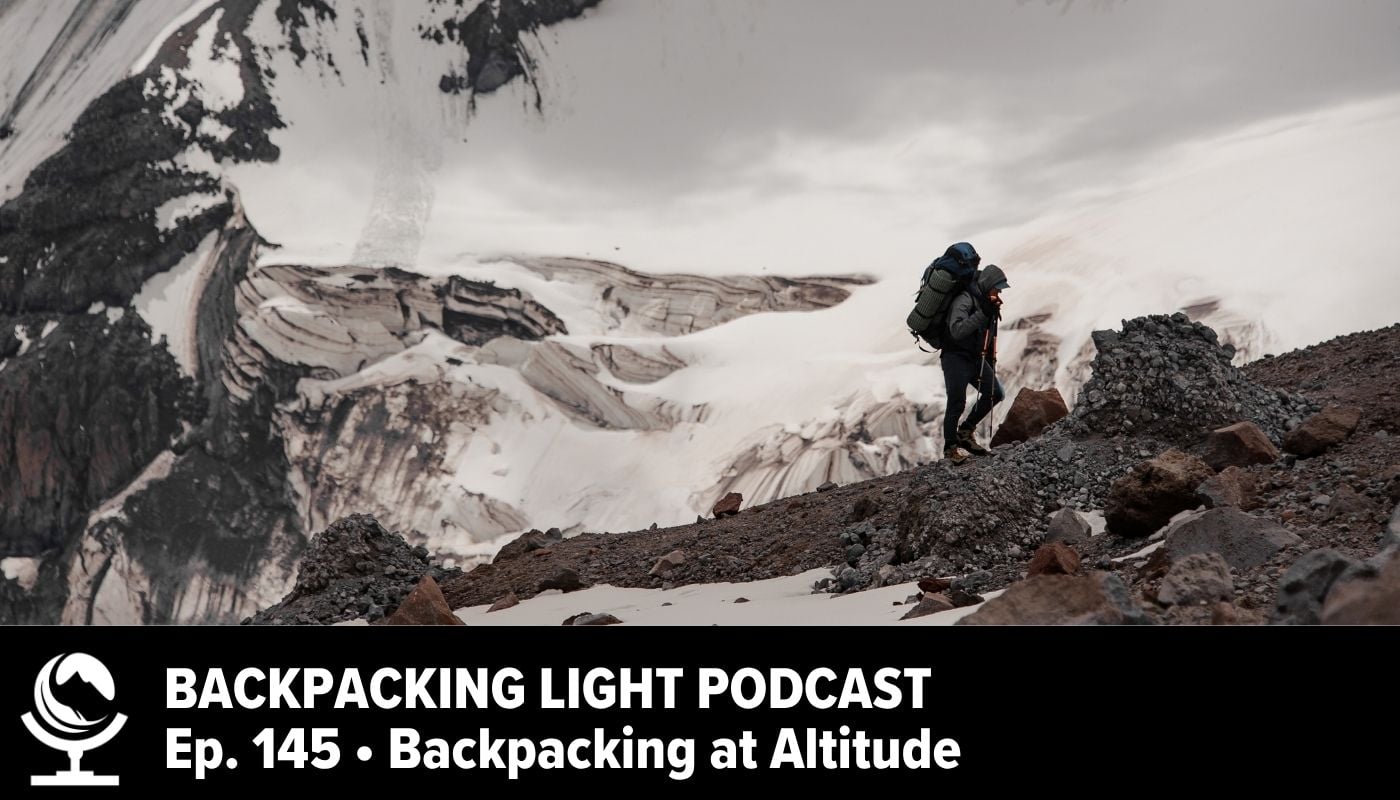
How altitude affects backpacking performance, sleep, fatigue, acclimatization, and AMS – with practical strategies for planning safer trips.
"Simplify, then add lightness." - Colin Chapman
 Vaer C4 Tactical Field SolarDurable timepiece for wilderness users - 20ATM (200m) water resistance, 120-click bezel, 316L SS casing, sapphire glass, solar-powered, Epson VS-42 Japanese movement, C3 Lume, USA assembly.
