

Research & Testing
- GEAR • Gear Reviews
- GEAR • Market Reports
- GEAR • Gear Guides
- GEAR • Gear Checklists
- GEAR • Make Your Own Gear
- GEAR • Gear Testing & Research
- SKILLS • Tips, Tricks, and Hacks
- SKILLS • Wilderness Skills
- SKILLS • Training
- SKILLS • Trip Planning
- SKILLS • Food Preparation
- PLACES • Trips
- PLACES • Routes
- CULTURE • Essays
- CULTURE • Stories
- CULTURE • Issues
- CULTURE • People
- CULTURE • News
- CULTURE • Media Reviews
- ARCHIVES (Before 30.Nov.2015)
- SEARCH LIBRARY
- TRAILHEADS
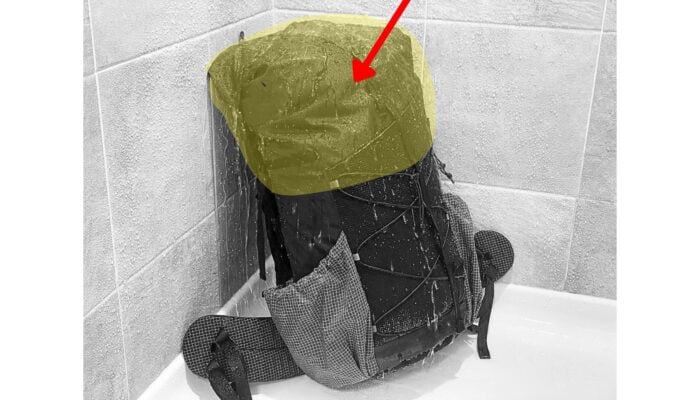
A Simple Shower Test for Evaluating Backpack Water Resistance
We use a simple and repeatable shower test method to evaluate backpack water resistance that incorporates fabrics, closures, seepage, and material water absorption.
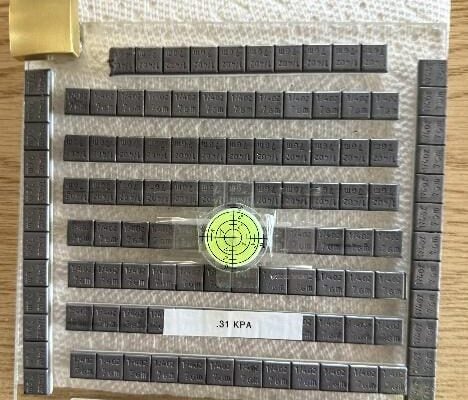
By the Numbers: The Tug of Water – Why Some Layers Hold Sweat and Others Let it Go
Our new test data reveals which hydrophobic and hydrophilic base layers are most effective at liquid water transfer, moving sweat away from your skin during high exertion.
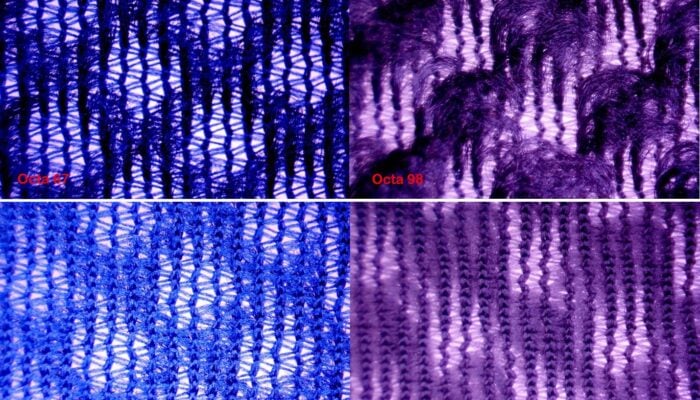
By The Numbers: Fun Findings For Five Fuzzy Fabrics
Five fuzzy insulations get measured head-to-head: Polartec Alpha Direct, Primaloft Evolve, and three Teijin Octa builds. See how structure drives air permeability, MVTR, drying rate and energy, directional R-value, and durability. Results highlight Alpha’s breathability and efficiency, Evolve’s resilience, and Octa’s structured, durable use cases for high-output backcountry layering systems.
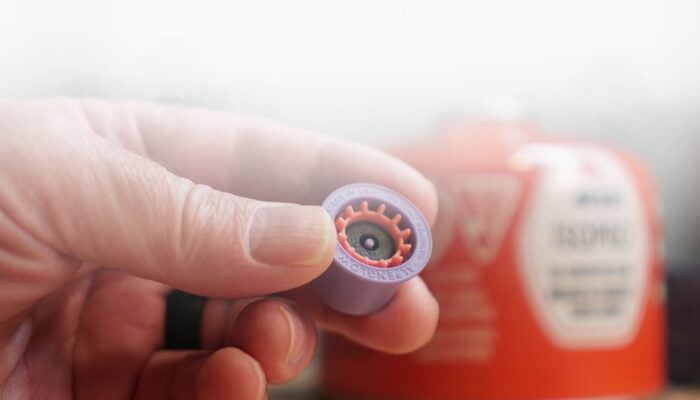
Fuel Transfer Valves for Backpacking: Fuel Physics, Myths, Risks, and Real-World Performance
This article examines canister fuel transfer devices from a thermodynamics and engineering perspective, focusing on pressure-driven flow, headspace constraints, fractional distillation of LPG mixtures, and measured transfer rates. It evaluates Alpenflow, FlipFuel, and generic EN 417 adapters and outlines conservative operating practices that respect established EN 417 design safety margins.
How does a Quilt’s Pad Attachment System Influence its Heat Loss Resistance?
This study quantifies how quilt pad-attachment geometry affects convective heat loss. Using a controlled thermal surrogate, standardized wind exposure, and time-constant (τ) modeling, we compare pad strap to sheet-and-shingle systems. Results show that tighter pad coupling preserves a substantially higher fraction of still-air thermal resistance, especially under modest side winds.
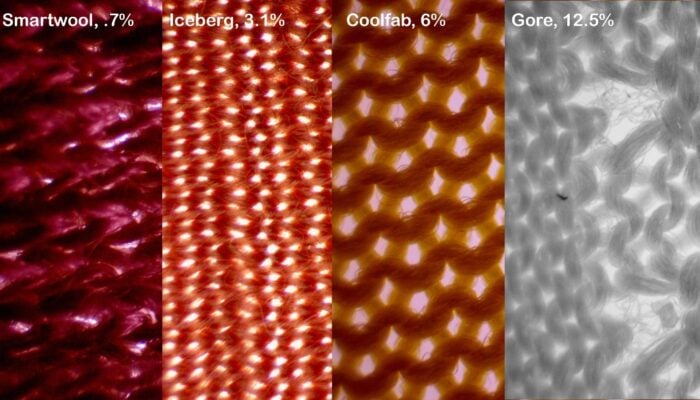
By the Numbers: The Energy Cost of Drying Your Base Layer
Drying wet base layers with body heat demands significant energy. The choice of fabric (wool vs. synthetic) may make less of a difference under some conditions; the quantity of water is key.
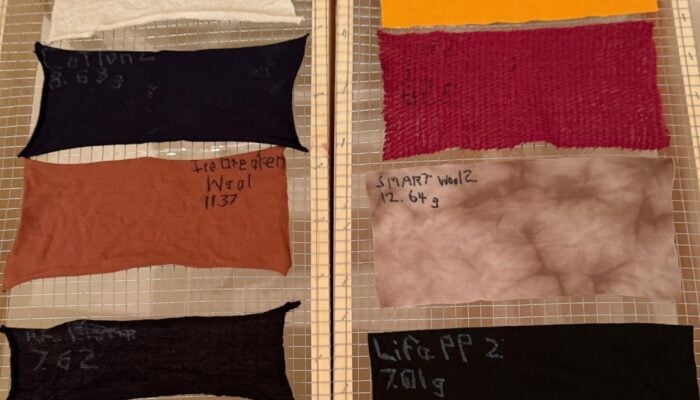
By the Numbers: Another Look at Fabric Drying Performance – How can an Alpha Direct Base Layer take Longer to Dry than a Wool Base Layer?
A deep dive into the factors that cause Alpha Direct to take longer to dry than wool.
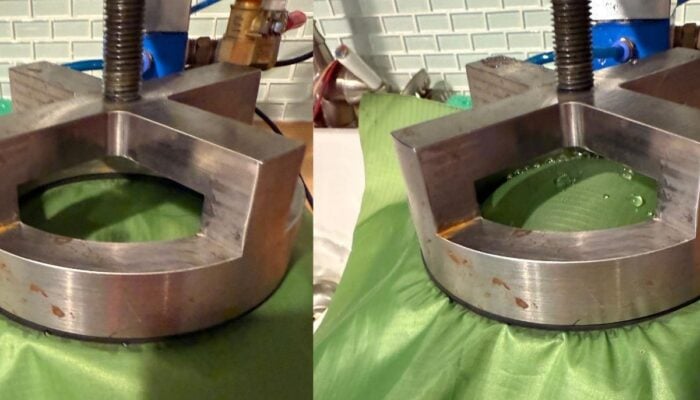
Testing Páramo Analogy Waterproof Clothing: How Well Does It Work for Rain (and Wind Shells)?
An in-depth analysis of Páramo Analogy Fabric to see how it performs in wet conditions.

The Metabolic Energy Mile (MEM) Framework: A Systems-Based Approach to Measuring the Cost of Walking a Mile
The Metabolic Energy Mile (MEM) Framework redefines hiking effort beyond distance. It integrates terrain, fatigue, and environment for accurate energy cost prediction.
Advances in Materials and Manufacturing in Ultralight Backpacks: A Technical Review and Case Study
A technical analysis of material and manufacturing innovations in ultralight backpack design, with a case study of the Arc'teryx Alpha SL 30. This report examines fusion bonding, molecularly bonded UHMWPE laminates, and the engineering tradeoffs shaping the next generation of ultralight packs.
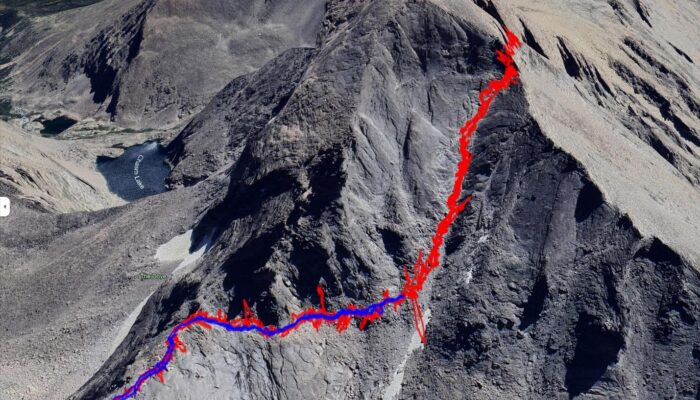
By the Numbers: Can New GPS Technology Save Your Life? Under the Right Conditions, it just Might
Stephen Seeber compares iPhone and Garmin Fenix GPS tracks for accuracy and reliability.

LightBench: A Laboratory Testing Procotol for Comparing the Performance of Flashlights and Headlamps
In this technical brief, we quantitatively evaluate the performance of lights considering brightness, battery life, and weight into an objective Lightbench Index.
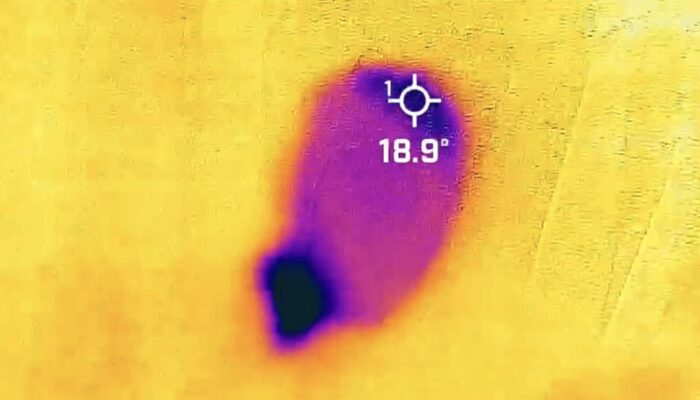
How Fishnet Works (Base Layer Fabric Structures)
This article explores how fishnet base layers offer superior moisture management and comfort for cold-weather backpacking by promoting rapid moisture vapor transport and minimizing condensation.
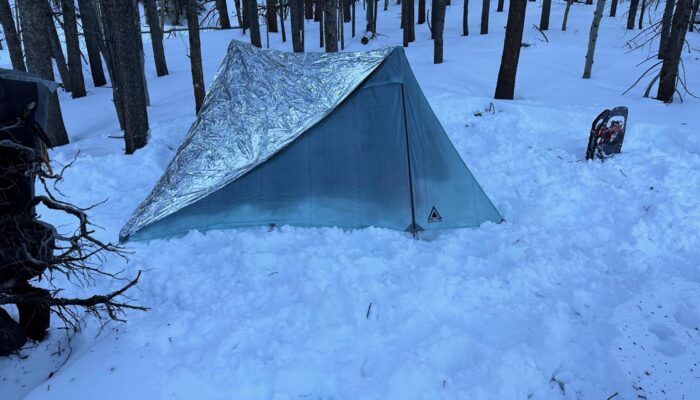
By the Numbers: How does Tent Design and Materials Influence Cold-Weather Camping Comfort?
An overview of the complex heat exchange mechanisms between the tent occupant and the outside environment - and how to test tent construction's impact on comfort.
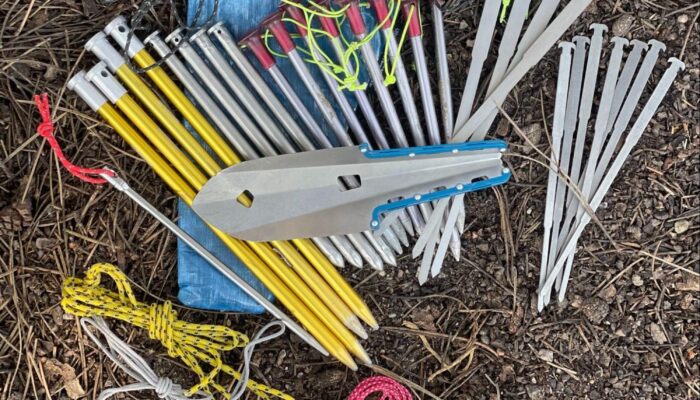
How do tent stakes interact with soils to create holding power?
Tent stake holding power, especially in adverse wind conditions, relies on principles of engineering and physics, including cross-sectional shape, length, soil interaction, and insertion angle.
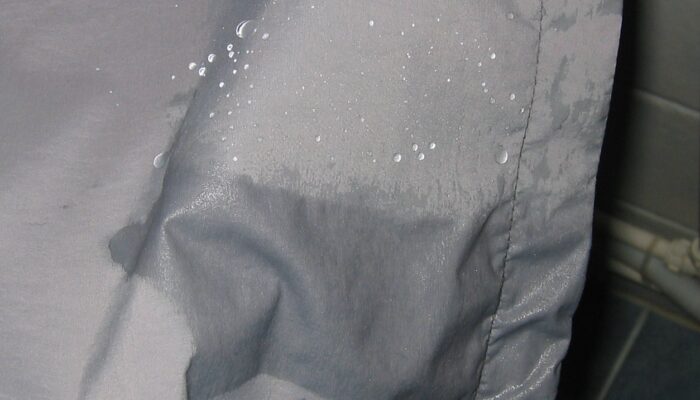
Shell Game: Wind and Rain Jacket Breathability Tests vs. Trail Performance
I sent several top wind and rain shells to the lab to measure breathability and then took them on the trail for real-world testing.
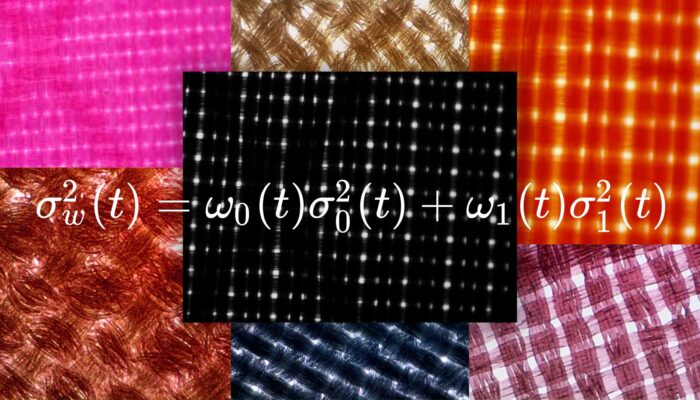
What Properties Influence the Air Permeability of Wind Shirt Fabrics?
The purpose of this report is to investigate the relationship between air permeability, fabric porosity, weave type, and yarn structure via photomicrography and image analysis. This is not an exhaustive research study, but rather, an exploration of some of the fabric design attributes that have an impact on air permeability rates.
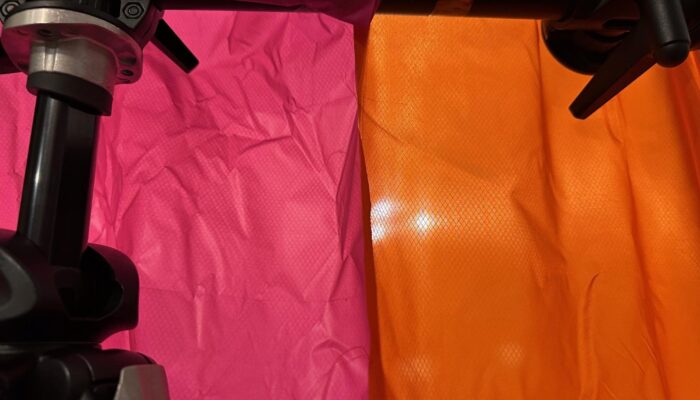
By The Numbers Fabric Air Permeability and MVTR are Closely Related, Just Not How You Might Expect
This work explores the relationship between air permeability and MVTR in fabrics that do not include a waterproof membrane.
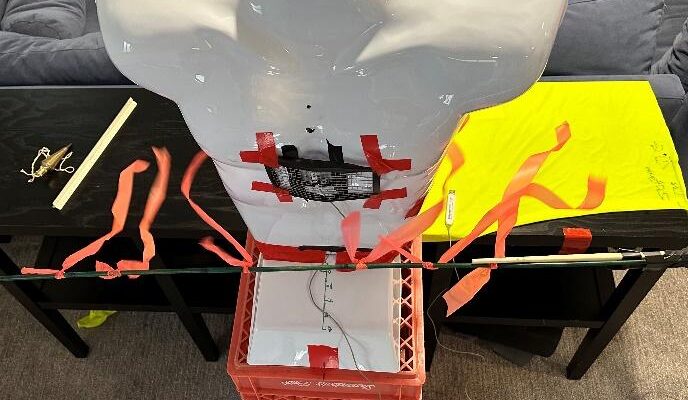
By The Numbers – How Much Wind Penetrates Your Air Permeable Outer Layer at Hiking and Running Speeds?
Stephen Seeber helps us answer the question, "do air-permeable garments allow a noticeable amount of ventilation while hiking or running?"

By the Numbers: The Myth of Air Permeability in Windshirts
If one of your objectives in selecting a windshirt is eliminating moisture vapor, your selection should rely more heavily on Moisture Vapor Transmission Rate (MVTR) than Air Permeability Measurements (APM / CFM).
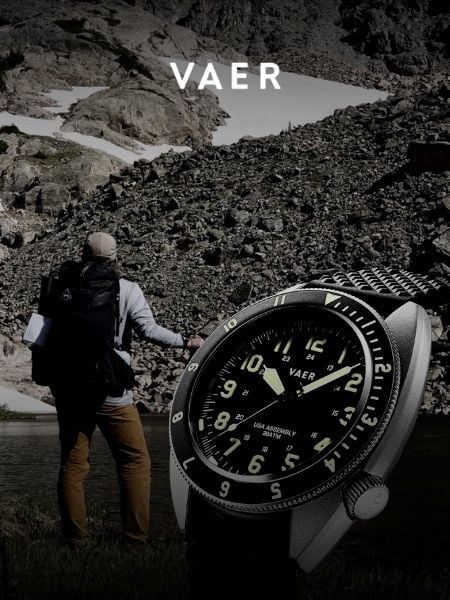 Vaer C4 Tactical Field SolarDurable timepiece for wilderness users - 20ATM (200m) water resistance, 120-click bezel, 316L SS casing, sapphire glass, solar-powered, Epson VS-42 Japanese movement, C3 Lume, USA assembly.
