

Research & Testing
- GEAR • Gear Reviews
- GEAR • Market Reports
- GEAR • Gear Guides
- GEAR • Gear Checklists
- GEAR • Make Your Own Gear
- GEAR • Gear Testing & Research
- SKILLS • Tips, Tricks, and Hacks
- SKILLS • Wilderness Skills
- SKILLS • Training
- SKILLS • Trip Planning
- SKILLS • Food Preparation
- PLACES • Trips
- PLACES • Routes
- CULTURE • Essays
- CULTURE • Stories
- CULTURE • Issues
- CULTURE • People
- CULTURE • News
- CULTURE • Media Reviews
- ARCHIVES (Before 30.Nov.2015)
- SEARCH LIBRARY
- TRAILHEADS

Stoves, Tents and Carbon Monoxide – Deadly or not? Supplement 4: Jetboil Helios
Jetboil releases its first remote canister stove. Does this work well enough to be a good winter stove?

Stoves, Tents and Carbon Monoxide – Deadly or not? Supplement 3: Brunton Vapor AF
Measurements of carbon monoxide levels produced by the Brunton Vapor AF Stove.

Stoves, Tents and Carbon Monoxide – Deadly or not? Supplement 2: Primus Express and EtaExpress
Measurements of carbon monoxide levels produced by the Primus Express stove and EtaExpress cooking system.

Stoves, Tents and Carbon Monoxide – Deadly or Not?
Part 5: Laboratory Measurements for Solid Fuels
Several solid fuels are surveyed at different power levels to assess their carbon monoxide emissions. The results are not good.

Condensation in Single-walled Shelters: Contributing Factors and Tips for Reduction
Condensation in single-walled shelters is a fact of life, but there are many ways to greatly reduce its effects.

Stoves, Tents and Carbon Monoxide – Deadly or not? Part 4: Measurements on Alcohol Stoves
Actual alcohol stoves are surveyed to see which ones are clean and which ones emit too much carbon monoxide. The results are not good.

Stoves, Tents and Carbon Monoxide – Deadly or Not?
Part 3: Laboratory Measurements for Canister Stoves
Actual canister stoves are surveyed to see which ones are clean and which ones emit too much carbon monoxide.

Exploding Gas Canisters: The Hazard of Overheating
Most canister stoves come with extreme warnings to not use a windshield around them for fear of causing an explosion. Many experienced users ignore these warnings. What is the risk? Can a gas canister explode?

Stoves, Tents and Carbon Monoxide – Deadly or Not?
Part 2: Testing the Theory
Can you run your backpacking stove inside your tent, or do you risk death by Carbon Monoxide poisoning?

Stoves, Tents and Carbon Monoxide – Deadly or not?
Part 1: Theory
You've read the warnings and heard the horror stories about cooking in your tent. How dangerous is it really? Part 1 of this series describes: how CO is formed, a warning sign of production, and a simple change you can make to your stove setup to reduce CO.

Comfort and Moisture Transport in Lightweight Wool and Synthetic Base Layers
An in-depth comparison of the properties of wool and synthetic fabric for base layers yielded some surprising results.

Comparative Fuel Efficiency and Carry Weight for Six Lightweight Backpacking Cooking Systems: Part II
Calculating Fuel Usage, Carry Weight Analysis, and Cost/Efficiency Considerations
White Gas, remote canister, top mount canister, integrated canister, alcohol, and fuel tab stove systems - when factoring in fuel carried, trip length, and conditions - which system is the lightest?

Comparative Fuel Efficiency and Carry Weight for Six Lightweight Backpacking Cooking Systems: Part I
Assembling Comparable Cooking Systems and Test Data
White Gas, remote canister, top mount canister, integrated canister, alcohol, and fuel tab stove systems - when factoring in fuel carried, trip length, and conditions - which system is the lightest?

Lightweight Dry Sacks: Comparison Testing Results
The lightest dry sacks from Granite Gear, Outdoor Research, Sea to Summit, Pacific Outdoor Equipment and Cascade Designs (SealLine) subjected to five tough tests - with lots of failures.

Water Weight Gain and Drying Characteristics of Lightweight Hiking Shoes after Submersion
How fast do popular lightweight hiking shoes dry after a thorough soaking?

Drying Characteristics of Select Lightweight Down and Synthetic Insulated Tops
Loft recovery and water weight gain measurements of select down and synthetic tops after a thorough soaking.

Performance Comparison Testing of Lightweight Canister Stoves Fall 2005: Controlled Data Evaluating Key Variables of Temperature, Wind, and Windscreen Use for Four More Canister Stoves
Backpacking Light stove testing follows strict scientific protocols to ensure testing conditions are controlled and repeatable, and that our results accurately reflect stove performance you can expect in the field.

Performance Comparison Testing of Lightweight Canister Stoves: Controlled Data Evaluating Key Variables of Temperature, Wind, and Windscreen Use
Canister stove testing under real world conditions you expect in the field, not on the kitchen counter.
Night Time Condensation on Tarp and Tent Fabrics
Preliminary field research on the nature of condensation and dew formation on different shelter fabrics.
The Weird Science of Night Vision: Lighting Considerations for Lightweight Backpacking
Be sure to check our Gear Guide to LED Headlamps. Turn night into day (use bright light), or preserve night vision (use low light)? Because of the eye’s physiology, it...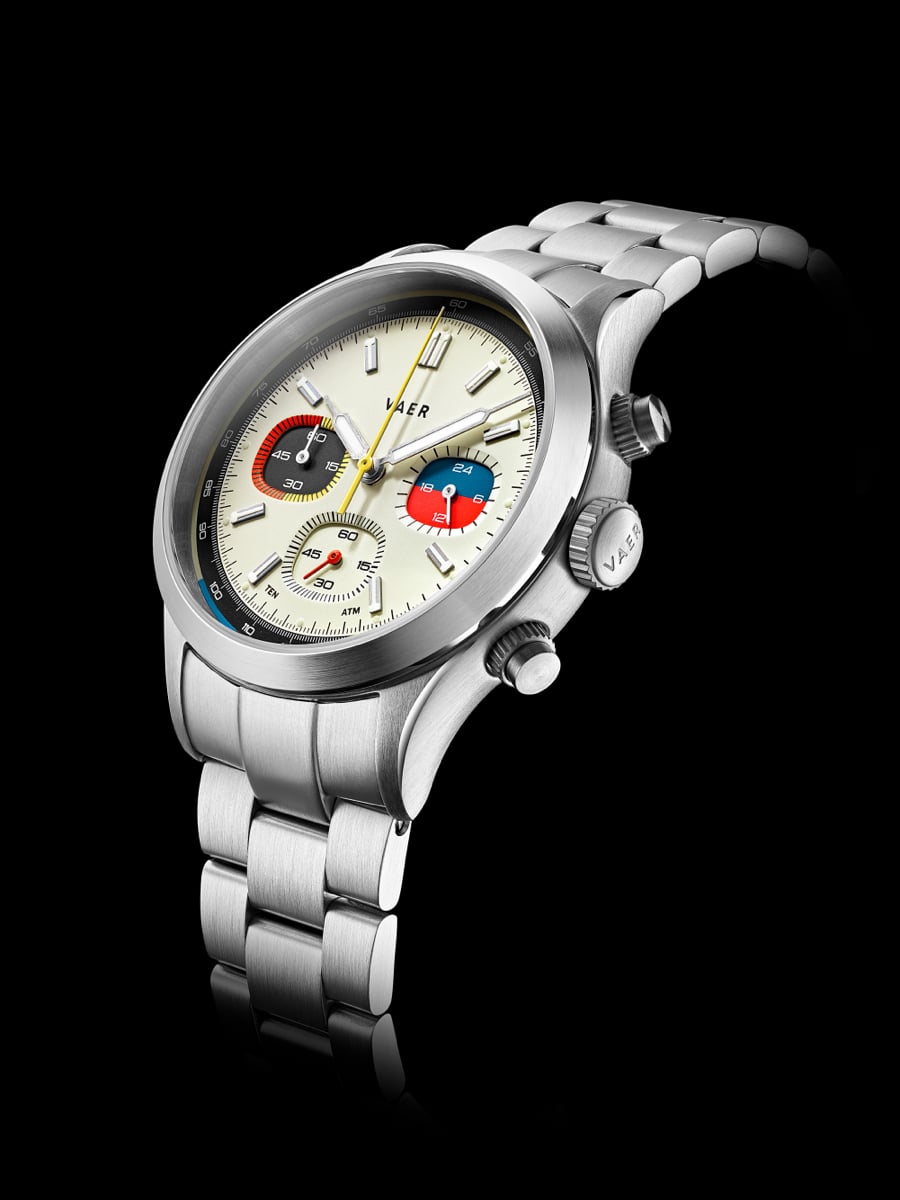 Retro Racing Character, Built for Everyday WearDrawing on the colorful racing chronographs of the 1960s and '70s, the RS1 Rally pairs vintage motorsport style with the durability expected from a Vaer. Its 40mm case houses a Japanese VK63 meca-quartz chronograph movement, complete with stopwatch functionality and an integrated tachymeter scale, while contrasting subdials give the watch its distinctive retro character. Sapphire crystal, 100 meters of water resistance, a screwdown crown, and strong BGW9 lume make it far more than a style piece. At under $300, it's an easy pick for the car enthusiast or chronograph fan.
