

Research & Testing
- GEAR • Gear Reviews
- GEAR • Market Reports
- GEAR • Gear Guides
- GEAR • Gear Checklists
- GEAR • Make Your Own Gear
- GEAR • Gear Testing & Research
- SKILLS • Tips, Tricks, and Hacks
- SKILLS • Wilderness Skills
- SKILLS • Training
- SKILLS • Trip Planning
- SKILLS • Food Preparation
- PLACES • Trips
- PLACES • Routes
- CULTURE • Essays
- CULTURE • Stories
- CULTURE • Issues
- CULTURE • People
- CULTURE • News
- CULTURE • Media Reviews
- ARCHIVES (Before 30.Nov.2015)
- SEARCH LIBRARY
- TRAILHEADS

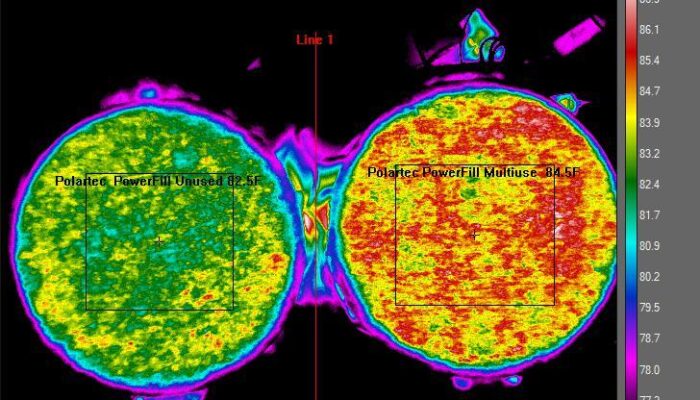
By the Numbers: Rethinking Fleece
Stephen Seeber subjects ten fleece samples to rigorous thermal testing.
By the Numbers: Thermal Performance Measurements of Synthetic Insulations
Stephen Seeber presents measurements of several market-leading insulations along with four performance metrics to help judge their performance.
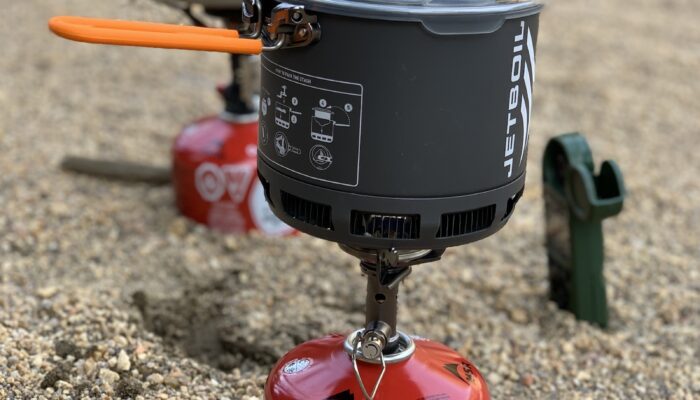
Lipstick on a Pig? Wind & Cold Temperature Testing of the Jetboil Stash (StoveBench)
Backpacking Light publisher Ryan Jordan subjects the Jetboil Stash to the StoveBench testing protocol to answer the pressing question: is this innovation, or lipstick on a pig?
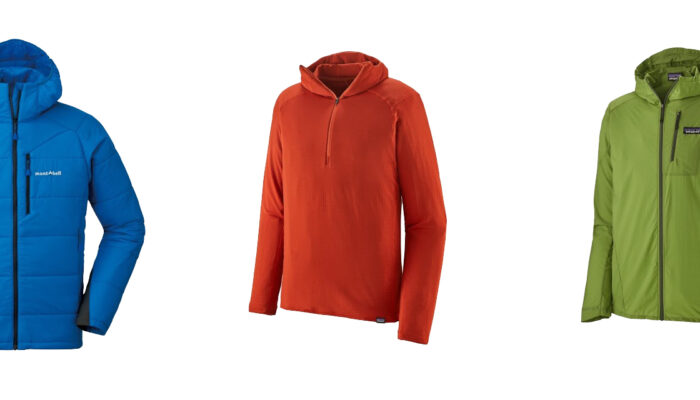
Standards Watch: Standards Are Important (But Not Enough)
Rex Sanders illustrates how difficult it can be to make accurate product comparisons based on manufacturer-provided data.
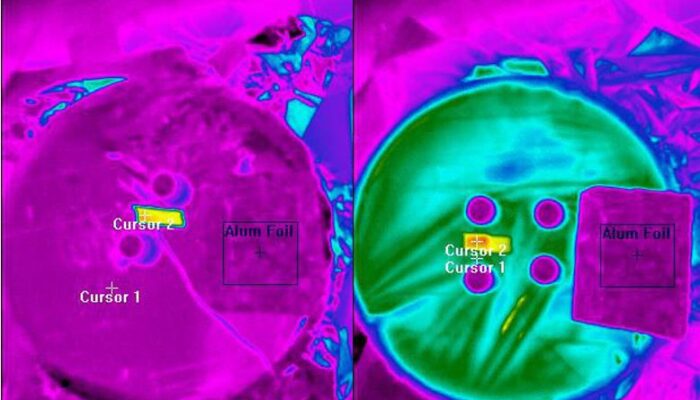
By the Numbers: If You Carry a Space Blanket, Buyer Beware
Stephen Seeber tests the infrared reflective properties of space blankets.
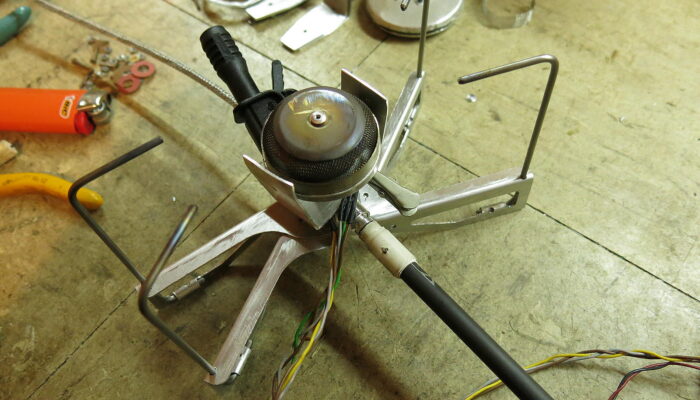
On Heatsinks and Thermal Balance
Roger Caffin troubleshoots the heat shunt on V4 of his inverted canister stove design.

By the Numbers: Patagonia Worn Wear Micro Puff vs. New Micro Puff
In his new column for Backpacking Light, Stephen Seeber runs thermal testing on used and new Patagonia Micro Puff jackets.

GPS: The Good, The Bad, and the Ugly
BPL author Rex Sanders tackles the pros and cons of navigating by GPS in a short blog post that includes links for further info.

Standards Watch: Sleeping Bag Temperature Ratings
In this installment of Standards Watch, Rex Sanders tackles sleeping bag ratings: the standard, the pros, and the cons.

Standards Watch: Introduction
Standards Watch will be a monthly column that explains important backpacking product standards, interviews key people, and describes how the industry uses, abuses, or ignores tests and standards.

Measuring Waterproofness in Outdoor Performance Fabrics with a DIY Hydrostatic Pressure Test Device at Home
In this article, I present a DIY testing device (and test results for 30 fabrics) that allows me to measure the hydrostatic head of "waterproof' fabrics at home.

Is a heat exchanger pot worth the weight?
This article attempts to determine how a heat exchanger welded to the bottom of a pot actually affects fuel consumption.

Sleeping Pad R-Values: Not That Useful
R-values alone are not enough for many consumers choosing new sleeping pads, and much of the current guidance is inconsistent.

Estimating the Age (Lifespan) of Your Backcountry Water Filter
The goal of this test is to determine the effective age of your backpacking water filter based on comparing its current flowrate to its flowrate when new.

StoveBench: A Stove Testing Protocol for Comparing the Performance of Backpacking Stoves
StoveBench defines a protocol that is used to measure two important backpacking stove performance features (power and efficiency) in order to determine a single, quantifiable performance factor called the StoveBench Score.
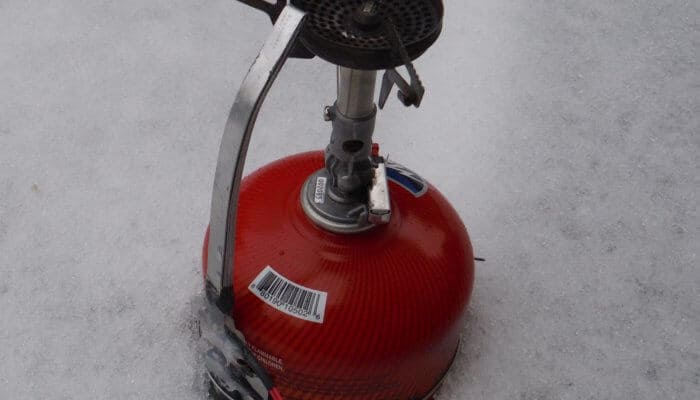
Evaporative Heat Loss in Upright Canisters (Part 4 – Propane and Cold Temperatures)
This technical series addendum addresses the role of propane and cold temperatures in canister stove performance.

Evaporative Heat Loss in Upright Canisters (Part 3 – Transferring Gas Between Stove Canisters)
Instead of buying a new fuel can for each trip, discover techniques for transferring gas between stove canisters.
Evaporative Heat Loss in Upright Canisters (Part 2 – Evaluating the Efficacy of Canister Warming Techniques at Temperatures Below Freezing)
This article tests various canister warming techniques for preserving the efficiency of canister stoves in sub-freezing temperatures.

Evaporative Heat Loss in Upright Canister Stoves (Part 1: Measuring the Temperature Drop of Evaporative Cooling)
Evaporative heat loss in upright canister stoves extends boiling times and changes fuel mixture composition. Here's how to combat it.

A Brief Look at Lindal Valves
Testing shows debris could be inside canister fuels.
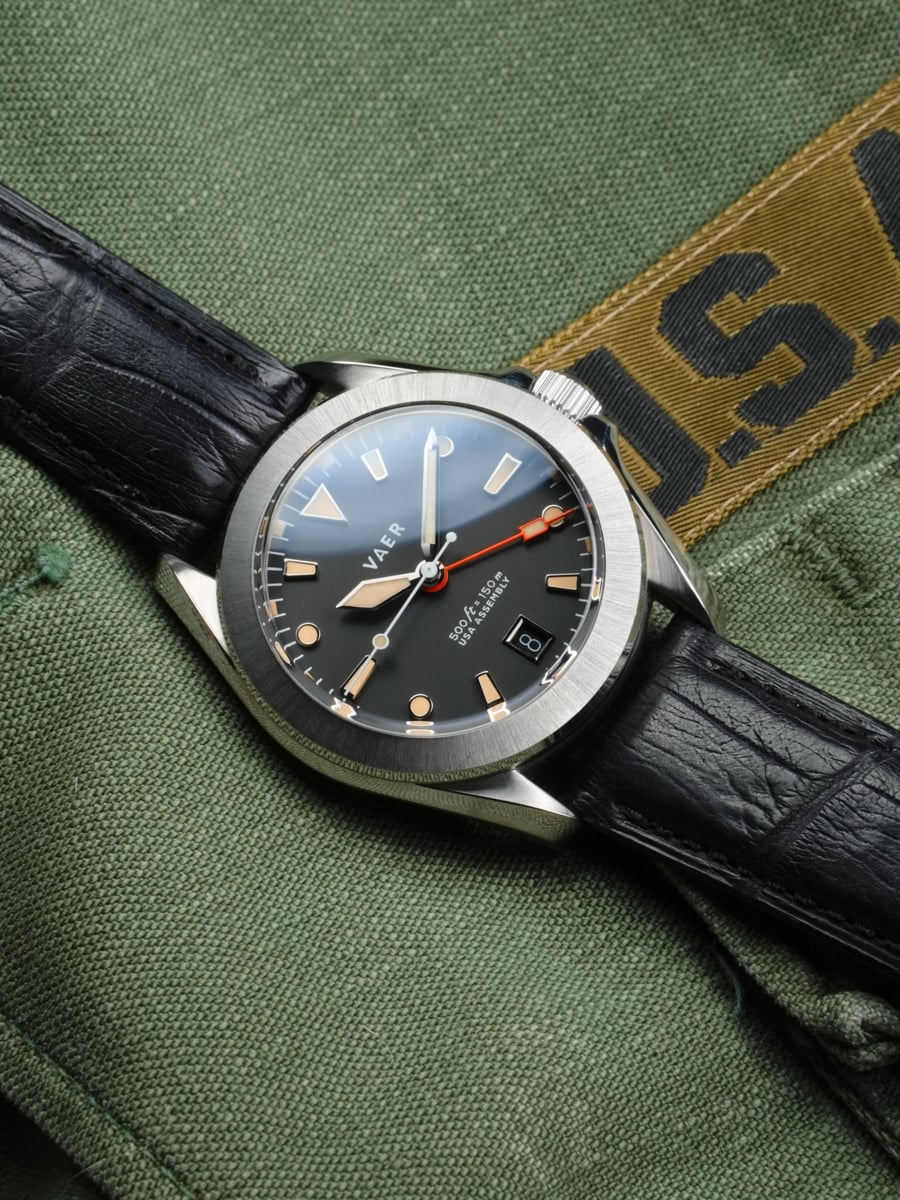 A Cult-Classic GMT Reimagined for Everyday WearInspired by the famously bezel-stripped Rolex GMT-Master worn by Marlon Brando in Apocalypse Now, the G2 Apocalypse turns a piece of 1970s film and watch history into a practical everyday GMT. Its restrained 39mm design pairs a Swiss Ronda quartz GMT movement with sapphire crystal, 150 meters of water resistance, strong BGW9 lume, and USA assembly. The result is an accurate, low-maintenance travel watch with a story collectors will immediately recognize.
