

All Articles, Dispatches, Podcasts, and Trailheads
- GEAR • Gear Reviews
- GEAR • Market Reports
- GEAR • Gear Guides
- GEAR • Gear Checklists
- GEAR • Make Your Own Gear
- GEAR • Gear Testing & Research
- SKILLS • Tips, Tricks, and Hacks
- SKILLS • Wilderness Skills
- SKILLS • Training
- SKILLS • Trip Planning
- SKILLS • Food Preparation
- PLACES • Trips
- PLACES • Routes
- CULTURE • Essays
- CULTURE • Stories
- CULTURE • Issues
- CULTURE • People
- CULTURE • News
- CULTURE • Media Reviews
- ARCHIVES (Before 30.Nov.2015)
- SEARCH LIBRARY
- TRAILHEADS
Outdoor Gear Journalism: Developing Trust Standards
The integrity of gear reviews is currently experiencing a decline in consumer trust. Consequently, the GearTrust framework, which is substantiated by research, has been developed to conduct credibility audits and elevate consumer confidence.

A Case Study in Backcountry Emergency Triage and Decision-Making: Fall-Induced Facial Trauma
Ryan Jordan details a fall-induced facial injury, the triage process, decision not to evacuate, and critical self-care lessons.
The Nose of a Bear
Bears’ sense of smell is extraordinary - but their ability to detect properly contained food is often exaggerated. This presentation explores the science of odor control, food storage systems, and campsite hygiene. Learn how to reduce scent dispersion, prevent bear encounters, and responsibly protect both your food and the wildlife around you.
Episode 136 | Fringe Season Layering
Debunk wicking myths, optimize thermoregulation with hydrophobic base layers & utilize shell layers effectively to help with fringe season layering in the backcountry.
Stealth Camping
Learn how to stealth camp through minimizing your impact, concealing your camp and preserving solitude.
Episode 135 | Field Notes – The Metabolic Cost of Bushwhacking
Understand how brush work, impedance work, and hazard work explains the true metabolic cost of bushwhacking and how resistance, rhythm, and stability impact energy.
Episode 134 | Sleep Quality in the Backcountry
Disrupted backcountry sleep affects recovery, judgment, and safety. Learn how altitude, stress, and gear impact rest, and discover strategies for better sleep.
Risk management for fringe-season backpacking
Fringe-season backpacking exposes a mismatch between environmental change and human perception. As autumn transitions to winter, conditions evolve faster than our decision models. Here, we examine how environmental inertia, cognitive bias, and system coupling create risk - and why adaptive, resilience-based frameworks outperform traditional control strategies in dynamic mountain environments.
Sleeping pad systems for bivy sacks
Sleeping pads play an outsized role in bivy systems. This article explores how pad type, size, and placement affect warmth, comfort, condensation, and integration - helping you choose pads that maximize efficiency and livability in confined bivy shelters.
The metabolic cost of bushwhacking: brush work, impedance work, and hazard work
The Metabolic Energy Mile (MEM) framework provides a method for quantifying the energetic cost of backcountry travel relative to treadmill walking. Off-trail conditions increase the Metabolic Difficulty Ratio (MDR) through three mechanisms: brush work (mechanical resistance from vegetation), impedance work (loss of locomotor efficiency due to disrupted stride), and hazard work (energy expended to maintain stability and avoid injury). Distinguishing these categories improves predictions of caloric demand, time requirements, and route planning accuracy.
Polartec Aircore – a brief review
This article presents an independent evaluation of Polartec’s new electrospun membrane fabric, originally developed for cycling jackets. Performance data on hydrostatic head, moisture vapor transmission (MVTR), air permeability, and fabric construction are reported and analyzed.
Naturopathic Sleep Aids for Backcountry Use
Enhance performance and recovery in the backcountry through naturopathic sleep aids including melatonin, theanine, glycine, magnesium & botanicals.
Wind, blood, and coffee: lessons from the tundra
Exposure, injury, and cold winds turned one bivy into a teacher. Fall in the alpine strips you down - and sharpens attentiveness in return.
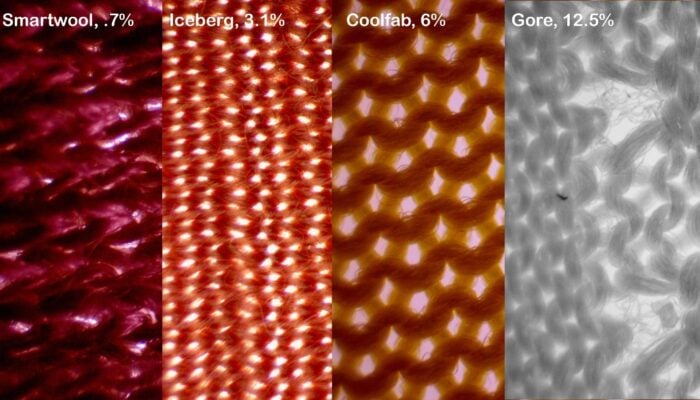
By the Numbers: The Energy Cost of Drying Your Base Layer
Drying wet base layers with body heat demands significant energy. The choice of fabric (wool vs. synthetic) may make less of a difference under some conditions; the quantity of water is key.
Differentiating dehydration and heat exhaustion in the backcountry
Dehydration and heat exhaustion often overlap in the backcountry, but they differ in causes, symptoms, and treatment - knowing how to tell them apart, and when to treat both, can prevent a manageable problem from escalating.
Episode 133 | Human Waste Management
In episode 133 of the Backpacking Light podcast, we challenge traditional cathole practices, advocating for pack-out systems in alpine, desert, and high-use areas based on science and LNT ethics.
Insulin resistance and the backpacker’s diet
Backpacking creates stress not only on your cardiovascular and muskuloskeletal systems, but also on your metabolic systems. Many hikers unknowingly live with insulin resistance, which can make high-carb trail diets feel like a rollercoaster of bonks and brain fog. This article explores some of the science behind insulin-resistance, field-tested nutrition strategies, and practical tips for building steadier energy during hard, sustained efforts.
Why I fish to eat with tenkara
A 16-inch trout yields about 11 ounces of edible meat (70+ g protein, 350+ kcal, B12, selenium, phosphorus, potassium, vitamin D, and omega-3s) for zero carried weight. My tenkara kit weighs about 3 ounces. One fish offsets its weight, trims food carried, and fills nutritional gaps in my normal rations.
How frequently do you use the supplies in your first aid kit?
I rarely use my first aid kit on short trips, but almost always on 5+ day treks. Blisters, scrapes, allergic reactions, and hotspots are the most common issues. Here’s what I actually use most.
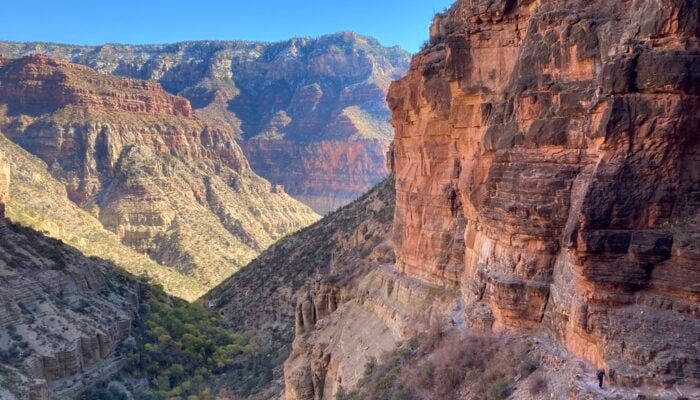
Exertional Rhabdomyolysis Among Backcountry Hikers
Understanding the causes, symptoms, risk factors, prevention, and treatment of exertional rhabdomyolysis in backcountry hikers and treatment for safer trips.
Backcountry routines as a reset button
Waking before dawn, climbing hard to a pass or peak, and brewing coffee as the sun rises is critical for me. Those first grounded, predictable hours set the tone for the day. The routine becomes a steady jumping-off point before the real challenges begin, physically and cognitively, when the uncertainty and difficulty of the backcountry inevitably surface.
"Simplify, then add lightness." - Colin Chapman
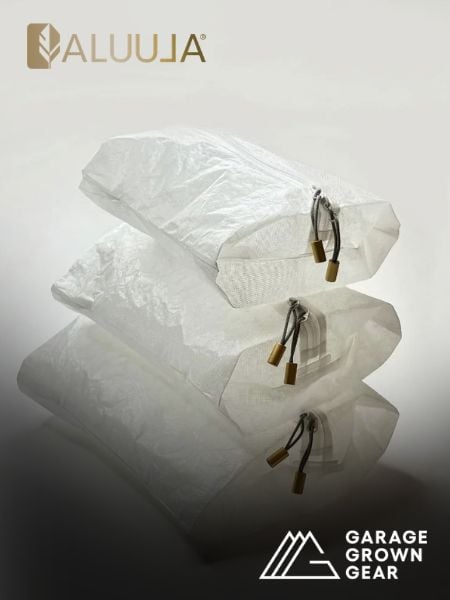 New Gear with Aluula FabricsLighter, stronger, more abrasion-resistant, and highly water-resistant - explore ultralight backpacking gear made with ALUULA Graflyte fabrics. Engineered for exceptional strength, durability, and lightweight performance, ALUULA Graflyte helps reduce pack weight without sacrificing reliability, making it ideal for demanding backcountry adventures.
