

All Articles, Dispatches, Podcasts, and Trailheads
- GEAR • Gear Reviews
- GEAR • Market Reports
- GEAR • Gear Guides
- GEAR • Gear Checklists
- GEAR • Make Your Own Gear
- GEAR • Gear Testing & Research
- SKILLS • Tips, Tricks, and Hacks
- SKILLS • Wilderness Skills
- SKILLS • Training
- SKILLS • Trip Planning
- SKILLS • Food Preparation
- PLACES • Trips
- PLACES • Routes
- CULTURE • Essays
- CULTURE • Stories
- CULTURE • Issues
- CULTURE • People
- CULTURE • News
- CULTURE • Media Reviews
- ARCHIVES (Before 30.Nov.2015)
- SEARCH LIBRARY
- TRAILHEADS
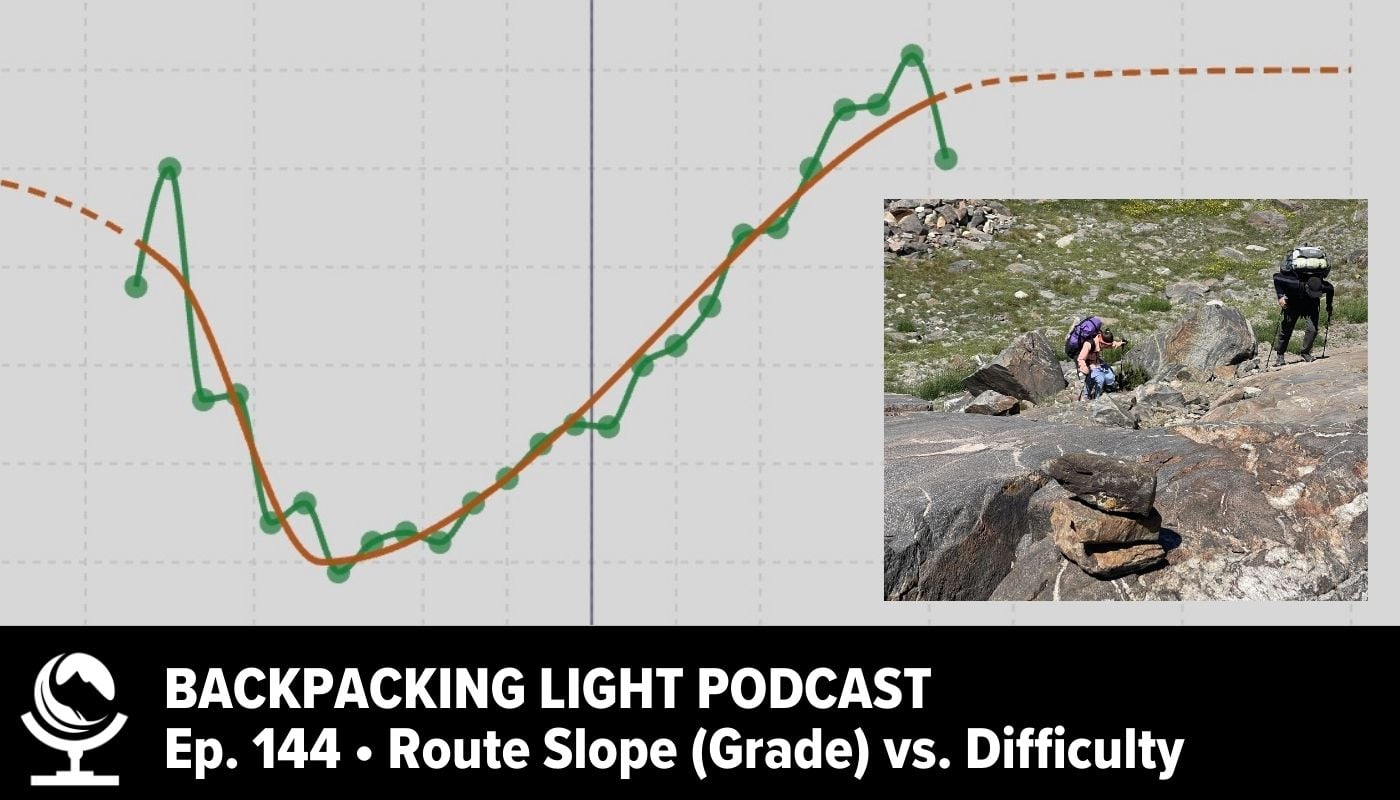
Episode 144 | Trail Steepness vs. Difficulty
How physiology and biomechanics shape hiking effort across terrain – and why slope doesn’t predict time or energy linearly.
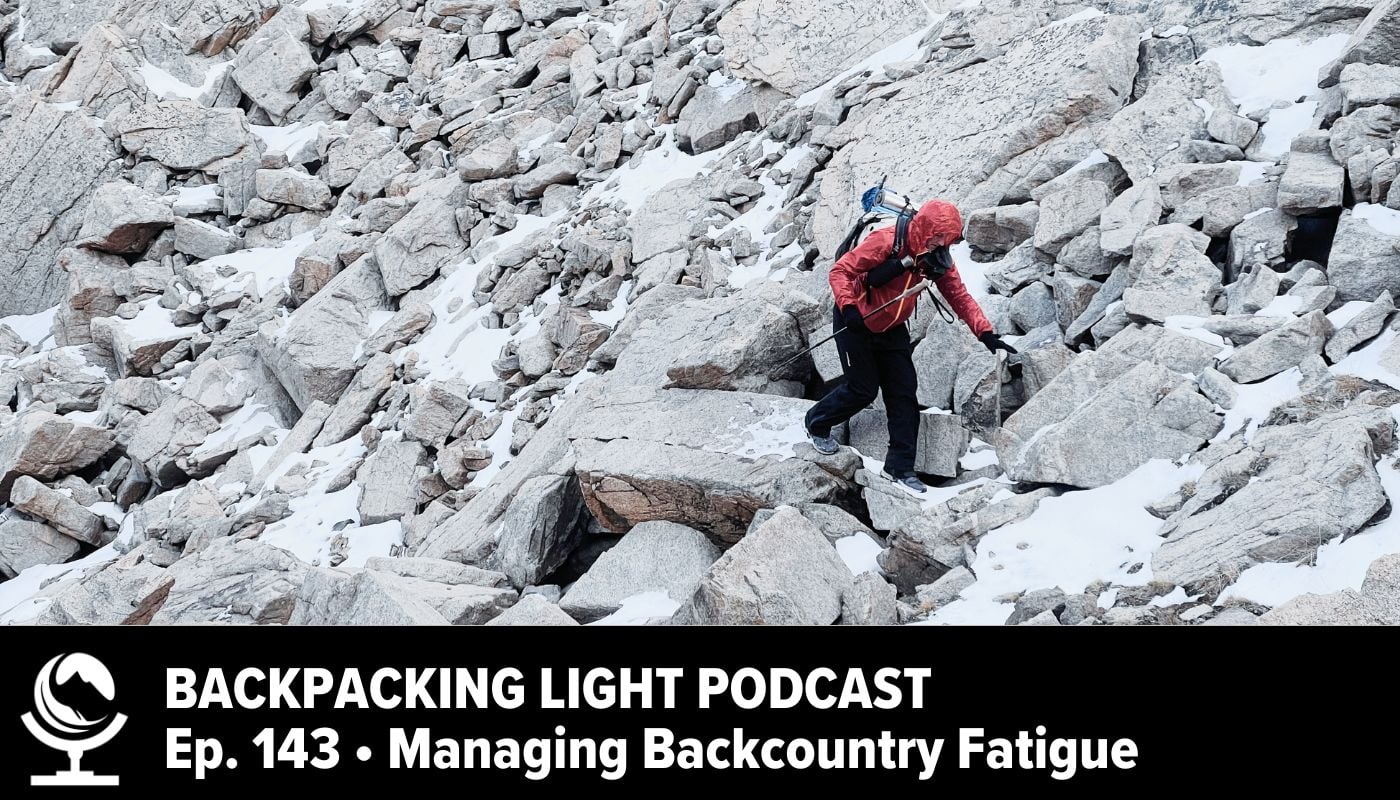
Episode 143 | Managing Fatigue
This episode presents an operational framework for fatigue management in backcountry travel grounded in a non-circular load–fatigue–capacity model. Load is defined as external demand, fatigue as accumulated physiological and cognitive degradation, and remaining capacity as current ability. Risk is treated as the ratio of current load to remaining capacity. The discussion emphasizes field-relevant behavioral levers that reduce load, slow fatigue accumulation, and improve recovery.
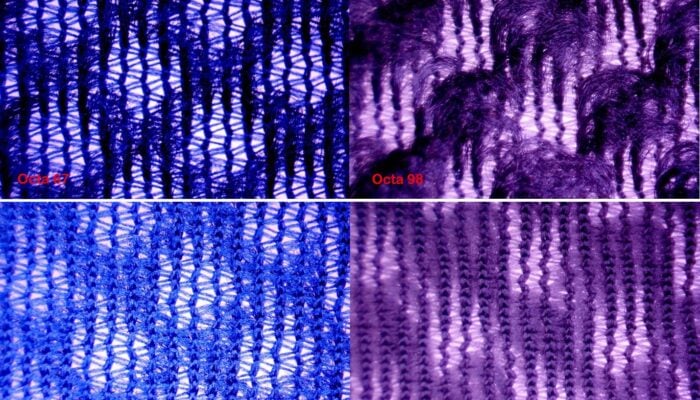
By The Numbers: Fun Findings For Five Fuzzy Fabrics
Five fuzzy insulations get measured head-to-head: Polartec Alpha Direct, Primaloft Evolve, and three Teijin Octa builds. See how structure drives air permeability, MVTR, drying rate and energy, directional R-value, and durability. Results highlight Alpha’s breathability and efficiency, Evolve’s resilience, and Octa’s structured, durable use cases for high-output backcountry layering systems.
How much body fat will you lose on a backpacking trip?
Backpacking creates large calorie deficits you can’t fully pack as food. This article presents a simple, physiology-based model that estimates fat loss from total trip deficit by capping how much energy can realistically come from body fat, using fat mass, hiking hours, and aerobic-threshold intensity.
Flying With Backpacking Gear: TSA, FAA PackSafe, and Airline Rules for Carry-On and Checked Bags
Flying to a trailhead is easy until fuel, stakes, poles, and batteries come into play. This guide compiles verifiable TSA, FAA PackSafe, and airline rules into a practical packing matrix: what’s allowed on aircraft, what must be checked, what belongs in carry-on, and how to handle common edge cases safely.
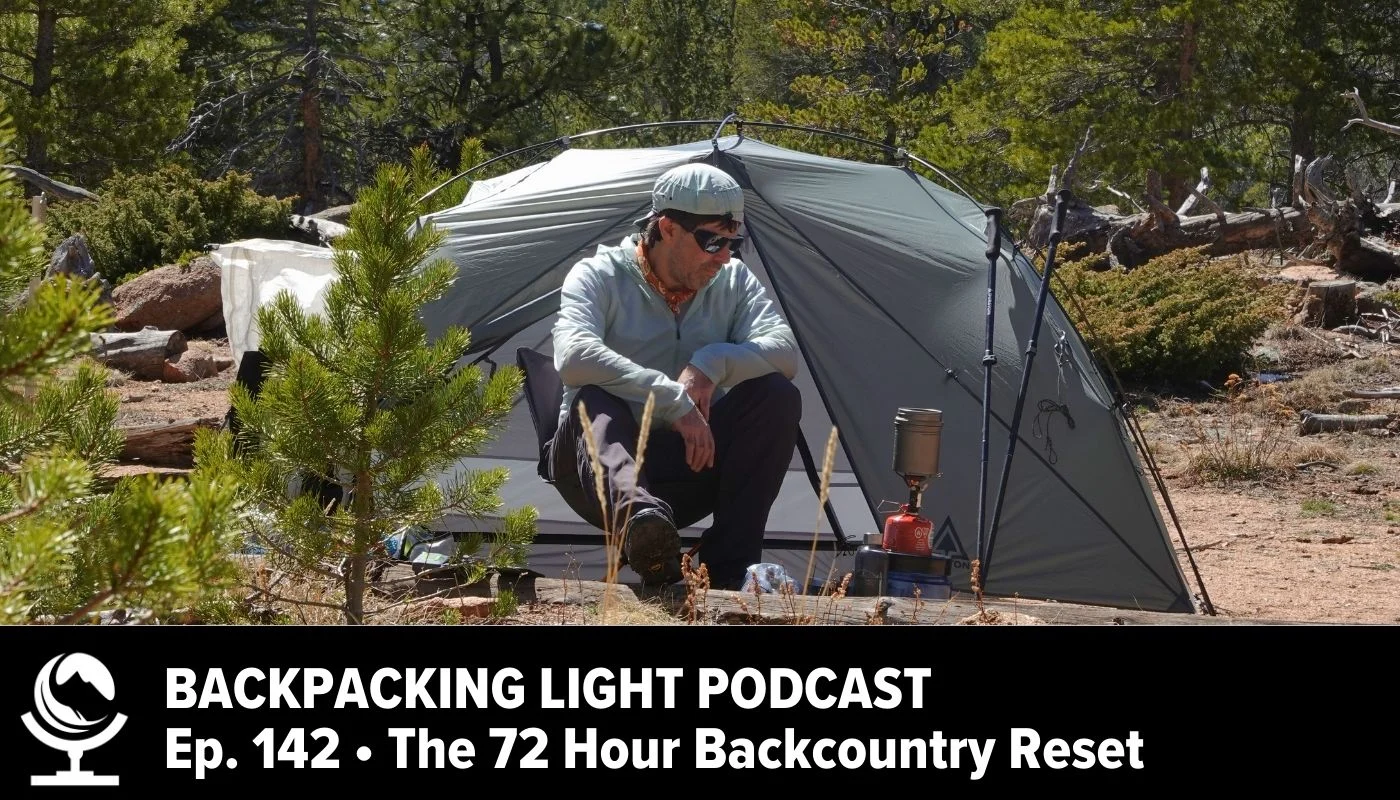
Episode 142 | The 72 Hour Backcountry Reset
Why 72 hours in the backcountry delivers lasting mental reset: attention, stress, sleep, and decision-making—plus 24-hour options.
Behavioral-Science Foundations of the Backpacking Light Member Gear Review System as a High-Fidelity Trust Signal
Backpacking gear is an experience good: performance and reliability are hard to judge before purchase. This article explains how the Backpacking Light Member Gear Review System creates stronger trust signals by separating recommendation, field performance, and re-use intent, then pairing each review with experience level and days in the field. Product-level aggregates preserve nuance, helping shoppers interpret fit, risk, and credibility.
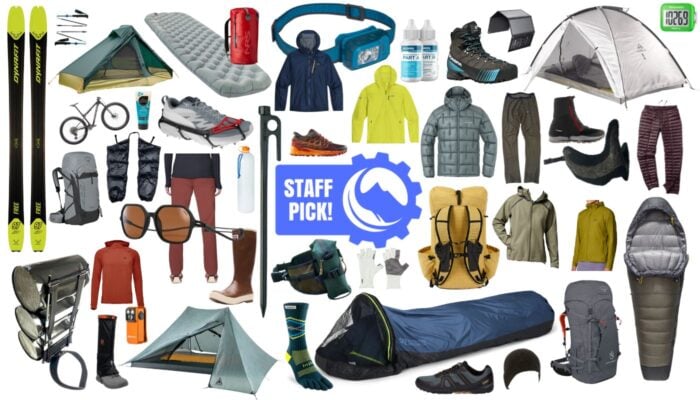
Staff Picks 2025
Our staff selects their favorite hiking, backpacking, and other backcountry gear that they’ve used over the past year - the next edition of our infamous Staff Picks!
Selling Public Lands Without a Vote: The Quiet Enclosure of the Commons
Public lands won’t be "sold" in a televised vote. They’ll be enclosed through deleted sentences, vanished comment periods, and lawmakers who stay silent while appointees treat the commons like inventory. The antidote is stepping out of political jerseys and applying relentless pressure on elected officials - before the bulldozers arrive.
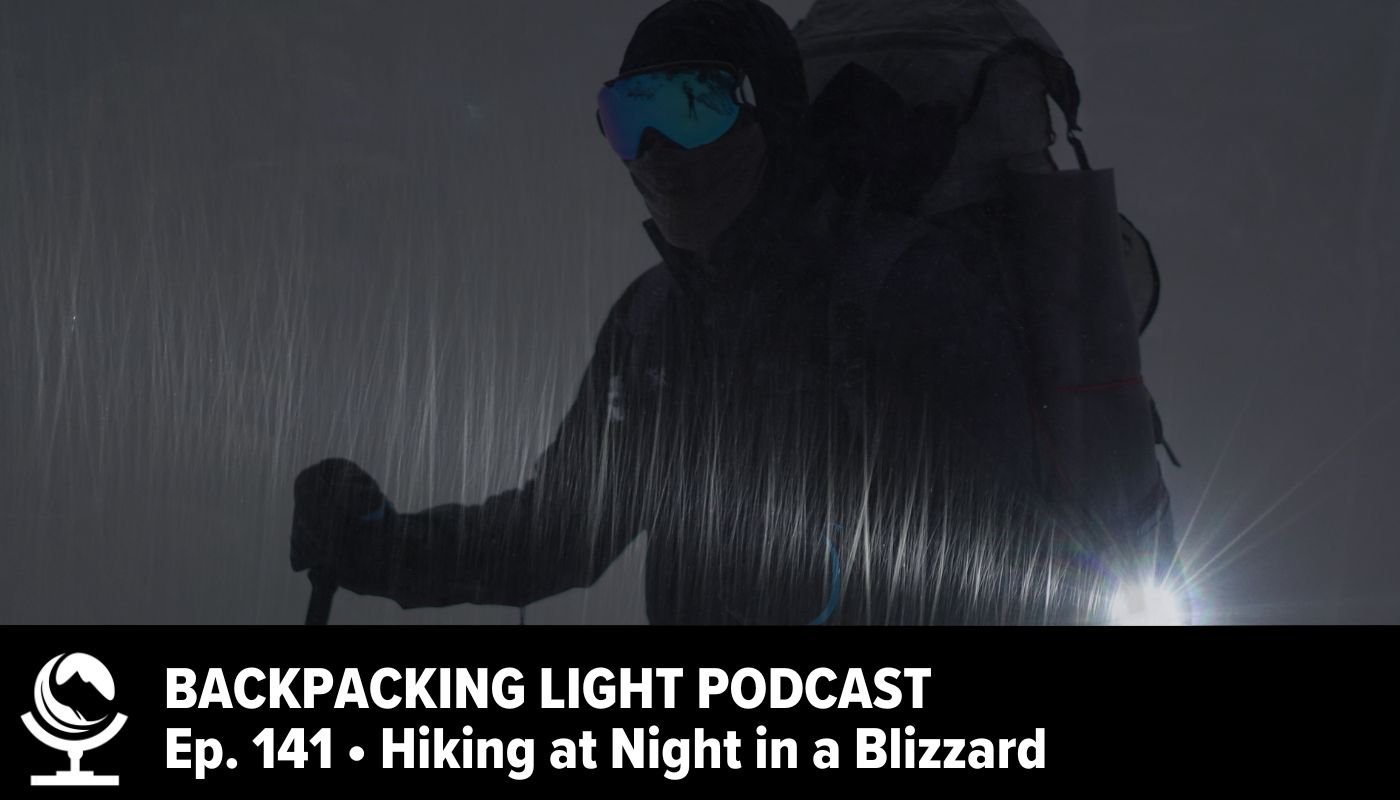
Episode 141 | Hiking at Night in a Blizzard
Critical winter layering, handwear, footwear, lighting, and navigation systems for safely hiking out through a sub-freezing blizzard at night.
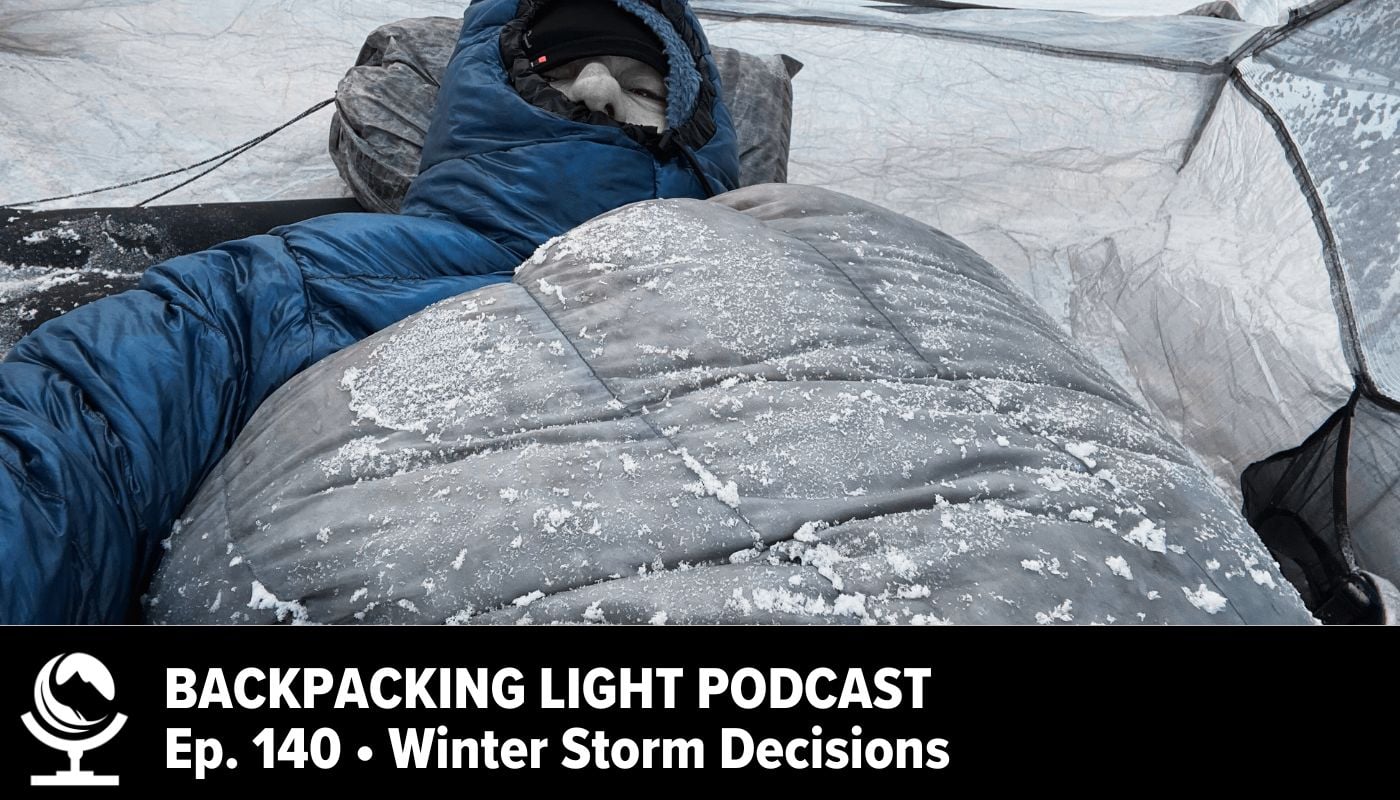
Episode 140 | Winter Storm Decisions
Use a six-question framework to decide whether to stay put or bail when winter storms, terrain, and fatigue raise backcountry risk.
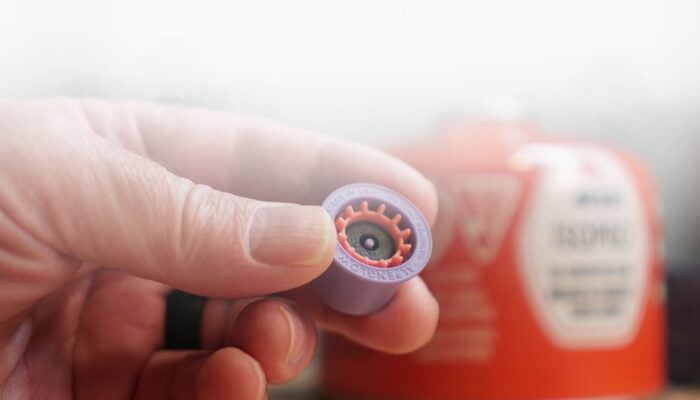
Fuel Transfer Valves for Backpacking: Fuel Physics, Myths, Risks, and Real-World Performance
This article examines canister fuel transfer devices from a thermodynamics and engineering perspective, focusing on pressure-driven flow, headspace constraints, fractional distillation of LPG mixtures, and measured transfer rates. It evaluates Alpenflow, FlipFuel, and generic EN 417 adapters and outlines conservative operating practices that respect established EN 417 design safety margins.
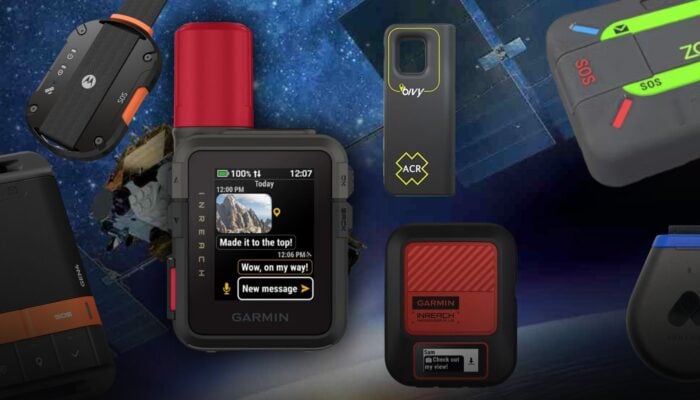
Satellite Messaging Devices (“Messengers”)
This market report summarizes the category of satellite messaging-centric devices, i.e., devices that focus on satellite messaging as its primary, rather than secondary, function. This is in contrast to navigation-centric devices (which usually offer integrated mapping on the device), such as the Garmin inReach Explorer or Garmin GPSMap.
How does a Quilt’s Pad Attachment System Influence its Heat Loss Resistance?
This study quantifies how quilt pad-attachment geometry affects convective heat loss. Using a controlled thermal surrogate, standardized wind exposure, and time-constant (τ) modeling, we compare pad strap to sheet-and-shingle systems. Results show that tighter pad coupling preserves a substantially higher fraction of still-air thermal resistance, especially under modest side winds.
Sleeping Bag Liners and Quilts: Convective Heat Loss, Draft Control, and Practical Benefits
Sleeping bag liners are often sold as warmth boosters, but their real value in quilt-based sleep systems is managing convective heat loss. Drawing on field use and ongoing experiments, this article explains how liners affect drafts, when they help, and when their weight is better spent elsewhere for cold sleepers.

Winter Backpacking
A curated guide to winter backpacking gear, strategies, skills, podcasts, forums, research, education, product recommendations, and more.
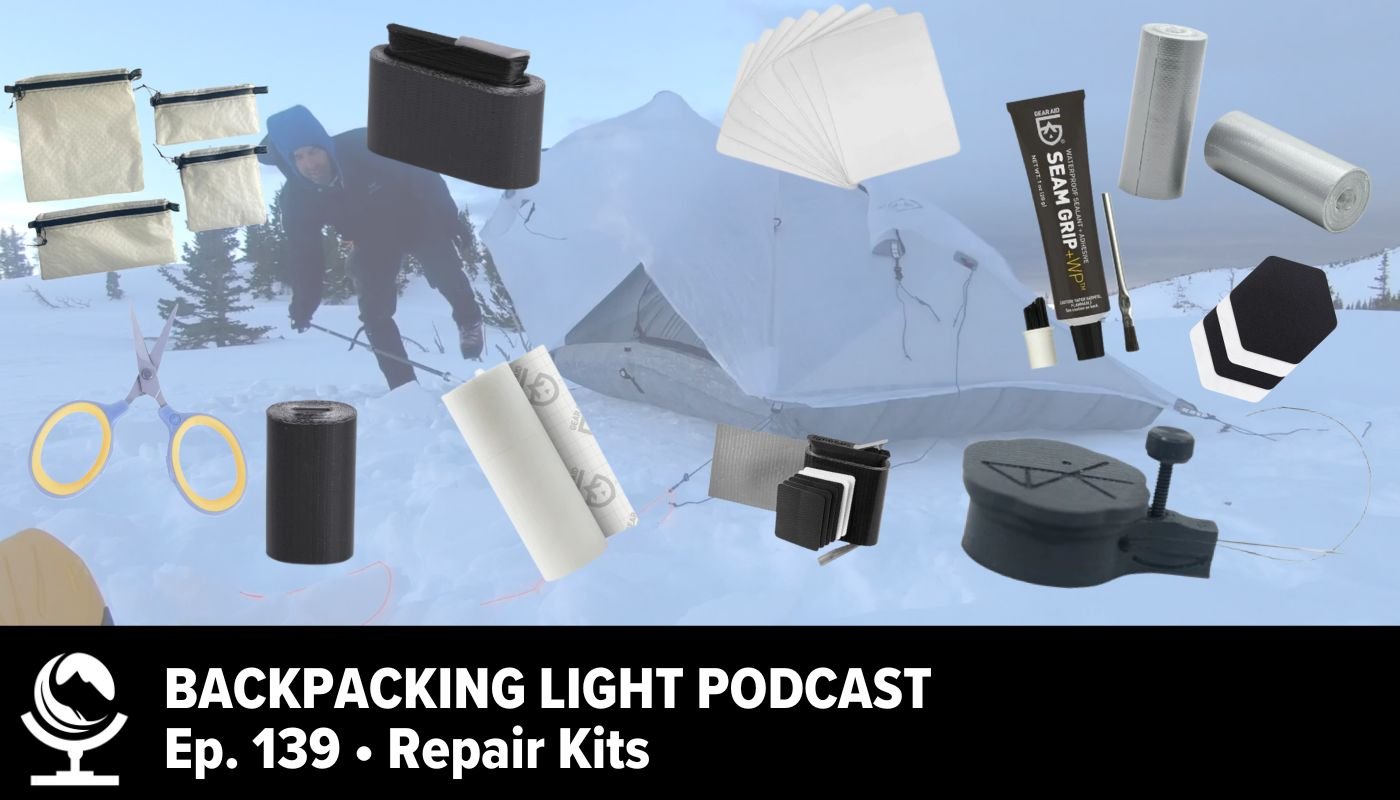
Episode 139 | Repair Kits
Learn how to build ultralight repair kits using context, consequence, and capability. Ryan Jordan compares short-term and expedition trips and addresses how to fix shelters, packs, footwear, lighting, and water treatment without carrying excess gear.
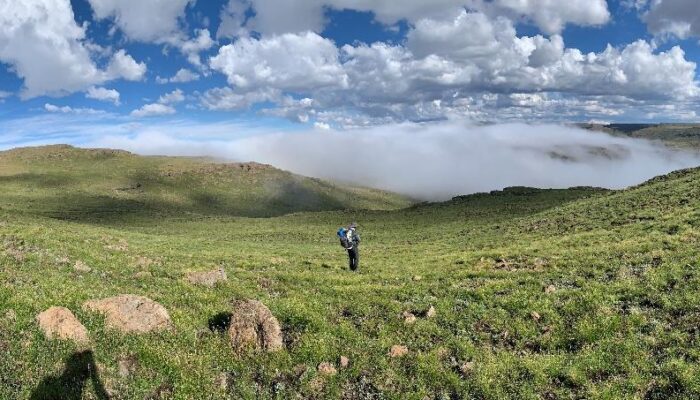
Riding the Dragon: Trekking the Mini-Traverse, a Drakensberg Mountain Adventure
Jeff de Graffenried recounts a trek across South Africa’s Drankensberg Mountains’ Mini-Traverse.

Episode 138 | Plan-Focus-Trust
Learn the Plan–Focus–Trust framework and discover how preparation removes fear, presence builds clarity, and trust turns small wins into lasting confidence – a mindset for wilderness travel and life goals.
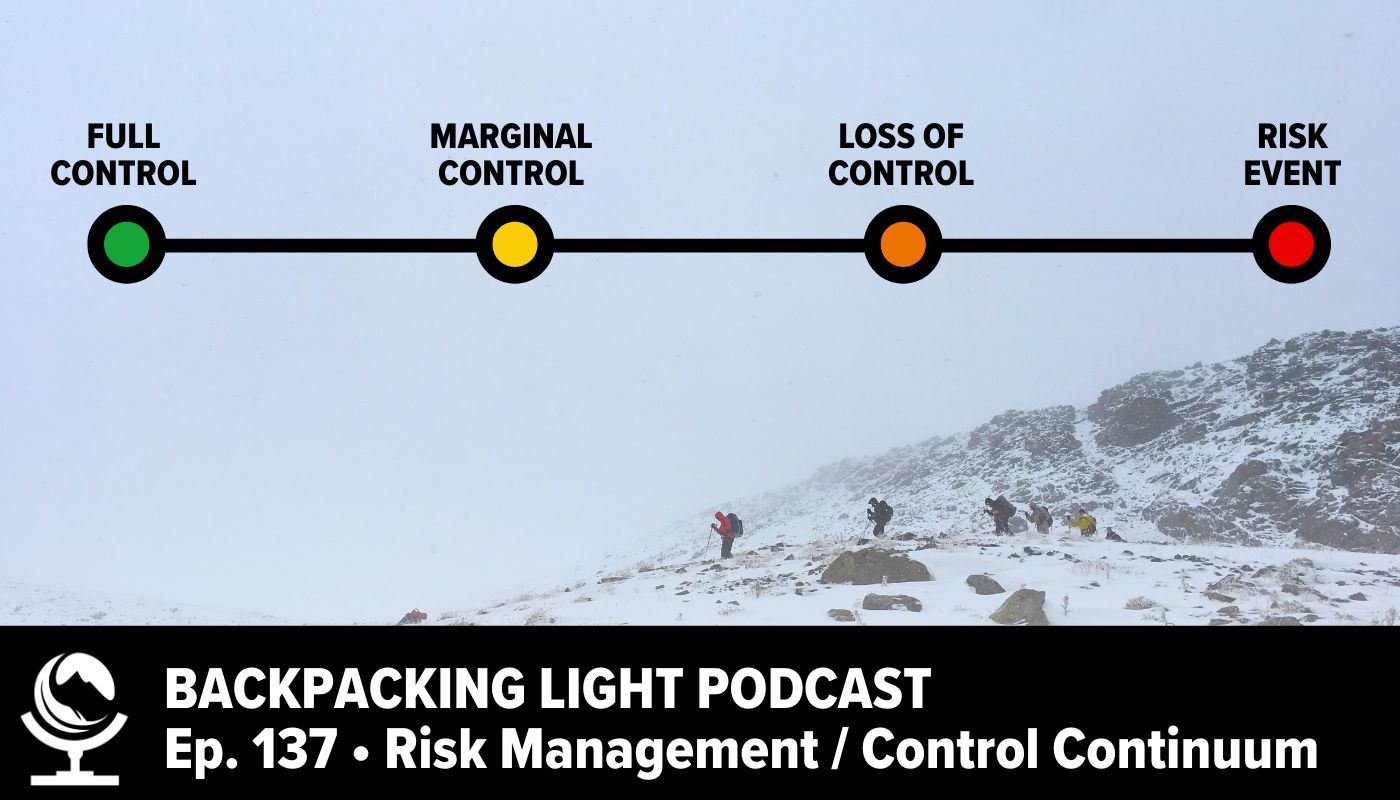
Episode 137 | The Risk Control Continuum
Learn how to manage backcountry risk using the Risk Control Continuum framework: use hazard triggers, control layers, and field tools like the HEAT and ECG checklists to detect drift, make better decisions, and stay safe in the backcountry.
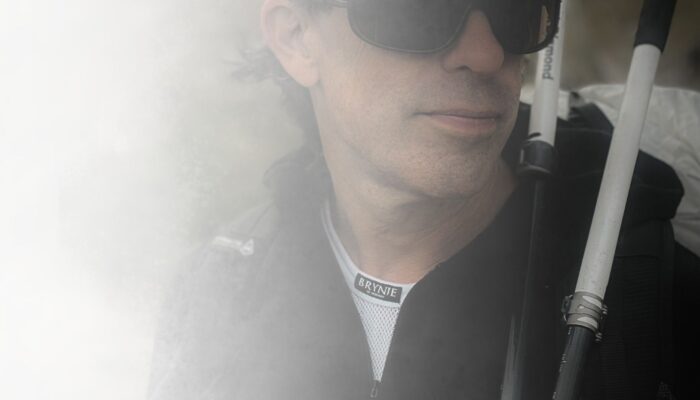
How Fishnet Works (Part 2): Layering for Moisture, Thermal Management in Cold-Weather Backpacking
Fishnet base layers offer a structural solution to the long-standing tradeoff between warmth and moisture control. By emphasizing airflow and vapor transport, they maintain comfort across cold, dry, and humid environments where conventional wicking fabrics fail. This article explains the thermophysiology of fishnet design and provides evidence-based strategies for layering in alpine and variable weather conditions.
"Simplify, then add lightness." - Colin Chapman
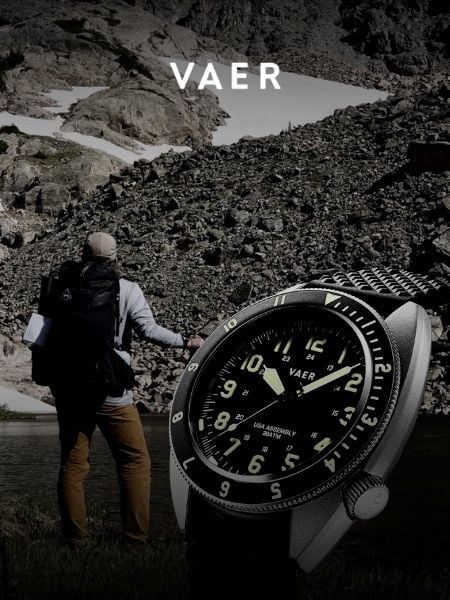 Vaer C4 Tactical Field SolarDurable timepiece for wilderness users - 20ATM (200m) water resistance, 120-click bezel, 316L SS casing, sapphire glass, solar-powered, Epson VS-42 Japanese movement, C3 Lume, USA assembly.
