

Episode 134 | Sleep Quality in the Backcountry
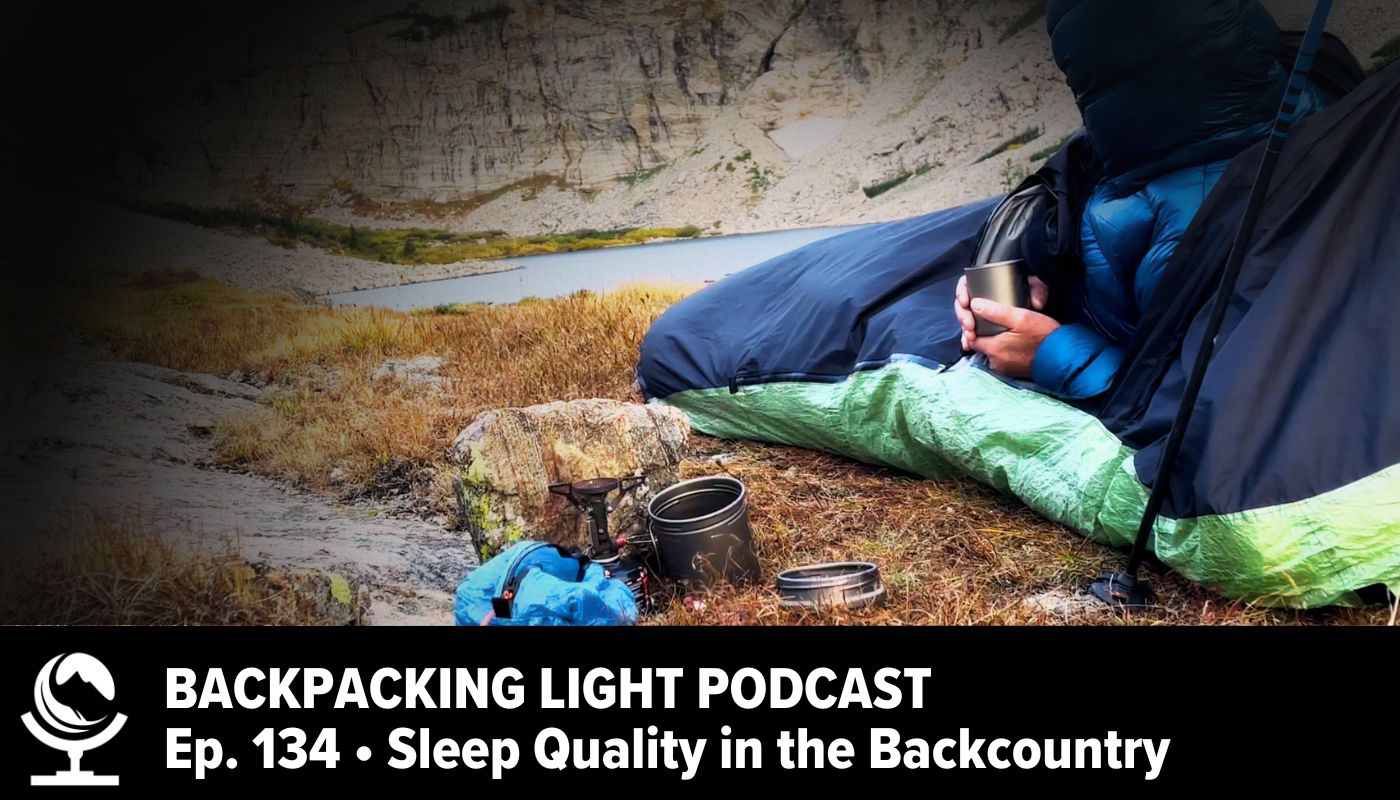
Episode Summary
Backcountry sleep is fragile, and when it breaks down, recovery, judgment, and safety are at risk. In this episode, we examine the forces that fragment rest, including altitude, stress, weather, injury, ground comfort, and sleep/shelter gear systems, and how they disrupt the deep and REM sleep required for physical and cognitive recovery. We’ll also explore practical, evidence-based strategies to protect your rest so you can stay sharp, resilient, and ready for the trail.
Listen Now
together with Vaer
Today’s episode of the Backpacking Light Podcast is sponsored by Vaer Watches, home to beautifully designed, extremely durable, expedition-worthy wristwatches masterfully crafted in the USA.
Show Notes:
What’s New at Backpacking Light?
- New at Backpacking Light: Dispatches – Quick reports and timely updates from Backpacking Light – site updates and announcements, gear notes, industry news, and time-sensitive stories that matter to the backpacking community.
- HDPE vs. LDPE water bottles (from the September 28, 2025 Backpacking Light Email Newsletter)
- Wyomingites with deep conservation roots oppose axing Forest Service Roadless Rule – a news story that highlights the divide between conservative policymakers at the federal and state levels – and their conservative constituents about public lands management.
- Find information about all of our upcoming Member Q&A’s, Webinars, Live Courses, other live events, and more on our Events Calendar Page.
Featured Brands and Products
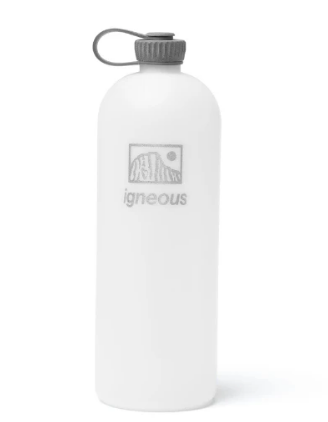
The NOBO Water Bottle by Igneous is an ultralight, 64g HDPE bottle designed for adventurers seeking durability and minimal weight. Boil-safe and resistant to bacteria and microplastic breakdown, it's perfect for backpacking and bikepacking
Sleep Quality in the Backcountry
- Altitude & Physiology: How oxygen deprivation and periodic breathing fragment deep and REM sleep.
- Stress & Anxiety: Rumination and alertness as barriers to restorative rest.
- Weather & Environment: Wind, storms, temperature swings, and their role in disrupting sleep cycles.
- Injury & Pain: How discomfort fragments sleep and slows healing.
- Ground & Shelter Systems: Why comfort, light/noise buffering, and stability matter for uninterrupted sleep.
- Consequences of Fragmentation: How broken sleep undermines both physical recovery and cognitive clarity.
- Strategies for Better Sleep: Naturopathic sleep aids, behavioral practices, and environmental adjustments that preserve natural sleep architecture while maintaining responsiveness to backcountry conditions.
Links, Mentions, and Related Content
- Dispatch: Backcountry Routines as a Reset Button
- Podcast: Episode 119: Sleep Warmer – Evening Routines
- Wilderness Skills: Naturopathic Sleep Aids for Backcountry Use


Discussion
Become a member to post in the forums.
Companion forum thread to: Podcast Episode 134 | Sleep Quality in the Backcountry
Disrupted backcountry sleep affects recovery, judgment, and safety. Learn how altitude, stress, and gear impact rest, and discover strategies for better sleep.
What are your top tips for getting the best possible rest you can in the backcountry?
A good (tunnel) tent, a good insulated airmat, and a good dinner.
Cheers
I sometimes take ibuprofen during the day so I don’t cramp up at night. The cold can wake me up. If I have trouble falling asleep, I’ll roll something up under my neck, tilting my head back with my hands laying flat over my body. I’ve laid in that position for what has seemed like hours. Sometimes still half awake, I still get the rest that my body needs.
I have never succeeded in getting a good night’s sleep in the backcountry, but sometimes I take a nap during the day to compensate.
I wake up early. I really need everything organized so I can start out in the dark. Otherwise I waste that time. If I use it, then I can afford a nap.
I rarely wake up in the morning until my wife starts nudging me saying “Breakfast”.
Cheers
And breakfast in bed.
Cheers
My wife says ‘of course’.
Cheers
Good gear! I’m very happy with my switch to a wide Tanager because I used to struggle with quilt drafts as I tend to roll a lot. Just got back from a cold night in Desolation (sub freezing with wind chill) and was toasty warm with that bag plus my Nemo all season pad and Dipole with the solid inner. I was also warm in camp with my Goosefeet down jacket and pants.
However, I was a bit cold on my back and butt sitting due to the wind blowing against the nylon of my chair and the compressed down. I’m sure others have already done this but it finally dawned on me to use my Gossamer Gear thinlight pad on the chair and I was instantly comfortable. I have had trouble in the past eating when showing up to camp tired and then being cold, which then led to poor sleep. This time, even in cold temps due to the wind, I ate well and slept even better.
Become a member to post in the forums.