


Backpacking stresses more than just your legs and lungs – it stresses glucose regulation. Insulin resistance is common, often undiagnosed, and it changes how a high-carb trail diet feels and performs (energy stability, cognition, recovery).
Insulin-resistance defined: muscle, liver, and adipose tissue respond less effectively to insulin, so blood glucose stays higher and the pancreas compensates with more insulin. Over time, risk rises for prediabetes and type 2 diabetes. Diagnosis relies on labs such as fasting plasma glucose, HbA1c, and oral glucose tolerance testing; fasting insulin plus glucose can be combined into indices like HOMA-IR (an estimate of insulin sensitivity – not a stand-alone diagnosis). Note: HOMA-IR is commonly referenced in research and clinics, but interpretation thresholds vary by lab and population; use it as context alongside clinical judgment.
I’ve changed my backcountry diet over the past few years – here’s how (and why).
My older food menus mirrored the classic long-distance hiker rations (ramen, peanut butter, cookies, chips, candy). I’ve since shifted away from simple sugars and toward low-glycemic staples. I’m also paying closer attention to electrolyte strategy – not just sodium replacement, but including potassium and magnesium where losses are meaningful, and ensuring adequate B-vitamins as metabolic cofactors. Three evidence anchors support these shifts:
- Mixed meals blunt glucose spikes. Co-ingesting protein and fat with carbohydrate reduces post-meal glucose rises (what researchers call ‘glucose excursions’). The key mechanisms here include slower gastric emptying and incretin hormonal modulation. Many clinical studies in healthy adults now show reduced postprandial glycemia when protein is added to carbohydrate meals, and broader reviews about insulin sensitivity now support the benefits of low-GI, mixed-macro meals.
- Electrolyte balance influences insulin sensitivity. Meta-analyses suggest that dietary magnesium intake and supplementation improve insulin sensitivity and glycemic control, particularly in those with low baseline status or metabolic risk. In addition, higher dietary potassium is now linked (via cohort analyses) with reduced risk of type 2 diabetes; experimental studies suggest hypokalemia impairs insulin secretion and glucose uptake. And B-vitamins (thiamine, niacin, and riboflavin) are well-known cofactors in glucose metabolism. While supplementation doesn’t enhance performance if intake is already adequate, deficiency states impair carbohydrate oxidation and may worsen glucose handling. This becomes more important in endurance activities longer than a few hours at high levels of aerobic output.
- Exercise helps but doesn’t erase diet quality. Endurance exercise acutely and chronically increases skeletal-muscle glucose uptake via GLUT4 translocation; still, very high refined-carb loads can outpace that benefit if baseline insulin sensitivity is poor.
Case study: 4,000 ft to a remote high lake
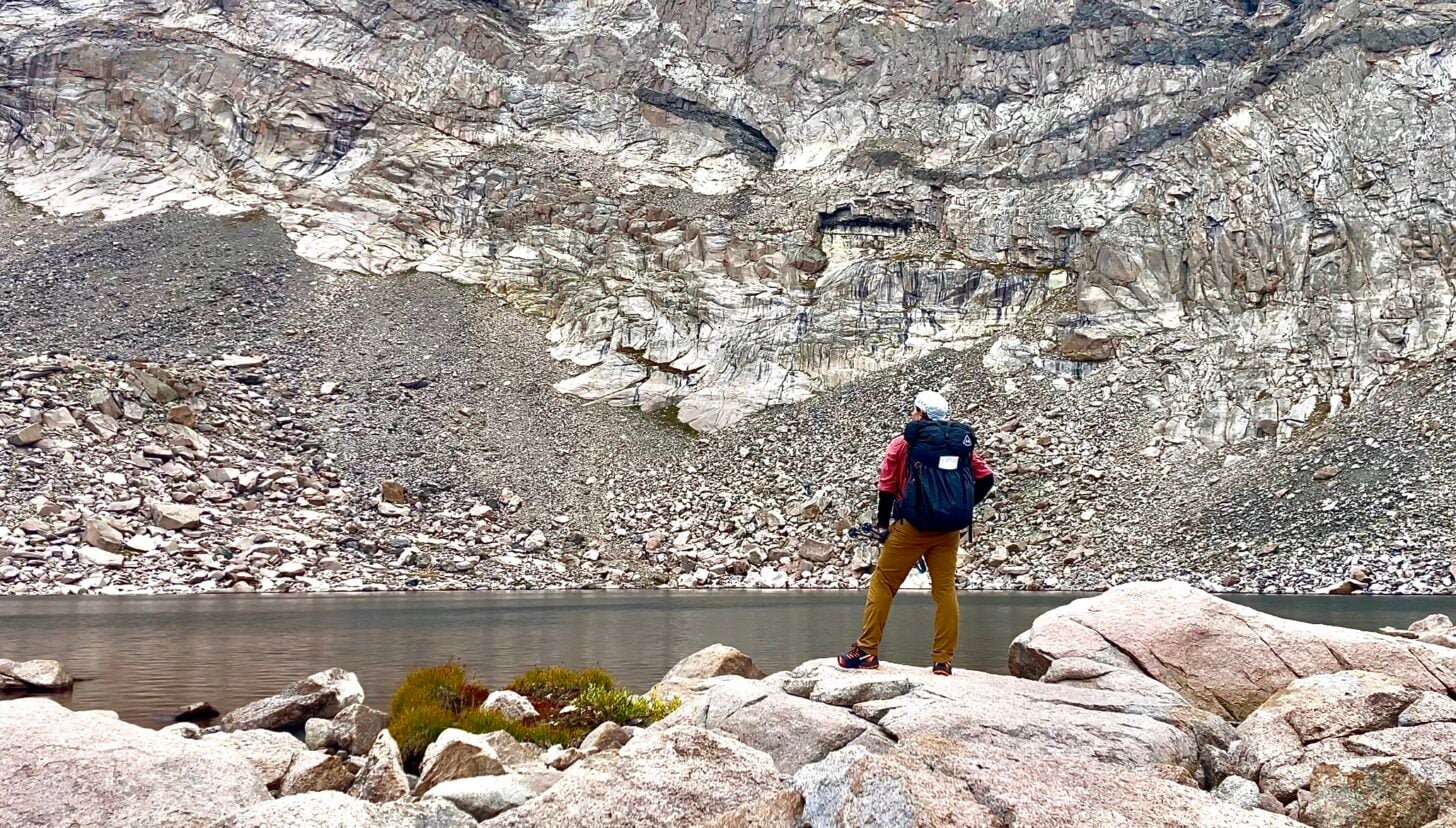
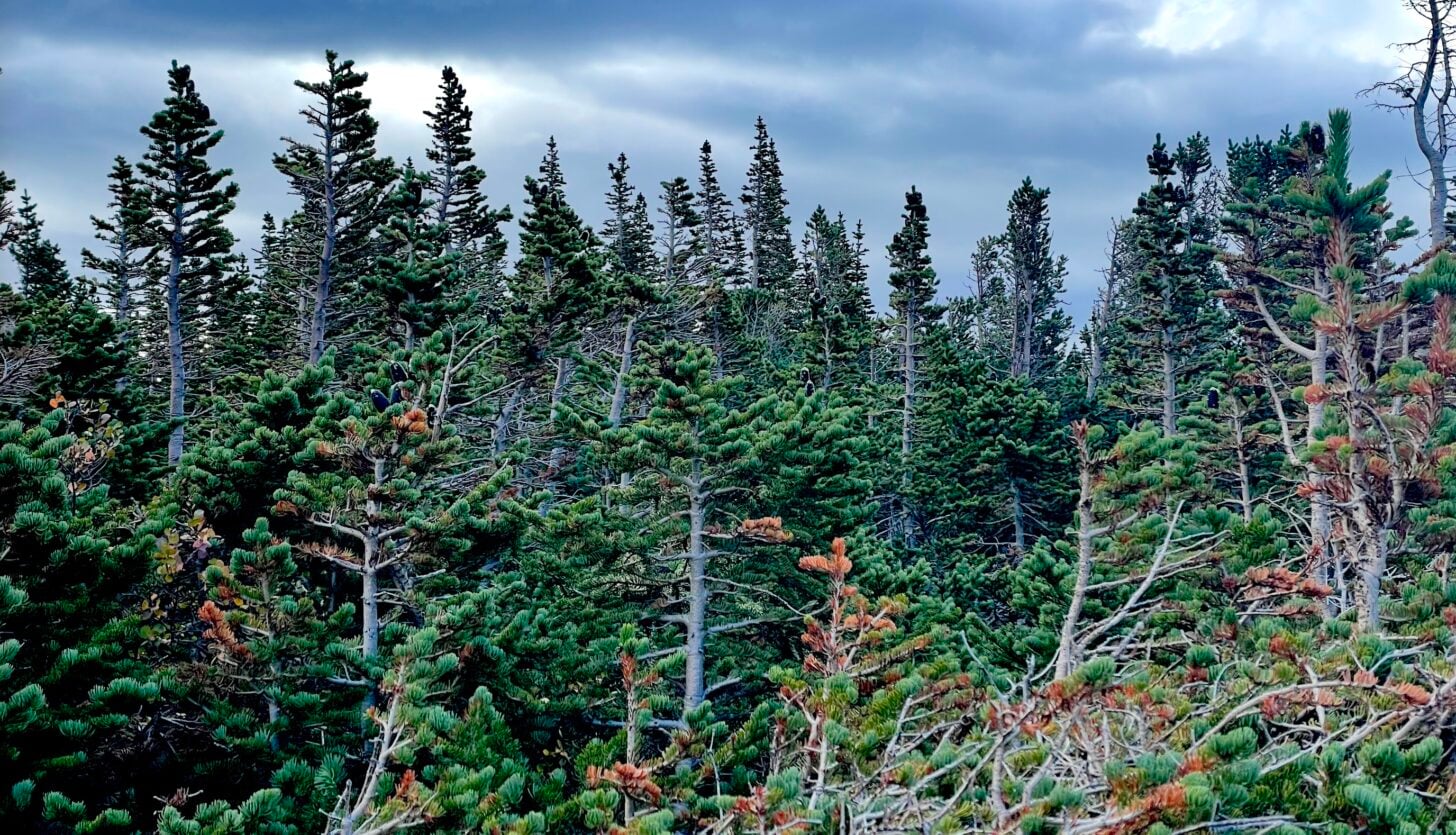
Last week, I set out on an overnighter to one of Rocky Mountain National Park’s most remote high lakes (photo above). The climb was difficult: eight miles and 4,000 feet of elevation gain, mostly off-trail. The route wound through thick willow and subalpine fir, across interminable talus fields, and into cold rain and wind.
Before heading out, I fueled with a dense breakfast built around protein and fat – Greek yogurt mixed with whey protein, creatine, berries, a splash of heavy cream, and cocoa powder. On the trail, I ate salmon, nuts, dried berries, and quinoa/oat/almond butter bars (the only three ingredients). For hydration, I carried water mixed with electrolytes that included potassium, amino acids (L-glutamine and L-alanine to improve water uptake), and B vitamins.
My HR average was about 90% of my aerobic threshold, sustained for five hours. Yet my energy remained steady. I never felt the shakiness of a bonk, nor the brain fog that comes with glucose depletion. Cognition stayed sharp, strength stayed consistent, and I felt controlled, steady, and strong from bottom to top.
For me, this drives home a clear point: training for this type of effort is important, but so is fueling. A menu dominated by refined carbohydrates tends to produce larger glucose spikes, followed by steep drops in blood sugar levels. That not only creates uneven energy but also drives exaggerated insulin responses: the body releases more insulin to cope with the glucose surge. In contrast, mixed-macronutrient meals (slower carbs paired with protein and fat) not only blunt post-meal glucose rises but also reduce the amount of insulin required to manage them. The result is a steadier metabolic profile: more stable energy availability for muscles, and less cognitive strain during sustained effort.
Guidance for insulin-resistant backpackers (and anyone who wants steadier energy)
Some backpackers head into the mountains already living with insulin resistance, whether they know it or not. It’s a metabolic malfunction that sneaks up on us as we age, or it can manifest itself as an outcome of many years of lifestyle choices we may no longer be able to sustain without consequence. Insulin resistance often shows up as stubborn midsection weight, post-meal fatigue, or lab results that may hint at prediabetes. Others discover it on the trail, when a menu built on a heavy diet of simple carbs delivers more bonks and mood swings than steady, sustained effort.
For these hikers, the backcountry not only tests endurance but metabolic control. Ingested calories either amplify glucose spikes and insulin surges or smooth them out into sustained energy.
Strategies to help insulin-resistant backpackers (and really, anyone who wants steadier energy) are focused on food choices that sustain performance, protect cognition, and support long-term metabolic health:
- Upgrade the carbohydrate matrix. Favor whole grains and legumes (oats, quinoa, brown rice, lentils, beans); fortify ramen with beans/vegetables/olive oil. Lower-GI ingredients and added fiber/protein tend to reduce post-meal glucose peaks vs. refined starch alone.
- Build mixed meals and snacks. Pair carbs with protein and fat (two of my favorites are quinoa + salmon dinner and oat/whey/nut bars). Protein co-ingestion with carbs reduces post-prandial glycemia in dose-dependent fashion (observed in healthy adults).
- Use fast sugar strategically. During hard pushes or late-day fatigue, targeted carbs can help (timing it correctly is better than continuous grazing). Endurance guidelines generally support ~30–60 g carbohydrate per hour for sessions beyond ~60–90 minutes, rising to 60–90 g/hr for longer efforts (adapt accordingly to your gut tolerance and pace). Important: insulin-resistance doesn’t mean you can’t eat carbs, it just makes their timing and composition matter more.
- Hydrate intelligently, not just more. Primary electrolytes lost in sweat are sodium (dominant) and chloride with smaller potassium losses; individual sweat rates vary widely. Classic ACSM guidance: start euhydrated; aim to limit dehydration to <~1% body mass; drink to need across ~0.4–0.8 L/h in endurance contexts, adjusting to effort and environmental conditions. Hydration mixes with amino acids can improve water absorption – meaning you can stay more hydrated with less water ingestion (good for the gut when operating at a high HR).
- Electrolytes & micronutrients — helpful context. Magnesium: low status is linked to insulin-resistance; RCTs/meta-analyses suggest supplementation can modestly improve glycemic markers in deficient or at-risk groups and is not a blanket performance enhancer. Potassium: observational evidence links low intake/status to higher diabetes risk, but intervention evidence is mixed; prioritize whole-food potassium sources and balanced intake. B-vitamins: essential cofactors for energy metabolism, but extra intake doesn’t boost energy if you’re not deficient; include them in your overall diet rather than relying on mixes, but supplementation is a well-known cognitive enhancer.
- Train the plan before the trip. Field-test menus and hydration in long hikes/runs before you commit on a multi-day backcountry excursion. Exercise itself improves insulin sensitivity by enhancing GLUT4-mediated pathways, but the composition of your diet still dictates how you feel from hour to hour during an event/hike.
Bottom Line
Backcountry nutrition isn’t a carbs-vs-no-carbs argument; it’s timing and composition. If you’re insulin-resistant (or suspect you might be), shift the base of your food bag toward slower carbohydrates and mixed-macro meals, use fast sugar intentionally, and hydrate with an electrolyte plan that matches your sweat losses and improves your water absorption. You’ll likely experience steadier energy, clearer decision-making, and better day-to-day recovery.
Medical disclaimer: This article is educational and not medical advice. If you suspect insulin resistance or prediabetes, talk with your clinician about appropriate testing (fasting glucose/insulin, HbA1c, OGTT; consider HOMA-IR as context).


Discussion
Become a member to post in the forums.
Companion forum thread to: Insulin resistance and the backpacker’s diet
Backpacking creates stress not only on your cardiovascular and muskuloskeletal systems, but also on your metabolic systems. Many hikers unknowingly live with insulin resistance, which can make high-carb trail diets feel like a rollercoaster of bonks and brain fog. This article explores some of the science behind insulin-resistance, field-tested nutrition strategies, and practical tips for building steadier energy during hard, sustained efforts.
Ryan,
The bars and salmon you mention in the article are they homemade or commercially available. If homemade care to share the recipe? If commercial the brand (s)?
Just finished a thru hike of The Long Trail (they left out HARD when naming this trail) in Vermont. I am sure better choices in nutrition would have benefitted me on that journey. Thanks Steve
I’ve been thinking a lot about electrolytes for exercise and daily intake. Morning walks, at home or on the trail are of particular interest because I think it’s an opportunity to set my body up for success, but I often want to get moving before eating and digesting a fully nutritional meal
I’m diabetic taking meds and am conscious of carbs. I used to give myself a break when I was more active, but my typical hiking/BPing choices probably limit protein and some electrolytes. I think the morning hydration with electrolytes is key. I’ve tried LMNT but would like to try others that are available at retail too. Any suggestions or further feedback on the morning intake ritual?
The bars are homemade, but I’m not super happy with the recipe still, because the nut oils seep out when the temps are warm. They’re fine when it’s cool. Process almonds in a food processor to make the nut butter, then add a 50/50 mix of (pre-cooked, and then baked dry) cracked oats and quinoa until the mix is pretty dry. Press into a baking sheet, refrigerate, cut into serving-sized squares.
I eat different types of salmon but my favorite is Seabear smoked sockeye in foil packets.
I am insulin resistant and have never experienced that problem ( Type II diabetic). About 1 1/2 year ago I started Ozempic and that has given me more issues to deal with. I tend eat less as my body is telling me that I am not hungry. If I don’t eat enough, I feel cold. I cook my own meals so that they are not carb heavy and make sure that I have enough protein in the menu. In all of my years of backpacking, I have not experienced brain fog or bonks as you call it. My 2 cents.
Not all insulin-resistant hikers will inevitably struggle with bonks or cognitive dips, but insulin resistance helps explain why it can happen and how dietary composition can influence it. It sounds like you are already doing what you need to do to regulate your glucose metabolism enough to avoid it.
I’m Type 2 diabetic. Since being diagnosed, I’ve shied away from high carb snacks, simply because they drive up my glucose. But I started to feel like I had a “clogged fuel filter” while backpacking. I simply felt like I was running out of gas all the time. I finally bought three Dexcom 7 glucose monitors. They go on your arm, last 10 days, sample your glucose every five minutes and send it to your phone. I planned a 4-5 day backpack trip in the middle of each 10 day monitor. I found was I was indeed running out of gas. Over the course of those three monitors I experimented with different strategies and the one that worked was popping about 10 grams of carbs in my mouth every 10-20 minutes, depending on the terrain. This smoothed out my glucose but kept supplying my body with the fuel it needed to keep going. I too found if you mixed up the carbs with proteins or fats, it made for a smoother hike. But I now longer hike, then stop for a break and eat a bunch of food — I now slowly add fuel in a consistent manner. I also found I had a much lower weight loss at the end of the season. Previously I would start the season at 165-170 lbs, but end it around 151, way too low for my body type. Now I start at 165 and end at 162. I do inject fast acting insulin just prior to eating dinner (some freeze dried dinners can be 75 gms of carbs!), but during the day I simply rely upon a small, constant stream of carbs while exercising and it works.
As a Type II, my Dr was more interested in A1c results rather than glucose levels. Since A1c is an average of 80-120 days, it gives a longer term perspective. When backpacking, your average calorie consumption goes quite a bit higher than when not being as active. After eating carbs, there tends to be a glucose spike in the next 2 hours or so. So, in the morning and a lunch, eating higher carbs can be offset by your energy expenditure. Grazing small amount while hiking will also help. Eating lower carbs in the evening works for me. On a 5-10 day backpacking trip, increasing carbs c” loading will not have a big impact on A1c levels. My 2 cents.
Ryan, thanks for the helpful post on a neglected topic. I’ve found that eating more fiber rich foods like kidney beans is a big aid in managing glucose levels, especially from food sources rather than just supplements. I charted the fiber/gram concentration of different foods and chia seeds came out on top. And because chia seeds are also about as protein/gram dense as salmon and peanuts, and as calorie/gram dense as dark chocolate, chia has become my new favorite trail food. Chia can be cold soaked in a bot or other container to make the protein and oil inside the seed more accessible in 20 minutes to 2 hours depending on how you like your chia pudding. And they can be mixed with anything from trail mix if you want something sweet to sardines if you’re leaning savory. Sometimes in the morning I’ll even cold soak them with coffee or chocolate or both. But avoid cooking them or exposing them to boiling water if you want to preserve the health benefits of their omega 3 oil which breaks down under high heat.
They say that you can eat up to 1/3 cup of dry chia seeds per day, but you’ll have to work up to that amount over a few weeks of experimentation if your daily fiber intake is as low as most people. But moving that direction is also really good for our health and I’ve found many sources suggesting that people could improve their blood sugar, cholesterol and more by aiming for as much as 50 grams of fiber/day, which is about twice the current recommended daily fiber intake. Just 1/3 cup chia seeds will give you about 20 grams of fiber, so it’s a very effective way to boost your fiber without fiber supplements that don’t have as many health benefits as fiber in food.
In addition to having a steadier flow of energy, we’ve also found that eating healthier on the trail with more real and less processed food also feels better.
On a related topic, this video by Dr. Greger suggests that anti-inflammatory greens and fruits may increase performance and recovery for endurance athletes, especially over multiple days of fatiguing exercise. That sounds a lot like backpacking, so I wonder if anyone has experimented with eating anti-inflammatory foods right before and during a trip. https://nutritionfacts.org/video/foods-to-improve-athletic-performance-and-recovery/
A1c and glucose levels (e.g., via CGM) tell you about sugar in the blood. Insulin levels tell you how hard your body is working to keep those numbers in range. Managing insulin resistance isn’t just about lowering glucose – it’s about lowering the insulin required to lower glucose.
We now know that (in an everyday, low-activity, frontcountry context) that frequent, small dosing of carbs may help us manage glucose (by keeping insulin elevated) – but those elevated levels of insulin may not improve insulin resistance.
Backpacking is a little bit different here, because the physical activity (fat burning HR ranges) can help keep insulin in check in response to frequent carb feeding.
Both CGM responses and A1c can miss insulin resistance. Two people with the same A1c may have very different insulin sensitivity. And two people who show the same glucose spike and time-to-return-to-baseline on a CGM may still differ dramatically in how much insulin their bodies had to produce to make that happen.
That’s why focusing only on glucose seems to be inadequate to me, and possibly give us a false sense of security. Insulin resistance (not glucose) may actually be the underlying driver of both the acute issues backpackers care about (bonking, mental fog). In addition, the past decade of insulin resistance research has pretty much implicated insulin and not glucose as the driver of chronic issues that affect long-term health (inflammation, visceral fat accumulation, cardiovascular disease, etc.).
It’s a fascinating set of metabolic dynamics and complex. But managing T2D (or anywhere on the spectrum of insulin resistance) via A1c or acute blood glucose or CGM feels inadequate to me – especially if we want to send insulin resistance into true remission.
Another type 2 diabetic on Ozempic, Metformin and Jardiance. I mention the meds because they address insulin resistance. I’m not aware of short term diet choices that can have the same effect. Long term food and activity choices can help, as would be measured by A1C or spot glucose testing. I’ve been part of a CGM trial and it was fascinating to see the effects of food and exercise minute by minute, but I only used it for 10 days. The feedback loop likely changes eating habits and other choices positively. If it’s warranted for everyday use then definitely helpful while backpacking. Diabetes must be the most self tested and self treated condition ever. My guess is my data would look better backpacking than at home.
As someone who lived most of my adult life feeling horrible after meals of mostly carbs, switching to low carb high fat and doing intermittent fasting changed my world. I made this switch in 2017 after I was diagnosed with ‘metabolic syndrome’. I went from having massive blood sugar swings to having none. Lost 65lbs(over 2 years) and every health metric improved-blood pressure, cholesterol, triglycerides, etc. This isn’t some fad that I tried, I fully committed and have eaten this way for 8 years. I don’t do ‘cheat days’. The thought of sugary or high carb foods makes me sick now. I just remember how bad I felt and have zero desire for them. I built up my fasted/low carb endurance during the first couple of years and can hike 20+ miles fasted. I just feel so much better without food in my stomach while hiking. On high exertion days I eat a couple of hard boiled eggs, a little bit after I start and maybe some small low carb snacks during. Strangely I feel most energetic when I am hungry. And without the low blood sugar levels, feeling hungry doesn’t mean feeling bad-foggy, bonking, tingly, etc. Doing lots of long cardio I believe has helped insulin resistance as well. I do cardio every day and make sure I do 3-12 hour long hikes every week.
Electrolytes are very important when doing big days. I have tried most of commercially available products and for me, Hammer Nutrition Fizz Tabs are the best. No mega salt doses and a decent spectrum. If I forget to take them or run out on a trip, cramping can be bad.
No recommending this way to anyone, it’s not easy. Just stating that it truly was freeing and has changed my life.
Become a member to post in the forums.