


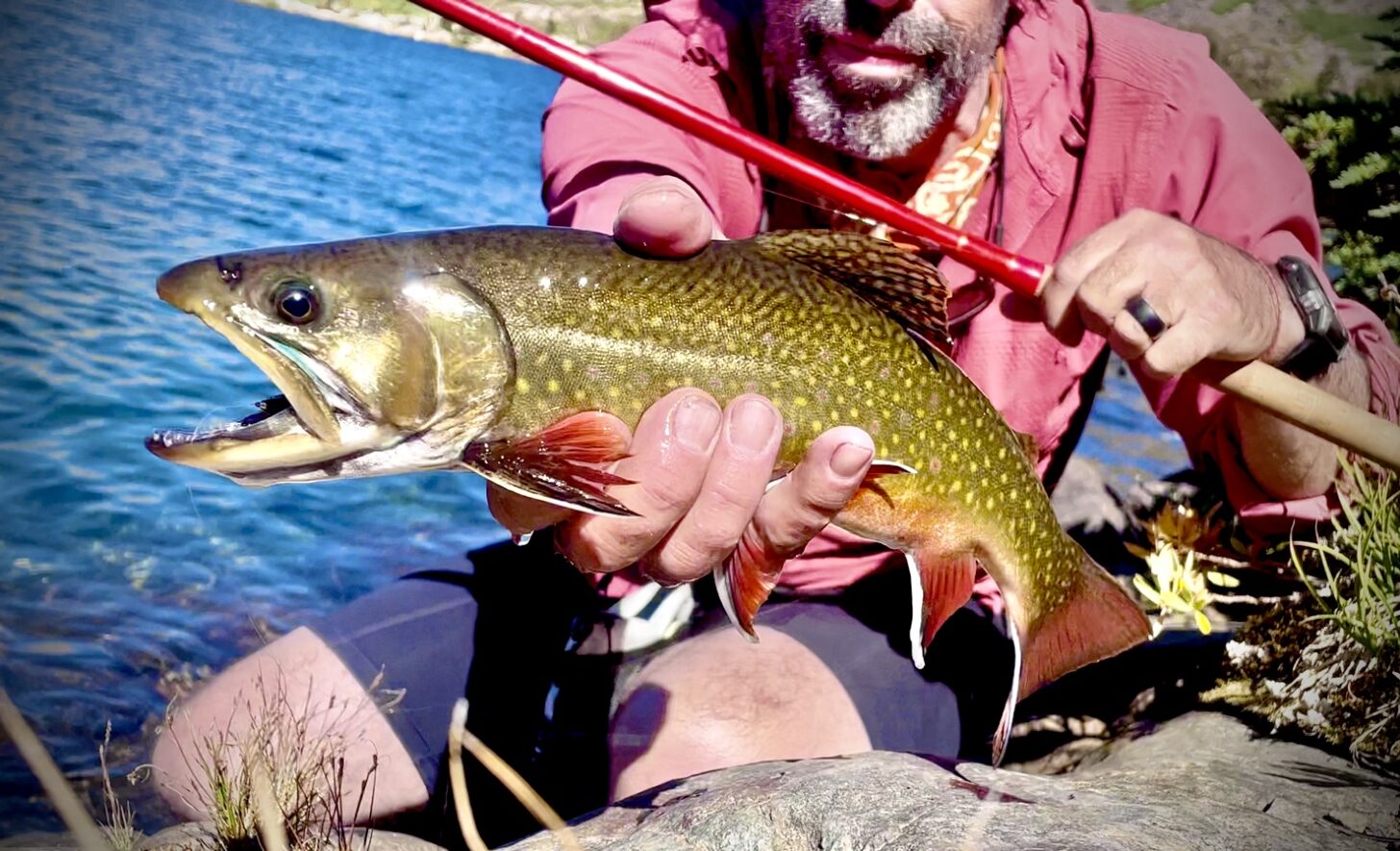
I fish to eat. My tenkara kit (include the rod, a fixed line, and a few flies) weighs about 3 ounces (85 g). That’s less than a single protein-rich dinner, but the payoff from even one decent-sized trout (photo above) is far greater.
When I think about weight in my pack, food is the variable I have a bit of control over. Carbs and fats are pretty efficient in terms of both calorie-to-weight and calorie-to-volume ratios: cous cous, rice, tortillas, chocolate, chips, nuts, oil, etc.
But protein is where the math kind of falls apart. Jerky, protein powders, freeze-dried meat – it adds a bit of bulk and weight if I want to carry enough to meet reasonable protein intake targets. That’s where the tenkara kit comes in. A 3-ounce (85 g) investment opens up the possibility of catching meals that supply more protein than what is required from the added food weight I don’t really want to carry.
A 16-inch trout is a good benchmark. Whole, it averages about 1.5 pounds (0.7 kg). After cleaning and cooking, yield is ~45%, or roughly 11 ounces (310 g) of edible flesh. That translates into:
-
- Protein: ~70–80 g
- Calories: ~350–400 kcal
- Fat: ~10–15 g (with omega-3s)
- Vitamin B12: ~14 µg (~580% DV)
- Selenium: ~97 µg (~175% DV)
- Phosphorus: ~880 mg (~125% DV)
- Potassium: ~1,260 mg (~27% DV)
- Vitamin D: ~2,040 IU (~255% DV)
- Omega-3s (EPA + DHA + ALA): ~3.1 g (~194% DV)
That’s one fish. For most hikers, a single trout of this size (or two 12 to 13-inch trout) covers at least a half day’s protein requirement and adds about 15–20% of daily calories. It also delivers nutrients you don’t get from plant grains. nuts, or oils.
On paper, backpackers require approximately 0.6 to 0.8 g of protein per pound of body weight per day to prevent substantial muscle mass loss on long trips and maintain enough intake for routine daily repair. For someone around 200 lb, that’s 120 to 160 g/day. Most backpacking menus typically range from 70 to 90 g/day. That’s fine for a couple of days, but stretch that over a week or more, and the deficit compounds: recovery slows, lean tissue gets tapped for fuel, and appetite gets harder to control. A single trout can close that gap substantially.
The following table offers some nutritional context:
| Food Type | Pack Weight | Protein | Calories | Micronutrients |
|---|---|---|---|---|
| Trout (caught) | 0 oz | ~75 g | ~375 kcal | Rich in B12, selenium, phosphorus, potassium, vitamin D, omega-3s |
| Jerky/Dried Meat | 4–5 oz | ~70–80 g | ~350–400 kcal | High sodium, limited micronutrient range |
| Protein Powder (80%) | ~3 oz | ~70–80 g | ~330 kcal | Minimal micronutrients, poor satiety |
| Freeze-Dried Meal | 5–6 oz | ~30–40 g | ~500–600 kcal | Varies, usually carb-heavy |
The efficiency (measured as grams of protein per carried gram of food weight) seems obvious. One fish is equivalent to 4 to 5 oz of jerky or a few scoops of protein powder, but with no carried food weight. Two fish in a week offset the tenkara kit weight entirely. If I catch and eat more than that (which I do at least 90% of the time), I’m ahead on both weight and nutrition.
Obviously, this isn’t about banking on fish for survival. It’s about building some flexibility into my food plan:
- No Fish: I carry enough protein to get ~90–100 g/day. That’s my minimum protein requirement for long trips.
- Occasional Fish (every 2–3 days): My protein intake rises to ~120 to 140 g/day.
- Frequent Fish (daily): Protein hits target or above. Food weight reduced by 2 pounds or more. Micronutrient intake is significantly improved.
Each outcome works out OK, and the system doesn’t collapse if I catch nothing. But the payoff for catching and eating fish seems pretty high.
On a 10-day trip, a baseline ration with enough protein weighs around 15 pounds. By planning to carry 70% of protein needs in food (~90–100 g/day), I can trim at least 1.5 pounds off that weight. If I catch even five trout over 10 days (i.e., one every other day) I cover the gap completely and add ~2,000 kcal in the process. The 3-ounce tenkara kit pays for itself as soon as I catch two fish. Beyond that, every fish reduces the effective pack weight and improves the nutritional balance of the trip.
The benefits:
- Muscle repair: Amino acids rebuild fibers stressed by long miles and heavy packs.
- Catabolism prevention: Adequate protein slows lean tissue loss when calories run short.
- Inflammation control: Omega-3 fats in trout may help reduce exercise-induced inflammation.
- Satiety: Protein keeps hunger and insulin levels in check better than carbs and fats alone.
One way to look at the physiological balance here: get your energy from carbs and fats, but preserve your function and resilience with protein.
When I look at the rod as gear: a tenkara kit is ~3 ounces (the same weight as a few scoops of protein powder). The difference is that the rod can produce ~75 g of protein with every meal, plus nutrients that I cannot obtain from anything else in my pack. Viewed this way, tenkara is one of the lightest and most efficient “nutrition systems” I carry.
For me, fishing with tenkara isn’t about survival (although I do think about what could happen if I lost all of my food to a bear). And it’s not just about recreation (although I have to admit, it’s a pretty fun activity to enjoy in the backcountry). Instead, it’s a deliberate part of my ration planning process. It trims carried protein weight, fills in critical nutrients, and balances a carb-heavy trail diet. One fish is enough to hit the daily protein target. Two fish offset the rod’s weight entirely. More than that, and I’m not just carrying less – I’m eating better!
Above: A large brook trout caught on a tenkara rod while fishing the Emigrant Wilderness, August 2025. Yep, I ate it.
Appendix: Backcountry Tenkara Gear
My minimalist kit – this goes with me everywhere (day hikes, business travel, backpacking trips when I really want to save weight and fishing is incidental but essential for food supplementation):
- Rod – Tenkara USA Ukiyo – about 2 ounces
- Pouch – Hartford Gear Trail Pouch – 0.3 ounces
- Tackle – license, 5m of 5x tippet, 12 ft #4.5 level line, foam line spool, one dozen flies in a tiny zip bag – 0.5 ounces
- Flies – my basic selection focuses on versatility and includes #12 to #16 kebari-style and western-style soft-hackled flies with silk thread bodies in various dark and light shades (dark brown, medium olive, cream, and orange).
On trips where fishing is the primary focus, I will swap out the Ukiyo with a Tenkara USA Hane (for small streams) or Tenryu TF39TA (for alpine lakes). If I need more flexibility in the type of flies I’m fishing (e.g., I’m casting delicate tiny midges to wary trout and prospecting with a weighted woolly bugger), I may bring up to 3 tippet spools (4x, 5x, and 6x), a tiny tube of floatant, an extra line (usually an 18-foot level line), and a few meters of 3x tippet for line-to-tippet connectors. I seldom fish with strike indicators (even nymphs) and opt for Czech-style nymph fishing techniques instead (sometimes adding a multi-colored nymphing line to the kit for large river fishing). If I know I’m going to catch-and-release trout in frequently, I may also bring a small (5-ounce) wood-framed net to minimize stress to the fish. With more tackle and more time spent fishing, I may upgrade the Hartford pouch to the Backcountry Tackle Pouch from Yonah Gear (adds about 1/2 ounce), which helps organize the additional tackle.
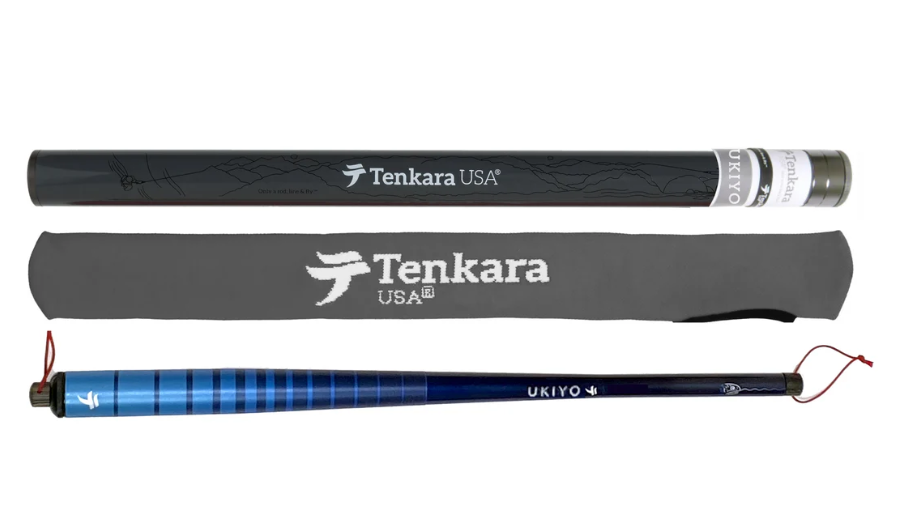
Tenkara USA’s lightest, most ultra-compact tenkara rod, collapsing to just under 15″, extending to about 9′9″ (300 cm), and featuring a graphite swell grip for exceptional sensitivity in small-stream adventures
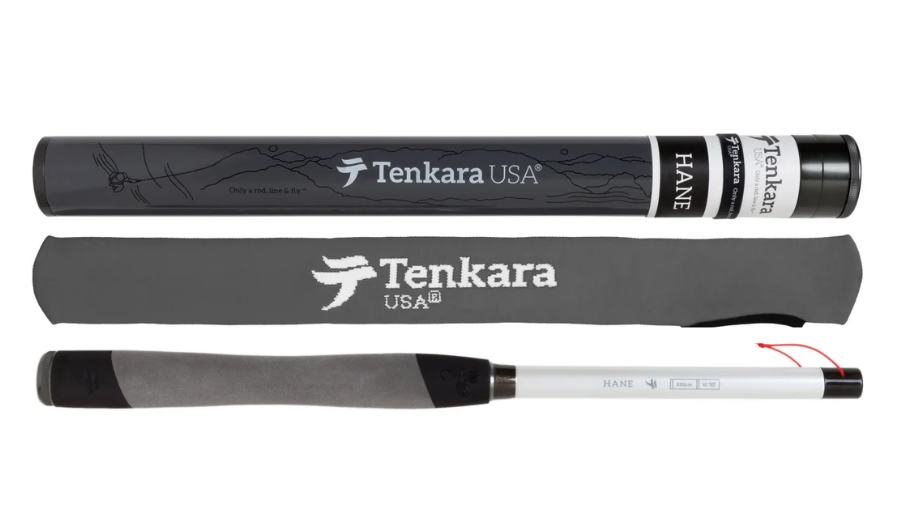
A super-compact, adventure-ready tenkara rod that collapses to just under 15″ and extends to 10 ft 10 in (330 cm), lightweight, durable, and perfect for backpacking, bike-fishing, and versatile use in varied environments.
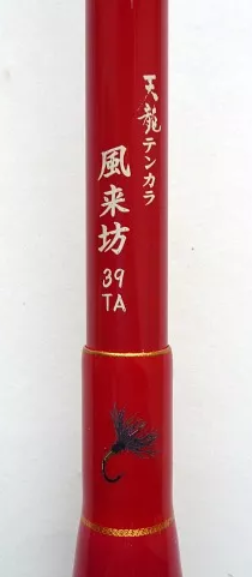
The Tenryu Furaibo is an exquisitely crafted, premium Japanese tenkara rod, smooth to cast, beautifully finished, and rugged enough for experienced anglers craving precision and performance.
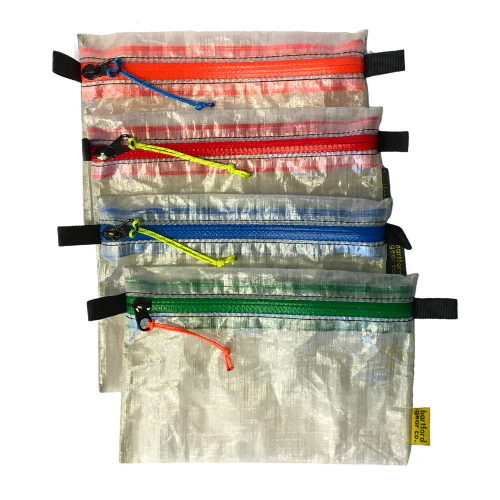
The Hartford Gear Co. Trail Pouch is an ultralight, water-resistant organizer made from Dyneema Composite Fabric or Ultra 100X, with taped seams and a YKK #3 Uretek zipper. Available in Small (4.25"x3.25"), Medium (6"x4"), and Large (8.25"x5.25"), weighing 0.2-0.3 oz.
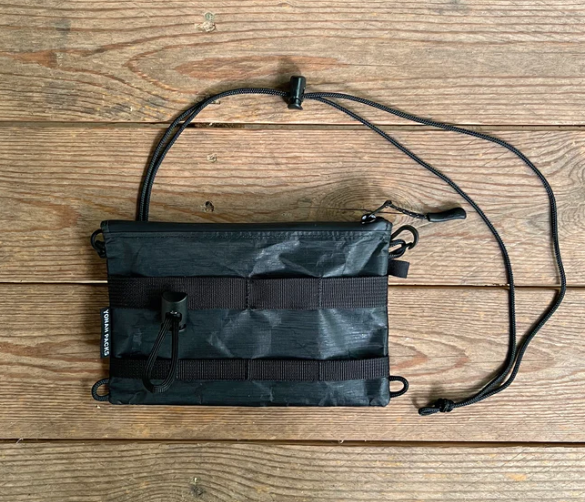
At under 1 oz and crafted from waterproof Dyneema Composite Fabric, the Tenkara Backcountry Pack is the ultimate ultralight minimalist pouch, perfect for stashing essentials like a small fly box, tippets, and accessories during backcountry fishing.


Discussion
Become a member to post in the forums.
Companion forum thread to: Why I fish to eat with tenkara
A 16-inch trout yields about 11 ounces of edible meat (70+ g protein, 350+ kcal, B12, selenium, phosphorus, potassium, vitamin D, and omega-3s) for zero carried weight. My tenkara kit weighs about 3 ounces. One fish offsets its weight, trims food carried, and fills nutritional gaps in my normal rations.
Calories make for a good return on the investment of the weight carried, and the expansion of possibilities for your activity/recovery time is a great asset as well. Solid points. 👍
Also, it’s nice to see such a clear chart, showing how protein-deficient most backpacking diets can be if not attended-to. I personally shoot for a bit more protein than that, but that’s because I often end up below my daily protein targets on account of an extra-high fiber intake.
I need to pick up a basic rod for those trips that are not dedicated to fishing…and I’m not very good at fishing in the first place, so by that logic it shouldn’t matter what I get! In my skillful hands, a tenkara rod will fail to catch as many fish as a much heavier rig. 🤣
When I started backpacking in the Sierra, more than fifty years ago, I didn’t bring a stove and did all my cooking over a fire. I didn’t bring dinner entrees, but caught fish and ate them with Uncle Ben’s Instant Rice and a few Knor’sd instant sauces: Stroganoff, Goulash, Amadine, etc.
Times have changed in the intervening fifty years. Sure, catching a 16 inch trout for dinner might still be possible, but my experience is that you are more likely to catch 6-8 inch trout in the Sierra, especially if you are in the high country. I still take my fishing gear–A total of a little over a pound of fly rod, reel, and a few flies. But I don’t keep fish any more, because I keep hoping that they will make a comeback from the pressure they get. And I sure don’t count on catching larger fish for my dinner.
At least in the High Sierra, those days are pretty much over.
Ryan,
What are the items in your fishing kit that total 3oz?
How do you cook them?
I added a brief gear list to the end of the article. Basically, just the rod, line, some tippet, a DCF pouch, license, and flies – the is the minimalist side of my kit when I just need a kit for utilitarian food catching. I’ll add more if fishing will be my focus.
I usually cut the trout into a few chunks, poach it in my cook pot (usually a Vargo Bot 700), drain the water, remove the bones, mix with spices, roll in a tortilla for a fish taco.
In the 1970s my dad and I would rely on trout for our meals on trips “out west”. I have wonderful memories of us spending extra days at Adelaide Lake in the Bighorns because the fish were so plentiful and nearly jumped out of the lake into our frying pan.
I stopped fishing a while ago, but several of the people I do trips with still fish. It seems to me that they are frequently doing catch and release because what they are catching are not big enough to be worth eating.
I wonder if the average size of the fish is dropping or I am just going places that are over fished.
I have basically stopped fishing for the past few years because I wasn’t enjoying it as much and so I didn’t want to carry the gear. However, in that time, I’ve never stopped making notes about obscure off-trail lakes with fish, and it might be fun to do some trips where I fish those lakes. It’s shocking how many isolated unnamed lakes were stocked from the air decades ago.
I might just bring light spinning gear, since I often find that to be equally (or more) effective at alpine lake destinations.
I don’t understand the comment about protein weight, since you get the same amount of kcal from a gram of protein as you do from a gram of carbs?
Personally, I don’t find that packing sufficient protein is too much of a challenge. I try to avoid carb-rich foods like rice, cous cous, breads etc. on the trail, in preference of foods with more fat. I use nuts, almonds and peanuts as a baseline food to plan from, realizing that most deviations from that means higher pack weight. Incidentally, that also makes for a protein rich diet (and delicious foods that don’t need cooking).
On a high excertion trip, I (an 85kg/187lbs male) would need around 4,000kcal and 150g protein per day. 640g of peanuts provides around 4,000kcal and 180g of protein. Call it 750g/day, and there’s plenty of room for variation.
Of course if you deliberately pack fewer calories than needed, it might get harder, especially if you pack carb rich foods (which seems weirdly common among people chasing grams).
Anyways, that’s not to knock the idea of fresh fish as both a good source of nutrients, saved weight and morale boosts.
It’s lighter to carry dehydrated carbs than most protein sources. Rice and ramen are tantalizingly lightweight, especially for longer carries. Unless you can live on protein powder, carrying protein will always be heavier.
The other side of this is that rice and ramen have scant nutrition beyond the calories, while proteins are the nutrients that your body needs in largest quantities throughout the day. Trout and salmon are especially high in EPA and DHA, which are essential and otherwise difficult to carry (other than canned fatty fish like sardines or capsules).
TLDR: Fish are nutritious and delicious, if you like fishing and you travel where large-enough fish can be caught. For enthusiasts, fishing could be the reason to backpack to remote places.
It might be true that, compared with ‘pure’ carbs like rice and ramen, foods that are very high in protein often holds more water (and so is heavier). If those are your options, that explains the claim that protein is heavy.
But it’s a misconception that rice and ramen are lightweight foods. Ramen is ~350kcal/100g. Nuts, seeds, peanuts, almonds are 550+ kcal/100g. For 4000kcal/day you can take <750g of mixed seeds and nuts or >1,100g of ramen. On a site where people will cut their toothbrush in half to save <10g, that’s an absolutely insane weight savings. I know noone(?) is eating only ramen or rice, so real world savings are less than that, but easily in the 1kg/week range. Ultralight food is high fat, low carb.
Again, I’m in no way trying to knock the general idea of the article – a fish you catch is lighter than anything you bring, it is healthy and a great meal. It’s just that some of the statements in the first few paragraphs make what seems like really weird claims to me:
Carbs are demonstrably bad in calorie-to-weight with an ideal maximum of 400kcal/100g (~350 for rice etc). Contrast that to the second half of the list – chocolate/chips/nuts (~550), oil (850+). Nuts aren’t as high in protein as say jerky, but if they’re a main source of energy (instead of say rice), it seems unlikely you should be struggling to get enough protein.
In my week long backcountry fishing trip this year (bushwacking, lake finding) I caught a ton but didn’t eat any. You have to clean it not far from camp to keep it fresh and that attracts bears and critters, and the knife and something to cook it in or store the pot in aren’t weightless. Just using the pot to boil water means it can stay out of the bear bag. Cooking fish in the pot means a bigger, heavier Ursack.
I respect the attraction, but its more emotional than logical.
High calorie density and high quality protein is easy to incorporate
If I need more protein, I add easy to consume bumps:
From an Alaskan perspective, of course you eat it. “Catch & Release” = “Playing with your food.”
In the Sierra, my concern for 97.3% of backpackers is that they don’t get far enough out where the dumb naive fish are. So they can’t rely on catching fish and need to bring all their food along. A really skilled fisherman? That’s a different story. The guy I co-led 9-day trips with could think like a fish and even along a major trail would come back happy from a afternoon of fishing. “Did you catch any Ron?” someone would ask. “Yeah.” “Very many?” “Some.” “How many, like a number?!?” “About 60.” One trip, he specifically planned up Goddard Canyon because he’d seen 19-21″ trout in Lake Martha up at 11,000 feet (only ice-free 2 months a year) without his gear. He only kept one, figuring they might be older than he was, and it had been feeding on krill so had reddish flesh like a salmon.
Manfred & Sons® on their Brooks Range trip had a problem with fishing. Yeah, there were fish on the first cast and all of that, but the fish were too big. When two of three guys eat fish, you want a few 1-pound or a single 3-pound fish. Not a 20-30 pound sheefish. (random AK F&G photo):
Several friends have done it since, but the first people I met who sea kayaked from Homer to Seward along the Gulf of Alaska coast also had a fishing problem (which I wouldn’t have seen a problem). They wanted to catch halibut but couldn’t get their hooks past all the pelagic rockfish (the black ones below). IMO, a 2-3 pound rockfish is ideal for catching in a kayak.
I don’t want a 20-30-40 pound halibut in a small boat. That’s why I’ve only use 15-pound test line. One time in Baja, my line snapped so fast, I could only imagine what grabbed it.
On my July trip’s best day I caught 38 bass in 2 hours, the smallest being ~ 1 lb, average ~ 3lbs, largest ~ 7lbs. Pretty good day for out here. I’d still be chowing down if I ate them.
Then I snapped my rod in half while hauling a cow over a weed bed, solving the “too big fish” problem! Temporarily though, I fixed it with the superglue in my med kit for cuts. Multi-use for the win!
When dad and I fished Lake Erie or Lake St. Clair for walleye, we looked for that momma bear slot size. Anything too big was considered potentially radioactive or a living thermometer.
A few years back I caught two conservatively guessed ~ 10+lb Pike from my kayak (that’s a 9″ plug), that was a hoot. I don’t carry a net, and prefer a lipper which makes landing them interesting but is easier on the fish
Anyone have favorite ways to eat 6″ brookies?
Those are snack-sized, but: pan-fried in butter rarely fails. On the very rare occasions that I actually plan on catching an edible fish, a small squeeze container of ghee is a nice way to do it.
Two scenarios. I carry enough food, catch fish, and bring food home. Or… I plan on catching fish and get skunked and go home hungry.
I LOVE catching, like fishing and eating fish. I do not like fish bones. When I do catch a fish, it is usually small, any advice for dealing with fish bones? Especially the little bones.
Depends on the species. Trout are easy to filet–cook them lightly, the slice down either side of the spine and peel the flesh away from the ribs. Other fish can be more complicated.
Of course, you’ll want to clean them first!
If the bones are very small and ultra fine and the heat high enough, they melt during the cook
If there is risk of toxin (large fish, location dependent), try to avoid eating the belly fat
Become a member to post in the forums.