

Episode 148 | Rain Jackets for Mountain Minimalism
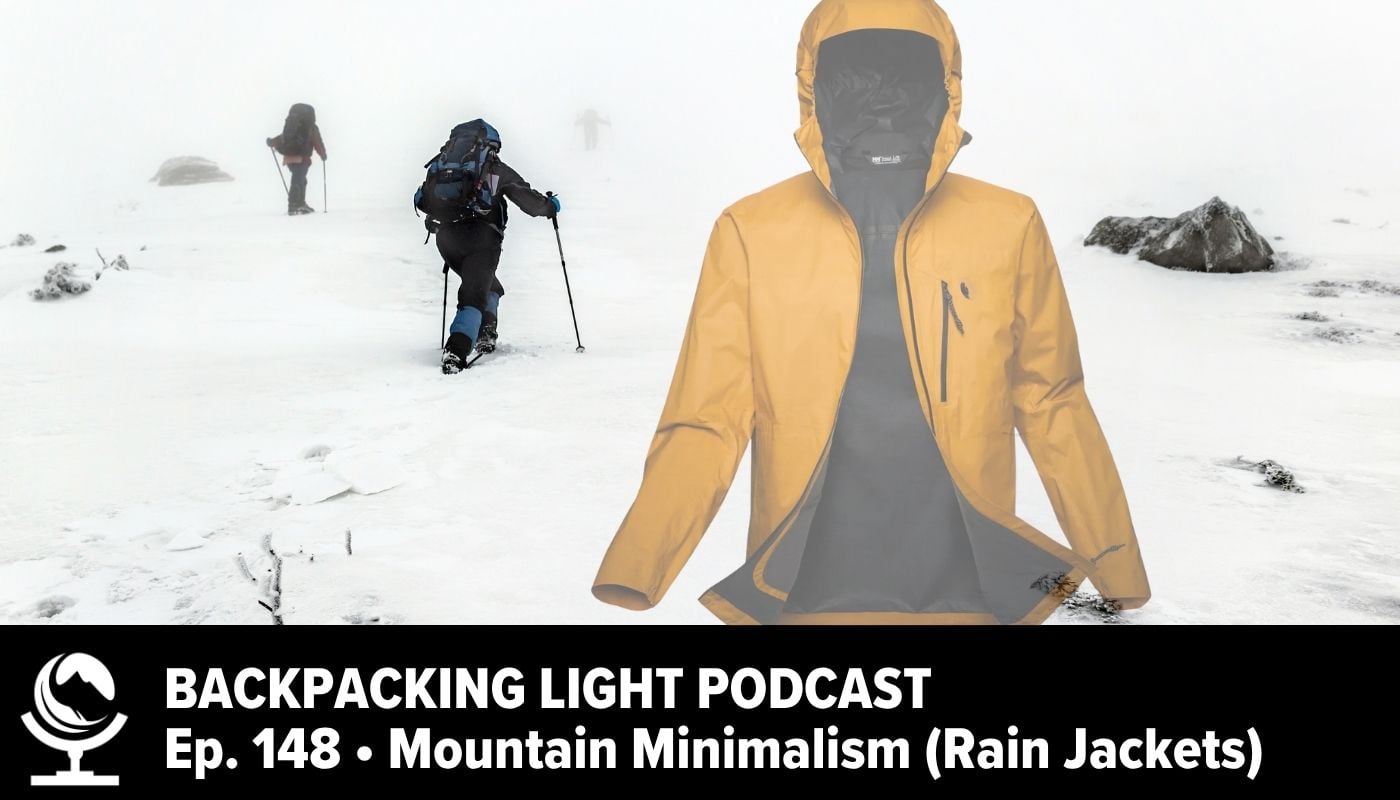
Episode Summary
Learn why ultralight rain shells can be appropriate for mild trail conditions but inadequate in exposed mountain weather. Explore a decision framework based on exposure duration, retreat options, terrain, abrasion, wind, and thermal margin to understand the role of the mountain minimalist rain shell.
Listen Now
Show Notes:
What’s New at Backpacking Light?
- Find information about all of our upcoming Member Q&A’s, Webinars, Live Courses, other live events, and more on our Events Calendar Page.
Featured Brands and Products
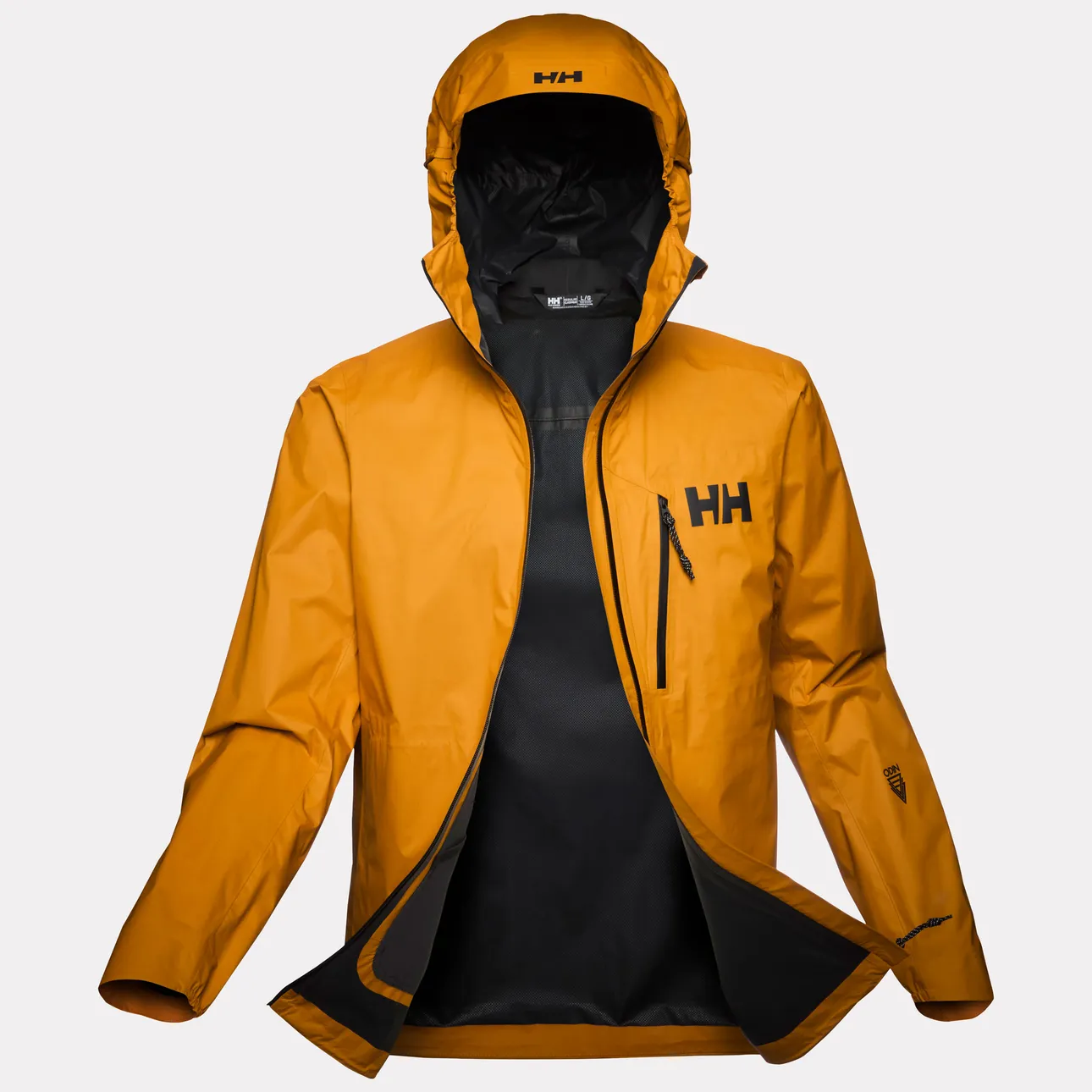
The Men's Odin Infinity Minimalist Jacket is a 250 g 3.5-layer shell jacket using HELLY TECH PROFESSIONAL and LIFA INFINITY waterproof-breathable construction, with fully seam-sealed 2-way stretch fabric, helmet-compatible adjustable hood, RECCO reflector, zippered chest pocket, adjustable hem, and packable pocket.

The Arc'teryx Alpha SL Jacket is an alpine shell built with GORE-TEX PRO ePE and 20D Hadron face fabric, with a fully adjustable helmet-compatible StormHood, packable minimalist construction, PFAS-free membrane, and low-profile RECCO reflector. 232 g (8.2 ounces).
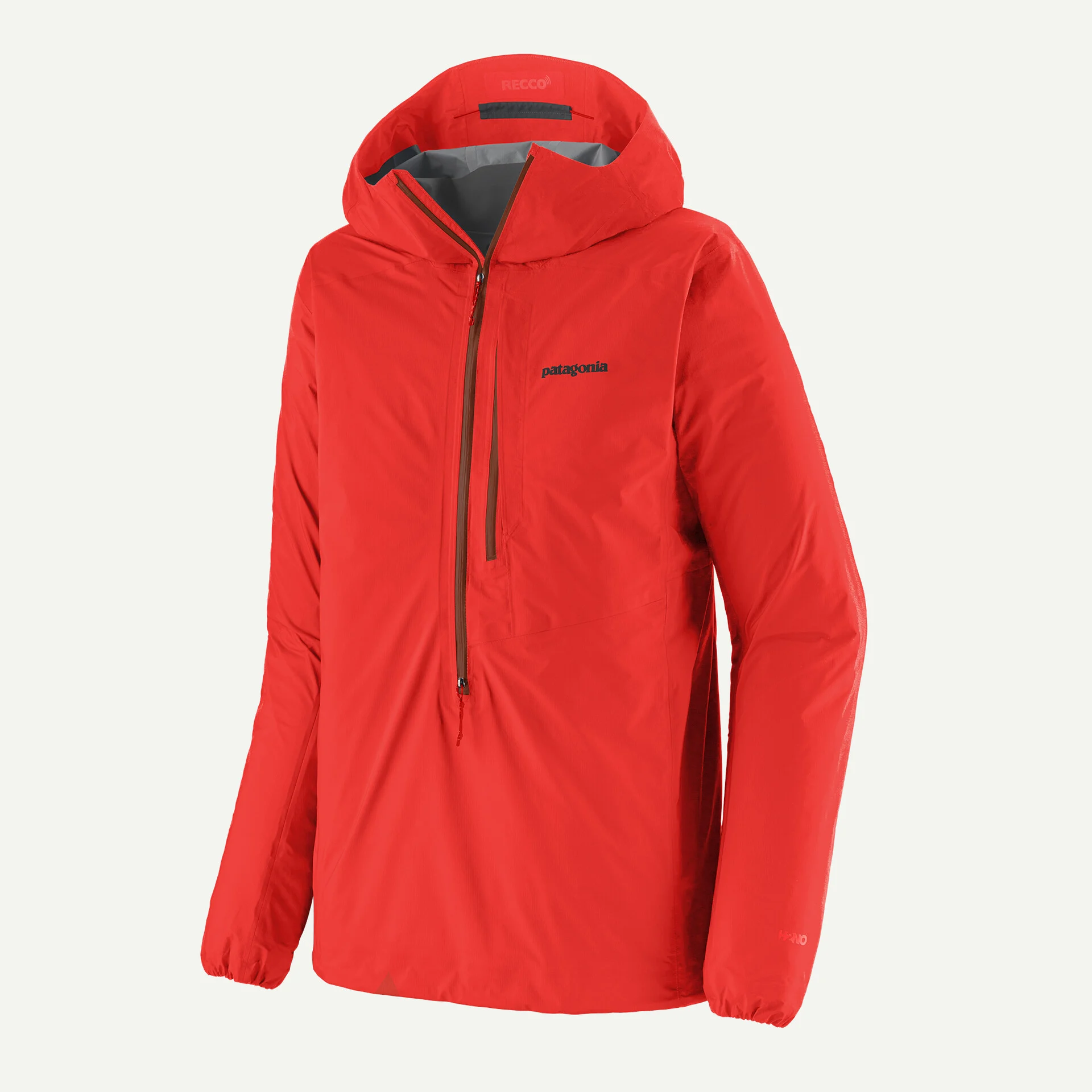
The Patagonia Men’s M10 Anorak is a slim-fit 3-layer waterproof alpine shell using a 20-denier recycled nylon ripstop face, RECCO reflector, Xpore nanoporous membrane, jersey backer, waterproof two-way front zipper, helmet-compatible hood, self-stuffing chest pocket, and 300 g (10.58 oz) weight.
Rain Jackets for Mountain Minimalism
- Rain gear for mountain minimalism requires a different evaluation process than typical ultralight rainwear.
- Jacket weight matters, but it is not the first criterion.
- The first criterion is the environment the shell must perform in.
- A summer trail shell and a mountain shell solve different problems.
- Mountain weather often includes exposure above treeline, wind, wet snow, poor visibility, lightning risk, and limited shelter.
- In those conditions, the rain shell helps preserve mobility, not just comfort.
- Ultralight rainwear works well when exposure is short and the consequences of failure are low.
- Mountain rainwear needs more margin when exposure duration, terrain complexity, and retreat difficulty increase.
- Ryan uses three questions: how long will I be exposed, can I retreat, and what must the jacket survive besides rain?
- Mountain shells must manage more than precipitation, including abrasion, wind pressure, hood adjustments, cold-hand operation, and stop-and-go travel.
- Rainwear can be grouped into summer trail shells, alpine hardshells, and mountain minimalist shells.
- The mountain minimalist shell sits between a fragile just-in-case shell and a full alpine hardshell.
- A useful mountain minimalist target is roughly 8-11 oz, 3-layer construction, durable face fabric, protective hood, and simple functional features.
- The better question is not the lightest jacket you can get away with, but the lightest shell that still works while moving for hours.
- Mountain minimalism means removing unnecessary weight while preserving protection, warmth, and movement in hostile weather.
Links, Mentions, and Related Content
- Dispatches: Rain Jackets for Mountain Minimalism
- Wilderness Skills: Why You Should Spend a Few Ounces of Pack Weight on Rainwear Ventilation Features


Discussion
Become a member to post in the forums.
Companion forum thread to: Episode 148 | Rain Jackets for Mountain Minimalism
How to choose rain gear for mountain minimalism based on exposure, retreat options, wind, abrasion, and thermal margin.
The difference between a summer trail shell and a mountain minimalist shell is fairly clear. What does a full alpine hardshell offer that is not offered by a mountain minimalist shell? Where are you drawing that line? If you’re making that choice for safety, when does an additional safety margin become important?
As a side note, when you specify garment weight, what size garment are you referencing? I think you’re using medium sizes, but without that context, those of us that are taller/wider/thinner/shorter still have to translate the difference.
Become a member to post in the forums.