


Abstract
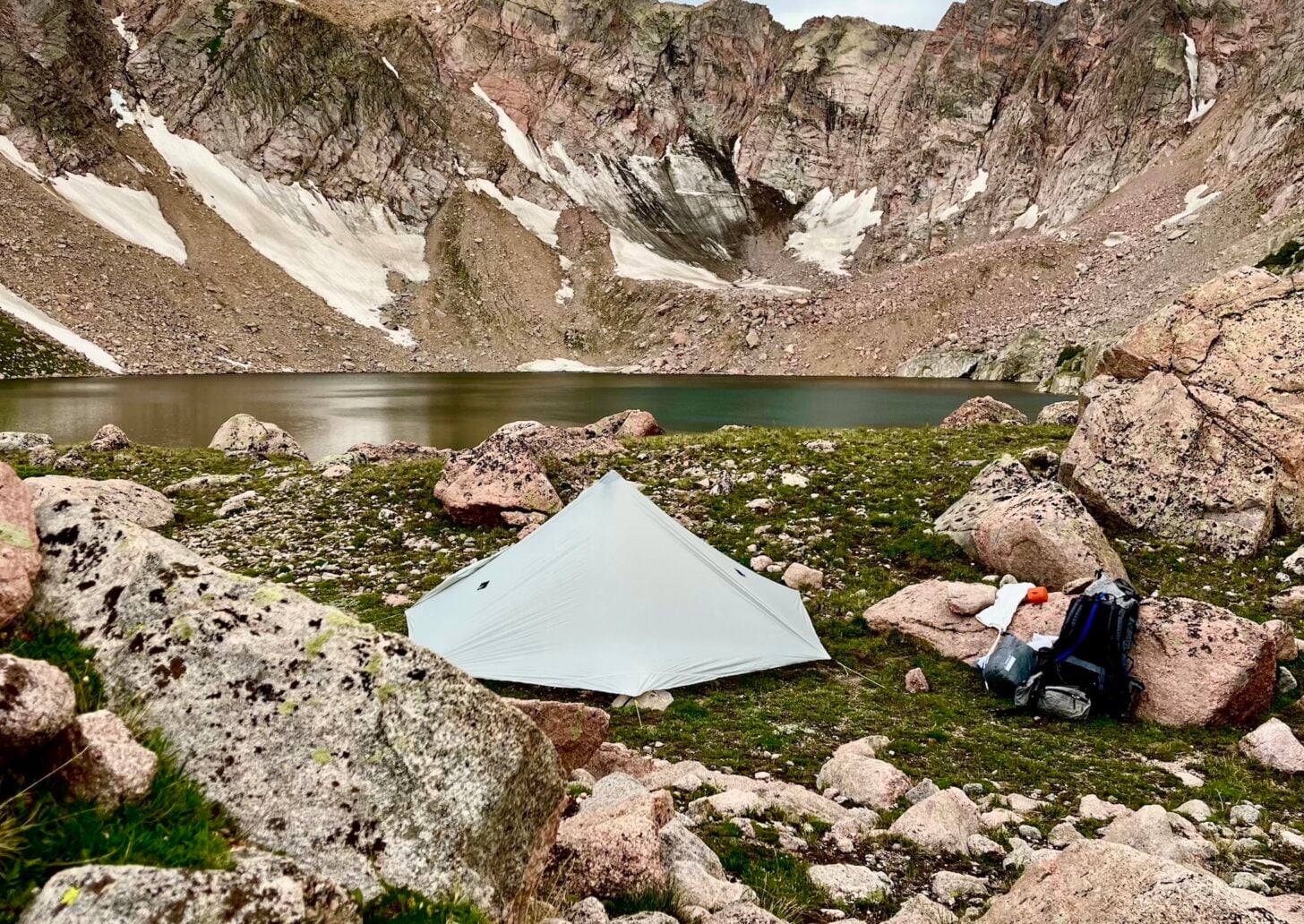
During a recent one-night backpacking trip to a high-elevation lake in a northern Colorado Wilderness area, I developed headache, nausea, fatigue, mild dizziness, chills, shakiness, anxiety, and temperature dysregulation several hours after arriving at an elevation of approximately 11,500 feet. A retrospective 2018 Lake Louise Acute Mountain Sickness (AMS) Score was 7, meeting the criteria for moderate acute mountain sickness. Garmin data and a detailed reconstruction of food, fluid, workload, and symptom timing also revealed substantial carbohydrate depletion, a large energy deficit, inadequate hydration, and pre-existing sleep debt. This case illustrates the difficulty of attributing symptoms to a single cause in mountain environments and demonstrates how altitude exposure, workload, nutrition, hydration, and recovery can interact.
Context
I’ve been adventuring in the backcountry since I was a child and leading group trips and guiding clients for more than 30 years. By far, the most common medical issues I’ve faced personally, and with my hiking companions and clients of all ages, backgrounds, and fitness levels, are centered around the following four areas:
- Dehydration
- Metabolic fatigue
- Gastrointestinal issues
- Acute mountain sickness
It’s incredibly challenging to diagnose single contributors to any set of symptoms, since so many issues present themselves with shared symptoms.
To illustrate this, I present a case study from a recent hike, in which each of these four issues is analyzed in the context of observed symptoms, a detailed account of food and water intake, and recorded wearable data during activity and sleep.
Background
I live in Estes Park, Colorado, at 7,600 feet and am regularly active at higher elevations. Because of this baseline acclimatization, an overnight trip to approximately 11,500 feet would not ordinarily appear to represent an extreme altitude exposure for me.
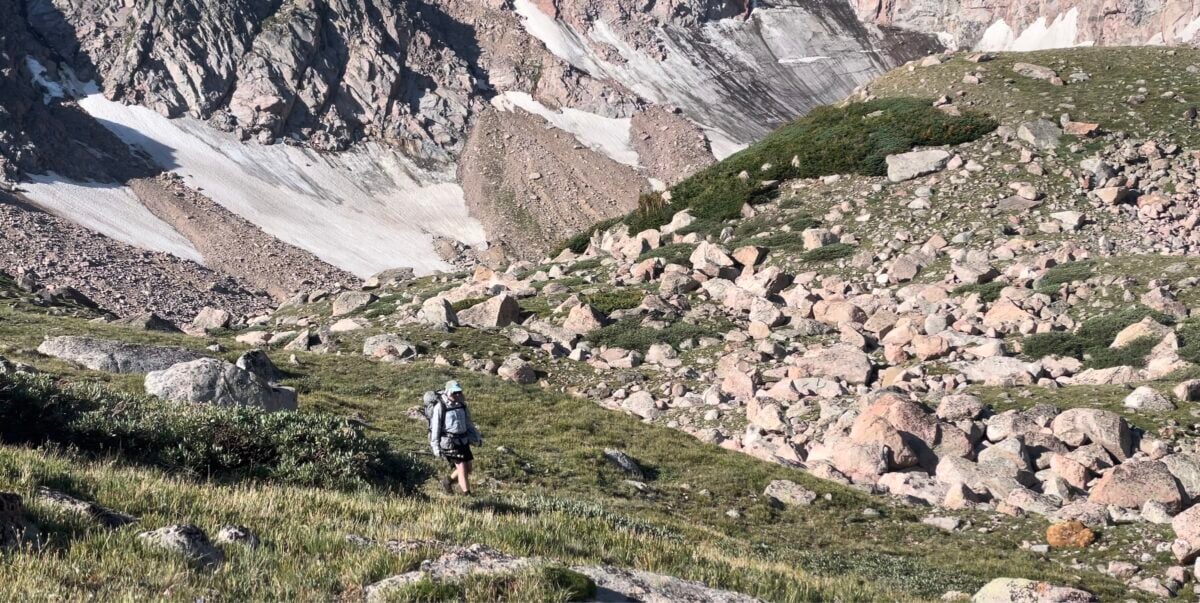
The trip, however, combined a large increase in sleeping elevation with an unusually demanding approach. I hiked 13 miles, much of it off trail through dense forest and alpine terrain, climbed approximately 3,800 cumulative feet, and carried a 48-pound pack excluding water (I was caching food for a group of friends traveling through the area). With two liters of water, my starting pack weight was approximately 52 pounds, or about 32% of my 165-pound body weight.
I left Estes Park at 5:30 a.m. and started my hike at 8:11 a.m. at an elevation of approximately 8,600 feet. I reached my destination at 6:24 p.m. The net increase from my home to the sleeping elevation was approximately 3,900 feet.
Member Exclusive
A Premium or Unlimited Membership* is required to view the rest of this article.
* A Basic Membership is required to view Member Q&A events


Discussion
Become a member to post in the forums.
Companion forum thread to: A Multifactorial Case of Acute Mountain Sickness, Carbohydrate Depletion, and Dehydration
After a recent strenuous approach to an alpine, headache, nausea, fatigue, and dizziness produced a Lake Louise AMS score consistent with moderate acute mountain sickness. Garmin data and a detailed reconstruction of food, fluid, workload, and sleep revealed a more complex event. This case study examines how altitude exposure interacted with carbohydrate depletion, dehydration, and accumulated fatigue – and why backcountry illness is often better understood as a convergence of physiological stressors.
A couple of years ago I learned of using glucose tablets on hikes when I began to feel I was approaching “bonking”. To me, these are preferable to hard candy or other sources of sugar. They dissolve within a minute or two and the effects can be felt within 10 minutes. I always carry a few in my day pack.
Become a member to post in the forums.