

Wilderness Skills
- GEAR • Gear Reviews
- GEAR • Market Reports
- GEAR • Gear Guides
- GEAR • Gear Checklists
- GEAR • Make Your Own Gear
- GEAR • Gear Testing & Research
- SKILLS • Tips, Tricks, and Hacks
- SKILLS • Wilderness Skills
- SKILLS • Training
- SKILLS • Trip Planning
- SKILLS • Food Preparation
- PLACES • Trips
- PLACES • Routes
- CULTURE • Essays
- CULTURE • Stories
- CULTURE • Issues
- CULTURE • People
- CULTURE • News
- CULTURE • Media Reviews
- ARCHIVES (Before 30.Nov.2015)
- SEARCH LIBRARY
- TRAILHEADS
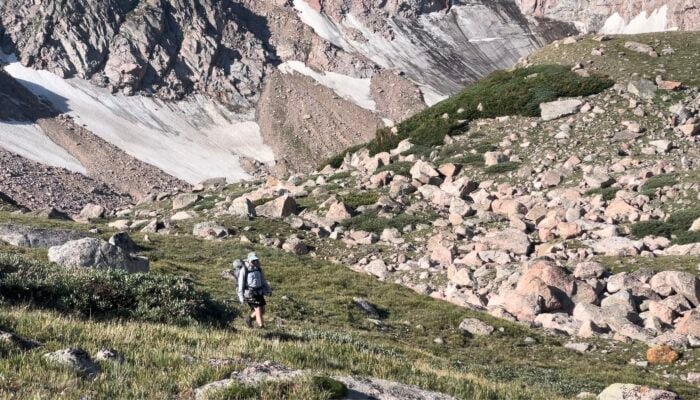
A Multifactorial Case of Acute Mountain Sickness, Carbohydrate Depletion, and Dehydration
After a recent strenuous approach to an alpine area, headache, nausea, fatigue, and dizziness produced a Lake Louise AMS score consistent with moderate acute mountain sickness. Garmin data and a detailed reconstruction of food, fluid, workload, and sleep revealed a more complex event. This case study examines how altitude exposure interacted with carbohydrate depletion, dehydration, and accumulated fatigue - and why backcountry illness is often better understood as a convergence of physiological stressors.

Camping Under Trees: Hazard-Tree Awareness and Campsite Selection for Backpackers
Falling trees pose a fatal risk to backpackers, especially when camping. Learn to identify hazard trees and choose a safe campsite by scanning the fall zone.
Why You Should Spend a Few Ounces of Pack Weight on Rainwear Ventilation Features
In this article, we make the case for spending some extra weight on rain jackets and rain pants that offer more ventilation features (and durability) than typical ultralight rainwear styles (updated May 2026).
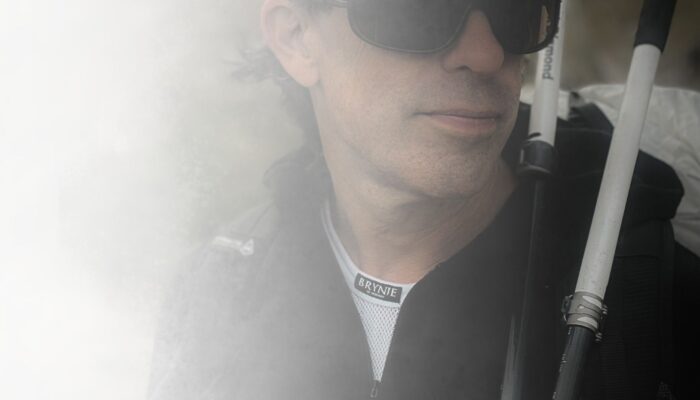
How Fishnet Works (Part 2): Layering for Moisture, Thermal Management in Cold-Weather Backpacking
Fishnet base layers offer a structural solution to the long-standing tradeoff between warmth and moisture control. By emphasizing airflow and vapor transport, they maintain comfort across cold, dry, and humid environments where conventional wicking fabrics fail. This article explains the thermophysiology of fishnet design and provides evidence-based strategies for layering in alpine and variable weather conditions.

A Case Study in Backcountry Emergency Triage and Decision-Making: Fall-Induced Facial Trauma
Ryan Jordan details a fall-induced facial injury, the triage process, decision not to evacuate, and critical self-care lessons.
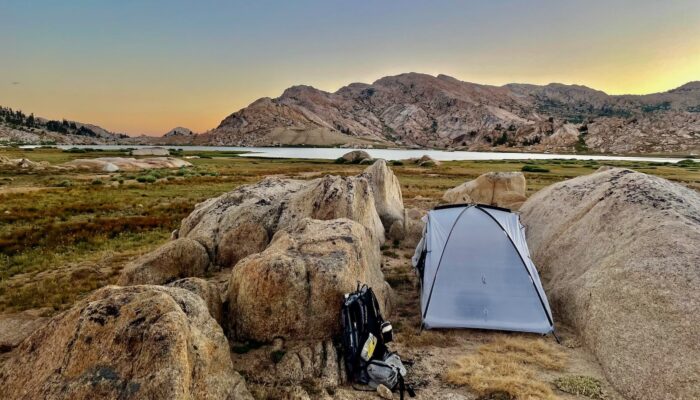
Stealth Camping
Learn how to stealth camp through minimizing your impact, concealing your camp and preserving solitude.
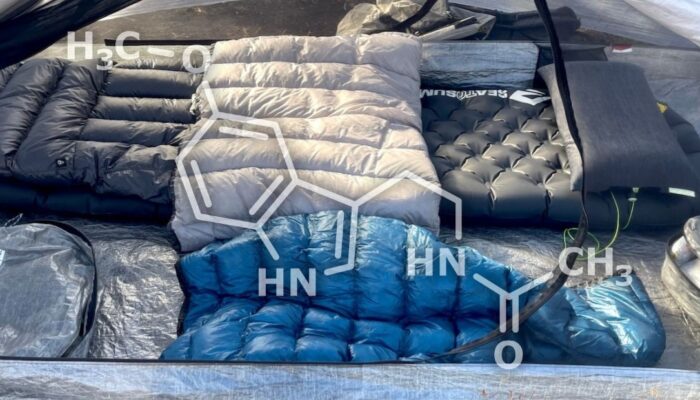
Naturopathic Sleep Aids for Backcountry Use
Enhance performance and recovery in the backcountry through naturopathic sleep aids including melatonin, theanine, glycine, magnesium & botanicals.
Exertional Rhabdomyolysis Among Backcountry Hikers
Understanding the causes, symptoms, risk factors, prevention, and treatment of exertional rhabdomyolysis in backcountry hikers and treatment for safer trips.
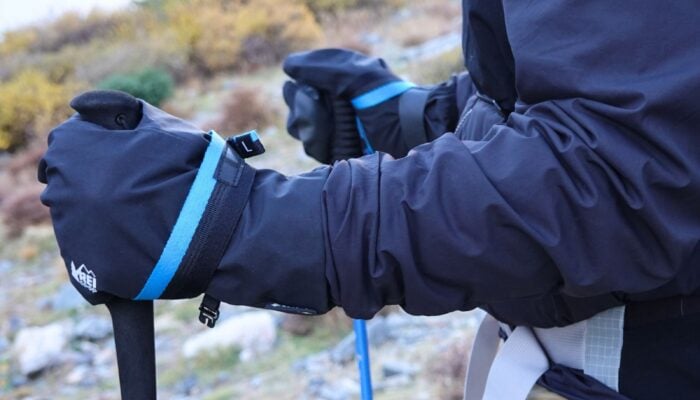
Handwear Systems for Backcountry Travel: Protecting Your Hands in Sun, Cold, Rain, Snow, and Wind
Learn how to build a lightweight, versatile handwear system for backpacking that protects your hands from sun, wind, rain, snow, and cold. This guide covers layering strategies, material science, field-tested tips, and real-world lessons to keep your hands functional and protected on the trail.
Feminine Hygiene: Avoiding Infections
Sarah Ortiz discusses research based strategies for avoiding urinary tract infections, yeast infections, and bacterial vaginosis in the backcountry.
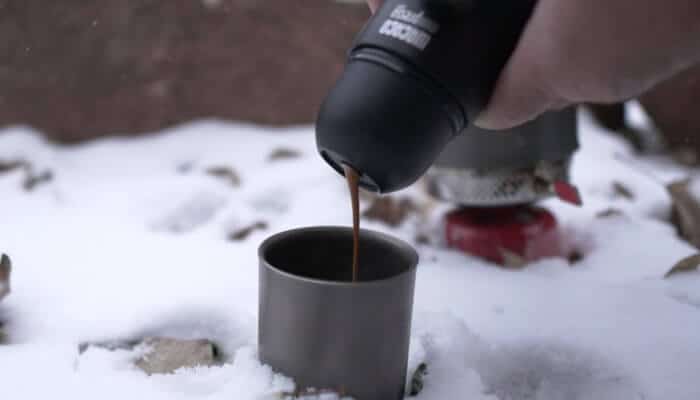
How to Make Coffee in the Backcountry: Gear and Methods
This article provides an overview of coffee-making methods (how to make coffee in the backcountry) while backpacking, with a study of their complexity and weight.
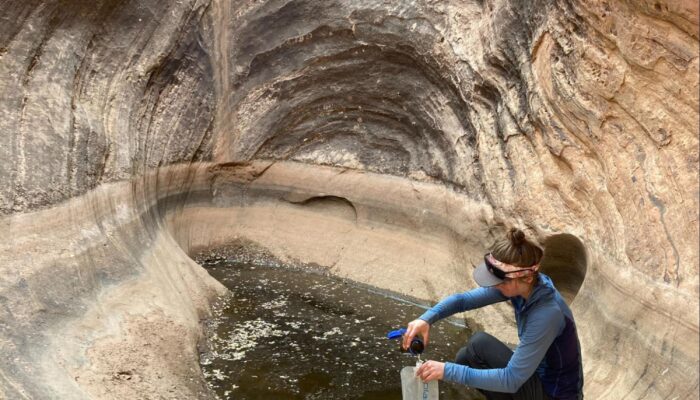
Strategies for Backpacking in the Heat: Daily Routine and Gear Considerations
In this article, Jeff Podmayer discusses strategies for daily routine and choosing your gear when backpacking in the heat.
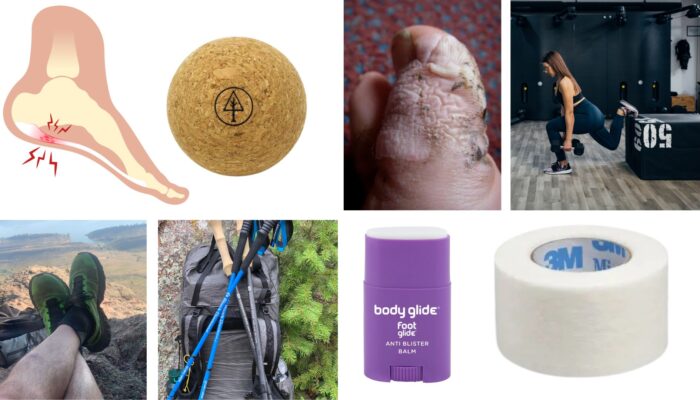
Keep Your Feet Happy and Healthy: A Crash Course for Backcountry Podiatry
Knowing how to properly care for your feet can make or break a hike, especially on longer trips. In this article, I examine available data on common foot and ankle injuries and discuss how to prevent them, as well as what to do when they occur in the field.
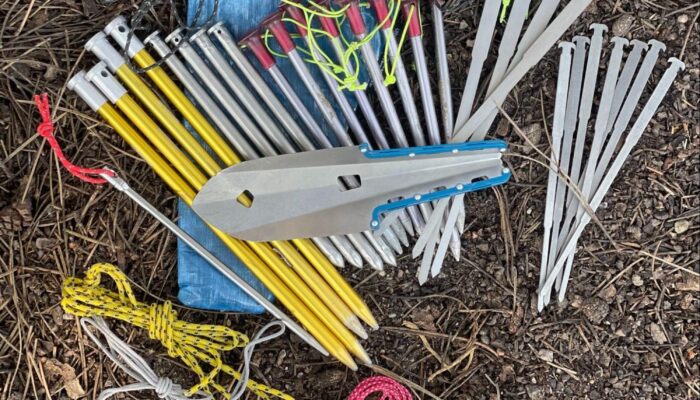
How do tent stakes interact with soils to create holding power?
Tent stake holding power, especially in adverse wind conditions, relies on principles of engineering and physics, including cross-sectional shape, length, soil interaction, and insertion angle.

Cyanobacteria and Cyanotoxins in Backcountry Water Sources
In this video presentation, we dive into a critical topic to raise awareness about the increasing problem of cyanobacteria, or blue-green algae, in backcountry water sources.
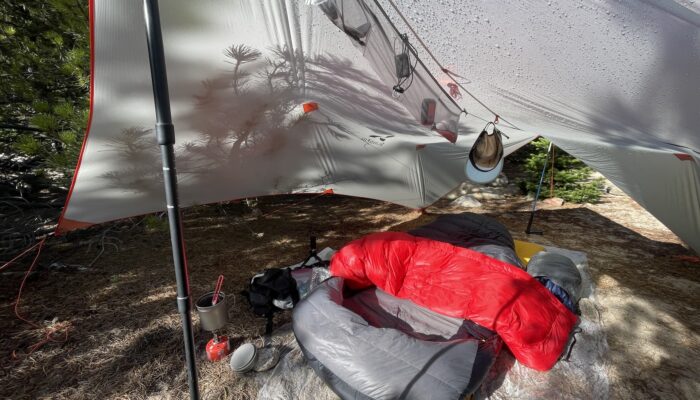
Backpacking gear attributes: the relationships between weight, cost, durability, versatility, and performance
Ryan discusses the relationships between weight, cost, durability, versatility, and performance in ultralight backpacking gear.
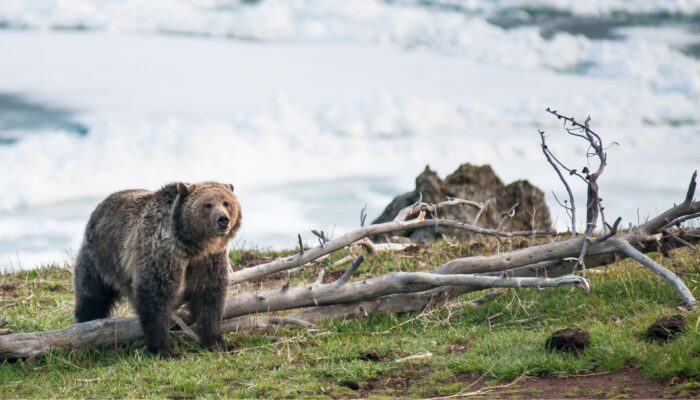
Backpacking in Grizzly Country
Backpacking in grizzly habitat: considerations and best practices for bear spray use, food storage, safety, and ethical considerations.
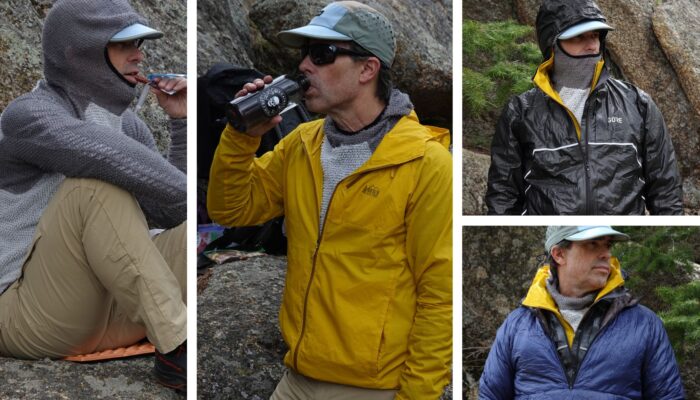
The Dirt Catwalk: Modern Layering Ensembles for Backpackers
In this article, I discuss some of the challenges that an effective layering system needs to address. In addition, I highlight a handful of the layers that I use the most and how I combine them into various ensembles for different use cases.
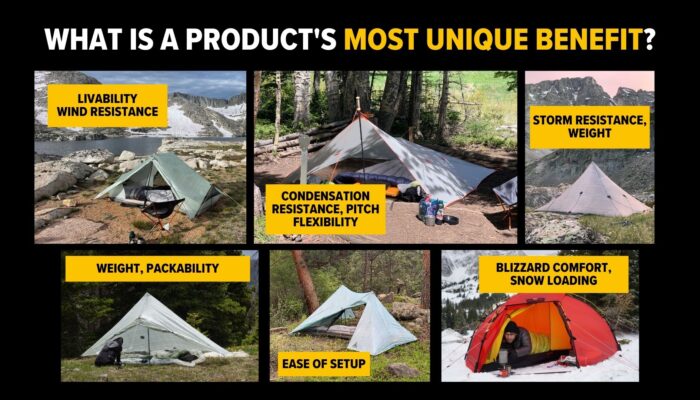
How to Choose Backpacking Gear (Shelter Case Studies)
In this video, we walk through a framework for making decisions about how to select gear based on benefits, features, and design attributes, with a focus on shelter systems.
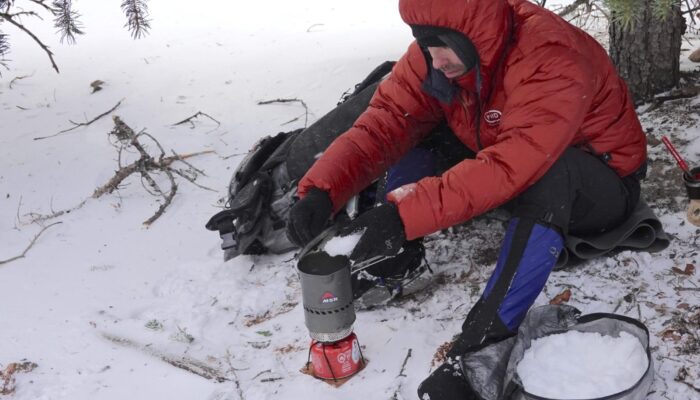
Stove Systems for Winter Backpacking
Ryan discusses how you build and utilize your stove system for winter cooking and snow melting to maintain hydration.
 New Gear with ALUULA Graflyte FabricsLighter, stronger, more abrasion-resistant, and highly water-resistant - explore ultralight backpacking gear made with ALUULA Graflyte fabrics. Engineered for exceptional strength, durability, and lightweight performance, ALUULA Graflyte helps reduce pack weight without sacrificing reliability, making it ideal for demanding backcountry adventures.
