

Episode 145 | Backpacking at Altitude
Episode Summary
Learn how altitude changes oxygen availability, hiking performance, sleep, recovery, appetite, and risk for acute mountain sickness. In this episode, we reframe altitude as cumulative hypoxic dose shaped by sleeping elevation, ascent rate, workload, and time. The episode translates altitude physiology into practical backpacking strategy: pace conservatively early, sleep lower when possible, protect fueling and recovery, watch symptoms closely, and plan routes around physiological cost, not just elevation over multiple days.
Listen Now
together with Arms of Andes
Today’s episode of the Backpacking Light Podcast is sponsored by Arms of Andes. Experience nature sustainably with biodegradable alpaca wool clothing, ethically produced in Peru for high-performance outdoor activities. Use code PACKLIGHT15 at checkout for 15% off your order (one-time use per customer, valid sitewide through April 7, 2026).
Show Notes:
What’s New at Backpacking Light?
- Event: Trail Days Online! 2026 – View the Archive for this event now!
- Software: TRIPS – The Backpacking Light Terrain and Route Intelligence Planning System
Featured Brands and Products
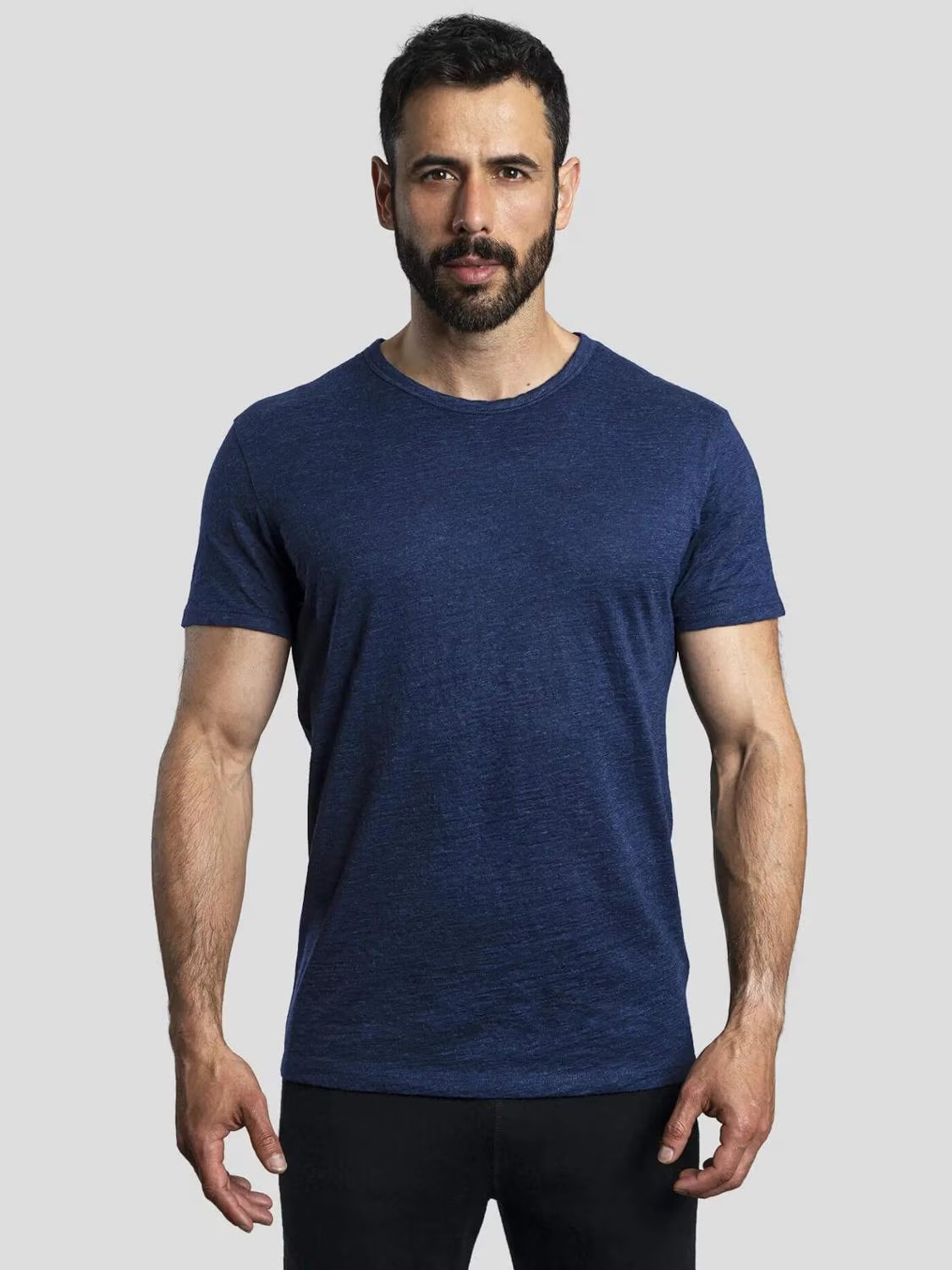
The Arms of Andes 160 Ultralight Alpaca‑Wool Crew‑Neck Base Layer T‑Shirt is made from 160 g/m² of 100% royal alpaca wool, features a PFAS‑free finish, short‑sleeve crew design, natural odor resistance, moisture‑wicking and temperature‑regulating properties, and is crafted in Peru with no synthetic fibers.
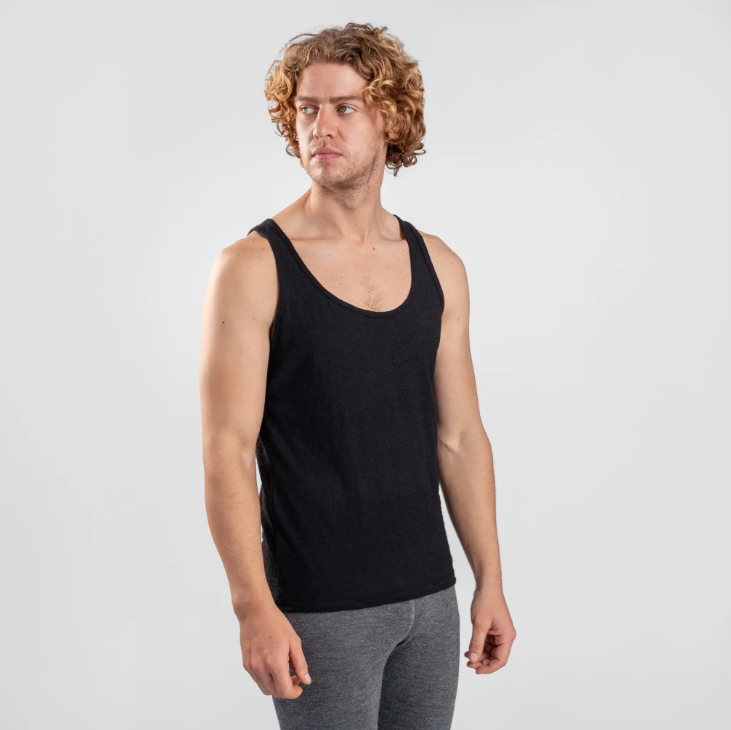
A lightweight line of 100% alpaca-wool apparel built for comfort and versatility, ideal for layering or warm-weather excursions. The collection features minimalist everyday essentials, T-shirts, hoodies, and tank tops designed to wick moisture, regulate temperature, and resist odors naturally.
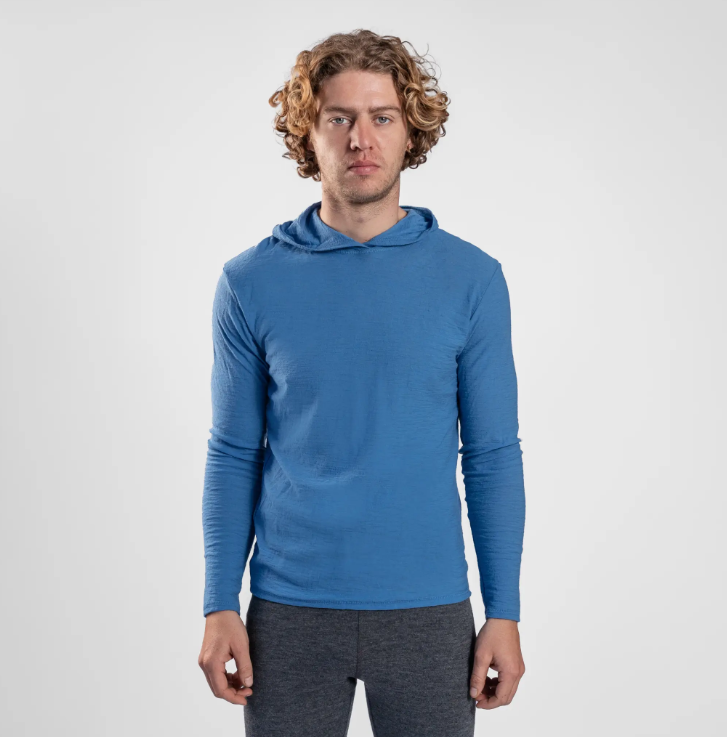
Arms of Andes offers lightweight, breathable merino wool sun hoodies designed for hiking and travel. They provide UV protection, moisture wicking, and natural odor resistance for comfortable performance in any climate.
Main Topic Bullets
- Why altitude is better understood as reduced oxygen pressure, not just a number on a map
- How altitude changes breathing, oxygen saturation, and immediate physiological stress
- Why sleeping elevation matters more than many backpackers realize
- The early physiological responses to altitude: ventilation, heart rate, fluid shifts, and renal compensation
- How acclimatization works and why the first three to five days matter so much
- The concept of hypoxic dose: altitude, ascent rate, workload, duration, and sleeping elevation
- Why hiking high and sleeping low is such an effective strategy
- How altitude reduces aerobic capacity, pace tolerance, and recovery
- Why fatigue accumulates faster at altitude, even when the terrain stays the same
- How altitude affects appetite, fueling, and hydration
- Why sleep quality deteriorates at altitude and how that affects next-day performance
- What acute mountain sickness is and how to recognize it
- Why fitness does not reliably protect you from altitude illness
- Practical strategies for planning, pacing, fueling, sleeping, and managing symptoms at altitude


Discussion
Become a member to post in the forums.
Companion forum thread to: Episode 145 | Backpacking at Altitude
How altitude affects backpacking performance, sleep, fatigue, acclimatization, and AMS – with practical strategies for planning safer trips.
Share your experiences with AMS or other altitude issues/strategies when backpacking at altitude.
During my earliest years of backpacking (like 57 of them ago) I would get nauseous during the first days of hiking at elevation. Age and/or better fitness seems to have fixed that, but I still feel the impact of elevation on the first few days of any hike at elevation. The Sierra, the Colorado Trail, etc. don’t “give” much in the way of sleeping low, it’s more like sleeping lower, so there I generally grind it out.
This episode did make me reflect on my Big SEKI Loop hike last summer and I wonder how much better I would have felt had I camped my 3rd night at the base of the Golden Staircase and not pushed through to Palisades Lakes (and then perhaps been much stronger over the course of the next couple days). Definitely something to consider as I plan treks for this summer.
Appetite-wise, lesson learned and if need be it is an exercise in “force-feeding”. I’ll pound down breakfast, force my hourly snacks and hydration throughout the day, and then force down dinner if need be. I may not feel hungry or thirsty, but my first Grand Canyon R2R2R bonking experience was a hard teacher and lesson well taken.
At high altitudes (over 10k), I tend to lose my appetite and have to force myself to eat. I started taking Ozempic and do have concerns that this will make it a lot harder to consume enough food: combination of less desire to eat along with less body mass now.
Is there a linear correlation between physical output and onset of AMS symptoms?
AMS is not linearly correlated with physical output. Risk is determined primarily by hypoxic dose (especially sleeping altitude and rate of ascent) plus individual susceptibility etc.
Hard exertion early after ascent can add stress, so faster movement is not inherently protective and may increase risk if it means harder effort or earlier arrival at a high sleeping elevation.
However, in the absence of those things, harder effort may also reduce dose (time spent at altitude)?
Thanks, Ryan. I had an episode a few years back and had wondered about that correlation. Slept at 11,500ft. Felt fine besides faster heart rate. Woke up, attempted to summit a 14K peak, really pushing my output, got to about 13,500K and it felt like a train hit me-nausea, migraine level headache, lost all will to continue. I thought at first it was a compromised water filter. Dropped as fast as I could to 11K, then just did a death march back to the car. As sick as I have ever felt on trail. Didn’t feel right until many hours later driving back under 3,000ft. I didn’t know if pushing myself influenced the rapid onset or severity of the AMS.
Become a member to post in the forums.