Disrupted backcountry sleep affects recovery, judgment, and safety. Learn how altitude, stress, and gear impact rest, and discover strategies for better sleep.
Show Notes:
What’s New at Backpacking Light?
New at Backpacking Light: Dispatches – Quick reports and timely updates from Backpacking Light – site updates and announcements, gear notes, industry news, and time-sensitive stories that matter to the backpacking community.
The NOBO Water Bottle by Igneous is an ultralight, 64g HDPE bottle designed for adventurers seeking durability and minimal weight. Boil-safe and resistant to bacteria and microplastic breakdown, it's perfect for backpacking and bikepacking
Altitude & Physiology: How oxygen deprivation and periodic breathing fragment deep and REM sleep.
Stress & Anxiety: Rumination and alertness as barriers to restorative rest.
Weather & Environment: Wind, storms, temperature swings, and their role in disrupting sleep cycles.
Injury & Pain: How discomfort fragments sleep and slows healing.
Ground & Shelter Systems: Why comfort, light/noise buffering, and stability matter for uninterrupted sleep.
Consequences of Fragmentation: How broken sleep undermines both physical recovery and cognitive clarity.
Strategies for Better Sleep: Naturopathic sleep aids, behavioral practices, and environmental adjustments that preserve natural sleep architecture while maintaining responsiveness to backcountry conditions.
Enhance performance and recovery in the backcountry through naturopathic sleep aids including melatonin, theanine, glycine, magnesium & botanicals.
Introduction
Sleep is one of the most fragile yet essential components of wilderness performance, underpinning physical recovery, cognitive clarity, and emotional resilience. In the backcountry, sleep quality is disrupted by altitude, environmental stress, gear limitations, and psychological arousal, making it a central systems problem within the Wilderness Systems Framework (Body, Mind, Environment, Gear). This report examines whether naturopathic sleep aids such as melatonin, theanine, glycine, magnesium, and select botanicals can serve as safe and effective levers to enhance restorative deep and REM sleep without the risks of prescription or over-the-counter drugs. Drawing on physiology, biochemistry, and current evidence, the discussion evaluates benefits, hazards, and limitations, and situates these agents within a practical decision-making framework. Ultimately, the case is made for judicious, problem-specific use: sleep aids are not shortcuts, but tools that (when integrated into a coherent wilderness system) may improve safety, recovery, and overall backcountry experience.
Table of Contents • Note: if this is a members-only article, some sections may only be available to Premium or Unlimited Members.
Why Sleep Matters in the Backcountry: Recovery, Safety, Decision-Making
Sleep is a primary driver of recovery in wilderness environments. Deep sleep stages support muscle repair, immune function, and metabolic regulation – processes that determine whether the body can sustain repeated days of exertion under load. Inadequate recovery leads to a progressive erosion of physiological capacity.
Cognitive performance is equally sleep-dependent. REM sleep, in particular, underpins memory consolidation and decision quality. Sleep restriction and fragmentation increase reaction times, reduce situational awareness, and amplify cognitive biases. In a backcountry setting, where navigation, responses to the environment, and analysis of objective hazards demand precision, these impairments translate directly into elevated risk.
Safety outcomes emerge from this interplay. Sleep loss increases the probability of acute accidents (e.g., falls or navigation errors) and chronic stress-related breakdowns (e.g., overuse injuries or illness). Fatigue also undermines crisis response and group cohesion.
In short, sleep is not just a luxury in the backcountry, but a systems-level determinant of wilderness performance and safety.
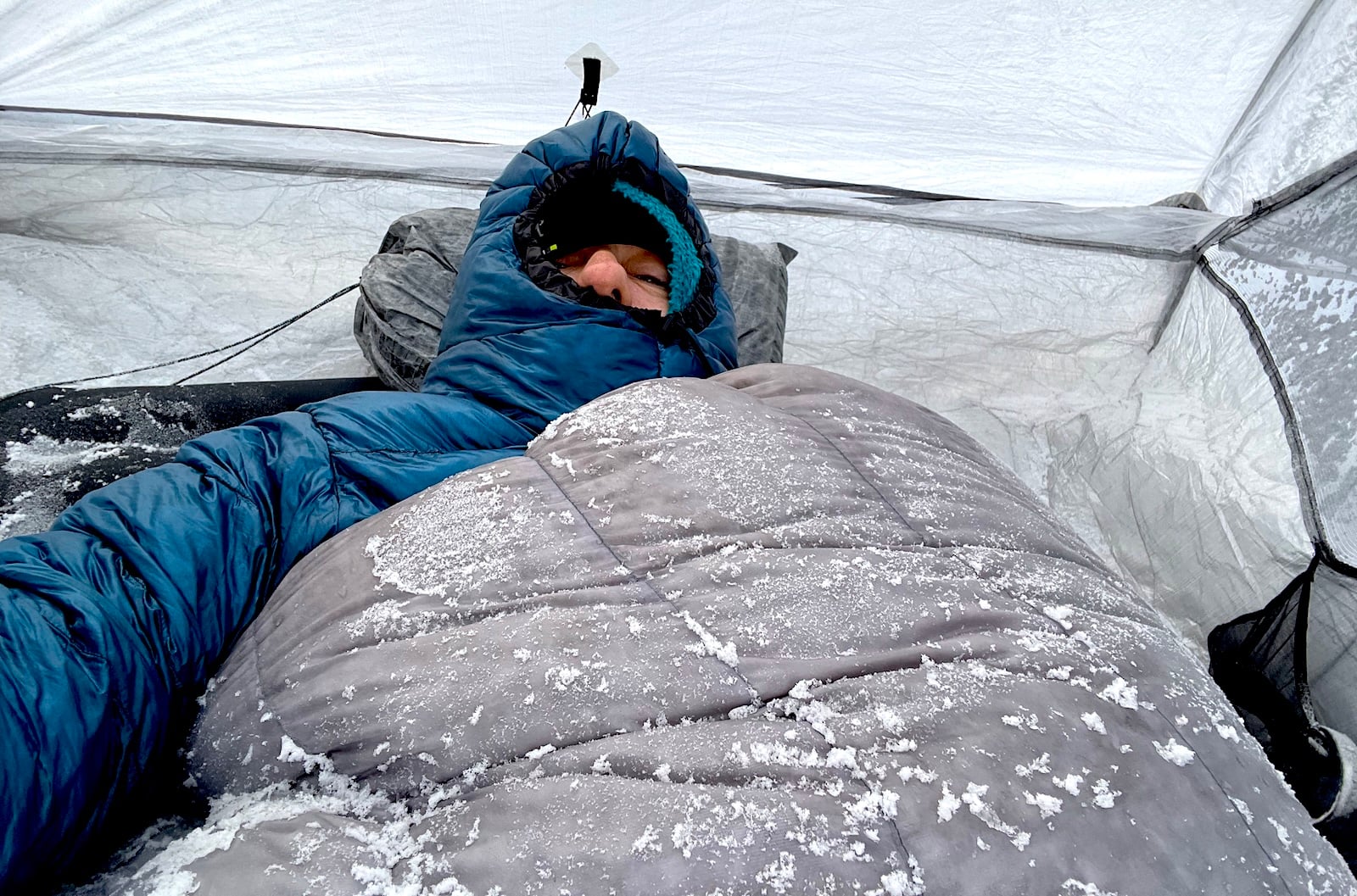
The Morning After (a storm), Long’s Peak, Rocky Mountain National Park.
Sleep Disruptors in the Backcountry
Backcountry sleep is constrained by a set of environmental, psychological, and material factors that distinguish it from frontcountry or clinical conditions, including altitude, anxiety, environmental stressors, and inadequate gear.
Altitude exerts a direct effect on sleep architecture. Hypoxia suppresses REM sleep, increases sleep fragmentation, and promotes periodic breathing. The net effect is reduced restorative capacity at elevations where metabolic and cognitive demands are already elevated.
Anxiety – whether resulting from wildlife concerns, storm exposure, or the social and psychological stress of isolation – activates sympathetic pathways that delay sleep onset and reduce total sleep efficiency. Even when duration is adequate, quality is often compromised by rumination and arousals.
Environmental stressors such as temperature variability, wind, precipitation, wildlife, and hostile terrain further degrade sleep continuity. Cold exposure increases metabolic cost, while heat disrupts thermoregulatory cooling essential for initiating deeper stages of sleep. Noise and tactile discomfort (uneven ground, slope, crowded campsites) contribute to repeated micro-arousals.
Inadequate gear compounds these effects. A poorly insulated sleep system, insufficient clothing, or minimalist shelter design reduces the capacity to buffer environmental variability. The result is an increased reliance on physiological reserves to maintain comfort and survival thresholds, which in turn further degrades recovery.
Together, these disruptors frame the wilderness sleep problem: sleep quality is seldom determined by a single variable but by the interaction of physiological stress, psychological state, environmental exposure, and the limitations of gear systems.
Framing the Question
The persistent challenge of achieving restorative sleep in the backcountry raises the question of whether pharmacological interventions can improve outcomes. Prescription hypnotics and over-the-counter sedatives are effective for inducing sleep but carry substantial liabilities in wilderness contexts: altered sleep architecture, cognitive and motor impairment, dependency potential, and safety hazards.
Naturopathic compounds such as melatonin, L-theanine, glycine, magnesium, and botanical extracts are widely available, generally considered lower-risk, and have emerging evidence for their ability to improve aspects of sleep quality without the profound side-effect profiles of conventional drugs. The critical question, however, is not simply whether these aids “work,” but how they affect the broader wilderness system: physiological recovery, decision quality, interaction with environmental stressors, and the function of gear systems.
This article examines the potential role of naturopathic sleep aids in the backcountry, with attention to both benefits and hazards. The goal is not to promote their use uncritically, but to evaluate whether they can be deployed safely and effectively as part of an integrated wilderness systems strategy.
Naturopathic vs. Prescription vs. OTC Sleep Aids in the Backcountry
Backcountry travelers may confront the practical question of whether to carry pharmacological sleep aids, rely on over-the-counter (OTC) remedies, or use naturopathic compounds. While all three categories may facilitate sleep, they differ markedly in their mechanisms, side-effect profiles, and operational implications in wilderness contexts. This comparison underscores why a focus on naturopathic approaches is warranted in the wilderness context:
Safety in the field. Prescription hypnotics (e.g., zolpidem, benzodiazepines) and antihistamine-based sedatives (e.g., diphenhydramine, doxylamine) induce sedation but also impair balance, coordination, and reaction time. Morning grogginess is common and can increase the likelihood of cognitive and biomechanical impairment.
Sleep architecture. Many pharmaceutical agents alter sleep stage distribution, typically by suppressing REM or deep slow-wave sleep. The short-term effect may be longer sleep duration, but the long-term cost is reduced restorative value – the very functions most needed under wilderness stress.
Dependency and tolerance. Regular use of prescription sleep drugs carries risks of habituation, rebound insomnia, or withdrawal syndromes. These patterns are incompatible with the self-sufficiency required on extended trips where medical oversight is absent.
Side-effect profile. Anticholinergic effects – dry mouth, dehydration, urinary retention, and constipation – are problematic in wilderness environments where hydration and elimination are already challenged. Other adverse outcomes include parasomnias (e.g., sleepwalking) and disorientation.
Ethos and accessibility. Naturopathic compounds, in contrast, are widely available, generally lower in risk, and align more closely with ultralight philosophy. They can be carried in lightweight form, used without prescription, and integrated into a systems-based approach that emphasizes self-sufficiency and minimal hazard load.
Variable response, possible GI upset, mild architecture shifts, interaction risks
Moderate-High: safer, but still requires pre-trip testing
Prescription and OTC drugs may offer more immediate potency but introduce safety and system hazards that are amplified in the backcountry. Naturopathic agents, though less reliable, generally maintain a safer profile and align more closely with self-sufficient wilderness practice – provided their risks are understood and managed.
Sleep in the Context of the Wilderness Systems Framework (WSF)
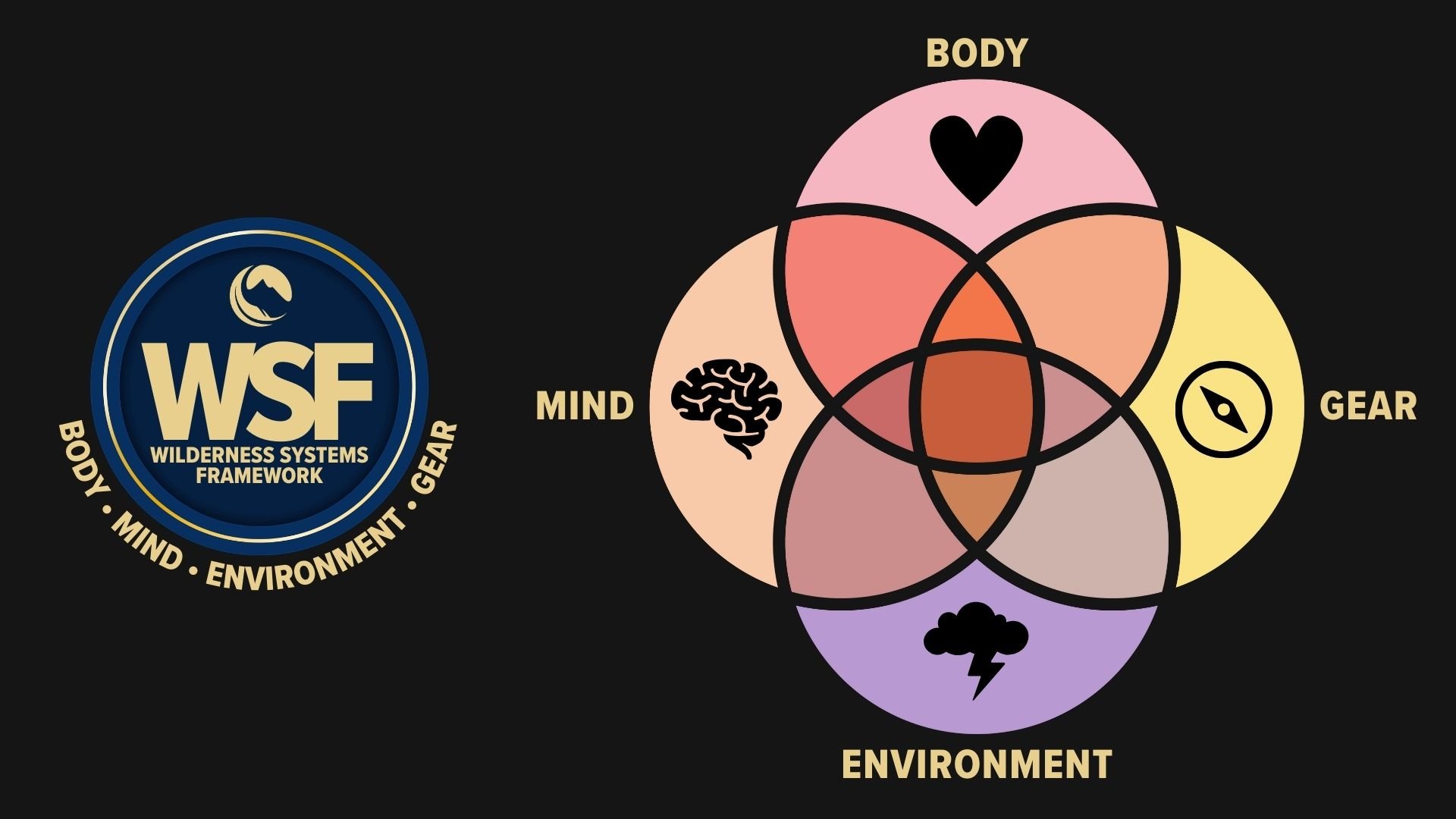
The Wilderness Systems Framework (WSF) is my pedagogical model that organizes wilderness practice into four interdependent pillars: Body, Mind, Environment, and Gear. It’s been the foundation of my instructional design for more than two decades, and I’ve since used it as a tool to frame trip planning and preparation guidelines as well as expedition debrief and critical (emergency) incident analyses for search and rescue.
The Wilderness Systems Framework (WSF) organizes wilderness practice into four interdependent pillars: Body, Mind, Environment, and Gear. WSF emphasizes that safety, efficiency, and experiential quality emerge from the interaction of each pillar (i.e., Venn diagram intersections). Sleep is a keystone process within this framework.
WSF emphasizes that safety, efficiency, and experiential quality emerge from their interaction rather than from any pillar in isolation. Sleep is a keystone process within this framework. It is not simply one variable among many, but a systemic regulator that influences physiology, cognition, environmental adaptation, and the function of equipment systems.
Positioning sleep within the WSF allows us to see it not only as an outcome (whether one “sleeps well” or not), but also as a driver of system-level performance. When recovery is adequate, the four pillars are balanced and reinforce one another. When sleep is disrupted, the imbalance cascades outward: physical fatigue undermines decision-making, cognitive impairment magnifies environmental risk, and insufficient recovery increases reliance on gear systems.
In this section, I will examine how sleep interacts with each pillar of the WSF and why its influence is best understood through a systems lens rather than as an isolated biological function.
Body
Sleep governs physiological recovery. Deep slow-wave sleep facilitates muscle repair, glycogen restoration, and immune regulation. REM sleep contributes to hormonal balance and thermoregulation. When sleep is insufficient, resting heart rate increases, heart rate variability decreases, and endurance capacity erodes. In the backcountry, this degradation manifests as reduced resilience to cold, altitude, and sustained exertion.
Mind
Cognitive performance is closely linked to sleep, particularly REM. Decision quality, bias recognition, and memory consolidation all depend on adequate sleep architecture. Sleep restriction increases reaction times, reduces situational awareness, and amplifies cognitive distortions. In wilderness contexts, where hazard evaluation and crisis response must be precise, these impairments directly increase risk.
Environment
The environment is both a source of sleep disruption and a multiplier of its consequences. Altitude suppresses REM and introduces periodic breathing. Cold and heat extremes disrupt thermoregulatory pathways critical to sleep initiation and maintenance. Wind, precipitation, terrain irregularities, and wildlife exposure further fragment sleep. Inadequate sleep in these contexts compounds physiological and psychological vulnerability.
Gear
Gear functions as the buffer between the individual and the environment, and sleep systems are the most direct example of this mediation. The system that includes your shelter, sleeping bag (or quilt), sleeping pad, pillow, and sleep clothing sets the baseline for comfort and recovery. When these systems fall short, hikers may rely more heavily on physiological reserves (or consider pharmacological supplementation) to compensate. In this sense, naturopathic sleep aids can be viewed as “pharmacological gear”: lightweight, portable interventions that extend or stabilize recovery capacity when environmental conditions or gear limitations reduce sleep quality.
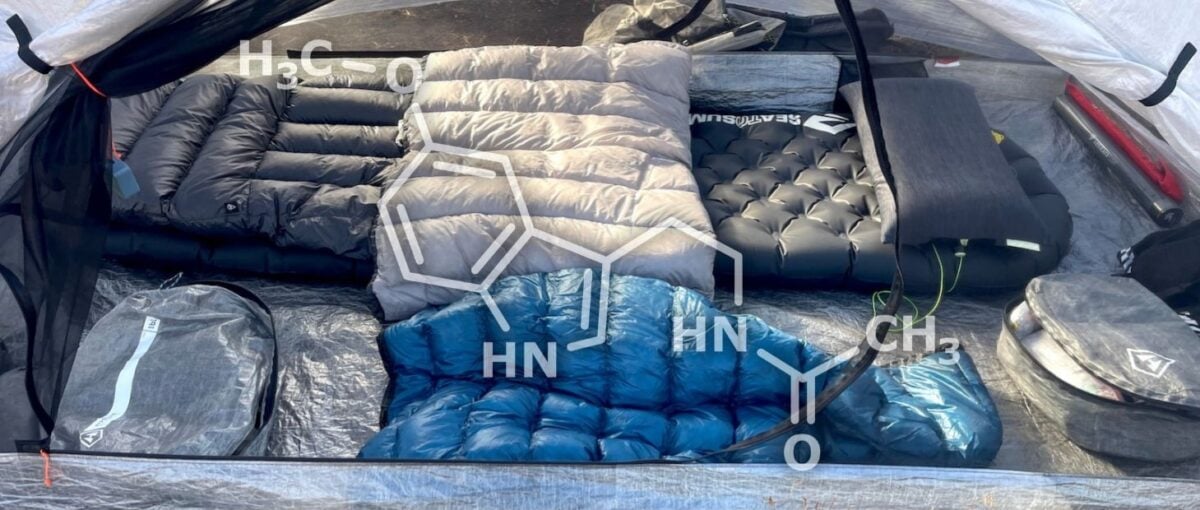
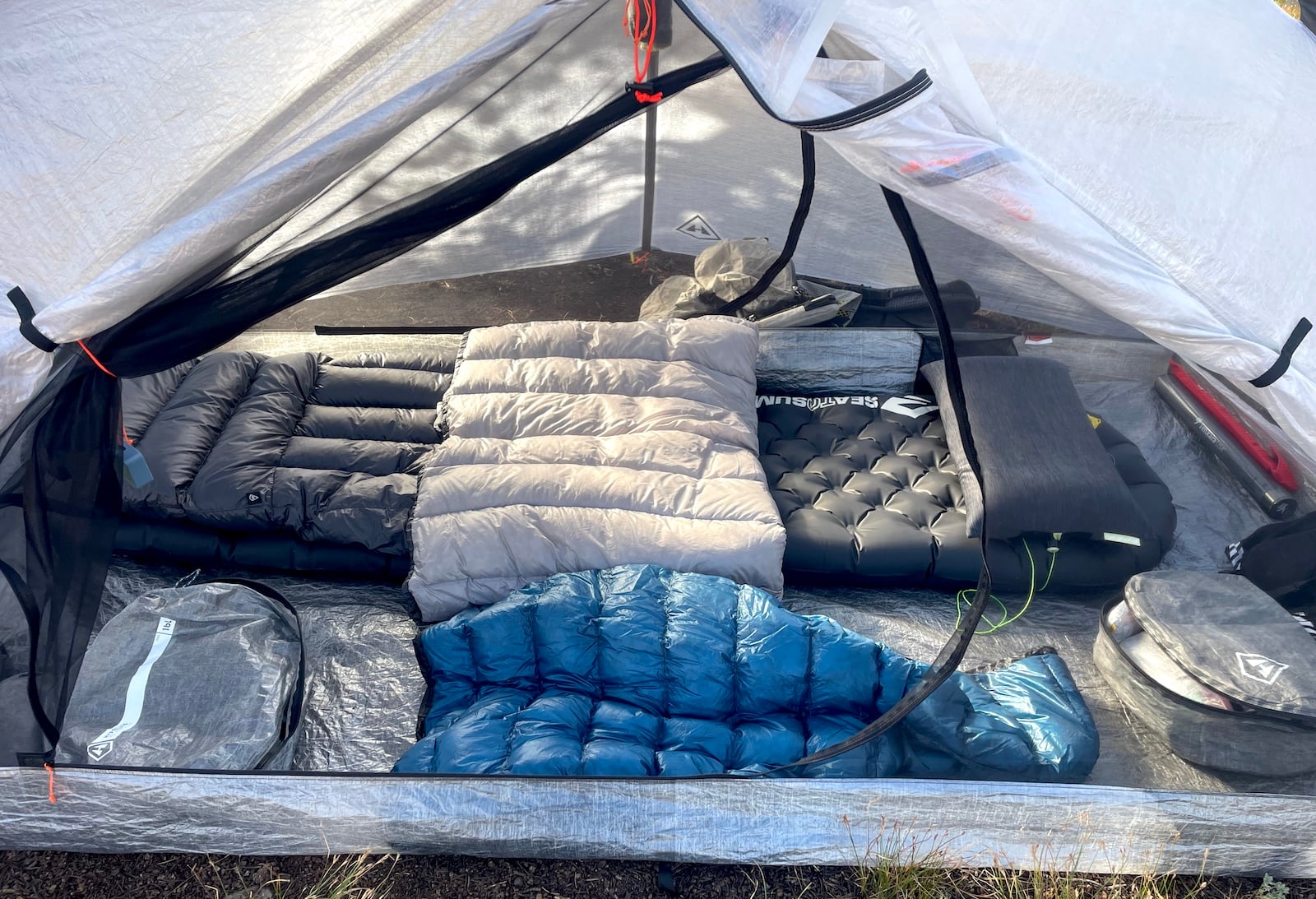
Your backcountry camp bedroom – including your shelter, pad, bag/quilt, pillow, and sleep clothing – can have a positive or negative impact on your sleep quality.
Systems Perspective
Sleep integrates all four pillars. It restores the body, stabilizes the mind, moderates interactions with the environment, and defines the performance envelope of gear. When sleep is sufficient, these pillars reinforce one another and move the wilderness traveler closer to an optimal state of balance in the wilderness (defined by the Venn diagram’s intersection of body, mind, environment, and gear). When sleep fails, the imbalance cascades, reducing safety margins across the system.
Backcountry Sleep Challenges
Achieving restorative sleep in the wilderness is complicated by interacting physiological, psychological, and environmental stressors. Unlike controlled or frontcountry settings, the backcountry imposes conditions that fragment sleep, reduce sleep stage quality, and impair recovery. Four disruptors dominate: altitude, anxiety, environmental stressors, and inadequate gear.
Altitude
Exposure to altitude alters sleep architecture by reducing REM sleep, increasing arousal frequency, and inducing periodic breathing. Hypoxia elevates sympathetic nervous system activity, fragmenting sleep even when total duration appears adequate. These disruptions are most pronounced above 8,000 ft – where heightened cognitive clarity and physical endurance may also be needed.
Anxiety
Psychological stressors (e.g., fear of wildlife encounters, exposure to storms, uncertainty in navigation, or the social and emotional strain of solitude) elevate sympathetic tone and delay sleep onset. Even modest anxiety increases the frequency of nocturnal awakenings. While total sleep time may remain sufficient, the restorative value of sleep is diminished.
Environmental Stressors
Temperature variability, wind, precipitation, noise, and terrain irregularities all degrade sleep quality. Cold exposure elevates metabolic cost and suppresses deep sleep. Heat disrupts thermoregulatory cooling, reducing entry into deeper stages. Wind and precipitation elevate vigilance through repeated arousals. Uneven or sloped ground contributes to musculoskeletal discomfort and fragmented sleep.
Inadequate Gear
Gear deficiencies amplify the impact of environmental stressors. A poorly insulated sleep system increases the likelihood of cold-induced arousals. Minimalist shelters expose occupants to wind, noise, or precipitation. Insufficient clothing layers reduce thermal buffering and increase metabolic strain. Each deficiency places greater reliance on physiological and psychological reserves, thereby accelerating fatigue and diminishing recovery.
Systems Implications
These disruptors don’t necessarily act alone. For example, altitude stress increases respiration rates which compound anxiety and poor shelter magnifies environmental disruptions. Sleep loss, in turn, cascades across all four pillars in the Wilderness Systems Framework, reducing physiological resilience, cognitive performance, and safety margins.
What Constitutes Good vs. Bad Sleep?
Evaluating the role of sleep aids in the backcountry first requires a definition of what “good” and “bad” sleep mean in functional terms. Duration alone is insufficient. Sleep quality depends on both architecture (the distribution of stages across a sleep period) and continuity (the ability to sustain these stages without excessive interruption).
Sleep Architecture
Deep (slow-wave) sleep supports tissue repair, glycogen restoration, and immune function. It is the most physiologically restorative stage.
REM sleep underpins cognitive performance, memory consolidation, and emotional regulation.
Light sleep serves primarily as a transitional state. It is necessary, but has less restorative value compared to deep and REM stages.
Healthy adult sleepers typically spend approximately 20% to 25% of total sleep in deep stages and a similar proportion in REM. Deviations from this balance, whether through altitude stress, anxiety, or pharmacological suppression, can compromise recovery.
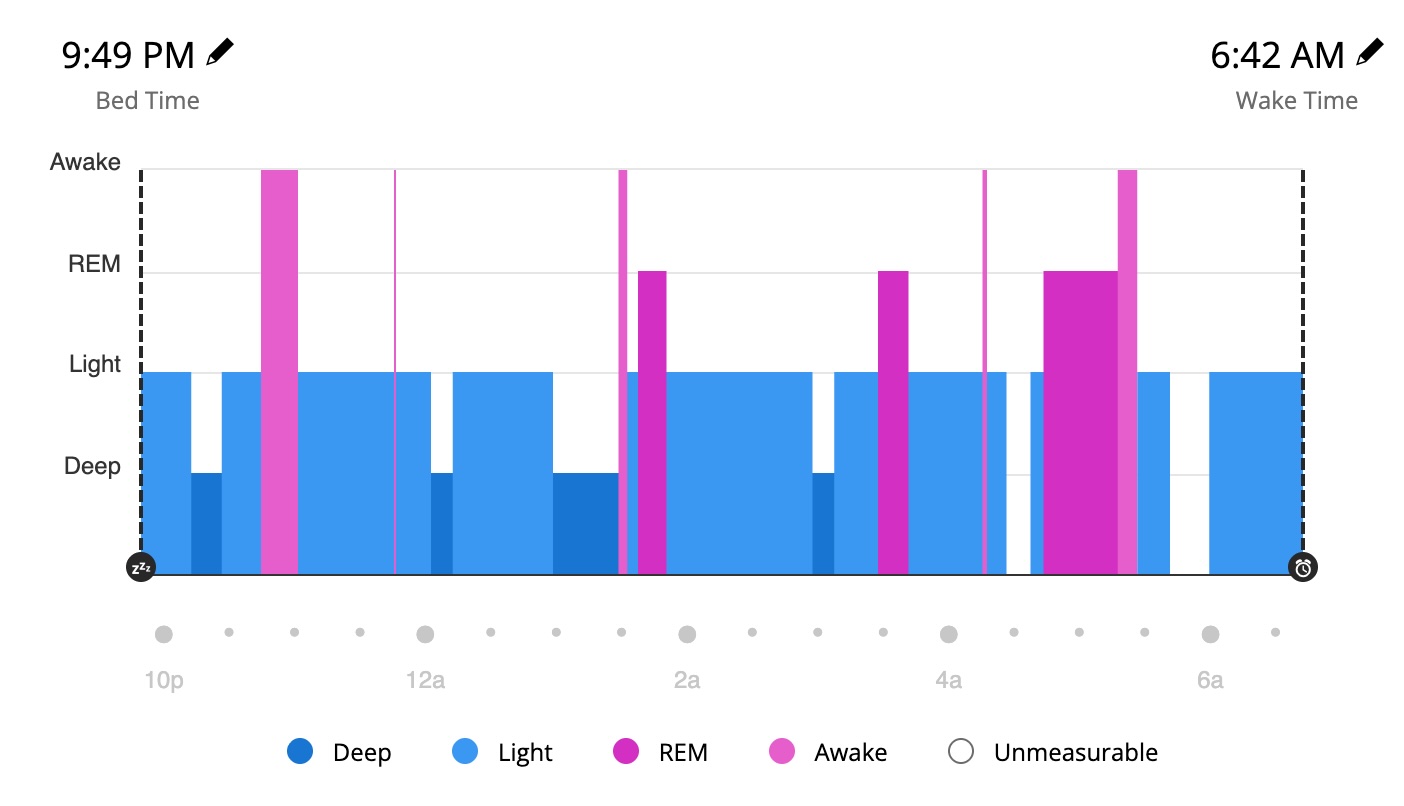
Author’s sleep stage cycling during a night following a 17.4-mile hike (4,200 feet of elevation gain) with a 51-pound backpack on August 3, 2025 in the Emigrant Wilderness, CA. Total deep sleep = 64 minutes (14% of total sleep), total REM sleep = 61 minutes (13% of total sleep). No sleep aids used. Total sleep duration 7 hr 51 min. In spite of a long period of total sleep, poor sleep quality contributed to inadequate recovery and poor physiological performance the next day. Source: Garmin Connect (via a Garmin Epix Pro 2 wearable device).
Indicators of Good Sleep
Sleep latency (time to fall asleep) under ~20 minutes.
Minimal nighttime awakenings, with rapid return to sleep when they occur.
Balanced distribution of deep and REM stages.
Morning reports of restoration: alertness, stable mood, and readiness for exertion.
Sustained high levels of performance – including physical endurance and cognition – throughout the day.
Indicators of Bad Sleep
Prolonged sleep latency or difficulty initiating sleep.
Frequent awakenings or prolonged arousals during the night.
Suppressed deep or REM stages, even when total sleep time appears sufficient.
Compromised morning physiological markers such as elevated resting heart rate, reduced heart rate variability (HRV), or wake-up fatigue.
Low levels of performance (physical endurance and cognition) throughout the day.
Deep vs. REM Sleep
Deep Sleep (Slow-Wave Sleep)
Function: The body’s primary mode of physical repair. Growth hormone is secreted, tissues rebuild, glycogen stores are replenished, and the immune system is reinforced.
Physiology: Characterized by high-amplitude, low-frequency brain waves (delta activity), reduced heart rate, and lowered blood pressure. The autonomic nervous system shifts strongly toward parasympathetic dominance.
Backcountry Relevance: Deep sleep restores muscle and connective tissue after long mileage or heavy load-bearing days, supports thermoregulation under cold stress, and bolsters resistance to infection.
REM Sleep (Rapid Eye Movement Sleep)
Function: Critical for cognitive and emotional recovery. During REM, the brain consolidates memory, integrates new skills, and processes emotional experiences.
Physiology: Brain activity resembles wakefulness (low-amplitude, high-frequency waves), but the body undergoes muscle atonia (paralysis of voluntary muscles). Heart rate and breathing become irregular.
Backcountry Relevance: REM sleep helps maintain judgment, decision-making accuracy, and mood stability – all crucial for navigation, hazard assessment, and group dynamics in wilderness environments.
Key Distinction:
Deep sleep restores the body; REM restores the mind. Both are vulnerable to environmental disruption (altitude, stress, cold exposure) and to pharmacological suppression (e.g., sedatives). Optimal backcountry sleep preserves a balance between them.
Measurement Approaches
Sleep quality can be measured with varying levels of precision. In clinical research, polysomnography (sleep study) remains the gold standard, offering detailed information about brain activity and sleep stage distribution, while actigraphy (wrist-worn accelerometer monitoring) provides data on continuity and movement patterns.
In the field, however, backcountry users rely on more accessible tools. Wearable devices that track heart rate variability, resting heart rate, and movement can approximate changes in sleep architecture and offer insight into recovery trends over time.
However, data from wearables should not be relied upon as the primary measure of sleep quality. Subjective perception of sleep quality is more critical and requires the backcountry user to invest some mental effort and reflection into its analysis. Perceptions of restfulness, alertness, readiness to perform, and actual physiological performance are the most essential outcomes of quality sleep. These observations provide context that biometric devices cannot fully capture and often reveal the practical consequences of poor sleep more clearly than numerical outputs.
How Naturopathic Sleep Aids Work
Naturopathic sleep aids influence sleep through a limited set of physiological and biochemical pathways. Understanding these pathways clarifies why some interventions enhance recovery and resilience in wilderness environments while others prove inconsistent or carry hidden risks. Five domains are most relevant: circadian regulation, autonomic relaxation, sedation, neurotransmitter precursors, and mineral cofactors.
Circadian Regulation
Sleep is governed by the interaction of homeostatic drive and circadian rhythm. The circadian component is controlled by the suprachiasmatic nucleus (SCN) of the hypothalamus (the body’s so-called “master clock”), which integrates light signals from retinal ganglion cells and coordinates pineal secretion of melatonin. Rising melatonin in the evening lowers core body temperature, shifts peripheral clock gene expression, and synchronizes metabolic activity with rest.
Exogenous compounds such as melatonin act not as sedatives but as circadian phase-shifters. Their utility is greatest when environmental or situational factors (e.g., extended daylight at high latitudes, abrupt schedule changes, or altitude-induced circadian misalignment) create difficulty initiating or consolidating sleep. However, circadian regulators do not address insomnia caused by anxiety, hyperarousal, or environmental stressors, and higher doses may suppress REM sleep or cause residual grogginess.
Relaxation Pathways
Sleep onset requires a shift from sympathetic to parasympathetic dominance. This transition is mediated by enhanced gamma-aminobutyric acid (GABA) signaling, reduced hypothalamic-pituitary-adrenal (HPA) axis output, and dampened cortisol secretion. Agents that promote GABAergic tone or modulate alpha-wave brain activity (e.g., L-theanine, chamomile, lavender, and passionflower) facilitate this process.
These compounds generally act by reducing pre-sleep rumination, attenuating anxiety, and lowering muscle tension, thereby shortening sleep latency and minimizing awakenings. Unlike sedatives, they do not force unconsciousness but instead create a neurochemical environment conducive to sleep. Their strength lies in preserving next-day vigilance and cognition, which is important in wilderness contexts where impaired alertness compromises safety. Their limitation is that they may be insufficient against stronger physiological disruptors such as hypoxia, cold exposure, or significant pain.
Sedation
Sedatives amplify inhibitory neurotransmission more directly, often through GABA-A receptor modulation. The result is rapid suppression of neural excitability, faster sleep onset, and sometimes greater total sleep time. Herbal examples include valerian and kava, which act through mechanisms partly analogous to benzodiazepines but with weaker potency.
While sedation offers immediate relief, it carries significant trade-offs. Sedatives often alter sleep architecture by reducing the amount of deep (slow-wave) sleep and disturbing REM distribution, thereby undermining the very recovery processes sleep is meant to provide. Morning grogginess, reduced coordination, and impaired decision-making are well-documented consequences. In wilderness environments, where biomechanical balance, vigilance, and rapid cognition are mission-critical performance requirements, these residual effects can be hazardous. Sedation, therefore, represents a blunt tool: occasionally useful for acute insomnia but of limited value for sustained performance.
Neurotransmitter Precursors
Several amino acids influence sleep by serving as substrates for neurotransmitter synthesis. Tryptophan, converted into serotonin and subsequently melatonin, stabilizes mood and supports sleep initiation. 5-HTP, a downstream metabolite, bypasses the rate-limiting hydroxylation step and provides a more direct substrate for serotonin production.
Glycine operates both as an inhibitory neurotransmitter and a thermoregulatory modulator. By promoting vasodilation and lowering core body temperature, glycine facilitates entry into slow-wave sleep. Supplementation has been shown to deepen slow-wave stages and improve next-day cognitive performance without suppressing REM.
The challenge with precursor strategies is variability in transport across the blood-brain barrier and susceptibility to feedback inhibition. In addition, compounds like tryptophan or 5-HTP carry risks when combined with serotonergic medications (e.g., SSRIs), where excessive serotonin can provoke life-threatening toxicity. Glycine is generally safer but requires relatively high doses, which can complicate use as a result of flavor issues and GI distress.
Glycine vs. Tylenol for Backcountry Sleep
For many years, I used acetaminophen (Tylenol) as a sleep aid. Its ability to block pain receptors (analgesic properties) and lower body temperature (antipyretic properties) leads me to believe that it’s an effective sleep aid. However, I’ve transitioned away from it in response to the increasing body of evidence about its risks. I generally replace it with glycine now, which is a more effective (and less harmful) antipyretic.
Glycine
Mechanism: An inhibitory neurotransmitter that enhances parasympathetic tone and lowers core body temperature by promoting vasodilation. This facilitates faster sleep onset and more time in slow-wave (deep) sleep.
Evidence: Small randomized trials show improved subjective sleep quality, reduced sleep latency, and better morning alertness without suppressing REM.
Risks/Side Effects: Generally well tolerated; high doses may cause mild gastrointestinal upset. No evidence of dependency or rebound insomnia.
Backcountry Relevance: Directly supports restorative sleep architecture, making it especially useful for recovery after strenuous days.
Tylenol (Acetaminophen / Paracetamol)
Mechanism: Analgesic and antipyretic. Reduces pain and fever, and also modestly lowers core body temperature. Sleep benefits are indirect (through pain relief and thermoregulatory effects) rather than through direct action on sleep regulation.
Evidence: Studies indicate that acetaminophen can improve sleep continuity when pain is the primary disruptor. Its temperature-lowering effect may help some users fall asleep faster but does not enhance deep or REM sleep architecture – evidence for its antipyretic effects on sleep is very limited and generally inconclusive.
Risks/Side Effects: Liver toxicity risk with overdose or prolonged use; possible interaction with alcohol. Safe for short-term, appropriate doses.
Backcountry Relevance: Valuable for pain-related or fever-related sleep disruption but should not be considered a true sleep aid. Its core temperature-lowering effect is ancillary and less targeted than glycine’s.
Tylenol addresses pain and thermoregulation indirectly, removing barriers to sleep but without promoting restorative architecture.
Mineral Cofactors
Minerals serve as indispensable cofactors in neurotransmission and autonomic regulation. Magnesium, for example, is critical for ATP metabolism (conversion of glucose to energy), NMDA receptor regulation (memory formation), and GABA receptor function (neuronal activity). In states of deficiency (e.g., exacerbated by sweat loss or sustained exertion), insomnia, irritability, and neuromuscular excitability are common. Supplementation has been associated with enhanced slow-wave (deep) sleep, lower resting heart rate, and improved heart rate variability, markers of parasympathetic dominance.
Magnesium’s advantage is that it supports physiological processes without distorting sleep architecture. Its drawback is gastrointestinal side effects at higher doses, especially with poorly absorbed forms like magnesium oxide, and toxicity risk in individuals with impaired renal clearance. Zinc, another cofactor in neurotransmission and melatonin synthesis, has some supportive evidence (in patients with notable Zinc deficiency) but is less consistent than magnesium.
Summary: How Sleep Aids Work
These pathways – circadian entrainment, autonomic relaxation, sedation, neurotransmitter precursor supply, and mineral balance – constitute the primary levers through which naturopathic sleep aids operate. Each reflects a different entry point into the neurobiology of sleep: timing, arousal, inhibition, substrate availability, and enzymatic support. The effectiveness of any intervention depends not only on its ability to influence these systems but also on its alignment with the specific disruptions encountered in wilderness contexts.
Risks, Hazards, and Limitations in Wilderness Use
Approaching naturopathic sleep aids in the wilderness requires a framing of risk before considering specific agents. Even when compounds are derived from food, plants, or endogenous metabolites, their effects extend into physiological and cognitive domains where margins for error are slim. The wilderness is not a neutral testing ground: stressors such as altitude, dehydration, cold exposure, and caloric deficit amplify even subtle side effects.
Three categories of limitations are especially relevant: physiological side effects, interference with sleep architecture, and response variability.
First, physiological side effects: gastrointestinal upset, orthostatic changes in blood pressure, or next-day lethargy may be tolerable in frontcountry contexts but become operational hazards when they interfere with hydration management, terrain navigation, or sustained exertion.
Second, interference with sleep architecture: even seemingly benign aids can shift the balance of deep and REM sleep, degrading long-term recovery if used repeatedly.
Third, variability of response: what calms one individual may paradoxically agitate another, a risk compounded by limited opportunities for controlled self-experimentation once in the field.
From a Wilderness Systems Framework perspective, risks rarely remain confined to the Body. Residual sedation impairs decision-making (Mind), gastrointestinal side effects complicate movement and hydration (response to Environment), and issues with packaging, storage, or dose stability complicate logistical systems (Gear). Recognizing these cross-pillar reverberations is essential: naturopathic aids are not inert comforts, but system levers that may produce unintended consequences.
Benefits in the Backcountry Context
Despite these cautions, naturopathic sleep aids can provide meaningful advantages in the wilderness when applied judiciously. The most direct benefit lies in reduced sleep latency, shortening the transition from wakefulness to restorative stages. Deep sleep supports muscle repair, glycogen replenishment, and immune defense, all of which buffer the cumulative stresses of backcountry travel. REM sleep contributes to memory consolidation, mood stability, and cognitive clarity: qualities essential for navigation, hazard recognition, and group dynamics under stress.
Cardiovascular markers also reflect these gains. Improved (lower) resting heart rate (RHR) and improved (higher) heart rate variability (HRV) suggest more efficient autonomic recovery, translating into steadier endurance across multiday itineraries. Equally important is the psychological domain: compounds that dampen anxiety or rumination can prevent the cascading insomnia often triggered by environmental unpredictability (e.g., wind, storms, or wildlife).
In this sense, the potential benefits are not about guaranteeing a “perfect night’s sleep” but about preserving enough physiological and cognitive reserve to sustain safe and effective performance. Properly contextualized, these aids may serve as adaptive tools, provided their use is preceded by personal experimentation and framed within an awareness of both their limitations and their systemic implications.
Summary Table: Naturopathic Sleep Aids in the Backcountry
While the preceding sections outlined the physiological pathways through which naturopathic sleep aids exert their effects in the context of their risks and benefits, the following table organizes several selected agents into a comparative framework. Each compound is mapped back to its primary mechanism, with corresponding observations on cardiovascular physiology, sleep architecture, and recovery outcomes. Risks and field considerations are included to contextualize use in wilderness settings. In this way, the table functions as a bridge between mechanistic understanding and practical evaluation, highlighting both the commonalities and distinctions among interventions.
Taken together, the interventions outlined here fall into a limited set of mechanistic categories: circadian regulators (e.g., melatonin, tart cherry), relaxation and anxiolytic agents (e.g., L-theanine, chamomile, passionflower, lavender, ashwagandha, CBD), precursors influencing neurotransmitter balance (e.g., tryptophan, 5-HTP, glycine), and mineral cofactors (e.g., magnesium). Their effects on recovery are mediated through overlapping but distinct pathways, with some primarily targeting initiation and continuity of sleep, others shaping the distribution of restorative stages, and still others modulating physiological markers such as resting heart rate, blood pressure, or heart rate variability. No compound is without limitations: tolerability, side-effect profiles, and variability in individual response all constrain their utility. The table thus serves less as a guide to “best” options than as a structured framework for evaluating where each agent may plausibly contribute to sleep quality in the wilderness and where risks may outweigh benefits.
Wilderness Systems Framework Mapping: Sleep Aids as System Levers
Framing sleep interventions through the Wilderness Systems Framework (WSF) highlights that naturopathic aids are not isolated “hacks” but system levers whose effects cascade across pillars. A compound that primarily influences physiology (Body) may indirectly stabilize cognition (Mind), while a relaxation-focused aid (Mind) may reinforce physical recovery (Body). Some interventions bridge pillars directly, extending influence into environmental adaptation or gear dependence. Recognizing these system-level interactions helps avoid a reductionist view and instead situates sleep support within the larger ecology of wilderness performance.
Aid
Primary WSF Pillar
Secondary Effects Across Pillars
Glycine
Body (thermoregulation, deep sleep support)
Enhances cognitive performance via better physical recovery (Mind)
Indirect Body gains (continuity, HRV ↑); supports decision stability
Tart Cherry
Body (mild circadian reinforcement + anti-inflammatory)
Supports recovery (Body); minor mood stabilization (Mind)
CBD
Mind (anxiolytic, pain modulation)
Indirectly enhances Body recovery; may alter decision quality (Mind)
Viewed through the WSF, sleep aids function not as single-target interventions but as system levers. Their influence extends beyond the pillar in which they primarily act, shaping outcomes across physiology, cognition, and adaptation. Breaking them into three functional categories illustrates how their leverage differs in practice.
Body-Dominant Aids
Compounds such as glycine, magnesium, and tryptophan/5-HTP exert their primary effects on the Body pillar, stabilizing physiology through neurotransmitter balance, mineral cofactors, or thermoregulation. The downstream effects are substantial: better sleep architecture leads to improved energy metabolism, reduced inflammation, and faster tissue repair, which in turn preserve Mind functions such as judgment and error detection. In this way, interventions aimed at physiology often stabilize cognition indirectly, reminding us that body recovery is a prerequisite for sound decision-making in the wilderness.
Mind-Dominant Aids
By contrast, L-theanine, valerian, passionflower, lavender, ashwagandha, and CBD act primarily within the Mind pillar, reducing anxiety, intrusive rumination, or HPA-axis activation. Their leverage is most visible when environmental or psychological stressors threaten sleep continuity. The cognitive quieting they provide cascades into the Body pillar, enabling restorative stages of sleep that might otherwise be suppressed. In practical terms, they highlight the fact that cognitive stability and stress modulation are often the gateway to physiological recovery.
Bridging Aids
A subset of agents, most notably melatonin, operate as bridges between Body and Mind. Melatonin’s regulation of circadian rhythm synchronizes sleep timing (Body) while simultaneously reducing the cognitive drift and fatigue that undermine decision-making (Mind). Because circadian alignment also mitigates mismatches with external conditions – such as altitude-related light cycles or seasonality – it extends influence into the Environment pillar as well. These bridging aids demonstrate that certain interventions do more than reinforce one domain; they reconfigure system interactions, reducing strain across multiple pillars at once.
In sum, naturopathic sleep aids should not be evaluated only on their capacity to shorten sleep latency or deepen a stage of sleep. Their true significance lies in how they redistribute strain across the wilderness system, reinforcing weak links in physiology, cognition, or environmental adaptation. This systemic lens prevents over-reduction and situates each aid as part of an interconnected ecology of recovery and performance.
Practical Framework for Backpackers
The question for most backcountry travelers is not whether sleep matters (it clearly does) but how to make informed, safe, and effective choices when considering sleep aids. Given the variability of individual physiology, no single agent or stack works universally. A structured approach can help match interventions to specific problems encountered in the field.
Aid-by-Problem Matching
Circadian misalignment (jet lag, late-night exertion, long daylight hours): Melatonin remains the most targeted tool, advancing or stabilizing circadian rhythm when used in low doses.
Recovery needs (after high-mileage or heavy-load days): Glycine and magnesium can enhance slow-wave sleep, supporting tissue repair, glycogen restoration, and autonomic recovery.
Anxiety and rumination (storm nights, wildlife concerns, group tension): Theanine, passionflower, or lavender provide calming effects through GABAergic and parasympathetic pathways, reducing pre-sleep arousal.
Altitude-related sleep disruption (periodic breathing, sympathetic activation): Low-dose melatonin, sometimes paired with magnesium, shows modest benefit in improving sleep continuity, though non-pharmacological acclimatization strategies remain primary.
This framework shifts the emphasis from “what’s the best sleep aid” to “what’s the right tool for this specific wilderness problem,” reflecting both the Wilderness Systems Framework and a pragmatic ultralight ethos.
Field-Tested Stacks
Over the years, I have experimented with many combinations of sleep aids, both in controlled settings at home and in demanding wilderness environments. Through this process, certain combinations, or “stacks”, have proven particularly useful in field contexts. What follows is not a prescription, but a framework: tools matched to specific backcountry problems, reflecting both the Wilderness Systems Framework and the limitations of my own personal practice, testing, and preferences.
Minimalist Stack: Melatonin + Theanine
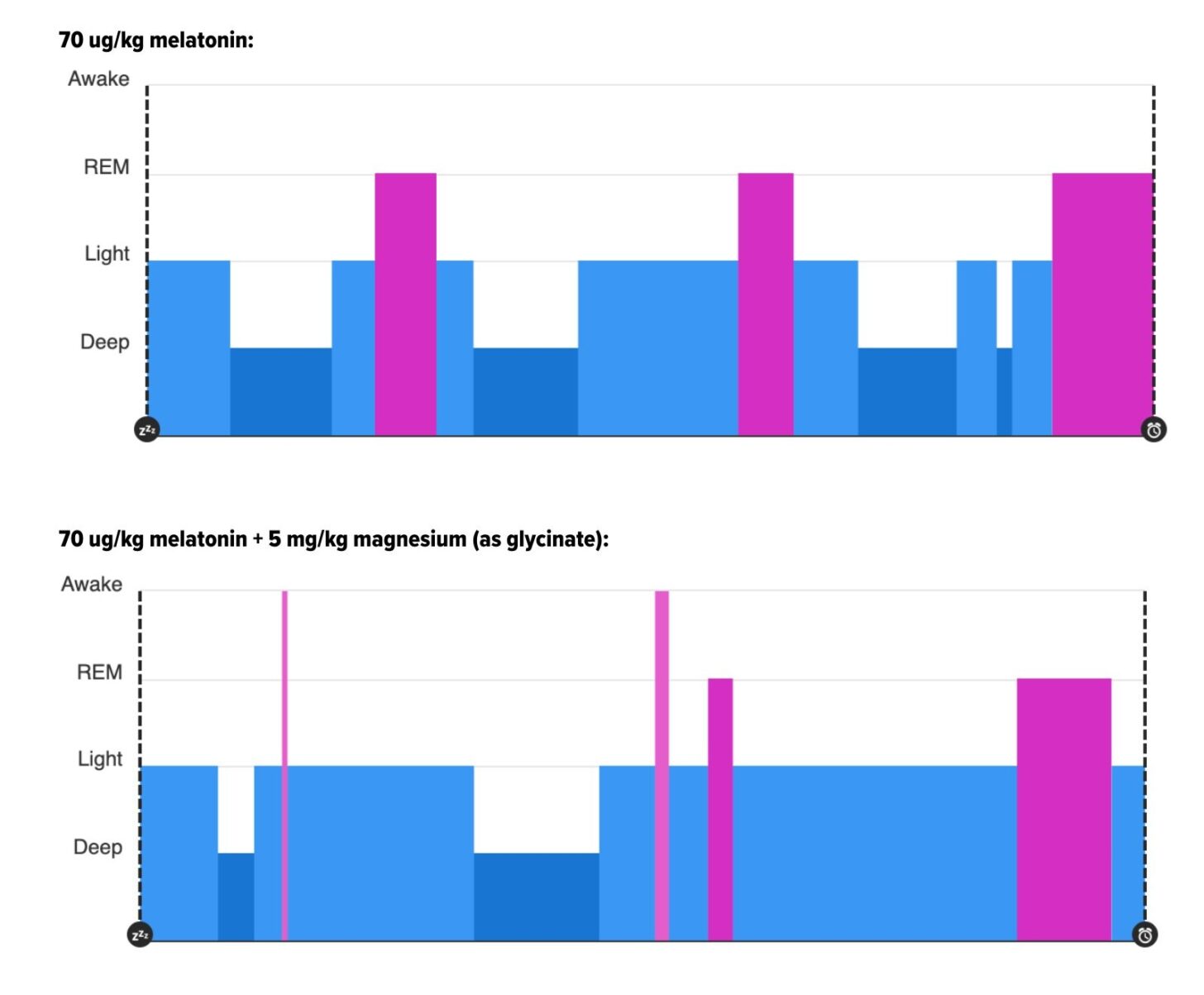
I used to use magnesium (glycinate) as my primary sleep aid. Hundreds of data points later, I’ve come to the conclusion that magnesium (5 mg/kg) plus melatonin (1 to 5 mg) negates some of the most beneficial effects of melatonin – that of allowing me to enter a state of sustained deep sleep as early in the night as possible. In addition, taken alone, magnesium promoted longer sustained (light) sleep, but less time spent in slow-cycle (deep) sleep. These outcomes were so pronounced and reproducible that I eventually gave up on a melatonin + magnesium stack or magnesium taken alone.
Representative sleep cycle graphs (source: Garmin Connect) that show the differences in sleep cycle stages between melatonin-only (top) and a melatonin + magnesium stack (bottom). Melatonin-only induces extensive deep sleep early in the cycle, while adding magnesium delays deep sleep to later in the cycle, with reduced amounts of both deep and REM sleep overall.
Here’s my theory about why this happens. When combined, magnesium and melatonin can interact in a way that blunts melatonin’s “signal strength” for deep sleep initiation:
Overlap in Sedative Pathways: Both increase GABAergic tone. This may shift the brain toward light/stage 2 sleep instead of the sharp descent into slow-wave sleep triggered by melatonin alone.
Thermoregulatory Interference: Magnesium can influence vasodilation and thermoregulation. If magnesium dampens the melatonin-driven drop in core body temperature, it may reduce the strength of the deep sleep “signal.”
Circadian vs. Homeostatic Mismatch: Melatonin acts on circadian timing (when sleep starts), while magnesium acts more on homeostatic sleep pressure (how relaxed/sedated you feel). Their combined effects may fragment or redistribute sleep stages rather than consolidate early deep sleep.
Dose-Dependence: At ~5 mg/kg magnesium (~350–400 mg for many adults), the sedative effect may be strong enough to “compete” with melatonin’s circadian signal, flattening the natural NREM progression.
I’ve always had very positive outcomes with melatonin alone, but when I combined it theanine, my slow-cycle and REM sleep both improved – allowing me to feel more rested with less overall sleep. This is the combination I most often reach for during the first one or two nights of a trip, when routines are disrupted by travel, late meals, and the stress of shifting from frontcountry obligations to backcountry rhythm. Melatonin (I’ve used a variety of doses from 1 to 5 mg dissolvable pills) provides circadian anchoring, helping the body adjust to new sleep-wake cycles or to longer daylight hours at northern latitudes. Theanine (200 mg pills) promotes relaxation by modulating glutamatergic activity and increasing alpha-wave states, making it easier to quiet the mind without inducing grogginess. Together, they shorten sleep latency and stabilize early trip sleep without impairing vigilance.
Recovery Stack: Glycine + Magnesium + Lavender
On difficult expeditions or after prolonged days of high mileage, this combination is aimed squarely at recovery. Glycine (I use 1 g capsules in doses up to 3 g) has been shown to lower core body temperature slightly and enhance slow-wave sleep, which supports tissue repair and glycogen replenishment. Magnesium glycinate (powdered form, mixed in water) assists with neuromuscular relaxation and parasympathetic activation, complementing glycine’s effects. Lavender (whether as a capsule, tea, or even essential oil) serves as an anxiolytic through mild GABAergic pathways, reducing pre-sleep arousal. Taken together, the stack promotes a deeper, more restorative sleep cycle to sustain high levels of performance across consecutive hard days.
Anxiety-Calming Stack: Theanine + Passionflower
Some environments (winter storms, grizzly country, or tense group dynamics) make it difficult to quiet the mind at night. In these contexts, theanine and passionflower work in tandem. Theanine smooths excitatory signaling, while passionflower exerts a mild sedative effect by enhancing GABA transmission. The result is less rumination and fewer sympathetic spikes as sleep approaches. Importantly, this stack avoids the strong sedation associated with prescription or OTC sleep aids, allowing for rapid waking if conditions demand vigilance.
Practical Considerations
From a pragmatic standpoint, I try to minimize the number of supplements I carry into the backcountry. My “menu” consists of melatonin (1 mg dissolvable pills), L-theanine (200 mg pills), glycine (1 g capsules), and magnesium glycinate (powder). With these core ingredients, I can build stacks that address most scenarios I encounter. Dosing remains conservative – lower than many commercial recommendations – because in the wilderness, the risks of residual sedation or paradoxical effects outweigh the marginal benefits of higher doses.
In addition, I add two other strategic pieces of gear to my “sleep kit” – a sleep mask and earplugs. A supplement capable of blocking light (like a full moon) or ambient sound to preserve sleep would need to have strong enough sedative properties to pose a significant risk in a wilderness environment.
Rules of Thumb
Test at home first: never introduce a new aid for the first time in the field. Individual variability is too great. Also, the effectiveness of various supplements (and doses) changes as you age or in response to new or evolving medical conditions. Always test and keep testing!
Start low: effective doses are often lower than marketed doses; smaller amounts minimize risk of paradoxical or next-day effects.
Avoid polypharmacy: more compounds do not necessarily mean better sleep; excessive stacking increases unpredictability.
Consider vigilance needs: choose aids that allow rapid waking if conditions demand (storms, wildlife, medical emergencies). Safety takes precedence over sedation.
Consider interactions and contradictions: check with a medical professional and do your own homework and research if you are taking any prescription medications.
Evidence Quality and Limitations
The evidence base for naturopathic sleep aids is both promising and fragmentary. While certain compounds (e.g, melatonin, glycine, and valerian) have been studied for decades, the scope and quality of research remain uneven. Understanding these limitations is critical for applying findings responsibly in the backcountry.
Small and Heterogeneous Trials
Most clinical research on sleep aids involves relatively small participant groups, often numbering only a few dozen individuals. These studies frequently use varying formulations (e.g., different magnesium salts, whole herb vs. extract preparations), non-standardized dosing, and disparate outcome measures. Some rely primarily on subjective self-reports of sleep quality, while others use actigraphy or limited EEG measures. This heterogeneity prevents clean meta-analysis and complicates generalization to broader populations.
Laboratory Versus Field Mismatch
Nearly all published work has been conducted under tightly controlled laboratory or clinical settings. Variables such as ambient temperature, light exposure, caloric intake, and psychological stress are stabilized or removed altogether. In the wilderness, these variables are precisely the ones that matter most: fluctuating weather, altitude stress, caloric deficit, environmental noise, and physical exhaustion. As a result, an intervention that improves sleep continuity in a sleep lab may have a much weaker or even paradoxical effect when tested against the volatility of backcountry conditions.
Placebo and Expectancy Effects
Sleep quality is uniquely sensitive to expectancy effects. Simply believing that one has taken a calming agent can reduce pre-sleep anxiety, shorten latency, and improve subjective restfulness. In field settings where anxiety, novelty, or stress are amplified, placebo responses may be even stronger. This does not negate the usefulness of naturopathic aids. After all, if a placebo effect helps someone sleep, it is still valuable. However, it does complicate efforts to separate pharmacological efficacy from psychological influence.
Under-Researched Wilderness Pharmacology
The specific interaction between naturopathic agents and the physiological demands of wilderness travel has scarcely been studied. For example:
Altitude: melatonin has shown some promise in improving sleep continuity at moderate elevations, but data are sparse and mechanisms (circadian vs. ventilatory stabilization) remain unclear.
Energy deficit: the effect of amino acids such as glycine or tryptophan may differ under caloric restriction, where substrate availability is already altered.
Autonomic stress: heart rate variability and sympathetic tone are strongly influenced by both physical exertion and environmental threat. How anxiolytic botanicals such as lavender or passionflower interact with these stressors is unknown.
Implications for Backcountry Application
Taken together, these limitations suggest that while the mechanistic plausibility of many compounds is strong, their translation to wilderness performance is uncertain. Evidence from laboratory settings may provide a useful starting point, but it does not account for the compounded stressors of cold, altitude, fatigue, and vigilance demands that characterize backcountry sleep. For practitioners, the best approach is cautious field testing at home and in low-stakes environments, coupled with careful self-monitoring of both benefits and adverse effects.
In short, the science around naturopathic sleep aids provides signals rather than definitive answers. For the wilderness traveler, this uncertainty reinforces the need for humility, adaptability, and systems thinking: sleep aids may be tools, but their performance is contingent upon context, physiology, and the irreducible variability of wild environments.
Ethical and Philosophical Considerations
The use of sleep aids in the backcountry raises questions that extend beyond physiology and into the ethics and ethos of wilderness travel. Ultralight practice is often framed as an exercise in simplicity and self-sufficiency, where one’s capacity to adapt to environmental stressors defines both the challenge and the reward. Introducing pharmacological interventions (however mild or “natural”) complicates this narrative.
At the heart of the matter is the distinction between natural sleep, achieved through behavioral regulation and environmental adaptation, and supplemented sleep, where exogenous agents are used to stabilize the system. Some will argue that true wilderness immersion requires embracing disrupted nights as part of the experience, while others contend that when safety, recovery, and decision quality are at stake, pragmatic use of supplements is justified. Neither position is absolute; instead, the question becomes one of intent. Are supplements being used to enhance safety and resilience, or as a crutch that allows one to overlook fundamental weaknesses in preparation or systems design?
Sleep disruption in the backcountry often stems from solvable problems: inadequate shelter, insufficient insulation, poor campsite selection, or overexertion. In such cases, pharmacological intervention may mask the signal of systemic failure rather than address its cause. If one needs melatonin to sleep because the shelter isn’t blocking the late evening wind off your face, the underlying problem is not circadian disruption but gear inadequacy. Conversely, there are situations such as altitude insomnia or stress in high-consequence terrain where supplements may provide a safety margin that gear adjustments cannot resolve. The ethical stance requires distinguishing between masking solvable deficiencies and managing inherent stressors.
There is also a paradox at the heart of ultralight philosophy. By cutting gear weight to the bone, one may save ounces but incur greater physiological strain (e.g., colder nights, less comfort, higher anxiety). Supplements can be seen as another form of gear, carried not in pack volume but in pill form. A few grams of capsules may compensate for several ounces saved in insulation or shelter, but this trade-off shifts the ultralight ethos away from reliance on skill and system integration and toward reliance on exogenous chemistry. Whether this is a reasonable extension of ultralight principles or a violation of their spirit is open to debate.
The ethical evaluation, then, is not binary. Using sleep aids does not inherently betray wilderness values, nor does eschewing them necessarily reflect purism or superiority. What matters is the clarity of purpose: supplements should serve as targeted levers within a coherent wilderness system, not as a substitute for preparation, adaptation, or resilience. The most consistent alignment with wilderness ethos comes when pharmacology is applied sparingly, strategically, and transparently – as one more tool in a balanced system rather than as a hidden scaffold propping up inadequacy elsewhere.
Conclusion
Backcountry sleep sits at the intersection of physiology, psychology, environment, and gear – precisely the domains articulated in the Wilderness Systems Framework. Naturopathic sleep aids can act as levers within this system, shaping circadian regulation, calming sympathetic arousal, or supporting physical recovery. Yet their value is constrained by limited evidence, variable efficacy, and risks that become magnified under wilderness conditions.
The ethical dimension adds a further layer of complexity. Supplements can enhance safety when they mitigate unavoidable stressors such as altitude or storm-related anxiety. But they can also obscure underlying system failures: inadequate insulation, poor recovery planning, or unrealistic exertion schedules. The ultralight paradox sharpens this tension: are capsules being carried to compensate for gear stripped too far? Or are they serving as minor, strategic additions to a well-balanced system?
Ultimately, the decision to use naturopathic sleep aids in the backcountry should not be framed as a search for a single “best” solution, but as an exercise in systems-based decision-making under uncertainty. Each aid represents a potential tool, but tools must be matched to specific problems, tested in advance, and deployed with awareness of both benefits and hazards.
The responsible stance is one of humility and pragmatism. Sleep aids cannot replace sound judgment, adequate preparation, respect for the environment, or bad gear. What they can do (when used judiciously) is help restore the body and mind to a state capable of sustaining safety, performance, and presence in the wilderness. In that sense, they are not shortcuts, but carefully chosen adjustments within the larger architecture of wilderness practice.
Unlike prescription and over-the-counter medications, dietary supplements in the U.S. are regulated under the Dietary Supplement Health and Education Act of 1994 (DSHEA), which places the burden of safety and efficacy largely on the manufacturer. The US Food and Drug Administration (FDA) does not test products before they reach the market. Independent analyses have repeatedly shown discrepancies between label claims and actual contents, including under-dosing, overdosing, and contamination with heavy metals, pesticides, or undeclared pharmaceuticals.
Biochemical Variability
Even when labels are accurate, bioavailability differs across formulations. A few examples:
Magnesium oxide vs. glycinate: the former is poorly absorbed, the latter far more efficient but often costlier.
Herbal extracts (valerian, passionflower): concentration of active compounds (valerenic acids, flavonoids) varies widely by extraction method and plant source.
This variability means that two products labeled identically may differ significantly in physiological effect.
Consumer Protection Strategies
Independent, third-party verification is one of the few safeguards consumers have in a supplement market that is otherwise lightly regulated. Certifications such as USP Verified or NSF International (including NSF Certified for Sport) can confirm that a product contains the ingredients and dosages claimed on its label, while also screening for contaminants or banned substances. Services like consumerlab.com go further by conducting independent batch testing, often revealing discrepancies or outright failures in mainstream brands that otherwise appear reputable. Yet even with these layers of oversight, risk is not eliminated – only reduced.
Transparency is another critical marker of quality. Products that hide behind “proprietary blends” make it impossible to know actual dosages, which undermines both safety and efficacy. Reputable manufacturers not only disclose precise ingredient amounts but also publish lot-specific test results, allowing consumers to trace quality back to a batch level. Finally, users bear responsibility for evaluating safety in context. Supplements may interact with prescription medications or exacerbate underlying health conditions, making it essential to cross-check interactions using reliable resources such as the Natural Medicines Comprehensive Database before introducing any new aid into the field.
Practical Backcountry Considerations
How supplements are packaged and carried into the field has a direct impact on both their stability and their reliability. Powders, for example, are highly hygroscopic and will degrade quickly if exposed to moisture, making them less dependable in the variable humidity of backcountry environments. Capsules tend to be more stable and easier to manage, but regardless of form, supplements should be repackaged into waterproof containers before leaving home.
Potency also declines over time, particularly with botanicals, which are far less stable than isolated compounds. An old bottle of valerian or passionflower may not deliver the same pharmacological effect it once did, and assuming efficacy without checking shelf life risks carrying poorly efficacious supplements into the wilderness.
Perhaps most critical is the question of dosing. Every supplement should be tested under controlled conditions at home before it is ever relied upon in the field. Unanticipated side effects such as gastrointestinal upset, dizziness, or next-day grogginess are inconvenient in a frontcountry setting but can escalate into operational hazards in remote terrain. In wilderness medicine, where margins for error are thin, discipline in dosing and pre-trip testing is as essential as careful gear selection.
Supplement Evaluation Checklist
Quality and Verification
Look for third-party certifications (USP, NSF, ConsumerLab).
Confirm that dosages are clearly stated for each ingredient.
Check if the manufacturer provides lot-specific test results or batch reports.
Formulation and Packaging
Prefer well-absorbed forms (e.g., magnesium glycinate > magnesium oxide).
Avoid “proprietary blends” that obscure ingredient amounts.
Choose capsules over powders for backcountry stability unless airtight waterproof storage is available.
Shelf Life and Storage
Verify expiration date; botanicals degrade faster than isolated compounds.
Repackage into lightweight, waterproof containers before trips.
Dosing and Safety
Test at home before relying on a supplement in the field.
Start with the lowest effective dose; more is not always better.
Check for drug or condition interactions using reliable databases (e.g., Natural Medicines Comprehensive Database).
Red Flags
Products with exaggerated claims (“cure insomnia,” “reset your brain chemistry”).
Single-source or MLM distribution where transparency and oversight are limited.
Supplements marketed as “extra strength” with doses far above clinically supported ranges.
Supplements promoted by influencers who stand to gain financial incentive from supplement sales through co-branding, sponsored partnerships, or affiliate marketing.
Summary
Backpackers should treat naturopathic supplements with the same skepticism they bring to gear marketing. Independent verification, biochemical literacy, and cautious self-experimentation are the pillars of safe use. Supplements may offer real benefits in the wilderness context, but the consumer bears the burden of separating trustworthy products from ineffective – or unsafe – ones.
Appendix 2: Key References (Annotated)
Abbasi, B., Kimiagar, M., Sadeghniiat, K., Shirazi, M. M., Hedayati, M., & Rashidkhani, B. (2012). The effect of magnesium supplementation on primary insomnia in elderly: A double-blind placebo-controlled clinical trial. Journal of Research in Medical Sciences, 17(12), 1161-1169. https://pubmed.ncbi.nlm.nih.gov/23853635/ – RCT in older adults suggesting 8 weeks of oral magnesium improved subjective insomnia indices and select endocrine markers vs placebo.
Bannai, M., & Kawai, N. (2012). New therapeutic strategy for amino acid medicine: Glycine improves sleep quality. Journal of Pharmacological Sciences, 118(2), 145-148. https://doi.org/10.1254/jphs.11R04FM – Explores glycine’s role in enhancing glycinergic inhibition and cooling to improve deep sleep.
Cirelli, C., & Tononi, G. (2008). Is sleep essential? PLoS Biology, 6(8), e216. https://doi.org/10.1371/journal.pbio.0060216 – Presents molecular and systems neuroscience evidence that sleep is necessary for synaptic homeostasis and cellular maintenance, reinforcing the concept of sleep as a biological imperative in the backcountry.
de Aquino Lemos, V., Antunes, H. K. M., Santos, R. V. T., Lira, F. S., & de Mello, M. T. (2012). High-altitude exposure impairs sleep patterns, mood, and cognitive performance during a 2-week stay at high altitude. Psychophysiology, 49(9), 1298-1306. https://pubmed.ncbi.nlm.nih.gov/22803634/ – Demonstrates how altitude stress disrupts both REM and slow-wave sleep, a critical environmental factor for wilderness travelers.
Ferracioli-Oda, E., Qawasmi, A., & Bloch, M. H. (2013). Meta-analysis: Melatonin for the treatment of primary sleep disorders. PLoS One, 8(5), e63773. https://doi.org/10.1371/journal.pone.0063773 – Demonstrates that melatonin significantly reduces sleep latency, supporting its role as a practical circadian regulator in the field.
Lyon, M. R., Kapoor, M. P., & Juneja, L. R. (2011). The effects of L-theanine on objective sleep quality in boys with ADHD: A randomized, double-blind, placebo-controlled clinical trial. Alternative Medicine Review, 16(4), 348-354. https://pubmed.ncbi.nlm.nih.gov/22214254/ – Documented actigraphic improvements in sleep efficiency with L-theanine, underscoring its anxiolytic value.
McKay, D. L., & Blumberg, J. B. (2006). A Review of the bioactivity and potential health benefits of chamomile tea (Matricaria recutita L.). Phytotherapy Research, 20(7), 519-530. https://doi.org/10.1002/ptr.1900 – Highlights chamomile’s sedative and anxiolytic properties.
Reynolds, A. C., & Banks, S. (2010). Total sleep deprivation, chronic sleep restriction and sleep disruption. In Progress in Brain Research (Vol. 185, pp. 91-103). https://doi.org/10.1016/B978-0-444-53702-7.00006-3 – Reviews severe cognitive and physiological consequences of sleep loss.
Russo, E. B., Burnett, A., Hall, B., & Parker, K. K. (2005). Agonistic properties of cannabidiol at 5-HT₁A receptors. Neurochemical Research, 30(8), 1037-1043. https://doi.org/10.1007/s11064-005-6978-1 – Demonstrates CBD’s anxiolytic pathways via serotonin receptor interaction.
Shinjyo, N., Waddell, G., & Green, J. (2020). Valerian root in treating sleep problems and associated disorders – A systematic review and meta-analysis. Journal of Evidence-Based Integrative Medicine, 25, 2515690X20967323. https://pubmed.ncbi.nlm.nih.gov/33086877/ – Synthesizes heterogeneous trials of valerian indicating modest, inconsistent benefits on sleep with generally favorable safety, highlighting variability in preparations and outcomes.
Trommelen, J., & van Loon, L. J. C. (2016). Pre-sleep protein ingestion to improve the skeletal muscle adaptive response to exercise training. Nutrients, 8(12), 763. https://doi.org/10.3390/nu8120763 – Shows muscle protein synthesis enhancement via pre-sleep amino acids, relevant for high-exertion recovery.
Reynolds, A. C., & Banks, S. (2010). Total sleep deprivation, chronic sleep restriction and sleep disruption. Progress in Brain Research, 185, 91-103. https://doi.org/10.1016/B978-0-444-53702-7.00006-3 – Summarizes the physiological and cognitive costs of restricted sleep, reinforcing the consequences of poor sleep quality during expeditions.
Wada, K., Yata, S., Akimitsu, O., Krejci, M., Noji, T., Nakade, M., Takeuchi, H., & Harada, T. (2013). A tryptophan-rich breakfast and exposure to low color-temperature light at night improve sleep and salivary melatonin in students. Journal of Circadian Rhythms, 11(1), 4. https://doi.org/10.1186/1740-3391-11-4 – In students, protein/tryptophan-rich breakfast plus morning sunlight and evening low-CCT light advanced sleep timing and elevated melatonin.
Walker, M. (2017). Why We Sleep: Unlocking the Power of Sleep and Dreams. Scribner. https://www.simonandschuster.com/books/Why-We-Sleep/Matthew-Walker/9781501144325 – Offers an authoritative narrative synthesis of sleep science on deep sleep, REM, and cognition that supports framing of sleep as a multidimensional recovery essential for wilderness performance.
Yamadera, W., Inagawa, K., Chiba, S., Bannai, M., Takahashi, M., & Nakayama, K. (2007). Glycine ingestion improves subjective sleep quality in human volunteers, correlating with polysomnographic changes. Sleep and Biological Rhythms, 5(2), 126-131. https://doi.org/10.1111/j.1479-8425.2007.00262.x – Finds that glycine improves subjective sleep quality and reduces fatigue, making it relevant for recovery in demanding expeditions.
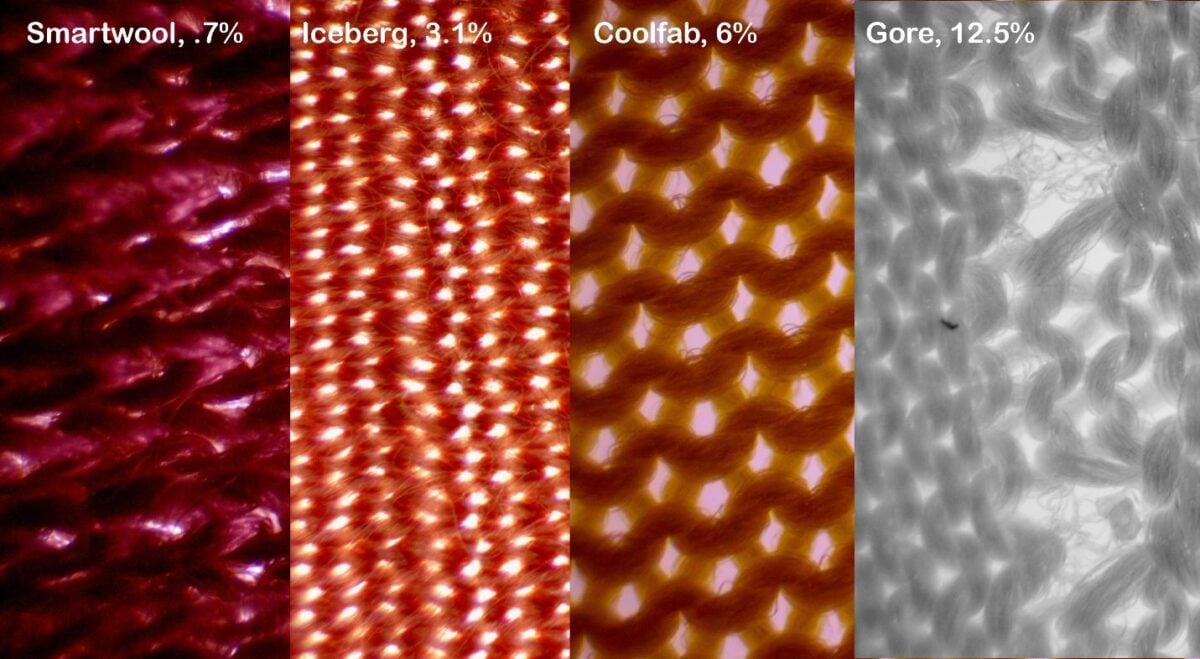
Drying wet base layers with body heat demands significant energy. The choice of fabric (wool vs. synthetic) may make less of a difference under some conditions; the quantity of water is key.
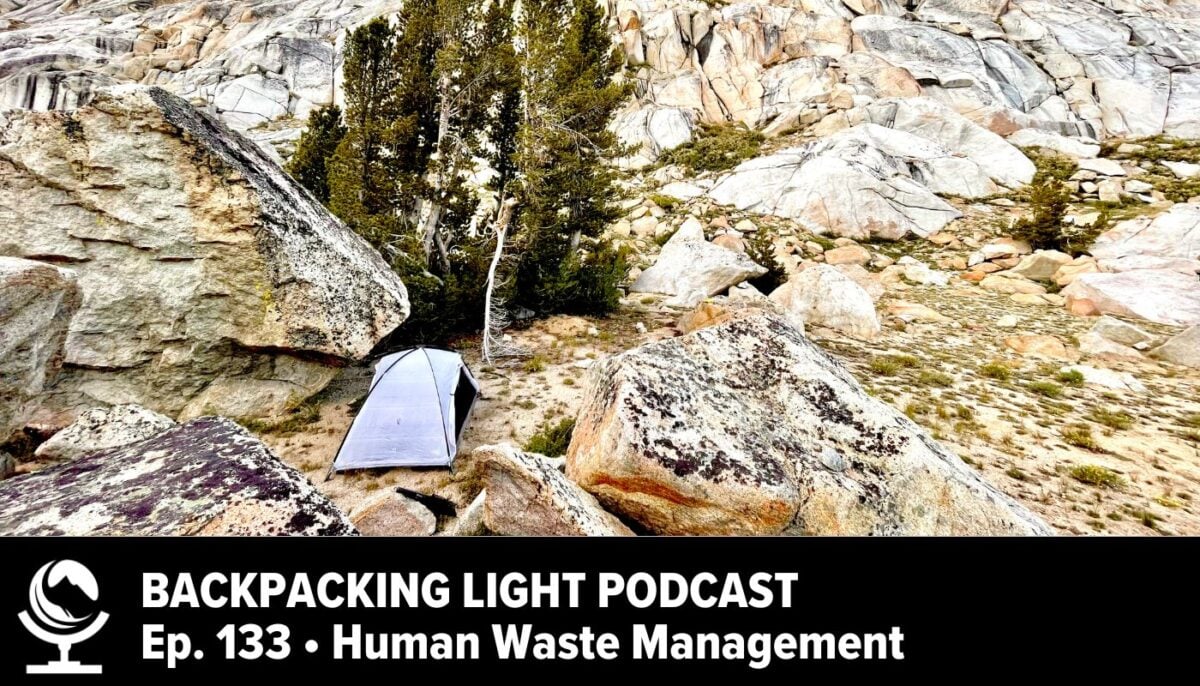
In episode 133 of the Backpacking Light podcast, we challenge traditional cathole practices, advocating for pack-out systems in alpine, desert, and high-use areas based on science and LNT ethics.
LOKSAK OPSAK Odor-Proof Bags are resealable storage bags designed to contain odors and prevent air and micro-organism transfer. Made from FDA and NSF-approved food-safe materials, they are reusable, recyclable, and available in multiple sizes. Manufactured in the USA.
The Kula Cloth (0.5 ounces / 14 g) is an antimicrobial, reusable pee cloth featuring a highly absorbent, silver-infused fabric on one side and a waterproof, non-permeable layer on the other to prevent leaks. It includes a snap closure for easy attachment to your pack and a stealth-mode fold for discreet storage.
Transform your standard water bottle into a hygienic bidet with this ultralight (4 g) threaded cap attachment—perfect for long-distance hikers who practice Leave No Trace.
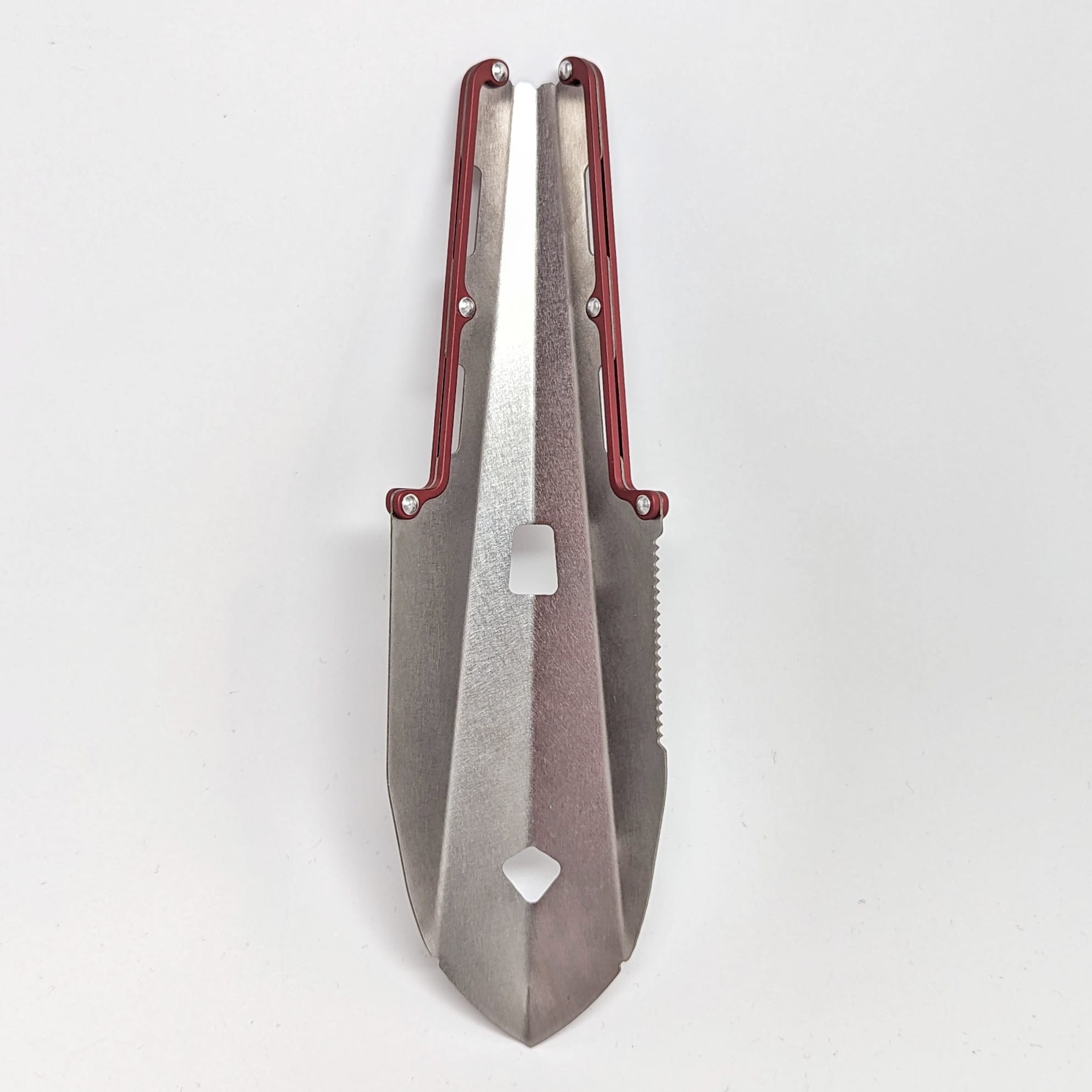
Explore the collection of ultralight backpacking trowels—durable, compact, and designed for Leave No Trace practices. From titanium to high-strength composites, find the perfect tool to keep your pack light and the backcountry clean.
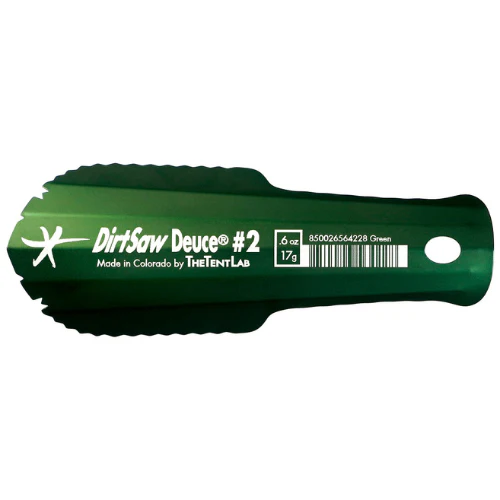
One of the most popular trowels on the market, now with an updated design with more aggressive sawing edges for side-to-side digging. Very effective root-cutting notches. Reversible, so you can use the narrow end for particularly stubborn soils.
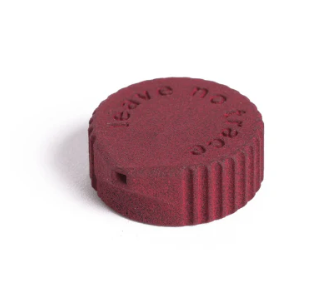
The BoglerCo Ultralight Backpacking Trowel is a compact digging tool weighing approximately 0.48 ounces (13.5 grams). Constructed from high-strength aluminum alloy, it features serrated edges for cutting through roots and a UV-resistant ABS plastic end cap for enhanced comfort during use. Handmade in the USA, it comes with a lifetime warranty.
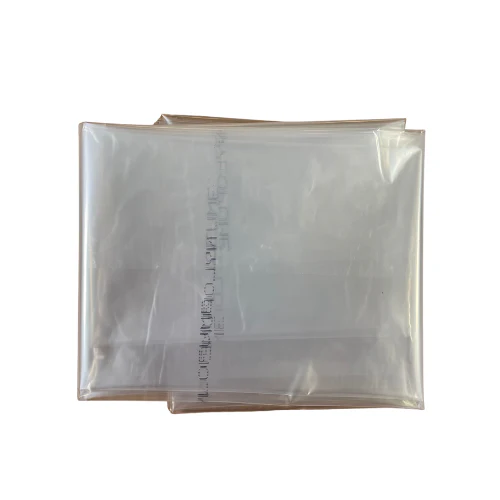
The Nylofume Pack Liner is a waterproof, odor-resistant nylon polymer bag weighing 0.91 oz (25.9 g). With a 52L capacity, it protects gear from moisture and odors. The clear material allows easy content visibility. It's designed for durability and can be trimmed to fit various pack sizes. Use two (inverted to each other) inside an Ursack or bear canister to hide your food from bears (by containing odors).
Backpacking with confidence is challenging when food isn't securely stored from wildlife. Hanging food is time-consuming and can be complicated. Carrying a bear canister is heavy and bulky. The Ultralight Food Locker by Adotec offers peace of mind with its certified bear-resistant design, keeping your food safe and secure.
Understanding the causes, symptoms, risk factors, prevention, and treatment of exertional rhabdomyolysis in backcountry hikers and treatment for safer trips.
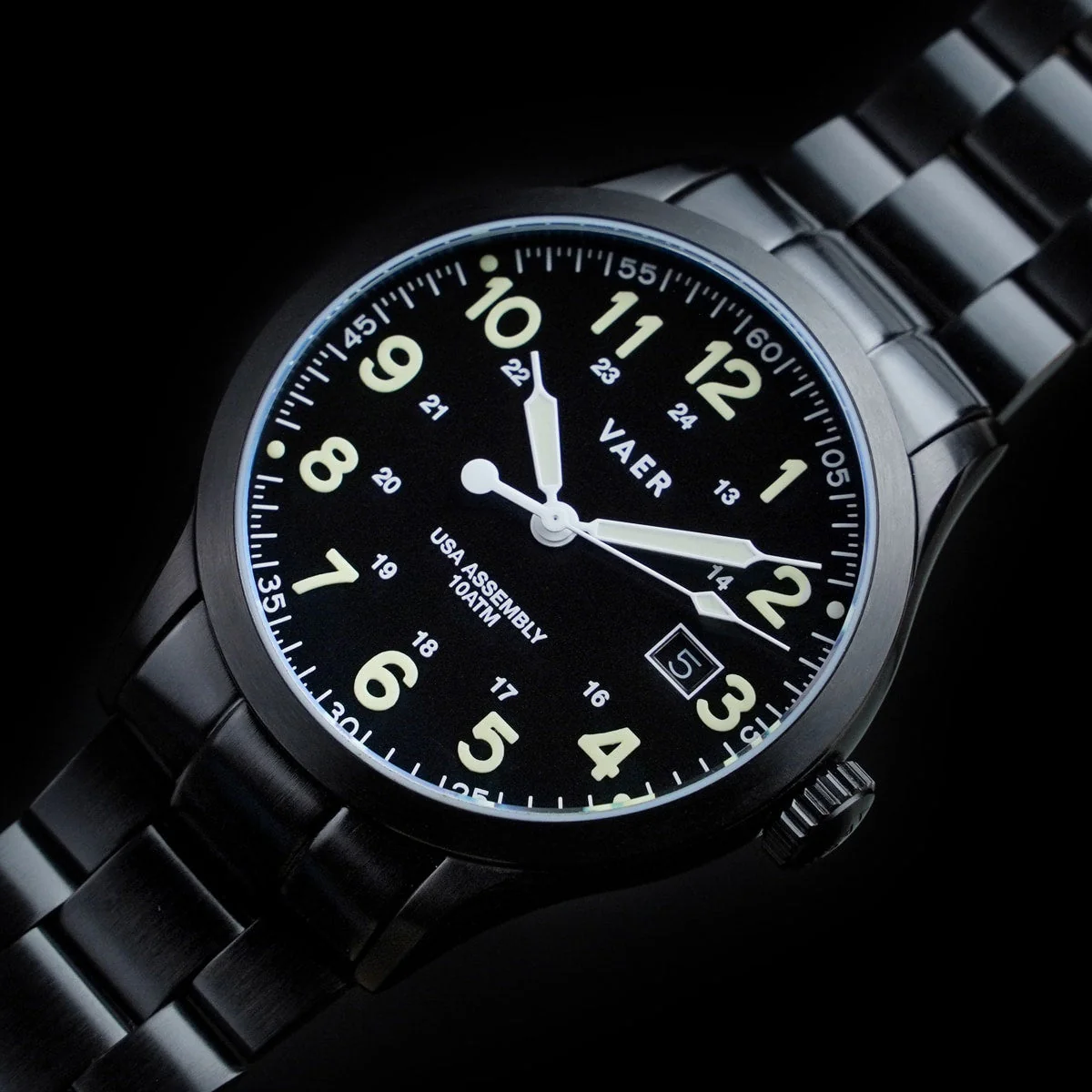
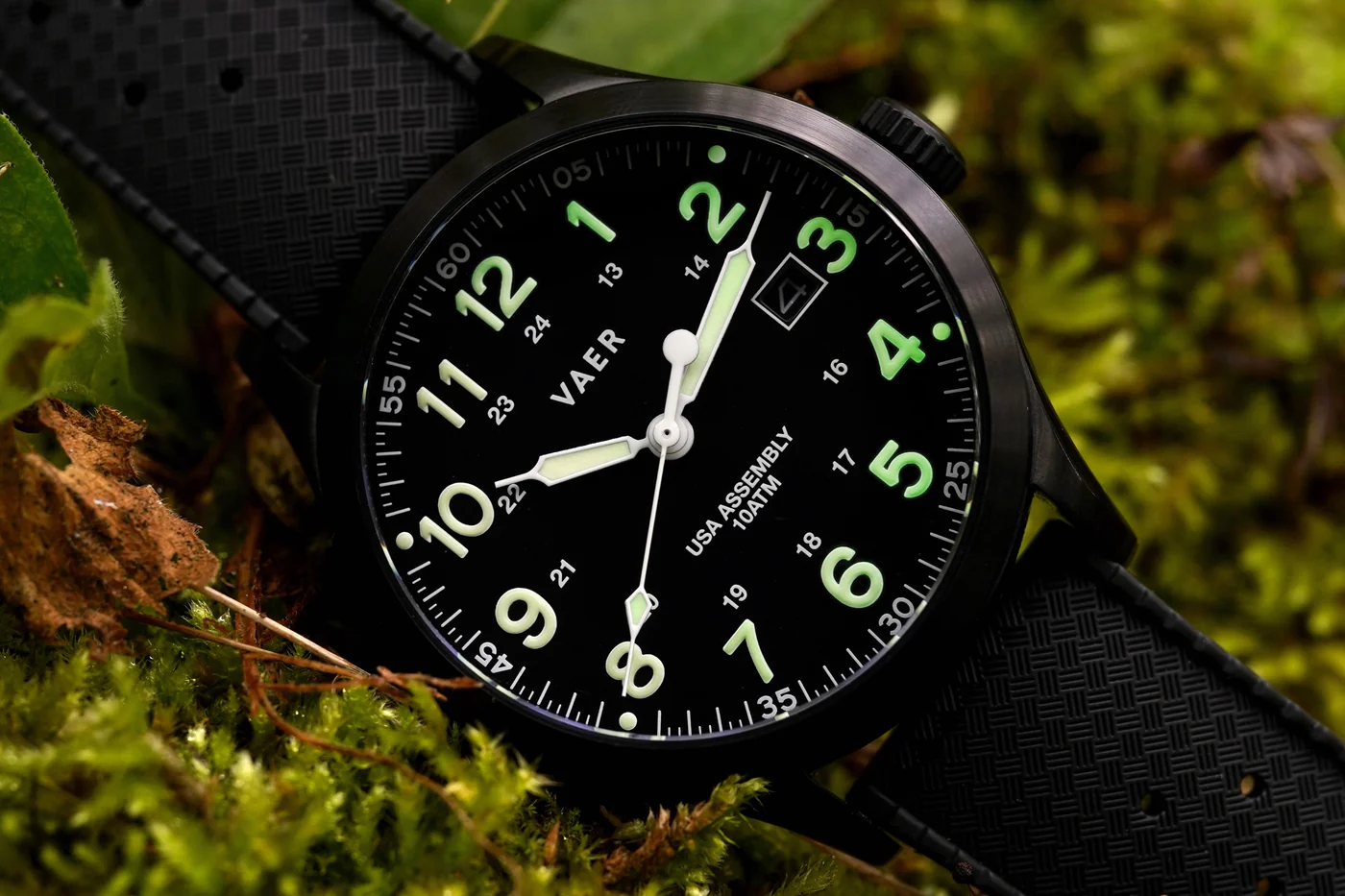
The Vaer C5 Tactical Field Solar features a sapphire face cover, 316L stainless steel body, and a Japanese Epson VS-42 solar-powered movement that provides up to six months of power reserve at high precision. The watch is water-resistant up to 10 ATM (100 meters), offers a blacked-out aesthetic with exceptional lume performance, ensuring readability in low-light conditions.
Our newsletter isn’t just marketing — it’s a unique part of our content ecosystem that often breaks news first on gear, tech, and philosophy before it hits articles, guides, podcasts, or courses. It’s free, quick to join, and designed to make you a smarter, more confident hiker.
Learn to design ultralight first aid kits for backcountry travel, matching modular kits (Overnight, Weekend, Expedition) to trip demands. Avoid errors, maintain your kit, and understand the medical rationale for each.
Garage Grown Gear is an online marketplace featuring ultralight and cottage-industry outdoor gear, with a selection of backpacks, shelters, apparel, and accessories from independent brands. It focuses on small-batch, innovative products for backpacking, hiking, and adventure travel.
A wide-ranging selection of ultralight hygiene essentials and first‑aid gear—from portable bidets and travel towels to mini kits, blister care, sunscreen, tweezers, and more—for staying clean and safe on the trail.
4 Myths about Wilderness First Aid – “I don’t need much, I’ve never had to use a first aid kit;” “Duct tape and a knife are enough, I’ll improvise;” “Skills replace gear;” “Carrying more gear makes me more prepared.”
Risk Stratification – how likely is the scenario to occur, and what are the consequences of that scenario occurring
Comparing an overnight, weekend, and expedition first aid kit gear list.
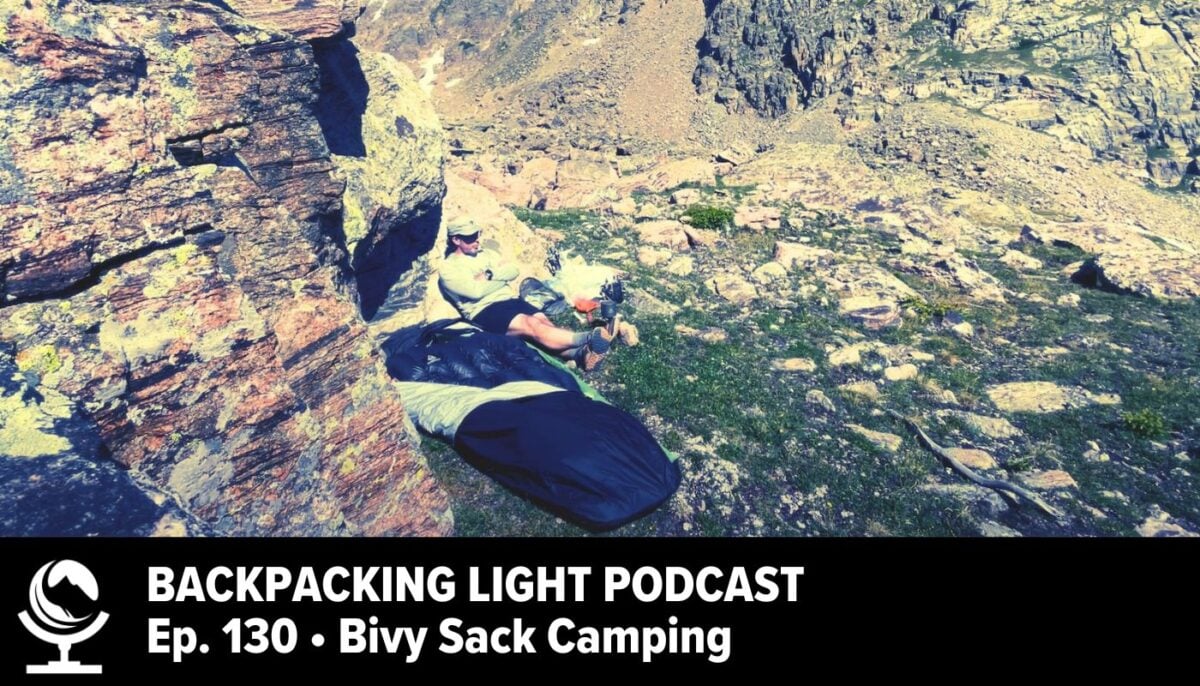
Discover Ryan’s discreet bivy sack camping methodology for alpine environments, encompassing essential gear, requisite skills, and a critical analysis of tent practicality. Embrace the experience of open-air slumber.
From Day 1 Vaer has had a simple mission: build watches that can be trusted anywhere, including the most extreme outdoor environments. Over the years we've had the opportunity to continually put this ethos to the test, working with explorers and athletes who have continued to showcase the unique appeal of extreme durability, and timeless design.
The Mountain Laurel Designs eVENT Soul Bivy is a fully enclosed, three-layer bivy featuring eVENT waterproof/breathable ripstop upper fabric and a 1.3 oz 20d Pro SilPoly floor with >3,500 mm HH rating; it weighs ~11 oz (310 g) in medium and includes a full‐width waterproof zipper, overhead hang loop, hang loops at corners, and a wire hoop that holds the upper fabric off the face to reduce condensation.
Oversized volume for large pads, larger people, or winter sleeping bags. Easy-entry exit and ventilation options with a fully-retractable top. Storm window at head end can be operated from inside to control ventilation and views. Three-stake pitch with overhead pole improves livability and breathability.
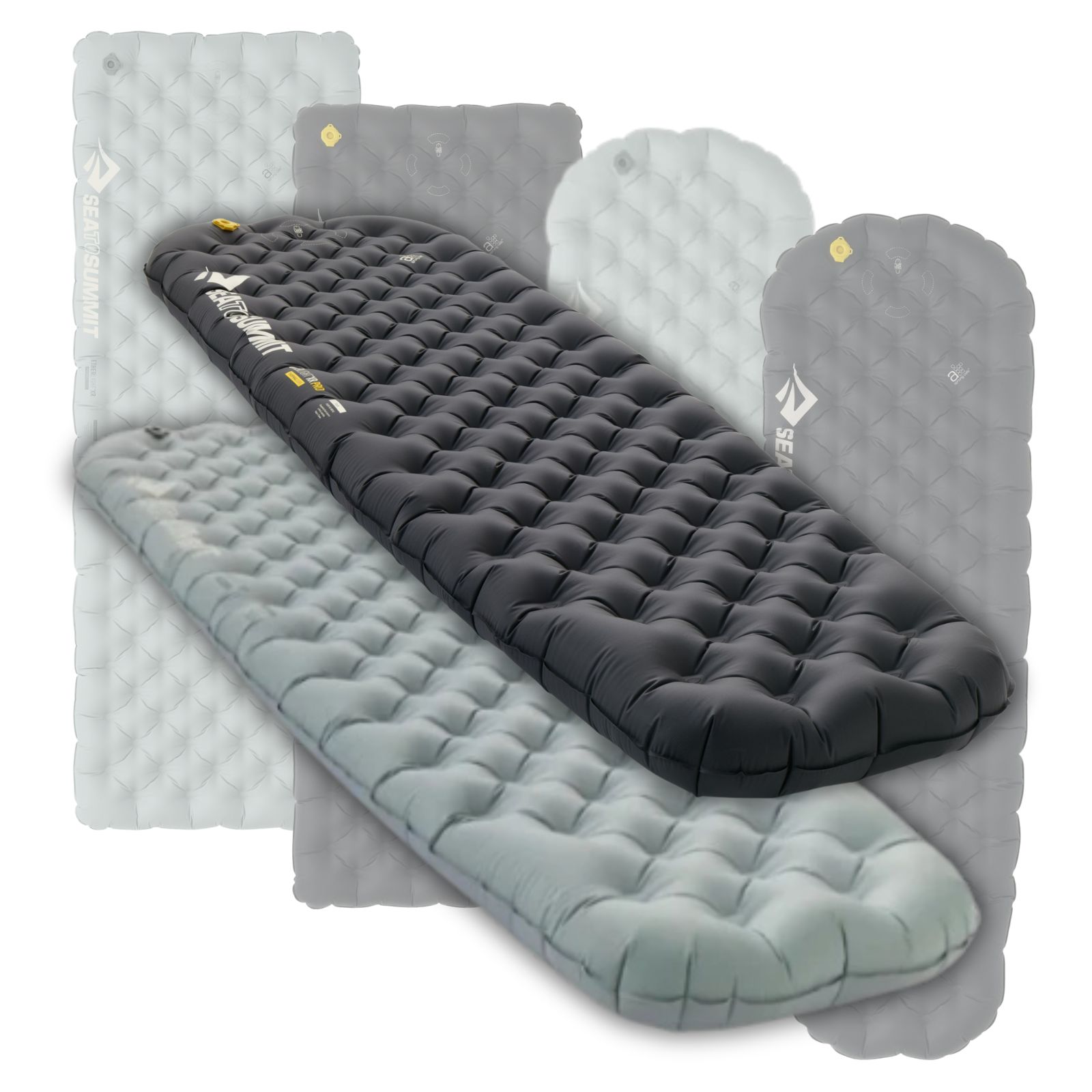
The Sea to Summit Ether Light XR Insulated ASC Sleeping Pad is an insulated air pad with Air Sprung Cell construction, ThermalCore insulation with a suspended TRM reflective layer, 10 cm thickness, 4.1 R-value, XPRESS valve, integrated pump sack, and 470 g Regular weight.
The Hyperlite Mountain Gear 40-Degree Quilt is an ultralight backpacking quilt unique for its combination of 1000-fill power RDS-certified goose down, a 7D ripstop nylon shell, sewn footbox, vertical baffles, generous girth - and very light weight.
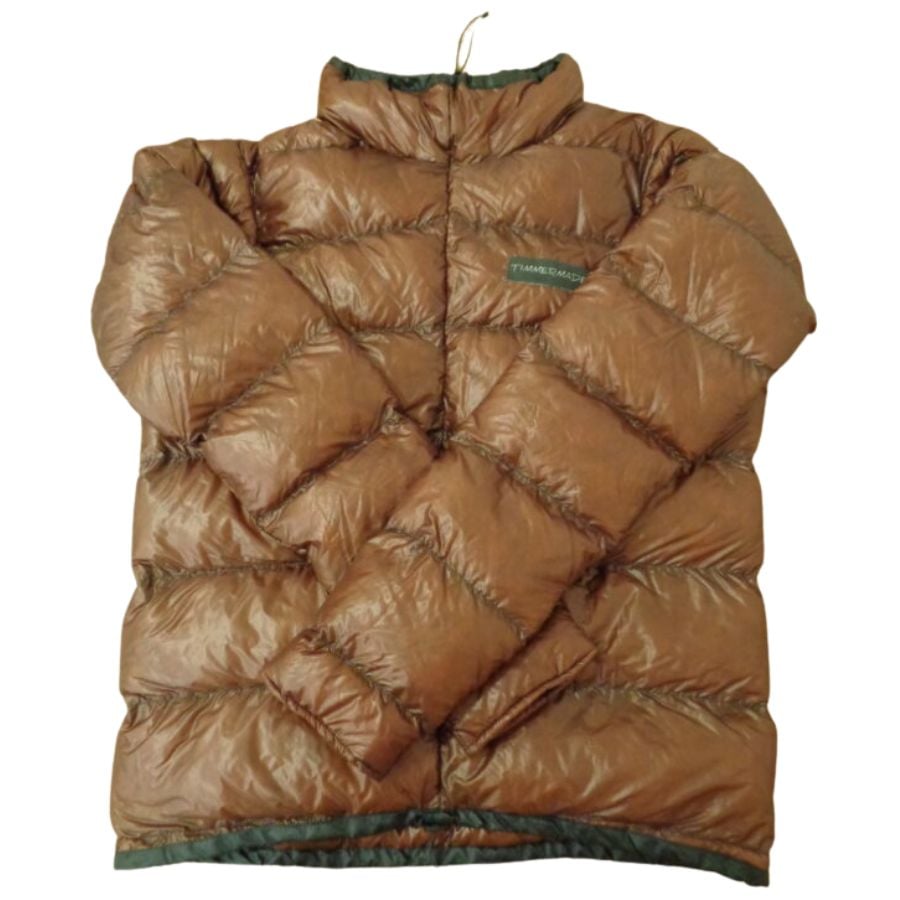
The Timmermade SDUL 0.75 Down Sweater is filled with 1000 FP down, is made with 7d fabrics, and forgoes pockets, zippers, etc. to minimize weight - while still maintaining 3-inch baffle chambers to achieve about 0.75 inches of loft. Cinches at the neck and hem can be removed if draft control isn't needed. Generous baffle sizing and the lightest possible materials/design make this one of the highest warmth-to-weight designs available.
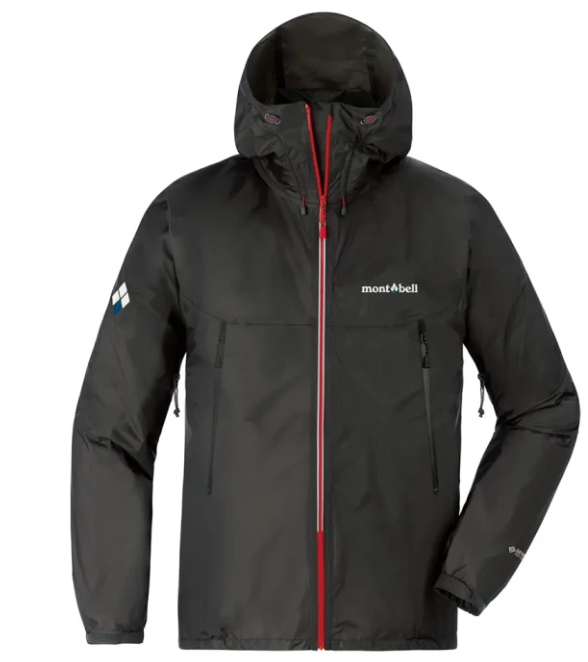
The Montbell Versalite Jacket Men's is a pocket-free 3-layer rain shell using Montbell SUPER DRY-TEC with a 7-denier Ballistic Airlight nylon ripstop face, K-Mono CUT patterning, Smooth Pit Zips, Triaxial Hood, Aquatect zipper, stuff sack, and 5.9 oz / 166 g listed weight.
The Zpacks Vertice Rain Pants are minimal‐feature, waterproof overpants made from 1.50 oz/yd² three‑layer Vertice fabric (7D ripstop nylon with a waterproof membrane and tricot liner), weighing approximately 3 oz (85 g) for men’s sizes and 2.5 oz (72 g) for women’s. They include a drawcord waist, dual ankle snaps, pack down tightly with no stuff sack, and are made in the USA.
The Arc'teryx Beta SL is the lightest rain jacket on the market that combines a full feature set (generous fit, extensive ventilation, high breathability) AND durable (40D+) fabrics.
Garage Grown Gear is an online marketplace featuring ultralight and cottage-industry outdoor gear, with a selection of backpacks, shelters, apparel, and accessories from independent brands. It focuses on small-batch, innovative products for backpacking, hiking, and adventure travel.
Exo Mtn Gear crafts ultralight yet ultratough backcountry hunting pack systems, combining the comfort of internal frames with the strength of external frames—all designed, tested, and built in Boise, Idaho. Made in the USA since 2014, they deliver direct-to-consumer quality and service, backed by a lifetime guarantee.
Exo Mtn Gear crafts ultralight yet ultratough backcountry hunting pack systems, combining the comfort of internal frames with the strength of external frames—all designed, tested, and built in Boise, Idaho. Made in the USA since 2014, they deliver direct-to-consumer quality and service, backed by a lifetime guarantee.
The K4 5000 Pack System from EXO Mountain Gear is a rugged, external-frame hunting backpack that offers week-long capacity (5,658 ci), hauls 150 + lb loads, yet compresses down to a streamlined daypack.
What does it really cost your body to carry a backpack in the backcountry? In this episode, we explore the science behind the metabolic demands of load carriage – how pack weight, load distribution, terrain, and walking speed impact energy expenditure. (included: interview with pack designer Dan Durston.)
The Fenix 8 AMOLED is the current standard-bearer of ABC/GPS fitness watches. It offers similar guts and sensor technology as the Garmin Epix Pro 2 (including multiband/L5), but with a modified (simpler) user interface and a new codebase. Recent firmware updates in late 2024 have improved responsiveness, battery life, customization features, and usability.
The Metabolic Energy Mile (MEM) Framework redefines hiking effort beyond distance. It integrates terrain, fatigue, and environment for accurate energy cost prediction.
In ultralight backpacking, chairs are often dismissed as luxury. This guide reframes them as recovery tools — exploring their impact on performance, biomechanics, and thermal management. From sit pads to suspended seats, we analyze the design tradeoffs and field use cases that shape the modern camp seating landscape.
A review of the El Coyote Alphalite 900+ Quilt, including warmth and value analysis, sizing insights for petite hikers, and performance feedback after 20 nights in the field.
Introduction: The Search for a Better Fit
This review represents a collaboration between Ryan Jordan (author) and Nikki Stavile (photography and product testing).
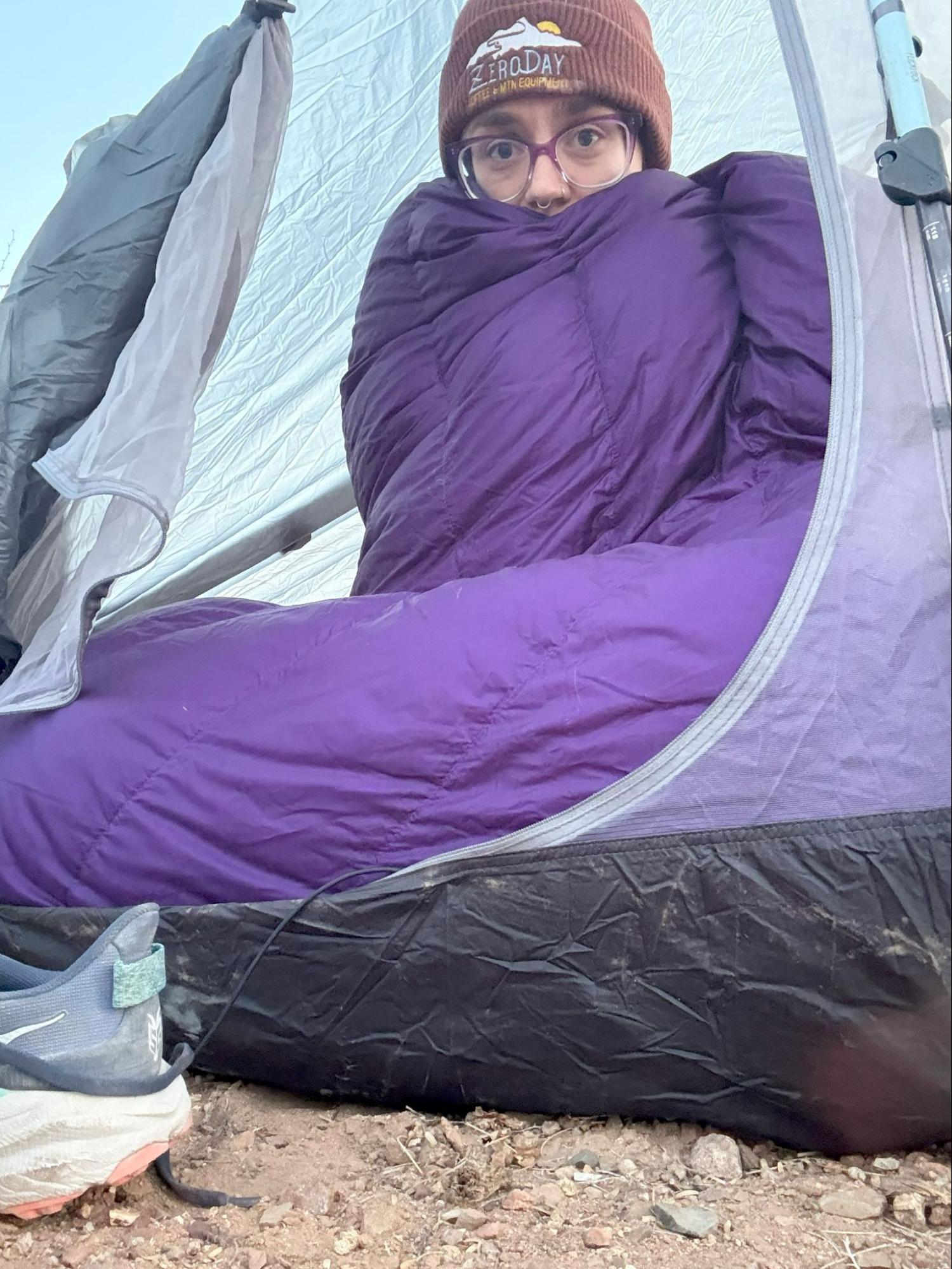
Nikki Stavile is a petite hiker – 5’3″, 105 lb, extra-small everything – and a very cold sleeper. Over nearly 300 nights in the backcountry, she’s grown accustomed to sleeping systems that almost work: oversized quilts that drape too far, sleeping bags with cold spots, and temperature ratings that don’t match her comfort reality in the field.
So when it came time to prepare for a late-season hike of the Arizona Trail, with nightly lows dipping into the low 20s, Nikki knew she needed a quilt that could do more than just “get by.” She sought a quilt that provided adequate warmth, fit her petite frame, and was produced domestically by a cottage manufacturer emphasizing warmth and fit.
That search led her to El Coyote, a small quilt maker based in Arizona, and their one product: the El Coyote Alphalite Quilt.
For a 900-fp quilt that can be layed flat or buttoned up into a hoodless mummy, the El Coyote Alphalite is one of the most cost-effective ultralight quilts available.
El Coyote can make small quilts for small people – Nikki is 5′ 3″ and 105 lbs.
Features & Specifications
The El Coyote Alphalite Quilt uses 900+ fill power untreated goose down from Allied, certified to the Responsible Down Standard. A 30% overfill is included by default to help maintain loft in damp or compressed conditions. The shell is made from calendered, downproof nylon with a DWR finish and a softer hand feel than typical ultralight fabrics. Internal mesh baffles are used throughout, with vertical baffles in the torso and horizontal baffles in the footbox. The quilt features a 1/3 taper – straight through the torso, narrowing gently below the knees – for a balance of thermal efficiency and room to move. The footbox closes with a 24-inch YKK zipper, a snap, and a shock cord drawstring. A flat-buckle pad attachment system and neck cinch complete the closure system.
Temperature Rating
0 to 40 °F comfort rating
Fill Power
900+ untreated goose down (30% overfill standard)
Weight (as reviewed)
21.5 oz (weight confirmed by Nikki for her extra short length, standard width, 10 °F rating custom Alphalite Quilt, and as written on the product tags)
Loft
~3 inches double layer in chest zone
Shell Fabric
Outer fabric – 15D denier micro ripstop grid calendared nylon. Inner fabric - high density, 10 denier, nylon taffeta fabric with calendared downproof treatment and DWR. Quilt shell fabrics have been designed and manufactured exclusively for El Coyote Quilts.
Footbox
Zippered + drawstring closure with reinforced aperture
Pad Attachment
Two elastic pad straps (wide/XL options available)
Custom Sizing
Extra Short (66 inch) length, and Regular width (56 inches at shoulders, 41 inches at feet). As per the El Coyote website, “All length and width measurements are of the sewn but not yet filled quilt, opened fully, and laid out flat.”
MSRP
USD $265+
Made In
Arizona, USA
El Coyote Alphalite 900 quilt, unfolded to show the taper design.
From the Gear Closet to the Grand Canyon
The first test for the Alphalite came on the Arizona Trail in early October – starting at the Utah-Arizona border and ending at the South Rim of the Grand Canyon. During this trek, Nikki experienced overnight low temperatures down to 22 °F (-6 °C).
She didn’t wear the usual arsenal of insulating sleepwear (which for her often includes base layers and a high-loft insulation jacket). “I was in a sports bra and shorts,” she said. “And I stayed warm, with the quilt cinched at my neck and no extra fabric hanging across my face.”
She credits that to the true 10 °F (-12 °F) comfort rating: not a survival estimate, not a marketing claim, but a rating that matched the reality on the ground. The quilt’s 900+ fill power down (with a standard 30% overfill) was doing its job, even after a snowstorm deposited two inches of wet snow overnight, creating significant condensation inside her shelter.
Despite those damp conditions, the quilt dried quickly in the sun at lunch the next day.
The Alphalite’s rating is a comfort one – making it perfect for cold desert mornings.
A Quilt That Fits
For Nikki, the most radical feature of the Alphalite wasn’t its warmth or down fill – it was the sizing.
Most manufacturers stop short of truly serving smaller-bodied hikers. Even so-called “small” quilts left her with excess fabric, cold spots, and gaps that made efficient insulation nearly impossible. “Even with cottage brands, I’d order the tiniest size, and I’d still get an extra 8 or 9 inches of fabric,” she said.
The Alphalite changes that. Offered in lengths as short as extra short and widths down to slim, Nikki was finally able to get a quilt that didn’t dwarf her.
“It just fit.” This benefit isn’t just for petite hikers. El Coyote offers a wide range of lengths and widths for the Alphalite, ranging from extra small and slim to tall and extra wide. This makes this quilt a great option for a wide range of body sizes.
The Taper Design: Smart, Subtle, Effective
The Alphalite’s 1/3 taper design keeps the upper two-thirds of the quilt boxy and untapered for shoulder and torso mobility, while gently narrowing toward the footbox. That taper, in combination with a zippered footbox and a high-tension drawcord aperture, proved to be a strong design for maintaining warmth without sacrificing comfort.
“It’s the right balance,” Nikki said. “I wasn’t dealing with drafts, and I didn’t feel like I had excess material hanging off the pad.”
As a stomach sleeper who barely moves at night, she found the footbox “efficient” – not overly roomy, but never claustrophobic. For more active sleepers, the slim fit may require experimentation.
Customization Without the Wait
El Coyote doesn’t offer a lineup of quilt models. Instead, they offer one design, and they aim to do it extremely well. Customization is limited to the things that matter most: length, width, color, pad strap size, and optional overfill.
Their production lead times are short – typically 1 to 2 weeks – and all quilts are handmade in Arizona. Nikki chose her specs entirely online and never contacted the company directly, but appreciated knowing the owner touches every product before it ships.
And as a bonus that Nikki appreciated–the quilts come in a wide range of vibrant colors, and are made in Arizona.
Warmth in the 20s, Breathability in the 50s
Over ~20 nights of testing, on the Arizona Trail hike and other overnights, Nikki used the Alphalite across a temperature range from 22 °F to 50 °F (-6 °C to 10 °C). In colder conditions, she kept the footbox zipped and cinched. In warmer conditions, she simply draped the quilt over herself like a blanket.
“I kept the footbox zipped, mostly because I get cold feet,” she said. “But it still breathed well.”
The internal fabric never felt clammy or sticky, and there was no noticeable loss of loft due to condensation, even when snow fell and the tent walls got wet.
The footbox’s zippered design and shock cord makes it easy to close–and that means barely any drafts.
Pad Straps and Fasteners: A Mixed Bag
The Alphalite comes with two elastic pad straps, plus button closures at the neckline and above the footbox. Nikki opted for the extra-large pad strap to accommodate her wide, shortened Therm-a-Rest NeoAir.
One of her only caveats: you need the wider pad strap if you use a wide pad.
Fastener operation in the dark was mostly intuitive. “There’s even a little tag to tell which side is which,” she said,. However, this label is only on the loop strap, not the straight strap at the quilt’s top, so there is an opportunity to make the quilt even more user friendly. Nikki also admits to being “spoiled” by glow-in-the-dark toggles and tabs on mass market gear, and wishes more cottage brands would adopt them.
A different shock cord is used on the neck collar to make it comfortable to “wear”.
Long-Term Durability & Down Shifting
After ~20 nights of use, Nikki hasn’t noticed loft degradation or down shifting. Lack of down shifting is likely due to overfilled baffles. She hasn’t yet washed the quilt – something she’s done with her other quilts after extended use – so long-term durability can’t be fairly evaluated here. However, quilts made with premium fill and fabric materials, as the El Coyote quilts are – seldom suffer from any issues related to long-term degradation.
Market Context: How the Alphalite 20 Stacks Up
In a crowded market of 20°F-rated ultralight quilts, the El Coyote Alphalite 900 20 holds a strong position – not just for its sizing options and build quality, but for its thermal performance per ounce and value per dollar.
Two metrics we use to screen quilt performance are the Warmth Index and Value Index:
Warmth Index: How much insulating volume (cubic inches of down) you get per ounce of total quilt weight.
Value Index: How much insulating volume you get per dollar.
By the Numbers: Warmth and Value Indices of Top-Rated 20 °F Quilts
The following table summarizes specifications from our Down Quilts Gear Guide, and represents quilts that are considered “regular” length and width.
Product
Total Weight (oz)
Fill Weight (oz)
Fill Power
Fill Volume (ci)
Warmth Index
Value Index
MSRP ($)
El Coyote Alphalite 900 20
22.2
15.1
900
13,590
612
1.71
359
Enlightened Equipment Enigma 20
18.4
13.8
950
13,110
713
1.66
430
Enlightened Equipment Revelation 20
19.8
14.4
950
13,680
691
1.65
420
Gryphon Aries 20
25.6
18.6
900
16,740
654
2
327
Hammock Gear Burrow UL 20
20
12.4
950
11,780
589
1.42
415
Hyperlite Mountain Gear Quilt 20
20.1
14
1000
14,000
697
1.4
499
Timmermade Coati Quilt 900 FP 20
17.5
12.5
900
11,250
643
1.55
416
UGQ Bandit 20
20.9
14.5
950
13,775
659
1.59
415
Zpacks Solo Quilt 20
18.7
13.7
900
12,330
659
1.54
429
Interpreting the Data
The Alphalite 20 sits well above average in both warmth and value. Its Warmth Index of 612 puts it comfortably in the upper third of 20 °F (-5 °C) quilts, while its Value Index of 1.71 ranks among the best for U.S. made, cottage-built options using premium down.
For small-bodied hikers, this balance matters. You’re not just paying for loft – you’re paying for loft that touches your body and fits your shape, making the Alphalite’s insulation more efficient in practice than it may look on paper.
Warmth + Fit = Performance
The raw specs don’t tell the whole story. Quilts like the Enigma and Revelation offer exceptional loft per ounce, but they’re often oversized unless custom-specced. For users like Nikki, who sit at the far end of the sizing spectrum, El Coyote’s tight fit translates to less convective loss, faster warm-up, and a more stable thermal envelope.
And unlike some value-forward quilts that pad their warmth rating with aggressive overstuffing or conservative testing assumptions, Nikki’s field results validate the spec: true comfort at 22°F while wearing just a sports bra and shorts.
Summary
Strengths
Accurate comfort ratings
Sizing options for petite users
Smart taper design
High warmth-to-value for a US-made quilt
Quick lead times
Limitations
Pad straps must be upgraded for wide pads
No glow-in-the-dark toggles
Limited long-term durability data
Down fill is not DWR-treated
Final Thoughts
The Coyote Alphalite Quilt exemplifies how good design and targeted customization can solve sizing problems for underrepresented users. For Nikki Stavile, it wasn’t just about staying warm. It was about finally finding gear that fit – physically, thermally, and philosophically.
If you’re a small-bodied hiker tired of being swallowed by your sleep system – or you just want a quilt that performs to spec – this one’s worth a look.
For a 900-fp quilt that can be layed flat or buttoned up into a hoodless mummy, the El Coyote Alphalite is one of the most cost-effective ultralight quilts available.
In episode 127 of the BPL Podcast, Ryan Jordan explores shelter fabrics: strength-to-weight, waterproofing, coatings, pitch stability, storm resilience, strength-to-weight ratios and waterproofing to coating quality, pitch stability, and storm resilience.
The SlingFin NFT is a 9.5' x 10' flat tarp made from ultralight yet highly tear-resistant 10D Nylon 66 ripstop sil/sil fabric, which offers superior tensile strength and long-term UV resistance compared to standard nylons, silpoly, and DCF. Subtle catenary curves along the long edges ensure a taut A-frame pitch, while the flat ridgeline allows for versatile configurations. Weight: 12.3 oz (349g). Packed size: 4" x 4" x 9".
2-person, side-entry, 2-doors, dual vestibules, single-wall DCF dome-style shelter that can use trekking poles for eyebrow pole support for additional stability in extreme weather.
2-person, side-entry, freestanding, double-walled dome tent made with dimensionally-stable Challenge Ultra TNT fabric. Available with mesh or solid inner tents, and can be pitched fly-only.
Jeff de Graffenried recounts a TGO challenge misadventure where he was beset by Malaria on trail.
You don’t have access to view this content.
Membership Required
This feature requires an active Backpacking Light Membership.
Premium Articles
You're currently viewing a free preview of a member exclusive premium article. Our premium articles include in depth journalism and insights from the Backpacking Light editorial team.
Get full article access by subscribing to a Premium or Unlimited Backpacking Light membership!