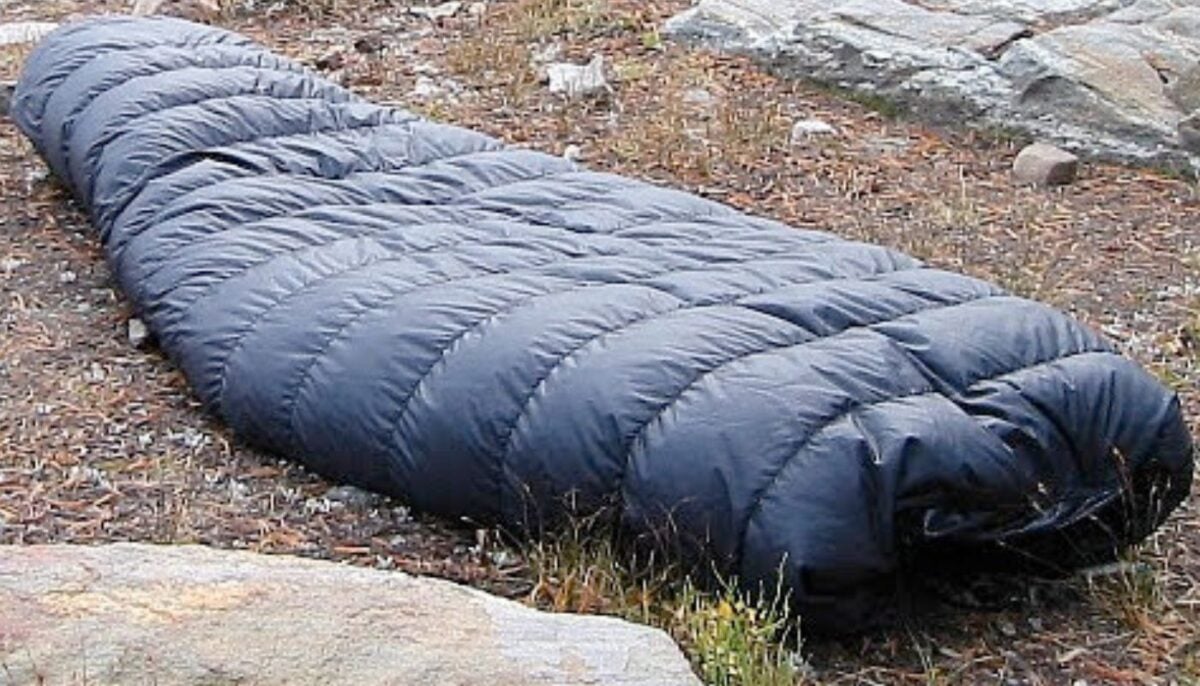
Recovery isn’t passive. It’s a skill – and how you sit at camp might matter more than you think.
Show Notes:
What’s New at Backpacking Light?
Find information about all of our upcoming Member Q&A’s, Webinars, Live Courses, other live events, and more on our Events Calendar Page.
Chairs: Luxury or Performance
How do chairs affect our recovery and performance when participating in backcountry activities, and does the answer to this question indicate we should re-evaluate our traditional categorization of it as a “luxury item”? (Hint: The answer is yes).
Walking is often prescribed as a catch-all fix for mental and emotional distress. But when generic advice like “go for a walk” doesn’t work, it’s not your fault – it’s the prescription that failed. This essay explores a more intentional framework: topographic intervention. By aligning terrain with specific emotional states – like using uphill climbs to metabolize anxiety or forested trails to cradle grief – walking becomes more than movement. It becomes medicine. Discover how matching physiology, emotion, and landscape can unlock walking’s real power for healing.
“Walking is good for your emotional and mental health.” – says everyone now.
Psychologists, wellness writers, and public health pundits agree: walking is good for your mental health.
Sure, walking helps. But the reasons most people give for why it helps often miss the mark.
The prevailing narrative is shallow. Walking is framed as a kind of aerobic panacea – mild cardio with mental health side benefits. It’s accessible, it’s low-cost, and it’s non-threatening. But this simplification turns walking into a catch-all intervention with mediocre results when compared to conventional (and more intentional) therapies.
I hypothesize that how and where you walk may matter more than whether you walk at all.
Here’s the truth many are afraid to admit, but anyone who faces mental or emotional disruption knows all too well:
Sometimes therapy doesn’t work. Sometimes meds don’t work. Sometimes prayer doesn’t work. Sometimes journaling doesn’t work. And yes, sometimes walking doesn’t work.
Sometimes you walk and come back just as anxious, stuck, or emotionally flat as before. It’s not your fault. The intervention failed – not because walking isn’t powerful, but because it might have been misapplied.
The Problem With Generic Prescriptions
“Go for a walk” is advice that lacks therapeutic specificity.
It doesn’t account for terrain.
It doesn’t account for nervous system state.
It doesn’t account for the sensory and attentional demands of the environment.
And it doesn’t account for what kind of emotional processing the body is physiologically capable of at that moment.
That’s where what I like to call topographic intervention begins. It’s a framework that treats walking not as generic movement, but as targeted therapeutic engagement with the land (and as the name implies, its topography). It draws on research in environmental psychology, embodied cognition, stress neurobiology, and trauma-informed somatic therapy.
Here’s how I use topographic intervention as a tool to manage my own anxiety, grief, indecision, and burnout.
Anxiety needs elevation and effort – why uphill terrain works.
Anxiety floods the system with sympathetic arousal – heart rate rises, breath shortens, the mind spins. But when you direct that activation into purposeful, rhythmic uphill effort, it creates a metabolically driven discharge.
Climbing increases ventilatory demand, enhancing CO₂ clearance and resetting the breath rate (in contrast to constrictive respiration that comes with anxiety). Uphill terrain also recruits large muscle groups, which accelerates cortisol metabolism and reduces hypothalamic-pituitary-adrenal (HPA) axis loading.
At the same time, sustained effort engages motor-planning areas in the prefrontal cortex, competing for cognitive bandwidth with intrusive, ruminative thought patterns.
For those of you who are entrepreneurs, anxiety can feel like the devil on your shoulder, reminding you of your inadequacy and fear. Take that devil for a walk to a higher elevation. I hear he’s not a fan of alpine cold.
This is the kind of effort that kicks anxiety to the curb.
Grief isn’t high-arousal – it’s heavy. A grieving human doesn’t need stimulation or motivation. They need containment.
Forested environments with dense canopy, diffuse light, and sound-dampening undergrowth reduce sensory load, which supports emotional co-regulation. Research on shinrin-yoku (forest bathing) shows that wooded terrain reduces cortisol, activates parasympathetic tone, and increases heart rate variability (HRV) – a key biomarker of emotional resilience. And emotional resilience is what allows you to be adaptive (instead of stagnant) when it comes to moving through grief.
Forests also lower prefrontal cortex activation, creating a quieter internal landscape where emotion can emerge without overwhelm.
More than 20 years ago, when we lost our daughter, I mistakenly thought that an alpine climb would be good for me. I returned from that trip worse for wear, exhausted and spent from having diverted my energy away from grieving and toward the high-intensity decision-making of climbing. I came back where I left off, facing the grief again, but with fewer reserves available to process it.
Sometimes, I just want to be told where to go. I don’t want to use a map, or a compass, or a phone. I don’t want to choose between two routes to the same place. I don’t want to read trail signs or check the weather or make layering decisions or wade rivers or worry about ticks. Sometimes, I just want to walk.
Indecision needs complexity and ambiguity – why loop trails, rock gardens, and forked paths work.
Decision paralysis often coexists with a narrowed attentional field and low behavioral activation. Nonlinear terrain – paths with choices, loops, or route uncertainty – creates a safe, embodied space to practice micro-decisions without high-stakes consequences.
This taps into findings from embodied cognition, which show that movement through space enhances mental flexibility and abstract reasoning.
In addition, encountering unexpected forks or obstacles recruits the dorsolateral prefrontal cortex – a region responsible for planning and behavioral inhibition – thereby activating (and training) the very function that indecision tends to impair.
When I’m faced with an overwhelmingly complex decision that requires too much data to process, or simply just facing writer’s block, I like a deep forest bushwhack. It requires me to use my map and compass, and gaze ahead to pick the best route to avoid thrashing. Lots of little decisions in the backcountry help me reset so I can focus on the most important information when I get back home.
On a recent trip, I ran out of water and stove fuel – and every lake and stream around me was frozen, still trapped in winter’s grip. My only option? A map-and-compass-and-snowshoe adventure far off-trail in search of a spring.
Burnout needs rhythm and return – why water trails and predictable paths work.
Burnout is the end state of prolonged sympathetic activation without recovery, characterized by mental fatigue, emotional numbness, and disengagement.
Water-adjacent terrain offers rhythmic sound, cooler microclimates, and predictable visual motion (e.g., ripples, current, flow). These features promote alpha wave activity and neural entrainment, which is linked to improved mood and lower cognitive fatigue.
Walking along familiar, looped, or return-path terrain adds cognitive relief: no route-planning, no uncertainty. This reduces mental load and allows for emotional re-entry.
This is the most common type of walk I take. Running a business is chaotic, and it’s overstimulating on so many levels. Sometimes, you just need to shut everything down and move – listen to the water, the birds, the wind, and the familiar patter of your footsteps. Over and over and over again.
The simple act of sleeping in a tent and making morning coffee – it’s the type of backcountry ritual that I crave for its predictability, simplicity, and rhythm.
So go ahead, walk, but walk with more intention – don’t disconnect the act of walking from the body’s needs and the land’s potential.
Topographic intervention reframes walking as a therapeutic system of terrain-emotion matching, guided by physiology, psychology, and ecology. It treats the land as a tool, not a backdrop. And it reminds us that healing doesn’t always begin in the head.
It often begins underfoot.
So go ahead and walk, but walk a more intentional path that better integrates your body, brain, and the land, for better returns on investment for your mental and emotional health.
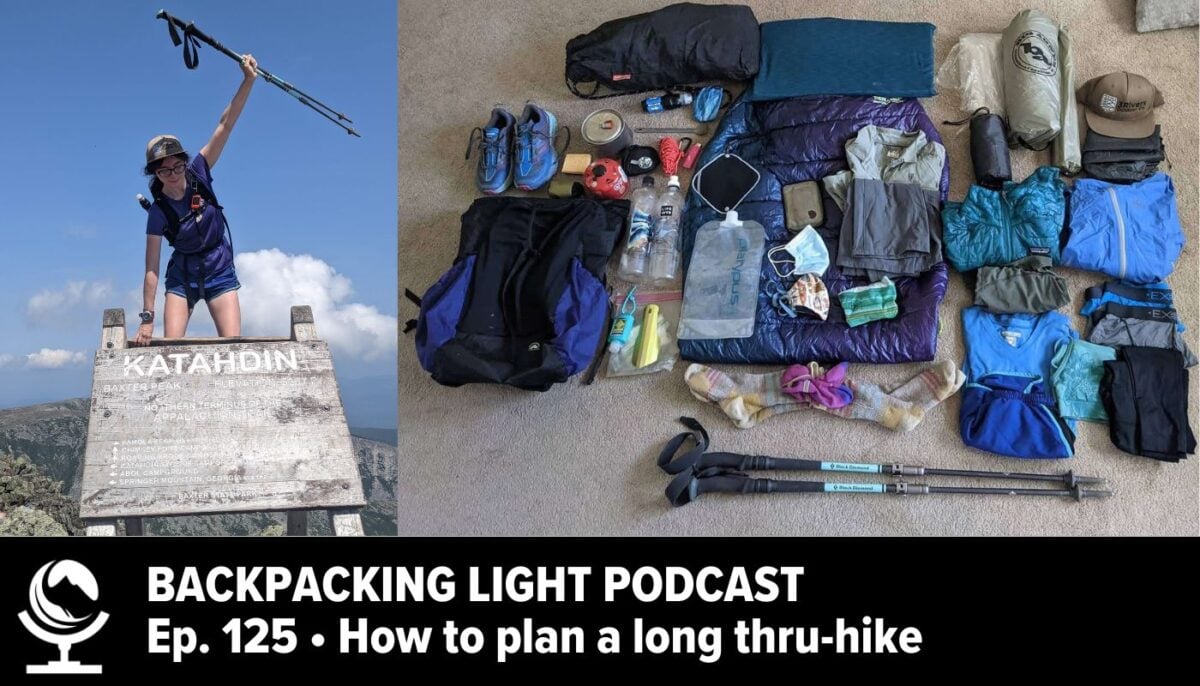
Learn how to thru-hike successfully with expert advice from Nikki’s Appalachian Trail journey. Discover essential strategies for planning, training, gear, nutrition, and mental wellness to make your long-distance hike enjoyable and achievable.
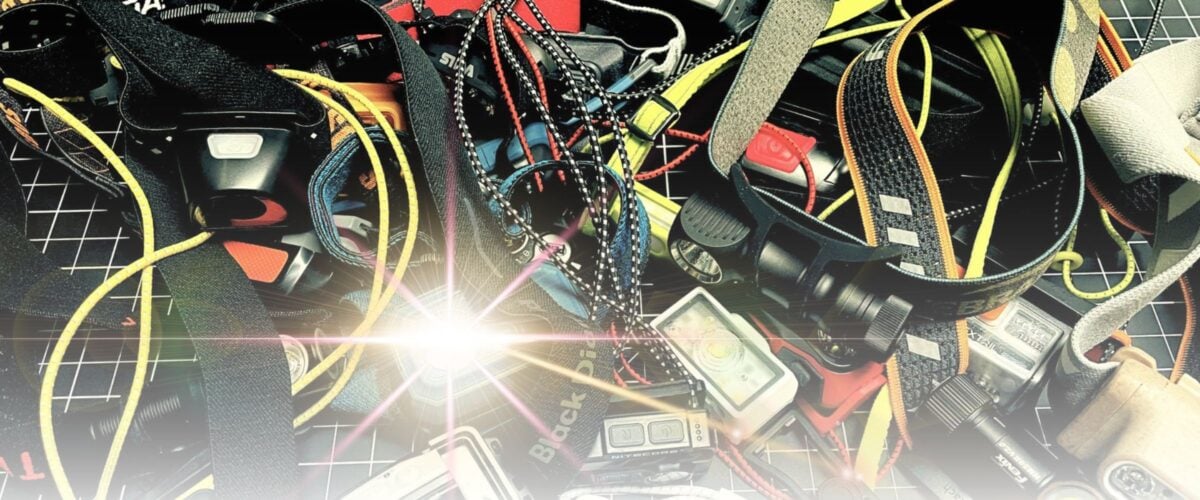
Comprehensive guide to backcountry lighting technology and products. Learn about headlamps, lumens, battery types, and the best models for hiking and camping.
A technical analysis of material and manufacturing innovations in ultralight backpack design, with a case study of the Arc’teryx Alpha SL 30. This report examines fusion bonding, molecularly bonded UHMWPE laminates, and the engineering tradeoffs shaping the next generation of ultralight packs.
Trust Disclosures
Funding Disclosure:Arc’teryx provided financial support and product samples to underwrite the development of this report.
Editorial Independence: Backpacking Light and the author retained full editorial control over this content, including all ideation, research, analysis and conclusions with no influence from Arc’teryx.
Affiliate Links: This article contains affiliate links to Arc’teryx.
Backpacking Light does not accept financial compensation for product placements in editorial reviews. When we accept funding to underwrite non-review technical reporting or education, we fully disclose funding sources, retain full editorial control, and develop the content without brand influence, review, or approval. We do not accept financial compensation for brand-directed (sponsored) “advertorial” content. Learn more about Backpacking Light Trust Standards.
I. Introduction: The Role of Material and Manufacturing Innovation in Ultralight Backpack Design
Ultralight backpack design balances weight with material durability, load-bearing structural integrity, and user-accessible functionality. Stripping away weight without compromising the performance a backpack needs to survive harsh alpine environments or the rigors of long-distance travel is no small engineering feat. We explored these ideas during Trail Days Online 2025 in pack designer Pete Hill’s presentation, Punching the Paper Bag: Evolving the Ultralight Backpack Vernacular.
For decades, this challenge has driven steady progress. We’ve seen fabrics evolve from basic nylons to high-tenacity weaves like Robic, and eventually to composite laminates such as Dyneema Composite Fabrics. Each step forward reduced weight while pushing the limits of what backpack fabrics could endure. But material advancements only tell part of the story. A fabric’s potential is limited by how it’s assembled – whether stitched, taped, bonded, or fused – and those manufacturing methods have evolved alongside the materials themselves.
In ultralight pack design today, material science and manufacturing innovation are inseparable. A stronger fabric demands construction techniques capable of handling its unique properties. And new construction methods, in turn, open the door to materials that previously couldn’t be used in a functional backpack. This interdependence is shaping the future of ultralight pack engineering.
In this article, I take a technical look at some of the recent advances in ultralight pack materials and construction. As a case study, I’ll explore the Arc’teryx Alpha SL 30, a 30-liter alpine climbing pack built with Aluula Graflyte – a molecular-bonded UHMWPE laminate – and manufactured using a proprietary fusion process. By examining this pack’s design, materials, and assembly within the broader landscape of material and manufacturing innovation, we’ll discover the engineering trade-offs, benefits, and limitations that come with pushing the boundaries of pack design at the limits of ultralight.
Arc’teryx Alpha SL 30 in Rocky Mountain National Park.
Table of Contents • Note: if this is a members-only article, some sections may only be available to Premium or Unlimited Members.
II. Advances in Ultralight Backpack Materials: A Comparative Review
Comparative Properties of Modern Ultralight Pack Fabrics
The technical performance of an ultralight backpack is inextricably tied to the properties of the fabric used in its construction. Historically, pack fabrics evolved from high-denier woven nylons toward lighter, stronger alternatives as material science advanced. Over the past 20 years, the development of laminates and composites incorporating ultra-high-molecular-weight polyethylene (UHMWPE) has significantly expanded the design space for ultralight packs, enabling improvements in tensile strength, tear resistance, and water resistance at reduced weights.
Today, four fabrics represent the dominant paradigms in ultralight backpack material engineering: high-tenacity nylon (e.g., Robic), nonwoven UHMWPE (e.g., Dyneema Composite Fabrics), woven UHMWPE face laminates (e.g., Challenge Ultra), and molecularly-bonded UHMWPE laminates (e.g., Aluula Graflyte). Each reflects a distinct approach in both material composition and structural engineering.
Microphotographs of backpack fabrics (190X).
1. High-Tenacity Woven Nylon
Robic is one of the better-known high-tenacity woven nylon fabrics used in ultralight backpacks. Robic fabrics are constructed from high-tenacity nylon yarns woven in a plain or ripstop pattern. The strength of Robic derives from the inherent tensile properties of the nylon polymer, the denier of the yarns, the density of the weave, and reinforcement patterns like ripstop grids.
Robic fabrics are typically coated with polyurethane (PU) or thermoplastic polyurethane (TPU) on the interior to provide water resistance, and finished with a durable water repellent (DWR) on the exterior to mitigate surface wetting. However, the coatings are susceptible to degradation from hydrolysis and ultraviolet (UV) exposure over time, resulting in diminished water resistance and fabric integrity in long-term use.
Robic’s woven construction offers relatively high abrasion resistance compared to nonwoven composites, particularly in sliding abrasion contexts. However, tear resistance is inherently limited by the nylon’s molecular structure and the woven architecture, requiring reinforcement grids to inhibit tear propagation.
2. Nonwoven UHMWPE
Dyneema Composite Fabrics (formerly known as Cuben Fiber) are constructed by sandwiching a grid of UHMWPE fibers between thin polyester (PET) film layers. The UHMWPE fibers provide tensile and tear strength, while the PET films contribute structural cohesion, waterproofness, and puncture resistance.
DCF is inherently nonwoven; the primary load path follows the fiber grid orientation, resulting in anisotropic strength characteristics – higher strength along fiber axes, lower strength off-axis. The laminated films protect the fibers but are prone to abrasion, creasing damage, plasticity puckering, and eventual delamination at stress points or fold lines.
Tear propagation resistance is generally good due to the UHMWPE fibers, but if the fiber grid is compromised, tears can rapidly propagate along film interfaces. Seam construction with DCF often avoids stitching to minimize film perforation, instead using pressure-sensitive adhesive (PSA) bonding and tape for assembly.
Nonwoven UHMWPE fabrics are used primarily in the manufacture of shelters, although heavier variants are used in cottage-industry ultralight backpacks, for the purpose of saving weight (and the expense of long-term durability). In some hybrid approaches, plain-weave polyester is laminated to a DCF matrix to improve tensile stabilization, puncture, and abrasion resistance. Even higher strength can be achieved (at the expense of extremely high cost) by replacing woven polyester with woven UHMWPE (discussed next).
3. Woven UHMWPE Face Laminates
Challenge Ultra represents a hybrid material approach: it combines a woven UHMWPE face fabric laminated to a PET film backing layer (“Ultraweave”). This construction improves abrasion resistance over nonwoven laminates by exposing a woven UHMWPE layer as the exterior surface, leveraging UHMWPE’s high abrasion resistance and cut resistance at the yarn level.
Unlike nonwoven UHMWPE, which relies solely on a laid grid of fibers, Ultra’s woven face provides a more isotropic strength profile and improved resistance to delamination from surface abrasion. The PET film contributes water resistance and structural stiffness to the laminate.
Tear resistance is enhanced by both the inherent strength of UHMWPE yarns and the woven reinforcement, reducing the likelihood of catastrophic tear propagation even if yarns are severed.
4. Molecularly Bonded UHMWPE Laminate
Aluula Graflyte represents a newer material category utilizing molecular bonding techniques rather than adhesive laminations. The fabric consists of multiple UHMWPE-based polymer film layers fused at the molecular level, creating a laminate structure with significantly higher interlaminar peel strength than adhesive-based composites.
Where traditional laminates rely on an adhesive layer to hold fibers and films together, Aluula Graflyte bonds its layers at the molecular level, effectively fusing them into a continuous material. This eliminates a known weak point in adhesive laminates – the glue interface – resulting in higher peel strength and less risk of delamination under flex and abrasion.
Table 1. Adhesive lamination vs. molecular bonding.
Feature
Adhesive Lamination
Molecular Bonding
Bond agent
Separate adhesive layer
No adhesive; direct polymer bond
Interface mechanism
Mechanical + limited chemical adhesion
Polymer chain interdiffusion
Peel strength
Limited by adhesive properties
Significantly higher (no glue layer to fail)
Delamination risk
Higher (adhesive failure possible)
Lower (molecular interface stronger)
Repair compatibility
Compatible with adhesives/tapes
Requires proprietary bonding
Manufacturing complexity
Well-established industrial process
Proprietary, specialized equipment
This molecular bonding process is proprietary, producing a composite material reportedly achieving higher tensile strength, tear resistance, and abrasion durability per unit weight compared to traditional laminates. Aluula Graflyte is a 3-layer laminate that claims increased flexibility, puncture resistance, and reduced seam failure due to the elimination of adhesive delamination interfaces.
Comparative Summary
Each of these materials reflects a distinct engineering approach to resolving the competing demands of strength, tear resistance, abrasion durability, water resistance, and weight efficiency in ultralight pack design. The following table summarizes key mechanical properties reported by manufacturers and independent lab testing where available.
Table 2. Comparative summary of modern backpack fabrics.
Property
Robic (High-Tenacity Nylon)
Dyneema Composite Fabrics (DCF)
Challenge Ultra
Aluula Graflyte
Material Type
Woven nylon 6 or 6,6
UHMWPE fiber grid laminated in PET film
Woven UHMWPE face laminated to PET film
Molecularly bonded UHMWPE laminate
Fabric Construction
Woven with ripstop reinforcement
Nonwoven grid sandwiched in adhesive laminate
Woven UHMWPE laminated to backing film
Multi-layer polymer fusion without adhesive
Weight (g/m²), typ.
150–200
99
132
78–110
Tensile Strength (warp/fill)
~1200 N / ~1000 N
~3200 N / ~2500 N
~3600 N / ~3100 N
~4000+ N (est.)
Tear Strength
~50–70 N
~90–120 N
~160–190 N
~180–220 N (est.)
Abrasion Resistance (Martindale)
~500–700 cycles
~200–300 cycles
~800–1000 cycles
~1200–1500 cycles (est.)
Water Resistance
Moderate
Very High
High
Very high
UV Resistance
Moderate
High
Very high
Very high
Seam Construction Compatibility
Sewn + heat seam tape
Sewing ok but must be accompanied by PSA tape or bonded seams
Sewn + heat seam tape
Fusion bonding
Delamination Risk
None (no laminate) but coatings hydrolyze after use
Moderate (adhesive layer failure possible)
Low (improved adhesive bonding)
Very low (molecular bond)
Repairability
Easy to sew, re-tape
Patchable with adhesive patches or PSA
Patchable with seam tape/adhesive
Requires proprietary patch/bond system
Flex Fatigue Resistance
Excellent
Moderate
Good
Excellent
Surface Abrasion Vulnerability
Good
Fair (PET film exposure)
Very good (woven UHMWPE face)
Excellent (polymer composite face)
The differences in material properties carry direct implications for seam construction methods, repairability, and long-term durability in field conditions. Some fabrics constrain designers to adhesive bonding or require specialized seam treatments; others enable conventional stitching at the cost of water ingress or structural weakening over time.
III. Innovations in Manufacturing and Construction Techniques
From Sewing to Molecular Bonding: The Evolution of Seam Construction
Advances in ultralight backpack design have not been driven by material science alone. As fabrics have evolved – incorporating higher-strength fibers, laminates, and composites – so too have the manufacturing techniques required to assemble them into functional load-bearing structures. The properties of emerging fabrics, especially those utilizing ultrahigh molecular weight polyethylene (UHMWPE), have challenged traditional construction methods, pushing the industry toward new approaches in seam engineering.
For decades, sewing was the default method for joining backpack panels. Stitching remains compatible with most woven fabrics, including high-tenacity nylons like Robic, where the needle perforations do not significantly compromise the material’s integrity. Sewn seams are easy to produce, highly repairable in the field, and compatible with conventional seam tapes when coatings are present to facilitate adhesion. However, stitching inherently introduces vulnerability in laminated or composite fabrics: every needle hole creates a potential failure point for water ingress and mechanical stress concentration.
To address these limitations, seam taping became widely adopted alongside adhesive lamination techniques. Taped seams provide a barrier to moisture penetration and reduce the exposure of underlying adhesive layers to environmental degradation. Adhesive bonding (using pressure-sensitive adhesives or heat-activated films) allows for stitch-free construction in fabrics like Dyneema Composite Fabrics (DCF), avoiding perforation of the laminate films. However, adhesive bonds depend on the strength of the adhesive layer and its adhesion to low-surface-energy polymers like UHMWPE – an inherently challenging interface. Over time, adhesive bonds are susceptible to peel failure, especially under repeated flexing or high peel stresses at curved or load-bearing seams. Manufacturers address this most commonly by combining both conventional stitching and seam taping. We explored seam construction in our interviews with backpack and shelter manufacturers in an episode of the Backpacking Light Podcast.
Recent innovations have introduced molecular bonding as an alternative to adhesive lamination. In this process, polymer layers are fused at the molecular level without a separate adhesive layer, creating a continuous bond between laminates. Molecular bonding increases interlayer peel strength and mitigates delamination risk associated with adhesive failure. This approach also eliminates the need for seam tapes because the fused interface acts as an integral structural element. However, molecular bonding requires proprietary manufacturing equipment, specialized bonding conditions, and limits options for in-field repair or modification.
Each construction method carries distinct implications for seam strength, weight, waterproofness, and maintainability:
Sewn seams offer field reparability and simplicity but introduce perforation-based vulnerabilities in laminate fabrics.
Taped seams reduce water ingress risk but add weight, bulk, and dependency on coating durability.
Adhesive bonding eliminates perforations but relies on adhesive longevity and compatibility with low-energy polymers.
Molecular bonding increases peel strength and structural continuity but requires specialized production methods and limits repair options to manufacturer-controlled systems.
The trajectory from stitching to taping, bonding, and now molecular fusion reflects a broader shift in ultralight pack design: the move toward integrating material and construction innovation into a unified engineering solution. As fabrics become more specialized, the construction methods to assemble them will evolve in parallel, with some moving beyond techniques accessible to small manufacturers or field-based repairs.
Microphotographs of seam joins in backpacks (150X).
When examining the failures of heat- or adhesive-taped seams more closely, two primary modes of failure are apparent. First, inadequate bonding of the seam edge to the main fabric creates an intrusion point for water and dirt, resulting in glue degradation and eventual tape peeling. Second, repeated mechanical action creates cyclic fatigue of tape glues, resulting in tape delamination. With fusion-bonded seams, there is no distinct edge (see photo above), and molecular bonding (fusion) between the tape and the fabric creates no intrusion points for water or dirt. In addition, fusion-bonded seams don’t seem to be subject to mechanical failure – there are no glues to become brittle or fatigued.
IV. Load Carriage
Load carriage remains one of the most significant engineering challenges in ultralight backpack design. The goal is to transfer weight efficiently to the body while maintaining comfort, stability, and freedom of movement – all while minimizing pack weight. In ultralight design, this balance is difficult to achieve without sacrificing structural support or durability.
Frameless backpacks have long been a cornerstone of ultralight philosophy. By eliminating rigid frame elements, designers reduce weight, complexity, and manufacturing costs. In some contexts (e.g., alpine climbing and fastpacking), rigid frame elements can hinder freedom of movement, creating discomfort or energy loss for the user during sustained periods of high-exertion activities with large ranges of body motion.
In a frameless pack, the structure depends largely on the stiffness of the pack’s fabrics, back panel padding, and the user’s ability to pack contents strategically to create internal rigidity. The pack effectively becomes a soft shell, relying on the contents to form a load-bearing shape.
While frameless designs excel under light loads, they exhibit several inherent limitations as load weight increases. Without a rigid frame, the pack’s ability to transfer weight to the hips is significantly reduced, placing greater load on the shoulders and upper back. The absence of a supportive internal structure also leads to deformation of the pack body under heavier or awkward loads, reducing load stability and increasing user fatigue over time.
Field observations consistently indicate that frameless packs perform optimally when carrying less than 15 pounds (approximately 7 kilograms). Beyond this threshold, users frequently report shoulder discomfort, poor weight distribution, and a lack of load control – particularly during dynamic movement, steep climbs, or uneven terrain. In technical environments, frameless packs may also compromise balance by allowing the load to shift or collapse unpredictably.
Frameless designs are further limited by their dependence on user packing skill to achieve structural performance. Poorly organized contents, underfilled packs, or irregularly shaped loads can undermine the stiffness needed to maintain shape and load transfer. This introduces a user burden: the pack’s structural integrity is conditional on the user’s ability to pack it properly.
From a durability standpoint, frameless packs often face higher stress concentrations at the shoulder strap anchors and hipbelt attachments because these interfaces must bear greater load without the load-distributing benefit of a rigid frame. This increases the risk of seam fatigue, fabric stretch, and failure at high-load attachment points over time.
To address these limitations, some ultralight pack designs incorporate minimalist structural elements – thin framesheets, flexible stays, or removable rods – that provide targeted load support without significantly increasing pack weight. These semi-rigid systems aim to improve load transfer while preserving the flexibility and low weight advantages of frameless designs.
Innovative framesheet integration systems go further by embedding load-bearing structure directly into the pack’s fabric layers or back panel. By using lightweight composite laminates, thermoformed polymers, or fused structural elements, designers can achieve localized stiffness in critical areas while maintaining overall flexibility and minimizing added weight. Materials such as laminated UHMWPE sheets or polymer composites allow designers to reinforce the pack where necessary without requiring a full internal frame.
Ultimately, the design of ultralight backpacks involves navigating a complex set of tradeoffs. Frameless packs provide unmatched weight savings and body-conforming simplicity but are constrained by inherent structural limitations at higher loads. Innovations in framesheet integration represent an effort to extend the load-carrying envelope of ultralight packs, blurring the boundary between soft-shell and framed designs through materials and construction methods that embed structure within the fabric itself.
V. Usability Considerations in Ultralight Backpack Design
While weight, structural integrity, and material durability are primary engineering drivers in ultralight backpack design, usability represents an equally critical axis of performance. Usability encompasses the practical experience of carrying, packing, accessing, and interacting with a pack across varied environments and use cases. Design decisions aimed at reducing weight often introduce compromises in features that directly affect usability, requiring careful evaluation of tradeoffs.
Frameless ultralight packs often prioritize simplicity and minimalism over organizational complexity. Many designs eliminate internal compartments, external pockets, zippers, and compression systems in favor of a streamlined main body and drawcord closure. This reductionist approach reduces potential failure points, simplifies construction, and lowers weight, but can limit functional versatility and convenience in the field.
For example, the absence of a top lid or external pocket system constrains options for segregating quick-access items like maps, snacks, or gloves. Similarly, roll-top closures, while effective at reducing water ingress and providing variable volume control, may reduce accessibility compared to traditional lid-and-buckle systems, particularly when frequent access to contents is required throughout the day.
Load stability also plays a role in usability. Without compression straps or rigid load transfer structures, frameless packs may shift or sag under partial loads, affecting balance and wearer confidence in technical terrain. The reliance on user packing skill to create internal structural stability introduces variability in performance; a poorly packed frameless pack may deform or collapse in ways that interfere with efficient movement.
Adjustability is another dimension of usability impacted by ultralight design constraints. Frameless packs frequently omit features such as load lifter straps, adjustable torso lengths, or multi-layer suspension systems in favor of fixed harness configurations. While this simplicity reduces mechanical complexity and weight, it limits fit adaptability across users and may reduce comfort under varying load conditions.
Material selection also influences usability in subtle but meaningful ways. Laminated fabrics such as Dyneema Composite Fabrics resist water absorption and provide excellent weather resistance, but can be noisier, stiffer, and less pliable than traditional woven fabrics. Stiffer laminates may resist conforming to irregularly shaped loads or user body contours, and may amplify crinkling or “plastic-like” handling characteristics in the field (especially in extreme cold). Conversely, woven UHMWPE face laminates offer greater tactile softness and flexibility at the expense of slightly higher weight.
Ultimately, usability in ultralight pack design cannot be decoupled from material and construction decisions. Every design element – whether an omitted pocket, a laminated fabric, or a bonded seam – represents a tradeoff between weight, function, and user interaction. As designers integrate novel materials and manufacturing methods, maintaining usability requires a systems-level approach that considers not just weight savings, but how the user experiences the pack in dynamic, real-world conditions.
VI. Pack Access Strategies and Cold-Weather Usability
Accessing the contents of a backpack may appear a simple interaction under ideal conditions, but in cold environments – where users may wear gloves or mittens and experience reduced fine motor dexterity – pack access becomes a critical element of overall usability and safety. The design of closures, zippers, buckles, and pocket configurations directly influences how easily and efficiently a user can retrieve gear, especially when time, mobility, and temperature management are at a premium.
Ultralight pack designs often prioritize minimalist closure systems to reduce weight and mechanical complexity. Common approaches include roll-top closures, cinch cords with cord locks, hook-and-loop tabs, or minimalist buckle systems. While effective at reducing weight and failure points, these systems may introduce challenges for users operating with impaired dexterity.
In cold environments, physiological responses such as vasoconstriction and reduced nerve conduction slow fine motor coordination, making small pulls, toggles, and cord locks more difficult to manipulate. Gloves and mittens further restrict tactile feedback and grip precision, amplifying the challenge of manipulating narrow webbing, low-profile buckles, or small zipper pulls.
Zipper-based access systems present their own challenges in cold environments. Ice accumulation, frozen sliders, and reduced mechanical advantage in stiff fabrics can compromise zipper function. Conversely, roll-top designs avoid these failure modes but introduce a different interaction challenge: multiple roll layers must be unrolled and re-rolled, often requiring bimanual operation and precise alignment to reseal effectively.
Hook-and-loop closures may offer ease of use without requiring precise finger control but are susceptible to contamination with snow, ice, or debris, reducing closure reliability over time. Minimalist G-hooks and tension hooks, while ultralight and mechanically simple, can be especially difficult to manipulate with gloves, as they rely on rotational alignment and insertion of narrow webbing slots.
In the context of ultralight pack design, these factors introduce a tradeoff between closure simplicity and cold-weather operability. Features that minimize weight and complexity under warm, dry conditions may impair functionality or safety when used in gloved alpine environments. The omission of top lids, external pockets, or zippered compartments reduces opportunities for segregated storage of essential items that need to remain accessible without unpacking the main body.
Designers addressing cold-weather usability may consider the integration of enlarged zipper pulls, glove-compatible buckles, oversized toggle systems, or redundant access pathways to mitigate dexterity constraints. Similarly, structural choices – such as the inclusion of stiffened closure flaps or tactile feedback zones – can improve access under low-dexterity conditions without significantly compromising weight.
Ultimately, pack access strategy in ultralight design must account not only for mechanical simplicity and material durability, but for the human factors introduced by environmental conditions and physiological limitations. The interaction between user, pack, and environment forms a complex design space in which usability is shaped as much by external constraints as by internal engineering.
VI. Case Study: The Arc’teryx Alpha SL 30
The Arc’teryx Alpha SL 30 offers a practical illustration of how recent advances in material science and manufacturing techniques are being applied in a commercial ultralight backpack design. By combining a molecularly bonded UHMWPE laminate with proprietary seam construction and integrated structural components, the Alpha SL 30 exemplifies the convergence of material and construction innovation into a unified design strategy. While this pack is tailored for alpine climbing objectives, its design reflects broader trends shaping ultralight pack engineering across categories.
In this case study, I describe the Alpha SL 30’s material, construction, and design characteristics within the context of the engineering tradeoffs inherent in ultralight pack design. While I’ve used the pack in the context of alpine climbing, fastpacking, and ultralight overnight backpacking, this is not an evaluative review. Instead, this discussion positions the Alpha SL 30 as a technical example of how material selection, manufacturing methods, and design priorities interact to address common challenges in weight reduction, durability, load carriage, and usability.
The Arc’teryx Alpha SL 30 features Aluula Graflyte fabric and fusion-bonded seams.
Material and Seam Construction
The Arc’teryx Alpha SL 30 provides a current example of the convergence of material and construction innovation in commercial ultralight pack production. The pack’s primary fabric, Aluula Graflyte, is a molecularly bonded UHMWPE laminate assembled using a proprietary fusion bonding process. According to Arc’teryx product documentation, this process joins fabric panels without stitching or traditional seam tape, eliminating perforations and adhesive layers at the seams.
Chris Hodgetts, Senior Director of Design at Arc’teryx, writes “The Aluula Graflyte fabric fuses ultralight, ultra-strong polymer films to create a single material with unrivaled tear strength … Using this material allowed us to develop an entirely new way of building the product. The intention with selecting [this fabric] was to create an ultralight composite material that could be bonded to itself reliably and durably with the same performance and dependability as the Alpha FL pack, but with significant weight savings.”
This fusion bonding technique offers several potential advantages. By removing the adhesive interface typical of laminated fabrics, the seam avoids one of the primary failure modes in adhesive laminates: delamination at the glue line. The absence of bulky binding tape and seam allowances further reduces weight and improves abrasion resistance by eliminating raised seam ridges that can catch on rock or ice.
However, this construction method introduces tradeoffs typical of molecularly bonded composites. The proprietary bonding process precludes conventional field repair methods; needle and thread, adhesive patches, and seam tapes are incompatible with the bonded interface. Arc’teryx addresses this limitation through its ReBIRD service platform, offering specialized repair services and providing proprietary patch kits for temporary field fixes. While these systems mitigate some repair challenges, they shift repairability from the user toward manufacturer-controlled solutions.
Load Carriage
The Alpha SL 30 integrates a thermoformed foam back panel within a minimalist alpine pack structure. This back panel serves as a semi-structural framesheet, bonded into the pack’s body fabric (specific bonding details for the back panel are not publicly disclosed). This integration allows the pack to achieve a balance between weight savings, less restricted mobility, and load-bearing support suitable for technical climbing applications.
Hodgetts says, “We leveraged the same construction in the original Alpha FL for the back panel as it offers great stiffness for load transferal at a very low weight, while still pliable enough to conform to the wearers’ back shape.”
A thermoformed high-density foam framesheet is bonded to the inside of the back panel fabric. The bonded assembly helps prevent torso collapse in response to load carriage.
By embedding the back panel into the pack’s construction, the design improves load transfer without the complexity, weight, or bulk of an internal frame. This approach reflects a broader trend in ultralight pack design: leveraging material and construction techniques to embed structural support directly into the pack body, blurring the distinction between fabric and frame. The result is a pack that retains the flexibility and low weight of frameless designs while modestly extending its load-carrying capacity for heavier climbing gear and alpine objectives.
The absence of a full suspension system or load-lifting hardware limits the Alpha SL 30’s load transfer to the shoulders under heavier loads. While the integrated back panel increases rigidity compared to frameless packs, it does not replicate the load-shifting benefits of a framed design with a functional hipbelt. As with other minimalist alpine packs, its optimal load-carrying range is constrained by this structural tradeoff. That said, the Alpha SL 30’s framesheet represents a functional advance in frameless pack load carriage, resisting structural collapse under heavy loads when the webbing hip belt is engaged. That structural collapse is mitigated because the framesheet is bonded to the face of the back panel fabric. This is a rare, and notable observation in the frameless pack genre.
To evaluate the effectiveness of the bonded framesheet/back panel fabric assembly of the Alpha SL 30, torso collapse was measured in response to increasing pack weights using protocols published previously, but adapted with modern instrumentation and test rigs. The Alpha SL 30 was compared to a similar pack from another manufacturer (the Control). Differences in the two packs are highlighted in the following table:
The following graph summarizes the results of torso collapse at pack weights of up to 37 pounds (17 kg).
Torso collapse is measured using a biomechanically representative human torso model.
As shown by the data, both packs respond similarly, with minimal torso collapse, up to a pack weight of about 18 pounds (8 kg). Beyond 24 pounds (11 kg), the Alpha SL 30 resists torso collapse materially better than the Control pack. By the time a pack weight of 37 pounds (17 kg) is reached, the Alpha SL 30 performs nearly 40% better than the Control pack. For users who routinely carry heavy, dense loads in small, frameless packs (e.g., technical alpine climbers), this increase in performance is worth noting.
Usability
In the context of technical climbing, the Alpha SL 30’s usability reflects a deliberate prioritization of weight savings and snag resistance over organizational complexity. The pack’s streamlined silhouette lacks a top lid, gear loops, and external pockets, reducing snag points on rock and minimizing potential abrasion zones.
The thermoformed back panel adds stiffness to the back surface, improving load stability while preserving close body contact for balance on steep or uneven terrain. However, the absence of external pockets or zippered compartments limits opportunities for segregated storage, requiring users to adopt an internal packing strategy that balances accessibility and stability.
When I asked Hodgetts about the pack’s minimalist aesthetic, he replied “The intention with the external minimalism of the Alpha SL 30 was for weight savings (without sacrificing durability) for athletes who are looking to travel farther, faster and more efficiently in the mountains. Despite the minimal appearance, the lash points are structural and offer a variety of options for external attachments, and we were able to sneak in a small external pocket.”
The pack’s clean exterior profile, aided by the elimination of binding tape and bulky seam allowances, improves abrasion resistance – a functional benefit in alpine climbing environments where packs are routinely dragged across rock, ice, and rough terrain. This usability advantage, however, comes at the cost of reduced flexibility for modular storage or field repair.
A common limitation in ultralight pack design is the reliance on small-format buckles and minimalist hardware to reduce weight and bulk. While these components achieve measurable gram savings, they often compromise usability, particularly under conditions of reduced dexterity such as gloved operation, cold-induced numbness, or fatigue. Tiny side-release buckles, low-profile tension hooks, and micro-sized hardware can be difficult to manipulate with insulated gloves or mittened hands, introducing delays or requiring glove removal in cold environments.
The Arc’teryx Alpha SL 30 addresses these usability constraints by incorporating hardware that can be operated with gloves or mittens, including levered ladder buckles and locking J-hooks that attach to stiffened cord loops for webbing strap attachments to the pack. These choices reflect a deliberate prioritization of alpine usability over absolute weight minimization, ensuring that the pack’s modular attachment and adjustment systems remain operable under technical and cold-weather conditions without sacrificing reliability or efficiency.
Levered ladder buckles and locking J-hook hardware can be engaged and disengaged while wearing mittens.
Closure and Cold-Weather Access
The Alpha SL 30’s closure system consists of a drawcord main compartment under an integrated lid cover. By eliminating zippers, the design reduces mechanical failure points that are common in freezing conditions – frozen sliders, ice-clogged coils, or moisture intrusion through zipper seams.
Normally, a drawcord closure introduces its own usability tradeoffs, particularly in cold environments. Manipulating a narrow cord lock or pulling a thin drawcord becomes increasingly difficult when wearing insulated gloves or expedition-weight mittens. While the closure remains operable with lighter gloves or bare hands, its dexterity demands under cold exposure may slow access or require glove removal, increasing risk of hand cooling in subfreezing conditions. The Arc’teryx Alpha SL 30 addresses this issue using an anchored cord lock, a closure grab loop, and more pliable drawcord tunnel fabric that makes it easy to operate with gloved or mittened hands without having to operate the cord lock with fingers.
This closure design reflects the recurring tradeoff in ultralight alpine packs: prioritizing mechanical simplicity, weight savings, and reduced failure modes over ease of access under dexterity constraints. For users operating in technical alpine environments, the closure system favors reliability under wet and frozen conditions, with the usability burden shifted toward pre-planning load access and minimizing mid-route pack interactions.
Interpreting the Arc’teryx Alpha SL 30 in the Context of Ultralight Pack Innovation
The integration of molecular-bonded laminates with proprietary seam fusion methods in the Arc’teryx Alpha SL 30 reflects a design trajectory that prioritizes material-process integration as a pathway to improving strength-to-weight ratios and reducing structural failure modes. By embedding both load-bearing and environmental-resistance functions directly into the material system, the Alpha SL 30 moves beyond traditional paradigms in which materials and construction methods are treated as separate design variables.
This approach signals a broader potential shift in ultralight pack design: one in which structural seams, load-bearing elements, and protective properties are consolidated into a single bonded material-construction interface. Such integration has clear engineering advantages – eliminating perforation-based failure points, reducing seam bulk and weight, and increasing peel strength at material joins. It also aligns with design objectives that prioritize durability without adding reinforcement materials or complexity to assembly.
However, this material-process integration introduces consequential tradeoffs. Proprietary bonding processes limit accessibility to third-party repairs, field modifications, and aftermarket customization. Repairability shifts away from user-executed solutions toward manufacturer-controlled platforms, such as Arc’teryx’s ReBIRD service program, raising questions about long-term maintenance logistics for end-users operating in remote environments.
Furthermore, the scalability of molecular bonding methods remains an open question. Specialized bonding equipment, strict processing requirements, and limited material supply chains may constrain adoption among smaller manufacturers or cottage industry producers who lack access to proprietary technologies. Without broader industry adoption or licensing, this type of construction may remain confined to premium product categories or specialized technical applications.
Finally, the long-term performance characteristics of molecular-bonded laminates in dynamic load-bearing environments have yet to be fully established through independent testing or published field studies. While early results and manufacturer-reported testing suggest promising durability, further research will be necessary to understand degradation pathways under UV exposure, cyclic flexing, abrasion, and chemical interaction over extended use cycles.
The Arc’teryx Alpha SL 30 thus functions not only as a product but as a case study in the implications of integrating material and construction innovation into ultralight pack engineering. Its design points toward a possible future in which fabrics and construction methods are inseparable, raising both technical opportunities and practical limitations for the next generation of ultralight backpacks.
The Arc'teryx Alpha SL 30 reflects modern advancements in ultralight pack materials and construction. Utilizing Aluula Graflyte, a UHMWPE-based composite material that fuses polymer films at the molecular level, the pack achieves high tear strength and durability while maintaining a minimal weight. Other unique features include a stiffened foam framesheet fused into the back panel for load-carrying stability and fused seams.
VII. Conclusion: Balancing Innovation with Practicality in Ultralight Pack Engineering
Material and manufacturing innovation remain central to the advancement of ultralight backpack design. The Arc’teryx Alpha SL 30 exemplifies this convergence, integrating novel materials and proprietary construction techniques to address longstanding challenges in strength-to-weight efficiency, seam durability, and structural simplicity.
As ultralight pack designers continue to experiment with molecular laminates, seam fusion technologies, and embedded structural elements, the field moves closer to achieving designs that reduce mechanical failure points and enhance performance under demanding conditions. At the same time, these innovations introduce important questions about repairability, accessibility, and the scalability of manufacturing processes beyond vertically integrated brands with proprietary supply chains.
Independent evaluation and long-term field testing will play an essential role in validating the performance claims of emerging materials and construction methods. Only through transparent, comparative data across different design approaches will the outdoor industry be able to assess the tradeoffs and practical implications of these innovations for end-users operating in diverse environments.
The Arc’teryx Alpha SL 30, as an instantiation of these technical advances, provides both a glimpse into future possibilities and a reminder of the inherent tensions between cutting-edge innovation and field-ready practicality. Balancing these priorities will continue to define the evolution of ultralight pack engineering in the years ahead.
Rocky Mountain National Park.
VIII. References
Research results, performance data, and material specifications reported in this article were consolidated from the following sources. Documents [3] and [4] were provided to me by Arc’teryx.
Aluula Composites Inc. (2023). ALUULA Graflyte Product Data Sheet. Aluula Composites. Retrieved from https://aluula.com/graflyte/
Arc’teryx Equipment Inc. (2025). Alpha SL 30 Backpack Product Education Handbook: Spring/Summer 2025 [Internal company document].
Arc’teryx Equipment Inc. (2025). Press Release: Arc’teryx Launches New Ultralight, Ultra-Durable Climbing Pack. Retrieved from https://blog.arcteryx.com/news/arcteryx-announces-partnership-with-aluula-composites/
DSM Dyneema. (n.d.). Dyneema Composite Fabrics Technical Data Sheets. DSM Dyneema. Retrieved from https://www.matweb.com/
Ripstop By The Roll. (2024). Material Specifications for Robic Nylon Fabrics. Ripstop By The Roll. Retrieved from e.g., https://ripstopbytheroll.com/products/420d-robic
ASTM International. (2017). ASTM D2261-13(2017): Standard Test Method for Tearing Strength of Fabrics by the Tongue (Single Rip) Procedure. ASTM International.
ASTM International. (2019). ASTM D4966-12(2019): Standard Test Method for Abrasion Resistance of Textile Fabrics (Martindale Abrasion Tester Method). ASTM International.
DSM Dyneema. (2016). Ultra-violet exposure of UHMWPE fiber from DSM Dyneema. Technical Bulletin.
IUPAC Technical Report. (2020). Structure, processing and performance of ultra-high molecular weight polyethylene (UHMWPE).
Chen, J., Li, X., Wang, Y., Zhang, L., & Zhou, M. (2024). Effect of Material and Structure of Ultra-High-Molecular-Weight Polyethylene Body Armor on Ballistic Limit Velocity: Numerical Simulation. Polymers, 16(21), Article 2985.
Shim, V.P.W.; Guo, Y.B.; Tan, V.B.C. Response of Woven and Laminated High-Strength Fabric to Oblique Impact. Int. J. Impact Eng. 2012, 48, 87–97.
Rockywoods Fabrics LLC. (2022). UltraGrid – 100% Recycled Nylon Grid Fabric with Double Ultra Ripstop. Retrieved from https://rockywoods.com/products/ultragrid
Arc’teryx Equipment Inc. (2025). Alpha SL 30 Backpack Product Page. Arc’teryx. Retrieved from https://arcteryx.com/ca/en/shop/alpha-sl-30-backpack
Updates & Corrections Log
2025/05/10 09:00 AM MDT – Original article published.
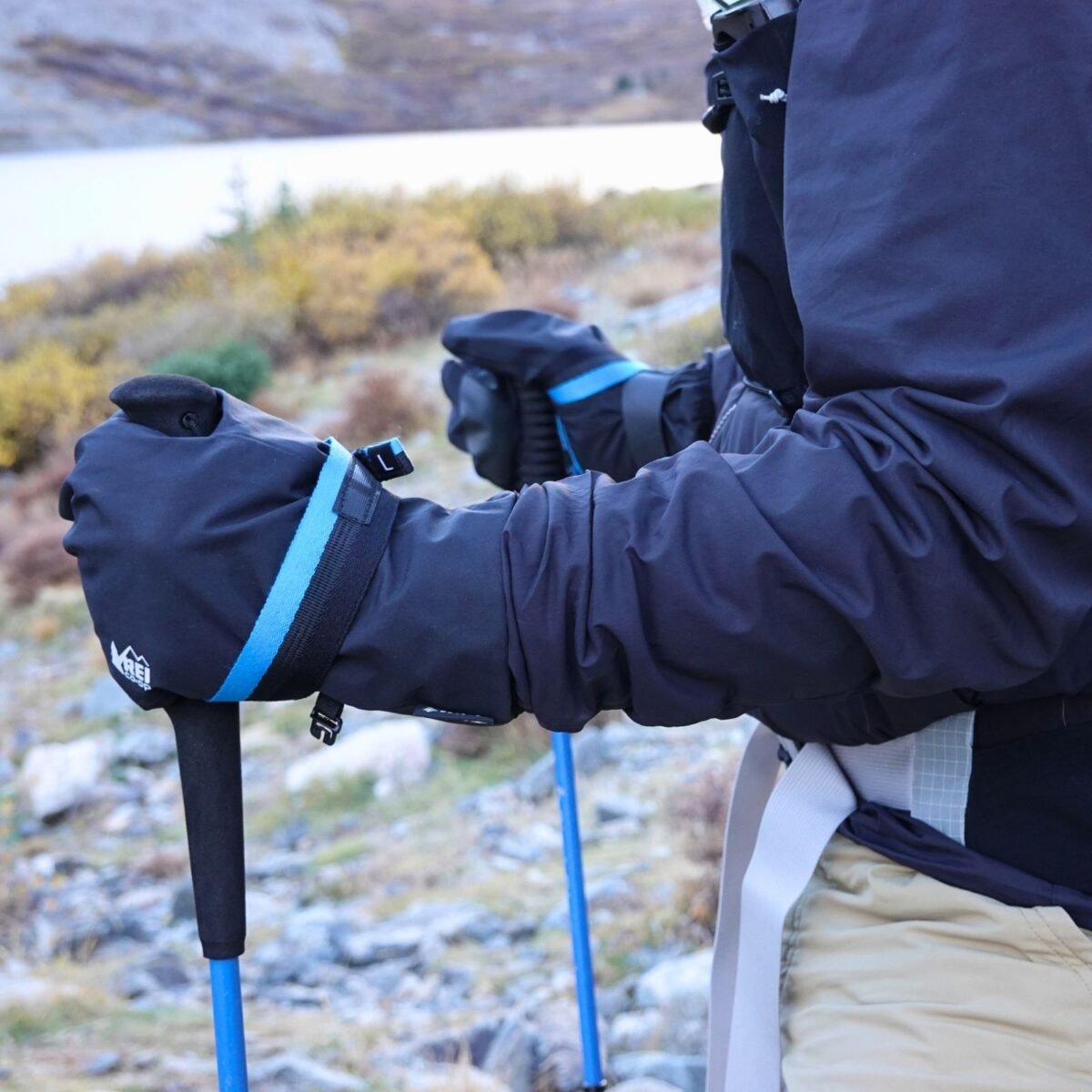
Learn how to build a lightweight, versatile handwear system for backpacking that protects your hands from sun, wind, rain, snow, and cold. This guide covers layering strategies, material science, field-tested tips, and real-world lessons to keep your hands functional and protected on the trail.
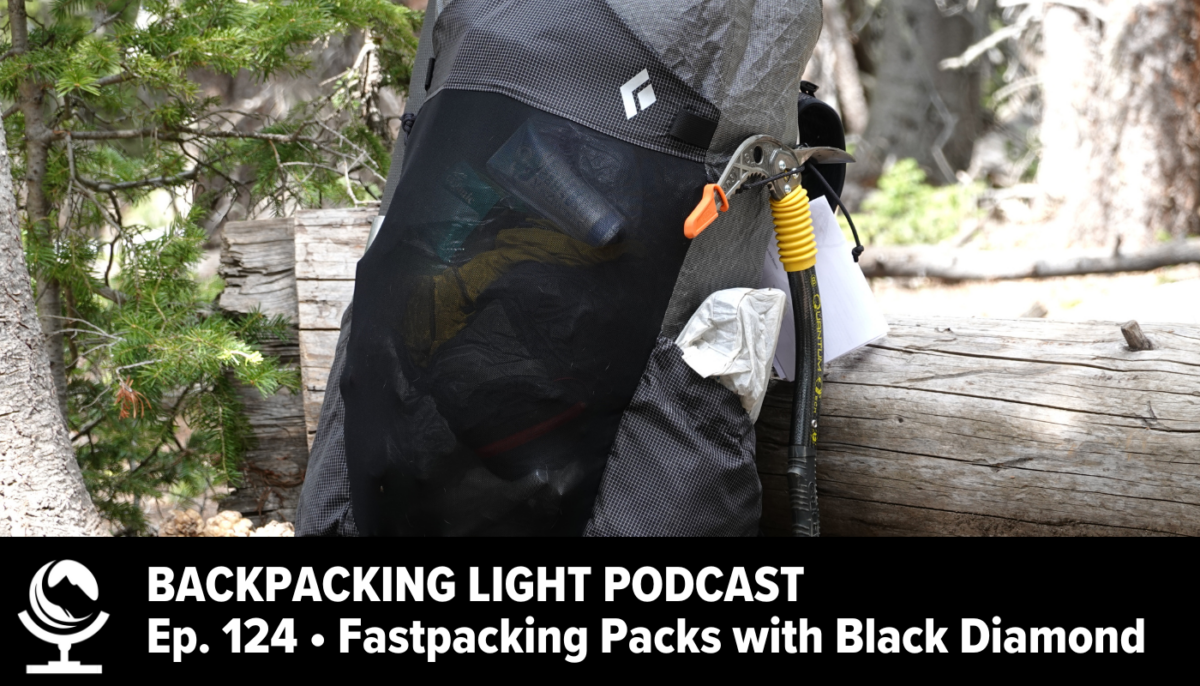
An in-depth discussion with Black Diamond’s Joe Grant and Derick Noffsinger on the design evolution of hybrid packs for fastpacking and mountain travel.
The Nylofume Pack Liner is a waterproof, odor-resistant nylon polymer bag weighing 0.91 oz (25.9 g). With a 52L capacity, it protects gear from moisture and odors. The clear material allows easy content visibility. It's designed for durability and can be trimmed to fit various pack sizes. Use two (inverted to each other) inside an Ursack or bear canister to hide your food from bears (by containing odors).
The Black Diamond Beta Light 45 (1 lb 15 oz / 890 g) features Ultra 200 fabric, a vest-style harness, internal frame, two side pockets, large stretch mesh back pocket, and storage in pockets and pouches on the hip belt and shoulder straps. Roll-top closure and over-the-top strap, cord compression secures gear on side panels and pack bottom.
The Black Diamond Beta Light 30 backpack features a lightweight yet durable Challenge Sailcloth Ultra 200 fabric, a roll-top closure with taped seams for weatherproofing, and a modular design with removable components like the hip belt and frame pad, while its running vest-inspired harness system enhances comfort and accessibility for fast-paced adventures.
Today’s conversation dives into the intersection of product design and real-world mountain performance. I’m joined by two guests from Black Diamond: Joe Grant, a multi-sport mountain athlete and fastpacking specialist who is an instrumental part of how Black Diamond’s Gear is tested and used in the field, and Derick Noffsinger, a senior product designer with more than a decade of experience bringing soft goods from concept to production.
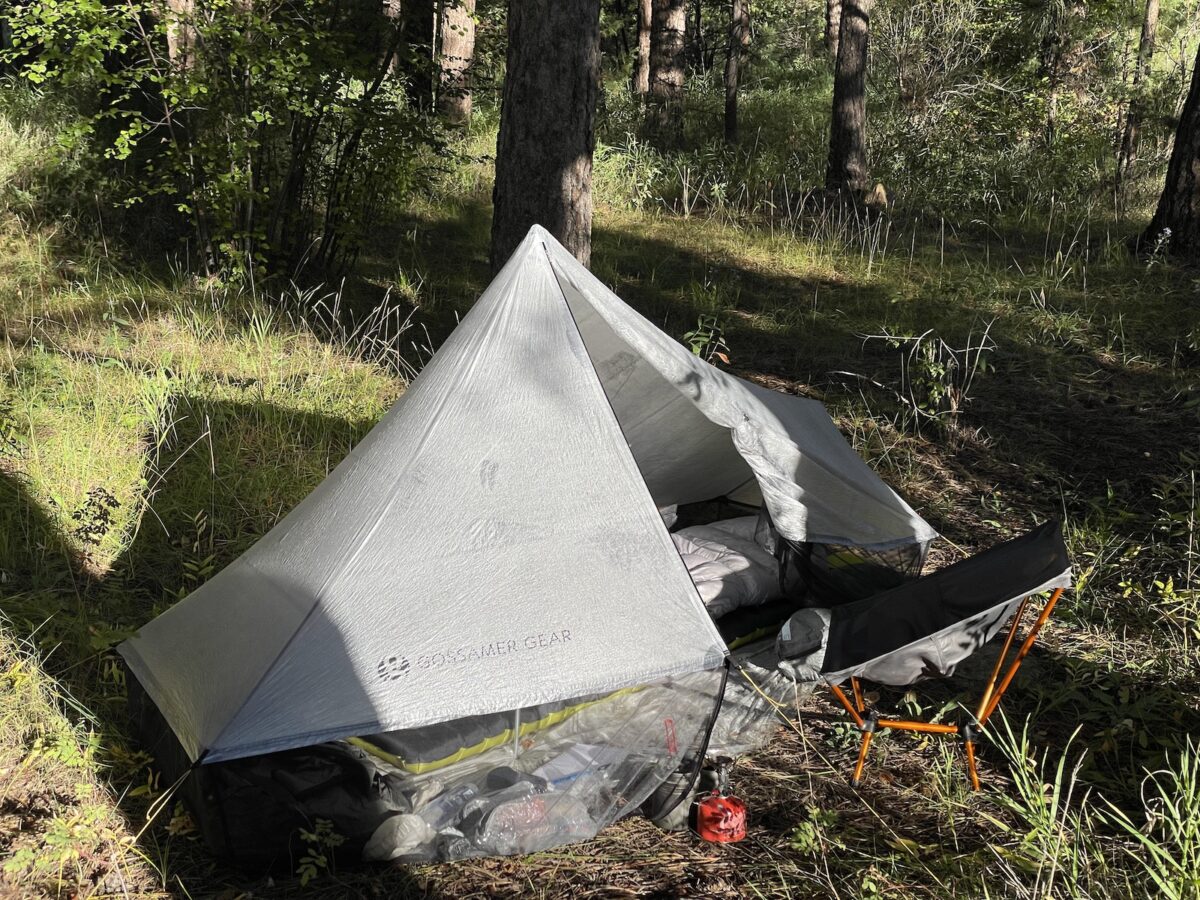
The Gossamer Gear Whisper is a 1-person, 2-pole, floorless full-perimeter shelter made with Dyneema Composite Fabrics. It includes an attached noseeum mesh netting skirt, is pitched with 7 stakes, and weighs 9.8 oz (280 g).
Trust Disclosures (Beta)
Gossamer Gear has provided financial compensation to Backpacking Light for event sponsorships. These agreements are not contingent on publishing product reviews or providing other types of editorial coverage.
The Gossamer Gear Whisper shelter and polycryo ground cloths featured in this review were purchased by Backpacking Light at MSRP. Gossamer Gear occasionally provides complimentary samples to Backpacking Light, but Backpacking Light has no obligation to review or mention them in any editorial coverage.
This review was produced with complete editorial independence and without any involvement from Gossamer Gear.
This article contains affiliate links to Gossamer Gear and other online merchants.
Backpacking Light does not accept financial compensation for product placements in editorial coverage, including reviews. Learn more about Backpacking Light Trust Standards.
Introduction
The Gossamer Gear Whisper is a 1-person, 2-pole, floorless full-perimeter shelter made with Dyneema Composite Fabrics. It includes an attached noseeum mesh netting skirt, is pitched with 7 stakes, and weighs 9.8 oz (280 g).
The Whisper’s most unique features include:
A full perimeter, floorless design that combines a noseeum mesh skirt with an aftermarket ground cloth creates a highly bug-resistant design.
A tall peak and large footprint makes it big enough for tall hikers and large sleeping pads.
A minimalist design that forgoes features found in other tents, such as magnetic door tie-backs, gear storage pockets, and interior mesh doors.
Geometry that provides more room in the sleeping area (to one side of the main pole).
Some flexibility in pitch height without disrupting the shelter geometry or tautness, allowing the user to pitch the shelter a little lower for some wind protection.
The Gossamer Gear DCF Whisper is an ultralight, floorless, side-entry shelter that weighs about 10 ounces. For its weight, it provides a high level of livability (interior floor space and livable volume), as well as full-perimeter insect netting that can be combined with an overlapping ground cloth for full bug protection.
The following video goes into detail about this style of shelter as well as specifics about the Gossamer Gear Whisper based on my initial experience with it in Roosevelt National Forest and Rocky Mountain National Park.
Long-Term Performance
This review was initially published Fall of 2023. The Gossamer Gear DCF Whisper has now seen about 15 nights of use across a range of demanding 3-season conditions, and its real-world behavior under pressure offers insight into its limitations – and strengths – as a minimalist shelter.
Conditions tested:
Overnight low temperatures down to 18 °F.
Winds gusting to about 30 mph.
Light snow loading (about 1.5 inches of overnight, low-density snowfall).
Heavy rain (including intense thunderstorms with high winds.
Peak mosquito season.
High-condensation risk environments (low temperatures, clear sky, no wind).
Cold Weather & Draft Protection:
At 18 °F, the Whisper’s large perimeter gap (8–12 inches at standard pitch) offered little resistance to drafts. While this is beneficial in warm, wet environments for ventilation, it significantly reduces comfort in cold or windy conditions. It’s difficult to achieve a low, draft-proof pitch without compromising interior livability, because the default pitch of the shelter is rather tall.
Wind Performance:
In 30 mph gusts, the Whisper showed limited stability. The lack of guyline tie-outs for pole stabilization makes it vulnerable to deformation under wind loading. Combined with large, unsupported DCF panels, the large shelter panels flap in even moderate winds of 10-15 mph.
Snow Loading:
With about 1.5 inches of low-density snow, the Whisper shed accumulation reasonably well, though sticky snow tends to cling to DCF surfaces. In heavier spring snowfall, the shelter’s shallow walls struggled to shed load effectively, and partial wall collapse was observed, especially along the back panels. There are no flat roof panels between the structural pole apexes – this helps. Snow loading didn’t impact the structure so much as livability.
Rain & Storms:
The shelter canopy remained watertight during heavy rainfall and thunderstorms. The integrated perimeter bug netting played a secondary role by reducing splashback – a problem often exacerbated in ultralight tarps without this design feature.
Bug Season Performance:
Paired with a full-coverage polycryo groundsheet that extended under the perimeter netting, the shelter provided good insect protection – aside from the usual stragglers entering through the door during entry and exit. The setup was effective for peak mosquito season – with user care and attention!
Condensation Management:
Despite the open perimeter, the Whisper behaves like a typical single-wall shelter in still, cold, clear conditions. Condensation was expectedly heavy (there is no peak venting on this shelter) but manageable, requiring routine vigilance in site selection, ventilation strategies (using the door and a higher pitch), and curtailing expectations.
Durability:
After 15 nights, there are no meaningful signs of wear. Seams remain tight, and stitching quality is high. Overall build quality is sound. I would be confident using it for extended treks, including multi-week thru-hikes.
Pitching & Usability:
The shelter is asymmetrical and somewhat finicky to pitch on uneven terrain. Fixed-length guylines exacerbate the complexity in rocky terrain.
Limitations
Floorless Design Challenges
The absence of an integrated floor requires users to carry a separate groundsheet, such as polycro or Tyvek. I don’t see that as a limitation of the Whisper. However, setting up and managing this groundsheet and its integration with the netted perimeter for bugproofing can be cumbersome, especially in wet or muddy conditions. Polycro tends to cling to itself and attract dirt and mud, and easily blows around in light winds. Some users recommend using Tyvek for easier handling, though it adds much more weight and negates some of the benefits of using an ultralight shelter like this.
Limited Weather Protection
The tent’s mesh skirt, while providing ventilation and bug protection, offers minimal defense against wind. However, it does provide somewhat of a barrier to wind-driven rain and splashback during heavy storms. In thunderstorms, while camped on dirt-packed (established) campsites, my mesh skirt became muddy from splashback. While camped in exposed and windy conditions, the mesh skirt would often blow free, negating any insect or perceived storm protection.
Setup Complexity
Achieving a taut and stable pitch requires precise placement of two trekking poles and seven stakes. The asymmetrical design and fixed height geometry make setup less intuitive, particularly for those unfamiliar with non-freestanding shelters. Users with experience pitching pyramid and hexagonal-style shelters may have an easier time pitching the Whisper on uneven ground surfaces, where variability in stake-out point elevations can skew shelter geometry. Beginners may need to invest some practice time – this asymmetrical design requires careful tension distribution along different length seams attached to the trekking pole apex points.
High Cost/Weight Ratio
Priced at $500, the Whisper costs $50 an ounce. By any standards, this is an expensive shelter, despite its design and manufacturing simplicity. This is not unique to the Whisper – it’s an attribute of any DCF shelter.
Fabric Transparency and Privacy Concerns
The light-colored Dyneema fabric used in the Whisper is notably translucent, which may raise privacy concerns for some users camping in crowded areas. Again, this is not unique to this shelter. It’s the nature of Dyneema Composite Fabrics in the sub-1 osy (ounce per square yard) weight range.
Non-Adjustable Tie-Outs
The tent’s tie-out cords are non-adjustable, which can be an issue when staking into uneven or rocky terrain. This limitation may hinder achieving optimal tension and stability. I added my own guylines, extended the length a little, and set tautline hitches into the stake ends for adjustability.
DCF Durability
While the Gossamer Gear DCF Whisper offers compelling livability for its weight, it requires careful handling, campsite selection, and setup to ensure longevity. Understanding its design limitations and adhering to best practices can increase its longevity. Notably, Gossamer Gear’s warranty does not extend to issues arising from material durability, wear and tear, misuse, or accidents. Specifically, scuffs, punctures, or tears caused by regular use are not covered, but regular use is not clarified. Regardless, DCF is the easiest of all shelter fabrics to repair, using either DCF tape, Tyvek Tape, or Tenacious Tape. All adhere very well. It’s also noted that Dyneema Composite Fabric (DCF) may exhibit visual inconsistencies, such as line and color irregularities, which are not considered defects by Gossamer Gear. However, my shelter revealed no imperfections that would impact performance. In fact, it was made with some of the least imperfect (sic) DCF I’ve seen.
Commentary
The Whisper is a study in disciplined design. It doesn’t try to be everything – it aims to be enough.
In storm conditions, it’s not confidence-inspiring. But when used within its design limits – by backpackeres who are experienced with terrain, weather, and pitch strategy – it delivers surprising livability for its weight class.
Compared to the ZPacks Hexamid Pocket Tarp, the Whisper offers a narrower interior footprint, more usable interior volume, a second pole for structural support and additional room at the foot end (nice for condensation mitigation), and integrated bug protection – at the cost of a few extra ounces and a larger packed size. The Pocket Tarp is lighter and packs smaller but sacrifices livability, weather resistance, and bug control.
The ZPacks Hexamid Solo Tent includes perimeter netting and a netting door separating the interior space into a screened-in sleeping area. The Whisper’s lack of interior separation gives it a more spacious feel at the expense of not having a vestibule outside the sleeping area. Otherwise, the geometry of the Hexamid Solo Tent is similar to the Pocket Tarp.
Comparative Context
The following table compares the Gossamer Gear DCF Whisper to its nearest competitors - solo, DCF, floorless, full-perimeter shelters that can be pitched with trekking pole(s).
Model
Weight
MSRP
# Poles
Peak Height
Max Length & Width
Area
Comments
Gossamer Gear DCF Whisper
9.7 oz (275 g)
$499
2
50 inches (127 cm)
102 x 49 inches (259 x 124 cm)
24.7 sq. ft. (2.29 sq. m.)
2nd pole adds usable interior surface area not obvious from the specs
ZPacks Plexamid
9.7 oz (275 g)
$499
1
52 inches (132 cm)
100 x 62 inches (254 x 157 cm)
18.1 sq. ft. (1.68 sq. m.)
Floor area includes an integrated vestibule separated by the mesh door
ZPacks Hexamid Pocket
5.5 oz (117 g)
$379
1
52 inches (132 cm)
100 x 62 inches (254 x 157 cm)
18.1 sq. ft. (1.68 sq. m.)
All three shelters are minimalist tools. The Whisper just happens to push that minimalism to a point where the shelter remains a bit more comfortable if you’re looking for more interior livability.
None of these three shelters are meant for real storms. But for weight-critical missions when environmental conditions are fair-to-moderate, the Whisper strikes a compelling balance between protection and livability. It’s a niche tool – but a well-made one that performs well enough when used with intention.
The Gossamer Gear DCF Whisper is an ultralight, floorless, side-entry shelter that weighs about 10 ounces. For its weight, it provides a high level of livability (interior floor space and livable volume), as well as full-perimeter insect netting that can be combined with an overlapping ground cloth for full bug protection.
Explore a lighter, more durable, and comfortable alternative to traditional eyewear for backcountry travel in this review of Ombraz armless sunglasses.
Trust Disclosures (Beta)
Backpacking Light receives financial compensation from Ombraz through advertising and sponsorships (e.g., podcasts, email newsletters, and events).
Ombraz provided complimentary product samples featured in this review; however, the provision of these products was not contingent on publishing a review or providing editorial coverage.
Ombraz was invited to review the accuracy of our description of fit-related limitations. Their feedback was limited to factual clarification and did not influence the structure, conclusions, or tone of the review.
This article contains affiliate links to Ombraz and other online retailers.
Backpacking Light does not accept financial compensation for product placements in editorial coverage, including reviews. Learn more about Backpacking Light Trust Standards.
Introduction
I’ve worn the same wraparound sunglasses – Smith Challis or Hookset models – for years. I stuck with them because they were durable, stable on my face (good fit), and had clear, photochromic glass optics (which I appreciated most for fly fishing). But they always came with compromises: arms that dug into the sides of my head when worn with headwear, and a heavy, bulky case I never wanted to carry.
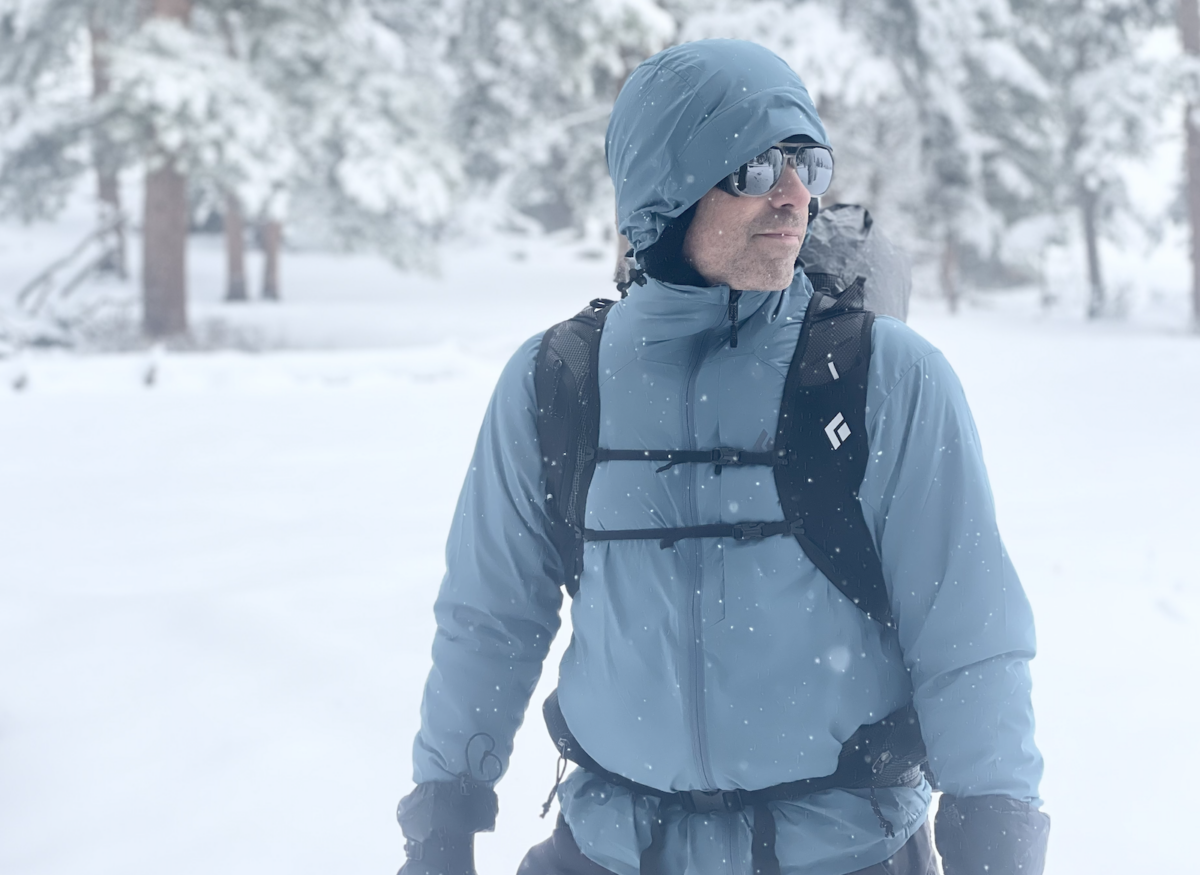
In 1989, while climbing the heavily-glaciated Mount Olympus in Olympic National Park, I took off my glacier glasses at the summit and accidentally sat on them – snapping both hinges. I punched holes in my leather side shields, and rigged a piece of paracord to replace the arms so I could wear them on the way down. At the trailhead, I tossed them in the garbage, and never gave the idea a second thought – because my execution of armless sunglasses was a terribly rushed hack. Then, about two years ago, I discovered Ombraz armless sunglasses, and gave the idea a more serious look. This review is based on two years of field use in alpine and high desert hiking, backpacking, snowshoeing, and mountaineering activities with armless sunglasses.
I was hoping for something that worked with the realities of backcountry travel: less interference with helmets, hats, and hoods; no breakable arms or hinges; and less bulk when not in use. Ombraz promised all of that. What I didn’t expect was that they’d also become the most comfortable sunglasses I’ve ever worn.
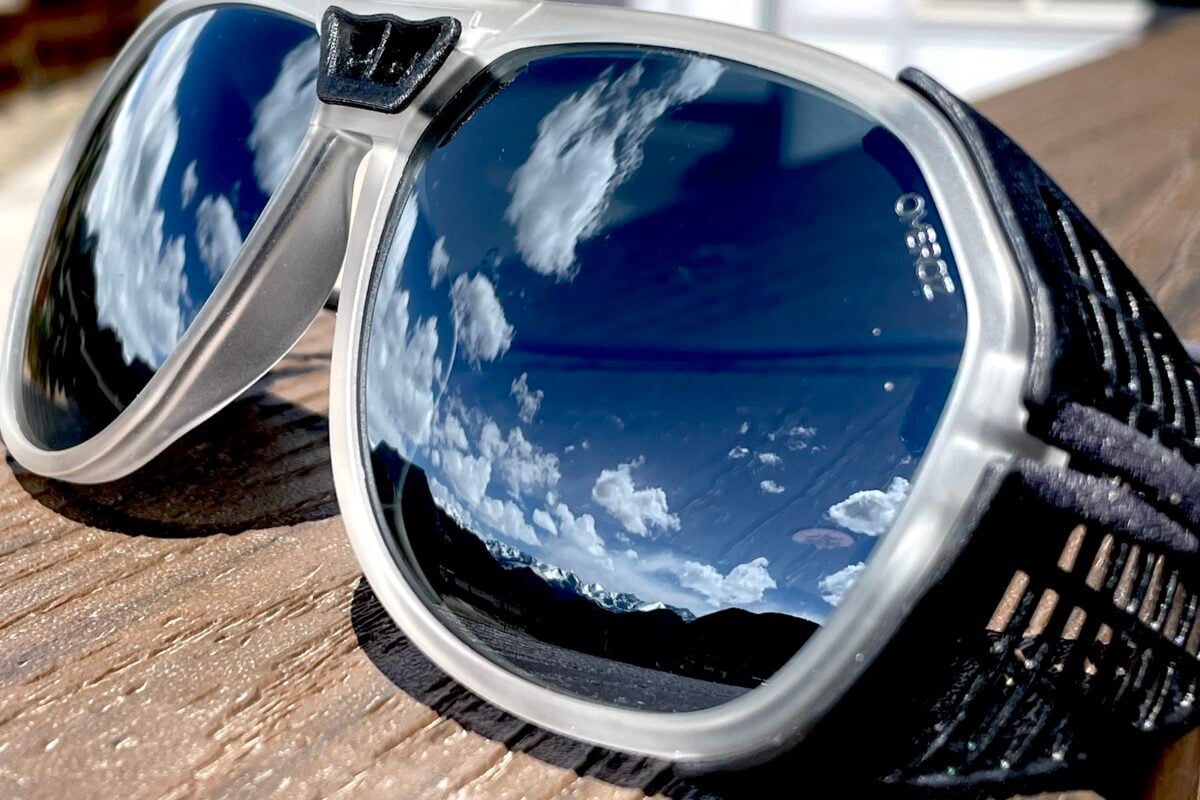
Ombraz Sunglasses feature a patented armless design for a secure, all-day fit without pressure points, using adjustable cords for comfort. Lightweight and durable, they offer polarized lenses for clear vision and UV protection, making them ideal for outdoor activities like hiking, running, or water sports.
Hardcore ultralighters who expound the virtues of Rollens and other disposables because of their low cost and low weight may not appreciate the form, function, optical performance, or price associated with premium sunglasses. If you’re going to roll with Rollens et al., that’s fine – just understand the limitations. I spend more than 1,000 hours a year wearing sunglasses in the backcountry, so I place a higher priority on comfort, durable longevity (especially lenses), and optical performance than on light weight and low cost.
Design & Technology
Frame
The Ombraz frame is manufactured from TR-90 nylon, a thermoplastic polymer widely used in performance eyewear due to its high strength-to-weight ratio and resistance to deformation under stress. The design eliminates traditional temple arms and hinges entirely, resulting in a simplified, monolithic frame architecture.
I prefer the traditional aviator styling of Ombraz Classics for their large lens coverage and availability in a narrow frame option. Photo: Ombraz.
This armless configuration reduces overall bulk and significantly lowers the risk of mechanical failure. The frameless arm design eliminates pressure points caused by traditional sunglass temples, allowing for a more comfortable fit under virtually any type of headwear. Because nothing extends past the ears, they’re especially comfortable when worn with beanies, balaclavas, or helmets. The molded nose bridge distributes weight evenly and provides stable contact against the face.
Ventilated side shields are available as an option, and snap into place on the frame.
Lenses
All Ombraz sunglasses are equipped with Zeiss polyamide lenses, a globally recognized supplier of premium precision optics. These lenses are well-known for their high optical clarity, impact resistance, and light weight.
The lenses offer full-spectrum UV protection (100% UVA/UVB). Polarized and non-polarized variants are available, along with different tint options.
Polarized lenses reduce glare from reflective surfaces like water and snow, optimizing them for activities such as fishing, paddling, and skiing. Non-polarized lenses are also available for users who prefer them or for specific applications where polarization may not be necessary.
Gray lenses provide neutral color rendering and are best suited for bright, consistent light (best for alpine use). Brown lenses enhance contrast and perform better in variable or diffuse lighting, making them more versatile when hiking in and out of shady areas (like forests). Yellow lenses provide the highest contrast in cloudy and flat (blizzard) conditions. Prescription lenses – including single vision and progressives – are available through Ombraz RX lab services.
Zeiss lenses used in Ombraz frames are treated with coatings that improve durability and optical performance, including impact- and scratch-resistance (commonly, a cross-linked polymer hard coat), hydrophobicity and anti-fogging (commonly, a nanomolecular fluoropolymer), and oleophobicity (commonly, fluorosilanes) to more easily clean fingerprints, sweat, and sunscreen oils.
After 100 days of (mostly careless) use, my Ombraz lenses remain (mostly) scratch-free, with intact coatings.
Retention System
Instead of rigid temple arms, Ombraz sunglasses use an integrated retainer cord to secure the frames to the wearer’s head. The cords used in Ombraz sunglasses are made from antimicrobial Japanese nylon, specifically crafted from 100% recycled fishing nets. These cords are designed to be abrasion-resistant and fully adjustable via dual sliding tensioners.
This design enables a customizable, low-profile fit that remains secure during high-motion activities such as running, scrambling, or skiing. The strap rests flat against the back of the head and neck, eliminating interference with helmets or clothing. Because there are no hard points of contact on the sides of the head, the system avoids the localized pressure that can occur with traditional sunglasses and aftermarket retainers.
Surprisingly, very little cord tension is required to secure the glasses – they float comfortably and are secure without even feeling the cord around your head. In fact, if you feel the tension of the cord around your head, it’s likely too tight. You do not need to pull the frames into your bridge or eye sockets to keep it secure!
The integrated retainer strap is non-absorbent, has minimal stretch, and securely adjustable with two tensioners.
Case
Ombraz sunglasses ship with a soft-shell storage pouch made from 3mm-thick neoprene, which includes a built-in microfiber cleaning cloth material. The case is non-rigid and designed primarily to protect the lenses from abrasion, rather than impact. While not crush-proof, the case pairs effectively with the armless frame design and I don’t see a need to stow Ombraz armless sunglasses in a heavy, hardshell case for routine use.
Users can stow the soft case into hipbelt pockets, top lids, jacket pockets, or other confined storage areas without risk of damaging the sunglasses. In practical use, this approach offers substantial reductions in both weight and bulk compared to traditional hard-shell eyewear cases.
Field Notes
First Impressions
When I first picked them up, the lack of arms was jarring. But I immediately noticed how little space they took up. The armless design and soft case meant I could ditch the bulky hardshell case I normally carry. At first, I was skeptical about protecting a premium lens in a soft case – but my confidence is now high after two years of careless ignorance. After shoving them into hip belt pockets, top lids, jacket pockets, and even my pants, they’ve come out unscathed every time. No crushing, no cracked frames, no broken hinges – because there’s nothing to break.
I own two pairs of Ombraz Classics – one with a polarized gray lens (upper right) and one with a polarized brown progressive prescription lens (lower right). They are less bulky than my previous premium sunglasses (Smith Hookset, upper left), especially considering that they don’t need the protection of a hard case. For context, my Smith Hookset sunglasses are in the upper left of the photo. My non-RX pair weighs 1.1 ounces (32 g) and includes side shields. My RX pair weighs 1.2 ounces (34 g). The neoprene case, with its integrated microfiber cleaning cloth, weighs 0.9 ounces (26 g). My Smith Hooksets with Pilotfish retainers weigh 1.6 ounces (45 g) and their bulky case adds 2.5 ounces (71 g).
The first time I used them was during a trail run. I was nervous. Without arms to grip my temples, I figured I’d need to tighten the cord aggressively to keep them from bouncing. But it turns out, they require surprisingly little tension to stay secure – even during high-motion activities. I snug the retainers just enough to keep them in place – not tight!
Side Shields
I’ve worn them on long treks, alpine climbs, winter backcountry ski tours, and glacier crossings. The optional side shields are a must for alpine use. These snap into place cleanly and block sun effectively. The side shields are designed with ventilation pores, but because of the close proximity of the frame to the face, fogging is substantially enhanced in the presence of the side shields during high exertion activity in the absence of wind.
Ventilated side shields help with fogging but do not prevent it.
Armless Design
Because the glasses use a soft cord retainer to stay in place, there are no pressure points – no hard plastic arms digging into your head or ears. On longer days with traditional sunglasses, the temple pressure from arms, spring hinges, and retainer systems has often given me headaches. With Ombraz armless sunglasses, I’ve never experienced that. They’re perfectly compatible with any helmet, balaclava, hood, or hat I’ve used. There’s just nothing there to interfere with layering systems.
When they’re not on my face, they hang flat against my upper chest, which is a notable upgrade over traditional sunglasses that stick out awkwardly, bounce around, or create bulk when stuffed underneath layers.
Lens Performance
I’m particular about lens quality – especially as a fly fisherman and snow traveler. Visual clarity, contrast, and lens tint make a difference in snowfields and on water, and I was skeptical that an unconventional brand could match the optical performance of legacy manufacturers.
I use two pairs: one with gray non-prescription lenses and one with brown progressive prescription lenses. Both perform exceptionally well. There’s no visible distortion or color shift, even with the prescription pair. I prefer the brown lens in variable light, but the gray lenses have also performed well on cloudy days – something I didn’t expect from a darker lens.
Ombraz Classics with side shields are available in a narrow frame width, which fits my face while still providing the sun protection I want when on snow. Side shields are critical for me during the winter.
Durability and Storage
Initially, the soft case made me nervous. But after shoving these glasses into nearly every corner of my pack and different clothing pockets, I’ve found no durability concerns. The lack of hinges and rigid arms eliminates the most common break points. Now, I’m fully comfortable carrying them in a soft case – it’s just simpler, lighter, and less bulky.
When I’m not wearing them, I either let them hang on the retainer or stuff the soft case into a hipbelt pocket, top backpack pocket, jacket pocket, or even my trekking pant’s side pocket. There’s no faffing with hard plastic or dedicated carry cases anymore, and my base weight is lighter!
Limitations
Fitting. If you’re not used to fitting armless sunglasses, they will take some practice. Secure the retainer strap more loosely than you think you need. A too-tight fit will cause the frame to press unnecessarily against your face and create an uncomfortable pressure point. This is the main difference between conventional and armless sunglasses.
In addition, Ombraz armless sunglasses fit closer to the face, and can interfere with long eyelashes, especially troublesome for mascara users. Don’t wear mascara in the backcountry. The close fit also causes more fogging than other designs, especially at high levels of exertion in the absence of wind. This caused notable issues while climbing uphill during the winter, and has sent me down a rabbit hole of evaluating different anti-fog treatments. For me, this is one of the more serious limitations of armless sunglasses. Fortunately, it’s generally limited to the cold temperatures of winter.
Finally, if you wear your hair in a bun or ponytail, you may have to adjust its configuration. The cord retainer is meant to fit around the perimeter of your head and doesn’t play well with lumps of hair in the back of your head.
Two-Handed Usage. The corded design requires both hands to put on or remove the sunglasses, which can be inconvenient during activities that demand quick adjustments or when one hand is occupied.
Where do they go when you’re not wearing them? The retainer allows the sunglasses to be worn loosely in front of your neck when they’re not on your face. Some people like to prop their sunglasses on the top of their head or wear them backwards to stow them when not in use. Neither configuration is practical with Ombraz armless sunglasses, although wearing them backwards requires you to secure the retainer cord around the bridge of your nose, which looks hilarious.
Usage with Some Types of Headwear. Wearing hats or helmets may necessitate removing the headwear to adjust the sunglasses, as the cord wraps around the head. This can be less convenient compared to traditional sunglasses with arms, which can be placed on the outside of hat layers and slide more easily on and off while wearing a helmet.
Cord Discomfort: I’ve read other user reports that note that the cord can become sweaty or uncomfortable during extended use, especially in hot conditions. However, I’ve dunked mine in the water (accidental “swim”), sweat-saturated the cord, and have noticed no discomfort related to a saturated cord whether in the cold or heat. I’ve had one pair in use more than 100 days now, and the cord is getting a little bit grimy from sweat, sunscreen, mosquito repellent, and trail dirt. I expect to replace it soon, which is easy and cheap (unlike broken arms or hinges).
Lens Options. Lens options are versatile, but limited. I have my fingers crossed for a photochromic copper lens at some point in the Ombraz product line. This is what I miss the most when I leave my Smith sunglasses behind. Photochromic copper is the most versatile type of lens for the changing conditions of the backcountry. It doesn’t provide the protection needed for glacier travel, but it’s suitable for both sunny and partly cloudy and even bright snowy conditions. However, the form factor of the Ombraz armless sunglasses outweighs my desire for the optimum lens.
Fashion and Style. Because sunglasses have evolved into a fashion product industry, some users won’t find the look they want in the Ombraz line. So be it, if that’s your main thing. I found a style and fit that I like well enough (but wouldn’t necessarily choose it if the style was my highest priority). For me, it’s function first – and Ombraz delivers.
Cost. Priced around $160, Ombraz sunglasses are at the higher end of the market (my Smith photochromics run > $250). While they offer durability and unique features, the initial investment might be a deterrent for some consumers.
Summary
Ombraz’s design is radically simple, and that’s its greatest strength. There are fewer components to break or misalign, less bulk to manage, and more adaptability across layers and gear. The result is a pair of sunglasses that simply works – in motion, in camp, and in storage.
They’ve proven more functional and more comfortable than any traditional sunglasses I’ve worn – and I’ve used a lot of them. At this point, the only reason I might go back to a traditional model is if I need a specialty lens Ombraz doesn’t offer.
Ombraz Armless Sunglasses have mostly replaced my Smith Challis and Hookset sunglasses, and Julbo glacier glasses for most backcountry activities. Here’s how I summarize each of their salient benefits:
Ombraz: Most durable and comfortable with all types of headwear.
Smith Photochromics: Best lenses (photochromic glass has a higher optical quality in a wider range of light conditions).
Julbo Glacier Glasses: Superior side protection (blocking light and wind) for extreme alpine conditions, but at the expense of poor ventilation.
Ombraz are lighter, less bulky, more adaptable, and more comfortable than my other sunglasses. For ultralight backpackers, alpine climbers, paddlers, and winter travelers, the armless design is not a gimmick – it’s a real innovation. Unless you need a very specific lens style they don’t offer, I see very little reason to go back to traditional arm-and-temple shades.
This is one of those rare pieces of gear that makes me rethink a product category – Ombraz has advanced a form factor that offers meaningful advantages for backcountry travel.
Ombraz Sunglasses feature a patented armless design for a secure, all-day fit without pressure points, using adjustable cords for comfort. Lightweight and durable, they offer polarized lenses for clear vision and UV protection, making them ideal for outdoor activities like hiking, running, or water sports.
2025/05/02 10:50 AM MST – Minor edits made to introduction (anecdote added for context) and title (brand name removed to de-emphasize branding, focus design style towards a broader audience). Limitations have been moved to their own section to increase prominence to the reader.
2025/05/01 09:00 AM MST – Original article published.
Product mentions in this article are made by the author with no compensation in return. In addition, Backpacking Light does not accept compensation or donated/discounted products in exchange for product mentions or placements in editorial coverage.
Some (but not all) of the links in this review may be affiliate links. If you click on one of these links and visit one of our affiliate partners (usually a retailer site), and subsequently place an order with that retailer, we receive a commission on your entire order, which varies between 3% and 15% of the purchase price. Affiliate commissions represent less than 15% of Backpacking Light's gross revenue. More than 70% of our revenue comes from Membership Fees. So if you'd really like to support our work, don't buy gear you don't need - support our consumer advocacy work and become a Member instead.
Learn more about affiliate commissions, influencer marketing, and our consumer advocacy work by reading our article Stop wasting money on gear.
Wind shirt performance – design, technology, features, standardized breathability and air permeability data (MVTR and APR testing).
Introduction
Wind Shirts describe the product category of wind shirts and jackets (referred to as wind shirts for brevity) – non-waterproof, breathable garments worn as outer shell layers for storm protection in mild to moderately inclement weather (wind, rain, and cold). This is the most comprehensive treatise about wind shirts we’ve ever published (about 7,000 words), building on several years of research, testing, and product reviews in this category. Herein, you’ll learn about wind shirt fabric technologies, garment design and features, breathability (MVTR / moisture vapor transmission rate and APR / air permeability rate) data, and reviews of individual wind shirts.
Test Methodology
We collected consistent material performance data: We sent the jackets to the same lab to collect consistent and comparable MVTR and APR data.
We tested the jackets’ mobility, ease of use, and durability: Day hiking, backpacking, trail running, bikepacking, cycling, mountaineering, bushwhacking, and rock scrambling.
We tested the jackets to their limits of comfort: All types of environmental conditions, including cold and warm temperatures, high winds, rain and snow, and high levels of exertion.
Wind shirt weather, Fremont Peak summit (13,751 ft / 4,191 m), Wind River Range, Wyoming (2015).
In the 1990s, my first ultralight wind shirts included a calendered 30 denier (30d) Pertex shell made by Montane (the original Featherlite), a silicone-impregnated 20d polyester (Epic fabric) jacket made by Feathered Friends, and the GoLite Bark (made with uncoated 40d polyester). Since then, I’ve worn wind shirts for day hiking, backpacking, cycling, bikepacking, alpine climbing, and trail running. I have accumulated tens of thousands of use hours in wind shirts over the past three decades across a wide range of conditions with at least 50 different products. Even though wind shirt water resistance has decreased, air permeability has increased (making them less wind-resistant) and rain jacket breathability has increased (making them more comfortable to wear when it’s not raining), I still find a wind shirt to be one of the most versatile pieces of clothing available. One of my favorite layering combinations for cold conditions (especially in winter) is an ultralight high-MVTR wind shirt or a more weather-resistant high-APR windshirt worn over one or two high-APR base layers – a polypropylene fishnet sleeveless t-shirt and an ultralight lofted mesh-grid fleece. – Ryan Jordan
Marketing Claims & Market Context
Watch the video below for an introduction to wind shirt marketing claims in the context of the broader wind shirt market.
Table of Contents
Table of Contents • Note: if this is a members-only article, some sections may only be available to Premium or Unlimited Members.
Different shell fabrics have different capabilities, but shell garments are generally categorized as wind shells (non-waterproof) and rain shells (waterproof). Wind shells are distinguished from rain shells by their lack of a waterproof membrane, laminate, or coating. As a result, wind shell fabrics tend to be more breathable than rain shell fabrics, with higher levels of measured MVTR (moisture vapor transmission rate) and APR (air permeability rate). As a result, most users feel more comfortable hiking in a wind shirt across a wider range of mild-to-moderate weather conditions than with a rain jacket.
Wind shirts are moderately breathable and mildly water-resistant, at least compared to rain jackets (low breathability, high water resistance) and base-layer fabrics (high breathability, low water resistance). Scale is relative; don’t infer any absolute values from this chart.
Wind shirt or rain jacket? It depends on what you need for storm resistance. If actual rain protection is a high priority, then a wind shirt isn’t going to do the job, and a true waterproof rain jacket (upper right) is required. Otherwise, within the category of wind shirts, you’ll find a wide range of wind protection, depending on both fabric technology and garment design. The Arc’teryx Squamish (left) is the only wind shirt here with a wide, stiffened hood brim, large volume hood, and adjustable aperture. Contrast this to the minimalist hoods you’ll find on many wind shirts, which have low volume, no adjustments, and no brim, like the Patagonia Airshed Pro (lower right).
Ultralight wind shirt or stretch woven softshell jacket?
Ultralight wind shirts encompass a range of highly packable garments that often tip the scales at less than 5 ounces (142 g). At the other end of the weight spectrum, wind-resistant jackets made of more durable (and weather-resistant) stretch woven softshell fabrics can weigh 12 ounces (340 g) or more. Backpackers who are intentional about saving weight and pack volume gravitate toward ultralight wind shirts. Backcountry users who wear jackets more often than packing them away may choose heavier stretch woven softshell garments. The latter may be more appropriate options when durability and weather protection are a higher priority (e.g., in winter or alpine environments).
I prefer a stretch woven softshell during the winter, when I know I’ll be wearing a jacket most of the time while moving. It’s also my primary cool-weather layer for done-in-a-day trips, when I’m moving fast and don’t need the full protection of a rain jacket or the pack weight savings offered by an ultralight wind shirt.
Category Analysis: Wind Shirts
Standardized Testing
Evaluating technical shell performance depends on key metrics such as moisture vapor transmission rate (MVTR) and air permeability rate (APR). However, the variation in testing methods across different laboratories complicates data comparison. To address this, we are reporting APR and MVTR data here measured at a single laboratory – Stephen Seeber’s independent laboratory in Colorado – to ensure uniformity in evaluation criteria.
MVTR: Moisture vapor transmission rate, measured as the mass of water vapor moving through a unit area of fabric per unit of time. Units are typically expressed as g/sq m/day.
APR: Air permeability rate, measured as the volume of air moving through a unit area of fabric per unit of time. Units are typically expressed as CFM/sq ft.
Laboratory Testing
Laboratory testing has shown that many of the most comfortable jackets are made with fabrics that report high MVTR test results. MVTR tests are currently the most widely accepted method for measuring breathability. As Stephen Seeber recently pointed out, APR can be a predictor of MVTR (in garments without laminates, membranes, or coatings), but APR and MVTR do not always correlate when APR < 40 CFM/sq ft. Furthermore, field results of perceived comfort are more varied because of garment design factors (e.g., ventilation features and fit).
What contributes to comfort?
Garment comfort includes several aspects:
Thermal comfort
Moisture comfort
Environmental protection
Tactile (next to skin) comfort
Fit and ergonomics
Weight and bulk
Psychological comfort
Comfort depends on a complex suite of processes that influence the exchange of warm, moist air inside the garment with cool, dry air from the outside environment. Consequently, MVTR and APR alone cannot reveal the entire story of comfort. Wind shirt comfort will also depend on fit (looser is better) and adjustable ventilation options (more is better).
Can we measure comfort?
We know that fabric breathability (defined here as the movement of warm, moist air through a fabric surface) is important for comfort while active. We also know that MVTR, because it measures water vapor transmission, is a good predictor of breathability. Is air permeability (which also measures breathability) also a good predictor of comfort? It appears to be less important than MVTR in moving moisture, as discussed previously. However, we generally feel more comfortable in a wind shell than in a rain jacket (for garments with similar MVTR). This leads us to hypothesize that air permeability may help contribute to comfort.
Editor’s Note: Ultralight wind shirt fabrics are more apt to flap in windy conditions and slide more easily over other layers when moving than heavier rain jacket fabrics. The resulting bellows effect (which effectively pumps air in and out of the microclimate trapped by your clothing layers) could also contribute to more comfort when wearing a wind shirt vs. a rain jacket. In addition, the vapor pressure differential between warm air inside a wind shirt and cool air on the outside may result in more air movement through fabrics with higher APR.
Along with Bill Budney and Stephe Seeber, who have also contributed content here about shell clothing, I’ve been wearing temperature and humidity sensors next to the skin with various layering combinations in an attempt to quantify the environmental data that correlates to comfort. Our conclusions are mixed – the physiological-environmental system is complicated. We all find ourselves de-layering when skin humidity rises. However, the data we collect (e.g., RH%, temperature, and vapor pressure differential) has not correlated predictably with comfort.
MVTR vs. APR
We’ve already established that MVTR and APR may be loosely correlated to breathability in some cases. Above, we hypothesized “that air permeability may help contribute to comfort”, possibly as a result of a vapor pressure differential that drives the convective movement of (moist) air through the fabric.
Thus, if it’s assumed that both MVTR and APR contribute to comfort, then what do we make of different combinations of these metrics? There are four:
Low MVTR + Low APR
Low MVTR + High APR
High MVTR + Low APR
High MVTR + High APR
You can visualize this concept by dividing a plot of MVTR vs. APR into quadrants, and plotting the test results of our wind shirts:
If it’s assumed that both MVTR and APR contribute to comfort, then what do we make of different combinations of these metrics? There are four: (a) Low MVTR + Low APR, the lower left quadrant; (b) Low MVTR + High APR, the upper left quadrant; (c) High MVTR + Low APR, the lower right quadrant; and (d) High MVTR + High APR, the upper right quadrant. Most of the wind shirts in this review are found at the high end of the MVTR range, but vary more widely in terms of their APR. They are clustered in the lower right quadrant. However, keep in mind that the quadrant division lines are arbitrary – we could just as easily draw their intersection through the middle of the data cluster. Regardless, this graph is useful for visualizing the outliers (Airshed Pro and Houdini), and for interpreting possible use cases for wind shirts based on their position on the chart.
In this case, we can see that “low MVTR + high APR” garments really do not exist. Air can’t flow through a fabric without carrying moisture vapor with it. We know intuitively that porous (air-permeable) fabrics, by their nature, must allow for high rates of moisture diffusion as well.
Likewise, the wind shirts on the plot above aren’t poorly breathable, even though they span a range of MVTR test results from a low of 2,250 g/sq m/day (Houdini) to 3,760 g/sq m/day (Copperfield and Nebo). Better examples of poorly breathable fabrics would be waterproof fabrics with highly crystalline polyurethane coatings or mylar films. Nonbreathable fabrics like 1.2 osy (ounces per square yard) silnylon and Dyneema Composite Fabrics (e.g., product variant CT1E.08) will have MVTR rates in the range of 0.5% to 5% of the values of high MVTR fabrics like the ones used in the wind shirts discussed in this report. These fabrics would have “low MVTR + low APR” and would plot deep in the lower left corner of the lower left quadrant on the graph above!
Expectedly, the fabric making up the Airshed Pro (within this group) can easily be characterized as a “high MVTR + high APR” fabric. This garment plots in the upper right quadrant of the graph. This is also the realm where even tightly knit fabrics like Capilene would land, but they would plot even farther to the right and higher than Airshed Pro. Can you guess where Brynje fishnet mesh would land? Probably well above and to the right of the screen you’re reading this on!
Everything else plots in the lower right, and is arbitrarily denoted as “high MVTR + low APR” garments. It’s important to recognize that this quadrant is placed arbitrarily, with the dividing lines at the halfway points between zero and a little more than the maximum values of the data points collected. One could place these quadrant lines anywhere, and justify their placement. Importantly, within the cluster of wind shirts in this area, there are wind shirts with relatively high APR, relatively low APR, and somewhere in between (moderate APR). Elsewhere in this review, we suggest that high-MVTR / moderate-APR wind shirts may represent a sweet spot for comfort that balances environmental (wind, precipitation) and physiological (internal heat and moisture) comfort. However, this hypothesis hasn’t proven itself in the field – distinguishing comfort in jackets with MVTR values in the 3,000 to 4,000 g/sq m/day range and APR values in the 10 to 50 CFM/sq ft range based on their MVTR and APR values alone appears to be an exercise in futility, given the wide range of environmental and physiological conditions that backpackers experience.
From the graph, one could easily make the argument that within the group of wind shirts plotted, the Houdini and Airshed Pro are notable outliers, while the rest of the wind shirts are clumped relatively closer together. The differences in MVTR between the group that excludes the Houdini and Airshed Pro are less than 10%, a difference that’s unlikely to be perceived in the field by a user.
But the differences in the APR values are more notable. Within the group that excludes the Houdini and Airshed Pro, APR values span the range of 7 CFM/sq ft (Copperfield) to 29 CFM/sq ft (Squamish) – a 4X difference. In field use, I can certainly perceive the differences in comfort between these two wind shirts, even though the heavier, thicker fabric of the Squamish is contributing some insulation vs. the lighter, thinner fabric of the Copperfield. I’m more comfortable (less hot, more dry) at high exertion rates wearing the Squamish.
So if only MVTR and APR are to be considered, then which garment uses the “better shell fabric” – the Squamish or the Copperfield? The answer is complicated and may depend on your desired use case. To confound your interpretation further, see our recent photomicrography study What properties influence the air permeability of wind shirt fabrics? In that report, I highlight differences in fabric porosity, calendering, and yarn type to correlate material properties to APR. Photomicrography of the Squamish and Copperfield fabrics suggests that air permeability should be higher in the Squamish. This correlates with field observations.
Backlit photomicrographs, 220x magnification, of the Arc’teryx Squamish vs. Enlightened Equipment Copperfield. The Copperfield has a tighter weave, smaller interfiber pores, and a calendered finish – presumably resulting in lower air permeability.
Are high APR wind shirts more comfortable?
My interpretation of the benefits of high APR differs a little from that of my colleagues. These differences reveal more about what we don’t know regarding the impact of air permeability than what we do know.
APR impacts both breathability and wind-blocking – two factors that cool you down. High APR may increase breathability (the exit of warm, moist vapor in response to a vapor pressure differential across the fabric face). High APR may also result in “feeling cold” when it’s windy. The balance is not well understood. Here are three interpretations.
Ryan: I hypothesize that air permeability may help contribute to comfort (at least for high exertion levels). If this is correct, then a higher APR fabric can transfer more heat and moisture across it than a lower APR fabric if both have materially similar MVTR. My theory is that a meaningful vapor pressure differential forms between the inside and outside of the wind shirt during high exertion levels in cooler conditions. It follows, then, that high APR fabrics may be more appropriate for higher-exertion activity, milder temperatures, or lower winds. In contrast, low APR fabrics may be more appropriate for lower-exertion activity, cooler temperatures, or higher winds. In that context, one can justify use cases for even the low- and high-APR outliers – the Houdini and Airshed Pro. Interestingly, however, the relevance of the Houdini may be narrowing in light of new waterproof-breathable technologies (e.g., Outdoor Research Ascentshell Air 3L and Gore ePE) that offer both a higher MVTR and similar APR than the fabric used in the Houdini.
Bill: We don’t know for certain one way or the other, but my experience doesn’t exactly correlate that way. What I have noticed is that a little bit of air permeability (0.5 to 1.5 CFM/sq ft) seems to be better than none, and a moderate amount (10-15 CFM/sq ft) is better than a small amount. Over about 10 or 15 CFM/sq ft, the curve seems to flatten. At least I think so.
Stephen: The highest APR windshirt, the Airshed Pro, has a permeability of 90 CFM/sq ft. In The Myth of Air Permeability in Windshirts, we find that it might take a 30 MPH breeze for that windshirt to produce the cooling of a 1 MPH breeze on bare skin. Now, this number is wrong because it is based on the performance model (where “higher” numbers equate to “better” performance) of the air permeability test, which requires that air blow through the fabric. In real life, as I pointed out in the article, air cannot really blow through your wind layer: it is diverted around it, and the air that impinges on your windshirt will have lost most of its velocity. As a practical matter, most windshirts won’t let much air pass through, and there is even less chance of air getting through underlying layers. I measured this in the second article in the series: How Much Wind Penetrates Your Air Permeable Outer Layer at Hiking and Running Speeds? I concluded this: do not expect significantly different performance between a wind shirt with 10 CFM/sq ft air permeability and another with 50 CFM/sq ft air permeability.
Take this discussion of high vs. low APR with a small grain of salt, because other factors contribute to a wind shirt’s tendency to retain (or shed) heat and moisture. Fabric thickness (which provides insulation and resistance to bellowing), garment fit, and adjustable ventilation features also play a role.
A high-APR wind shirt as part of a 2-layer shell system
Few brands promote the benefits of a 2-layer shell system (a rain jacket layered over a wind shirt for very stormy weather), or make integrated system garments (Finetrack is one of them). I referred to this system in The Dirt Catwalk. The benefits of a 2-layer shell system include:
Entrapment of a small amount of insulating air between the wind shirt and rain jacket;
Increase in evaporative heat loss resistance for very cold conditions;
Additional resistance to precipitation penetrating the interior (base layer and insulating) garments is afforded by the wind shirt layer.
For this system to work optimally, both the wind shirt and rain jacket should have ventilation options for spilling heat rapidly without removing the layers. Finetrack, as an example, makes garments with vents configured in the same places. However, Finetrack wind shirts are not light by the standards defined in this report, ranging from 8.6 to 10.9 ounces (245 to 310 g).
In addition, a wind shirt layer in a two-layer system should be as air permeable as possible to facilitate the movement of air and moisture across the fabric surface in response to vapor pressure gradients in the layering system. Mark Twight wrote about a two-layer shell system in Extreme Alpinism, but that system depended on a low APR wind shirt acting as a semi-permeable vapor barrier layer to protect an insulating layer (usually fleece) worn between the wind shirt and the rain jacket, so the insulating layer would not accumulate moisture so quickly. The Twight system works best in extreme cold (winter alpine conditions), and a high-APR wind shirt plus rain jacket worn as adjacent layers work best in 3-season conditions. I illustrate these two examples as extremes of how wind shirts can be incorporated into stormy weather layering systems.
Hybrid Wind Shirts: Zone Fabrics
Some wind shirts are made with different types of fabric in different locations (“hybrid wind shirts” or “zone fabrics”). In these designs, very high-APR fabrics (high-porosity wovens or knits) are placed in strategic zones to help discharge heat and moisture from the layering system. The Arc’teryx Norvan Windshell Hoody and the Patagonia Airshed Pro Hooded Pullover are examples.
Zone fabrics are used in the Arc’teryx Norvan Windshell Hoody (left) and Patagonia Airshed Pro Hooded Pullover (right). In the Norvan, the dark fabric is a high-porosity woven with very high APR. It’s used in the back, around the front hem, and underside of the arms. In the Airshed, the light fabric is a very high APR polyester knit that is used in the hood and lower arms (lighter orange color). In addition, the Airshed provides a 2-way pullover zip, which allows the hood to stay up and the front of the wind shirt to remain mostly closed, while the zipper can zip up for ventilation (lower right).
Two different fabrics are used in the Arc’teryx Norvan Windshell Hoody. Left: a more tightly-woven nylon (smaller pores, lower air permeability) is used in the wind-resistant panels in the front of the jacket body and across the shoulder yoke. Right: a loosely-woven polyester (larger pores, higher air permeability) is used in the panels designed to spill the most heat and moisture (back, underarms).
Water Resistance
Most wind shirt fabrics include some type of durable water repellency (DWR), a chemical finish that increases the surface tension between water droplets and the fabric surface, which helps them bead up on the fabric surface so they don’t penetrate into the fabric.
At best, DWR finishes on wind shirt fabrics provide enough water resistance to minimize the penetration of light mist and rain for several minutes. However, don’t rely on DWR for sustained protection from precipitation – that’s the role of a rain jacket with a waterproof membrane, laminate, or coating.
Weave density and fabric type can also slow the penetration of water, which plays a small but sometimes noticeable role in resisting light rain. Wearing a water-resistant wind shirt may be more comfortable in light rain than a rain jacket with a lower level of breathability.
As a general rule of thumb, nylon fabrics absorb more water and dry more slowly than polyester fabrics. Elastane (e.g., Spandex), which adds stretch to woven fabrics, is less absorbent than nylon. However, fabrics containing elastane are both more absorbent and take longer to dry because elastane opens up fabric porosity, increasing the fiber surface area that is available for water absorption. However, for wind shirt fabrics, which are already very light, the extent of water absorption and dry time will be governed more by the fabric weight than the fiber type.
Durability
Consider fabric durability (abrasion, puncture, and tear resistance) if you want to maximize the longevity of your wind shirt. Use cases where durability is important include frequent wear under pack straps (especially while carrying a heavy pack), bushwhacking, or scrambling (abrasion against rocky surfaces). Nylon fabrics are generally more durable than polyester fabrics because of their higher tenacity (breaking strength) fibers. Stretch woven nylon fabrics with higher-denier fibers and dimensional (not flat) faces are particularly abrasion-resistant.
Heavier fabrics are more durable than lighter fabrics. The wind shirts in this report at the higher end of the weight spectrum (i.e., greater than 5 ounces / 140 g) will be more durable than wind shirts that weigh less than 3 ounces (85 g), regardless of the fiber content of their fabrics.
Durability may be important to you if you find yourself scrambling through rocks (left) or bushwhacking (right). These are conditions that will wreak havoc on 7d and 10d fabrics.
Addressing Complaints about Water Resistance and Durability
You don’t have to read more than a few negative user reviews online about any jacket in this report to help you realize that there is a notable disconnect between what manufacturers promise and the lofty aspirations of what users think they will get. This is especially true in the areas of water resistance and durability. It’s time for a reality check.
Fabrics on most wind shirts that weigh about 5 ounces (140 g) or less will be made with yarns using 20d or lighter fibers. You can make the weave tight, you can calender both sides of the fabric, and you apply aggressive DWR treatments – but you’re not going to make it waterproof (or even highly water-resistant). Water-resistant fabrics have membranes, laminates, or coatings. And they aren’t very air permeable. That’s the distinguishing feature between a wind shirt and a rain jacket. Air permeability also means water permeability. You can’t have it both ways. Don’t expect your wind shirt to keep you dry for more than a few minutes in moderate or heavy rain (i.e., anything exceeding about 0.1 inches per hour / 0.25 cm per hour).
Likewise, yarns made with thin fibers lack abrasion resistance. Even calendered nylons made with 7d or 10d fibers are going to pucker, pick, run, and snag. Most nylon yarn blends woven with elastane or 20d and thinner polyester yarns are going to pill. These types of defects may appear in as little as one wear and wash cycle.
With lightweight wind shirts, have realistic expectations, because (1) you’re not going to stay dry in the rain and (2) after using it for a bit, it’s not going to be suitable as a dinner jacket.
Keep the following in mind when reading user and “expert” reviews online:
If the reviewer tells you that the wind shirt “looks as good as new” after “N” days of use, they probably haven’t worn it much.
If the reviewer tells you that the water resistance or durability of their ultralight wind shirt is terrible, then they may be disconnected from the reality of using ultralight fabrics.
And if the manufacturer includes statements like “highly water resistant” or “reinforced fabric for durability” – buyer beware.
If it pains you to shell out a Benjamin or two for a garment that weighs less than a half deck of cards and won’t keep you dry or looking dapper at a Michelin restaurant, then an ultralight wind shirt may not be as water-resistant or as durable as you like.
Softness
Polyester fabrics are generally softer than nylon fabrics, and more comfortable next to skin. Heavier nylon fabrics with elastane (stretch) fibers are softer than calendered ultralight nylon fabrics. The latter can feel silky when dry, but clammy and sticky when they get wet (and they will get wet) with perspiration or precipitation.
Shell fit
Wind shirts benefit from a regular fit that promotes air circulation under the shell to help ventilate warm air and sweat vapor. In addition, a looser fit allows for layering under the shell. Many brands chase urban styling (short hem and arm length) or slim fits, which are more appropriate for skinny people layering only over base layers rather than as outer shells for a multi-layer system for the rest of us. The Enlightened Equipment, Katabatic Gear, Marmot, Outdoor Research, and REI wind shirts in this gear guide are examples with a regular fit and sized true for backpacking layering.
There are special cases where an athletic or slim fit might be desired, such as cycling, mountaineering, and canyoneering, but these are the exceptions rather than the rule. Stretch woven fabrics, which enhance mobility, benefit fit comfort in slim and athletic cuts.
You may have to size up a full size to layer a wind shirt over high-loft insulation (300 weight double pile in this photo) for winter use. The Black Diamond Alpine Start Hoodie (shown here, sized one size up from the model’s normal size) is the heaviest wind shirt in this review (7.5 oz / 213 g). Its additional weight doesn’t come from more generous sizing or fabric that’s necessarily more durable. It’s the only jacket in this review with a #5 coil front zipper, contributing to about half an ounce of additional weight vs. a #3 coil zipper. In addition, its cape (the fabric that makes up the neck region at the base of the hood) uses a double layer of fabric, and its zipper guard is quite robust. Its hood is also relatively heavy, but boasts a stiffened brim, oversized helmet-compatible volume, and a volume/aperture adjustment drawcord. Otherwise, the Alpine Start is missing an adjustable hem and hand pockets.
A Fitting Guide for Wind Shirts
The terms “regular,” “slim,” and “athletic” fit describe different patterns for different body types and style preferences:
Regular Fit: Offers a more relaxed cut, providing plenty of room for movement and layering. Looser around the waist, chest, and arms.
Slim Fit: Cut closer to the body, slimmer at the chest and waist than regular fit.
Athletic Fit: Accommodates muscular body types; broader across the chest and shoulders, narrower in the waist than a slim fit.
Consider sizing up one size if the garment you want has a slim fit, and 1-2 sizes for shells with an athletic fit, if you want to layer your wind shirt over thin insulating layers.
Adjustable Ventilation
Adjustable wrist cuffs, the hood closure, and the waist hem can be used to control air circulation (tightening these apertures in cold temperatures and loosening them in warm temperatures). Ventilation such as pit zips, underarm vents, front zippers, back vents, and mesh-lined pockets can all help. However, aperture adjustments and mechanical vents other than front zippers are rare in lightweight wind shirts.
An adjustable hem is surprisingly effective at improving airflow through the wind shirt, contributing to the influx of cool, dry air in response to the bellows effect that occurs while moving (Black Diamond Distance Wind Shell).
Pockets
Most wind shirts offer either a chest pocket large enough for stashing a small bit of food or a smartphone or a set of handwarmer pockets. Rare among ultralight wind shirts, hand pockets can feel like a luxury feature and are surprisingly useful. Internal stash pockets are also rare, but useful in the winter for stowing a pair of glove liners or a beanie cap.
Ultralight wind shirts weighing less than 2.5 ounces (71 g) rarely include pockets.
Product Comparison
The table below showcases the wind shirts reviewed in this report and presents their specs, features, and performance grades for durability and overall comfort.
Some of the product lines reviewed here may offer multiple styles. This wind shirt report features the hooded versions (unless a hooded version is not available). All hoodies except one (the Patagonia Airshed Pro) are full-zip jackets.
Wind Shirt Specifications, Features, and Performance
Product
Price
Weight
MVTR
APR
Fabric
Stretch
Soft
Fit
Pockets
Adjustable Ventilation
Durability
Comfort (combines MVTR, CFM, Fit, and Adjustable Ventilation Options)
Arc'teryx Incendo Airshell Hoody
$240
3.7 oz (105 g)
high
high
15d Nylon double weave ripstop, 42gsm
yes
yes
slim
hands
full zip, hood, hem
medium
high
Arc'teryx Norvan Windshell Hoody
$220
4.0 oz (113 g)
high
medium
20d 100% nylon ripstop in contrast zones; 100% polyester double weave in body
no
no
slim
none*
full zip, hood. hem
high
medium
Arc’teryx Squamish Hoody
$180
5 oz (140 g)
high - 3420 g/m2/hr
high - 29 CFM/ft2
30d 100% nylon ripstop
yes
yes
slim
chest
full zip, hood, hem
high
high
Black Diamond Alpine Start Hoody
$185
7.5 oz (210 g)
high - 3510 g/m2/hr
medium - 13.2 CFM/ft2
stretch woven nylon
yes
yes
slim
chest
full zip, hood
high
medium
Black Diamond Distance Hooded Wind Shell
$140
3.8 oz (110 g)
medium
medium
15D Nylon 30 gsm
no
no
slim
chest
full zip, hood, hem
medium
medium
Enlightened Equipment Copperfield Wind Shirt
$120
2 oz (60 g)
high - 3760 g/m2/hr (7D)
3520 g/m2/hr (10D)
low - 7 CFM/ft2 (7D)
4.7 CFM/ft2 (10D)
10d nylon ripstop
no
no
regular
none
full zip, hood
low
medium
Katabatic Gear Crest Wind Shell
$120
1.8 oz (51 g)
high
high
7d Pertex Quantum Air
no
yes
slim
none
full zip, hem
low
medium
Marmot Superalloy Bio Wind Jacket
$100
5.0 oz (140 g)
medium
medium
100% 30d Nylon, Plain weave
no
no
regular
chest
full zip, hood
high
low
Montane Featherlite Nano Hooded Jacket
$130
1.8 oz (51 g)
high
low
Pertex Quantum Eco 10D 100% Nylon ripstop
no
no
slim
none
full zip, no hood
low
medium
Montane Featherlite Hooded Windproof Jacket
$145
4.2 oz (119 g)
high
medium
100% Nylon "Wind Barrier Dynamic"
no
no
slim
hands
full zip, hem
medium
medium
Montbell Tachyon Hooded Jacket
$140
2.5 oz (72 g)
medium
low
7d nylon ripstop
no
no
slim
hands
full zip
low
low
Montbell U.L. Stretch Wind Hooded Jacket
$120
4.5 oz (128 g)
high
high
15-Denier Ballistic Airlight Nylon
yes
yes
slim
hands
full zip, hood, hem
medium
high
Mountain Hardwear Kor Airshell Hoody
$150
5 oz (146 g)
high - 3720 g/m2/hr
high - 40 CFM/ft2
100% 20d ripstop nylon (Pertex Quantum Air)
no
yes
slim
hands
full zip
medium
high
Outdoor Research Helium Wind Hoodie
$130
5.3 oz (150 g)
medium
low
30d 100% nylon Pertex Quantum/Diamond Fuse
no
no
regular
chest
full zip, hood, hem
high
high
Outdoor Vitals Nebo Windbreaker
$125
4 oz (113 g)
high - 3760 g/m2/hr
low - 9.6 CFM/ft2
20d nylon ripstop
minimal
yes
athletic
chest
full zip, hem
medium
low
Patagonia Houdini Jacket
$110
3.7 oz (105 g)
low - 2250 g/m2/hr
very low - 0.6 CFM/ft2
nylon ripstop
no
yes
slim
chest
full zip, hood, hem
medium
medium
Patagonia Airshed Pro Pullover
$140
3.7 oz (105 g)
high - 3640 g/m2/hr
very high - 90 CFM/ft2
polyester stretchwoven body, polyester knit hood and sleeves
yes
yes
slim
chest
2-way partial zip
low
medium
Rab Vital Hoody
$95
4.6 oz (130 g)
medium
medium
20D Atmos woven nylon (48 gsm)
no
no
slim
hands (not zippered)
full zip with upper snap, hood, hem
high
high
REI Flash Hooded Jacket
$100
4.2 oz (119 g)
high
high
100% nylon
no
yes
regular
chest, hands
full zip, hood, hem
high
high
Stio Second Light Wind Shell
$110
4.4 oz (124 g)
low
low
100% nylon
no
no
slim
chest
full zip, hem
medium
medium
Timmermade Argon Full Zip Hooded Wind Jacket
$95
3.5 oz (99 g)
n/a
n/a
15d Argon 90
NT
NT
NT
NT
NT
NT
NT
Timmermade Hyper-D Full Zip Hooded Wind Jacket
$95
3.3 oz (94 g)
n/a
n/a
20d Hyper-D
NT
NT
NT
NT
NT
NT
NT
Zpacks Ventum Wind Shell
$100
1.6 oz (45 g)
high
low
7d (0.51 osy / 17 gsm) nylon ripstop
no
no
regular
none
full zip
low
medium
Table notes:
[1] Prices represent rounded estimates of the manufacturer-suggested retail price (MSRP) as of April 2024.
[2] Where MVTR and APR test numbers are reported, they were conducted by Stephen Seeber's lab in Colorado. Where they are denoted as "high" or "low", they were evaluated using less precise testing at the Backpacking Light Lab in Colorado. For the latter, MVTR tests were conducted using a modified evaporative cup method. A score of "high" represents MVTR values similar to fabrics that test higher than 3,000 g/sq m/hr in Seeber's lab. A score of "low" represents MVTR values similar to jackets that test at less than 2,500 g/sq m/hr in Seeber's lab. In the Backpacking Light Lab, APR is tested using a vacuum-induced pressure drop across the fabric (secured in a closed cylinder system), with a resultant air flow measurement. A score of "high" represents APR values similar to fabrics that test higher than 25 CFM/sq ft in Seeber's lab. A score of "low" represents APR values similar to fabrics that test lower than 10 CFM/sq ft in Seeber's lab.
[3] Weights in the table are the manufacturer-reported weights of size M men's garments. We also measured the weights of all wind shirts. The only product where the measured weight differed materially from the actual weight was the Nebo (actual measured weight was 5.3 oz (150 g) - more than 20% more than the manufacturer-reported weight.
[4] Fabric information is based on specifications released to the public by the garment brand.
[5] Stretch fabrics may or may not include elastane fiber content (usually 7% to 15%). In cases where elastane fibers are not present, so-called mechanical stretch depends on the fabric weave structure (e.g., by using ring spun yarns or twill weaves).
[6] Fabric softness usually depends on the absence of calendering. Calendering is a heat-roll finishing process that fuses fibers to improve fabric strength and reduce porosity. Softness was tested by noting whether or not a fabric sticks to (not soft) or glides (soft) across bare skin when wet.
[7] Pocket configurations include some combination of a single zippered chest pocket, two hand pockets located near the waist hem, or interior stash pockets.
[8] Adjustable ventilation denotes whether or not the front zipper is full (jacket-style) or partial (anorak-style), and whether the main apertures (hood, wrist cuffs, and waist hem) are adjustable.
[9] Durability represents the ability for a fabric to resist abrasion and tearing and is based on fabric specifications (e.g., ASTM D4966 and ASTM D2261).
[10] Comfort is based on a combination of a garment's MVTR, APR, fit, and adjustable ventilation options.
Does the perfect wind shirt exist?
In short, no! “Perfect” or “best” lies in the eyes of the beholder, i.e., it depends on your priorities and use cases.
Thru-hikers and other ounce-counters might gravitate towards wind shirts made of 7d fabrics that are as light as possible. However, there are some features that many users will appreciate if the wind shirt is to be used for multi-day backpacking:
A fit roomy enough for layering over light fleece;
Handwarmer pockets;
Higher levels of breathability to improve physiological comfort while active;
Higher levels of wind resistance to improve environmental comfort in high winds;
Adjustable ventilation options (e.g., hood, waist hem) to improve versatility across a wide range of activity levels and environmental conditions;
Fabric durability to improve product longevity;
Low garment cost.
If your primary use case is not multi-day backpacking, other priorities may arise. Rock scramblers and bushwhackers may want more durability. Trail runners may want something with maximum breathability, a slimmer fit, or more water resistance (so they don’t have to run in a rain jacket).
I’ve used all but two of the wind shirts in this report on overnight backpacking (and other) adventures, and have more experience with some than others. I have not (yet) used either Timmermade wind shirt (Argon, Hyper-D) on overnight backpacking trips.
My experience with the Montbell Tachyon, Outdoor Vitals Nebo, ZPacks Ventum, Marmot Super Alloy Bio, Stio Second Light, and Arc’teryx Norvan is limited, and I have accumulated less than five use days with each of them. I have used them enough to know that my fondness for them is low relative to many of the other wind shirts in this report. For me, the Tachyon and Nebo patterns are too trim for layering, and the Ventum pattern is too baggy for my skinny arms. The Nebo pattern is undersized and lacks yoke articulation, inhibiting comfort over a wide range of motion. The Super Alloy Bio is made with relatively heavy fabric that’s not particularly durable or breathable and seems dated in the context of today’s market. The Second Light matches a relatively low-APR, clammy fabric with a heavy zipper. The Norvan’s body fabric is clammy and feels plasticky next to skin, even though it offers a reasonably high APR.
I have more than a dozen backcountry days of use accumulated for each of the Arc’teryx Incendo Airshell, Patagonia Airshed Pro, Katabatic Crest, Montane Featherlite Nano, Outdoor Research Helium, Rab Vital, Black Diamond Distance, Enlightened Equipment Copperfield, and Black Diamond Alpine Start. I’ve mostly used the Alpine Start only for trips where I hoped for added durability for alpine rock scrambling or thick bushwhacking (that didn’t work out, and I didn’t find the Alpine Start to be any more durable than the Squamish). The Arc’teryx Incendo Airshell is specified with a slim fit, but I found it to be true to size for layering over a light fleece. It’s very comfortable next to skin. I have worn all of the aforementioned wind shirts in rain, snow, high winds, warm temperatures, and with heavy packs. I have the most experience – several seasons and several (minor) style and fabric changes – with the REI Flash, Mountain Hardwear Kor Airshell (and its precursor, the Preshell), Arc’teryx Squamish, Patagonia Houdini, Montbell U.L. Stretch, and Montane Featherlite. I’ve used these wind shirts in the broadest range of conditions, seasons, and activity types.
Arc’teryx Squamish Hoody, Arapaho National Forest, Colorado.
Recommendations
Ultralight Wind Shirts
In the context of what we might consider “ultralight”, the key attributes will likely be weight, packability (pocketability!), and minimalist design. The wind shirts that fit this description include:
Of these five models, only the Tachyon has pockets (zippered handwarmer) – but it’s also the heaviest (2.5 ounces / 71 g). Only the Crest uses an uncalendered fabric – and it’s obvious – it’s the most comfortable (breathable) across a wider range of conditions than the others. The Ventum is the most affordable. The Copperfield offers the most room for layering, but the Tachyon, Featherlite Nano, and Crest offer the best overall fit and articulation. The Featherlite Nano is missing a hood – which is too bad, because everything else about this jacket (fit, fabric) is right on the money.
The Katabatic Gear Crest is the standout in this category – comfortable fabric, articulated fit, and very light weight make it a good value.
Weighing 1.8 oz (size M), the Katabatic Gear Crest Windshell is constructed from 7D Pertex Quantum Air fabric with a DWR finish, featuring an elasticized hood and cuffs, adjustable drop-tail hem, ultralight YKK front zipper with chin guard, and stowable design for compact storage.
High Activity wind shirts will have a full set of ventilation options – including a full-length (jacket style) zipper, adjustable hood, and an adjustable waist hem – in addition to high-MVTR and high-APR fabrics that don’t feel clammy next to skin when damp. These products include:
The Squamish is ending its life cycle (soon to be discontinued), and is effectively being replaced by the Incendo. Same with the REI Flash Jacket. Both the Squamish and the Flash are two of the best all-around wind shirts I’ve used. The Incendo, however, is a good upgrade: it’s more breathable, lighter, and better-fitting, where the Alpine Start and UL Stretch Wind are a little bloomy.
Constructed from ultralight double-weave Airshell nylon with a PFAS-compliant DWR finish, the 105 g Incendo Airshell Hoody integrates air-permeable panels for more breathability, a low-profile hood with single-pull adjuster, two zippered hand pockets, an internal stow pocket, reverse coil front zip, an adjustable elasticized hem, and elasticized cuffs.
Where some ultralight wind shirts suffer from clammy fabrics, lack of features, or a baggy fit, and high-activity wind shirts may suffer from feature bloat or high cost, it’s worth identifying some wind shirts that offer best-in-class features or technology that may be important for some users:
The Kor Airshell uses the softest fabric that is exceptionally comfortable next to skin. It offers a high MVTR, high APR, and handwarmer pockets without the aesthetic complexity or bloat that comes with other features. Its hems (hood, cuffs, and waist) are non-adjustable (elastic bound), so ventilation options are limited. However, this is a simple, functional, comfortable piece that just works.
The Airshed Pro takes the wind shirt category into a different direction by blending very high APR knits with soft, comfortable, polyester wind-resistant fabrics. The result is a wind shirt that feels almost like a base layer. It’s the most comfortable shirt next to skin, and its extraordinary breathability makes it my favorite cool weather layer when worn over a fishnet mesh base t-shirt.
Weighing 105 g, the Mountain Hardwear Kor AirShell Hoody is constructed from Pertex Quantum Air 20D stretch ripstop fabric, featuring an elastic-bound hood, raglan sleeves with underarm gussets, two zippered hand pockets, and elastic bindings at the cuffs and hem; it stows into its internal pocket with a carabiner clip loop.
The Patagonia Airshed Pro Pullover is a hooded wind shirt constructed with 100% recycled polyester (Shell: 1.7-oz Pertex® Quantum Air; Sleeves: 3.5-oz Capilene Cool). It weighs 4.1 oz (116 g) in size medium. The body fabric is air-permeable and treated with a PFC-free DWR. The sleeves are made from knit fabric for increased mobility and moisture management. It features a slim fit, a half-zip front, integrated thumb loops, and a zippered chest pocket that doubles as a stuff sack. Intended for high-exertion movement in variable conditions.
Products distributed primarily through discount retailers, resellers, online retail marketplaces, and white-label products are not featured in this review (learn more in our disclosure letter). In addition, keep in mind that the apparel market is dynamic and changes seasonally – some products featured in this review may be seasonally or permanently discontinued.
Arc’teryx Squamish Hoody, Roosevelt National Forest, Colorado.
Acknowledgments
The author would like to recognize Backpacking Light Contributors Stephen Seeber and Bill Budney for their valuable feedback and contributions to this report.
Product mentions in this article are made by the author with no compensation in return. In addition, Backpacking Light does not accept compensation or donated/discounted products in exchange for product mentions or placements in editorial coverage.
Some (but not all) of the links in this review may be affiliate links. If you click on one of these links and visit one of our affiliate partners (usually a retailer site), and subsequently place an order with that retailer, we receive a commission on your entire order, which varies between 3% and 15% of the purchase price. Affiliate commissions represent less than 15% of Backpacking Light's gross revenue. More than 70% of our revenue comes from Membership Fees. So if you'd really like to support our work, don't buy gear you don't need - support our consumer advocacy work and become a Member instead.
Learn more about affiliate commissions, influencer marketing, and our consumer advocacy work by reading our article Stop wasting money on gear.
In episode 123 of the Backpacking Light podcast, we’re going to learn about Fastpacking – the art of traveling long distances with very little gear in a short amount of time
Garage Grown Gear is an online marketplace featuring ultralight and cottage-industry outdoor gear, with a selection of backpacks, shelters, apparel, and accessories from independent brands. It focuses on small-batch, innovative products for backpacking, hiking, and adventure travel.
Black Diamond is a manufacturer of climbing, skiing, and mountain sports equipment, producing hardware, apparel, and accessories using aluminum alloys, technical textiles, and performance-driven construction methods for use in vertical, alpine, and backcountry applications.
Warbonnet Outdoors specializes in lightweight hammocks, tarps, down quilts and rain jackets. Our gear is sewn in the USA and made with pride and old-school craftsmanship using the finest materials and attention to detail since 2008.
The Grit 28 by Gossamer Gear is a 28L frameless ultralight pack featuring a vest-style harness for stability, roll-top closure for adjustable storage, and durable 100D recycled ripstop fabric with UHMWPE stretch mesh for strength. It includes hydration reservoir compatibility, trekking pole/ice axe loops, reflective accents, and glove-friendly buckles for versatile outdoor use.
The Black Diamond Beta Light 30 backpack features a lightweight yet durable Challenge Sailcloth Ultra 200 fabric, a roll-top closure with taped seams for weatherproofing, and a modular design with removable components like the hip belt and frame pad, while its running vest-inspired harness system enhances comfort and accessibility for fast-paced adventures.
The Hyperlite Mountain Gear Aero 28 is a 28L frameless fastpack with a 1/8" foam back panel for comfort and structure, a vest-style harness for stability and accessibility, and durable Dyneema fabric for water resistance and rugged use, making it suitable for multi-day fastpacking with ultralight gear setups.
FOCUS – Physiology, environmental, and geographical awareness
FITNESS – Training and conditioning so you can cover long distances efficiently
FUEL – Planning your calories and nutrients (both food and hydration) to sustain high output with minimal weight
FOOTWEAR – Choosing shoes, socks, and foot-care strategies that help prevent blisters and injuries
FAST & LIGHT GEAR – Much more so than backpacking, fastpacking requires that you keep your pack weight low because you’re expending much more energy carrying that weight at a faster pace, and it requires that you keep your gear kit more compact because you’re moving fast and you need to minimize the extent to which your backpack bounces around
In episode 122 the Backpacking Light podcast we’re going to learn about unconventional sleep systems—alternatives to traditional sleeping bags that emphasize modularity and minimalism.
Find information about all of our upcoming Member Q&A’s, Webinars, Live Courses, other live events, and more on our Events Calendar Page.
Contact your congressional representatives and tell them (1) that you oppose funding cuts to federal land management agencies in spite of increasing visitor participation and the need to maintain infrastructure, wildfire mitigation, and a positive visitor experience; and (2) that you oppose agency policies that prevent them from publicizing positive news about American’s affinity for public lands recreation and its economic impacts because transparency is critical for us to gauge our support (or opposition) for the key policies that impact the management of our public lands.
The Outdoor Vitals Stormloft down quilt is filled with 800 fp water-resistant down and uses a 10d ripstop nylon shell. An insulated draft collar, vertical edge baffles, and two pad straps help mitigate drafts. Available in multiple fill weights for temperature control.
Nikki Stavile writes on the impact of fire on hikers and the communities they hike through using stories from Jasper and the Tahoe Rim Trail.
The only forests are the ones that have burned, the ones that are burning, and the ones that haven’t burned yet. – Far Out Guides Comment, Tahoe Rim Trail
Introduction
This fire starts in a canyon, ten miles southwest of Donner Pass, on a day with high winds and even higher temperatures. There is no rain in the forecast — there rarely is. Ground personnel say the likely cause is an abandoned campfire, discovered by a hiker. The rugged terrain makes the blaze near impossible to put out, even with air and ground resources deployed. Thirteen teen backpackers are evacuated from the forest, and the weekend brings storms which are full of lightning and no rain.
And then the fire stalls. The firefighters manage to keep it in the canyon. I refresh Inciweb each day and watch the containment percentage creep up. The news sources reassure Independence Day travelers that the Royal Fire is not a threat to Tahoe City, despite describing the area around it as a tinderbox. Please, they seem to say. Please come and enjoy your vacation even as the world is burning.
Our First Day Out
On our first day out, I encounter the largest juniper I have ever seen. I run my hands up and down the trunk, the wood like hardened, ancient sinew underneath my fingers. I cannot imagine how long this tree has lived on this ridgeline, but by its girth — the trunk is large enough that it would take several people holding hands to encircle it — I would estimate hundreds, if not thousands, of years.
Behind me Big Mama Tahoe, as Sundae and I have taken to calling the lake, glistens in the distance. The deep blue waters look frigid, and even though there is barely any snow on the surrounding ridgelines, the landscape has a glacial feel, as if we are walking on the shores of a polar sea. It is the first day of our thruhike on the Tahoe Rim Trail (TRT), a 165 mile circumnavigational journey that will take us around North America’s largest alpine lake. The water seems like a gift. So do the small whorled leaves that crown the juniper, so high above me. I live in the Sonoran Desert, a place of needles, and a landscape shaped by drying winds. The mountains and ridgelines here and the fact that you can look at all that water, makes this place seem soft, welcoming, and watery in comparison. Even though I know how dry it is. The Royal Fire was a warning that this journey might not have been. I still cannot believe that we are here.
The first days come with all of the physical reminders that we haven’t backpacked in some time. The altitude tugs at our lungs. We can feel our packs shifting into place along our hipbones, as our gaits adjust to the weight. I cannot remember how big my tent footprint is, so I often select a site, get halfway set up, and have to move and repitch.
Campsite selection is tricky. The ground is often rocky and the nights bring wind. And then there are the trees.
Sundae, my hiking companion, is a hammocker at heart. Though she sleeps in a tent on our high altitude trips, her hammocker’s intuition, as I call it, hasn’t left her. Every night she scrutinizes our campsites, unhappy about the large number of standing dead trees, their dehydrated branches and leaves the same rust red as dried blood. She paces out how far a tree is likely to reach if it falls, and then we do a series of calculations together to see if we can sleep there without a risk of being crushed. Sometimes there is. Sometimes there isn’t. On nights there isn’t, I go to sleep wondering if there is a patron saint of tree branches, who can hold the forest upright for a little while longer. The sunrise the next day feels like more of a blessing than usual.
“I don’t understand how anyone would mark this as a safe campsite,” Sundae says as we pack up. “Aren’t people paying attention?”
Though we never camp in designated burn areas, there are so many standing dead trees along the trail that it is nearly impossible to avoid camping near one. Oftentimes we have to just settle for no widowmakers, but this caveat would do nothing in case of a lightning strike. Sundae is from Florida and is terrified of lightning. I am from Colorado and my relationship with fire is a more grim, if practical one. I am used to places I know burning.
The author hugging a juniper tree.
I was born in 1993 and have never known a world that wasn’t warming. I do remember daily afternoon thunderstorms and the way the clouds would begin to build with a hush around noon, piling higher as the light waned into a deep, tumultuous blue, before the sky would break open and bring rain. I remember evacuating once due to wildfire as a child. How my family always had a go bag, or at least a list in our heads of what we would need for a go bag, and where those items were. My neighbors were volunteer firefighters. I rarely saw these men and instead associated them with the color of their trucks and the way they drove down our dirt roads once there was news of a blaze.
I remember bending over a clutch of pinecones during an elementary school science lesson. I was wearing a baseball cap, and hiking boots that would later give me blisters on my ankles. Us kids were clustered in a forest, under the trees, the air smelling of dust and the possibility of rain. The instructor showed us two cones—one closed, looking like an impenetrable armored egg. The other had open scales. I remember thinking that it looked like a tree, a little rounded tree that had fallen off the larger tree.
Fire, the teacher was explaining, was necessary. It shaped the western landscapes. It was strange to hear him say this because as long as I had been alive, fire had been forbidden—no sparklers on the Fourth of July, no grilling on the back porch, absolutely no campfires ever. Someone else, I reasoned, had to be in charge of fire and knew what to do with it. Because even though the trees needed it, people clearly didn’t.
Several summers later my first ever backpacking trip would take me over a burned ridgeline. I cannot tell you which fire was responsible for it, only that there was no sound besides the hushed footfalls of a troop of middle school girls and our two instructors as we stepped through the ash. The sun-bleached trees, devoid of branches, stuck up from the ground like the ribcage of some ancient animal.
Someone would ask me later if we had smores at camp. I have never had smores over a campfire. My marshmallows have always been roasted over the burner of a gas stove, over blue lit flames. It was less of a wild experience. But the blaze was always fully contained.
On the Shores of Lake Aloha
The waters of Lake Aloha have a primordial look to them. It’s late afternoon and we’re swimming in the deep blue. It’s day four on Tahoe Rim and I am full of a butter pecan milkshake from Echo Lake Chalet. Yesterday the TRT met up with the Pacific Crest Trail (PCT), and seeing the trail markers side by side made us giddy. There’s a sort of delighted reverence that I always get when I hike on a National Scenic Trail, and yesterday brought us fields bursting with the last wildflowers of summer and a thunderstorm which chased us down a mountainside for six miles.
Lake Aloha and the Crystal Range
We have also encountered some PCT thruhikers, and some of them are on the shores of Lake Aloha, rinsing out their socks and smoking. They pack up quickly and hike up further into Desolation Wilderness. Most of them are hauling it — averaging over 20, sometimes over 30, miles a day. At this point they are 1100 miles into their northbound hikes. It’s the last week of July. Conventional wisdom states that they should be at the southern Washington border, nearly 1200 miles, by Labor Day. They missed the snow in the Sierras, and are now contending with the threat of snow in the Cascades.
Perhaps it is their frantic pace, but the PCTers seem to vibrate with a sense of urgency. Few of them have spoken to us, but the ones that have explained their dilemma. They are late. But nearly all of Oregon, and significant chunks of the trail in Washington, are on fire. Every day they move closer to the Canadian border and every day they are reminded that a traditional end-to-end thruhike of the PCT is near impossible. They are grappling with the decision to skip ahead of the flames and finish far too early, or bolt northward, covering as much ground as they can before the fires force them elsewhere.
Their situation may seem like a kind of entitlement. After all, a thruhike of any kind is a vacation, although for many it may be a once in a lifetime one. But there is no denying that if you are out hiking for six months, you are living on trail. It’s your home. And thruhiking awakens a distinct kind of homing instinct, a strong desire to always be moving towards your terminus, a determined state that seems akin to summit fever. Reroutes off trail are often financially, and mentally, difficult. There may not be another season for many of these hikers to fill in the gaps that they miss. So instead they watch the weather and move quickly, checking fire reports whenever they have service, and hope for rain. For the past several seasons, these types of prayers have seemed futile.
We swim in Lake Aloha for another hour before Sundae takes note of the clouds building in the distance. Another thunderstorm. We dry off our gear, pack up and keep hiking past the glacial lakes, past pines with twisted trunks, as if the tree is flinching from the wind. The storm misses us. We are in the full sun for hours. It’s too hot. It’s in the low nineties even at nine thousand feet above sea level. And it’s too dry. Our mouths are dry, I am caked in four days of zinc sunscreen and dust, and it seems like all of the moisture has been sucked out of my face. We drink and drink and although our thirst is quenched, our skin doesn’t seem to take notice.
Fire
The next morning, hiking over Dicks Pass, I catch myself looking for smoke as I am enjoying the view. At this point, it’s instinctual. The weather hints at fire.
The view from Dicks Pass.
It’s a nero day. We hiked into Tahoe City early this morning, ready for a hotel room, pizza, service, and a full zero day tomorrow after 100 miles of hiking. We aren’t allowed to check in until 4 p.m. so we’re passing time by swimming in Big Mama Tahoe. My stomach is too waterlogged to do anything but wade in the water; in the space of an hour I have consumed two liters of water, 750 ml of coconut water and an Arizona Iced Tea Arnold Palmer. Town, I tell Sundae, is about temperature control. Town is cold.
Town also has service, which means that mentally, I am not in Tahoe City. A few days ago, a series of text messages hit my WhatsApp all at once—someone I know in Jasper, Canada, has evacuated.
July 22, 2024
7:54 pm – On evacuation alert. Two fires close. Two roads closed. One left.
8:45 pm – Leaving Jasper.
A few hours later, we are in our hotel room. Sundae and I proceed to use every washcloth and towel in the bathroom to scrub off six days of caked on dust, sunscreen and bugspray. We fill up the trashcans with plastic and flattened cardboard boxes—rice Krispie treat packages, granola bars, the remains of a package salad, takeout containers, ribbons of plastic ripped off the top of Idahoan potato packets. I’m wearing a tanktop with a map of Lake Tahoe on the back, and the fabric feels impossibly soft against my skin. Town, it seems, is where everything you need is right next to you.
My phone goes off. I go out onto the balcony and watch the sunset over the lake, the red and orange reminiscent of a blaze.
He is calling me from Canmore, Alberta. His voice is flattened, and he relates the details of his evacuation journey—fourteen hours of driving along smoky highways. A bag of clothes, a single bike, a purple blanket from Ecuador, his cat in her carrier with her litter box and a few toys smashed in the backseat. A friend has evacuated with him because she didn’t have a car, and she crushed all of her most important things into a single bookbag. It’s only when he finishes telling me these details that his voice veers high and he starts to cry.
“Jasper is burning,” he keeps saying. “Jasper is burning. The fires reached the townsite last night.”
“I’m sorry,” I say. And I start to cry too. I don’t know what else to say. I don’t know what else you say.
“You got to see it,” he keeps saying, as if he is trying to reassure me. Perhaps he is trying to reassure himself. “You got to see it. Before—”
“The bears.” I say. “Those trees.”
“I’m so glad you got to see it,” he says. And then his voice breaks off and we cry together over the phone.
The Park Fire
This one starts on the side of the road in Bidwell Park. California is being smothered by another, incoming, heatwave. The car goes up and over the berm. The driver revs the engine to free the vehicle but instead the grass catches on fire. The flames leap up through the floor of the car and set it ablaze. Later the driver says that he panicked and left the car. Witnesses say that he placed the car in neutral, got out, and pushed the Toyota Yaris, now entirely on fire, off the edge of a cliff. It’s 3 p.m. on July 24th. In three hours, the fire will burn 1000 acres. Within days, the Park Fire is the fourth largest in California history.
The Smell of Smoke
The day after our zero, Sundae and I begin the northern section of the Tahoe Rim Trail. This side lacks flowing water sources, and is more like the SoCal desert than the Sierra Nevada. The dust is even worse. We have never been as dirty as we are on Tahoe Rim. The dust cakes our sunhoodies. The backs of our calves. The insides of our nostrils. When we sit down to eat it collects on our packs and the bottoms of our shorts.
This side of the trail has many more views of the lake. The way that Big Mama Tahoe is always around the next bend has provided a sense of comfort. At least somewhere there is a lake. At least somewhere there is water. But that afternoon I stop at the top of a climb.
Sundae comes up behind me and I trace the ridgelines in the distance with my finger. We talk about where we’ve been. We have less than 70 miles to go, and we have plenty of hiking to look forward to, but the news of Jasper and the wider world have made things heavy. And now the sky looks wrong. It’s too close.
“You can smell it,” Sundae says.
It’s smoke, I realize. From the Park Fire. It’s hanging low over the lake making the clouds weird.
And it does not leave. Every few miles there is a view of Big Mama Tahoe, still blue, still steady. But we can smell the smoke. I find myself hiking faster. I have my trail legs now, after a week, but there is also the deep, animalistic part of me that has been awoken by the smell of something burning. And that part wants to run. Each morning I get up and see the sunrise and wonder if the lake will still be there.
View of Lake Tahoe.
This one starts with a day that feels as heavy as an omen. He can smell the smoke coming in from British Columbia, but that doesn’t explain the feeling. He waits in the rafting company bus for the tour to finish so he can drive them back to town, but he cannot eat his lunch. He’s nauseated. But he always eats his lunch. But he can’t today.
It’s too hot. It’s been 100 F (38 C) in Alberta for two weeks. He drives the bus back to town when the tour finishes and then meets a friend after work to pick up a kitchen stove that he bought for $50, as his has been on the fritz.
The two of them haul the stove out of the seller’s house, then move his old one out of his condo. They set the defective stove on the front lawn. He and his friend sit in his blue plastic Adirondack chairs, having a beer and looking at the stove. Someone says something about the wind. All day he’s been looking for smoke so in some ways, he’s not surprised when he gets the text about a fire. Something about a lightning strike. But it’s close. Awful close. There will be a second strike, soon after, that will start another blaze, and that one will be too close too.
He sets the beer down and walks around the edge of the condo complex and looks down towards the Athabasca Valley. There’s a storm. Pitch dark. And it’s raining. But it’s not water. The clouds are pouring down flecks of ash.
He goes back towards the house, picking up the pace, the mental list of his go bag already in his head.
In his panic, he will leave the front kitchen window open. He will leave the acoustic guitar, still in its case, by the front door. He will leave the Japanese notebook he was going to send me as a gift on the kitchen counter. He will leave his cat’s favorite toys, and four of his bikes, and his camping gear, and mostly every thing he owns, in the house. His friend will be standing in the kitchen with her bookbag, her eyes wide, and he doesn’t want to make her wait. He doesn’t, at that moment, feel like they have time to fill the car.
When he returns, six weeks later, a third of the town will be lost. The houses two doors away will have burned to the ground. The townsite has no water. No grocery stores. Two gas stations will have exploded in the blaze, with flames reaching as high as 300 feet. They will have bulldozed some of the businesses on the main street to create a firebreak to save critical pieces of infrastructure—hospitals. Schools. The oil pipeline. First responders will have fenced off the remains of charred properties as the ashes most likely contain asbestos, and they will have painted the house numbers on the street because it is impossible to tell which pile of ashes belongs to whom. All of the businesses are closed. Every single fridge and freezer in the town will have to be replaced, as all of them have rotted during the two weeks when the electricity was off.
His house will smell of decaying food. It will be filled with a swarm of fruit flies. The smell of smoke will be everywhere. The guitar will still be by the front door, still in its case, still smelling like a bonfire. The trees behind his house will still be there. So will the woodshed, which is so dry in the photos he takes that I can see it splintering away. The bucket that came with the house will still be there. It was there when he moved in. It has been in the backyard the whole time. The previous owner had written ICE ONLY in blocked Sharpie letters across the white pail.
Jasper Townsite, taken by the author’s friend, August 31st, 2024.
Image of Jasper townsite, taken by the author’s friend, August 31, 2024.
The Jasper Local republished a letter to residents, written by a survivor of the Fort McMurray fire. In it, the writer states that the survivors will become tired of the word resilient. That there is an after to all of the destruction, but that many people will not come back to the wreckage. In the end it will be okay, though it will take years. They also write that there will be days that Jasperites will wish that everything had burned. Because that would make everything so much easier.
Image of Jasper Townsite, taken August 31, 2024.
A Note from the Author
When I first pitched this article to Backpacking Light, I wanted it to be about the fire ecology of Tahoe Rim. I wanted to write a piece about what it meant to live in a place that is shaped by fire, but is now overcome by it.
I had done plenty of research about this topic. I can tell you how many acres have burned in the past decade. About some of the possible reasons behind why the fires are so immense and brutal—beetle kill, tree diseases, invasive species, poor forest management and clearing techniques, suppression of blazes due to the growing population of people living in fire zones, a warming and increasingly hostile climate. I can tell you the temperature at which a parked car melts. I can tell you how many firetrucks it takes to put out a structure that is aflame. How most wildfires are started by humans. How fires are being fought by an underpaid workforce and sometimes by prison inmates. I can tell you about climate tipping points.
There are lots of these kinds of articles. There are also opinion think pieces and news analyses and interviews with experts and headlines which talk about wildfires and the places they destroy, which use words like “mismanaged” and “example”. As if the communities have somehow sinned, because they were there and got in the way of the blaze, and for some reason they were taken.
I do believe that these discussions are meant to be helpful. And in some cases they can be, and are. They are meant to force us to correct our course, to have us learn from our mistakes. They are necessary.
I have also found that there is no statistic or policy that can cool our grief when the places that we love burn. Wildfire is an animal that moves at a ferocious pace. Its pounce is a spark on a windy day. A flash of lightning in a heatwave. The seconds that someone looks away from a campfire. There is not any kind of discussion or policy that can move fast enough to create a way to douse the flames, in those conditions.
I spent a lot of time during those last days on Tahoe Rim trying to find the words for what I was feeling. I often came up short. The language approach, the policy approach, the scientific approach which provides security and a feeling of control because we understand why all of this is happening to us, so surely now we can do something about it, felt very hollow.
Wildflowers on Tahoe Rim, on Lake Marlette overlook.
I know a lot about the rejuvenating nature of fire. It helps ecosystems turn over. It creates a process of secondary secession and many of the species in the west have adapted to such fires. People will often talk about how after a blaze, the wildflowers come back in such abundance because of all of the nutrients in the soil. That fire is part of the cycle of life.
I believe this.
I also don’t know how to reconcile it with the need for this recovery to happen faster. I know fire torched ecosystems are beautiful, and valuable, in their own right. I also don’t want to wait the decades that it will take for the hillsides, forests, and communities to come back. It is hard to believe the lessons of my elementary school teacher in this day and age. It is hard to believe that fire is our friend, when I see apocalyptic images on the news of night skies that are glowing in a hellscape red.
I want to believe that these places will recover. At the same time, I also know that these fires are happening too often and at larger scales and hotter temperatures than most people can remember. Too many of them are one-hundred-year events that are happening every single year. There is a balance that has been upset. The path forward, it seems, involves both finding out how we can undo what we have done and also making an uneasy peace with the consequences.
Jasper
The story of Jasper is not my story. I do not live there year-round. Nor can I speak for the people who do. That story, the bigger story, of what happened and what will happen and what will come after, is theirs, not mine.
But I do have a Jasper story, which happened the summer of 2023. And maybe is still happening. I think of the stand of aspen behind his house, how I would open the gate of his backyard fence and stand under the trees, listening to their leaves whispering. I think of the way that the sky even at night was a muted grey like starlight, because it was too far north to get completely dark. Of the grizzly bears and their cubs that wandered down the town’s main street. Of how it snowed on the summer solstice and I awoke to the peaks blue and frosted in ice. About how the entire time I was there I felt like I was on the edge of the world. About how quiet it was.
I think of how much peace it brought me to be in that place, that summer. About how I worry I won’t find that feeling again, now that place is forever changed. About how I know I shouldn’t go back, because although Jasper needs business, and tourists, and a way to survive, there is so little right now for the people who do live there and it feels so wrong to take anything else from them. But how I want to go back. Because I worry that the places that I love will burn, and there won’t be anyplace to bury the ashes.
My Last Night on the Rim
I spend my last night on Tahoe Rim alone, camped on a ridgeline above a lake. I only have three miles into town the next day and I intend to sleep in, leave camp late, and make it to town by the time the hostel opens. On a thruhike, your body can only comprehend one need at a time—thirst, hunger, and a need for rest. But once these are satisfied, and the quietness sets in, everything slows. And you fill up with feelings you didn’t know you had. The beauty and the difficulty of the last several days have rubbed me raw, as has the wait for more news about the world.
When I awake under the starlight, I think that the smell is from my dream. I’ve been dreaming of flames, of forests cloaked in haze. My eyes are stinging. I think at first that it is my tears, and maybe the sunscreen running into my eyes. But my face feels glazed in something else. Suddenly I sit upright.
There’s smoke.
I can smell it on my clothes and in my hair. I nearly rip the zipper off my tent door as I throw myself outside in a panic. No flames. I check my phone. No blazes nearby. It’s just smoke. From California. From Oregon. From Idaho and Washington and far up in Canada, from the largest fire in Jasper National Park in over one hundred years.
It’s three in the morning. My body will not let me go back to sleep, so I lay in my tent and try to breathe. By the time the sun rises I am packed and well on my way into town. The last miles bring another view of Big Mama Tahoe, this time smeared by a thick haze. In a few hours the shifting winds will make it nearly impossible to see the lake at all. The air will be heavy with the ghosts of trees, the air as thick and suffocating as my grief.
View of Lake Tahoe through smoke.
Author’s note: The images of, and experiences of living through, the Jasper Wildfire Complex were provided by the author’s close friend, through a series of phone calls, voice memos, messages and interviews in the late summer of 2024. Although he wishes to remain anonymous at this time, he wanted an opportunity to share Jasper’s story with the world, and hopes that the outdoor community will not forget his adopted hometown in the coming years as they work towards recovery.
Related Content
Essays: Adapting to Changing Wildfires Part 1 | Part 2
The Norda Shoe company offers ultralight trail running shoes that weighs less than 8 ounces per shoe, offer a low drop, and stack heights with enough midsole cushion for backpacking - and here's the best part - the durability required to give you more than a thousand miles of service on a single pair.
This comprehensive market survey features 60+ models of down-filled backpacking quilts, 27+ brands across North America and Europe. Includes analysis (warmth, weight, value), expert recommendations, market overview, and more.
Introduction
This gear guide features 64 products from 27 brands: down-filled backpacking top quilts sold primarily in North America and Europe. We focus on quilts designed for temperate conditions (20 to 40 °F / –7 to 5 °C). No white-labeled quilts are included, nor are quilts distributed primarily through channels outside the US, Canada, or Europe. In addition, hammock-specific quilts (i.e., not optimized for ground sleeping) and convertible quilts (hoodless bags with full-length zippers) are not included.
Table of Contents • Note: if this is a members-only article, some sections may only be available to Premium or Unlimited Members.
Backpacking quilts differ fundamentally from traditional sleeping bags by removing insulation beneath your body – relying instead on your sleeping pad for bottom-side warmth. In addition, quilts usually forgo a hood, requiring you to rely on your other clothing to keep your head warm while you sleep. As a result, quilts reduce weight and bulk, making them a popular option among the ultralight hiking community.
The other key advantage of a quilt is its adaptability. They’re easier to ventilate on warmer nights, and their variable-girth design makes them versatile across a broader range of clothing layering systems and temperature ranges.
Finally, because quilts drape like a blanket rather than confine (like a mummy bag), they tend to be more comfortable for side sleepers, fetal-position sleepers, and tosser-turner sleepers.
However, achieving comfort and efficiency with a quilt (especially in colder or more wind-exposed conditions) demands careful draft management and sleeping pad integration. Ultimately, if you prioritize shaving grams, increasing packing efficiency, and appreciating gear that adapts easily to varied conditions, a quilt provides meaningful advantages without compromising critical performance.
Master the Art of Sleeping in a Quilt
In the Backpacking Quilts Masterclass, you’ll learn about the design, materials, and performance characteristics of backpacking quilts, focusing on their role in lightweight sleep systems. Gain access to state-of-the-art knowledge about insulation technologies, fabric properties, and construction methods, along with best practices for selecting and using quilts in various environmental conditions.
An original Nunatak USA Arc Alpinist, September 2000, Grand Teton National Park.
About this Market Survey
This gear guide – at least in this initial incarnation – will serve primarily as a market survey – a summary of available products at publication. The reader is referred to the Backpacking Quilts Masterclass for an in-depth discussion of design, materials, and use cases. As with our other gear guides, this report will be maintained and expanded with additional technology and design discussions over time.
Brand Landscape
Cumulus Outdoor
Cumulus Outdoor, a Poland-based company, produces a line of outdoor quilts using 850 fill power Polish goose down and Pertex Quantum 15D ripstop nylon. The quilts feature an elastic strap and clasp attachment system to secure them to sleeping pads 19 to 24 inches wide. Cumulus offers a customization service, allowing users to select size, down fill, and fabrics. The quilts cover a temperature range from a 48°F comfort rating (Quilt 150) to a 19°F limit rating (Quilt 450).
El Coyote
El Coyote, based in Arizona, USA, offers the AlphaLite 900+ quilts, distinguished by their use of 900+ fill power untreated goose down, ethically sourced and RDS certified. These quilts feature a 1/3 taper design, providing a spacious upper area for side and active sleepers, transitioning to a thermally efficient footbox. Vertical baffles are used on the torso, and horizontal baffles on the footbox. A 24-inch YKK zipper, accompanied by a snap and shock cord closure, allows for customizable footbox configurations. AlphaLite quilts are available in temperature ratings of 10°F, 20°F, 30°F, and 40°F, with corresponding fill weights and total weights varying by size. El Coyote offers custom-made options, allowing customers to select temperature ratings and more. Standard features include a 30% overfill, 15D micro ripstop outer fabric, and 10D nylon taffeta inner fabric.
Enlightened Equipment
Enlightened Equipment, based in Minnesota, USA, produces the Enigma and Revelation down quilts, both available with extensive customization options. The Revelation features a zippered and cinchable footbox that can be fully opened into a blanket, while the Enigma has a sewn-closed footbox for added warmth and reduced weight. Both quilts use ethically sourced 850fp or 950fp down, U-shaped continuous baffles to limit down migration, and are available in 7D, 10D, or 20D ultralight nylon shells. Temperature ratings range from 0°F to 50°F. A pad attachment system with elastic straps and clips secures the quilt to a sleeping pad. Users can customize temperature rating, width, length, and fabric type to match their needs.
Gryphon Gear
Gryphon Gear, based in Michigan, USA, offers the Aries Quilt series, distinguished by its use of 900 fill power water-resistant, RDS-certified goose down. The quilts feature a differential cut, ensuring maximum loft, and are constructed with durable, lightweight 10D downproof nylon shell and lining. Overfill is 80%. Fully baffled internal construction, box-baffled footbox. Snap and drawcord with a toggle at the neck and removable under straps for pad attachment. Optional features include a hood and collar. Aries Quilts are available in temperature ratings of 10°F, 20°F, 30°F, and 40°F, with widths of 46″, 54″, and 64″, and lengths accommodating individuals up to 5’11” (regular) and 6’3″ (long). Custom lengths are available upon request.
Hammock Gear
Hammock Gear, based in Ohio, USA, produces the Burrow and Burrow UL top quilts. The Burrow Quilt features a zippered and cinchable footbox that functions as a fully enclosed quilt for cold nights and a flat blanket for warmer conditions. It uses 850 fill power down insulation and a combination of vertical and horizontal baffles to limit down migration. A unique horizontal chamber at the head end functions as a draft collar and a comfort barrier, improving fit around the neck and face. The Burrow UL Quilt is Hammock Gear’s dedicated ultralight option, utilizing 950 fill power down and a 10D nylon shell. Unlike the standard Burrow, the UL version has a sewn-closed footbox for improved thermal efficiency. Both quilts come in a range of temperature ratings (0°F to 40°F) and offer multiple width and length options, along with an optional pad attachment kit for ground sleepers.
Hyberg Outdoors
Hyberg Outdoors, a German brand specializing in ultralight backpacking gear, offers two distinct quilt lines: the Loner Lite and the Loner, using 850+ fill power Polish goose down but differing materials, weight, and footbox design. The Loner Lite prioritizes weight savings with a Toray Airtastic 10D ripstop nylon shell. A 60 cm YKK zipper on the back allows the quilt to be used in two modes: with a fully enclosed footbox for warmth or opened up as a comforter for ventilation. A 5 cm down collar at the top helps seal in heat, while a combination of horizontal and vertical baffles mitigates down migration. Temperature ratings range from 5°C (41°F) to -2°C (28°F), covering three models (250, 350, and 450). In contrast, the Loner series uses a more durable 20D ripstop nylon shell and features a sewn-closed footbox. Both series offer compression sacks for compact packing, RDS-certified down, and multiple size options to accommodate user preferences.
Hyperlite Mountain Gear
Hyperlite Mountain Gear, based in Maine, USA, produces the 20-degree Quilt and 40-degree Quilt, both using 1000 fill power grey goose down with a 7D micro ripstop nylon shell and lining. Both models feature a sewn footbox, 3D baffle construction, and four sewn-in loops with two attachment straps for securing the quilt to a sleeping pad. A neck drawcord and clasp closure provide an adjustable fit around the shoulders. Standard models offer generous girth measurements for side sleeping, layering, and overall comfort. The combination of 7D fabrics and 1000 fill power down give the Hyperlite Mountain Gear quilts some of the highest warmth-to-weight ratios on the market.
Katabatic Gear
Katabatic Gear, based in Colorado, USA, offers two quilt series, the Elite and Flex, using 850-fill hydrophobic down with a patented pad attachment system to minimize drafts. The Elite Series features a sewn-closed footbox and includes the Chisos (40°F), Palisade (30°F), Alsek (22°F), Sawatch (15°F), and Grenadier (5°F) models. The Flex Series has a zippered footbox, allowing it to convert into a blanket, and includes the Flex 40°F, 30°F, 22°F, 15°F, and 5°F models. Both lines incorporate a differential cut for maximum loft, elastic binding at the bottom opening to reduce drafts, and continuous baffles for manual down distribution. A down-filled collar and trapezoidal footbox further refine fit and warmth. Multiple length and width options.
Khibu
Khibu, a Hungarian manufacturer, offers the Magma Topquilt, a down-filled quilt that features a 10D DWR ripstop nylon shell, 800 CUIN goose down insulation, a differential cut to maximize loft, a closed footbox, and an Elastic Tensioner System (ETS) for draft control. The Magma Topquilt is available in various sizes and color combinations, with a comfort rating of around -3°C.
Liteway
Liteway, a Ukrainian manufacturer of ultralight hiking gear, offers two down quilts: the Sleeper Quilt 870 FP 10D and the Simple Quilt 870 FP 10D, both using 870 fill power natural down (80% goose, 20% duck) with a 10D Nylon DWR shell. The Sleeper Quilt features a zippered and drawstring footbox, allowing it to be used either fully enclosed or opened for ventilation. The Simple Quilt has a sewn-closed footbox, providing a fixed design for consistent warmth. Both models include side attachment loops for securing a sleeping mat and taped seams. Each quilt has a comfort rating of -2°C (28°F), – the Simple Quilt is slightly lighter. Both include a mosquito net storage sack that doubles as insect protection for covering your head area while sleeping.
Loco Libre Gear
Loco Libre Gear, based in Pennsylvania, USA, produces the Ghost Pepper Topquilt, a custom-made down quilt featuring chevron-shaped baffles designed to reduce down shift and maintain even insulation. It is available in 800, 850, or 900 fill power goose or duck down and uses a 10D or 20D shell fabric. The quilt includes a snap and drawcord footbox for adjustable warmth and a pad attachment system for securing it in colder conditions. Temperature ratings range from 50°F to 0°F, with multiple size options available. Each quilt is handcrafted to order with customization in materials, colors, and dimensions.
Mountain Equipment Company (MEC)
MEC, a Canadian outdoor equipment retailer, offers branded products (in some cases rebranded OEM products from other manufacturers). The MEC Talon 0C Quilt is its sole quilt offering, featuring 800-fill-power goose down and 10D fabrics. Limited sizing options.
Nemo Equipment
NEMO Equipment (New Hampshire, USA) offers the Pulse Ultralight Backpacking Quilt, available in 20°F (-6°C) and 30°F (-1°C) models. It features 1,000-fill-power ExpeDRY down and a 100% recycled polyester ripstop shell with a PFAS-free DWR coating. The offset baffle design uses small, interconnected compartments to stabilize insulation while allowing manual down distribution. The enclosed footbox provides full coverage, and an elastic pad attachment system secures the quilt.
Nunatak USA
Nunatak USA (Colorado, USA) offers the Strugi-Q, a fully customizable, zipperless down quilt. It is insulated with 900 fill power goose down, available with an ExpeDRY treatment, and enclosed in a 10D ripstop nylon shell with 10D or 20D taffeta liners. The quilt uses horizontal baffles with a dense pack structure to control down migration and features a permanently closed footbox with a round end piece, available in 40″ or 44″ circumferences. A neck draft collar with an integrated cord channel helps seal in warmth, while the Edge Tension Control (ETC) system allows users to adjust the fit to reduce drafts. The Strugi-Q is available in three temperature ratings: 18°F (-8°C), 22°F (-5°C), and 28°F (-2°C). Users can customize the length from 62″ to 78″ and select a shoulder width from 50″ to 68″. Two shape options – Roomy, which maintains full width down to the hips, and Mummy, which tapers below the shoulders – offer further customization for fit and comfort.
Outdoor Vitals
Outdoor Vitals, based in Utah, USA, designs the Stormloft Down Topquilt with ExpeDRY down insulation. The quilt features a differential cut, with a smaller inner fabric layer to prevent insulation compression, and a box-baffled collar to limit heat loss around the neck. A tapered shape reduces excess material, while an anatomically shaped footbox follows the natural splay of the feet. Includes a pad attachment system.
Paria Outdoor Products
Paria Outdoor Products (Colorado, USA) offers the Thermodown quilt series, available in 15°F (-10°C) and 30°F (0°C) models. Both quilts use 700 fill-power 90/10 white duck down insulation and a 20D ripstop nylon shell with a 320T polyester pongee lining. The design includes a drawstring-adjustable footbox with a quarter-length zipper, allowing it to be used either fully enclosed or as a flat blanket. Low fill-power down and heavier-than-average fabrics make the products affordable but result in lower warmth-to-weight ratios than other products on the market. Nevertheless, they remain a good value for more casual users who don’t mind a little extra weight or don’t want to make a more sizable investment if they are in the experimental phase of using a quilt.
Recreational Equipment, Inc. (REI)
REI Co-op, headquartered in Washington, USA, offers the Magma Trail Quilt 30. This quilt features a 15-denier Pertex Quantum nylon shell and is insulated with 850-fill-power, water-resistant goose down. The footbox is trapezoidal and sewn shut. An adjustable, insulated draft collar minimizes heat loss around the neck area. The quilt includes a pad attachment system. This is an original design by the REI Gear and Apparel Division of the company – this is not a white-labeled product.
Rock Front
Rock Front, based in Ukraine, manufactures ultralight down quilts with variations in materials, construction, insulation, footbox design, attachment systems, and temperature ratings. The product line includes the 600 Ascetic UL, 400 Base UL, and 350 Pro Ultralight models. All quilts use a 10-denier nylon ripstop shell and are filled with 870+ fill power Ukrainian goose down, treated with a hydrophobic finish. The 600 Ascetic UL features a sewn-closed anatomical footbox. The 400 Base UL has a zippered and drawstring-adjustable footbox. The 350 Pro Ultralight integrates a down blanket and a sleeping mat sheet, which zip together. Each model uses an attachment system to connect to a sleeping pad. The 600 Ascetic UL and 400 Base UL include buckles, while the 350 Pro Ultralight uses a zippered integration between the quilt and mat sheet. Temperature limit ratings vary from -11°C (12°F) to +4°C (39°F).
Sea to Summit
Sea to Summit, based in Western Australia, produces a range of technical quilts designed with variations in materials, construction, insulation, footbox design, attachment systems, and temperature ratings. The Ember, Cinder, and Glow models differ in their intended applications based on these design elements. Each quilt model incorporates different shell and lining materials. The Ember Quilt uses a 10-denier nylon shell with a 7D nylon lining and is insulated with 850+ fill power goose down. The Cinder Quilt features a 20D nylon shell and lining, with 750+ fill power down insulation. The Glow Quilt uses a 20-denier nylon shell and lining and is insulated with a synthetic fill. The construction and footbox design varies among the models. The Ember Quilt has box-wall baffle (and sewn-through baffle, depending on the temperature rating) construction with vertically-oriented baffles in the upper section. Its footbox can be adjusted with a drawcord to function as either a closed footbox or an open blanket. The Cinder Quilt features a sewn-through baffle construction and an adjustable footbox with a drawcord. The Glow Quilt also has a sewn-through construction and a footbox that can be opened or closed. Temperature ratings vary from about -4°C (25°F) to 10°C (50°F).
Thermarest
Thermarest, based in Washington, USA, produces the Vesper, Corus, and Auriga quilts, each differing in materials, construction, insulation, footbox design, attachment systems, and temperature ratings. The Vesper is their ultralight model, featuring a 10D nylon shell, 900-fill Nikwax Hydrophobic Down, and box-baffled construction with a sewn-closed footbox. The Corus – an economy model – has a 20D polyester shell, 650-fill down, and a footbox that slips over a sleeping pad. The Auriga uses a 20D polyester shell, 750-fill down, and a sewn-through construction with an open footbox. Temperature ratings vary from 20°F (-6°C) to 45°F (7°C).
Timmermade
Timmermade, based in New York, USA, produces the Coati Quilt, a customizable ultralight quilt with an 8-inch draft skirt, horizontal baffles, and 900-fill Hyperdry down insulation. It features a sewn-closed footbox, snap-and-cinch top closure, and an adjustable fit with multiple length and width options. Available in 20°F, 30°F, 40°F, and 50°F models. Timmermade is known for larger baffles, which can hold more down for the fabric weight than other designs.
Triple Zero
Triple Zero, based in France, produces a few quilt models varying only in their rated warmth (fill weight). Quilts are filled with goose down (fill power of 800 CUIN) and enclosed in a 36g/m² ripstop nylon shell. Designs include a back tightening system and adjustable collar. Available in medium and large sizes.
UGQ Outdoor
UGQ Outdoor, based in Michigan, USA, designs down quilts for hammock and ground users, including the Bandit Quilt, a top quilt for ground and hammock use with customizable features. It is constructed with box-baffled chambers, and is available with a 10D nylon inner fabric and 20D nylon outer shell. The footbox design offers three closure options: drawcord, flat-sewn, or fully insulated. Users can add Dynamic Tension Control and pad attachment straps for a more secure fit around a sleeping pad. Insulation options include 800, 850, or 950 fill power down, with temperature ratings ranging from 0°F to 40°F.
Warbonnet Outdoors
Warbonnet Outdoors, based in Colorado, USA, designs the Diamondback Topquilt for backpacking and hammock camping. It features a dual differential cut, a 15D ripstop nylon shell with a PFC-free DWR finish, and 850-fill hydrophobic RDS-certified ExpeDRY duck-down insulation. Three footbox options are available: sewn, zipper/drawcord, and WideMouth, which provides extra foot space. The attachment system includes center-release buckles, elastic webbing, and shock cords to secure the quilt to a sleeping pad. Temperature ratings include 40°F (5°C), 20°F (-6°C), and 0°F (-17°C), with an optional draft collar for added coverage.
Western Mountaineering
Western Mountaineering, based in California, USA, offers the NanoLite and AstraLite quilts, featuring a 12D nylon shell, 10D taffeta liner, and 850+ fill power goose down. The NanoLite is rated for 38°F (3°C) with a closed footbox, insulated draft yoke, and elastic pad attachment system. The AstraLite, rated for 26°F (-3°C), has a sewn-through footbox, insulated draft yoke, and elastic pad attachment system.
Zenbivy
Zenbivy quilts differ from traditional backpacking quilts primarily through their modular design, innovative footbox, and materials selection. Zenbivy quilts can be used alone or as part of this modular system. Rather than using conventional pad attachment straps, Zenbivy employs a hook-and-loop attachment system connecting the quilt directly to a fitted sheet, minimizing drafts and simplifying movement during sleep. Their signature footbox design uses a single-clip mechanism, quickly converting between enclosed mummy-style warmth and an open, spacious mode. The Zenbivy product line includes two main series: the Light Quilt, using 800-fill HyperDRY™ fluorocarbon-free down and a durable shell fabric, and the Ultralight Quilt, constructed with lighter-weight 10D Pertex® Quantum fabric and premium 900 fill-power ExpeDRY™ goose down. Both series offer temperature limit ratings of 25°F (-4°C) and 10°F (-12°C), with the Ultralight emphasizing reduced weight and enhanced packability.
ZPacks
Zpacks, based in Florida, USA, designs ultralight backpacking quilts focusing on minimal weight and packability. Their lineup includes the Solo Quilt and Summer Quilt / Winter Liner, each offering different temperature ratings and configurations. The Solo Quilt, available in 10°F, 20°F, and 30°F models, features a zipperless design, 900 fill power goose down insulation, and an adjustable pad attachment strap to minimize drafts. Weighs as little as 11.8 oz (335 g). The Summer Quilt / Winter Liner, offered in 32°F and 40°F ratings, serves as a standalone warm-weather quilt or a liner to boost the warmth of other sleeping systems. It is insulated with 900 fill power Muscovy Duck down and weighs 8.6 oz (245 g).
Performance Screening
This market survey will focus on two key performance variables of insulated sleep gear:
Insulating potential – as measured by the Warmth Index.
Cost-effectiveness – as measured by the Value Index.
The Warmth Index measures insulation efficiency by comparing total fill volume to product weight. It’s defined as the fill volume divided by the total product weight and is presented here in units of cubic inches per ounce. The Warmth Index will be higher for quilts with lighter fabrics, higher fill-power down, more down fill (lower temperature ratings), and larger baffles (less fabric, more down).
The Value Index is defined as the Warmth Index divided by the MSRP and is presented here in units of cubic inches per ounce per dollar (USD).
Comparison Table – Specifications
The limit temperature is generally considered the lowest temperature at which the average adult male sleeper can sleep through the night in a curled-up position without waking from the cold. Often derived from standardized testing protocols (e.g., ISO 23537 or the older EN 13537). Not to be confused with the comfort temperature (the lowest temperature at which the average female sleeper can expect a comfortable, uninterrupted night’s sleep without feeling cold) or the extreme temperature (the lowest temperature at which the sleeping bag will keep an average woman alive for up to six hours).
MSRP represents the approximate price of a product in USD. Pricing for products distributed outside the USA may fluctuate due to exchange rates. As of this writing, there is a high level of volatility in down insulation pricing due to limited supply.
The total product weight is reported for “regular” length and “medium” width sizing and, when available as options, the lightest possible fabrics, minimal add-on options (e.g., draft collars), the highest possible fill power down, and pad attachment straps. The fill weight and non-fill weights (e.g., the weight of all materials used except down fill) are reported for similarly-specified models. Fill volume represents the total fill weight multiplied by the fill power.
Editor’s Note: Within each product line, users may be offered the choice of customizable fabrics, sizing, design options, fill power, and fill amounts. Because of the options that exist within a particular model line, there may be individual products in that model line with different temperature limit ratings and customizable options that are not necessarily included in this gear guide. Where customization was possible, we include model specs featuring fabrics, down fill, and feature sets that are as light as possible.
Product
Limit Temp
Total Product Weight (oz)
Fill Weight (oz)
Non-Fill Weight (oz)
Fill Power
Fill Volume (ci)
Warmth Index
MSRP
Value Index
Cumulus Outdoor Quilt 250
32
18.3
8.8
9.5
850
7480
409
$249
1.64
Cumulus Outdoor Quilt 350
25
22.4
12.4
10.0
850
10540
471
$279
1.69
Cumulus Outdoor Quilt 450
19
26.1
15.9
10.2
850
13515
518
$309
1.68
El Coyote Alphalite 900 20
20
22.2
15.1
7.1
900
13590
612
$359
1.71
El Coyote Alphalite 900 30
30
18.9
12.1
6.8
900
10890
576
$339
1.70
El Coyote Alphalite 900 40
40
15.7
9.1
6.6
900
8190
522
$309
1.69
Enlightened Equipment Enigma 20
20
18.4
13.8
4.6
950
13110
713
$430
1.66
Enlightened Equipment Enigma 30
30
15.5
11.1
4.4
950
10545
680
$390
1.74
Enlightened Equipment Enigma 40
40
13.4
8.3
5.1
950
7885
588
$350
1.68
Enlightened Equipment Revelation 20
20
19.8
14.4
5.4
950
13680
691
$420
1.65
Enlightened Equipment Revelation 30
30
16.7
11.5
5.2
950
10925
654
$380
1.72
Enlightened Equipment Revelation 40
40
13.7
8.7
5.0
950
8265
603
$340
1.77
Gryphon Aries 20
20
25.6
18.6
7.0
900
16740
654
$327
2.00
Gryphon Aries 30
30
21.9
15.3
6.6
900
13770
629
$414
1.52
Gryphon Aries 40
40
18.9
12.2
6.7
900
10980
581
$388
1.50
Hammock Gear Burrow UL 20
20
20.0
12.4
7.6
950
11780
589
$415
1.42
Hammock Gear Burrow UL 30
30
17.3
10.0
7.3
950
9462
547
$375
1.46
Hammock Gear Burrow UL 40
40
13.9
7.4
6.5
950
7068
508
$335
1.52
Hyberg Loner Lite 250
32
15.7
8.8
6.9
850
7480
476
$212
2.25
Hyberg Loner Lite 350
25
17.6
12.4
5.2
850
10540
599
$238
2.52
Hyberg Loner Lite 450
19
22.7
15.9
6.8
850
13515
595
$272
2.19
Hyperlite Mountain Gear Quilt 20
20
20.1
14.0
6.1
1000
14000
697
$499
1.40
Hyperlite Mountain Gear Quilt 40
40
14.4
8.9
5.5
1000
8900
618
$399
1.55
Katabatic Gear Alsek 22
22
22.2
14.1
8.1
900
12690
572
$439
1.30
Katabatic Gear Chisos 40
40
16.6
9.0
7.6
900
8100
488
$359
1.36
Katabatic Gear Palisade 30
30
18.9
11.2
7.7
900
10080
533
$399
1.34
Khibu Top Quilt
27
26.5
17.6
8.9
800
14080
531
$336
1.58
Liteway Sleeper Quilt 870 FP 10D -2°C
28
20.6
9.4
11.2
870
8178
397
$299
1.33
Liteway Sleeper Quilt 870 FP 10D +4°C
39
19.6
9.4
10.2
870
8178
417
$299
1.40
Loco Libre Ghost Pepper Top Quilt 20
20
21.5
14.6
6.9
850
12410
577
$380
1.52
Loco Libre Ghost Pepper Top Quilt 30
30
18.2
11.1
7.1
850
9435
518
$365
1.42
Loco Libre Ghost Pepper Top Quilt 40
40
15.5
8.5
7.0
850
7225
466
$342
1.36
MEC Talon OC
32
22.4
9.7
12.7
800
7760
346
$210
1.65
Nemo Pulse 20
20
17.6
11.6
6.0
1000
11600
659
$550
1.20
Nunatak Strugi Q
28
19.3
12.1
7.2
900
10890
564
$460
1.23
Nunatak Strugi Q
22
21.5
14.5
7.0
900
13050
607
$495
1.23
Outdoor Vitals Stormloft 30
30
19.6
11.8
7.8
800
9440
482
$375
1.28
Outdoor Vitals Stormloft 40
40
17.4
10.0
7.4
800
8000
460
$295
1.56
Paria Thermodown 30
30
32.0
16.0
16.0
700
11200
350
$160
2.19
REI Magma 30 Down Trail Quilt
30
20.3
11.6
8.7
850
9860
486
$330
1.47
Rock Front 400 Base UL
23
22.6
14.5
8.1
870
12615
558
$275
2.03
Sea to Summit Ember 30
30
19.2
12.3
6.9
850
10455
545
$400
1.36
Sea to Summit Ember 45
45
14.9
7.1
7.8
850
6035
405
$349
1.16
Thermarest Corus 20
20
25.8
18.7
7.1
650
12155
471
$330
1.43
Thermarest Corus 32
32
20.0
12.0
8.0
650
7800
390
$280
1.39
Thermarest Vesper 32
32
15.0
8.5
6.5
900
7650
510
$400
1.28
Timmermade Coati Quilt 900 FP 20
20
17.5
12.5
5.0
900
11250
643
$416
1.55
Timmermade Coati Quilt 900 FP 30
30
15.0
10.0
5.0
900
9000
600
$463
1.30
Timmermade Coati Quilt 900 FP 40
40
12.5
7.5
5.0
900
6750
540
$463
1.17
Triple Zero Quilt 230
NR
19.0
8.1
10.9
800
6480
341
$305
1.12
Triple Zero Quilt 330
NR
22.6
11.6
11.0
800
9280
411
$333
1.23
UGQ Bandit 20
20
20.9
14.5
6.4
950
13775
659
$415
1.59
UGQ Bandit 30
30
17.9
11.7
6.2
950
11115
621
$380
1.63
UGQ Bandit 40
40
15.1
9.1
6.0
950
8645
573
$345
1.66
Warbonnet Diamondback 20
20
24.4
16.2
8.2
900
14580
598
$325
1.84
Warbonnet Diamondback 30
30
21.7
13.5
8.2
900
12150
560
$300
1.87
Warbonnet Diamondback 40
40
18.4
10.3
8.1
900
9270
504
$289
1.74
Western Mountaineering Astralite Top Quilt
26
17.1
11.3
5.8
850
9605
562
$515
1.09
Western Mountaineering Nanolite Top Quilt
38
14.1
7.3
6.8
850
6205
440
$425
1.04
Zenbivy Ultralight Quilt 25
25
17.0
10.1
6.9
900
9090
535
$409
1.31
Zpacks Solo Quilt 20
20
18.7
13.7
5.0
900
12330
659
$429
1.54
Zpacks Solo Quilt 30
30
13.6
8.9
4.7
900
8010
589
$409
1.44
Zpacks Summer Quilt 32
32
13.1
9.0
4.1
900
8100
618
$379
1.63
Zpacks Summer Quilt 40
40
9.7
5.6
4.1
900
5040
520
$339
1.53
Specifications Disclaimer: (1) Fill volume by itself isn’t sufficient for evaluating warmth. Overfilled baffles result in some down compression that reduces the warmth:volume (e.g., warmth:loft) ratio. (2) Assumed equivalence in quilt sizes: some quilts are wider than standard but are compared against narrower quilts without adjustment. Wider girth quilts will contain more down quantity (fill volume) without materially affecting the warmth or loft of the quilt. (3) Temperature ratings are included here only as a reference point. Ratings standards are inconsistent, and some brands do not report test results.
Warmth vs. Value
The following chart shows each quilt in the table above plotted on a chart of warmth index vs. value index. The red line is the best-fit trendline through the data, identifying the average value index across the entire range of warmth indices. It can be inferred that quilts falling below the red line represent those with lower-than-average values, and quilts falling above the red line represent those with higher-than-average values. The average warmth index for all quilts was 544. A green-shaded rectangle in the graph has thus been placed to encapsulate those products that represent higher-than-average values and higher-than-average warmth-to-weight ratios.
Those quilts are listed in the following table in order of descending warmth index:
Product
Limit Temp
Total Product Weight (oz)
Fill Weight (oz)
Non-Fill Weight (oz)
Fill Power
Fill Volume (ci)
Warmth Index
Value Index
MSRP
Enlightened Equipment Custom Enigma 20
20
18.4
13.8
4.6
950
13110
713
1.66
$430
Enlightened Equipment Custom Revelation 20
20
19.8
14.4
5.4
950
13680
691
1.65
$420
Enlightened Equipment Custom Enigma 30
30
15.5
11.1
4.4
950
10545
680
1.74
$390
Enlightened Equipment Custom Revelation 30
30
16.7
11.5
5.2
950
10925
654
1.72
$380
Gryphon Aries 20
20
25.6
18.6
7.0
900
16740
654
2.00
$327
UGQ Bandit 30
30
17.9
11.7
6.2
950
11115
621
1.63
$380
Zpacks Summer Quilt 32
32
13.1
9.0
4.1
900
8100
618
1.63
$379
El Coyote Alphalite 900 20
20
22.2
15.1
7.1
900
13590
612
1.71
$359
Enlightened Equipment Custom Revelation 40
40
13.7
8.7
5.0
950
8265
603
1.77
$340
Hyberg Loner Lite 350
25
17.6
12.4
5.2
850
10540
599
2.52
$238
Warbonnet Diamondback 20
20
24.4
16.2
8.2
900
14580
598
1.84
$325
Hyberg Loner Lite 450
19
22.7
15.9
6.8
850
13515
595
2.19
$272
Enlightened Equipment Custom Enigma 40
40
13.4
8.3
5.1
950
7885
588
1.68
$350
El Coyote Alphalite 900 30
30
18.9
12.1
6.8
900
10890
576
1.70
$339
UGQ Bandit 40
40
15.1
9.1
6.0
950
8645
573
1.66
$345
Warbonnet Diamondback 30
30
21.7
13.5
8.2
900
12150
560
1.87
$300
Rock Front 400 Base UL
23
22.6
14.5
8.1
870
12615
558
2.03
$275
To evaluate the quilts representing the highest value, we skimmed the top quilts having the highest value index. They are presented in the following table in order of descending value index:
Product
Limit Temp
Total Product Weight (oz)
Fill Weight (oz)
Non-Fill Weight (oz)
Fill Power
Fill Volume (ci)
Warmth Index
Value Index
MSRP
Hyberg Loner Lite 350
25
17.6
12.4
5.2
850
10540
599
2.52
$238
Hyberg Loner Lite 250
32
15.7
8.8
6.9
850
7480
476
2.25
$212
Hyberg Loner Lite 450
19
22.7
15.9
6.8
850
13515
595
2.19
$272
Paria Thermodown 30
30
32.0
16.0
16.0
700
11200
350
2.19
$160
Rock Front 400 Base UL
23
22.6
14.5
8.1
870
12615
558
2.03
$275
Gryphon Aries 20
20
25.6
18.6
7.0
900
16740
654
2.00
$327
Warbonnet Diamondback 30
30
21.7
13.5
8.2
900
12150
560
1.87
$300
Warbonnet Diamondback 20
20
24.4
16.2
8.2
900
14580
598
1.84
$325
Enlightened Equipment Custom Revelation 40
40
13.7
8.7
5.0
950
8265
603
1.77
$340
Enlightened Equipment Custom Enigma 30
30
15.5
11.1
4.4
950
10545
680
1.74
$390
Warbonnet Diamondback 40
40
18.4
10.3
8.1
900
9270
504
1.74
$289
Enlightened Equipment Custom Revelation 30
30
16.7
11.5
5.2
950
10925
654
1.72
$380
El Coyote Alphalite 900 20
20
22.2
15.1
7.1
900
13590
612
1.71
$359
El Coyote Alphalite 900 30
30
18.9
12.1
6.8
900
10890
576
1.70
$339
Finally, to evaluate the quilts that offered the highest level of pure warmth (cost be damned!), we skimmed the top quilts having the highest warmth index. They are presented in the following table in order of descending warmth index:
Product
Limit Temp
Total Product Weight (oz)
Fill Weight (oz)
Non-Fill Weight (oz)
Fill Power
Fill Volume (ci)
Warmth Index
Value Index
MSRP
Enlightened Equipment Custom Enigma 20
20
18.4
13.8
4.6
950
13110
713
1.7
$430
Hyperlite Mountain Gear Quilt 20
20
20.1
14.0
6.1
1000
14000
697
1.4
$499
Enlightened Equipment Custom Revelation 20
20
19.8
14.4
5.4
950
13680
691
1.6
$420
Enlightened Equipment Custom Enigma 30
30
15.5
11.1
4.4
950
10545
680
1.7
$390
Zpacks Solo Quilt 20
20
18.7
13.7
5.0
900
12330
659
1.5
$429
UGQ Bandit 20
20
20.9
14.5
6.4
950
13775
659
1.6
$415
Nemo Pulse 20
20
17.6
11.6
6.0
1000
11600
659
1.2
$550
Enlightened Equipment Custom Revelation 30
30
16.7
11.5
5.2
950
10925
654
1.7
$380
Gryphon Aries 20
20
25.6
18.6
7.0
900
16740
654
2.0
$327
Timmermade Coati Quilt 900 FP 20
20
17.5
12.5
5.0
900
11250
643
1.5
$416
Gryphon Aries 30
30
21.9
15.3
6.6
900
13770
629
1.5
$414
UGQ Bandit 30
30
17.9
11.7
6.2
950
11115
621
1.6
$380
Zpacks Summer Quilt 32
32
13.1
9.0
4.1
900
8100
618
1.6
$379
Hyperlite Mountain Gear Quilt 40
40
14.4
8.9
5.5
1000
8900
618
1.5
$399
El Coyote Alphalite 900 20
20
22.2
15.1
7.1
900
13590
612
1.7
$359
Recommendations
Based on the rudimentary analysis above, we can identify some outliers that offer unique combinations of value and warmth.
A cold winter night in Rocky Mountain National Park, −15 °F / −26 °C with the Hyperlite Mountain Gear Quilt 20 layered over a PHD K-Series Rondoy Down Parka.
Recommendations Summary
I’ve used all four of the above quilts. The Hyperlite Mountain Gear Quilt 20 is the one I use the most often during shoulder seasons. Its lining fabric is more comfortable next to skin than most 7D fabrics I’ve used, and its loft-to-weight ratio is higher than any quilt I’ve tried – even though it offers a very generous girth throughout (I usually prefer wide quilts for layering over parkas and insulated pants and for side-sleeping). Before I owned the Quilt 20, I used an Enlightened Equipment Enigma 20 for several years as my primary 3-season quilt. My wife Stephanie uses an Enigma 10 quilt year-round. Either of these two options represents elite levels of performance in terms of loft-to-weight ratios.
I found the Gryphon Aries 20 to be a little too overstuffed for my tastes – it does feel cozy when secured around your body (closed-girth mode), but doesn’t drape as smoothly when straps are undone and temperatures are warm (open-girth mode). I was particularly impressed by the Hyberg Loner Lite 350 for its light weight, affordability, and outstanding manufacturing quality.
The Enlightened Equipment Enigma line of sleeping quilts is optimized for maximum warmth-to-weight ratio with sewn-closed foot boxes for heat retention and longitudinal baffles to minimize down shifting. Available as stock or customizable products, the user can spec fabrics, insulation type and amount, sizing, and more:
The Hyperlite Mountain Gear 20-Degree Quilt is an ultralight backpacking quilt unique for its combination of 1000-fill power RDS-certified goose down, a 7D ripstop nylon shell, sewn footbox, vertical baffles, generous girth - and very light weight.
The Gryphon Gear Aries Quilt features a 10D nylon taffeta shell and lining with a DWR finish, insulated with 900 fill power HyperDRY® RDS-certified goose down, overfilled by 80% for loft retention. Fully baffled construction eliminates cold spots, with a boxed footbox, snap closure, drawcord neck, and removable pad attachment straps. Weight: ~17–24 oz.
Hyberg's Loner Lite series offers ultralight down quilts in three models—250, 350, and 450—each designed for varying temperature ranges. All models feature a 10D Toray Airtastic ripstop nylon shell with a DWR finish and are insulated with 850+ fill power RDS-certified Polish goose down. The quilts utilize H-chamber construction for optimal down distribution, include a 60 cm YKK zipper on the back for versatility, and an integrated 5 cm down collar to minimize drafts. Weight ranges are approximately 15–20 oz for the 250 model, 19–20 oz for the 350 model, and 23–24 oz for the 450 model.
Disclaimer: Fill weight specifications don’t tell the whole story, of course. All of these quilts vary a bit in terms of design and sizing.
Design features, in particular, can improve draft control and insulating capacity. Draft collars, stabilizing baffles, differential cuts, pad attachment systems, and baffle sizes (e.g., loft) all impact quilt warmth. However, these design features are relatively minor contributors to warmth in the hands of a skilled quilt user. Total down fill (which controls loft) is generally the best determinant of how warm a quilt will be.
In addition, sizing can have a profound impact on user comfort, especially for side sleepers who may appreciate additional girth in the torso or fetal-position sleepers who may appreciate additional girth in the hips and legs. Users with large feet who back sleep may prefer a quilt with a large, trapezoidal-shaped toebox.
Aesthetics certainly influence a user’s affinity for a particular quilt, as well. There is a significant appeal to supporting smaller cottage manufacturers or using gear made by makers you know personally. Customization allows a quilt to be tailor-made specifically for your needs. Soft lining fabrics, overstuffed baffles, a cushy draft collar, or a roomy footbox may all play a role in the final product you select.
I’ve used all North American quilts in this gear except those from MEC, Timmermade, and Loco Libre. I have extensive experience with quilts from Katabatic, Nemo, Outdoor Vitals, REI, and Zenbivy. In addition, I’ve used European quilts from Cumulus, Hyberg, and Liteway. Of all the quilts in this gear guide that aren’t already highlighted above in the Recommendations section, I’ll offer some insight regarding their unique contributions to this market:
Katabatic Gear Elite Quilts (I use the Katabatic Gear Chisos, and my son Chase uses the Katabatic Gear Palisade frequently) feature some of the more secure pad attachment systems available. A custom cord-locking plate can be configured to allow for easy sliding along the pad attachment cord, or when snapped into place, very secure attachment to prevent movement. Our Katabatic Quilts are each more than 10 years old. We both have several hundred nights in them. We’ve kept them clean and laundered, and they are still going strong with no loss of loft or visible fabric or seam degradation.
The Katabatic Gear Chisos 40°F Quilt features 900 fill power goose down with 7.1 ounces in the regular size, enclosed in a Pertex Quantum Eco shell. A differential cut maximizes loft, while a trapezoidal footbox and down-filled collar enhance fit. The patented pad attachment system secures insulation. Weight: 14.6 oz (regular).
The Katabatic Gear Palisade 30 °F Quilt is filled with 850 fp or 900 fp water-resistant down, features a patented cord-style pad attachment system and a down-filled collar for draft control, and a trapezoidal foot box for natural foot positioning.
The Nemo Pulse is new to my quiver of quilts that I’ve been testing over the past year. It features an exceptionally high warmth index (because of ultralight fabrics and 1000 fill power down), and its unique baffle construction works very well in minimizing down-fill migration through the baffles.
The NEMO Pulse Quilt is filled with 1,000 FP water-resistant down featuring a highly stabilizing Karo-step baffle design and an effective cord-based pad attachment system. Made from 100% recycled (and recyclable with the manufacturer) materials. See it at REI, Garage Grown Gear, and Nemo.
The Outdoor Vitals Stormloft is an interesting design that didn’t provide benefits that were obvious to me until I started using it more. Its aggressive taper – with a wide girth upper and narrow footbox – means that it’s very efficient where it counts the most (in the feet) while being roomy enough in the chest area for layering over lots of clothing and staying warm while sleeping in “blanket mode” on very cold nights. An interesting feature of the Stormloft is the twin vertical baffles along the open edges. Whether the quilt is in open-girth or closed-girth mode, they help seal out drafts. Although not unique, it uses ExpeDRY-treated down (gold nanoparticles), which in our lab testing offers marginally (but materially) better resistance to loft degradation in response to high humidity levels.
The Outdoor Vitals Stormloft down quilt is filled with 800 fp water-resistant down and uses a 10d ripstop nylon shell. An insulated draft collar, vertical edge baffles, and two pad straps help mitigate drafts. Available in multiple fill weights for temperature control.
The REI Magma Trail Quilt has been a staple in my kit for many years. It balances affordability with high-quality materials, featuring 850 FP down and a Pertex Quantum shell. The pad attachment system works without fuss, the draft collar is a welcome standard feature, and its girth is generous for the weight. When it’s on sale, it’s one of the best values on the market.
Latest Updates: The REI Magma Trail Quilt 30 is now offered in wide girth sizing options in both medium and large lengths, more down fill, more generous girth, and a more versatile footbox with a combination zipper-drawcord closure system.
The Zenbivy Ultralight may be the most unique offering in this gear guide. By itself, it’s a very capable quilt with a high loft-to-weight ratio. When coupled with the integrated Zenbivy sheet and hood, it’s roomy, secure, and draft-free. While the system stays home on long trips where I’m counting ounces, it’s sneaking its way into my backpack more and more for short overnighters. It’s the most comfortable quilt-based system I’ve ever used.
The Zenbivy Ultralight Quilt features 900 fill power water-resistant goose down, a 10D shell, and a patent-pending adjustable footbox system for temp control. It is available in temperature ratings of 10°F (-12°C) and 25°F (-4°C). The quilt includes color-coded clip closures for secure attachment to the Zenbivy ultralight sheet (see the Ultralight Sheet at Garage Grown Gear or Zenbivy), creating a draft-free sleep system.
This feature requires an active Backpacking Light Membership.
Premium Articles
You're currently viewing a free preview of a member exclusive premium article. Our premium articles include in depth journalism and insights from the Backpacking Light editorial team.
Get full article access by subscribing to a Premium or Unlimited Backpacking Light membership!


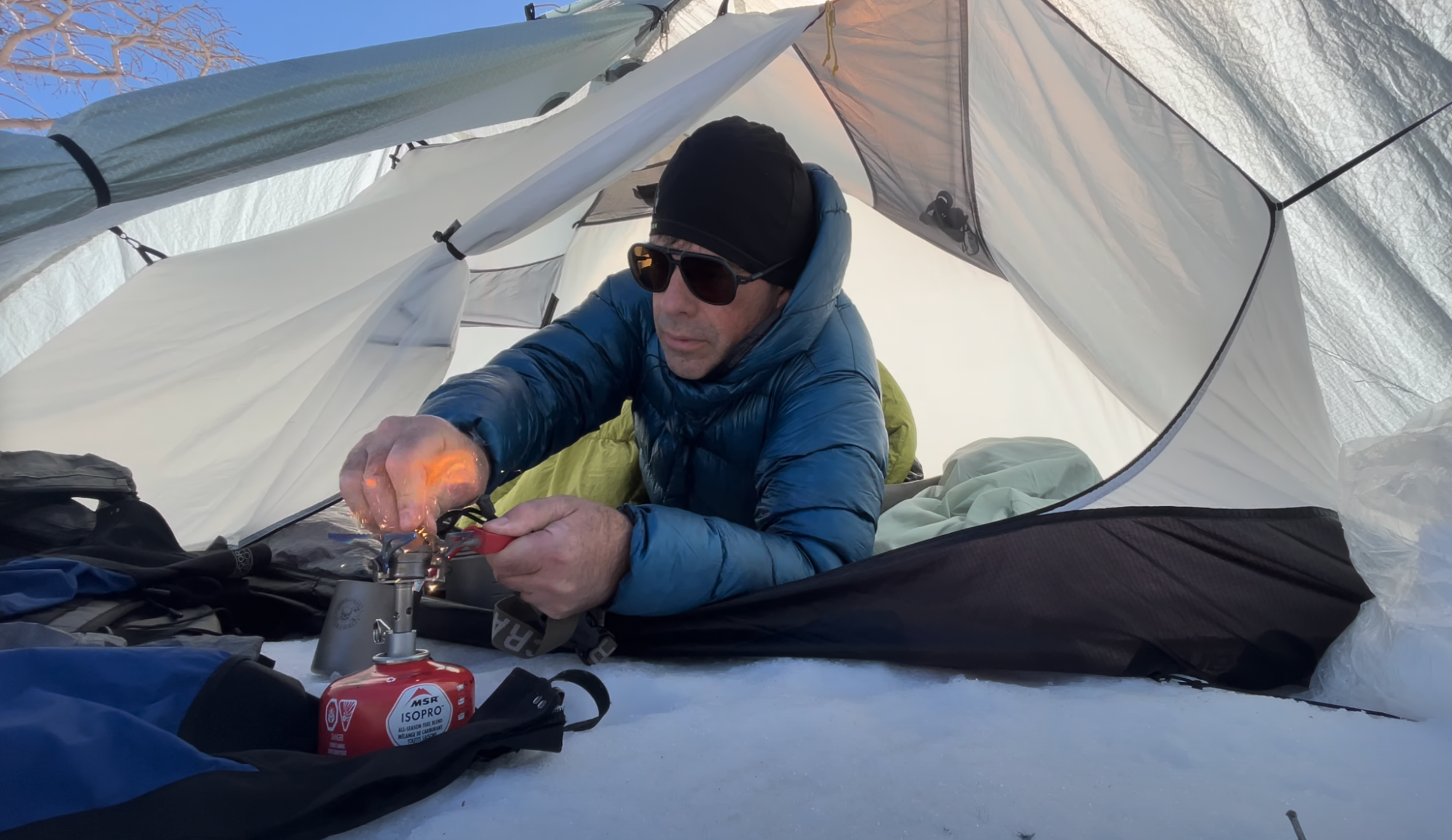


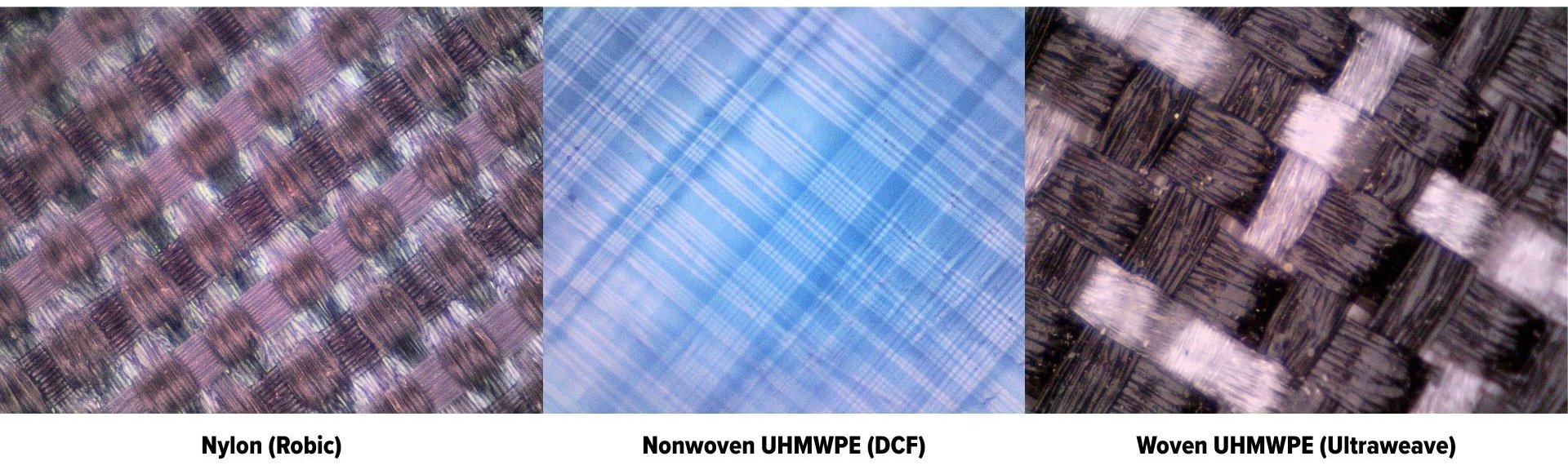


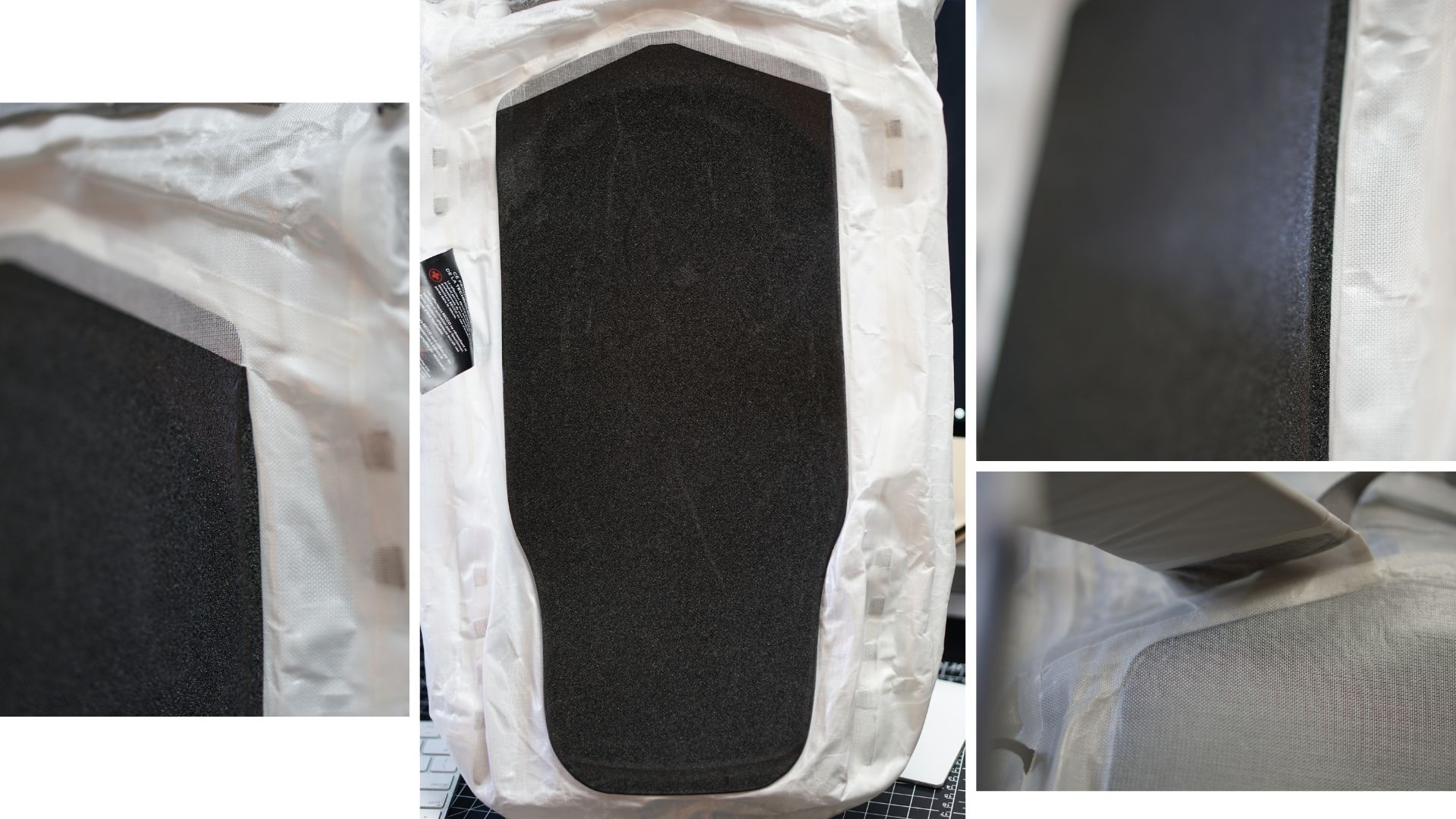


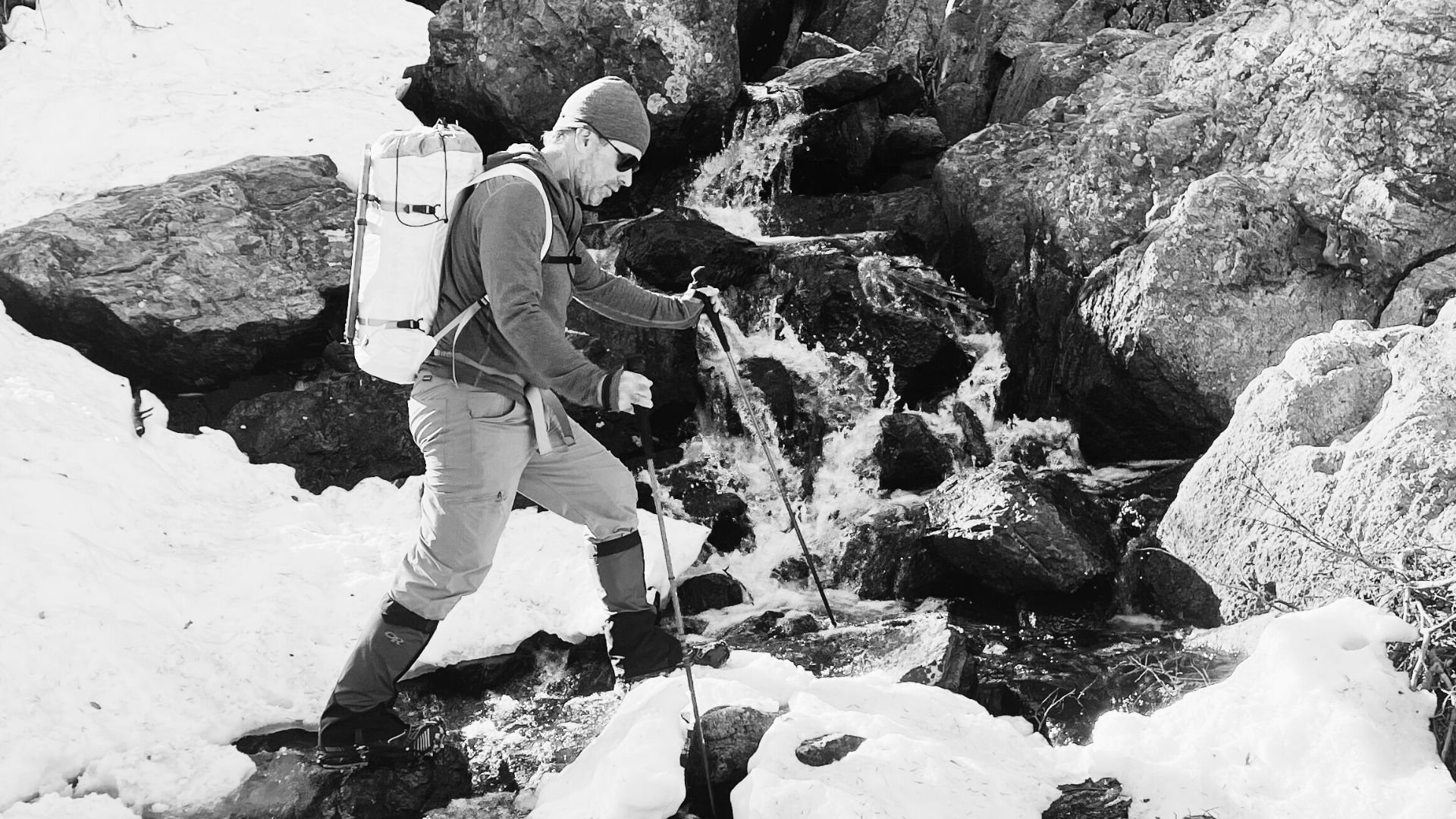
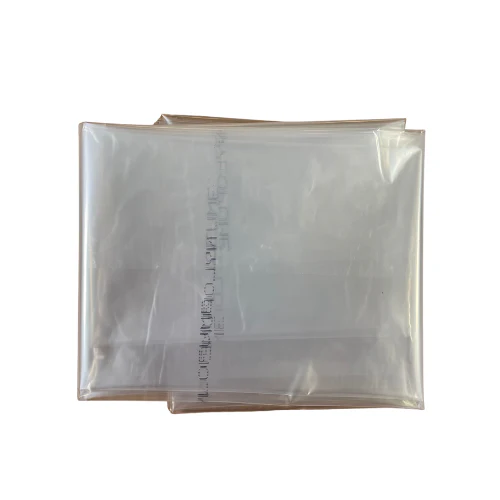
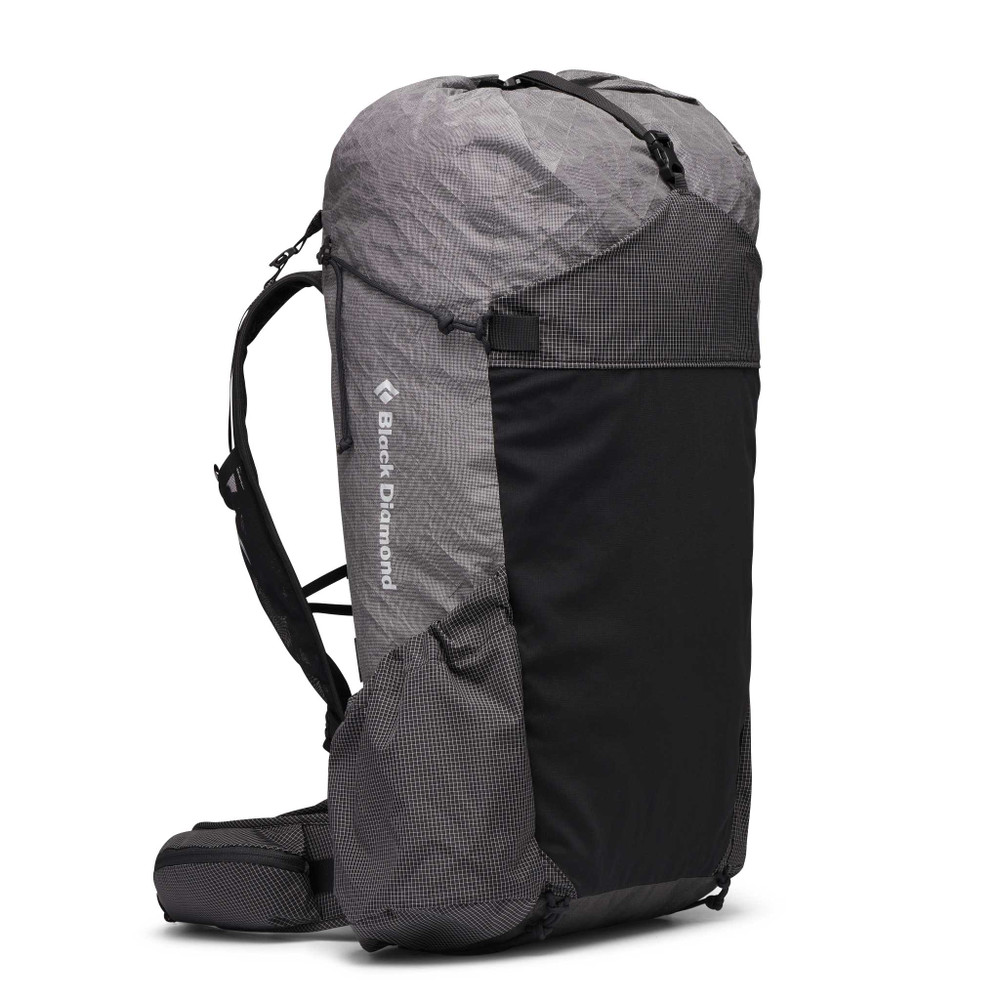
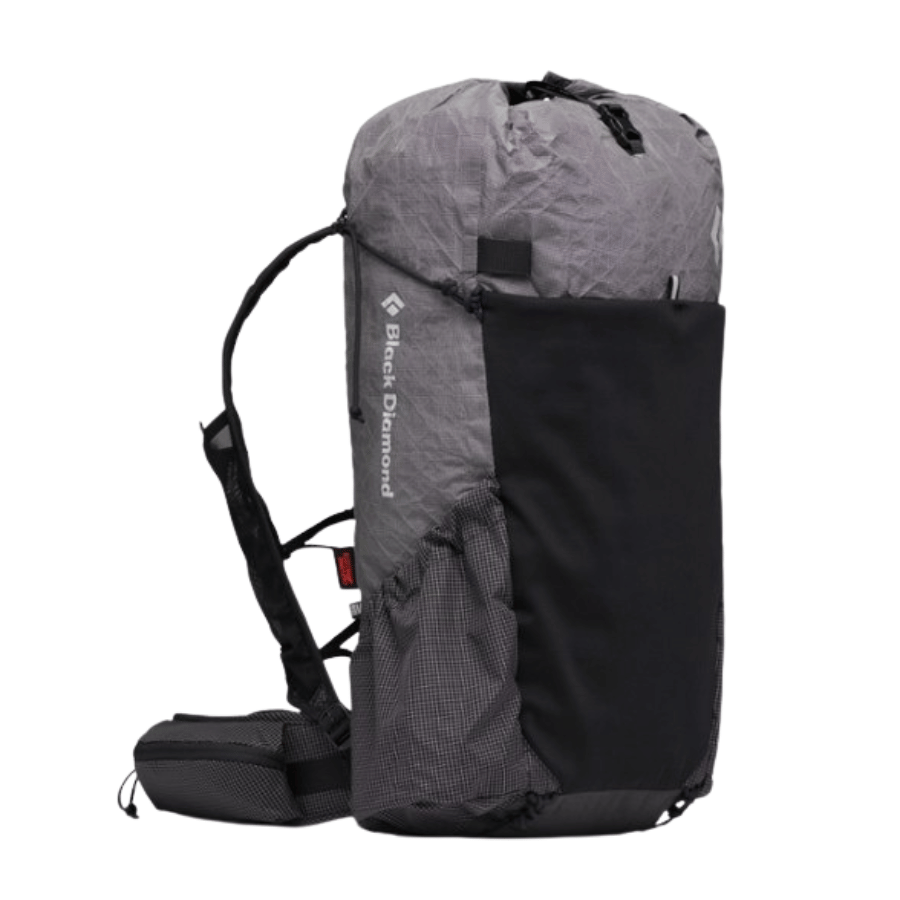
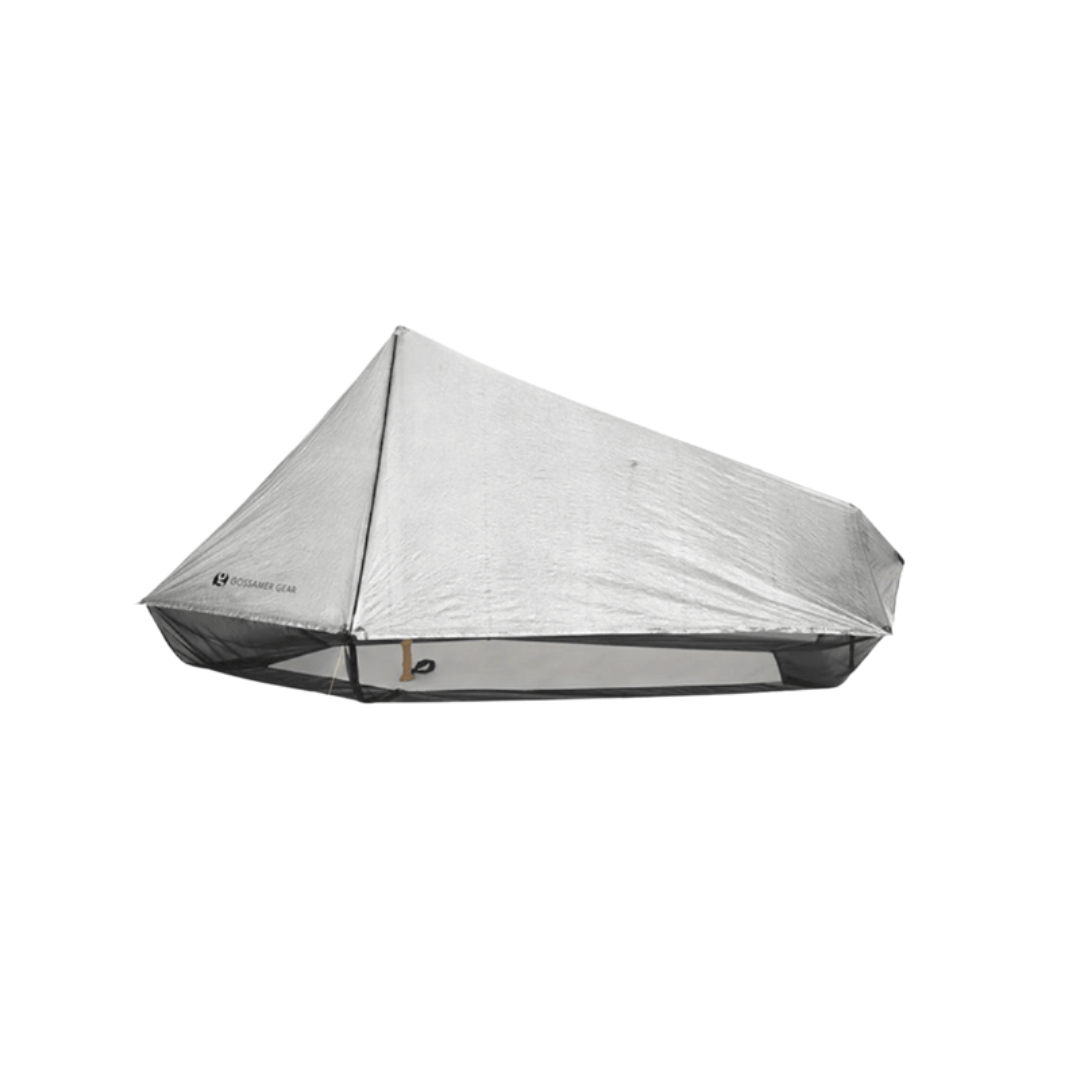
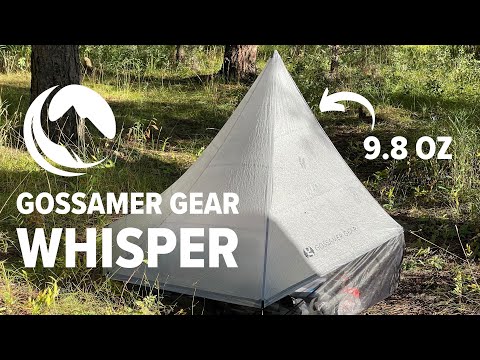
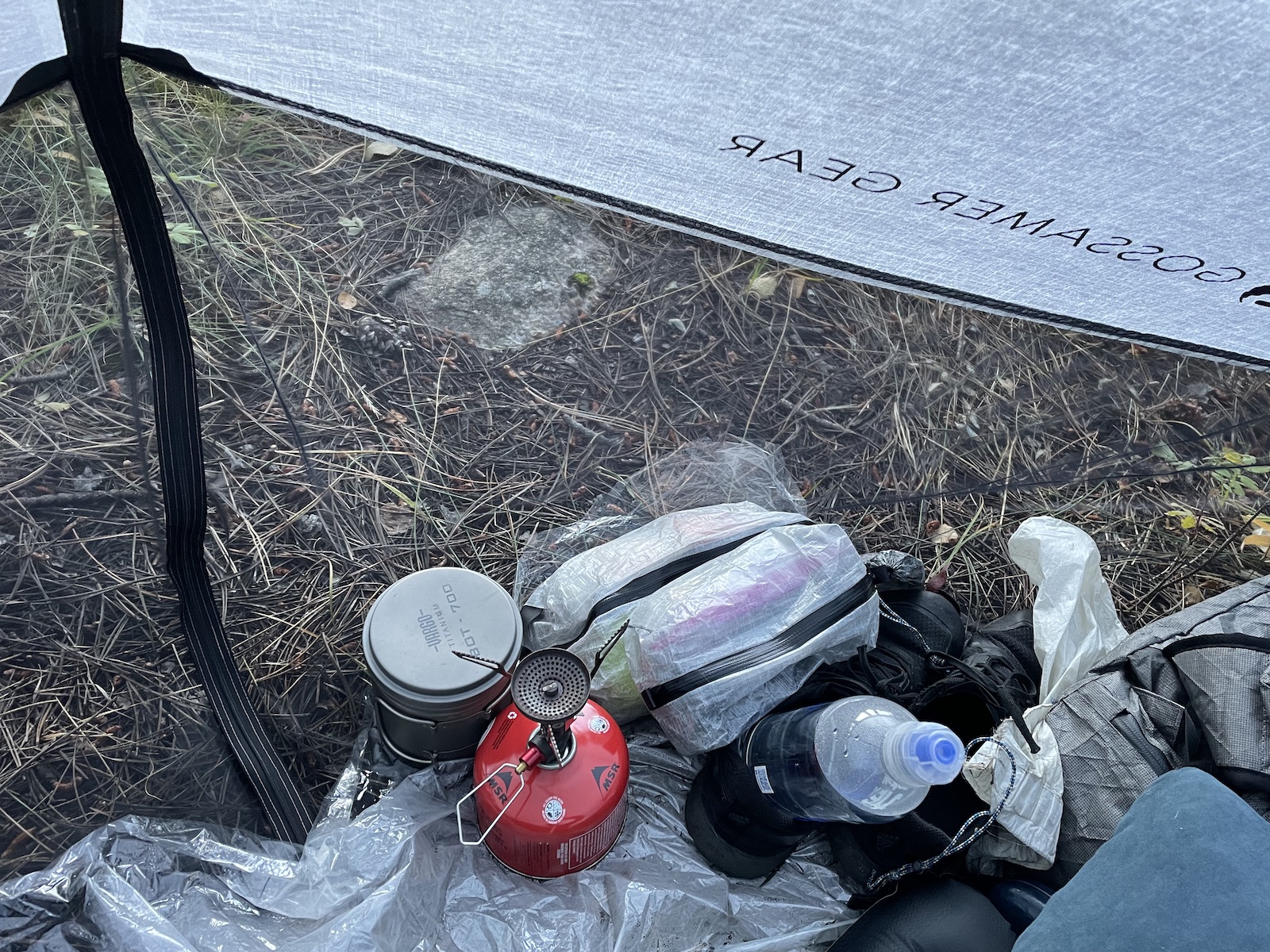
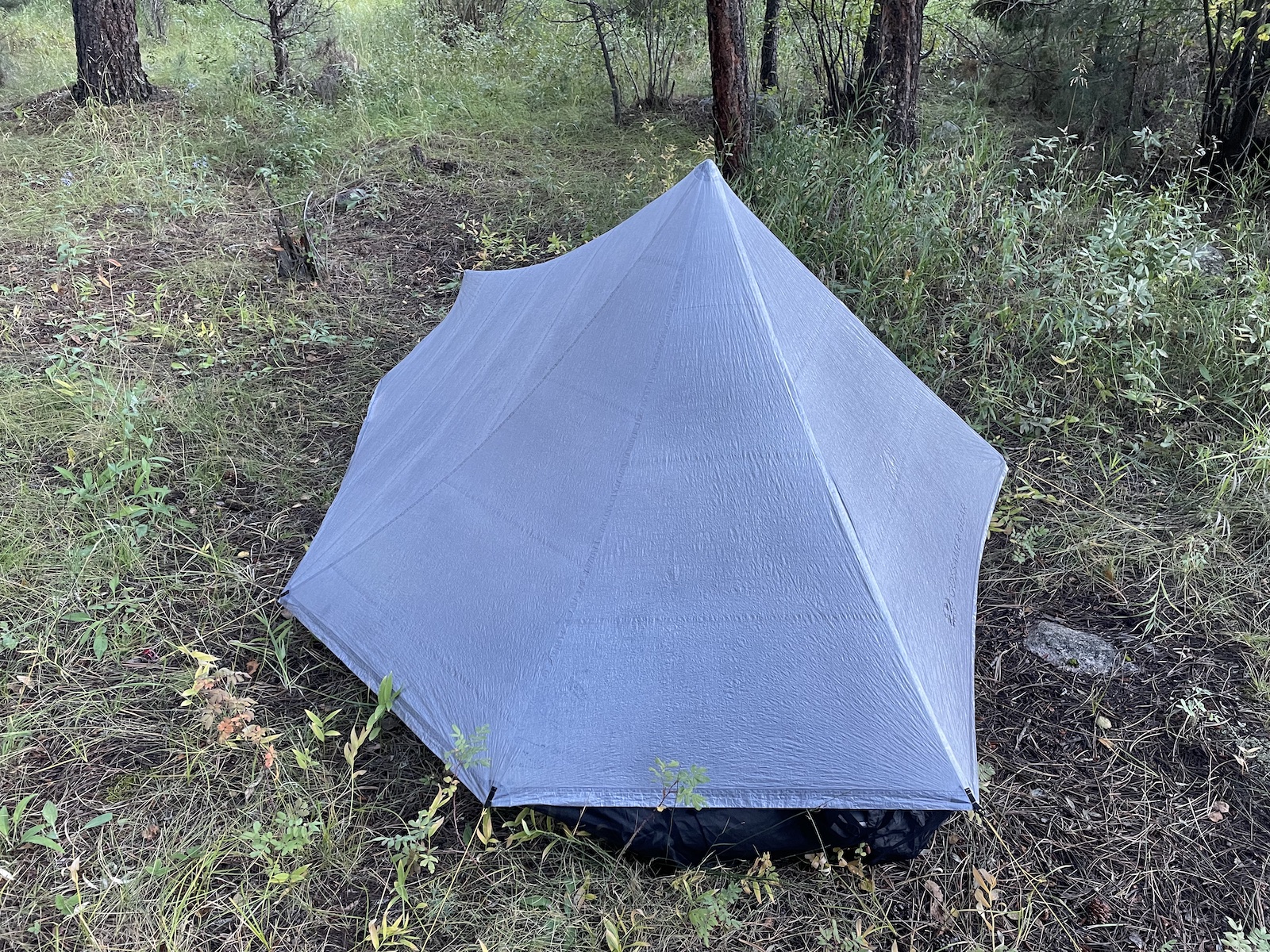
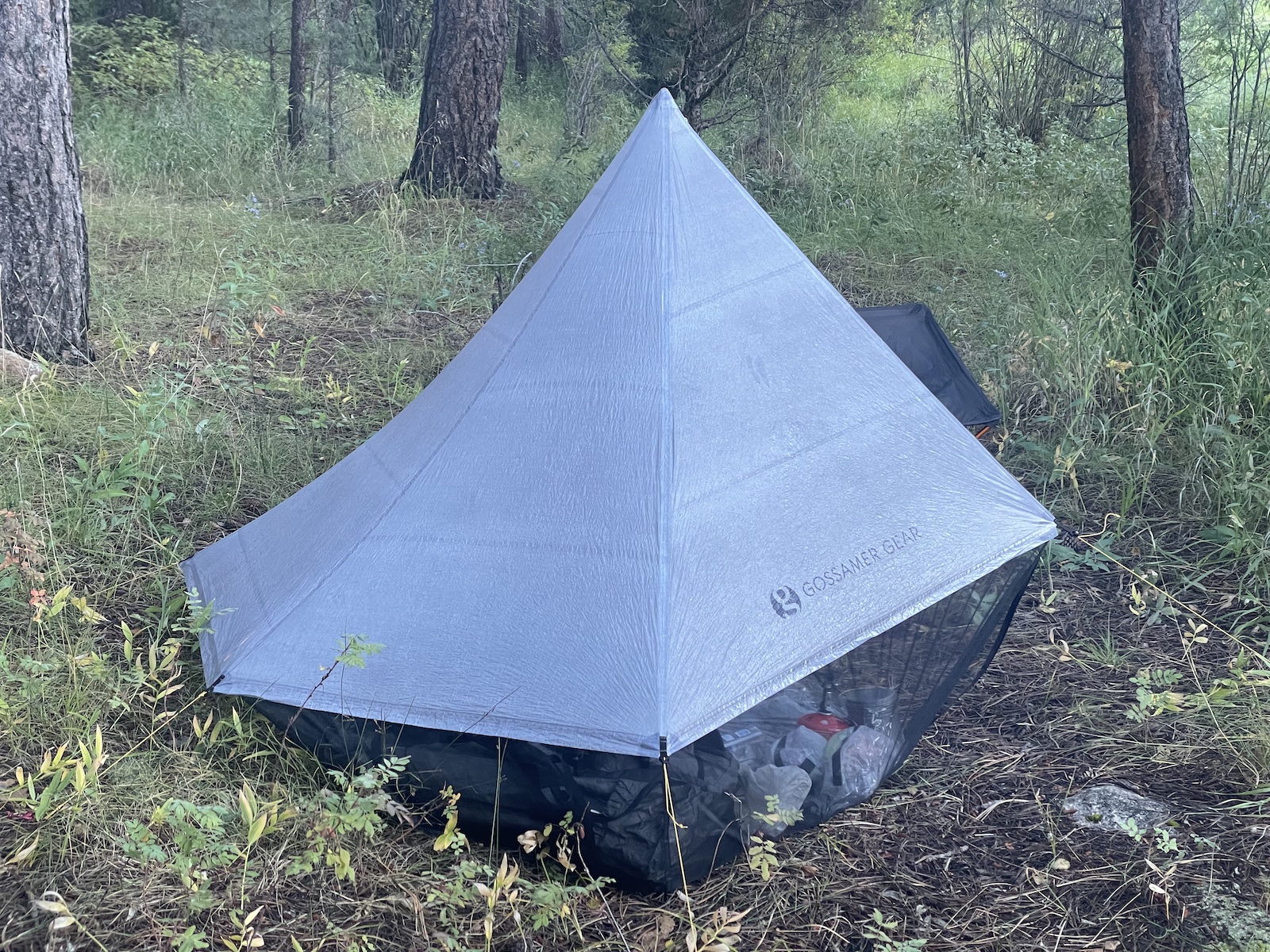
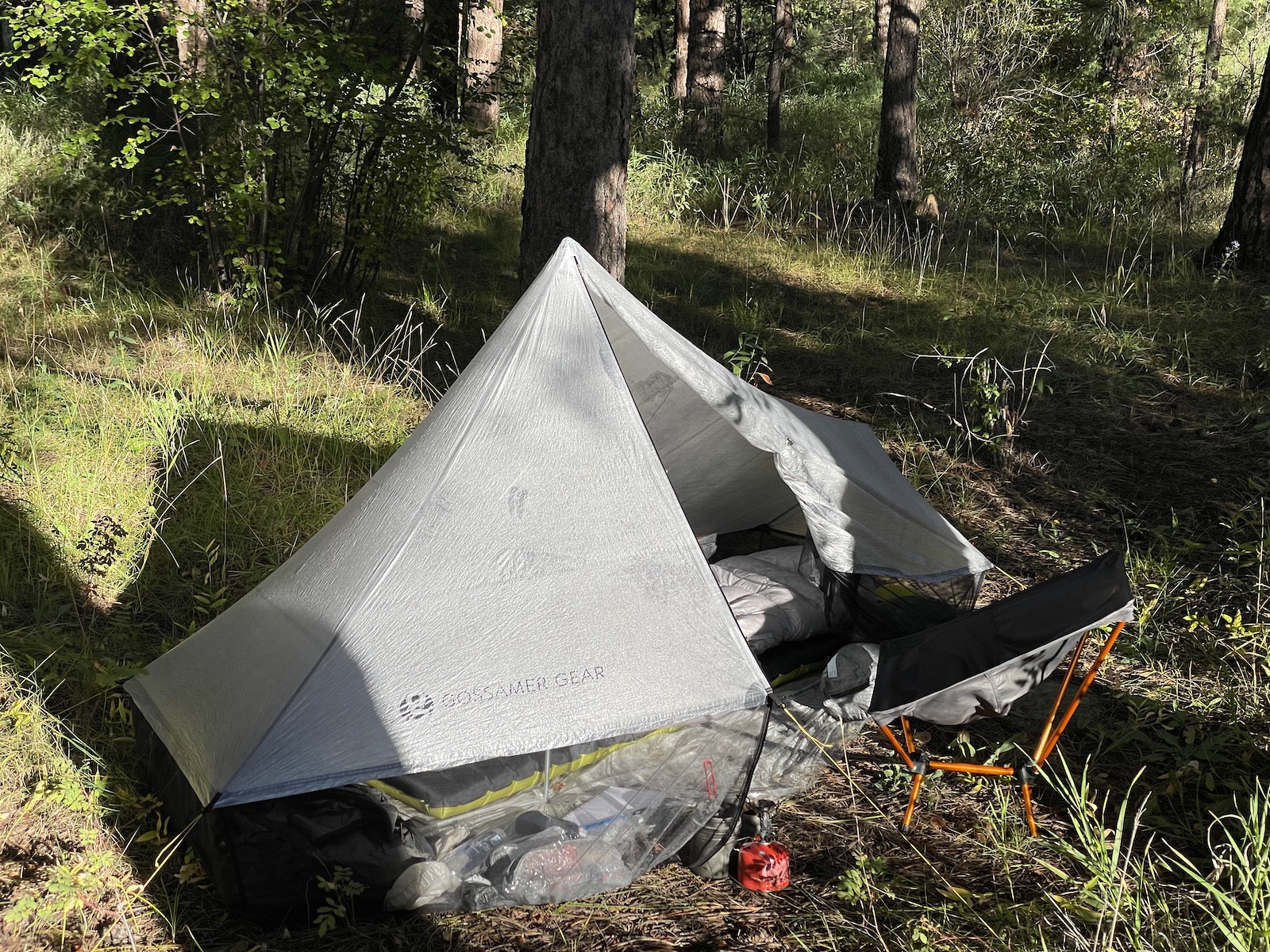
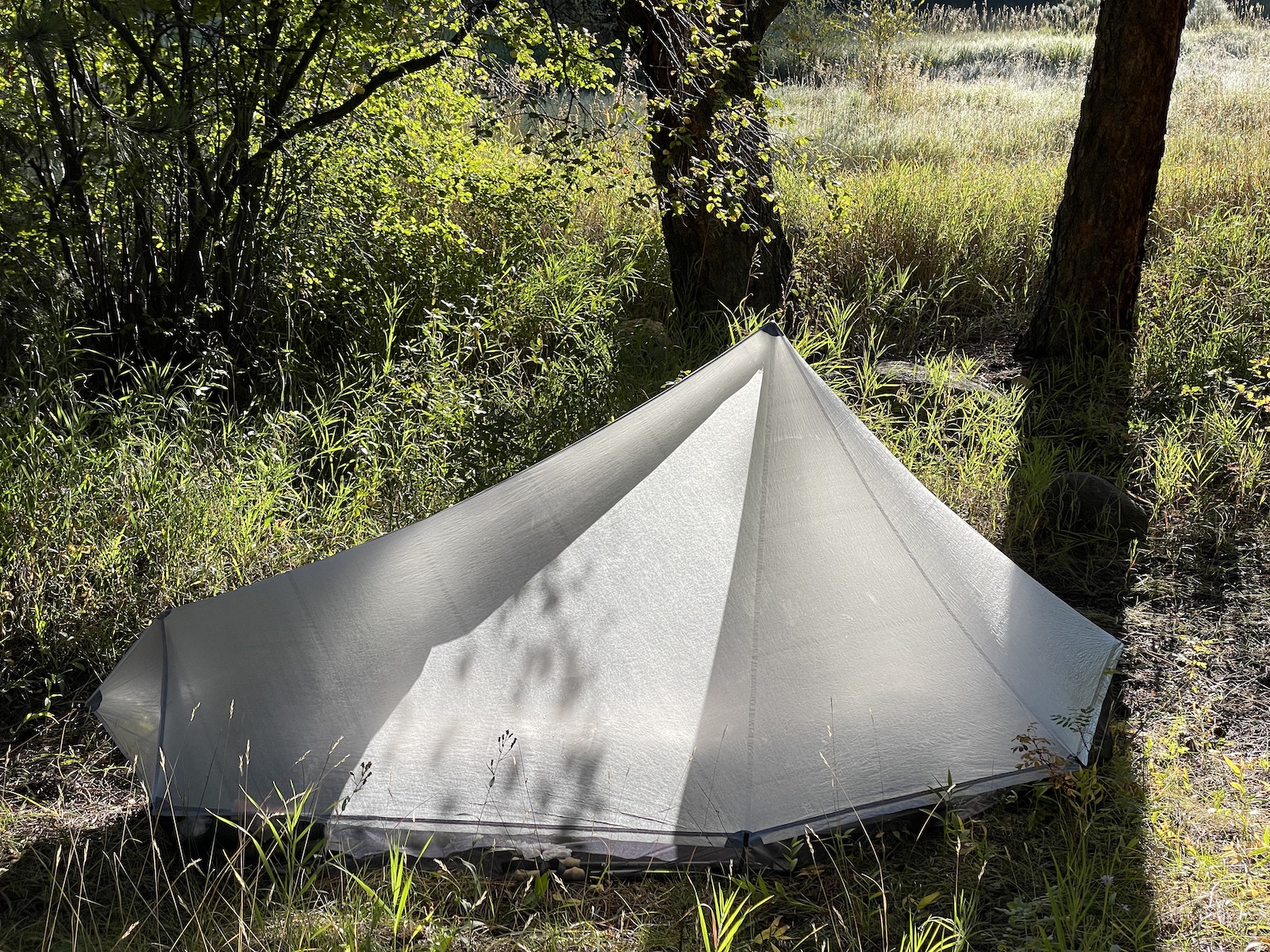
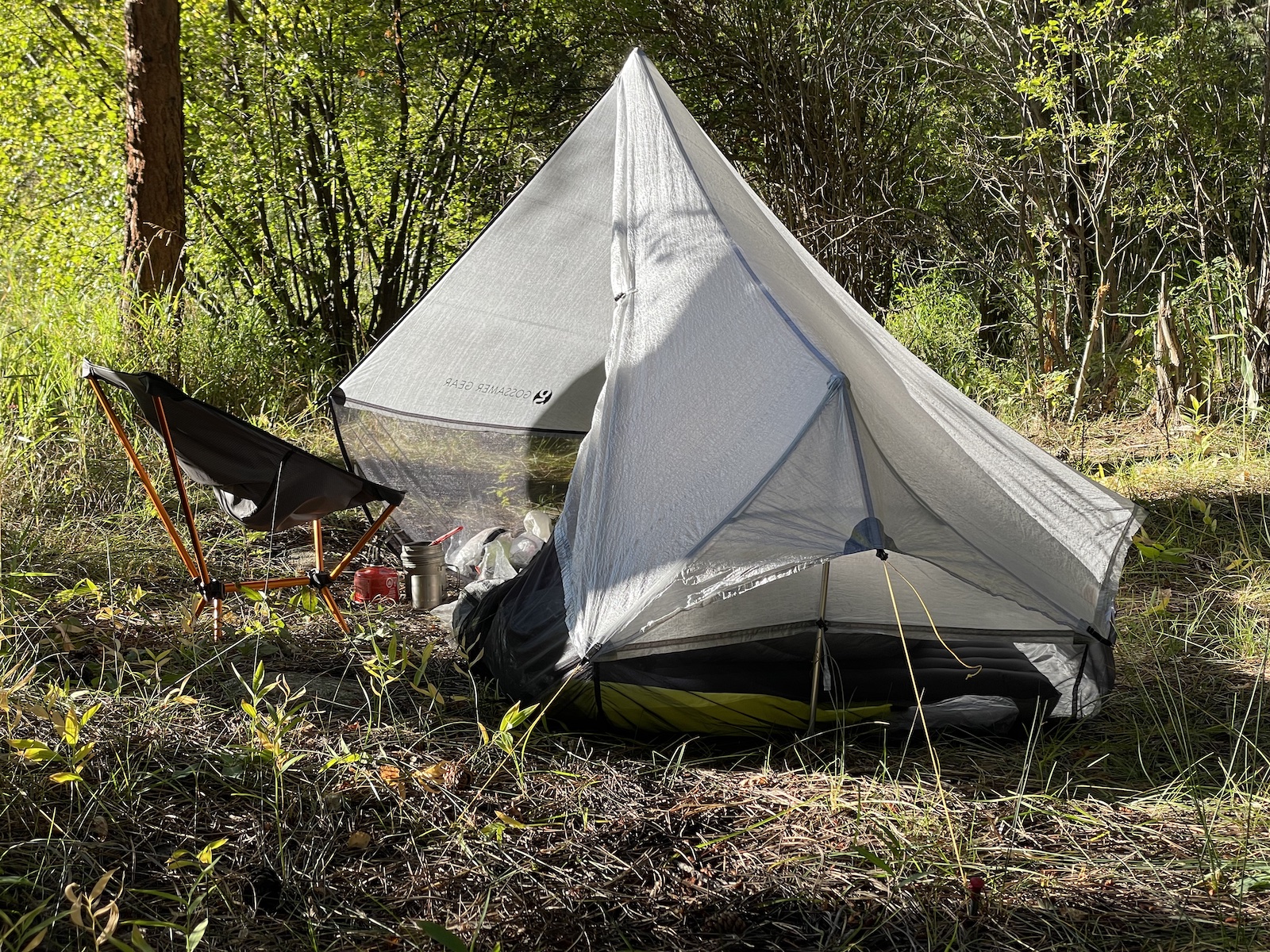
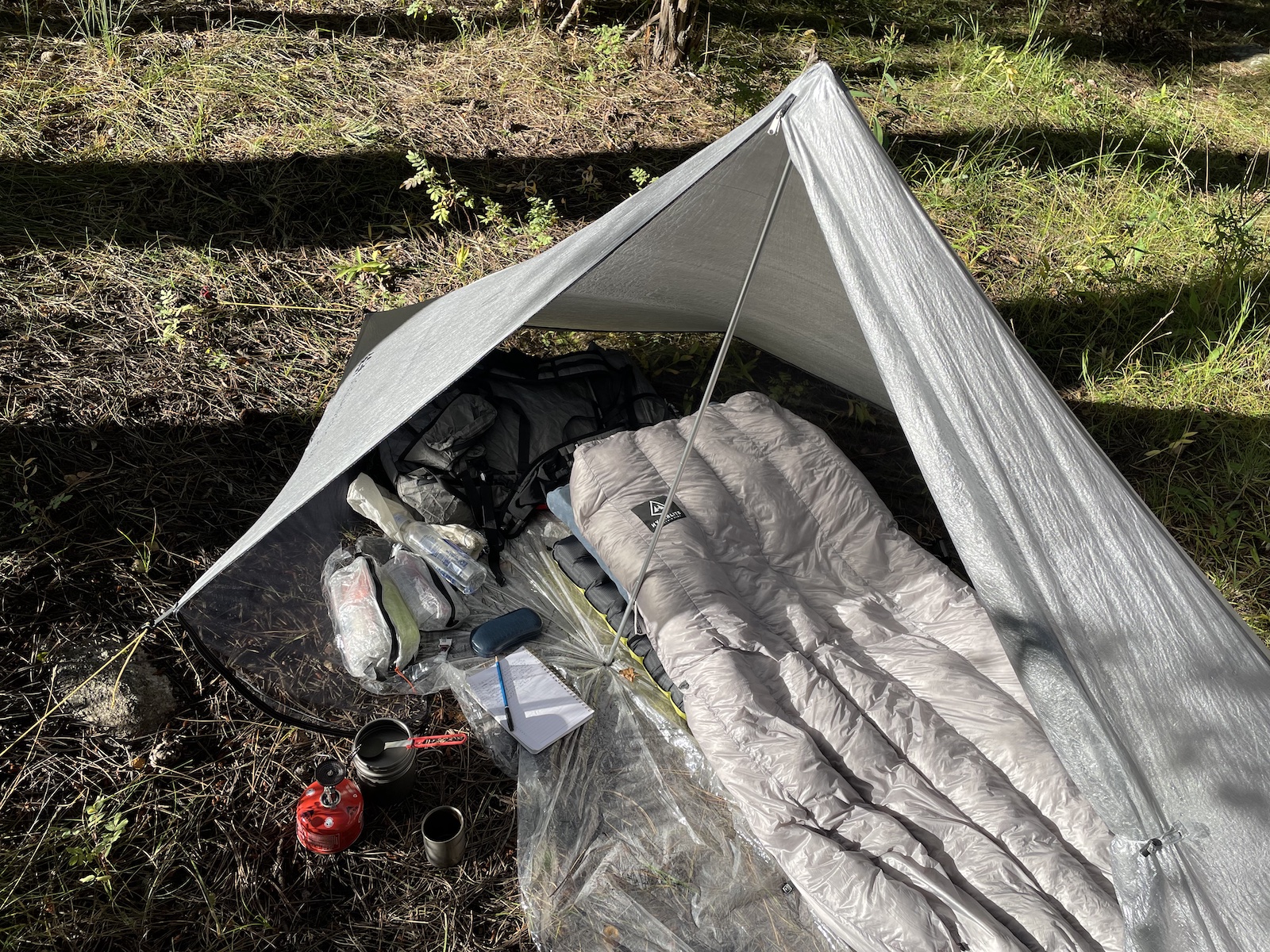
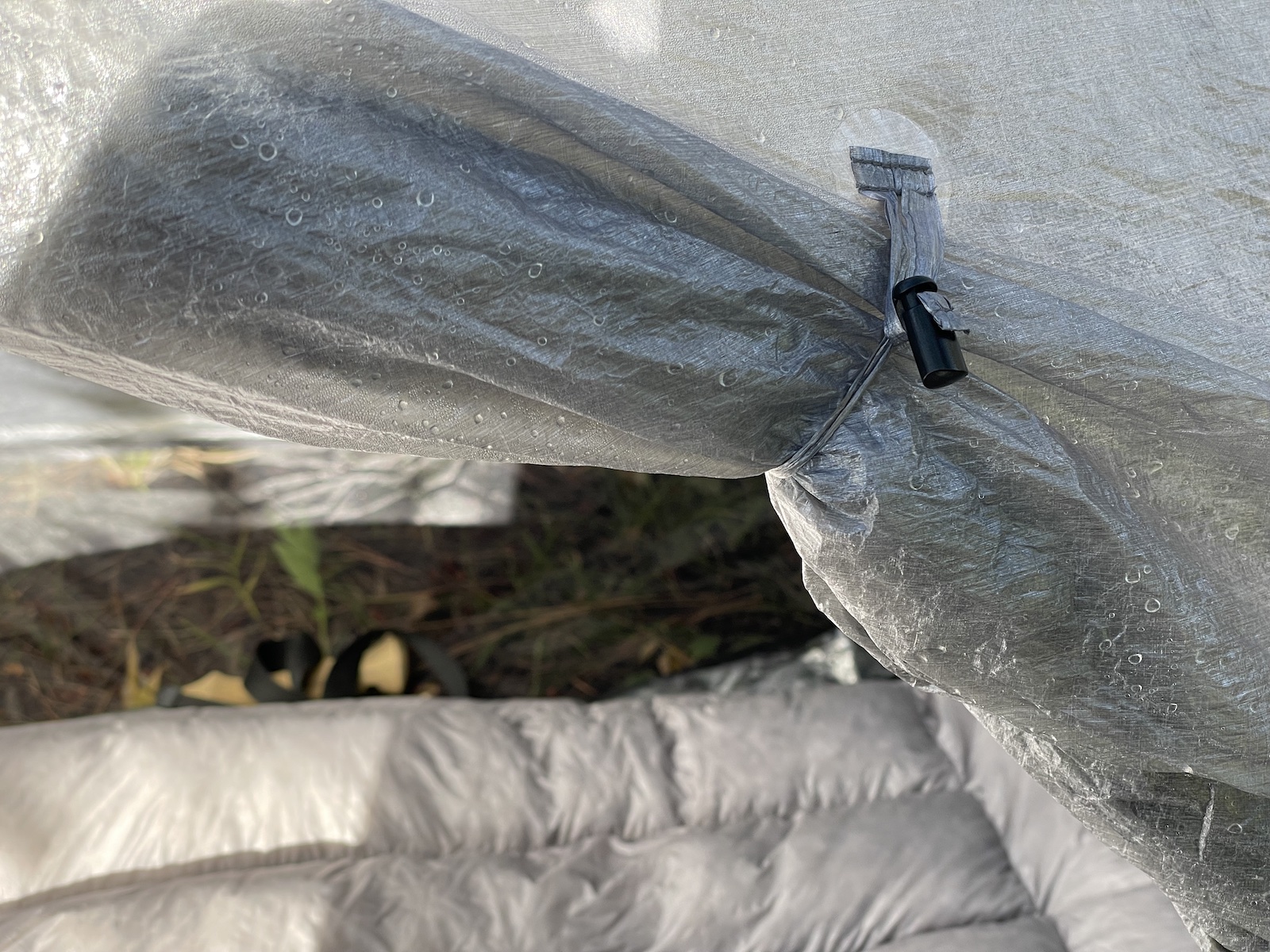
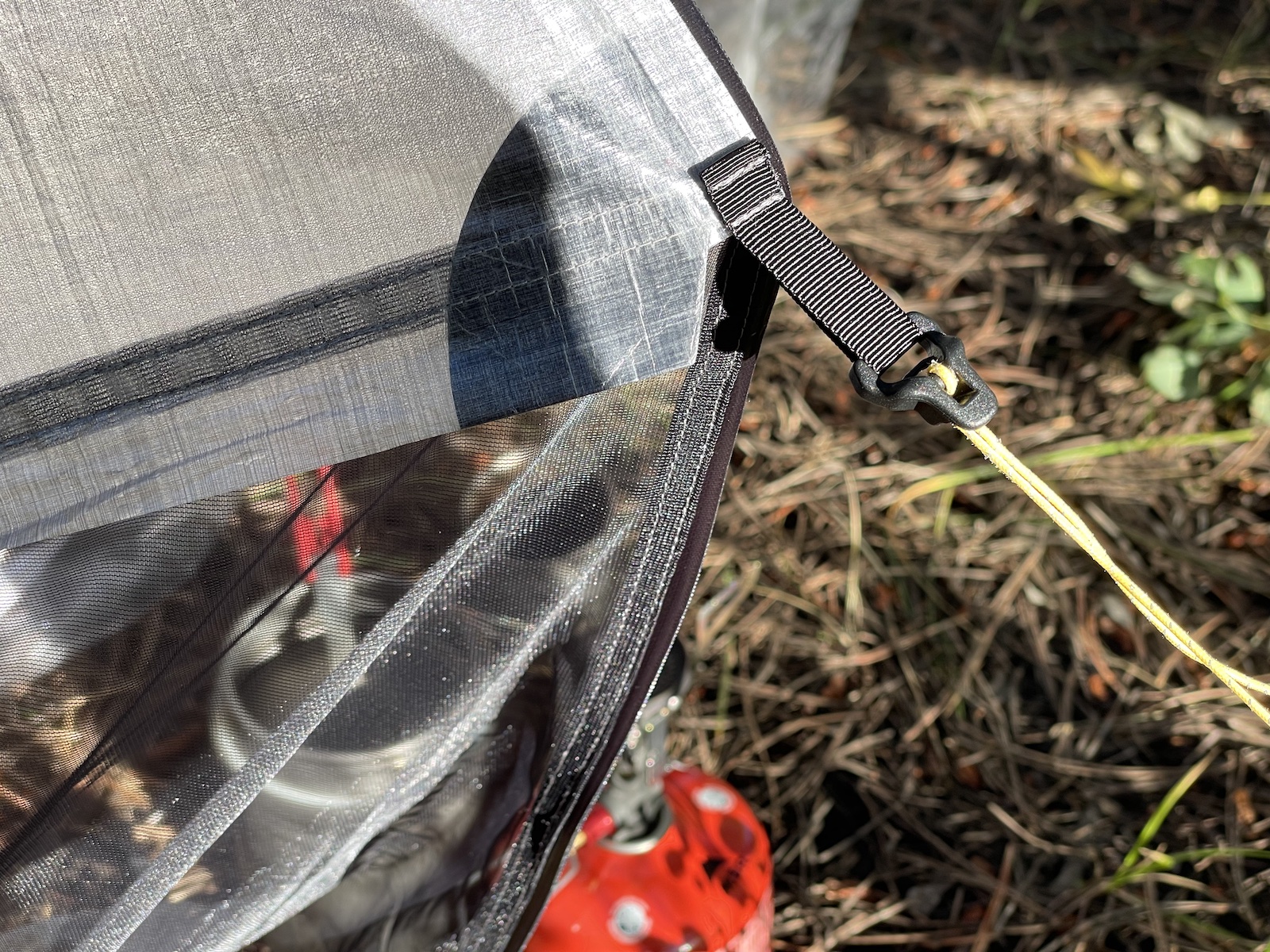
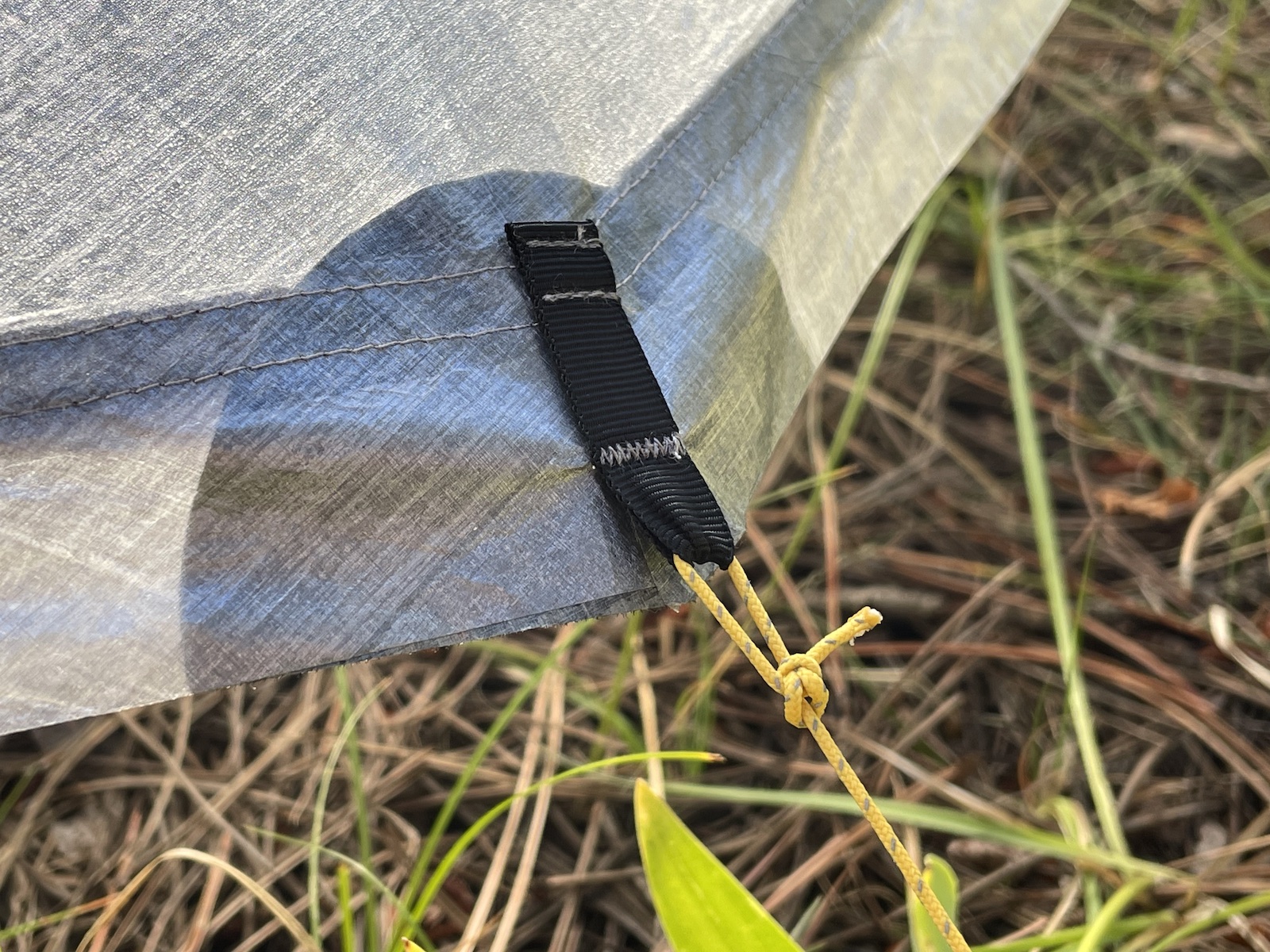
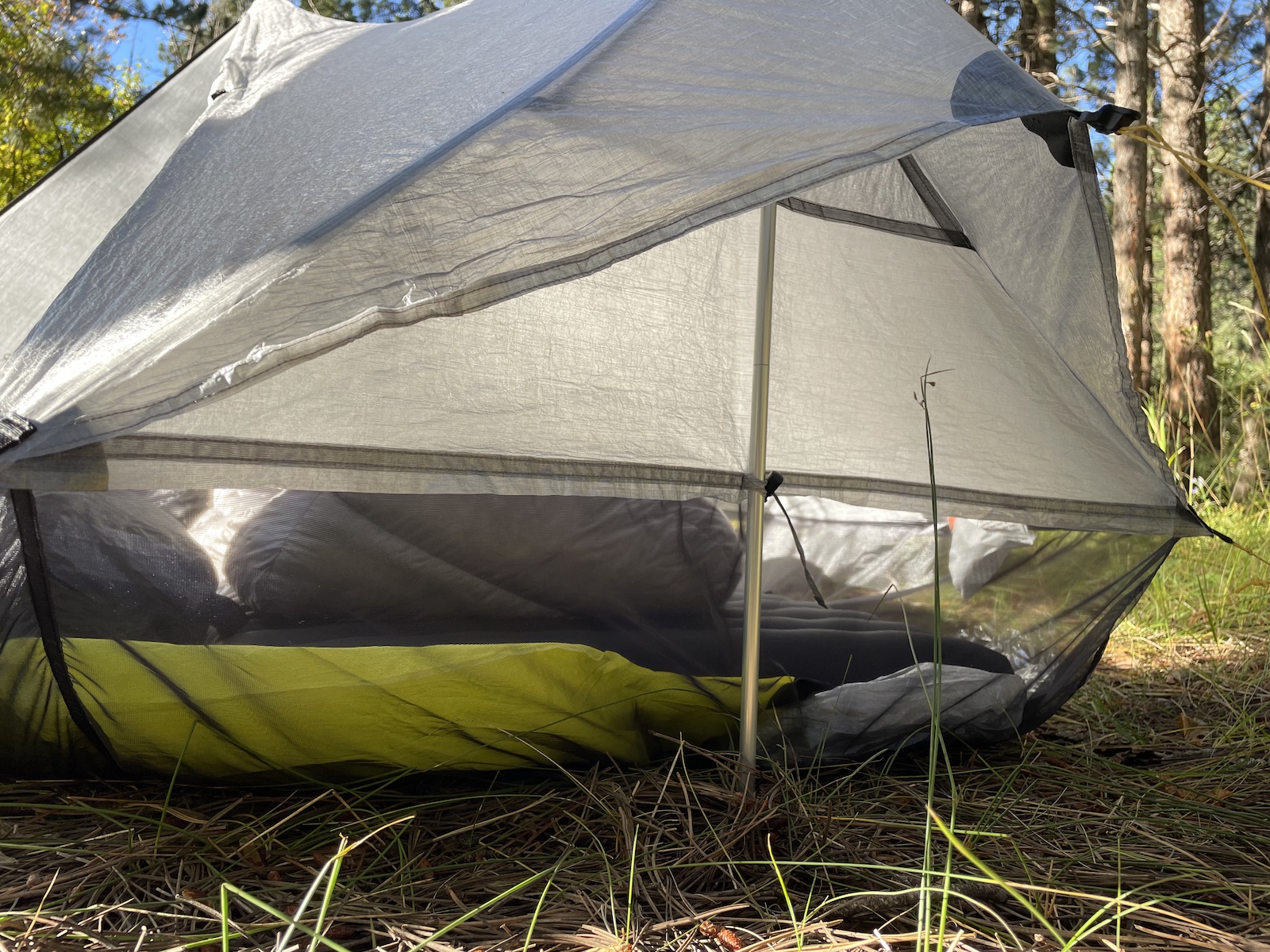
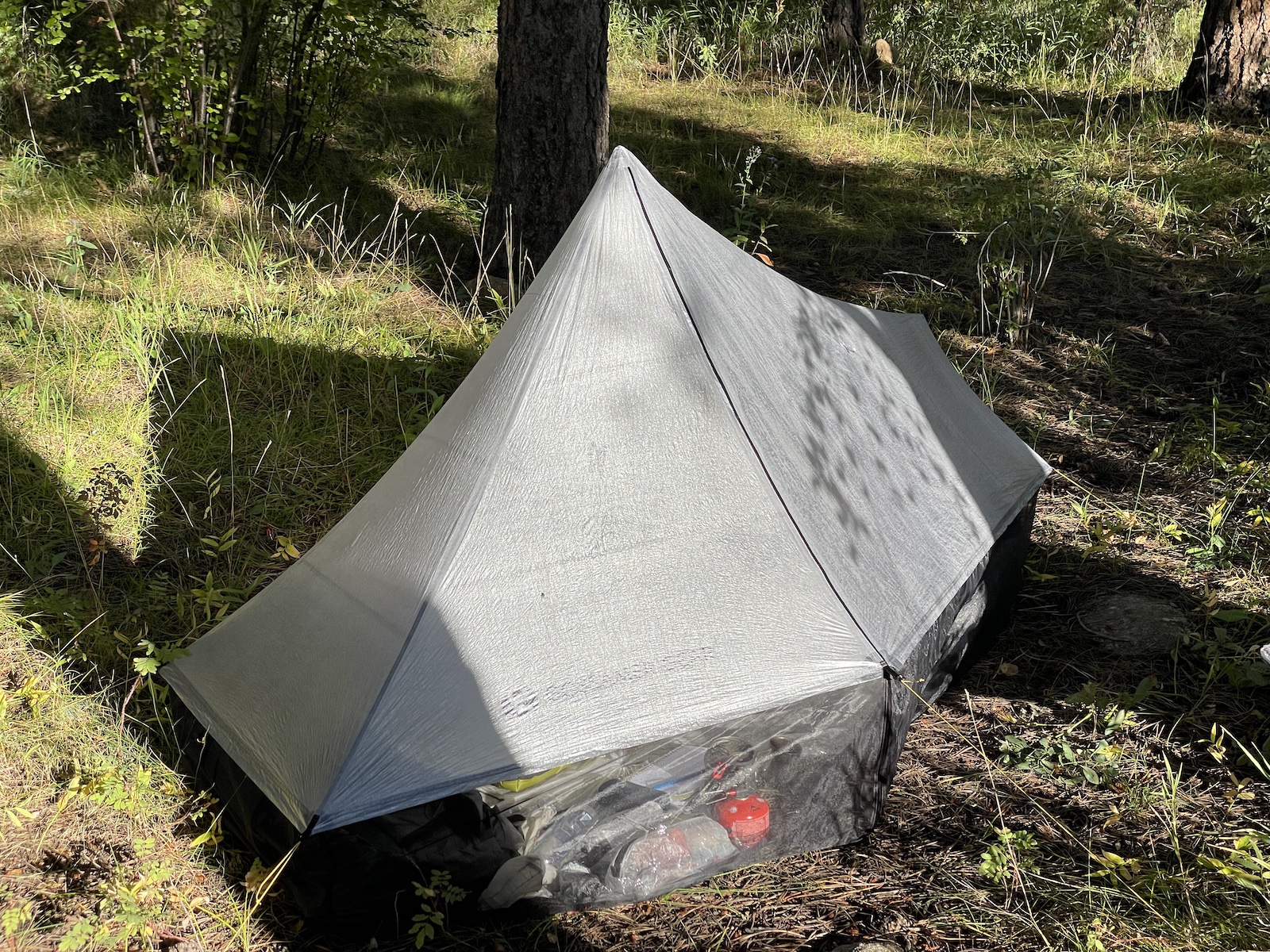
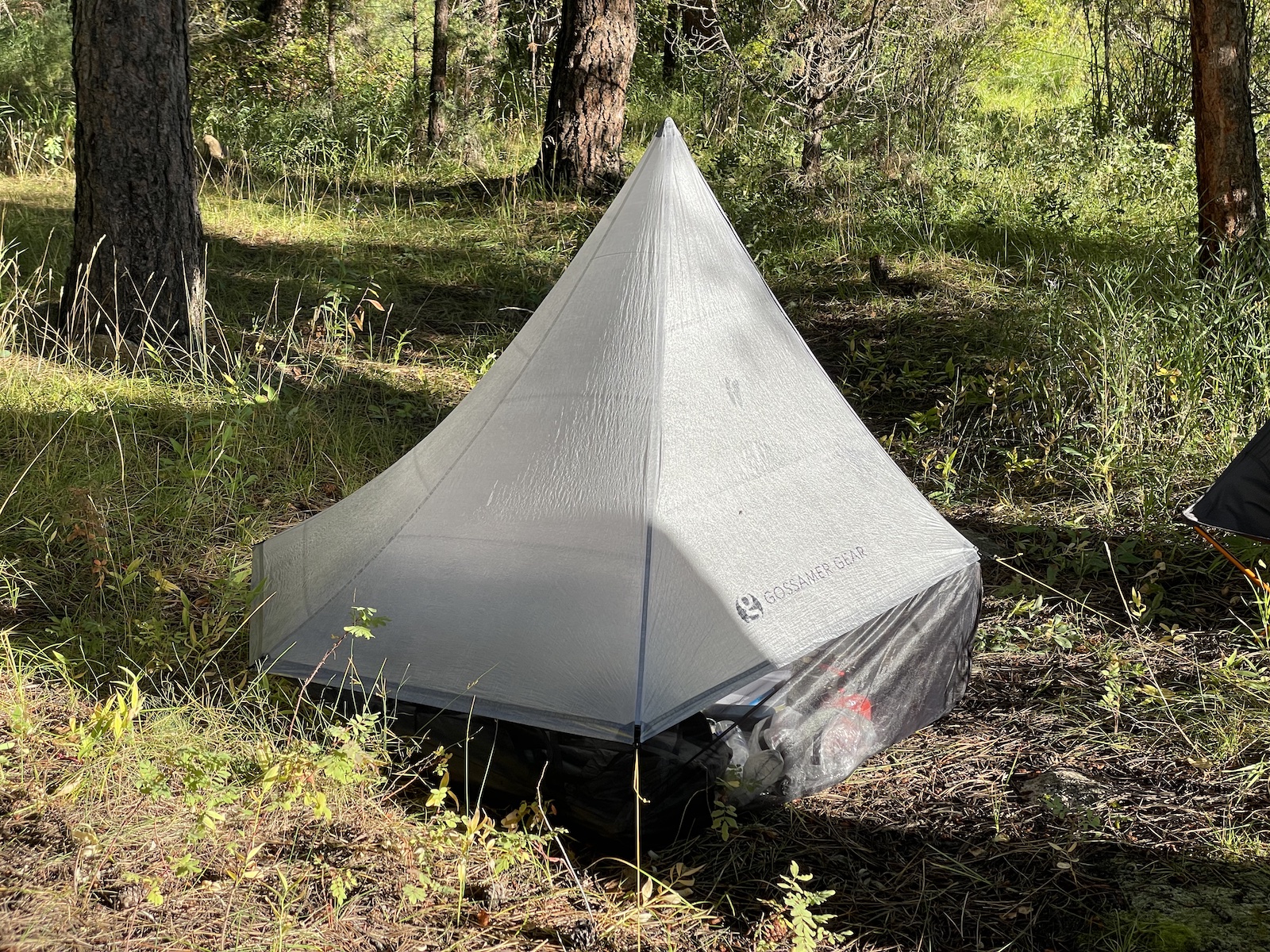
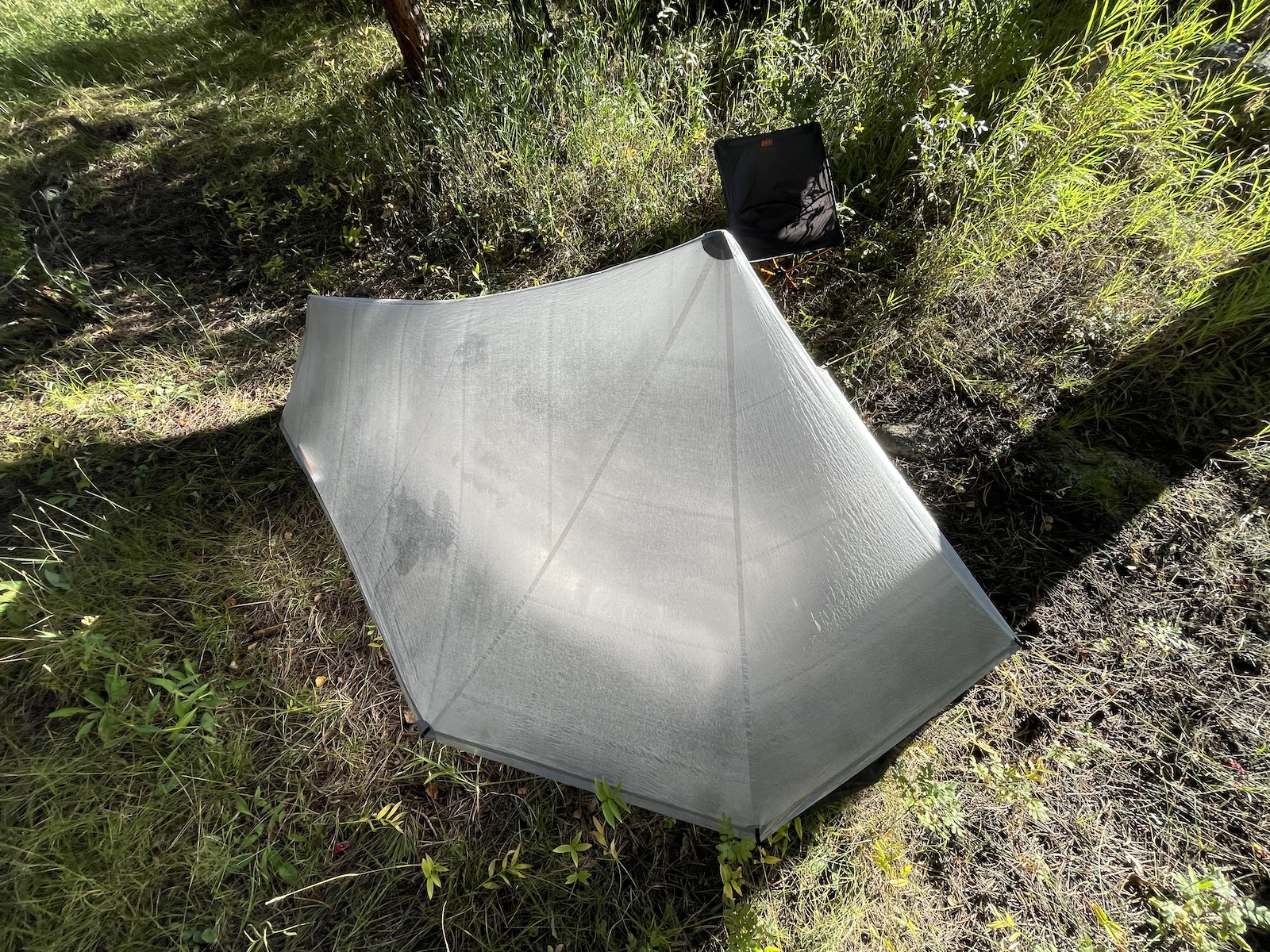
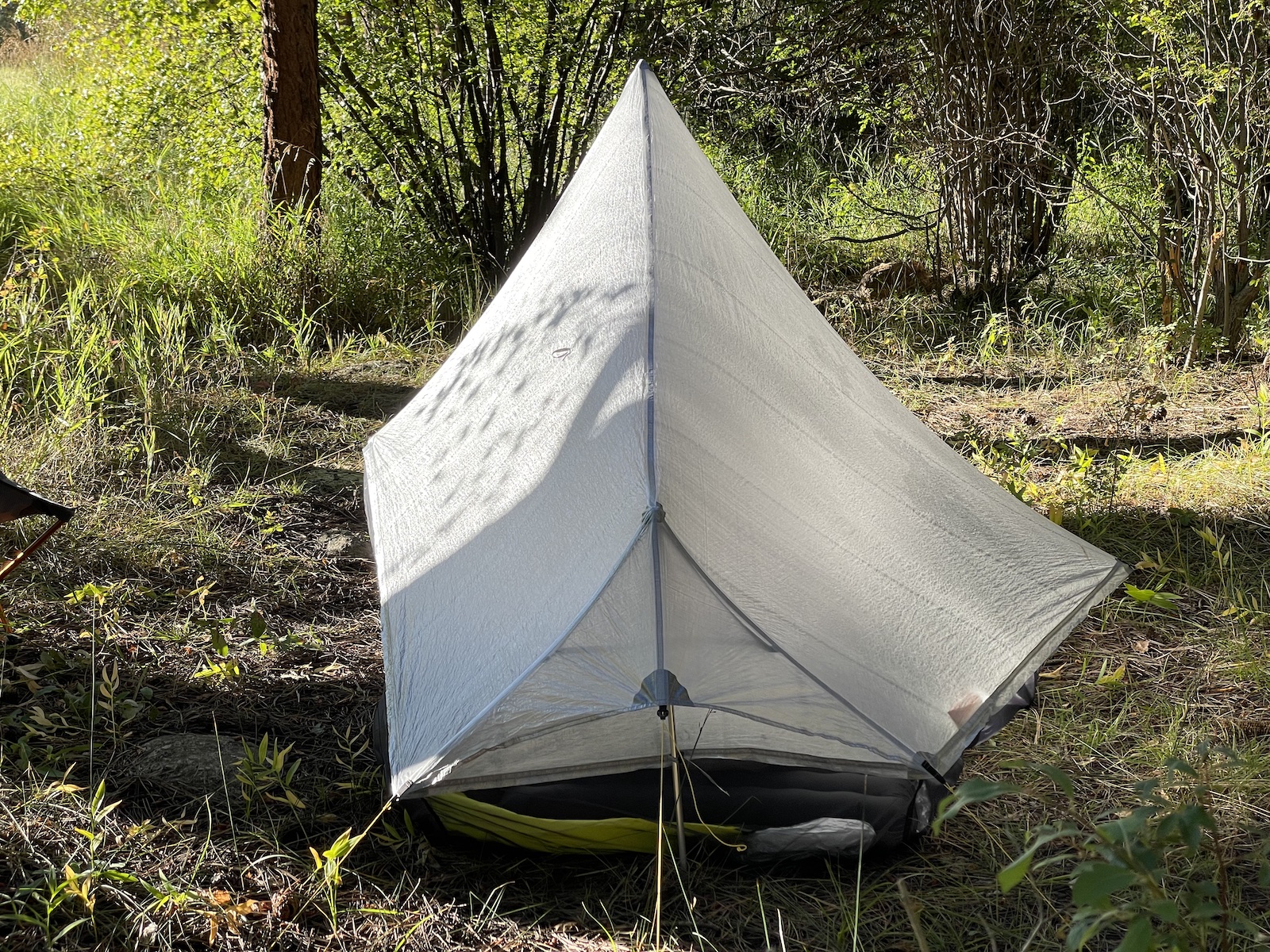
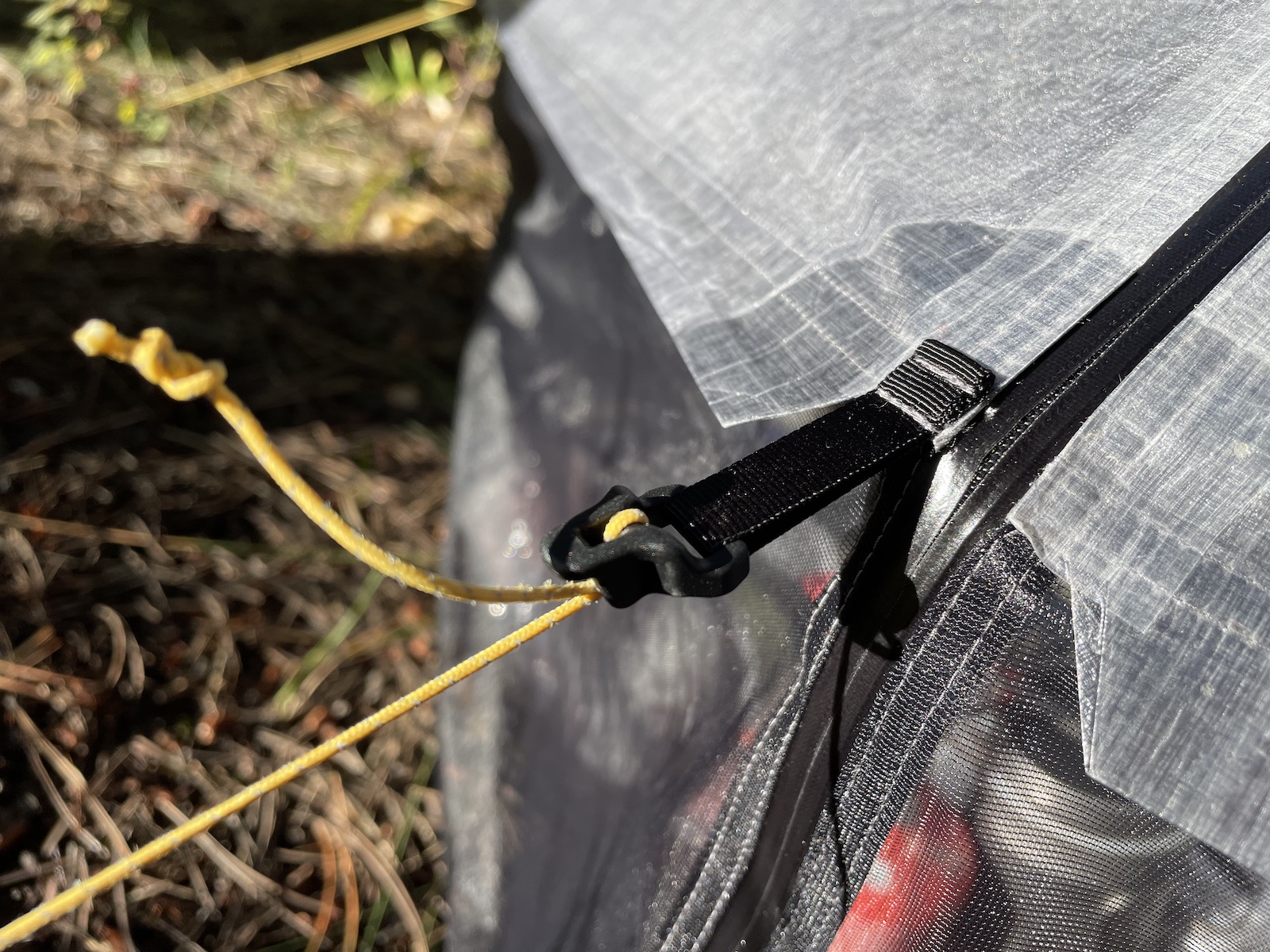
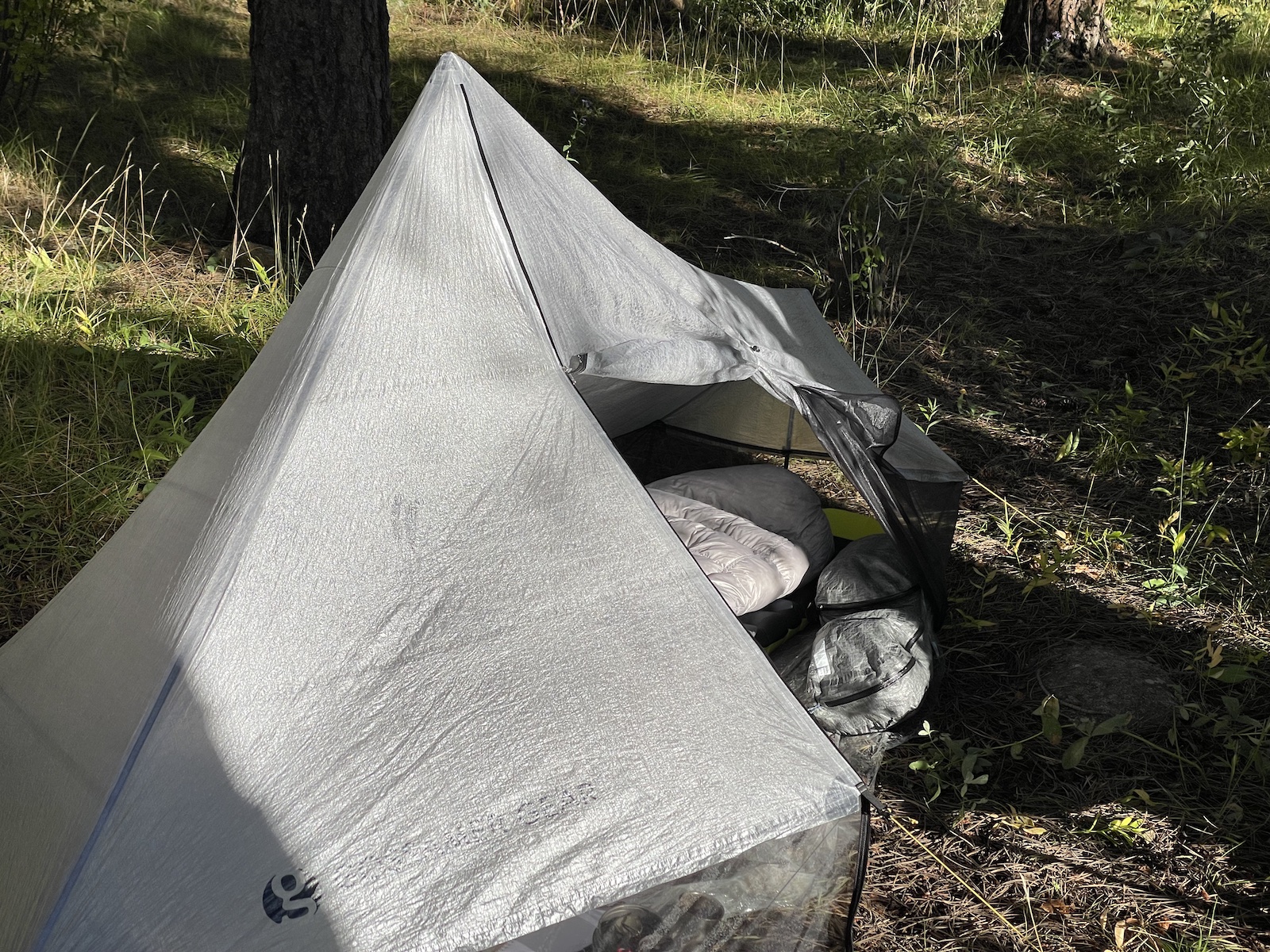
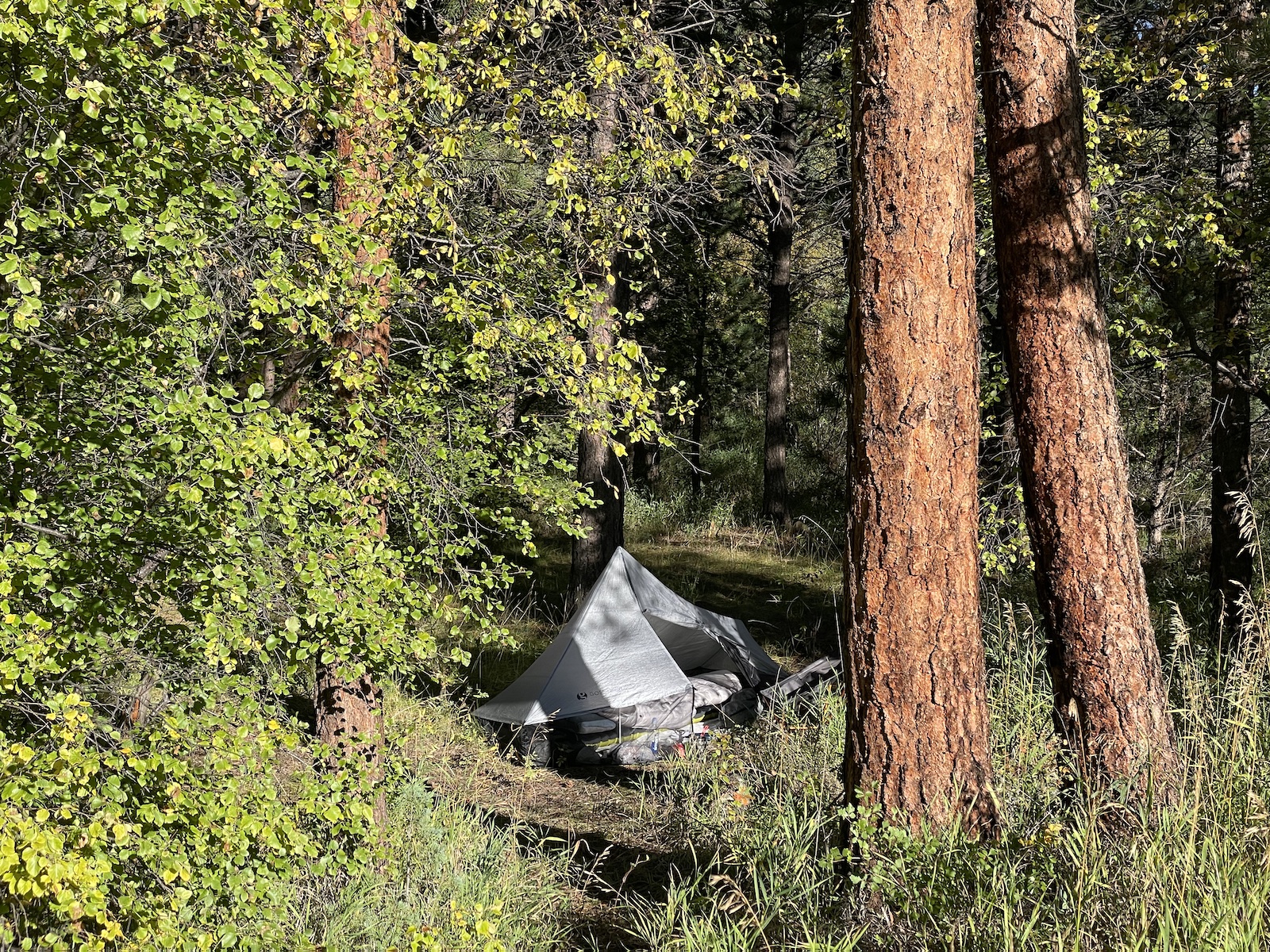
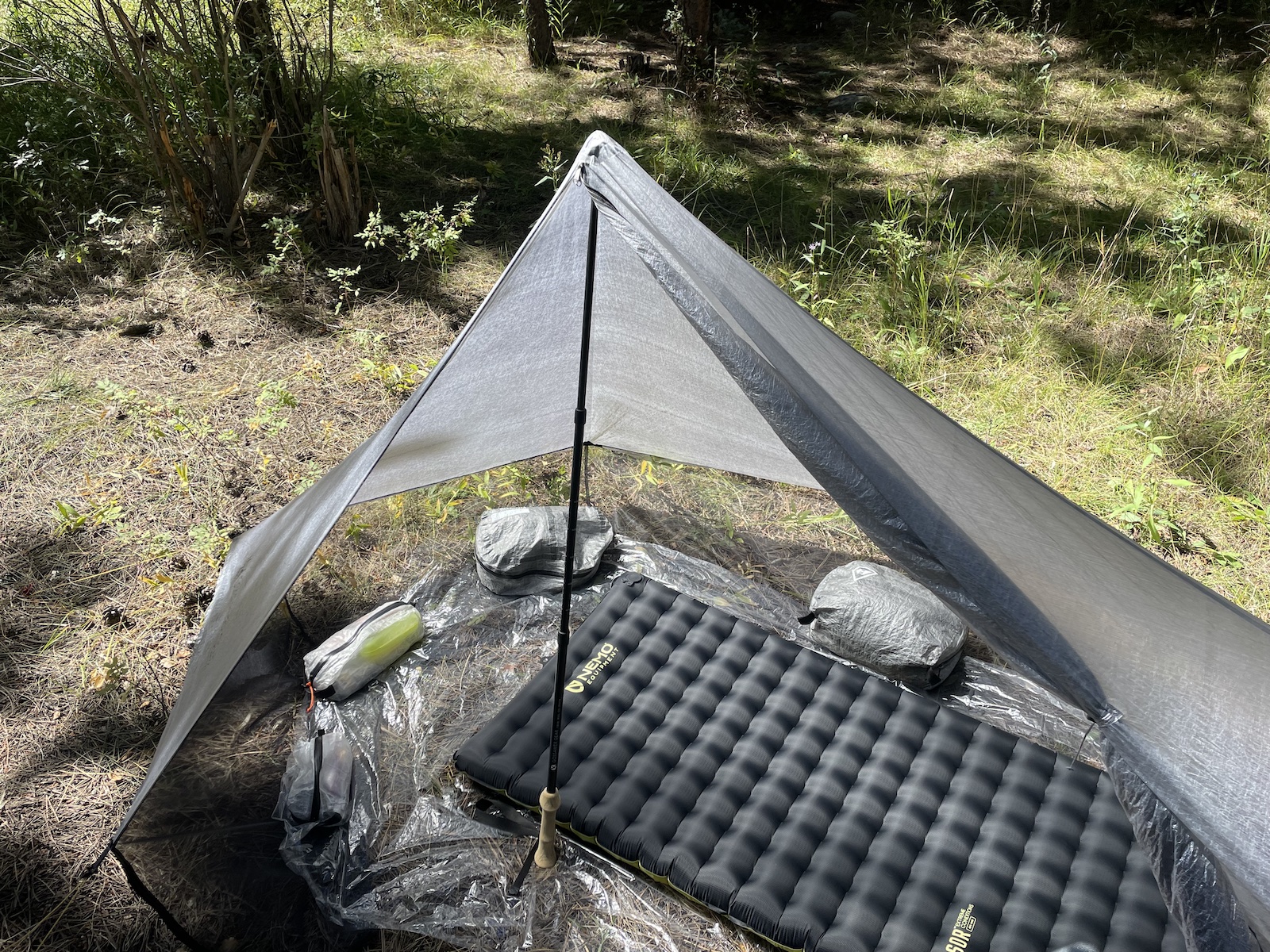
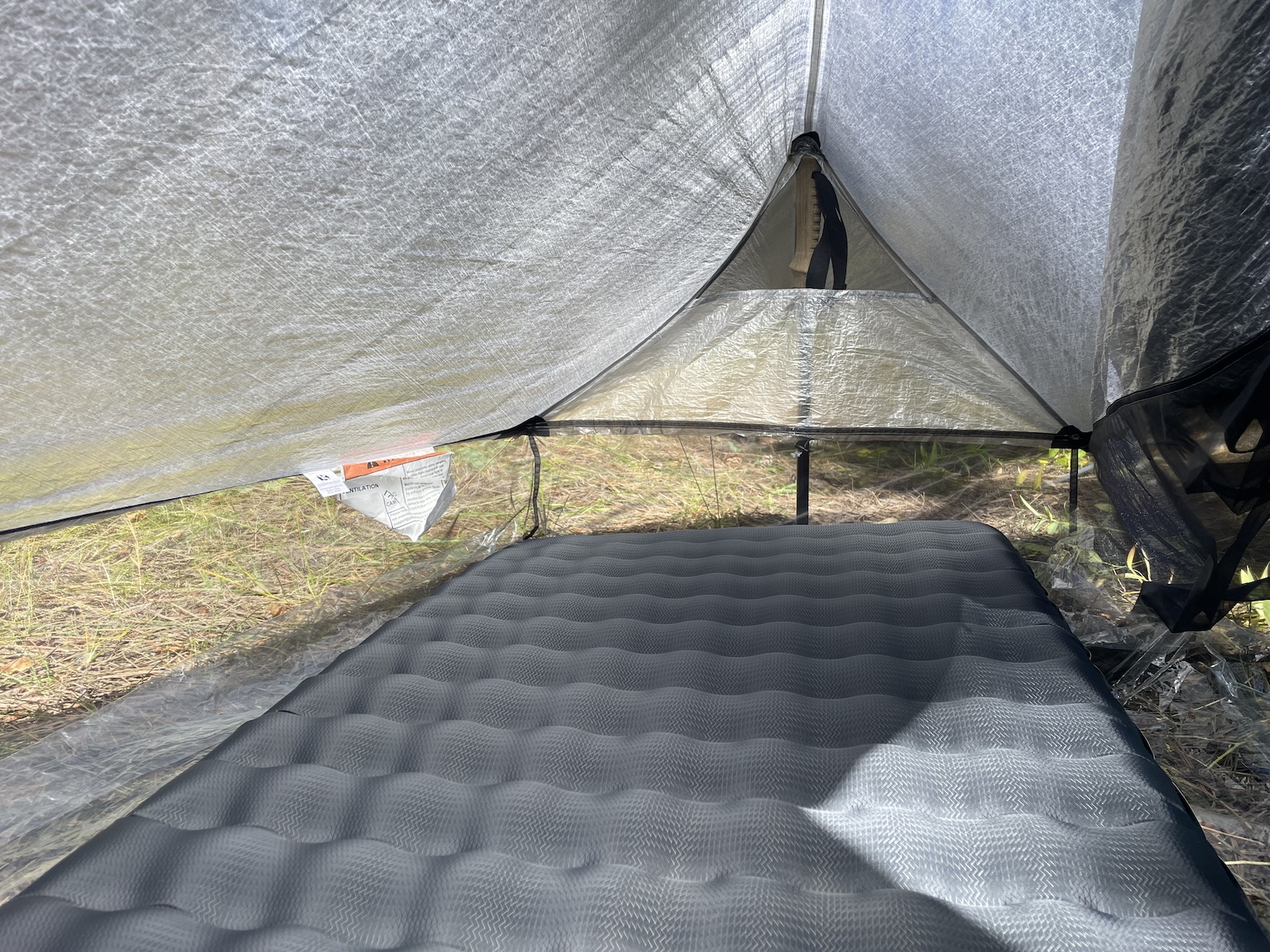
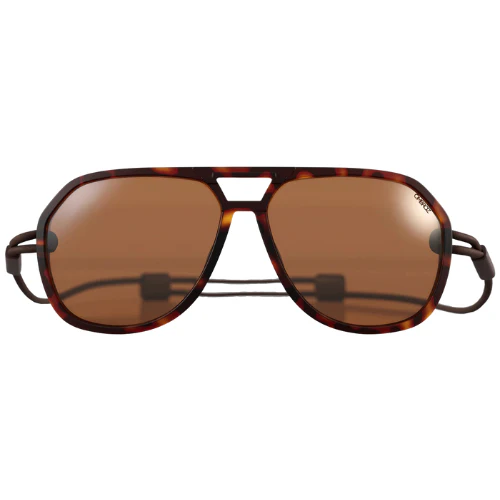
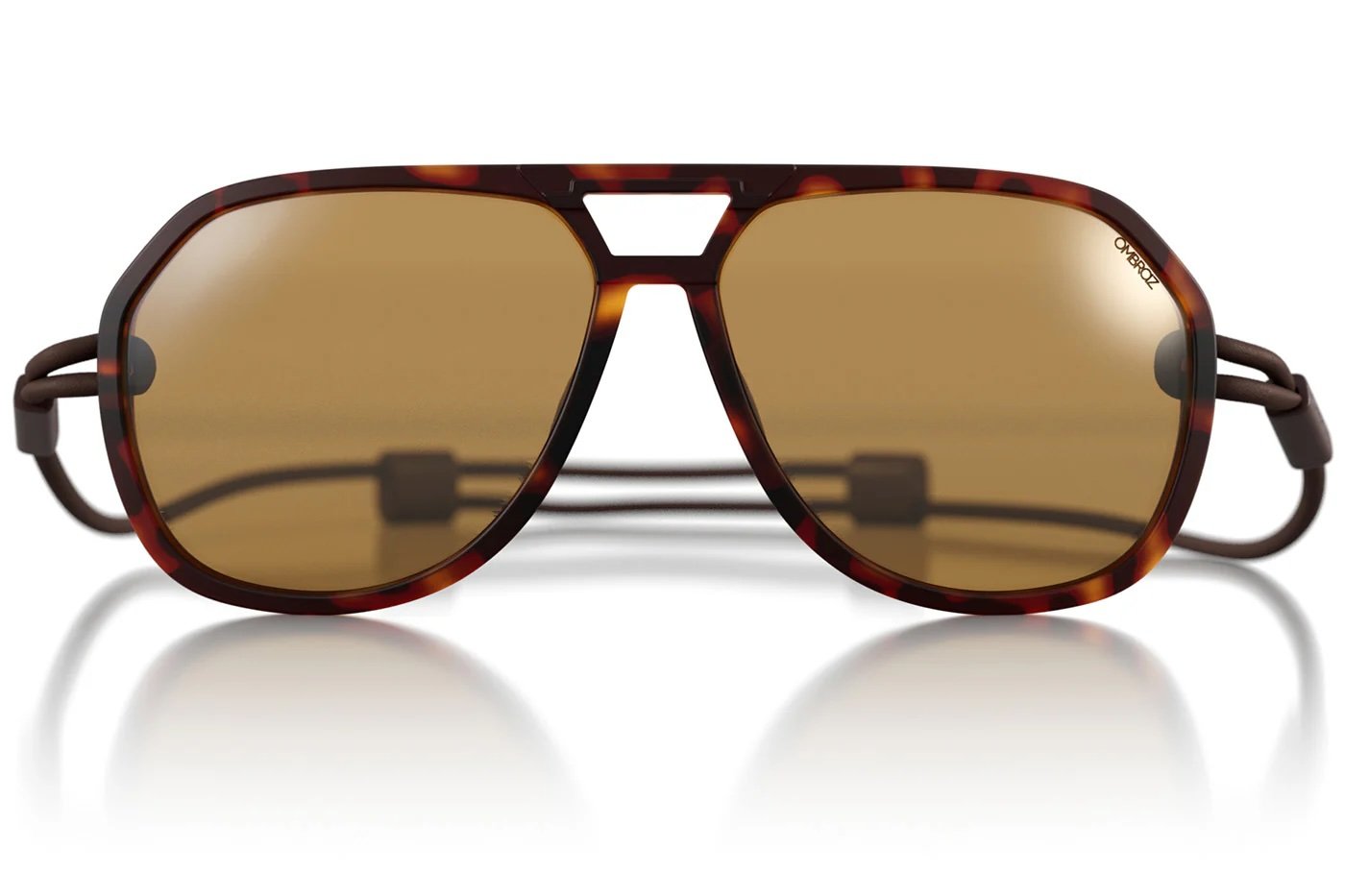
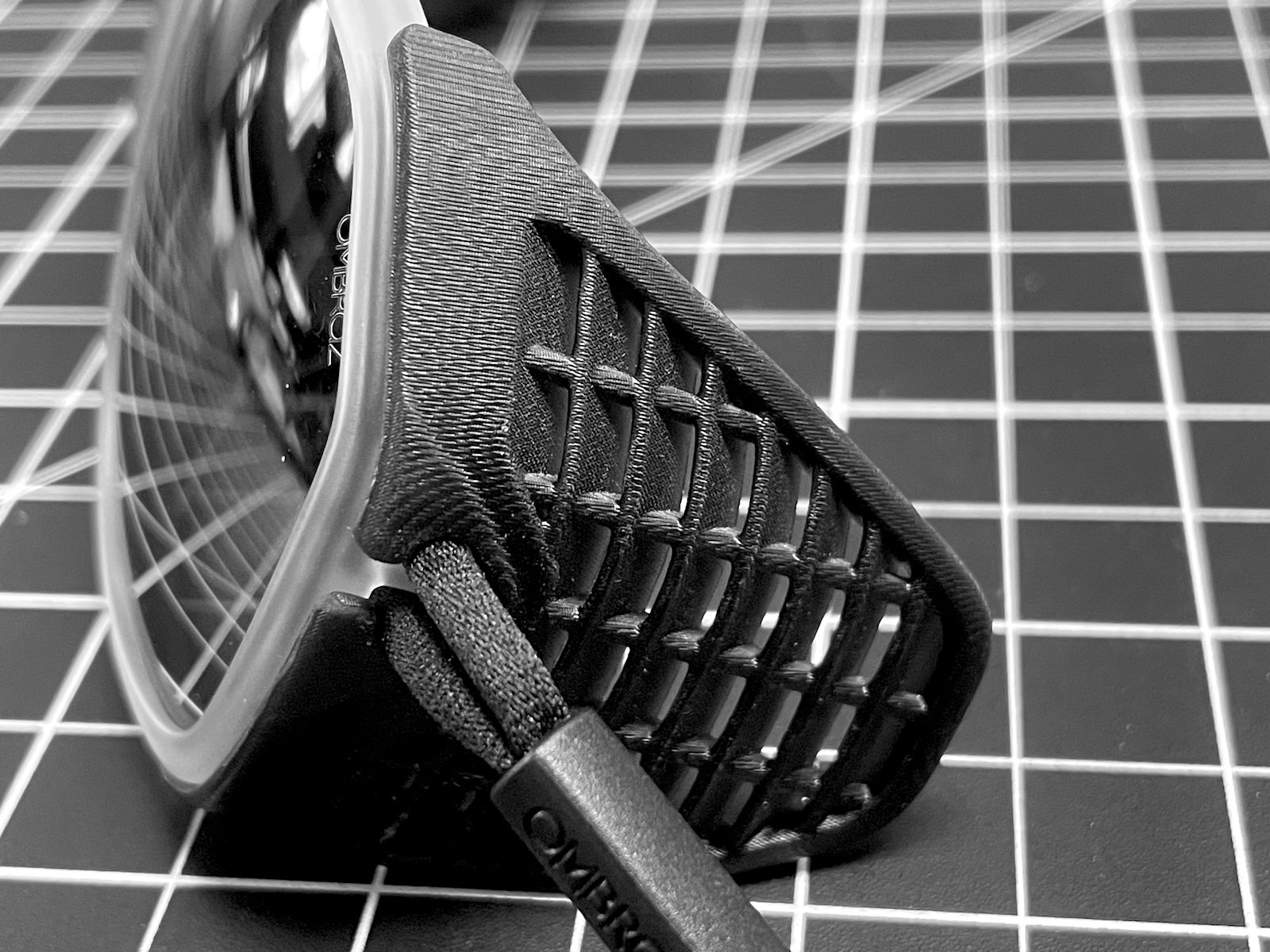
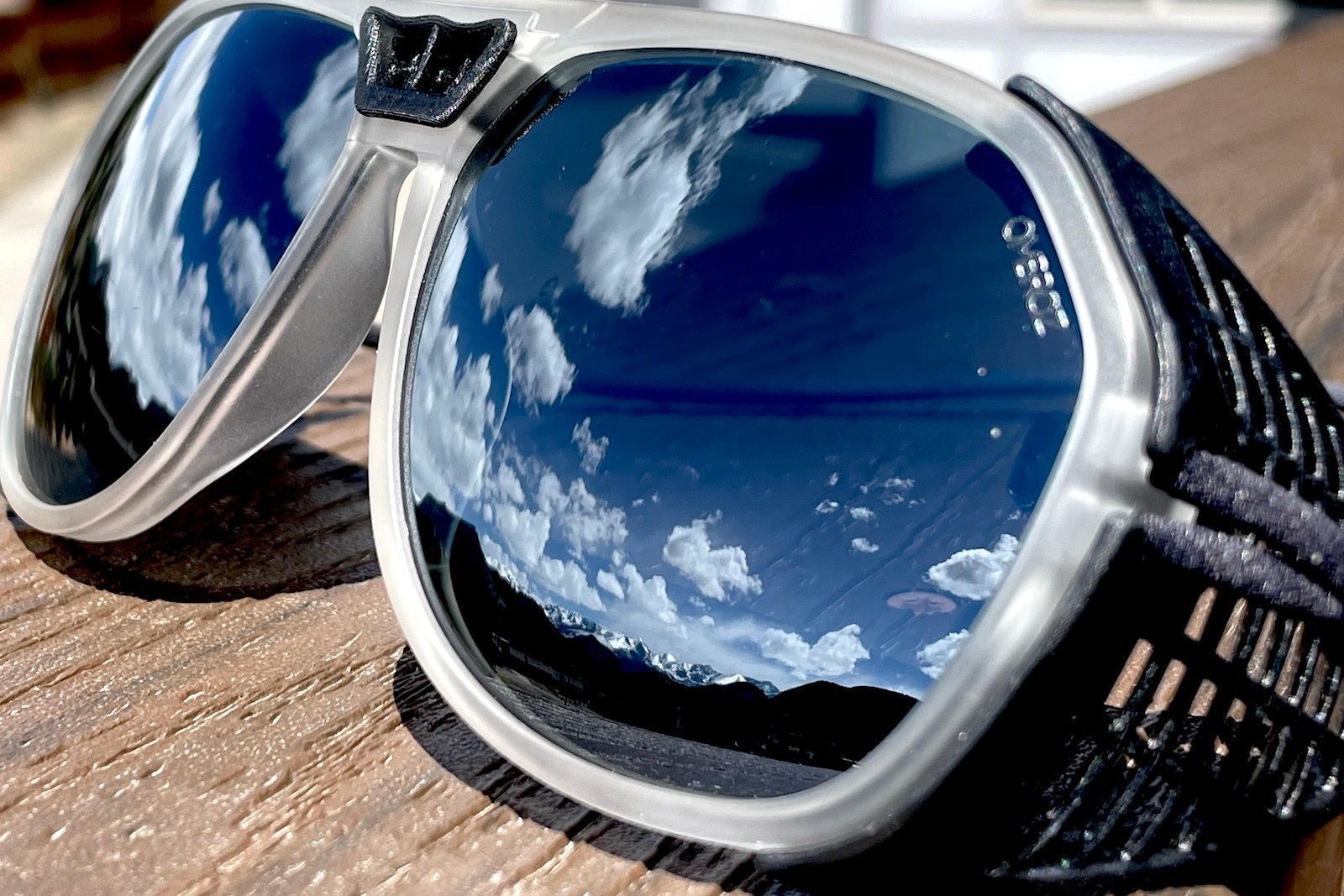
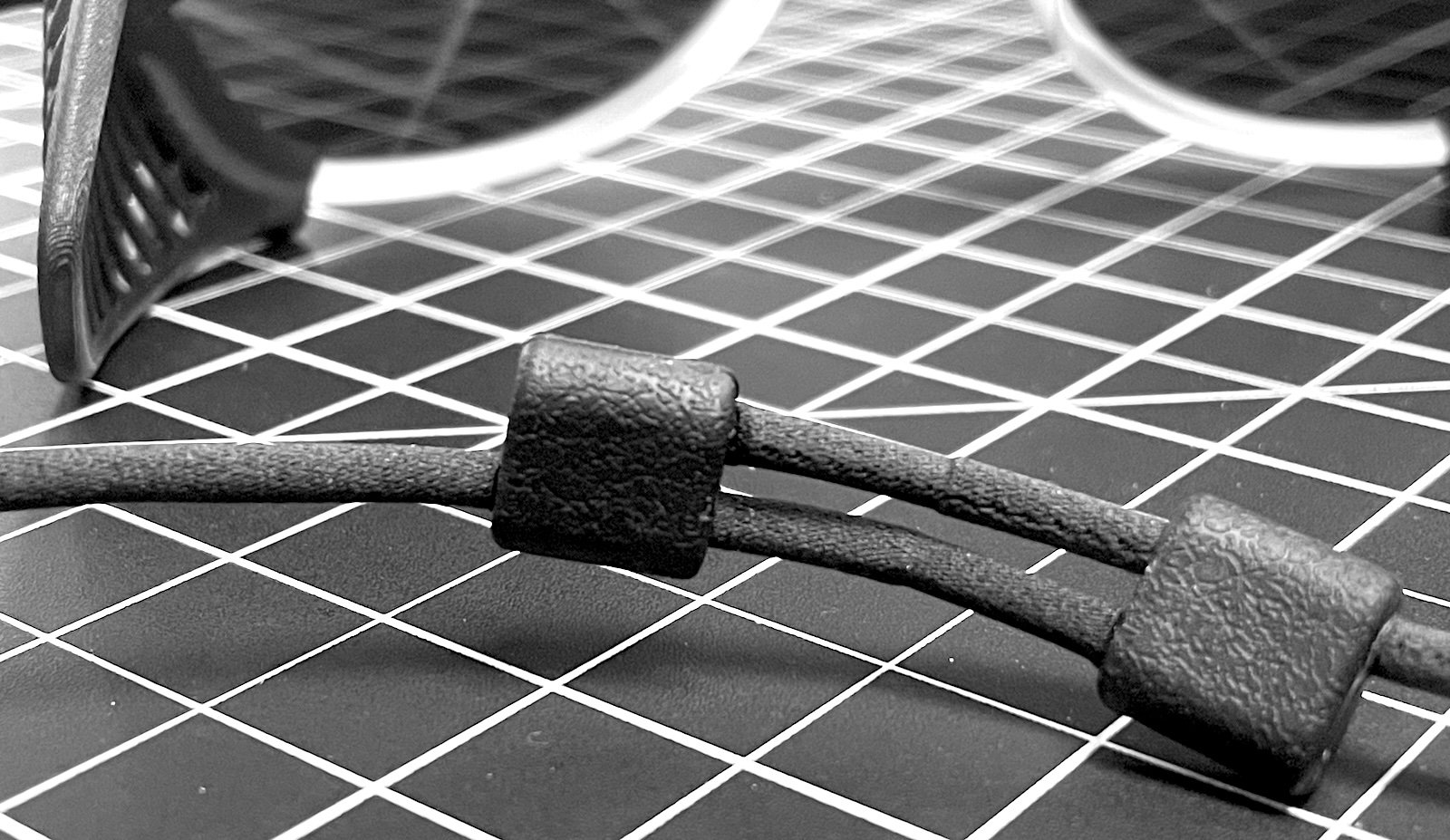
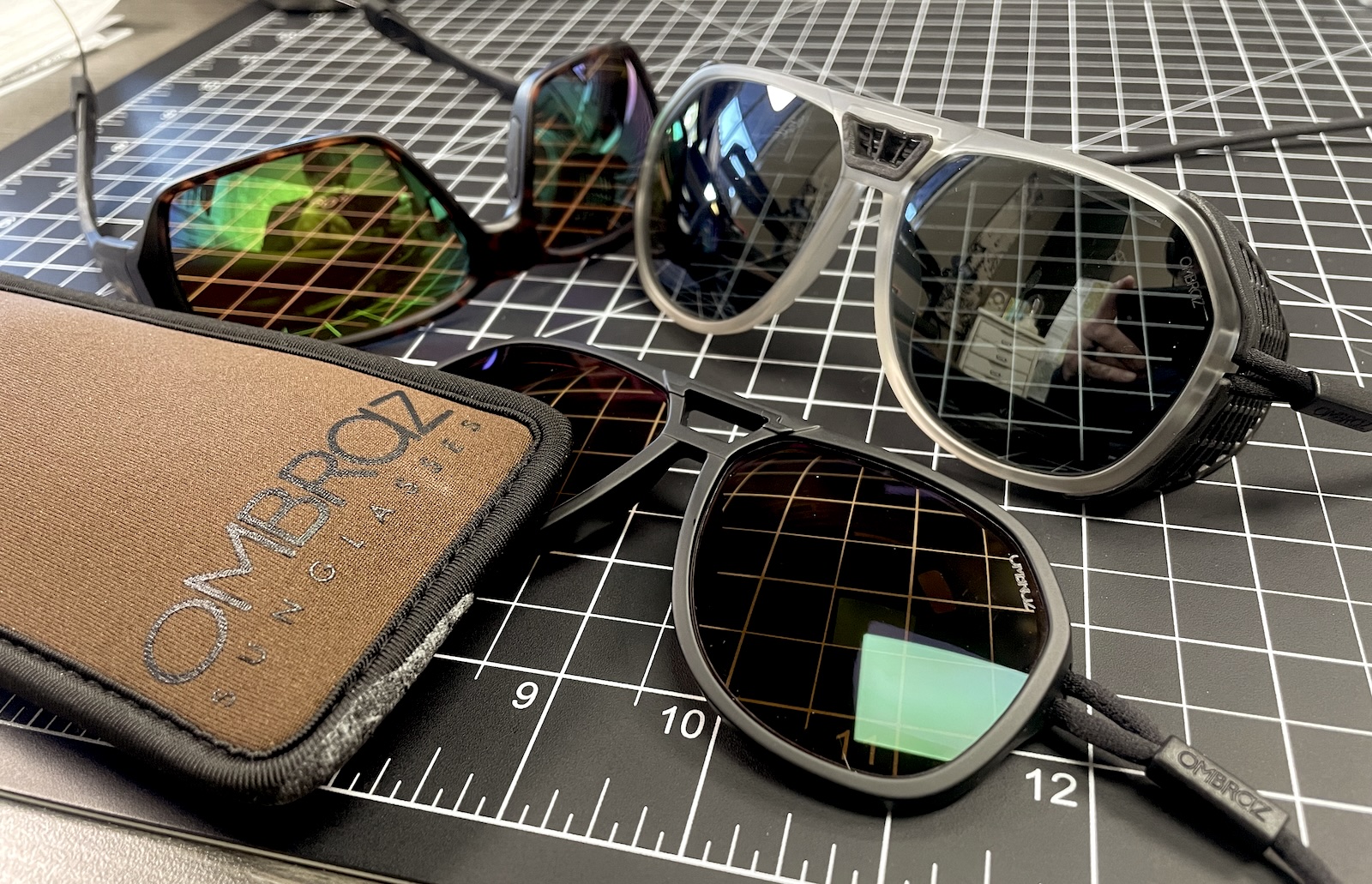
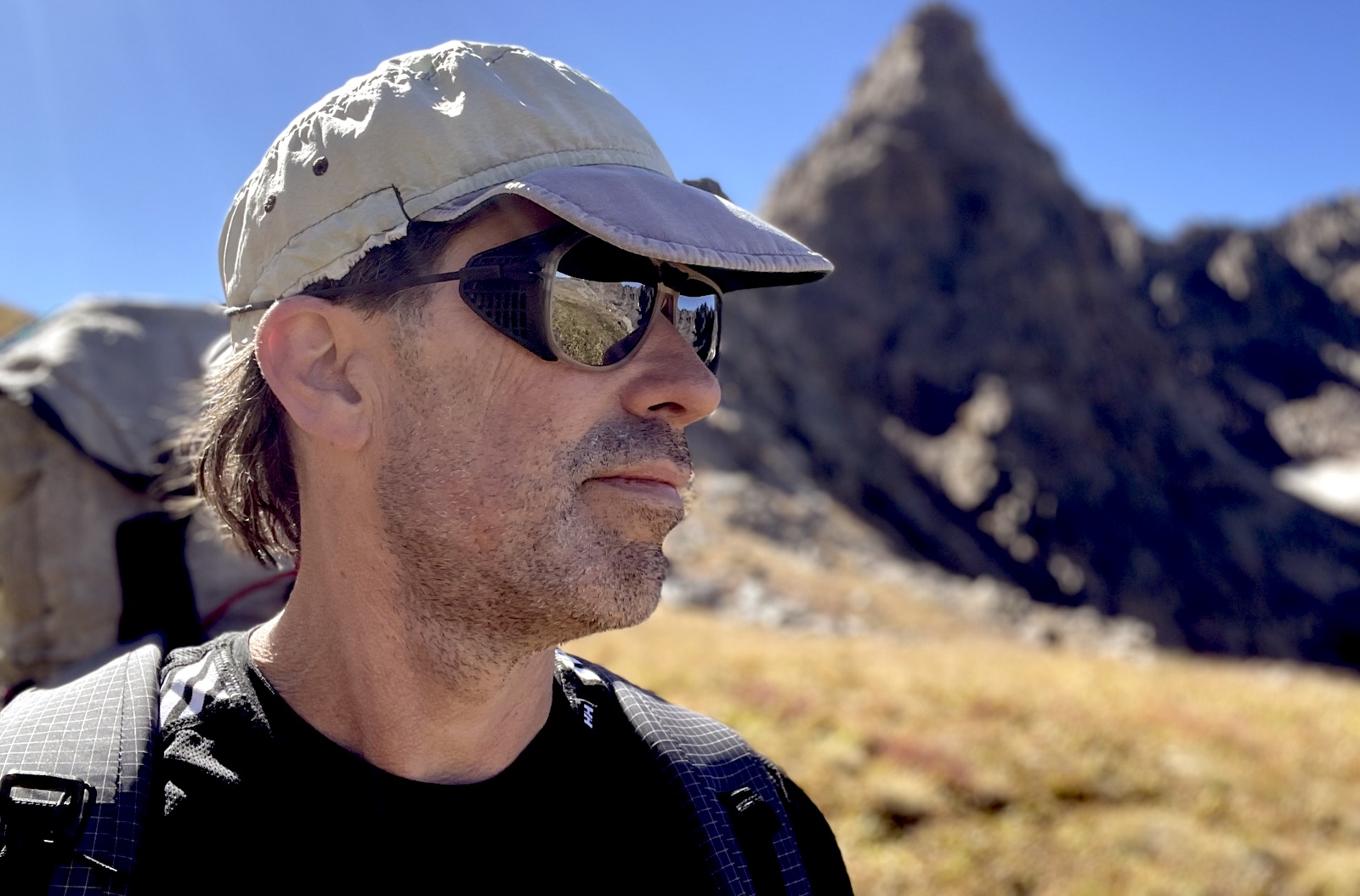
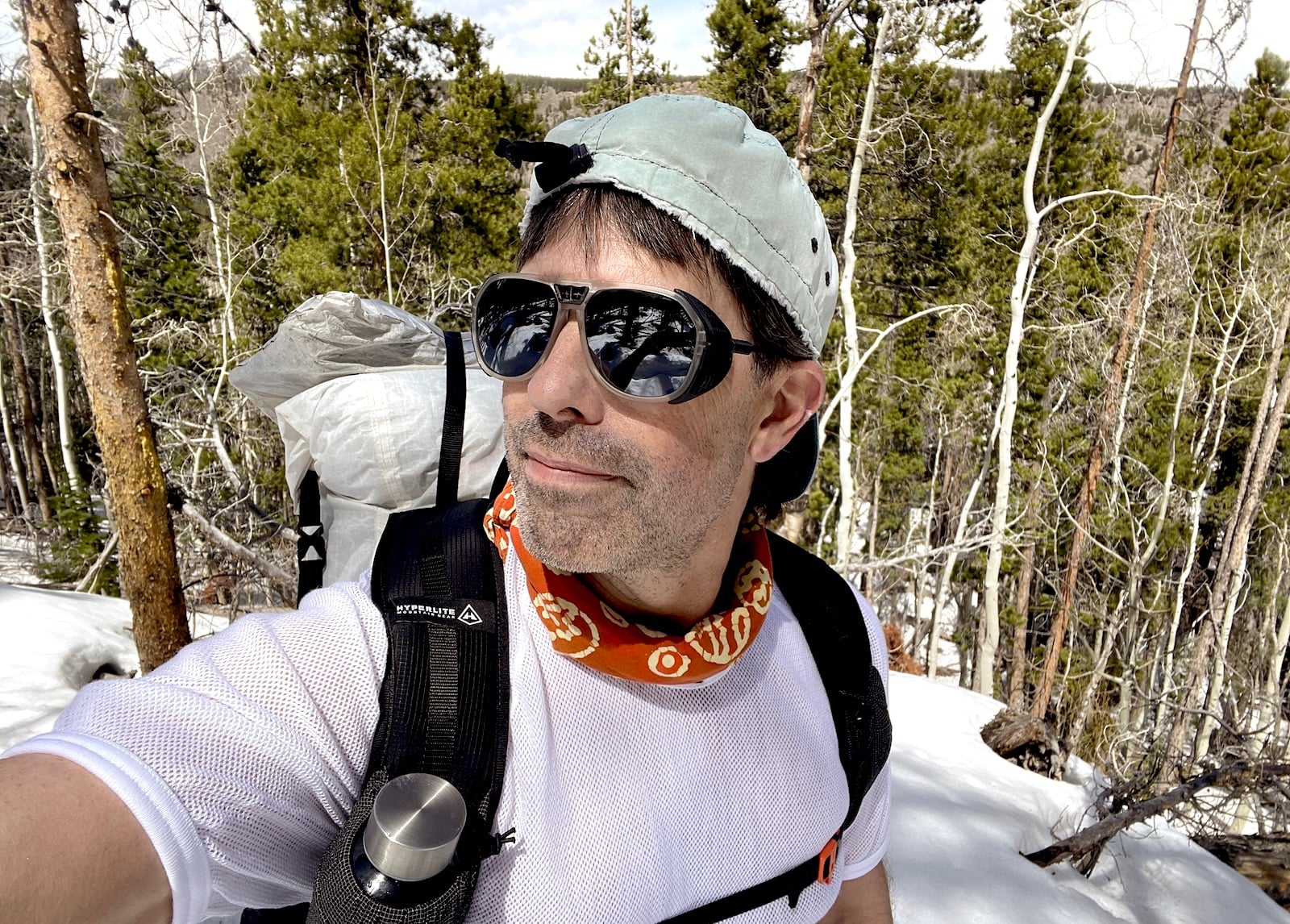

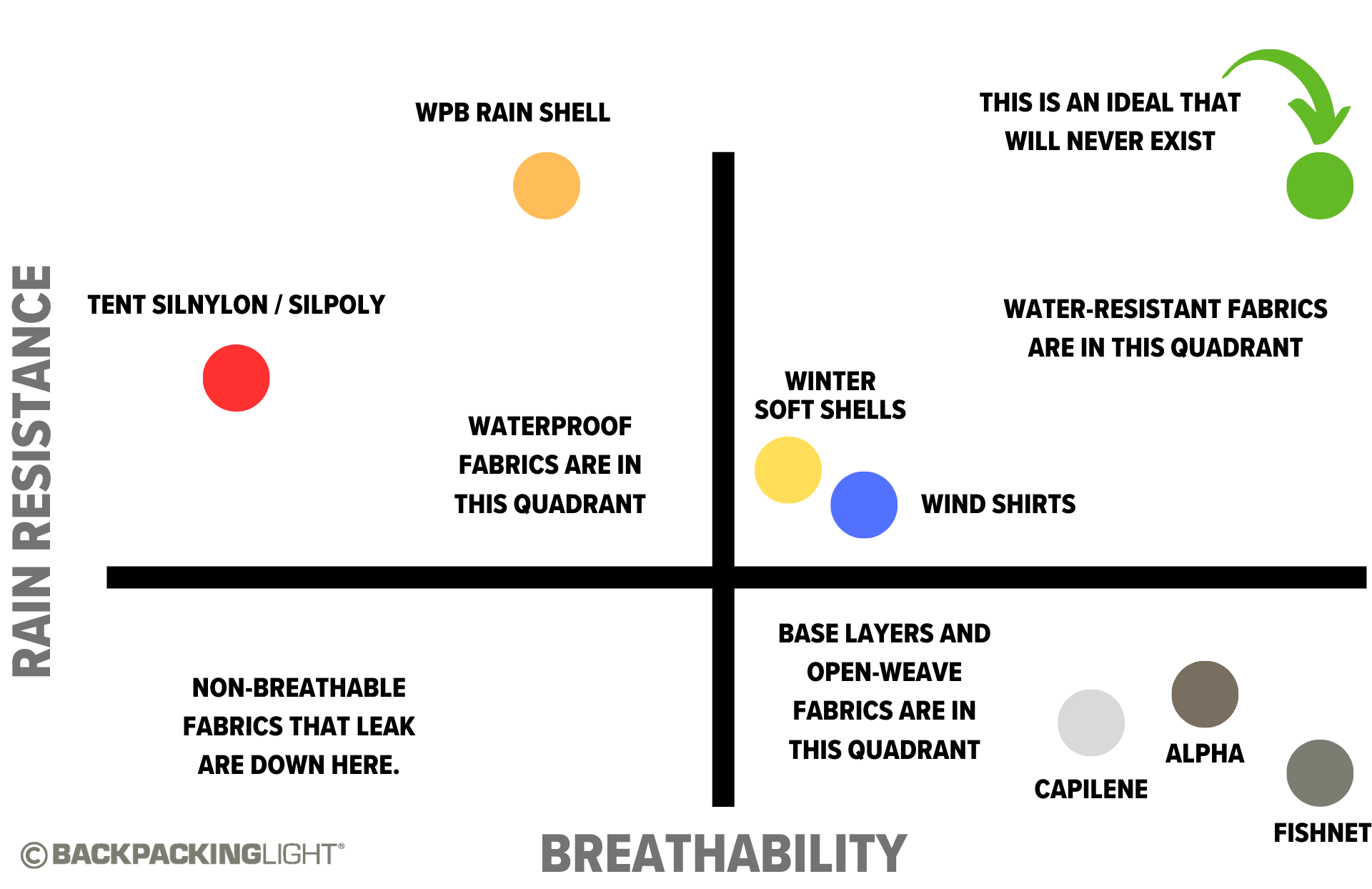
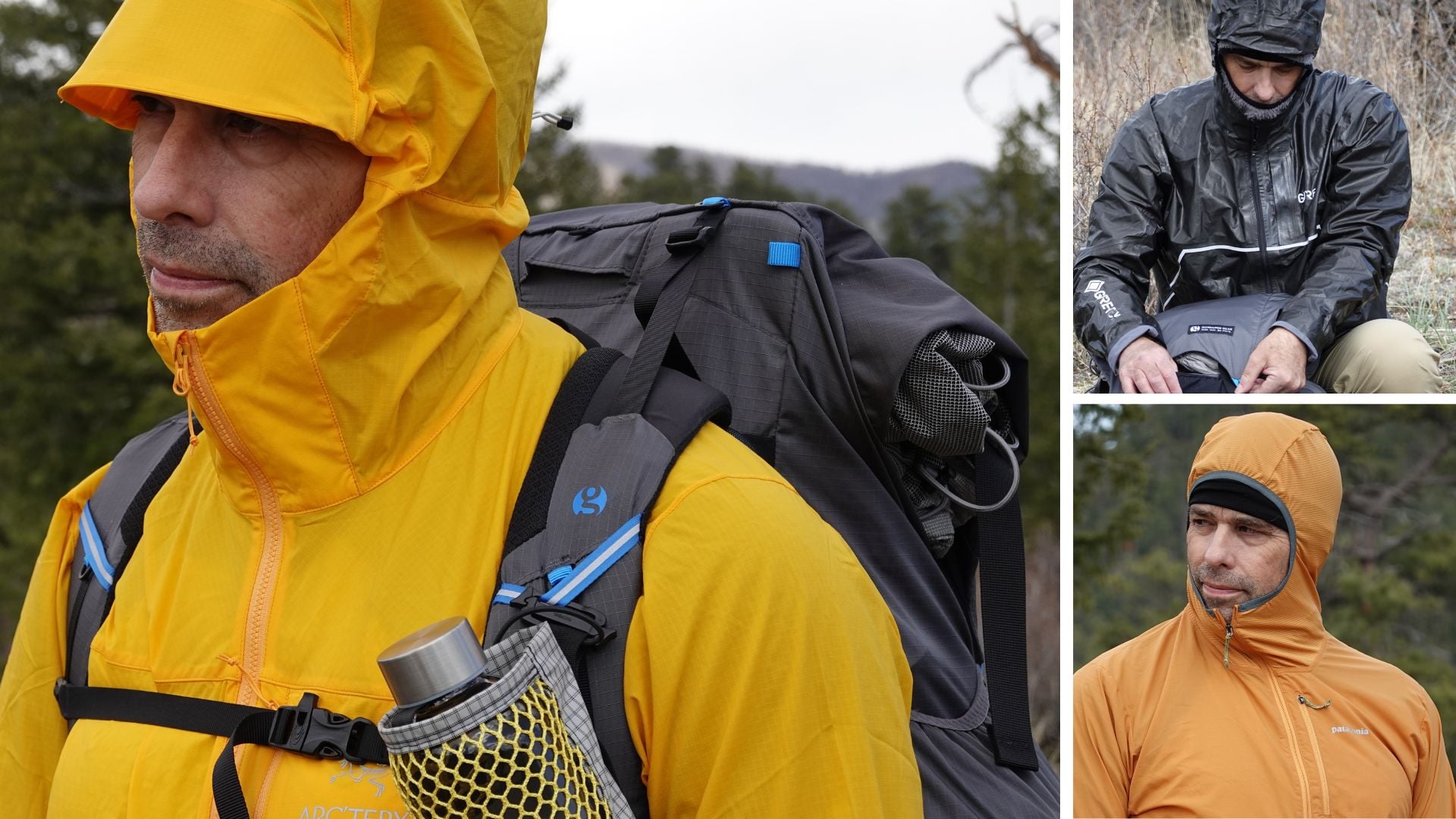
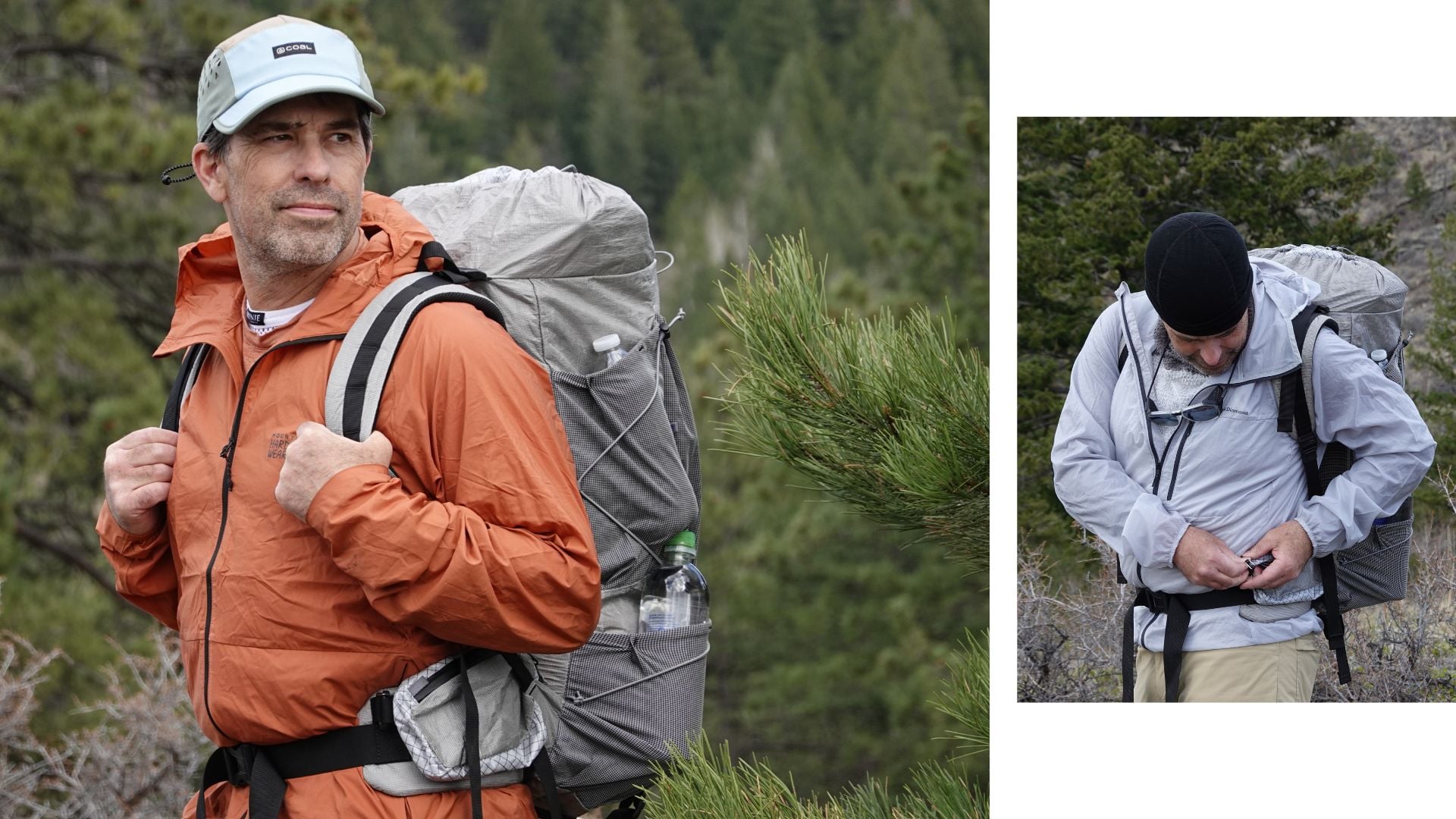
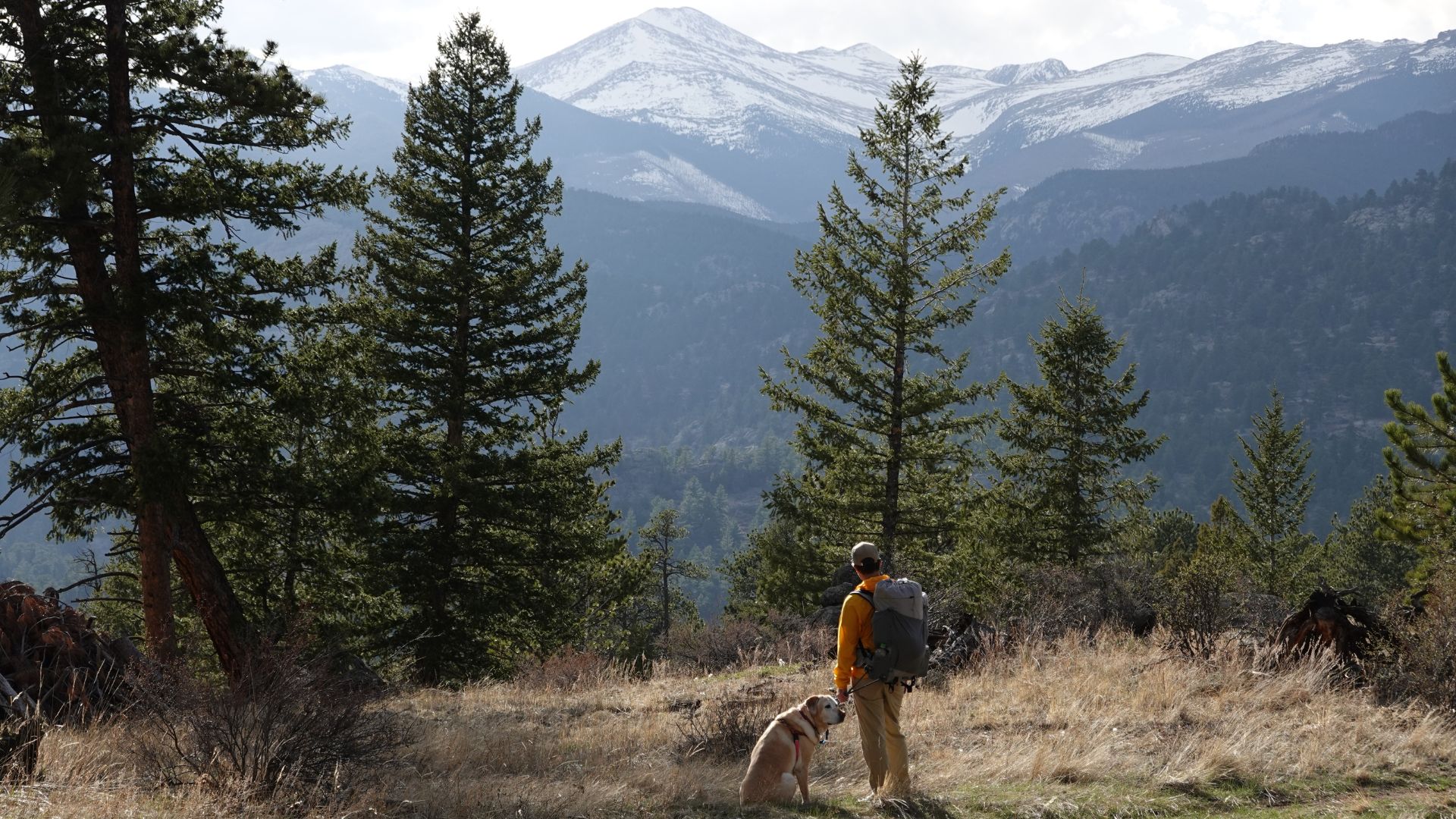



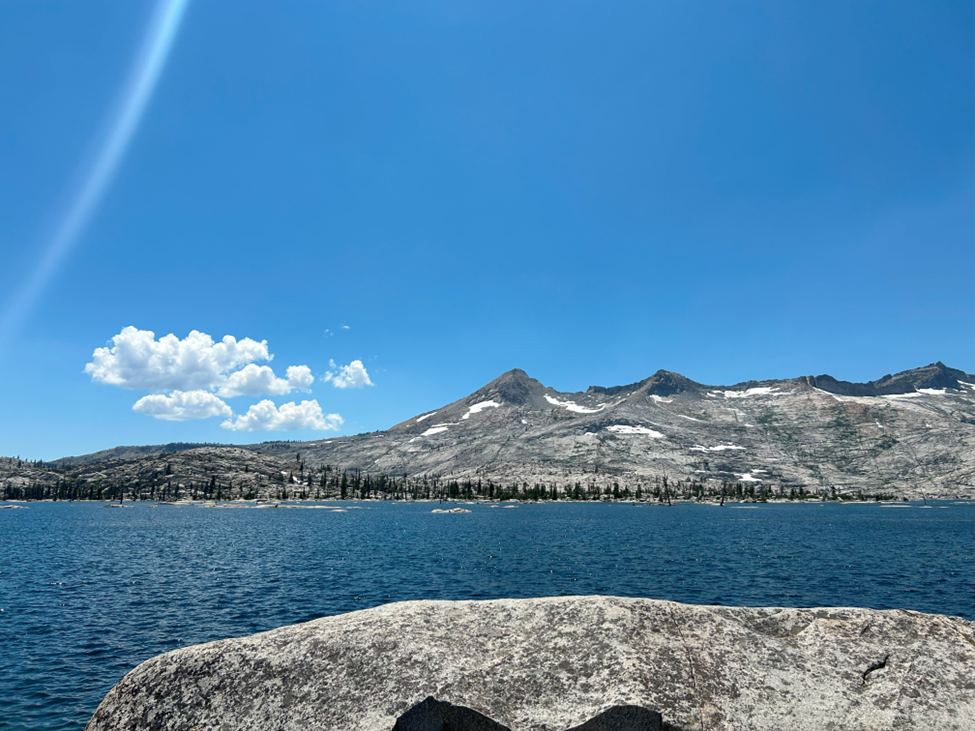
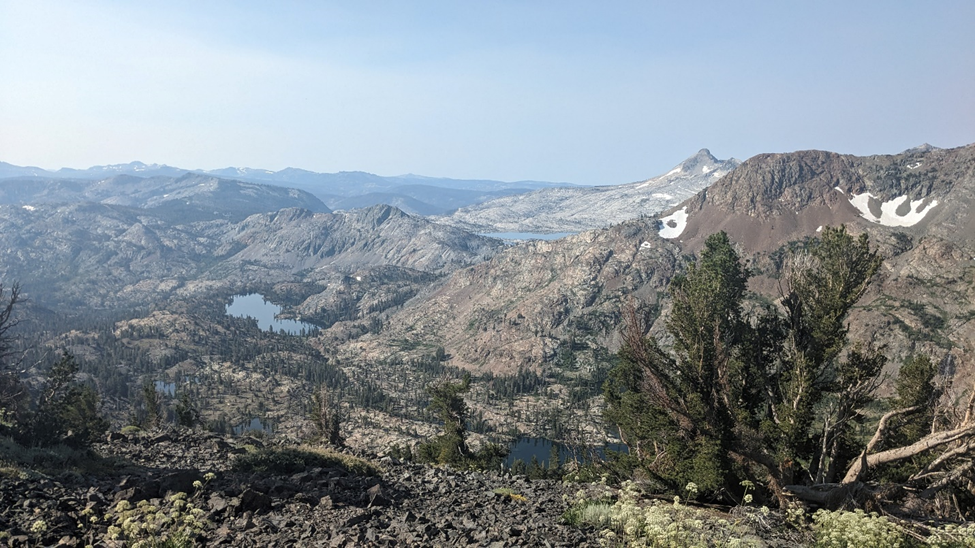
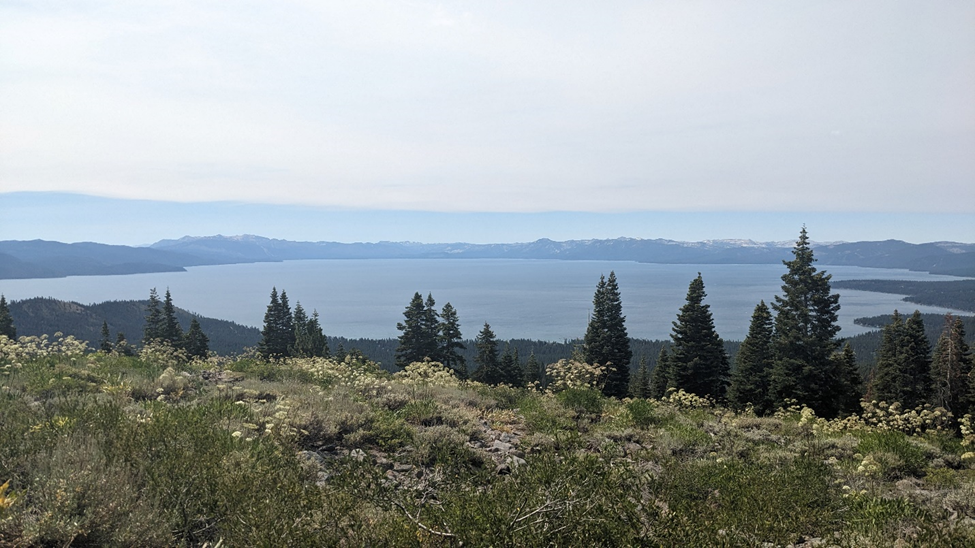
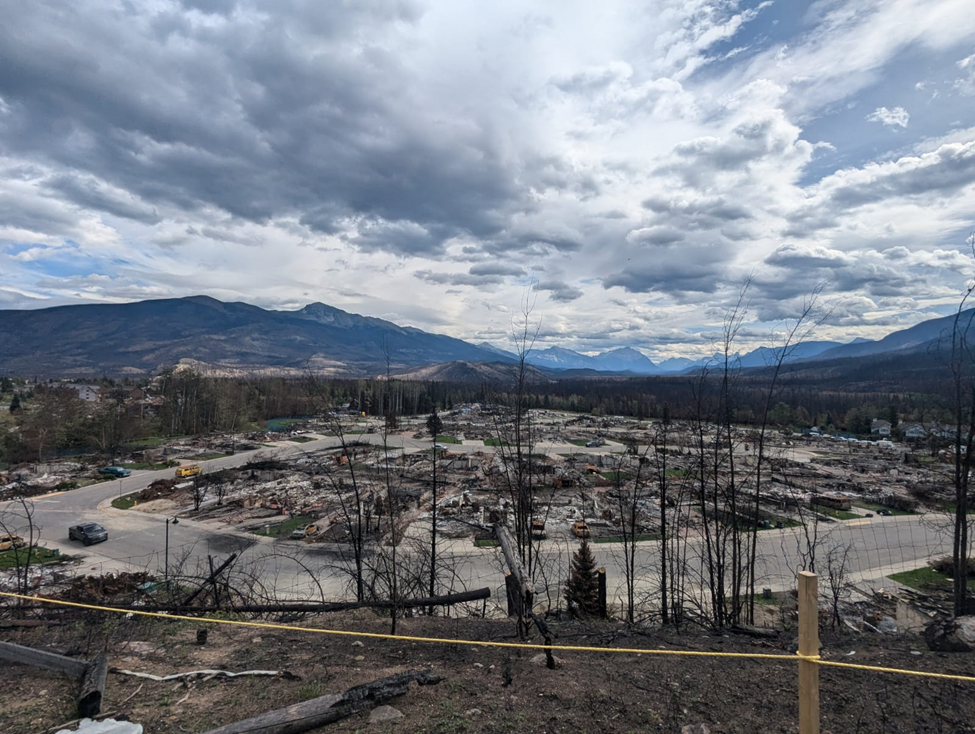
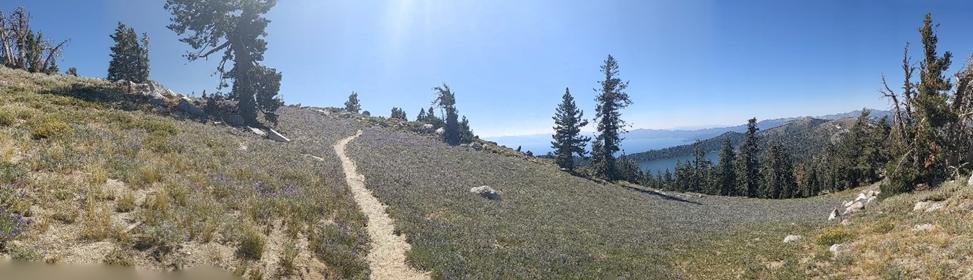
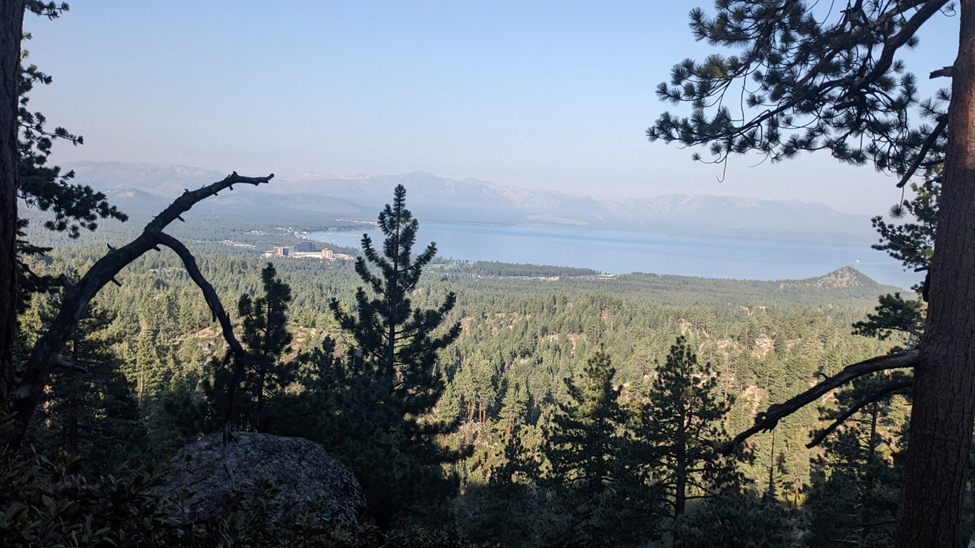
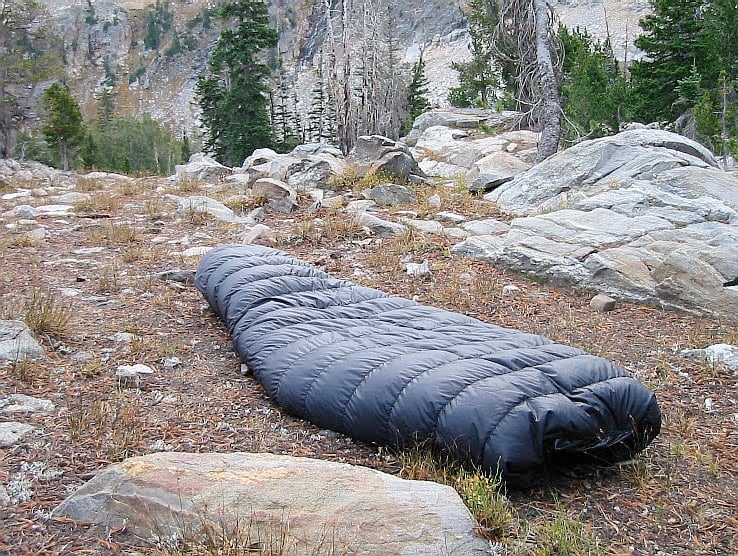
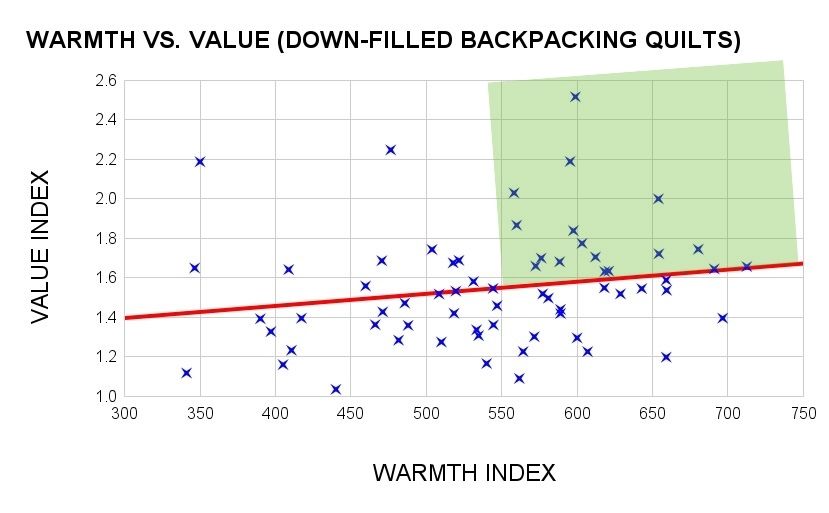 The average warmth index for all quilts was 544. A green-shaded rectangle in the graph has thus been placed to encapsulate those products that represent higher-than-average values and higher-than-average warmth-to-weight ratios.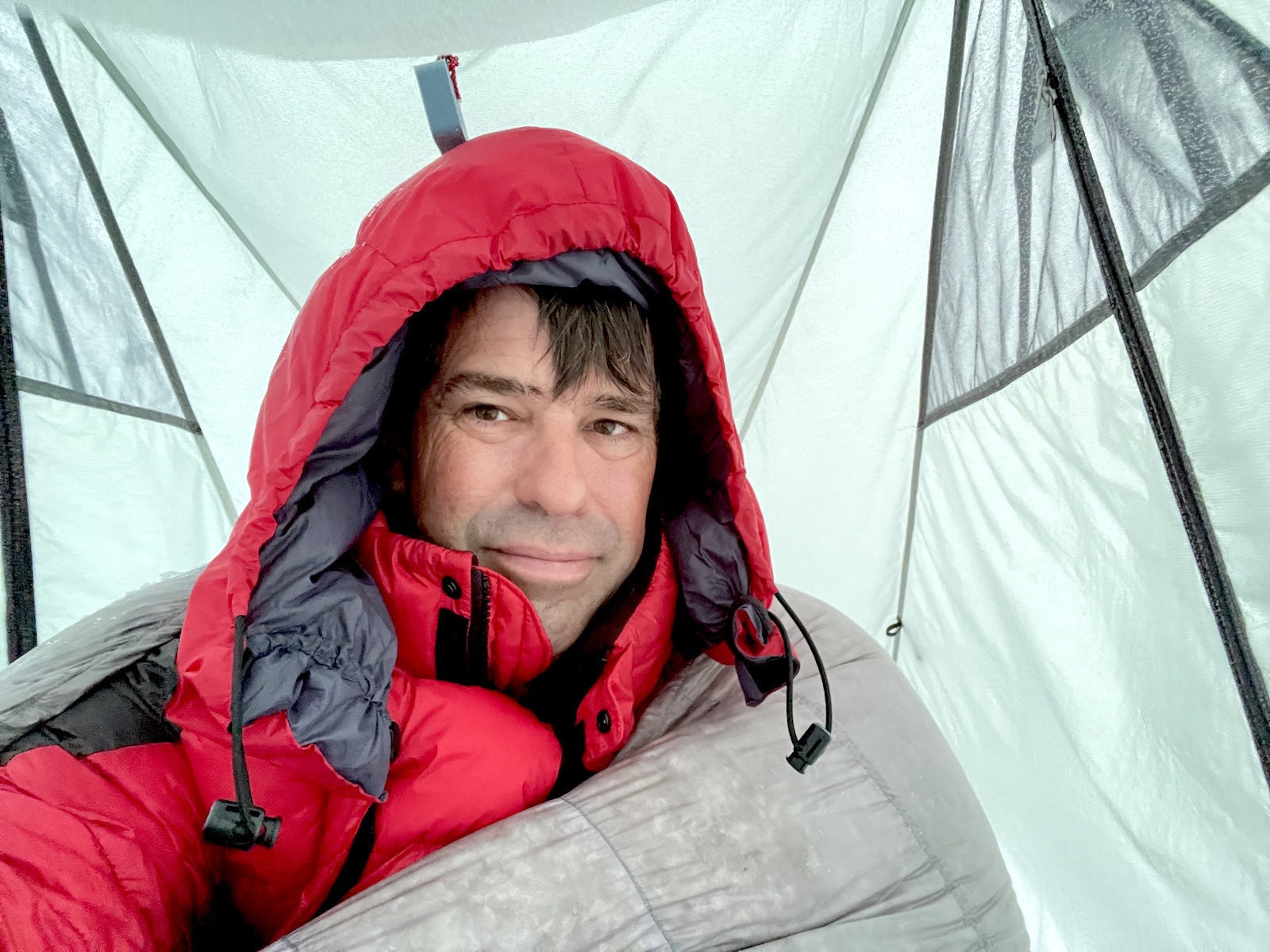
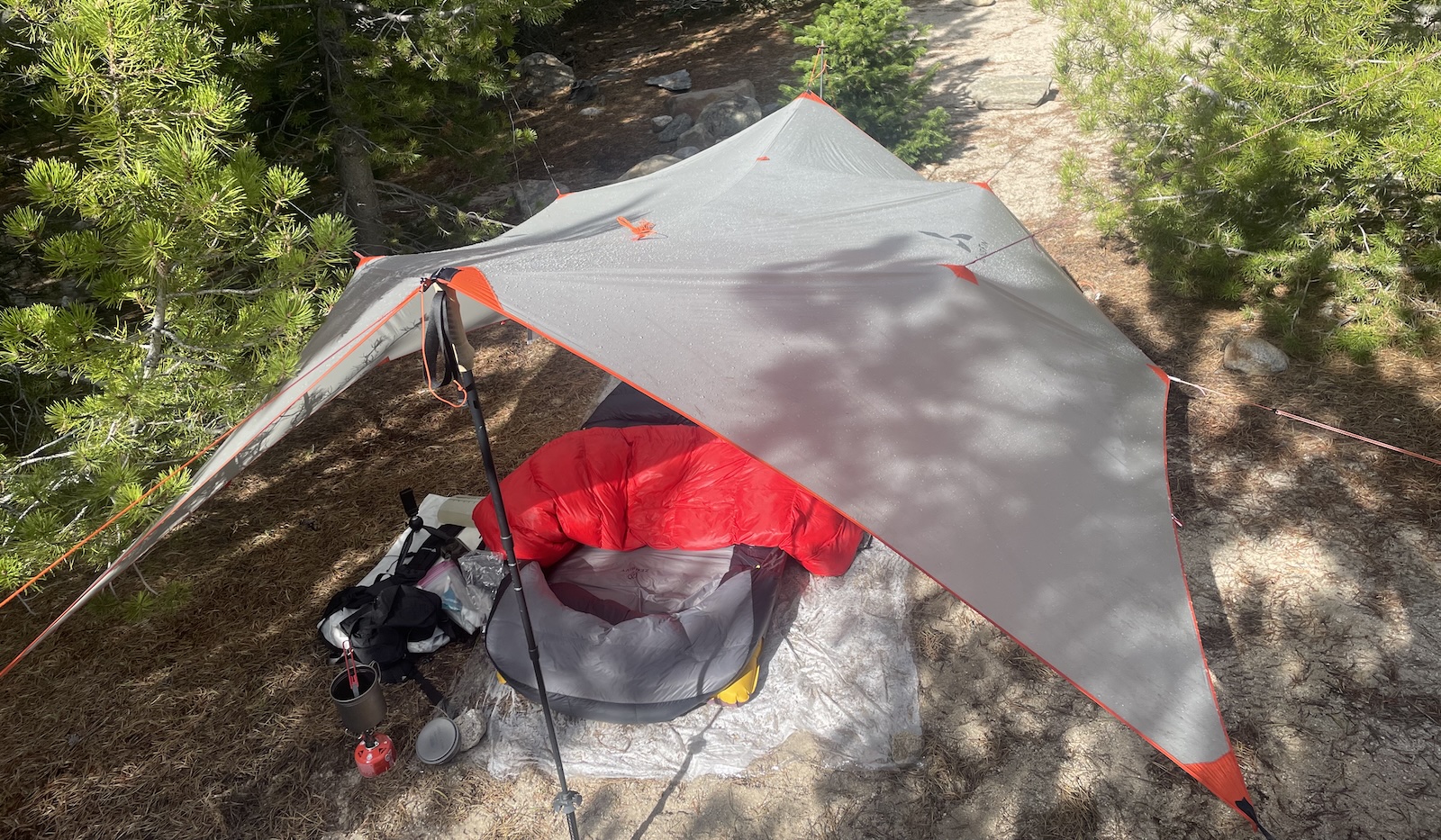
 © Beartooth Media Group Inc.
 Loading...