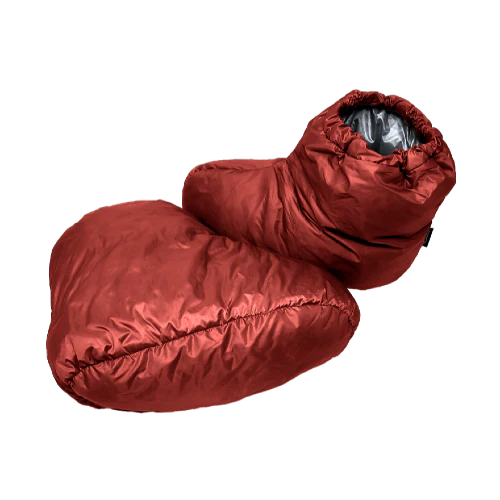
The Cottage Gear Innovation Awards celebrate the small, startup, and cottage products, brands, and people that bring forth new methods or ideas that reflect unique originality, creativity, and advances in materials, design, application, or aesthetic to help hikers and other backcountry enthusiasts thrive outdoors.
2026 Nomination Info
Nominations for the 2026 Cottage Gear Innovation Awards will open on August 1 and close September 15, 2026. Award winners will be announced in an online ceremony hosted by Garage Grown Gear and Backpacking Light in October 2026.
The Cottage Gear Innovation Awards celebrate the small, startup, and cottage products, brands, and people that bring forth new methods or ideas that reflect unique originality, creativity, and advances in materials, design, application, or aesthetic to help hikers and other backcountry enthusiasts thrive outdoors.
Awards are presented each year to outstanding products and brands nominated by our community. Our editorial team evaluates these nominations based on the accuracy of the claims regarding technical specifications, product performance, and alignment with both editor assessments and member feedback. The final award winners are chosen after carefully considering each product’s innovation, uniqueness, and performance within its competition. Our editorial team makes final decisions to ensure the highest standards of quality and relevance. While this award reflects the outcome of a collaboration between Backpacking Light and Garage Grown Gear, recipients are not required to have any relationship whatsoever with either to qualify for this award.
Table of Contents • Note: if this is a members-only article, some sections may only be available to Premium or Unlimited Members.
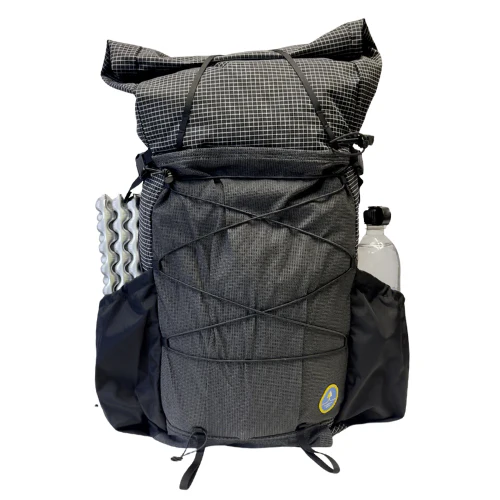
The Symbiosis Aspen is a 38L frameless backpack for women engineered to accommodate various bust sizes, featuring uniquely contoured S-curve shoulder straps and a three-point adjustable sternum strap to adjust fit and load distribution. Constructed from 420D Extreema fabric, it integrates a bottom stash pocket for quick access and a roll-top closure with a Y-strap for external gear carry. At 1 lb 9 oz (708 g) with a 20 lb load limit, it optimizes comfort and weight distribution in a way rarely addressed in ultralight pack design.
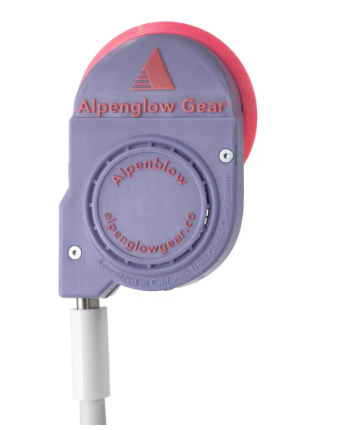
The Alpenblow Micro Inflator is an ultralight, 8-gram (0.28 oz) device that inflates sleeping pads in approximately three minutes, drawing minimal power (18 mAh at 5V) from USB-C devices such as smartphones or power banks. Operating at a noise level of 42 dBA, it includes multiple nozzles compatible with Therm-a-Rest (WingLock), NEMO (Laylow), Big Agnes, Sea-to-Summit, and EXPED sleeping pad valves.
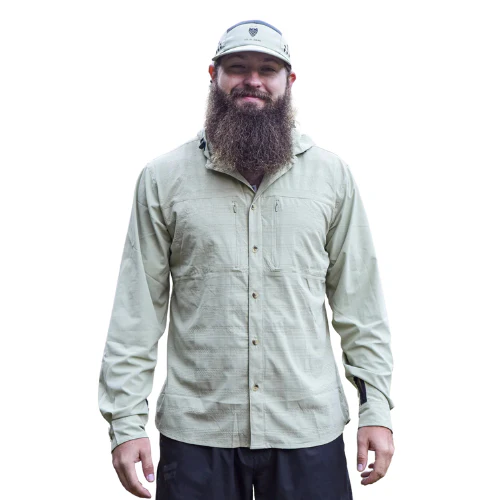
The Jolly Gear Triple Crown Button-Down is the only sun shirt integrating a full button-down front with a hood, offering adjustable ventilation rarely found in sun protective hiking apparel. Made from an 86% polyester, 14% spandex blend with antimicrobial and quick-drying properties, it includes zippered chest pockets, thumbholes, and a uniquely designed hood with a vent/hair hole and cinch cord. The body fabric is one of the highest air-permeable fabrics we've tested. Men's medium: 7.5 ounces (213 g) and up, depending on fabric choices.
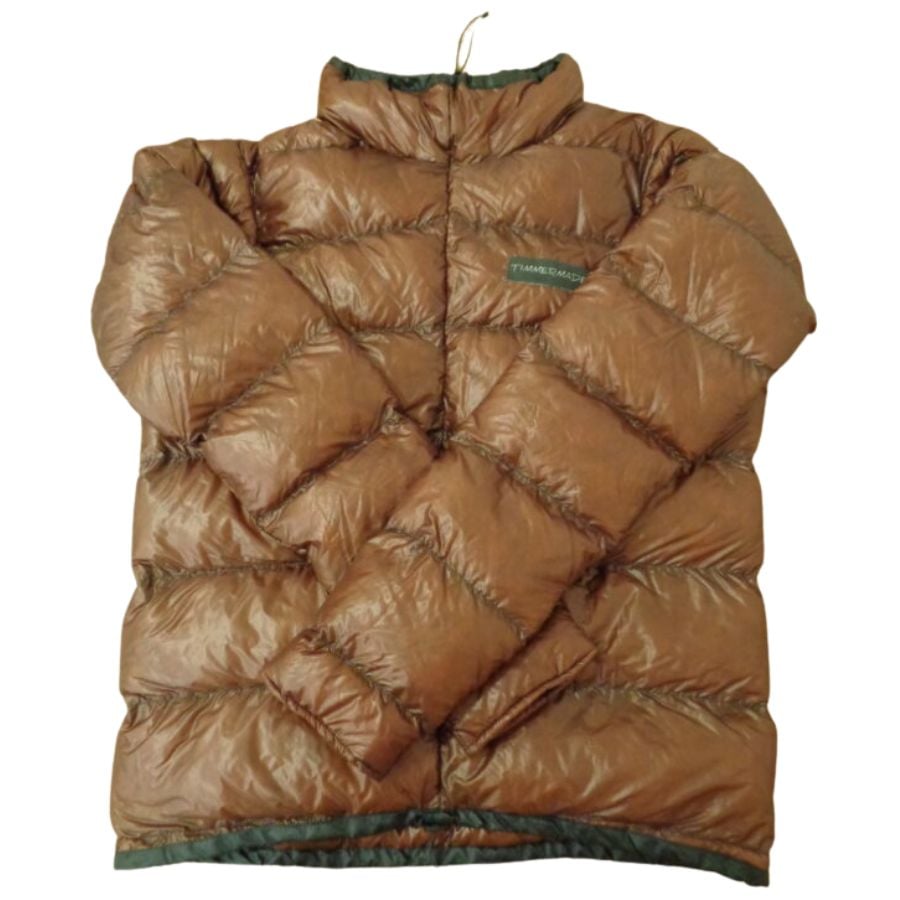
The Timmermade SDUL 0.75 Down Sweater is filled with 1000 FP down, is made with 7d fabrics, and forgoes pockets, zippers, etc. to minimize weight - while still maintaining 3-inch baffle chambers to achieve about 0.75 inches of loft. Cinches at the neck and hem can be removed if draft control isn't needed. Generous baffle sizing and the lightest possible materials/design make this one of the highest warmth-to-weight designs available.
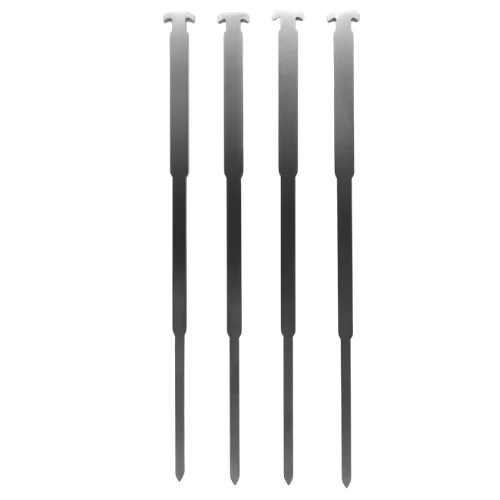
The Suluk46 Atani Titanium Tent Stakes are ultralight, flat-profile stakes available in 6-inch (5 grams) and 8-inch (9 grams) lengths, designed for optimal strength-to-weight performance.The wide upper section withstands significant guy-line forces, while the sharp, thin lower section facilitates penetration into hard ground.An upper indentation secures the guy-line loop, and the flat design prevents rotation.The 8-inch stakes include reflective tie loops for enhanced low-light visibility.
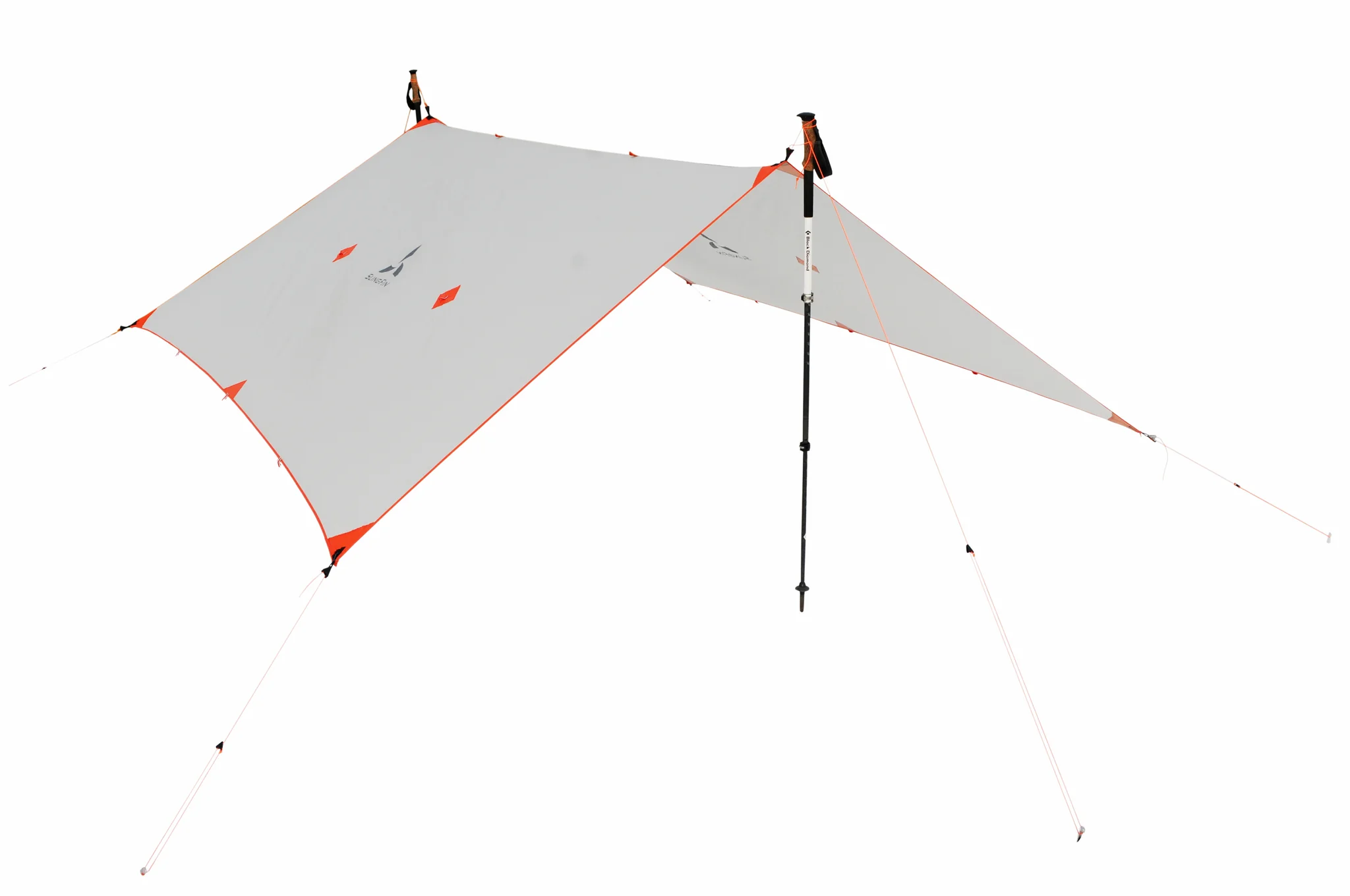
The SlingFin NFT is a 9.5' x 10' flat tarp made from ultralight yet highly tear-resistant 10D Nylon 66 ripstop sil/sil fabric, which offers superior tensile strength and long-term UV resistance compared to standard nylons, silpoly, and DCF. Subtle catenary curves along the long edges ensure a taut A-frame pitch, while the flat ridgeline allows for versatile configurations. Weight: 12.3 oz (349g). Packed size: 4" x 4" x 9".
Birthed from a cottage industry background, Zpacks stands out among peers for its direct-to-consumer approach and longstanding focus on Dyneema-based designs. Their product line features consistently refined and specialized solutions shaped by long-distance hikers' feedback, resulting in lean gear that prioritizes minimalism, adaptability, and field-tested reliability for extensive backcountry pursuits.
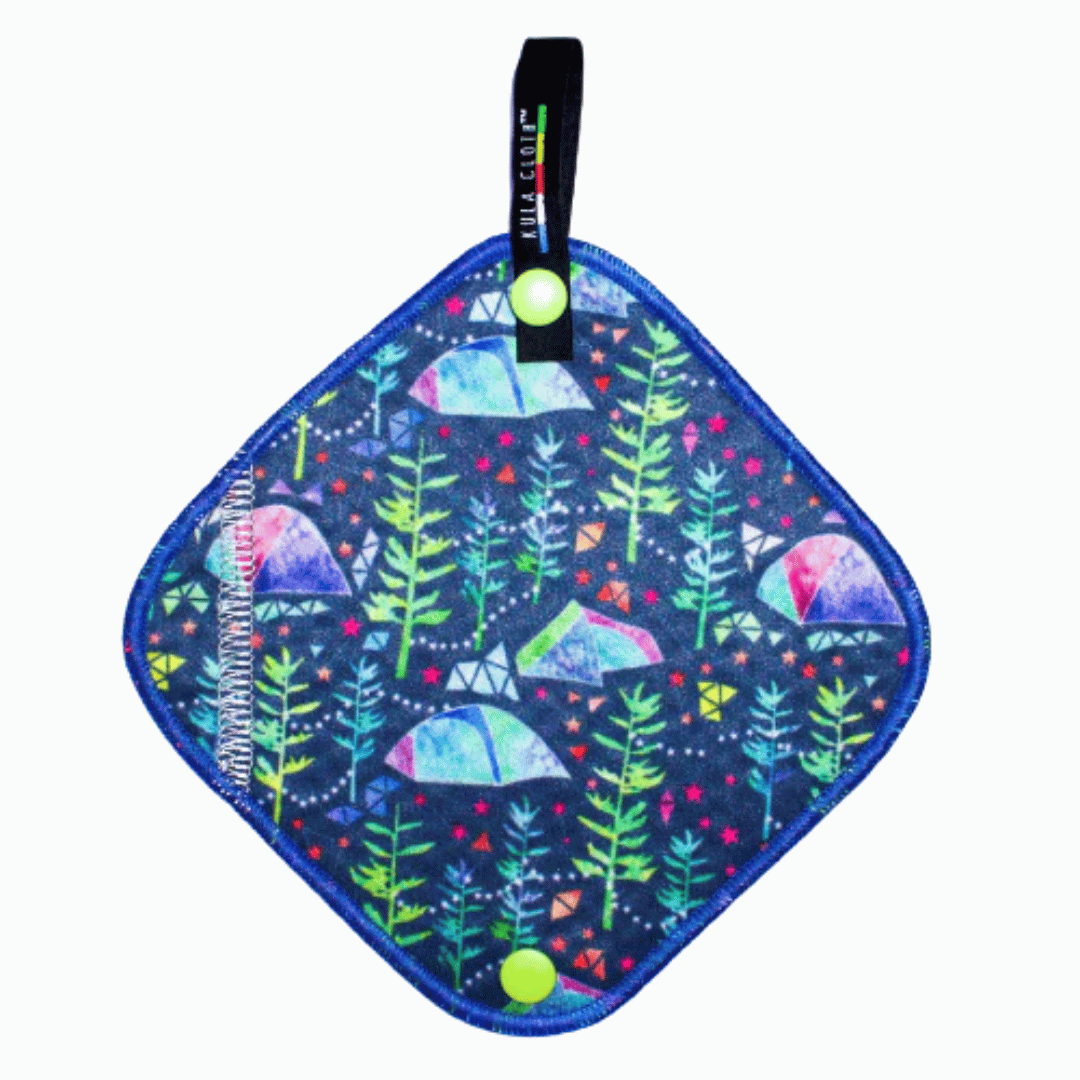
The Kula Cloth (0.5 ounces / 14 g) is an antimicrobial, reusable pee cloth featuring a highly absorbent, silver-infused fabric on one side and a waterproof, non-permeable layer on the other to prevent leaks. It includes a snap closure for easy attachment to your pack and a stealth-mode fold for discreet storage.
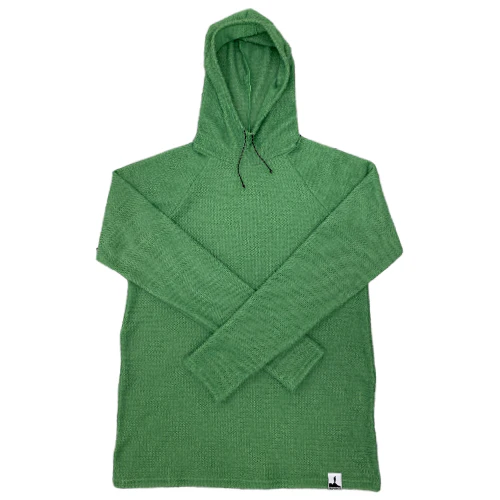
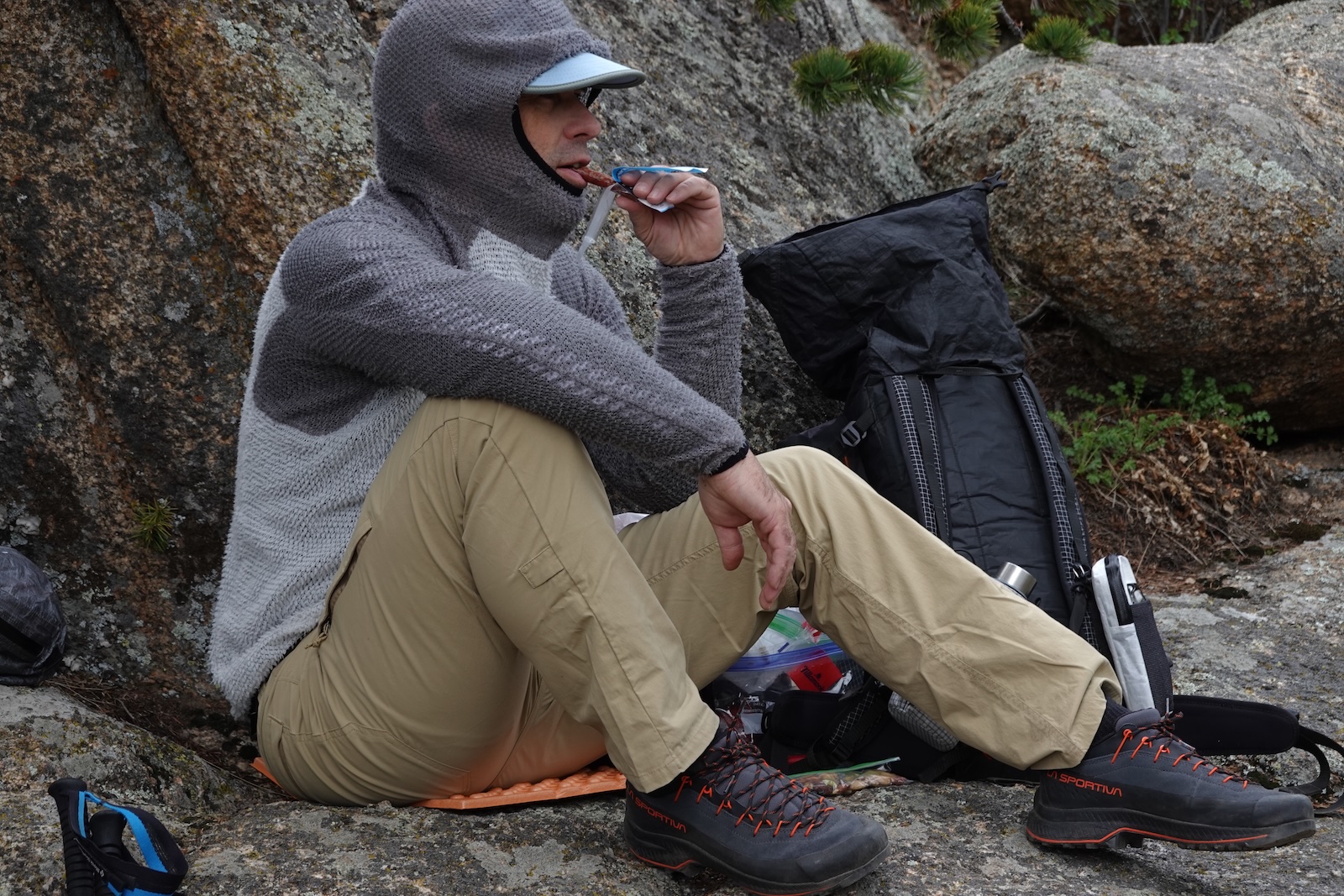
Polartec Alpha Direct fleece hooded midlayer with fitted hood and paracord drawcord, constructed from open-knit synthetic fleece in 60, 90, and combination fabric weights, with manufacturer-listed medium weights from 3.8 to 5.3 oz (108–150 g) depending on selected fabric configuration.
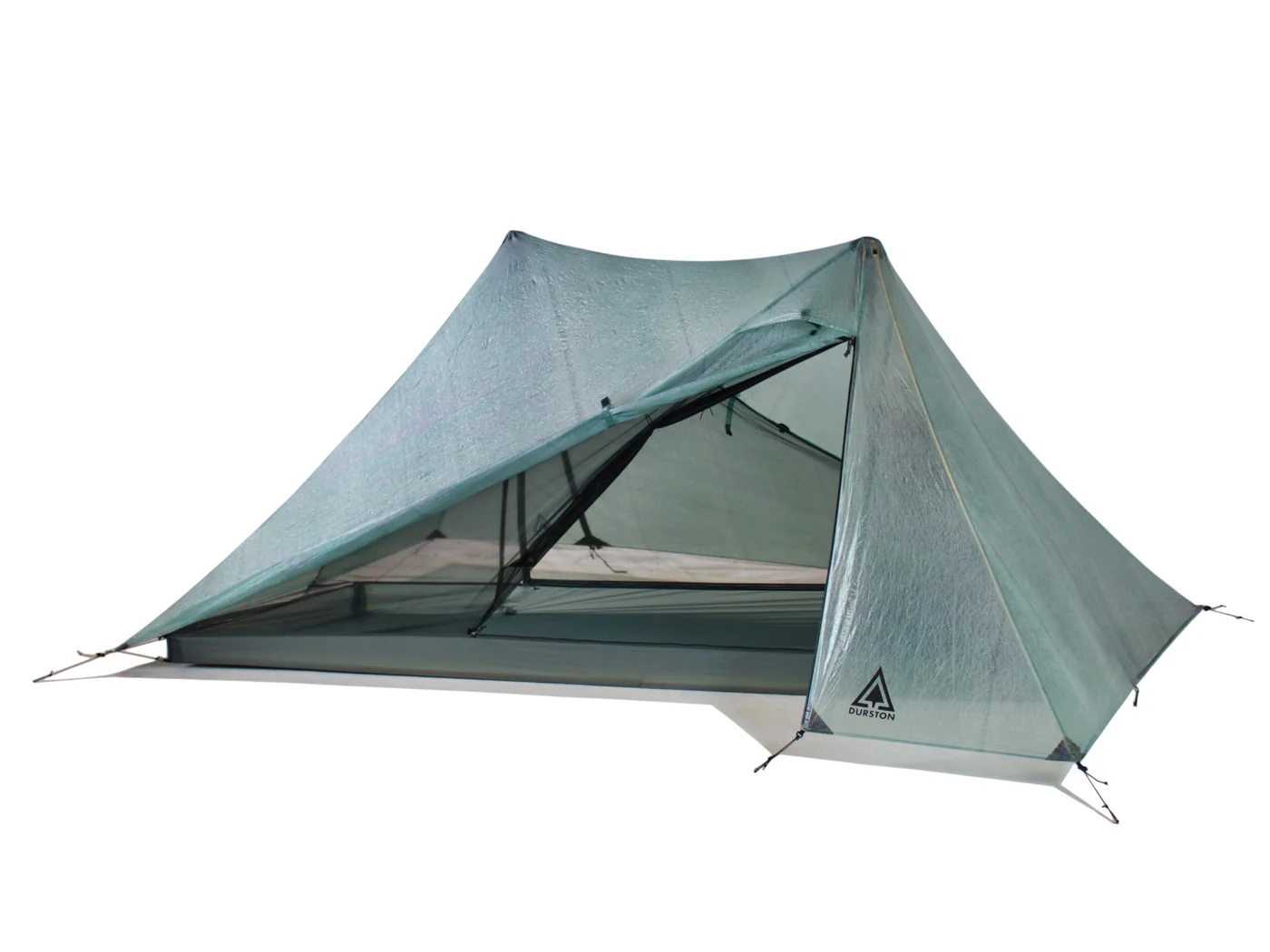
The Durston X-Mid Pro 1 is a single-person hybrid single-wall DCF trekking-pole tent with patented X-Mid geometry, twin offset poles, dual doors and vestibules, a tensioned bathtub floor, 0.55 DCF canopy, optional floor fabrics, and a listed tent weight from 15.5 oz / 440 g.
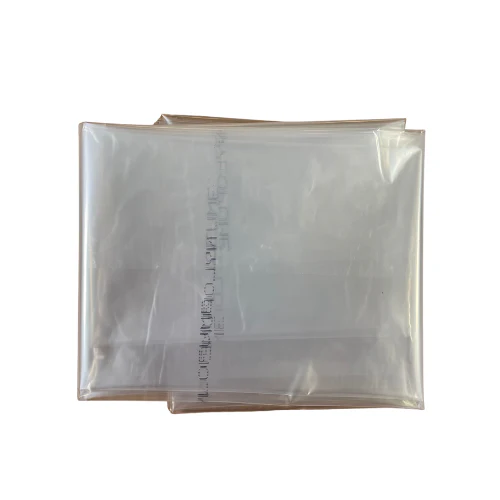
The Nylofume Pack Liner is a waterproof, odor-resistant nylon polymer bag weighing 0.91 oz (25.9 g). With a 52L capacity, it protects gear from moisture and odors. The clear material allows easy content visibility. It's designed for durability and can be trimmed to fit various pack sizes. Use two (inverted to each other) inside an Ursack or bear canister to hide your food from bears (by containing odors).
Tarptent manufactures ultralight shelters. Founded in 2002 by Henry Shires, the company offers a diverse range of shelters, including single-wall and double-wall tents, suitable for various conditions and user preferences. Tarptent's notable commitment to quality and innovation has made its shelters popular among ultralight backpackers, thru-hikers, and other backcountry outdoor adventurers. Their designs emphasize user-centric features (including livable volume)rather than achieving the lightest weight possible combining lightweight materials with practical functionality to enhance the outdoor experience.
Backpacking Light does not accept compensation or donated/discounted products in exchange for product mentions or placements in editorial coverage.
Some (but not all) of the links in this review may be affiliate links. If you click on one of these links and visit one of our affiliate partners (usually a retailer site), and subsequently place an order with that retailer, we receive a commission on your entire order, which varies between 3% and 15% of the purchase price. Affiliate commissions represent less than 15% of Backpacking Light's gross revenue. More than 70% of our revenue comes from Membership Fees. So if you'd really like to support our work, don't buy gear you don't need - support our consumer advocacy work and become a Member instead.
Learn more about affiliate commissions, influencer marketing, and our consumer advocacy work by reading our article Stop wasting money on gear.
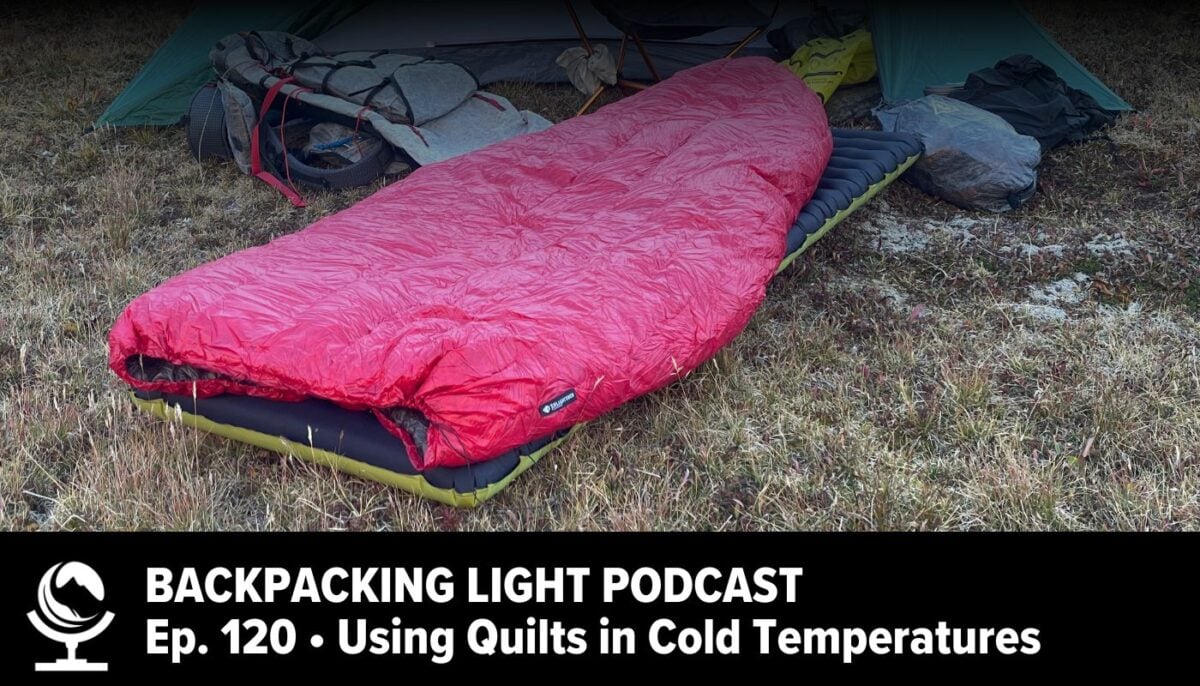
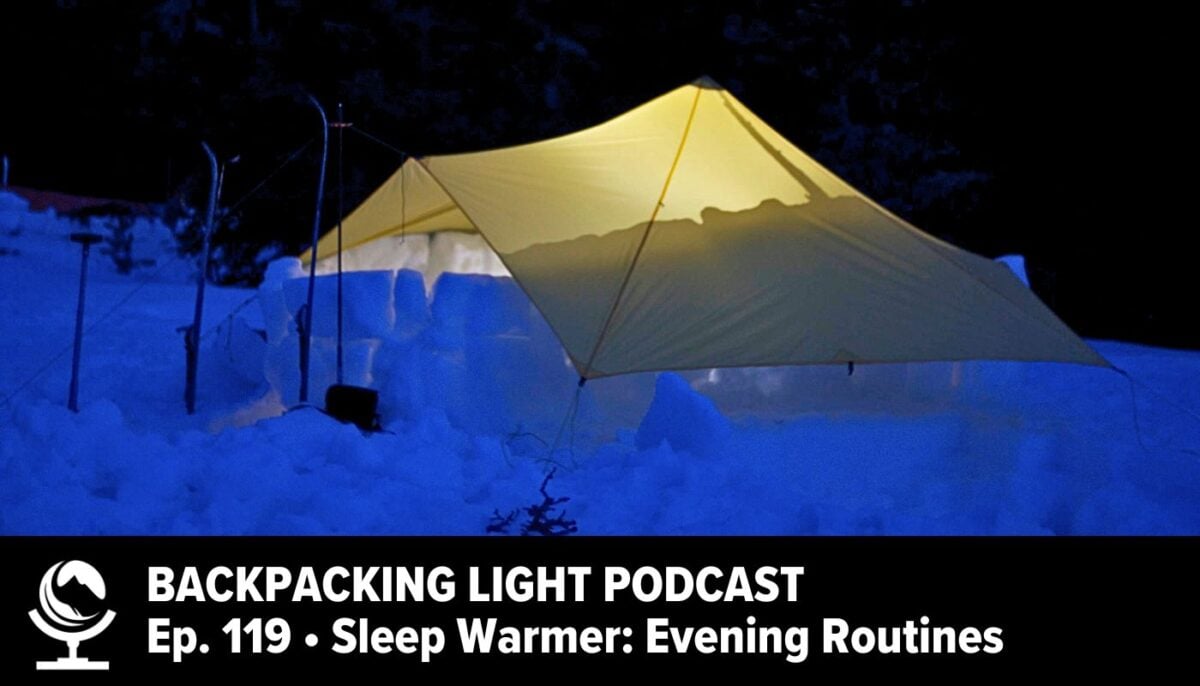
In episode 120 of the Backpacking Light podcast we’re going to continue our study of how to sleep warm in cold temperatures, focusing on the gear that makes up your sleeping system.
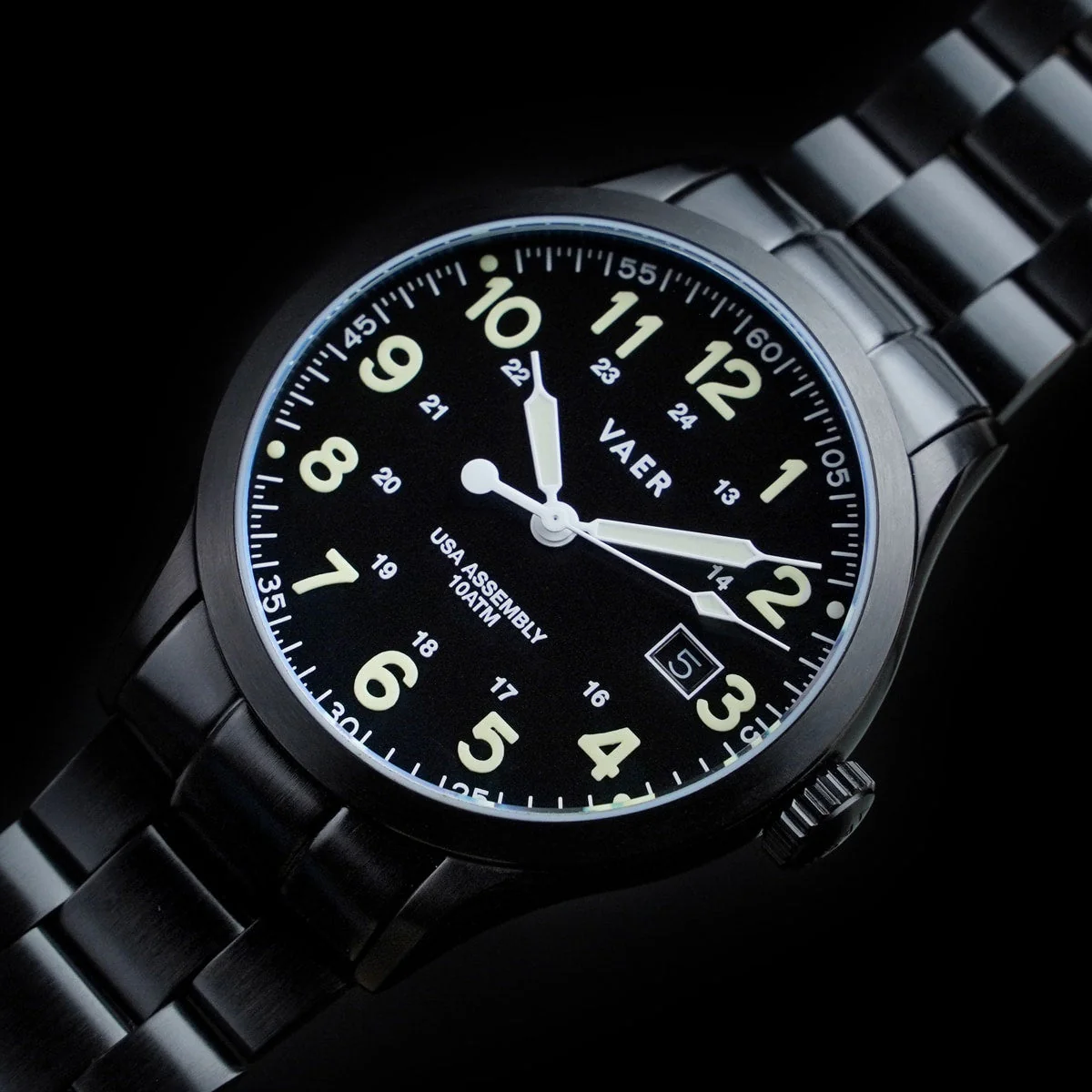
The Vaer C5 Tactical Field Solar features a sapphire face cover, 316L stainless steel body, and a Japanese Epson VS-42 solar-powered movement that provides up to six months of power reserve at high precision. The watch is water-resistant up to 10 ATM (100 meters), offers a blacked-out aesthetic with exceptional lume performance, ensuring readability in low-light conditions.
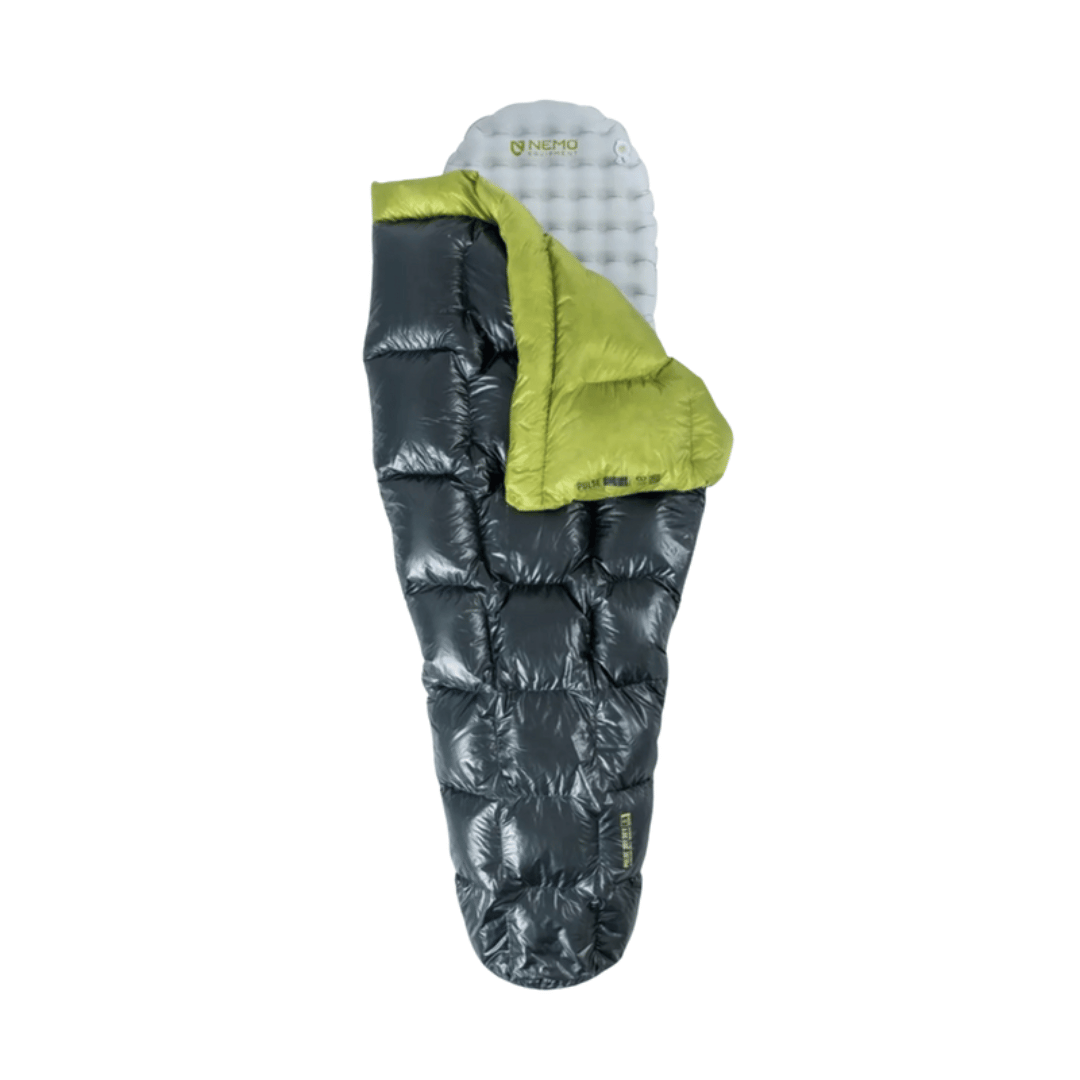
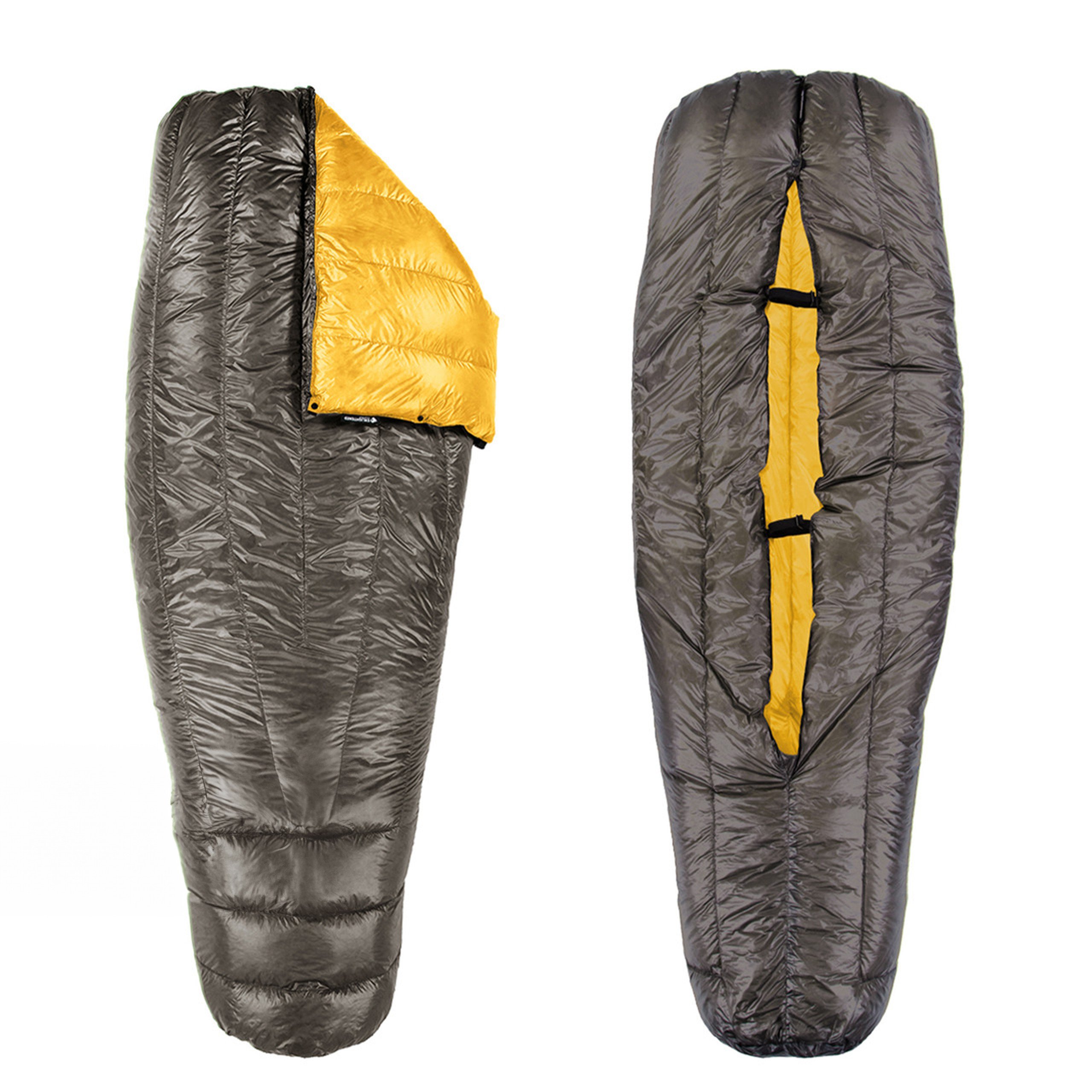
The NEMO Pulse Quilt is filled with 1,000 FP water-resistant down featuring a highly stabilizing Karo-step baffle design and an effective cord-based pad attachment system. Made from 100% recycled (and recyclable with the manufacturer) materials. See it at REI, Garage Grown Gear, and Nemo.
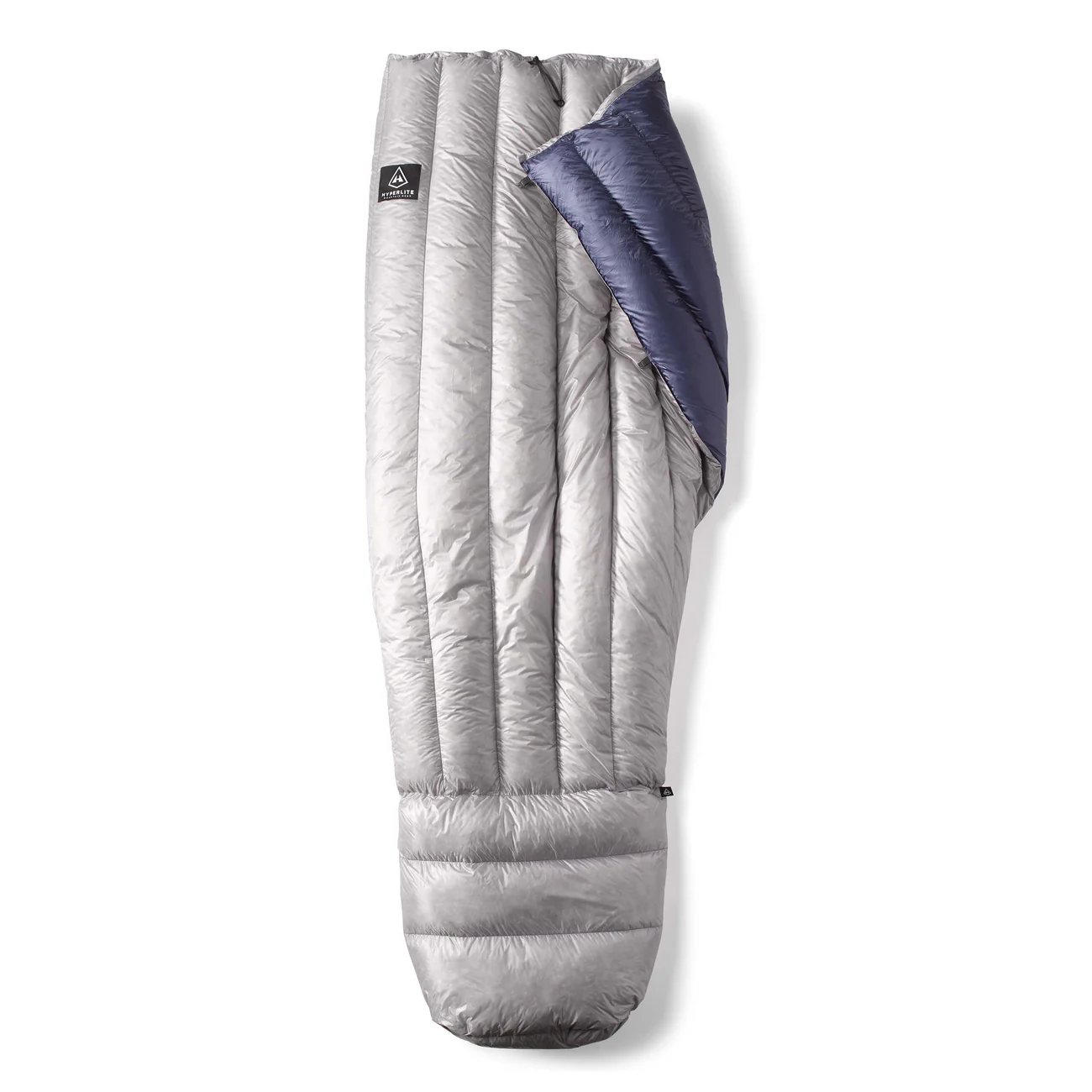
The Hyperlite Mountain Gear 20-Degree Quilt is an ultralight backpacking quilt unique for its combination of 1000-fill power RDS-certified goose down, a 7D ripstop nylon shell, sewn footbox, vertical baffles, generous girth - and very light weight.
The Enlightened Equipment Enigma line of sleeping quilts is optimized for maximum warmth-to-weight ratio with sewn-closed foot boxes for heat retention and longitudinal baffles to minimize down shifting. Available as stock or customizable products, the user can spec fabrics, insulation type and amount, sizing, and more:
The Timmermade Coati Quilt features an 8-inch draft skirt that hangs down to block drafts or can be tucked under the body to control the edges, functioning similarly to a false bottom. The quilt is constructed with horizontal baffles, a differential cut, draft collar, and chambers overstuffed with water-resistant 900 fill power down.
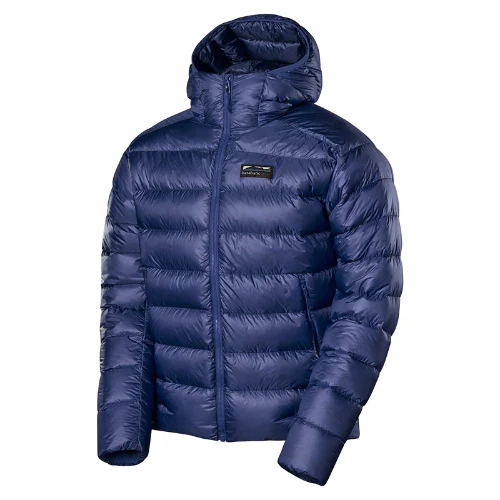
The Katabatic Tincup Down Jacket features 850+ fill power water-resistant RDS-certified down insulation. Weight in the 12-13 oz (350 g) range. Zippered hand pockets, internal drop-in pockets, adjustable hood, drop-tail hem, and elastic cuffs.
See the Men's and Women's Tincup Jacket at Garage Grown Gear.
See the Men's and Women's Tincup Jacket at Katabatic Gear.
The Timmermade SDUL 0.75 Down Sweater is filled with 1000 FP down, is made with 7d fabrics, and forgoes pockets, zippers, etc. to minimize weight - while still maintaining 3-inch baffle chambers to achieve about 0.75 inches of loft. Cinches at the neck and hem can be removed if draft control isn't needed. Generous baffle sizing and the lightest possible materials/design make this one of the highest warmth-to-weight designs available.
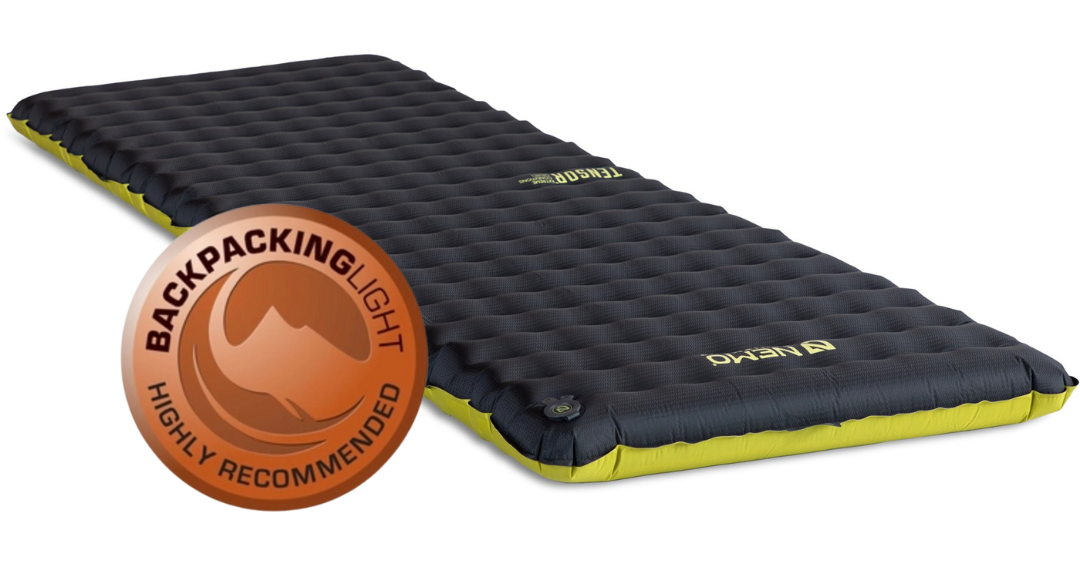
The NEMO Tensor Extreme Conditions Ultralight Insulated Sleeping Pad is a 1-person insulated air pad with Apex baffle construction, 4 floating Thermal Mirror film layers, 20-denier nylon top, 40-denier nylon bottom, 3.5 in. thickness, 8.5 R-value, Laylow valve, and 1 lb. 2 oz. Regular weight.
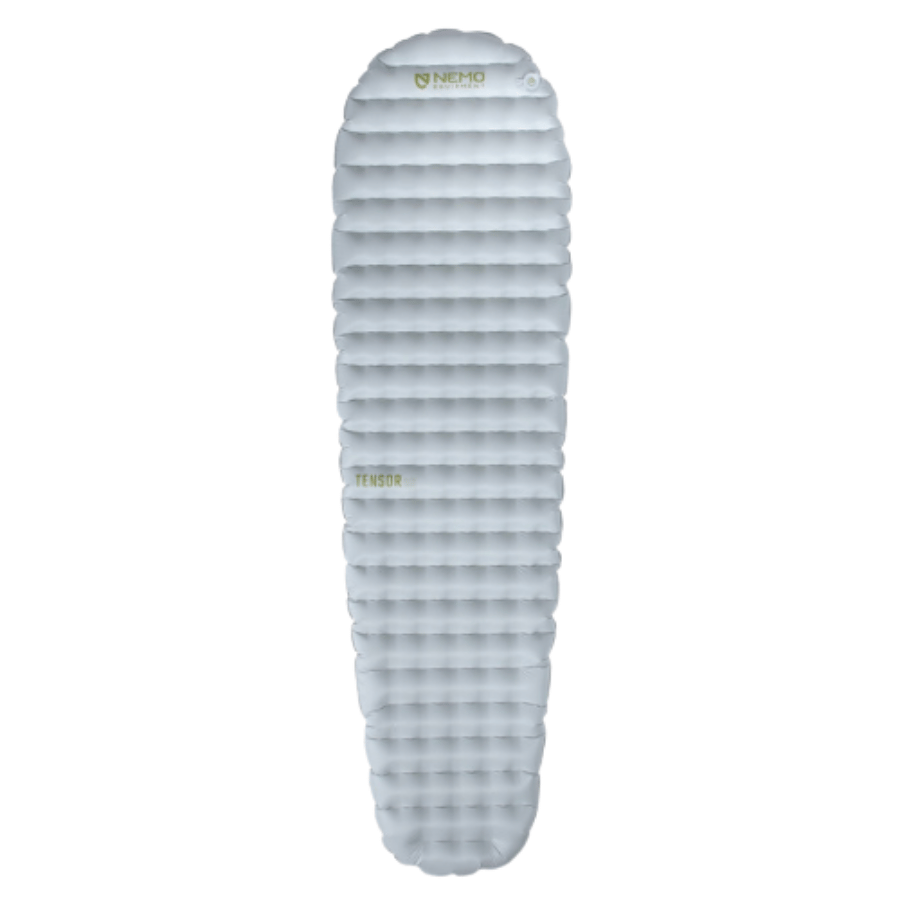
The NEMO Tensor Elite Mummy Sleeping Pad is an insulated mummy air pad with Apex baffle construction, 10D Cordura nylon ripstop fabric, single-layer Thermal Mirror film insulation, 3 in. thickness, 2.4 R-value, Laylow valve, and 8.5 oz / 240 g Regular Mummy minimum weight.
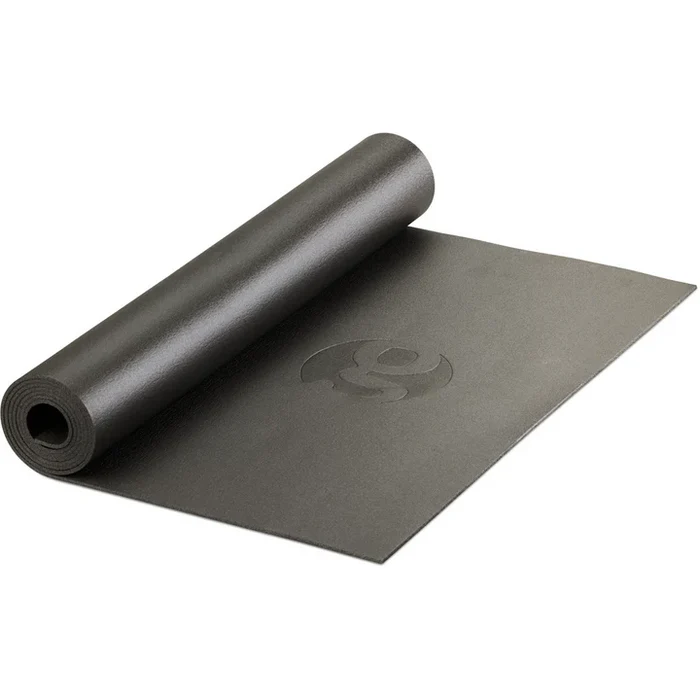
The Gossamer Gear Thinlight Foam Pad is a closed-cell foam pad available in 1/8" thickness, with an estimated R-value of 0.5. Use it for protection and additional insulation from cold ground when paired with an inflatable pad, or keep it handy for on-trail and in-camp lounging.
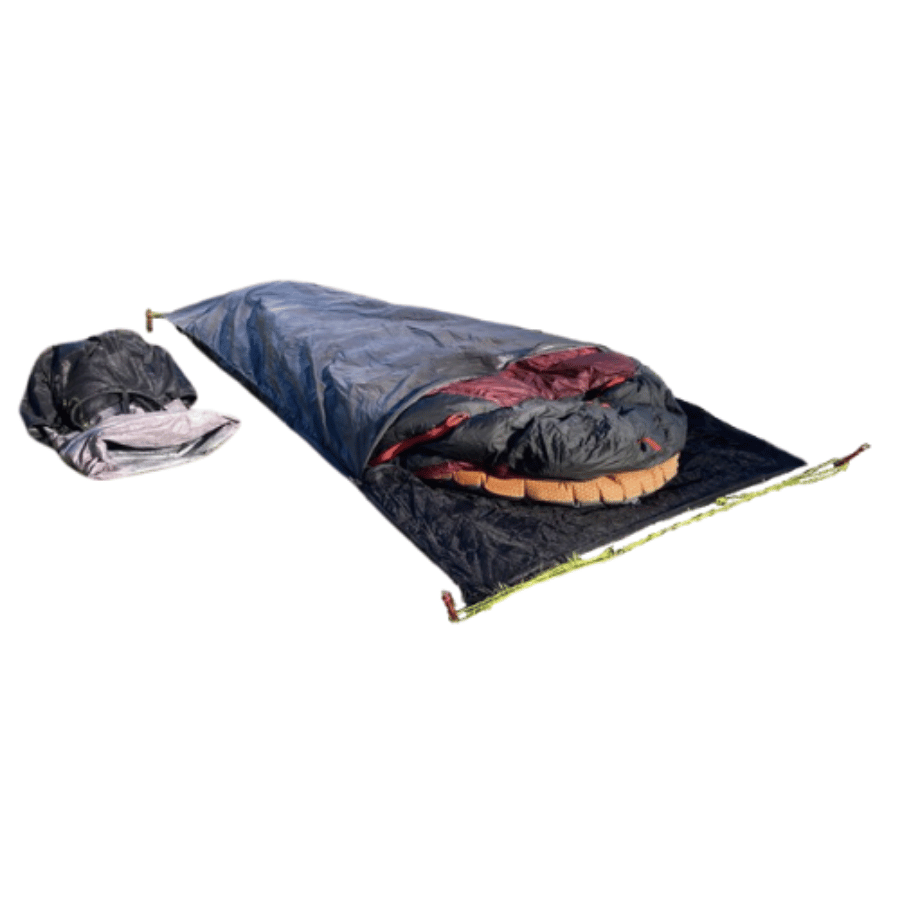
The Katabatic Gear Bristlecone Bivy Sack is water-resistant and breathable and makes an ideal companion for warmer conditions when paired with a tarp. Water-resistant enough to keep dew at bay for sleeping under the stars in mild weather.
In this episode, we’ll introduce you to the Trail Days speakers and give you a sneak peek at their presentation topics and expertise. From ultralight pack design to scrambling techniques, backcountry hygiene to desert travel, there’s something for everyone.
Executive Producer - Backpacking Light; Show Director and Host - Ryan Jordan; Producer - Chase Jordan; Theme music: Look for Me in the Mountains written by Chris Cunningham and Ryan Jordan, performed by Chris Cunningham (acoustic guitar, lead and harmony vocals, harmonica), Chad Langford (upright bass), and Tom Murphy (mandolin), produced by Basecamp Studios in Bozeman, Montana.
Sponsorship Policy: Backpacking Light does not accept compensation or donated/discounted products in exchange for product mentions or placements in editorial coverage, including any podcast episode content not excplicitly identified as sponsored content. Some (but not all) of the links in these show notes may be affiliate links. Learn more about affiliate commissions, influencer marketing, and our consumer advocacy work by reading our article Stop wasting money on gear.
The NEMO Tensor Elite Mummy Sleeping Pad is an insulated mummy air pad with Apex baffle construction, 10D Cordura nylon ripstop fabric, single-layer Thermal Mirror film insulation, 3 in. thickness, 2.4 R-value, Laylow valve, and 8.5 oz / 240 g Regular Mummy minimum weight.
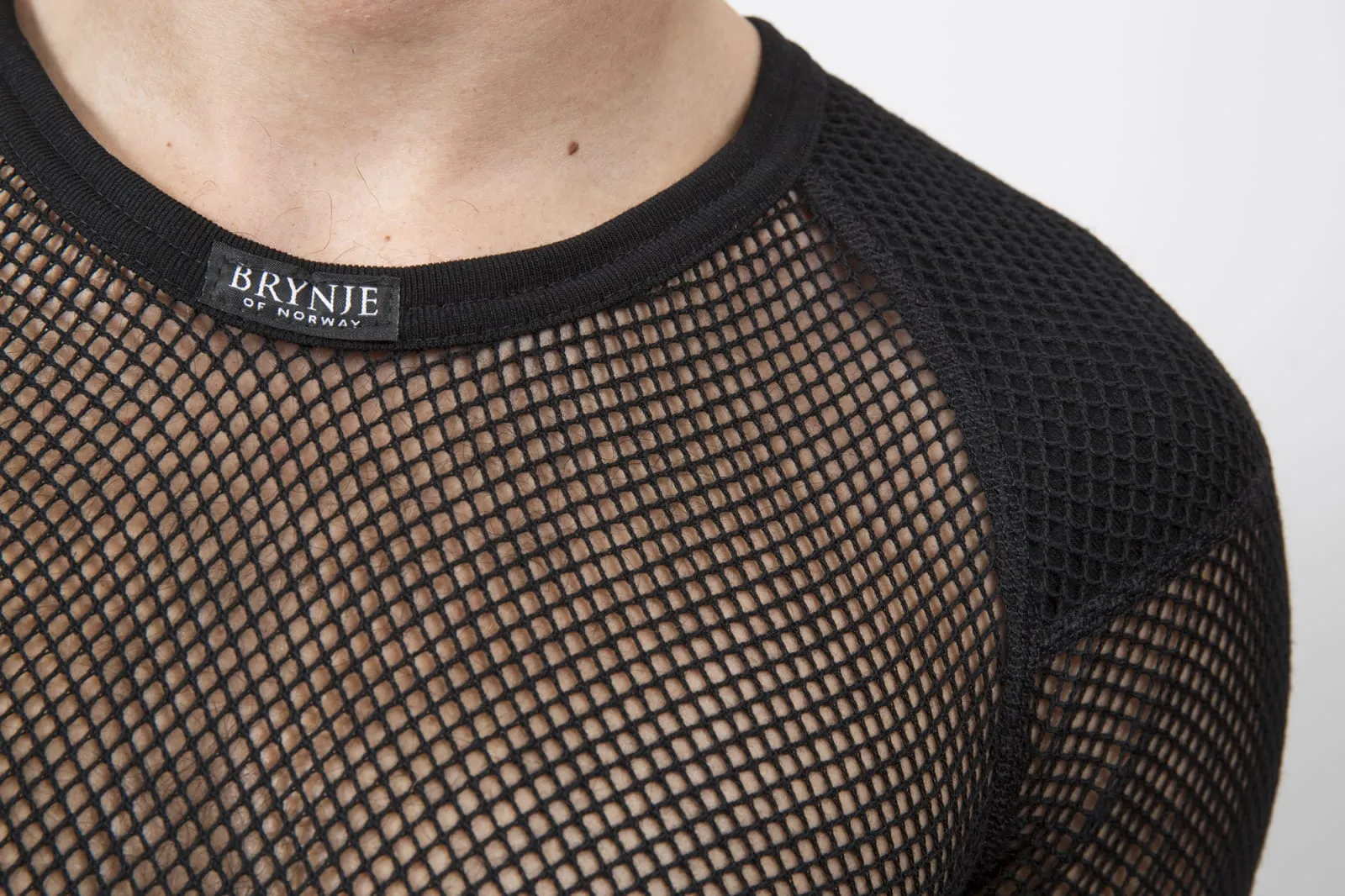
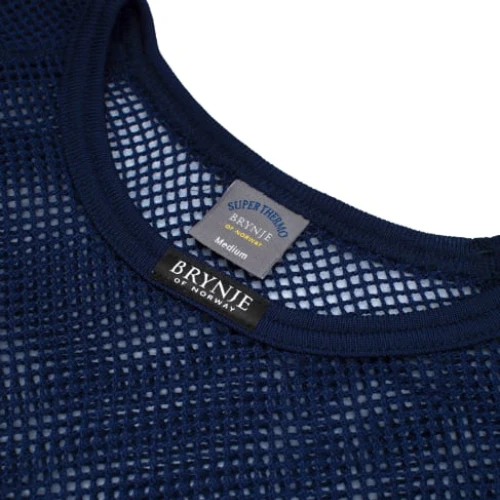
Brynje of Norway makes both synthetic and merino wool fiber fishnet base layer apparel for outdoor adventures. Fishnet construction is more breathable, lighter, and faster-drying than conventional knits.
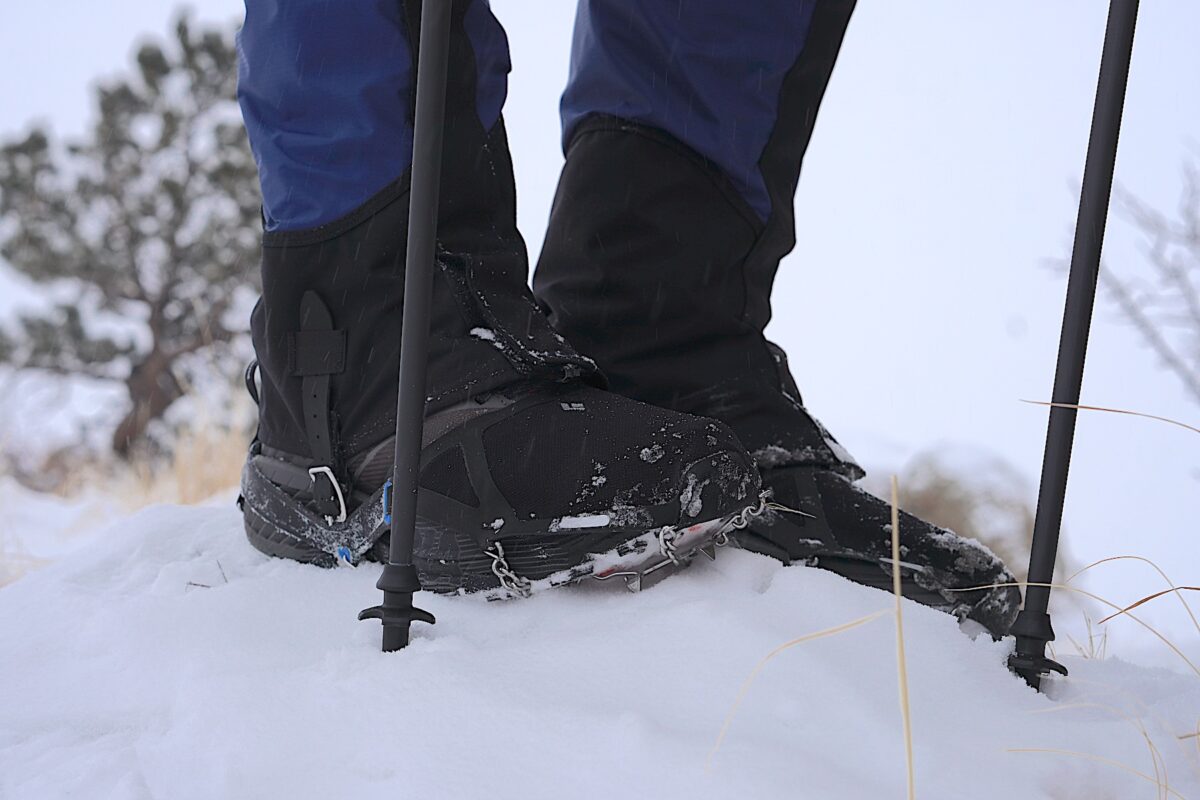
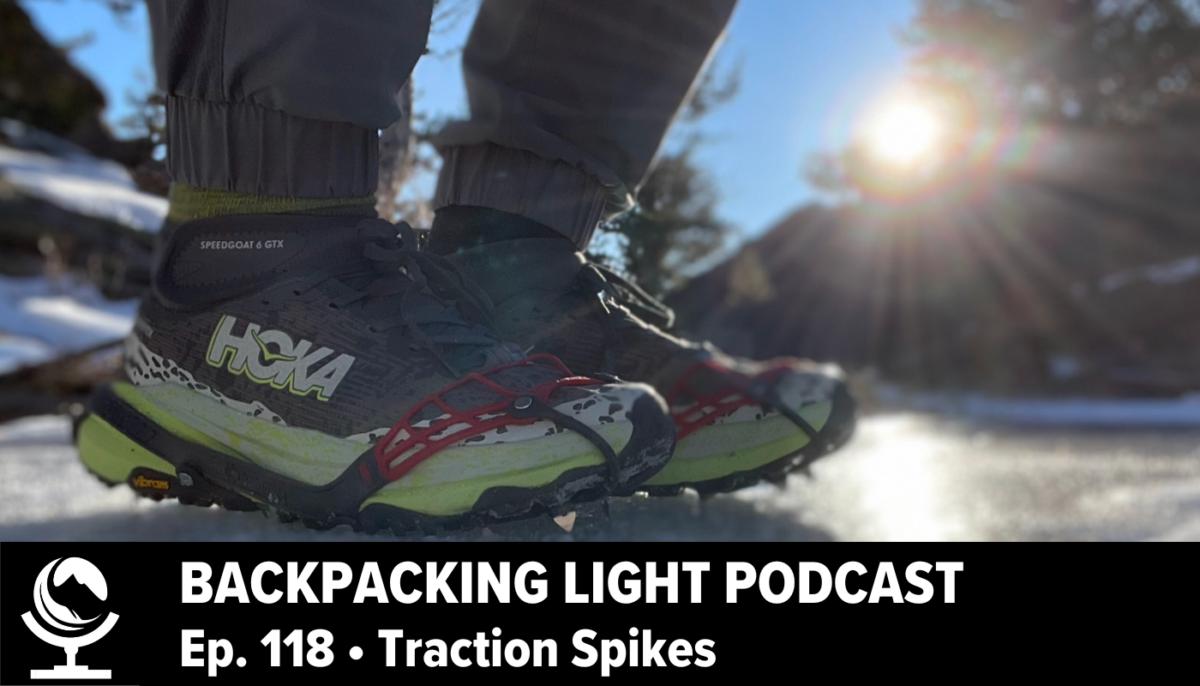
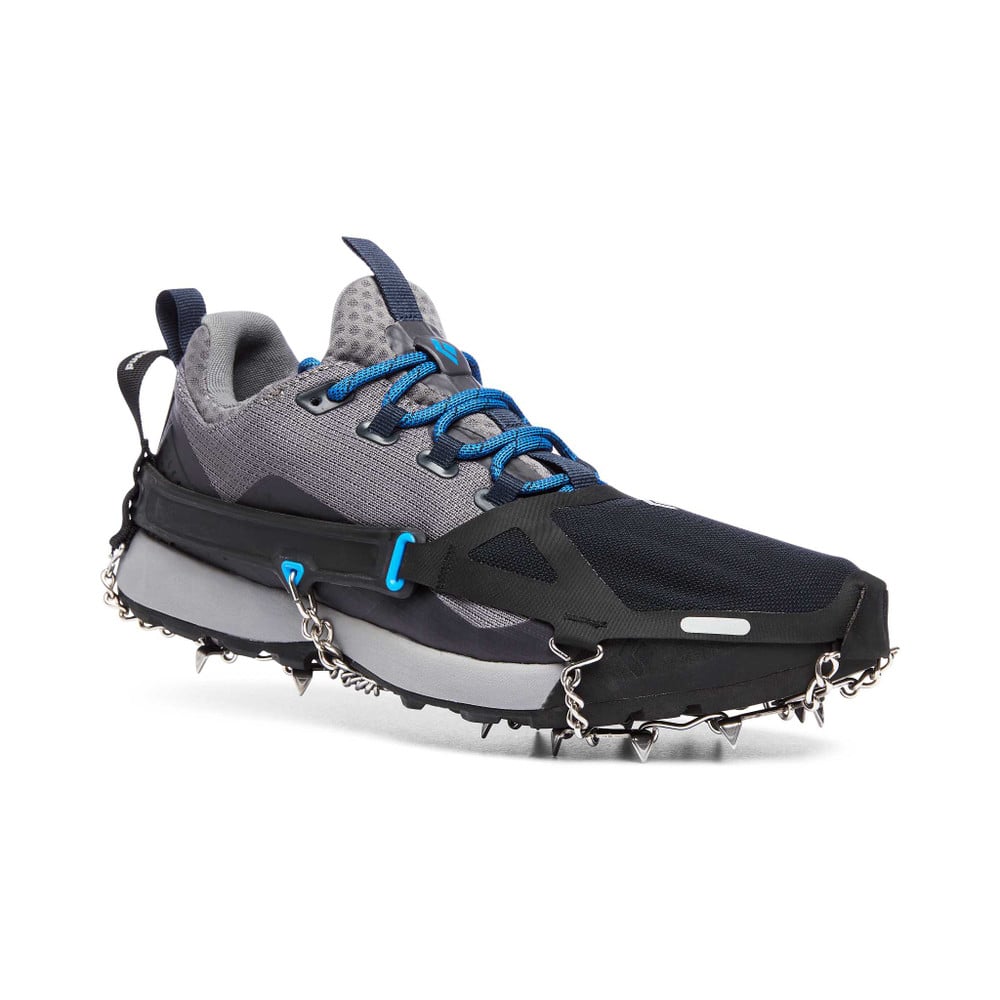
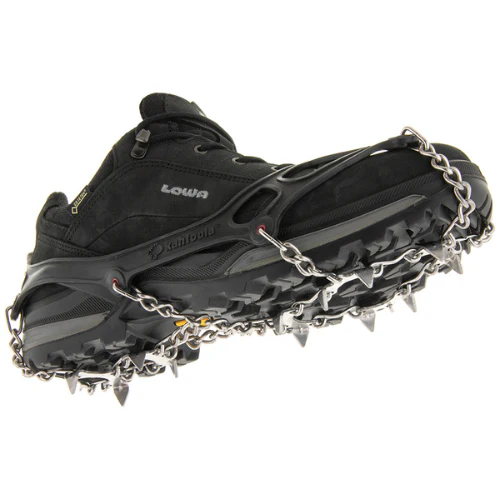
An in-depth guide to traction spikes for hiking, backpacking and running in all seasons. Compare models, materials, and performance attributes with insights from field testing to find performant options for different use cases.
This article provides an overview of coffee-making methods (how to make coffee in the backcountry) while backpacking, with a study of their complexity and weight.
by Emylene VanderVelden and Ryan Jordan
Update February 4, 2025: Product selections have been updated to reflect the current state of the market for coffee brewing equipment and supplies. In addition, we added an immersion brewing section and updated our “What the Authors Use” section to reflect our current practices.
Introduction
Ultralight backpacking embodies the values of simplicity and weight savings. Some of that gets thrown out the window when the subject of backcountry coffee comes up (depending on your level of java snobbery). This article provides an overview of coffee-making methods (how to make coffee in the backcountry) while backpacking, with a study of their complexity and weight.
Under no circumstances should you let a non-coffee drinker brew your coffee. Non-coffee drinkers CANNOT be trusted to make acceptable coffee. If some well-meaning tent-mate gets up early and offers to bring you coffee in bed, do NOT let them. You will be sadly disappointed, and the entire day may founder in a miasma of negative drama. – Mike Clelland, The Beautiful Cup: Backcountry Coffee for the Ultralight Backpacker.
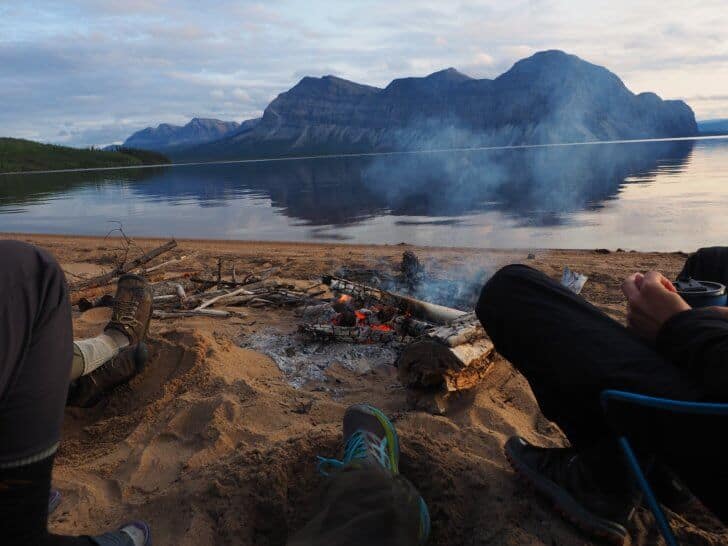
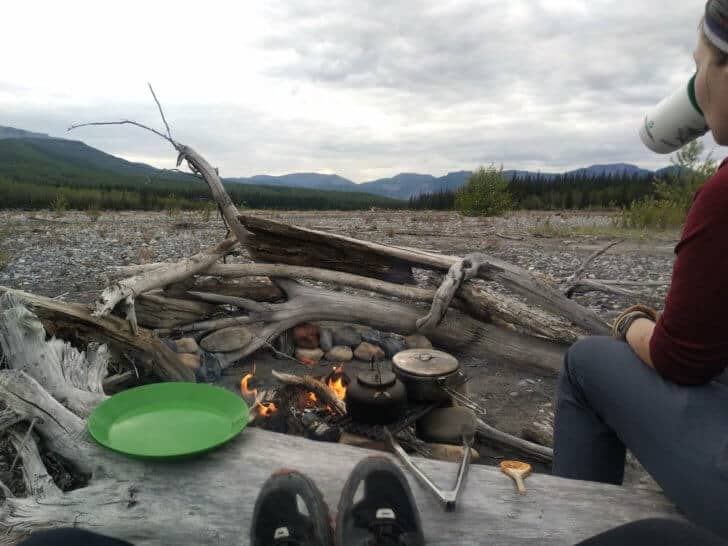
Nothing quite beats a warm cup of coffee, a fire, and a sunrise. Photo: Emylene VanderVelden.
What is Still True About How to Make Coffee in the Backcountry
In 2010, Mike made some valid observations, and we wholeheartedly agree with them.
He said:
As you may have gathered, I’ve got some opinions about this whole coffee thing. So, before we go any further, and in the interest of full disclosure, here are a few of my prejudices:
Strong coffee is good coffee.
Except for a very few companions, I don’t trust anyone to make coffee for me.
Adding sugar to coffee is criminal.
Sometimes I add a little milk in my coffee, but black is just fine.
Adding flavors (like hazelnut and almandine) to an already perfect drink is sinful.
Picking grounds out of my teeth is a serious buzz kill.
Coffee equals joy.
How Coffee Brewing is Controlled
The bean source, roasting method, and freshness have an impact on the quality of your coffee.
But you have some brewing control as well. Depending on the method, you can adjust:
Brewing water temperature;
Rate of flow (or time of exposure between coffee and water);
Water pressure (e.g., espresso is drawn at higher-than-ambient pressures).
Changing the temperature, flow rate, and pressure allows you to fine-tune your flavor profile. The ability to control these three variables will be evaluated when we look at coffee-making gear.
A note on temperature that may be relevant for backpackers in mountain environments: boiling temperature changes with altitude. At sea level, the boiling temperature is 212 F (100 C). At 9,000 ft (2743 m), the boiling temperature is about 195 F (90.5 C).
Nine thousand feet (2743 m) is kind of an important inflection point with respect to coffee extraction and altitude.
It’s generally accepted by most coffee aficionados that the ideal extraction temperature is 195 F (90.5 C) to 205 F (96.1 C), so once you climb above 9,000 ft (2743 m), you may want to increase your brew time a bit if you’re after a stronger cup of coffee.
Coffee-Making Methods and Gear for Backpacking
The popularity of coffee-drinking1 is being driven by a rise in boutique coffeehouses, micro-roasting, and consumers’ unquenchable thirst for cool new gear. Thankfully, this market enthusiasm is spilling over into a wide range of portable coffee-making supplies and tactics:
The French press
Immersion Brewers
Mini espresso makers
Pour-over coffee makers
Coffee & tea infusers
Instant coffee
Coffee paste
DIY cold brew
The following table summarizes each method in terms of its weight, brew time, nature of flow, pressure, cleanup, and coffee quality.
In addition, we’ll touch on coffee grinders, coffee alternatives, and whiteners towards the end.
The French Press
The French press method of coffee brewing gives the brewer a great deal of control over the resulting coffee flavor, owing mainly to the fact that brew time can be varied. (As with other techniques, you can also control the flavor by altering the brewing water temperature and the coarseness of the grind). French press technique should generally use a coarse ground coffee because all of the extracted oils are retained (and not filtered out) – a finer grind (and/or a longer brew time) will result in more bitterness.
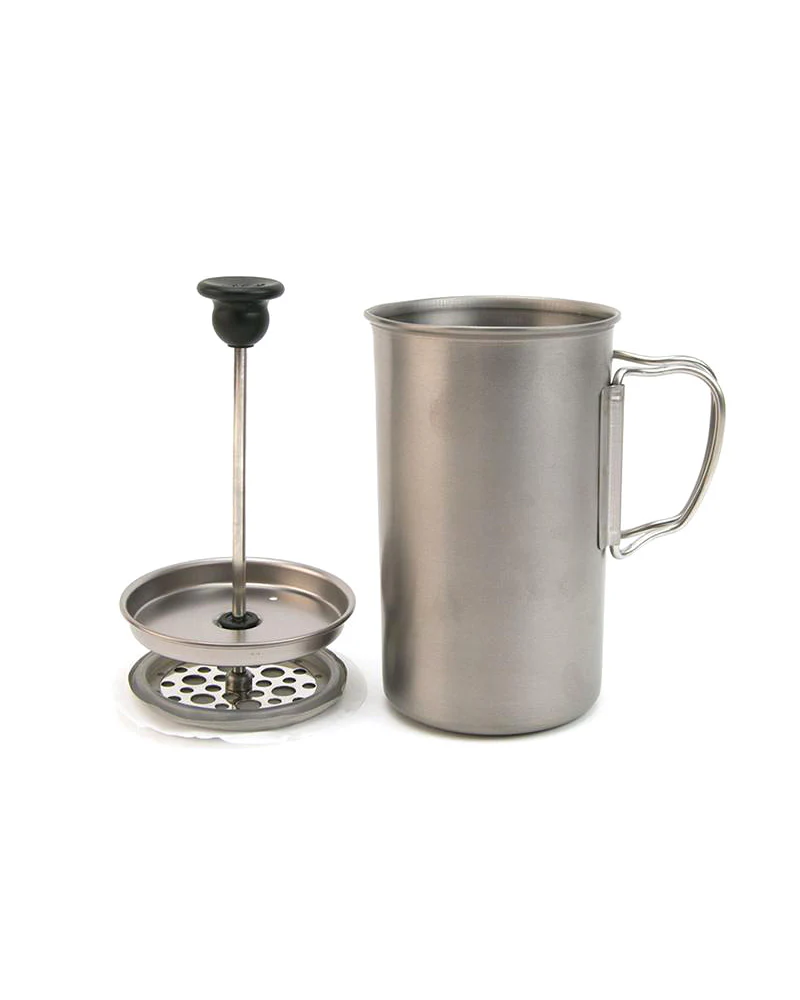
Outdoor product manufacturers offer a wide range of light, sturdy, portable standalone French presses and integrated presses for cooking mugs and pots. They aren’t the lightest option (in fact, self-contained presses are among the heaviest), but French-pressed coffee has the potential to be very strong and flavorful.
We like the integrated cooking mug/pot press idea, except for one minor detail: if you are making coffee, you cannot use the pot for anything else until you wash it out. That means you have to make your meal in sequential cooking batches, and can’t drink your coffee with your food without transferring the coffee to a separate mug, cleaning the pot, etc.
The GSI Outdoors Commuter JavaPress is a 15 fl. oz. insulated copolyester coffee press weighing 10.3 oz (292 g), with an integrated sliding inner carafe that separates coffee grounds after brewing, eliminating the need for a plunger rod; features a spill-resistant, flip-top lid, a foam sleeve for insulation, a press-and-drink-through design, and prevents over-extraction by keeping grounds separated after pressing.
The Snow Peak Titanium French Press is crafted from single-wall Japanese titanium, allowing direct heating over a heat source. It has a capacity of 24 fl. oz. (0.7 liters) and weighs 6.3 oz. (179 g).
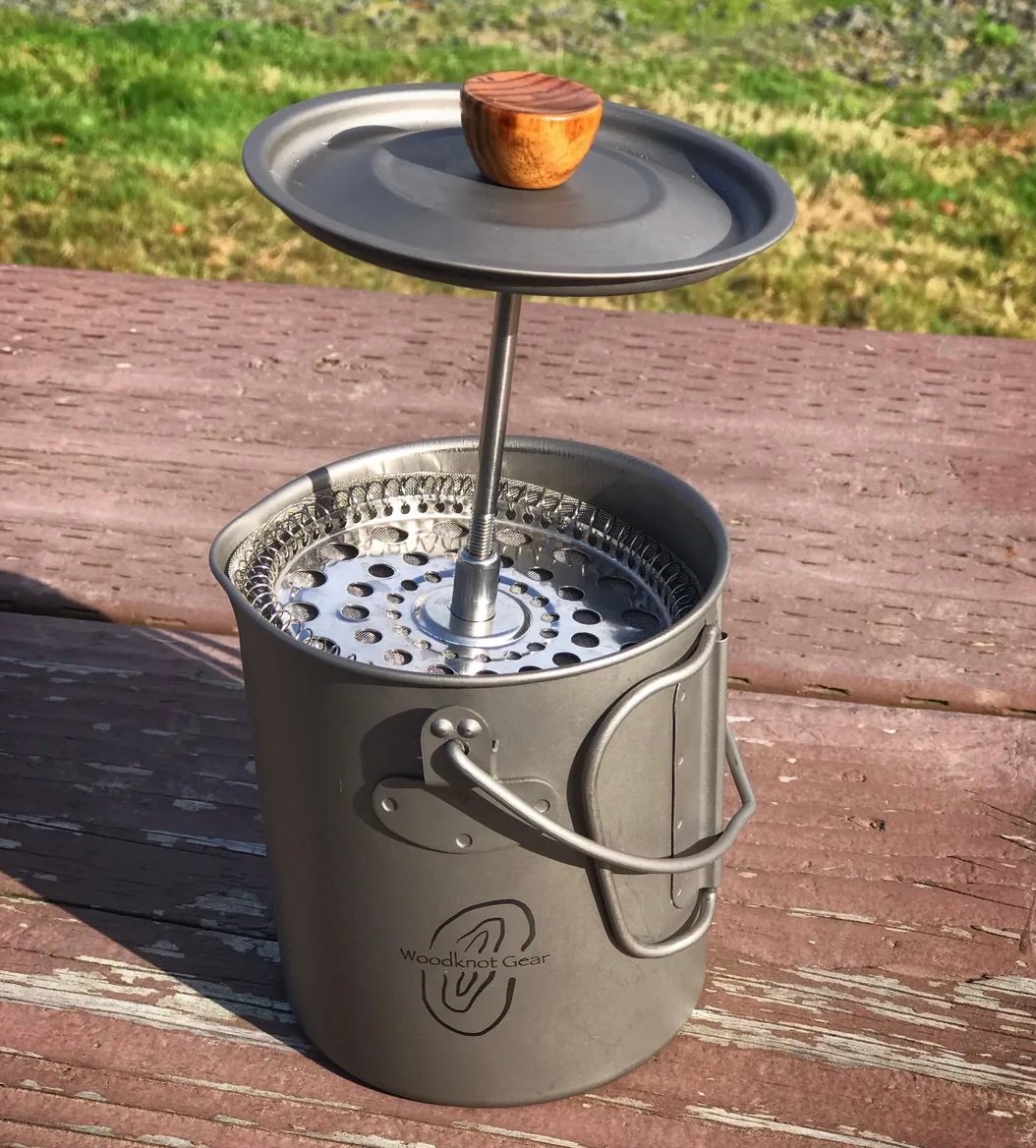
The WoodKnot Gear Titanium 750ml Camp Coffee Kit is made from high-grade titanium, offering lightweight durability and corrosion resistance. It features a stylish wooden knob, vented lid, double folding handles, and a bail handle, allowing it to function as a French press, water boiler, or cooking pot. Weighs 6.4 oz (181 g); 7 oz (198 g) including the stuff sack.
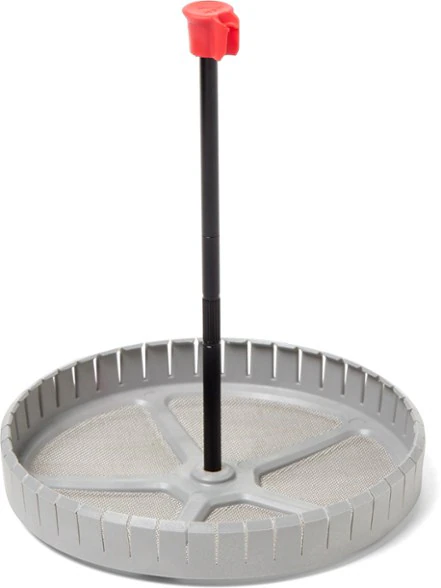
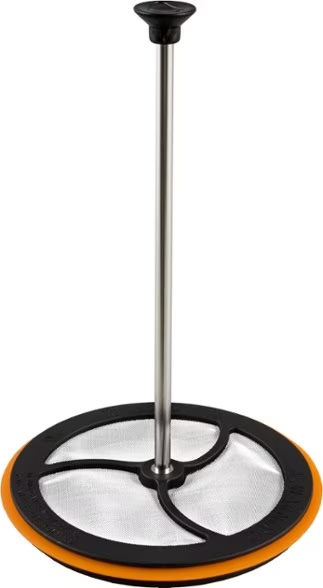
The MSR WindBurner Coffee Press is designed for WindBurner Stove Systems, featuring a durable stainless steel strainer disc and a flexible perimeter gasket to seal out coffee grounds. It disassembles and packs flat for easy storage. Available in 1.0L and 1.8L sizes, weighing 1.3 oz (37 g) and 1.6 oz (45 g) respectively.
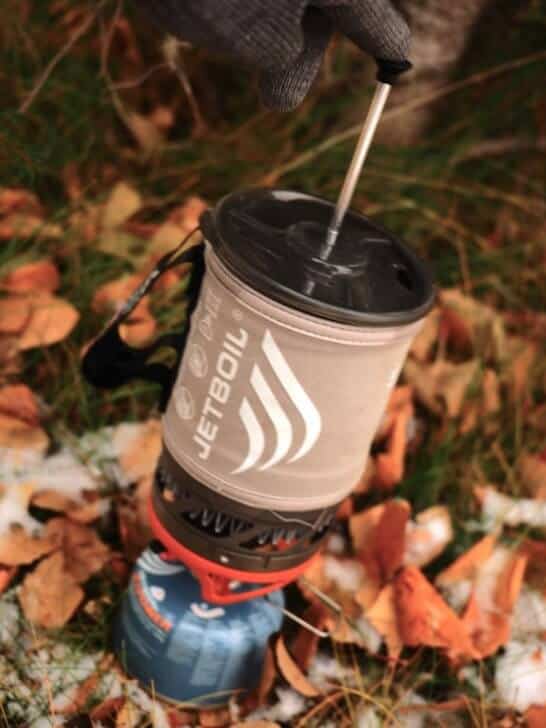
The Jetboil Silicone Coffee Press is a lightweight accessory weighing 1.3 oz (37 g), made from stainless steel and food-grade silicone. Designed to fit Jetboil Zip, Flash, Flash Lite, MicroMo, PCS Sol, and Sol TI cooking systems, as well as 1-liter tall and 0.8-liter spare cups. It features a heat-resistant silicone ring for a secure fit, preventing coffee grounds from escaping during plunging. The stem and basket detach for compact storage within the cooking system.
The Jetboil coffee press. When a French press can be integrated with your cooking pot, you can save some weight over a traditional standalone French press – several ounces, in fact. Photo: Emylene VanderVelden.
Immersion Brewers
Similar to a French press, an immersion brewer steeps coffee grounds fully in water for a set period of time, essentially “soaking” them prior to filtering them out. Immersion brewers are distinguished from French presses by forcing the brew through finer mesh or paper filters to create the clarified filtrate. The result is a smoother (less bold) cup of coffee because the fine grind is filtered out prior to drinking with an immersion brewer.
The AeroPress Go Travel Coffee Press is a compact and portable coffee maker weighing 11.4 oz (323 g) that brews 1 to 3 cups of American, espresso, or cold brew style coffee in about a minute; made from food-safe polypropylene (PP) and includes a mug with a lid that doubles as a carrying case.
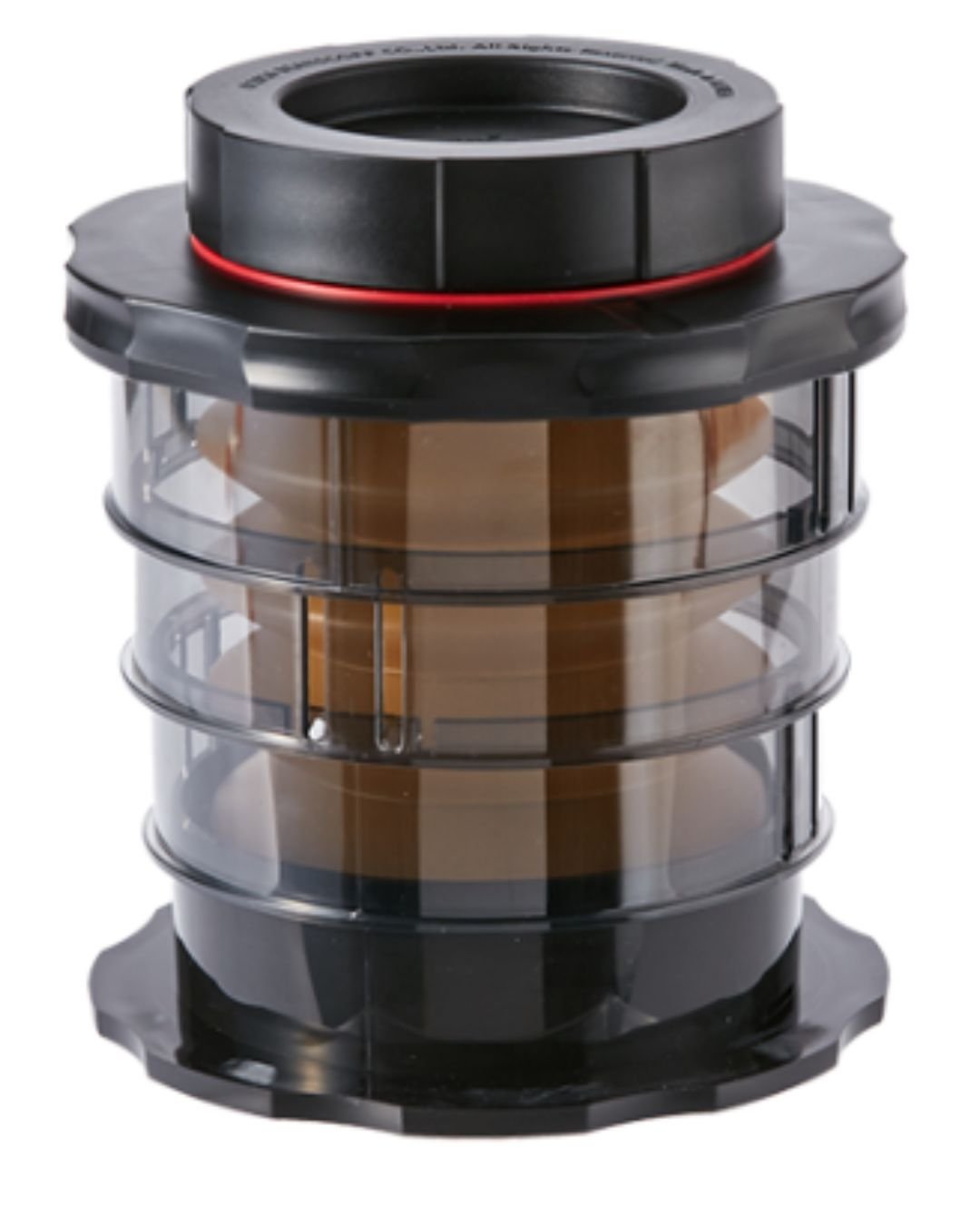
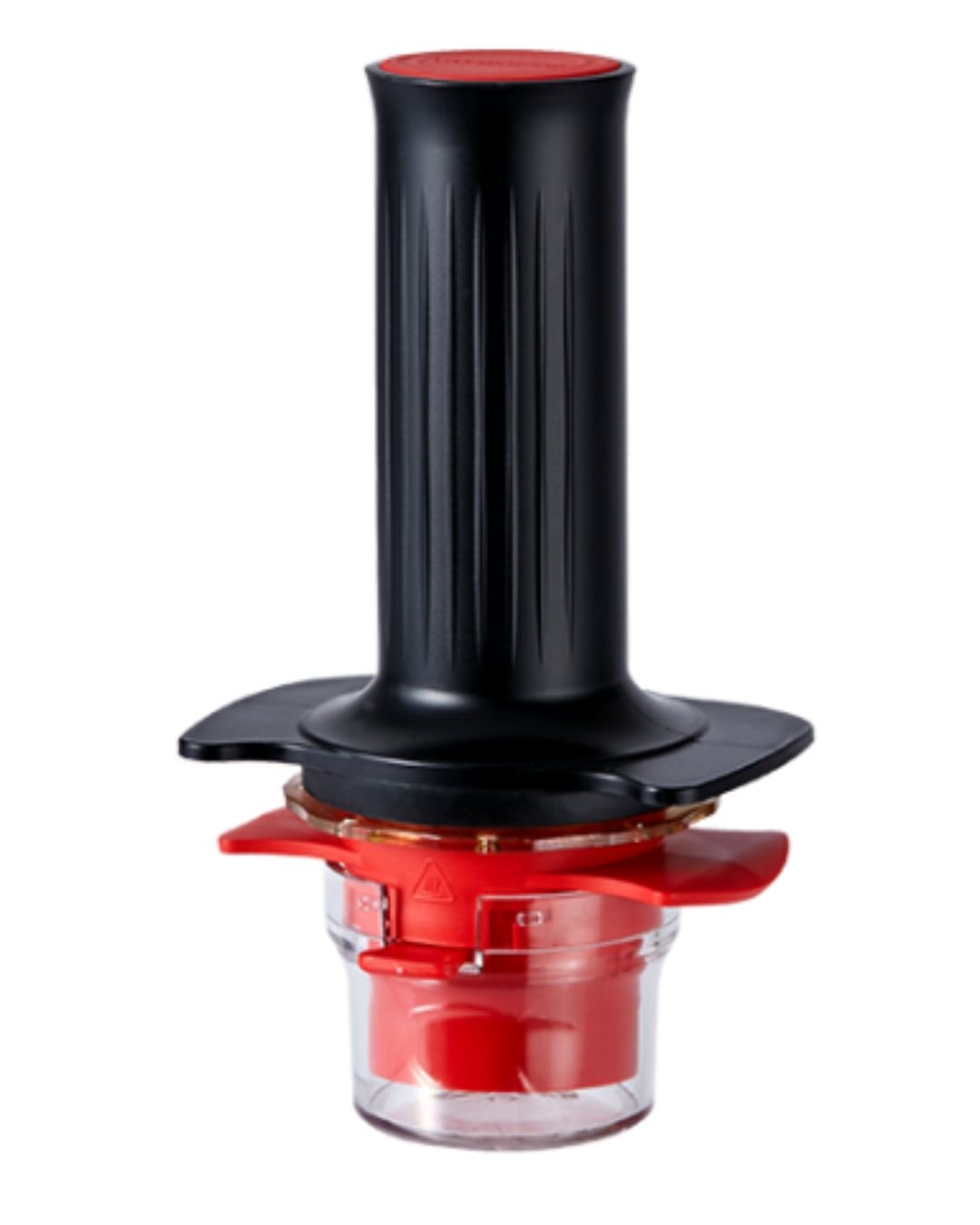
The Cafflano Kompact Coffee Maker is a portable, compact coffee brewer designed for convenience. It features a simple press-down mechanism for brewing coffee on the go.
An espresso maker uses high pressure to quickly force hot water through finely-ground coffee, resulting in a much more concentrated shot with a stronger flavor profile.
Mini espresso makers are unique because they can extract coffee at nine bars (or more) of pressure (i.e., 130 PSI). That’s nine times the ambient atmospheric pressure where other coffee brewing methods operate. This is important because higher pressures can extract coffee oils more aggressively (and require less contact time). A finer grind is required when making espresso, because of the short contact time (about 30 seconds, generally, vs. 2-5 minutes for traditional brew methods). The result is a much richer-tasting coffee without the bitterness of a long water contact time.
The idea of adding a mini espresso maker to our kit seemed revolutionary to us – a real shot of pressure-drawn espresso? That sounded too good to be true.
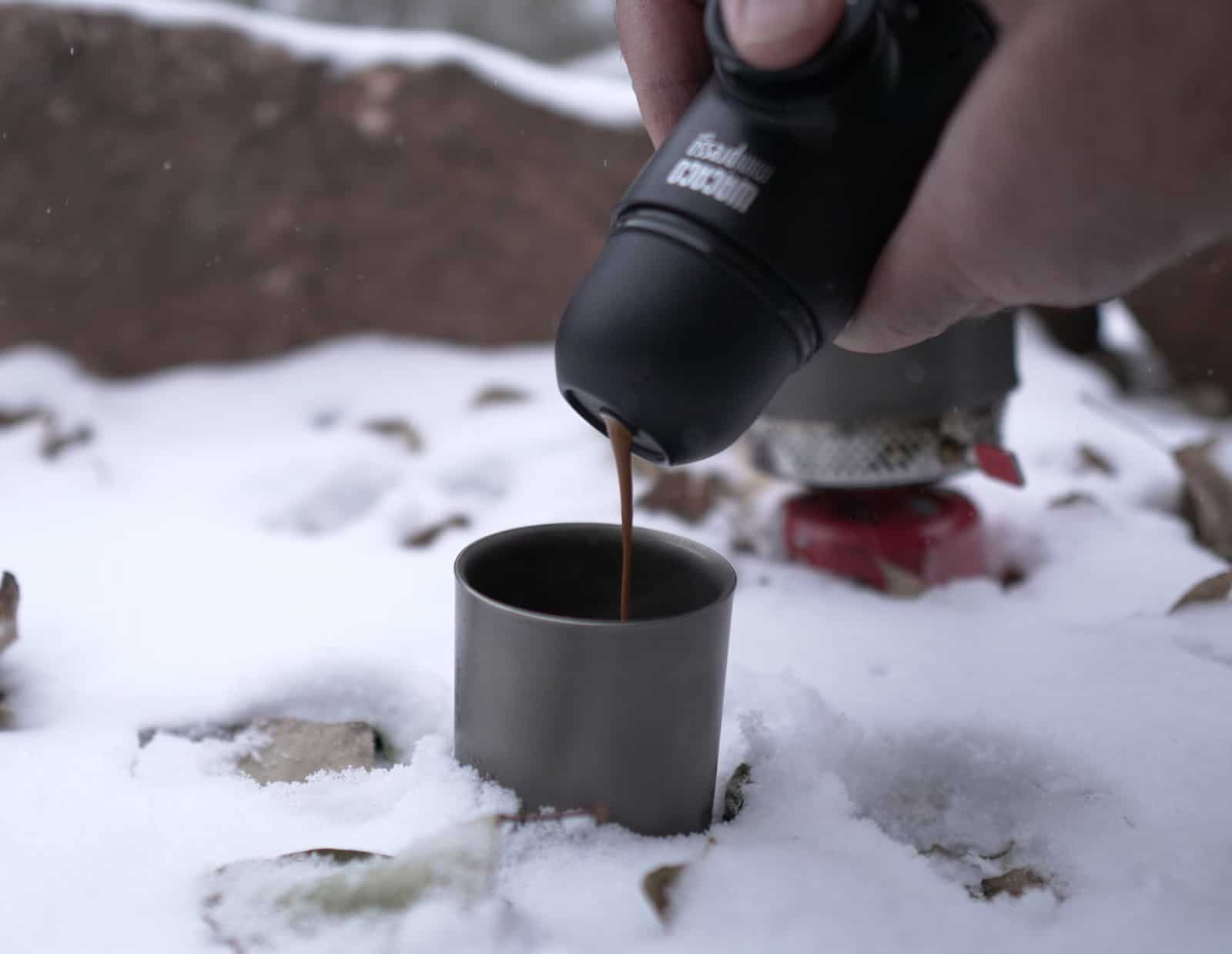
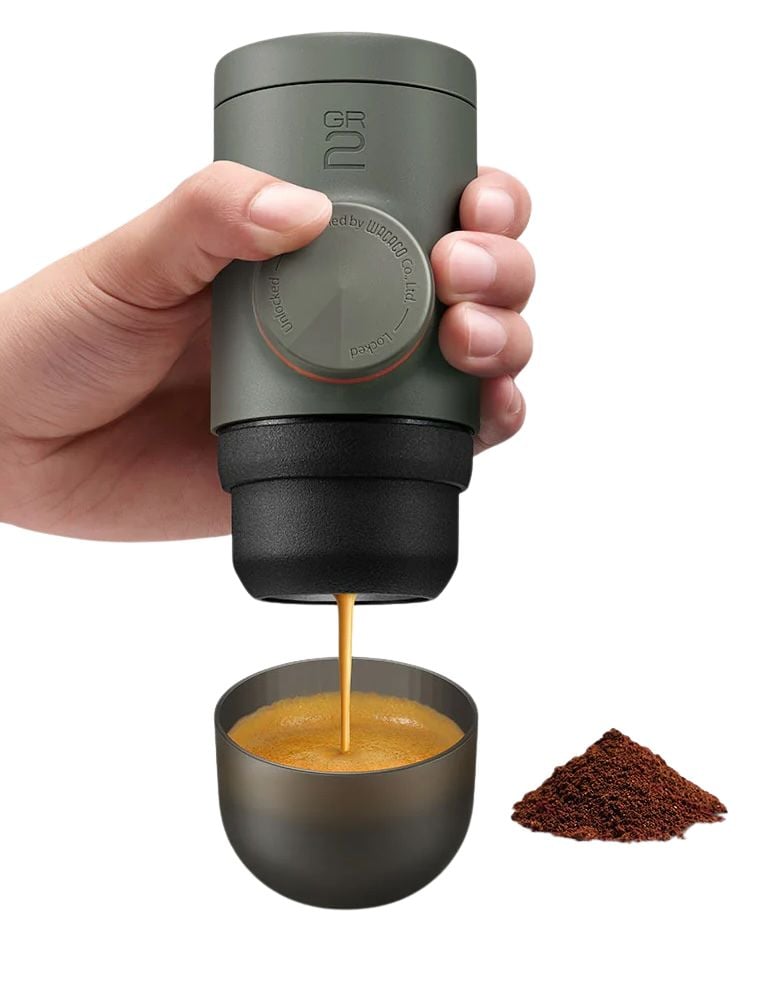
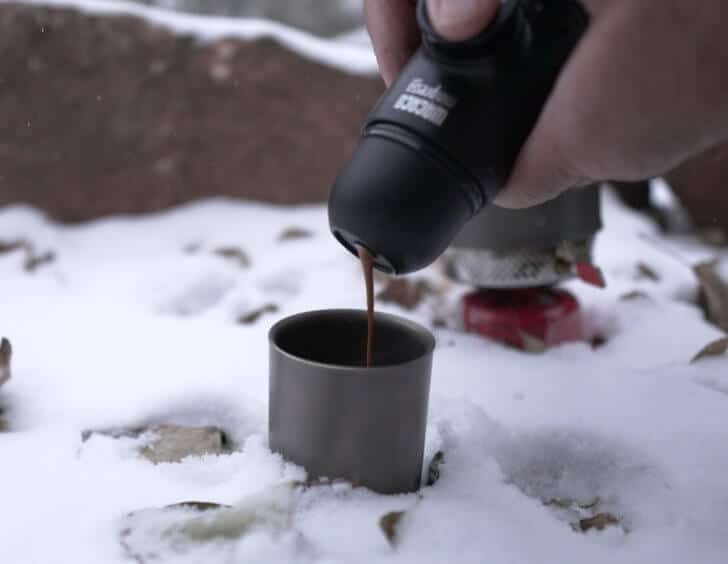
The Wacaco Minipresso GR2 is a compact, hand-operated espresso maker with an adjustable basket for 8 to 12 grams of ground coffee. It features a built-in water tank with an 80 ml capacity and operates at a maximum pressure of 18 bar. Weighs 10 oz (285 g).
Cafflano KompressoThe Cafflano Kompresso is a portable espresso maker designed to deliver a consistent 9-bar pressure for authentic espresso extraction. It utilizes hydraulic compression and features a compact, lightweight design.
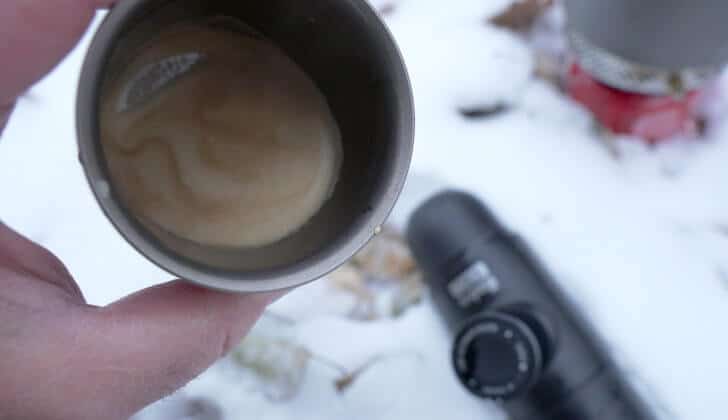
The Wacaco line of portable manual espresso makers draw coffee at higher pressures than any other coffee maker discussed in this article. The result: a shot of espresso that has a flavor profile closest to what you’ll get out of a real espresso machine. Photo: Ryan Jordan.Crema atop a shot of espresso drawn from one of the Wacaco Minipresso models. Crema is a result of extracting coffee at a high pressure. Photo: Ryan Jordan.
Pour-Over Coffee Makers
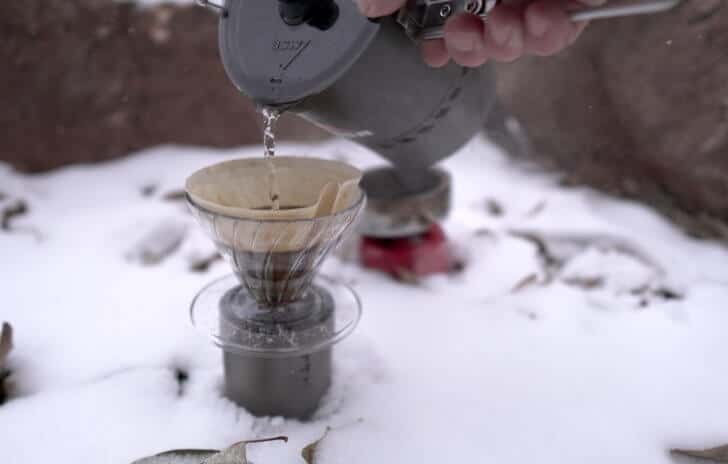
Pour-over coffee allows you to exert some control over the flow rate of the water. The primary difference between a French-pressed coffee and a pour-over coffee is that French press is a batch brewing technique (no water flow, just soaking), and pour-over is a flow-through brewing technique. Because the grounds are not coming into contact with the brewed coffee filtrate (and aren’t exposed for as long of a time), it takes a finer grind and slower, more patient pour to achieve the strength of a French-pressed coffee. One distinct advantage of the pour-over method: no coffee ground grit (some drinkers will enjoy this, however).
Some pour-over cones require the use of an additional filter; others include integrated plastic or metal mesh screens. The latter avoid disposable supplies, but are messier to operate.
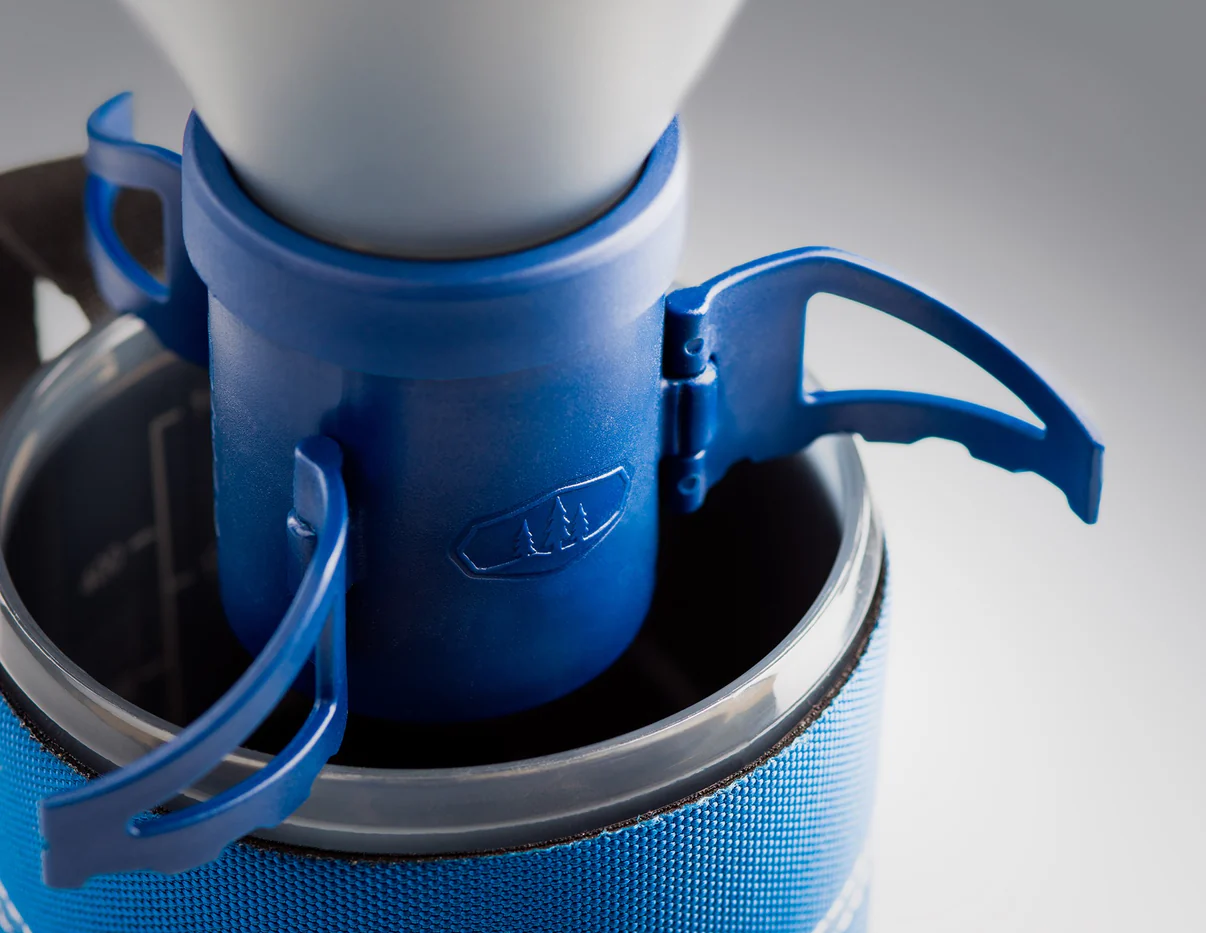
The GSI Outdoors Ultralight Java Drip Coffee Maker is an ultra-compact, reusable drip coffee filter that clips onto any mug for backcountry brewing. It weighs less than half an ounce (11 g) and features sturdy legs that clip to your mug for stability during brewing.
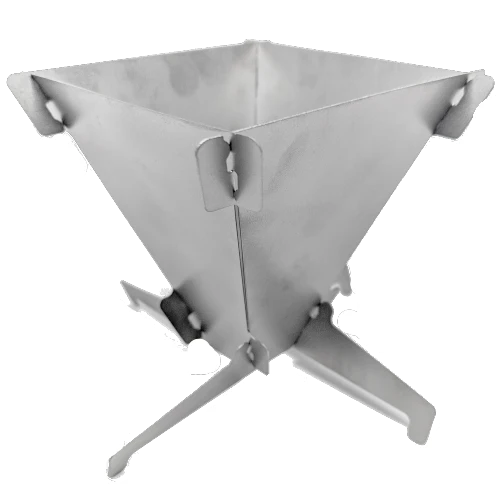
The Suluk 46 Kapik Titanium Coffee Drip is a portable coffee brewing device made from titanium. It consists of four interlocking pieces that form a pyramid-style funnel, with out-rigging legs that rest securely on vessels up to 4.5 inches in diameter. Weighs 1.6 oz (46 g).
The GSI Outdoors Coffee Rocket is a one-person pour-over coffee maker designed for camping. It features a 230 ml drip cone and a reusable stainless steel filter. The hopper holds up to 10 grams of medium grind coffee. The filter body nests into the water hopper for compact storage. Weighs 2.7 oz (76.5 g).
The Vargo Titanium Travel Coffee Filter is a solo pour-over coffee maker made from 100% biocompatible titanium, ensuring no chemical leaching or flavor imparting. It features double mesh construction for strength and fine filtering, and talon-style folding legs that fit a wide variety of mugs. Weighs 1.27 oz (36 g).
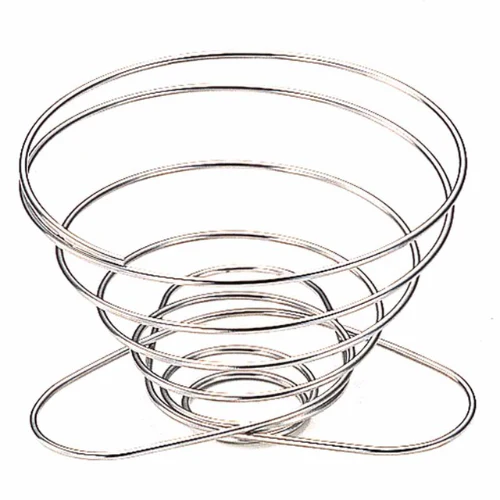
The SOTO Helix Coffee Maker is a collapsible stainless steel filter holder weighing 1.6 oz (46 g), compatible with #2 cone filters, and includes a mesh carrying bag.
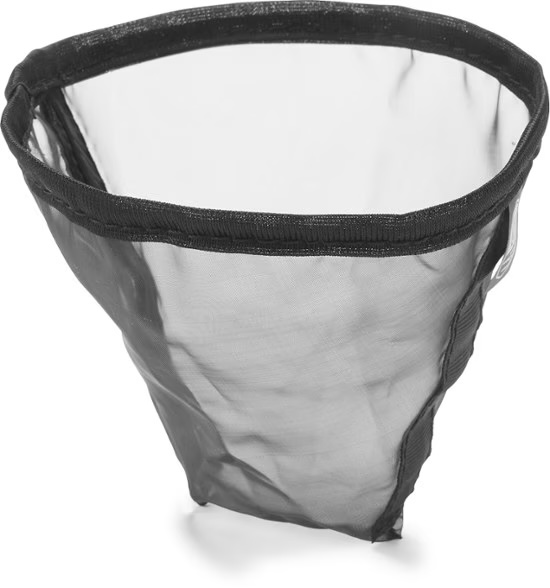
The GSI Outdoors Reusable Pour-Over Java Filter is designed to brew coffee or tea repeatedly. Made from durable nylon, it fits into traditional #4 cone pour-over coffee makers and is easy to use and clean. Weighs 0.16 oz (4.5 g).
The Hario V60 01 Dripper (2.8 ounces / 79 g) isn’t as light as titanium or poly mesh models but offers the advantage of having a street price of USD $6 or so. When paired with an 01 sized paper cone, cleanup is easy, and you end up with a terrific cup of coffee, and all of the control benefits that come with the pour-over method. Photo: Ryan Jordan
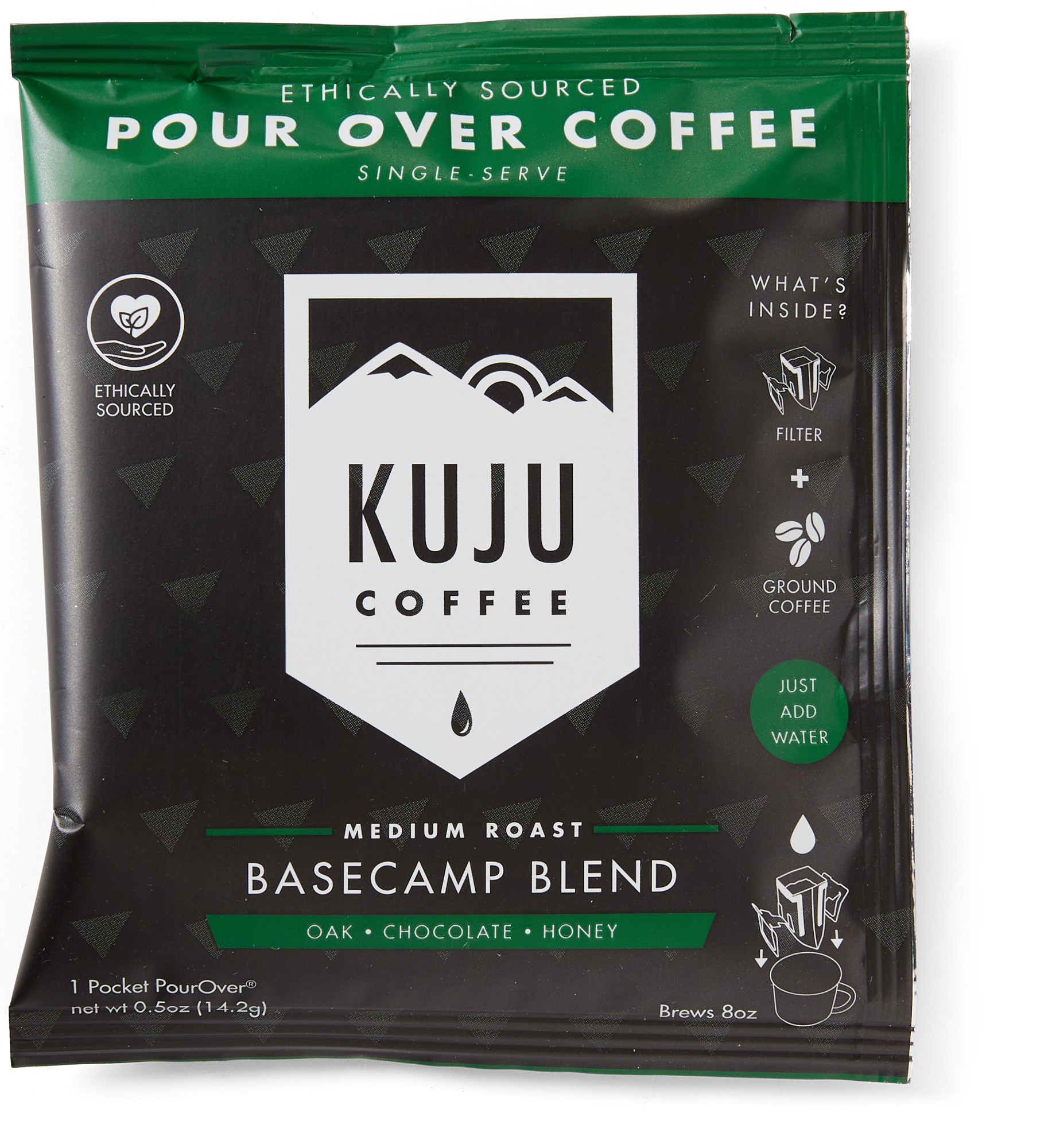
Kuju Coffee's Single-Serve Pour Over Coffee features a filter that anchors to your mug and is filled with specialty-grade, ethically sourced coffee grounds. Simply tear open the packet, anchor it to your mug, and pour hot water to brew a fresh cup in minutes.
An infuser is little more than a mesh “basket” containing ground coffee (or loose-leaf tea) that is inserted into a cup of hot water. The water then passively extracts the coffee – there’s no pouring, pumping, or other types of active (flow) extraction method involved other than human-powered swirling.
The MSR MugMate Coffee/Tea Filter is a reusable filter designed for brewing coffee or tea without disposable paper filters. It weighs 0.98 oz (28 g) and is made of nylon.
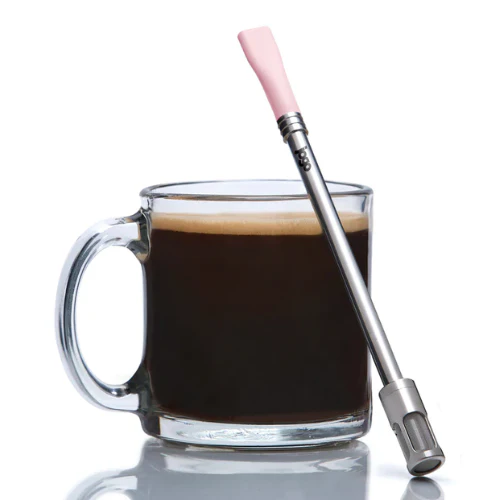
The JoGo Brew Straw is a portable brewing device made from food-grade stainless steel and BPA-free silicone. It allows users to brew and drink coffee or tea directly from a cup without the need for a separate filter, featuring a built-in mesh filter to prevent grounds or leaves from being consumed. Weighs 1 oz (28 g).
We have a fundamental disagreement with Mike about instant coffee. He writes “Instant coffee isn’t actually coffee, and is therefore outside the scope of this discussion. It is quite simply not an option.”
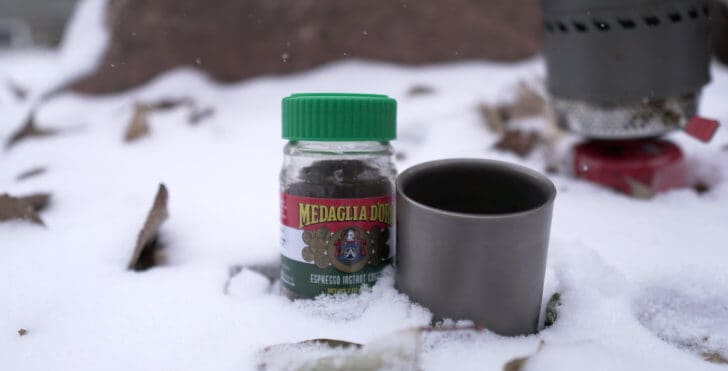
Some instant coffee manufacturers have realized consumers will not drink flavored mud water and have improved instant coffee standards accordingly. If we are desperate for coffee and saving weight, Starbucks Instant and Medaglia D’Oro are bold, tasty options. They may not be as good as French press or espresso, but they aren’t terrible either – especially when you consider the weight of instant freeze-dried coffee powder (very light!) and ease of use.
Other companies have entered the instant coffee market and are pitching their grind specifically to the outdoorsy type:
Alpine Start's Original Blend is a medium roast instant coffee made from 100% Colombian Arabica beans. Each packet contains 0.1 oz (2.8 g) of coffee, providing approximately 120 mg of caffeine per serving. The product is non-GMO, dairy-free, and gluten-free.
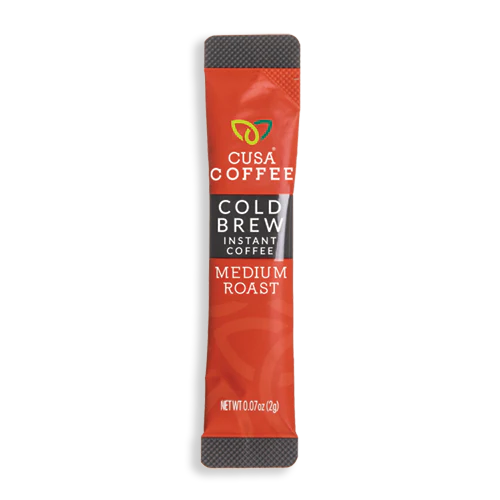
This instant coffee is made from high-elevation 100% Arabica beans sourced from a Rainforest Alliance Certified plantation practicing regenerative agriculture and organic farming. Each packet contains 0.07 oz (2 g) of coffee, providing 110 mg of caffeine per serving. Here's what's interesting about this one: it's made by evaporative dehydration following cold brewing. This makes for a smoother mouth-feel and less chemical aftertaste than hot-brewed/freeze-dried instant coffee processing.
Instant coffee saves a lot of hassle, time, weight, and cleanup mess, but offers the least satisfying coffee ritual experience, and poorest flavor (usually). Photo: Ryan Jordan
Coffee Paste
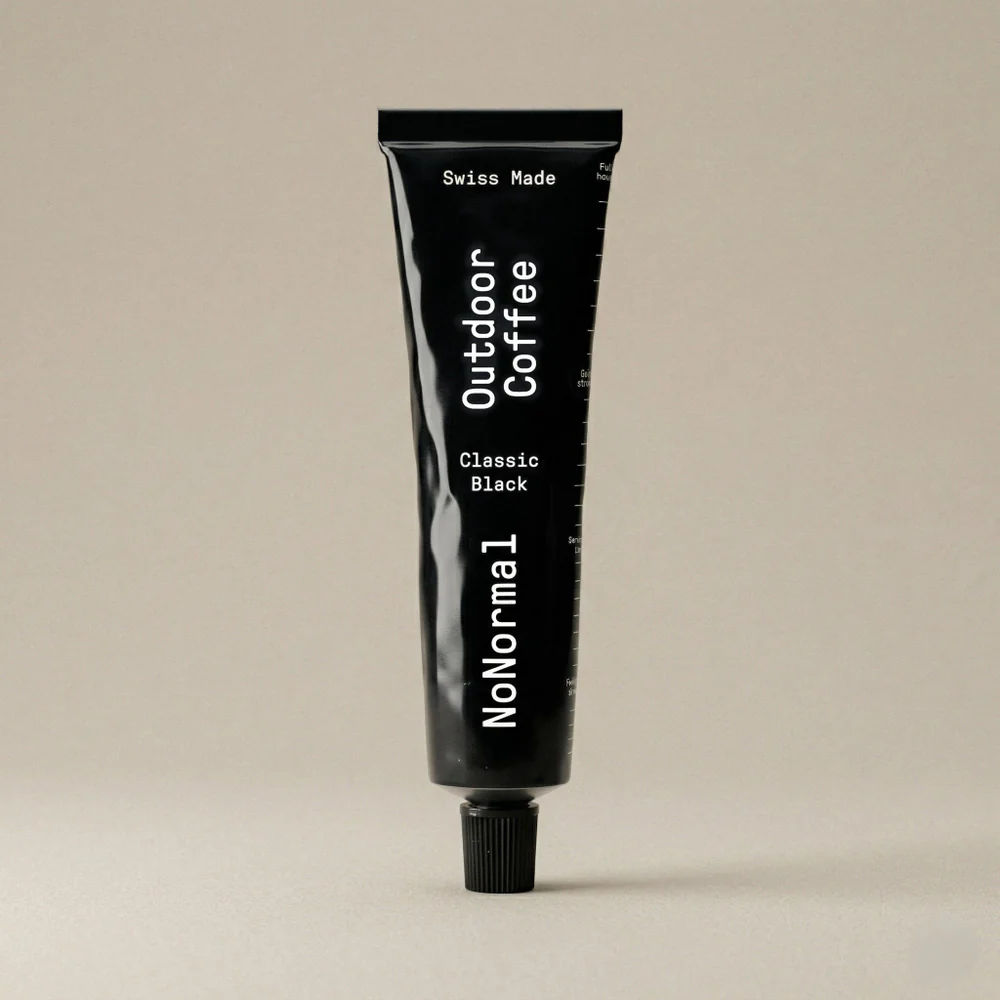
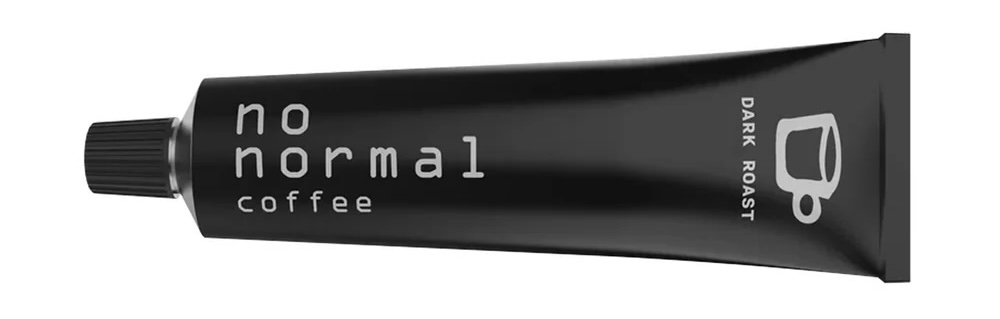
Coffee paste is a new product that is dispensed from an aluminum tube, can be used to make cold or hot coffee, can be ingested directly like a gel, or used as a food additive or spread. This makes coffee paste more versatile and more easily dosable than conventional coffee.
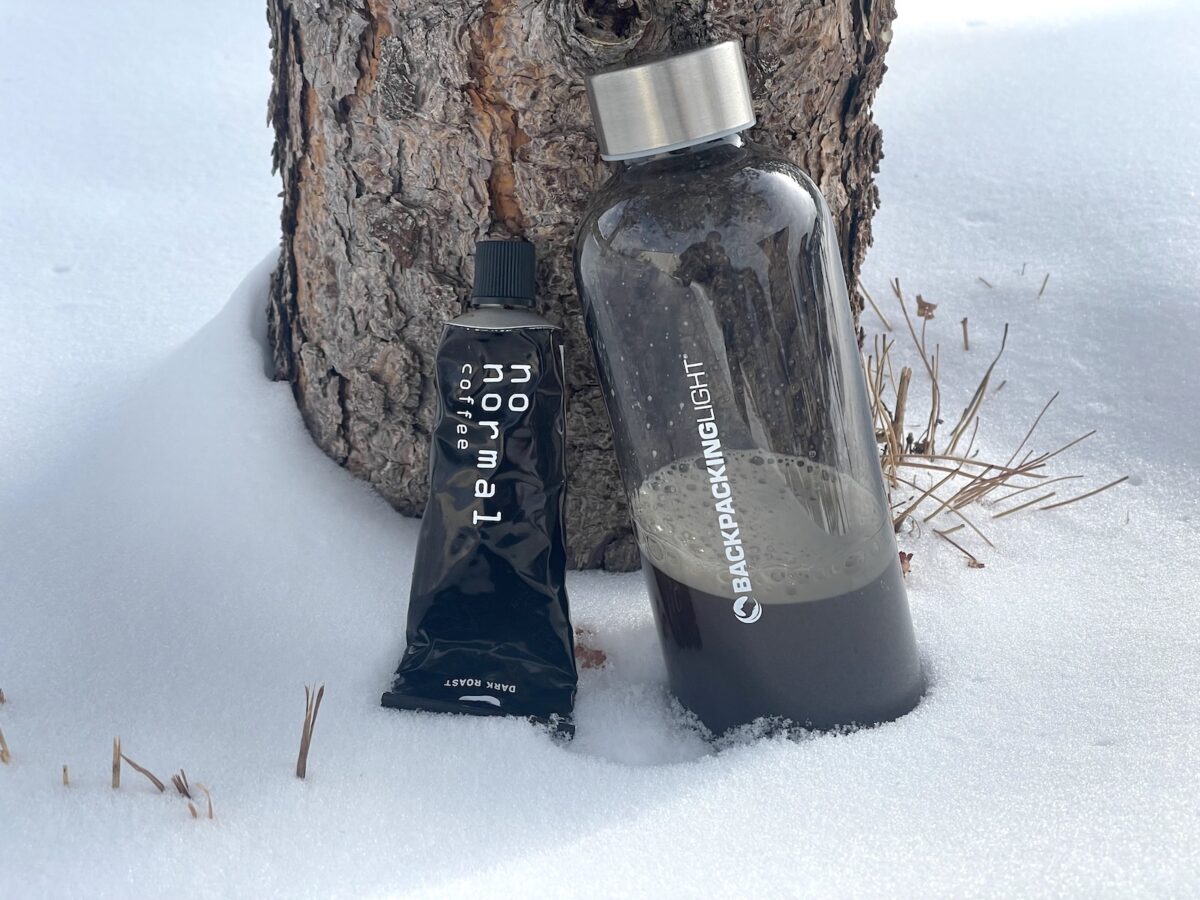
No Normal Coffee paste is crafted from 100% Fairtrade Arabica beans and sweetened with organic Swiss beet sugar. Flavor profile: rich, indulgent flavor with hints of chocolate, nuts and caramel. Swiss-made. Each 100 g tube makes 20 cups of coffee. Drink hot or cold or use as a spread.
Cold brew is an extraction method using cold (or room temperature) water. The cooler extraction temperature means that oils are extracted more slowly, so making a batch of cold brew takes a long time – usually several hours. In addition, the oils that are extracted have a flavor profile that is generally considered to be more “smooth” than “bitter”. Bitter oils are extracted by hotter water, especially near the boiling point (near sea level at least).
Cold brew coffee is a recent invention and can be made in your water bottle. The big drawback is that it takes about 12 hours to make it. If you plan ahead the night before, you can have cold brew ready the next morning.
Cold brew can be enjoyed cold or warmed up, and it has a smoother, sweeter flavor than hot-brewed coffee. We recommend a wide-mouthed bottle, which will be easier to clean and add coffee without a mess.
Soft-sided bottles, of course, are the lightest, but they tend to hold odors more than hard-sided bottles (e.g., Nalgene).
To make cold brew:
Add 1 cup of coarsely ground coffee beans to 4 cups of water;
Mix well to ensure wetting of the grind;
Let it steep for 12 hours;
Strain the grounds with a coffee filter or a piece of cheesecloth as you pour into your cup for enjoyment.
Cowboy and Turkish Coffee
Cowboy and Turkish methods rely on soaking coffee grounds in hot water. They both include a bit of stirring and settling art. No extra gear is required because the grounds aren’t separated from the final brew. Thus, some grit is inevitable. Both methods are a bit messy when it comes to cleanup. Mike addresses these methods in A Beautiful Cup.
Lightweight Coffee Grinders
The coffee brewing methods discussed above may give you some control over the brewing temperature, flow rate (brewing time), and water pressure. If you also want control over the freshness and grind, consider a portable coffee mill.
Check out one of the 24 g capacity miniature models from Hario, which are light and capable of grinding as fine as espresso.
How to Deal With Your Coffee Grounds
If you use ground coffee in the backcountry, you’ll have to manage the proper disposal of your coffee grounds.
If leave-no-trace is one of your core ethics, then you have only one option: pack them out. They aren’t natural to the environment you are visiting, and you’ll be hard-pressed to justify that dispersing them or burying them will benefit sensitive, native plants.
After making our morning coffee, we’ll dry the leftover grounds out in the sun (spread them out on filter paper) – this saves pack weight.
Chocolate-Covered Coffee Beans
We’ve covered most of the obvious caffeination techniques so far. Still, if your only goal is rapid and straightforward caffeine delivery, there are pills for that. Or you can add chocolate-covered coffee beans to your trail mix.
Chocolate-covered coffee beans are multipurpose – they are both a calorie supplement and a caffeinator. They don’t offer a ‘ritualistic’ coffee experience, but they are fast, easy, and lightweight.
Most chocolate-covered coffee beans will melt if they get too warm. I (Emylene) use these workarounds:
Wrapping packaged beans in aluminum foil and keeping them in my water bladder compartment to keep them cool;
Tossing the beans into a bag of trail mix and then eat the chocolate, coffee bean, fruit, and nut clusters after they melt and solidify again. (Important: let them harden before opening the bag, or they are disastrously messy).
A Word on Whiteners, Milk, and Instant Coffee-“Milk” Blends
In addition to powdered milk, there are now plenty of powdered options for non-dairy and lactose-free creamers.
Want to froth your own? The battery-operated AeroLatte is portable and light enough (5.1 oz / 146 g) for some of you who may want foam for a latte.
No matter where I go and what outdoor activity I do, coffee is my go-to beverage. Canoeing in the Nahanni River Valley, Northwest Territories, Canada. Photo: Emylene VanderVelden.
What the Authors Use
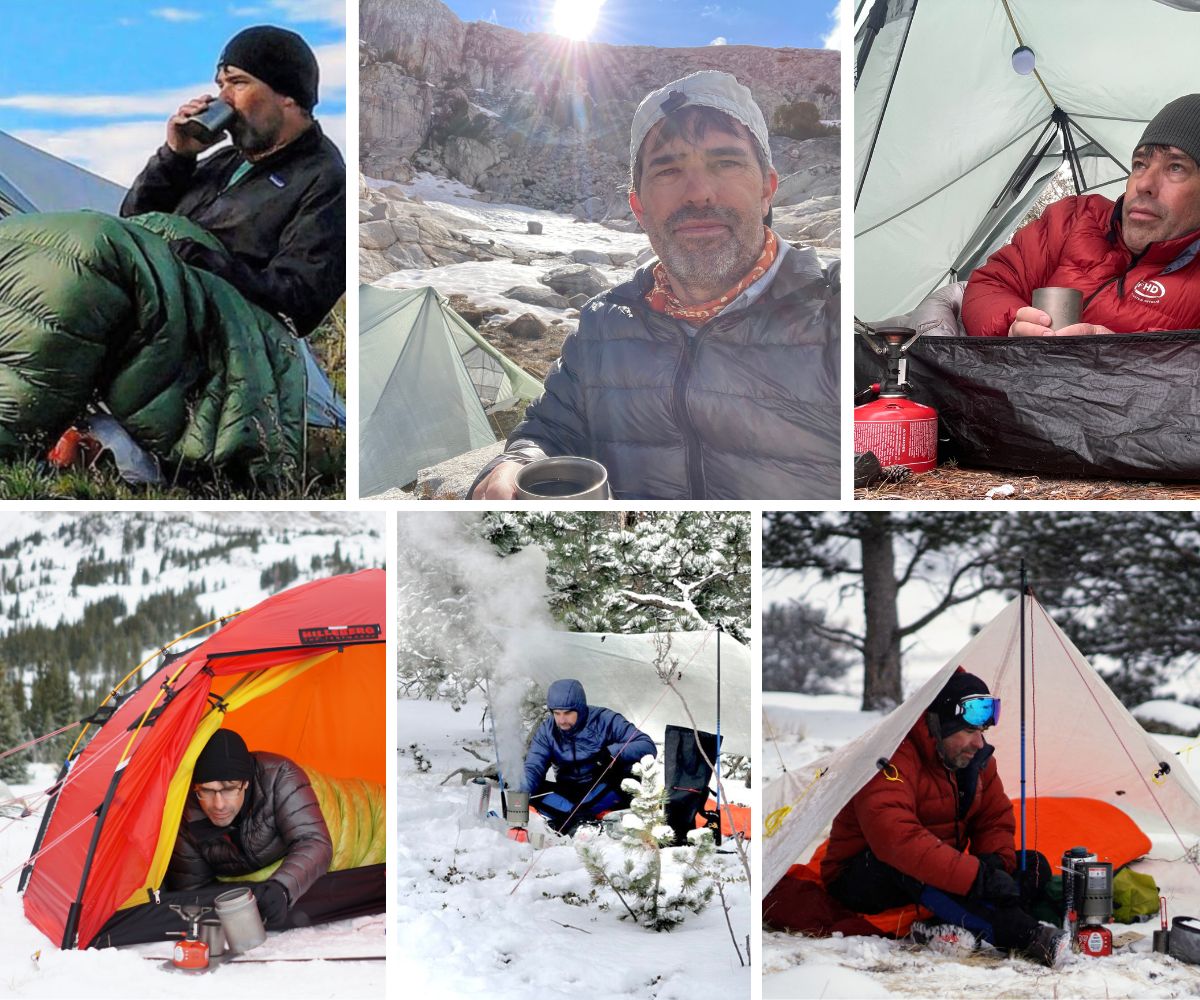
As coffee enthusiasts, we’ve each refined our brewing setups over the years, settling into systems that balance convenience, weight, and the ritual of a good backcountry brew.
Emylene’s Setup
Emylene’s go-to method remains the GSI Ultralight Java Drip paired with Melitta #2 Bamboo Cone Filters for cleaner flavor and easy cleanup. When she wants a true espresso shot in the wild, the Wacaco Nanopresso delivers results that rival her home machine. For quick and lightweight options, Flash Fuel Instant Coffee has earned an honorable mention for its craft quality.
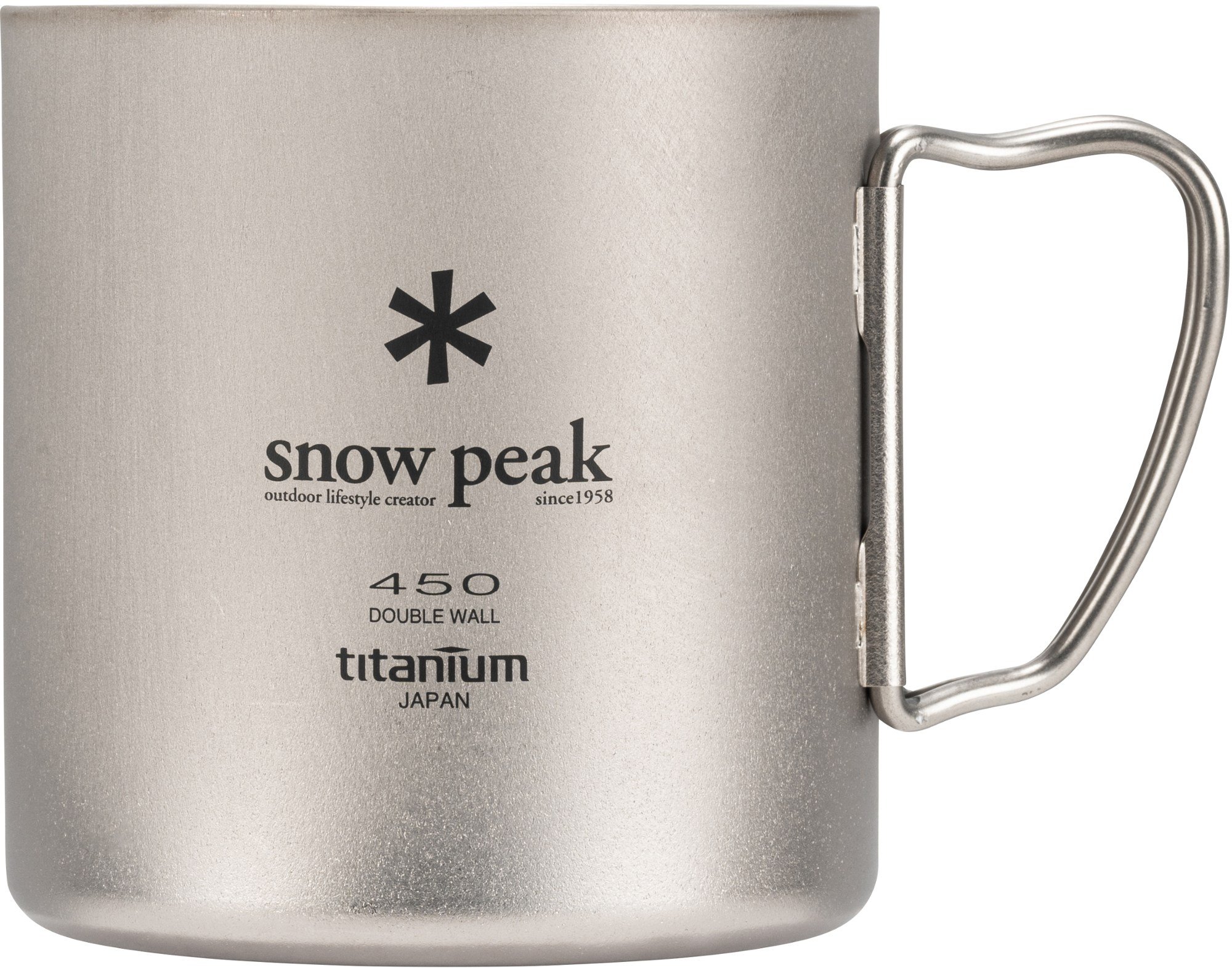
She still enjoys a cowboy coffee now and then for nostalgia (and skill maintenance) but sticks to her three primary methods: pour-over, instant, and hand-pumped espresso. The biggest change in her coffee routine? Upgraded sipping vessels. She’s transitioned from a plastic truck-stop cup to a Yeti Rambler Mug for frontcountry use and a Snow Peak Ti-Double 450 Anodized Mug with a silicone lid when weight matters.
For grinding, she’s moved from a small pepper mill to a GSI JavaGrind when weight allows, or pre-grinds beans before the trip. Her favorite roast? 454 Horse Power from Kicking Horse Coffee, a bold, organic, fair-trade dark roast with notes of cocoa nibs, peat, and nutmeg.
The Snow Peak Ti-Double 450 Anodized Mug is a lightweight, double-walled titanium mug with excellent heat retention and durability. Its 450ml capacity and compact design make it a practical, high-performance choice for hikers and backpackers seeking reliable, lightweight gear for hot beverages in the backcountry.
For long trips where weight and simplicity matter most, Ryan prefers Starbucks Premium Instant Coffee — not in Via packets, but from the can. The can adds a ritualistic element to the process – like an old-timey western cowboy scooping grinds from their metal tin). It also offers better dose control than single-use packets.
Lately, he’s also been experimenting with No Normal Coffee Paste, an unconventional option that delivers an on-the-go caffeine boost straight from the tube or spread onto an energy bar.
When time and ritual are central to his morning, he opts for a pour-over setup with a Hario V60 #01 system, using a plastic dripper, ground beans from Kind Coffee in Estes Park, and unbleached paper filters. Though bulkier than some ultralight solutions, the Hario setup provides a slow, methodical coffee experience that enhances his mornings in the backcountry.
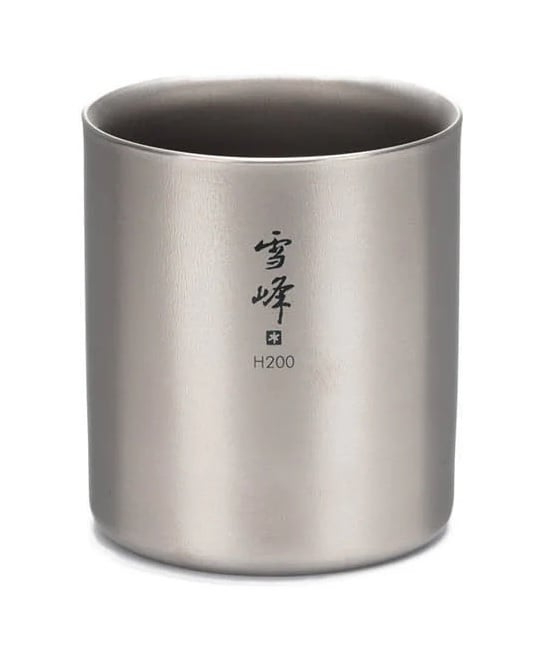
His mug of choice? Whether working from the office or lounging in front of his tent, it’s the Snow Peak H-series of double-wall titanium mugs (with the H200 for backcountry use).
Simple, beautiful, and effective - this double wall titanium mug reflects design simplicity and elegance while keeping hot drinks warm in the backcountry. 200 ml capacity, 2.2 ounce (62 g) weight.
The self-identified “ultralight backpacker” may view some of the options for brewing coffee presented in this article as too complicated, too time-consuming, too messy, or too heavy. Those of you who value Via over vive le coffee will find little satisfaction in packing another 4 oz (or more) of “coffee-making gear”.
But for some hikers, coffee isn’t just a drink; it’s an act of joy. A ritualistic practice as part of a lifestyle. An experience that enhances a sunrise, a mid-day trail break, or a game of cards during a tent-bound rainstorm with a hiking companion.
And for some, there’s the art and science of creating a masterpiece of brewing where you want to exert some control over the freshness of your grind, the coarseness of your grind, the temperature of the water, the grind:water ratio, the flow rate, and the pressure.
The bottom line is this.
Some people like to paint in the backcountry and bring a watercolor kit and a sketch pad. Others like to write, and do so with a nice pen and a fancy, leather-bound journal. Photographers have their own gear needs – tripods, cameras, filters, sliders. People who like to fish for trout bring rods, reels, flies, and tackle. Some of us bring chairs, or Kindles, or cribbage boards.
Others are into brewing coffee.
And thus, the beauty of lightweight backpacking is revealed – not in the weight you save by leaving everything at home, but in the weight you save with lightweight gear and skills that allow you to enjoy some experiences that you otherwise wouldn’t have considered before.
Like sipping an outrageous cup of coffee in a wild place.
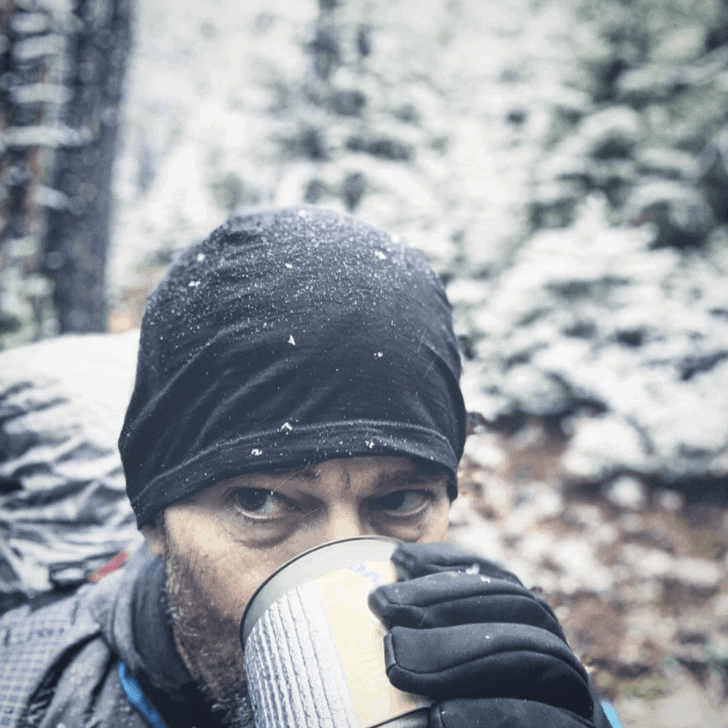
Sipping coffee on trail while hiking on a cold morning in Montana’s Absaroka-Beartooth Wilderness. Don’t spill! Photo: Ryan Jordan
Backpacking Light does not accept compensation or donated/discounted products in exchange for product mentions or placements in editorial coverage.
Some (but not all) of the links in this review may be affiliate links. If you click on one of these links and visit one of our affiliate partners (usually a retailer site), and subsequently place an order with that retailer, we receive a commission on your entire order, which varies between 3% and 15% of the purchase price. Affiliate commissions represent less than 15% of Backpacking Light's gross revenue. More than 70% of our revenue comes from Membership Fees. So if you'd really like to support our work, don't buy gear you don't need - support our consumer advocacy work and become a Member instead.
Learn more about affiliate commissions, influencer marketing, and our consumer advocacy work by reading our article Stop wasting money on gear.
Aardwolf was founded over the summer of 2024 by Nate "Good Kat" Katz, an avid thru-hiker, and is supported by his right-hand lady and ornithologist Alex. They craft ultralight, durable gear that is proudly handmade in Flagstaff, Arizona. Aardwolf products help keep hikers organized, comfortable, and ready for adventure - built by backpackers for everyone, to meet the real-world demands of life on and off the trail.
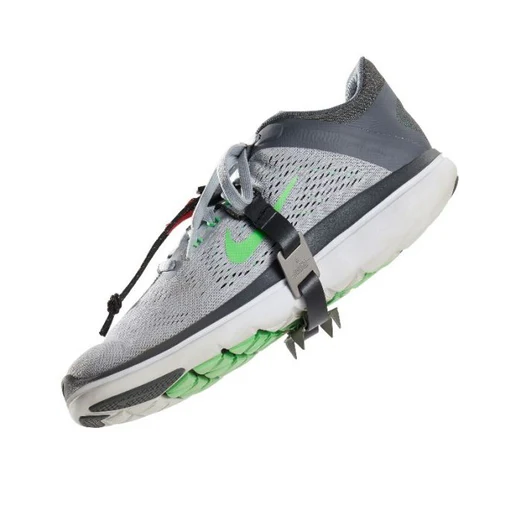
The Vargo Titanium Pocket Cleats Solo weigh 1.15 ounces (32.6 grams) each and feature 0.5-inch (12.7 mm) spikes for traction on icy terrain. Constructed from durable titanium, they utilize TPU-coated nylon webbing with a breaking strength of 600 kg (1,300 lbs) and titanium stabilizing brackets to prevent sliding. The one-size-fits-all design is adjustable for various footwear.
The Distance Spike features a hybrid upper - softshell toe cover combined with a heel retention elastomer. This design improved fit, packability, and snow protection. Featuring 14 spikes for a large traction surface area, with 8mm spikes - long enough for snow and ice, small enough for stability on rock and trail. Stainless steel spikes.
Kahtoola Microspikes feature 12 spikes, 3/8” length, and a wide forefoot pattern for traction and security of variable icy and packed snowy terrain. An elastomer harness stays flexible in below zero (F) temperatures for security on flexible footwear. Durable chain links withstand repeated stress on steep terrain.
Carbon steel spikes and an instep strap make the Trail Crampons best-suited for steeper, more technical terrain requiring secure grip on ice and stability on the shoe.
Executive Producer - Backpacking Light; Show Director and Host - Ryan Jordan; Producer - Chase Jordan; Theme music: Look for Me in the Mountains written by Chris Cunningham and Ryan Jordan, performed by Chris Cunningham (acoustic guitar, lead and harmony vocals, harmonica), Chad Langford (upright bass), and Tom Murphy (mandolin), produced by Basecamp Studios in Bozeman, Montana.
Sponsorship Policy: Backpacking Light does not accept compensation or donated/discounted products in exchange for product mentions or placements in editorial coverage, including any podcast episode content not excplicitly identified as sponsored content. Some (but not all) of the links in these show notes may be affiliate links. Learn more about affiliate commissions, influencer marketing, and our consumer advocacy work by reading our article Stop wasting money on gear.
No Normal Coffee Paste is a compact coffee alternative that requires no brewing. It can be eaten directly from its tube or mixed with water (cold or hot), or spread on or into other food for a quick caffeine boost or coffee flavor injection. It offers a convenient way to consume real coffee without the weight or complexity of traditional brewing methods.
Introduction
I suffer with Starbucks Via single-use packets for most of my backpacking trips. I don’t not like Via – its compact, single-use form factor and flavor that’s sort of good enough make it an appealing option for somebody who enjoys the ritual of brewing a cup of coffee. And it’s generally absent of the organic chemical-like defects that plague other (cheaper) freeze-dried brands. However, I’m always on the lookout for something with richer flavor, smoother body, and a fresher mouth-feel.
The coffee ritual is important to my enjoyment of the backcountry.
Searching for a convenient and satisfying backcountry coffee solution remains an ongoing life ambition for me. Most instant freeze-dried coffees lack a broad-spectrum flavor profile. In addition, many brands of freeze-dried coffees suffer from a variety of taste defects. The elevated amino acids and unvolatalized solvents leave traces of weirdness in most of them that are easily detectable by most human noses and flavor receptors.
In this review, I experiment with No Normal Coffee. No Normal takes a different approach – it’s coffee designed for on-the-go convenience without compromising (too much) flavor, in a very interesting form factor – paste dispensed from a resealable aluminum tube.
No Normal Coffee paste is crafted from 100% Fairtrade Arabica beans and sweetened with organic Swiss beet sugar. Flavor profile: rich, indulgent flavor with hints of chocolate, nuts and caramel. Swiss-made. Each 100 g tube makes 20 cups of coffee. Drink hot or cold or use as a spread.
Serving nutrition: 12 Calories / 0 g fat / 2.3 g carbohydrates / 1.5 g added sugar / 0.3 g protein / 0 g salt / 43 mg caffeine.
Serving suggestion: mix 5 g paste (~ 1 tsp) with 100 g water (~ 3.5 ounces) at 85 °C and stir for 20 seconds.
How It’s Made
No Normal Coffee paste is water-extracted from roasted, ground beans. The extract is concentrated via evaporation, then mixed with additional ingredients (coffee powder*, sugar, and thickening gums) and pasteurized prior to packaging.
* The coffee powder is not freeze-dried coffee. It’s made by micro-grinding the same whole roasted beans used to brew the coffee that becomes the concentrate in the paste. It’s added to the paste to improve texture (increase viscosity) and aroma.
Manufacturer’s Claims
No Normal Coffee highlights several important aspects of their coffee paste, which is currently available as a lightly-sweetened dark roast:
Convenience: Easily mix with water for instant coffee. Can also be consumed directly or added to food.
Quality Ingredients: Made from 100% Fairtrade Arabica beans with organic Swiss beet sugar.
Versatility: Works as a hot or cold drink, food additive, or energy gel.
Field Notes
First Impressions
When I first opened a tube of No Normal Coffee paste, the aroma of the paste was distinctly rich and aromatic – it actually smelled like brewed coffee instead of some type of chemical derivative. My initial taste, a lick of paste off my finger, revealed a smooth, lightly sweet flavor that was surprisingly enjoyable on its own. I immediately had a vision of spreading the paste on a chocolate bar.
Use Cases
I tested No Normal Coffee in several different scenarios:
Hot Coffee in Camp: Mixing the paste with hot water produced a smooth, rich cup that lacked the bitterness I often associate with instant coffee. It was a pleasant way to start my day. This particular blend was a “dark roast”, but had a more complex flavor profile than a traditional dark-roasted Colombian – but was still dominated by a chocolate nutty flavor and a toasted caramel aroma. The hint of sweetness was just enough to add a bit of “wow, that feels good” vibe that remained while I drank the entire cup. I don’t drink my coffee with sugar, so this was surprising to me.
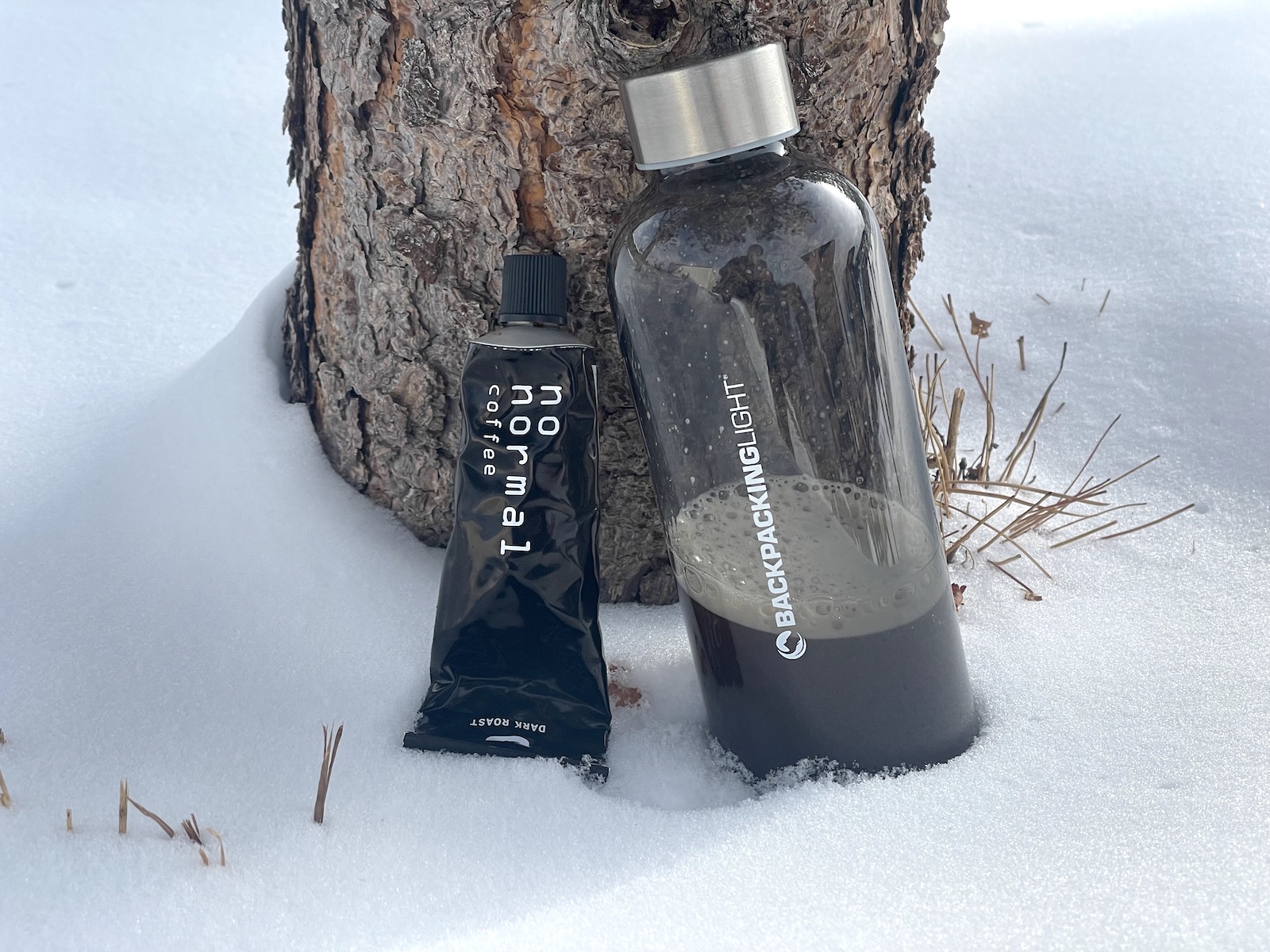
Cold Coffee on the Trail: Adding the paste to a water bottle, capping it, and shaking resulted in a refreshing cold coffee that I liked better than freeze-dried coffee. It had a cold-brew sort of mouth-feel, without the watery, stale-coffee stench that comes with mixing some instant freeze-dried coffees in cold water.
Direct Consumption: Squeezing a small amount of paste directly from the tube and into my mouth while hiking provided a quick energy boost (likely due to the caffeine). It tasted noticeably better than most energy gels I’ve tried, and its lightly sweet flavor kept it from feeling cloying. The caffeine without the fast-carb gel carrier made it easy to dose.
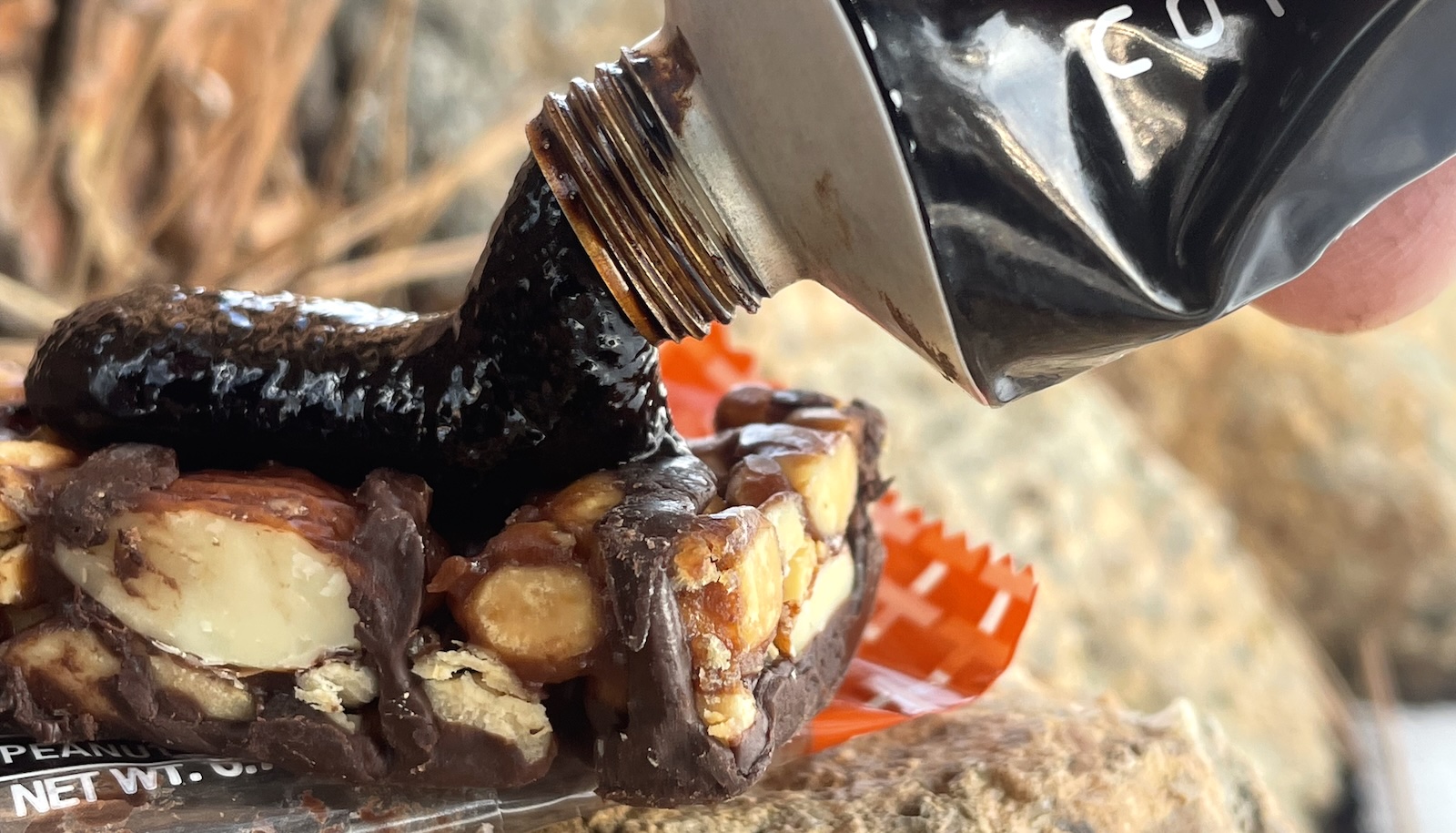
Food Additive: I added the paste to both hot cracked wheat cereal and cold granola with powdered milk. In both cases, it enhanced the meal with a pleasant coffee flavor. Spreading it on a hunk of chocolate or a peanut-butter-chocolate Kind bar at lunchtime was a surreal experience! The chocolate use case may create No Normal Coffee paste addicts out of non-coffee drinkers. I also mixed it with almond butter from a Justin’s packet and spread it on crackers.
So many options! No Normal Coffee paste on a peanut-butter-chocolate Kind bar.
Hot vs. Cold Usage
With cold water (and cold paste), dissolving the paste requires vigorous shaking for 15 to 30 seconds – not an issue if you are making cold coffee in a water bottle. The benefit of vigorous shaking – a nice crema that liberates both aroma and flavor. With hot water, the paste dissolves easily in response to 15 to 30 seconds of stirring with a spoon.
Drunk cold and vigorously shaken in a water bottle creates a nice crema and smooth, cold-brew-like flavor.
Dosage
Note the serving size specified by the manufacturer: 5 g (about 1 tsp) of paste per 100 g (3.5 ounces) of water. That’s not a large cup of coffee, so if you’re used to an 8 or 12 ounce (230 to 340 g) cup, don’t skimp on the paste. Unlike Via, which starts to taste pretty hairy if you overdose it, overdosing No Normal paste just makes for a stronger (and still smooth) mouth-feel. I did find that I enjoyed slightly weaker doses when drinking cold from my water bottle while hiking during the day. A hint of coffee flavor was particularly nice when my water sources were a little questionable (e.g., pond water).
Packaging and Durability
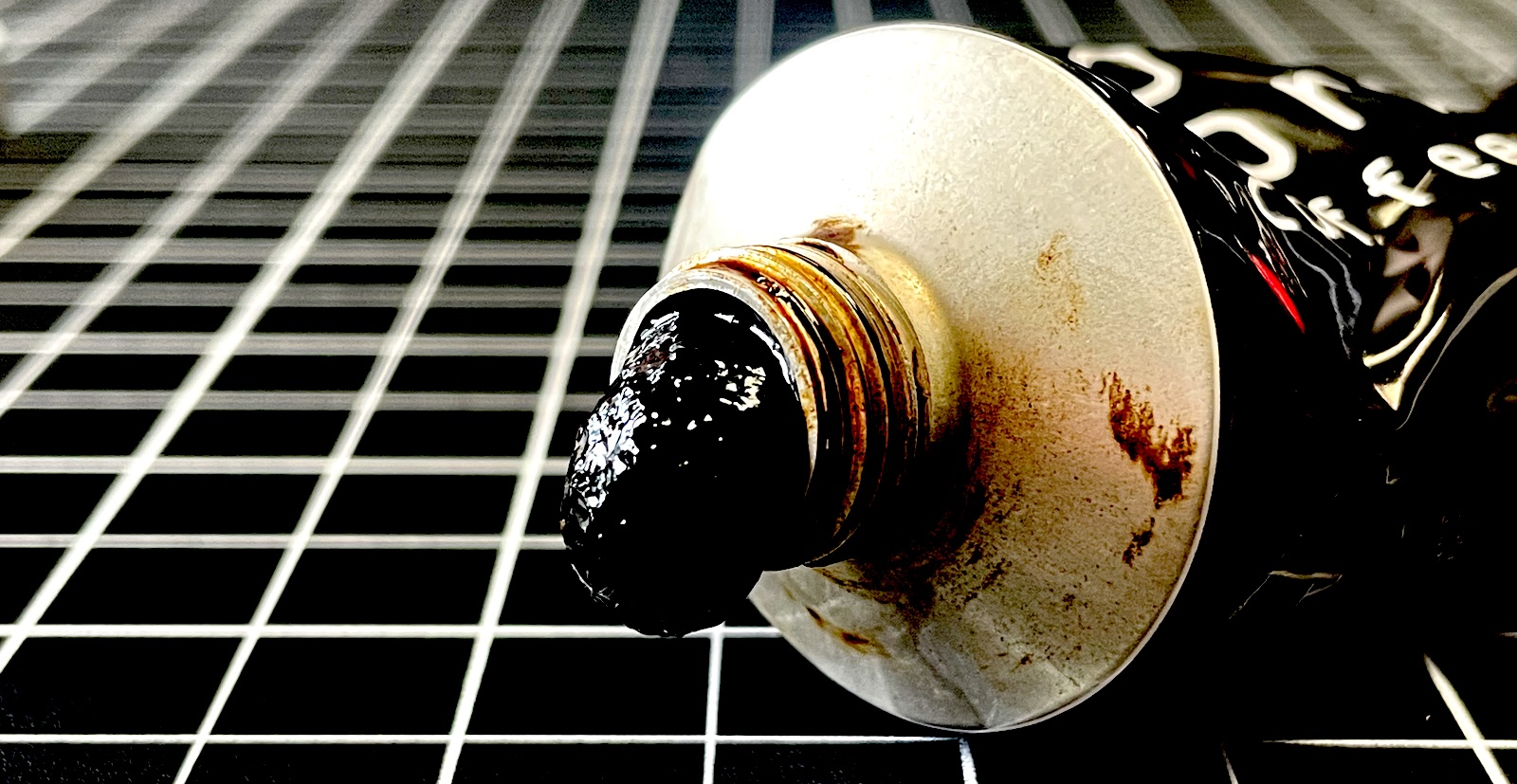
The aluminum tube packaging keeps the paste fresh, though dispensing it could sometimes be messy (especially when excess paste accumulated around the spout). This requires extra care in bear country. Traveling from lower to higher elevations exacerbated this issue, causing paste to exit rapidly upon opening the cap in a full tube. The result? Higher-than-planned caffeine dosing (you don’t want to waste it, right?)
Repeated bending and squeezing during extended use caused the tube to wear, creating leaks where the aluminum tubing fabric tore (much like the aluminum toothpaste tubes of the olden days).
Single-serving packets, similar to energy gels, would be a more convenient alternative for longer trips. Expectedly, sustainability enthusiasts may twitch a little, but after trying No Normal Coffee paste, the coffee aficionados among them may consider the tradeoffs more seriously.
Repackaging it into a plastic squeeze bottle could work, but since the coffee paste is semi-hydrated, freshness will likely decay more rapidly than when protected in its aluminum tube.
When the tube was frozen in extremely cold temperatures (around 0 °F / −18 °C), the paste froze in the cap threads and the cap was extremely difficult to remove without warming it up first. However, while the viscosity of the paste did increase in temperatures this cold, it did not freeze solid and could still be squeezed out of the tube.
Coffee lovers will come to enjoy the sight, aroma, and taste of that black goo oozing out of a No Normal tube. Be careful, though – it will stain your skin and clothing if you don’t wash it off!
Taste Defects
I didn’t taste any classic roasting defects (underdeveloped, baked, scorched, tipped, or burnt). Nor are there any of the most pungent defects that plague instant coffees – including sourness, bitterness, and oil deficiency. However, there is a very subtle chemical defect which is impossible to trace, but may originate from the production (evaporation) process, or amino acid degradation during storage after packaging. It’s most noticeable during the long-tail aftertaste period, several minutes after drinking. It’s not particularly unusual, and seems consistent with other instant coffees I’ve tasted.
Commentary
No Normal Coffee offers a more comprehensive flavor profile and a less bitter taste compared to traditional instant coffees like Starbucks Via. While Via is lighter and more compact, No Normal Coffee paste’s versatility as a drink, food additive, or direct energy source makes it unique.
At about $1.50 per 8 ounce (230 g) cup, it’s not a low-cost alternative to freeze-dried coffee. However, the fact that it can be eaten out of the tube or used as a food additive makes it more appealing for me from a cost-benefit perspective.
Packaging limitations are the most obvious difference between No Normal and other instant counterparts. While the aluminum tube has its drawbacks, the product’s overall quality and innovative form factor (a paste) have me scrambling to figure out some new recipes with it. I hope it’s released in single-use packets soon.
Coffee paste like No Normal may be a good fit for backpacking coffee enthusiasts who value better coffee than what you can get out of freeze-dried powders, with some additional versatility. It’s a coffee product that can be used in a broader variety of scenarios, from hot drinks to quick energy boosts to flavor additives for the rest of your food.
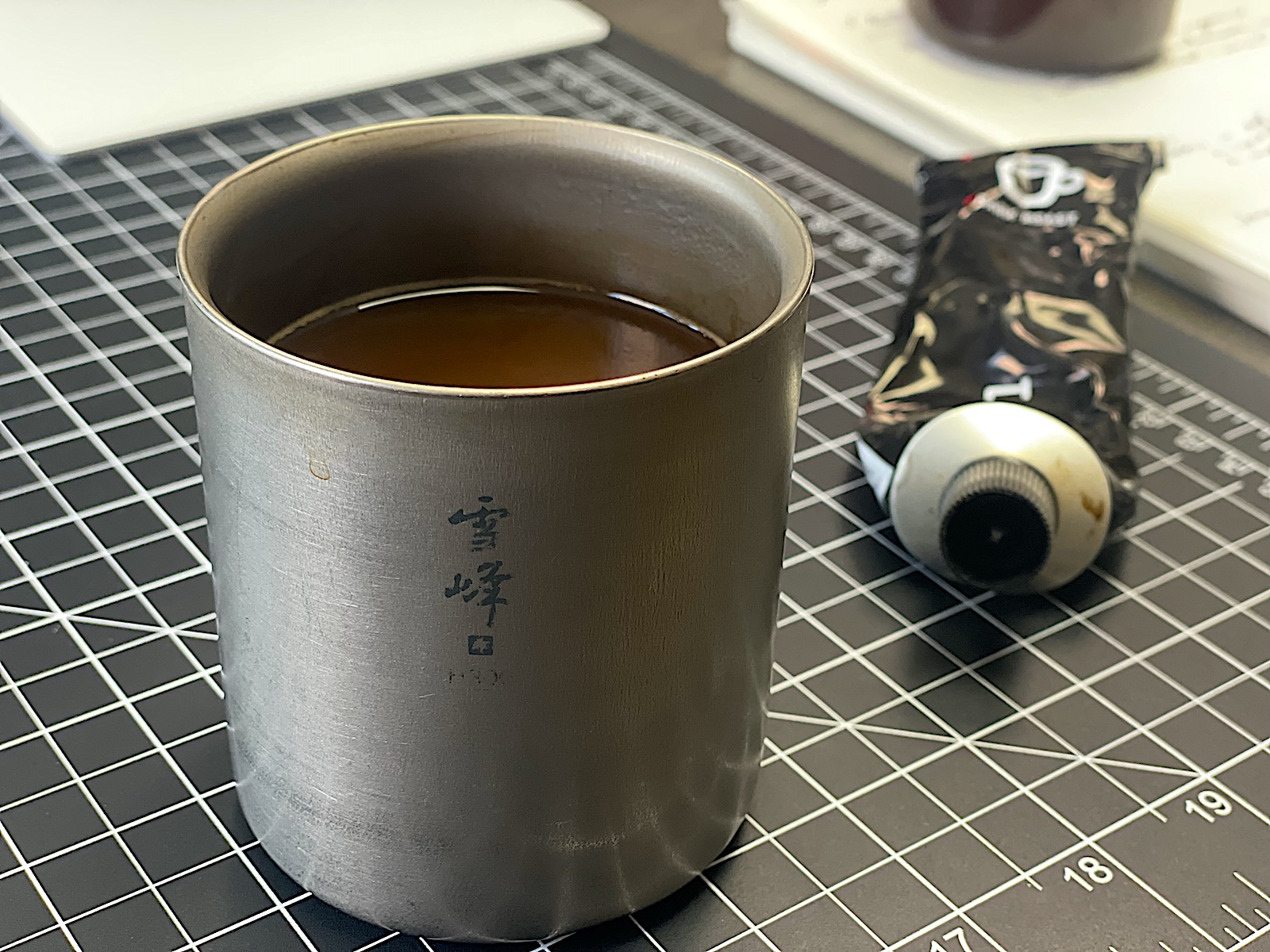
Enjoying a hot cup of No Normal Coffee at my desk. No instant coffee will ever replace my preferred brewing method (pourover with fresh grind) but keeping a tube of No Normal Coffee paste in my travel bag for unexpected emergencies is absolutely feasible!
About No Normal Coffee
No Normal Coffee is based in Switzerland, founded by Alexander Häberlin and Philippe Greinacher, whose combined passions for coffee and outdoor exploration led to the creation of this product. Their mission is to offer a barista-quality coffee experience that’s portable, sustainable, and tailored for outdoor enthusiasts.
For more information and to purchase No Normal Coffee, visit their website.
No Normal Coffee paste is crafted from 100% Fairtrade Arabica beans and sweetened with organic Swiss beet sugar. Flavor profile: rich, indulgent flavor with hints of chocolate, nuts and caramel. Swiss-made. Each 100 g tube makes 20 cups of coffee. Drink hot or cold or use as a spread.
A guide to tools used to manage risk in avalanche terrain – transceivers, shovels, probes, safety backpacks, saws.
Introduction
Traveling in avalanche terrain requires specific tools to manage risk and respond effectively in emergencies. Each piece of avalanche gear serves a distinct purpose for rescue scenarios. In addition, they can provide some value for non-emergency use while snow trekking and camping. Avalanche safety tools add weight to your backpack. Even the lightest transceiver-probe-shovel combos weigh around two pounds (0.9 kg).
This guide focuses on the key categories of avalanche equipment featuring products that provide a unique amount of performance for their weight. These categories include avalanche transceivers, snow shovels, probes, avalanche safety backpacks, and snow saws.
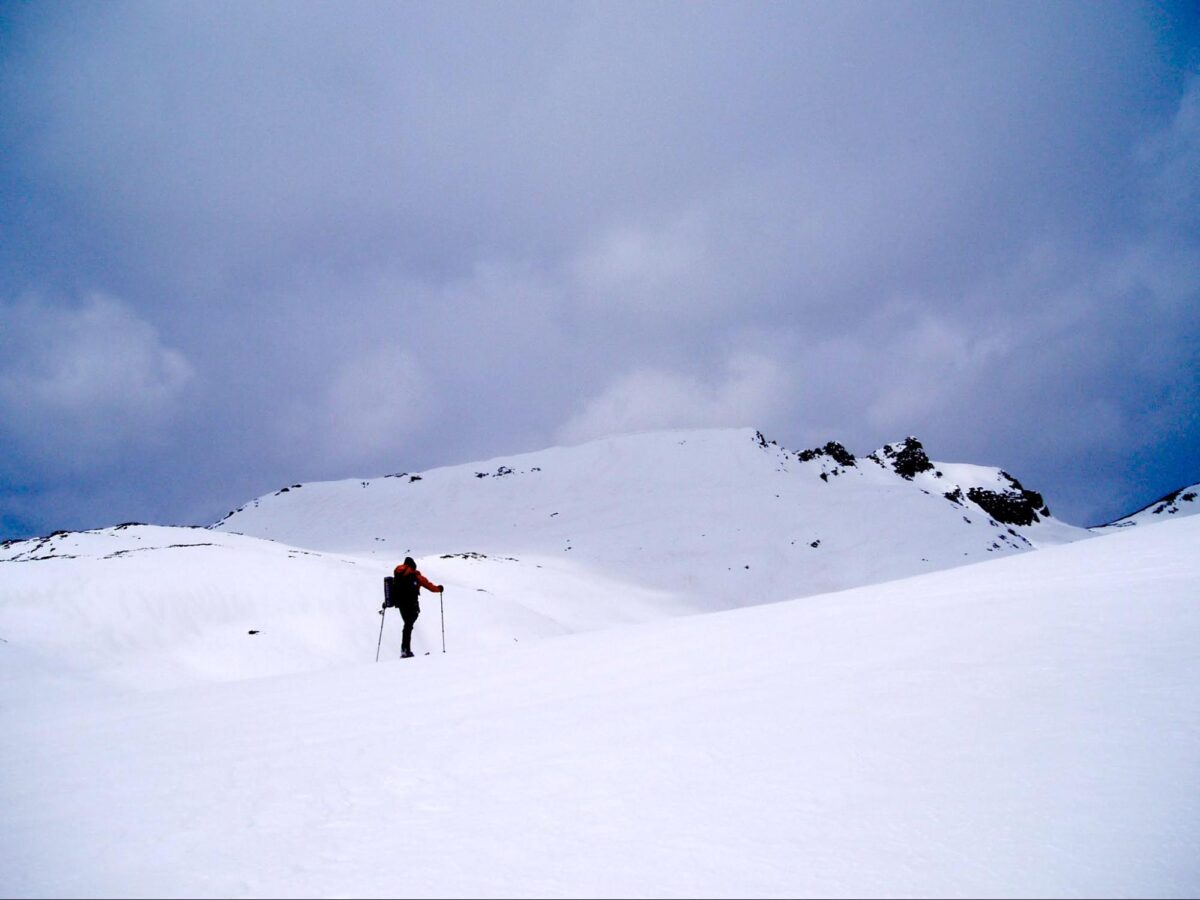
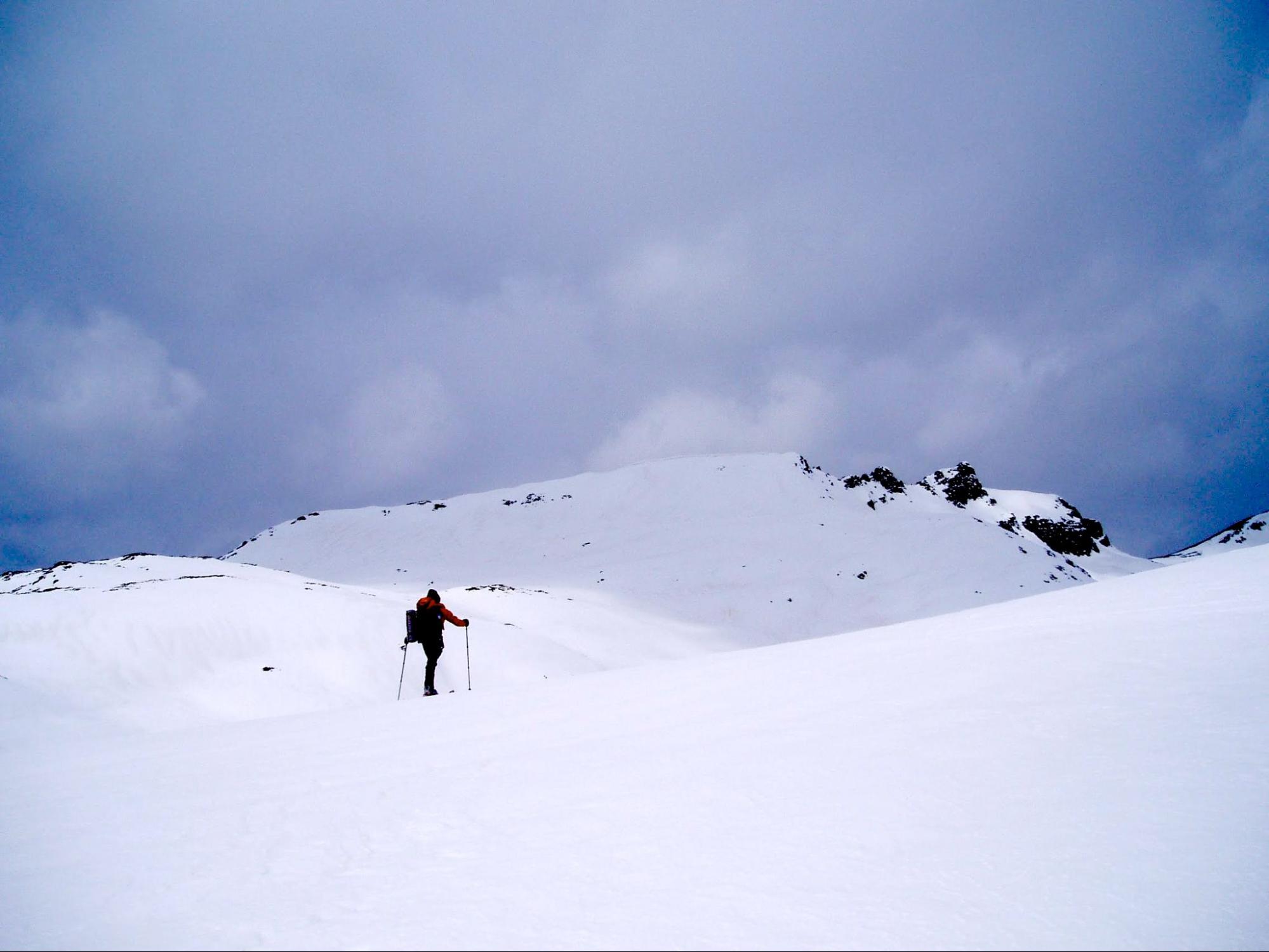
Mid-winter trekking above the treeline, Absaroka-Beartooth Wilderness, Montana. Photo: Ryan Jordan.
Transceivers
Avalanche transceivers (“beacons”) are essential for locating buried companions during an avalanche rescue. Modern transceivers prioritize ease of use, signal range, multiple burial analysis, and search precision.
Transceivers operate on a 457 kHz radio frequency with two modes: transmit and search. In transmit mode, a beacon continuously broadcasts a pulsed signal to help rescuers locate a buried person. In search mode, the transceiver detects signals from buried beacons, guiding rescuers using distance, directional indicators, and signal strength. Modern devices use a triple-antenna system for accuracy, signal suppression for multiple burials, and interference protection to reduce electronic disruptions. Search range varies from 40 to 80 meters, and battery life usually exceeds 200 hours in transmit mode with at least one hour of search time.
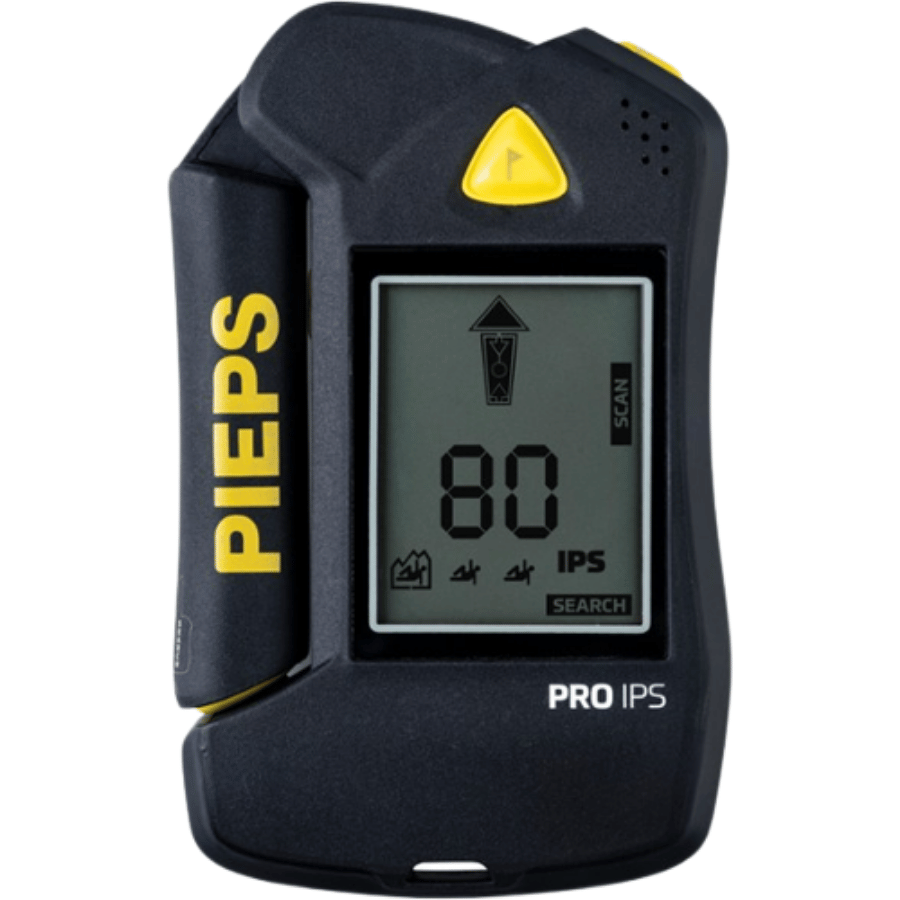
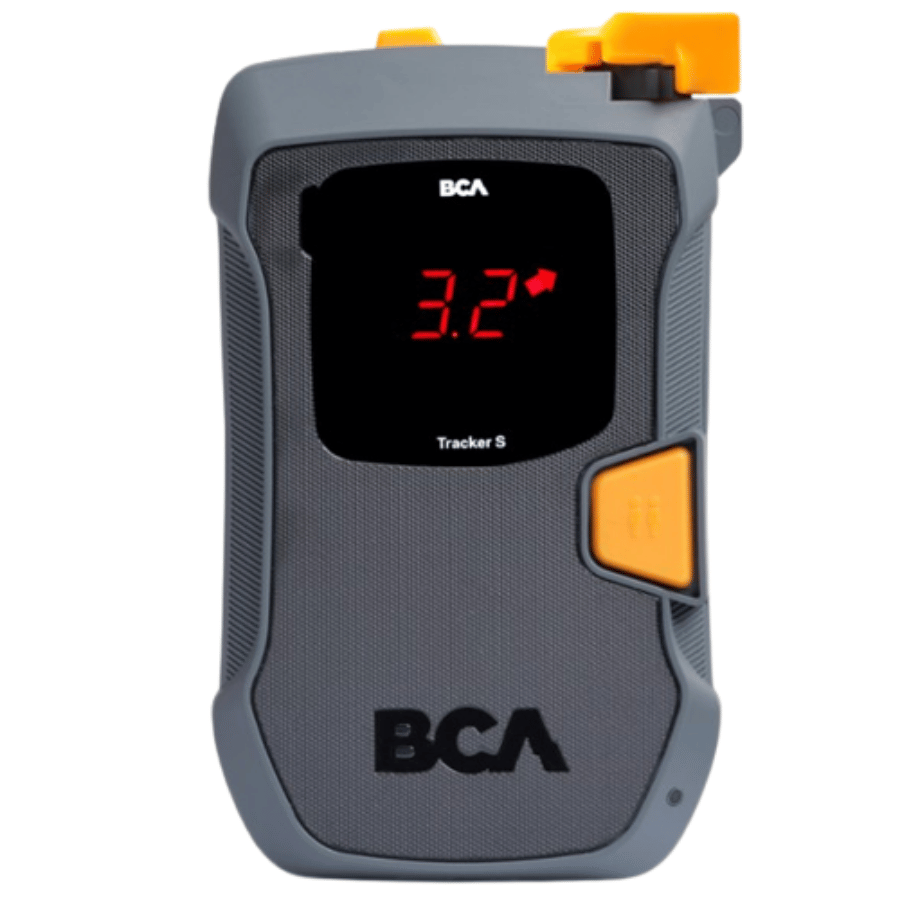
The Pieps Pro IPS is one of the most advanced and effective beacons on the market. The Tracker S is one of the lightest and simplest.
The Black Diamond PIEPS Pro IPS avalanche transceiver features an 80-meter search strip width, an Interference Protection System to reduce signal disruption, Dual-Antenna Signal Processing for reliable signal detection, auto-search-to-send functionality, Bluetooth compatibility for firmware updates via the PIEPS app, and a robust housing designed for professional rescue applications.
Simple, easy, light, and small: the Backcountry Access Tracker S avalanche beacon weighs only 170 grams (6 ounces) and operates on three AAA alkaline batteries. It features a real-time digital display, triple antenna system, and includes Signal Suppression and Big Picture modes for multiple burial scenarios. The device provides a minimum of 1 hour in search mode after 200 hours in transmit mode.
Avalanche Shovels play a dual role: they’re necessary for digging out victims during a rescue and for assessing snowpack stability during avalanche hazard evaluation. In addition, they are valuable tools for in camp use when preparing shelter or kitchen sites. A range of shovel types in this guide span the range of packability, weight, shoveling efficiency, and durability.
Shovels consist of a blade, shaft, and handle, typically made from aluminum or carbon for strength and low weight. The blade is designed for cutting through avalanche debris, with some models featuring serrated edges for increased efficiency in hard snow. Telescoping or modular shafts provide leverage while allowing for compact storage. Many shovels include features like probe or saw integration, stompable blades for added force, and attachment holes for constructing snow anchors or rescue sleds.
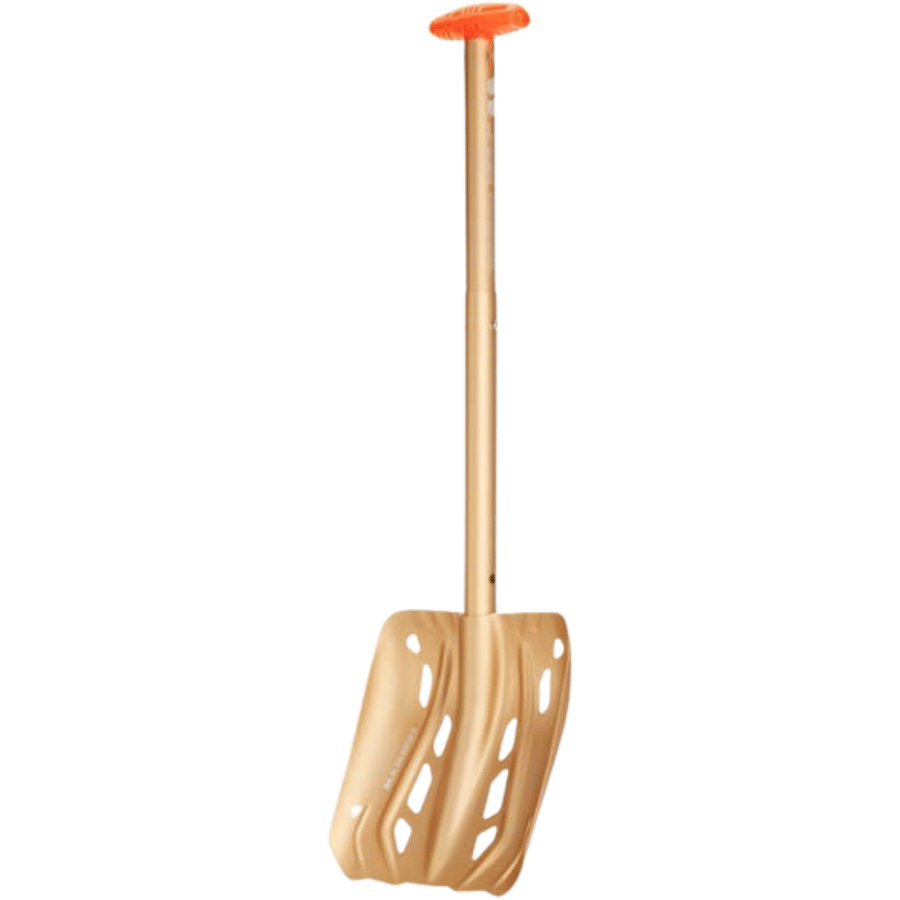
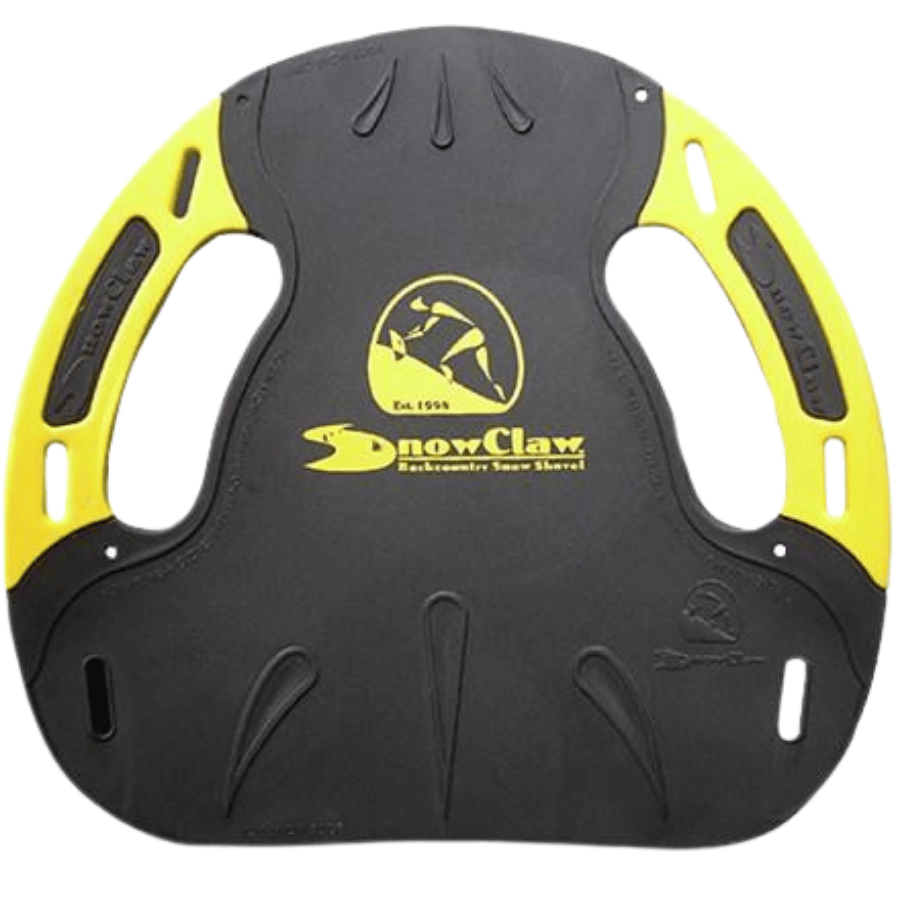
The Transfer LT, Alugator Light, and Dozer 1T-UL represent the lightest options among traditional aluminum avalanche shovels. The Ice Rock Ray and Race Carbon shovels seem to be made to meet ski mountaineering race requirements rather than the demands of use in actual avalanches – they don’t cut through hard debris well, and it’s difficult to leverage much force on the blade due to their limited strength. The Snowclaw Guide is a fan favorite in our community, but its handle-less design limits leverage and plastic construction can’t cut hard debris. However, it’s a viable option for moving snow in camp, and is particularly effective at digging snow caves quickly.
Weighing 405 grams, the Black Diamond Transfer LT is the lightest UIAA-certified shovel available. Its 7075 aluminum riveted blade is lightweight and thin, allowing it to cut through avalanche debris efficiently, while its 550 cm² volume enables rapid snow removal. The two-piece telescoping aluminum shaft enhances durability and comfort during use.
The Mammut Alugator Light avalanche shovel weighs 475 grams and features a hardened, anodized aluminum blade measuring 21 cm in width and 24 cm in length. Its oval telescopic shaft extends to 75 cm for leverage and collapses to 54 cm for storage. The symmetrical T-grip allows for force transfer, and attachment holes enable snow anchor or rescue sled construction.
The Backcountry Access Dozer 1T-UL avalanche shovel weighs 435 grams and features a cored-out blade and thinner-walled 7075 aluminum construction to minimize weight. Its ovo-concave shaft design enhances strength and grip, while the low-profile, stompable blade allows for snow penetration. The shovel is certified to the UIAA 156 standard for avalanche rescue shovels.
The Arva Race Shovel weighs 300 grams and measures 61 cm in length. It features a 47 cm carbon-fiber shaft and a 21 cm x 21 cm anodized aluminum blade with a thickness of 1.5 mm. The shovel utilizes a PIN LOCK locking mechanism for quick assembly and includes an ergonomic T-grip handle. It meets ISMF standards.
The Ice Rock Ray Ultralight avalanche shovel weighs 235 grams and measures 55 cm in length. It features a 25 cm x 21 cm carbon-fiber scoop with a 2.1-liter capacity and a titanium blade on the business edge of the scoop. 37 cm carbon-fiber handle. The shovel meets ISMF standards.
The SnowClaw Guide Shovel weighs 6.4 ounces and measures 12 x 11.25 x 0.25 inches. Constructed from high-impact copolymer, it is crack-resistant down to -20°F. The flexible design allows it to be used flat for moving large volumes of soft snow or bent into a U-shape for increased rigidity when digging harder snow. Its compact size fits easily into any backpack, making it suitable for backcountry skiing, snowmobiling, snowshoeing, snowboarding, and snow camping. Additionally, it can serve as a snow anchor or emergency splint.
Avalanche probes are collapsible, pole-like tools used for pinpointing the location and depth of a buried person after an avalanche transceiver has led rescuers to the general area. Made from lightweight aluminum or carbon tubing, probes are designed for quick deployment and efficient probing through the snowpack.
A probe consists of multiple segments connected by a tensioning system, typically a steel cable, Kevlar cord, or high-tensile polymer line, which allows for rapid assembly. Most probes feature a locking mechanism – such as a telescopic lock or wiregate-style closure – to keep them securely extended during use. Lengths range from 240 cm to 320 cm, with collapsed lengths between 35 cm and 50 cm.
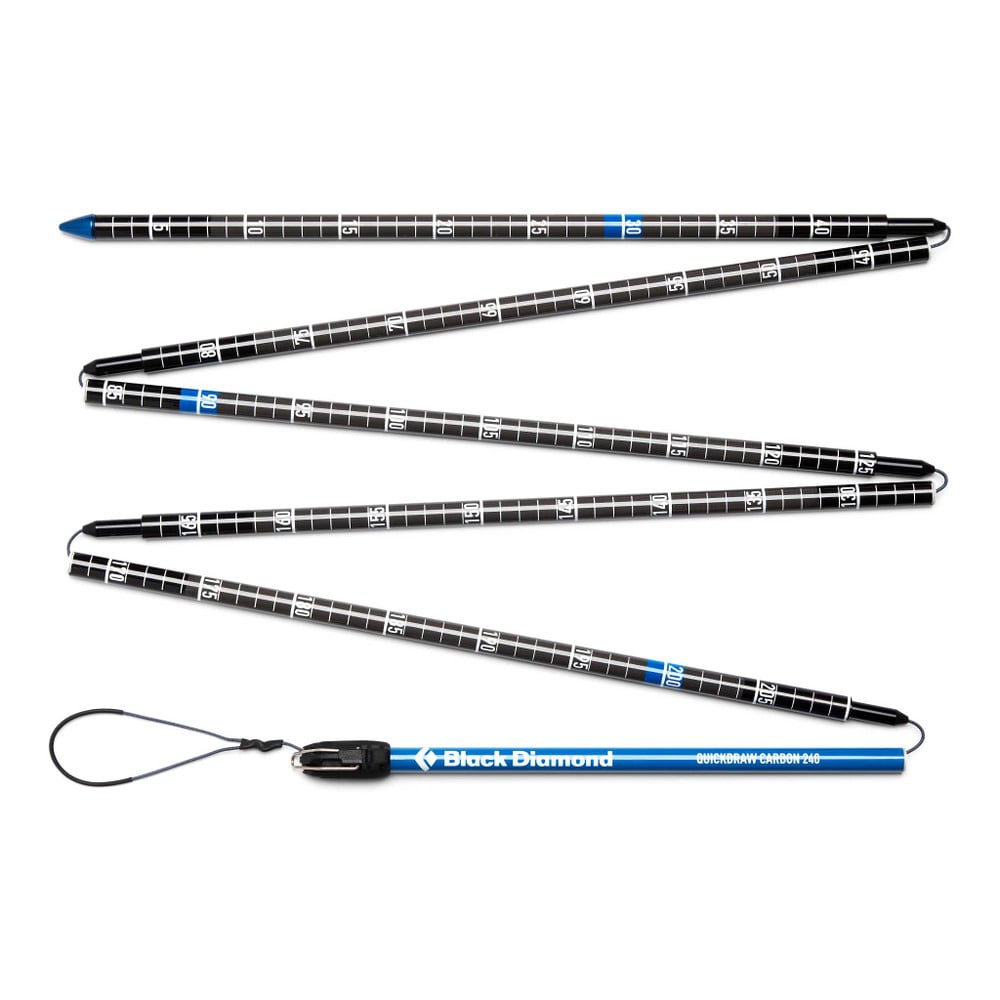
Depth markings along the probe shaft help measure burial depth, which informs the digging strategy. Probes can have oversized or drop-shaped tips to reduce resistance and improve penetration into consolidated avalanche debris. Some models include high-contrast markings for better visibility in low-light conditions.
Effective probe use relies on systematic probing techniques, such as grid-based probing, where rescuers probe at regular intervals to locate a buried victim as quickly as possible. Fast and accurate probing, combined with proper transceiver use and strategic shoveling, is critical for increasing survival chances in an avalanche rescue scenario.
Probes can also be used for determining snow layer depth and thickness measurements when analyzing snow pits, stake-out points for shelters, and for marking hidden crevasse areas when camping on glaciers.
The probes recommended here are all 240 cm in length and made of carbon tubing. Short probes are lighter and easier to use in shallow snow packs that are shallower than about 6 or 7 feet deep. This is within the range of most avalanche burials in the coastal and inland ranges of the Continental United States. In Alaska or the Himalayas, where avalanches are larger and debris fields are deeper, avalanche professionals typically carry 320 cm probes.
The Black Diamond Quickdraw Carbon Probe 240 weighs 227 grams (8 ounces) and extends to 240 centimeters. It utilizes a wiregate locking mechanism for quick deployment without a stuff sack, and a Kevlar cord to reduce weight. The probe includes an oversized, durable alloy tip to improve probing efficiency and sensitivity by creating a hole larger than the probe shaft, and high-visibility 1 cm markings for depth readings. When collapsed, it measures 45 centimeters (17.7 inches) in length.
The Backcountry Access Stealth 240 avalanche probe weighs 8.8 ounces (250 grams) and extends to 240 centimeters. It features dual-sized depth markings for measuring snowpack or victim depth, and the Stealth Quick-Lock hardware creates a smaller bundle when folded, eliminating loose cables during deployment.
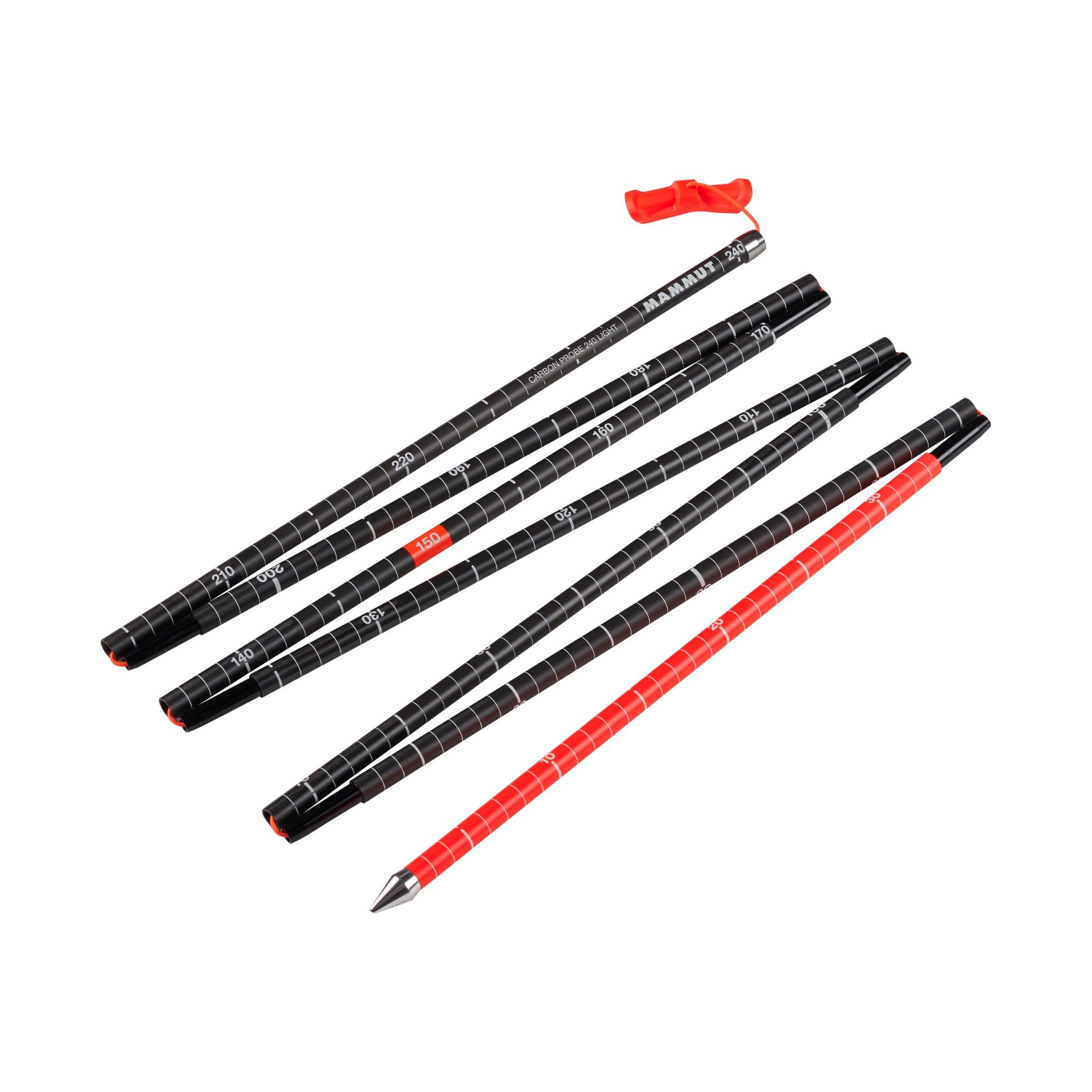
The Mammut Carbon Probe 240 Light weighs 198 grams and is constructed from high-quality carbon. It extends to 240 cm and collapses to 38 cm for storage. The probe features a glove-friendly, high-tensile telescopic locking system for quick and reliable assembly, and a 360-degree visual depth guide for accurate snow depth measurement. Its 11 mm diameter provides a balance between rigidity and weight.
Avalanche safety backpacks integrate airbag systems to reduce burial depth and improve survival chances in an avalanche. These backpacks are a key piece of gear for those traveling in steep, high-risk terrain where avalanche exposure is significant. However, they are not commonly used for multi-day winter backpacking due to several limitations. The added weight of the airbag system, typically ranging from 2.5 to 4 kg (5 to 9 lbs), can make carrying a full overnight kit impractical. Limited internal volume also restricts storage space for essential gear like a winter sleeping system, cooking equipment, and extra layers. Additionally, airbag backpacks require regular maintenance, including battery charging or compressed air canister refills, which can be a logistical challenge on extended trips. While not a standard choice for winter backpackers on valley routes, those traveling across high passes or exposed ridgelines may find a larger airbag model capable of carrying minimal overnight gear useful for managing avalanche risk in high-exposure zones.
For backcountry skiers, splitboarders, and mountain professionals working in avalanche-prone environments, airbag backpacks provide a significant safety advantage. When deployed, the airbag increases the user’s volume, helping to keep them near the surface of an avalanche rather than being deeply buried, which dramatically improves survival rates. Many models incorporate additional safety features, such as dedicated avalanche tool compartments for quick access to a probe and shovel, ski and snowboard carry systems, and reinforced frames for stable load distribution during technical descents. With options for electronic or compressed-air deployment systems, these backpacks offer a critical layer of protection in high-consequence terrain where avoidance and mitigation strategies alone may not be enough.
The Black Diamond Jetforce Pro 35L Avalanche Airbag Backpack weighs about 3 kg (6.5+ lb). It features a rechargeable, travel-friendly airbag system with multiple deployments and automatic deflation to create an air pocket for breathing when buried. Bluetooth connectivity allows for easy software updates, and the modular design enables attachment of different booster packs for versatility. The pack includes a dedicated avalanche tool pocket, tuck-away diagonal ski carry system, and ice-tool attachment.
The Mammut Pro offers 45 liters of storage and compatibility with the Removable Airbag System 3.0. It features a front pocket for avalanche safety equipment, full rear zipper access to the main compartment, an aluminum internal frame, and a thermoformed back panel. Additional features include diagonal ski carry, snowboard attachment, two ice axe attachments, a radio pocket, and hydration system compatibility.
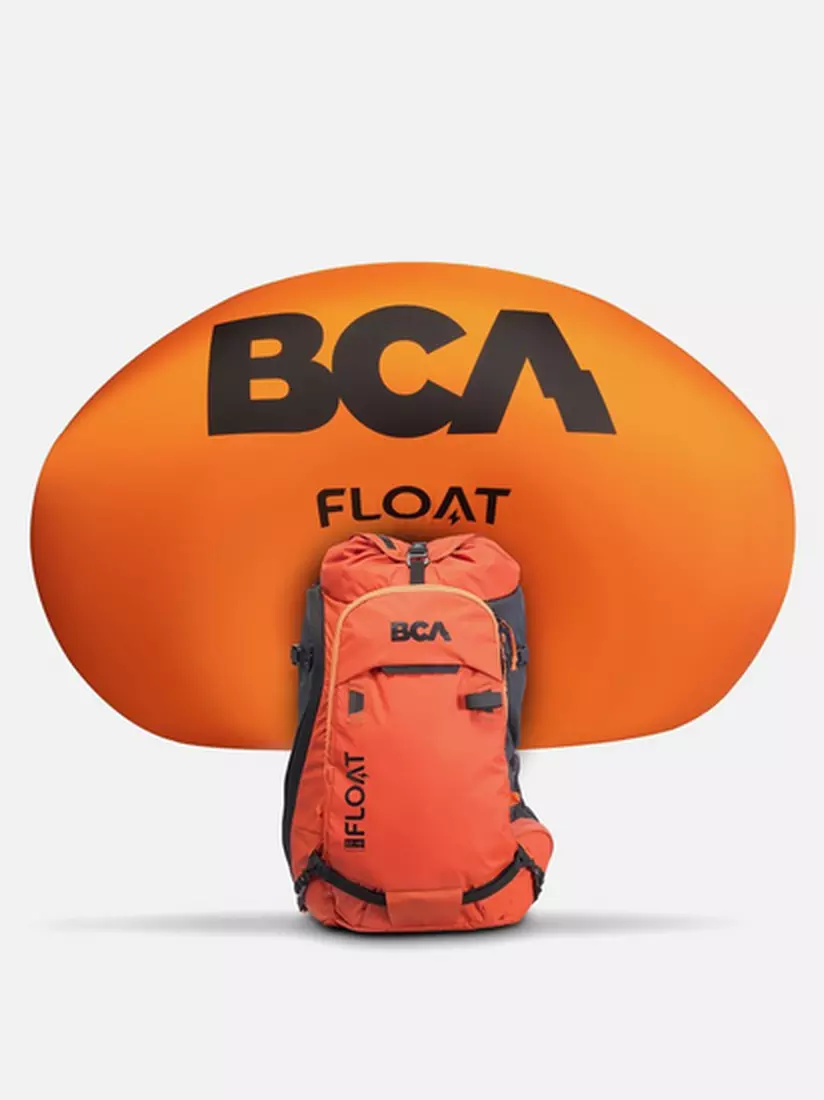
The BCA Float E2-45 Avalanche Airbag backpack features a 45-liter capacity and a supercapacitor system for reliable cold-weather performance. It includes a 162-liter airbag, external stash pockets, expandable roll top, and multiple gear attachment points. The pack weighs 7 lb (3 kg).
Snow Saws are used to create smooth vertical walls in snow pits that you might dig for snowpack analysis to identify weak layers. Ultralight saw models allow backpackers to carry this tool without adding significant weight to their kit. In addition, saws are useful for sculpting snow blocks, nooks, and crannies in camp. Some can even cut wood for campfires.
The Black Diamond Snow Saw Guide weighs 160 grams and features a tooth profile designed for cutting hard snow. It includes an integrated crystal card for snowpack analysis and a 250 cm by 3 mm polyester pit cord, stored on the handle, for conducting extended column tests. A lightweight clip sheath protects the saw and your pack during storage.
The Suluk46 Yuka 240 pull saw weighs 172 grams (6.1 ounces) and features a 240 mm (9.5-inch) Silky Gomboy blade. When closed, the saw measures 27.3 cm (10.75 inches) in length, and when open, it extends to 50.8 cm (20 inches). The handle includes a two-position, spring-loaded locking mechanism for blade stability and an ergonomic, padded grip. It's a little short for snow pit use, but otherwise can be used for small snow block cutting and all types of wood.
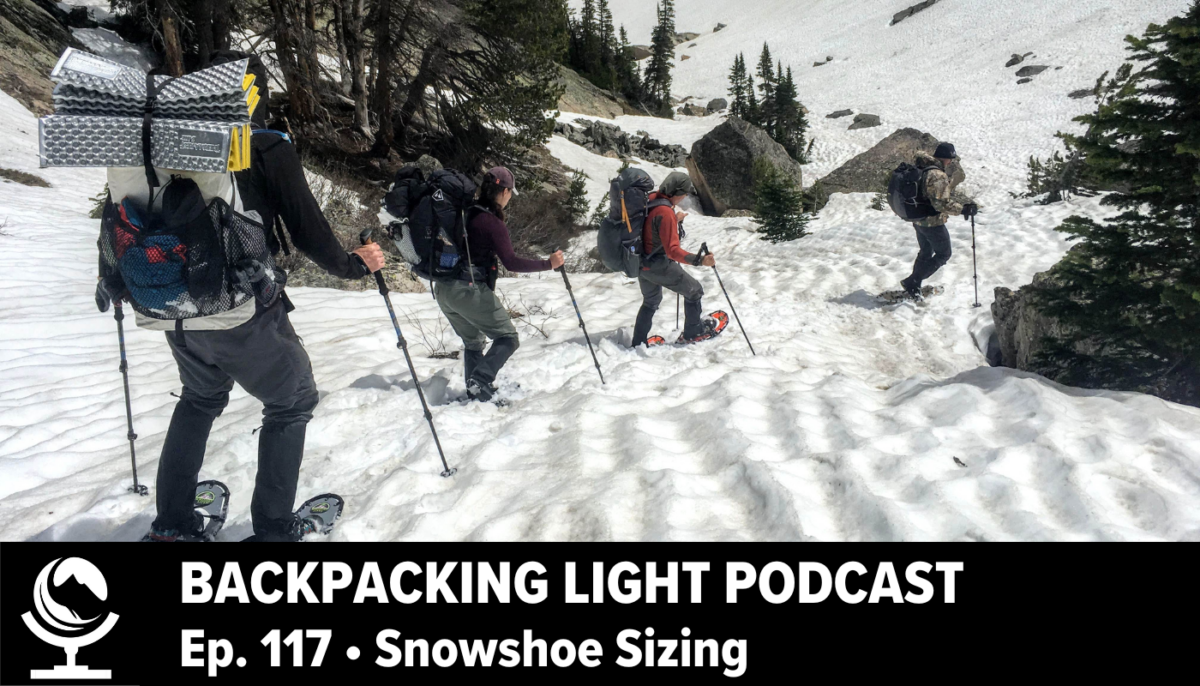
In episode 117 of the Backpacking Light podcast we’re going to learn how to size snowshoes, minimize sinkage, and save energy for your next winter adventure in deep snow.
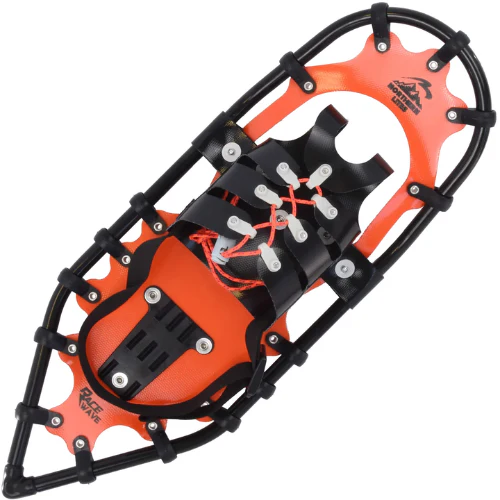
Northern Lites are just what their name implies: lightweight snowshoes that are meant to withstand rugged, snow-covered mountains. Loved and lauded by athletes, weekend-warriors and first-timers alike, these USA-made snowshoes will open your eyes to the beauty of a lightweight, snow-top flotation device.
Three important questions – What size snowshoes should I take? How much can I expect to sink into the snow with proper sized snowshoes? How does snowshoeing affect calorie expenditure?
Executive Producer - Backpacking Light; Show Director and Host - Ryan Jordan; Producer - Chase Jordan; Theme music: Look for Me in the Mountains written by Chris Cunningham and Ryan Jordan, performed by Chris Cunningham (acoustic guitar, lead and harmony vocals, harmonica), Chad Langford (upright bass), and Tom Murphy (mandolin), produced by Basecamp Studios in Bozeman, Montana.
Sponsorship Policy: Backpacking Light does not accept compensation or donated/discounted products in exchange for product mentions or placements in editorial coverage, including any podcast episode content not excplicitly identified as sponsored content. Some (but not all) of the links in these show notes may be affiliate links. Learn more about affiliate commissions, influencer marketing, and our consumer advocacy work by reading our article Stop wasting money on gear.
In episode 116 of the Backpacking Light Podcast, we learn how to measure and interpret slope angles to help you navigate steep terrain and assess hazards in the backcountry.
The Vaer C5 Tactical Field Solar features a sapphire face cover, 316L stainless steel body, and a Japanese Epson VS-42 solar-powered movement that provides up to six months of power reserve at high precision. The watch is water-resistant up to 10 ATM (100 meters), offers a blacked-out aesthetic with exceptional lume performance, ensuring readability in low-light conditions.
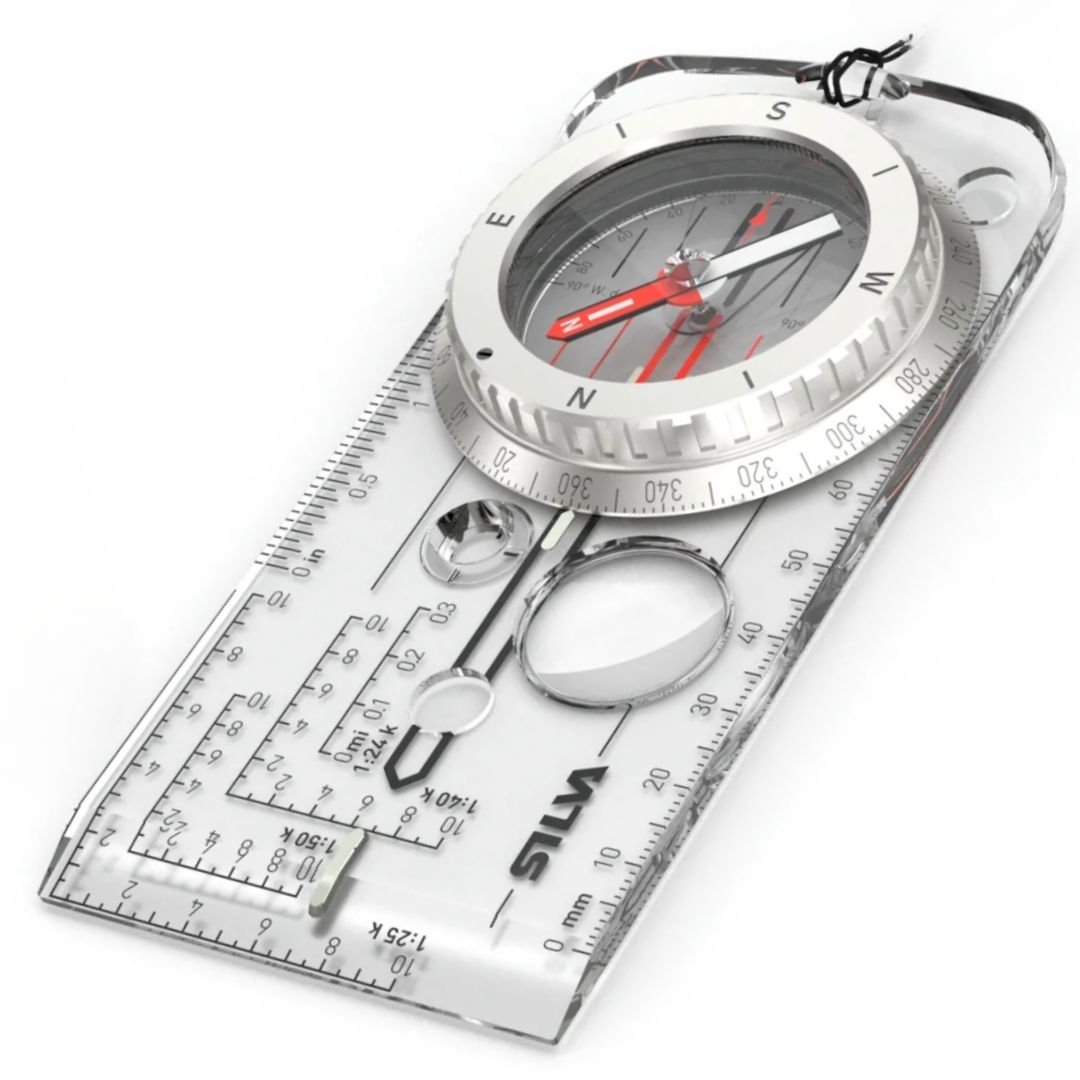
The Silva Expedition NEO is a durable, high-precision compass designed for advanced navigation in challenging outdoor environments. It features a neodymium-powered needle that ensures swift and stable performance, and cannot be demagnetized, making it a reliable tool for professionals. The compass also includes a globally balanced needle for accurate readings worldwide, luminous markings for low-light conditions, a clinometer for measuring slopes, and adjustable declination for regional variations.
Executive Producer - Backpacking Light; Show Director and Host - Ryan Jordan; Producer - Chase Jordan; Theme music: Look for Me in the Mountains written by Chris Cunningham and Ryan Jordan, performed by Chris Cunningham (acoustic guitar, lead and harmony vocals, harmonica), Chad Langford (upright bass), and Tom Murphy (mandolin), produced by Basecamp Studios in Bozeman, Montana.
Sponsorship Policy: Backpacking Light does not accept compensation or donated/discounted products in exchange for product mentions or placements in editorial coverage, including any podcast episode content not excplicitly identified as sponsored content. Some (but not all) of the links in these show notes may be affiliate links. Learn more about affiliate commissions, influencer marketing, and our consumer advocacy work by reading our article Stop wasting money on gear.
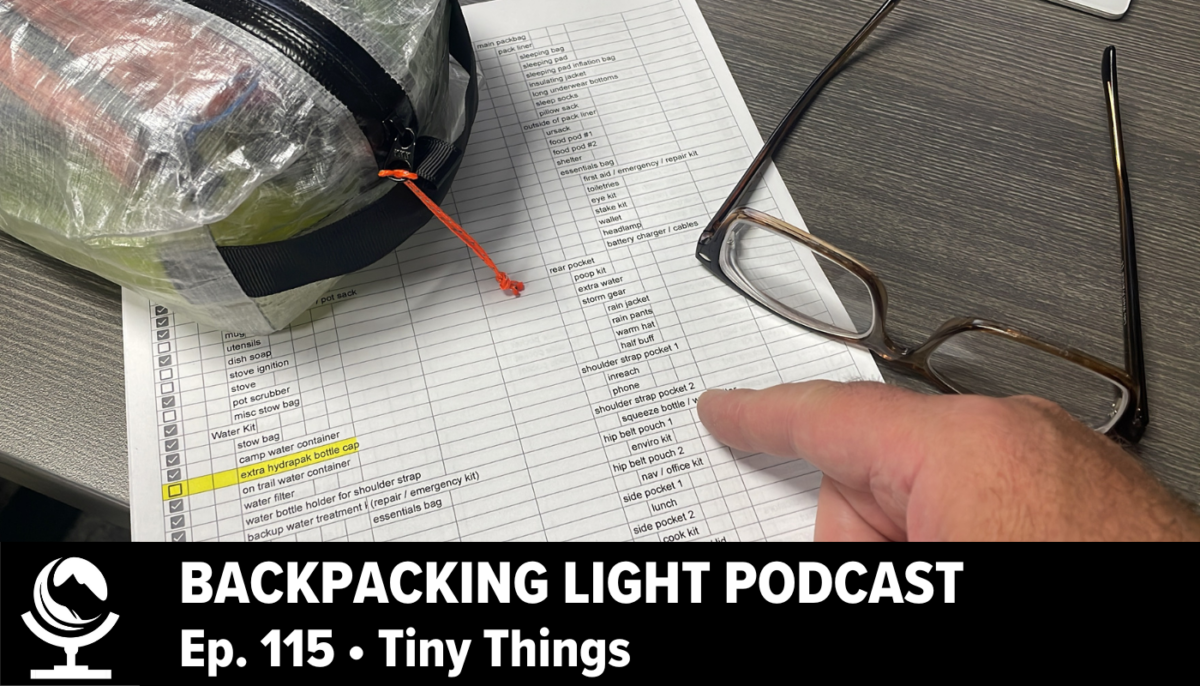
In episode 115 of the Backpacking Light podcast we’re sharing Big Talk about Tiny Things: Those little ultralight bits of gear that have an outsized impact on our experience in the backcountry.
Today’s episode of the Backpacking Light Podcast is sponsored by Garage Grown Gear, your hub for all things ultralight. Garage Grown Gear is dedicated to supporting the growth of small, startup, and cottage brands.
Listen
Summary
In today’s episode of the Backpacking Light podcast we’re sharing Big Talk about Tiny Things: Those little ultralight bits of gear that have an outsized impact on our experience in the backcountry.
In this Episode:
R.I.P. Big Sky Sierra, July 21, 2015 – September 6, 2024.
The Alpenblow Micro Inflator is an ultralight, 8-gram (0.28 oz) device that inflates sleeping pads in approximately three minutes, drawing minimal power (18 mAh at 5V) from USB-C devices such as smartphones or power banks. Operating at a noise level of 42 dBA, it includes multiple nozzles compatible with Therm-a-Rest (WingLock), NEMO (Laylow), Big Agnes, Sea-to-Summit, and EXPED sleeping pad valves.
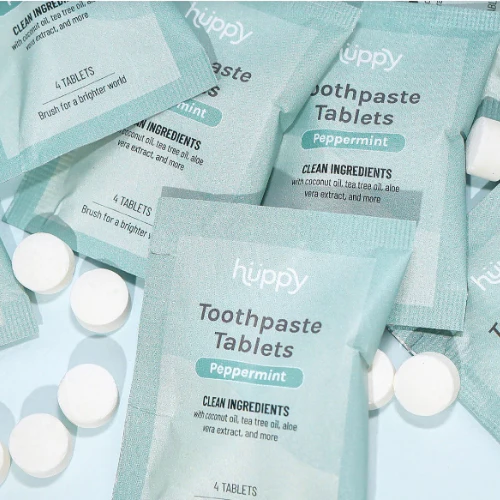
No mess, no fuss, virtually no weight. Take only what you need for any trip. The perfect solution for the gram-counting ultralighter. Multiple flavors. Good taste!
The Suluk46 Atani Titanium Tent Stakes are ultralight, flat-profile stakes available in 6-inch (5 grams) and 8-inch (9 grams) lengths, designed for optimal strength-to-weight performance.The wide upper section withstands significant guy-line forces, while the sharp, thin lower section facilitates penetration into hard ground.An upper indentation secures the guy-line loop, and the flat design prevents rotation.The 8-inch stakes include reflective tie loops for enhanced low-light visibility.
Battery-powered, rechargeable sleeping pad inflation pumps are small, light, and save you the hassle of having to blow up your inflatable sleeping pad without effort.
Executive Producer - Backpacking Light; Show Director and Host - Ryan Jordan; Producer - Chase Jordan; Theme music: Look for Me in the Mountains written by Chris Cunningham and Ryan Jordan, performed by Chris Cunningham (acoustic guitar, lead and harmony vocals, harmonica), Chad Langford (upright bass), and Tom Murphy (mandolin), produced by Basecamp Studios in Bozeman, Montana.
Sponsorship Policy: Backpacking Light does not accept compensation or donated/discounted products in exchange for product mentions or placements in editorial coverage, including any podcast episode content not excplicitly identified as sponsored content. Some (but not all) of the links in these show notes may be affiliate links. Learn more about affiliate commissions, influencer marketing, and our consumer advocacy work by reading our article Stop wasting money on gear.
In episode 114 of the Backpacking Light podcast we’re going to learn about the different types of synthetic fibers and fabrics used in outdoor apparel.
This episode of the Backpacking Light Podcast is sponsored by Brynje, manufacturer of premium fishnet (open mesh) base layer apparel made with Schoeller polycolon and merino wool. Backpacking Light podcast listeners can enjoy 10% off with the coupon code BPL10 at Brynje USA.
Listen
Summary
In today’s episode of the Backpacking Light podcast we’re going to learn about the different types of synthetic fibers and fabrics used in outdoor apparel.
Fishnet solves the problem of slow movement (failed wicking) of sweat away from your skin surface by vastly increasing convective airflow in your baselayer. Brynje is the only company combining fishnet with hydrophobic polypropylene fiber, making it a nearly perfect base layer for cold conditions.
The Jolly Gear Triple Crown Button-Down is the only sun shirt integrating a full button-down front with a hood, offering adjustable ventilation rarely found in sun protective hiking apparel. Made from an 86% polyester, 14% spandex blend with antimicrobial and quick-drying properties, it includes zippered chest pockets, thumbholes, and a uniquely designed hood with a vent/hair hole and cinch cord. The body fabric is one of the highest air-permeable fabrics we've tested. Men's medium: 7.5 ounces (213 g) and up, depending on fabric choices.
Executive Producer - Backpacking Light; Show Director and Host - Ryan Jordan; Producer - Chase Jordan; Theme music: Look for Me in the Mountains written by Chris Cunningham and Ryan Jordan, performed by Chris Cunningham (acoustic guitar, lead and harmony vocals, harmonica), Chad Langford (upright bass), and Tom Murphy (mandolin), produced by Basecamp Studios in Bozeman, Montana.
Sponsorship Policy: Backpacking Light does not accept compensation or donated/discounted products in exchange for product mentions or placements in editorial coverage, including any podcast episode content not excplicitly identified as sponsored content. Some (but not all) of the links in these show notes may be affiliate links. Learn more about affiliate commissions, influencer marketing, and our consumer advocacy work by reading our article Stop wasting money on gear.
In this technical brief, we quantitatively evaluate the performance of lights considering brightness, battery life, and weight into an objective Lightbench Index.
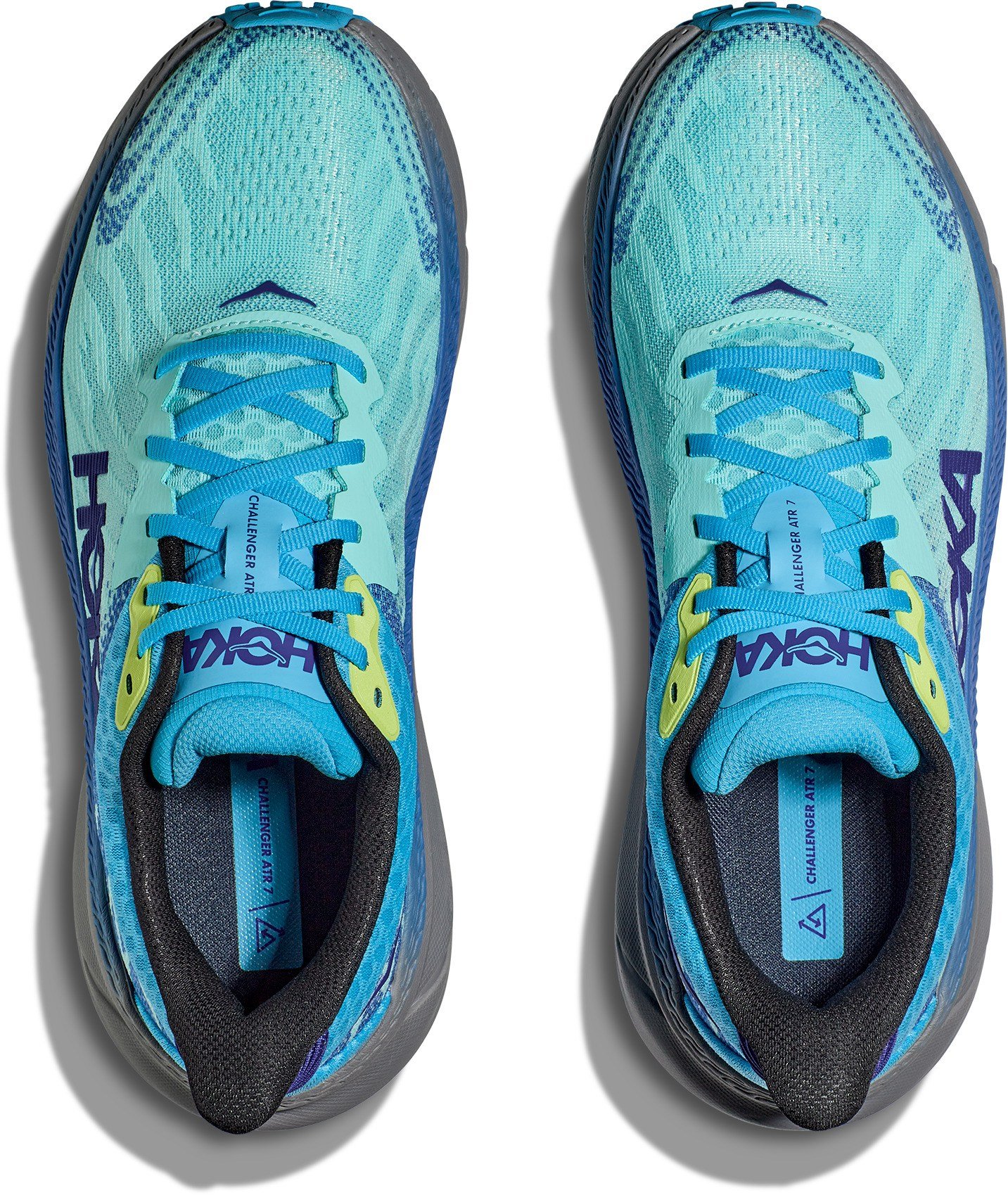
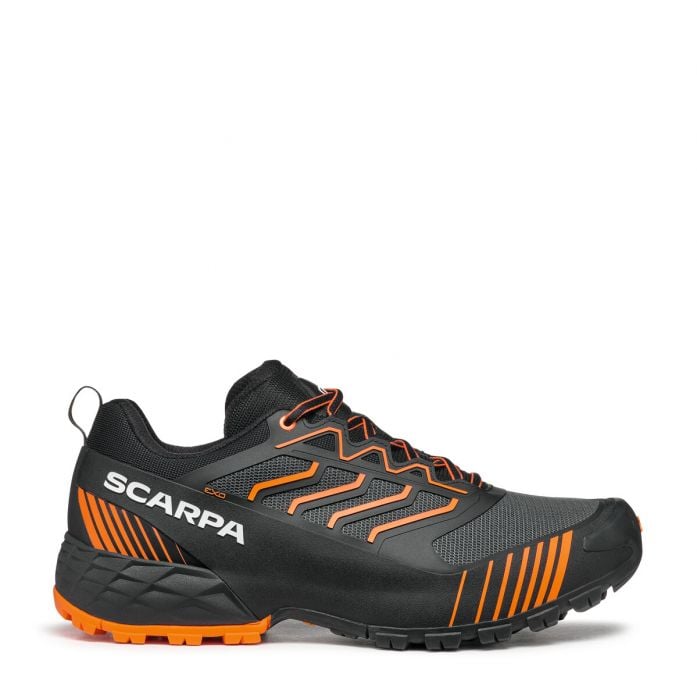
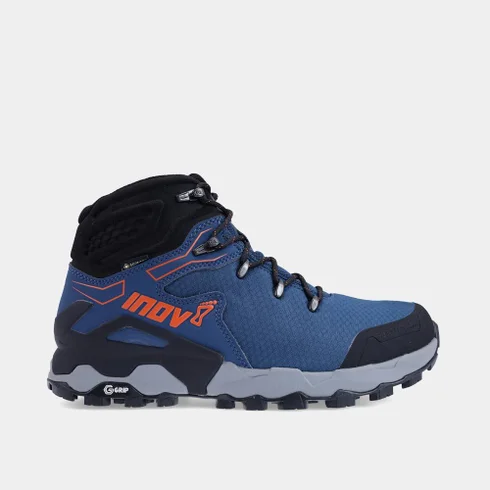
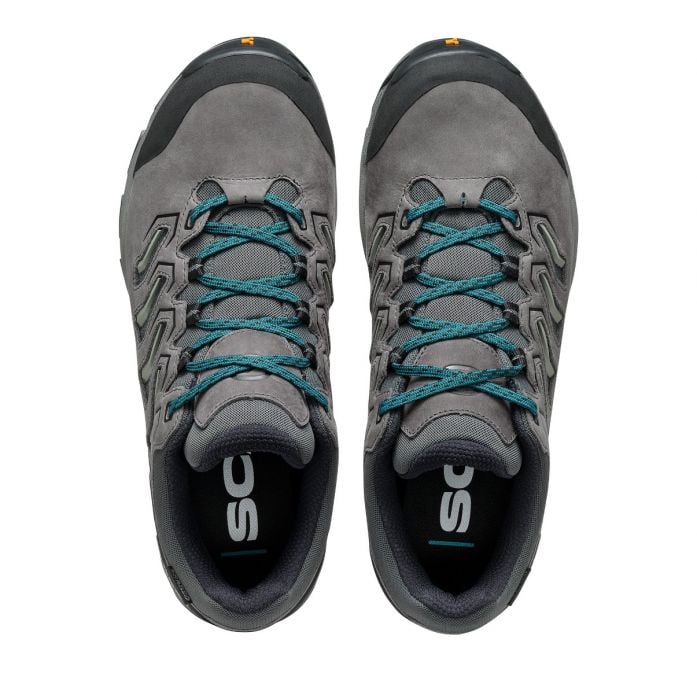
In this guide, we’ll explore the primary categories of footwear for backpacking and hiking, including minimalist footwear, examining their unique benefits, limitations, and use cases.
In this guide, we’ll explore the primary categories of footwear for backpacking and hiking, including minimalist footwear, examining their unique benefits, limitations, and use cases. From minimalist hiking sandals to rugged mountain boots, we’ll dive into the design features and performance benefits that define each type, as well as the nuances of construction.
We sometimes refer to “hiking shoes” as “minimalist footwear” (vs. “hiking boots”). In this context, minimalist footwear can take on a variety of forms. The hybridization of design means the lines are blurry. The exact definition is less important than the idea that you aren’t resigned to wearing stiff, inflexible, heavy mountain boots for backpacking anymore. Photo: Ryan Jordan.
The outdoor recreation footwear market has evolved from a reliance on traditional hiking boots to a broader range of options designed for diverse environments and activities. This summary examines key footwear categories within a backpacking context, detailing their general uses, benefits, and limitations. Specifically, we’ll distinguish footwear into the following categories:
hiking sandals
trail running shoes
minimalist hiking shoes
non-minimalist hiking shoes
approach shoes
hiking boots
mountain boots
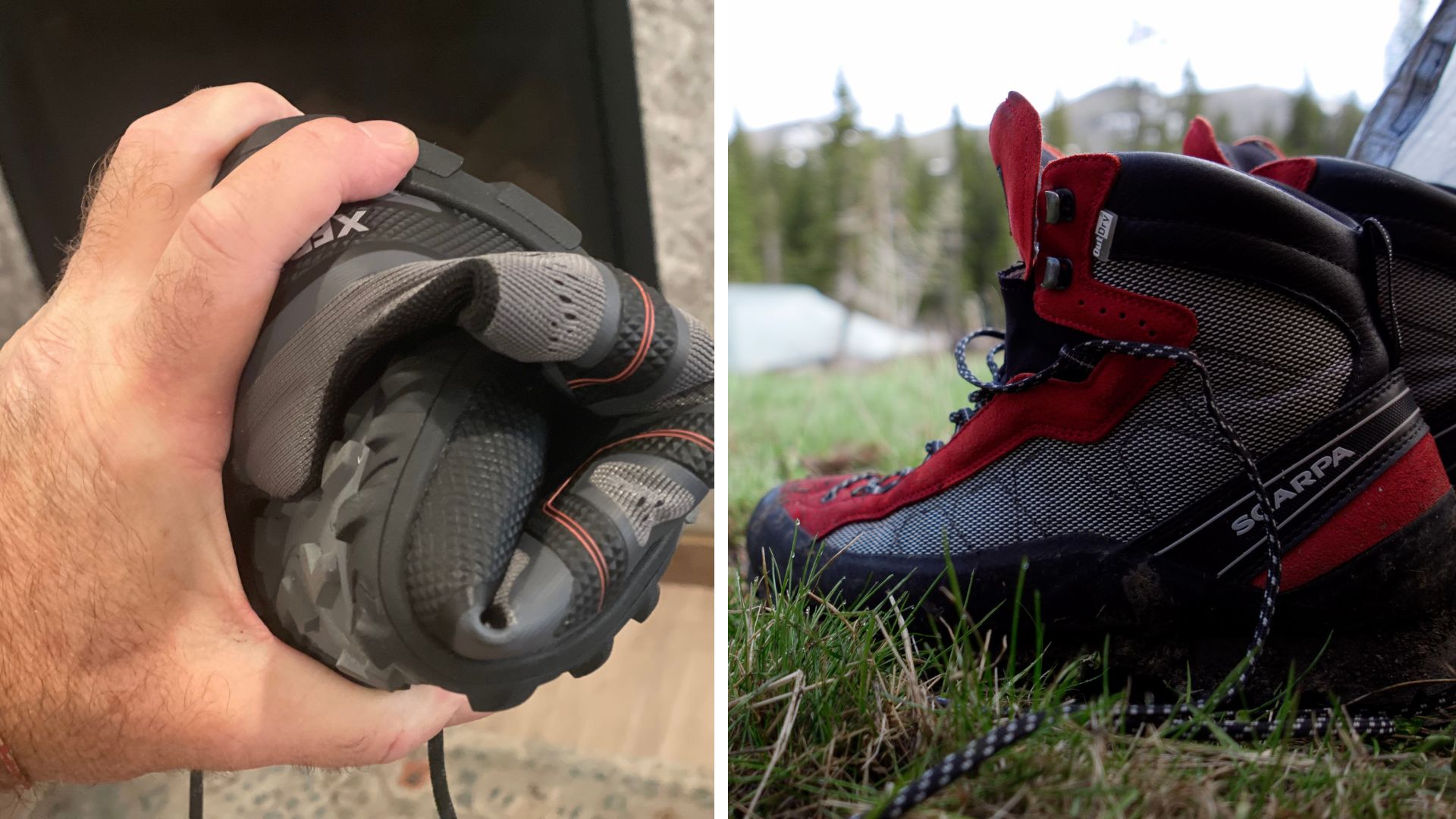
Backpacking footwear spans the range of minimalist, barefoot-style shoes (left) to mountain boots capable of securing mountaineering crampons (right). Photos: Ryan Jordan.
Hiking Sandals
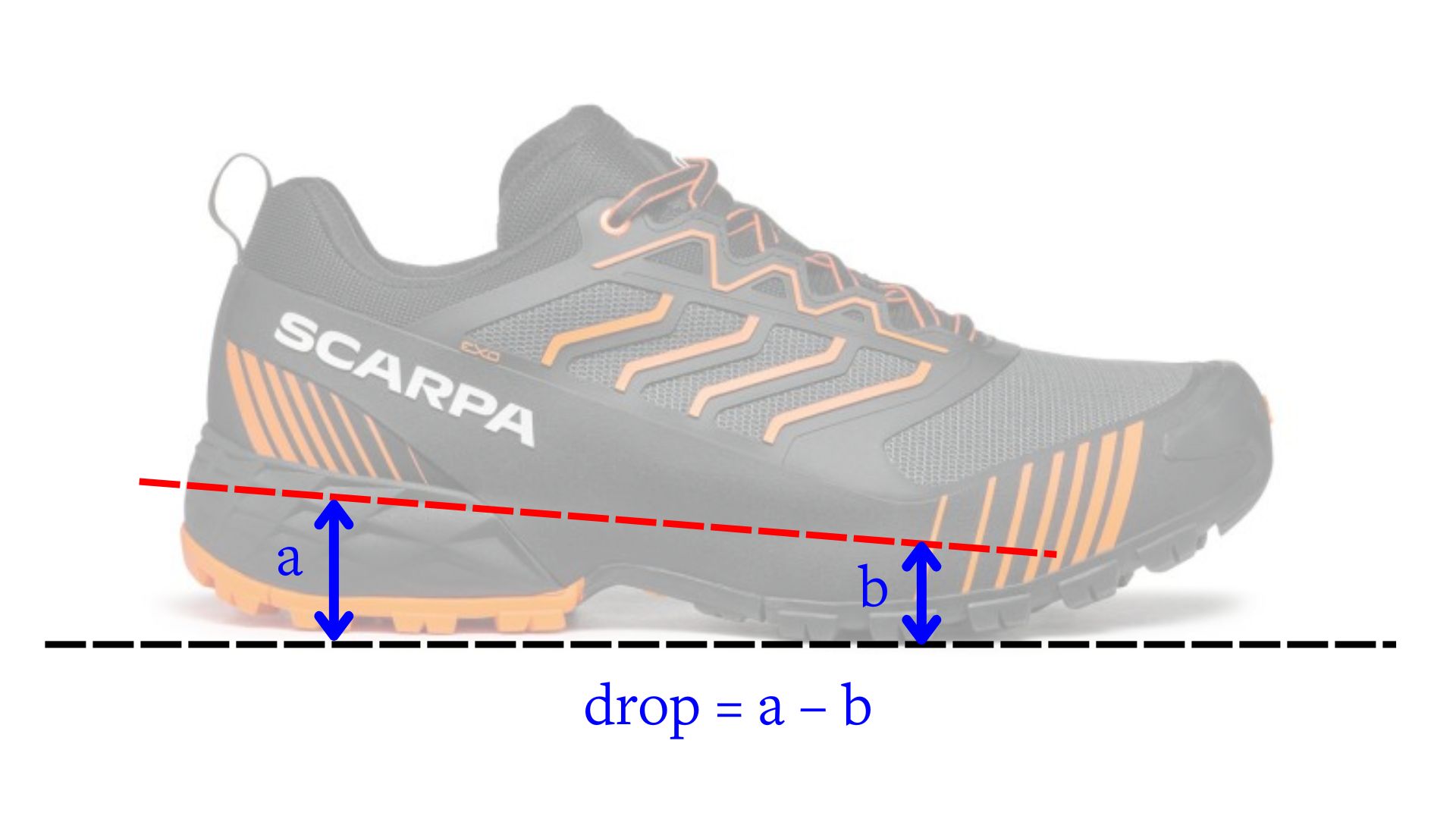
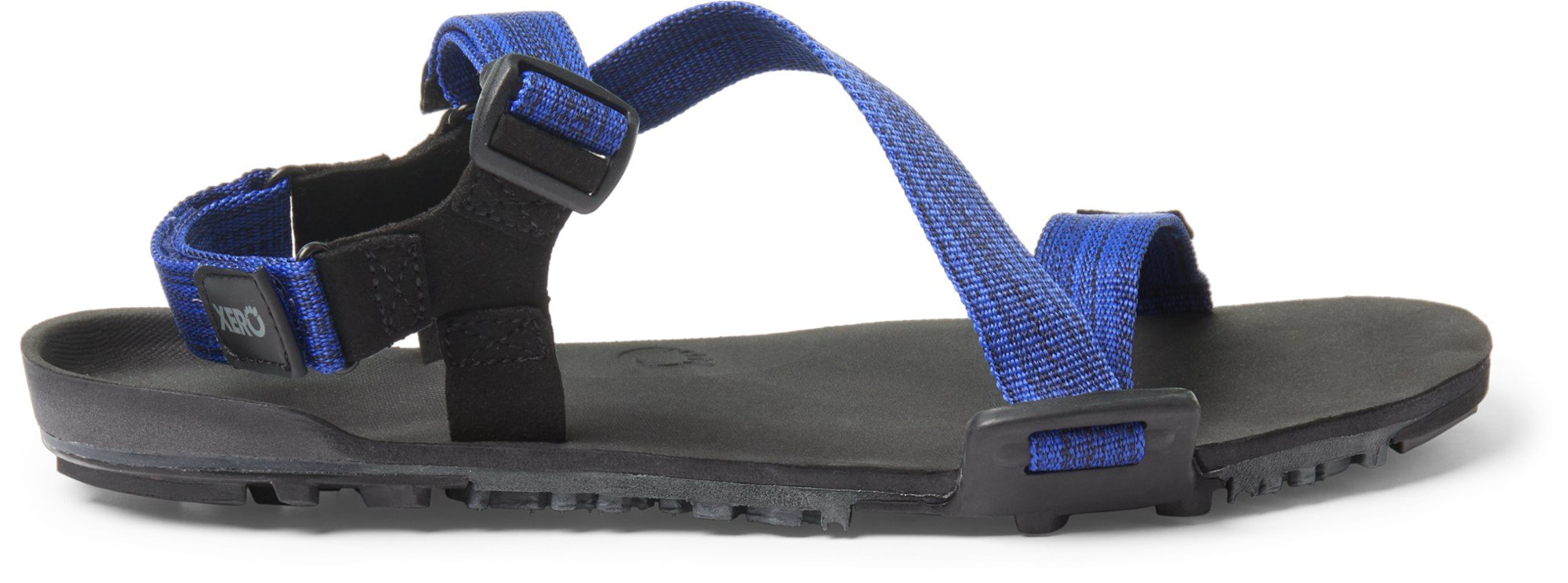
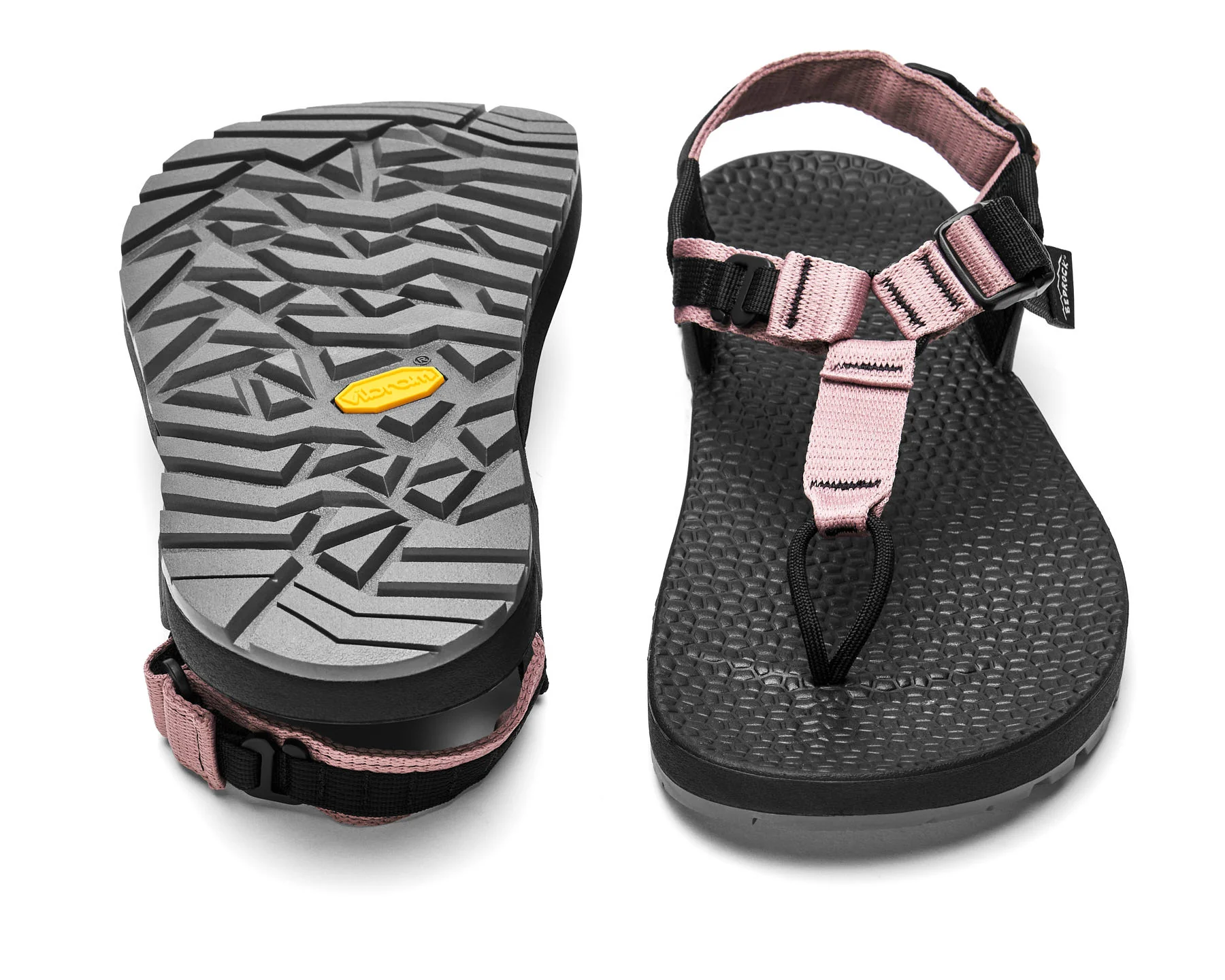
Hiking sandals offer lightweight flexibility and are ideal for environments where breathability and packability are prioritized. They feature robust outsoles for rocky terrain and zero-drop midsoles (4–10 mm), which encourage a neutral foot posture. However, their open design exposes feet to the elements, making them unsuitable for extended trips in cold environments or very rugged terrain. These sandals appeal to lightweight backpackers, climbers, and water sports enthusiasts but lack the support and protection required for rigorous backpacking.
Use case: casual hikes, water crossings, climbing approaches.
Trail Running Shoes
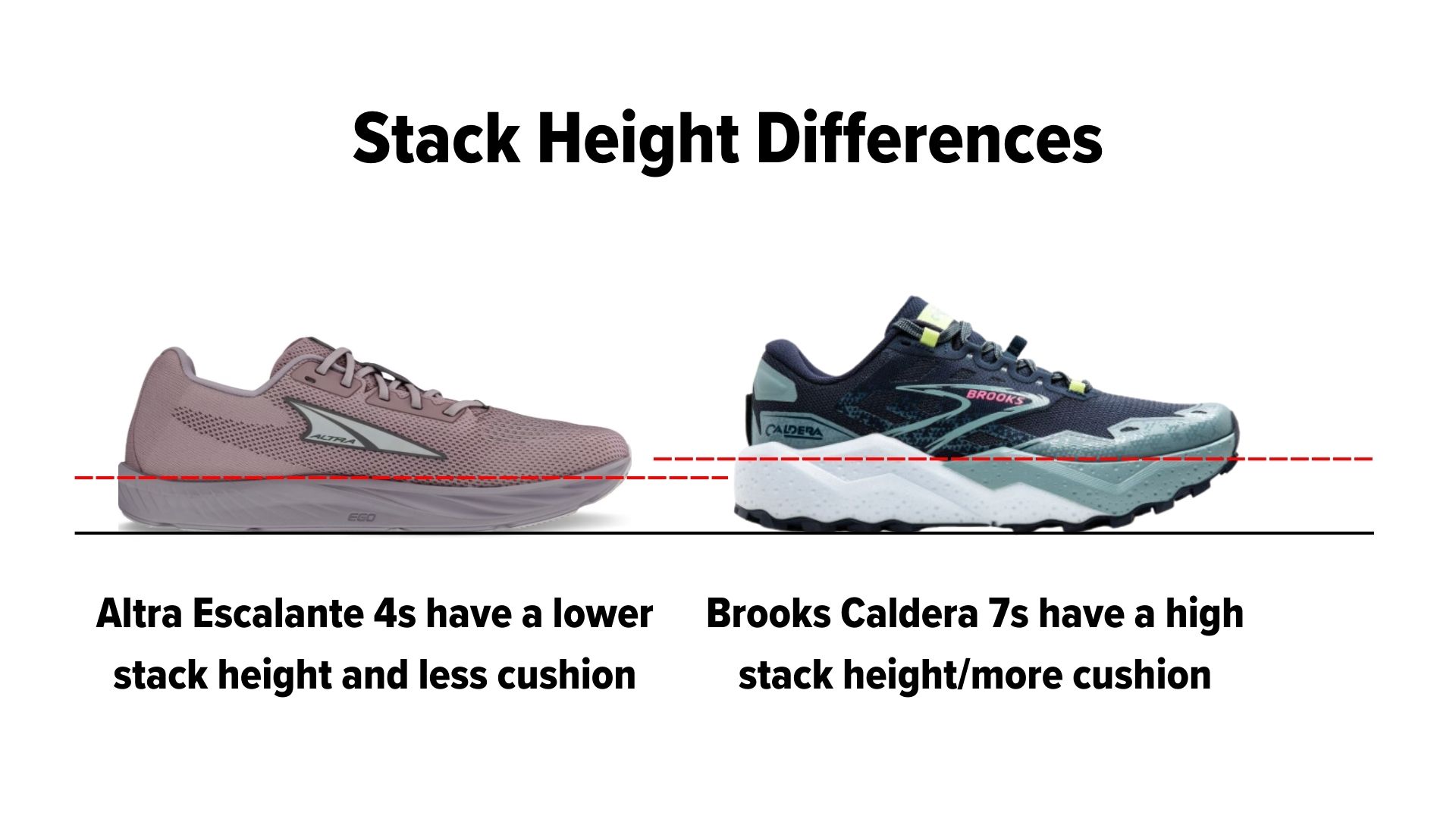
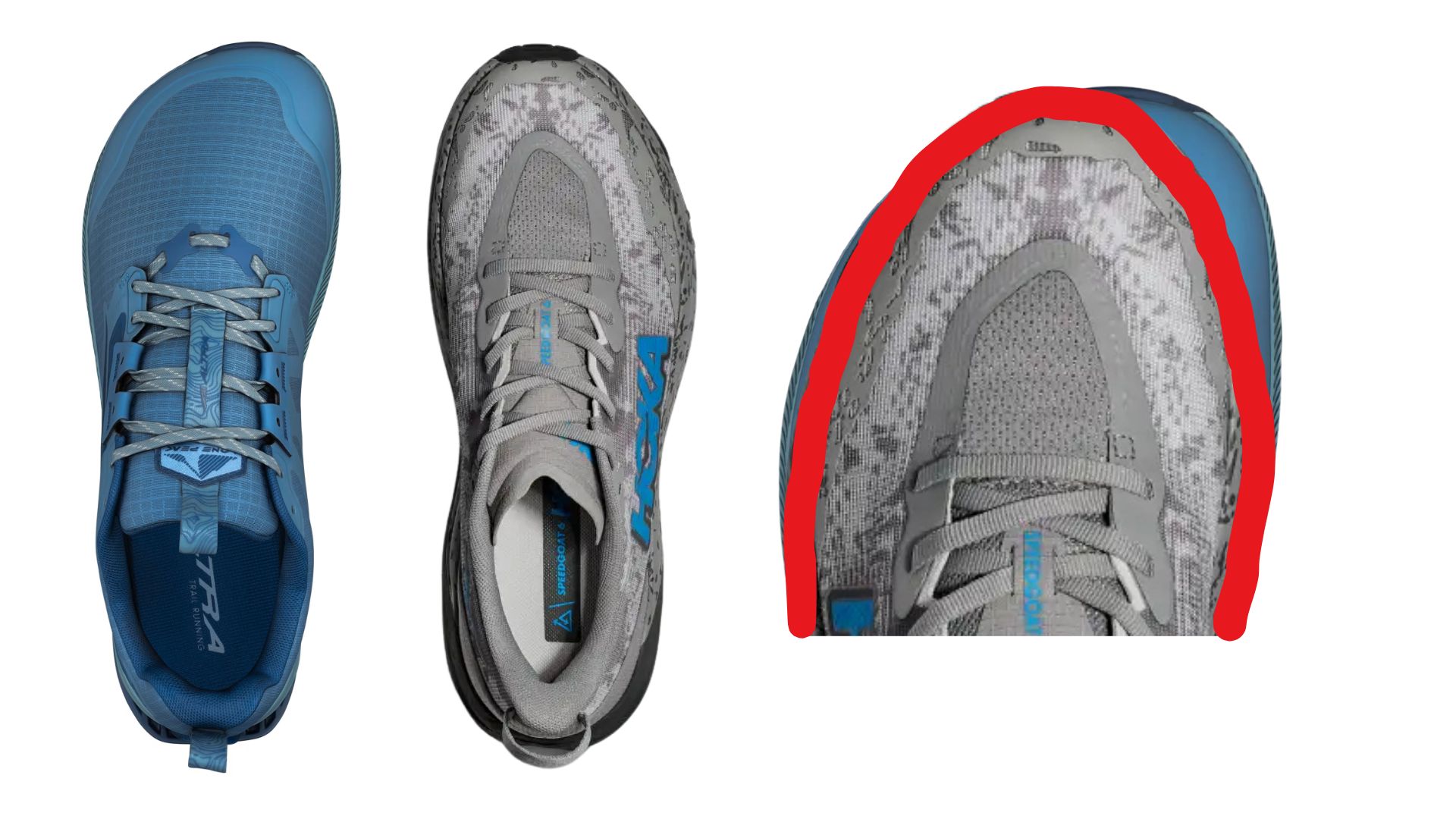
Trail running shoes have gained popularity among backpackers for their lightweight design and versatility. With stack heights of 20–30 mm, they provide cushioning and protection from rough terrain. Aggressive treads, lugs, and optional rock plates enhance traction and defense. Wider toe boxes (100 mm+) and low heel-to-toe drops (4–8 mm) support a natural stride. While trail runners feel familiar to those accustomed to road running shoes, they offer less protection and structure than heavy-duty hiking boots, requiring an adjustment period for some users.
Use case: cushioned comfort for beginners who want to exit boots or experienced hikers seeking more speed and agility.
Minimalist Hiking Shoes
Minimalist hiking shoes combine the thin, flexible midsoles of hiking sandals with the added coverage of a protective upper. Designed to offer a closer-to-ground feel, minimalist hiking shoes prioritize flexibility and natural foot mechanics. These shoes cater to hikers seeking a lightweight, natural experience with more protection than sandals. However, minimalist hiking shoes typically lack the durability and support of traditional footwear, making them better suited for moderate hikes and lighter loads.
Use case: for hikers wanting to maintain natural biomechanics, and are willing to invest the time for their bodies to adapt.
Minimalist footwear is characterized by light weight, flexibility, fast dry times, low drop, a wide toebox, and lower stack heights than hiking boots or more traditional trail running shoes. Photo: Stephanie Jordan.
Non-Minimalist Hiking Shoes
Non-minimalist hiking shoes offer more robust protection and stability than their minimalist counterparts. Constructed from durable materials like nubuck leather and polyurethane, they provide enhanced durability at the cost of added weight. A snug fit can reduce blistering for some users by minimizing friction, but improper sizing may have the opposite effect. While less likely to feature wide toe boxes or zero-drop designs, these shoes strike a balance between comfort and sturdiness, making them ideal for backpackers who need lightweight yet secure footwear without the bulk of boots.
Use case: for hikers wanting more durability and protection for rugged terrain.
Approach Shoes
Approach shoes are a hybrid option designed for both hiking and climbing. Sticky rubber soles provide exceptional grip on rocky or uneven terrain, a feature favored by climbers and scramblers. While not suited for extended backpacking or icy conditions, they excel in scrambling and warm-weather adventures. Compared to standard hiking shoes, approach shoes include climbing-specific features, such as sticky toe zones, making them ideal for rocky trails and technical approaches.
Use case: for desert and mountain scrambling requiring stiff footbeds, climbing edges, and durable uppers for crack jamming.
Approach shoes are tuned to mountain scrambling in Class 2-4 terrain, and are characterized by footbed stiffness, durable uppers, and soles with edging platforms. Photo: Stephanie Jordan.
Hiking Boots
Hiking boots have been used by outdoor enthusiasts who prioritize durability, stability, and protection. Taller uppers provide ankle support and shield against trail hazards, while heavy-duty materials enhance longevity. Though heavier than other options, hiking boots offer time-tested reliability for rugged terrain and challenging conditions. High-cut versions provide extra support, while low-cut versions cater to hikers seeking more flexibility. These boots are best for those who value protection over lightweight design.
Use case: the traditional option, offering high durability and sole longevity.
Traditional hiking shoes offer more protection and immobility around the ankle and more durable uppers than trail running shoes, but are heavier and stiffer. Photo: Ryan Jordan.
Mountain Boots
Mountain boots occupy the extreme end of the footwear spectrum, designed for high-altitude and technical climbing. Incorporating waterproofing, insulation, and crampon compatibility, they are built for icy and snowy environments. Heavy and expensive, mountain boots prioritize safety and durability over comfort, making them indispensable for mountaineering but less suitable for general backpacking. Their specialized design ensures stability and protection in demanding conditions.
Use case: alpine environments requiring crampons; glacier, steep snow and ice climbing.
When crampons are required, mountain boots may be the safest option on very steep terrain. Photo: Ryan Jordan.
Criteria Summary
Stack Height
Stack height measures the amount of material between the foot and ground, primarily contributed by midsole cushioning, though outsoles, rock plates, and insoles can add to it. Higher stack heights provide additional cushioning and impact absorption but reduce ground feel, a feature often prioritized in minimalist footwear for improved proprioception. Minimalist footwear favors lower stack heights to enhance ground contact and proprioception, though this may reduce overall foot protection.
Stack height refers to the combined height of the outsole, midsole, insole, rock plate, etc. relative to the bottom surface of the outsole lugs.
Drop Height
The “drop” of a shoe refers to the difference between the amount of cushioning at the heel of the shoe versus the toe of the shoe. A high drop midsole can be used to protect the heel and lower body joints from the high impacts of long running strides, and lower or zero drop midsole encourages a more upright posture and midfoot strike, which some users associate with natural movement patterns. Minimalist shoes will generally feature these low or zero drops as they tend to prioritize natural movement and alignment.
Drop height is defined as the difference between the height of the user’s heel and the height of the user’s forefoot relative to the ground surface.
Toe Box Width
The toe box is the front part of a shoe where the toes rest, with traditional designs often tapering to a point, which can restrict movement and lead to foot issues. Wider toe boxes, common in minimalist footwear, allow for natural toe splay, allowing natural toe splay, which may improve balance and comfort on uneven terrain. However, a tighter toe box can offer benefits like improved control, reduced foot movement, and blister prevention in certain activities.
The Altra Lone Peak (blue) has a wide toe box, while the Hoka Speedgoat (grey) has a narrow toe box. Both shoes have similar forefoot width – don’t confuse forefoot width with toebox volume.
Upper Material
A shoe’s upper material can vary widely, with minimalist outdoor shoes often using woven mesh for its durability, breathability, and shape retention, which helps keep feet cool and dry. Mesh is also versatile, allowing for protective features like toe caps and heel supports. Leather uppers offer more robust protection and durability but require a longer break-in period and may stretch over time; both materials can be treated for water resistance.
Upper Stability
Shoe upper stability features are designed to keep the foot securely in position, often using heel cups, reinforced overlays, or polyurethane additions that prevent foot movement inside the shoe. These features are common in more rugged minimalist footwear, particularly for hikers carrying heavy packs, where additional foot security can benefit hikers carrying heavy loads or navigating rugged terrain. Midfoot shanks, often placed on the shoe’s outer edge, provide extra rigidity and stability, improving balance on uneven terrain and reducing the risk of ankle rolling.
Upper Height
Upper height refers to how high the shoe extends up the leg, with most minimalist options favoring low cuts to maximize ankle flexibility and range of motion. Some brands offer mid-height minimalist shoes, which provide more ankle protection, keep out dirt and debris, and reduce water entry. However, true stability is determined more by the midsole’s structure—its rigidity or plushness controls how well the shoe resists bending or twisting on uneven surfaces, which minimizes ankle rolling more effectively than upper height alone.
Cushioning Level
Cushioning level refers to the midsole thickness, impacting comfort, protection, and ground feel. Higher cushioning increases underfoot protection and impact absorption, though it may reduce ground feel and tactile feedback. Minimalist shoes aim to balance cushioning with flexibility, providing enough protection without sacrificing natural foot movement and ground responsiveness.
Midsole Construction
Midsole construction refers to the type and quality of cushioning in a shoe, with materials like EVA foam often used in minimalist shoes for lightweight comfort and flexibility. Unlike traditional hiking boots that may use rigid polyurethane for added stability, minimalist footwear prioritizes a softer, more flexible feel, sometimes blending foams of different densities for targeted protection. Stability features like shanks can be embedded within the midsole to enhance support, helping prevent ankle rolling and improve balance without compromising comfort.
Outsole Style
Outsole style refers to the tread design, material, and lug depth on a shoe’s sole, affecting grip and durability across surfaces. Minimalist shoes often have thin, flexible outsoles for better ground feel, with varied treads suited to specific terrains: mud-focused outsoles have deep, spaced lugs to shed debris, while mixed-terrain and all-terrain outsoles use smaller, multi-directional lugs for stability and versatility. The choice of outsole style directly impacts traction, adapting the shoe to specific environments and enhancing performance on various surfaces.
Rock Plate
Rock plates are thin, flexible inserts located near the forefoot in some minimalist shoes, designed to shield the foot from sharp rocks, roots, and other hazards on rough terrain. Rock plates distribute pressure from sharp objects, offering underfoot protection while maintaining flexibility and minimizing additional weight. Strategically integrated into the midsole, rock plates help prevent discomfort from sharp objects while preserving the shoe’s natural movement and responsiveness, making them a practical feature for those seeking both protection and ground feel in challenging outdoor environments.
Longitudinal Flexibility
Longitudinal flexibility refers to a shoe’s ability to bend along the length of the foot, allowing natural movement through the stride, which supports comfort and agility in minimalist shoes. High longitudinal flexibility allows the shoe to move closely with the foot on varied terrain, reducing strain and enhancing ground feel. In contrast, shoes with low longitudinal flexibility feel stiffer and can restrict natural foot motion, leading to a sense of restriction or discomfort, particularly on uneven surfaces.
Torsional Flexibility
Torsional flexibility is a shoe’s ability to twist along its length, allowing the foot to adapt to uneven terrain. High torsional flexibility lets the shoe follow the natural rotation of the foot, facilitating natural foot movement, which may improve comfort and adaptability on rugged surfaces. In contrast, shoes with low torsional flexibility feel rigid and may restrict this natural movement, which can lead to discomfort or a feeling of instability on uneven ground as the foot is less able to adjust to variations in the terrain.
Water Resistance
No shoe with a tongue can be fully waterproof, as the gusseted material connecting the tongue can’t be completely sealed. This means that water resistance in most shoes only extends up to the first lace hole, limiting their effectiveness in deep water. As a result, water-resistant minimalist shoes are designed to manage shallow puddles, small streams, or wet foliage but are less effective in deeper water or sustained exposure.
Stability / Arch Support
In minimalist shoes, arch support can slightly stabilize the midfoot, offering a touch of structure for those who need support over extended distances. However, shoes without arch support enable unrestricted foot movement, which activates the foot’s natural arch muscles and promotes a more adaptive, dynamic stride. This freedom can feel less stable at first for those accustomed to traditional footwear, yet over time, it can strengthen the arch and enhance foot flexibility for a more natural feel on varied terrain.
The Shoes
We included a few styles from each category, to provide the user with representative examples of lightweight footwear across the spectrum of weight, support, stability, protection, and durability.
The Xero Shoes Z-Trail EV Sandals combine a 10mm high-performance sole for durable protection with a minimalist 215g weight (men’s size 9), delivering lightweight versatility for backcountry travel.
Benefits: low weight, high flexibility allows for natural foot motion.
Limitations: limited protection and support, no midsole arch, less suitable for technical trails, slippery footbed when wet, thin sole limits cushioning on rough terrain, lacing system requires frequent adjustment.
Use case: for those who prioritize natural movement and low weight in their hiking footwear.
The Bedrock Sandals Cairn 3D PRO Sandals feature a 14mm Vibram sole for rugged traction and a secure strap system, offering a precise fit and reliable performance for hikers and backpackers in diverse terrain.
Benefits: durable outsoles for slip resistance and longevity, some midsole arch support.
Limitations: somewhat heavier than so-called “barefoot” or “minimalist” sandals, break-in period required to relax out-of-the-box stiffness, thick sole limits ground feel, multiple adjustment straps are time-consuming to fine tune, heel strap closure accumulates debris.
Use case: for those who want a sandal with a little more structure, support, and traction.
The Xero Shoes Mesa Trail II features a 5.5mm FeelTrue sole with 3.5mm lugs for ground feedback and traction, paired with a lightweight 218g design (men's size 9) to support trail runners and hikers seeking minimalist performance.
Benefits: low weight, high flexibility, fairly durable upper for a minimalist/barefoot style shoe.
Limitations: minimal structure, support, and cushioning, shallow lugs limit traction on mud, wide toe box and high volume limits application on technical terrain.
Use case: for those who want enough traction for trail hiking with a barefoot-style feel.
The Vivobarefoot Primus Trail II FG features a 3mm Firm Ground outsole with low-profile lugs for grip across mixed terrain, paired with a flexible design and 10.9 oz weight (men's size 9) to support natural movement during backcountry travel.
The Altra Lone Peak 8 Trail-Running Shoes feature a zero-drop platform and 25mm Altra EGO midsole for balanced cushioning, combined with MaxTrac outsoles for multi-surface grip, designed to support trail runners and hikers in varied terrain.
The Brooks Cascadia is a rugged trail-running shoe with 3D Fit Print air-mesh uppers, toe caps, mudguards, an articulated Ballistic Rock Shield integrated into a nitrogen-infused DNA LOFT v3 midsole, a TrailTack Green outsole, a 6 mm drop, and 1 lb. 5.4 oz. pair weight.
Benefits: cushioned heel and 8 mm drop offers a road-shoe-like feel for fast hikers.
Limitations: narrow toe box, drop is a little on the high side to provide barefoot-style physiological benefits, midsole lacks soft cushion feel, notable lack of durability in upper mesh and heel collar.
Use case: for those wanting to make a gradual transition away from traditional high-cushion, high-drop running shoes.
The Topo Athletic Ultraventure features a 30mm ZipFoam midsole for cushioning and a Vibram XS Trek EVO outsole for traction, providing stable and responsive performance for hikers and backpackers on long-distance backcountry routes.
The Inov8 Trailfly features a 24mm PowerFlow+ midsole for responsive cushioning and a durable Graphene-Grip outsole for superior traction, designed to deliver stable performance on rugged, technical trails for hikers and backpackers.
The HOKA Challenger 7 trail-running shoes feature a 31mm heel and 26mm forefoot stack height with a 9mm drop, providing a cushioned, stable platform for mixed terrain. The 3.5mm lugs deliver traction on moderate trails and roads, making them suitable for longer hikes and light trail running
Benefits: plush feel (high stack height), rugged all-terrain outsole with good lug traction on hardpacked surfaces.
Limitations: narrow toe box, outsole lugs wear quickly, high stack limits ground feel and responsiveness and is borderline unsafe on steep, off-trail terrain, rocker design limits the feeling of a stable, supported heel.
Use case: versatility for hardpacked (dry) trails, gravel roads, and pavement.
The Scarpa Ribelle Run XT is designed for rugged, variable terrain, featuring a dynamic and responsive midsole combined with a durable, high-traction outsole. The shoe’s precision fit and lightweight construction support aggressive trail runners and backcountry travelers needing both stability and flexibility over challenging landscapes.
Benefits: underfoot protection, supportive upper, technical performance on steep terrain, durable sole and rand, good outsole traction in wet, mud, and snow.
Limitations: narrower fit than other minimalist designs, stiffer sole limits barefoot feel, heavier than the average trail running shoe, limited upper breathability, moderate break-in period.
Use case: technical, off-trail terrain when durability and support of an approach shoe isn’t needed, but you still need scree and scrambling performance.
La Sportiva Ultra Raptor II GTX Trail-Running Shoes
The La Sportiva Ultra Raptor II GTX Trail-Running Shoes feature a Gore-Tex waterproof membrane and a FriXion AT outsole with 6mm lugs for traction, providing stability and protection on technical trails. The 29mm heel and 21mm forefoot stack height offer cushioning for long-distance.
The Inov-8 Roclite Pro G 400 GTX V2 boots combine a durable ripstop upper with a Gore-Tex membrane for waterproofing and feature a graphene-infused outsole with 6mm lugs for grip and longevity, making them suitable for rugged terrain and long-distance hikes.
Benefits: hiking boot style on a trail running chassis, durable and protective upper, rock plate, very good outsole grip on wet terrain.
Limitations: 9 mm drop is a little high for those seeking a minimalist-style experience, high pricing and limited availability in the US, limited breathability, snug fit.
Use case: for those prioritizing foot protection with a taller upper without sacrificing a trail running shoe feel.
The Scarpa Moraine WP hiking shoes feature a combination of suede and mesh uppers for durability and breathability, along with a GORE-TEX® lining for waterproof protection, making them versatile for various trail conditions.
Benefits: durable waterproof leather upper, rearfoot and heel stability, integrated RECCO reflector for SAR assistance.
Limitations: runs small (size up), fairly stiff for casual use or fast hiking, stiff ankle cuff requires a break-in period, tread pattern accumulates mud (narrow lug spacing).
Use case: for those wanting protection or support in a low-profile hiking shoe.
These versatile hiking shoes are built with a combination of suede leather and mesh uppers, offering durability and breathability, making them well-suited for a variety of trail conditions
The Oboz Sawtooth X Low Hiking Shoes feature a nubuck leather and Cordura upper for durability, a nylon shank for off-camber stability, and the O FIT insole for foot support, making them suitable for varied terrain during backcountry hikes.
The La Sportiva Jackal II Boa trail-running shoes are designed for rugged terrain, featuring the BOA® Fit System for precise foot adjustment and EVA/Infinitoo™ PU midsoles that provide cushioning and stability. The shoes also include FriXion® XT 2.0 rubber with 3.5 mm lugs for reliable traction.
The Altra Lone Peak ALL-WTHR Mid 2 Hiking Boots combine a waterproof eVent bootie with Altra’s signature wide toe box and TrailClaw lug pattern for traction, offering hikers a comfortable, all-weather option for varied terrain.
The Altra Olympus 6 Hike Mid GTX Hiking Boots feature a Gore-Tex Invisible Fit upper for lightweight waterproofing and a Vibram Megagrip outsole designed for excellent traction on both wet and dry surfaces.
Benefits: Cushioned midsole, wide toe box, zero-drop design, waterproof, pretty good breathability for a waterproof shoe.
Limitations: Heavier than other trail-running-shoe-style hiking boots, high stack height reduces ground feel and stability on technical terrain, traction is moderate on wet surfaces.
Use case: For hikers prioritizing comfort and cushioning on long-distance trails with moderate wet weather exposure.
The HOKA Speedgoat 6 Mid GTX features a Gore-Tex waterproof upper and an aggressive Vibram Megagrip outsole with deep lugs for exceptional traction on rugged, technical terrain. Designed for comfort over long distances, it offers ample cushioning while providing stability and support for both trail runners and hikers in wet conditions.
The HOKA Anacapa 2 Mid GTX Hiking Boots feature a waterproof nubuck leather upper combined with a GORE-TEX membrane for all-weather protection and a Vibram Megagrip outsole with 5mm lugs for reliable traction on varied terrain. Their cushioned EVA midsole and eco-friendly materials balance comfort, durability, and sustainability.
The Scarpa Rapid combines a Vibram Megagrip outsole with 5 mm lugs for traction on varied surfaces and a TPU-reinforced upper for durability and protection. Its Sock-Fit LW construction ensures a secure fit, making it a versatile option for hiking, light climbing, and technical trail use.
The La Sportiva TX4 EVO Approach Shoes feature a durable leather upper reinforced with recycled fabric for added sustainability and a Vibram® Megagrip™ outsole with Impact Brake System™ for stability and grip on technical terrain. These shoes are designed for versatility across hiking, scrambling, and light climbing scenarios.
Benefits: Extremely durable, good wet rock traction, supportive and protective upper, sticky outsole for scrambling and climbing.
Limitations: Heavier than most approach shoes, stiff out of the box, requiring a break-in period, limited breathability in hot climates.
Use case: For climbers and hikers needing a reliable shoe for technical approaches and scrambling – with plenty of durability.
Minimizing Blisters
Flexible footwear has a significant impact on minimizing blister formation because it minimizes the shear forces at the skin surface caused by feet moving inside the shoe. Flexible footwear lets your feet move with the shoe, minimizing friction at the shoe-sock-skin interface.
In No More Blisters, we outline five strategies for avoiding blisters:
Flexible Footwear, Wide Toebox
The Xero Mesa Trail is as close to a gold standard for flexible shoes with a wide toe box for trail hiking as any barefoot/minimalist shoe style available. Because it’s a barefoot style, it offers minimal padding, minimal structure, and high flexibility. They feel more like a slipper than a shoe. They are an interesting option for hikers who want to experiment with short hikes in barefoot-style shoes, or for very experienced trail hikers with strong biomechanical adaptation to hiking in minimalist footwear.
The Xero Shoes Mesa Trail II features a 5.5mm FeelTrue sole with 3.5mm lugs for ground feedback and traction, paired with a lightweight 218g design (men's size 9) to support trail runners and hikers seeking minimalist performance.
Toe socks isolate each toe to minimize friction between the toes. Toe Socks are made by several companies, including Injinji, which offers toe socks for the outdoor and running communities.
Injinji toe socks minimize friction between the toes to help mitigate blister formation. A variety of styles can be worn as standalone socks or as liners in combination with conventional socks for hiking and backpacking.
In very warm temperatures, a lubricant decreases friction – essential for avoiding blisters in hot weather. In very wet conditions, the lubricant acts as a skin protectant, mitigating the effects of maceration, which causes dermal layer separation, blisters, and skin cracks. In very cold temperatures, a lubricant maintains hydration and pliability of the skin, which aids against the cracking and peeling of foot skin common among winter backcountry hikers and skiers.
Body Glide Foot Glide is an anti-chafe stick formulated to prevent blisters, hot spots, and irritation caused by friction from socks, footwear, or straps. It's both a lubricant and a protectant, so it can be used for hand skin protection in sun, wind, and cold. It is applied directly to the skin before activity, creating a dry, invisible, non-greasy barrier. The formula contains plant-derived oils, waxes, and extracts with anti-inflammatory vitamins. It is water- and sweat-resistant, free from petroleum, lanolin, mineral oils, parabens, and phthalates.
Debris gaiters are usually made with highly breathable, close-fitting (stretchy) woven fabrics like nylon, or knit fabrics like polyester. These fabrics are generally uncoated so they are comfortable in warm temperatures. Their purpose is to keep sand and dirt out of your shoes – keeping your feet cleaner and avoiding the grit that causes abrasion, cuts, and blistering while you are hiking.
Allowing your feet (especially the skin) to recover in camp (overnight) is an essential part of maintaining foot health on multi-day trips. This includes keeping your feet clean with a pH-neutral soap that won’t dehyrate your skin, and keeping them warm throughout the night with an ultralight bootie (which helps maintain skin hydration).
In the old days (not the good old days), travel in icy winter landscapes required stiff boots and mountaineering crampons. With the advent of short-spiked traction crampons with flexible harnesses, we can now enjoy the winter season with flexible trail running shoes and other types of minimalist backpacking footwear.
Kahtoola Microspikes feature 12 spikes, 3/8” length, and a wide forefoot pattern for traction and security of variable icy and packed snowy terrain. An elastomer harness stays flexible in below zero (F) temperatures for security on flexible footwear. Durable chain links withstand repeated stress on steep terrain.
This feature requires an active Backpacking Light Membership.
Premium Articles
You're currently viewing a free preview of a member exclusive premium article. Our premium articles include in depth journalism and insights from the Backpacking Light editorial team.
Get full article access by subscribing to a Premium or Unlimited Backpacking Light membership!