


Introduction
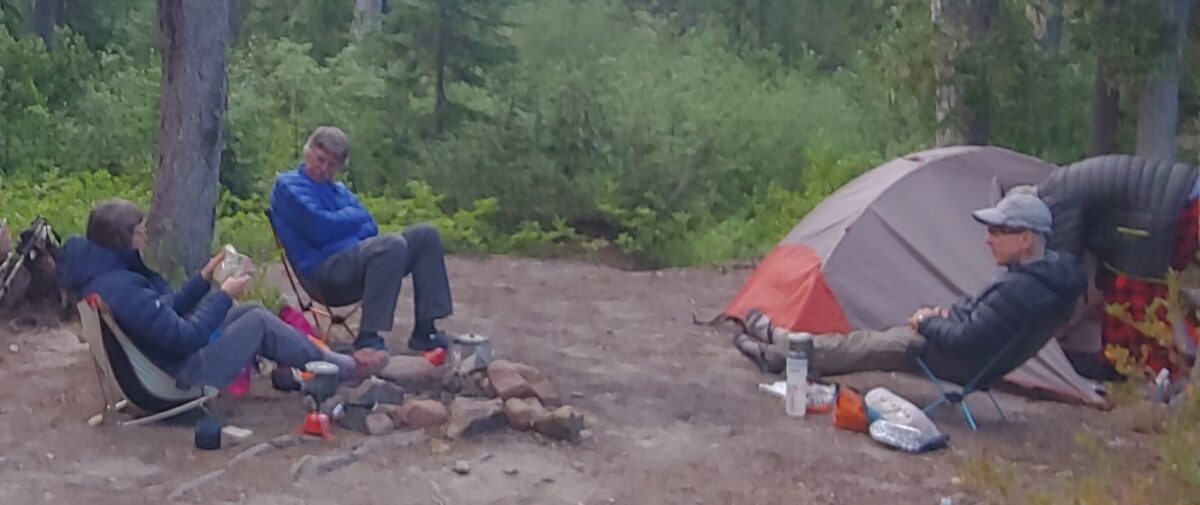
As an older backpacker, what has become apparent to me over the past few years is that my needs on trail are changing. As we age, we may encounter various new challenges, including muscle loss, joint and muscle pain, a slower metabolism, reduced energy levels, hormonal shifts, changes in mental sharpness, balance, vision, and hearing, as well as increased concerns from family members about our safety while hiking in the wilderness.
Elderly hikers are more likely to suffer from balance-related falls, cardiopulmonary-related events (including strokes and heart attacks), and slower recovery times in response to the type of exertion demanded by hiking several hours a day with a heavy backpack.
Without addressing these emerging issues, aging backpackers can risk discomfort, disorientation, injury or worse. The good news is that as gear improves and technology allows for increasingly lighter equipment, there are ways to improve gear choices, even on a fixed income.
During the past four hiking seasons, I have continued my quest to keep my pack weight as low as possible, but I have also added some items to my arsenal that I believe will help keep me out there longer and with less discomfort and risk. Although the cost of new gear can be a challenge, I found ways to accomplish my goals: I didn’t have the money to replace all my gear with ultralight alternatives right away, so I decided to chip away at it as I could. I scoured online gear sites, budgeted for purchases and waited for sales. I started asking my family for gift cards to REI and Amazon for holidays and birthdays, and created wish lists on those sites so that they would buy me what I really wanted for special occasions. I also shopped used gear websites and stores, where I found some great deals on slightly used gear at a fraction of the price of the new versions. Slowly but surely, I made positive changes.
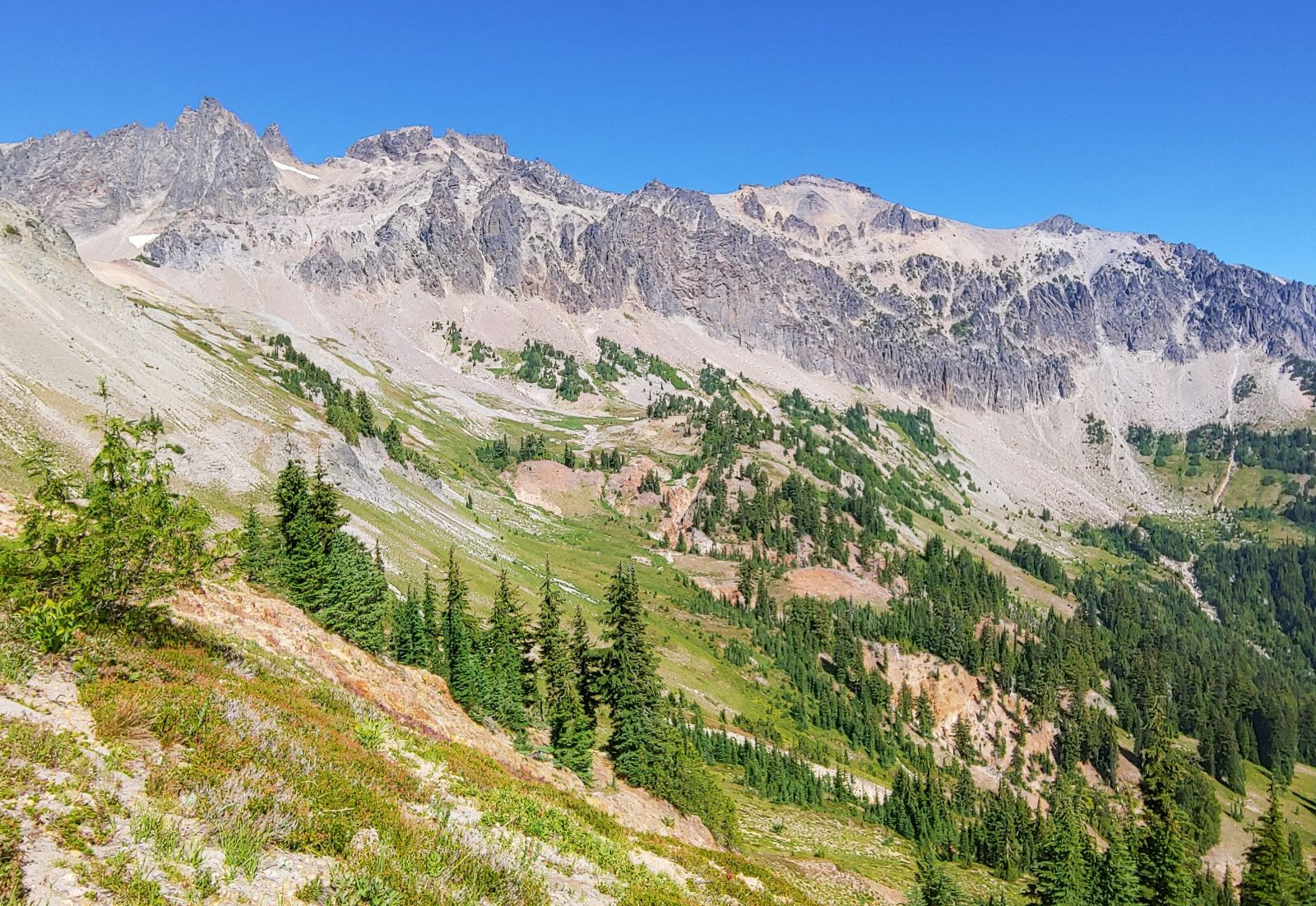
The other challenge posed during this process of creating more comfort on trail was doing so without increasing my pack weight. At this point, I’m quite happy with my new items, but in adding them, I have had to figure out how to compensate for the extra weight by finding ways to scale back. Thus the great conundrum of the aging backpacker: skimp too much and be miserable and hurting in the backwoods; add weight and increase the possibility of pain and injury. Here are a few ways I have tackled this problem.
Three summers ago, while hiking the Timberline Trail around Mt. Hood in Oregon, I met a Pacific Crest Trail thru-hiker. During our chat, he told me about an unfortunate event that had happened to him at a town stop in California: He left his pack outside a little store while doing a quick resupply, and when he came out, his pack was gone. When locals in this trail town heard of the young man’s plight, they rallied together and replaced all his gear. Some of the replacements were second-hand, and most were not of the same brand he’d had before, but he was grateful that his hike didn’t have to end abruptly in that little town. When I met him, he had been using his new-to-him gear for a month, and he told me about a pleasant surprise he’d experienced: The Exped Ultra sleep pad he’d been given was now his favorite piece of gear. The used pad donated to him had a puncture in it that was duct-taped over, and it was much heavier than his previous pad, but even so, he said it was the most comfortable pad he’d ever slept on and that he planned to purchase a new one.
1. A more comfortable sleeping pad
That conversation launched what would become a four-year pack reprioritization for me. I wondered if there were tradeoffs I could and should make as an older hiker to help me stay stronger, last longer and feel better while on trail. I had been using a Therm-a-Rest NeoAir Uberlight pad, gloriously tiny and weighing just 8.8 ounces (249 grams), but I had been waking up multiple times a night with sore hips while using that pad. It was also noisy, narrow and a bit slippery, too, so I slid off the pad numerous times each night. Could I justify switching to the Exped Ultra 5R MW, weighing in at 1.6 pounds (0.74 kg)? And if I did make the change, could I find a way to shave off that added pound elsewhere in my pack? I decided it would be worth a try.
I ordered the Exped, and have now slept on it multiple times. The added cushion and comfort — and better sleep — are worth every extra ounce, so the next step for me was to find a way to shed a pound from my pack to keep the scales balanced. I began with the most obvious place: my pack itself.
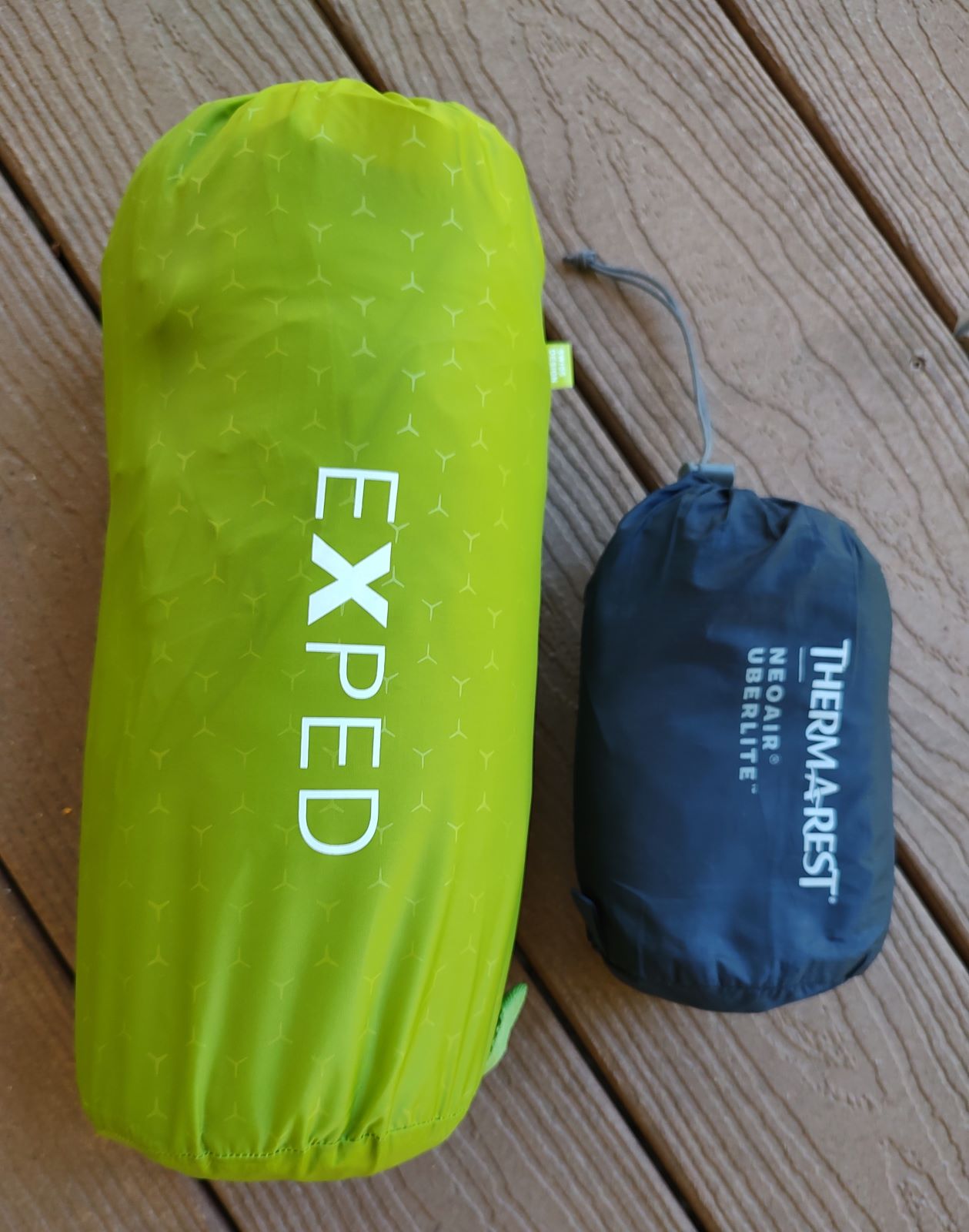
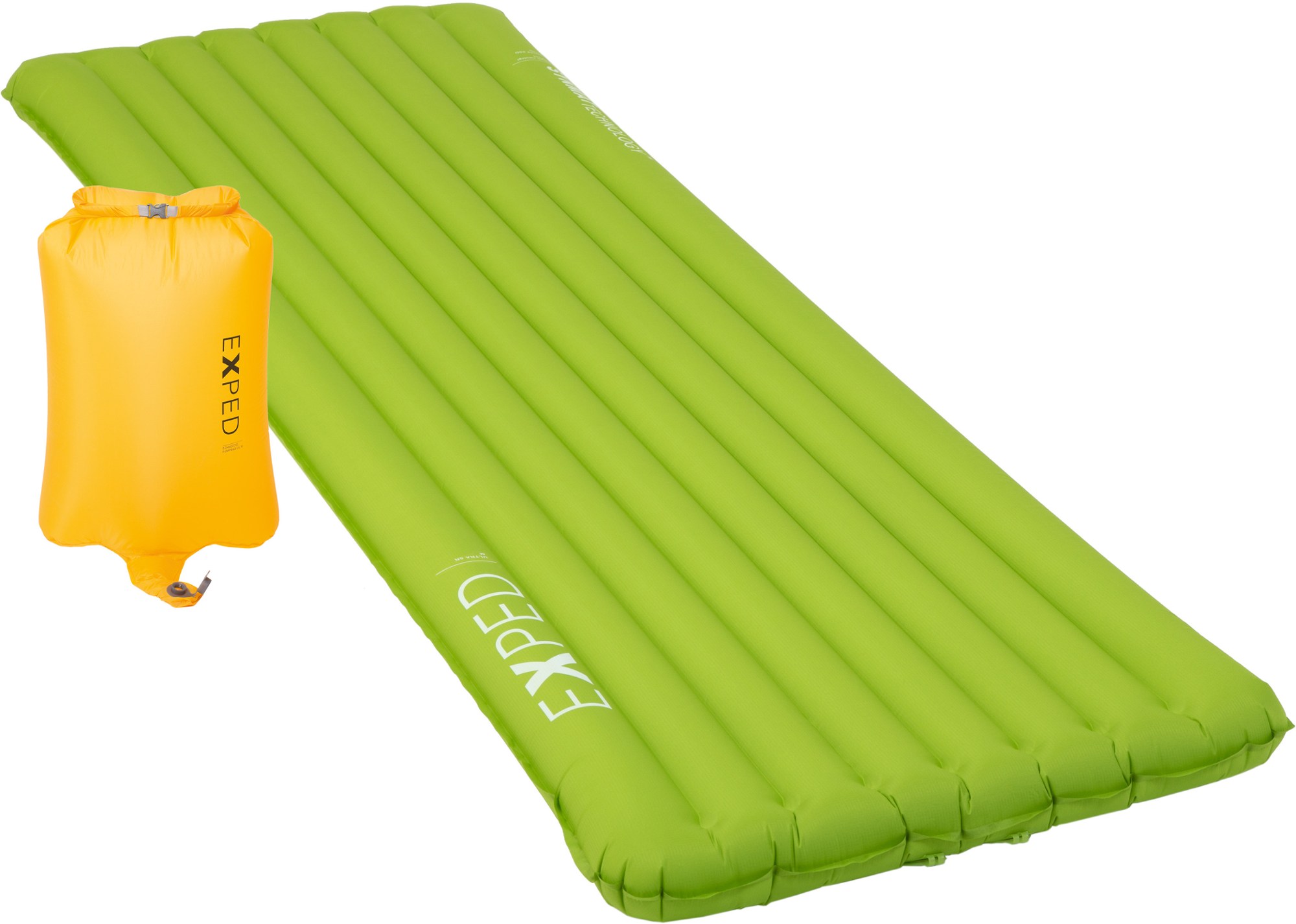
R-4.8, 3 inches thick, longitudinal baffling, 20D polyester fabrics, internal baffle welding increases stability and reduces air movement, insulated with polyester microfibers, oversized outer chambers create a cradle, Schnozzel bag included for inflation. Availalbe in medium, medium-wide, and long-wide sizes.
2. A lighter backpack
I had been carrying an Osprey Aura AG 65 (3.8 lbs / 1.7 kg) and started researching ultralight packs. Though the Osprey’s frame was comfortable and provided nice support for me, I decided I was ready to graduate to an ultralight pack.
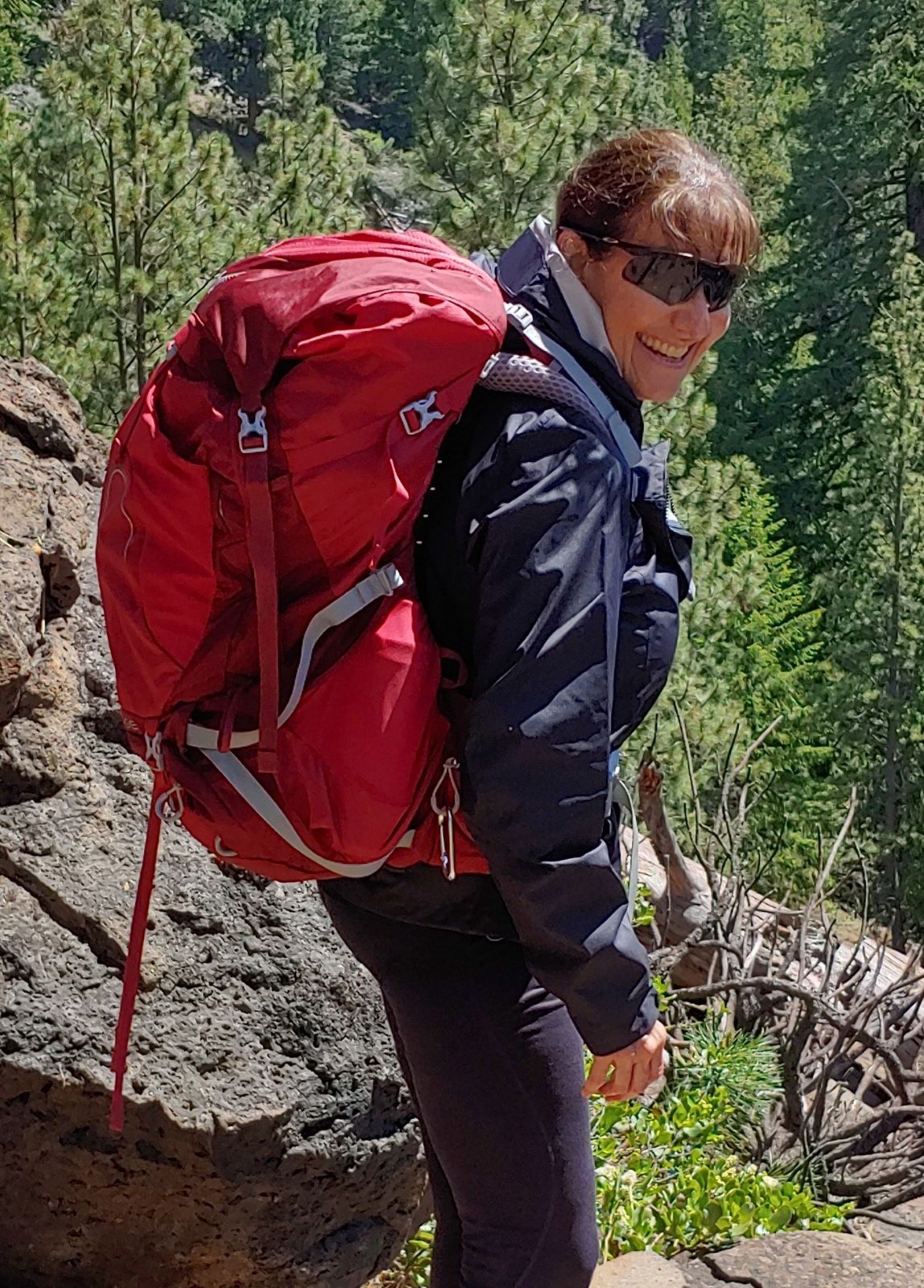
I chose the Gossamer Gear Mariposa 60 (2.1 lbs / 1 kg), which instantly shaved off the extra pound of weight and then some. Perfect! The pack went on sale during a Memorial Day weekend special the following spring, so I snatched it up. With this, I pondered other changes I might make that would create more on-trail comfort while simultaneously shaving off weight.
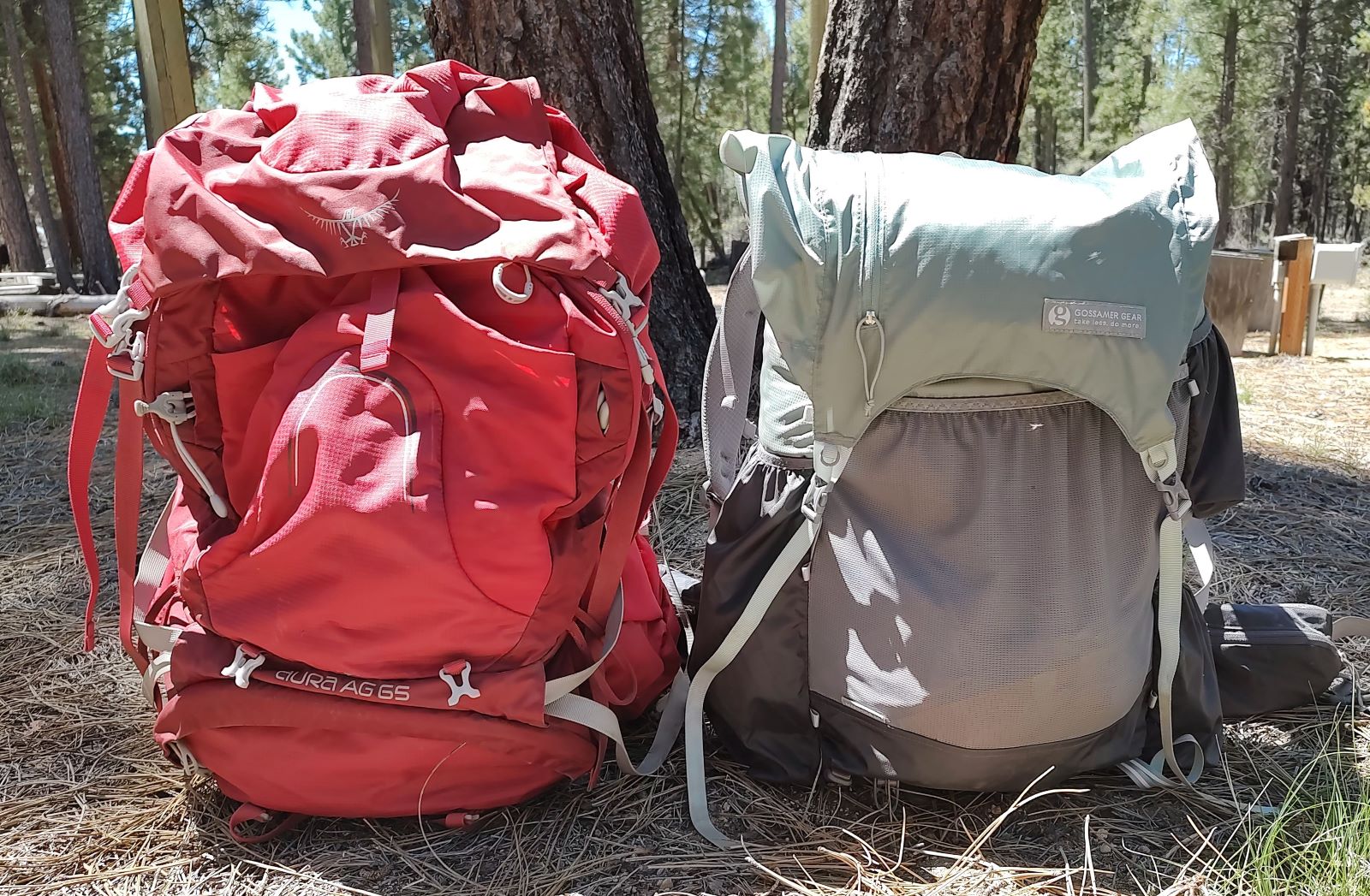
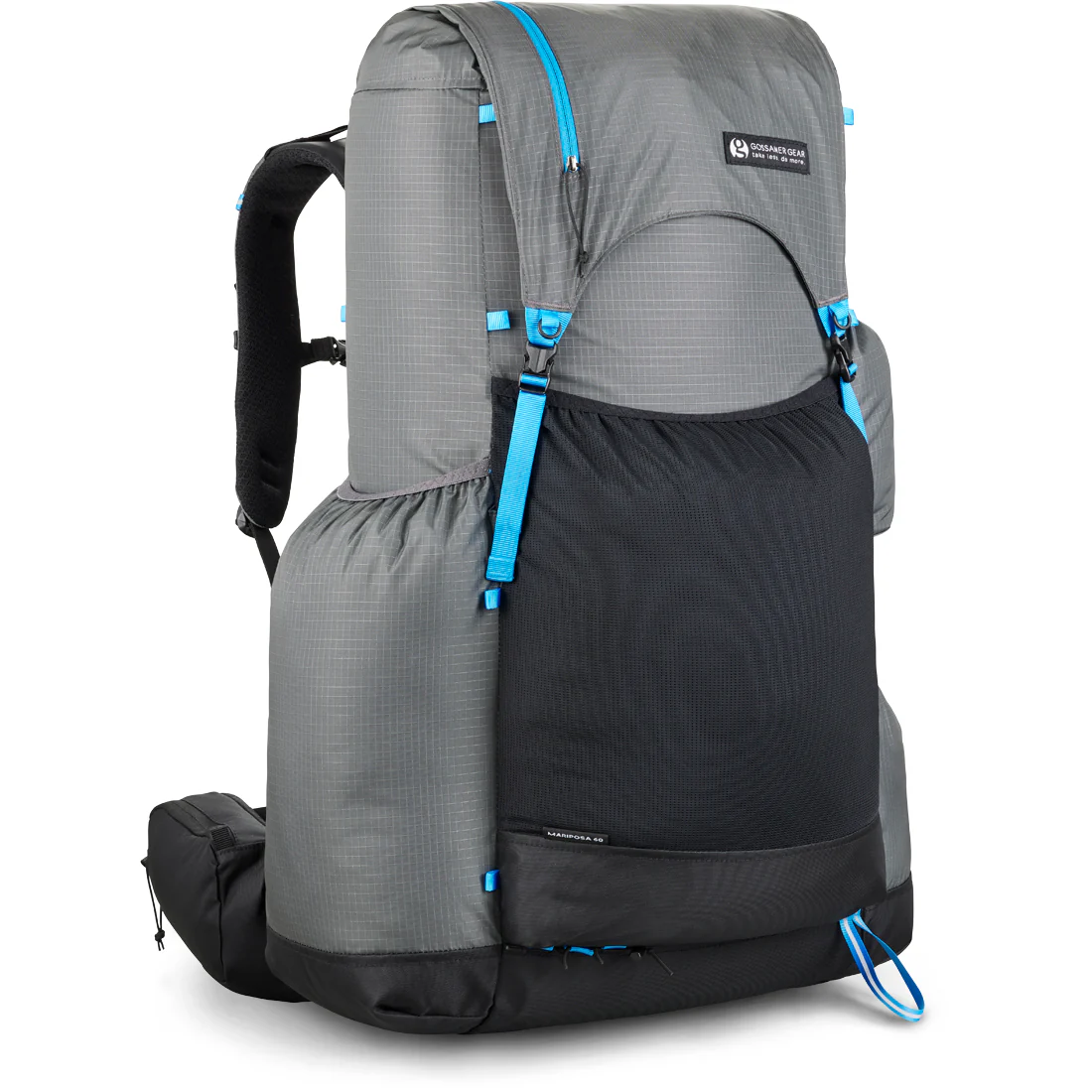
Now with a new pivot hip belt system, customizable belt options, and more functional load lifters. 60L capacity, S-curve harness, large external stretch mesh pocket, trekking pole attachments, Robic fabrics (100D and 210D). 30 lb comfortable load carrying capacity.
3. Adding a camp chair
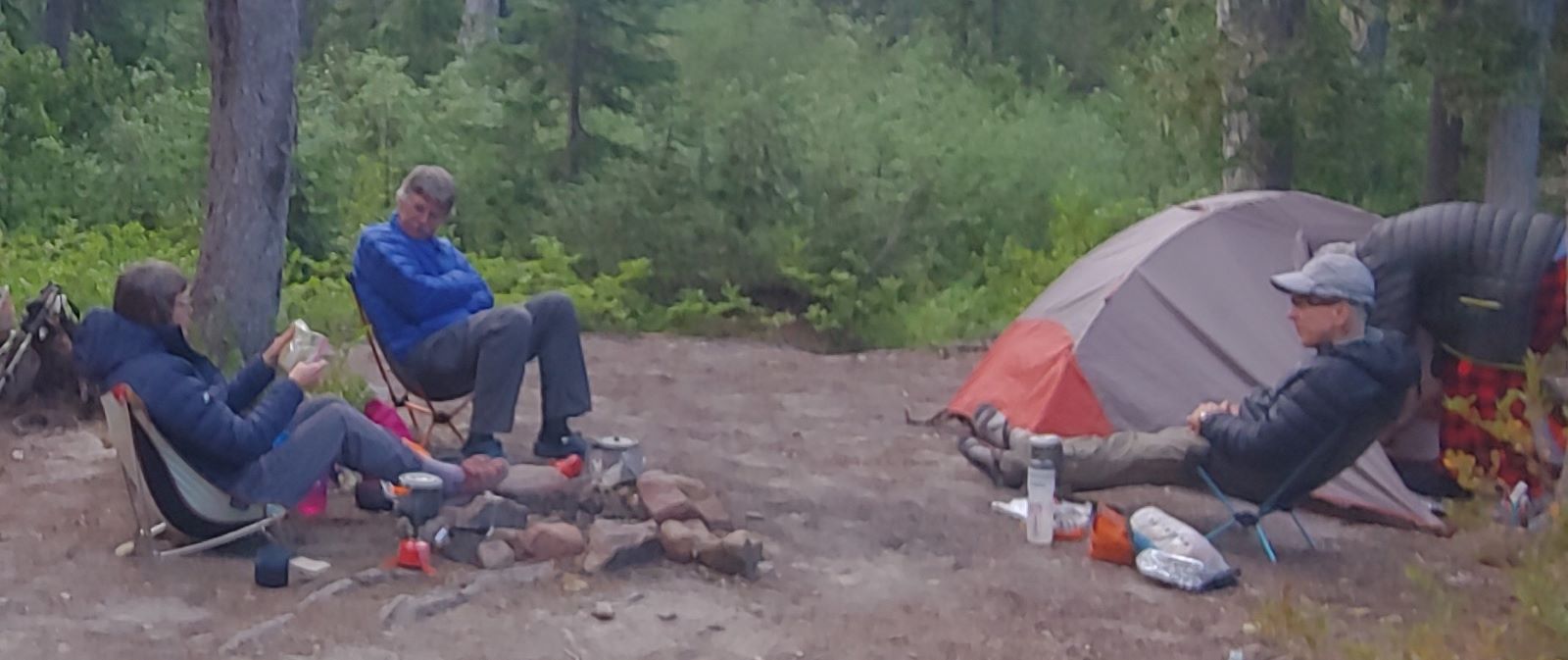
A year later, the summer after my Timberline hike, I took a four-night backpacking trip in the Goat Rocks Wilderness of Washington, and three of my hiking partners were carrying ultralight camp chairs. This seemed an unnecessary indulgence to me, but at the end of the long and tiring hiking days, I looked longingly at those chairs, and snuck in a few sits on them. Blessed relief! Sitting on the ground was uncomfortable and at times even a bit painful for me — particularly with no support for my back — so I came home and did my research. I purchased the Helinox Chair Zero (1 lbs / 0.5 kg) during a sale at REI. Though I wouldn’t carry my chair on a thru-hike, for shorter trips and section hikes, that extra pound brings much comfort. The problem? Now I had to find a way to cut my pack weight down by another pound.

The most popular ultralight camp chair in the world, and one of the lighter pole-framed sling chairs available. 7000-series aluminum shock-corded frame, Aramid ripstop nylon support fabric. 14" x 4" x 4" packed size. 25" seat height, 20" width, 18" depth. 265 lb seating capacity. See our review.
4. Switching to a smaller, lighter food bag
On a trip in the Strawberry Mountains of Eastern Oregon last summer, one of my backpacking partners questioned why I was carrying a Kevlar Ursack food bag (5 oz / 28 g). I loved the security of knowing that my food bag was incredibly critter-proof, but I had to admit it was a bit heavy for my purposes, and its large capacity made it tempting to pack more food than I needed. Upon returning home, I purchased an REI Lightweight Stuff Sack (1 ounce) and shaved off several ounces. While I might opt to use my Ursack on a thru-hike, for shorter trips and when I know I’ll do a bear hang, the REI sack is just fine. This gear swap, however, still left me 12 ounces over my previous pack weight because of the chair, so I had to find more ways to tip the scales back in the right direction.
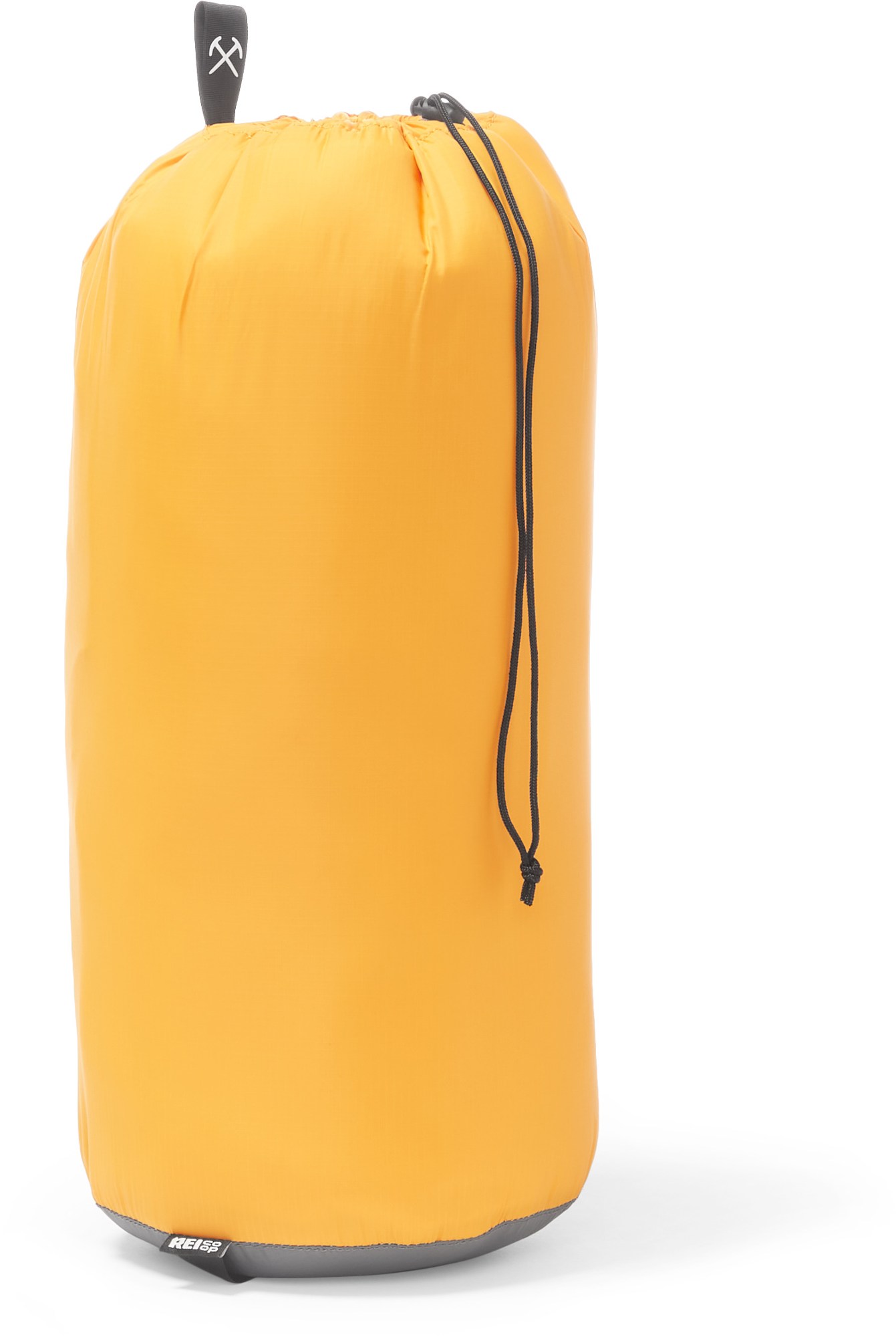
Simple, durable, affordable, light, and well-made. A very good choice for a stuff sack when you don't need to spend the money on DCF or silnylon and need more durability. Available in 15L and 20L sizes for sleeping bags, shelters, food bags, etc.
5. A tent upgrade shaves off another 2.6 pounds
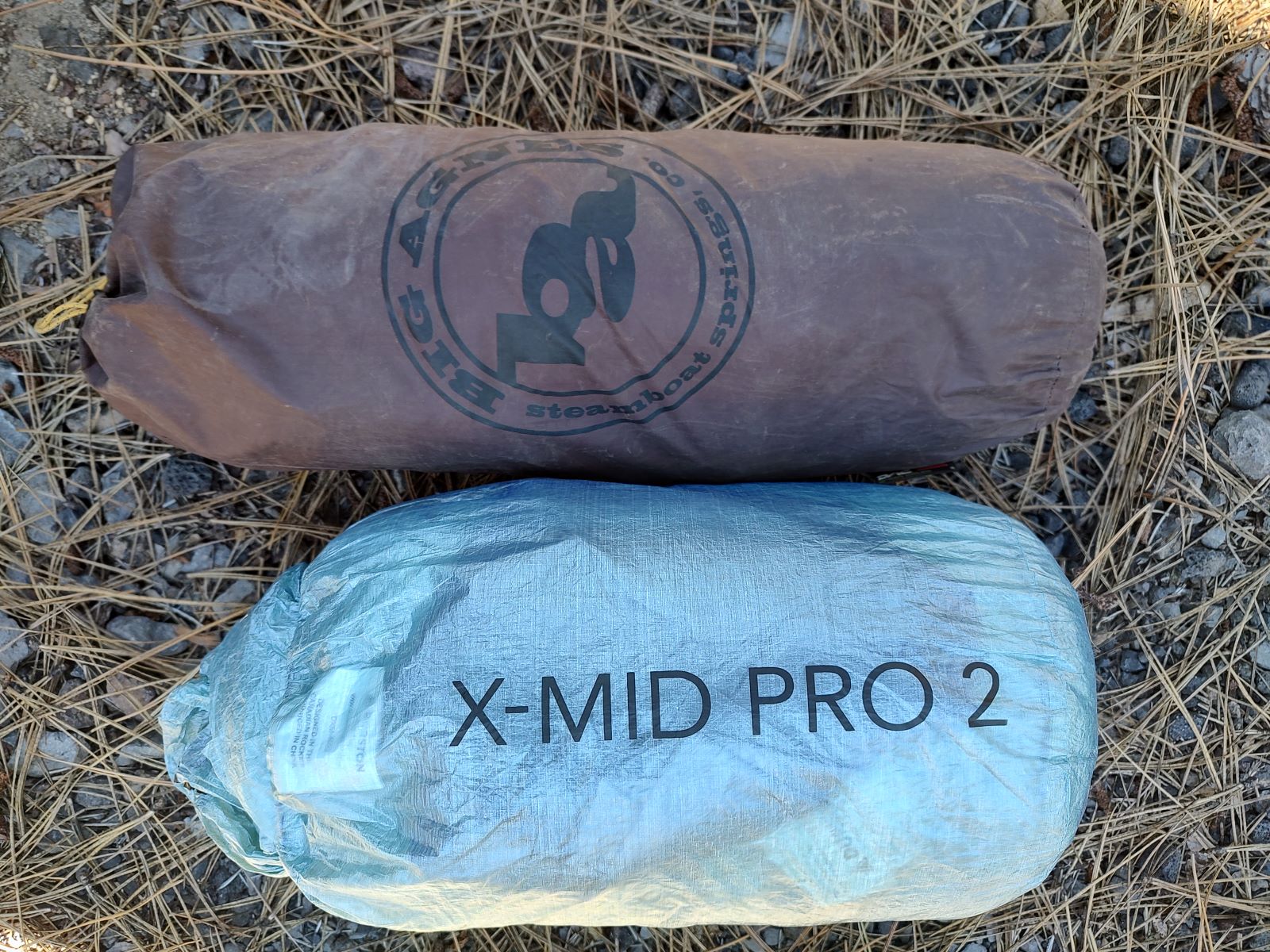
In preparation for this year’s backpacking season, I found a significant way to reduce my pack weight. After several years of sleeping in my beloved Big Agnes Fly Creek 2 (classic version) tent (3.5 lbs / 1.6 kg), I took a big leap and purchased a Durston X-Mid Pro 2 with DCF (Dyneema) flooring (17.9 oz / 507 g). By investing in the new Durston tent, I cut my base weight back by another 2.6 pounds (1.2 kg). My new tent was expensive, but after budgeting for it all winter, I was able to order it in the spring. I did a couple of practice pitches in my backyard, and took the tent out recently for its maiden journey. I love it! The reduction in pack weight by switching to this tent is notable and provided welcome relief during my recent outing.
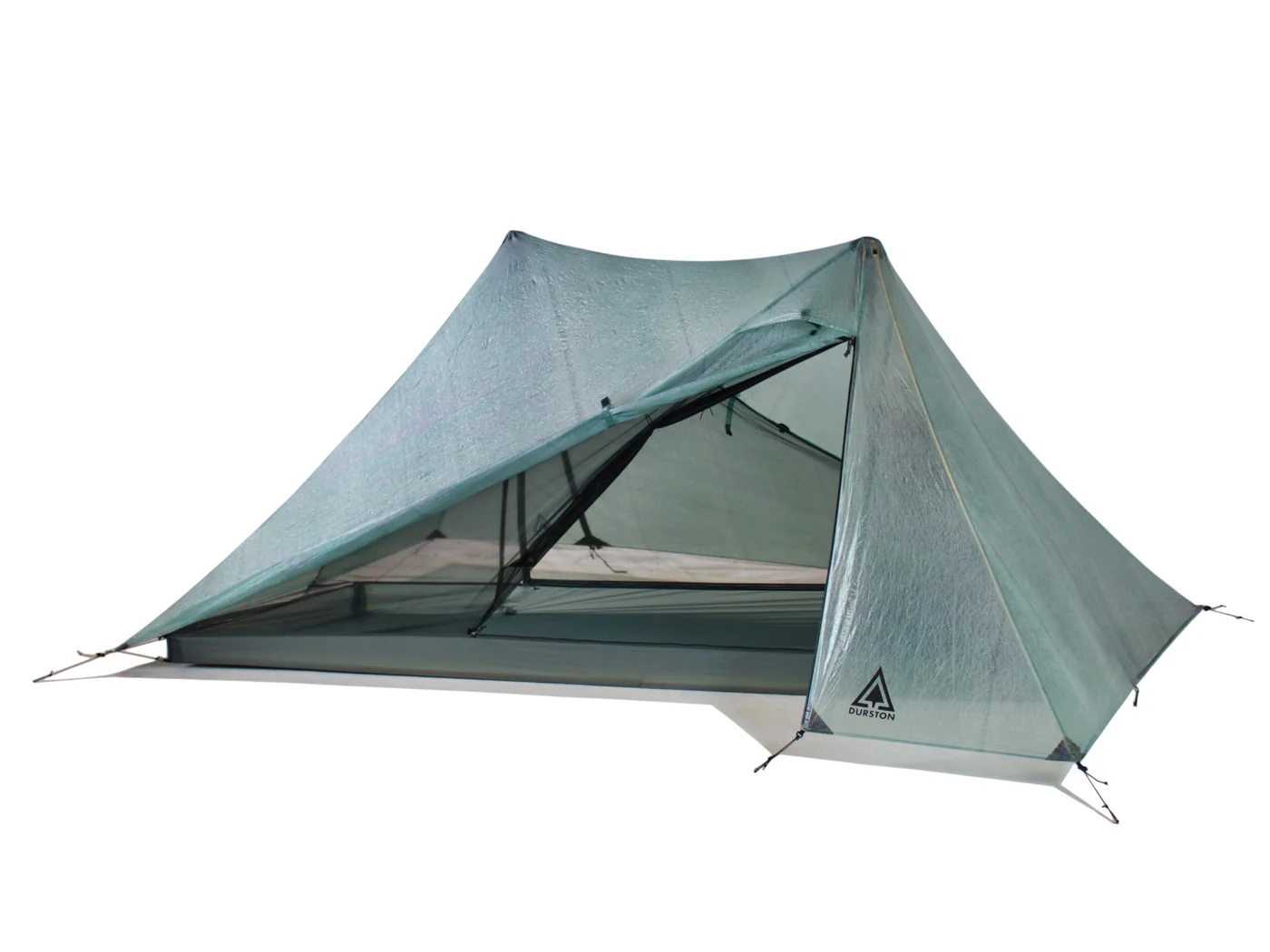
The Durston X-Mid Pro 1 is a single-person hybrid single-wall DCF trekking-pole tent with patented X-Mid geometry, twin offset poles, dual doors and vestibules, a tensioned bathtub floor, 0.55 DCF canopy, optional floor fabrics, and a listed tent weight from 15.5 oz / 440 g.
More ways I reduce pack weight
My quest to add comfort while concurrently reducing pack weight won’t stop with my new tent: I have figured out that there are other ways I can safely trim back.
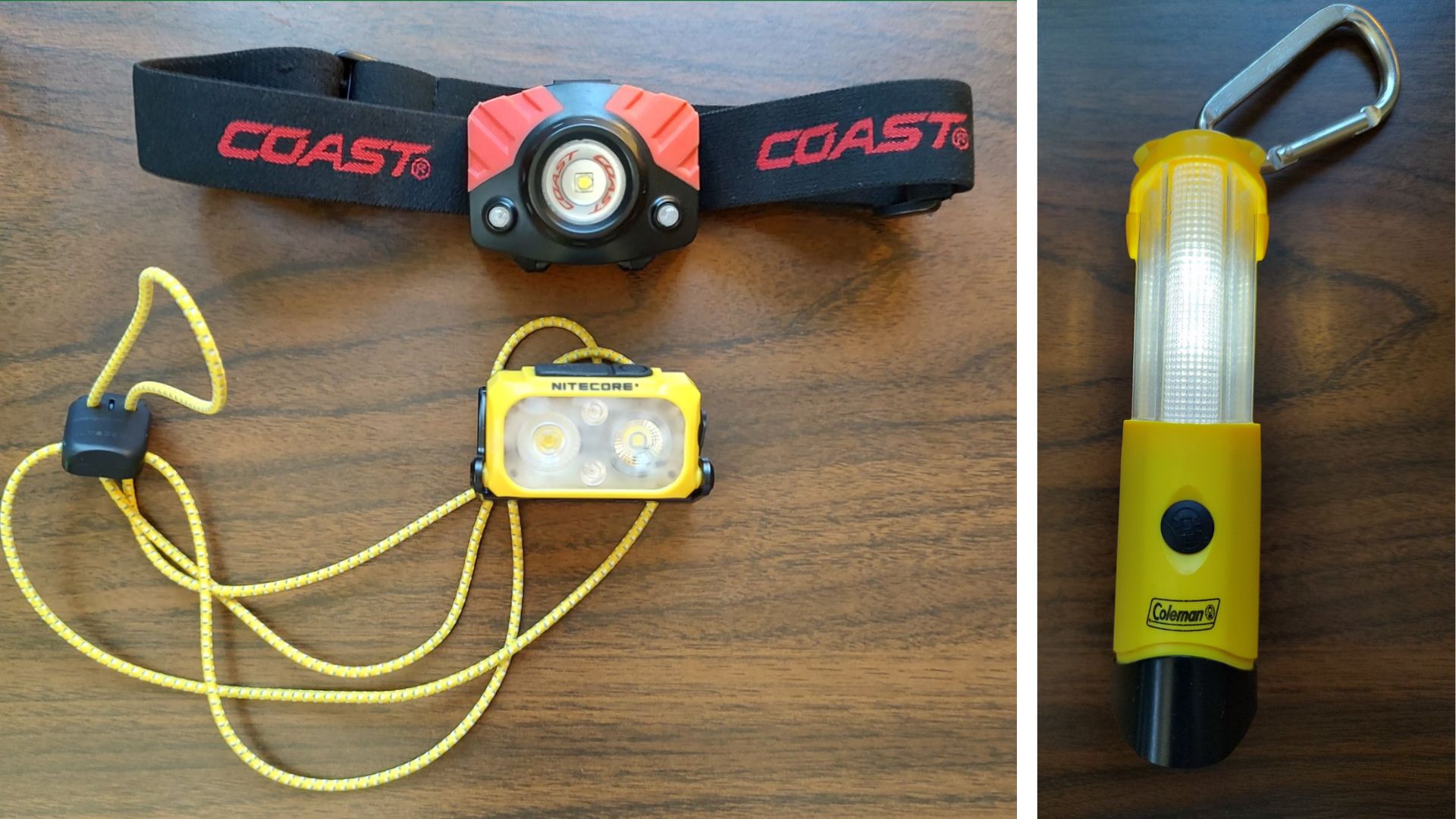
A few of those include:
First Aid Kit – My previous kit contained an abundance of supplies, from multiple sizes of Band-Aids to gauze and scissors, tweezers, a sewing kit, a variety of medicines, two emergency foil blankets and more. Now, my kit has the basics of what I might need, but not as much or as many of each item. I no longer pack my fears in my first aid kit; I include just enough to get by until help arrives if I have an emergency. My kit went from 18 ounces (510 g) to 9 ounces (255 g).
Lighting – Up until now, I used a Coast headlamp I purchased at Costco, (3.8 oz / 108 g) and packed a Coleman mini lantern (7.4 oz / 210 g) as a backup light. I recently upgraded to a Nitecore NU25 UL headlamp (1.6 oz / 45 g), and, knowing my phone has a built-in flashlight I can use as a backup, I will no longer carry the mini lantern. These simple modifications will save me 9.6 ounces.
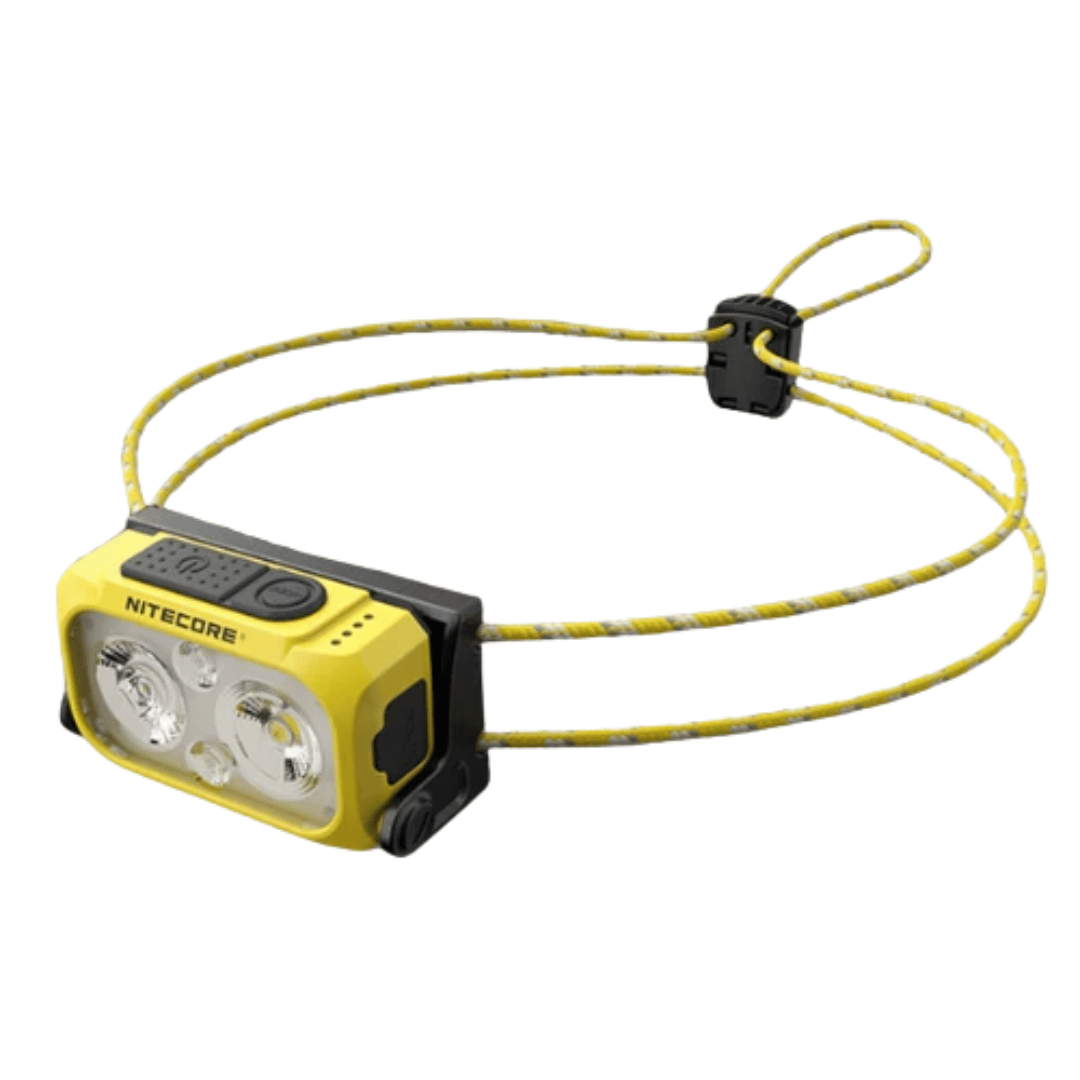
Our pick for an ultralight headlamp that's still bright, functional, and comfortable to wear. USB-C rechargeable, weight includes 650mAh li-ion battery. IP66 ingress protection, 70 yard peak beam distance, 1029cd peak beam intensity, 400 lumens. Spot, flood, and red light modes. Dual switches, lockout functionality, built-in battery life indicator. Runtime ranges from 2 hr 45 min (high - 400 lumens) to 10 hr 25 min (low - 60 lumens).
Food – I will still carry one extra day’s worth of food as prescribed by the 10 essentials, but I won’t carry extras beyond that. Knowing that it takes weeks for hiker hunger to set in, I don’t worry about packing extra food and snacks. It’s extra weight that I’ll likely bring home with me.
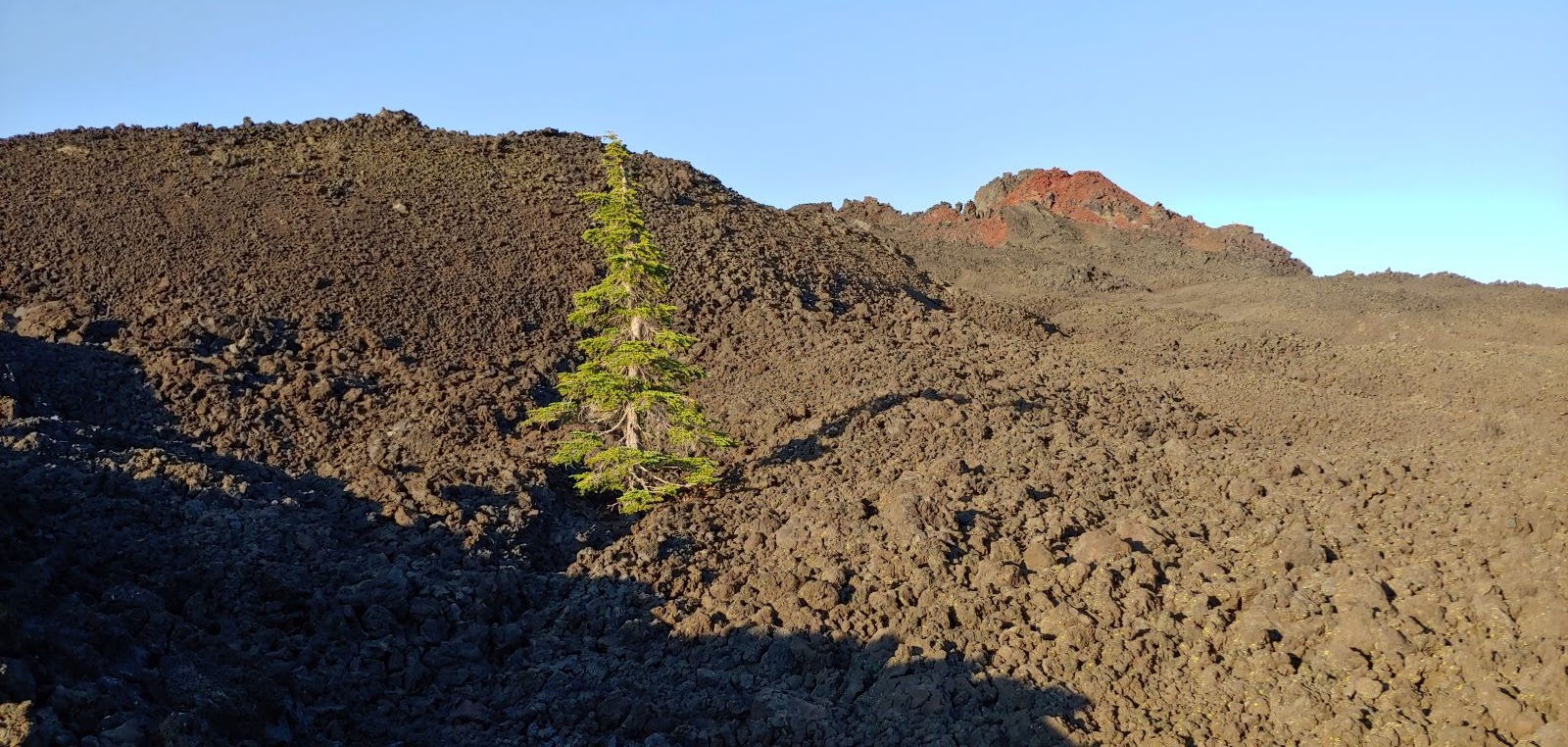
Water – This is a tough one for me: I have an irrational fear of running out of water on trail. While doing a 100-mile section hike on the PCT from Willamette Pass to Santiam Pass in Central Oregon a few years ago, there was a long waterless stretch over hot, steep, exposed lava rocks that involved an overnight dry camp. I had to carry about 24 hours’ worth of water, and in my fear, I carried 7 liters (!) of water (15.43 pounds). My trail buddies dubbed me “Water Girl” after that irrational carry, and I wound up dumping 2 liters at the next water source. My back complained about my bad judgment for weeks, and I learned the hard way to not go overboard with water.
Enjoying the process
I’m still learning how to balance the scales with my pack weight, and I know I’m not finished yet. Likely, I will never be finished, as gear evolves and my needs continue to change. But to date — even with my added creature comforts — I’ve managed to reduce my pack weight by more than 4 pounds (2 kg), and it’s made a big difference in my comfort and energy levels on trail. By replacing my gear one item and one sale at a time, I have lightened my load without emptying my bank account, and I’ve had a lot of fun in the process.


Discussion
Become a member to post in the forums.
Companion forum thread to: Comfort vs. Weight: Gear Guidance for Aging Backpackers
Ronni Wilde writes about her adventures lightening her pack to allow her to do more backpacking at an older age.
Good information, thanks. Maybe I passed you hiking around mt hood.
One thing I’ve noticed as I get older is my muscles are weaker. I have more problems balancing, crossing creeks. I can’t stand on one foot and put the other foot through my pants leg.
I’ve been doing squats with 5 pound dumbells and I’m much better. I’ve recently added standing up from sitting with one leg at a time
Try putting your pants on after you cross the creek.
I liked my Exped. Great customer service. I replaced it with a Thermarest, which was a mistake.
Always wait for the sales.
Good article.
maybe hopping across the stream on one foot, trying to put my other foot into my pants isn’t such a good idea : )
another problem about getting older is cognitive problems, like remembering not to do that
9/12/24
I’m a 72 yr old female, 118 lbs, 5’6″. Been “out there” all my life. Seems “lighter” kits more pricey. Think about saving grams all the time–dreaming about “how light can I reasonably go?” Save grams by having lighter pack, lighter, safer poles; wider, highly insulated pads; lighter tent; do NOT skimp on quality sleep. Ever. Helps me recover and avoid bad decisions by sleep deprivations!
Ditched my pricey, heavier cook ware and purchased alcohol super light) stove; carbon cup, chopsticks. Continually research “light” options. Now all items
MUST provide multiple uses. Sure, it’s awfully expensive. Most items obtained over many years. Sometimes items on sale too. It is possible. I have fallen and fractured bones… (most humans would) but discovered recovery seems annoyingly longer. I avoid steep decents and now carefully research Trail stats; If too steep, I’ve another plan. There are LOTS of flatter places to go.
My doctors, young, warn me, but can’t figure out why I have great BP, blood tests, avoid skeleton-related diseases and never get age-related illness. I know. So do you! It’s because we continue to hike. I figure it’s better to go slower than be sidelined with fear. Go.
Hey Ronni,
I nodded and smiled my way through your article. I’m 57 and have been going through a very similar process over the last 2 years- including buying a helinox chair zero (high back) a couple of weeks ago, weirdly enough. I’ve reduced the weight I carry by about 4kg – so much easier. I’m dreaming of a lighter backpack .. Like Jerry, I’ve also worked more on my fitness- lifting weights and walking steep hills with a pack filled with water bottles and practising my balance and ‘springiness’.
And, like you wrote, I realise I need good sleep and recovery time.
Naomi B, I want to be like you 😁
Megan
Great article! I think about these things all the time. I’m 60 and generally pretty comfortable sitting on the ground, and sleeping on a minimal mattress. But that might not always be the case.
Question on your REI stuff sack. Is it waterproof? I wouldn’t want to do a bear hang with a non-waterproof sack.
The story of the guy whose pack was stolen – that scares the crap out of me. I am always a bit paranoid about theft, having been the victim of thefts many times. Leaving packs outside stores and restaurants, or at a junction like trail crest or half dome while summiting, just seems so dicey. How sweet that the town pitched in to help.
As i age, I have to train more and more, because fitness departs quickly. Recovery definitely takes longer. Yoga helps immensely.
“Leaving packs outside stores and restaurants, or at a junction like trail crest or half dome while summiting, just seems so dicey.”
I would never leave anything (pack or other) outside a restaurant or store… take it inside! If they don’t like it ask if they can put in the back or behind the counter… ‘trail crest’… I assume you are talking Mt. Whitney… I have left my pack there many times with no issues… figure if someone is carrying my pack out I can catch up to them as I can move faster packless…. not to mention you could call the ranger station from the top of that pass and, hopefully, they can send a ranger up the trail to intercept…
Cycling (all outside) seems to advise all my long distance hiking as a “senior”: temperature regulation, hydration, nutrition, techniques; exposure to elements; protecting tender parts of anatomy.
Lighter fibers, water resistant fibers. Finding really good yearly medical stats, doctors. Shelter and restorative sleep aid recovery. Items light and functional, neurotically researching lighter options, generally helps me “win” the battle against elements, age, decisions.
Learned as gotten “older” items selected ” lighter” items cost; although important, not critical in long run; recovery and/ or lightness is. Buy once: cry once. In other words: suck it up and buy the “best” once. I deliberately avoid topography which may injure me, as there are many places in the US and all over the world not damaging you.
Invest in lighter pack, poles; everything. Before you buy, research carefully. Being 18 means cheaper, heavier options; but being “senior” only means being very picky.
AK Granola, for a waterproof sack I got Osprey’s: https://www.rei.com/product/218049/osprey-ultralight-dry-sack?redirect-pup=false
Thank you for this article and topic. Although I am not quite “there” yet (age wise), I am rapidly approaching this next chapter in life and this topic has been on my mind a lot lately. I love sleeping under a tarp because of the weight savings and I enjoy the views. However, squirming in and out from under a tarp set up, especially as I get older and need more frequent potty breaks in the middle of the night, I find that choosing a shelter that is heavier but easier to exit and enter is worth the extra weight. I am going through a similar exercise of changing my gear a little and trying to offset the weight in other areas. It’s a challenge.
Michael
I’m officially in the “older crowd”. I pretty much use my X-Therm year round now- it’s warm and comfy and not a ton heavier than the other pads I own (should say owned as I get rid of a bunch of them after settling on the X-Therm).
I’ll occasionally still tarp/bivy, but with Dyneema shelters getting so light, the weight savings are hardly there any more and without any shadow of a doubt- much more comfortable w/ a full bathtub floor, full netting and a vestibule for not much over a lb.
When my wife goes I really pull out all the stops—roomy (but a wee heavy) 3 person, free standing tent. Got some UL chairs a few years ago, this are now standard on our trips (and even occasionally on my trips). I used to sleep pretty hot, was generally comfortable with say a 40 degree bag in 30 degree weather—no longer :)
My packs are heavier now, but much more comfortable (and capable) than my old frameless packs.
So yeah my pack weight has slowly creeped up, but I still watch the weight carefully and cut where I can; but the old days of holding up one handed a 7-8 lb pack (all in) for 2-4 days are pretty much over.
Suggest that “Aging Backpackers” would be even more helpful if we knew the ages of people who write and respond. Late 50’s is very different than mid-to late 70’s for most of us. I’m 82 and still backpack only once or twice each summer-shorter hikes, fewer days than before- but hike each week with a group of women (will be our 30th year in Jan.) That helps with keeping in shape and I take a daypack with about 15 pounds of gear so the summer “jump” to 20-22 in my backpack is not such a major shift. I love to follow PCT or JMT hikers over 60 on YouTube as many are out there also dealing with comfort vs. gear weight, etc.
66, soon to be 67 here
I’m an old backpacker/mountaineer and I’m ready for the hate these comments will likely engender. (I’m perhaps a “semi-light” backpacker. Over time, I’ve paired down my gear considerably, and traded out “bombproof” 1000 denier packs, heavy mountaineering boots, multiple sets of clothing, Hilleberg-style shelters, and excessive cooking stuff, for lighter, albeit generally less durable, gear.) Here are my observations:
– Clint Eastwood was right: “A man’s/woman’s got to know their limitations.”
– Getting, and staying, in excellent shape is probably as valuable as “weight saving.”
– I’ll fully endorse the writer’s comment about “balance” for older folks. Having gone through multiple knee replacements, hips, shoulders, etc. I’m very conscious that my balance isn’t what it used to be. I now always use trekking poles, and “take it easy” whenever there are roots or loose scree, etc. Every time I’m plodding along on dicey terrain and see the gazelles flying by me, I marvel at/envy their agility, and also quickly recall the old saying from SERE School: “It doesn’t matter so much ‘when’ you get there – it’s that you get there.” Having taken more than my share of tumbles due to haste (including shattered carbon fiber trekking poles), I now proceed methodically.
– There’s an old military saying: “Travel light, freeze at night.” Having also worked years ago as a NPS Ranger in the North Cascades, it’s amazing how otherwise sane people ignore reality and venture out woefully ill-prepared for the outdoors. Almost weekly we read about “ultra-light” folks (whether it’s light weight gear, or insufficient, inappropriate, gear) who perish for their mistakes.
– A particularly deadly sin is to skimp on the sleeping bag. Without the ability to get warm and sleep, calamity is lurking. (and here I’ll add my personal view, often disparaged on BPL, That a Wiggy’s synthetic bag, although not “ultra-light,” is advisable for anyone venturing in mountainous regions at any time of the year.)
– Going prepared for the worst weather may cost a few ounces, but may save you life.
– I’ll also suggest that skimping on lighting/batteries or power bank, first aid supplies, a foolproof fire starter, water stuff (in arid areas), and a PLB, is penny wise, pound foolish.
– I’ll conclude with a quip we used to say in the skydiving community: “There are old jumpers, and there are bold jumpers, but not too many old, bold jumpers!”
@ronni l Wilde do you need 60 liters? I did JMT with bear canister through Yosemite section with a 40 l pack. My son backpacks with a pilante Joey that makes my SWD 40 look huge. In general I do not carry a chair, but I can go 8 days with canister with 40 liters with some luxury. Smaller pack seems like prime candidate to cut some weight especially if you have already downsized a lantern, smaller tent, smaller first aid kit, less food.
by the way I live my swd with stays. Most comfortable pack I have ever had and I have tried most vendor’s packs (but not Pilante).
Take care
Congratulations Naomi B,
It sounds like you’ve arrived at a sensible approach to “lightweight backpacking/cycling.” As you’ve alluded to, it all starts with a realistic self-appraisal and the recognition of one’s capabilities. Good for you!
Terrific topic, well-written article. As a 66 years young female backpacker, I’ve been slowly transitioning my gear to as ultra-light as I can afford without sacrificing safety & my health. Ryan Jordan’s blog/website’s topics & members’ commentaries have assisted in that process. I especially like the equipment assessments and the gory technical details (I’m a retired engineering nerd.)
I use to carry a Gregory Jade 62L pack (too many convenient pouches/pockets that temped me to “stuff them”; carrying the little extras to assuage my trail fears. (Purchased at REI and was coached by an experienced backpacking employee.)
Now I use a ZPack, UL-62L zip pocket pack:
– with two hip pouches, 1 external mesh pocket for my: Snow Peak 900 ml pot (nested inside my Snow Peak 450 ml Titanium mug, MSR Deluxe Pocket Rock stove), RePack (Hyperlite Resoaking Pouch) & Toaks long spoon.
-the Hyperlite Phone Pouch for my iPhone, 1975 Silva Polaris compass (Girl Scout days), & Garmin inReach 1.
I switched from my Big Agnes UL2 Tiger Wall tent with Tyvex Groundsheet to the Dynema Durston Mid1 Pro with Durston ground sheet and the two carbon poles (so I can use my trekking poles for day hikes and my tent stays erect.)
This was the biggest weight savings. (Not only weight savings, but camp set-up time savings not having to “fiddle” with poles into the tent’s pole grommets then fiddling some more with the fly, then having to tension everything well.) I miss the spaciousness of the BA & the chance to leave the rain fly off to view the night’s stars. I also like the BA’s mesh for more “air.” I’m still fiddling with getting the corners’ staked correctly so the erected tent geometry is right. (I don’t like to have to fiddle with camp gear after a long day – I just want to rest.)
I did switch from a Nemo Jazz 30 degree sleeping bag to an Enlighten Equipment quilt (custom 950 fill 15 degree, with extra collar), as I did not sleep warm enough when October backpacking in the Sierra Palisades Glacier area. Much lighter and warmer.
I switched this year to a Nemo Extreme Tensor R8.3 sleep pad from the Big Agnes R5.3 (both pads are/was 72” long, 25” wide), because I slept too cold with the BA. I recognize that the pads are “heavy”, but I needed while sleeping warmth & soundness so I would not be delirious when making trail decisions. The trade-off carrying a heavier, wider pad is worth the warmth.
This summer’s Yosemite trip [with the Andrew Skurka group (I had “Flying Brian” as a guide)] my pack without water, fuel, food, and bear can weighed 15 pounds! With all that, a few extra clothing items, back up battery (Angkor 20,000), the pack weighed 25.6 pounds with 5 days of food (I dehydrate my own.)
This has been the effort of now backpacking for the past 6 years in the Sierras, where the terrain can be demanding due to distances my trail-mates wish to travel and the elevation.
Like everyone aging, I’ve had to be consistent with Pilates, weekly hikes (10-15 miles), weights, stretching, etc. to maintain muscle mass, stave off effects from COVID, and keeping abate the osteoporosis in hands, feet, hips, and knees.
I hope to continue to backpack for at least several more years in the Sierras to see the grandeur, the night skies with star (no light pollution), and see the endangered wildlife (pikas, yellow legged frogs, bears, big horned sheep, etc.) and gorgeous flora.
Cheers to us aging backpackers who are willing to reassess our gear and trade-out for both lightweight, comfort, and safety. Happy Trails!
I am 68 years old and have subscribed to the ultra light philosophy since I got serious about backpacking in my 40’s. At one point I had my base weight down to 12lbs but as I aged some luxury items crept back in. Through the years I used several versions of a crazy creek but it became increasingly more difficult to sit and stand in and out of the chair. I know carry an rei chair that is much easier to get in and out of
pack comfort is also a big plus. In my frenzy to shed weight I built my own pack, however, it did not withstand the rigors of multi day hikes. We don’t hear much about six moons designs in these forums but they have a new harness system which is kinder to my back than the Mariposa. So I have replaced my pack with this harness.
three years ago I switched to a comfortable and quiet big Agnes pad.
I also switched to an rei quilt about 5 years ago and it has served me well
the question now is at 68 do I replace my tent with a dcf optional $600 plus or do I keep using my smd lunar solo until it falls apart. I can always use a blue tarp in its place!
Thoughts?
Sixty eight years old and I earned every day of it. Salesmen must get a good kickpack from Gregory. I loved mine until I didn’t. Too stiff and heavy. Too many pockets to lose stuff in. I got a Porter with no pockets. Now I wish I had a few. Tent wise, if I didn’t have a DCF, I’d buy one. Or Ultra. As far as bold and old, I’m just very lucky. I’d been watching the smoke coming from under the instrument panel and felt the drop when the motor died. I followed the wise words of the jumpmaster. “You, you, you, you, and you…go. Sometimes you just have to go for it.
John Conley –
Almost weekly we read about “ultra-light” folks (whether it’s light weight gear, or insufficient, inappropriate, gear) who perish for their mistakes.
This is an extraordinary claim that requires extraordinary evidence. You’ve unfairly lumped two different categories of hiker into one: those with ultralight gear, and those with inappropriate gear,
to suggest that hikers with ultralight gear are needlessly putting themselves at risk. Nothing could be farther from the truth. Modern materials have made it possible to build ultralight gear that’s also appropriate for the conditions anticipated.
In 2013, 1,879 permits were issued to hike the Pacific Crest Trail. That number has ballooned to 7,852 permits in 2023. This huge rise in hikers is reflected throughout public lands in the US. It’s undeniable that there are more rescues than ever before, but given the dramatic rise in users, I haven’t seen any reports or studies that suggest there are more rescues per visitation rate, and/or that those rescues are directly attributed to people using ultralight gear vs simply being inexperienced and poorly prepared in general.
I don’t read weekly about ultralight backpackers perishing out there and I do read news daily (until I can escape it by going backpacking). That is quite the claim, and likely vastly inflated. I don’t even know when I’ve read about a prepared backpacker perishing due to UL gear.
In addition to the significant increase in overall numbers of people hiking and backpacking in the last decade, it seems to me that there are a lot more people doing these activities well into their older years, 65+. Those advanced ages will likely result in more disappearances and deaths too, but probably more from heart attacks and strokes, or falls, than from UL gear. If I make it to 80 and I’m hiking past a gorgeous alpine lake when the ticker stops, I don’t object.
I’m 59, with a history of major knee injuries and shoulder dislocation (recovering from my second one now – wallaby knocked me off my bike… not as bad as being chased by a bear 😁). In the last 2 years I have focused on going safely and durably lighter, knowing that I need gear that suits rough, off- track walks. Ive reduced my pack load by about 5-6 kgs so far. It has made such a difference, I can imagine walking when I am in my 70s now, and I have not given up any comfort nor safety.
PS this discussion is helping me to justify buying a new pack – to replace my lovely- but-1.5kg heavier – backpack. Yay! Keep posting 😉
57 years old here. I’ve been fairly active and healthy all my life. My back, knees, etc. are still decent. But as I age I do realize that I need to be more smart about what I do with my body (although I don’t always). Lighter weight backpacking gear has played a huge part in my enjoyment of the great outdoors for over 30 years after my first week long trip with a #60+ pack.
I think you have to attempt to strike a balance of weight and comfort all while staying within your budget. It’s not always easy to do. It’s obviously different for everyone. And why forums like this are so beneficial for backpackers. That same trip I did over 30 years ago with 60 plus pounds I could do comfortably now with 20 pounds all in. :-D And I could do it without a $600 tent. Or a $400 pack or sleeping bag. Gear wise like others have said, I think an aging backpacker especially can benefit from a comfortable sleep system, a framed backpack for comfort, and trekking poles for those long down hills. I didn’t need any of those things in my 20s. HYOH!
I couldn’t afford those things in my 20’s.
Become a member to post in the forums.