In episode 113 of the Backpacking Light Podcast, we talk about current PAD PUMP trends in the ultralight cottage industry, the challenges faced by small businesses during the holiday season plus a few interesting stocking stuffers.
together with
Today’s episode of the Backpacking Light Podcast is sponsored by Garage Grown Gear, your hub for all things ultralight. Garage Grown Gear is dedicated to supporting the growth of small, startup, and cottage brands.
Listen
Summary
In episode 113 of the Backpacking Light Podcast, we talk about current PAD PUMP trends in the ultralight cottage industry, the challenges faced by small businesses during the holiday season plus a few interesting stocking stuffers.
The Nitecore NU20 Classic Headlamp delivers 360 lumens of bright, consistent light with a lightweight design and USB-C rechargeable battery, offering reliable hands-free illumination for hikers and backpackers in demanding backcountry environments. Its compact form and efficient power management make it ideal for extended outdoor use.
The Alpenblow Micro Inflator is an ultralight, 8-gram (0.28 oz) device that inflates sleeping pads in approximately three minutes, drawing minimal power (18 mAh at 5V) from USB-C devices such as smartphones or power banks. Operating at a noise level of 42 dBA, it includes multiple nozzles compatible with Therm-a-Rest (WingLock), NEMO (Laylow), Big Agnes, Sea-to-Summit, and EXPED sleeping pad valves.
The Pad-Pal Air Pump by Rex Creations efficiently inflates sleeping pads with minimal effort using its compact, rechargeable design. Its lightweight build and integrated USB charging make it a convenient tool for hikers and backpackers seeking quick, reliable inflation on multi-day trips.
Save your breath, and leave the bulk of an inflation bag at home. One of the few pumps that actually works well and is still very light, with a decent battery life. You'll get 15 to 25 mattress inflations on a single charge if you use a full-sized mattress.
The Nitecore NB10000 Gen 3 Power Bank provides 10,000mAh of high-capacity, lightweight portable power with fast USB-C charging, designed for outdoor enthusiasts who need reliable energy for devices during extended trips in the backcountry. Its slim profile and durable construction offer efficient power management in rugged environments.
Executive Producer - Backpacking Light; Show Director and Host - Ryan Jordan; Producer - Chase Jordan; Theme music: Look for Me in the Mountains written by Chris Cunningham and Ryan Jordan, performed by Chris Cunningham (acoustic guitar, lead and harmony vocals, harmonica), Chad Langford (upright bass), and Tom Murphy (mandolin), produced by Basecamp Studios in Bozeman, Montana.
Sponsorship Policy: Backpacking Light does not accept compensation or donated/discounted products in exchange for product mentions or placements in editorial coverage, including any podcast episode content not excplicitly identified as sponsored content. Some (but not all) of the links in these show notes may be affiliate links. Learn more about affiliate commissions, influencer marketing, and our consumer advocacy work by reading our article Stop wasting money on gear.
Knowing how to properly care for your feet can make or break a hike, especially on longer trips. In this article, I examine available data on common foot and ankle injuries and discuss how to prevent them, as well as what to do when they occur in the field.
Our staff selects their favorite hiking, backpacking, and other backcountry gear that they’ve used over the past year – the next edition of our infamous Staff Picks!
Introduction
Each year, our staff selects their favorite backcountry gear from the past 12 months, and we look forward to you sharing your favorite gear of the year as well in the forum comments below!
Our Staff
This year’s staff picks contributors include our authors, educators, researchers, and operations staff:
Sarah Bennett
Bailey Bremner
Bill Budney
Roger Caffin
Jeff de Graffenried
Chase Jordan
Ryan Jordan
Stephanie Jordan
Matthew King
James Montavon
Sarah Ortiz
Jeffrey Podmayer
Drew Smith
Anna Swarts
Emyelene VanderVelden
Iago Vazquez
Mark Wetherington
Ronni Wilder
John Zombro
Table of Contents • Note: if this is a members-only article, some sections may only be available to Premium or Unlimited Members.
The Warbonnet Outdoors Original Blackbird features a unique dual-layer design that accommodates an integrated underquilt while offering versatile storage options with its built-in shelf. This design enhances insulation and organization for hikers and backpackers seeking efficiency in lightweight backcountry setups.
Ronni Wilde’s article on gear for aging backpackers made the case for spending some weight on a bigger and better sleeping pad. An alternative strategy is to spend that weight on a hammock. I had a minimalist Hennessy Hammock for years, but was never really satisfied with it. The Warbonnet Outdoors Blackbird Hammock is just a few ounces heavier, but provides a much better sleeping space. In particular, the geometry of the Warbonnet makes for a flatter lay and better accessibility to night-time essentials (water, electronics, extra layers). Wrapping oneself in a down cocoon (underquilt below, top quilt above) creates a delightful sleeping experience. No pressure at all on aging hips and shoulders. The weight penalty (around 3 lbs for hammocking vs sub-2 lbs for tenting or tarping) is too great for me to consider hammocks for long hikes where I am covering 20+ miles per day. But the Warbonnet is now the foundation of my sleep system for shorter trips. – Drew Smith
The Durston X-Mid Pro 1 is a single-person hybrid single-wall DCF trekking-pole tent with patented X-Mid geometry, twin offset poles, dual doors and vestibules, a tensioned bathtub floor, 0.55 DCF canopy, optional floor fabrics, and a listed tent weight from 15.5 oz / 440 g.
The Durston X-Mid Pro 1 is a new addition to my kit this year. Once I figured out how to pitch it, which didn’t take long, it has been perfect for my solo treks. It is very enjoyable to use this piece of gear! – Jeff de Graffenried
R-4.8, 3 inches thick, longitudinal baffling, 20D polyester fabrics, internal baffle welding increases stability and reduces air movement, insulated with polyester microfibers, oversized outer chambers create a cradle, Schnozzel bag included for inflation. Availalbe in medium, medium-wide, and long-wide sizes.
As I am aging, getting adequate sleep has become very important to me both on and off trail. Two years ago, I purchased the Exped Ultra 5R MW sleep pad, and it has been a great addition to my sleep arsenal. Although it’s a pound heavier than the ultralight pad I had previously been using, the extra comfort, warmth and space this pad affords me is well worth the extra weight to me. I am a restless side sleeper who flips from side to side frequently, and my hips don’t get as sore during the night with this pad. It is also much quieter than my previous pad; I don’t feel like I’m waking up those camping nearby every time I roll over. – Ronni Wilde
The NEMO Down Mummy Sleeping Bag utilizes a lightweight down fill with a water-resistant shell to provide superior insulation and moisture management. Its tapered design minimizes weight while maximizing heat retention, making it ideal for backpackers and backcountry travelers prioritizing warmth and packability.
I know this is not the lightest item, but the Nemo Coda Down Mummy Sleeping Bag is really nice to be warm again after using quilts that leave something to be desired over the last few years. No drafts, incredibly warm, a decent amount of features. – Bailey Bremner
The Tarptent Double Rainbow Li offers a lightweight, two-person design with a double-wall construction that enhances ventilation and weather protection. Its versatile setup options and ample internal space make it an efficient choice for couples and backcountry travelers seeking balance between weight and comfort.
The Tarptent Double Rainbow Li tent is a great 2p ultralight tent for those who do not carry trekking poles. It is high quality and simple to set up, making it a great tent to lend to ultralight-curious friends. – James Montavon
The Gossamer Gear G4-20 Backpack features a minimalist design with a lightweight frame and adjustable components, optimizing load distribution for comfort on long hikes. Its 20-liter capacity is suitable for ultralight backpackers seeking efficiency and versatility in a packable, functional solution for backcountry travel.
The Gossamer Gear G4-20 Backpack is versatile and comfortable for multi-day trips, even when carrying glacier gear, food, and a helmet. Its large side pocket fits crampons and a harness, while the front kangaroo pocket holds a helmet, snacks, and rain gear. I love that the design allows for quick transitions and easy access to essentials. – Jeffrey Podmayer
Jeffrey Podmayer wearing his Gossamer Gear G4-20 pack high on an alpine ridge (Photo Credit: Jeffrey Podmayer)
The TINY is a versatile sleeping bag that functions as an envelope bag when zipped or transforms into a duvet when fully unfolded. It features a hidden zipper for easy wear as a shawl and buckled cuffs to maintain warmth while allowing for full mobility in various settings.
This versatile AegisMax WindHard Tiny Pro, 32F wearable quilt is multi-function, well-stuffed with 800 FP down, and has a light 10D shell. The baffled, 500 g (18 oz) fill, totalling about 28 oz (800 g), for two inches of loft, delivers a good warmth to weight ratio. The zippered head hole has a baffled collar so there is no cold spot when in quilt mode. The pad straps are too short, so I attach one side to separate pad straps (not included). – Bill Budney
Arc’teryx Sigma FL Pant
Arc’teryx Sigma FL Pant (Photo Credit: Trek Inn Outdoor Shop).
I love these hybrid soft-shell pants for summer alpine adventures. They’re light enough for a hot
and sunny approach, while still providing sufficient protection in cold, windy conditions. I bought these pants used, wore them for a whole season, and they still look brand new. Unfortunately, they are now discontinued – keep your eyes out for them in used gear marketplaces. – Sarah Ortiz
The Duluth Trading Company Armachillo Sun Shirt features a lightweight, moisture-wicking fabric with built-in UPF 40+ protection to shield against harmful UV rays. Its breathable design enhances comfort during outdoor activities, making it a practical choice for hikers and backpackers seeking effective sun protection in backcountry environments.
I picked up a Duluth Trading Company Armachillo Sun Shirt at a steep discount (Duluth Trading Co has many sales) and I couldn’t be happier, especially for the price point. I like that it is cut athletically with a longer torso so I don’t feel like I’m swimming in it while also not riding up if I raise my hands over my head. – Anna Swarts
The Fjäll Räven Abisko Women’s Trekking Tights HD are designed with a durable, stretchable fabric that offers moisture-wicking properties and UPF 50+ sun protection. Their reinforced areas enhance durability while maintaining comfort, making them suitable for hikers and backpackers seeking versatile and resilient performance in diverse backcountry conditions.
I have been living in the Fjäll Räven Abisko Women’s Trekking Tights HD for more than just this year. They are in the higher price range for tights but they are completely worth it. I have bushwhacked, scrambled, slid, and swam in these tights. They have seen some hard wear and are still in fantastic shape. – Emyelene VanderVelden
The Jolly Gear Triple Crown Button-Down is the only sun shirt integrating a full button-down front with a hood, offering adjustable ventilation rarely found in sun protective hiking apparel. Made from an 86% polyester, 14% spandex blend with antimicrobial and quick-drying properties, it includes zippered chest pockets, thumbholes, and a uniquely designed hood with a vent/hair hole and cinch cord. The body fabric is one of the highest air-permeable fabrics we've tested. Men's medium: 7.5 ounces (213 g) and up, depending on fabric choices.
The Jolly Gear Triple Crown Button Down Long Sleeve Shirt is my go-to for easy ventilation and sun protection. I love the big and secure chest pockets, especially when using it as a travel shirt- I can carry my phone and wallet (or my Ombraz!) securely and keep my pants pockets empty. – James Montavon
James Montavon showcasing his Jolly Gear Triple Crown Button Down Long Sleeve in an alpine meadow (Photo Credit: James Montavon).
The Kathmandu Heli R Women’s Hooded Down Jacket features high-fill-power down insulation for warmth and a water-resistant outer shell for protection in variable weather. Its lightweight design and adjustable hood provide efficient warmth and mobility, making it ideal for hikers and backpackers needing compact, reliable insulation in cold conditions.
I have a couple of down jackets with no hood (and pack an Enlightened Equipment Hoodlum), but I find with my sleep system, I sleep in my puffy most of the time and I find the jacket plus the Hoodlum rather bulky and uncomfortable. I bought a Kathmandu Heli R Women’s Hooded Down Jacket (synthetic hooded jacket) and found that it was far more comfortable and slightly lighter (and packable) than the jacket/hoodlum or the synthetic hooded jacket. This is also simpler, one less piece I have to remember when packing up. – Emyelene VanderVelden
The Montbell Rain Umbrero is a lightweight, packable rain hat with a water-resistant fabric and adjustable chin strap for a secure fit. Its wide brim provides added protection from rain and sun, making it an ideal accessory for hikers and backpackers seeking versatile headwear in variable weather conditions.
Light (1.8 oz), cool, rain proof and sun proof, plus the harness is brilliant: UHMWPE cord keeps the hat off of my head, like a weightless umbrella. The Montbell Rain Umbrero chin strap is Y-shaped on each side, like four guylines. It cannot blow off even in moderately strong wind. Folding it is a bit strange, but it can pack mostly flat(ish). If enough ultralighters wear them then they will become the new style! – Bill Budney
The Outdoor Research Echo is as close to nothing as I have found (that is also presentable anywhere). I did not miss short-sleeved shirts at all this past Summer. Not once. – Bill Budney
The Outdoor Research Swift Hat is a lightweight, quick-drying cap made from breathable, moisture-wicking fabric. Its built-in UPF 50+ protection and adjustable fit make it a practical choice for hikers and backpackers seeking reliable sun and weather protection in dynamic outdoor conditions.
The Outdoor Research Swift Hat is my go-to hat for non-alpine backpacking and hiking. It has a unique construction with light, soft mesh covered by a loose fabric panel, strategically placed to provide extra shade for the bald spot on my head. The two layers create a breezier feel than other hats I’ve tried. Also worth noting: it’s large enough to fit comfortably on my size 7 3/4 head. – Matthew King
The Packa is a lightweight, rainproof jacket designed to double as a pack cover, providing full rain protection for both the wearer and their gear. Its unique design allows for easy access to pack pockets while keeping gear dry, making it ideal for hikers and backpackers in wet conditions.
Rain Jacket, poncho and pack cover. Not perfect. But The Packa has been my favorite piece of raingear for most conditions, except for high exposure, alpine terrain. Not the lightest or smallest, but comfort can trump weight. I pair it with a ULA rain skirt, chaps or rain pants depending on temperatures. The taping has failed, and seam sealing the outside has become a necessity. – Iago Vazquez
The ULA Gear Rain Kilt is a lightweight, breathable rain skirt designed to provide full lower-body protection while maintaining ventilation. Its adjustable waistband and simple design make it an efficient, packable option for hikers and backpackers seeking effective rain coverage without added weight.
Rain kilts are great when it is warm out and not too windy. They also work well for warmth when the temps dip unexpectedly and to find some privacy when needed. The ULA Gear Rain Kilt is easy and fast to deploy, and it has a simple velcro system that works generally well. – Iago Vazquez
I always have cold feet when I sleep, and after receiving Goosefeet Gear Down Socks for Christmas last year,the problem is solved! The perfect addition to your backpack at only 2 oz for a pair. My favorite part is the elastic ankle cuff, which prevents drafts and keeps them from sliding off. – Stephanie Jordan
The Altra Lone Peak ALL-WTHR Low Trail Running Shoe - Women's features a waterproof eVent® upper, Altra's Balanced Cushioning™ platform, and a grippy MaxTrac™ outsole, engineered to deliver reliable performance in varied trail conditions, keeping feet dry and stable across wet, rocky, and unpredictable terrain.
Altra Lone Peak ALL-WTHR Low’s are my favorite shoes for winter hiking. The waterproof construction keeps my feet warm and dry. The wide toe box leaves plenty of room for wool socks and a liner. And that wide toe box keeps my toes relaxed and splayed out in the cold so they don’t cramp up. These, with my MICROspikes, give me access to long trail hikes in the winter – my favorite hiking season of all! – Stephanie Jordan
Thin-walled Tritan plastic than what you'll find in Nalgenes and other (heavier) water bottles. At 35mm, the opening is still small enough for easy glugging, but much easier to fill in lakes and stillwaters than narrow-mouthed 28mm bottles. Light - 3.2 oz. The 20-ounce capacity is perfect for shoulder strap or hip belt use or easy retrieval from backpack side pockets.
I feel a bit self-conscious recommending the Backpacking Light Tritan Water Bottle, but it’s truly a great one. I use mine daily for work and take it hiking on weekends. The size of the lid is Goldilocks perfect: large enough for adding powders and still comfortable for drinking. RJ mentioned you can remove the metal part of the cap to save weight, though he didn’t explain how. I was pleasantly surprised when mine popped off in the dishwasher, revealing a smooth plastic cap underneath. Perfect! – Matthew King
The Big Sky International Insulite Insulated Food Pouch features a durable, insulated design that helps maintain food temperature in the backcountry. Its compact size and lightweight construction make it a practical solution for hikers and backpackers looking to keep meals warm or cool during extended outdoor trips.
The Insulite Insulated Food Pouch by Big Sky International has been an unexpected treasure this past hiking season. I like cooking Knorr pastas out on trail, but they require a lot of fuel to cook the noodles. I ordered this pouch at the start of this past summer (size medium, 10” x 10”) for the purpose of trying to reduce fuel usage. I have not mastered cooking my Knorr noodles in this pouch, but what I have discovered is that it’s a terrific way to keep more delicate food items fresher while on trail. Two of my guilty eating pleasures while backpacking are fresh spinach leaves and chocolate. I always bring these items when I backpack, and when I stick them in this little pouch inside my food bag, they stay much fresher. This was not my intended purpose for this insulated pouch, and I intend to keep working on figuring out how to cook/rehydrate Knorr noodles with this, but in the meantime, it’s been a great addition to my food system. – Ronni Wilde
The Katadyn BeFree Water Filtration System 1.0L is a lightweight, fast-flowing filter with a 0.1-micron hollow fiber membrane that removes bacteria and protozoa. Its collapsible design and easy-to-use squeeze mechanism make it an efficient water purification solution for hikers and backpackers seeking portability and convenience.
The MSR Titan Kettle is a lightweight, durable titanium cooking vessel, designed for efficient boiling and cooking. Its foldable handle and compact design make it an ideal option for hikers and backpackers seeking a reliable, space-saving cookware solution for backcountry meals.
I’ve been using MSR Titan Kettle for over 15 years; it’s probably the oldest item in my backpacking kit. I’ve sipped coffee from it on chilly mornings on backpacking trips in a dozen different states, fetched water from hard-to-reach potholes in the desert with it, and used it to prepare hundreds of meals. While it’s not the lightest or fanciest, it’s one of the most useful pieces of gear I have. – Mark Wetherington
DIY SUL Remote Inverted Canister Winter Stove V7
As many of you know, I like making remote inverted canister stoves. I have made two sorts: ones with a more conventional upright burner, and others with a Vortex Burner. The latter tend to roar. I have sold many of both sorts to BPL members over the years. All my previous stoves have been very light – typically about 85-90 grams. After the V6 stove I got to wondering just how small and light I could make an upright version. One thing led to another, and I came up with the V7: a remote inverted canister stove for serious winter use, weighing about 45 grams, suitable for 1 or 2 people. It uses a titanium BRS-3000T burner head and it can push out over 2.5 kW at full power. I do recommend running at medium power: it uses less fuel. The stove goes well with a little titanium foil windscreen. – Roger Caffin
Read about the design and construction of Roger’s Stove here!
Roger Caffin’s V7 Remote Inverted Canister Stove (Photo Credit: Roger Caffin).
The Snow Peak Ti-Double 450 Anodized Mug is a lightweight, double-walled titanium mug with excellent heat retention and durability. Its 450ml capacity and compact design make it a practical, high-performance choice for hikers and backpackers seeking reliable, lightweight gear for hot beverages in the backcountry.
The Snow Peak Ti-Double 450 Anodized Mug is the first new item in my meal kit in a long time. Utensils are pretty minimal, a spork, a pot lid for a plate (maybe, sometimes it’s straight out of the bag and no pot), and a mug with a lid. I started with a plastic mug that was second hand (and free). 10-ish years ago I moved to a GSI Outdoors Infinity Mug. My gripe with both of my previous mugs is that my coffee is cold by the time I get to drink it (worse now that a toddler frequently interrupts coffee time.) I finally splurged and got a titanium double wall. So far it’s been my favorite new backpacking item. It cannot be used as a cookpot but neither can plastic mugs. The titanium is a slight weight penalty (149g vs 108g) but hot coffee is worth it. – Emyelene VanderVelden
The Snow Peak Titanium Spork is a lightweight, durable eating utensil made from high-quality titanium, offering a spoon and fork in one compact tool. Its corrosion-resistant design makes it an ideal choice for hikers and backpackers seeking a practical, long-lasting utensil for backcountry meals.
I love the Snow Peak Titanium Spork because it can be used for eating (obviously!), but even more, its sturdiness can be used to cut cheese, which makes eating my lunch that much easier. The only struggle I have with it, is that it blends into the rocks with its gray color, making me double check that I have it before I walk away from a breakspot or camp! – Jeffrey Podmayer
Navigation & Electronics
Paper Maps
Navigating with map and compass (Photo Credit: Ryan Jordan).
With how frequently and consistently we are bombarded with technology in our daily lives, it is sometimes nice to separate ourselves from technology and the security it provides and immerse ourselves in the backcountry. Navigation the old fashioned way using map, compass, and navigational skills such as triangulating one’s position and following handrails reconnects us to the landscape around us and disconnects us from the GPS ping, leading to a more natural wilderness experience. – Chase Jordan
Get 2X (or 4x with the Moment Pro Camera app) closer to your subject using a smartphone. Adds depth to portraits, landscapes, and video. Lots of glass and edge-to-edge sharpness on the latest iPhone and Android phones.
The Moment 58 mm lens ekes out a bit of telephoto depth when I’m using my smartphone as a camera. I’ve enjoyed bringing different perspectives of landscapes and wildlife back into my backcountry photography on trips where I haven’t been able to afford the extra weight of a separate camera. – Ryan Jordan
Mountain goat in the Central Colorado Rockies, taken with an iPhone 12 Pro and Moment 58 mm M-series lens. – Ryan Jordan photo.
I love all the features that are crammed into such a small headlamp at a modest weight. It’s easy to recharge, has many different modes, and is comfortable to wear. – Bailey Bremner
It’s small, light, rechargeable, & bright – everything I need in a headlamp – Jeff de Graffenried.
I ordered the Nitecore NU25 400 Lumens Headlamp last spring and used it throughout the summer, and it has become one of my favorite backpacking tools. I wasn’t sure how I’d like the threaded cord headband, but I am pleasantly surprised at how comfortable it is on my head. The lamp is so lightweight that it doesn’t bother me at all, and I even forget I’m wearing it at times. The headlamp is bright, simple to use, and I like that it’s rechargeable (my previous headlamp was not.) – Ronni WIlde
The Alpacka Scout Packraft is a lightweight, durable inflatable boat designed for solo backcountry adventures. Its compact size, stable design, and high-performance materials make it an ideal choice for hikers and backpackers looking to navigate rivers and lakes with minimal weight and maximum portability.
Even though I only used it on one backpacking trip this year, the Alpacka Scout brought me so much joy and a new perspective on the landscape in Glacier National Park that I feel compelled to include it. My fiancée and I did a three-night trip with low miles between the campsites — all of which were at lakes — so bringing along packrafts as a way to experience the lake in a more meaningful way was a great call. We were able to paddle around in the evenings and mornings for hours due to our leisurely itinerary and enjoy the views from the middle of the lake, rather than just the shore. We accessed great spots for fishing that would’ve been impossible to reach by foot and some nice swimming spots. The packrafts were worth every ounce of weight for the fun and freedom to explore they brought us. – Mark Wetherington
The Alpaca Raft Scout on a large lake (Photo Credit: Mark Wetherington).
The Alpacka Raft Forager Packraft is a versatile, durable inflatable boat designed for lightweight backcountry travel. Its larger size and higher weight capacity make it ideal for carrying gear, while its rugged construction ensures reliable performance in a variety of water conditions for solo or tandem adventures.
The Alpacka Raft Forager packraft was a new item for 2024 and just opens so many doors to incredible adventures, though it certainly ups the skill and weight game too. I love that it is able to fit me, my boyfriend, and both of our dogs in addition to all of our gear. It is pretty durable for an inflatable, you can scrape over rocks without worrying too much. Mostly it’s just so cool to be able to float back to the car at the end of a loop or hike to a stunning lake and paddle the next stretch. – Bailey Bremner
The Mammut Wall Rider MIPS Climbing Helmet combines lightweight comfort with advanced protection, featuring MIPS technology for added rotational impact safety. Designed for climbers, it offers a secure fit and ventilation, making it ideal for long, demanding routes in diverse conditions.
The Mammut Wall Rider MIPS helmet is the perfect all-around climbing helmet. It’s light and comfortable for alpine climbing and mountaineering, and it features MIPS technology to protect the wearer from brain injury following impact from climbing falls and falling rocks. I highly recommend this helmet for backpackers looking to take their first steps into mountaineering. – Sarah Ortiz
Sarah Ortiz climbing with her Mammut Wall Rider MIPS Climbing Helmet (Photo Credit: Sarah Ortiz).
The Verve Craft Instant Coffee Variety Pack offers high-quality, single-serve instant coffee in a range of flavors, perfect for outdoor adventures or quick breaks. Each packet dissolves easily, providing a convenient and flavorful caffeine boost with no brewing equipment required.
I originally picked up the Verve Craft Instant Coffee Variety Pack as a replacement for my Kuju Coffee Single Serving Pourovers that were out of stock at the local REI, but I was more than pleasantly surprised. I found all of the coffee flavors delicious, and even the fruitier profiles weren’t overpowering and sweet. Probably my favorite instant coffee I have found. – Chase Jordan
Kate's Real Food Peanut Butter Dark Chocolate Bar delivers 12g of protein and 360 calories per bar, offering a nutrient-dense source of energy in a compact, convenient package designed to fuel sustained exertion for backcountry travelers.
Kate’s Real Food Peanut Butter Dark Chocolate Bar is a nutritious and delicious snack for a long trek giving 3 grams of protein. I look forward to one daily and never tire of the yummy combo of chocolate and peanut butter. I like to get a move on in the morning, so it makes for a quick breakfast with a cup of coffee and the ability to get on the trail fast after breaking down camp. – Stephanie Jordan
The Benchmade Bugout features a 3.24-inch S30V stainless steel blade and a lightweight design, offering precision cutting and durability for backcountry tasks. Its Axis lock mechanism ensures reliable, one-handed deployment and secure blade operation in various outdoor conditions.
I have had one of the original Benchmade Bugout folding knives probably for 15 years. I think this is one of those rare products that is truly versatile and worth its rather hefty price. It is a large pocket knife but it’s quite light for its size. The type of steel that mine has is slightly different from the current model with CPM-S30V stainless steel, but it’s similar. Great combination of edge retention and easy re-sharpening. Excellent modified drop point blade design. Easy to carry within a zippered pocket or using the clip to ride higher. Good ergonomics and slip resistance in the handle. Axis locking mechanism. Great warranty. I’ve used this knife for everything from field processing an elk, cutting rope and “bratwurst/marshmallow sticks,” food prep, to light bushcrafting. It’s still as good today as the day I bought it. Rarely can you say something like that. – John Zombro
Consider this pick to be an extension of Ronni Wilde’s excellent article on gear for aging backpackers. Diclofenac is a topical gel used to reduce inflammation and pain in bony joints (wrists, ankles, knees, not hips and shoulders). I can confirm that these joints get achy in aging backpackers. Formerly prescription-only, diclofenac was approved for over-the-counter sale in 2020. Voltaren is the most-common brand name. Like other NSAIDs (non-steroidal anti-inflammatory drugs), diclofenac does have side-effects and contraindications. You can read about those here. – Drew Smith
Geotag Photos Pro automatically records GPS data while you take photos, syncing location information with images for easy mapping and organization. Compatible with iPhone and Android, it offers precise geotagging, enabling accurate location tracking for outdoor activities, fieldwork, or travel documentation.
One of life’s great mysteries is why crappy pocket cameras are GPS-enabled for geotagging, but high-end point-and-shoots (e.g, Sony RX100, Canon G7X) are not. Assuming you carry a smartphone along with your camera, Geotag Photos Pro provides a good solution for geotagging. The phone app allows you to set the frequency of GPS pinging to your preferred balance between location precision vs battery drain. I find a 10-minute interval provides decent precision and uses only a few percent of phone battery charge per day. You need to make sure your camera time setting is the same as your phone. Once back in civilization, you transfer the GPX track on the phone to a folder containing your photos. The app matches the time-stamps on the photos with the GPX track time-stamps and writes geotags to the photo files. The process takes approximately a minute, and you can now import your tagged photos into an editor. – Drew Smith
The Gerber Dime Keychain Multi-tool combines 12 essential tools, including pliers, scissors, and a knife, into a compact 2.75-inch design. It provides a lightweight, durable solution for everyday tasks and quick fixes while on the go.
I’ve really enjoyed having the Gerber Dime Keychain Multi-tool in my pack. Since it’s lighter than a full multitool it obviously can’t do heavy duty tasks, but I’ve found that it is plenty strong enough to do the things I need it to on a trip, like fixing zippers, tightening trekking poles, and cutting cheese. – Anna Swarts
The Gossamer Gear LT5 Three-Piece Carbon Trekking Poles offer lightweight, adjustable support with a 100% carbon fiber construction. Designed for backcountry travel, they provide strength and stability while minimizing pack weight for long-distance hikers and backpackers.
After many years, I replaced my long lasting and trusty REI aluminum poles with these lightweight telescoping carbon fiber gems. – Jeff de Graffenried
Local Library
From photocopying and printing maps to borrowing out of print guidebooks, my local library has helped me plan and prepare for trips. With books free to borrow and a nominal fee for copies, it’s one of the most cost-efficient pieces of “gear” around! – Mark Wetherington
Bitterroot Public Library, Hamilton, Montana (Photo Credit: Bitterroot Public Library).
Ombraz Sunglasses feature a patented armless design for a secure, all-day fit without pressure points, using adjustable cords for comfort. Lightweight and durable, they offer polarized lenses for clear vision and UV protection, making them ideal for outdoor activities like hiking, running, or water sports.
I lose or break sunglasses all the time, and I have very sensitive eyes. Ombraz Sunglasses have solved this problem. They’ve gone around the globe with me this year and are now indispensable. – James Montavon
The Sea to Summit Mosquito Head Net provides lightweight, full head protection from insects with fine mesh that offers maximum visibility and airflow. Ideal for backcountry travelers, it’s designed to fit over hats or helmets and packs small for easy storage during hikes or camping in bug-prone areas.
Often it’s the little things that are overlooked, but this is a piece of gear that I bring on all warm weather trips. I have found that it is one single piece of gear that doesn’t weigh me down when I don’t need it, but really makes a huge difference when I do. When the bugs are out in full force, I enjoy being able to at the very least breathe without sucking them in! – Anna Swarts
Injuries can hinder our ability to adventure on the trail. I’m recovering from ACL surgery and have been limited to shorter day hikes as my knee heals and the muscles in my leg strengthen. My journey has been fraught with muscle knots all along my calf and hamstring, for which two lightweight, inexpensive tools have been incredibly helpful: a lacrosse ball set and cupping set.
The small cups in the set weigh 34 grams each, while the larger one is 80 grams. The smaller foam ball in the lacrosse set weighs 19 grams. When I’m finally able to set out for a multi-day trek again, I plan to bring the two small cups (plus some extra vaseline) and the foam ball with me as day-to-day recovery tools. – Sarah Bennett
In episode 112 of the Backpacking Light podcast we’re going to learn about the analog Backcountry experience and some of the gear that can help feed your need for a digital-free backcountry life.
This episode is sponsored by Vaer Watches, home to beautifully designed, extremely durable, expedition-worthy wristwatches masterfully crafted in the USA.
From Day 1 Vaer has had a simple mission: build watches that can be trusted anywhere, including the most extreme outdoor environments. Over the years we've had the opportunity to continually put this ethos to the test, working with explorers and athletes who have continued to showcase the unique appeal of extreme durability, and timeless design.
In episode 112 of the Backpacking Light podcast, we’re going to learn about the analog Backcountry experience and some of the gear that can help feed your need for a digital-free backcountry life.
The Vaer C5 Tactical Field Solar features a sapphire face cover, 316L stainless steel body, and a Japanese Epson VS-42 solar-powered movement that provides up to six months of power reserve at high precision. The watch is water-resistant up to 10 ATM (100 meters), offers a blacked-out aesthetic with exceptional lume performance, ensuring readability in low-light conditions.
The Silva Expedition NEO is a durable, high-precision compass designed for advanced navigation in challenging outdoor environments. It features a neodymium-powered needle that ensures swift and stable performance, and cannot be demagnetized, making it a reliable tool for professionals. The compass also includes a globally balanced needle for accurate readings worldwide, luminous markings for low-light conditions, a clinometer for measuring slopes, and adjustable declination for regional variations.
The Field Notes Expedition Edition is a durable, weatherproof notebook designed for challenging environments. It features a high-visibility "Antarctic Survey Orange" front cover and a "Polar Night Black" back cover, both made from Yupo Synthetic paper—a tearproof and waterproof material. The 48 interior pages are printed with a light gray dot-graph pattern, suitable for various types of note-taking. Due to the nonporous nature of the synthetic paper, writing instruments like ballpoint pens, pencils, or fine-tip Sharpies are recommended for optimal performance.
The Fisher Stowaway Space Pen has an anodized aluminum barrel that measures 3.9 inches when closed and extends to 5.13 inches when open. The pen features Fisher's pressurized thixotropic ink cartridge, enabling it to write in extreme conditions, including temperatures ranging from -30°F to +250°F and in wet (including submerged) environments. It writes at any angle, even upside down, and on almost any surface.
Key Findings of ART – walking in nature improves directed attention abilities, nature provides a restorative environment that helps replenish cognitive resources, and exposure to natural environments leads to improved cognitive function compared to urban settings.
Stress Reduction Theory – exposure to nature reduces physiological stress responses.
What are we doing to our backcountry experience in nature if we rely on smartphones in the backcountry?
If you were to leave digital navigation technology at home, what would you do instead, and how would it make you feel? How Ryan Feels – Enhanced Mindfulness, Mental Clarity, and the awareness of the subconscious connection to turned off electronics.
Digital Detox: taking extended breaks from digital devices can have positive digital effects.
Featured Episode Tip: How to Determine Compass Direction Using an Analog Watch
Executive Producer - Backpacking Light; Show Director and Host - Ryan Jordan; Producer - Chase Jordan; Theme music: Look for Me in the Mountains written by Chris Cunningham and Ryan Jordan, performed by Chris Cunningham (acoustic guitar, lead and harmony vocals, harmonica), Chad Langford (upright bass), and Tom Murphy (mandolin), produced by Basecamp Studios in Bozeman, Montana.
Sponsorship Policy: Backpacking Light does not accept compensation or donated/discounted products in exchange for product mentions or placements in editorial coverage, including any podcast episode content not excplicitly identified as sponsored content. Some (but not all) of the links in these show notes may be affiliate links. Learn more about affiliate commissions, influencer marketing, and our consumer advocacy work by reading our article Stop wasting money on gear.
In this episode of the Backpacking Light podcast, Ryan and Lloyd discuss lessons learned from starting a business in the outdoor industry.
Episode Sponsor
Today’s episode of the Backpacking Light Podcast is sponsored by Garage Grown Gear, your hub for all things ultralight. Garage Grown Gear is dedicated to supporting the growth of small, startup, and cottage brands.
Listen
Summary
In this episode of the Backpacking Light podcast, Ryan and Lloyd discuss lessons learned from starting a business in the outdoor industry.
Backpacking with confidence is challenging when food isn't securely stored from wildlife. Hanging food is time-consuming and can be complicated. Carrying a bear canister is heavy and bulky. The Ultralight Food Locker by Adotec offers peace of mind with its certified bear-resistant design, keeping your food safe and secure.
Executive Producer - Backpacking Light; Show Director and Host - Ryan Jordan; Producer - Chase Jordan; Theme music: Look for Me in the Mountains written by Chris Cunningham and Ryan Jordan, performed by Chris Cunningham (acoustic guitar, lead and harmony vocals, harmonica), Chad Langford (upright bass), and Tom Murphy (mandolin), produced by Basecamp Studios in Bozeman, Montana.
Sponsorship Policy: Backpacking Light does not accept compensation or donated/discounted products in exchange for product mentions or placements in editorial coverage, including any podcast episode content not excplicitly identified as sponsored content. Some (but not all) of the links in these show notes may be affiliate links. Learn more about affiliate commissions, influencer marketing, and our consumer advocacy work by reading our article Stop wasting money on gear.
In episode 110 of the Backpacking Light Podcast, we talk about how natural and synthetic fibers influence thermoregulation.
Episode Sponsor
This episode of the backpacking light podcast is sponsored by ARMS OF ANDES, manufacturer of premium base layer apparel made with alpaca wool. Backpacking Light podcast listeners can enjoy 15% off with the coupon code ALPACALIGHT at armsofandes.com.
Listen
Summary
In episode 110 of the Backpacking Light Podcast, we talk about how natural and synthetic fibers influence thermoregulation.
Unlike synthetic socks, Arms of Andes Alpaca Slipper Socks provide a bit more versatility (comfort) across wider temperature ranges while sleeping. The 300 gsm fabric weight allows the socks to be worn in both warm and cool conditions without your feet getting clammy.
Got cold feet while you sleep? Farpointe Alpha Camp Socks are made with Polartec Alpha Direct, so they keep your feet warm without costing you a lot of pack weight.
Executive Producer - Backpacking Light; Show Director and Host - Ryan Jordan; Producer - Chase Jordan; Theme music: Look for Me in the Mountains written by Chris Cunningham and Ryan Jordan, performed by Chris Cunningham (acoustic guitar, lead and harmony vocals, harmonica), Chad Langford (upright bass), and Tom Murphy (mandolin), produced by Basecamp Studios in Bozeman, Montana.
Sponsorship Policy: Backpacking Light does not accept compensation or donated/discounted products in exchange for product mentions or placements in editorial coverage, including any podcast episode content not excplicitly identified as sponsored content. Some (but not all) of the links in these show notes may be affiliate links. Learn more about affiliate commissions, influencer marketing, and our consumer advocacy work by reading our article Stop wasting money on gear.
In episode 109 of the Backpacking Light podcast we’re going to learn how fishnet base layers work.
Episode Sponsor
This episode of the Backpacking Light Podcast is sponsored by BRYNJE, manufacturer of premium fishnet (open mesh) base layer apparel made with Schoeller polycolon and merino wool. Learn more at brynjeusa.com.
Listen
Summary
In today’s episode of the Backpacking Light podcast we’re going to learn how fishnet base layers work, we’re gonna talk about a bigger battery and why or why it may not be better than two littler batteries, and we’ll talk about how the most comprehensive backpacking skills education program that we’ve ever offered will help you become a backcountry expert.
Fishnet solves the problem of slow movement (failed wicking) of sweat away from your skin surface by vastly increasing convective airflow in your baselayer. Brynje is the only company combining fishnet with hydrophobic polypropylene fiber, making it a nearly perfect base layer for cold conditions.
The Garmin inReach Messenger Plus is currently the only satellite messaging device on the market that can transmit photos and audio messages (voice memos) via satellite.
WEIGHT:
4.1 ounces (116 g)
WHAT'S UNIQUE:
can transmit photos and voice memos
reverse-charging capability
integrates with both Garmin Messenger (messaging) and Garmin Explore (navigation) smartphone apps
Executive Producer - Backpacking Light; Show Director and Host - Ryan Jordan; Producer - Chase Jordan; Theme music: Look for Me in the Mountains written by Chris Cunningham and Ryan Jordan, performed by Chris Cunningham (acoustic guitar, lead and harmony vocals, harmonica), Chad Langford (upright bass), and Tom Murphy (mandolin), produced by Basecamp Studios in Bozeman, Montana.
Sponsorship Policy: Backpacking Light does not accept compensation or donated/discounted products in exchange for product mentions or placements in editorial coverage, including any podcast episode content not excplicitly identified as sponsored content. Some (but not all) of the links in these show notes may be affiliate links. Learn more about affiliate commissions, influencer marketing, and our consumer advocacy work by reading our article Stop wasting money on gear.
This article explores how fishnet base layers offer superior moisture management and comfort for cold-weather backpacking by promoting rapid moisture vapor transport and minimizing condensation.
Introduction
Managing moisture (including perspiration and precipitation) while backpacking in cold temperatures can be challenging. It’s easy to reach a level of physical exertion that causes significant sweating and body heat generation, even during winter conditions. The primary challenge arises from the stop-and-go nature of backpacking, where the hiker generates heat and perspiration while active, and undergoes rapid cooling due to evaporation of that same perspiration while inactive.
In this article, we present:
moisture transport mechanisms in base layer fabrics;
the problem with wicking and cold temperatures: the Mancusi Dilemma;
the idea that wicking isn’t all it’s cracked up to be;
the case for fishnet fabrics; and
ventilation options for outer layers.
Moisture transport mechanisms in base layer fabrics
The transport of perspiration moisture in both vapor and liquid form in a layered clothing system is controlled by a complex system of interrelated processes including diffusion, convection, evaporation, condensation, and wicking. These processes occur in the following transport pathways:
As you hike (or exercise), your skin temperature warms and accumulates water vapor that results from either insensible perspiration or the evaporation of liquid sweat at the skin surface. Because your skin is now a warm, humid environment, that increases the vapor pressure near the skin surface, which drives moisture vapor towards cooler, lower-humidity areas (your layered clothing system, and eventually, the outside environment). These vapor pressure-driven processes include both diffusion and convection. These processes are represented in the diagram below by the orange lines.
In addition, as you perspire and generate liquid sweat against your skin, that liquid enters into your clothing system via wicking (e.g., a diffusive analog known as capillary action). Liquid travels along the surface of individual fibers and through pores (capillaries) within the textile structure of the fabric. This process is driven by surface tension forces and drives moisture from areas of high liquid moisture content to areas of low liquid moisture content. These processes are represented in the diagram below by the green lines.
Evaporation and condensation also occur in this system: at the skin surface, inside the layered clothing system, and between the outer surface of the clothing system and the outside environment. These processes are represented in the diagram by the yellow lines.
The problem with wicking and cold temperatures: the Mancusi Dilemma
In a conventional knit-fabric wicking base layer, the fabric pores are very small, and the fibers are hydrophilic. This creates high levels of surface tension forces that drive wicking. Therefore, it’s presumed that wicking is the dominant transport mechanism of moisture away from the skin surface and into the outside environment.
However, a problem arises after a very short period of time following the onset of sweating: the fabric starts to become saturated with perspiration. At this point, the liquid water concentration gradient approaches zero, capillary action halts, and wicking no longer occurs. You just get wetter and wetter. Mancusi et al. (Mathematical modeling and numerical simulation of heat and moisture transfer in a porous textile medium, Journal of the Textile Institute, Vol. 107 No. 5, July 2015) showed that this occurs much faster than we think. During steady exercise, relative humidity reached 100% across 90% of the fabric thickness within 20 minutes. Once the air inside of the fabric becomes saturated with moisture vapor, condensation occurs, and at that point, you are wearing a ticking time bomb of fabric that’s only going to get wetter. I call this the Mancusi Dilemma.
Then, when you stop, evaporation becomes the dominant moisture transport mechanism at the skin surface and inside your layered clothing system. Since evaporation requires heat, if outside temperatures are cold, that source of heat is your body, and you get chilled within minutes. This is commonly known as the “flash-off” effect – the rapid drop of body temperature that results in evaporative cooling when you stop hiking.
Some of my recent research investigates the impact of wicking at the micro-scale using infrared microscopy. The following image shows a 50-microliter drop of water wicking through a hydrophobic polyester base layer fabric. The ambient air, water, and starting fabric temperatures were 22.2 °C (72 °F). As the water droplet wicked through the fabric, the edges become areas that were dominated by evaporation. The heat driving that evaporation resulted in a drop in temperature of the fabric in these regions by more than 3 °C (6 °F). This is a notable temperature drop. Not only can there be a loss of body heat driving the evaporation phase change, but now we have a cold fabric next to skin that has the potential to drive conductive heat loss from the body. This is why it’s so easy to feel chilled if you’re wearing a damp base layer next to skin if you’re not exercising at a high enough intensity to combat this heat loss.
Infrared image of a water droplet (purple) wicking through a hydrophilic polyester base layer fabric (yellow). Once evaporation becomes the dominant moisture transport mechanism (see the dark purple edge of the droplet near the top of the image), the fabric temperature cools because heat loss (from the fabric, air, and user’s body) occurs during evaporation.
So maybe wicking isn’t all it’s cracked up to be
We’ve been investigating the wicking process for the past few years. You can catch up by reviewing the Related Content section at the end of this article.
My research into the impact of wicking on physiological comfort continues to validate the idea that maybe we shouldn’t trust that wicking is the be-all-end-all of fabric performance for hiking in cold temperatures.
Here’s why.
If we can avoid the Mancusi Dilemma described above (i.e., rapidly achieving moisture vapor-saturated air inside the clothing system), then we can short-circuit the process of moisture vapor condensing inside the clothing system and wetting it.
The Mancusi Dilemma can be minimized when:
Rapid transport of moisture vapor away from the skin surface and through the base layer fabric;
Minimal wicking inside the fabric structure (to minimize liquid water surface area and subsequent rapid evaporation); and
Rapid convective expulsion of moisture to the outside environment.
These three factors can be optimized with the strategic application of a layering system where a fishnet made with hydrophobic fibers constitutes the base layer and outer layers are highly ventilated.
The case for fishnet
Rapid transport of moisture vapor away from the skin will occur in two scenarios: (1) when vapor diffusion through the fabric is maximized and (2) when external convective forces (e.g., caused by normal bellowing of clothing during physical movement) can reach the skin surface.
Vapor diffusion is governed primarily by pore size (diameter) and overall fabric porosity.
On the left, a tightly-woven polyester knit fabric commonly used in base layer apparel by most major manufacturers. On the right, a polypropylene fishnet from Brynje. The fishnet porosity (24.4%) is about 3.2X the knit fabric porosity (7.7%). However, the diameter of the pores in the fishnet (3.0 mm) are 30X larger than the diameter of the pores in the knit fabric (0.1 mm). Vapor transport through the fabric is proportional to the transport constant (sometimes called the diffusion coefficient) k, which can be estimated from the Kozeny-Carman equation. This equation considers both pore diameter and overall porosity, but it’s pore diameter that has a more profound effect on the rate of vapor transport through the fabric – k for the fishnet fabric (46 sq. m.) is 46,000X higher than k for the knit fabric (0.001 sq. m.). In reality, the measured vapor transport rates are not this dramatically separated because we have ignored factors such as tortuous paths, molecule adsoption-desorption processes, and fabric thickness. However, this illustrates the magnitude of differences in vapor transport through fabrics with big holes (fishnet) vs. fabrics with small holes (knits).
In this example, the fishnet has holes that are 30X larger than the knit and an overall porosity that is 3.2X higher than the knit. However, the compounding effects of these differences are dramatic – the vapor transport coefficient through the fishnet is orders of magnitude higher than through the knit.
The larger holes of the fishnet serve another purpose – they allow for cool, dry air (e.g., from the outside environment) to be exchanged with warm, humid air next to the skin (through the bellows effect that occurs during movement). As a result, moisture vapor can be rapidly transported away from the skin surface, lowering humidity underneath and inside the base layer.
In addition, the case for fishnet (or any base layer, for that matter) is strengthened if we consider the hydrophobicity of the fibers.
Because wicking works “best” (sic) when fibers are hydrophilic, and wicking is the process we are trying to short-circuit (minimize), then it follows that hydrophobic fibers may be the best option. Barring hydrophilic chemical treatments, fibers that maintain intrinsic hydrophobicity throughout their life cycle include polypropylene (synthetic) and alpaca wool (natural).
My personal preference is a fishnet base layer made with polypropylene fibers. It retains the highest degree of hydrophobicity, the lowest amount of water absorption, and the fastest dry time.
The author wearing a polypropylene fishnet base layer underneath an alpaca wool shirt during a winter trek in the Colorado Rocky Mountains.
Ventilation options for outer layers
Recently, I proposed spending a few ounces of pack weight on raingear with extensive ventilation options, such as a full-zipper, adjustable hood, cuffs, and waist, and pit zips. After all, even if you wear a hydrophobic fishnet base layer, if you encapsulate it in an outer layer of clothing that’s poorly ventilated, you’re still going to suffer the Mancusi Dilemma and eventually reach 100% RH inside your clothing system (and subsequently suffer the same consequence of liquid moisture condensation and accumulation).
Outer layers with extensive ventilation options allow two things to happen – warm, moist air can exit the system (minimizing condensation), and cool, dry air can enter the system (allowing for additional humidity to be generated during exercise without condensation).
Summary
In this article, we explored the challenges of moisture management in cold-weather backpacking, focusing on the limitations of traditional wicking base layers. It introduces the “Mancusi Dilemma,” where wicking fabrics quickly become saturated, leading to condensation and discomfort. I propose fishnet fabrics as a solution – their open pore structure and hydrophobic properties facilitate rapid moisture vapor transport and minimize condensation. Don’t neglect the importance of well-ventilated outer layers to enhance moisture expulsion. By combining fishnet base layers with breathable and ventilated outerwear, backpackers can potentially achieve superior moisture management and comfort in cold conditions.
Learn more
Our clothing systems module in Basecamp Live dives deep into the science of thermoregulatory comfort, which forms the basis of various layering system frameworks for different environmental conditions. Basecamp Live is our most comprehensive live online skills course for backcountry users.
This article is sponsored by Brynje of Norway. The sponsor did not participate in any way whatsoever in defining the topic, editorial direction, outline, link or product placements, review, or editing of this manuscript. This article is the original work of the author and was developed solely by the Backpacking Light editorial team with no participation from the sponsor. The author has been wearing and using fishnet base layers made by Brynje and others since 1987.
Sponsor’s Message:
Take advantage of innovative fabric structure (big holes) for more effective thermoregulation.
👉🏽 Fishnet (mesh) has big holes. That means the warm, moist air generated during moderate- and high-exertion exercise (like backpacking) can be transferred away from your skin rapidly, before it has a chance to condense into sweat. That sweat then causes both conductive and evaporative cooling.
👉🏽 Fishnet made of merino wool is comfortable and soft next to skin, but when it’s made of polypropylene, the fabric is more hydrophobic and doesn’t absorb as much moisture. This means it dries faster, and doesn’t wet out like more hydrophilic base layers (e.g., so-called “wicking” polyester knits).
👉🏽 Those big holes do double-duty as you layer over your fishnet base layer by trapping warm air. That makes fishnet very warm for its weight – when paired with another layer over it – and much more breathable than conventional knits when well-ventilated. These two properties are rare in base layer fabrics. Fishnet mesh with these properties makes for a very effective type of fabric construction for cool- and cold-weather hiking.
Brynje of Norway has set the gold standard for manufacturing technical fishnet base layers for more than a century. It’s no surprise that you’ll find Brynje base layers on the backs (literally) of the world’s most prominent alpinists, explorers, and Nordic skiers.
On episode 108 of the Backpacking Light podcast, Nikki Stavile interviews Brian Noakes of El Coyote quilts, and we talk about a new satellite messaging device that can now send photos and voice memos.
Episode Sponsor
This episode of the backpacking light podcast is sponsored by ARMS OF ANDES, manufacturer of premium base layer apparel made with alpaca wool. Backpacking Light podcast listeners can enjoy 15% off with the coupon code ALPACALIGHT at armsofandes.com.
Listen
Summary
On today’s episode of the Backpacking Light podcast, Nikki Stavile interviews Brian Noakes of El Coyote quilts, and we talk about a new satellite messaging device that can now send photos and voice memos.
The Garmin inReach Messenger Plus is currently the only satellite messaging device on the market that can transmit photos and audio messages (voice memos) via satellite.
WEIGHT:
4.1 ounces (116 g)
WHAT'S UNIQUE:
can transmit photos and voice memos
reverse-charging capability
integrates with both Garmin Messenger (messaging) and Garmin Explore (navigation) smartphone apps
Today’s podcast guest is Brian Noakes, the founder and owner of El Coyote Quilts. Brian is a backpacker, bikepacker, former helicopter pilot and gear designer who brings a minimalist design to high quality hand-crafted quilts for backpackers. Today’s discussion ranges from Brain’s background, how El Coyote got started, and design considerations, including discussion around fabric choices and the advantages to going with a small cottage company.
El Coyote Quilts is a small, family-run, cottage shop based in Arizona. They take a minimalist approach to custom making some of the highest quality, down, quilt style sleep systems on the market.
Founder, Brian Noakes is a commercial helicopter pilot, backpacker, bikepacker, fly fisherman, gear maker, and passionate outdoorsman.
Executive Producer - Backpacking Light; Show Director and Host - Ryan Jordan; Producer - Chase Jordan; Theme music: Look for Me in the Mountains written by Chris Cunningham and Ryan Jordan, performed by Chris Cunningham (acoustic guitar, lead and harmony vocals, harmonica), Chad Langford (upright bass), and Tom Murphy (mandolin), produced by Basecamp Studios in Bozeman, Montana.
Sponsorship Policy: Backpacking Light does not accept compensation or donated/discounted products in exchange for product mentions or placements in editorial coverage, including any podcast episode content not excplicitly identified as sponsored content. Some (but not all) of the links in these show notes may be affiliate links. Learn more about affiliate commissions, influencer marketing, and our consumer advocacy work by reading our article Stop wasting money on gear.
Today’s episode of the Backpacking Light Podcast is sponsored by Garage Grown Gear, your hub for all things ultralight. Garage Grown Gear is dedicated to supporting the growth of small, startup, and cottage brands.
Listen
Summary
In episode 107 of the Backpacking Light Podcast, we are going to learn about backpack ventilation and have a chat about pack design and its impact on thermoregulation with Vaucluse founder Brice Sokolowski.
Find information about all of our upcoming Member Q&A’s, Webinars, Live Courses, other live events, and more on our Events Calendar Page.
Interview with Brice Sokolowsi
Today’s guest is Brice Sokolowski, the founder of Vaucluse Ventilation Gear, a new startup company that manufactures aftermarket backpack ventilation systems to help keep you drier and sweating less when you’re carrying a backpack. The interview covers a range of discussions ranging from gear design to the entrepreneurship journey.
Vaucluse Gear manufactures attachable ventilation frames that easily fit on your favorite backpack to increase airflow. Their gear is designed to attach to backpacks (framed or frameless) in seconds and upgrade airflow, reduce back heat, and increase comfort. Made in the USA.
Executive Producer - Backpacking Light; Show Director and Host - Ryan Jordan; Producer - Chase Jordan; Theme music: Look for Me in the Mountains written by Chris Cunningham and Ryan Jordan, performed by Chris Cunningham (acoustic guitar, lead and harmony vocals, harmonica), Chad Langford (upright bass), and Tom Murphy (mandolin), produced by Basecamp Studios in Bozeman, Montana.
Sponsorship Policy: Backpacking Light does not accept compensation or donated/discounted products in exchange for product mentions or placements in editorial coverage, including any podcast episode content not excplicitly identified as sponsored content. Some (but not all) of the links in these show notes may be affiliate links. Learn more about affiliate commissions, influencer marketing, and our consumer advocacy work by reading our article Stop wasting money on gear.
Satellite communication devices have become essential tools for backcountry travelers who prioritize safety and connectivity during their adventures. The newly released Garmin inReach Messenger Plus aims to challenge established products with its ability to send photo and audio messages. The inReach Messenger Plus weighs 4.1 ounces and has an MSRP of $500.
The Garmin inReach Messenger Plus is currently the only satellite messaging device on the market that can transmit photos and audio messages (voice memos) via satellite.
WEIGHT:
4.1 ounces (116 g)
WHAT'S UNIQUE:
can transmit photos and voice memos
reverse-charging capability
integrates with both Garmin Messenger (messaging) and Garmin Explore (navigation) smartphone apps
The Garmin inReach Messenger Plus is the first satellite communications device capable of transmitting both photos and voice memos via the Iridium Satellite Network using the Iridium Messaging Transport (IMT) protocol. Photo: Garmin.
Editor’s Note: This is a product preview of a device we haven’t thoroughly tested in the field yet. We will update this article in response to new developments.
Watch the Overview Video
Ryan Jordan and Emylene Vandervelden discuss the market context, impacts, and technical features of the Garmin inReach Messenger Plus in this video:
Overview
The Garmin inReach Messenger Plus is a compact satellite communicator designed for backpackers, hikers, and outdoor enthusiasts. It addresses the need for reliable communication when off the grid using the Iridium Message Transport Protocol (IMTP) for audio and photo messaging and navigation via GPS/Galileo/QZSS/Beidou networks. It offers features backcountry users have come to expect, with durable construction, long battery life (a reported twenty-five days on a single charge), two-way messaging, SOS functionality, and basic navigation capabilities via the Iridium satellite network, promising connectivity in remote environments where cellular signals are nonexistent. The device competes directly with other well-known communicators like the Garmin inReach Mini 2 and Zoleo, but with a few unique upgrades from the Garmin inReach Messenger that aim to set it apart.
The Garmin inReach Messenger Plus transmits photos via satellite messaging using the Garmin Messenger smartphone app. Photo: Garmin.
The inReach Messenger Plus has the same features that sets the Garmin inReach Messenger apart from products like Zoleo or the Spot Gen4:
On-Device Display: View incoming messages to send both preset and custom messages (via on screen keyboard).
Group Messaging: Allows users to send group messages via the Garmin Messenger app.
Weather Forecasts: Provides weather updates to help users make informed decisions about their travel plans.
TracBack: A geographical ‘breadcrumb’ feature is usable without smartphone pairing.
Reverse Charging: Connect a smartphone to the device via USB-C to operate a low-battery phone.
In addition to those features, it can communicate using voice and photo messages.
Tech Brief: The Iridium Messaging Transport Protocol
The Iridium Messaging Transport (IMT) protocol brings a modern, cloud-native solution to small- and moderate-sized Internet-of-Things messaging needs. The IMT leverages the Iridium Certus satellite modules, offers seamless integration with cloud platforms like Amazon Web Services (AWS), and uses industry-standard protocols, such as Python and JSON, for data transmission.
The unique feature of IMT that allows the Garmin inReach Messenger Plus to send photos and voice memos is its publish/subscribe (Pub/Sub) messaging model. Pub/Sub simplifies the communication between devices and applications without requiring a constant connection. This means that IMT can handle data packet sizes ranging from 1 to 100,000 bytes, providing flexibility for various applications, from machine-to-machine (M2M) communications to more detailed weather forecasts to photo and voice memo transmission.
Compared to Iridium’s existing Short Burst Data (SBD) protocol, which has been widely used for transmitting smaller packets of data, IMT offers significant enhancements. While SBD is ideal for low-bandwidth, short messages, IMT’s capability for larger packet sizes and integration with modern IoT frameworks makes it more suitable for complex applications. Additionally, IMT’s use of AWS’s cloud infrastructure ensures better scalability, security, and private queue management, providing a robust framework for modern satellite communication solutions, which is a key advantage for backcountry users and IoT devices operating in remote locations.
Market Context
The inReach Messenger Plus is priced at $500, positioning it competitively but at the upper end of the market. The inReach Messenger Plus appears appropriately placed in the market for its feature set. On the more expensive side for many users, it may be highly desirable for users who have a high need (or desire) for more nuanced communication. Staying in touch with loved ones and being able to see pictures and hear their voices can be particularly compelling for long distance hikers, wilderness guides and other backcountry users who spend extensive time away from home.
The Garmin inReach Messenger Plus (front and side views shown) weighs 4.1 ounces (116 g). Photo: Garmin.
Garmin inReach subscription plans start at $15 per month, with options for higher messaging limits and additional features such as premium weather forecasts, at additional cost. (Garmin does not list pricing for voice and photo messages yet, but it seems likely there will be a premium.) The pricing structure can be annual or flexible, allowing users to pause their subscription during off-seasons (or upgrade their subscription for 30 days at a time for big adventures) which is a welcome feature for seasonal adventurers.
Garmin inReach Messenger Plus (Compared to...)
The Garmin inReach Messenger Plus is the only satellite messaging device capable of transmitting both photos and voice memos. See how it compares to other devices.
Garmin InReach Messenger Plus
Garmin inReach Mini 2
Garmin inReach Messenger
Zoleo Satellite Communicator
SPOT Gen4
battery life (active tracking at 10-15 minute intervals, 8 hr/day)
25 days
10-14 days
20-30 days
6-8 days
20-40 days
battery type
rechargeable lithium
rechargeable lithium
rechargeable lithium
rechargeable lithium
4xAAA
interface
USB-C
USB-C
USB-C
Micro USB
Micro USB
reverse charging
yes
no
yes
no
no
photo messaging
yes
no
no
no
no
audio messaging
yes
no
no
no
no
messaging
2-way
2-way
2-way
2-way
1-way
group message conversations
yes
yes
yes
no
no
send check-in messages from device*
yes
yes
yes
yes
yes
send custom messages from device*
yes
yes
yes
no
no
send custom messages from app*
yes
yes
yes
yes
no
activate SOS from device
yes
yes
yes
yes
yes
seamless messaging (network-independent)**
yes
yes
yes
yes
n/a
tracking
yes
yes
yes
limited (Location Share+)
yes
local storage of track data
no
yes
no
no
no
start/stop from device
yes
yes
yes
yes
yes
track retrace
yes (TracBack)
yes (TracBack)
yes (TracBack)
no
no
satellite network
Iridium (communications) and GPS/Galileo/Beidou (other)
Iridium
Iridium
Iridium
Globalstar
SOS monitoring
Garmin Connect (formerly IERCC)
IERCC
IERCC
IERCC
IERCC
plan costs
$15 - $65
$15 - $65
$15 - $65
$20 - $56
$12 - $15
weather forecasting (integrated)***
yes
yes
yes
yes
no
view forecast on device***
yes
yes
yes
no
no
mapping/navigation on device
no
yes
no
no
no
mapping/navigation in app
yes
yes
no
no
limited
visual display
yes
yes
yes
no
no
show incoming messages?
yes
yes
yes
no
no
smart watch integration
yes
yes
yes
limited
no
waterproofing****
IPX7
IPX7
IPX7
IPX8
IPX8
user rating @ REI
n/a
4.2 / 5.0
4.0 / 5.0
4.2 / 5.0
2.9 / 5.0
companion app
Garmin Explore & Garmin Messenger
Garmin Explore & Garmin Messenger
Garmin Messenger
Zoleo
The Spot App
App Store rating
3.6 / 4.4
3.9 / 5.0
4.4
4.1 / 5.0
2.1 / 5.0
dimensions
3.1 x 2.5 x 0.9 inches
3.9 x 2.0 x 1.0 inches
3.1 x 2.5 x 0.9 inches
3.6 x 2.6 x 1.1 inches
3.5 x 2.7 x 0.9 inches
weight
4.1 ounces
3.5 ounces
4.0 ounces
5.3 ounces
5.0 ounces
msrp
$500
$400
$300
$200
$150
Features
Some unique features that set the inReach Messenger Plus apart from everything on the market today (including other Garmin products) include its photo and voice message sharing.
Photo: Garmin.
The features that set it apart from other brands in the marketplace include its on-device display, group messaging features, TracBack, and reverse charging (all of which are also found on the inReach Messenger.)
Photo Sharing
Unique among satellite communicators, the inReach Messenger Plus supports photo sharing, allowing users to send images along with their messages.
This feature adds a level of richness to communications, whether it’s capturing a stunning landscape or sending visual information during an emergency.
Photo sharing makes the inReach Messenger Plus stand out, offering a more engaging way to keep in touch. The inReach Messenger Plus connects to the Garmin Messenger smartphone app and connects to the Iridium Messaging Transport (IMT) to send photo and audio messages. Older inReach devices use Short Burst Data (SBD) packets when sending messages and cannot send photos.
Photo Quality with the Garmin inReach Messenger Plus
The Iridium Messaging Transport (IMT) protocol allows for data packets of up to 100,000 bytes to be transmitted at a time. This is what allows large files like photos and audio to be transmitted via the Iridium Satellite Network.
Photos that are transmitted from a user’s smartphone via their Garmin inReach Messenger Plus are about 0.9 MP (e.g., 1080 x 810 for a typical landscape-oriented iPhone photo) and about 200 KB to 300 KB in size (this depends on the photo complexity).
When the user activates the Garmin Messenger smartphone app with a non-satellite data connection (i.e., WiFi or cellular), the app syncs with a higher-quality version of the photo via the Amazon AWS Virtual Private Cloud environment. This version of the photo is about the same pixel density but with less compression, and is about 50% larger (in terms of file size) than the photo that was originally transmitted.
Left: A photo of Ryan Jordan hiking in Wyoming’s Snowy Range, as originally transmitted by the Garmin inReach Messenger Plus via satellite using the Iridium Message Transport protocol (download this image here). Right: The same photo synced from the Amazon AWS Virtual Private Cloud environment after the Garmin inReach Messenger Plus returned to a high-bandwidth (WiFi / Cellular) connection (download this image here). Photo: Ryan Jordan.
Voice Messaging
In addition to text and photo messaging, the inReach Messenger Plus offers the ability to send voice messages. This feature adds a personal touch to communications and can be particularly useful when typing is inconvenient (e.g., when injured or in very cold temperatures) or when conveying nuanced information. Voice messaging provides a versatile way to stay connected, blending the immediacy of talking with the reliability of satellite communication.
The Garmin inReach Messenger Plus can transmit voice memos of up to 30 seconds in length. This also uses the Iridium Messaging Transport Protocol. Photo: Garmin.
Reverse Charging
Additionally, the inReach Messenger Plus includes a safety reverse charging feature that allows it to charge a connected smartphone, providing enough power to send custom text messages via the Garmin Messenger app. This capability adds an extra layer of security, ensuring you can maintain communication even when your phone’s battery is running low, making it a reliable companion for prolonged expeditions in remote areas.
The ability to charge an almost-dead smartphone can be exceptionally valuable in situations where a rescue could be hours (or days) away.
On-Device Display
The inReach Messenger Plus features a simple monochrome display that shows essential information such as message status, battery life, and satellite connectivity. While the screen is minimalistic compared to color displays, it’s designed to conserve battery life and provide all necessary information at a glance. The interface on the device itself is straightforward, but still offers essential feedback without the need to engage with the companion apps.
Group Messaging
One of the nice features of the inReach Messenger Plus is its group messaging capability. This feature allows users to communicate with multiple contacts simultaneously via the Garmin Messenger app, making it easy to coordinate with a group during backcountry trips. Whether planning a meetup spot or sharing updates on changing conditions, group messaging ensures everyone stays informed without the hassle of managing separate conversations.
It’s also important to note the functionality this feature provides Garmin to Garmin communication for groups with multiple Garmin devices. In remote areas where cellphone service is rare, this useful feature can be invaluable.
Off-Grid Navigation
The inReach Messenger Plus includes off-grid navigation capabilities, such as tracking your route and marking waypoints. These navigation tools are sufficient for basic route planning and keeping track of your progress in unfamiliar terrain. The inReach Messenger Plus also allows users to send their waypoint coordinates to their contacts from the device, without pairing to the Garmin Explore app from a smartphone.
The inReach Messenger Plus allows users to share their planned routes with friends and family directly from the Garmin Explore app. This feature not only keeps loved ones updated on your location and progress but also adds a layer of safety by providing others with detailed information about your planned path. Route sharing can be valuable in remote areas where conditions change rapidly and rerouting may be necessary.
The Garmin inReach Messenger Plus pairs with the Garmin Explore smartphone app to provide a full suite of navigation functionality. Photo: Garmin.
This feature can also be used in urban areas where you want to track your route, and collect information about topography, or record other route details while training for a trek or ultrarun.
Garmin TracBack function using the smartphone interface. No smartphone required, however, to use it effectively. Photo: Garmin.
What is interesting about Garmin’s TracBack tool is that it does not need to be connected to a smartphone. TracBack allows a wanderer to venture on unmarked trails and be guided back to their starting point once a trek with no destination is over. This can be helpful for the hunter and gatherer hobbyist, the photographer looking for the perfect angle, or anyone else who likes to take a road less traveled. None of these features is particularly surprising from Garmin but the amount you can do without smartphone connection is an intuitive and welcome touch.
Checking the Weather
Access to weather forecasts is critical when venturing into remote areas, and the inReach Messenger Plus delivers by providing weather updates through its app. Users can check the latest forecasts for their current location or planned route, helping to make informed decisions about travel plans. The ability to receive weather data off the grid is a valuable feature that enhances safety and preparedness. What sets the inReach Messenger Plus apart from most competitors is that this can be accessed from the device, no smartphone needed.
Weather report as shown on the Garmin inReach Messenger Plus device display. Photo: Garmin.
Conclusion
The satellite communication device marketplace includes devices with three distinct use cases. First are users who will prefer a device which is a network-independent messaging device which needs smartphone capabilities (like the Zoleo). Second, are users who want adequate messaging and fuss-free tracking and navigation, (for example inReach Mini 2 users). Finally there are users who primarily want communication and tracking during emergencies (Spot Gen4 type). A fourth use case developed when Garmin released the inReach Messenger, which focused on communication with loved ones with some peace of mind features to let friends and family vicariously experience the route traveled, and know where to send help in case of emergency.
The inReach Messenger Plus represents a significant advancement for the fourth use case, offering reliable connectivity, robust design, and user-friendly navigation and safety features with a more personal touch to communication. It stands as a strong contender against established models, providing a valuable tool for those who venture into the backcountry but want or need more connection with home. As always, thorough testing and real-world use will be essential to fully validate its capabilities, but initial impressions are promising.
The Garmin inReach Messenger Plus is currently the only satellite messaging device on the market that can transmit photos and audio messages (voice memos) via satellite.
WEIGHT:
4.1 ounces (116 g)
WHAT'S UNIQUE:
can transmit photos and voice memos
reverse-charging capability
integrates with both Garmin Messenger (messaging) and Garmin Explore (navigation) smartphone apps
Product mentions in this article are made by the author with no compensation in return. In addition, Backpacking Light does not accept compensation or donated/discounted products in exchange for product mentions or placements in editorial coverage.
Some (but not all) of the links in this review may be affiliate links. If you click on one of these links and visit one of our affiliate partners (usually a retailer site), and subsequently place an order with that retailer, we receive a commission on your entire order, which varies between 3% and 15% of the purchase price. Affiliate commissions represent less than 15% of Backpacking Light's gross revenue. More than 70% of our revenue comes from Membership Fees. So if you'd really like to support our work, don't buy gear you don't need - support our consumer advocacy work and become a Member instead.
Learn more about affiliate commissions, influencer marketing, and our consumer advocacy work by reading our article Stop wasting money on gear.
Ronni Wilde writes about her adventures lightening her pack to allow her to do more backpacking at an older age.
Introduction
As an older backpacker, what has become apparent to me over the past few years is that my needs on trail are changing. As we age, we may encounter various new challenges, including muscle loss, joint and muscle pain, a slower metabolism, reduced energy levels, hormonal shifts, changes in mental sharpness, balance, vision, and hearing, as well as increased concerns from family members about our safety while hiking in the wilderness.
Elderly hikers are more likely to suffer from balance-related falls, cardiopulmonary-related events (including strokes and heart attacks), and slower recovery times in response to the type of exertion demanded by hiking several hours a day with a heavy backpack.
Without addressing these emerging issues, aging backpackers can risk discomfort, disorientation, injury or worse. The good news is that as gear improves and technology allows for increasingly lighter equipment, there are ways to improve gear choices, even on a fixed income.
During the past four hiking seasons, I have continued my quest to keep my pack weight as low as possible, but I have also added some items to my arsenal that I believe will help keep me out there longer and with less discomfort and risk. Although the cost of new gear can be a challenge, I found ways to accomplish my goals: I didn’t have the money to replace all my gear with ultralight alternatives right away, so I decided to chip away at it as I could. I scoured online gear sites, budgeted for purchases and waited for sales. I started asking my family for gift cards to REI and Amazon for holidays and birthdays, and created wish lists on those sites so that they would buy me what I really wanted for special occasions. I also shopped used gear websites and stores, where I found some great deals on slightly used gear at a fraction of the price of the new versions. Slowly but surely, I made positive changes.
The author hopes that by adding a few creature comforts while keeping pack weight low, she can keep visiting places like this (Goat Rocks Wilderness, Washington).
The other challenge posed during this process of creating more comfort on trail was doing so without increasing my pack weight. At this point, I’m quite happy with my new items, but in adding them, I have had to figure out how to compensate for the extra weight by finding ways to scale back. Thus the great conundrum of the aging backpacker: skimp too much and be miserable and hurting in the backwoods; add weight and increase the possibility of pain and injury. Here are a few ways I have tackled this problem.
Three summers ago, while hiking the Timberline Trail around Mt. Hood in Oregon, I met a Pacific Crest Trail thru-hiker. During our chat, he told me about an unfortunate event that had happened to him at a town stop in California: He left his pack outside a little store while doing a quick resupply, and when he came out, his pack was gone. When locals in this trail town heard of the young man’s plight, they rallied together and replaced all his gear. Some of the replacements were second-hand, and most were not of the same brand he’d had before, but he was grateful that his hike didn’t have to end abruptly in that little town. When I met him, he had been using his new-to-him gear for a month, and he told me about a pleasant surprise he’d experienced: The Exped Ultra sleep pad he’d been given was now his favorite piece of gear. The used pad donated to him had a puncture in it that was duct-taped over, and it was much heavier than his previous pad, but even so, he said it was the most comfortable pad he’d ever slept on and that he planned to purchase a new one.
1. A more comfortable sleeping pad
That conversation launched what would become a four-year pack reprioritization for me. I wondered if there were tradeoffs I could and should make as an older hiker to help me stay stronger, last longer and feel better while on trail. I had been using a Therm-a-Rest NeoAir Uberlight pad, gloriously tiny and weighing just 8.8 ounces (249 grams), but I had been waking up multiple times a night with sore hips while using that pad. It was also noisy, narrow and a bit slippery, too, so I slid off the pad numerous times each night. Could I justify switching to the Exped Ultra 5R MW, weighing in at 1.6 pounds (0.74 kg)? And if I did make the change, could I find a way to shave off that added pound elsewhere in my pack? I decided it would be worth a try.
I ordered the Exped, and have now slept on it multiple times. The added cushion and comfort — and better sleep — are worth every extra ounce, so the next step for me was to find a way to shed a pound from my pack to keep the scales balanced. I began with the most obvious place: my pack itself.
R-4.8, 3 inches thick, longitudinal baffling, 20D polyester fabrics, internal baffle welding increases stability and reduces air movement, insulated with polyester microfibers, oversized outer chambers create a cradle, Schnozzel bag included for inflation. Availalbe in medium, medium-wide, and long-wide sizes.
I had been carrying an Osprey Aura AG 65 (3.8 lbs / 1.7 kg) and started researching ultralight packs. Though the Osprey’s frame was comfortable and provided nice support for me, I decided I was ready to graduate to an ultralight pack.
I chose the Gossamer Gear Mariposa 60 (2.1 lbs / 1 kg), which instantly shaved off the extra pound of weight and then some. Perfect! The pack went on sale during a Memorial Day weekend special the following spring, so I snatched it up. With this, I pondered other changes I might make that would create more on-trail comfort while simultaneously shaving off weight.
By switching to the Gossamer Gear Mariposa 60, the author shaved off a pound of pack weight, allowing for the addition of a comfier sleep pad.
Now with a new pivot hip belt system, customizable belt options, and more functional load lifters. 60L capacity, S-curve harness, large external stretch mesh pocket, trekking pole attachments, Robic fabrics (100D and 210D). 30 lb comfortable load carrying capacity.
A year later, the summer after my Timberline hike, I took a four-night backpacking trip in the Goat Rocks Wilderness of Washington, and three of my hiking partners were carrying ultralight camp chairs. This seemed an unnecessary indulgence to me, but at the end of the long and tiring hiking days, I looked longingly at those chairs, and snuck in a few sits on them. Blessed relief! Sitting on the ground was uncomfortable and at times even a bit painful for me — particularly with no support for my back — so I came home and did my research. I purchased the Helinox Chair Zero (1 lbs / 0.5 kg) during a sale at REI. Though I wouldn’t carry my chair on a thru-hike, for shorter trips and section hikes, that extra pound brings much comfort. The problem? Now I had to find a way to cut my pack weight down by another pound.
Envying her buddies relaxing in their chairs after a hard day, the author added a Helinox Zero chair to her pack and compensated for the extra pound by scaling back in several other areas. The chair will mostly be used during shorter trips.
The most popular ultralight camp chair in the world, and one of the lighter pole-framed sling chairs available. 7000-series aluminum shock-corded frame, Aramid ripstop nylon support fabric. 14" x 4" x 4" packed size. 25" seat height, 20" width, 18" depth. 265 lb seating capacity. See our review.
On a trip in the Strawberry Mountains of Eastern Oregon last summer, one of my backpacking partners questioned why I was carrying a Kevlar Ursack food bag (5 oz / 28 g). I loved the security of knowing that my food bag was incredibly critter-proof, but I had to admit it was a bit heavy for my purposes, and its large capacity made it tempting to pack more food than I needed. Upon returning home, I purchased an REI Lightweight Stuff Sack (1 ounce) and shaved off several ounces. While I might opt to use my Ursack on a thru-hike, for shorter trips and when I know I’ll do a bear hang, the REI sack is just fine. This gear swap, however, still left me 12 ounces over my previous pack weight because of the chair, so I had to find more ways to tip the scales back in the right direction.
Simple, durable, affordable, light, and well-made. A very good choice for a stuff sack when you don't need to spend the money on DCF or silnylon and need more durability. Available in 15L and 20L sizes for sleeping bags, shelters, food bags, etc.
In preparation for this year’s backpacking season, I found a significant way to reduce my pack weight. After several years of sleeping in my beloved Big Agnes Fly Creek 2 (classic version) tent (3.5 lbs / 1.6 kg), I took a big leap and purchased a Durston X-Mid Pro 2 with DCF (Dyneema) flooring (17.9 oz / 507 g). By investing in the new Durston tent, I cut my base weight back by another 2.6 pounds (1.2 kg). My new tent was expensive, but after budgeting for it all winter, I was able to order it in the spring. I did a couple of practice pitches in my backyard, and took the tent out recently for its maiden journey. I love it! The reduction in pack weight by switching to this tent is notable and provided welcome relief during my recent outing.
The Durston X-Mid Pro 1 is a single-person hybrid single-wall DCF trekking-pole tent with patented X-Mid geometry, twin offset poles, dual doors and vestibules, a tensioned bathtub floor, 0.55 DCF canopy, optional floor fabrics, and a listed tent weight from 15.5 oz / 440 g.
My quest to add comfort while concurrently reducing pack weight won’t stop with my new tent: I have figured out that there are other ways I can safely trim back.
An old Coast headlamp was traded out for a Nitecore NU25 UL headlamp, and the Coleman mini lantern is no longer part of the gear list. These changes save the author 9.6 ounces.
A few of those include:
First Aid Kit – My previous kit contained an abundance of supplies, from multiple sizes of Band-Aids to gauze and scissors, tweezers, a sewing kit, a variety of medicines, two emergency foil blankets and more. Now, my kit has the basics of what I might need, but not as much or as many of each item. I no longer pack my fears in my first aid kit; I include just enough to get by until help arrives if I have an emergency. My kit went from 18 ounces (510 g) to 9 ounces (255 g).
Lighting – Up until now, I used a Coast headlamp I purchased at Costco, (3.8 oz / 108 g) and packed a Coleman mini lantern (7.4 oz / 210 g) as a backup light. I recently upgraded to a Nitecore NU25 UL headlamp (1.6 oz / 45 g), and, knowing my phone has a built-in flashlight I can use as a backup, I will no longer carry the mini lantern. These simple modifications will save me 9.6 ounces.
Food – I will still carry one extra day’s worth of food as prescribed by the 10 essentials, but I won’t carry extras beyond that. Knowing that it takes weeks for hiker hunger to set in, I don’t worry about packing extra food and snacks. It’s extra weight that I’ll likely bring home with me.
Water – This is a tough one for me: I have an irrational fear of running out of water on trail. While doing a 100-mile section hike on the PCT from Willamette Pass to Santiam Pass in Central Oregon a few years ago, there was a long waterless stretch over hot, steep, exposed lava rocks that involved an overnight dry camp. I had to carry about 24 hours’ worth of water, and in my fear, I carried 7 liters (!) of water (15.43 pounds). My trail buddies dubbed me “Water Girl” after that irrational carry, and I wound up dumping 2 liters at the next water source. My back complained about my bad judgment for weeks, and I learned the hard way to not go overboard with water.
Hiking in the barren, volcanic terrain of the Cascade Mountains in Central Oregon prompted the author to act upon her fear of running out of water. She carried 7 liters of water for a long waterless stretch with an overnight dry camp, and learned the hard way not to carry more water than she needs. Two liters were dumped at the next water source, and her back was unhappy for weeks.
Enjoying the process
A four-day backpacking trip on the Timberline Trail three years ago is when the author’s quest to add comfort while reducing pack weight began.
I’m still learning how to balance the scales with my pack weight, and I know I’m not finished yet. Likely, I will never be finished, as gear evolves and my needs continue to change. But to date — even with my added creature comforts — I’ve managed to reduce my pack weight by more than 4 pounds (2 kg), and it’s made a big difference in my comfort and energy levels on trail. By replacing my gear one item and one sale at a time, I have lightened my load without emptying my bank account, and I’ve had a lot of fun in the process.
In this updated gear guide, I’ll provide some insight into the backcountry electronics I use, discuss their use cases, and explain why I chose those brands and models.
Introduction
I spend a fair amount of time as an outdoor educator studying backcountry electronics. It’s an area of outdoor skills education that we cover extensively in our courses, including Basecamp and Trek Planning.
One important trend over the past few years is the move toward rechargeable devices. Now that we have high-performance rechargeable headlamps, cameras, smartphones, inflation pad pumps, satellite communicators, and GPS watches, we can now consolidate our charging using portable battery chargers (PBCs). We’ve covered PBC performance is covered extensively in BatteryBench.
In this updated gear guide, I’ll provide some insight into the backcountry electronics I use, discuss their use cases, and explain why I chose those brands and models.
I will focus on lighting, photography, satellite messaging, GPS watches, and portable battery chargers.
Revision Info:
This article was first published here in July, 2018. It has since been revised and updated to reflect the author’s changing practices, preferences, and gear recommendations. Last update: September 3, 2024.
Lighting
The use of electronic devices in the backcountry is a relatively new phenomenon. Of course, disposable battery-operated flashlights have been around for decades, so those don’t really count. But with the increasing prevalence of rechargeable electronics found in hiker kits, the relatively new genre of USB-rechargeable lights can’t be ignored.
I use five lights depending on the use case.
When this article was initially written in 2018, I was using the Petzl Bindi Headlamp. Since then, its weight, form factor, and performance haven’t changed, and its price has decreased by ten bucks.I still use the Bindi when I want a tiny-form-factor (pocketable) headlamp for task lighting around camp. It’s not really powerful enough for extensive nighttime trail hiking. It lacks a bright flood pattern and suffers from poor battery life when powering it in high beam mode (200 lumens). It makes a great addition to my day hiking kit, when I occasionally need a light-duty headlamp to get me back to the car during a late-in-the-day romp in the woods.
One of the lightest rechargeable headlamps available. On its highest setting, it throws a 200 lumen beam up to 36 m for 2 hours. On its low setting, battery life extends to 50 hours with a 6 m, 6 lumen beam. Includes both white and red LED lighting.
If I know I need a headlamp for more extensive trail hiking, I use the Nitecore NU25UL. It will throw 400 lumens at 70 yards for more than two and a half hours. Its flood pattern doesn’t illuminate long distances (which limits depth perception), and the battery is relatively small (650 mAh), so it’s not my first choice for early morning alpine starts, snow-covered landscapes, or bushwhacking. In looking back at my gear lists from the past year, however, the Nitecore NU25UL accompanied me on more than 50% of my nights in the backcountry.
For most of my “casual” multisport adventures (including mountaineering and packrafting), I opt for an IP68-certified housing to prevent water ingress in heavy rain or submersion. In particular, while packrafting, I’m often on the water just before dawn, and may be using a headlight for the first hour (and often wearing it for a few hours). In addition, in cases where I’m paddling long days and can’t find a camp, I’ve been known to paddle for a bit after dark, if I know I’m not having to paddle Class 3 or higher whitewater. The Fenix HL50M is my headlamp of choice in these scenarios. Its 700-lumen burst mode and outstanding flood pattern give me the depth of field for off-trail, snow, and on-the-water navigation. I don’t use it in the winter or for long alpine climbs – its battery is just too small for extensive, hours-long navigation exercises in the dark.
The new v2 model features a Cree XP-G3 S4 white LED that outputs up to 700 lumens with a 377-foot beam throw. Includes a red LED for night-vision-saving task lighting. IP68 water-resistance (submersible) and a machined aluminum housing make this a reliable, durable performer for rough conditions. It has a relatively small battery (700 mAh), so pay attention to recharge needs if you plan to use high-output modes often.
The heavy end of my headlight range focuses on two features: battery life and flood illumination. Most headlights designed for long hours of use where a lot of light is required usually have the battery located in the back. However, advances in battery regulation, LEDs, and lenses in the past 12 months have now allowed for lights that weigh less than 4 ounces (113 g) with their battery integrated into the front housing for better comfort. I’ve tried a half dozen of these designs from Fenix, Petzl, and Biolite, and I landed on the Black Diamond Distance LT 1100. It’s the most stable headlamp I’ve used in this weight range because the battery stays fixed next to the headband (it’s separated from the pivoting lamp housing). A 2200-mAh battery gives it more than 4 hours of run time at its highest setting (600 lumens with a beam throw distance of 350+ feet), and the user depth perception is among the best I’ve experienced. This is my winter and alpine mountaineering headlamp when I know I’m going to spend a lot of time navigating early in the morning or at night among snow, bush, and glaciers.
An extreme-conditions headlamp with some unique features, including a 2200 mAh battery that remains stable against the headband because the lamp housing is a separately-pivoting unit. Burst mode provides 1100 lumens for 10 seconds, then turns off automatically. More than 4 hours of light in high (600 lumens) mode. Waterproof and submersible (IP67). 3.8 oz (108 g).
Finally, I do carry a keychain light. It’s always in my emergency kit. I rarely use it – unless the battery in my main light full discharges and I need something to tide me over until I can charge it again. Since this is a backup (emergency) light, I don’t spend a lot of time worrying about performance specifications. I just carry something as small and as light as possible, usually a Photon II Microlight.
The camera I use the most for capturing vlog-style and documentary trip video is the GoPro Hero 12 Black. It’s easy to use, captures high quality images and video, and I can rig it with my Rode lav mic systems for narration.
Out of the box, the GoPro Hero 12 Black is simple to use, provides very good image and audio quality, and is weatherproof. For documentary filmmaking, the GoPro Hero Black series captures files that hold up well in post, with options for professional audio integration. Still the gold standard for action cameras.
If you’ve followed my photography journey for more than a few years, you’ll know that I’ve been making images and movies with the Sony RX100 series was released in the summer of 2012. Since then, it’s gone through several iterations, and the newest Sony RX100 Mark VII version is a very significant upgrade:
Long Lens: 24-200mm (equivalent) lens. An incredible achievement for a camera that’s pocketable, has a mid-sized sensor, and only weighs 10.6 oz (I verified the weight – that includes the battery and SD card).
This is a game-changer for me, and it means I can (finally) leave my heavy, bulky Sony RX10 or 70-200mm lens for my Sony a6500 at home for trips where I really want to save weight – and I don’t have to give up telephoto capability! This adds a lot for me creatively, because I really enjoy long shots of hikers and campsites with dramatic scenic backdrops!
The little Sony RX100 has been my go-to camera for longer trips where I want to save as much weight as possible without giving up a powerful imaging device. Photo: Absaroka-Beartooth Wilderness, Montana.
And yes, I think there’s still a place for a durable, waterproof point and shoot camera, especially when I want more flexibility (lens range) than what the GoPro offers. I own and use an Olympus TG-7 for mountaineering, packrafting, and winter backpacking – I especially appreciate it when the weather is foul because it’s easy to use while wearing gloves and I never have to worry about getting it wet, submerged, or snow-covered.
A smartphone has mostly replaced point and shoot cameras for many applications. However, for extreme weather, mountaineering, watersports (like packrafting), or snow/winter use, a waterproof, shock-proof camera is still the most reliable option. The Olympus TG series has left the rest of the pack in the past few years, and their latest iteration (TG-7) is a gem. For less than 9 ounces, you get terrific photo quality, ease of use, and one of the most durable camera bodies ever made.
The Garmin inReach Mini 2 offers the most performance (tracking, navigation, and messaging) in the smallest size of any satellite messenger on the market. It's our recommendation when you want to have the insurance of a standalone device if you don't want to use your smartphone or your smartphone fails in the backcountry.
The inReach Mini keeps me in communication via text messaging with my wife back home, and it serves as a powerful mapping GPS when paired with my smartphone.
In addition, I have used a Garmin inReach Messenger more often in the past few years because it’s more pocketable, has better battery life, and is a more straightforward device when I don’t need navigation functionality.
Lighter and smaller than a Zoleo and a more pocketable form factor than a inReach Mini 2, the Garmin inReach Messenger boasts a very long battery life, reverse charging, and a display that doesn't require a smartphone for monitoring weather, incoming messages, and more.
I’ve been using training watches for a long time, and years ago I migrated from a Polar V800 to the Garmin Epix Pro and Fenix AMOLED lines. here’s what I look for in a GPS watch:
GPS navigation that includes both GLONASS and Galileo sat systems for accuracy and speed; integrated color base maps that show trails; powerful route-following features that include a unique climb analyzer that allows you to manage your climbing output on long days.
Activity recording that includes the usual suite of location, speed and altitude data in addition to key health metrics that use wrist-top LED sensors for heart rate and pulse oximetry monitoring.
Tight integration with Training Peaks, which I use to monitor my training and recovery.
Bluetooth integration with smartphone notifications, the Garmin Connect App, and Garmin inReach satellite messengers for message notifications and route-finding.
I’ve owned three Garmin Fenix/Epix models: the Fenix 5X Plus, the Epix Pro 2, and the new Fenix 8 AMOLED. The Garmin Fenix 8 AMOLED is supposed to represent the current state of the art in GPS watches (it’s the most recent model). It offers a beautiful screen, decent battery life, and an updated (simpler) user interface and menu system than previous Fenix and Epix models. However, because it’s such a new model, it suffers from immature firmware. If I had to buy a watch today, I’d stick with the much more refined Epix Pro 2. Garmin continues to release Fenix 8 firmware updates, but we’re likely not going to see this new model optimized until mid- to late-2025.
The Garmin Epix Pro 2 is currently our recommended premium watch for GPS, ABC (alti-baro-compass), and fitness (e.g., HRM, HRV, PulseOx) monitoring. With a bright AMOLED screen, mature firmware, and high level of customization, the Epix Pro 2 represents the current state of the art (and science, with its new sensor set) for outdoor smart watches.
The Fenix 8 AMOLED is the current standard-bearer of ABC/GPS fitness watches. It offers similar guts and sensor technology as the Garmin Epix Pro 2 (including multiband/L5), but with a modified (simpler) user interface and a new codebase. Recent firmware updates in late 2024 have improved responsiveness, battery life, customization features, and usability.
As an outdoor industry professional, I’ve enjoyed the privilege of testing a variety of watches from Garmin, Suunto, Polar, Apple, and Coros – and I always come back to the Fenix series for its professional features and solid integrations with Garmin Connect, Training Peaks, and the inReach ecosystem.
The watch is a very important part of my ongoing (years-long) effort to maintain and optimize my backpacking and mountaineering fitness. It sends the data I need to Training Peaks, which I then use to pretend I’m an unstoppable mountain machine:
I’m a total data junkie when it comes to tracking and training. The Garmin Fenix 5X Plus feeds this addiction and works seamlessly with my Training Peaks account, which is where this screenshot was taken.
Charging Batteries
When I think about backcountry electronics, I get excited about watches and satellite messengers and headlights and the apps I can put on my iPhone to enhance my experience in the backcountry.
For years, portable battery banks and charging cables were always an afterthought – what boring pieces of gear!
Until I started learning about the electrical engineering and design that went into making these things. That excited me because now I could make more intelligent decisions about which batteries and cables were good or bad for backcountry use.
As I learned more, and studied the design and production of batteries and cables, I discovered that there were indeed solutions to my years-long frustrations with underpowered batteries that never lived up to their capacity claims, and to cables that failed in the field.
Today, I’ve landed on two specific products that have given me new levels of confidence on long backcountry trips, because I know (from experience now) that they aren’t going to fail.
My battery of choice is the Nitecore NB10000 Gen 2. Not just because it has an extraordinarily high capacity to weight ratio (7.3 Wh/oz) or because it’s encased in carbon fiber. But because of what’s inside – electronic circuitry that powers some of the most efficient (lossless) PD circuits available. With the right cables (more on that below), it powers my devices quickly, reliably, and efficiently.
Nitecore NB10000 is a 10,000 mAh (39 Wh) power bank with dual USB-C ports, carbon fiber sheets, reinforced flame-retardant composite frame, IPX7 rating, Knock to Wake indicators, RGB port lights, pass-through charging, and 5 oz (143 g) weight.
PD USB-C cables are essential today if you want to get the most out of your battery (less energy wasted) with minimal charging time.
For iPhone and AirPods users, a modern USB-C to lightning cable is a must, but there’s a lot of garbage out there. I’ve purchased cables from the Big Online Retailer that were counterfeit (sold as name brands), slow (sold as PD but weren’t), and poorly durable (failed to charge after just a few uses).
But in September 2023, Anker quietly released a brand-new compact charging cable (available in USB-C to Lightning) that comes in a 12-inch length, offers 25k bend cycles (verified by independent testing labs), and true PD charging. This is a rare combination in a short cable.
My point is this – don’t overlook the little things when it comes to building your backcountry kit. I’ve spent years obsessing over things like miniature dropper bottles, mosquito repellent, toothbrushing comfort, pillows, batteries, and cables. This type of gear isn’t as sexy as a Dyneema tent or a 1000-fp down quilt or a titanium cookpot, but not dialing in the little things can create its own brand of misery.
My approach to calculating battery recharging needs is simple.
Determine the battery capacity of each device.
Estimate the number of times during a trip you need to recharge it.
Add it all up and select an external (recharging) battery (the power station) that has some more capacity than your total needs (usually 20% to 40%, as a factor of safety, to account for the charging efficiency of the external battery – which you’ll find in the manufacturer’s specs).
The following case study shows what I’ll need for a typical 8-day summer alpine trek:
Headlamp: 650 mAh battery x 1 recharge = 650 mAh
Satellite Messenger: 1,250 mAh battery x 1 recharge = 1,250 mAh
GPS Watch: 550 mAh battery x 2 recharges = 1,100 mAh
Sony RX100 VII: 1,240 mAh x 3 recharges = 3,720 mAh
Smartphone: 2,815 mAh x 3 recharges = 8,445 mAh
So the total battery capacity that I’m estimating is the sum of these totals or about 15,590 mAh. Lithium-ion power banks have a density in the range of about 1,200 to 1,800 mAh per ounce in terms of charging capacity-to-weight ratio. So the portable battery charger(s) that I’ll need to cover my charging needs will be around 10 to 16 oz. Going through this process is useful so you can compare the weights of an external power bank vs. taking spare device batteries (if your device supports them, like a camera), or using some type of solar charging system.
Backpacking Light does not accept compensation or donated/discounted products in exchange for product mentions or placements in editorial coverage.
Some (but not all) of the links in this review may be affiliate links. If you click on one of these links and visit one of our affiliate partners (usually a retailer site), and subsequently place an order with that retailer, we receive a commission on your entire order, which varies between 3% and 15% of the purchase price. Affiliate commissions represent less than 15% of Backpacking Light's gross revenue. More than 70% of our revenue comes from Membership Fees. So if you'd really like to support our work, don't buy gear you don't need - support our consumer advocacy work and become a Member instead.
Learn more about affiliate commissions, influencer marketing, and our consumer advocacy work by reading our article Stop wasting money on gear.
In episode 106 of the Backpacking Light podcast we’re going to learn about tent stake holding power and have a chat about tent stake design with Suluk 46 founder Steve Evans.
Sponsor
Today’s episode of the Backpacking Light Podcast is sponsored by Garage Grown Gear, your hub for all things ultralight. Garage Grown Gear is dedicated to supporting the growth of small, startup, and cottage brands.
Listen
Summary
In episode 106 of the Backpacking Light podcast we’re going to learn about tent stake holding power and have a chat about tent stake design with Suluk 46 founder Steve Evans.
Find information about all of our upcoming Member Q&A’s, Webinars, Live Courses, other live events, and more on our Events Calendar Page.
Tent Stake Holding Power
Holding power – a stake’s ability to resist pulling out of the ground as a result of tension forces transferred to the stake via a guyline or stake out loop on your shelter.
Holding power relates to 4 core principles – cross-sectional shape, length, soil interaction, and insertion angle.
Holding power is influenced by – surface area & friction, soil compaction & displacement, load distribution, anchoring & soil interaction, and soil type
More about Tent Stake Holding Power at Backpacking Light:
Today’s interview is with founder of Suluk 46, Steve Evans, and encompasses a discussion about tent stake design principles, what’s new at Suluk, and the adventures of running an outdoor gear business.
The Suluk46 Atani Titanium Tent Stakes are ultralight, flat-profile stakes available in 6-inch (5 grams) and 8-inch (9 grams) lengths, designed for optimal strength-to-weight performance.The wide upper section withstands significant guy-line forces, while the sharp, thin lower section facilitates penetration into hard ground.An upper indentation secures the guy-line loop, and the flat design prevents rotation.The 8-inch stakes include reflective tie loops for enhanced low-light visibility.
Executive Producer - Backpacking Light; Show Director and Host - Ryan Jordan; Producer - Chase Jordan; Theme music: Look for Me in the Mountains written by Chris Cunningham and Ryan Jordan, performed by Chris Cunningham (acoustic guitar, lead and harmony vocals, harmonica), Chad Langford (upright bass), and Tom Murphy (mandolin), produced by Basecamp Studios in Bozeman, Montana.
Sponsorship Policy: Backpacking Light does not accept compensation or donated/discounted products in exchange for product mentions or placements in editorial coverage, including any podcast episode content not excplicitly identified as sponsored content. Some (but not all) of the links in these show notes may be affiliate links. Learn more about affiliate commissions, influencer marketing, and our consumer advocacy work by reading our article Stop wasting money on gear.
This REI Magma Trail Quilt 30 review features a high quality, well-insulated quilt that uses water-resistant down and includes an insulated draft collar.
Updates: REI Magma Trail Quilt 30 (August 2024)
The REI Magma Trail Quilt 30 received notable updates in the 2024 model, including revised sizing and a much more versatile footbox. These updates are summarized here:
model year
2019
2024
availability
discontinued
See it at REI
shell fabric
15d ripstop nylon
15d ripstop nylon
lining fabric
15d ripstop nylon
15d ripstop nylon
down fill type
850 fp water-resistant down
850 fp water-resistant down
down fill amount (size M)
10.5 oz (298 g)
11.6 oz (329 g)
dimensions (size M) - fits up to x shoulder girth x hip girth
71.0 x 58.5 x 52 in
72.0 x 56.0 x 53.0
insulated draft collar
yes
yes
footbox
sewn
zipper / drawstring
weight
19.0 oz (539 g)
20.3 oz (576 g)
sizing options
short, medium, long
medium, medium wide, long, long wide
MSRP
$300
$330
REI Anniversary Sale Price
$210
$230
Fabrics, down fill quality, loft, pad attachment system, and soft goods notions didn’t receive any notable updates, so the remainder of this review continues to remain relevant (specs have been updated to reflect the 2024 model).
The 2024 model of the REI Magma Trail Quilt 30 retains our Recommended Rating:
Latest Updates: The REI Magma Trail Quilt 30 is now offered in wide girth sizing options in both medium and large lengths, more down fill, more generous girth, and a more versatile footbox with a combination zipper-drawcord closure system.
In addition, we’ve updated the comparison table below to reflect 2024 specifications from new models of quilts (including the Magma) from REI, Therm-a-Rest, Sea to Summit, Katabatic Gear, Western Mountaineering, Nunatak, Enlightened Equipment, and ZPacks, and have added the new Burrow UL from Hammock Gear to the table.
Introduction
The REI Magma Trail Quilt 30 is made with 15d Pertex Quantum fabrics, 850 fill power water-resistant down, includes an insulated draft collar, an effective pad attachment system, and is generously cut for a wide girth.
At $330, the 2024 REI Magma Trail Quilt 30 represents one of the best values in premium down quilts available today. If you purchase it during one of REI’s major annual sales (usually around Memorial Day, Labor Day, and the Holidays), you can get the Magma Trail Quilt for 30% off (~$230) which makes it nearly 40% cheaper than the average of the rest of the quilts shown in the comparison table at the end of this review. At about 20 oz (including the pad straps), when you consider its loft (2+ inches) and its wide girth, it offers a compelling performance-to-weight ratio.
The following video provides a summary of this REI Magma Trail Quilt review:
Features and Specifications
Features
Adjustable, insulated draft tube at collar
Pertex Quantum (nylon) DWR finished shell and lining
Trapezoidal foot box (permanently enclosed)
Hybrid vertical/horizontal baffle orientation
Sewn-through baffles
Pad fastening cords
Water-resistant down
Imported
Unisex
Specifications (size regular*)
Claimed weight: 20.3 oz (575 g) – 2024 model
Measured weight of quilt + pad attachment straps: 20.1 oz (570 g) – 2024 model
Temperature rating: 30 F (-1 C)
Fill type: 850-fill-power grey goose down
Fill weight: 11.6 oz (329 g) – 2024 model
Dimensions: 71 x 58.5 in (180 x 149 cm) – 2024 model Medium/Medium
My first quilt was purchased 18 years ago from Nunatak Gear – a generation one Arc Alpinist. Since then, I’ve used quilts for the vast majority of my 3-season camping. I’ve owned and used several models of quilts from Nunatak, ZPacks, Katabatic Gear, Enlightened Equipment, Therm-a-Rest, as well as some lesser-known cottage manufacturers who have come and gone.
My lightest quilt system is a two-layer system (50 deg F down inner quilt + 50 deg F synthetic outer quilt) that (combined) weighs less than a pound and a half. This is the system I use for expeditions in extremely wet environments and while mountaineering and packrafting in temperate environments during the spring, summer, and fall.
The coldest night I’ve ever spent in a quilt was nearly 30 degrees F below zero (-35 deg C), during a winter ski trip in Montana’s Madison Range. It was in a down quilt rated to 10 deg F, but I was also wearing vapor barrier clothing, expedition weight base layers, a down winter-weight parka and pants, an extra down hood, and down booties. I managed to sleep well enough until about 6 am, when I started to get a little chilly.
The quilt that I’ve used the most over the past few years of summertime (July and August) backpacking in Montana, Wyoming, Idaho, and California has been a Katabatic Gear Chisos. It’s rated to 40 deg F and weighs 14 oz. My primary 3-season backpacking quilt is an Enlightened Equipment Revelation (20 deg F rating), and it weighs about 20 oz.
It’s from this foundation of experience with quilts that I can put the REI Magma Trail Quilt 30 into some sort of meaningful context in this review.
Description of Field Testing
I’ve been using the REI Magma Trail Quilt 30 since early February 2019, and it’s been my quilt of choice for almost every night spent outside since then. The most challenging test of the quilt was on a wintry trip into Wyoming’s Snowy Range (watch the trip video or read the story). Temperatures were in the 20s, winds were gusting to more than 60 mph, and I was sleeping in this shelter, which has a lot of air conditioning.
Otherwise, most of the nights spent in the REI Magma Trail Quilt 30 were in the temperature range of 28 to 42 deg F (0 to 4 deg C) in the relatively dry climate of Wyoming’s winter and spring seasons.
Performance Assessment
The most unique features of the REI Magma Trail Quilt 30, when compared to other quilts at this weight, include:
Generous girth – the REI Magma Trail Quilt 30 offers more girth than any quilt I’ve ever used. I think this offers a few key advantages when it comes to comfort:
More girth is better for side-sleeping (I’m a side sleeper), and with the Magma I never experienced the cold spots (caused by a shoulder or hip compressing the insulation) that I commonly experience on almost all of my (narrower quilts).
More flexibility in adjusting girth for very warm to very cold conditions. On one extremely cold night, I was even able to criss-cross the pad attachment loops so the bottom edges of the quilt overlapped each other, for a very tight (essentially, baffled) seal from the outside elements.
Insulated draft collar – My other quilts don’t have insulated draft collars. This one does. It feels so cozy when it’s all cinched up. I don’t know how much this actually affects warmth, but the effectiveness of the neck seal is undeniable and I won’t likely skimp on this feature for any quilt I acquire in the future, regardless of temperature rating.
Pad attachment system – A pad attachment system affixes the quilt to a sleeping pad, accomplishing two things:
It seals the edge of the quilt to the pad to minimize unwanted drafts of cold air, and to mitigate heat loss; and
It should be adjustable such that the girth of the pad-quilt system can be altered in response to ambient temperature (larger girth at warmer temperatures, smaller girth at cooler temperatures) and the user’s desire for comfort (larger girth provides more mobility and better side-sleeping comfort).
I wasn’t initially very enamored by the “shoelace” rig that REI calls a pad attachment system, but the loop-and-toggle setup is secure and very easy to manipulate and adjust while inside the quilt. It has now become my favorite pad attachment system over the Katabatic Gear cord-and-claw system and the Enlightened Equipment buckle-and-strap system.
Hybrid vertical / horizontal baffle construction – More and more sleeping bag manufacturers are moving to vertical baffles because they (reportedly) offer better down control. I’m not quite sold on this philosophy, because if a baffle is properly (and adequately) filled with enough down, it’s not likely going to shift and create cold spots. However, one distinct advantage of vertical baffling is that when a sleeping bag or quilt is cinched around your body, baffle thickness remains more consistent in vertical baffles, and you have a warmer quilt. This is most important in the torso section, where the girth is large. Some manufacturers try to combat this with a differential cut (where the inside girth is narrower than the outside girth), but few of them execute it successfully with an aggressive enough differential.
Otherwise, here are my notes on other materials and performance features:
Fabrics – Fabrics that are lighter than the 15D Pertex Quantum nylon used in the REI Magma Trail Quilt 30 tend to be more water-resistant, less-breathable, and less comfortable (more clammy) next to skin. This is because fabrics woven from finer denier threads require more calendaring in order to stabilize the weave for strength. Heavily-calendared fabrics don’t feel great next to skin on warm nights. Although there’s a weight cost at using heavier fabrics like 15D Pertex, using this quilt was a good reminder that next-to-skin comfort of the fabric isn’t something you should ignore if you plan on sleeping lightly-clothed part of the time.
Manufacturing quality – The quality of the materials (Pertex fabrics and 850-fill power RDS-certified water-resistant down) and construction (stitching, design, notions) are excellent, and what you’d expect from any high-end outdoor gear manufacturer.
Baffles – all baffles are sewn-through without interior baffle walls. In addition, some of the baffles are quite wide. The torso vertical baffles are about 6 in (15 cm) wide, and the leg horizontal baffles are 7 to 8 in (18 to 20 cm) wide. This made me a little bit nervous given the quilt’s 30 deg F temperature rating. I suppose I’m used to the stuffed 5 in (13 cm) wide baffles that are so common on Western Mountaineering and Feathered Friends bags. However, I found the temperature rating to be accurate, and the baffles to be generously filled to a loft of at least 2 in (5.1 cm) in the torso, and 3 in (7.6 cm) in the footbox. I also couldn’t help but wonder that perhaps larger baffles result in a better drape and conformity to the shape of the human body during its nighttime contortions.
Product Strengths and Limitations
Strengths
High quality materials, thoughtful design, quality construction
Generous girth
Insulated draft collar
Effective pad attachment system
Limitations
Girth will be overkill for those who count ounces and want a skinny quilt for weight savings.
Pad attachment straps absorb water and are slow to dry if they do get wet (unlike the cord system used on Katabatic Gear quilts).
The included stuff sack is absurdly small, is aggravating for arthritic hands, and causes the stuffer to swear unnecessarily.
Compared To…
Caution is advised when comparing quilts on paper based on down fill and weight specs alone. The REI Magma Trail Quilt 30 offers something of value the other quilts don’t – a very generous girth. In fact, this is its most hidden, but perhaps its most valuable feature.
Down Quilts: 26 to 32 °F (-3 to 0 °C)
The following table compares key specifications for quilts in the 30 °F (-1 °C) range. Where options were available, we chose quilts that are "regular length, regular width" and specified with the lightest possible materials (when materials were offered as customizable options), including down fill and fabrics.
REI has been steadily producing quality gear from their own gear and apparel design team for the past several years. Quietly, they’ve introduced a number of lightweight items, most notably, in the Flash and Magma product lines (packs, clothing, sleeping bags). In 2019, however, REI has introduced a number of products that should grab the attention of lightweight hikers looking for solid performance at very compelling weights, including the new REI Magma Trail Quilt 30.
The REI Magma Trail Quilt 30 is not the lightest quilt for its temperature rating. It doesn’t use the absolute lightest fabrics, or the absolute highest fill power down. Nor is it customizable like some products offered by smaller cottage industry manufacturers.
However, it does offer very light (15D) fabrics, high fill down (850 FP), a thoughtful baffle design, a very effective insulated draft collar, and an outstanding pad attachment system. In addition, it offers a generous girth that makes this quilt a far more versatile option across a wider range of temperatures than narrower quilts in this weight class.
And finally, it does all of this for a reasonable amount of money – $300 for a high-quality quilt that performs very well.
I’d be compelled to upgrade this to a Highly Recommended rating with the following improvements:
Replacing the pad attachment shoelace-style cord with something that absorbs less water and is lighter, but maintaining the sliding toggle design.
Replacing 15d fabrics with lighter fabrics without sacrificing durability.
Adding one more inch of width and a little bit of fill to the draft collar.
Including a stuff sack that isn’t so small, and is more durable. A waterproof stuff sack that isn’t made from quilt remnants would be great!
Product mentions in this article are made by the author with no compensation in return. In addition, Backpacking Light does not accept compensation or donated/discounted products in exchange for product mentions or placements in editorial coverage.
Some (but not all) of the links in this review may be affiliate links. If you click on one of these links and visit one of our affiliate partners (usually a retailer site), and subsequently place an order with that retailer, we receive a commission on your entire order, which varies between 3% and 15% of the purchase price. Affiliate commissions represent less than 15% of Backpacking Light's gross revenue. More than 70% of our revenue comes from Membership Fees. So if you'd really like to support our work, don't buy gear you don't need - support our consumer advocacy work and become a Member instead.
Learn more about affiliate commissions, influencer marketing, and our consumer advocacy work by reading our article Stop wasting money on gear.
An overview of the complex heat exchange mechanisms between the tent occupant and the outside environment – and how to test tent construction’s impact on comfort.
Tent stake holding power, especially in adverse wind conditions, relies on principles of engineering and physics, including cross-sectional shape, length, soil interaction, and insertion angle.
Introduction
The effectiveness of a tent stake is critical to the security of a shelter in a backcountry storm. Tent stake holding power, especially in adverse wind conditions, relies on principles of engineering and physics. These principles are governed by stake properties (including cross-sectional shape and length), soil properties (type and density of soil), and the interaction of the stake with the soil (e.g., insertion angle).
This article examines the principles that govern tent stake holding power, analyzing how different designs and lengths interact with various soil types to ensure stability. It explores key elements such as surface area, friction, soil compaction, and load distribution, which are integral to a stake’s performance. Additionally, the impact of insertion angles and soil composition on holding power is discussed.
I close with a series of recommendations for building a stake kit based on my personal experience and preferences.
Figure 1. I choose shelter stakes based on a variety of factors: shelter type, expected range of soil conditions, exposure to storms, and weight. On this alpine trip in the High Sierra, we packed a stake kit that weighed three quarters of a pound and included extra guylines, a dozen high-holding power stakes – long tubular aluminum and long Y-channel stakes – and another dozen ancillary stakes for low-load stakout points.
Table of Contents • Note: if this is a members-only article, some sections may only be available to Premium or Unlimited Members.
This article builds on a previous study we performed by providing additional insight into the reasons why tent stakes hold and fail in response to the forces transferred to them by shelters buffeting in windy conditions.
The holding power of tent stakes can be described using core principles of engineering and physics. Holding power is related primarily to a stake’s cross-sectional shape, length, interaction with the soil, and insertion angle.
Surface area and friction
Cross-sectional shape: Stakes with cross sections that have a large perimeter have more contact with the soil. This increased contact area results in greater frictional resistance, which enhances holding power. Conversely, stakes with smaller coss-sectional perimeters have less surface area and, therefore, lower friction, leading to reduced holding power.
Length: Longer stakes penetrate deeper into the ground, increasing the surface area in contact with the soil. This also increases overall frictional resistance and holding power. Deeper penetration can reach more compact soil layers, which may offer better resistance than layers of soil near the surface.
Soil compaction and displacement
Cross-sectional shape: The shape of a stake determines how it displaces soil as it is driven into the ground. Stakes with sharp edges (e.g., Y-shaped) tend to cut through the soil, causing less displacement. However, the displacement occurs between the stake fins, resulting in compaction of soil coming from both fins. This compaction increases the soil’s density around the stake, enhancing holding power. Thin stakes with rounded profiles (e.g., skewers and needles) displace small amounts of soil without significant compaction, reducing their holding power. Large-diameter tubular stakes displace a lot of soil (due to their high cross-sectional area) and offer good holding power.
Length: Longer stakes compact soil over a greater depth, which can increase the density and resistance of the surrounding soil. This is particularly beneficial in loose or sandy soils, where deeper penetration is necessary for good holding power.
Load distribution
Cross-sectional shape: Stakes with a broad or angular cross-section (like large-diameter tubular stock or Y-shaped stakes) distribute applied loads over a larger area. This reduces the stress on the soil at any single point, which helps prevent the stake from being easily pulled out. Stakes with small, circular cross-sections (like skewer stakes made with small-diameter rod stock) focus the load on a smaller area, increasing the risk of the stake rotating or being pulled out under tension.
Length: The longer the stake, the more evenly it can distribute the load through a greater depth (and thus, volume) of soil. This makes the stake less likely to be dislodged when subjected to strong forces.
Anchoring and soil interaction
Cross-sectional shape: Some stake designs, like corkscrew or twisted shapes, are specifically engineered to “anchor” themselves into the ground. These designs twist into the soil as they are driven in, creating a mechanical grip that significantly increases holding power. Straight, smooth stakes lack this anchoring ability and rely solely on friction and load distribution.
Length: With increased length, stakes can interact with different soil strata, some of which may have different mechanical properties (e.g., clay vs. sand). A longer stake is more likely to encounter soil layers that provide better anchoring or resistance to pullout.
Soil type considerations
The interactions between stake shape, length, and soil type contribute to holding power. For example:
Wider and longer stakes are generally better in soft or sandy soils, as they increase surface area and friction.
In hard or rocky soils, shorter, more rigid stakes with a narrow profile may be more effective because they can penetrate without bending or being deflected.
Insertion angles
There is some controversy (and plenty of backyard test results) about tent stake insertion angles. Claims that a particular insertion angle is more optimum than another are generally based on data sets that are too small to draw any meaningful conclusions. The holding power of a tent stake as a function of its insertion angle is highly dependent on both the length of the stake and soil properties.
The tension force applied to the head of a tent stake (via its guyline or shelter stake-out point) can be split into two components:
The pulling force, which is parallel to the length of the stake; and
The levering force, which is perpendicular to the length of the stake.
Figure 2. A stake inserted into the soil can be dislodged either by pulling or levering.
When any stake is inserted into soil, it displaces soil along its length, which results in a much lower pulling force required to remove the stake than the pushing force required to insert it. This pulling force is always less than the levering force required to dislodge a stake. The size of the arrows in the following image shows the relative magnitude of each of these forces.
Figure 3. The black arrows show the relative amount of force required to move the stake – larger arrows = higher forces. A higher force is required to push the stake into the ground than pull it out, because once a stake is pushed in, it displaces the soil outward, creating a conduit that requires much less force to pull out the stake. Levering forces are resisted by the compacted soil in the region surrounding the length of the stake.
Because nonuniform soils are usually more compact at deeper depths, the maximum resistance to levering of a tent stake will occur when that stake is inserted vertically relative to the ground surface. In this case, the strongest holding power will occur when the tension pulling on the stake is parallel to the ground surface. However, except in the case of ground sheets under tension, this orientation is rarely optimal – guylines and most shelter stakeout points will exert forces at an angle that is not parallel to the ground surface. Consequently, the user may place the tent stake into the ground at an angle that is offset from vertical, to maintain perpendicularity between the length of the stake and the levering force of the guyline. The following image shows this:
Figure 4. A stake may be placed into the ground at an angle (instead of vertically) in cases where the tension force is not parallel to the ground surface.
However, with stakes that are too short, or in soils that lack good compaction in its upper layers, placing the stake an an angle offset from vertical can be problematic. In this case, the stake may be poorly anchored, and the benefit of perpindicularity between the levering force and the stake length may be offset by weaker anchoring, which creates less resistance to levering. This makes a compelling argument for long guylines and shallower guyline angles (which allow the stake to be placed in an orientation closer to vertical).
Figure 5. A long stake placed vertically (1a) provides the best possible anchor in nonuniform soils with density increasing with depth. To accommodate tension forces that are not parallel to the ground surface, a user may place the stake at an angle (1b) so the tension force is perpendicular to the length of the stake. This results in a loss of anchoring depth (z1), which increases with the angle of the stake. Shorter stakes (2a vs. 2b) result in a similar loss of anchoring depth (z2).
By now, it should be clear why there’s no one “optimum angle” for placing a tent stake in the ground. Because of the wide variability in soil compaction as a function of depth, a little bit of engineering intuition that acknowledges these competitive factors, combined with experience in different soils and a dose of quick and dirty tests performed at your shelter pitch site go much further than dogmatic recommendations about what angle to insert your stake in the ground.
Let’s explore this further with a brief case study,
Case study
In this case study, I performed a series of tests using short and long stakes (6″ and 9″ MSR Core stakes), in loamy vs. sandy soil plots. All stakes were placed vertically. A load tester was used to measure the pulling and levering forces to failure. Each test was repeated 6 times in different locations. The results represent the average of each test. Standard error percentages were 15 to 25%.
In a typical loamy soil near the ecological edge of a forest and meadow, soil compaction is not uniform across its depth. It may be a less compacted, low-density mixture of sand and organic litter in the upper few inches, and a compacted, dense mixture of sand, silt, and clay in the lower layer.
In this type of soil, the pulling force required to dislodge a 9-inch Easton tubular tent stake is generally around 12 to 15 pounds, while the levering force required to dislodge the same stake is 50 to 60 pounds.
It follows that the force required to dislodge the same stake from the same soil when the force is applied at a 45 degree angle is around 15 to 22 pounds, and that the primary mode of failure will be pulling (not levering).
What happens if we repeat the same test in a more uniformly-compacted (sandy) soil or with a shorter stake with lower holding power?
Table 1. Case study data showing the forces required to dislodge short and long stakes in loamy vs. sandy soils.
pulling failure
lever failure
45-degree failure
type of failure
9-inch stake, loamy soil
12.2 pounds
54.7 pounds
16.3 pounds
pulling
6-inch stake, loamy soil
5.5 pounds
18.7 pounds
8.5 pounds
pulling
9-inch stake, sandy soil
8.4 pounds
24.2 pounds
13.0 pounds
pulling
6-inch stake, sandy soil
3.0 pounds
7.1 pounds
4.0 pounds
pulling
These tests emphasize the importance of encouraging a lever vs. a pulling failure because there is so much more resistance to levering than to pulling. The reason for this is that as a stake is pushed into the ground, it displaces the soil that’s replaced by the stake body. Where does that soil go? It gets pushed outward – thus compacting the soil immediately adjacent to the outer walls of the stake. Two things are happening here – the displaced soil creates a conduit through which the stake can pull out (low resistance), and the newly compacted soil adjacent to the outer wall of the stake creates additional resistance against levering.
Therefore, choose and secure your tent stakes accordingly:
Set your stake as close to vertical as possible, to maximize the probability that you’ll reach more compacted soils deeper down (Figure 5).
Align (angle) your stake to minimize the angle between the tension (guyline) force and the ground surface, to minimize the probability that pulling forces will pull the stake upward (Figure 4).
Stake length may be more important than cross-sectional area in loamy soils than in sandy soils (Figure 5, Table 1).
Recommendations
Stakes for holding power
MSR, Hyperlite Mountain Gear, Tarptent, Mountain Laurel Designs, Outdoor Vitals, Big Sky, and others all distribute their own styles of tubular aluminum stakes. I’ve had several heads and tips break off of Big Sky Tube Steaks, and can’t recommend them. The Mountain Laurel Designs stakes offer a more robust machined head that keeps guylines in place at the top of the stake head, but I never found that feature particularly useful.
I recommend the MSR Core – it’s the most durable and resistant to bending and breakage in hard, rocky soils (it’s also a little heavier than the others). Otherwise, the Hyperlite, Tarptent or Outdoor Vitals versions offer a good balance between affordability and quality.
With a machined aluminum head, long tubular aluminum shaft, and outstanding holding power, the MSR Core represents one of the most durable and strongest stakes on the market.
A very high-quality tubular aluminum stake with high holding power for large shelters, softer soils, and critical stake-out points (e.g., ridgelines) on ultralight shelters. 7075-T9 aluminum, length 8.0 inches (20.3 cm), diameter 0.35 inches (0.9 cm).
Tarptent and Outdoor Vitals both stock the most modern versions of Easton-branded 8.75-inch tubular stakes, which offer good holding power for the weight, reasonable durability, and are more affordable than tubular stakes from Hyperlite or MSR.
Some readers will wonder why the ubiquitous V-channel and Y-channel style of tent stakes are not on my list of recommendations. Longer, larger-diameter Y-channel stakes made with 7000-series aluminum, like the MSR Groundhog, have some of the highest holding power of any stake on the market.
A Y-channel 7000-series aluminum stake that is long, strong, and light, with extremely high holding power. Sharp edges make inserting the stake into the ground without a hammer or rock somewhat problematic.
However, I’ve generally stopped using Y-channel stakes because they are painful to insert into hard ground with the palm of my hand, and they tear up the soles of some of my running shoes when I try to use my foot. Some users rave about the MSR Groundhog Mini, which is shorter, lighter, has less holding power, and still hurts your hands.
As for V-channel stakes, I have set of size L DAC J-Stakes that were shipped with my Slingfin Crossbow, which have about triple the holding power vs. the size S J-Stakes that are shipped with many lightweight tents from mass-market brands such as NEMO, Big Agnes, and others. I’ve swapped some of the J-Stakes in my Crossbow kit out for lighter stakes to save a few ounces, but have kept the J-stakes in my kit instead of tubular stakes to save some bulk (8 to 12 tubular stakes take up a lot of space).
Ultralight stakes
I used to use skewer-style shepherd-hook stakes made with 1/8-inch (3 mm) titanium rod stock. They are light, compact, and very easy to insert and remove in hard soils. However, they are prone to rotation under high tension loads (causing guylines to slacken) and provide low holding power in softer soils.
I’ve used a variety of carbon fiber shaft stake options, but find them to be more fragile and more expensive than they’re worth. Another way to save weight on stakes is by using very short stakes (3 to 4 inches / 8 to 10 cm) but their holding power is limited to soils that offer a firm upper crust, and stake-out points that don’t get a lot of tension.
I use the Suluk46 Atani for low-load stakeout points and the more versatile MSR Carbon Core for general usage. The latter has better holding power, but are bulkier.
A high-quality, all-purpose ultralight stake that takes advantage of the weight savings of a carbon core and molded head, with a 7000-series aluminum sheath and a sharp, machined tip. Some user reviews report "breakage in rocky soils" - just keep stake hammers and rocks away from them and recognize that if you can insert them into the ground with your hand, these stakes will serve you for many years.
The Suluk46 Atani Titanium Tent Stakes are ultralight, flat-profile stakes available in 6-inch (5 grams) and 8-inch (9 grams) lengths, designed for optimal strength-to-weight performance.The wide upper section withstands significant guy-line forces, while the sharp, thin lower section facilitates penetration into hard ground.An upper indentation secures the guy-line loop, and the flat design prevents rotation.The 8-inch stakes include reflective tie loops for enhanced low-light visibility.
I generally consider the MSR Core to be the strongest practical stake available. By practical, I refer to its holding power-to-weight ratio. And by strength, I’m referring to durability. It’s more resistant to breaking and bending than other aluminum tubular stakes on the market. I use it for high-load anchor points for most of my shelters when I need reliable storm protection in most soil types.
However, it’s not durable enough for the toughest situations I face. For example, when I’m using a rock or stake hammer to pound the stake into extremely hard or frozen ground. In these situations, I care less about holding power (because the ground is firm) and more about durability. Titanium rod stock (5 mm, not the 3 to 4 mm rod stock used in ultralight titanium stakes) is about the only material strong enough to withstand abuse while being thin enough to penetrate extremely hard or frozen ground.
My stake of choice here is the Vargo Titanium Nail Peg (note: don’t confuse this with the 4 mm diameter “ultralight” version of this product). I use these in the early winter, when the ground is frozen but the snow isn’t deep enough to use deadmen or snow stakes. When doing so, I also carry the MSR Stake Hammer, which is easier to use in cold temperatures than my hand, boot, or a rock, and prevents me from having to pry frozen rocks out of the ground.
Important: this is not the "ultralight" version - which we do not recommend (lack of durability). This version is made with 5 mm bar stock titanium and is much stronger. We recommend it for extremely hard and rocky or frozen ground.
This is the most practical (usable) stake hammer available that's light enough for backcountry use. With a stainless steel head and light aluminum shaft, it is more effective (more power) than plastic hammers on the market and much lighter than hammers marketed for front-country camping.
I spend a lot of time camping in the snow with tarps, pyramids, and alpine tents. My goal with pitching a shelter in the snow is to reduce effort and get the shelter up as fast as possible with a minimum of fuss.
Below the treeline, I’ll happily use buried sticks for deadmen anchors, tied to the shelter with a self-releasing tension hitch (e.g., trucker’s or McCarthy). Then, when it’s time to break camp, I can release the hitch, leave the anchor, and pack quickly.
Above the treeline, I like to use skis, snowshoes, ice axes, or poles (assuming I don’t need them for activities away from the shelter). However, I also carry a handful (four to eight, depending on the shelter) of purpose-built snow stakes. I used MSR Blizzards for years, but a set of eight weighs half a pound (I do like that they double as a trowel if necessary).
In 2012, I purchased my first set of Suluk46 titanium stakes, upgrading to their most modern design, the Suluk46 Olik Titanium Snow Stake, most recently.
I’ve also used fabric anchors, 24″ carbon fiber arrow shafts, stow bags, bollards, and other strategies for anchoring shelters in the snow, but I keep returning to the ultralight Oliks. (I use them for sand camping as well.)
With an engineered beam design that resists bending and cutouts + thin-walled titanium to reduce weight, the Suluk46 Olik stakes have the highest holding power-to-weight ratio of any snow stake available. Easy to set, easy to retrieve, and the cutouts improve snow sintering and holding power in low-density snow.
Designer ultralight guylines? I understand the appeal. Being able to claim exorbitant breaking strength-to-weight ratios, miniscule diameters, and UHMWPE ingredients should drive up margins pretty good for guyline marketers! However, I look at other features as well: knottability, water absorption, tensioner slippage, and whether or not the guylines can be purchased in bulk quantities.
First things first – I buy a LOT of guyline cord. I rig custom sets of guylines for every shelter I own and use. This keeps things easy for me. I don’t want to have to dig around a guyline bin and rig whatever shelter I want to use on a trip from a limited supply of guylines prior to a trip, remove the guylines from the shelter and return them to the bin after the trip, and repeat the process. For me, each shelter gets its own guyline set. So, considering that I use several different tarps, pyramids, trekking pole tents, and conventional tents every year (it comes with the job), I build and maintain several hundred feet of guyline cordage.
That’s why I stopped buying 50-foot hocks of designer guylines several years ago, and shifted to a guyline that I could purchase in bulk quantities.
I went through a 100% Spectra phase in the 1990s and 2000s, but grew tired of poor knottability and the cord slicing through stakeout loops and fingers.
I used to use the same 1.5 mm polyester with a UHMWPE core that’s now sold by Ripstop by the Roll. It’s cheap (about 20 cents a yard from wholesalers, 50 cents a yard at retail) and light (about one ounce / 28 g per 50 feet), but not very durable. Same goes with 1.4 UHMWPE Core from Hyperlite Mountain Gear. Unfortunately, both of these cords suffer from a low-density polyester sheath that is poorly durable, highly water absorbent, stretches when wet, and stingy when it comes to releasing tightly-bighted knots.
In my hunt for a UHMWPE-core guyline with a high-tenacity, tightly-woven, less absorbent sheath that still didn’t slip when knotted or strung through a tensioner, I discovered Lawson Guywire (non-reflective), Glowire (reflective) and Ironwire (higher strength, stiffer hand). With a slightly larger (2 mm) diameter and a high-density polyester sheath, it tangled less and was easier to unknot than any other guyline material I tried. It absorbed a bit less water, which I appreciated in the winter (my guylines didn’t freeze water inside them to the point where they became unusable). In retail quantities (50 foot hocks), Lawson cordage runs about 60 to 90 cents a yard.
The Lawson Equipment Reflective Glowire Cord addresses nighttime guyline visibility and low-stretch tent/tarp anchoring by providing a highly reflective cord purpose-built for guying tents, tarps, and shelters. Its kernmantle build combines an UltraFuzion polyester/UHMWPE jacket, ultra-high-tenacity parallel-plied polyester core, 3M Scotchlite tracers, 2–5 mm diameters, and 225–550 lb break strengths.
Most of my tent stakes are rigged with pull cords, to make extraction easier and to give a bit of a visual color cue to my stakes to prevent them from getting lost. I use Atwood 1.18 mm Reflective Micro Cord, which is also available in bulk spools. It’s lighter, thinner, and cheaper than most guyline cordage, and may serve users who have more knot patience than I for ultralight guyline usage. I’m also still working through a supply of ZPacks 1.3 mm Z-Line, which has a stiffer hand (which is nice for tent stake pull loops) that makes for less-tangly ultralight guylines than the Atwood cord but is a little more expensive and a little more difficult to knot.
Ultralight stake bags are a funny thing, and I have an unhealthy obsession with their design. Few pieces of gear have irritated me as much through the years as a stake bag. They’re either too small, made with fabrics that are too fragile, poorly sewn, use tiny toggles designed for tiny fingers on tiny people that do not exist, or shaped in such a way that makes the process of stowing and retrieving the stakes more effort than necessary.
I became very fond of that bag, but I found myself transitioning to longer pegs for stormier weather, and they didn’t fit. So I returned to Livio, confessed my dilemma, and went through a few prototypes with him. We finally landed on a design we’re calling the Hölster PRO (i.e., a larger and more durable version of the Hölster). I ordered a batch of stake bags for some marketing giveaways and new membership bundles (I also kept one for myself).
They have a tapered opening for easy retrieval and stowage of stakes. They are long and wide enough for a BIG stake kit full of stakes, many of which can be long and tubular. The drawcord has a reverse-pull mechanism that makes the stake bag easy to open and close with cold fingers. And it’s made with heavier fabrics to protect the rest of your gear, and ensure that the stake bag lasts a long time.
It holds up to two dozen stakes + guylines, including MSR Blizzards, Suluk46 Oliks, and Easton 9″ tubes; it’s made of 1.5 osy DCF, and weighs less than half an ounce (14 g).
In my new Hölster PRO stake bag (shown in blue in this photo), I can fit 16 tubular stakes, a dozen ultralight stakes, several guylines and guyline hardware bits, and even a trowel. This is the kit I take for the double-peaked, 8-person pyramid shown in the first photo of this article. I also use the Hölster PRO to pack my stake kit for alpine climbing tents, when I’m taking two shelters (e.g., a pyramid and a cooking tarp), or when I’m testing gear side-by-side and want to carry multiple shelters.
What I use
My stake kit most commonly includes the following selection:
8x Suluk46 Atani stakes for side panels and edge mid-points
For camping below the treeline, I may replace the MSR Core stakes with additional short tubular or size M DAC J-stakes.
For extremely stormy conditions above the treeline, I may replace the MSR Carbon Core stakes with longer tubular stakes, and half of the Atani stakes with size M DAC J-stakes.
I don’t skimp on guylines. In addition to rigging all of the guyline tie-out points on a shelter, I’ll take 4 to 6 additional guylines (6 to 8 feet long) to extend existing guylines to trees, etc.
Use the coupon code HOLSTERPRO at checkout to become an Unlimited Member today ($20 off your first year) and claim your free allmansright × Backpacking Light Hölster PRO Stake Sack.
Backpacking Light does not accept compensation or donated/discounted products in exchange for product mentions or placements in editorial coverage.
Some (but not all) of the links in this review may be affiliate links. If you click on one of these links and visit one of our affiliate partners (usually a retailer site), and subsequently place an order with that retailer, we receive a commission on your entire order, which varies between 3% and 15% of the purchase price. Affiliate commissions represent less than 15% of Backpacking Light's gross revenue. More than 70% of our revenue comes from Membership Fees. So if you'd really like to support our work, don't buy gear you don't need - support our consumer advocacy work and become a Member instead.
Learn more about affiliate commissions, influencer marketing, and our consumer advocacy work by reading our article Stop wasting money on gear.
In today’s episode of the Backpacking Light podcast we’re going to learn about traveling off-trail responsibly, a rain jacket that defines new standards for durability and performance, and a kite skiing expedition across greenland with Jesse Crocker.
Sponsor
This episode of the backpacking light podcast is sponsored by ARMS OF ANDES, manufacturer of premium base layer apparel made with alpaca wool. Backpacking Light podcast listeners can enjoy 15% off with the coupon code ALPACALIGHT at armsofandes.com.
Listen
Summary
In today’s episode of the Backpacking Light podcast we’re going to learn about {traveling off-trail responsibly, a rain jacket that defines new standards for durability and performance, and a kite skiing expedition across greenland with Jesse Crocker}.
The Arc'teryx Beta SL is the lightest rain jacket on the market that combines a full feature set (generous fit, extensive ventilation, high breathability) AND durable (40D+) fabrics.
Our guest on this episode of the Backpacking Light Podcast is Jesse Crocker, a co-founder of Gaia GPS, and today we’re going to chat with Jesse about his recent kite skiing expedition across Greenland and his newest venture, GOAT Maps. In the interview we discuss:
a summary of Jesse’s life and professional journey that led him to want to kite ski across Greenland
how the team was built and what the group dynamic was
the journey and its challenges, including terrain, weather conditions, and ice conditions
the gear – kites, skis, sleds, food, cold weather gear, etc – did you use for the expedition?
the skills needed for a kite skiing traverse of this magnitude
what is the next big project for Jesse – Goatmaps!
Executive Producer - Backpacking Light; Show Director and Host - Ryan Jordan; Producer - Chase Jordan; Theme music: Look for Me in the Mountains written by Chris Cunningham and Ryan Jordan, performed by Chris Cunningham (acoustic guitar, lead and harmony vocals, harmonica), Chad Langford (upright bass), and Tom Murphy (mandolin), produced by Basecamp Studios in Bozeman, Montana.
Sponsorship Policy: Backpacking Light does not accept compensation or donated/discounted products in exchange for product mentions or placements in editorial coverage, including any podcast episode content not excplicitly identified as sponsored content. Some (but not all) of the links in these show notes may be affiliate links. Learn more about affiliate commissions, influencer marketing, and our consumer advocacy work by reading our article Stop wasting money on gear.
Membership Required
This feature requires an active Backpacking Light Membership.
Premium Articles
You're currently viewing a free preview of a member exclusive premium article. Our premium articles include in depth journalism and insights from the Backpacking Light editorial team.
Get full article access by subscribing to a Premium or Unlimited Backpacking Light membership!


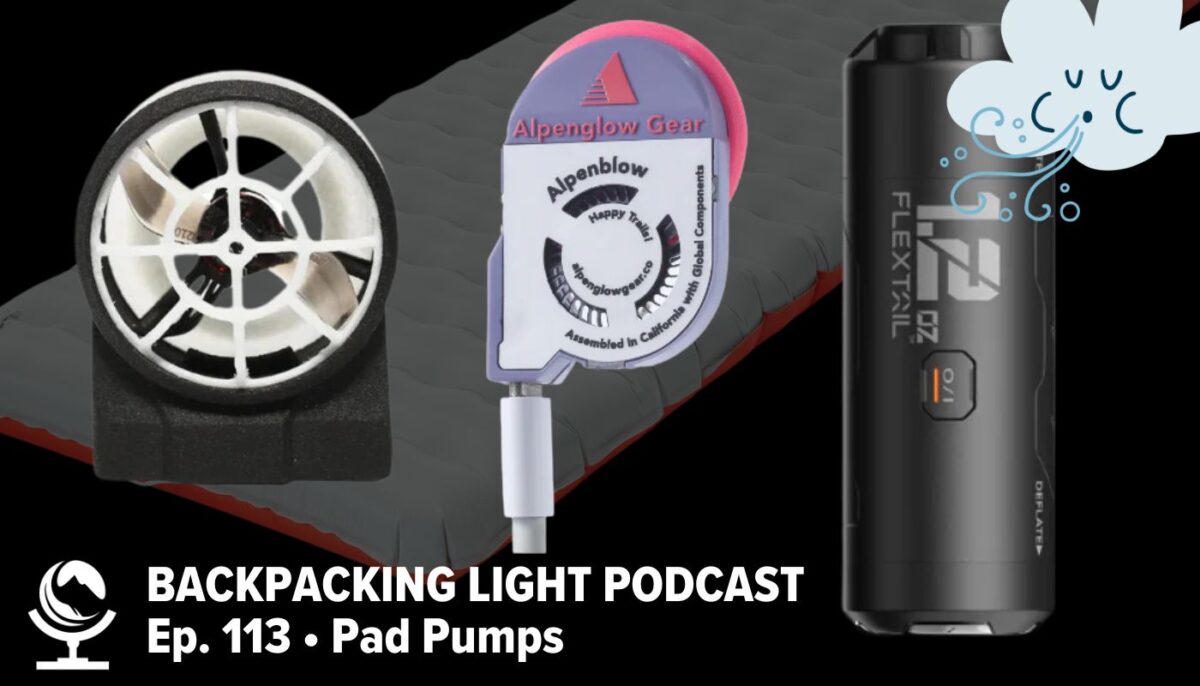
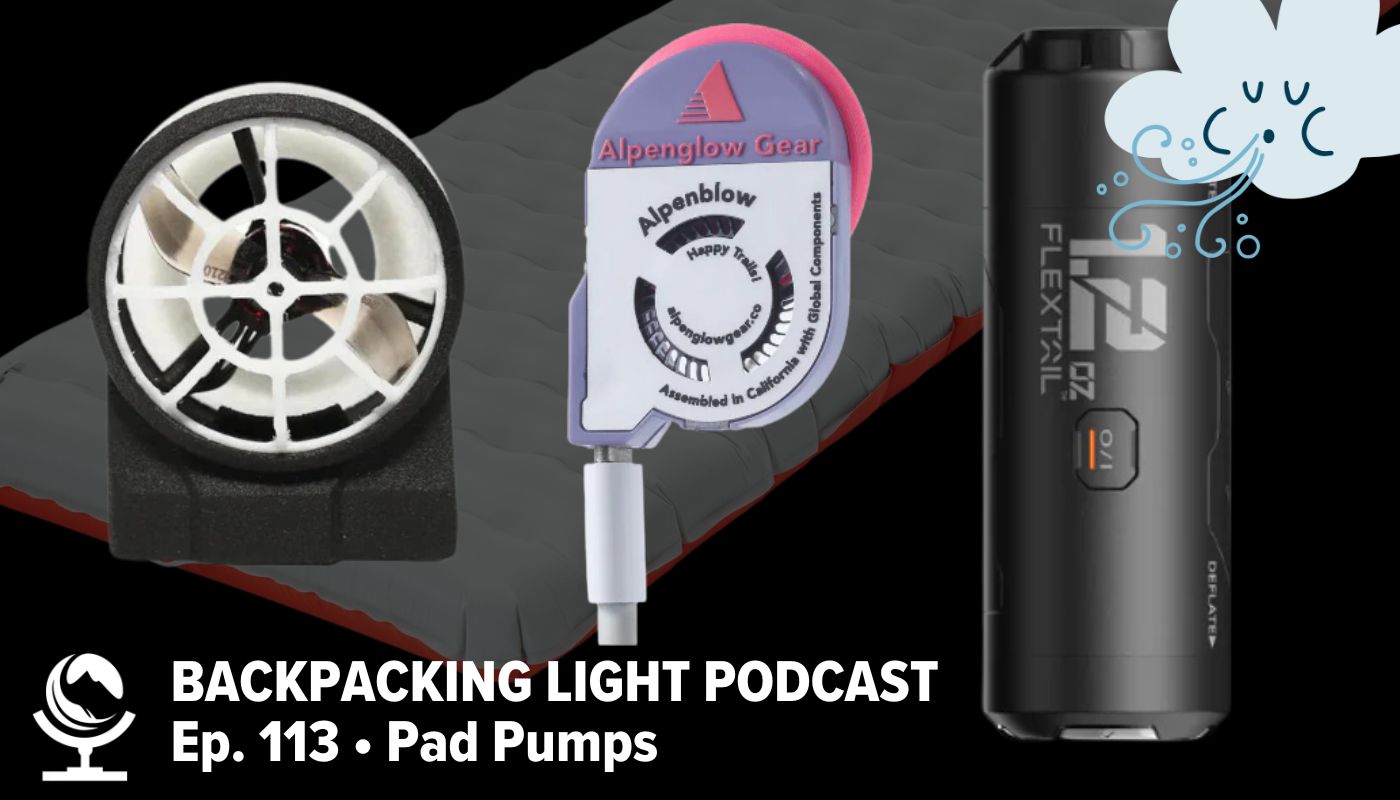
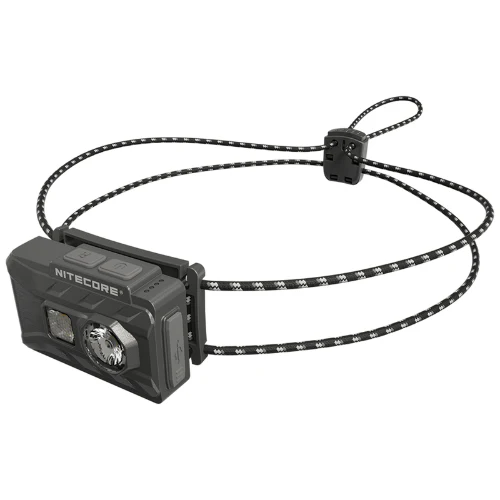
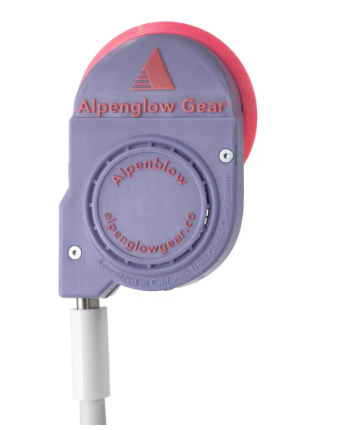
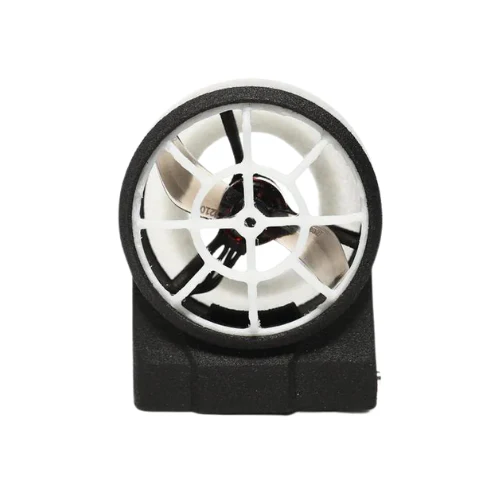
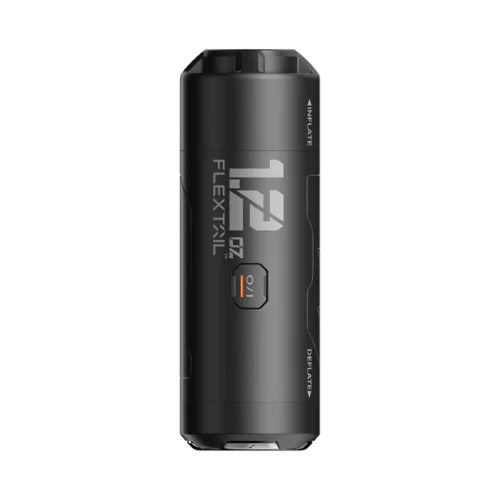
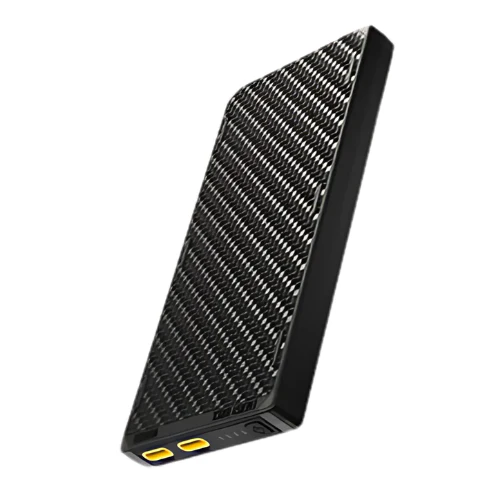
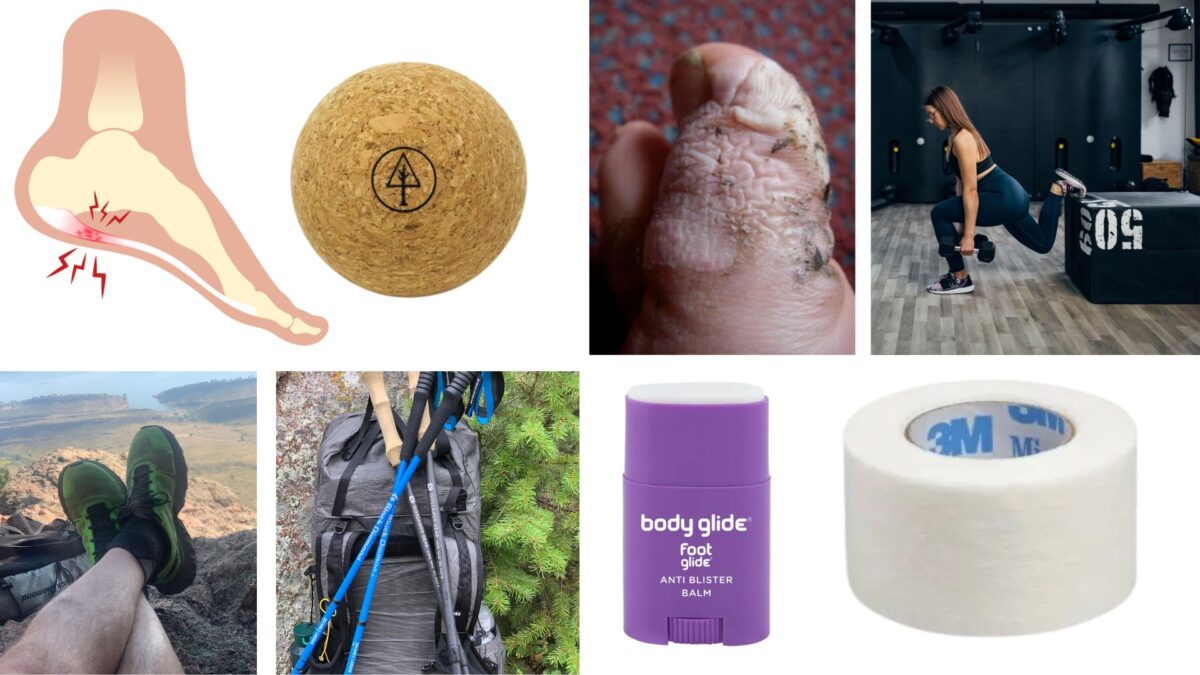
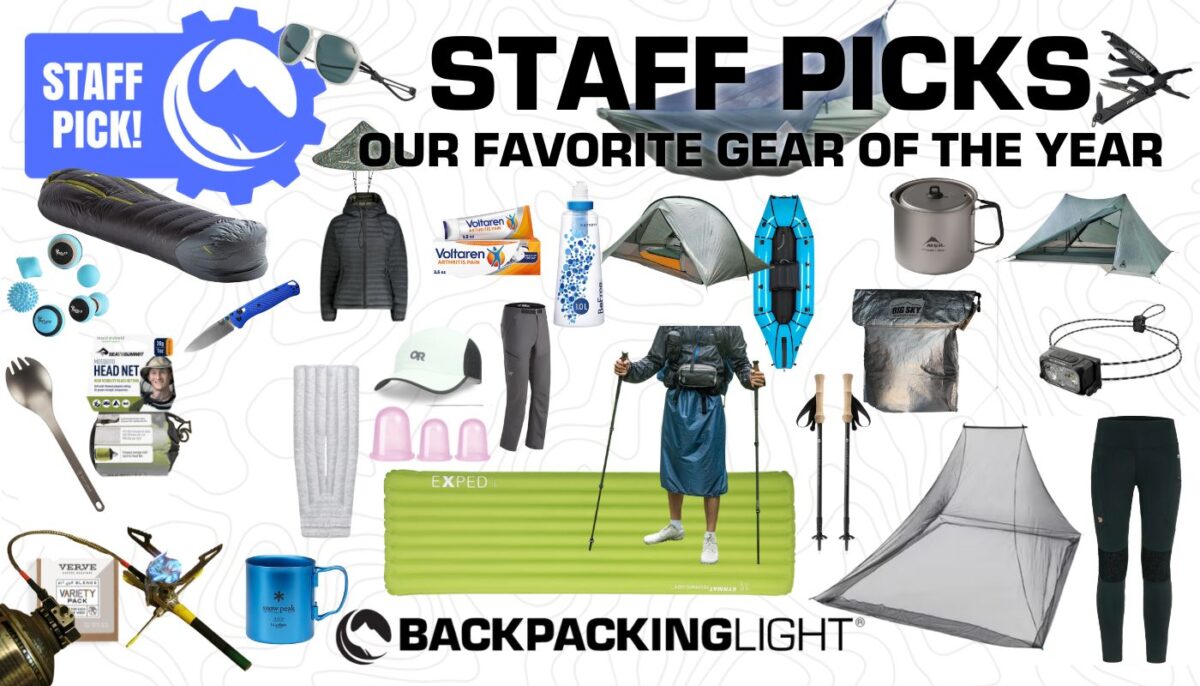
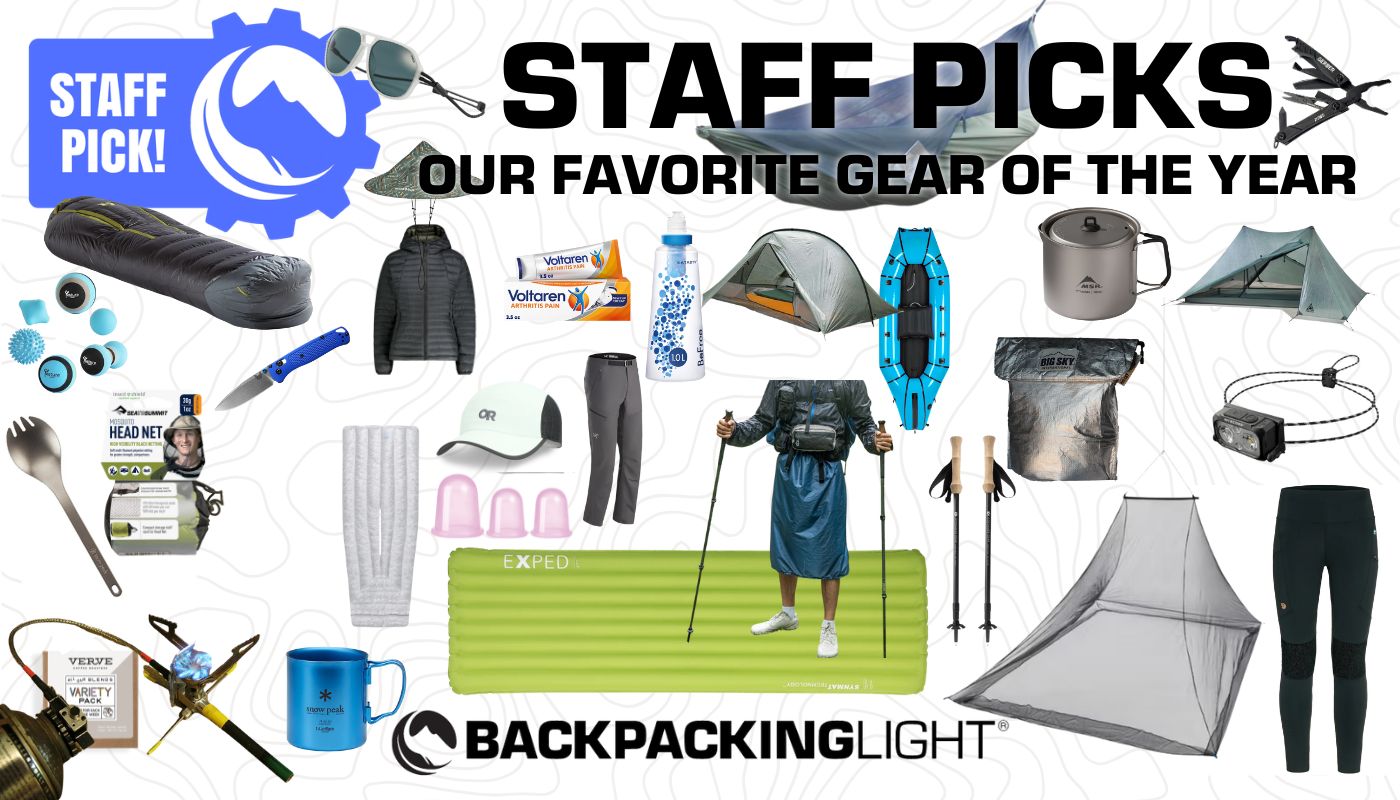
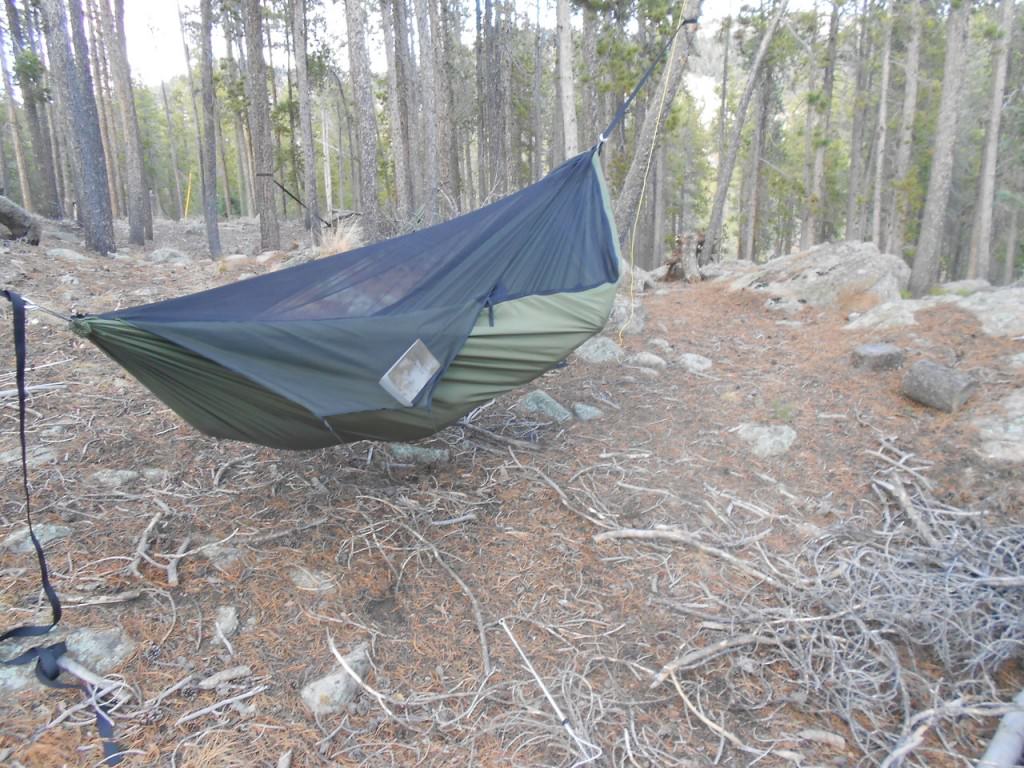
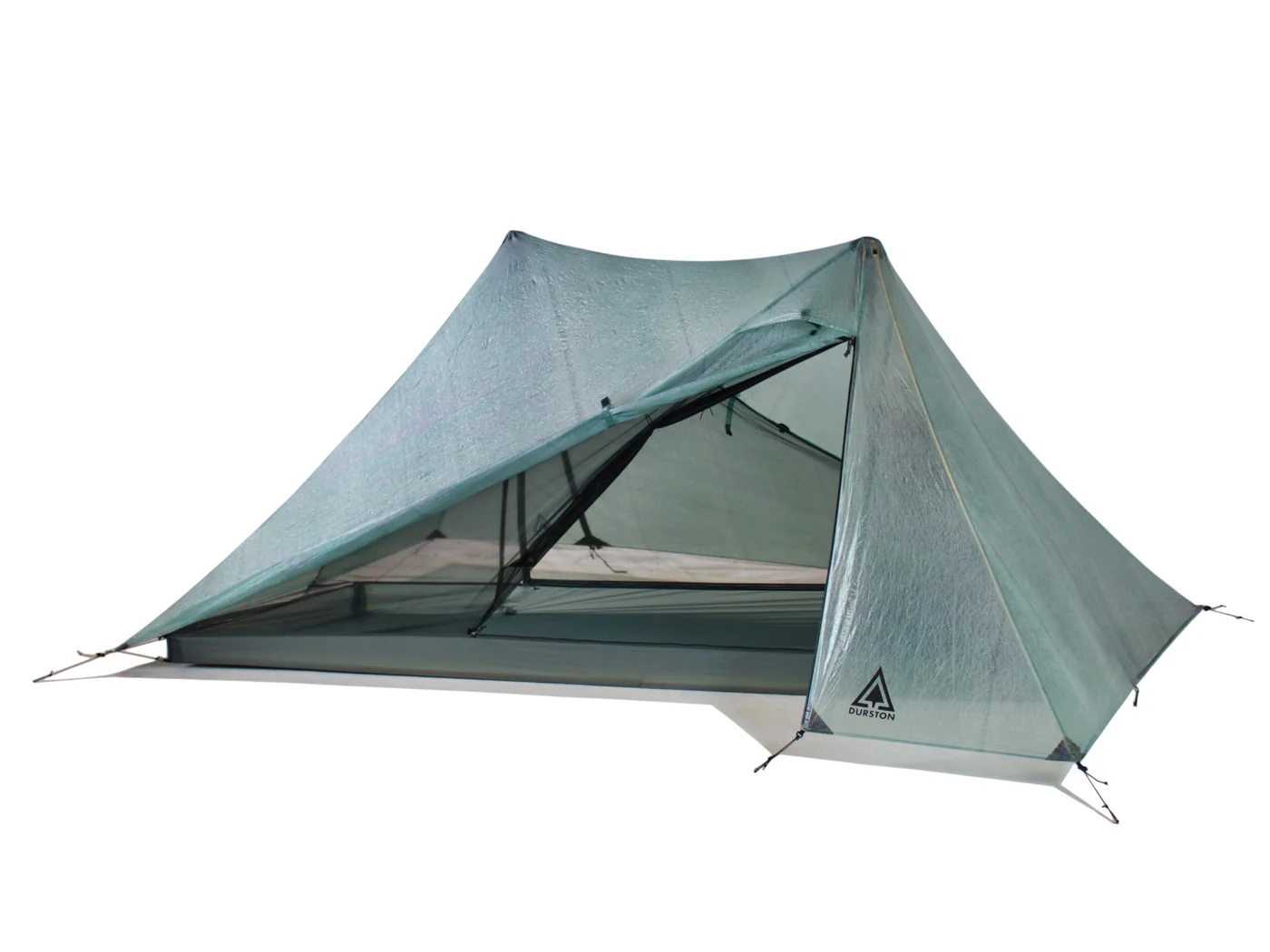
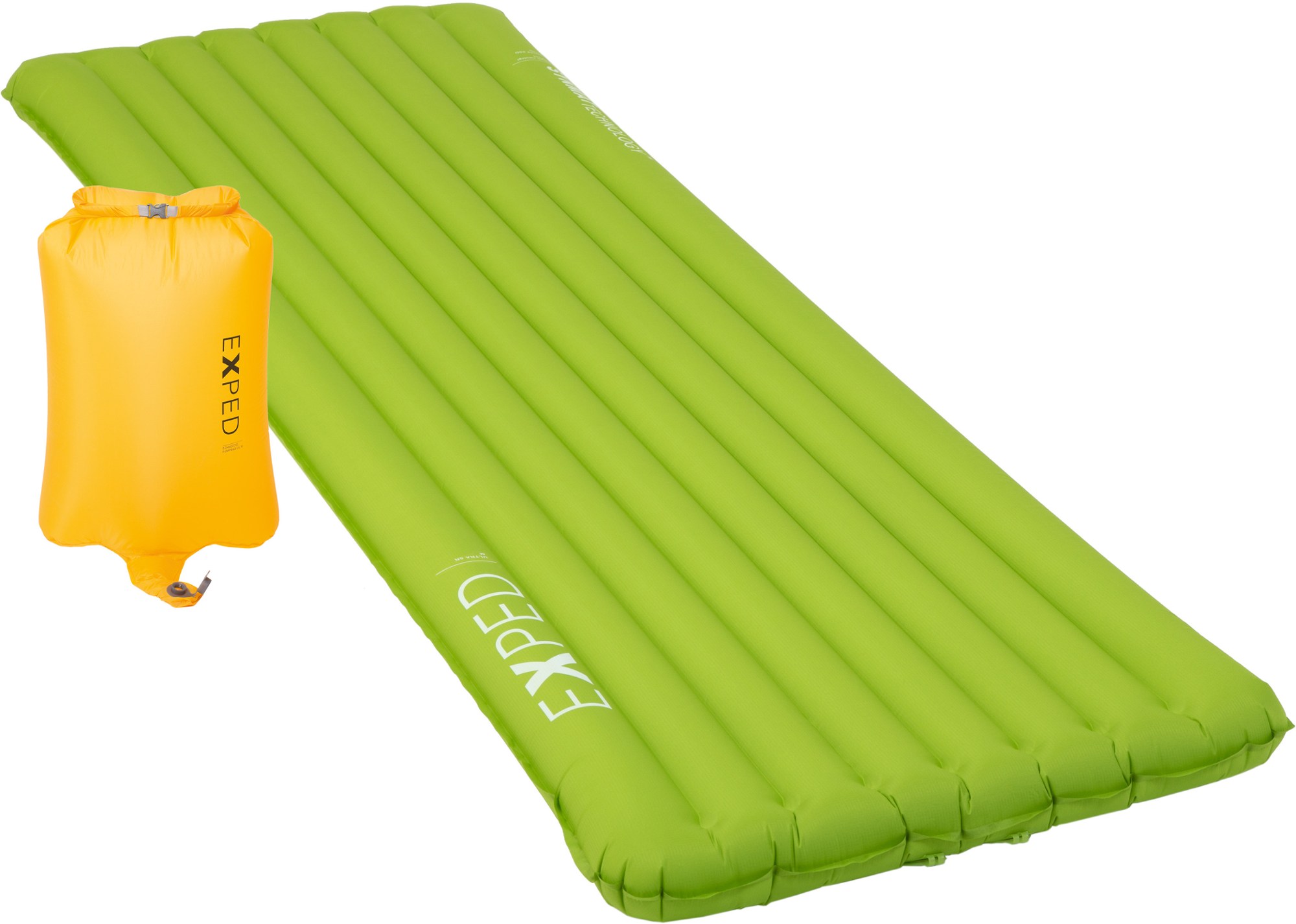
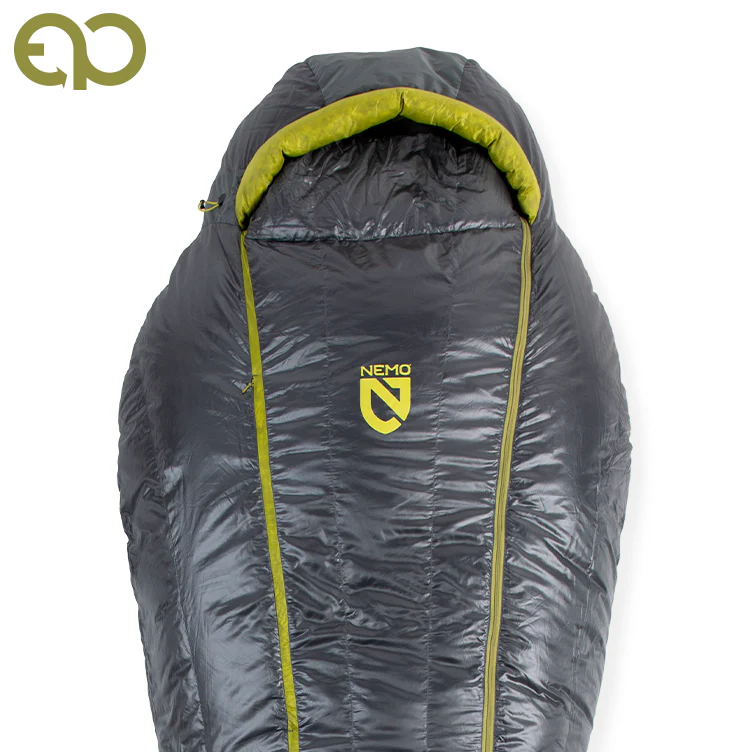
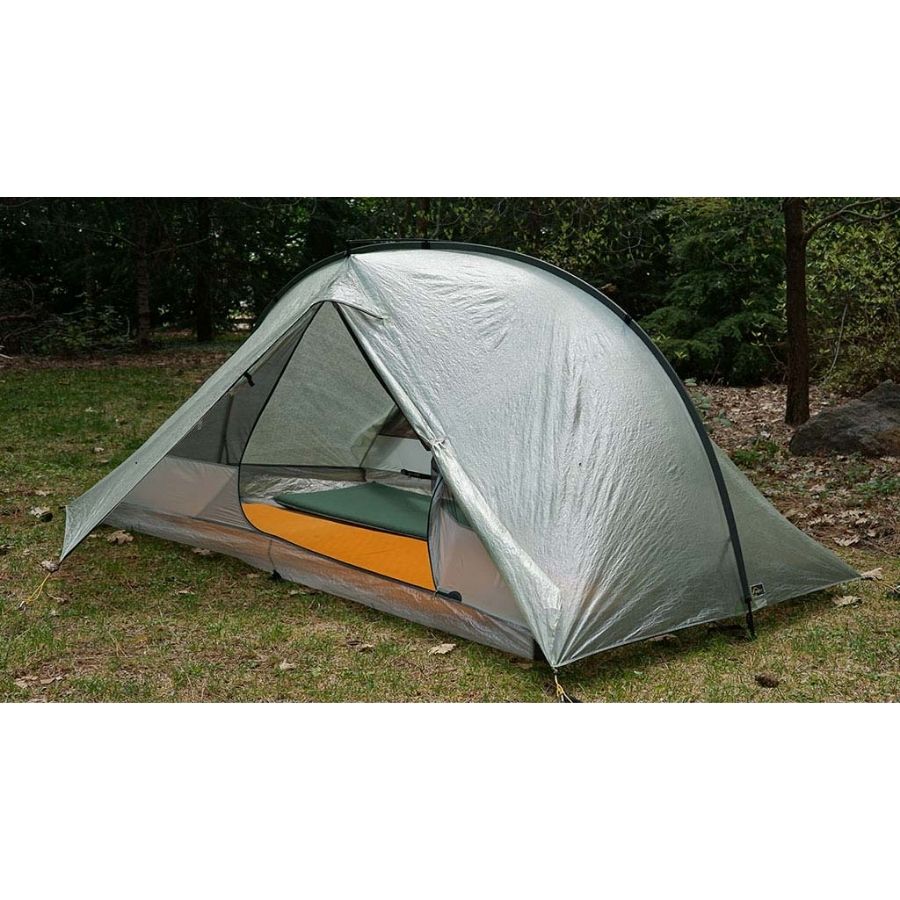
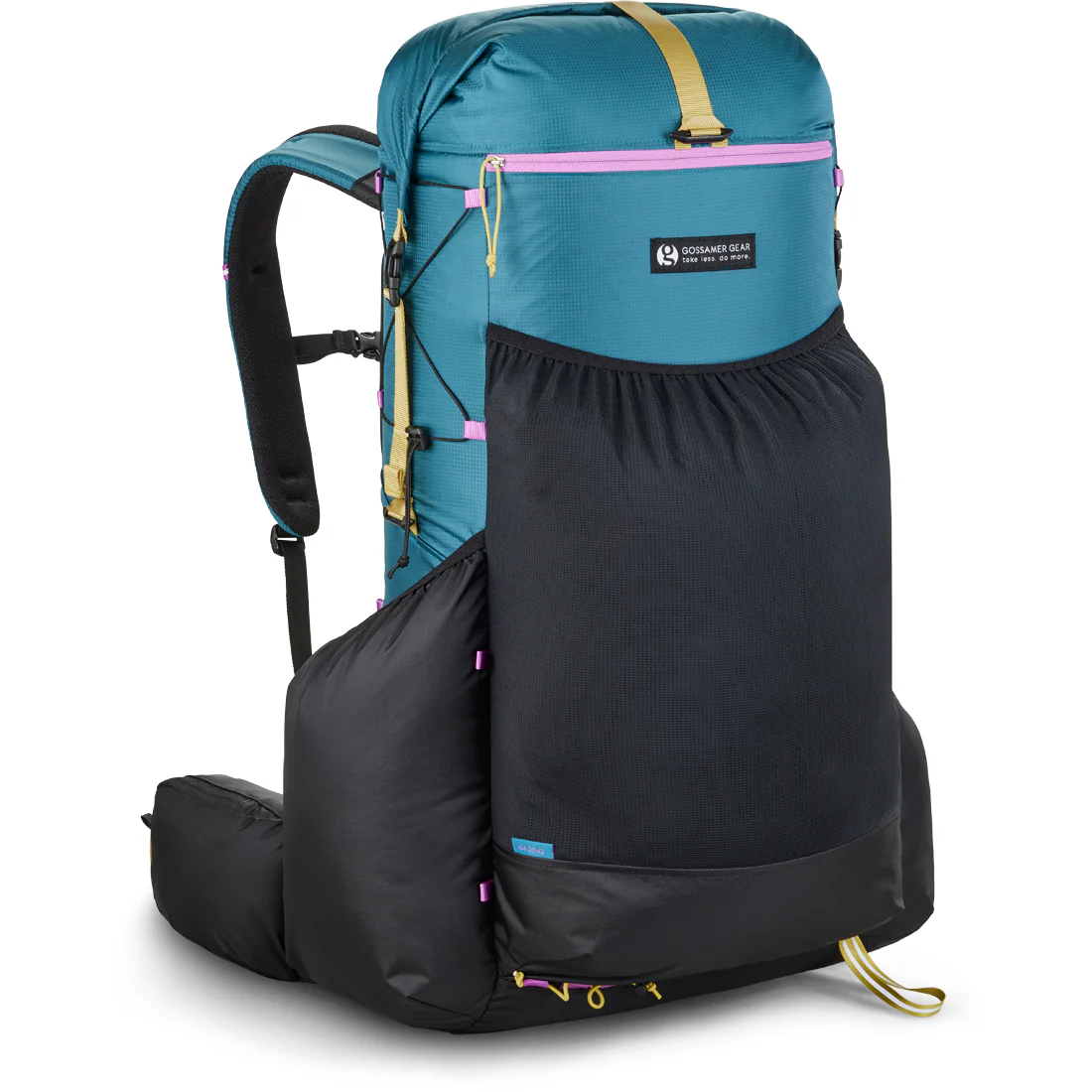
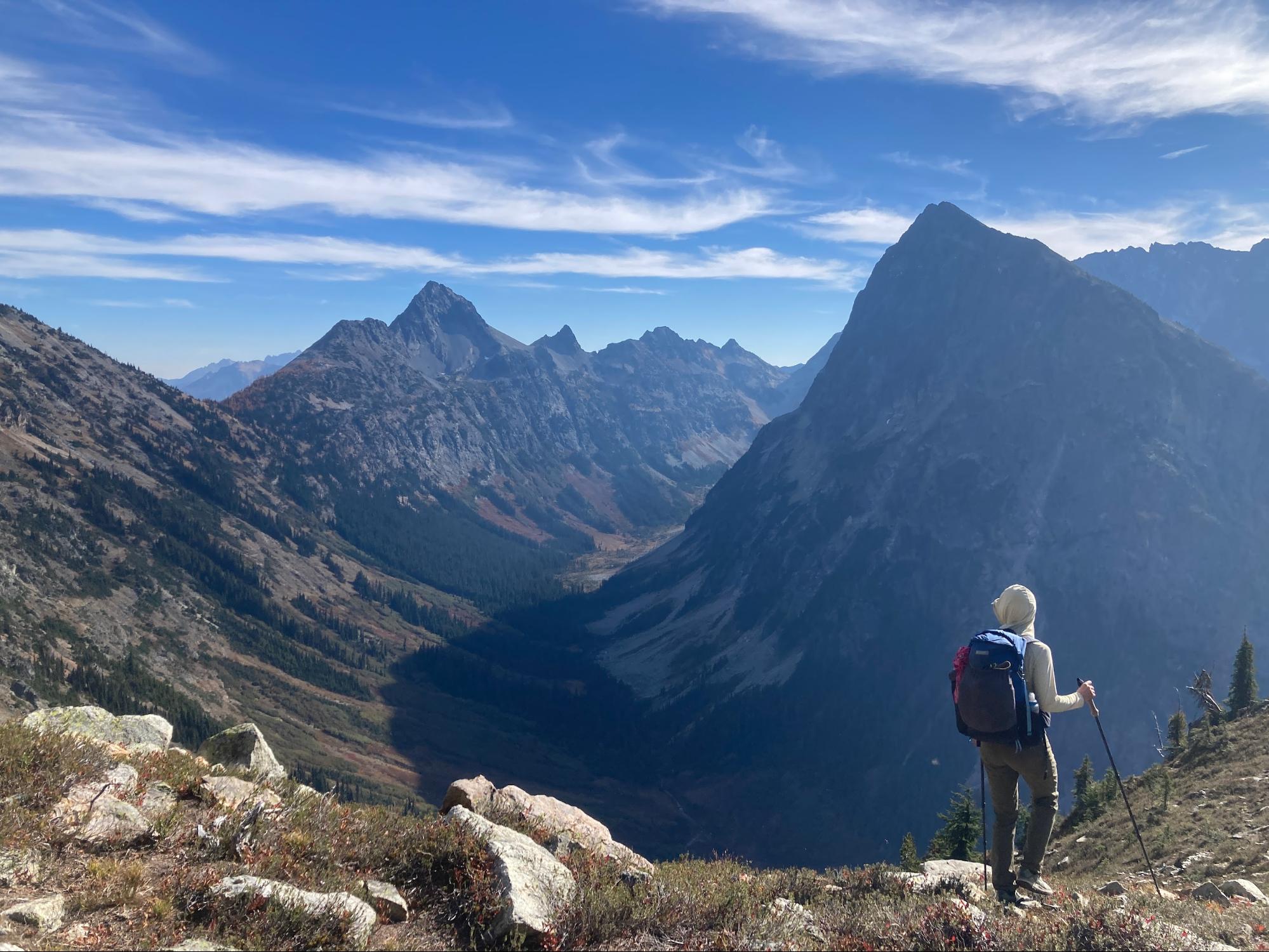
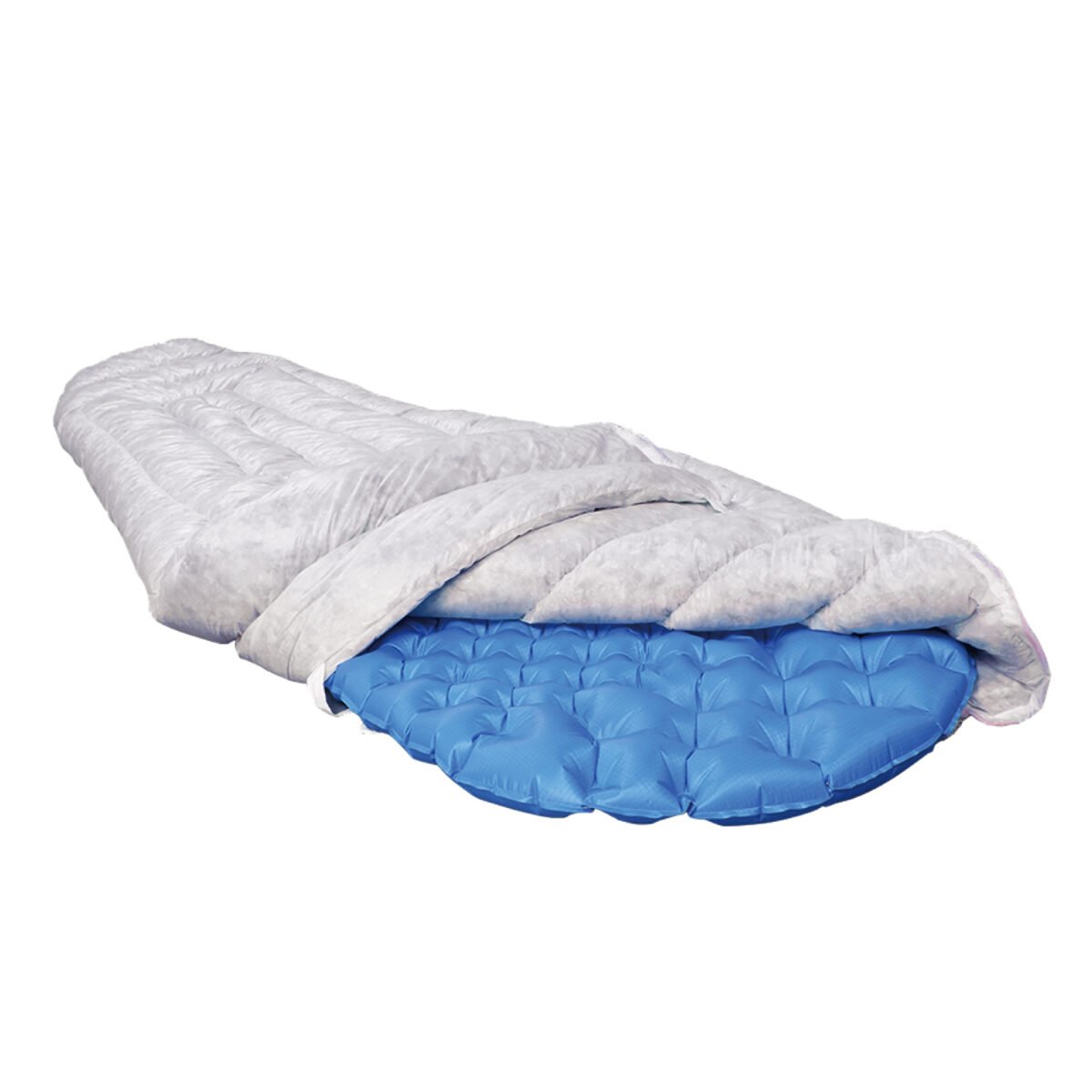
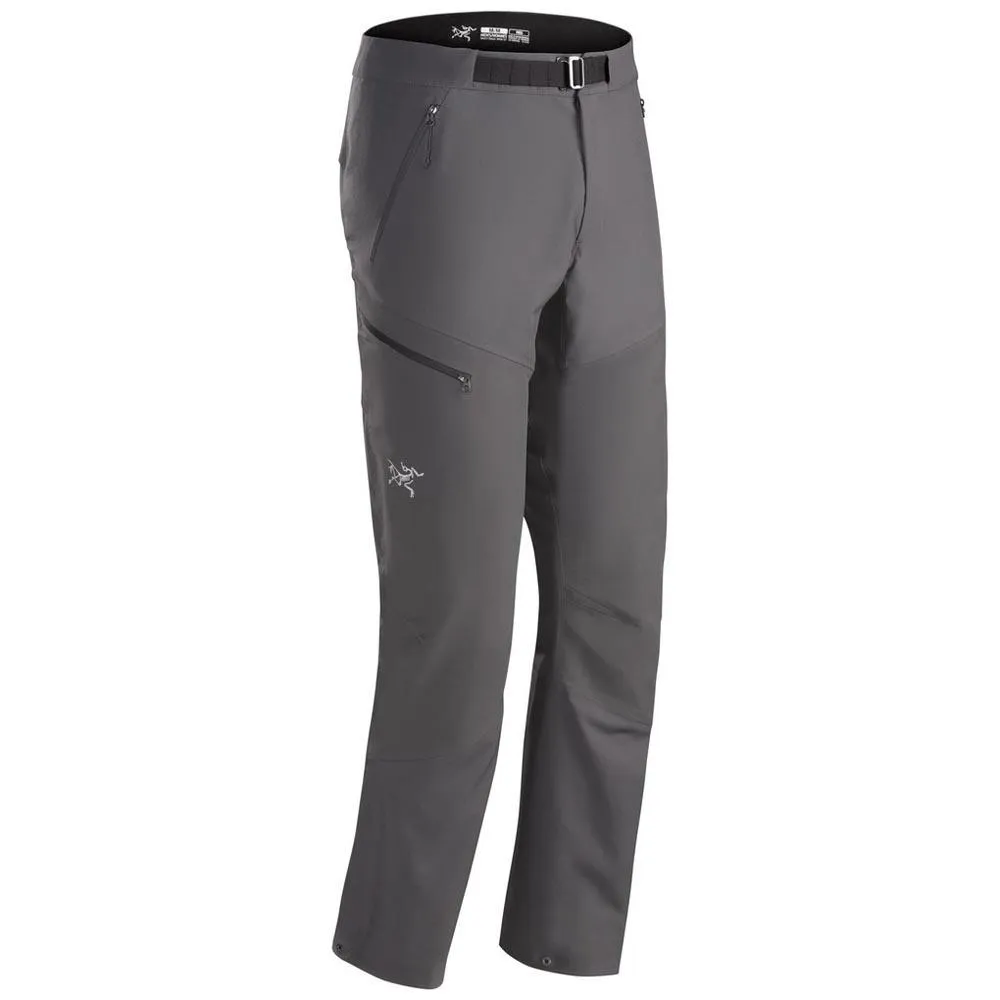
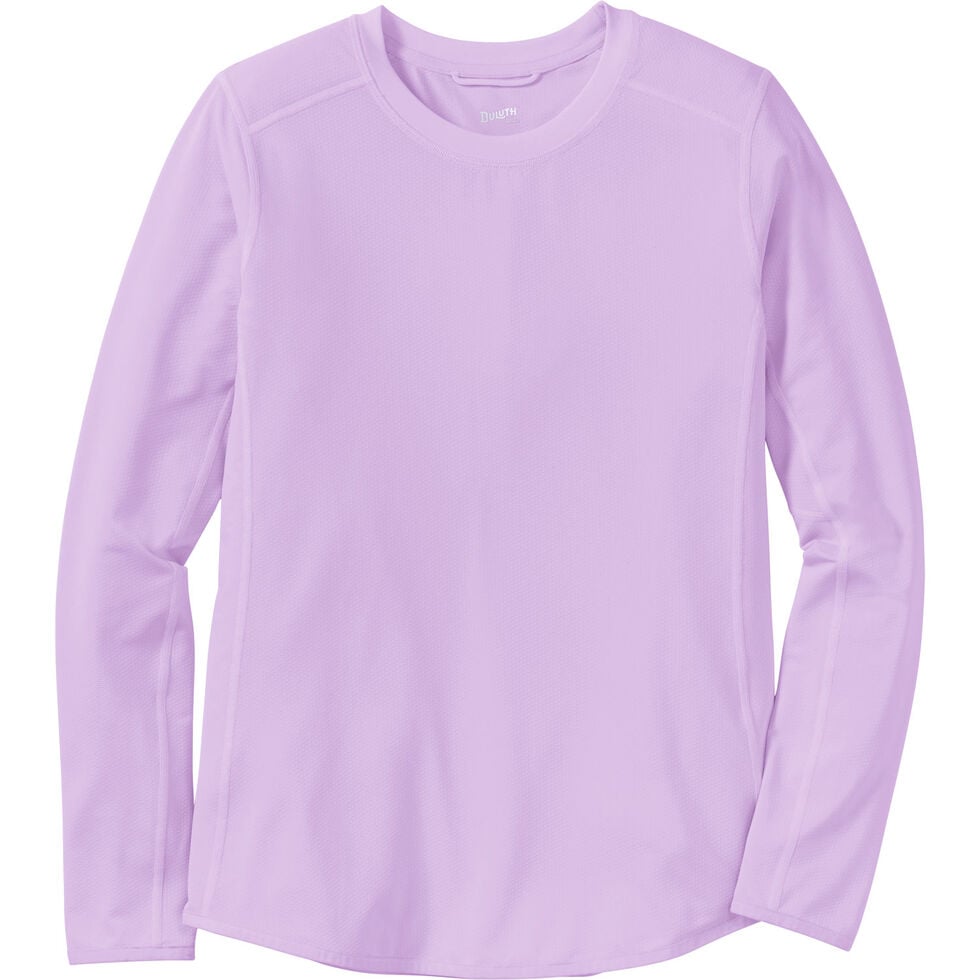
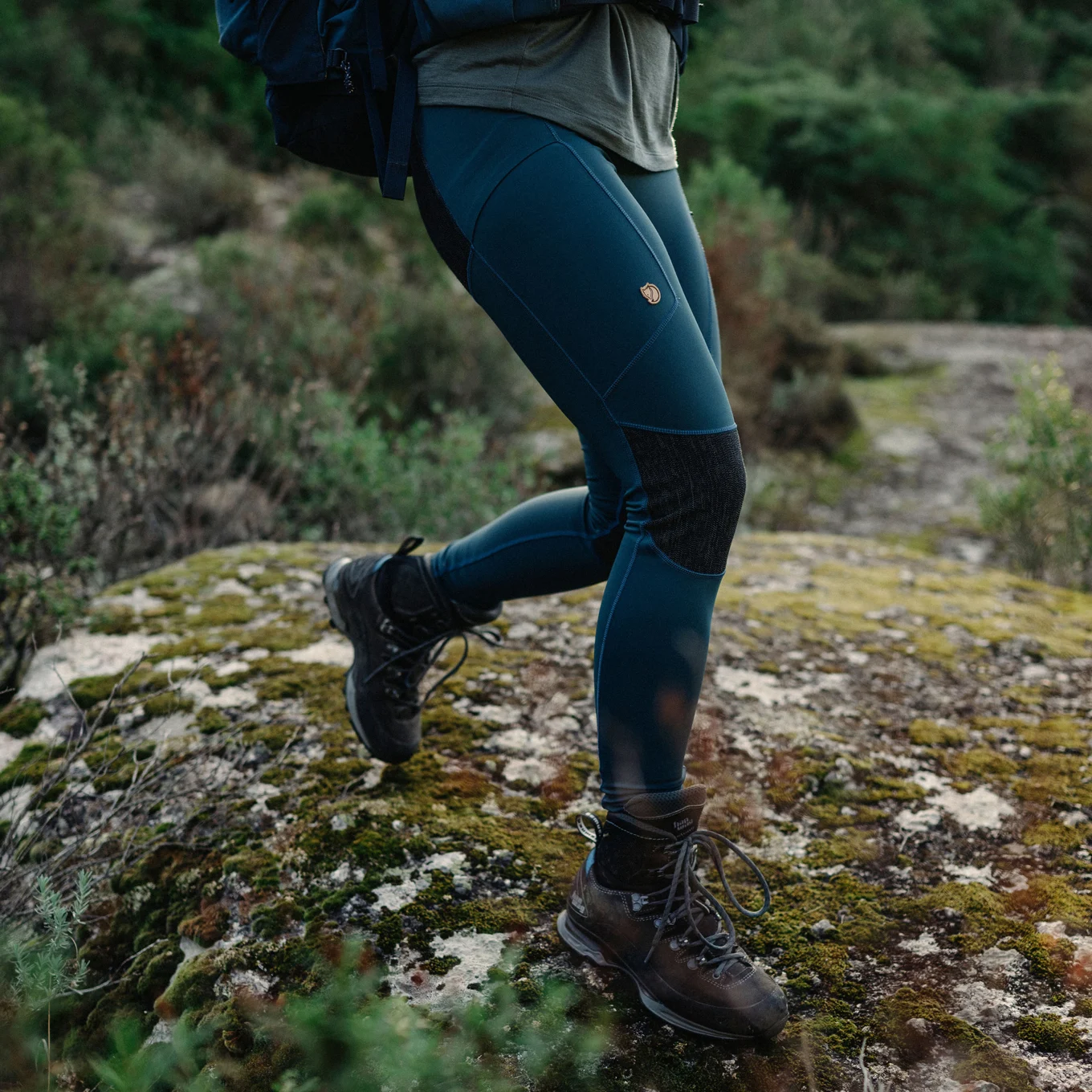
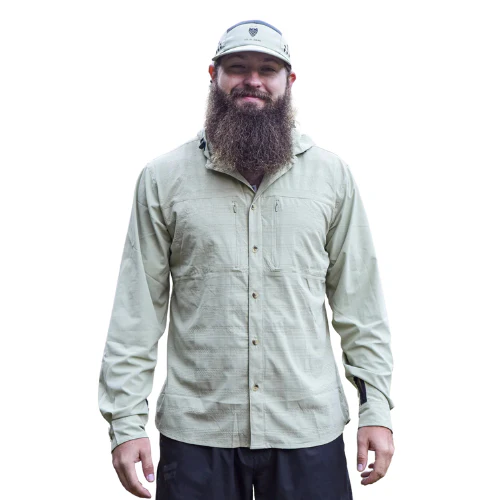
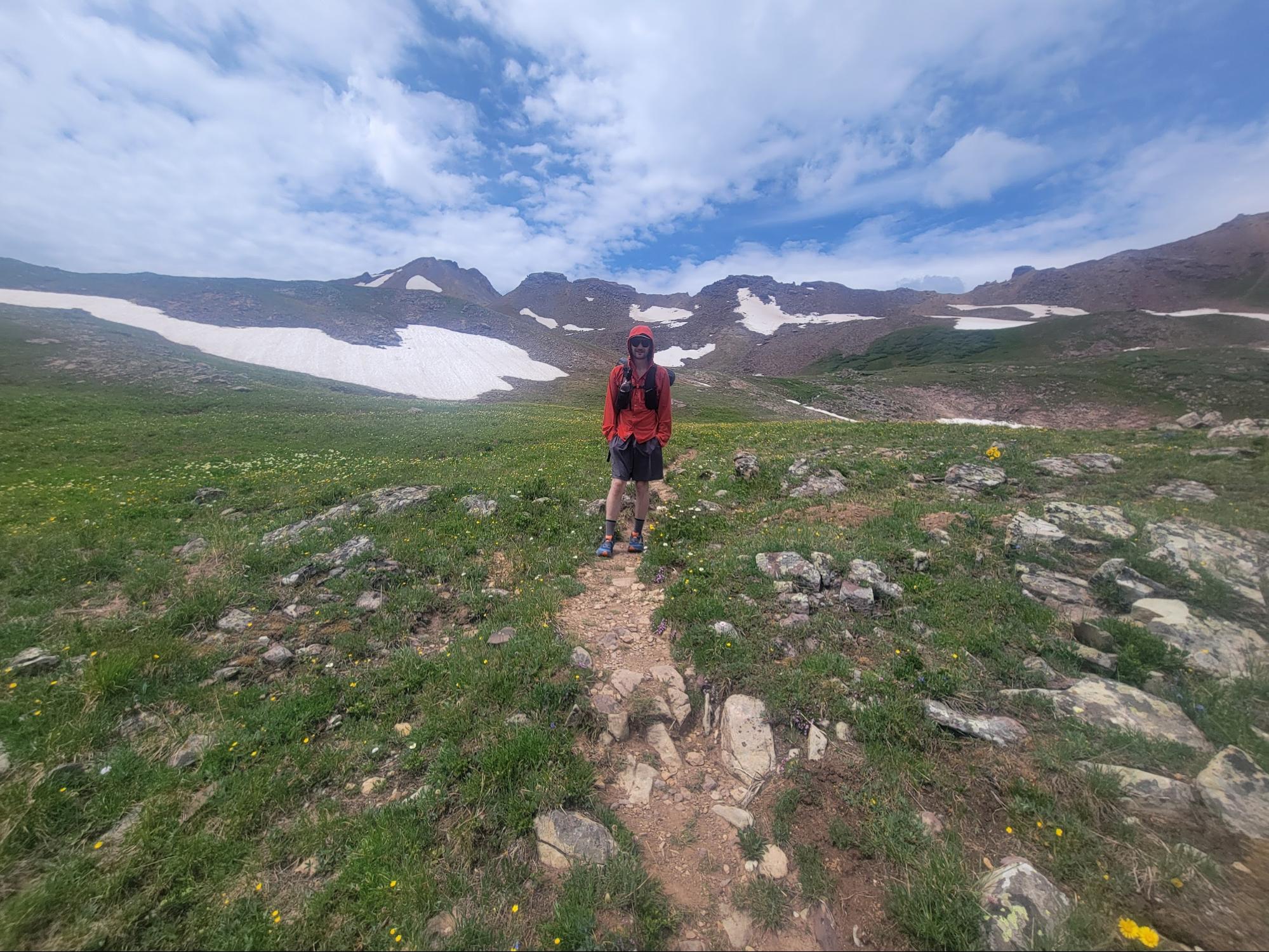

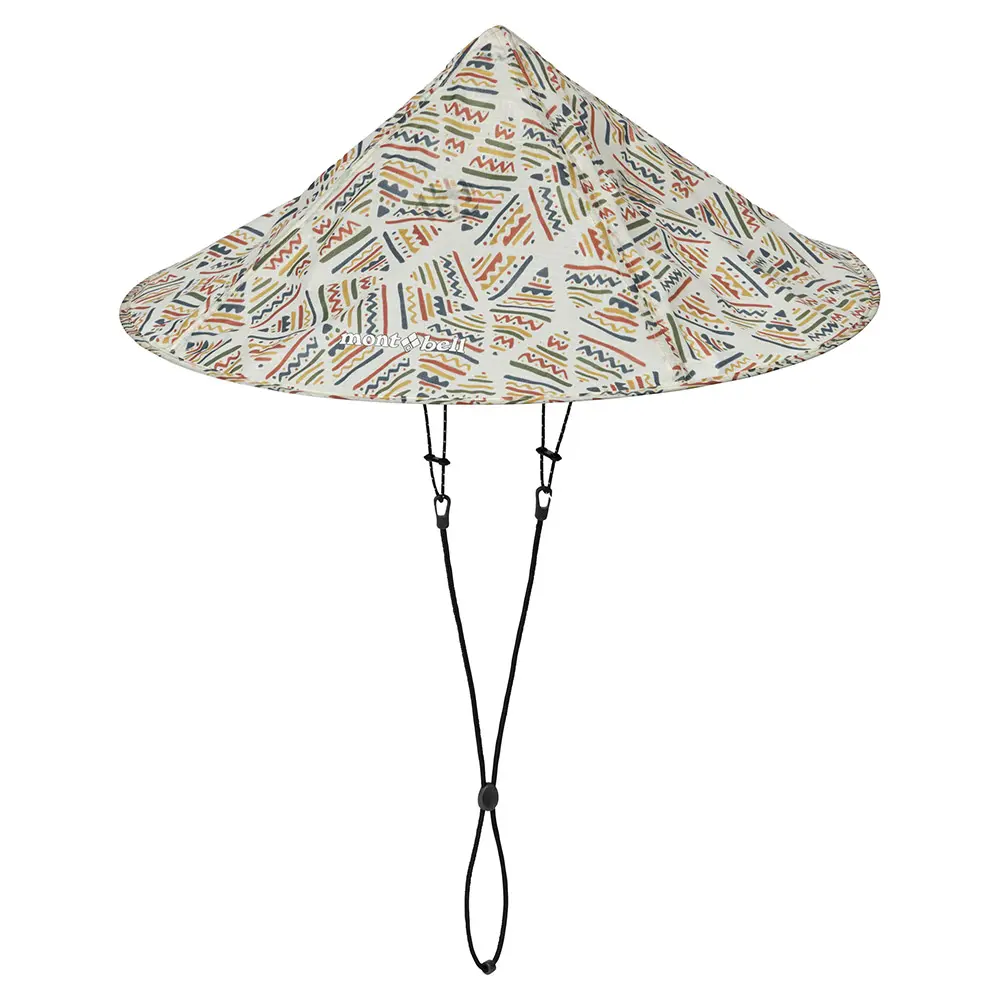
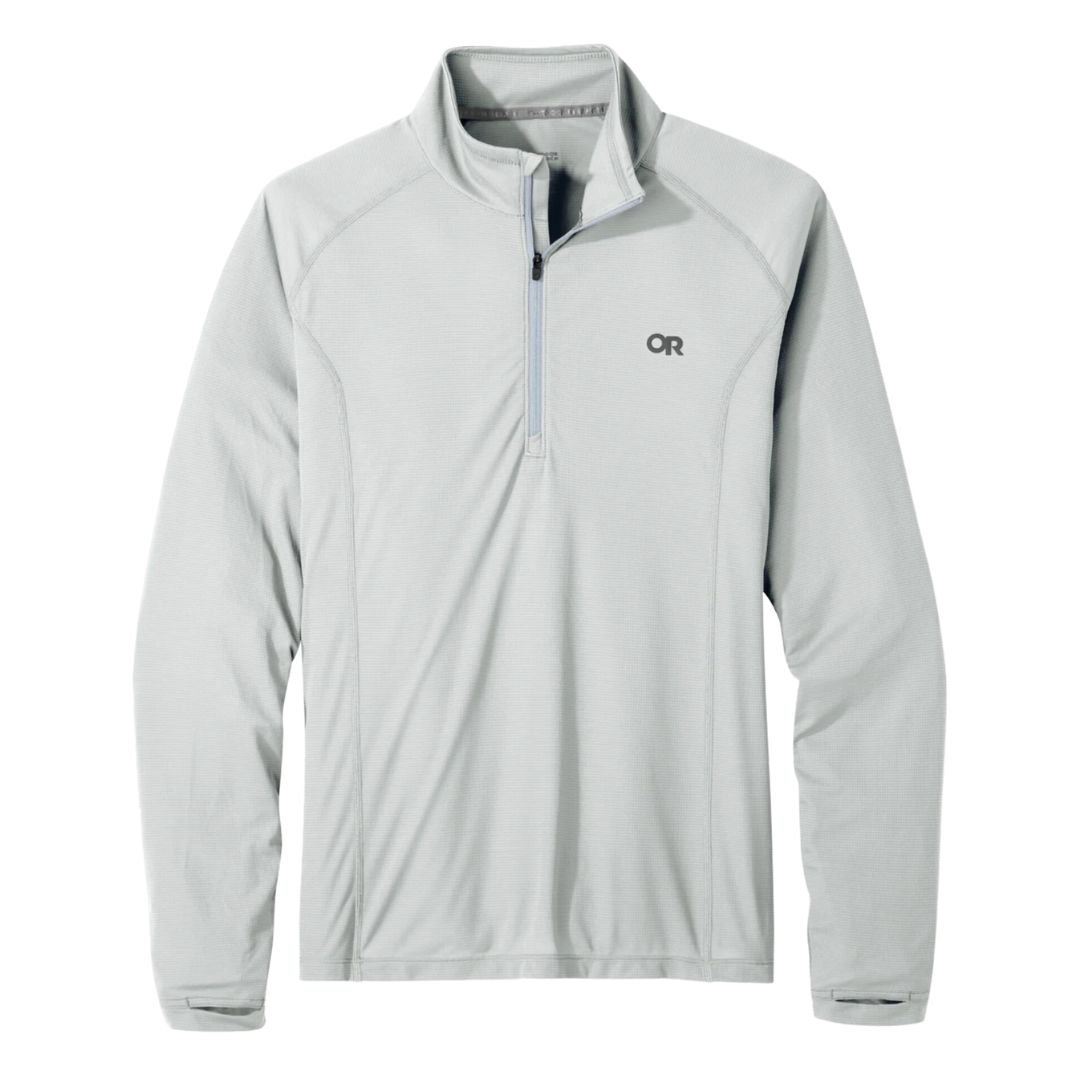
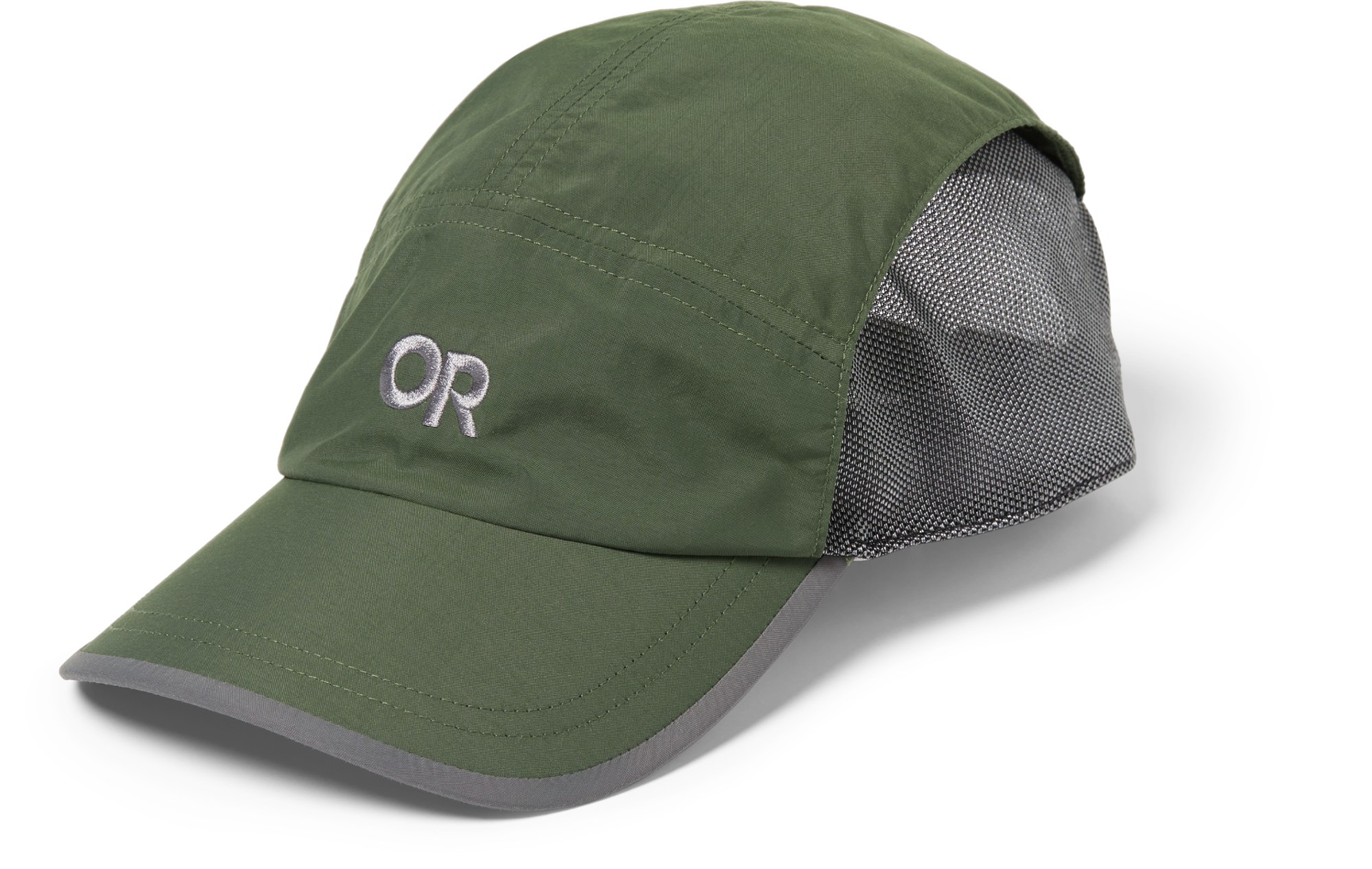
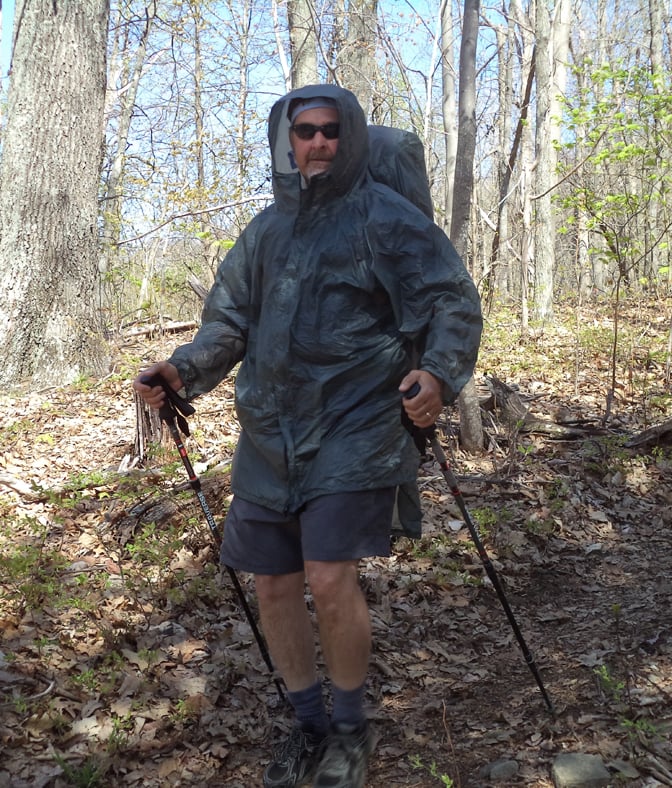
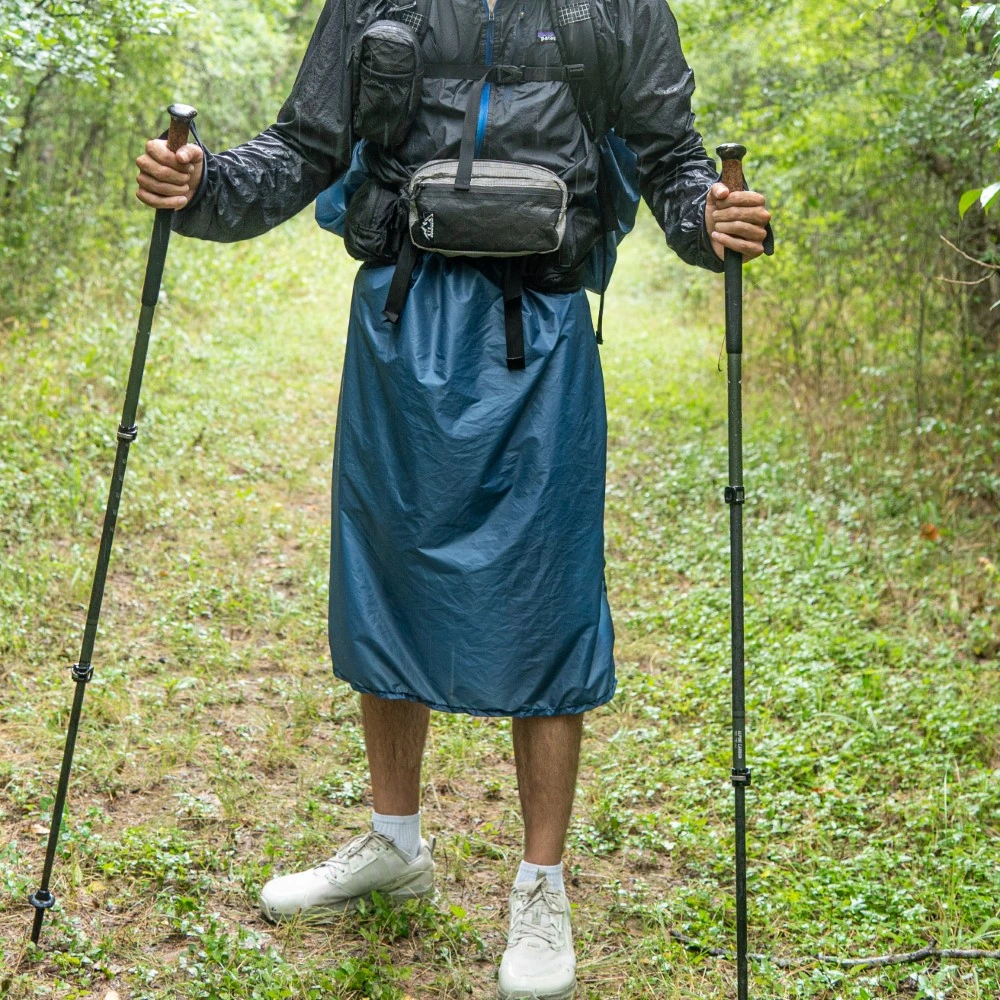
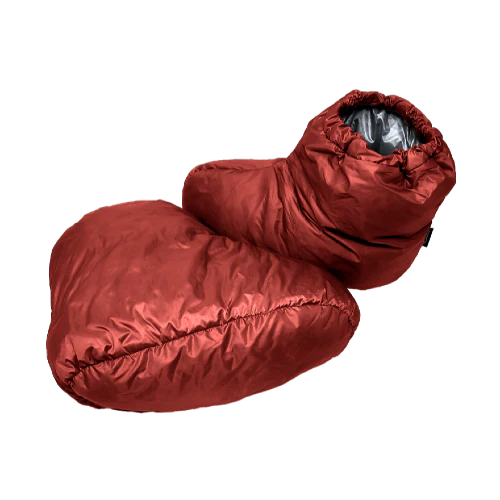
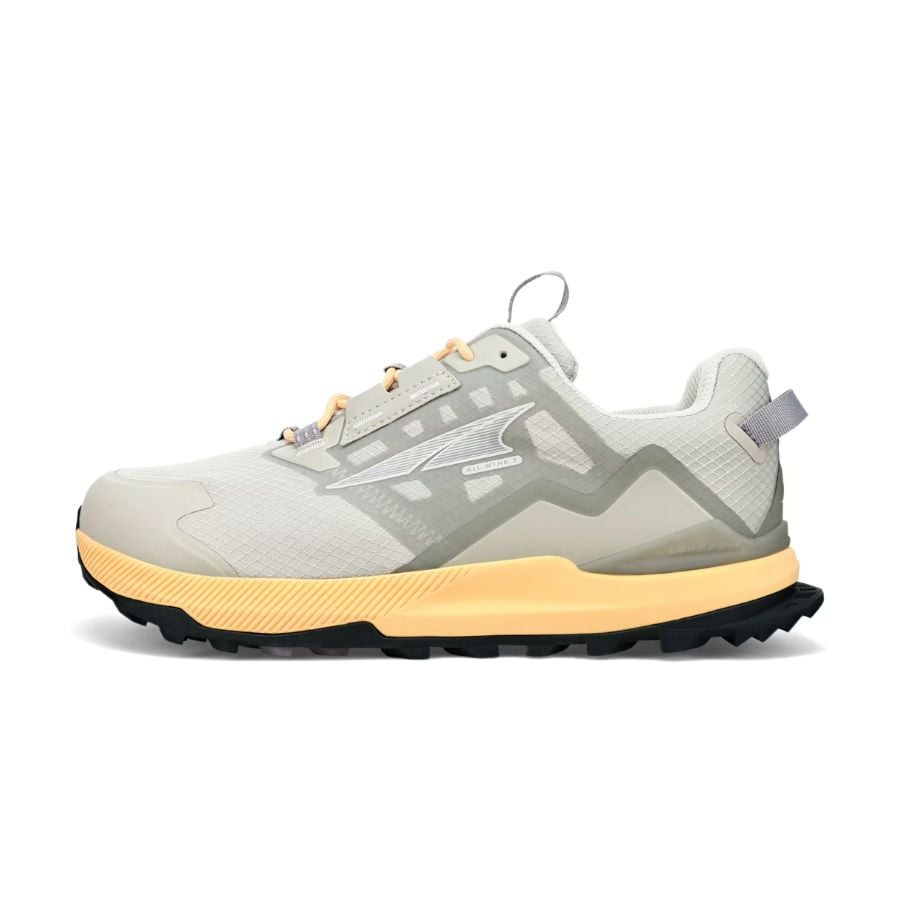
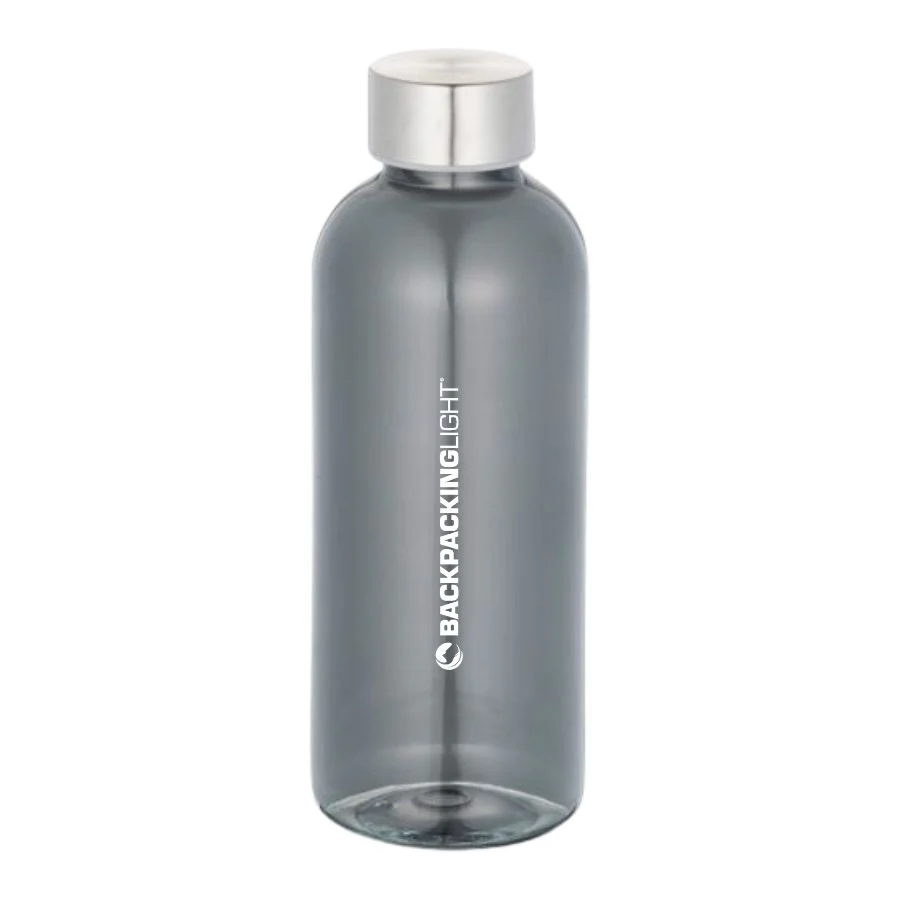
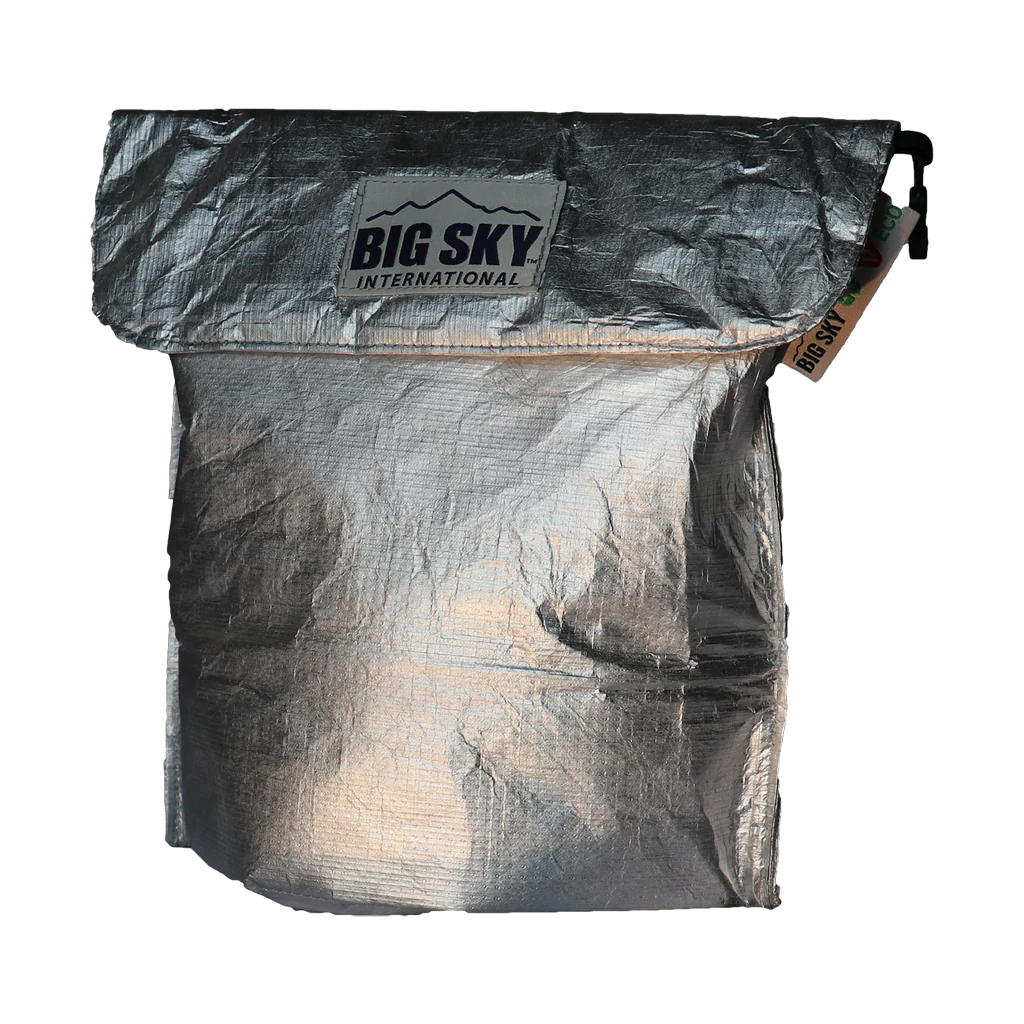
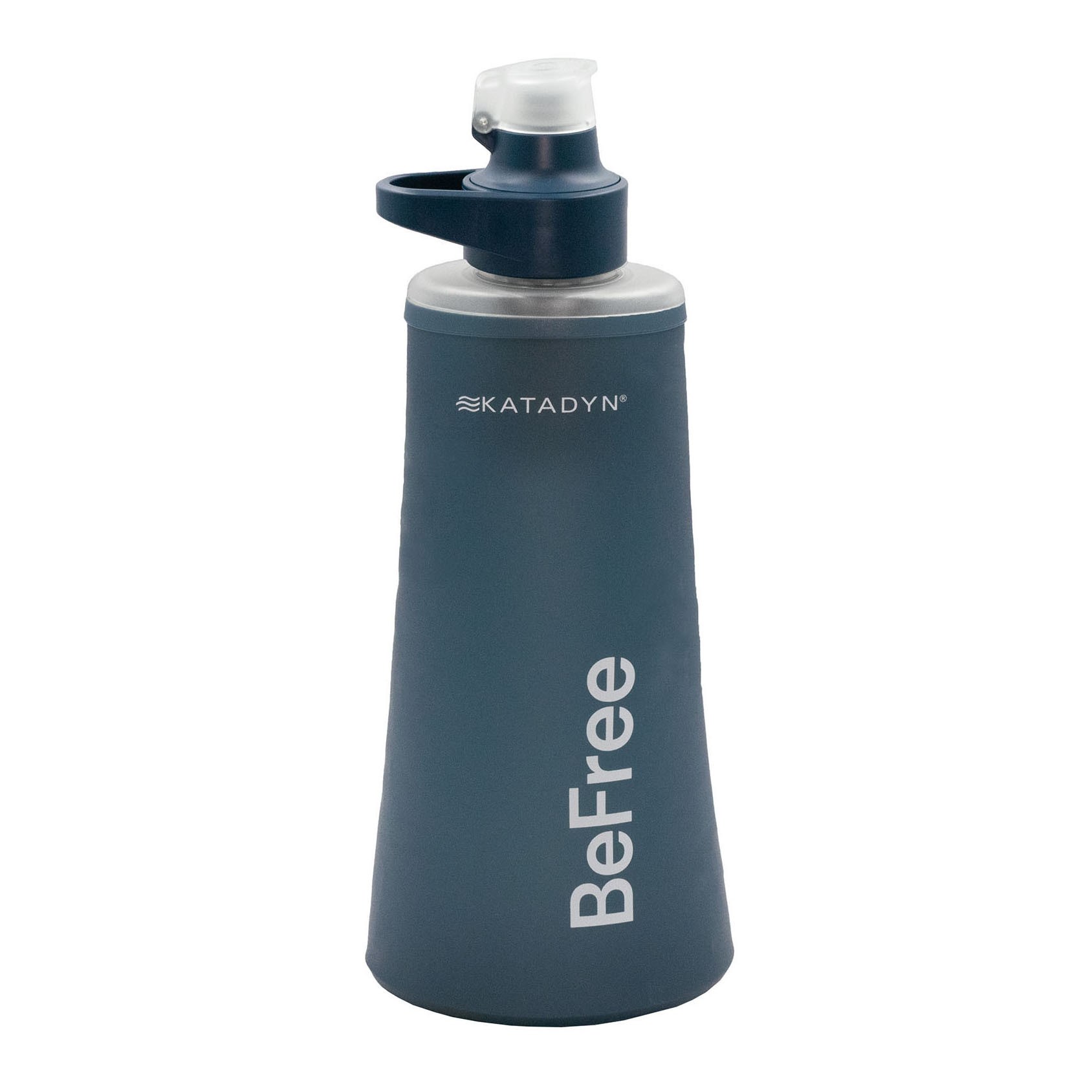
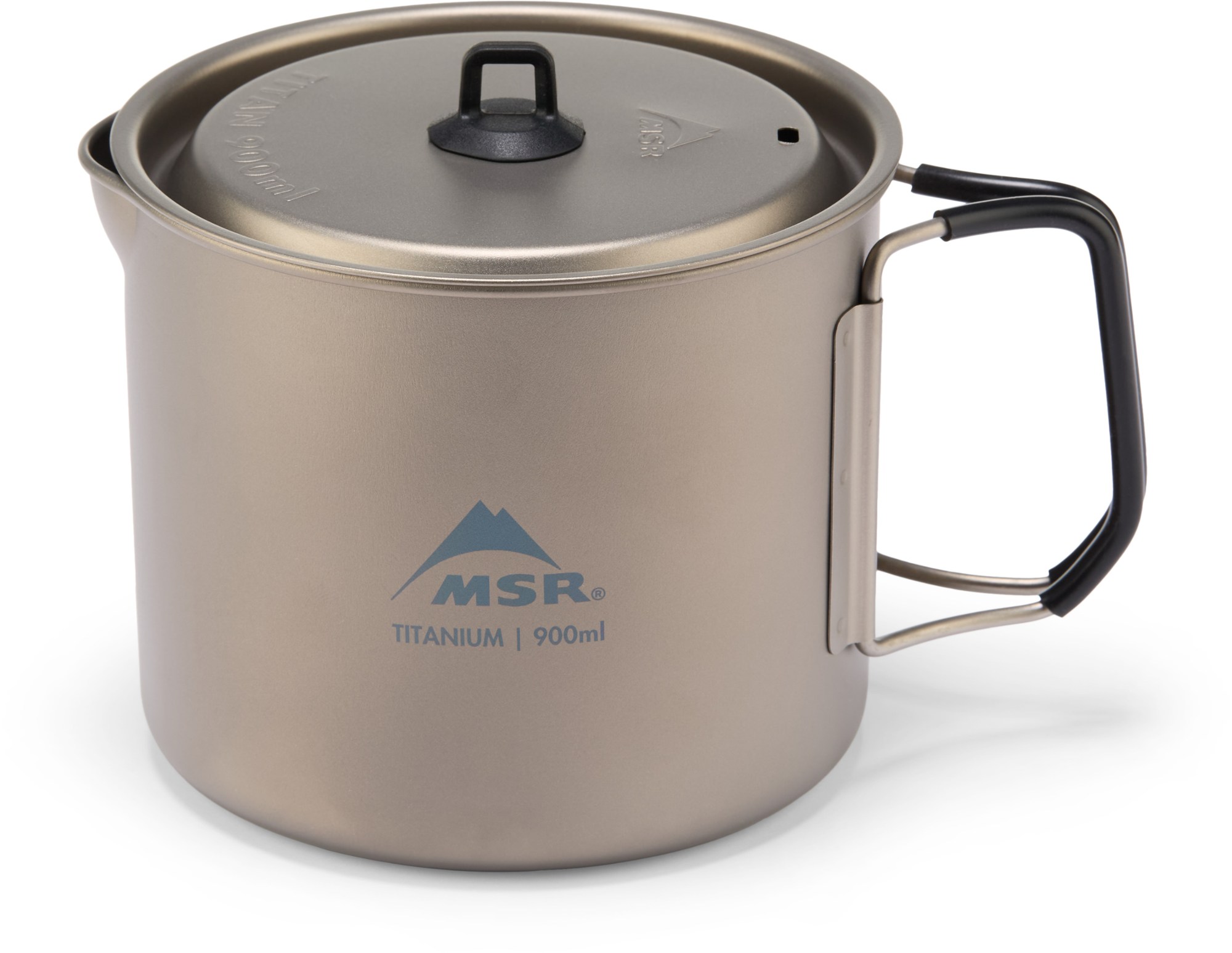
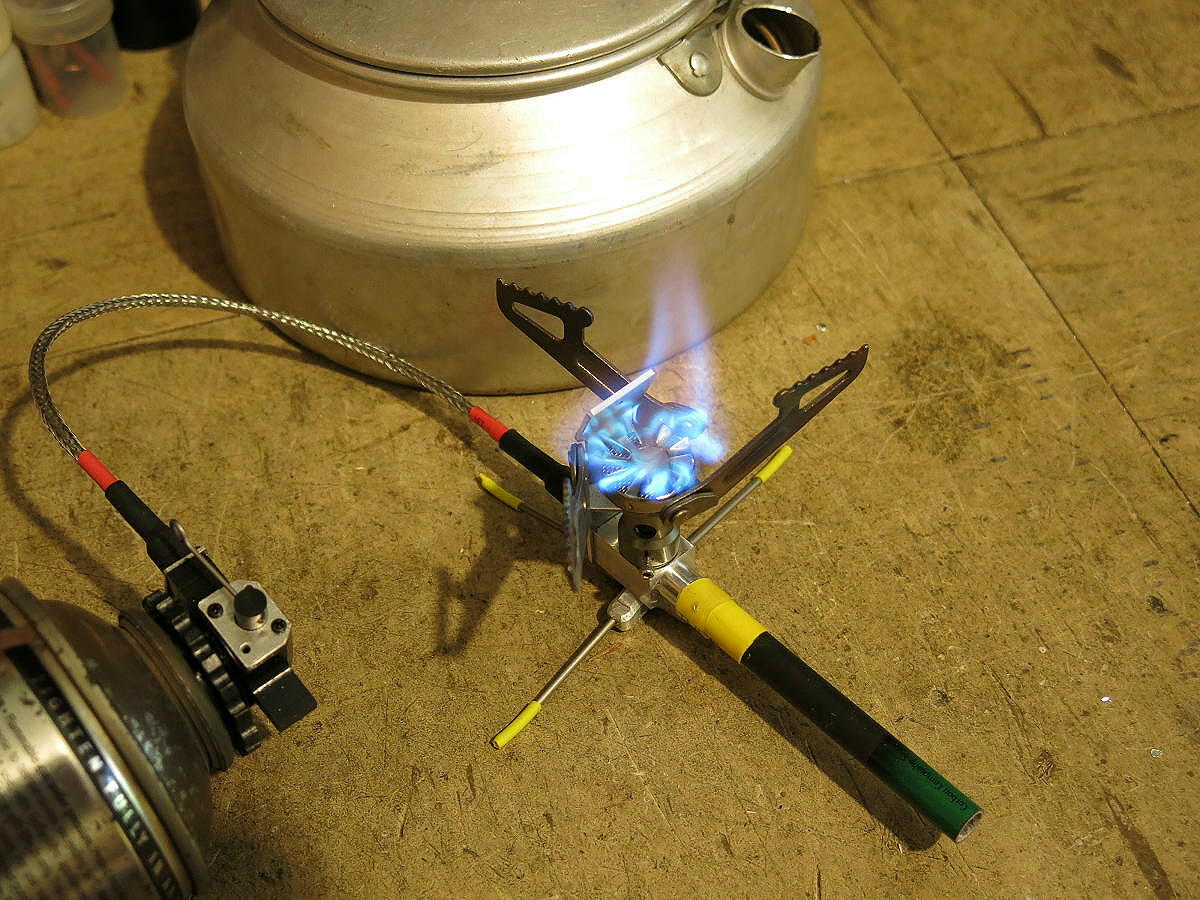
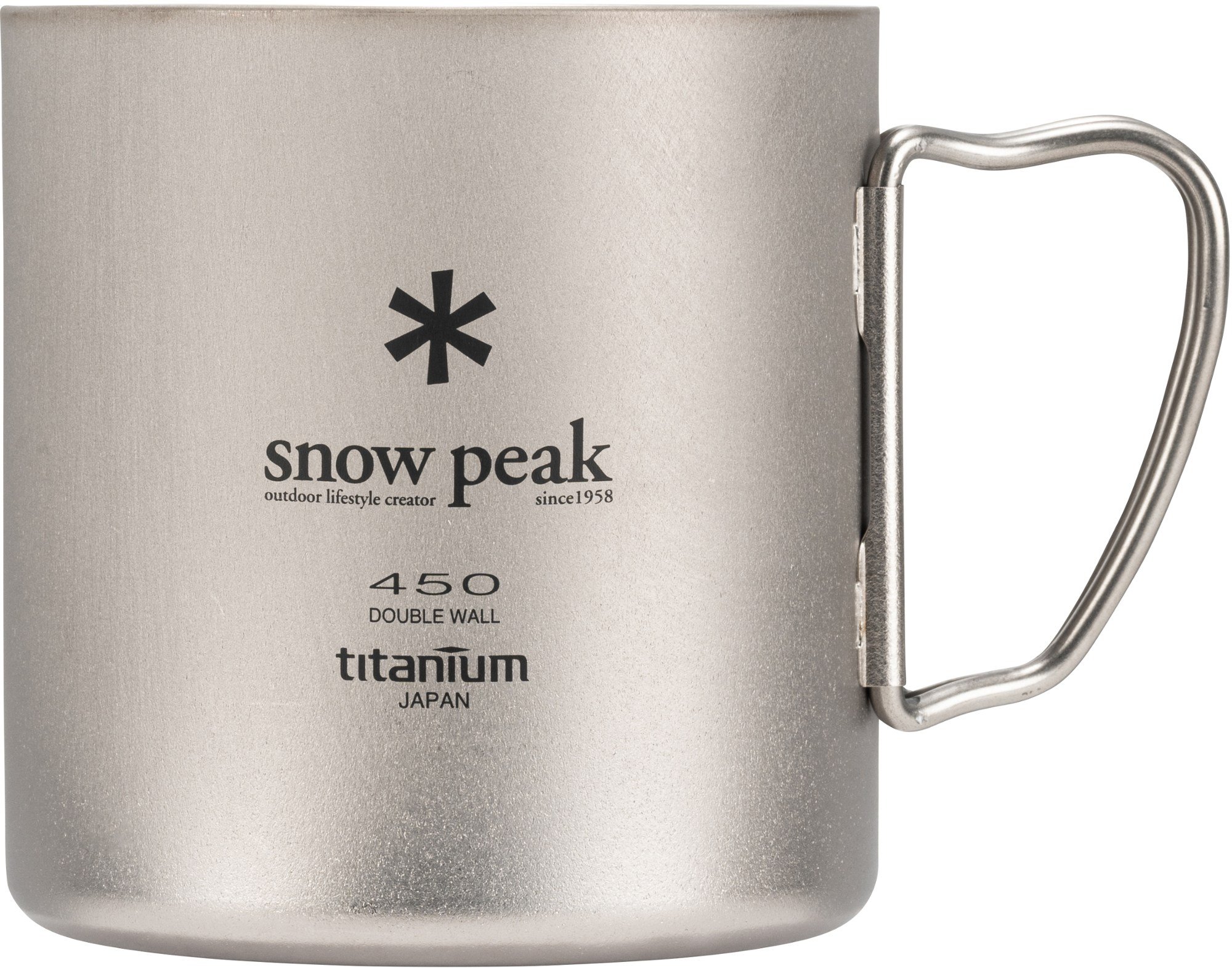

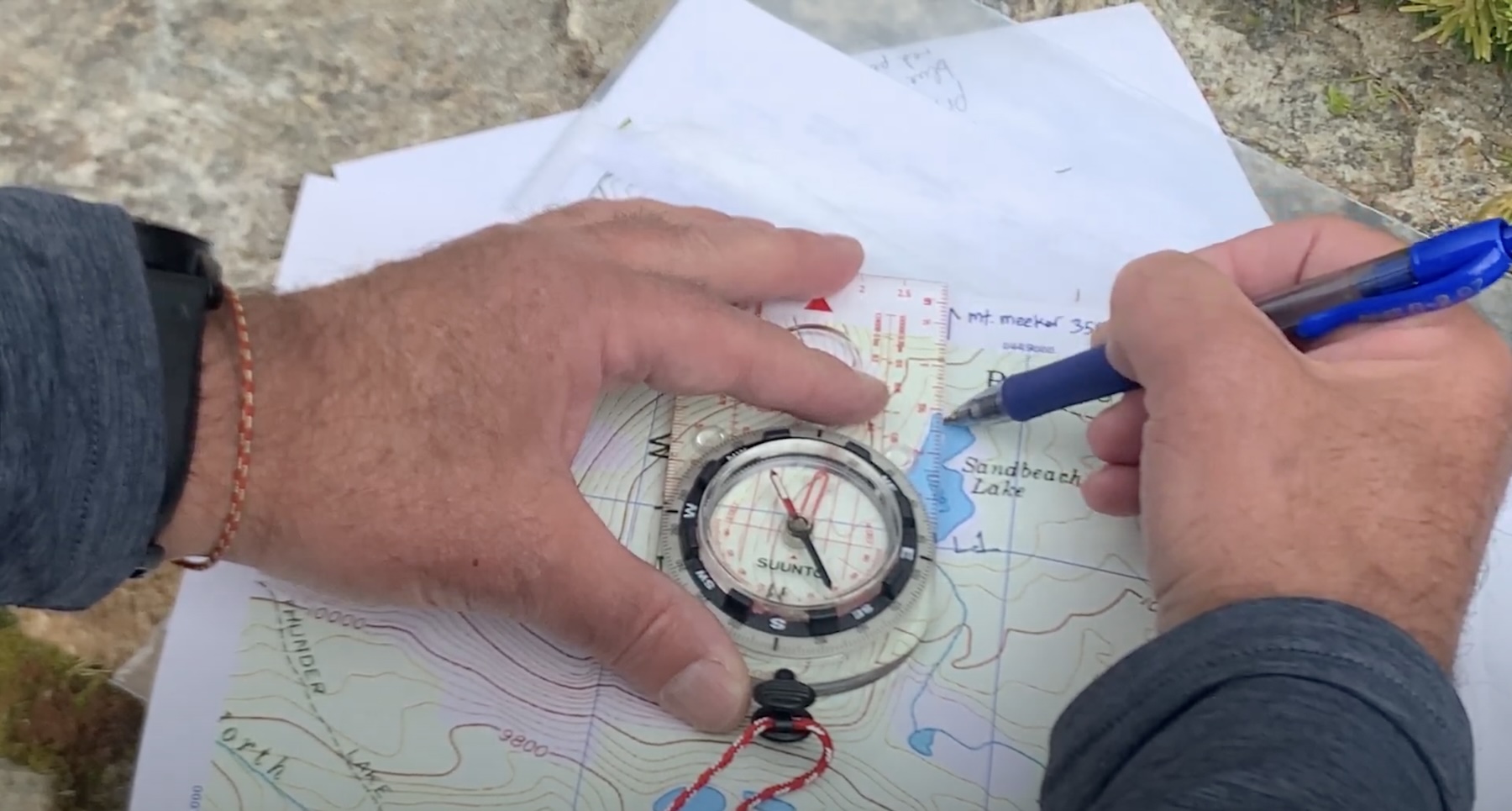
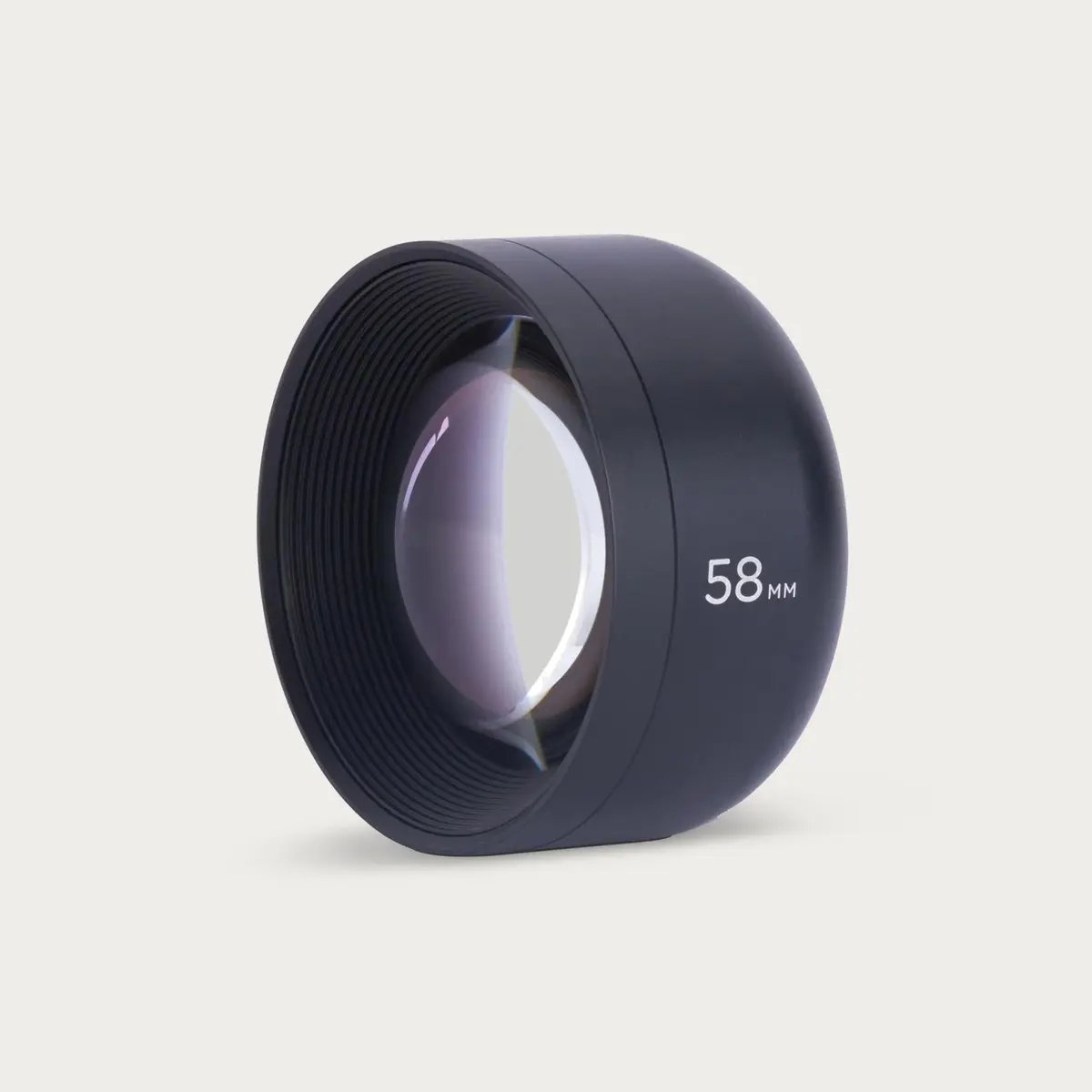
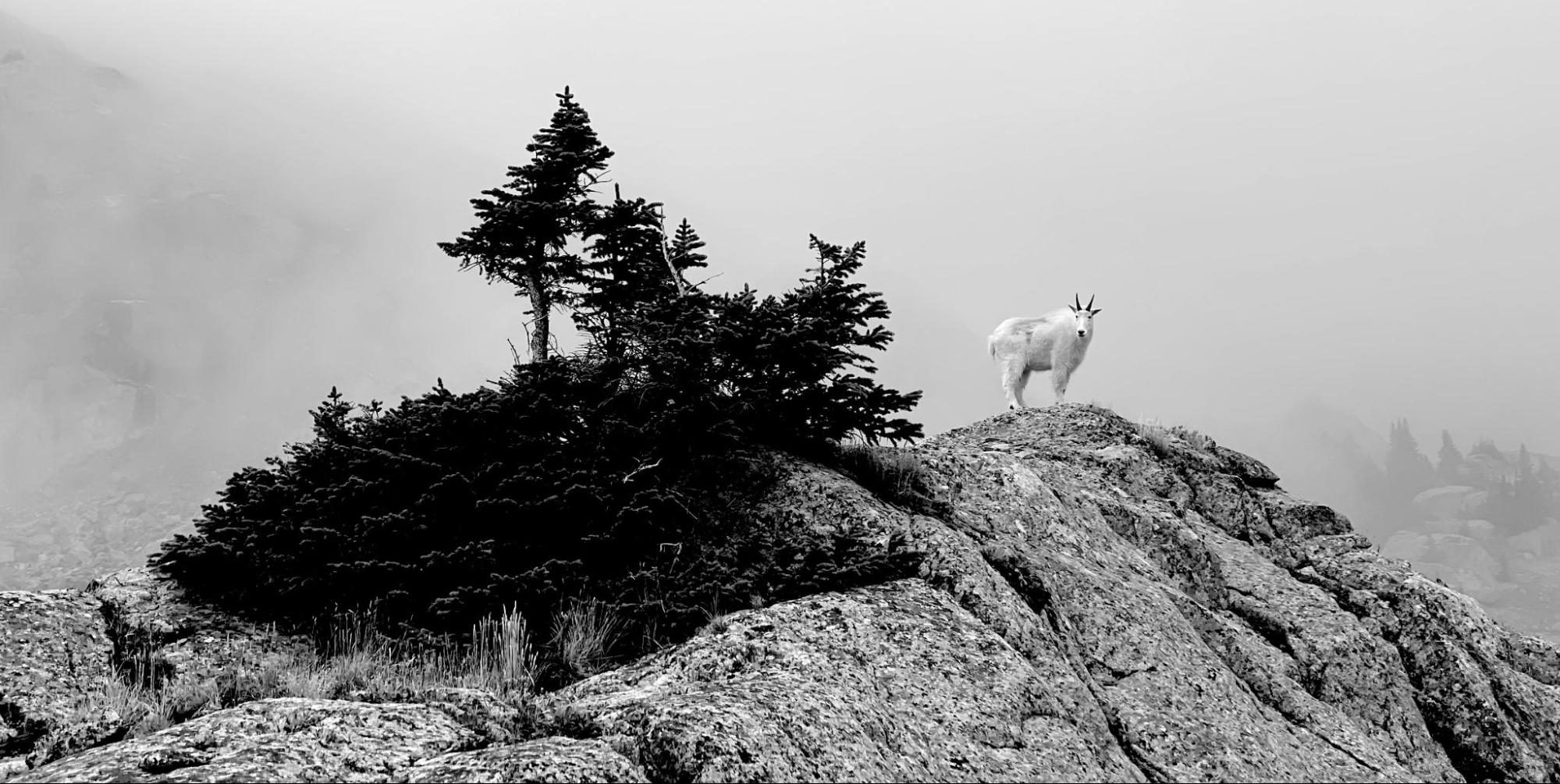
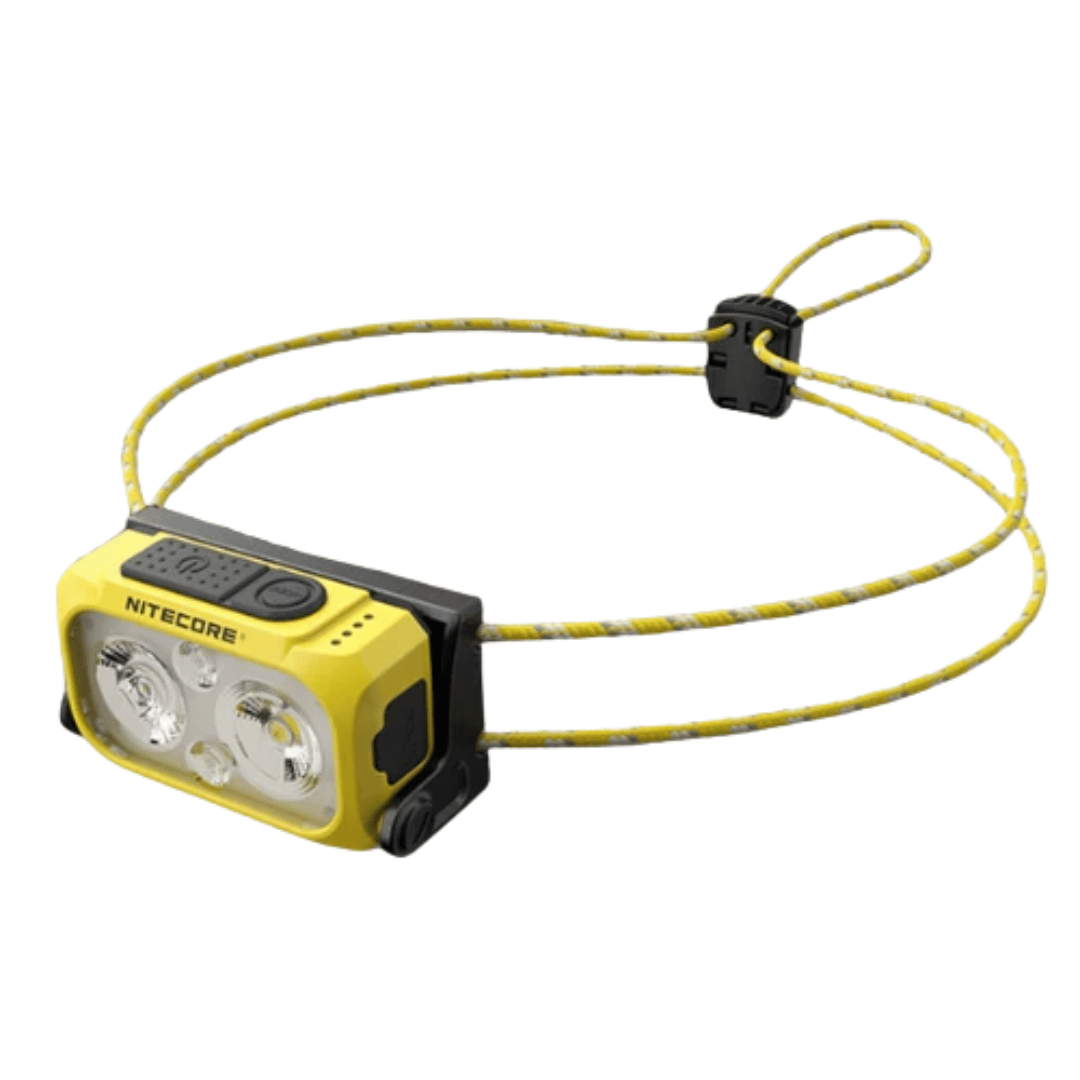
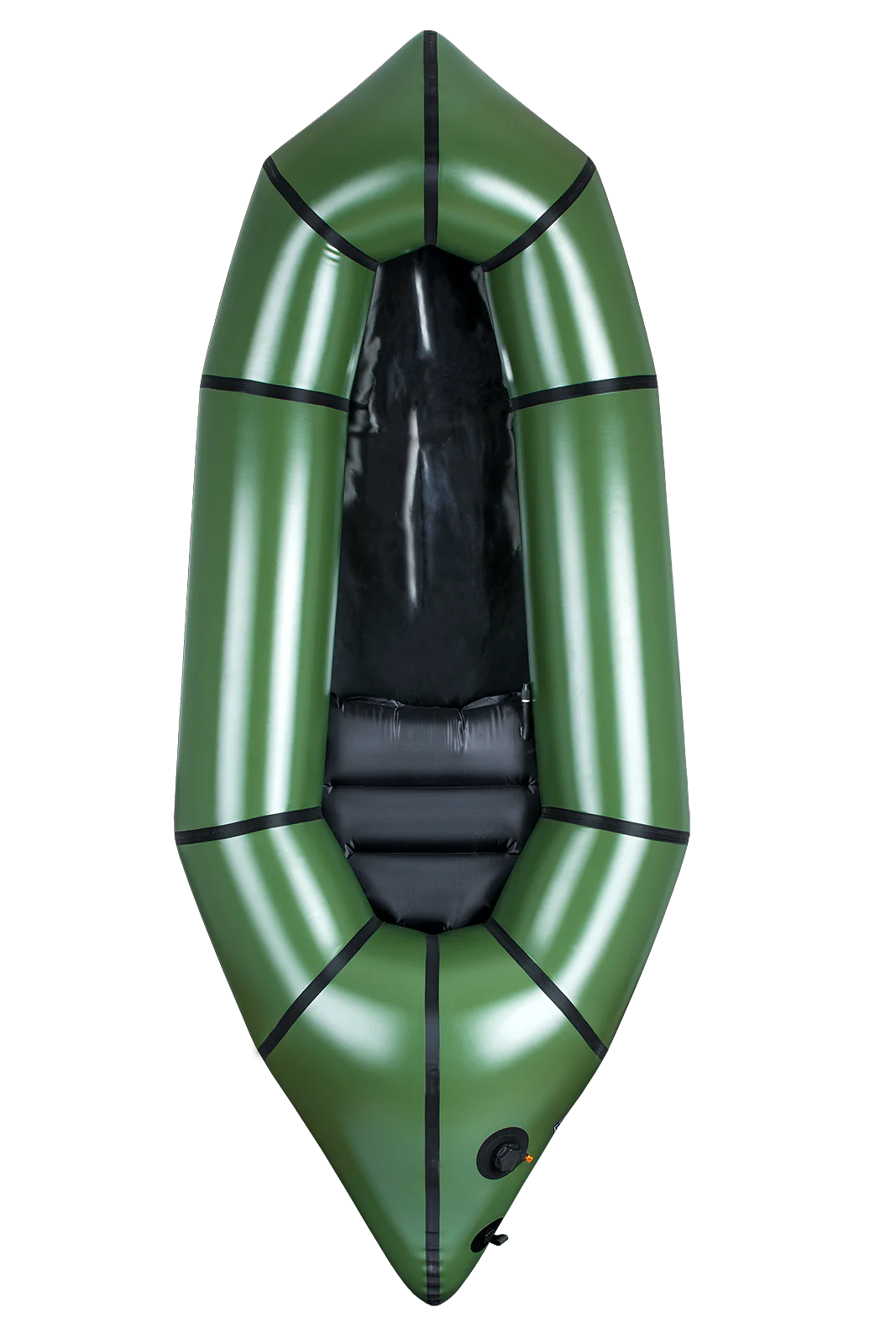
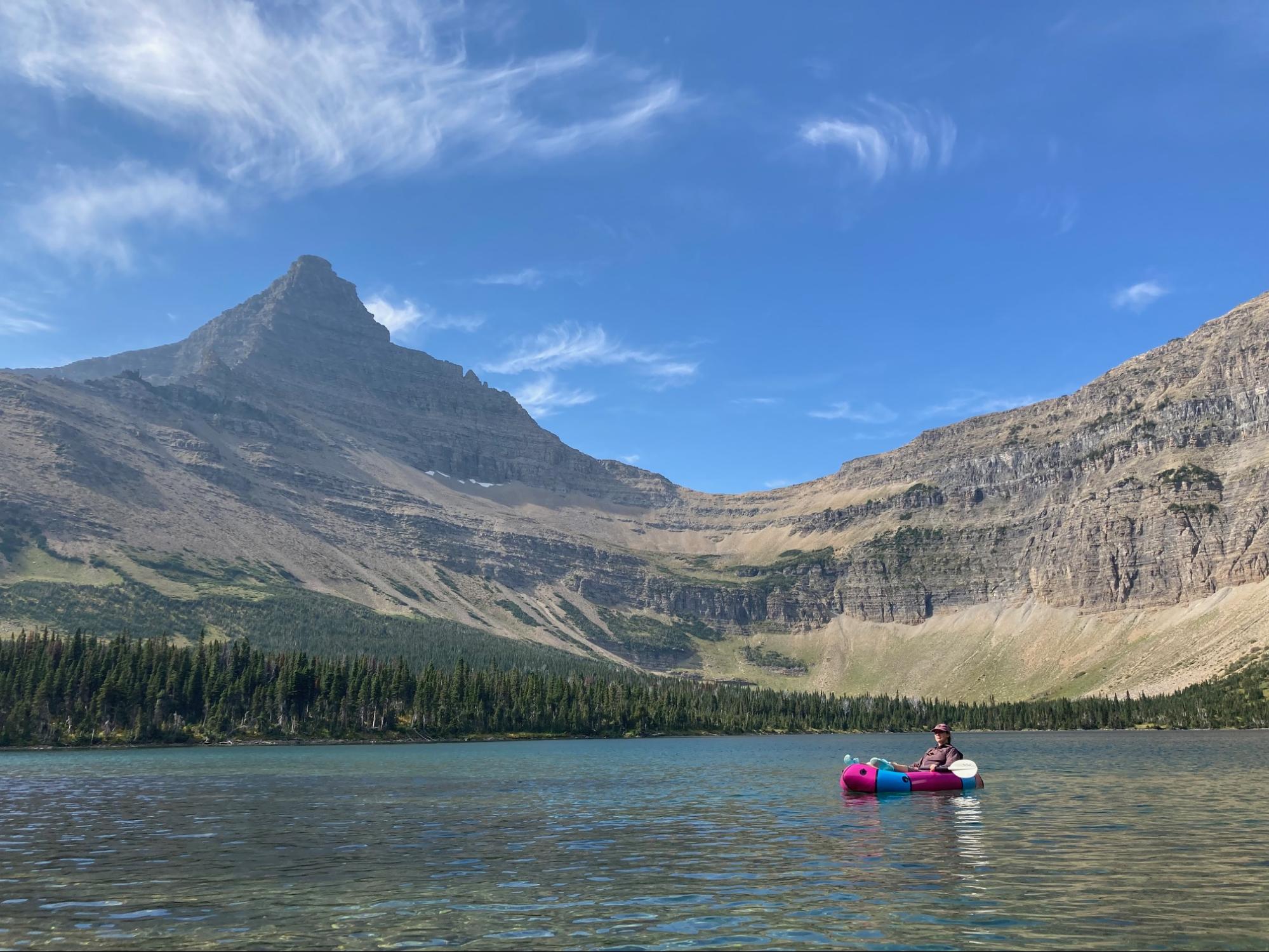
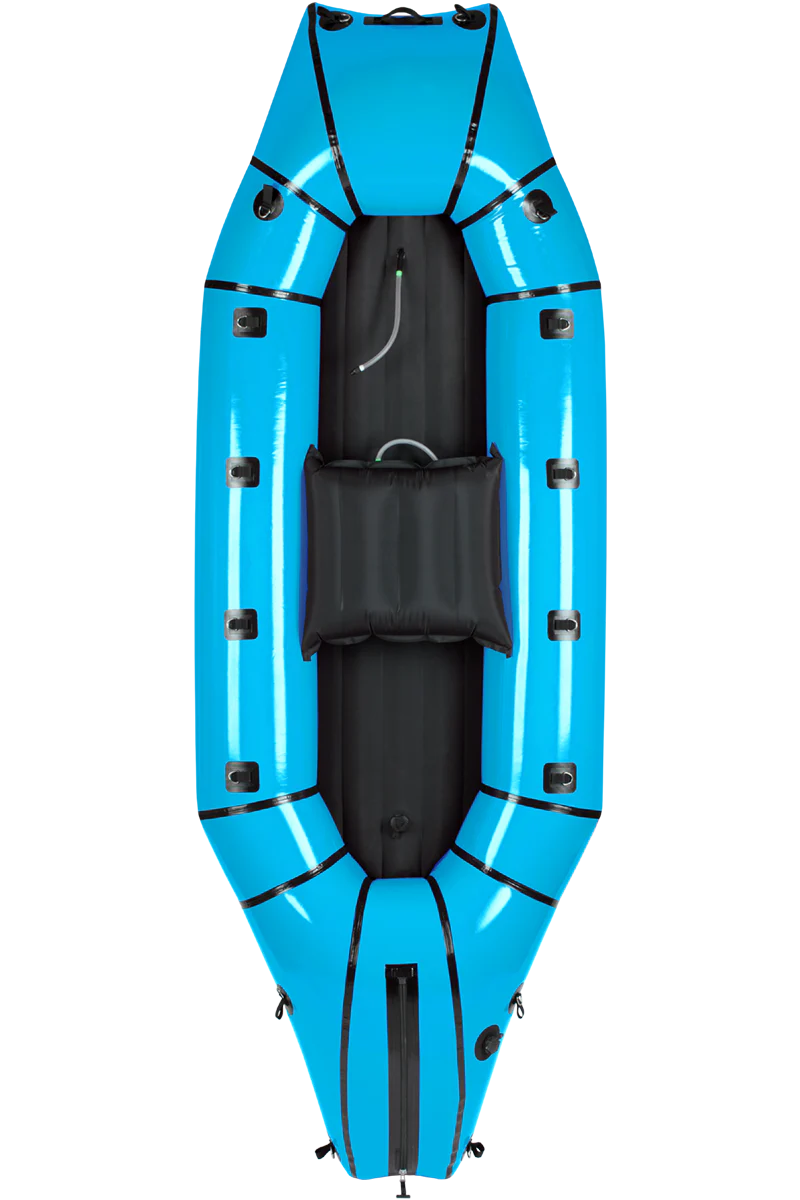
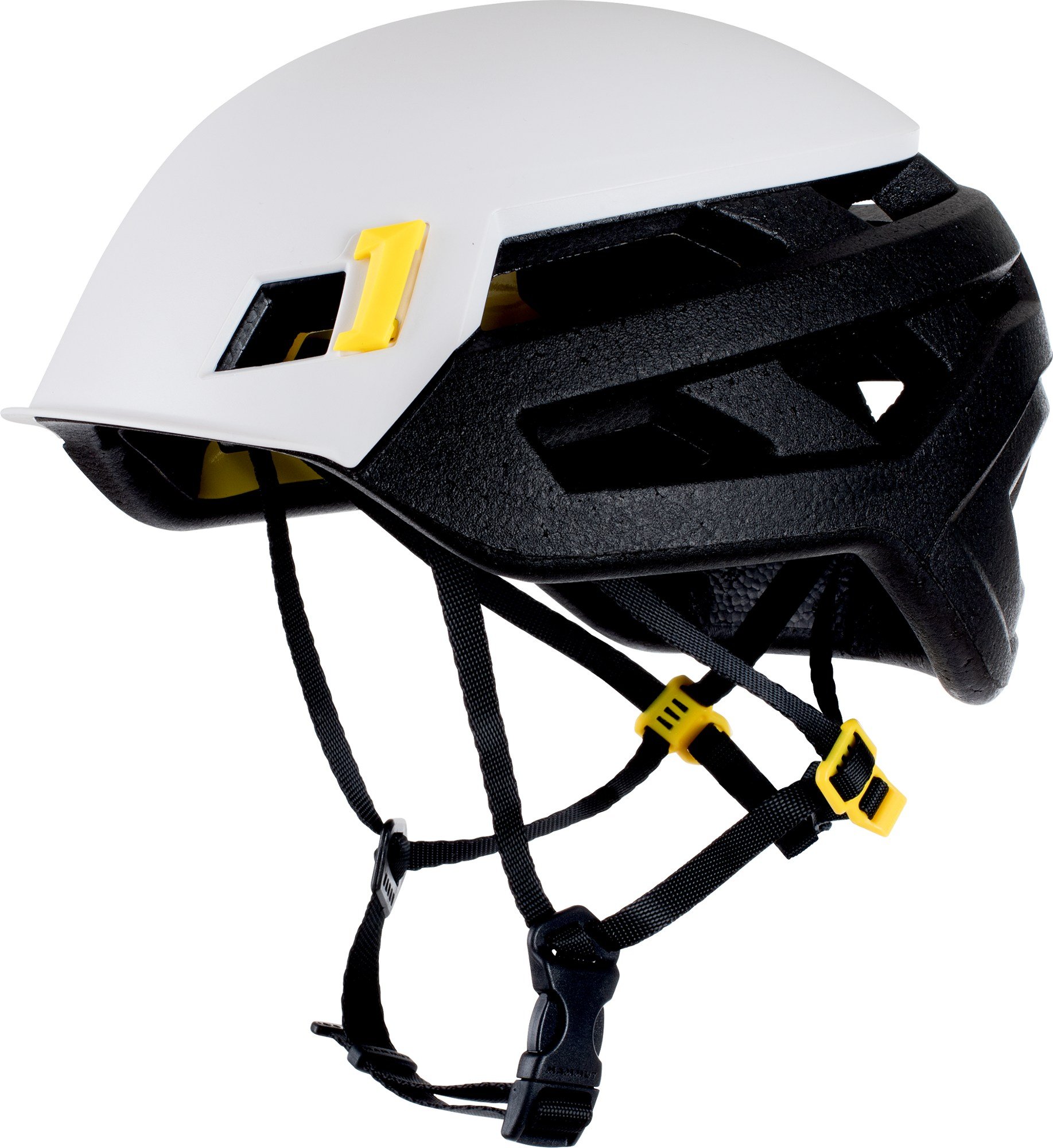
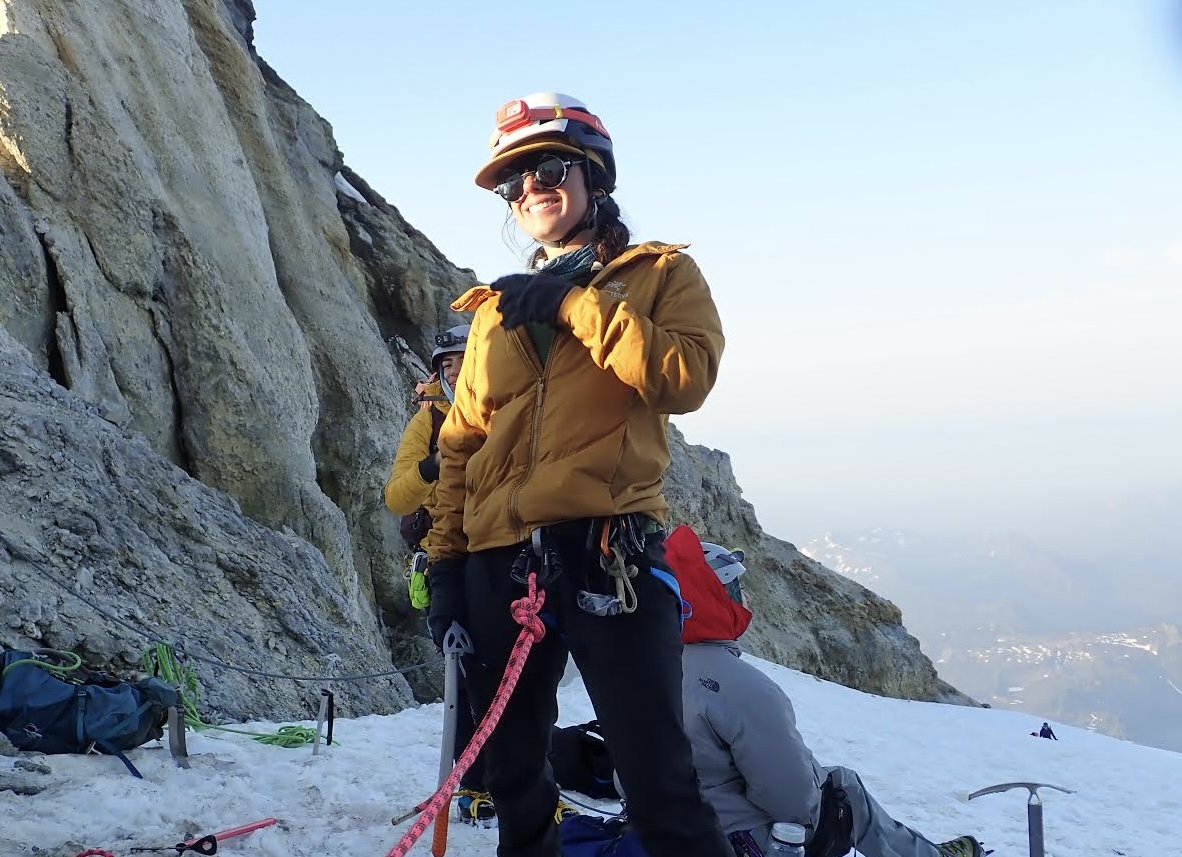

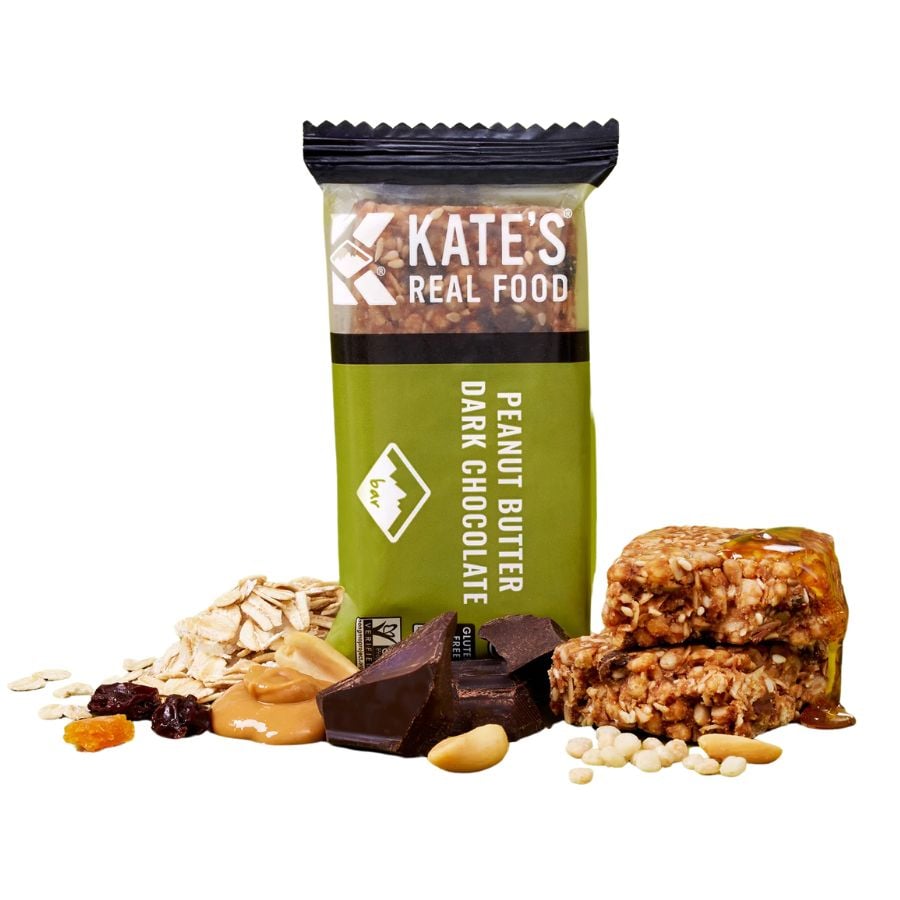
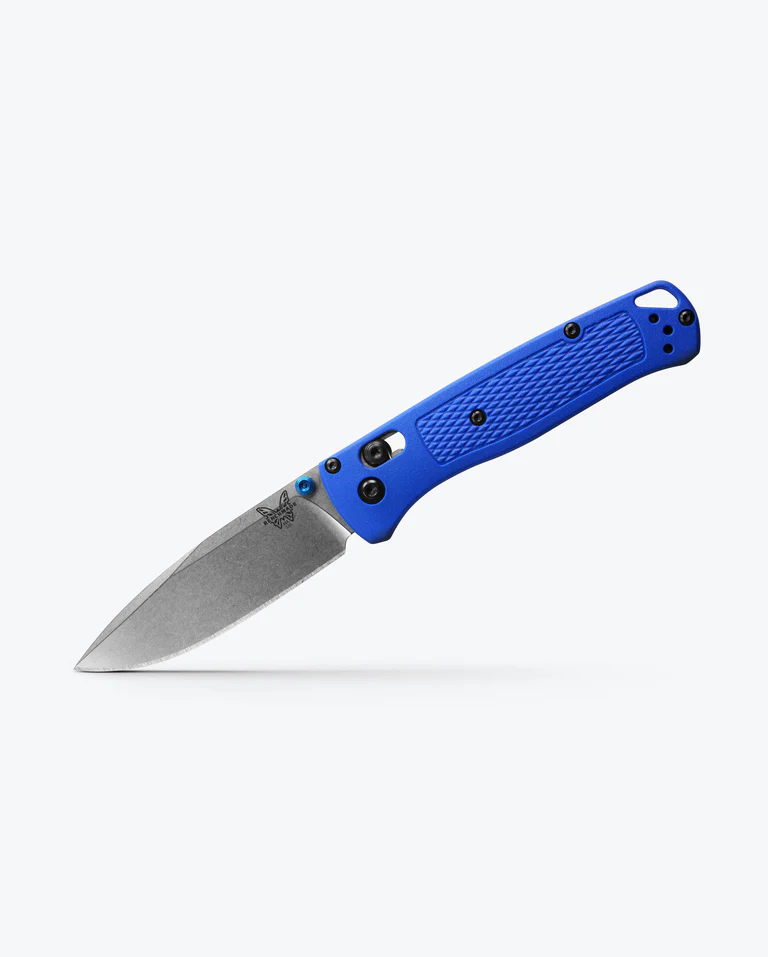
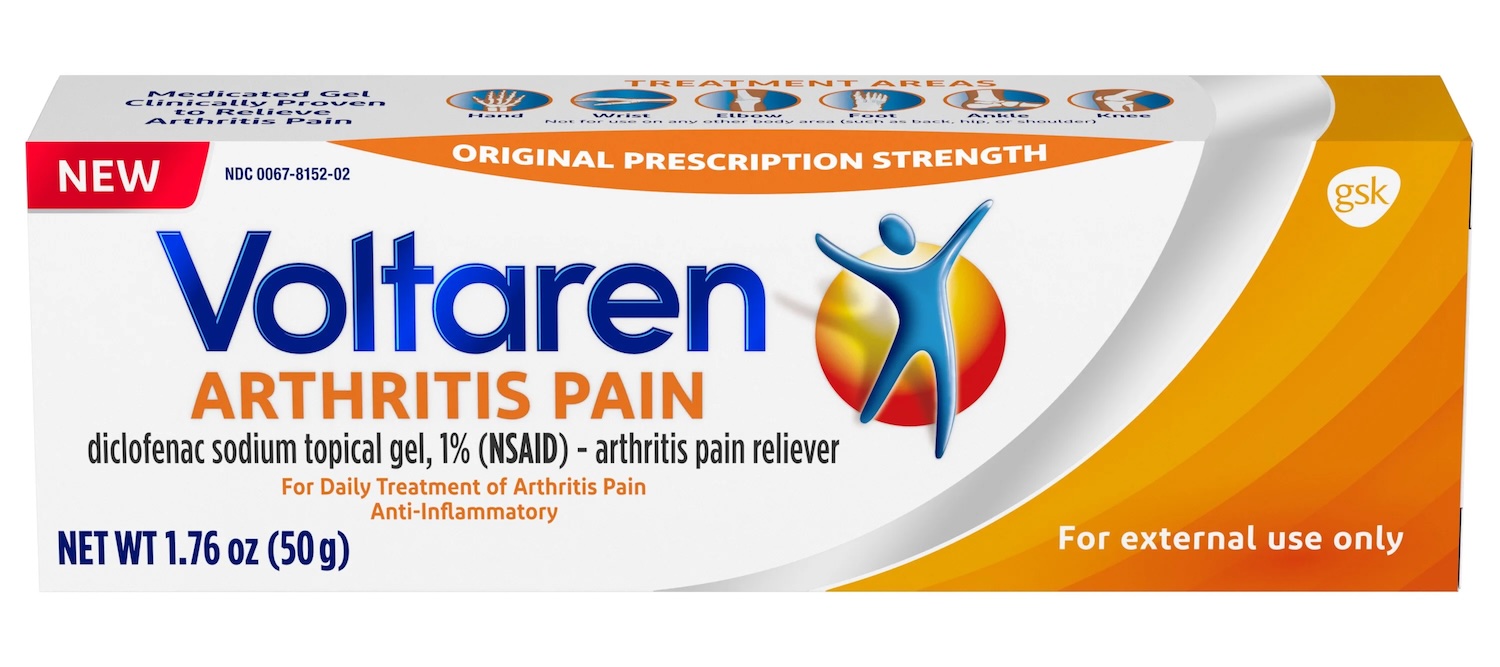


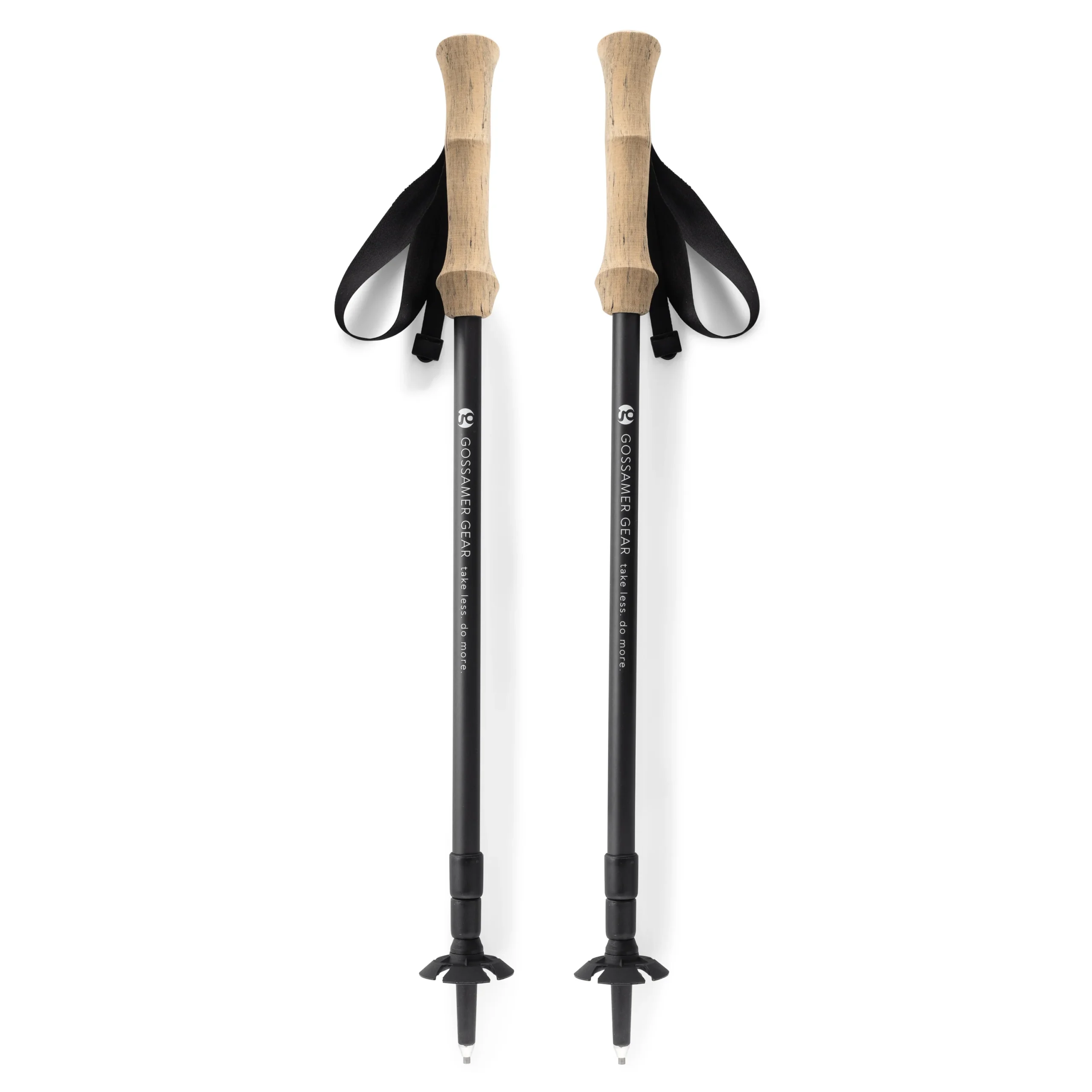

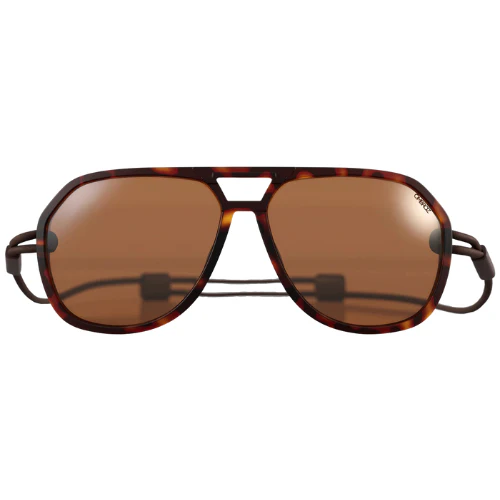
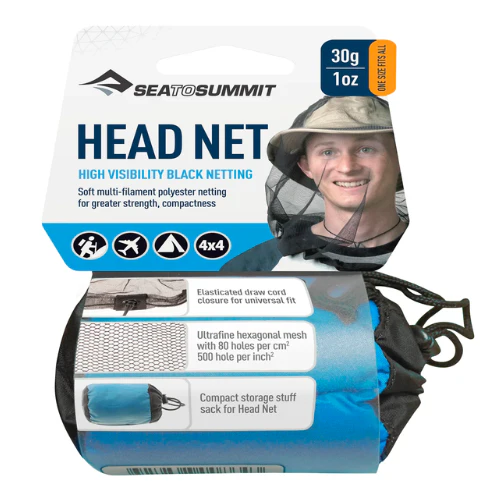
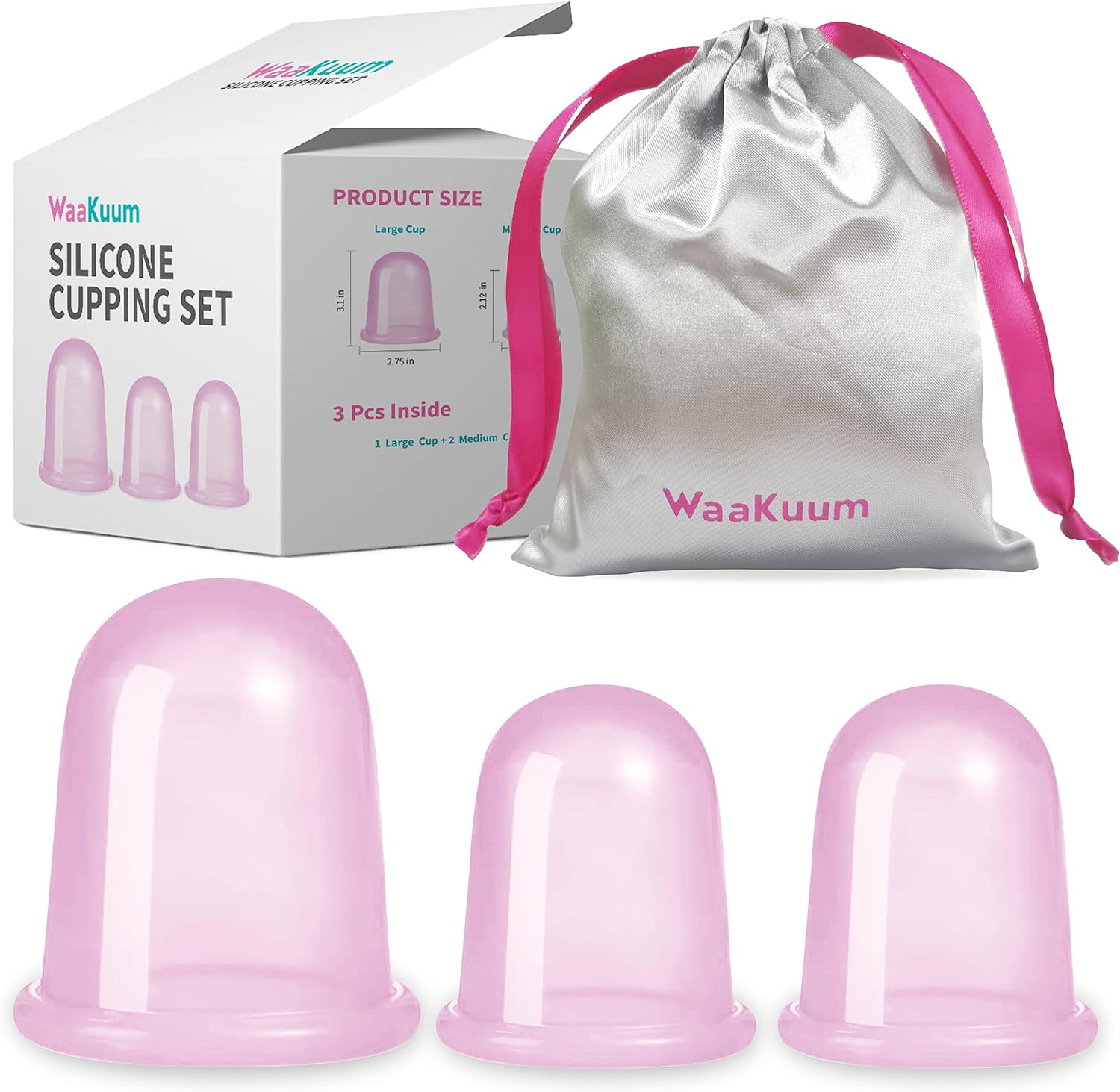
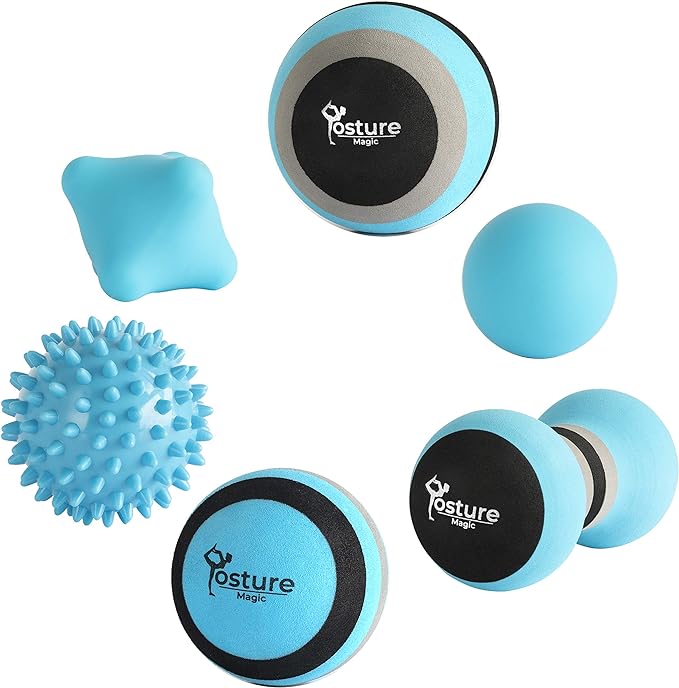
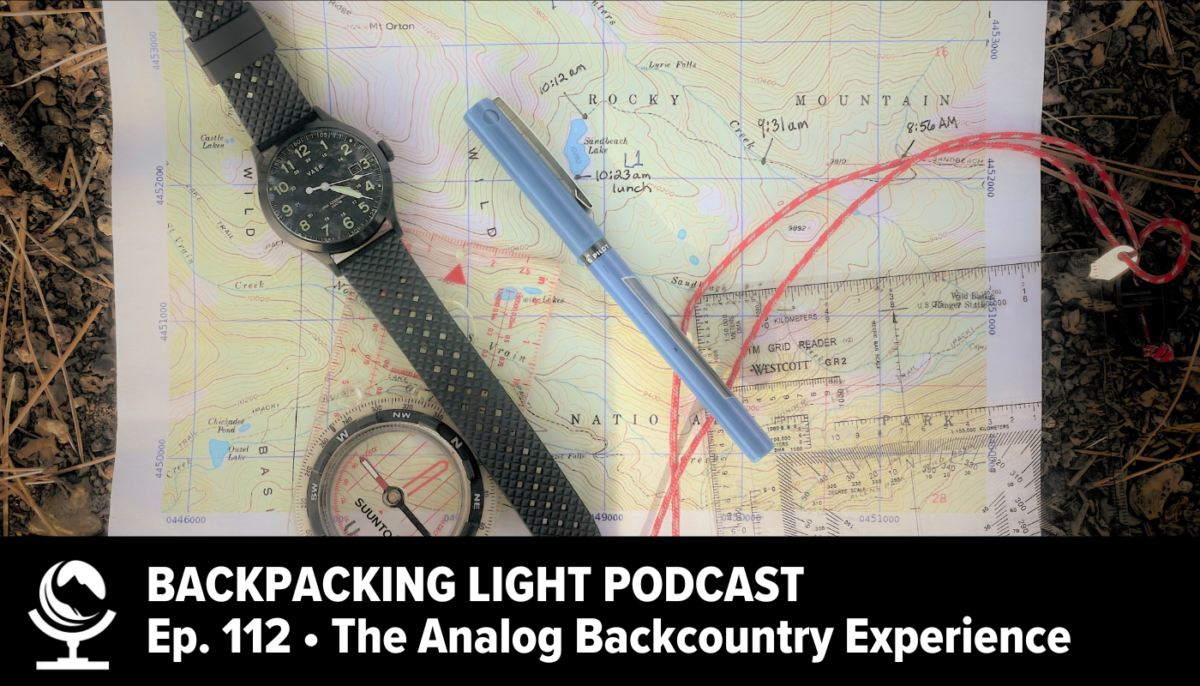

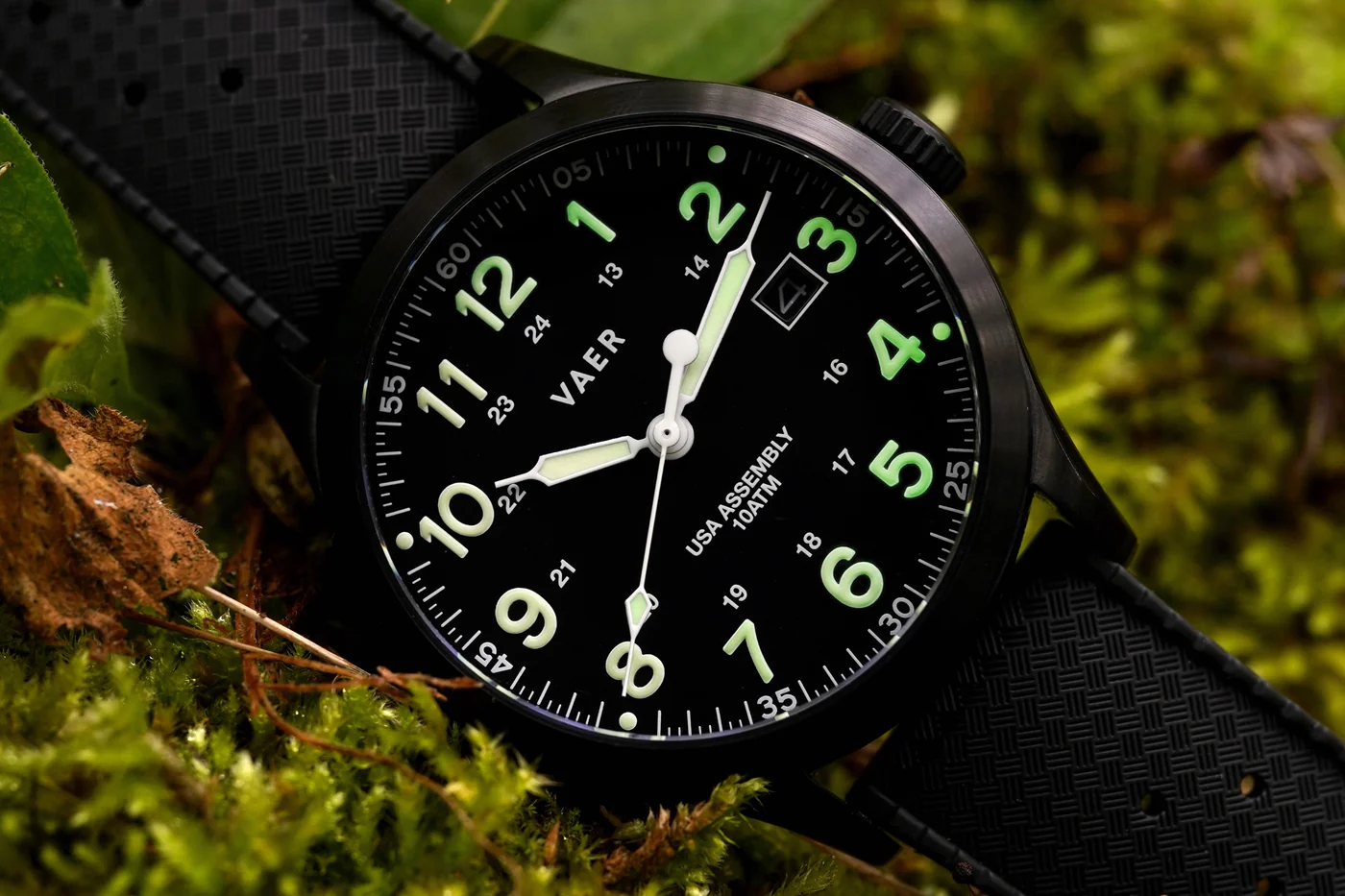
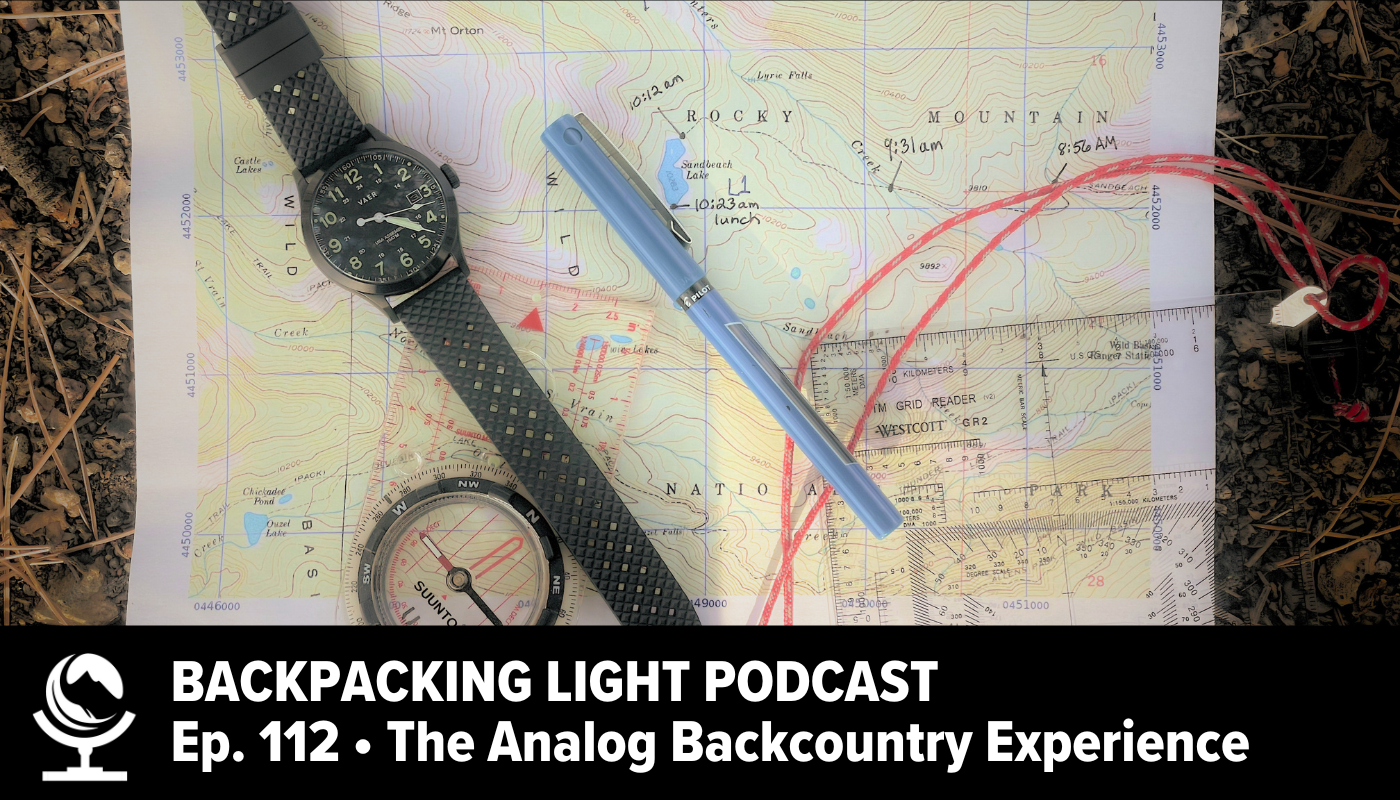
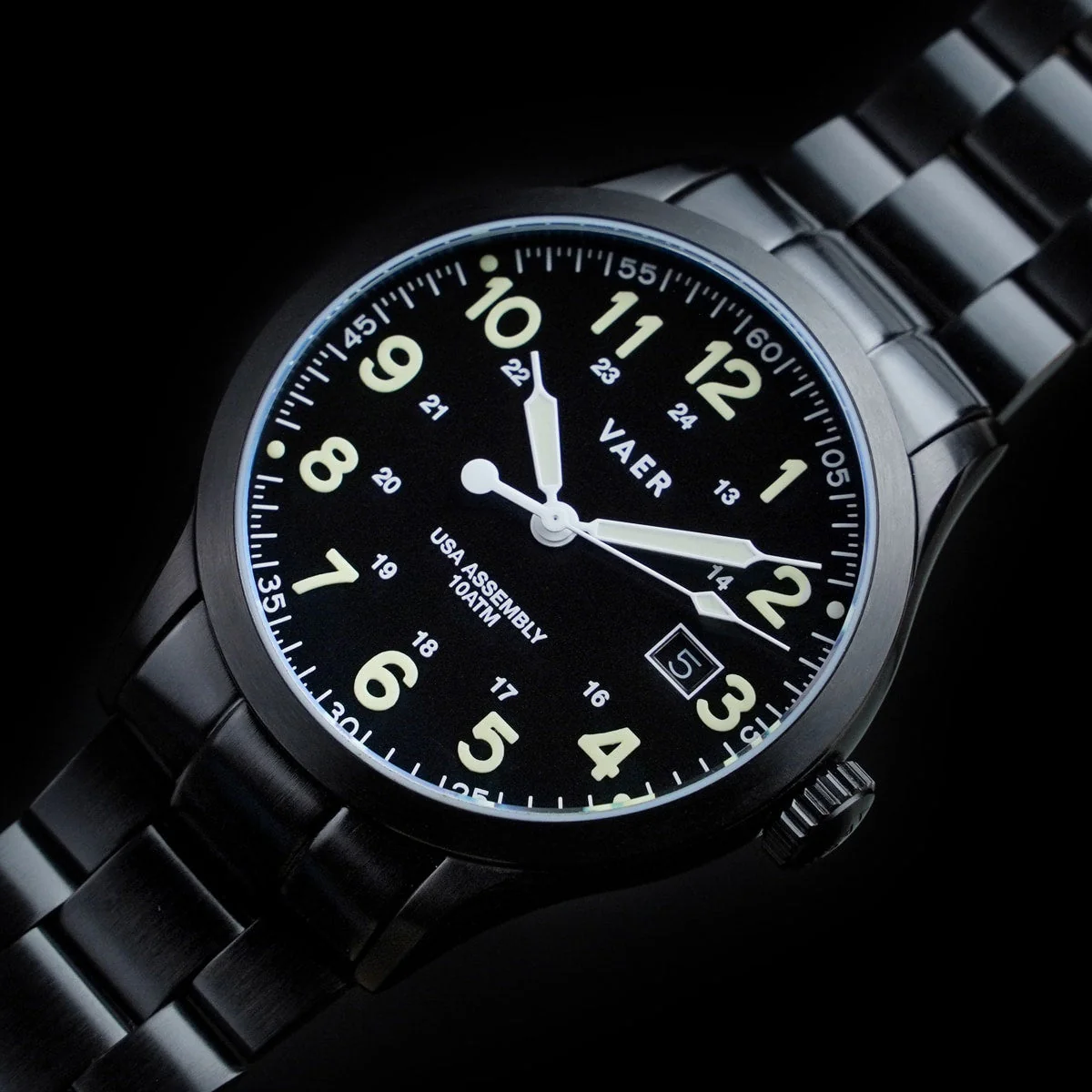
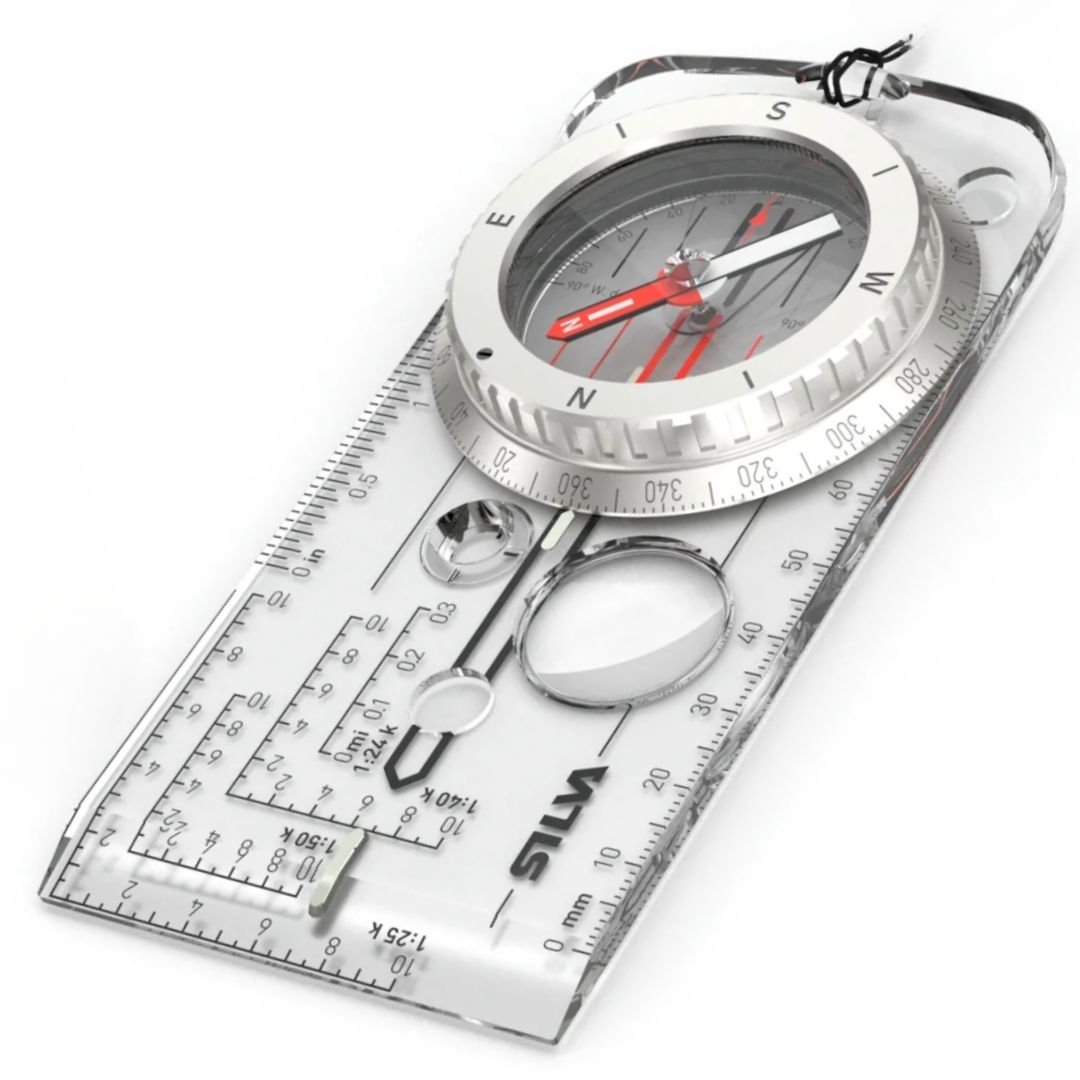

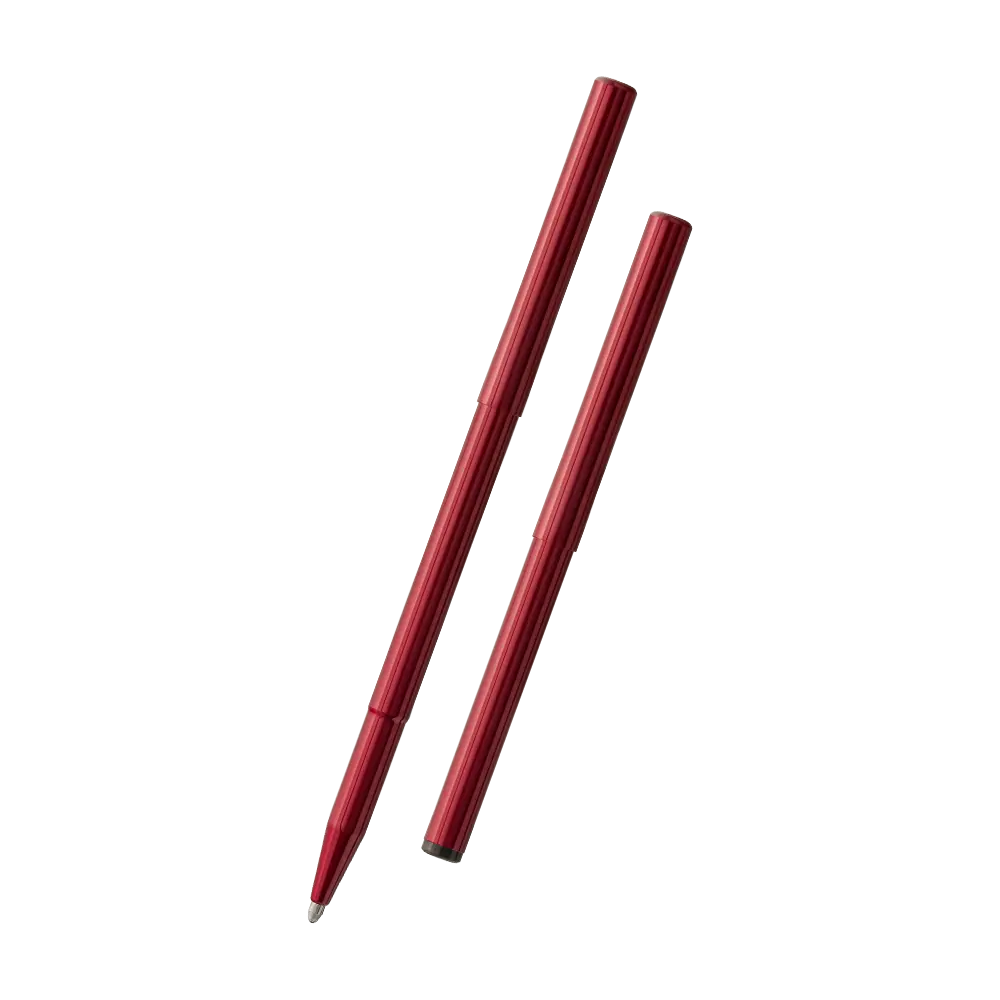
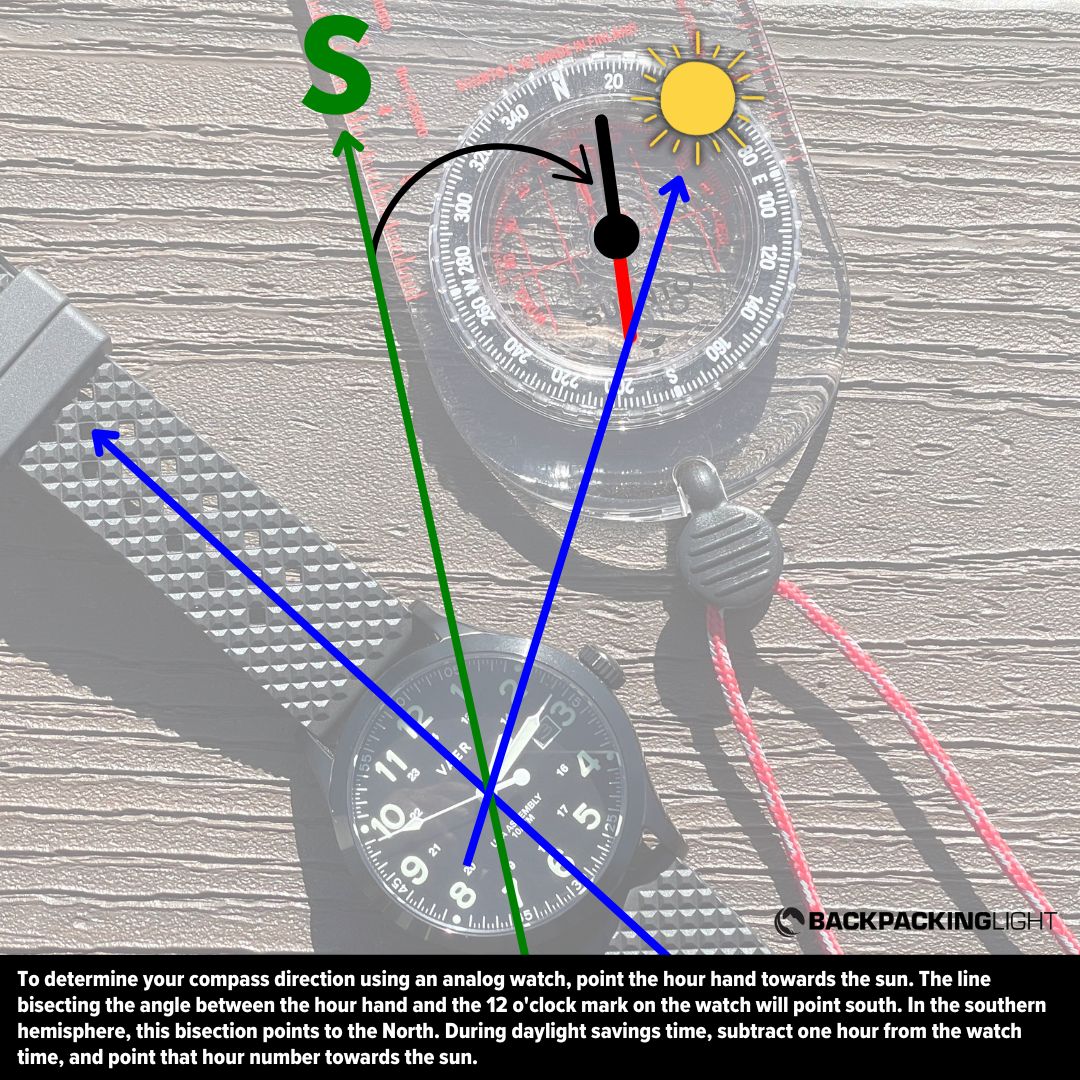
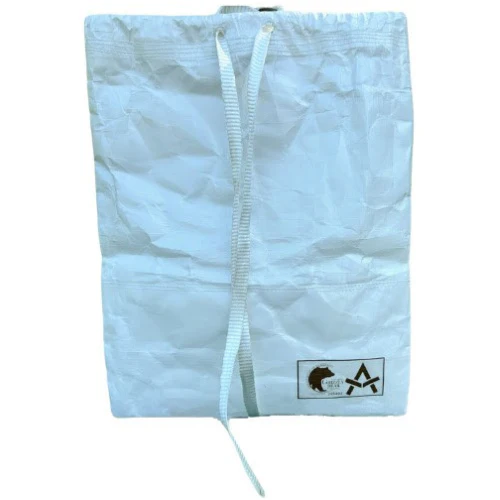

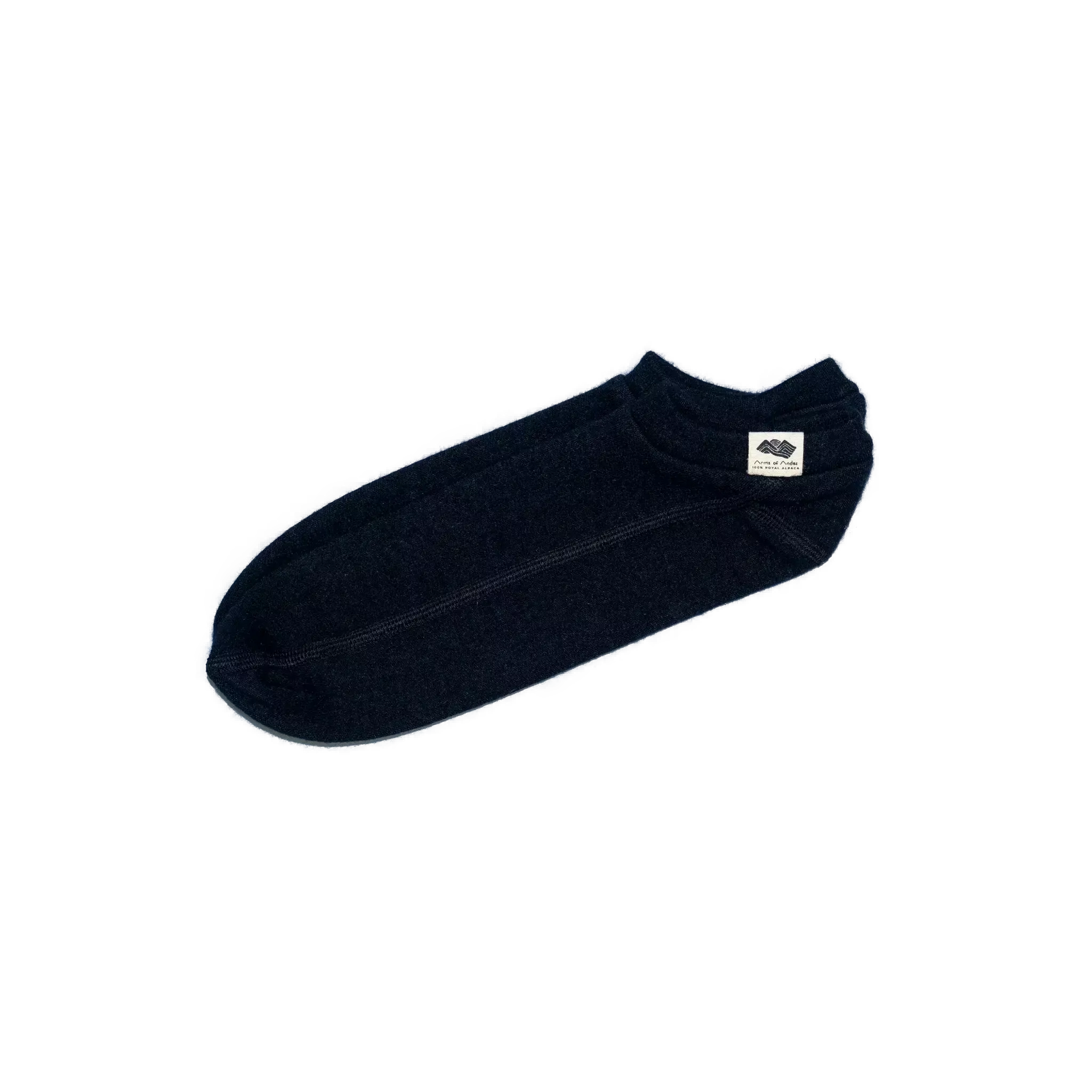
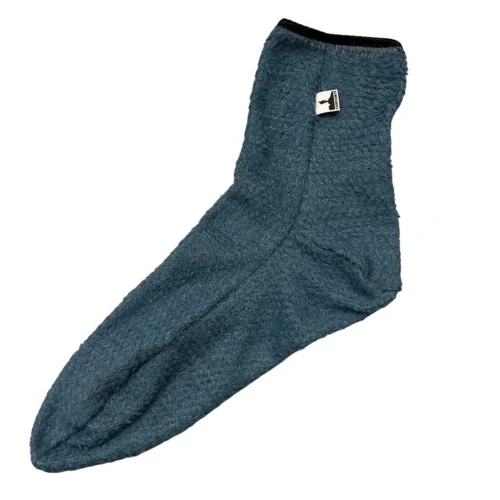

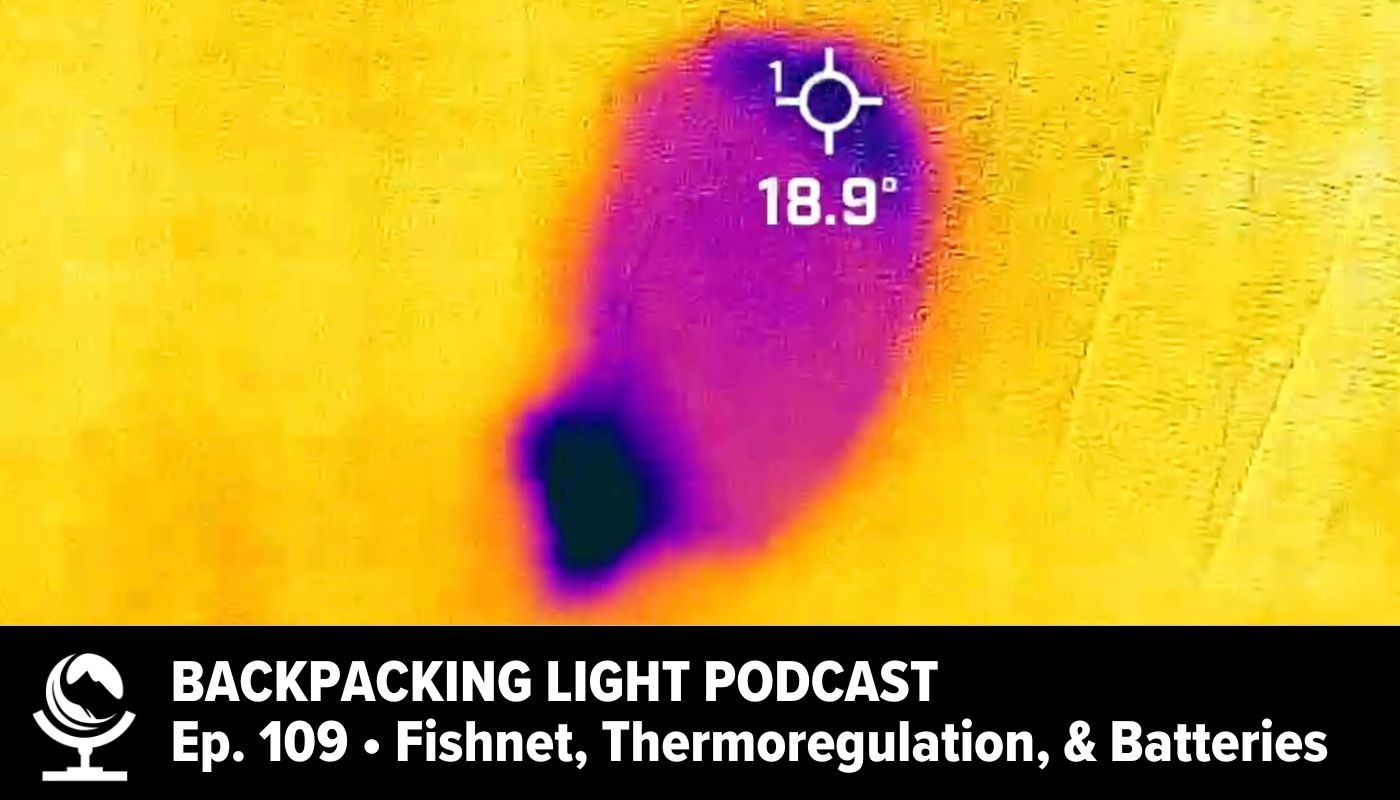
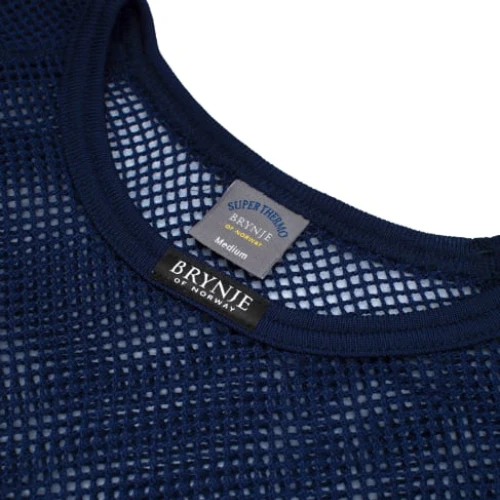
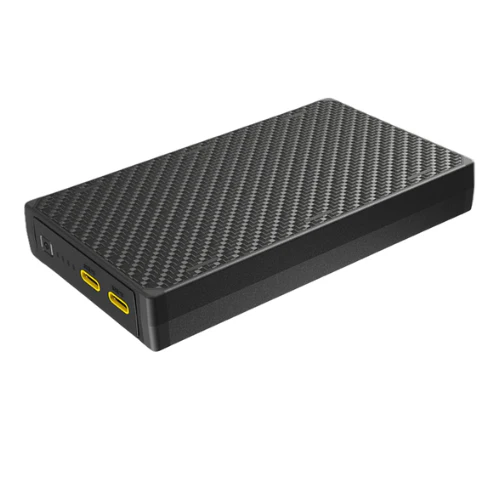
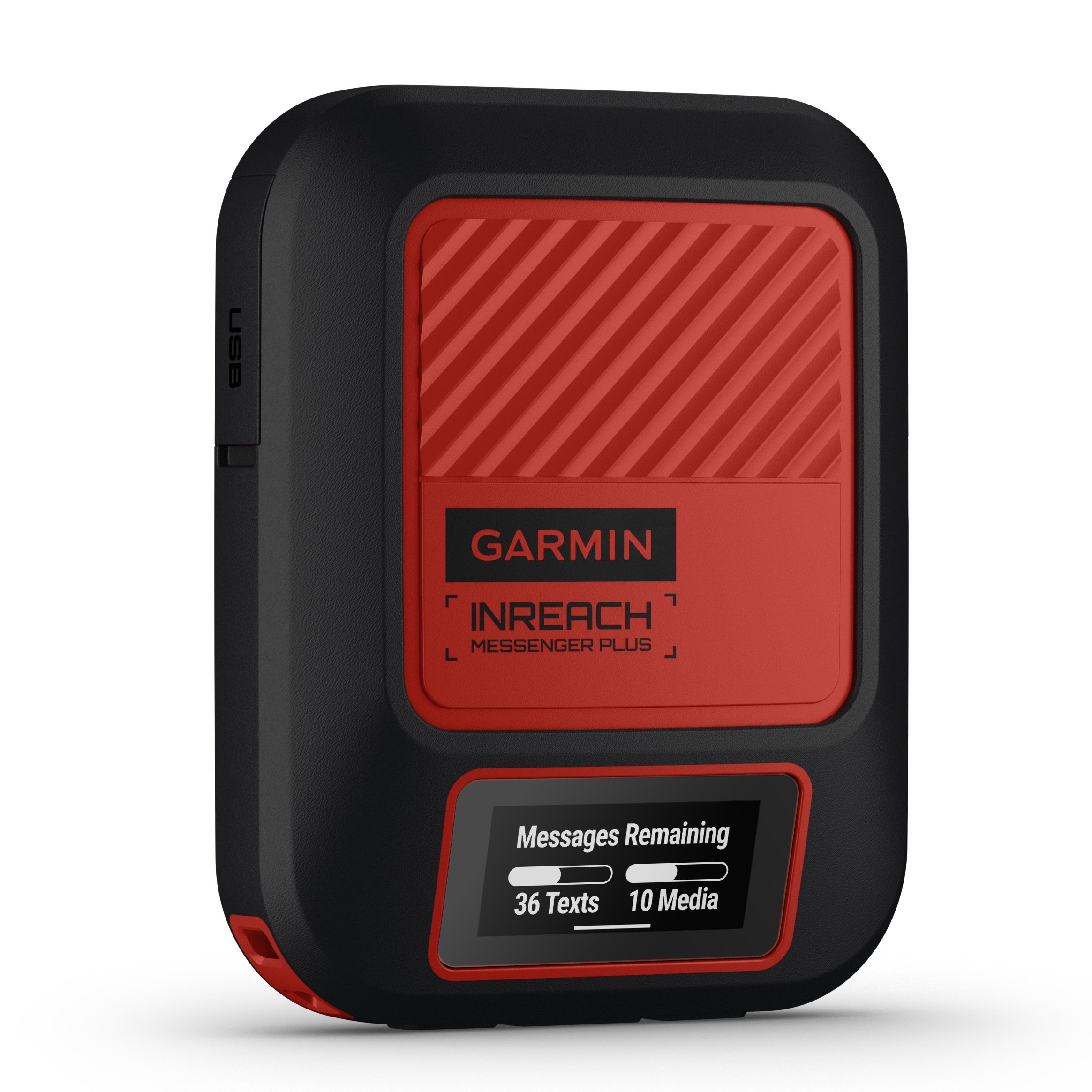
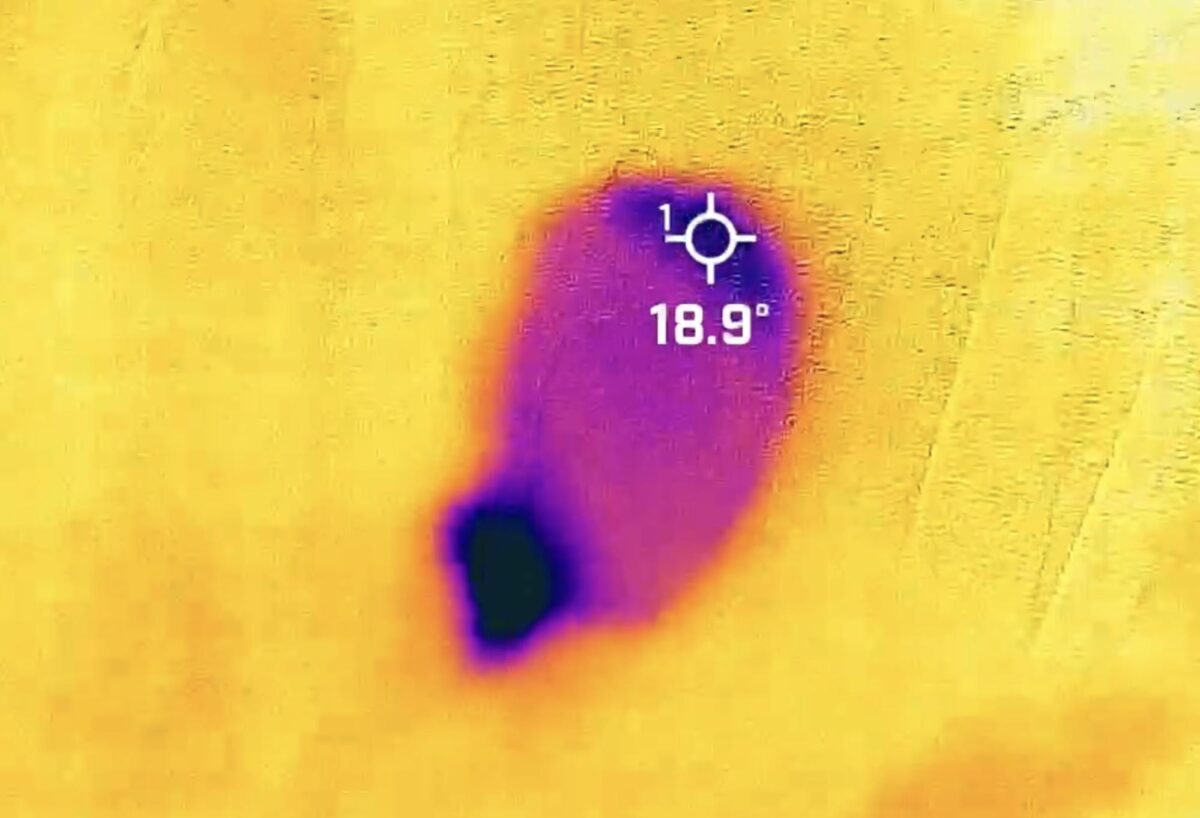
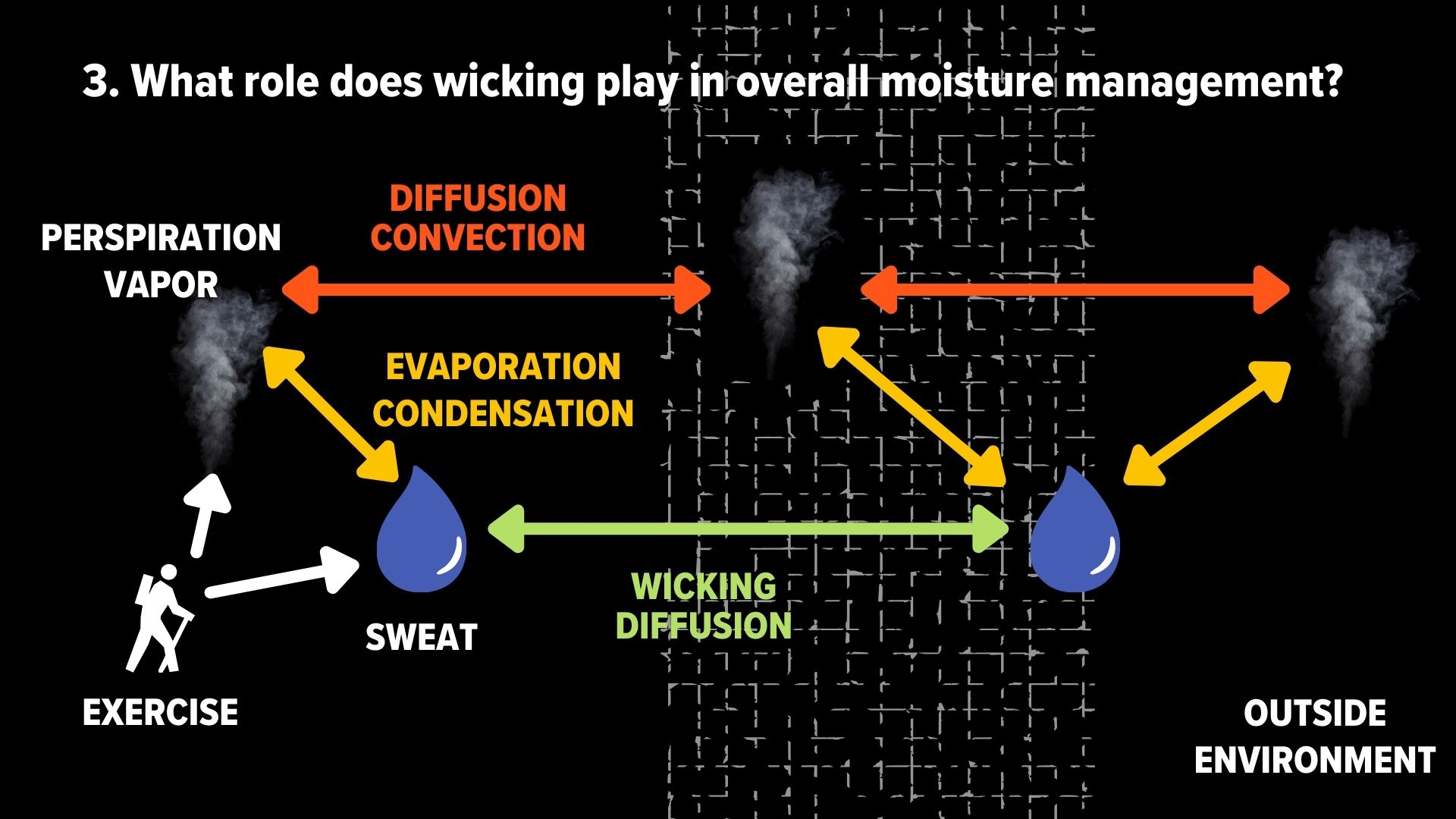
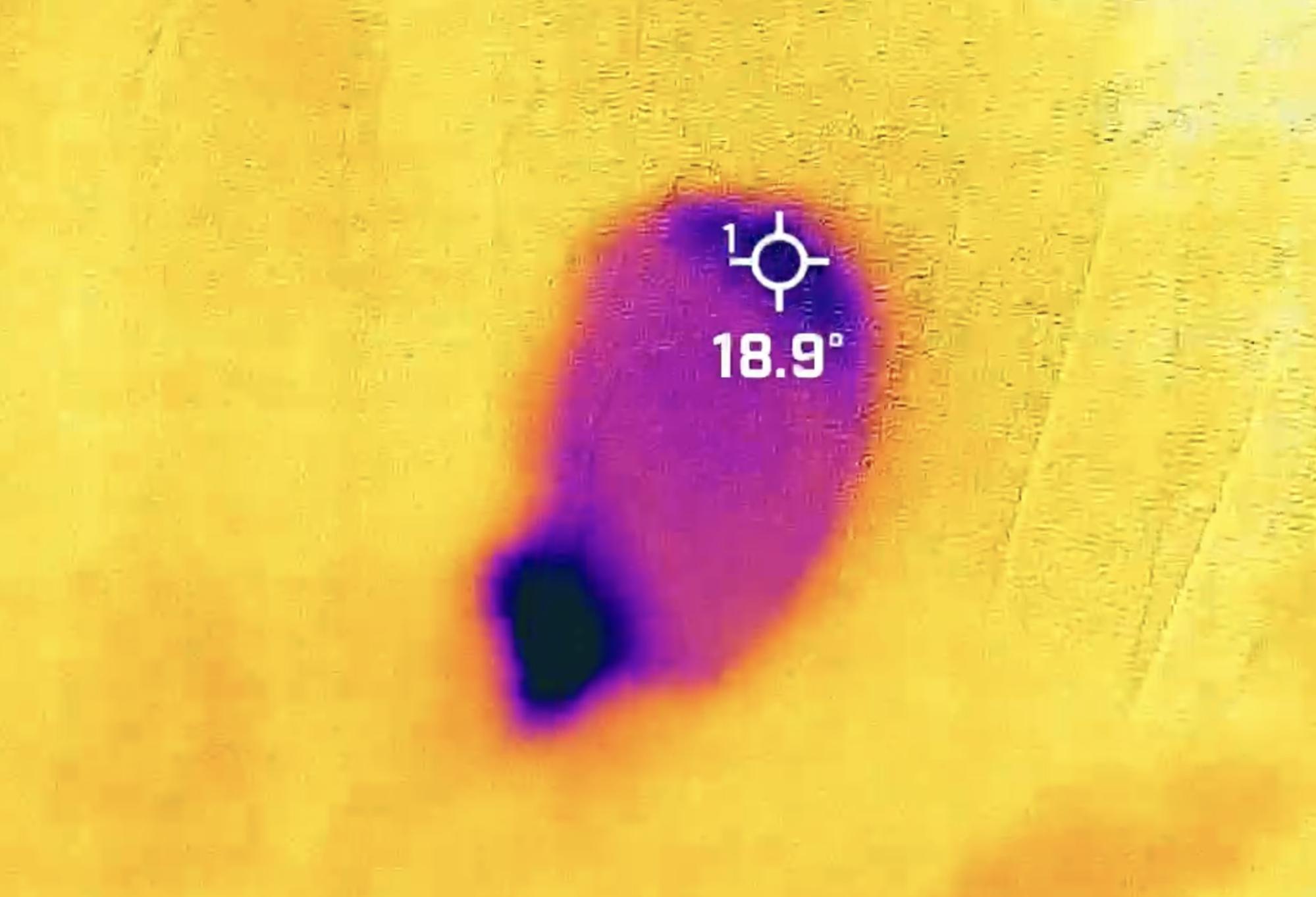
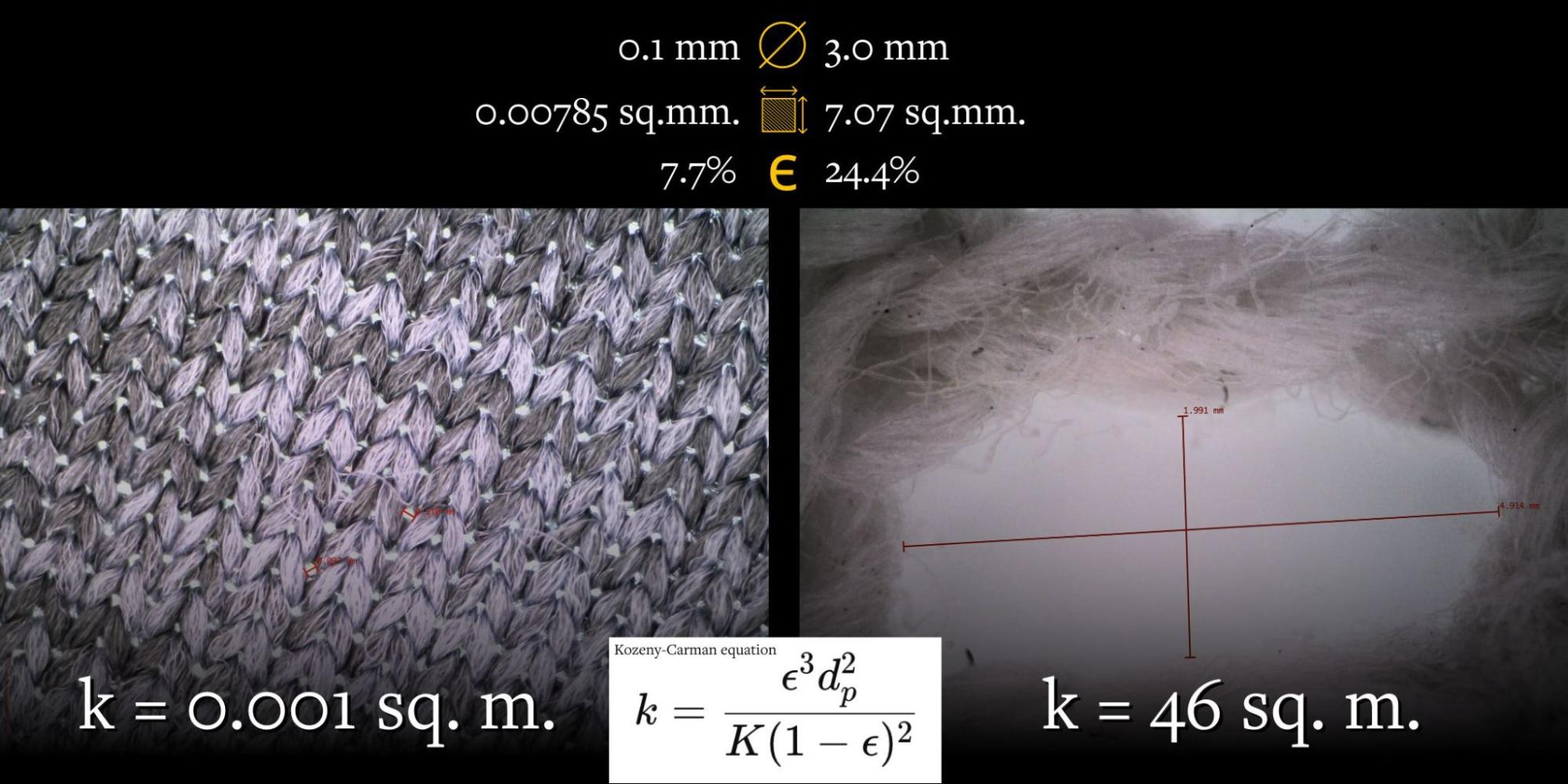
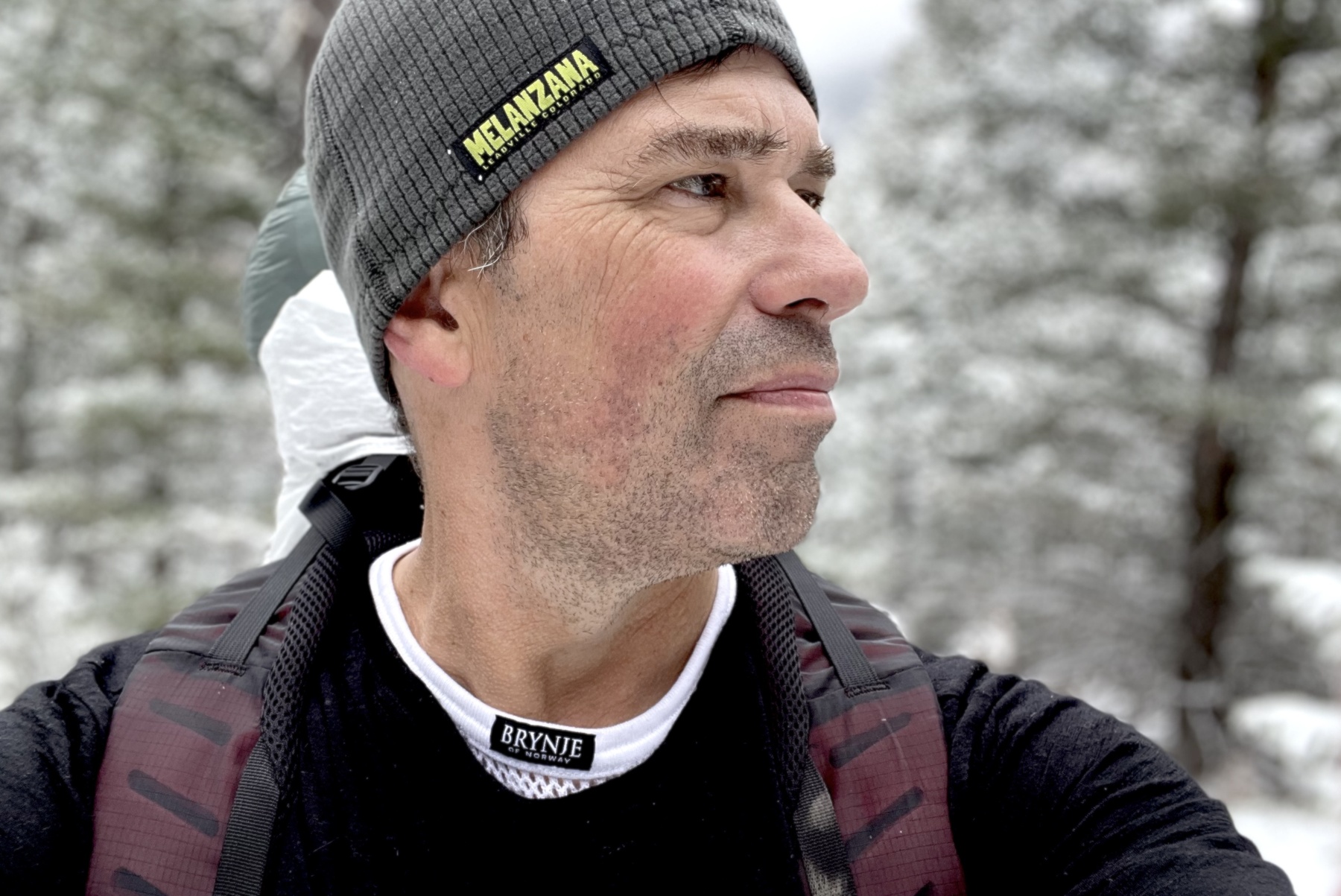
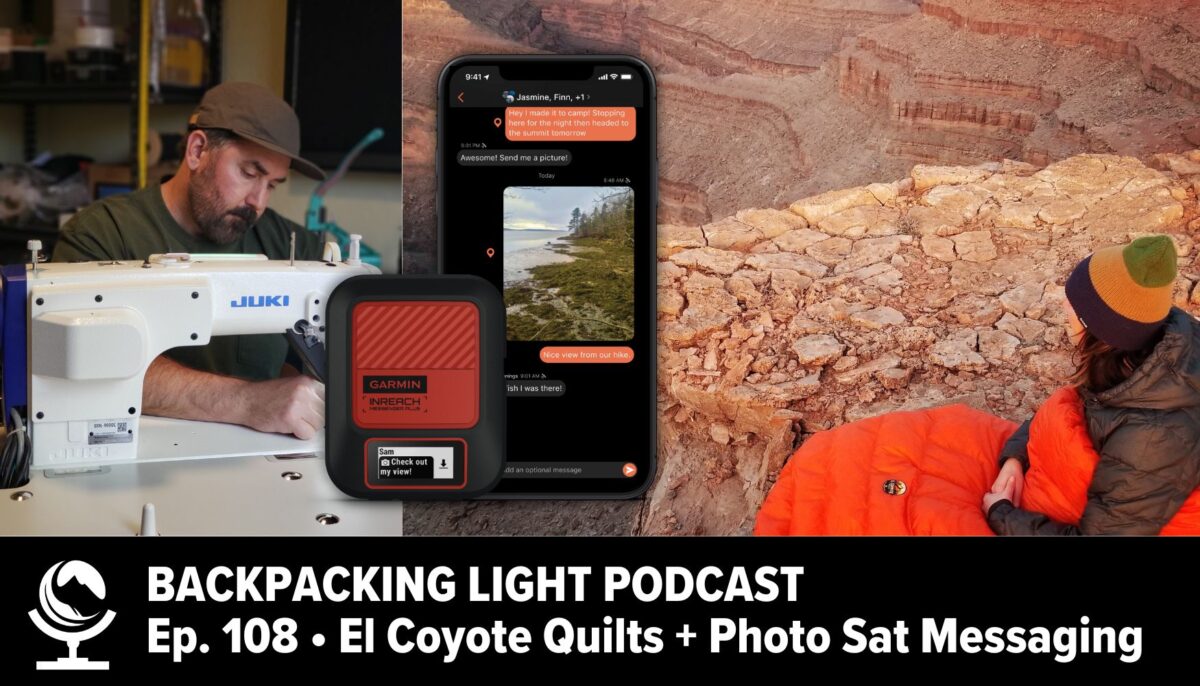

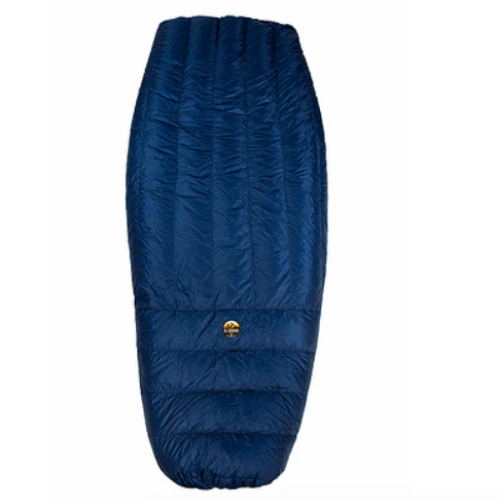
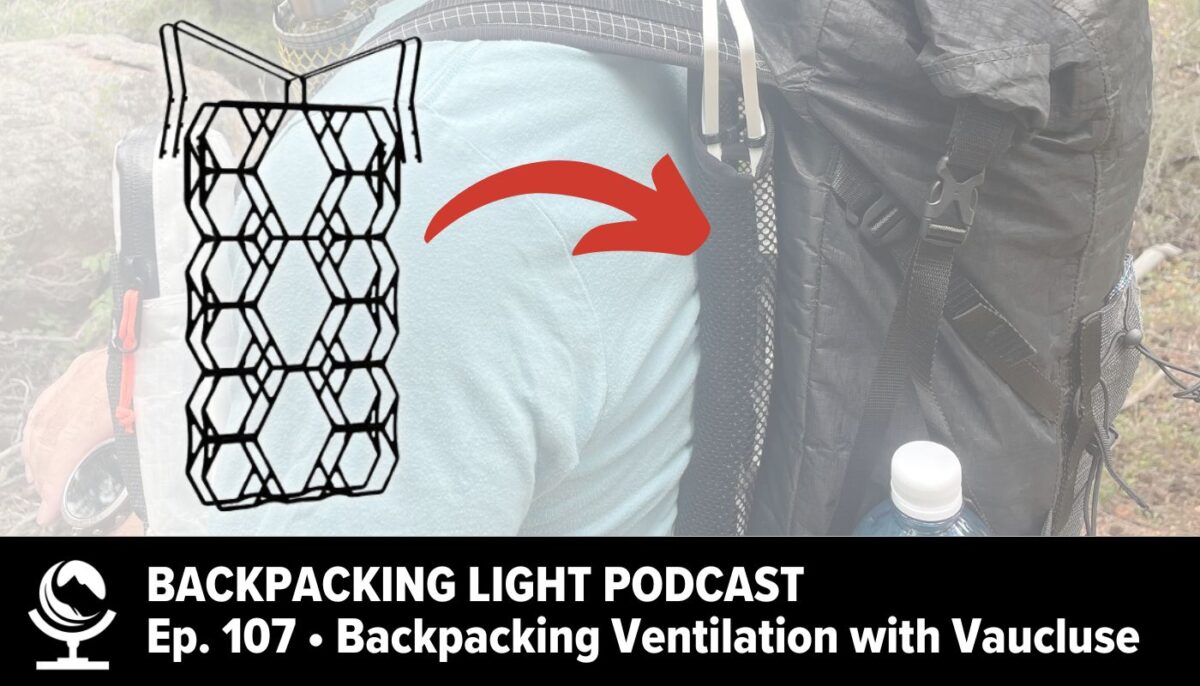
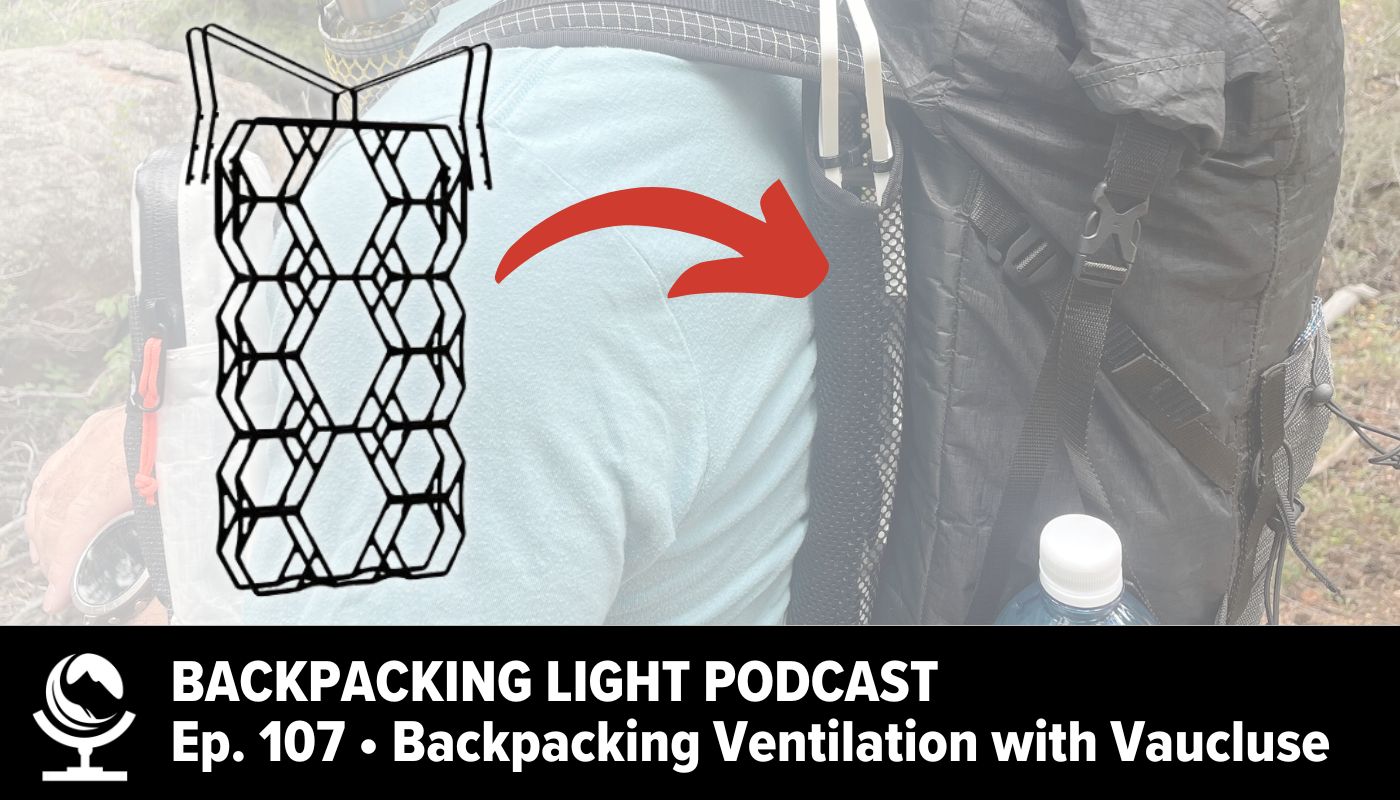
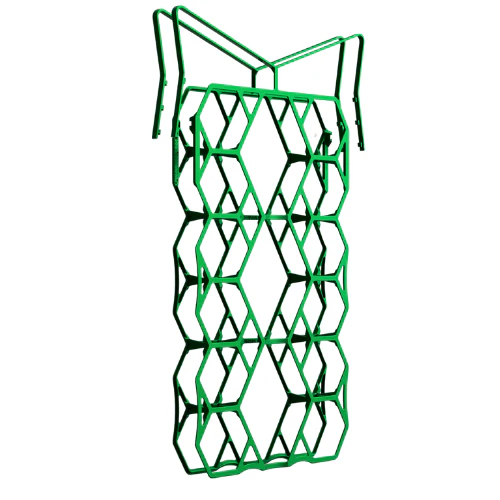
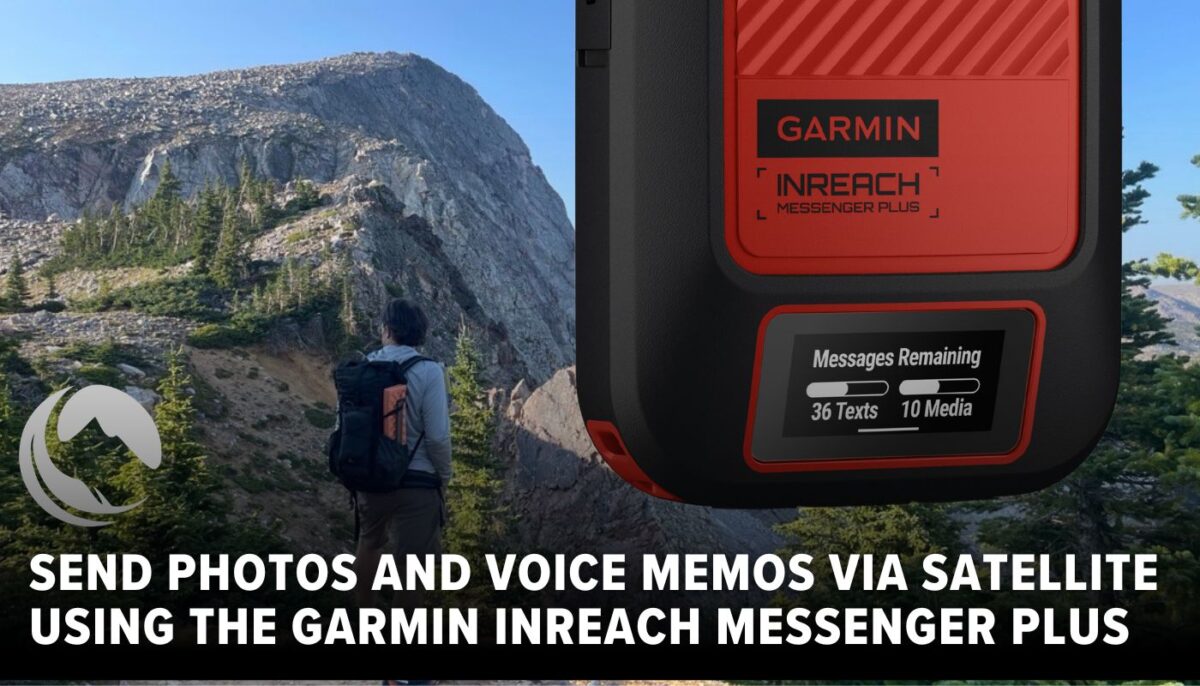
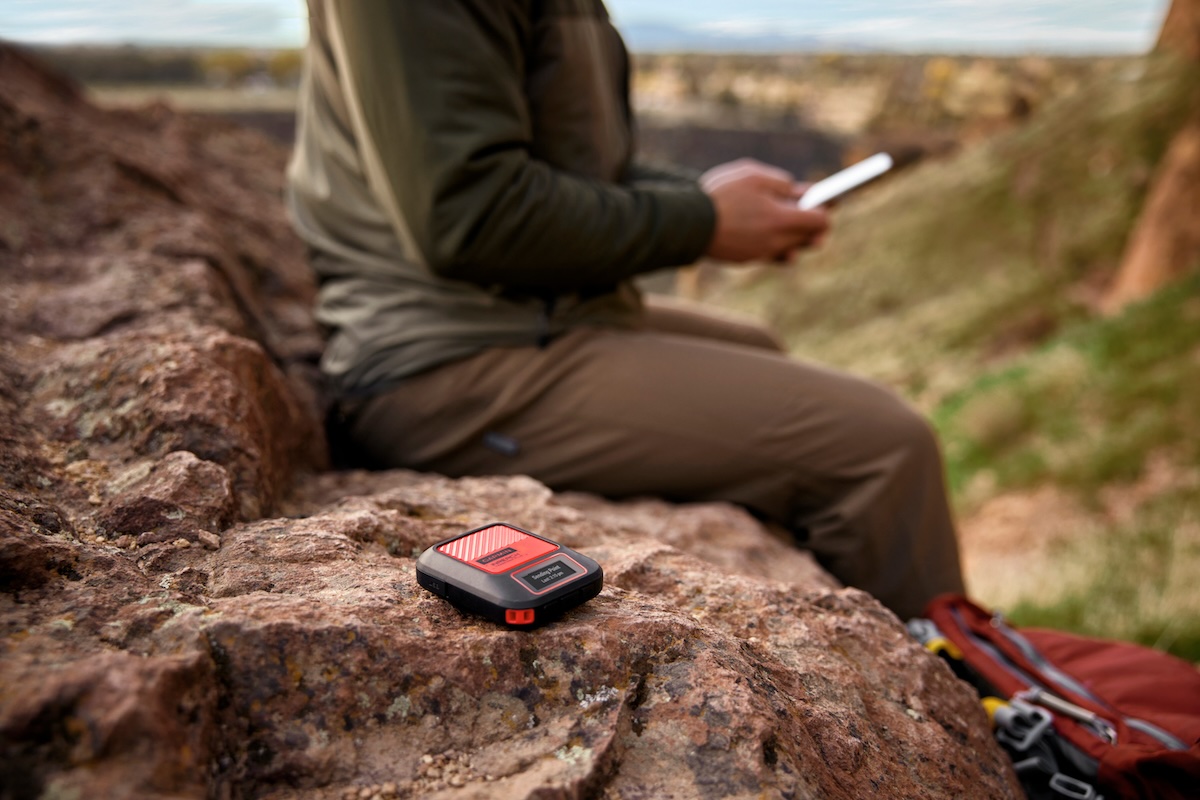

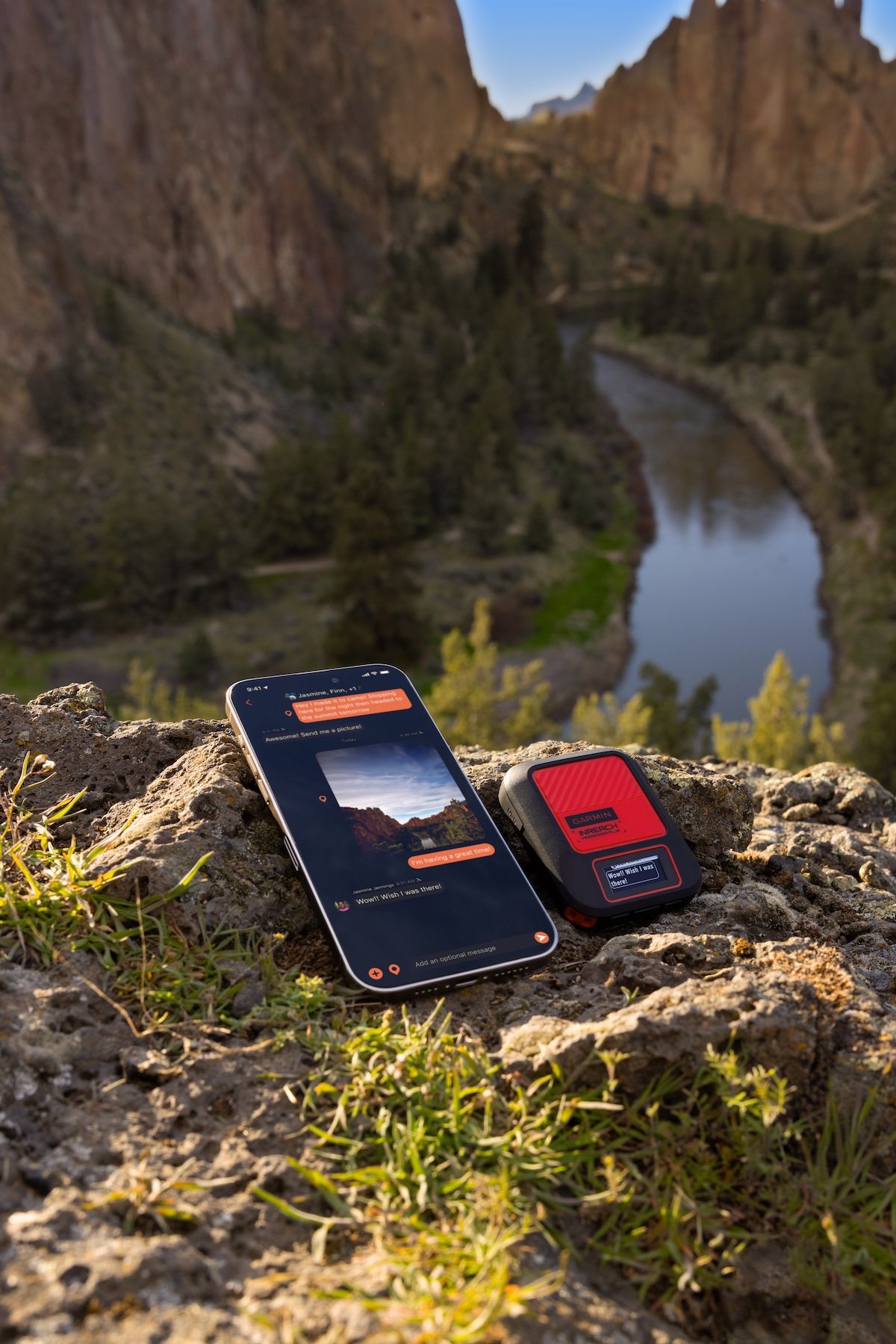
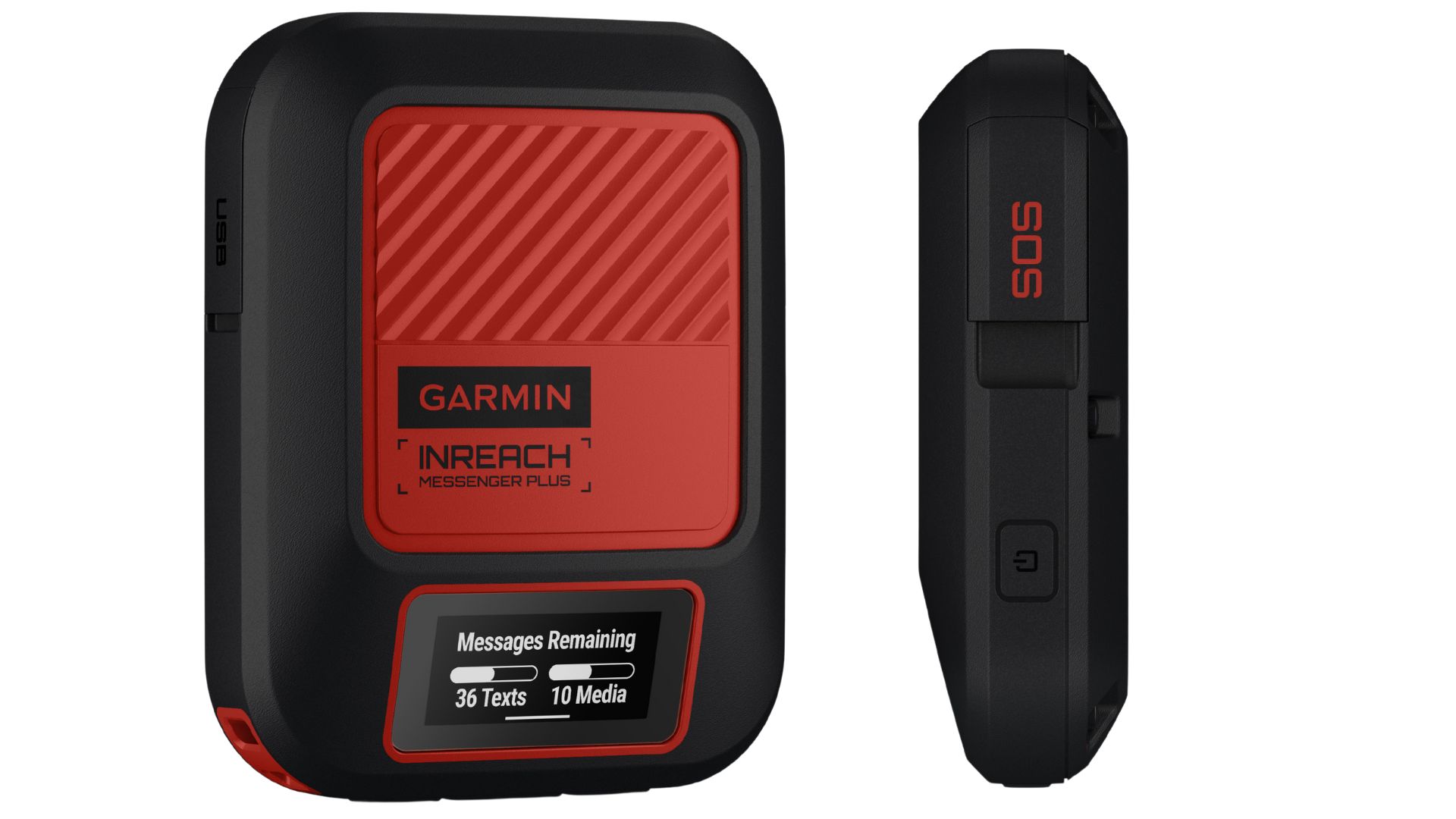
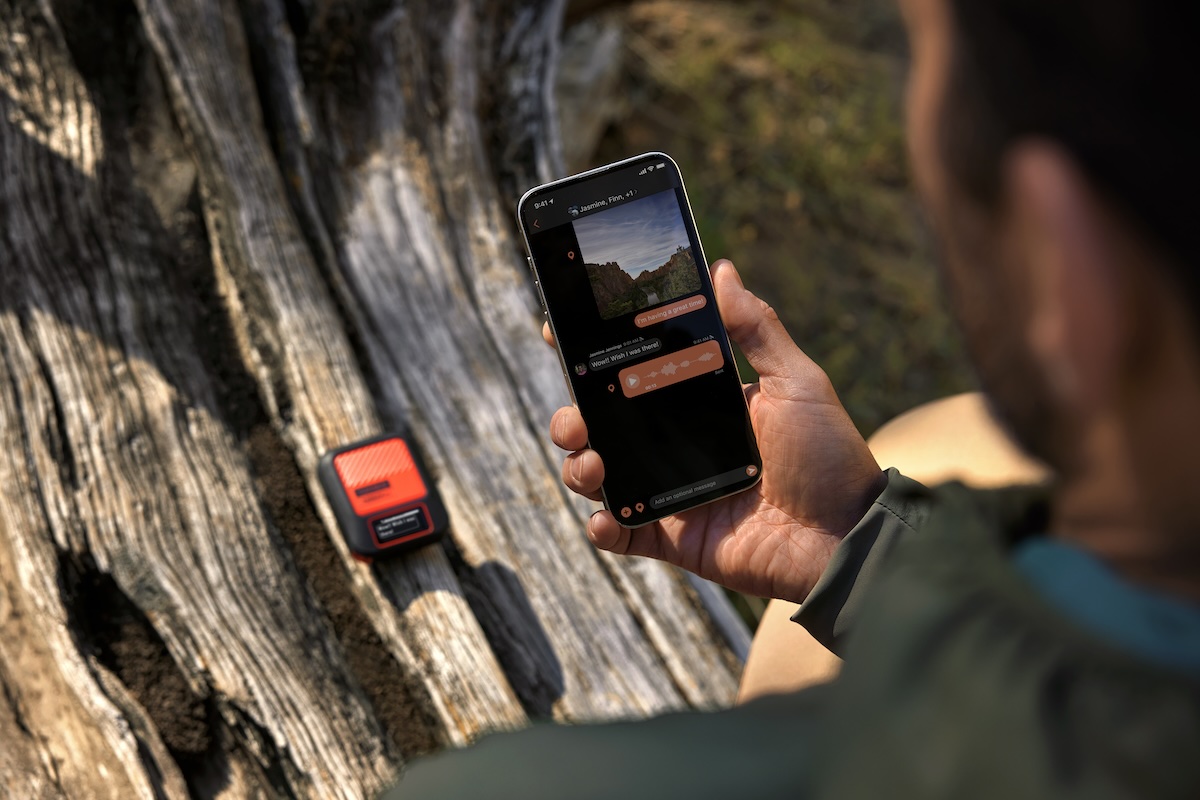
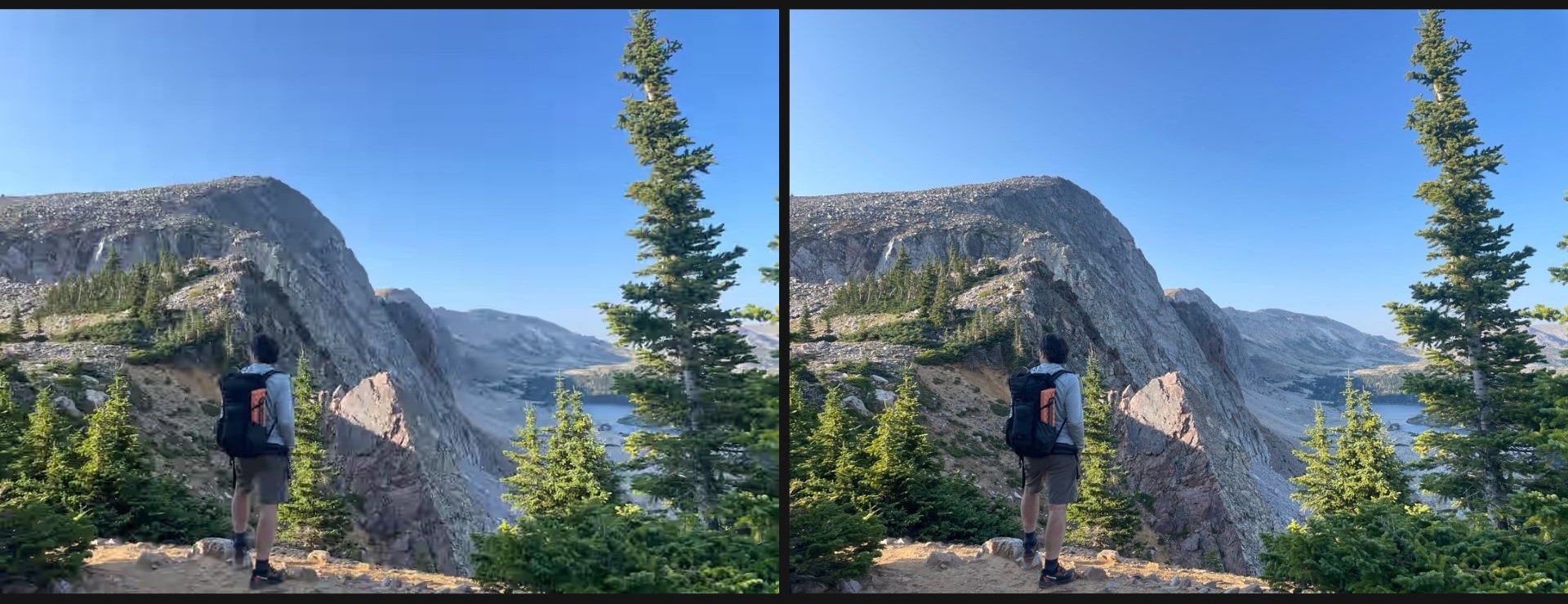
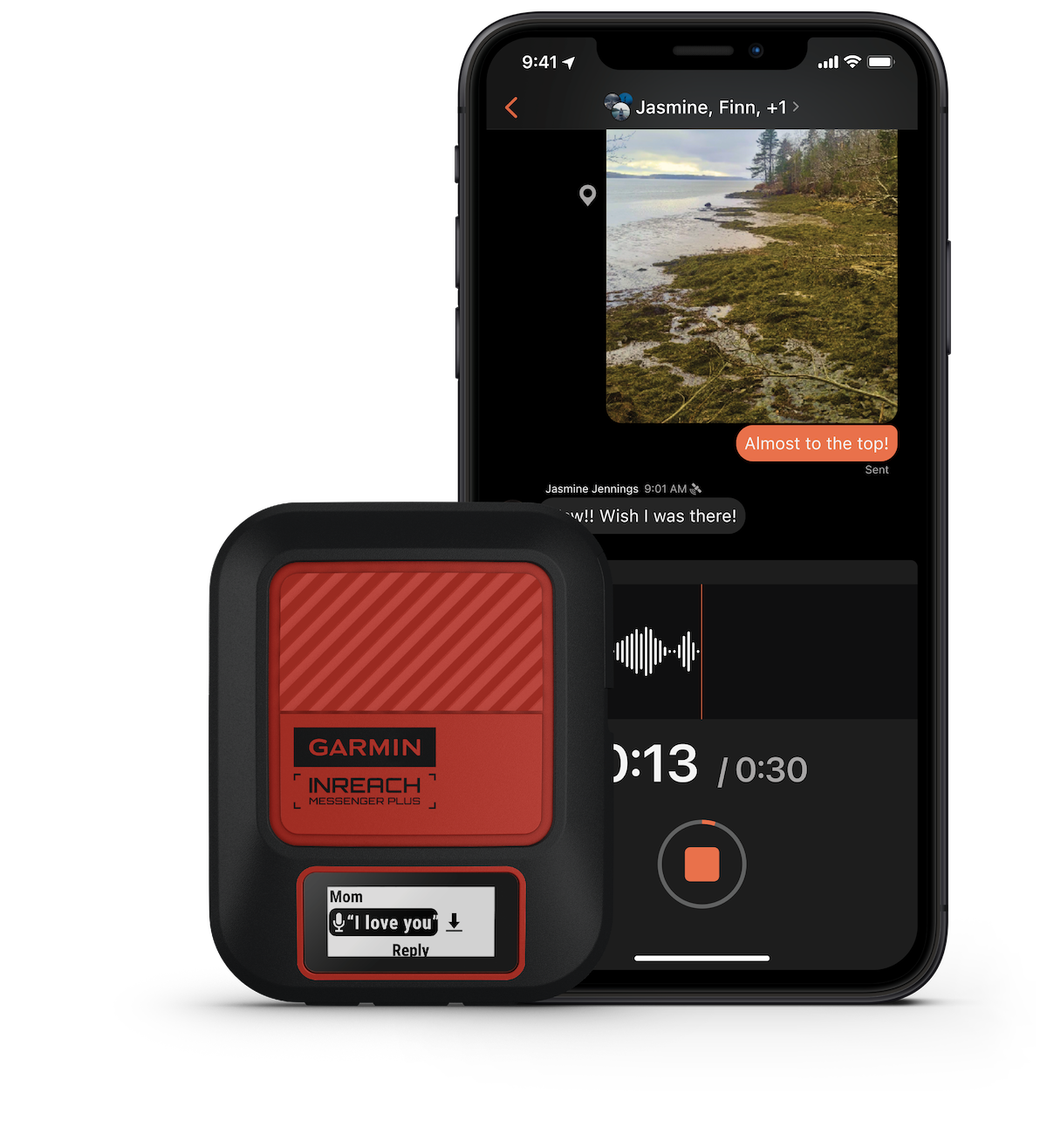
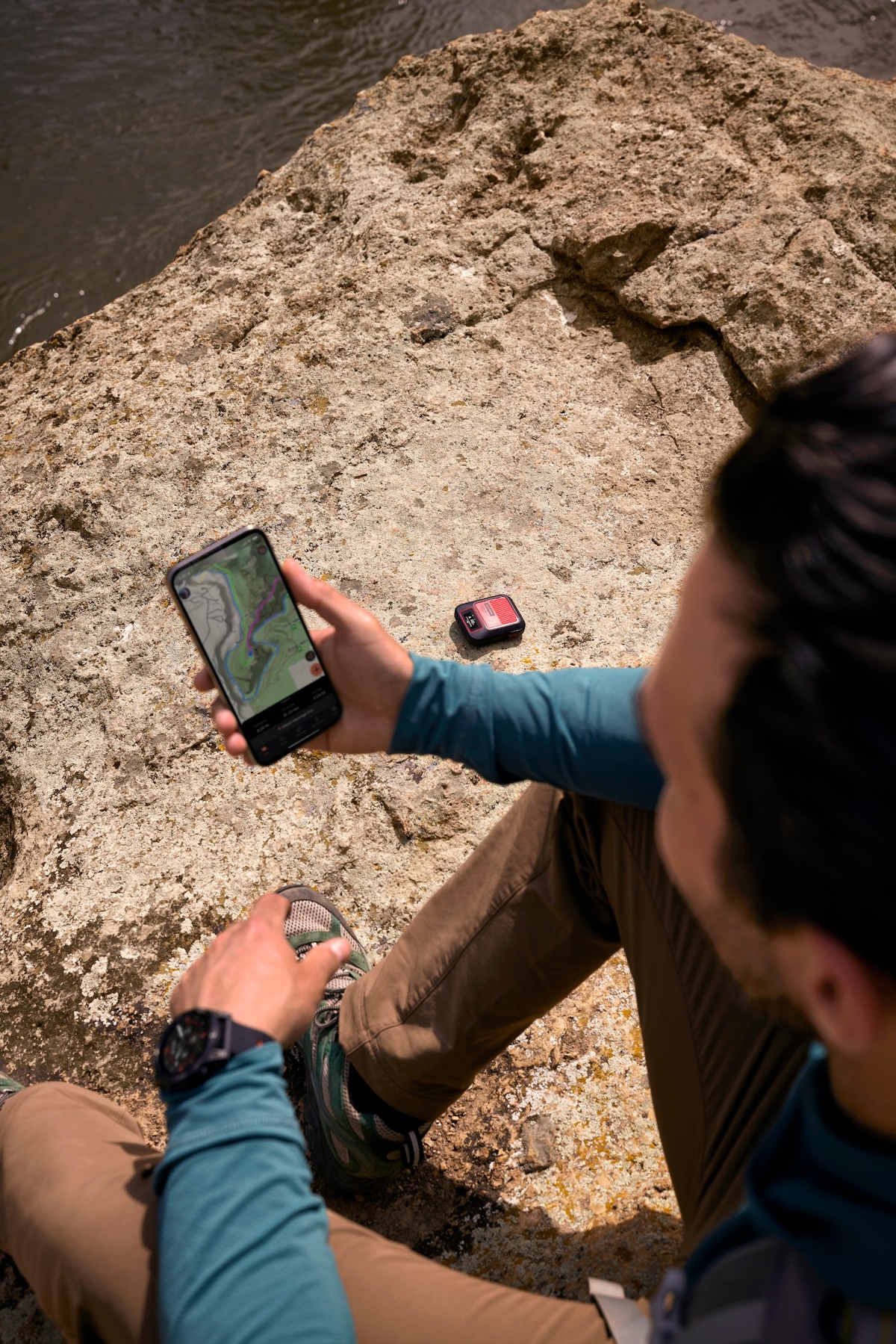
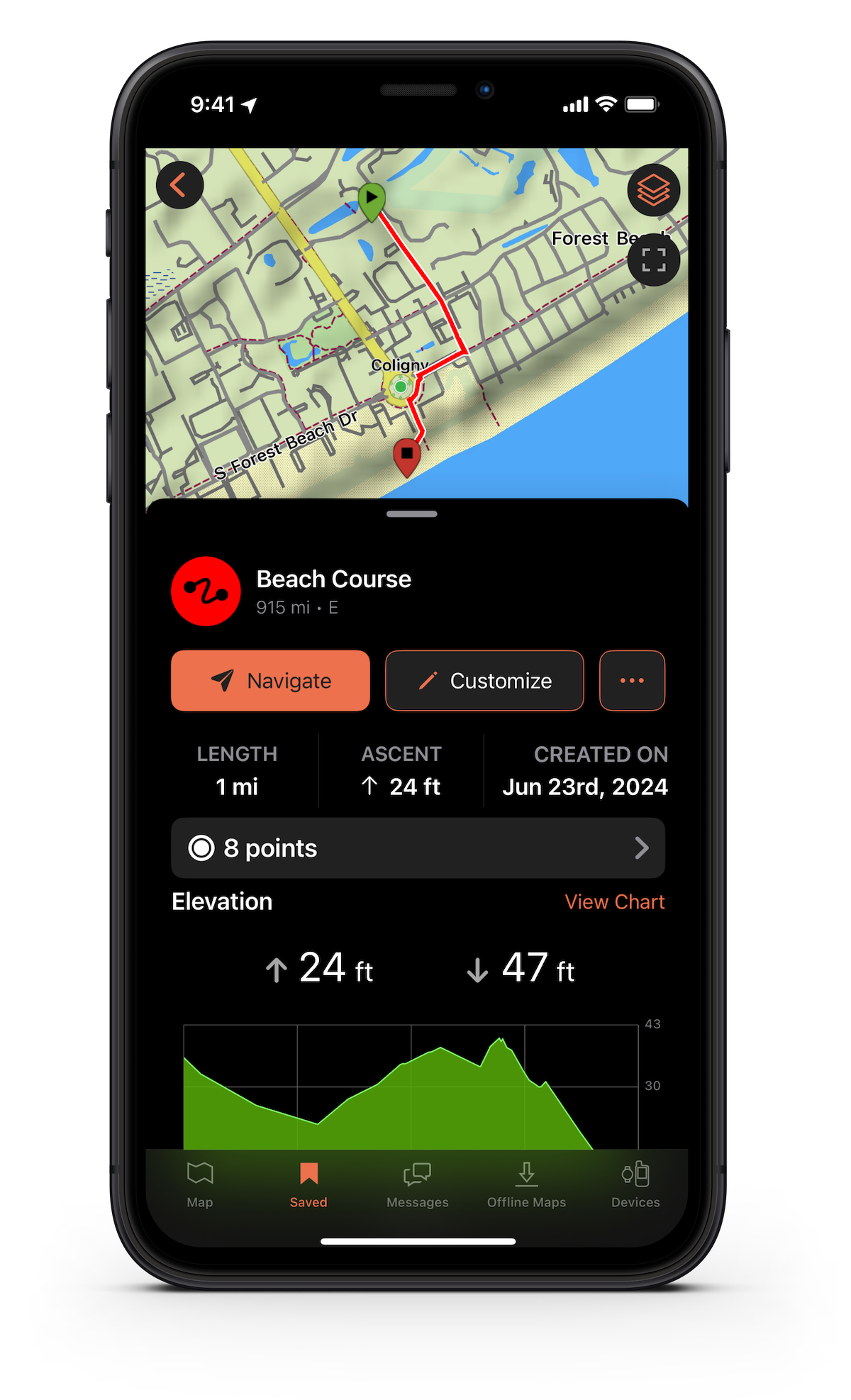
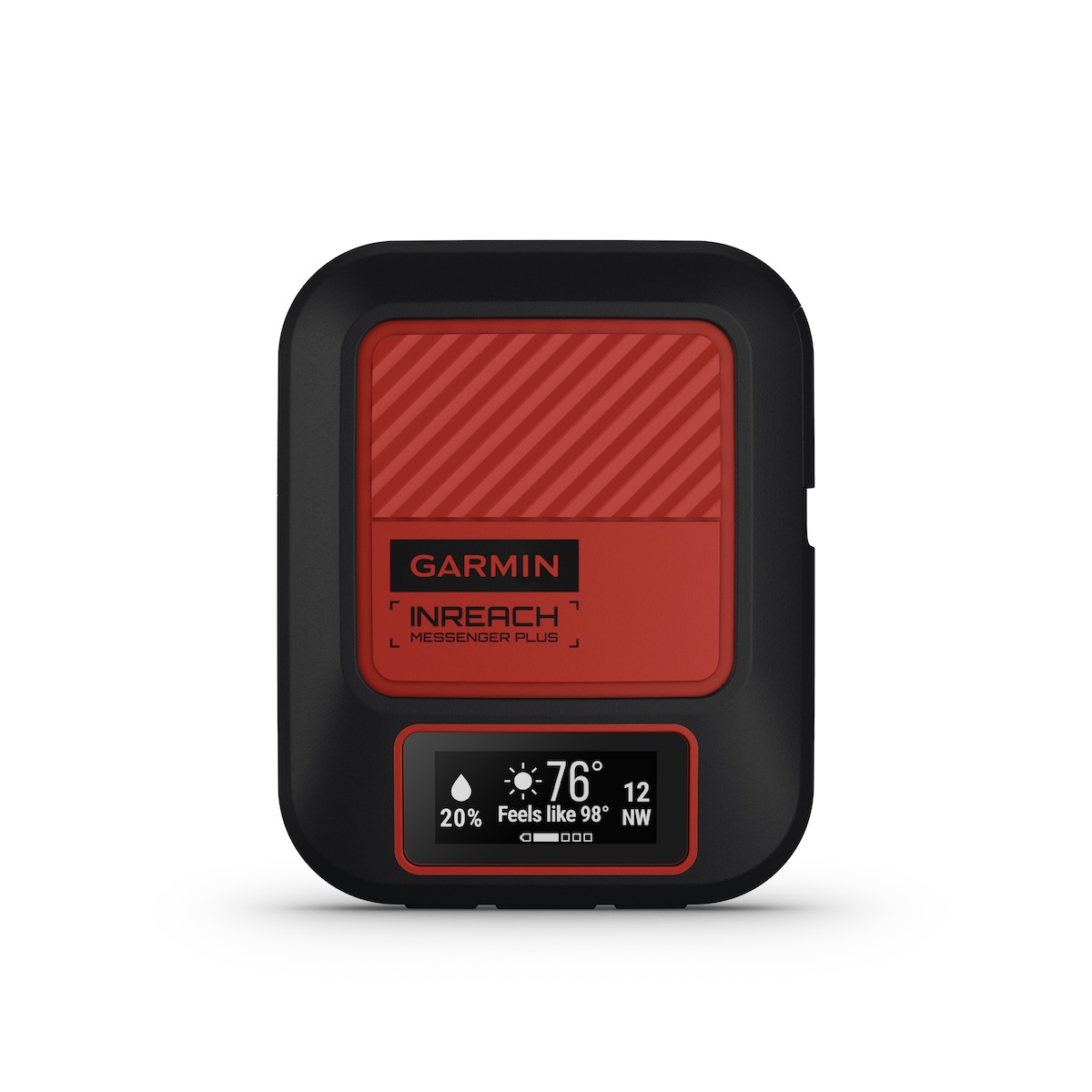
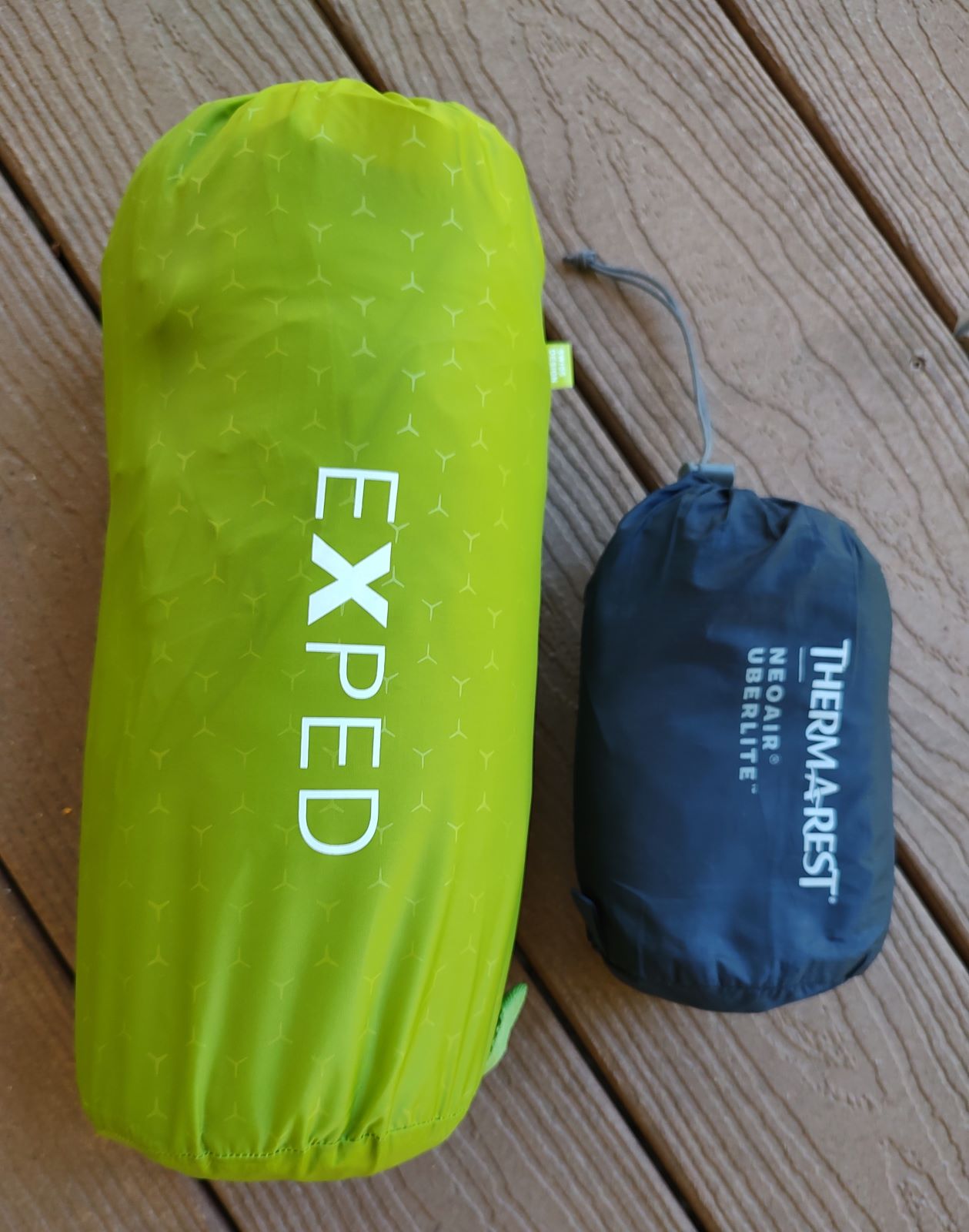
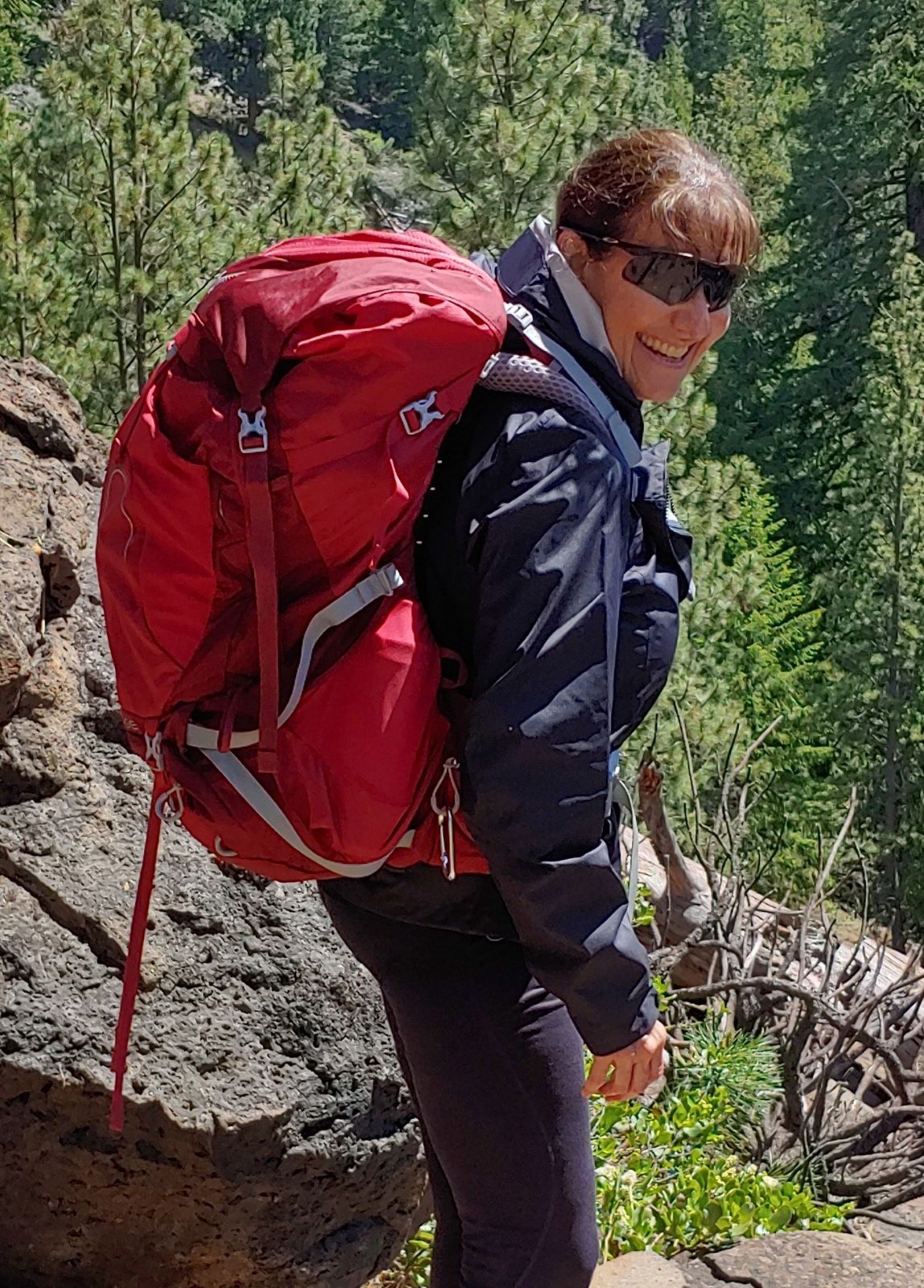
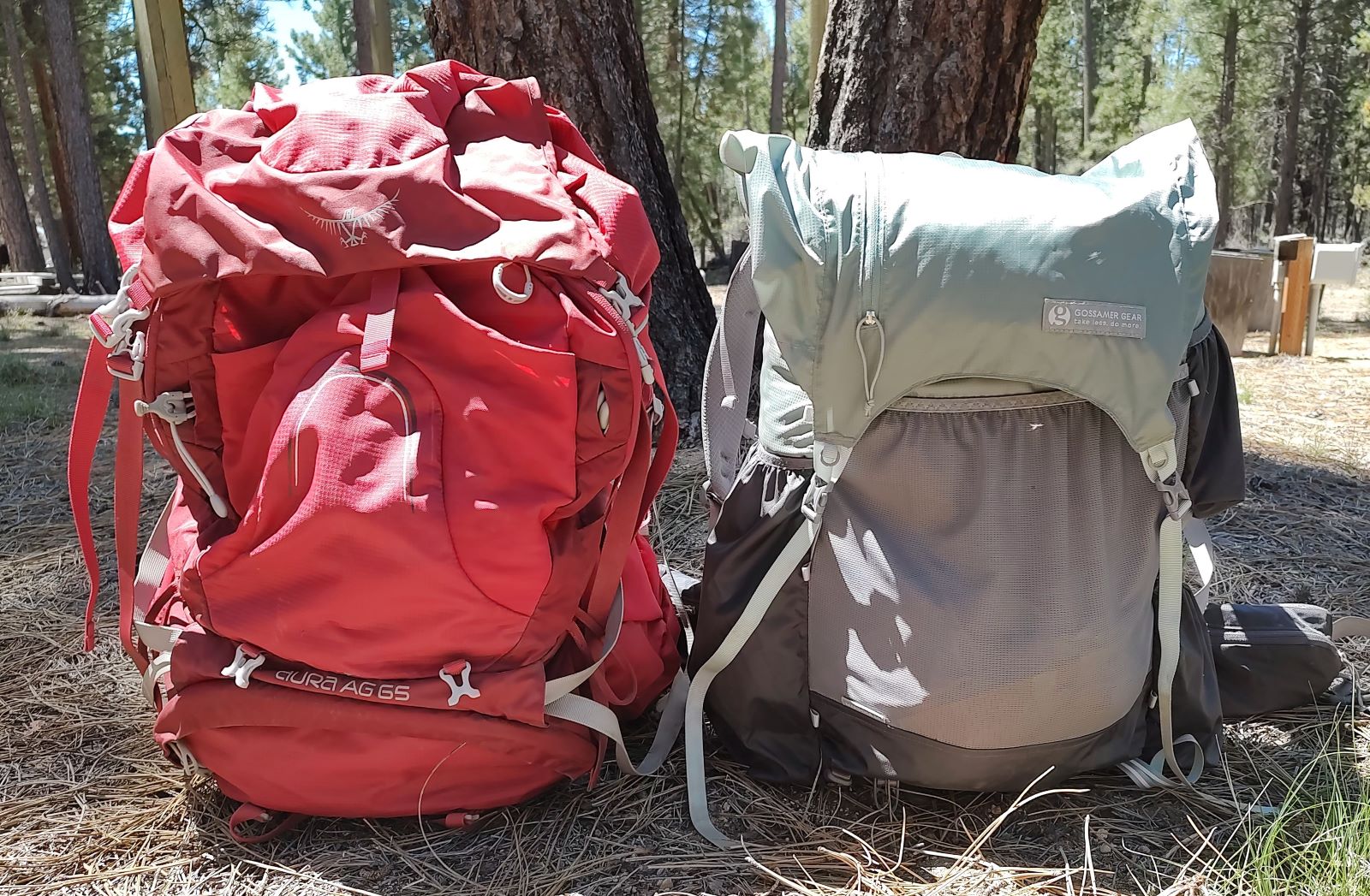
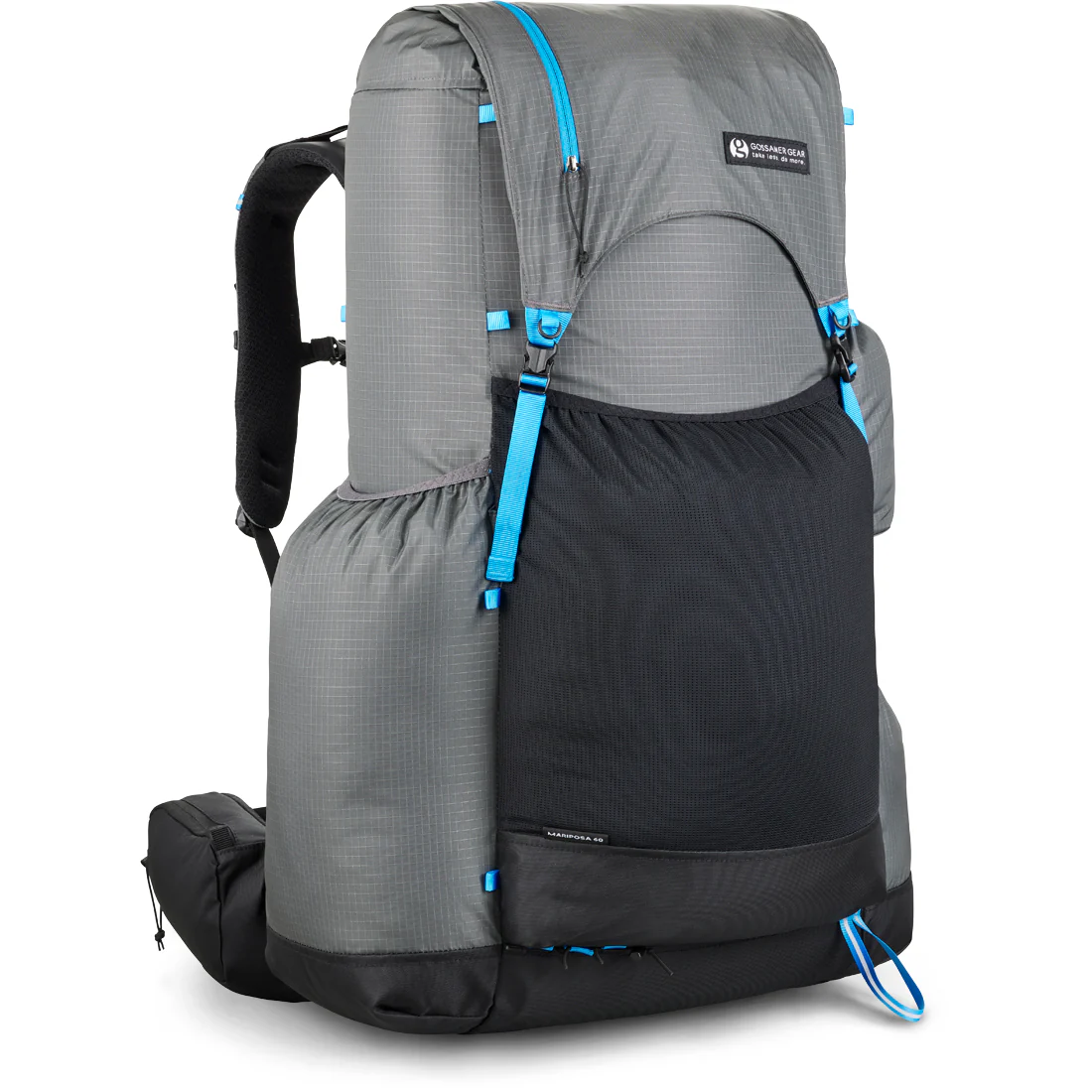

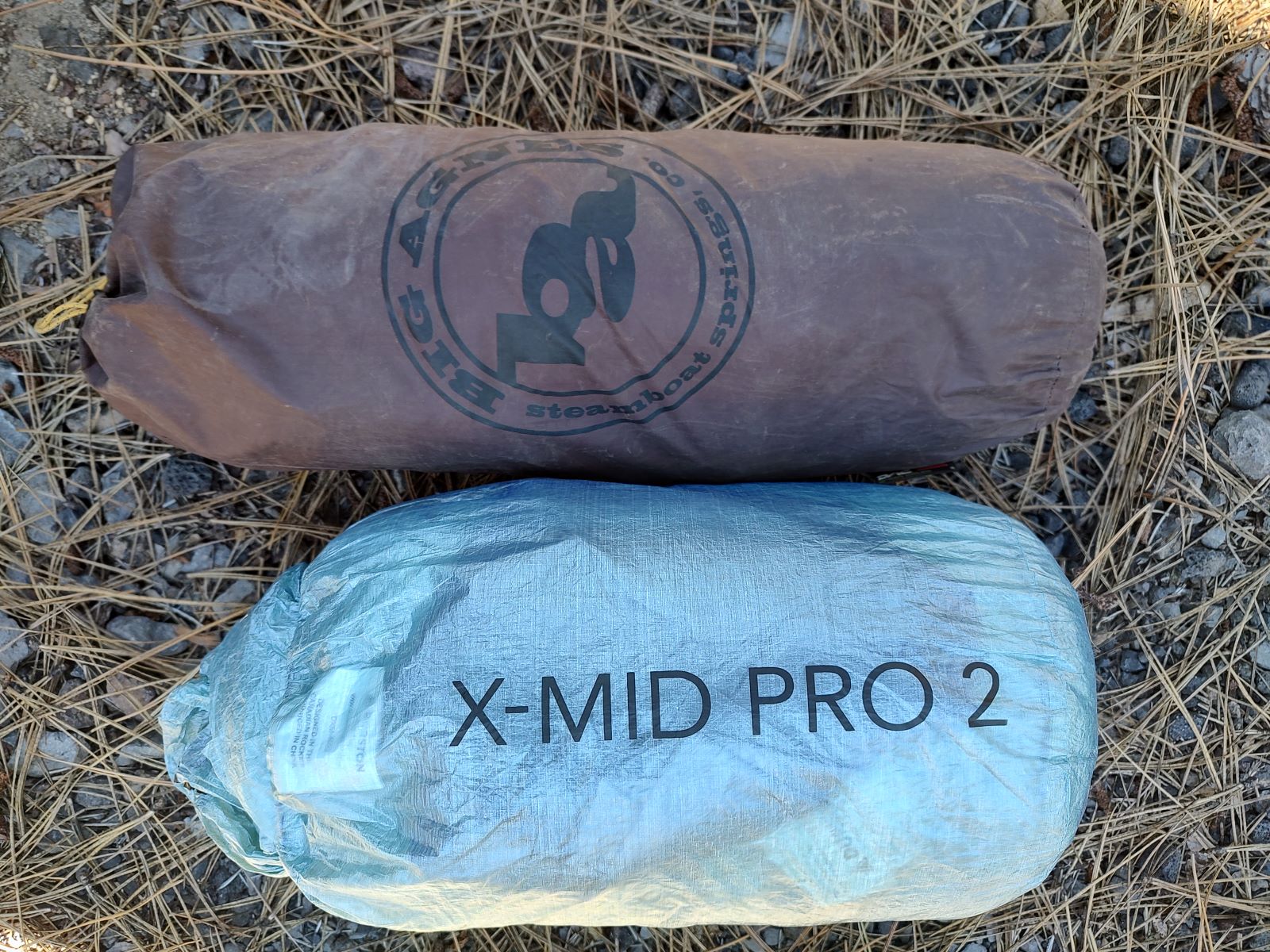
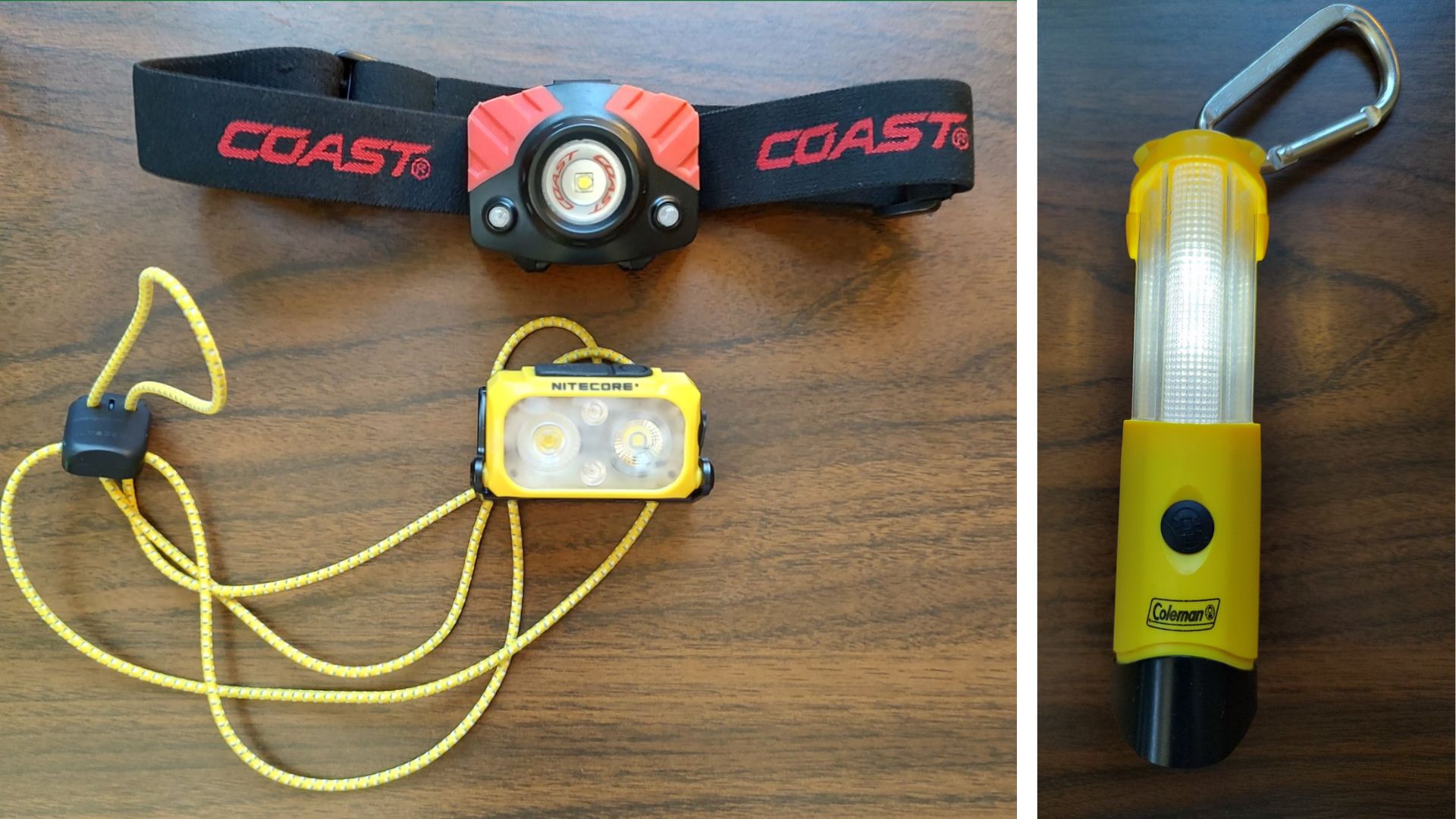

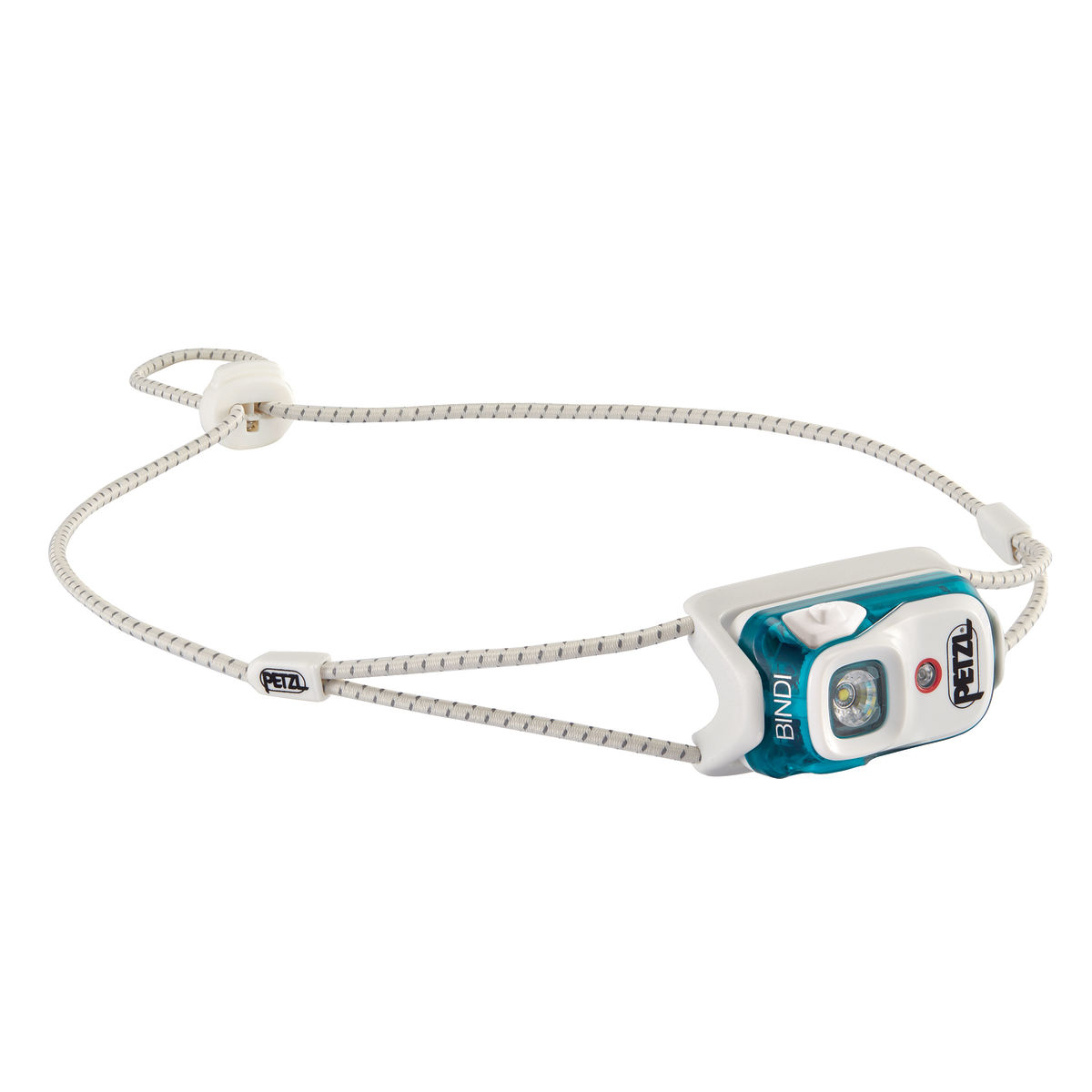
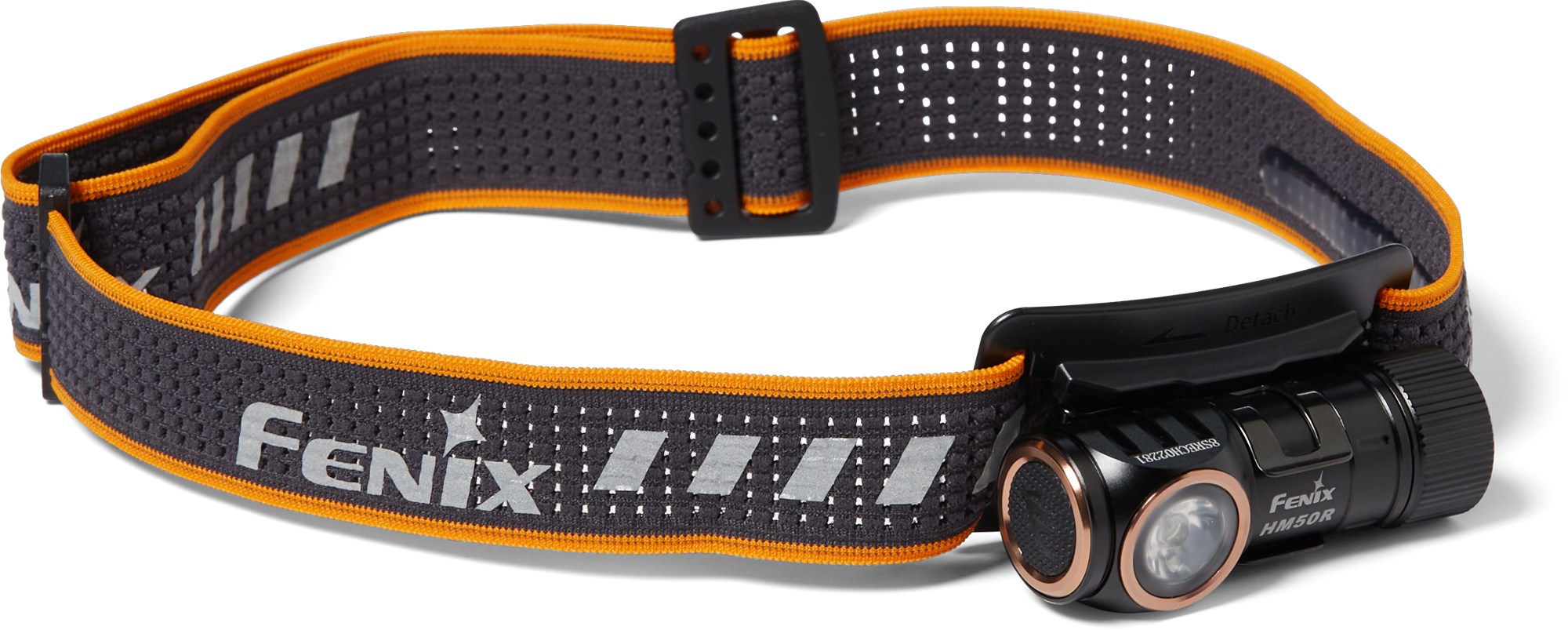
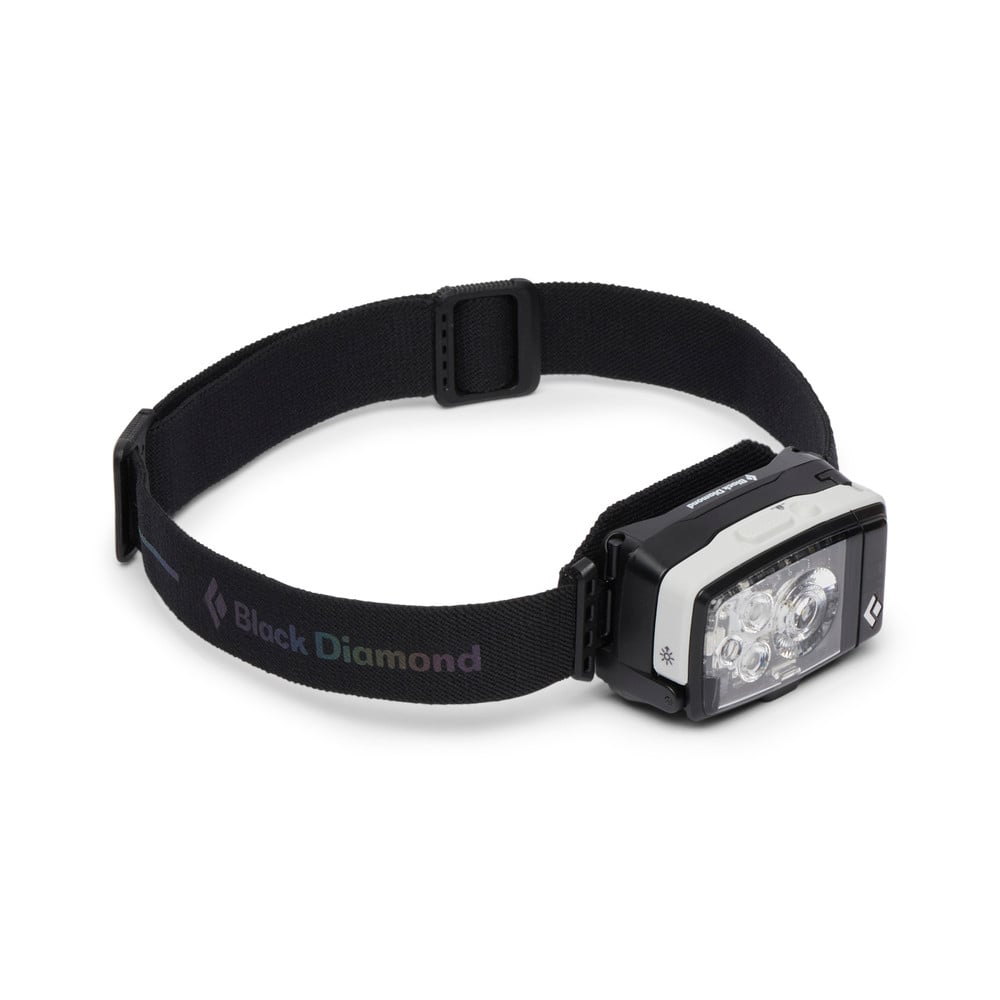


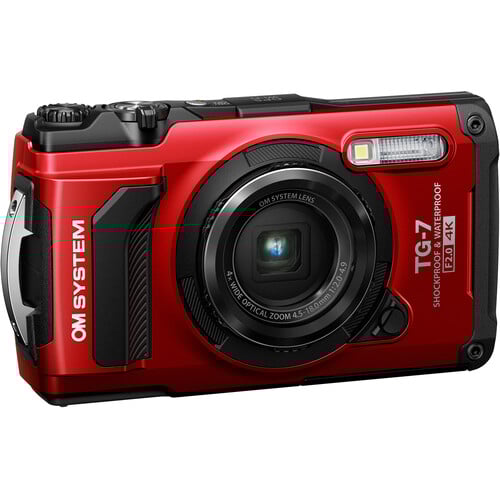
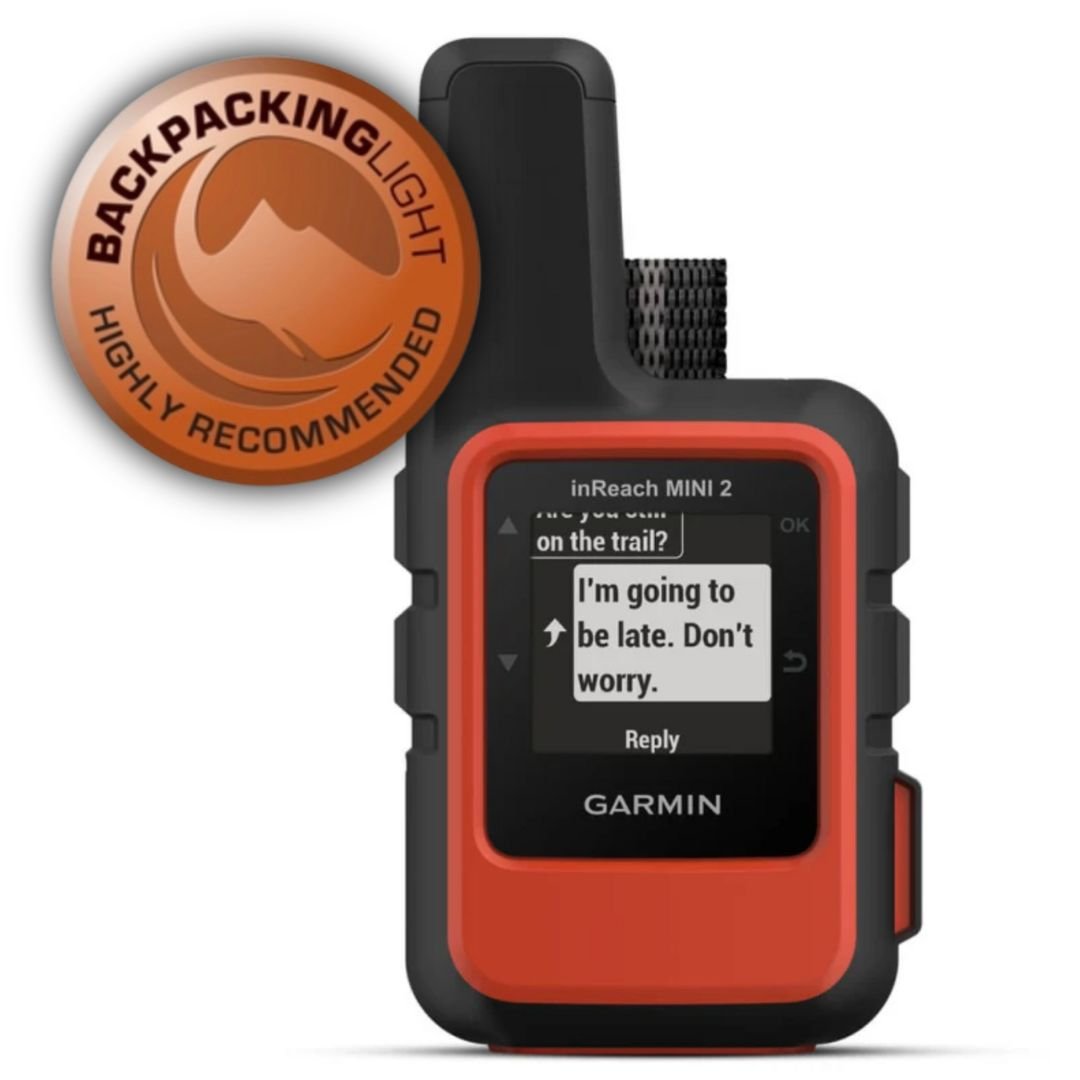
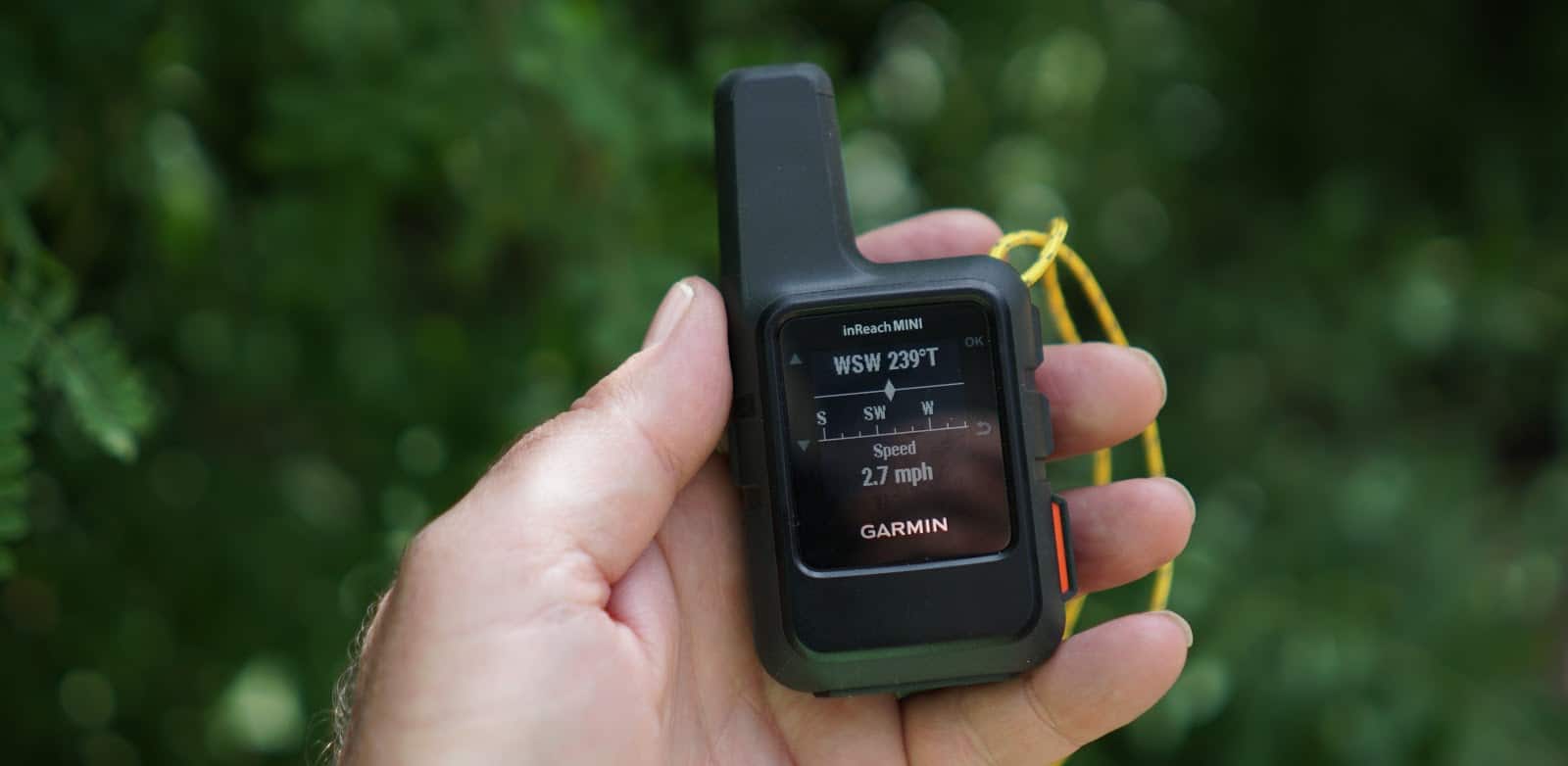

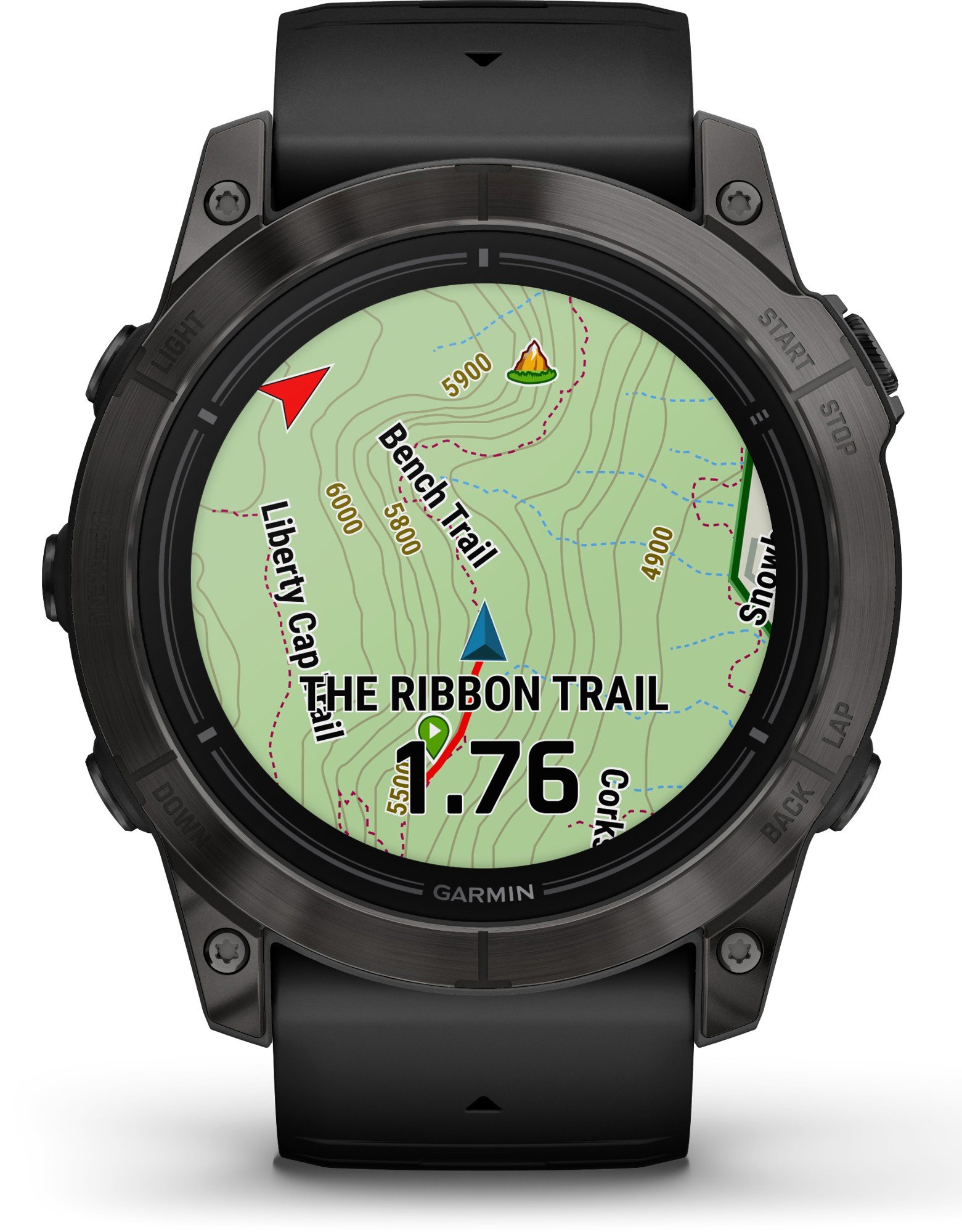
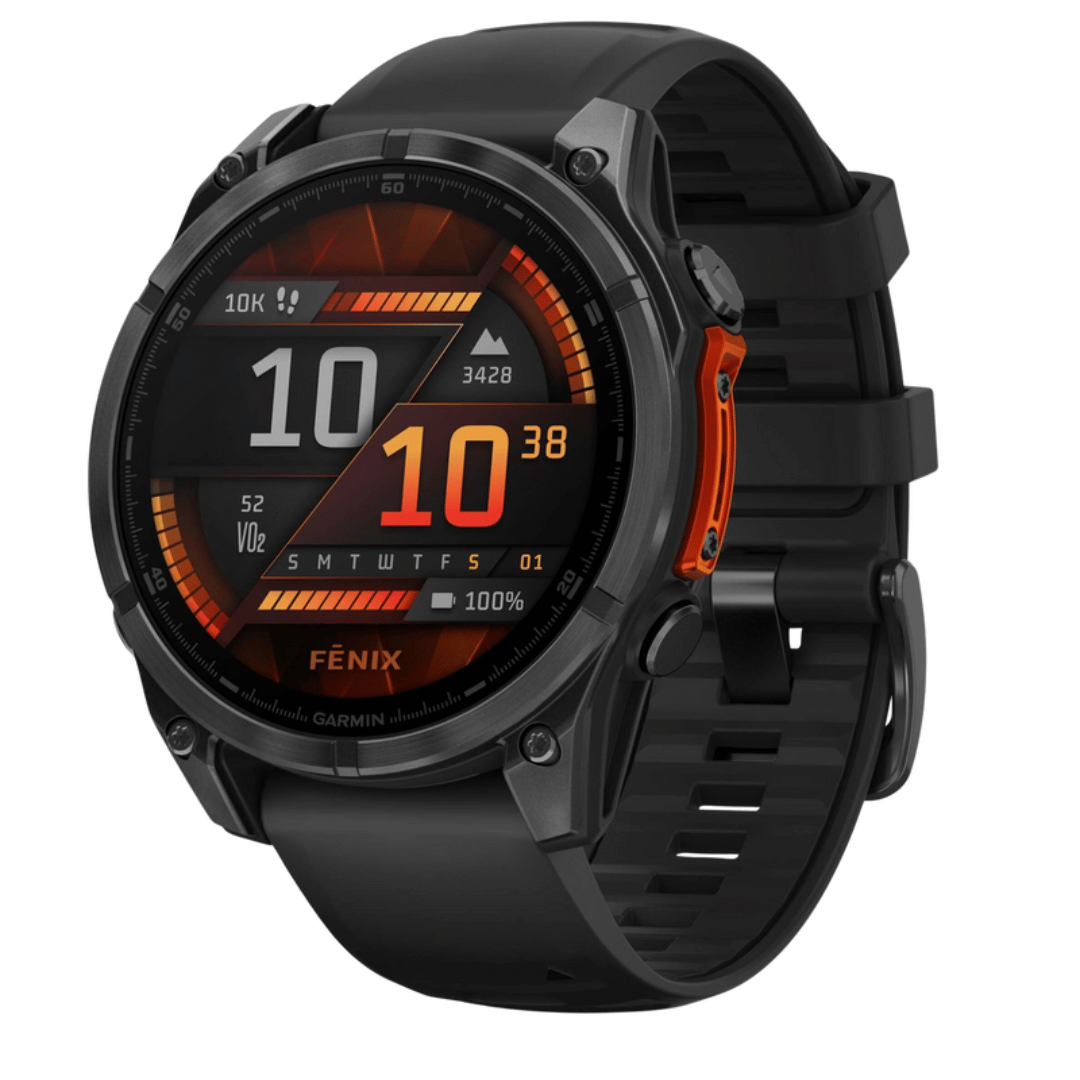
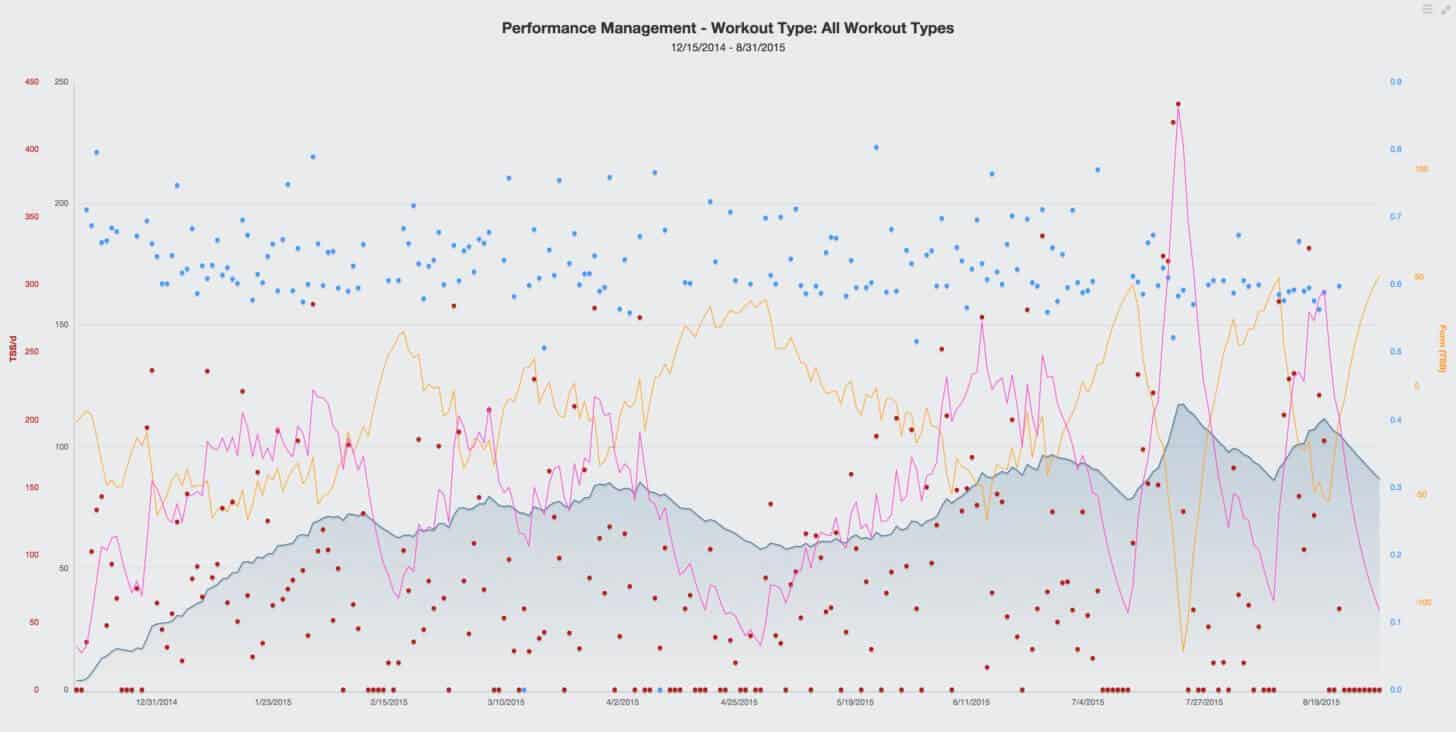
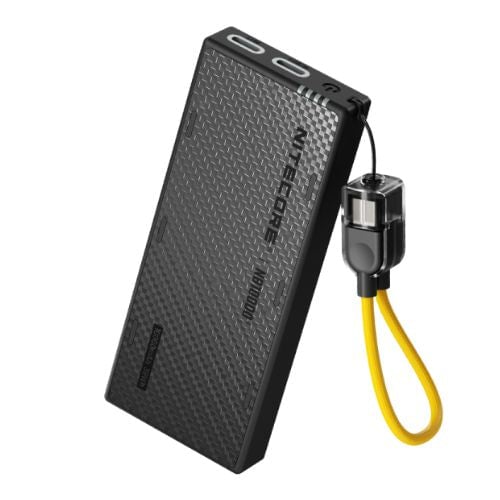
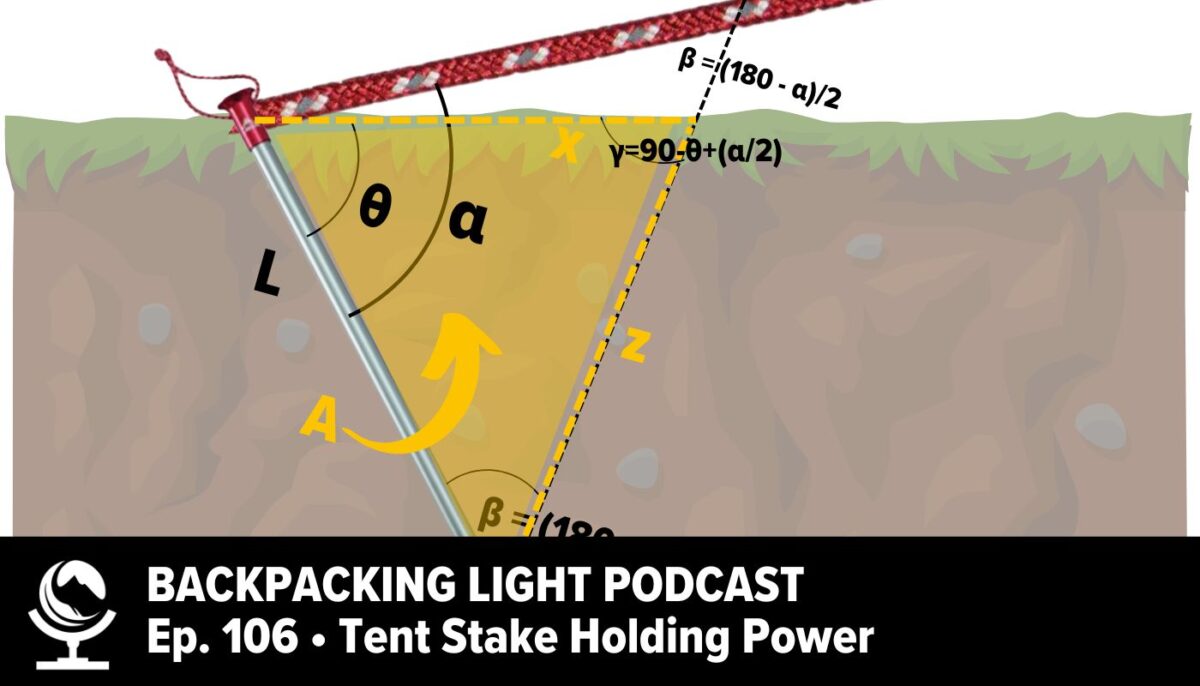
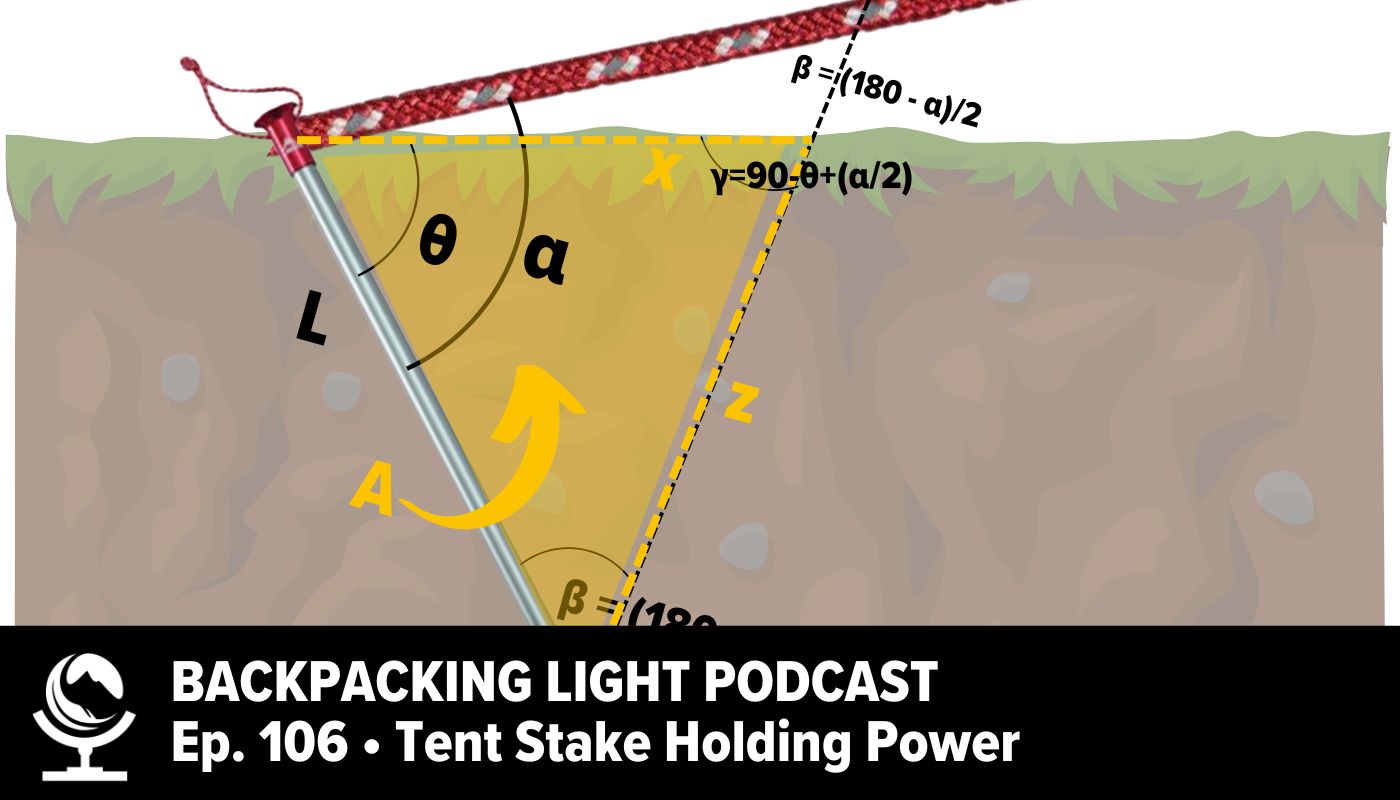
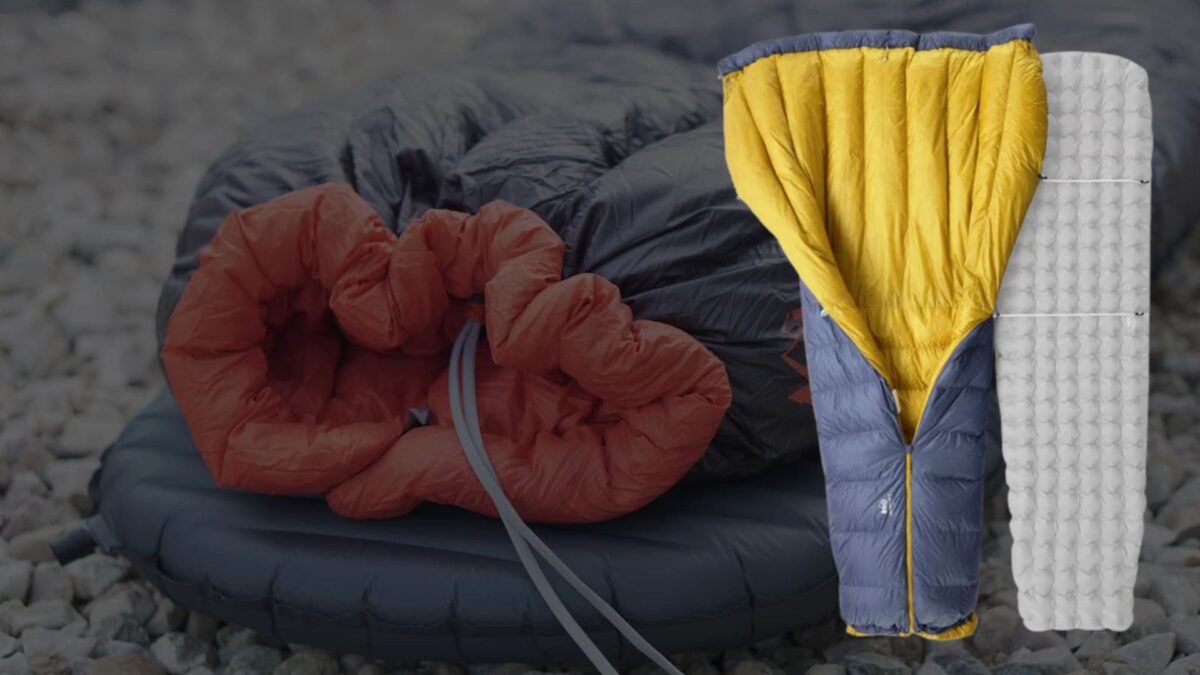
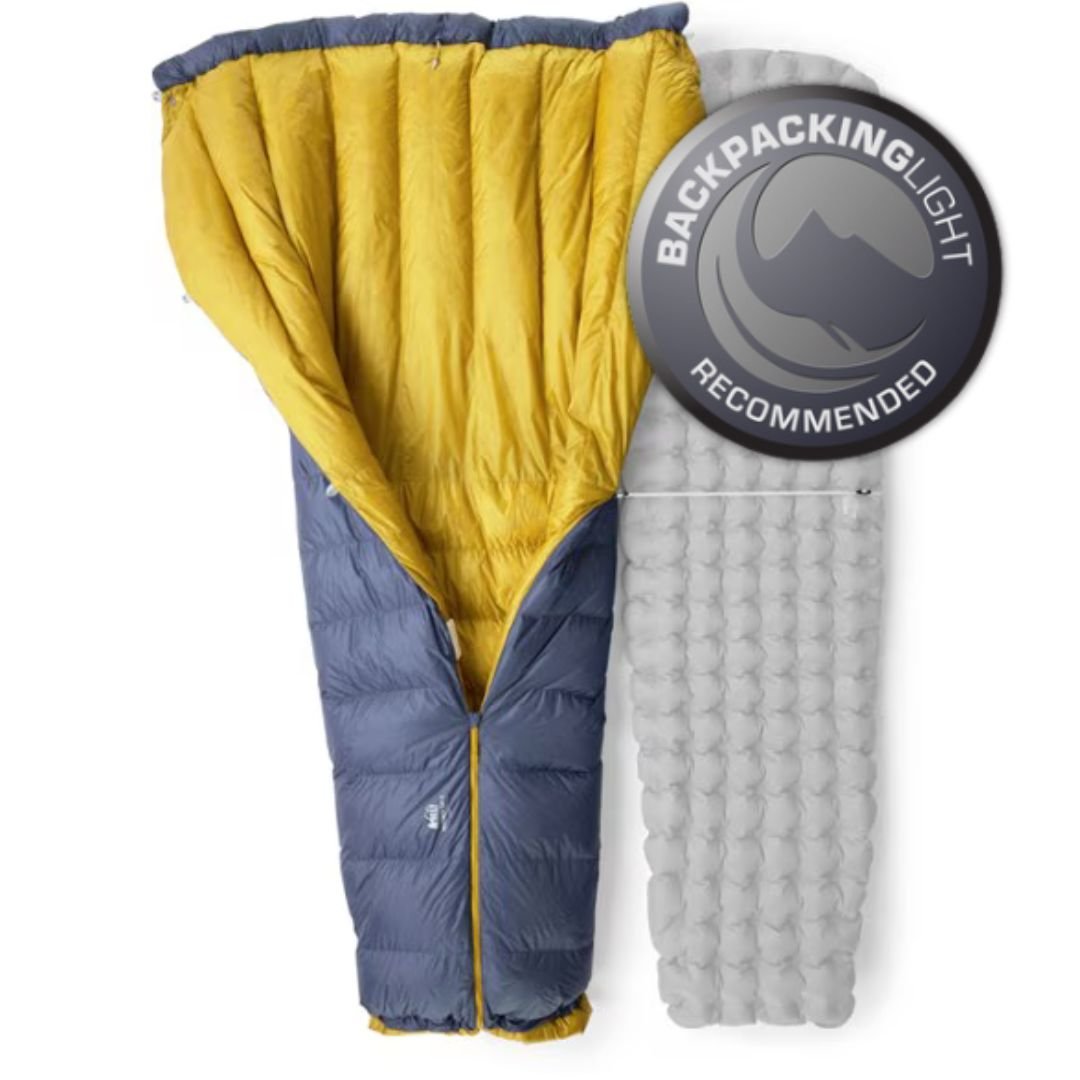
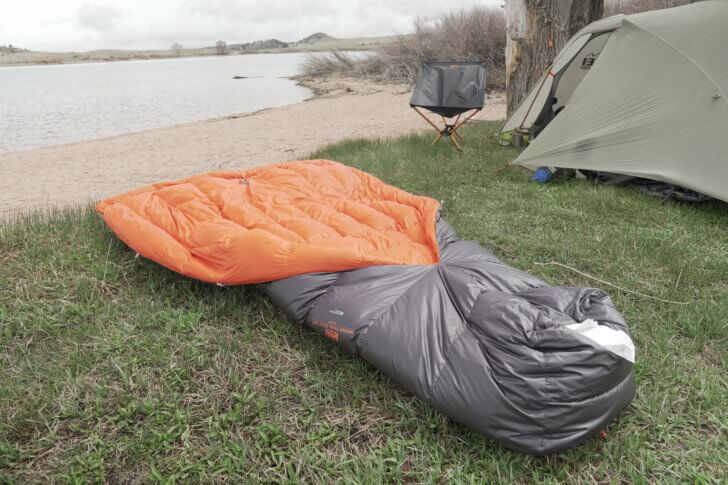 At $330, the 2024 REI Magma Trail Quilt 30 represents one of the best values in premium down quilts available today. If you purchase it during one of REI’s major annual sales (usually around Memorial Day, Labor Day, and the Holidays), you can get the Magma Trail Quilt for 30% off (~$230) which makes it nearly 40% cheaper than the average of the rest of the quilts shown in the comparison table at the end of this review. At about 20 oz (including the pad straps), when you consider its loft (2+ inches) and its wide girth, it offers a compelling performance-to-weight ratio.
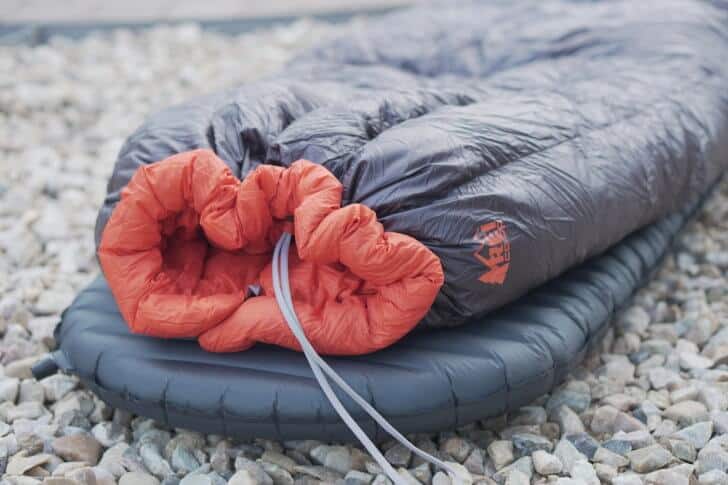 Pad attachment system – A pad attachment system affixes the quilt to a sleeping pad, accomplishing two things:
 Hybrid vertical / horizontal baffle construction – More and more sleeping bag manufacturers are moving to vertical baffles because they (reportedly) offer better down control. I’m not quite sold on this philosophy, because if a baffle is properly (and adequately) filled with enough down, it’s not likely going to shift and create cold spots. However, one distinct advantage of vertical baffling is that when a sleeping bag or quilt is cinched around your body, baffle thickness remains more consistent in vertical baffles, and you have a warmer quilt. This is most important in the torso section, where the girth is large. Some manufacturers try to combat this with a differential cut (where the inside girth is narrower than the outside girth), but few of them execute it successfully with an aggressive enough differential.