Small Business Outdoors: About this Episode Series
This episode is part of our ongoing series Small Business Outdoors, a once-a-month series featuring Ryan Jordan (founder, Backpacking Light) and Lloyd Vogel (founder, Garage Grown Gear). Small Business Outdoors provides an insider view into small, cottage, and startup brands, and outdoor industry business ownership, featuring interviews with cottage gear founders.
Episode Summary
In this episode of the Backpacking Light Podcast, Ryan and Lloyd interview Jolly Gear founder Bennett Fisher, chat about what is in their day packs, and share their perspectives on recruiting and hiring employees for their companies.
In this Episode:
What’s New at Backpacking Light?
Find information about all of our upcoming Member Q&A’s, Webinars, Live Courses, other live events, and more on our Events Calendar Page.
The Jolly Gear Triple Crown Button-Down is the only sun shirt integrating a full button-down front with a hood, offering adjustable ventilation rarely found in sun protective hiking apparel. Made from an 86% polyester, 14% spandex blend with antimicrobial and quick-drying properties, it includes zippered chest pockets, thumbholes, and a uniquely designed hood with a vent/hair hole and cinch cord. The body fabric is one of the highest air-permeable fabrics we've tested. Men's medium: 7.5 ounces (213 g) and up, depending on fabric choices.
Executive Producer - Backpacking Light; Show Director and Host - Ryan Jordan; Producer - Chase Jordan; Theme music: Look for Me in the Mountains written by Chris Cunningham and Ryan Jordan, performed by Chris Cunningham (acoustic guitar, lead and harmony vocals, harmonica), Chad Langford (upright bass), and Tom Murphy (mandolin), produced by Basecamp Studios in Bozeman, Montana.
Sponsorship Policy: Backpacking Light does not accept compensation or donated/discounted products in exchange for product mentions or placements in editorial coverage, including any podcast episode content not excplicitly identified as sponsored content. Some (but not all) of the links in these show notes may be affiliate links. Learn more about affiliate commissions, influencer marketing, and our consumer advocacy work by reading our article Stop wasting money on gear.
In this video presentation, we dive into a critical topic to raise awareness about the increasing problem of cyanobacteria, or blue-green algae, in backcountry water sources.
In this video presentation, we dive into a critical topic to raise awareness about the increasing problem of cyanobacteria, or blue-green algae, in backcountry water sources. Cyanobacteria (also known as blue-green algae) cause toxic algae blooms (a.k.a. hazardous algae blooms, HAB) because of the presence of cyanotoxins. Cyanotoxins are harmful to humans and mammals (especially dogs) and can cause various symptoms, including skin rashes, eye/ear/nose/throat damage, liver damage, and neurological damage. As these harmful organisms become more common, outdoor enthusiasts need to understand their risks, how to identify contaminated water, and the most effective treatment methods to ensure safe hydration in the wilderness. This presentation provides valuable insights and practical advice to help you stay informed and safe on your adventures.
This module is part of our comprehensive online course, Water Treatment and Backpacking Hygiene. Explore the full course to deepen your understanding of water safety, effective treatment methods, and best practices for maintaining hygiene in the wild.
Learn state of the art best practices for water treatment safety and backcountry hygiene in this comprehensive online course. In Water Treatment and Backpacking Hygiene, you’ll learn the science behind various water treatment methods, how and when to use them, water treatment best practices, and information about health and hygiene on the trail and in camp. Targeted primarily to multi-day backpackers, expedition runners, long-distance hikers, institutional education students, working field professionals, and thru-hikers to ensure your safety and success in the wilderness. In this course, we also offer expert guidance on selecting appropriate water treatment systems, hygiene supplies, and more.
In this video module, we discussed the use of two-stage filtration (hollow fiber membrane, followed by activated carbon) as a promising method for removing cyanobacteria and cyanotoxins from backcountry water sources. Currently, we recommend Hydroblu two-stage filtration systems for this purpose:
Inline hollow-fiber water filter with 0.1 micron pore size and 99.9999% bacteria removal, dual 28 mm threaded ends for bottle, inline, gravity, or straw use, rated up to 100,000 gallons and weighing about 2 oz (57 g).
The Activated Carbon module is made up of mixture of activated carbon and ion-exchange microbeads. Activated carbon adsorbs chemicals and heavy metals, and improves the taste and color of the contaminated water. The ion-exchange microbeads are an organic polymer substrate. These beads are porous, providing a large surface area for removing pollution, poisonous, and heavy metal iron from the water. The ion-exchange replaces these negative ions with innocuous ions, such as sodium and potassium. Additionally, this combination will remove unhealthy organic compounds such as chlorine, pesticides, herbicides, petroleum products, and cyanotoxins.
Resources for water treatment and hygiene supplies for ultralight backpacking.
This guide provides a list of resources for gear and supplies related to water treatment and backpacking hygiene. This serves as our companion resources guide for our online course Water Treatment and Backpacking Hygiene, a 6-hour online course.
Learn state of the art best practices for water treatment safety and backcountry hygiene in this comprehensive online course. In Water Treatment and Backpacking Hygiene, you’ll learn the science behind various water treatment methods, how and when to use them, water treatment best practices, and information about health and hygiene on the trail and in camp. Targeted primarily to multi-day backpackers, expedition runners, long-distance hikers, institutional education students, working field professionals, and thru-hikers to ensure your safety and success in the wilderness. In this course, we also offer expert guidance on selecting appropriate water treatment systems, hygiene supplies, and more.
A cult favorite in the ultralight community for its ease of use, pre-mix stability, efficacy against viruses, bacteria, and protozoan cysts, and its ability to impart better flavor and odor to bad water sources. Can be repackaged if using opaque PE dropper bottles.
Lightest possible treatment method: effective against bacteria, protozoa (such as giardia and cryptosporidia), viruses; 1 tablet per liter of water, treatment time 30 min to 4 hours; meets USEPA purification guidelines; active ingredient is chlorine dioxide; each tablet individually wrapped and sealed; shelf life: 5 yrs. from date of manufacture.
Inline hollow-fiber water filter with 0.1 micron pore size and 99.9999% bacteria removal, dual 28 mm threaded ends for bottle, inline, gravity, or straw use, rated up to 100,000 gallons and weighing about 2 oz (57 g).
The Activated Carbon module is made up of mixture of activated carbon and ion-exchange microbeads. Activated carbon adsorbs chemicals and heavy metals, and improves the taste and color of the contaminated water. The ion-exchange microbeads are an organic polymer substrate. These beads are porous, providing a large surface area for removing pollution, poisonous, and heavy metal iron from the water. The ion-exchange replaces these negative ions with innocuous ions, such as sodium and potassium. Additionally, this combination will remove unhealthy organic compounds such as chlorine, pesticides, herbicides, petroleum products, and cyanotoxins.
The most common squeeze filter used by the long-distance hiking community. Good longevity, relatively fast flow rate, can be backflushed, attaches to a smartwater bottle.
Rapid filtration rate - up to 1.75 liters a minute with no pumping; one of the easiest and fastest ways to get filtered water in the backcountry. Two different sizes - 6 L & 4 L. Ideal for couples, groups, basecamp, and lazy solo hikers!
Purified water in 60 to 90 seconds: Internal 2200 mAh li-ion polymer battery can be recharged from any USB power source (cable included); Ultraviolet (UV-C) light rays safely purify clear water by destroying 99.99% of protozoa (including Giardia and Cryptosporidia), bacteria and viruses. To purify your water, click a button and gently agitate the water; purifies 16 fl.oz. (0.5L) of water (cold or warm) in less than a minute or treat 32 fl. oz. (1L) in 90 seconds. Watertight seals keep water away from the electronics.
Thin-walled Tritan plastic than what you'll find in Nalgenes and other (heavier) water bottles. At 35mm, the opening is still small enough for easy glugging, but much easier to fill in lakes and stillwaters than narrow-mouthed 28mm bottles. Light - 3.2 oz. The 20-ounce capacity is perfect for shoulder strap or hip belt use or easy retrieval from backpack side pockets.
There are a lot of water bottle sleeves on the market, but this one has a clean, simple aesthetic. Bottles are easy to retrieve and put away. Shock cord keeps them in place if you're scrambling. Clips fit most shoulder straps and daisy chains.
Finally - the ultralight towel perfected. A hand/face-sized towel that absorbs 2.3X its weight in water. Weighs only 0.5 oz. Remarkable function for a durable, sustainable towel option.
No mess, no fuss, virtually no weight. Take only what you need for any trip. The perfect solution for the gram-counting ultralighter. Multiple flavors. Good taste!
One of the most popular trowels on the market, now with an updated design with more aggressive sawing edges for side-to-side digging. Very effective root-cutting notches. Reversible, so you can use the narrow end for particularly stubborn soils.
The pStyle is a lightweight personal urination device (PUD). Its rigid plastic design makes it easy to use while fully clothed and has the added benefit of working as a wipe, reducing the need for t.p. It's reusable and a snap to clean. It's BPA and phthalate-free.
The Kula Cloth (0.5 ounces / 14 g) is an antimicrobial, reusable pee cloth featuring a highly absorbent, silver-infused fabric on one side and a waterproof, non-permeable layer on the other to prevent leaks. It includes a snap closure for easy attachment to your pack and a stealth-mode fold for discreet storage.
Ryan Jordan and Lloyd Vogel discuss trends within the Cottage industry in episode 103 of the backpacking light podcast.
Episode Sponsor
Today’s episode of the Backpacking Light Podcast is sponsored by Garage Grown Gear, your hub for all things ultralight. Garage Grown Gear is dedicated to supporting the growth of small, startup, and cottage brands.
Listen
Summary
Episode 103 of the Backpacking Light Podcast is a collaboration between Backpacking Light and Garage Grown Gear, home to more than 200 small, startup, and cottage gear brands, and your hub for all things ultralight. Visit them online at garagegrowngear.com.
In this Episode:
What’s New at Backpacking Light?
Find information about all of our upcoming Member Q&A’s, Webinars, Live Courses, other live events, and more on our Events Calendar Page.
Executive Producer - Backpacking Light; Show Director and Host - Ryan Jordan; Producer - Chase Jordan; Theme music: Look for Me in the Mountains written by Chris Cunningham and Ryan Jordan, performed by Chris Cunningham (acoustic guitar, lead and harmony vocals, harmonica), Chad Langford (upright bass), and Tom Murphy (mandolin), produced by Basecamp Studios in Bozeman, Montana.
Sponsorship Policy: Backpacking Light does not accept compensation or donated/discounted products in exchange for product mentions or placements in editorial coverage, including any podcast episode content not excplicitly identified as sponsored content. Some (but not all) of the links in these show notes may be affiliate links. Learn more about affiliate commissions, influencer marketing, and our consumer advocacy work by reading our article Stop wasting money on gear.
In episode 102 of the Backpacking Light podcast you’re going to learn about the origin, evolution, and use of Polartec Alpha Direct in modern ultralight layering systems.
Episode Sponsor
Today’s episode of the Backpacking Light Podcast is sponsored by Garage Grown Gear, your hub for all things ultralight. Garage Grown Gear is dedicated to supporting the growth of small, startup, and cottage brands. Today, we are featuring innovative products from those brands made with Polartec Alpha Direct, the lightest, most breathable, and most air-permeable fleece insulation available.
In today’s episode of the Backpacking Light podcast you’re going to learn about the origin, evolution, and use of Polartec Alpha Direct in modern ultralight layering systems.
Polartec Alpha Direct fleece hooded midlayer with fitted hood and paracord drawcord, constructed from open-knit synthetic fleece in 60, 90, and combination fabric weights, with manufacturer-listed medium weights from 3.8 to 5.3 oz (108–150 g) depending on selected fabric configuration.
Note: Alpha Direct is commonly available in 60 gsm (grams per square meter), 90 gsm, and 120 gsm weights. Lighter weights are suitable for 3-season active insulating layers for hiking in cool conditions, or as pajama layers. Heavier weights are best used for inactive insulation (e.g., in camp) or during the winter. Alpha Direct is used in torso and pant layers, caps, and socks. Because of durability limitations, Alpha Direct socks should be relegated for sleeping and in-camp use only.
US Military’s PCU (protective combat uniform) and how it relates to outdoor clothing layering systems – lightweight undergarments, midweight undergarment, fleece, wind jacket, soft shell jacket and pants, wet weather jacket and pants, extreme cold weather parka and pants
Comparing Polartec Alpha fabric (required to be stitched to unbreathable shell fabrics) with Polartec Alpha Direct (does not require to be stitched to unbreathable shell fabrics)
The Polartec Alpha Direct as a multifunctional layering piece – as a warm insulated outer layer, as a base layer, as a warm insulated layer within a storm system, insulated layer within a breathable windshirt system
Executive Producer - Backpacking Light; Show Director and Host - Ryan Jordan; Producer - Chase Jordan; Theme music: Look for Me in the Mountains written by Chris Cunningham and Ryan Jordan, performed by Chris Cunningham (acoustic guitar, lead and harmony vocals, harmonica), Chad Langford (upright bass), and Tom Murphy (mandolin), produced by Basecamp Studios in Bozeman, Montana.
Sponsorship Policy: Backpacking Light does not accept compensation or donated/discounted products in exchange for product mentions or placements in editorial coverage, including any podcast episode content not excplicitly identified as sponsored content. Some (but not all) of the links in these show notes may be affiliate links. Learn more about affiliate commissions, influencer marketing, and our consumer advocacy work by reading our article Stop wasting money on gear.
In this article, I discuss some of the challenges that an effective layering system needs to address. In addition, I highlight a handful of the layers that I use the most and how I combine them into various ensembles for different use cases.
Introduction
My backcountry layering system has evolved through the years. I’ve replaced wicking garments with hydrophobic garments, I place a high value on air-permeable fabrics, and I prefer to spend a little extra weight on ventilation. My goal with these choices is to assemble layering systems for inclement conditions that allow me to stay comfortable. For me, comfort is most challenging in the blustery conditions I experience where I hike the most – the Rocky Mountains of Colorado and Wyoming.
In this article, I discuss some of the challenges that an effective layering system needs to address. I also highlight a handful of the layers that I use the most and how I combine them into various ensembles for different use cases.
The Issues
The primary objective of an apparel layering system is to provide enough versatility in layering combinations that allow you to remain comfortable in a wide variety of inclement conditions: precipitation, wind, sunshine, immersion in water, hot and cold temperature, scrambling and bushwhacking, and biting and stinging insects. Image source: Basecamp Live.
Thermal comfort
During physical activity, your body generates heat. In addition, heat is absorbed by your clothing when you are exposed to warm temperatures and direct sunlight. That heat must leave your clothing system in order for you to remain comfortable.
Likewise, during periods of inactivity in cold temperatures, heat loss can make you uncomfortable. Heat loss to the environment is exacerbated in wet conditions (evaporative heat loss), windy conditions (convective heat loss), and when exposed to a clear night sky (radiative heat loss).
The movement of heat from inside your clothing system to the outside environment is critical for maintaining thermal comfort. Heat moves through a clothing system in response to convection (air movement in the system), conduction (the transfer of heat along fabric surfaces from warmer to cooler temperatures), and radiation (e.g., heat loss to an open night sky or heat absorbed from an open sunny sky).
Moisture accumulation
During activity, your body generates moisture in both vapor and liquid (sweat) phases. The movement of sweat from your skin surface to the environment occurs in response to complex processes that involve evaporation, condensation, and capillary movement along fiber surfaces (wicking). Likewise, the movement of moisture vapor through your clothing occurs in response to convection, diffusion, and vapor pressure differentials.
The extent to which moisture accumulates in your clothing will depend on the hydrophobicity (or hydrophilicity) of fiber surfaces, capillary forces within the fabric structure, fabric porosity, air permeability, diffusion (breathability) resistance, and mechanical ventilation features.
Storm protection
Protection from wind and precipitation requires tightly-woven fabrics (for wind resistance) and waterproof coatings, membranes, or laminates (for waterproofing). The fabric physical characteristics that are required for keeping Mother Nature’s elements out also keep your elements (the heat and moisture generated during activity) in.
Managing comfort in a system of layered clothing is easy when there’s no wind or rain, skies are partly cloudy, you’re walking slowly without a backpack, and the outside air temperature is 65 °F (18 °C). Outside that very narrow range of conditions, the processes that impact comfort become quite complex. Image source: Basecamp Live.
Sun exposure
In Managing Sun Exposure in the Backcountry, we study how fabric materials and engineering influence clothing’s resistance to the penetration of ultraviolet radiation from the sun. Because I live at and spend most of my trail time at altitudes in excess of 8,000 feet (2,440 m), I’m attentive to the amount of cumulative sun exposure I get. My normal summer hiking uniform includes a long-sleeved shirt, brimmed hat, neck gaiter, sun gloves, and long pants.
There’s an inverse relationship between sun protection and thermal comfort. The tightly woven fabrics that prevent the penetration of ultraviolet rays also inhibit the movement of heat and moisture.
Biting insects
High-thread-count (tight weave) woven fabrics are more resistant to puncture from a mosquito’s proboscis than knitted fabrics. However, knitted fabrics are generally more air-permeable and more comfortable to wear in warm conditions.
As with sun protection, there’s an inverse relationship between biting insect protection and thermal comfort.
Scrambling & Bushwhacking
Most thru-hikers and other trail followers don’t often have to consider the impacts of traipsing through brush or scrambling on rocks. Both of these activities can abrade, puncture, and tear clothing. Clothing that is most resistant to damage (more durable) will be made with higher-denier fibers and tightly woven. Of course, those factors interfere with the clothing’s ability to facilitate the exchange of heat and moisture and your ability to remain comfortable during activity and warmer temperatures.
My Strategy
I tend to gravitate towards layers that are more hydrophobic, dry faster, are more air permeable, better ventilated, and have high insulation-to-weight ratios.
“The most critical element of a wicking fabric is how well it allows sweat to be drawn away from the skin, converted to moisture vapor, and then transferred out of any clothing layers. This element is different from how well the fabric itself wicks. How well the fabric wicks does not determine whether you will be comfortable. The disposition of sweat to the environment depends on much more than whether a wicking fabric can absorb lots of moisture in a laboratory test.” – Stephen Seeber [source]
The data from these studies suggest that wicking per se (the capillary movement of liquid moisture along a fabric surface) may actually increase moisture accumulation and hinder moisture transfer out of your apparel system. Of course, it will depend on the breathability, air permeability, and ventilation features of other garments in your clothing system as well.
However, this work suggests that more hydrophobic base layer fabrics may not only absorb less moisture and dry faster, but their notable lack of wicking may also contribute to more comfort and more rapid expulsion of moisture from your clothing system.
My preferred base layers are made with polypropylene, a hydrophobic fiber, rather than polyester, which is more hydrophilic. Because most insulating mid-layers are made with polyester, I look for open-weave fleeces (e.g., Polartec Alpha), which don’t promote wicking to the extent that more tightly woven or knitted fabrics do.
Rapid dry time
Garments that are thin, light, and made with hydrophobic fibers will absorb less moisture and dry faster than garments made with fabrics that are thicker, heavier, and made with hydrophilic fibers. Rapid dry time is an attribute that can be correlated to moisture transfer out of a clothing system. In addition, rapid dry time may be valuable for users who risk water immersion (e.g., packrafting, river crossing).
My fastest-drying garments are fishnet, open-weave fleece, and shell fabrics made with 7 to 15 denier fibers.
Air permeability
Air permeability contributes to the evacuation of moisture vapor from a clothing system by allowing the vapor pressure gradient on either side of the fabric to create convective (moisture-laden) air movement across the fabric surface. I prefer wind shirts and rain jackets that are at the higher end of the air permeability spectrum in those product categories.
Likewise, the three base and insulating layers I own and use regularly (Brynje fishnet, Finetrack polyester mesh, and Polartec Alpha) are highly air-permeable and facilitate convective moisture vapor movement through clothing without having to rely on wicking.
Ventilation
Mechanical ventilation has been discussed in depth previously and is a critical feature of outer shell layers. Ventilation promotes the exchange of large volumes of warm, moist air inside a clothing system with the cooler, drier air of the outside environment. Ventilation, air permeability, and breathability (the diffusion of moisture vapor through a fabric) are all important processes involved in evacuating heat and moisture from a clothing system. However, ventilation has the ability to move the most amounts of warm, moist air in the least amount of time. I’m a big fan of mechanical ventilation features – pit zips, full-length zippers, and adjustable cuffs/hem/hoods – on shell layers.
Insulation
When it comes to insulation for active use (while I’m hiking), I want insulation that has a high warmth-to-weight ratio but is highly air permeable so it’s capable of allowing heat and moisture to escape rapidly when I open vents on an outer shell layer. For insulation while inactive (at rest or in camp), I look for insulations and garments that maximize loft-to-weight ratio and that use shell and lining fabrics that are as light as possible.
Brynje Super-Thermo C-Shirt – minimalist polypropylene base layer for cool and cold conditions or warmer temperatures under an air-permeable shirt or shell, very light, rapid dry time, maximum air permeability.
Feathered Friends EOS Down Hooded Jacket – inactive use in cool / dry weather, high fill power down insulation, not air permeable, higher warmth-to-weight ratio than synthetic high loft insulation.
Shell Layers
REI Flash Jacket – full zip, hooded, pockets, air permeable, adjustable hem and hood.
Gorewear R7 Shakedry Jacket – two-way front zipper, very high breathability, exposed waterproof membrane = no DWR required but subject to abrasion damage.
Here are some examples of how I combine various layers for different use cases in three-season conditions.
1. Sunshine, warm temperatures, biting insects
Left: Brynje Super-Thermo C-Shirt under a Jolly Gear Triple Crown Button Down Hoody. The fishnet provides a touch of warmth for cooler weather and adds additional protection against mosquitoes. The button-down hooded design is highly air-permeable, stretchy, and versatile. Right: The Patagonia Sun Stretch Shirt is lighter, made with fabric that has a tighter weave for better insect protection, absorbs less water, and dries faster.
2. Cooler temperatures, no wind or precipitation, no biting insects
Multiple base layer strategies: Brynje Super-Thermo C-Shirt worn under Helly Hansen LIFA (100% polypropylene) provides a very hydrophobic base layer system (left). Finetrack Elemental L1 (100% polyester) worn over Brynje Super-Thermo fishnet provides more air permeability and is more comfortable at higher exertion levels.
3. Warmer temperatures with wind or precipitation
Brynje Super-Thermo Fishnet worn under a highly air-permeable wind shirt like the REI Flash Jacket (left) makes a comfortable ensemble at high exertion levels in cool, dry conditions. Fishnet worn under a highly breathable waterproof jacket like the Gorewear R7 Shakedry (right) is my choice for high exertion levels in the rain to prevent overheating.
4. Heavy rain, strong winds, warmer temperatures
As conditions get stormier and colder, I opt for a 2-shell system (wind shirt + rain jacket). This adds a touch of warmth in the air layer trapped between the two shells, and much better storm protection in very heavy rain and high winds (upper left). In less stormy but still rainy weather, I prefer one, well-ventilated shell. The Gorewear R7 Shakedry Jacket (lower left) has a two-way zipper that can be zipped from the bottom up and the Montbell Versalite Jacket (right) has 18-inch pit zips. In each of these cases, I’m layering the jackets over fishnet.
5. Cooler temperatures (no wind/rain, wind only, wind + rain)
For cold weather and no rain, I like highly breathable, air-permeable layers, like the Senchi Designs Alpha 60 Hoody (left). I’ll add a highly air-permeable windshirt (REI Flash Jacket, center) for cold, windy conditions, and a hardshell (Gorewear R7 Shakedry, upper right) for cold and wet weather. For cold temperatures at rest breaks and in camp, I use synthetic insulation in wet weather (Enlightened Equipment Torrid Apex Pullover, lower right) and a down jacket in dry weather.
Recommendations: Essential Layers
I’m in the fortunate position as an outdoor industry professional to have a steady influx of “gear to try” without having to shell out thousands of dollars trying to figure it all out. Over the past few years, I’ve made some changes to my layering systems, and the following represents my recommendations for what I think are essential layering pieces that represent a good balance of price, performance, form, function, versatility, and durability. Everyone will gravitate towards garments that appeal to their own aesthetic preferences and performance criteria – consider these as personal recommendations based on my experience, and don’t necessarily assume they will be optimal for your environment or use cases. Share with us in the forums below other layering options and ensembles that you find to be optimal for the use cases you experience.
Brynje of Norway makes both synthetic and merino wool fiber fishnet base layer apparel for outdoor adventures. Fishnet construction is more breathable, lighter, and faster-drying than conventional knits.
The Jolly Gear Triple Crown Button-Down is the only sun shirt integrating a full button-down front with a hood, offering adjustable ventilation rarely found in sun protective hiking apparel. Made from an 86% polyester, 14% spandex blend with antimicrobial and quick-drying properties, it includes zippered chest pockets, thumbholes, and a uniquely designed hood with a vent/hair hole and cinch cord. The body fabric is one of the highest air-permeable fabrics we've tested. Men's medium: 7.5 ounces (213 g) and up, depending on fabric choices.
Polartec Alpha Direct fleece hooded midlayer with fitted hood and paracord drawcord, constructed from open-knit synthetic fleece in 60, 90, and combination fabric weights, with manufacturer-listed medium weights from 3.8 to 5.3 oz (108–150 g) depending on selected fabric configuration.
We recommend a synthetic insulated jacket for most conditions where weather is unpredictable, and the Torrid Apex is one of the best in terms of its warmth-to-weight ratio.
WEIGHT:
7.4 to 8.4 oz (210 to 238 g)
WHAT'S UNIQUE:
available in 7d or 10d fabrics
very high warmth-to-weight ratio for synthetic insulation
MAIN ISSUES:
synthetic insulation requires care, not as durable as down
Product mentions in this article are made by the author with no compensation in return. In addition, Backpacking Light does not accept compensation or donated/discounted products in exchange for product mentions or placements in editorial coverage.
Some (but not all) of the links in this review may be affiliate links. If you click on one of these links and visit one of our affiliate partners (usually a retailer site), and subsequently place an order with that retailer, we receive a commission on your entire order, which varies between 3% and 15% of the purchase price. Affiliate commissions represent less than 15% of Backpacking Light's gross revenue. More than 70% of our revenue comes from Membership Fees. So if you'd really like to support our work, don't buy gear you don't need - support our consumer advocacy work and become a Member instead.
Learn more about affiliate commissions, influencer marketing, and our consumer advocacy work by reading our article Stop wasting money on gear.
Editor’s Note: This story contains descriptions of animal abuse and trauma related to a rescue dog.
Introduction: Tripod’s Story
Can anyone own a 4-legged canine rescue? Three-legged? Toothless? Hacked off tail? Tongue hanging? Old? Damaged?
I’ve never owned an old rescue dog before; opting for pedigreed puppies. Slated for euthanasia, prospects for her “forever home” were grim. She was old, crippled, had her tail reduced to a stump, and over-bred. She spent most of her life confined to a crate. She was even set on fire to “cure” scabies and never benefited from veterinary attention. She was a 9-pound, scrap of a mutt, with two front legs and one in the back. Wormy, starved and limping.
Tripod’s “Before” image.
She was discovered on a Houston freeway by Red Collar Rescue, eating garbage, blinded by overgrown hair, with dull eyes, limping, diseased ears, and rotten teeth; barely alive. She was rushed to their rescue veterinarian.
She had three bullet wounds that shattered her back leg bones, leading to her hind leg being amputated at the hip. A bullet was removed from her front knee. She had heartworms, parasites, and a hole in her gums. While anesthetized, she also had her rotten teeth pulled and was spayed. Later, she was dewormed, bathed, vaccinated; ears medicated and shaved.
Tripod’s adoption photo.
She had to recover at her Red Collar foster home, which provided food, medications, wound care, and limited her mobility. I offered to adopt this dog and have her in my home – I submitted all the paperwork and waited.
“Ok,” I thought when the Red Collar agreed, their folks dropped her off after a brief recovery, and she staggered shyly into a corner. “I can do this.”
I took her for medical care: an anti-parasite regimen, blood tests, bathing, grooming, and of course, a healthy dog diet. I renamed her Tripod. She was a noun, verb, and biological mess. But, she loved to eat and squeaked when I prepared her meals.
Due to total tooth extraction, her tongue hung out, and she drooled. She limped and had large tumors along her spine. Sutures from amputation and jaw surgery were tender; she was skinny, ugly, shy, twisted, and slurped her food. I gave her a little bed with clean blankets by a patio door and hoped for the best. She spent hours asleep – waking only to potty or eat.
I bought her a little Henley shirt for warmth and used her Red Collar leash and collar when walking. After several months, she blossomed into a sleek, bright, loyal companion. Her stump of a tail wagged, and she relaxed. She put on a few pounds, and her tumors shrank. Her eyes brightened; fur glossy, balanced well on three legs, and looked good.
Tripod’s Henley shirt.
Recently retired and widowed, with both sons married and gone, I had the time to dedicate to a damaged dog. I also loved to hike, camp, cycle, and kayak – to get dirty, and always a sucker for down-and-out animals. Few women did those things. Even fewer who were my age, and they rarely did these activities solo.
I was rehabilitating Tripod when the Covid-19 pandemic hit, limiting our ability to participate in society. I’m an aged 71 retired science teacher who has been camping, biking, and hiking all her life. Luckily, I had great teachers in outdoor and survival skills and grew up climbing, hiking, and ranching. I knew the joy, heartbreak, rigor of expeditions, and importance of careful planning. I could hike, read a compass, maps, and endure discomfort.
Planning and Preparing for the Trek with Tripod
During winter, I researched a state “long trail,” got the topographic map, planned my route, and trained on a StairMaster. I spent the next several months training, “climbing” on a Stair Master with a progressively heavy pack, and buying the latest and greatest lightweight gear. I also tested out my tent and calculated the R-values of my sleeping pad and quilt. Over the years, I have slowly obtained high-quality hiking gear. The lighter the gear weighs, the more it seems to cost.
I decided on the Colorado Trail (CT) as most National Trails were closed due to Covid. It was also an area I was intimate with – I grew up in Denver, worked in Evergreen (which was then a small village in the “foothills” of Denver), and had a summer place in Bayfield – a small town near Durango, CO.
The Colorado Trail was convenient for a summer thru-hike. It was popular, and I had the time to hike the entire 560-odd miles, starting from Durango on the west side and ending near Denver on the east.
At my tender age, I really did not have any years to wait for things to return to “normal.” Now was as good a time as any. Much within society was shut down, people were laid off and lost their jobs. Quarantines, “closed” signs, and face masks were everywhere. But with many State and National parks closed, the Colorado Trail was still open.
The Colorado Trail is 567 miles routed over the Continental Divide. Construction began in 1974 and was “finished” in 1989, connecting Durango, CO, a small town west of the Continental Divide, and runs to Littleton, CO, another town near Denver, east of the Continental Divide and runs through the Rocky Mountains of Colorado.
The Colorado Trail passes through 8 mountain ranges and 6 wilderness areas while averaging 10,300 feet (3,140 m) in elevation. It is high, wild, and dangerous. I had been on it before, 40 years ago with younger knees and better eyes. I didn’t know if Tripod could finish the trail, let alone if I now could! I consoled myself with the idea that if the Colorado Trail was too hard, I could descend to a nearby mountain town and hop onto a bus. Besides, I was bullet-proof, right?
Not wanting to board the dog for an extended period, Tripod, now healthy, would join me. I began the complicated business of trail logistics for herself and me – clothing, poles, packs, shelter, food, water, cookware, clothing, raingear, dog-gear, navigation, medications, vaccinations, and the financial means to make it.
A healthier Tripod, several weeks before we embarked on the Colorado Trail.
We needed endurance, careful planning, compliance with forest and wilderness regulations, knowledge of how to cope with local animals, and physical, mental, and emotional strength. During our training, I evaluated Tripod’s trail worthiness, health, and ability.
Having only three good legs and her body size were concerns. She was willing, but making her carry any weight seemed cruel. It had me thinking about doing simpler day trips with her – out-and-back hikes if she proved unfit or unwilling.
I took her to my veterinarian, also an animal rescue owner, and he supported my goal of hiking 567 wild miles with this dog on the Colorado Trail. His usually grumpy attitude evaporated, smiled, and became upbeat. He thought it a terrific idea and bent over to scratch her ears. He carefully examined her; checked her vitals, took x-rays, updated her vaccinations, and advised me on Tripod’s caloric needs. He also cautioned that not all dogs liked hiking and told me to watch her attitude carefully.
Tripod waiting at the vet.
Among other things, he said to not let her run free, or drink any unfiltered water source. He provided a few medical items for emergencies and announced, to my utter amazement, she was physically fit enough for the trek. Then he left, grumpily trying to explain the Colorado Trail to his bewildered vet techs.
A few days later, I went to my doctor, sharing with her my plan, asking for antibiotics, antifungal medications, and antiviral medications as well as medicated creams and altitude medications. I also had blood tests and lower back X-rays. She kindly provided the prescriptions, and her entire office wished us well. I had good test results, and we were both approved for our hike.
I was anxious; it all seemed too easy. I still had to carry 35 pounds, stay highly organized, and endure a long trail. I shrugged. Tripod was lifted into my high clearance, four-wheel drive Subaru, rigged with an orthopedic canine bed, and she immediately settled into sleep.
We spent the night in a dog-friendly but run-down, dump of a hotel, about halfway on our journey where I fed and walked Tripod. The hotel housed fierce-looking Hispanic male utility workers, cooking their meals on smokey, charcoal stoves outside their rooms. They looked up and politely grinned at Tripod and me then waved us over. All perceived fierceness gone. Their smiles twinkled from stainless steel implants while they petted Tripod, politely called me Professora, and offered a place to sit. Then, the cook pushed a plate into my hand, loaded with steamy barbecue, rice, pinto beans, and fluffy tortillas; they handed me a huge cup of iced sweet tea, then sat back, politely waiting for me to begin the meal while they petted Tripod.
I used my limited junior-high level Spanish to converse, and between them not speaking English and my poor grammar, we had a great time. Tripod nuzzled her hosts, received many pets, and then wandered over to me, quietly laid down, arranged her tongue, sighed, and slept.
In the morning, as I walked the dog, they smilingly offered foil-wrapped, scrambled egg tortillas with salsa and freshly brewed coffee. Each helped load gear, shook my hand, and wished us a safe journey; then climbed into their utility trucks. Each man wearing a yellow safety helmet, orange vest, and assumed fierce looks.
Later, filling the car with gas and checking oil and tire pressures, I thought about prejudice, gratefully considering the kind men we met, and wished them well. Tripod and I were headed to Durango, Colorado.
I made arrangements for my car to be safely garaged not too far from the Trail. Although pricey to store, the CT disallowed parked vehicles. On our way to the CT, I rationalized it was better for a dog to be pampered on a Trail than confined to a crate, neglected, then abandoned.
Food and Gear
Keeping us well-fed on the Trail was a daily challenge. I carried dehydrated dog food and vitamins, portioned into sealed baggies, mixing with clean water to make a calorie-rich gruel twice a day for Tripod. I picked up her waste with special Leave No Trace (LNT) bags and carefully sanitized our water and food. I protected her three good paws with booties worn by Alaskan sled dogs and walked her using an UL dog leash. If it was chilly or rainy, she wore a fleecy, hooded waterproof dog jacket. I consumed miserable dehydrated food, wore thrift store clothes, and trash bags as “rain gear”.
However, I invested in everything else – it was a necessity after previously fracturing my back – carried an ultralight tent, carbon fiber poles, ultralight cookware, an umbrella, an insulated sleep pad, a quilt, and a robust water sanitation unit. Giardia, a microscopic intestinal parasite affecting humans, and only treated by a medical doctor, took me off a long Trail a few years ago. Having learned the painful lesson, food and water preparation became a scrupulous, almost religious endeavor.
Tripod and I would sleep in my one-person tent together.
Tripod wore tiny panniers with a little battery-powered light. I worried any extra weight may stress her “good” back leg and deliberately kept her pack light. Her pack pockets were balanced with empty potty bags, her doggy raincoat, an extra leash, a red dog sweater her groomer gave her, bandages, snake bite antivenom, medicated paw cream, extra booties, and batteries for her light. I carried everything else.
I had a 70-liter Gregory “Diva” XS pack; internal frame, load lifters, torso length adjustment, “brain” zippers, waist belts with pockets, and a shoulder pocket. I also wore a Hyperlite Mountain Gear fanny pack and carried a high lumen headlamp on my head for doing camp activities and hiking in the dark. Altogether the pack was 35 lbs, which was good – I could not carry anything heavier.
Grinding her commercial dog chow fine in a Vitamix was the basis for Tripod’s meals. For each meal, I added 1/4 teaspoon each of calcium, probiotics, and salmon oil, as well as about 1/2 teaspoon raw turkey before dehydrating everything and portioning her meals into sealed dehydration bags. I would feed her about 1/2 cup twice a day, rehydrating her food with boiled water mixed with cool water.
Grinding Tripod’s food in the Vitamix.
Tripod and I would sleep in my one-person tent on or in my quilt. I used a tent stake tied to her leash to keep her close while pitching my tent and fly. As we hiked the dog looked glossy, fat, gaining weight while I lost. I kept her leashed and walked at her pace.
Hiking the Colorado Trail.
Along the Trail
About two weeks into our hike, we met two retired elementary school teachers sitting at an empty campground picnic table taking a break. Both were from Minnesota, and both were named Kathy. One Kathy had her small dog, and the other Kathy owned a larger breed. As we had the campground to ourselves we allowed our dogs to play. All the dogs relaxed, sniffed tails, and ran. One Kathy fostered dogs in her home; tending dogs recovering from emergency surgeries. I admired her, sharing Tripod’s story. One of the Kathy’s small mutts wore a doggie pack. Seeing it, I made a note of the vendor in the hope to obtain one similar.
One of the Kathy’s recent rescue dog, Thad, models his dog packs.
We visited, comparing gear, dogs, and remedies for ailments before exchanging contact information. It was still light, and they wanted to hike further that day, so the two Kathys packed up and continued their trek, dogs in tow. The larger dog with packs bulging; the smaller dog, tail wagging madly.
Glancing at my map, Lake City was not too far away. However, I had to locate a dog-friendly store, as I needed to restock food. Tripod and I descended into Lake City near Highway 149, then hitched a ride in a beat-up Toyota minivan occupied by three young men on their way to one of Colorado’s small colleges. Tripod sat in my lap. They dropped us off on a side street and wished us well.
I hefted my pack onto my shoulders, lifted the dog down, arranged my poles, and got the dog’s leash around my wrist. I was worried about Tripod and I being so grimy as we walked down Lake City’s main street. It was about noon, but everything seemed vacant. The town was about three streets with each building boasting clapboard siding.
Trying to look as nice as possible and removing my sunglasses, I asked for the manager. A tatted, multi-pierced, blue dreadlocked spectacle of a young woman politely asked how she may help us. I said we were hiking the CT, her store was mentioned as a resupply spot, and may I please bring my companion dog into her shop.
Tripod and I near Lake City, Colorado.
“Of course, you may! You remind me of my Grandmother! I’d do anything for her. How may I help!” That comment about her Grandmother stung. After all, I was a real grandmother to my older son’s two children, but I was still feeling smarted. However, she allowed Tripod inside.
I asked if there were dog-friendly hostels close by. I anxiously noted that the sun was dropping behind the mountains, one of Colorado’s monsoons was brewing, and it was getting cold. Getting a shelter and hot meal seemed great, but I was also worried about the dog. One of the store clerks had a spare room and was getting off soon. She would be happy to help us. As I had learned before on this trek, I again felt guilty for judging these nice people by their appearances.
Tripod, always a celebrity, had people bent over stroking her fur. Her tongue hung wildly out, and her stumpy tail wagged.
“Great,” I thought wryly. “Now I’m a groupie to a mutt.” Our sales clerk completed our transaction and gave Tripod a small commercial dog treat. I mentioned she had no teeth and would probably choke pulling it from her maw. He profusely apologized and came from his register in tears to pet the dog.
We spent the night at the clerk’s house. Her name, we found out, was Jean, from Cincinnati. Jean provided clean sheets, new soap, shampoo, and her hair dryer. Her spotless bathroom was shared between my room and hers. Was this a gift from the Universe?
Her hot shower was divine. I reapplied some LeukoTape to my feet while Tripod slept on the bath mat. Later, taking Tripod for her night potty, I stared at the clear stars, and although not religious, thanked The Creator for incredible nights and loving people.
In the morning, we shared a great meal with real, non-instant coffee. Her family was curious about us – where we lived, our ages, and if I had guns. I offered to pay for our lodging and meal, but they refused, sharing: “God was with in.” They nodded at Tripod, hugged their Down Syndrome family member. I insisted we stop for a photo.
Then, they took us to the Trail. Seemingly unaffected by altitude, solitude, rain, and close lightning, Tripod pranced easily up root-filled trails, across alpine meadows, and down snowy slopes. She kept her bright eyes on me, ears cocked, and nose up. We frequently marveled and smelled wildflowers. Tripod gleefully rolled in exotic animal droppings, slept in my tent, ate well, and hissed away “bad guys” at night. She did not comment on my unbathed odor, ignored iffy weather, weaved around my hiking poles, and waited patiently, as I parsed map and compass.
I carried everything for us both in my heavy and awkward backpack, while wearing a fanny pack, chest pack, compass, and whistle on strings around my neck, topo map and reading glasses in my fanny pack.
“Gosh,” I grumbled, shifting my pack weight off sore shoulders. I leaned heavily on my poles and said out loud while trying to ignore a throbbing altitude headache and vague nausea: “Tripod has three legs, and I could barely make it with two ‘good’ ones.”
A meadow on the Colorado Trail.
She hiked it all to my astonishment, never unwilling, tired, or lame. I could not say the same. Heel blisters ruptured. Gums bled. Knees sore. Toenails died.
Nearing completion! Near Littleton, Colorado, east of the Continental Divide.
I hurt everywhere and wanted to quit a thousand times. This “damaged” dog was my best trail companion – ever. She was cheerful, non-judgmental, and never complained. She was always in the moment, wanting only me. Her oversight encouraged completion by distracting me from my aching body.
At the trail’s end, we took a west-bound bus back to Durango. We were both odious, which aided our separation from the more clean-conscious riders who left us alone. Lifting her onto the empty seat by me, I reflected: A “damaged” rescued, old mutt just walked 567 miles on 3 legs, and we met wonderful people. She transcended obstacles, overcame limitations, and time vanished. We were both whole and drifted into sleep.
The purpose of this report is to investigate the relationship between air permeability, fabric porosity, weave type, and yarn structure via photomicrography and image analysis. This is not an exhaustive research study, but rather, an exploration of some of the fabric design attributes that have an impact on air permeability rates.
In episode 101 of the Backpacking Light podcast we’re going to talk to Glen Van Peski about the life lessons we can learn from ultralight backpacking.
Listen
Summary
In today’s episode of the Backpacking Light podcast we’re going to talk to Glen Van Peski about the life lessons we can learn from ultralight backpacking.
Interview with Glen Van Peski about Take Less, Do More
Our guest today is Glen Van Peski, founder of Gossamer Gear and author of the new book Take Less, Do More, which will be available on April 16. Glen and I have a wide ranging discussion about ultralight backpacking gear, gossamer gear’s new backpack suspension, minimalism, curiosity, and more. Enjoy the interview.
Executive Producer - Backpacking Light; Show Director and Host - Ryan Jordan; Producer - Chase Jordan; Theme music: Look for Me in the Mountains written by Chris Cunningham and Ryan Jordan, performed by Chris Cunningham (acoustic guitar, lead and harmony vocals, harmonica), Chad Langford (upright bass), and Tom Murphy (mandolin), produced by Basecamp Studios in Bozeman, Montana.
Sponsorship Policy: Backpacking Light does not accept compensation or donated/discounted products in exchange for product mentions or placements in editorial coverage, including any podcast episode content not excplicitly identified as sponsored content. Some (but not all) of the links in these show notes may be affiliate links. Learn more about affiliate commissions, influencer marketing, and our consumer advocacy work by reading our article Stop wasting money on gear.
We hope this guide will help you understand bear canisters a little bit better. You’ll learn about various testing agencies, bear canister design, materials, usability, and user experiences. Lastly, we’ll make some recommendations for bear canisters that reflect unique combinations of value, weight, and capacity.
Introduction
We’ve written before about how bear canisters are a necessary evil (because of their weight and bulk) when backpacking in bear country. Bear encounters increase when bears get a taste of human food, endangering both humans and bears. In our online course about Ursacks, we present important research that correlates human-bear conflict with food-conditioned bears. Effective food storage devices and techniques are critical to minimizing conflicts, attacks, and fatalities – for both humans and bears.
Lightweight, compact, and portable food storage canisters were invented about 50 years ago as a way to reliably prevent bears from accessing food in the backcountry. Today they are required in many wilderness areas.
We hope this guide will help you understand bear canisters a little bit better. You’ll learn about various testing agencies, bear canister design, materials, usability, and user experiences. Lastly, we’ll make some recommendations for bear canisters that reflect unique combinations of value, weight, and capacity.
Table of Contents
Table of Contents • Note: if this is a members-only article, some sections may only be available to Premium or Unlimited Members.
If you’ve seen a close-up video of a grizzly beating the ever-living heck out of a canister, it was probably done during product testing with one of these three agencies. They test all manner of bear-resistant products: bear lockers, coolers, garbage bins, and of course backpacking canisters. Each has their own requirements and histories, and they each test products with a focus on either grizzly or black bears.
SIBBG formed in 2000 in California with a focus on black bears, and many national parks created their canister policies around their approvals.This agency disbanded less than ten years later after fighting a lawsuit from a bear-resistant product manufacturer. (The manufacturer’s product had failed their field test.) Despite winning the lawsuit, many agencies in that group felt too discouraged to continue their work, and the SIBBG dissolved. Many wilderness areas still rely on their original list of approved canisters, and without alternate black bear certification groups it has been unclear whether these wilderness areas will change their list of approved products. That list can be found here.
IGBC is an active and robust tester (and re-tester) of products with a focus on grizzly bears. They have a clear testing protocol for all the products their bears review: Unless the grizzly loses interest, the product must be able to sustain 60 minutes of bear contact time. They have tested almost 1,000 products. A list of approved ones can be found here.
WMI is the third organization to offer a certification program, and theirs is only a year old. It was built in partnership with the South Eastern Association of Fish and Wildlife Agencies who developed the program’s testing protocols – WMI oversees all the mechanics of the testing, which they began in 2023. Their focus is black bears, filling the gap that the SIBBG once held. (Black bears have different temperaments and paws than grizzlies do, so it’ll be very interesting to see what WMI discovers in their new testing program.) They only have one approved bear canister thus far: the Grub Can 6.6L, but they plan to slowly ramp up testing in 2024 as manufacturers submit products for certification.
No bear canisters have been certified by all three agencies, but five brands have been approved by both SIBBG and IGBC: Bare Boxer, BearVault, Garcia Machine, Lighter1 and UDAP.
Model
SIBBG
IGBC
WMI
Bare Boxer Contender 101
✓
✓
BearVault BV425
✓
✓
BearVault BV450
✓
✓
BearVault BV475
✓
✓
BearVault BV500
✓
✓
Counter Assault Bear Keg
✓
Garcia Machine Backpacker's Cache
✓
✓
Grubcan 6.6L Kevlar/Carbon
✓
✓
Grubcan 10L
✓
Lighter1 Lil' Sammy
✓
✓
Lighter1 Big Daddy
✓
✓
Sabre Frontiersman
✓
UDAP No Fed Bear
✓
✓
Wild Ideas Bearikade Scout
Wild Ideas Bearikade Weekender
✓
Wild Ideas Bearikade Blazer
Wild Ideas Bearikade Expedition
✓
If a canister has a certification, they are more likely to be accepted in the places you want to backpack. However, it’s up to the manufacturers to submit their products for testing, and not all of them do so. A bear canister having – or not having – a certification doesn’t guarantee that they will succeed or fail at keeping your food away from a tenacious bear.
Design considerations
It’s easy to get lost in gear specs when deciding which bear canister you want to use. Price, weight, size and certifications all play a significant factor in what bear canister you may want to buy. Someone who backpacks a ton in the Adirondacks won’t want to purchase a BearVault because Yellow Yellow learned to rob them in that neck of the woods. Likewise, a retiree might care more about weight than price, but a recent college grad might just want the cheapest model that will get the job done.
Before we dive into specific specs, let’s talk about a few broader design considerations that could impact your experience with a bear canister.
Table 2. Bear Canister Features
Weight matters – but so does user experience. Manufacturers have approached their bear canister designs in different ways, and several have developed loyal followings as a result. Bear canisters vary with respect to secondary functionality (chair, table), material clarity and color, and their lid closure mechanism.
Model
Flat Top?
Sittable?
Smooth?
Material
Closure
Clarity
Color
Bare Boxer Contender 101
✓
✓
partial
polymer blend
built-in lock
opaque
black
BearVault BV425
✓
polycarbonate
twist
see-through
blue
BearVault BV450
✓
✓
polycarbonate
twist
see-through
blue
BearVault BV475
✓
✓
polycarbonate
twist
see-through
blue
BearVault BV500
✓
✓
polycarbonate
twist
see-through
blue
Counter Assault Bear Keg
✓
✓
polymer blend
built-in lock
opaque
yellow
Garcia Machine Backpacker's Cache
✓
✓
partial
polymer blend
built-in lock
opaque
black
Grubcan 6.6L Kevlar/Carbon
✓
carbon fiber / kevlar
twist
opaque
many
Grubcan 10L
polycarbonate
lever
see-through
blue
Lighter1 Lil' Sammy
✓
✓
polycarbonate
screws
see-through
blue
Lighter1 Big Daddy
✓
✓
polycarbonate
screws
see-through
blue
Sabre Frontiersman
✓
✓
polymer blend
built-in lock
opaque
orange
UDAP No Fed Bear
✓
✓
partial
polymer blend
built-in lock
opaque
black / red
Wild Ideas Bearikade Scout
✓
✓
✓
carbon fiber
built-in lock
opaque
black / silver
Wild Ideas Bearikade Weekender
✓
✓
✓
carbon fiber
built-in lock
opaque
black / silver
Wild Ideas Bearikade Blazer
✓
✓
✓
carbon fiber
built-in lock
opaque
black / silver
Wild Ideas Bearikade Expedition
✓
✓
✓
carbon fiber
built-in lock
opaque
black / silver
Shape
The first consideration is shape. Some bear canisters, like the Counter Assault Bear Keg, have rounded tops and bottoms, while others are flat. The flat tops are easier to sit on and use as a table while at camp, but they may be easier for a bear like Yellow Yellow to leverage in their jaws or against a rock.
Some canisters have ribbed sides, while others are smooth. The ribbed sides are easier for humans to pick up – but they also make it easier on the bears. Canisters also come in varying circumferences and heights. A squat canister might not be very nice to sit on, nor would an exceedingly tall one; some people might find a thin canister to be easier to pack, but if it’s too thin a bear might find it equally easy to carry in its mouth.
Materials
Bear canisters come in different materials. BearVault, Lighter1, and the Grub Can 10L canisters are all made of polycarbonate, a clear and light, but potentially brittle and breakable material. I hike in the Sierra Nevada and Rocky Mountains, so I tend to use canisters made of polycarbonate – the clear siding lets me keep my food bank organized – but many hikers in the Adirondacks rightly avoid canisters made of this material.
Wild Ideas Bearikade and the Grub Can 6.6L employ carbon fiber (the Grub Can is a blend of carbon fiber and kevlar). Carbon fiber is strong and light, but it’s not see-through and it’s an expensive material.
Garcia Machine, Bare Boxer, UDAP, Counter Assault, and Sabre canisters all use a polymer blend. This was the first material used for a bear canister and is a classic for a reason. It’s strong and inexpensive, but it’s opaque and typically comes in black color. Canisters made of polymer are typically heavier per in³ than carbon fiber or polycarbonate canisters.
Lid Closure Mechanisms
Bear canisters come with different lid closure mechanisms. The most common mechanism is some form of built-in lock that requires a small tool like a coin, washer, or multi-tool to open. Garcia Machine, Bare Boxer, UDAP, Bearikade, Counter Assault, and Sabre canisters are all built using this technique. These canisters tend to do very well when it comes to bear-proofing. (Bears still haven’t learned to use screwdrivers.)
Two canisters require twisting the lid with some sort of added difficulty. BearVault canisters have two small nubs of plastic that stop the lid from twisting unless they are pushed out of the way. The Grub Can 6.6L has a combination lock design, requiring users to line up several marked rims in order to open the can.
And then there are a couple of unconventional methods that reviewers seem to either love or hate: Lighter1 canisters use a set of screws and a crossbeam to hold its lid in place, and the Grub Can 10L uses an internal latch that locks the can when it’s lying on its side, and unlocks the can (via gravity causing the latch to “fall”) when it’s in its upright position.
Capacity
The length of your trips will determine how much space you need in your bear canister. Experienced backpackers typically use 125 in³ of capacity per full day for their food, so that’s the calculation we use when recommending how many days of use a canister provides. However, if you are a 6’5” weightlifter who prefers to carry apples and mountain house meals, you may want to assume a larger capacity, and if you are a 4’ runner that trims the top of your ziplock bags and sprinkles couscous into every nook and cranny, you might be able to assume smaller.
Note that although you don’t need to include your first day of hiking in your calculations because that food will be in your stomach before the first night, you will need to save some additional space in your canister for toiletries, medications, and other smellables.
However much space you need, there is probably a canister for you. Canisters come in sizes starting at 275 in³ up to 900 in³, and Bearikade additionally offers custom sizes from 508 in³ to 906 in³.
Bear Canister Failures
Although it’s rare, there have been some instances of bears breaking into bear canisters. A few years ago, Andrew Skurka did an analysis of the 199 food-related bear incidents with backpackers in Yosemite National Park between July 2012 and July 2017. Bearikade, BearVault, Garcia, and Lighter1, and early Ursack models, were all broken into. Typically, these break-ins happened because of user error. Backpackers make a handful of the same mistakes:
Not actually putting everything inside of a bear-resistant container. People fail to properly plan for how much space they will need and are forced to leave smellables outside of their canister on their first night. Bears steal this food (but the food inside the canister remains intact).
Not properly locking their bear canisters. Perhaps they want to make it easier on themselves in the morning, so they only turn one of the locks on their Bearikade instead of all three or don’t twist their BearVault until it clicks twice. Bears were then able to rip the lids off the canisters and access the food.
Being too far from the canister when it’s open. Bears in high-traffic areas have learned to be bold and steal food, even when people are present. Keeping bear canisters within arm’s reach helps prevent this from happening, as does closing them whenever they’re not in use – even if it’s a hassle. People think they will hear or see a bear coming, but the reality is that these animals are exceptionally quiet and able to sneak up on a group of campers.
Storing canisters in the wrong spot at night. Bears usually can’t pick canisters up, but they can easily roll them. Consider if there are any creeks, cliffs, or hills where you’re camped, and store the canister in such a way that it would be difficult to roll away. Some people like to keep their pots on top of their canisters so that they can hear if a bear messes with their canister.
Although the vast majority of break-ins have been due to user error, there have been some structural failures. Lighter1’s hardware (most likely its screws) got broken off and a bear got access to its can. And many canisters have cracked open when dropped or smashed – most famously by the Snow Creek bear in Yosemite. (This bear moved away from Snow Creek as of 2024.) Skurka concludes:
“From what I can gather, when used properly there were no reported cases of broken Bearikades or the Ursack Major (formerly S.29 AllWhite), and only one BearVault. The Garcia canister failed most often, but you’d expect that since they are the most common rental canister. Per updated maintenance guidelines from Backpackers Cache, NPS was able to reduce the frequency of failures of their rental fleet.”
Outside of this analysis, it’s rare to see reports of a canister that was outsmarted (or out-strengthed) by a bear. We mentioned Yellow Yellow, a bear in the Adirondacks that figured out how to open BearVaults (this bear has since been euthanized), but there was also a Lighter1 incident near Marcy Dam in the Adirondacks. Both of these canisters are made of polyurethane, and they both have flat tops and bottoms. We’re speculating here, but it’s possible that the bear had an easier time opening them because of one of those design choices – a corner is easier to wedge into a rock, and polyurethane seems easier to crack open than other bear canister materials.
It’s because of these exceptions that bear canisters typically market themselves as bear-resistant, not bear-proof. However, when used correctly, they do a darn good job of keeping human food away from bears.
Bear Canister Gear Guide
So, now that we know what goes into a bear canister design, Let’s discuss the canisters currently on the market, their specs/strengths/limitations, and their user feedback. There are nine brands currently selling bear canisters today:
Bare Boxer
BearVault
Counter Assault
Garcia Machine
Grub Can
Lighter1
Sabre
UDAP
Wild Ideas (Bearikade)
In addition to these canisters, we will present a handful of alternative food storage strategies for use cases where hard-sided canisters aren’t required or necessary.
Please note that this guide doesn’t cover whether a bear canister is permitted in the location you want to go to. (Although if you want to know about food storage policy in National Parks, we’ve got you covered.) Recreational areas all have differing requirements around bear canisters, so check with the local agency in the area you plan to travel to.
Refer to the following comparison table for specifications.
Table 3. Bear Canister Specifications and Performance Grades
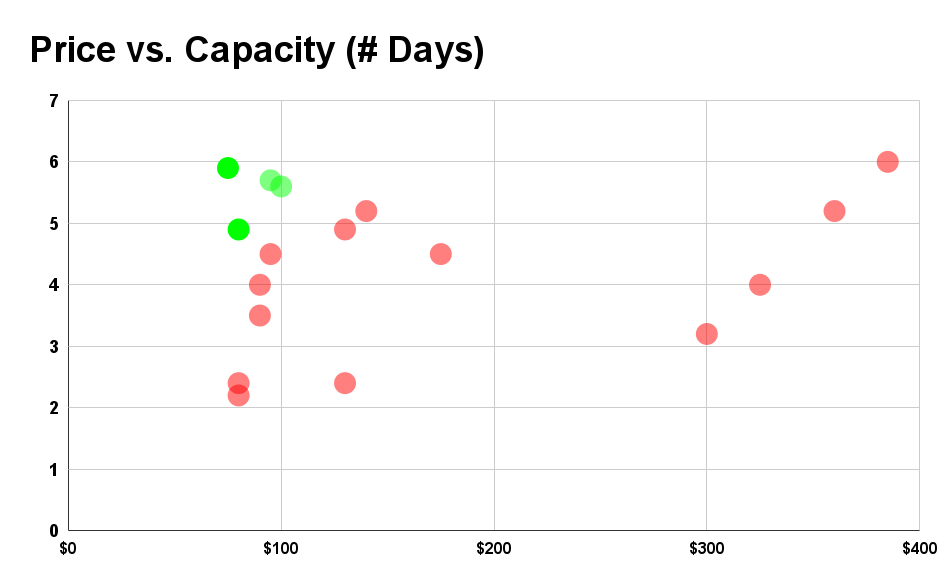
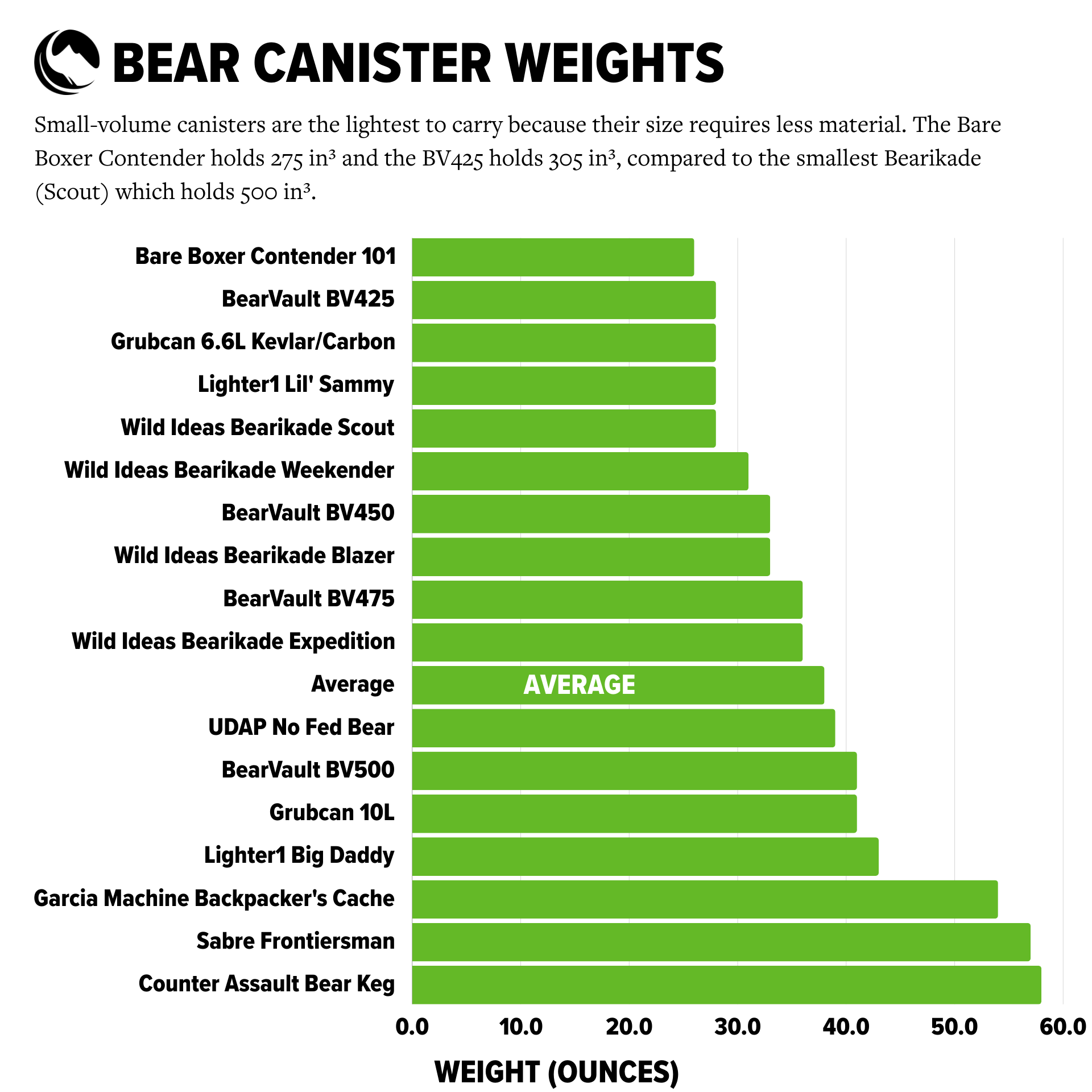
Bear canisters vary in weight, capacity, and dimensions, but some are more efficient (e.g., volume-to-weight ratio) or more cost-effective (e.g., price-to-volume ratio).
Table notes:
[1] Diameter can be a useful metric for determining the extent to which a bear canister exceeds the virtual thickness of your pack and disrupts the shape of its packbag. Height is useful for determining whether or not a canister can fit sideways into a backpack. In addition, height may provide data about the canister’s utility as a stool or table.
[2] Capacity is defined as the number of days based on one day of food being equivalent to about 125 cubic inches of volume (e.g., equivalent to a spherical bag of food that is a little more than 6 inches in diameter).
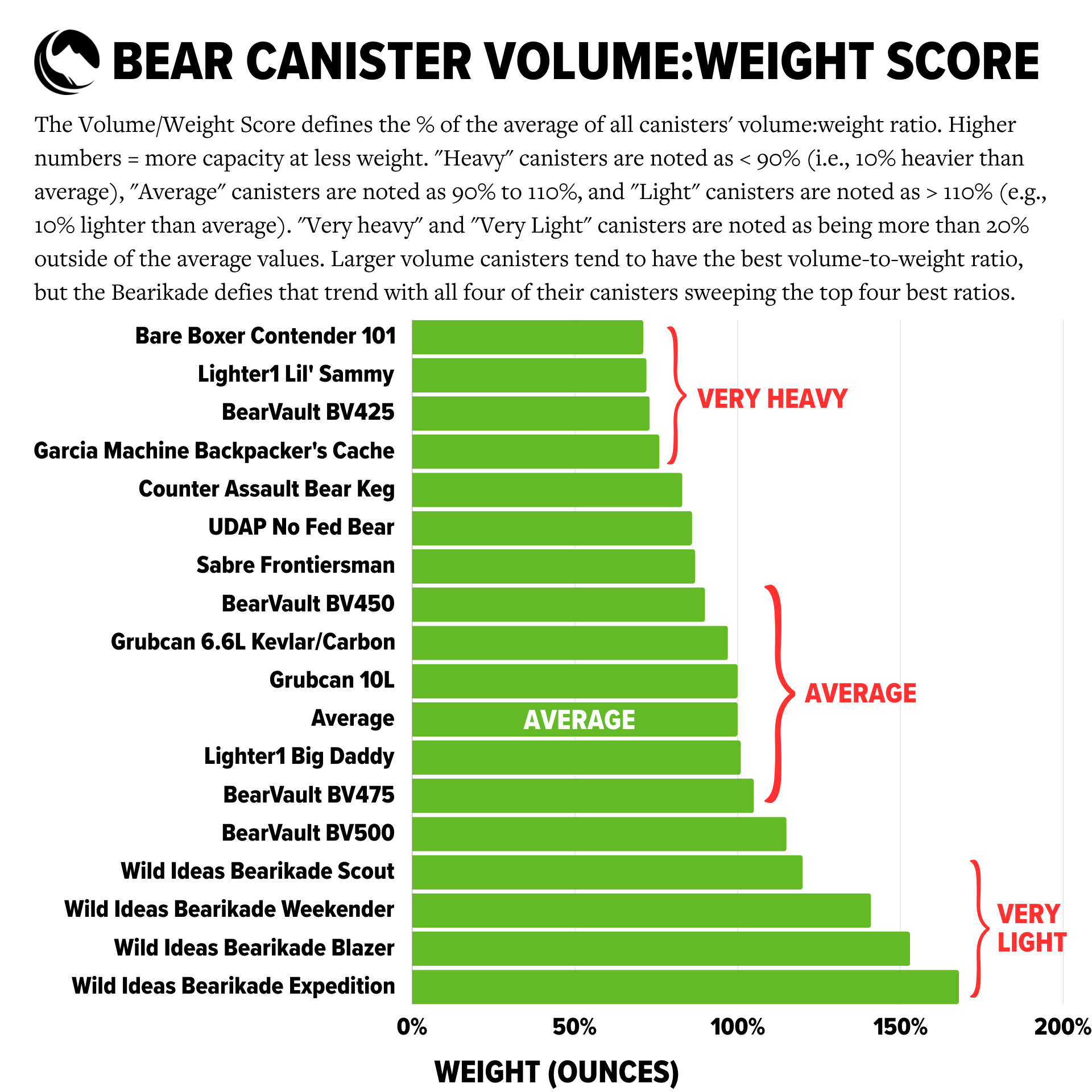
[3] The Volume/Weight Score defines the % of the average of all canisters’ volume:weight ratio. Higher numbers = more capacity at less weight. “Heavy” canisters are noted as < 90% (i.e., 10% heavier than average), “Average” canisters are noted as 90% to 110%, and “Light” canisters are noted as > 110% (e.g., 10% lighter than average). “Very heavy” and “Very Light” canisters are noted as being more than 20% outside of the average values.
[4] The Price / Volume Score defines the % of the average of all canisters’ cost:volume ratio. Higher numbers = more expensive capacity.
The smallest volume and lightest option on the market
Works great as a stool
Limitations:
Opaque
Rain leaks in from the top
Needs a tool to open
Has the worst volume-to-weight ratio on the market
Additional Notes (click arrow to expand): [expand title=”” trigclass=”awesomearrows”]
User Review Notes:
Users loved the size and shape of this bear canister in comparison to other market leaders, stating that its outside dimensions fit better in their packs: “Packs better than the bearikade.” – Blazer; “This can fit perfectly inside my kumo 36 horizontally.” – Tom C Chen; “It easily fits in my REI Flash 45 pack and gets lost in my Osprey Kestrel 58.” – Mark Messick; “Fits in my 35 liter.” – Christopher S.; “Fit in my ULA circuit pack perfectly!” – Megan C.
Coins won’t unlock the latches. The most common user suggestions were to use a Swiss Army Knife or key, but one user suggested slipping a piece of cordage through a washer, which we thought was pretty genius.
Several users commented on the heavy latches, stating that they were more complicated and heavier than the Garcia Machine canister.
One user stated that the canister weighed more than advertised: “It is not 1 lb 6 oz as stated, but 1 lb 10 oz.” – Eliza B.
Staff Notes:
Cute size, light weight, agency approvals, and packable in smaller packs, but a ridiculous amount of weight to carry for only two days of capacity. That said, it’s still the lightest available if you don’t need the capacity and you absolutely need agency certifications. Otherwise, you’ll get a little more bang for your buck with the BearVault BV425 and a lot more capacity for this weight with the Bearikade Scout. – Ryan Jordan
Good size for short outings, but be aware that locks require some sort of tool that cannot be easily improvised if you forget it (in my case I use a Swiss Army Knife). Even with the SAK, I have at times struggled to open it, especially in cold conditions where the metal locks can freeze. Being opaque and with only a partial mouth opening, it’s hard to locate small items quickly.
BV500 is the largest volume canister that is both SIBBG and IGBC-approved
Wide opening at the top makes getting objects in and out of the can easier
Lid extends over the rim, keeping rain out when set upright
Widely available for rent or purchase across retailers and even in some National Parks
Works great as a stool
Ribbed sides make it easier to pick up
The BV475 and BV500 have an above-average volume-to-weight ratio.
Limitations:
The BV500 won’t fit sideways in most ultralight packs
Opening the can requires some hand dexterity and strength, and the “tab” opening mechanism stiffens when it’s cold, making it even more difficult to open
Nubs get worn down over time and can’t be repaired, making the bear proofing ineffective
There have been incidences of bears breaking into this canister
Additional Notes (click arrow to expand): [expand title=”” trigclass=”awesomearrows”]
User Notes:
Users loved the clear exterior, stating that it made finding things inside the can much easier.
Reviews were mixed about how difficult the can was to open in the cold. Several users offered advice on improvised tools such as sticks that people can use if their hands aren’t strong enough. One user recommended the credit card method: “I went to REI where one of the sales associates showed me how to open it with an ID or credit card. See video.” – Micki; “[My] kids can open the Keg without help but they cannot open this one.” – outdoorsfreak
No users could fit the BV500 sideways inside their pack – most opted to latch it underneath their pack’s brain, or stuff their items around it inside their pack: “I would prefer if they made this canister *slightly* smaller so that I have more carrying options, but I’m able to fit the canister in the very top of my bag. I have the Osprey Aether 85 and the canister fits at the top of my pack, above the shoulder straps but below that detachable compartment that tops the entire pack.” – Richard
Users didn’t have trouble fitting the BV450 into their packs: “It fits perfectly in my 75L backpack with the rest of my gear.” – Isabella Talbott; “It does fit inside my Gossamer Gear Mariposa pack as well as my Kriega OS-32 motorcycle saddle bags no problem.” – Jordan I Smith
Staff Notes:
The opening mechanism does stiffen in 30-40 degree weather, but with healthy fingers and a bit of practice, it can be opened in any weather. BV500 can fit sideways in large backpacks such as the Deuter Expedition 90+10, but must be packed vertically in smaller packs or emptied and held under the brain. This is the brand of bear canister I use when guiding and on personal backpacking trips. I own the BV500 and BV450. – Sarah Bennett (Author)
I use the BearVault BV475 where a hard-sided canister is required. I can fit five days’ worth of meals in the canister with careful packing, including repackaging some freeze-dried packets to reduce volume. The canister packs horizontally inside my Zpacks ArcZip 62-liter pack. The only drawback is unlatching the lid in cold weather when the plastic is less flexible. I use a small metal object to press the catch mechanism when needed. – Stephen Seeber
BV425 Sprint is my favorite bear can ever. I love that it holds 5 liters and that it sits with the flat side against my back in a low-volume pack like my 40 liter Atom+. It is so nice to not have the bear can barreling my pack out into an awkward round shape. If I try hard I can get my food volume below 1.25 liters/day so I’m good with four days of food in the can. I also appreciate the rounded corners on the can which keep it from stressing the fabric of the pack. Bearvaults are a minor pain to open (particularly after a cold rainy night) but this one is worth the hassle. The BV450 and BV500 are too heavy for my taste and necessitate a vertical carry in my pack. I don’t like these canisters. These are the canisters I loan to other people. – Matthew King
The transparent nature of the BearVault makes it easier to find contents, and I like that no tools are required for opening and that it has a full mouth opening. When sand has gotten in the threads, it has made opening more challenging though. – Iago Vazquez
These canisters have been great for trips in the Northern Rockies where I’ll be spending some of my nights above treeline. I like the translucent plastic, which makes it easier to reach in and grab whatever food I’m after, and the fact that I can open them without having to use a coin. They’re reasonably light and fit fine in my larger volume packs. I’ve also found creative uses for them over the years — washing clothes in them during an extended backpacking/car camping road trip (worked surprisingly well!); packing them with small bags of ice to create an impromptu (but heavy) cooler to pack in perishable food for a short overnight trip; and of course as a stool for around camp. – Mark Wetherington
The BearVaults have become a tried and true touchstone of my Sierra backpacking experience, whether bulging in the body of a backpack, strapped atop its lid, or serving as a stool at camp. My BV450, at 7.2 liter capacity, is a perfect weekend bear can. With some strategic packing, it allows for a food-soak jar to be stored alongside dry goods, which is always good practice when bunking down with black bears. For trips in excess of 5 days, the BV500 and its 11.5 liter capacity will spare you the stress of extreme space-management, and its translucent sidewalls aid in locating that final pack of Oreos among the heaped wrappers and refuse. I own both the BV450 and the BV500 and between the two have never felt the need for another bearcan. – Isaac Simons
This is my last resort bear canister that I use only if Ursacks with the aluminum liner or my Wild Ideas Bearikade are not allowed. Their capacity-to-weight ratio is low, and during cold mornings the lid is hard to open. – Chase Jordan
Clear canisters like BearVaults heat faster than opaque canisters – the effect of solar radiation passing through to the interior. Don’t leave them in direct sun, or you’ll end up with extreme condensation inside your food packaging. And I know the Bare Boxer is a tiny bit lighter than the smallest BearVaults, but for overnight trips in areas where bear canisters are required, I prefer the clear-sided BearVault BV425. It’s more packable, easy to find stuff, and makes a better table. – Ryan Jordan
I have been using BearVault products for 10 years, starting with the BV450-Jaunt for shorter trips and then using the BV500-Journey for my longer trips in the backcountry. I like them for their durability, wide mouth, clear body, and ease of use. Certainly it gives me a peace of mind when entering bear country to have this necessary piece of equipment! – Dan Hu
Yellow exterior and reflective strip make it easy to find from far away
Limitations:
Not certified by the SIBBG
Opaque
Rain leaks in from the top
Needs a tool to open
Doesn’t work well as a stool
Despite being one of the larger volume canisters, the Bear Keg has a below-average volume-to-weight ratio
Additional Notes (click arrow to expand): [expand title=”” trigclass=”awesomearrows”]
User Notes:
Users appreciated the durability of the canister: “My son booted it off a 25ft cliff because he wanted to see what would happen (I was not happy at that moment watching a 70$ plastic bucket at the mercy of gravity) but it came out with nary a scratch.” – Bufftester; “One night, “Yellow Yellow,” the bear in the high peaks that knows how to open the clear brand, came to our campsite and decided to play soccer with my container. She took the container down the hill and dumped it in a creek, great. Wet inside and ruined some food, forgot to line it with a garbage bag. But at least we still had food. This container works and mine has the battle scars to proove it.” – XC Cycler
The wide opening at the top made it easy for users to reach their gear: “I checked both the CA and BV models out in the store and checked the opening size and both are almost exactly the same (I mean we are talking mm differences)” – Pgunnz
Some users had mild difficulty getting the lid’s locks to work correctly. They recommended using a keys, coin, or multi-tool to open the canister. “I found that the Garcia lid was easier to handle overall.” – MCL
Users commented that the canister works as a stool, but that it’s not very comfortable. It doesn’t work as a table because of its rounded lid.
Users described the volume as spacious, but reviews were mixed on whether the canister fit well into their packs: “It fit in my gossamer gear mariposa but was a little awkward. Fits fine in my osprey rook. Enough room for 4-5 days/two people if you pack it correctly. Last trip we (2) had 3.5 days and 1.5ltr of vodka in here no problem.” – Mdricks; “I have the Osprey Exos 58 liter pack and this canister is almost too big.” – Angelique Perez; “The interior volume is similar as the BV475 but the shape of this one makes packing and fitting especially freeze dried food packets much easier… It fits vertically in my smaller 48L backpack with enough space around it to fit a tent and shove everything else I need.” – dtw237; “I have the 70L Osprey Aether. It takes up 90% of the room.” – Adrian
Staff Notes:
I have used Counter Assault bear canisters on llama-packing trips where canister weight was less of a concern. They held the perfect volume of llama cookies and easily fit vertically into our panniers. The canisters themselves definitely cannot be opened with one’s fingers, but even something like a dinner knife could work. We would cover them with saddle blankets at night to prevent any water from leaking in. – Sarah Bennett (author).
[/expand]
Garcia Machine
Highlights:
Model
Backpacker's Cache
MSRP
$80
Weight
54 oz (1542 g)
Volume
615 in3
Volume / Weight Score
76%
Volume / Weight Rating
Very Heavy
Where to Buy: This product is discontinued.
Strengths:
Certified by the SIBBG and IGBC
Lightest and cheapest option of agency-approved canisters
Most common bear can to be loaned out to backpackers by the National Parks
Works great as a stool
One of the most inexpensive bear canisters on the market
Limitations:
Opaque
Needs a tool to open
Rain leaks in from the top
Has a below-average volume-to-weight ratio
Additional Notes (click arrow to expand): [expand title=”” trigclass=”awesomearrows”]
User Notes:
One Amazon reviewer cautioned that using a stove on the lid can heat the plastic up and make the can unopenable until it has cooled off – but that the bottom of the can works just as well as a cooking table.
Users resoundingly complained about the dark exterior, stating that it made the can difficult to locate in the dark, and that it made it difficult to locate items inside the can. They recommended putting reflective tape on the can to help backpackers find it in the dark.
A user complained about the narrow opening at the top.
Several users noted that the Backpacker’s Cache fit sideways into their packs: “It fits perfectly in the bottom of an Osprey Atmos 65. It’s tall enough to comfortably sit on, and low enough to reach the ground when you’re on it. Perfect.” – M. S.; “For backpacks, I personally packed it sideways (barely fits) and pushed it down so that it rested around my lumbar area.” – Mr. StevenStaff Notes:
The bear canister is ot transparent, making it harder to find items inside the canister, particularly small ones (for example condiments). I have found myself often requiring emptying the whole container to find what I am looking for. A tool is required to open, but one can easily use coins, utensils or other items commonly carried or improvised to open. It is heavier than similarly sized BearVault. – Iago Vazquez
Both canisters have an average weight-to-volume ratio
Limitations:
Not certified by the SIBBG
The 10L has an unconventionally tall and narrow shape
The 6.6L is opaque
Neither canister functions well as a stool
The 6.6L is the most expensive canister per volume on the market
Additional Notes (click arrow to expand): [expand title=”” trigclass=”awesomearrows”]
User Notes:
This canister is a lesser-known product and reviews of it are scarce
6.6L: A user liked how the ridges helped the canister stay in place when strapped under the brain of their pack, and that the diameter of the canister was smaller than that of the Bearikade – letting them fit it into their Sassafras 3.2 and Durston Kakwa. See their discussion of the product here.
10L: Users appreciated the volume and packability of the canister. (One user noted that it fit into their 60L pack.); One user appreciated how easy the canister was to open: “I can open it easily and I have severe arthritis.” – Mikhail; One user received a faulty canister which locked them out of the can entirely on day 2 of a backpacking trip: “Without that little internal cone thing on the underside of the lid, the contents of the can pressed up on the latches rendering it shut forever.” – Jeffrey A Brown
Lid extends over the rim, keeping rain out when set upright
Its lid can double as a cooking pan
The canisters are middle-of-the-road when it comes to price and weight
Limitations:
Cross-beam makes packing the canister awkward
Outer screws can be abrasive to other gear
A bible verse is imprinted on the bottom
People camping in the Adirondacks may want to avoid using polycarbonate containers
Additional Notes (click arrow to expand): [expand title=”” trigclass=”awesomearrows”]
User Notes:
Users loved the clear exterior, stating that it made finding things inside the can much easier
Users complained that the screws were difficult to keep track of and that losing one would render the can ineffective. Users suggested painting them bright colors, bringing extras, or keeping them in a specialized ditty bag (including while hiking so that they don’t rub against softer materials inside the pack)
Users commented that the screws can be manipulated without tools, but one user found them uncomfortable: “My fingers are raw after a few days of using [the screws].” – Bungzy’s Ultralight
Users had difficulties using the lid for cooking: Users complained that food badly sticks so badly to the lid when cooking that they only used it to boil water or as a plate; One user complained that the handle becomes flimsy when trying to pour contents into another container; “Two cups [of water] is about the limit of what you can fill in this pot.” – Follow Bigfoot; The product comes with a 2.8 oz lid for the lid-turned-pot which doesn’t fit flush with the pot when the handle is attached. “[The lid] is built like a tank and I just didn’t think they needed something so heavy duty.” – Follow Bigfoot
Some users complained about the narrow opening of the can, while others appreciated how the narrow can fit in their packs: “Normal-sized tortillas fit perfectly inside this lid… With its narrow 7 inch diameter and 9 ” height, it fits inside a small UL pack better than any other canister.” – Bungzy’s Ultralight
Staff Notes:
I really wanted to like the idea of having a bear canister lid that serves double-duty as cookware, but this causes both the canister and lid-cum-cookpan to suffer. The canister is hard to pack, the screw-closure mechanism is finicky, and the canister has too small of a diameter to pack efficiently with bulkier foods. – Ryan Jordan
Tall and lean shape may be more convenient for packing
Orange exterior is easy to spot
Available at very accessible retailers
The cheapest bear canister money can buy, whether or not you factor in volume
Limitations:
Not certified by the SIBBG
Unconventional shape
Opaque
Rain leaks in from the top
Needs a tool to open
Heavier than other canisters of comparative size (similar to Counter Assault’s Bear Keg)
Additional Notes (click arrow to expand): [expand title=”” trigclass=”awesomearrows”]
User Notes:
Reviews were mixed on whether the canister was easy or difficult to open. All users recommended bringing some form of tool to help open the canister: “USE A NICKEL! It fits perfectly and stays in the grove so you just spin it! You’ll be surprised how easy it is, you’re welcome. Spin each one a little (10ish turns or so) and switch screws so it’s even pressure. It’s not hard at all.” – Beck; “Screw clamp mechanism is incredibly inconvenient! Screws are very difficult to turn. Lock washers do not stay in place. There are more efficient options out there.” – K2Peng
Some users liked the tall and slim design – others found it difficult to pack around: “I have the 60L REI Flash pack… At first I thought it was a bit tight [but] then it was just fine with the room to spare for my extra clothes and everything else needed on top or in the outer compartments. VERY COMFORTABLE in the pack!” – Beck; “Fits great (inverted) in a Frost River Isle Royale pack along with my gear for a 6 day trip.” – WoodsWalker; “It fits inside my 55 hiking backpack perfectly and rests easily against by back while inside.” – Dynamo (incentivized review); “What’s with the wonky shape? It makes it hard to fit everything else into your backpack.” – Texas Customer; “It is actually less shapely and packable than the standard competitors.” – Andrew
Staff Notes:
The Sabre Frontiersman is cheap, but the weird shape makes for inefficient use of space, and for very little extra money, you can get a canister now that’s quite a bit lighter. – Ryan Jordan
Its cost is below average, but is still more expensive than Garcia Machine’s Backpacker’s Cache (which it is often compared to)
Average in overall weight and weight-to-volume ratio, but performs better than the Backpacker’s Cache
Limitations:
Opaque
Rain leaks in from the top
Needs a tool to open
Opening at the top is smaller than the Backpacker’s Cache
Additional Notes (click arrow to expand): [expand title=”” trigclass=”awesomearrows”]
User Notes:
This canister is a lesser-known product and reviews of it are scarce
The canister is built similarly to the Backpacker’s Cache and tends to get mentioned alongside it
Similar to all other canister designs where rain leaks from the top – a user complained that the canister took on two inches of water when set upright during a rainstorm, ending their trip early
A user had difficulties with the locking mechanism, but said that UDAP customer service was excellent
A user stated that the canister fit sideways in their pack (but did not specify what type of pack)
Staff Notes:
The tiny lid is a deal-breaker. Prepare to scrape your knuckles getting food in and out of the canister. The Garcia Machine Backpacker’s Cache, although a much older design, is surprisingly more usable. – Ryan Jordan
Bearikade Weekender and Expeditions models are SIBBG certified.
Custom sizes also available
Works great as a stool
All four canisters (even the small ones) have the best volume-to-weight ratio of any bear canister
Limitations:
Bearikade Scout, Blazer, and custom models do not have SIBBG certification, and no models have IGBC certification, which is confusing given the relatively low cost and ease associated with having products certified. (One of our sources for this article, a testing administrator, told us that Wild Ideas did work with IGBC on testing at some point, but the IGBC maintains that they don’t have a record of this occurring and would need Wild Ideas to re-submit the Bearikade in order to earn a certification.)
Opaque
Rain leaks in from the top
Needs a tool to open
The lid is attached to the can with a cable
Some of the most expensive bear canisters money can buy
Additional Notes (click arrow to expand): [expand title=”” trigclass=”awesomearrows”]
User Notes:
Users uniformly complain about the price tags, which are about triple the cost of bear canisters of similar sizes
“You can open and close it with anything thin and fairly sturdy like a coin, knife blade, etc.” – JRinGeorgia
One user complained about the corners slowly rubbing at delicate UL fabrics
The canister’s slim design makes it more packable than the Backpacker’s Cache because less volume is spent on the container itself: “The Weekender fits inside of my 52L Zpacks backpack and should fit inside of most/all backpacks of about 45L and larger.” – JRinGeorgia
Staff Notes:
My first choice for a hard-sided canister in areas where land management agencies aren’t beholden to SIBBG and IGBC certifications and every ounce counts. Volume-to-weight ratio is off the charts thanks to carbon fiber construction. Very easy to pack, secure and easy-to-use latching lid mechanisms, and no plastics. Makes a great stool/table as well. – Ryan Jordan
The Bearikade Expedition is my go to bear canister in every locale it is allowed. The large size is great for carrying 7+ day’s worth of good food AND can store my cookware at night, while doubling as a super comfortable camp stool allowing me to save weight and leave my camp chair at home. It necessitates a vertical carry in my HMG Porter 70, but fits well, packed with my sleeping bag and other equipment surrounding it to provide some padding with clothing for comfortable carry. The wide variety of agencies in California and Alaska that use these bear cans during their field operations give me plenty of mental comfort that these bear canisters do their job, despite their limited approval. – Chase Jordan
[/expand]
Alternative Food Storage Methods
Before we conclude, there are a few more products worth mentioning.
First – a number of canisters have previously been on the market (and could perhaps be found at a garage sale or on eBay), but are not currently being sold new. We excluded these models:
Craftsman Tech Composites Wise Backpack (IGBC-approved, unable to find online)
Lastly, an unconventional idea: electric fences. These are commonly used in the pack animal industry, but they could also be a sensible food storage solution for groups that don’t mind an awkward pole sticking out of their pack. The lightest one currently on the market weighs 59.2 oz (1678 g) – a smidge more than the Counter Assault Bear Keg or the Sabre Frontiersman, and significantly less than any two large bear canisters. We can’t include it in our graph comparing weight ratios because the fence covers a 27 × 27 ft. (8.2 × 8.2 m) area, meaning it could hold almost limitless food – and thus – could be a very compelling option for groups or longer trips where multiple bear canisters are weight-prohibitive. Regulations vary, so please check with backcountry offices before using this approach.
UDAP Industries, Inc. Bear Shock Electric Fence (IGBC-approved)
Recommendations
So, after all that discussion, which is the best bear canister for you? It depends on your use case, but here are some suggestions to consider if you’re purchasing one in the near future.
Below, we recommend bear canisters based on your highest priorities among the following:
Value
Weight
Design
Compliance
Small Volume
Large Volume
The following three charts can be used to help inform your recommendations. The charts visualize key metrics and ratios that are useful for evaluating value, weight, and volume:
Price vs. Capacity
Weight
Weight vs. Volume
Value can be defined as the ratio of price vs. capacity. The canisters with the highest value will be those that plot towards the upper-left quadrant of this chart. They are denoted with green circles and include the Sabre Frontiersman ($7.87 / day of capacity), the Garcia Machine Backpacker’s Cache ($6.12 / day of capacity), the Counter Assault Bear Keg ($6.00 / day of capacity), and the BearVault BV500 ($5.60 / day of capacity).
Value: Garcia Machine Backpackers’ Cache
Price is not exclusively representative of value. Value includes usability, durability, and capacity as well. Interestingly, the canisters that have the highest capacity-to-price ratios are made with injection-molded polymer blends (commonly, acrylonitrile butadiene styrene, i.e., “ABS”), which are cheap and durable but heavy.
The Sabre Frontiersman is the cheapest bear canister on the market, but its value is questionable, as reflected by mixed user experiences.
Instead, we recommend the Garcia Machine Backpackers’ Cache as the best value canister in this gear guide. Someone looking to buy an inexpensive bear canister probably wants their canister to last a long time and be usable on every trip they go on, and the Backpacker’s Cache delivers on those two points with flying colors. It’s built like a tank, it will hold about five days of food – plenty for most backpacking trips – and it’s accepted in any location that requires hard-sided food storage. Its downside is its weight and availability (there is only a limited amount remaining in distribution).
Where to Buy: Discontinued (search online at discount retailers and auction sites)
Weight: Wild Ideas Bearikade
An argument could be made for smaller volume canisters (e.g., Bare Boxer) being lighter than the lightest Bearikade models, but when you take the volume of the canisters into account, every Bearikade model (including the smallest one, the Scout) is lighter than the other canisters on the market. Their carbon fiber exterior is their competitive advantage here, and because of their custom sizing offering, the Bearikade could be whittled down even further if someone so desired.
Everyone has their own preferences, and we could probably debate the merits of various canisters into the night. However, the BearVault’s clear container is a surprisingly useful design feature.
It makes it easy to locate items within the can – you can fill any small air holes with food and pack it to the brim, or easily figure out which canister your toiletries are in on a group trip. The flat tops and bottoms work perfectly as stools and tables; the canisters fit reasonably well inside of packs; and they don’t have any widespread issues with rain leakage. The ribbed sides make it so we can pick a full canister up with one hand, and a bit of reflection tape on the lid makes them a cinch to find in day or night. Opening and closing the canister requires some dexterity, but it also doesn’t depend on anything external, so there’s no need to worry about having the right tools to access your food. We do hope that BearVault will look into the bear break-ins and update the canister’s durability, but until then – as long as Yellow Yellow isn’t around – it’s a highly refined canister design.
The Garcia Machine Backpacker’s Cache was the first bear canister to be invented, so it was probably the first to be adopted by many wilderness areas. It has kept that honor with an impressive reputation as a durable canister. Today it’s accepted everywhere. It’s the most prevalent canister to be rented out by many of our National Parks, especially the ones notorious for bears: Yosemite, Denali, and Glacier Bay don’t offer any rental canisters other than the Backpacker’s Cache.
Where to Buy: Discontinued (search online at discount retailers and auction sites)
Small Volume: BearVault BV450
The BearVault strikes a balance between weight, design, and price, and is a popular choice for most people on shorter weekend trips. Although the BV425 could shave some weight (and space), the BV450 will give users a smidge of extra space for extra toiletries and snacks, and some added flexibility when backpacking with friends. And although it’s subject to some localized (and rare) land management agency restrictions, it is certified by both the SIBBG and IGBC so you can take it almost anywhere.
Large Volume: Wild Ideas Bearikade Blazer or Expedition
Every ounce counts on long-haul trips, so for this category, if regulations permit you to do so, we recommend sacrificing the clear exterior of a BearVault for the ultralight design of a Bearikade. Your wallet will hurt, but your body may thank you for shaving the 5+ oz (142+ g) off of your pack weight compared to its closest competitors. Its thin-walled design makes for a smaller-sized canister with more usable volume. The Bearikade Expedition is SIBBG certified, but the Blazer is not. We hope Wild Ideas will consider working toward obtaining more certifications from multiple agencies for all of their bear canisters, so that long-distance backpackers in places can use these sleek, ultralight canisters without violating their permits.
Product mentions in this article are made by the author with no compensation in return. In addition, Backpacking Light does not accept compensation or donated/discounted products in exchange for product mentions or placements in editorial coverage.
Some (but not all) of the links in this review may be affiliate links. If you click on one of these links and visit one of our affiliate partners (usually a retailer site), and subsequently place an order with that retailer, we receive a commission on your entire order, which varies between 3% and 15% of the purchase price. Affiliate commissions represent less than 15% of Backpacking Light's gross revenue. More than 70% of our revenue comes from Membership Fees. So if you'd really like to support our work, don't buy gear you don't need - support our consumer advocacy work and become a Member instead.
Learn more about affiliate commissions, influencer marketing, and our consumer advocacy work by reading our article Stop wasting money on gear.
In episode 100 of the Backpacking Light Podcast we’re going to celebrate sunshine and the one hundredth episode of the backpacking light podcast featuring stories from our listeners and more.
Listen
Summary
In Episode 100 of the Backpacking Light Podcast we’re going to celebrate sunshine and the one hundredth episode of the backpacking light podcast featuring stories from our listeners and more.
Explore the essentials of sun safety in this comprehensive webinar, which delves into the scientific underpinnings of UV exposure, dispels prevalent myths, and offers expert guidance on selecting appropriate sunscreens, protective clothing, and eyewear for enhanced outdoor protection.
Executive Producer - Backpacking Light; Show Director and Host - Ryan Jordan; Producer - Chase Jordan; Theme music: Look for Me in the Mountains written by Chris Cunningham and Ryan Jordan, performed by Chris Cunningham (acoustic guitar, lead and harmony vocals, harmonica), Chad Langford (upright bass), and Tom Murphy (mandolin), produced by Basecamp Studios in Bozeman, Montana.
Sponsorship Policy: Backpacking Light does not accept compensation or donated/discounted products in exchange for product mentions or placements in editorial coverage, including any podcast episode content not excplicitly identified as sponsored content. Some (but not all) of the links in these show notes may be affiliate links. Learn more about affiliate commissions, influencer marketing, and our consumer advocacy work by reading our article Stop wasting money on gear.
In this video, we walk through a framework for making decisions about how to select gear based on benefits, features, and design attributes, with a focus on shelter systems.
In episode 99 of the Backpacking Light podcast we’re going to learn about how bears smell, and what you can do to hide your food from the nose of a bear.
Listen
Summary
In today’s episode of the Backpacking Light podcast we’re going to learn about how bears smell, and what you can do to hide your food from the nose of a bear.
Submit your testimonials for the 100th episode of the Backpacking Light Podcast by March 16, 2024 for a chance to win an Unlimited Lifetime Membership!
Main Topic: How Bears Smell and What Can You Do About It?
The differences between bears being food-motivated vs. food-conditioned vs. habituated to humans.
The science behind food conditioning.
Comparing the nose of a human, dog, and bear – more olfactory receptors means more odor sensitivity; size of olfactory receptors means more range of smell.
By storing foods in a system using plastic ziploc bags, mylar bags, and Nylofume liners, and an Ursack or bear canister, you can reduce the range bears can smell the food down to 0.01% of what it would be originally.
Executive Producer - Backpacking Light; Show Director and Host - Ryan Jordan; Producer - Chase Jordan; Theme music: Look for Me in the Mountains written by Chris Cunningham and Ryan Jordan, performed by Chris Cunningham (acoustic guitar, lead and harmony vocals, harmonica), Chad Langford (upright bass), and Tom Murphy (mandolin), produced by Basecamp Studios in Bozeman, Montana.
Sponsorship Policy: Backpacking Light does not accept compensation or donated/discounted products in exchange for product mentions or placements in editorial coverage, including any podcast episode content not excplicitly identified as sponsored content. Some (but not all) of the links in these show notes may be affiliate links. Learn more about affiliate commissions, influencer marketing, and our consumer advocacy work by reading our article Stop wasting money on gear.
Mark Wetherington reviews the Trail of the Lost by Andrea Lankford and reacts to the implications it unveils for backpackers.
The Pacific Crest Trail (PCT) looms as large as an old-growth redwood in backpacking culture. Even for those with no intention of hiking it, this footpath is intriguing and contemplating the physical and mental toil – and the accompanying gratification – of a thru-hike results in a mixture of aspiration, awe, and enchantment. Statistically, thru-hiking is a relatively safe endeavor compared to other outdoor activities (like backcountry skiing or mountaineering) and even seems fairly low-risk when put against more mundane activities like driving. Indeed, a reasonable argument could be made that doing yard work is more dangerous than hiking or backpacking. But every activity has its outliers and thru-hiking is no exception, with injuries, fatal accidents, and even homicides unfortunately being part of the history of long-distance trails in North America.
“Trail of the Lost: The Relentless Search to Bring Home the Missing Hikers of the Pacific Crest Trail” by Andrea Lankford
“Trail of the Lost: The Relentless Search to Bring Home the Missing Hikers of the Pacific Crest Trail” by Andrea Lankford focuses specifically on three hikers who disappeared while hiking the PCT between 2015 and 2017. Two of the hikers were last seen in southern California and the third disappeared in Washington late in the season as he embarked on the final stretch to Canada. While their last known location – somewhere along the PCT – is the common thread amongst the vanished men, there are few other notable commonalities among them aside from their gender and their all being relatively young (the youngest was 25 and the oldest was 34 when they went missing). In some form or another, they all embarked on the PCT seeking the solace, challenge, and perspective that a long-distance hike can bring. And tragically, they all met the same fate.
Like “The Cold Vanish” , this book describes situations which can rattle even the most experienced backpackers and serve as reminders to avoid complacency. Like with some of the incidents and disappearances covered in that book, what was most distressing when reading about the hikers featured in “Trail of the Lost” was that since there was so little known about the fate of the missing, there was no opportunity to learn from the mistakes. It’s one thing to hear about an injury or fatality that happens to a backpacker due to a mistake in judgment – like allowing summit fever to justify continuing towards a peak when a storm is rolling in, or crossing a swollen creek – and it seems entirely another to read about those who just disappeared. The macabre speculation that results when considering the “into thin air” disappearance of the three hikers provides limited insight into what mistakes to avoid and instead seems to highlight the utter unpredictability that is truly part of life in general, but seems particularly eerie when set in the backcountry.
The author’s research into the responses of law enforcement and land management agencies and the affiliated search and rescue teams to the disappearances was one of the more interesting aspects of the book (this is also covered in-depth in “The Cold Vanish”). Her own experience as a former national park ranger allowed for a degree of insight into this important component of the story and for the emotional impact on the families and the searchers to be explored. While it can be assumed that all those involved – from the sheriffs to the rangers to the volunteers – are doing their best to find missing persons once they are reported, the limitations and challenges of conducting exhaustive searches for missing hikers are rather sobering.
A high camp along the Pacific Crest Trail in the Sierra Nevada. Photo Credit: Ryan Jordan.
From uncooperative and hostile weather, to terrain that can be rugged at best and inaccessible at worst, to false leads and conflicting information, there are nearly infinite permutations of factors that can hamper or postpone a search operation. Lankford did an admirable job of balancing explaining these factors and providing proper context for the way search and rescue missions are conducted while also acknowledging that mistakes can be made by those in charge of the operations, which can in turn compound the frustration and helplessness felt by the families of the missing. Detailing the structure, methods, and timelines of search and rescue operations was a useful part of this book, but what was most enthralling was the personal relationships and involvement that Lankford cultivated with the families of the missing and her role in actively participating in searches for clues related to the missing hikers.
A rugged camp above the PCT. Photo Credit: Ryan Jordan.
The author corresponded with family members and friends of the missing hikers and dedicated an incredible amount of time researching the case – on social media, on the trails, and in the towns the hikers would’ve passed through in the days leading up to their disappearances. Lankford went so far as to hike into extremely rugged terrain near the PCT in southern California to follow up on a lead that had been generated by a “grave-detection machine” developed by an anthropologist that relied on what could most politely be described as pseudoscience. Lankford severely injured her ankle on this hike, which served as a compelling reminder that those involved in search and rescue operations often subject themselves to hazardous situations in their mission to locate missing hikers.
The willingness to consider using dubious and unproven methods to assist with the location of missing hikers is indicative of the need of those who are seeking missing family members or friends to pursue any and all options available to them, no matter how far-fetched. This can often lead to false hope, wasted search efforts, and other frustrations as a mix of psychics, charlatans, and various other hangers-on seem to be drawn to the cases of the missing. Lankford provides a sober assessment of their contributions and her reservations about their utility.
Although the disappearances remain unsolved, this book covers in-depth the most plausible explanations and is worth reading for its engaging prose and insight into the search process. Its structure and detail provide a fairly authoritative account of these cases and allow the reader to gain a useful framework for the topic in general. While some might find the author’s personal involvement with the families and the search efforts blurs the line between reporter and participant to a degree that disrupts the objectivity of the narrative, I found that Lankford was forthcoming in her biases and opinions and that this aspect added rather than detracted from the story. For readers who liked “The Cold Vanish” or are interested in learning more about what happens when backpackers go missing on public lands, this book is unlikely to disappoint.
This feature requires an active Backpacking Light Membership.
Premium Articles
You're currently viewing a free preview of a member exclusive premium article. Our premium articles include in depth journalism and insights from the Backpacking Light editorial team.
Get full article access by subscribing to a Premium or Unlimited Backpacking Light membership!


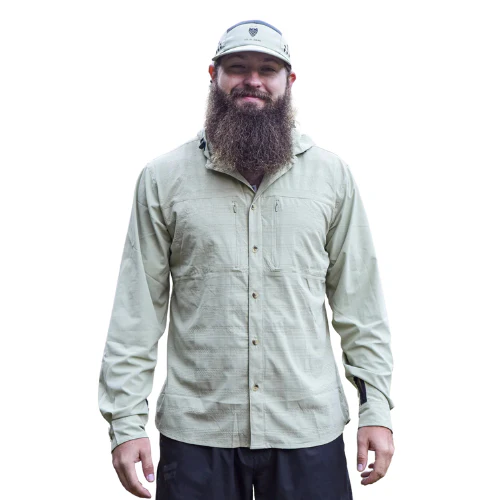


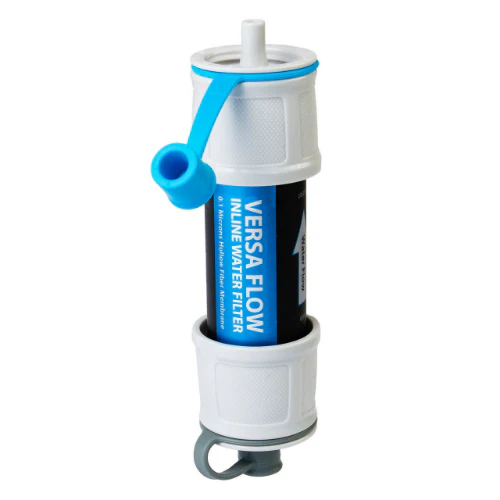
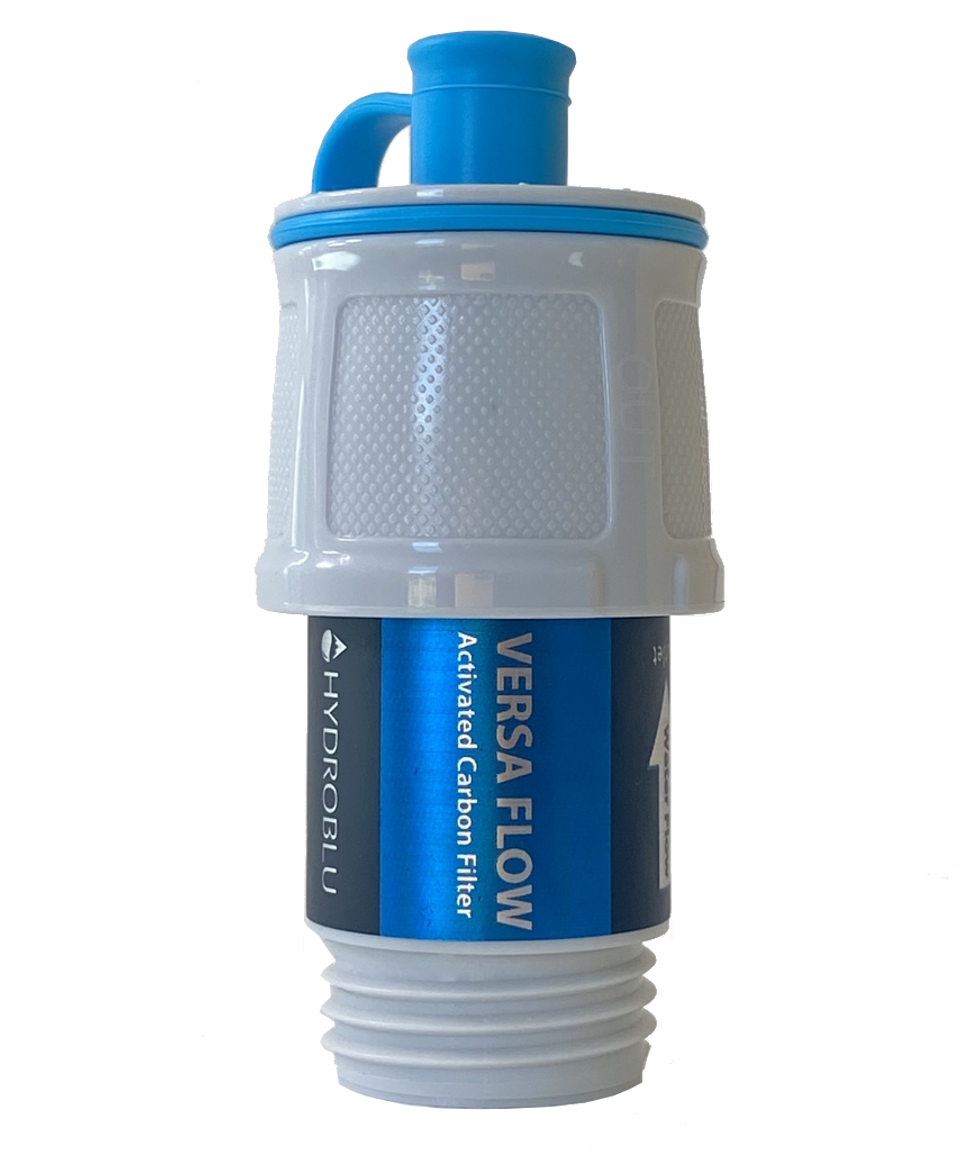
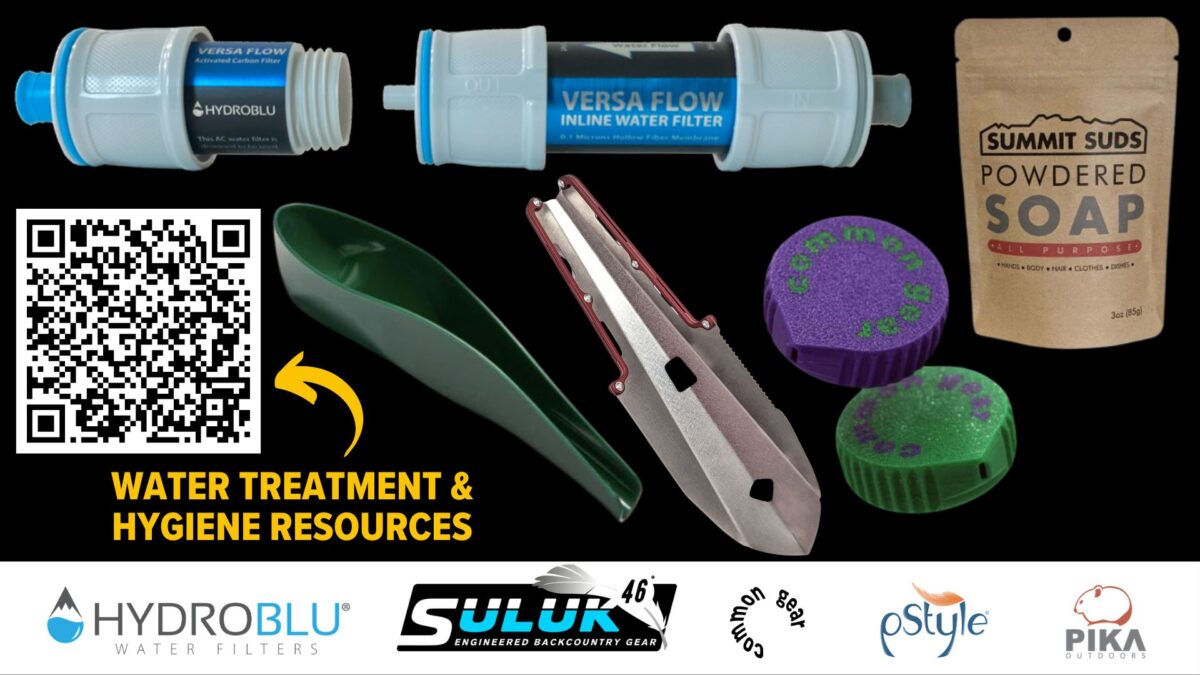
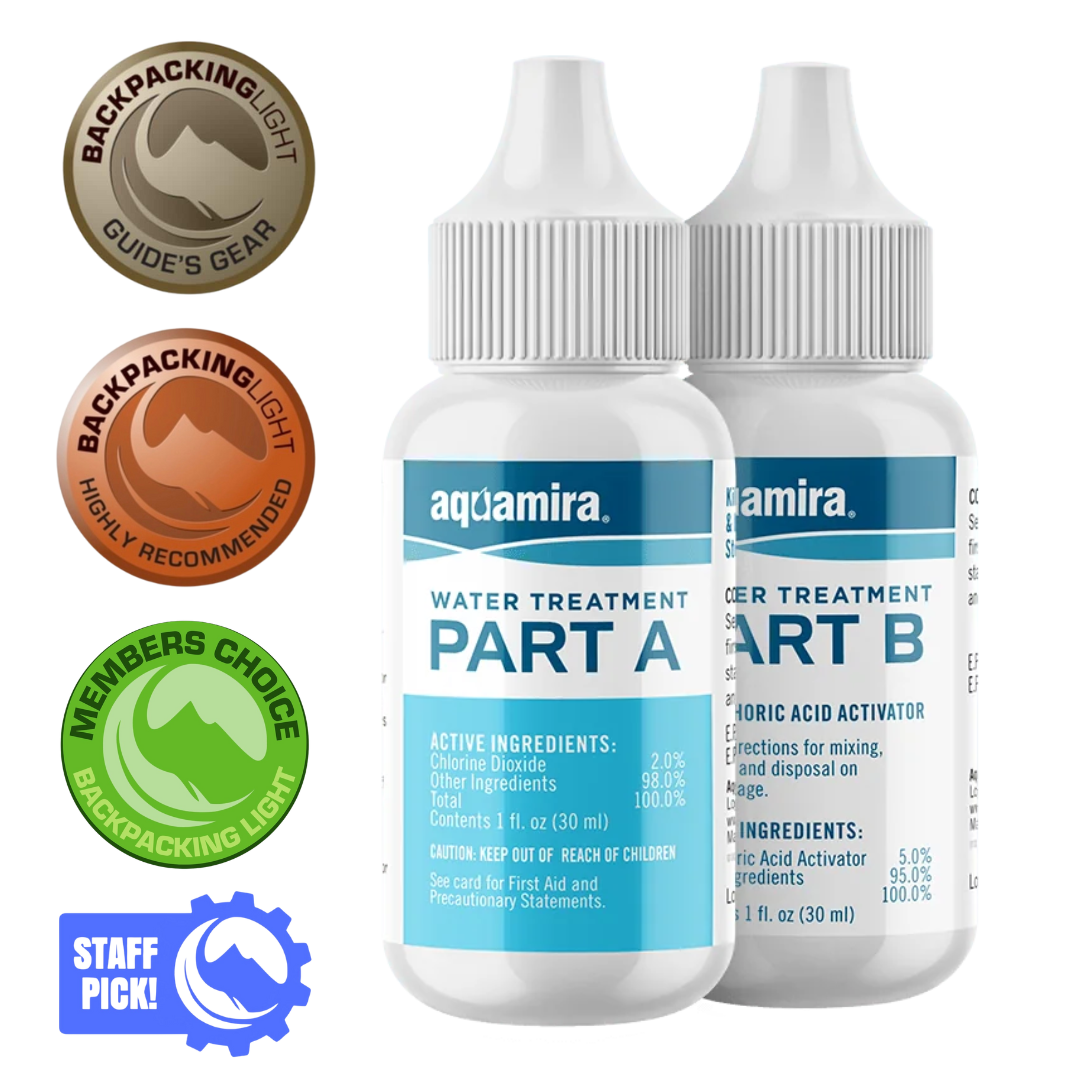
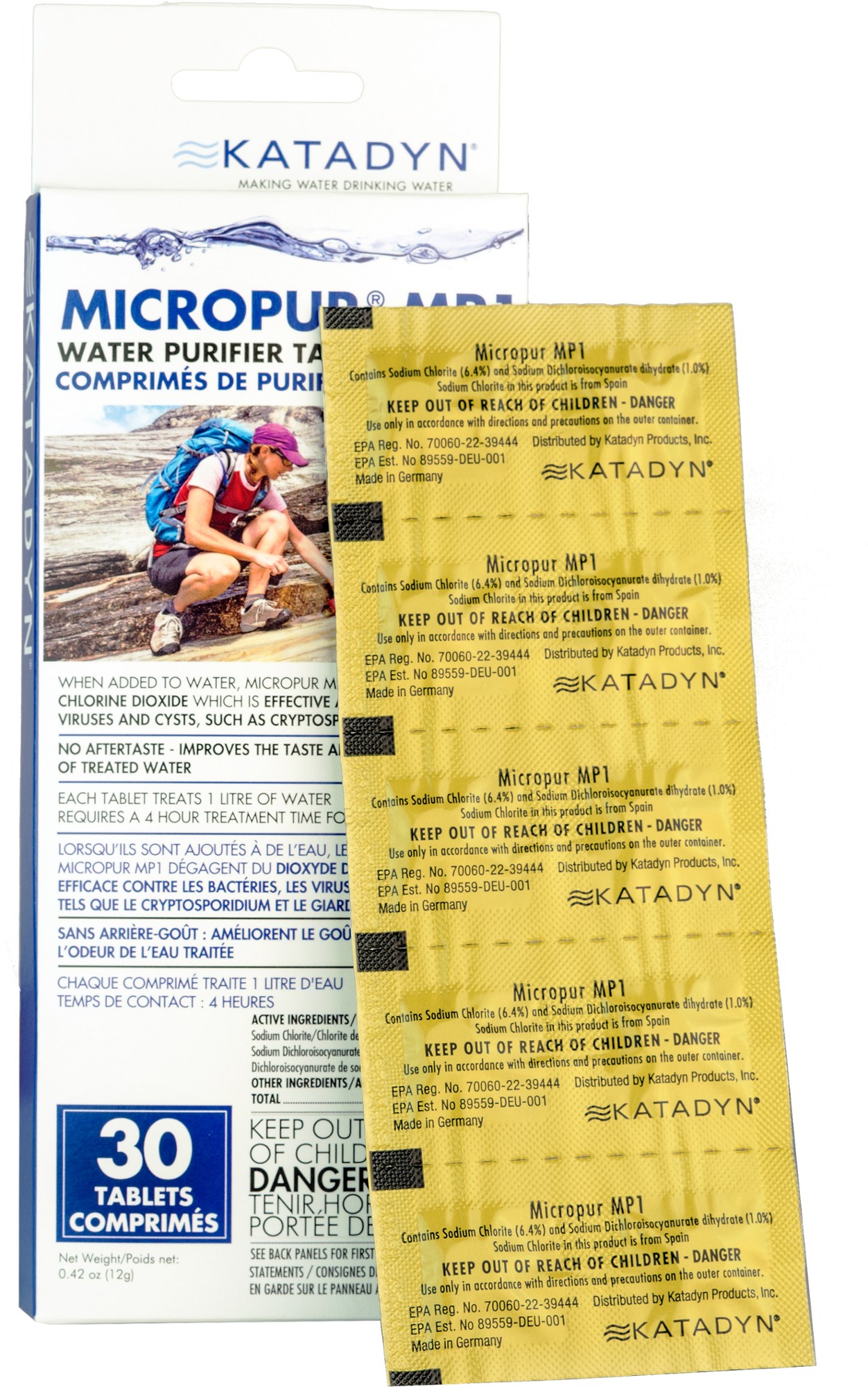
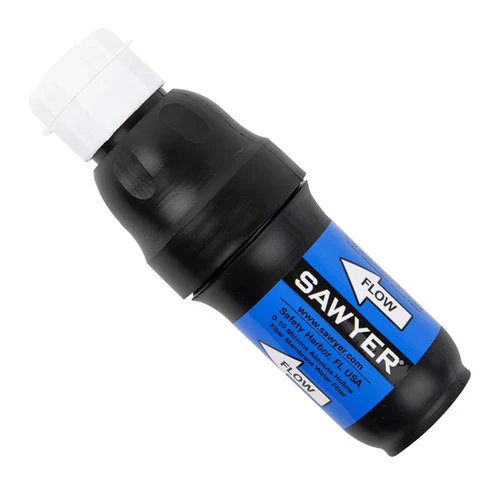

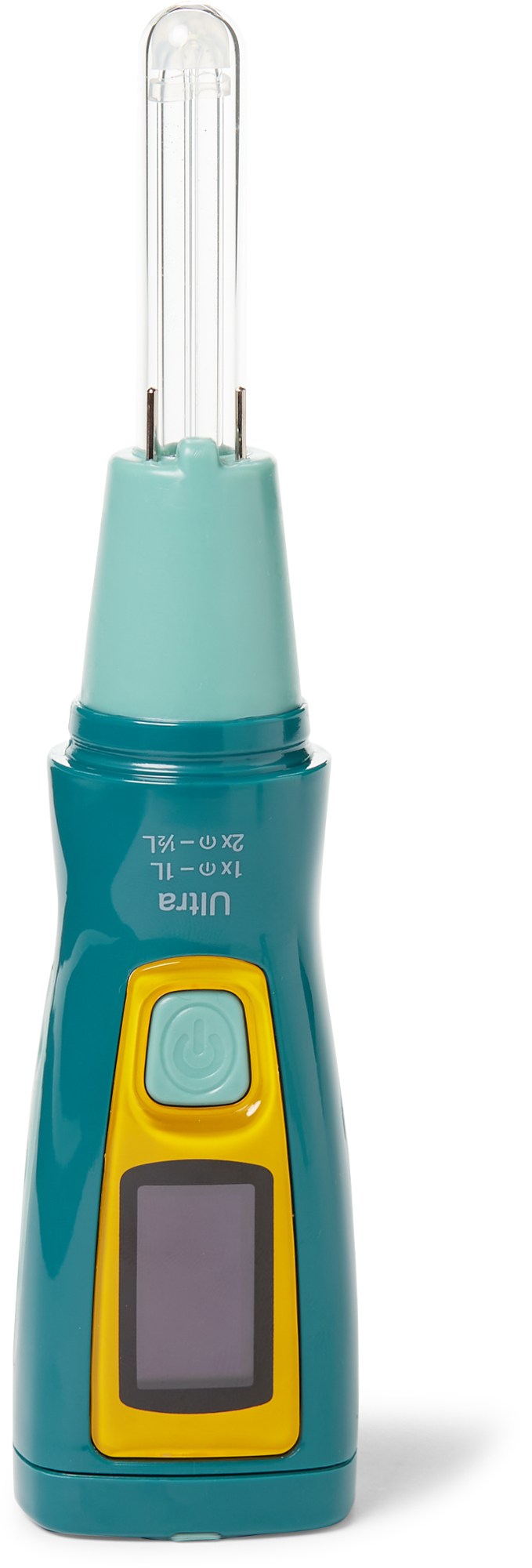
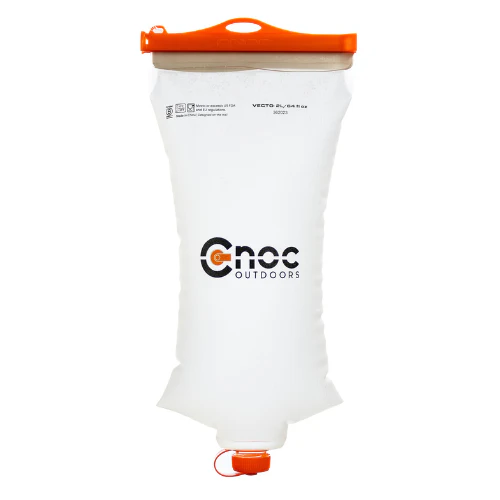
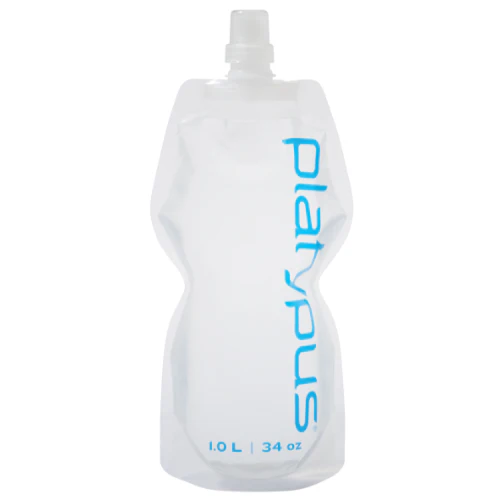
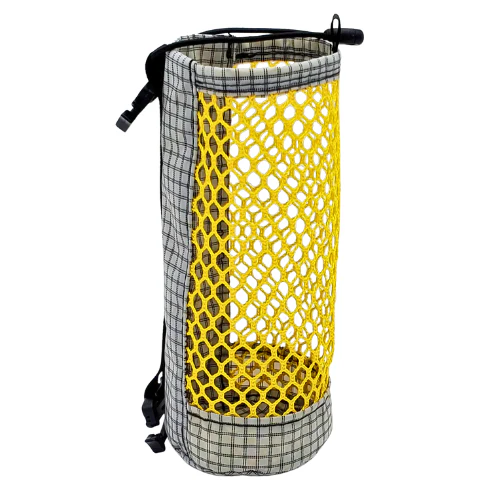
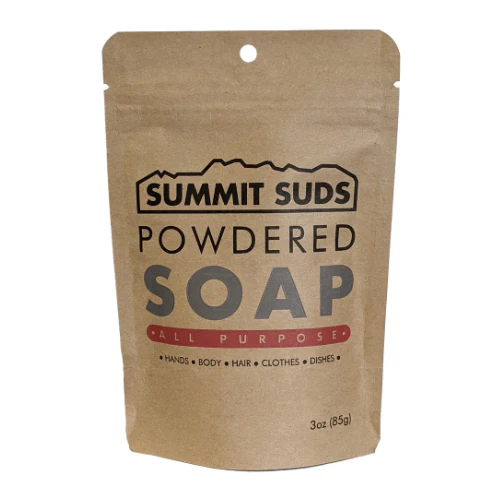
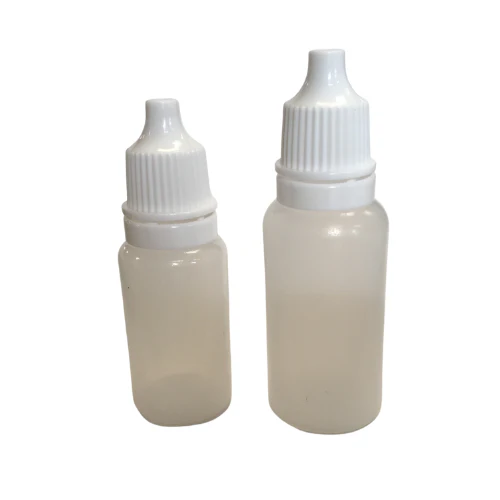
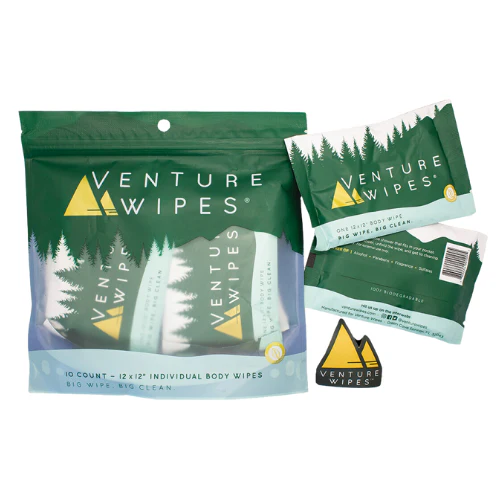
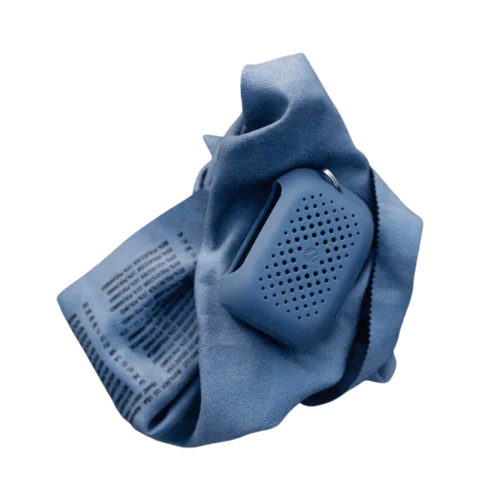

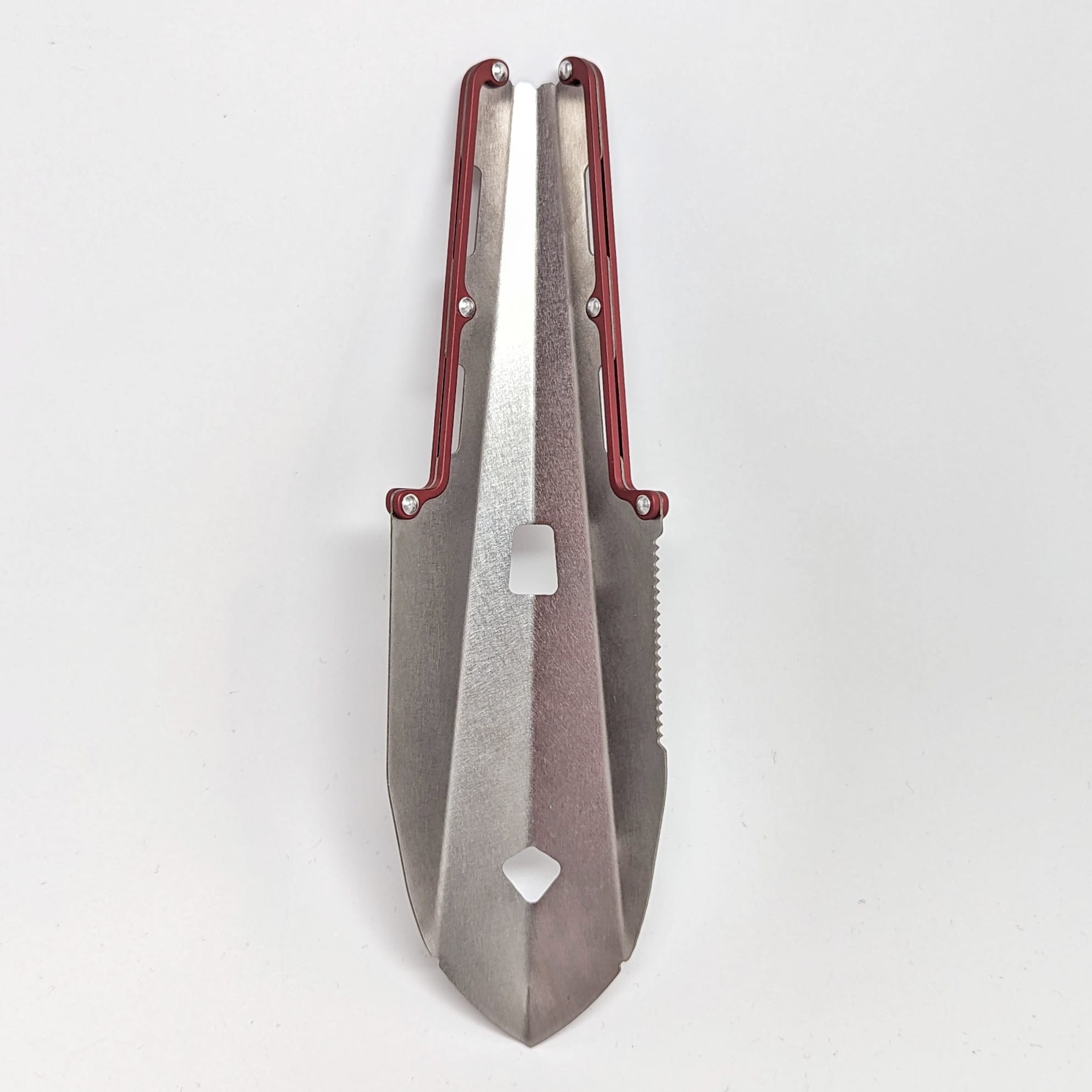
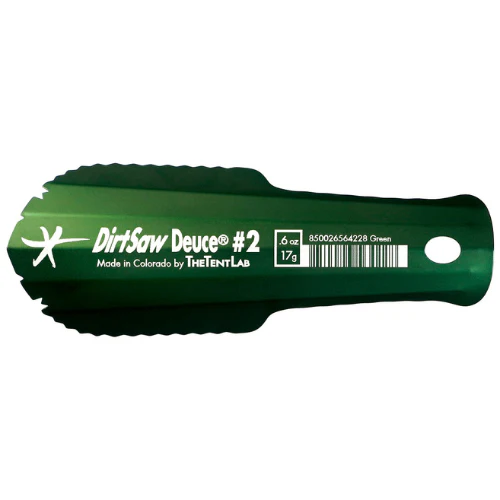
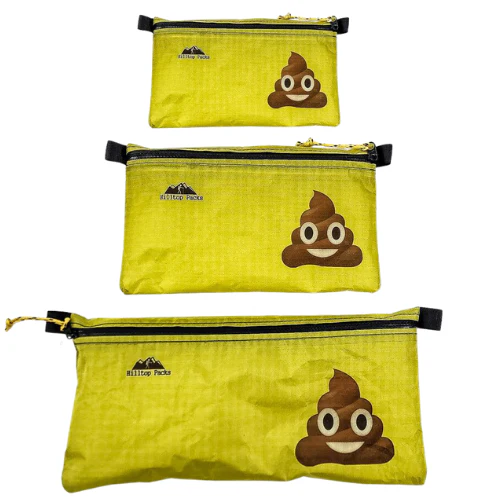
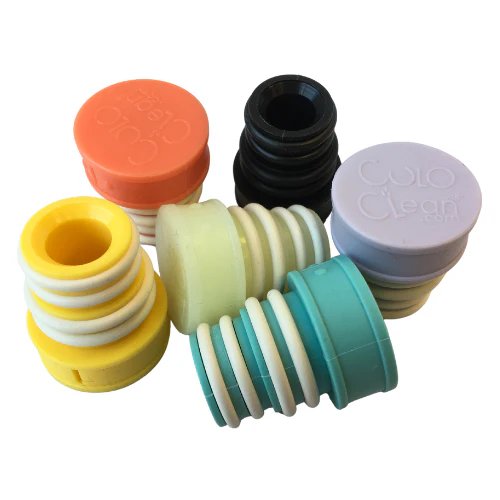
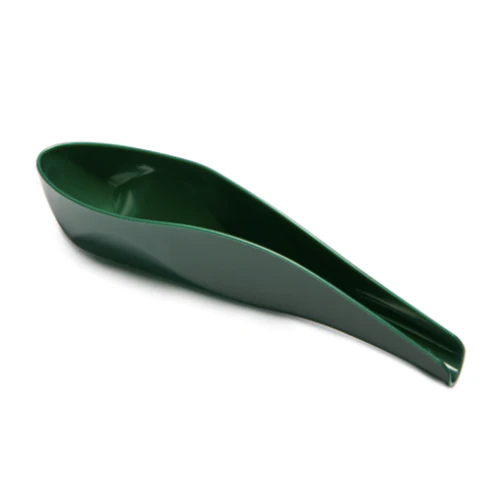
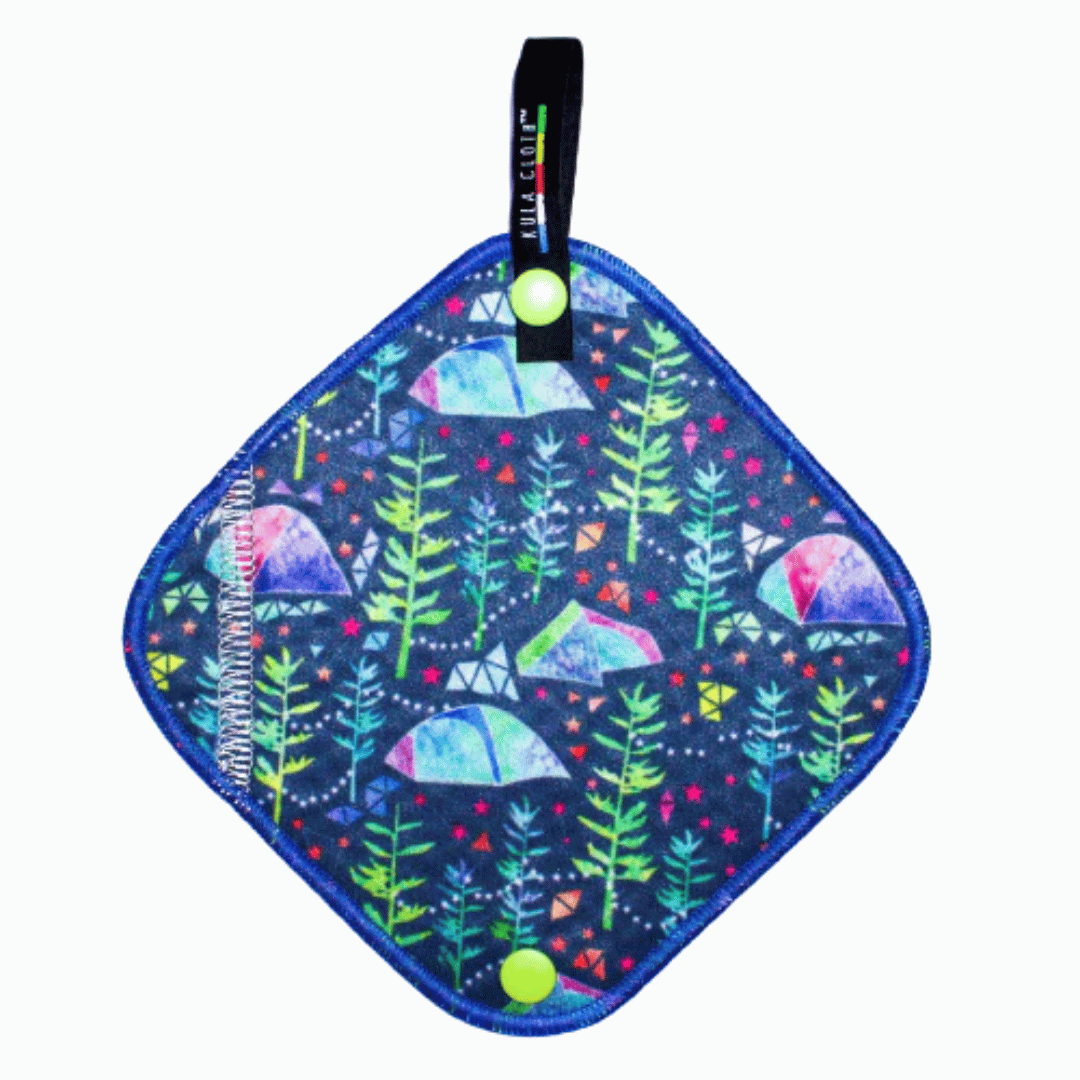
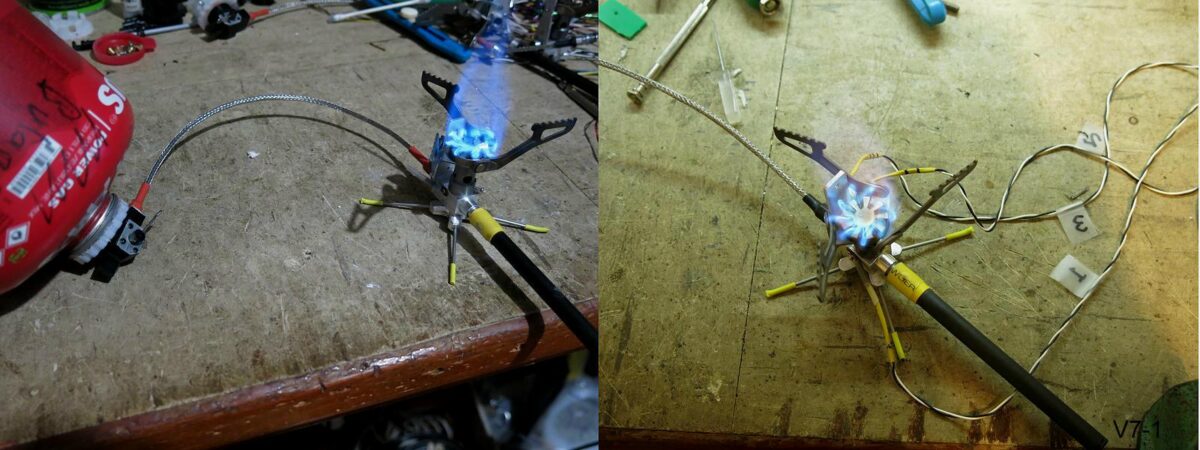
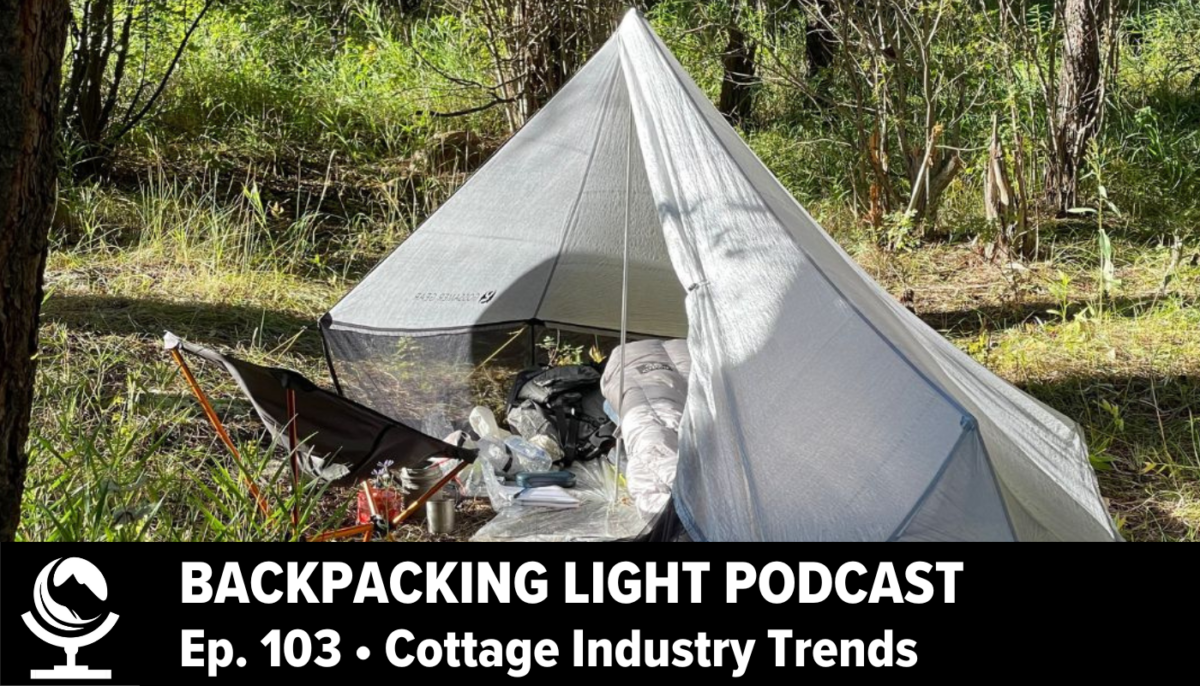
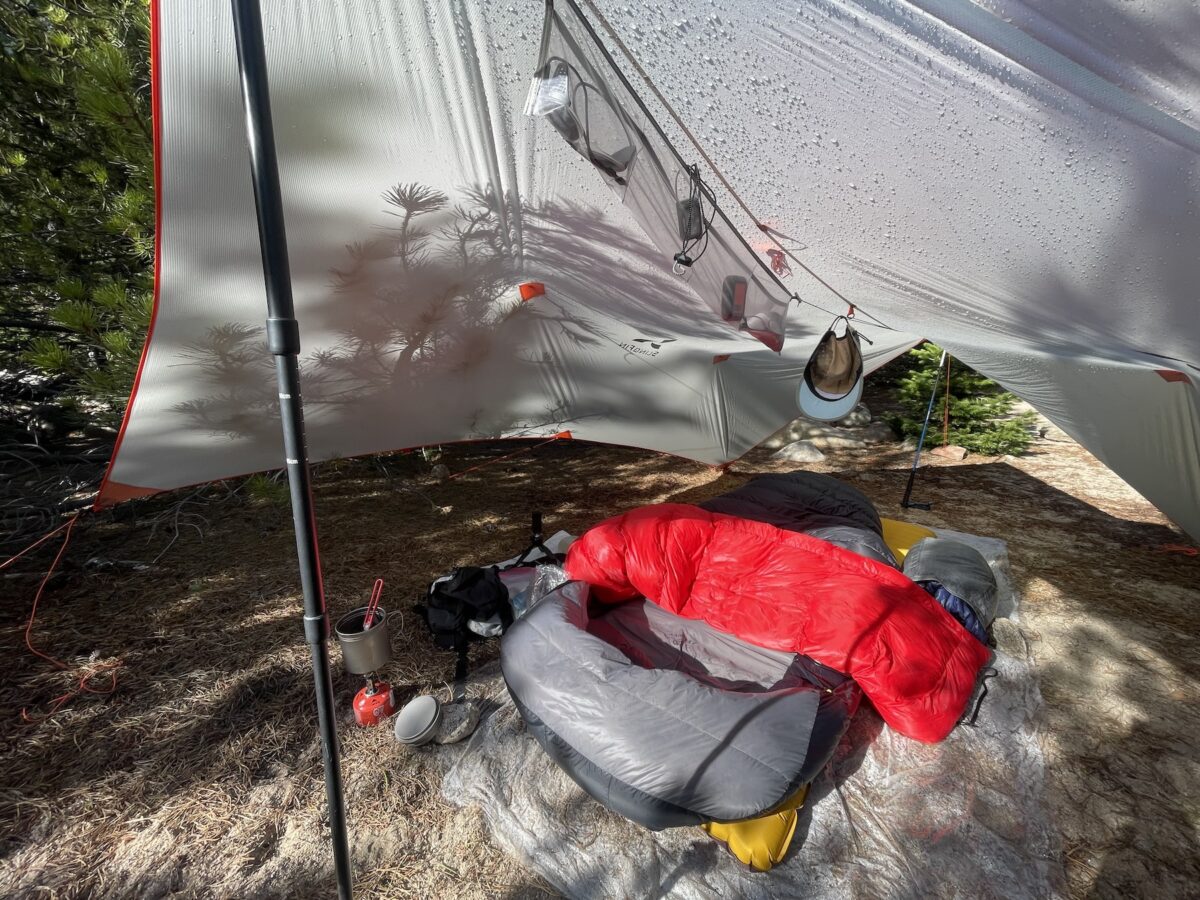
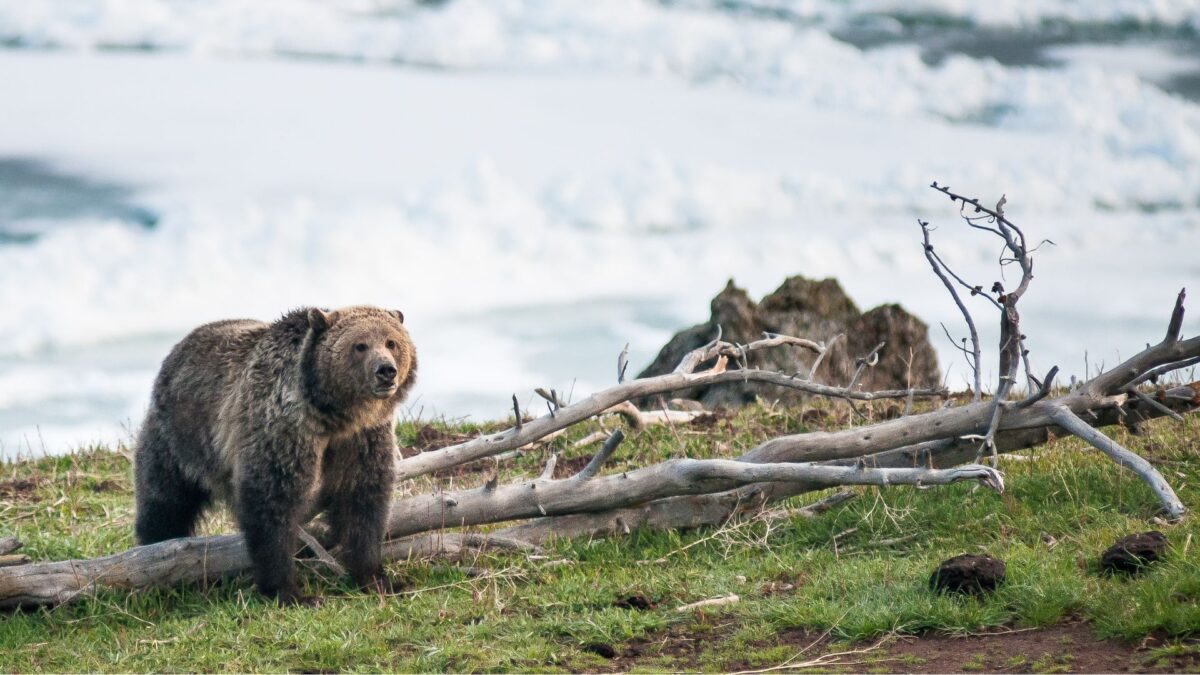
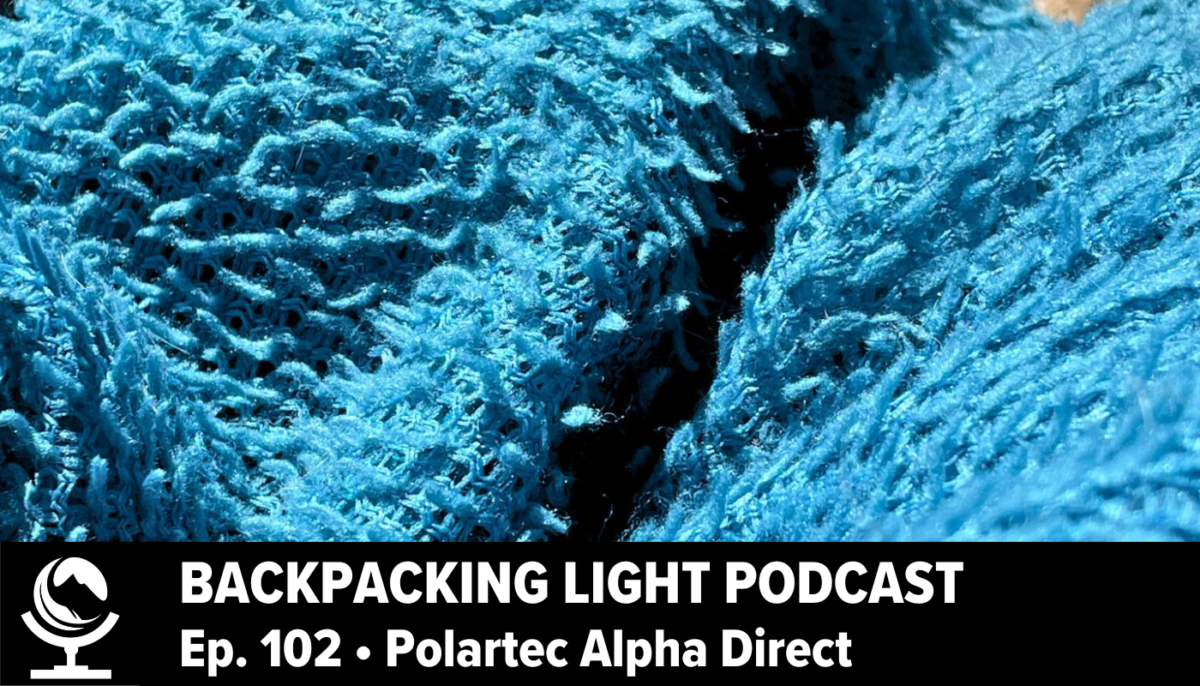
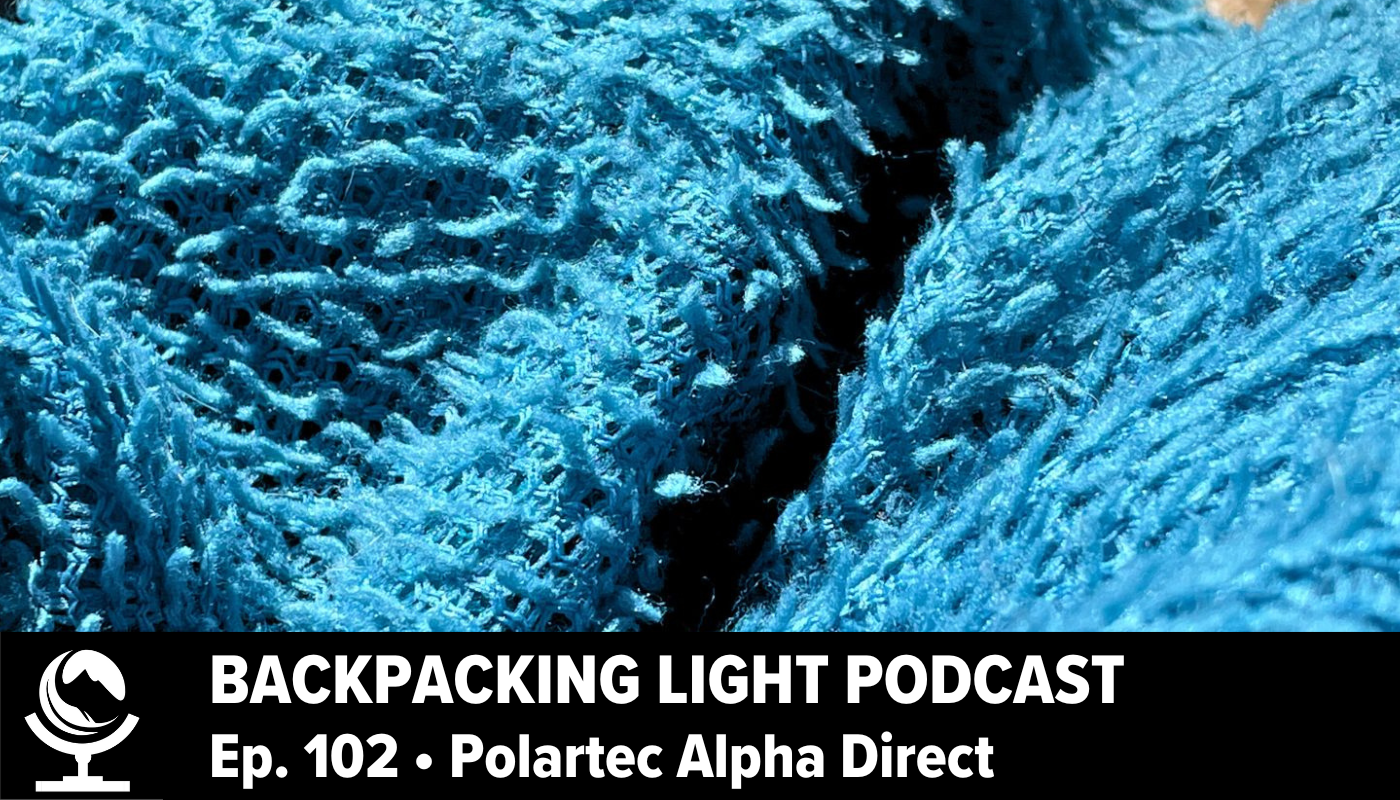
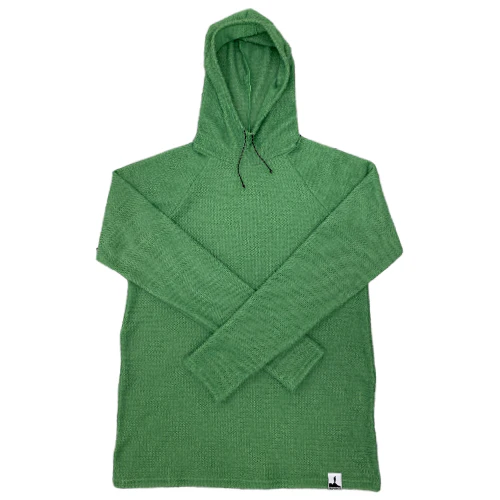

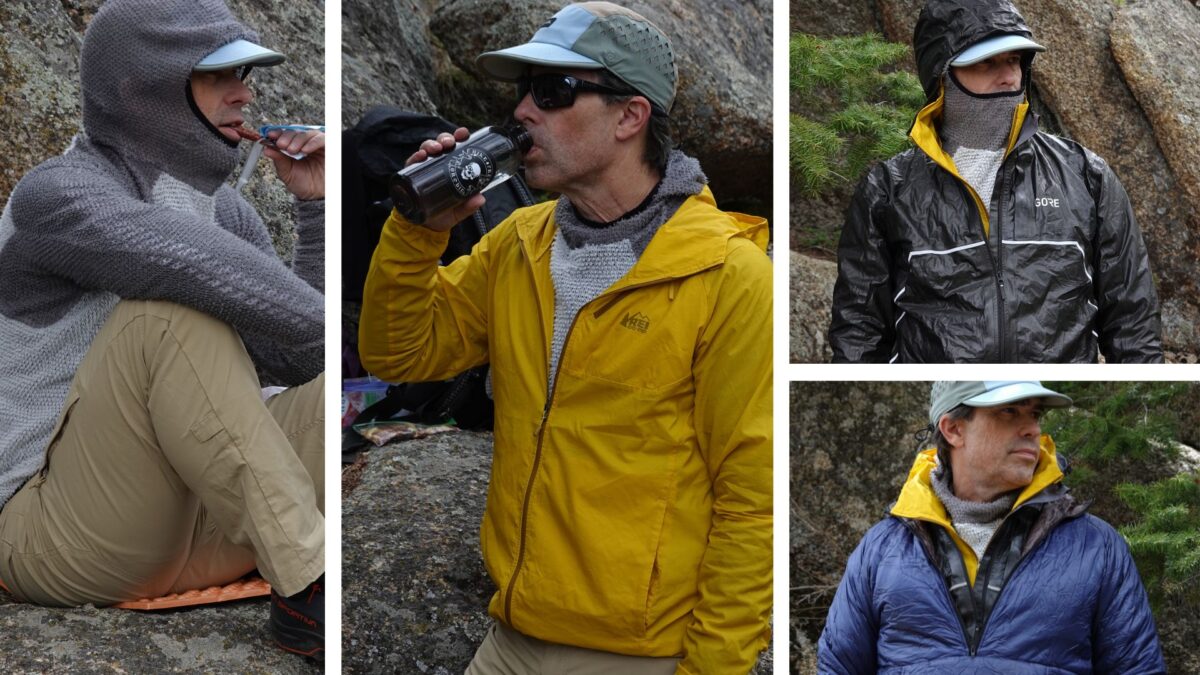
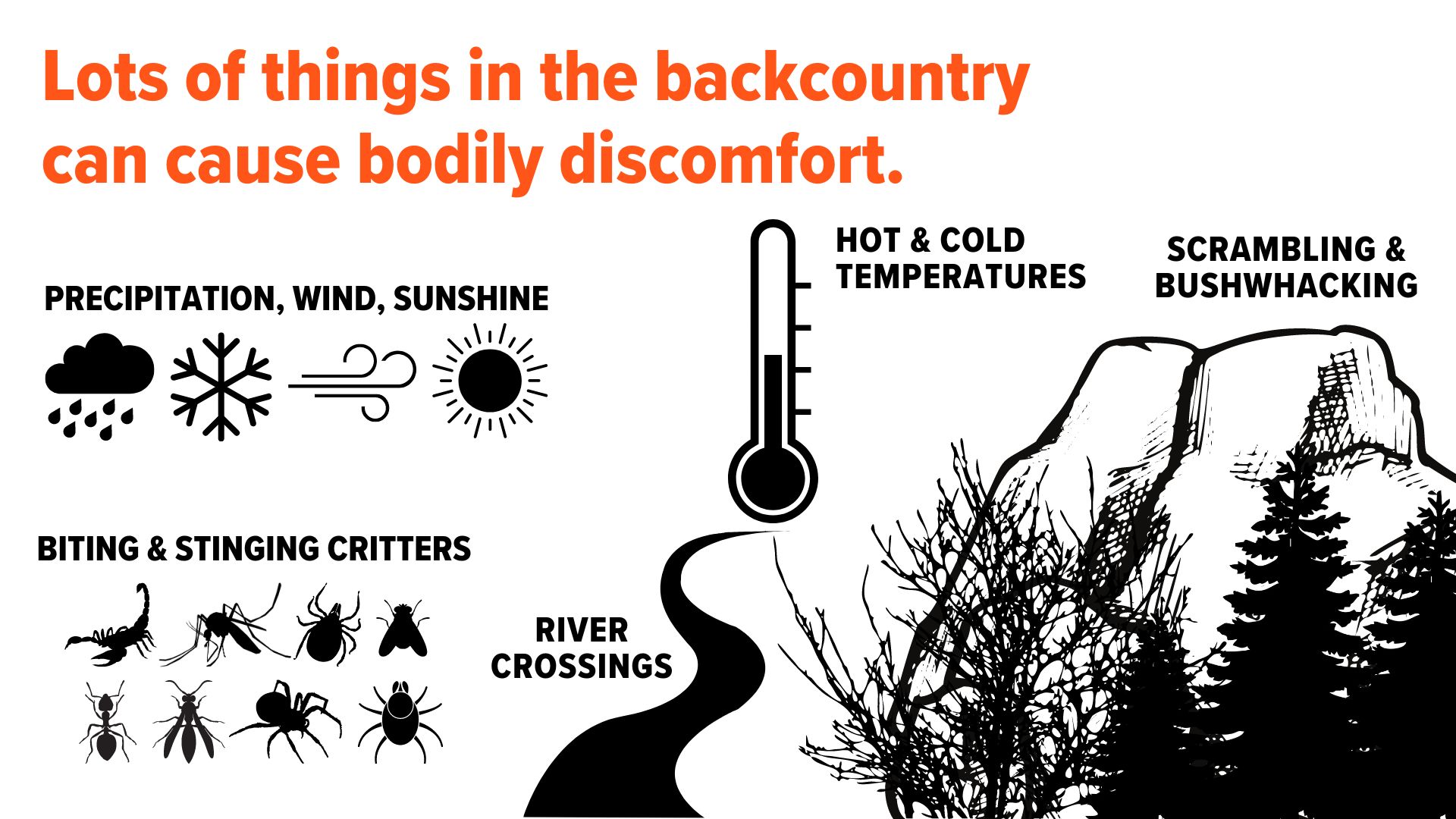
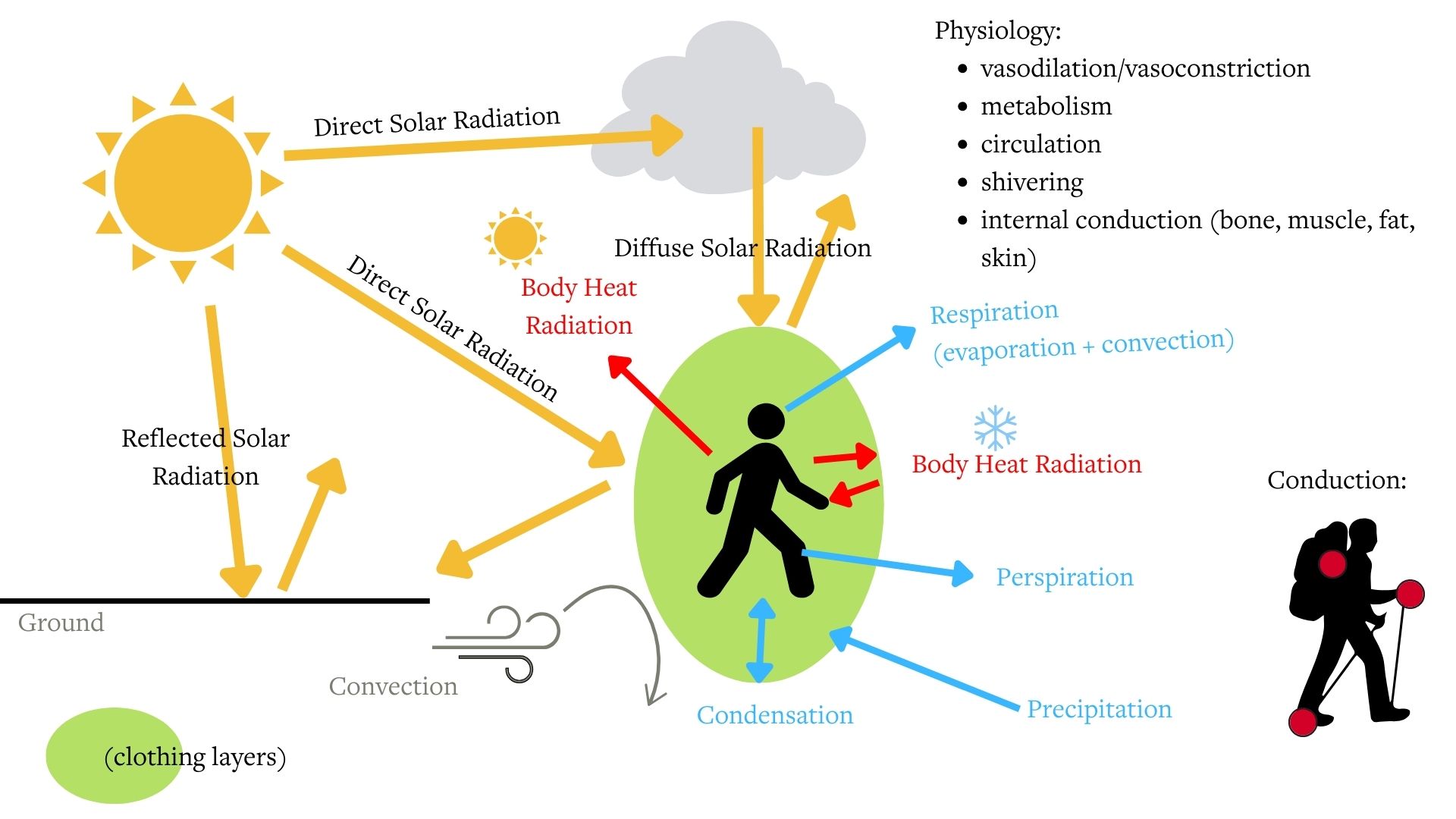
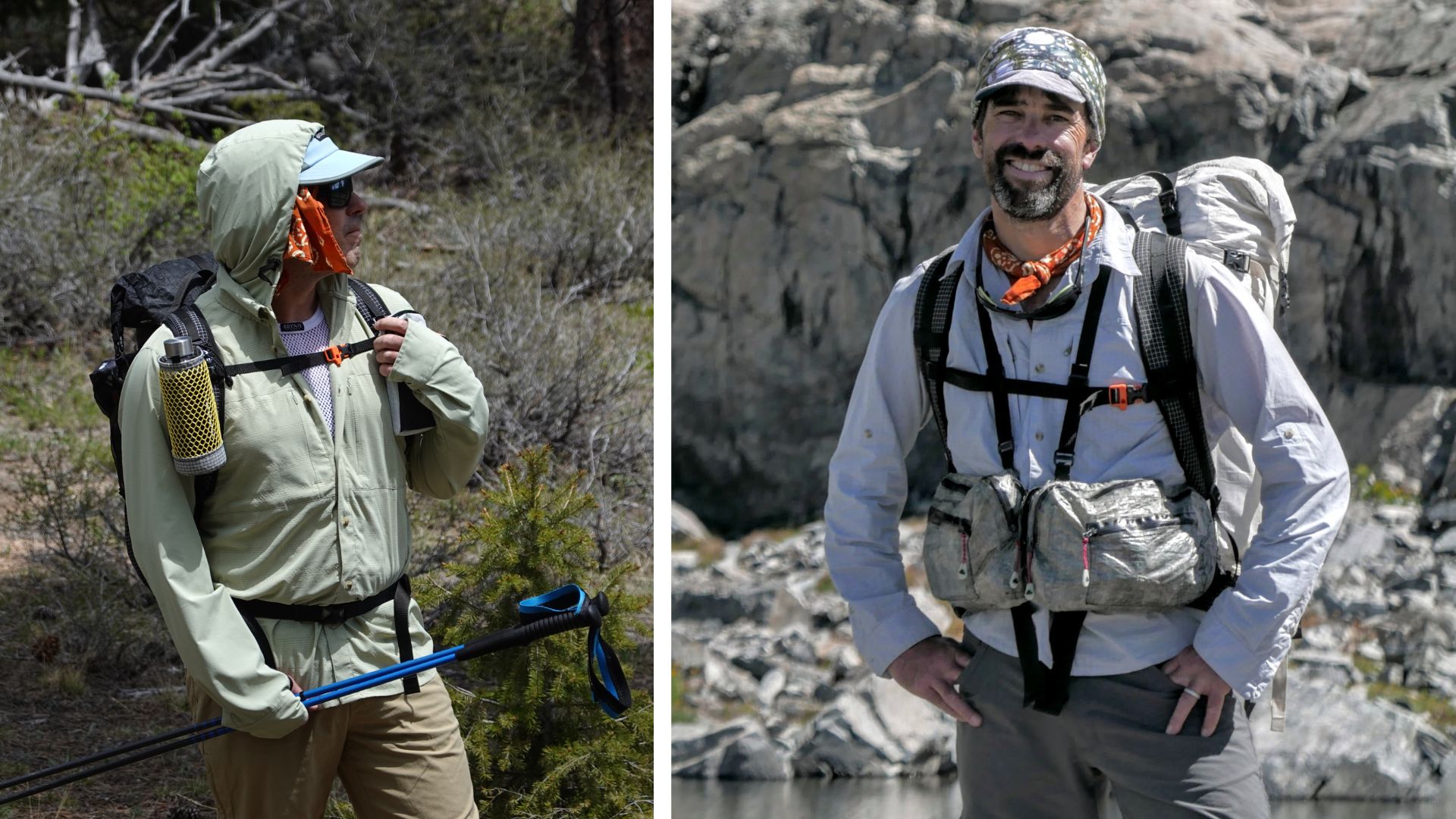
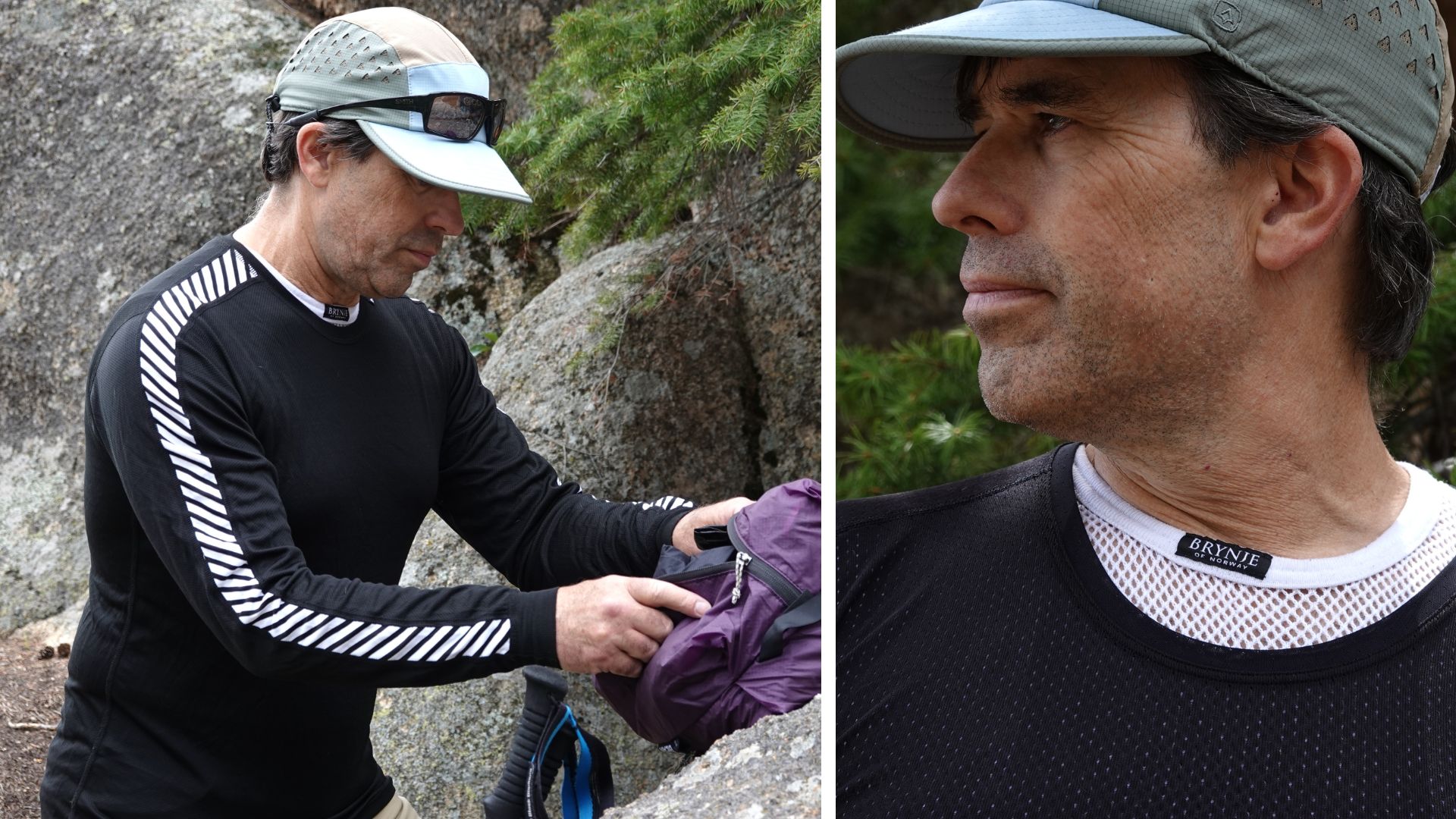
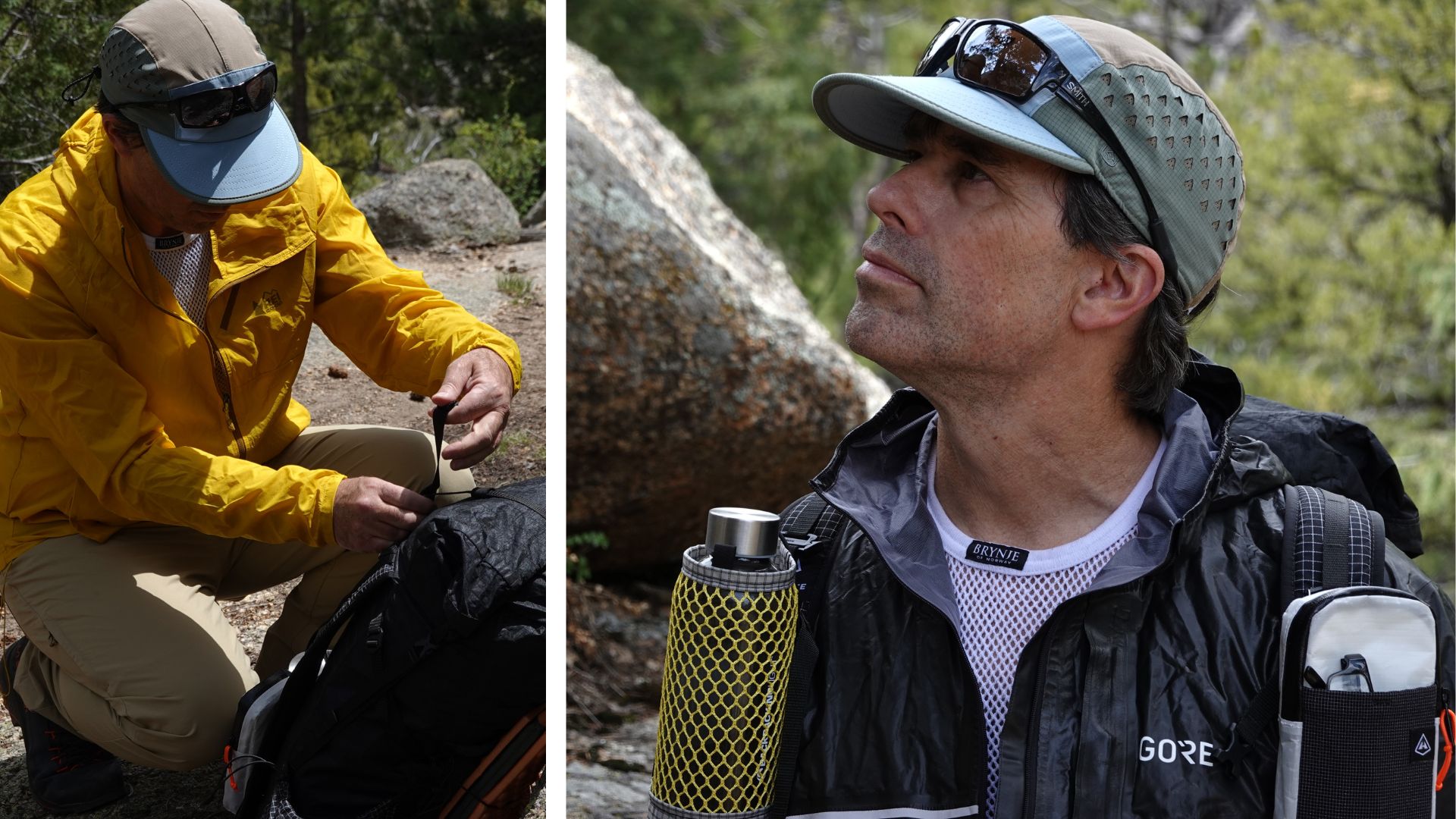
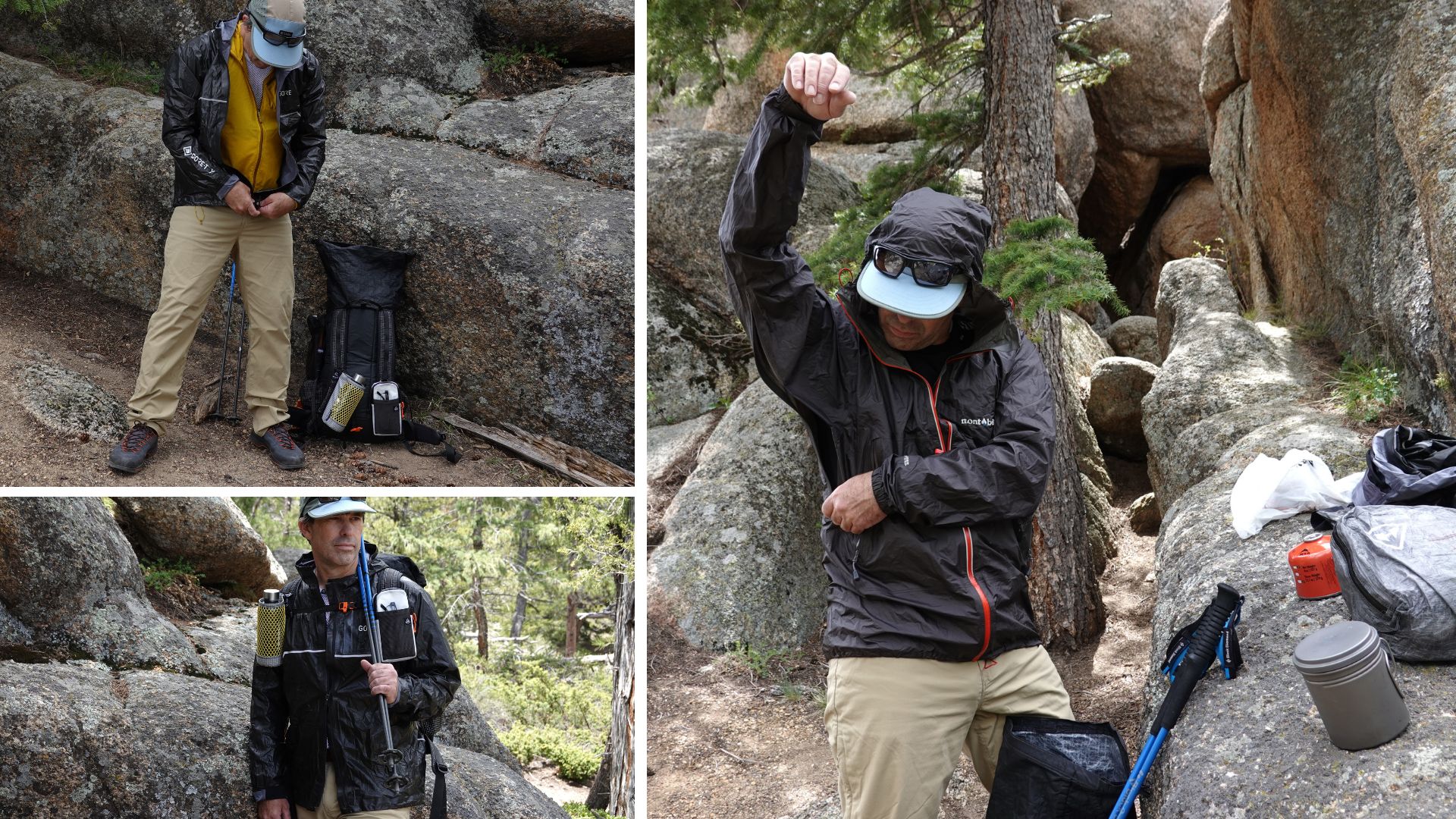
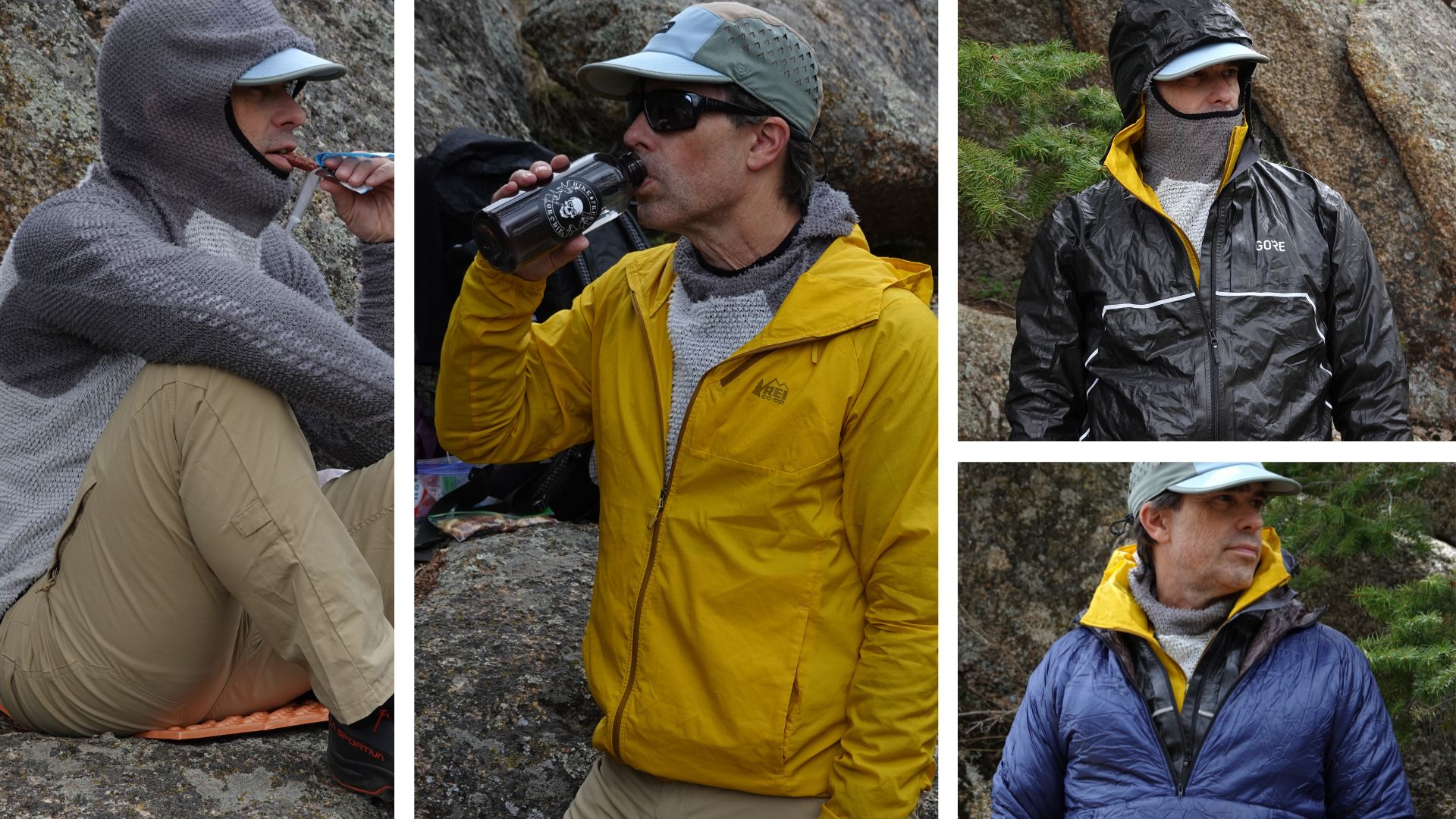
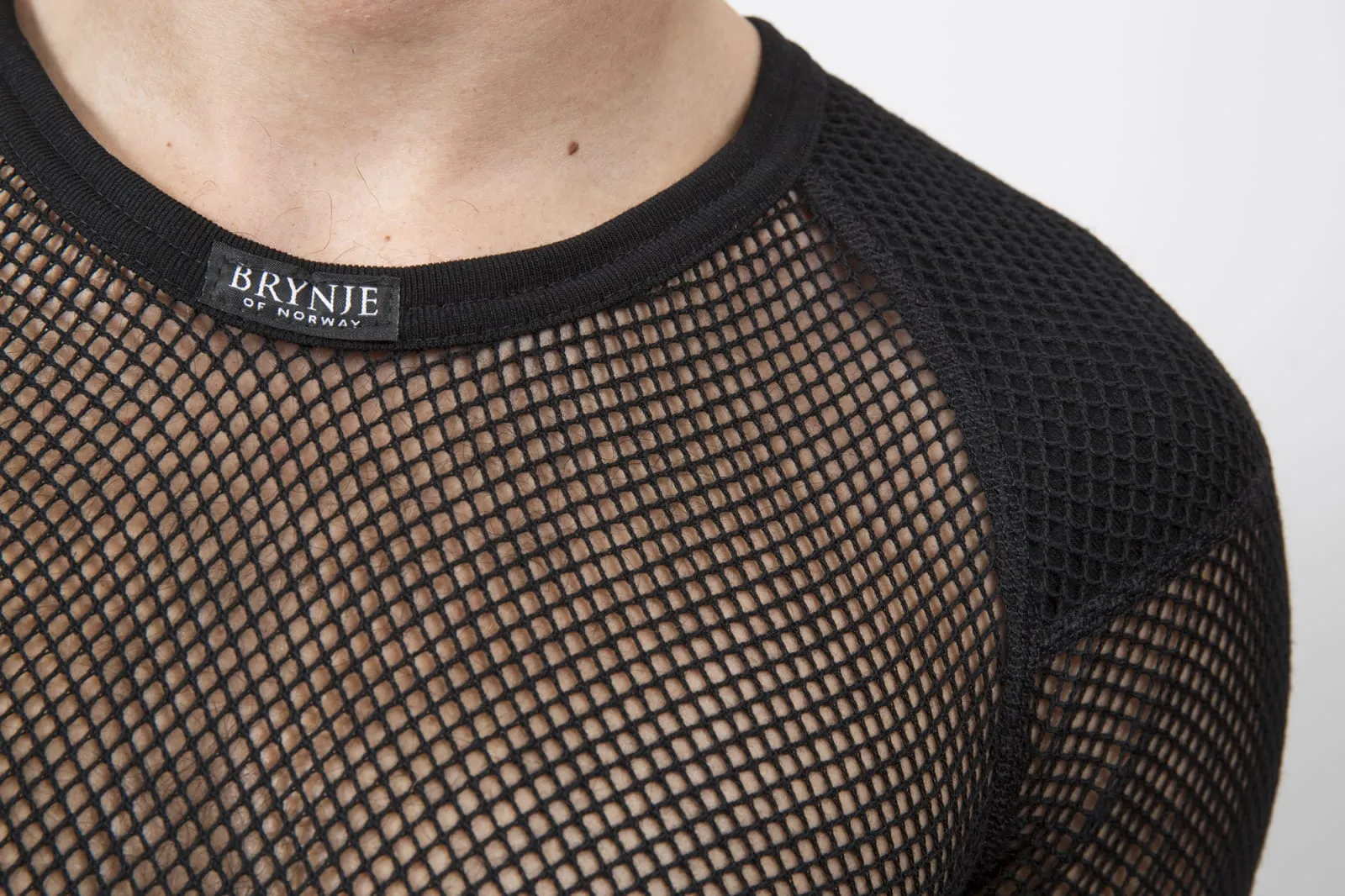
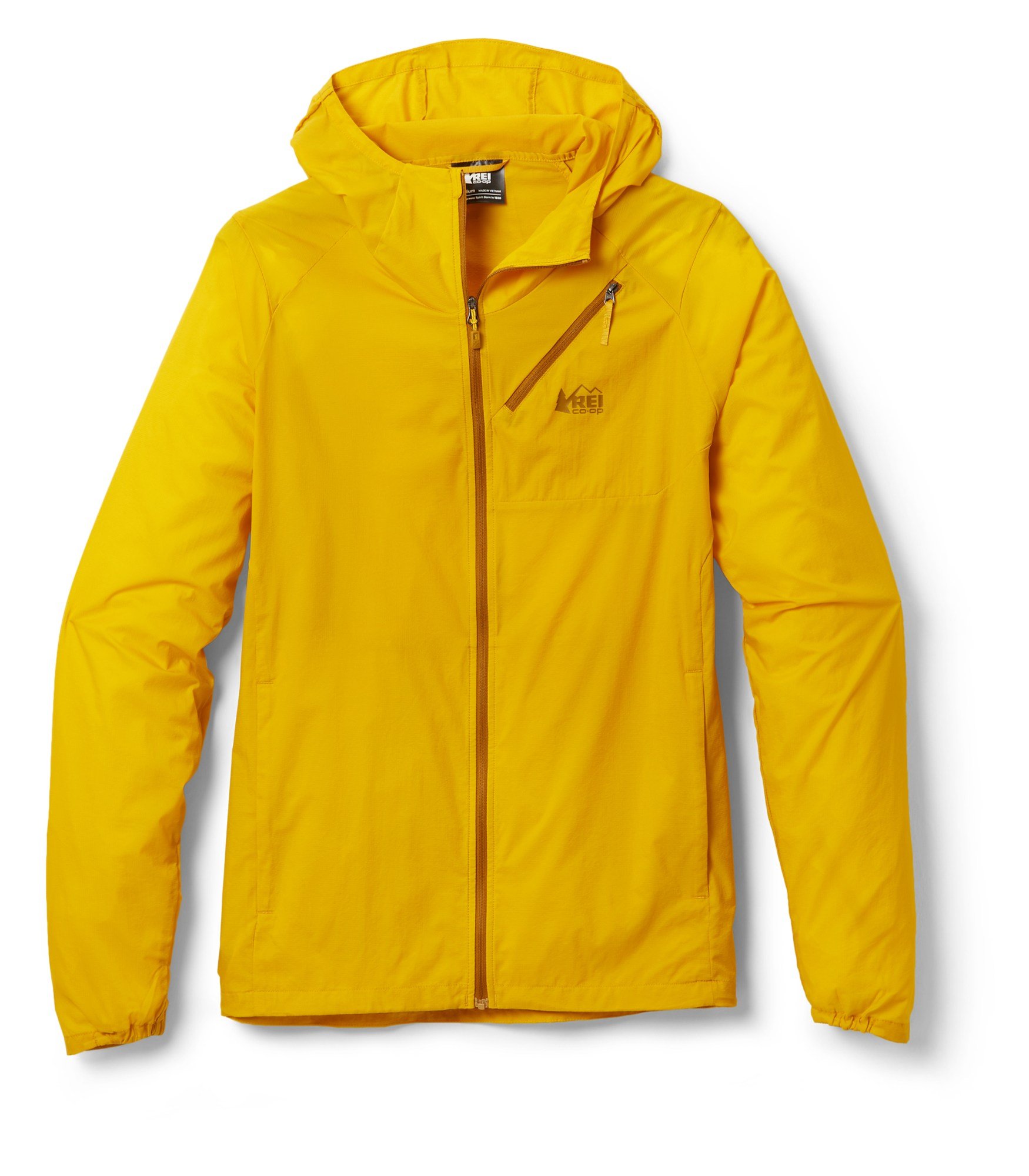
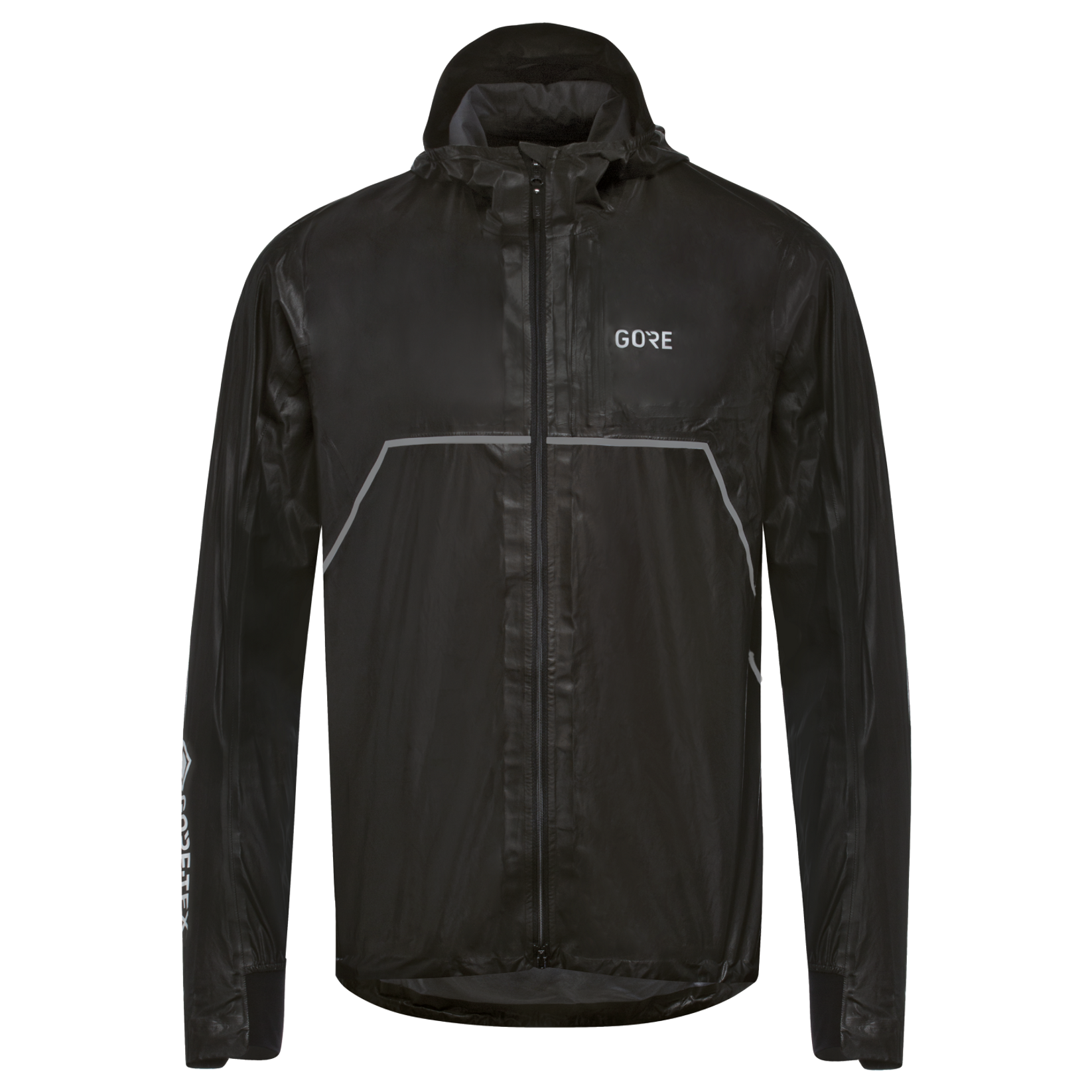
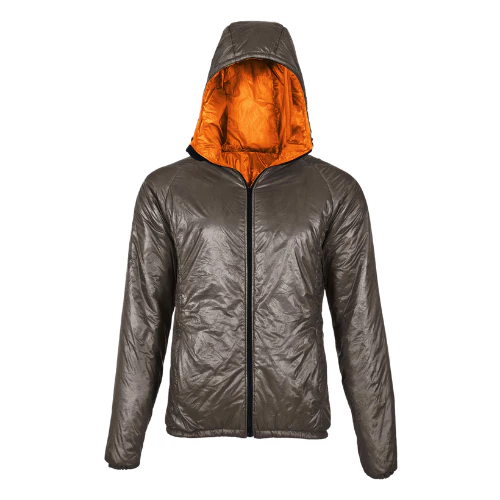

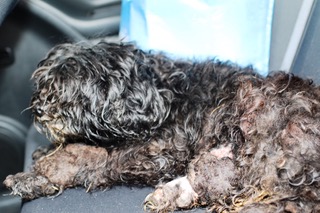
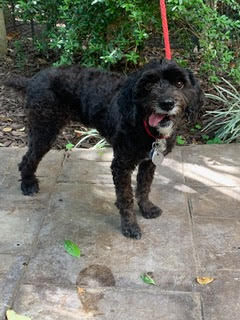
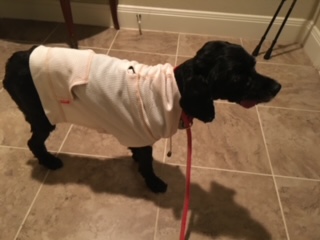
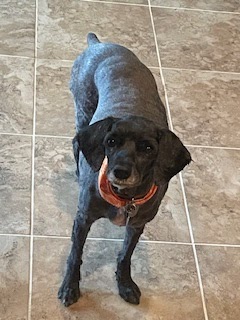
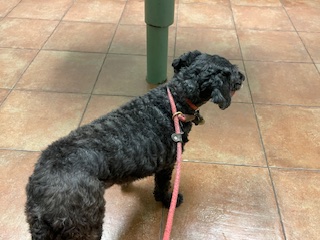
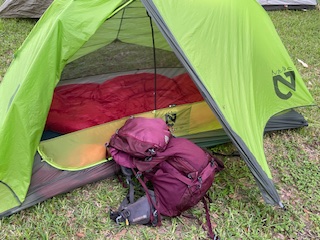
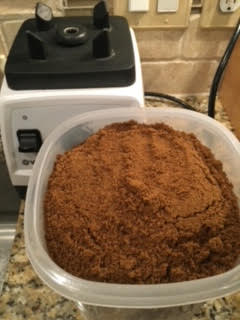
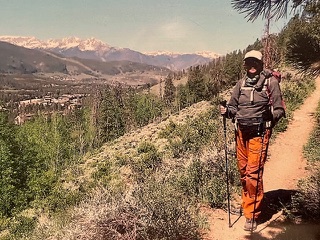
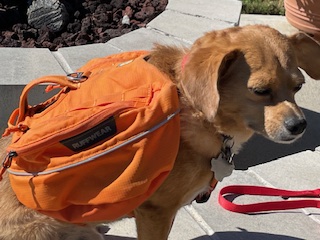
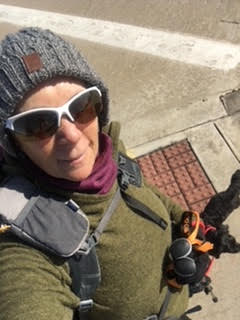
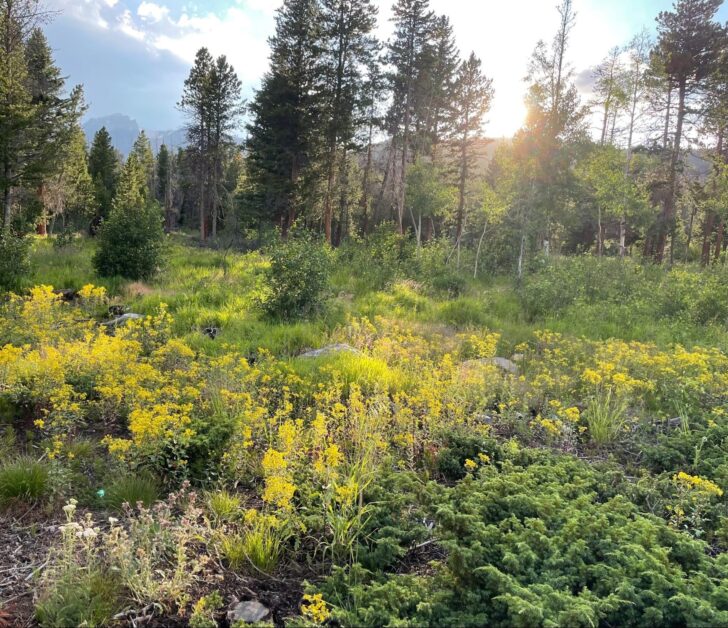
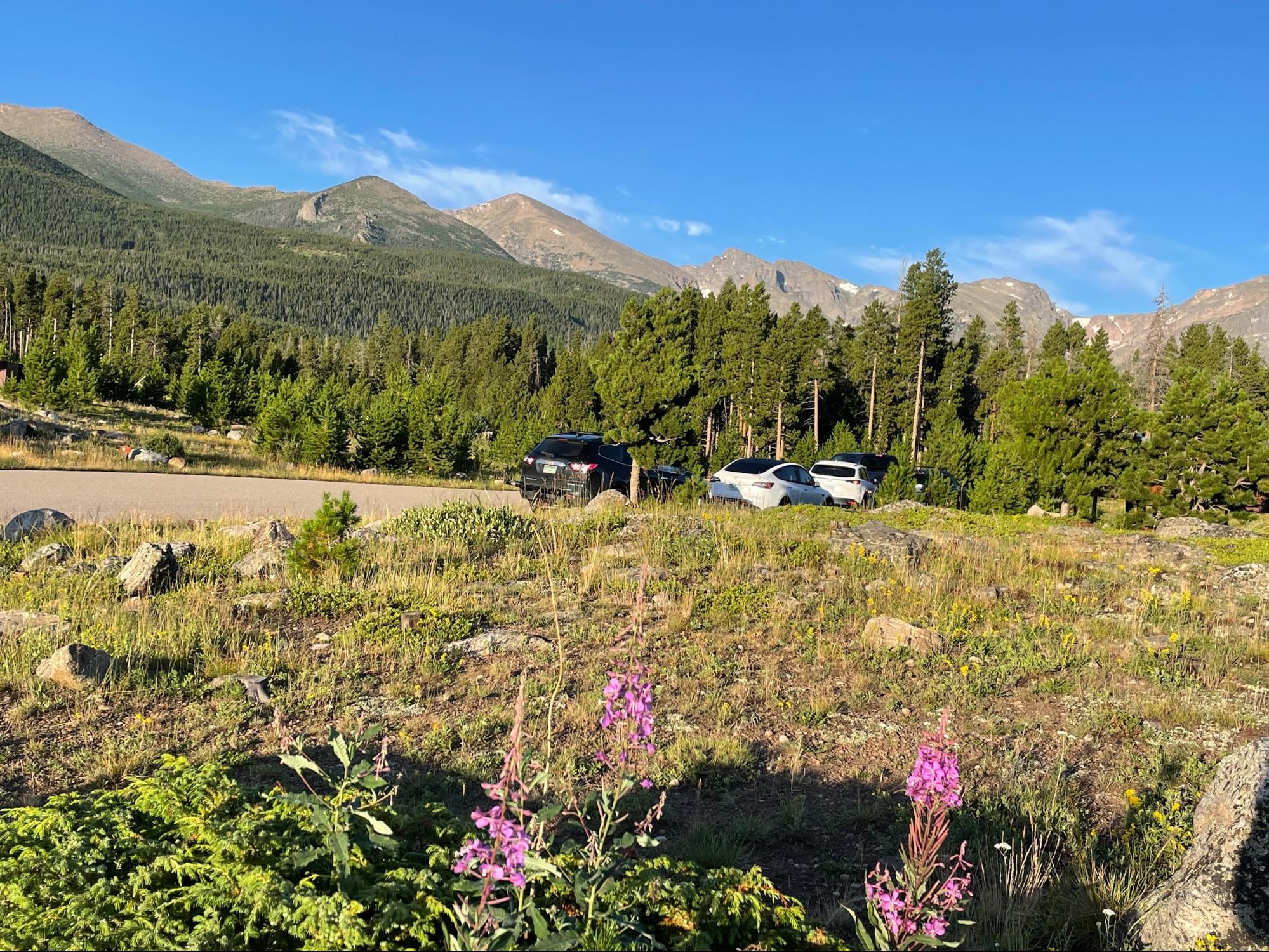
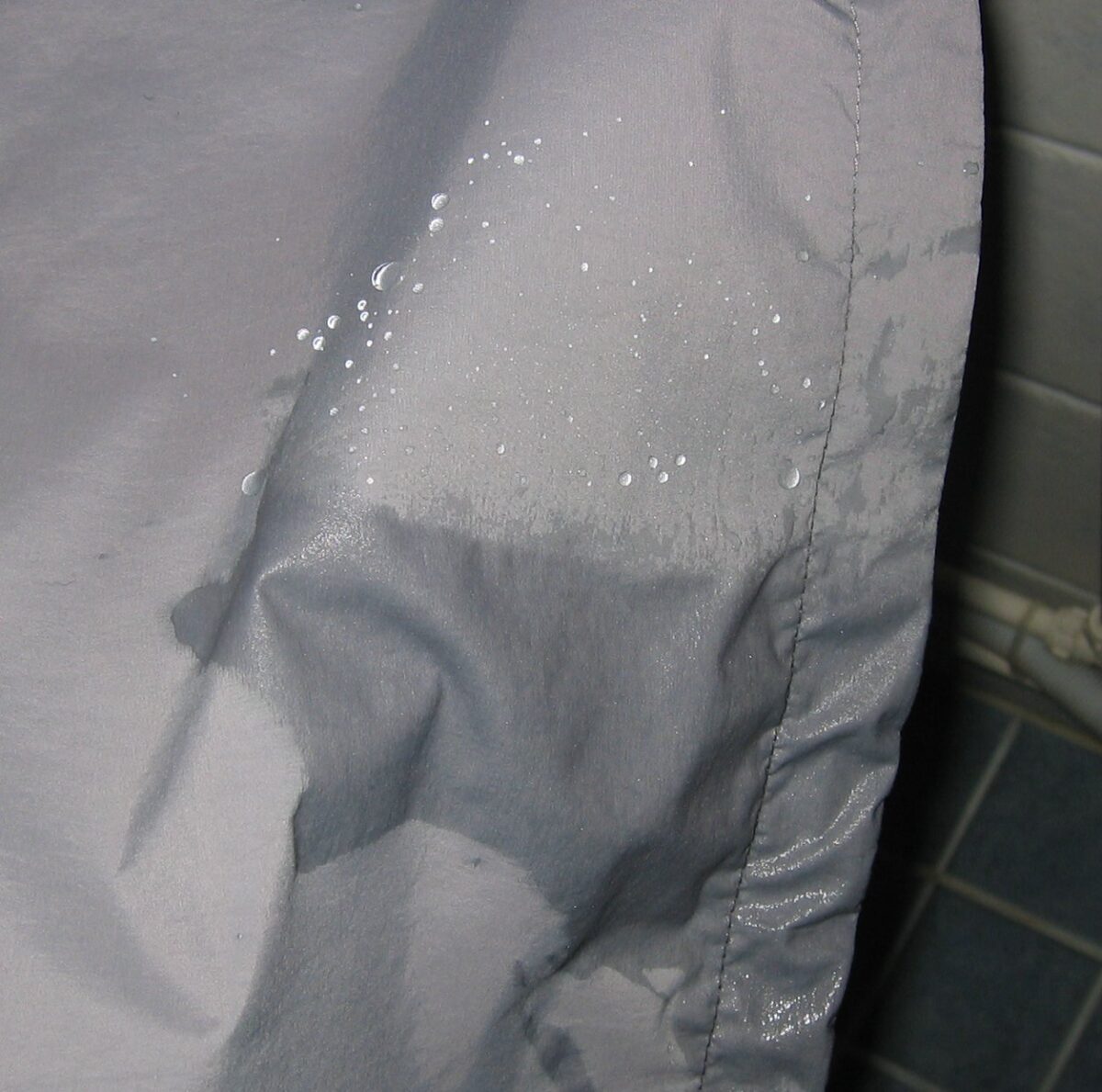

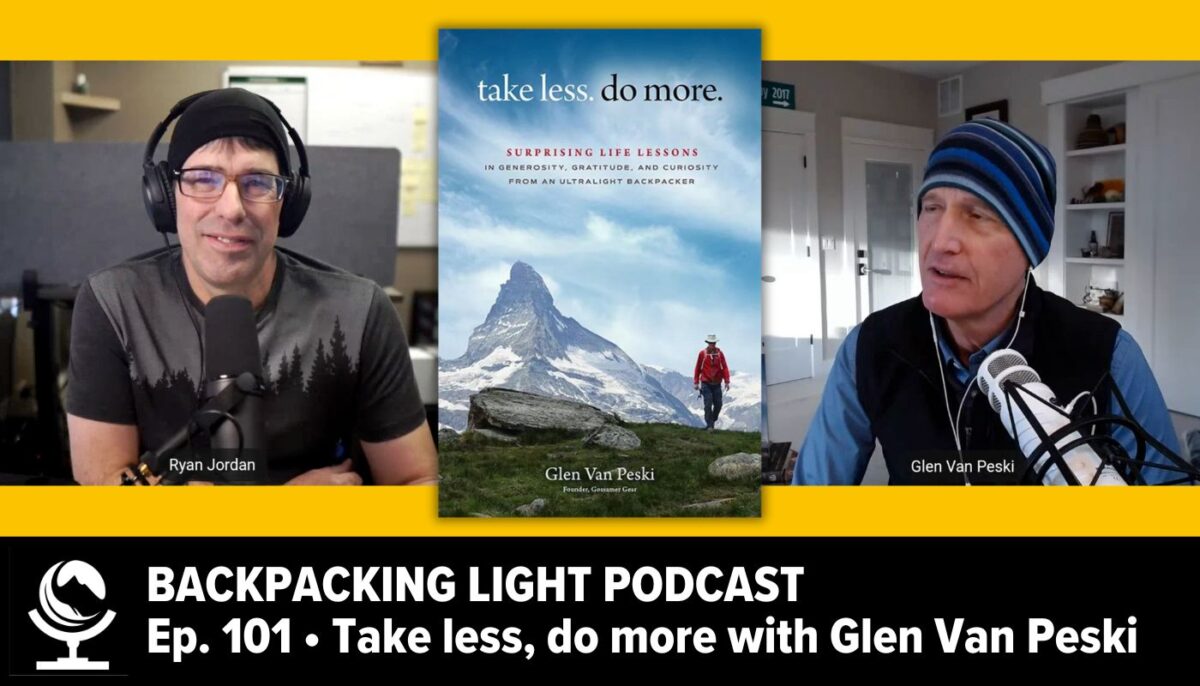
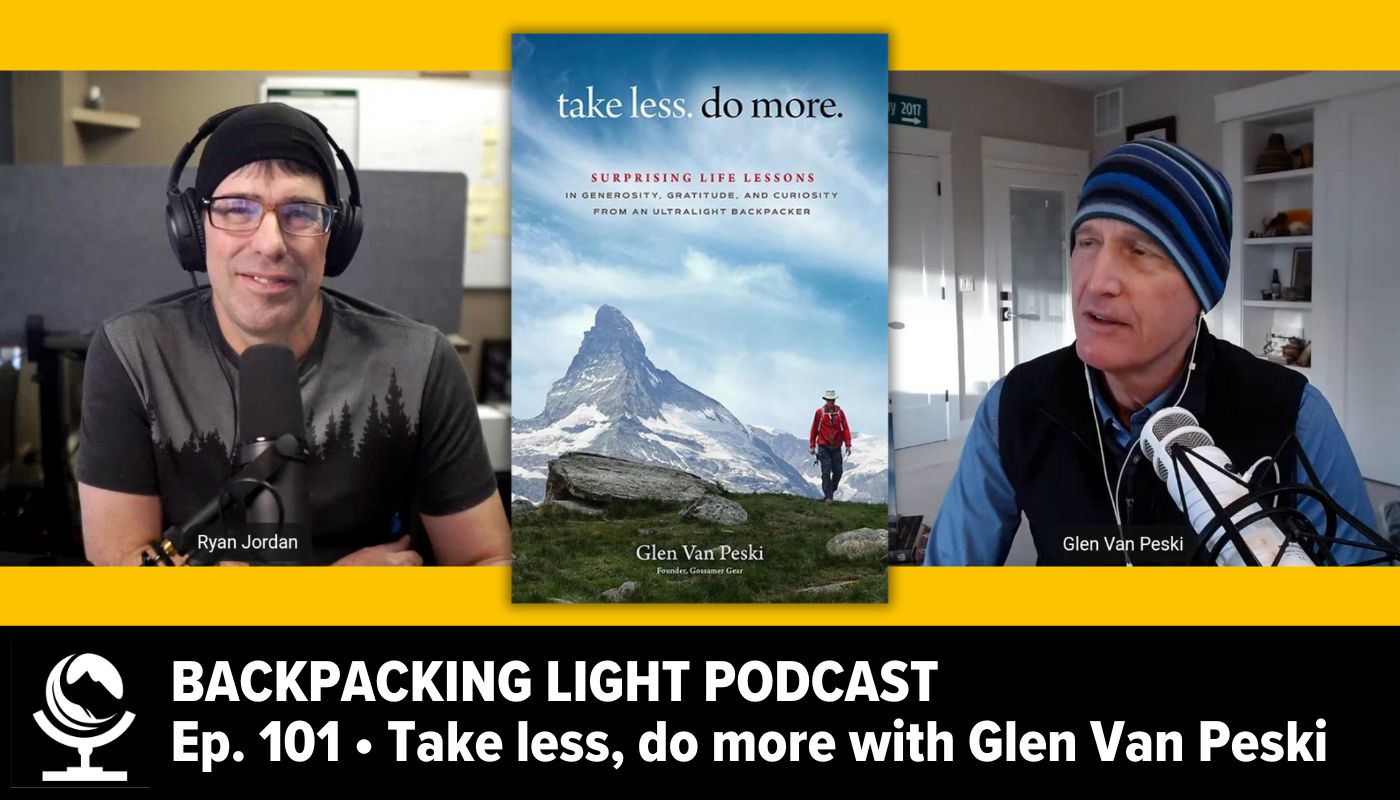
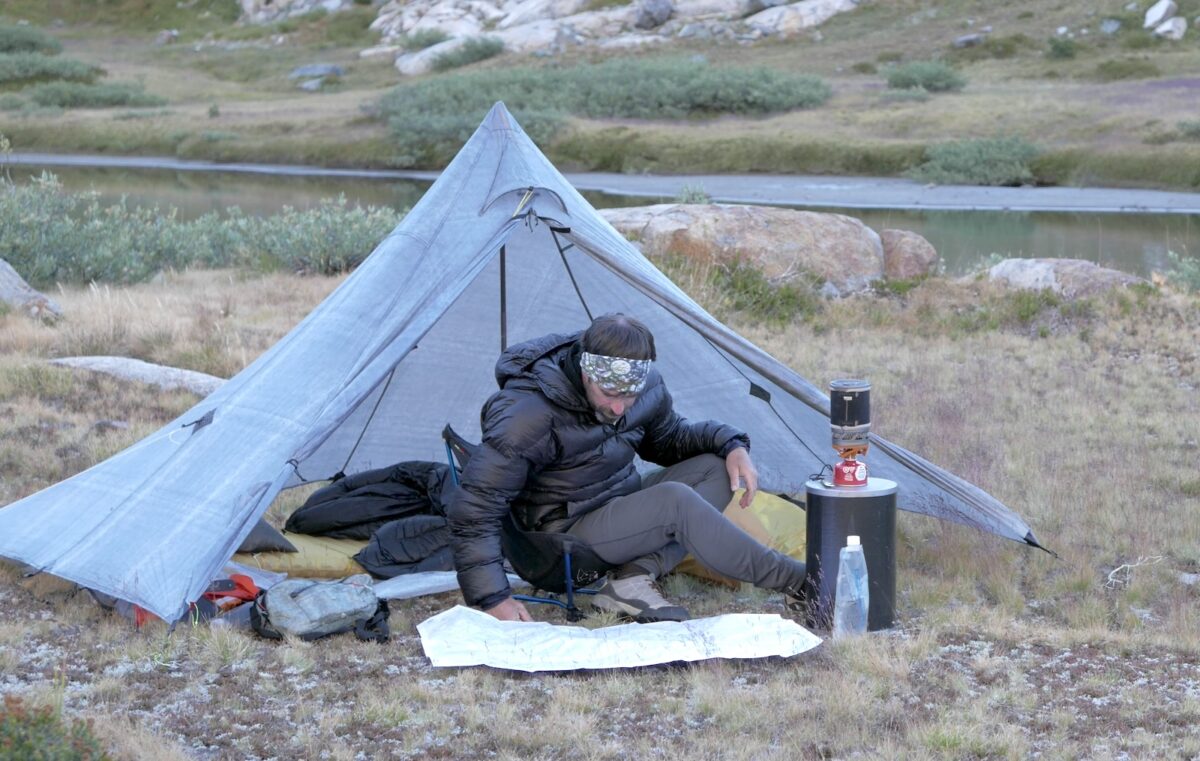
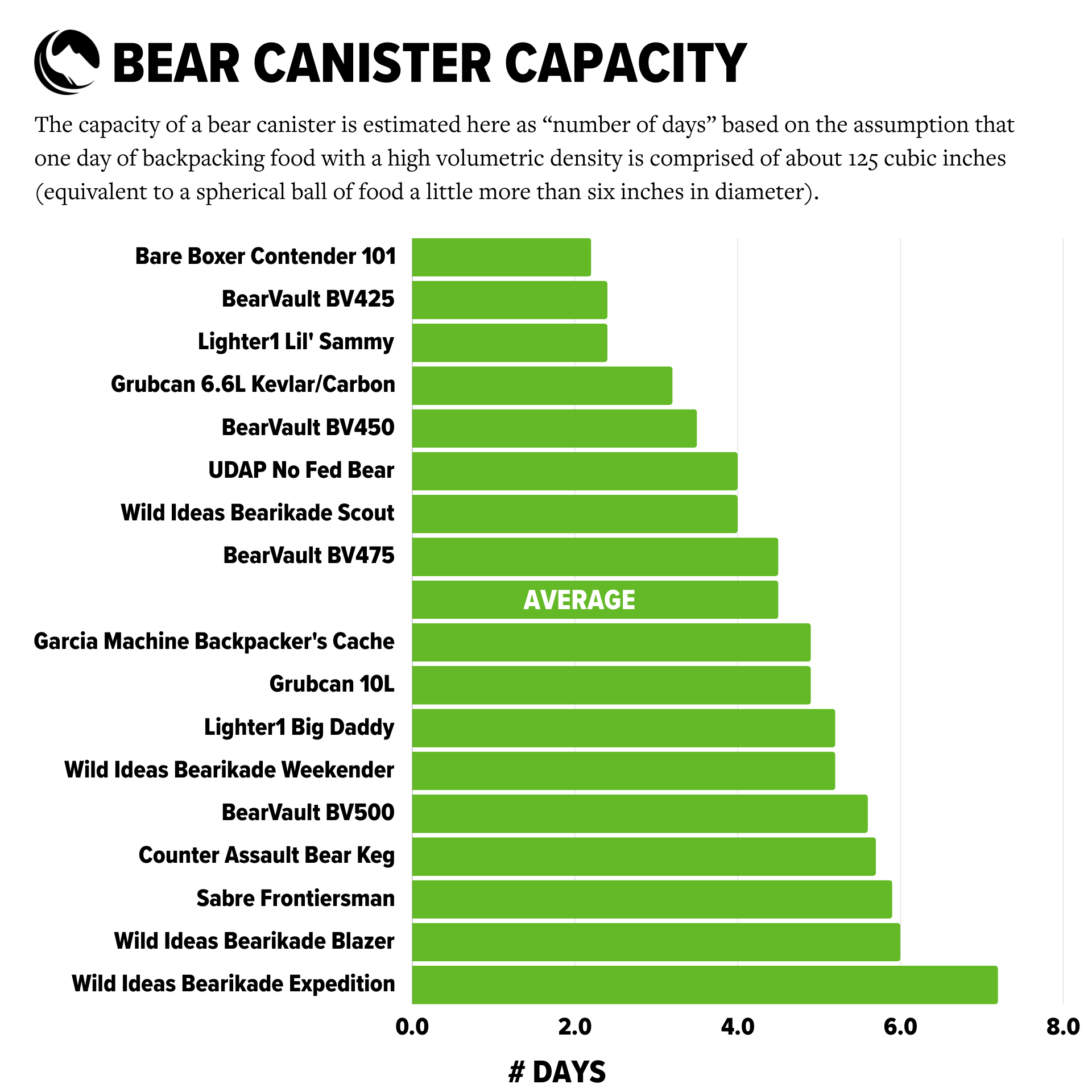
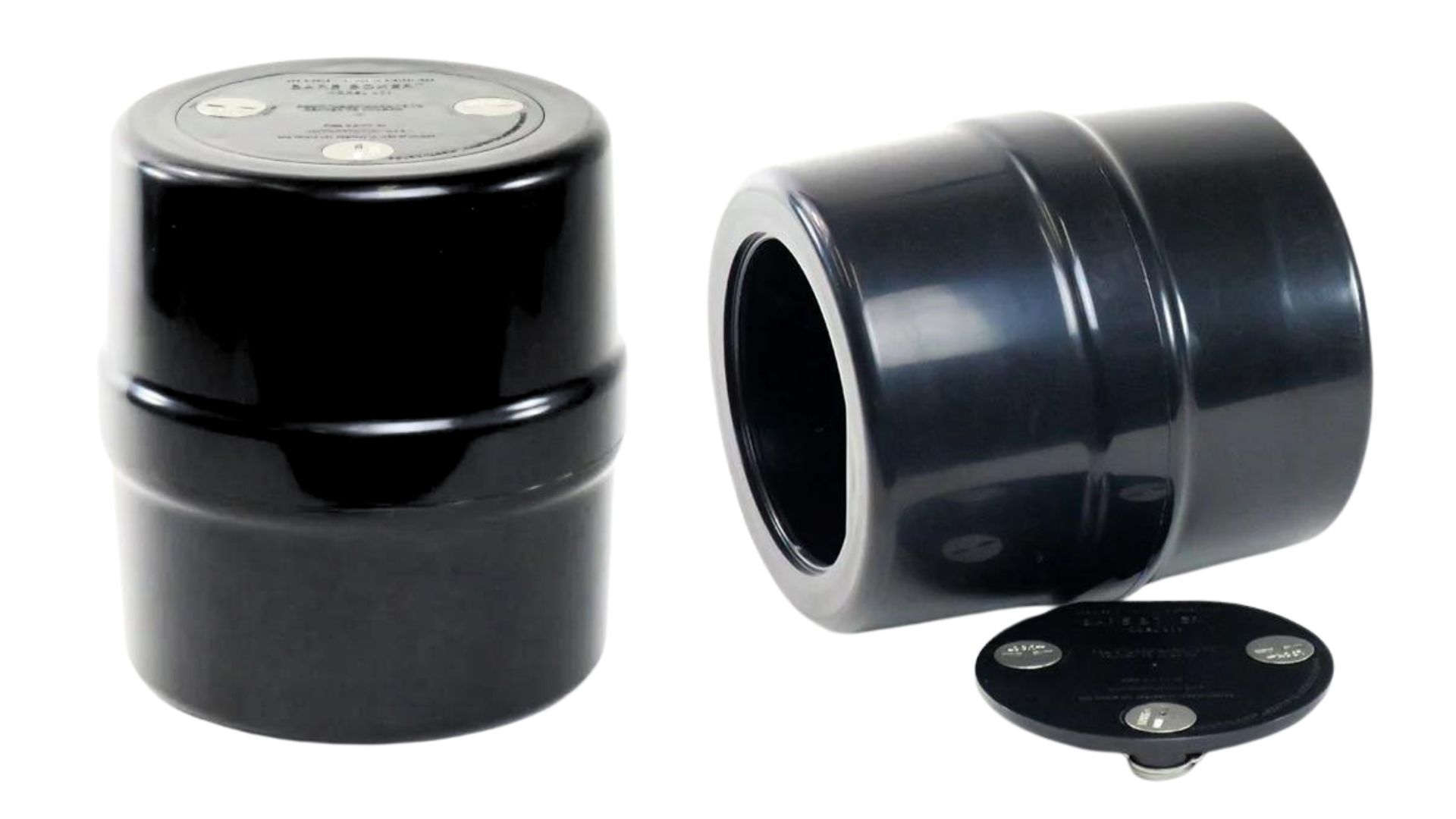 Highlights:
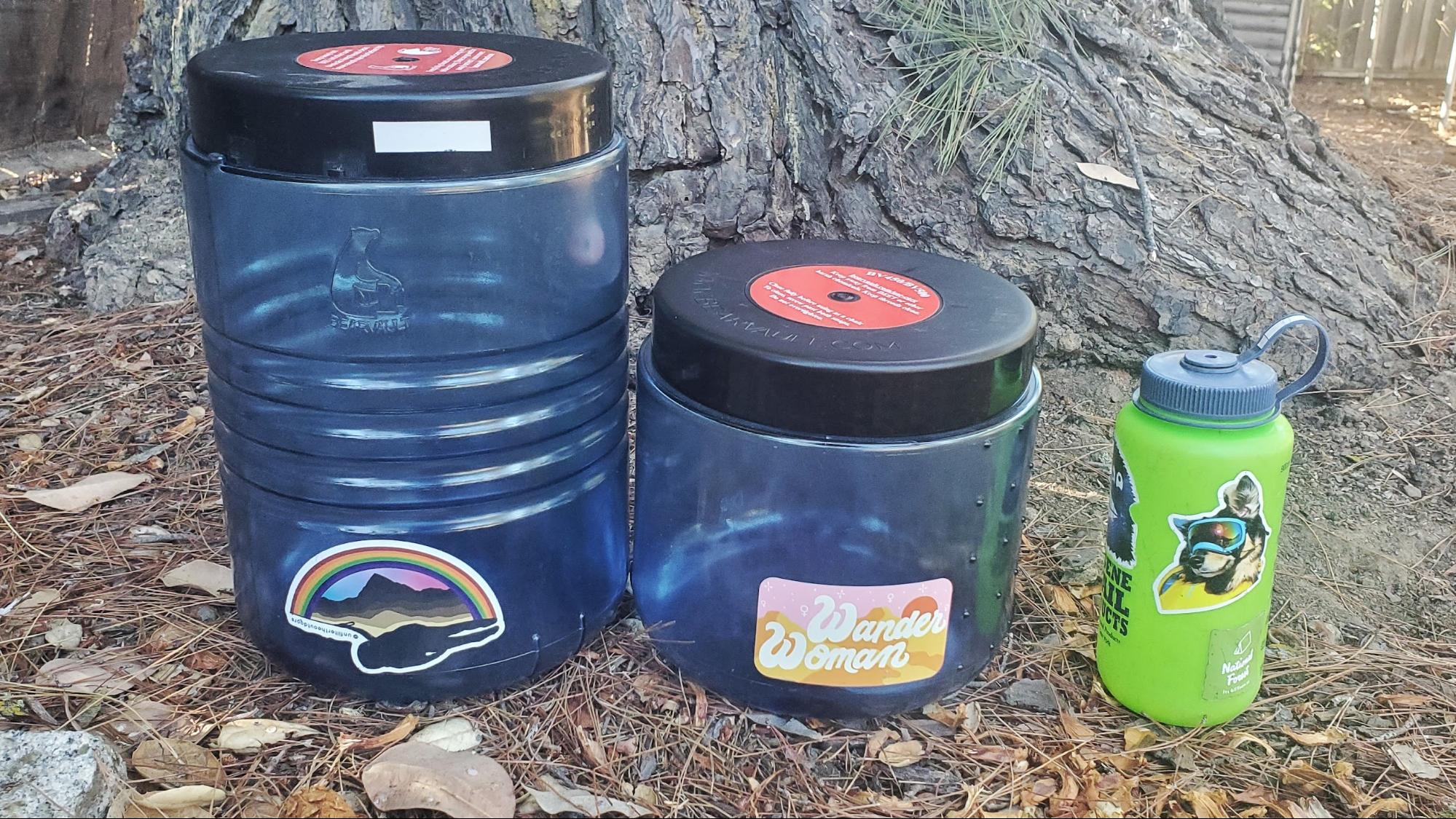 Highlights:
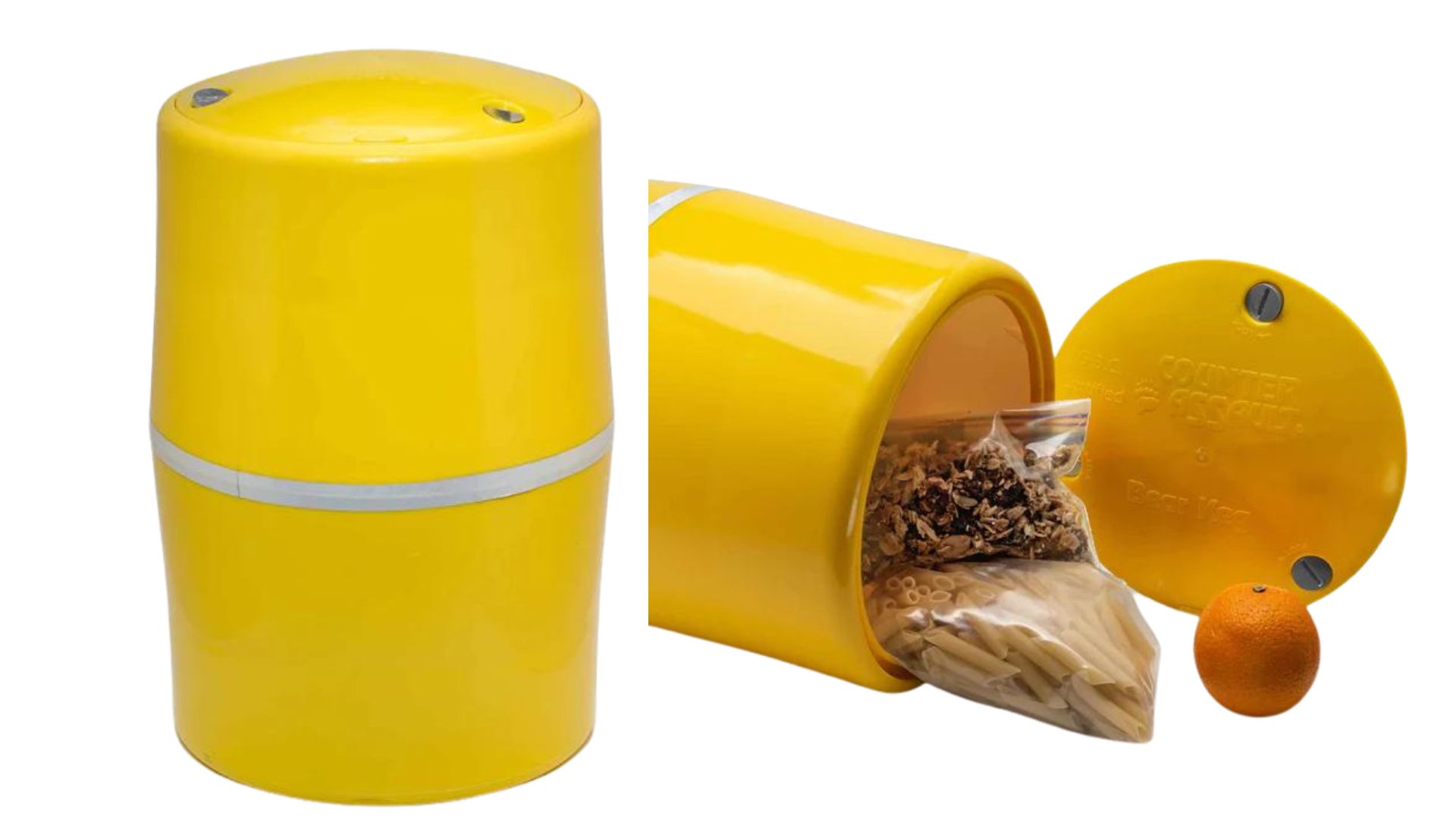 Highlights:
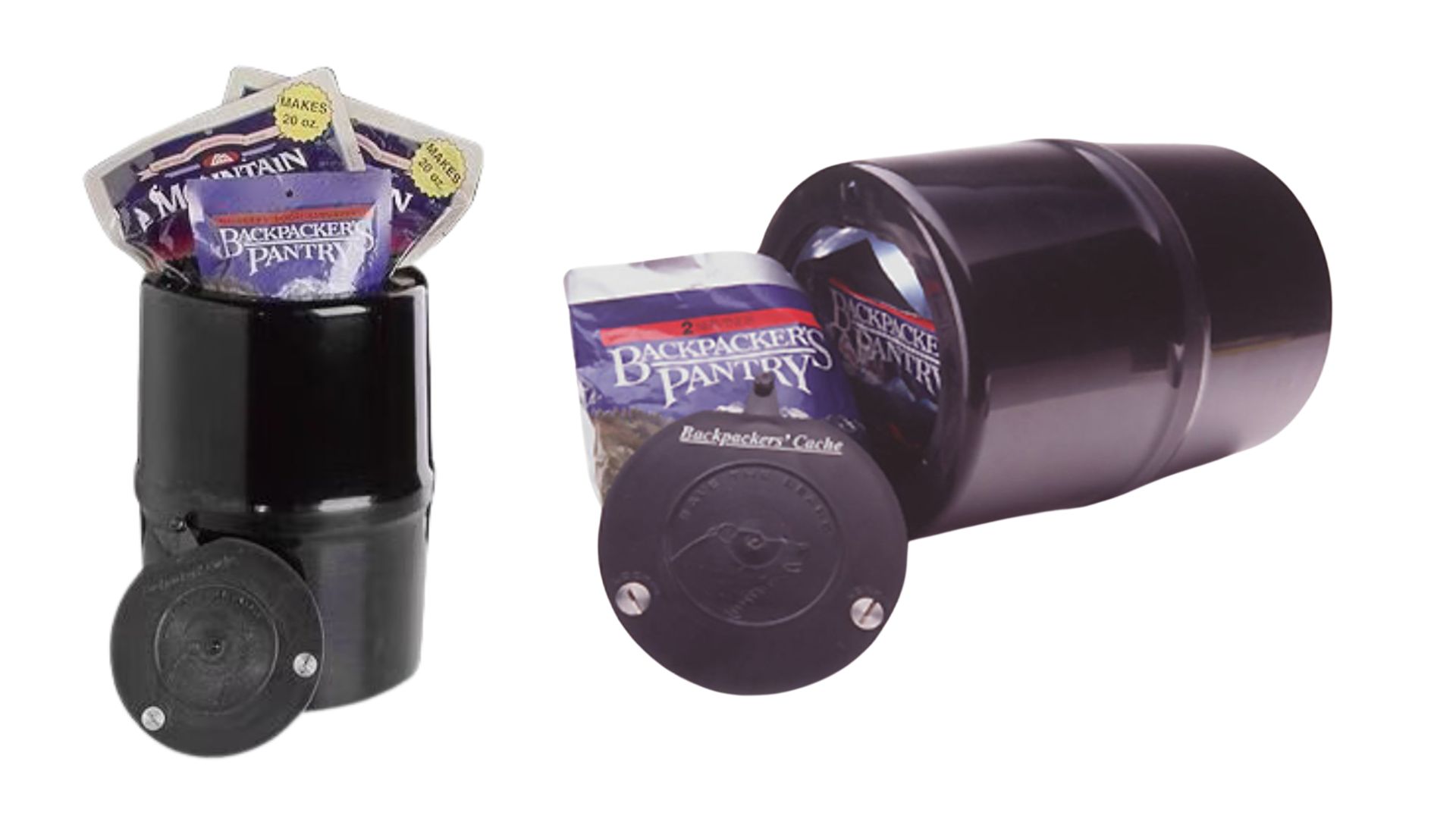 Highlights:
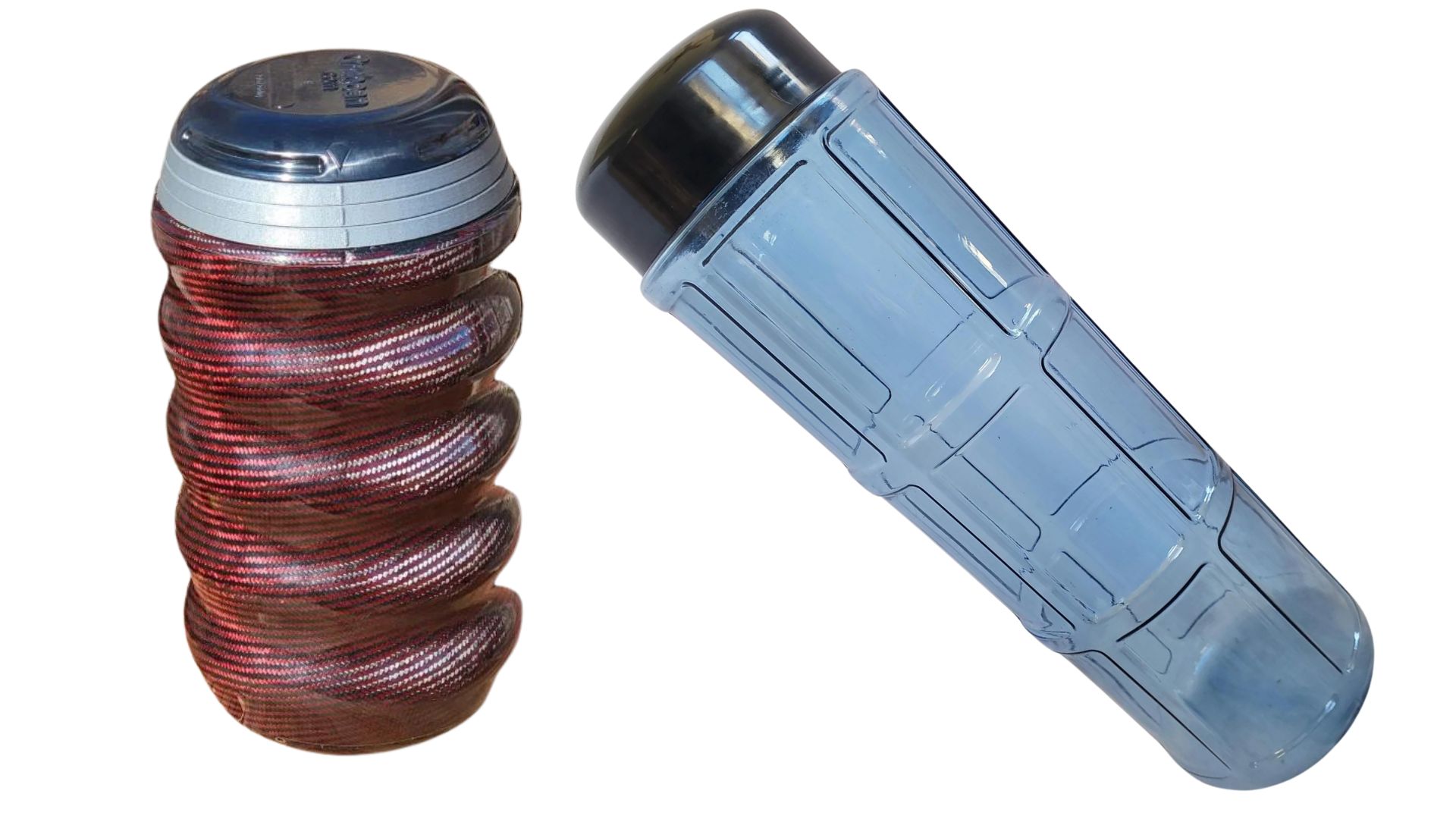 Highlights:
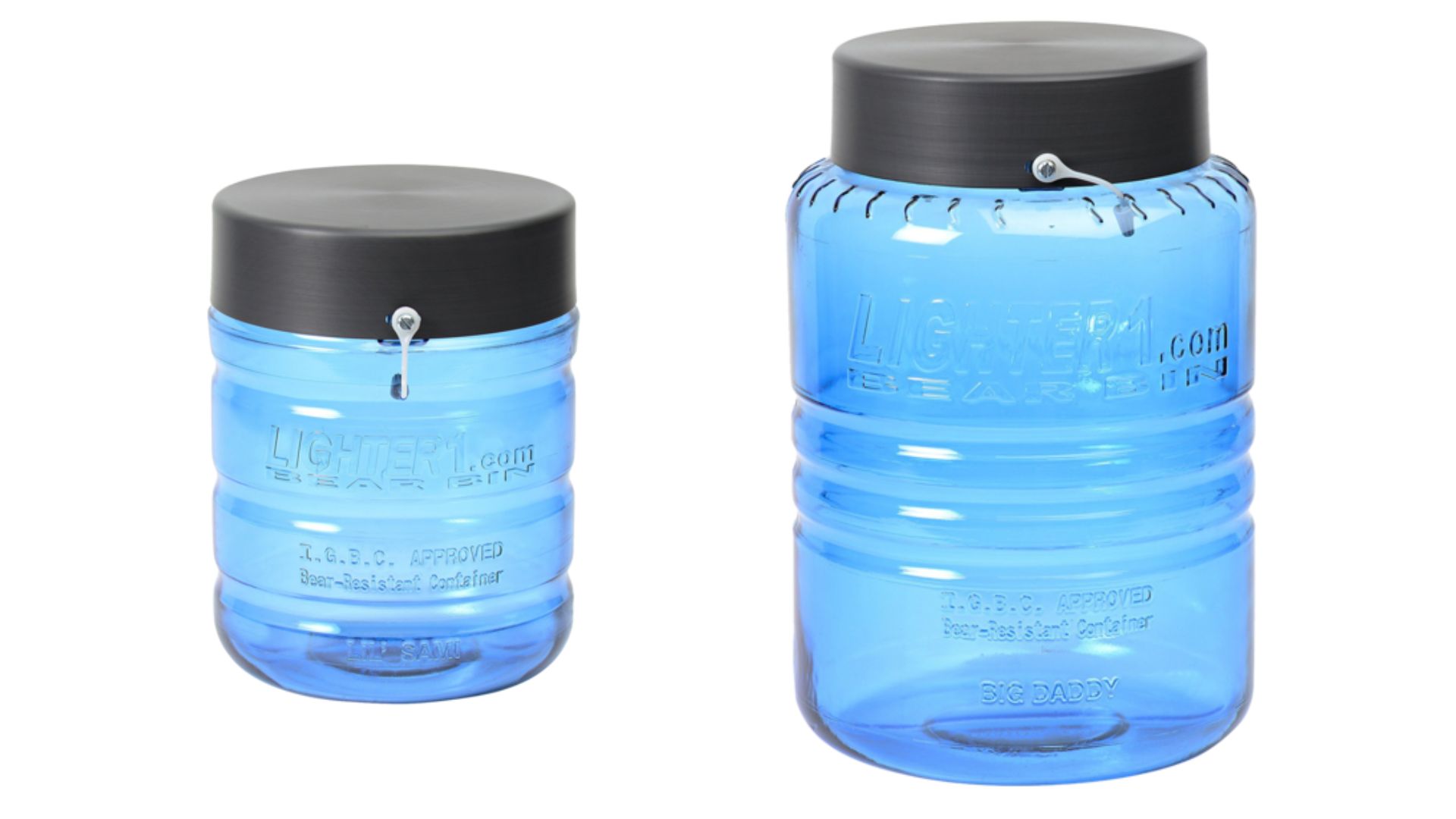 Highlights:
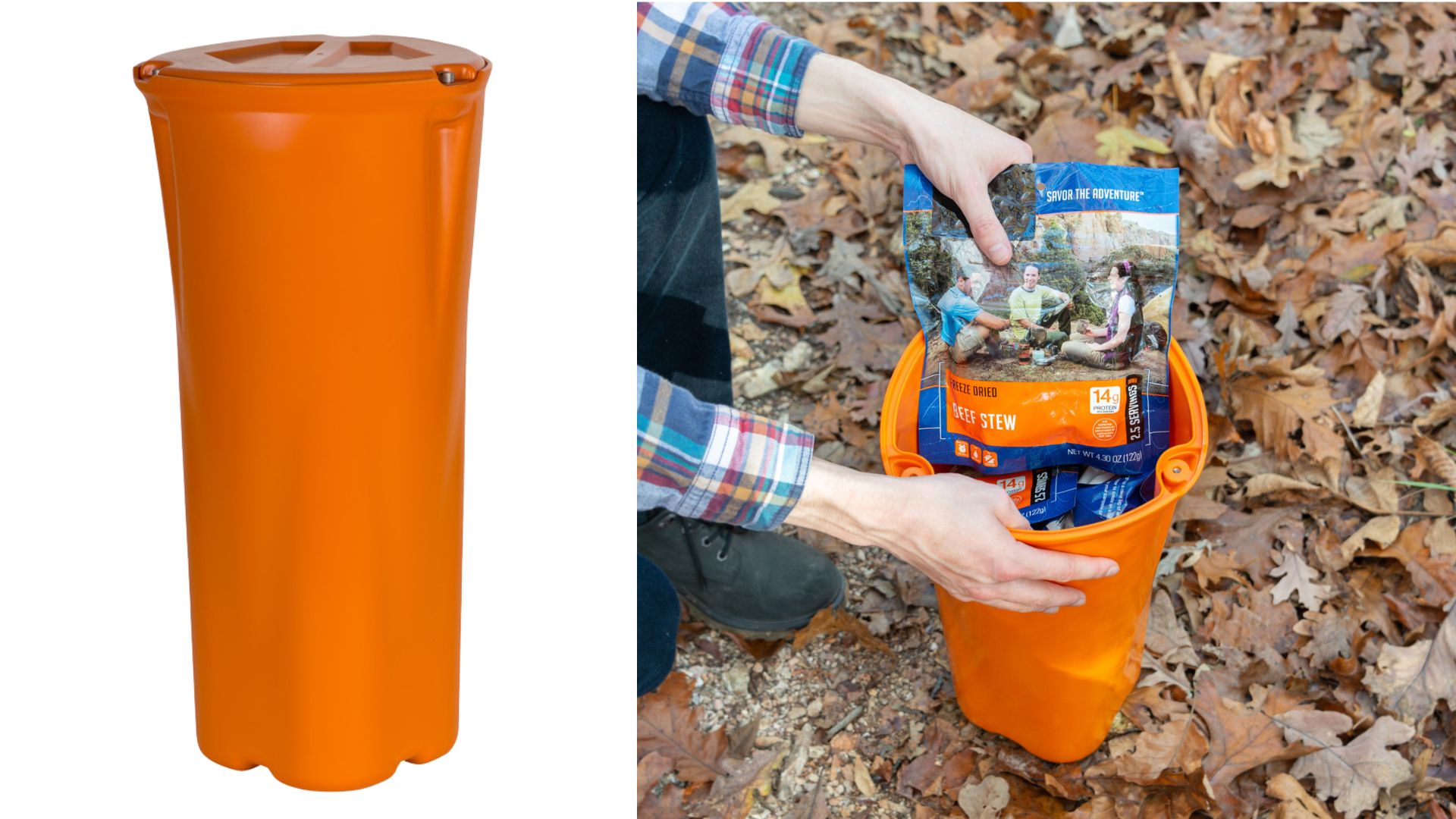 Highlights:
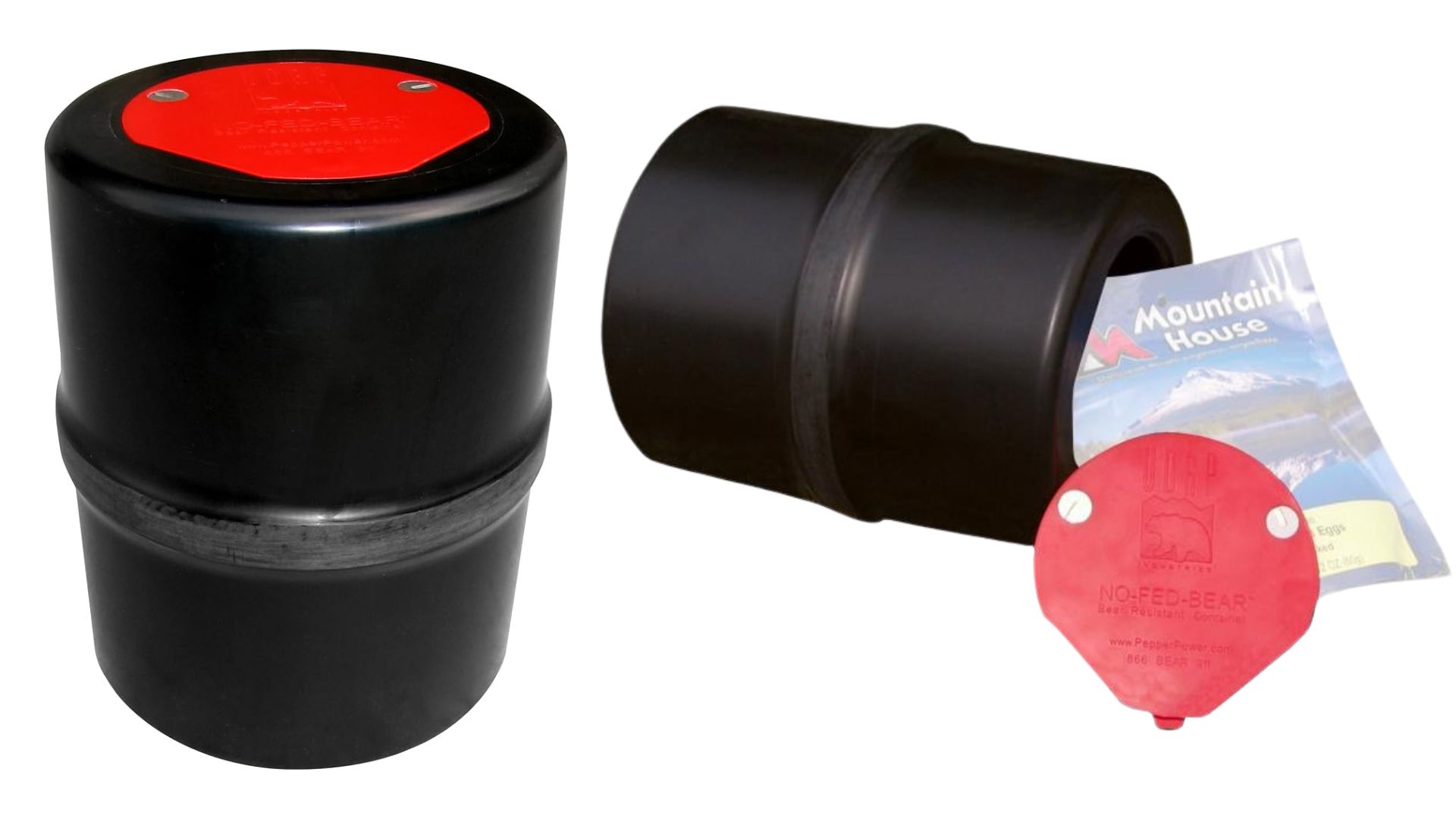 Highlights:
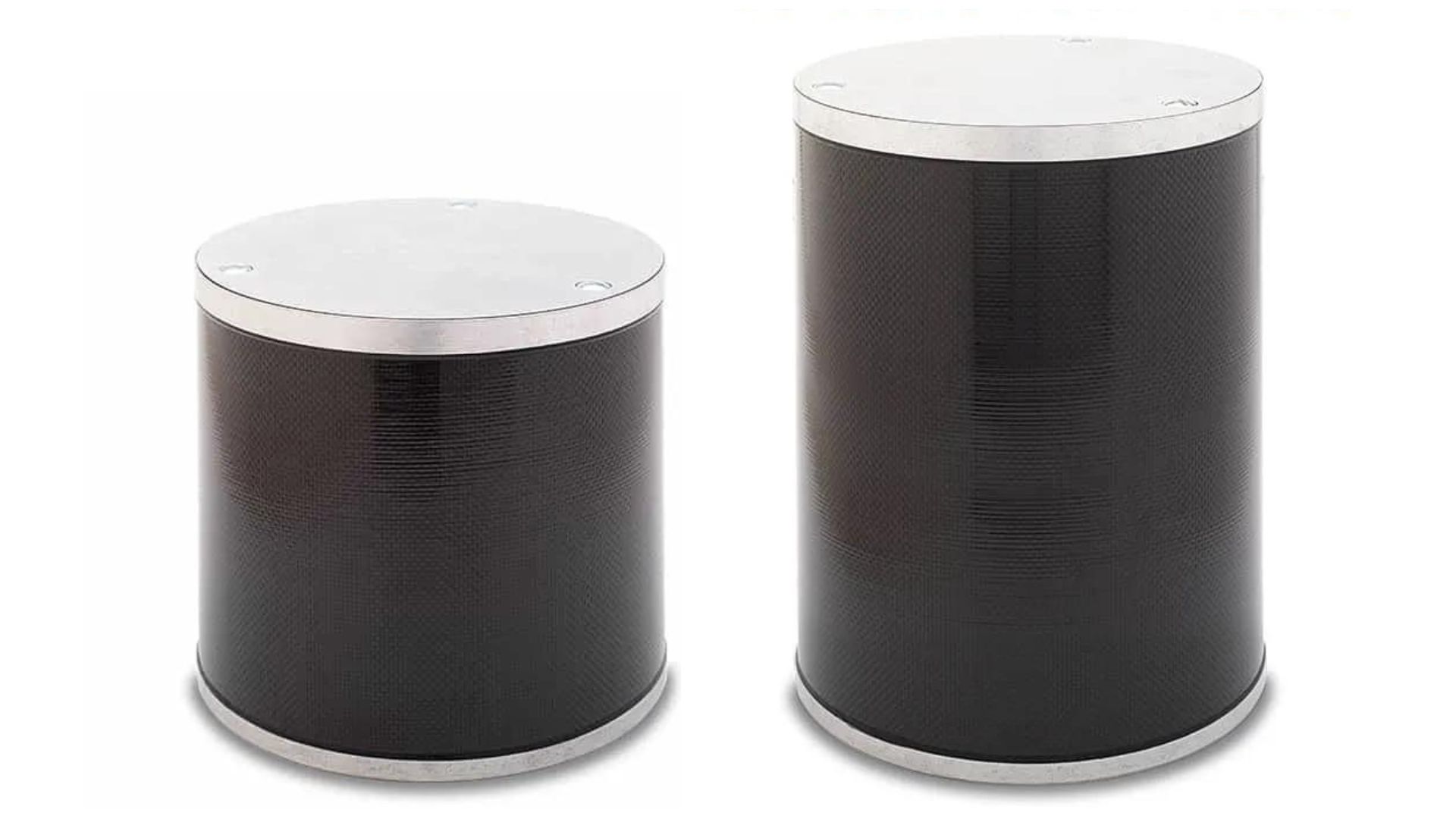 Highlights: