In this episode of the Backpacking Light Podcast, we interview Morris Shawn, President of Roadpost and Zoleo, about satellite messaging and the evolution of the Zoleo Satellite Communicator.
Episode Sponsor
This Episode of the Backpacking Light Podcast is sponsored by ZOLEO. Backpacking Light podcast listeners get free activation – after receiving your ZOLEO device, activate it online using the coupon code BACKPACKINGLIGHT at Zoleo.com to waive the activation fee, which will save you $20 USD ($25 CAD).
Listen
Summary
In this episode of the Backpacking Light Podcast, we interview Morris Shawn, President of Roadpost and Zoleo, about satellite messaging and the evolution of the Zoleo Satellite Communicator.
In this Episode:
Durston X-Mid Pro 2 review updates (long-term performance)
Executive Producer - Backpacking Light; Show Director and Host - Ryan Jordan; Producer - Chase Jordan; Theme music: Look for Me in the Mountains written by Chris Cunningham and Ryan Jordan, performed by Chris Cunningham (acoustic guitar, lead and harmony vocals, harmonica), Chad Langford (upright bass), and Tom Murphy (mandolin), produced by Basecamp Studios in Bozeman, Montana.
Sponsorship Policy: Backpacking Light does not accept compensation or donated/discounted products in exchange for product mentions or placements in editorial coverage, including any podcast episode content not excplicitly identified as sponsored content. Some (but not all) of the links in these show notes may be affiliate links. Learn more about affiliate commissions, influencer marketing, and our consumer advocacy work by reading our article Stop wasting money on gear.
Daniel Hu discusses the question: How much should I spend on my backpacking kit, and how can I do so responsibly?
One of the great things about backpacking is that going out into the backcountry costs essentially nothing – I often remark that as far as activities cost, backpacking is free! On the other hand, backpacking gear can cost a person quite a bit of money.
I recall years ago that a friend expressed an interest in backpacking, and asked how much he might want to budget for gear. “Buy once, cry once,” was in the back of my mind when I told him he might spend anywhere from $300 to $1000, depending on the quality of the gear he purchased and how frequently he wanted to repair or replace items. I think for the ultralight folks, the initial and ongoing costs may be even higher than the average adventurer, since UL gear tends to require a premium and isn’t always as durable.
I consider myself to be a student of finance, and I’ve often wondered about the theoretical opportunity cost to a person’s net worth that backpacking gear presents.
Disclaimer: this article is not meant to present financial advice (because I am not a financial expert) – but I hope that it will spark some conversations and present an interesting perspective that may not always be considered. I am sure others will find ways to examine this topic differently and many different perspectives will emerge!
Here’s an easy example in my mind: let’s say a person spends $3000 on gear during year 1, and another $500 each year on replacing and repairing gear, as well as consumable gear (food, fuel, gas, permits and passes, etc). At the 10 year mark, you’d have spent a total of $8000.
But if that money had instead been invested in an index fund tracking the S&P 500 (which many consider to average 10% growth each year), the end result would be a balance of approximately $16,500, meaning the opportunity cost for a person’s net worth would be sacrificing around $8500 of interest. That might not seem like much, right? Surely it’s worth it.
The Hypothetical Hiker’s investments over 10 years (Calculator and Chart from calculator.net).
But let’s take an extreme example of a young person who starts early and continues this trend for 30 years. They would have invested a total of $18,000 over 30 years. This would have generated over $115,000 of interest if it had been invested, which I think would merit consideration from just about anyone.
The Hypothetical Hiker’s investments over 30 years.
So what’s the point? Does this mean we shouldn’t be buying gear? Give up backpacking so we can maximize our precious 401(k) accounts? I think, perhaps, it’s the opposite! Our years on earth are short, and money cannot be taken with us into eternity. There’s a balance to be made.
I remember years ago a flight across the continent and a conversation with a young couple next to me, who had just quit their jobs and planned to backpack across the world until the money ran out. “We’ve been saving for the past few years, and we really just want to explore while we’re still young,” the husband told me. “But,” I asked, “what does this do to your retirement plans?” He responded, “Well, to be honest, we’re probably pushing our retirement plans out by at least 5-10 years by quitting our jobs to go backpacking. But we want to live life to the fullest, and to us it’s a worthy sacrifice.”
The author hiking at Maple Pass in WA, living his life to the fullest.
I thought about that conversation the next Monday while I sat at my desk at work.
I still think about it to this day.
Perhaps a better question might be, What is the value of happiness? And in my mind, the answer is simply that there is no “dollar amount” that can be put on the value of happiness. Being outdoors makes me happy, and so I’ve learned to care less about the napkin math of what a few extra dollars in my retirement account might look like, and more about the joy that I find in experiencing nature with my wife and my friends.
The author’s now-ancient Therm-a-Rest – purchased many years ago at a used-gear shop in Seattle, WA. Still going strong!
One final comment – I love the generosity of the backpacking community, and the ability to share gear with friends. Another way to pursue frugality in backpacking is to check for used gear, which can sometimes be easy to find (example: BPL’s Gear Swap page).
Isaac Simons humorously describes the effects of overtraining for trail running adventures including discussions with Jeff Garmire.
Introduction
Following a winter season spent exhausting what hiking was on offer, I had taken up the wildly masochistic yet universally accepted pastime known as trail running. By this I do not mean casual jogging or the odd sprint from the angered black bear, but a methodically scheduled practice of daily miles in which prescribed distances and heart rates were adhered to with the inflexible zeal of most religions. Certainly there is a parallel between religion and daily running in that the service must be regular. There are also, of course, clear differences—rarely must one lubricate their nipples before attending church on Sunday.
The Experience of Overtraining
After three months of daily practice, I had attained what I considered a respectable weekly mileage. I’d rise each Saturday at some ungodly hour to tackle a half-marathon in the nearby mountains and then return home dusty and battered, gulping for breath, in some state of cardiac distress or other, just in time to join my family for brunch and promptly pass out in my omelet. Weekdays I’d run another three or so mornings to total a marathon per week. I mention the specific mileage not to brag—as compared to even the off-season training schedules of most mountain athletes, a 26-mile week is far from impressive. It is roughly equivalent to playing air guitar to a Jimi Hendrix solo; an endearing act of admiration, but far from the real thing. Ultrarunner Anton Krupicka famously tackled upwards of 200 miles a week while training for his races. Novelist Haruki Murakami casually mentions in his memoirs that he ran 50 miles weekly. (This is a novelist, mind you, a vocation which calls for all of the athleticism of a concrete speed bump.) Even my good friend, whose life now tucks neatly into the confines of the prosaic suburbanite—replete with two kids, a dog, modest real estate holdings, and a predictably unfulfilled desire to trim down—tells me he used to log 100-mile weeks when running track in college. In light of such seemingly commonplace achievements, I had no illusions about being a gifted runner. Still, what I lacked in talent I made up for in recklessness. Sleep became a triviality unworthy of my attention. Recovery is an extravagance on par with the Roman orgy. I adhered to a rigid discipline of running, running, running, in which it was unclear whether the purpose was to train or traumatize.
My bi-weekly trail in the Santa Monica Mountains.
As my mileage increased I found myself indulging in an abundance of accessories, purpose-built for the novice runner’s unaccountable fixations. Among them, a neat little device which I wore to sleep each night so that I could awake to a host of charts and graphs detailing with appalling accuracy precisely how overworked I had become. Not to say this slowed me down any. And why should it? My trail running had until then been uncomplicated by injury. Talk of overtraining syndrome was purely hypothetical. The uninviting prospect of months spent sidelined, tending to a mishandled body while woefully depleted, did not loom quite as large as perhaps it should have, considering I was heir to a proud lineage of heart disease and varied cancers, with not a single athletic accomplishment to speak of.
So in the face of deepening soreness, increasing lethargy, and a generalized grousing discomfort, I persisted with my training. If Haruki Murakami could occupy an office chair for however many hours it took to crank out thirteen doorstopper novels, all while running fifty miles weekly, surely I could manage my little essays while keeping up a training regimen. It was a creditable if misguided attempt at “gutting it out,” an approach that most often succeeds only in ruining one’s guts.
In short order the inevitable occurred, as it must always: the crash and burn, the unyielding fact of fatigue, the resting heart rate which imitated a flamenco dancer’s castanets. Accompanying this, a sudden incapacity for any meaningful exertion. And so an abrupt end to my training. I found myself sleeping at first nine hours a night, then ten, and finally augmenting this with a two-hour nap each afternoon. For all intents and purposes I was a man in hibernation. My training schedule had dwindled to that of an overstuffed sectional sofa. Morning runs which once felt boundless now consisted of a miserable lurch from car to trailhead, a sort of scoliotic shuffle, followed by a complete and irreversible collapse within a mile.
This left me in a dreary state of mind indeed, if not a bloody one. I needed guidance. I needed sympathy. I needed a bilateral-leg-heart-and-lung transplant.
Talking with Jeff Garmire
Into this pit of wallowing immobility stepped Jeff “Legend” Garmire, a man who, as his moniker implies, has carried off some truly legendary feats. These include not only the Pacific Crest Trail, the Continental Divide Trail, and the Pacific Northwest Trail, but all three all bundled together into one continuous and downright incomprehensible loop of 6,875 miles. Not to mention the equally commendable achievement of completing a footrace in plastic clogs and another dressed in a bathrobe while pushing a child’s stroller. Add to this the race in which he finished third while running in two left shoes (he attributed this to honest oversight) and you begin to sense the strange breed of irreverence which first drew me to Garmire. That’s not to say he should be mistaken for a novelty or farce; Garmire’s sporting achievements rank him as among our premiere endurance athletes.
Garmire on the John Muir Trail, with customary tiger-tee.
I called Garmire for guidance amid my third week of lingering fatigue and was pleased to hear that he’d encountered the same on numerous occasions. As it turns out, the myth of Icarus deceives us—the danger lies not in how close we fly to the sun, but how quickly.
“Overtraining’s not a myth,” he told me. “When you’re walking that fine line, trying to balance the exact amount of recovery with the amount of training needed, there’s a mental, physical, and emotional crash that occurs.”
And he should know. I spoke to Garmire only a week before he was to run the Cocodona 250, a two-hundred and fifty mile footrace through the heart of Arizona.
“It feels like every little injury hits you at once. Everything stiffens up and that’s the end of it, you’re beat up in every way.”
Most of his overtraining injuries were on account of running, rather than hiking. It seems that trail running’s chief hazard is the speed at which damage accrues. Whereas with hiking fatigue approaches steadily, from a distance, as a silhouetted figure on the horizon, when trail running it leaps from nearby cover to ambush you completely.
Garmire regales me with stories of being unable to get out of bed following a race, of lying still for a half hour while weighing the agony of movement with the humiliation of wetting his mattress. In all, he drives home in his offhanded and amicable way the trifling nature of my suffering. (By way of illustration: during a record-setting jaunt of the 800-mile Arizona Trail, Garmire purchased superglue from a convenience store in order to mend a sizable laceration he’d sustained along the bottom of his heel.)
“I don’t do great,” says Garmire, speaking of his time injured and overtrained. “I crawl around and play a lot of online chess and eat too much. You feel like there’s a void because the outdoors has become a staple of your daily life. There’s nothing logical about it: when you’re injured you feel like you’ll never be healthy again, and when you’re healthy you think you’ll never be injured.”
It occurs to me that while we love the tale of the man possessed, or the woman who commits herself entirely to her passions, we overlook the staggering cost of such a singular life-purpose. When you live cleanly and plainly for one thing, with unfailing commitment, you are on a shaky precipice indeed.
I left Garmire to the final preparations for his upcoming race and set myself to the strange work of recovery. At his lowest, Garmire described hobbling to a local park at night to watch the stars, that this had to serve in place of his usual hiking and running. Imagining his anguish—surely many orders of magnitude deeper than mine—I returned to the trail, humbled, this time content to simply walk it. I took in the scent of pine resin, the low mantle of clover, the runners who frolicked past me in their smooth staccato cadence, and I found it wasn’t fitness I had lost so much as hope.
Stopping to smell the proverbial flowers.
The following week, Garmire completed the Cocodona 250 successfully, rallying from a lackluster opening rife with nausea and overheating to finish in sixth place amid a field of 137 entrants. I reached out to him five days following the race to inquire as to his recovery. I received only four words in return.
UPDATED! (Long-term performance) – The Durston X-Mid Pro 2 tent is an ultralight (20.4 oz / 578 g) two-person, side-entry, double-door, double-vestibule single-wall Dyneema Composite Fabrics (DCF) trekking pole-supported shelter.
Introduction
The X-Mid Pro 2 is an ultralight, two-person, dual-door, dual-vestibule, side-entry Dyneema Composite Fabrics shelter supported by two trekking poles and requiring a minimum of four stakes to pitch. Photo: Durston Gear.
The Durston X-Mid Pro 2 tent (20.4 oz / 578 g, MSRP: $639) is an ultralight, single-wall, two-person, double-door, double-vestibule, side-entry, trekking pole-supported shelter made of Dyneema Composite Fabrics (DCF). It requires two trekking poles and a minimum of four stakes to pitch. The design combines the headroom and spaciousness of a classic double-pole single-wall shelter with the stormworthiness and simple set-up of a pyramid-style shelter.
The Durston X-Mid Pro 2 is a compelling product in the somewhat narrow category of ultralight, two-person DCF shelters. The silpoly Durston X-Mid 2 is already a popular tent and is Highly Recommended by Backpacking Light. That makes the lighter, updated DCF version particularly intriguing.
The Durston X-Mid series of tents has become a favorite among ultralight backpackers, and demand for these shelters is very high. A recent sale of the Durston X-Mid 1 sold out in three minutes. Company founder Dan Durston notes there that there will be a better supply of the X-Mid Pro 2, but it seems unlikely that they will remain in stock very long following their initial launch.
This First Looks review is based on our initial hands-on evaluation of a pre-production sample of the Durston X-Mid Pro 2 Tent.
Review Update Log:
June 13, 2023: This review was updated with long-term performance results.
March 25th, 2022: Backpacking Light founder Ryan Jordan and Backpacking Light canine-in-chief Sierra recently had a chance to spend some time with the Durston X-Mid Pro 2 in the field. The new photos are at the end of the review, in the Photo Essay section. Click to jump straight there.
August 22nd, 2022: We shot a video exploring the features of the Durston X-Mid Pro 2. You can find it below.
Table of Contents • Note: if this is a members-only article, some sections may only be available to Premium or Unlimited Members.
shelter: 20.4 oz (578 g), plus 4 stakes and two trekking poles
height: 46 inches (117 cm)
floor width: 48 inches (122 cm)
floor length: 90 inches (229 cm)
floor area: 30 sq ft (2.78 sq m)
vestibule area: 21.5 sq ft (2 sq m)
packed size: 12 x 6 inches (30 x 15 cm)
rectangular design allows the tent to be pitched with four stakes
dual peak vents help manage condensation
bonded construction instead of sewn construction
offset pole design allows for easier entry and increased interior volume
two doors with dual vestibules, waterproof zippers on vestibule doors
15 denier nylon floor doesn’t require a footprint in most conditions
floor lays taut when pitched and tensioned properly, instead of simply hanging
vestibules provide ample room for storing packs and other items not brought into the shelter
door zippers are easy to operate one-handed
magnets allow for the vestibule and/or the mesh tent door to be easily rolled up
The packed size of the X-Mid Pro 2 in the included stuff sack should allow it to fit in most low-volume (40L or less) packs without issue.
Testing Context
This review was conducted using both pre-production prototypes and production models of the X-Mid Pro 2.
The Durston X-Mid Pro was tested for 27 cumulative nights in Montana and Idaho – a mix of solo trips, trips with a partner, overnight trips and weeklong trips, fair weather, and rough storms.
I used the Durston X-Mid Pro solely on summer and fall backpacking trips in the Northern Rockies. It was used for 27 nights. For 22 of these nights, I was the only occupant (the remaining nights were shared with a partner). This tent was tested in national forests and designated wilderness areas that did not require camping in designated sites; therefore I was able to choose locations at my discretion. Whenever possible, I chose sites that had ample room for the tent to ensure a proper pitch, soil that was easy to place stakes into, and natural features (boulders, trees, slopes) which provided additional shelter from the elements. I did not use a footprint while testing this tent and instead tried to practice good site selection and remove small rocks, pine cones, sticks, and other debris before pitching the tent.
When bringing packrafts to a mountain lake, I was grateful for the light weight of the X-Mid Pro.
I experienced several mild rain events while using this tent, two consecutive days of near-constant rain or drizzle while at a basecamp, three mild-to-moderate thunderstorms, and one severe thunderstorm with approximately 10-minutes of marble-sized hail and gusty winds of around 15-20 mph. I did not use this tent in snowy conditions or excessively windy conditions. Mosquitoes were present, and often in abundance, on roughly half of the nights while using this tent.
First Impressions
As with the popular X-Mid 1 and X-Mid 2, one of the most impressive attributes of the Durston X-Mid Pro 2 is its unique geometric design that incorporates offset trekking pole placements. (Compare this to most shelters that incorporate two trekking poles, which use a direct-opposite placement of the poles.) In addition, the details that caught my attention include its ease of use, livability, and potential performance in inclement weather.
We recommend you read our Durston X-Mid 2 Review to familiarize yourself with some of the design features of X-Mid tents. That review will aid in your understanding of the X-Mid Pro 2 design.
The vestibule of the X-Mid Pro 2 provides plenty of room for gear including a backpack.
The most obvious unique design features of the X-Mid Pro 2 include:
an intuitive (rectangular) pitch that requires a minimum of only four stakes;
a spacious interior (a function of the offset poles and overall geometry);
integrated fly that extends further to ostensibly provide better coverage in storms than similar tents. The area covered by the fly of the X-Mid Pro 2 is 55.5 sq ft (5.1 sq m), compared to the Zpacks Duplex whose area covered by the fly is 48.6 sq ft (4.5 sq m).
The Durston X-Mid Pro 2 Tent is designed to be pitched using two trekking poles. For hikers who don’t use trekking poles, or for bikepackers and packrafters, Durston Gear has a lightweight, folding pole kit that is compatible with the X-Mid Pro 2 (and other shelters).
The vestibule of the X-Mid Pro 2 provides plenty of room for gear including a backpack.
“The X-mid Pro 2 can offer more space and function for the weight because it uses genuinely more efficient geometry (e.g. fewer seams, less fabric for the volume, etc.) so we can put more weight into things that matter,” said Dan Durston.
What’s the difference between the Durston X-Mid 2 and the Durston X-Mid Pro 2?
Compared to the X-Mid 2, the X-Mid Pro 2’s footprint is smaller:
X-Mid Pro 2: 80 x 100 inches (203 x 254 cm)
X-Mid: 90 x 102 inches (229 x 259 cm)
This allows the X-Mid Pro 2 to more easily fit into tighter campsites. The headroom is almost identical between the two shelters. The floor width of the X-Mid Pro 2 is only 2 inches (5 cm) smaller than in the X-Mid 2. The most obvious difference between the two shelters is that the X-Mid 2 is a double-wall shelter and the X-Mid Pro 2 is a single-wall shelter.
The X-Mid Pro 2 sets up quickly, has a small footprint, and doesn’t take up a tremendous amount of room in your pack. I can easily pack it into a low-volume pack like my Pa’lante V2.
Is the Durston X-Mid 2 Pro easy to pitch?
Using only four stakes and two trekking poles, I was able to have this tent pitched in just a few minutes without having to readjust anything. It almost seemed too good to be true. There was no fiddling with pole height, moving stakes around, or tensioning (and re-tensioning) guylines. These iterative steps are often required when pitching trekking pole tents. The zippers – both the waterproof fly zippers and the zippers for the body of the tent – operated smoothly.
With ample headroom and a spacious design, there’s plenty of elbow room in the X-Mid Pro 2. The mesh door and the fly door can be rolled up and stored out of the way.
In soils where staking is more difficult than in my yard and in campsites with varying topography, pitching will obviously be a bit more challenging and perhaps require longer guylines or other adjustments to the pitch. However, given how straightforward the mechanics of erecting this tent are, it’s an easier pitch than most trekking pole shelters.
The design of the guylines stabilizes the height of the bathtub floor. The mesh and fly are designed with downward sloping angles to allow condensation to drain to the bottom of the mesh and not land inside the tent.
The DCF used for the body of the tent has been used extensively in many other tents by other manufacturers and will last a while for users who care for their gear with intention. One of the most common failure points of DCF shelters is sewn seams; the seams on Durston X-mid Pro 2 are entirely bonded with no sewing. (You can learn more about the advantages and disadvantages of bonded vs. sewn seams in the Dyneema Composite Fabrics episode of the Backpacking Light Podcast and the Dyneema Composite Fabrics Webinar.
Dual peak vents allow for condensation management and are designed to function in all but the most horrendous weather, such as sideways-driven rain (where drops could bounce up into the vent) or blowing spindrift (snow). In those cases, they can be closed.
Why does the Durston X-Mid Pro 2 have a nylon floor?
A 15-denier nylon fabric was chosen for the floor with the idea that a footprint wouldn’t be necessary for most situations if reasonable precautions are taken with campsite selection. However, hikers using it in conditions where punctures would be more likely (such as rocky terrain or desert environments, with their plethora of spiky things) might want to bring a ground cloth in those specific conditions. The 15-denier floor is similar to the fabrics used in other lightweight tents, including many of those made by MSR and Big Agnes. Many hikers forego using footprints with those tents without experiencing any issues in normal use cases. When asked why the X-Mid Pro 2 uses a 15-denier floor instead of DCF, Dan cited the advantage in packability as one reason.
“We think a 15 denier woven floor is a better choice because it is a similar weight but far less bulk and debatably more abrasion resistant and waterproof in the long term,” said Dan. Using the 15 denier nylon fabric is also less costly than DCF. “Cost is another advantage, although the cost savings are largely offset by our more expensive hot bonding construction process,” said Dan. “We would have used 1.0 osy DCF if we genuinely thought it was better.” Using 15 denier nylon over 1.0 osy DCF results in a less expensive shelter that packs smaller.
When set up for solo use, the X-Mid Pro 2 provides luxurious livability.
Other similar shelters, such as the Tarptent Stratospire Li, use an offset pole design. One of the advantages of the X-Mid Pro 2 is that it has such a simple pitch in addition to the benefits of having an offset pole design.
When asked how this was achieved without resulting in other trade-offs in performance, Dan said “The X-Mid uses a rectangular base to simplify the pitch (compared to a hexagonal tent) and combines that with two trekking poles (to improve headroom compared to a single pole pyramid). The classic challenge faced by other tents attempting this is locating the poles. Prior tents have positioned them around the perimeter which results in flat walls that catch the wind and mandatory guylines, or they have positioned them along the centerline where they interfere in the sleeping area and/or doorways. The X-Mid uses a new floorplan, where the poles are placed on a diagonal and then the sleeping area passes between them on the opposite diagonal. From the overhead view, these crossing diagonals form the “X” in the X-Mid name. From a functional perspective, they provide a good [larger] living space while avoiding all the common pitfalls (e.g., poles in the doorways, poles in the living area, mandatory guylines, flat walls).”
It’s easy to achieve a tight pitch, even when only using four stakes. In the dozen or so times I set it up, I only ended up having to re-adjust about half those times, and those adjustments were very minor (i.e., tightening up one or two guidelines to the stakes a bit, or adjusting pole height, or both). Photo credit: Mark Wetherington
The Durston X-Mid Pro 2 Compared To…
weight
MSRP
wall design (single-wall vs. double-wall)
floor dimensions
maximum peak height
floor material
canopy material
Durston X-Mid Pro 2
20.4 ounces / 578 g
$639
single
48 x 90 inches (122 x 229 cm)
46 inches (117 cm)
15 denier nylon
0.5 osy Dyneema Composite Fabric
Zpacks Duplex
19.0 ounces / 539 g
$699
single
45 x 90 inches (122 x 229 cm)
48 inches (122 cm)
1 osy Dyneema Composite Fabric
0.55 osy Dyneema Composite Fabric
Tarptent Stratospire Li
27.5 ounces / 780 g
$699
double
45 x 86 inches (114 x 218 cm)
45 inches (115 cm)
1 osy Dyneema Composite Fabric
0.51 osy Dyneema Composite Fabric
Gossamer Gear The Two
23.5 ounces / 666 g
$375
single
42/48 x 84 inches (107/122 x 213)
43 inches (109 cm)
10 denier nylon ripstop
10 denier nylon ripstop
On paper, the Durston X-Mid Pro 2 bests many tents in its category (two-person, two-door, side-entry, dual-vestibule trekking-pole shelters) on a number of metrics. It is either lighter, roomier, less expensive, and in certain cases, all of those things. But how a shelter looks in a table is only part of the equation – one which we are increasingly less inclined to emphasize as shelter builders shave ounces at the expense of other important factors. Craftsmanship, quality control, user-friendliness (ease of pitching), livability, stormworthiness, and aesthetics all come into play. These are the performance metrics consider in this review.
Two long (78 inches / 198 cm) sleeping pads fit well in the X-Mid Pro 2, although the fit will be tight if both of them are wide (25 inches / 64 cm), rectangular pads. There is plenty of room at the ends of the pads for extra layers, stuff sacks, or other items.
Long-Term Performance
In this section, we evaluate:
Pitching
Livability
Stormworthiness
Fabric
Durability
Weight
Finish quality/aesthetics
Price
Pitching
Owing to its rectangular shape, as discussed in detail in our review of the Durston X-Mid 2P, this tent is one of the easiest to pitch that I’ve used. For many years, I was a bit leery of tarp-style shelters and trekking pole tents because of the attention to detail required to pitch them and the variability that could occur in different terrains. I tended to prefer more traditional tents, like the MSR Hubba, that I could easily erect with the same result every time and not have to worry about spending 20 minutes moving stakes around and re-tensioning guidelines when I could be fishing, hiking up a nearby peak, or soaking in a hot spring.
The ease of pitching the X Mid Pro allows for more time swimming in mountain lakes and focusing mental and physical energy on the landscape, not on the gear you hauled in.
The sometimes frustrating, but overall adequate, Six Moon Designs Lunar Solo, was my introduction to trekking pole tents but it was the REI Co-op Flash Air 2 and its ease of set-up which solidified my decision to switch to trekking poles shelters for the majority of my backpacking trips. The Durston X-Mid Pro is even easier to set up than the REI Co-op Flash Air 2 and can be pitched with only four stakes. I typically used six stakes to allow myself to more easily rolly up the doors for ventilation and would use eight stakes in windier conditions or when storms appeared imminent. I did not utilize any additional guylines when using this tent.
Image: Durston Gear.
Dan Durston has provided detailed instructions on pitching the tent and troubleshooting issues that arise. As mentioned previously, pitching it is more easy and intuitive and with less of a learning curve than other trekking pole shelters I’ve used – but when I have encountered issues due to undulating terrain or cramped spots to pitch it, I’ve been able to rectify them quickly without having to start from scratch or tediously readjust every stake and tension point.
The space required to pitch this tent does limit site selection somewhat (although the footprint is smaller than the X-Mid 2), as there needs to be adequate space to insert the stakes and ensure a taut pitch. However, I did find it to be significantly more difficult to find a spot for this two-person tent than for others I’ve used. When space was cramped, it was intuitive to simply orient the rectangular interior and spot where I would be sleeping to the flattest part of the ground and solve the issue that way.
Livability
This tent is one of the most comfortable and accommodating two-person shelters I’ve used with a partner.
The X-Mid feels spacious when shared with a hiking partner and feels enormous when going solo.
The amount of room at the head and/or foot and the pockets (for the 2023 version, which was tested during part of this review) allow for easy storage and organization with minimal elbow-bumping. The dual doors make it easy to enter/exit without creating an unreasonable disruption for your partner. The headroom is more than sufficient unless you’re exceptionally tall.
The tall, spacious vestibules were some of the most useful I’ve experienced with a tent.
Since this tent was only tested in the Northern Rockies, a fairly arid environment aside from during precipitation events and/or more moist microclimates that can often be mitigated by choosing another spot to camp, my experience with condensation is not comparable to what it would be like to use this tent in the Appalachian Mountains or other high-humidity areas. Condensation will always be an issue with single-wall shelters unless you want to use a solar-powered dehumidifier and venting fan system. The condensation I experienced in this tent was minor overall and less than in a previous single-wall tent I tested, the REI Co-Op Flash Air 2. The morning after an all-night, early October rain in the Selway-Bitterroot Wilderness while camped next to a subalpine lake there was considerable condensation, even though all vents had been left open (I took the risk and left them open since I was in a decently sheltered location and the rain wasn’t accompanied by significant winds). Thanks to the tent’s design, it was easy to avoid (as the sole occupant) brushing up against the damp walls while I got dressed.
Magnetic closures made it easy to open and close the tent doors with one hand.
Perhaps one of the niftiest features of this tent are the magnetic closures which allow the doors to be rolled up. I kept the doors open on clear nights and the condensation was negligible to non-existent, even if camped in less-than-ideal locations (i.e. near bodies of water, cold sinks, etc.). When seeking refuge from biting insects in this tent, having the doors open allowed me to have reasonably panoramic views from inside and not feel so walled-off from the places I’d hiked so far to spend time in.
Stormworthiness
The most significant test of this tent’s storm worthiness was during an early July thunderstorm in the Selway-Bitterroot Wilderness of Montana. I was racing a storm to a small campsite I knew about from previous trips to a high mountain lake – a charming respite tucked into a grove of spruce trees on the edge of a meadow, and positioned just before a grueling climb up to a pass that I would tackle the next morning. A storm was forecast for that afternoon and I could tell during the last two miles of my hike that it was on its way; the clouds thickened, the wind picked up, and the feeling of moisture in the air increased.
The X-Mid Pro after a thunderstorm with intense hail in the Selway-Bitterroot Wilderness. The tent was pitched with the minimum four stakes required and made it through no worse for the wear.
I’d barely made it to camp when a steady drizzle started. I did a cursory removal of debris from the spot where I planned to pitch the tent and barely got the minimum four stakes into the ground before a gust of wind blew in heavier rain, thunder rumbled, and it was way darker than it should’ve been at early evening in the summer. Not wishing to get soaked trying to put in additional stakes, and embracing the idea of testing the tent with only four stakes, I endured a roughly 45-minute storm that included 10 minutes of marble-sized hail pounding the tent and gusty winds. I’ve been in dozens of mountain storms over the years, and this one was definitely in the top ten. Fortunately, the X-Mid Pro handled it with aplomb. No stakes popped out, the tension needed was maintained, and no rain was blown in the tent as a result of the full-coverage canopy design of the vestibules and head and foot.
The waterproof zippers didn’t leak during extended downpours and operated smoothly throughout the testing period.
I experienced other minor storms in this tent and did not find its performance to be anything other than excellent. Closing the vents is easy to do and they remained secure throughout all weather events and didn’t leak any water or flap around annoyingly.
Fabric
The 0.55 oz DCF used for this tent strives, as all ultralight shelters do, to balance weight with strength. This is fairly standard throughout the ultralight industry as a material for ultralight shelters. The X-Mid Pro differs from some other tents in this category by using a 15D nylon floor. Although not as light as DCF, choosing this fabric for the floor eliminates the need to use a footprint in most conditions as it is more durable than DCF in that context.
Durability
At the end of the testing period, I noticed no areas of wear on the tent or issues with seams, netting, zippers, discoloration or distortion of fabric, or anything else that would indicate issues with durability. While issues related to the longevity of DCF are becoming more known and documented, it does not appear to me that any of those issues would be made worse by any inherent features of the X-Mid Pro. I noticed no wear on the zippers, magnet closures, or bug netting.
With weight and space at a premium on a five-night bikepacking trip in Montana’s Beaverhead Mountains, I was grateful to not have to bring a footprint along.
The 15D nylon floor has been proven to be a reliable choice for shelters and will likely not be a weak link in the construction of this shelter. I did not use a footprint with this tent, but I did practice due diligence in site selection and removing small rocks and other debris from the ground before pitching. After 27 nights, I did not notice any punctures, tears, or other abrasion of the floor from normal use. For persons backpacking in the Northern Rockies or other areas with similarly forgiving or easily mitigated conditions on the forest floor for pitching tents, it seems like a footprint is largely unnecessary. For backpackers in desert environments or other landscapes with more poky, prickly, and hostile flora that seems to end up on the flattest parts of the ground and in the perfect spot to pitch a tent, a footprint would be a wise investment to extend the life of this shelter.
For backpackers using this tent for multi-day, or multi-month, trips where it is almost always packed up each morning and then re-pitched each night, durability should be a non-issue for most users in most circumstances. The tent should last for several years of frequent recreational use. Care will want to be taken to roll the tent, rather than stuff it as stuffing increases the chance of areas of wear occurring.
If you’re looking for a tent to use as a high-altitude basecamp tent and leave it pitched all day under the blazing sun while exploring various lakes in search of trout or bagging peaks, and you average 100+ days out each summer then you will probably want to look for another tent as several years of that type of use will create issues.
Weight
This tent is incredibly lightweight for the performance and space it delivers. Even with eight, full-length aluminum stakes the total weight of this shelter (assuming you’re pitching with trekking poles and are thus already carrying that weight) is significantly less than a liter of water.
Finish quality/aesthetics
This tent suffered from no obvious visual defects – everything seemed meticulously bonded, sewn, designed, and assembled. The tensioning devices worked smoothly, as did the zippers and the magnetic closures for rolling up the tent doors. The muted color of this tent blended in well with the landscape of the Northern Rockies and allowed for a low-key profile at campsites. At the risk of sounding superficial, this tent does just simply look good. As someone who has no love for the craven consumerism that can sometimes afflict backpackers, I’m a bit embarrassed to admit just how much I liked looking at this tent when returning to it after fishing or day hiking to a peak from camp.
Price
This tent is expensive. There’s no way to sugarcoat that. The Durston X-Mid Pro 2P costs $679 USD; for another $10 USD eight aluminum stakes are included. DCF is a niche fabric that will never be as cheap as a yard of cotton fabric, or of nylon for that matter. Given its performance and weight, a compelling argument can be made that even at this price the tent is a value.
Summary
Like its sibling, the Durston X-Mid 2P, this tent is highly recommended for backpackers looking for an ultralight two-person shelter for three-season recreational backpacking. The combination of weight, performance, and durability is generally equal to or greater than other similar shelters on the market. Given where ultralight tent design and fabrics are at the present time, it is hard to imagine a new shelter coming along and out-competing this tent. If you want one of the highest-quality and best-performing ultralight shelters on the market, the Durston X-Mid Pro should be at the top of your list.
For ultralight backpackers who want room for a hiking partner, or just plenty of elbow room on solo trips, the X-Mid Pro is an excellent option.
Appendix: More Photos
A taut, elegant pitch is one of the most noteworthy features of the Durston X-Mid Pro 2.To maximize living space, the parallelogram bathtub floor is set at an angle from the fly footprint. The fly is 80 x 100 inches (203 x 254 cm) and has an area of 44.4 square feet (5.15 sq m). The packed size of the shelter is roughly 12 x 6 inches (30 x 15 cm).Magnetic door toggles allow for quick and intuitive storage of the door material when not in use. Tarptent is the only other major shelter-maker using this design.DCF is difficult to work with. One reason is the fabric doesn’t close up around needle holes as more stretchy fabrics like silpolyester or silnylon do. Durston Gear compensates for this by hot bonding, instead of sewing, fabric panels together.Corner guyouts have an extra layer of fabric and are double bar-tacked into place.Sierra supervises pitching.An advantage to dual-trekking-pole supported shelters is an opportunity for dual peak vents. The peak height of the Durston X-Mid Pro 2 is 46 inches (117 cm).The Durston X-Mid Pro 2 features two doors and two vestibules. Individual vestibules are 11.6 square feet (2 sq m). That works out to 23 square feet (7 sq m) of total vestibule space.Utilizing a tip-down design on the supporting trekking poles has the advantage of keeping the pole handles clean and dry when conditions are wet and muddy.The inner mesh features a YKK #3 zipper.The outer fly utilizes a YKK #3 AquaGuard water-resistant zipper.
Durston Gear paired the 055 oz Dyneema Composite Fabric fly with a 15D silnylon floor. The reason for this design choice, according to Dan Durston, is packability and longevity. Make sure you read the “Why does the Durston X-Mid Pro 2 have a nylon floor?” section of our review.The Durston X-Mid Pro 2 has a floor width of 48 inches (122 cm) and a floor-length of 90 inches (230 cm), giving it a total area of 30 square feet (2.8 sq m). It can handle two wide tapered pads.Or it can handle one wide pad and one wide dog.The Durston X-Mid Pro 2 has three obvious unique design features. 1) An intuitive rectangular pitch that only requires four stakes. 2) a spacious interior (a function of the offset poles and overall geometry). 3) An integrated fly that extends further from the bathtub floor than similar competing shelters. Read our full First Looks review (above) for more details.
Browse our curated recommendations in the Backpacking Light Gear Shop – a product research & discovery tool where you can find Member gear reviews, Gear Swap (used gear) listings, and more info about specific products recommended by our staff and members.
our community discussed the X-Mid Pro 2 with designer Dan Durston on this forum thread
DISCLOSURE (Updated April 9, 2024)
Product mentions in this article are made by the author with no compensation in return. In addition, Backpacking Light does not accept compensation or donated/discounted products in exchange for product mentions or placements in editorial coverage.
Some (but not all) of the links in this review may be affiliate links. If you click on one of these links and visit one of our affiliate partners (usually a retailer site), and subsequently place an order with that retailer, we receive a commission on your entire order, which varies between 3% and 15% of the purchase price. Affiliate commissions represent less than 15% of Backpacking Light's gross revenue. More than 70% of our revenue comes from Membership Fees. So if you'd really like to support our work, don't buy gear you don't need - support our consumer advocacy work and become a Member instead.
Learn more about affiliate commissions, influencer marketing, and our consumer advocacy work by reading our article Stop wasting money on gear.
Executive Producer - Backpacking Light; Show Director and Host - Ryan Jordan; Producer - Chase Jordan; Theme music: Look for Me in the Mountains written by Chris Cunningham and Ryan Jordan, performed by Chris Cunningham (acoustic guitar, lead and harmony vocals, harmonica), Chad Langford (upright bass), and Tom Murphy (mandolin), produced by Basecamp Studios in Bozeman, Montana.
Sponsorship Policy: Backpacking Light does not accept compensation or donated/discounted products in exchange for product mentions or placements in editorial coverage, including any podcast episode content not excplicitly identified as sponsored content. Some (but not all) of the links in these show notes may be affiliate links. Learn more about affiliate commissions, influencer marketing, and our consumer advocacy work by reading our article Stop wasting money on gear.
A curated guide to Backpacking Light resources about minimalist footwear (e.g., trail running shoes for hiking and backpacking) – gear, skills, podcasts, forums, research, education, product recommendations, and more.
Welcome to the Minimalist Footwear Trailhead
Making sense of Minimalist Backcountry Footwear
Trail running shoes are the most common style of minimalist footwear for hiking, backpacking, and other ultralight backcountry activities. These activities include ultralight backpacking, thru-hiking, long-distance hiking, fastpacking, FKT attempts, packrafting, ultrarunning, and more.
About this Trailhead
This article is one of Backpacking Light’s curated gateway pages (a trailhead, so to speak). Here, you’ll find information and resources about minimalist footwear for hiking and backpacking. We’ve got resources for what is minimalist footwear, when is it useful, how does minimalist footwear affect foot health, and what are examples of minimalist footwear for hiking and backpacking.
About this Trailhead: Curated and maintained by our staff, this Trailhead page includes an overview of the topic as well as links to information and resources about the topic at the Backpacking Light website. Those resources may include gear reviews, technology and testing, research, skills articles, online education (webinars, masterclasses, or other types of online courses), podcast episodes, forum threads, product recommendations, and other discovery tools including our Gear Finder, Gear Shop, and Site Search engine.
Navigating this Trailhead
Table of Contents • Note: if this is a members-only article, some sections may only be available to Premium or Unlimited Members.
Traditional footwear for backpacking (most commonly regarded to be hiking boots):
is heavy and stiff, causing excess fatigue on high-mileage days or multi-day trips
absorbs a lot of water and is slow to dry
is waterproof and thus, not very breathable
But if you can successfully reduce your pack weight, you can get away with lighter footwear. Trail running shoes are overwhelmingly the choice du jour in the ultralight backpacking community. They mitigate some of the problems that heavy boots create:
Trail running shoes are lighter (6 to 14 ounces / 170 to 370 g per pair) than conventional boots (32 to 64 ounces / 910 to 1810 g per pair)
Lighter shoes made with lighter materials drain water and dry faster (2-4 hours vs. 24-72 hours in warm, dry conditions)
Minimalist shoes keep your feet cooler in warm temperatures (reducing the risk of blisters and maceration)
Trail running shoes and other lightweight footwear options are often considered to fall into the category of minimalist footwear for hiking and backpacking.
Are there other types of minimalist footwear besides trail running shoes for hiking and backpacking?
Yes!
Huaraches, sandals, moccasins, toe shoes – even barefoot hiking. There are lots of variations here. We call some of these styles ultra-minimalist footwear. They are available from several brands includingVivo Barefoot,Vibram, andXero Shoes.
However, trail running shoes are the most popular type of minimalist footwear for hiking and backpacking, so we generally focus on that product category.
If minimalist footwear works miracles for runners, how about backpackers?
There’s a lot of research that proposes lofty benefits of minimalist footwear for running. That means it’s applicable for backpacking, too, right?
Wrong.
You can’t transfer the research.
(Most) backpackers don’t run (!), so our stride is shorter and our foot plant is different.
Backpackers carry larger and heavier packs than runners, which completely changes our gait, stride, and plant.
Some backpackers travel over rougher terrain than runners. Talus, scree, tundra, bogs, scrambles. That changes everything.
So be careful – the benefits of minimalist footwear for trail running are going to be dramatically different than the benefits of minimalist footwear for backpacking.
What are the key attributes of minimalist footwear?
Some attributes that can be used to characterize and differentiate minimalist footwear include:
Drop – The differential height between the bottom of a person’s heel and the bottom of the ball of their feet. Shoes with higher drop have a higher heel. Low drop shoes are flatter across the length of the shoe relative to the ground surface. A lower drop provides a more natural, barefoot-style walking motion, but at the expense of transferring more strain to muscles in your calves and knees.
Stack height – The height of the combination of the outsole, midsole, and insole. High stack height shoes can be more comfortable but come at the cost of some stability on uneven terrain.
Longitudinal stiffness – The resistance of a shoe’s sole stack to bending. More stiffness provides resistance to fatigue on long days. Less stiffness provides a more natural walking motion.
Upper material – Synthetic mesh uppers are often lighter, breathe better, drain water better, and dry faster. However, they are less warm in rainy, colder weather. In addition, mesh uppers are often less durable than solid fabric uppers.
Toe box width – A wider toe box allows the forefoot to splay, which helps distribute body and pack weight more evenly when walking. Narrower toe boxes provide more precision, which is particularly useful when scrambling in steep and rocky terrain.
What’s the best trail running shoe for hiking and backpacking?
The best minimalist footwear, or the best trail running shoe, does not exist.
Our position is simple: the best trail running shoe for hiking and backpacking is the trail running shoe that:
Fits you and is comfortable; and
Is designed for the specific application or use case for your style of hiking and backpacking.
Consumer Advocacy Warning: Be wary of listicles written by bloggers or media outlets with titles like “Best Trail Running Shoes for Hiking and Backpacking” because they are often little more than canned, formulaic articles (often written by AI-bots or outsourced to SEO contract writers) filled with affiliate marketing links and seldom offer performance analyses based on extensive experience in the field. We’re not going to recommend any trail running shoe that we think is best for you. Instead, we want to give you the knowledge and skills that empower you to make the best possible decision on your own. Backpacking Light is in the business of sharing information between its members, educating consumers, and consumer advocacy, not in pushing you to buy gear that may not work for you. When we make a product recommendation – always consider that the product may not work for you.
What does a minimalist footwear expert say about using trail running shoes for hiking and backpacking?
Watch Ryan Jordan (founder of Backpacking Light) and Damien Tougas (founder of Toesalad) – a minimalist footwear expert – chat about minimalist footwear philosophy, ideas, and practices:
Is minimalist footwear for everyone?
No, of course not. There are some circumstances where a hiker should elect more robust, supportive footwear. Here are a few contexts:
However, if you care for your feet and judiciously select footwear that won’t cause you injury, we believe minimalist footwear and trail running shoes can be used well into your golden years. See:
You bet, but it requires that you pay more careful attention to gear and skills. Check out the following skills articles to learn more about using trail running shoes and other footwear accessories for winter, snow, and cold:
Skills and Gear: Lightweight Footwear Systems for Snow Travel: Part 1 | Part 2 | Part 3
In addition – we created an entire online course specifically dedicated to helping you understand how to use minimalist footwear and various traction accessories in this online webinar:
Can trail running shoes and other minimalist footwear be used for hiking and backpacking in cold and wet weather?
Sure – with caveats. Keeping your feet warm when it’s cold and wet can be extremely challenging. It requires careful selection of not only the hiking shoe, but also socks, gaiters, and a few other strategic footwear accessories. This guide will help:
Can you provide examples of brands and products that make minimalist footwear and trail running shoes for hiking and backpacking?
As you embark on your search for the best trail running shoe for you, here are some minimalist footwear and trail running shoe brands that may work well for you.
Link Disclosure: The brand links below go to our own brand gateway pages, which provide an index to articles, gear swap listings, and member reviews related to that brand. Likewise, all links on this page will direct to other pages on our site to original content created by Backpacking Light. You may find affiliate links elsewhere on our site (read our disclosure letterhere), but they will not be used on this page.
Browse our curated recommendations for minimalist footwear in the Backpacking Light Gear Shop – a product research & discovery tool where you can find Member gear reviews, Gear Swap (used gear) listings, and more info about specific products recommended by our staff and members.
What do Backpacking Light Members say about minimalist footwear?
Browseour curated recommendations for minimalist footwear in the Backpacking Light Gear Shop – a product research & discovery tool where you can find Member gear reviews, Gear Swap (used gear) listings, and more info about specific products recommended by our staff and members.
Wearing minimalist footwear (trail running shoes) during October at 12,000 feet in the Colorado Rocky Mountains.
Help us Maintain this Page
If you found value in other related resources at Backpacking Light (no external links or resources, please – there are other places in our forums appropriate for that) that you’d like to share with our community, please post them in the comments below.
Got a question about backpacking gear as you assemble your ’23 kits and gear lists? Now’s the time to ask it – this live event will be all about gear. In addition, Backpacking Light Publisher Ryan Jordan will discuss some of the gear he’s using in ’23, with updated recommendations in the categories of minimalist, high-performance, comfortable, and budget-friendly gear across several categories.
Description
Got a question about backpacking gear as you assemble your ’23 kits and gear lists? Now’s the time to ask it – this live event will be all about gear.
In addition, Backpacking Light Publisher Ryan Jordan will discuss some of the gear he’s using in ’23, with updated recommendations in the categories of minimalist, high-performance, comfortable, and budget-friendly gear across the following categories:
Backpacks
Shelters
Sleeping Bags & Quilts
Sleeping Pads
Cooking & Stoves
Hydration & Water Treatment
Rain Jackets
Insulating Clothing
Footwear
Trekking Poles
We’ll close the event with a live Q&A. Submit your questions in the live chat below.
About the Event & Access Info
Event Description: The Gear Show (Q&A)
Livestream Date and Time: Tuesday, May 23, 2023, 4 PM US Mountain Time
Access Info
The live version of this event will be available to the public. The recorded version of the event will be available to the public the week following the event. After that, Unlimited Members will have access to the event as part of their membership.
Watch the Recording of the Live Event:
Product Mentions:
Shelters
Durston X-Mid Pro 2 – space:weight ratio for the dog or companion, ease of pitching
Backpacking Light does not accept compensation or donated/discounted products in exchange for product mentions or placements in editorial coverage.
Some (but not all) of the links in this review may be affiliate links. If you click on one of these links and visit one of our affiliate partners (usually a retailer site), and subsequently place an order with that retailer, we receive a commission on your entire order, which varies between 3% and 15% of the purchase price. Affiliate commissions represent less than 15% of Backpacking Light's gross revenue. More than 70% of our revenue comes from Membership Fees. So if you'd really like to support our work, don't buy gear you don't need - support our consumer advocacy work and become a Member instead.
Learn more about affiliate commissions, influencer marketing, and our consumer advocacy work by reading our article Stop wasting money on gear.
In this episode, Ryan walks through fabric repair kits for hiking and backpacking, including various fabric repair scenarios, strategies, and supplies.
Listen
Summary
This episode features fabric repair kits for hiking and backpacking, including various fabric repair scenarios, strategies, and supplies.
Ryan’s fabric repair kit. Total weight is 2.4 oz (68 g), and is reduced on shorter solo trips to less than an ounce (28 g) when taking fewer supplies, skipping the duct tape, and packaging the items with first aid supplies (thus leaving the Loksak behind). The scissors double up for first aid tape and bandage cutting. Fabric patches, seam tapes, and glue are matched appropriately to the fabrics used in shelters, sleeping pads, backpacks, and clothing.
Executive Producer - Backpacking Light; Show Director and Host - Ryan Jordan; Producer - Chase Jordan; Theme music: Look for Me in the Mountains written by Chris Cunningham and Ryan Jordan, performed by Chris Cunningham (acoustic guitar, lead and harmony vocals, harmonica), Chad Langford (upright bass), and Tom Murphy (mandolin), produced by Basecamp Studios in Bozeman, Montana.
Sponsorship Policy: Backpacking Light does not accept compensation or donated/discounted products in exchange for product mentions or placements in editorial coverage, including any podcast episode content not excplicitly identified as sponsored content. Some (but not all) of the links in these show notes may be affiliate links. Learn more about affiliate commissions, influencer marketing, and our consumer advocacy work by reading our article Stop wasting money on gear.
In Episode 81 of the Backpacking Light Podcast, Ryan and Ben Kilbourne discuss creativity in the backcountry and Ben’s Unresting Event album.
Listen
Summary
In this episode of the Backpacking Light Podcast, Ryan interviews Ben Kilbourne about his recent album, Unresting Event, and they discuss creating in the backcountry while sharing two songs from the album.
In this Episode:
What’s new at Backpacking Light – Tents & Tenkara!
Ryan Jordan and Ben Kilbourne talk about the creative process in the backcountry and how the vinyl album Unresting Event came about.
Guitars and ukeleles in the backcountry.
Excerpts from Unresting Event
Challenges when being creative in the backcountry.
Isaac Simons tells the lessons of extreme Sierra weather and questionable gear choices through the lens of the writings of Phil Arnot.
From Phil Arnot to the Sierras
I wanted to experience the mountains fully. Not just the common trails and sunlit vistas, but the down and dirty, uncompromising, mud-encrusted mountains. I wanted the fearsome backcountry of Jeremiah Johnson and The Revenant. I wanted drama, rain, and thunder. And, my oh my, did I receive it.
As with most adventure enthusiasts, my forays into the wild began with the far safer and significantly less humiliating enterprise of reading. This went back to adolescence with such novels as Island of the Blue Dolphins and Hatchet, tales that featured far less dismemberment than their adult counterparts of, say, Into the Wild and Alive! My fascination persisted well into adulthood when, following such trite digressions as career, marriage, and child-rearing, I could be found each evening scouring all manner of map and memoir in search of destinations.
I had caught wind of a paperback, rumored long out of print, whose lofty prose could fashion bona fide swashbucklers of the lowliest day-hikers. The book was High Sierra: John Muir’s Range of Light by Phil Arnot, a title unavailable not only in hardcopy but impossible to download from any corner of the internet.
This only heightened the book’s mystique, and after four months’ vigilant monitoring of eBay, I at last tracked down a copy. It was marked as in “very good” condition, with no mention of “like new” or “mint”, no claims of storage in climate-controlled facilities or UV-filtering partitions. The listing was accompanied by a single unfocused photo in which the book was clasped with unnecessary vigor by a hand that appeared to have been recently doused in motor oil. And for this the seller wanted $125. It seemed a reasonable asking price for perhaps a lesser known Picasso or the mustache clippings of Charlie Chaplin, but for an obscure title from a publishing house whose catalogue included such offerings as “Greek Cooking for Everyone” and “The Joys of Mathematics” it was near enough a robbery.
Hurriedly, I devised a plan to pawn and auction off and variously liquidate what clothing and furniture I could manage without exciting my wife’s attention, and within a week the book arrived: a simple paperback of modest construction with the curious double-columned layout of high school textbooks and—to add insult to injury—a price scrawled on the inside cover from a previous sale of 25¢. If ever there was a cosmic lesson about the dangers of reckless spending and the illogical extremes of the free market, this was it.
My profligacy aside, the writing was as illustrious as could be hoped for. In lucid and stirring prose, the author advocated for mountain meanders well off the beaten paths – as in, an infinite distance from them. Certainly a good distance farther than I had, as of yet, explored, considering the bulk of my experience was gained while in a living room recliner.
Among the colorfully atypical amusements to be found in the Sierra, Phil Arnot recommended the pleasure of a lightning storm. While a gigajoule of electricity lanced haphazardly from the heavens might not register with the average backpacker as “recreational,” Arnot wholeheartedly endorsed it.
And so, armed with the well-worn guidebook and slightly insufficient rations, I made for the Sierra. Did I set out to test myself? In part, but only as a gourmand seeks the challenge of a buffet. Success was all but assured—what could possibly go wrong?
Looking up the aptly named Paradise Valley.
Paradise Valley
For two days I traipsed with relative ease up from Road’s End through Paradise Valley and to a pristine alpine lake, the precise spot from which Phil Arnot enjoyed his brush with homicidal weather. With characteristic understatement, he called it “the grand show,” an experience he qualified as among “the most indelible in fifty years of roaming up and down the Sierra Nevada.”
But one would expect no lack of edge from a man who in the same book gleefully praises the joys of braving winter snowstorms, spending nights exposed at altitude, and stops just short of vouching for an invigorating tumble from the nearest clifftop. After all, this was a man who, while piloting a B-17 in twenty-one offensive missions over Germany, amassed a service record of such distinction that foreign governments felt compelled to shower him with medals; a man who passed the winter of his life not in some Floridian retirement center, but in a spartan log cabin built by his grandmother in the 1920s; a man who, frankly, no aspiring adventurer could help but emulate.
And so, while patiently awaiting a weather forecast that called for a watery end-of-days, I put no more thought into properly outfitting myself than I imagined Arnot had before any of his countless wartime missions. I carried with me an entry-level tent, inflatable mattress, and assortment of freeze-dried food. Notably absent were life preserver, scuba tank, and pack raft.
During the first two days’ hiking, I encountered only a light drizzle and anticipated making no adjustments to my intended route on account of weather; I’d simply enjoy the “grand show” until it grew tedious, then strike camp and nimbly scamper over the high pass and down the intervening mountains. Images of a gentle stroll beneath the plentiful cover of redwoods during the most benign and picturesque of sprinkles had instilled in me a dangerous degree of unearned confidence.
After pitching camp at the lake in nothing more troubling than a stiff breeze, I began to wonder if bringing along even my rain jacket had been necessary. (I later learned the old backpacking adage of “don’t pack your fears” fails to mention that one should pack, if not their fears, at least some common sense.) Following dinner I fell asleep and some time later awoke to rain. Hard rain. Heavy rain. Rain that pelted my tent as though to ward off my intrusion. It was not altogether clear if I was in fact awake or dreaming.
The next morning, the sky was clouded heavily and the breeze had gained momentum. And yet no downpour. For all the fuss Phil Arnot made, his grand Sierra storm seemed little more than weather fit for slightly subpar sailing.
Of Storms and (Il-)Preparedness
I began to strike camp, intending to continue up and over the granite ramparts which fortified the southern valleys.
“Heading back?” a woman called from the rocky flat just below me. She had a single black wing of hair that fluttered madly in the weather. Marshaling it beneath her collar, she tutted twice in disapproval, and approached with that motherly air against which all but mothers are defenseless. “You’re not making for the pass?”
Mustering my most Arnot-like inner swashbuckler, I concluded—if in a higher register than was preferable—that I had not hiked through such wild country to be afraid of a few raindrops. I turned my palm up as a saucer to catch the silk of dew and presented it to her, as if this would close the argument irrefutably in my favor. As I did so, a clap of thunder rumbled through the basin. Certainly signal enough to convince even the most moronic to go no further. This was the calm before rough weather which Search and Rescue workers affectionately termed “the sucker hole.”
I conferred with my cherished guidebook and happened on the following description: …the rain turns to hail as hundreds of white pellets spit downward onto the meadows, bounce three or four inches back into the air, then settle on a growing mass of white carpeting.
A charmingly tranquil wonderland, as Phil Arnot painted it, without the faintest whiff of mortal danger.
Kat and her compatriots, who had by now shuffled forth to face as a judge and jury, were not so hopeful. Glancing at intervals toward the roil of clouds behind me, they insisted that trying for the pass now amounted to no more than a stylized execution.
Kat cinched her lips in fierce displeasure, tut-tutting once again, and I heard myself—still in a ringing falsetto—agree to turn around.
A calm evening at a lake.
And so it was. I would have to catch the grand show on the move, if it was ever to arrive. Kat, content that I would shortly decamp for lower ground — and eat my vegetables while at it — returned to her campsite to assist in the rolling up of sleeping pads, the buttoning of rain jackets, and the application of rain covers to backpacks, notoriously finicky things.
“Need help with yours?” her mustachioed hiking mate called as I made ready with my gear. And here we reach the crucial moment, though I didn’t know it at the time, which was to color my next eight hours.
“Rain cover?” I called back easily, “No. I didn’t bring one.”
Let me digress momentarily to Kim Stanley Robinson, Sierra enthusiast and author of what is arguably a benchmark on the subject. Sadly, Robinson is also an ultralight nut, and after reading his book, The High Sierra (one would expect, for all their talk of nature’s inspiration, that these authors might utilize some of it when naming their releases. To this point, I currently have on my bookshelf the following titles: Sierra Nevada; High Sierra; The High Sierra; and, remarkably, The Highest Sierra), I was utterly convinced that my success in attempting a twelve-thousand foot pass, in addition to my well-being and happiness in general, relied entirely on shaving every ounce possible from my backpack. Thus the mini-water filter which left me laboring at each stream as though milking a stubborn heifer, and the notion that my tent’s rainfly could just as easily double as a backpack cover.
What ingenuity! What daring! What complete and utter bullshit.
I withdrew the crumpled rainfly from my backpack and proceeded to struggle with the material as though engaged in a fight to the death involving a malicious length of nylon. It snarled first on my carabiner, then hooked resolutely to the handles of my trekking poles. My backpack, an ultralight model, was constructed of a gossamer fabric with a durability and water-resistance roughly equivalent to cotton candy; should I fail to cover it entirely, I risked making camp at day’s end with a sodden sleeping bag and nightclothes. Hypothermia would ensue directly, followed by a protracted and disgraceful death in which—once more in warbling falsetto—I would whine for my mother, or for Kat.
In desperation, I flung the nylon blindly out behind me, then turned in circles much like an idiot, trying to check how it had landed. Labradors have chased their tails with more dignified precision. At last I settled with the rainfly worn as an old-world babushka. In order to keep it positioned correctly, both my hands were forced to clutch at thick sheaves of the nylon. This seemed to work, except for the fact that I now could not walk properly. I now could not walk even reasonably. With each trekking pole’s extension the rainfly was stretched to breaking and I was yanked forward, off-balanced by my own momentum.
Clearly this would not do. As the drizzle intensified to rain, broken now and again by rolling thunder, I was reduced to carrying my trekking poles before me swathed in the nylon excess. To all appearances, I was stumbling through the downpour over hazardous terrain, dropping from above ten thousand feet, while carrying a swaddled infant.
I made for Paradise Valley; a slog of sufficient length to properly savor the scrape and graze of rainfly against my clavicles. My earlobes suffered in similar fashion. There was a general chafing of wrists. I was tormented on every hand by unexpected gusts of wind that swept the nylon across my mouth in an attempt to waterboard me.
After several hours of application of the rainfly as cape and backpack cover and prayer shawl, each by turns, I was not only completely soaked but mentally exhausted. The downpour broke in earnest, advancing from seasonal to catastrophic. Thunder clapped in such a fashion that the metaphor held true. I was now witness to the full measure of Phil Arnot’s grand show—a pleasure which harkened back to oral surgery or a striking bout of diarrhea.
Trundling feebly, I neared Woods Creek and found the trail junction deserted. I dashed between covering pines and found that they did nothing for the rainfall. Water was everywhere, omnipresent in thunderstorm and sweat and river. The sky had swallowed an ocean and was now vomiting it down.
Of Friends Made and Lessons Learned
“Hiya,” came a nasal voice, mere inches behind me.
I spun in a confusion of pleated nylon which came to rest over my face. Shoving it aside, I found before me an extravagantly bearded man in a thin windbreaker and gym shorts, munching on a bag of Fritos. In this end-of-the-world maelstrom, he seemed distinctly unconcerned with any aspect of survival, save tonguing of cheese powder from each of his splayed fingers. This was Alex; and it must be said that, foliage and wildflowers aside, the Sierra is home to what must be some of the planet’s most exotic facial hair. The growth which obscured the lower half of Alex’s face seemed well into the process of establishing outposts along his nose, outflanking his eyebrows, and strategically maneuvering so as to overrun his face completely.
Alex was thru hiking the PCT northbound and allowed that this was the fiercest storm he’d yet encountered, and did I know black bears produced milk, and did I think it tasted fishy? Had I heard of “10-by-10s”, the distance practice of speed-hikers? Where did park rangers vacation? And would I like a Frito-Lay?
And on and on like this, expounding on an arbitrary range of subjects—a monologue in which the influence of intoxicants was not altogether inconsequential.
“Hey,” he said at once, inquisitive, his glassy eyes hovering around me, trying to settle. “You know you’ve got a rainfly on your head?”
I thought to reference Phil Arnot’s guidebook as to wildlife encounters, but had to fend off a jagged corn chip.
“Want one?” Alex shrugged off my demurral and sniffed deeply of the Frito as one might a prized cigar. Of the nearly six hundred million people roaming the continent, I could think of none worse to drown beside than a man who regarded deep-fried cornmeal as the zenith of all creation.
I was experimenting with teepee formations of the rainfly in order to stanch the pooling of rainwater at my elbows when came the distant call of voices. Up a sparsely forested rise I glimpsed the slick pastels of raincoats. Kat and her group was reconnoitering the massive suspension bridge which spanned the rushing water. I hurried to them and was greeted with a tsk-tsk of disapproval. “Look at you, you’re shaking. Here, come on across the bridge.” Kat ushered me to the rear where I awaited what appeared to be imminent death by drowning.
The bridge was one of those wavering constructions that would be perfectly at home at an unregulated county fair. Its slack cables gave ample leeway for the deck to swing and wobble and variously undulate so that none could hope to safely cross it. A sign tacked to a tree warned grimly, One person at a time.
I watched as Kat and her compatriots crossed the bridge in brisk succession and did my best to follow suit, trailing in an all-out sprint, blundering madly, my left hand busy clutching at the rainfly and my other grasping for dear life at each of the braided cables. Lightning was showing now, flat white in all directions, as if to remind me that steel suspension bridges and high-voltage charges did not mix.
The bridge over Woods Creek.
On the far side of the water, Kat’s group had strung a 5 x 5 tarp between the trees into which we tumbled, jostling politely to ensure each had their place. There was an orderly pleasure to it, agreeably at odds with the frenetic air of the past few hours. Fears which had gained the rash momentum of flatbed trucks with faulty brake-lines now eased to a halt amid bear canisters, scattered foodstuffs, and jaunty conversation. The small blue tarp, drumming with downpour, took on the intimacy of a dinner gathering—which it had become. A loose assemblage of health and candy bars, saltines, and foil envelopes of chicken salad now crowded what was already a miracle of contortion. That none of us was edged into the rainfall or forced into improper contact (that would have been a different sort of gathering entirely) was itself a proud achievement.
The gathered party was soon enlarged further by the introduction of a bearded face, its lavish mass enlivened by a fragrant orange dusting.
“Frito-lay, anyone?” asked Alex, forcing his way beneath the tarp and generally making himself at home, shifting bottles and backpacks to the margins so as to clear himself a seat.
“What,” said Kat, regarding me closely, “now you’re not eating? You know that shivering burns calories.”
It was true, the surplus of sweat trapped by my rain gear and the rainfly had chilled me deeply.
“Here,” said the young girl, plump-cheeked and rosy, sitting to my left. She tendered a smear of cheese with the blunt tine of her spork. “You can have it,” she smiled, blinking with some ocular dysfunction. She wore a pair of glasses whose depth made one feel they viewed her down the wrong end of a telescope.
“What is it now?” Kat piled on. “What, don’t you eat lactose?”
The young girl nodded, still blinking. “It’s Muenster.”
It had been at some point, surely.
I have no doubt their intentions were spotless, but the smear of cheese was not. It had developed a multi-colored skin and conspicuous dry patches that required a pathologist to fully diagnose, not to mention a tacky center one could fairly call life-threatening.
Sensing my hesitance, Alex blurted, “Maybe he’d like a Frito-Lay?”
I held the cheese at a safe distance and then, at Kat’s insistence, I relented. The complex mouthfeel and flavor profile were, as Phil Arnot would put it, indelible.
And perhaps they were. Perhaps this is exactly what Arnot meant to encourage — to put oneself at hazard, whether by lightning strike or Muenster, is to circle back on evolution to a time when survival hinged on matters somewhat more elemental than mortgage schedules and stock options. No stranger to discomfort, Arnot clearly understood this; that joy was not always joy and pleasure not always pleasure.
The rain had tapered. The food ran low, and the gathering disbanded.
Before departing, Kat helped to reaffix my rainfly, weaving its guylines into a sort of yolk about my sternum that ensnared my pinkie finger. I watched her group march off into the forest and Alex meander to god-knows-where, then, with a delicate twist of creases, I set the rainfly back into position.
As I wandered downhill along the trail, my gait lengthened and grew more steady. I was at ease now, watching the clouds, nodding my imprecise approval. A balmy mist twisted pastoral. The wash and fold of laundered currents. A pocket meadow burst with lilac and a weft of daffodil. I had surrendered all concern of death by drowning, or by lightning, or any other brand of improbable misfortune for long enough to take notice of the splendor which surrounded. I thought of Phil Arnot once more, hard-grained and handsome, sitting down with a wry grin to pen the words that, for those foolhardy as I, carried all the hazard of a shotgun.
Phil, in his milieu.
But I had survived the endeavor and was no worse for wear. A bit humbler, slightly more
damp. Was I in some way better for it? I suppose so, in spite of everything. $125 better?
If one of your objectives in selecting a windshirt is eliminating moisture vapor, your selection should rely more heavily on Moisture Vapor Transmission Rate (MVTR) than Air Permeability Measurements (APM / CFM).
Backpacking Light Theme Music (Look for Me in the Mountains)
Backpacking Light Members: login required to access download link on this page.
Listen on YouTube:
Credits:
Title: Look for Me in the Mountains Type: Music Written by: Chris Cunningham and Ryan Jordan Performed by: Chris Cunningham (acoustic guitar, lead and harmony vocals, harmonica), Chad Langford (upright bass), and Tom Murphy (mandolin). Produced by: Basecamp Studios in Bozeman, Montana
This music is commissioned work that is owned and is Copyright (C) Beartooth Media Group, Inc. d/b/a Backpacking Light. Distribution and licensing inquiries: publisher@backpackinglight.com.
Join us live online at our 2023 Tenkara Speaker Series with Karin Miller of Zen Tenkara. We’ll chat about catching big fish on tenkara, Zen Tenkara history and products, industry trends, and what’s next in the world of tenkara, and end with a live audience Q&A!
The live stream of this event is open to the public. In addition, the recorded version will be made publicly available here for about 24 hours following the event. After that, the recorded event will be available to all enrolled participants in the Backcountry Tenkara Masterclass.
Introduction
Join us live online at our 2023 Tenkara Speaker Series. The second event will feature Karin Miller of Zen Tenkara. We’ll chat about how to land big fish on a tenkara rod, Zen Tenkara history and products, industry trends, and what’s next in the world of tenkara, and end with a live audience Q&A!
Event Details
What: Live presentation & audience Q&A with Ryan Jordan (Backpacking Light) and Karin Miller (Zen Tenkara).
James Montavon discusses giving back to the trail community through his experience volunteering with the Colorado Trail Foundation.
Introduction
In yet another heroic feat, our Toyota Corolla made it all the way up the rocky road to the trailhead. However, there was no chance of us driving into the campground, so we grabbed our packs and walked into camp. We met Glenn, a veteran trail crew leader for decades, and the camp cook, Betsy. We set up our tent in a small clearing surrounded by mushrooms. We met our neighbors – downstream was Pat from Kansas City, and closer to the road were Natalie and William from Boulder. Everyone meandered to the pair of big canvas tents as a light misty rain started- rain that would stay with us for most of the next week. We met more of our fellow crew members, a mix of first timers, like us, and some who had joined a crew or two every summer for decades.
I first hiked through this exact spot two years earlier on my thru hike of the Colorado Trail. Near the end of the Collegiate Peaks Wilderness Area, I had arrived at the trailhead to find beautiful trail magic of cold drinks, fresh fruit, and conversation with a trail angel. I resolved then to come back to this spot and pay it forward to future classes of hikers, and had returned with my wife Liz to give some trail magic the year before. This time, however, we were joining a volunteer trail crew with the Colorado Trail Foundation (CTF) for a week of rerouting switchbacks, clipping willows, and building a new bridge. We were aiming to complete a realignment before the already-announced Grand Opening at the end of the week.
Gathering the Crew and Moving Dirt
Once the whole crew was gathered, Glenn gave us all the brief, going over our goals and plans for the week, as well as logistics like camp chores and meal times. We went over the basics of trail maintenance, with a safety brief and set of instructions for each tool.
Glenn giving the brief for the week (Photo credit: Pat Daniels).
The next morning, we split into two groups – Brooks, another trail crew leader, would take eight volunteers to clip back the willows and redig the drainages for a section of trail. The remaining dozen climbed up to the top of the pass to rework some eroding switchbacks. My wife and I were in the second group, so we donned our green Colorado Trail Foundation helmets, grabbed a pair of tools, and started up the 3.5 mile trail from the campground to the 12,000 foot pass.
We climbed an old railroad grade up the side of the valley to the old tunnel, then up steep switchbacks the last half mile. We dropped our tools and caught our breath as the crew leaders showed us what they envisioned for our work. Once ready, we grabbed our tools and started moving some dirt.
From left to right: pickaxe, two McLeods, two shovels, and two pick Mattocks. Also, people! (Photo credit: Debra Beasley)!
On Trails and Water
A well built trail must contend with its arch nemesis: water. The area which we were working had recently failed the test of summer rains and snow melt, turning into a flash-flood carved mud canyon dropping steeply down the side of the mountain. This can happen when the angle of the trail is too close to the fall line – the path water takes when flowing downhill. Our mission was to create a new set of switchbacks which would live in better harmony with the watershed of the pass, allowing water to flow over the side of the trail instead of flowing down the middle of it.
Cutting the new track (Photo credit: Greg Speights).
We started on the grassy section, building a new track that sloped in just the right way to allow water to run off the trail rather than run down the trail. We removed the spongy organic matter, then filled in the tread with mineral soil from a “borrow pit”, a hidden hole we had dug for such a purpose. Pick mattocks and pickaxes cut the sod, shovels and Mcleods moved dirt and pounded in the new tread, and rockbars removed the rocks in our way. All the while we filled in the old water-worn tread. While we had learned the terminology in the brief, we began to understand the big ideas of trail maintenance: the proper angle for the backslope, the necessity of a well built critical edge. Our crew leaders helped us get the right angles and taught us the tricks of the trade – if you can’t stand your Mcleod on the new tread, it’s too steep!
Trail maintenance terminology, courtesy of Darin Radatz of the Colorado Trail Foundation.
Lunch on the Rocks
We soon had extended our new track to the rocky section, the spot the former trailbuilders were no doubt attempting to avoid with their original steeper path. Our progress slowed considerably as we wrestled with the granite and found a way around the biggest boulders. By the time we had established a foothold in the rocks, it was time to take advantage of some brief sun and break for lunch.
Lunch break (Photo credit: Greg Speights).
After some afternoon progress into the rocks, we stashed most of our tools in the bushes and hiked back down to base camp, admiring the willow-cutting work of the other team along the way. After accounting for people and tools, we broke for the afternoon. Liz identified the mushrooms around our campsite with her foraging books as I read in our tent. Soon enough the dinner bell rang, and we all lined up to receive the meal Betsy and her helpers had for us.
Slow progress through the rocks (Photo credit: Steven Parker).
Switchbacks and Storm Clouds
Trail maintenance is in many ways the antithesis of backpacking light – a base camp full of camper trailers, heavy equipment, low miles. We spent four or five hours working, plus an hour commute each way, then spent the rest of time hanging out with the crew in camp. I was expecting more Colorado Trail finishers, but our group was made of people of all walks of life. Most had volunteered with multiple crews before but had little to no experience backpacking on the trail. However, everyone seemed to share the same sentiment: “How lucky are we, that we get to spend a week in this breathtaking place?”
We continued working on the new switchback, pounding a pair of flat rock steps out with various hammers before turning the tread back into the sod. We cut drainage spouts, so any water that did take the trail would only go a few feet before escaping off the side of the mountain. One morning, we watched and listened to a herd of elk move along the ridge on the opposite edge of the valley, and we were joined at the worksite every day by Yellow-bellied Marmots, Magpies, Ravens, Pika, and even a glimpse of some species of mustelid, likely an American Ermine or Long-tailed Weasel.
A Yellow-bellied Marmot on lookout duty.
After three days of work, our new switchback was complete- and not a moment too soon. As soon as we had picked up the last of the flags and tools and started our trek back to base camp, a thunderstorm rolled up onto the pass and chased us down. We tossed our iron tools and ran for the treeline, huddling under the biggest spruce trees we could find. Glenn claims he set the world record for Mcleod Toss when he heard the first thunder crack directly overhead. I felt like a turtle retreating inside my shell as the hail pelted my helmet and backpack.
The storm was as short as it was intense, and soon we were cautiously making our way down again. We collected the tossed tools and accounted for everyone, then hiked into camp, still buzzing from the adrenaline rush. We passed a group of Continental Divide thru hikers who had set up a tiny tarp to weather the storm and invited them down to camp for dinner. As much as I love backpacking, it was very nice to have fresh, dry clothes and a good hot meal waiting for us. Over dinner we swapped stories of how we each experienced the storm. Soon, whiskey, wine and beer were produced and shared around the fire.
Liz, newly equipped with a hot drink (Photo credit: Pat Daniels).
Mount Princeton Hot Springs
On Wednesday, the crew took our midweek day off, with almost everyone choosing to soak at Mount Princeton Hot Springs just down the mountain. A popular resupply and zero-day spot for thru hikers, we saw many backpackers laying their gear out to dry in the sun in the large lawn in front of the resort. Built just at the mouth of the canyon, there were various sizes of warm and hot man made pools. Some were built with kids and families in mind, with water slides and diving boards, while others were restricted to adults and had names like “Relaxation Pool.” We could also climb down into the rock pools, where ice cold Chalk Creek mixed with the hottest of the spring water. Moving your body a few inches left or right could change the temperature drastically, and there was an art to stacking the rocks to get just the right balance of hot and cold. As we basked in the sun and hot water, we watched cumulonimbus clouds build and burst on our worksite.
Mt Princeton Hot Springs and Chalk Creek.
Thursday morning we drove back up to camp early in order to arrive before the food was packed up. While it was our third time driving up the canyon that week, we still marveled at the Chalk Cliffs that were created by mineral deposits from water heated by the same geologic feature that had heated our soaking pools the day before. We passed the ghost and semi-ghost towns, the mine tailings and abandoned equipment from the gold prospecting that had first carved a road up into the high country. We arrived at camp in time for a light breakfast and packed our snacks and sandwiches – me a peanut butter, banana and honey sandwich, Liz a more conventional PB&J.
Making my PbB&H (Photo credit: Pat Daniels).
Back to Work
Today we had a different job breakdown for the crew. With the switchback finished and the willows cut back on the rail-to-trail section, we had three groups. Glenn has a reputation for crews that build outstanding bridges, so he took the main group to replace an ailing bridge. A CTF pickup met them with the lumber and heavier tools. A second group walked the realignment set for a Grand Opening on Saturday, removing stumps and cutting back trees. The standard for the Colorado Trail has horseback riders in mind, who require a much wider and taller tunnel than us bipedal trail users.
I went with the last group almost all the way up to the new switchback. The four of us worked our way downhill, fixing the areas that had been flagged by our crew leaders. We dug borrow pits to fill in holes in the railroad bed to the tune of Pika screams and Marmot whistles. The week of on-and-off rain showed areas where water was not draining off the trail as desired. We cleared old drains clogged with sediment and built new waterbars.
The morning commute.
After fixing the last flagged spot in our jurisdiction, we met up with the group on the realignment and helped them finish up. This section of trail moved the Colorado Trail travelers off of the more trafficked rail-to-trail section earlier and removed the need for a tough road walk. We prettied up the section for the VIPs that would be coming on Saturday for the Grand Opening before returning to camp.
Glenn and friends soon returned from bridge building, and we hung out for a last night in camp. We had originally planned to work Friday and attend the Grand Opening on Saturday, but the crew had finished all necessary work by Thursday afternoon. Some stayed to hike in the area and attend the ribbon cutting, but we helped break camp and drove home early after receiving our Trail Crew Volunteer certificates and handshakes from Glenn.
Ribbon cutting for the Grand Opening of the realigned section of trail (Photo credit: Andrew Been).
There is something about looking back at your work and seeing the progress, seeing day hikers and thru hikers using the trail you helped build, that is good for my soul. I look forward to my next trail crew days this coming summer. Spending a week with people who love the outdoors enough to spend a week doing unpaid manual labor is a special opportunity. I encourage anyone who has a special connection with a trail or natural area to see what opportunities they have to give back- it may just be good for your soul, too.
Read More
PLACES: For another story along the Colorado Trail, read this article by Nikki Staville.
CULTURE: Ben Kilbourne spent some time on the Colorado Trail during a pandemic and fire challenged 2021, and wrote this article where he muses about those challenges.
FORUM: Read another discussion and story about trail work on the Colorado Trail Foundation from 2013 here.
FORUM: What gear should I take with me when working on a trail crew? Read this discussion to find out.
Executive Producer - Backpacking Light; Show Director and Host - Ryan Jordan; Producer - Chase Jordan; Theme music: Look for Me in the Mountains written by Chris Cunningham and Ryan Jordan, performed by Chris Cunningham (acoustic guitar, lead and harmony vocals, harmonica), Chad Langford (upright bass), and Tom Murphy (mandolin), produced by Basecamp Studios in Bozeman, Montana.
Sponsorship Policy: Backpacking Light does not accept compensation or donated/discounted products in exchange for product mentions or placements in editorial coverage, including any podcast episode content not excplicitly identified as sponsored content. Some (but not all) of the links in these show notes may be affiliate links. Learn more about affiliate commissions, influencer marketing, and our consumer advocacy work by reading our article Stop wasting money on gear.
This article explores the benefits of backcountry fishing (especially tenkara), including the incorporation of fish in your diet and potential food weight savings.
Introduction
“Many men go fishing all their lives without knowing that it is not fish they are after.” – Henry David Thoreau
Fishing (also, hunting and foraging) has been part of the backcountry experience since the dawn of humanity. For some, it connects them to their ancestral roots. For others, it allows them to connect to the natural world on a more visceral level. For me, it’s both the feeling of self-reliance and a deeper appreciation of how nature nourishes us, both metaphorically and physically. In addition, I’ve always been a bit of an adrenaline junkie. And the endorphins (happy hormones) released following the adrenaline rush of catching a big, wary trout have a profound impact on my enjoyment of the backcountry.
A hybrid cutthroat from an alpine lake in Rocky Mountain National Park. At about 14 inches in length and with a healthy girth, this fish provides about a half pound of meat, 350 Calories of energy, and more than 40 grams of protein.
In addition to these benefits, fish are a healthy source of protein, omega-3 fatty acids, and essential vitamins and minerals. Cold water trout, in particular, have unusually high concentrations of vitamins D, E, and A, deficiencies of which can have notable impacts on the performance, recovery, and injury risk to long-distance endurance athletes (source). Admittedly, eating one or two trout per day may have a negligible impact on nutrition or performance during a short backcountry trek. However, it’s well-known that eating cold-water fish, including trout, can have profound positive impacts on one’s long-term nutritional health (assuming they were sourced from pristine and uncontaminated water sources or farms).
Consuming fresh fish in the backcountry can also provide a welcome break for the palate that’s accustomed to dehydrated, freeze-dried, pre-packaged, or processed backpacking foods. Enjoying a plate of fish tacos while watching the alpenglow fade on a nearby wilderness peak is admittedly, one of my guiltiest culinary pleasures in the backcountry.
Frying up a pan of trout meat that will be seasoned and used as filling for backcountry fish tacos and shared with two of my hiking mates. Absaroka-Beartooth Wilderness, Montana.
But fishing requires some additional gear and unique skills. A deeper skill set, and some experience, is essential if the backcountry traveler is going to rely upon it for part of their caloric sustenance.
That’s why debates about the practicality of fishing and its ability to reduce food weight are not uncommon within the community of enthusiasts who call themselves ultralight backpackers. Therefore, the primary purpose of this article is to explore the specific question: can backcountry fishing save carried food weight?
In order to answer this question, I’ll follow this process:
Calculate the weight of backcountry fishing gear.
Estimate the probability of catching and eating fish every day.
Determine the macronutrient content of that fish.
Evaluate how much carried food weight the caught fish can replace without sacrificing daily nutrition or calorie intake.
Calculate the number of days required to get a return (eating caught fish) on investment (weight of carried fishing gear).
Compare these results using conventional, light, and ultralight backcountry fishing kits.
How much does fishing gear weigh?
The basic elements of a fishing kit include the rod, the reel, line (including leader and tippet), and either bait, lures, or flies.
Conventional (Western) Fly Fishing Kit – 2 pounds
For the purpose of this article, we are going to focus on fly fishing. A conventional fly fishing kit includes a fly rod (which is protected in a cloth rod sleeve and carried in a rigid tube), a fly reel, backing line, the fly line, leaders, tippet spools, flies in a fly box, a vest, and a few tools (hemostats, nippers) and supplies (split shot, strike indicators, and floatant). In addition, it’s not uncommon for backcountry anglers to bring a landing net, but they rarely bring wading gear (e.g., waders, wading boots).
In most of my interviews with anglers who practice conventional western fly fishing into the backcountry, the following gear list is representative of their kits:
Fly rod – 9 ft 5 wt 4pc carried in a cloth rod sock and metal rod tube – 16 oz
Fly reel – 5 wt with fly line and backing – 5 oz
Extra leaders and tippet spools – 3 oz
Flies and boxes – 4 oz
Tools – 2 oz
Other supplies – 2 oz
Minimalist (Western) Fly Fishing Kit – 1 pound
A conventional western fly fishing kit can be lightened up by making a number of compromises that would be appropriate for most backcountry fisheries:
Reduce the length and rated line weight of the rod.
Reduce the size and line capacity of the fly reel.
Reduce the length of the fly line and eliminate the backing.
Replacing plastic fly boxes with foam fly boxes.
Replacing the vest with a hip pack or other type of pouch for tackle storage.
Eliminating the landing net.
Replacing the stock metal rod tube with something less rigid, like a plastic shipping tube with vinyl end caps.
In my experience, I’ve been able to reduce the weight of a western fly fishing kit down to about 12-16 ounces, recognizing that such sacrifices result in the inability to fight extremely large trout, which fortunately, are not common in the backcountry. The reason for this is that I’m carrying a lighter rod, less line, and a smaller reel. In addition, there are some sacrifices made in fly boxes and fly selection, which to be honest, I’ve never found to limit my ability to catch enough fish in the backcountry for reliable meals.
Ultralight (Tenkara) Kits – 0.25 pounds
Finally, at the lighter end of the range, one can assemble a minimalist tenkara fishing kit, which eliminates the weight of a fly reel and fly line.
And at the ultralight end of the spectrum, a tenkara kit can be minimalized to an extreme by including only those essential items required to catch small to medium-sized trout – e.g., rod, line, tippet, and flies.
This is my typical tenkara fishing kit for day fishing near my home. It weighs 7.3 oz. For backcountry use, I take a smaller fly box, replace full line and tippet spools with sections stowed on line cards, and a lighter tackle pouch.
What is the probability of catching fish every day?
Whether or not you catch fish every day depends not only on you and your skill, but on the level of cooperation of the fish! Specifically, the probability that you catch a fish will depend on you finding the fish, the fish wanting to eat, and you being able to catch the fish.
The probability that you catch a fish (indicated by the shaded area on this Venn diagram) will depend on you finding the fish (1), the fish wanting to eat (2), and you being able to catch the fish (3).
Whether or not you find fish depends in part on your skill, and in part on whether or not there are fish in the area where you are hiking. The latter can be mitigated by doing research prior to your trip. Fishing reports from local fly shops, trip reports from backcountry users, and stocking reports (or fish population inventories or surveys) from land and fisheries management agencies can all be used to determine which lakes and streams are most likely to support populations of fish. Once you have identified a water body that houses fish, then your skills come into play. Understanding where fish lie and feed in the waterbody makes your fishing efforts more efficient. Otherwise, you may just be casting into water in the hopes of catching a fish that may never show up.
Know where to look: these two large cutthroat trout were feeding at the mouth of a tiny stream as it flowed into an alpine lake in Rocky Mountain National Park. Stream inlets are a good spot to find fish because they deliver a steady supply of insects and other food into the lake here.
Fish feed in response to a variety of conditions. Seasonality, environmental conditions and the activity of food sources are the two most important. Sunlight (or cloud cover), wind, barometric pressure, lunar phases, water temperature, and air temperature may have an impact on both the activity of food sources and whether or not fish will feed on them. In one of my favorite headwater streams in the Montana Beartooths, I know with almost absolute certainty that calm, sunny, fall afternoons result in a Dicosmoecus gilvipes (October Caddis) hatch that makes trout go into a feeding frenzy.
Finally, once you’ve found the fish and are confident that they’ll eat, you still have to present your line, leader, and fly to the fish so as not to spook it and have them sense that you’re a predator. And assuming you hook a trout that takes your fly, you have one more step ahead of you: land the fish so you know that it’s going to make it into your cooking pan!
How much nutrition does trout meat provide?
Now that you’ve caught your fish, let’s figure out how much nutrition it can provide. The following table shows the relationship between the size of a trout, how much edible meat can be harvested from it, and the macronutrient profile of that meat.
Length (inches)
Weight (ounces)
Edible Meat Weight (ounces)
Protein (g)
Fat (g)
Carbohydrates (g)
Calories
6
1.1
0.6
3.2
1.6
0
24
8
2.7
1.3
7.6
3.8
0
57
10
5.2
2.6
14.7
7.4
0
111
12
9
4.5
25.5
12.7
0
191
14
14.3
7.1
40.5
20.2
0
304
16
21.3
10.7
60.4
30.2
0
453
Assumptions:
Weight is estimated based on the popular cubic formula used in fisheries science to estimate the weight of average-proportioned rainbow trout, i.e., weight (g) = 0.009 * length (cm) ^ 3.
Edible meat weight is estimated as 50% of the total fish weight for trout.
Macronutrient content is estimated as 20% protein, 10% fat, and negligible carbohydrates.
A hearty dinner for two along the John Muir Trail, Sierra Nevada, California.
How much carried food weight can caught fish replace?
This question can be answered using the previous table (above) as a reference.
My normal backpacking diet has a caloric density of about 120 Calories per ounce, and a macronutrient profile of approximately 20% protein, 50% fats, and 30% carbohydrates.
For the purpose of this discussion, I’ll focus primarily on Calories. Since I’m consuming trout for only one meal of my day, I usually try to catch a hearty portion for a meal, i.e., four 10-inch fish (444 Calories) or some combination of larger and smaller trout that provide me with 400 to 500 Calories.
To keep the math simple, let’s assume I’m targeting 480 Calories for my trout meal. That means I might leave 480 Calories out of my packaged (dry) backpacking meals, which equates to about four ounces of dry food.
You don’t just have to replace food with caught fish, you can also supplement it. For this meal in the High Sierra, I planned on a light mushroom ramen soup for dinner (400 Calories) at a campsite where I wasn’t sure I’d be able to catch fish. I got lucky, and added another 500 Calories of trout to the meal and enjoyed a feast of trout chowder.
How many days of eating fish for one meal a day is required to get a return (eating caught fish) on investment (weight of carried fishing gear)?
The answer to that question depends on the weight of my fishing kit. Here’s a case study from a recent 10-day summer wilderness trek in Colorado, where I ate an average of one hearty trout meal per day (480 Calories).
My fishing kit included the following:
tenkara rod – 2.7 oz
line, tippet, fly on a card x 2 – 0.2 oz
5x tippet spool – 0.2 oz
nippers / hemostats on neck cord – 1.3 oz
foam box with flies – 1.0 oz
tackle pouch – 1.1 oz
Summary:
Total weight of fishing kit = 6.6 oz = 0.41 lb
Total dry packaged food weight left behind = 9 days x 480 Calories/day / 120 Calories/ounce = 36 oz = 2.25 lb
Total weight of spices and carbs (e.g., dry potatoes) added back for cooking fish = 1 oz/day x 9 days = 9 oz = 0.56 lb
Total Net Weight Savings = 0.41 lb + 0.56 lb – 2.25 lb = 1.28 lb
When considering the weight of your fishing kit, you may have to add the weight of a fry pan and spices used during cooking. On some trips, I forgo complexity and simply steam-poach my trout in whatever pot I happen to be using. The meat separates from the bones easily, and just a little salt and pepper is all that’s needed to enjoy a fresh and tasty trout meal in the backcountry.
This is not a substantial amount of weight savings over the course of a 10 day trek. For sustenance alone, it would be somewhat difficult to justify. For the backcountry hiker that doesn’t find any entertainment or meditative value in fishing, the time spent fishing, dealing with gear, cleaning and cooking fish, etc., won’t be worth the savings of a pound or two.
However, it’s refreshing to discover that not only can you save pack weight by bringing a fishing kit, you can also have all of the benefits that come with fishing (as described in the introduction to this article).
Keep in mind that the analysis in this section involves a relatively lightweight kit based on a tenkara-style fishing rod. This, of course, is one of the most compelling reasons to fish tenkara in the backcountry.
The following chart illustrates a case study showing different starting pack weights for 3, 7, 14, and 21-day treks for different types of fishing kits.
Food weight is 1.5 pounds per day for the case where no fishing kit is carried, and 1.25 pounds per day for the cases when a fishing kit is carried, based on the assumption that the angler will catch and consume approximately 480 Calories per day of fish, which would be equivalent to saving about 4 ounces per day of dry food (if average dry food caloric density is 120 Calories per ounce).
Conclusions from the chart above:
The difference in total starting pack weight for non-fishing and fishing case studies increases as trek duration increases.
For short trips (e.g., 3 days), only the ultralight (tenkara) fishing kit makes it worth the added weight of a fishing kit.
For long trips (e.g., 21 days), carrying an ultralight (tenkara) fishing kit can save as much as five pounds off the total starting pack weight.
Conclusion
Fishing isn’t for everyone. In terms of a backcountry activity, fishing is similar to photography or painting or climbing a snowy couloir in that it may (or may not) be the primary focus of a backcountry expedition, but requires additional gear to enjoy the activity.
However, unlike other ancillary backcountry activities, fishing has the potential to impact your pack weight by reducing the amount of carried food weight. The purpose of this article was to illustrate that point using a quantitative analysis.
For me, I’m a passionate fishing enthusiast, and am particularly passionate about tenkara-style fishing. Using an ultralight tenkara-style fishing kit allows me to not only enjoy that activity in the backcountry, but also to maximize the amount of benefit that comes from reducing carried food weight without adding much extra gear weight.
Finally, when thinking about the questions “can backcountry fishing save carried food weight?” and “can backcountry fishing provide me with a high level of enjoyment that makes it worth the weight of extra gear?” I always gravitate back toward the venn diagram above that asks:
Can you find fish?
Does the fish want to eat?
Can you catch the fish?
Inherent in the answers to each of these three questions is the presumption that you have some level of skill as a backcountry angler. Gaining angling skills and experience can be difficult. Western fly fishing is intimidating, and requires an enormous amount of casting practice and study to be proficient at it. This is part of why I like tenkara fishing. It’s not only lighter, but it’s simpler and easier. In addition, the skills barriers required to become a very proficient tenkara angler come with less practice and less experience. This was a large part of my motivation to develop the new Backcountry Tenkara Masterclass. My hope is that experienced anglers see the benefits of tenkara and can transition quickly and easily, and that new anglers achieve tenkara casting and fishing skills quickly.
In the Backcountry Tenkara Masterclass, we spend a great deal of time helping you become a better tenkara angler. We offer comprehensive instruction on gear selection, rigging, casting, stealth, presentation, and more.
This feature requires an active Backpacking Light Membership.
Premium Articles
You're currently viewing a free preview of a member exclusive premium article. Our premium articles include in depth journalism and insights from the Backpacking Light editorial team.
Get full article access by subscribing to a Premium or Unlimited Backpacking Light membership!



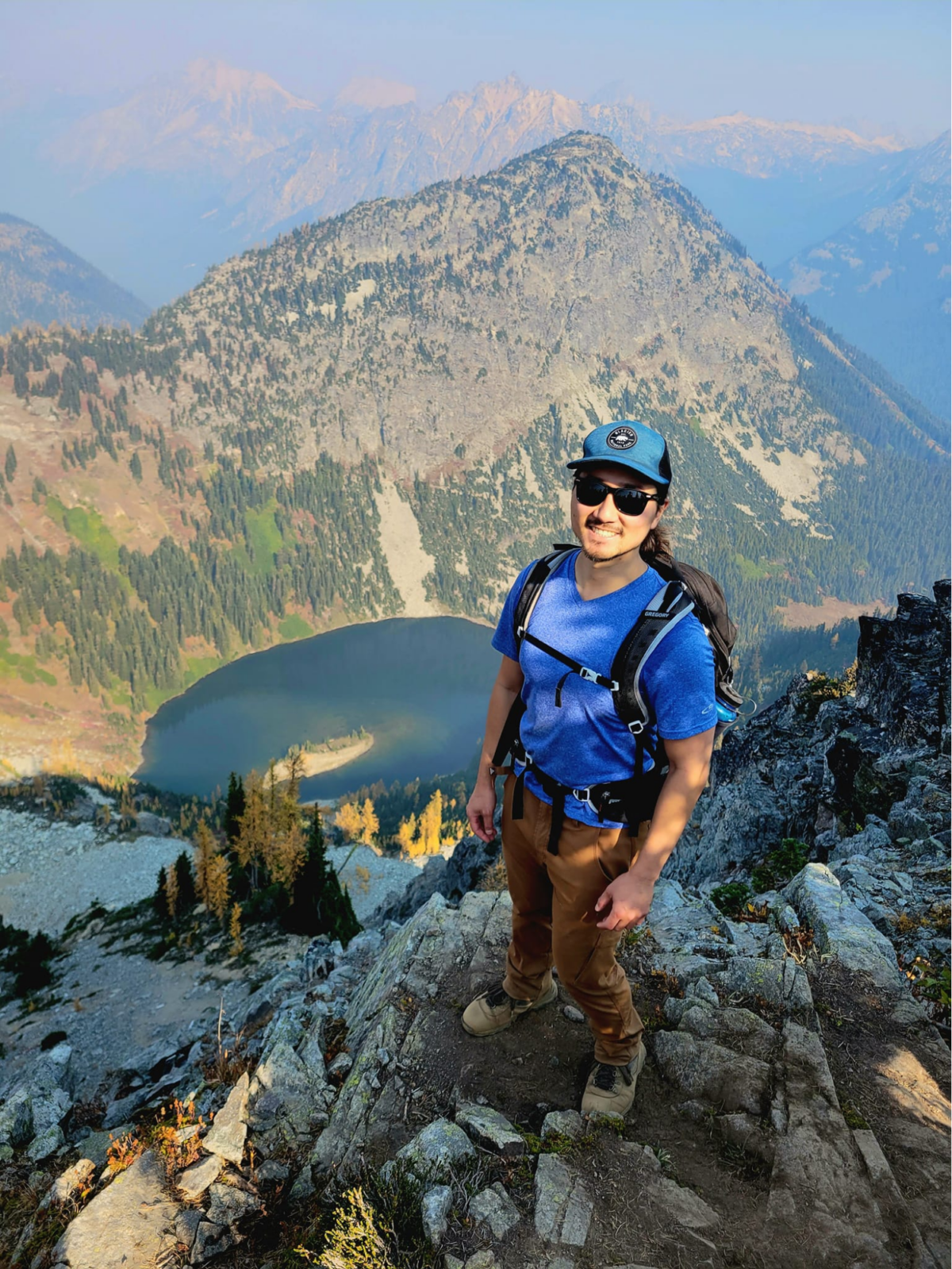


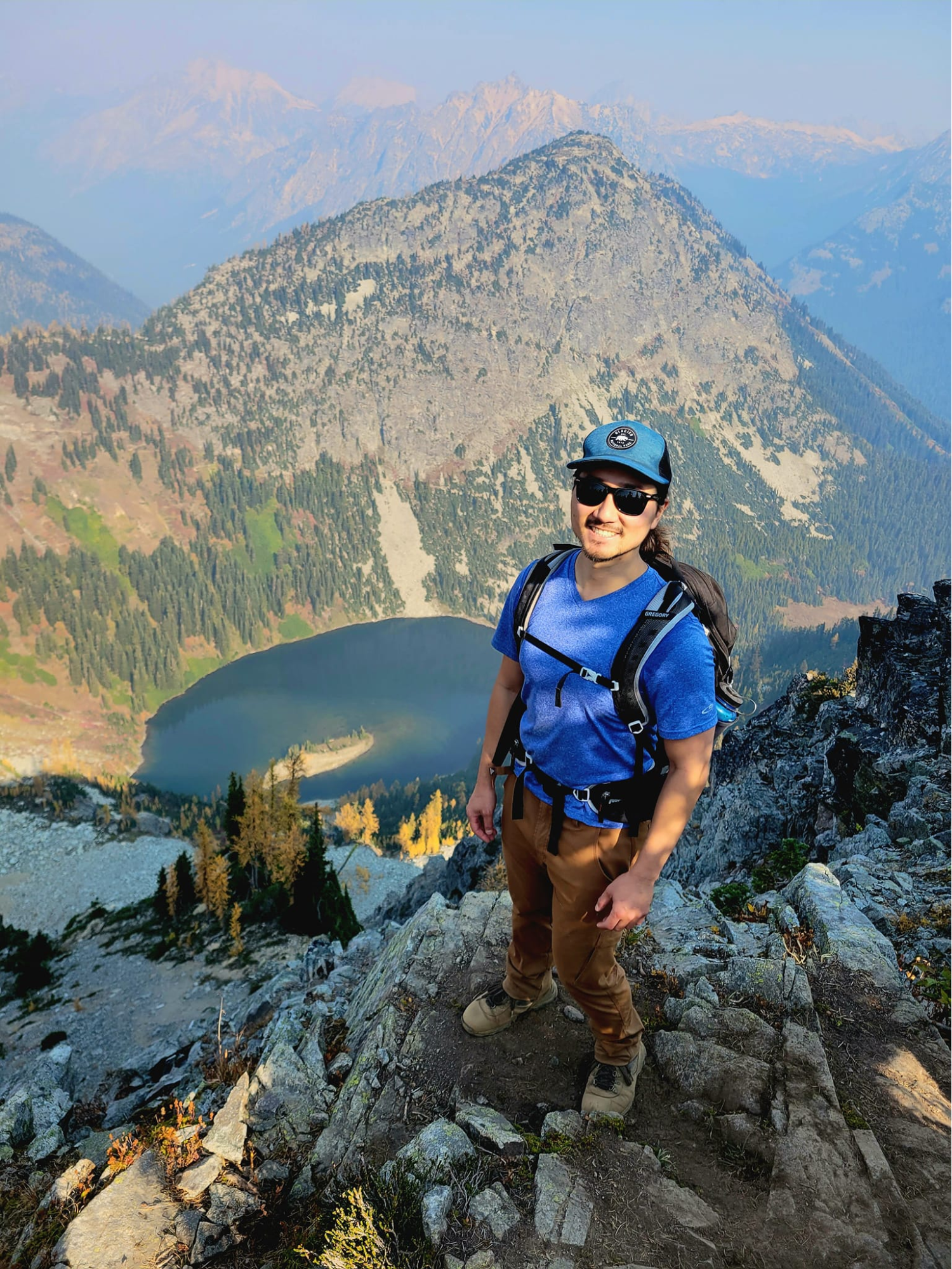
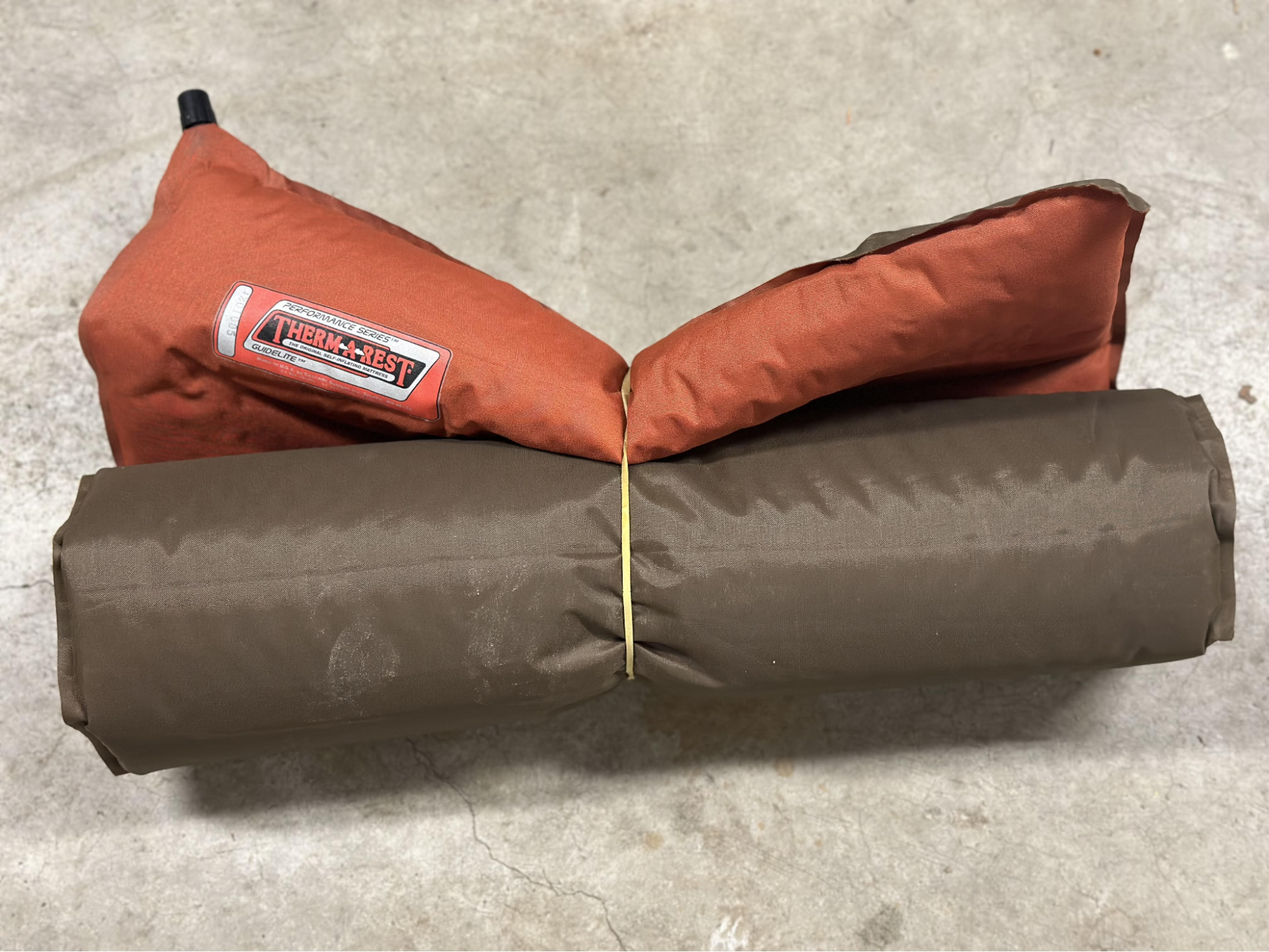

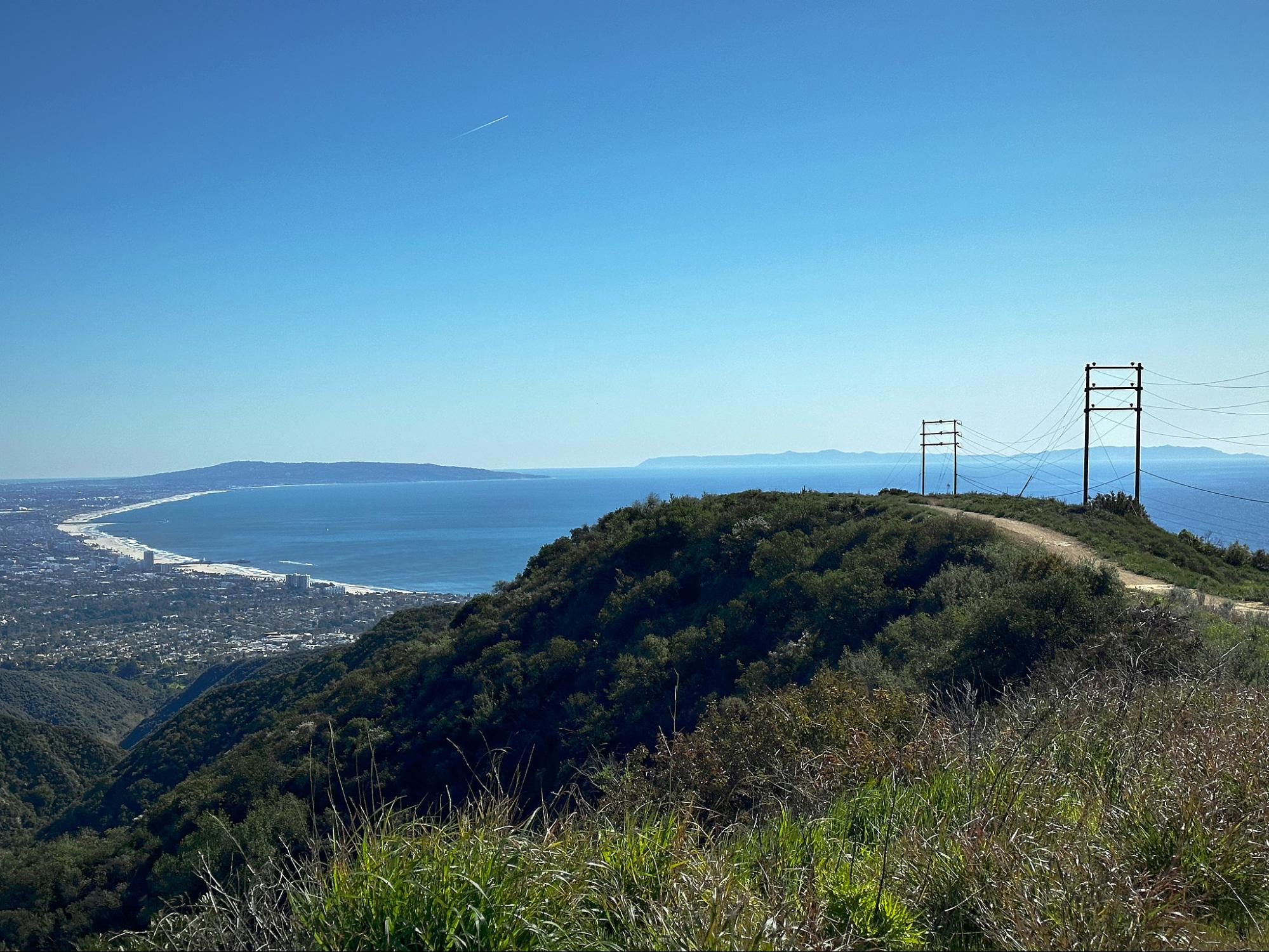

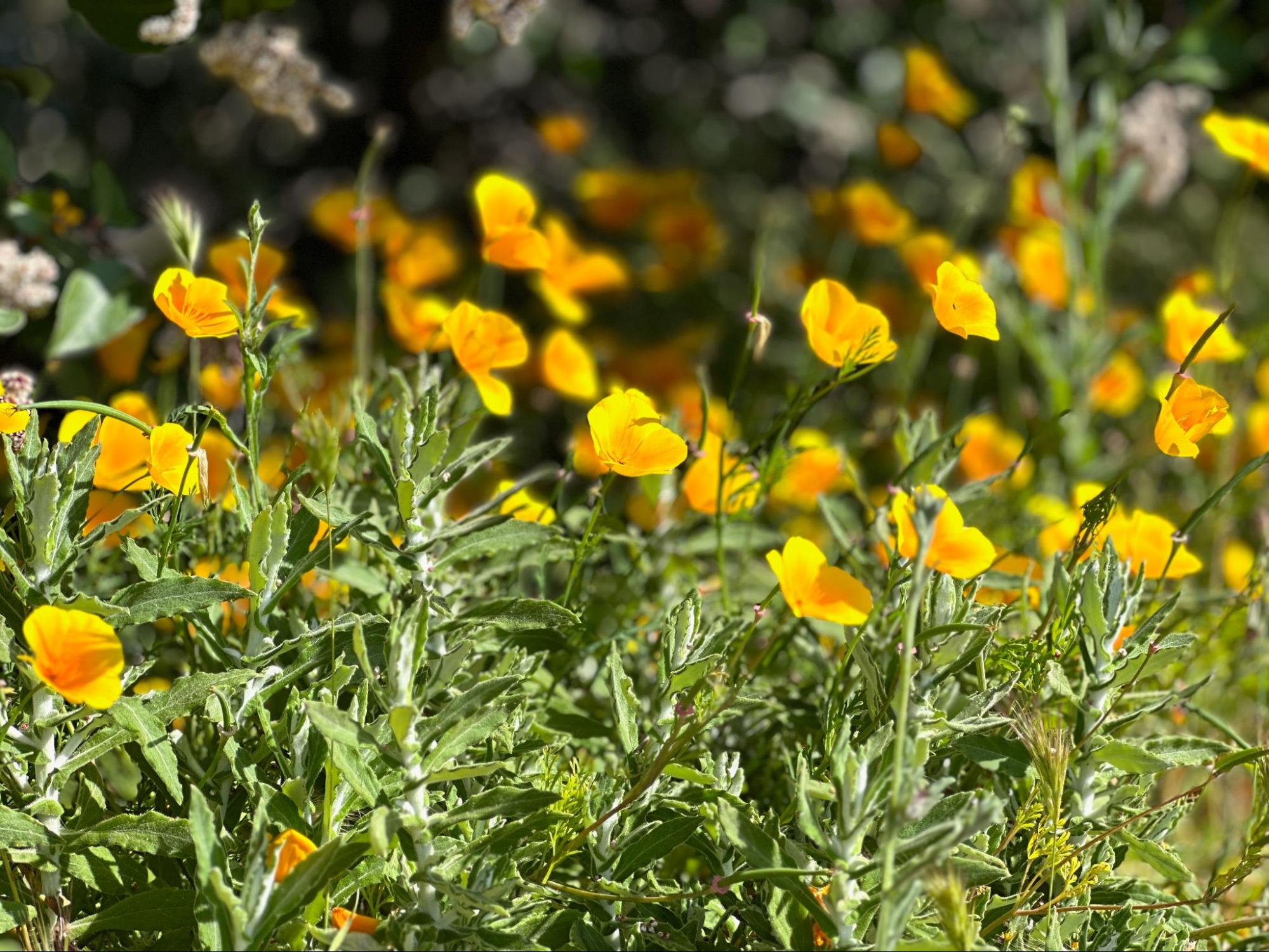
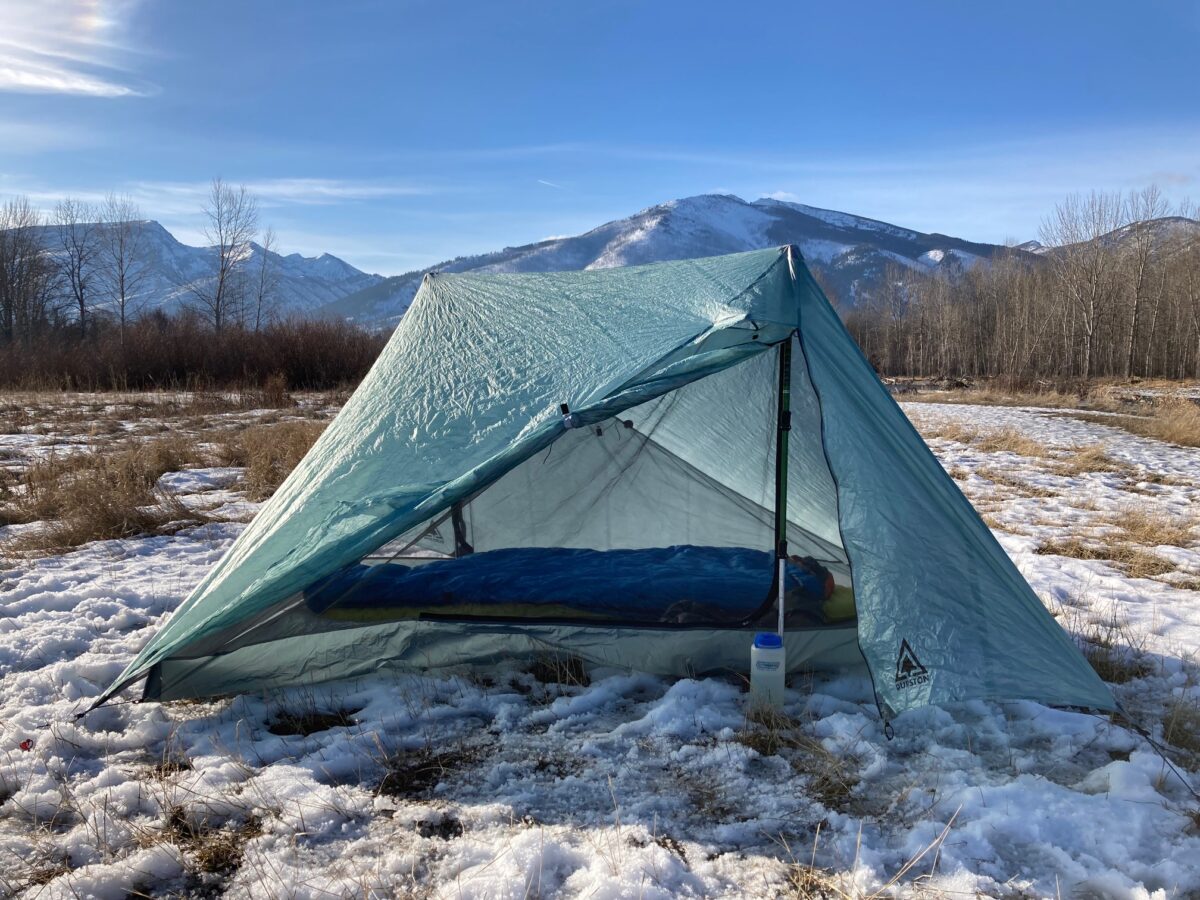
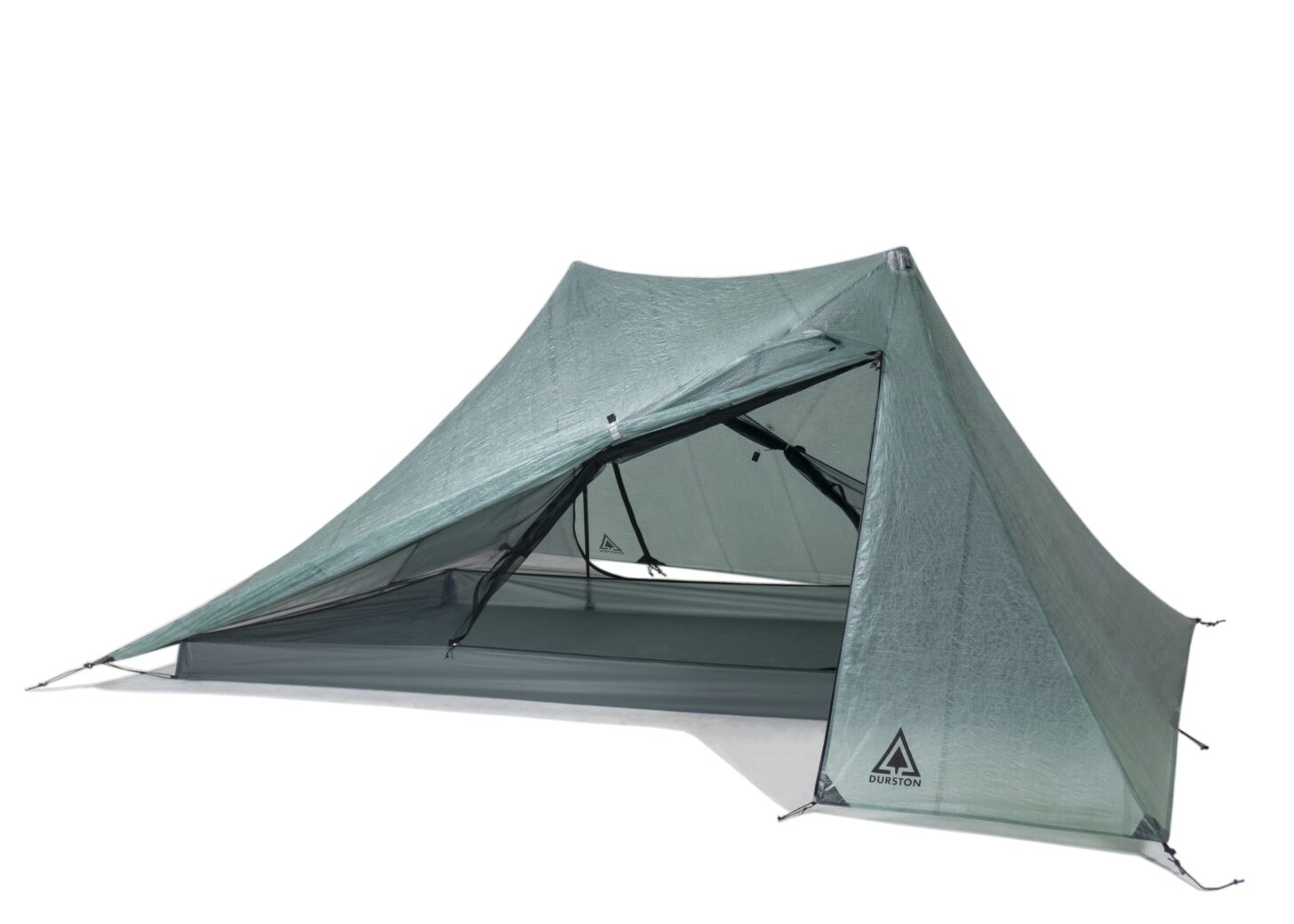
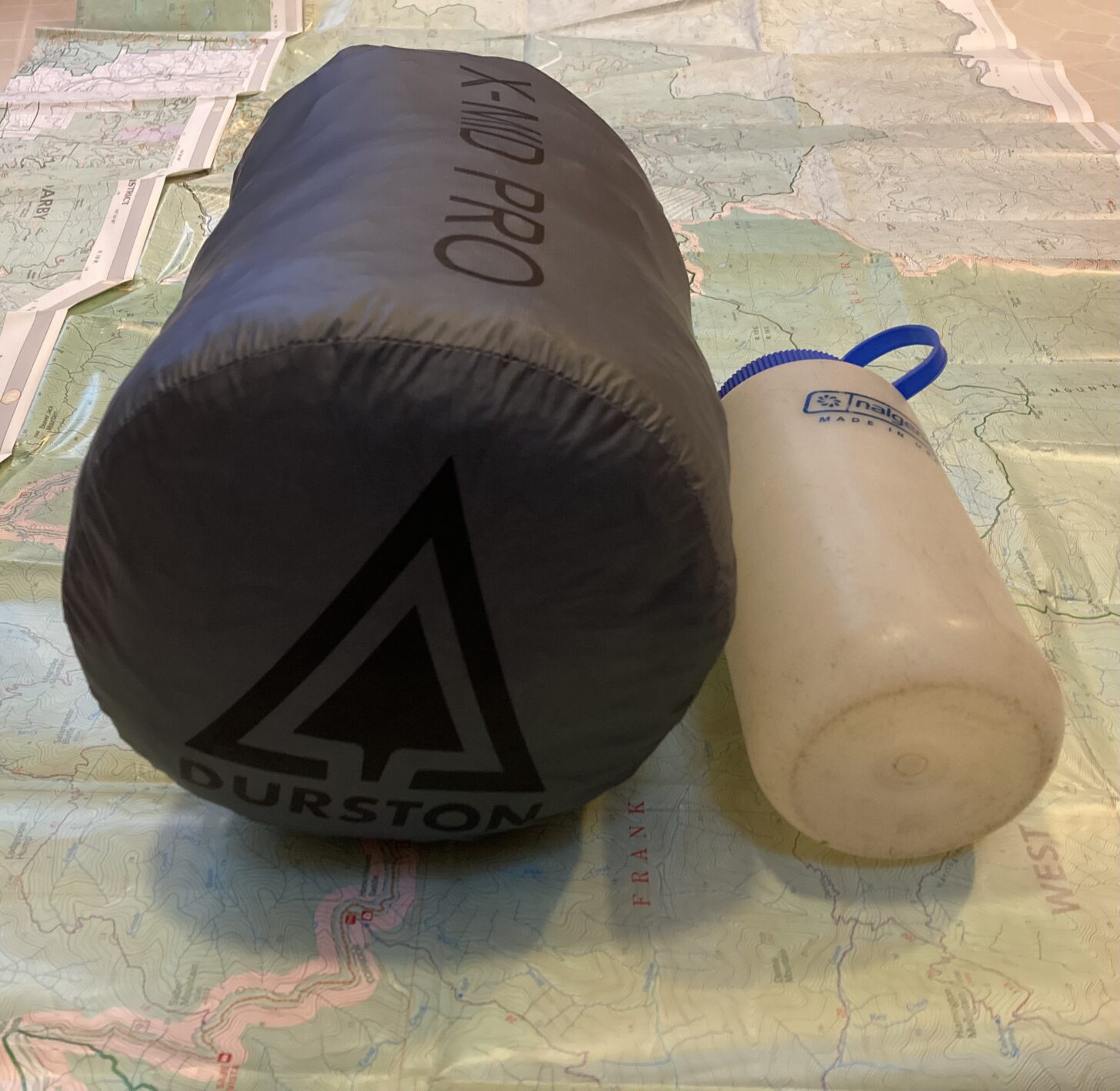
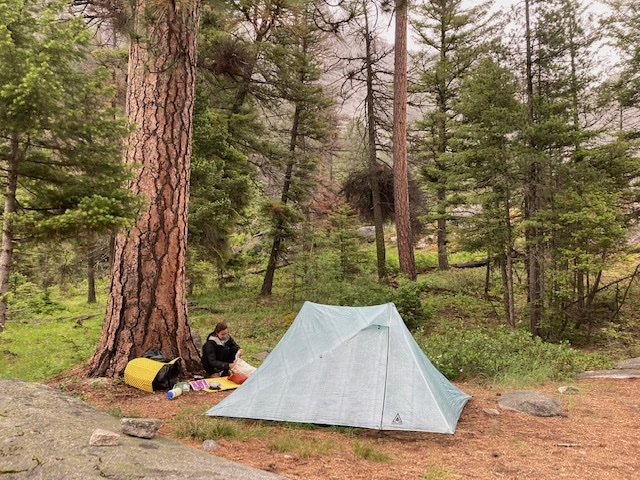

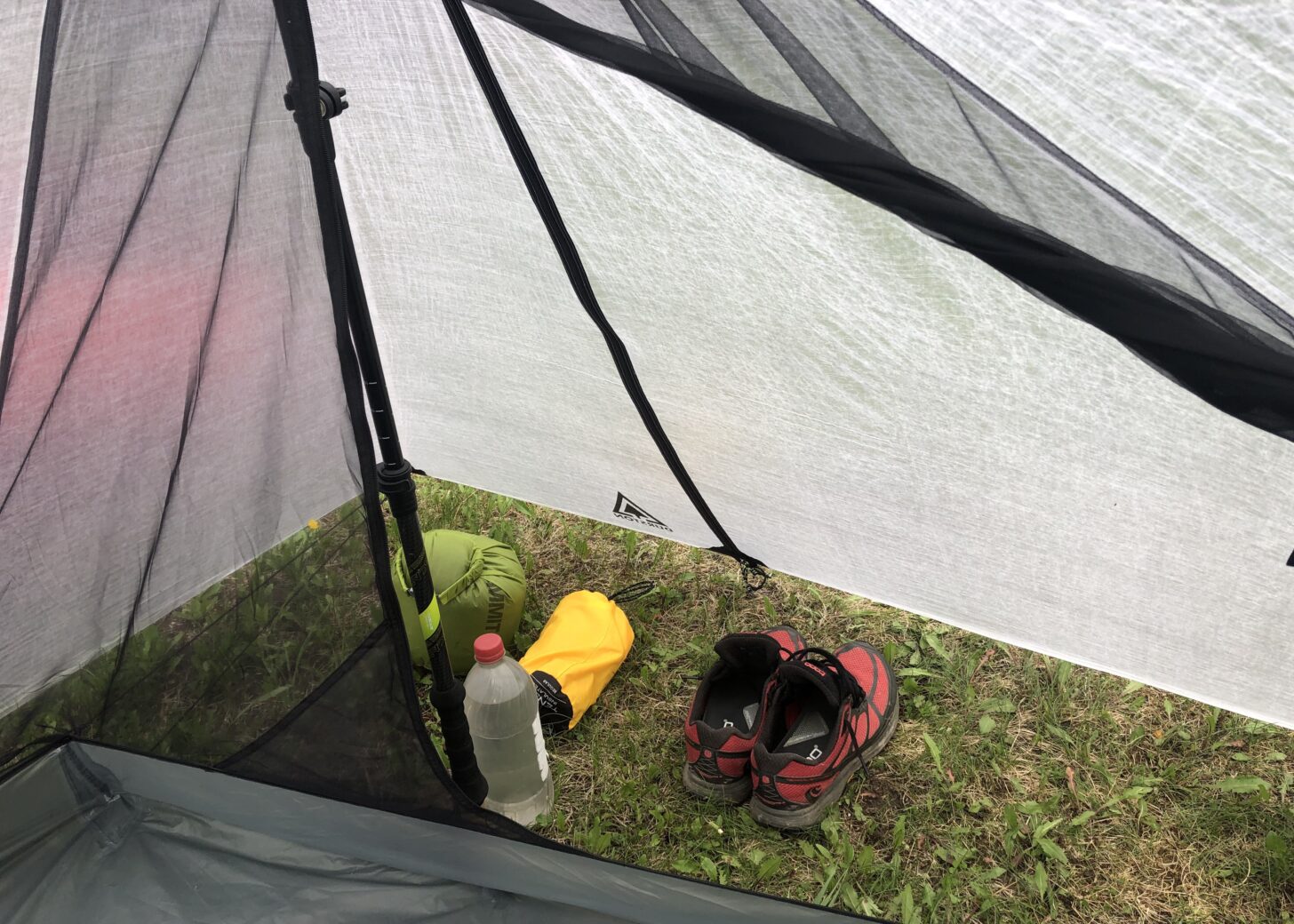
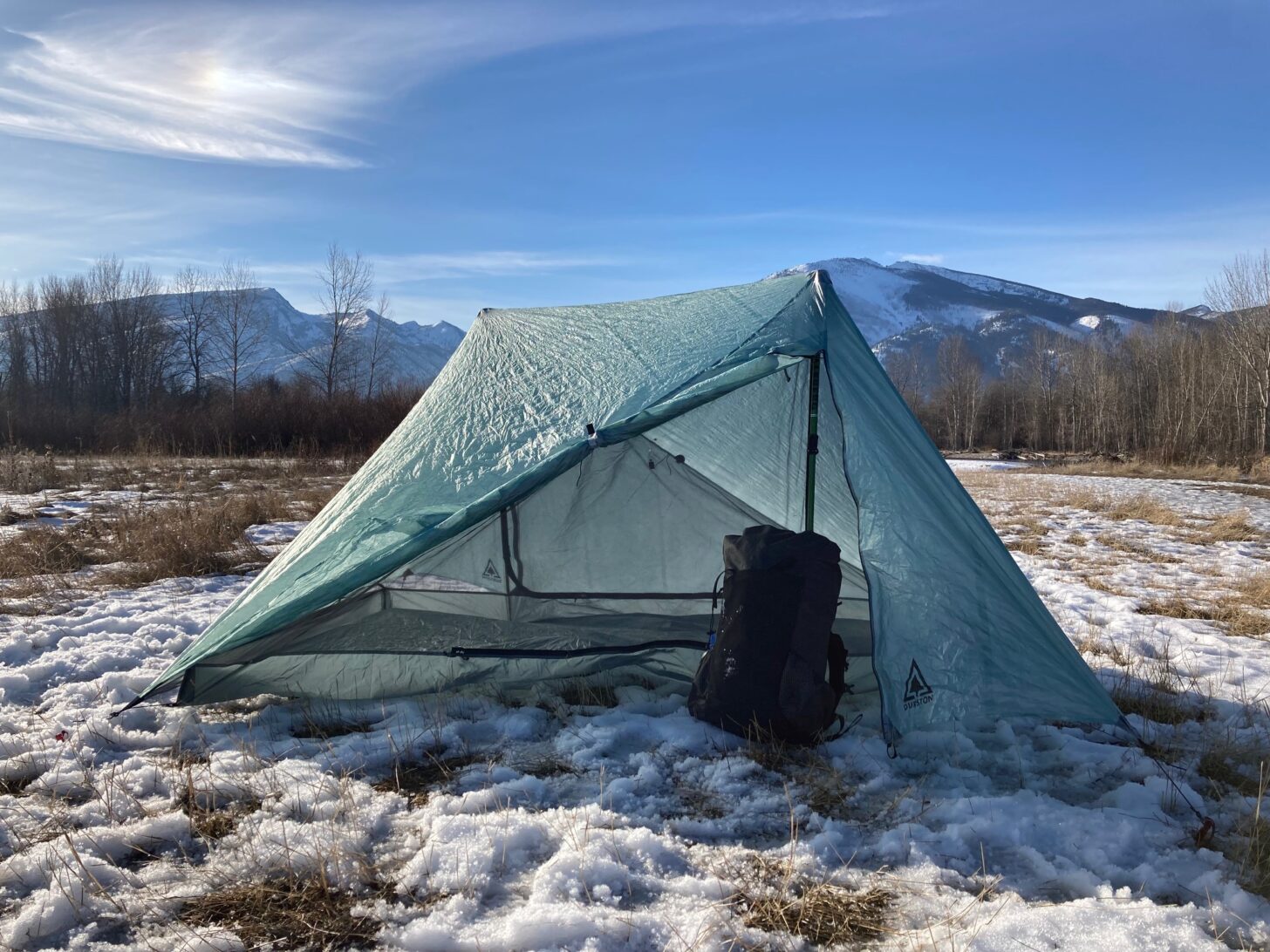
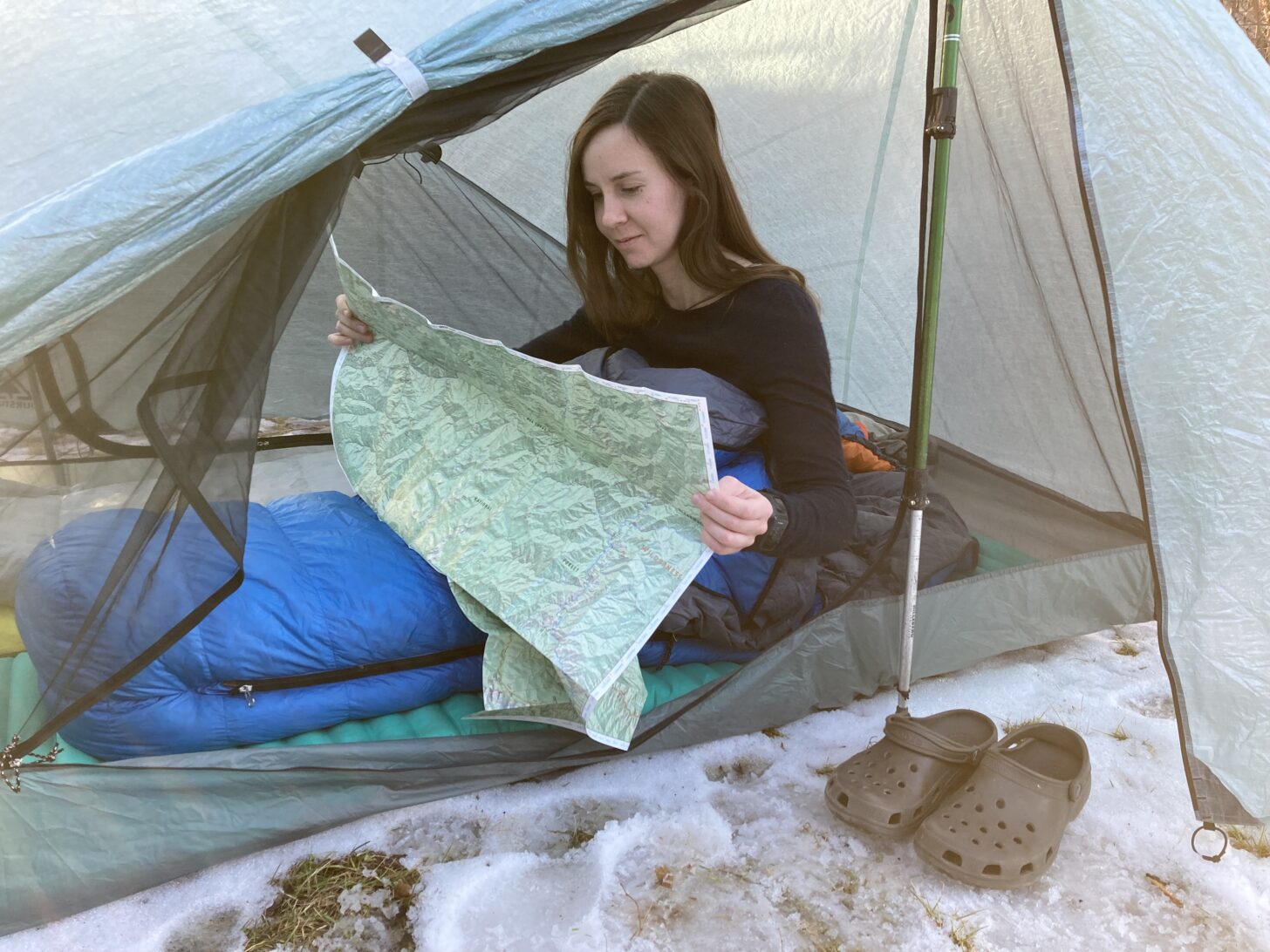
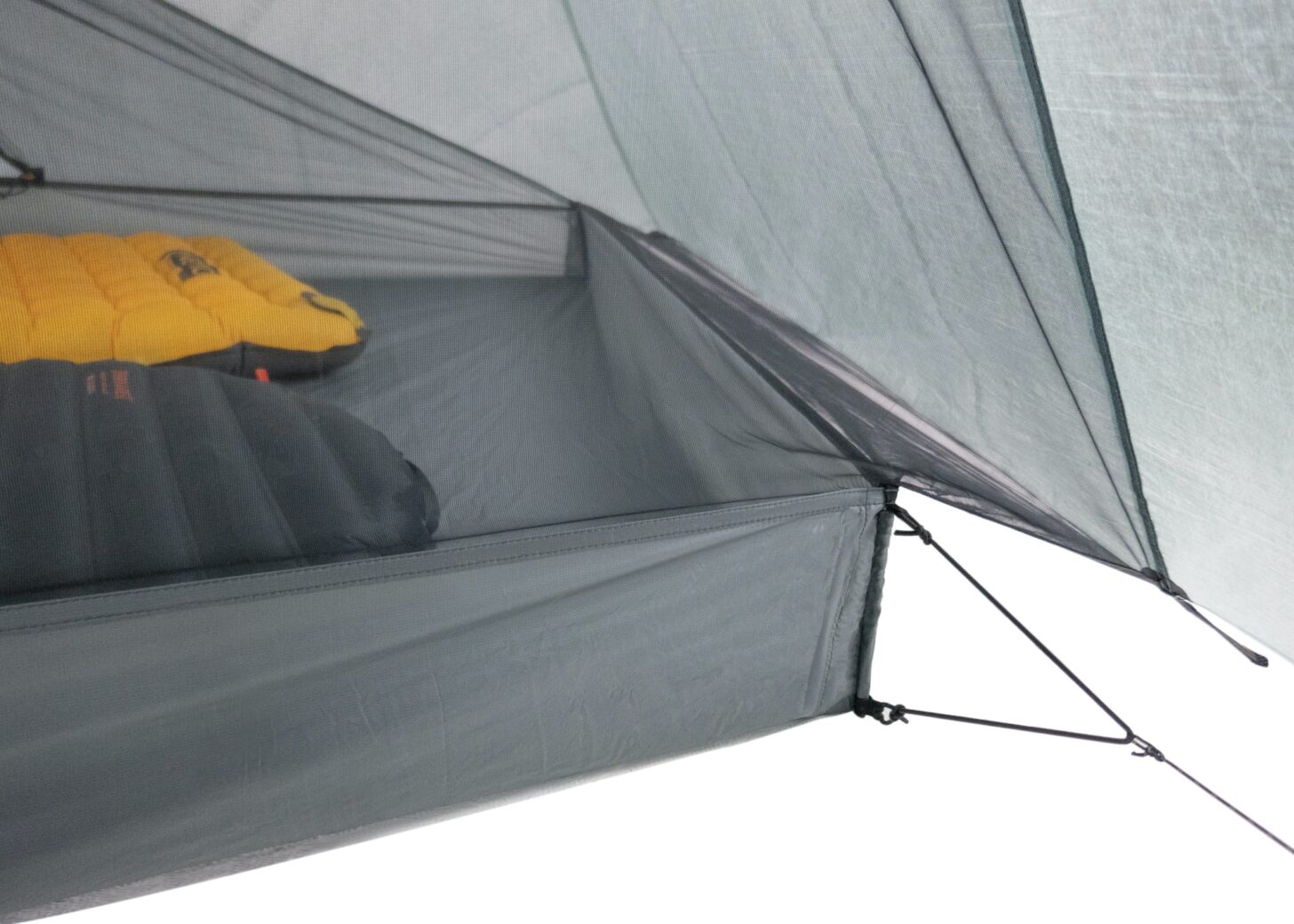
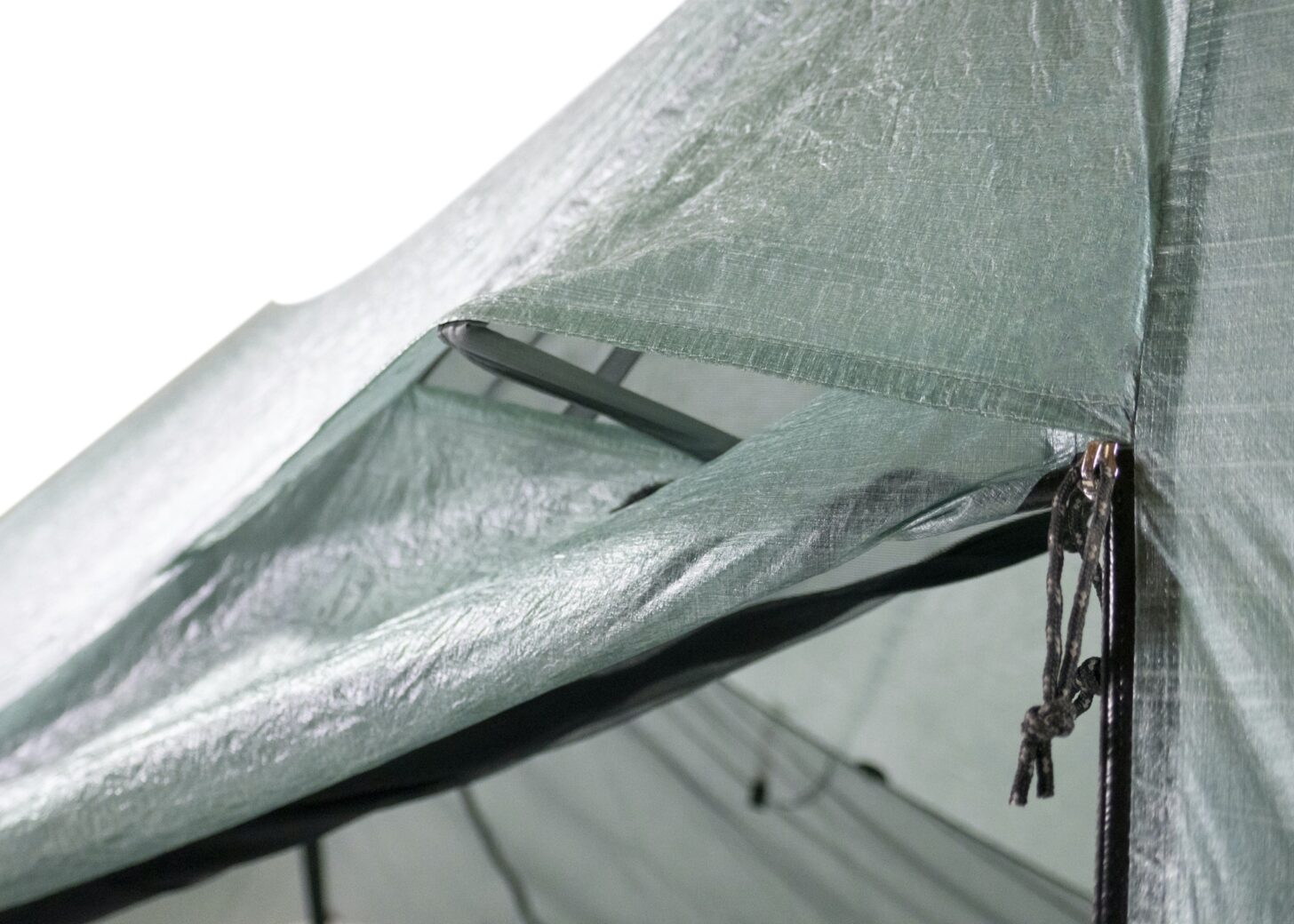
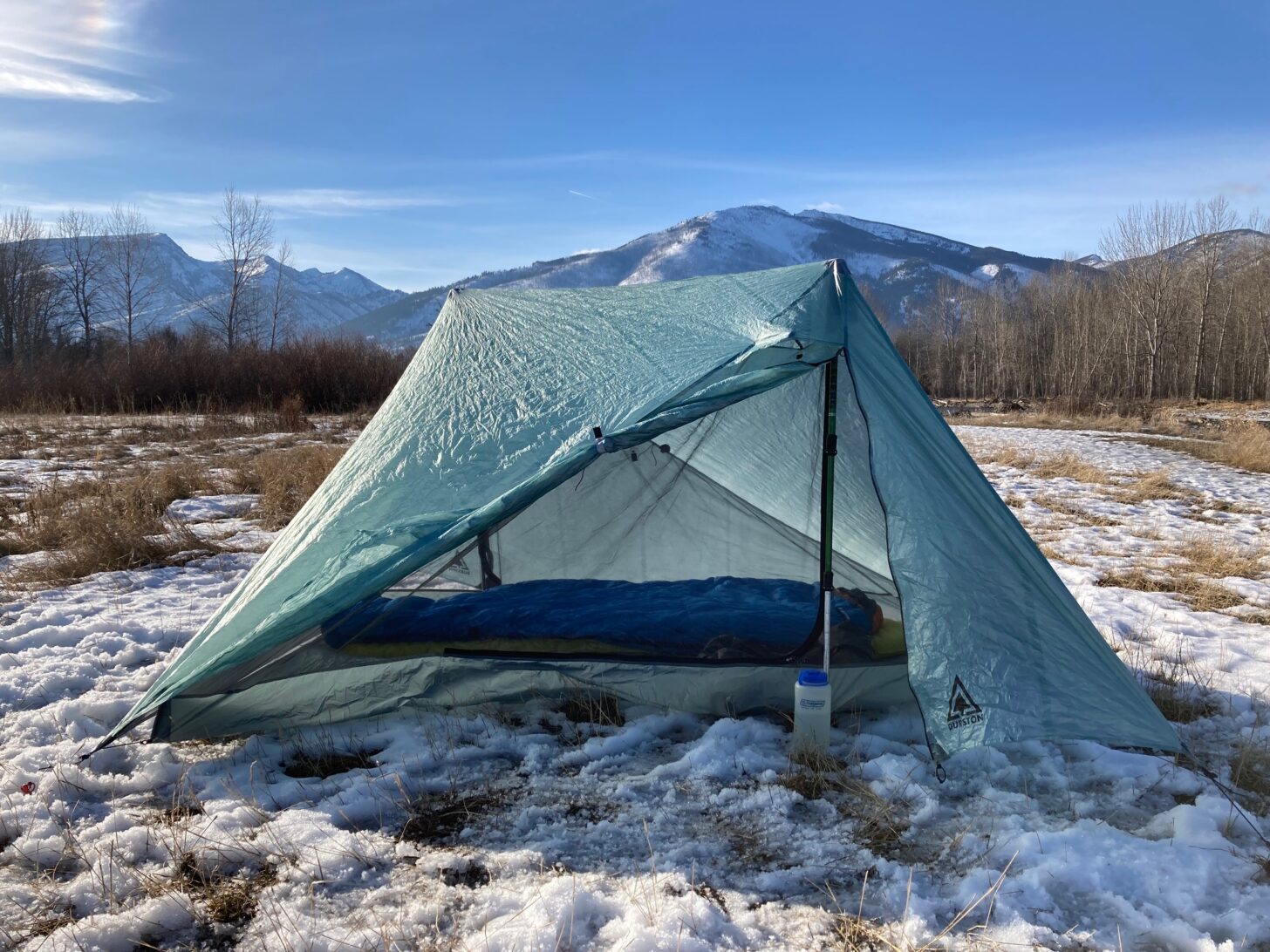
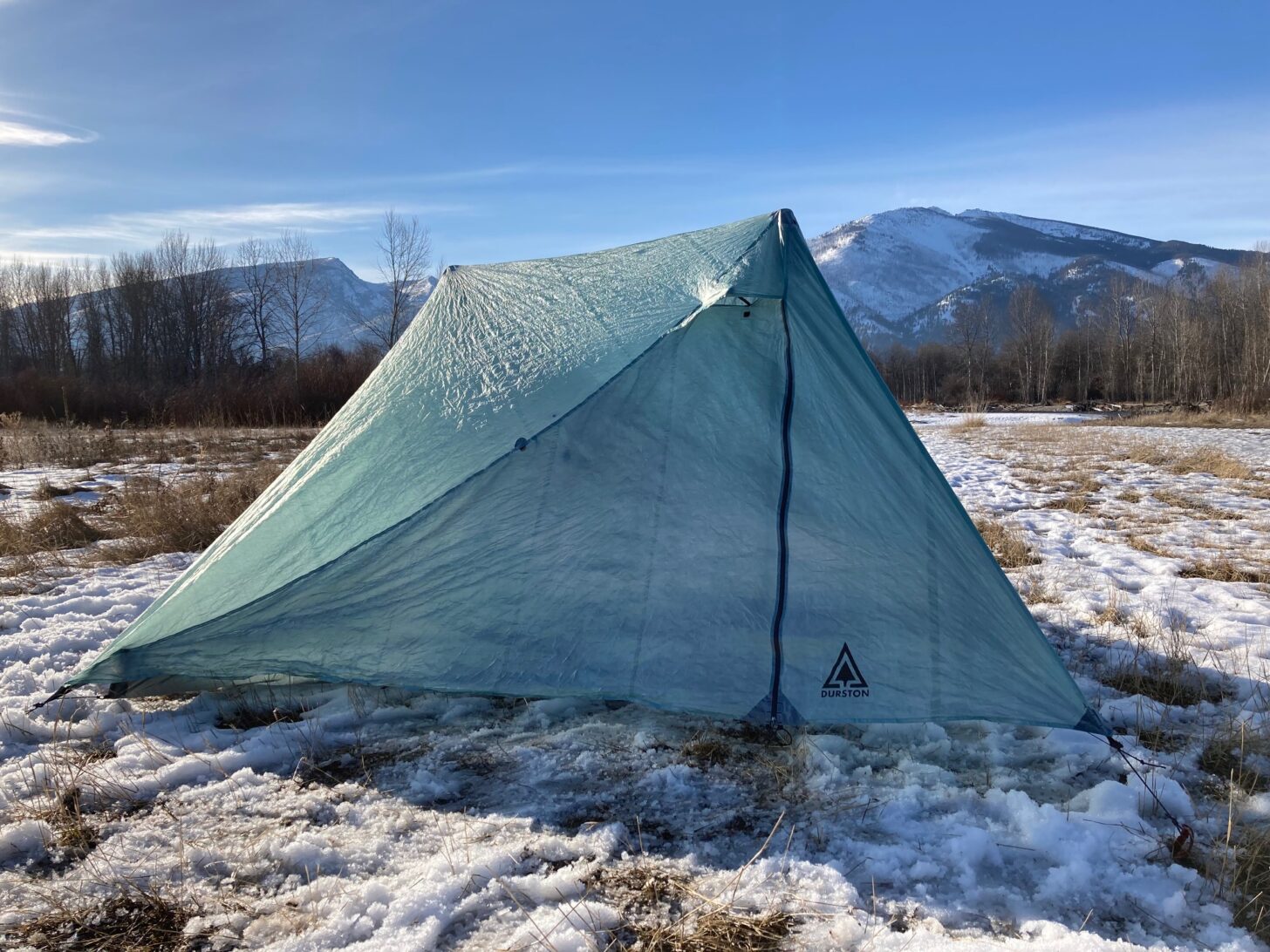
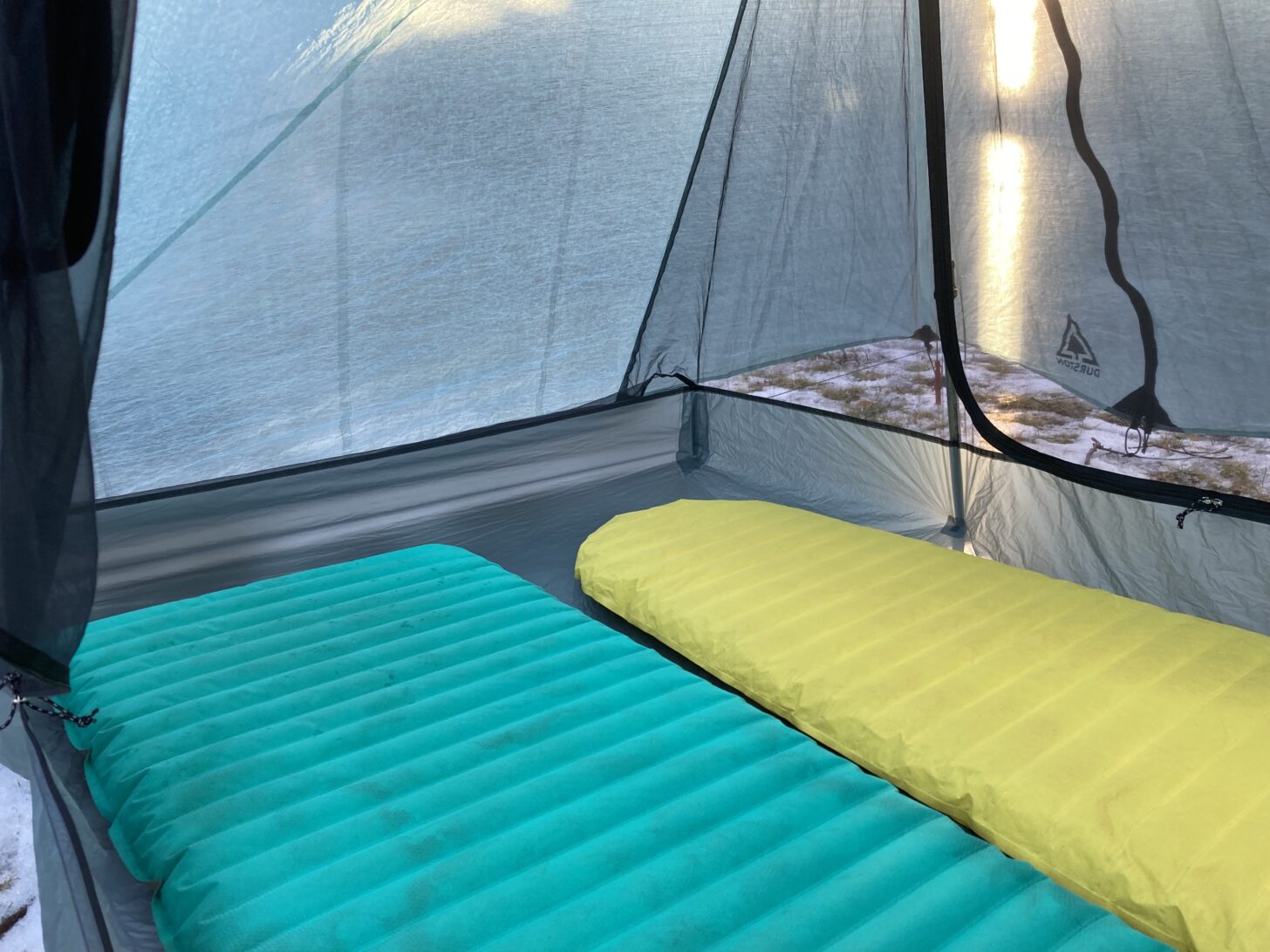
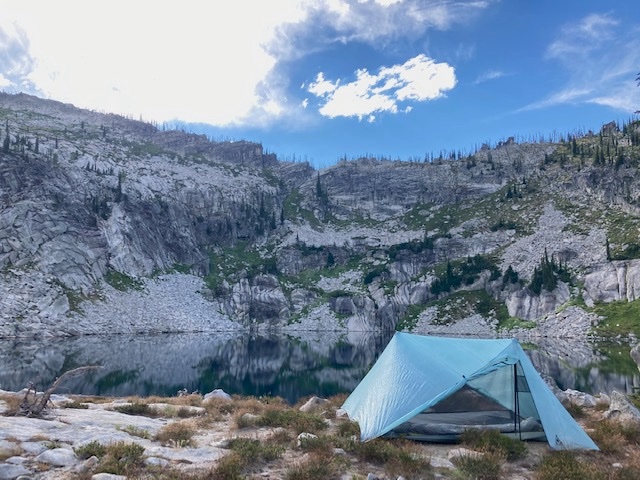
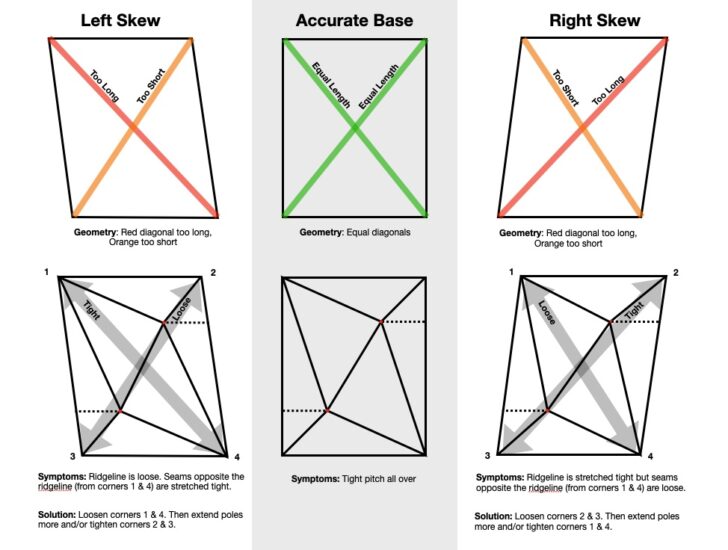
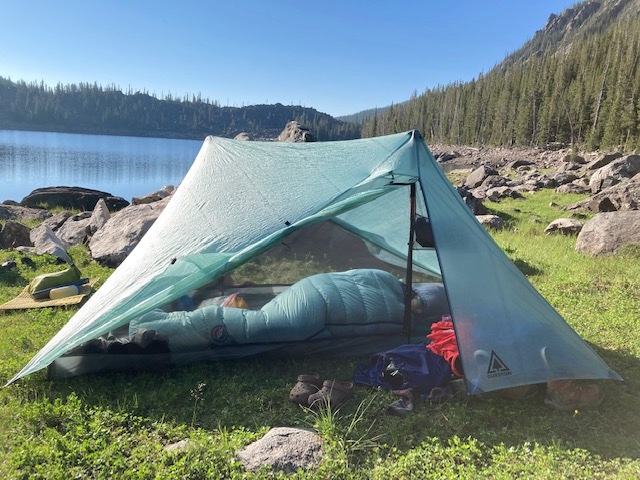
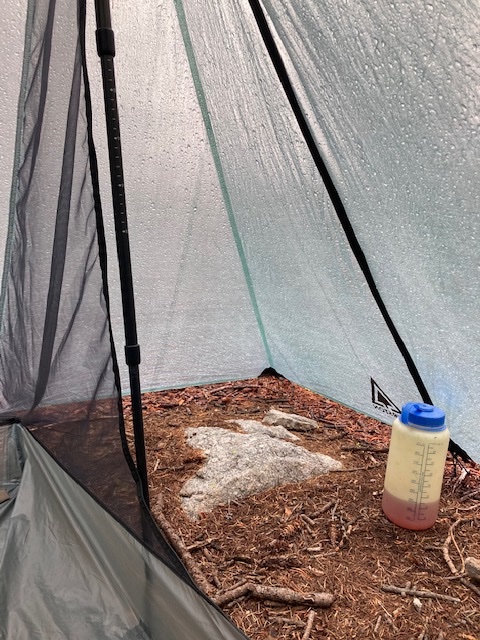
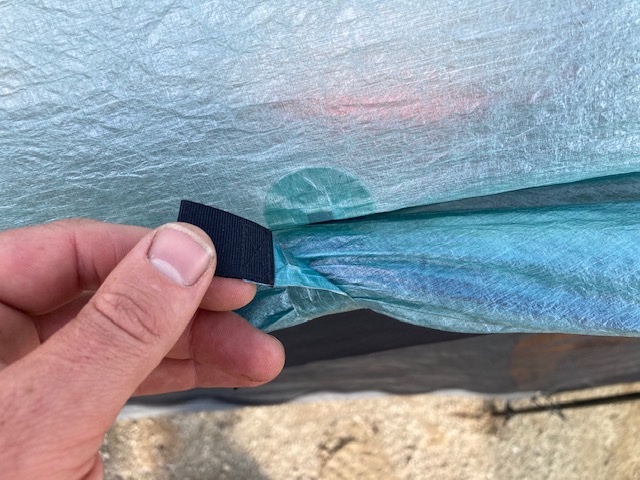
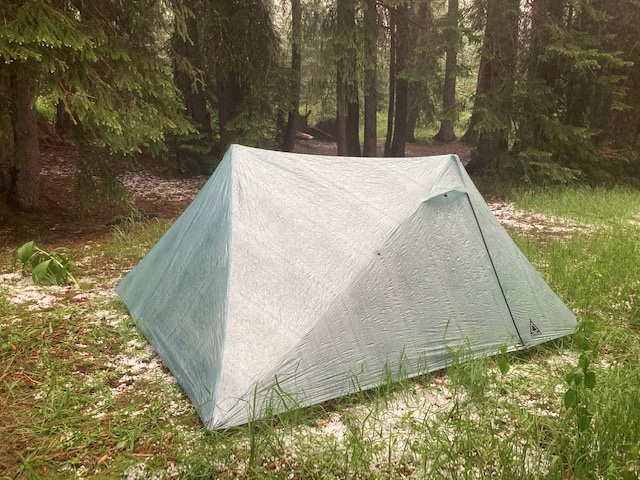
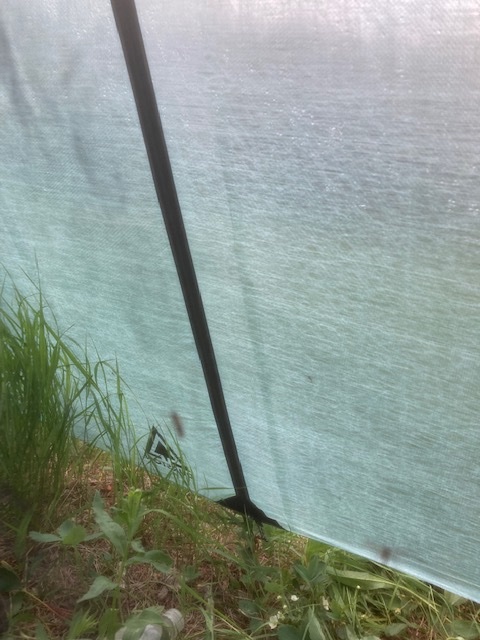
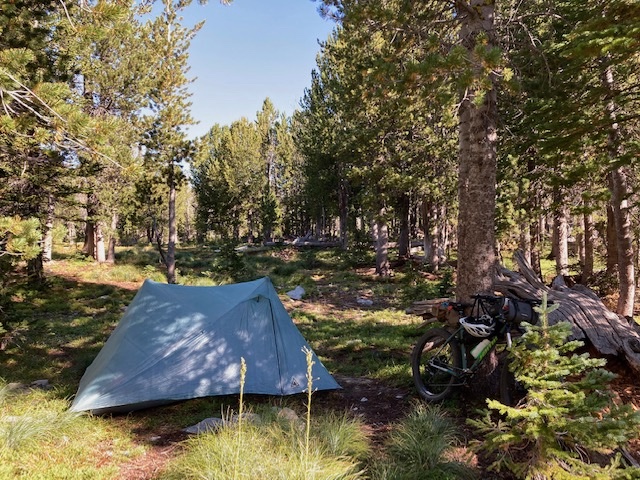
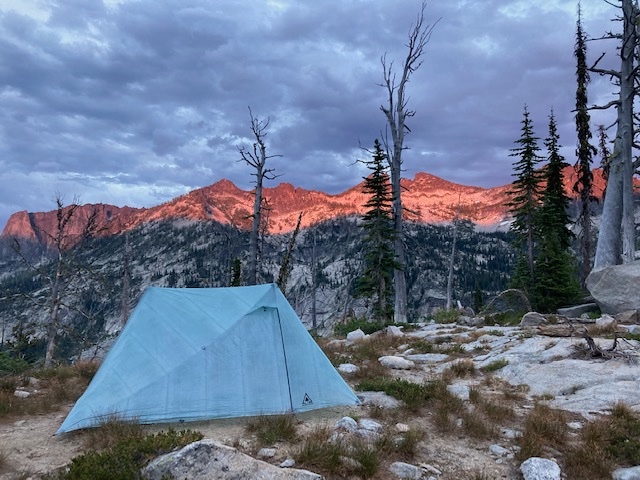
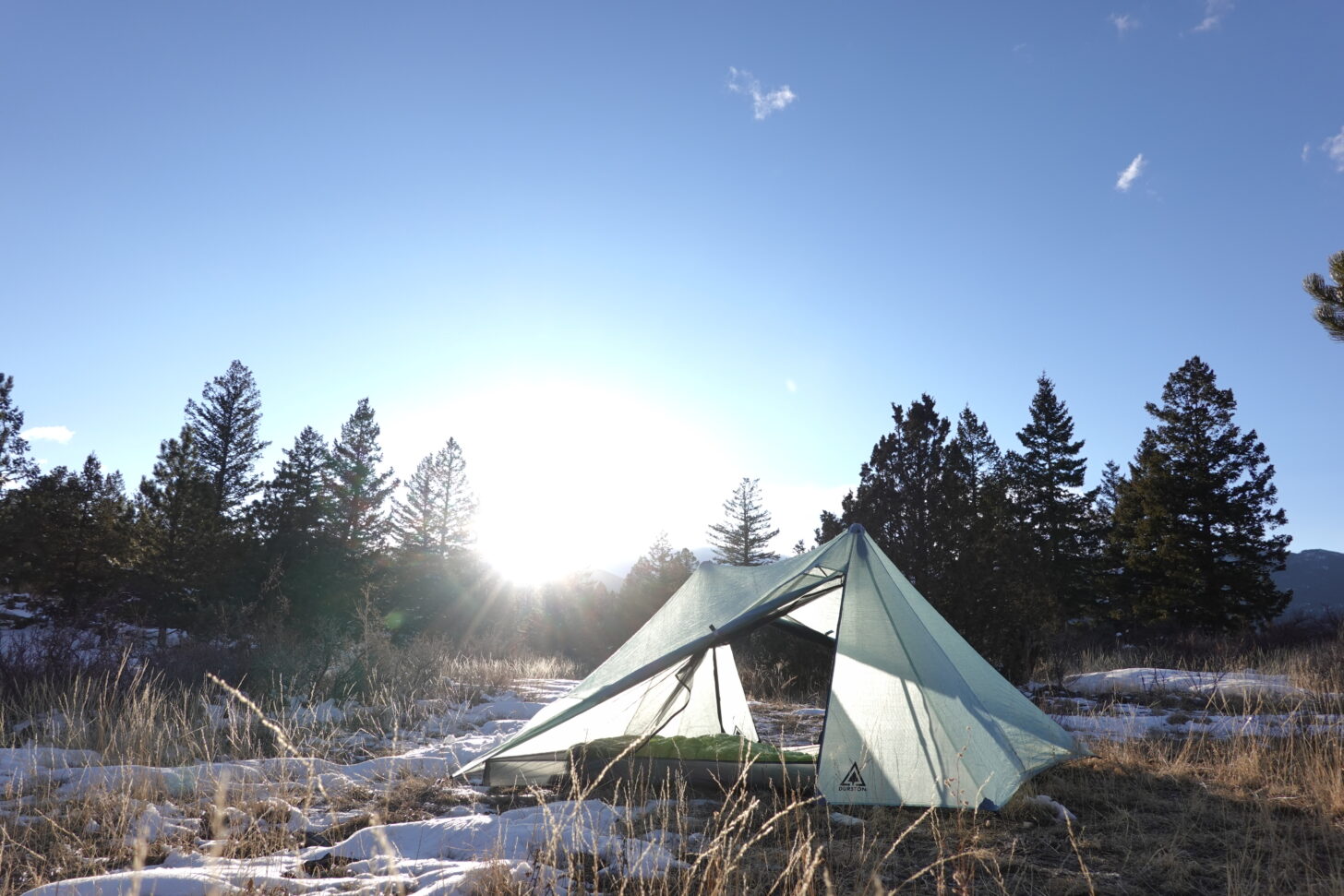
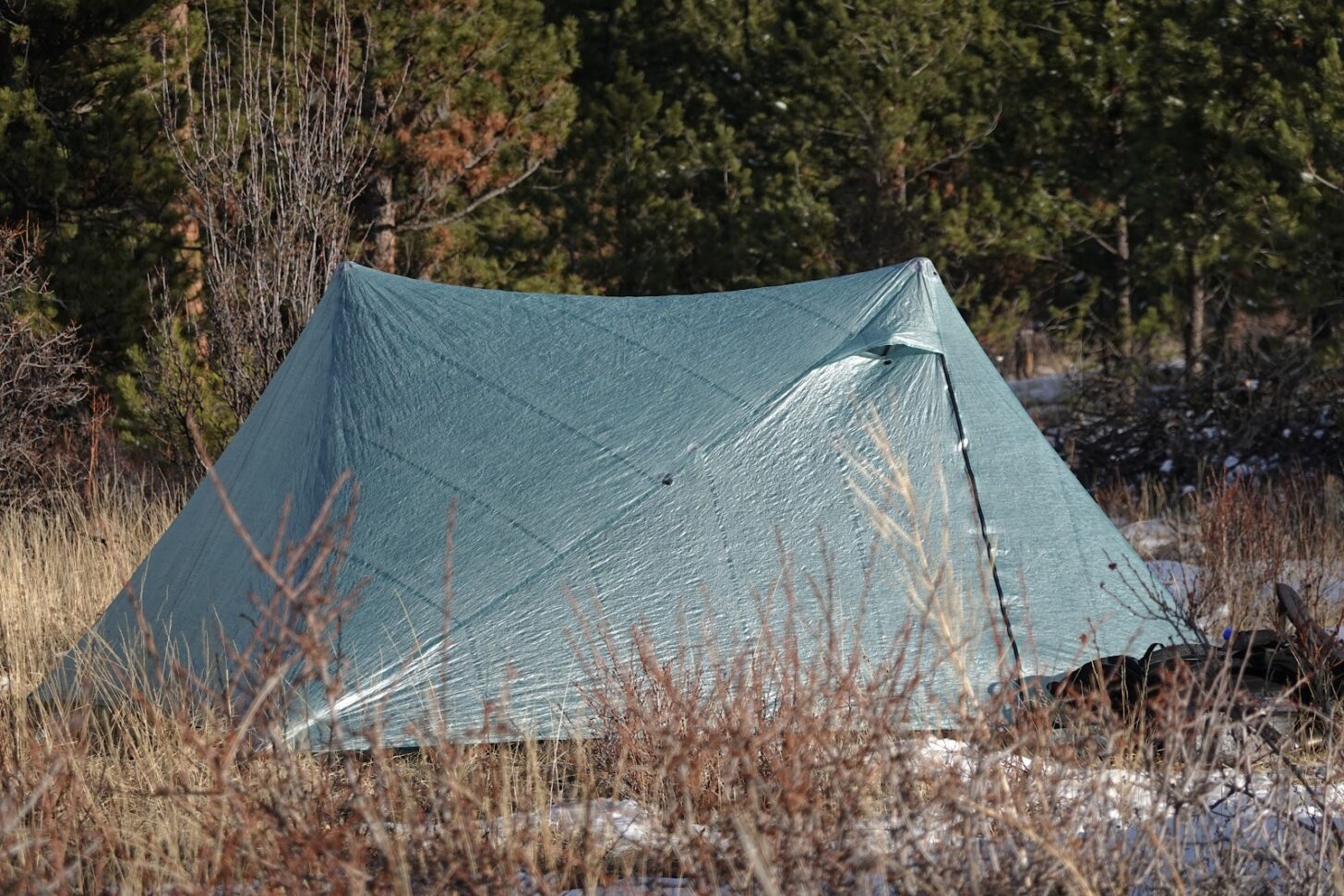
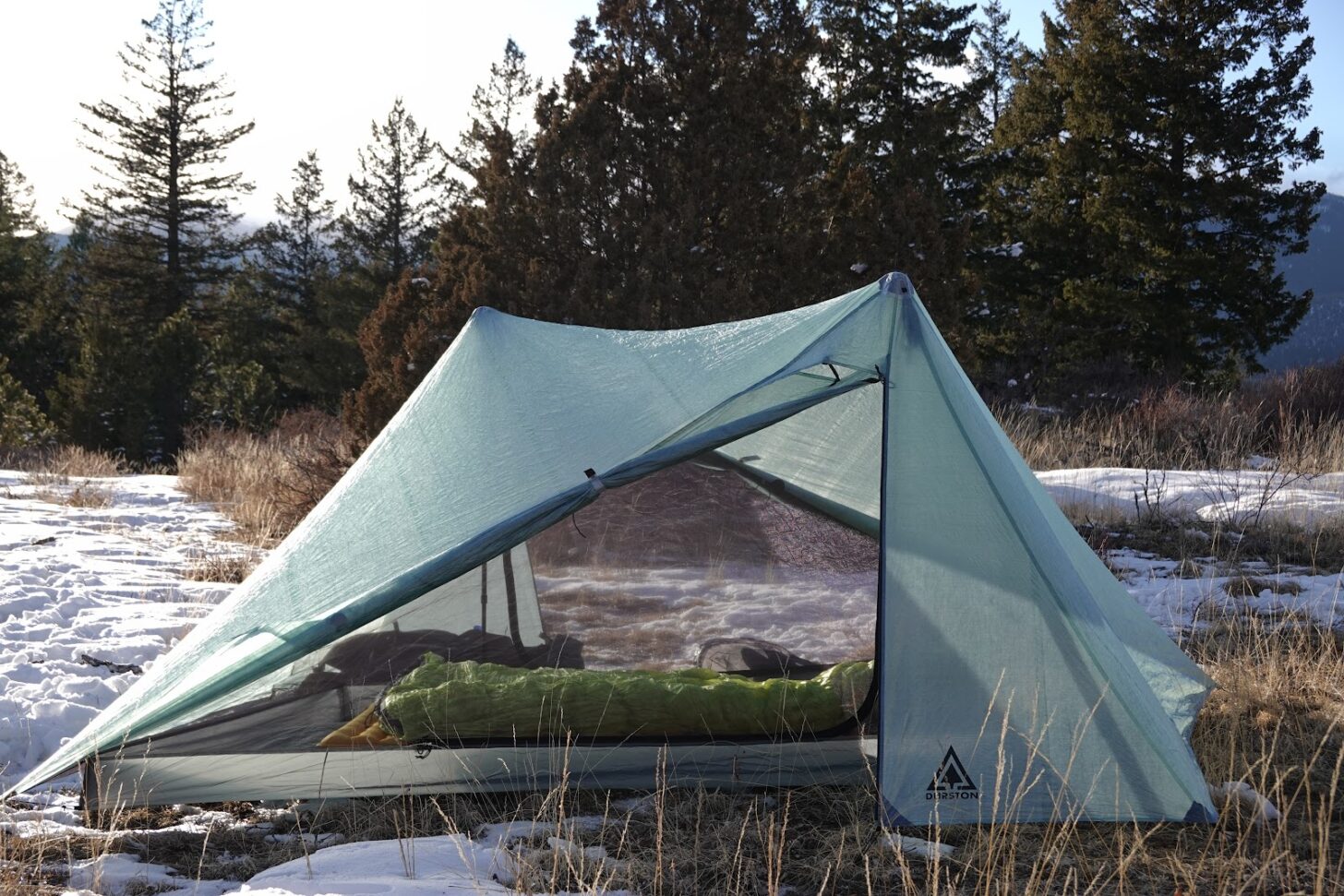


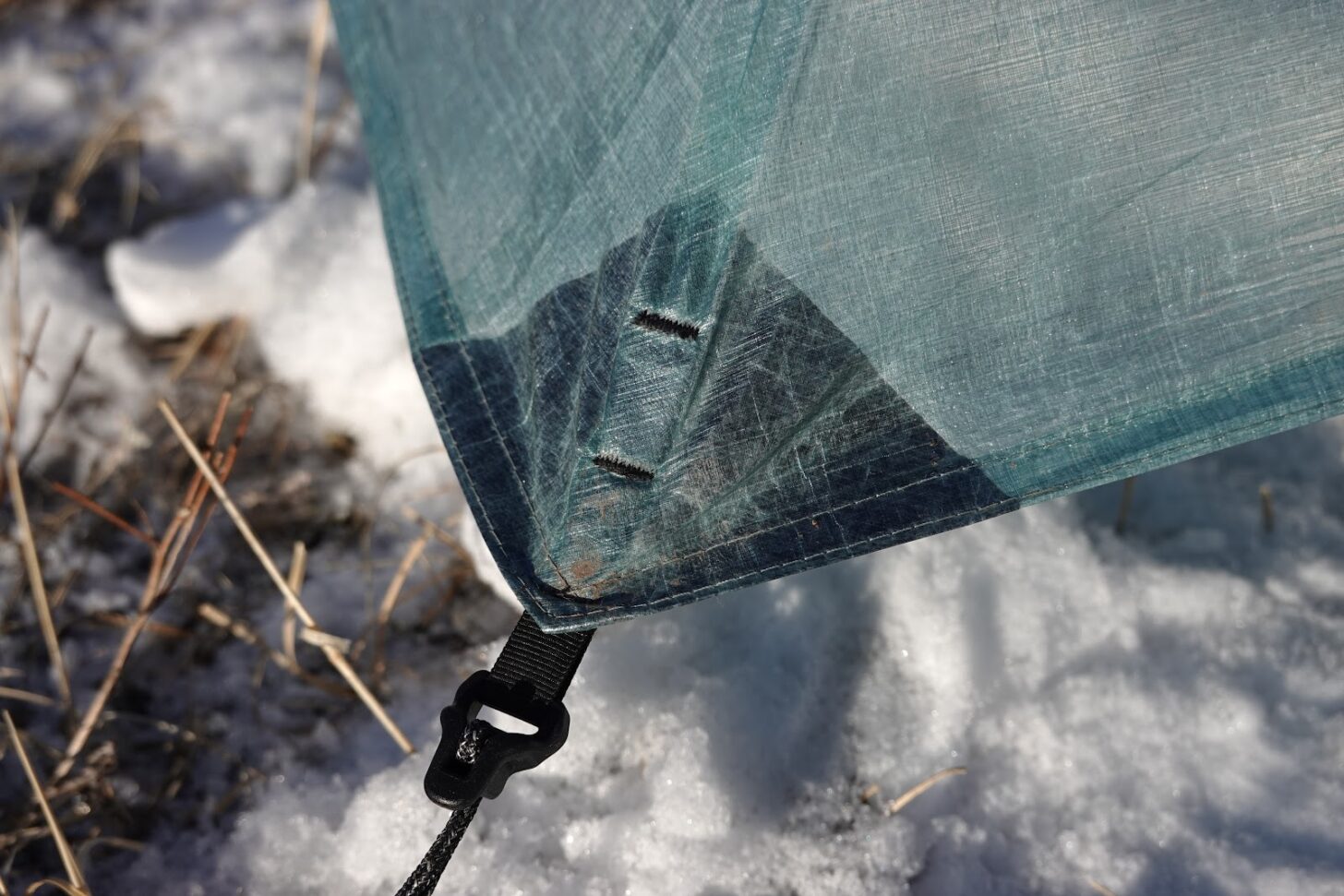

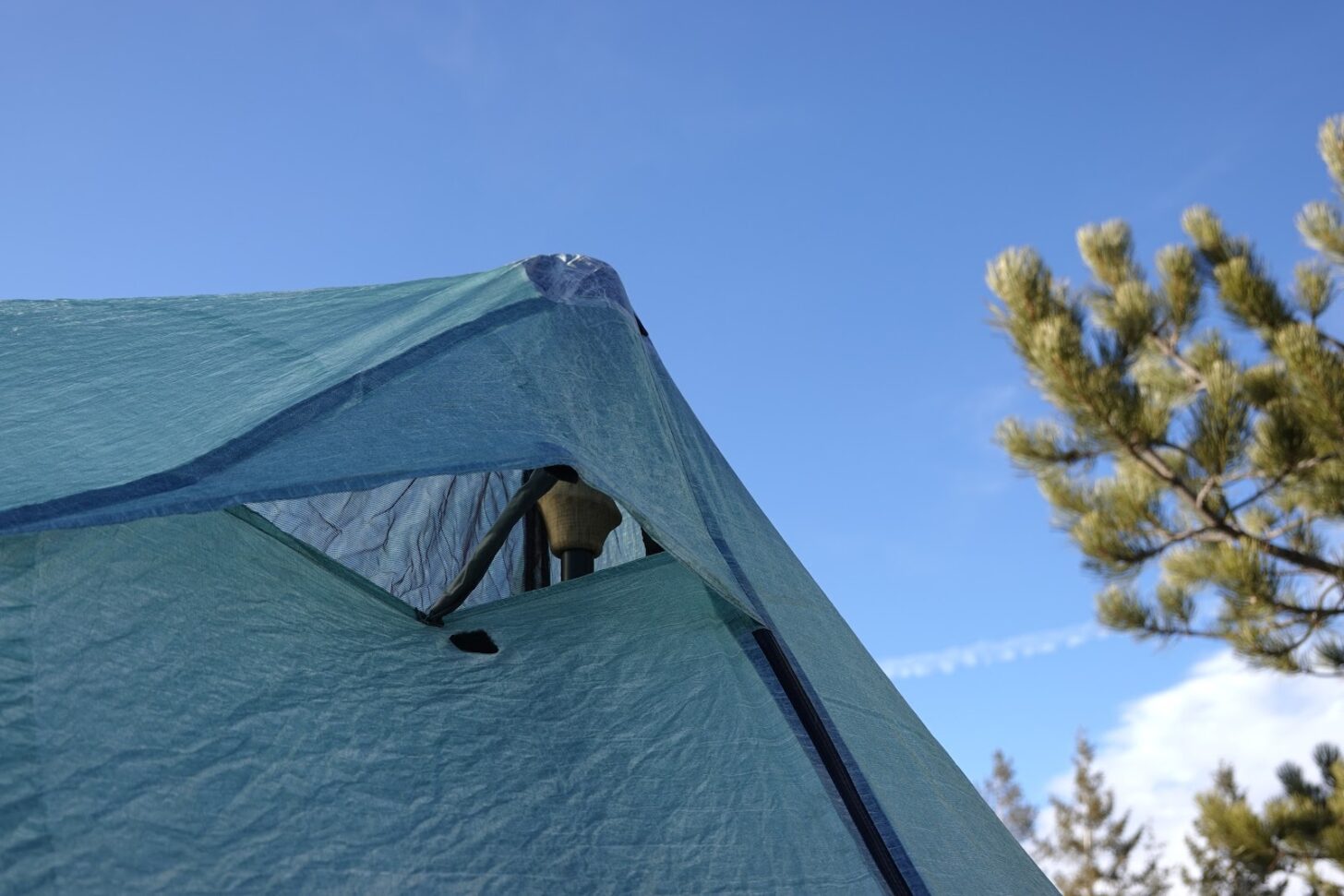
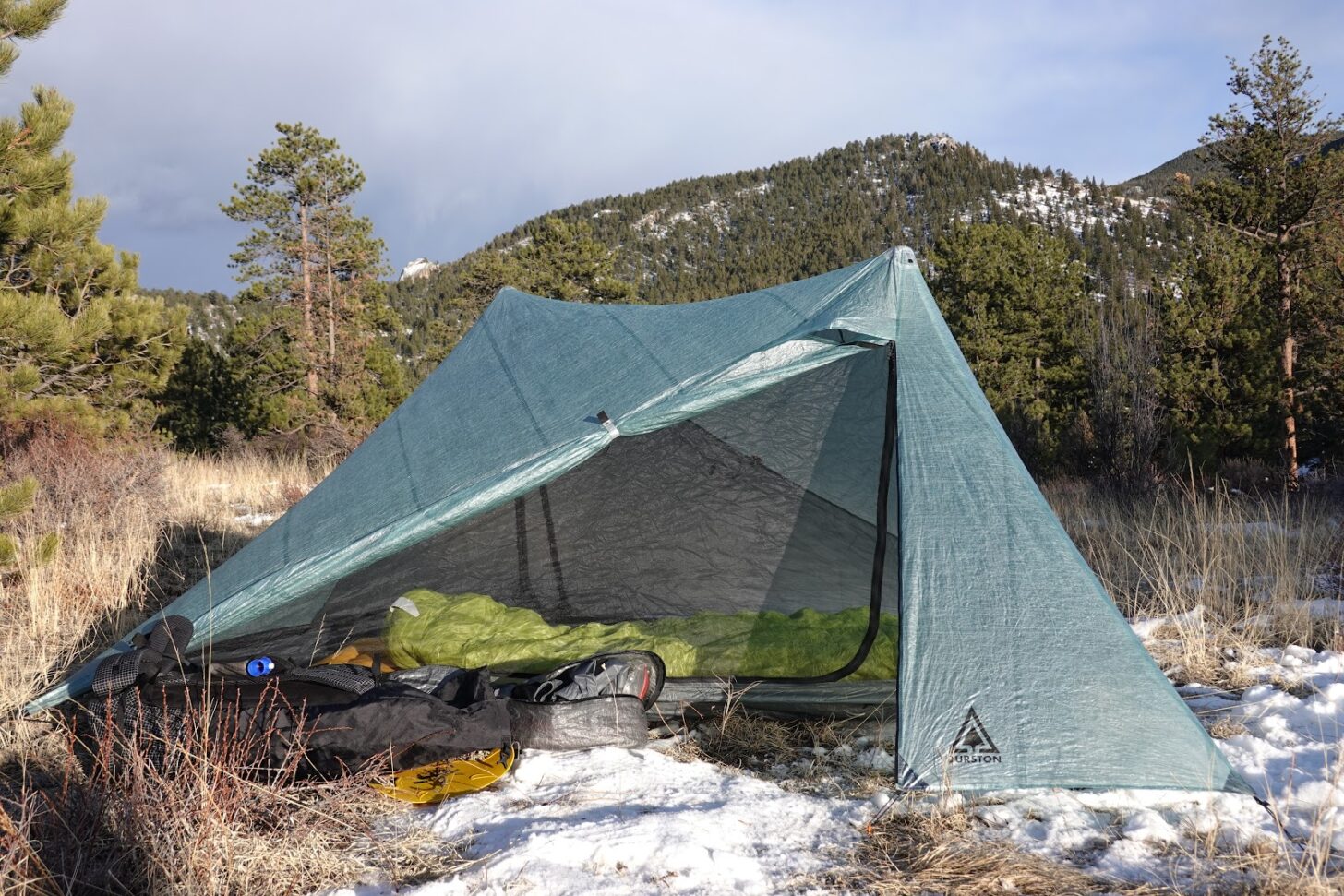
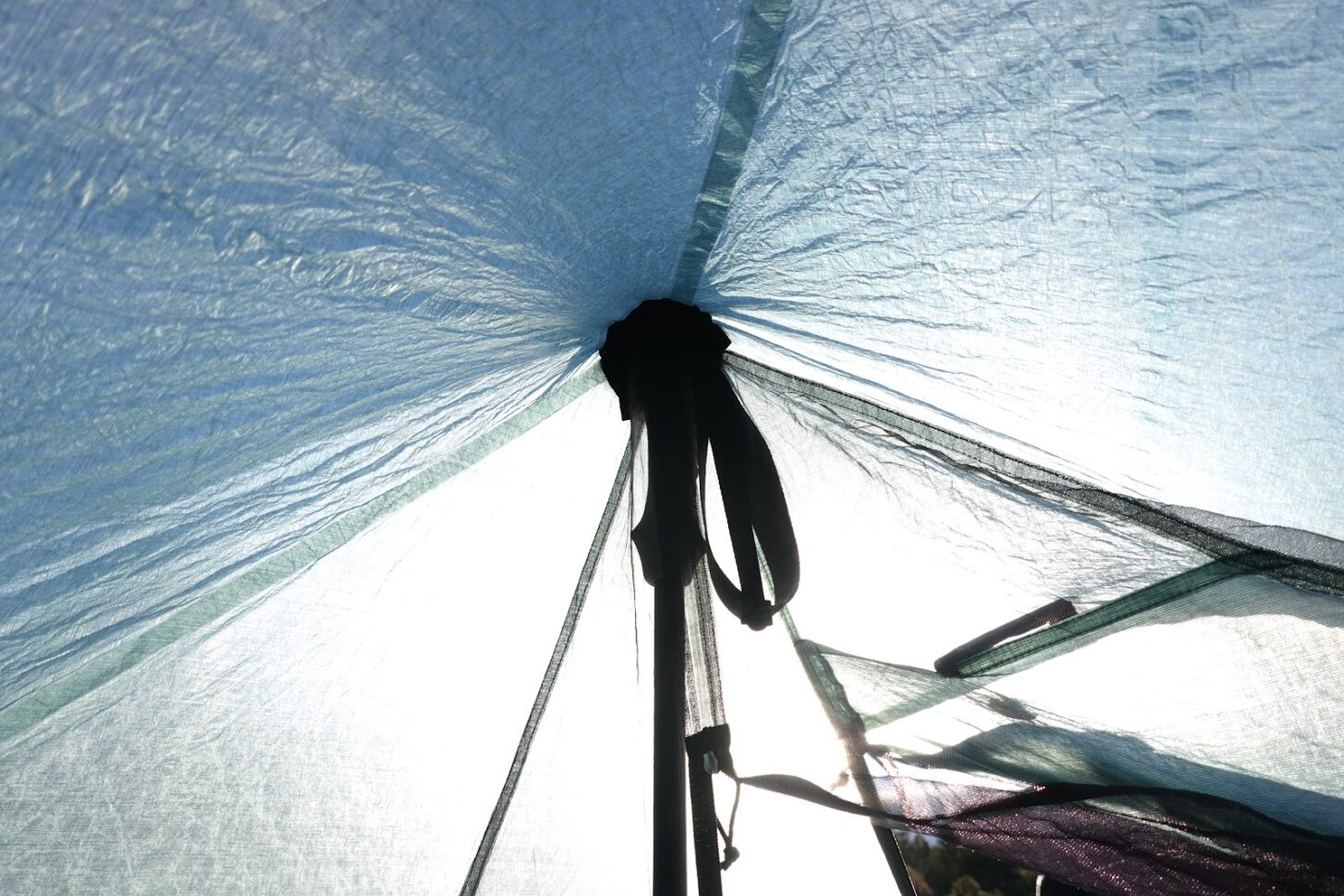
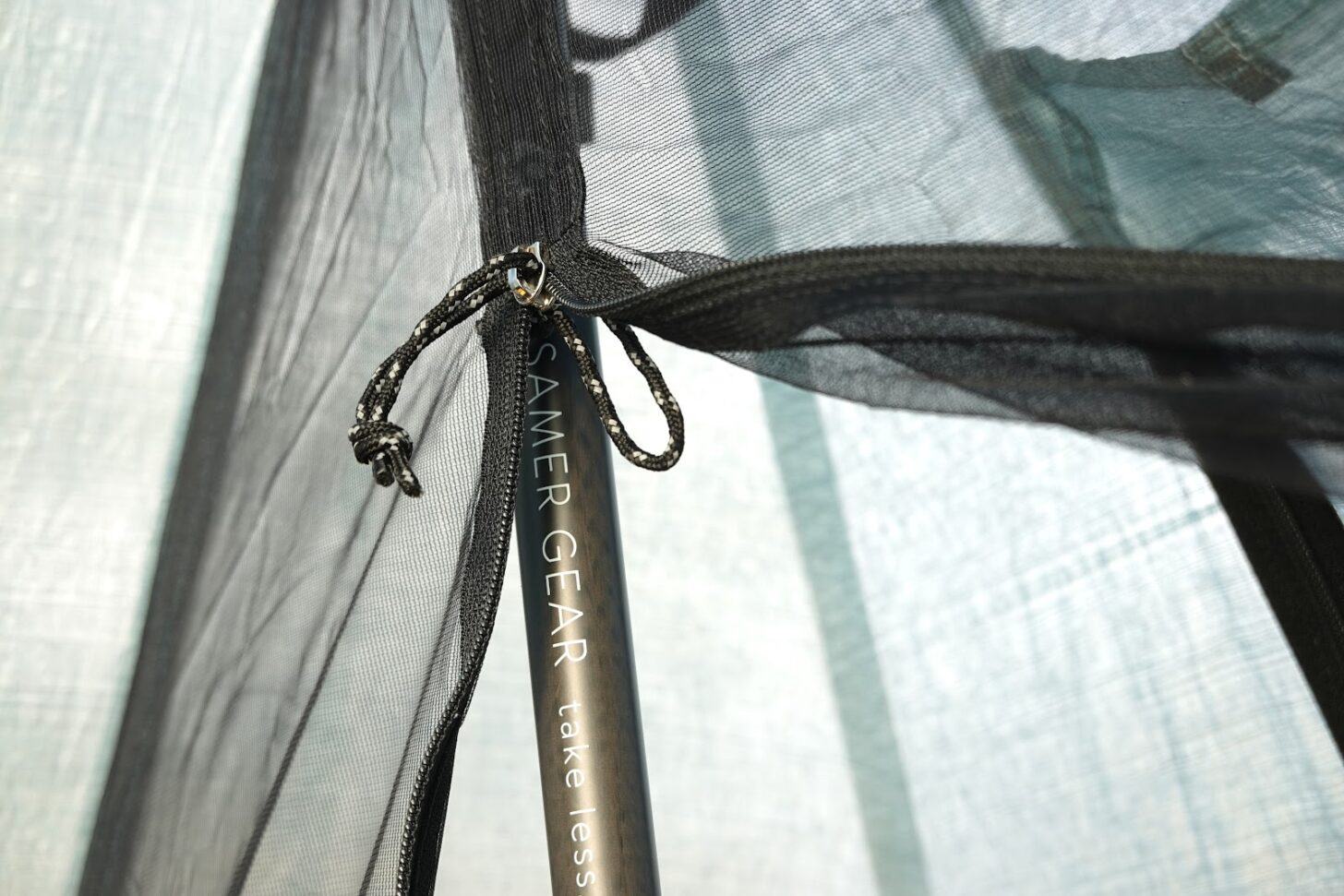
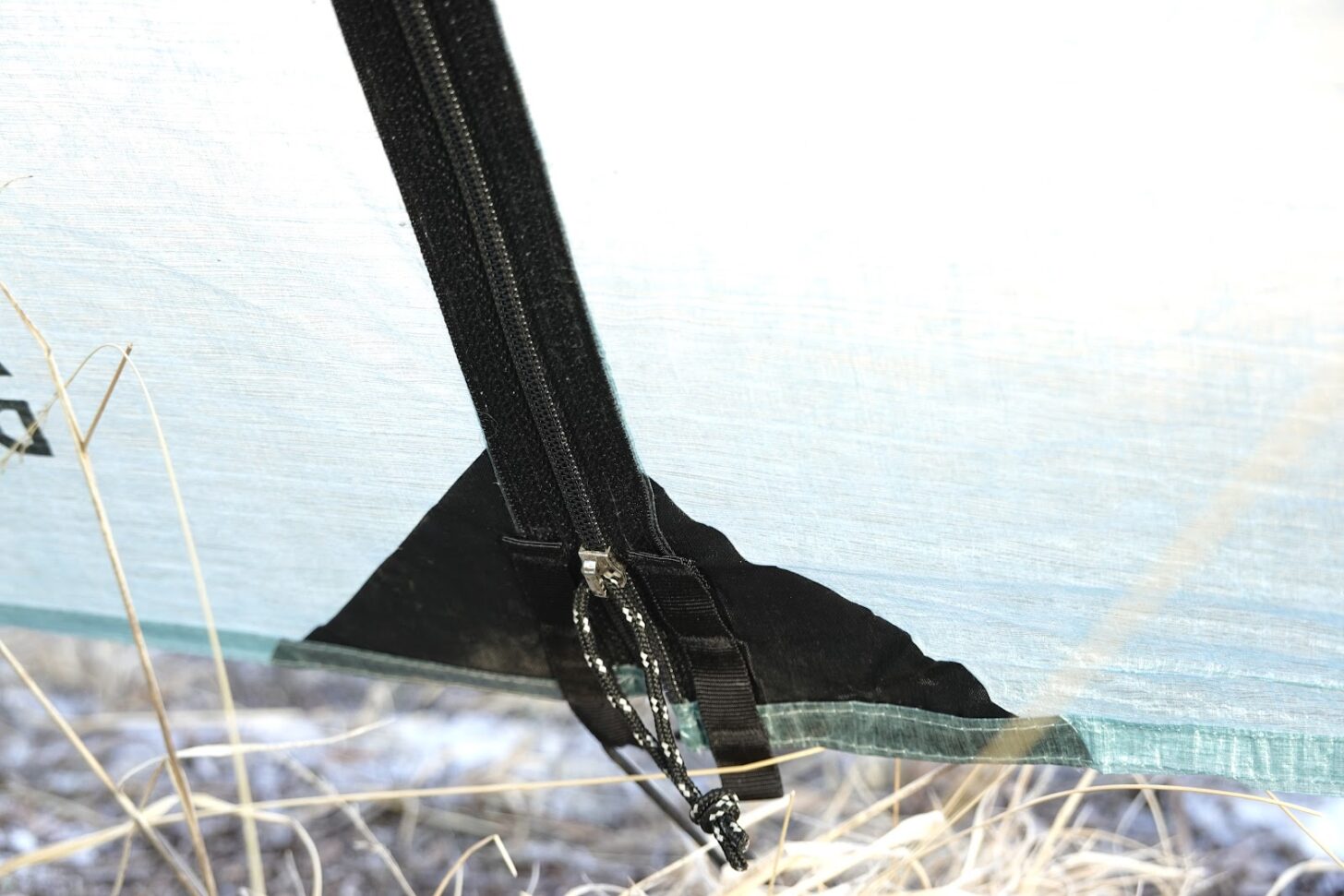

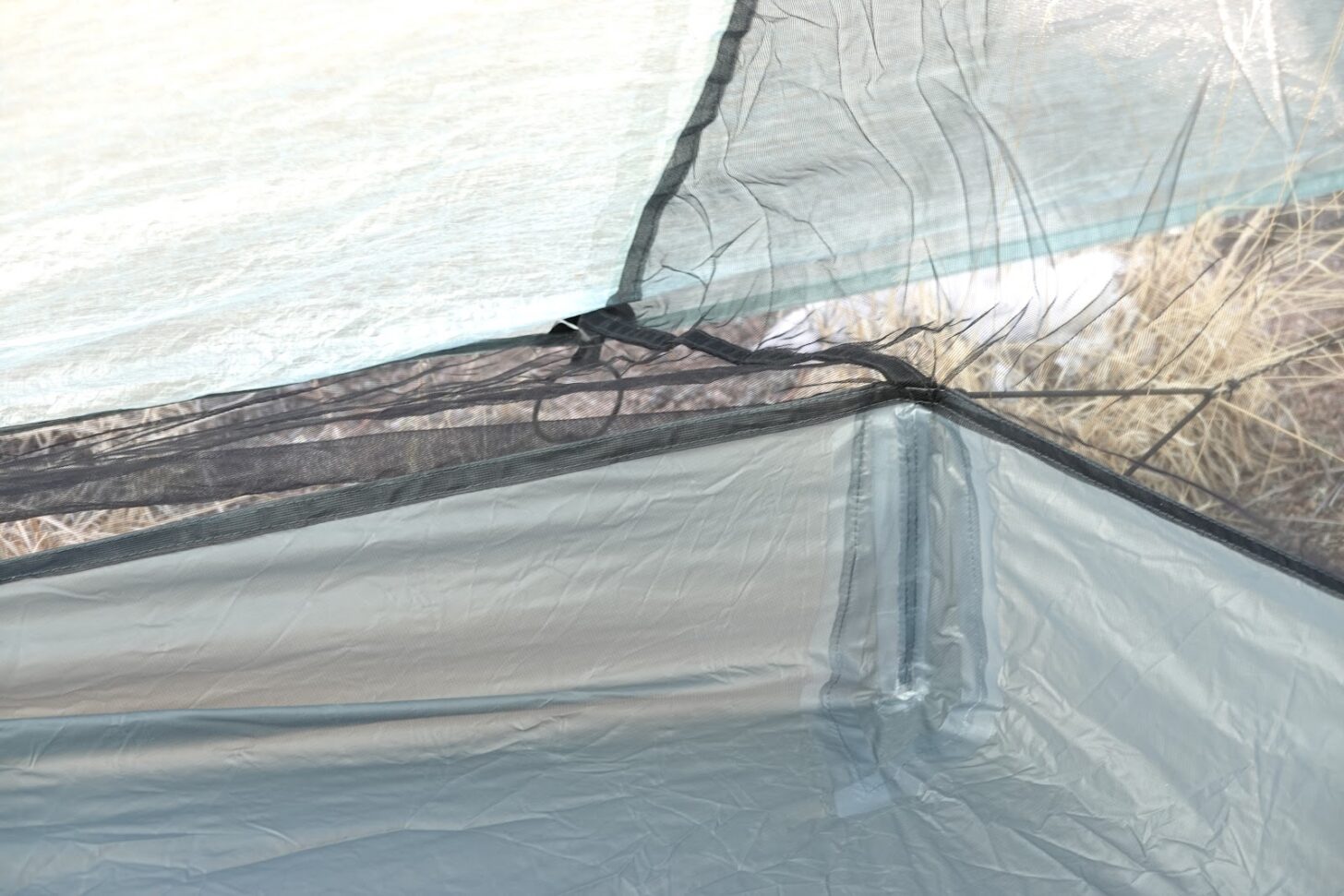
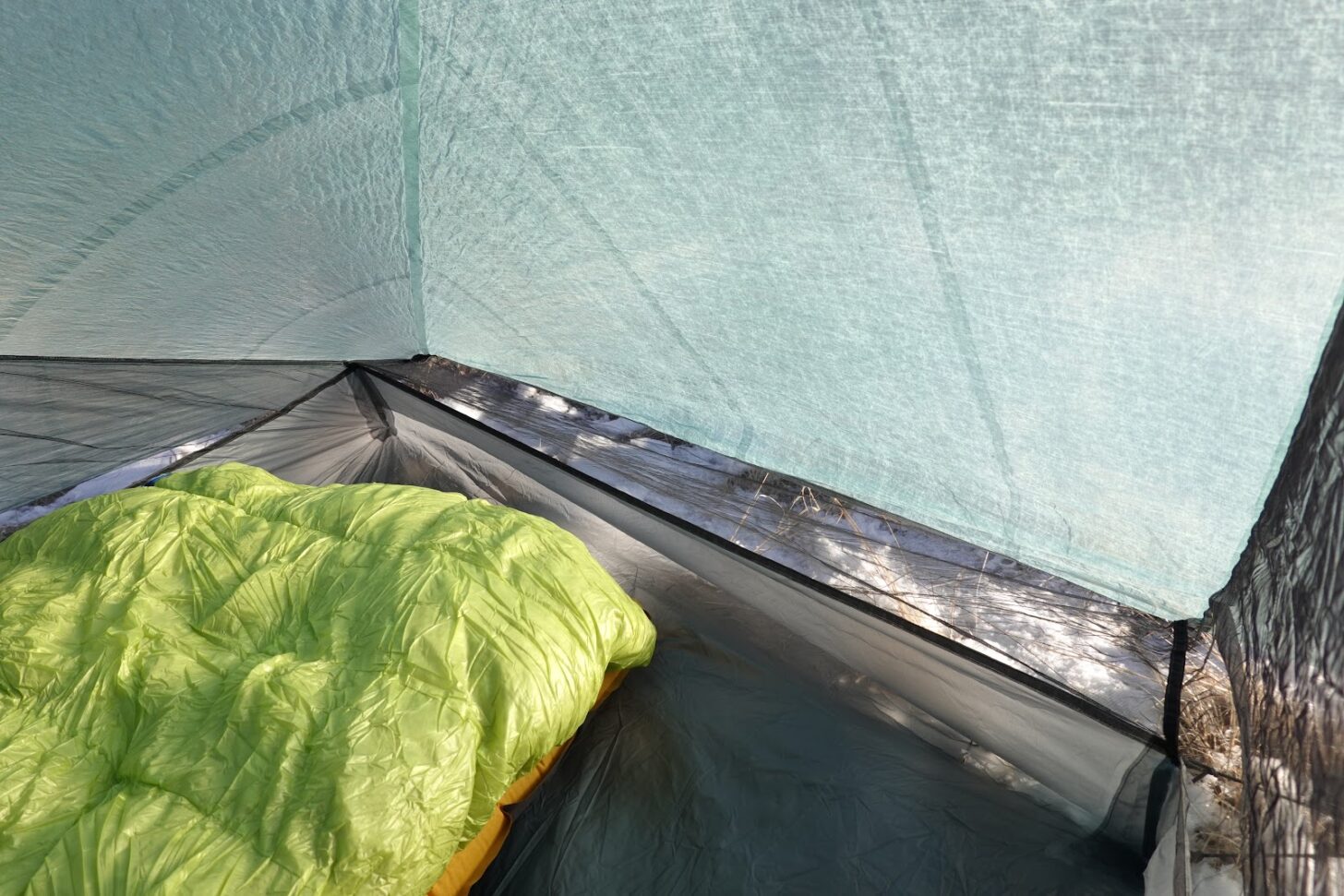
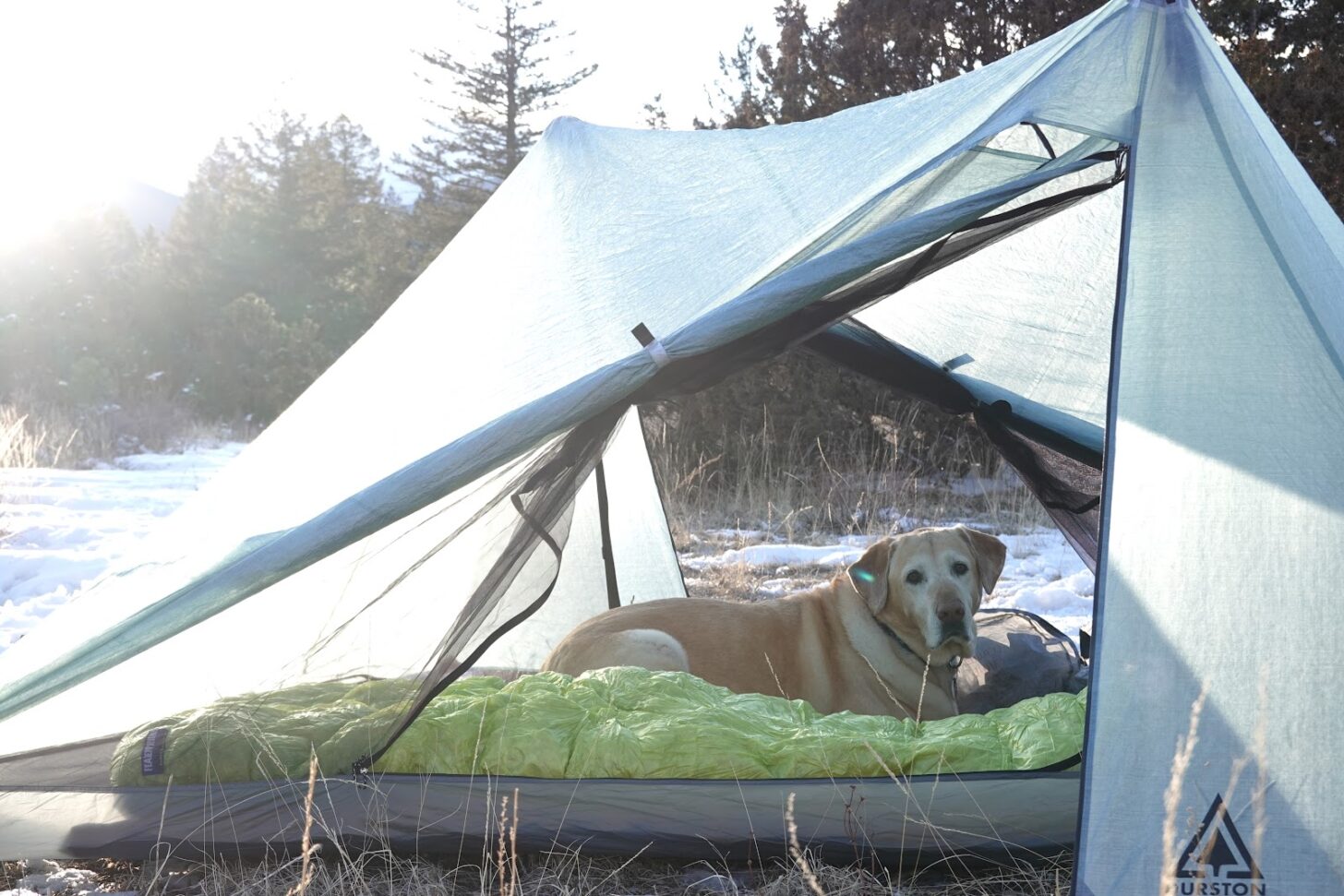
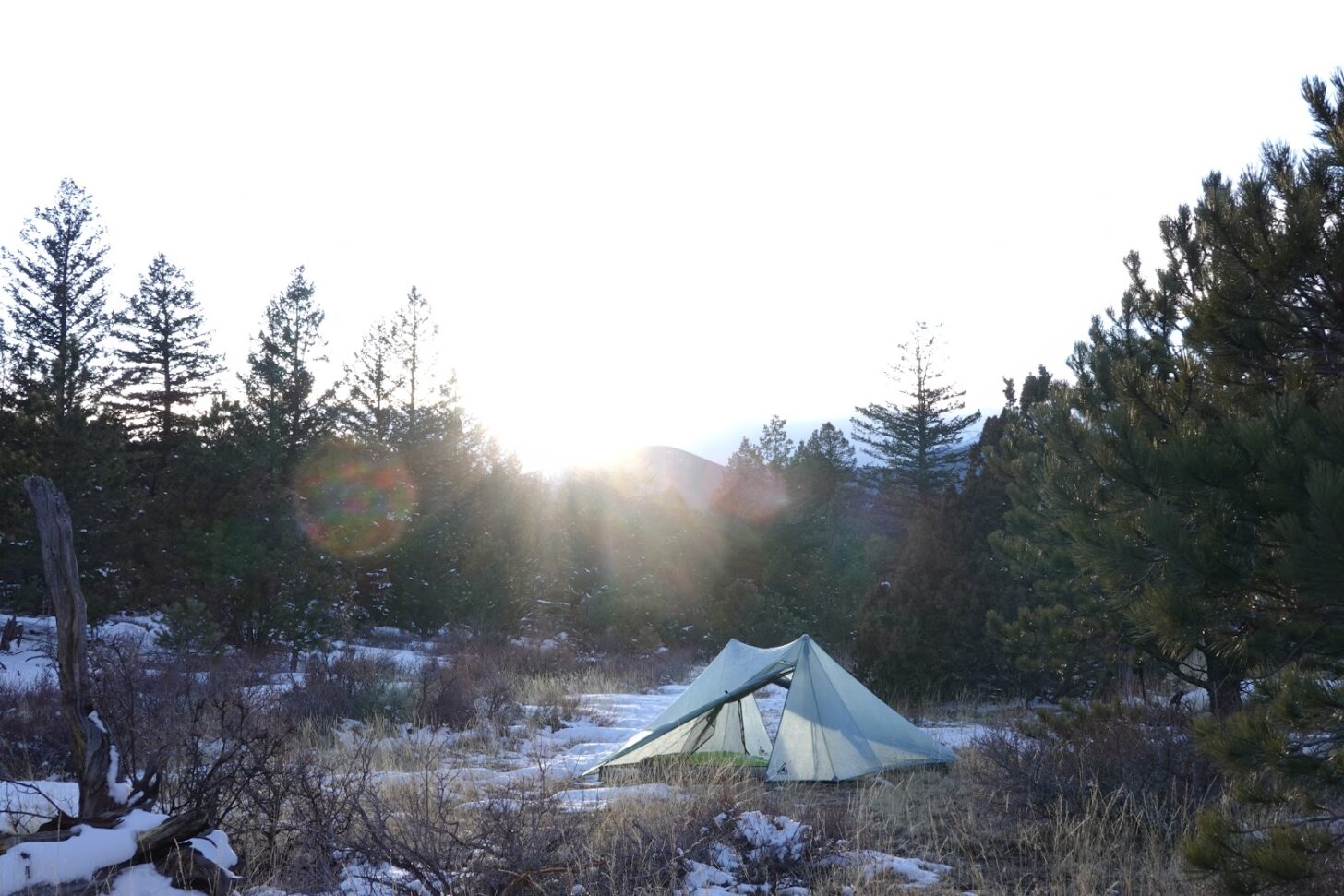

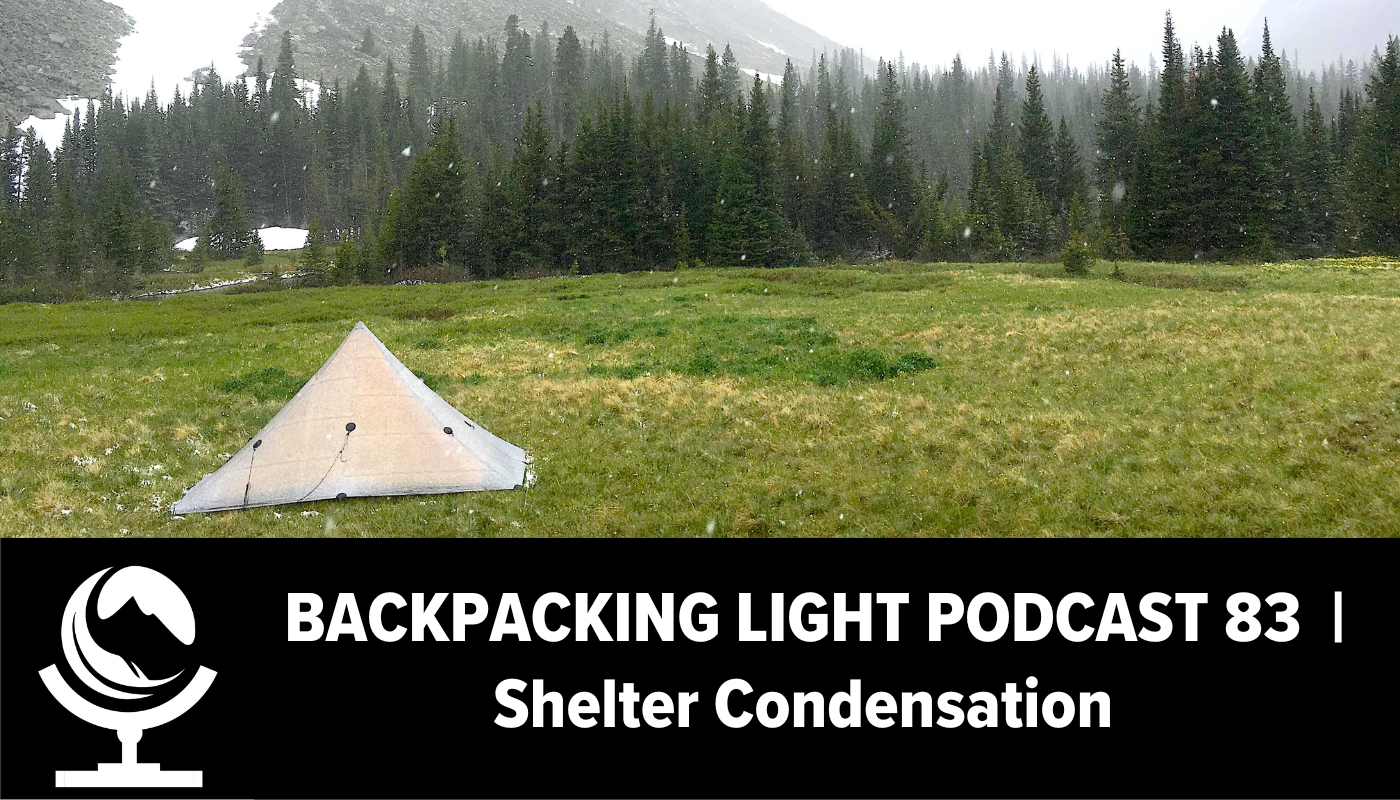
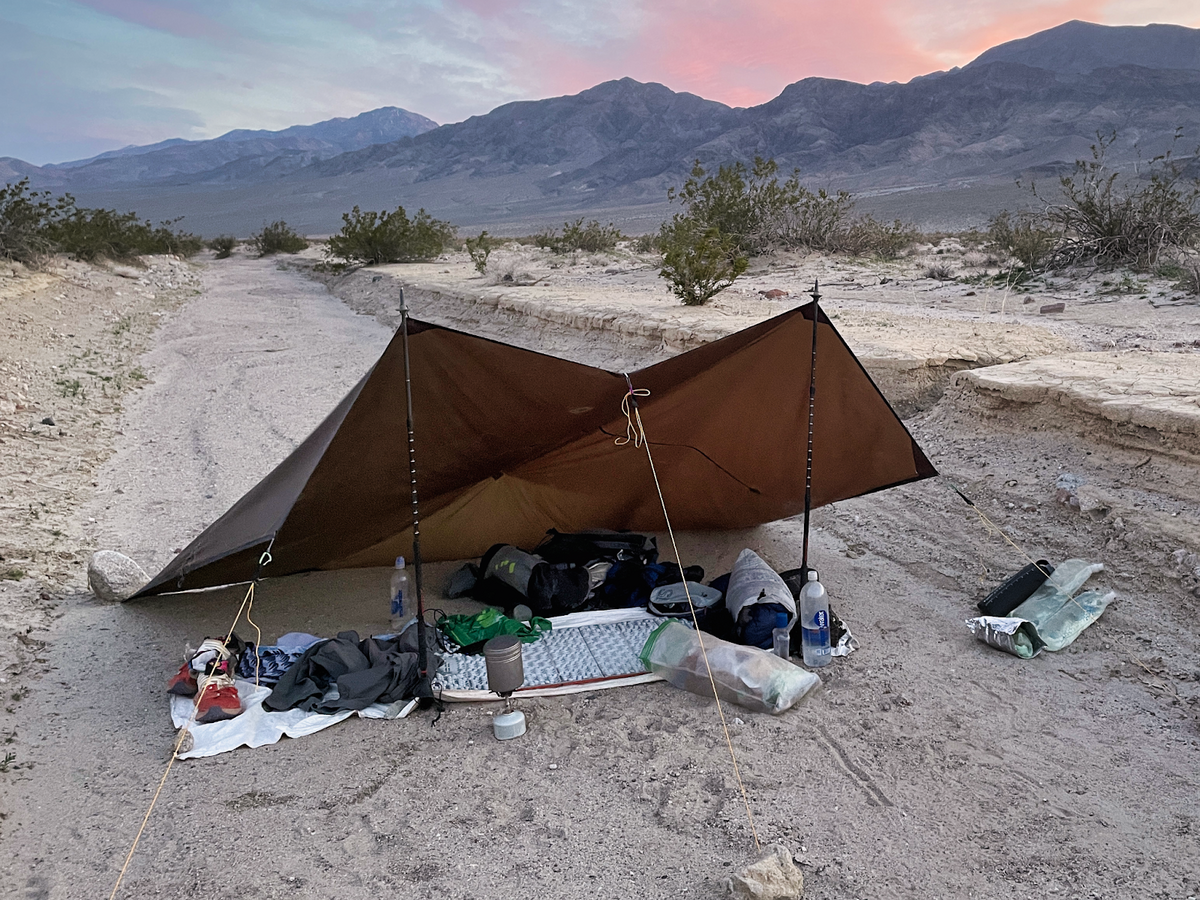
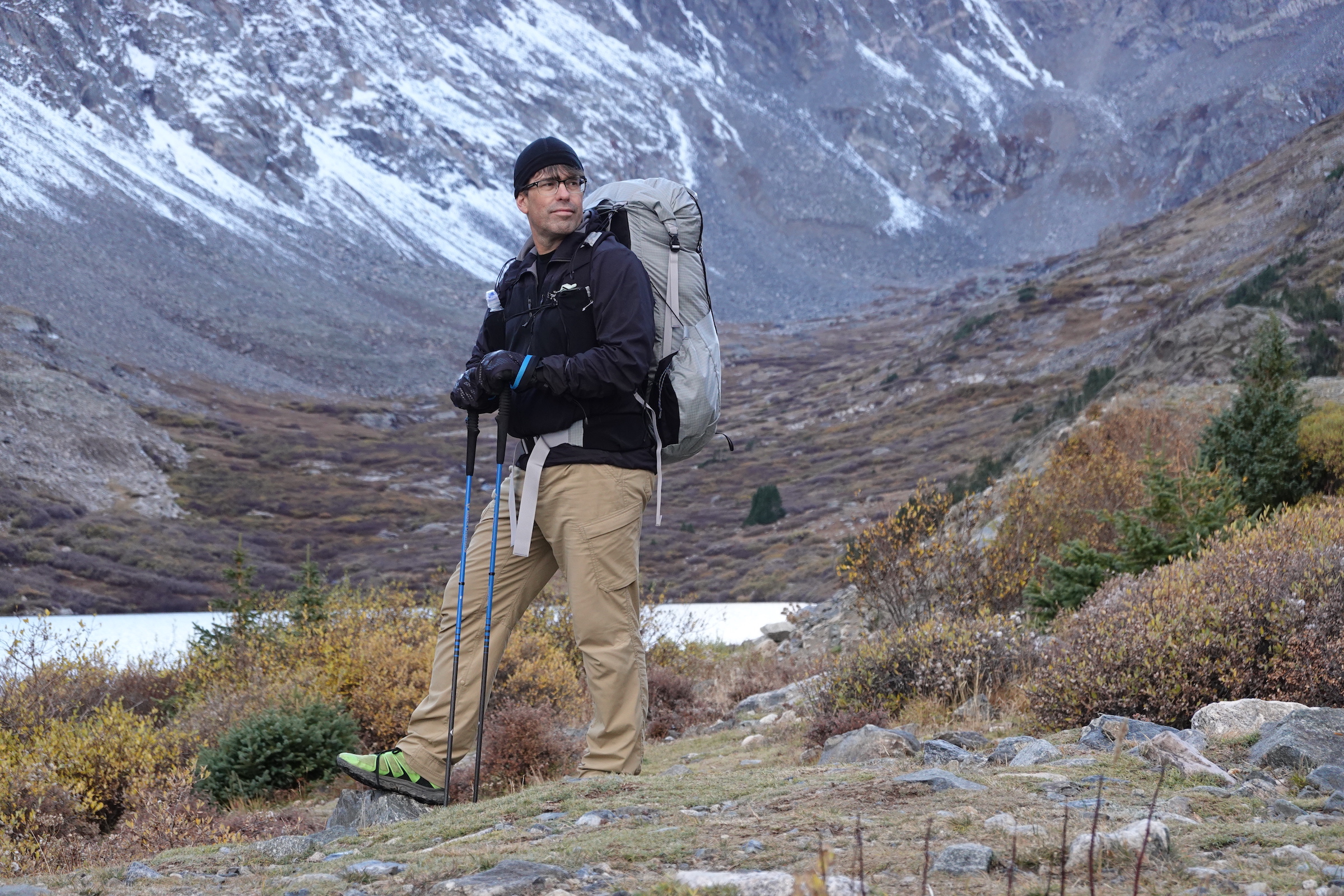


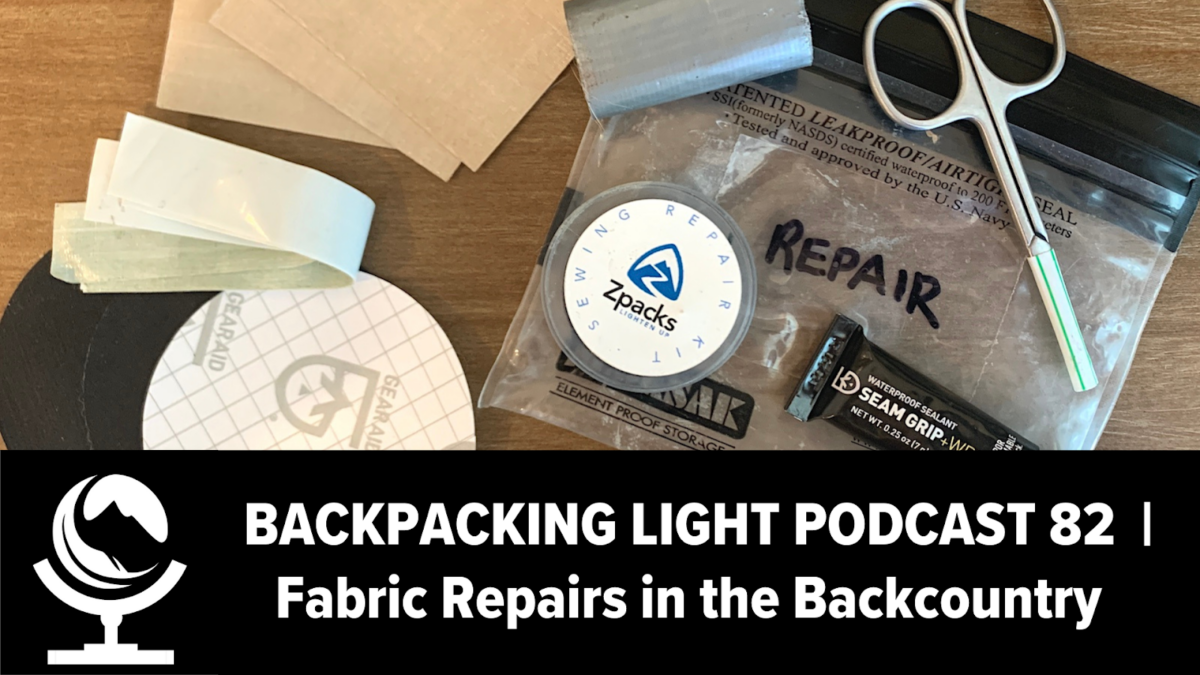

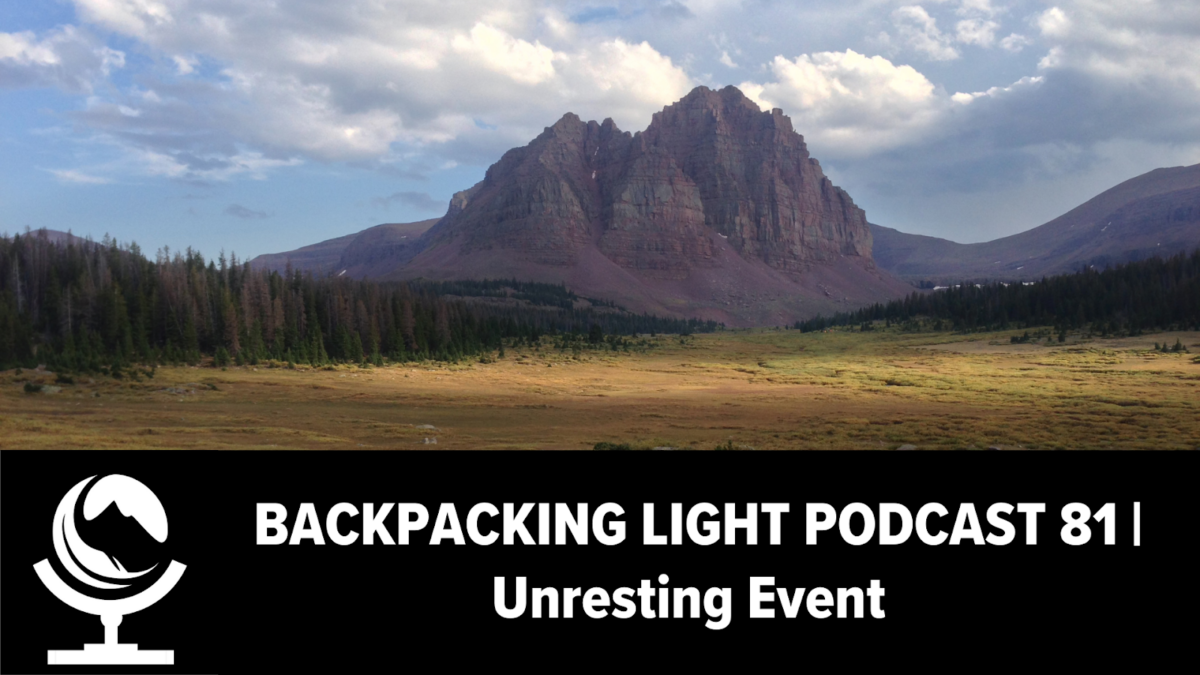
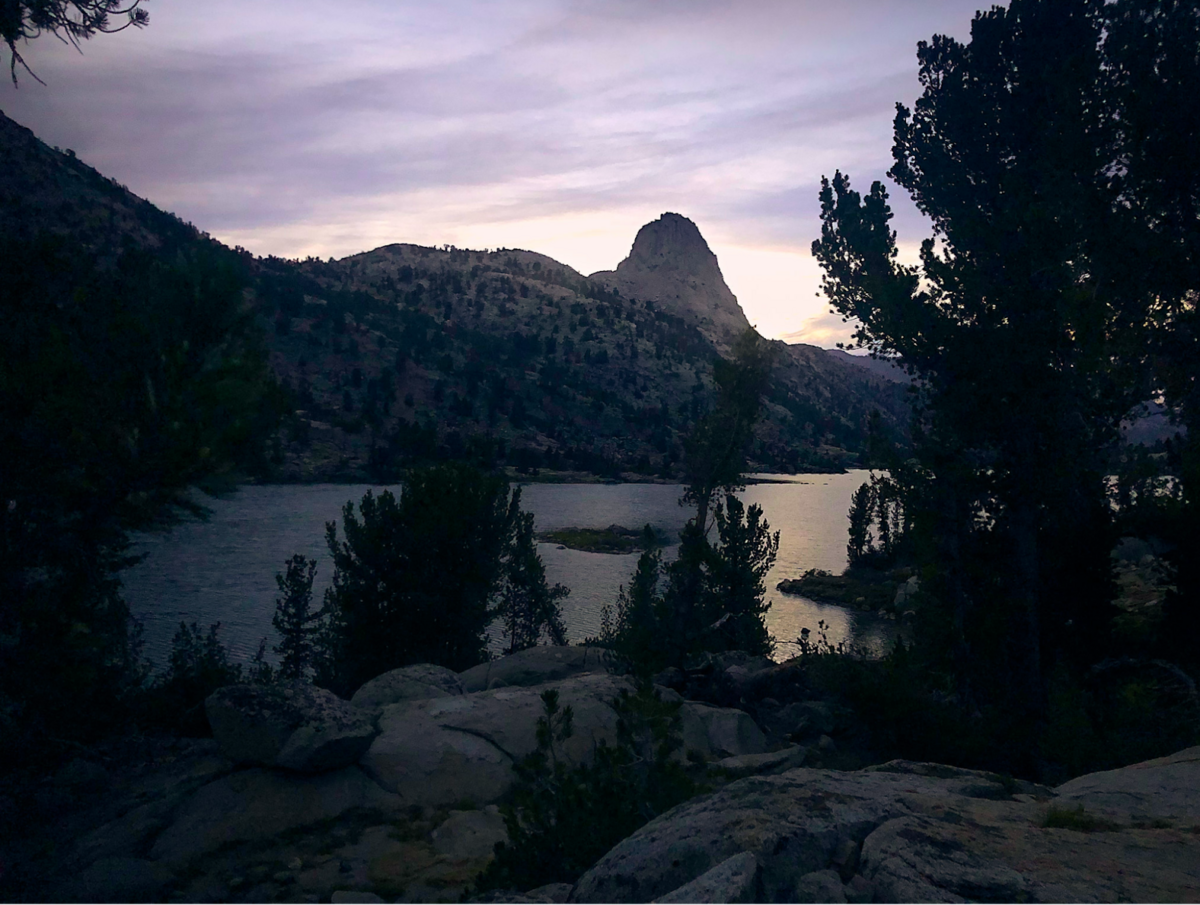
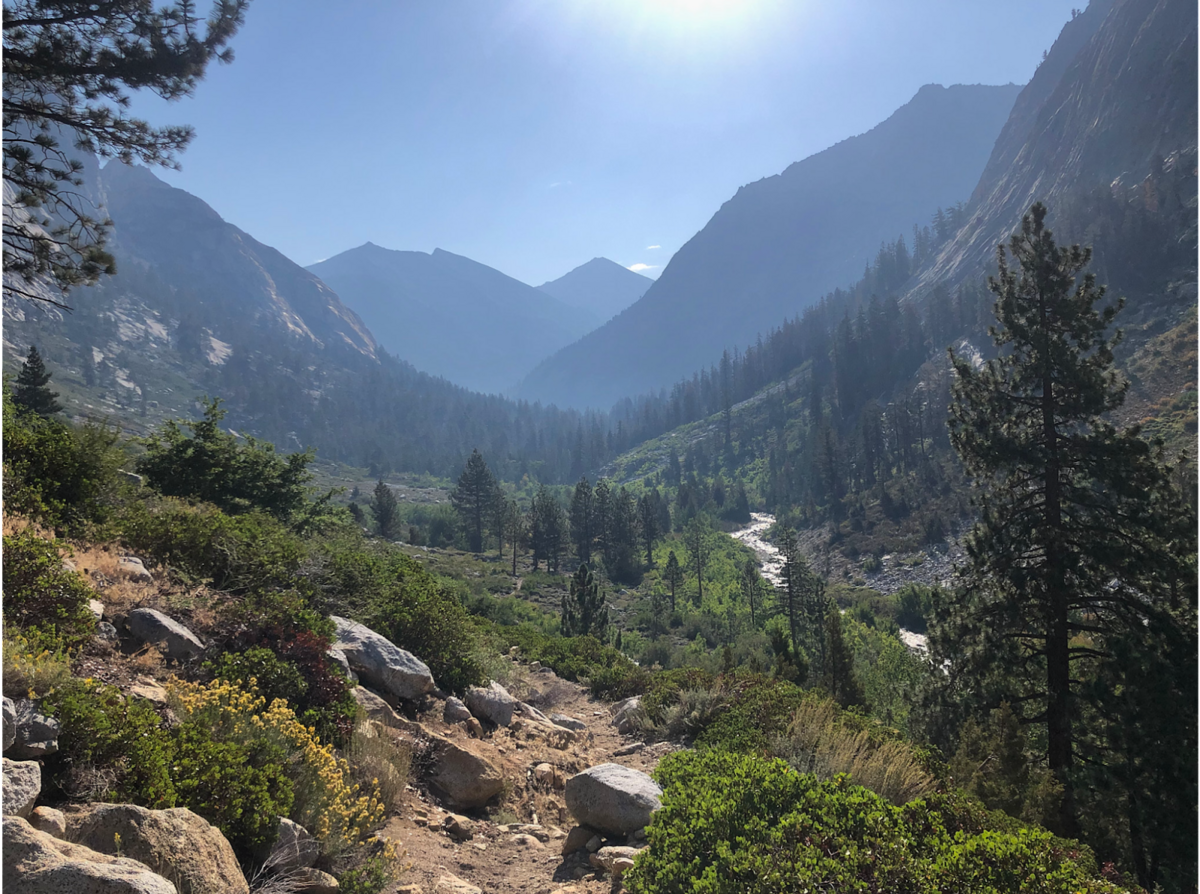
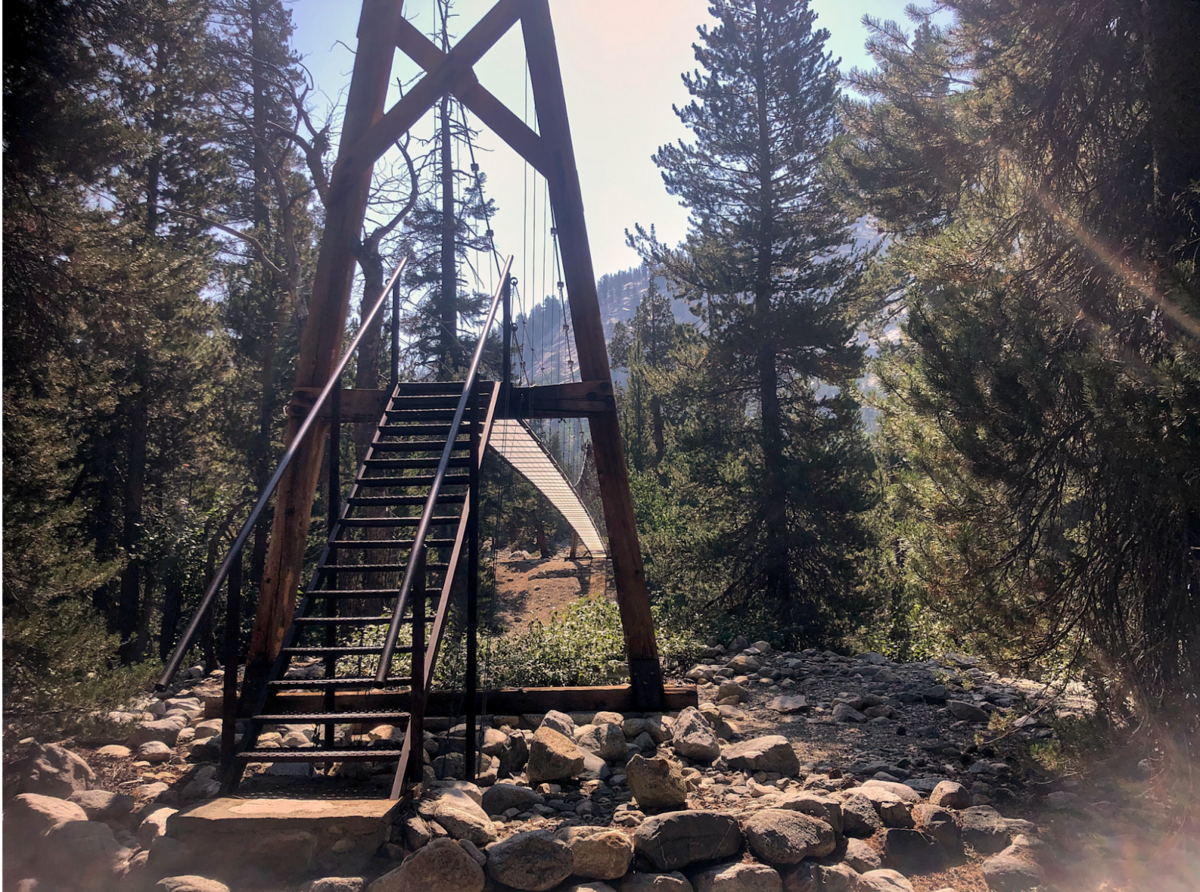
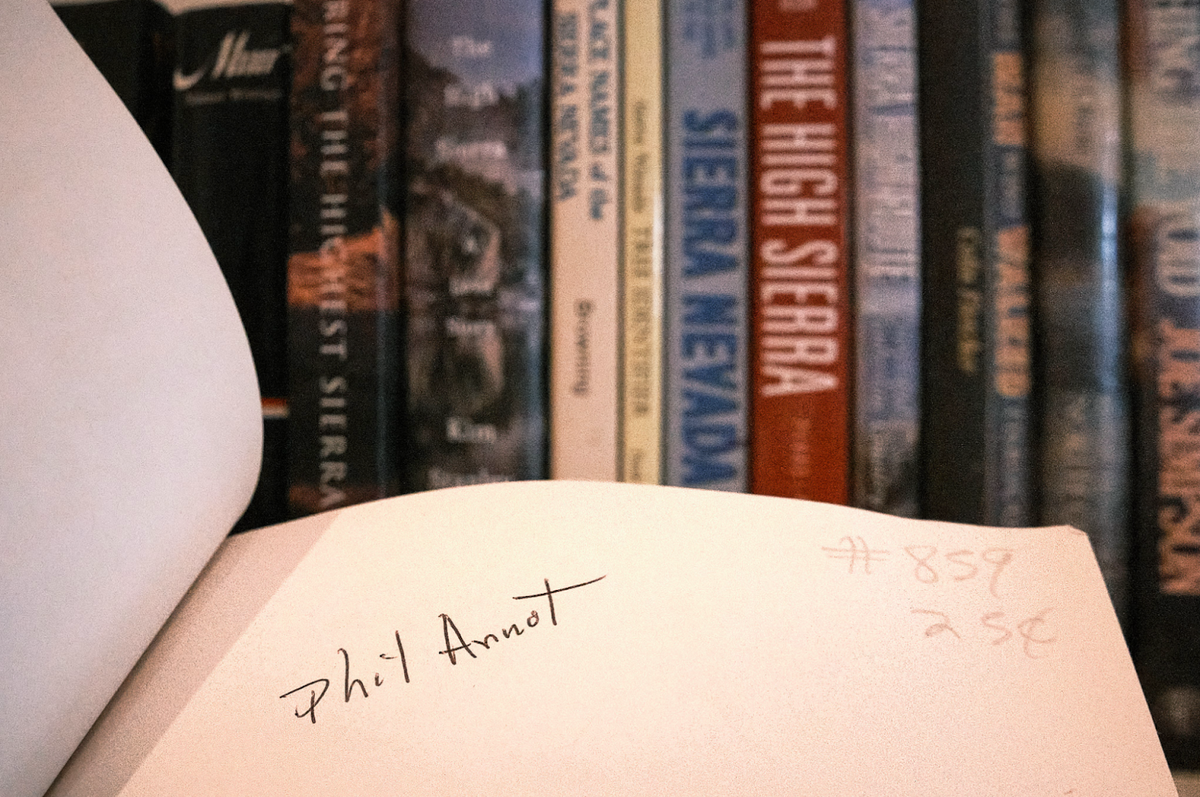

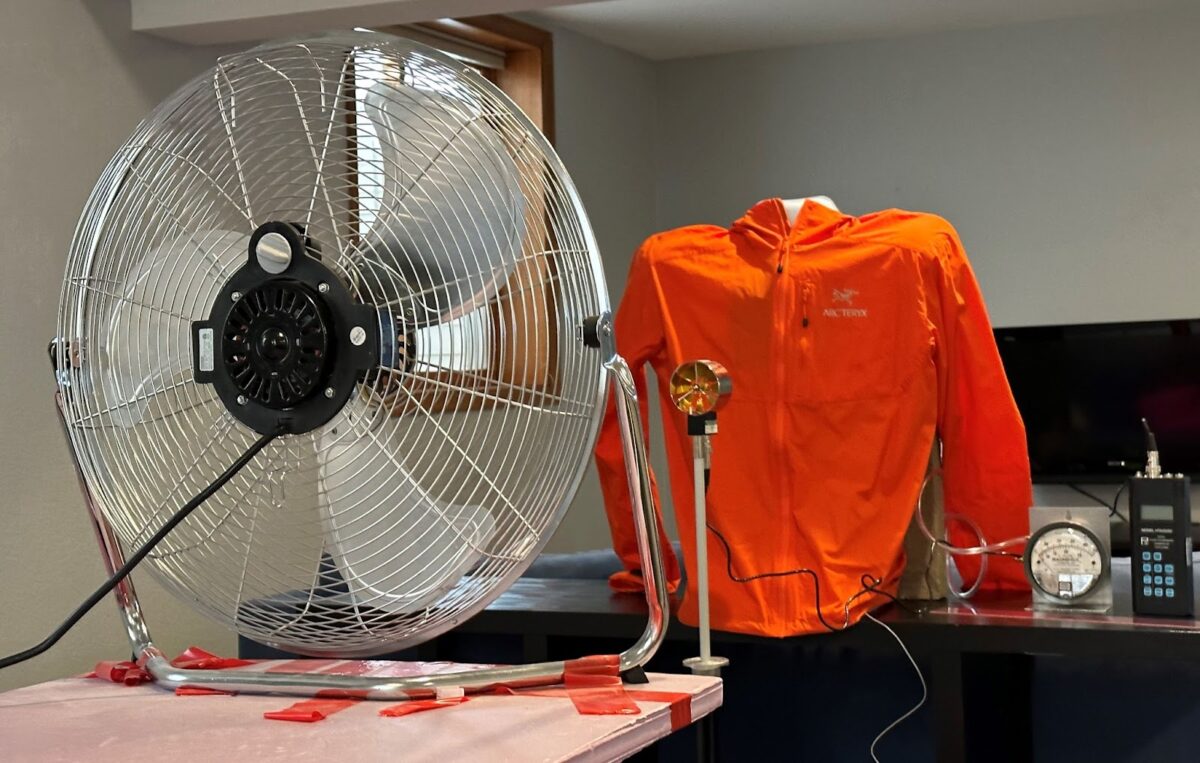


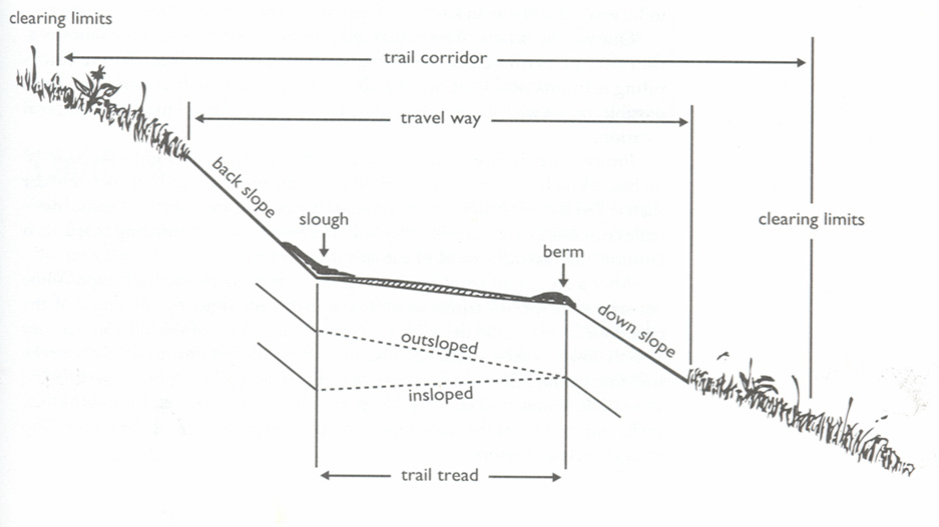

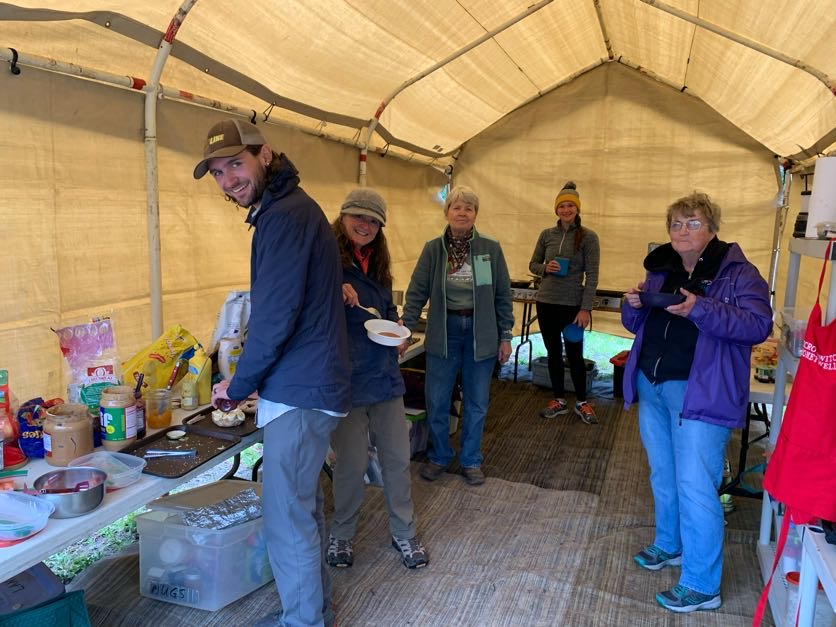
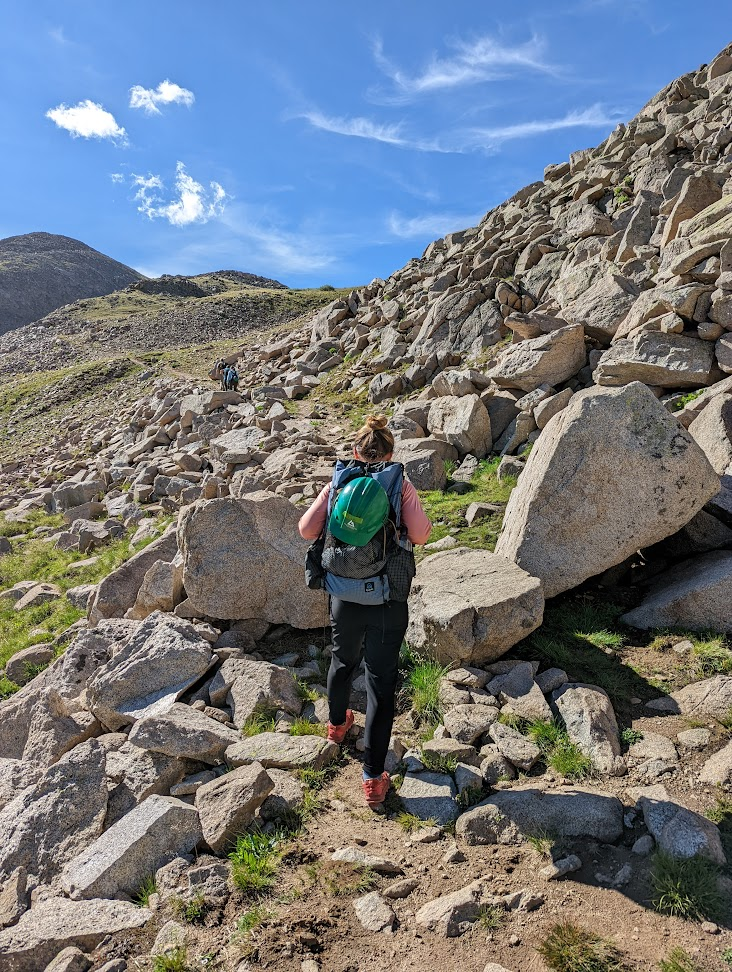


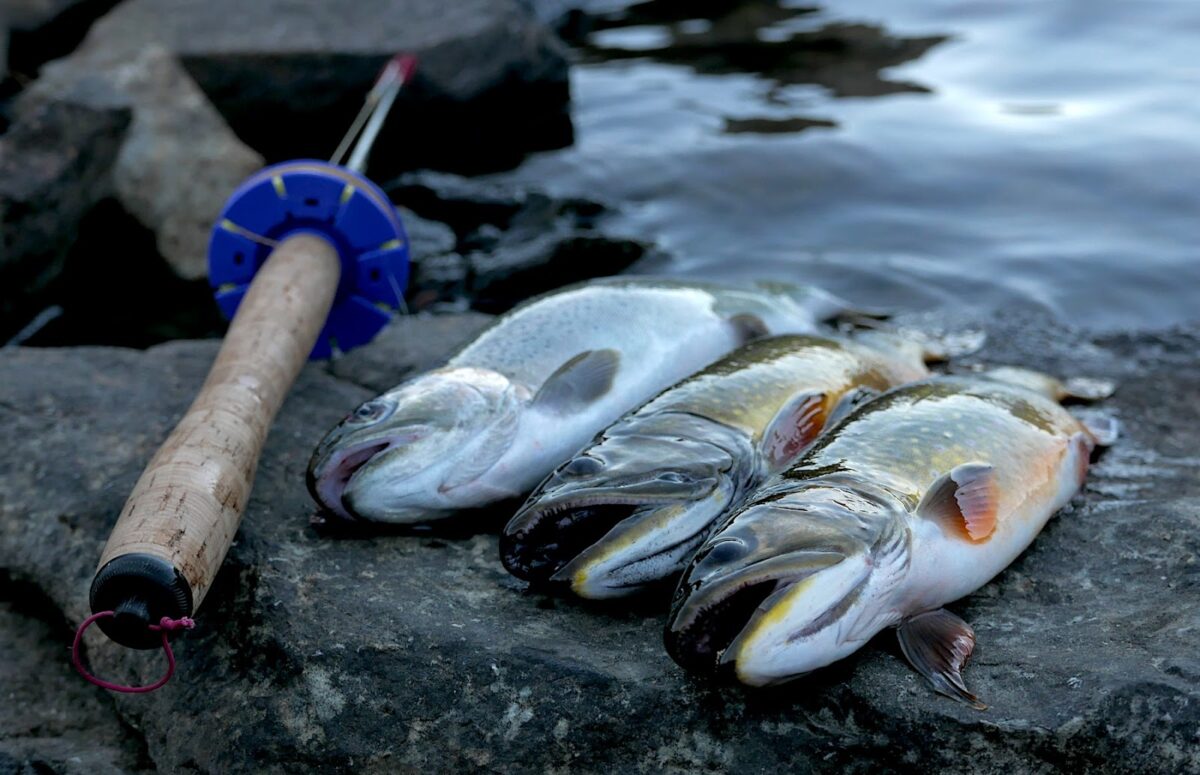
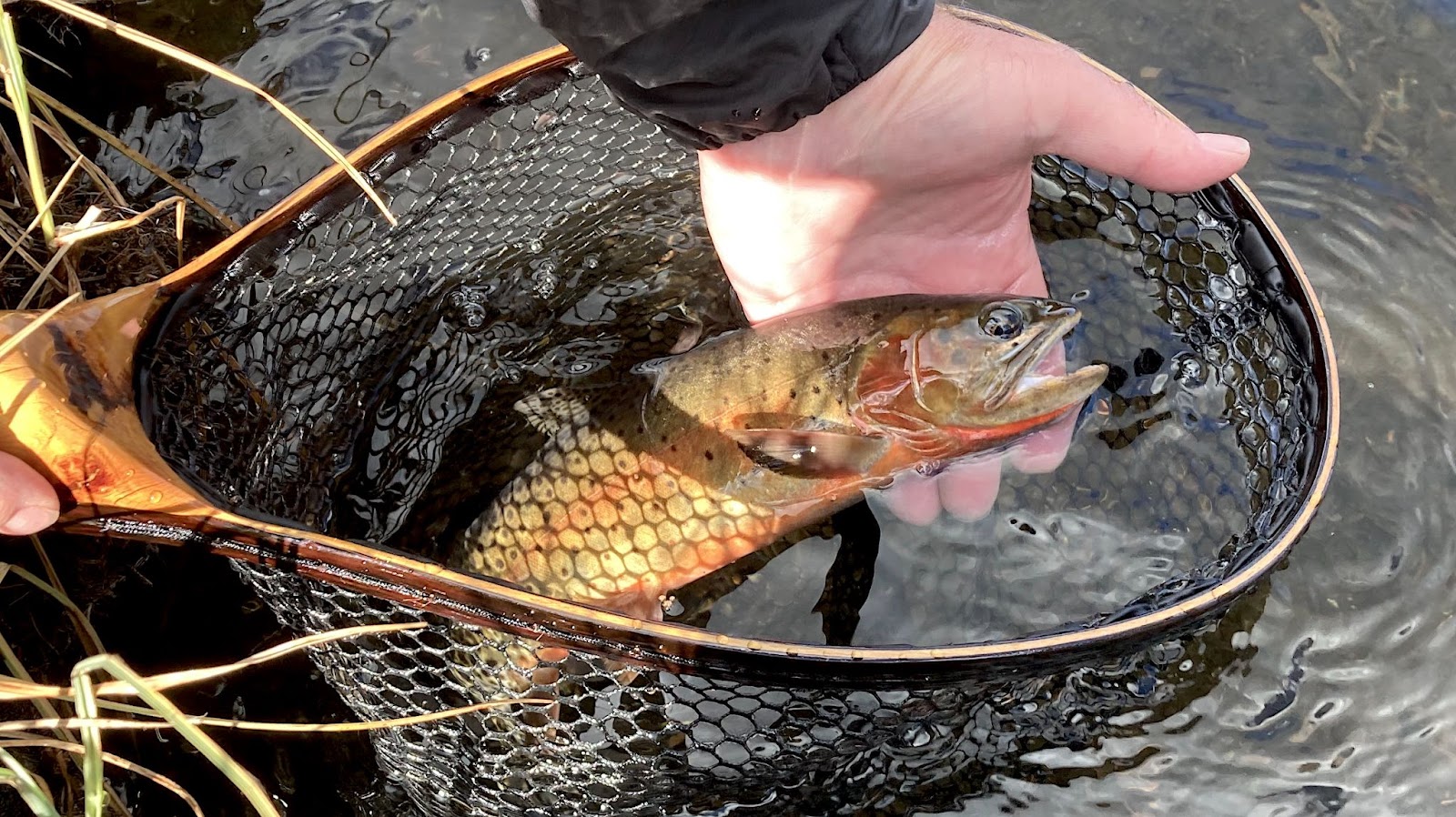
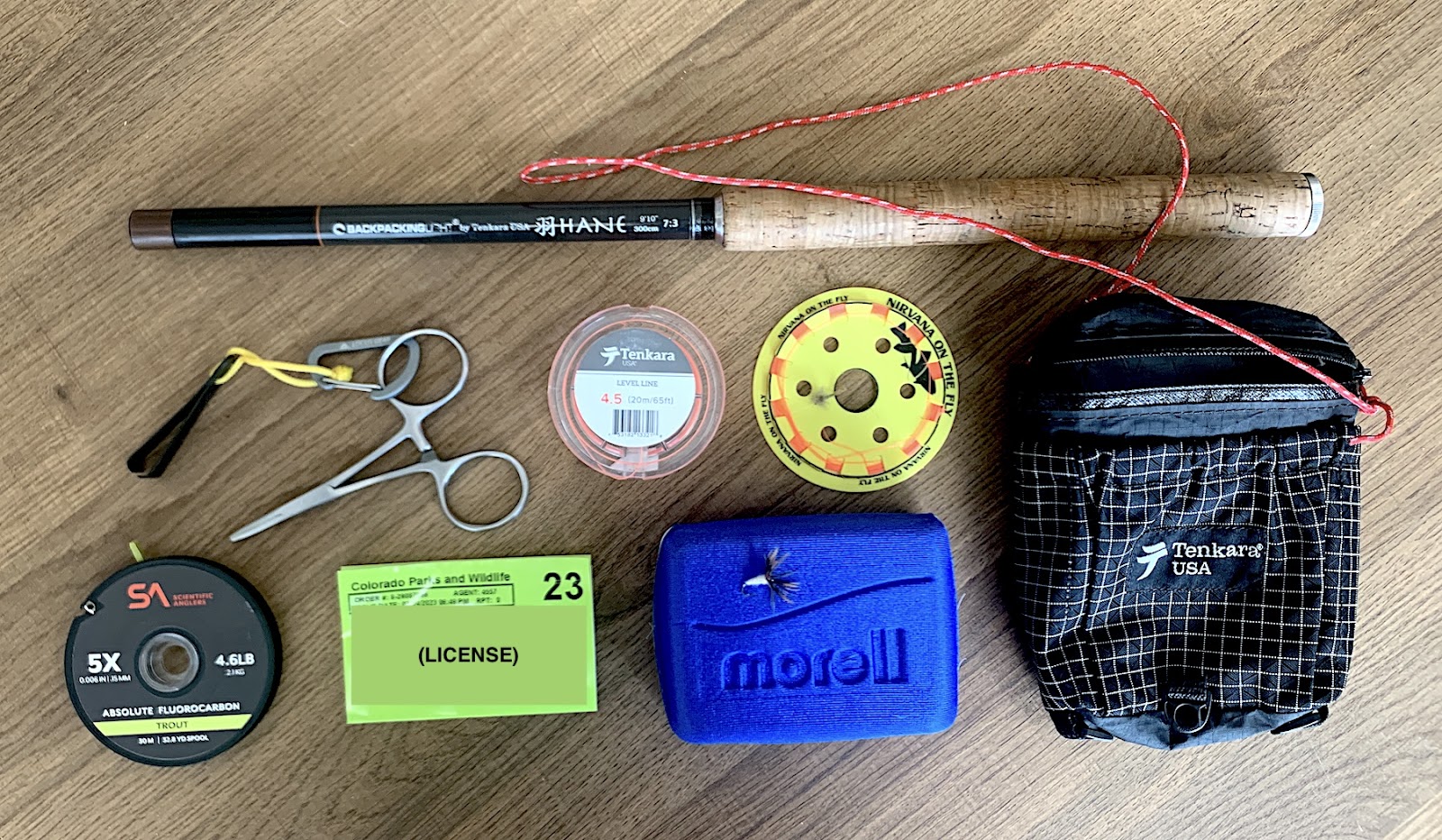
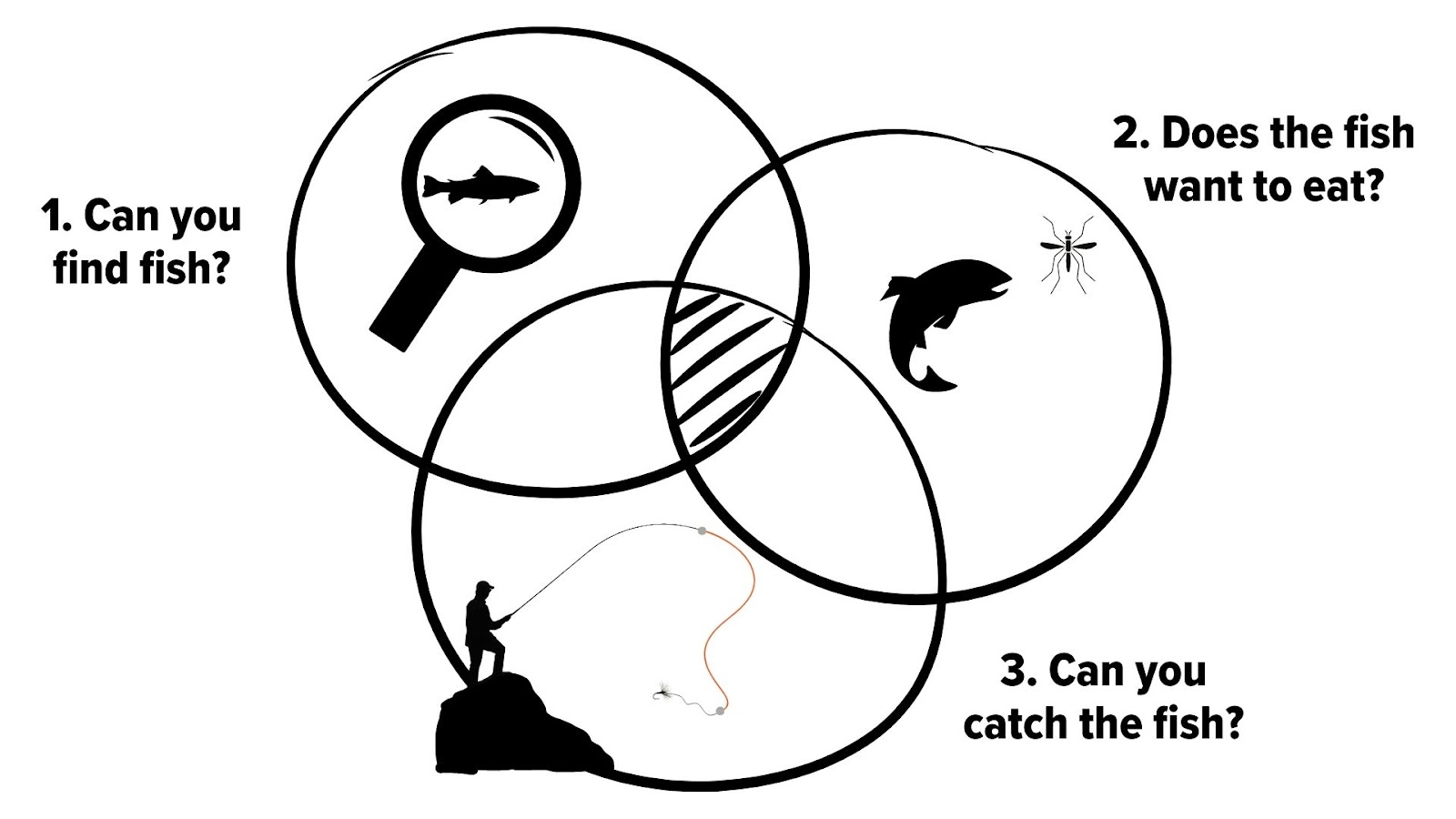
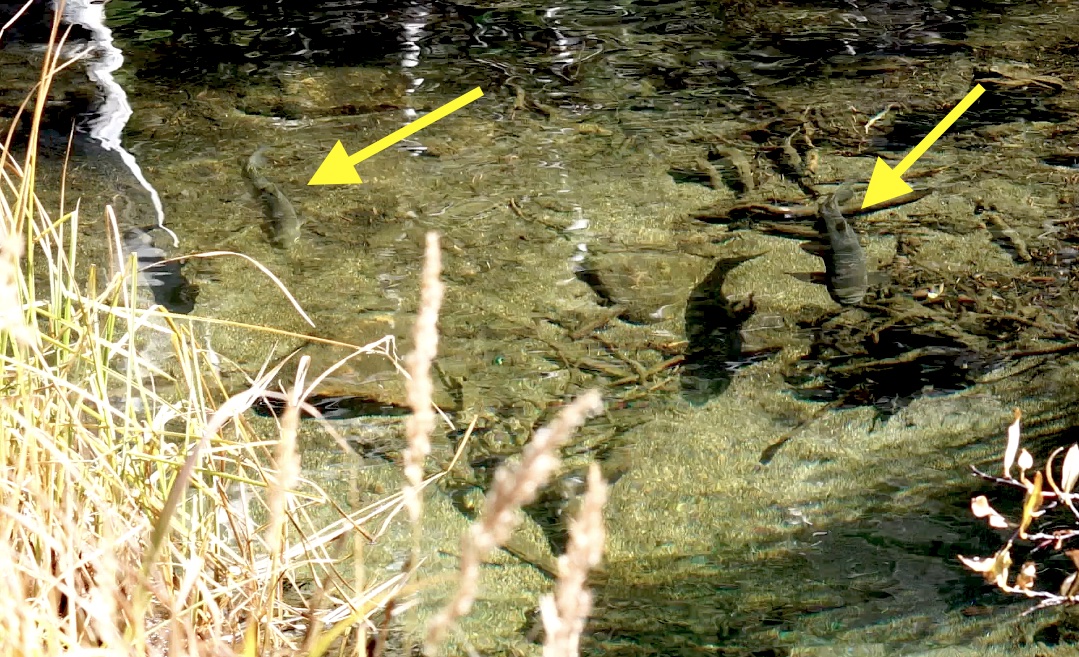
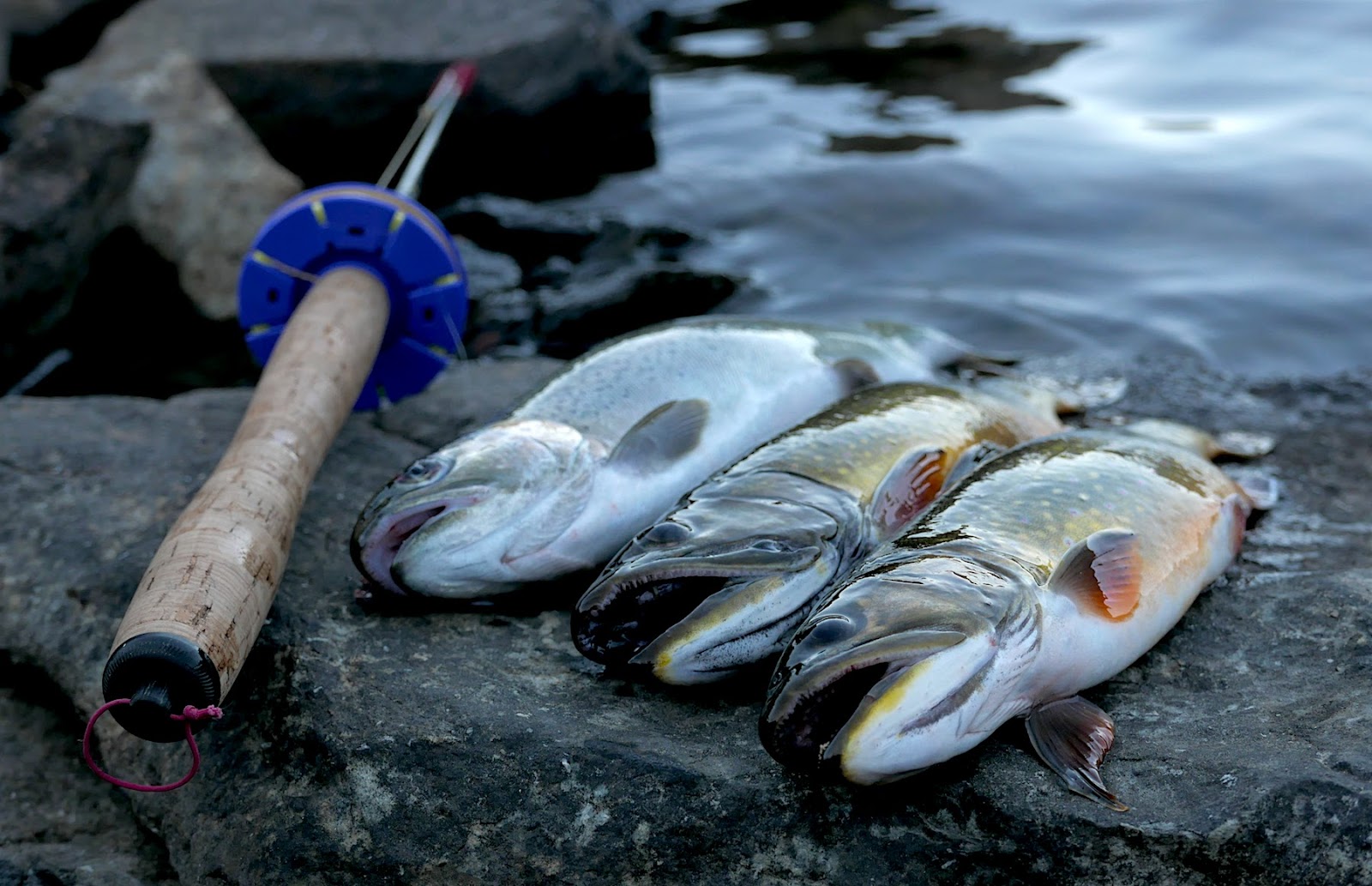
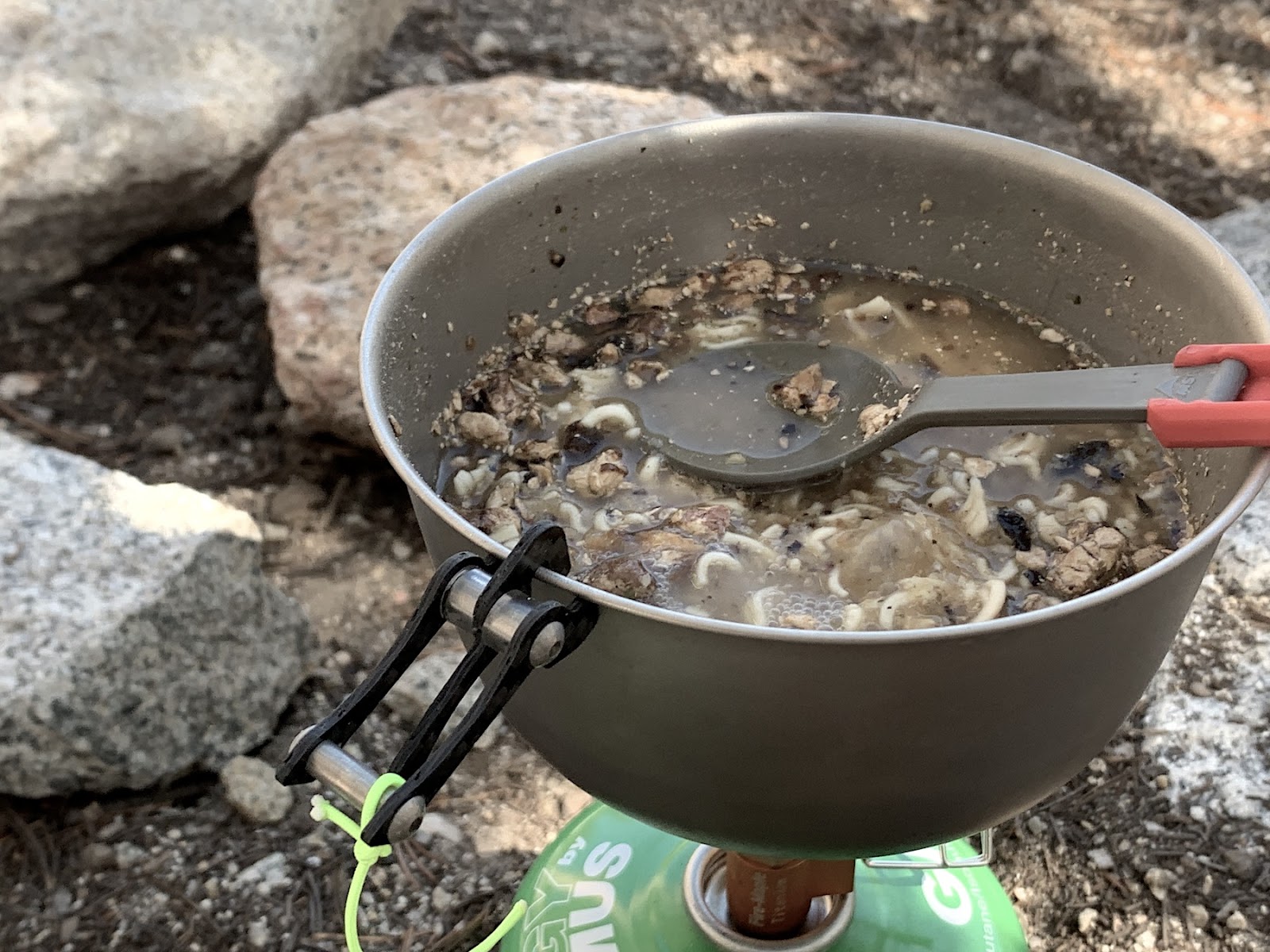
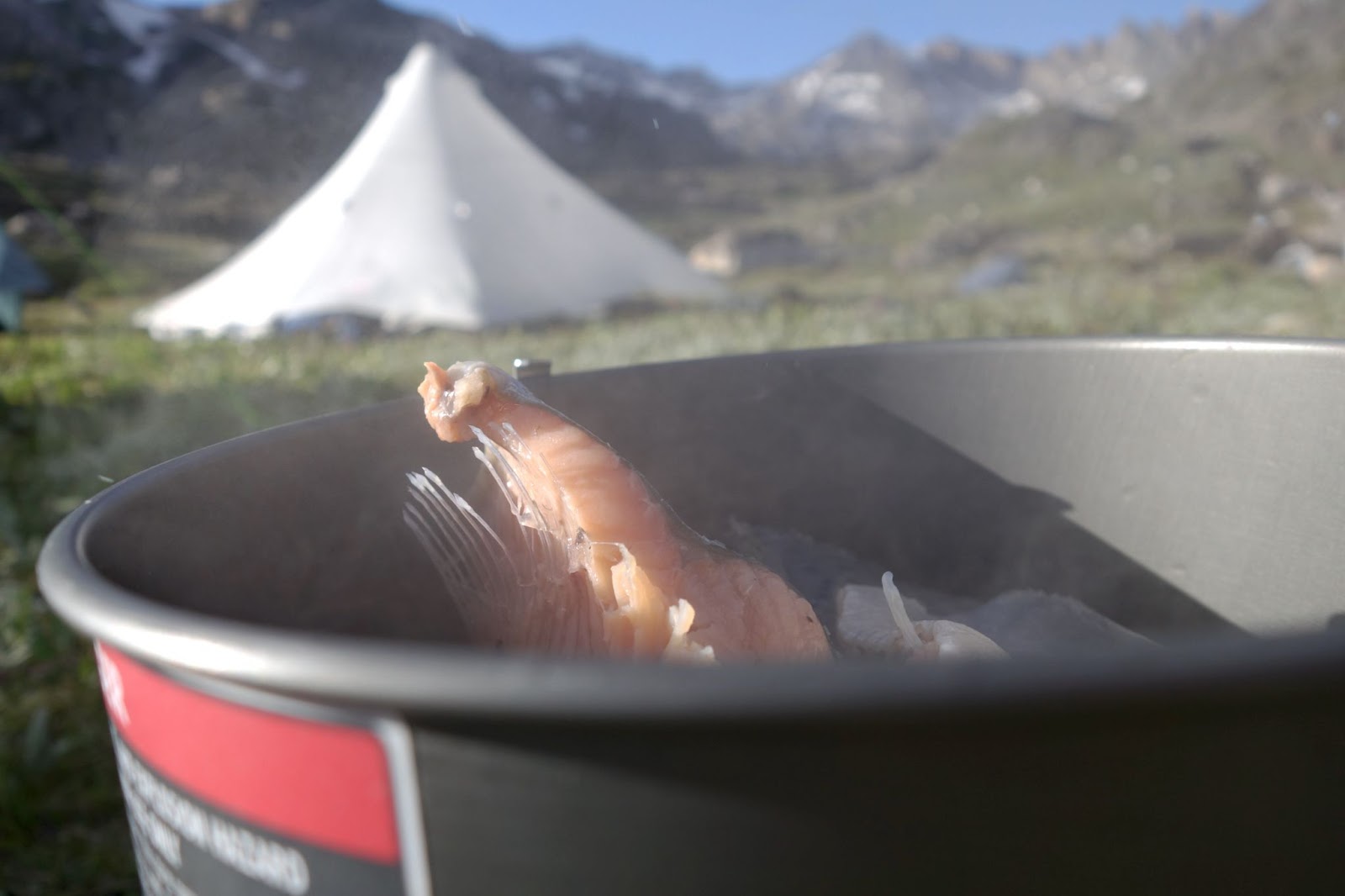
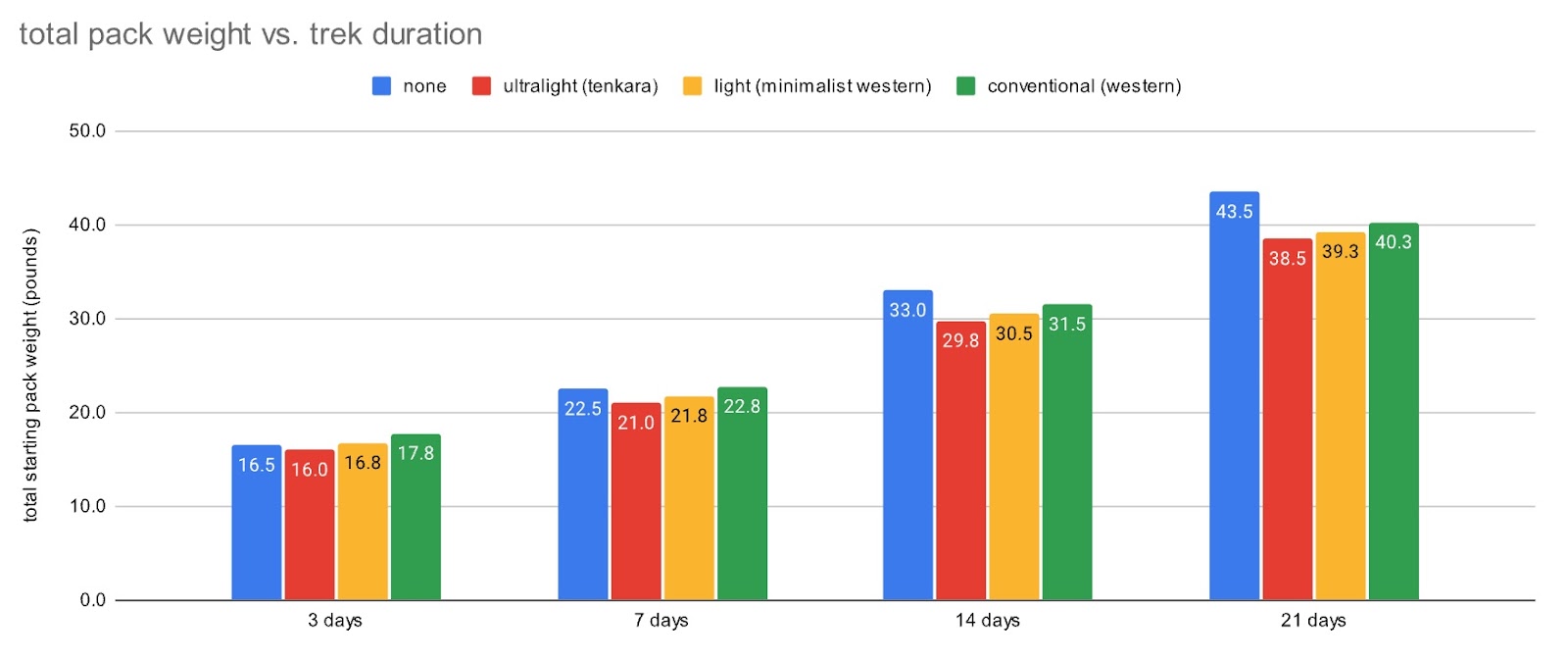 Assumptions: