BPL columnist Maggie Slepian reminds new and old hands alike to prepare for shoulder-season backpacking accordingly.
Learning Curve is a monthly column by outdoor journalist Maggie Slepian which will examine human-powered outdoor adventure through the lens of beginners. How do beginners learn our sports? What pitfalls do they face? How does mentality shift through time? And how should experts treat beginners? The Learning Curve will cover all this, and more. Got suggestions? Drop Maggie a line in the comments.
It was 60 degrees (15.5 C) and sunny when I left my house at 2 PM on a lovely autumn day. By the time I reached the trailhead 90 minutes later, it was down to 50 degrees (10 C), but still sunny. The forecast for town was partly cloudy, but the temperatures through the next day looked promising, and I didn’t dig any deeper. Did I check the radar to see the mountain forecast? Nope. If I had, it would have shown me the weather wasn’t going to stay as glorious as the pristine early-autumn day would lead me to believe.
Anyone heading into the mountains during the shoulder season in the Northern Rockies should be prepared for a drastic change in conditions, whether or not the forecast shows it. Am I a prime example of intelligent preparation? Obviously not, but it doesn’t mean I can’t dole out advice and provide cautionary tales from my own shortcomings.
Hiking — 60 degrees (15.5 C) and sunny.
I had made the spur-of-the-moment plan (with myself) during a morning coffee-shop shift. My partner was out of town, as was apparently every other person I know. I could either drag myself on another depressing day hike and wander around my house alone, or I could haul ass to my house, pack my bag, and make it to the trailhead within two hours of clocking out at the cafe. A friend had mentioned an alpine lake I’d never been to—and there’s nothing more enticing to me than an alpine lake I’ve never been to.
So I rushed home, moved the pile of backpacking gear from my floor back into my pack, and decided this would be a great chance to test out my new shelter—making this the second time in my life when I would attempt to set up a trekking-pole tent. At the last minute, I threw a beanie into my bag, briefly considered gloves before deciding the two ounces (57 g) seemed too big of a sacrifice—and left my warmer sleeping bag in the closet because it was too bulky. I charged my headlamp in the truck, and before I lost service, I downloaded a Gaia map for the area—just in case.
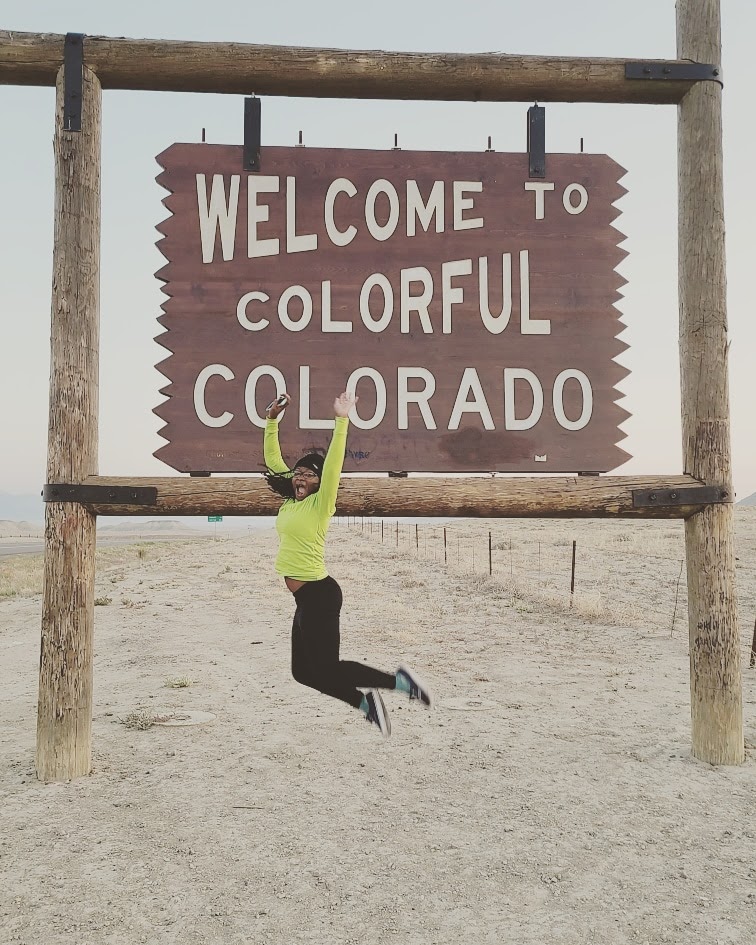
Probably the most successful self-timer photo of my life.
Instead of checking the forecast and then changing my plans, packing different gear, or—I don’t know—taking a tent that I knew how to set up—I did none of the above. I happily trotted alone into the Crazy Mountains with a lightweight three-season backpacking system and a new shelter that not only had I never set up—but I also never watched even a 60-second instructional video on how to pitch. Smart!
I did throw down a few waypoints on the map as I hiked since that strategy had come in handy on other solo outings on new trails.
The lake was gorgeous, and the weather was perfect when I arrived. Within an hour though, the temperature had plummeted, and I had put on every layer I’d packed, including the beanie. As the temperature continued a stressful downward spiral, I started to pitch the trekking-pole shelter as fast as I could, which was fast at all. My hands were freezing at that point (no gloves, remember?). While the shelter was straightforward to pitch for someone experienced with trekking-pole shelters, it seemed to me like it required an advanced engineering degree. I was used to a single-hub, freestanding tent that went together in two minutes and just needed a few stakes.
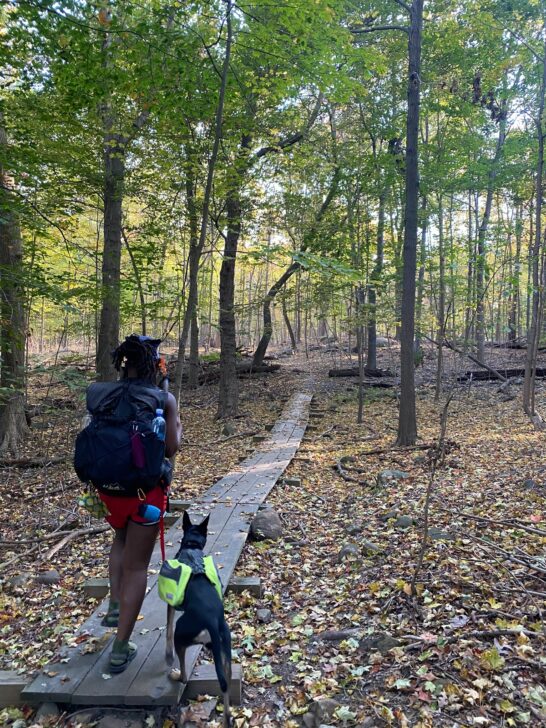
Getting into the basin—the weather was cooler but still comfortable.
Speaking of stakes, I hadn’t counted mine. For a solid pitch, the shelter required ten stakes. I had only six. I managed to get the tent mostly upright, and pulled the guylines out as far as I could before dropping massive rocks on top of them, making the walls somewhat taut as the wind picked up and blew icy air across the lake. While I was very confused by my trekking-pole shelter, I have significant backpacking experience with my normal setup. I knew the broad walls of the shelter were going to be buffeted by whatever the hell was blowing in with the dark clouds gathering over the edge of the basin.
As it got dark, the wind picked up, even more, slapping the walls of the shelter into my face. The tent collapsed twice, and I crawled out of my not-warm-enough sleeping bag, shivering, and restaked it while cursing my lack of preparation.
The wind howled throughout the night, and the echoing tap—tap tap—taptaptaptaptap meant something was falling from the sky. Rain? Sleet? Had it gotten cold enough to snow? I stared at the billowing shelter walls and watched my crooked trekking-pole supports wobble in the howling wind and thought, “I don’t care what it’s doing out there, as long as this tent stays up and I don’t have to go out there and fix it.”
I must have fallen asleep despite the wind and precipitation, because the next thing I knew, I opened my eyes to dim morning light and something dense on top of my head. I sputtered and sat up, blinking at the sagging walls. The tent had somehow stayed upright despite the weather and my awful pitch, but was completely bowed in at the sides from piles of snow. That’s what was on my head. The tent had sagged enough that the headwall—and pile of snow on the outside—had fallen directly onto my face. I checked my watch—It was 7 AM—enough light for me to make moves back to the trailhead.
Well, well, well. The seasons changed overnight, as they tend to do in the mountains.
I wore all of my layers as I stuffed the tent and my sleep system into my bag, hanging the pack on a branch to keep it off the snow that now covered the ground. The wind and snow had stopped, but everything was blanketed in white. I had no idea where the trail was, but I shouldered my pack and took off in the direction of the drainage. I had slept with my phone inside my sleeping bag, so it didn’t freeze and kill the battery. I pulled up the map with my marked waypoints and angled the direction of travel towards the closest one. I was off the trail for about half a mile, then found a faint dip in the snow cover that meant packed dirt. I hurried down, dropping elevation quickly, but remained in snow, sliding across icy rocks for over an hour.
By the time I made it to the last section of the trail, the sun was out, and the snow at the lower elevation was melting quickly. I stopped to snap photos of the gorgeous light peeking out from behind snow-capped peaks, and made it back to my truck in just a few hours.
It was 10 degrees (-12 C) on the hike out, but the view was too pretty—I had to take this shot.
Overall, it was a poor choice to head into the mountains—even to 9,000 feet (2,743 m)—without verifying the conditions. The weather is going to look very different in a mountainous basin than it does in the surrounding valleys, and it was my fault for dismissing that fact. However, I have done enough backpacking in shoulder seasons (and winter) to avoid feeling panicky. A down jacket and a 20-degree (-6.6 C) sleeping bag are the two things I always pack—and when used together I feel comfortable down to 10 degrees (-12 C). I might not have known how to set up my shelter perfectly, but I knew enough to get it to a point where it would stay standing and provide protection. And while I was unfamiliar with that lake, I understand the topography of that area enough to easily find my way out. There was nothing technical about the trail, and following my waypoints on the way out proved simple.
No matter how experienced you are, it’s always better to be completely prepared. While I can figure things out on the fly, despite not having the best gear for the scenario, I need to remember to take a few extra minutes before each trip to completely set myself up for success.
That’s why I’m always learning. Next time I’ll definitely check the weather.
Backpacking Light does not accept compensation or donated/discounted products in exchange for product mentions or placements in editorial coverage.
Some (but not all) of the links in this review may be affiliate links. If you click on one of these links and visit one of our affiliate partners (usually a retailer site), and subsequently place an order with that retailer, we receive a commission on your entire order, which varies between 3% and 15% of the purchase price. Affiliate commissions represent less than 15% of Backpacking Light's gross revenue. More than 70% of our revenue comes from Membership Fees. So if you'd really like to support our work, don't buy gear you don't need - support our consumer advocacy work and become a Member instead.
Learn more about affiliate commissions, influencer marketing, and our consumer advocacy work by reading our article Stop wasting money on gear.
Longtime Backpacking Light author Emylene VanderVeldon takes on a suspiciously-named untraversed route, one of the most difficult she’s ever attempted.
My shelter, sleep, clothing, water, and cook system for when temps drop but full-on winter snow and wind hasn’t yet arrived.
It’s really dry in Wyoming this year. There’s no snow on the ground at 8,000 feet.
But it’s cold.
Overnight lows have been in the single digits F and daytime highs aren’t high enough for water to be readily available.
That posed a unique challenge – ice abounds, but not much water. So staying hydrated is an issue. Watch this video to see my solution:
Here’s what else I like to do when the temps are frigid but the snow is missing.
1. I still like to camp in a tarp.
There’s something about tarp camping when it’s cold that’s really satisfying. Winter winds don’t arrive in Wyoming until late winter/early spring, so late fall/early winter is still a great time to tarp camp.
My favorite tarp has always been, and will continue to be, a 9-foot-square DCF tarp.
Here’s a trip report video where I used a tarp like this during the Wyoming winter:
Currently, I prefer the Hyperlite Mountain Gear Square Tarp. It’s well-made, has plenty of tie-outs for flexible pitch options, and best of all, it’s lasted several years for me. Mine is a 2012 model (1st generation), and it’s still going strong eight years later.
The Hyperlite Mountain Gear Square Tarp pitched in a flying-diamond formation – 3 corners staked to the ground, one corner tied high to a tree. Lots of headroom, with wind protection on three sides.
2. I spend my weight on sleeping bag and insulating clothing warmth.
Short days, long nights. I spend a lot of my time in my sleeping bag during the winter.
I like to experiment with quilts in the winter, but I prefer the coziness of a mummy sleeping bag that offers enough girth for layering a puffy down jacket and pants, and to side sleep.
My favorite premium mummy bag, which I’ve used for several years now, is the Feathered Friends Lark UL 10. When I pair it with my PhDesigns Yukon Pullover and Western Mountaineering Flash Pants, I’m very comfortable down to 10 below F.
I have a love affair with my winter sleep system. The Feathered Friends Lark sleeping bag, Nemo Tensor Insulated Regular Wide pad, Gossamer Gear 1/8″ Thinlight CCF pad, and the Gossamer Gear Polyrcro ground cloth.
3. Don’t ignore your mattress.
My luxe pad is the Nemo Tensor Insulated Sleeping Pad.
It’s not ultralight per se. But in terms of comfort (for me), the regular length, wide width, is better than sleeping on my bed at home.
When temps drop, I add the Gossamer Gear Thinlight CCF pad – 1/8″ is plenty on dry ground, but go with 1/4″ thick for sleeping on snow in subzero conditions.
4. Keep your hands warm.
I don’t opt for ultralight handwear in the winter.
Your hands are too valuable. You need to operate stoves, deal with first aid supplies, manage navigation tools.
The REI Co-op Flash Air 2 Tent is a two-person hybrid single/double-wall shelter with dual entrances and vestibules. It is non-freestanding and can be pitched with two trekking poles to save weight or by using the included pole set.
BPL columnist Mark Wetherington reviews the book “Free Outside” by fellow BPL member and author – and Colorado Trail FKT holder – Jeff Garmire.
Unpacked is a new column from Backpacking Light by outdoor writer, gear tester, and librarian Mark Wetherington. It ranges from book reviews to essays on outdoor ethics and culture. There’s a richness in backpacking that’s rarely reflected in gear reviews and trip reports – this column aims to explore the deeper essence of our hobby with an insightful (and sometimes humorous) approach.
Free Outside by Jeff Garmire
Jeff Garmire is undoubtedly one of the most impressive long-distance hikers to have ever laced up a pair of trail runners. In addition to setting Fastest Known Time records (FKTs) on the Arizona Trail, Long Trail, Pinhoti Trail, and — most recently — the unsupported FKT of the Colorado Trail, he completed a Calendar Year Triple Crown in 2016. Hiking the Appalachian, Pacific Crest, and Continental Divide Trails in one year is a remarkable physical and mental accomplishment, and “Free Outside” is Garmire’s account of the experience.
Free Outside is available for order from Jeff Garmire’s website.
Themes and Style
After a brief overview of Garmire’s resignation from his job in Denver and pre-trip preparations, we join him at the start of the journey at the southern terminus of the Appalachian Trail. As the miles fly by, the narrative continues in a simple, linear form. The emotional and physical challenges are noted but never discussed in great detail. This keeps the book moving along at an entertaining pace, but also leaves one wanting more details on the profundity of certain experiences or the depths of strength and stamina required.
The book takes account of several recurring themes, such as kindness, generosity, and the beauty of nature, but none are examined in a way that allows the reader to really have meaningful insight into how powerful they must have felt. That said, writing about the human condition and the transcendental impact of immersion in nature is no easy task, and keeping the book focused on the play-by-play and day-to-day is beneficial in the way that it focuses the attention as much as possible on what it is actually like to hike 8,000 miles (12,875 km) in a single year.
The Pros and Cons of Simplicity
From winter storms and bone-chilling temperatures to unnerving wildlife encounters and brushes with dehydration, there aren’t many dull moments in this book. Even the descriptions of fairly routine sections of the trail leave one awe-struck when considering their place in the context of the overall achievement and the demanding daily mileages, typically between thirty and forty miles (48 to 64 km).
Logistics, resupplies and notes about people encountered also feature prominently in the text. The small world of thru-hiking is noted when Garmire runs into those from trails he’s hiked previously or that have another connection to him. After Garmire, food is probably the most prominent character in the book. There were certain times where it seemed like the book was about eating as much as it was about hiking, which makes sense when considering that fueling such an epic undertaking is not something one is able to do on an empty stomach. Although, in many instances, as part of a strategic and often successful approach to minimize weight, Garmire does run almost or completely out of food before reaching his next resupply.
Since the reader already knows the outcome — there’s no mystery or plot to develop — the simplicity of the writing style becomes more of a hindrance than an asset. The book is divided into short to medium-length chapters, but there is no paragraph spacing to further break up the chapters into sections.
The lack of photos is also a downside to the book. There are basic maps of the trails, a cover photo, and a thumbnail photo on the back cover but no other illustrations or photographs. On page 224, Garmire mentions taking a photo that he considers to be one of his best, and it would have been great to see that photo and others in the book to break up the text.
Like many self-published books, “Free Outside” appears to have spent minimal time in the hands of an editor. On the book’s back cover, Great Smoky Mountains National Park is referred to as “Smokey Mountain National Park,” which was an unforced factual error that an editor would’ve easily caught. The William O. Douglas Wilderness is misnamed as the David O. Douglas Wilderness during the description of the PCT hike, and other typos are not uncommon. These and other minor errors don’t ruin the narrative by any means, but they do detract from the readability in places. It was also a bit odd that after being provided with minimal background or personal details, the reader finds out on page 171 (out of 257 pages) that the Calendar Year Triple Crown attempt is an effort to raise money for suicide prevention. No substantial discussion of this topic or the money raised occurs later in the book. It just fades into the background of the story, which, given its importance, was a bit odd.
Garmire’s successful completion of a Calendar Year Triple Crown is an amazing story and “Free Outside” tells that story, but from a literary standpoint, it doesn’t tell it particularly well. This book is worth reading if you have an intense interest in the endurance-adventure genre. Still, for casual readers who backpack, it likely won’t be as entertaining as “Thirst” by Heather “Anish” Anderson or other recent books in the long-trails canon.
Backpacking Light does not accept compensation or donated/discounted products in exchange for product mentions or placements in editorial coverage.
Some (but not all) of the links in this review may be affiliate links. If you click on one of these links and visit one of our affiliate partners (usually a retailer site), and subsequently place an order with that retailer, we receive a commission on your entire order, which varies between 3% and 15% of the purchase price. Affiliate commissions represent less than 15% of Backpacking Light's gross revenue. More than 70% of our revenue comes from Membership Fees. So if you'd really like to support our work, don't buy gear you don't need - support our consumer advocacy work and become a Member instead.
Learn more about affiliate commissions, influencer marketing, and our consumer advocacy work by reading our article Stop wasting money on gear.
The Outdoor Research Stargazer AscentShell Bivy (18.9 oz / 536 g, $259) is one of the few waterproof-breathable bivy sacks on the market that weigh just over a pound and also includes mosquito netting and a headroom-extending pole.
I fell into a rut, like many of us when an activity is familiar and comfortable. It took connecting with a more experienced backpacker to show me I had the knowledge and skills to push myself into new territory.
Learning Curve is a monthly column by outdoor journalist Maggie Slepian which will examine human-powered outdoor adventure through the lens of beginners. How do beginners learn our sports? What pitfalls do they face? How does mentality shift through time? And how should experts treat beginners? The Learning Curve will cover all this, and more. Got suggestions? Drop Maggie a line in the comments.
I’ve spent the past decade gaining backcountry skills, gear knowledge, and putting mileage on my trail runners. I have long been comfortable taking friends out for overnights, and confident within my own distinct parameters of backcountry exploration.
But I fell into a rut, like many of us when an activity is familiar and comfortable. After a while, it stopped occurring to me to step outside the bounds of what I’d already explored. I think this is common for a lot of people with a primary activity. For backpackers, it might be a different trail each week, but maybe that trail never exceeds a certain length or spending two nights outside instead of one feels like a big step.
Maybe it’s always an out-and-back, or the term “route-finding” in the trail description is intimidating enough that you click out of the trail page and find a familiar trail. It’s not anxiety, fear, or a deliberate dismissal of trying something new. It’s a comfortable pattern we can all fall into where good enough is the standard, and the unknown of anything beyond that standard somehow becomes an unbreachable wall.
Getting stoked on the high-elevation Gallatin Crest Trail.
Every summer, I hiked the same trails over and over. Day hikes became repetitive. I had a five-mile (5 km) hike, a five-mile hike with a lot of elevation gain, a trail I could run if I felt like it, and a ten-miler (16 km) that involved a peak and made me feel accomplished. My overnight trips were similar. I had my favorite alpine lakes and one particular overnight that involved climbing a pass and dropping into a picturesque lake that became my show-off trip to impress visitors.
But it was always the same rotation. I forgave myself for this so-called rut because at least I’m still getting out there, but there is a certain stasis and the lack of accomplishment that comes with making the same trips for literal years in a state with more wilderness, national forest, alpine lakes, and peaks that I could hope to explore in a lifetime.
When I met my boyfriend Jeff (known in the hiking community as “Legend”), he had almost ten times the trail mileage as myself, a dozen trail records under his belt, and was the second person to have ever hiked the 7,000-mile (11,265 km) Great Western Loop. He had hiked the Calendar Year Triple Crown, and thousands of miles of trail that saw little foot traffic and were more choose-your-own-adventure than established routes. Jeff had no self-imposed limits, no patterns he’d felt stuck in. With this as my in-person example, I started toeing the line of my preconceived boundaries.
The things that unnerved me—bears, route-finding, cowboy camping, losing the trail—were nonissues for Jeff. It didn’t occur to him to be worried if the trail vanished and turned into a navigational challenge. If we lost the trail under snow, he could gauge from the landscape where our route likely turned next. “It’s going to take the path of least resistance,” he told me, scanning the looming walls of a snow-covered pass on one early-season outing. He stepped behind me and let me take the lead. “Your turn to figure it out.”
The final push up Pintler Pass was through deep snow in clothes that seemed increasingly ridiculous with each step.
If we lost the trail entirely, his instincts from 25,000 trail miles (40,200 km) were so finetuned that he could accurately guess what drainage we had to drop into, where the lower switchbacks would likely cross, and the best way we could reconnect.
On one trip, we linked together two popular trails that looked like they had some semblance of an established path between them. My map showed each trail being fairly straightforward, but the ten miles (16 km) of connector trails wound up being quite ambiguous. Heading up one steep climb, we mistakenly followed a game trail across to the wrong ridgeline. When I realized we were not on our planned route anymore, I felt my chest tighten and my anxiety spike. I tried to bring it up casually, that maybe we should climb back up to the top and figure out where we went wrong. He seemed unconcerned, scanning the forested hills and layered peaks of the Gallatin Range. He casually agreed that we were indeed wrong, but we definitely didn’t have to backtrack.
Most definitely, 100%, absolutely on the wrong ridgeline.
It’s not that I was being shrugged off, or my anxieties were ignored. He had simply lost the trail enough times and reconnected with it to confidently know how our trip would end up. Either we found the trail and finished our loop at the car, or we knew we were pointed in (mostly) the right direction, and we’d drop down to Highway 191 and orient ourselves from there. Both scenarios wound up with us back at the car, not lost for weeks in the woods or dismembered by a grizzly bear.
We studied the map together, and he pointed out what ridgeline we were supposed to be on, and to reconnect with the trail, we should have just turned south and started dropping in elevation. Once again, he put me in the front and told me to take my best guess.
“What if I’m wrong?” I asked, feeling at once helpless and like I was overreacting. He shrugged again. “Then we’ll figure it out later.” This wasn’t an act, either. Enough backcountry experience had proven to him which situations would resolve easily and which ones were a legitimate cause for concern, with the worst outcome being a road walk.
And we were wrong. The worst happened, and it was a one-mile (1.6 km) road walk. We dropped down one drainage from where we wanted to be, and had a scenic stroll along Highway 191 back to the trailhead. It was proof to me that it was possible to lose the trail enough that we wound up in the wrong drainage, and the world didn’t end. In this case, it was simple. We wanted to be lower down, so we dropped down. Obviously, the general idea is to stay on the trail, but if you don’t, that is okay too. This past season of backpacking has shown me that combining common sense and practicing stepping outside of boundaries go hand in hand, and there’s less to fear from the unknown than I thought.
Probably close to losing the trail. And then finding it again.
With new experience and confidence, I’ve now begun to push my boundaries a little. I’ve lost the trail and either found it by pausing and using my brain, or continued on my path and reconnected with it based on the topography of the area.
I am not promoting going out and getting yourself lost in the woods. That’s a good recipe for the SOS button on your GPS unit and an overly involved backcountry rescue. Don’t be like that. Be smart and stay within your moderate limitations, but don’t let those perceived limitations govern everything you do. Try a new trail. Make a loop between two lakes instead of an out-and-back to that one you always hike to. Spend two nights in the woods instead of one. Set out prepared with a map, a trail description, and a navigational tool (that you know how to use), but it’s okay if you’ve never been in this mountain range or you explore the national forest from a different trailhead.
Once you have enough experience in your back pocket, or you’re lucky enough to have an experienced partner who wants to help impart upon you backcountry common sense, the world seems to open up in incredible ways.
Backpacking Light does not accept compensation or donated/discounted products in exchange for product mentions or placements in editorial coverage.
Some (but not all) of the links in this review may be affiliate links. If you click on one of these links and visit one of our affiliate partners (usually a retailer site), and subsequently place an order with that retailer, we receive a commission on your entire order, which varies between 3% and 15% of the purchase price. Affiliate commissions represent less than 15% of Backpacking Light's gross revenue. More than 70% of our revenue comes from Membership Fees. So if you'd really like to support our work, don't buy gear you don't need - support our consumer advocacy work and become a Member instead.
Learn more about affiliate commissions, influencer marketing, and our consumer advocacy work by reading our article Stop wasting money on gear.
BPL columnist Ben Kilbourne was on a trail run when he suddenly found himself in a mask-related confrontation. What happened next got him thinking.
The Overlook is Backpacking Light’s new monthly column where hiker, writer, and thinker Ben Kilbourne will explore backpacking from many different vantages. He will try to climb up to a high place with a view, an overlook, where the myriad issues intertwined with backpacking can be seen. This column will challenge the reader to embrace complexity and engage in thoughtful dialogue with other readers. Join us at The Overlook!
An Encounter
To some, this is what the “other” looks like.
After a long workday, I closed the computer, switched from jeans to running clothes, drove up Big Cottonwood Canyon just outside of Salt Lake City, and parked on the side of the road behind a long string of cars. On a Friday afternoon, hordes of people had the same idea as me: get some exercise in the woods. It’s a common pastime for Salt Lakers of all kinds, an activity with no apparent common denominator. The Wasatch Range is a place where different people are brought together through a shared love of the outdoors.
Huge family groups speaking a variety of languages were headed up the trail that forked to the left to Lake Blanche and Sundial Peak. Dads and moms with towering overnight backpacks toted along kids with small packs, toys, water bottles, or nothing at all. While I felt happy to be sharing with them the experience of getting outside at the end of the week, I didn’t want to compete for the trail, so I went right on the Broad’s Fork Trail. The sharp daytime call of the northern flicker issued through the woods as I joined my neighbors in the comradery of leaving the workweek behind. We all needed it and deserved it.
Hiking these days, I carry a mask with me but it often stays on my wrist. Knowing that the coronavirus passes as tiny particles through the air and that the danger is greatest when people are in close proximity, I only pull it over my mouth and nose and secure the straps behind my ears if I find myself on a narrow trail where an oncoming hiker and I will be forced to pass each other within only a foot or so. This closeness is oftentimes inevitable, so I come prepared.
Only ten minutes on the trail and I found myself headed towards a hiker on a trail bounded on either side by thick, impenetrable brush. It was one of those times where we’d have to essentially brush shoulders. I took the mask off my wrist and put it on. I casually said, “Hi” to the man and stepped past him and was about to continue on up the trail when he stopped and said loudly, “You’ve got to be kidding me.”
I stopped and turned. “What’s that?” I asked.
“F*** you, you f***ing piece of s***!” he roared.
I paused and looked at him. He looked like other hikers I would typically pass on the trail—unnoteworthy. He wore hiking boots, cargo shorts, and carried a daypack. Nothing about him distinguished him from anyone else with whom I shared the trail that day, save for the face below the brim of his baseball cap, which was strained, red, and utterly livid.
“You’re angry,” I said, and I pulled the mask down around my chin and removed my sunglasses so I could see him better. At that moment, I only felt capable of stating the obvious.
“F*** you, you f***ing liberal, hippie!” He shrieked at me.
I stood staring. I knew I was experiencing something special, something unique to 2020 America. My senses became heightened. I didn’t want to miss anything.
The man continued to shout at me about how he could never have the coronavirus because he was in such good shape for a 55-year-old. How I shouldn’t be scared of him because he just climbed a mountain; all the obvious rebuttals flashed through my brain, but I stayed silent. I knew that if I said the mask was to protect him more than me he wouldn’t hear me. If I said I wasn’t harming him by wearing a mask he wouldn’t hear me. If I said that while I didn’t really even know how much I was protecting either of us, but that I chose the better-safe-than-sorry option, and that it was no skin off my back to do so, he wouldn’t hear me.
I felt like I was trapped with a troll on a Facebook or Twitter post. But this social media interaction was somehow playing out below a canopy of spruce and fir instead of inside a screen. It felt sacrilegious. Having ample experience with Facebook, I knew he expected me to sling judgments right back at him and how it would go if I did so. I would be confirming his judgments. The threat my existence apparently posed to him would be validated. “I knew it!” he would exclaim, gleefully vindicated in his rage. Instead, I listened as he continued to yell at me.
Then things escalated without any provocation at all; I was still just staring and listening when he took a few steps towards me, balled his hands into fists, and shrieked, “If I hit you, maybe you’ll get the virus!” I reached for my phone, wishing at that moment I had been filming the whole thing. He stopped within five feet of me and took a few steps back.
The author right after the encounter.
“You seem to know a lot about me. What else can you tell me about myself?” I asked.
“You’re a f***ing Mormon!” he barked with certainty.
That response was totally unexpected. I had given him no information about myself at all, and he created a complete narrative regardless. He turned and started down the trail, and the repeated accusations that I was “a f***ing Mormon, f***ing liberal, or f***ing hippie” echoed through the forest even after he was out of sight.
Othering
When he was gone, I looked down at my feet, scanning my body, trying to see what he saw. I was wearing navy blue running shoes, turquoise shorts, a blue, quarter-zip running jersey, and a black running vest. I wore a short beard, my long hair was tied up in a bun, and I had on a tattered, salt-stained, short-brimmed hat. The entire narrative he built was founded on this image. I guess this is what a liberal, hippie, Mormon looks like, I thought. I had no idea.
What I did know was that what he saw in me was otherness. The person he saw standing before him embodied ideas that ran counter to his ideas about the reality of the world. The act of wearing a mask is objectively nonthreatening, but it signified something that was threatening to him. It represented an otherness that prevented us from being united by the mountains and the joy of exercising in the woods on a Friday afternoon.
Sundial Peak, where many backpackers go to enjoy the mountains at the end of the workweek.
The act of othering places division where there really is none. It’s an arbitrary and fundamentally dishonest attempt to divide the common destinies of humanity. I might go so far as to say it’s a form of gaslighting when he tells me I am different from him. I just don’t buy it. I can’t buy it. In fact, it’s my duty as a member of humanity, a citizen of the Earth, not to buy it. Martin Luther King Jr. once said, “We are caught in an inescapable network of mutuality, tied in a single garment of destiny. Whatever affects one directly, affects all indirectly.”
Somehow, we managed to forget this despite being surrounded by the great outdoors, the Earth which is home to all of us. The trees towering over us and the flicker’s call which echoed between them so clearly displayed that inescapable network of mutuality, our shared belonging to nature, but we didn’t notice.
Moving slowly up the trail, I wondered what we should do to remember our shared belonging during this strange time. I know the United States appears more divided than ever, but if you take a moment to look, we really are united by our shared dreams and desires. The man and I, and those parents at the trailhead, all want the freedom to drive from our homes, throw a pack on our backs, and head out into the woods. Surely, we want our children and their children to have this experience as well. In retrospect, all I wish is that I could have shared this sentiment with him before we parted ways.
A few minutes later, I crested a false summit, and could see the great metamorphic mass of Dromedary Peak through the trees. The sky above it was perfectly blue and cloudless. Two men—one with a mask and one without—were headed my way, so I stepped off the trail to let them go by. As we passed each other, we exchanged cordial, brief salutations, and went our own ways in the same forest.
Backpacking Light does not accept compensation or donated/discounted products in exchange for product mentions or placements in editorial coverage.
Some (but not all) of the links in this review may be affiliate links. If you click on one of these links and visit one of our affiliate partners (usually a retailer site), and subsequently place an order with that retailer, we receive a commission on your entire order, which varies between 3% and 15% of the purchase price. Affiliate commissions represent less than 15% of Backpacking Light's gross revenue. More than 70% of our revenue comes from Membership Fees. So if you'd really like to support our work, don't buy gear you don't need - support our consumer advocacy work and become a Member instead.
Learn more about affiliate commissions, influencer marketing, and our consumer advocacy work by reading our article Stop wasting money on gear.
In this episode of the Backpacking Light Podcast, Andrew and Ryan interview some of the folks who came together to make friend’o-the-podcast Jeff Garmire’s recent FKT of the Colorado Trail a success: Maggie Slepian, Dylan Harris, Nik Tizekker, and, of course, the Fastest Known Tiger himself.
Stream
Summary
In this episode of the Backpacking Light Podcast, Andrew and Ryan interview some of the folks who came together to make friend’o-the-podcast Jeff Garmire’s recent FKT of the Colorado Trail a success. First, Ryan talks with the Fastest Known Tiger himself to get an insight into the physical and mental stresses Jeff underwent while achieving the record.
Jeff Garmire on his FKT attempt of the Colorado Trail. Photo: Elisabeth Tizekker
In the second interview, Andrew chats with filmmakers Nik Tizekker and Dylan Harris about the logistics (and adventure) of shooting a film about Jeff’s FKT.
Finally, Ryan takes the mic again for a brief chat with BPL Columnist (and Jeff’s partner) Maggie Slepian about the highs and lows of watching a loved one complete such a challenge.
Outline
Jeff Garmire Interview
General check-in
Starting pace and strategy
Tackling the San Juans at the start vs. the end
Struggling with altitude
Weather
The climb up Elk Creek
Dealing with touch sections of the trail
Finding a tempo
Sleep deprivation and hallucinations
Going FKT style means he had to sacrifice on some things like electrolytes
Food
Ate his last bit of food 24 hours before he finished
Executive Producer - Backpacking Light; Show Director and Host - Ryan Jordan; Producer - Chase Jordan; Theme music: Look for Me in the Mountains written by Chris Cunningham and Ryan Jordan, performed by Chris Cunningham (acoustic guitar, lead and harmony vocals, harmonica), Chad Langford (upright bass), and Tom Murphy (mandolin), produced by Basecamp Studios in Bozeman, Montana.
Sponsorship Policy: Backpacking Light does not accept compensation or donated/discounted products in exchange for product mentions or placements in editorial coverage, including any podcast episode content not excplicitly identified as sponsored content. Some (but not all) of the links in these show notes may be affiliate links. Learn more about affiliate commissions, influencer marketing, and our consumer advocacy work by reading our article Stop wasting money on gear.
In part three of his series on modern wildfires, Rex Sanders uses video and animation to help you visualize just how crazy this wildfire season has been.
Editor’s Note: This is part three of a three-part series. Make sure you read part one and part two of this series first!
This past summer and fall, wildfires in the Western U.S. seemed to set new records daily. News reports featured endless streams of scary images, incomprehensible statistics, and mysterious maps. But all of this told only part of the story.
NASA satellites with special infrared sensors capture images of fires every day. By animating those images, we can get a different look at how fast and how far wildfires grew in 2020. We’ll look at outbreaks in Northern California, Oregon, Colorado, and Wyoming. And we’ll zoom in on particularly aggressive blazes, like the Creek Fire near the John Muir Trail, which resulted in heroic night-time helicopter evacuations. In one night, the East Troublesome Fire leaped across the Continental Divide in Colorado’s Rocky Mountain National Park, torching an area 31 miles long and 17 miles wide (50 km x 27 km).
By helping backpackers visualize the rapid growth and monstrous size of these blazes, we can be better prepared for the changing risks in our new wildfire era. For more about adjusting to this altered environment, see the recently published stories “Adapting to Changing Wildfires: Part One” and “Part Two.”
Be safe out there. And thank the firefighters and EMS staff that worked hard to defend your friends, communities, and favorite outdoor destinations.
Backpacking Light does not accept compensation or donated/discounted products in exchange for product mentions or placements in editorial coverage.
Some (but not all) of the links in this review may be affiliate links. If you click on one of these links and visit one of our affiliate partners (usually a retailer site), and subsequently place an order with that retailer, we receive a commission on your entire order, which varies between 3% and 15% of the purchase price. Affiliate commissions represent less than 15% of Backpacking Light's gross revenue. More than 70% of our revenue comes from Membership Fees. So if you'd really like to support our work, don't buy gear you don't need - support our consumer advocacy work and become a Member instead.
Learn more about affiliate commissions, influencer marketing, and our consumer advocacy work by reading our article Stop wasting money on gear.
Wildfires in western North America have changed for the worse and will continue changing. Fire tornadoes ripped living trees out of the ground, set them alight, and dropped them miles away. Blazes consumed 400 mi² (1,000 km²) in one day. Researchers compared the worst wildfires to the firebombing of Dresden in World War II or Hiroshima’s destruction by an atomic bomb.
False-color satellite image of Colorado and Wyoming on October 22, 2020, showing bright red active fires and dull red burn scars. The East Troublesome Fire exploded the previous night, burning more than 230 mi² (600 km²) in 24 hours and crossing the Continental Divide. Just northeast, the Cameron Peak Fire was the largest recorded in Colorado history as of that date. The scar from Wyoming’s Mullen Fire is visible about 40 miles (64 km) north. Image roughly 125 miles (200 km) across. Credit: NASA, public domain.
Existing fire forecasting software has proven useless, while scientists struggle to develop new models. Some researchers predict that, on average, next year will be worse than the year before – indefinitely. As Daniel Duane wrote in WIRED, “It is as if we’ve crossed some threshold of climate and fire fuel into an era of uncontrollable conflagrations.”
While reasonably cautious backpackers are unlikely to perish in wildfires, we must learn to live with altered fire behavior, landscapes, and rules. This essay is an exploration of what some of those changes might look like.
Closures
Screenshot of the announcement temporarily closing all National Forests in California. Credit: U.S. Forest Service, public domain.
During active wildfires or even high-fire-danger weather, land managers will close parks and forests for many good reasons. Don’t try to sneak in, thinking you know better. You are probably interfering with firefighting just driving to the trailhead, and you could put others at grave risk if you need rescue.
For several weeks in 2020, every National Forest and BLM area, most National Parks, and many state and local parks in California closed to backpackers and all other recreational users.
Even after authorities declare a fire contained – with fire lines surrounding the blaze – trees and brush could continue burning until the first heavy rains or snowfalls. Wildfires sometimes jump artificial boundaries. Remnant fires can produce a lot of smoke; many trails are trashed; falling rocks, limbs, and trees could trap or injure you; and long-smoldering ash pits that look like solid ground could severely injure you.
Some parks and forests might stay closed for months or years after the immediate dangers subside. Land managers must fix problems like blocked or collapsed roads and trails, damaged or destroyed buildings, and broken or polluted water sources.
Short-term Landscape Changes
Species Adaptation (Or Not)
Wildfires do not create uniform destruction. Within a blaze’s boundary, we often see a mosaic of unburned, lightly burned, heavily burned, and nothing-but-ashes areas. This variety is fortunate because plants and animals in the less-affected parts can repopulate the heavily-damaged zones, sometimes quickly. And we often witness an explosion of rarely seen species that thrive in post-wildfire conditions, including open spaces, abundant sunlight, and mineralized soil.
But it doesn’t always work that way. Rare and endangered species populations can plummet or vanish. Wildlife may disappear temporarily or permanently. Trees and brush will be damaged or killed. Formerly postcard-worthy vistas often look like moonscapes.
Water Problems
Fires can expose rivers, lakes, and watersheds to more sun, dramatically reducing water levels in the short run. Many blazes leave behind blackened ponds and streams filled with ash, burned debris, or landslides. Developed water sources might suffer from destroyed spring boxes, burnt piping, damaged tanks, and melted spigots.
Toxic or cancer-causing chemicals from fires and smoke can make water in wildfire areas and downstream unusable, even for washing. One rural system found benzene levels 40,000 times higher than EPA standards after a fire. You could experience serious challenges finding drinkable water, even from previously-reliable sources.
Trail Damage
Trails can suffer severe damage during wildfires, caused by erosion from firefighting work, collapsed retaining walls, rockslides and landslides, fallen trees, and even stealthy 2,000 F (1,000 C) ash pits. Trail signs may be down and pointing the wrong way or reduced to slag and ashes.
With trail maintenance funds often redirected to wildfire suppression, don’t expect government employees or contractors to repair problems quickly. Typically, issues will persist until teams of volunteers fix them. The PCTA is still repairing trails and signs damaged by wildfires in 2018.
Long-term Landscape Changes
For years after a wildfire, you might hike through blackened scrub and forests, over burnt deadfall, with trails difficult to follow or gone, while skirting newly-sprouted noxious species like poodle-dog bush and thistles. Expect on and off closures of trails, trailheads, forests, and parks.
In some burned areas, you’ll encounter restoration activities: dead tree removal, trail repairs, campground rebuilding, tree planting, and controlled burns. And you might see drones in the sky, dropping seeds, herbicides, pesticides, and fertilizers, or just surveying the area. Workers may move some trails, outhouses, campgrounds, and ranger stations, leading to map errors. Land managers may choose to close or abandon certain features forever.
It’s Just Not the Same Here Anymore
And sometimes nature takes other paths. Post-fire erosion can quickly strip hillsides, leading to poor plant growth. Fires can burn so hot it sterilizes the soil and kills seeds and roots, delaying repopulation by decades. So-called “invasive species” may live up to their name, filling ecological niches before native plants and animals have a chance – and forever changing the biological landscape. Plus, the local climate might have changed so much that certain trees can’t grow there anymore. These new landscapes also might be much more fire-prone than the old ones, adapted to warmer and drier conditions.
For many years burnt-over areas could have streams and lakes filled with ash and debris, undrinkable water, and experience more massive and more frequent landslides. Since fewer trees and bushes will suck water from the ground and cast shade on snowpacks, rivers and streams can carry earlier and much higher spring runoff, making for more challenging crossings. Higher lakes and reservoirs could temporarily drown trails and campsites. And research shows that some burned areas get significantly hotter, while others cool a few degrees.
Finally, resupply towns and resorts often sustain severe wildfire damage. Some could close forever. Many will suffer from polluted tap water and frequent power outages for years, making bottle refills and battery charging even harder.
Land Management Changes
This year, federal, state, and local land managers issued many emergency orders, including total closures and stove bans. And some of them might get more enthusiastic about using more prescribed or cultural fires or letting burn fires that don’t directly threaten civilization. But others will rely on old practices like logging disguised as thinning or forest management.
Here are some of the potential impacts on backpackers.
Stoves and Shovels
Expect significant, possibly permanent changes in stove and campfire policies for many western U.S. parks and forests. Authorities could prohibit everything but off-the-shelf stoves with a valve, as they have from time-to-time in the past. Stoves burning gasoline, kerosene, alcohol, wood, and hexamine might be banned due to their perceived fire-starting potential. For a short time, National Forests and BLM lands in California prohibited all “ignition devices,” including stoves, lighters, and fire steels – meaning no-cook meals only. Dreaming next to a campfire in the western backcountry seems doomed.
Yet banning stoves and campfires increases other risks. You’ll have nothing but body heat and possibly wet insulation to prevent hypothermia. You won’t be able to start rescue signal fires. And no more purifying water by boiling it.
Don’t be surprised if some land managers require backpackers to carry a shovel. They’ve forced whitewater rafters to carry those tools for decades, to put out “escaped campfires.” While camped next to a river on rocks and sand. During campfire bans.
Feller Bunchers and Herbicides
Many parks and forests might ramp up so-called mechanical thinning operations using powered equipment ranging from chainsaws to feller bunchers. You’ll definitely wake up when noisy machines in the same canyon roar to life. I love the smell of engine exhaust in the morning – that’s why I went backpacking!
And the U.S. Forest Service often applies herbicides like glyphosate (aka Roundup) and dicamba after wildfires to knock down unwanted plants and allow commercially-valuable trees to grow.
Cultural Fires and More Park Closures
If we’re lucky, government agencies will allow more areas to burn using prescribed fires or cultural fires overseen by Indigenous peoples, who learned to manage fire-adapted landscapes over many millennia. Before European colonization, Native Americans in California often burned over 18,000 mi² (47,000 km² ) every year. The Karuk Tribe in Northern California is just starting to work with the U.S. Forest Service to expand these culturally and environmentally vital fires.
Since 1970, Yosemite National Park has used prescribed burning and allowed selected backcountry fires to blaze without interference for weeks or months. Land managers might follow the example of Florida, which for the last 100 years has practiced widespread controlled burns. A fire big enough to make headlines in California is barely noticed in the Sunshine State. And ranchers in Kansas set fire to more than 3,000 mi² (8,000 km²) annually to improve grazing. Yet it took Sequoia National Park more than a decade to gain approval and the right conditions for a 1.6 mi² (4 km²) prescribed fire.
We might see an expansion of forest and park closures during all or part of a fire season. I wouldn’t be surprised if some areas close to recreation for many years due to high fire risk and lobbying from surrounding suburbs.
Emotional Impacts
Imagine hiking for days through blackened forests, with occasional unburned patches, or passing the remains of animals that perished in the fire. It’s okay to cry. It’s okay to be angry. It’s okay to feel whatever you feel.
And don’t be surprised if fear comes up. Fear that the fire could return, or fear that your favorite area that hasn’t burned yet could go through something like this. Those are all normal reactions.
Your favorite stream crossing or your favorite view may be unrecognizable. That post-trip ice cream bar that you always enjoyed at the mom and pop resort? Gone. The rustic buildings replaced by piles of ash and broken foundations. Beautiful forests, shrublands, and grasslands may change dramatically as new trees, bushes, and herbs move in.
But life on earth is always changing. We can learn to appreciate a new landscape with the right knowledge and attitude. Often by the time a burned-over area re-opens, the first signs of life are appearing. Healthy green sprouts carpet the hillsides. Birds return quickly to take advantage of new shoots and open skies and fill the air with song. You can rejoice in the renewal of life.
Be prepared for a wide range of emotions as you backpack through an area that’s been through a devastating wildfire.
Advocacy
Smokey Bear says, “Only YOU Can Encourage GOOD Forest Fires.” Image: USDA, public domain. Illustration by Rex Sanders.
Experiencing vast tracts of devastation and altered landscapes might motivate you to advocate for healthy wildlands and reduce future destruction. Fires are a critical part of the ecosystem and native culture in the Western U.S. and many parts of the world.
Maybe you can do something to prevent enormous landscape-changing wildfires. Let land managers know that you support prescribed fires, cultural blazes, and letting backcountry wildfires burn. If you live near wildlands proposed for these fires, don’t automatically oppose them. This year’s mild wildfire could prevent next year’s catastrophic blaze – which won’t even pause at your property line. And support non-profit groups that advocate for better forest management, far beyond raking and logging.
Adapting to Changes
How can backpackers adapt to a future with more and bigger wildfires, over an extended season, plus forests and parks with new rules?
Skills and Tools
It might be time to learn a new skill – backpacking without cooking. Except that going stoveless might mean eating differently and (gasp) carrying more weight.
In areas with bad water quality, consider using activated charcoal filters to remove more known and unknown nasty compounds. Simple membrane filters, chemicals, boiling, and UV won’t work. One California lake hasn’t returned to pre-burn pollution levels after more than 13 years.
Switching Times and Locations
Rethink trip timing, perhaps backpacking less during lengthening wildfire seasons and periodic closures, and more in the formerly colder and wetter months. In much of Southern California and other parts of the world where wildfires are nearly a year-round problem, that might mean going elsewhere.
Many people want to reduce their exposure to herbicides and pesticides. If you discover that land managers are using those chemicals to promote wildland “health” in an area – maybe you should consider a different hike.
And some trails will stay off-limits until they get rebuilt. Consider volunteering on trail crews to help pay back and pay forward enjoyment of the backcountry.
Supporting Each Other
Take a friend along for your first hike through a recently-burned area that you love. Share your feelings to help both of you deal. You can support each other as you work through intense emotions – and maybe deepen your friendship.
Be careful in helping someone else experiencing strong emotions. Reserve your judgments. Be supportive. Don’t tell them how they should feel or how they should react. Helping another person with their emotions can help you process your own. And you’ll both end up more content.
It’s easy to feel overwhelmed before, during, and after trips through scorched wild areas. Stay in the here and now. One foot in front of the other, one sip of water after another, one deep breath leading to the next. Enjoy each moment of nature’s renewal.
Setting Good Examples
There are few documented cases of backpackers starting wildfires. But that’s not the public perception. We should lead by example, going beyond the legal requirements, and doing much more to avoid setting blazes. I’m not recommending that everyone switch to uncooked food forever – that’s not even wise for trips in frigid weather. But the safer you can make your meal preparation, the better.
Respecting closures and new rules while practicing Leave No Trace, especially when people are watching or when you post to social media, can encourage other trekkers to make this new way of life part of everyday practice.
As backpackers, we have special responsibilities to leave natural settings “unimpaired for the enjoyment of future generations.” That includes changing where, when, and how we pursue our passion, further minimizing our chances of starting wildfires, and modeling responsible behavior. These changes could include switching from the absolute lightest equipment to safer-for-the-wildlands gear. Think of it as owing the Earth some ounces (grams).
Conclusion
False-color satellite image showing reddish burn scars from California’s August Complex Fire, the largest in recorded state history at the time. Taken October 22, 2020, image about 125 miles (200 km) across. Credit: NASA, public domain.
As I researched and wrote this story, new backcountry blazes started, and too many existing ones kept growing. Alarming scientific studies and shocking tales appeared daily. It honestly seems like we’ve entered a new wildfire era.
Backpackers must adapt to larger, faster, more frequent, and more catastrophic wildfires and their aftermaths. Some of these changes will be easy – others will be tough. And we should set good examples for other backcountry visitors as we trek into this brave new world.
Life is full of risks. Take reasonable precautions and learn to enjoy a changed and changing landscape when backpacking after a fire.
More Information
Creek Fire forces hikers into ‘Mordor’ smoke and across Sierra, including a boy and dog, Fresno Bee
Six astounding stories from backcountry visitors trapped by wildfire, including one first time backpacker forced into an off-trail, cross-Sierra death march – by headlamp. Many good decisions, some less good. Highly recommended.
2020 Western United States wildfire season, Wikipedia
A chilling account of how wildfire behavior has dramatically changed for the worse, the scientists trying to understand why, and how we might adapt. Highly recommended.
Unsafe to drink: Wildfires threaten rural towns with tainted water, CalMatters
Backpacking Light does not accept compensation or donated/discounted products in exchange for product mentions or placements in editorial coverage.
Some (but not all) of the links in this review may be affiliate links. If you click on one of these links and visit one of our affiliate partners (usually a retailer site), and subsequently place an order with that retailer, we receive a commission on your entire order, which varies between 3% and 15% of the purchase price. Affiliate commissions represent less than 15% of Backpacking Light's gross revenue. More than 70% of our revenue comes from Membership Fees. So if you'd really like to support our work, don't buy gear you don't need - support our consumer advocacy work and become a Member instead.
Learn more about affiliate commissions, influencer marketing, and our consumer advocacy work by reading our article Stop wasting money on gear.
In the first part of his series on modern wildfires, Rex Sanders runs through the most common dangers associated with wildfires – and what you can do about them.
What is the future of backpacking in an era of frequent massive wildfires? This year’s giant blazes in the Western U.S. closed many thousands of square miles (tens of thousands of square kilometers) in forests and parks for weeks and months. While the backcountry burned, land managers couldn’t take any chances that trekkers might start new fires or need rescue. This year, helicopters plucked dozens of backpackers from the Sierra Nevada when rapidly spreading blazes broke out. And in Colorado, choppers rescued two dogs and 23 hikers when a relatively small fire blocked a trailhead.
Smoke from western U.S. wildfires shrouds the Pacific Coast in this satellite image from September 9, 2020. Credit: NASA, public domain.
Most experts expect wildfires to get larger and more frequent, which will significantly impact backpackers in ways that you might not have considered. Learning to work around massive wildfires will become yet another non-traditional backpacking skill in the western U.S. and other countries. This essay gives you some background on wildfires in the U.S., describes the potential health and safety risks, and suggests how to stay safer and healthier. The next essay in this series (to be published on Friday, October 3oth) will cover landscape changes, potential new rules for enjoying the backcountry, and adapting to a flame-filled future.
It’s important to keep things in perspective when we’re talking about the health and safety of millions of people affected by wildfires and smoke. The recreational longings of backpackers are low priority compared to the lives and health of people and landscapes.
Background
U.S. firefighters call wildfires “massive” or “megafires” when they reach more than 100,000 acres (156 mi², 404 km2). In 2020 alone, California suffered from ten massive wildfires, including its first modern “gigafire” over 1 million acres (1,560 mi², 4,040 km2) – the August Complex.
And the Creek Fire in the central Sierra Nevada virtually exploded one night, torching another 100 mi² (260 km2) and triggering heroic military helicopter evacuations of trapped campers and backpackers. A few of this year’s fires burned for weeks in the so-called “asbestos forests” on California’s foggy, damp north coast. For months, tens of millions of Golden State residents suffered from unhealthy levels of wildfire smoke.
Megafires also broke out in Colorado, Wyoming, and Oregon. The Cameron Peak Fire has grown to the largest in Colorado’s modern history, eclipsing a record set by a different wildfire just seven weeks earlier. In the past year, Australia burned an astronomical area, more than five times the U.S. total in 2020. And record-breaking swaths of Russian Siberia burned this year after smashing records less than 12 months earlier.
Wildfires don’t just ravage iconic forests. I grew up watching Southern California’s chaparral-covered hillsides burn with regularity. In college, I learned that some of those bushes and trees depend on frequent fires for reproduction. Many of the same mountains and canyons burned again this year. Fires also raced through sagebrush in eastern Washington state, wiping out one of three small populations of a very endangered pygmy rabbit.
In too many cases this year, firefighters ran out of resources and defended carefully chosen towns and homes while letting large areas burn. The U.S. could expand wildland firefighting capabilities by a factor of 10 and still not have enough for years like this.
You Ain’t Seen Nothing Yet
This year we’re experiencing fire activity that some forecasts claimed might happen 30 years in the future – yet we could see a rerun every couple of years. But in the U.S., we haven’t even reached the fire totals of the early 20th century.
From 1926 to 1945, U.S. wildfires burned, on average, five times more area than 2000 to 2019. And the earlier years didn’t include Alaska. Source: National Interagency Fire Center, graphic by Rex Sanders.
Scientific studies project longer fire seasons, more fires, and bigger fires worldwide. Our new wildfire era has many causes and many potential solutions. But for this article, I’ll focus on backpacking safety and health risks and what you might do to reduce them.
Immediate Dangers
Nighttime flames and smoke on a ridge in the Santa Cruz mountains of California. Credit: Wikimedia CC BY-SA 4.0.
If you are backpacking far from civilization when a wildfire breaks out nearby, you don’t have many options. Even finding out that a large blaze is headed your way might be impossible. Consider these suggestions to reduce your risk.
Before your trip, check on wildfire and weather forecasts. Even if red flag warnings aren’t posted, any predictions of hot, dry, windy conditions dramatically increase fire likelihood. Look over your planned path and work out possible escape routes. If you have cell coverage or a satellite communicator, check on conditions daily, with the assistance of trusted home contacts if needed. Consider modifying your trip to make fleeing easier. Or change the dates or location of your trip.
If evacuation looks likely, pack quickly and leave immediately. Don’t delay hoping the fire might change direction at the last minute – that’s probably too late. Take the shortest route to safety, even if that means you exit hundreds of miles from your car – you’ll figure it out. Let emergency contacts at home know of your changed plans as soon as possible.
Finally, despite your best efforts, a wildfire might trap you. Pushing the SOS button on your PLB or satellite communicator is totally appropriate – but don’t expect a quick, miraculous rescue. You must fend for yourself until help arrives or you escape under your own power.
A backpacking shelter won’t protect you from choking smoke, falling trees, and raging flames. If threatened by fire, head for an open area with as little vegetation as possible, ideally next to a lake or river where you could submerge. This year’s fires yielded several stories of trapped people surviving in the water, with their nose and lips barely exposed to falling embers and thick smoke. Find a stable spot where the river won’t sweep you downstream if you lose grip on the rocks or vegetation.
Short-term Smoke Impacts
Scientists have found more than 100 chemical compounds in wildfire smoke and suspect many more. Its composition changes depending on fire intensity, time of day, and fuels like trees, brush, or buildings. Modern structures and furniture contain various potentially toxic and carcinogenic burnable materials, including plastics, furniture, cleaners, and pesticides.
And smoke can still be hazardous hundreds or thousands of miles (kilometers) downwind. You might be backpacking several states away from a blaze and still suffer.
Wildfire smoke can cause a lot of problems quickly. Visibility might drop so low that navigation or even trail walking becomes almost impossible. Plus, your eyes are likely to burn, itch, and make tears.
You will probably cough a lot – that’s normal and good for you. Smoke could also trigger asthma or other lung conditions. Even a short exposure to wildfire smoke can temporarily increase your risk of stroke and heart attack. Studies show that emergency room visits jump 10% or more after smoky air arrives. And if you are close enough to flames or smoldering stumps, carbon monoxide poisoning can make you woozy or kill you.
Wildfire smoke can be a severe problem for people with asthma, bronchitis, COPD, diabetes, and chronic heart disease. Children, pregnant adults, and elders are especially sensitive.
The U.S. Centers for Disease Control and Prevention (CDC) says:
“Wildfire smoke is a mix of gases and fine particles from burning vegetation, building materials, and other materials. Wildfire smoke can make anyone sick. Even a healthy person can get sick if there is enough smoke in the air. Breathing in smoke can have immediate health effects, including:
Coughing
Trouble breathing normally
Stinging eyes
A scratchy throat
Runny nose
Irritated sinuses
Wheezing and shortness of breath
Chest pain
Headaches”
Long-term Smoke Impacts
Experts just don’t know much about the long-term health effects of breathing wildfire smoke, particularly after weeks or months of constant exposure. Post-fire studies show that lung capacity can be well below normal for at least two years, and death rates jump in large populations.
When you inhale microscopic smoke particles, your lungs absorb some of them. Then your body attacks them like viruses or bacteria. Except that these foreign specks don’t break down as quickly, so your immune system stays highly inflamed longer – which affects everything else in your body.
Researchers suspect links to lower birth weights, damage to organs including the lungs, heart, liver, kidneys, and brain; and more susceptibility to diseases like COVID-19. In one study, summer exposure to wildfire smoke caused flu cases to jump three to five times higher the next winter. A news story described wildfire smoke as “like tobacco, without the nicotine.”
Is it Safe?
This summer, many of us constantly refreshed web sites like PurpleAir.com and fire.airnow.gov, watching as PM2.5 values moved up and down with smoke levels. These pages even displayed color-coded dots indicating health risks based on short-term studies. As we just learned, the long-term effects are mostly unknown.
Researchers can’t definitively answer the question, “Is it safe to go backpacking when it’s smoky?”
They do know this: more smoke is worse, prolonged exposure is worse, and vigorous exercise makes everything worse. One scientist’s rule of thumb: stay inside if you smell smoke or the sky is orange.
Changes for Health and Safety
Here are some suggestions on how backpackers can stay safer and healthier in this new era of wildfires. Also, the Pacific Crest Trail Association (PCTA) posted excellent advice on burn area safety for all hikers.
Escape route planning should become part of your pre-trip process. Spending a few minutes at home considering your options will be much better than scrutinizing maps in a semi-panicked state under orange, smoke-filled skies, with flames cresting over the ridge.
If wildfire smoke is thick, but flames don’t threaten, your best option might be to stay put until the haze clears. If you have asthma or other lung problems, use your inhaler and medications as directed. Move to cleaner backcountry air when and where you can.
We’ve become all too familiar with face masks in 2020. You might want to take a lightweight, vented N95 mask to filter wildfire smoke – simple coronavirus masks won’t help much.
If you are already deep in the backcountry when the smoke blows in, you could reduce your activities and stay put until it blows out again. That might not be practical, depending on your location and supplies. Do your best to reduce smoke exposure.
Hats, glasses, and sunglasses might keep ashes out of your eyes – a little. Stay well-hydrated to assist coughing when the smoke is thick. Wear a wet bandana or neck gaiter over your mouth and nose – it might help.
You could rethink trip timing, backpacking less during wildfire season, and more in the formerly colder and wetter months. In much of Southern California and similar regions where wildfires are a year-round problem, that might mean going elsewhere.
If you are in a sensitive health group – pregnant, older, or with pre-existing health conditions – reconsider plans to trek in the backcountry when fire and smoke risks are high.
Conclusion
More frequent massive wildfires producing choking smoke seem to be the new normal. These blazes present increasing health and safety concerns for backpackers. But you can take steps to reduce your risks.
Were you trapped by a wildfire while backpacking? Have you suffered from too much forest fire smoke in the backcountry? What did you do to stay safe and healthy? Share your experiences below so we can all learn.
More Information
2020 Western United States wildfire season, Wikipedia
Backpacking Light does not accept compensation or donated/discounted products in exchange for product mentions or placements in editorial coverage.
Some (but not all) of the links in this review may be affiliate links. If you click on one of these links and visit one of our affiliate partners (usually a retailer site), and subsequently place an order with that retailer, we receive a commission on your entire order, which varies between 3% and 15% of the purchase price. Affiliate commissions represent less than 15% of Backpacking Light's gross revenue. More than 70% of our revenue comes from Membership Fees. So if you'd really like to support our work, don't buy gear you don't need - support our consumer advocacy work and become a Member instead.
Learn more about affiliate commissions, influencer marketing, and our consumer advocacy work by reading our article Stop wasting money on gear.
The Arc’teryx Norvan VT 2 shoe provides above-average foot protection and traction performance when hiking or running on rocky, uneven ground, but suffers from abysmal durability.
Introduction
The Arc’teryx Norvan VT 2 shoe (11.3 oz / 320 g per shoe, $170) is specifically built for trail running and includes several features making it ideal for lightweight backpacking across different landscapes.
With a sleeker and more refined design than most other trail running shoes, the Norvan VT 2 is an aesthetically appealing shoe that is thoughtfully built around the human foot. It provides above-average protection and performance when hiking or running on rocky, uneven ground and doesn’t sacrifice comfort or breathability in doing so. Unfortunately, the shoe suffers from what can most charitably be described as abysmal durability.
Arc’teryx Norvan VT 2 shoe. Photo: Arc’teryx.
About this Review
This will be a Limited Reviewof the Arc’teryx Norvan VT 2. I put 211 miles (340 km) on these shoes between April and July of 2020 before their condition deteriorated to a point where they were no longer suitable for backpacking, trail running, or hiking. Approximately half of those miles were put on the shoes during backpacking trips, with the other half being split more or less equally between trail running and hiking.
The backpacking trips were overnight trips with a pack weight between 17 and 31 lbs (8 to 14 kg), depending on how luxurious my hiking partner and I were eating. The high weight was achieved when salad, macaroni and cheese, filet mignon, and wine were on the dinner menu.
Trail runs during the testing period were between 3 and 8 miles (5 and 13 km), and I did not carry a pack during those runs. Hikes during the testing period ranged from 2 to 11 miles (3 to 18 km), and I often carried a daypack under 10 lbs (4.5 kg) on these hikes.
My testing occurred in western Montana and nearby parts of Idaho at altitudes between 2,500 feet and 8,500 feet (762 to 2590 m).
Trail and off-trail conditions ranged between faint footpaths in dusty sagebrush country with loose soil, cruiser trail with solid tread, rocky and rooty trails, sections of packed spring snow, mud, talus slopes, granite slab, thick forest, and wide running paths in a city park.
A friendly section of trail encountered during the testing. Frank Church-River of No Return Wilderness, Salmon-Challis National Forest, Idaho.An average section of trail encountered during testing. Selway-Bitterroot Wilderness, Bitterroot National Forest, Montana.Cross-country terrain traversed during testing. Selway-Bitterroot Wilderness, Bitterroot National Forest, Montana.
Features and Specifications
Weight (per shoe, men’s size 9): 11.3 oz (320 g)
MSRP: $170
Fit: The fit is on the snug side but not so much as to warrant sizing up as adjusting the lacing allows for a reasonable fit to be dialed in. That said, this is not an ideal shoe for persons with wide feet or whose feet swell more than average when hiking.
Narrow toe-box
Mesh upper
Welded lower
Toe cap
TPU rock plate
8 mm heel drop
8 mm stack height
4 mm Vibram Megagrip lugs
4 mm sole insert
Forward eyelet placing
Tongue pocket for stashing laces
The Arc’teryx Norvan VT 2 shoes taking a break on a backpacking trip in the Frank Church-River of No Return Wilderness, Idaho.
Performance Analysis
As a Limited Review, and therefore not typically covering long-term use, this article focuses on my experience with the Arc’teryx Norvan VT 2 shoes during a shorter testing period. However, since these shoes experienced a review-ending failure after about 200 miles (322 km), it seems unlikely that they would’ve made it through a full Performance Review.
The Arc’Teryx Norvan VT 2 shoes provided remarkable grip and stability on slab granite, rivaling the performance of climbing approach shoes.
Criteria
Observations and Issues
Fit
As someone who owns numerous Arc’teryx products which fit me perfectly, and who has quintessentially normal feet, I was a bit surprised at the effort required to get the Arc’teryx Norvan VT 2 shoes to fit comfortably. The stiff sole and fairly rigid body provide great stability and protection but make it a bit laborious to dial in a comfortable fit. After a bit of trial and error, and after ending up with a few small blisters after a short trail run, I was able to figure out a system that worked for me. And once it did, I was incredibly happy with the fit of these shoes while hiking.
The toe box, as is the shoe in general, is on the narrower side. This results in a snug and secure fit. Despite being snug, I never found these shoes to get uncomfortable on long downhill stretches or during long days of hiking. The only area where I found the fit to deviate from snug and narrow was in the heel. The heel was more roomy than I’m used to, and it took some additional fiddling with the lacing process to adequately secure the shoe in this area and not cause blisters.
It’s worth noting that I was unable to easily slip these shoes on and off the way I can with most other trail runners. I had to untie and retie these shoes every time I took them off. This isn’t a big deal when day hiking or trail running, but for backpacking I found it to be mildly inconvenient - especially when getting up in the middle of the night to go to the bathroom or after taking breaks with the shoes off. So if you’re someone that enjoys being able to easily slip in and out of your shoes when backpacking, this might be a considerable downside.
Traction & Stability
The stability and traction of this shoe approaches perfection. Once I figured out the lacing tightness and eyelet pattern that worked best for me, these shoes felt like they had been built around my feet. I can’t recall more than a handful of times where I stumbled or had a misstep while testing these shoes. While I’m not a clumsy hiker or runner by any means, I usually have some all-thumbs moment when walking for a long time where I’m less than precise in my steps. This seemed to occur much less frequently with these shoes. On a variety of terrain, from low-angle granite slabs, to undulating trails wrinkled by roots, to steep, loose soil; I felt totally confident in the stability of these shoes to not roll or shift as I ran or hiked.
The traction provided by the Arc’teryx Norvan VT 2 shoes is excellent. The deep lugs made muddy or slushy snowy sections less cartoonish as I was able to firmly plant my feet, and with the aid of trekking poles, easily cross them without looking like I’d stepped on a banana peel. As advertised, the deep lugs and aggressive pattern were extremely effective at providing traction in challenging conditions.
The traction of these shoes also stood out when traversing on rock. Many cross-country routes in the area where I tested these shoes (western Montana) feature sections of talus, boulder fields, or granite slab. The Norvan VT 2 was the best shoe I’ve ever used in each of these conditions. I’ve never felt as comfortable walking up granite, other than when wearing technical rock climbing shoes, than I have when wearing these shoes. They stick to the rock in a way comparable to approach shoes for rock climbing, but are vastly more comfortable in a less demanding terrain.
Durability
It sounds harsh, but the durability is almost non-existent in these shoes. After only 100 miles of hiking, trail running, and backpacking I noticed the first hints of wear on the mesh where it met the welded lower portion of the shoe near the toe box. I figured maybe I’d just snagged it on some particularly sharp talus or branches when I was travelling off trail but that it shouldn’t deteriorate too quickly. I was wrong. The shoes barely lasted another 100 miles before the mesh on the outside of the shoe on the instep of both shoes completely separated. This exposed the thin inner liner of the shoe and impacted the fit, as the shoe was no longer holding its shape in a crucial area. The mesh on the outstep of the shoes was also significantly worn by this time.
Frustratingly, the entirety of the rest of the shoes remained functional. The soles in particular looked as if they had barely been worn. The welded lower was holding up admirably and the toe caps showed only slight wear. Minimal to negligible wear was present in other places. Overall, the shoes had a lot of life left in them but due to the failure of the mesh they were virtually unwearable for any active pursuits.
Curious about whether or not I had just put these shoes through uniquely tortuous conditions that resulted in their premature demise, I looked online for reviews to see if others had similar experiences. As it turned out, several others had nearly identical failures after similar lengths of use. One reviewer on the Arc’teryx website noted that “the mesh dissolves when it even looks at rocks,” while another commented that, “After three trail runs the mesh had already pulled apart from rubber toe box over the 1st metatarsal. Maybe it's my feet, but both shoes are the same. It's a shame cause the rest of the shoe is in perfect shape.” At least three other reviewers expressed similar concerns about the durability.
Breathability & Drying Time
The mesh upper provided adequate but not excellent breathability. The microfiber heel collar, while comfortable, likely limits the breathability for the rear-third of the shoe.
Drying time was average once the shoe was drained of any water, but the welded lower portion prevented the quick draining that occurs after a brief step in water. While this wasn’t a major issue, it did lead to delayed drying time while hiking. Once the shoes were off and wiped out with a bandana they dried reasonably quickly.
Long-term Comfort
These shoes were very comfortable on trail runs, day hikes, and shorter mileage days when backpacking with a lightweight pack. On shorter backpacking trips, I was in no hurry to loosen up the laces on the shoes or switch to camp shoes once I had reached my destination.
After about 12 miles (19 km) of hiking with a backpack, the comfort began to fade and I was glad to be out of the shoes at the end of the day. This can likely be contributed to their rigidity, which provides great stability and excellent protection on rocky terrain, but results in diminishing comfort over time.
Overall, the comfort was reasonable when compared to any trail runner but was especially impressive when considering the stability and traction.
Commentary
What went wrong with the Arc’teryx Norvan VT 2 shoes?
Based on my experience and other reviews, it’s pretty clear that there is a major failure of design, materials, or both, that results in the mesh separating or prematurely wearing out where it meets the welded lower near the metatarsal area.
After reading several reviews and reflecting upon some of the conditions I put the Arc’teryx Norvan VT 2 shoes in, I’m surprised mine lasted as long as they did. Some people noted considerable issues in less than 100 miles. None of the reviews seem to be from persons who used the shoes above and beyond their intended purpose.
When Arc’teryx markets this as “trail running footwear providing grip, performance and durability on varied terrain,” one could reasonably expect it to last more than 100 miles. The failure I experienced when testing these wasn’t as if I took a Honda Civic up a rutted 4WD forest road and was complaining about its performance. It was more akin to taking a Honda Civic on a flat gravel road with a few small potholes and having the axle break.
The end of the line for the VT 2s.
Based on my previous experience with Arc’teryx products, I was astounded to see a product fail so spectacularly after such moderate use.
To Arc’teryx’s credit, they did provide me with a replacement (in the form of a credit for the purchase price of the shoe to be used on their website) for the defective shoe when I initiated a warranty claim. However, based on my experience and that of others, I have no confidence in using this shoe again for trail running or backpacking in the landscape where I most often travel.
While the VT 2s do have their redeeming points, which I’ll discuss below, the current issues with durability make it impossible to recommend this shoe to anyone. I hope Arc’teryx can keep the parts of this shoe that work and redesign a mesh upper that is more compatible with the demands of trail running and backpacking. Unfortunately, that means they’ll pretty much have to scrap the current stock of these shoes or be prepared to warranty nearly every pair.
What went right with the Arc’teryx Norvan VT 2 shoes?
Despite my disappointment in the overall performance of the Arc’teryx Norvan VT 2 shoes, they did get several important things right. Comfort and grip being foremost among them. For the type of hiking I do most often in the summer – decently maintained trails combined with cross-country jaunts to peaks, lakes, and passes – these shoes would have been perfect if not for the lack of durability.
I rarely hike more than 12 to 15 miles per day (19 to 24 km), which was the upper limit of the comfort range for this shoe when backpacking. For hikers who regularly do longer days, this shoe would likely not be as comfortable, but most people doing longer days typically stick to trails and so wouldn’t benefit as much from the excellent traction provided by the VT 2s.
Traction
Speaking of traction, the grip on rock was unparalleled by other trail runners I’ve used and was a major strength of these shoes during the testing period. When these wore out, and I switched back to Altra Lone Peak 4s, I immediately and desperately missed the grip of the Arc’teryx Norvan VT 2s when scrambling around on boulders to access the best lakeside spots to cast my fly rod.
The Little Things
Arc’teryx got many little details right with these shoes. The pull straps on the heels are large enough to easily pull them on and to thread them through pack straps and secure them when taking them off to cross a stream (assuming you don’t just wade through with them, which is somewhat less than ideal given that the welded lower retains a bit of water).
For quick stomps across small creeks, they’re fine, but for longer fords, I preferred to take them off and wear my camp shoes. The tongue pocket for storing the laces is brilliant and totally functional. Even on long runs or in thick brush, the laces stayed tucked away.
Toe Cap and Rock Plate
The toe cap actually lived up to the marketing hype. It looks barely used despite having taken heavy abuse when climbing up Class 4 scramble routes and hiking across talus slopes. It dulled many toe stubbings and could last for many more miles before wearing thin. The rock plate was also high-functioning.
I never had to worry about stepping on talus with these shoes. They felt like impenetrable forcefields around my feet in terrain that otherwise would have required me to delicately choose each step to prevent myself from ending up with stone bruises.
The Arc’teryx Norvan VT 2 shoes in the early days of testing. They provided superb traction when hiking uphill through the consolidated spring snow.
Compared To…
The Arc’teryx Norvan VT 2 is a difficult shoe to compare with other trail runners. Perennial favorites like the Altra Lone Peak series or Brooks Cascadia series lack the rugged sole and attempts at durability that put the VT 2s in a class of their own and are of a substantially different design.
The VT 2’s construction and layout make its closest competitors other shoes in the Arc’teryx Norvan Series. However, neither the Arc’teryx Norvan LD or the Arc’teryx Norvan SL have comparable grip or reinforcement around the lower area, which, in theory, makes the VT 2 more appropriate for rugged treks.
The Arc’teryx Norvan SL is twenty dollars cheaper than the Arc’teryx Norvan VT 2.
Arc’teryx Norvan SL
Weight
The Arc’teryx Norvan SL is significantly lighter (4.8 oz / 136 g) per shoe than the Arc’teryx Norvan VT 2.
Arc’teryx Norvan SL
Durability
This is an area where the Arc’teryx Norvan VT 2 should win handily because of its welded lower and durable toe-cap. But the mesh uppers failed after 100 miles, prompting me to award it a tie with the lighter Arc’teryx Norvan SL.
Tie
Breathability/Drainage
Full mesh construction gives the Arc’teryx Norvan SL the edge here.
Arc’teryx Norvan SL
Grip/Traction
Aggressive 4mm lugs provide superb traction on the Arc’teryx Norvan VT 2. It’s the shoe’s best feature.
Arc’teryx Norvan VT 2
Comfort
The Arc’teryx Norvan VT 2 provides protection on scrambles and talus, but is somewhat stiff compared to traditional trail runners, and requires some thought and experimentation to dial in the fit.
Tie
Strengths and Limitations
Strengths
Exceptional traction and grip on technical terrain
Small details superbly realized
Toe cap and rock plate are sturdy and hard-wearing
Limitations
Mesh uppers wore out after 100 miles
Likely too stiff to be comfortable for long days on trail
Wide feet beware
Related Content
More by Mark Wetherington
Mark is one of BPL’s new columnists! Check out the first installment in his column “Unpacked.”
Product mentions in this article are made by the author with no compensation in return. In addition, Backpacking Light does not accept compensation or donated/discounted products in exchange for product mentions or placements in editorial coverage.
Some (but not all) of the links in this review may be affiliate links. If you click on one of these links and visit one of our affiliate partners (usually a retailer site), and subsequently place an order with that retailer, we receive a commission on your entire order, which varies between 3% and 15% of the purchase price. Affiliate commissions represent less than 15% of Backpacking Light's gross revenue. More than 70% of our revenue comes from Membership Fees. So if you'd really like to support our work, don't buy gear you don't need - support our consumer advocacy work and become a Member instead.
Learn more about affiliate commissions, influencer marketing, and our consumer advocacy work by reading our article Stop wasting money on gear.
Backpacking Light columnist Mark Wetherington is no stranger to risk assessment. But this non-fiction account of search-and-rescue operations in North America gave him chills.
Unpacked is a new column from Backpacking Light by outdoor writer, gear tester, and librarian Mark Wetherington. It ranges from book reviews to essays on outdoor ethics and culture. There’s a richness in backpacking that’s rarely reflected in gear reviews and trip reports – this column aims to explore the deeper essence of our hobby with an insightful (and sometimes humorous) approach.
As someone who has enjoyed over two hundred nights in the North American backcountry on solo trips, and another two hundred or so with companions, I’ve often pondered the risks associated with wilderness travel. I reassure myself – or those in my group – that there’s a statistically minuscule chance of being mauled by a bear in the middle of the night, murdered at the trailhead by cult members, or becoming hopelessly lost. Nevertheless, such thoughts pop up from time to time.
The conventional wisdom is that understanding our fears helps us overcome them and rationally approach them. We can safely enjoy our hobbies by acquiring knowledge and skills that allow us to recognize real threats, handle them with confidence, and ignore the boogeyman types of fears. Most backpackers, rock climbers, backcountry skiers, and other outdoor adventurers become masters at this, and it’s an approach that I’ve become rather adept at myself.
The Cold Vanish: Seeking the Missing in North America’s Wildlands, by Jon Billman
The Complexities of the Missing
In the book, Jon Billman explores various missing person cases that have taken place on North America’s public lands. The central narrative is the case of Jacob Gray, a bicyclist who vanished from the side of the road in Olympic National Park in 2017. In addition to chronicling the search for Gray, the author explores several other disappearances on public lands. Billman analyzes common themes in the responses and their efficacy, or lack thereof, and often interviews those involved. From park rangers to bloodhound search-dog handlers to psychics, Billman tries to provide a holistic view of the complexity of the efforts and the atmosphere around missing person cases.
The first-hand accounts – from the families of missing persons and those who helped in the search and rescue efforts – give the book an intensity that is both compelling and unsettling. As you read this book, you become fully aware of just how much we don’t know about the people who go missing on public lands in the United States. Even simple facts like just how many people are reported missing in national parks and forests each year are almost impossible to arrive at because of jurisdictional complexities. The book doesn’t shy away from unscientific explanations either; advocates of extraterrestrials, Bigfoots, and other phenomena are respectfully included in the explanations for the unexplainable.
With the author at times joining Jacob’s father in his quest to find his son – whether that’s in the bottom of streams in the Olympic Mountains or communes in the Pacific Northwest – you’re provided with a glimpse into the nuts-and-bolts of searching for a missing person as well as the intense desperation of the loved ones left behind who are seeking closure and peace while hanging onto hope.
The Takeaway
The stories covered by the author are so intriguing, and the scope of the book so varied despite focusing on a single topic, that it is easy to overlook the quality of the writing itself – which is excellent. This book is not likely to remain unfinished on your nightstand, although it might be one that you should avoid giving to friends or family who’ve expressed concern about your safety while backpacking.
If you don’t currently use a personal locator beacon, inReach, or a similar device, this book provides plenty of tragic inspiration to get one. And by doing that, it just might be one of the few books that could save your life.
Backpacking Light does not accept compensation or donated/discounted products in exchange for product mentions or placements in editorial coverage.
Some (but not all) of the links in this review may be affiliate links. If you click on one of these links and visit one of our affiliate partners (usually a retailer site), and subsequently place an order with that retailer, we receive a commission on your entire order, which varies between 3% and 15% of the purchase price. Affiliate commissions represent less than 15% of Backpacking Light's gross revenue. More than 70% of our revenue comes from Membership Fees. So if you'd really like to support our work, don't buy gear you don't need - support our consumer advocacy work and become a Member instead.
Learn more about affiliate commissions, influencer marketing, and our consumer advocacy work by reading our article Stop wasting money on gear.
Shilletha Curtis was awarded a Backpacking Light Diversity Grant in 2020 to help her prepare, acquire gear, and train for her next dream: hiking the Triple Crown. We caught up with Shilletha for a quick interview.
Introduction
Shilletha Curtis was awarded a Backpacking Light Diversity Grant in 2020 to help her prepare, acquire gear, and train for her next dream: hiking the Triple Crown. She will start with an attempt to thru-hike the Appalachian Trail in spring of 2021.
We caught up with Shilletha for a quick interview.
What’s your background – what notable parts of your childhood / life-to-date led you to who you are today?
Orlando, Florida, became my symbol and my icon of what dreams lay ahead of me.
Disney World gave me hope and opened my mind to worlds I couldn’t even fathom as a sheltered eight-year-old girl. I visited Epcot, Magic Kingdom, and my favorite park of all – Animal Kingdom.
The day my aunt and great uncle took me to Animal Kingdom, the sun kissed my brown cheeks and welcomed my presence. The temperature was tropical, to say the least. Hot to others, but just perfect for a little thin girl with anemia. The sky was a canvas painted with hues of baby blue and calm, white cirrus clouds. I walked around with my uncle as my aunt stayed back at the resort as she wasn’t feeling too well.
Everywhere we walked, there were habitats for creatures of every kind – amphibians, birds, and primates just to name a few; however, I found my niche among the arthropods. As I walked through the enchanting forest that was Animal Kingdom, I found myself extremely drawn to a ranger in the park that was holding an insect in her hand. My curiosity got the best of me and I picked up my pace and headed over to the ranger.
I looked in her hand and saw a brilliant three-inch insect which boasted a royal blue exoskeleton, four translucent wings, and two huge black eyes which nearly took up all the space on its head. I later found out through research that the dragonfly was blessed with being the symbol of maturity (both mental and emotional) and depth of character, in addition to power and poise!
What are your wilderness ambitions, and why?
Years later, I emerged from the water with mighty wings and some sense of direction.
Nature captivated my path and swooped me up like an autumn leaf rustling in the wind. Since I was a child, I dreamt of working in the sciences as a marine biologist or a veterinarian. The winds changed course and I ended up graduating from Rutgers University in 2014 with a Bachelor’s in Social Work. I had always helped people behind the walls but then coronavirus hit me like a roaring wave.
Furloughed and eventually terminated, I set sail for the woods and found the Appalachian Trail in New Jersey. Since then, it has been my goal to prepare for the AT and aim to accomplish the Triple Crown.
Favorite place to hike right now and why?
From Dunnified Creek to High Point, I have visited various parts of the AT but have fallen in love with Worthington State Forest. There is something so tranquil and mysterious about Worthington and all its wonders. Although it is less strenuous than other parts of the AT, it provides versatile terrain and surprises around every turn. Racoon Ridge is mind-blowing and provides spectacular views and a comfort that I cannot explain.
What do you like to do when you aren’t hiking?
When I am not below treeline or above the clouds, I spend my time writing, drawing, and hanging out with my girlfriend. I like to stay busy as idle hands are the devil’s playground. Tactile activities suit me best as they provide visual and mental stimulation.
Most days off-trail, I pitch my tent or hang my hammock in my yard and enjoy the beauty that life brings. Life is an adventure and I am ready to ride it, no matter where I am. But of course, ninety-five percent of the time you will find me in the depths of the forest.
How has your background in social work influenced your relationship with nature? To what extent do you see our connection to nature as critical for our personal or social mental health?
My background in social work has influenced my relationship with nature in the sense that I can truly appreciate nature for its healing power. I have learned the true meaning of empathy and to look at situations and nature as a whole. Everything from the slimy grotesque slugs to the glimmering green leaves that sway in the crisp wind has a part in the forest.
As someone who is a strong advocate for mental health and lives with depression, anxiety, and ADHD on a daily basis, I can tell you that nature is medicine for our souls. Nature has a tranquil way about it and creates an atmosphere where we can be us in our most vulnerable forms. Trees, mountains, and wildlife do not judge the human who seeks peace.
Feeling connected to the Earth, I believe creates a sort of grounding and rejuvenation within one’s soul. Many seek the forest for its silence and answers that only the trail can provide. And trust me, the trail will provide.
The trail gives an unspeakable peace and escape from the distractions of our daily life and other humans. Working, dealing with racism, and immeasurable pain and suffering without self-care can be detrimental to our physical and mental well-being.
What are the biggest challenges you face as you plan for your AT hike?
I would have to say gearing myself up mentally as well as understanding base layers.
As I have heard before, the Appalachian Trail is a mental game. Our bodies adapt over time but the mind, now that’s a different story. Mentally, I am a strong woman and I have been working on learning more about myself through solitary 10-11 mile hikes about twice a week. I know that nothing can ever fully prepare to walk 2,186 miles but at least I can learn by practicing now, how to embrace the bad days and revel in the good.
A friend that I met from the Appalachian Trail group online told me I have three options when I am having a bad day: Cry, Quit, or Continue. He said “You will cry, I cried, but you can’t quit-you have to continue” and that is what I plan to do.
Base layers are a whole ‘nother story!
I will start my thru-hike as winter is ending and I have been warned of the cold temperatures. Knowledge is power and so, I decided to do copious research on base layers and as I collect clothing it becomes increasingly more confusing. Nearly everyone recommended Merino Wool so I went and brought a midweight baby blue long-sleeved shirt. Bad idea! Every inch of my arms felt like chiggers were burying their fiery red bodies into my flesh! It was so frustrating! Luckily, I got the Patagonia Nano Puff on sale and have accomplished that part of my clothing journey (an insulating layer) with ease. It’s a work in progress, but one day I will have it down perfectly.
What are you working on right now in terms of backpacking skills? What areas do you feel like you need to work on more?
Right now, I am working on lowering my base weight and figuring out how to shave weight where I can.
When I started this journey in March, I immediately knew that I wanted to go ultralight. Now, when I say that don’t get me wrong, I will carry weight that is necessary. Winter gear, for instance, is usually heavier but currently, my cold weather setup is weighing in at a measly 10.1 pounds!
I am willing to sacrifice more weight for items like warmer clothing because I am anemic and sleep cold. At the same time, I want to keep my base weight under 12 pounds because I had a back injury three years ago. It’s not for everyone but I do find that my ultralight setup is working well for me thus far.
Every day, I go out with my gear and do shakedowns and I am learning that it is crucial to listen to your body. Going up steep inclines, I am realizing that every 3-5 minutes that I need to take a rest and that’s okay. Drinking sufficient amounts of water and snacking along the way are things I need to be more cognizant of as I have gotten severe headaches and fatigue on long treks.
Being okay with my pace and trying not to be superwoman is a constant lesson that I am figuring out.
What’s your favorite piece of ultralight gear you are using right now and why?
There is nothing I adore more than my ULA Circuit backpack.
Best piece of gear, hands down! I received my pack as a donation from a kind soul who supports my journey for diversity and inclusion on the Appalachian Trail. That in itself is one of the reasons I hold my pack so dear to me. Weighing in at only 2.9 pounds with all the attachments, this beauty has changed the way I backpack.
At first, I was a little reluctant about having a 68 Liter pack but I have no regrets. After, learning how to adjust the straps, I love the way this pack adheres to my body and how supportive the aluminum stay is for my fragile back.
The hip belt and pockets are convenient and the pack sits comfortably on my hips. The side pockets are perfect for my Big Agnes tent stakes and poles as well as Smartwater bottles. One disadvantage though, is that I have to take the pack off to reach the water bottle, but I may MacGyver some type of holder in the front.
Internally the small purple pocket makes a great space to stash my headlamp and water filter and I am a huge organizer. Knowing where my gear is in my pack makes me a happier hiker, and having two removable internal pockets plus the front mesh pocket gives me bliss.
The ULA Circuit is extremely comfortable all around and I really dig the cushioning of the shoulder straps. All my gear compresses nicely in the pack and I even have extra room (that I am not tempted to stuff!). I really cannot complain and I will note that I removed the hand loops as I saw no need for them and inner hydration sleeve as I am not using a bladder. Being highly customizable and having the ability to add and subtract gear pieces is necessary for me as it lets me control what works for me. Overall, I love the ULA Circuit and I plan to carry it not only on the AT but also the PCT!
Summary
We’ll keep you posted on Shilletha’s quest for the Triple Crown, and look forward to having her join our authors’ corps as she documents and shares her experiences along the way!
Backpacking Light does not accept compensation or donated/discounted products in exchange for product mentions or placements in editorial coverage.
Some (but not all) of the links in this review may be affiliate links. If you click on one of these links and visit one of our affiliate partners (usually a retailer site), and subsequently place an order with that retailer, we receive a commission on your entire order, which varies between 3% and 15% of the purchase price. Affiliate commissions represent less than 15% of Backpacking Light's gross revenue. More than 70% of our revenue comes from Membership Fees. So if you'd really like to support our work, don't buy gear you don't need - support our consumer advocacy work and become a Member instead.
Learn more about affiliate commissions, influencer marketing, and our consumer advocacy work by reading our article Stop wasting money on gear.
The purpose of this article is to present three ultralight water treatment options for backpacking. We chose these three for their diversity and efficacy, and they include a chemical method, a physical method, and an electro-ultraviolet method. We included a video to demonstrate each technology in the field.
Introduction
The purpose of this article is to present three ultralight water treatment options for backpacking. We chose these three for their diversity and efficacy, and they include a chemical method, a physical method, and an electro-ultraviolet method. We included a video to show each of the three technologies used in the field.
Based on the results of my most recent analysis of internet keyword searches, paid advertising buys from manufacturers, and interviews with industry contacts who work for outdoor gear distributors, the most popular water treatment option among backpackers is still the pump-style water filter. Two of the lightest examples include the Katadyn Hiker (11 oz) and the MSR Hyperflow (8 oz).
The problem with pump style water filters is that they’re relatively heavy, they’re sort of difficult to clean, and they clog easily. And of course, it requires a bit of work to pump the water and prepare it for drinking.
So I’m going to talk about three methods of what we might consider ultralight water treatment: Aquamira, squeeze filters (Sawyer and BeFree), and the Steripen Ultralight.
Aquamira
The one that’s probably the most popular among the hardcore ultralight crowd is a chemical treatment known as Aquamira.
Aquamira ($15 and 3 oz / 85 g) is a chlorine dioxide-based water treatment chemical that is very effective against viruses, bacteria, and Giardia. It is moderately effective against Cryptosporidium.
Aquamira is a chlorine dioxide-based water treatment chemical kit. It consists of a 2% chlorine dioxide solution (part A) that is activated by phosphoric acid (part B). The resulting activated solution acts as a water disinfectant by interrupting nutrient transport across cell walls and membranes.
How it works:
Mix a few drops of part A with a few drops of part B (typically seven drops of each per liter of water you want to treat) in a small mixing cup.
Wait five minutes for the solution to activate – it turns bright yellow. It may take a little longer in cold temperatures.
Once it’s active, then you can pour that solution into your water bottle, and then wait 15 to 30 minutes before the water is ready to drink. Longer times are required for cold water, turbid water, or to inactivate cryptosporidium cysts.
The key advantage of Aquamira is that it’s compact, lightweight, and has a long shelf life (typically about four years).
The key disadvantage of Aquamira is that it does take up to 30 minutes to get clean water. And for some types of protozoan cysts like Cryptosporidium, the treatment time is around four hours.
Aquamira Notes and Tips:
Chlorine dioxide is highly effective against Giardia and less effective against Cryptosporidium. If you suspect that your water source is contaminated with the latter, consider combining Aquamira with a filtration method (below) or use a Steripen.
Aquamira dosing can be halved (3-4 drops per liter each of parts A and B) if you double the treatment time to 30-60 minutes. Likewise, dosing can be doubled (14 drops per liter each of parts A and B) if you need water fast (8-15 minutes). This principle is known as Chick’s Law and is a bedrock principle in water disinfection.
The newest (since summer 2020) 1-oz Aquamira kits now ship with a closeable cap – this is useful for backpacking! If I know I’m going to walk over a creek soon, I can create my premix, stow the cup in my pocket, and then it’s activated and ready to pour in my bottle by the time I reach the creek.
For shorter trips, repackage Aquamira parts A and B into smaller dropper bottles, but be aware that drop size in your new bottles may be different than drop size in the stock bottles, which could affect dosing.
For short trips, I repackage Aquamira into smaller dropper bottles ($7 and 0.3 oz / 10 g). My “mini”-kit (right) weighs about 1 oz (28 g) compared to the stock kit (left), which weighs about 3 oz (85 g).
The Squeeze Filter (Sawyer, BeFree)
The second ultralight treatment method is a lighter version of a pump-style water filter – the squeeze filter. Instead of a pump, you attach a squeeze filter to a soft or otherwise semi-flexible water bottle and squeeze the bottle to push the water through the filter. Or, you can suck water through the filter, but that requires more effort.
The Katadyn Befree ($40 and 2.1 oz / 60 g) water filter is compatible with Hydrapak bottles and has one of the fastest flow rates of any filter we’ve used.
There are two popular types of squeeze filters: the Sawyer Squeeze and the Katadyn BeFree. You can attach a Sawyer Squeeze directly to a Smartwater bottle. This option is popular among thru-hikers. The Katadyn BeFree filter is compatible with HydraPak bottles (like the new HydraPak Flux), making it adaptable to a variety of bottle shapes and sizes.
The flow rate of squeeze filters is relatively fast when compared to pump filters and straw filters. So unlike some of the earlier straw filters and other bottle filters, you don’t get cheek fatigue caused by sucking through a slow-flow filter.
Squeeze filters are one of my favorite water treatment solutions because I get drinkable water right away. If I know I’m going to be in an area where there’s a lot of water, I don’t have to pack any water at all in my backpack. I can just take my squeeze bottle, dip it whenever I reach a stream or lake, and hydrate at those locations.
If you need to carry more water in your pack and you’re using a squeeze filter system, then you can just take a dirty water bottle as extra water storage. When it comes time to drink, and you’re away from a water source, you can pour the dirty water into the squeeze filter bottle and then drink through the filter.
Alternatively, if you want to keep a water bottle as a clean water bottle and don’t want to drink through the filter, you can filter the water through the filter into your clean water bottle and then drink straight from the clean water bottle when convenient.
Squeeze Filter Notes and Tips:
Flush a solution containing a few drops of chlorine bleach in a liter of water through the filter before storage. This minimizes bacterial growth in the filter, which can cause pore clogging. If you’re on a long trip, do this every couple of days.
Make sure water is expelled from the filter before you go to bed at night, and store the filter in your sleeping bag if you expect freezing temperatures. Water turning into ice in the filter could cause damage to the filter membrane.
Steripen
The third option I want to discuss is an ultraviolet (UV) light pen, specifically the Katadyn Steripen Ultralight.
The Katadyn Steripen Ultralight ($90 and 2.6 oz / 74 g) uses ultraviolet light (UV-C) to disinfect water and is effective against all types of pathogens, including Cryptosporidium.
Ultraviolet light disinfects bacteria, viruses, and protozoa. And it’s very effective against all three, and it works fast. Water only needs to be exposed to this lamp for about 60 seconds to be purified. UV light works by damaging DNA inside a cell, which prevents it from replicating. So even if you ingest live pathogens, they won’t be able to reproduce in your body to a level that causes a gastrointestinal infection.
Of course, the disadvantage is that it’s a battery-operated electronic device and is subject to all the failures of such devices when you’re in the backcountry. The Steripen Ultralight is USB rechargeable. I carry a battery pack on longer trips so I can recharge the Steripen (as well as my headlamp, smartphone, and inReach Mini). But generally, the internal battery of the Steripen Ultralight remains charged for 3-7 days, depending on how often I’m using it.
When I use a Steripen, I have an old Platypus bottle that I repurposed as a dipping and treatment cup. It’s very light (< 0.5 oz!) and folds flat, so I can keep both the Steripen and the old Platy cup handy in my accessory pouch without taking off my pack.
One of my favorite features of the Steripen Ultralight is its automatic switch. It turns on automatically as soon as you dip the Steripen’s lamp below the waterline of your treatment container. There are two metal contacts there. As soon as water touches both of those contacts, the lamp turns on. Treat the water for 60 seconds (a built-in time shuts off the light automatically), and it’s ready to drink.
The other thing I like about the Steripen Ultralight is that because this is such a compact device with a short lamp, it works great in solo-size cooking mugs. I use it regularly with my Vargo Ti Bot 700 and MSR Titan Kettle.
Steripen Notes and Tips:
In cold temperatures, keep the Steripen inside your jacket and sleeping bag to prolong battery life.
Make sure the USB port battery door is secure to prevent water entry into the port.
If you regularly use store-bought water bottles like Smartwater, use the Steripen Ultra instead of the Steripen Ultralight. The Ultra is designed specifically to be compatible with narrow-mouth water bottles.
Summary
The following table summarizes each of these three treatment methods.
Product mentions in this article are made by the author with no compensation in return. In addition, Backpacking Light does not accept compensation or donated/discounted products in exchange for product mentions or placements in editorial coverage.
Some (but not all) of the links in this review may be affiliate links. If you click on one of these links and visit one of our affiliate partners (usually a retailer site), and subsequently place an order with that retailer, we receive a commission on your entire order, which varies between 3% and 15% of the purchase price. Affiliate commissions represent less than 15% of Backpacking Light's gross revenue. More than 70% of our revenue comes from Membership Fees. So if you'd really like to support our work, don't buy gear you don't need - support our consumer advocacy work and become a Member instead.
Learn more about affiliate commissions, influencer marketing, and our consumer advocacy work by reading our article Stop wasting money on gear.
In this Unlimited video podcast, Rex Sanders and Ryan Jordan discuss sleeping bag temperature ratings, the ISO 23537 temperature rating standard, and how consumers can interpret the standard to make better buying decisions.
Unlimited Member Exclusive
This video podcast is available only to Unlimited Members (learn more).
This private podcast for Unlimited Members will explore deeper investigations into gear, skills, and technology. Our public podcast will continue to focus on a long-form variety show featuring stories about people and places through interviews, with short segments about gear, skills, and what’s happening at Backpacking Light.
Summary
In this video podcast, Rex Sanders and Ryan Jordan discuss sleeping bag temperature ratings, the ISO 23537 temperature rating standard, and how consumers can interpret the standard to make better buying decisions.
This feature requires an active Backpacking Light Membership.
Premium Articles
You're currently viewing a free preview of a member exclusive premium article. Our premium articles include in depth journalism and insights from the Backpacking Light editorial team.
Get full article access by subscribing to a Premium or Unlimited Backpacking Light membership!


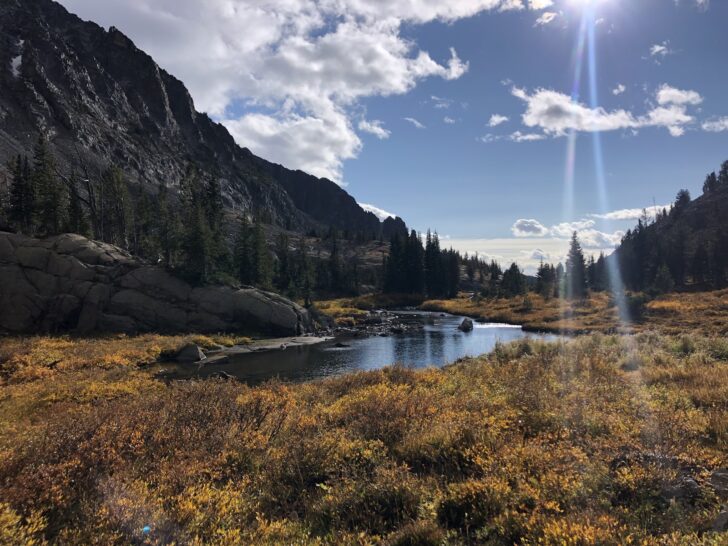

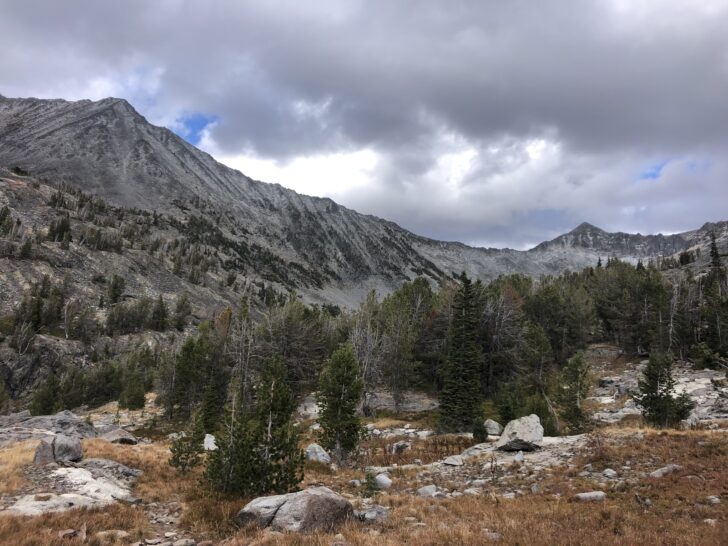
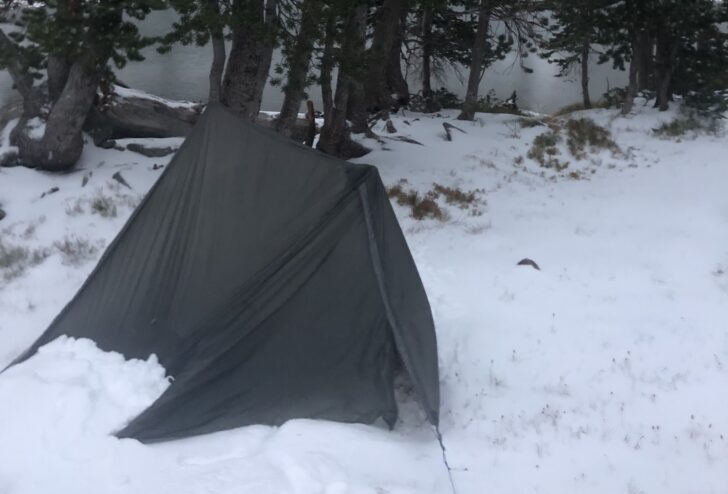
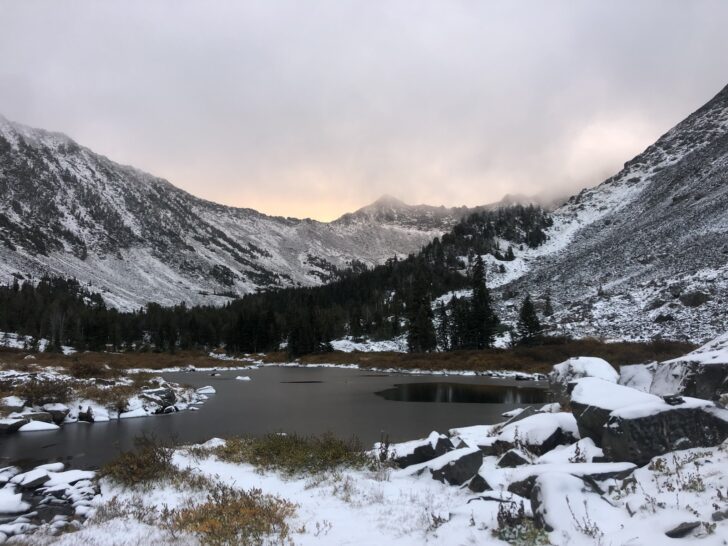
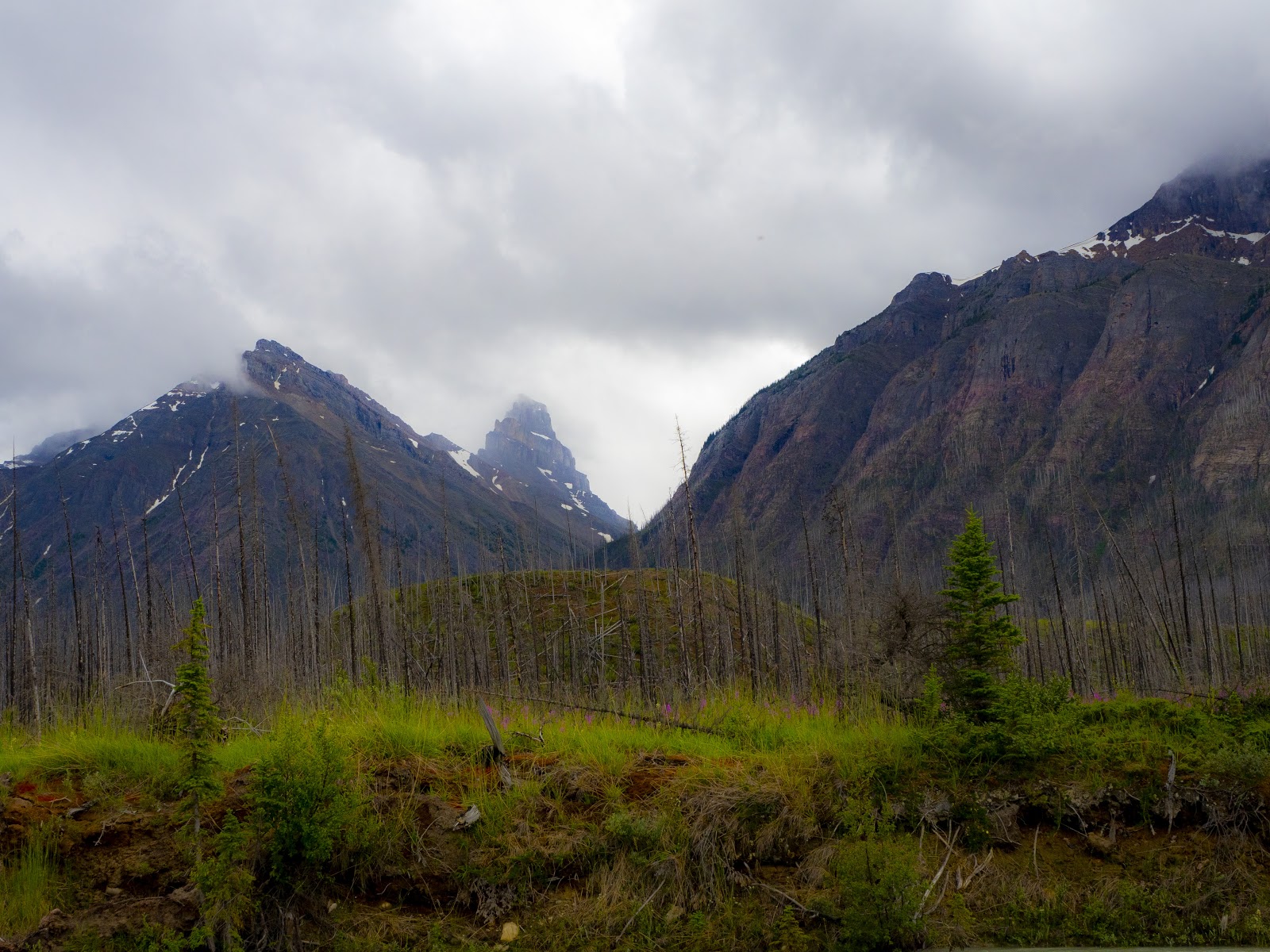

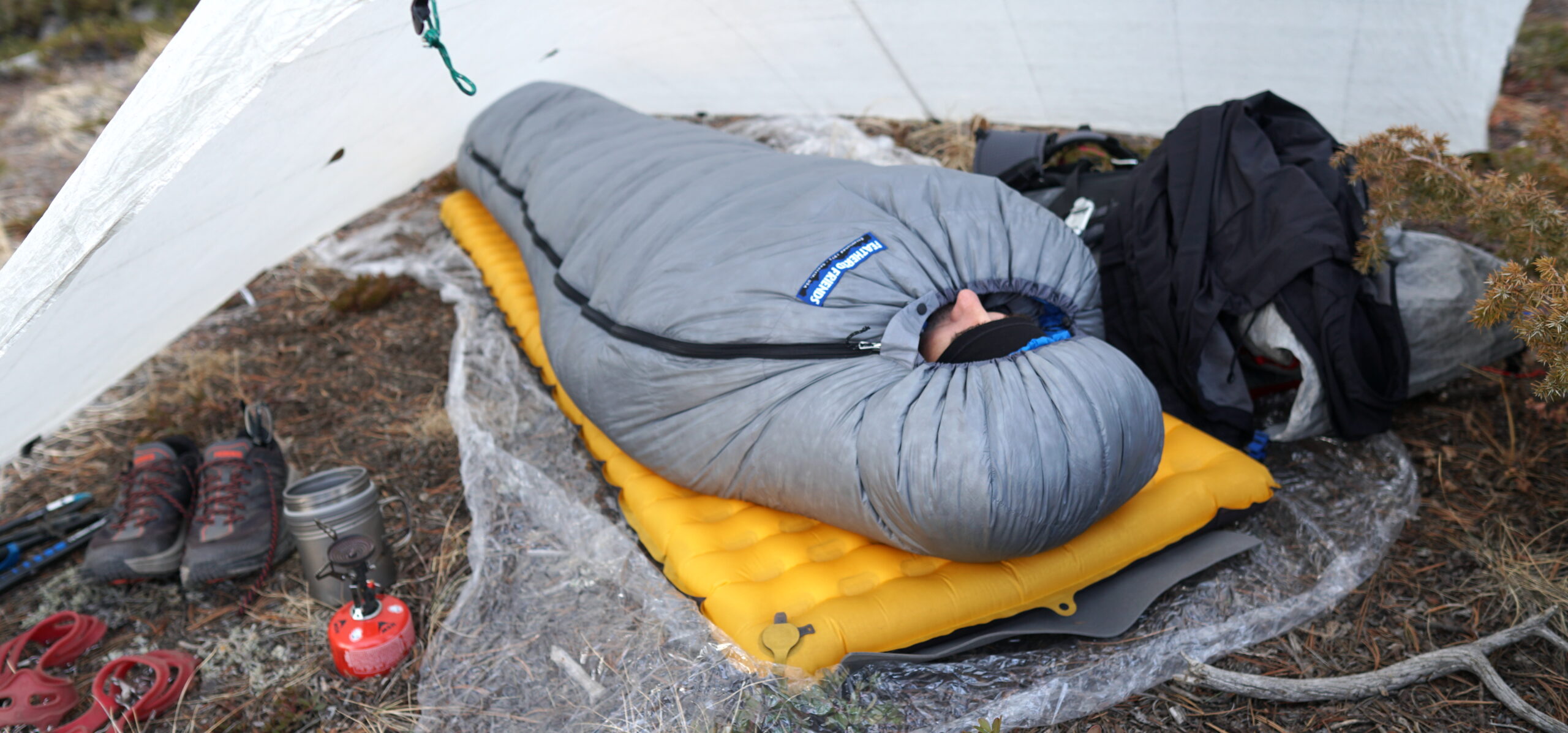
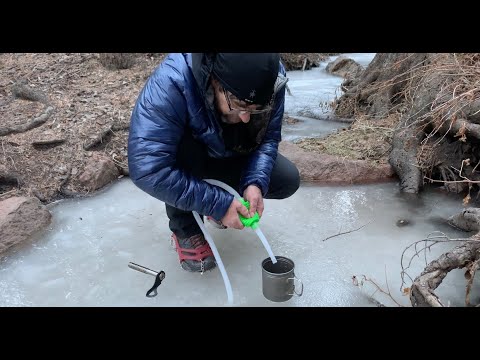

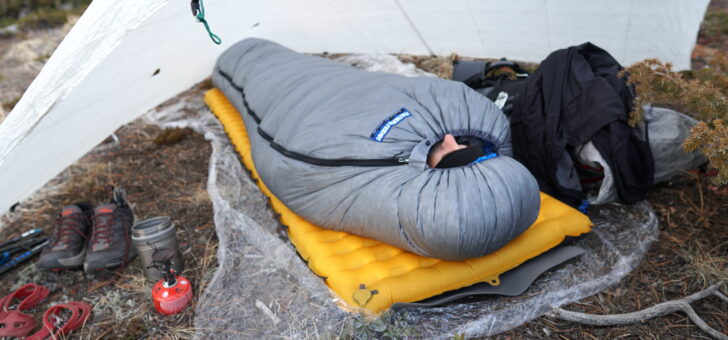

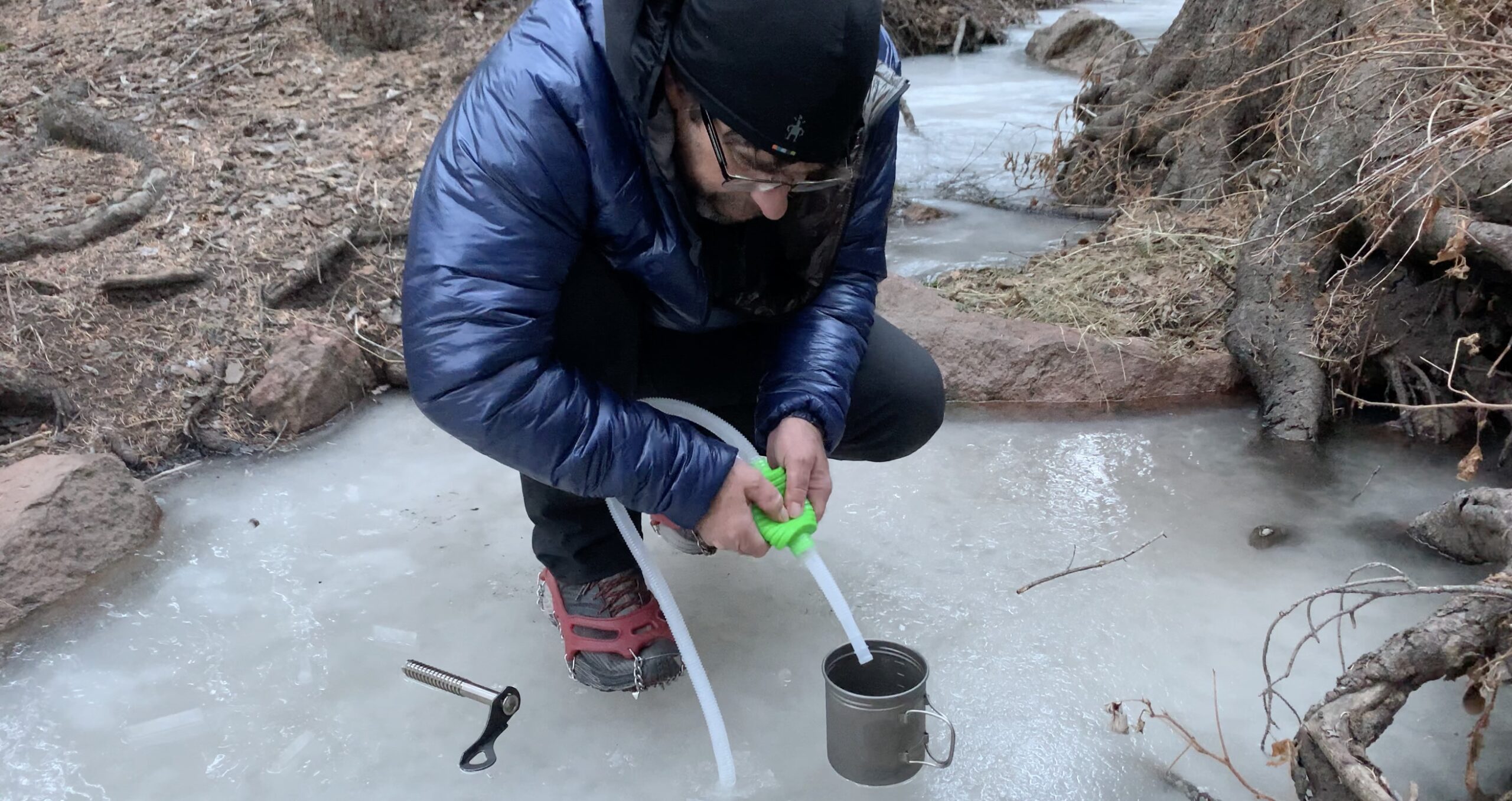
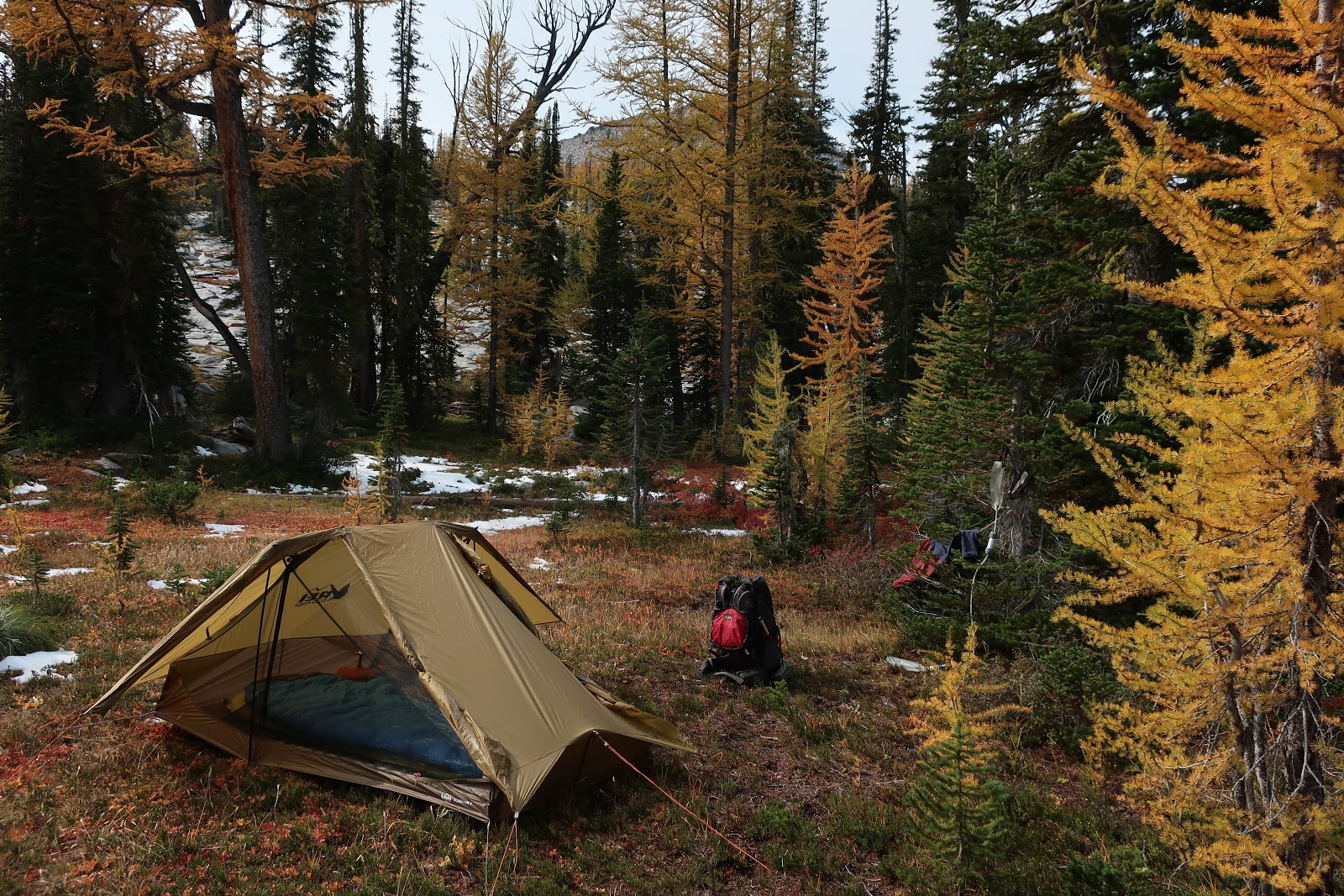

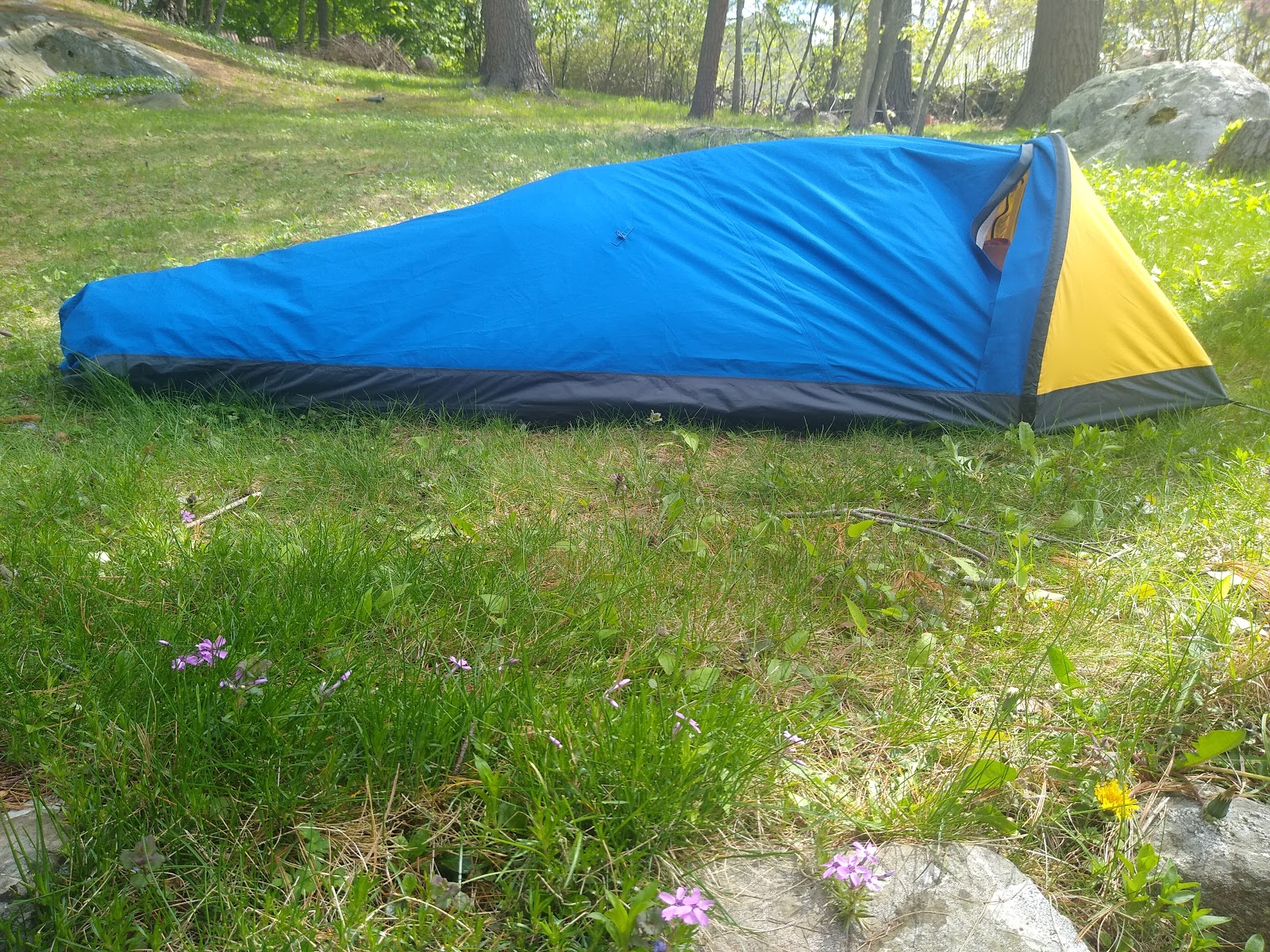


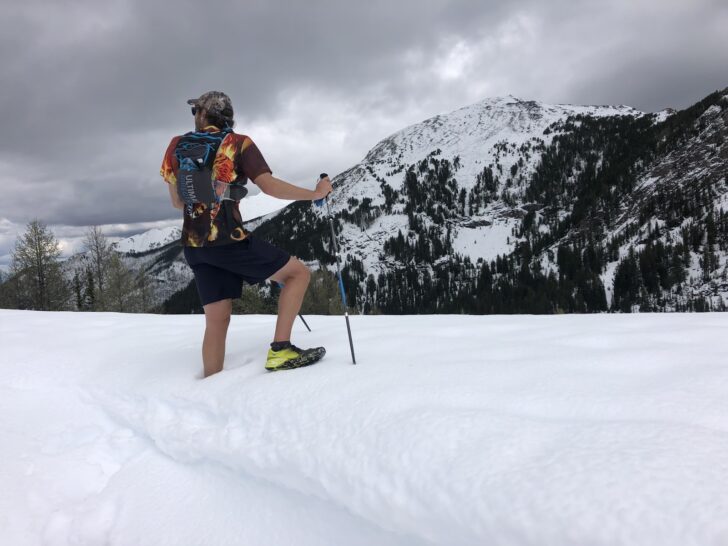
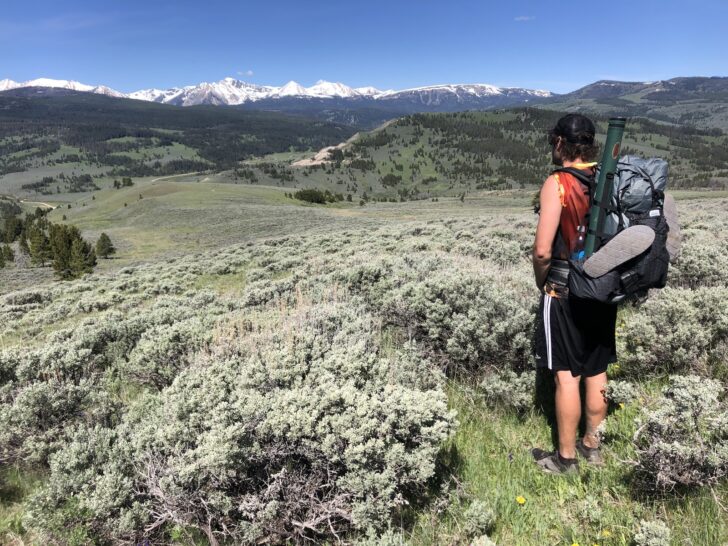
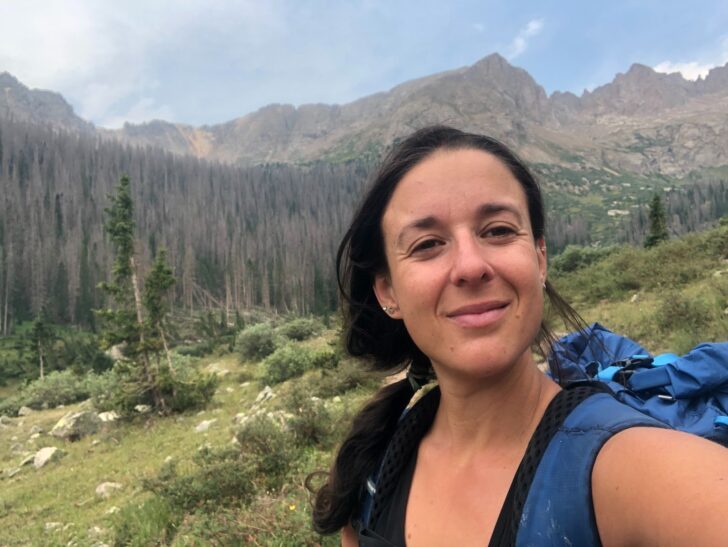
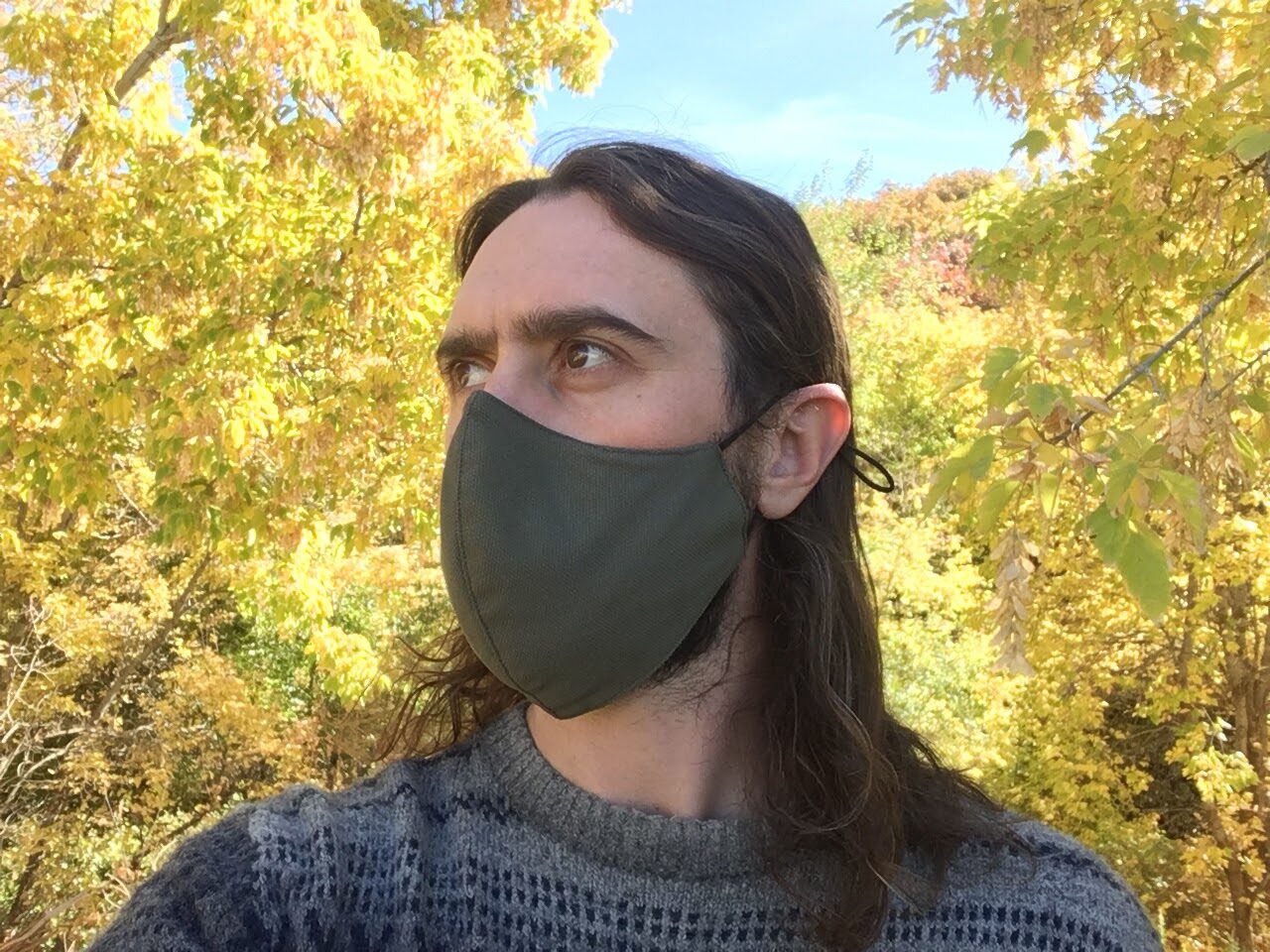
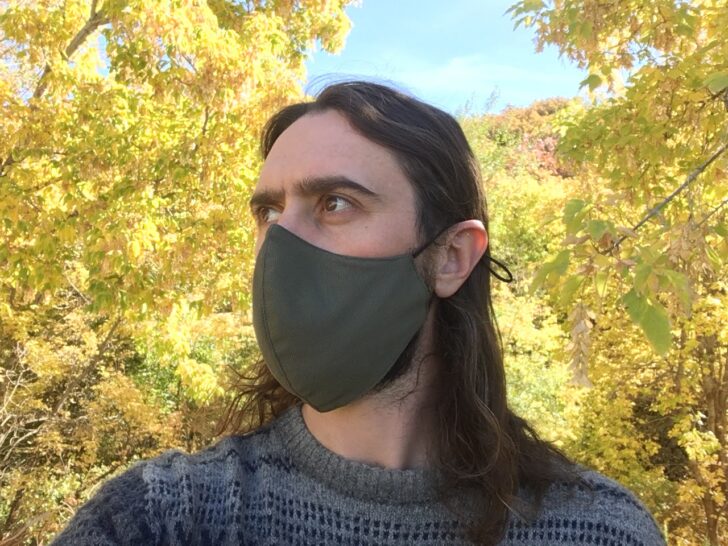
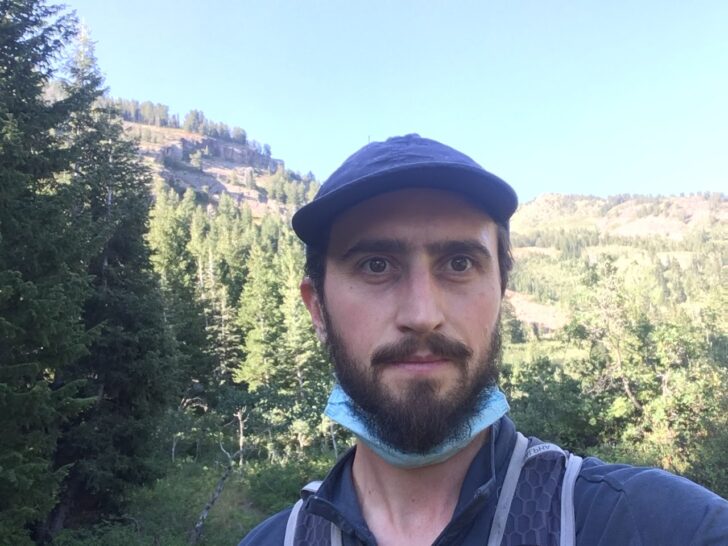
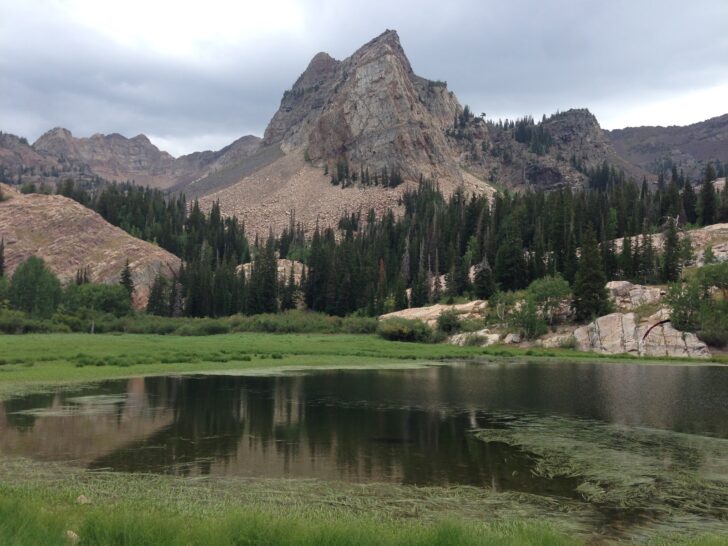
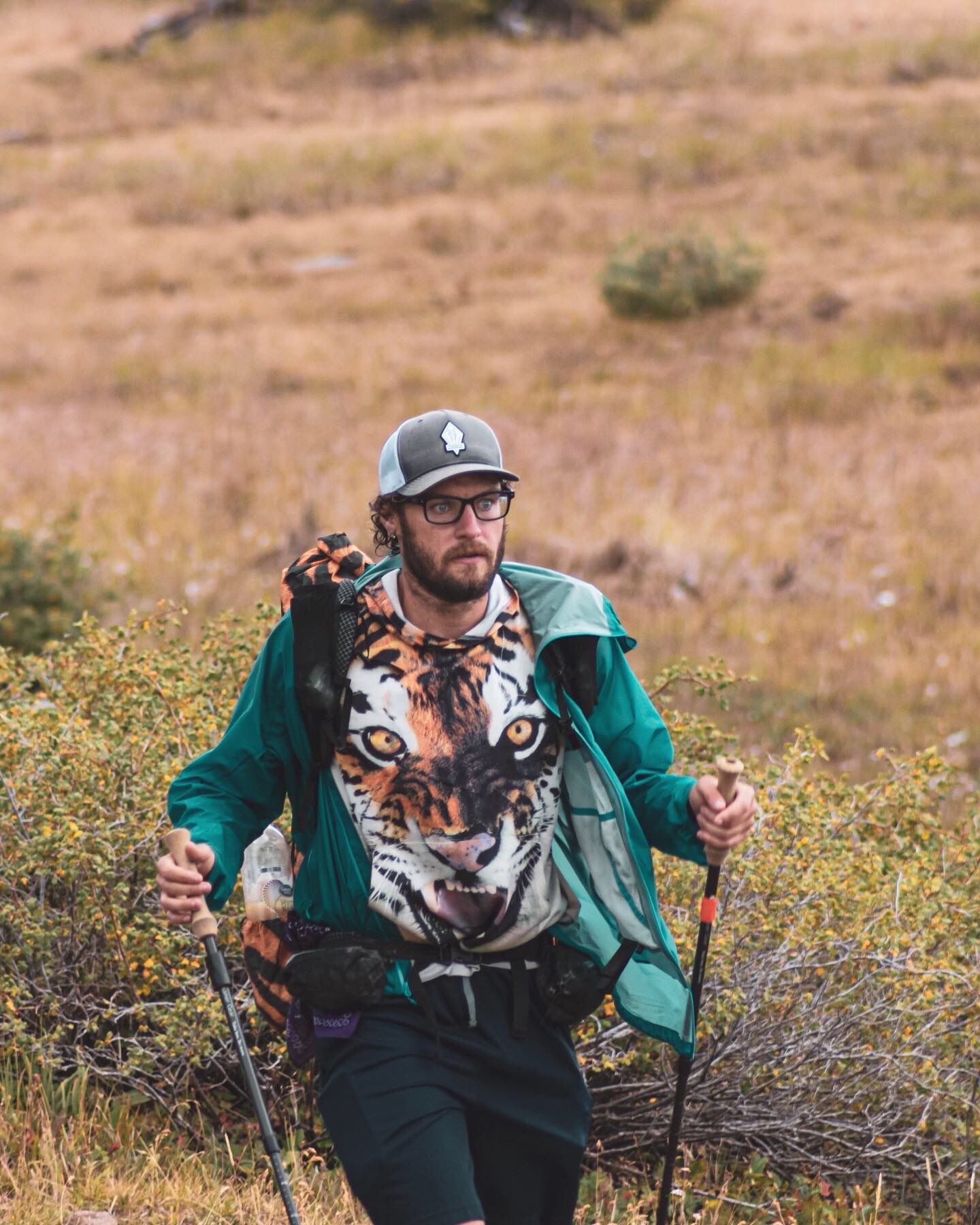
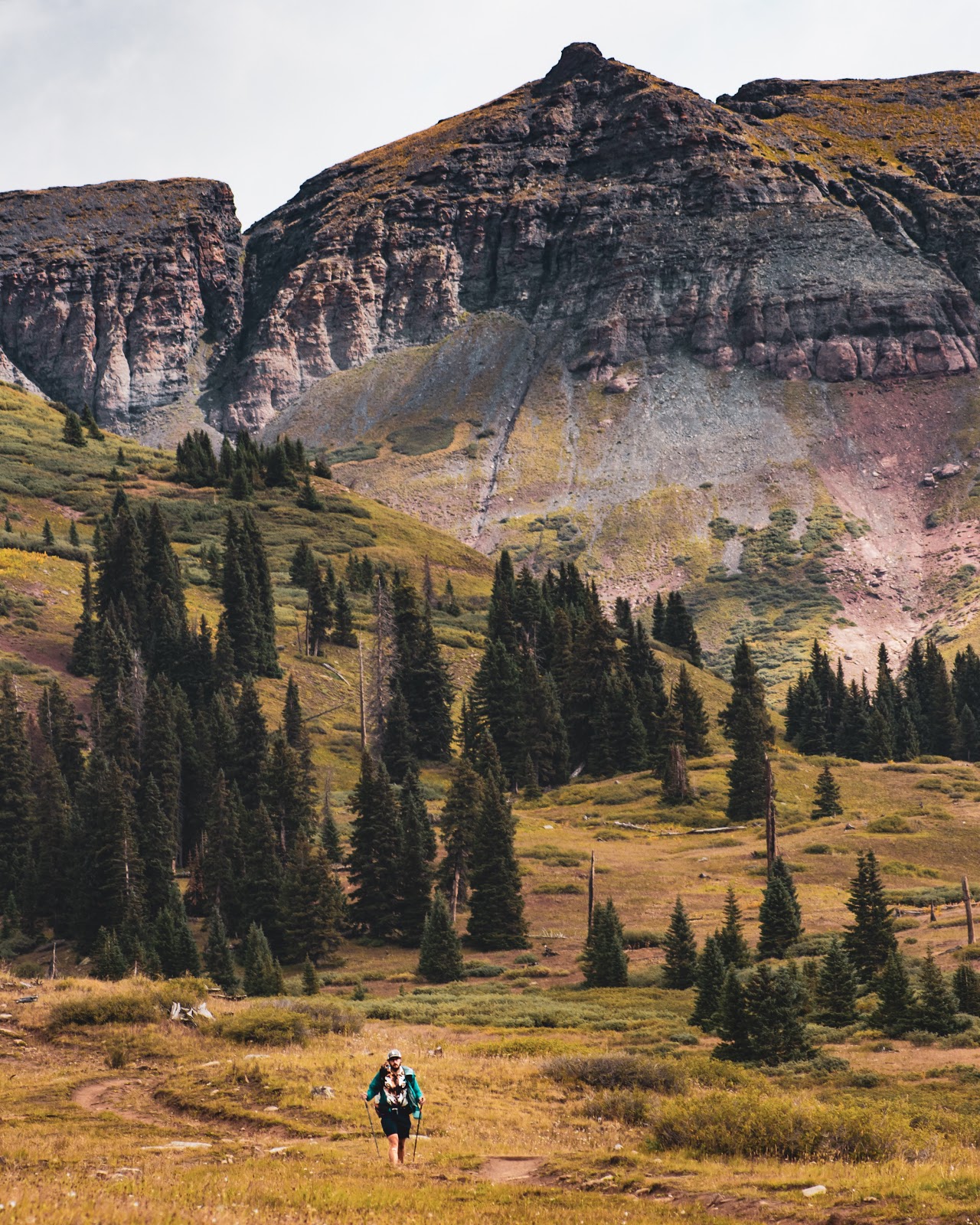

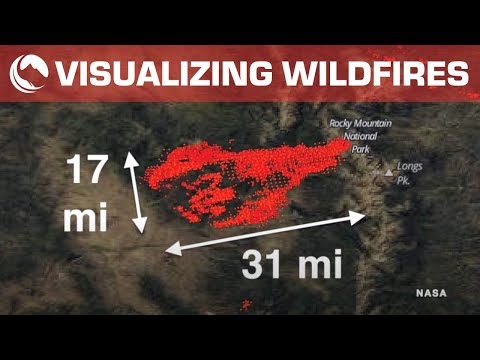
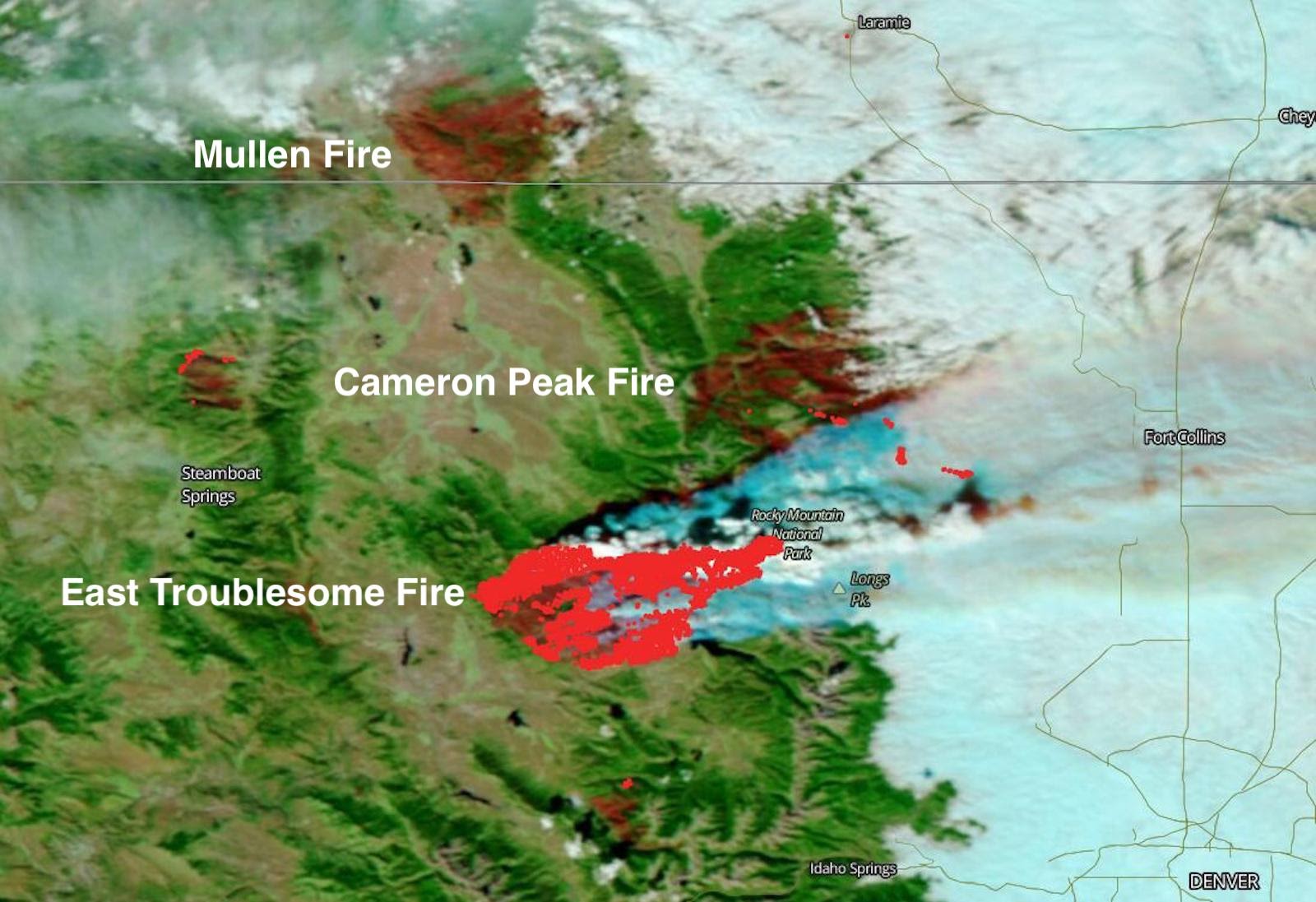
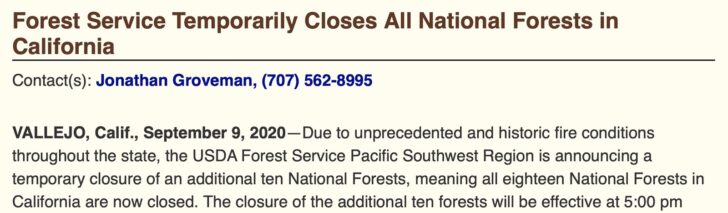


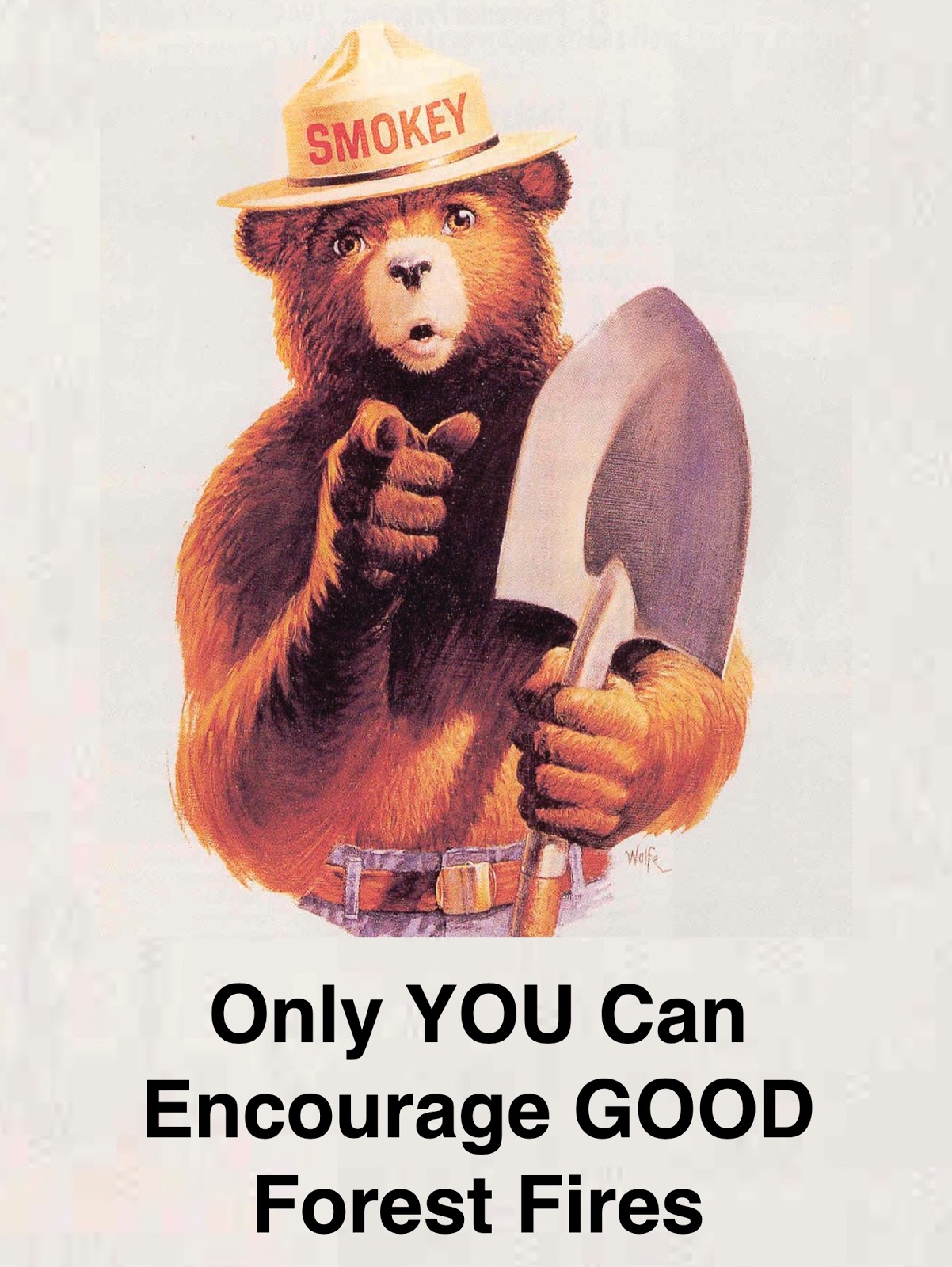

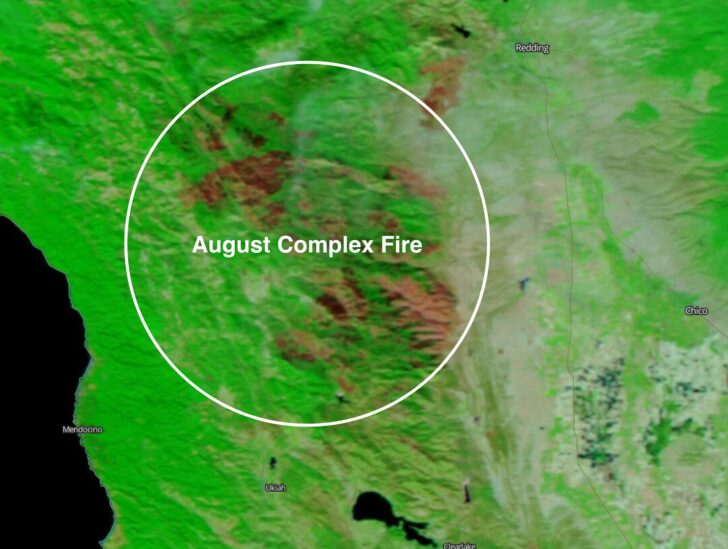
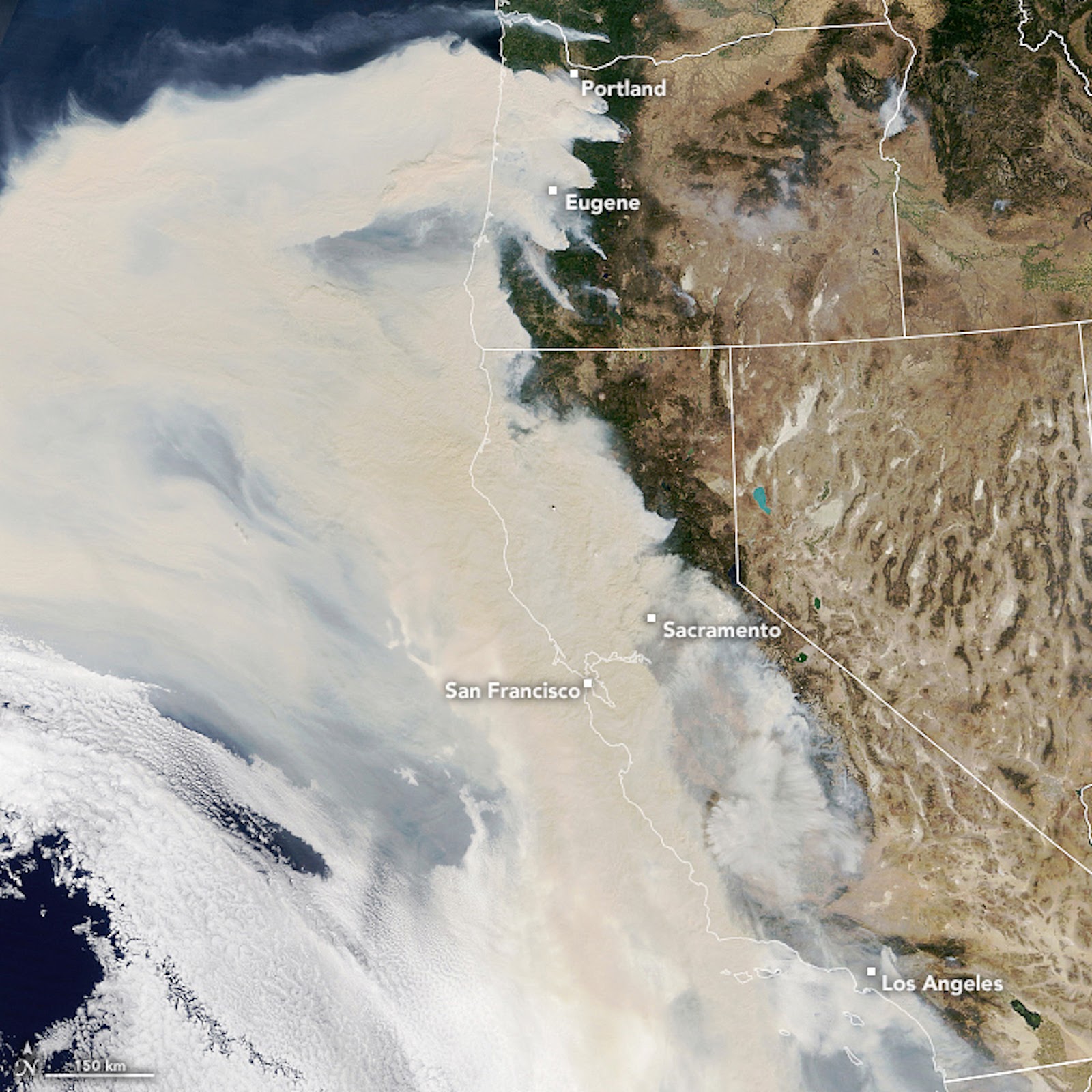
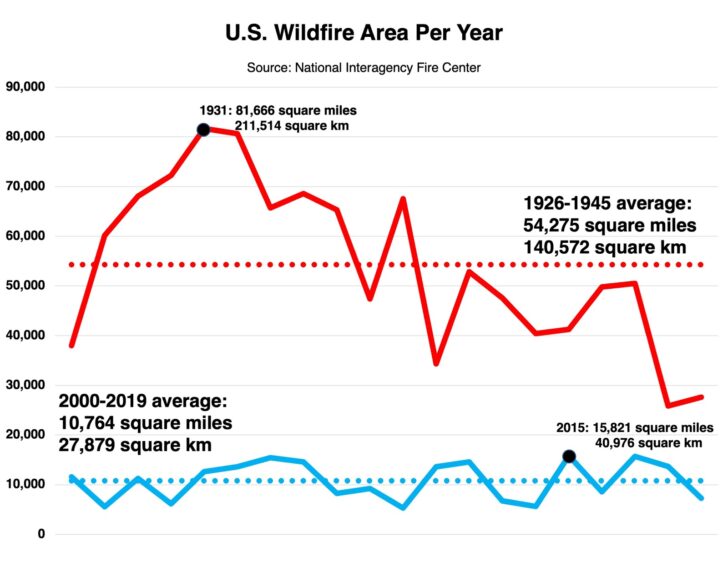
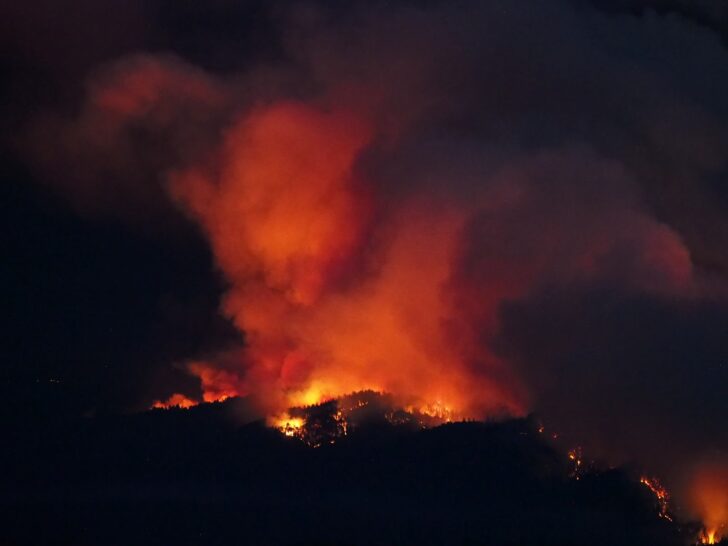



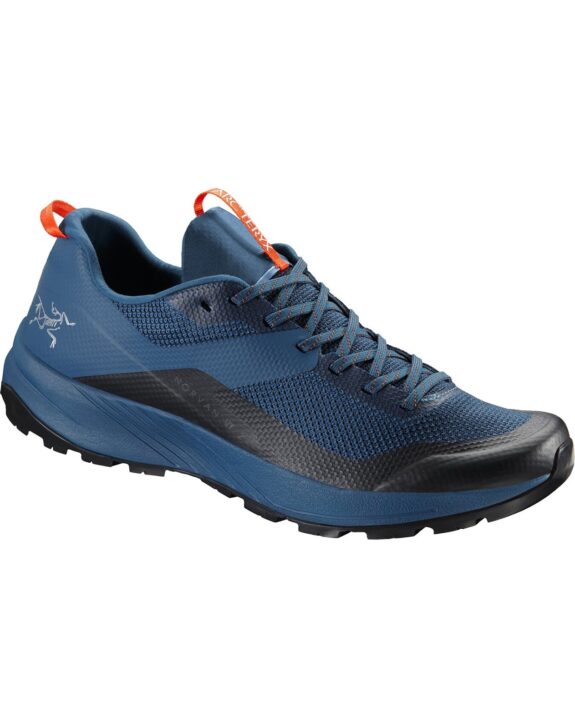
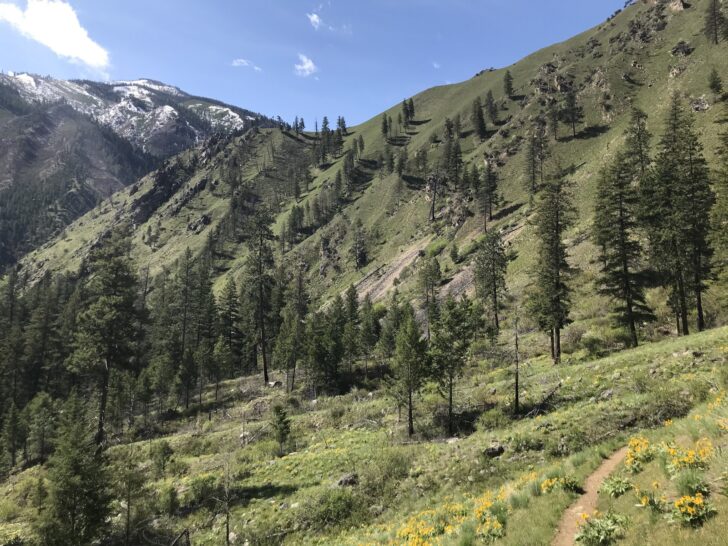
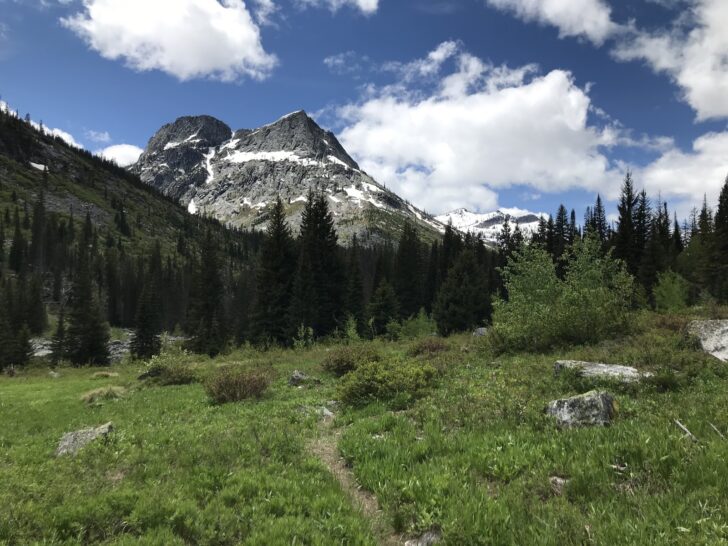
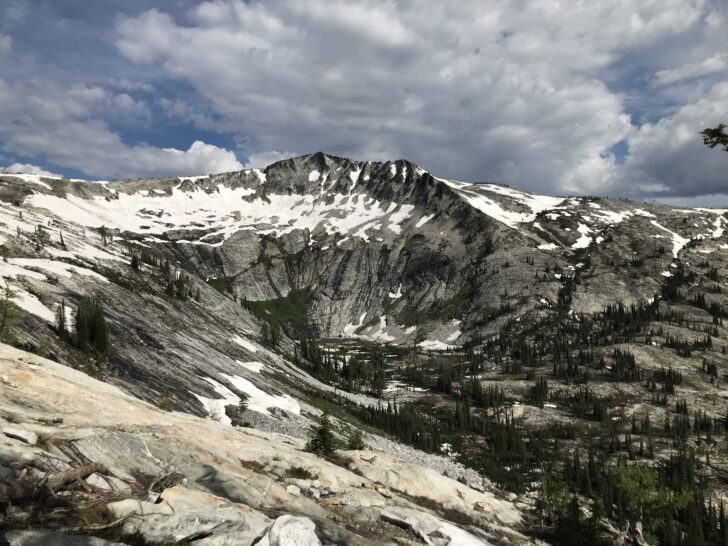
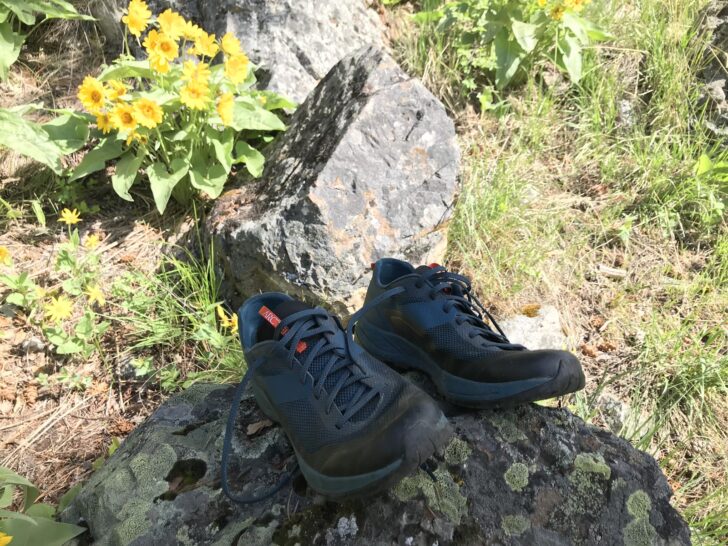
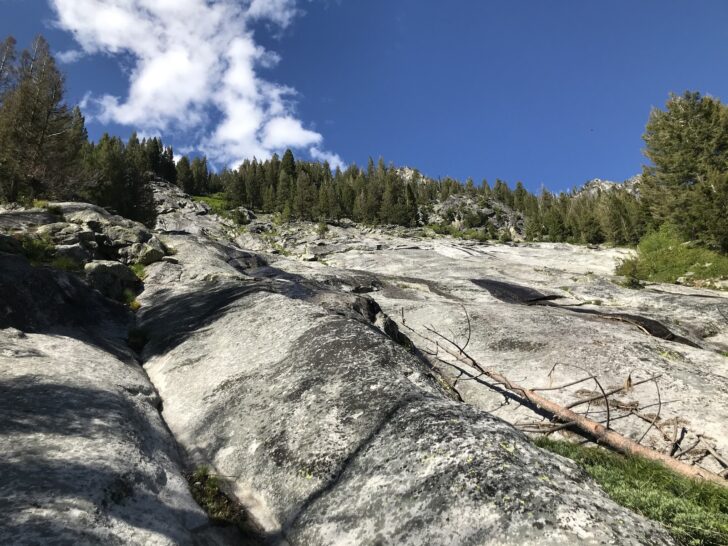
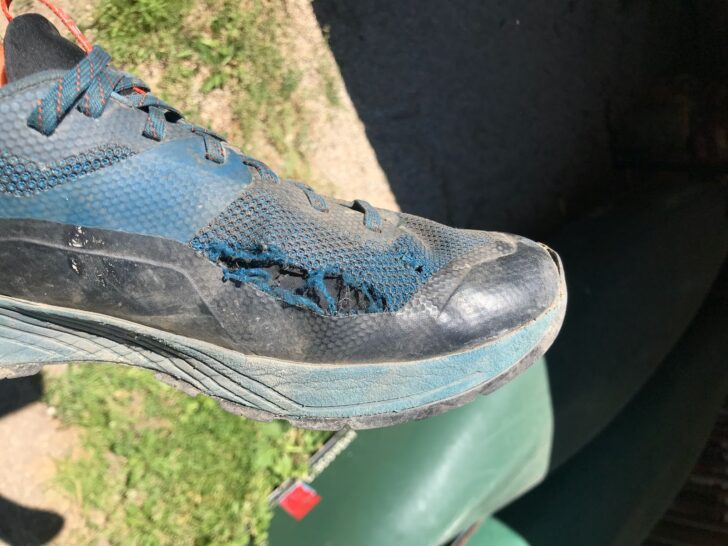
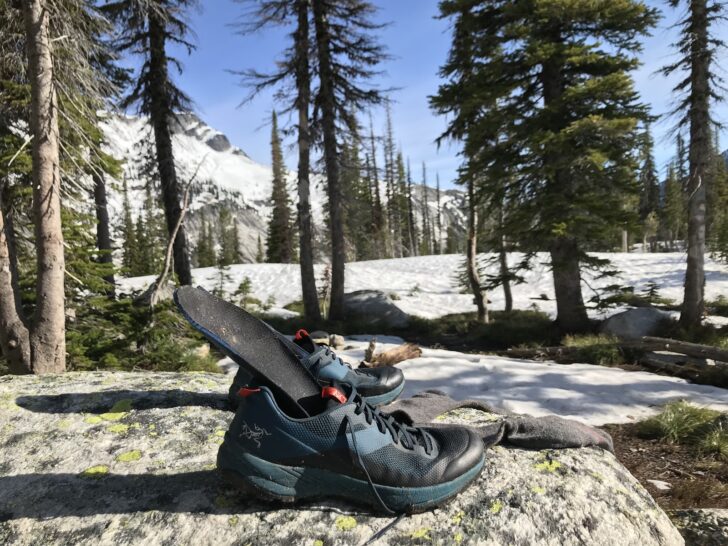
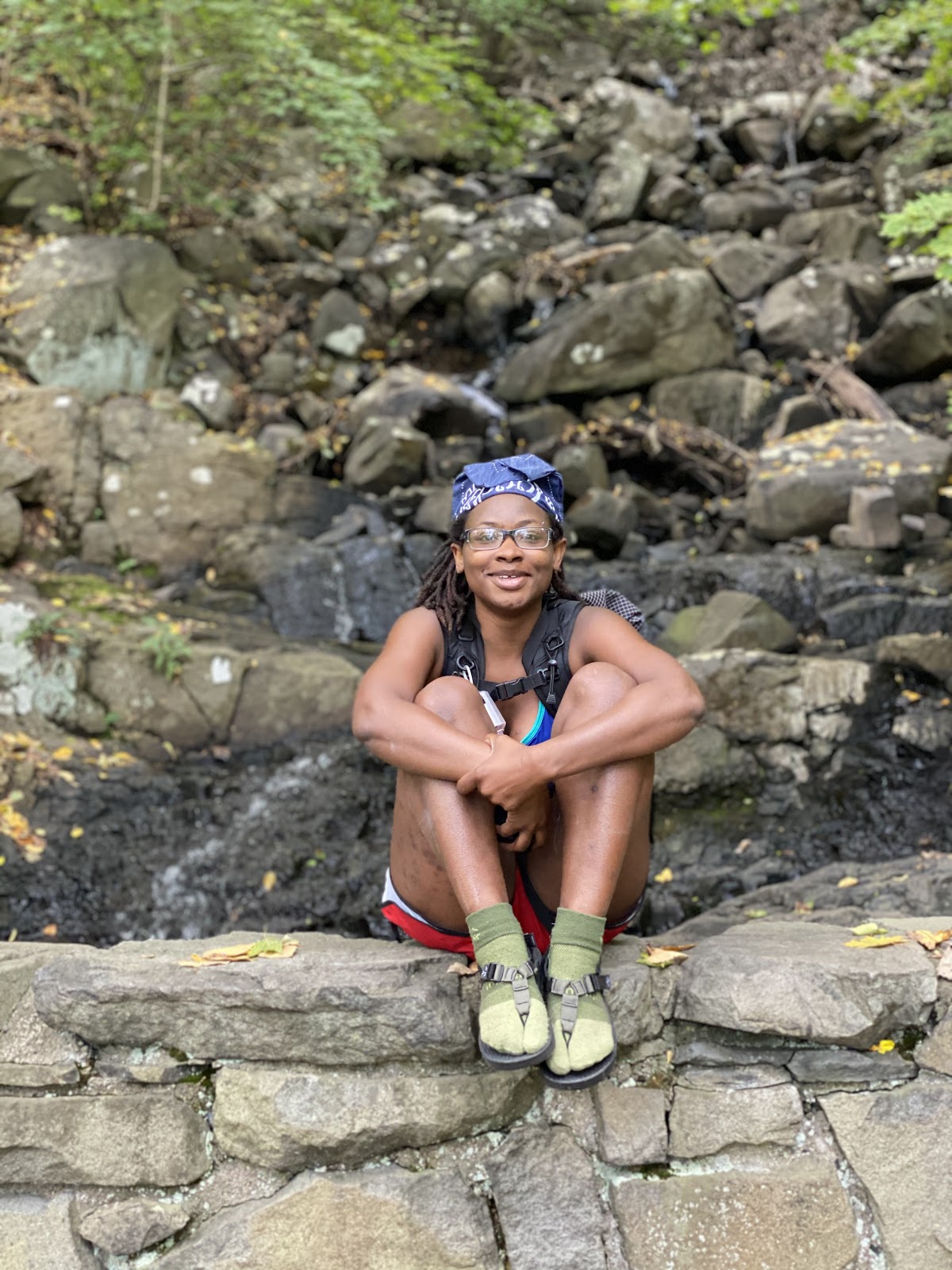
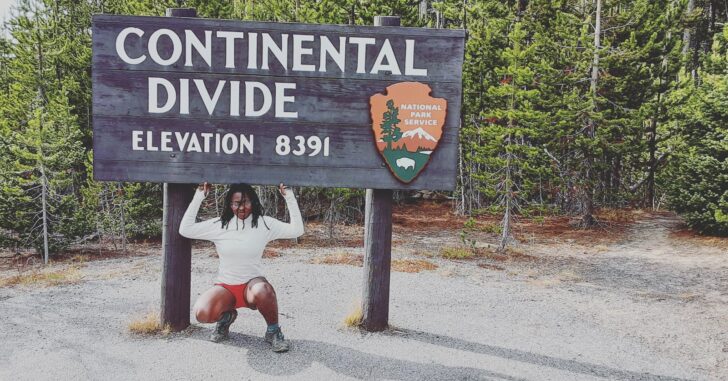
 Favorite place to hike right now and why?