Ursacks are lighter alternatives to bear canisters for food storage but require the right knots and tying locations to protect your food.
Introduction
Lighter than canisters and less prone to user error or landscape limitations than relying on a traditional food bag hang, Ursacks have become a popular way to keep food safe among lightweight backpackers. Although certainly not the only option for food storage in the backcountry, their relative ease of use and effectiveness against bears, rodents, and other wildlife make them one of the more appealing ones. Effective Ursack use, however, isn’t common knowledge among most backpackers, especially those who don’t read instructions. The purpose of this article is to help the reader learn how to use an Ursack properly.
Ursacks are approved as bear-resistant containers in many national parks. This allows backpackers to meet park requirements without having to use heavy and bulky bear canisters. In areas where there are minimal food storage regulations, but the landscape makes the traditional food bag hang a challenging proposition (deserts, areas above treeline, and subalpine areas with thick conifers that make finding a stout and extended limb difficult) an Ursack is often one of the best options.
I had hoped that with a more abundant layer of blubber around my midsection as I approached the beginning of middle age, maybe any bears that saw me waddling down the trail would feel required to secure their food, rather than the other way around. Unfortunately, a wildlife biologist friend of mine assured me that this was delusional so I found myself sticking to more traditional methods of protecting my food from bears.
Ursack secured to an 8-inch diameter lodgepole pine in northern Colorado. Photo: Ryan Jordan.
Why Store Food in a Wildlife-Resistant Container
This article is focused on how to use an Ursack, but the why is of paramount importance. Properly storing food keeps wildlife safe, keeps other humans who camp in the same site after you’re gone safe, and can keep you from having to hike out on an empty stomach after your food gets acquired and eaten by wildlife. And wildlife aren’t picky – you won’t find that they simply high-graded your trail mix and picked out the M&Ms, or only went for the Banana Nut Bread Clif Bars. They will eat, or attempt to eat, as much as they can. Hard-sided canisters, Ursacks, or food storage lockers provided by land managers are the most effective options for protecting your food in the backcountry. Ursacks are lighter than bear canisters, which makes them a compelling option for backpackers. Making sure your food is stored securely isn’t exactly the most glamorous part of backpacking, but it is of utmost importance as the use of public lands increases.
A landscape where using an Ursack is an ideal food storage option. Near the whitebark-pine treeline of a mountainous alpine area in Wyoming, where limbs for hanging a bear bag are limited, but small-diameter trees are plentiful. Photo: Ryan Jordan.
Why You Should Learn to Use an Ursack Properly
As with many things in the lightweight backpacking realm, acquiring the appropriate gear is just one piece of the puzzle. Learning how to effectively use the gear – or skill acquisition if you want to use a spiffy-sounding name – is just as important. The snazziest Dyneema Composite Fabrics tarp won’t do you much good if you have poor site selection skills and end up pitching it on a windy spot that pools water right before a thunderstorm rolls through. Likewise, tying an Ursack to a scrawny tree using a jumble of random knots won’t allow it to function properly and protect your food if a hungry bear stumbles upon it.
Unlike climbing or mountaineering, where your life literally depends on tying a proper knot, you almost certainly won’t die if you mess up tying a knot on your Ursack. However, improperly tying a knot greatly increases the chances of a bear (or smaller critter) being able to access and eat your food. At this point, the animal may progress down the dark path of habituating its behavior with a predisposition to easily-accessible food provided by humans. That has unfortunate consequences for a bear especially, including but not limited to relocation or euthanization. And it increases the risk of harm to campers exposed to that bear before management measures are taken. There are consequences to yourself and others if improperly using an Ursack, so take the time to practice the basic knots and make sure you can properly use it before heading out to the backcountry. Or just use a canister if you find an Ursack to be too technically burdensome.
The Ursack drawcords exit their drawcord tunnel and then cross over each other in an “X” configuration before being threaded through the holes on the opposite side. Photo: Ryan Jordan.
Once your food has been stored inside the Ursack, you need to close the bag to prevent bears or other animals from getting inside, make sure to not be sloppy here as providing the space for a claw-hold can compromise the effectiveness of the bag.
Use as much strength as possible to ensure that the Ursack drawcord is securely tightened, so as not to leave a hole in the opening where a bear can insert a claw and further loosen the opening. Photo: Ryan Jordan.
The double (or triple) overhand knot is recommended to secure the cinched opening of the Ursack. Photo: Ryan Jordan.The finished knot to secure the closure of the Ursack is neat – the bights shouldn’t cross over each other, and instead, lie next to each other. Photo: Ryan Jordan.
But first, make sure the strands of the rope in the drawstring cross and form an X. This video does a great job of showing the steps to do this. Practicing the knots at home a few times before going out for the first time with your Ursack is a good use of time. Don’t be lazy and rely on the facetious aphorism of “Don’t know the knot? Just tie a lot!” and think that a random rat’s nest of loops will somehow be easier than learning the correct way to close your Ursack and secure it to a tree.
After you’ve closed the Ursack as tight as possible using the proper knots, you should secure it to something substantial to prevent it from getting dragged away by a hungry animal. The best option is a sturdy tree limb or trunk. Don’t underestimate what “sturdy” means, as bears have chewed through limbs to get food. Here are some guidelines:
Aim for something five inches or thicker.
Pick a location away from your camp to store the Ursack. The further the better, but aim for at least 200 feet.
If using multiple Ursacks, split them up and keep at least 75 feet between them.
You can also use a counter-balance method to hang your Ursacks, but since the security of the Ursack lies in its fabric and not any particular distance from the ground or tree trunks that could be scaled by bears this is generally going to be overkill.
When attaching your Ursack to a tree, use a figure-8 knot, at least three half-square knots (e.g., one full square knot plus one additional half-square knot), or another knot that resists clinching so that it won’t be a struggle to untie it the next day. Ursack has a video of their recommended knot on their website, and in my experience, this truly is the best knot for tying an Ursack, in terms of both ease of untying and security (caveat: it requires a carabiner or other secure chock).
An Ursack affixed to a lodgepole pine using three stacked half-square knots. Photo: Ryan Jordan.
What if you’re using an Ursack in an area where there are no trees?
If no trees are available to attach your Ursack to, like in a desert or alpine tundra environment, you can bury the Ursack under rocks to discourage animals from investigating it. In alpine environments where bears are present, tying the Ursack into the crevice formed by two immovable pieces of talus lying against each other may be a viable option. Just be aware that a grizzly bear can easily move a rock that weighs a few hundred pounds, even if you can’t.
Tying an Ursack around two pieces of heavy talus in contact with each other is one way to secure an Ursack above the treeline. Ideally, the same knots should be used to secure the Ursack, and the opening should be tightly bound against the rocks.
One trick Ryan Jordan has used when hiking in a large group above the treeline and no talus is available is to tie everyone’s Ursacks together (they often carry a dozen or more on long trips) in a big Circle of Ursacks. This is not ideal. Food odors are concentrated into a single area, and loose Ursacks that aren’t tightly secured to an immovable object may be more prone to failure since animals can gain better access to the drawcord opening. However, it may be one option for expeditions to save time. In addition, large groups concentrate human smells that are not attractive to bears, so there may be some benefit to keeping your Circle of Ursacks inside your camping area in some situations where regulations allow it.
Caveat: this technique (the Circle of Ursacks) won’t be endorsed by Ursack or most land management agencies. We don’t endorse it where regulations prohibit it.
What about using an odor barrier bag with an Ursack?
In addition, if you find yourself frequently in areas where the ideal Ursack tie-up isn’t available, or areas frequented by habituated bears, you may want to protect your food with an odor barrier. Storing your food in OPSaks or zip-closure 5-mil mylar bags (we recommend the Shield Pro brand) will reduce the chances of a bear or other animals smelling your food to begin with.
How Not To Secure an Ursack
1. Don’t just prop an Ursack up in a tree. Secure it to trees using the methods described above. Black bears, raccoons, and other animals can climb trees and can easily access your food.
2. Don’t tie it to a tree with slack drawcord. This exposes the opening to animals and increases the chance for an Ursack failure.
3. Don’t tie an Ursack to a thin-diameter tree (less than four inches in diameter). Bears can chew through, or push over and break, thin trees.
4. Don’t tie your Ursack to a tree near a trail corridor, keep your camp discreet from other users – consider LNT Principle Number 7: Be Considerate to Other Visitors. In addition, don’t tie your Ursack along trails, game trails, rivers, or other obvious big game corridors.
5. Don’t just “hide” your Ursack. Just because it’s hidden from view doesn’t mean animals like bears can’t follow the scent of food emanating from your Ursack and find it.
6. Don’t tie your Ursack to a deadfall. A bear can easily move it, chew through it, and steal your food bag.
7. Don’t tie your Ursack to a standing dead tree. Dead trees are weak and can easily be toppled by a bear.
Learn More
Browse our curated recommendations in the Backpacking Light Gear Shop – a product research & discovery tool where you can find Member gear reviews, Gear Swap (used gear) listings, and more info about specific products recommended by our staff and members.
Backpacking Light does not accept compensation or donated/discounted products in exchange for product mentions or placements in editorial coverage.
Some (but not all) of the links in this review may be affiliate links. If you click on one of these links and visit one of our affiliate partners (usually a retailer site), and subsequently place an order with that retailer, we receive a commission on your entire order, which varies between 3% and 15% of the purchase price. Affiliate commissions represent less than 15% of Backpacking Light's gross revenue. More than 70% of our revenue comes from Membership Fees. So if you'd really like to support our work, don't buy gear you don't need - support our consumer advocacy work and become a Member instead.
Learn more about affiliate commissions, influencer marketing, and our consumer advocacy work by reading our article Stop wasting money on gear.
Backpacking Light owner, founder, and publisher Ryan Jordan’s commentary on the hiking, camping, and backpacking gear he’s been using this year.
Introduction
My purpose with this gear guide is to share about the gear that I’m currently using on my own backpacking trips and other outdoor adventures. Some of the products I discuss are those that have been in my kit for several years. Others are new to my kit this season.
Because this gear is the gear I choose myself (and often, represents the gear that I’ve actually purchased with my own money), the selections here represent my personal recommendations of sorts.
I live and primarily hike in the northern US Rocky Mountains and intermountain and high desert regions of Idaho, Montana, Wyoming, Utah, and Northern Colorado. This year, my focus has been on the Bighorn, Snowy, and Laramie Ranges in Wyoming, and in the Rocky Mountains of northern Colorado. In addition, the majority of my trail miles are hiked in the fall, winter, and spring. These environments, compared to other locations in the US, are characterized as dryer, windier, snowier, and colder. Keep that context in mind, it may provide some insight and value into why I prefer certain types of gear over others.
Consumer Disclaimer: This gear guide is intended to expand your awareness of what’s available in the backpacking gear marketplace. More importantly, I hope you’ll learn from my experience in a way that motivates you to be a more disciplined consumer. There is no single piece of gear that can transform your backcountry experience. Transformation comes from spending time in nature. Don’t replace time in the backcountry with compulsory consumption. Here are some of the basic consumption guidelines I strive to live by: use what I have; don’t buy what I don’t need; don’t go into debt to buy gear; buy used gear when I can; donate or repurpose gear I’m not using to others who need it; try to allocate more money on backcountry experiences and learning new skills, and less money on gear. That said, some of the items in this gear guide require an initial (and sometimes expensive) investment. I’m very cautious about recommending any item that costs a lot of money, and only include those expensive items here if – and only if – they have stood the test of time with respect to both versatility (being able to use them in a variety of environments) and durability (longevity). Expensive and durable items are denoted with a target symbol (🎯). In addition, some of the items here are fragile and require very intentional care. I’ve marked these items with a lightning symbol (⚡) – use at your own risk.
Packing Systems
McHale Backpacks
I’ve used McHale backpacks since the early 2000s and I currently own and use two different models. One is a durable, high-volume SARC (🎯) (with a Bypass harness) that I use for winter backpacking and expeditions. The other is a small-volume (45 L) Windsauk and has been the backpack I’ve used the most on trips of up to 8 days or so over the past three years. McHale backpacks are built to custom-fit measurements, have simple but effective suspensions, and terrific hip belts. Mine are modular in nature; both of them can be stripped down to a single packbag or kitted out with any configuration of top, side, rear, shoulder strap, and hip belt pockets for more organization options.
Type 2 fun with my small-volume McHale Pack – bushwhacking through devastating beetle-killed pine in the Medicine Bow National Forest, Wyoming.
One of the most unique features of my SARC is the unique Bypass Harness system. It solves the basic problem faced by packs with traditional load-lifters: the need to decouple shoulder strap positioning from weight transfer distribution (between shoulders and hips) for optimizing load-carrying comfort. Brilliant, simple, and patented: you’ll find this feature only on a McHale pack.
Hyperlite Mountain Gear North Rim Backpack
The Hyperlite Mountain Gear North Rim Backpack (🎯) is one backpack model I recommend for the specific use case where you need a backpack that’s durable enough for alpine or desert rock scrambling and heavy bushwhacking, and waterproof enough for extremely wet environments, swimming and wading through river corridors, or packrafting.
Chase Jordan with the Hyperlite Mountain Gear North Rim Backpack in the Wyoming Bighorn range.
It has sealed seams, a secure roll-top closure, and highly abrasion-resistant (woven Dyneema) outer fabrics. Normally, I’d prefer a woven Dyneema pack with no outside pockets for these conditions. However, the woven Dyneema outside pockets of the North Rim add immense functionality to the pack without adding the problematic mesh or stretch fabrics that are prone to long-term failure when bushwhacking and scrambling.
Osprey Straightjacket Compression Sack
I’ve had a 20-liter Osprey Straightjacket Compression Sack (🎯) in my kit for more than five years, and it goes with me on almost every backcountry trip. Unlike a traditional compression sack, which compresses gear from the ends of the sack, creating a short cylinder, the Straightjacket compresses the sack in the transverse direction, which makes it thinner without affecting its length. That way it fills out the bottom of my pack nicely without having to pack gear around the ends of it. In my typically 3-season kit, the Straightjacket houses a 20-degree down sleeping bag, an inflatable insulated sleeping pad, pillow, down jacket, extra socks, and long underwear – my entire camp bedroom in one spot.
Hyperlite Mountain Gear Pods
I was a bit resistant to the idea of Hyperlite Mountain Gear Pods (🎯) initially. Why would I add more tenths of ounces to my stuff sack kit, which was already perfectly functional (so I thought)? And stuff sacks with failure-prone zippers? No thanks. I’m singing a different song today. I’ve used these for the past three years and now can’t live without them. The ability to organize my pack using Pods has simply made my life easier. A zippered-access stow bag means I can access anything in a Pod without unpacking or digging around for it. Because they are shaped like the cross-section of a backpack, they nest neatly inside and allow me to more easily pack my pack without the dead air spaces caused by cylindrical stuff sacks. I use one for storm clothing, one for my cooking gear, and one to three for packing food (I leave my Ursacks unpacked and stuff those loosely to fill dead air spaces in my pack). I own five Pods and all of them are regularly used. I’ve yet to experience a seam or zipper failure.
I use Hyperlite Mountain Gear Pods to store my food inside my pack – and don’t store food in my Ursacks until I get to camp.
Hyperlite Mountain Gear Versa Pouch
I spent most of the last decade studying the art of keeping gear accessible while on the trail, and tested so many varieties of pack-attached and standalone accessory pockets and pouches that my 40-liter storage bin containing these accessories was at one point overflowing. I finally settled on a Hyperlite Mountain Gear Versa Pouch (🎯). For me, it’s just the right size, has just the right amount of internal partitioning and organization options, is waterproof enough for my needs, and is light enough. I use mine to house the supplies I need regularly on the trail, as well as enough emergency gear to allow me to survive if I get separated from my backpack on a river crossing. I wrote extensively about how I use this in my recent article on the subject of accessory pouches.
The Hyperlite Mountain Gear Versa Pouch, with hip belt removed and my chest strap threaded through a sleeve on the back of the pouch. Laramie Range, Wyoming.
ZPacks Water Bottle Holder
I’m not a fan of hydration bladders, drinking through a squeeze filter, dislocating a shoulder to access a water bottle pocket on the side of my pack, or stopping just to take a drink of water from my bottle. Shoulder-strap attached water bottle pockets that hold a smartwater bottle are perfect for me. I usually only use one (the other shoulder strap is usually reserved for my bear spray). I prefer a pocket with cylindrical structure (rather than a stretch pocket) to make access easier. The ZPacks Water Bottle Holder is light and perfectly sized for my favorite on-trail bottle – a 20-ounce smartwater bottle.
Kitted out for an 8-day trek in the Wyoming Bighorn Range this summer. My ZPacks Water Bottle Pocket contains a 20-ounce smartwater bottle and is affixed to my left shoulder strap.
Other Packing Systems
I’ve also been testing an Arc’teryx Aerios 45 Backpack this year. I’m intrigued, but I’m not a fan of the shape – it’s a little bulbous when packed to the hilt. That may be something that just comes out when someone takes a photo of me wearing the pack. I don’t actually notice it when the load is less than 30 pounds or so. I love the body access zipper, thin daisy chains, roll-top closure, cord storage on the rear panel, shoulder strap config (running-style harness with great stretch pockets), and sort-of-easily-accessible side pockets. Not a fan of the hip belt buckle (it slips), but that’s solvable with a third-party upgrade.
Arc’teryx Aerios 45 Backpack in the Tenmile Range, Colorado.
Shelter Systems
Locus Gear Khufu DCF-B
I’ve used Locus Gear shelters for more than twelve years, and this is my second. The Locus Gear Khufu DCF-B (🎯) has impeccable cut-and-(seam bonding) quality. Mine has no wrinkles whatsoever and is the most precisely-cut DCF shelter I own. For me, this is both a four-season shelter and an above-the-treeline shelter in all but winter blizzard conditions.
Locus Gear Khufu DCF-B above the treeline in September in the Absaroka-Beartooth Wilderness, Montana.
Tarptent Notch Li
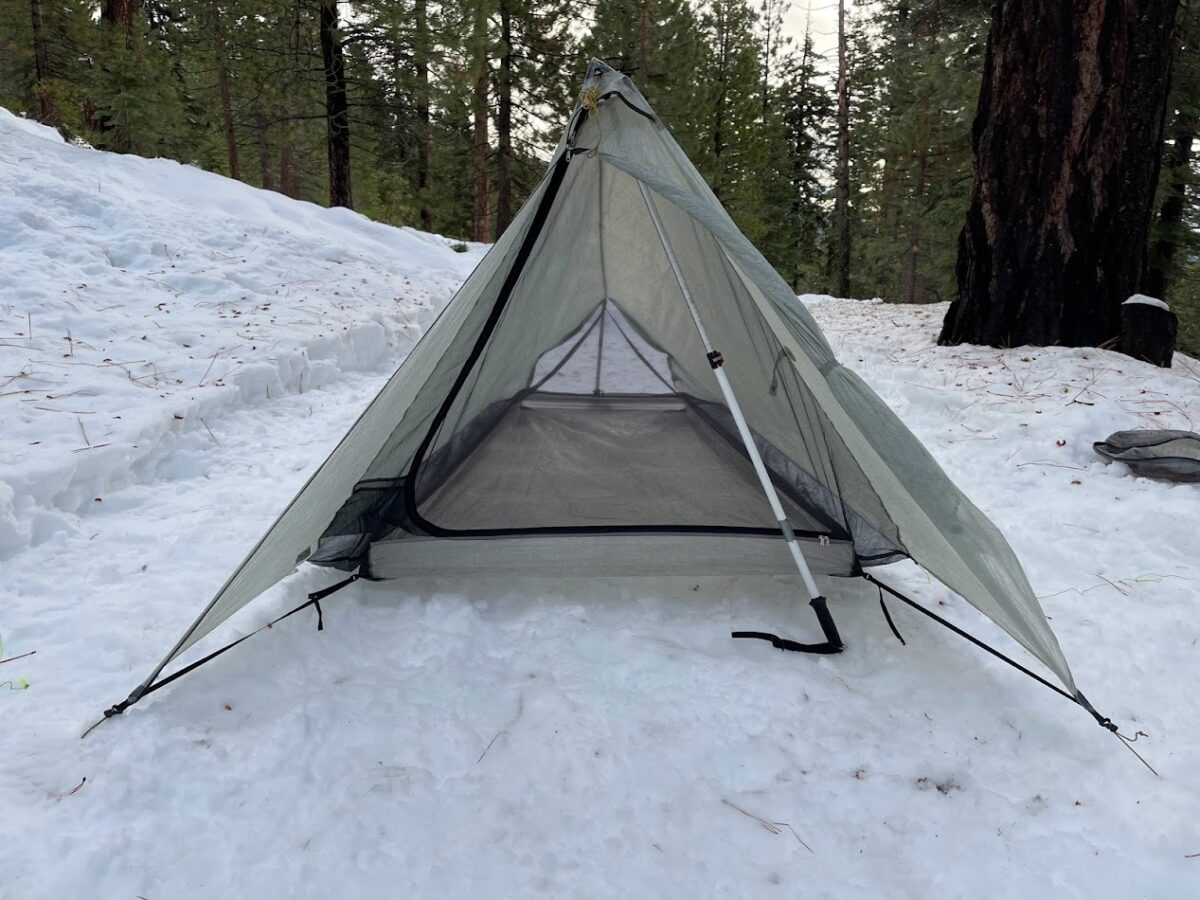
When I’m willing to accept a small weight penalty and need protection from bugs or better livability in rainy weather, I’ll opt for the Tarptent Notch Li (🎯). Dual vestibules and a mesh inner tent, a very easy pitch, and enough storm resistance for most 3-season conditions make this an extremely versatile shelter.
Tarptent Notch Li in the Cloud Peak Wilderness, Wyoming.
Hyperlight Mountain Gear Flat Tarp
I’m an avid tarp user. Using a tarp provides me with a creative outlet for seeking a more primal connection with nature. Pitching a tarp requires more time, skill, and energy than pitching either my Locus Khufu or Tarptent Notch. However, having open air around me with some overhead protection completely changes my wilderness experience. My tarp of choice is the Hyperlite Mountain Gear DCF Flat Tarp. I prefer flat tarps over shaped (e.g., catenary curve) tarps because they can be pitched in different configurations. I usually pitch my flat tarp in an A-frame, a hybrid A/lean-to, or prow configuration.
Subzero (F) winter camping with the Hyperlite Mountain Gear Flat Tarp in Southeast Wyoming.
Other Shelter System Gear
On fastpacking trips when I’m trying to go as light as possible but still need an overhead shelter, I use a ZPacks Hexamid Pocket Tarp (⚡) for its lightweight and ease of pitch.
Brewing tea on an alcohol stove under the ZPacks Hexamid Pocket Tarp with Doors. This is a specialty shelter for saving as much weight as possible when you’re not expecting high winds. Sherman Range, Wyoming.
For other shelters, I use a Hyperlite Mountain Gear Ultamid 4 when I need to share a shelter with a fellow hiking pal; a Nemo Dagger 3P with my wife and dog; a Locus Gear Djedi (⚡) for alpine (above the treeline) mountaineering, or when I need a roomy shelter to hole up in during extended rain; and an MSR Advance Pro Bivy Sack when minimalism is on the menu.
Sleeping Systems
The Feathered Friends Tanager 20 CFL is my favorite 3-season sleeping bag. It’s a simple hoodless, zipperless tube with an even distribution of down throughout its horizontal baffling. I can cinch up the collar, roll around, and not have to worry about cold spots. I’ll combine it with an Enlightened Equipment Enigma Apex Quilt (⚡). Otherwise, my summer bag is the now-discontinued Katabatic Gear Chisos 40 Quilt. I’ve owned this for several years and appreciate the quality of construction and attention to detail. My son Chase uses the slightly more insulated Palisade 30, which is probably a better choice for the mountains during the summer.
The Feathered Friends Tanager CFL 20 weighs only 20 ounces but is a very efficient design – no hood, no zipper, tapered mummy shape. It’s outrageously cozy. Absaroka-Beartooth Wilderness, Montana.
For comfort, I use a Nemo Equipment Tensor Insulated Pad. I’m not a big guy, but I opt for the wide version of the pad so I can lie on my back and keep my arms on the pad, or lie on my side and scissor my legs without having them hang off the pad. The wide pad adds so much to my comfort! My favorite feature of this pad is its stability, a result of a high density of welded baffles arranged in a grid – much better than either horizontal or vertical tubes.
I’ll add a Gossamer Gear Thinlight pad underneath the Tensor for sleeping on snow. For alpine mountaineering when I need a failsafe (non-puncturable) solution, I still opt for a 1.5-cm thick Zotefoams Evazote pad (🎯), which for several years, has maintained its thickness, easily outlasting a Therm-a-Rest Z-Rest.
Rainwear
I recently wrote about rain jackets here, where I advocated for replacing ultralight, minimally-featured jackets with options that have better ventilation when you are expecting sustained rain. In that context, the jacket I’ve used the most is the Enlightened Equipment Visp (⚡). For mountaineering, heavy bushwhacking, or routes with lots of Class 3+ scrambling, I’ll opt for a more durable jacket (Arc’teryx Beta LT 🎯), the latter of which I’ve used for more than five years with heavy abuse in the mountains. Caveat: I take very good care of my rainwear, laundering them and restoring their DWR regularly.
If I don’t need either ventilation or durability, and the jacket is a just-in-case item that spends most of its time in my pack, my favorite option is the now-discontinued Montane Minimus 777 Pull-On but the Rab Phantom Pull-On Jacket (⚡) has served just fine for intermittent use.
For sub-freezing temperatures where the precipitation isn’t as wet, the Paramo Velez Smock is hard to beat for all-around comfort, because of its cozy lining and terrific ventilation.
I own two sets of rain pants: a pull-on model (ZPacks Vertice Pants) and a 3/4-length-side-zip model (Arc’teryx Zeta SL Pants). I pack and rarely wear the ultralight Vertice for most conditions that offer good weather forecasts, and the Zeta SL the rest of the time.
In deep winter, I rarely wear rain pants, and instead opt for a highly-breathable softshell pant (Arc’teryx Sigma FL Pants).
I’ve shredded more gaiters than I care to admit. I rarely wear gaiters in the summer and find them unnecessary outside of the desert. The only gaiters I own and use regularly anymore are the Outdoor Research Rocky Mountain High Gaiters, which I find to be the lightest high gaiter that’s durable enough for light mountaineering and bushwhacking. Combined with a mid-height waterproof-breathable trail running boot, they are indispensable for cold, wet conditions. Learn more in my Lightweight Footwear and Traction Systems for Snow Travel Webinar.
Outdoor Research Rocky Mountain High Gaiters – durable for long-term use, light enough for use with trail running shoes. Wild Basin, Rocky Mountain National Park, Colorado.
Insulated Clothing
My winter parka is still a Feathered Friends Helios Down Jacket. My ultralight down jacket is a Goosefeet Gear Custom Down Pullover (⚡) and is the jacket I pack for fastpacking trips when I know I’m not going to be spending much time hanging around camp outside of my sleeping bag at night.
My warm-weather down jacket is a Goosefeet Gear custom pullover that weighs less than six ounces. Laramie Range, WY.
I’ve been so impressed with the Enlightened Equipment Torrid Apex Pullover (there’s a full-zip jacket version as well). It’s warm, has a boxy enough fit to layer well over other clothing, and has a cozy hood and kangaroo pocket. This is the jacket I would design if I were a designer of ultralight gear. I’ve worn this jacket more than any other insulating piece this year, and the insulation has held up well – it’s retained more than 90% of its loft after more than 80 days of use this year.
Bivy-sackin’ during a winter blizzard with a synthetic insulation kit that includes the Enlightened Equipment Torrid Apex Pullover. Sherman Range, SE Wyoming.
The PHD Yukon K Hoody is my preferred insulation when I’m trying to save as much weight as possible and I’m expecting temperatures below freezing. The warmth-to-weight ratio of the Yukon K is astounding, and I’ve never found a jacket as warm as the Yukon K at this weight. In many cases, it has replaced my Helios, which is getting dustier in my gear closet.
Staying warm in the PHD Yukon K Hoody during a subzero (F) traverse of the Sherman Range in SE Wyoming.
The Smartwool 150 Hoody is my primary base layer outside of bug season when it’s too warm to wear the Brynje shirt – which means I’ve worn the Smartwool 150 Hoody more than any other base layer this year. I was worried about the lack of zipper and loose hoody, but I’ve become quite fond of this simple design. This was one of my Staff Picks this year.
Smartwool 150 Hoody – no zip, roomy hood, and very comfortable. I’d wear this shirt every day of the year!
A new layer for me this year is the Senchi Designs Wren Hoodie (⚡). It’s made of the lightest version of Polartec Alpha Direct. Combined with a rain shell, this two-layer system is my favorite for hiking in cold rain, and is more comfortable than any other wet-weather system I’ve tried.
The Senchi Wren – Polartec Alpha Direct. This one caught me by surprise this year, and I’m finding myself wearing it more often than I expected in foul weather. Tenmile Range, Colorado.
My now-discontinued Patagonia Lightweight Capilene long john bottoms finally blew the crotch early this year, so I dug out a pair of Montbell Super Merino LW Tights from the closet. These are my primary bottom base layer, and are a good reminder why I love wool. Even if Patagonia brings back their old design, I probably won’t find the one-ounce weight savings worth the loss in comfort.
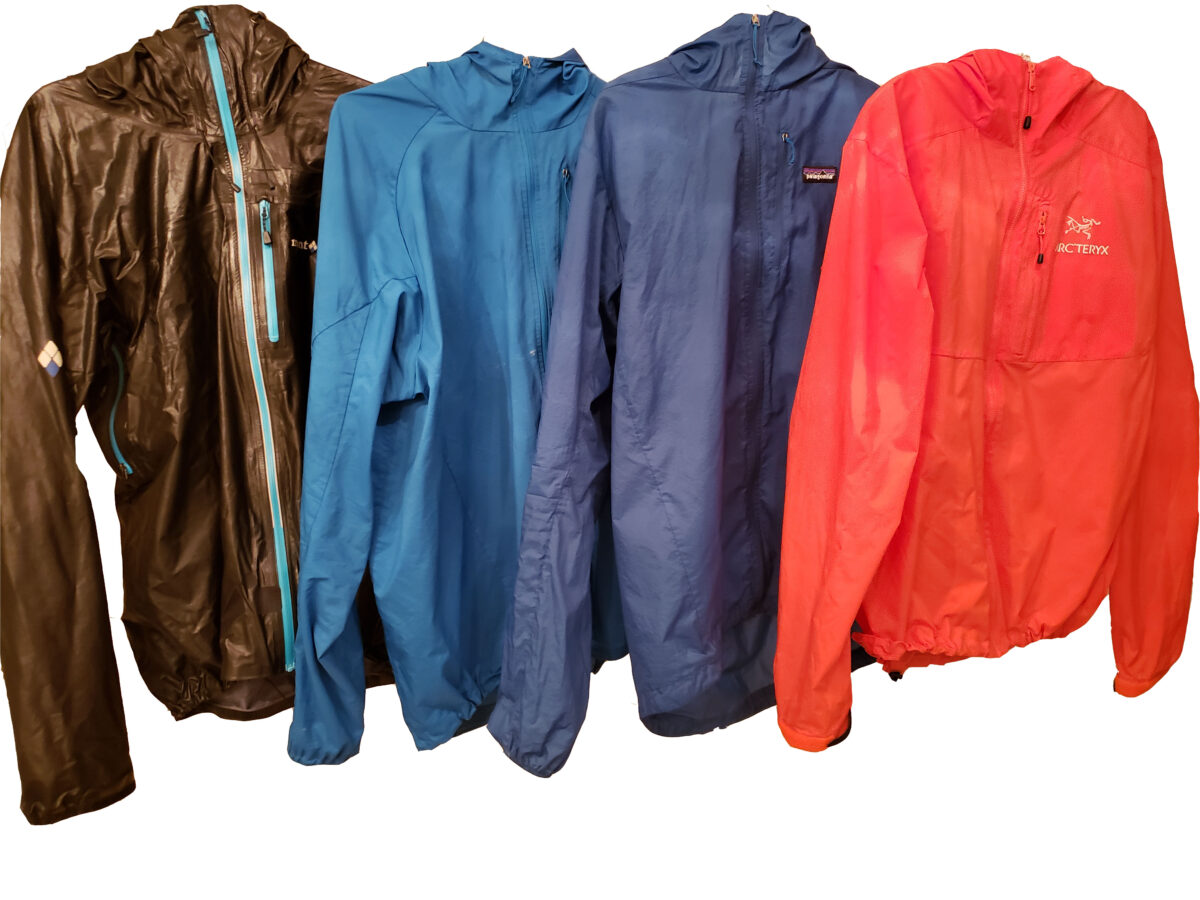
As for wind shirts, in spite of all that we’ve published suggesting that there’s not a lot of difference between the MVTR of wind shirts and rain jackets, I’m still a fan. My favorite wind shirt is the Patagonia Houdini Air (full-zip, hooded), and it goes with me on most trips. The primary benefit for me is purely tactile – it just feels less restrictive than a rain jacket, and worn over a soft base layer like my Smartwool 150 Merino Hoody or the Senchi Designs Wren, makes for an astoundingly comfortable 2-layer system for the cold, dry, windy weather that’s the dominant theme where I hike.
Last year I reviewed the Outdoor Research Flurry Sensor Glove and the same pair has accompanied me on most of my mountain trips this year as well. They are showing very little signs of wear outside of a few fingertips, but this hasn’t impacted their function at all (yet). Their hallmark features are warmth-to-weight ratio, hydrophobicity (resistance to wetting out from precipitation), and bicomponent construction that makes them soft and comfortable against the skin – and wind-resistant.
I outlined the rain mitt market in a recent gear guide, and the ones I found myself grabbing the most often this year include the Outdoor Research Revel Shell Mitts (for most 3-season trips in very wet weather), the REI Minimalist GTX 2.0 (my just-in-case mitten shell), and the Black Diamond Waterproof Overmitts (for backcountry skiing and snowshoeing in the winter).
The Outdoor Research Revel Shell Mitts are my favorite all-around rain mitt for the mountains. They are durable enough for bushwhacking and light scrambling, have a long gauntlet, and offer a great fit. Combined with my Outdoor Research Flurry Sensor Gloves, they are very close to what I consider a perfect 3+ season mountain handwear system. Tenmile Range, Colorado.
The biggest change I made to my footwear system this year was in my choice of trail spikes. After testing both Kahtoola Microspikes and Hillsound Trail Crampon Pro traction devices side-by-side with the Black Diamond Distance Spikes last year, I made the switch full-time to the BD’s this year. They are lighter, have shorter spikes that don’t interfere with walking on bare ground, and a terrific soft-shell toe cover that keeps my shoelaces from icing up in very cold temperatures.
Wearing Black Diamond Distance Traction Spikes in “mixed (up)” terrain in Colorado’s Tenmile Range.
Otherwise, the La Sportiva Akyra continues to be my go-to shoe for most off-trail trekking, and the Scarpa Zen Pro (🎯)stays in my quiver for mountain travel requiring substantial amounts of Class 3-4 terrain.
The most notable change to my traction systems this year is in the area of trekking poles. After having broken so many pairs of ultralight carbon fiber poles through the years, I got fed up and switched to Black Diamond Alpine Carbon Cork poles, which have served me well for several years without damage. This year, I stumbled across the Black Diamond Distance Trail Running Poles (🎯), which are thin, stiff, and strong. I’ve abused them on nearly every non-winter trip this year, and they’ve held up great. They are light and balanced and swing better than any trekking pole I’ve ever used. Another Staff Pick for me this year.
Using the Black Diamond Distance Carbon Trail Running Poles in Colorado’s Tenmile Range this year.
The MSR Reactor Stove (🎯) is my primary winter stove and has been for several years. Its hallmark features are its reliability, fast boil times, and ease of use while wearing mittens.
Melting snow for tea time on a day hike near 11,000 feet in Rocky Mountain National Park. Temperatures in the single digits (F).
New in my stove quiver this year is the Bushbuddy Mini (⚡). Due to wildfire restrictions, I found myself cooking with wood less frequently this year, but the Bushbuddy Mini Kit has been a joy to use when the opportunity has presented itself.
Hydration Systems
I spent quite a lot of time over the past two years performing side-by-side testing with hollow-fiber membrane squeeze filters, including the Katadyn Befree Filter, the Platypus Quickdraw Filter (new this year), the Sawyer Squeeze, the Lifestraw Flex, and the Hydroblu Versa. Some of what I learned about their performance was published recently in this test report about backflushing and storage practices for squeeze filters. Long-time readers here know that I’ve had good success with the Befree. The Platypus Quickdraw has also earned my respect, mainly for its ergonomics. It hasn’t yet unseated the Befree in the quest to become my main squeeze, so I plan to continue using both next year until something bad happens with one of them.
As for gravity filters with groups, I started using Lifestraw, Platypus, and Befree gravity systems last year to see if they’d trump my long-time favorite – the Rapidpure Trailblazer Gravity System (🎯). I’m still collecting data, but my observations are that the Rapidpure remains the best gravity system available with respect to maintaining flow rate in response to poor quality water and sub-freezing temperatures.
Otherwise, Aquamira (🎯) is still my first choice when I’m trying to save weight and bulk, and Aquatabs (🎯) are always in my emergency kit for supplemental treatment when I’m hiking in areas where stock grazing is allowed. This includes the sheepy areas of the Uintas, Wind Rivers, and Sawtooths.
I still own and use a Steripen Ultra, and it goes with me when I’m bringing a pot, but not a water bottle. Yep, that’s still a thing for me for trips where minimalism and simplicity, and flowing with nature, are the main goals.
When I take an Ursack (most trips), I pack my food in Hyperlite Mountain Gear Pods and stuff the empty Ursacks into the dead air space in my backpack to fill it out a bit. Then, when I get to camp, the food (inside the pods) goes into the Ursacks, which of course, get tied to trees or chocked in talus.
Navigation, Electronics, and Software
I’ve made no major changes to my navigation, electronics, or software systems this year. To be honest, this was one of the most boring years on record when it came to innovation in these areas.
My iPhone remains my primary camera for the purpose of journaling, and the Sony RX100 still produces the most beautiful photographs of landscapes of any camera I’ve ever used in this weight class. I did upgrade to a GoPro Hero 10 Black (from v9) this year (for improved battery life), and that’s the camera I use when I’m shooting some types of educational videos or vlogging.
I keep close tabs on the satellite communicator market, and in spite of the introduction of Zoleo, the bizarre trajectory of the Bivy Stick, and the promise of an Apple phone with satellite capabilities, I still can’t make an argument for recommending any device other than the Garmin inReach Mini (🎯). In spite of its faults (which include complex software and systems integration that we try to help you with), it remains the most reliable and capable satellite communicator on the market. This year, it helped me keep tabs on the Seattle Mariners’ unexpected playoff run with family back home. Read my Garmin inReach Mini Review or learn how to become a power user in my Garmin inReach Masterclass.
No changes to my headlamps. My favorites are the Fenix HM50 Headlamp (🎯) (most trips) and the Petzl Actik Core Headlamp (trips where I need a lot of bright light for nighttime navigation). I’ve experimented with other new headlamps introduced this year and have remained unimpressed by the (lack of) innovation in this category.
I’m a training data junkie, so the Garmin Fenix Watch, the Garmin Run Pro HRM, and Training Peaks Software are critical components of monitoring my training. I’m currently using a Garmin Fenix 5X Plus, which has since seen upgrades to versions costing nearly a thousand dollars (e.g., the Garmin Fenix 6X Pro Solar). I picked one up at REI, tested it, and returned it. The upgrades are minor and made little difference to the quality of the data I collected, battery life, or field usability. Maybe next year.
New to my training quiver is Whoop. Adding sleep quality tracking and additional recovery metrics has been fascinating, insightful, and helpful to me. Continuous tracking of HRV has transformed my training this year and helped me focus on the practices that improve my recovery after hard workouts, including more and better sleep, meditation, drinking less alcohol, and eating better. I can measure the impacts of all of these things quite predictably with Whoop, and it blows my mind.
Accessories
I don’t pack a camp chair on every trip, but I almost always wish I did. When I do pack a chair, it’s the REI Flexlite Air Chair (🎯), which I wrote about extensively in this review and was featured in this gear guide. I broke my back in 2005, and the chair is absolutely critical to my rest and recovery if I have to spend any length of time in camp in the evenings or mornings.
One of the raison d’être for backpacking for me is fishing, and the tenkara style is my modus operandi. I have a long history of using rods from Tenkara USA, Tenkara Rod Company, Tenryu, Daiwa, and others. I’ve caught panfish, bass, trout, steelhead, and salmon with tenkara rods. In the mountains, of course, my focus is trout, and the primary rods I use are from Tenryu and Tenkara USA. This year, I focused more on rods with a longer reach for alpine lake fishing, including the Tenryu Furaibo TF39TA (⚡) and the Tenkara USA Ito. I can’t recommend the former for general use – it’s a wonderfully responsive fly rod, but is too expensive and difficult to repair for the casual fisher. The Tenkara USA Ito, on the other hand, may be the most understated rod on the market for the backcountry angler. I still prefer the Tenkara USA Hane (🎯) for general backpacking use including small stream fishing, but the Ito is a more capable performer when it comes to delicately casting tiny flies like midges to wary trout using long leaders on calm alpine lakes.
What dreams are made of: tenkara fishing at an alpine lake in the Absaroka-Beartooth Wilderness, Montana.
I’m a journaler, note-taker, and sketcher in the backcountry. I used to use Moleskine and Rite in the Rain Notebooks but became a little frustrated by the weight of Moleskine pads and the poor tactile feel of writing on Rite in the Rain paper. Early this year, I discovered Traveler’s Notebooks, which are light and have terrific paper quality. Combined with my favorite writing instrument – Staedler Pencils – they’ve brought joy back to my backcountry notetaking.
Conclusion
My gear kit is in a constant state of flux. I yearn to downsize it and just keep those items that are durable and versatile across a wide range of conditions. I’m not always successful. I have too many shelters, jackets, stoves, water filters, shoes, sleeping bags, and backpacks.
When I started this article and offered my guidelines for consumption, I meant it. They are ideals that I’m working towards, not standards that define where I’m at today. Being an outdoor industry professional, a lot of new gear passes over my desk each week. I do my best to stay on top of current trends, and I certainly enjoy testing new gear in the field. But I don’t like owning it, storing it, cleaning it, repairing it, or figuring out how to sell it or donate it when I no longer want it.
If I have one piece of advice to leave you with today, it’s this:
Study this gear guide in the context of adding gear to your kit only if it’s capable of dramatically improving your outdoor experience, and resist the temptation to buy gear for the quick fix of dopamine that comes with getting new stuff. It will wear off, and then you’ll be left paying the bill.
Pack less, be more, and happy trails. – RJ
DISCLOSURE (Updated April 9, 2024)
Backpacking Light does not accept compensation or donated/discounted products in exchange for product mentions or placements in editorial coverage.
Some (but not all) of the links in this review may be affiliate links. If you click on one of these links and visit one of our affiliate partners (usually a retailer site), and subsequently place an order with that retailer, we receive a commission on your entire order, which varies between 3% and 15% of the purchase price. Affiliate commissions represent less than 15% of Backpacking Light's gross revenue. More than 70% of our revenue comes from Membership Fees. So if you'd really like to support our work, don't buy gear you don't need - support our consumer advocacy work and become a Member instead.
Learn more about affiliate commissions, influencer marketing, and our consumer advocacy work by reading our article Stop wasting money on gear.
It’s our 50th episode! To celebrate, we reached out to listeners and asked them to submit their big backpacking questions – our answers of which provide the meat for this episode.
Stream
Summary
It’s our 50th episode! To celebrate, we reached out to listeners and asked them to submit their big backpacking questions. We received fantastic questions about gear, philosophy, and skills and enjoyed chatting about the answers.
Also in this episode, an interview with Backpacking Light grant recipient Narinda Heng and some upcoming educational opportunities at Backpacking Light. Enjoy!
Adapting gear to tropical environments? Hiking sandals like the Bedrock Sandals Cairn Pro II. Try a big, airy mesh tent with a tarp with lots of coverage, or a hammock. Go for a silk liner and/or a tropical-specific sleeping pad with 3D compression-resistant mesh. And uh, you might need a machete.
Keeping a full 3-season kit packed at all times – pros and cons? Duplicate items, don’t switch stuff out. Don’t compress your insulation!
Aluminum vs. titanium pots – especially when it comes to fuel use!
What’s a seriously waterproof bivy sack? Check out the Mountain Laurel Designs eVENT Soul Bivy for moderately rowdy conditions. If things get more wild than that, look for something with more of a structure.
Thoughts on Southern Lite packs? We like the customization that makes them good for winter gear storage!
Are there any negative environmental impacts when using a backcountry bidet system? Not really, just do LNT!
Going backpacking with two adults and two kids – should you have one giant shelter or two smaller shelters? Try the Nemo Dagger 3P.
Why are large pads and bags so common but shelters that can accommodate a tall person so rare? In short? Market pressures and gram-shaving wars. If you want a great shelter for tall users, take a look at the Durston X-Mid series or the Tarptent Stratospire series (Stratospire 1, Stratospire 2, and Stratospire Li).
Do you talk to yourself when you hike?
Applying ultralight philosophy to canoeing?
Going ultralight by switching to tarps and quilts? You don’t necessarily have to…
What can you gain by going ultralight early? Mostly health, and you’ll save some money to boot.
To set up camp in rainy weather – site selection, shelter selection, and bring a tarp to provide a dry space to stage your gear while you set up.
How to build skills and transition from hiking in groups to solo backpacking (safely)?
Interview with Backpacking Light grant recipient – Narinda Heng.
Narinda’s goals and challenges.
The craziest adventure Narinda has been on.
Narinda’s art and how it intersects with the outdoors.
Her pottery and how it reflects the input of Narinda’s adventures.
Executive Producer - Backpacking Light; Show Director and Host - Ryan Jordan; Producer - Chase Jordan; Theme music: Look for Me in the Mountains written by Chris Cunningham and Ryan Jordan, performed by Chris Cunningham (acoustic guitar, lead and harmony vocals, harmonica), Chad Langford (upright bass), and Tom Murphy (mandolin), produced by Basecamp Studios in Bozeman, Montana.
Sponsorship Policy: Backpacking Light does not accept compensation or donated/discounted products in exchange for product mentions or placements in editorial coverage, including any podcast episode content not excplicitly identified as sponsored content. Some (but not all) of the links in these show notes may be affiliate links. Learn more about affiliate commissions, influencer marketing, and our consumer advocacy work by reading our article Stop wasting money on gear.
Each year, our staff selects their favorite hiking, backpacking, and other backcountry gear that they’ve used this year – our infamous Staff Picks!
Introduction
Each year, our staff selects their favorite backcountry gear from the past 12 months, and we look forward to you sharing your favorite gear of the year as well in the forum comments below!
Some of the gear chosen by staff, contributors, and grant recipients. Scroll through the article to learn more!
Our Staff
This year’s Staff Picks contributors are:
Row 1 L to R: Ryan and Stephanie Jordan (owner/founders), Andrew and Meriwether Lewis Marshall (Managing Editors/Podcast Producers), Mark Wetherington (Staff Writer), Chase and Sierra Jordan (Production Editors), Stephen Seeber (Contributor); Row 2 L to R: Ben Kilbourne (Contributor), Rex Sanders (Contributor), Iago Vazquez (Contributor), Drew Smith (Contributor); Row 3 L to R: Dan Hu (Contributor), Roger Caffin (Professor Emeritus), Jeff de Graffenried (Contributor), Narinda Heng (Grant Recipient), Shilletha Curtis (Contributor/Grant Recipient)
If you read my review of the Durston X-Mid 2P tent, you know that I am very impressed by it. The X-Mid 2P is a large, dual pole, two-person, double-wall, non-freestanding tent made of 20D silicone-coated polyester and weighing 2.5 lbs. The main reason I chose it for one of my staff picks this year is because of its rectangular shape – which solves the stability and ease of use problems of many other two-pole shelters. I have always been a big fan of rectangular footprint pyramid tents because they are extremely easy to pitch. If all four corners are pitched at right angles to each other (or close to right angles), the pitch will be taut. A rectangular shape tensions the perimeter, stabilizing the entire structure and allowing it to perform well in wind. The Durston X-Mid 2P takes this concept and makes it more livable by turning the traditional pyramid into a two-pole rather than one-pole shelter. It has been a joy to use the Durston X-Mid 2P tent in 2021 and I will continue to use it as my primary two-person, three-season tent. – Ben Kilbourne
The Therm-A-Rest Pro-Lite Plus. Photo: Therm-A-Rest
I’ve had my Therm-a-Rest ProLite Plus sleeping pad since 2015 and it’s been on pretty much every camping trip with me, including when sleeping in my car (I ditched memory foam because gets odd and stiff when cold). I love that the ProLite Plus is quiet when I shift around at night, and that even if deflated, it still offers a little cushion and insulation. Mine has a couple of patches in it and is still going strong. – Narinda Heng
I recently reviewed this tent and have kept using it on trips with my girlfriend this year (when solo I usually opt for the Six Moon Designs Lunar Solo or a bivy and tarp combo). The REI Co-op Flash Air 2 is a lightweight shelter that provides protection from the elements and, while certainly cozy, isn’t cramped with two people in it. Setting it up is a breeze, which leaves me with more time on trips to fish, scramble up a peak, or just enjoy relaxing in the backcountry. – Mark Wetherington
Multiple-use is the essence of lightweight backpacking. Using your shelter as your rain protection returns big savings in weight. The Mountain Laurel Designs Poncho Tarp is my usual home on 3-season trips when I don’t expect to spend a lot of time in camp or to encounter more bugs than a head-net can handle. As raingear, this silnylon poncho will actually keep you dry and well-ventilated, unlike the legions of waterproof-breathable jackets that are neither of those things. The Poncho Tarp kept me dry in a thru-hike of the Colorado Trail in which it rained 22 of the 28 days I was on trail. It performed in hours-long storms on the trail and in all-night downpours in camp. Paired with a lightweight bivy and groundsheet, you get effective shelter and raingear for about a pound. – Drew Smith
I love my Zpacks Duplex because it’s so spacious. I can literally tumble inside of my tent. Not only that but this tent holds up in the wind. I’ve never had any leaks in the rain and it’s easy to stake out. I found the learning curve to be the easiest out of the three tents that I used on the Appalachian Trail in 2021. – Shilletha Curtis
The Therm-A-Rest Neo Air All Season. Photo: Therm-A-Rest
The Therm-A-Rest NeoAir All Season sleeping pad is no longer available but I wanted to mention it because it is my oldest piece of gear that I still use on most trips. I bought it around 2011, so I have been using it for at least ten years. It just recently sprung its very first leak, a tiny pinhole in the top fabric from a piece of a tumbleweed. Ten years with no holes is pretty amazing, in my opinion. This pad has a 70 D bottom fabric and 75 D polyester top fabric, has an R-value of 4.9, and weighs 19 oz (539 g) in size regular. It’s not the lightest thing out there, but holy cow, it is reliable and warm. When I replace it, I will probably take a look at the Therm-A-Rest NeoAir X-Therm, hoping it will last at least ten years, as well. – Ben Kilbourne
My 10 Degree Enlightened Equipment Revelation Down Quilt is the love of my hiking life. There’s nothing like setting up camp after a long day and being snuggled in my warm and comfortable quilt. At 24 ounces (680 g), how could I ever say no? What I love about the Revelation is how versatile it is. I can close the footbox on cold nights and when it’s warm, I can stick a leg out. If I want to sit around camp and chat with others, I can take my quilt with me and wrap it around me. – Shilletha Curtis
The Nunatak Equipment Bears Ears 50. Photo: Nunatak Equipment
It’s rare enough to find a pack that solves one problem brilliantly. The Nunatak Bears Ears 50 solves two – how to store a bear canister effectively (low and externally) and how to get to your water bottles easily (via optional hipbelt mounted holders). The shoulder straps are thick and comfortable, and the rear pocket wraps all the way around the pack body for extra storage. Put it all together and you have an extraordinarily comfortable and stable frameless pack with lots of storage options. Bonus points – you can use the bear canister storage system for Ursacks, packrafts, or any other heavy/bulky items. – Andrew Marshall
The Nashville Packs Cutaway. Photo: Nashville Packs
I have found a small pack that can fit a lot of stuff when pushed to the limits of its extension collar and exterior pockets – the Nashville Packs Cutaway. But unlike most frameless packs, this one has been comfortable for me to 29 pounds (13 kg) using the hybrid vest straps and a closed-cell foam pad attached to the back panel. – Iago Vazquez
Six Moon Designs Swift X Hiking Backpack. Photo: Six Moon Designs
The Six Moon Designs Swift X is my favorite backpack. My pack is purple and I love that there are so many colors to choose from. These packs are fully adjustable when it comes to torso length, hip belt, and harness. Speaking of the harness, what a godsend for folks like me with back issues. The pack carries well and the support I get with the harness is critical. There are pockets in both the hip belt and harness, making snack and water consumption that much easier. Overall, this pack is lightweight, durable, and very well designed. – Shilletha Curtis
The Pa’lante V2 is my first frameless pack and it has been outstanding. Great design features, but not overengineered. Comfortable, durable, and just an all-around great pack for ultralight backpacking. – Mark Wetherington
The Mountain Laurel Designs DCF Exodus 55 L was my favorite frameless backpack in 2021. It’s light at 18 ounces (510 g), water-resistant, and extremely comfortable. It makes my staff picks list this year primarily because it would be impossible for me to overstate its comfort. When sized correctly (I have a 19.5 inch / 50 cm torso and use a size large), the shoulder straps attach near the top of my shoulders effectively negating the need for load-lifters or load-shifters with light to moderate loads. Moreover, the straps are thick, wide, widely spaced, and have no binding on the edges, so they don’t dig into my neck like some other straps. While Mountain Laurel Designs advertises the DCF Exodus 55 L pack as maxing out at a carrying capacity of 25 pounds (11 kg), I believe it can carry more than that comfortably, especially when using a foam pad as a frame sheet. I use four sections of a Therm-A-Rest Z-Lite which increases the load-carrying ability of the Exodus to at least 30lbs (for me). – Ben Kilbourne
Sea to Summit Ultra-Sil Nano Day Pack. Photo: Sea to Summit
The Sea to Summit Ultra-Sil Nano Day Pack has undergone a few revisions since I bought mine about 12 years ago (see our latest review here). But the fact that I still have the original version is a testament to its durability despite its evanescent weight. At about 2 oz (57 g), it functions as a clothes bag in my backpack, and then as a capable day pack for summit or fishing side trips. At town stops it is a laundry bag and a grocery bag. On non-hiking trips, I throw it in my luggage (it packs down to about 2 x 1 inch / 5 x 2.5 cm) to enable day hikes should the opportunity arise. – Drew Smith
I’m always on the lookout for lightweight gear that fits and can be used easily by small children. This year, I decided to recommend the ULA Equipment Kid’s Spark Backpack to my hiking partner for three of his young girls, ages 8 through 10. They used them during our 8-day trek in the Wyoming Bighorns this summer, and I was very impressed by how comfortable they were for the girls when loaded with up to about 15 pounds (7 kg) or so of gear. – Ryan Jordan
Slowly, I have dialed in my backpack needs and have settled into the Hyperlight Mountain Gear 2400 Windrider. This nearly waterproof DCH pack has a super-efficient design that can be expanded for a week-long trek or tightened down for a weekend getaway. At less than 2 pounds (1 kg), the pack gives me the freedom to do what I want and with the various accessory pouches and the external pouches, there is enough room to pack what I need. – Jeff de Graffenried
The fit and feel of the REI Co-op Take Your Time 7/8 Leggings (they are the softest leggings I’ve ever owned) make these my main go-to for hiking in the shoulder seasons. They have a mid-rise waist that stays secure – I love that I’m not hiking them up on the trail constantly. Most yoga pants aren’t long enough in the legs for me, and these cover my ankles and prevent those pesky black fly bites. These have thigh pockets that are easily accessible and deep – they can comfortably carry a phone, or any other small item you like to keep handy, but I love them most for keeping my hands warm when I don’t want to get out my gloves. I can see me keeping some hand warmers in here in the coming winter months. They are moisture-wicking and quick-drying. – Stephanie Jordan
In more than six decades of wearing clothes (and counting), I’ve rarely gotten a compliment on my togs, much to the chagrin of my fashion-designer wife. But my Patagonia Duckbill Cap has triggered more than 100 unsolicited plaudits from total strangers. Keeps the sun out of my eyes, is easy to stuff into a pocket, covers my one-size-fits-none melon, and has plenty of ventilation. Almost useless in the rain, but that’s what poncho hoods are for. Patagonia might have discontinued all 1.9 ounces (54 g). No, you can’t have mine, it is a key component of my retirement plan. – Rex Sanders
I have evaluated bamboo viscose clothes this summer in hot weather as a way to reduce my use of synthetic clothing. My two favorite pieces for extreme sun exposure have been the Tasc Carrollton Hoody and the FreeFly Bamboo Lightweight Hoody. The two main characteristics that stood out for me were comfort and odor control. After days of use and sweat, they do not accumulate much funk. I have found that the Tasc Carrollton (UPF 50+) protected me from sunburn in all-day exposure. But the fabric felt a bit thicker than I would like (160 gsm), so I also tried the FreeFly Bamboo Lightweight Hoody (UPF 20+, 140 gsm). I have yet to have an extended outing wearing the FreeFly to find out whether it provides sufficient sun protection, but so far it has worked well for a couple of hours of exposure. The lighter fabric does feel a bit airier. My previous lightweight synthetic hoody, the OR Echo Hoody from a couple of years ago, resulted in sunburn despite its UPF 15 rating.
One word of warning, bamboo viscose is often marketed as quick-drying, wicking, or other similar claims. I have found that, like most plant-based fabrics, when overwhelmed with moisture, they are neither quick-drying nor wicking. – Iago Vazquez
I’m sensitive to textures and tend to lean towards natural fibers whenever possible. When it comes to mid-layers, that means merino – until the last few years, that is. Appalachian Gear Company makes a lot of bold claims about how alpaca wool is superior to merino – claims I’ve yet to verify via testing with Backpacking Light fabric-testing wizard Stephen Seeber. But I’ll say this – the Appalachian Gear Company All-Paca Crew mid-layer is the most stink-proof material I’ve ever worn in the backcountry. The fabric is a little more scratchy than merino, but seems way more hydrophobic (according to my unscientific, but extensive, observation). The hooded version is popular, but I prefer the crew-neck because two or three hoods from my various other layers are more than enough! Seriously, not every layer needs a hood. – Andrew Marshall
The Patagonia Baggies 5-inch Inseam Shorts. Photo: Patagonia
I’ve been wearing Patagonia Baggies shorts with 5-inch (13 cm) inseams for longer than I can remember. Incredibly tough, incredibly cool, dry fast enough, stuff rarely falls out of the pockets, almost un-noticed under pack hip belts, PFDs, and wetsuits, despite weighing 7 oz (202 grams). Yes, I’m one of those old dudes with skinny legs wearing unfashionably short shorts. Deal. – Rex Sanders
The Senchi Designs Lark Hoodie. Photo: Senchi Designs
The Senchi Designs Lark Hoodie is an ultralight mid-layer or extra-warm baselayer, depending on what size you buy. I am 5 feet 11 inches (180 cm), 160 pounds (73 kg), and I purchased the Lark in size large (4.8 ounces / 136 g total weight). It fits comfortably over a baselayer, making it a perfect mid-layer to wear under a shell when winter hiking, backpacking in the rain, or packrafting in cool weather. The Polartec Alpha 90 Direct Insulation is super breathable, so it seems to work best under a wind-shedding layer such as a rain jacket. It’s also pretty stretchy, making it comfortable to sleep in. Because the material is basically little tufts of fleece held together by a thin, web-like lattice, it is not super durable and should be handled with care. In my experience, wearing a rainjacket over it sufficiently protects it from snagging on velcro, junipers, or sandstone. – Ben Kilbourne
The TrailHeads Ponytail Hat is my most loved piece of gear. I have been using this for 17+ years and it has held up through all of the Rocky Mountain seasons. I’ve used it for backpacking, hiking, skiing, snowshoeing, and it has even fit under my bike helmet for fatbiking. It is soft and warm and fits a ponytail or low bun comfortably. It stays in place even while running. Keeps ears and head warm in cold temperatures. Even comfortable to sleep in during those cold high alpine summer nights while sleeping in a quilt. This is a great piece for anyone with long hair. It’s a signature piece for me and has been so easy to care for. – Stephanie Jordan
Smartwool Merino Sport 150 Hoodie. Photo: Smartwool
I wasn’t sure if I was going to be very happy with a shoulder season baselayer that didn’t offer any ventilation features like a zipper, or a non-balaclava style hood. The Smartwool Merino Sport 150 Hoodie surprised me in both aspects. I love the simplicity of not fiddling with a zipper or having it get in the way, and when paired with a lightweight hooded wind shirt (I really like to pair this with the Patagonia Houdini Air), the looser hood is comfortable and warm. Surprisingly, the hoodie has also made it into my summer pack, and when bugs aren’t biting, it provides sun protection and is still light enough to wear alone for warm days in the mountains. – Ryan Jordan
Spent too many nights with cold feet, trying in vain to warm up and dry out damp hiking socks. Decided to splurge on 3.1 ounces (88 g) of Zpacks Possumdown Socks dedicated to camp. I love slipping these on after a long day on the trail, both to pad around camp in cushioned comfort (with shoes, of course), and to keep my toes toasty during those long hours of darkness. – Rex Sanders
Whether I am hiking during a New England Nor’Easter, or snowshoeing and spiking during the coldest parts of the Rocky Mountain winter, the Endura Humvee Waterproof Socks have become a core part of my winter weather gear. Winter treks have always been extra miserable for me as I’ve struggled to keep my feet warm regardless of the gear I have. These socks have allowed me to be out in the wilderness longer, safer, and with a heightened degree of enjoyment in winter conditions. Combine with gaiters and waterproof shoes for even more winter warmth and to keep the knit outer fabric of the Humvee Socks from getting saturated. – Chase Jordan
Billy grips, pot lifters, or spondonicals – there is no doubt that these are a marvelous invention, and (unlike so many trivial accessories) a pair should be in your pack. They completely solve the problem of handling a full hot pot or a frying pan. They work like a bent pair of pliers, with the rim of your pot fitting into a notch at the end of the pliers. Drop the grips over the edge of the pot and close the handles. The notch and the long handles mean you don’t have to squeeze very hard to maintain a secure hold. Other than the MSR LiteLifters, there are several brands on the market with minor variations in design, with a reasonable price ($8) including postage from eBay. Some are rather expensive (up to $70 from one American retailer). They are wonderful tools, but don’t leave them attached to the pot while cooking: they will get very hot in the updraft from the stove. The best place to leave them is on top of the lid on the pot. That way they hold the lid down, keeping steam in, and you will know exactly where they are when you need them.
For the curious, the (Australian) term spondonical comes from a Three Stooges movie, where Larry is performing some surgery.
Larry: “anesthetic”
Helper passes large rubber mallet, Larry dongs patient on head.
Larry: “scalpel”
Helper (passes scalpel): “scalpel”
Larry: “scissors”
Helper (passes scissors): “scissors”
Larry: “spondonical”
Helper: “spondonical?!” (rummage frantically through piles of instruments)
Pinnacle Foods makes the best freeze-dried meals I have ever had! These meals are absolutely delicious and the fact that the company is local to me – western Montana – makes it even better. Great choices of entrees. I’ve usually resigned myself to just having oatmeal or a bar for breakfast, but the Jalapeno Cheddar Biscuits and Herbed Sausage Gravy meal is a treat I found myself packing more often. – Mark Wetherington
I have long been an ambassador for integrated canister stoves for their ease of use. This year, I swapped my old Jetboil Flash out for the MSR Windburner, and won’t be going back. The simplicity and sleekness of the integrated-canister design, coupled with excellent wind protection built into the pot makes this an excellent cooking system for backpacking in exposed mountain environments at high elevations. – Chase Jordan
I spent a year over 2020/2021 researching and testing vegetarian and vegan packaged backpacking meals. Outdoor Herbivore and Pack-it Gourmet were both standouts. In particular, Outdoor Herbivore’s cinnamon-sugar dusted, baked plantains won me over for life. These things come in 6 oz (170 g) packages and pack an impressive 860 calories per serving – that’s 143 calories per ounce. I eat them on the go-between lunch and dinner, sub them out for breakfast if I want to get out of camp quickly, or have them for dessert. As a final perk, Outdoor Herbivore ships orders within one or two business days, making them a great choice if a last-minute trip comes up and you just can’t stomach a Backpacker’s Pantry dessert from your local big box store. Yes, you could probably make these yourself, but sometimes it’s worth spending a few extra bucks for convenience. – Andrew Marshall
This year’s iteration of the Altra Lone Peak shoes keeps the comfort of the wide toe box, zero-drop sole, and excellent breathability that has kept me coming back to these shoes year after year. This year’s shoe, in addition, reduces some seams that were common failure points in the last model, making for one of Altra’s more durable trail running shoes yet. – Chase Jordan
Black Diamond Distance Spike Traction Devices. Photo: Black Diamond
Winter is my favorite hiking season and the Black Diamond Distance Spike Traction Devices have quickly become my favorite traction device while hiking snowy and icy mountain trails. They are the first pair of spikes that have stayed in place and not shifted on my narrow feet, especially on steeper, icier terrain. The soft-shell toe cover is comfortable and keeps the snow from entering through my laces, helping keep my feet warm. The large heel loop makes them easy to take on and off. They are light (6.7 ounces / 190 g a pair) and small to pack. I appreciated the little storage bag that came with them, so I could toss them in my pack without getting other gear wet or snagging something fragile. I’ve worn these mostly over Hoka, Altra, and Topo Trail Runners. – Stephanie Jordan
I bring the Peak Designs Capture Clip with me on every single hike and backpacking trip. I was an early adopter and have the original model! As a photographer out in the forests and on the trails, I like to keep my camera at the ready, and the Peak Design Capture Clip helps me have it in my hand at a moment’s notice. You never know when a fox or a marmot will scamper out in front of your feet! – Dan Hu
I used to employ both a filter and a Steripen. My wife just slept better when we went through both processes. After years of filters failing unexpectedly, I came to the conclusion that my one reliable source of water purification has been my Steripens. I bought my first one, the Adventure Opti in March 2011. After a couple of years, I got fed up with the type of batteries it required, which made it expensive to run, and I got a Classic 3. The Opti was relegated to supplemental use with larger groups. Now it is my son’s means of purification as a Scout after his first filter failed him on a three-day backpacking trip last year. We pack extra batteries and the devices have never failed. Will they one day? Probably. But the longest run I ever got out of a filter was the Sawyer Squeeze, which lasted about five years. This past October, on our three-day backpacking trip with the Scouts, a number of parents wondered about the Steripen, and my wife made the comment that she does not quite trust the blue light and would be more comfortable if we did both filter and UV again. As always, I reminded her that we have not gotten sick in the past couple of years using only the Steripens! – Iago Vazquez
Black Diamond Distance Carbon Running Poles. Photo: Black Diamond
Over the years, I’ve seen so many sets of so-called ultralight carbon fiber poles break and be discarded that I can’t in good conscience recommend these somewhat disposable poles for most hikers anymore. Still, I like my trekking poles simple: foam grips, fixed-length, as stiff as possible, and of course, lightweight. That’s where the Black Diamond Distance Carbon Running Poles come in. They’ve been in my kit for the entirety of 2021 and have become my favorite pole for all conditions except backcountry winter skiing and snowshoeing in deep snow (the baskets are too small and I prefer adjustable-length poles for traveling through deep snow). Best of all, they are stiff, strong, and less than 7 ounces (200 g) per pair. –Ryan Jordan
I am all for LNT, but am not at all excited to pack out used TP. Eliminating and reducing TP use is a win all the way around. There are many materials one may use as a substitute, but one of the most effective, available, and plentiful is the humble cone of the Englemann Spruce. These beautiful trees are common throughout the montane and subalpine zones of the Rockies and Cascades. The scales of the cone are not exactly soft, but they are papery and flexible. At about 3 inches long by an inch wide, they are big enough to give your fingers some separation from the business end, and small enough to get in where they need to go. Give them a try. – Drew Smith
Share your favorite gear of 2021 with us!
What are your favorite pieces of outdoor gear from 2021?
Tell us what you loved and why in the forum comments below!
Backpacking Light does not accept compensation or donated/discounted products in exchange for product mentions or placements in editorial coverage.
Some (but not all) of the links in this review may be affiliate links. If you click on one of these links and visit one of our affiliate partners (usually a retailer site), and subsequently place an order with that retailer, we receive a commission on your entire order, which varies between 3% and 15% of the purchase price. Affiliate commissions represent less than 15% of Backpacking Light's gross revenue. More than 70% of our revenue comes from Membership Fees. So if you'd really like to support our work, don't buy gear you don't need - support our consumer advocacy work and become a Member instead.
Learn more about affiliate commissions, influencer marketing, and our consumer advocacy work by reading our article Stop wasting money on gear.
We provide data that evaluates backflushing and storage in maintaining flow rates of the Platypus Quickdraw, Sawyer Squeeze, and Katadyn Befree hollow-fiber membrane squeeze filters.
The Harvest Right Home Freeze Dryer is a fantastic – and fantastically expensive – way to prepare backpacking meals.
Introduction
The Harvest Right Home Freeze Dryer (MSRP: from $2,695) is a freeze dryer designed for at-home, personal use by backpackers and anyone else with a need to preserve food in a lightweight fashion for long periods of time. It uses a 110-volt outlet, ships with four trays, weighs 112 pounds (51 kg), and can freeze dry 7-10 pounds (3-5 kg) of food at a time. The vacuum pump weighs an additional 35 pounds (16 kg).
Photo: Harvest Right
Freeze-drying addresses two problems for backpackers: weight and spoilage. Heat-assisted dehydration does this too but is not as effective. Freeze-drying also does a better job than dehydration of preserving flavor and nutrition and renders food easier to rehydrate. There are good reasons why freeze-dried meals are so popular among backpackers.
However, freeze-drying requires specialized equipment that is quite expensive. For most of us, the only way to get freeze-dried meals is to buy them already prepared.
The Harvest Right Home Freeze Dryer is targeted at consumers (not necessarily just backpackers) who want to preserve substantial amounts of food for personal use. Backpacking Light owns one of these units. I have been putting it through its paces so that you can judge whether to consider getting one yourself.
In this First Looks review, I’ll give a top-line summary of operation and performance. In later articles, I’ll explore the science and technology of freeze-drying, and share some recipes that work particularly well.
Highlights
consumer-friendly home freeze-dryer system
run capacity (medium model) is 7 – 10 pounds (3 – 5 kg) of fresh food
programmable for solid or liquid foods
24 – 36 hour batch run time
touch-screen interface, walkaway operation
unit size: 18 x 21 x 29 inches (46 x 54 x 72 cm), 112 pounds (51 kg)
complete system list price $2,695
Testing Context
I got this unit about a month before continuing my MYTH (multi-year thru-hike) of the Pacific Crest Trail, set it up in my garage, and prepped a number of freeze-dried meals for resupply.
I returned in September at peak harvest time in Colorado and was able to freeze-dry a number of fresh foods (tomatoes, peppers, corn, apples, garlic, etc) for home use as well as for future backpacking trips.
This is a first look at new gear that recently entered our review pipeline, and hasn't yet been subjected to rigorous field use. Learn more about the types of product reviews we publish.
First Impressions
The operation of the Harvest Right Home Freeze Dryer is simple and straightforward. Using the touchscreen interface, you choose liquid vs. non-liquid food type and then pre-frozen vs. not-frozen. After that, you can walk away and come back the next day or evening to collect your freeze-dried food.
The unit appears to be very solidly built, befitting its hefty weight. Components appear to be of high quality. This is important because durability is a key factor in determining whether the unit delivers adequate value for the substantial investment required.
I was able to successfully dry a range of foods – not only fruits, grains, veggies, and meats, but yogurt, smoothies, and ice cream sandwiches. I learned a few best practices along the way, which will be incorporated into future articles.
Entire meals can be prepared in the freeze dryer (as opposed to using dehydration, which requires ingredients to be dehydrated individually). In addition to standards like chili, take-out meals such as sesame tofu and spaghetti Pomodoro from local eateries worked well. In fact, more than well – those meals were downright awesome. The possibilities here are pretty much endless.
Rehydration of foods was comparable to that of commercially prepared meals: add an appropriate amount of hot water and wait a few minutes. I also found (because I ran low on fuel) that cold-soaking home freeze-dried foods works great. Rather than the hours required to reconstitute most dehydrated foods by cold-soaking, my freeze-dried meals rehydrated in 5-20 minutes in cold water.
Some maintenance of the unit is required, chiefly draining condensed water from the vacuum pump and topping off with fresh oil after every run. Other than that, keeping the door gasket wiped clean is all that is required.
The unit – specifically, the vacuum pump – is noisy. You want to place it in a garage or shed, not in your house. Those who wear earplugs or use a noise machine in the bedroom may not mind.
The capital costs for freeze-drying are 5 – 50X that of heat-assisted dehydration, but the operational costs are similar. You’ll need to process a lot of food to justify the initial outlay.
Photos
The Harvest Right Home Freeze Dryer set up in my garage, complete with its vacuum pump.Vacuum pump and hose connected to the Harvest Right home freeze-dryer.Hash browns going into the freeze-dryer.The liquid vs. non-liquid menu.The frozen vs. not frozen menu.Once the machine is running, you can simply walk away.The close the drain valve screen.The HarvestRight freeze-dryer.Hash browns about to go down.
The Takeaway
The Harvest Right Home Freeze Dryer unit delivers on food quality, versatility, and ease of use. If you can afford the up-front investment, it will change your life. OK, maybe not your whole life, but it will change how well you eat on the trail. Stay tuned in 2022 for a series of articles that discusses freeze-drying science, best practices, and recipes.
Product mentions in this article are made by the author with no compensation in return. In addition, Backpacking Light does not accept compensation or donated/discounted products in exchange for product mentions or placements in editorial coverage.
Some (but not all) of the links in this review may be affiliate links. If you click on one of these links and visit one of our affiliate partners (usually a retailer site), and subsequently place an order with that retailer, we receive a commission on your entire order, which varies between 3% and 15% of the purchase price. Affiliate commissions represent less than 15% of Backpacking Light's gross revenue. More than 70% of our revenue comes from Membership Fees. So if you'd really like to support our work, don't buy gear you don't need - support our consumer advocacy work and become a Member instead.
Learn more about affiliate commissions, influencer marketing, and our consumer advocacy work by reading our article Stop wasting money on gear.
Executive Producer - Backpacking Light; Show Director and Host - Ryan Jordan; Producer - Chase Jordan; Theme music: Look for Me in the Mountains written by Chris Cunningham and Ryan Jordan, performed by Chris Cunningham (acoustic guitar, lead and harmony vocals, harmonica), Chad Langford (upright bass), and Tom Murphy (mandolin), produced by Basecamp Studios in Bozeman, Montana.
Sponsorship Policy: Backpacking Light does not accept compensation or donated/discounted products in exchange for product mentions or placements in editorial coverage, including any podcast episode content not excplicitly identified as sponsored content. Some (but not all) of the links in these show notes may be affiliate links. Learn more about affiliate commissions, influencer marketing, and our consumer advocacy work by reading our article Stop wasting money on gear.
An overview of how Leave No Trace techniques can be applied to winter backpacking.
Introduction
This article provides an overview of the best practices for minimal impact winter backpacking through the framework of the current Seven Principles of Leave No Trace (LNT). These principles are not necessarily intended to be strict, inviolable rules – aside from perhaps not leaving a pile of human waste on the trail. Instead, they provide guidance for making sound decisions related to outdoor impacts. The exact applications sometimes require exercising judgment informed by the science behind the principles.
Winter backpacking has a steeper learning curve than three-season backpacking, but is incredibly rewarding. Photo and caption: Mark Wetherington.
The Expanding Popularity of Winter Backpacking
Winter backpacking is much more intimidating than its three-season counterpart, although a mid-summer trek in Death Valley would rightfully scare the trail runners off most hikers. Even relatively fair-weather outdoor recreation in the colder months comes with challenges that are largely absent the rest of the year. Low temperatures, limited daylight, and terrain often covered in snow or ice all add complexity to a trip.
While many backpackers sit out the winter season and pick backpacking up again in the spring, the popularity of winter outdoor recreation is increasing. And rightfully so, as the joys and rewards of winter backpacking are so numerous they’d warrant a separate article or an entire book. Following wildlife tracks across the snow, enjoying incredible stargazing, not having to worry about annoying insects, packing tasty and fresh food that doesn’t spoil, and creating elaborate snow shelters and snow furniture are just a few.
Lighter and more comfortable equipment and clothing, flexible schedules as a result of work-from-home arrangements, and an overall increase in outdoor recreation in general during the last few years all contribute to more people getting out in winter. With more people getting out and exploring their public lands in winter, it means that it’s important for folks – even those who’ve been winter backpacking for decades – to brush up on the current best LNT practices for minimal impact backpacking in winter.
Winter tarp camping in Medicine Bow National Forest, Wyoming. Photo and caption: Ryan Jordan.
The conditions one might find when backpacking in winter can vary greatly from region to region and within the same region based on elevation. For some landscapes, like the lowland areas of the Southeast and Southwest, there usually isn’t much practical difference between backpacking in winter and backpacking the rest of the year other than being prepared for colder temperatures and increased rain. In other areas, particularly those where snow is measured in feet, backpacking in winter is different in such fundamental ways that it requires specialized skills and equipment – including Leave No Trace skills.
The seven principles of Leave No Trace are:
Plan Ahead and Prepare
Travel and Camp on Durable Surfaces
Dispose of Waste Properly
Leave What You Find
Minimize Campfire Impacts
Respect Wildlife
Be Considerate of Other Visitors
Winter-specific considerations to keep in mind when applying these techniques on backpacking trips will be covered in the body of this article. In addition to reviewing the published information from the Leave No Trace Center for Outdoor Ethics, I conducted an interview with Ben Lawhon, Senior Director of Research and Consulting at Leave No Trace, for additional insight into the best ways to travel lightly on public lands in the winter months. I also used my personal experience with practicing Leave No Trace skills during winter backpacking trips to illustrate certain approaches and provide first-hand observations.
Plan Ahead and Prepare
Of paramount importance in any season, planning ahead for a trip and being properly prepared for conditions is absolutely crucial for safety, comfort, and minimum impacts in winter. The consequences of not doing so tend to be greater and manifest themselves more quickly in winter. Although many things in winter take significantly longer than in summer – setting up a shelter, procuring water, dressing, undressing, etc. – it seems that when bad things happen they tend to happen fairly quickly and have multiple compounding effects. Lawhon says that not properly planning and preparing for a winter trip is likely the most common Leave No Trace skill that backpackers transitioning into winter are lacking.
When planning a winter bivy without a shelter, consider making gear decisions that make life safer and easier. On this trip, a synthetic insulated jacket (instead of down) and a very fast-boiling stove contributed to the overall enjoyment of this camp when faced with snowy weather. Photo and caption: Ryan Jordan
For example, a fuel bottle gets left at camp or falls off a pack during a scramble over a snow-laden deadfall and this isn’t realized until you get to the next campsite. In summer, this might simply mean no hot meal for dinner or cold coffee the next morning. In winter, it would likely mean an incredibly difficult time melting snow for water and having to build a fire to do so, if firewood is available (or putting handfuls of snow in a Nalgene and trying to melt minuscule amounts of snow with body heat).
If adequate water can’t be acquired, then it might limit your ability to cook dehydrated meals as well as keep yourself hydrated. The consequences of being underfed and dehydrated on a person’s physical performance are considerable. Add in subfreezing temperatures and performance deteriorates further. I’ll end the winter backpacking catastrophizing here, but the profound impacts simple oversights or mistakes can have on comfort and safety should not be taken lightly. More than any other season, winter is not the time to experiment with fringe techniques.
Although I’d planned to make it to this lookout to spend the night, I took a bivy sack in case I ran into trouble along the way. I got off-route and benighted, and ended up needing to use it. It was worth every ounce. Photo and caption: Mark Wetherington.
In addition to the usual planning involved in backpacking trips (permit requirements, trail conditions, and restrictions in place to protect the resource) planning ahead in winter involves knowing the potential hazards of your route (specifically avalanche danger), the possibility of limited access to trailheads, hazardous water crossings, and planning on how to handle contingencies due to weather, terrain, or other unforeseen circumstances.
One of the benefits of winter camping in a snowy climate is that durable surfaces are abundant. Deep snow cover allows for you to snowshoe or ski off-trail without having to worry about impacting ground cover. And by using snowshoes or skis to stamp out a spot for your tent, you can create a campsite pretty much anywhere.
Camping on durable surfaces is easy in winter, as long as there is enough snow. Photo and caption: Mark Wetherington.
There is no precise metric at which snow cover becomes a durable surface due to variations in the type of snow, but “If you’ve got light, powdery snow, that’s not going to provide the same level of protection as more dense, set-up snow,” Lawhon explained.
Avoiding areas with thin snow cover – of any type – is of primary importance. The general guideline from Leave No Trace is that 6 to 8 inches (15 to 20 cm) of snow can usually be considered as a durable surface and is when travel impacts to vegetation would be limited. However, what type of footwear you have on – crampons, microspikes, or other traction devices – might need to be taken into consideration when making a judgment call on what option is best. “It’s less of a set number and more about what are the clues on the ground,” said Lawhon.
Being able to choose from a wide selection of campsites in snow-covered terrain also makes it somewhat easier to be more deliberate about campsite selection and to choose places that are not only low-impact, but which are also in locations sheltered from prevailing winds, above cold sinks (areas where cooler air settles overnight – typically near bodies of water or in small valleys), and are oriented to maximize the limited daylight of winter. The ability to select more ideal campsites and to further customize them by digging trenches in the snow and/or snow caves to get out of the wind and make yourself more comfortable by creating benches and tables is a novel and downright fun part of winter camping. When moving on from a campsite where you’ve been particularly industrious and built furniture or shelters using the snow, these should be destroyed and the area naturalized as much as possible. This is actually pretty fun, as getting to go berserk with a snow shovel on a snow cave is more enjoyable than the tedious and sweat-inducing labor of building one. And it allows the next visitors the opportunity to experience a landscape that is in a more natural state.
Staying in rental cabins, huts or yurts can be a great way to mix up your usual backpacking trips and create an opportunity to introduce others to the charms of winter backpacking. And these surfaces are about as durable as it gets. Many of these are available through the United States Forest Service (USFS) and can be reserved on recreation.gov. In my opinion, these provide the best of both worlds in regard to winter recreation. You get the experience of being out in a natural environment and free of distractions (other than those you may have brought along, either physically or mentally), but without so much of the work of winter backpacking. You can lay out and stargaze until you get chilly, then walk into a cabin warmed by a wood stove and have plenty of elbow room to cook up a tasty and elaborate meal. Not having to pack a winter shelter, subzero sleeping bag, and other items associated with camping in winter make this a much more beginner-friendly option for those who are curious about winter backpacking and wishing to develop their skills.
Dispose of Waste Properly
Unless you’re staying in an area with facilities built to handle human waste (i.e. an outhouse at a campsite, cabin, or trailhead, for example), packing out solid human waste is the simplest, and sometimes only, option. Digging down to the ground through three feet of snow only to encounter frozen ground that renders a trowel moot is not a good way to start your day. So be prepared with WAG bags or similar products to pack out all solid human waste. Although packing it out is the gold standard, the Leave No Trace Center for Outdoor Ethics notes another option: “in lieu of packing it out, cover and disguise human waste deep in snow away from travel routes and at least 200 feet (70 adult steps) from water sources.” Toilet paper should absolutely be packed out if using this method.
Planning ahead and preparing for variable snow conditions and being aware of terrain hazards that don’t exist in summer is extremely important in winter. Photo and caption: Mark Wetherington. Photo credit: Mark Wetherington
Liquid waste also needs to be given a bit more consideration in snow-covered terrain. Since most backpackers will be using snow to melt water, that means the water source is everywhere. No one wants to toss a clump of yellow snow into their pot. Fortunately, this rarely seems to happen – the abundance of snow, the relatively small numbers of winter backpackers, and the tendency to disperse rather than concentrate at campsites all help in avoiding this unpleasant situation. It seems most common in areas near cabins, huts, or yurts where those staying there don’t want to leave the comfort of the abode any more than they have to. Unfortunately, this means they (and also their dogs) risk urinating in the same places where others might be tempted to gather snow for water, since they also don’t want to leave the comfort of a shelter.
In addition to not urinating in obvious places where folks might gather water, another way to be considerate of other users regarding human waste is to cover the area with snow so people don’t have to see your marking, or to urinate close to the base of a tree where it is extremely unlikely anyone would be gathering water, since those places tend to have more debris (leaves, twigs, etc.) in the snow. Ben Lawhon of the Leave No Trace Center for Outdoor Ethics suggested that folks camping in small groups might consider designating a specific area for liquid waste to avoid any issues.
Leave What You Find
Adhering to this LNT principle is perhaps the only one that is actually made easier during winter. Snow typically covers up the rocks, artifacts, and other small items that are most tempting for hikers to take with them. And it seems that even the most ardent proponent of LNT wouldn’t begrudge you for taking home a snowball if you were so inclined. When snow cover isn’t thick enough to hide cool rocks, or fossils, or an artifact that intrigues you, remember that removing such items from public lands is not only against the LNT best practices but is also a crime in many contexts (particularly for artifacts). Instead of taking it with you, take a picture, spend some time admiring the object of your desire, then move on.
For folks who find themselves spending time in USFS rental cabins or other shared spaces in winter, this principle would also apply to leaving those structures in the same condition, or better, than when you found them. This includes the inverse of this principle – take with you what you bring. No matter how tempting it is to leave food for the next visitor or something you think might be appreciated or useful, it is almost always better to resist this urge (especially with food) as it can create problems with rodents. And visiting cabins that are crowded with the cast-off pots, utensils, and items from previous guests is rarely charming – it usually just creates needless clutter in spaces that are already often rather cramped.
Backpacking into a United States Forest Service Cabin in Montana on New Year’s Eve. Nighttime low temperatures reached -27 °F (-33 °C). Forgoing heavy tents, sleeping bags, cooking gear, and clothing allowed our group to ski rapidly with light packs on winter-closed roads to reach the cabin quickly and safely. In addition, it provided a safe refuge for experimenting with winter gear in extreme cold. Photo and caption: Ryan Jordan.
Minimize Campfire Impacts
Campfires in any season have become a contentious topic in the backpacking community over the past few years. The topic has been discussed here at Backpacking Light and in numerous other places. While many would argue – and quite compellingly – that the best place for a fire in winter is in a wood stove in a cabin, there are ways to have responsible campfires within the framework of minimal impact camping during winter backpacking trips. Leaving the debate about the appropriateness of campfires for another time and place, if you do decide to have a campfire in the winter months there are important things to keep in mind.
First and foremost is whether or not campfires are even allowed by the land management agency which controls the public lands where you are backpacking. If fires are allowed and you’re staying at a campsite with an existing fire ring, you should use the infrastructure that is already there. If not, consider a fire pan if appropriate for the terrain you are in. Digging through the snow down to the ground, then scattering the ashes and filling the hole back in with snow is also a good option. As tempting as it might be to break off dead branches from trees, do not do this as the wood is not dead and down.
If you plan on relying on a fire for any part of a subzero expedition, reading the Jack London short story “To Build A Fire” should be mandatory (spoiler alert: it is not a how-to guide).
A campfire provides welcome warmth during a wintry traverse of the Montana Beartooth Range. When practicing winter LNT for building campfires: use dead and down wood and build them on durable surfaces. In this case, we weren’t able to find a durable surface on this ridgetop forest, so we laid a foundation of stones on top of the vegetation to create insulation that would protect the vegetation, without having to dig it up and destroy it. Photo and caption: Ryan Jordan.
Respect Wildlife
As tough as it might seem to backpack in winter, it’s unimaginably tougher to be an animal that must survive through the winter. Wildlife is especially vulnerable in winter, making it even more important to avoid causing them additional stress or impacting their habitat. Seeing animal tracks across the snow is especially magical. One of my favorite memories is of seeing rodent tracks and then them disappearing when an owl or hawk swooped down and grabbed them, with some of the snow disturbed from the flapping of the wings. However, actively following animals that you can see is something that must be avoided in winter. Observe from a distance and make doubly sure that you aren’t causing them any stress.
Winter creates stress on wildlife. They are in a constant search for food and warmth, and can be more susceptible to predators. Give wildlife a wide berth and let them be. This moose wandered through our camp in the Montana Beartooth Range, and we all just stayed as still as possible and let her pass without event. Photo and caption: Ryan Jordan.
Winter is also not a time to let your guard down in regard to food storage. Although bears in most northern latitudes are generally hibernating (bears in warmer climates typically don’t hibernate to the degree most expect) and aren’t as much of a threat to food, life, or limb, there are numerous other critters who could wreck your trip by gnawing into your food stash. Make sure all food is properly secured either with a canister, Ursack, or hung an appropriate distance from where an animal could get to it.
Be Considerate of Other Visitors
Consideration for other visitors is important in all seasons and, with more people recreating on our public lands each year, this is an LNT skill we should all be practicing plenty. Basic courtesy and respect cost nothing to extend to fellow visitors and allow everyone to enjoy their time outdoors with a spirit of shared fellowship and contemplation rather than competition.
Hot springs are popular locations in winter and for good reason. Soaking in hot water when the ambient temperature is below freezing is a sublime experience. Unfortunately, such prime geothermal destinations can get crowded in the winter and contribute to overuse impacts. Try to visit such places on weekdays instead of on weekends if possible. Photo and caption: Mark Wetherington.
With snow closing many of the forest roads that lead to trailheads, there can be an increased concentration of visitors to the most popular, accessible, or attractive locations. If you’re seeking solitude, then it’s probably best to avoid those locations so as to not inadvertently project your potential grumpiness towards others that are out there enjoying themselves (bonus points if you don’t project your grumpiness towards those you encounter and you don’t complain about all the crowds on the internet later). By avoiding popular places at popular times you also help to reduce the impacts that can result from concentrated use at specific locations (i.e., social trails around hot springs as folks seek privacy to change, use the bathroom, camp, cook, etc.) or on specific trails. When using trails that have multiple uses and might be groomed specifically for a certain type of recreation – skate skiing, classic cross-country skiing, and snowshoeing, for example – take care to not posthole into the ski tracks or otherwise disturb the surface. When in backcountry areas, similar etiquette applies and if at all possible (and I can think of very few situations where it isn’t possible) do not hike or snowshoe on the tracks of skiers skinning uphill.
The silence and hush of winter is profound and a magical feature of the season. Keep this in mind when around other groups and avoid loud conversations, music, or other disruptive noises. While snow has a muffling effect and can deaden sound, sound does travel further in chilly weather.
As noted in a previous section, dismantling snow structures made when camping allows other visitors to experience a minimally impacted landscape rather than having to look at your attempts at engineering. While there is certainly some nuance and discretion to be used, and the structures will melt or be covered up by snow, it generally is best to err on the side of not leaving things you built once you’ve moved on from an area.
Summary
Winter backpacking can be a rewarding experience filled with magical highlights. Although other seasons are easier to backpack in, there is a magnificence and wonder present in winter that is worth putting in the effort and learning the skills to be able to safely enjoy the backcountry during the colder months of the year. Backpacking in winter also provides you with a different perspective on the landscape. Visiting areas in winter that I backpack in during the summer allows me to view them in a completely different way and adds depth to my experience in each season.
Becoming familiar with the gear, skills, and knowledge needed for winter backpacking – including proper application of Leave No Trace principles – takes a bit more time and energy than three-season backpacking. Easing into winter backpacking by going with experienced partners, taking skills courses focused on safe travel and minimum impact camping, and planning your first trips to be easier ones can allow you to become comfortable with the unique challenges of winter backpacking. One way to ease the transition into winter backpacking is to plan your first trip to an area that is close to your vehicle and has pit toilets available. This can help to make certain tasks easier, ease fears about things going wrong since you have a quick exit available, and allow you to “pack your fears” for your first trip so that you can better evaluate what you need and what you don’t.
Winter camping is fulfilling on so many levels. The quiet solitude of winter, combined with long and peaceful nights, make it a very alluring activity for many hikers. Being intentional about your backcountry footprint and minimizing your impact is essential so we can share the winter backcountry and provide a meaningful collective experience for all of us. Here, a deep snowpit is rimmed with an upper wall of snow bricks, and covered with a pyramid tarp for a palatial shelter. Photo and caption: Ryan Jordan.
Browse our curated recommendations for winter gear in the Backpacking Light Gear Shop – a product research & discovery tool where you can find Member gear reviews, Gear Swap (used gear) listings, and more.
Backpacking Light does not accept compensation or donated/discounted products in exchange for product mentions or placements in editorial coverage.
Some (but not all) of the links in this review may be affiliate links. If you click on one of these links and visit one of our affiliate partners (usually a retailer site), and subsequently place an order with that retailer, we receive a commission on your entire order, which varies between 3% and 15% of the purchase price. Affiliate commissions represent less than 15% of Backpacking Light's gross revenue. More than 70% of our revenue comes from Membership Fees. So if you'd really like to support our work, don't buy gear you don't need - support our consumer advocacy work and become a Member instead.
Learn more about affiliate commissions, influencer marketing, and our consumer advocacy work by reading our article Stop wasting money on gear.
The Tarptent ProTrail Li (17.7 ounces / 502 g, from $529) is a single-wall, double trekking-pole, single-vestibule, front-entry Dyneema Composite Fabric (DCF) 1-person shelter.
A high MVTR waterproof-breathable shell jacket may be the holy grail that can replace both a wind shirt and a rain jacket. Do they exist, and where do we find them?
Andrew and Ryan chat with Backpacking Light contributor Stephen Seeber about layering and waterproof-breathable fabrics.
Stream
Summary
In this episode of the Backpacking Light Podcast, Ryan and Andrew chat with Backpacking Light author and materials tester Stephen Seeber about layering, waterproof-breathable fabrics, and new GORE-TEX technology. Also in this episode, we discuss a new pack from Arc’teryx, updates to the popular NEMO Tensor line of sleeping pads, and a follow-up conversation about water-resistant down.
A few of the jackets Stephen Seeber has tested recently. Photo: Stephen Seeber.
Executive Producer - Backpacking Light; Show Director and Host - Ryan Jordan; Producer - Chase Jordan; Theme music: Look for Me in the Mountains written by Chris Cunningham and Ryan Jordan, performed by Chris Cunningham (acoustic guitar, lead and harmony vocals, harmonica), Chad Langford (upright bass), and Tom Murphy (mandolin), produced by Basecamp Studios in Bozeman, Montana.
Sponsorship Policy: Backpacking Light does not accept compensation or donated/discounted products in exchange for product mentions or placements in editorial coverage, including any podcast episode content not excplicitly identified as sponsored content. Some (but not all) of the links in these show notes may be affiliate links. Learn more about affiliate commissions, influencer marketing, and our consumer advocacy work by reading our article Stop wasting money on gear.
In this gear guide, we review 16 models of waterproof mitten shells (“rain mitts”) weighing less than 4 ounces (113 g) within the primary context of 3-season backpacking.
Mark spends ten percent of every year backpacking – he just doesn’t do it all at once.
Stream
Summary
In this episode of the Backpacking Light Podcast, longtime Backpacking Light contributor Mark Wetherington reads his essay The Backpacking Tithe Project. In it, he considers the implications of intentionally focusing on frequent, short trips over long thru-hikes.
Backpacking Light author Mark Wetherington would rather explore hidden nooks and crannies than pound away at a thru-hike.
Would you like to read a written version of this podcast? Check it out here!
Executive Producer - Backpacking Light; Show Director and Host - Ryan Jordan; Producer - Chase Jordan; Theme music: Look for Me in the Mountains written by Chris Cunningham and Ryan Jordan, performed by Chris Cunningham (acoustic guitar, lead and harmony vocals, harmonica), Chad Langford (upright bass), and Tom Murphy (mandolin), produced by Basecamp Studios in Bozeman, Montana.
Sponsorship Policy: Backpacking Light does not accept compensation or donated/discounted products in exchange for product mentions or placements in editorial coverage, including any podcast episode content not excplicitly identified as sponsored content. Some (but not all) of the links in these show notes may be affiliate links. Learn more about affiliate commissions, influencer marketing, and our consumer advocacy work by reading our article Stop wasting money on gear.
Mark Wetherington explores how trading auto for bicycle for home-to-trailhead transportation impacts the hiking and backpacking experience.
Getting to a trailhead might involve better scenery than commuting to work and could require some deliberate maneuvering around obstacles or the use of a four-wheel-drive vehicle, but for most of us, it just involves the mundane operation of a car.
As I started my career in public libraries after finishing graduate school in Kentucky, I chose to look for jobs in places that had prime proximity to public lands. I derive little joy from driving, preferring pretty much any physical activity – hiking, biking, paddling, skiing, or even snowshoeing – to sitting in a car. But it is often the most practical form of transportation.
I figured the closer I lived to trailheads the better. Aside from eastern Kentucky, eastern Tennessee, and western North Carolina, the bulk of my applications went to libraries out West. Most counties have public libraries (and if they don’t, I would strongly question the wisdom of living in them) and most counties out West have access to public lands (the previous caveat is also applicable here). Seeking a life that combined two of the most wonderful things in America – public lands and public libraries – seemed like a good option for a young backpacker who oddly didn’t have the youthful zeal (or, in hindsight, perhaps the wisdom and courage) to go hike the PCT (Pacific Crest Trail a.k.a. the Post-College Trail) and then figure out a career afterward.
On the road to a trailhead in Montana. All gear is stored in the panniers, bicycle touring style, including a frameless pack to allow for an easy transition to backpacking.
Through a combination of good luck and good timing, both my current and previous residences have afforded me the ability to bike to trailheads in less than an hour of moderately-paced bicycling. Riding a bike to a trailhead that accesses a wilderness area is one of the most sublime pleasures I experience. Rather than being in a weird purgatory between when I leave my house and when the trip really seems to begin (i.e. my car is parked, locked, and I’m hiking), I get an instant immersion in the experience. With each turn of the pedals, I get closer to a different part of the journey, but the journey itself has already begun.
I’m using my own power, albeit with a slight mechanical advantage, to transport myself to the trailhead. And along the way, I’m seeing things at a more human pace and in a richer way. I notice the houses getting fewer and farther between. Things become more quiet and clear – not the least of which is usually my mind. Birds flit between trees and creeks ramble alongside the road. Without barriers of glass and steel surrounding me, I become more attuned to the landscape as I make my way to the trailhead. There’s no rumbling of an engine in front of me interrupting the natural reverie as I cruise down a mellow forest road, but sometimes the panting from my two lungs on steep climbs rivals the noise made by the humble four-cylinder in my Honda.
Once I reach the trailhead, it’s a rather simple matter of unpacking my saddlebags and loading up my backpack (I will note that frameless packs are particularly well-suited for biking to trailheads as they can more easily be stowed when in transit than an internal frame pack). I’m already warmed up from the ride, but rarely overtired. I’ve found that I’m able to slip much more easily into the flow state that I sometimes achieve when hiking on trails after biking to the trailhead when compared to having driven there.
Loaded up and ready to hike. All the gear that was previously in the panniers was transferred to to a Pa’lante V2 pack for a twelve-mile hike to a lake after a five-mile bike ride to the trailhead.
While spending time in nature is rewarding however I get there, I found that on my most recent trip – a four-day trek in the Selway-Bitterroot Wilderness – that having biked the seven miles to the trailhead from home rather than having driven it added a depth to the trip that was palpable but hard to parse out. It provided me with a connection to and interaction with the landscape and made it feel, in a certain sense, more real. Whereas however magical my trips to far-flung places like Aravaipa Canyon Wilderness and Capitol Reef National Park have been, they feel otherworldly in a more layered way than simply by virtue of their scenery. And I suppose they feel that way, in large part, because I don’t live in that world. I’m reliant upon almost incomprehensible amounts of fossil fuels and heavy machinery (planes and cars) to get there. Although I’m still walking in those places, the fact that I live somewhere far, far away seems to separate me on some level.
My campsite on the last night of a recent trip. The next day I would hike out, hop on my bike, and enjoy a (mostly) downhill ride home.
I’m certainly not the first to notice this phenomenon, as Wendell Berry eloquently and accurately described it in The Unforeseen Wilderness over 50 years ago. Although specifically about Kentucky’s Red River Gorge, many themes and insights are universal.
“We seem to grant to our high-speed roads and our airlines the rather thoughtless assumption that people can change places as rapidly as their bodies can be transported,” Berry wrote. He then described his experience of arriving at a campsite after leaving work, driving on the interstate, taking roads to the trailhead, then finally hiking a few miles and feeling somewhat unsettled upon settling into camp, ” …my mind is still keyed to seventy miles an hour. And having come here so fast, [my mind] is still busy with the work I am usually doing. Having come here by the freeway, my mind is not so fully here as it would have been if I had come by the crookeder, slower state roads; it is incalculably farther away than it would have been if I had came all the way on foot.”
The Red River Gorge has been a formative landscape in my growth as a person and was also where I first experienced the joy of biking to a trailhead.
I can wholeheartedly attest to the veracity of this observation – during the trips where I’ve pedaled to a trailhead for a backpacking trip I feel no metaphysical jet lag when I get to the trailhead and start my hike. Coincidentally, I made many trips to the Red River Gorge via bicycle to backpack as I once lived 15 miles away in Stanton, Kentucky, and Berry’s words were often in the back of my mind.
At the risk of speaking in eye-roll-inducing truisms, when I get to the trailhead to start my hike after biking, I’m there. And the spectacular compounding effect of this is that when I get to where I’m going on my backpacking jaunt – a lake, peak, or meadow, for example – I’m very much more there. Looking up at the incredible walls of a sandstone canyon in Utah this past spring was amazing, but standing on top of a summit on the crest of the Bitterroot Mountains on the third day of a recent trip and looking out over the crags and valleys of the 1.3 million-acre Selway-Bitterroot Wilderness whilst on an entirely unmotorized vacation was a more profound experience. Not only was getting there half the fun – bicycling, hiking, scrambling – but how I got there made an incalculable improvement in the totality of the experience.
It’s hard to improve on the view of a mountain lake, but for some reason having biked to the trailhead made this scene so much sweeter.
I realize that most backpackers don’t live in a place where biking to a trailhead is realistic. Our transportation system was designed to favor the automobile and excludes, if not outright antagonizes, more pedestrian modes of travel. And our centers of population are usually too far from public lands to allow for biking to a trailhead to be practical for a weekend trip. Being able to take the time to bike to a trailhead for backpacking, like backpacking in general, requires varying degrees of privilege and prioritization.
But it is most definitely something that if you can do, you should do – at least once.
Learn how Ryan Jordan plans a home-to-trailhead trek via foot and pedal (hike and bike) in the Trek Planning Masterclass.
DISCLOSURE (Updated April 9, 2024)
Backpacking Light does not accept compensation or donated/discounted products in exchange for product mentions or placements in editorial coverage.
Some (but not all) of the links in this review may be affiliate links. If you click on one of these links and visit one of our affiliate partners (usually a retailer site), and subsequently place an order with that retailer, we receive a commission on your entire order, which varies between 3% and 15% of the purchase price. Affiliate commissions represent less than 15% of Backpacking Light's gross revenue. More than 70% of our revenue comes from Membership Fees. So if you'd really like to support our work, don't buy gear you don't need - support our consumer advocacy work and become a Member instead.
Learn more about affiliate commissions, influencer marketing, and our consumer advocacy work by reading our article Stop wasting money on gear.
Membership Required
This feature requires an active Backpacking Light Membership.
Premium Articles
You're currently viewing a free preview of a member exclusive premium article. Our premium articles include in depth journalism and insights from the Backpacking Light editorial team.
Get full article access by subscribing to a Premium or Unlimited Backpacking Light membership!


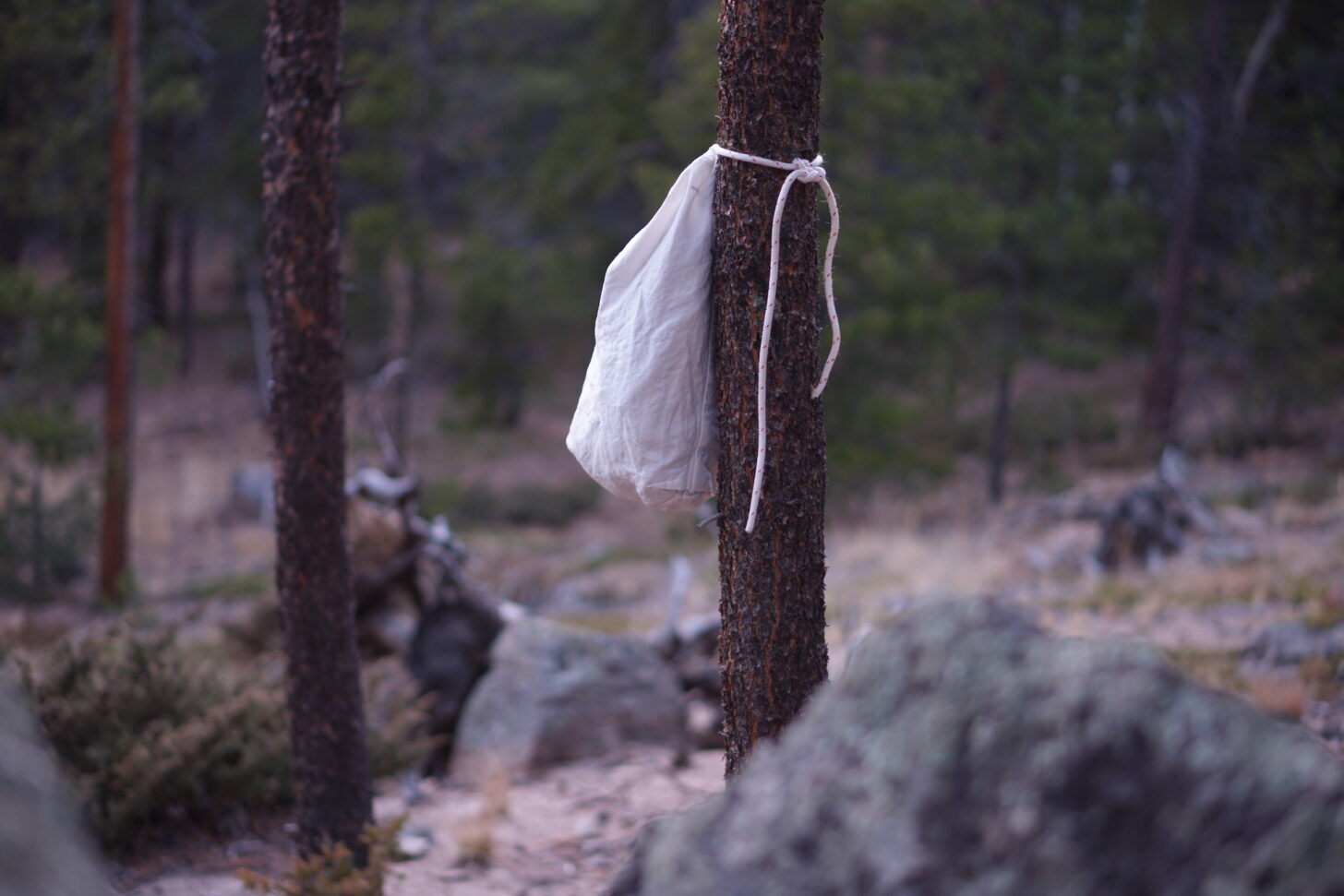
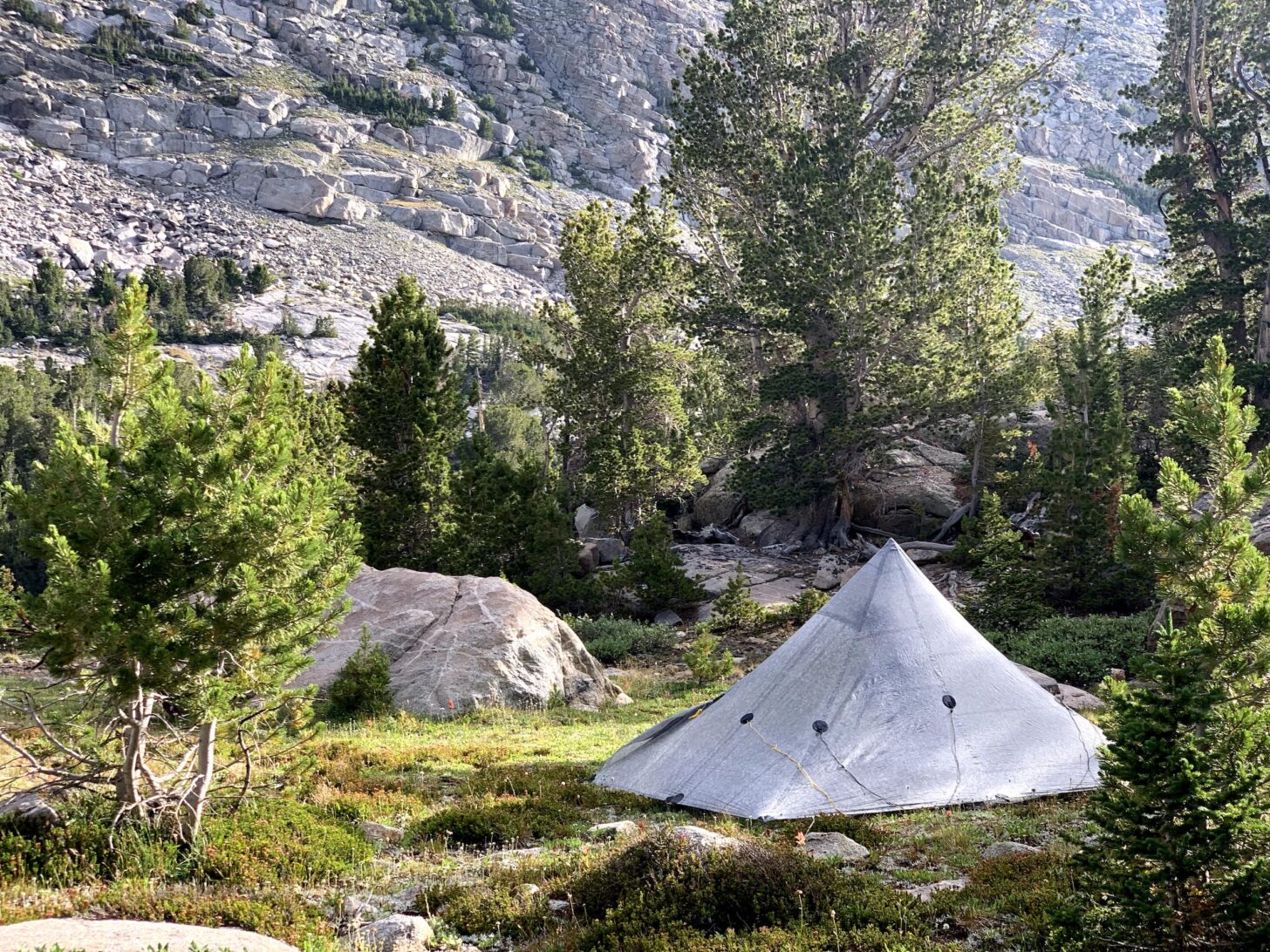
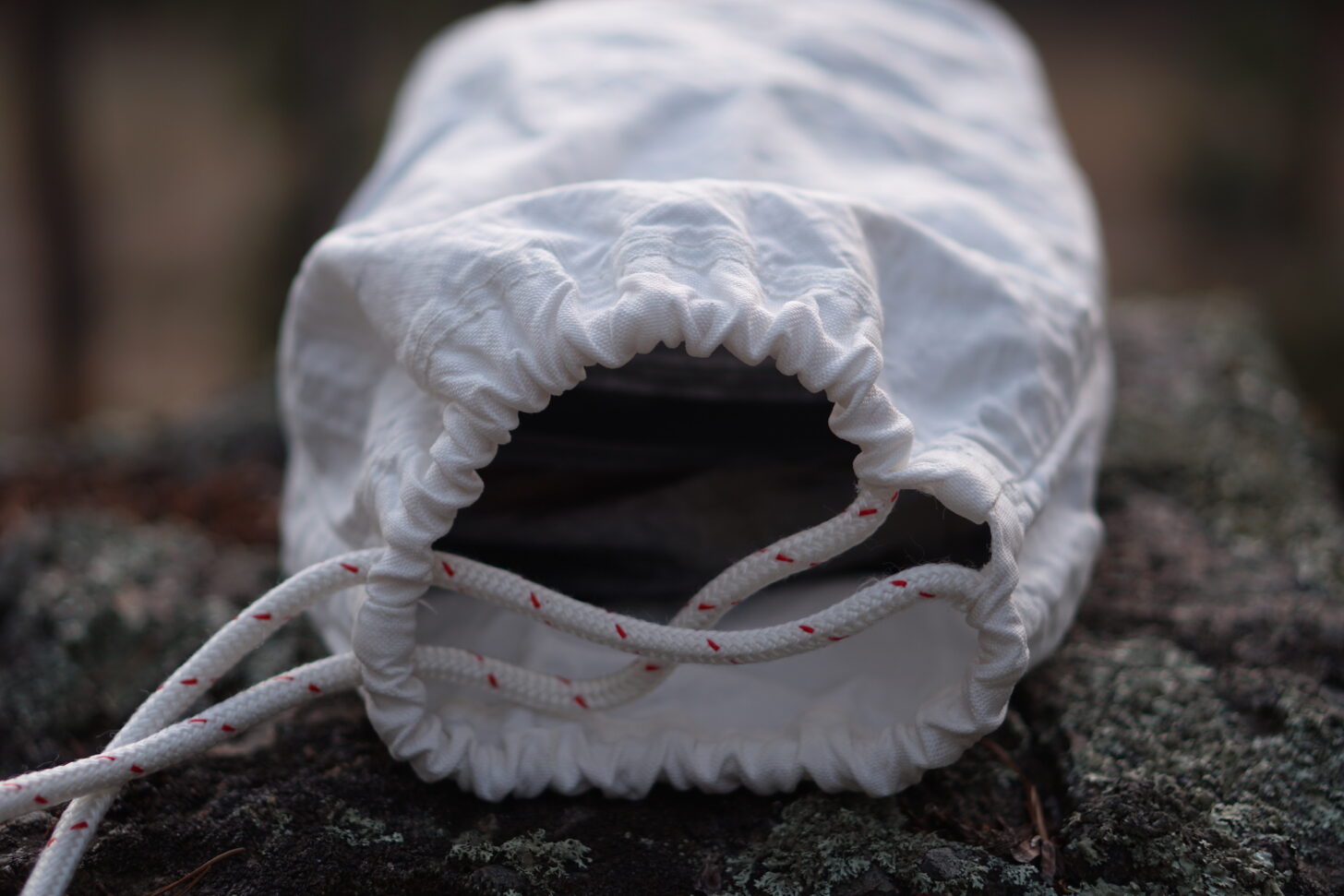



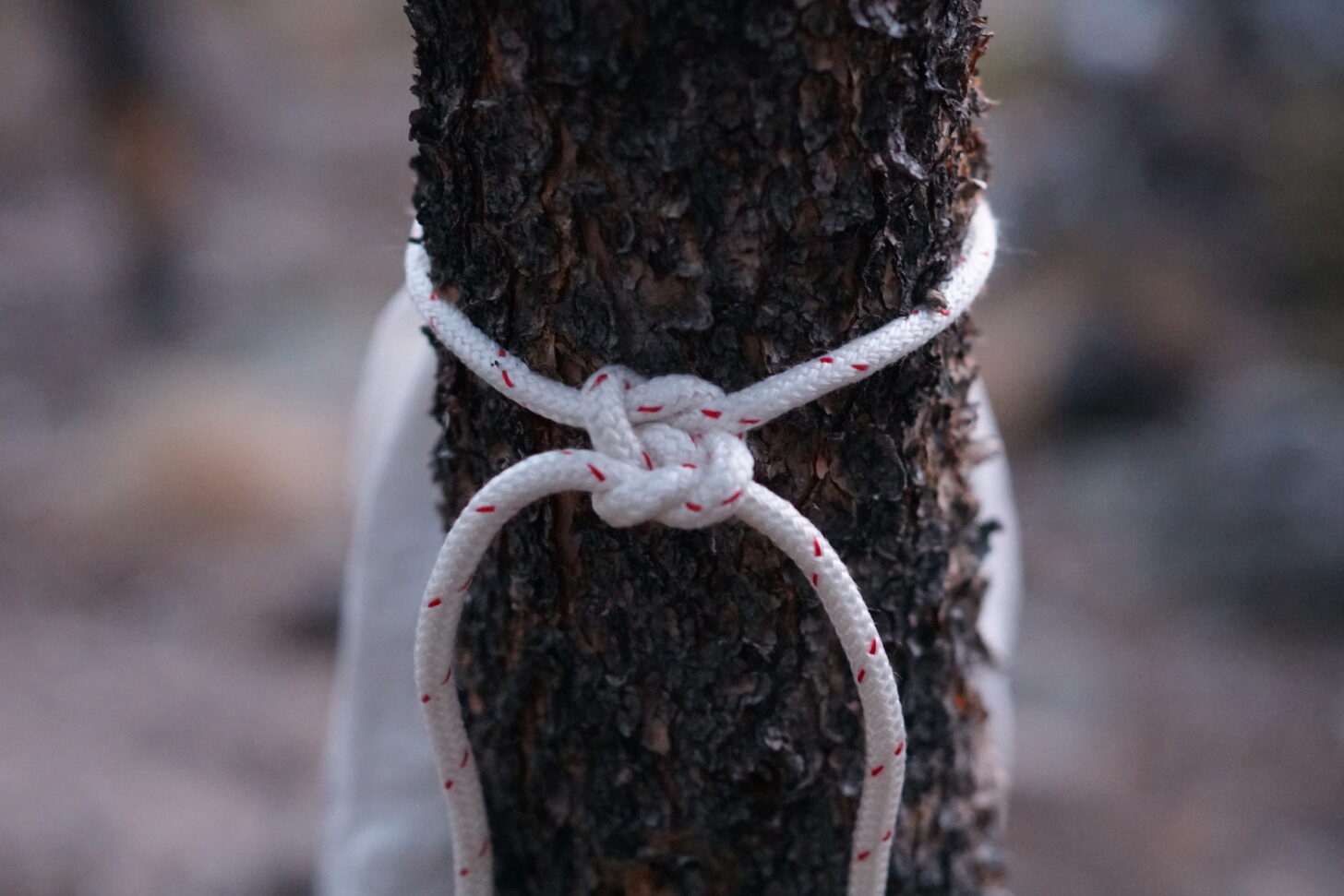
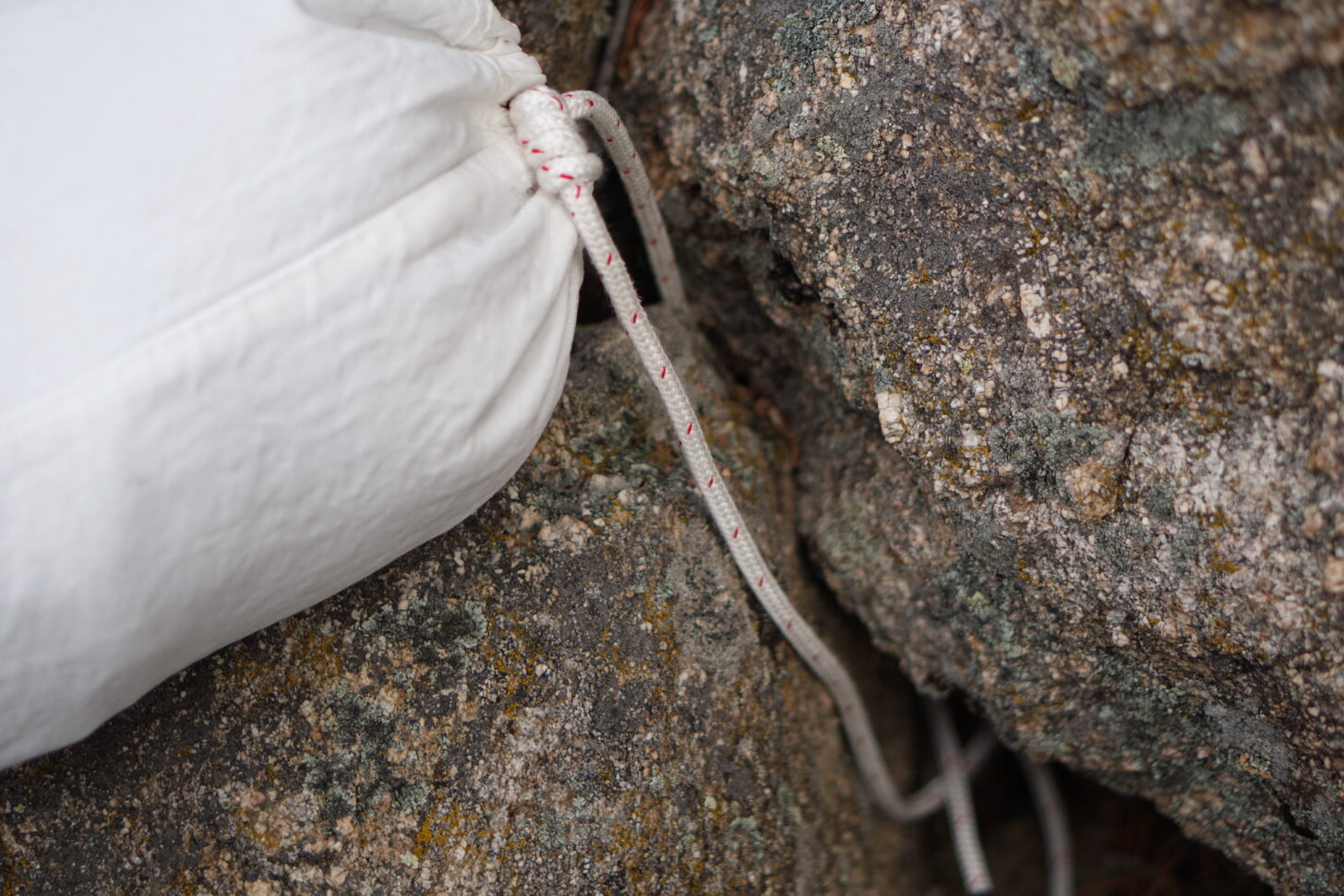
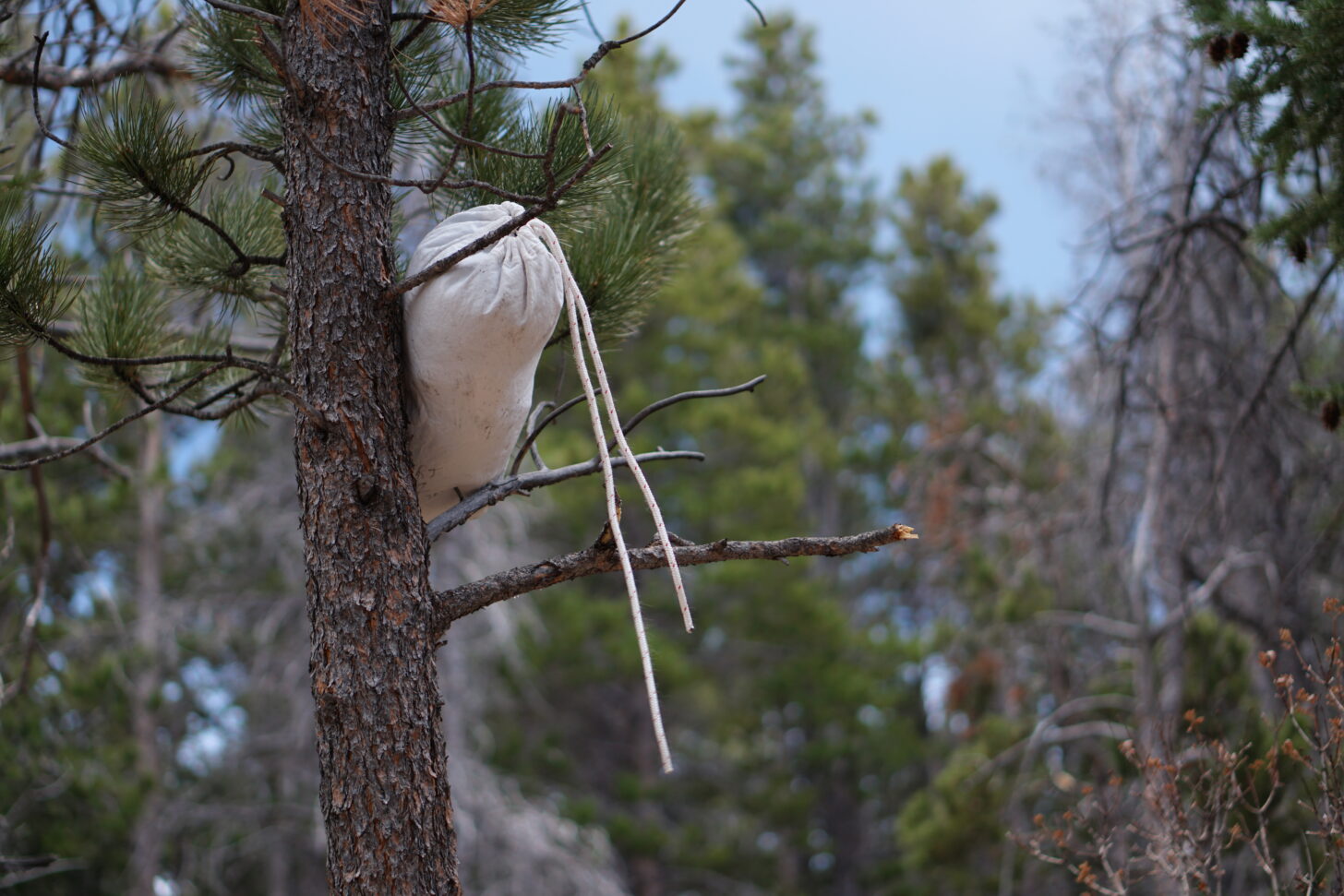
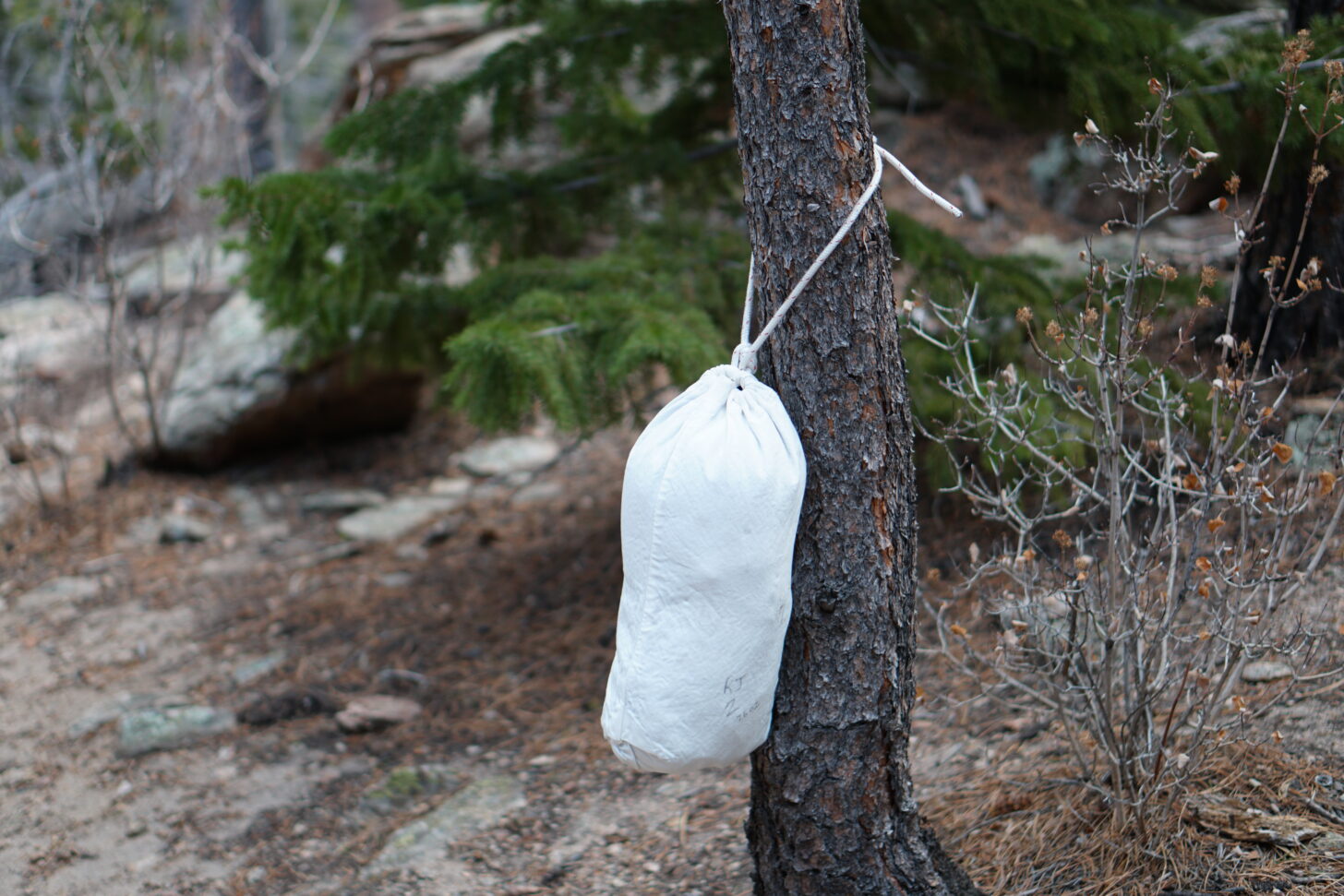
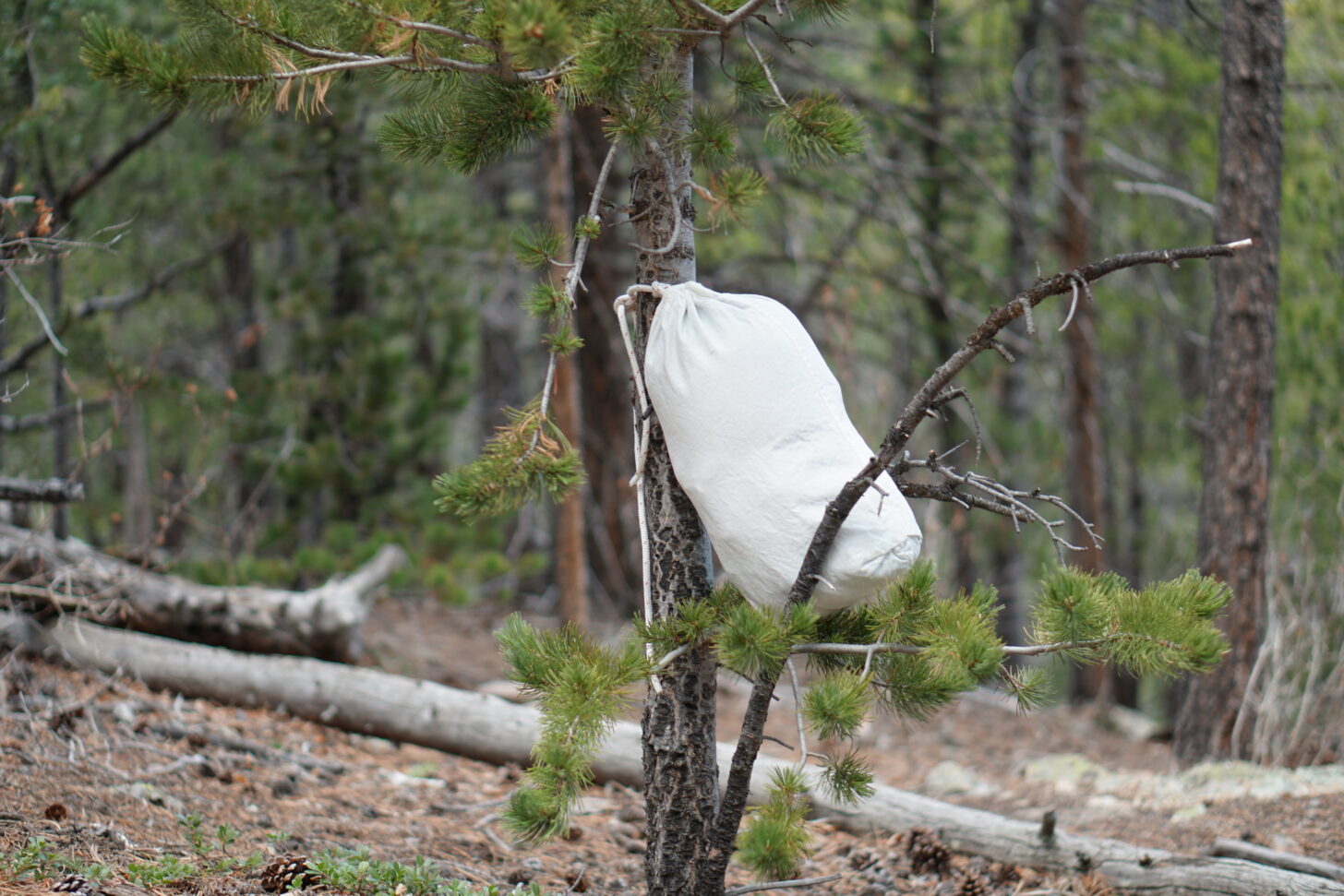
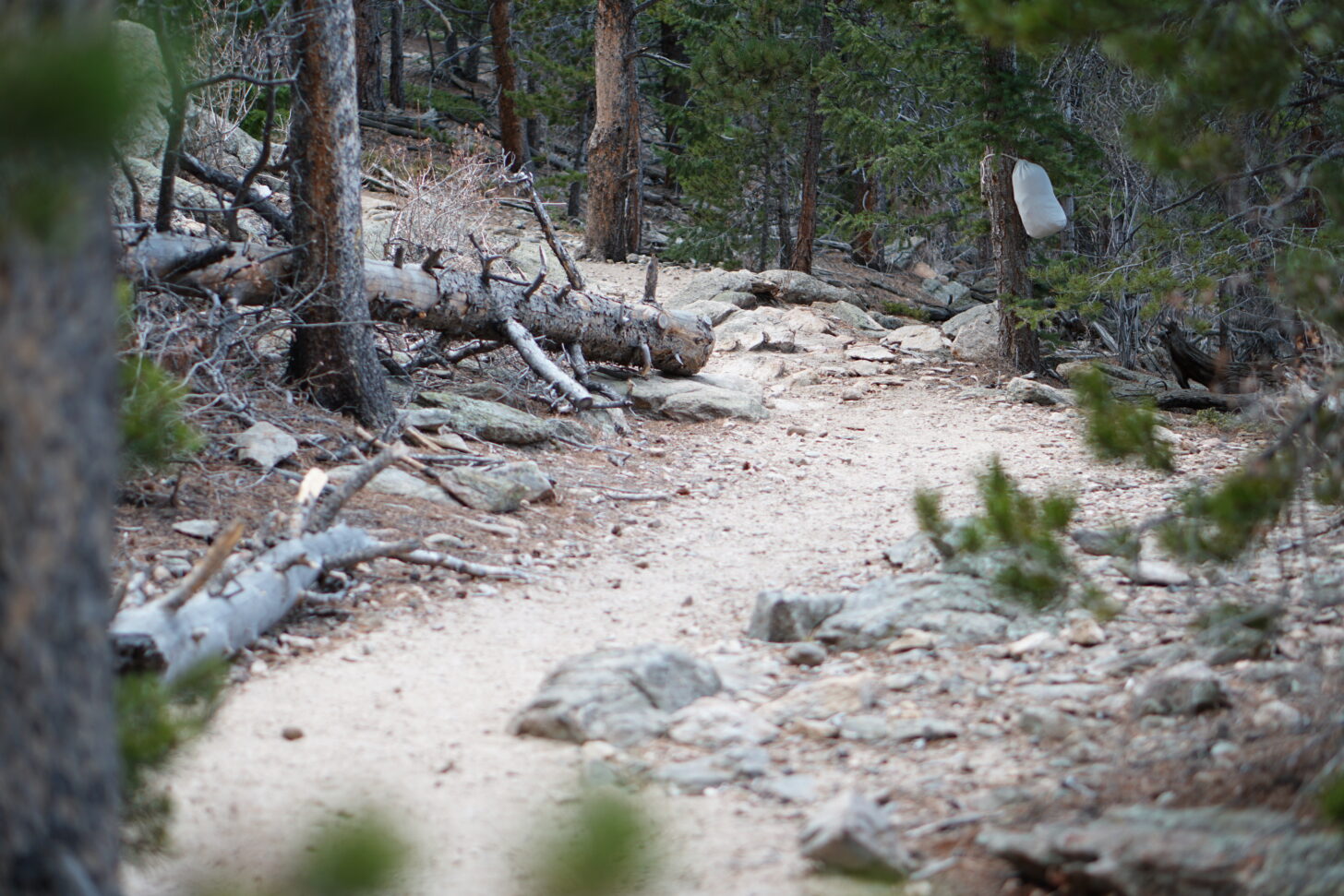
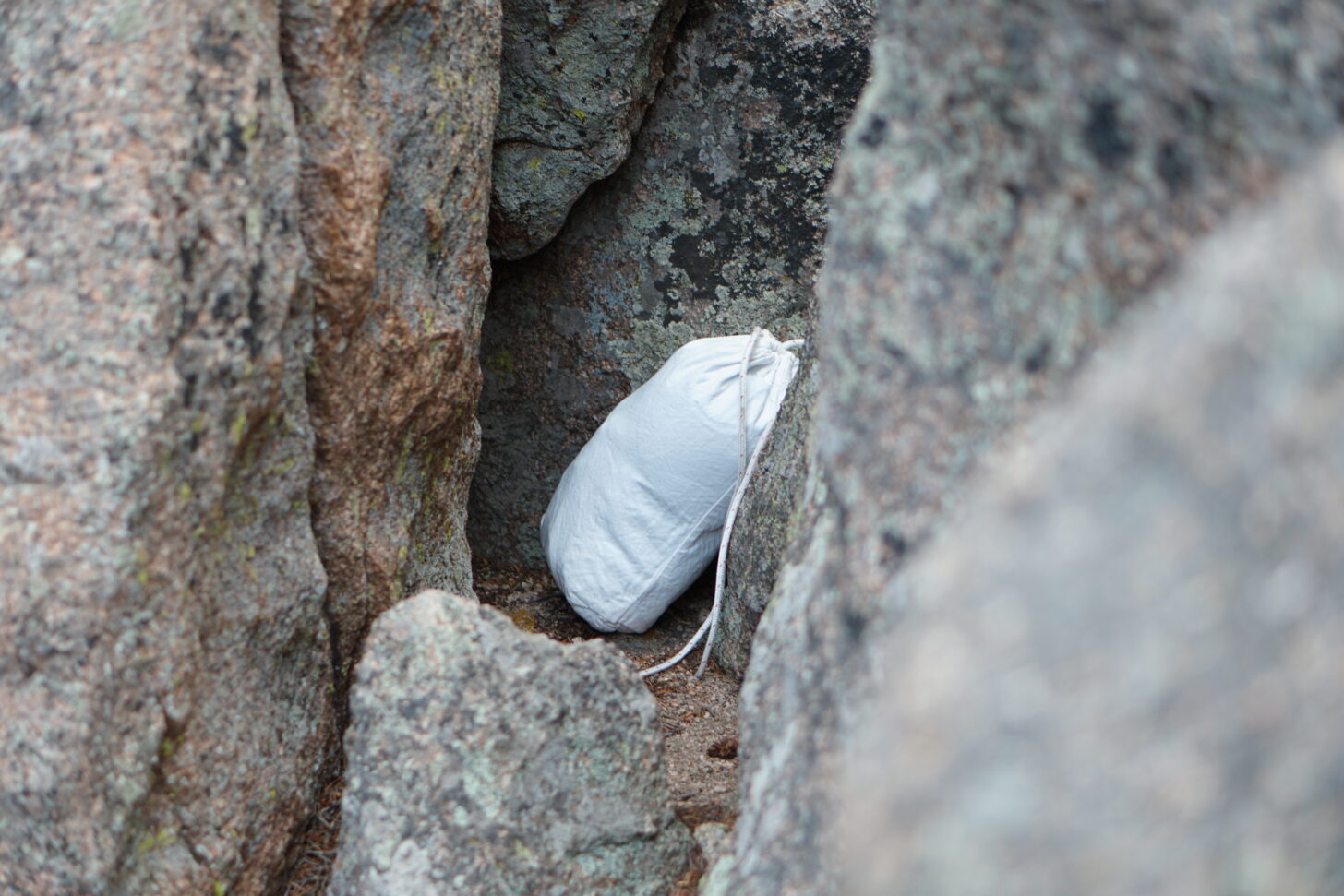
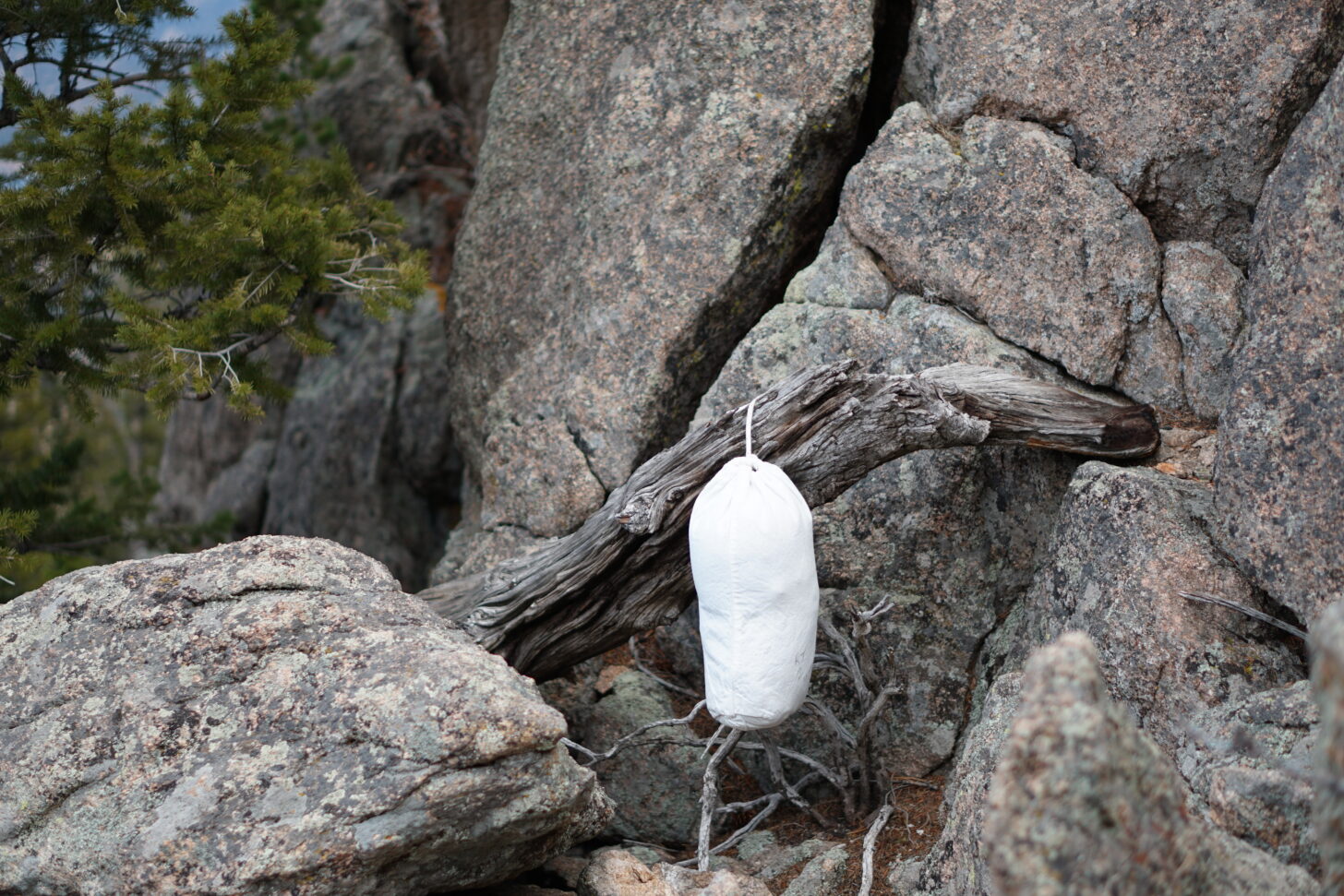
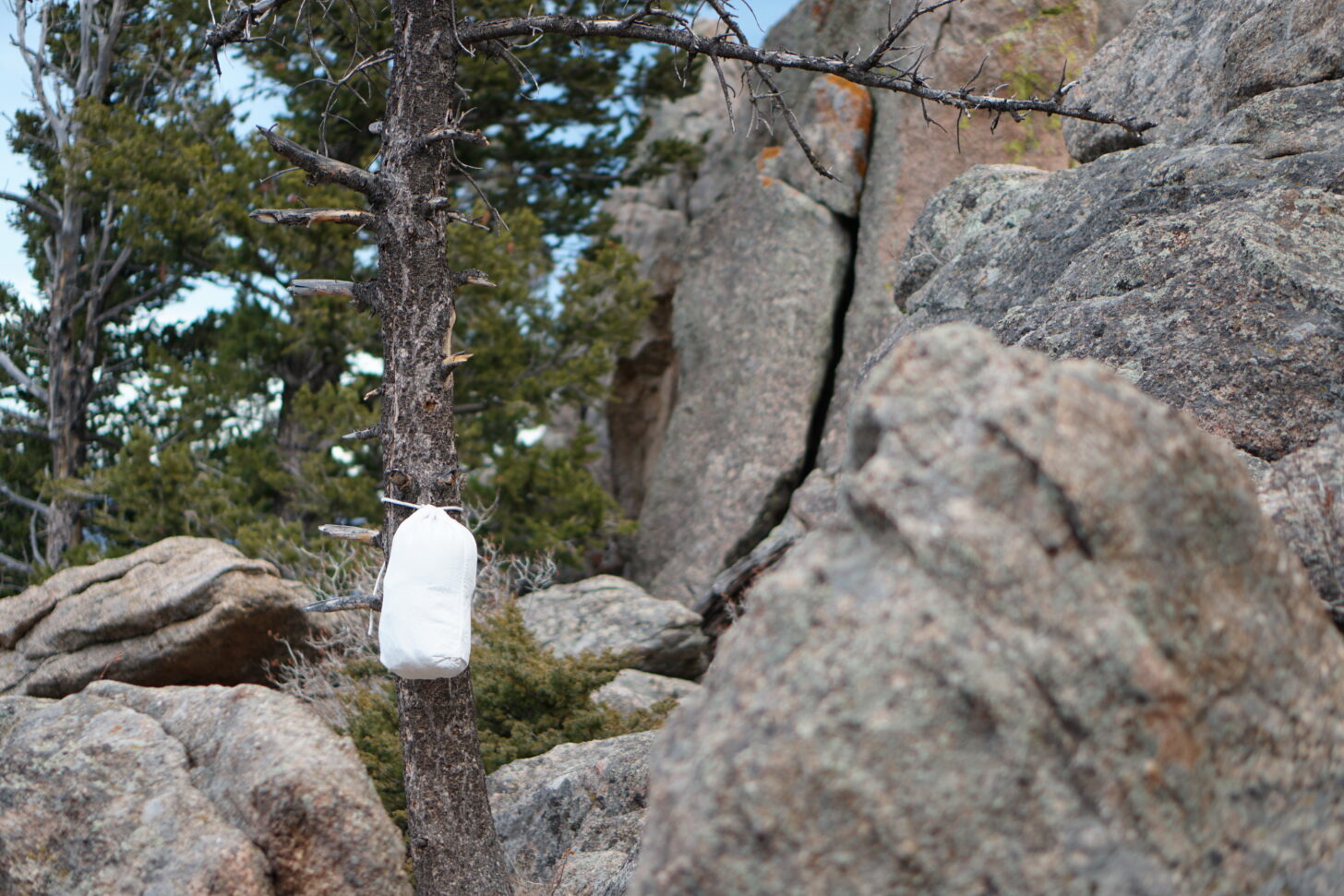

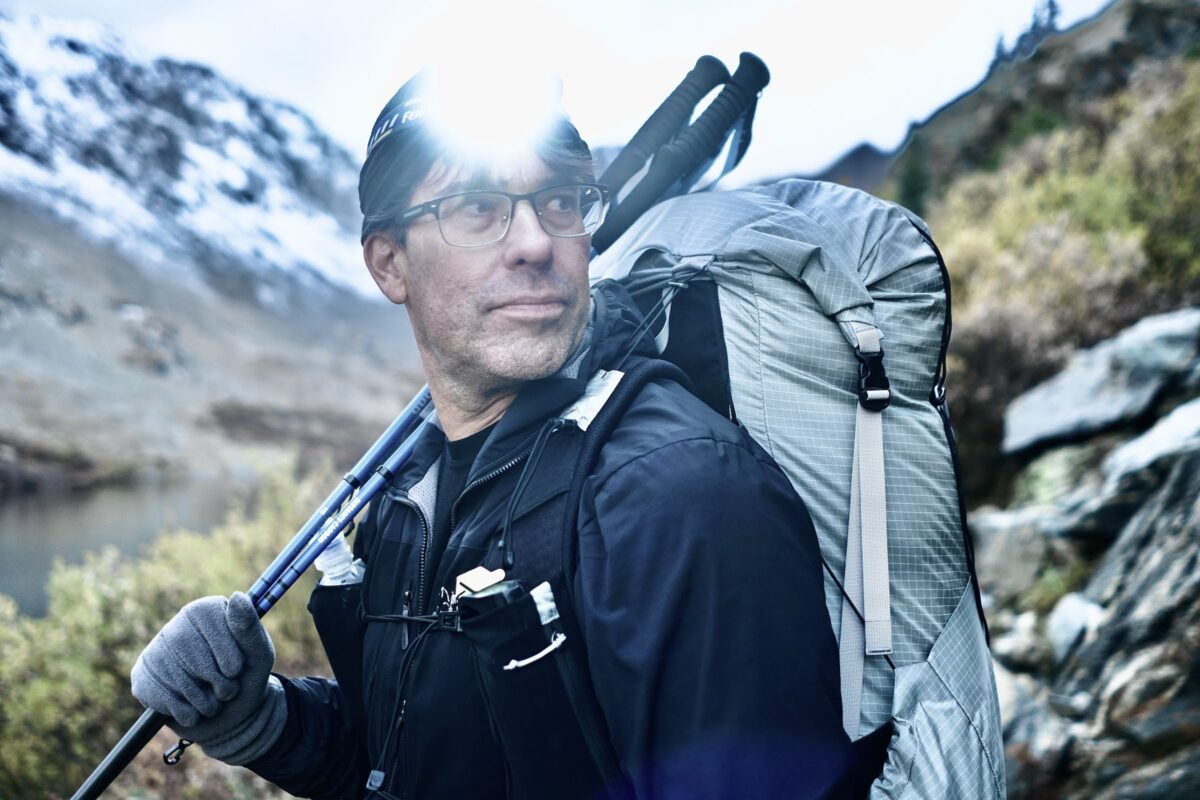
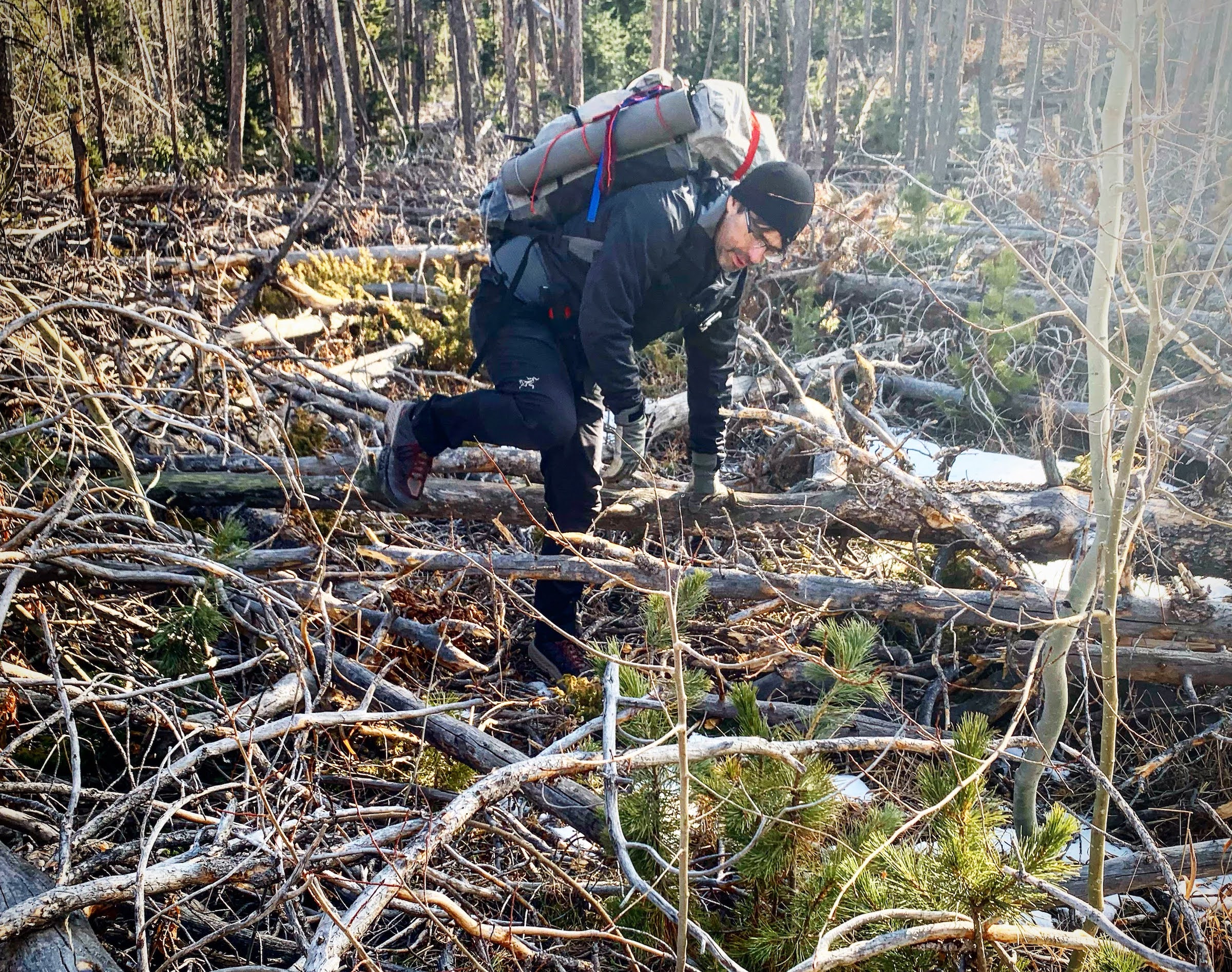
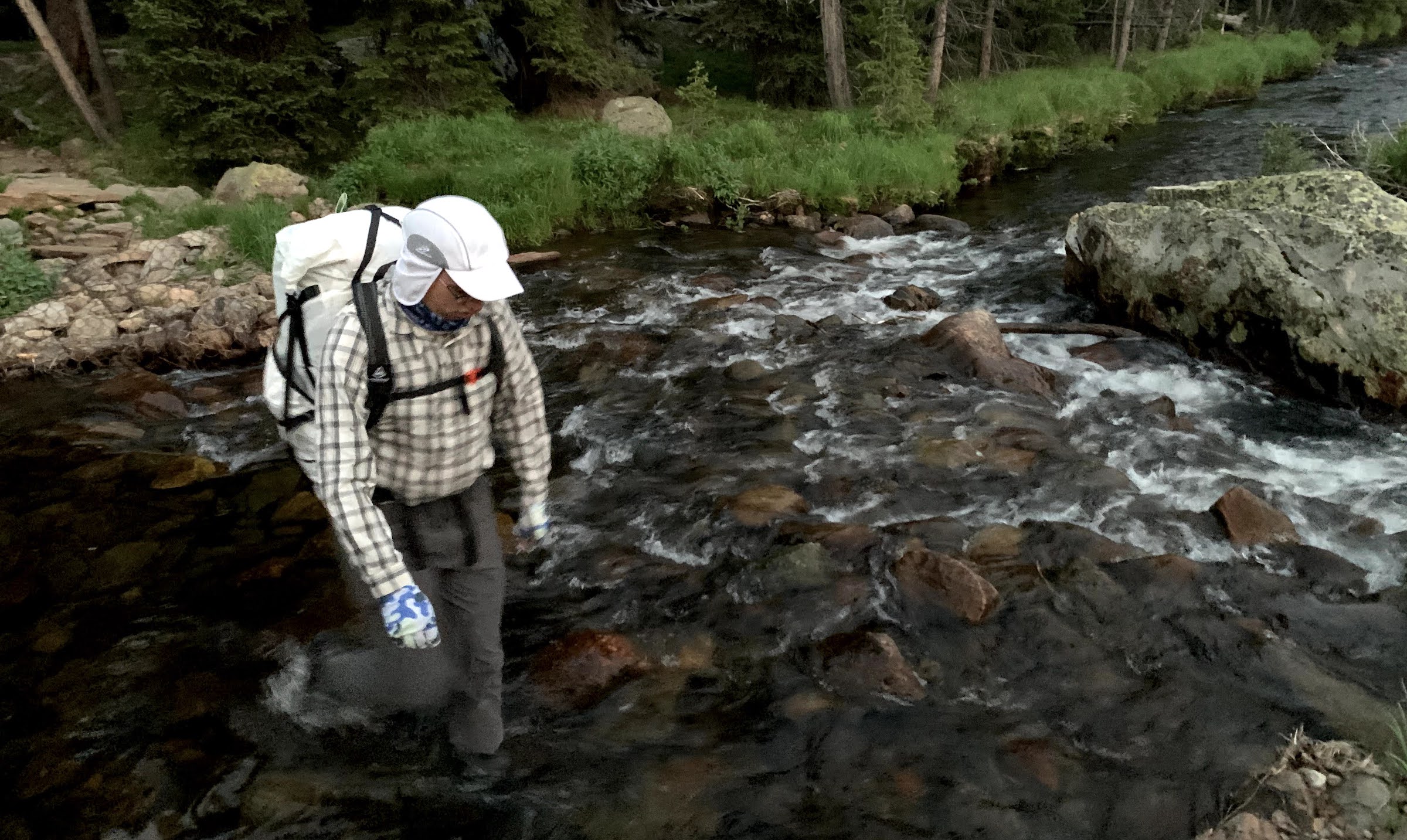
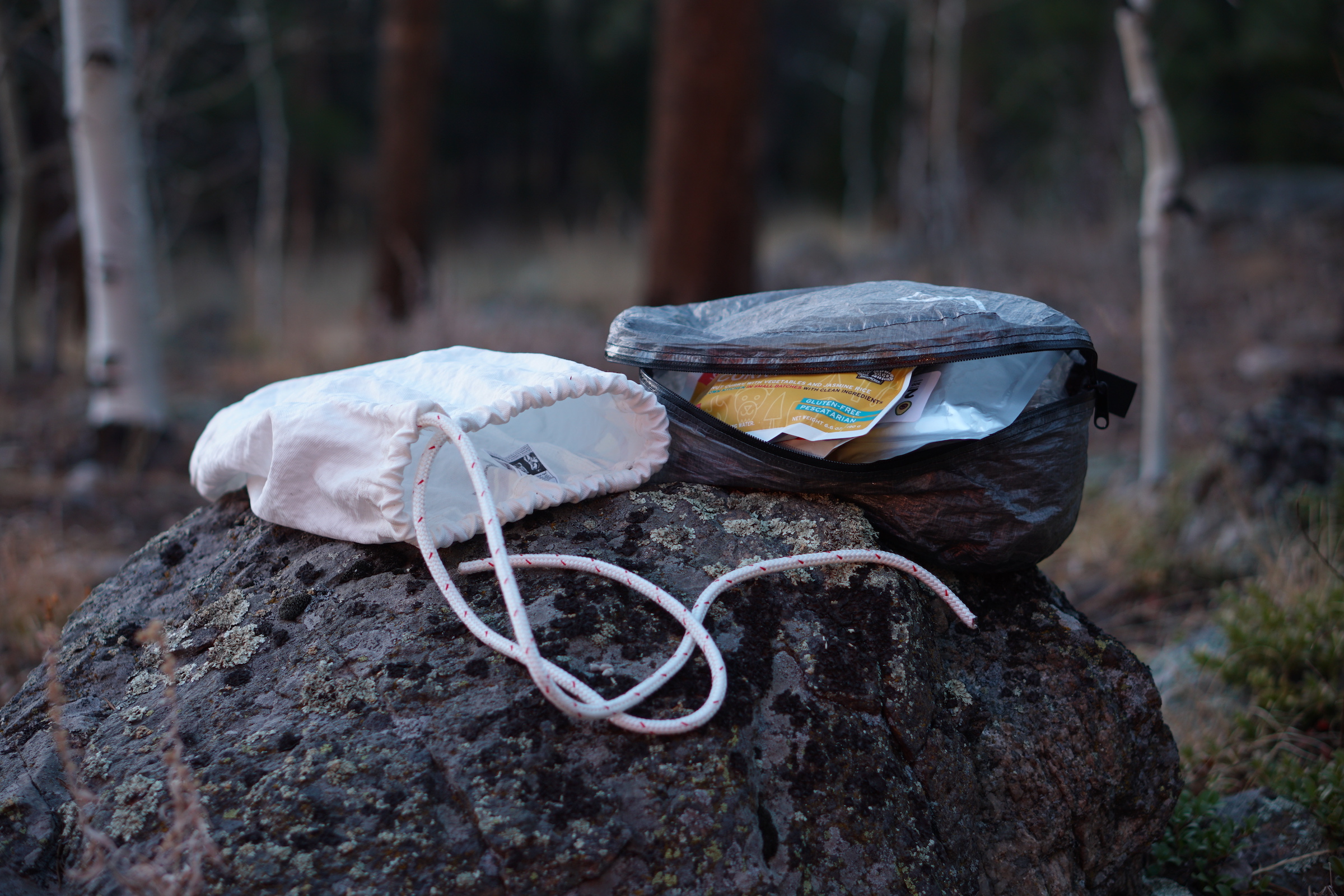
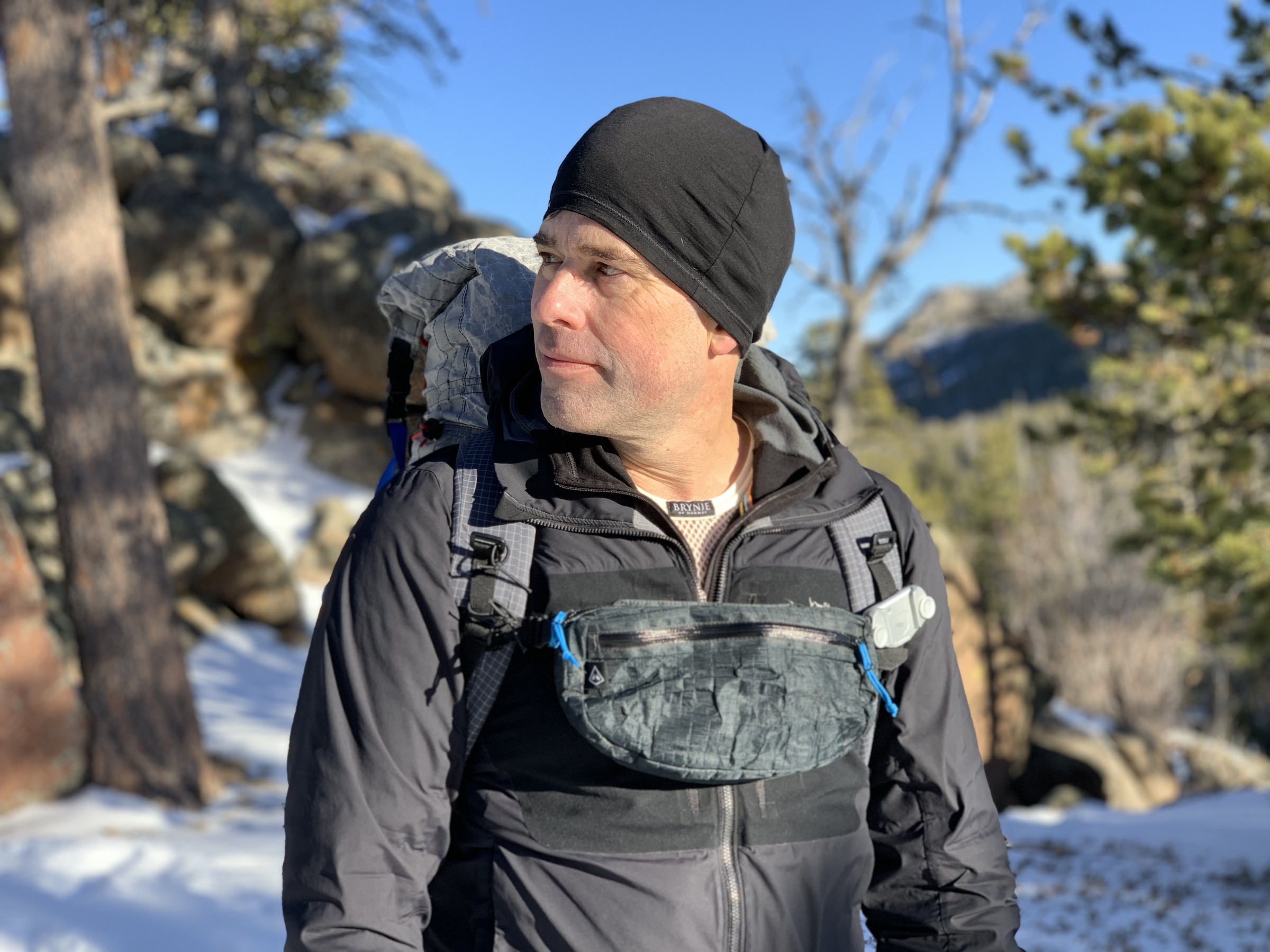

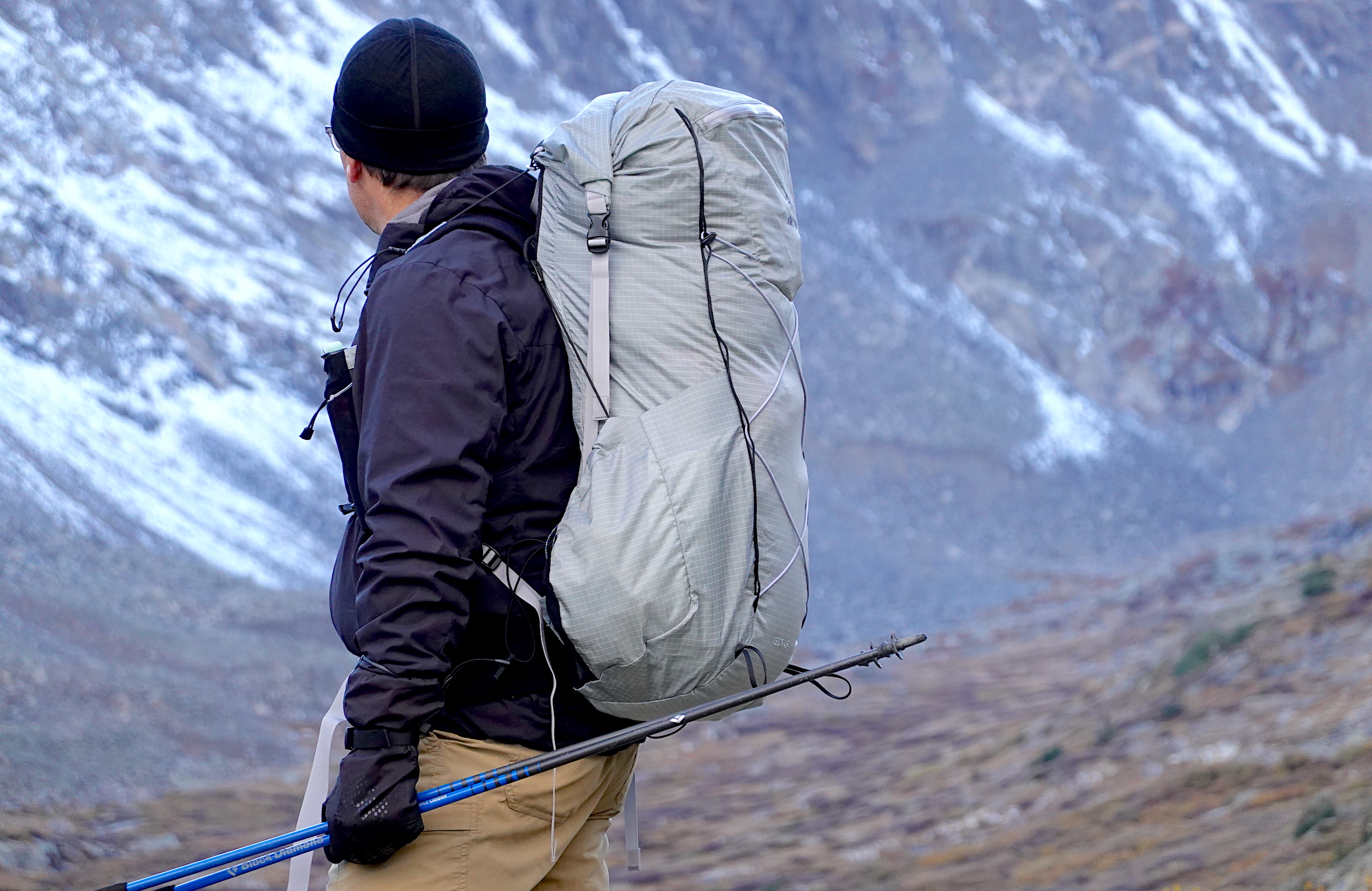

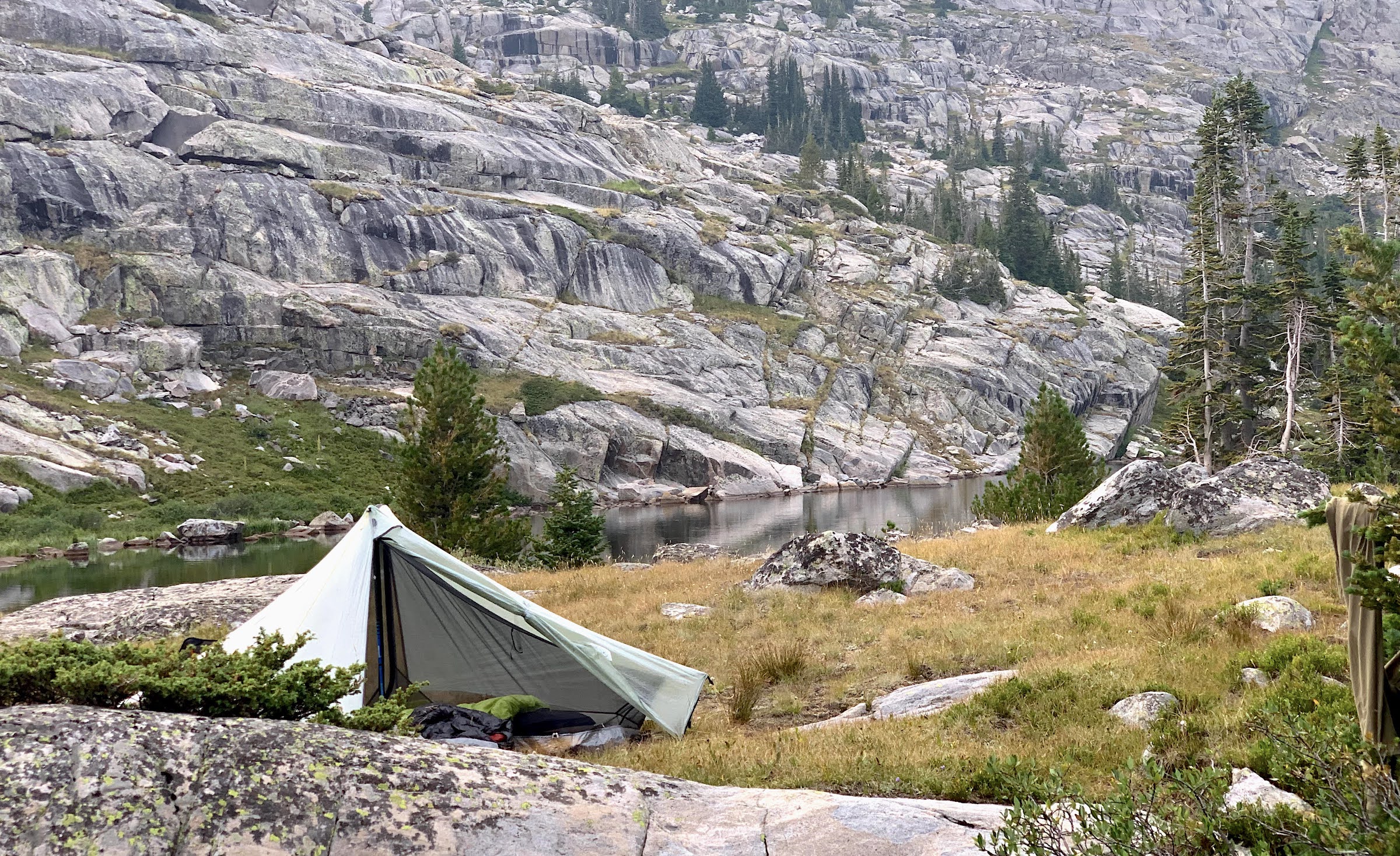
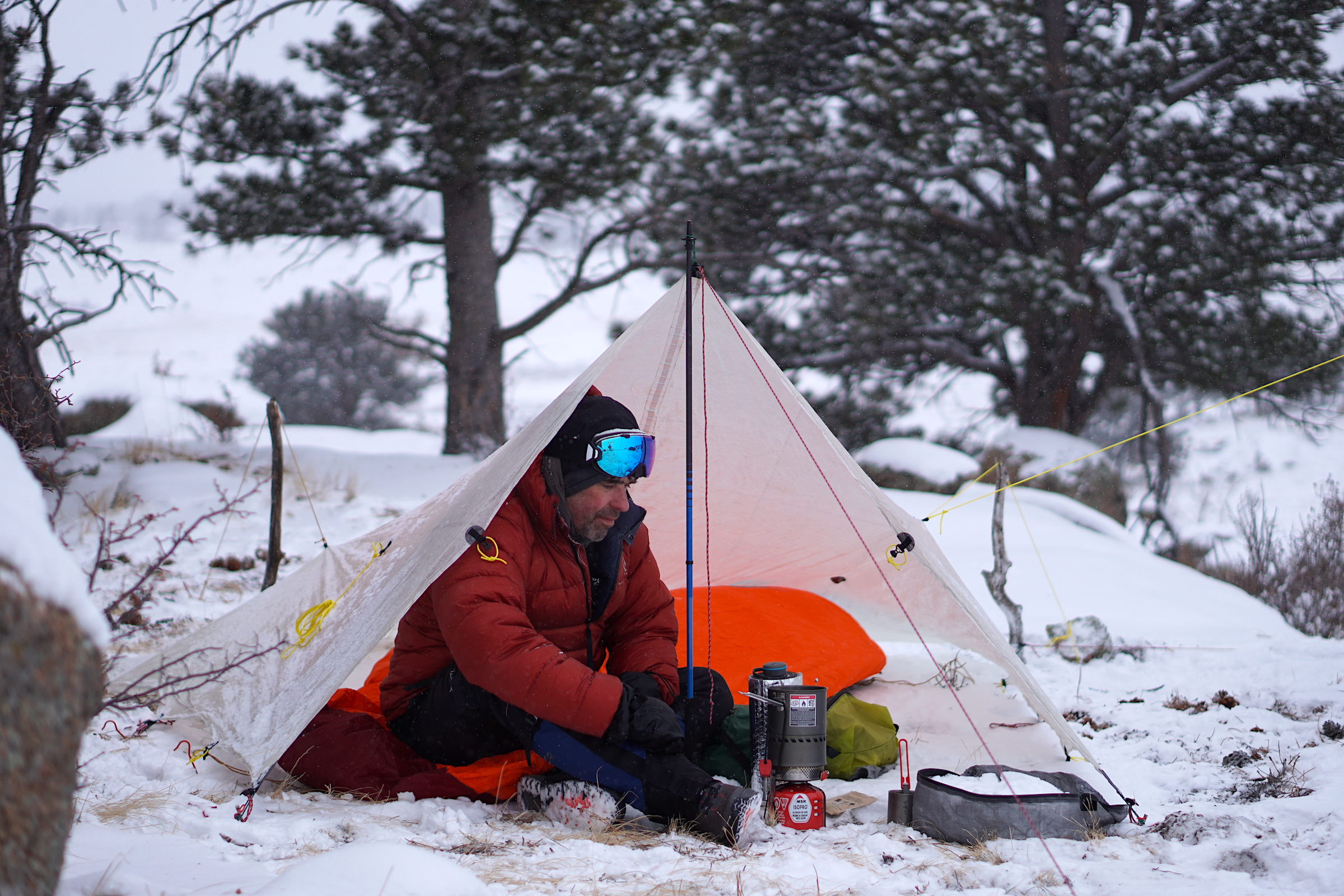
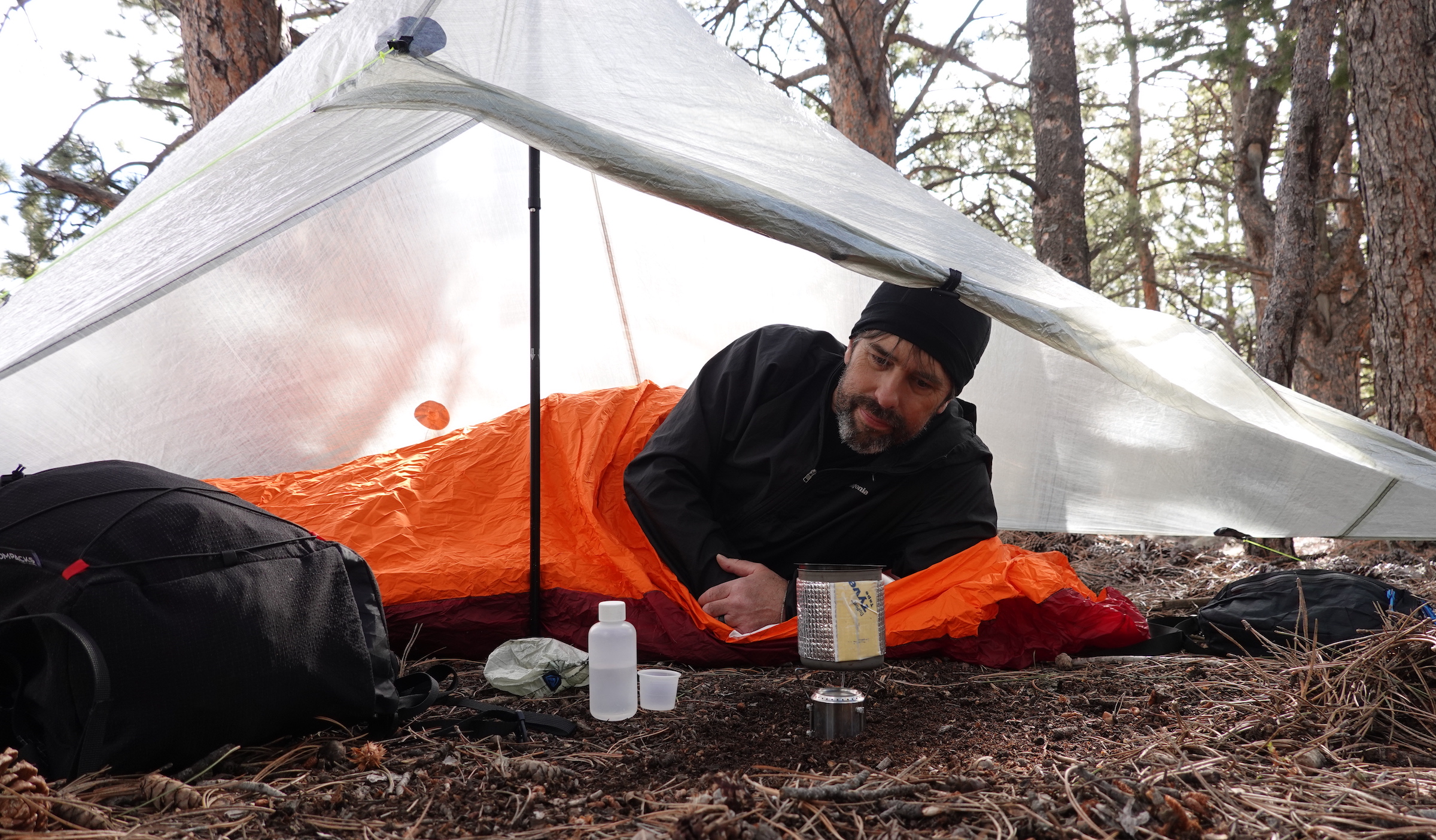
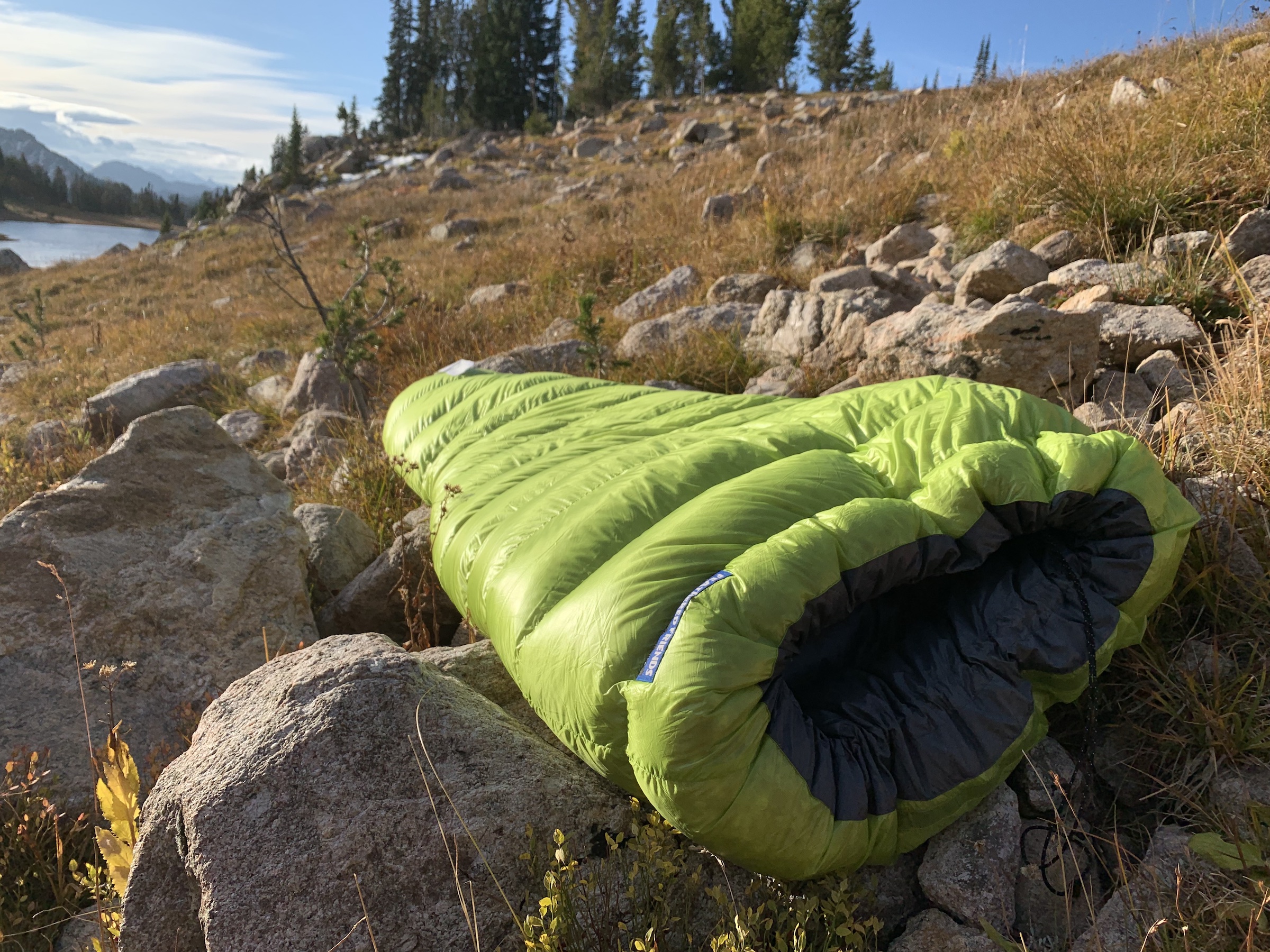
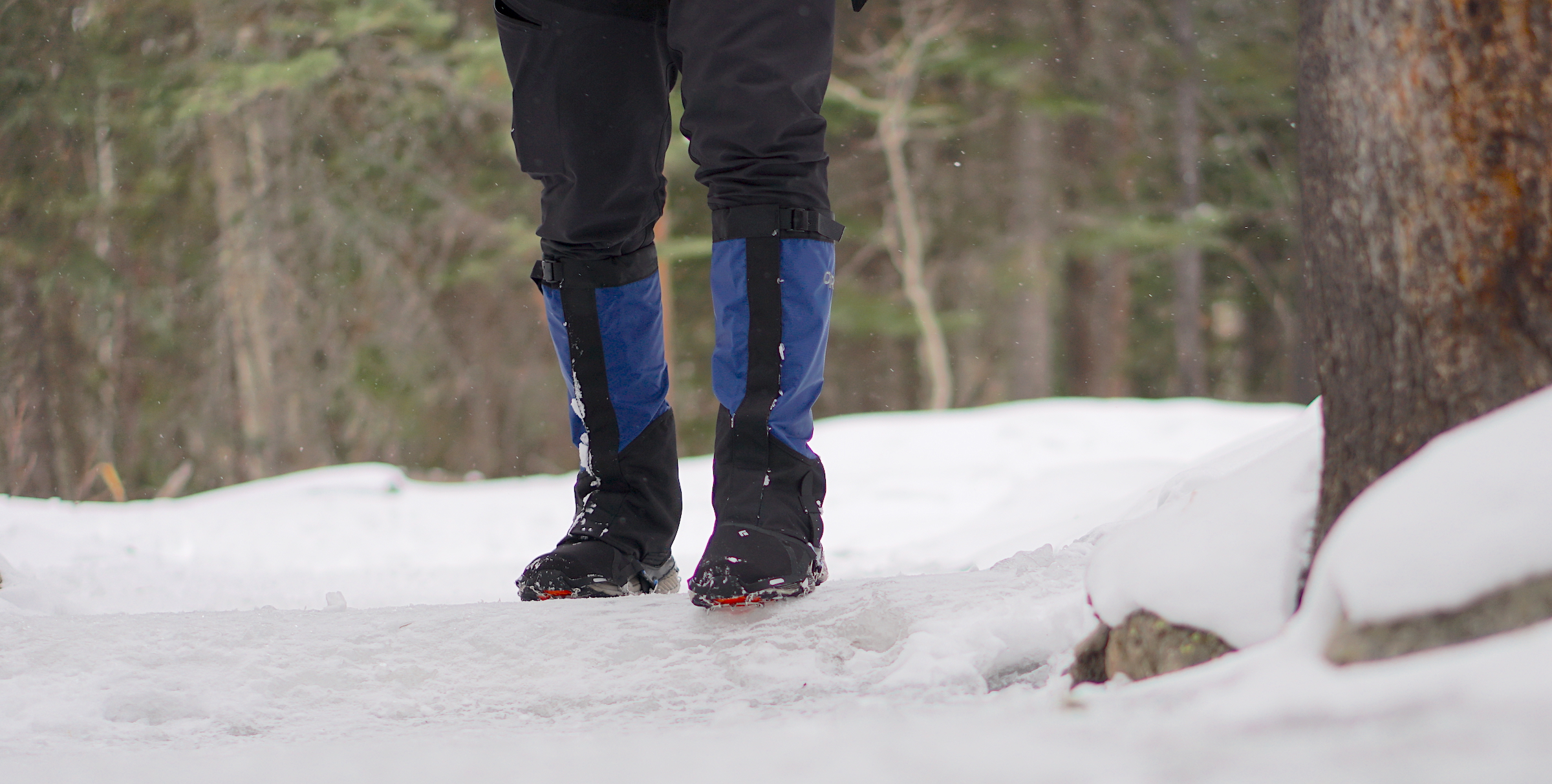

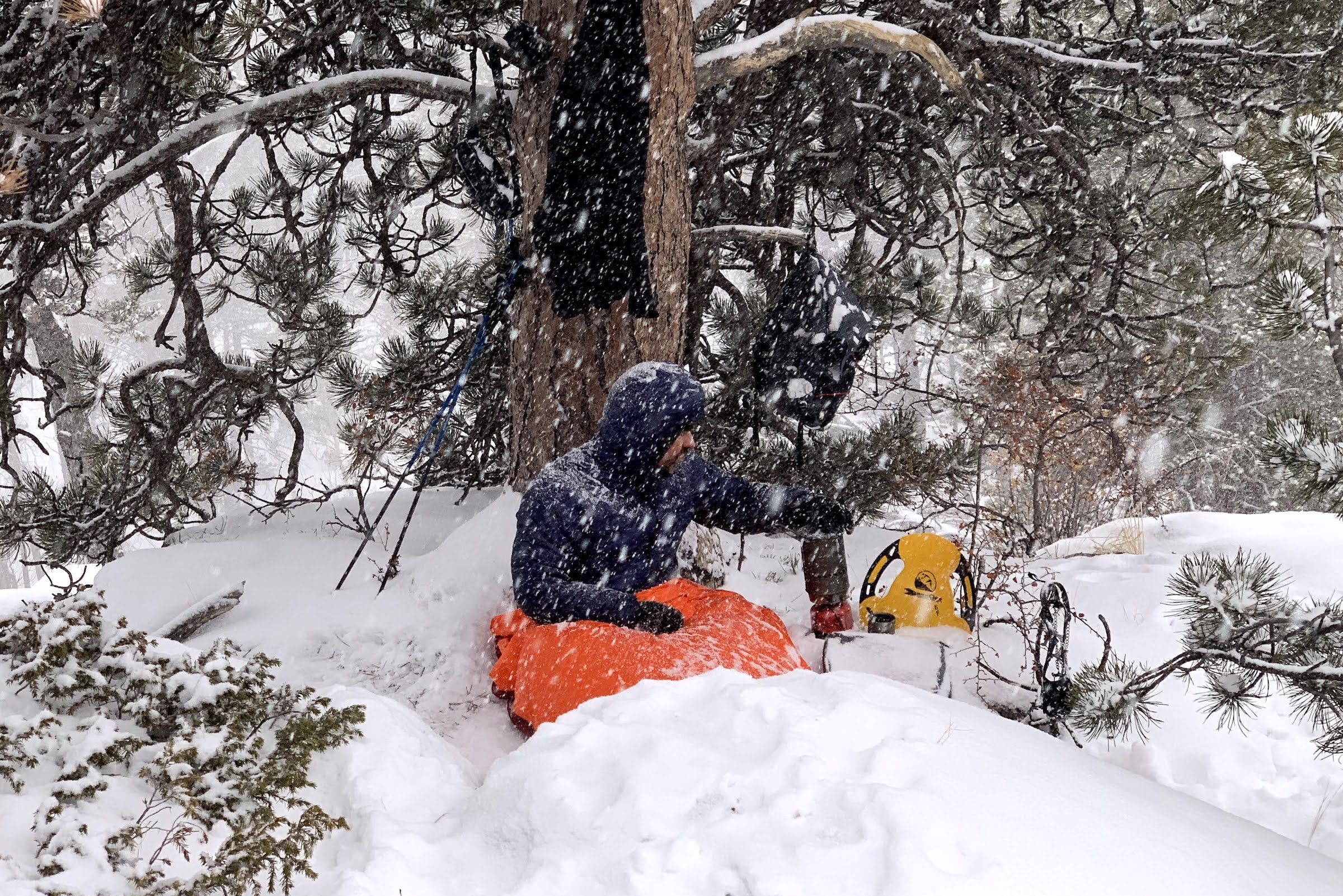
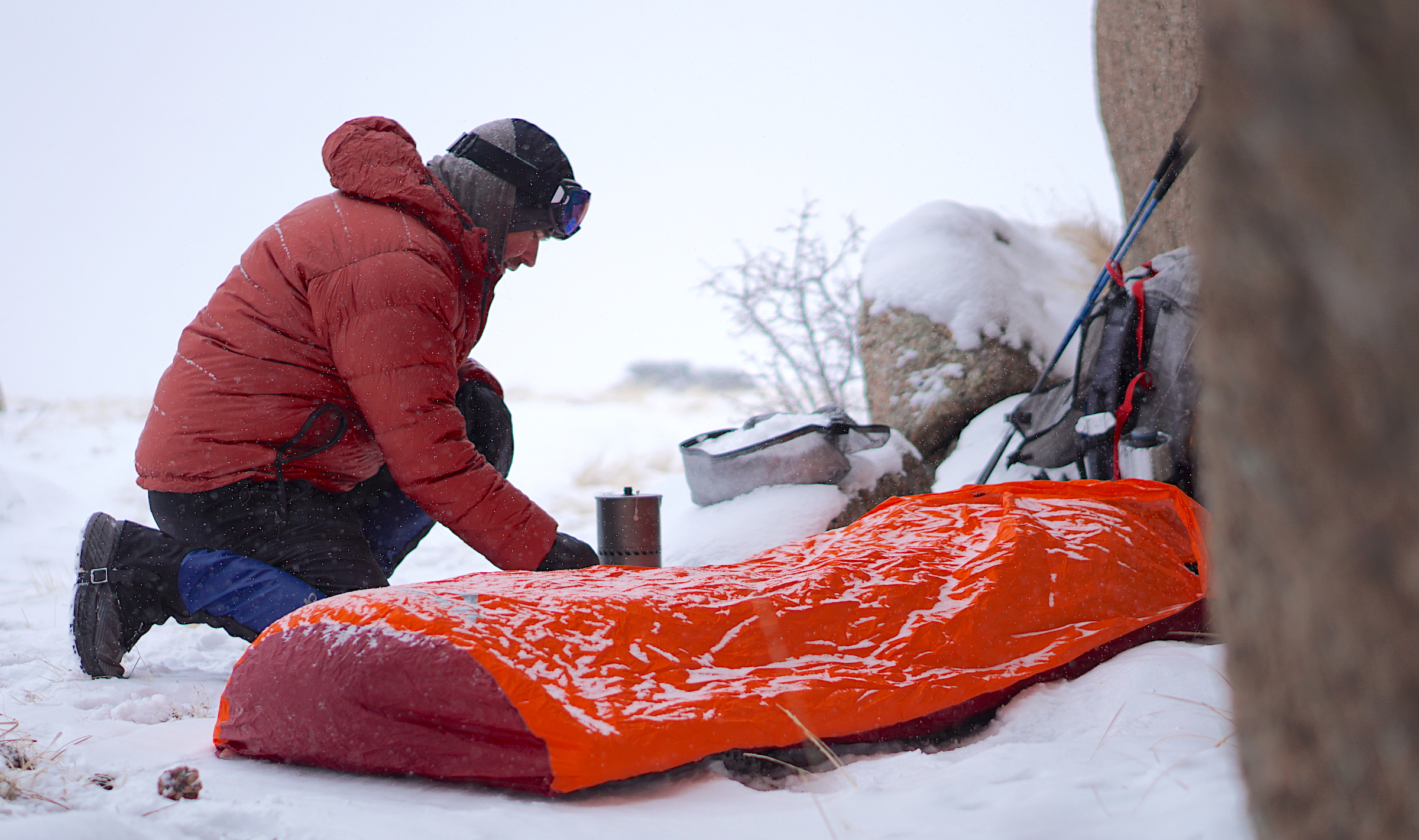
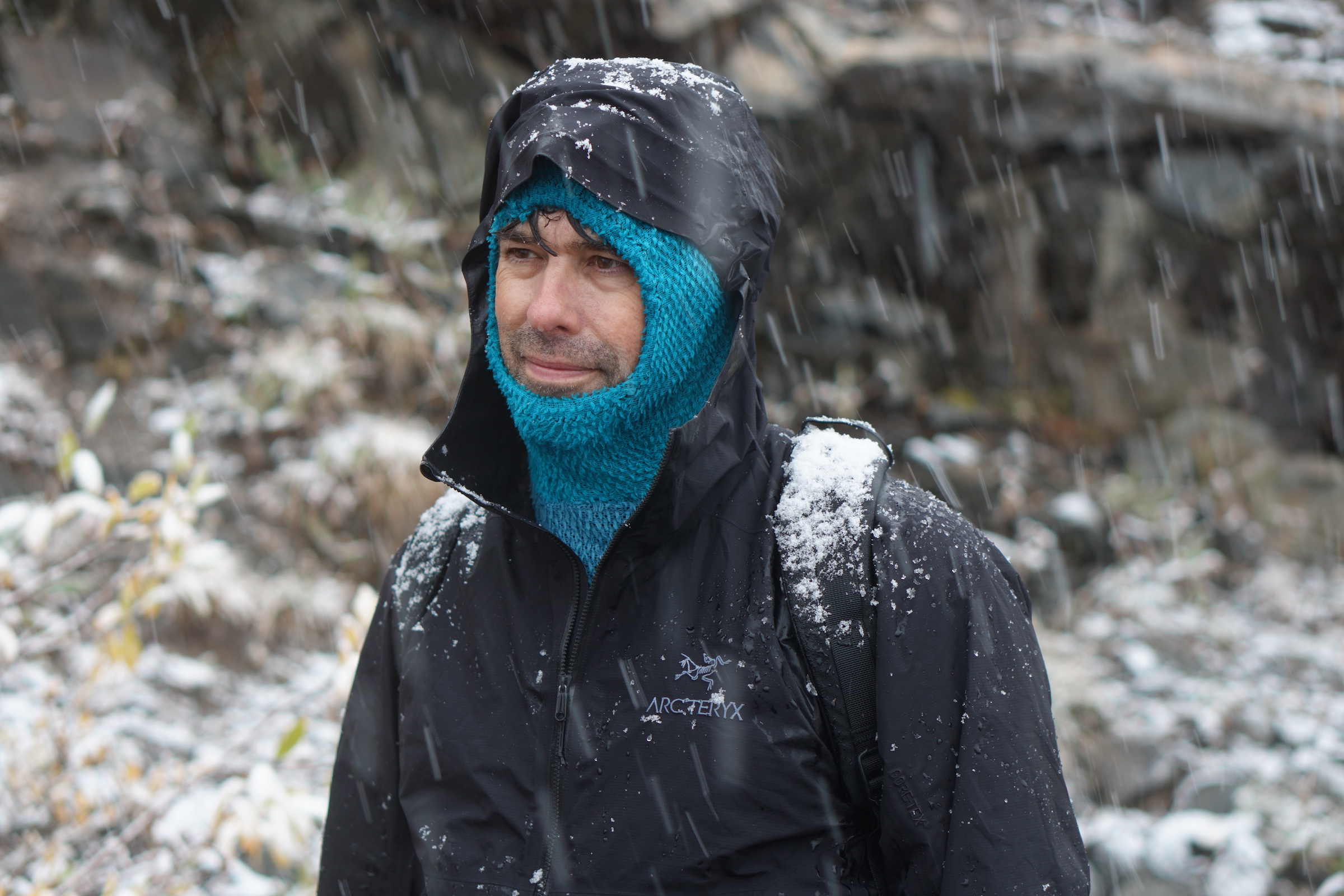
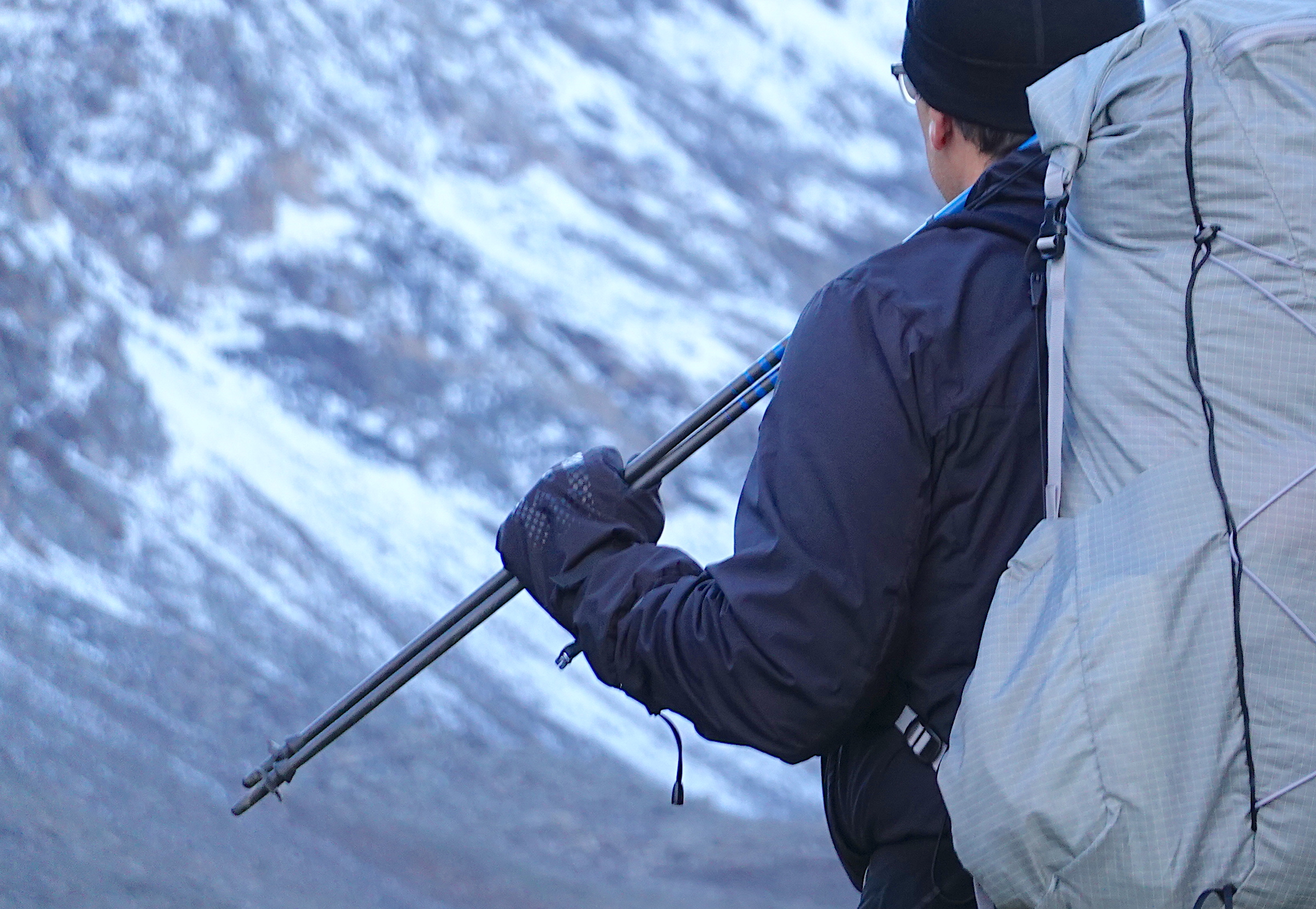
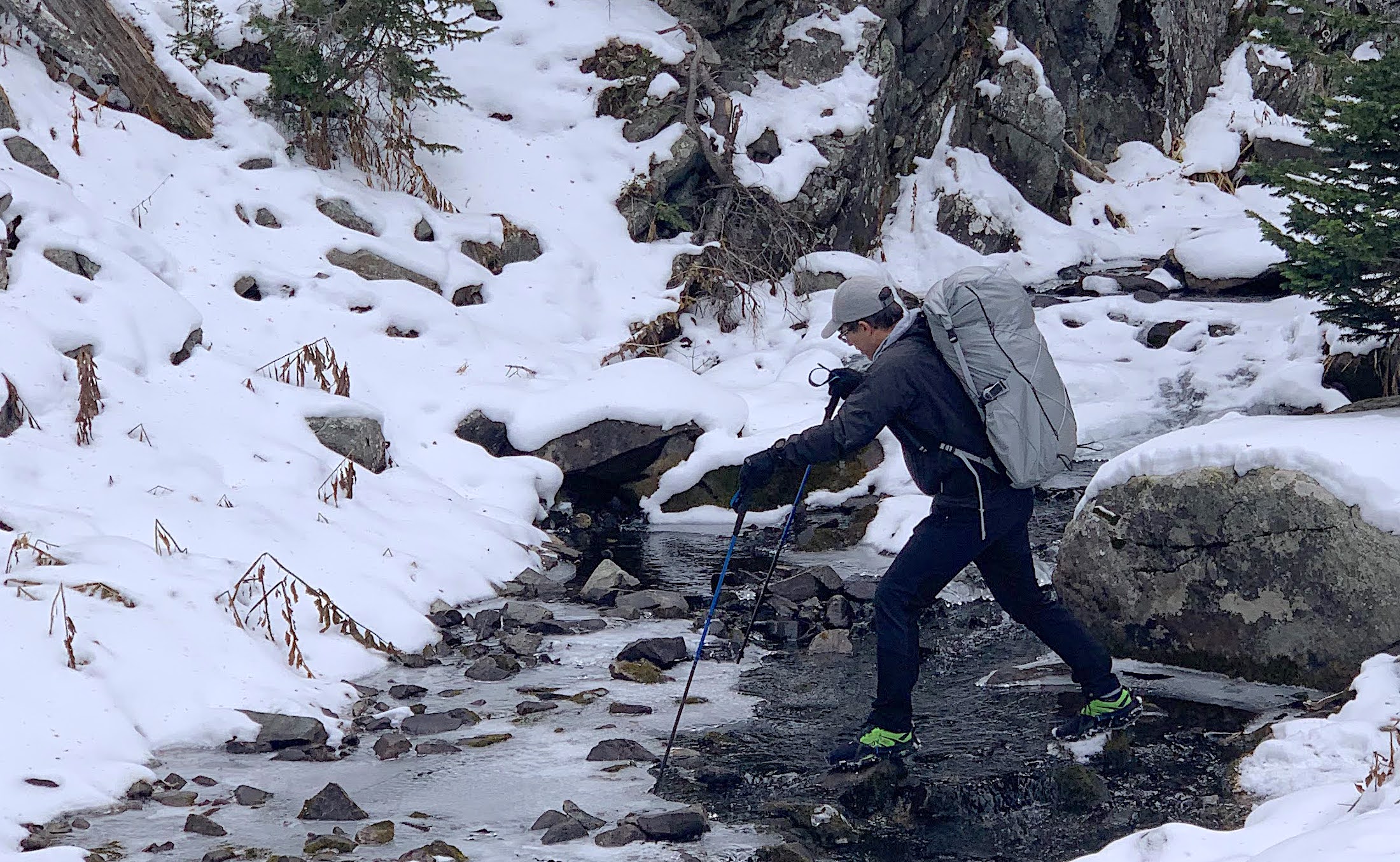
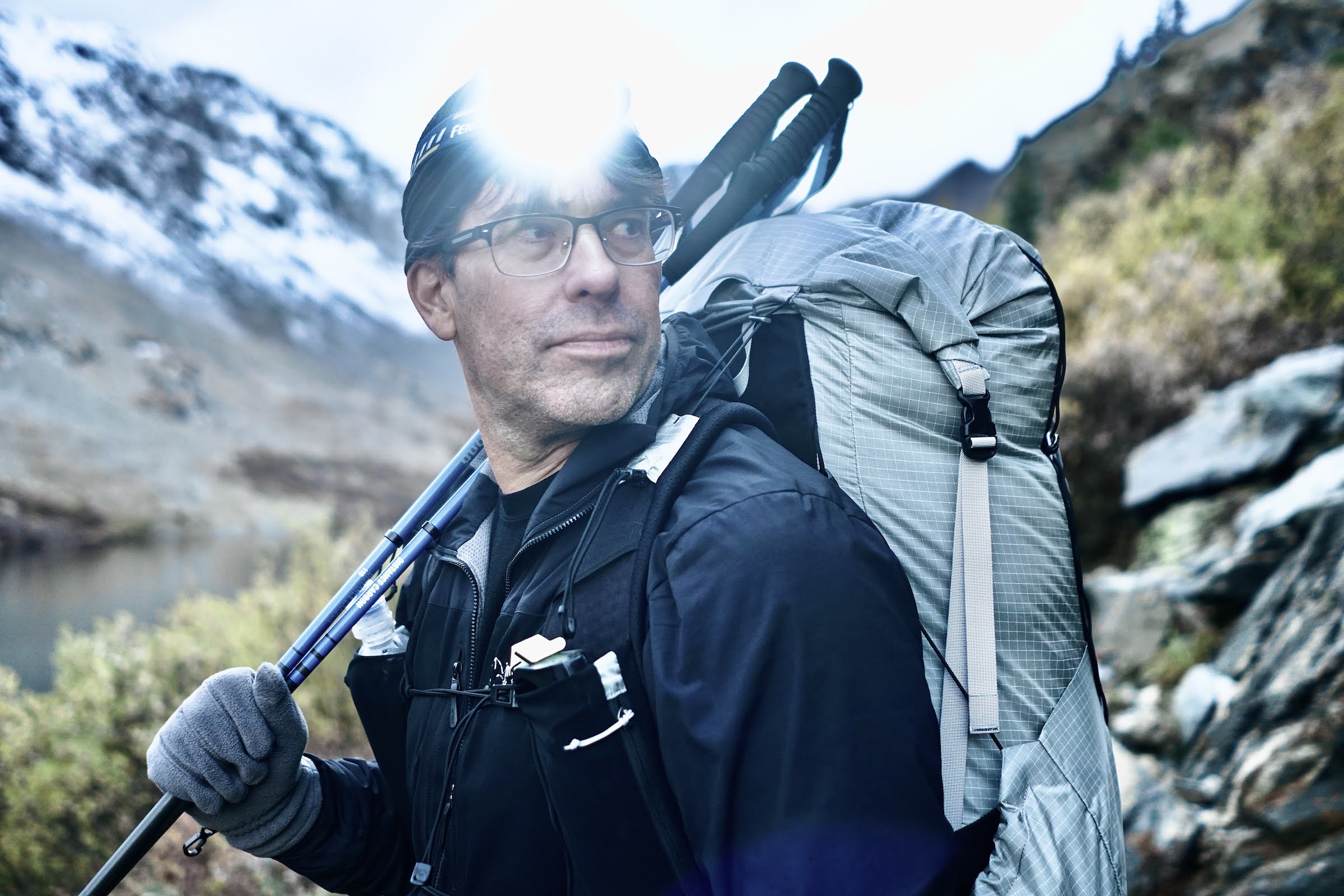
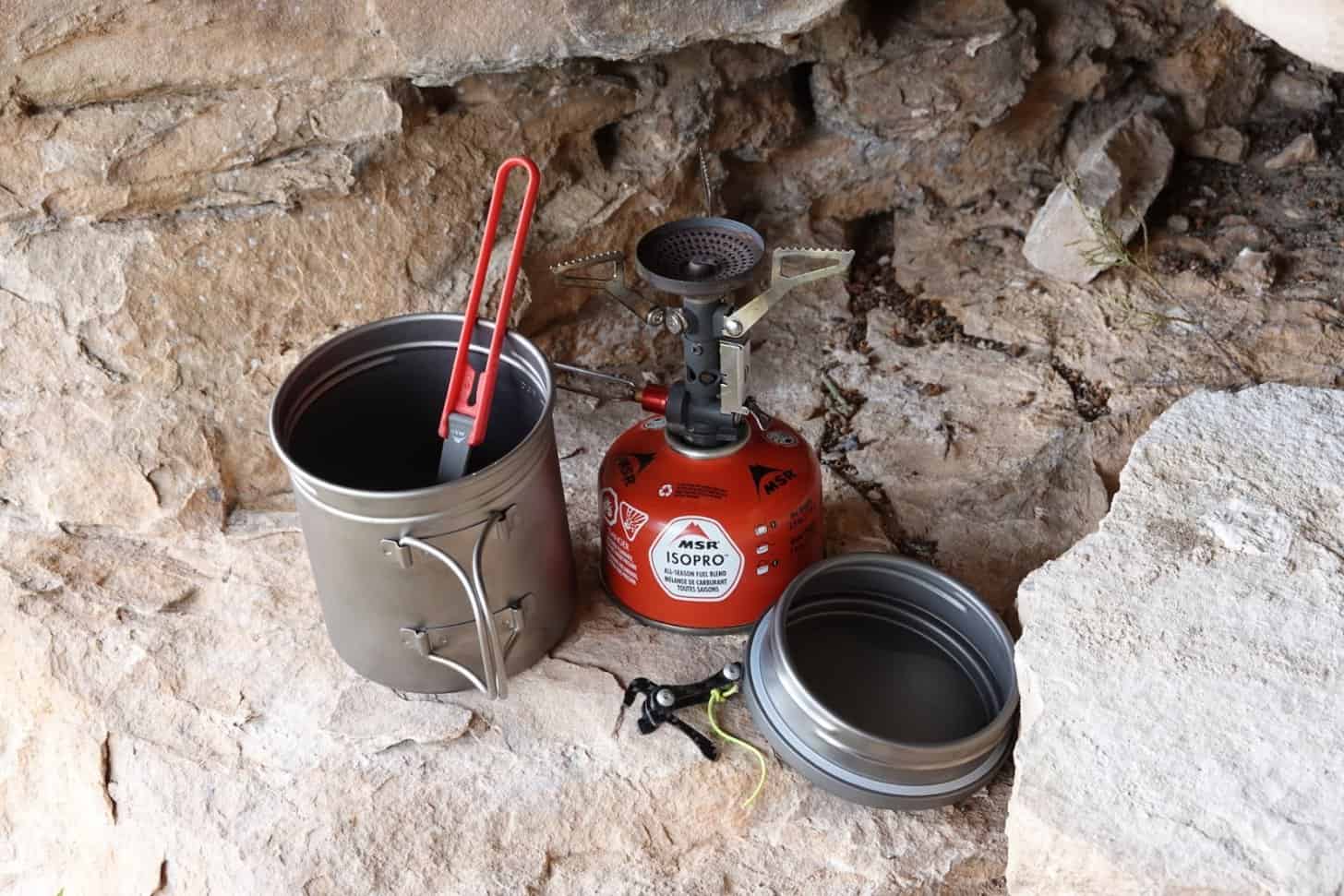

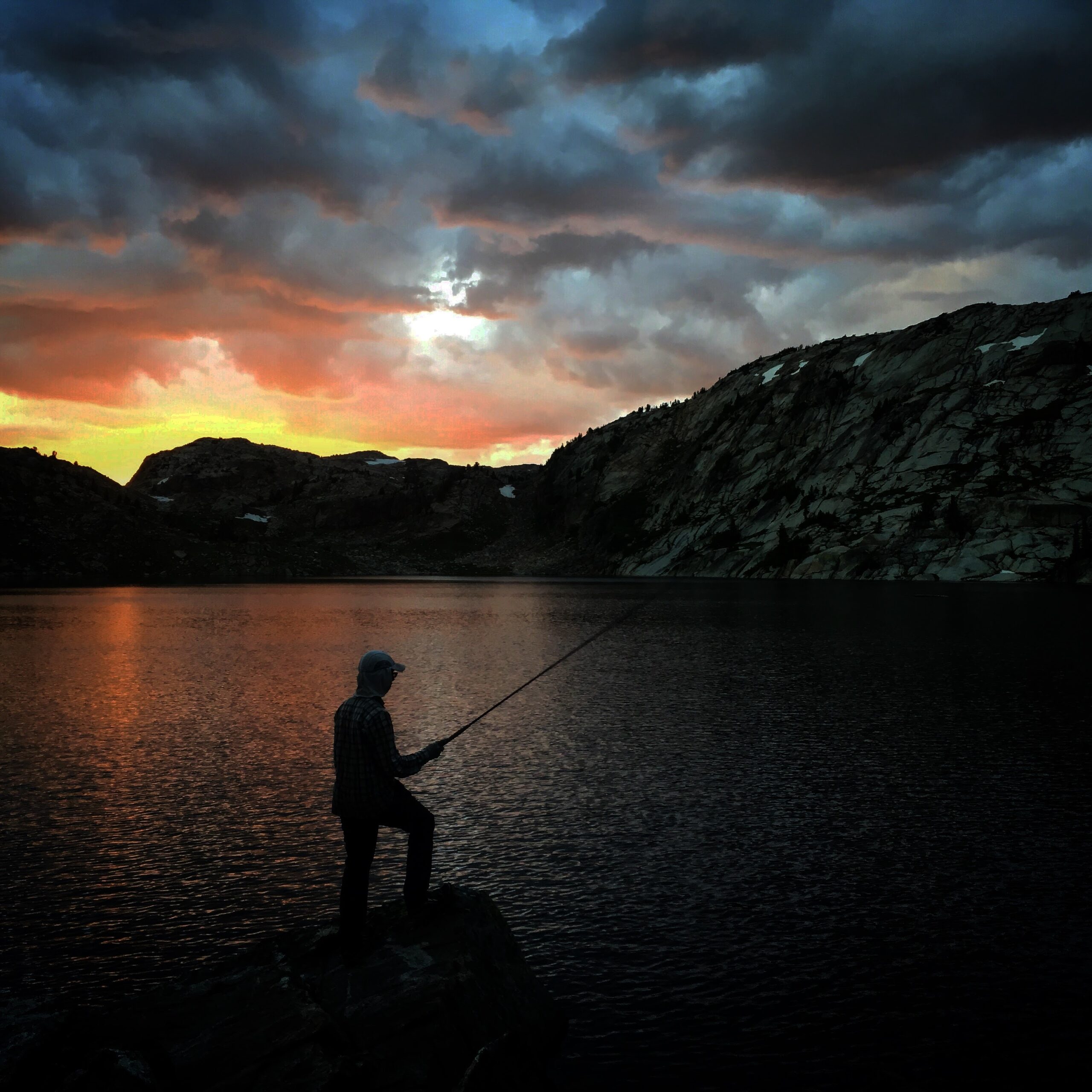


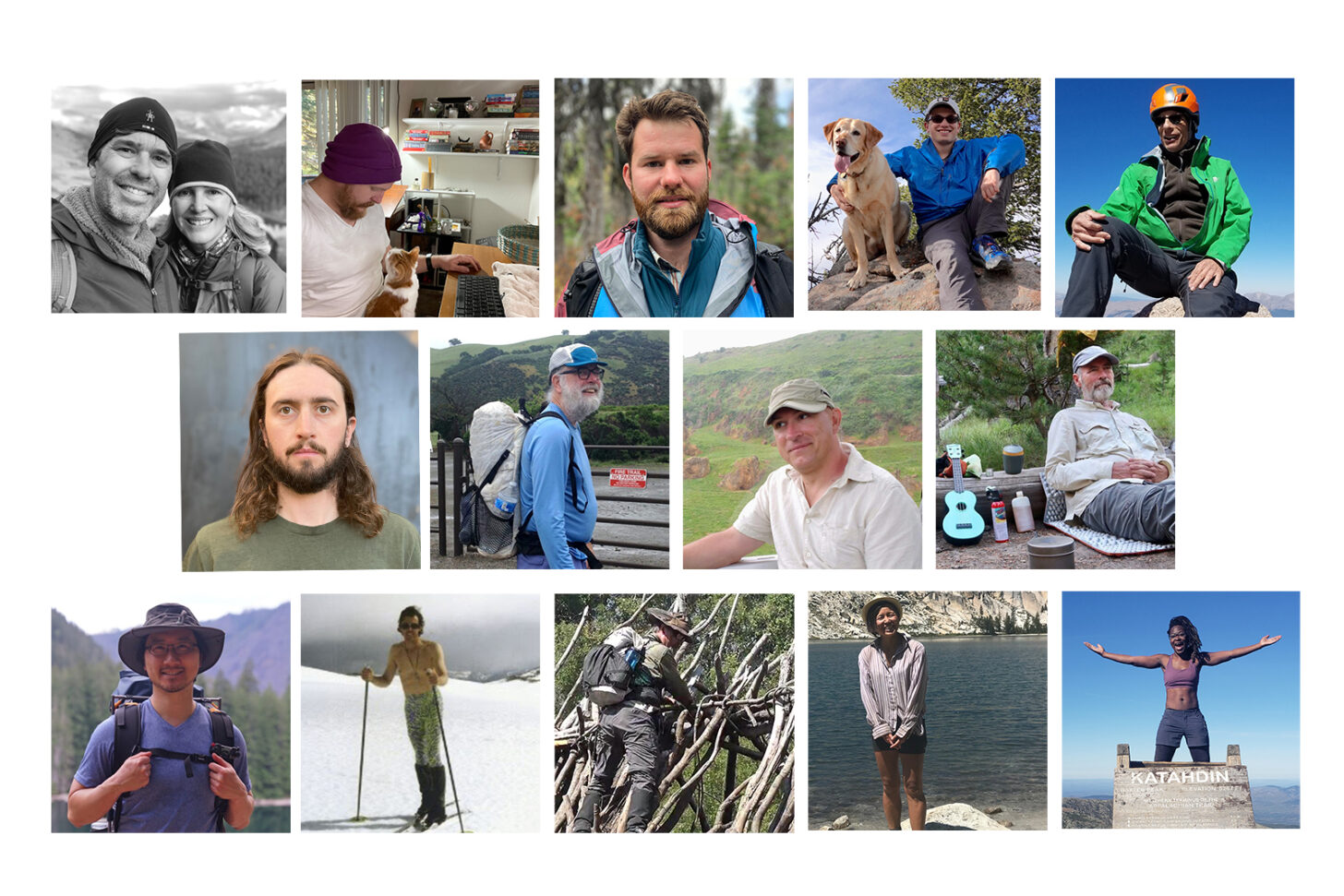
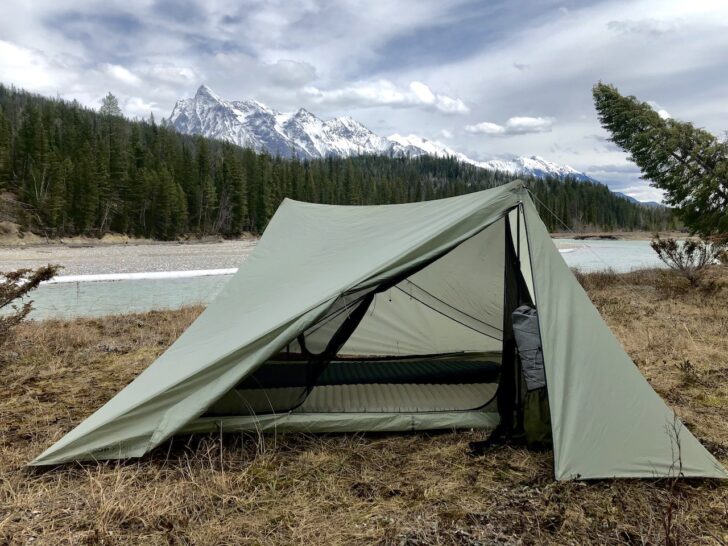
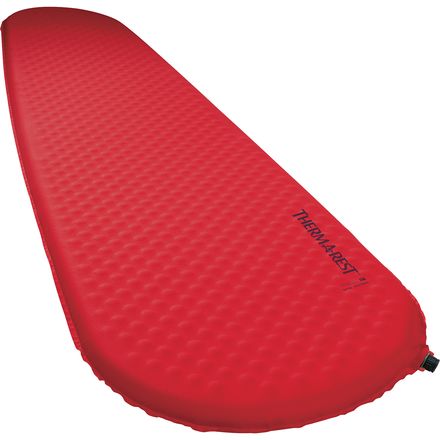
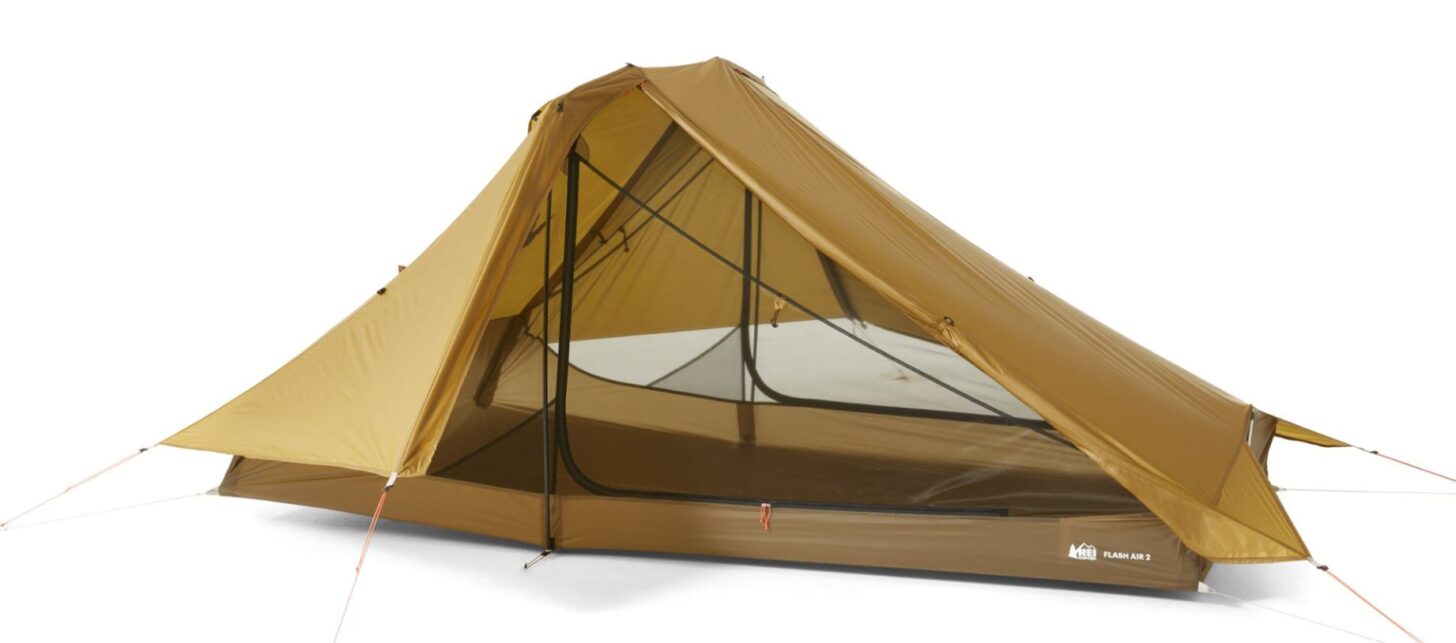
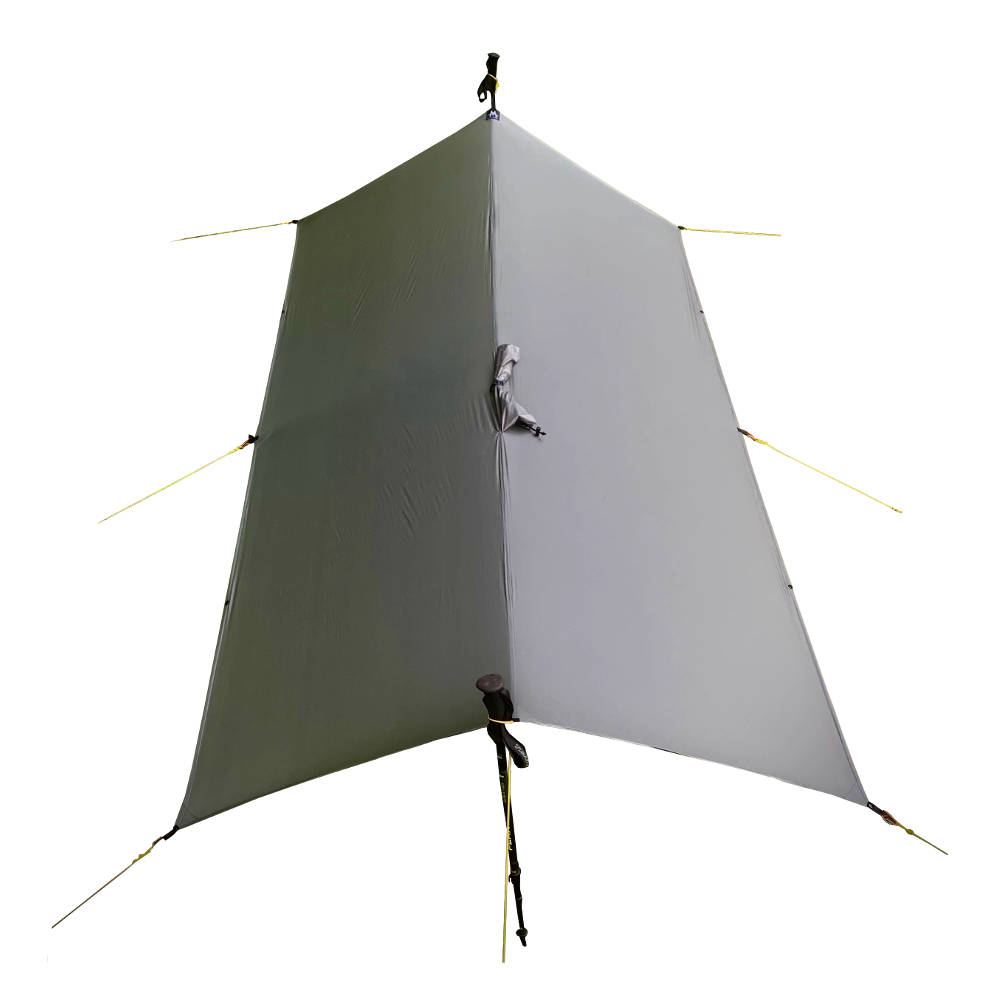
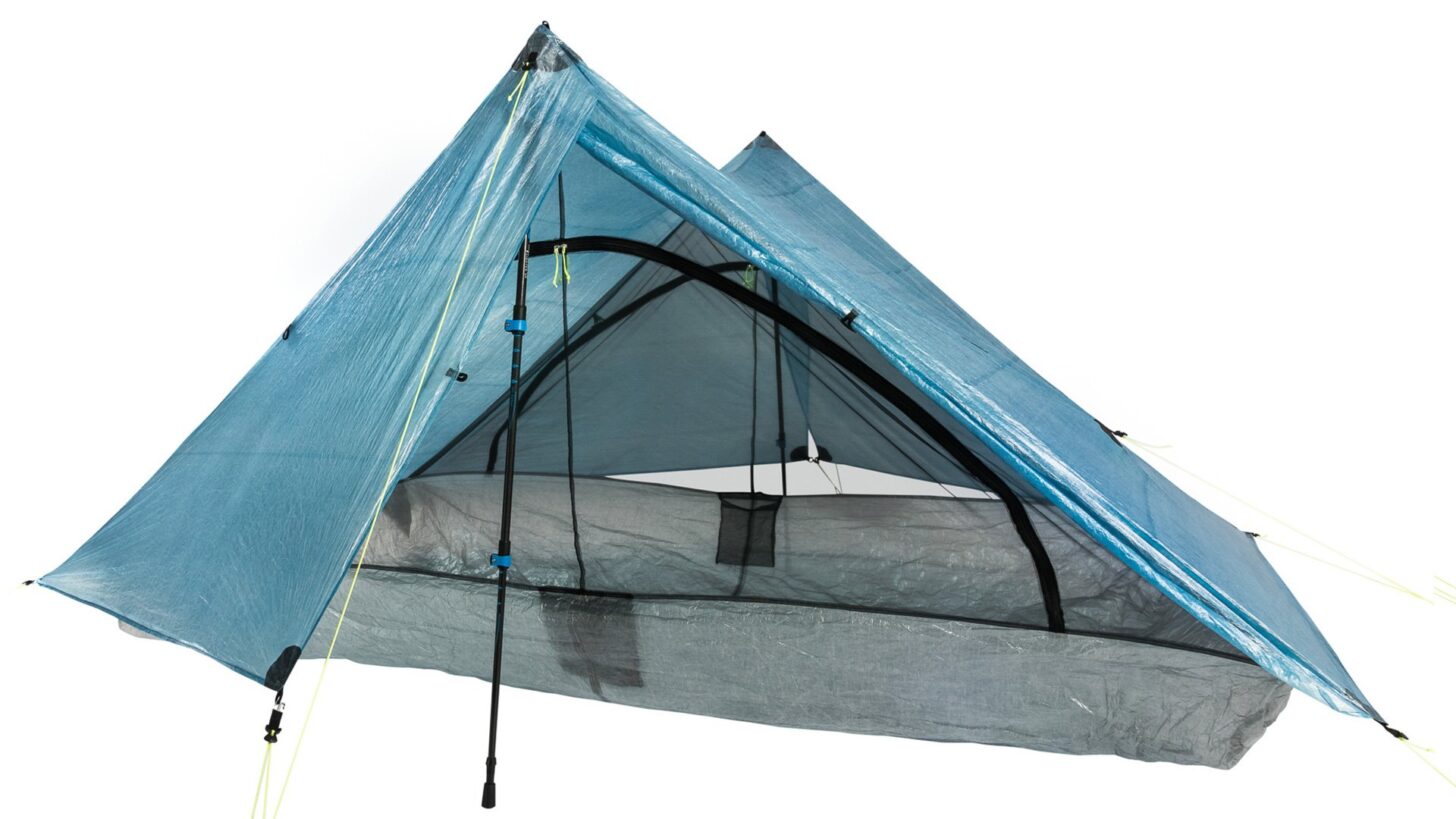
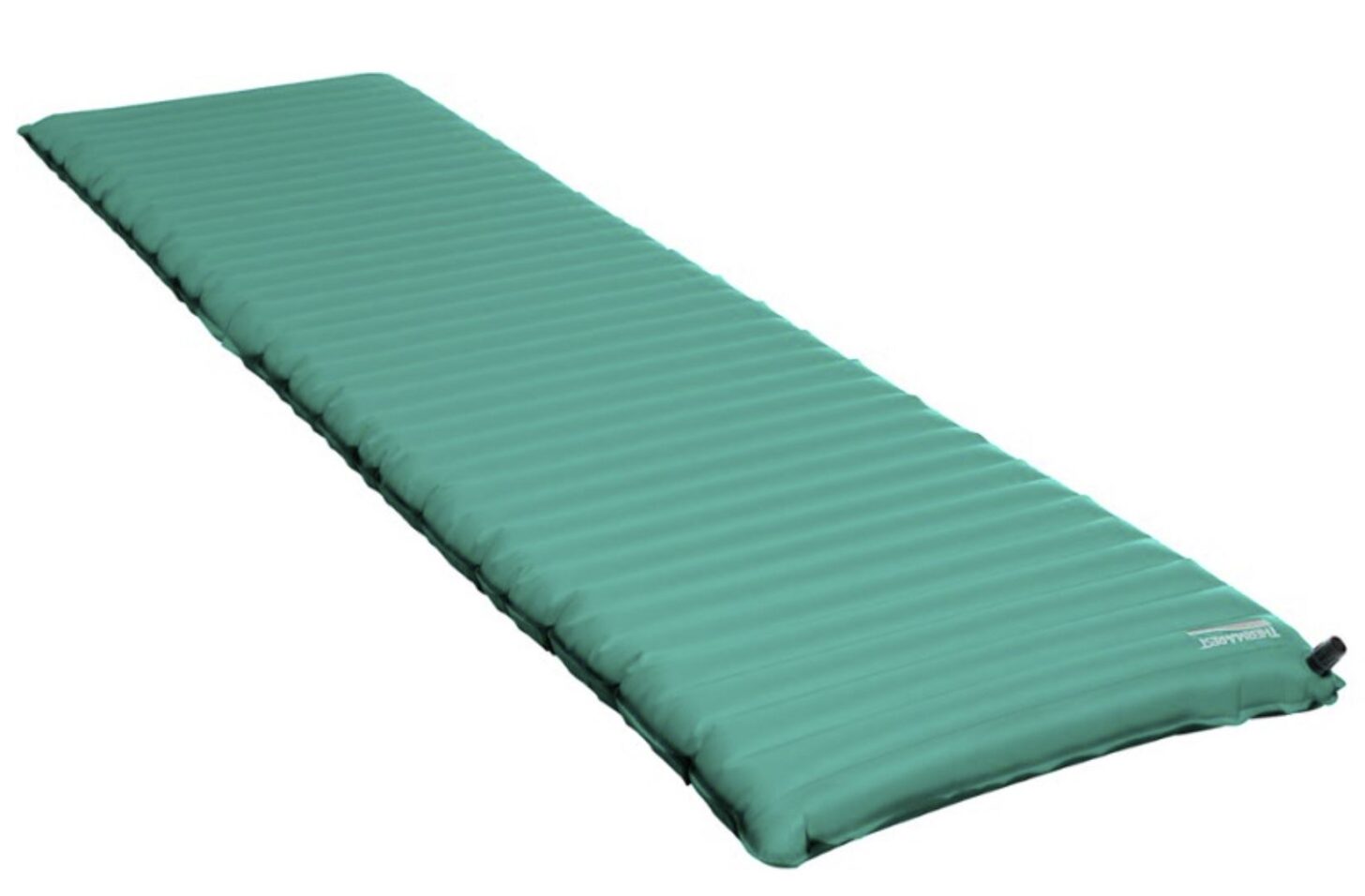
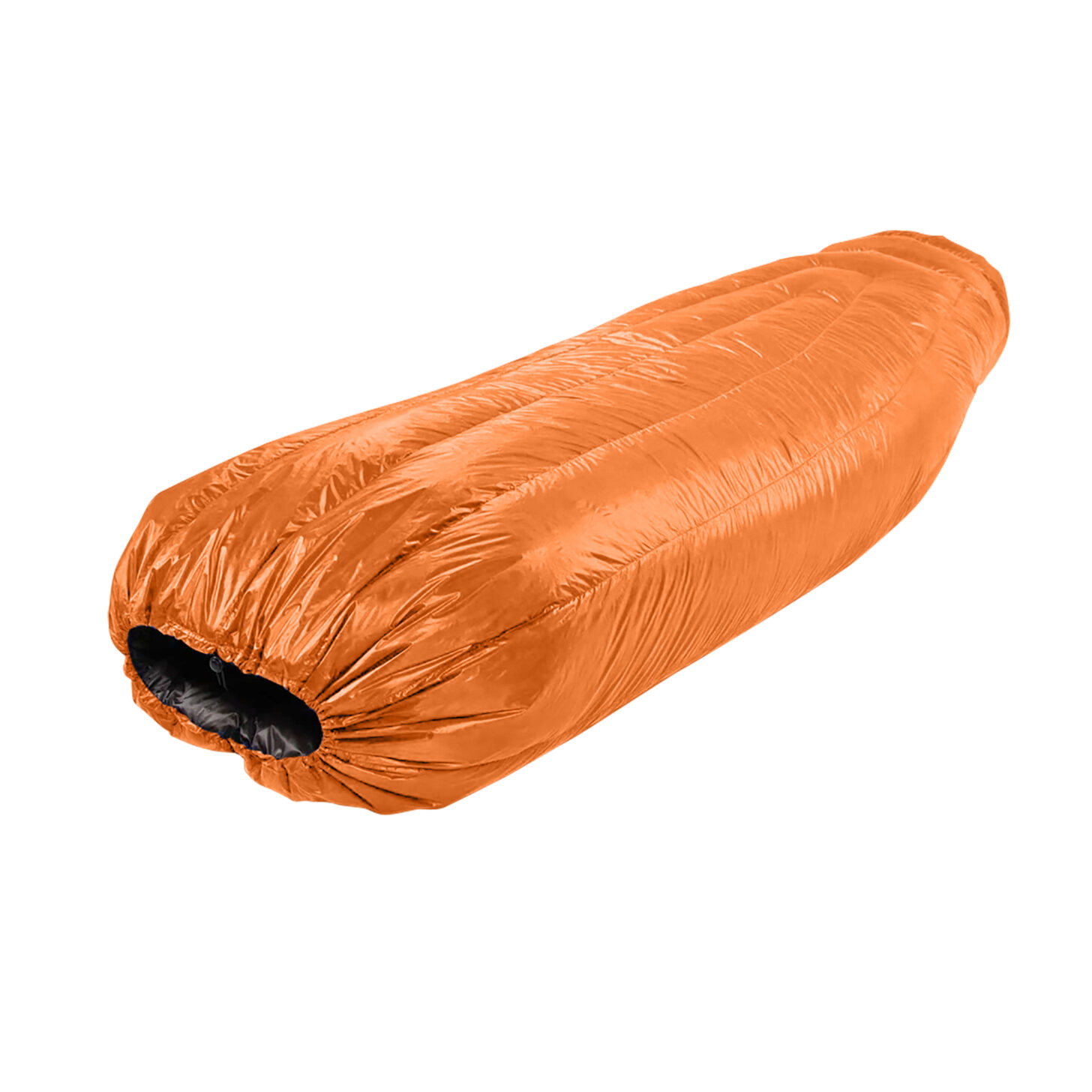
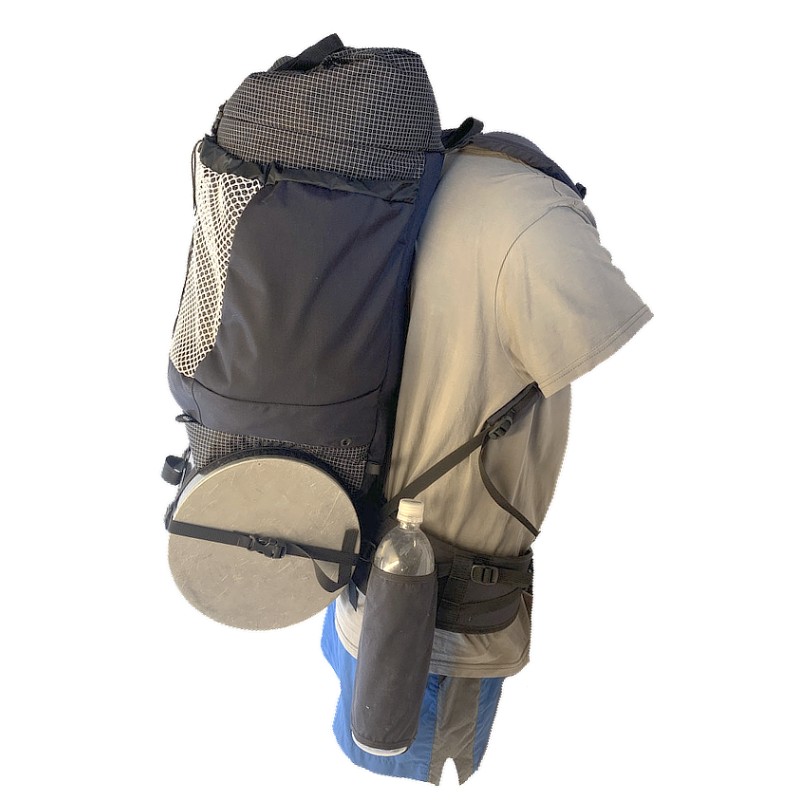

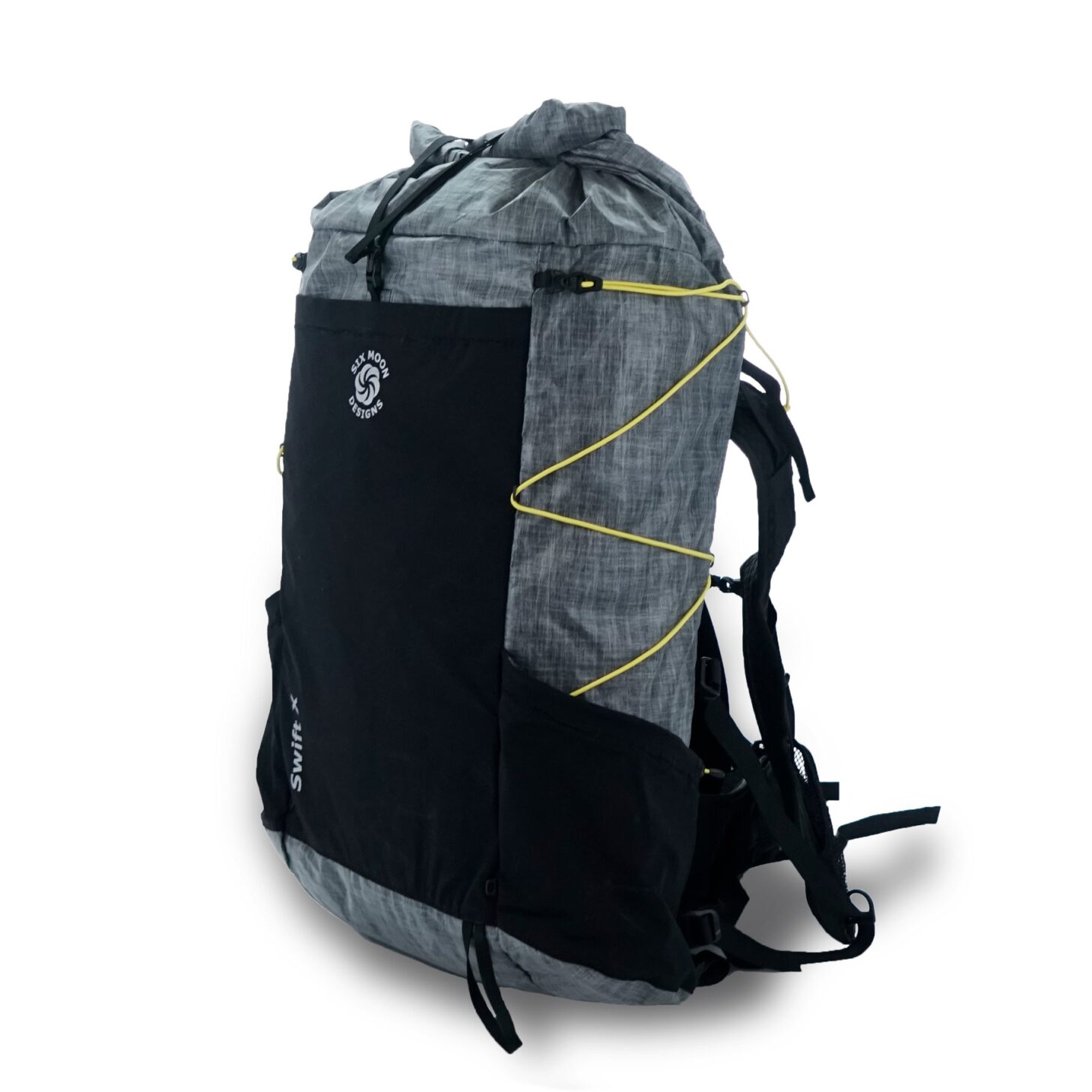
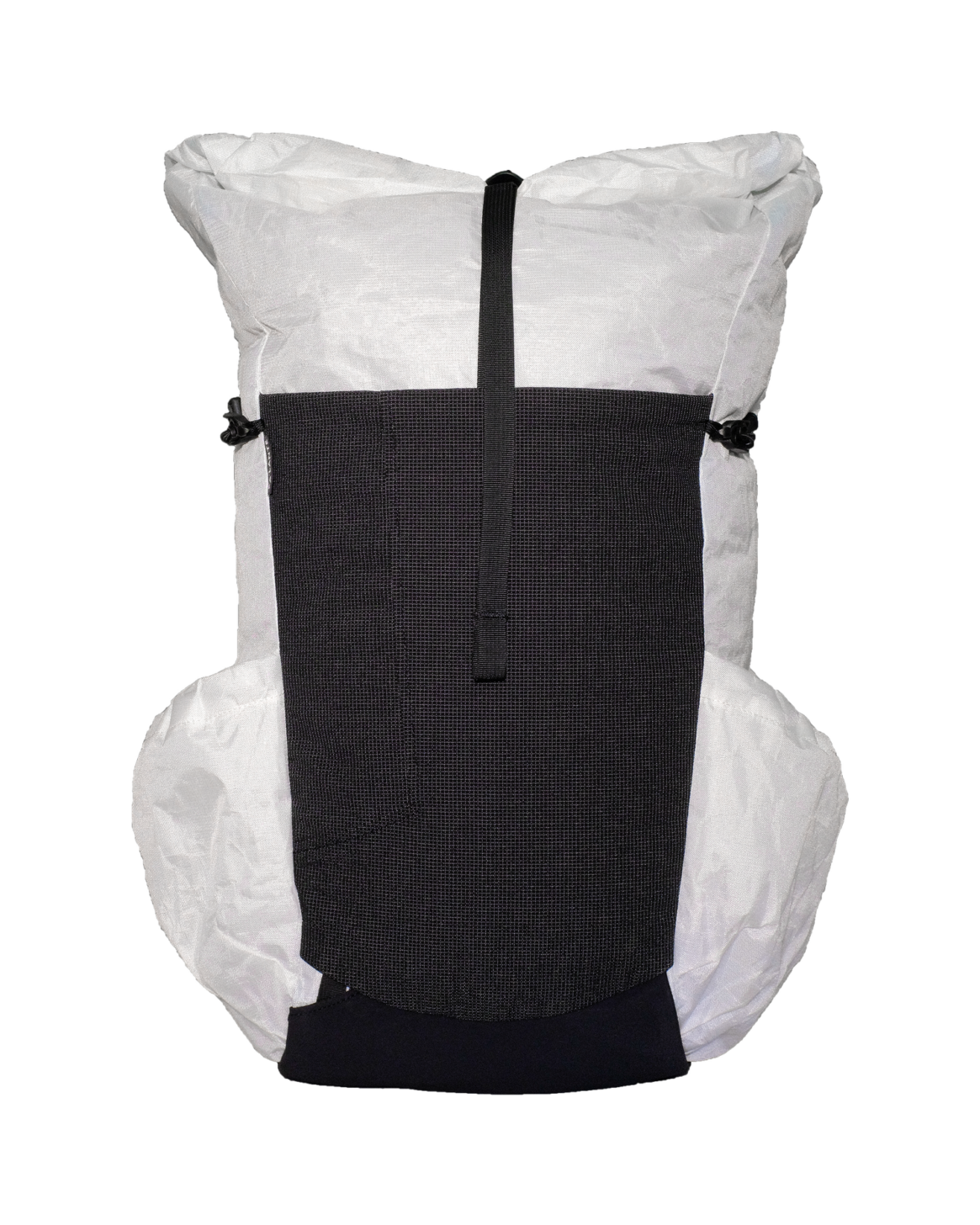

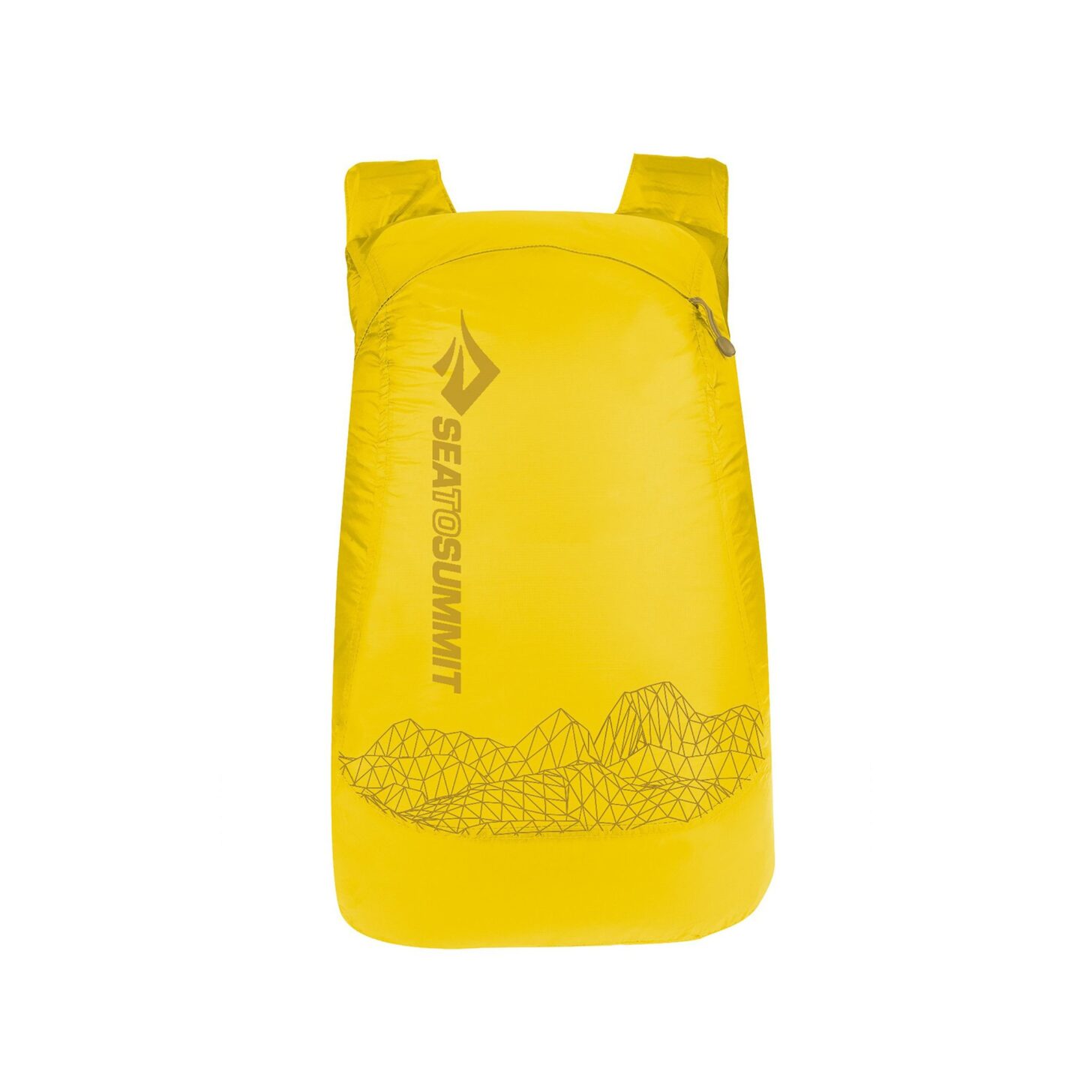
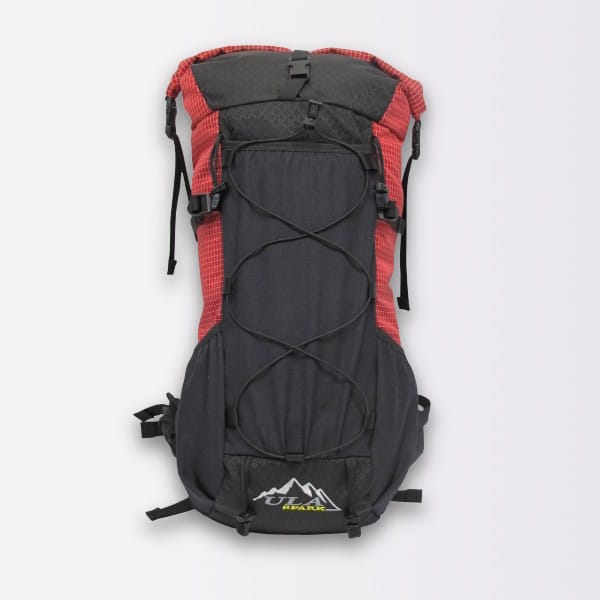
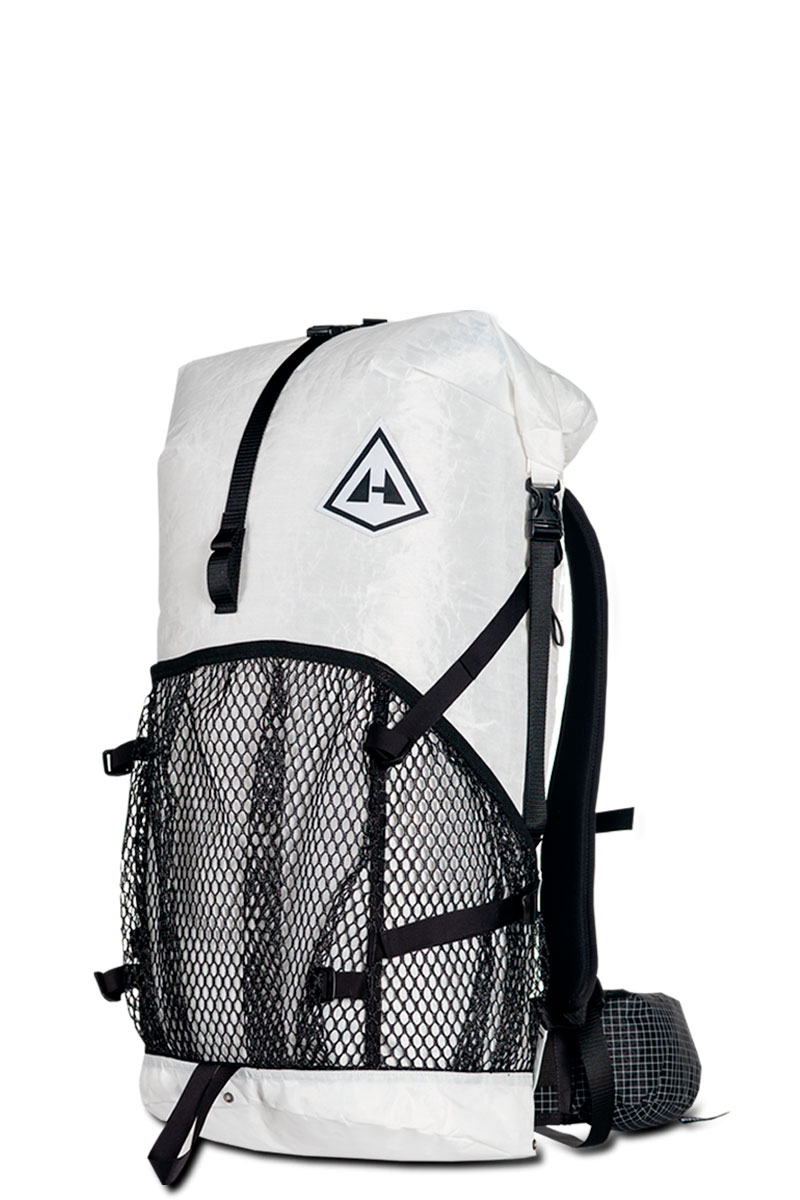
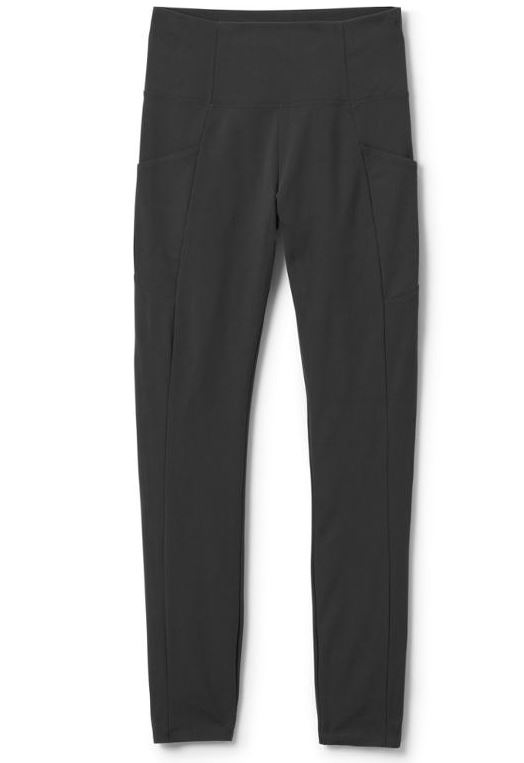
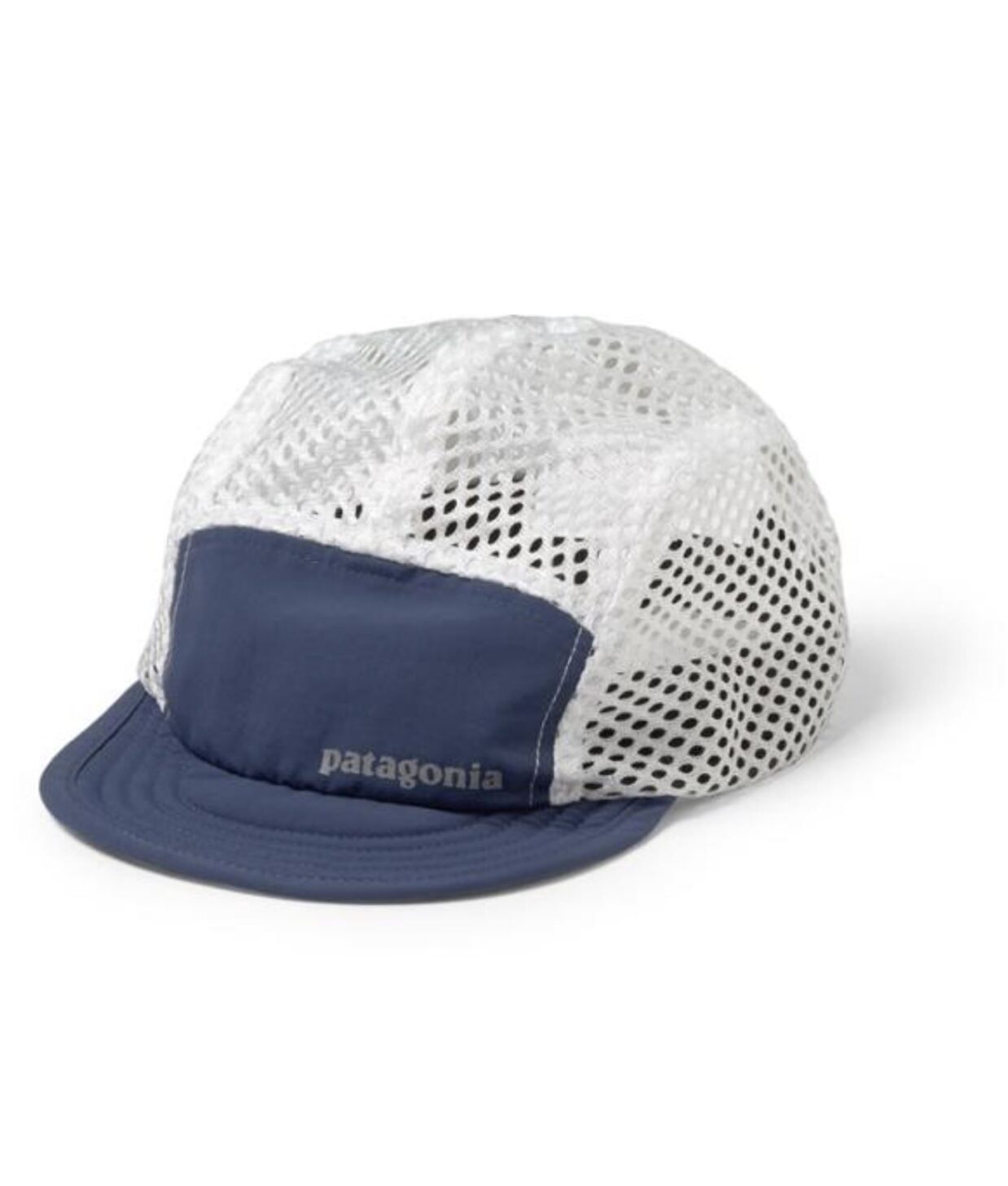
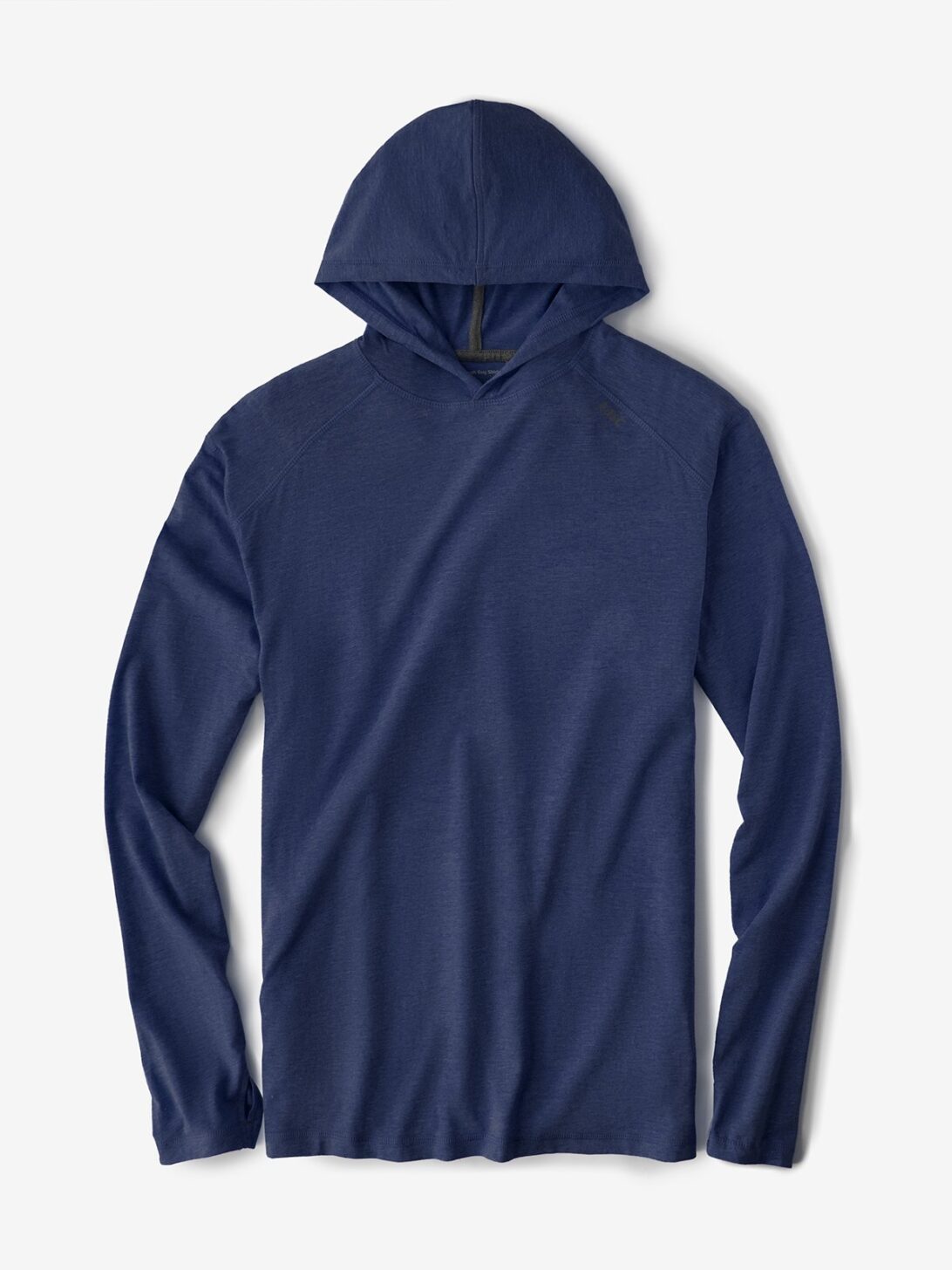
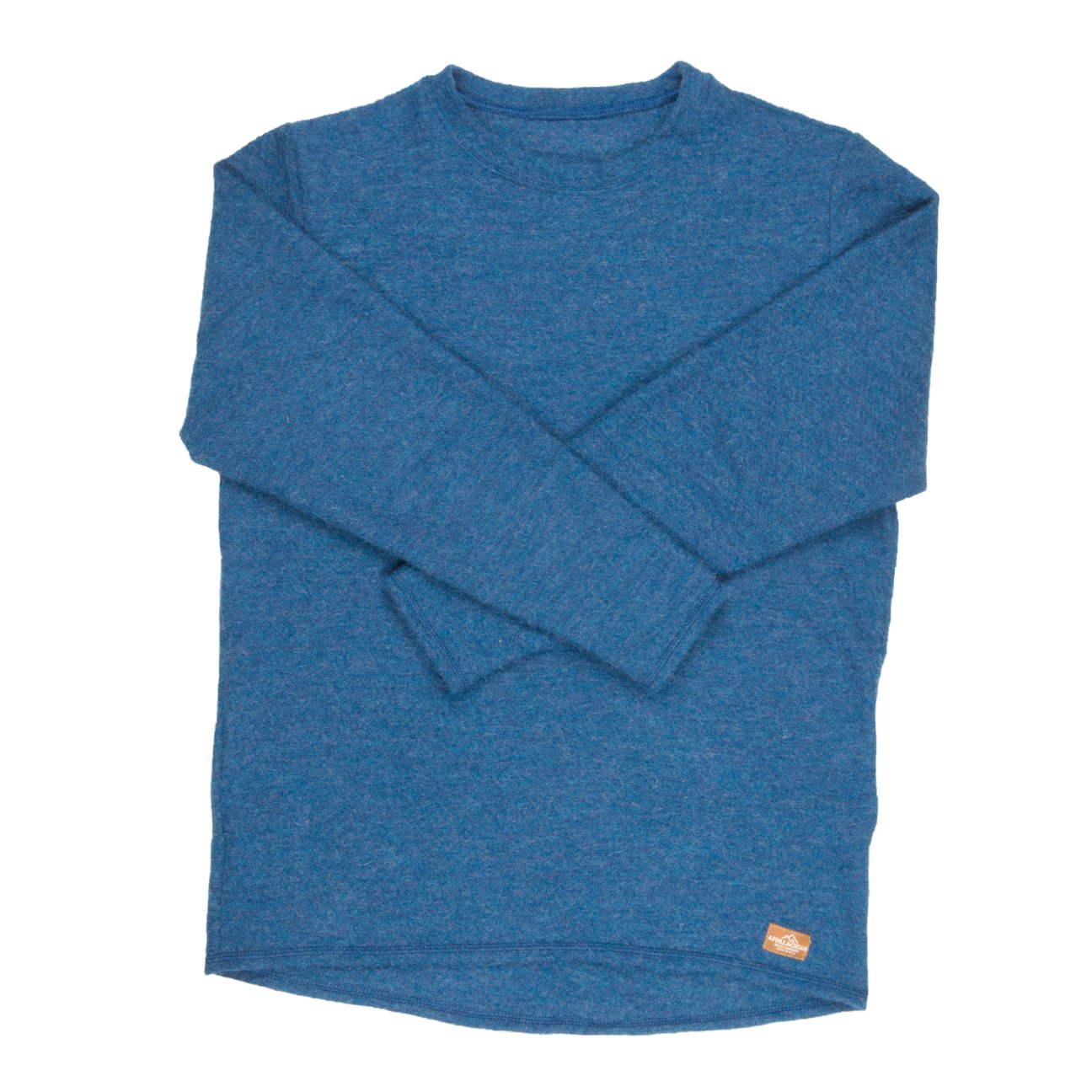
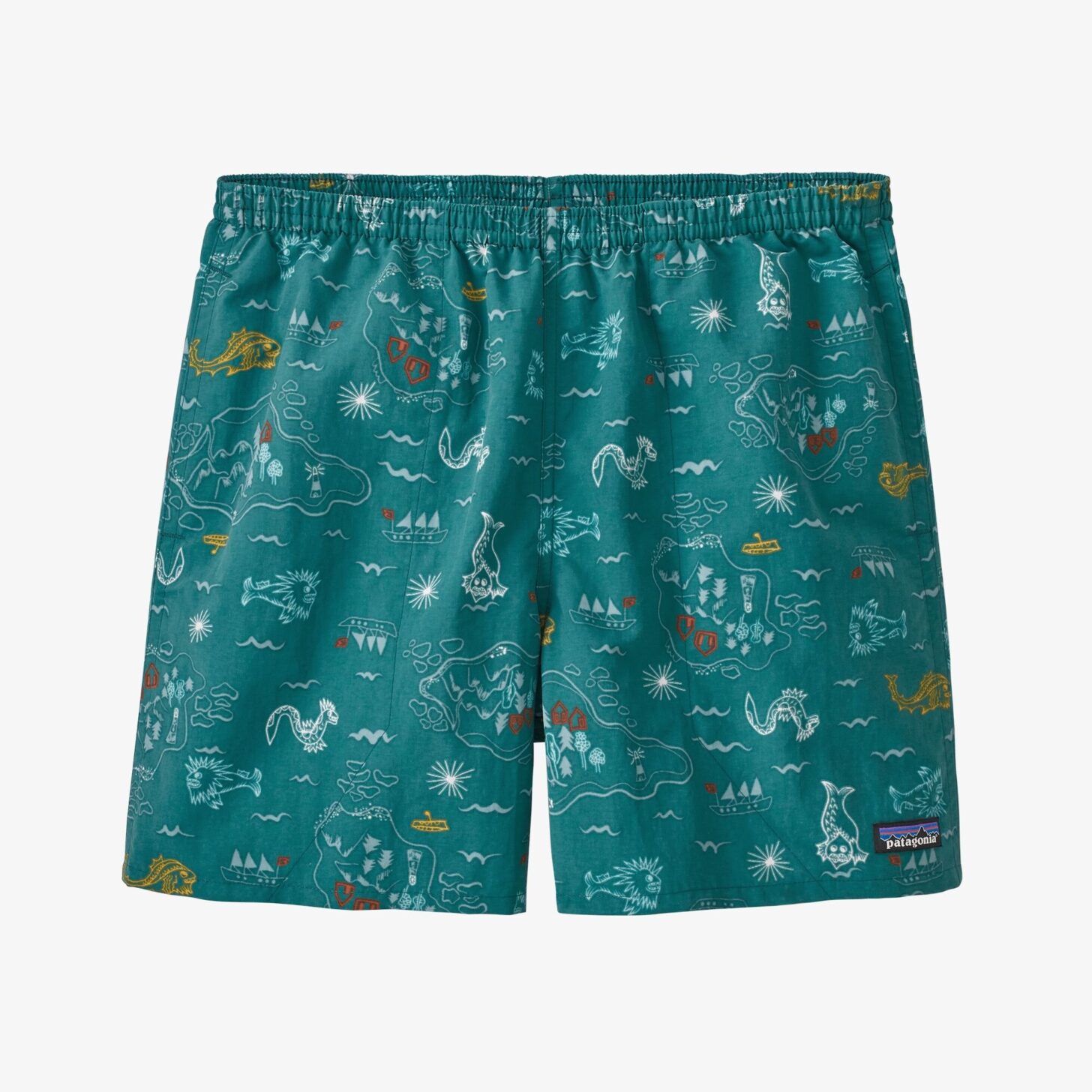
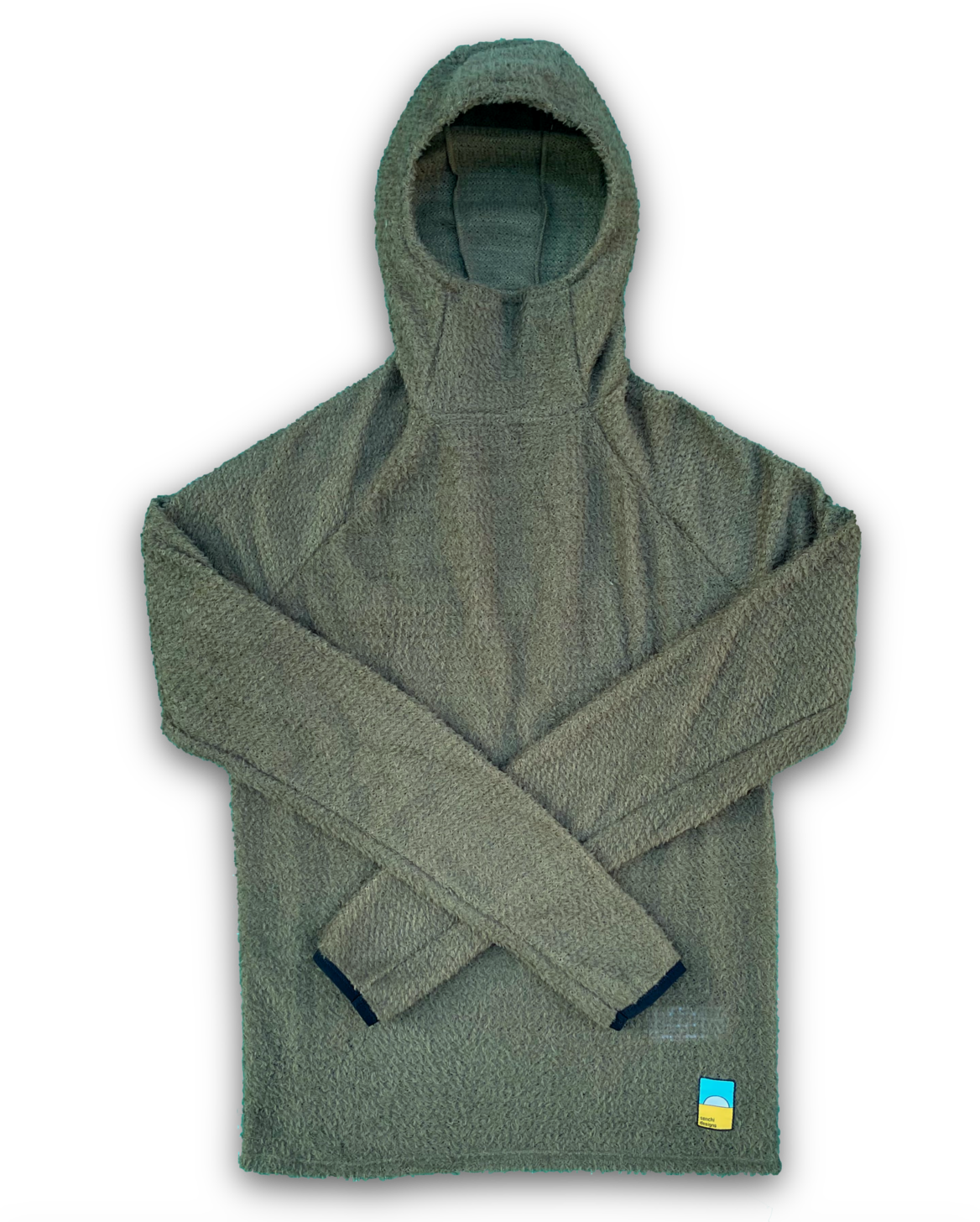
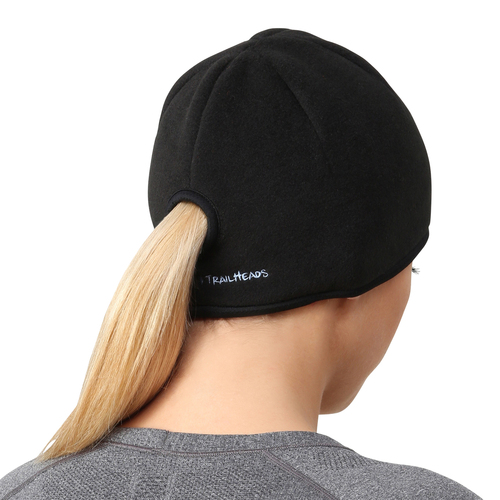

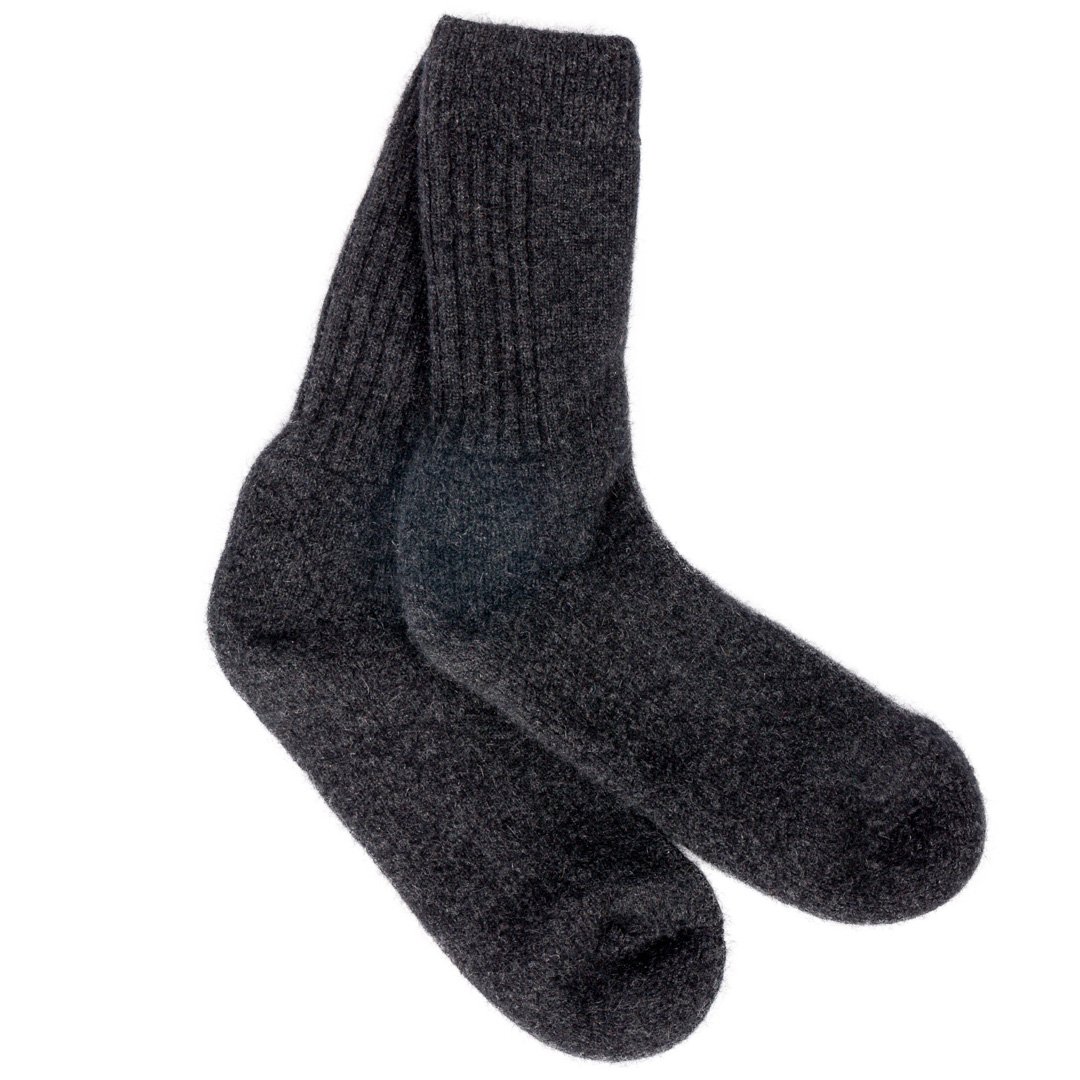

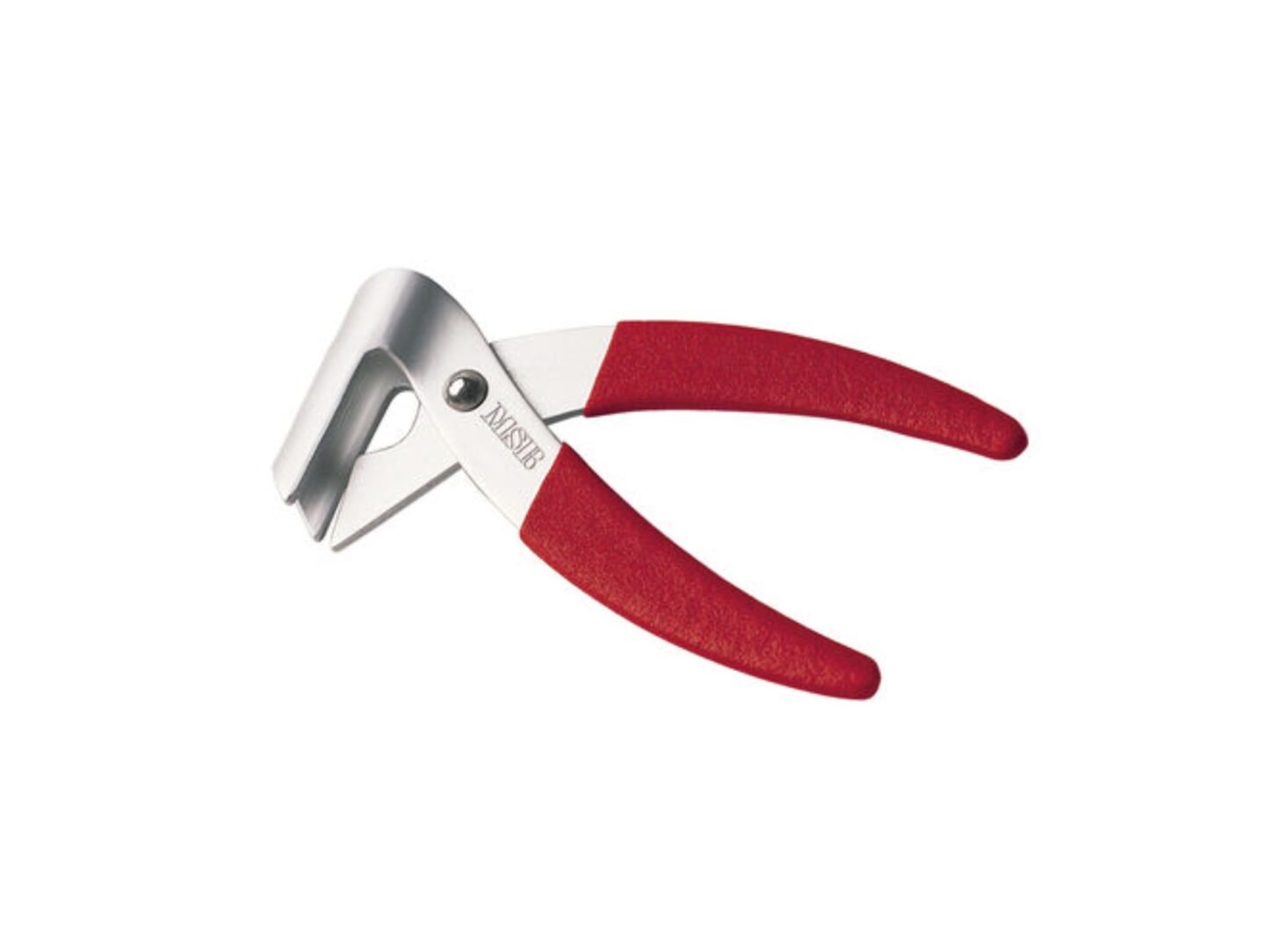
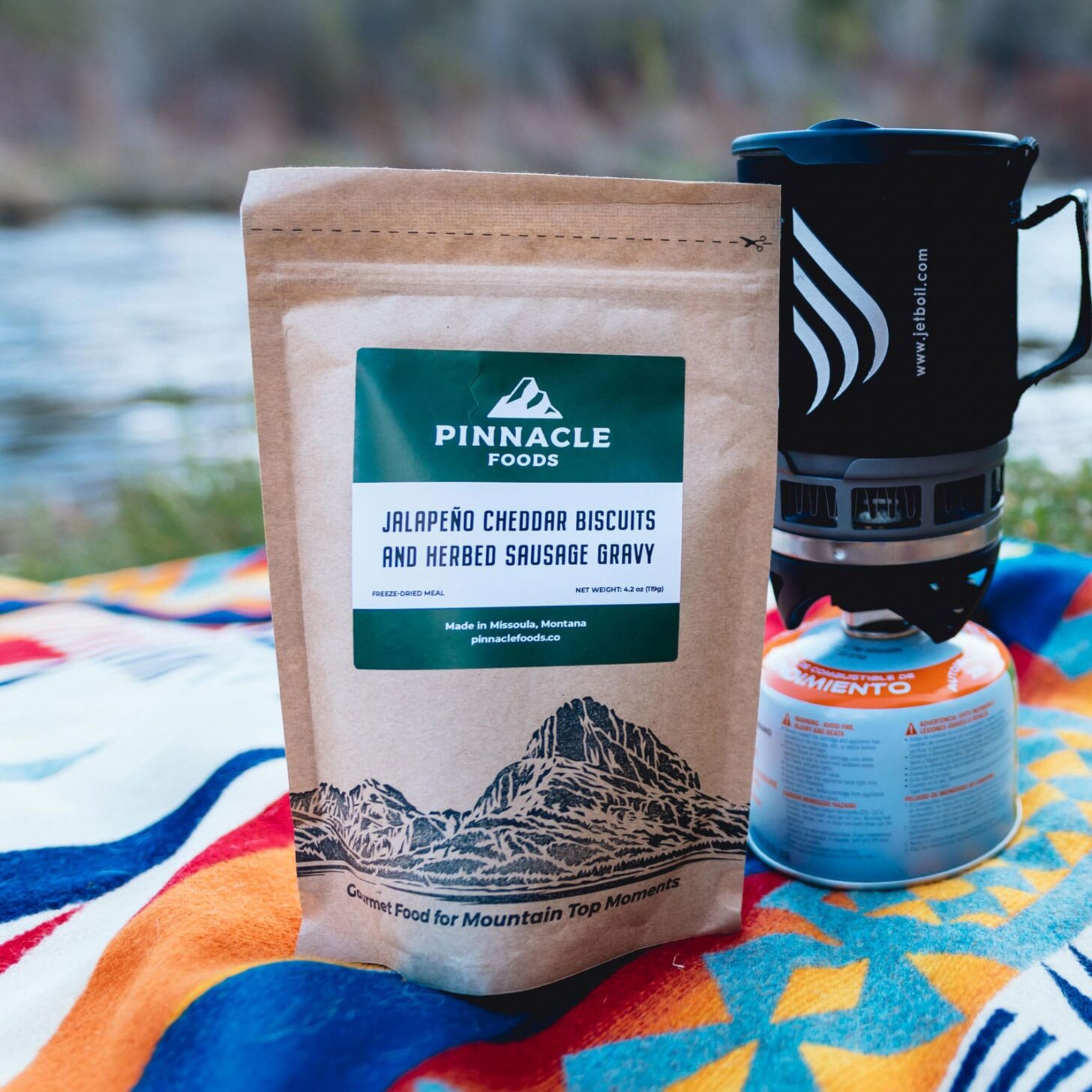
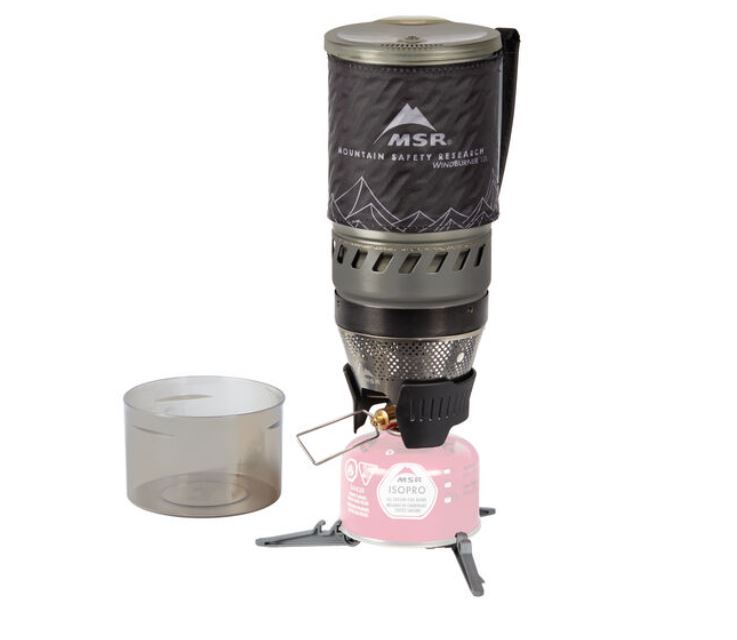

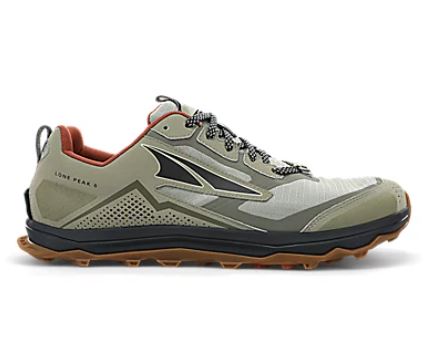
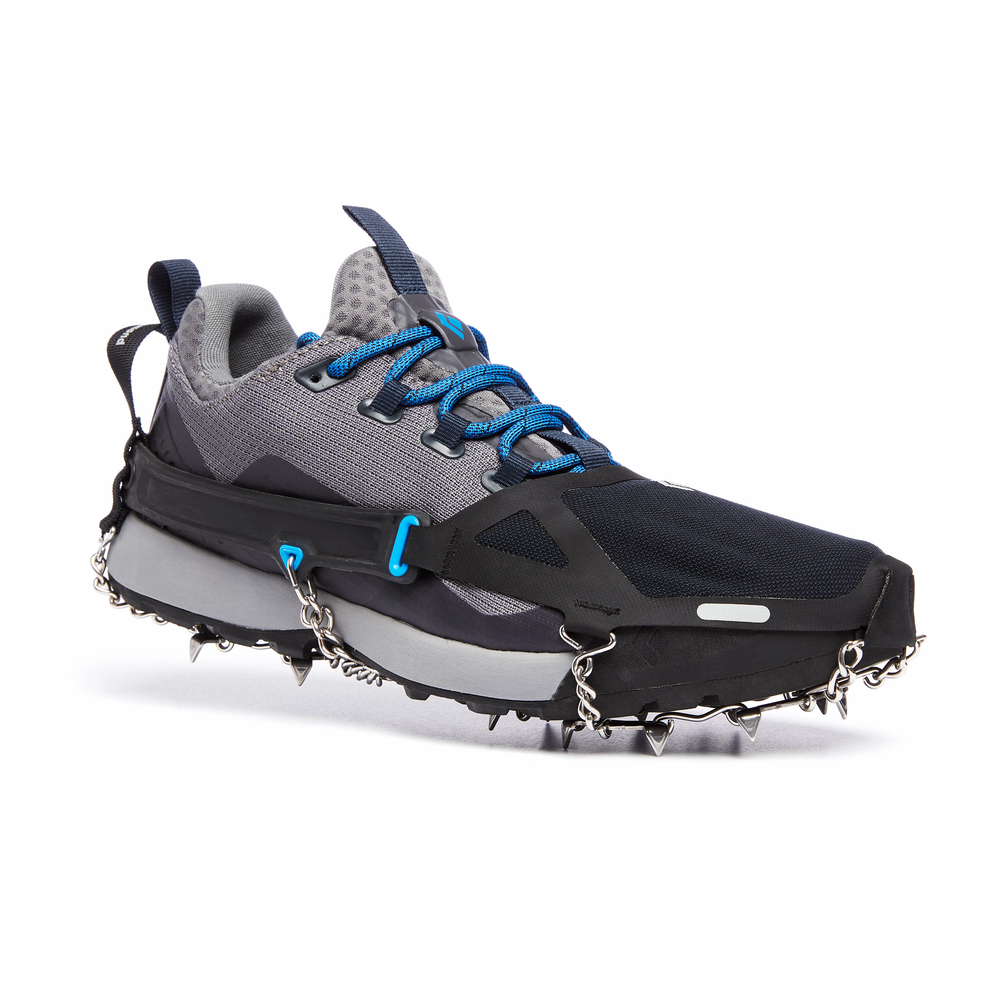
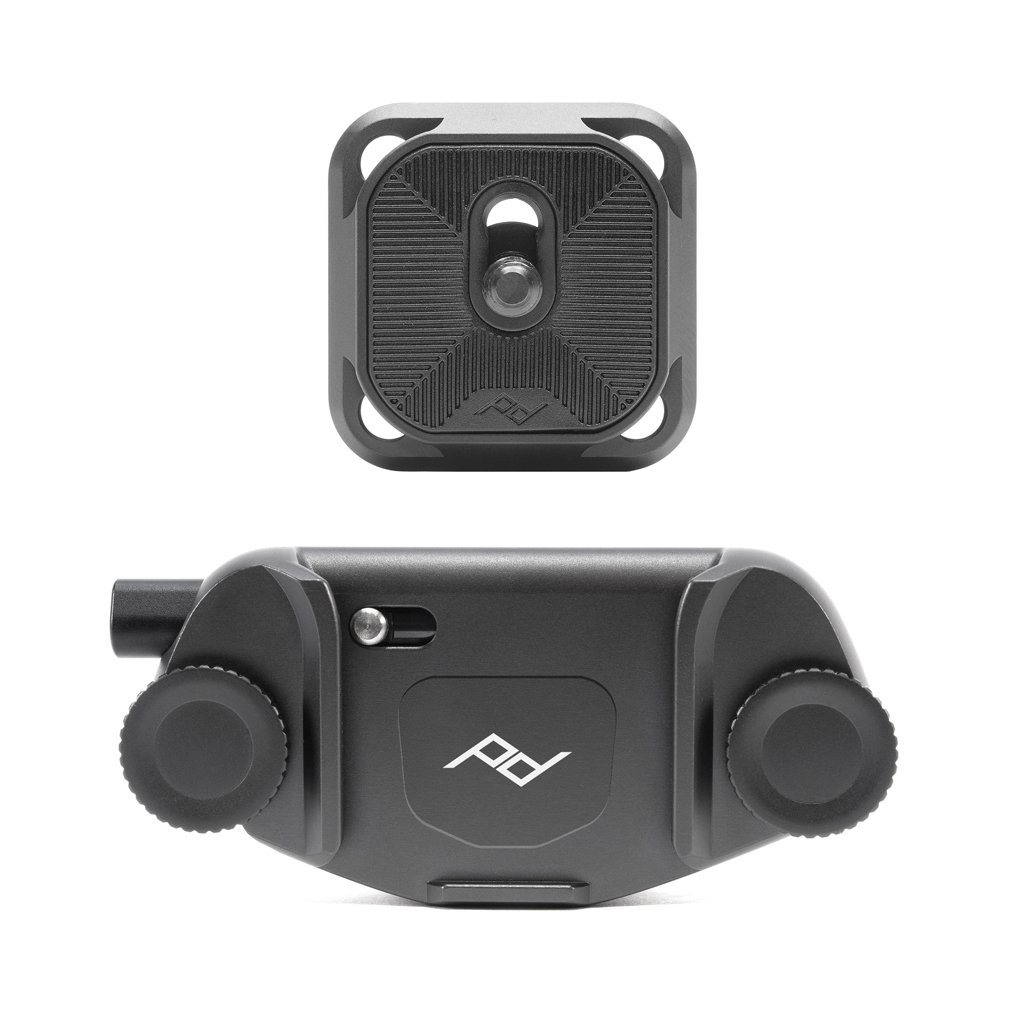

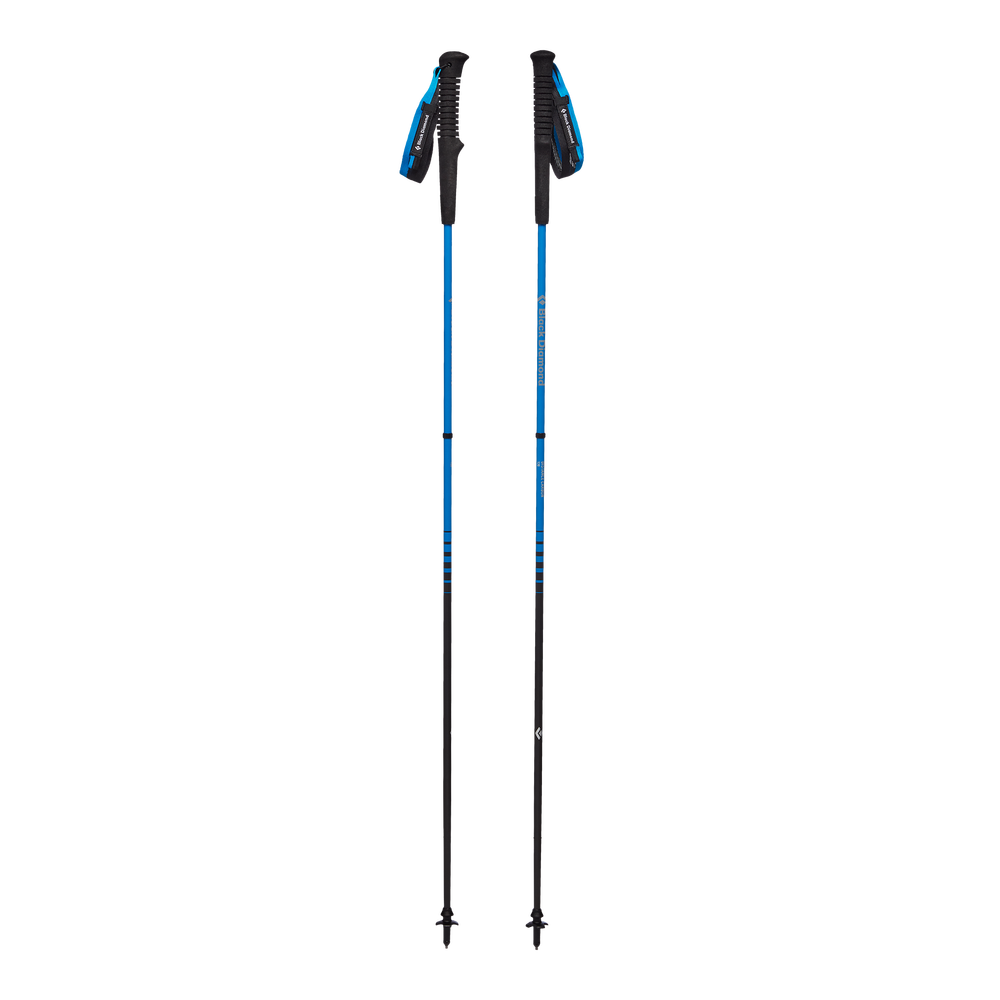



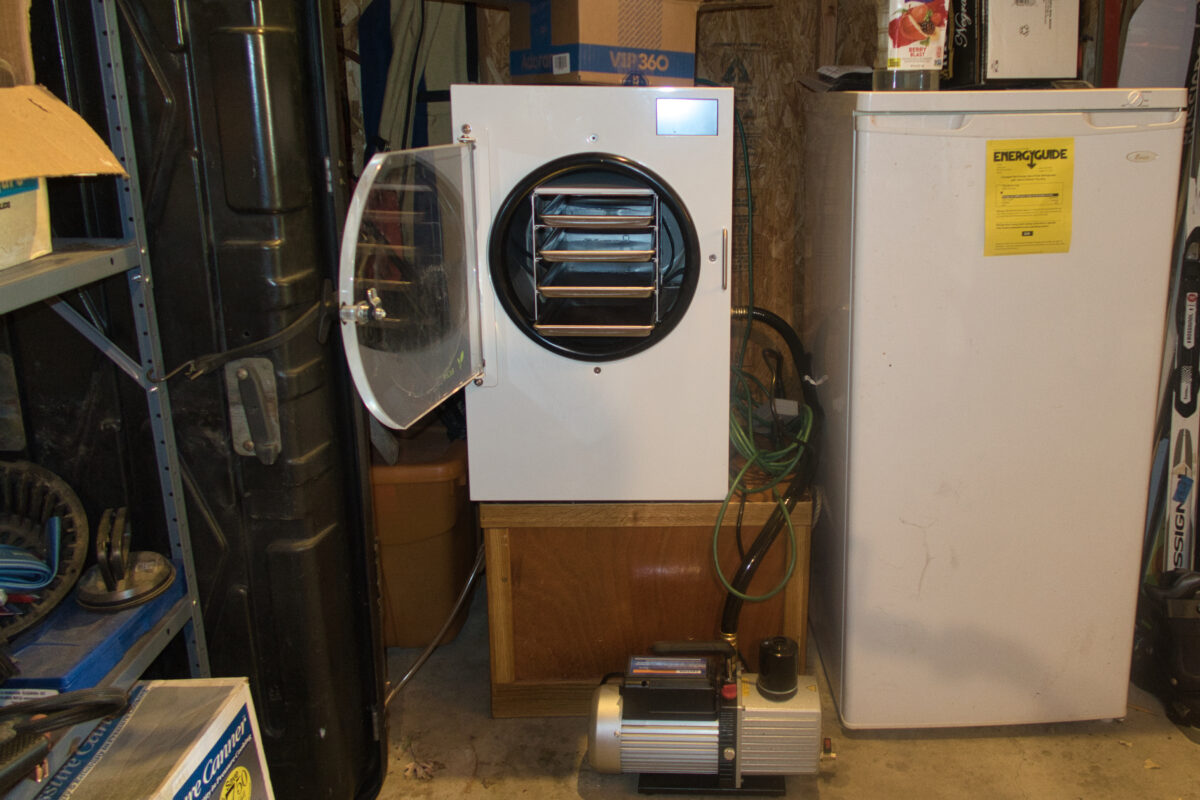
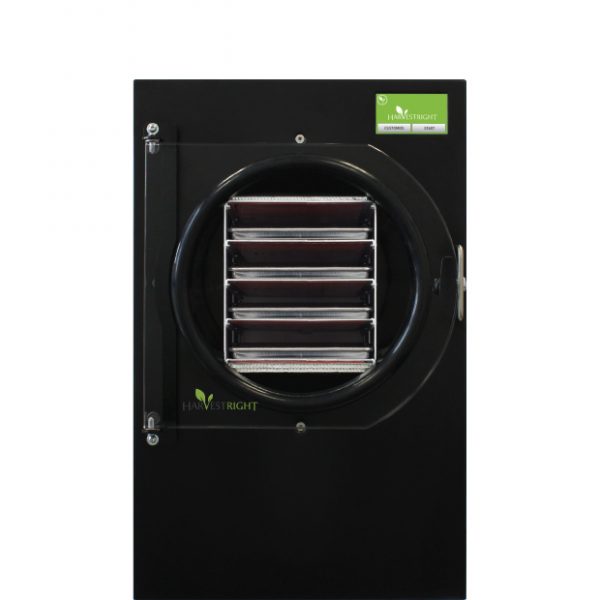
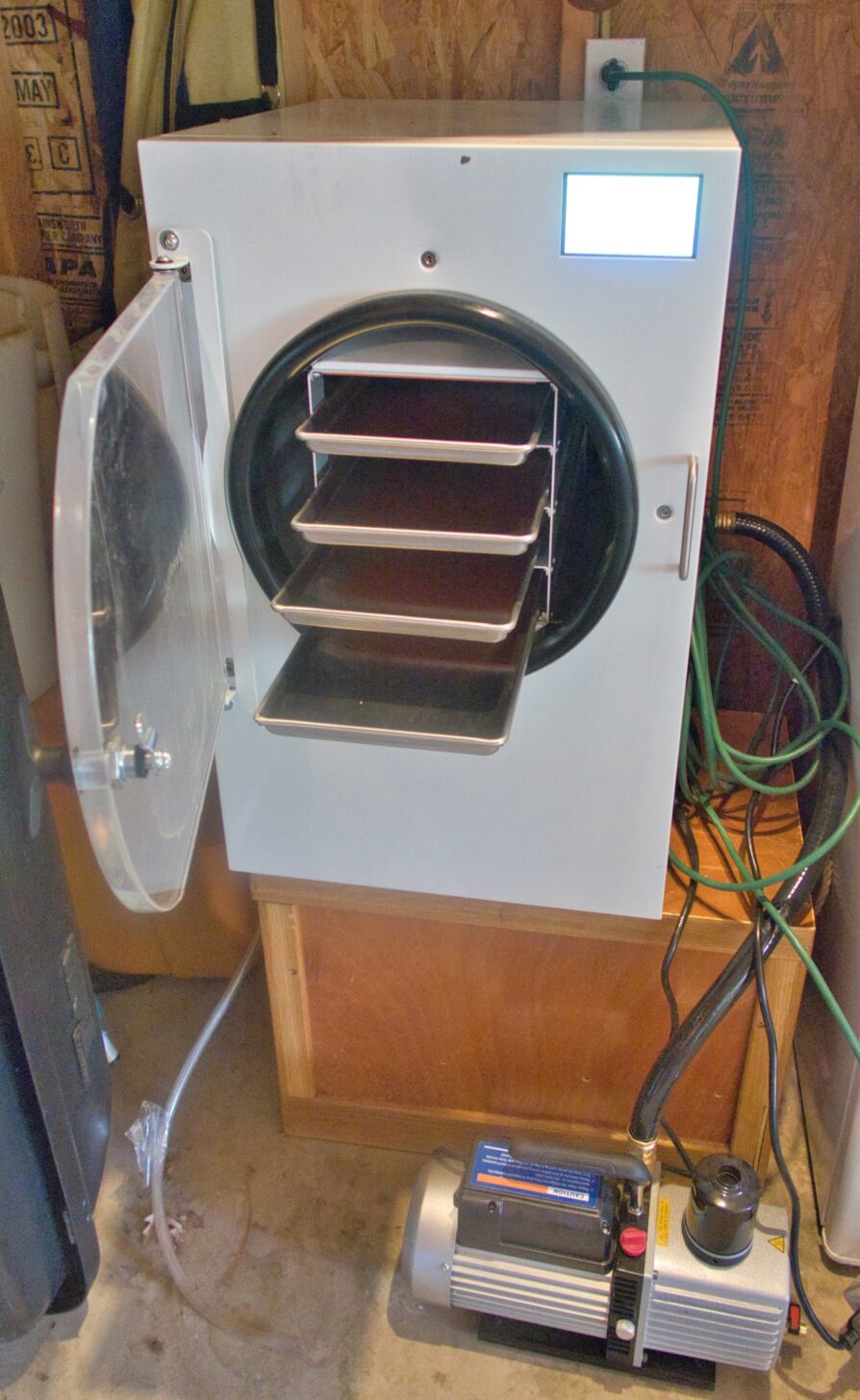
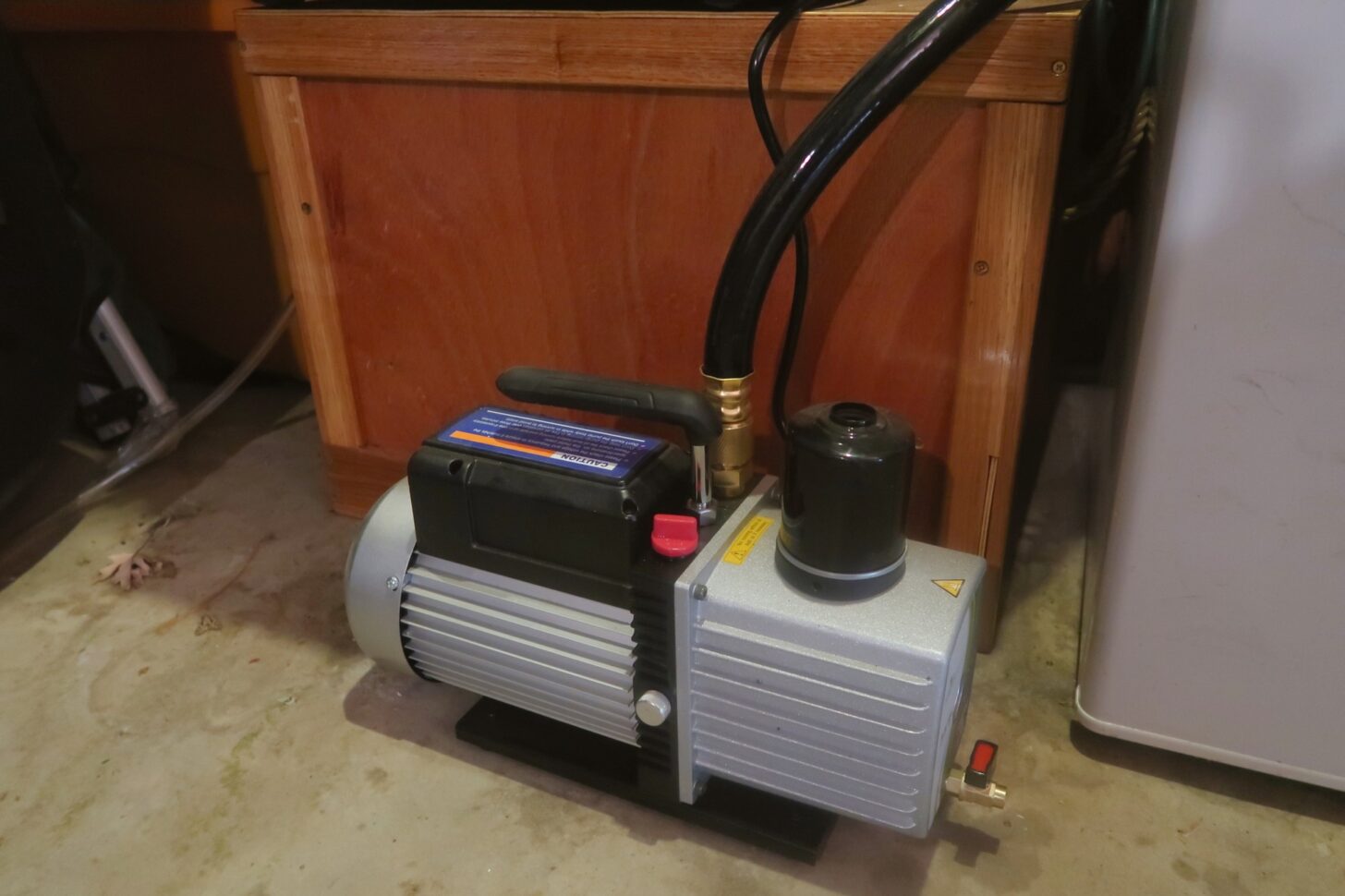
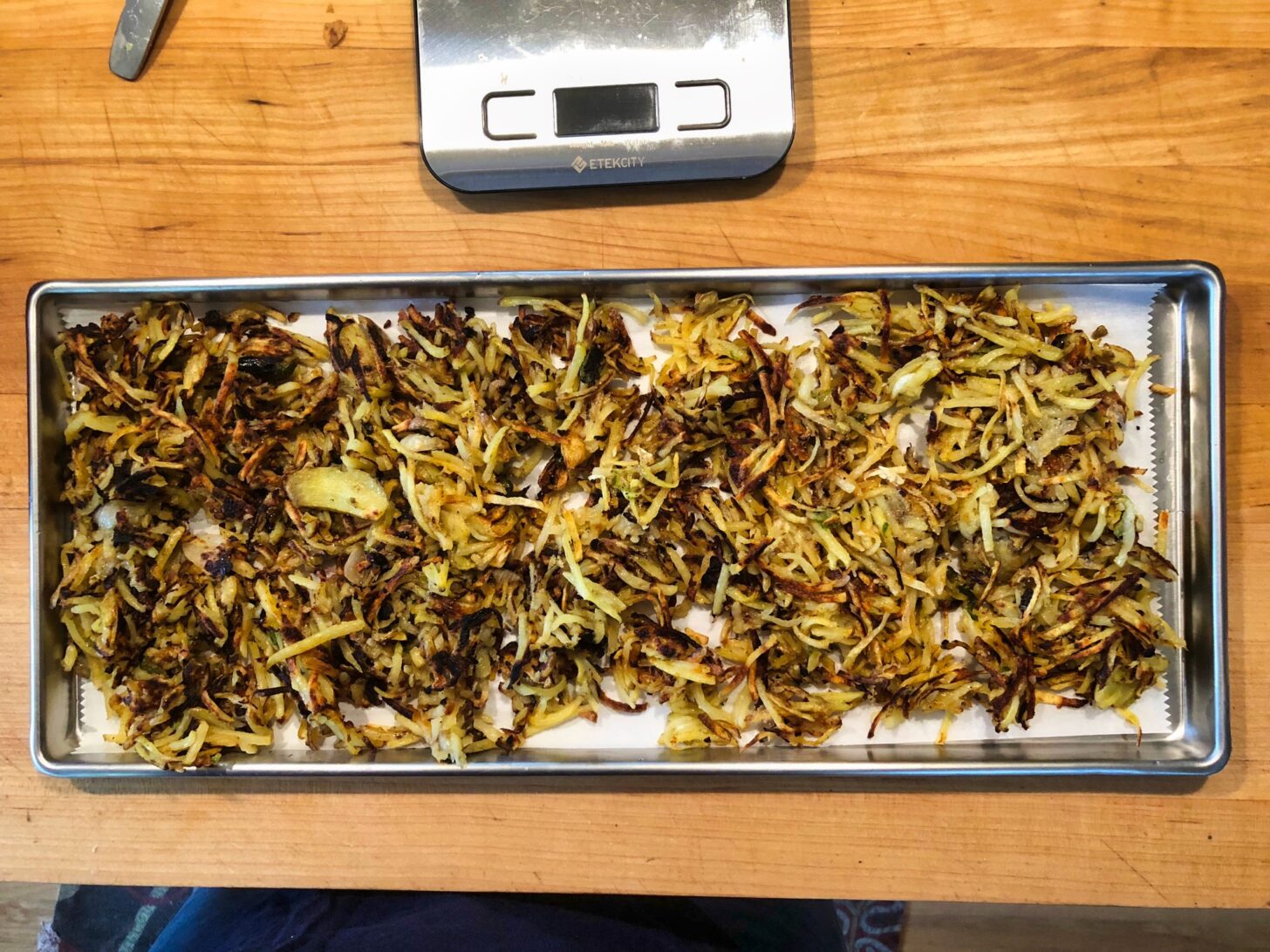

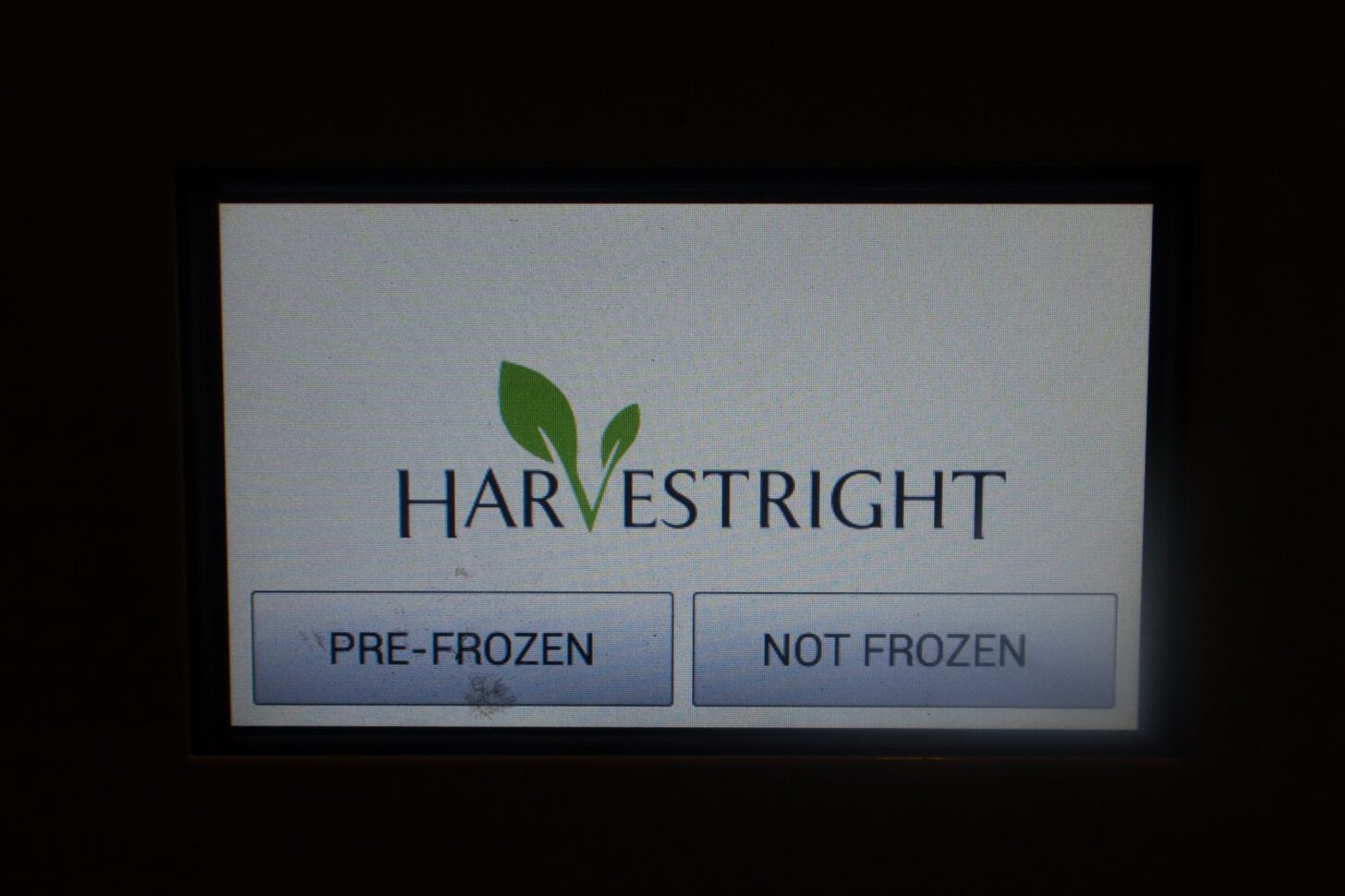
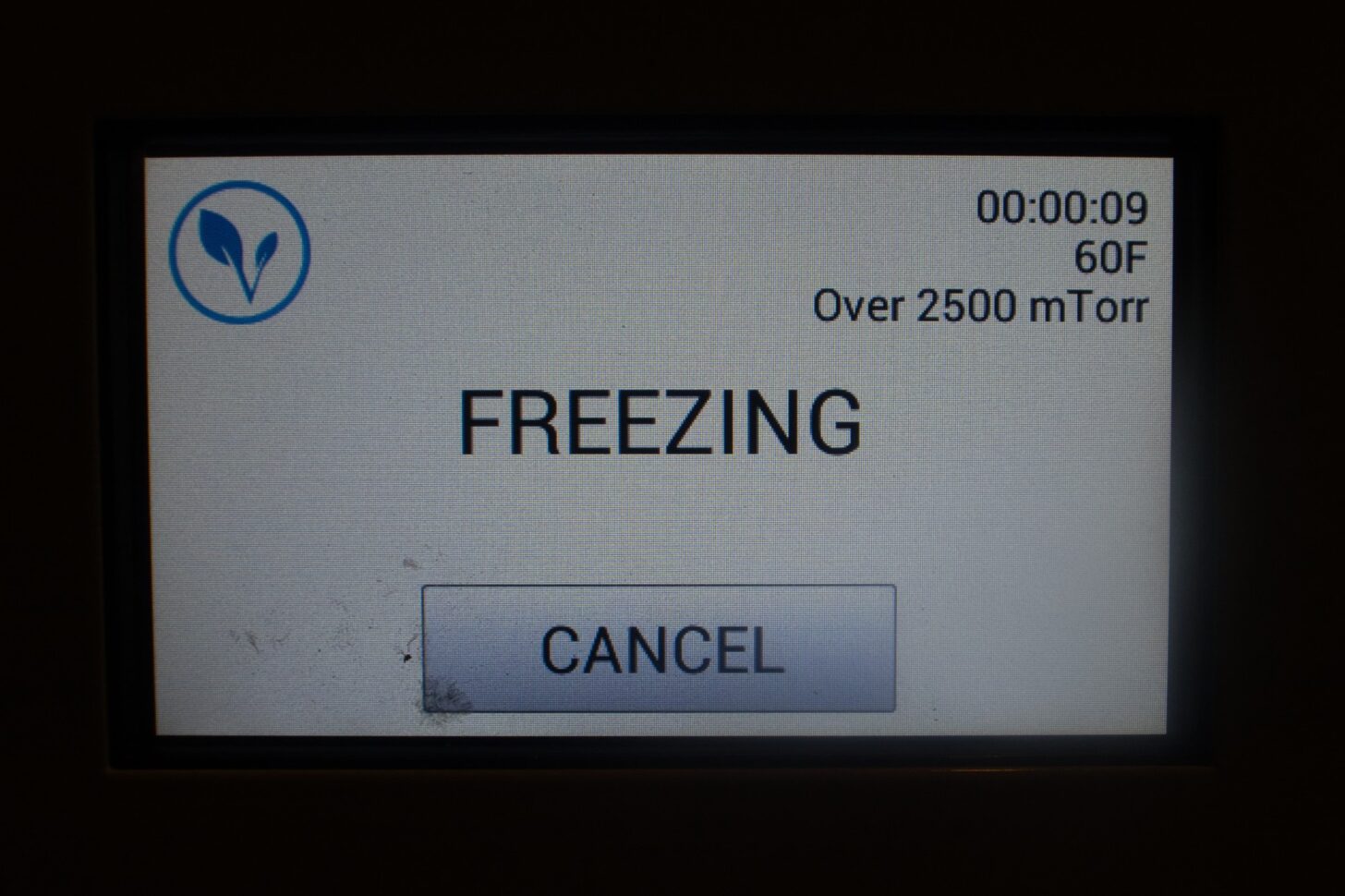

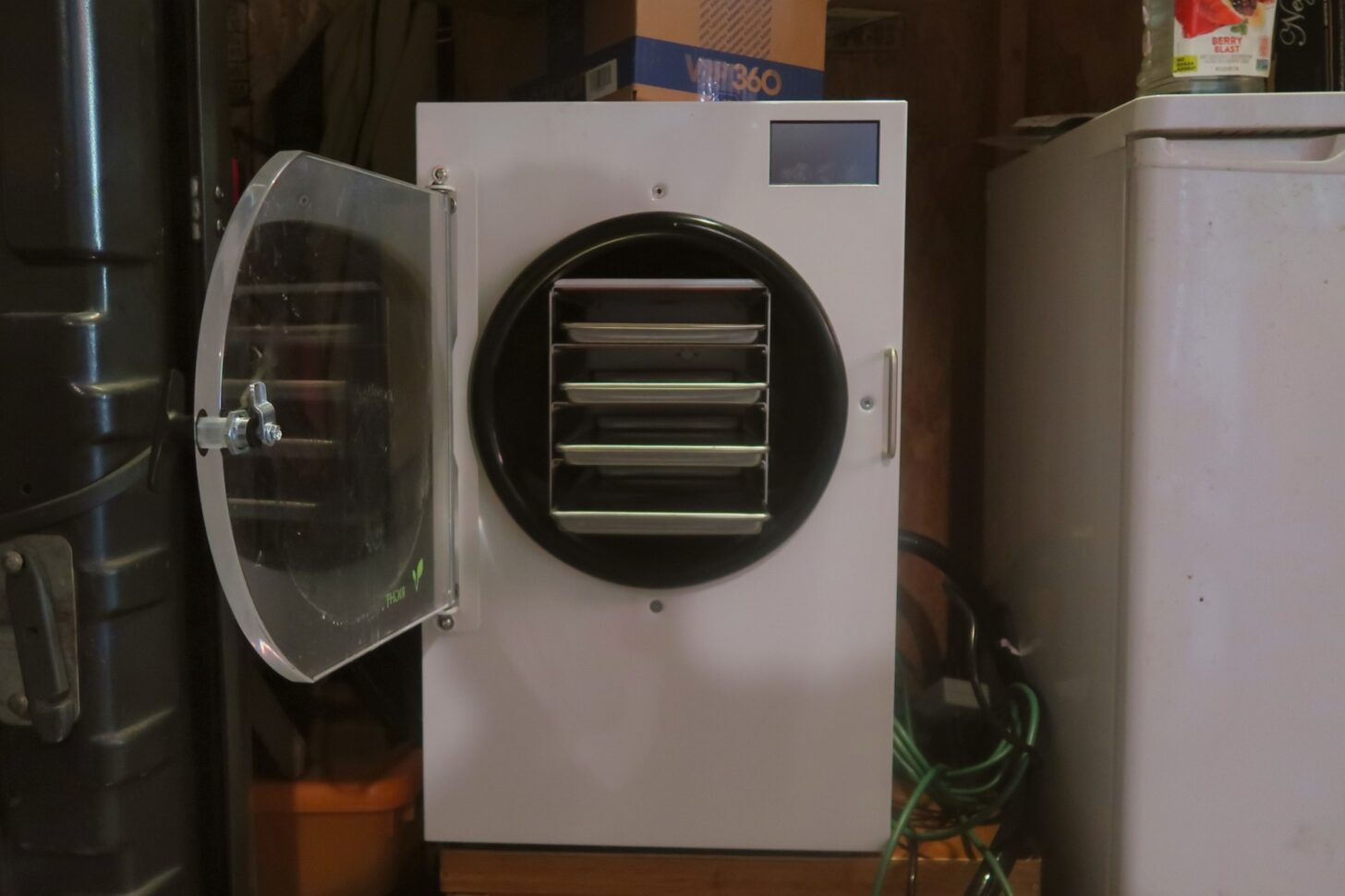
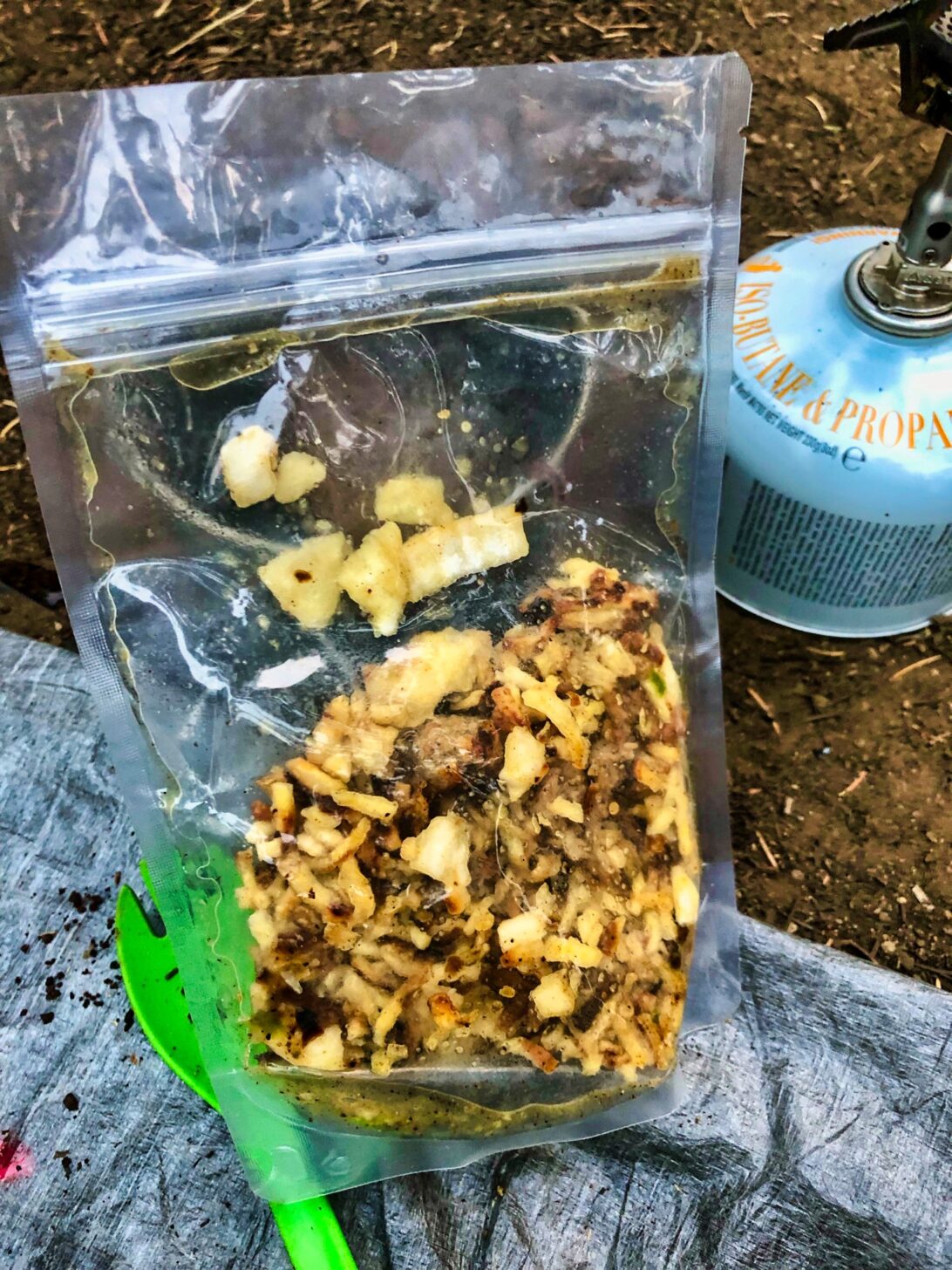

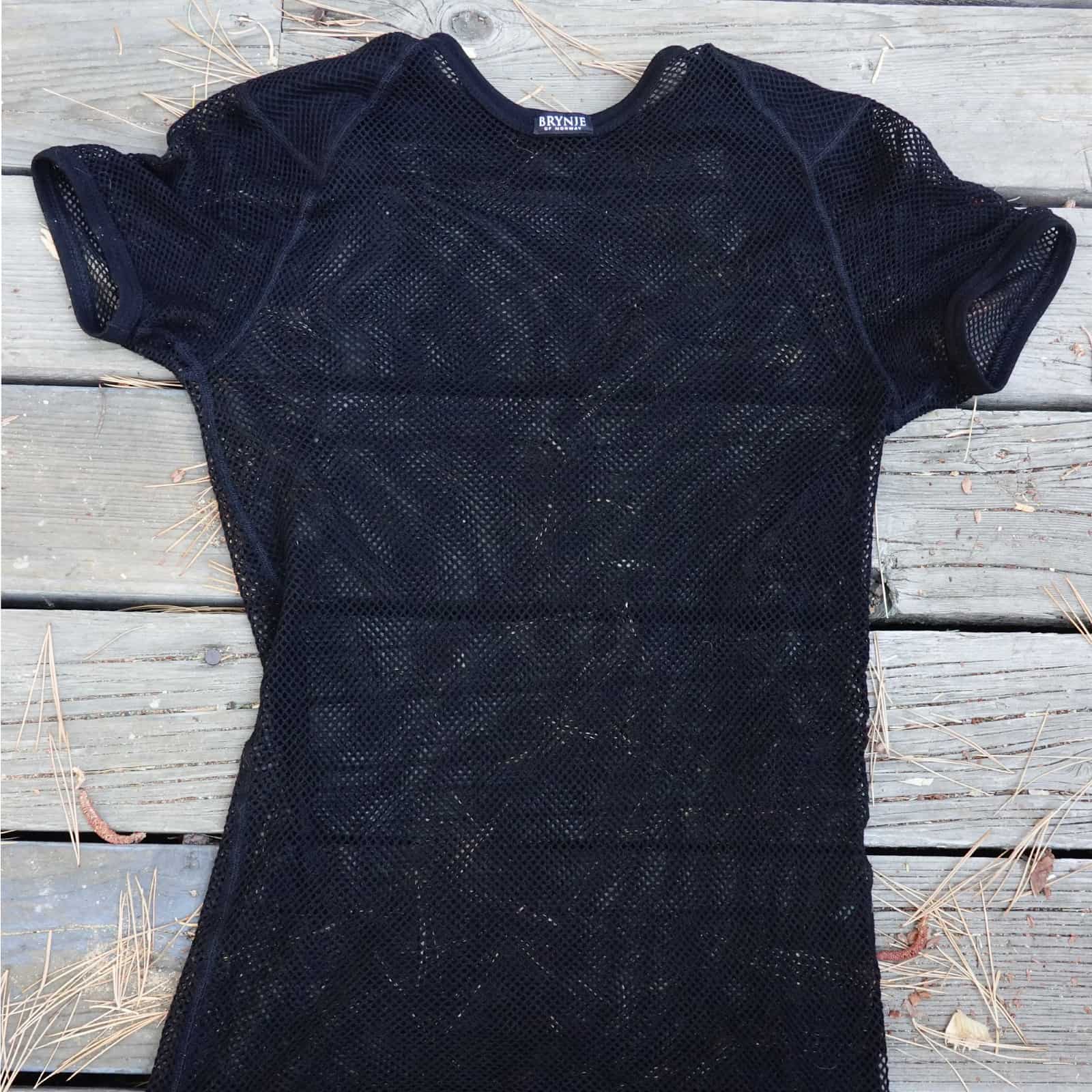
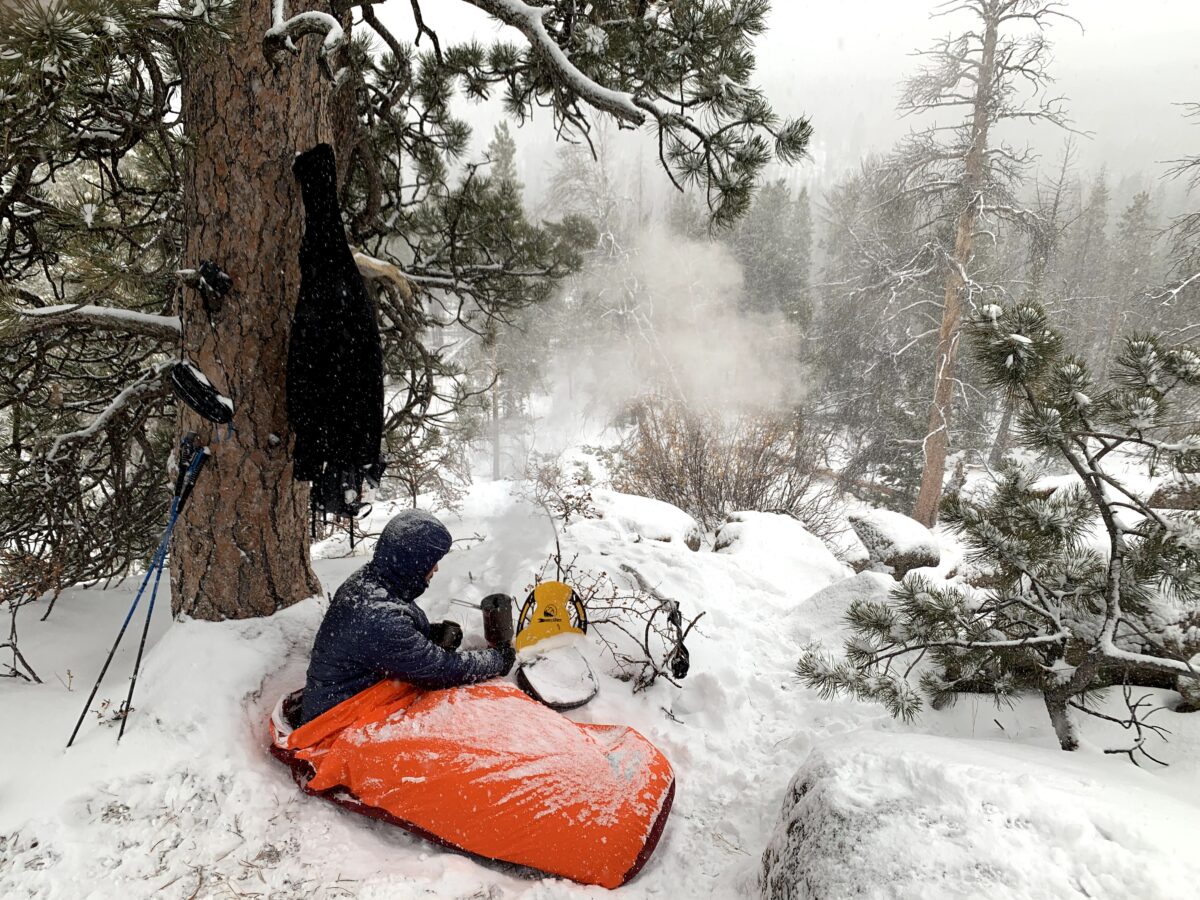

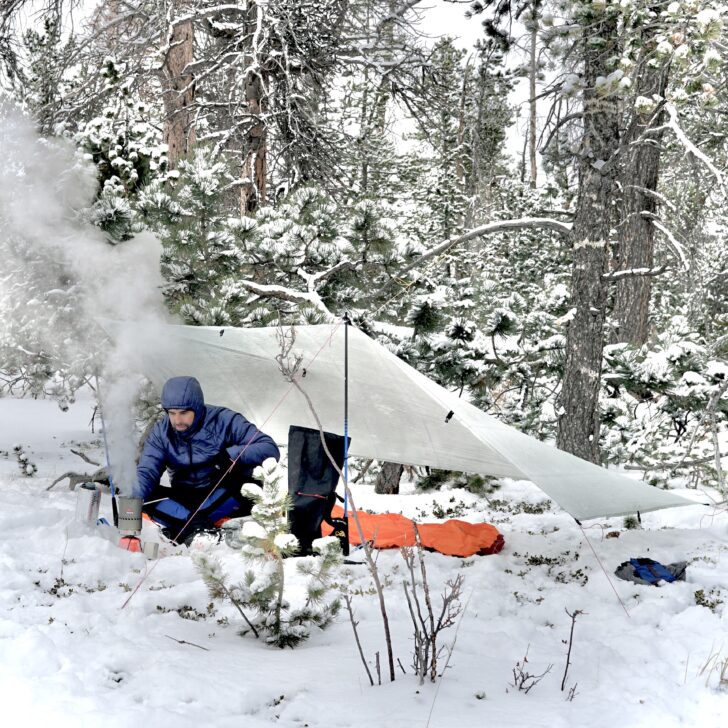
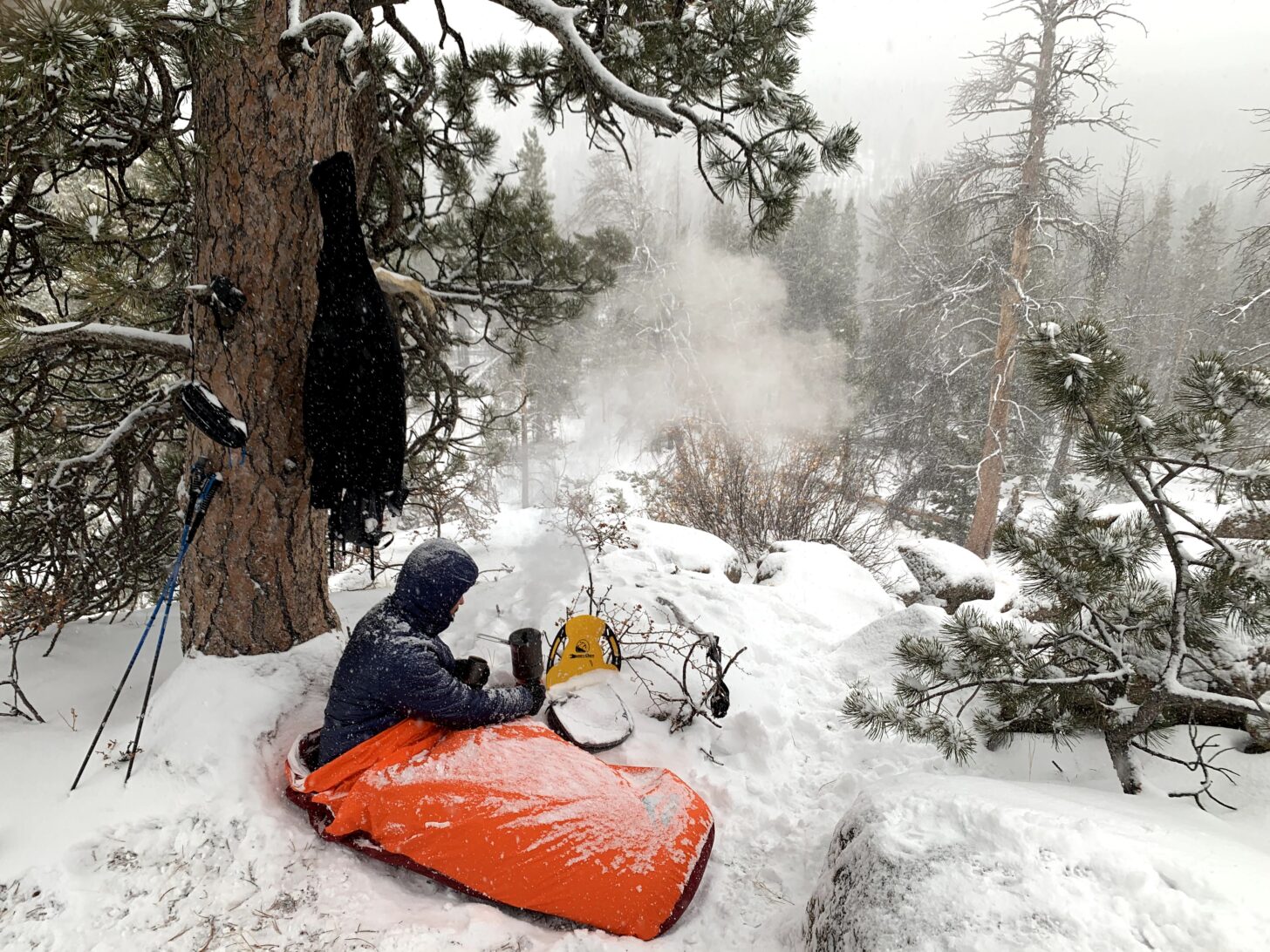
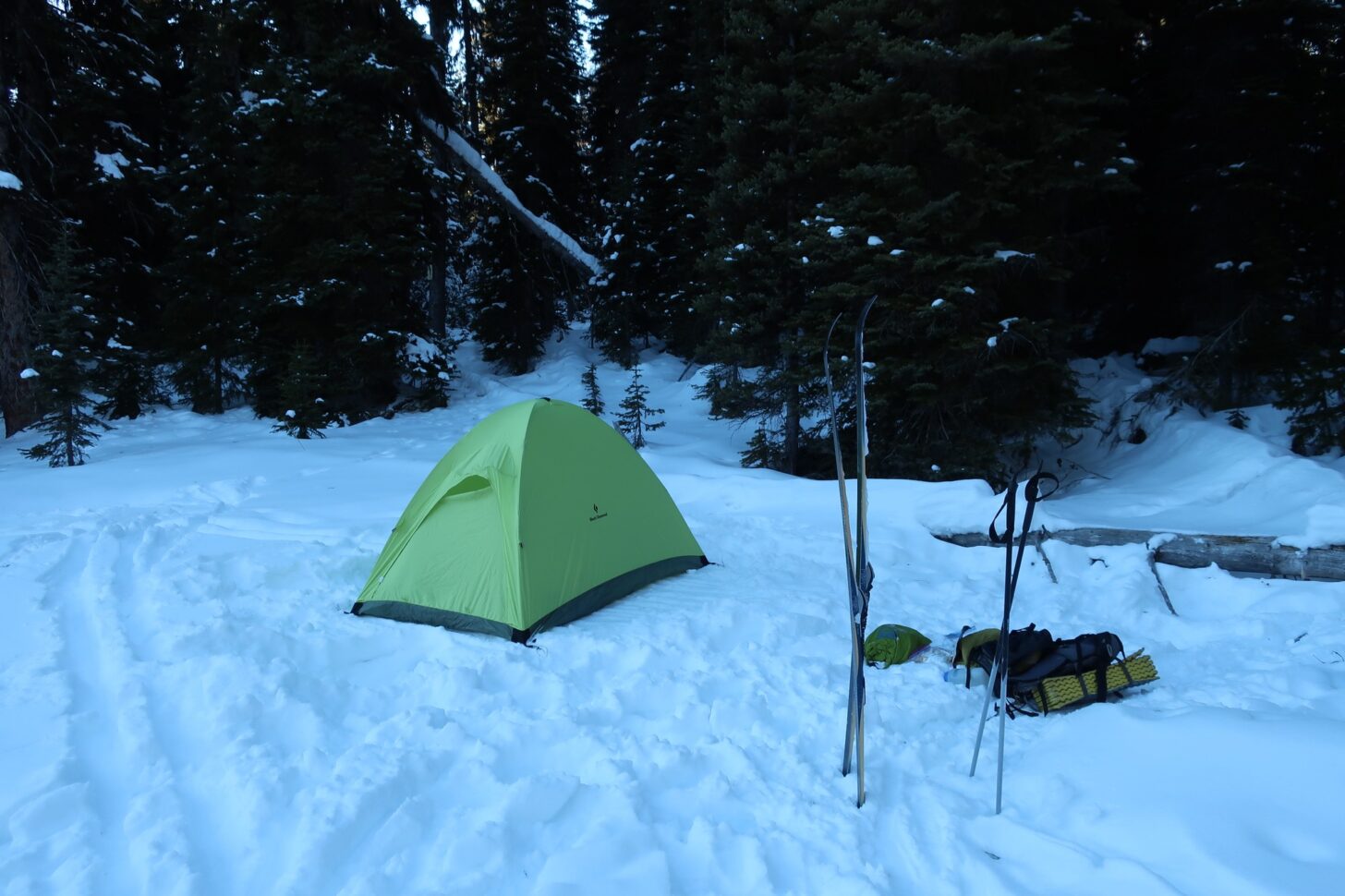
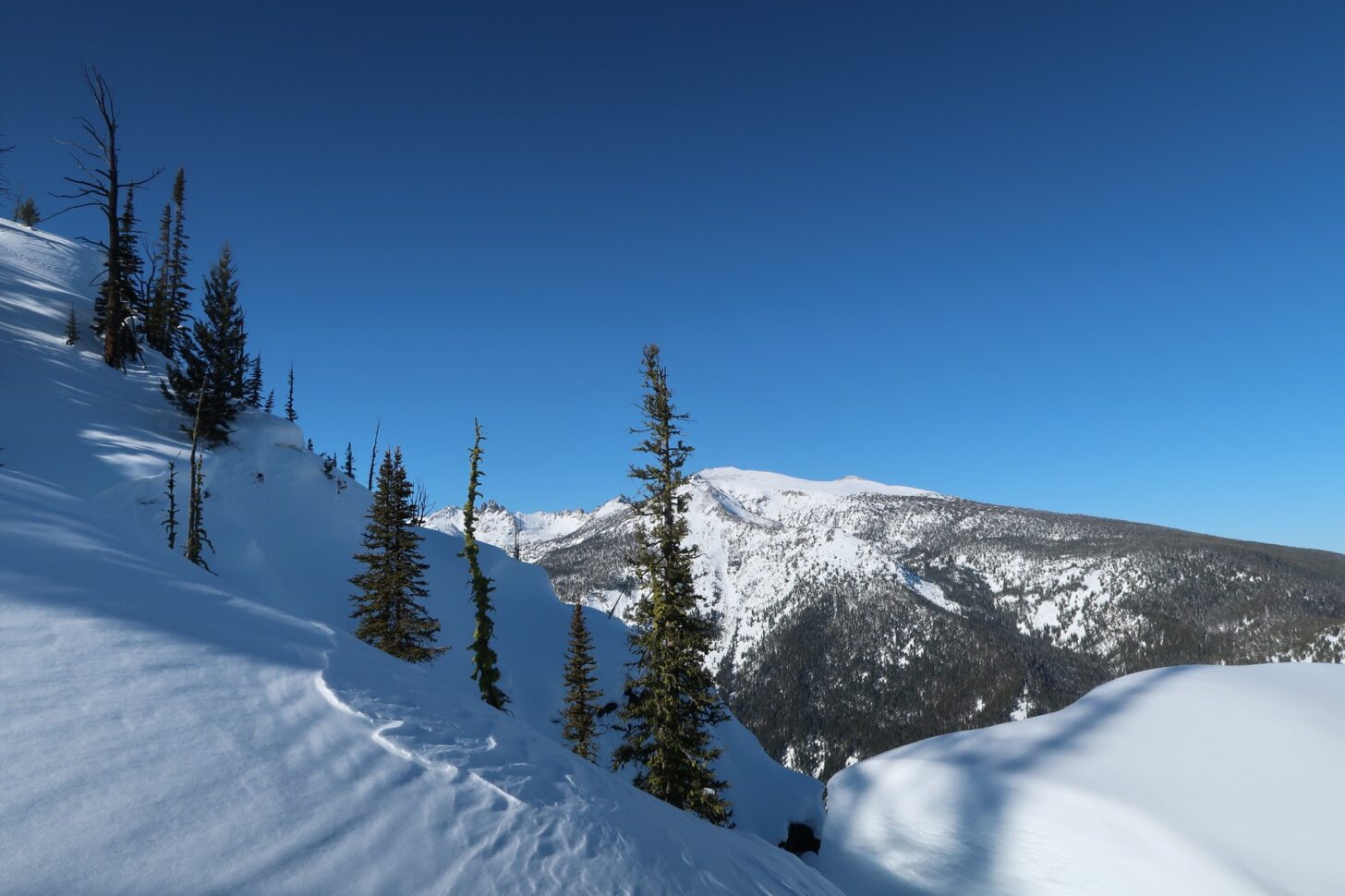


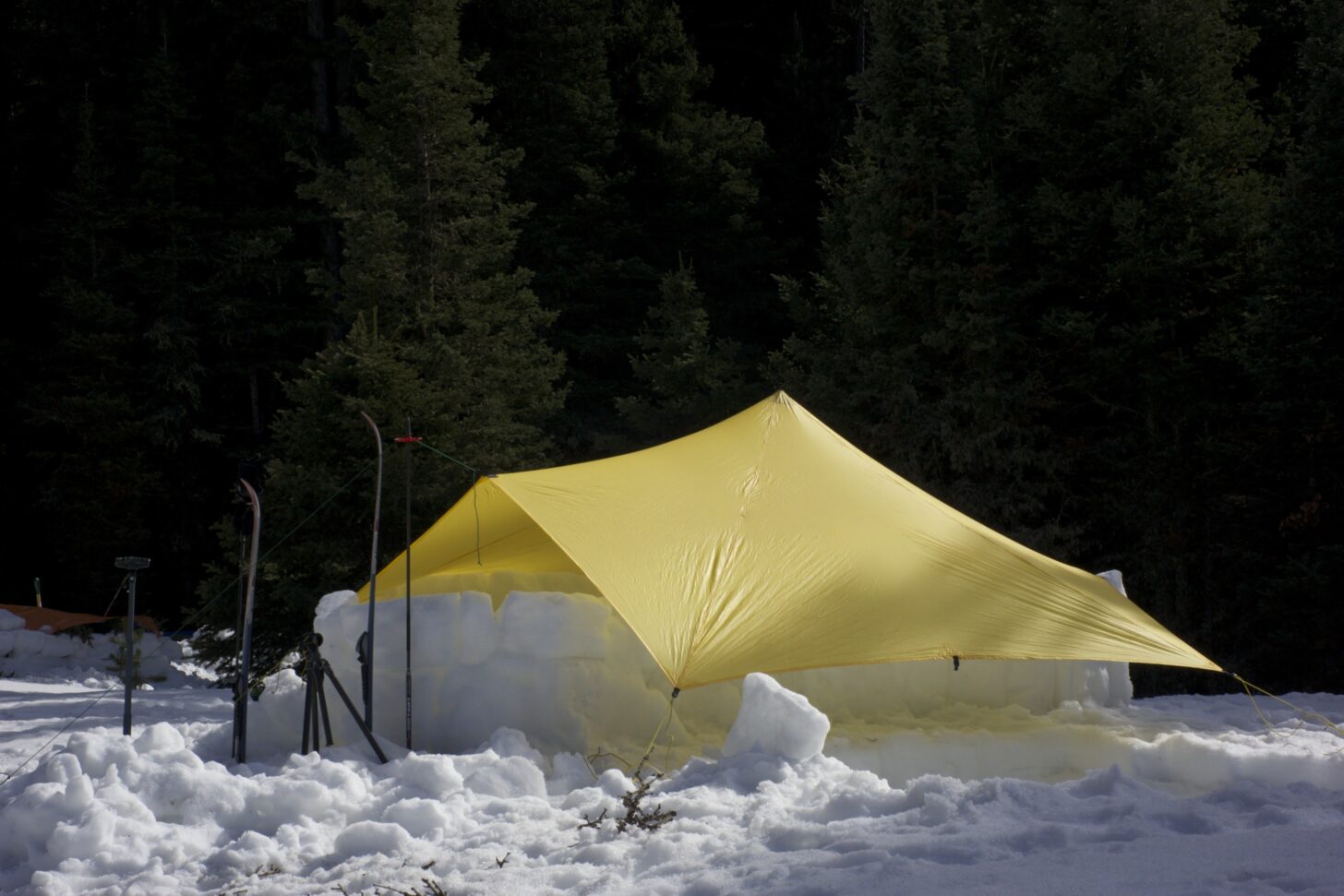
 Browse our