Our Black Diamond Heat Treat Hoody Review determined that the jacket is an all-purpose winter jacket for around town and some winter sports.
This jacket has been discontinued
Black Diamond discontinued this jacket. We’ve left our original review unchanged below in case you find this jacket on sale. In addition, we hope the information provided here is useful in the context of today’s broad offering of synthetic insulated jackets.
UPDATE: As of March 2018, this jacket can be found in inventory and on sale up to 50% off at Amazon, Moosejaw, and Outdoor Gear Exchange. At 25-50% off, it could be a very good buy for an all-purpose winter insulated jacket.
Review Rating – Average
The Heat Treat is an all-purpose winter jacket for around town and some winter sports. It is a midweight winter parka with a durable fabric. Due to the lower warmth to weight ratio, the jacket is better suited to resort skiing than lightweight climbing and backcountry applications. We have two other small complaints about its design: (1) the hood’s ineffective closure lets in lots of cold air around the sides of the face; and (2) in order to provide a unique look, the main zipper’s interlocking area is half that of standard parka zippers. This bothered Max when he first used BD apparel in summer 2013, but it wasn’t until winter 2014 that his Stance Belay Parka zipper broke (by the neck, where the zipper curves). Though the Heat Treat’s zipper didn’t break during our test period, and one person in BD’s warranty department said they don’t see this often, we wish BD would use standard issue, tough zippers.
The Heat Treat’s main competitor is the $400 Arcteryx Kappa Hoody, which uses even more durable 70D and 80D Windstopper fabrics, has more insulation, and better features such as a four-point adjustable hood, a chest pocket, and two larger drop-in stash pockets. The $300 Patagonia DAS is our favorite synthetic insulated parka.
Performance Evaluation of the Black Diamond Heat Treat Hoody Review
Warmth
Max used this for a five-day January backpacking trip in Utah canyon country (temperatures in the upper teens) and would have been happier with a warmer jacket. The vast majority of the Heat Treat’s weight comes from the fabric. We don’t recommend this jacket for overnight trips or activities that benefit from a high warmth to weight ratio. As we mentioned earlier, the hood is ineffective at sealing the face area. Luc removed this jacket from consideration based on this reason alone.
Max in the Black Diamond Heat Treat Hoody, Escalante, UT. Note how the hood doesn’t close completely around the face.
Weather Resistance
We love Windstopper! Unlike the other Windstopper jackets tested here, the Heat Treat will not be updated for fall 2016 with a Gore Thermium membrane. Using Thermium would increase the weather resistance by taping the seams, which would boost performance for most winter activities. Even so, the existing design provides ample weather resistance for most applications.
Breathability
Less insulation facilitates use for mobile, aerobic applications in very cold weather. But this is not a highly breathable jacket. Our favorite highly breathable jacket currently on the market is the Patagonia Nano Air Hoody. BD will be releasing a similar model, the First Light Hoody, this fall.
Black Diamond Heat Treat Hoody on a January backpacking trip in Capitol Reef National Park, Utah.
Durability
The Heat Treat uses a 50D fabric that’s likely many times (it hard to quantify this without a lab) more durable than the sub 14 oz. (397g) jackets we tested. For this reason, we recommend the Heat Treat primarily for day trips and specifically for resort skiing, where daily use requires little compression (unlike climbing and overnight backcountry trips where the jacket is largely used at rest) and puts lots of wear on the fabric (because it’s used in motion).
As we mentioned above, the Heat Treat’s zipper prioritizes aesthetics over durability. Though we didn’t break the zipper during our test period, the identical zipper on Max’s Stance Belay Parka broke in 2015. The photo below shows it’s half as thick as the standard parka zipper.
Many of Black Diamond’s zippers sacrifice durability for aesthetics. The top zipper (Black Diamond Heat Treat) is half as thick as the standard parka zipper, below (Arcteryx Kappa).
Comfort
We mentioned the hood already. Black Diamond could improve the handwarmer pockets by moving them higher up, so they’re not covered by a backpack’s hip belt. There’s also a fleece lining against the chin area that’s detrimental in winter because moisture from your breath can turn the fleece into an uncomfortable, icy sheet. (For this reason, very few winter parkas, down or synthetic, have this feature).
Black Diamond Heat Treat drop-in pocket. Placing the pocket even higher up, like most other brands do, prevents heavy items from sagging out the bottom. This illustrates the problem poorly because the water bottle is empty.
The Black Diamond Heat Treat Hoody’s tough face fabric makes it a great choice for abrasive activities like carrying dogs. Again, note the ill-fitting hood. Nebraska in December.
Weight
20.4 oz. (578.33g) is heavy for overnight trips. The much warmer Patagonia DAS weighs 22 oz. (623.69g) but is too warm to serve as a versatile resort skiing jacket.
Summary: Black Diamond Heat Treat Hoody Review
Strengths
Durable fabric and insulation
Limitations
Low warmth to weight ratio
Poorly fitting hood
Recommended Uses
The Heat Treat Hoody performs poorly for overnight backcountry trips but might be great for resort skiing.
Market Comparison
A comprehensive Synthetic Insulated Jacket State of the Market Report will be released on March 25, 2018. When that report is published, we’ll update this review with a comparison summary of this product with other notable products in the review.
Related Content
This review is part of a comprehensive State of the Market survey of synthetic insulated jackets that has been ongoing for the past two years. Included in this survey:
Synthetic Insulated Jackets State of the Market Report (TBA March 25)
Disclosure
The manufacturer provided a sample of this product to the author with no agreement, requirement, or obligation for media coverage of any kind. Some links are affiliate links, which means if you click through and make a purchase, Backpacking Light gets a small commission on the sale. This comes at no extra cost to you and helps support Backpacking Light’s efforts to publish authoritative and valuable information about lightweight backpacking gear and techniques, inspiring stories and film festivals, and remain an active member of the outdoor industry to promote and protect opportunities for public outdoor recreation.
This Rab Nimbus review summarizes the jacket’s performance and compares it to others in its class while using it on a number of mountaineering and trekking expeditions in Alaska and other parts of North America.
The Patagonia Nano Air Hoody was released in July 2014 and was the best performing all-purpose active insulation jacket at that time. Does it hold up to the current crop of insulated jackets?
This Outdoor Research Uberlayer Review features an active insulation jacket that weighs about four ounces more than similar jackets but does not make up for the extra weight with added comfort, durability, warmth, or lower cost. The Uberlayer performed reasonably well in our tests.
The Rab Xenon X used to be the best all-purpose lightweight synthetic insulated jacket on the market. Over the last seven years, the author has used the Xenon and Xenon X for some fantastic outdoor adventures: a 35-day traverse of Alaska’s Brooks Range, climbing Denali, Half Dome, and El Cap, and other things. Though the Xenon X performs above average in our tests, a variety of other jackets now offer superior performance.
This Arc’teryx Kappa Hoody Review features a jacket with high levels of durability and inclement weather resistance, but a mediocre warmth:weight ratio.
Update March 6, 2018 – A preliminary review of the Arc’teryx Kappa Hoody was originally published here in November 2016. That review has been replaced by this more up-to-date version, which is based on extensive field use.
Overview
The Arc’teryx Kappa Hoody is a high-loft synthetic insulated hooded jacket with a highly water-resistant, seam-taped outer shell. Its highly durable fabric makes it a good choice for resort skiing, use around town, and working outside in cold weather. Due to its lower overall warmth and low warmth to weight ratio, other jackets and parkas perform better for human-powered outdoor activities when saving weight and/or being toasty warm.
The Arc’teryx Kappa Hoody isn’t warm enough for cold winter climbing. A similar jacket with a lighter fabric and more insulation would be great.
Features
Large, helmet-compatible hood with laminated brim stiffener and cord adjustments for temperature and volume adjustment;
Two interior stash pockets;
Two handwarmer pockets;
One exterior chest pocket;
Fit type: hip length, regular fit (as opposed to slim / athletic).
Specifications
Review Sample Size: M;
Back length: 31.5 in (80 cm);
Manufacturer’s Claimed Weight: 25.9 oz (735 g);
Insulation: Arc’teryx Coreloft 140 gsm (4.1 osy);
Shell Fabric: Gore Windstopper (Gore Thermium starting Fall 2016) – 70 denier main fabric, 80 denier reinforcements.
Description of Field Testing
We tested the Arc’teryx Kappa Hoody in mild winter conditions at temperatures above 10 deg F (-12 deg C). Our activities included done-in-a-day trips (alpine and ice climbing, ski touring, and resort skiing) and one overnight trip to a remote cabin in Alaska’s Chugach Mountain Range.
Both testers (myself and Luc) are 6 ft (1.8 m) tall and weigh 150-160 lb (68-73 kg).
Performance Assessment
Warmth
I used the Arc’teryx Kappa Hoody for winter ice and mixed climbing. I found it to be too light (not warm enough) to be a versatile parka for multi-day trips. A warmer parka would be a better choice for multi-day trips because a user needs to stay warm while stationary for longer periods of time.
Luc found the Arc’teryx Kappa Hoody warm enough for day trips and resort skiing simply because he was moving continuously. When donning the jacket at short breaks, the light insulation was plenty to stave off a chill.
Like all windproof synthetic insulated parkas we tested, the Arc’teryx Kappa Hoody is intended to be used as an insulating layer for stationary activities (e.g., around town, sledding, general winter use) or low output activities like resort skiing. The low air permeable fabrics make it too hot for high output activities unless it’s frigid (perhaps below 0 deg F / -18 deg C). To increase the versatility of the jacket, we wish Arc’teryx would increase the amount of insulation from 140 gsm to 180-200 gsm so it could be warm enough for overnight trips in winter.
Weather Resistance
The Gore Windstopper (which will change to Gore Thermium, which is more water resistant, in the fall) outer shell is highly water resistant and seam-taped. As a result, this is one of the most storm-resistant insulated jackets we’ve tested. The Arc’teryx Kappa Hoody is virtually impervious to wind, rain, and snow.
Breathability
The highly weather-resistant shell fabric limits breathability of the Arc’teryx Kappa Hoody. Thus, the jacket is suitable as an active layer only in extremely cold conditions.
Durability
The Arc’teryx Kappa Hoody is the toughest synthetic insulated jacket we’ve tested. Its 70 denier main fabric and 80 denier reinforcements are burly! This fabric weight seems excessive for most lightweight hiking, climbing, and skiing applications. That said, it offers a level of durability that will protect the shell in some situations that may be of interest to the backcountry traveler. For example, the Arc’teryx Kappa Hoody should hold up well when thrashing through thick brush, hauling a load of firewood back to camp, or scrambling and scraping against mountain rock.
Comfort
The Arc’teryx Kappa Hoody does not have a minimalist feature set. It offers five pockets (two handwarmer pockets set high above a waist belt, two large inside stash pockets, and a chest pocket). In addition, a large (helmet-compatible) four-point adjustable hood and a roomy “expedition” fit allow for layering over any reasonable multi-layer clothing system.
Our only complaint with the features is the chest pocket. We felt that it should be insulated better so it can keep electronics, sunscreen, and other small essentials warm in cold temperatures.
The Arc’teryx Kappa Hoody’s two-way zipper and snap closure make it easier and warmer to use a belay device.
Interior drop-in pockets on the Arc’teryx Kappa Hoody. Placing the pockets high prevents heavy items from sagging below the waist.
Weight
Our men’s medium Arc’teryx Kappa Hoody weighed 25.4 oz. (720 g), which is 3.4 oz (96 g) more than the Patagonia DAS. The Patagonia DAS is also quite weatherproof, but uses a lighter shell fabric and more insulation.
Max wearing the Arc’teryx Kappa Hoody on a backcountry cabin trip in the Chugach Range of Alaska.
Strengths & Limitations
Strengths
Highly durable exterior fabric;
Highly weather resistant;
Outstanding fit, finish, and construction quality.
Limitations
Low warmth to weight ratio (due to high weight of shell fabric);
Breathability inhibited by weatherproof shell fabric laminate.
Review Rating: Above Average
The Arc’teryx Kappa Hoody is a durable and weather-resistant synthetic insulated parka. We hoped that this jacket would be warmer for its weight – perhaps the most important performance metric for those of us interested in keeping our pack weight down on multi-day trips. But Arc’teryx spends the weight of this jacket on a durable shell fabric, instead. As such, we find the Arc’teryx Kappa Hoody best suited for done-in-a-day winter activities (e.g., resort skiing comes to mind).
Many other synthetic insulated parkas in the same weight class are much warmer for their weight and perhaps better suited for multi-day trips where weight is an important consideration. However, impeccable construction quality and a highly weather-resistant and durable shell set the Arc’teryx apart from this crowded apparel genre – but only slightly. So we rate it “Above Average” – conceding that if durability and weather resistance are higher priorities than warmth or weight for you, you may very well consider the Arc’teryx Kappa Hoody to be among the best in its class.
This review is part of a comprehensive State of the Market survey of synthetic insulated jackets that has been ongoing for the past two years. Included in this survey:
Synthetic Insulated Jackets State of the Market Report (TBA March 25)
Disclosure
The author purchased this jacket with this own funds. Some links are affiliate links, which means if you click through and make a purchase, Backpacking Light gets a small commission on the sale. This comes at no extra cost to you and helps support Backpacking Light’s efforts to publish authoritative and valuable information about lightweight backpacking gear and techniques, inspiring stories and film festivals, and remain an active member of the outdoor industry to promote and protect opportunities for public outdoor recreation.
Unlimited-members-only updates: editorial calendar, podcast, new Unlimited Members benefits, the new webinar series, and Guide’s Training course in Montana.
The most comprehensive review of backpacking scissors for ultralight hiking and camping: 11 models compared in 13 tests! You just may leave your knife at home.
I recently spent a few winter nights in Moraine Park (Rocky Mountain National Park, Colorado) in my camper, and experimented with this Good To-Go meal. (Aside: My camper was winterized and had limited supplies in it. Seems the lighter went missing, so I had to rely on what I had in my backpacking gear (sparker) to light the camper stove. I needed three hands, because the gas valve needs to be depressed in order for the stove to light!)
I’m not a serious DIY connoisseur of backpacking foods. I own and use a terrific dehydrator, but it’s not a passionate hobby or anything. (That said, I would get pretty excited about owning a lyophilizer!) I used to be an ultralight backpacking foodie-type, but I’ve decided to give up that lifestyle for one that is simpler, easier, and faster.
However, I do care about food quality, so backpacking nutrition is something that I study a lot and it intrigues me. I’m not known to write too many packaged backpacking meal reviews. However, I recently tried Good To-Go Herbed Mushroom Risotto, which is a packaged backpacking meal worth writing a food review about.
Good To-Go Herbed Mushroom Risotto Review Video
Ingredients
Arborio rice
Cremini mushrooms
Onions
White wine
Extra virgin olive oil
Nutritional yeast
Garlic
Sweet rice flour
Walnuts
Basil
Kosher salt
Thyme
Black pepper
Interestingly: I can pronounce all of these ingredients.
Nutrition Facts
In the video, I reported the nutrition facts on a per-serving basis. There are two “servings” in one 6.6-oz package. I never found “serving sizes” very useful, so I’ll report nutrition facts as per package here:
Package weight: 6.6 oz
Calories: 820 (Calories from fat: 90)
Total fat: 20 g (Saturated fat: 3 g)
Cholesterol: 0 mg
Sodium: 840 mg
Total carbohydrates: 128 g (Dietary fiber: 8 g; Sugars: 6 g)
Protein: 26 g
In the video, I add a 4-oz filet of smoked sockeye salmon. This added an additional 180 Cal, 8 g of fat (2 g saturated), 75 mg of cholesterol, 1210 mg of sodium (!), and 26 g of protein.
Cooking Instructions
Boil two cups of water.
Add boiled water to package and let sit for 20 minutes.
Eat.
Twenty minutes is too long for me, especially on a cold winter night. By the time 20 minutes goes by, even in the Reflectix {link} insulating cozy that I made for my packaged meals, my food is no longer hot. I like hot food.
This isn’t necessary a recommendation for improvement, because high quality dehydrated ingredients require longer reconstitution times. But it does change the way I choose to cook.
Instead of boiling water and adding it to the bag, I prefer to add the package contents to my cook pot and simmer the meal. For the Good To-Go Herbed Mushroom Risotto, the meal was ready to eat after about 12 minutes of simmering on very low heat at an elevation of 8,000 feet.
Nutritional Observations
Gluten-free
Vegetarian
Low in sugar
Moderate sodium levels (high if you add salted meats like I did in the video)
High caloric density (124 Cal / oz)
High protein
Cooking & Tasting Notes
The rice and mushroom base gives the Good To-Go Herbed Mushroom Risotto a hearty body that makes for a filling meal.
Spice mix is very satisfying – garlic, onions, basil, thyme, black pepper, and salt.
Some unique ingredients add nutrition and boost calories without overwhelming the palate – olive oil, walnuts, and nutritional yeast.
Recommendations for Improvement
Reduce the salt – it’s not needed. There are so many other good flavors in this meal that salt could easily be cut in half.
TL;DR
The Good To-Go Herbed Mushroom Risotto is one of the best packaged backpacking foods I’ve ever eaten.
This meal has high protein (26 g), high caloric density (124 Cal / oz).
Gluten-free, vegetarian, low sugar.
My favorite way to make Good To-Go Mushroom Risotto is to add a handful of fresh sauteed mushrooms and a filet of sockeye salmon.
This product was purchased by the author and has no affiliation with Good To-Go. This review may contain affiliate links to a retailer that carries this product. If you follow one of those links and end up making a purchase, we make a small commission on the sale, which helps us maintain the site for our community – and we appreciate that a lot!
The Backpacking Light Staff Picks Gear Guide offers what we consider to be our personal recommendations for high-quality, high-performance, lightweight backpacking gear that we’ve actually used this year.
The Backpacking Light Staff Picks Gear Guide offers what we consider to be our personal recommendations for high-quality, high-performance, lightweight backpacking gear that we’ve actually used this year. When I invite our staff to participate in this exercise, I simply ask for “recommendations for three pieces of gear that you have used, and loved over the past year of outdoor activity.”
Participating this year:
Ryan & Stephanie Jordan – BPL Owners & Publishers
Kevin Fletcher – Wilderness Adventures Director, Guide, and Contributing Author
Chase Jordan – Production Editor, Contributing Author, Wilderness Adventures Guide
Roger Caffin – Forum Moderator and Contributing Author
Matthew King – Forum Moderator
Luke Schmidt – Contributing Author
Emylene VanderVelden – Contributing Author
Max Neale – Contributing Author
Doug Johnson – Contributing Author
Dave Chenault – Contributing Author
Mike Martin – Contributing Author
Join us below in the forums, we’d like to hear about your top three picks for this year as well!
18oz After lots of gear churn I have accepted that the lightest possible tarp is not necessarily the best one for me. I’ve been enjoying a bright orange silnylon Duomid since last spring. It stays in my pack most nights because I prefer the simplicity of sleeping in a bivy, but this tarp provides 360° coverage from the wind and rain for myself and a guest (either my son or my dog). I have an MLD Innernet that seems like a good addition to the setup but I’ve yet to sleep in it.
5.5ozUsing solid fabric liners in a few of Seek Outside’s larger tents this past winter made me wonder why they’re not standard equipment in all mids. Condensation is one of the most frequent complaints with pyramids, and a problem which is to a large degree inherent to the design itself. Turning at least half of your mid into a true double wall tent manages this issue very well, and adds little weight. The half liner pictured here, for a Seek Outside Little Bug Out, weighs 5.5 ounces in basic 1.1 ounce nylon ripstop, and has been in my mid all year.
30ozI used this bag guiding this fall in the Montana Beartooth Range in wet, cold, and snowy conditions. It kept me warm even when temperatures dipped down into the low teens. It stuffs small and at 1 lb 14 oz it was not a burden to carry!
6.4oz There are plenty of hammocks on the market these days, but the Weight Weenie is something special. It weighs just 6.4 ounces and fits my 6’1″ just fine in the 52″ width and 11′ length. I prefer a wider hammock for overnight use, but this size is perfect for relaxing in camp and my son slept 14 nights in this hammock last summer! It has a fixed ridgeline which makes it easy to have perfect sag every time, and the camo fabric is soft, durable, and comfortable against the skin. These hamocks are handmade by Shane Waits in Tennessee, and you can choose a variety of options, suspensions, and accessories to make it exactly what you want. Besides that, the base price is only $49.95 which is amazing considering the excellent quality. I have two BIAS hammocks and they are my absolute favorites; if I had some advice it would be to get your Butt in a Sling too!
– Doug Johnson
Nemo Astro Insulated Air Lite Pad MSRP $149.95 at REI
23oz Many people feel they have truly arrived when they sleep on a NeoAir pad. Sure, I love mine too, but I’m starting to think that maybe it was just a gateway drug for the real deal- the Nemo Astro Insulated Lite. This pad blows the NeoAir away; it is 3.5 inches thick (40% thicker than a NeoAir), has a built-in pillow baffle for extra head support, it’s warm in sub-freezing conditions, and the 25″ x 76″ size means you can spread out and roll around without ever hitting the ground. Sure, 1 lb 7 oz is not ultralight, but it’s only 7 ounces more than a long/wide NeoAir and it is WAY more comfortable. These days I want a good night’s sleep, even when sleeping under a tarp, and the Nemo pad gives some luxury that helps me sleep well all night and wake up refreshed. The Nemo Astro is in my pack more often than not lately and I’d have a hard time going back.
11.0oz A lightweight shoe with exceptional performance in technical terrain, this has been a dream come true for me. I use it on hiking and mountain running day trips and with light overnight packs (< 40 lb).
Unique features: on-the-fly lacing system to change fit quickly to suit terrain, Vibram soles, technical (low-volume) fit, 9mm drop, narrow last.
10.4oz This shoe ticks a lot of boxes for the lightweight backpacker. It’s light weight but not too minimalist, provides enough cushioning from terrain, has a simple but effective gaiter interface, has good drainage, and the tread gives decent traction. But, it’s the fit that sets it apart from its competitors for me with its snug heel pocket and very roomy toe box. – Mike Martin
I’ve been hiking in Version 1.0 Altra Lone Peaks since I completed my first 50-mile trek across the Beartooths when I was 12. The new 3.5s are the best rendition of the shoes that I have ever owned, solving both structural problems (sloppy fit) and durability issues (toecap and upper fabric). These are my shoes of choice for just about everything, including the trails, tundra, talus, and granite slabs of the places I hike the most: the Rockies of CO, WY, and MT, and the High Sierra. – Chase Jordan
Altra Lone Peak 3.0 Neoshell Low (Women’s) MSRP $150 at REI
10.0oz I’ve worn Altra shoes for several years. This upgrade from the (non-Neoshell) Superior 3.0 gives me a significant cushioning boost for backpacking, and warmer feet for winter hiking. We hike almost every day during the winter, and my feet have remained warm and dry in Wyoming’s snowy conditions. The toe box remains comfortable even as I add thicker wool socks for more winter warmth.
I’m loving how my Dirty Girl Gaiters attach perfectly to the front eye hook and velcro on the back heels of the Lone Peaks. My Kahtoola Micro spikes easily slip on and off and I finally feel like I have the optimal winter footwear system. Not having to worry about cold, wet feet while winter hiking and snowshoeing keeps me doing what I love throughout the winter season, which is to walk outside in the mountains.
– Stephanie Jordan
Insulated Jackets
Patagonia Micro Puff Hoody MSRP $299 at Patagonia.com
9.3ozI’ve worn the Patagonia Micro Puff Hoody almost every day since the beginning of September. It’s cozy enough for a three-season insulating layer while being light enough to wear on the move while day hiking in the extremely cold temperatures of my Wyoming winter.
I’m a fan of its fit, durability, giant handwarmer and inside stash pockets, hood, hem length, and of course at just a shade over 9 oz, its weight. While there are lighter synthetic garments available, they probably can’t match the performance and features of the Patagonia Micro Puff Hoody at this weight. (I discussed it in more depth in my recent Holiday Gear Guide.)
– Ryan Jordan
Patagonia Nano Air Light Hoody MSRP $249 at Patagonia.com
10.9ozThe Patagonia Nano Air Light Hoody doesn’t pencil out well, and before I wore it on a rainy September trip I wouldn’t have believed how versatile and functional it is. This hoody is 50% midlayer, 30% soft shell, and 20% windshirt, and outperforms all three of those things shockingly often. Most significantly, as a midlayer under a rain jacket it outperforms fleece in every respect in multiday rain storms, something I would not have thought possible.
10.0oz I used this for mountaineering, ski mountaineering, and hiking expeditions this year. Few other synthetic insulated jackets can match its warmth-to-weight ratio.
The Nunatak Skaha Apex can be customized with respect to fabrics, insulation weights, and features. Weights for the lightest and simplest versions start at about 10 oz for a typical “M/L” size and go up from there.
– Max Neale
Montbell EX Light Down Anorak MSRP $269 at Montbell
6.2oz Despite advances in “water resistant” goose down, and various synthetic insulations, I’m still pretty old-school when when it comes to insulation. Yes, you have to keep it dry, but I still like the loft, warmth per weight, drape, and durability of high fill-power down. The EX Light Down Anorak has exactly the feature set I want for 3-season hiking: nothing extraneous, integrated hood, quality down, lightweight notions, and the pièce de résistance: a handwarmer tunnel pocket that is worth the entire weight of the garment by itself.
– Mike Martin
Rain and Wind Apparel
Patagonia Wind Shield Hybrid Soft Shell Pants (Women’s) MSRP $159 at REI
10.3ozI love this soft shell fabric – it protects me from wind and cooler temperatures (our family just returned from winter hiking in Rocky Mountain National Park where we experienced wind gusts up to 60 mph in exposed alpine terrain and I remained comfortable and warm!). A wide waist band and stretchy fabric makes them among the more comfortable outdoor pants I’ve worn, when I’m climbing over deadfall, scrambling in rock, or just stair-climbing up steep trails. The seat is protected by the more water repellent fabric, which means I can sit briefly on snow to adjust my snowshoes or trail crampons and not get a wet behind. More breathable side, back, and mid panels maintain comfort when exertion levels are high.
I was apprehensive to buy these because of the price, but they have found a regular home in my fringe- and winter-season outdoor kit. Why? Fit, quality, and performance / versatility of the hybrid construction in a wide range of conditions.
– Stephanie Jordan
OR Helium II Rain Jacket (Women’s) MSRP $159 at REI
5.5oz I picked the Outdoor Research Womens Helium II Jacket up to replace an old Pertex jacket which was delaminating. I had decided against getting a jacket using older versions of Pertex Shield – I was tired of “wetting out.”
The Pertex Shield+ is a marked improvement to the original Pertex fabric. The Outdoor Research Womens Helium II is a minimalist design which is compact to pack, lightweight and relatively stylish. Aside from how small it packs up, my favourite feature is the stiffened hood brim, which keeps the rain out of the neck of the jacket.
1.9oz I’ve used the ZPacks Ventum Wind Shell Jacket backpacking in the desert Southwest and the Montana Beartooths, and backcountry skiing in Utah’s Wasatch. I know there are lots of sub-5 oz wind shirts on the market, but at 1.9 oz for the Ventum, it just seems like a no-brainer to bring along.
9.2oz Most lightweight rain pants get shredded by brush or have fragile coatings or membranes that aren’t durably waterproof. I used these for eight weeks of off-trail backpacking and mountaineering trips. They are both waterproof and durable!
– Max Neale
Patagonia Houdini Wind Jacket MSRP $99 at Patagonia.com
3.6ozThe Patagonia Houdini Wind Jacket is my favorite piece of clothing for spring, summer, and fall hiking and backpacking; it is also my most used piece of “auxiliary” clothing (i.e., clothing that is added to my trekking clothes for stormy or cold conditions).
The Houdini is lightweight and breathable and provides uncompromised comfort when battered by the incessant gales that rip through the high alpine here in Wyoming. There are a lot of wind shirts on the market, but the Houdini has proven its construction quality and durability over the course of hundreds of days’ worth of expeditions that involved rock scrambling and bushwhacking. My Houdini has no holes, and no unraveling stitches – not bad for a garment that has been used hard for several years.
4.2oz I have been using Outdoor Research Womens Verglas Gaiters for over a decade. Usually, I favour a full leg gaiter, but this past spring I switched to the Outdoor Research Womens Wrapid Gaitor.
They are smaller, lighter, and cooler relative to the Verglas. The Wrapids have stood up well against mud and snow during the shoulder season. The Outdoor Research Wrapid Gaitor packed smaller than full leg gaiters when I didn’t need them and are a breeze to take on and off thanks to the convenient velcro closure.
0.7-2.9ozI’ve worn Buffs off and on for many years, but now I take one on every trip. I can’t say this about any other piece of equipment I own – the Buff is that versatile and valuable. During the winter my Buff is a facemask and neck gaiter under my fleece hat for cold temps and brisk winds. During the summer, it provides sun protection for my neck and face and I use it packrafting, fly fishing, glacier mountaineering – i.e., my snow-and-water-sports.
Buff weights vary a bit, depending on fabrics and model. My UV Half Buff ($14.95 from Backcountry.com) weighs less than 0.7 oz and makes a great bandana or headband for summer use.
– Ryan Jordan
MYOG Heavy Lycra Gaiters
MYOG Heavy Lycra Gaiters
2.5oz My gaiters were made using a fairly heavy-weight Lycra (stretch nylon) fabric. The heavier weights are more durable. A benefit to Lycra is that it’s very breathable. The photo shows an early morning in an alpine region, wearing the gaiters over wet socks, with condensation droplets appearing on the outside of the gaiter fabric.
3.2ozI hate wearing hoods on my raincoats. This waterproof-breathable hat solves that problem. In lighter rain I wear the hat and get better ventilation and better visibility. If it really starts to pour I put the Sombrero on top of my hood. That really seals things up to keep me dry. As a side benefit the Sombrero is great if you have a decent raincoat with a poorly fitting hood (a fairly common problem).
25oz I have used both versions of the Superior Wilderness Designs 35L packs – with and without the suspension. I love both of them – they are simple, lightweight designs that carry weight well. I am now experimenting with them for backcountry skiing, which places special demands on a pack’s ability to stabilize a load with a user’s center of gravity moving around so much. It’s early in the ski season, but so far, so good!
– Kevin Fletcher
Osprey Rev 18 Pack * Discontinued! *
Osprey Rev 18 Pack
19ozSadly discontinued, this trail running pack from Osprey is the closest thing I’ve seen to a genuinely functional and ultralight daypack. With plenty of pockets, all easily accessible on the go, and intelligently light materials throughout (a double bottom, for instance), it is hard to find fat to trim, and harder still to find something it doesn’t do well. Day hiking, mountain biking, and skiing are all things it does equally well.
– Dave Chenault
Osprey Rev 24 Pack * Discontinued! *
Osprey Rev 24 Pack
20ozThis backpack has become my primary option for day hiking and 24-hour excursions during the summer and pre-snow shoulder seasons. I can fit my essentials in the pack and not have to feel like I am sacrificing safety or comfort while on the trail. Angled side pockets allow easy access to snacks, water, and more while on the move.
As Dave noted above, the Rev line has been discontinued by Osprey. #SAD!
– Chase Jordan
Seek Outside Unaweep 6300 Pack MSRP $429 at Seek Outside
3.5lb This is hands down the best pack I’ve used for packrafting. The shape of the pack allows me to carry a lot of the weight and bulk of a big load low down. This is very nice when I have to bushwhack and duck under trees. When I’m looking at carrying two weeks of food, packrafting gear, and mountaineering gear this is the pack I grab. Seek Outside now makes smaller and lighter versions of the same pack like the Gila and the Divide.
0.9oz Over the years, I’ve cultivated an embarrassingly large collection of stoves of different types. They all now sit in storage bins. The light weight and simplicity of the BRS 3000t Stove, coupled with a protocol to refill fuel canisters, and a set of techniques to use it in very cold weather has made my various solid fuel, alcohol, inverted canister, “integrated” canister, and white gas stoves obsolete. Whether for a quick summertime overnight hike, or a sub-zero winter expedition, I use this stove. (Disclaimer: Refilling canisters and sub-freezing upright stove use require special techniques. Failures can be dangerous.)
4.0ozI impulsively picked up the Fozzils Solo Pack dishware out of curiosity. The cup, plate and bowl together weigh about four ounces (113g) and pack completely flat. I have not packed much more than a cup and a spork for dishware in years, but these seemed like a neat idea.
When I tested them, they are a great idea. The Fozzils Cup and Bowl feature measuring lines, the plate features a generous lip which keeps food in it. When I was finished eating, I undid the snaps and poured some water over the dish at the grey water disposal site and every bit of food residue rinsed off with no effort. I wish the cup and bowl had built-in handles, and I’m not sure how long the snaps will stand up, those will need further testing, but so far I’m impressed.
2.8ozI’ve gone no-cook on every trip this year but I still bring a small cookset (for incidental tea and coffee) that I’ve assembled using parts from various suppliers. Zelph rolls a sweet bead onto a Toaks 550 titanium cookpot so that you don’t have to use stakes or a silicone band to suspend the pot over the Sidewinder Cone.
Mine has no handle, a Four Dog lid, a DIY Ti foil stove sized for 4 gram Esbit tablets and weighs 102 grams in the stuffsack including a lighter. This is a luxury item I don’t mind carrying.
3.2oz Inverted canister operation delivers liquid fuel feed (more power / sustained burn for cold temperatures). Remote canister design allows for the use of a tight-fitting windscreen for maximum efficiency. Photo: Alpine region, very early morning, -7 C, warm milk and tea/coffee for breakfast.
2.3ozI first reviewed the BeFree here back in July. Since then, I’ve taken it on every trip since and it’s been my primary water treatment strategy.
The BeFree filter delivers potable water faster than any device I’ve ever used, is very light, and is compatible with my favorite water bottles (HydraPak).
48lb This summer, my family completed an 11 day canoe/backpacking adventure in Yellowstone National Park. It was a perfect opportunity for us to try out our new Northstar Canoe, and the boat was incredible! Our Blacklite version has an exterior carbon fiber layer for stiffness and an Aramid (kevlar) inner layer for tensile strength. This makes a 48 pound canoe that swallows our family of four and gear for an extended adventure. It paddled extremely well in significant waves, was surprisingly maneuverable on the river, and it glides SO well. It is a thing of beauty and a pleasure to portage, such as when I one-trip carried it and my gear on a tough trail to Ross Lake in North Cascades National Park. These boats are handmade in Minnesota by the legendary Ted Bell himself and I cant wait to get it back to its home state when we visit the Boundary Waters this summer!
– Doug Johnson
Petzl Leopard FL Crampons MSRP $169.95 at Backcountry
12ozWhen I wanted to do some light mountaineering I needed crampons that would be light and pack small. These held up well to a traverse across Mt. Edziza in British Columbia. – Luke Schmidt
These are the lightest, and best, general mountaineering (snow) crampons on the market today. I verified the weight of mine at 6.1 oz apiece – which makes them nearly as light as my Kahtoola Microspikes, and far more effective for steep snow and glacier travel. – Ryan Jordan
1.6oz This was an “upgrade gift” for a backpacking trip in the Idaho Sawtooths I took with Ryan this summer (it’s replacing an old Spot that Chase gave me for Mother’s Day years ago). Ryan wrote more details about the new Ion in our Holiday Gear Guide.
This new (2017) model Ion was a huge step up in comfort for me. I hardly know it’s on my head and sometimes walk around wearing it while looking for it. I love to night hike and the Ion burns for several hours even in chilly weather (use Li batteries to get the weight down to 1.6 oz and increase cold weather performance). I use it at home for a reading light when I can’t sleep – sometimes, when I know I have to face real life and responsibilities in the morning, it’s nice to pretend I’m in my tent at a remote spot!
0.3ozThis $10 LED keychain flashlight is all I use on most trips. My “backup” light is a larger AAA flashlight with a reversible clip that I can put on my hat but I rarely feel the need for more light than the Nitecore Tube.
It’s rechargeable so I always head out with a full battery and I’ve got it tied to a small loop of shockcord which allows me to attach it to whatever is convenient. Mine is bright pink which makes it hard to lose.
1.3ozThis watch originally came with a ridiculously heavy wrist strap that was uncomfortable and binding, so I cut it off and added a string loop to hang it around my neck. Its “digital compass”, which I tested extensively, was utterly useless and unreliable (as 2-axis compasses tend to be). So the most redeeming quality of this instrument is its altimeter – which is very useful when ascending or descending mountains with a topo map. (Note: when I got this it was just a Silva product, but they have since split the Tech4o range of watches off into a separate brand/product line – refer to Tech4o.com for more info.)
The Canadian Rockies are full of backpacking opportunities which are well-traveled but secluded. One scenic route is the Skyline Trail in Jasper National Park, Alberta, Canada. I have had the benefit of backpacking many of the trails in the Canadian Rockies. However, I have never managed to make it out to the Skyline Trail. Also, the limited number of backpackers permitted on the trail at one time ensures a relatively private trip, and the elevation of the trail provides unparalleled views.
The BlackYak Emergency Jacket is a waterproof shell that weighs 71 g (2.5 oz), is made with DSM, and probably costs a fortune.
Photo: BlackYak
The outdoor brand BlackYak isn’t well known (yet) outside the international high-altitude mountaineering community. However, BlackYak has a long history dating back to its humble beginnings in South Korea in the early 1970s.
The brand has gained widespread attention in Europe over the past few years. It’s known for garment design aesthetics that focus on attention to design detail, state-of-the-art textile construction techniques, and use of premium materials.
The BlackYak Emergency Jacket has been in their line for the past two years and represents the lightest end of the spectrum for waterproof jackets.
Although BlackYak touts the garment’s capabilities for “emergency use,” SUL fastpackers and gram-counting ultralighters who spend their time in drier environments may appreciate a rain shell that will spend most of its time at the bottom of their pack.
Features and Specifications
Fabric: DSM (Dyneema)
Weight: 71 g (2.5 oz)
Style: Hooded Pullover
Pockets: None
Hem: Elastic
Cost: If you have to ask…
BlackYak is distributed in the USA by Backcountry. Otherwise, its US distribution is limited to a small number of specialty outdoor retailers. Finding the BlackYak Emergency Jacket may be a bit tricky. BlackYak Global is based in Germany, so your best bet is to find a German specialty outdoor retailer who stocks the BlackYak brand.
So when Ben texted me that he and two other guys had lined up a brand new “epic” trip in Monkman Provincial Park, British Columbia, I probably should have thought about what I was getting into. But I was up for some excitement so I joined the trip.
Packrafting down Monkman Creek in front of mountains we had explored the day before.
Introduction
My friend Ben Brochu and I have had some “interesting” trips together. Most notably our “5-day” Wood River Expedition turned into an 11-day survival trek. After that experience, we went home and spent the winter scheming on Facebook for the 2016 summer. Usually Ben, the optimist, would suggest a route. As the realist (or pessimist if you ask Ben) I would look at Google Earth and raise concerns about miles of Devil’s Club or killer rapids. So when Ben texted me that he and two other guys had lined up a brand new “epic” trip in Monkman Provincial Park, British Columbia, I probably should have thought about what I was getting into. But I was up for some excitement so I joined the trip.
Summary
While scaling Paxton Peak I nearly fell off a cliff on two different occasions.
Ben Scholten discovered two caves
We packrafted down Monkman Creek and portaged around a dozen waterfalls
Ben Scholten ran a Class III+ to Class IV rapid on his first try.
I took a nasty swim
The rough plan for our trip was to hike into the mountains and climb Paxton Peak. After that, we would use packrafts to go back out on Monkman Creek.
Narrative
Day 1: The Hike In
Day 1 was more of an evening hike. Ben and I carpooled and met Ben Scholten and Tim Siemens in the town of Tumbler Ridge. We threw our gear into Ben Scholten’s truck and began the drive to the trailhead.
We took advantage of the long summer days to hike late into the evening. Ben B. reminded me that he brought me on the trip he could blame me for everything that went wrong. I threatened to make a GoPro video of nothing but Ben mistakes as revenge.
Day 2: The Hike to Hugh Lake
The plan for Day 2 was to get up to Monkman Lake and leave our rafts there. After that, we hoped to get as close to the base of Paxton Peak as possible before we camped.
We got a lazy camp from Trot Camp in the morning. Left to right Ben B., Ben S., and Tim. After teasing me about being late Ben B. discovered that his new gators were on wrong. Needless to say, I gave him a hard time about that.
We hid our rafting gear at Monkman Lake then headed for the high country. After slogging through some of the nastiest mosquitoes I’ve ever seen we reached the alpine zone and a breeze kept most of the bugs off. Ben was trying out his new Seek Outside Unaweep pack. I was using another MYOG pack based on a Seek Outside frame and hipbelt.
The trail more or less ended at treeline. From there we followed an off-trail route along a ridge. Our objective was to traverse across a couple ridges then camp at Hugh Lake. That would be a scenic location and a good basecamp to summit Paxton Peak.
We passed several scenic lakes along the way. I looked at the snowfields and seriously wondered whether we’d find a route up Paxton Peak through that.
We camped in a thick sub-alpine forest above Huge Lake. There was talk of swimming in the lake but a cold thunderstorm blew in and put a stop to that. This trip was a chance to try out my new Six Moons Designs Deschutes Tarp. With the rain pouring down it turned out to more cramped than my old DuoMid but much better than my old cat tarp. Not bad for a 7oz shelter.
While Ben S. was researching this trip he’d stumbled across a Paxton Peak outdoor store in the US. They’d sponsored us with T-shirts, some snacks, and s’mores. When it began to rain we huddled under Ben’s hammock tarp and ate the s’mores cold.
Day 3: Paxton Peak
Our goal for Day 3 was to summit Paxton Peak. We weren’t sure if there was an ideal route to the summit or how we’d deal with the unmelted snow. Adding to the complication was the fact that clouds were covering Paxton Peak so we couldn’t visually plan a route. We planned to just wing it using Ben Scholten’s route finding skills and Ben Brochu’s GPS topo maps. Tim woke up feeling bad, so he decided to backtrack down to Monkman Lake and wait for us there. About halfway up Paxton Peak, I wondered if I should have gone with him. The climb would end up being the most difficult part of the trip.
It was here that I decided I did not like my Altra Lone Peak 2.5s at all. After traversing a steep snow slope my foot slipped and I began sliding towards Ben B. who was standing on the edge of a rock ledge about 2 feet wide. Ben reached for me and my first instinct was to grab his hand. My next thought was that I might just pull him down with me. I managed to land on the ledge on all fours. It hurt smacking my knees on the rock but I stopped and was able to get around the ledge safely. It was not a confidence booster, to say the least.
After some hiking, we arrived at the base of Paxton Peak in a cold drizzle. Clouds covered the top of the mountain so we couldn’t really see where we were headed. The GPS said we were only 500 meters from the summit. It would be a very long 500 meters.
The first part of the climb was up a steep talus field. Here again, I hated my shoes. They seemed to slip and slider around in places that were not really that steep.
After the talus field, the mountain rose up in steep cliffs.
When we came to some cliffs that we couldn’t safely climb we began working our way sideways on small ledges. We fell into a routine with Ben B. using his GPS to set an overall “macro route” and Ben S. using his excellent climbing skills to pick the “micro-route” around individual obstacles. Not having a mountaineering background I tried not to fall off anything.
A lot of the climbing was at the edge of my comfort zone and I finally got into trouble. Ben B. climbed up a rock crack with no problem. I followed without really planning a route and suddenly a handhold broke off in my hand. I couldn’t reach any more solid holds with my hands and my feet couldn’t find a good place to step up on. After trying to talk me up Ben S. asked if I could stay where I was for a bit. He then climbed up another route and tossed his river rescue rope down to me. After he hauled up my pack I used the rope to get over the bad part and we were on our way again.
The summit was covered in fog so there wasn’t much of a view. We quickly pulled off our raincoats for a summit shot in our Paxton Peak shirts and headed back down into the clouds.
The route down was slightly better than going up. We managed to avoid the spot where I got stuck so there was no need to rappel down using our throw ropes. At one point the clouds cleared just enough that we could see our route ahead.
The final climb down was complicated by a couple steep snowfields that we had to work our way around. Eventually, we reached the base of Paxton Peak and began following a series of ridges back toward Monkman Lake.
Near a high pass, we found grizzly tracks in the snow. Ben B. joked about tracking it down and wrestling it with my knife. He was carrying a tiny keychain knife on the trip. After struggling to start a fire on the Wood River I had started to carry a medium sized sheath knife in my pack in case I needed to split soggy wood for a fire.
Ben S. has a hobby of exploring caves and on the way down he gave us a crash course in how to located caves by looking at the geology of an area. He discovered two small caves on the way. Ben B. named the first one Hungry Man Cave and I suggested we keep the theme going and call the next one Thirsty Man Cave.
The sun set as we hiked down the trail to Monman Lake. There were no good campsites along the way so we finished the hike out to Monkman Lake with headlamps. We woke Tim up when we got there and finally crawled into bed sometime after midnight.
Day 4: Exploring the Monkman Cascades
The plan for Day 4 and 5 was to packraft down Monkman Creek to a spot close to where we’d left Ben Scholten’s truck. Ben B. thought it looked fairly beginner friendly with the exception of some waterfalls. Tim and Ben S. had experience in canoes but neither had used a packraft so we were hoping there wasn’t a ton of whitewater on the way out. I was hoping there would be at least some water to try my new Kokopelli raft out in.
Monkman Lake gave Ben S. and Tim a chance to get familiar with their borrowed packrafts before the real fun began. We knew there were 24 marked “drops” along the way. Some were waterfalls some might be falls or rapids. This meant we’d have to be extra careful about where we paddled.
As we neared a “drop” marked on Ben’s GPS we heard a roar and pulled over to scout. Sure enough it was a beautiful but un-runnable waterfall. We packed up for the first of many portages. As first the portages were fairly simple bushwhacks.
As we went farther downstream the falls got bigger and the portages got more complicated. Sometimes we formed human chains to pass our rafts down cliffs. Everyone except Tim had a packraft with a cargo zipper. This turned out to be a big help for portaging. We could simply pick up our rafts and carry them around things without having to take our packs off the bow.
The reward after portaging was being able to paddle right up to amazing waterfalls and get views that a hiker would never get.
As the sun went down we decided to make camp while there was still some sun to dry our gear out. Ben grabbed an especially scenic spot for his hammock.
In the morning we packed our rafts up and portaged them down a boulder field past a huge waterfall. The spray soaked us even this far away from the falls. Ben B. got in close to the falls and was almost flipped by a strong current.
After the first couple waterfalls, Monkman Creek dropped into a gorge and things got steeper. One portage involved going down this giant set of “stairs” formed by rock layers.
I thought this was an especially cool waterfall because water had made a hole through a large boulder in the center of the falls.
In the gorge, the river was a bit faster and there were a few actual rapids to run.
Towards then end, some of the drops were actually rapids. Some were too big to run but one looked doable but it was tricky looking. After some scouting Ben S. decided to run it. There was a tricky maneuver to get around a rock wall and the turn for a ledge drop. He nailed it perfectly; not bad for a guy who had only been in a packraft for two days.
I followed Ben and got through the worst of the rapid fine, but I didn’t turn fast enough for the ledge at the end. I hit it sideways and flipped over. The swim wasn’t too bad but I tore the skin off my knuckles swimming after my raft. Fortunately, there was a calm lake before the next set of drops. Of course Ben could now accuse me of holding everyone up (again).
As it was getting late we saw another rapid coming up. Ben S. and I ran ahead to scout it out. No one part of the rapid was especially bad but it was complicated enough to be a bit concerning. On the other hand, I didn’t want to portage it. After scouting it really carefully we went back and reported to the others. After running it successfully I felt a bit “redeemed” after my swim. Soon we were hiking back to the truck. I teased Ben about being the last one ready. The joke was on me because I suddenly discovered some stuff I’d left on the ground so in the end, I was last.
I was a scuffed up and a dirty mess when we got back to the truck but I was happy to celebrate another great trip with a cold s’more.
Video
Gear Notes
Packing
Ben S. and Tim used old MEC Packs. Ben B. used a Seek Outside Unaweep 6300. My pack was a MYOG design that used the Unaweep frame and hipbelt. I liked it okay, but I liked the look of Ben’s Unaweep even better. The Unaweep was a few inches wider at the bottom. All other things being equal that allowed Ben to have more of his weight and bulk a bit lower down. After this trip, I ordered a Unaweep 6300 pack bag to go on my frame.
We all used a variety of dry bags. Since I was putting my stuff in the packraft’s tubes I didn’t need to worry as much about totally waterproofing my stuff. I used two large dry bags to organize my stuff into roughly equal loads so it would be balanced on either side of the raft.
Sleeping Gear
I tried out an Enlightened Equipment quilt with water-resistant down for the first time. It seemed to work a lot better than my old quilt. The sizing was a bit more generous so I was able to go without a bivy.
I also tried out my Six Moons Designs Deschutes Tarp for the first time on this trip. On that rainy night at Hugh Lake I would have preferred a bit more space but other than that I was happy with it.
Ben S. used a hammock and a really long tarp he’d picked up at a garage sale. The extra length made it a nice place for us to eat dinner when it rained. Ben B. used a hammock and an Arrowhead Silnylon Tarp. If I recall he told me the hammock and tarp combo weighed about 20 oz. (not counting the underquilt), so it was heavier than my 7oz tarp plus 8oz pad but he said it was very comfortable. Tim used an old Gore-Tex bivy and no sleeping pad. He figured his -20 sleeping bag put enough insulation between him and the ground.
Shoes
I decided I really, really did not like my Altra Lone Peak 2.5s on this trip. I liked them even less when the began to fall apart on another short trip in Wyoming. The issue was that the sole didn’t grip rocks well and the shoes had such a sloppy fit my feet would twist around in them at bad times. I had much better luck later on with the Lone Peak 3.0s, but they were not available on this trip. On my next trip with Ben B., I used a pair of Asolo Plasmic hiking shoes with a sticky Vibram sole and a more secure fit. The difference was huge. I felt way more confident on slippery scree slopes and rocks.
Clothing
Normally I wear a thin button up long sleeve shirt for buggy places like the northern Rockies. On this trip, I experimented with a Patagonia Midweight baselayer and was pretty happy with it. Bugs could bite through it so a few times I wore a wind shirt. That was hot however so I often just sprayed my shoulders with a bit of 100% DEET and that solved the problem.
I also used a fleece instead of a puffy jacket with a synthetic puffy vest in case I needed additional warmth. I don’t recall ever needing the vest on this trip. With the sun up till around 10 PM, I was usually in my sleeping bag before it cooled down. On the other hand, the fleece was nice and warm to put on over my damp clothes after a day of paddling.
Rafting
Ben S. and I used decked Kokepelli Nirvana rafts. They are bit heavier than other rafts but the whitewater performance is excellent. I’m also a fan of the double chamber design. Ben B. used a prototype self-bailing Nirvana. Tim used a Feathercraft BayLee. Everyone except Tim was using a raft with a cargo zipper. This improved performance in whitewater and it also made portaging easier. We could just throw the rafts over our shoulders and go. With no cargo zipper, it is typically necessary to take your pack off the front for a long portage. The downside is putting all that weight inside a raft makes it easier to puncture it if you drop your raft something sharp.
With the exception of the one rapid where I swam the rafts didn’t get a real whitewater work out. It would have been possible to do this trip with lighter, less capable rafts. But I prefer “too much” raft to “not enough” raft in situations like that. As far as we knew Monkman Creek had not been run so there was plenty of uncertainty even with detailed maps and Google Earth images.
Lessons Learned
My little swim was more embarrassing than dangerous because there was a nice lake below the rapid where I could catch all my stuff and get organized again. As a general rule though Ben and I both recommend caution in such situations. It only takes one mistake to turn a fun rapid into a dangerous situation.
A summary of gear that I’ve used in 2017, and enthusiastically recommend for lightweight backpackers this holiday season.
What is this article about?
It’s the offspring borne from the marriage of a holiday gift guide to some practical, real-world experience. Here is some of the gear featured in this article: Don’t worry, it’s not one of those holiday gift guides where the author writes words like “best” and “indispensable” and “must-have” and recites bullet points from press releases and specifications tables. My hope is that if you’re reading this, you get something a little more than that out of what you’re about to read. Hopefully, you’ll find some valuable product info, some education, and some tidbits on how to shop for and select gear. I’ve actually used every item we recommend in this article extensively in 2017, and I’m going to share my own perspectives on why I selected this gear and why I think it’s good stuff. It’s as much a consolidation of a bunch of summary product reviews as it is my list of recommendations for backpacking gear gifts for this holiday season.
As a guide up in Montana, I am grateful for the opportunity to (a) test a lot of gear, (b) enjoy the high altitude hostility of the fringe seasons, and (c) show others the incredible majesty of the mountains. Photo: Montana’s Absaroka-Beartooth Wilderness in September, 2017.
Who should read this article?
This holiday backpacking gear gift guide might be of interest to you if:
You are passionate about lightweight backpacking and need some gift ideas to send to those friends and family who might want to give you a gift this holiday season;
You have a friend or family member who is passionate about backpacking and you don’t really know what to give them;
You’re a gear geek and just want to see what’s going on here;
This review specifically identifies gear that meets all of the following criteria:
The gear is light (or at least, has a high performance-to-weight ratio);
The gear is useful (nobody needs to waste money on gear that doesn’t actually have a meaningful amount of utility);
The gear performs well (nothing I recommend here includes anything I haven’t personally used on multiple trips);
The gear is (probably) appealing to a wide(ish) range of backpacking skills, styles and comfort levels – it’s as appropriate for (some!) beginners as it is for (some!) experts, and (some!) of those in between.
Context: For many years, I’ve used a variety of headlamps from Petzl, Fenix, Zebra, Princeton Tec, and Black Diamond. As LED technology improves, manufacturers continue to push the limits by packing more features and performance into smaller and lighter packages. However, so many headlamps I’ve used are either one-trick ponies (e.g., extremely bright but with poor battery life) or fail to sufficiently “tick” the performance boxes that I want.
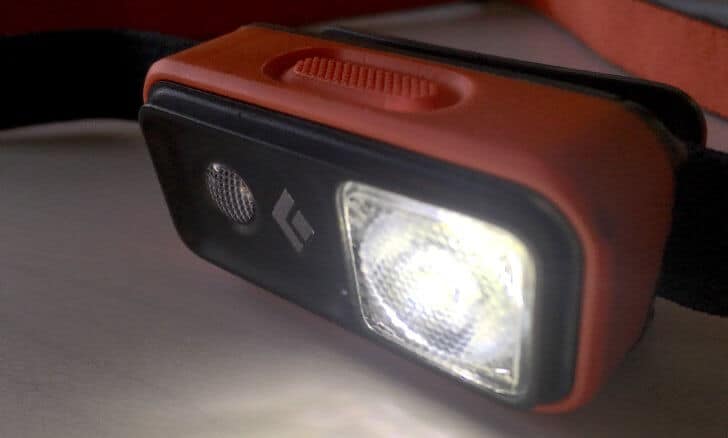
Why you should consider the Black Diamond Ion Headlamp: After reviewing this year’s headlamp market to purchase one as a gift for my wife, I finally settled on the new model* Black Diamond Ion Headlamp for its weight (1.9 oz durability (including a rubberized housing), waterproof housing design (IPX8), comfortable headband, power (100 lumens), efficiency (up to 180 hours of battery life), dual LED (white and red), dimmability, a weather-sealed / glove-friendly switch, easy-to-change battery compartment, easy-to-find batteries (2xAAA), and compact form factor.
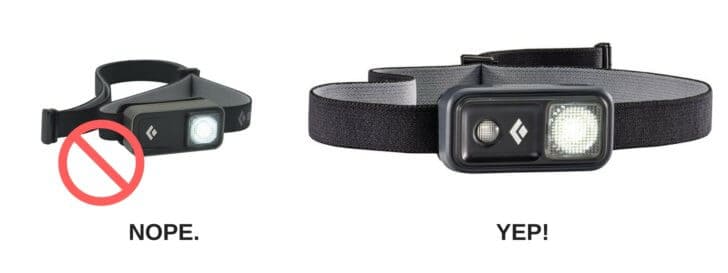
*Important – don’t buy the wrong model of the Ion! Before 2017, the Black Diamond Ion Headlamp had only one lens, wasn’t as water-resistant as claimed, had a less durable housing, a finicky switch, and boxy lines. I can’t recommend the old ones – don’t even buy them if they’re on clearance. The new (2017-) model is a much better performer.
You’re an SUL hiker counting grams – there are lighter options.
You expect to navigate in the dark (especially mountaineering or off-trail, packrafting, or trail running) – the Ion just doesn’t have the power to illuminate enough area for that kind of travel challenge. This one’s my pick for that kind of stuff.
Context: I used to wear “sports-fashion” wrap-style sunglasses with plastic lenses where polarization, lens clarity, and hinge durability seemed like afterthoughts. Inevitably, I would lament the expense of dropping a bunch of cash on sunglasses that would be all but worn out after a season of fishing, hiking, backpacking, packrafting, snowshoeing, skiing, and Sierra-walking. Having spent the better part of my adult life analyzing backpacking and mountaineering gear performance, I figured it was time to allocate some of my analytical energy to the sunglasses market. My criteria were simple: find a well-built frame that housed a lens that made few compromises in performance. This search led me to the Smith Challis Techlite Polarchromic Sunglasses.
Why you should consider the Smith Challis Techlite Polarchromic Sunglasses:
Ultralight glass lens:Glass is more durable than plastic (more scratch resistant). I’ve worn these glasses all year, shoved them in pockets and bags without a protective case, and they still show no scratches. However, conventional lens glass is heavy, and Techlite glass solves that problem – it retains strength and durability with less glass (thinner lenses) by tweaking the chemical composition of the glass and the structural shape of the lens.
Visual acuity and polarization performance: having tried on many dozen sunglasses in my search, and testing their low light performance and glare resistance, the Smith Challis Techlite Polarchromic Sunglasses seemed to be in a league of their own. For me, the ultimate field test is spotting trout feeding at the bottom of a stream in low-light (e.g., cloudy or early morning/late evening hours). With that context as my litmus test, I can say that the Smith Techlites are the most effective polarized lens I’ve ever used in terms of cutting glare in low light.
Polarchromic: UV-sensitive dyes are embedded into the lens glass that darkens (thus reducing light transmission levels) in very bright conditions. For outdoor sports in general, and snow- and water-travel in particular, I believe this is one of the most valuable attributes of a high-performance lens. A photo-sensitive transition lens like the Smith Polarchromic increases the versatility of polarized sunglasses and provides a factor of safety in sports like skiing or packrafting where a too-dark or too-light lens reduces your ability to read terrain or water features.
Some shopping tips: The sunglass market changes rapidly, and on a dime’s notice, a sunglass brand may discontinue one model only to “re-invent it” next year under a different name. Be prepared to save loads of money and get closeouts for 50% off or more. Also, what I’m really reviewing here is the Smith Techlite glass lens combined with its Polarchromic (polarized, photochromic) treatment. The Challis is just the frame model I like personally and fits my face. YMMV, so be sure to check out other frame styles, and if you find one you really like that doesn’t offer both Techlite glass and Polarchromic treatment, opt for the Polarchromic – that’s really where the performance of Smith optics shines. REI offers a good selection of Smith Polarchromic sunglass styles.
MSRP: $239
How to Buy It:REI or shop for deals in the GearFinder
Don’t Buy These Sunglasses If:
You can’t keep track of your stuff. It would suck for you to lose a pair of sunglasses that cost more than most people spend on supplies and gas for a week-long backpacking trip. Instead, get these.
You try on a pair of Smith Techlite Polarchromics, look outside, and “feel like the world is a prettier place.” These are technical machines, and that’s what you’re paying for. Respect the tech. Consider these instead.
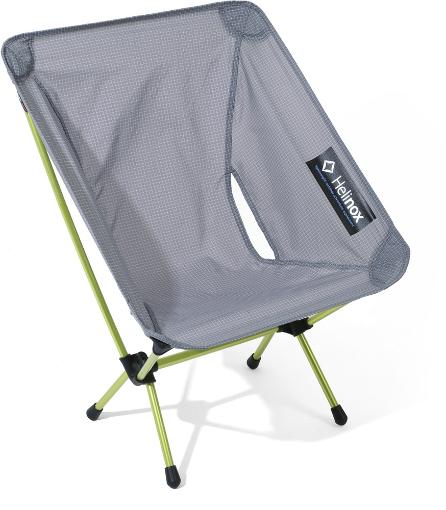
Context: I broke my back in 2005. Since then, sitting on a low rock, log, or bare ground after a long day on the trail instills emotions that range from “uncomfortable” to “abusive”. A camp chair that provides some lower back support is critical for my comfort. I’ve tried Crazy Creek Chairs, Therma-Rest Chairs, Big Agnes Chairs, Sling Chairs, little tiny collapsible stools, and even my backpack filled with an inflated, rolled-up Neo-Air pad. None of these worked well for me.
Then I discovered Helinox Chairs and I fell in love. I’ve owned the Helinox Ground Chair (read the review), the Chair One, and the new Chair Zero model. The new Helinox Chair Zero raises the distance off the ground and shaves five ounces of the Ground Chair. While I personally prefer the reclining position of the Ground Chair, the Chair Zero is going to be a more comfortable and popular (lighter!) option for most hikers.
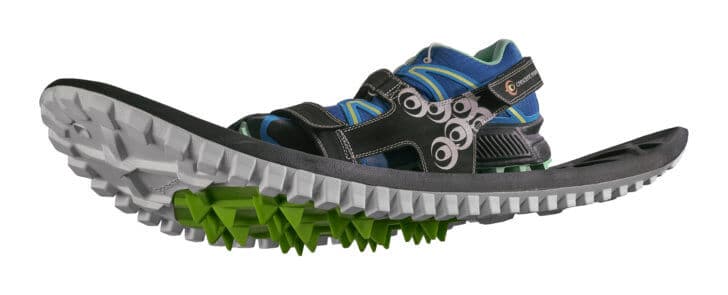
Context: Having lived in the northern US Rocky Mountains (Montana, and now Wyoming) for the past 23 years, snowshoeing is a staple of my winter outdoor activity. I’m really only interested in snowshoes that are lightweight, small, and have a binding nimble enough to work with trail running shoes. For extreme cold, I add a pair of ultralight neoprene overboots. My snowshoes of choice through the years have included Atlas Race, Northern Lights, MSR Lightning Ascent, and most recently, Crescent Moon EVA Snowshoes. I recently wrote a review of the Crescent Moon EVA Snowshoes and revealed the benefits of their foam deck and fixed binding. Read the review for more details.
Why You Should Consider the Crescent Moon EVA Snowshoes:
EVA foam deck is insulating and keeps feet warmer;
Rockered deck design, combined with fixed binding, makes running easier;
Fixed binding, combined with excellent cleat traction system, makes the snowshoes good climbers on steep terrain in low- and medium-density snowpacks;
Fixed binding makes these exceptionally maneuverable and controllable in any direction;
Minimal (read: none) ice/snowballing or buildup when snowshoeing in warm temperatures.
You don’t live in a snowy place, but just want to have them just in case. Just in Case leads to unnecessary consumer spending and is a tax on the environment (it is good for the storage bin industry, however).
You predominantly wear boots in the winter. Boots are stiffer, and combined with the non-hinged binding, will make for an uncomfortable pairing with these snowshoes. Instead, try Northern Lites.
You are going to use snowshoes for mountaineering that includes steep and icy terrain. Instead, have a look at MSR Lightning Ascents.
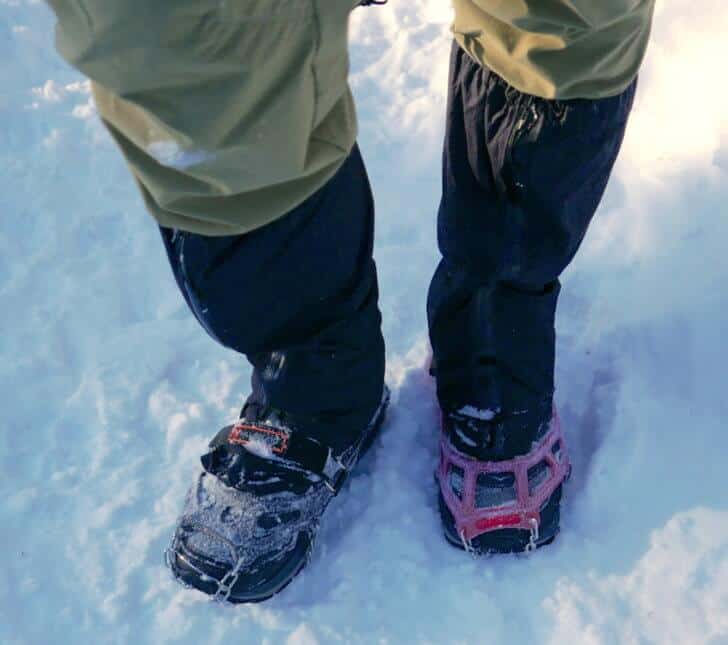
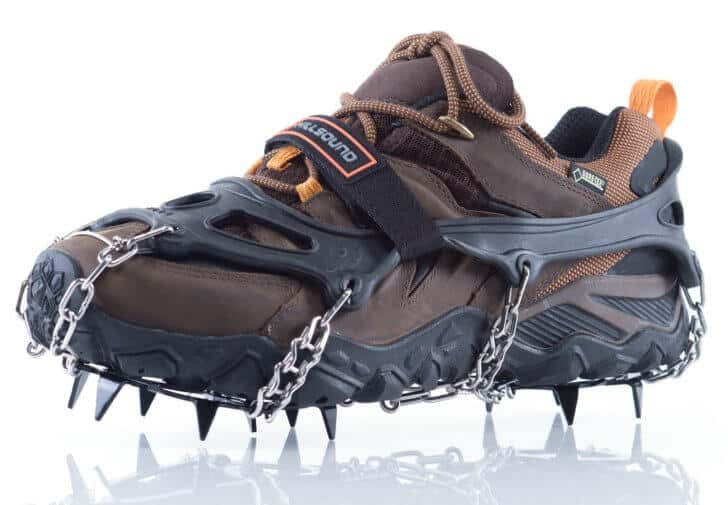
I’ve spent the past two years testing the Hillsound Trail Crampons (left) side-by-side with the Kahtoola Microspikes (right).
Context: I came to ultralight backpacking from a Pacific Northwest mountaineering background. Coming of age in Seattle, I spent my summers in the Olympic Range and my weekends on the glaciated peaks and volcanos of Washington State. I owned an ice ax and crampons and a headlamp long before I purchased my first sleeping bag and tent. I still own “at least” (no, I’m not going to divulge the exact number) four pair of crampons – one pair for water ice climbing, one pair for alpine ice climbing, one pair for steep glacier trekking, and one pair for terrain where the others are overkill. For the past decade, this fourth pair has been (primarily) Kahtoola Microspikes, which have served this purpose well enough. But they aren’t without their limitations, and that’s where the Hillsound Trail Crampons come in.
Why You Should Consider Hillsound Trail Crampons Over Kahtoola Microspikes:
Hillsound Trail Crampons have slightly longer, sharper spikes (1.5 cm vs. 1.0 cm for Kahtoola Microspikes) and are better for icy surfaces (I’ve proven this every time I use them), and are “theoretically” better in deeper snow (but the differences here are imperceptible).
Hillsound Trail Crampons have a hook-and-loop instep strap that keeps them secured to your shoe on steeper terrain, when side hilling, and when trail running on rough terrain. The harder terrain you’re on, the more noticeable this benefit is.
How to Buy It:REI or shop for deals in the GearFinder
Don’t Buy These Crampons If:
You want the absolute lightest trail crampon. Kahtoola Microspikes are about 5 oz lighter, or you can take a look at these titanium crampons for extreme lightness.
You’re traveling on steep, glaciated ice (e.g., slopes steeper than 20 degrees) with a heavy pack. For that kind of terrain, you’re going to want more security, so consider something like this.
Context: I’ve long been a proponent of ultralight down jackets. For the past several years, my go-to down jacket for summertime ultralight backpacking in dry climates has been the Goosefeet Down Jacket. Here’s how I incorporate that down jacket in a bad weather clothing system. However, I spend a lot of time hiking in conditions where a down jacket isn’t a great option, and after my last Cocoon UL 60 Hoody bit the dust, I’ve been experimenting again with synthetic insulation from other manufacturers, including most recently, the Patagonia Airshed (link to review) and Micro Puff Jackets. I’ve been wearing the new Patagonia Micro Puff Hoody since September as an insulation layer and can say without reservation that it’s warmer than my old Cocoon UL 60 Hoody, which at the time (2007-2009) had a higher warmth:weight ratio than any synthetic on the market. My most positive experience so far with the Patagonia Micro Puff Hoody came while guiding in blizzard conditions up in Montana. I wore it under a shell while hiking down from an 11,000-foot pass, late in the day as temperatures were dropping into the teens. I also wore it during the frigid mornings and evenings in our snowy camps. To my surprise, when integrated with the rest of my clothing system, it performed much better than I expected, and I stayed warm and comfortable.
Why You Should Consider the Patagonia Micro Puff Hoody:
It’s very light – 9.3 oz. This makes it one of the lightest synthetic insulated hooded jackets available.
The synthetic insulation has a higher warmth:weight ratio than traditional continuous filament (e.g., Apex) or short-staple (e.g., PrimaLoft) synthetic insulation because the increased surface area of the insulation (on a per gram basis) is higher than other types due to the branched filament design. This means it looks more like a down cluster than a single fiber. Also – the insulation requires no scrim, which also adds weight.
Huge front hand warmer pockets (they easily fit a sizable water bottle) and inside stash pockets (I stow my gloves/mitts in here to dry them out) are surprising additions, considering the jacket is this light.
You can’t afford it. At $299, it’s not cheap. Don’t go into debt or give up the opportunity to spend money on a trip just so you can own what you think might be the “latest and greatest” piece of gear on the planet.
You hike mostly in warmer, drier climates. Take a look at ultralight down jackets instead.
You want the absolute lightest synthetic insulated jacket available. That honor belongs to Climashield Apex-insulated jackets made by Enlightened Equipment and Nunatak – these jackets are generally shorter in length, less fitted, have more rudimentary hoods, fewer pockets, and synthetic insulation that is no longer pushing the performance edge of what’s state of the art today (yet!). That said, I highly recommend the even heavier Skaha Apex (12-13 oz) for its exceptional warmth:weight ratio.
Riding out an early season blizzard in Montana’s Absaroka-Beartooth Wilderness in the REI Magma 10 Down Sleeping Bag.
Context: I’m a quilt user, even during the fringe seasons. I’m so enamored with quilts that I even like experimenting with them as it gets chilly, and have slept in a winter-weight quilt down to minus 25 F during the winter. However, my experiences have led me to believe that at some point, the warmth:weight ratio of a high end (ultralight shell, high FP down) hooded mummy sleeping bag starts to outweigh the benefits of a quilt. This happens somewhere in between “fall” and “winter” for me, when low temperatures start dropping into the teens. My favorite down sleeping bags have always been made by Western Mountaineering, Nunatak, and Feathered Friends, with a particular nod to the FF Lark Nano ($479), which is my recommendation for a fringe-season sleeping bag for its construction quality, warmth:weight ratio, ease of use, and fabric performance (balance of DWR with breathability). The WM VersaLite 10 ($560) is a close second but suffers from heavily calendered fabrics that retain a lot of condensation. Did you notice the price of these bags? Quality doesn’t come cheap, and that’s where the REI Magma 10 should be considered. I’ve been using the bag this year since September, camping, and hiking in temperatures down to the single digits. I don’t believe it’s quite as warm as either the Lark Nano or the VersaLite 10, but it is a little lighter, a lot cheaper, and a pretty incredible value.
You Should Consider the REI Magma 10 Down Sleeping Bag If:
You want a very high performing sleeping bag (i.e., high warmth:weight ratio) at a price that is $100-$200+ cheaper than bags from specialty manufacturers.
You want a mummy bag that has a little more kicking room, appreciate a very-well designed and easily adjustable hood closure, and is made with high quality down and fabrics.
You want something that top-tier craftsmanship, materials, and performance. Check out the Feathered Friends Lark Nano in that case.
You’re going to use it predominantly in temperatures near its low safety rating, which is 10 deg F. Most people will start to get a little chilly in the Magma 10 as temperatures drop into the mid-teens and lower.
Stocking Stuffers: My Recommendations
Here’s a list of little things that I recommend. In order to make the cut, these items had to meet a few key criteria:
They have been and still are, in my backpacking kit for several years. Nothing on this list is going to be today’s “hot new trend” (and likely, tomorrow’s forgotten trinket).
They have to be something that is appealing to a wide variety of people. This is a gift guide, after all, and if you are shopping for a backpacker, I at least want you to have a high level of confidence that these items are things they would appreciate.
Backpackinglight.com works with retail merchant partners to maintain a live database of outdoor gear. Use this search engine to discover current sales. Disclosure: if you click on a link and make a purchase, we receive a small commission, which helps support the site – thank you.
Disclosure
No manufacturer paid for any type of “product placement” in this gear guide. These selections are my own, based on my own personal experience with them. I’ve used all of these products extensively and have enjoyed generally positive experiences with this gear. YMMV. Some links are affiliate links, which means if you click through and make a purchase, Backpacking Light gets a small commission on the sale. This comes at no extra cost to you and helps support Backpacking Light’s efforts to publish authoritative and valuable information about lightweight backpacking gear and techniques, inspiring stories and film festivals, and remain an active member of the outdoor industry to promote and protect opportunities for public outdoor recreation.
Membership Required
This feature requires an active Backpacking Light Membership.
Premium Articles
You're currently viewing a free preview of a member exclusive premium article. Our premium articles include in depth journalism and insights from the Backpacking Light editorial team.
Get full article access by subscribing to a Premium or Unlimited Backpacking Light membership!


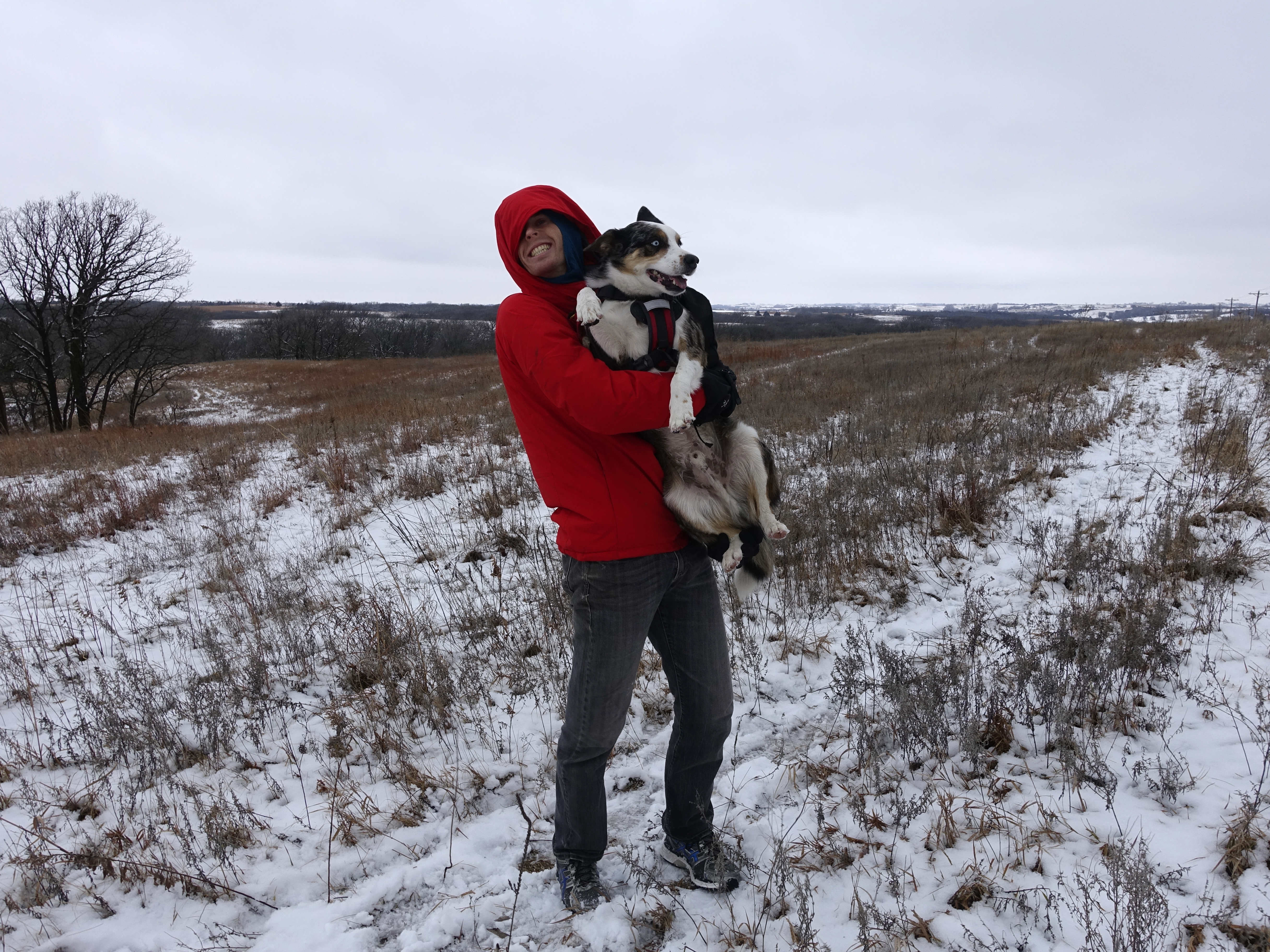
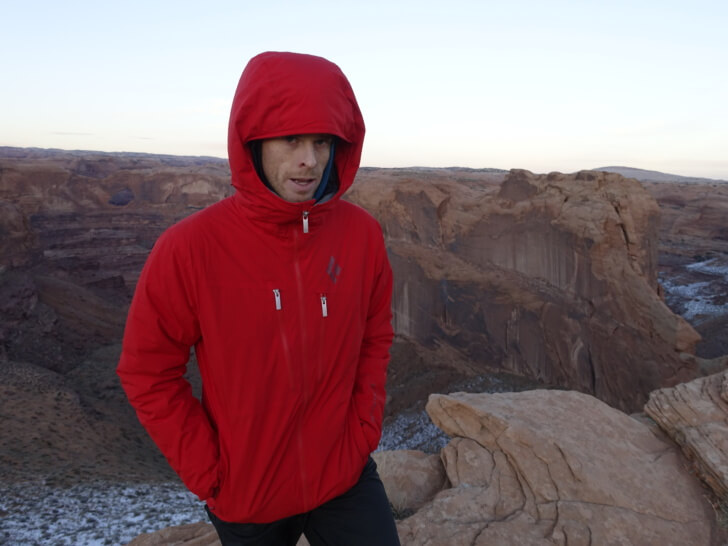
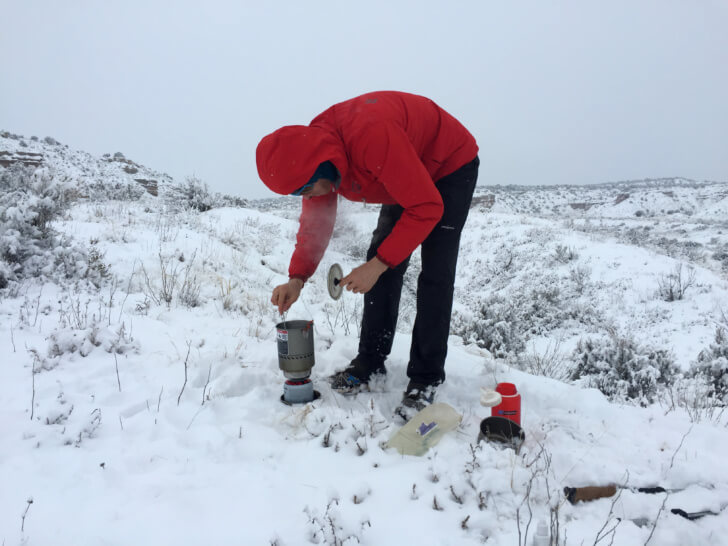
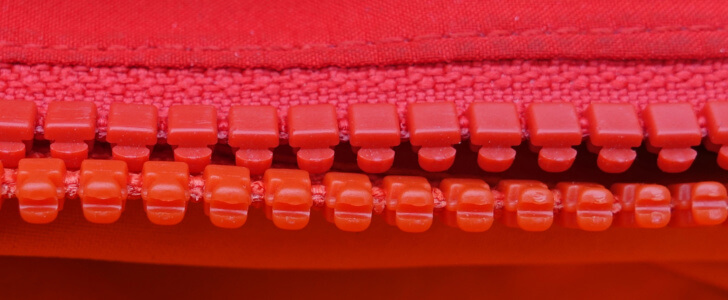
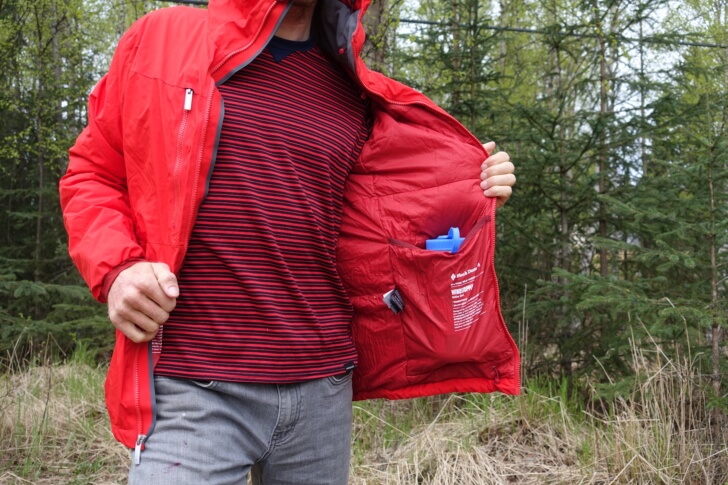
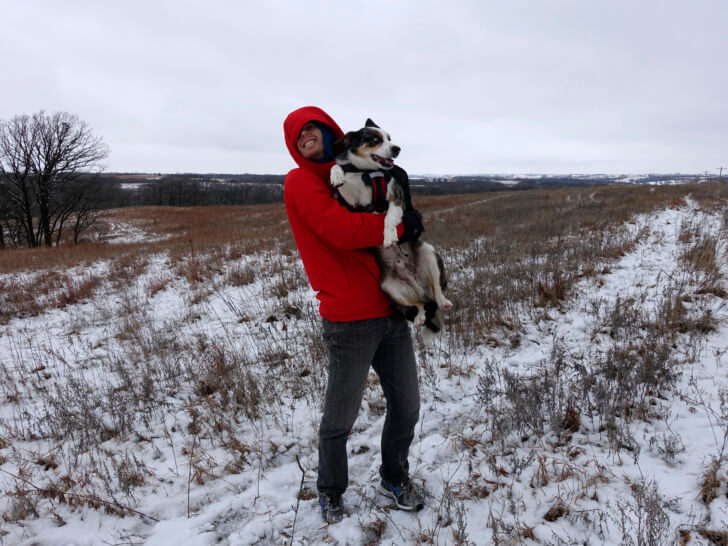


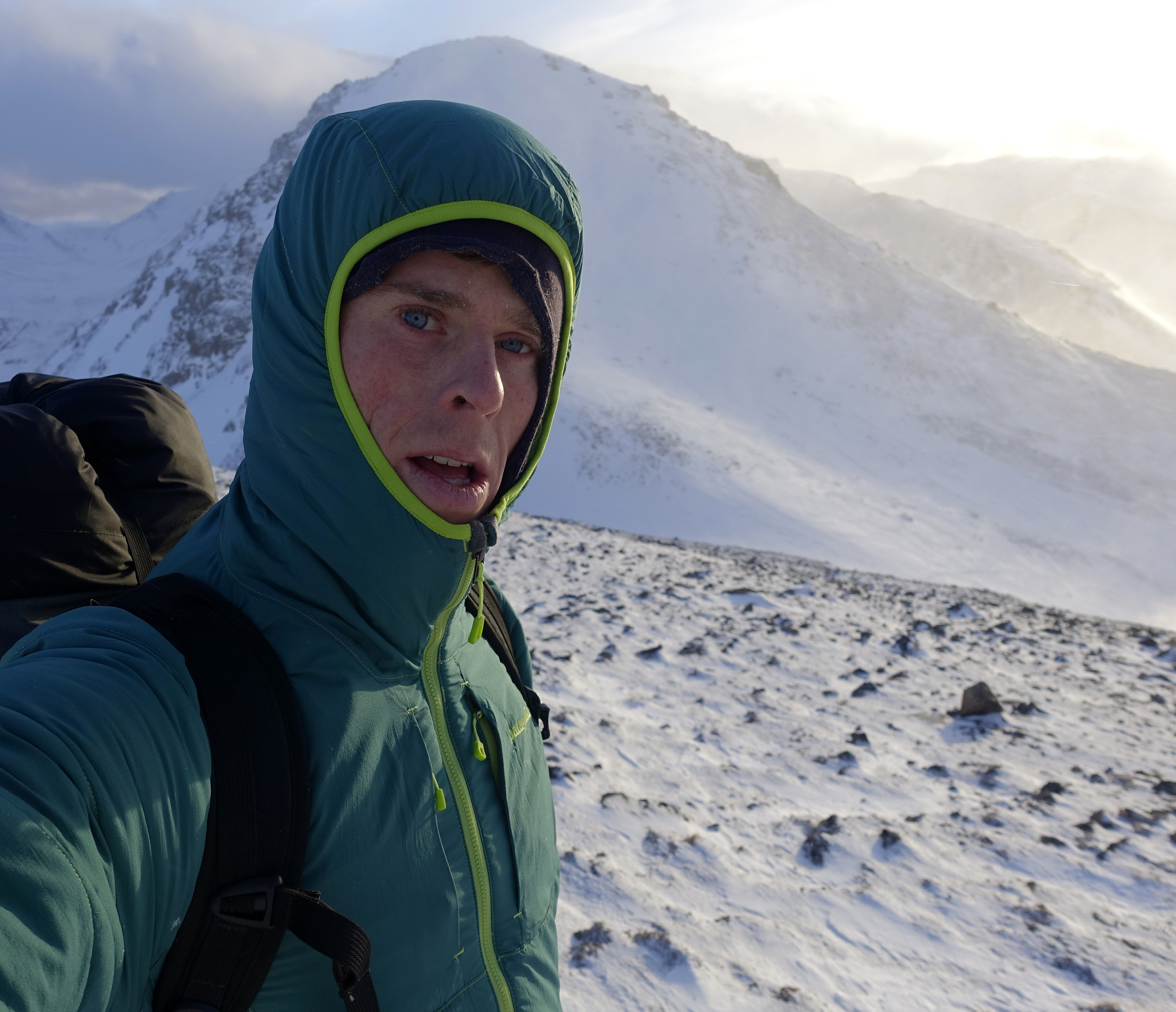
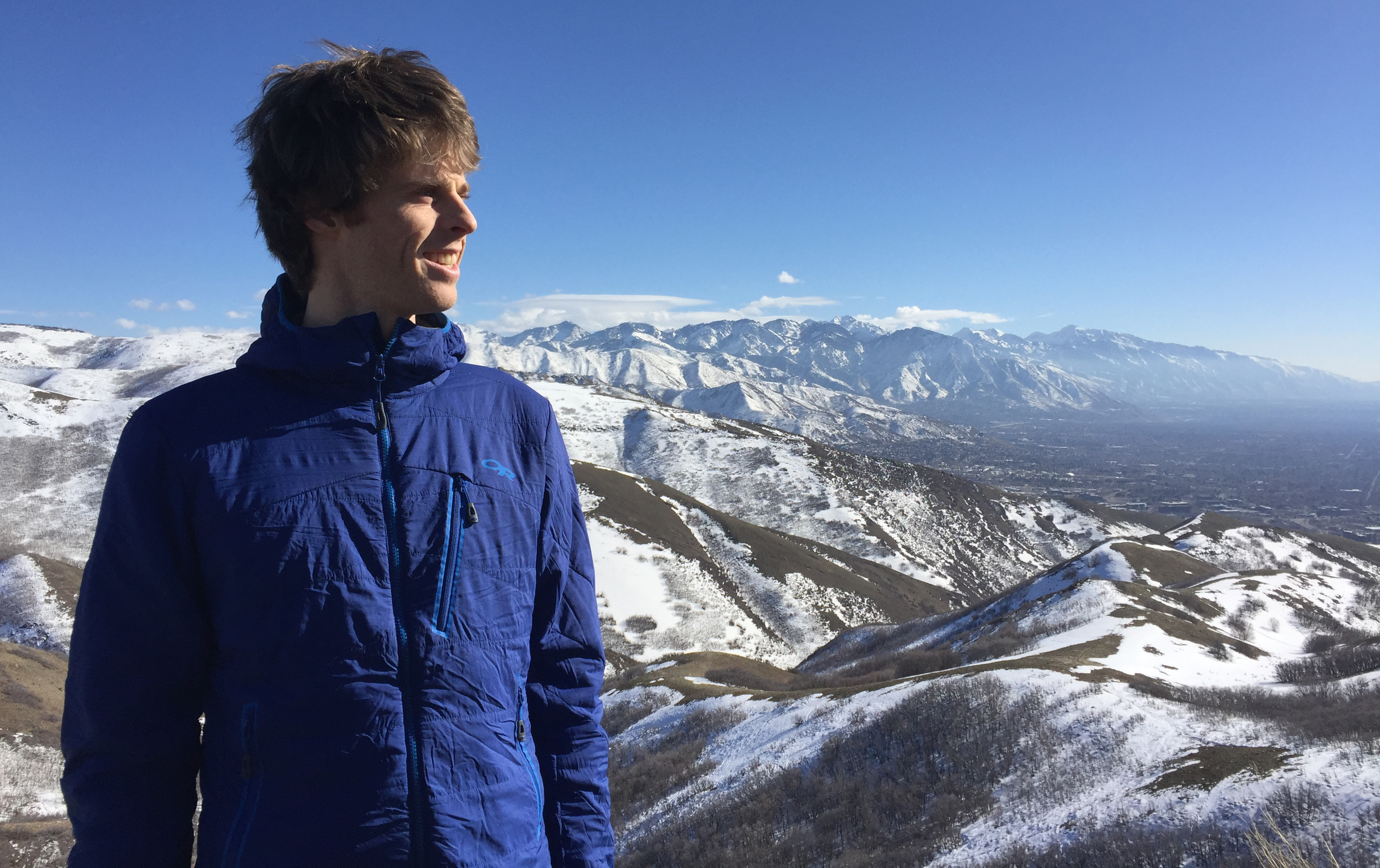
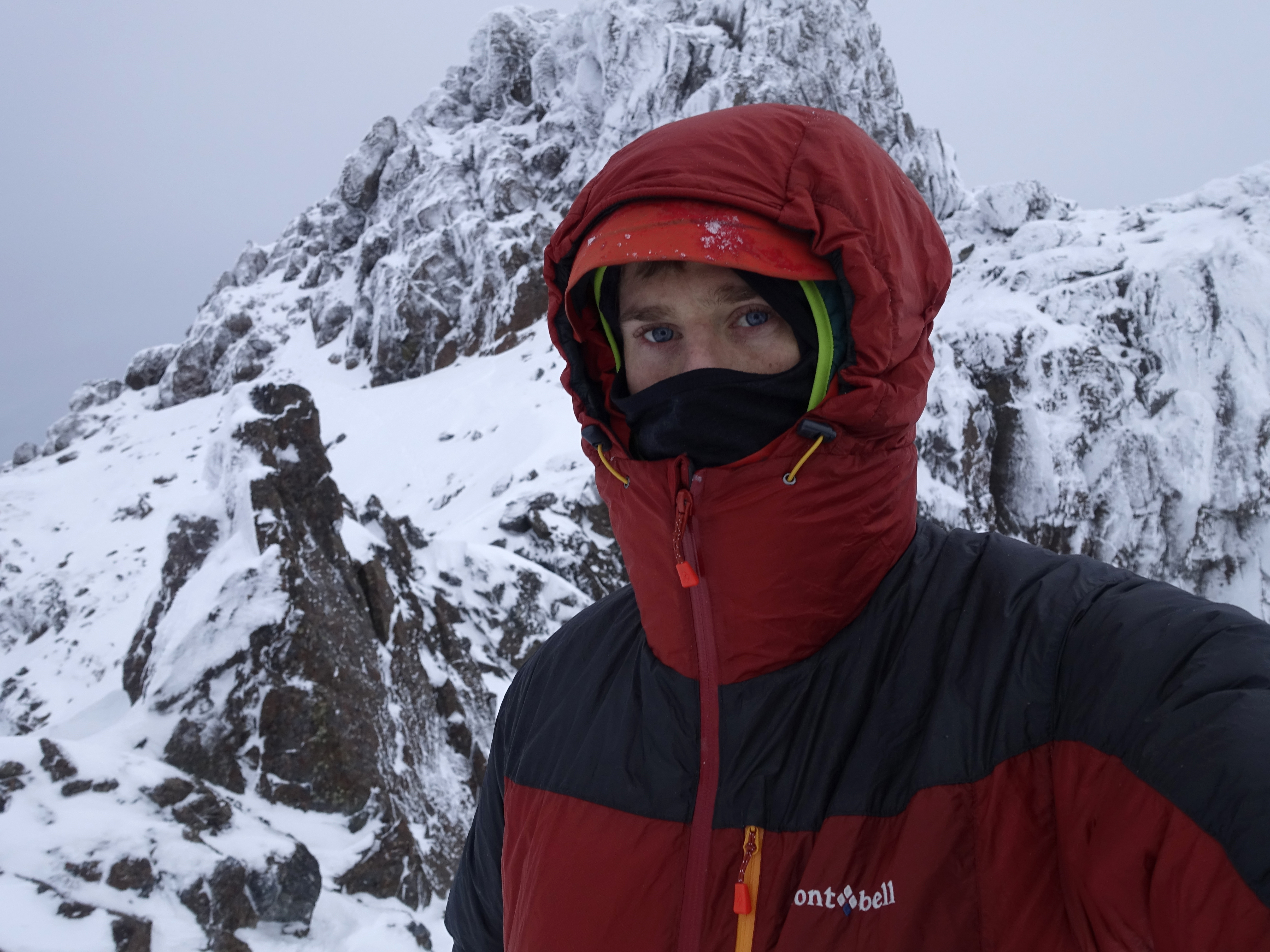

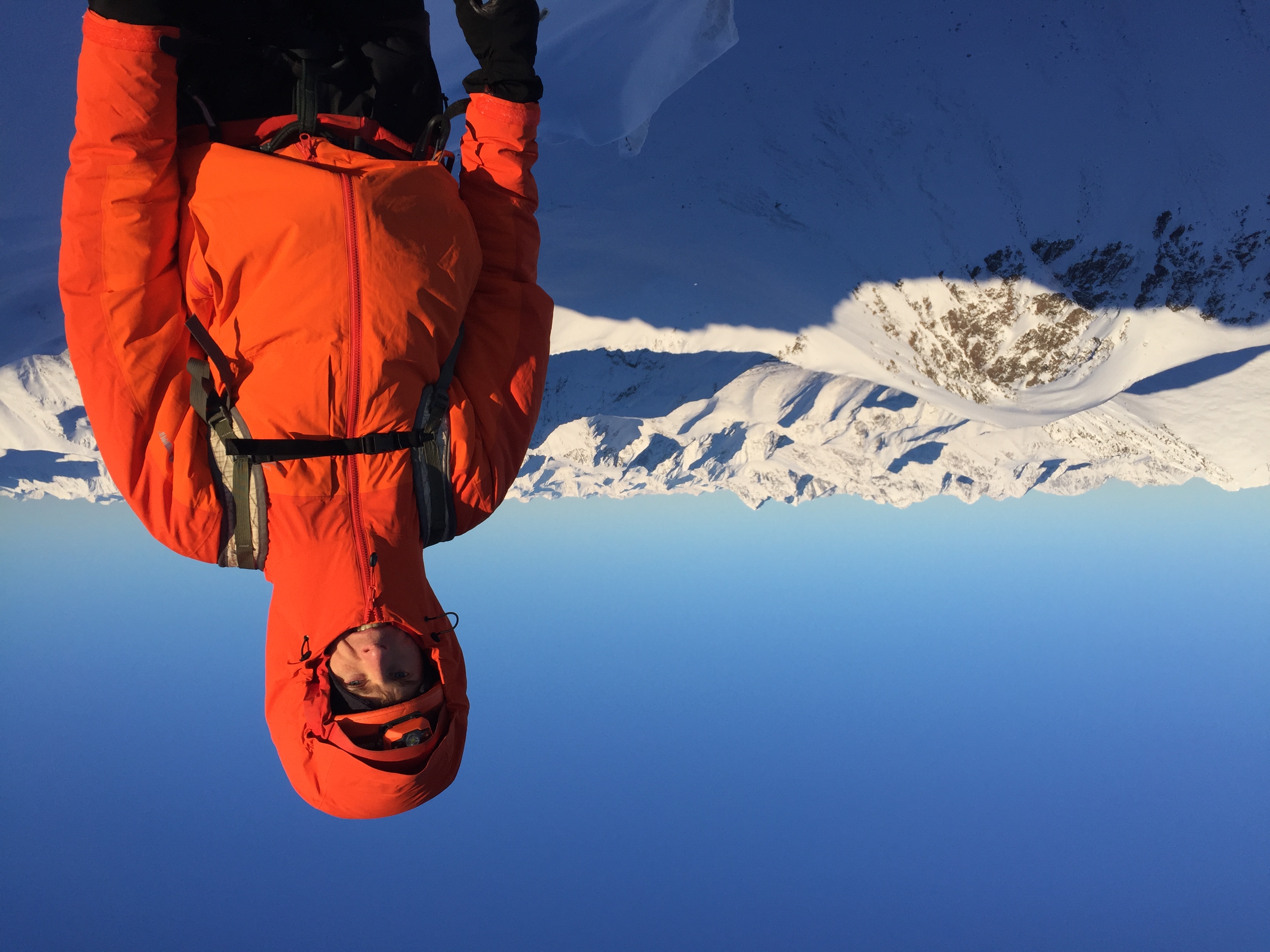
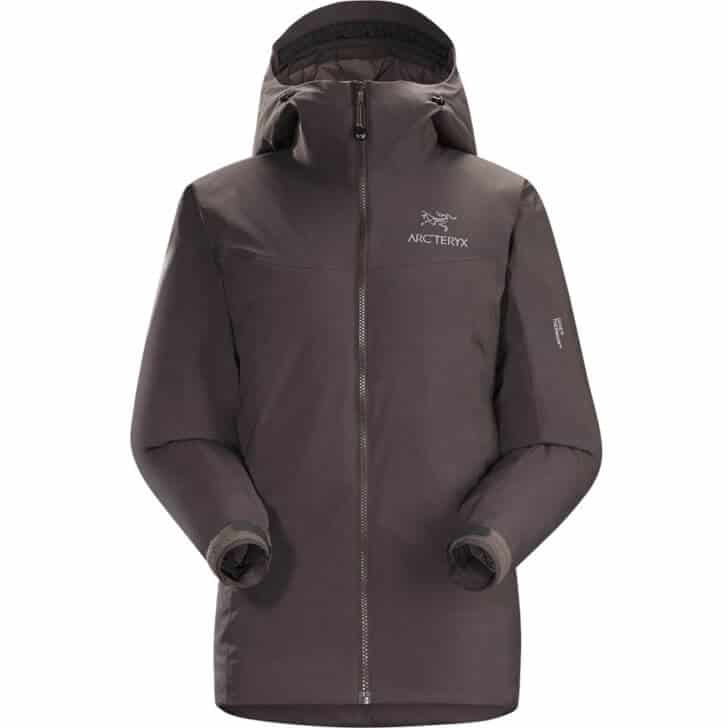
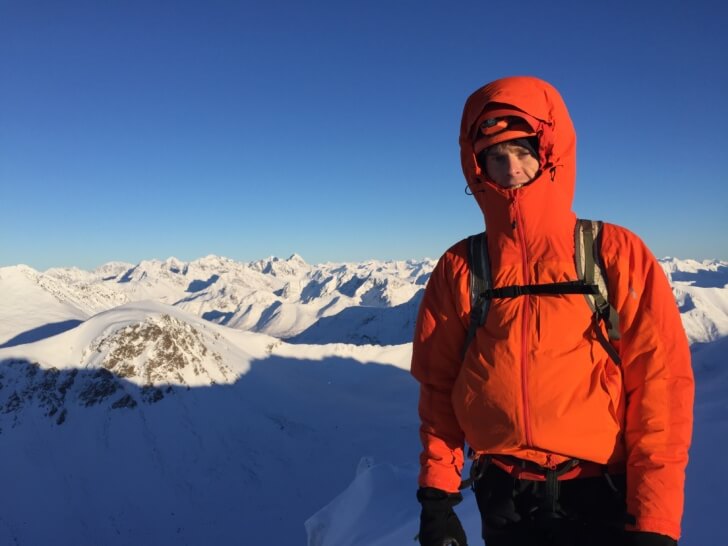
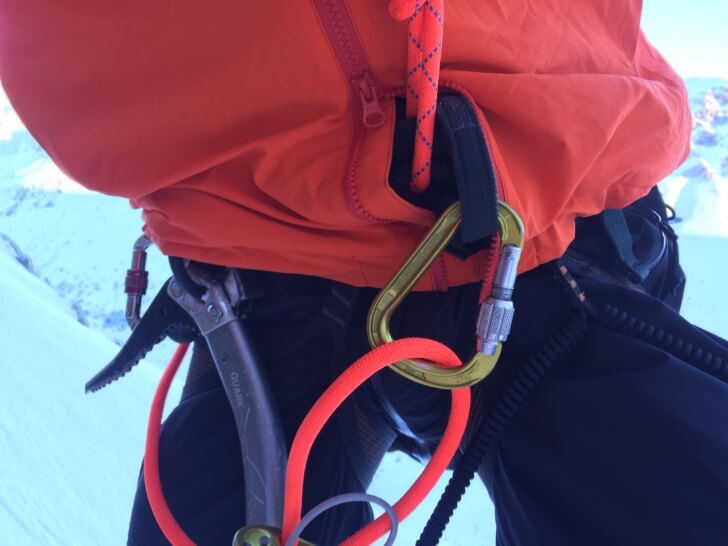
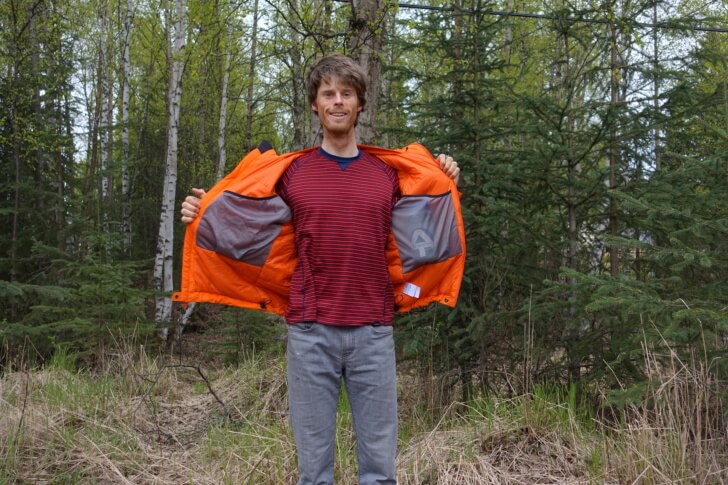
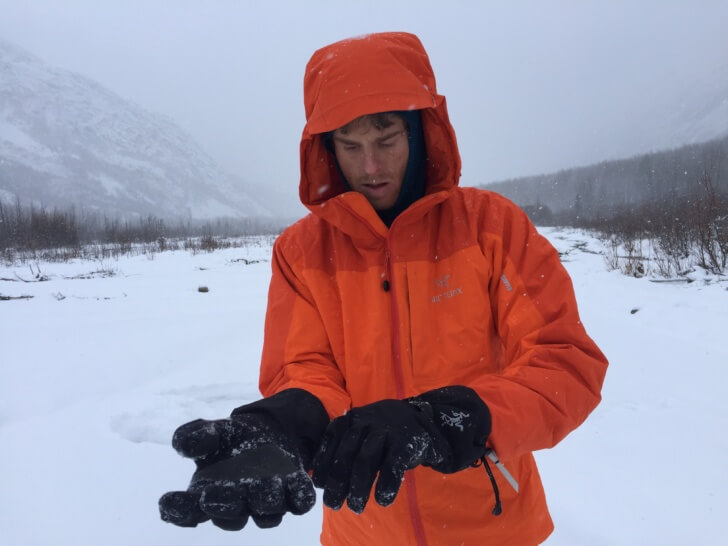
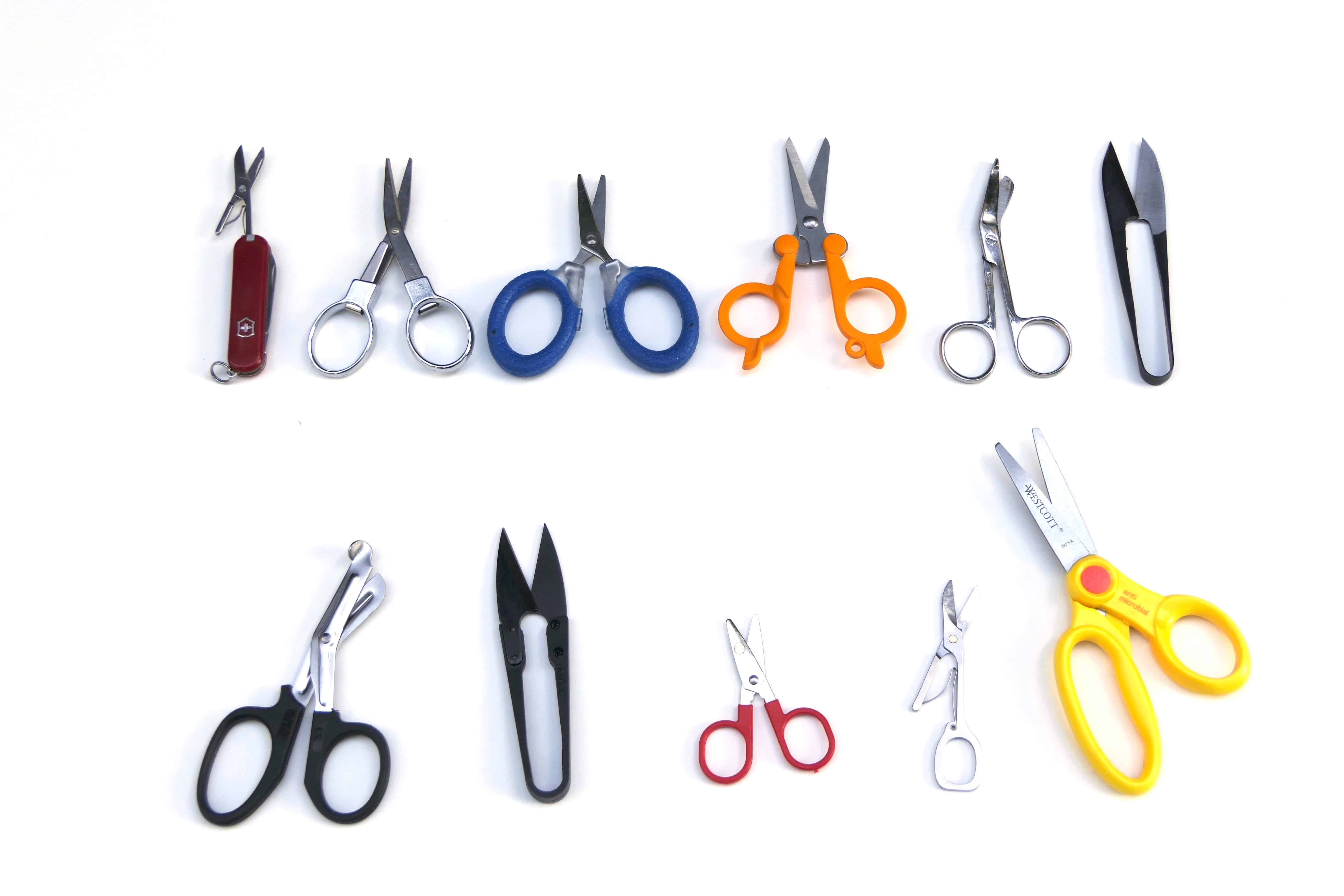
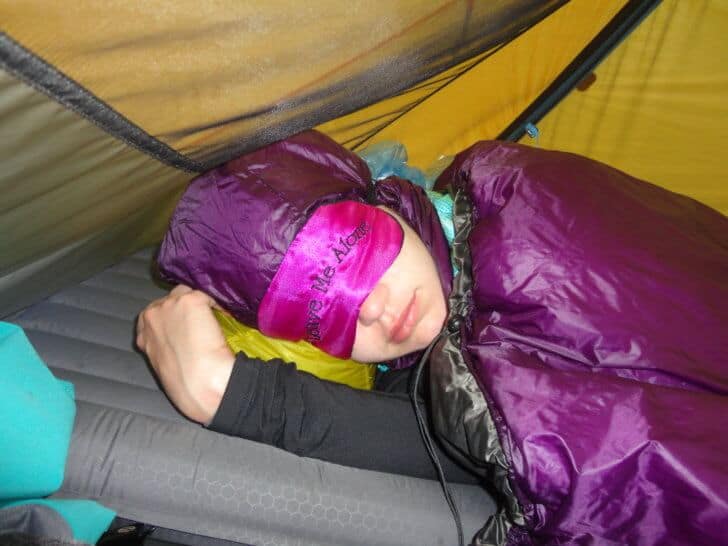


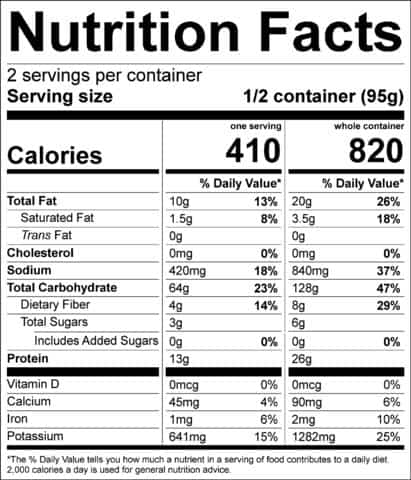 In the video, I reported the nutrition facts on a per-serving basis. There are two “servings” in one 6.6-oz package. I never found “serving sizes” very useful, so I’ll report nutrition facts as per package here: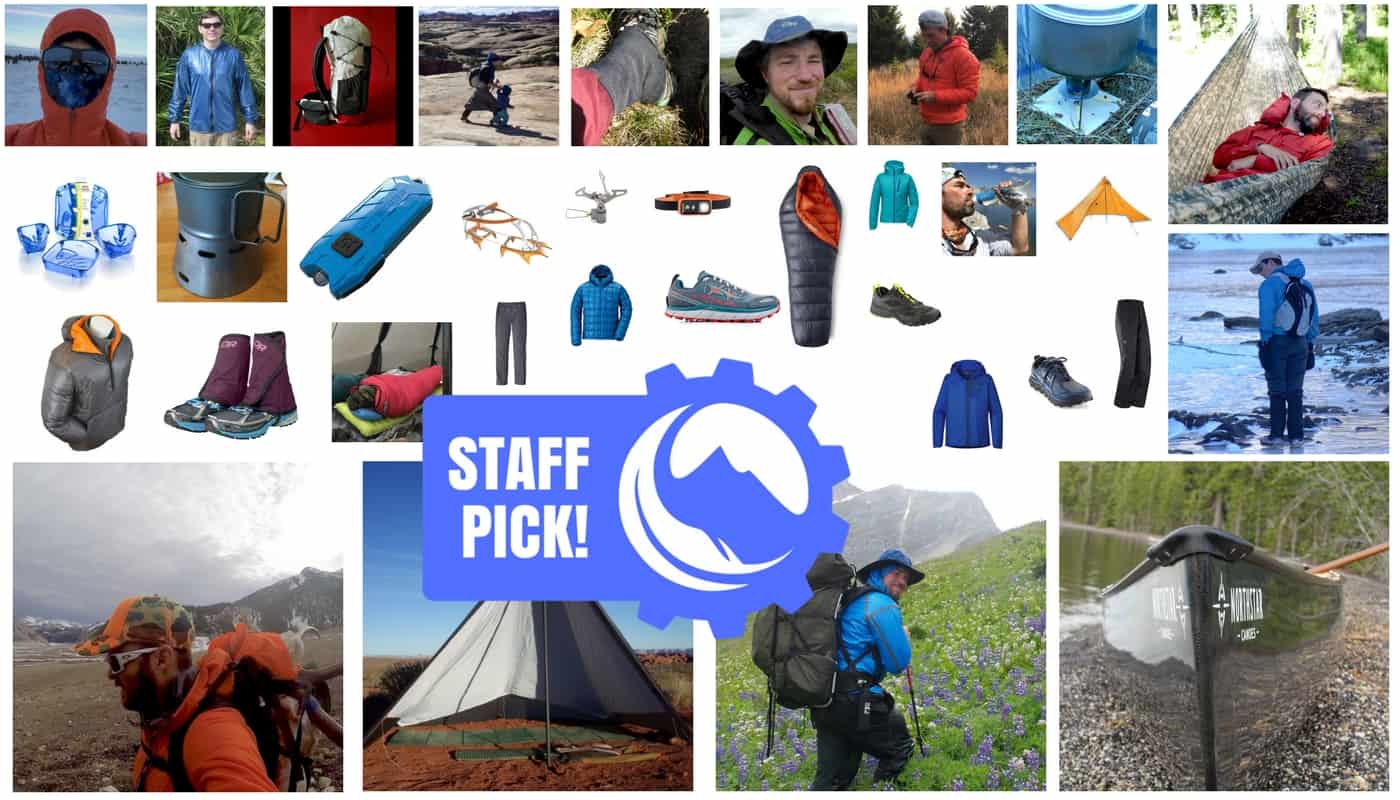
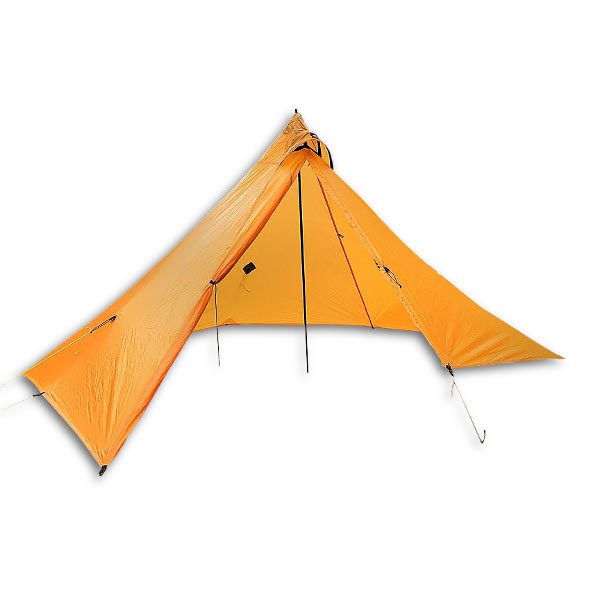

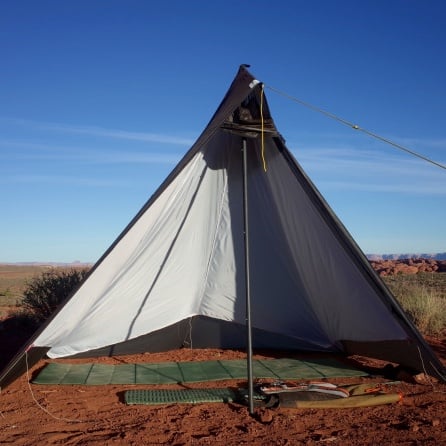
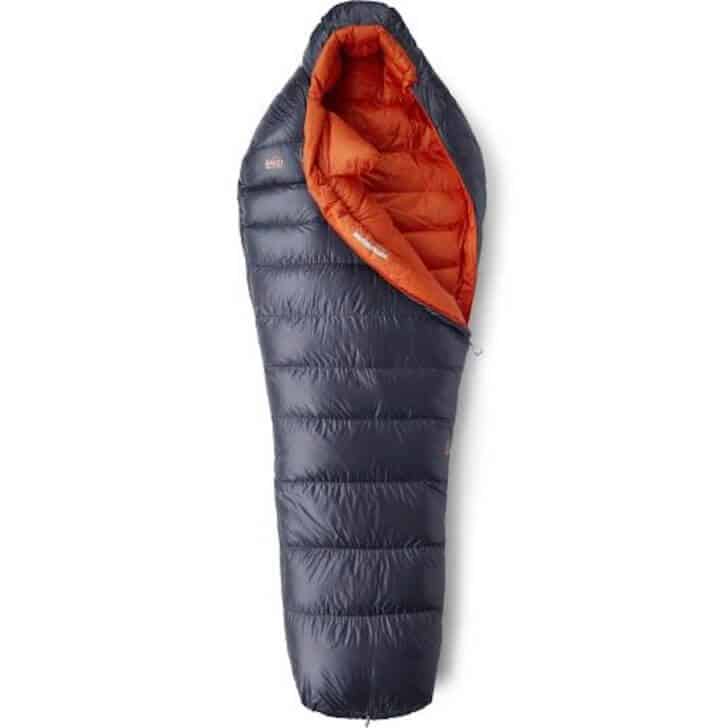

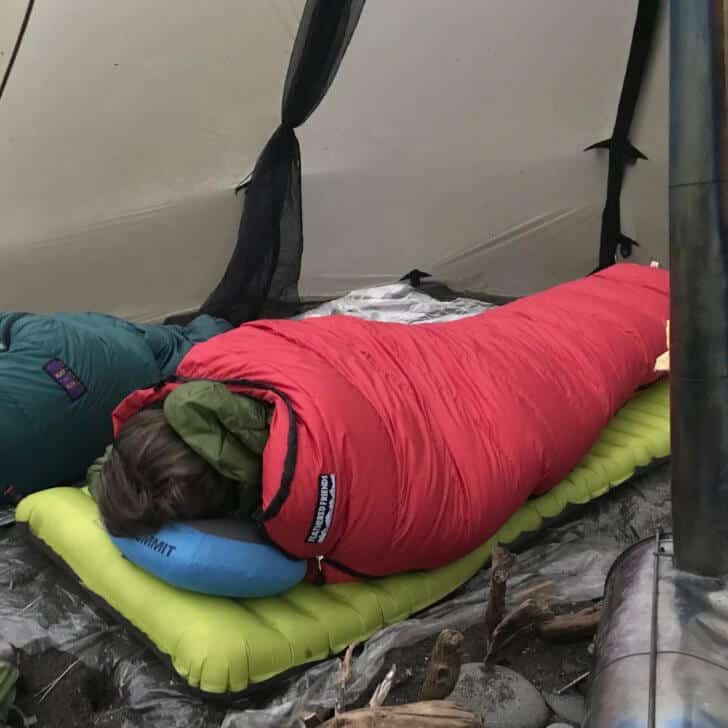
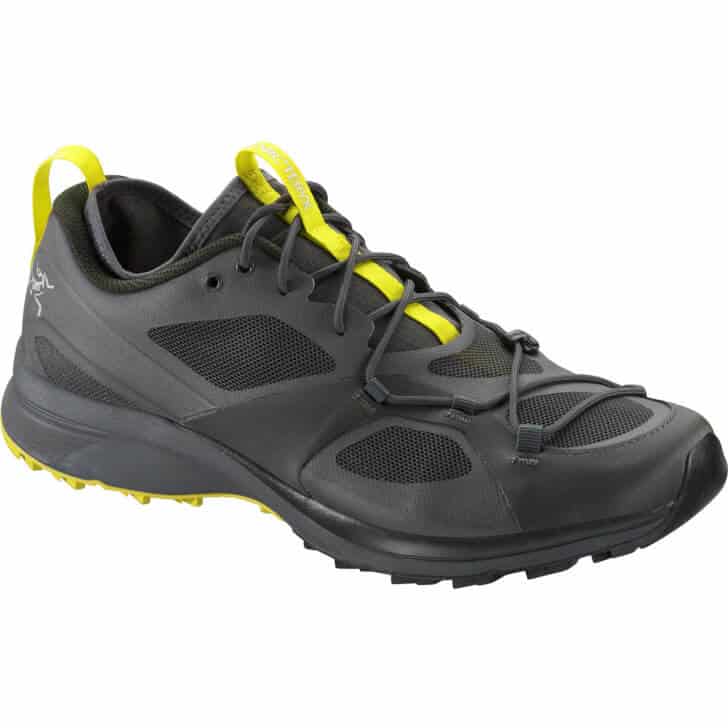

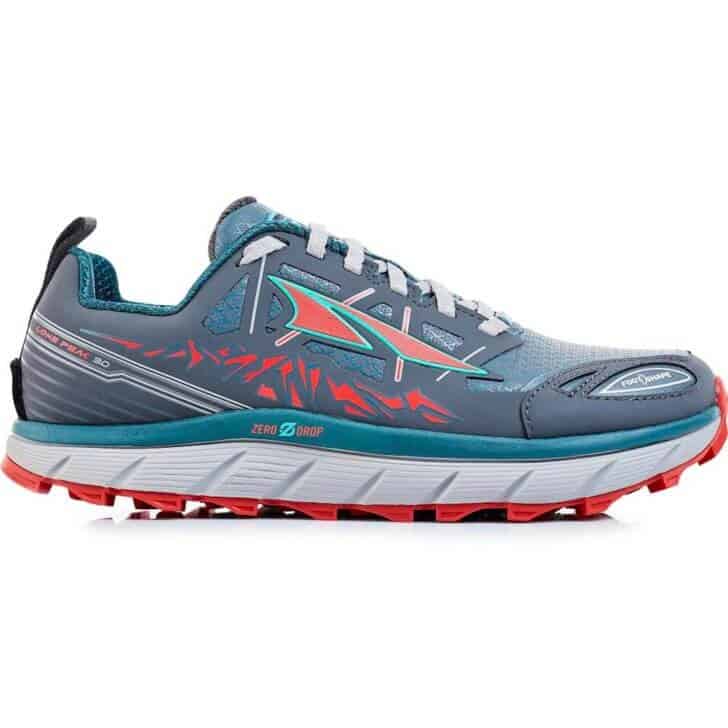


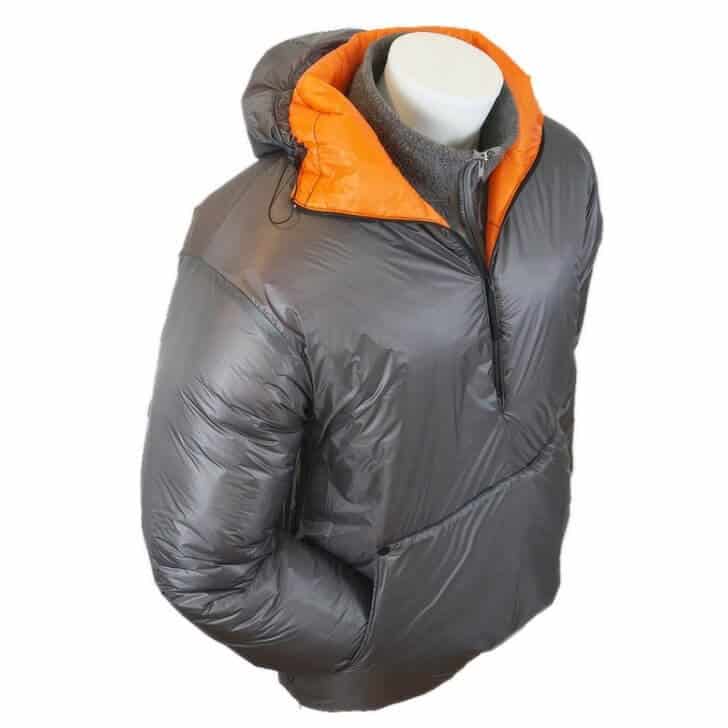


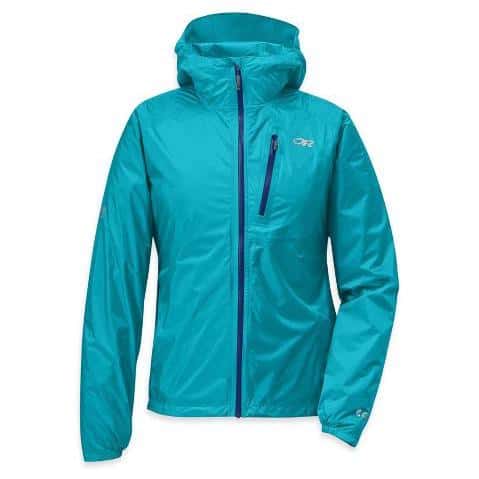

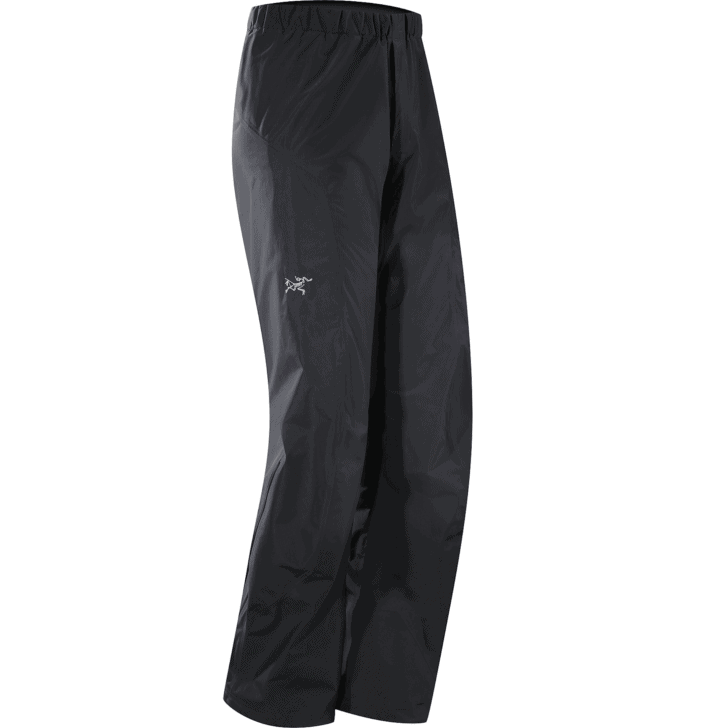


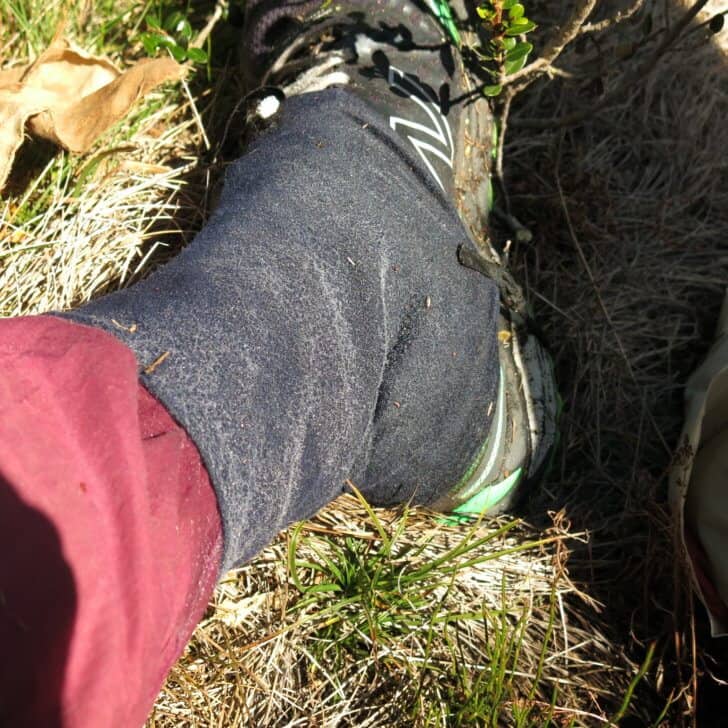
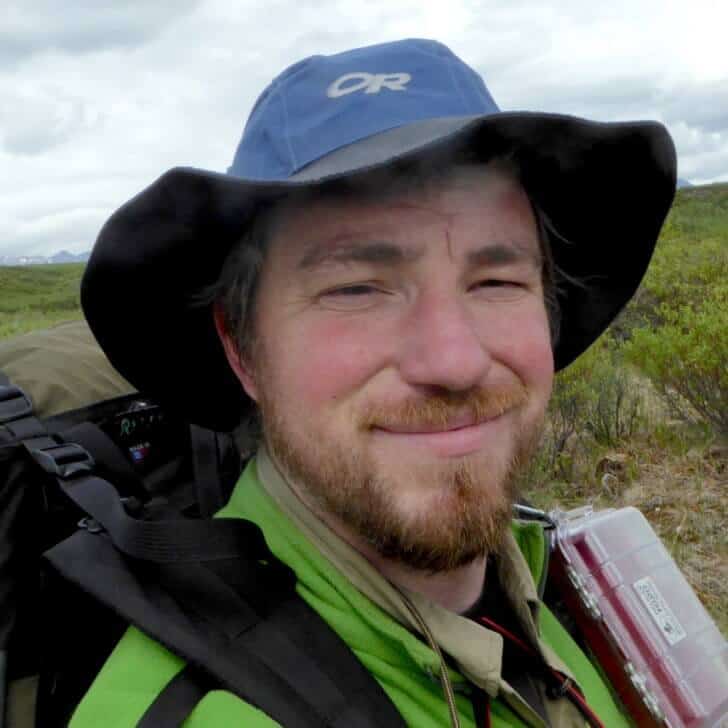
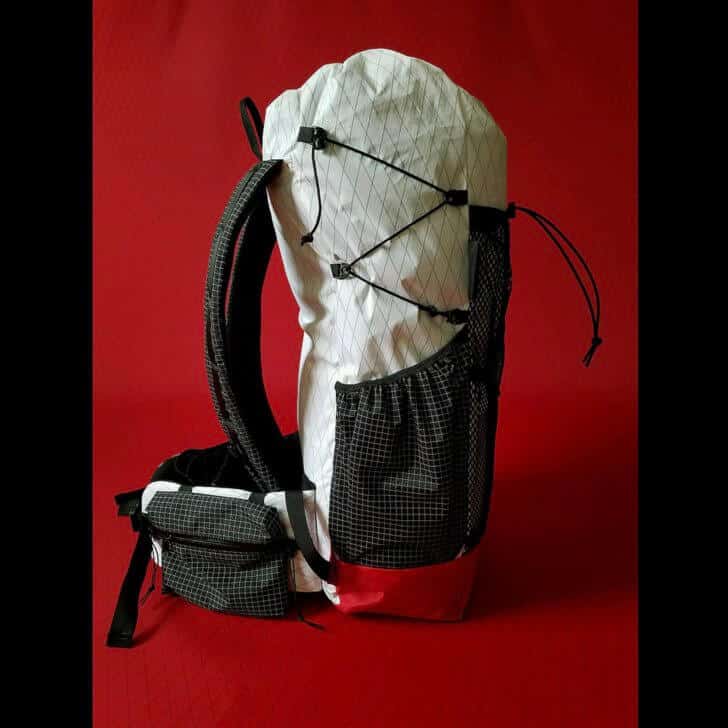


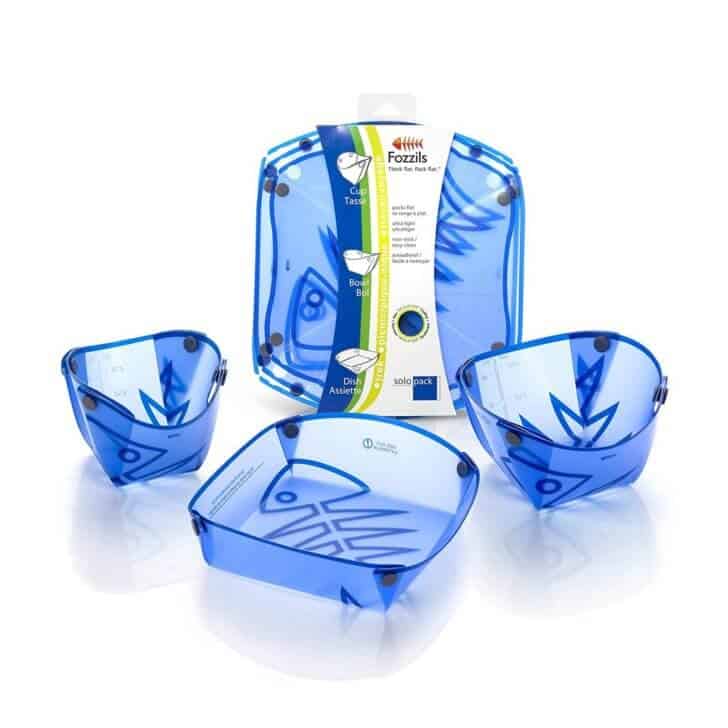
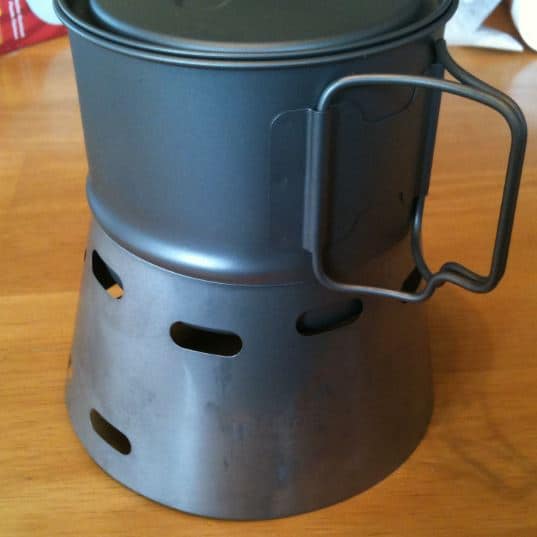
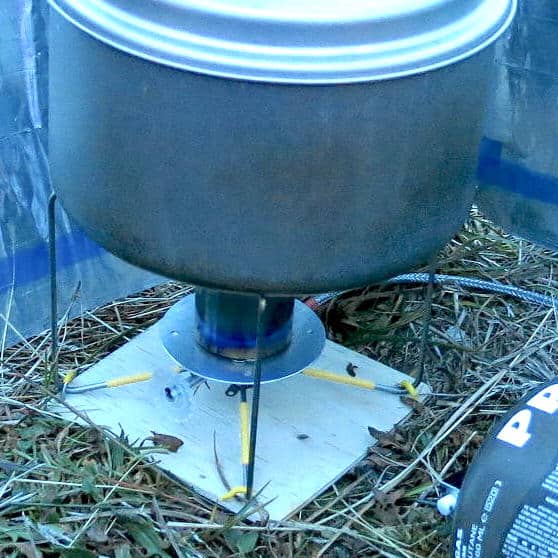
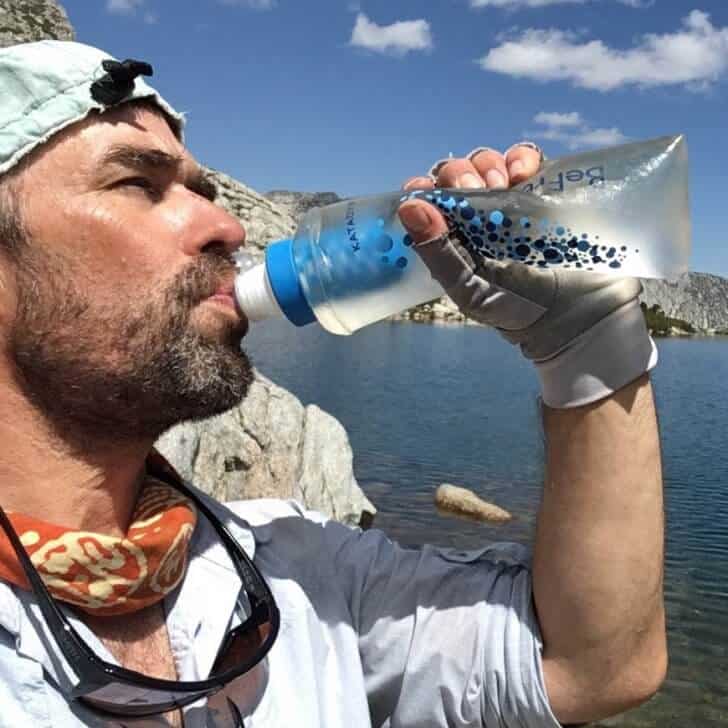
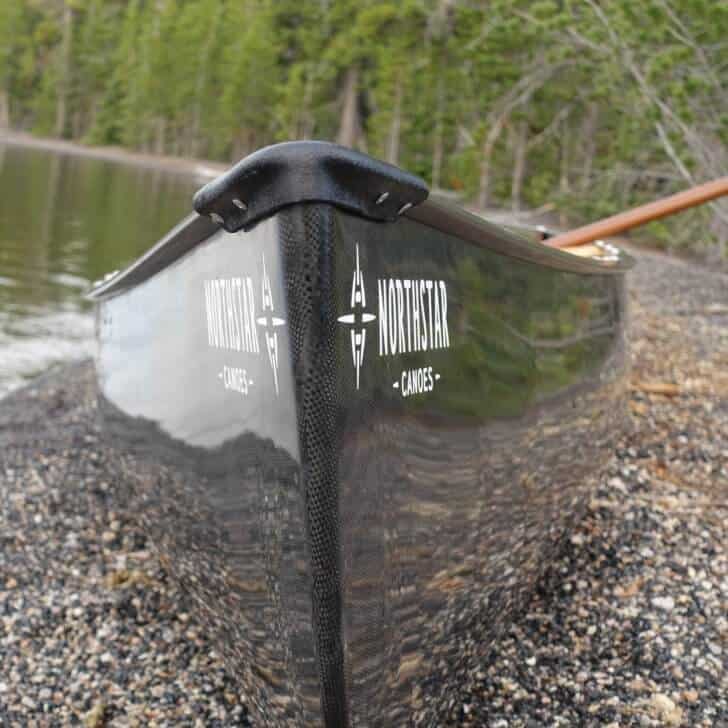

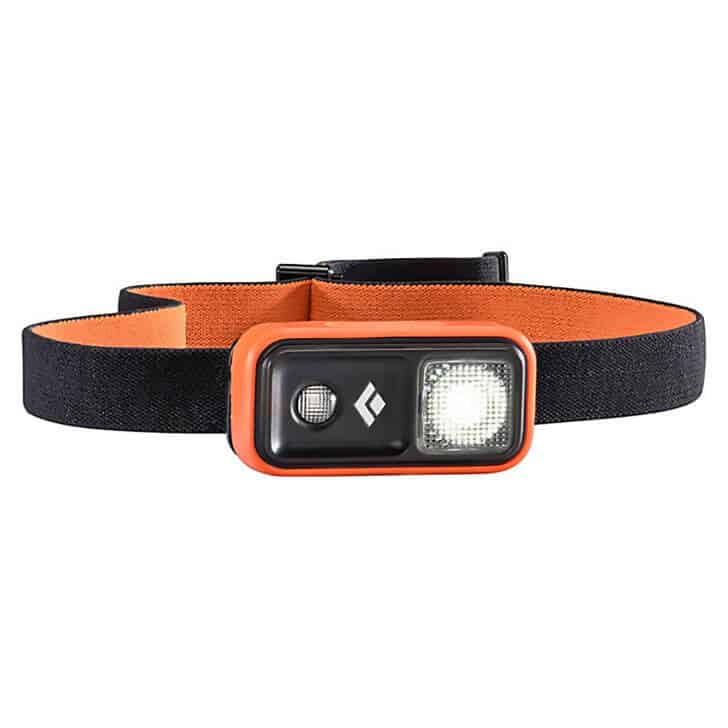
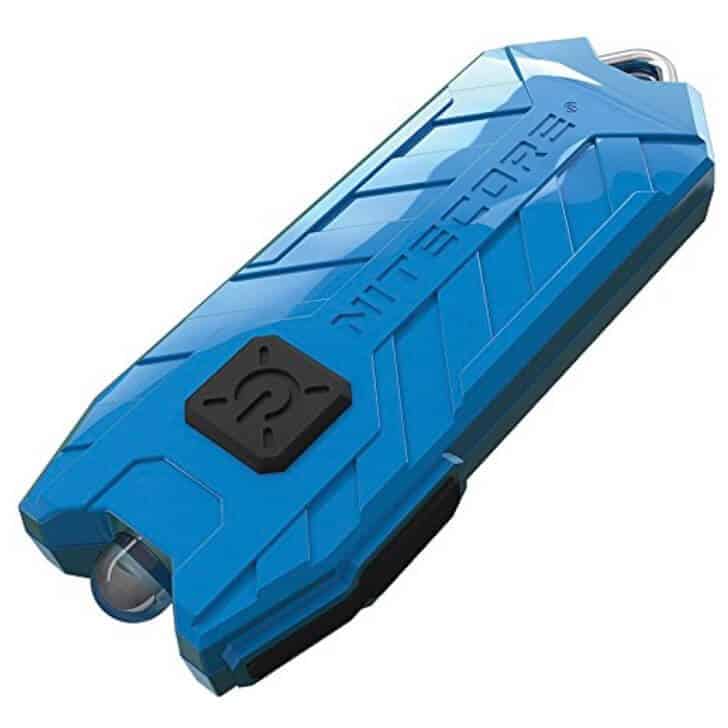

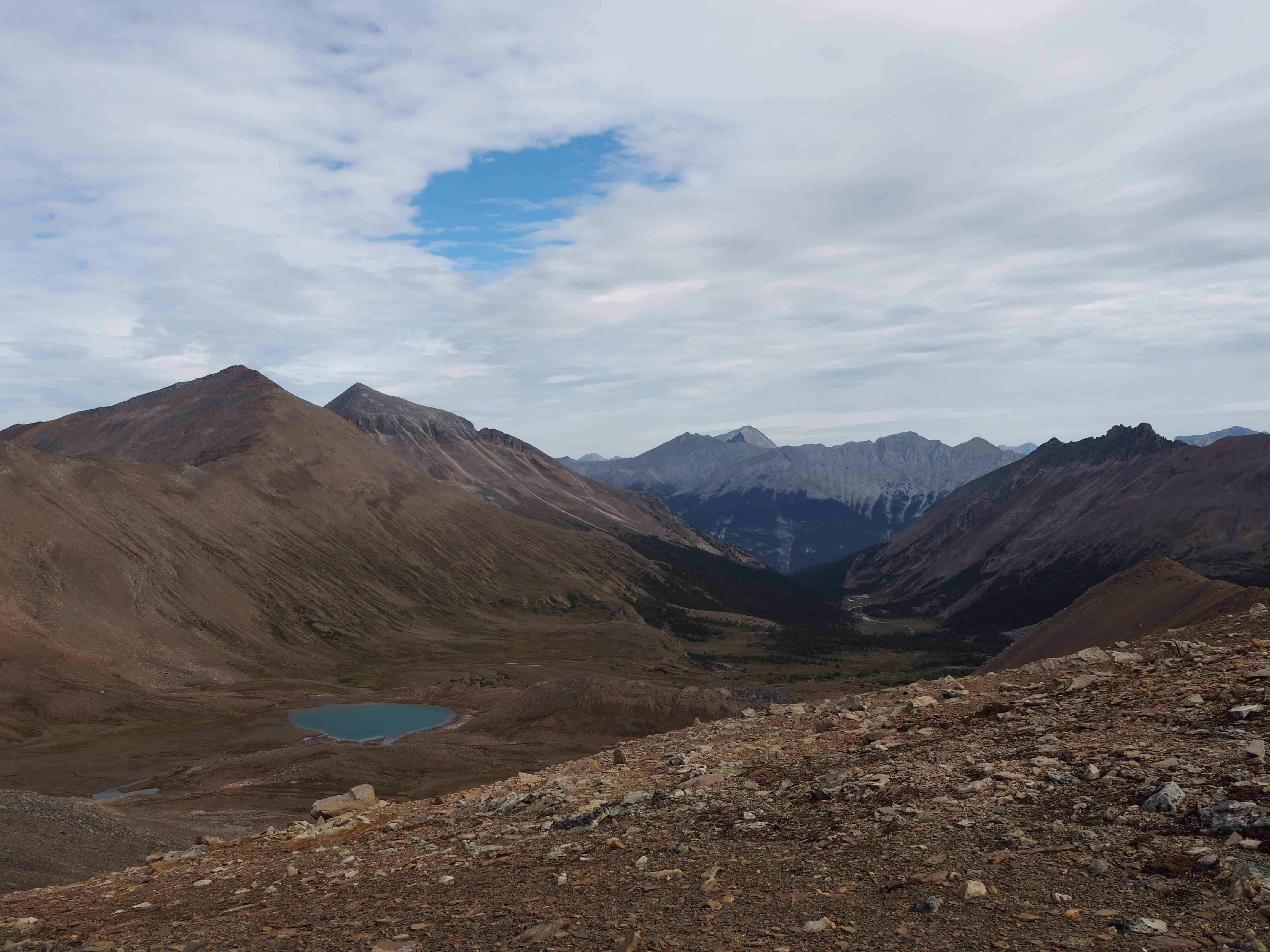
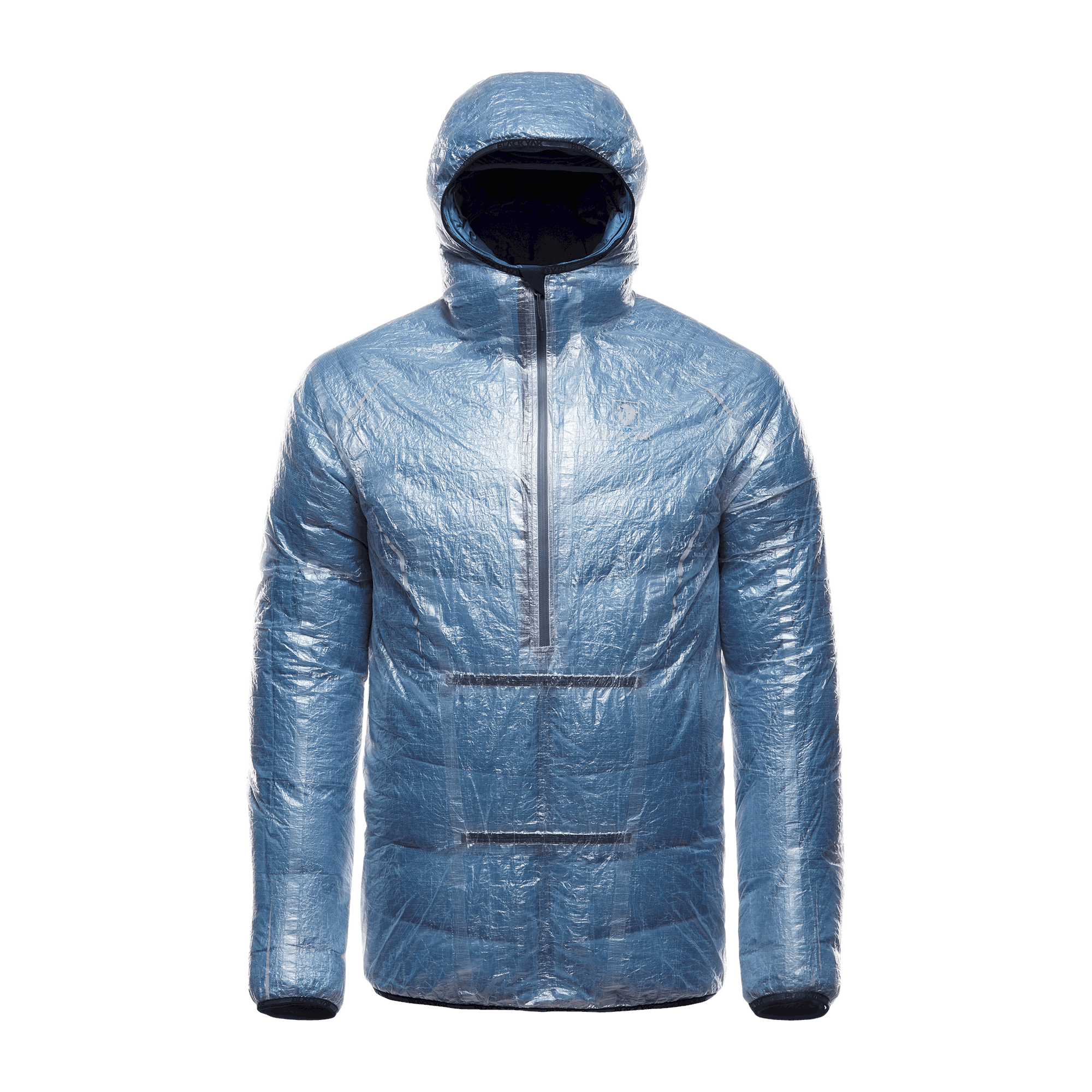
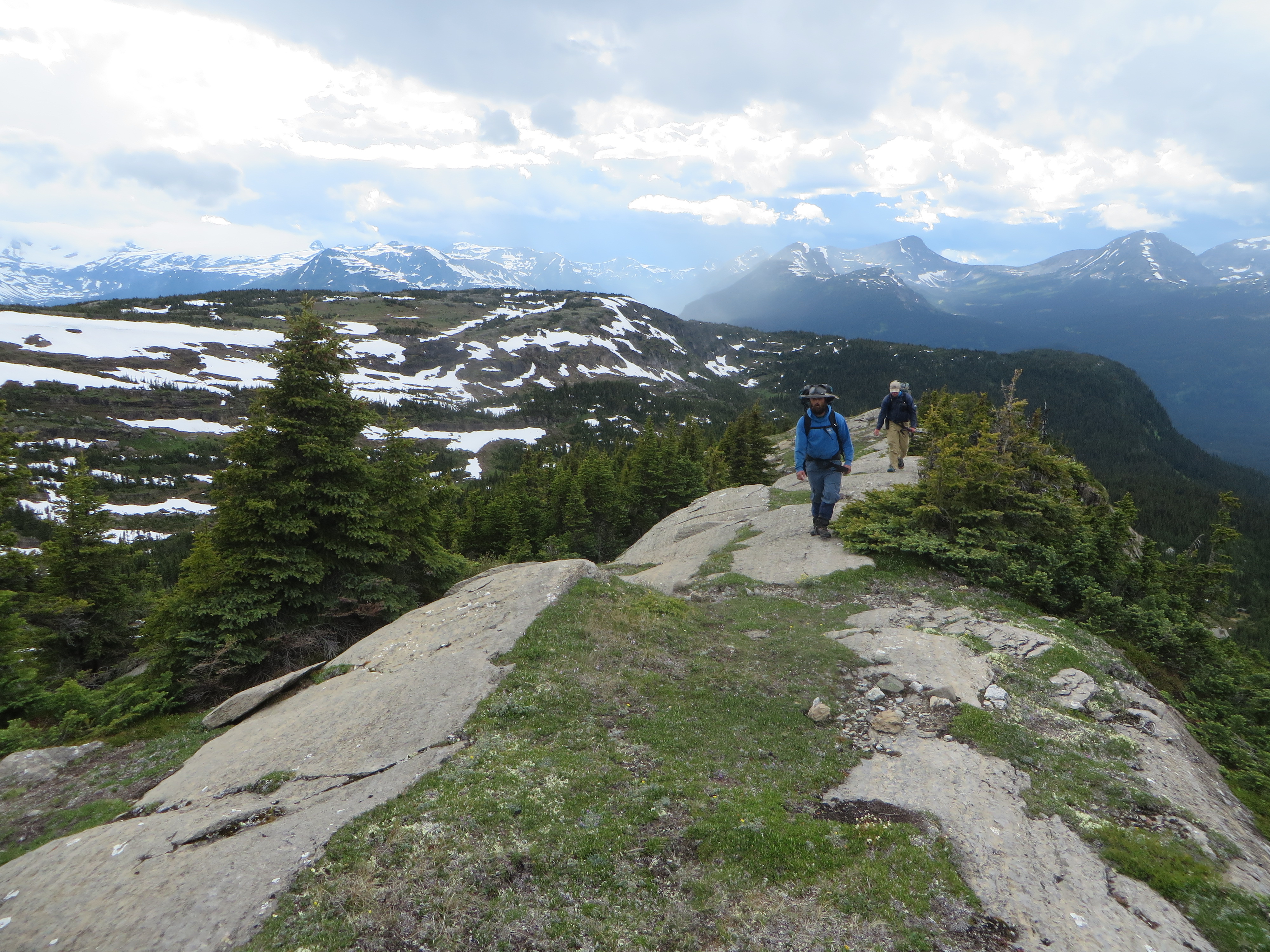
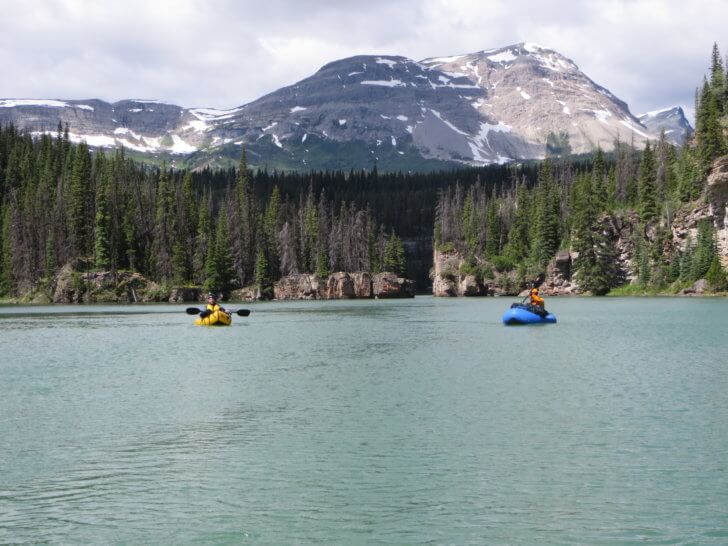
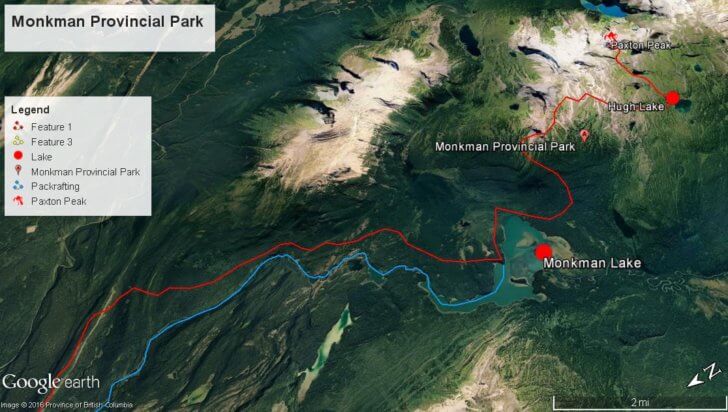

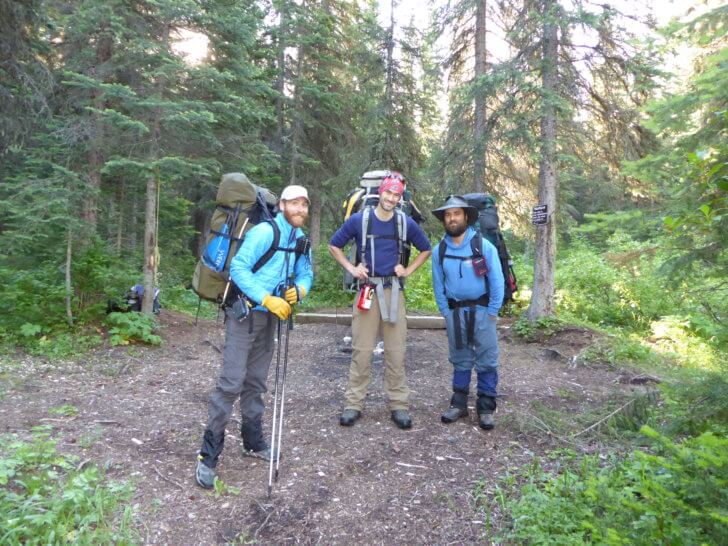
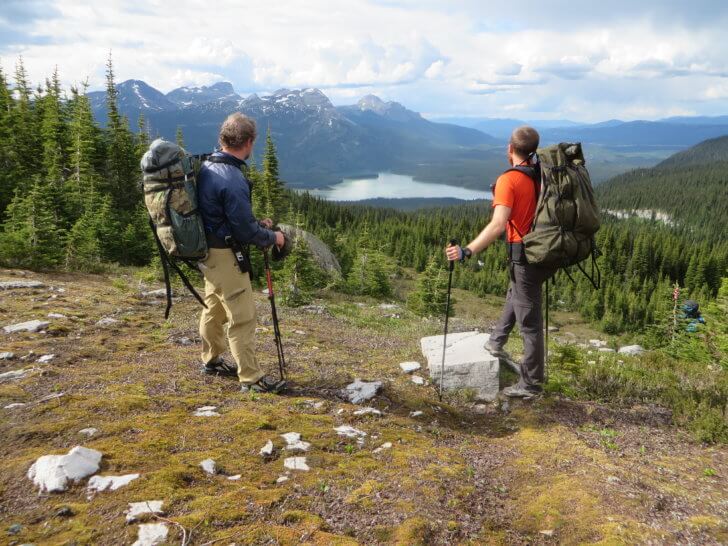


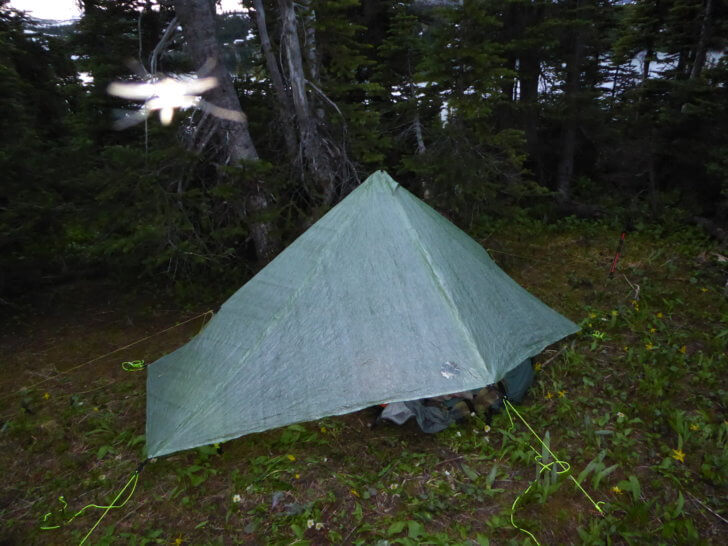
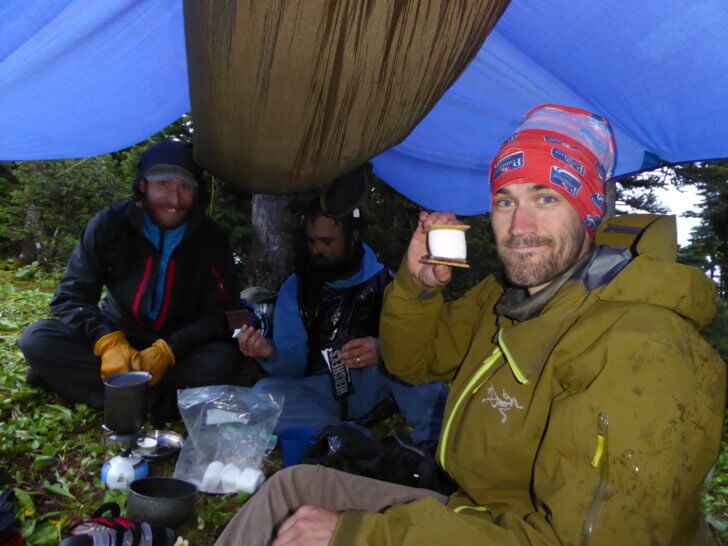
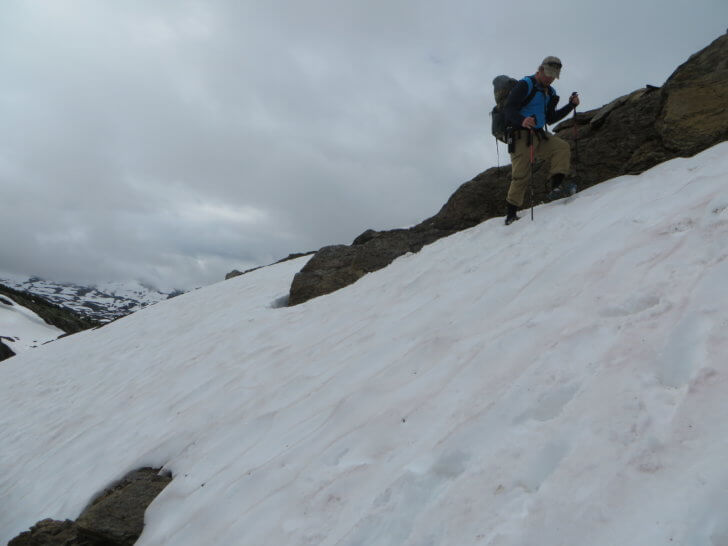


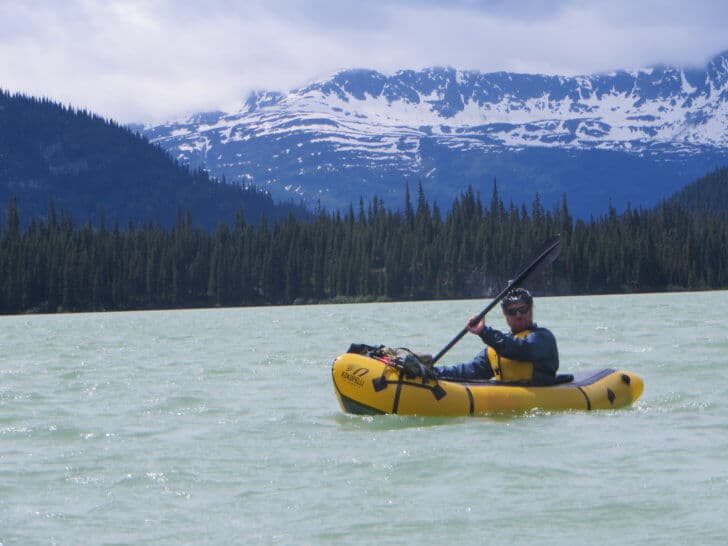


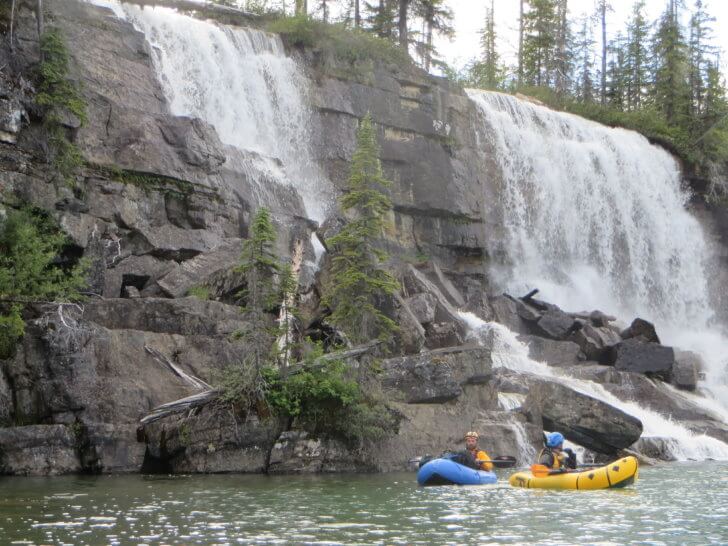

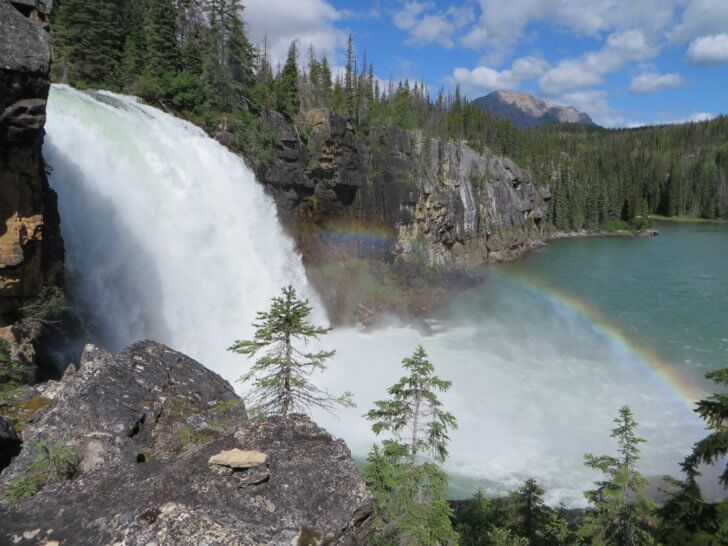
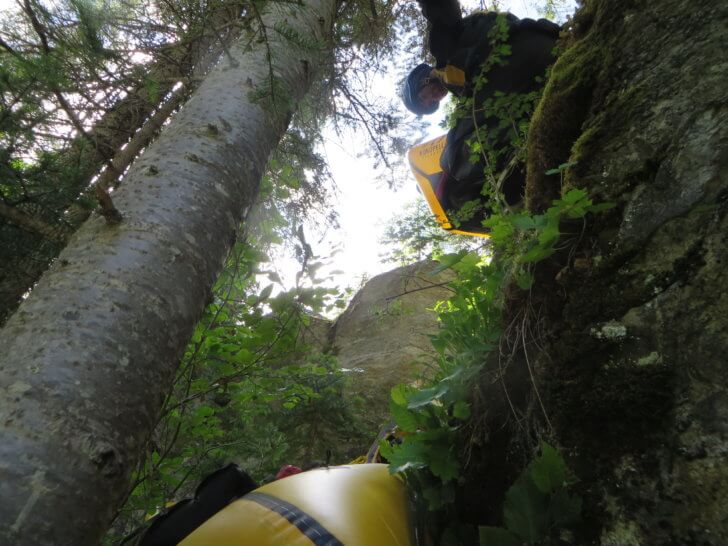
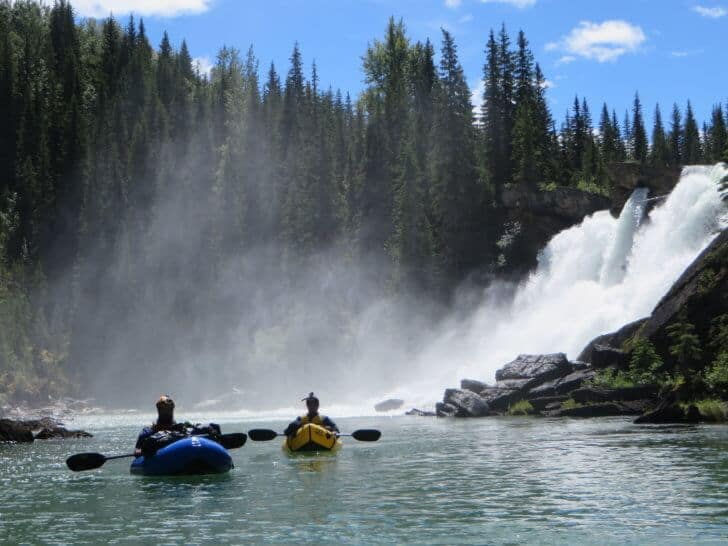

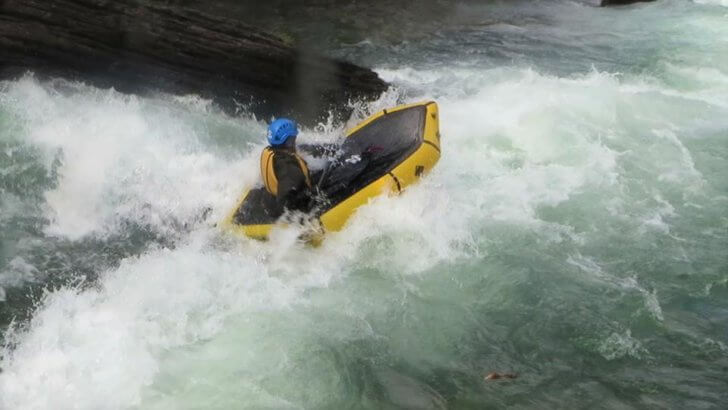

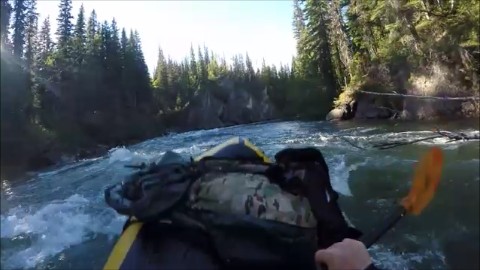
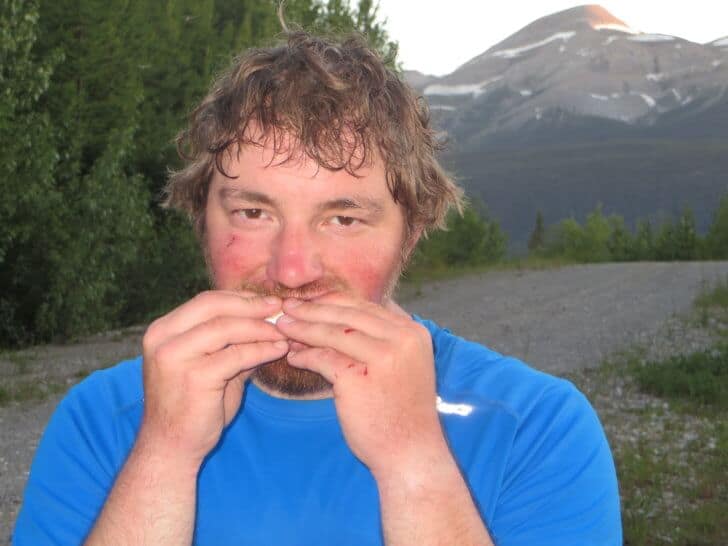
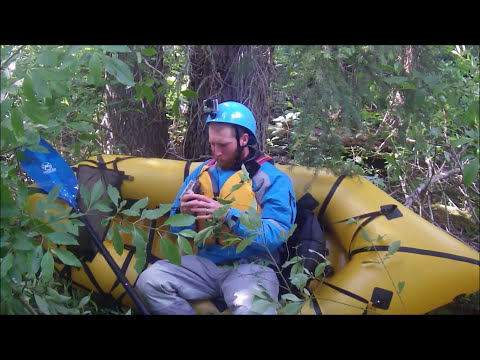
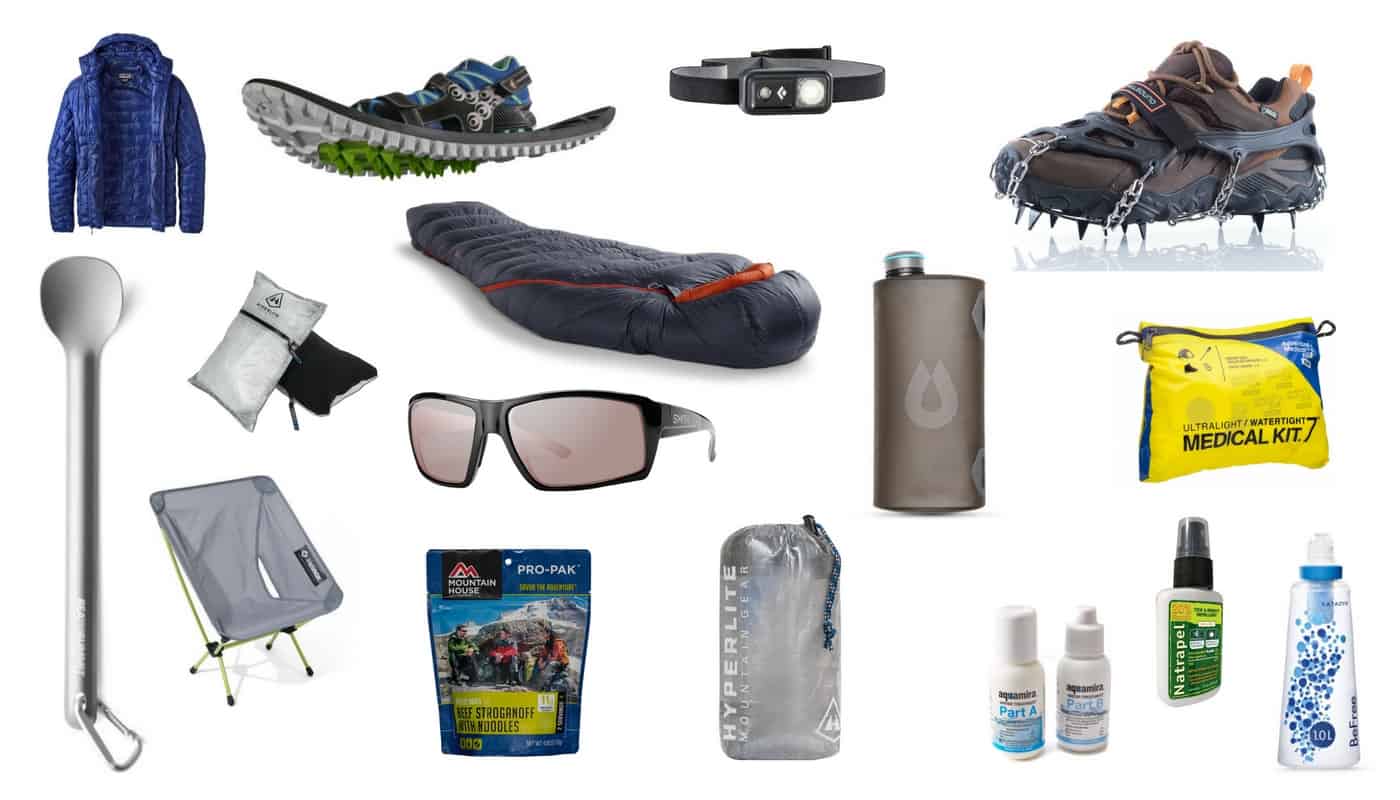
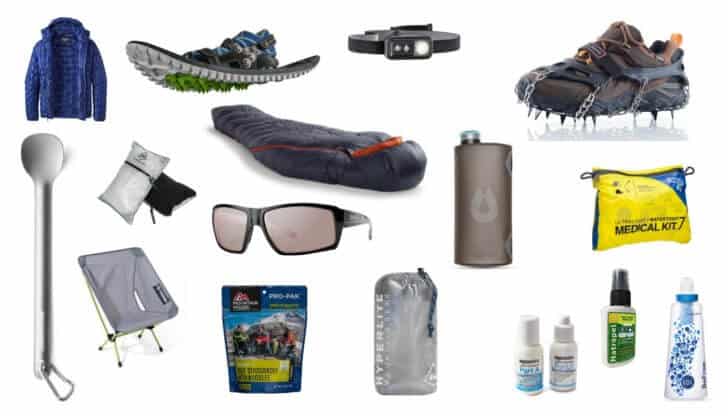 Don’t worry, it’s not one of those holiday gift guides where the author writes words like “best” and “indispensable” and “must-have” and recites bullet points from press releases and specifications tables. My hope is that if you’re reading this, you get something a little more than that out of what you’re about to read. Hopefully, you’ll find some valuable product info, some education, and some tidbits on how to shop for and select gear. I’ve actually used every item we recommend in this article extensively in 2017, and I’m going to share my own perspectives on why I selected this gear and why I think it’s good stuff. It’s as much a consolidation of a bunch of summary product reviews as it is my list of recommendations for backpacking gear gifts for this holiday season.