You don’t have access to view this content.
Now
I’m inspired by Derek’s Now concept, and I think it may provide some value to you. Here’s what we’re doing now.
I’m inspired by Derek’s Now concept, and I think it may provide some value to you. Here’s what we’re doing now.
You don’t have access to view this content.
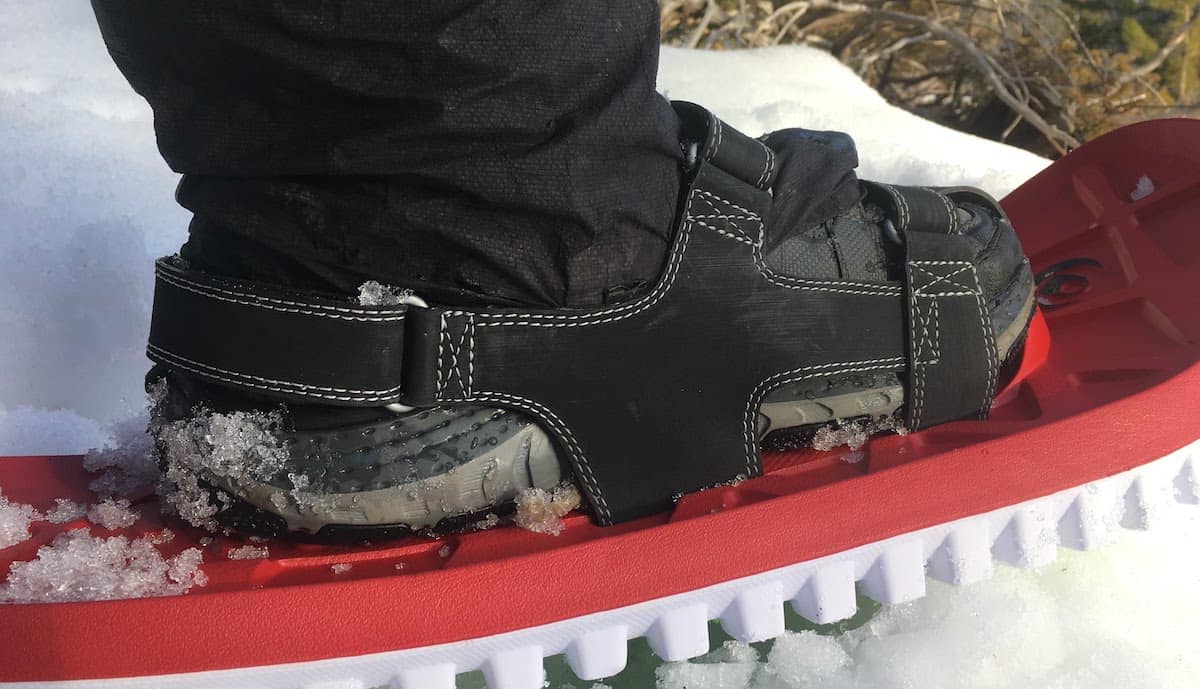
This Crescent Moon EVA Snowshoes review addresses the use of foam as a snowshoe material, combined with a fixed shoe binding.
You don’t have access to view this content.
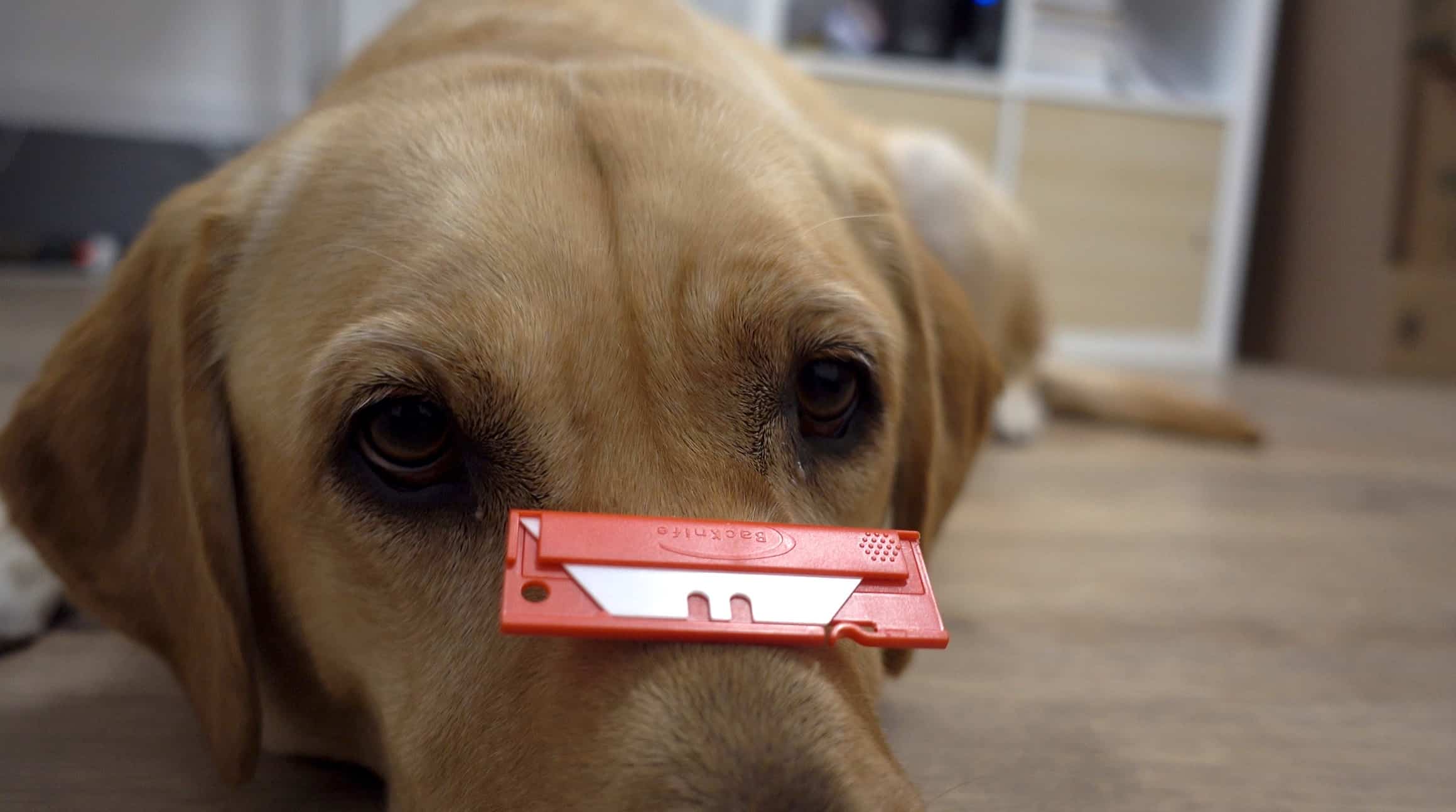
In this Backnife Review, we focus on the comprehensive (sic) blade technology in this detailed analysis of a cutting tool ;)

Not all ultralight backpackers carry a knife on a routine basis (myself included). Carrying a knife seems extraneous to me. I seldom need one unless I’m cutting guylines, cleaning fish, repairing gear, striking a fire-starting flint, shaping first aid tape, opening a food package, slicing cheese, or whittling up a pile of dry wood shavings.
Oh, wait. That actually seems like quite a bit of utility, actually (sic).
OK, so I may actually find a knife to be useful after all.
But I’m not a knife guy.
Which is code for I have zero interest in spending exorbitant amounts of money on a knife I’ll probably lose.
My criteria for a good knife are simple:
Guess what, y’all – I found the perfect knife for me!
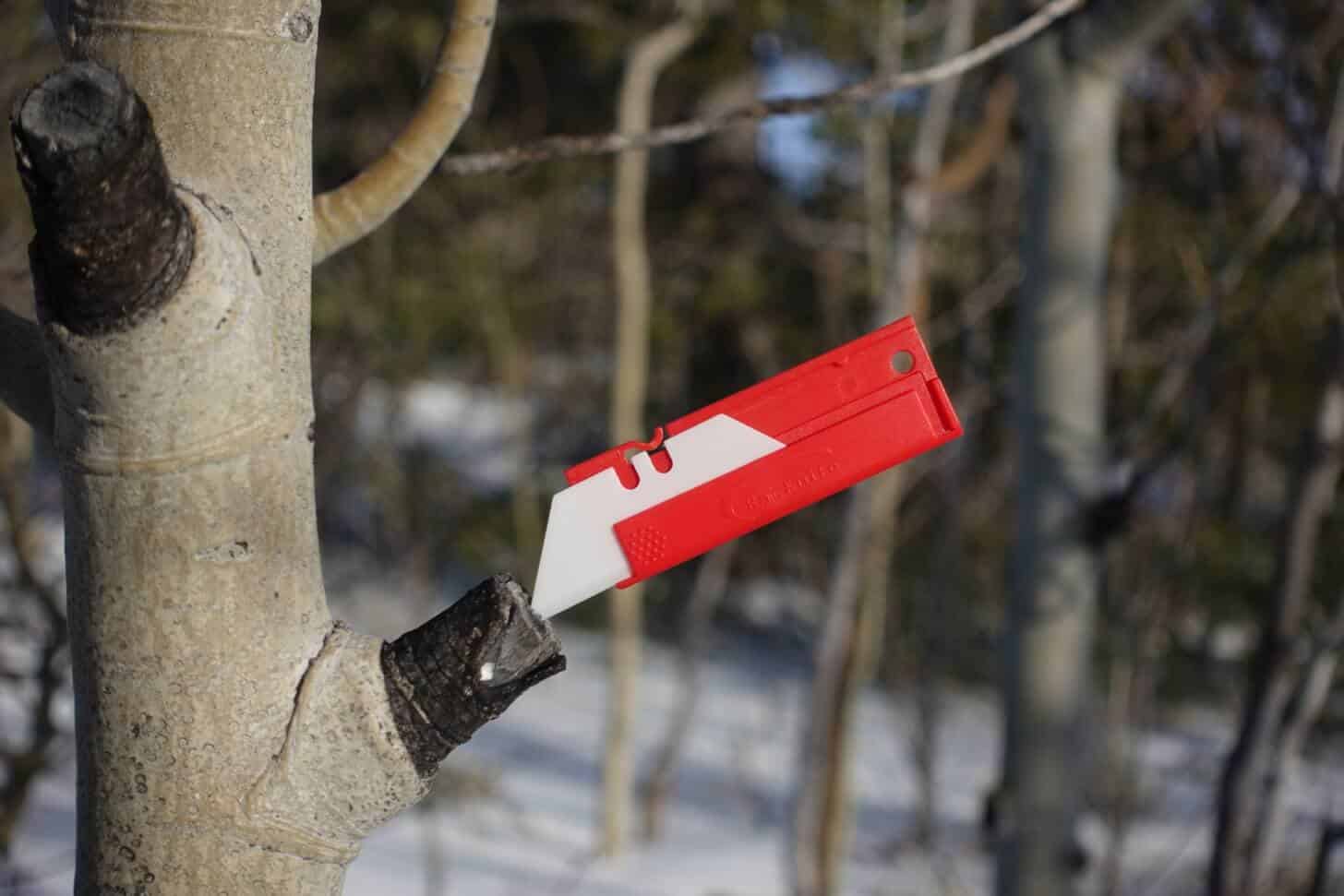
Imagine a cutting tool that slices through Spectra cord like an as-seen-on-TV-tomato knife plowing through a pop can.
This is the idealized micro-Utopian vision of every ultralight backpacking enthusiast, and it’s the promise made by the Backnife Micro-Utility Knife.


This is the extent of my performance review:
I cut up a bunch of stuff.
First, paper #FTW!
Then, tape, cardboard, aluminum cans, and on to fabrics (silnylon, then spinnaker, then DCF pack fabric, then pure Spectra). By the time I reached the fabrics, the Backnife was still making clean cuts.
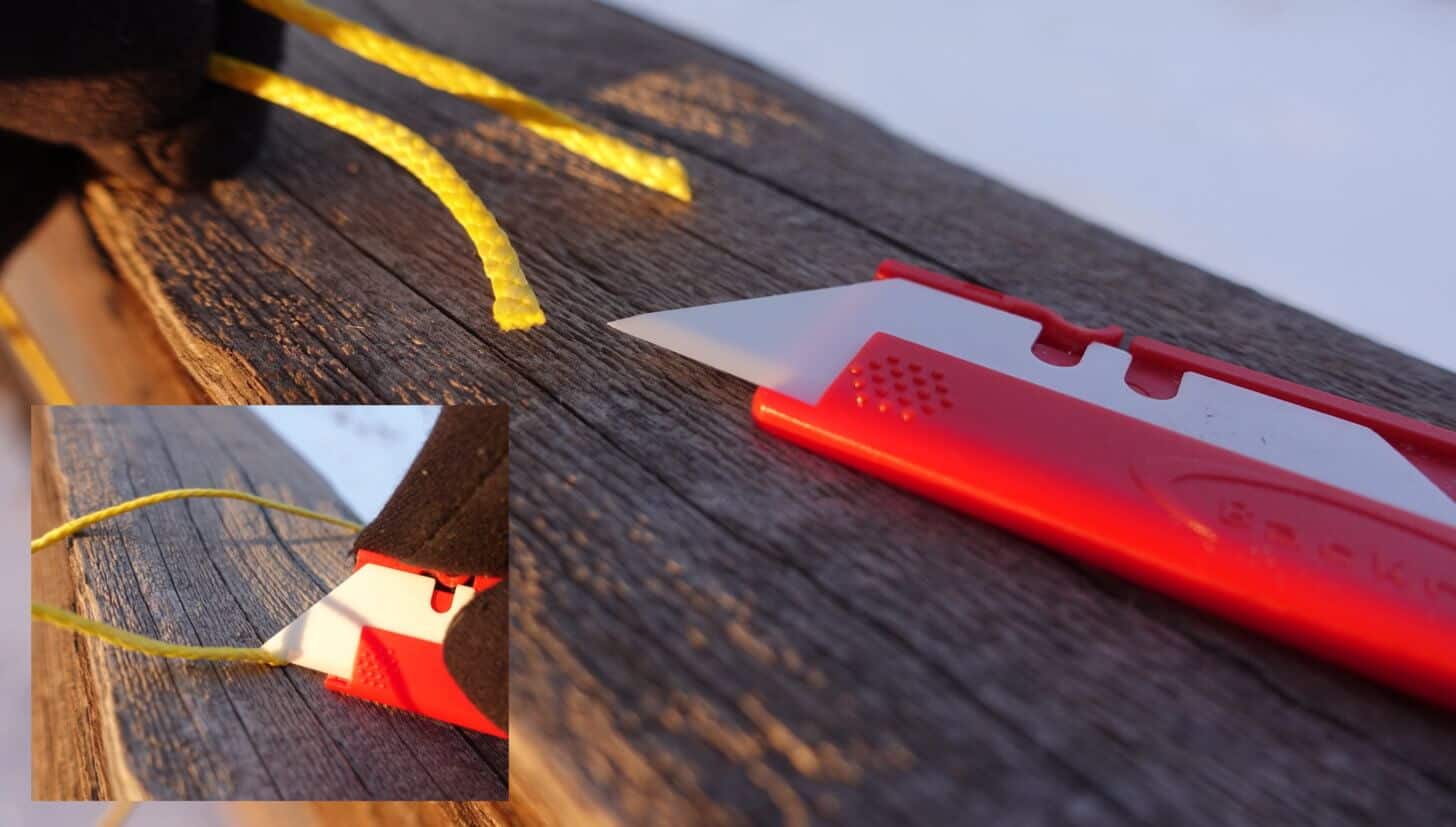
But then the real test: pure Spectra cord, which isn’t handled well by most steel knives. Plus, Spectra dulls steel like you wouldn’t believe. After about one hundred cuts of Spectra cord between 2 and 4 mm in diameter, the knife was still making clean cuts.
Maybe there’s something to this white blade and its ceramic nature.
Visit their website.
I didn’t ask for this knife. I didn’t even realize I wanted it until I got it.
It wasn’t on my Christmas list, nobody bought it for me, and I’m not making (much) of a fortune by writing a good or bad review for it! In fact, if you end up buying a knife as a result of reading this review, Phil’s gonna get all the money. That’s pretty awesome for Phil.
I received the knife as an unsolicited package from knife-maker Phil Cressman, a Canadian. It was in a Tyvek envelope, which I thought was cool because it was Tyvek.
In a way, you could say it was a donation I suppose. But I had no obligation to review it.
I did think it was a really cool product because it weighs a quarter of an ounce and was designed with a lot of thought.
So there. Go buy one. Support Phil. He seems like a decent guy with a great beard. Also, he’s Canadian, and that has to count for a lot! Go Phil!
*Phil is not a family member, and he does not have any tight, loose, medium, or undisclosed financial interest in Backpackinglight.com, or Russia. (As far as we / Jeff / Robert can tell.)
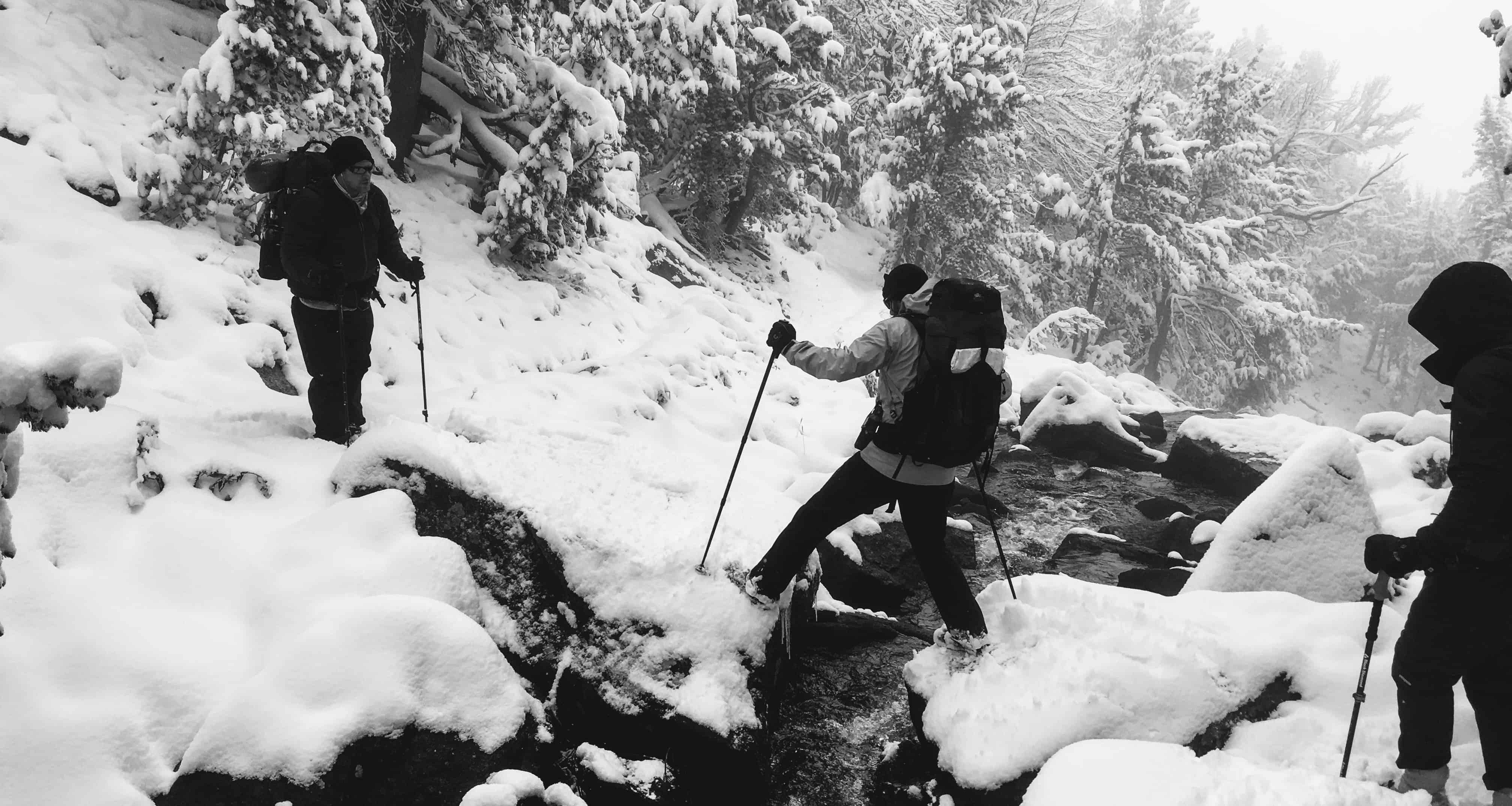
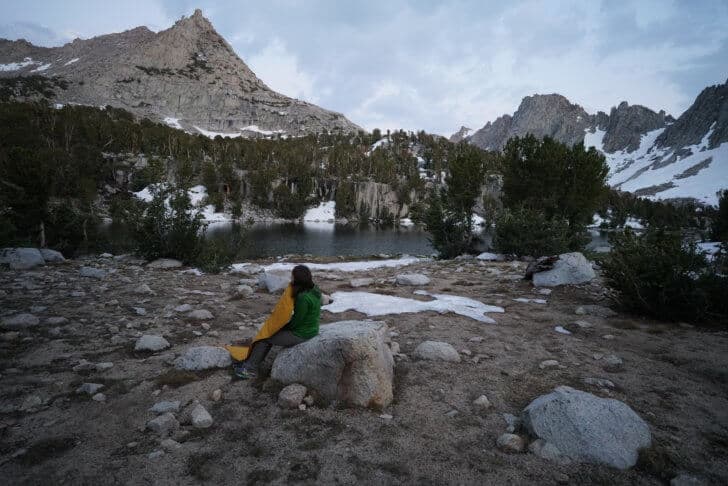
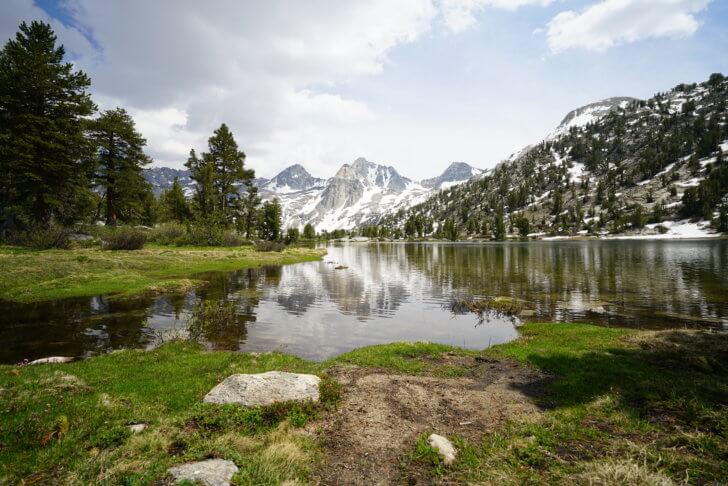
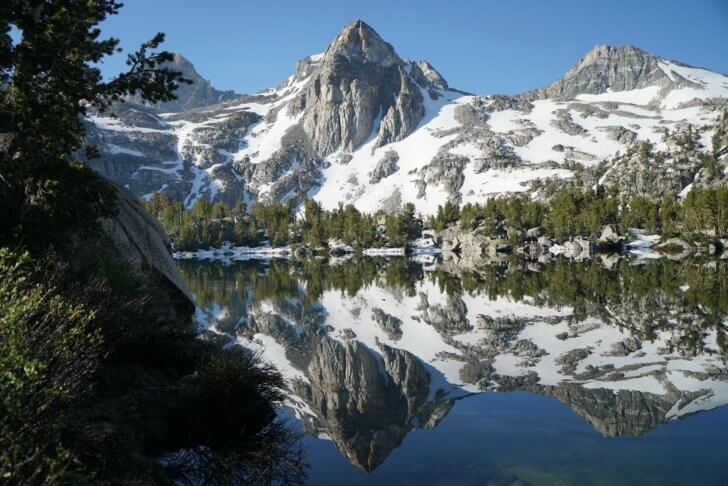
Chris and Muzzy go to Rae Lakes (film!) during the High Sierra’s most biggest snow season on record! Arg! What about their marriage?
[Muzzy] My husband is an avid backpacker. For years, he has been asking me to go with him to see the breathtaking views of Kings Canyon he could never quite capture in a picture. I don’t consider myself a backpacker, or even outdoorsy. I’m not sure if I agreed so much as I finally gave in.
The plan was to hike to Rae Lakes in July 2017. Several years into a drought in California, a record-setting wet winter rolled through. We were thankful for the much-needed rain and filled with anticipation as to what this would mean for our upcoming trip.
What this meant was record snowfall in the Sierra, ice-axes, micro-spikes, and a new route.
Watch the film:
[Chris] I had intended on a documentary about the Rae Lakes loop starting from the western Sierra. However, the heavy snow took out a vital bridge at Upper Paradise Valley earlier that season, making that loop impossible. Instead, we started from the eastern Sierra at the Onion Valley trailhead, which honestly, was more exciting.Day 0: The Westin Hotel in Mammoth. (A rugged acclimation camp where only the toughest of the tough can survive.)
[Chris] Making this documentary required 11 lbs of camera and audio gear. Conditions also required us to carry ice axes, microspikes, and Goretex socks which added another 23oz for each of us. This forced us to go as light as possible everywhere else. Luckily, through the miracles of UL philosophy and technique, we were able to keep our packs reasonable. My Zpacks Arc haul peaked at 32lbs, and my wife’s Zimmerbuilt pack was 27lbs.
For a complete list of camera gear Chris used on this project:
http://www.chrisisawesomeproductions.com/the-camera-gear-i-used-for-making-my-rae-lakes-documentary/
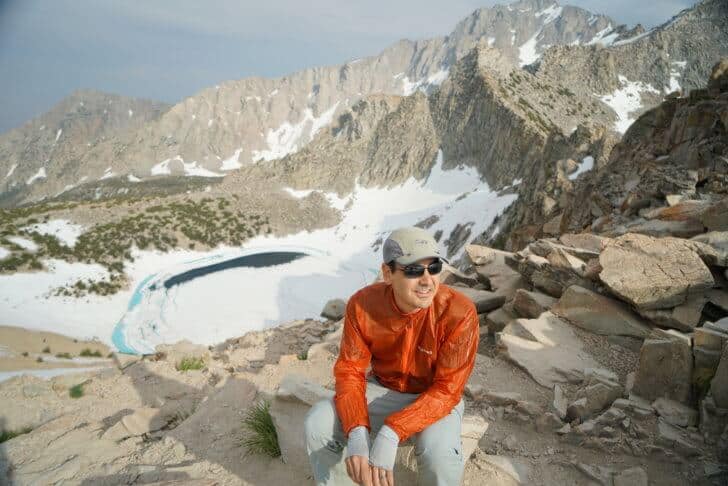
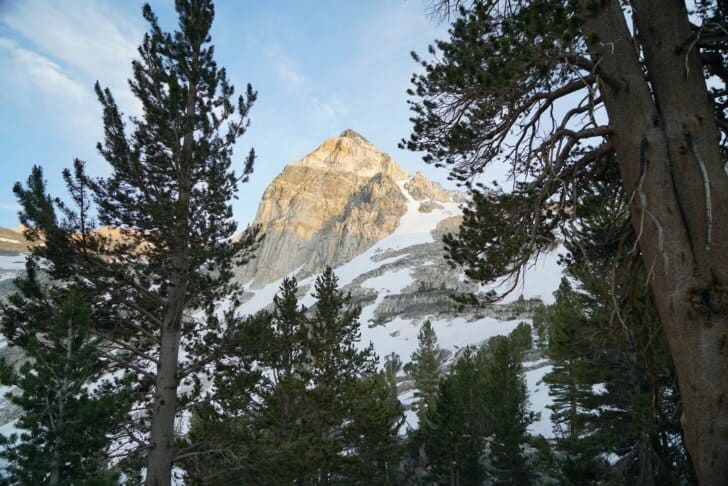
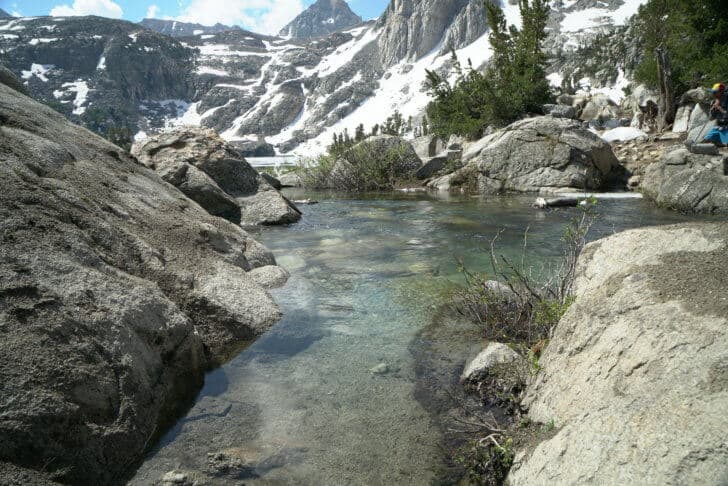
[Muzzy] The hike was beautiful from the start. A few miles in we escaped the heat and started to encounter snow. New to me, I was nervous but excited. We marched on to Kearsarge Pass and down into the gorgeous lakes below. We saw a California Black Bear: our welcoming ambassador to the wilderness. It was a perfect first day.
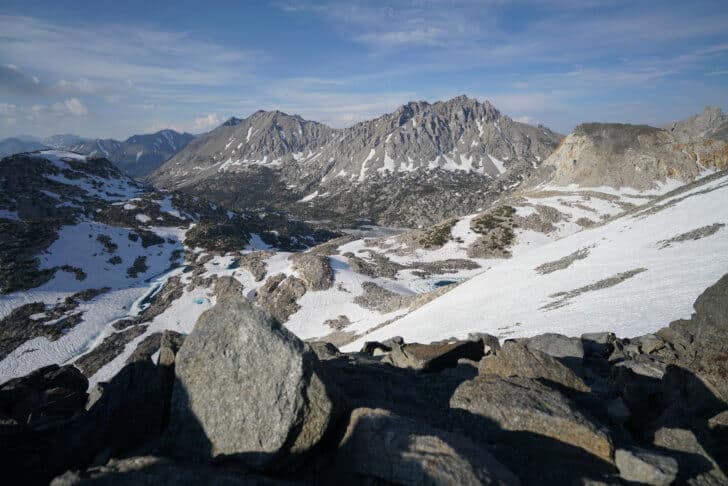
Day 2, we hiked along Bullfrog Lake toward the JMT. I got a little nervous when we had to grab our ice-axes, and again when we were on our hands and knees scaling over snowy boulders. But then I saw the south side of Glen Pass. There were snow covered mountainsides and scree to my left, and icy lakes and rocks to my right down below. I’m not confident or competitive. This didn’t motivate me. It terrified me. I was imagining a wrong step and tumbling.
[Chris] I planned out the shots pretty well for this project and had my camera ready when she got to the top of Glen. Her elated facial expression with the Rae Lakes basin visible below was supposed to serve as the opener for the documentary. Her reaction was quite different. The conditions didn’t seem that bad to me, but I forgot how new she was to snow travel. She was… eh….not displaying elation. I thought she was going to punch me in the face, but eventually, she pulled it together.
[Muzzy] At the top of Glen Pass, I looked ahead to the descent before us. A steep, snow blanketed mountainside, and a small path stomped down by hikers who passed before us. The sun was setting. The temperature was dropping. And there was nowhere to go but forward.
As if to make sure I received the full experience, we had to complete a waist deep, cold water crossing, in the dark, just before getting to our campsite. I was so thankful when the day was done. Thankful for our tent and dry socks. Thankful for our sat phone and hearing our kiddos on the other end.
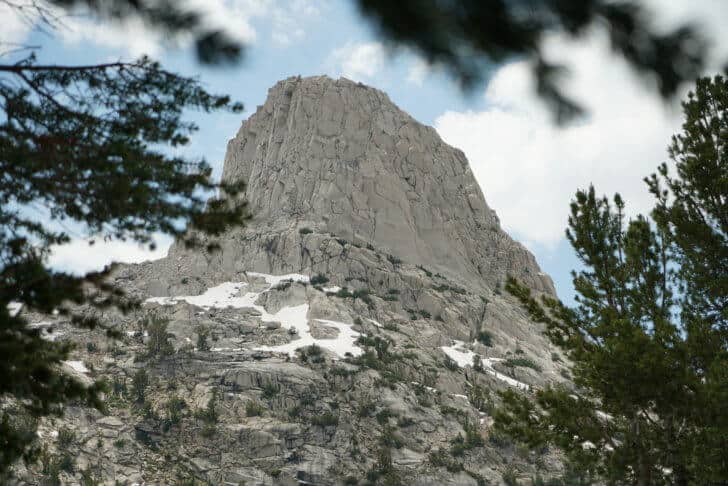
We spent two nights in the Rae Lakes area enjoying the beauty of it all. Chris showed me his favorite spots. We enjoyed views of Painted Lady and Fin Dome, beautiful flowers, sun, hail, and an hour-long thunderstorm: a smorgasbord of Sierra Nevada experiences.
[Chris] In addition to the fairly lighthearted storyline, there’s obviously some serious messages about backcountry safety. These were influenced by the NPS during the film permit process, but I honestly agree with them. I think the most dangerous backpacker demographic is the 10-20 trip backpackers. That’s the range where I thought I knew everything. After ~60 trips I’ve been humbled so many times that I’ve learned to treat wilderness safety with more respect. I think overconfidence is a killer out there. So yeah, if I have to interrupt my little video project and put in a safety message, sure, why not. Maybe it’ll save someone’s life someday. I’d say that’s more important than the “flow” of an amateur film.
[Muzzy] By day 4, the snow had melted some over the last few days, and my familiarity with the path was reassuring. I may have even enjoyed my view from the top of Glen Pass this time.
Back at beautiful Kearsarge Lakes, it was our last night in the Sierras. We were stinky and sore and missed our kids.
[Muzzy] In the car, we headed up highway 395 reminiscing about the trip we had just taken on the other side of the mountains we were driving so quickly past. I was reminded that it’s good to get outside of your comfort zone every now and again, to share an experience, and to push yourself.
I was happy to be headed home, but also happy I’d finally experienced Rae Lakes. A different experience than my husband had had so many times before. But this time we’d created new memories, together.










Supported in part by friends at:
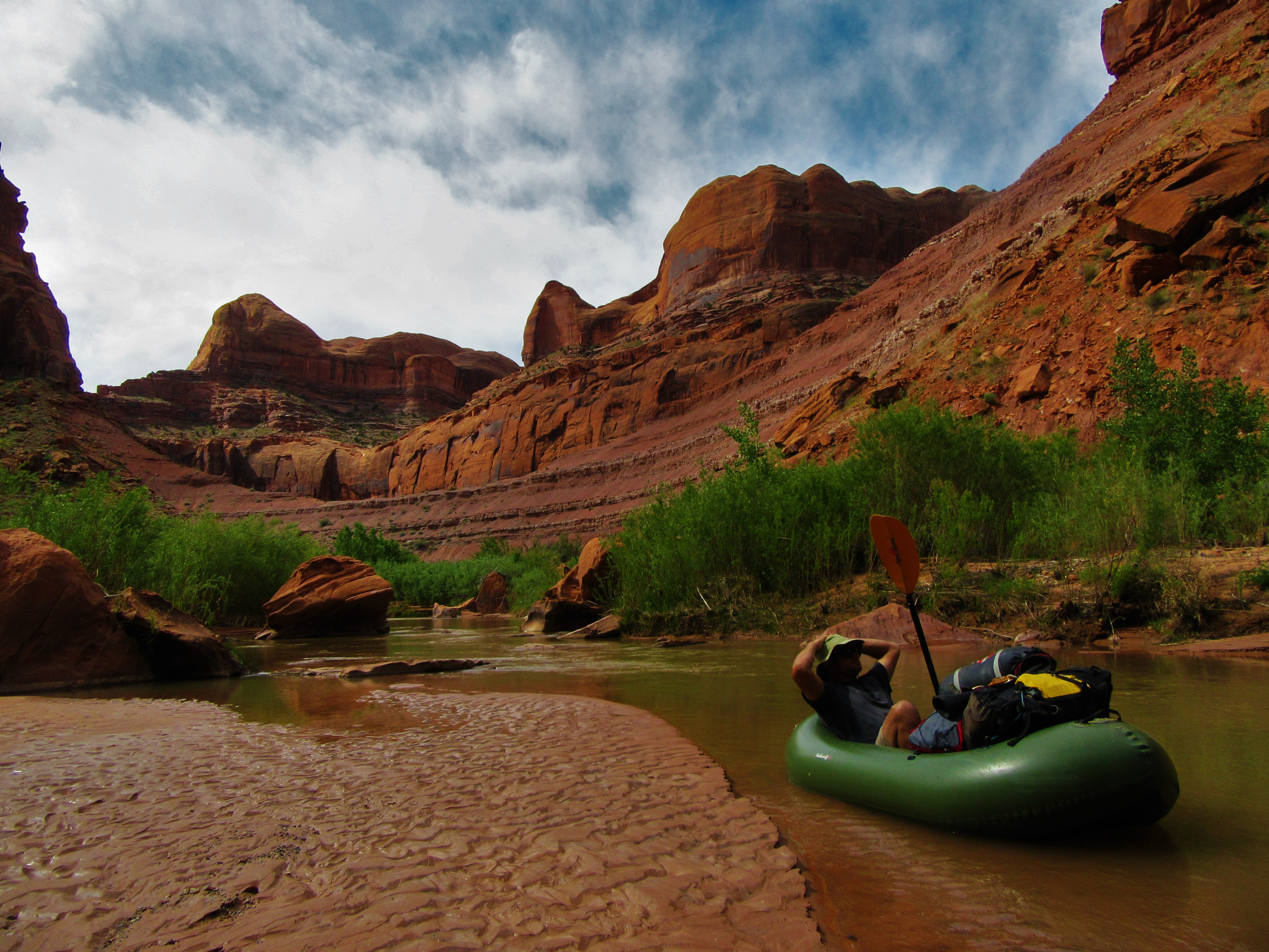
Packrafting and canyoneering in Escalante multiple activities on the same expedition.
You don’t have access to view this content.
Keep feet warm and dry by using a carefully designed system that involves different types of socks, shoes, and gaiters.
As winter approaches we face new and unique challenges with ultralight gear. In particular, cold and wet conditions reveals the limitations of ultralight footwear in acute ways. Flitting through the forest wearing 8 oz mesh sneakers and thin wool socks while carrying a light pack is one of the joys of ultralight backpacking. However, this joy can turn to discomfort as temperatures approach the freezing point and precipitation begins to fall. Avoiding wet, cold feet when backpacking requires skill in implementing a process, as well as carefully selecting gear. Both process and equipment are addressed in this article.
In a previous article I wrote about inclement conditions gear, I discussed a cold/wet weather footwear system that provides the basis for additional detail and rationale outlined in the article you’re now reading.

You know the routine.
You’ve been hiking all day, perhaps fording streams, and your feet, shoes, and socks are wet. Stormy conditions unfold, with the prospect of cold temperatures and freezing rain or snow for the next few days, and you realize that the prospect of drying out gear anytime soon has vaporized.
Things go OK as long as your moving along the trail, but as soon as you get into camp, your body’s internal combustion engine starts idling. The first place you feel the uncomfortable cold: your feet.
You may find it very hard to recover from cold feet. It’s not uncommon for ultralight backpackers to experience cold feet during their entire time in camp, with no hope of warming up until after they’ve been on the trail for an hour or two the next day…
Sounds fun, doesn’t it?
I can assure you that it’s not.
Add snow to the mix, and low temperatures below freezing, and you not only have a recipe for cold feet, you get to enjoy some meaningful pain as well.
On our Wilderness Adventures Trek in Montana’s Absaroka-Beartooth Wilderness a few weeks ago, we experienced the full gamut of nature’s emotions: warm and sunny at our starting trailhead, and then four days of sustained cold, rain, and snow. We crossed the mountain passes. By the time we crested the last one at 11,000 feet, we were trudging through two feet of snow. That night, the low temperatures dipped into the teens.
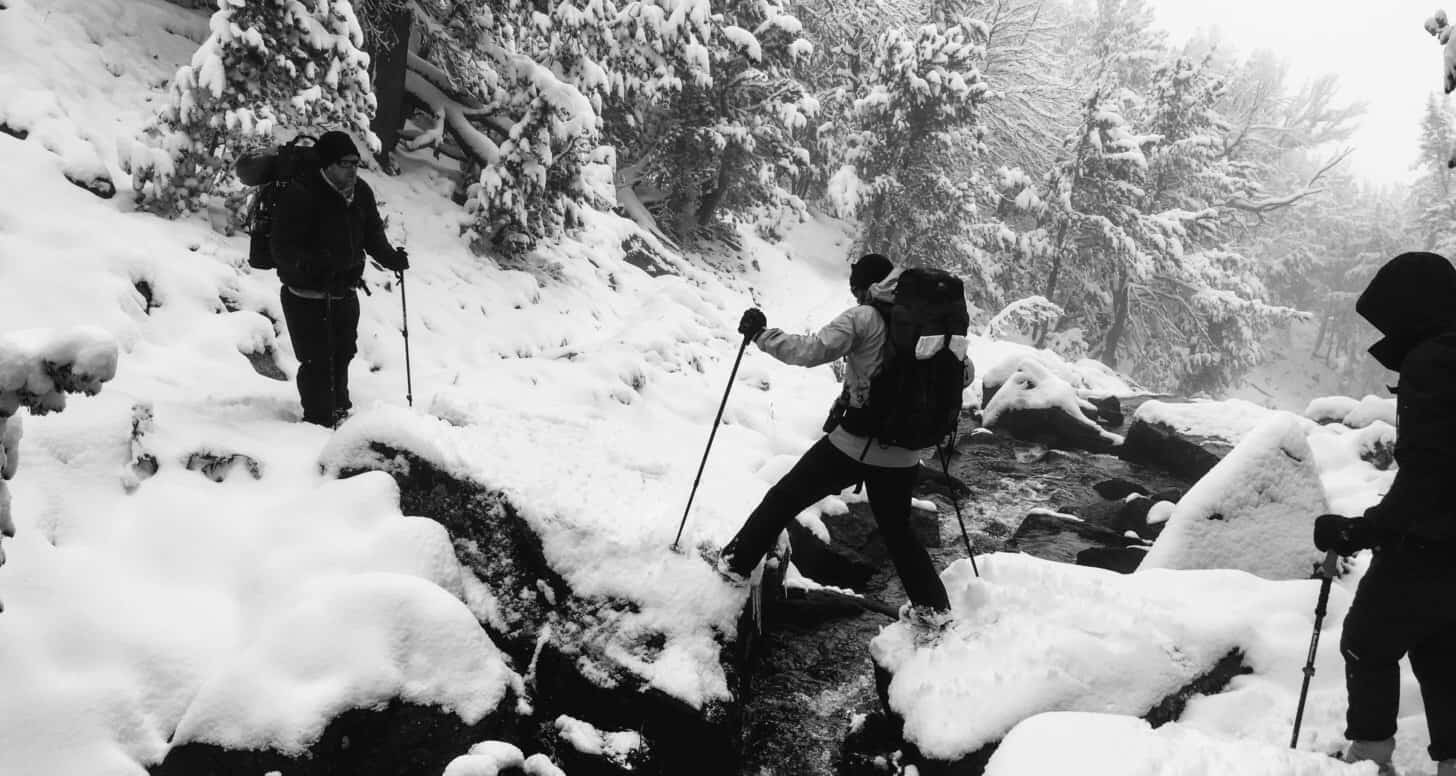
These are extremely challenging conditions for ultralight footwear.
Here’s how I mitigate these challenges with a carefully selected footwear “system” for inclement, cold conditions:
Normally I’m not a fan of waterproof-breathable membranes in my shoes because they create a hot, humid environment while trekking in mild weather that leads to maceration and blisters. However, if I know my feet are going to be exposed to perpetually wet, cold conditions, a shoe with a waterproof-breathable membrane helps keep feet warm(er) and dry(er) than meshy shoes that leak at every pore.
For snowy weather, a “mid” height shoe (with a cuff rising to just below the ankle) helps keep a gaiter seal intact without compromising the mobility of the foot-and-ankle joint.
I’ve mostly been wearing the Hoka One One Tor Tech Mid WP for most of my inclement-conditions treks for the past 12 months. It’s a solid shoe, and I value (primarily) its cushioning when carrying a heavy(ish) backpack. It lacks an aggressive outsole, and its durability isn’t great (I’ve worn holes in the toebox mesh as a result of some rowdy bushwhacking), so while it remains my favorite for on trail use, its stack height and trail sole limit its sidehilling comfort off-trail.
A more technical option that I like very much that seems to offer a good balance between cushioning for packed trails and a technical-enough sole for bushwhacking and snow is the Altra Lone Peak NeoShell Mid. I’ve had the chance to test them briefly and they seem to tick all the right boxes for an inclement conditions off-trail shoe.
My other recommendation is the Salomon X Ultra Mid 2 GTX, a shoe that I have many years of experience with. This is a more durable option than the other two, and in my experience, maintains the integrity of the waterproof membrane better over time due to a more durable sandwich protecting the membrane. Caveat: if you have wide feet, you may struggle fitting this shoe once you add heavy and/or waterproof socks in it.
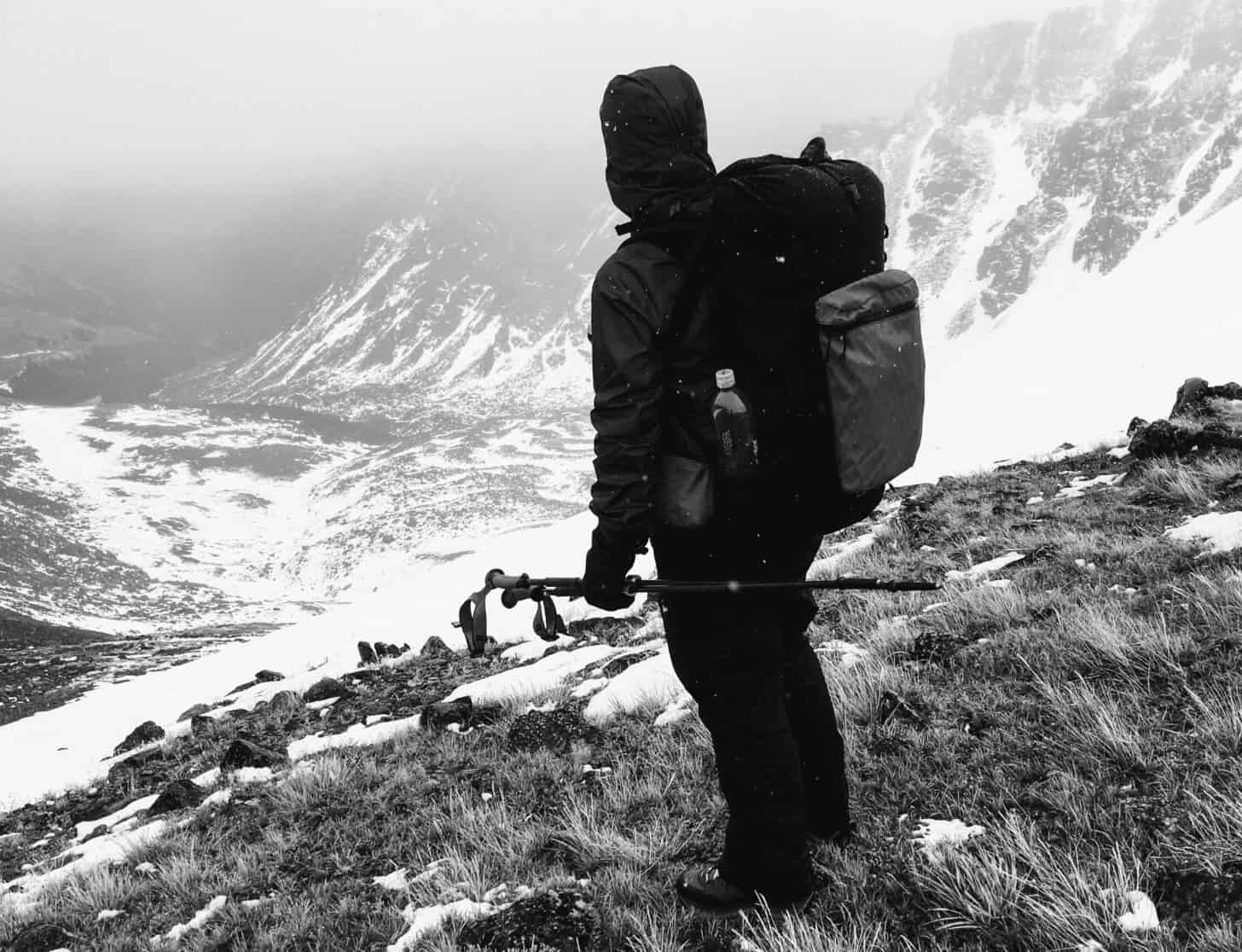
One important part of this system is the gaiter. I prefer calf-height gaiters to ankle gaiters – especially when snow is in the forecast and I know I may be trudging through six or eight or twelve inches of the fluffy stuff here and there.
There are a few cottage companies that make ultralight calf-high gaiters, including Mountain Laurel Designs and ZPacks, but after having gone through several pair of them (they are delicate, and easily suffer tears if you are spending any amount of time off trail in the bush), I prefer something more durable. In addition, these ultralight gaiters are fine for a rainy trail, but they fail to create a good seal at the gaiter-foot interface that effectively keeps snow out of your shoe.
My recommendation for a light-enough, very durable, calf-height gaiter that mates well with ultralight shoes:
For trail use and non-snowy conditions, I like the ZPacks Challenger gaiters.
For everything else (which seems like most of the time for me), I opt for the more durable and better-sealing ORRMH’s.
During the summer or otherwise mild weather, I don’t think twice about getting my feet wet at a stream crossing. It’s faster, easier, and safer simply to wade through a stream rather than try to find (often slick) rocks or logs to walk across. And I know my shoes and socks will dry rapidly in warm temperatures, and I know my feet won’t get painfully cold at night if they are a bit wet.
But in the near-freezing temperatures associated with many spring and fall trips I take, this isn’t always a great strategy.
So the final recommendation I have for keeping moisture out of the inside of your shoes is to avoid submerging them in stream crossings.
Take the time to scout for a dry place to cross.
Of course, sometimes this isn’t possible, and you’re going to get wet feet. Shoes with a waterproof membrane won’t drain, so consider spending some time on the other side of the creek taking off your shoes to pour the water out, and ringing out your socks. It’s worth it!
Another option for shallow(ish) stream crossings that I’ve found works well is to integrate a waterproof sock (durable plastic bags work great, I like these: ) between your warm socks and shoes. More on waterproof socks later.
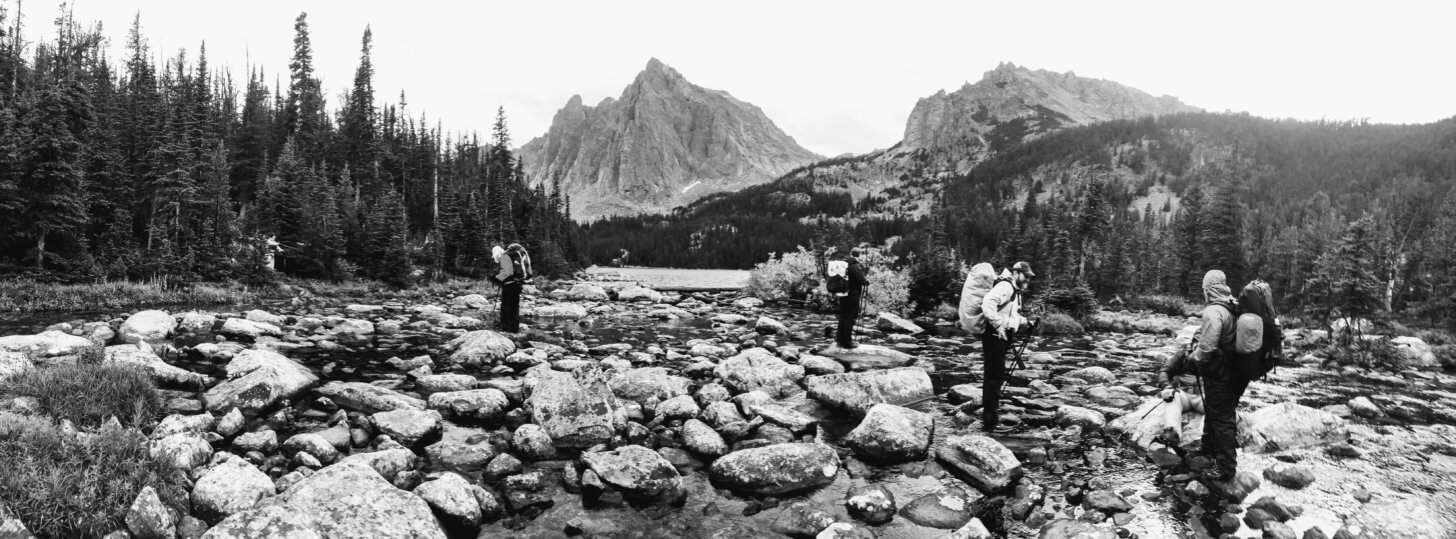
Thin, ultralight socks are fine for summer, but their limitations become painfully clear as soon as the temperature drops.
For cold, wet weather, consider upgrading to a mid- or even heavy-weight sock for more insulation. The primary disadvantage is that heavier socks dry more slowly. However, we’re not really counting on things to dry out, we’re instead trying to design a system that keeps you warm when it does get wet (and it will get wet).
Pure merino sock fabrics are warm but hold a lot of water and dry slowly. Pure synthetic sock fabrics dry fast(er) and are more durable (socks are expensive) but are clammy. Strike a balance and look for a sock with a merino content of at least 65% for warmth, and a synthetic content (usually polyester) of at least 25% for some durability and faster dry time.
Arteries that deliver warm blood to your feet run alongside both the inside and outside of your ankles. Keeping this region warm helps maintain warm feet in cold temperatures. I use a higher sock while hiking in cold weather than I do while hiking in the summer.
I use a 66/34 (% merino / % synthetic) blend full-height, full-cushion sock in a heavier weight made by Darn Tough that provides a meaningful amount of warmth and loft even when soaking wet.
While I like the durablity of Darn Tough socks, I’ve also used a similarly spec’d model from Smartwool which seems to have a softer feel and better fit (less sagging when wet).
In spite of their differences, I’ve been happy with both and find them to be durable, warm, and comfortable.
I usually arrive in camp in the evening – an hour before dusk or right at dusk is a common arrival time. That means I’m getting to camp when I’m pretty tired, cold, wet, and right when temperatures are starting to plummet for the night.
My camp setup routine usually involves setting up my shelter and then finding a dry(ish) place to cook. By the time I settle down to make dinner, my feet start getting pretty cold.
So before I do that, I take an important precaution – I change my footwear system a bit.
Now, I’m not enthused about putting dry socks into wet shoes. That’s where a waterproof sock comes in handy. So, I take off my wet shoes, take off my wet socks, put on dry socks, put on waterproof socks, and then put my wet shoes back on.
This has a dramatic impact on my foot comfort for the rest of the evening, and I can’t recommend enough the need to incorporate this into your evening routine.
1–2 mil plastic bags (small garbage can liners are ideal) and seam-sealed silnylon stuff sacks are my favorite waterproof sock options. I’ve also used Gore-Tex socks with great success – just be sure to size them up so they can be pulled over your heavy wool socks – and don’t buy the kind that are “heavy” or “insulated” or have “fuzzy or wicking fabric linings” – they absorb too much water. Examples of socks to avoid are made by companies like SealSkinz, Showers Pass, and Stryde (it’s not that these types of socks are bad products, they just may not be the most appropriate for this context). Note that there’s some merit to neoprene socks, but they’re thick and heavy, and you may not be able to get your feet in your shoes with them on!

My favorite waterproof socks are Rocky Gore-Tex Socks. Size up at least 2 sizes larger than your normal foot size so they layer easily. Rocky Socks are difficult to find, so you may have to search for them at more obscure retailers. I buy mine online here.
I’m also a big fan of so-called “launch socks”, which are used by kayakers to launch their boats in shallow water. Kokatat makes a pair (they are available at OutdoorPlay or direct from Kokatat via Amazon), and they are excellent. They are only a little a bit heavier than the shorter Rocky Socks, but because they are calf-height, provide a very warm microenvironment for your lower legs, and can be used for deeper stream crossings.
Heavier still, but warmer, and more difficult to dry out, would be a pair of seam-sealed neoprene “dry socks”. These ones are tall (18″) and would be a good choice if you were facing lots of stream crossings.
In addition to in-camp use, waterproof socks offer some on-trail advantages as well. They can prevent soaking your hiking socks at shallow stream crossings, and they provide some much-needed warmth during the first hour or two of trekking on a cold, wet morning.
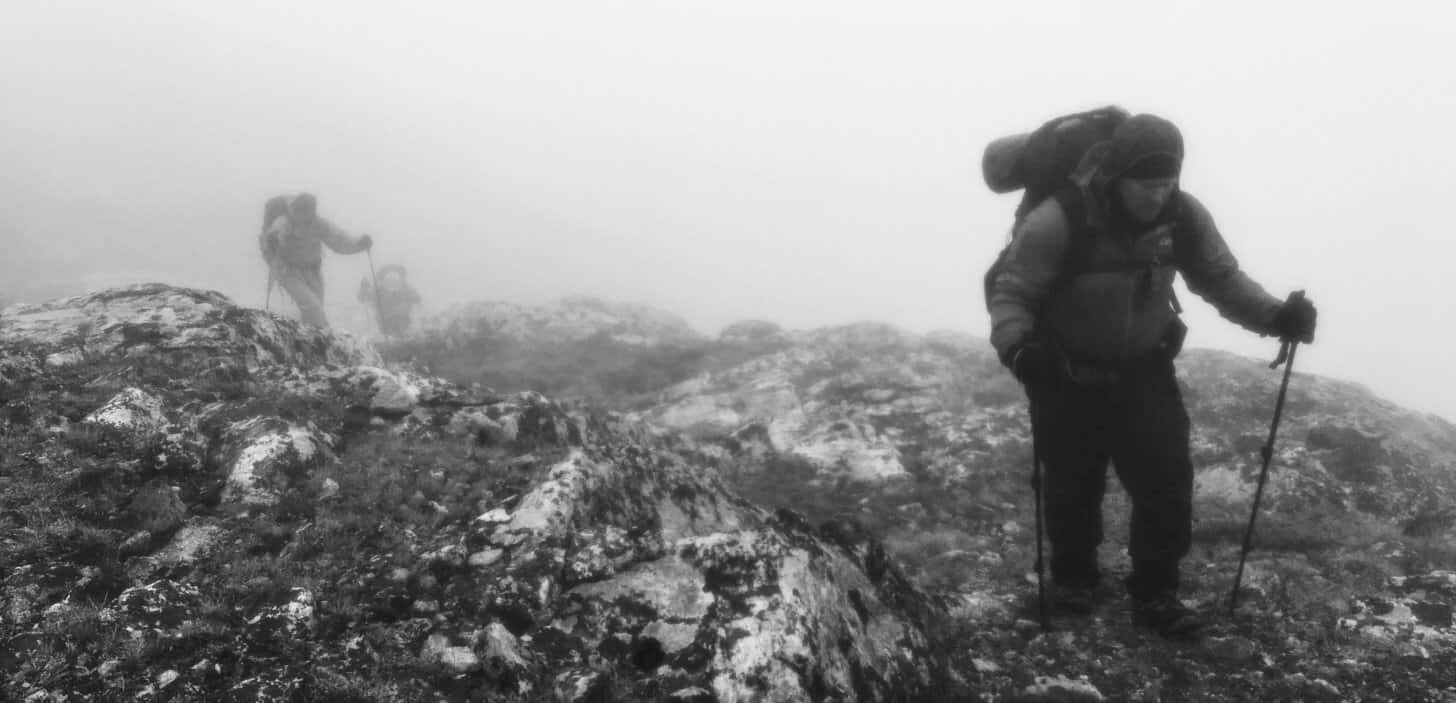
Shelter is pitched, dinner cooked, bear bag hung – now it’s bedtime.
Remove your wet shoes, damp waterproof socks, and (probably a little damp) “camp socks” and swap out for cozy, puffy warmth with some ultralight insulated booties.
My pick for an ultralight bootie is made by a friend and former employee of mine who runs a little cottage company. Wearing a very thin merino liner inside of the bootie adds a lot of comfort (better next-to-skin feel) and some warmth as well.
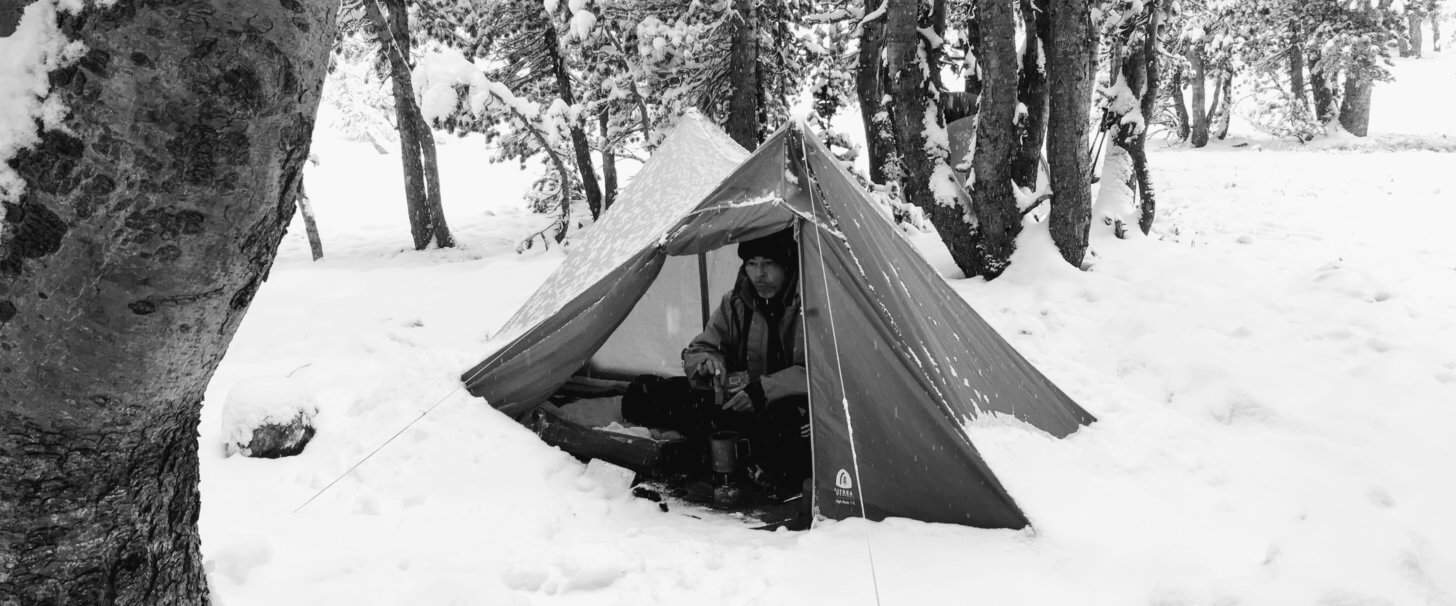
You’re going to have some “wet stuff” (shoes, socks) and if the temperatures fall to much below freezing at night, you’re going to run the risk of having that wet stuff freeze. That’s going to make for a very uncomfortable routine in the morning when you try to put it all on, leading to cold feet and cold fingers as you try to manipulate frozen gear onto your warm feet.
The traditional “winter mountaineering” method for preventing this is to store wet gear (boots, socks, gaiters, etc.) in a plastic garbage bag and stow that inside your sleeping bag. This may be necessary for mid-winter conditions, when temperatures drop to the single digits or lower, but for fringe season backpacking, it’s probably not necessary. Temperatures may only drop to 15 or 20 degrees (F), and usually, it’s enough to keep your wet gear stowed “near you”. I stow mine in a plastic garbage bag or extra waterproof stow sack, and usually keep it right next to my sleeping bag and pad, where body heat has warmed that space to temperatures above freezing. Even on nights when I have frost in my shelter, sleeping in “close enough” proximity to my wet gear keeps it thawed well enough.
Shoe Sizing – With thick socks and perhaps a waterproof sock layer, conventionally-sized shoes are not likely to be large enough to accomodate the extra bulk without compromising circulation in your feet. So be sure to size up your trail shoes to accomodate the added bulk. I usually size up one to one and a half full sizes (or more, depending on the brand).
Sock Rotation – Trail socks, camp socks, sleep socks? My goodness, how many pair of socks do I need?! I’ve accepted the idea that it’s OK to hike in wet socks. They’re going to get wet within minutes anyways, if the weather is pretty bad. So on a typical weekend outing, one pair of hiking socks is plenty. I’ll then keep one dry(ish) camp sock in reserve (also a hiking sock) and reserve completely dry merino sock liners for sleeping inside my down booties. For longer trips in sustained wet conditions, I may add an additional trail sock, but more likely, I’ll stick with one pair and wash them clean every few days.
Keep feet warm(er) and dry(er) in wet (rain and snow) and cold (temperatures near and below freezing) conditions with the following system:
Read the full article if you want to learn how to use this equipment system while on the trail, in camp, and in your shelter.
Disclosure: Some links in this article are links to affiliate merchant partners – if you click one of these links and complete a purchase, we receive a small commission, which helps support our website – thank you very much for this support, we greatly appreciate it!
This archived article and video feature the 2017 model Scout.
See the updated review (2022)
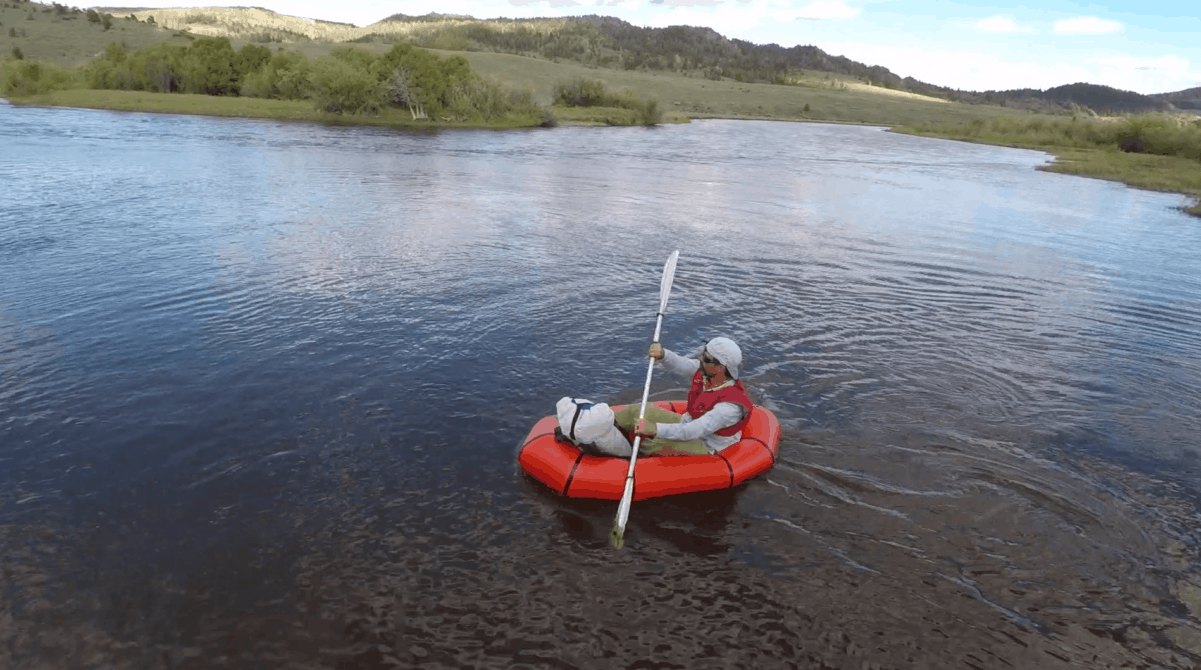
See the updated Alpacka Scout Packraft Review (2022 model) for a comprehensive look at a major update to the 2017 and 2019 models.
Packrafts commonly fall into one of two categories:
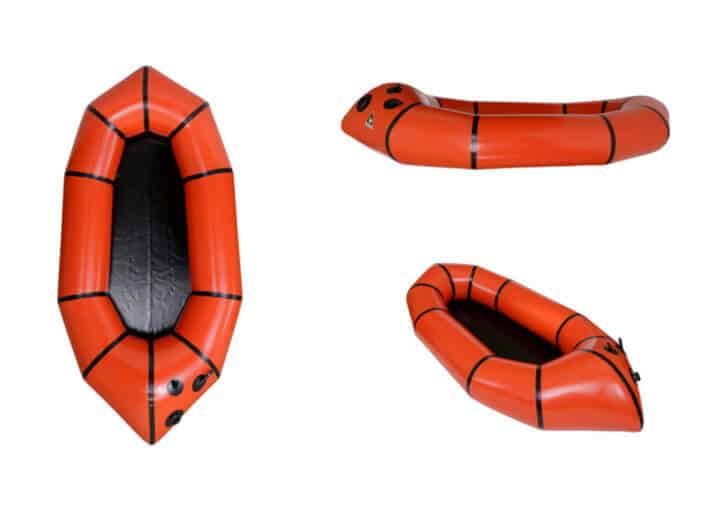
This review features the Alpacka Scout Packraft – a “bridge” boat that perhaps spans the gap between these two categories.
The Alpacka Scout Packraft offers the simplicity of the typical ultralight flatwater packraft (fewer features), but adds weight back in its tube (stern) design and fabric durability, allowing it to be an attractive option to those of us interested in a lighter and simpler boat for trips where we don’t need a whitewater packraft.
I’m reviewing this boat in the following context:
For an additional 0.5 to 1.0 pounds of weight vs. ultralight flatwater packrafts (e.g., boats from Klymit and Supai), what does the Alpacka Scout offer that these boats do not in terms of gear-hauling ability, stability in moving water, and durability?
Likewise, although well outside the scope of the manufacturer’s intentions, I was, shall we say, curious about the Alpacka Scout Packraft’s performance in whitewater.
During the course of this review, I used the Alpacka Scout on the following water types:
In addition, I paddled the Scout with and without a backpack. When I used it with a pack, I simply stowed the pack in the bow of the boat (no tie-downs). Pack weight ranged from 15 to 30 pounds.
A complete performance assessment, including the strengths and limitations and a final commentary about the Alpacka Scout, are outlined in the following review video.
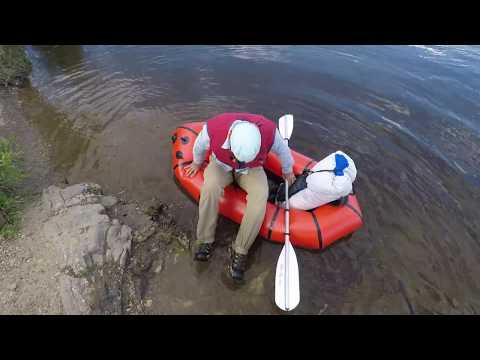
Alpacka Raft LLC provided a product sample on a temporary loan for the purpose of this review.
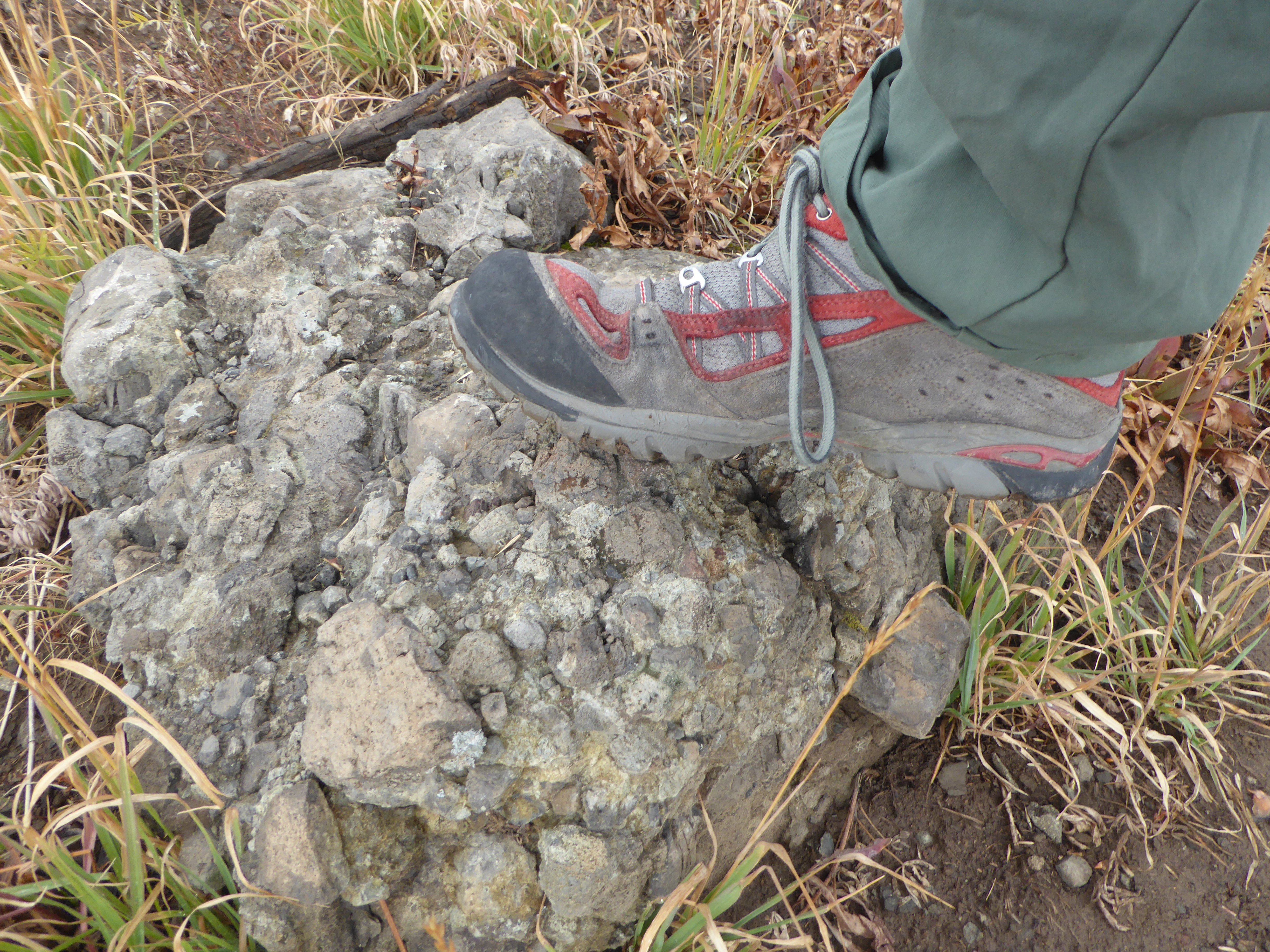
This Asolo Plasmic Shoe Review identifies how this shoe performs. Our take is that it performs well in boulders, scree, and in the forest.
You don’t have access to view this content.
This Hyperlite Mountain Gear Stuff Sack Pillow review features a waterproof stuff sack by day, and a pillow by night.
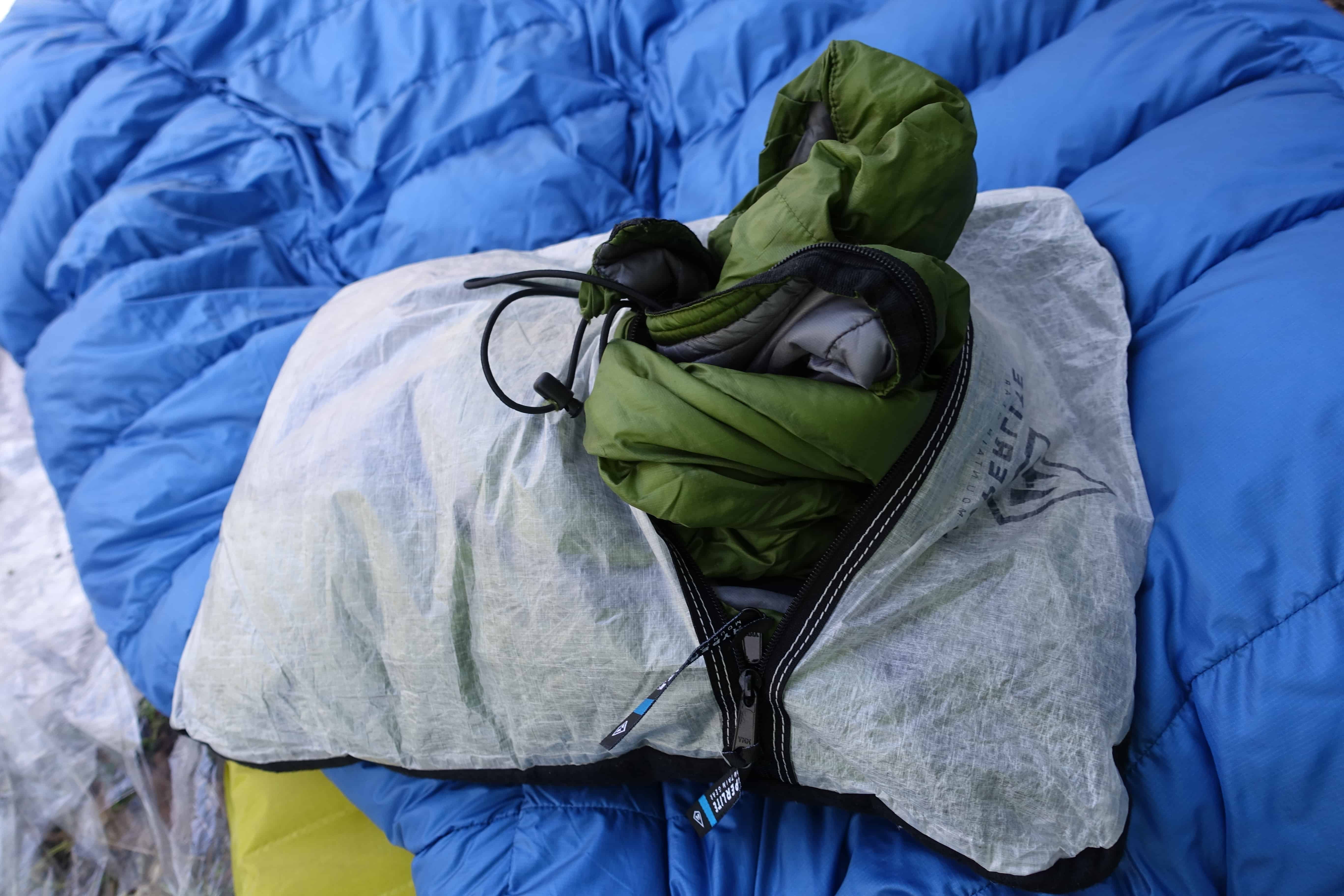
The Hyperlite Mountain Gear Stuff Sack Pillow (I reviewed the size large in DCF8 fabric) is a rectangular stuff sack with a zip closure that is reversible and has a fleece interior on one side. It is a waterproof stuff sack by day, and a pillow by night. It is among the lightest pillows on the market and a true dual-purpose item.
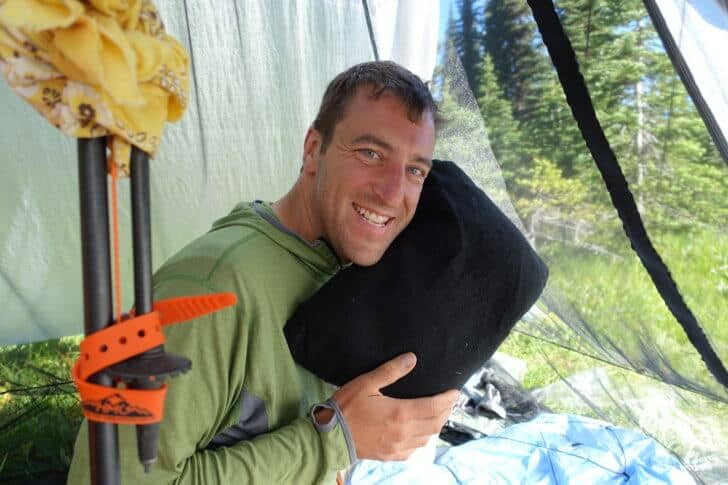
Features:
Specifications:
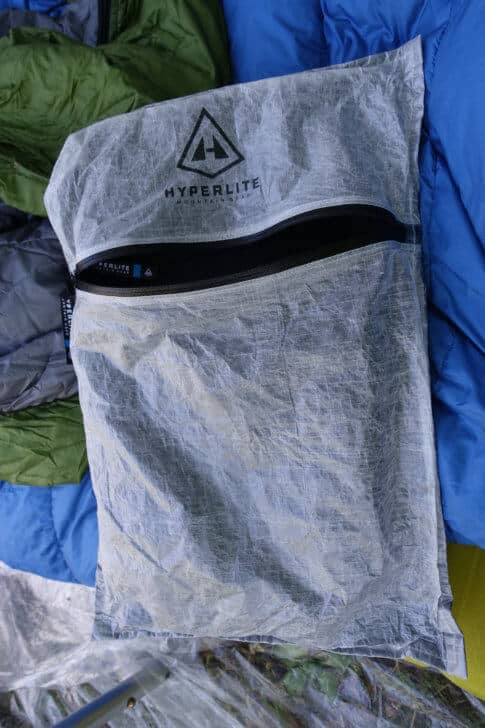
A pillow is considered by many to be a luxury in the backcountry. I have certainly felt that way in the past, having used jackets, stuff sacks, packs, or even shoes as a substitute for a pillow. As I’ve grown older, however, I’ve increasingly seen a pillow as a necessity for a good night’s sleep. For me a backpacking pillow needs to meet the following criteria:
I used this pillow on many, many trips over a one year period. I used it in many settings: an overnight volcano climb in Guatemala, multiple trips on the Washington Coast, in deep snow in the Cascades, and in the deserts of Arizona. The pillow was tested in a comprehensive variety of trip types and environments.
Over the course of this review, I spent many nights using the Hyperlite Mountain Gear pillow. I initially thought I would use it primarily for family backpacking or base camp trips, but it quickly became a piece of gear I don’t go without. That’s because it is a highly functional and waterproof stuff sack, and also a comfortable pillow with adjustable loft.
The pillow is a highly functional stuff sack that weighs just 1.6 ounces. It is constructed with seam-taped Dyneema Composite Fabrics DCF8 fabric, formerly known as Cuben Fiber. This fabric is known for being durable, highly waterproof, and very light. A dual-sided, waterproof YKK zipper is highly water resistant, making the stuff sack functionally waterproof, but not submersible like a dry bag. I left it out in the rain one afternoon, zipper side up, and experienced no leaking. I typically use the sack as a clothing stuff sack and have found that the rectangular shape is easy to pack, alongside round shapes, such as cooking pots, and stuff sacks. When used as a stuff sack, the fleece is protected, keeping it clean and dry.
I have found that excellent craftsmanship is typical of products from Hyperlite Mountain Gear, and this pillow is no exception. The sewing is excellent, the seam-taping is perfect, and the materials are all the highest quality. Knowing that your gear was hand-made in the USA only adds to the satisfaction.

When using it as a pillow, the sack is turned inside out and filled with items to make a pillow. The Polartec fleece is warm and soft to the skin. I typically used an insulation jacket and a couple of smaller clothing items to make my pillow, which is pretty flat. Adding another jacket or pair of insulation pants fills it up for a higher loft pillow. I also experimented with other items such as freeze-dried food packages and found that this worked fine, especially if clothing is layered over the top. The DCF8 fabric becomes soft and quiet with repeated use and is also less slippery than Sil nylon fabrics, helping the pillow to stay in place through the night.
The downside of this pillow is that you need to have items to put inside, such as extra clothing. On trips where I’m really pushing the boundaries of my system, I sometimes wear all of my extra clothing to bed, potentially limiting the use of this pillow.
Cuben Fiber typically means high cost, due to the cost of the DCF fabric itself. At $45, though, this pillow is reasonably priced and similarly priced to other dedicated pillows on the market. I found the large pillow to be a great size for me, but a small size is also available for $35.
I was very happy with the performance of this pillow. It is a luxury item that I now bring on many trips because of these reasons:
While this pillow is a great product, there are some potential drawbacks:
The other pillow I’ve used recently is the
Sea to Summit Aeros Pillow Premium
When comparing the two, the Aeros Pillow is definitely more comfortable for a side sleeper. For back and stomach sleepers, I found the Hyperlite Mountain Gear pillow to be very comfortable, as well as lighter and dual-purpose.
I love the Hyperlite Mountain Gear Large DCF8 Stuff Sack Pillow. The name is a mouthful, but this product is simple and highly effective. It will continue to go with me on all of my ultralight backpacking trips because it adds so little to my pack weight and makes for a more comfortable night’s sleep. The price is reasonable and it is a durable and well-constructed piece of gear. I have found that an air pillow can be more comfortable for side sleeping, but it’s also a bit heavier. If you’re used to sleeping on silnylon stuff sacks, the HMG pillow is a huge upgrade.
Product(s) discussed in this review were either acquired by Backpacking Light from a retailer or otherwise provided by the manufacturer at a discount/donation with no obligation to provide media coverage or a product review to the manufacturer(s). Backpacking Light does not accept compensation or donated product in exchange for guaranteed media placement or product review coverage without clearly denoting such coverage as an “ADVERTISEMENT” or “SPONSORED CONTENT.”
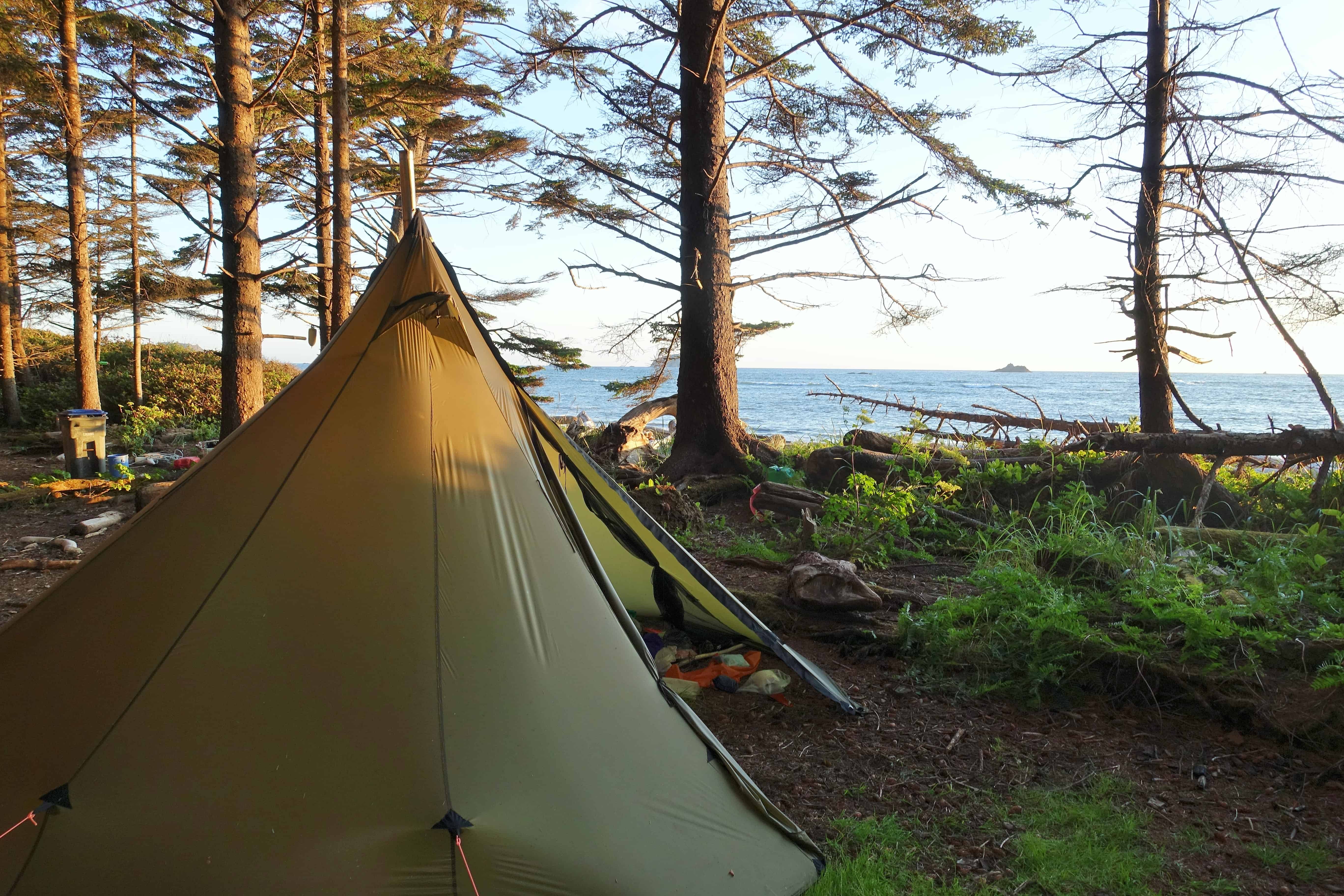
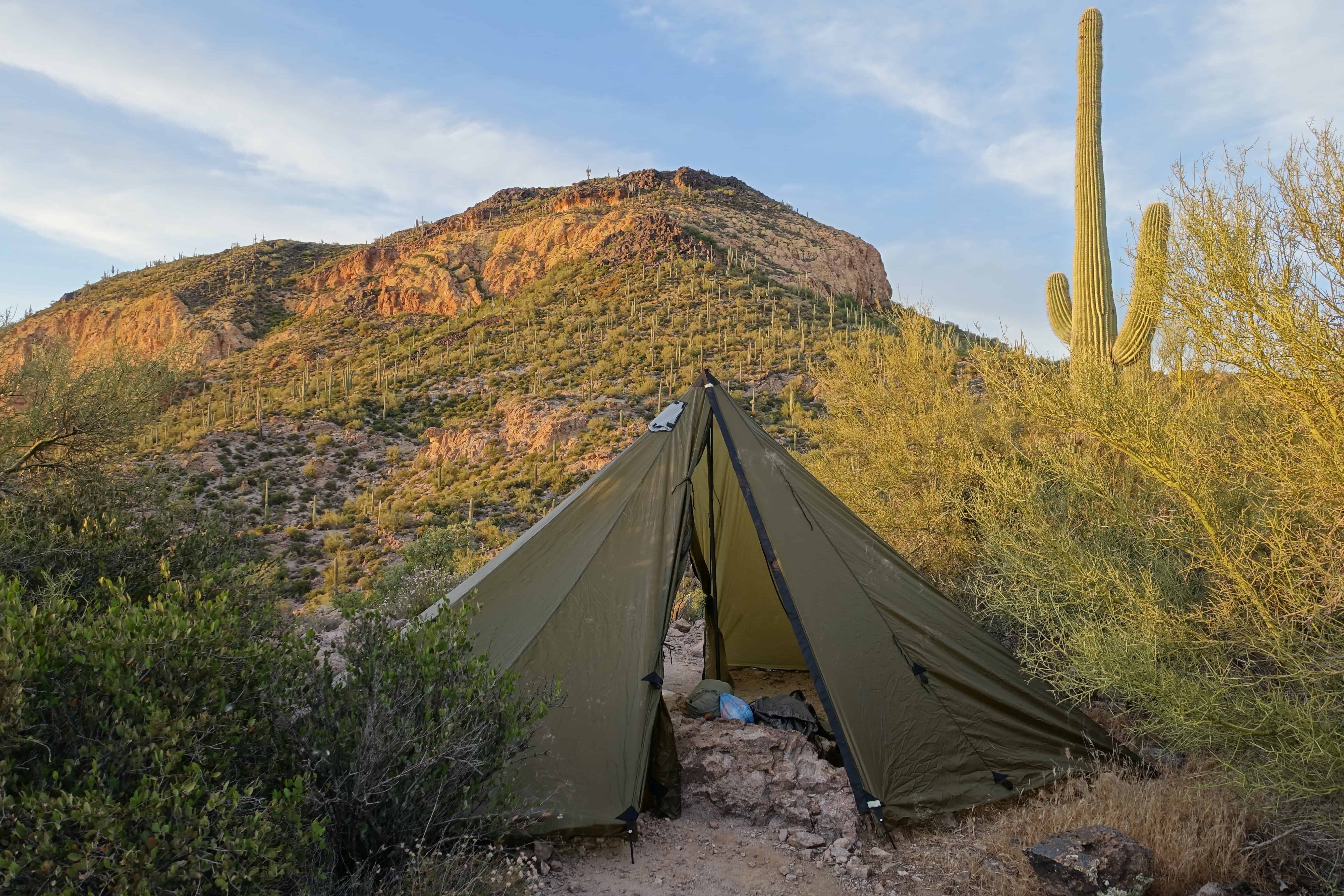
This Seek Outside Tipi Review investigates a shelter that is more like a cabin with a stove, increasing comfort during cold nights.
You don’t have access to view this content.
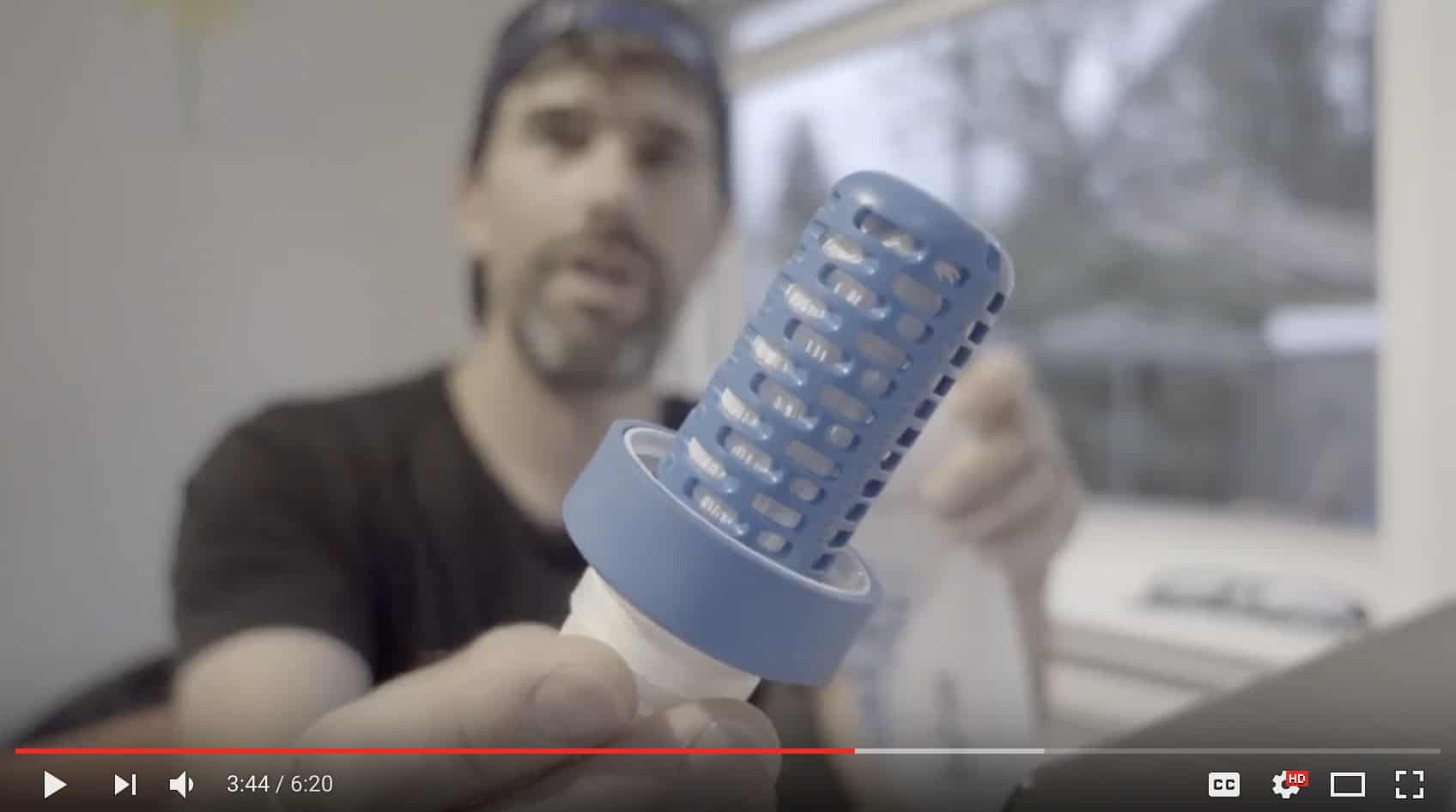
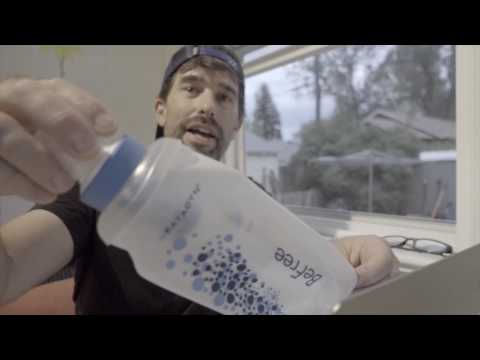
This Katadyn BeFree Review features a video discussing the highlights of this water bottle filter technology that’s both ultralight and fast.
I spent many years as an engineering research scientist in a university environment. One of my favorite research programs that I managed included a number of multi-year portable water treatment technology and water quality studies, in the context of backcountry recreation, military deployment, and disaster relief.
It was during these years where I learned to despise portable water filters for their weight, slow treatment times, effort (arg, the pumps!), ease of clogging, and difficulty of cleaning.
It is because of these disadvantages that I’ve learned to love ultralight treatment technologies like tablets and chemical kits.
Filters of course have evolved through the years. We’ve seen lighter pump filters, gravity filters, inline filters, and filter bottles.
But not until the introduction of the new Katadyn BeFree Water Bottle Filter have I experienced a (truly) lightweight filter option that treats water as fast, in a package so compact. The 0.6L bottle is about a 2-oz package (2.5 oz is the approximate wet weight that I measured, which includes residual water from a treatment cycle), and it comes in a larger 1.0L size and a gravity filter model as well.
Watch the video to see my brief commentary about the filter and what I think about its throughput using clean water. Stay tuned for a more comprehensive review – I’m using this as my primary water treatment technology this summer and fall.
As I mentioned in the video, I’ve been partial to a chemical kit (Aquamira) for many years. Its “durable” (no mechanisms to fail), imparts minimal taste (and actually improves the taste of nasty water sources), is light, doesn’t fail when freezing (filters can crack), and is simple to use. There’s still a wait time with Aquamira (on the order of 15-30 minutes depending on the quality and temperature of your water source).
I’ve also used Steripens and gravity filters in various contexts. There are a lot of different ways to treat water in the backcountry!
Also check out this forum topic at Backpacking Light discussing other user’s experiences with the Katadyn BeFree!
This Nemo Equipment Blaze 2P Tent review features a product comparison and photo spread of the sub two pound five ounce tent dome style.
From the Rocky Mountains to Coastal Rainforest the Nemo Equipment Blaze 2P Tent has been my constant 2016 backcountry companion. Nemo has been making ultralight shelters for a while and I was somewhat surprised to find a single pole, double wall, dome style tent in the sub two and a half pound category. Depending on how you pack this tent, it sits at exactly two pounds. I was intrigued. I contacted Nemo for more information, and they offered to send me one out to try. Now, I was beyond intrigued and into excited.
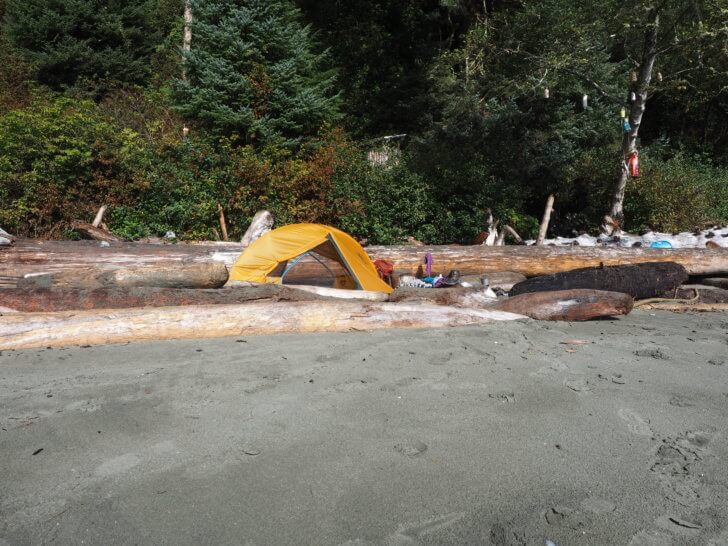
I used the original 2010 Nemo Equipment Meta 2P since I bought it almost seven years ago. I’ve been happy with my little Nemo Equipment Meta 2P. The online reviews were mixed (in my opinion, because single wall shelters were unfamiliar to most users) but aside from the over two and a half pound weight, I loved the tent, and it was a great introduction to single wall shelters.
For the 2016 season, a switch to a double wall shelter, with a single pole means much simpler gear splitting for the trips I have booked for the year. My only other complaint with my original shelter has always been the limited ability to divide it between two packs. Not needing my trek poles for set up also means I can leave one or both behind which on some trips is my preference. Even with the pole packed in, it is lighter than many trek pole tents.


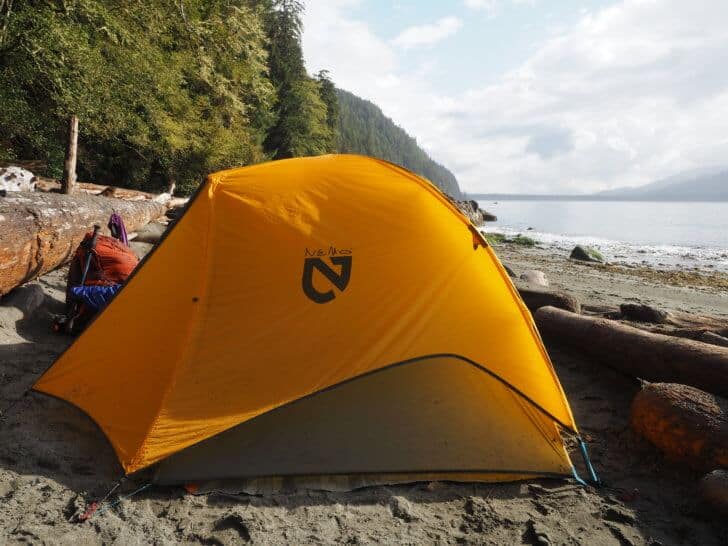
The Nemo Equipment Blaze 2P tent was shipped to my address. I opened the box and found a neatly packaged tent inside. The actual weight of the tent was 998g (2 lb 2 oz). The packed size was compact, and I found stuffing the tent back inside the sack easy. The tent stuff sack has the option of being two sizes. One where the tent is stuffed poles in and one where the ten is stuffed poles out. Two sets of drawstrings allow stuffing options. I didn’t pack using the stuff sack (I was load sharing most trips), but the sack is nicely made and relatively light.


During a particularly wet rainforest trek on Vancouver Island, British Columbia, Canada; I stuffed the rain fly in a large Ziplock freezer bag to keep it from dripping on any of my other gear. The main body of the Nemo Equipment Blaze 2p Tent will also fit in a large Ziplock freezer bag. This method gave me the option of squeezing the air out of the bags and effectively ‘vacuum packing’ the tent to save space and keep other gear from getting soaked when packing the tent wet. The heavy plastic of the Ziplock bag also protects the tent’s delicate, ultralight fabric.
The tent stitching is high quality and well taped. The fly fabric is airy light and almost transparent. The floor is slightly more solid but is delicate. Because of abrasive rocky ground conditions, I decided I would make a footprint.
I had a SOL Mylar Blanket kicking around my gear trunk, which is not exceptionally light ( 320g / 11.3oz) but was available and had a possibility to add warmth to my shelter. The tarp was almost the perfect size, and I only had to trim it a bit. I had to cut a couple of grommets off and replaced them with Coleman Replacement Grommets I’ve had in my major-at-home-gear-repair box for several years. The weight is comparable enough to a Nemo Equipment Blaze 2P Footprint ( 208 g / 7.3 oz), I didn’t have to look for Tyvek, and the price was right (free: after depreciation of the tarp and grommets which were sitting around doing nothing anyway.). After my modifications, my footprint weighed 286g (10.1oz)
Assembling the tent the first time around didn’t require a structural engineer, but almost. (I make this observation with tongue in cheek, I haven’t assembled a dome style tent in a decade. Single wall trek pole tents have some pitching advantages.) One diagonal pole suspends screen house’s clips and the fly anchors to the four corner pegs. The vestibules have two separate guy-out pegs.


This tent is unconventional but user-friendly and intelligently designed. After pitching a couple more times, I discovered I could pitch the fly before pitching the interior mesh by stretching my MYOG footprint, placing my stakes, and resting the poles against the “Y” structure then anchoring my fly. Using this method I could pitch my mesh under cover if rain interfered.
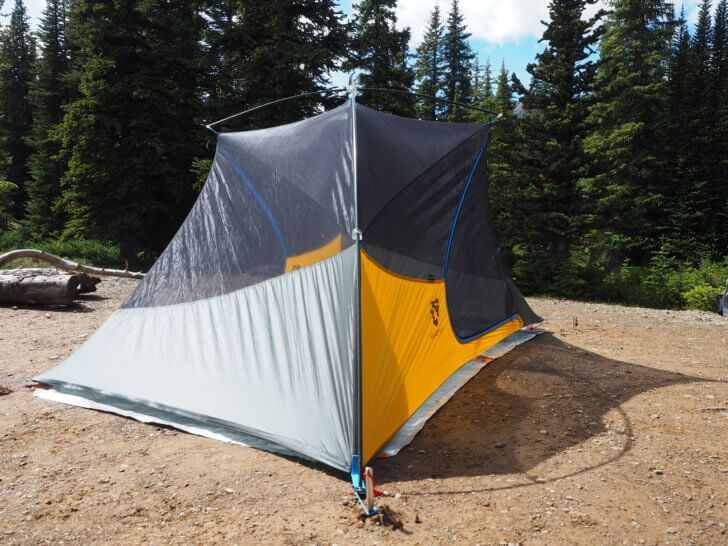
After a couple of practice runs, I could set up the Nemo Equipment Blaze 2P Tent in a matter of minutes without any assistance. Stuffing the tent when packing up took very little time or skill. I slid the tent poles in and stuff the screen house, tent fly and pegs in the included stuff sack.
The two door and two vestibule design of the Nemo Equipment Blaze 2p Tent is invaluable. Once two sleeping pads and quilts are laid down on the floor, the Nemo Equipment Blaze 2p Tent is stable and barely needs pegs for anything but holding the vestibules tight.
I found I had plenty of toe and headroom and could even place some of my important equipment, like cameras, over my head. Thoughtful interior features in the Nemo Equipment Blaze 2P Tent improve the comfort and livability of the tent. Interior features could be clipped out to save ounces, but I kept them. First I found two side door pockets (one on each side), which were helpful for stashing some small items like ear plugs and eye masks. Second, the pole framework of the Nemo Equipment Blaze 2p Tent has built in loops for making a small indoor clothes line. Third, at the very peak of the tent, there is a small pocket designed for stowing headlamps to use as interior lighting without blinding your tent mates.

Of all the features I tested while using the Nemo Equipment Blaze 2p Tent, I tested its capacity to resist rain the most. Not only did this tent resist the rain, it dried in twenty minutes or less when the sun came out. During particularly rainy treks through the Canadian Rockies, I often packed the fly in a large Ziplock freezer bag, stuffed it in the brain of my pack and would pull it out to dry whenever the rain gave me enough of a break.
Insects? What insects? I went all over Canada with the Nemo Equipment Blaze 2P Tent, there were mosquitos, horse flys, sand fleas and dozens of other biting nuisances, just not inside the tent. During my trip up Marvel Pass to the Mount Assiniboine Lake Valley, there were thousands of blood-thirsty mosquitos. At nightfall, I would dive into the Nemo Equipment Blaze 2P Tent and leave the little monsters outside. Occasionally insects would make a home between the fly and the tent body, but as long as they were outside and away from me I didn’t care.

The Nemo Equipment Blaze 2P exceeded my expectations of an ultralight tent. The tent is feature rich and well designed.
A fair product comparison requires similar main features. These products are fully enclosed, sleep two occupants and have all required features. Stakes, mesh, poles, floor, seam sealing and any other additional features required to make each product comparable, are added to the price and weight.
To view the entire table, hover over it and scroll right/left!
| Manufacturer | Model | Body Fabric | Max Weight | Wall Style | Floor Type | Floor Space | Height | Poles | Packed Size | Dual Entry | Vestibles | Seasons | Price |
|---|---|---|---|---|---|---|---|---|---|---|---|---|---|
| TarpTent | Stratospire 2 | 1.1 oz Silnylon | 2lbs 9 oz / 1.3 kg | Double | Bathtub | Tent: 31 sq ft / 2.9 sq m Vestibule: Unspecified | 50 in / 127 cm | 2 Trek | 16 in x 4 in / 41cm x 10 cm | Yes | 2 | 4 | 349.00 USD |
| LightHeart Gear | Duo Tent | 30D 1.1 oz Silnylon Ripstop | 2 lbs 5 oz / 1.1 kg | Single | Bathtub | Tent: 38.2 sq ft / 3.6 sq m Vestibule: Unspecified | 45 in / 114 cm | 2 Trek | Unspecified | Yes | 2 | 3 | 400.00 USD |
| Nemo Equipment | Blaze 2p Ultralight Backpacking Tent | 7D Silnylon Ripstop | 2 lbs 5 oz / 1.1 kg | Double | Bathtub | Tent: 30 sq ft / 2.8 sq m Vestibule: 13 sq ft / 1.2 sq m | 40 in / 102 cm | 1 Folding | 17 x 5 in dia / 43 x 12 cm dia | Yes | 2 | 3 | 449.95 USD |
| Zpacks | Duplex Tent | .51 oz Cuben Fiber | 1 lbs 7.2 oz / 659 g | Single | Bathtub | Tent: 28.1 sq ft / 2.6 sq m Vestibule: Unspecified | 48 in / 121 cm | 2 Trek | 7 in x 13 in / 18 cm x 33 cm | Yes | 2 | Unspecified | 609.00 USD |
| Mountain Laurel Designs | Duomid with innernet | 1.35 oz Silnylon | 1 lb 6.6 oz / 640.7 g | Double | Bathtub | Tent: 40+sq ft / 3.7 sq m Vestibule: none | 56 in / 142 cm | 2 Trek | Unspecified | Yes | 0 | 4 | 330.00 USD |

After just over three-hundred miles (500 km) in two months sleeping in this tent, I haven’t found a single flaw in the Nemo Equipment Blaze 2p Tent design for my use. Simply, the Nemo Equipment Blaze 2p Tent is my favorite piece of equipment since, well, ever. A full tent system that rivals a tarp and bivy for weight is uncommonly good. Throw in the fact, the Nemo Equipment Blaze 2P Tent has two doors and two vestibules, and the comfort, convenience, and practicality of this tent is through the roof. I can’t think of a bad thing to say about it.
There are only three minor comments I would make in contrast to my glowing experience with this tent:
Nemo Equipment would be wise to include assembly diagrams on the tags of the tent. I spent the first four or five setups assembling the fly incorrectly which in turn gave me a sagging pitch. This is why I included photos of how to assemble the clip system in this article. When the clip system is assembled correctly, the pitch is tight and well ventilated.
I would not count on the vestibule to completely cover my pack and have room to stick my feet into the vestibule and put on my boots outside the tent. On the other hand, any vestibule beats not having one at all. In high precipitation conditions, I recommend wrapping packs in a plastic recycling bags anyway. The Nemo Equipment Blaze 2p Tent has two vestibules and the overall size of the vestibule is a non-issue. Other users might like to know the actual vestibule size.
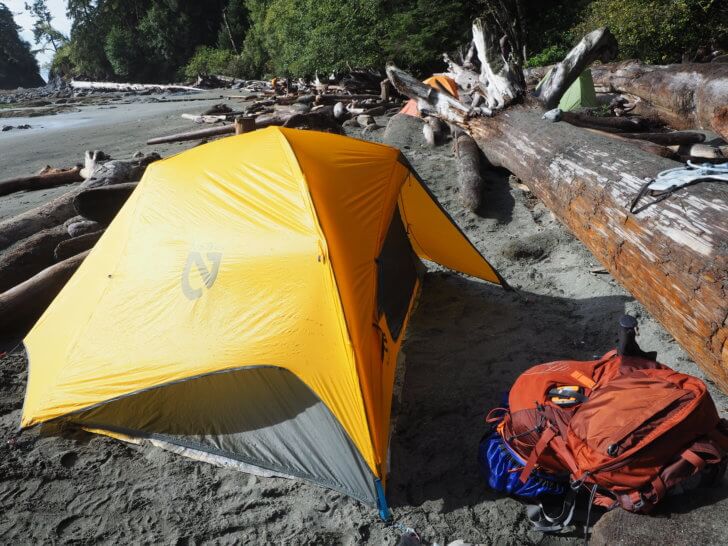
I’m five-foot-one, any tent I crawl into is long enough for me. I loaned the Nemo Equipment Blaze to a six-foot-tall friend for a weekend to get his impression. He found the Nemo Equipment Blaze 2P Tent had just enough length for his frame. For anyone taller than six-feet-tall, this would be a one man tent in his opinion. I would say, two people under five-foot-ten will be more than comfortable. Nemo Equipment Blaze Tent’s floor space and headroom will be satisfactory for anyone up to six-feet. I would love to see Nemo Equipment design an extra large version of this tent to cater to the tall ultralighters out there.
The Nemo Equipment Blaze 2p Tent has proved to be a worthwhile investment. The unusual and technical design is intuitive and feature-rich for its sub-two-pound weight. If I were to select a tent for another season of adventure again, I would pick the Nemo Equipment Blaze 2p Tent without a single reservation. The Nemo Equipment Blaze 2p Tent is storm worthy, light, insect proof and comfortable.

The Nemo Blaze 2P is one of several tents that have recently been introduced to the ultralight market that focus on lighter fabrics, fewer (and thinner) poles, and perhaps a semi-freestanding (instead of a truly freestanding) design that requires a stake or two to maximize floor space. Like the Nemo Blaze 2P, the following tents offer interior space that isn’t occupied by vertical poles (as in pyramid-style tents). The NEMO Hornet 2P and MSR FreeLite 2 offer double doors and double vestibules, while the Fly Creek HV 2 Platinum is front-entry:
Product(s) discussed in this review were either acquired by Backpacking Light from a retailer or otherwise provided by the manufacturer at a discount/donation with no obligation to provide media coverage or a product review to the manufacturer(s). Backpacking Light does not accept compensation or donated product in exchange for guaranteed media placement or product review coverage without clearly denoting such coverage as an “ADVERTISEMENT” or “SPONSORED CONTENT.”
You don’t have access to view this content.
Reviewed in this article is the Seek Outside Redcliff Shelter, a large pyramid tent that also includes a titanium wood stove.
You don’t have access to view this content.
Step by step guide on how to MYOG synthetic fill vest. This is an easy first project if you are interested in making synthetic clothing.
You don’t have access to view this content.
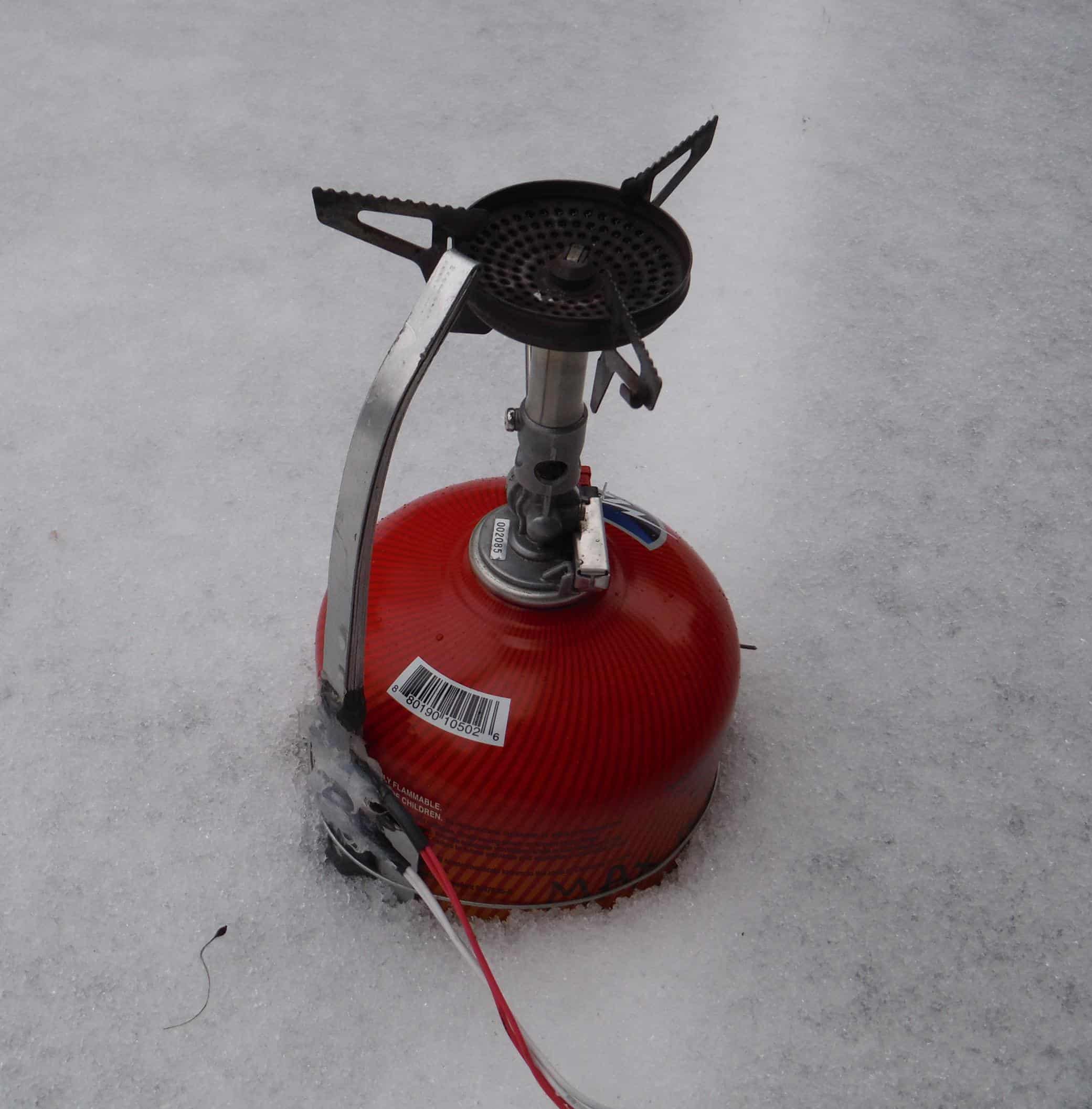
This technical series addendum addresses the role of propane and cold temperatures in canister stove performance.
You don’t have access to view this content.
Adventurer and author Buck Nelson reflects on his incredible adventure on the famed Lewis and Clark Trail – a grand western adventure!
You don’t have access to view this content.
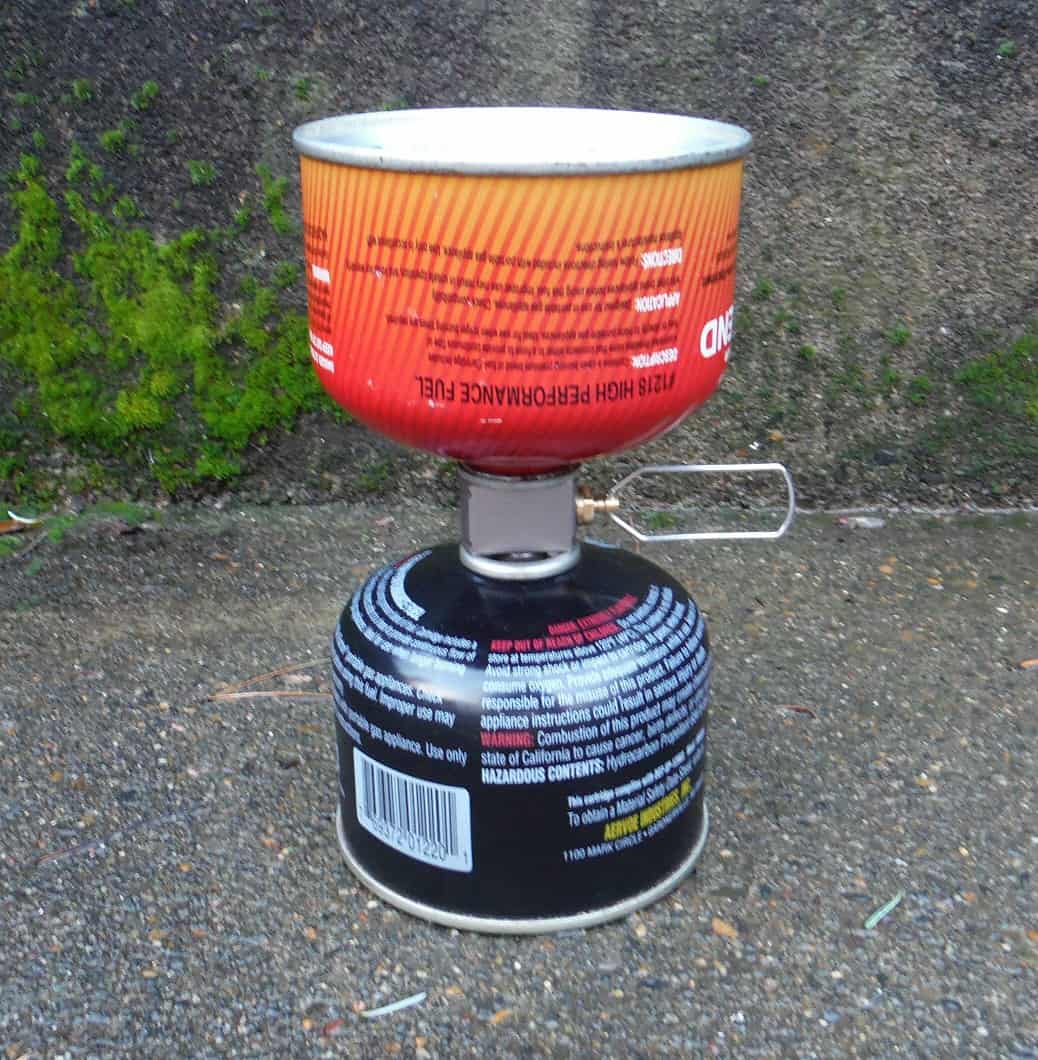
Instead of buying a new fuel can for each trip, discover techniques for transferring gas between stove canisters.
You don’t have access to view this content.
Alcove is a story about a backpacking trip that Chris Smead and Ryan Jordan took during the Spring of 2017. It explores Chris’s perspective on doing something different than what he’s used to – hiking in remote canyons on the Colorado Plateau.
You don’t have access to view this content.
This Hyperlite Mountain Gear Ultamid 4 review features a lightweight shelter that can be used for mountaineering or family backpacking trips.
You don’t have access to view this content.
 © Beartooth Media Group Inc.
 Loading...