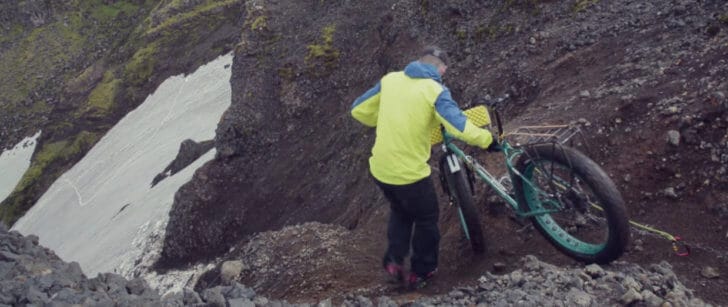
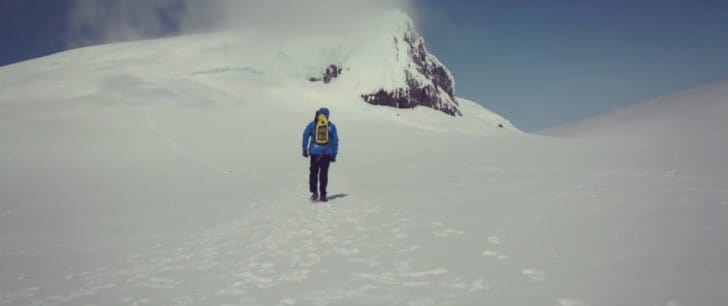
To me, ultralight backpacking is the idea that one should solve a problem using as little as possible, but that which is used to solve the problem should be as effective as possible. Defined as such, the actual weight of individual pieces of gear, or one’s pack, matters less, and takes a back seat to the performance-to-weight ratio of a piece of gear.
Iconic ultralight – my Cuben Fiber tarp, a 14-oz down quilt, trail running shoes for footwear, 20+ mile days, and a base pack weight of less than 10 pounds during a Uinta High Route traverse, Utah (2014).
What is ultralight backpacking?
If you pose this question to a community of “ultralight hikers” (sic), here are some of the answers you’ll get:
It’s when your base pack weight is less than 10 pounds.
It’s when your tent, backpack, and stuff sacks are made with Dyneema composite fabrics.
It’s when you don’t carry things like a camp chair, camp shoes, or extra underwear.
It’s when you carry a pack that looks like a day pack – it doesn’t have a frame and is really small!
It’s what you have to do to hike the Pacific Crest Trail.
It’s when you sleep in a quilt instead of a sleeping bag.
And on and on.
Ultralight backpacking (the topic in general, the ideological principles, and the community at large) has been maligned by critics in some form or another since the niche was popularized by this “label” back in the 1990s. The reason for the criticism may have more to do with people’s attraction to sound bites than it does with any substantive failings of the ultralight ethos to solve hikers’ problems. We (proponents) of ultralight backpacking must bear some of the blame, as a result of our own desires to compartmentalize what ultralight backpacking is (“…a base pack weight of less than __ pounds”) and is not (“…in ultralight backpacking, we don’t use camp shoes, camp chairs, or double-walled tents.”)
As with any labeled ideology, ultralight backpacking has both its evangelists and its critics. Interestingly, much of the criticism levied against ultralight backpacking seems to be targeted to fringe manifestations as practiced by only a small fraction of the community (or a small fraction of the time by a broader cross-section of the community).
We are fighting against our innate nature to define ideologies based on simplistic criteria that are easy to digest and communicate. The most common (and most egregious) is defining ultralight based on some arbitrary definition of base pack weight, i.e., ultralight backpacking is backpacking with a base pack weight of less than _ pounds. And it decays from there – SUL (“super-ultralight backpacking”) etc.
These definitions lack utility if you are actually a student and practitioner of the ideology. As you immerse yourself in an area of study, defining it becomes more nuanced and complex – and irrelevant.
On this 12-day trek through Wyoming’s Wind River Range (2015), I wore mountain boots, slept in a double-walled tent, packed a camp chair, carried a rope, and my starting pack was about 50 pounds. In spite of the fact that I applied ultralight principles aggressively on this trek, this type of experience doesn’t fit neatly into the ultralight backpacking box defined by many hikers.
In reality, ultralight backpacking as an idea is one that encompasses a set of core principles that can be differentially applied (or entirely rejected) depending on context. Developing a framework based on how ultralight backpacking principles are applied (rather than if they are applicable) can be quite powerful – once we cast off the idea that ultralight backpacking is defined by a certain number of pack weight pounds.
To me, ultralight backpacking is a practice centered around the idea that one should solve a problem using as little as possible, but that which is used to solve the problem should be as effective as possible. Defined as such, the actual weight of individual pieces of gear, or one’s pack weight, matters less and takes a back seat to the performance-to-weight ratio of your gear.
Taking the concept of performance-to-weight ratio a layer deeper, consider also that your criteria for performance may be different than mine. One of us may demand that a tent’s most important performance criterion is its wind resistance, while the other of us may demand that the tent be as resistant to condensation as possible.
Ultralight backpacking is more about a decision-making framework (e.g., weight vs. cost/performance/safety/comfort), understanding how gear design influences performance, studying risk assessment, learning the skills that allow you to depend less on gear, and questioning the status quo (industry) recommendations for what is safe, comfortable, and required for backpacking.
Ultralight backpacking is about skills and intentionality in various contexts, not pack weight – and this is what characterizes it as a distinct practice within the overall backpacking community.
By pack and paddle: 13 days (no resupply), 105 miles – carrying 45-55 pound packs with packrafting gear to the crest of the Chinese Wall, Bob Marshall Wilderness, Montana (2014). This trip would have not been possible for these teenagers without applying an ultralight ethos.
During a consulting project for the Marine Expeditionary Rifle Squad (MERS) back in 2010, I was tasked with working with their equipment procurement and development divisions to reduce the weight of the individual camping equipment (ICE) carried by squad members in Afghanistan. Considering that they carried a pack with an average weight of 120 lb (ranging from 110 to 140 depending on their role in the 13-member squad) and that their ICE comprised more than 40 pounds of this equipment, I was pretty confident that I’d be helping them drop their pack weights significantly. Alas, while my team was able to reduce their ICE by more than 40 percent, it made zero difference in changing their average pack weight, which remained the same. Why? Because they were trained to carry 120 lb, and the reduction of ICE simply made room for more bullets (and other weaponry). So was this an application of ultralight backpacking? I’d argue “yes” – ultralight backpacking principles allowed them to become more effective, and more powerful, combat soldiers.
Some of the criticisms against ultralight backpacking seem to come from idealogues outside the community who aren’t engaged enough in the study of “ultralight backpacking” to understand exactly what they’re criticizing.
I posted an example of this on Twitter, which seeded some feisty discussion.
Great example of an author who has spent very little time connecting to, or understanding, the ultralight backpacking community, but still loves to write authoritatively about it: https://t.co/ySHgYcMPX1
Criticizing ultralight has become chic in the broader backpacking community as well, with videos and blog posts featuring clickable titles, such as Why I Quit Ultralight Backpacking, Stupid Light: Why Lighter Isn’t Always Better, and Ultralight Backpacking will Make You Soft.
Interestingly, some of the authors who produce much of the content that seems critical of ultralight backpacking are practitioners themselves of ultralight backpacking ideology and skills. Their criticisms are thus, not so much criticisms of core principles of ultralight backpacking, but instead, address the dogma associated with ultralight backpacking.
Some of this dogma is based on the easily-communicable claims that:
ultralight gear doesn’t work (or is too light),
ultralight backpacking is expensive,
ultralight backpacking is unsafe,
ultralight backpacking is uncomfortable,
the ultralight backpacking community is elitist,
ultralight footwear causes injuries…
etc.
Granted, I can offer a number of examples that support these ideologies. Likewise, I can offer a number of examples that refute these ideologies.
Maybe we shouldn’t outsource our intellectual autonomy to ideological principles that often break down when they are actually applied in practice. Unfortunately, as our society increases its thirst for clickbait, we are tempted to formulate a simplified worldview from headlines and sound bites.
Slay the clickbait. Adapted from Morio’sPerseus by Benvenuto Cellini. Wikimedia Commons, CC BY-SA 3.0.
To advance our knowledge of ultralight backpacking in a meaningful way, publishing ideological sound bites seems irresponsible to me. However, in an internet age where success is equated to clicks, niche publishing communities depend more and more on financial models based on advertising and affiliate revenues. Maybe these financial models are the real culprits, and bloggers are simply adapting with strong financial motivations to bait readers.
While I am grateful for our own advertising and affiliate revenues, and their ability to help us stay in business for nearly 20 years, we are growing increasingly less dependent on them. Given our strong subscription base and continued membership growth, we don’t depend on clickbait or “Best Ultralight Gear of 2019” affiliate shills in order to pay our bills or our employees. My own passion is rooted in creating the content that advances the knowledge of those of you who want to experience meaningful growth in your quest to lighten your pack while pursuing your adventure goals. The desire to focus on high-quality information instead of maximum traffic was the driving motivation behind the recent launch of our podcast, the production of YouTube videos that focus on depth instead of view stats, and investment into comprehensive content such as the Canister Stove Gear Guide, StoveBench, or long-form story video content that immerses the viewer in an experience that requires some commitment on their part.
Whether developing personal skills, investigating the scientific basis of how things work, researching healthy living, or trying to sort out (accurately) how policies are created and executed by our government agencies, I’ve always placed a very high level of value on being careful, intentional, objective, and open to different perspectives. Many of our members and readers share these values, and this value framework has shaped Backpacking Light’s editorial direction over the years.
But we live in a new era where elitism (and the style of criticism that’s borne from elitism) seems to dominate public discourse about anything and everything. It’s worth exiting that unproductive social lane, not only for the sake of the health of our community but also so you can remain engaged in the study of ultralight backpacking in a thoughtful and meaningful way without getting distracted by clickbait content and demagogues that don’t actually contribute to the advancement of our outdoor knowledge and experiences.
The meaningful study of information, careful interchange of thoughtfully-crafted discourse, and the engagement of the brain for quiet thinking and problem-solving will always remain at the core of what I want to publish here at Backpacking Light. These values frame how I wish to facilitate the growth and development of the ultralight backpacking community, and will provide the basis for how we talk about ultralight backpacking here.
So if you’re looking for articles or videos about the “Best Ultralight Tents of 2019” or “Why Ultralight Backpacking Doesn’t Work” or “The 10 Biggest Mistakes Ultralight Backpackers Make” or “The 7 Things You Can Do Today To Drop Your Pack Weight to 10 Pounds or Less” – then you’ve probably come to the wrong place.
Those of us who are fortunate enough to call the first world home face a unique crisis of cultural identity when it comes to determining our status within our culture.
Gamification (including the exchange of badges and emoticon reactions) of social media and forums is a testament to people’s thirst to be recognized, and distinguished, within a community. More than one of us has desired, adopted, or been recognized as an “ultralight backpacker” or “SUL” etc., or at the very least, received compliments about our gear list spreadsheets or Lighterpack graphs.
On the surface, this sort of identity assignment allows communities to compartmentalize their members in an easily-understandable fashion (e.g., tarp campers, bushcrafters, thru-hikers, Dyneema addicts). It’s worth noting here that the assignment of these identities is sometimes overt (publicly bestowed upon the members by the community), but often simply self-assigned (whether publicly or privately) by the members themselves. The assignment of these identities spawns further compartmentalization (e.g., pack weight breakpoints that divide the extent to which you actually practice ultralight backpacking). Inevitably, what originally brought the community together results in fragmentation as a result of identity sub-cultures within the community. Of course, this isn’t unique to ultralight backpacking. It’s an inevitable equilibrium point in all communities – citizens, family members, PTA boards, scout troops, political parties, religious communities, etc.
Identity culture, compartmentalization, and simplification through definitions are not inherently bad things. However, acknowledging their presence and recognizing their limitations is necessary if we are to release our hold upon them, and advance our sport and our community culture. Setting aside identities and the criteria that define them will allow us to foster a community that is open to new members, new ideas, and new methods that we can add to our growing arsenal of chaotic and unordered tools that we affectionately know as ultralight backpacking.
If you enjoyed this article and it resonated with you, please consider joining our community and becoming a member to support our efforts to help hikers thrive in the backcountry.
Most advice about minimalist footwear can be rejected outright. Often, the advice is given by hikers who haven’t put in the time required to understand the complexity and depth of foot biomechanics and the long-term effects of overuse that is endured by walking for decades. Here are some guiding principles if you want to keep hiking into your sunset years, so you can delay the inevitable onset of overuse conditions like hallux rigidus.
I would rather die on a trail than in a hospital bed.
However, I have a lot of trails I still want to hike. I would prefer that my last trail day comes well after entering Old Age.
Over the past several years, I’ve been studying how lifestyle choices affect the longevity of our biomechanical systems. I’m fascinated by how badly we can screw up our feet with bad shoe choices, under-recovery after high-exertion events, and not knowing when to throttle back our physical output.
That’s my motivation for writing this post.
Thus, I’ve come to believe that much advice about minimalist footwear for backpacking (i.e., hiking while carrying a heavy pack, for multiple days in a row) can be rejected outright.
Often, the advice is given by hikers (and the marketing people who work for shoe companies) who haven’t put in the time required to understand the complexity of foot biomechanics and the long-term effects of overuse that is endured by backpacking (and other athletic endeavors) on a regular basis for several decades.
Here are some guiding principles to consider if you want to keep hiking into your sunset years, so you can delay the inevitable onset common overuse conditions that sneak up on you in middle age – like hallux rigidus (arthritis in the big toe joint).
Give your toes plenty of room.
Altra and others build shoes with nice, big toe boxes. Allowing your feet to splay naturally inside a shoe distributes stress among more joints and soft tissues in your foot, so you don’t concentrate it too much in one spot, like the MTP joint.
Maximum flexibility and thin cushioning isn’t always a good thing.
Stiffer soles and lots of midsole cushion seem to run counter to the “barefoot” movement, which has been pretty trendy for several years.
But remember, you are carrying a pack (which should be as light as possible), and traveling over rough terrain, for days at a time without the opportunity to rest your feet and allow them to heal and recover.
The heavier your pack, the rougher the terrain, the faster you hike, and the longer the trip, the more cushion you’ll need.
And a sole that is a little bit on the stiffer side will help prevent the overuse injuries that plague hikers when they accumulate decades of trail miles. Stiffness also provides a hedge against injuries related to hyperextension of the MTP joint and metatarsal stress fractures.
Wearing only one type of shoe is not healthy.
Hike in more than one different type of shoe, often. Mixing up your hiking footwear (hiking in several different types of shoes) helps develop comprehensive strength and adaptation to walking because different shoes create stress across different sets of soft tissue groups and joints.
These guidelines aren’t gospel. Yes, you can carry a heavy pack on rough terrain over long distances with minimalist (lightly cushioned, highly flexible) footwear. We just have to acknowledge that with that decision comes some risk for short-term acute injuries (e.g., hyperextension, stress fractures), and accelerated wear and tear on cartilage tissues. I’m not asking you to follow my advice, just to consider the risks.
The shoes I’m wearing right now.
Here are my favorite shoes – I switch them up often when I train, and even on a backpacking trip, I may bring two of them:
Altra Lone Peak 4 – a zero-drop, wide toe box, well-cushioned shoe. My favorite shoe for very long daily distances on trail.
La Sportiva Akyra – a technical shoe with an outstandingly grippy sole. My favorite shoe for off-trail travel that doesn’t require a lot of rock scrambling.
Scarpa Zen Pro – a stiff approach shoe. Not awesome for high mileages, but I can still cover 15 or 20 miles a day in them without foot pain. Terrific when I start adding Class 2-4 terrain to my routes, or when I have to hike long stretches of snow in crampons or spikes. My favorite shoe for scrambling and snow hiking.
Hoka Stinson ATR 5 – a recovery shoe, for when I need to nurse bruising injuries to the bottom of my foot.
I prefer shoes and orthotics that put the foot into a neutral position. If you want extra cushion in your shoes, check out the heat-moldable cork Performance Thick footbeds from Sole. These live in my Scarpas but I can see the utility of having them in your trail running footwear as well. Just be sure to size up your shoes to accommodate their volume.
What size shoes for backpacking?
Most hikers don’t size up enough, and their toes and forefoot get cramped. that causes all sorts of problems. My foot measures at just a shade over a men’s US size 8. I wear 9’s or 9.5’s in Altra, 10’s in La Sportiva, 9.5’s in Scarpas (with the Sol footbed), and 9.5’s in Hokas.
Since I started sizing at least 1.5 sizes up in most models (1.0 size in some Altras), my foot comfort increased dramatically. My arch has actually developed over the past 20 years from being nearly flat-footed, and I’ve never suffered from plantar fascia pain.
Your shoes may not matter so much if only…
A lot of attention is paid to the question “what shoes should I buy?”
A lot less attention could be paid to that question if we maintained healthier, leaner body weights, and spent more time on fitness development. Over the past 3+ decades of backpacking, I’ve learned something that has almost entered into my own personal gospel: the leaner I am, and the more attention I give to physical training, the less my shoes matter.
Disclaimer: This post contains affiliate links to products that I’ve purchased and have used for many years. They work for me, but they may not work for you. Don’t buy anything just because someone else found value in them. Do your homework and gather data based on your own experience.
In this episode, Ryan offers some practical guidelines for managing wet gear, condensation, and camp chores if you have to be holed up in a tent during a prolonged period of inclement weather.
In this episode, Ryan offers some practical guidelines for managing wet gear, condensation, and camp chores if you have to be holed up in a tent during a prolonged period of inclement weather.
Outline
What happens inside a tent in inclement weather?
Relative humidity and dew point
How condensation forms
Effects of excess moisture vapor
Effects of temperature drops
How to manage condensation
Convective air flow using differential ventilation
This episode of the Backpacking Light Podcast is supported and kept advertising-free by Backpacking Light membership fees. Please consider becoming a member which helps support projects like this podcast, in addition to a whole slew of other benefits!
In this episode longtime BPL author Doug Johnson gives us a run-down of his favorite ultralight backcountry seating options reviewed in our new gear guide.
Stream
In this episode longtime BPL author Doug Johnson (right) gives us a run-down of his favorite ultralight backcountry seating options.
Summary
Tired of sacrificing comfort for a low base weight? So is Doug Johnson, a longtime BPL author on a multi-year quest to discover a luxurious-but-ultralight backcountry experience. Doug has treated himself (and his family) to extensive cook systems, thick sleeping pads, and cozy hammocks – now he’s turned his expert eye to the world of ultralight backcountry seating.
It’s a fascinating gear category, and one with wildly different approaches to solving what appears to be a simple problem – how to sit comfortably at the end of a long day. Andrew and Doug get things started by setting some parameters – no sit pads allowed in this podcast (or stools, or hammocks, or…well…just give it a listen, you’ll catch on).
Doug touches briefly on the design elements and performance considerations of each category, then elaborates on some of his favorites seats in each category. He finishes by choosing his two favorite seats before taking a brief sidetrack into the hammock world.
As they wrap up, Andrew challenges Doug to make a believer out of any die-hard gram counters that might be listening.
Doug’s journey from die-hard Ultralighter to Ultralight Family Man.
What are the parameters of the conversation?
Leaning back
Weight limit
Comfort!
No hammocks, pads, or stools
Categories, Performance Considerations, and Design Elements.
Inflatable Seat Kits
What they are and how they work
Pros
Comfy
Light
Compressible
Easy to move around
Cons
Low to ground
Expose sleeping pad to sharp things
Brings dirt into your shelter
Less and less of them around (newer options on the market)
Doug’s favorite
The Big Agnes Cyclone SL Chair Kit
On-Ground Pole Supported Seats
What they are and how they work
Pros
Light
Minimalist
Cons
Low to ground
Can be uncomfortable depending on the model
Collapse when you stand up
Doug’s favorite
Doug liked the Mountainsmith Slingback more than the Litesmith QwikBack UL but he wasn’t wild about either one!
The QwikBack UL, in particular, has some design issues.
Suspended Seats
What they are and how they work
Pros
Fairly light
Packs down fairly small
Keeps you off the ground
Great for kids!
Cons
Needs hardware to be able to hang
Need specific locations/vegetation in order to set up
Foot position
Doug’s favorite
Doug found the Dutchware Netless Hammock Chair to be a good comfort-to-weight ratio…particularly for kids or smaller users.
Frame Seats
What they are and how they work
Pros
Comfortable!
Good leg angle
Keeps you off the ground
Stable
Cons
Relatively heavy
Not super-compact
Unstable in sandy soil
The Alite 2-Legged Monarch Chair is an interesting design that is strong in loose soil where other frame chairs fail.
Doug’s favorite
Doug is a huge fan of the REI Co-Op Flexlite Air Chair and Helinox Chair Zero – in fact, these are his favorite options out of all the seats he tested.
For an in-depth comparison of these two chairs (including math, a flow chart, and lots of exciting diagrams), check out Ryan’s article and video.
Final Thoughts
Doug takes a brief side-trip into hammock land
Andrew gives Doug 45 seconds to make a believer out of a theoretical “determined to be uncomfortable” listener.
This Hyperlite Mountain Gear Junction Backpack Review features a pack with a lightweight Dyneema Composite Fabrics body, Hardline woven fabric side and hip belt pockets for durability, and a mesh back pocket for storing wet gear.
Introduction
The Hyperlite Mountain Gear Junction backpack offers a similar physical configuration (one large rear pocket, two side pockets, two hip belt pockets, roll-top closure) as their Windrider, Southwest, and Northrim packs, but in a slightly different fabric configuration.
In short, the Junction offers a lightweight fabric main pack body, woven fabric side and hip belt pockets for durability, and a mesh back pocket for storing wet gear. A comparison of the material specs for all four packs can be found in the “Compared To…” section below.
The Hyperlite Mountain Gear Junction backpack features a large rear mesh pocket for wet gear storage and two Hardline side pockets that resist snagging on brush and tearing from sharp contents.
The Junction is available in two sizes (2400 and 3400 cubic inch main pack bag volume). In this review, I’m using a Junction 3400 in size Large.
I believe that the Junction 3400 is the most versatile pack in HMG’s product line, and should be considered by anyone looking for a do-it-all pack that is highly water-resistant, durable, comfortable (with loads of less than 30 pounds), and has the perfect pocket configuration that can be adapted to most hiker’s trekking styles and preferences.
Two zippered pockets on hip belt with #5 YKK zipper
Hip belt with 1/8 inch closed cell rigid foam, 1/4 inch closed cell foam, and spacer mesh
Shoulder straps with 3/8 inch closed cell foam and spacer mesh
Adjustable sternum strap with self-tensioning elastic and whistle
Hydro port and internal mesh hydro sleeve
Removable, contoured aluminum stays
1/4 inch foam back panel pad
Compression System
roll-top closure system with side compression straps for vertical compression
side compression straps for horizontal compression
top Y-strap compression can be used to secure gear
Seam sealing on all side seams and behind all sewn-on pack features
Bar-tacked reinforcements on all stress points
Four exterior tri-glide buckles for optional pack accessory straps
Ice axe loop
Made in USA (Maine)
Specifications
Materials:
Body: DCH50
Bottom: DCH150
Side External Pockets: Hardline
Rear External Pocket: Polyester Mesh
Hip Belt Pockets: Hardline
See “Compared To…” section below for additional discussion and specifications about each of these materials and how they compare to the materials used in the Hyperlite Mountain Gear Windrider, Northrim, and Southwest backpacks.
Dimensions:
Junction 2400
Junction 3400
Weight
30.1 oz (853 g)
32.0 oz (907 g)
Load Capacity
40 lb (18 kg)
40 lb (18 kg)
Internal Volume
2400 cu. in. (40 L)
3400 cu. in. (55 L)
Center Pocket Volume
300 cu. in. (4.9 L)
300 cu. in. (4.9 L)
Side Pocket Volume
2 x 150 cu. in. (4.9 L)
2 x 150 cu. in. (4.9 L)
Hip Belt Pocket Volume
2 x 55 cu. in. (0.9 L)
2 x 55 cu. in. (0.9 L)
Total Pack Volume
3110 cu. in. (51 L)
4110 cu. in. (66 L)
Top Circumference
37.5 in (95.3 cm)
40.0 in (101.6 cm)
Bottom Circumference
33.5 in (85.1 cm)
33.5 in (85.1 cm)
Height (Fully Unrolled)
30.0 in (72.6 cm)
34.0 in (86.4 cm)
Back Width
10.5 in (26.7 cm)
10.5 in (26.7 cm)
All specs above were provided by the manufacturer. Note that these dimensions are similar to the Hyperlite Mountain Gear Windrider 2400/3400, Southwest 2400/3400, and Northrim 3400.
Actual Measured Weight
The actual measured weight of our production model pack (3400, torso size L) is 32.8 oz (930 g).
Commentary
I’ve been using (and abusing) Hyperlite Mountain Gear backpacks since the company launched in 2010. I’ve used HMG packs for alpine and ice climbing, backpacking, packrafting, backcountry skiing, and day-tripping. I’ve worn out HMG pack fabrics as a result of alpine scrambling, busted hip belt seams when I loaded them with up to obscene amounts of weight on long expeditions, and shredded mesh pockets while bushwhacking. This is the context for the commentary I present in this section.
Pocket Materials and Usability
The most unique feature of the Hyperlite Mountain Gear Junction backpack, when compared to the Windrider, Southwest, or Northrim, is the material configuration of the external pockets.
Hyperlite Mountain Gear uses three different materials in the external pockets of their various packs (refer to the table in the “Compared To…” section below for exact specs):
Mesh – best for visibility and stowing wet gear
Hardline – best for content privacy, durable storage of sharp items, and bushwhacking
DCHW – best for extreme durability and abrasion resistance
I find mesh pockets to be most useful for stowing wet gear (ground cloth, tarp or tent fly, raingear), and Hardline pockets most useful for stowing sharp items (tent poles, camera tripod) that have a history of poking holes in my mesh pockets.
My YouTube video review includes a bit about how I organize my gear in the Hyperlite Mountain Gear Junction backpack.
I prefer the DCHW (fully-woven Dyneema + DCF) pockets of the Northrim for rock scrambling (desert canyons, alpine climbing), but appreciate the Hardline+mesh pocket configuration on the Junction for backpacking and most off-trail trekking and bushwhacking.
Having shredded the side mesh pockets on a Hyperlite Mountain Gear Windrider while bushwhacking through slide alder, willow, birch, and burn areas, I’m not enthused about mesh side pockets. The Hardline side pockets on the Junction are a welcome addition.
Likewise, I also found the Southwest pack (which uses Hardline for all of its external pockets) to be lacking, because I wanted the ability to stow wet gear in a mesh pocket. That the mesh pocket is located on the rear of the Junction, protected from snagging while bushwhacking, is important to note.
Thus, I think the pocket configuration of the Junction (Hardline side pockets, rear mesh pocket) provides the best configuration that is versatile enough to meet the needs of most hikers.
Water Resistance
The DCH50 and DCH150 fabrics used in the body of HMG’s packs, including the junction, are waterproof and absorb less water than virtually any other pack fabric I’ve used. Bonded seams and the roll-top design of HMG packs make them virtually waterproof. Even while packrafting, I seldom worry about the gear inside my pack, and simply stow it inside seam-taped stuff sacks (no dry bags).
Packbag Durability
The DCH50 used in the body of the junction, and the DCH150 used on the bottom of the Junction, are plenty durable for virtually any type of on-trail or light off-trail trekking.
My DCH50 backpacks have only suffered from durability issues when I take them on alpine scrambles around sharp limestone (e.g., the Bob Marshall Wilderness) or in sandstone slot canyons (e.g., the US Desert Southwest). In that environment, I’ve even blown holes in the DCH150 bottoms of my HMG packs. That’s an environment where I’d want a full-spectra bottom and external pockets, like what is available in the Hyperlite Mountain Gear Northrim pack.
Load-Carrying Comfort
All of Hyperlite Mountain Gear’s 2400-series and 3400-series packs have a manufacturer-claimed load carrying capacity of 40 pounds (the larger 4400-series and 5400-series packs offer load carrying capacities of up to 65 pounds). It’s important to note before we dive into this discussion any further that this is a recommended load limit and not a load that’s necessarily going to be comfortable.
Like the Windrider, Southwest, and Northrim packs, the Junction’s load-carrying engineering is simple: a foam back pad, two aluminum frame stays, lightly padded hip belt, padded shoulder straps, no load lifters, and no hip belt stabilizer straps.
I’ve used the Hyperlite Mountain Gear Porter 4400 and 5400 more than any other HMG pack – often with loads exceeding 50 pounds. This is the amount of weight I will typically carry on longer (10+ days) trips without resupply, and often with packrafting and/or alpine climbing gear.
However, I have seldom packed their smaller (2400, 3400) packs with more than the manufacturer-stated load carrying capacity of 40 pounds. And so, I was curious about how these smaller packs fared when pack weights went up. For example, with a 15-pound base weight (common for me during the summer when I’m carrying camera equipment), 10 days of food (16 pounds), and the 4L of water (8 lb) I usually carry when I’m dry-camping above the treeline – I’m pushing the 40-pound mark.
For evaluating suspension performance at a specific load, my wife took two measurements: one from the ground surface to the midline of the hipbelt, and one from the ground surface to the top of the frame. The difference between these two measurements is the effective torso length of the pack under load. The effective torso length of a pack under load has a high degree of correlation with perceived comfort. Thus, using the quantitative analysis from the suspension performance protocol, a pack’s comfortable load-carrying capacity can be derived by determining the load at which the suspension performance factor (P) = 0.
The following chart illustrates the suspension performance of the Hyperlite Mountain Gear Junction 3400:
From this chart, a comfortable load-carrying capacity can be estimated at around 31 pounds. This is certainly in line with my experience with the Junction. At weights significantly greater than 30 pounds, the Junction’s minimalist frame starts to collapse significantly, becoming shorter than my body’s torso length. This prevents effective weight transfer between the shoulders and hips.
At 40 pounds, the shoulder straps start to pull downward and backward, straining shoulder muscles. By the time the pack is loaded with 50 pounds, be prepared for significant collapsing of the hip belt structure.
Given the Junction’s minimalist hip belt padding (1/8″ closed-cell rigid foam + 1/4 closed cell foam + spacer mesh) and shoulder strap padding (3/8″ + spacer mesh), once the frame of the pack starts to collapse at weights above 30 pounds, don’t expect it to maintain a high level of comfort.
If you have a shorter torso and expect to regularly carry weights greater than 30 pounds, consider sizing up one size. The longer frame length of a larger torso pack will then give you some wiggle room at heavy loads.
Torso Sizing and Comfortable Load Carrying Capacity
Here is Hyperlite Mountain Gear’s pack sizing guide:
Small (15.0” – 17.0” torso)
Medium (17.0” – 19.0” torso)
Large (19.0” – 21.0” torso)
Tall (21.0”+ torso)
Noting that your torso measurement is the vertical distance between your iliac crest and your 7th cervical (C7) vertebra.
When unweighted, our size Large Junction had a measured pack torso length (defined as the vertical distance between the crest of the shoulder straps and the midline of the hip belt) of 19 1/8 inches. My torso as measured from C7 to about one inch below the iliac crest (the point where I want the midline of my hip belt to ride) is about 17 3/4 inches. Thus, someone with a torso that measures in the “large” range as defined by Hyperlite Mountain Gear may find that their pack has a lower comfortable load-carrying capacity than identified in this review.
Strengths
Solid fabric side pockets, combined with mesh rear pocket, provide the ideal blend of durability (side pockets) and wet gear storage (rear pocket) that gives this pack versatility over a wide range of trail and off-trail conditions.
Packbag is nearly waterproof and absorbs very little water.
High-quality construction, durable materials, and attention to detail.
Some attachment options (two plastic loops on each rear panel-side panel seam, daisy connection at bottom of roll-top strap on rear panel) can be used to rig trekking poles, ice axe, etc. (additional straps not included).
Aesthetics of equipment design are not as important to me as performance, but I appreciate careful aesthetic design. One of my favorite packbag features is a tapered design – a smaller cross-section at the bottom and larger cross-section at the top. This prevents the concentration of weight too low, which causes the pack to sag. In addition, this allows me to keep more light, bulky items at the top of the packbag for easy access during the day, including my extra layers, cook kit, and tent (that I can quickly pitch to wait out a storm).
Weaknesses
Minimalist suspension and thinly-padded harness may not be comfortable for some users at loads exceeding 30 pounds unless you have well-conditioned trapezius muscles and some internal hip padding built into your body.
Torso sizing seems on the short side – consider sizing up one size.
Hip belt pockets are integrated with the belt (instead of free-floating), so rigid items in the pockets or overstuffed pockets can interfere with hip belt shape.
Ice axe loop is located below the center of the rear mesh pocket, so when the pocket is full, the loop cannot be used.
Side pockets are pretty deep (a storage advantage) but contents may be difficult to access if you have shorter arms.
Hip belt pockets on the newest generation of Hyperlite Mountain Gear packs are now larger than in older versions. I can easily pack 1,000 Calories of high-caloric-density snacks in a single pocket. However, since hip belt pockets aren’t free-floating (i.e., the inside back of the hip belt pocket is the front face of the hip belt), overstuffed pockets, or pockets stuffed with rigid items, can affect the hip belt from molding to your body and prevent maximum belt-body contact surface area.
Compared To
The table below compares all six of Hyperlite Mountain Gear’s fabric configurations (3400 cubic inch main body size was selected to compare weights consistently).
Junction 3400
Northrim 3400
Windrider 3400 (White)
Windrider 3400 (Black)
Southwest 3400 (White)
Southwest 3400 (Black)
Weight (oz)
32
35.1
31.9
34.8
32.1
35
Load Capacity (lb)
40
40
40
40
40
40
Body Material
DCH50
DCH150
DCH50
DCH150
DCH50
DCH150
Bottom Material
DCH150
DCHW
DCH150
DCH150
DCH150
DCH150
External Side Pocket Material
Hardline
DCHW
Mesh
Mesh
Hardline
Hardline
External Back Pocket Material
Mesh
DCHW
Mesh
Mesh
Hardline
Hardline
Hip Belt Pocket Material
Hardline
DCHW
Hardline
Hardline
Hardline
Hardline
MSRP
$345
$410
$345
$365
$345
$365
Material Descriptions:
DCH50 – 50 denier polyester face fabric laminated to a Dyneema Composite Fabric backing (3.5 oz/sq. yd.)
DCH150 – 150 denier polyester face fabric laminated to a Dyneema Composite Fabric backing (5.0 oz/sq. yd.)
DCHW – 375 denier 100% woven Dyneema laminated to a Dyneema Composite Fabric backing (5.0 oz/sq. yd.)
Hardline – 210 denier woven nylon with 10×10 mm 200 denier Dyneema ripstop (4.9 oz/sq. yd.), water-resistant coating (900 mm)
Mesh – 100% polyester open mesh (4.4 oz/sq. yd.)
Which Hyperlite Mountain Gear Pack is Best for Me?
Based on the specs in the table above, here are the most obvious use-case scenarios for each pack:
Windrider – provides the best visibility into pocket contents, best water drainage from pockets
Southwest – more durability than the Windrider, best for bushwhacking
If you only want to own one HMG pack, and you spend most of your time on trail or off-trail in open or bushy terrain, the Junction may be your best option.
If you need more durability for long expeditions in desert canyons or alpine limestone, check out the Northrim.
If you plan to regularly carry loads in excess of 30 pounds, consider sizing up one torso size. If you plan to regularly carry loads in excess of 40 pounds, consider a 4400-series pack.
I don’t recommend the Junction if your average pack weight (your pack weight at the mid-point of a trip) exceeds 35 pounds. This shouldn’t be much of a problem for trips up to a week in length if your base weight is less than 20 pounds and you’re not carrying more than a liter or two of water at a time.
How we acquired these products: Product(s) discussed in this review were either acquired by the author from a retailer or otherwise provided by the manufacturer at a discount/donation with no obligation to provide media coverage or a product review to the manufacturer(s).
We do not accept money or in-kind compensation for guaranteed media coverage: Backpacking Light does not accept compensation or donated product in exchange for guaranteed media placement or product review coverage.
Affiliate links: Some (but not all) of the links in this review may be “affiliate” links, which means if you click on a link to one of our affiliate partners (usually a retailer site), and subsequently make a purchase with that retailer, we receive a small commission. This helps us fund our editorial projects, podcasts, instructional webinars, and more, and we appreciate it a lot! Thank you for supporting Backpacking Light!
The RaidLight HyperLight MP+ Waterproof Jacket is one of the lightest no-frills rain jackets on the market.
Introduction
The RaidLight HyperLight MP+ Waterproof Jacket is one of the lightest no-frills rain jackets on the market. Though designed for the storm-surprised trail runner, the soft finish quality and 3 oz (85 g) weight could be attractive to a minimalist-minded backpacker looking for an ultralight waterproof layer. In this review, we specifically examine the women’s version, but a men’s version is available as well.
**EDITOR’S NOTE** The Raidlight Hyperlight MP+ is a rain jacket fromRaidlight, a brand specializing in trail-running gear. It should not be confused with any products from Hyperlight Mountain Gear.
Photo: RaidLight
Features and Specifications
Features
Stuffs into hood pocket for storage
Taped seams
Slim fit
Watch window on left wrist
Elastic wrist cuffs
Thumb loops
Elastic hood with slim visor
Elastic waist
Reflective strips on hood, back, and arms
Soft, quiet fabric
The watch window is one of the coolest features on the RaidLight Hyperlight MP+.
Specifications
All manufacturer-reported specifications for the RaidLight Hyperlight MP+, including weight, are identical for the men’s and women’s version.
Weight: 3.0 oz (85g)
Waterproof rating: 20k mm
Breathability rating: 25k
Membrane: 4-Way Stretch MP+ Membrane
Zipper: waterproof
Fabric
Membrane: 100% Polyurethane
Shell: 100% Polyamide
Finish: DWR treatment
Waterfall testing in Zion National Park.
Review Context
I spend close to 200 days a year in the backcountry as a professional educator and guide. I’m continually trying to improve my rain-jacket game. I consider it a mandatory piece of equipment because it can be the difference between comfort and discomfort. In very cold, wet, and windy conditions – it’s a safety item as well.
I’m always searching for a jacket that is lightweight and compact enough to “forget about” in my pack and yet gives me full protection during an all-day storm. I want a jacket that performs equally well during active pursuits like hiking and scrambling as well as passive activities like cooking and providing first aid.
I ask myself the following questions when choosing a rain jacket:
What level of rain will this handle? A sprinkle? A deluge? A monsoon?
How easily can I pack it? Will it fit in an easily accessible part of my pack?
Will it function as a multi-use piece of gear? Can it be used as a wind shell? A pack cover? An insulator?
What are the bushwacking capabilities of this layer? How well will hold up to abrasion?
Is this harmonious with my current layering system?
I primarily tested the Raidlight Hyperlight MP+ on a 10-day backpacking trip in Big Sur, California. Luckily for this review, it has been a rainy spring in central California. We experienced 4 in (10 cm) of rain during our trip. When it wasn’t raining, we were “swimming” through Pacific coast fog. Temperatures ranged from the low 70s to the low 40s.
I also tested the Hyperlight MP+ while:
Trail running through mist
Standing under waterfalls in Zion National Park
Cycling through light rain
All-day fog in the Big Sur Mountains.
Performance Assessment
I evaluated the RaidLight Hyperlight MP+ by the following criteria:
Finish quality
Fit
Zipper
Durability & Breathability
Compressibility
Finish Quality
The RaidLight Hyperlight MP+ utilizes taped seams, lightweight polyamide fabric, and a DWR treatment.
Taped seams are a must for rain gear. The seams on the RaidLight Hyperlight MP+ are soundly taped, but I do wonder how well they will hold up to long-term use due to the light fabric. The DWR treatment on the lightweight polyamide fabric was sufficient waterproofing (I did get wet, but it wasn’t from fabric soak-through – see the “Zipper” section below). The fabric itself is incredibly soft and quiet – when I pulled it out of the box my first thought was, “this fabric is supposed to keep me dry?”
Fit (length, hood, cuffs)
The RaidLight HyperLight MP+ features a non-adjustable elastic hood.
The hood fits snugly with enough room to go over a baseball cap. As a weight saving measure, the elastic band is not adjustable.
Demonstrating the fit of the RaidLight Hyperlight MP+.
The Hyperlight MP+’s zipper reaches to just under the chin. I found this design to be a little uncomfortable – I got some chafing with the zipper all the way up. This design had ramifications once it started to rain – see the zipper section below.
Thumb loops keep the sleeves in place but I worry about their long-term durability.
The elastic thumb-loops functioned as expected, keeping the sleeves in place during activity. My worry is one of durability: the seam connecting the fabric and loop doesn’t seem secure enough to hold up to long term use. I don’t see them lasting long, particularly not with the kind of use I’d be giving this jacket as an outdoor professional. On top of that, I found the loops to be somewhat uncomfortable on my thumbs – the thin elastic loop digs into the skin a little.
I have an athletic build and stand 5’5” and 130 pounds. I found the RaidLight Hyperlight MP+’s fit short in both the torso and arms and too tight for a layer beyond a thin fleece. I’d like to see this jacket cut slightly more roomy – even if it added a little weight. Of course, that’s a backpacker talking – most trail runners are going to layer this over a thin shirt.
Zipper
The RaidLight Hyperlight MP+’s zipper design allowed some moisture in during a four-hour rainstorm.
The waterproof zipper is my main gripe with the RaidLight Hyperlight MP+. As seen in the photo above, I experienced significant moisture entry around the zipper during a four-hour rain and hail storm in the Big Sur. I believe this came from the design of the zipper rather than its waterproofing – because it chaffed my chin, I had to leave it unzipped slightly, allowing water to enter from the top.
Durability & Breathability
The RaidLight Hyperlight MP+’s fabric is so soft that it almost feels like tissue paper. It breathes well – making it ideal for shielding you from light rain during heavy exertion. The downside is the fabric’s fragility – this is not the rain jacket I would grab first for off-trail excursions or bushwhacking of any kind.
Compressibility
The MP+ is fairly compact for a rain jacket, compressing down to slightly larger than palm-sized. The built-in stuff pocket is located in the hood. The jacket fits into the pouch easily (no struggling to get it stowed) and continues to compress if necessary – meaning it’s easy to cram into whatever nook or cranny you have available in your packing system.
Product Strengths and Limitations
Strengths
Incredibly soft and quiet – unlike standard hardshell fabrics
The clear watch window is a nice touch
So light and compressible (3 oz / 85 g) that I lost it a few times in my pack
Minimalist design for weight savings – the trail running pedigree is evident here
Limitations
Short torso and short arms – no room underneath for anything beyond a light fleece
Uncomfortable elastic thumb loops
Uncomfortable zipper design when fully zipped; allows for water entry during a hard storm if not fully zipped
Lack of features (pockets, adjustable hood, etc) might be a turn-off for some
Falls victim to the curse of women’s gear – only available in bright blue with a hot pink zipper
Commentary
The RaidLight Hyperlight MP+ excels as a breathable waterproof layer capable of fending off light-to-medium rain. Anything more than that and you might get wet, due to a short hem, minimalist hood, and the need to keep the zipper unzipped a few inches for comfort.
The RaidLight Hyperlight MP+ can have a seat at the ultra-light backpacker table. That table should have less than 20% chance of precipitation and temperatures above 50 F (10 C). The overlap between ultra-running gear and ultralight backpacking gear is growing but still imperfect – and that shows in this jacket.
The fabric feels great and has above average breathability for a waterproof layer – what you’d expect from a jacket designed for moving fast and working hard. As a runner, I can appreciate the minimalist lack of features and weight-saving (i.e., not very roomy) cut. But as a backpacker, I want to be able to move freely and access pockets without exposing my insulating layers to moisture. You just can’t do that in this jacket. However, the Hyperlight MP+ does function well as a wind shirt when paired with a light long-sleeved layer underneath, so it does get points in the “multi-use gear” department.
Using the clear watch window to check the time while standing under a waterfall in Zion.
Some of the design features – like the elastic thumb loops and under-the-chin zipper, were uncomfortable. The clear watch panel is a cool and thoughtful touch.
Finally, as a professional in the outdoor industry and a woman in my thirties, I don’t want my only color option to be baby blue with hot pink.
Compared To…
Here is how the Raidlight Hyperlight MP+ compares to a couple of possible options for an ultra-light backpacking rain jacket in terms of price, performance, and features. The weights listed here reflect women’s sizes.
Pertex Shield+ 2.5-layer waterproof breathable laminate on nylon
None
Adjustable
One, at chest
Roomy
While the Raidlight Hyperlight MP+ is the lightest jacket in our table, it is also the most minimally featured and tightest fitting. This design demonstrates the Raidlight Hyperlight MP+’s origins as a jacket aimed at trail runners and highlights its limitations as a piece of ultralight backpacking gear.
Rating: Above Average
I recommend this jacket to a trail runner who occasionally backpacks, or for absolute ounce shavers who can be confident they will only have to contend with light showers during a trip. The weight is hard to beat, and the fabric feels great, but the short, slim cut makes it vulnerable to competition from similarly priced jackets like the Outdoor Research Helium II Rain Jacket or ZPacks Vertice Jacket.
Where to Buy
Buy the Women’s Raidlight Hyperlight MP+ at Raidlight.
Buy the Men’s Raidlight Hyperlight MP+ at Raidlight.
You can watch our video review of the Arc’teryx Zeta FL rain jacket here and read our print review here.
Disclosure
How we acquired these products: Product(s) discussed in this review were either acquired by the author from a retailer or otherwise provided by the manufacturer at a discount/donation with no obligation to provide media coverage or a product review to the manufacturer(s).
We do not accept money or in-kind compensation for guaranteed media coverage: Backpacking Light does not accept compensation or donated product in exchange for guaranteed media placement or product review coverage.
Affiliate links: Some (but not all) of the links in this review may be “affiliate” links, which means if you click on a link to one of our affiliate partners (usually a retailer site), and subsequently make a purchase with that retailer, we receive a small commission. This helps us fund our editorial projects, podcasts, instructional webinars, and more, and we appreciate it a lot! Thank you for supporting Backpacking Light!
This episode of the Backpacking Light Podcast features highlights from our recent round of canister stove reviews.
Canister stoves are notoriously difficult to compare accurately. Variations in testing conditions and methodology make any head-to-head comparisons suspect at best, especially when using manufacturer generated data. That’s why we developed StoveBench and spent hundreds of hours applying the methodology to virtually every sub-four ounce upright canister stove on the market.
After that they spend some time laying the groundwork for stove comparisons: how they define the category, how they judge stove performance, and how they went about testing those performance considerations.
The last half of the pod is a convo covering a few of the stoves that stood out in the gear guide (good and bad!). As the episode unfolds, Ryan shares his thoughts on how design features affect performance, and Andrew gets into cost considerations. The guys wrap the episode with the champs: the two stoves that stood out in nearly every test. Spoiler alert: they aren’t the lightest.
What is an upright canister stove canister (how do we define the category)?
What are the advantages and disadvantages to using an upright canister stove?
The Tests
We put the stoves through their paces. Not all of them survived unscathed.
Control Test
High Volume Test
Wind Test
Cold Test
Stress Test
Stability Test
Compatibility Test
Noise Test
Ignitor Test
Simmering
The Judging
All our stoves were special, but one one of them had to get the rose!
Cost – %5
Weight – 10%
StoveBench Score – 50%
Ignitor Durability – 5%
Pot Stability – 10%
Compactability – 10%
Noise – 5%
Simmering Grade – 5%
The Stoves
What stood out? We break it down for you (and discuss design considerations along the way). For an entirely comprehensive look at the upright canister stove market, check out the gear guide.
Sponsors: Help us Keep the Podcast ADVERTISING-FREE!
This episode of the Backpacking Light Podcast is supported and kept advertising-free by Backpacking Light membership fees. Please considerbecoming a member which helps support projects like this podcast, in addition to a whole slew of other benefits!
In addition, some of the links on this page may be affiliate links that refer to our partner merchant retailers. If you follow a link and then make a purchase, we receive a small commission which goes a long way towards helping us pay for podcast production, hosting, and bandwidth fees! Thanks for supporting us in this way!
Contact
You can contact us at podcast@backpackinglight.com, or follow us on social media –
We do not accept money or in-kind compensation for guaranteed media coverage: Backpacking Light does not accept compensation or donated product in exchange for guaranteed media placement or product review coverage.
Affiliate links: Some (but not all) of the links in this review may be “affiliate” links, which means if you click on a link to one of our affiliate partners (usually a retailer site), and subsequently make a purchase with that retailer, we receive a small commission. This helps us fund our editorial projects, podcasts, instructional webinars, and more, and we appreciate it a lot! Thank you for supporting Backpacking Light!
Unseasonably cold May temperatures and a winter storm warning were too much to pass up, so we set out for an overnighter in SE Wyoming.
Introduction
This May, unseasonably cold temperatures and a winter storm warning were too much to pass up, so my son Chase and I set out for an overnighter in SE Wyoming.
We hiked about 16 miles, some on trail, but much of it off-trail through snow, swamp, tussocks, and bushwhacking through aspen, pine, and fir forests.
Here’s the trip video:
Selected Gear
My starting skin out weight, including 3+ lb of camera equipment, food, and all worn/carried items was about 25 lb (not including water, of which I didn’t usually carry any (exception: I filled up 3L of water for a dry camp after we cooked dinner by the creek).
Shelter
Tarptent Notch (weight includes stow bag, extra stakes and guylines, silnylon canopy, and partial mesh inner tent)
GoPro HERO7 Black, mic adapter, external mic, tripod, extra batteries, lens pen, Lume Cube Air Lights (2), and some iPhone accessories (Moment tele lens / ND filter for B-roll shot between 32:43 and 34:17 in the video)
48 oz
Weather Station
Two Kestrel Drop loggers (one for inside the tent, one for outside), Kestrel 5500 Weather Meter meter with Kestrel 5000-Series Elite Wind Vane, small tripod, some notetaking supplies, extra batteries
10 oz
Phone / GPS / etc.
iPhone XS in a Moment Case, 10000 mAh battery bank. Apps I use in the backcountry: Gaia GPS App, Kindle, Filmic Pro, Notes
The Uberlite was too cold for a 21 deg F night, sleeping on wet ground. In the middle of the night, I removed the foam back pad from my pack, placed it under my torso on top of the Uberlite, and slept great the rest of the night. I should have brought my Gossamer Gear Thinlight pad to use with the Uberlite, or a warmer inflatable pad like my Therm-a-Rest NeoAir Xtherm.
My feet were cold – again – I place blame on the Uberlite. I wrapped them in waterproof stuff sacks mid-way through the night and it was manageable. I wish I had my down socks.
I appreciate the weight of the Enlgihtened Equipment Enigma, considering its temperature rating, but I certainly missed the wide girth and insulated collar of the REI Magma Trail Quilt I’ve been using most of this spring. I would have rather had that bag, it’s more comfortable overall, but a 21 deg F night would have been pushing its limits pretty hard.
Chase used Katabatic Gear Palisade (30 deg F) quilt, and wore lightweight long underwear and an 8 oz Goosefeet Down Hoody at night. He was a little cold, but I heard him snore, so I know he got at least a few hours of decent sleep.
The Suluk46 Uki bucksaw is a wonderful tool – my favorite “extra” when I know I want a campfire. Time to retire my folding saws now.
I was too busy filming (and carrying my camera rig) to use the trekking poles but needed them for the tent. I have to rethink tent poles for my Notch. I have the aluminum set from Tarptent but they’re too wobbly. Maybe it’s time to invest into some custom-made stiff carbon poles for my Tarptents.
The Tarptent Notch is a great tent in these conditions, but I was wishing for a fly that went all the way to the ground and a full-mesh inner, both of which would be better in wind and snow.
I brought four 8-inch MSR Ground Hog stakes for the two ends and two vestibule doors for the Notch. These stakes have the highest holding power:weight ratio of any stakes I’ve tested, and I want to be able to tension the Notch’s silnylon canopy as tight as possible for wind resistance and snow loading. I brought lighter stakes (MSR Carbon Core) for the rest of the guylines.
As I continue to use the MSR Pocket Rocket Deluxe stove in the field, the more I like it for its performance in cold and windy conditions.
Patagonia Provisions Smoked Salmon is the best-tasting fish I’ve ever eaten on the trail. My dad has been smoking salmon and steelhead since we were kids, and I grew up in Seattle. As a result, I’m a bit of a salmon snob. This one passes my test with flying colors.
The BeFree filter continues to perform for me in a wide range of conditions. The creeks we encountered weren’t exactly clear (some color from spring runoff), and cold temperatures can slow filtration rates. It performed exceptionally well as usual, with no clogging. And the current filter I used on this trip has seen more than 50 days of use.
I wore the rain pants and the mitten shells only at night in camp, but I would have needed them on the trail if the temperatures had been 5 or 10 degrees warmer and the snow that was falling was wet/heavy slop.
I didn’t need 10,000 mAh of battery bank capacity. I really only need to charge my phone once on a 24-hour trip. I gotta shop for a smaller, lighter battery. Any suggestions for an ultralight 3000 mAh battery?
I was very disappointed in the quality of the B-roll I shot with my iPhone, Moment tele lens (58 mm), and ND filter between 32:43 and 34:11 in the video. The shots between 34:12 and 34:16 were shot without the lens and ND filter, and they turned out great. Same settings on all the shots (24p, 1/48 sec., low ISO). Something’s going on with that Moment lens / ND filter combo that I need to sort out.
I brought 36 oz of food for the trip but only ate about 25 oz. I did grab a Jimmy John’s sandwich on the way out of town! The GTG chowder was funky. Not a pleasant mix of ingredients.
Final Comments
Overall, in spite of gear glitches here and there, I had a really wonderful time on this trip.
We saw pushed hard enough, but not to the point of suffering.
The weather was chilly but I remained comfortable 95% of the time.
Sitting by the fire made me really, really happy. So did not running into any hormonally-charged moose.
The bird life we saw was remarkable – herons, ospreys, falcons, and a dozen different songbirds.
Nature is restorative and healing and I cannot imagine experiencing it like this on a regular basis.
Spending time with Chase out in the wilds is a rare treat that I’ll always cherish. We started Backpackinglight.com when Chase was two years old. He turns 21 at the end of this month. Every trip I take with him, I ask: is this the last one? Huge thanks to my wife, Stephanie, for encouraging us to go.
We do not accept money or in-kind compensation for guaranteed media coverage: Backpacking Light does not accept compensation or donated product in exchange for guaranteed media placement or product review coverage.
Affiliate links: Some (but not all) of the links in this review may be “affiliate” links, which means if you click on a link to one of our affiliate partners (usually a retailer site), and subsequently make a purchase with that retailer, we receive a small commission. This helps us fund our editorial projects, podcasts, instructional webinars, and more, and we appreciate it a lot! Thank you for supporting Backpacking Light!
The Helinox Chair Zero is probably the most beloved lightweight camping chair among hikers who pay attention to the weight of their kit.
The reason for this is that when it was introduced, it was the lightest “real” chair on the market. At just over a pound, it still offered all of the benefits and features of a comfortable chair, including an off-the-ground seat, a suspended seat that cradled your back and hips, a supportive backrest, and enough height so that your feet settled on the ground well below your hips.
Biomechanically, these are the key ingredients to relieving strain from the musculoskeletal system in a way that promotes, rather than hinders, restful recovery after hiking all day. (Chairs for backpacking should be designed with similar features as chairs for long-distance driving, with the goal of reducing biomechanical stress; unlike office chairs, where the goal is to foster a healthy posture with core activation).
While a backpacking chair isn’t commonly carried by thru-hikers or fastpackers who spend little time “camping” on their hikes, it’s becoming less and less of a luxury item now that chair weights are decreasing, and more options hit the market.
The REI Flexlite Air Chair is new for 2019. It’s made with lighter materials and is a slightly more compact design than the original REI Flexlite Chair. The latter chair weighs 12 oz more than the Flexlite Air, and is a little more stable under heavier loads.
* Measured weights do not include the included stow bags for each chair – only the pole/hub set, and fabric seat.
Performance Notes
Weight Capacity:
No discernible differences could be observed between the stability of the two chairs when I sat in each one with 75 pounds of barbell plates in my lap and I wobbled around. Both chairs offered a terrible experience! I weigh 165 lb, and without artificial weight in my lap, found them both to be stable enough while sitting on firm soil.
Leg Angle:
Leg angles were measured by extending feet forward until the front edge of the seat fabric starting digging into my hamstring.
The lower leg angle of the Helinox Chair Zero makes it more comfortable to extend your legs forward (i.e., less knee bend) without the front edge of the seat digging into your hamstring. This is more comfortable for some. However…
The higher leg angle of the REI Flexlite Air Chair combined with its deeper seat cradle your hips and body more comfortable, while in a normal sitting position with legs folded near the chair.
Back Height:
The higher back height of the Helinox Chair Zero provides enough noticeable increase in fabric to increase comfort notably, regardless of your height (but especially for taller sitters). The back fabric edge may dig into your back when you lean far backward, and that may be disconcerting to some.
Folded Size:
The more compact folded size of the Helinox Chair Zero is primarily an issue only when comparing the paper specs provided by the manufacturers of these two chairs. Actual measured dimensions are much closer, and both chairs fit sideways into most of the larger (55+ L) backpacks I tried.
Final Commentary & Recommendations
I recommend both of these chairs. They are well-constructed, durable, and the lightest of their kind on the market.
To save additional weight, you have to give up four-leg stability and/or ground clearance (e.g., the Alite Mayfly), use a chair without a supportive, cradling seat (e.g., the Trail Chair), use a chair without a supportive backrest (e.g., a bear canister or stool), or just sit on a little piece of foam (which really only serves to keep your butt dry and clean, offer no biomechanical advantages whatsoever).
My current chair of choice is the REI Flexlite Air Chair. It’s slightly lighter than the Helinox. I find the Helinox to be marginally more comfortable, but not worth the extra 1.9 oz for me!
Doug is putting together a more comprehensive camp chair review that will be published in the coming months – stay tuned!
Dream Chair?
This type of design – four legs, off-the-ground seat, and a backrest – should be the gold standard for backpacking chair comfort. However, there is an opportunity for improvement, weight savings, and innovation. Expectedly, these advances would come from the cottage community rather than mass-market manufacturers such as REI or Helinox:
Lighter weight and more stability (less wobble) can be accomplished by using carbon fiber tubing. Thick-walled tubing and outer ferrules may have to be used to resist breakage.
Lighter weight and less water absorption (faster dry time) can be accomplished by using fabric such as the 1.0-oz Dyneema Composite Fabric used in tent floors (e.g., Tarptent, ZPacks, Hyperlite Mountain Gear).
Perhaps there is some market opportunity by using lighter weight materials with a lower weight rating.
And how about some type of chair kit that mates with trekking poles to create a four-legged, off-the-ground chair with a nice seat and backrest?
How we acquired these products: Product(s) discussed in this review were either acquired by the author from a retailer or otherwise provided by the manufacturer at a discount/donation with no obligation to provide media coverage or a product review to the manufacturer(s).
We do not accept money or in-kind compensation for guaranteed media coverage: Backpacking Light does not accept compensation or donated product in exchange for guaranteed media placement or product review coverage.
Affiliate links: Some (but not all) of the links in this review may be “affiliate” links, which means if you click on a link to one of our affiliate partners (usually a retailer site), and subsequently make a purchase with that retailer, we receive a small commission. This helps us fund our editorial projects, podcasts, instructional webinars, and more, and we appreciate it a lot! Thank you for supporting Backpacking Light!
Today’s episode is a TECH SHORT. In this episode, we talk about StoveBench: Backpacking Light’s new protocol for standardizing stove performance comparisons.
We just published our huge Upright Canister Stove Gear Guide, in which we evaluated over thirty different backpacking stoves, eventually putting 17 through a variety of StoveBench tests. In light of that article we wanted to take a few minutes to more fully explain StoveBench.
In developing StoveBench, Ryan’s goal was to create a protocol capable of producing replicable results from home testing spaces all over the world.
Ryan begins the episode by explaining two important metrics: power and efficiency. Andrew gives a little backstory on why it was necessary to create StoveBench, and Ryan explains the protocol’s nuts and bolts.
After that the guys run through a few of the frequently asked questions surrounding StoveBench.
Outline
Introduction
Ryan and Andrew introduce today’s topic: The StoveBench Protocol.
The Convo
The StoveBench protocol is an effort to decrease variables and increase accurate testing results when measuring the performance of backpacking stoves.
First of all, what are we measuring?
What is efficiency?
What is power?
Why did Ryan develop StoveBench?
The need became evident as BPL began researching and writing its forthcoming Upright Canister Stove Gear Guide.
Manufacturer provided data is dependent upon unknown variables
Ambient temperature of the lab, fuel, and water
Elevation of the lab
Amount of fuel inside a testing canister
Size, shape, and material of the testing pot
Temperature of the water before boiling
Saline content of the water
And so on!
Ryan wanted to create a system that could be replicated easily so as to add to the general knowledge of the ultralight community.
How does StoveBench work?
What are we testing?
What data are we collecting, and what tools are we using?
What is a StoveBench score?
What are the strengths of StoveBench?
What type of fuel are we using?
What is the average sample size of a StoveBench test?
Common StoveBench questions
What pot size, shape, and material did you choose as the StoveBench baseline, and what are the possible ramifications of those choices?
Can StoveBench be applied to other types of stoves: wood burning, alcohol, integrated stove systems, etc?
Won’t elevation skew the results? In order to get a better stove bench score, couldn’t you just hike up a mountain?
Aren’t stoves more efficient when you run them below full throttle? How will this affect StoveBench Scores?
Is this all going over people’s heads? For the average hiker, doesn’t “boil time” just matter the most?
With the nearly endless combination of fuels, pots, stoves, windscreens, etc, what is the practical application of arriving at a StoveBench score derived from standardizing variables?
What are some other potential flaws with the protocol, and what can we do about them?
Sponsors: Help us Keep the Podcast ADVERTISING-FREE!
This episode of the Backpacking Light Podcast is supported and kept advertising-free by Backpacking Light membership fees. Please considerbecoming a member which helps support projects like this podcast, in addition to a whole slew of other benefits!
In addition, some of the links on this page may be affiliate links that refer to our partner merchant retailers. If you follow a link and then make a purchase, we receive a small commission which goes a long way towards helping us pay for podcast production, hosting, and bandwidth fees! Thanks for supporting us in this way!
Contact
You can contact us at podcast@backpackinglight.com, or follow us on social media –
We do not accept money or in-kind compensation for guaranteed media coverage: Backpacking Light does not accept compensation or donated product in exchange for guaranteed media placement or product review coverage.
Affiliate links: Some (but not all) of the links in this review may be “affiliate” links, which means if you click on a link to one of our affiliate partners (usually a retailer site), and subsequently make a purchase with that retailer, we receive a small commission. This helps us fund our editorial projects, podcasts, instructional webinars, and more, and we appreciate it a lot! Thank you for supporting Backpacking Light!
The Sawyer Micro Squeeze combines the flow-rate of the Sawyer Squeeze with the weight savings of the Sawyer MINI.
Introduction
Photo: Sawyer
The Sawyer Micro Squeeze is the latest in Sawyer’s ongoing line of palm-sized hollow-fiber water filters. In theory, the Micro combines the flow-rate of the Sawyer Squeeze with the weight savings of the Sawyer MINI. Like its older brothers, the Micro is versatile and easily connected to any 28mm water bottles, including, of course, the beloved Smartwater Bottle. That being said, this review is not a head-to-head comparison of the three available Sawyer filters. It might be more useful to backpackers looking to cross over from chemical or ultra-violet treatment than it will be to users trying to decide if they should upgrade their current Sawyer filter.
Category Overview
Hollow-fiber filters utilize a bundle of miniscule tubes (think tiny, tiny straws) all bunched together into a matrix. The tube walls are pocked with microscopic pores: holes large enough for water to pass through, but not bacteria, cysts, or protozoa. Note that viruses are not included in this list: to take care of those, you want a purifier as opposed to a filter. In most filter systems the pore size is .1 or .2 microns.
Hollow-fiber filters offer a wonderful weight-to-performance ratio – at least at first. They are prone to clogging over the lifetime of the filter, and their performance can sometimes decrease precipitously from out-of-the-box peak flow rates, even after backflushing (methods of backflushing differ from product to product).
Lots of chemical treatment or ultraviolet uses have a story about choking down gritty, possibly tadpole-filled water. On the other hand, lots of filter users have stories about irreversibly clogged filters. In general, when using a hollow-fiber filter, it’s best to find the clearest, most sediment-free water possible.
One downside inherent in most hollow-fiber systems is this – you have to keep them above freezing. Some amount of water is more-or-less always trapped inside a hollow-fiber filter. When that water freezes, the resulting ice crystals can tear larger holes in the membrane. All sorts of things you definitely don’t want living in your lower intestines can then freely pass through these larger pores.
There’s a wide range of filters available on the market, from the 2 oz Sawyer MINI to the 16 oz, pump utilizing MSR MiniWorks Ex. We’ll consider the Sawyer Micro (and compare it to other filters) within the following framework: it belongs to a family of compact, sub-6 oz filters that utilizes .2 micron or less hollow fibers to filter a liter of water in three minutes or under using a squeezing method to force the water through the filter.
Features and Specifications
The Sawyer Micro Squeeze weighs about 2 oz (56.69 g) out of the box and 2.2 oz (62.36 g) after ten uses.
Features
Comes with a 32 oz squeeze pouch, backwashing plunger, cleaning coupling, spare gasket, and drinking straw.
Removes: bacteria, protozoa, and cysts (including E.Coli, giardia, vibrio cholerae, salmonella typhi, and microplastics.
Rated for up to 100,000 gallons.
Can be attached to standard water bottles or inline to hydration packs,
Combines the weight of the Sawyer Mini with the flow-rate of the Sawyer Squeeze.
Specifications
Weight of filter: 2 oz (56.69 g)
Weight of filter (measured after ten uses): 2.2 oz (62.36 g)
Weight of 32 oz bag (measured): 0.7 oz (19.84 g)
Weight of cleaning coupling (measured): 0.2 oz (5.66 g)
Total field weight (filter, 32 oz bag, and cleaning coupling): 3.2 oz (90.71 g)
Filter pore size: 0.1 microns
MSRP: $27.95
Performance Notes
The Sawyer Micro Squeeze comes with a 32 oz squeeze bag, an extra gasket, a drinking straw, a cleaning coupling, and a backwashing plunger.
This section will be divided into multiple parts, with each part corresponding to a step in the process of filtering water with the Sawyer Micro Squeeze.
Water Collection
The flexible 32 oz squeeze bag is easiest to fill in flowing water.
The Micro comes with a collapsable 32 oz squeeze bag which serves as the primary dirty water reservoir. Bags of this type are easily filled in flowing water but are troublesome in still water – particularly if the water is shallow. Luckily my water source for this test was a swiftly flowing creek. The water was lightly sedimented but mostly clear when held up to the light. My bag filled in a matter of seconds, and I was able to hold one corner in such a way as to prevent my hands from getting wet (the ambient temperature was 36 F).
Prepping to Filter
Filtering with the Micro is easier with the squeeze bag than it is with a Smartwater bottle, but don’t squeeze too hard or wring the bag.
After filling the bag, it is simple to attach the filter, flip the whole thing over, and begin squeezing into a clean water reservoir. I found attaching the filter to a Smartwater bottle to be only fractionally less easy than attaching to the squeeze bag.
Filtering
Sawyer makes a point of telling you not to squeeze too hard – the warnings are all over the packaging and the website. I can see why. It’s very tempting to squeeze as hard as you can thinking that increased force will increase flow rate. Not so. After playing around with pressure I found a steady, even pressure to be the best option.
Squeezing the bag in this way was simple. As the amount of water in the bag decreases you have to adjust your hands and the bag in order to keep the pressure on. If the water is cold, your hands will be cold as well.
It takes a little practice to get the technique down, especially because you should not wring or twist the bag. Sawyer squeeze bags have a long history of failure, partly because of misuse and partly because it’s difficult to make a lightweight product that stands up to repeated, daily hydraulic pressure.
Sawyer re-designed the bags for the Micro – they are lighter and more flexible than the originals. However, it’s still possible to find examples of the new bags rupturing. Sawyer recommends careful attention to cleaning and maintenance of the filter to prevent undue pressure (see the Backflushing section, below).
In any case, the spotty nature of squeeze bag longevity is what leads many backpackers to use Smartwater bottles as a dirty water reservoir. While you can squeeze short bursts at a time into your mouth fairly easily (or use inline with a hydration bladder) using a Smartwater bottle as reservoir for filtering multiple liters of water is a little more difficult.
Like the other Sawyer filters, the Micro attaches easily to any 28mm bottle. This use has it’s problems though.
To see what I mean, let’s examine the data from my initial “First Looks” flow rate testing.
Here’s the chart from my initial round of testing, in which I used the included 32 oz squeeze bag to fill a 1L Smartwater bottle to just below cap level. My Micro was brand new and was used five times with tap water prior to this test (in the packaging material Sawyer says that the first few uses will be slower because of a dry filter).
SAWYER MICRO SQUEEZE TEST – WITH POUCH
TEST #
Time to Filter 1L (M:SS)
1
1:30
2
1:40
3
1:29
4
1:44
5
1:49
Here’s a similar test, using a 1L Smartwater bottle as the dirty water reservoir instead of the included pouch.
SAWYER MICRO SQUEEZE TEST – WITH BOTTLE
TEST #
Time to Filter 1L (M:SS)
1
2:51
2
2:24
3
2:44
4
3:12
5
3:00
And for comparison purposes, here’s data from an MSR TrailShot filter from the same water source on the same day. The TrailShot was lightly used and well-cleaned before this test.
MSR TRAILSHOT TEST
TEST #
Time to Filter 1L (M:SS)
1
2:47
2
2:45
3
2:50
4
2:44
5
2:55
Before we go any further, some caveats.
These tests are by no means meant to be comprehensive. Flow rate is highly dependent upon water clarity and age of filter (and by age, we mean “the amount of gunk a given filter has had to deal with in its lifespan). This data is merely meant to serve as a baseline.
Why didn’t I compare the Micro to the Squeeze or Mini? Why did I use the MSR Trailshot, which functions in a slightly different way, as opposed to similar products from the same brand which functions more or less identically? Short answer: I don’t own the Sawyer Mini or Squeeze. Even if I did, I would have needed filters of comparable age and use for the data to be relevant.
This is a First Looks review, meant only to record initial thoughts on a product. There’s undoubtedly an extensive BPL Filter Gear Guide on the horizon in which all the above factors will be taken into account. Until then, hopefully, these little tests are helpful.
In my tests, using the 32 oz squeeze bag was close to a minute faster per-liter than using a Smartwater bottle. The reason is this: After squeezing about a quarter of the water from the bottle, the bottle deforms and it becomes difficult to exert enough pressure to keep a steady flow going. The only solution is to flip the bottle over, unscrew the filter enough to allow air to flow into the bottle and restore pressure, re-screw the filter, flip back over, and continue filtering. Repeating this process two-to-three times per liter of water is what accounts for the increased time when filtering with a Smartwater bottle. In short – I’d opt for the squeeze bag over a bottle any day. But, if the squeeze bag breaks, you may not have a choice.
Backflushing
All filters clog. Backflushing is a necessary facet of successful filter use, and the ease with which the process happens in the field is a major performance consideration. The Sawyer Micro not only comes with a kind of plunger for high-pressure at-home backflushing but also an adaptor ring that allows you to backflush in the field using a water reservoir. This is handy, light, and easy – provided you don’t lose the ring.
Commentary
One downside to the system: cold hands while squeezing.
I can say this: The Micro is light, the Micro is cheap, and the Micro seems to work well enough, at least for shorter trips and particularly when using the included squeeze bag. Watch out for cold hands, and be careful with the bag. Backflush regularly – maybe even once a day while in the field, more if your water sources are bad.
I’m worried that Micro’s filter isn’t replaceable. If it did happen to freeze or become irredeemably clogged, I’d rather just replace a filter than a whole piece of gear. That being said, a replacement filter for the TrailShot is more expensive than buying the Micro all over again.
I like Sawyer’s pressured backflushing system more than the “just shake it” system some other brands offer – but again I have no hard evidence that it is any better. It just seems like it would be.
Which brings me to my final point: writing this review made Ryan Jordan and I decide that BPL needs a FilterBench Protocol similar to our recent StoveBench Protocol. Only then can the performance metrics of the category (flow rate, resistance to clogging, resistance to failure when frozen, ability to clean when it is clogged) be fairly judged. At the very least a sort of FilterBench Lite test is in order, wherein brand new Squeeze, MINI, and Micro filters are pitted head-to-head under a variety of stressors.
Until then, it’s hard to definitively recommend the Sawyer Micro over any other available filters in this category (see Compared To… section below).
Product Strengths and Limitations
Strengths
Tries to match the weight of the Sawyer MINI while maintaining an increased flow-rate from that model.
Versatile and adaptable.
Can be used inline with a hydration system, or you can squeeze directly into mouth.
Want some more user thoughts on the Sawyer Squeeze Micro? Check out our forum.
Review Disclosure
How we acquired these products: Product(s) discussed in this review were either acquired by the author from a retailer or otherwise provided by the manufacturer at a discount/donation with no obligation to provide media coverage or a product review to the manufacturer(s).
We do not accept money or in-kind compensation for guaranteed media coverage: Backpacking Light does not accept compensation or donated product in exchange for guaranteed media placement or product review coverage.
Affiliate links: Some (but not all) of the links in this review may be “affiliate” links, which means if you click on a link to one of our affiliate partners (usually a retailer site), and subsequently make a purchase with that retailer, we receive a small commission. This helps us fund our editorial projects, podcasts, instructional webinars, and more, and we appreciate it a lot! Thank you for supporting Backpacking Light!
The REI Quarter Dome SL 1 is a single person, side entry, single side vestibule, double wall, mostly mesh inner, semi-freestanding tent.
Introduction
The REI Quarter Dome SL 1 is a single person, side entry, single side vestibule, double wall, mostly mesh inner, semi-freestanding tent. Its trail weight (fly, poles, inner) is only 32.3 oz (916 g) and it costs only $280, about $75 less than the category average.
The video review below provides detailed setup instructions for both inner-first and fly-first pitches. I also discuss how I camp and organize gear in a tent like this and performance in windy and humid conditions. Much of the information in the review is applicable to all tents in this category and not necessarily unique to the Quarter Dome SL 1, so users of similar tents from Big Agnes, MSR, or Nemo may find some value in it as well.
This category of tents (single person, side-entry, single side vestibule, double wall, mostly mesh inner, semi-freestanding) has evolved significantly over the past five years.
The tents have become appreciably lighter and roomier, owed primarily to a hub-based pole set that creates a pseudo-geodesic panel framework. The primary US manufacturers include REI, Big Agnes, Nemo, and MSR.
We’ve included a comparison table below (see the Compared To… section) with ten models having a trail weight (fly, inner, and poles) of less than 3 lb. These tents have an average trail weight of 34 oz / 964 g (range is 23 oz / 652 g to 48 oz / 1361 g) and an average cost of $353 (range is $280 to $450).
The REI Quarter Dome SL 1 has a trail weight of 32.3 oz (916 g) and a cost of $280, which makes it the best value of the bunch.
Features
Double wall, single entrance, side entry.
Full mesh inner tent with 4 in (10 cm) bathtub floor.
Trapezoidal floor plan.
Vertical sidewalls.
A shock-corded hub-and-pole assembly is color-coded to simplify setup.
A large door on the rainfly vestibule for ease of entry can be rolled out of the way when unzipped.
Stake-out vestibule with a large side entrance for easy entry and adds storage space for your gear.
Roof vent improves airflow and helps control condensation.
Exterior guyline tie-out loops and rainfly rollback loops provide setup options for different types of weather.
Four pockets and six hang loops help organize the interior.
Reflective stake loops and guylines.
Fly/footprint minimalist pitch option lets you leave the tent at home and use the fly, poles, and footprint (sold separately) as a lightweight shelter, or aids in pitching the outer tent (fly) first and inner tent from inside.
Includes a stuff sack, stakes, guylines, and tighteners, as well as a pole-repair tube, a pole bag, and a stake bag.
Specifications
Weight (actual measured values):
Fly: 11.2 oz (318 g)
Inner tent: 11.8 oz (335 g)
Pole set: 9.2 oz (261 g)
Stakes: 3.9 oz / 111 g (includes ten 6 in (15 cm) v-channel aluminum stakes w/head cords)
Floor dimensions: 88 x 35/27 in / 224 x 89/68 cm (L x W head/foot)
Floor area: 18.9 sq. ft (1.76 sq. m.)
Vestibule area: 9.6 sq. ft. (0.89 sq. m.)
Peak height: 38 in (97 cm)
Pole material: 7000 series DAC aluminum
Fabrics:
Fly fabric: ripstop nylon
Floor fabric: ripstop nylon
Inner tent: noseeum mesh
Performance Notes
After using this tent in rainy and humid conditions, I found condensation management to be excellent, attributable to an ideally-located and generously-sized roof vent and steep fly walls.
I also suspected that the fly fabric was made with a low emissivity material, at least when compared to the silnylon and polyurethane (PU) coated nylon fly fabric samples in my possession. Using standardized emissivity measurement methods that use an infrared temperature sensor and an adjustable-emissivity thermal imaging camera, I was able to confirm this suspicion. However, my methods are crude, so I don’t yet have enough confidence in my data to publish comparison numbers.
Wind-resistance is very good and the tent stays quiet and stable in winds up to about 30 mph (the maximum I experienced in this tent) – assuming it’s pitched properly and tightly with all of its stakes and guylines.
A vestibule that’s roomier than most single side entry tents, four interior mesh pockets, and six hang loops gives you plenty of options to stay organized.
Strengths
One of the lightest and most affordable tents available in this category (see Compared To section below) without using expensive, less durable materials (e.g., exotic fabrics, low denier fabrics, or carbon poles). Best value in its category.
Canopy (fly) pitches very tight, as a result of quality design and manufacturing and enough fabric stretch. This helps with snow shedding, wind stability, and condensation resistance.
Very quiet and stable in wind, when pitched properly with all stakes and guylines.
Can be pitched fly-first in inclement weather (optional footprint required, sold separately).
Generous vestibule space.
Inner tent floor area is large enough for a wide, long pad with additional room inside for gear storage.
Vertical sidewalls help minimize getting water inside the tent during entry and exit in rain.
Fly fabric doesn’t sag in response to increasing humidity/rainy conditions when the tent is properly pitched and tightened initially.
Good condensation performance.
Limitations
Fly buckles can be difficult to snap in very cold weather (small, hard to use with mittens or gloves).
Vestibule door zipper guard is very drippy if opened in wet conditions, and some of the water can enter the tent upon entry/exit. A slight awning over the door and as part of the open vestibule would be helpful here.
Compared To…
In the following table, the REI Quarter Dome SL 1 is compared to other similarly-sized double-wall, mostly mesh inner, semi-freestanding (i.e., no trekking pole tents), side entry tents that have a maximum trail weight (fly, inner, poles) of 48 oz (122 g). This table features US tent manufacturers only.
* Note: the Tarptent Rainbow is a hybrid single/double wall tent, but has been included here because of its similarity to other 1-person, side-entry, single-vestibule tents.
If price and weight are plotted against each other and a linear trendline is regressed to the data, we can get a feel for the value provided in this market category:
Points above the line represent a below average value while points below the line represent an above average value. The farther away a point is from the line, the worse (or better). This makes the Big Agnes Manzanares HV UL1 and the MSR Hubba NX 1 the lowest value tents and the REI Quarter Dome SL 1 the highest value tents.
This analysis comes with a few caveats:
It’s only applicable to the tents in the table above.
It only considers weight and cost in the value proposition – not other performance metrics.
Review Rating: Recommended
The REI Quarter Dome SL 1 earns a Recommended Rating for its wind stability, condensation resistance, livability, and value.
The only thing separating it from a Highly Recommended rating is that it’s still a half pound heavier than the two lightest tents on the market in this category – the Nemo Hornet Elite 1 and the MSR Carbon Reflex 1. However, at $170 cheaper than either of those options, the REI Quarter Dome SL 1 offers a very compelling option when it comes to its price:weight ratio.
How we acquired these products: Product(s) discussed in this review were either acquired by the author from a retailer or otherwise provided by the manufacturer at a discount/donation with no obligation to provide media coverage or a product review to the manufacturer(s).
We do not accept money or in-kind compensation for guaranteed media coverage: Backpacking Light does not accept compensation or donated product in exchange for guaranteed media placement or product review coverage.
Affiliate links: Some (but not all) of the links in this review may be “affiliate” links, which means if you click on a link to one of our affiliate partners (usually a retailer site), and subsequently make a purchase with that retailer, we receive a small commission. This helps us fund our editorial projects, podcasts, instructional webinars, and more, and we appreciate it a lot! Thank you for supporting Backpacking Light!
A detailed review of the Therm-a-Rest Vesper 20F Sleeping bag over 3 seasons of use including detail commentary.
Introduction
Photo: Therm-A-Rest
The Therm-A-Rest Vesper 20F represents another step in a growing trend: mainstream gear companies increasingly catering to the ultra-light crowd (the REI Magma Trail Quilt 30, which we’ll compare to the Vesper to later in this article, is another example of this phenomenon). The Vesper is EN/ISO safety rated for a range around 20 F (-6.7 C) with a comfort rating of 32 F (0 C). Premium materials and a no-frills but elegant design combine to form a 19 oz (539 g) down quilt that packs down small, making the Vesper a powerful tool in an ultralight sleep system.
Features and Specifications
Features
Differential cut enclosed footbox
DWR treated shell
Horizontal baffle orientation
Perimeter side baffles to minimize down migration
Insulated, adjustable collar with snap closure
Box-sewn baffles
SynergyLink™ sleeping pad connection system
Nikwax Hydrophobic Down™
RDS certified down
Four-point-compression stuff sack included
Made in China
Unisex
Specifications (size regular)
Weight: 19 oz (539 g)
Temperature Rating*: 20 F (-6 C)
Fill Type: 900 fill Nikwax Hydrophobic Down
Fill Weight: 12 oz (340 g)
Loft Height: 4.5 in (11.4 cm)
Dimensions: 75 x 58 in (191 x 147 cm)
Compressed Dimensions: 8 x 5.5 in (20 x 14 cm)
Shell Fabric: 10D Nylon RipStop (DWR treated)
Lining Fabric: 10D Nylon RipStop
MSRP: $379.95
*More on this in the Temperature Rating and Warmth section
Review Context
The Wind River Range in Wyoming can make anything look small. But the Vesper is diminutive when compressed.
I’ve logged more than 2,000 trail miles and nearly 200 nights in quilts of various makes and models, so I know what I like in a quilt. To me, the ideal quilt should sit at the sweet spot of minimalist design and functionality. A quilt plagued by cold spots, drafts, or lack of coverage doesn’t do anyone any favors no matter how light it is. Similarly, a quilt that has too much material or too many extra features might as well be a mummy bag.
A good quilt needs to allow for more temperature control than a mummy bag while still remaining firmly affixed to a sleeping pad. It needs to shave ounces by utilizing the most minimal amount of fabric possible while still being wide and long enough to provide coverage for a side sleeper. A well-designed quilt should retain its loft over a long period of time, be as breathable as possible while still being water and moisture resistant, and be sewn and baffled in such a way as to minimize cold spots and down migration.
Some companies design quilts to be multi-functional; manufacturing quilts that can be opened completely like blankets – allowing for more flexible temperature regulation, decreased drying time when laid flat in the sun, or even worn around camp as a poncho. These are nice features but only one of them is extremely practical: having the capacity to lay a quilt out completely flat in a patch of sunlight is massively useful in the event of a catastrophic soak, or even a run of humid nights.
As for temperature control, I personally haven’t found blanket-style footboxes to be any more efficacious than simply adjusting my head insulation or rearranging the upper part of the quilt. I’ll discuss footbox styles (and why I believe Therm-A-Rest’s approach to the Vesper to be the best option) in greater detail later in this article.
I spent many of my outdoor nights sleeping in a quilt that was designed to be used as a poncho on chilly mornings (in fact that feature was one of the reasons I bought that quilt). I quickly learned that four inches of loft is a cumbersome thing to wrap around yourself while doing camp chores or, more terrifying, cooking over the unregulated flame of an alcohol stove. So I’m fine with quilt designs focusing on functionality rather than bells and whistles.
Description of Field Testing
The Vesper was my companion on every extended and short-term trip I took between July 2018 and April 2019. I spent upwards of 30 nights in the Vesper across three alpine seasons, including while at altitude, in four different shelters, and with three different sleeping pads. In short: optimal conditions for quilt testing!
A summer trip to Wyoming’s Wind River Range provided ample opportunity to put the Vesper’s DWR treatment and hydrophobic down through their paces. I followed that up with a ten-day trek through the Absaroka-Beartooth Wilderness in Montana – where nighttime winds were gusty and high-altitude early fall-temperatures dropped into the low thirties.
Finally, I took the Vesper out on several multi-day late fall / winter / early spring excursions in the eastern Sierra Nevada. Overnight temperatures on these occasions sometimes dropped into the teens, and were on average closer to the mid-twenties.
My base layers were mostly Brynje wool thermo mesh t-shirt, leggings, and beanie with thick Darn Tough wool socks. Occasionally I used an Icebreaker merino wool t-shirt and Smartwool leggings.
Performance Assessment
My performance assessment of the Therm-A-Rest Vesper 20F will consist of the following considerations:
Materials
Baffles
Quality
Pad Connection
Temperature Rating and Warmth
Cut, Design, and Special Features
Materials
10D nylon is light, breathable, and silky. The Vesper’s shell is treated with DWR, and easily shed moisture and condensation over the course of my testing.
At this point, it should come as no surprise that high-end quilt and bag manufacturers are using silky, lightweight fabrics for both shell and lining. The Vesper is no exception. Therma-A-Rest utilizes a featherweight 10D Nylon RipStop fabric on both the shell and lining of the Vesper, and the result is a quilt that is a tactile pleasure to sleep in. The fabric is quiet, soft, and so thin as to be translucent in direct sunlight. The upshot is you can easily find and mitigate clumps of down if necessary, although that isn’t much of a problem with the Vesper’s baffle design.
The shell is treated with DWR, and it easily shed the mist and splashes I encountered during several intense rainstorms in the Winds. Likewise, a quick shake in the morning flung away the cold-weather condensation that collected on the surface of the quilt in the eastern Sierra Nevada. I never felt clammy, stuffy, or drafty while sleeping in this quilt – so my judgment is that Therm-A-Rest managed to balance breathability and wind/water resistance in its choice of fabric. I certainly didn’t notice any rips, tears, or runs in the fabric after sustained use, so it seems to be sturdy enough. I’d be careful with it though.
The author helpfully demonstrates exactly how NOT to dry out a quilt made from 10D nylon. From this angle the hybrid baffle design (horizontal with perimeter side baffles) is apparent.
If I had one fabric gripe, it would be this: I’m a fan of dark colored fabrics on the interior of my bags to aid drying on longer trips (full disclosure: I have no measurable evidence that a black or dark fabric dries faster than light fabrics in direct sunlight. Anecdotally though … yes). By contrast, the Vesper is a light grey. This color choice also tends to show stains and smudges.
The Vesper is stuffed with 12 oz (340 g) of 900 fill RDS certified Nikwax Hydrophobic Down.
Therm-A-Rest stuffs the Vesper with 12 oz (340 g) of 900-fill Nikwax Hydrophobic RDS certified goose down. This is premium stuff (most quilts come standard at 800 or 850 fill) and likely accounts for a good chunk of the Vesper’s $379.95 price tag. The payoff is a quilt that compresses extremely well but lofts up to a thickness of around 4.5 in (11.4 cm) and boasts an impressive warmth-to-weight ratio.
Baffles
“Vertical or horizontal?” – this is the eternal question. In my experience, vertical baffles mitigate the down migration that can happen over a long period of sustained use. Vertical or hybrid (horizontal on the chest and vertical on the legs) baffles are now quite common in both quilts and sleeping bags. Therm-A-Rest goes old school with the Vesper and uses a horizontal baffle system – with a twist. The horizontal baffles extend about halfway down the sides of the bag. From there, a smaller series of perimeter side baffles takes over.
Horizontal baffles with perimeter side baffles to mitigate down migration. From this angle, you can also see the adjustable collar: essentially just a long, narrow baffle with a snap closure and a drawcord for adjustments.
Horizontal baffles were my chief concern with the Vesper’s design: I have several quilts with horizontal baffles, and all suffer from cold spots in the baffles at the head end because of down migration into the sides of the baffles. So far, Therm-A-Rest’s use of perimeter baffles seems to be working: I haven’t experienced any noticeable down migration or cold spots using the Vesper, despite the side baffles seeming slightly under-filled. Holding the Vesper up to the light reveals areas in the side baffles that seem altogether lacking in insulation. Again, I haven’t noticed any side drafts in the Vesper, so this is likely an extremely precise weight and design consideration. However, if you are the kind of person for whom the phrase “twenty percent overstuffed” holds great importance, the low fill volume in the side baffles is likely to bother you.
The horizontal baffles are 5.5 in (13.9 cm) wide. All the baffles in the quilt are box-sewn, meaning there are thin layers of mesh between the seams to prevent down migration between the chambers. This contrasts to a sewn-through style, where the liner and shell are sewn together to create a barrier. Sewn-through can create cold spots but is lighter, where as box-sewn adds material (i.e. weight) but avoids creating points of zero insulation.
I’m happy that Therm-A-Rest went with a box baffle system in the Vesper. I wonder how many ounces they could have dropped with a sewn-through design, but they were already down to 19 oz (538.6 g) so they probably figured that they had some wiggle room. Ultimately I feel it’s the right choice. As I’ve already said, the Vesper is remarkably draft free and warm. Box baffles certainly play a part in that.
Quality
Cascade Designs (parent company of Therm-A-Rest) has a well-deserved reputation for tightly constructed products. The Vesper meets these standards … for the most part. I’d say that 99% of the seams and stitching are tight, even, and well-sewn. It’s perhaps unfortunate timing that after thirty nights of use I noticed the first loose threads (only two of them) while photographing the Vesper for this review.
Loose stitching on my sample of the Vesper.
The extremely thin 10D Nylon probably doesn’t help either – as the thin, light fabric may not hold stitching as well as heavier fabrics. I reached out to Therm-A-Rest about this issue and was told that my sample Vesper was produced on a different manufacturing line than the consumer products which were produced later. Small manufacturing flaws are not uncommon in such cases as, according to Therm-A-Rest, “sometimes we see slightly less quality control with the sample line.” Our experience here at Backpacking Light backs this up, so we are considering the loose threads on this sample Vesper to be a non-issue.
It will be interesting to see how the stitching holds up over even longer sustained use: I plan on using the Vesper on upcoming thru-hikes of the Tahoe Rim Trail and Arizona Trail at minimum.
Sleeping Pad Connection
The SynergyLink Connectors are Therm-A-Rest’s solution to the pad connection problem. Here the pad is upside down for illustration purposes. If someone was occupying the quilt the elastic connector would be pulled tight across the bottom of the pad.
Out of all the design elements found in quilts, perhaps nothing has as much variation as sleeping pad connection systems. Hooks, buckles, straps, cords: everybody seems to have a different approach. I’m a fan of Therm-A-Rest’s solution – a stretchy elastic cord with a plastic toggle on either end. Therm-A-Rest calls it a SynergyLink Connector. The toggle slips through a small loop on the sides of the Vesper and then the cord feeds underneath your pad to slip through a corresponding loop on the opposite side of the quilt. The resulting tension is just enough to keep the Vesper from being drafty while still allowing for freedom of movement.
The SynergyLink Connector is essentially an elastic strap with a small plastic T that feeds through small loops on either side of the Vesper.
The system is simple, elegant, and versatile: there are two loops on either side of the Vesper, one high up on quilt and one about two-thirds of the way down. You can choose which loop you’d like to use based on your sleeping style.
Of course, you can also always just leave the strap at home (but why would you at 0.1 oz / 2.8 g). Therm-A-Rest seems to know that ultralighters love hacking away at extraneous bits of fabric: why else would they make it removable in the first place? This is, in fact, my only problem with the system. The SynergyLink connector is so small and so light and so easy to attach and remove that it is easily misplaced (if you leave it hooked into the Vesper it sometimes comes loose and falls to the ground when you pull the quilt out of the compression sack).
This puppy is easy to lose. Use caution.
After nearly losing it several times I took to storing the SynergyLink Connector in other places: a sundries bag, inside a sleep sock, in a zippered compartment of my pack. Basically anywhere but inside the compression sack with the Vesper. In the future I might experiment with ways of permanently or semi-permanently affixing the connector to one of the loops. A small rubber band might do the trick.
Temperature Rating and Warmth
The Vesper 20F is comfort rated to 32 F (0 C) and limit rated to 20 F (-6 C). These numbers are worth digging in to, as they are one of the chief reasons to choose the Vesper over a competing quilt.
Much ink has been spilled over how temperature ratings in sleeping bags aren’t standardized in the same way that, for instance, R-Value in sleeping pads is. In fact, there is a standardized system, it’s just that not every gear manufacturer chooses to rate their bags according to it.
For instance, here’s a snapshot of the temperature specs for a competing quilt, taken from the product page of REI’s website.
Temperature Rating Specs from a competitor to the Vesper at REI.
Now here’s a snapshot of the temperature specs for the Vesper, also taken from the REI product page.
Temperature Rating Specs from the Vesper at REI.
See the difference? Both products have a temperature rating, but only the Vesper has a tested lower limit and tested comfort temperature.
This is because Therm-A-Rest has on-site cold chambers and testing facilities that conform to the EN/ISO standards. Do other manufacturers have these facilities? Sometimes … but Therm-A-Rest seems to make it a point of pride to be accurate in their temperature numbers and they go out of their way to achieve EN/ISO certification on their quilts and bags.
Additionally, Therm-A-Rest has developed a handy visual graphic to help prospective buyers hone in temperature needs even more. Here’s the one for the Vesper.
Recommended Temperature diagram from Therm-A-Rest for the Vesper Quilt.
Most companies are only going to give you one number, say, 20 F (-6 C). What does this number mean? Will you be comfortable at that temperature? Shivering? Bitterly cold but not dying? It’s different for every company, and they don’t always tell you which is the case.
This is why I so appreciate Therm-A-Rest’s attempts at transparency. I found their ranges to be right on: I was comfortable in a light beanie and base layer at 30 F (-1 C) and warmer. Any colder than that and I needed to start tossing on an extra layer or two (though not much). At 20 F (-6 C) I needed the Waterbear Hood and an insulating mid-layer like a fleece or long-sleeved shirt on top of my base layer. Temperatures in the teens required a down jacket or an additional quilt for maximum comfort.
Of course, this is all subjective. Experience and sleep temperatures vary wildly from person to person. But Therm-A-Rest is as precise and open about it as possible, and that is a great thing when making an expensive purchasing decision on a major piece of gear.
Cut, Design, and Special Features
Footbox Design
Broadly speaking, you could divide quilt footbox styles into two categories: fixed and unfixed. The footboxes on the unfixed models, like the Nemo Equipment Banshee or the Jacks R Better Sierra Sniveler, cinch closed because the quilts themselves are designed to be opened all the way (blanket style) if desired. This “lay-flat” design is ideal for claustrophobic sleepers, drying out wet quilts, or (in the case of the Sniveler) wearing the quilt as a serape.
Therm-A-Rest goes with a weight saving, simpler approach: a fixed footbox. The result is a quilt that doesn’t open all the way like a blanket but also avoids the cold spots that are all but inevitable with a cinch-close footbox.
The Vesper’s footbox has an ergonomic structure designed to accommodate a back sleepers upward pointed toes without undue loft compression. Some quilt foot boxes are designed to accommodate sleeping pads in addition to hiker feet (see the Nemo Equipment Siren, read our review here) but the Vesper’s footbox is a “feet only” space.
The Vesper’s footbox is sewn with a “differential cut”, meaning the inner shell is cut in such a way as to allow the insulation to stay lofted even when pressure (from toes or ankles, for instance) is applied from inside the bag. A differential cut is valuable in preventing cold spots (particularly with horizontal baffles), and I’m happy that Therm-A-Rest chose to utilize one in the footbox of this product.
An ergonomic, sewn-closed footbox with a differential cut.
Adjustable Collar
From this angle, you can really get a good look at just how lofty the adjustable collar is. Note the large loop on the cinch cord — a thoughtful design feature that allows for manipulation with gloved hands.
The Vesper’s draft collar is one of its best features. This narrow horizontal baffle runs along the top of the Vesper and closes from behind with a simple snap button. A bright green drawstring (with an extra large loop to accommodate gloved fingers) cinches the collar to the desired circumference. Far from being constricting, the collar is wide enough to be comfortable but lofty enough to be warm and cozy. I was shocked at how quickly I came to appreciate it.
The author awkwardly demonstrates the use of the adjustable collar.
Dimensions and Fit
I found the Vesper’s 75 x 58 in (191 x 147 cm) dimensions to be plenty large enough to accommodate my relentless nocturnal rotations. That being said, at 5’6, 165 lbs, I’m not the world’s broadest-shouldered backpacker. Hefty backpackers might want to go with a size long, which runs 79 x 61 in (201 x 155 cm) at the cost of an additional 2 oz (28 g). That size difference represents the limit of the customizations available for the Vesper I’m afraid. Customization is one of the benefits of the cottage industry quilt market, and if you like your sleep system precisely dialed in you might not want to go the Vesper route.
Compressibility
The Vesper’s small packed size is one of its best features, particularly for the warmth you get!
You’d be hard pressed to find a quilt of comparable warmth and weight that compresses down to a smaller size than the Vesper. In my opinion, this is one of the Vesper’s strongest selling points. When paired with an ultralight sleeping pad (like, say, the UberLite) you have a supremely warm and comfortable (for its weight) three-season sleep system that takes up a relatively small amount of space in a minimalist pack.
Personally, I’m not a fan of the four-point strap and lid style compression sack that comes with the Vesper. The sack itself is fine: perfectly sized for the quilt, well-constructed, and functional. I just find all those straps to be a little unwieldy and, well, un-elegant.
I don’t like fiddling with all these straps on the compression sack. But this is likely the best sack for the job.
I prefer a roll-top style compression sack. But it’s very likely you couldn’t get the Vesper compressed down to such a diminutive size in a roll-top style sack, so I can live with the one that comes with the Vesper. (For what it’s worth, I haven’t tried seeing how the Vesper compresses in other styles of compression sacks … I’d love to hear what other users have accomplished).
Product Strengths and Limitations
Strengths
Excellent warmth-to-weight (and size) ratio
Supreme packability
Premium materials: soft DWR treated nylon & 900 fill RDS hydrophobic down
Solid construction
Differential cut footbox
Design hits the sweet spot between useful features and minimalist aesthetic
Collar is comfortable and nicely sized
Sleeping pad connections system is elegant, functional, and weighs 0.1 oz (2.8 g)
Limitations
Some loose stitching after thirty nights of use (is likely a flaw in my sample product)
Can’t be customized the way cottage brands can
Sleeping pad connection system is easy to lose
Can’t be opened like a blanket
Compared To…
For this comparison table, I chose quilts that weigh from 17.5 oz (496 g) to 20 oz (567 g).
down collar, cord clip system attaches to top of pad rather than underneath
Western Mountaineering AstraLite Baffled Top Quilt
17.5 oz
26 F (-3 C)
850
horizontal
none
fixed
shell: 7D nylon; liner: 10D nylon
two flat elastic loops
elastic-laced adjustable bottom closure
Enlightened Equipment Enigma
17.94 oz
30 F (-1 C)
850
U-shaped
Downtek
fixed, round
10D nylon
elastic straps and clip
snap and drawstring neck closure
Kammok Bobcat Trail Quilt
20 oz
45 F ( 7 C)
600
diamond shaped
Downtek
snaps and drawcord closure
Atmos 20D ripstop nylon
straps
underquilt conversion, can lay flat like a blanket
ZPacks Solo Quilt
19.5 oz
20 F (-7 C)
900
hybrid vertical/horizontal
none
fixed
7D Ventum ripstop nylon
flat clip and strap
30% overstuffed, flat clip and elastic cord neck closure
Nunatak Arc UL
19.4 oz
20 F (-7 C)
900
hybrid vertical/horizontal
Hyperdry optional
fixed
10D with customizable options
standard straps (running under pad) or shockcord (running under body) optional
optional edge tension control for high draft adjustability, drawcord neck closure standard
I want to spend a few moments comparing the Vesper to another recent addition to the quilt market: The REI Magma Trail Quilt 30. This is a worthwhile comparison because both quilts are recent offerings from long-established gear manufacturers with track records for well-considered design and strong execution. Both quilts weigh 19 oz (538.6 g) and utilize some form of hydrophobic down. Both quilts have a fixed-footbox design, an adjustable collar with a button snap closure, and hybrid style baffles (the Vesper has horizontal baffles with perimeter side baffles, while the Magma has horizontal baffles across the torso and vertical baffles down the legs). Neither quilt can be customized beyond ordering different sizes (Regular and long for the Vesper, short, regular, and long for the Magma).
So, with similar features and similar weights, which bag is warmer? As we’ve examined, this question can be tricky. The Magma has a temperature rating of 30 F (-1 C). What does this mean, exactly? Hard to say. The best we can do is turn to REI customer support, which provides this feedback on a customer question.
So using this as a reference point, we can assume that both quilts will provide similar comfort at similar temperatures. But because the Magma isn’t ISO rated (as opposed to the Vesper, see the Temperature Rating and Warmth section of this review) we don’t know.
The Magma utilizes sewn-through baffles as opposed to the Vesper’s box-baffles, and I think that has to come into play warmth-wise in some way.
One thing that is measurable is this: the compressed size of both quilts relative to their width and length. The Magma packs down to 4.75 x 13 in (12 x 33 cm) while the Vesper compresses to 5.5 x 8 in (14 x 20 cm). That’s a significant difference inside a pack. Also, it’s quite an effort to get the Magma compressed down that small (this according to our forthcoming Magma review as well as anecdotal user comments on the REI website). On the other hand, it’s a cinch to get the Vesper into its sack and compressed.
The Vesper manages this win despite being two inches wider at the shoulders and having 1.5 oz (42.5 g) more fill weight than the Magma. Therm-A-Rest likely achieved this by using 10D fabric over the Magma’s 15D and 900 fill down over the Magma’s 850 fill.
These differences show up in the price tag, however. The Vesper retails for $379.95 while the Magma goes for $299.00. At those price points, you might just be getting more quilt for your buck with the Magma.
Commentary
I was lucky to be able to test this quilt in such a variety of conditions and with so many different sleep system combinations. It performed well across the entire spectrum of my test: shaking off moisture and drafts, providing flexible temperature management, and keeping me warm at night while being virtually unnoticeable in my pack during the day.
This last point is the most salient to me, and the factor that places the Vesper on the “shelf of honor” in my gear closet. What is the ultralight ethos if not the utilization of well-designed gear that is as light as possible while still being extremely functional? That is the Vesper. It does its job with just enough frills (snap collar, pad connection system) to be effective but not enough to add unneeded ounces.
A focus on premium materials and intentional design choices means you end up with a quilt that provides ample coverage for all but the largest and most restless of sleepers. In addition, the Vesper compresses down to a size that is just a little ridiculous.
Review Rating: Highly Recommended
The Vesper 20F is a superior product: it excels in field performance, design, and material choice. Its warmth-to-weight and warmth-to-size ratio are top of class, and it handles inclement weather as well if not better than any other down quilt or bag I’ve come across. The design is precise and the manufacturing quality is as high as you would expect from Cascade Designs (which is to say, extremely high). The loose threads on my sample Vesper are not likely to be found on the consumer runs of the product.
My minor gripes like fabric color, stuff sack type, and an easily losable pad connector pale in comparison to the Vesper’s main strengths: just how warm of a quilt Therm-A-Rest manages to squeeze into such a small and light package. I consider the Vesper to be one of the top three quilts available at the moment, and as such I believe it deserves a Highly Recommended rating.
How we acquired these products: Product(s) discussed in this review were either acquired by the author from a retailer or otherwise provided by the manufacturer at a discount/donation with no obligation to provide media coverage or a product review to the manufacturer(s).
We do not accept money or in-kind compensation for guaranteed media coverage: Backpacking Light does not accept compensation or donated product in exchange for guaranteed media placement or product review coverage.
Affiliate links: Some (but not all) of the links in this review may be “affiliate” links, which means if you click on a link to one of our affiliate partners (usually a retailer site), and subsequently make a purchase with that retailer, we receive a small commission. This helps us fund our editorial projects, podcasts, instructional webinars, and more, and we appreciate it a lot! Thank you for supporting Backpacking Light!
This Nemo Equipment Siren Quilt review covers a warm-weather backpacking quilt that packs a feature rich, ultralight punch.
Introduction
The Nemo Equipment Siren Quilt is a warm-weather backpacking quilt that packs a feature rich, ultralight punch.
The Siren has a silky feel, comes with a well-designed stuff sack, and boasts a lifetime warranty from Nemo. I found the pad attachment system to be a little problematic, however.
Photo: Nemo Equipment
Features and Specifications
Features
100% Responsible Down Standard (RDS) Certified
Vertical baffles
Backless design
Stretch footbox
Cord sleeping pad connection system
Compression stuff sack
Mesh storage bag
NEMO Lifetime Warranty
Specifications
Shell and lining fabric: DWR 10D Nylon Micro Ripstop
Fill power: 850 down
Fill weight: 10 oz (285 g)
Temperature Rating: 45F (7C)
Minimum weight: 21 oz (600 g) – Author verified at 19 oz (538g) without compression sack
Packed size: 14.0 x 5.5 in diameter (35 x 14 cm diameter)
Fits Up To 6 ft (183 cm)
Shoulder Girth: 53 in (135 cm)
Hip Girth: 48 in (122 cm)
Knee Girth: 39 in (99 cm)
Description of Field Testing
My First Look at the Nemo Equipment Siren consisted of preliminary indoor testing with an eye towards build quality, fabric appeal, down loft and consistency, and design considerations. My limiting factor on further testing was extreme cold conditions in the Canadian Rockies at the time of writing this article (this is, after all, a warm-weather quilt).
My future trips with the Siren include a two-week excursion to one of Canada’s most remote and northern National Parks. As such, I intensely focused on accurately judging the potential performance of the Siren. I cannot afford a gear failure on this trip; my life could depend on it.
Good things come in small packages.
Product Strengths and Limitations
Strengths
Luxurious feeling fabric
Superior construction quality and attention to detail
Tiny packed size
Beautiful stitch quality
Spacious footbox
Well-designed compression sack
Drying loops on bottom of quilt
Limitations
Slightly heavier than competing quilts of similar temperature ratings
Pad attachment system is fiddly (especially in mittens and gloves) and presents a strangle hazard for child backpackers
No length or gender options
No options for customization
Yellow interior color attracts aphids in the Canadian Rockies
Warm weather insulation version only
“Stretchy” footbox doesn’t seem to stretch all that much
No length or gender options
Compared to….
Quilt
MSRP
Weight
Fabric
Fill
Length
Shoulder Width
Temperature
Customizable
Nemo Equipment Siren Quilt
$269.95
19 oz (538g)
DWR 10D Nylon Micro Ripstop
850 FP down fill
80 in
(203 cm)
53 in (135 cm)
45F (7C)
No
Enlightened Equipment Revelation Quilt
$255.00
15.81 oz (448 g)
10D Nylon
850 FP down fill
78 in (198 cm)
54 in (137 cm)
40F (5C)
Yes
Loco Libre Gear 40° Ghost Pepper Topquilt
$283.00
15.7 oz
(445 g)
Argon 67
800 FP down fill
80 in
(203 cm)
52 in (132 cm)
40F (5C)
Yes
The Nemo Equipment Siren Quilt is a one-size-fits-all, one temperature rating, non-customizable product. Such limited choice is in contrast to much of the quilt market where small and cottage manufacturers still dominate (though larger manufacturers are making in-roads). In this case, the Nemo Equipment Siren Quilt is suitable for users up to 6 ft (183 cm) and for temperatures of 45F (7C).
Let’s dig into this. For a similar price as the Siren, I could get a customized quilt rated for 40F (5C) weighing in at 14.71 oz (417g) in my beloved purple color from Enlightened Equipment.
I will stop here and say this: I have a quilt from Enlightened Equipment. Though I’m fond of my quilt, I find the Enlightened Equipment build quality is not as even and regular as Nemo Equipment. There are fabric differences as well. Even in the yellow color (which acts as a magnet for aphids in the Canadian Rockies), I prefer the feel of the Nemo Equipment 10D Ripstop to the 10D nylon fabric of my Enlightened Equipment quilt. I will also say that I am not a fan of my Enlightened Equipment stuff sack and replaced it before I even tested the quilt. Not so with the Nemo Equipment compression sack. If I stuff the Siren, it will likely be in the provided stuff sack.
Commentary
My first thought when unpacking the Nemo Equipment Siren was, “This is the most intuitive compression sack I’ve ever seen straight out of the box.”
This compression sack is a design masterpiece for two reasons:
It is large enough to stuff the quilt easily and quickly: no frustrating struggle when packing up on the trail.
It features four strap tensioners, two of which are attached to buckles, making compression easy while wearing gloves or mittens or while in a hurry.
The Siren’s thoughtfully designed compression sack is easy to handle with gloves.
My second thought after unpacking the Siren was, “How did such a lofty quilt fit into such a small bag?” The 850 down is of premium quality and is RDS certified. I searched for feather quills and escaping down and did not feel any as I squeezed and probed the quilt top to bottom.
The 10D ripstop Nemo uses on their bags and quilts is one of my favorite outdoor fabrics; it is soft, silky, and luxurious.
Nemo Equipment imparts high build quality into every quilt or bag I have ever seen of theirs. The Siren is no exception. I couldn’t find any loose stitches or stray strands anywhere on the quilt. The Siren also features two loops at the bottom for hanging to dry, a thoughtful touch.
So fluffy!
The Siren’s toebox is massive: 12 in deep (30.5 cm) and17 in wide (43.18 cm). Nemo calls it a “stretch footbox”. I didn’t notice much stretch in the fabric, though it’s not entirely without stretch either. Nemo Equipment’s idea here is to make the quilt draft-less by anchoring the quilt underneath sleeping mats of all sizes.
The Siren also features two snaps and a pair of elastic drawstrings at the mouth of the quilt for anchoring both ends down to prevent drafts. I like to thrash around a bit and will likely not want to anchor it this way often, but I will test it on my upcoming trips to see if I change my mind.
The Nemo Equipment Siren Quilt features a deep and wide foot box with two hanging loops for drying. Pictured here with the Nemo Equipment Insulated Tensor Ultralight Mummy Regular Sleeping Pad tucked inside the foot box.
This brings me to the only feature I dislike on the Siren: the cord anchoring system. The design is minimalist, ultralight, and adaptable to almost any sleep mat size. However, I’m not a big fan. The cords are light, and they catch on everything. They are not cooperative when sliding a sleeping mat inside the quilt, especially when wearing gloves and bulky layers. I ended up with cords on the bottom of the mat and top of the mat. As I crawled in and out of the quilt, I snagged the cord on my neck.
The system is great in theory and will work for some people, but it is not ideal for me. It would not be a deal breaker for me either, especially considering that this quilt is intended for warm-weather and wearing gloves while using the cords will not always be a given.
Though I prefer Enlightened Equipment’s stretch straps and buckle anchoring system by far, I also recognize it is more bulky and heavy than Nemo Equipment’s cord system. There are some positives to Nemo’s approach: the cord is reflective and has free-flowing anchor eyelets, allowing the cords to tighten without a hitch once they are in the correct place.
The Nemo Equipment Siren Quilt’s cord system is minimalist, ultralight, and adaptable to almost any sleep mat size. I found it awkward and problematic to work with though.
One thing I have always appreciated about Nemo Equipment is their attention to small details. With the Siren that attention manifests itself in the superior fabric quality, excellent stuff sack design, and thoughtful drying loops. While I think the pad attachment system could use some work, overall, I am excited to use the Nemo Equipment Siren Quilt in the 2019 season.
How we acquired these products: Product(s) discussed in this review were either acquired by the author from a retailer or otherwise provided by the manufacturer at a discount/donation with no obligation to provide media coverage or a product review to the manufacturer(s).
We do not accept money or in-kind compensation for guaranteed media coverage: Backpacking Light does not accept compensation or donated product in exchange for guaranteed media placement or product review coverage.
Affiliate links: Some (but not all) of the links in this review may be “affiliate” links, which means if you click on a link to one of our affiliate partners (usually a retailer site), and subsequently make a purchase with that retailer, we receive a small commission. This helps us fund our editorial projects, podcasts, instructional webinars, and more, and we appreciate it a lot! Thank you for supporting Backpacking Light!
The Hyperlite Mountain Gear Dirigo 2 is a two-person, hybrid single/double wall, two-vestibule Dyneema Composite Fabrics (DCF) tent that can be pitched with two trekking poles. This review assesses wind loading, snow loading, rain, condensation resistance, ease of setup, livability.
On the leading edge of the last bomb cyclone storm cycle that hit the Rockies and Midwest this spring (April 2019), I was hoping to get in a quick 24-hour trip up in the high country of Wyoming’s Snowy Range.
Introduction
On the leading edge of the last bomb cyclone storm cycle that hit the Rockies and Midwest this spring (April 2019), I was hoping to get in a quick 24-hour trip up in the high country of Wyoming’s Snowy Range.
Apparently, the pressure bars compressed a little bit more than what was predicted, and I faced some breezy conditions that were a little more than what my ultralight shelter system could handle, so I retreated in the middle of the night.
Enjoy the video:
Summary Notes
Route:
My route followed snowmobile trails across summer roads for a couple of hours, and then up into the untracked backcountry via spruce forest, subalpine fir, traversing high benches in cliffy terrain, and finally into a glacial cirque at 10,800 feet. I arrived in camp a little more than an hour before sunset.
My route back down to the trailhead was a little different. Since I was navigating in a blizzard in the dark, I opted for a longer but safer route through less steep terrain, intersected a summer road bed, and then used a summer road network to weave my way back to my original approach route.
Weather:
Temperatures ranged from about 23 F to 41 F during the trip, with wind chills near 0 F.
Winds increased from 10-15 mph (gusting to 20+ mph) at the beginning of the trip to 40-50 mph (gusting to 65+ mph) by the time I decided to bail.
Skies were partly cloudy, with periods of bright sunshine, on the hike in. During the night, I couldn’t see any stars, and the weather devolved into whiteout conditions. I assumed it was a result of a snowstorm, but after reviewing satellite image history upon my return, the night skies were actually totally clear. The source of the whiteout was 100% a result of windblown snow – a ground blizzard.
Instrumentation:
I recorded weather data (temp, humidity, etc.) using two Kestrel Drop D3FW devices (one inside the tent, one outside – although from watching the video you’ll see that the conditions weren’t so different between the two!).
I was able to monitor weather data from all devices from inside the tent, using Kestrel apps and a Bluetooth connection to my smartphone.
Gear Notes:
Shelter: I used the Hyperlite Mountain Gear Dirigo 2 tent on this trip. Admittedly, this isn’t the type of conditions the tent is designed for. In fact, these conditions would be problematic for any three-season shelter. However, I was able to gather some pretty good data and experience with the shelter that should add value to my forthcoming review of the Dirigo.
Guylines: stock HMG guylines attached to 1mm Dyneema cord. I experienced two failures of the cord in two separate wind gusts, which broke the cord. On another guyline, the thin Dyneema cord tore through a stock HMG guyline (the 1mm Dyneema was attached to the HMG guyline with a sheet bend with an extra bight).
Sleeping pad: A Nemo Astro Lite (insulated) – large size. This is the comfiest mattress I own but it doesn’t have sufficient insulation for sleeping directly on snow at subfreezing temperatures. I should have added a thin foam pad. It’s not as warm as my NeoAir XTherm, but far more comfortable.
Sleeping Quilt: I used the REI Magma Trail Quilt 30 and wore all of my clothes to bed. The quilt performed like a champ and kept me warm and dry enough, even with wind and spindrift blowing through my shelter.
Buff: My merino Buff was a critical piece of equipment during the night. I wore it as a face tunnel to keep spindrift out while I was trying to sleep. I would have rather had something like the new Timmermade Waterbear Hood.
I mostly felt pretty calm during the whole experience. I suppose I attribute that to having experienced these conditions before, having gear (except for the shelter system) that was matched to the conditions, and knowing that even if I retreated in the middle of the night in a storm, I could simply go slow, make decisions carefully, and I’d get out safely.
I’m very appreciative for a high enough level of fitness that provides me with a lot of reserves to manage adversity when needed, without facing the anxiety that comes with being too fatigued or sore to have bailout options.
Stormy conditions can manifest themselves at high elevations long before a weather reporter down in town starts to experience them.
Disclosure
Affiliate links: Some (but not all) of the links in this review may be “affiliate” links, which means if you click on a link to one of our affiliate partners (usually a retailer site), and subsequently make a purchase with that retailer, we receive a small commission. This helps us fund our editorial projects, podcasts, instructional webinars, and more, and we appreciate it a lot! Thank you for supporting Backpacking Light!
The Timmermade Waterbear Hood is a cottage-crafted down sleeping hood with a twist – a Climashield tunnel for warming the air around your face on extra-cold nights. I used the Waterbear Hood on a frigid eastern Sierra late-winter trip. It kept me cozy in my quilt while providing flexible options for warmth in variable shoulder-season conditions.
Features and Specifications
Features
Hybrid down / synthetic insulation construction.
Drawstring Climashield tunnel can be cinched closed to create a pocket of warm air around the nose and mouth while not losing loft due to condensation.
Climashield tunnel can be tucked out of the way when not in use.
Multi-functional garment: wear it around camp on chilly mornings/evenings, during the day during rest stops; it also makes a good bicycle pogie.
The drawstring Climashield-and-mesh tunnel creates a pocket of warm air around the mouth and nose on extra-chilly nights. This feature sets the Waterbear apart from other down sleeping hoods.
The 10D Argon 67 ripstop nylon is silky and comfortable against the skin.
Climashield tunnel can be tucked out of the way (back into the hood) when not needed.
The garment is well-constructed: the stitches are even and tight, the materials are high-end, and the design is well-considered.
Cottage industry customization is available as needed. Options include 950 FP down, entirely synthetic insulation, lower temperature ratings, and a variety of fabric colors.
Limitations
The garment may feel claustrophobic to some.
Can be overkill for warm sleepers and many ultralight hikers don’t find a down hood necessary (particularly if they utilize other hooded insulation layers).
In comparison to other popular down hoods on the market, it is slightly more expensive.
Compared To…
Let’s compare the Waterbear to two popular offerings on the market: ZPack’s Goose Hood and Katabatic’s Crestone Hood.
All three hoods utilize premium lightweight fabric shells, comparable downs, and similar styles (a crescent-shaped cut around the neck and drawstring feature around the face)
The Waterbear hood shares the features of standard down sleeping hoods with one big exception: an adjustable Climashield-and-mesh tunnel.
The Waterbear’s addition of the Climashield tunnel adds about a quarter of an ounce. The rest of the weight difference is due to the Waterbear’s box baffles and 2.5 in loft (other, less lofty Waterbear models might be a more accurate comparison, but this is the model I had to test). The tunnel is the feature that most separates the Waterbear from other down hoods, other than that it performs as you would expect any down hood to perform. The Waterbear is slightly more expensive than the Goose Hood and Crestone Hood. The cost is likely a reflection of the size of the Timmermade operation.
Commentary
Climashield handles moisture well. The insulation remains warm even after breathing through it all night long: indeed, this is the whole point of the design. I found that any moisture it gathers dries quickly in the morning with a little sunlight.
Dan Timmerman dreamed up the Waterbear because he hated breathing frigid air, even in moderately cold temperatures. By enclosing synthetic Climashield insulation in a fine mesh and attaching that insulation to the opening of a standard down hood design, Dan created an extremely versatile system that pairs the warmth and compressibility of down with the moisture resistance of synthetic. By drawing the Climashield tunnel partly or entirely closed, you can create a pocket of warmth around your face that prevents you from inhaling frosty air but still allows for air exchange. The Climashield handles the moisture from your breath exceptionally well, while the down around your head, neck, and ears is as toasty warm as expected.
I used the Waterbear on a three-night trip where overnight temperatures dropped into the teens (I paired the hood with a 20F down quilt, the Nemo Switchback, and the Therm-A-Rest UberLite). I slept in Brynje wool mesh base layers, wool socks, and a cheap off-brand synthetic-blend sweater.
I was skeptical at first: I’m sensitive to things around my face, particularly as I’m trying to sleep. Sometimes even a standard down hood is too much for me, and I tend to prefer a beanie/Buff combo for quilt sleeping. So I had some hesitation going into this test.
It turns out my fears were unfounded. By night two I was mostly used to the enclosure around my face. By night three I was relishing the warmth and flexibility the system provided. I generally started with the Climashield tunnel completely open and cinched it progressively tighter as temperatures dropped through the course of the evening. By early morning I was breathing warm air through a completely cinched tunnel of synthetic insulation and mesh (this has the unintended but welcome side-effect of blocking out a little bit of light, should you decide to sleep later than the sun). While I occasionally found the system to be a tad claustrophobic, the added warmth was worth it for the most part. Many ultralighters find down hoods to be too warm, even with quilts, and prefer some combo of hat/buff/balaclava/hooded insulation layer. If you are one of these people, you aren’t going to want or need the Waterbear.
The tunnel’s mesh-and-Climashield construction allows for air exchange while maintaining warmth. I was surprised by how breathable the system was, despite feeling a little claustrophobic at times. That being said, if you have doubts about the usefulness of a down hood in the first place, the Waterbear is not going to tempt you.
As much as none of us would like to admit we degrade the loft of our down bags and quilts by pulling them over our heads and breathing into them, sometimes it happens. I know I’m occasionally guilty of it, especially on frigid mornings. The Waterbear hood eliminates the temptation. One thing to note: if you decide not to use the Climashield tunnel at all, remember to tuck it back into the hood; otherwise it will fall into your face when side-sleeping.
The system has all the versatility you’d expect from a down hood: you can wear it around camp or on breaks, and it’s excellent for restless sleepers. It compresses well (as you’d expect from a primarily down product) and fits easily into a quilt stuff sack or anywhere else you want to store it. Some users might find the nylon a little loud around the ears while tossing and turning, but anyone already accustomed to sleeping in a down hood won’t be bothered.
I’m bald, so I had a lot of skin-to-fabric contact while wearing the Waterbear. The premium materials used in the construction feel soft and silky against the skin. The stitches are even, tight, and rock solid. The internal seam running the length of the hood is unobtrusive: it never bothered me while trying to sleep.
The Waterbear hood is carefully sewn and well constructed from soft 7D Argon 67 ripstop nylon.
The Waterbear Hood has all the hallmarks of an excellent cottage industry product: a smart and field tested design paired with loving execution, ultralight materials, and customizable options. Timmermade also sells a fully synthetic version that weighs in at 2.1 oz (28.3 g) that may be more interesting to warm sleepers.
It may be a few ounces heavier and a few dollars more expensive than traditional down hoods, but cold sleepers, some shoulder-season and winter quilt users, and down hood aficionados will appreciate the ingenuity, versatility, and comfort the Waterbear Hood brings to a cold-weather sleep system.
How we acquired these products: Product(s) discussed in this review were either acquired by the author from a retailer or otherwise provided by the manufacturer at a discount/donation with no obligation to provide media coverage or a product review to the manufacturer(s).
We do not accept money or in-kind compensation for guaranteed media coverage: Backpacking Light does not accept compensation or donated product in exchange for guaranteed media placement or product review coverage.
Affiliate links: Some (but not all) of the links in this review may be “affiliate” links, which means if you click on a link to one of our affiliate partners (usually a retailer site), and subsequently make a purchase with that retailer, we receive a small commission. This helps us fund our editorial projects, podcasts, instructional webinars, and more, and we appreciate it a lot! Thank you for supporting Backpacking Light!
My intention was to link the most active volcanoes of the island. I would travel 410 miles on my fat bike, carrying all of my own food and gear, combining mountaineering and fat biking in the traverse.
Introduction
This article provides accompanying information to my film volcanofatbike, which documents my attempt to cross Iceland by fatbike.
About the Author
First of all, let me introduce myself a Little, I’m Gerard Anton (b. 1984) a dentist from Barcelona, I love mountains, outdoor sports, photography, travel, and adventure.
My backpacking background is:
2012 – Trail du Mont blanc – 6 days
2013 – Snow Trekking in Svalbard – 5 days
2013 – John Muir Trail (Yosemite to Mt. Whitney Portal) – 9 days (11kg backpack)
2014 – Trekking in Nepal – 17 days.
2014 – Iceland North to South in 8 days.
2015 – Crossing of Iceland via Fatbike – 12 days
2016 – Teide 0 to 4000m in Canary Islands – 2 days.
2016 – Annapurna Circuit Nepal – 11 days
2017 – Tasermiut Packrafting 230 miles in Greenland
Planning the Adventure
I started participating in adventure races in 2002 and I’ve been competing in mountain sports since then as well. In 2014 it first time in Iceland. I hiked the Laugavegur trail and I fell in love with the country. I knew I had to come back to do something more than a hike, so I researched quicker, but still lightweight alternatives to backpacking and began purchasing gear for this next adventure.
I noticed my first fat bike in Spain in 2013. I had never tried one but thought that their ability to navigate in snow was an advantage for some expeditions, and in particular, I had Iceland in mind. Iceland has some of the biggest glaciers on the European continent, including the Vatnajökull (Europe’s second largest glacier, only behind the Svalbard Glacier). It is often crossed by 4×4 off-road vehicles and skiers with pulks training for polar expeditions. So why not follow their tracks via fatbike?
My intention was to link the most active volcanoes of the island. I would travel 410 miles on my fat bike, carrying all of my own food and gear, combining mountaineering and fat biking in the traverse. The first difficulty that I found was the lack of information on the glacier crossings and mountain weather in these regions. It seems that not many locals travel that deep into the mountains of the region.
Beginning the Expedition
I arrived in Reykjavik on July 15th. As I stepped into the airport I saw a television showing closed roads and blizzard conditions in the mountains. I asked some people in Reykjavik, and 2015 had been one of the coldest year of the last century. I started the route in a black sand beach near Skogafoss, on the southern side of the island. There is a crashed Super Douglas DC3 US army plane near that location. The crew all survived the impact, but the plane was abandoned rather than recovered, meaning the weather-beaten remains are still standing at the crash site.
The waterfall at Skogafoss.
The early miles of the trek are relatively easy until Skogafoss. From there I had to push my bike up a hill, gaining 3950 ft (1200 m). It took the whole day. The snow did not take long to appear as once I passed 2000 ft (600 m), I saw it for the first time of the expedition. It was wet and heavy snow, formed by a light mist and warm temperatures, that made pedaling nearly impossible. I spend the rest of the day pushing my fat bike up to the pass between the Eyafjallajökull and Katla Volcanoes.
Attempts on the Eyafjallajökull and Katla Volcanoes
My first goal is Eyafjallajökull (5465 ft; 1666m), the famous Icelandic volcano that last erupted in 2010 put European flights out of their regular flight patterns for 20 days. I camped in snow, but with good weather. Early in the morning, I took my mountaineering gear and began the trek to the summit. There was little visibility due to snow and wind, so I navigated with the GPS trying to avoid seracs and crevasses. Part way up, I realized that snow is covering my footsteps and that I will need to follow my GPS route to return back base camp. After two hours, I nearly reach the summit but was blocked by a large serac that surrounded the entire summit. Just 50m remaining until the summit but I had to go back. I’m not carrying ice climbing axes and crampons, and the serac provided too much of a hazard. As I was going alone, I had to know when to bow to the elements; it is important to know when to say no.
Traversing Eyafjallajökull.
After that, I attempted to climb the Katla Volcano. This one is 11.8 mi (19 km) east of my camp. On my way to Katla’s summit approach, I found a hut with a ranger. Because of the large number of crevasses, he tells me that it is not possible to safely summit alone. Plus, the last two people to attempt Katla in 2012 had to be rescued by helicopter. I decided that it is wiser listen to the ranger and not to tempt fate, so I followed the route back to camp, this time going down to Thórsmörk, and then to Landmannalaugar. This part of the trail is supposed to be very difficult: there is a pass with fixed ropes and some cliffs. I had to be very careful in some sections. The people that I met here were completely shocked to see me with my fat bike in this terrain!
Descending into the valley after turning around before reaching the Katla Summit.
Once in I arrived in Thórsmörk, I spent the night there. The next day I reached Askja Lake, which was covered by wet, heavy snow which forced me to spend thrice the amount of time I expected on this portion of the expedition as I had to push my bike. At times the conditions forced me to take my gear off the bike, push the bike up, and return for the rest of my gear. These tough conditions, combined with two days of rain and snow, resulted in my gear getting wet and I had no opportunities arise to dry my gear nor to recharge the batteries for my Garmin inReach and my camera via a solar panel.
En route to Landmannalaugar, I fell off my bike and lost my sunglasses. Sunglasses are an important piece of gear in a snow landscape as snow blindness is a hazard. I was forced to improvise: I wore my tubular balaclava covering my eyes – as the fabric was thin, I was able to see through it.
Although I was moving slower than I would have liked, I reached the foot of the Katla Volcano. It is one of the most active volcanoes in Europe, erupting every seven to ten years, although since the last eruption was in 1999, it is due to erupt in the near future. The Katla Volcano (4960 ft / 1512 m) is not a technical climb and the primary concerns for those attempting it are those typical of any trek in high alpine terrain. It took me approximately two and a half hours to climb. Due to heavy cloud cover, it may not have been the best day to climb the peak, but I finally did reach the summit.
Vatnajökull and Oraefajökull
After two more days of travel, I arrived at the foot of the Vatnajökull Glacier. During peak season, the base camp at the glacier’s foot is usually full of activity, but the winter conditions have made it so it is empty. Also at the basecamp is an Iceland Safe Travel Agent, who, upon listening to my plan tells me that it isn’t possible to cross the glacier due to the high volume of snow and the heavy, wet quality of the snow. It would not be crossable until August. This seemed like the worst news I could hear at this point in the expedition. This was my goal, and I was being forced to rethink my plans.
What could I do now? I could go home, but I had been planning this trip for eight months and I did not want to go home without fulfilling my goal. I decided that to accomplish as much as possible, I should go to the southeast and attempt the highest mountain in Iceland, Oreafajökull (6923 ft / 2110 m). Beginning this leg of the journey was hard – not physically, but mentally. I could not complete my original goal, so the best I could do was to reach the last of the volcanoes I had originally planned to climb via a different route.
The summit of Oraefajökull, Iceland’s largest volcano and highest peak.
After two days of pedaling, I reached the foot of Oraefajökull. The weather was ugly and it was not the best day to attempt to reach the summit. I am on an adventure though, so I hid my bike and began climbing the 2100 meters to the summit. It was long and tough, lacking a path, and covered in snow. After four hours, and walking around two crevasses I had reached the summit.
Return to Civilization and Debriefing the Expedition
I returned to my fat bike and cycled for two days in a headwind until I came to Reykjavik. Looking back at this journey after two years, I find that I have learned a lot about backpacking. Sometimes in your life, you win and sometimes in life you learn. In Iceland, I learned a lot. Vatnajökull lies there, calling me; perhaps I will try to cross it again (maybe in August).
The author’s campsite where the Jökularloon Glacier meets the sea.
The most important thing in making adventure backpacking successful is preparation. You must go light. But instead of throwing out gear and getting the lightest gear, it is best to jettison the gear that is inessential and not useful. The weather in Iceland is tough, windy, and rainy nearly every day, making durable and warm gear essential, even when trying to stay lightweight.
What Would I Change?
I would have invested in a heavier tent. The wind on the glaciers can be hard and the possibility of wind breaking your tent in the night is a real possibility.
I would bring snow stakes for my tent, to ensure that the tent stays staked to the ground in high winds. I used an ice axe on this trip, but a pair on points would be better than one.
My camera (a Nikon 7100) was too heavy. I would carry a compact camera in the future. Cameras of similar quality now exist for half the weight.
Gear List
Item
Description
Weight
Notes
Tent
Vaude Hogan UL Argon 1-2P
3.28 lb (1.49 kg)
My lighter, Six Moon Designs Lunar Solo Tent is not tough enough for the Icelandic wind. This item represents a balance between being lightweight and tough.
Fat Bike
Surly Ice Cream Truck
35.3 lb (16 kg)
A super heavy, iron bike, but it is nearly indestructible. Reliability of this equipment was for me, a higher premium than weight.
Vargo 750 ti pot, Vargo Titanium Foldable Spork, China Titanium Stove
6.7 oz (191 g)
I love this combination.
Jackets
Outdoor Research Gortex Jacket
1 lb 7 oz (650 g)
Salomon Bonatti Jacket
4.6 oz (130 g)
Trangoworld TRX2 850 Down Jacket
1 lb 5 oz (590 g)
Sunglasses
Adidas Evil Eye Sunglasses
0.9 oz (26 g)
Sleeping Bag
Mountain Hardware Phantom 32
1 lbs 6 oz (629 g)
I am considering lighter options, such as a quilt for future expeditions
Sleeping Pad
Camp Essential Light Mat
11.1 oz (315 g)
I will be changing my pad in the future due to back problems. On more recent trips I have been using the Thermasrest NeoAir xLite.
Long Underwear
Merino Wool Long Underwear
14.8 oz (420 g)
This is the best warmth to weight ration I have found for use during the night.
Phone
IPhone 4S
3.9 oz (112 g)
Shoes
Teva Sandals
10.2 oz (290 g)
For river crossings.
Ice Axe
Petzel Snowwalker
14.6 oz (415 g)
Crampons
Salewa Alpinist Aluminum
1 lb 8 oz (680 g)
Mountain Boots
Millet Supertrident GTX
1 lb 3 oz (550 g)
Work well with the crampons.
GPS
Suunto Ambit Peak 3
3 oz (86 g)
Garmin Etrex 20
5 oz (141 g)
Solar Panel
Goal Zero Nomad 7
1 lb (460 g)
Used to charge GoPro and InReach systems.
Emergency Communications Device
Delorme InReach SE
6.7 oz (189 g)
Trekking Shirt
Helly Hansen
Bike Repair Kit
various tools and replacement items
10.4 oz (295 g)
First Aid Kit
Adventure Medical Kits .5
3.7 oz (105 g)
Water Treatment
Saywer Squeeze
3 oz (86 g)
Final Tips for Those Planning to Go To Iceland
I have been to Iceland four additional times since this expedition and I would share the following tips to those who are planning a trip:
In the summer it can rain every day. Make sure to take a good waterproof rain jacket, perhaps two. You can dry one while you wear the other in camp. It is important to stay dry. Summer is not always warm, and a sunny or rainy morning does not mean that the weather will continue after five minutes from now.
The Icelandic people are friendly and will gladly help you if you need it!
It is not necessary to take a headlamp in July. Almost the whole day is daylight.
Take a good camera and enjoy the amazement you will enjoy in this wild place.
Membership Required
This feature requires an active Backpacking Light Membership.
Premium Articles
You're currently viewing a free preview of a member exclusive premium article. Our premium articles include in depth journalism and insights from the Backpacking Light editorial team.
Get full article access by subscribing to a Premium or Unlimited Backpacking Light membership!


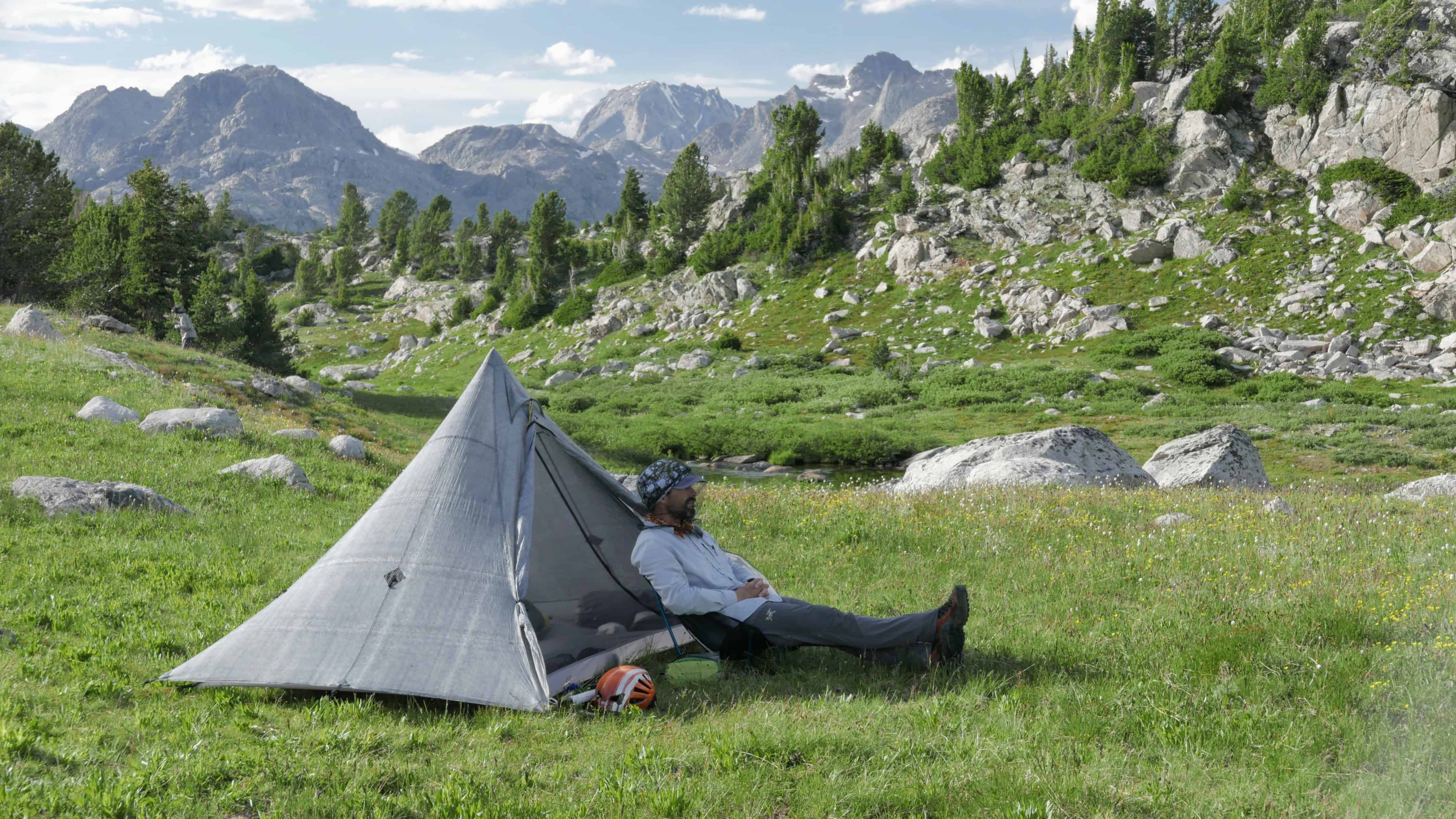
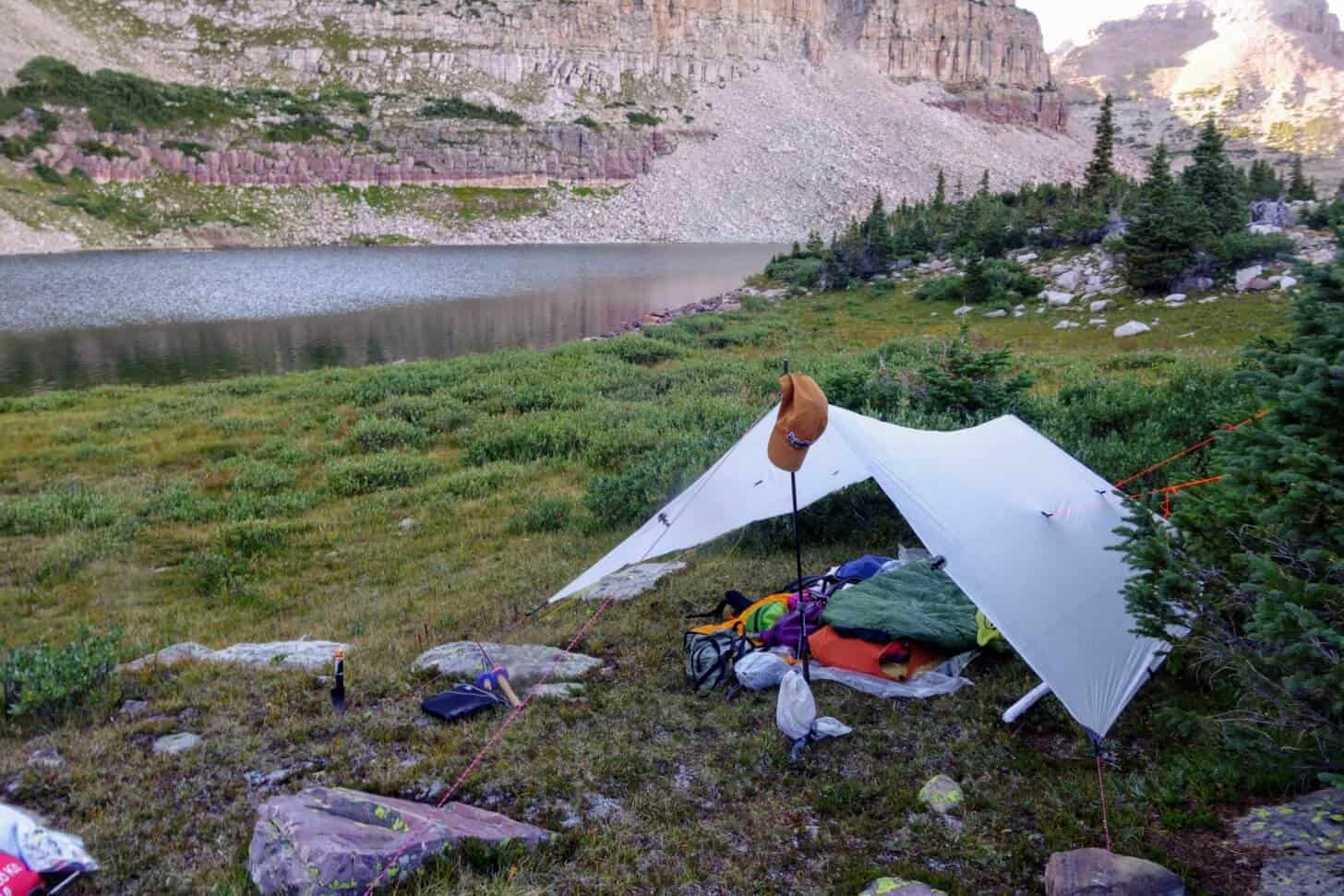

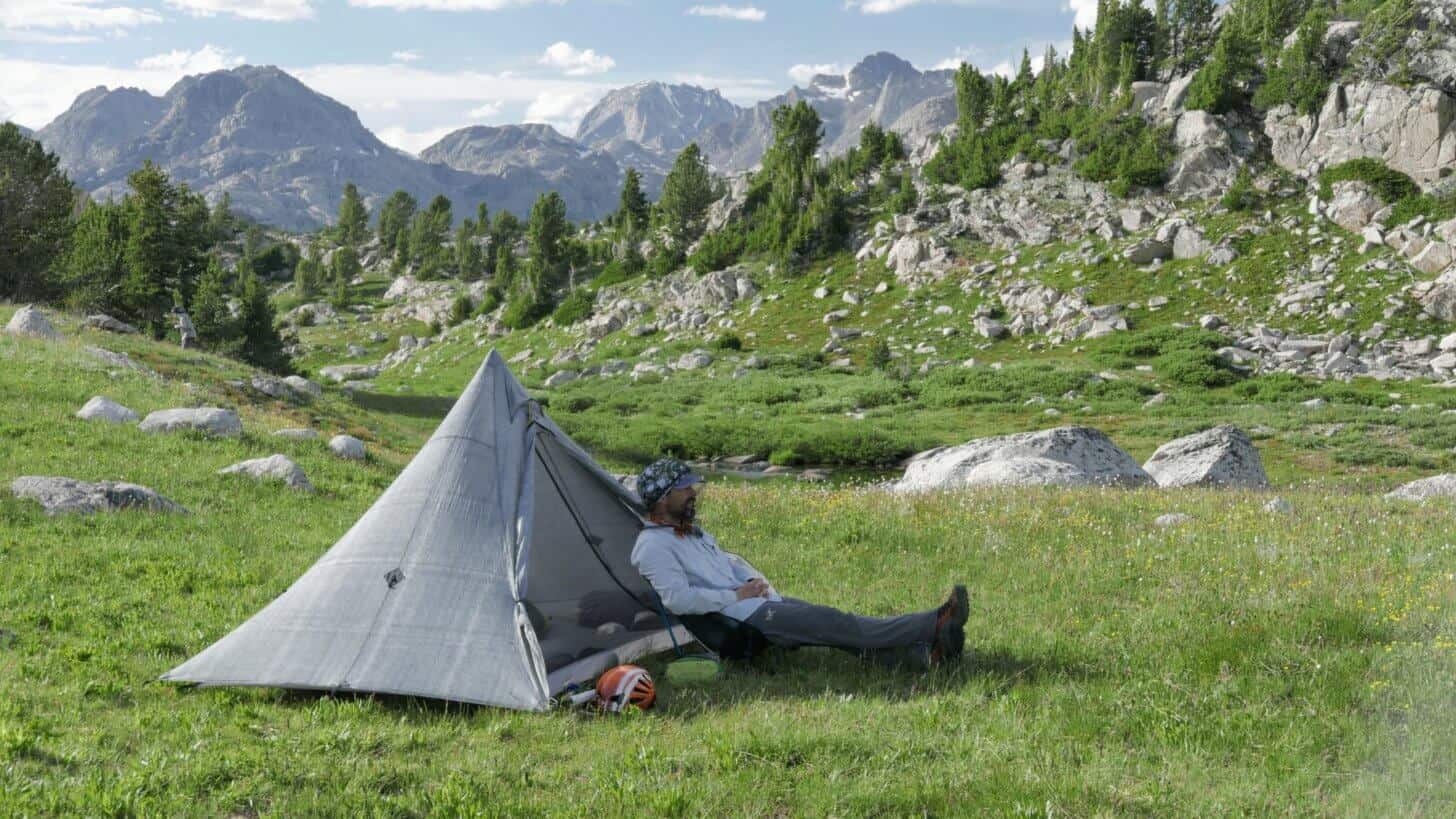


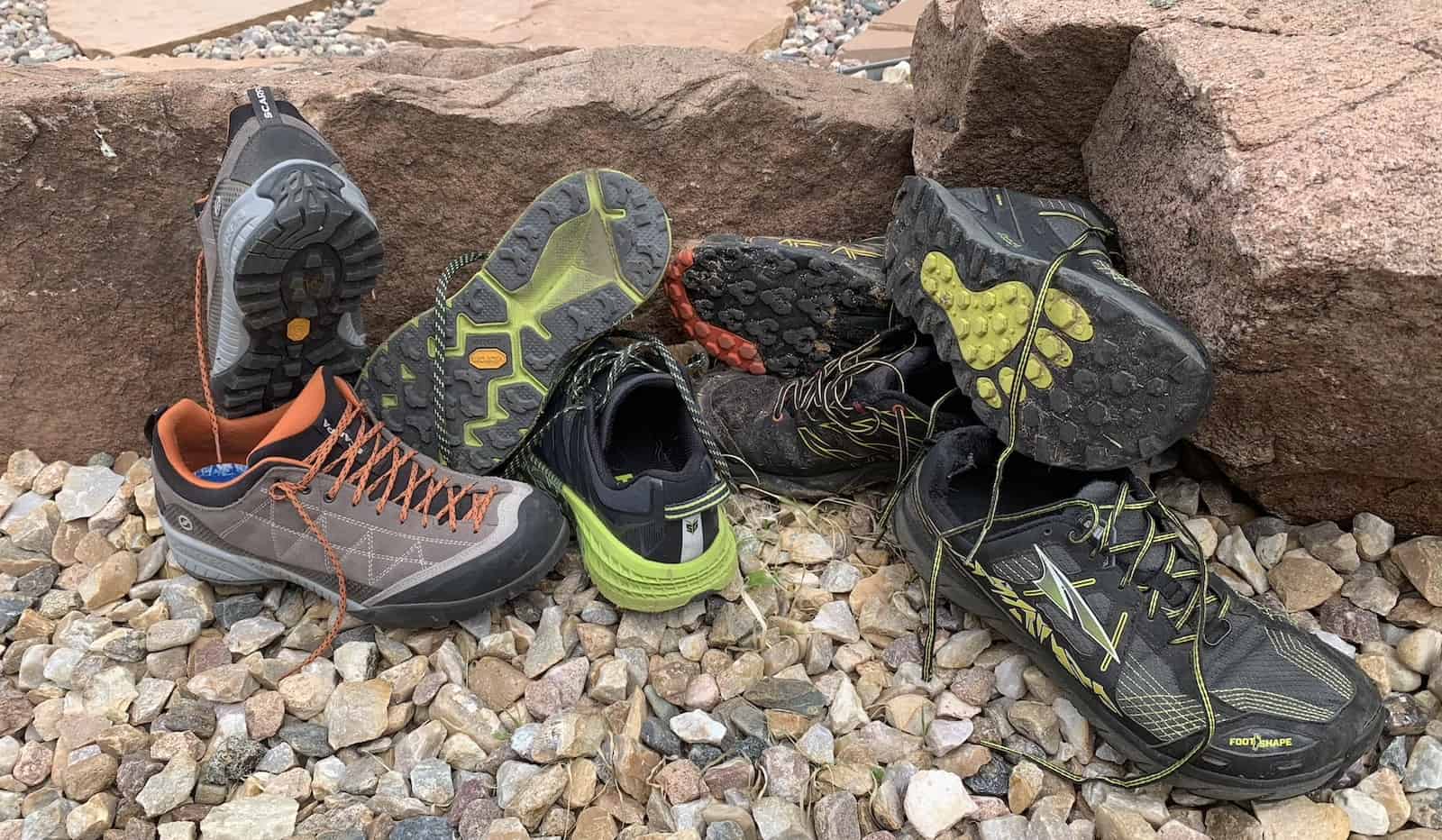
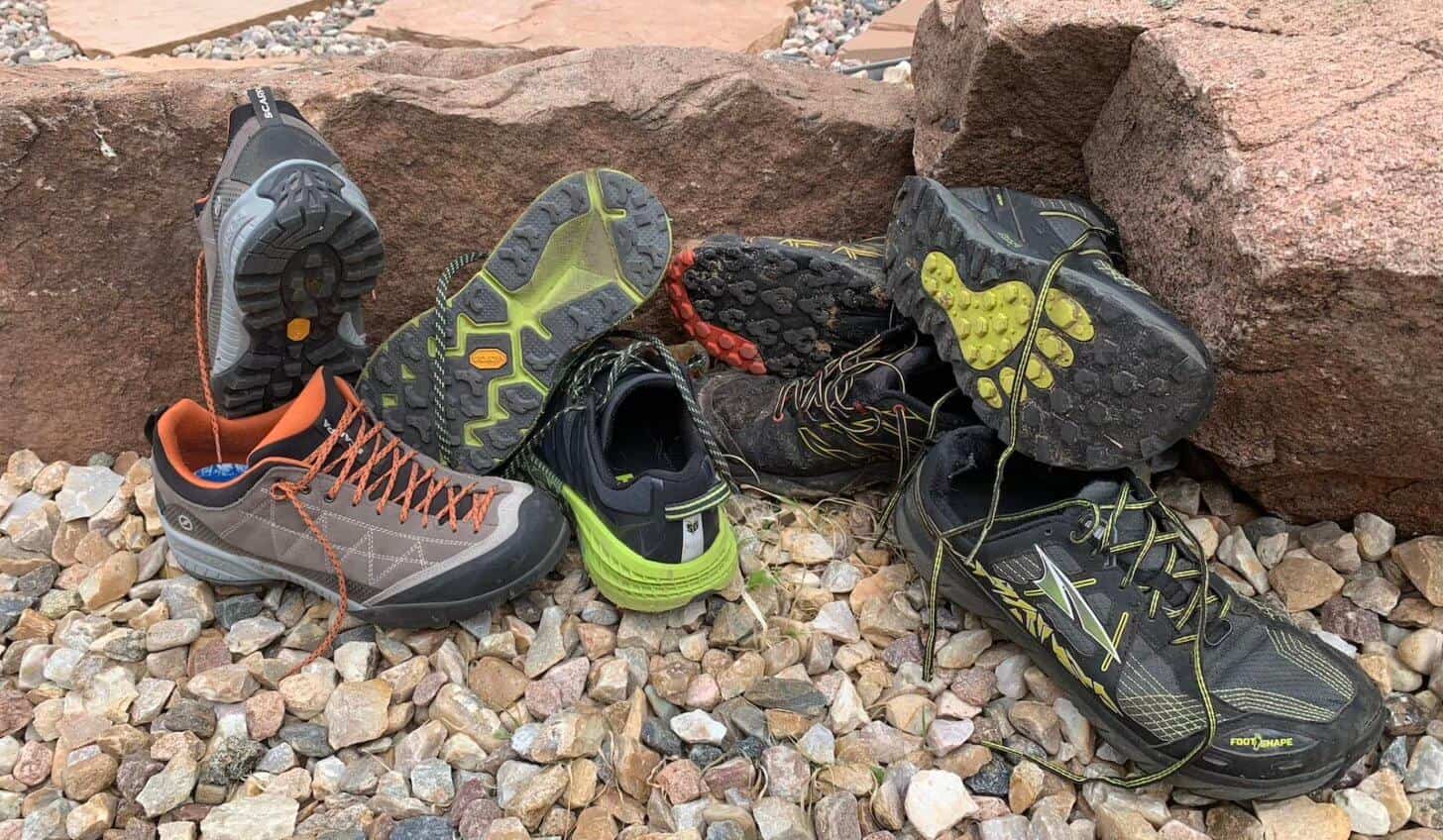

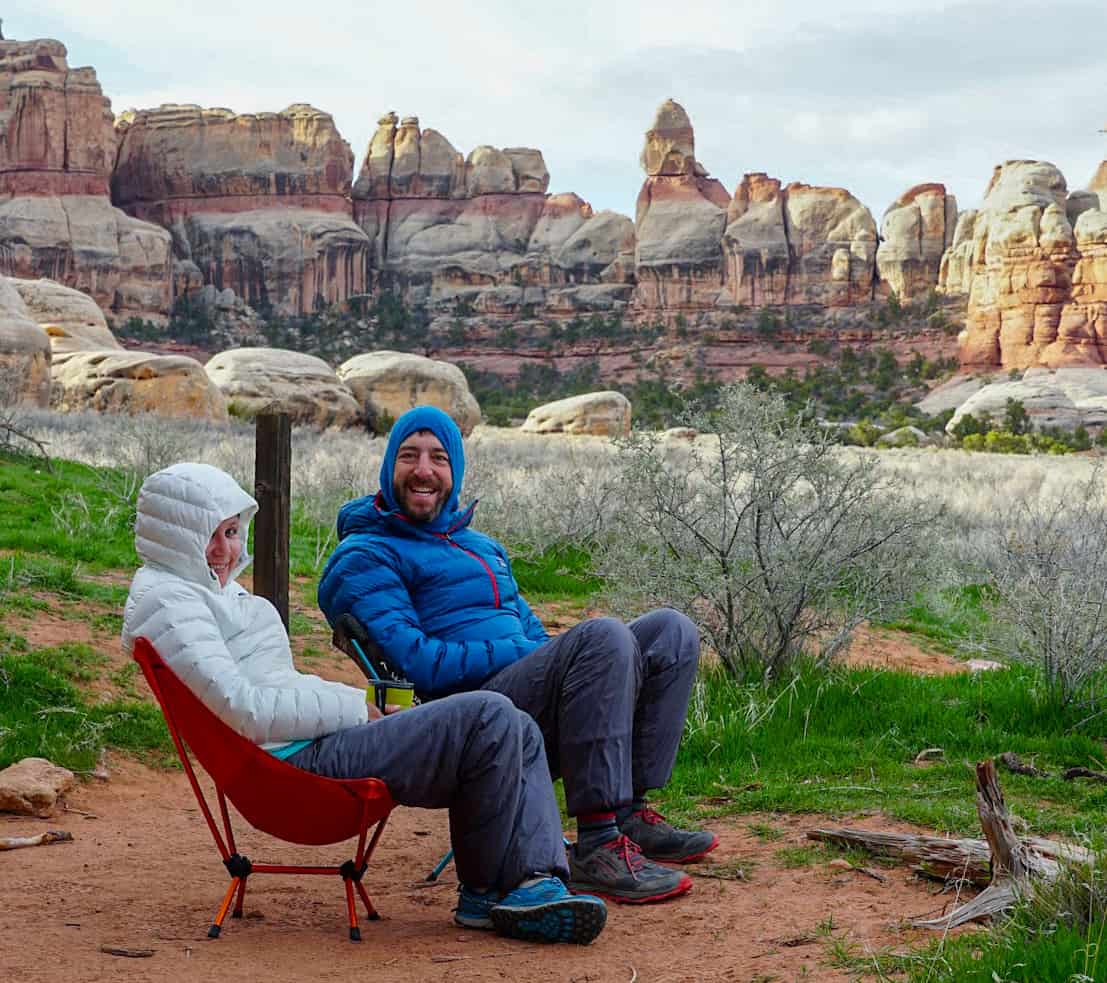
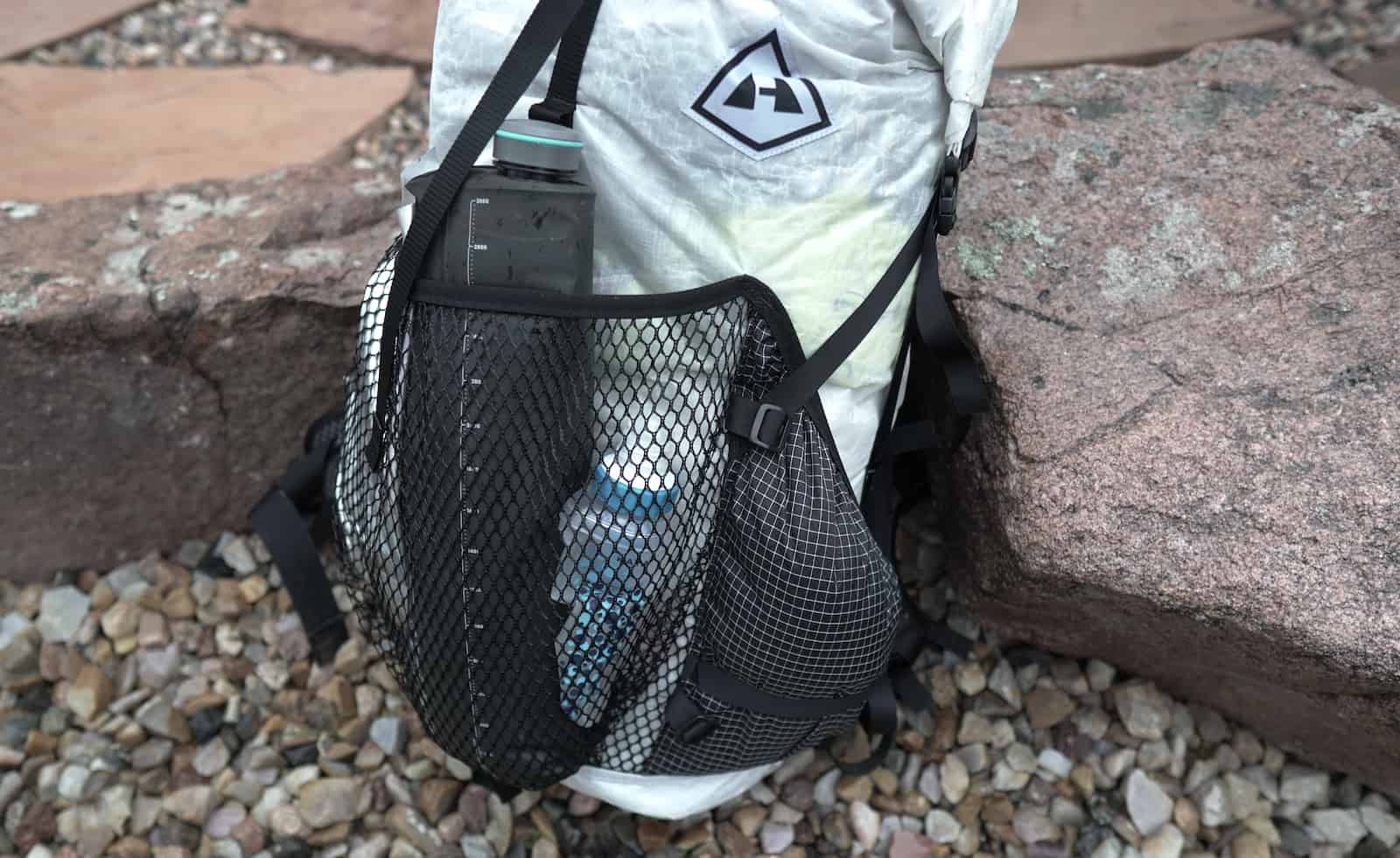
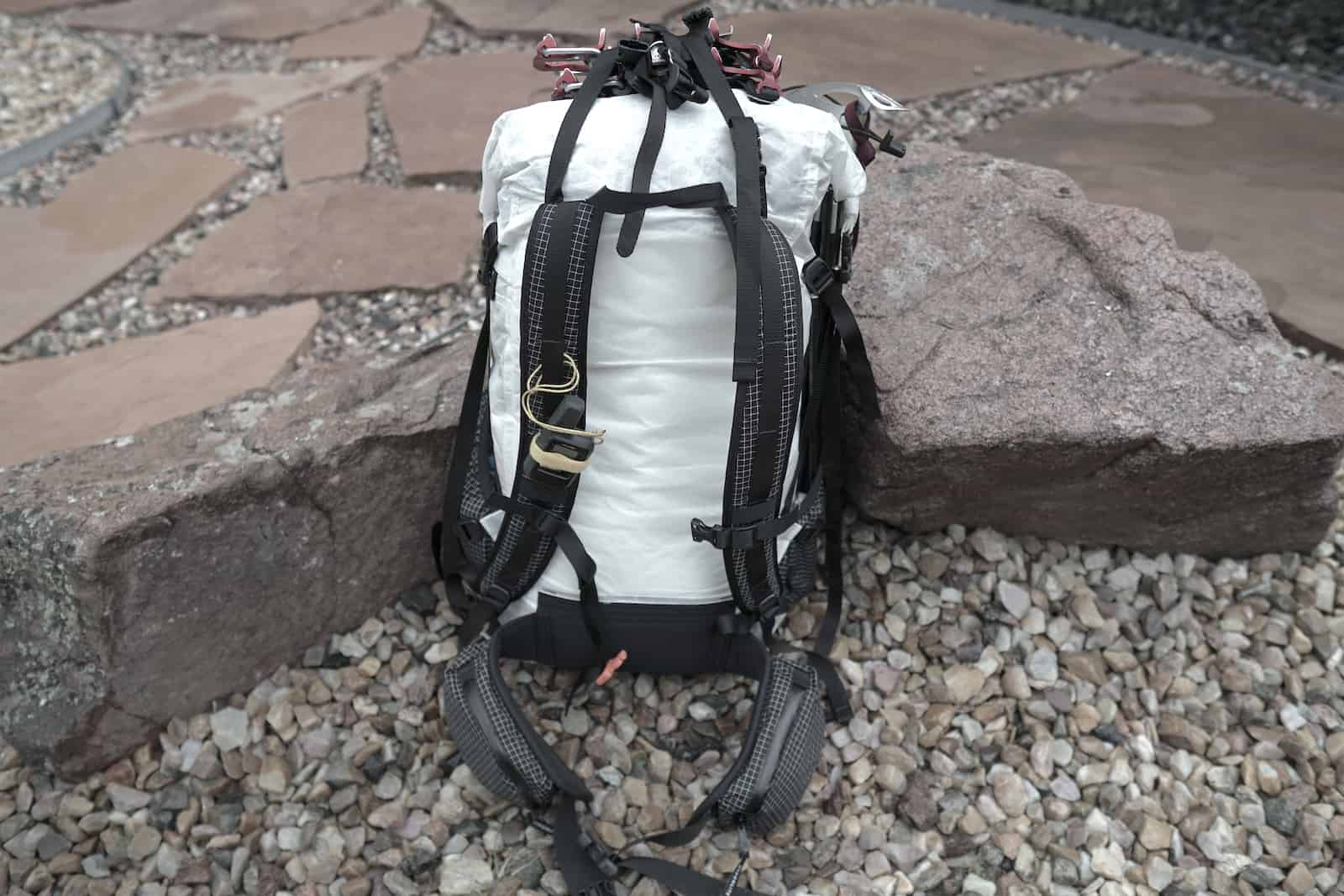
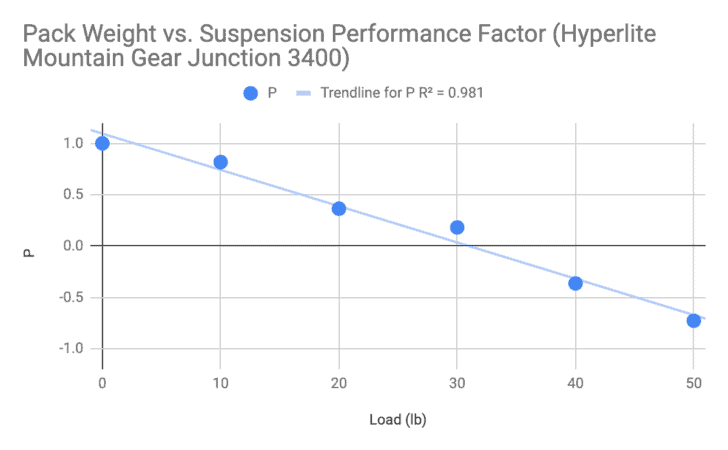


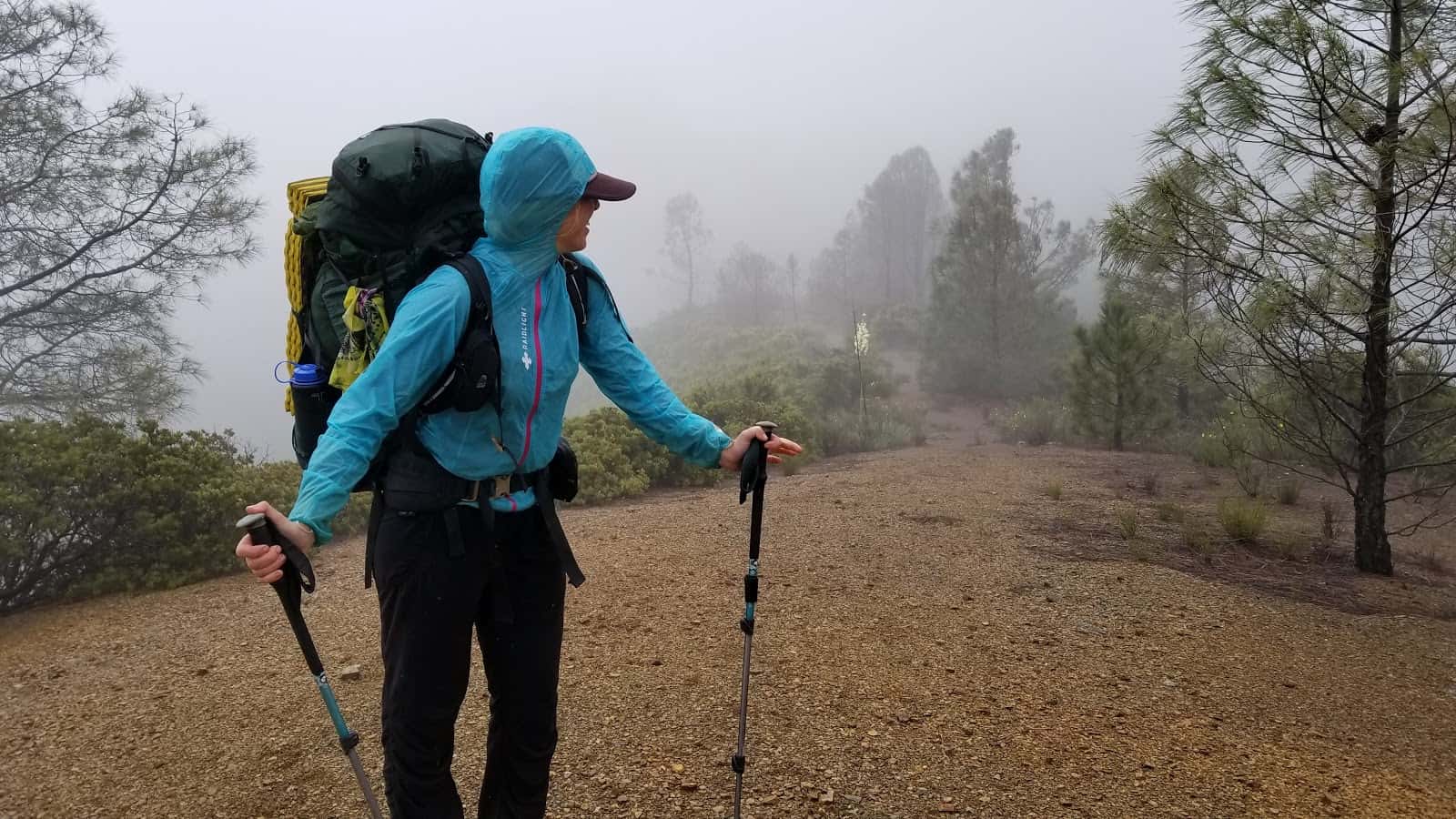
 Photo: RaidLight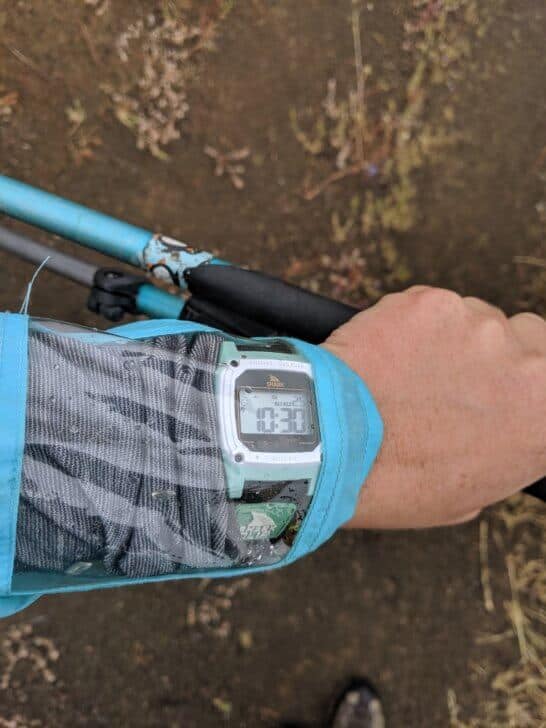

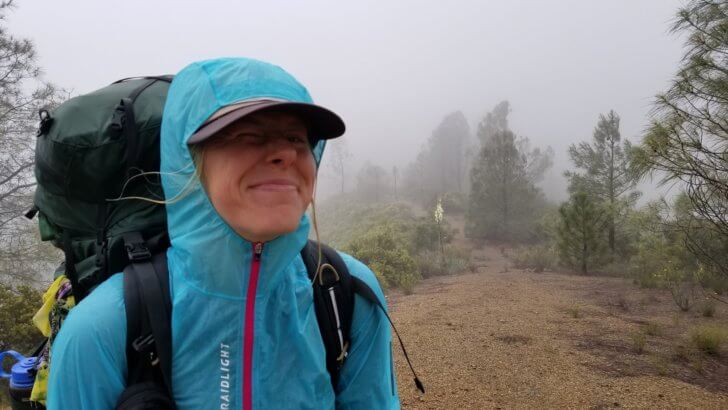
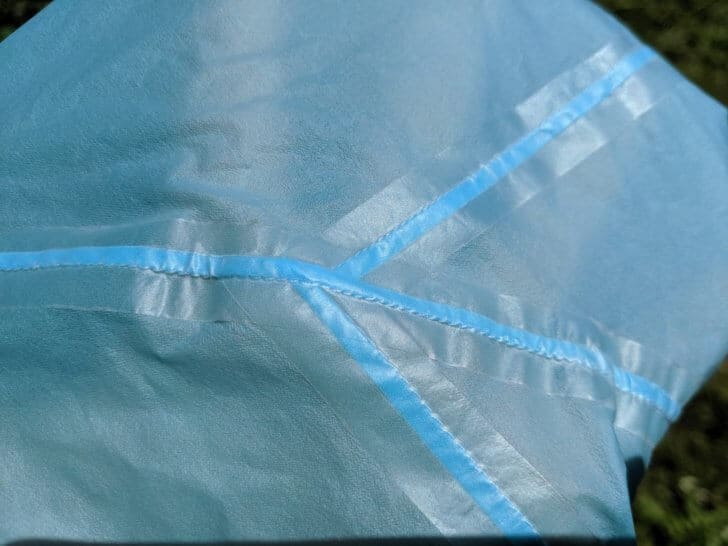
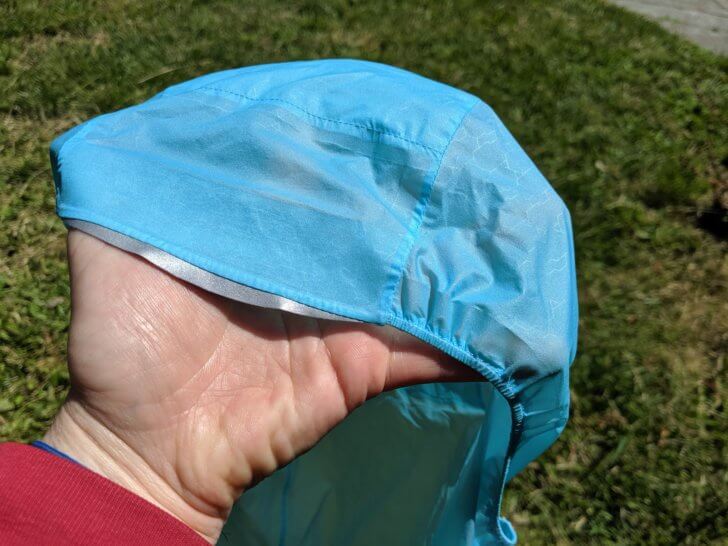
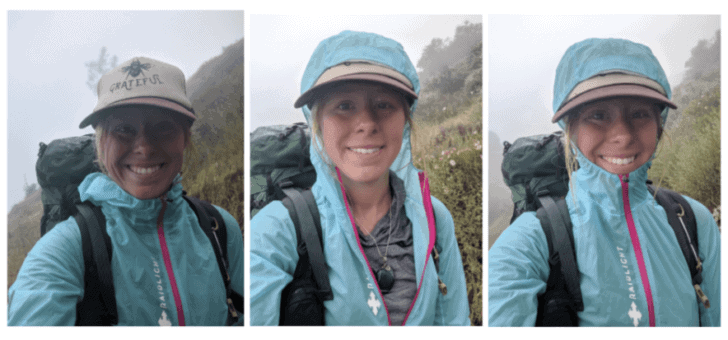

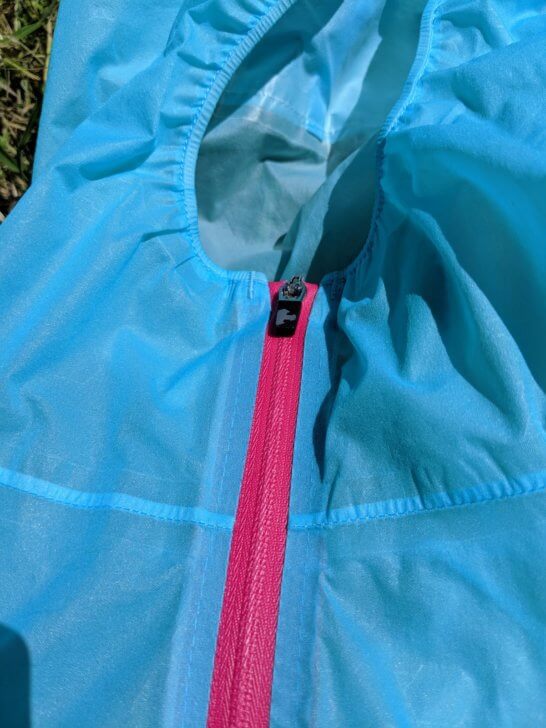
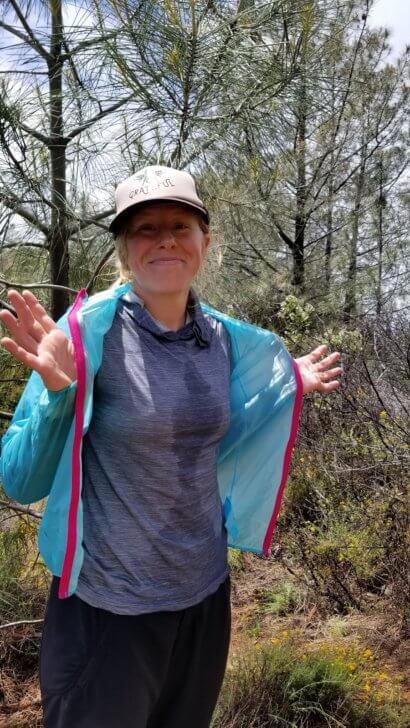
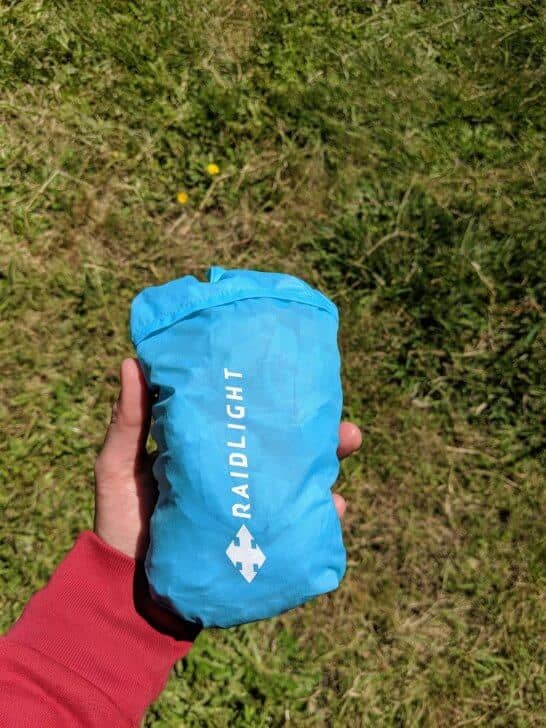
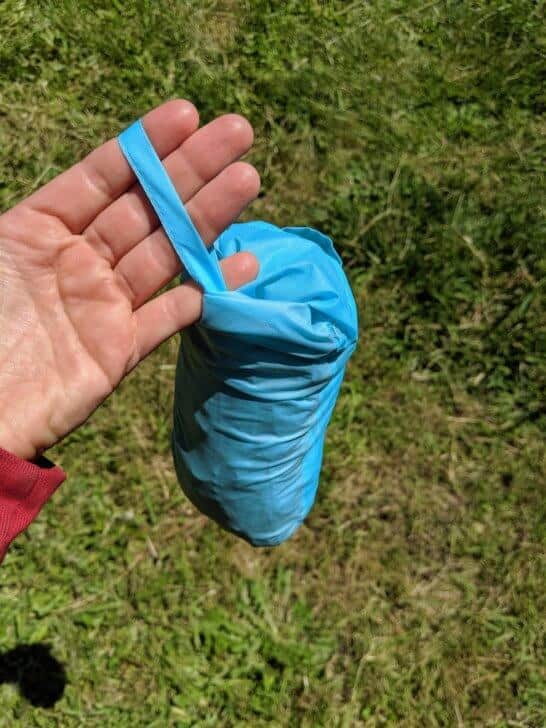
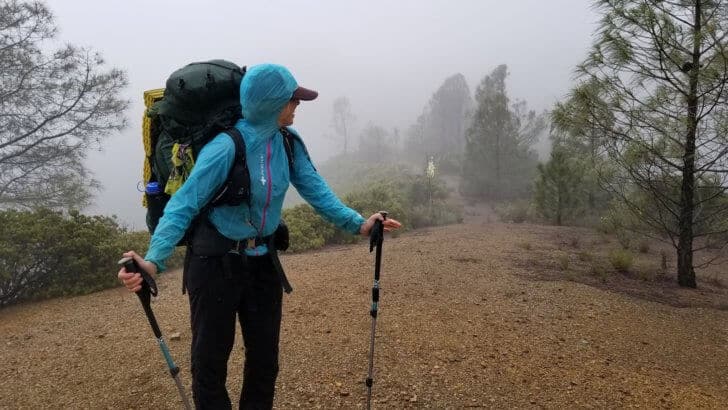
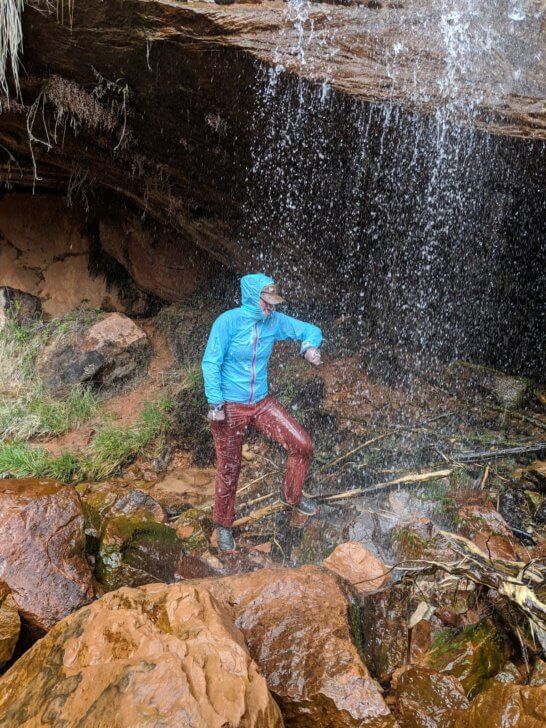

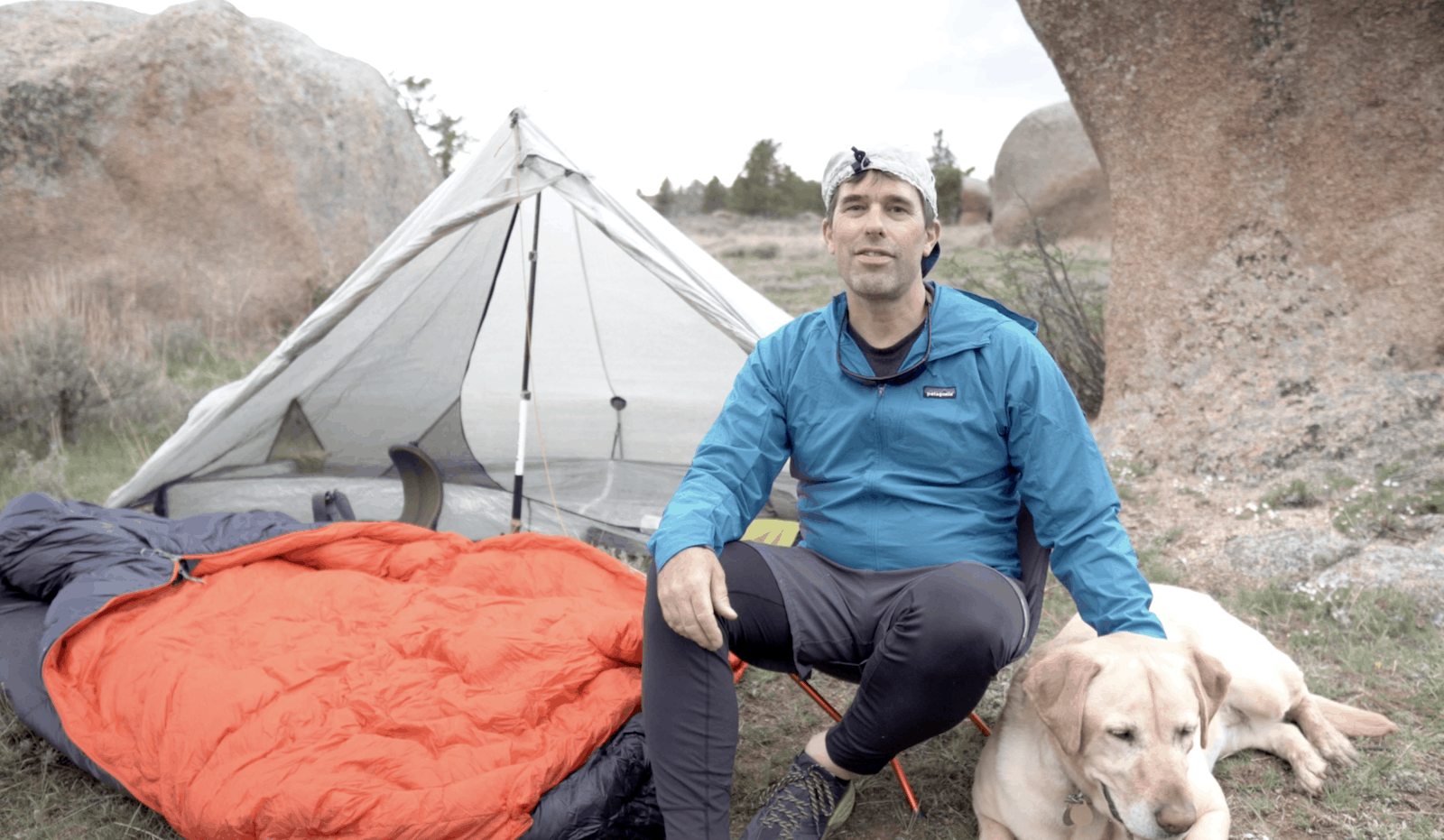
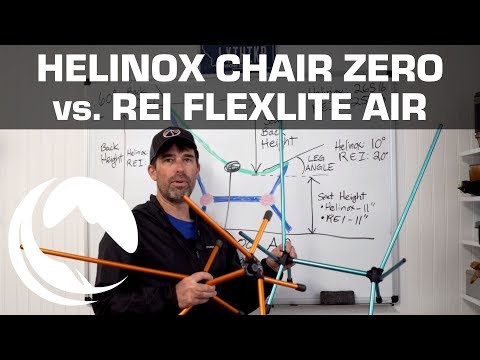
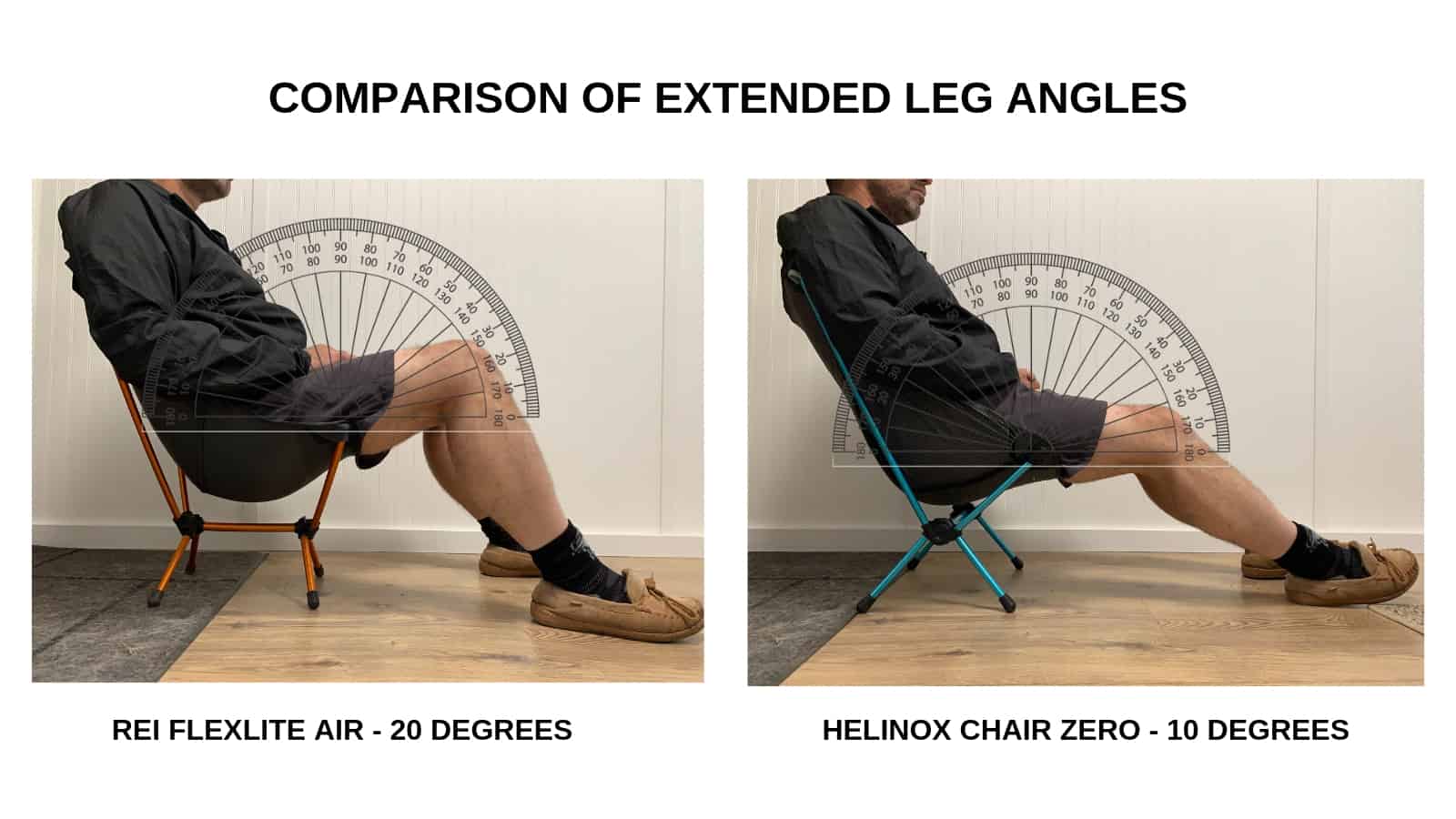 Back Height:


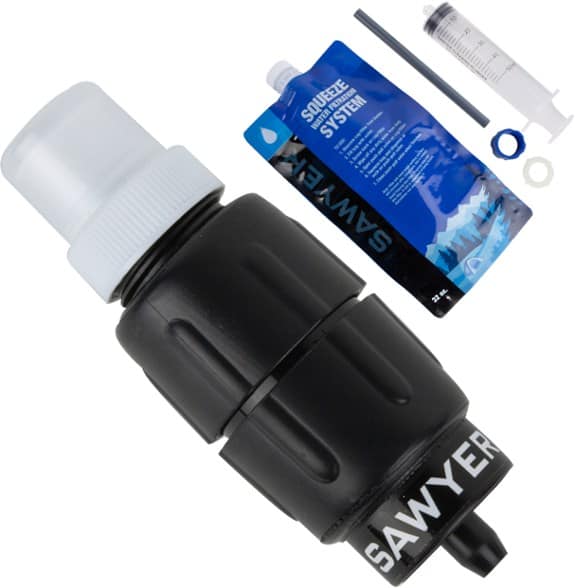
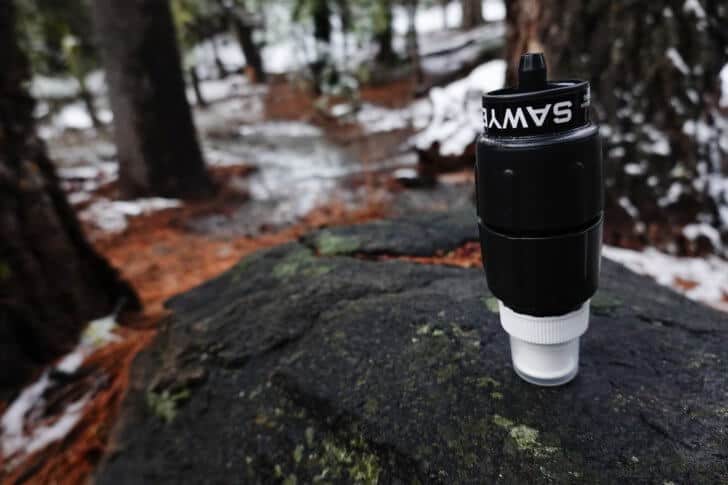
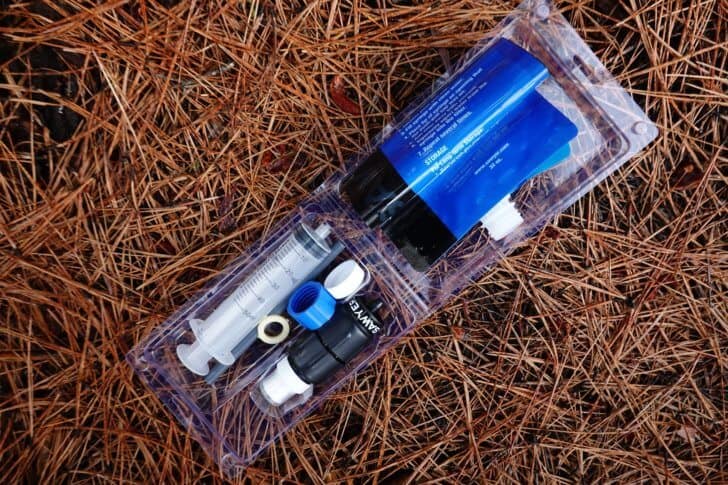
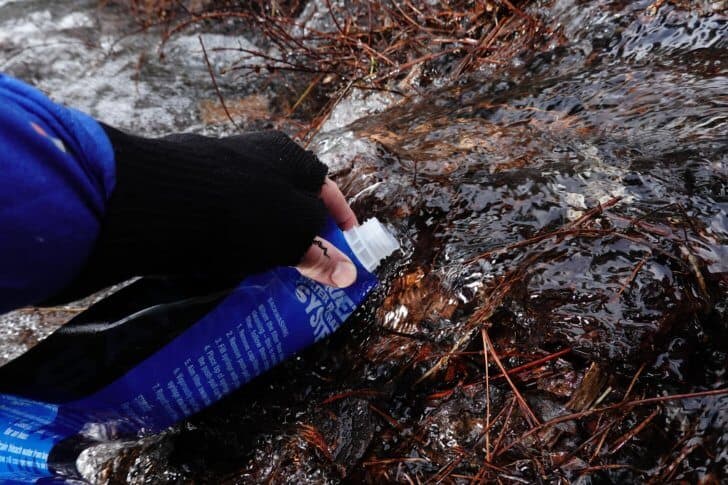
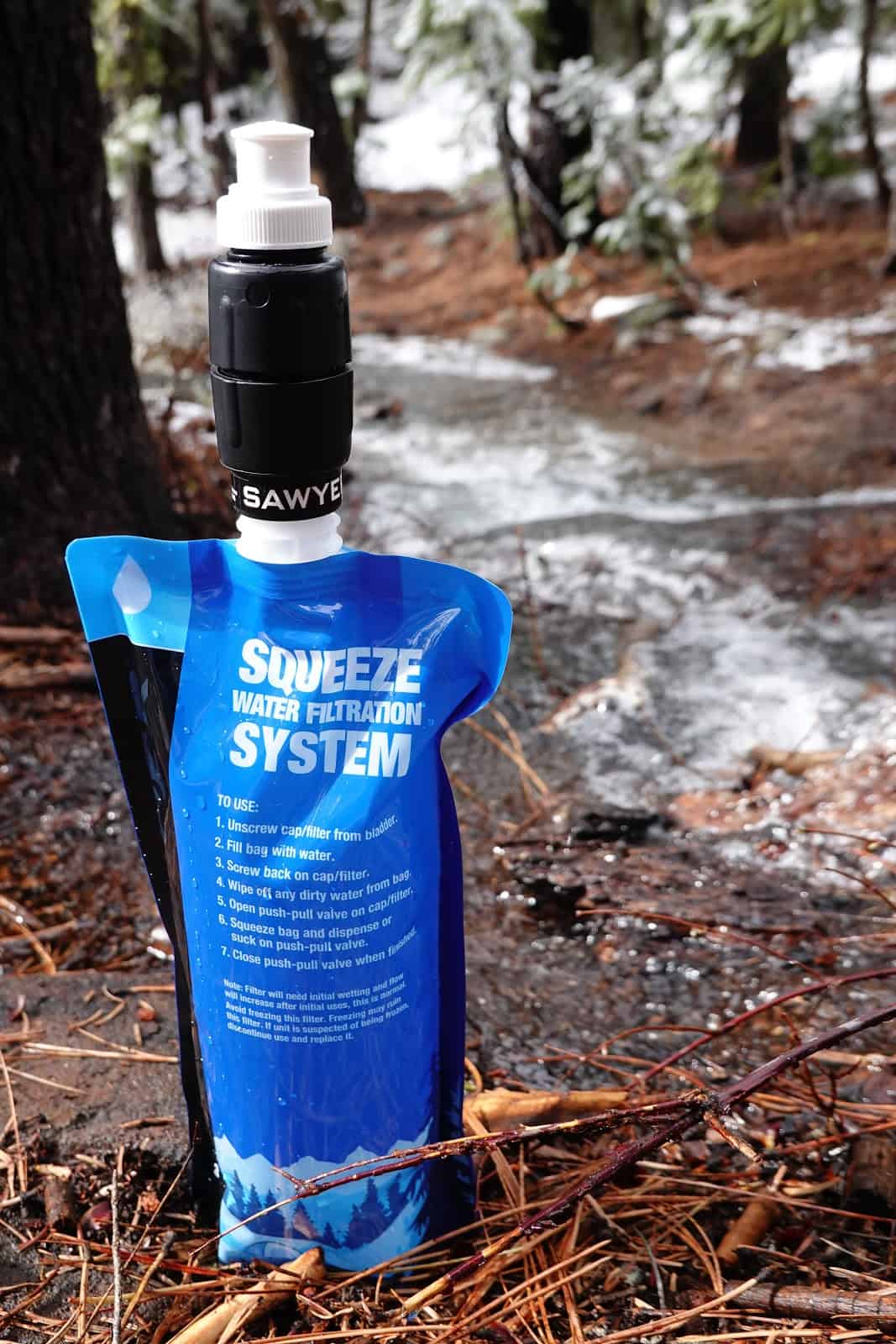

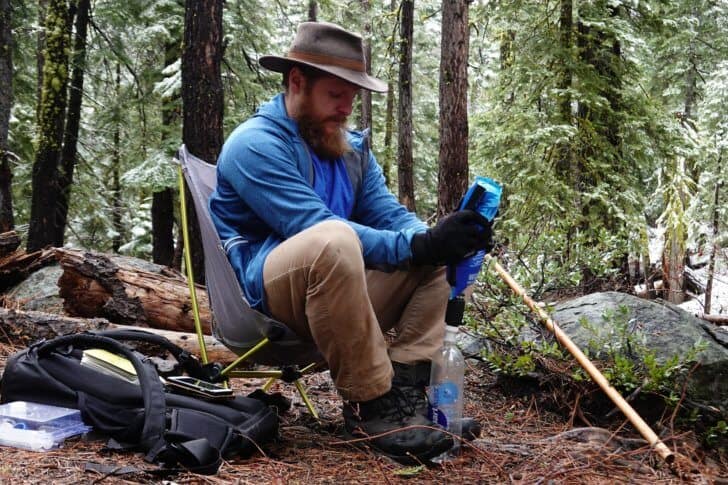
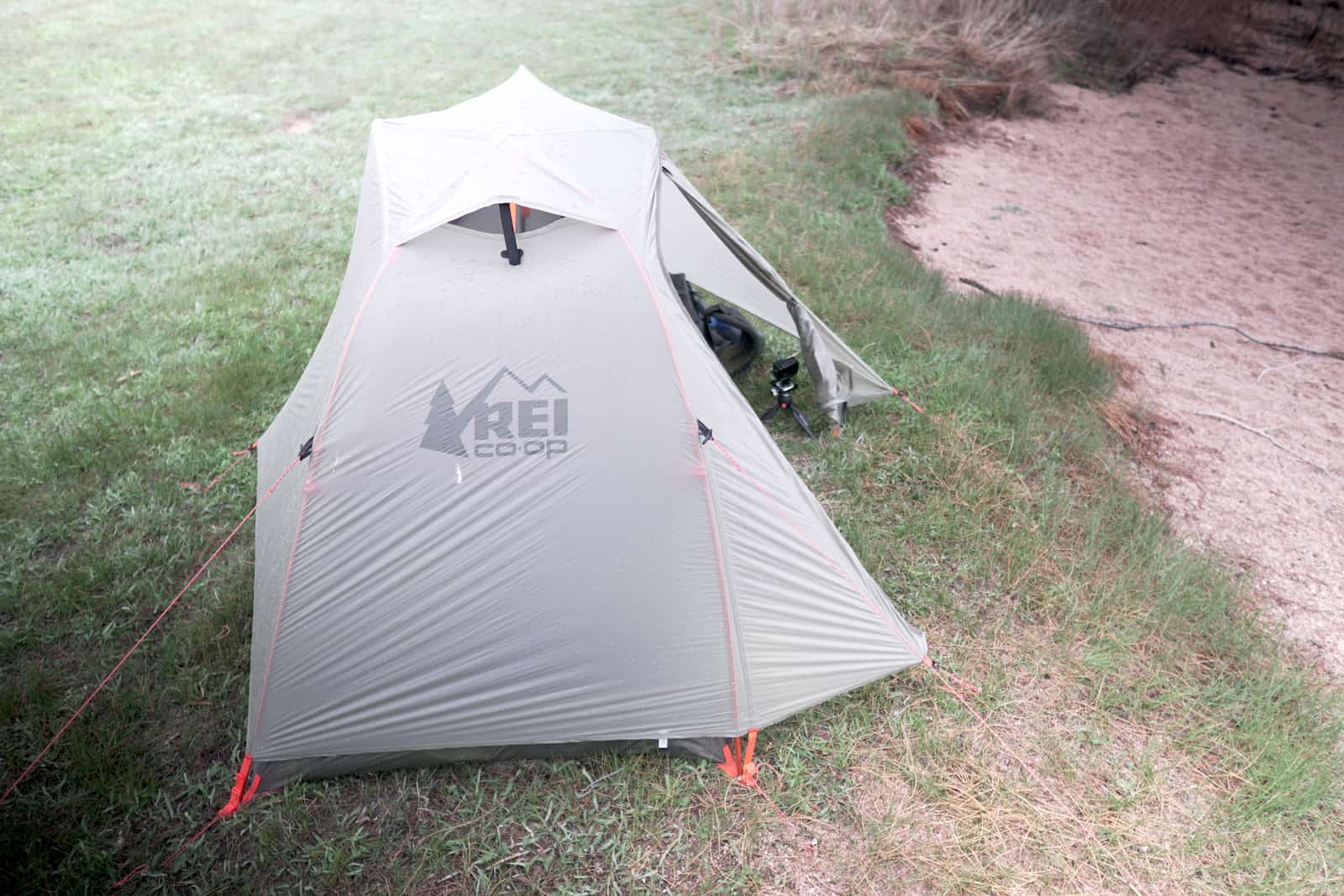
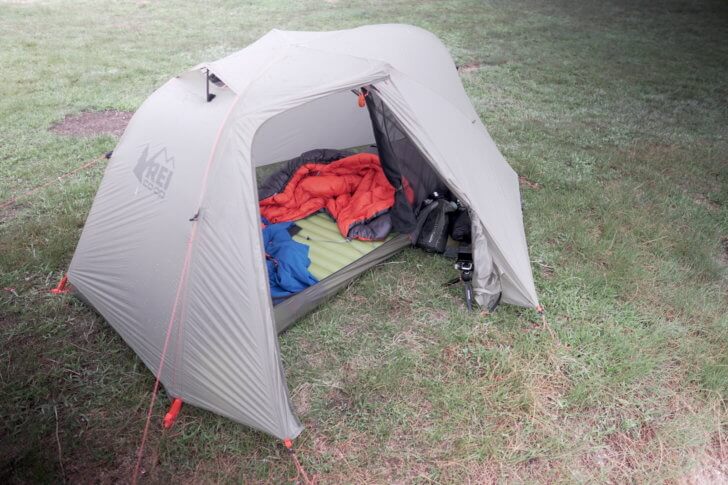
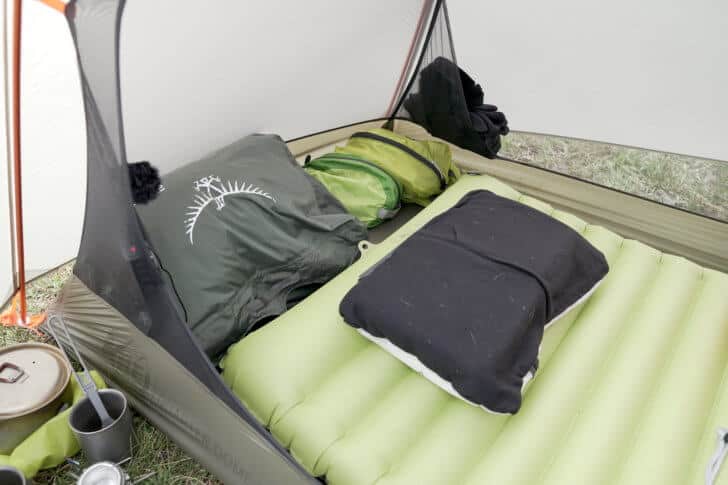
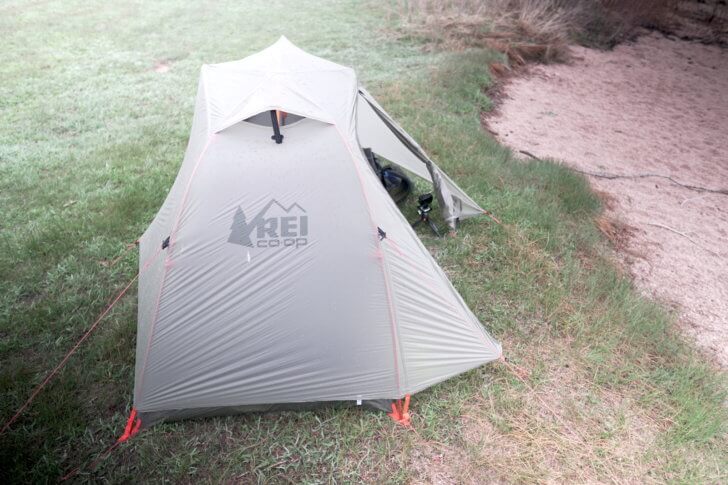
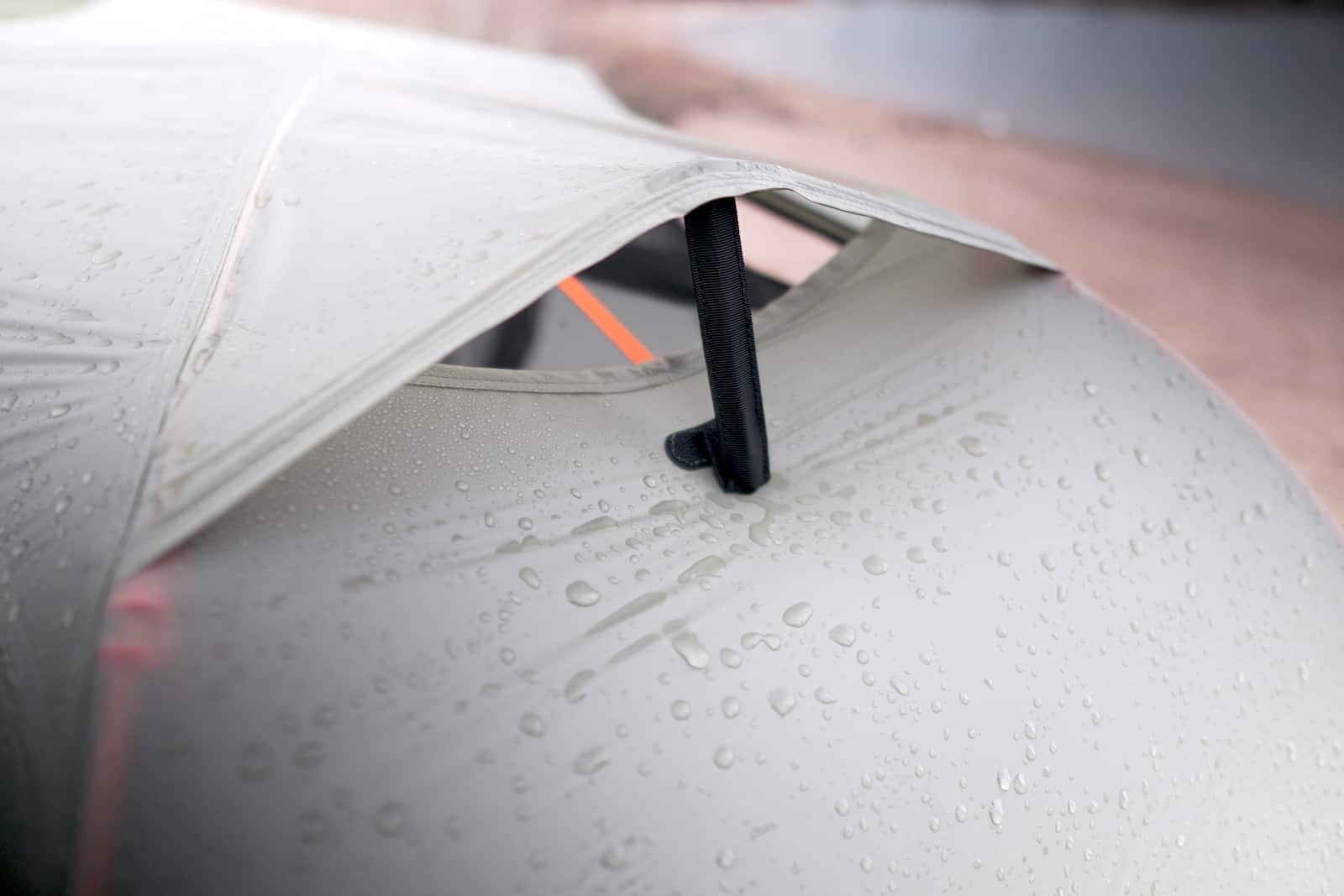
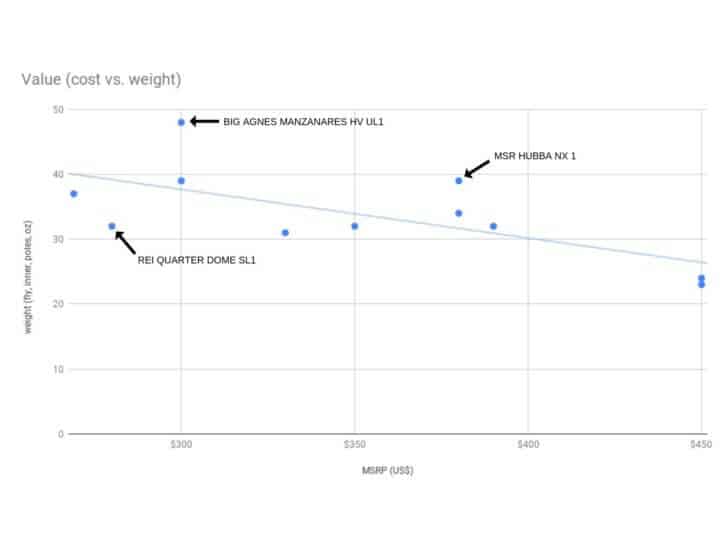
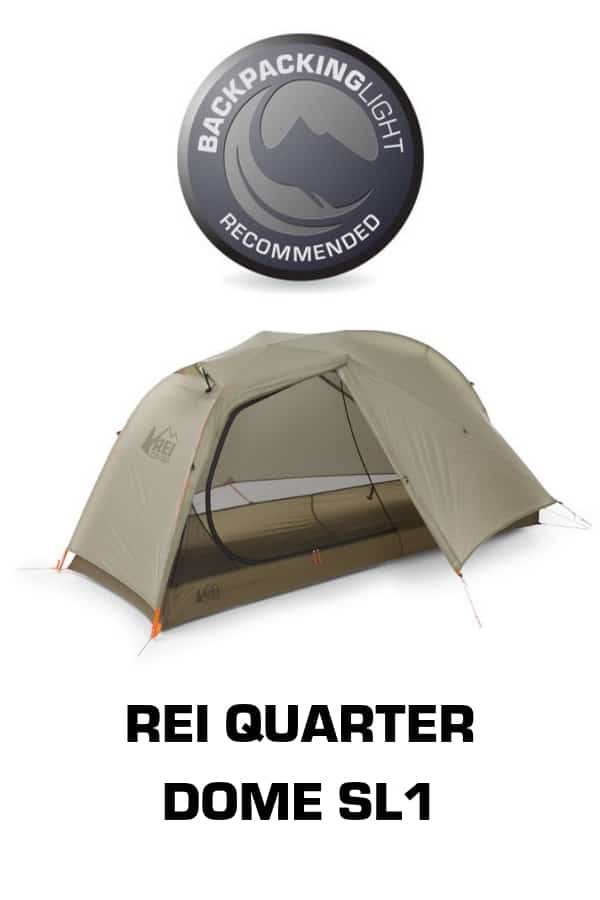
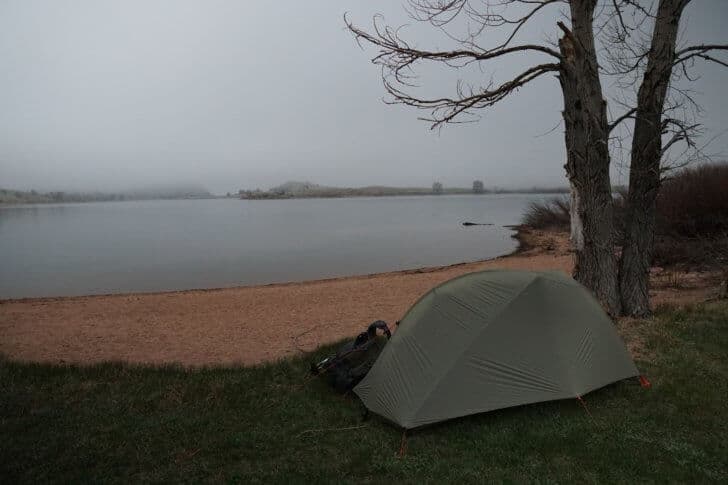
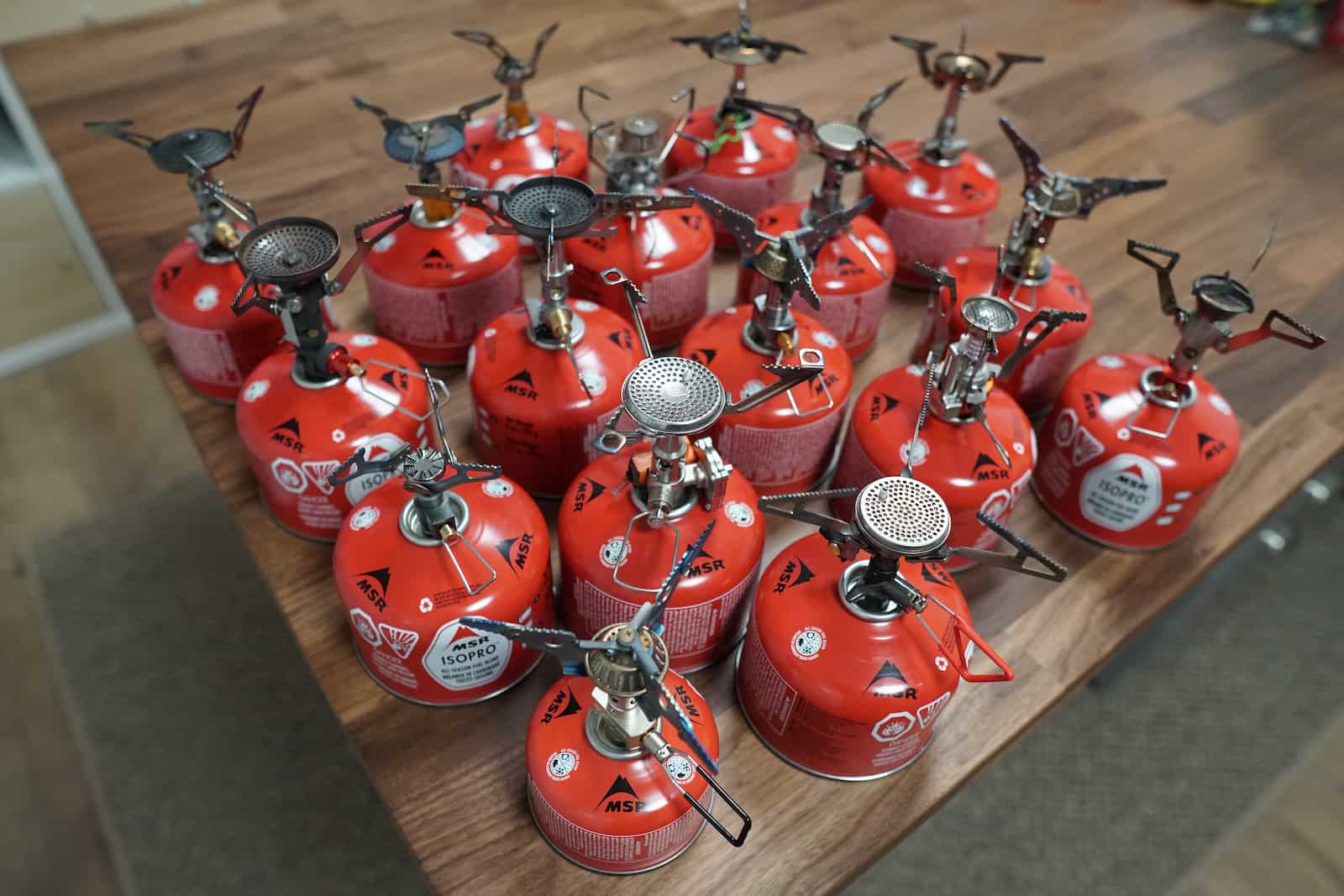
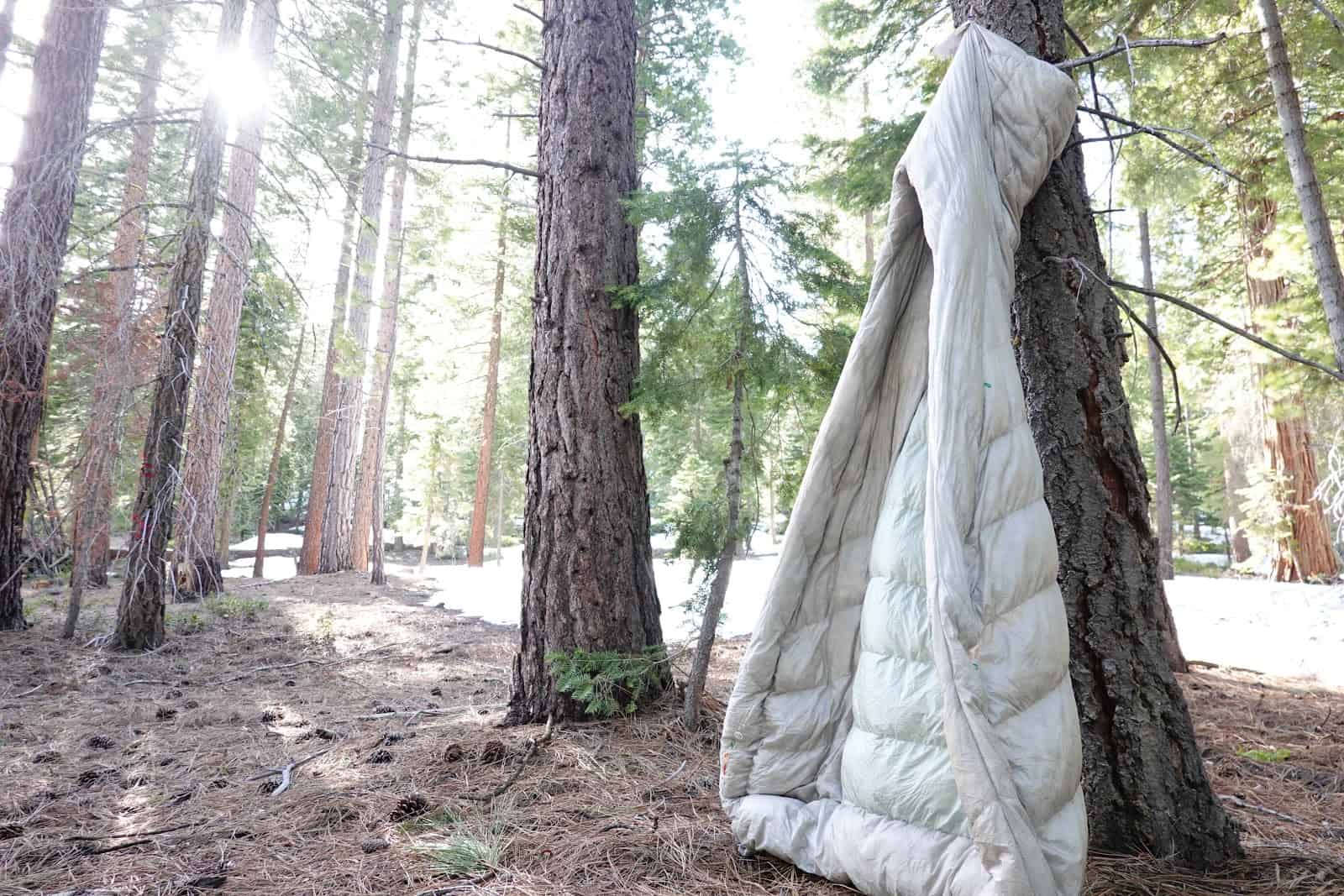
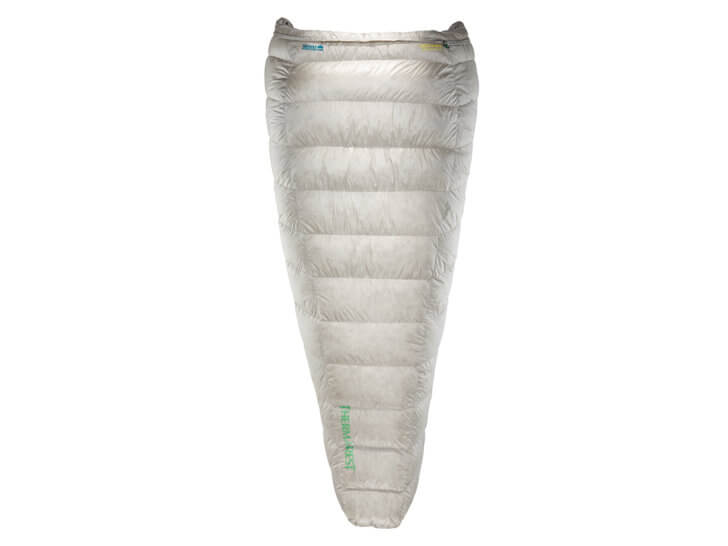


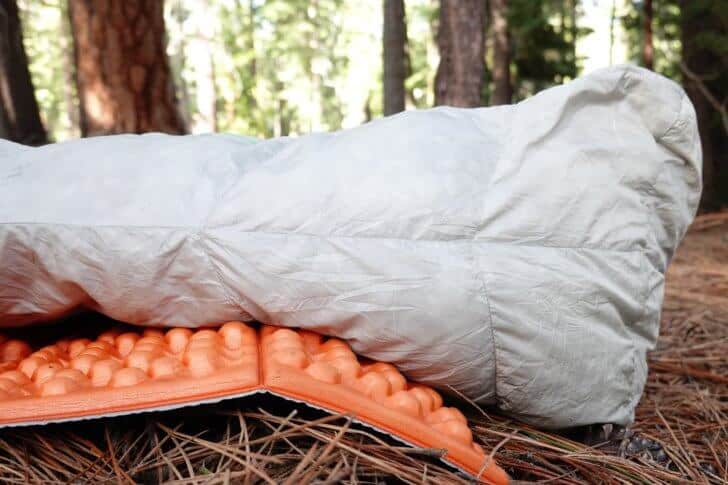
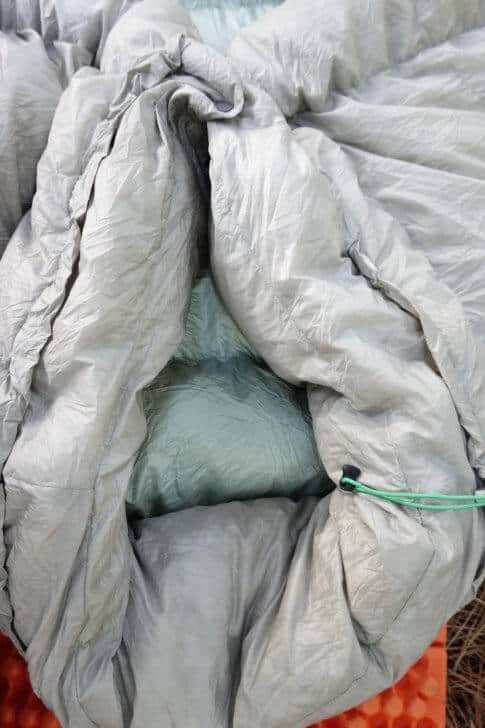


 The Vesper 20F is a superior product: it excels in field performance, design, and material choice. Its warmth-to-weight and warmth-to-size ratio are top of class, and it handles inclement weather as well if not better than any other down quilt or bag I’ve come across. The design is precise and the manufacturing quality is as high as you would expect from Cascade Designs (which is to say, extremely high). The loose threads on my sample Vesper are not likely to be found on the consumer runs of the product.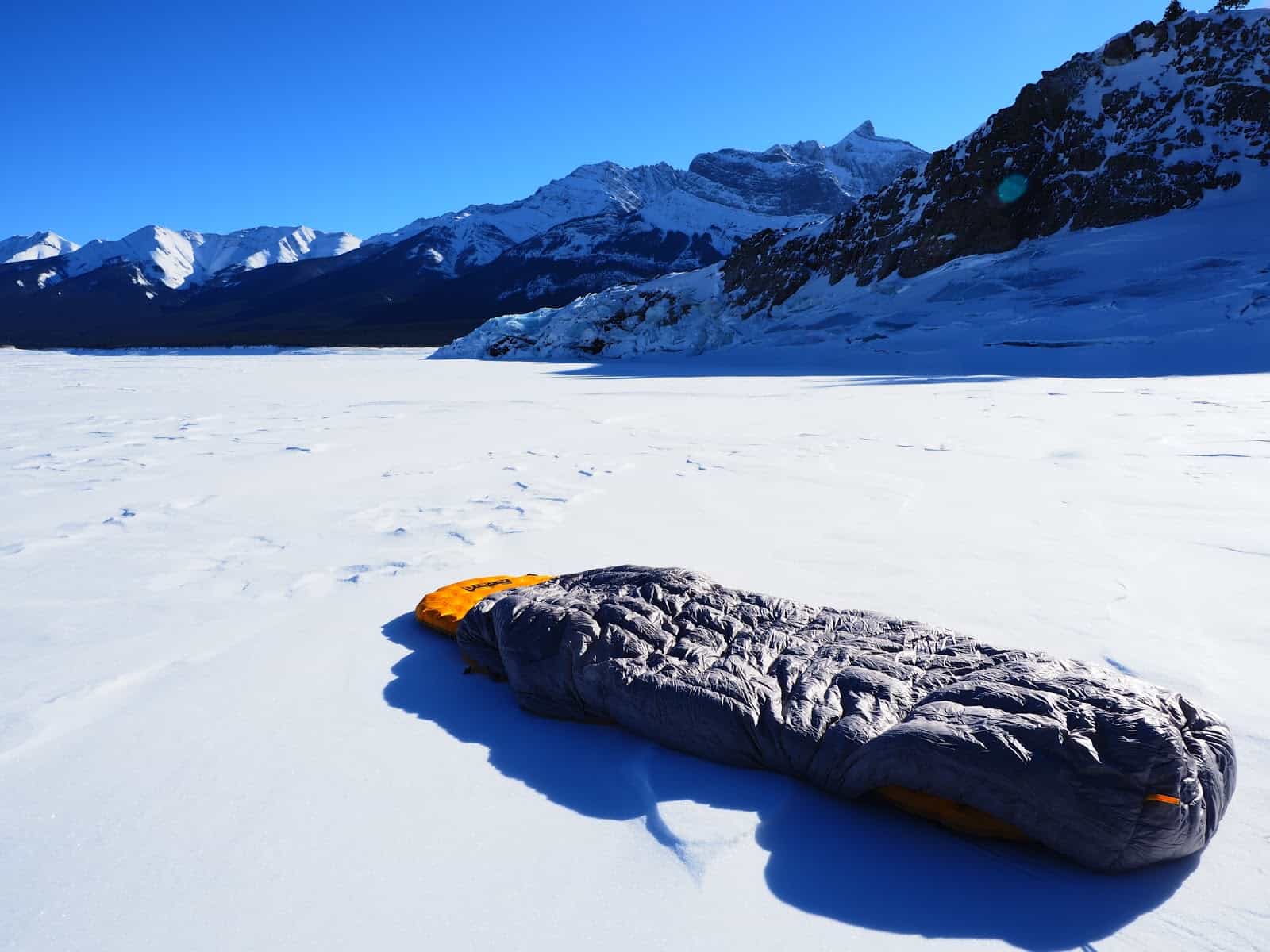
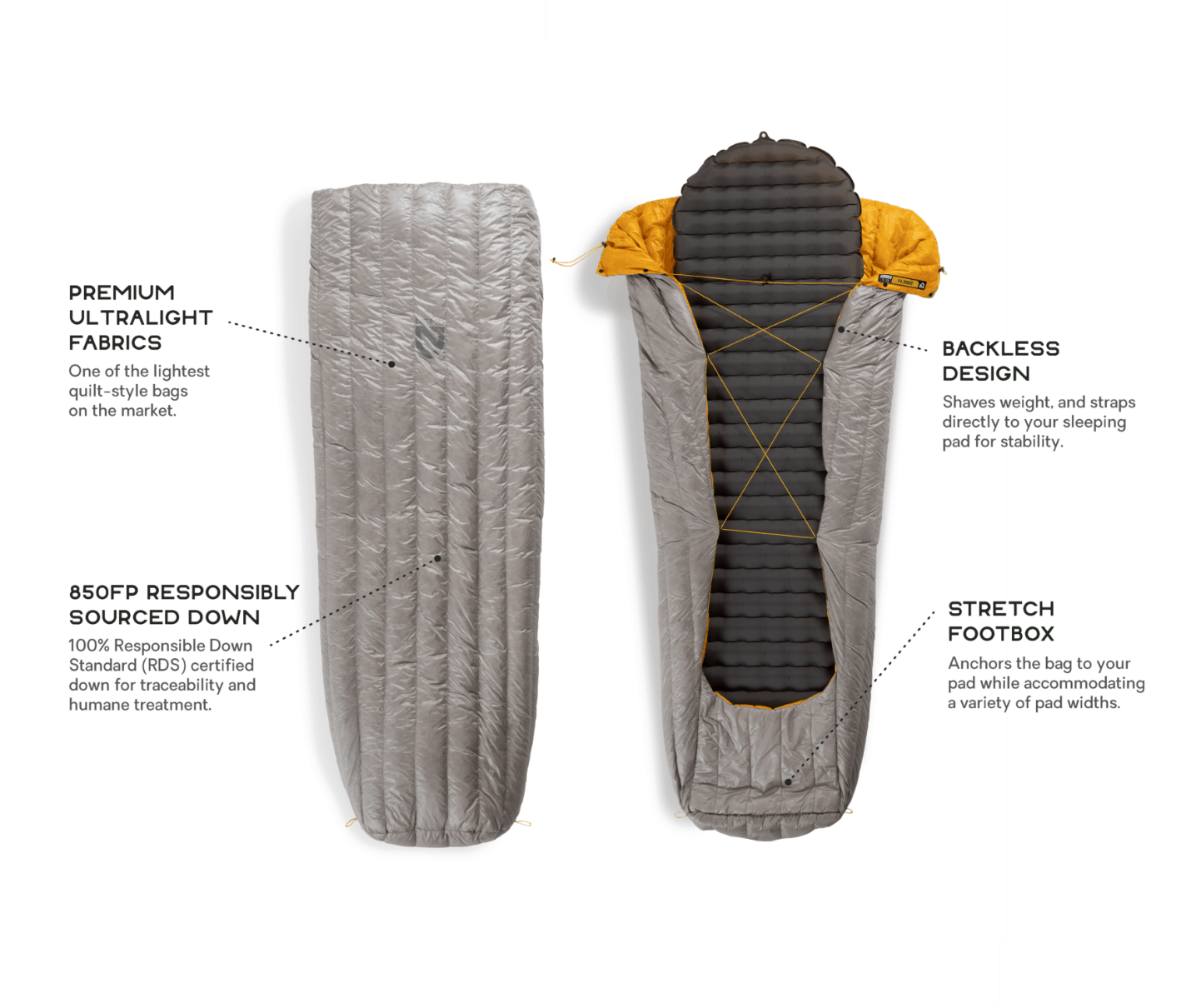

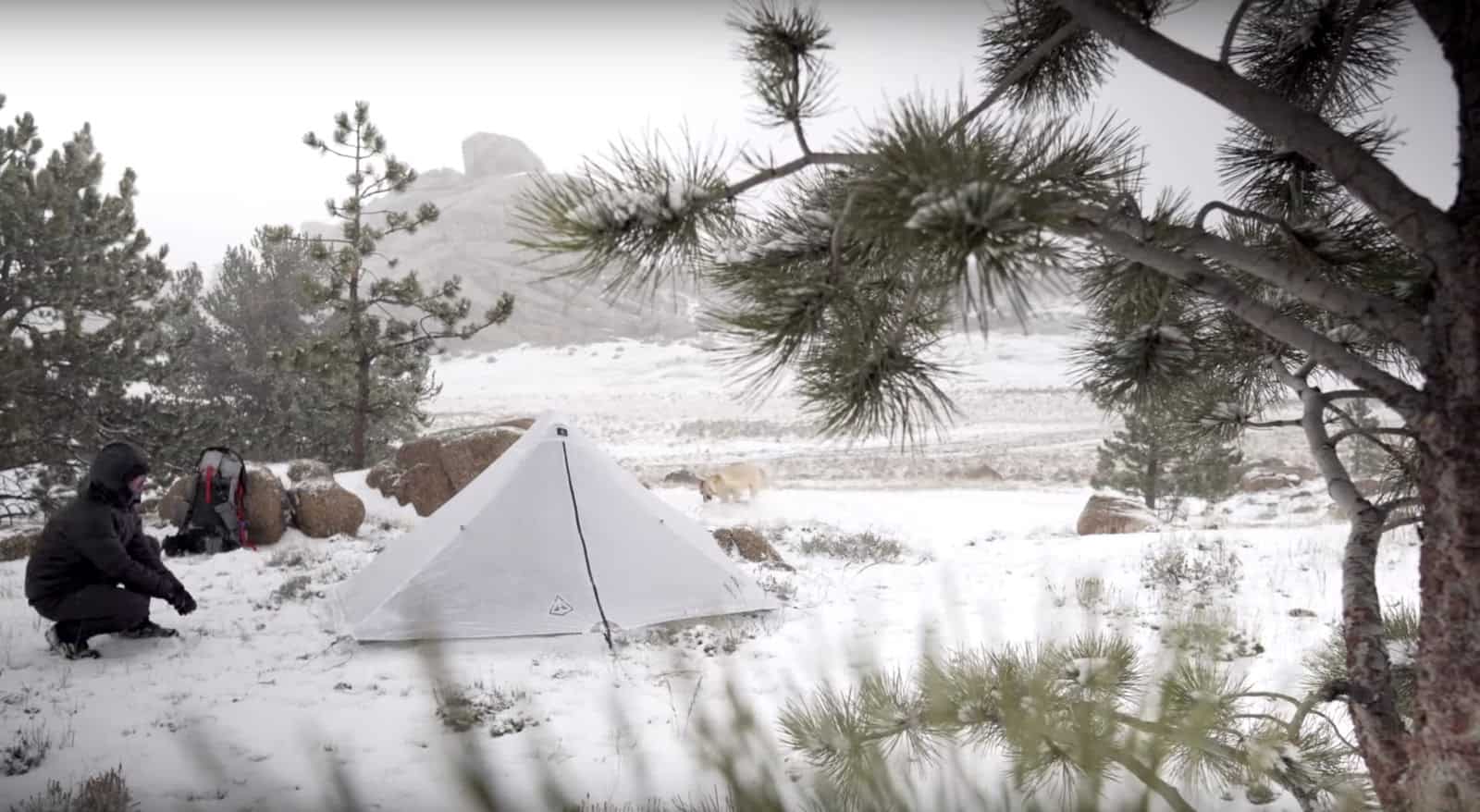
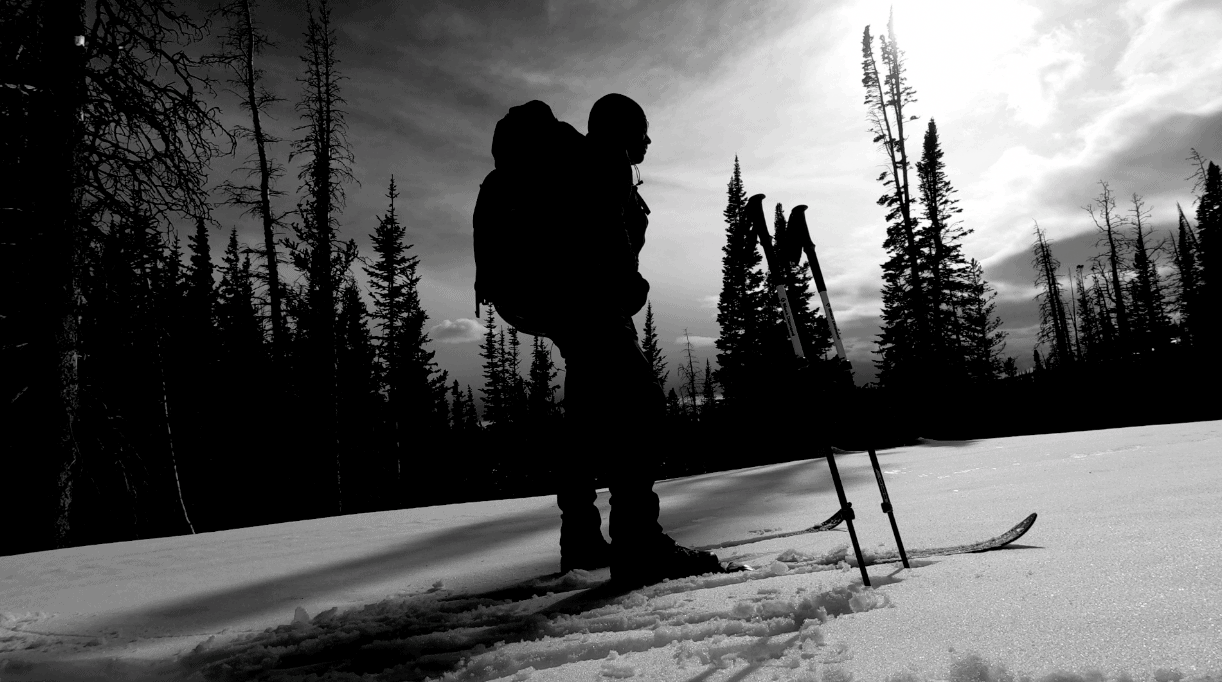
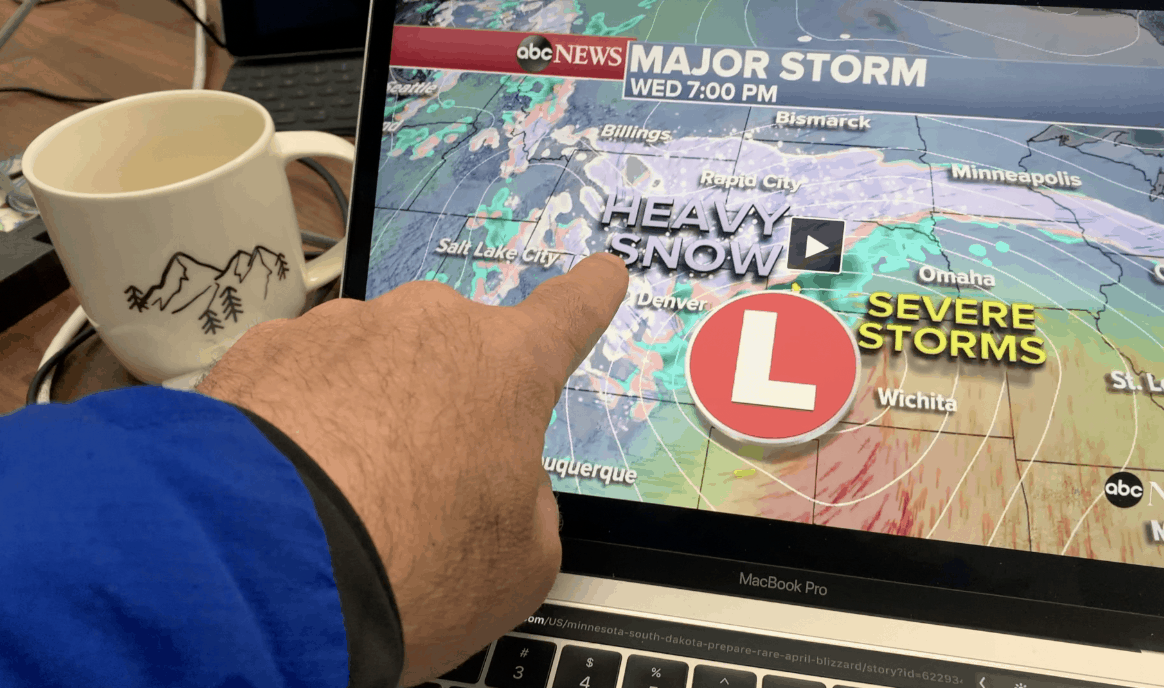
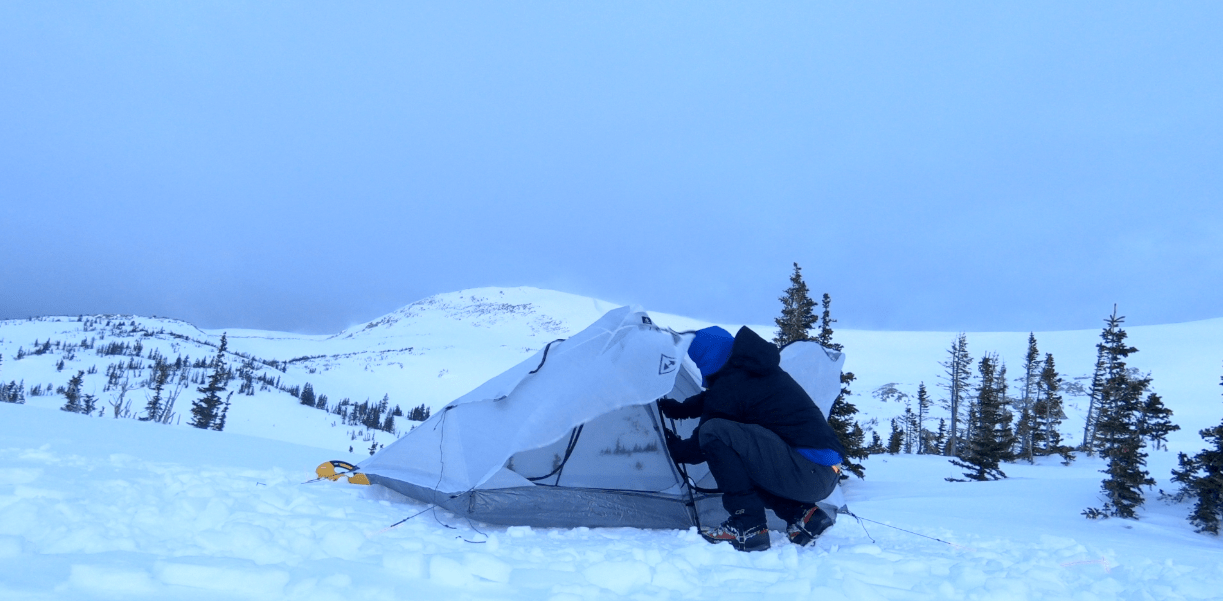 Gear Notes:
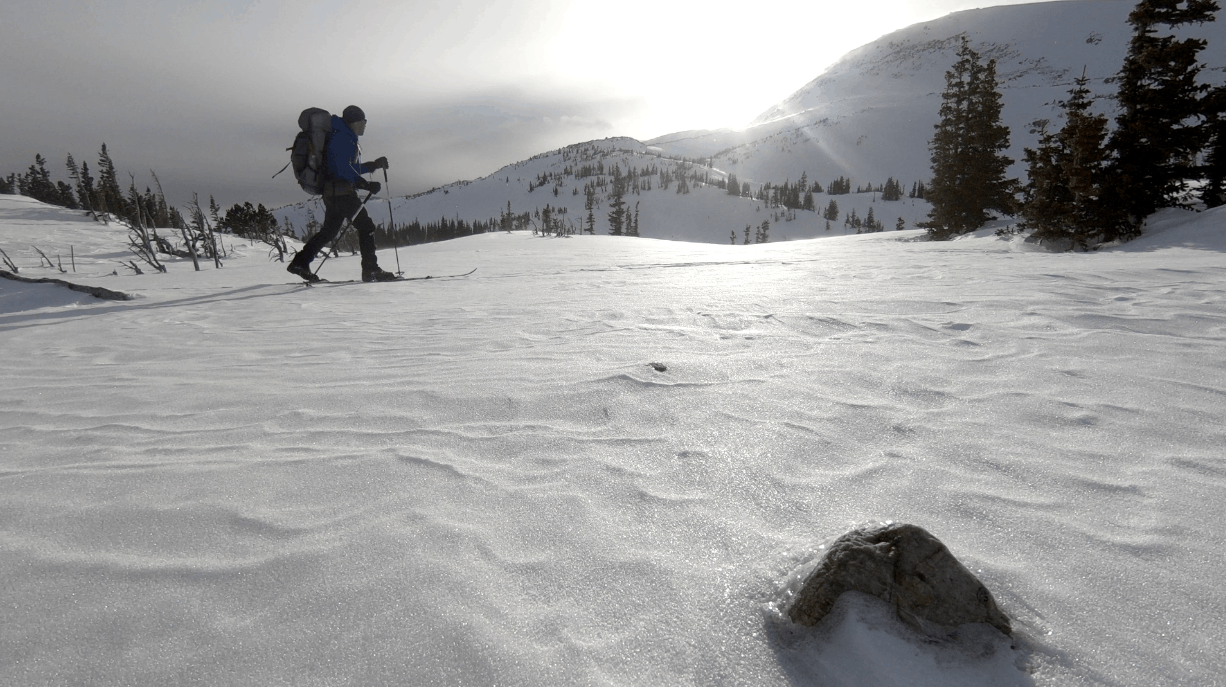 Lessons Learned: