


Introduction

The Timmermade Waterbear Hood is a cottage-crafted down sleeping hood with a twist – a Climashield tunnel for warming the air around your face on extra-cold nights. I used the Waterbear Hood on a frigid eastern Sierra late-winter trip. It kept me cozy in my quilt while providing flexible options for warmth in variable shoulder-season conditions.
Features and Specifications
Features
- Hybrid down / synthetic insulation construction.
- Drawstring Climashield tunnel can be cinched closed to create a pocket of warm air around the nose and mouth while not losing loft due to condensation.
- Climashield tunnel can be tucked out of the way when not in use.
- Multi-functional garment: wear it around camp on chilly mornings/evenings, during the day during rest stops; it also makes a good bicycle pogie.
- Internal baffles keep the down secure.
- Baffles are 20% overstuffed.
Specifications
- Weight: 3.1 oz (87.9 g)
- Shell/Liner material: 10D Argon 67 ripstop nylon (.67 oz/yd / 20.7 g/m)
- Fill type: 800 FP duck down
- Loft: 2.5 in (2.54)
- Length: 15.5 in (39.4 cm)
- Width: 12 in (30.5 cm)
Product Strengths and Limitations
Strengths
- The drawstring Climashield-and-mesh tunnel creates a pocket of warm air around the mouth and nose on extra-chilly nights. This feature sets the Waterbear apart from other down sleeping hoods.
- The 10D Argon 67 ripstop nylon is silky and comfortable against the skin.
- Climashield tunnel can be tucked out of the way (back into the hood) when not needed.
- The garment is well-constructed: the stitches are even and tight, the materials are high-end, and the design is well-considered.
- Cottage industry customization is available as needed. Options include 950 FP down, entirely synthetic insulation, lower temperature ratings, and a variety of fabric colors.
Limitations
- The garment may feel claustrophobic to some.
- Can be overkill for warm sleepers and many ultralight hikers don’t find a down hood necessary (particularly if they utilize other hooded insulation layers).
- In comparison to other popular down hoods on the market, it is slightly more expensive.
Compared To…
Let’s compare the Waterbear to two popular offerings on the market: ZPack’s Goose Hood and Katabatic’s Crestone Hood.
| Product | Timmermade Waterbear Hood | Zpacks Ultralight Goose Hood | Katabatic Gear Crestone Hood |
|---|---|---|---|
| Weight | 3.1 oz (87.9 g) | 1.3 oz (37 g) | 2.2 oz (62.4 g) |
| Fill | 800 FP duck down | 850 FP goose down | 850 FP goose down |
| Material | 10D Argon 67 ripstop nylon (.67 oz/yd) | 7D Ventum ripstop nylon (.59 oz/yd) | Shell: Pertex Quantum ripstop nylon (.9oz/yd). Liner: Pertex Quantum taffeta (1.0oz/yd) |
| Unique Features | Adjustable Climashield tunnel | Shell is treated with C6 DWR | Removable underarm straps |
| Made in... | USA | USA (outsourced to GooseFeetGear) | USA |
| MSRP | $98.00 | $65.00 | $85.00 |
All three hoods utilize premium lightweight fabric shells, comparable downs, and similar styles (a crescent-shaped cut around the neck and drawstring feature around the face)
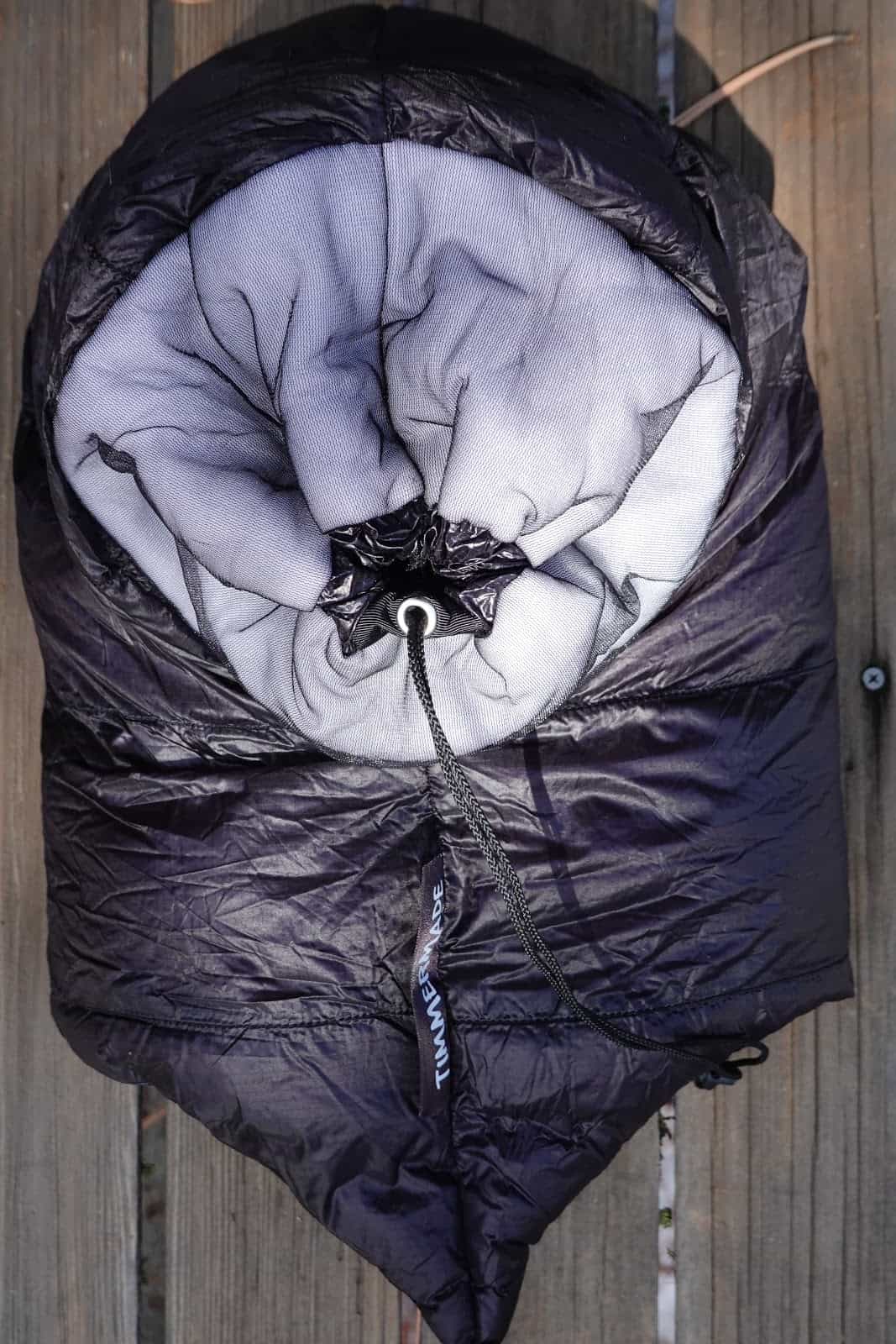
The Waterbear’s addition of the Climashield tunnel adds about a quarter of an ounce. The rest of the weight difference is due to the Waterbear’s box baffles and 2.5 in loft (other, less lofty Waterbear models might be a more accurate comparison, but this is the model I had to test). The tunnel is the feature that most separates the Waterbear from other down hoods, other than that it performs as you would expect any down hood to perform. The Waterbear is slightly more expensive than the Goose Hood and Crestone Hood. The cost is likely a reflection of the size of the Timmermade operation.
Commentary
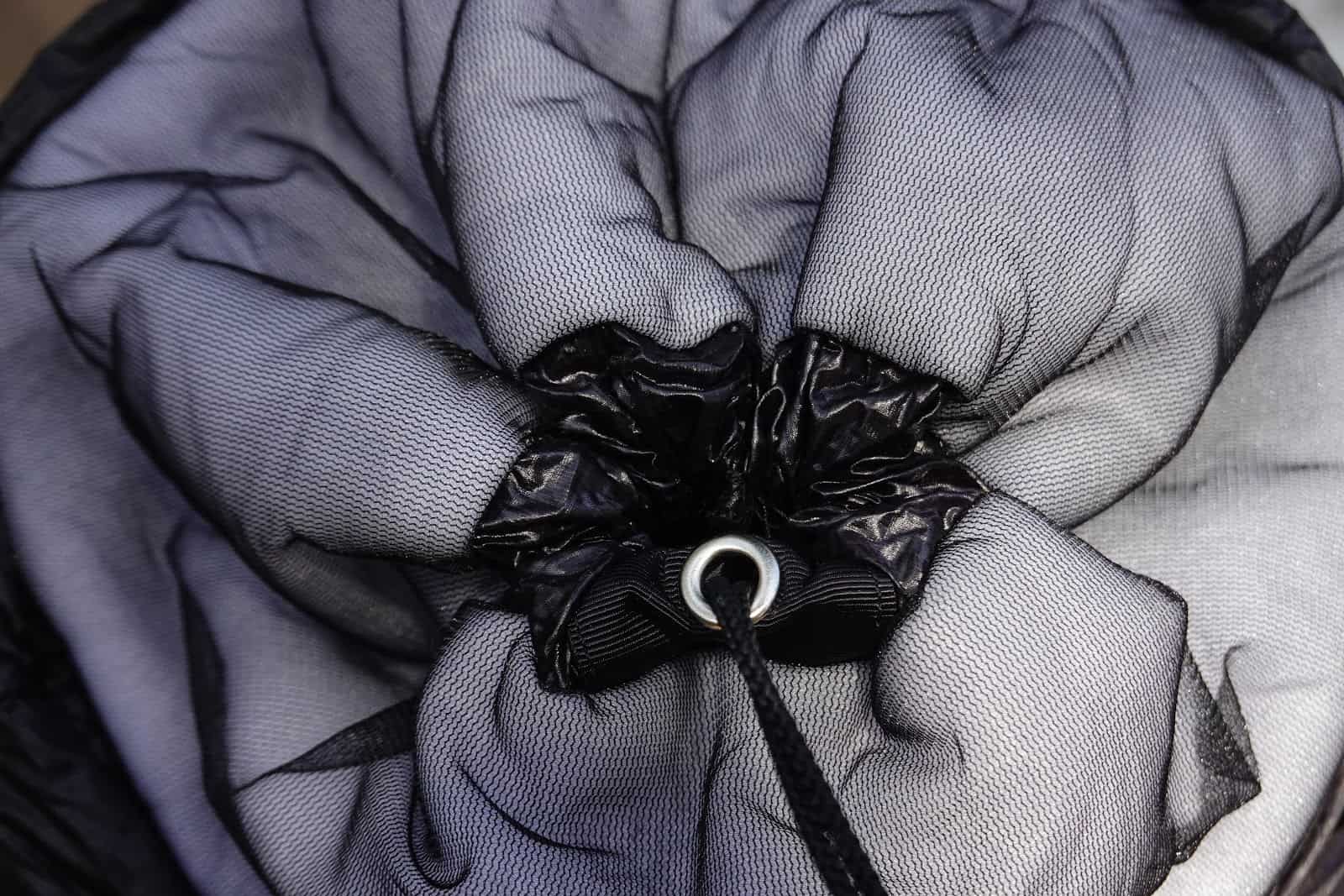
Dan Timmerman dreamed up the Waterbear because he hated breathing frigid air, even in moderately cold temperatures. By enclosing synthetic Climashield insulation in a fine mesh and attaching that insulation to the opening of a standard down hood design, Dan created an extremely versatile system that pairs the warmth and compressibility of down with the moisture resistance of synthetic. By drawing the Climashield tunnel partly or entirely closed, you can create a pocket of warmth around your face that prevents you from inhaling frosty air but still allows for air exchange. The Climashield handles the moisture from your breath exceptionally well, while the down around your head, neck, and ears is as toasty warm as expected.
I used the Waterbear on a three-night trip where overnight temperatures dropped into the teens (I paired the hood with a 20F down quilt, the Nemo Switchback, and the Therm-A-Rest UberLite). I slept in Brynje wool mesh base layers, wool socks, and a cheap off-brand synthetic-blend sweater.
I was skeptical at first: I’m sensitive to things around my face, particularly as I’m trying to sleep. Sometimes even a standard down hood is too much for me, and I tend to prefer a beanie/Buff combo for quilt sleeping. So I had some hesitation going into this test.
It turns out my fears were unfounded. By night two I was mostly used to the enclosure around my face. By night three I was relishing the warmth and flexibility the system provided. I generally started with the Climashield tunnel completely open and cinched it progressively tighter as temperatures dropped through the course of the evening. By early morning I was breathing warm air through a completely cinched tunnel of synthetic insulation and mesh (this has the unintended but welcome side-effect of blocking out a little bit of light, should you decide to sleep later than the sun). While I occasionally found the system to be a tad claustrophobic, the added warmth was worth it for the most part. Many ultralighters find down hoods to be too warm, even with quilts, and prefer some combo of hat/buff/balaclava/hooded insulation layer. If you are one of these people, you aren’t going to want or need the Waterbear.
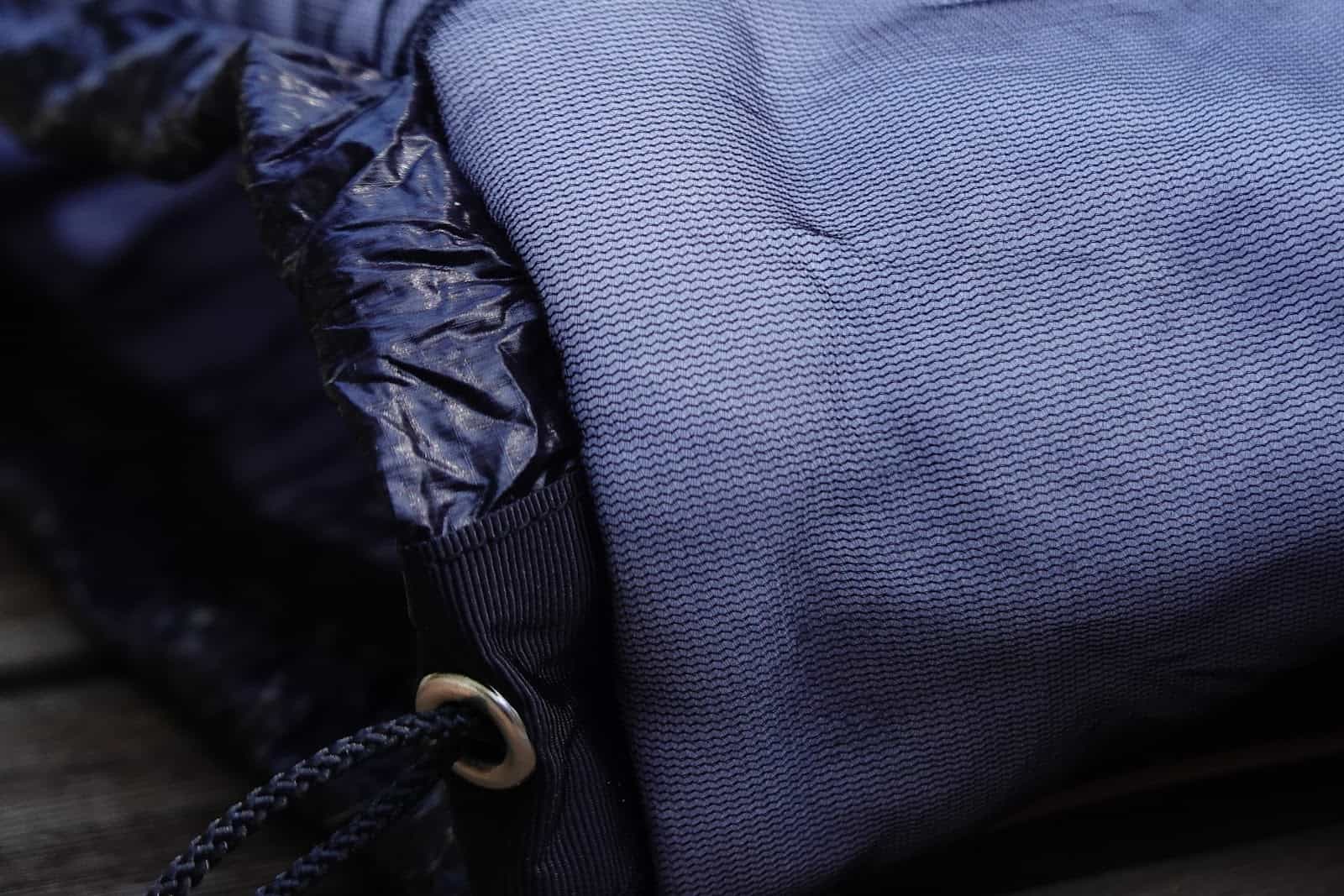
As much as none of us would like to admit we degrade the loft of our down bags and quilts by pulling them over our heads and breathing into them, sometimes it happens. I know I’m occasionally guilty of it, especially on frigid mornings. The Waterbear hood eliminates the temptation. One thing to note: if you decide not to use the Climashield tunnel at all, remember to tuck it back into the hood; otherwise it will fall into your face when side-sleeping.
The system has all the versatility you’d expect from a down hood: you can wear it around camp or on breaks, and it’s excellent for restless sleepers. It compresses well (as you’d expect from a primarily down product) and fits easily into a quilt stuff sack or anywhere else you want to store it. Some users might find the nylon a little loud around the ears while tossing and turning, but anyone already accustomed to sleeping in a down hood won’t be bothered.
I’m bald, so I had a lot of skin-to-fabric contact while wearing the Waterbear. The premium materials used in the construction feel soft and silky against the skin. The stitches are even, tight, and rock solid. The internal seam running the length of the hood is unobtrusive: it never bothered me while trying to sleep.

The Waterbear Hood has all the hallmarks of an excellent cottage industry product: a smart and field tested design paired with loving execution, ultralight materials, and customizable options. Timmermade also sells a fully synthetic version that weighs in at 2.1 oz (28.3 g) that may be more interesting to warm sleepers.
It may be a few ounces heavier and a few dollars more expensive than traditional down hoods, but cold sleepers, some shoulder-season and winter quilt users, and down hood aficionados will appreciate the ingenuity, versatility, and comfort the Waterbear Hood brings to a cold-weather sleep system.
Where to Buy
- Buy the Waterbear Hood at Timmermade.
Related Content
- On the fence about using a down hood in the first place? Here are a few different opinions on our forum.
Review Disclosure
- How we acquired these products: Product(s) discussed in this review were either acquired by the author from a retailer or otherwise provided by the manufacturer at a discount/donation with no obligation to provide media coverage or a product review to the manufacturer(s).
- We do not accept money or in-kind compensation for guaranteed media coverage: Backpacking Light does not accept compensation or donated product in exchange for guaranteed media placement or product review coverage.
- Affiliate links: Some (but not all) of the links in this review may be “affiliate” links, which means if you click on a link to one of our affiliate partners (usually a retailer site), and subsequently make a purchase with that retailer, we receive a small commission. This helps us fund our editorial projects, podcasts, instructional webinars, and more, and we appreciate it a lot! Thank you for supporting Backpacking Light!


Discussion
Become a member to post in the forums.
Companion forum thread to: Timmermade Waterbear Hood Review (First Look)
Introduction The Timmermade Waterbear Hood is a cottage-crafted down sleeping hood with a twist – a Climashield tunnel for warming the air around your
Same basic concept as the “sockel” (sock snorkel) someone mentioned a few months ago.
I have a Z-packs down hood and one of these days I am going to use it with a wool “sockel” on a cold night to see how well the air-tunnel idea works.
Nice review!
For anyone who hasn’t seen his site yet, Dan is one of the more interesting people on the Cottage scene – his products seem well thought through, with lots of innovative features you won’t find in the mainstream brands.
Interesting hood solution for very cold weather. And thanks for the heads up on Timmer, a company new to me. His quilts are impressive and reasonably priced, so added a link to my short list.
My wife and I both bought “Waterbears” from Dan and used them all winter long, last winter, here in WA state. We got the down-filled 0-to-20F temp rating. Before the Waterbears our faces and noses, in particular, got to cold. So cold that I would start sneezing incessantly. We tried cutting up old socks and making a “sockel”, but that was uncomfortable. Better than nothing, for sure, but they got wet from our breath condensing, you felt the wetness all night long.
The waterbears are very warm, they muffle sound (good for when it’s windy) and solve the problem of keeping your face warn without feeling any wetness. The Snorkel part of the Waterbear is not in contact with your face. So although the snorkel/breathing tube will get damp from condensation, it is not brushing against your face. So, you don’t feel wet. The Waterbear has made it possible for us to enjoy winter camping with no worries about sleeping well. Slam dunk great product. The quality is evident, clean stitching, very well made. Very lofty down fill, very warm.
Hats off (or hoods on!) to Dan Timmerman!
How much light gets through the snorkel fabric? It sounds like at least a little.
And how well does the snorkel tuck away when you’re not using it? Or could it be pushed out like one of the old periscope hoods?
The Waterbear is one of my favorite pieces of gear because it makes sleep so much more comfortable. I have the synthetic model and use it at <55F. I never overheat, my face and inhaled air feel comfortable, my quilt no longer gets damp from exhalations into it, plus I stay asleep when the sun rises. Around camp I tuck the snorkel back.
Note: the neck measurement is accurate, so add for a fleece collar and maybe more.
5 stars!
Become a member to post in the forums.