The Altra Lone Peak Neoshell: light, zero-drop, wide toebox, waterproof-breathable. An ultralight backpacker’s shoe for the fringe season?
Introduction
The Altra Lone Peak Neoshell (Gen 2.0) is a zero-drop, wide toe-box shoe designed to keep feet dry by preventing environmental moisture from permeating the shoe and by allowing breathability, thereby mitigating cold, wet feet. The obvious application in the context of our audience is for ultralight backpacking during the fringe seasons of fall and spring.
Consider the Altra Lone Peak Neoshell for ultralight backpacking in fringe seasons. Aggressive sole, zero-drop, wide toe-box, durable outer. Photo: Altra.
Features and Specifications
Weight: 11.9 oz (337 g)
Key Features:
Toebox: wide;
Cushioning: moderate;
Midsole: dual layer EVA;
Outsole: sticky rubber with aggressive tread lugs;
Insole: minimally supportive (no meaningful arch);
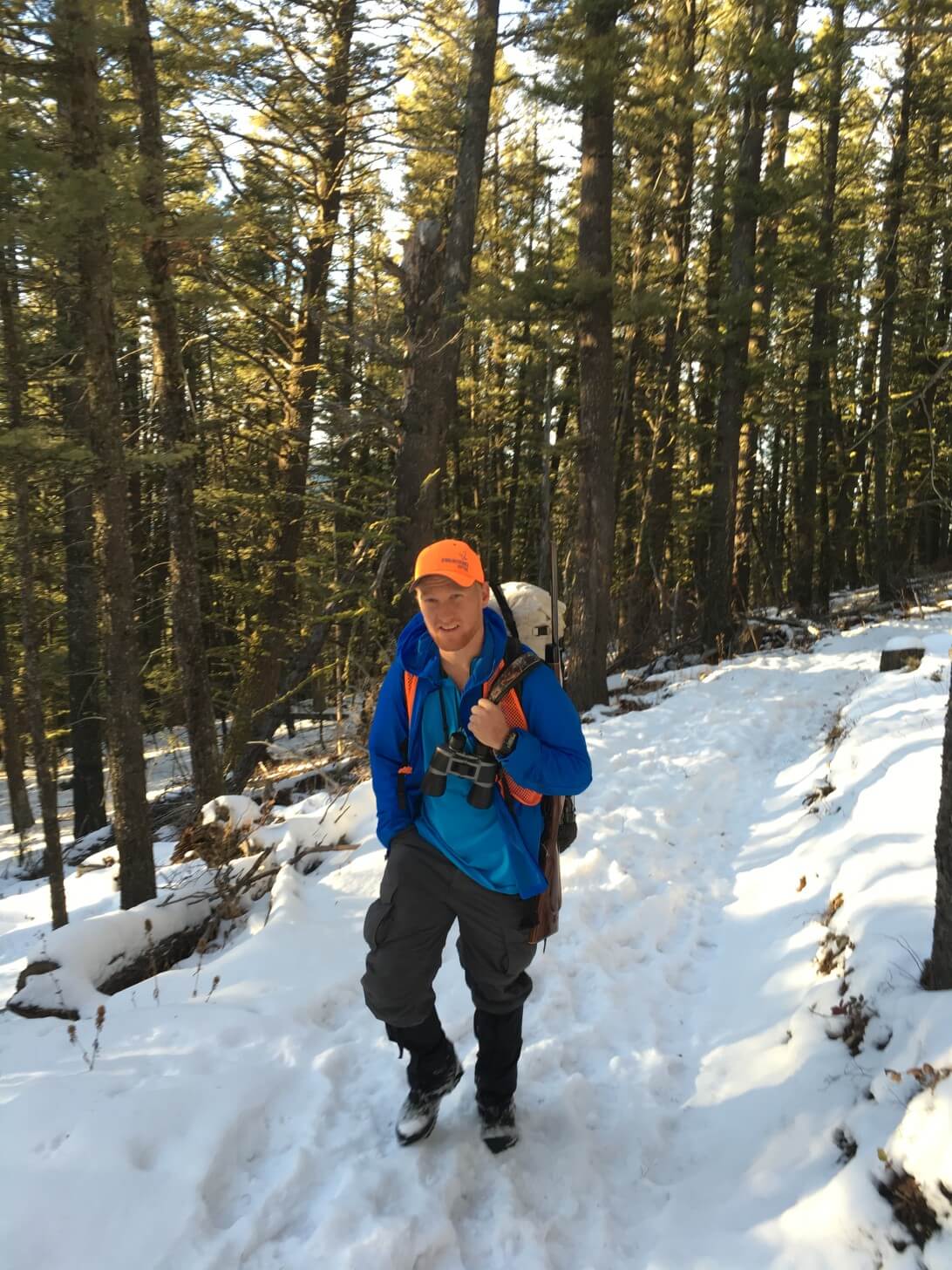
The author wearing Altra Lone Peak 2.0 NeoShell shoes with Northern Lites Snowshoes while hiking Mt. Ellis near Bozeman, MT. Photo: Stephanie Jordan
Performance Notes
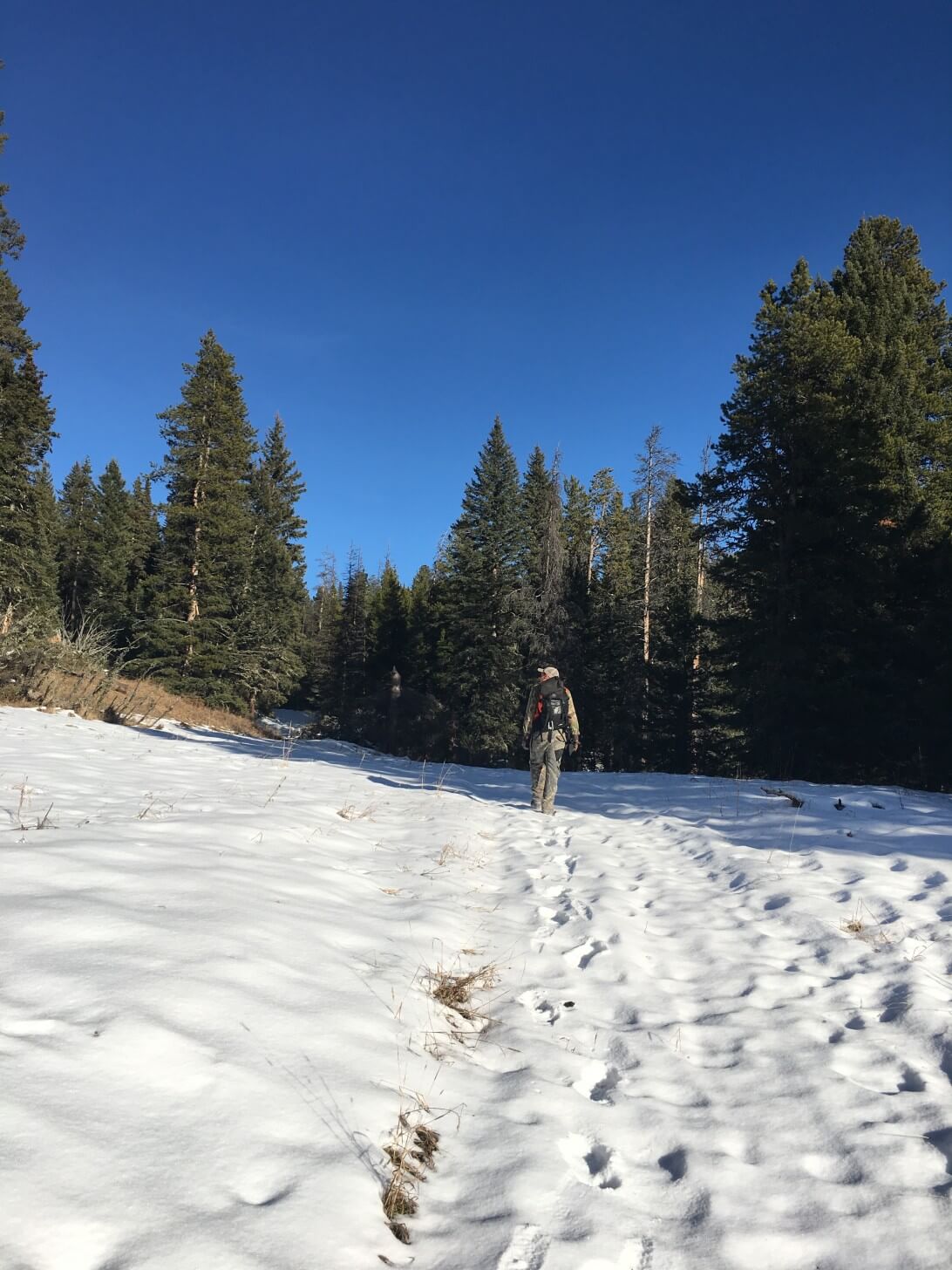
My initial experience with the Altra Lone Peak 2.0 Neoshell shoes was taking a winter day hike in New World Gulch near Bozeman, MT, with the family and the dog. The daytime high was in the low twenties and snow flurries were persistent throughout the day. We strapped on our trail spikes and gaiters and proceeded about two miles to a viewpoint overlooking the south buttress of the Bridger Range. There were no stream crossings, and most of the hike was over a relatively good boot pack. The bootpack became lower in quality as we progressed to our turnaround point and temperatures cooled into the teens. Snowfall intensified on the return hike to the vehicles. My feet remained isolated from outside moisture, without sacrificing breathability. I had warm, dry feet. Granted, this isn’t a robust test of the shoe’s worthiness for extended backpacking, but in the context of this type of review (a SpotLite review, which provides a cursory overview of a product based on limited field use), it didn’t reveal any dramatic inconsistencies with manufacturer claims.
Update: Since I wrote the initial draft of this review, I’ve had the chance to hike several dozen miles in the Altra Lone Peak NeoShells, including several miles of overnight backpacking in winter (snowy) conditions, and my experience to date remains consistent with my initial performance notes.
Performance Highlights
The Altra Lone Peak 2.0 NeoShell shoes in combination with merino wool socks and gaiters have kept my feet warm and dry, even in subfreezing conditions while hiking over snow.
Because these are a low-top running shoe, optimum moisture sealing requires that these shoes be paired with a well-sealing gaiter (and a high gaiter at that, for snowy conditions) to prevent moisture from penetrating the shoe through its collar.
The shoes mate well with most snowshoe bindings that we’ve tried. Trail spikes (e.g., Kahtoola MicroSpikes) do not seat well on the front of the shoe due to the wide toebox. For most conditions, this isn’t a problem. For steep side-hilling, microspikes tend to slide off the toe of the shoe.
The author wearing his trail spikes while hiking in Altra Lone Peak 2.0 NeoShells on the Mt. Ellis Trail near Bozeman, MT. The shoes have deep, widely-spaced lugs for reasonable grip in soft snow and dirt. The lugs aren’t deep enough for reasonable traction in mud. Photo: Stephanie Jordan
Summary
Strengths:
The shoe fabric is waterproof and seems to breathe as well (or as bad?!) as any Gore-Tex fabric shoe.
The shoe sole provides good grip in loose snow, dense mud, and mixed conditions, extending its applicability to fringe seasons.
Heavily cushioned platform provides extra insulation during winter and allows for comfortable trekking while wearing a heavy pack.
Even when not using the Altra gaiters, one can use most gaiters with the product, as long as the gaiter seals well around the shoe’s relatively low ankle cut – test your gaiter fit.
The shoe is light – at less than 12 oz, it’s lighter than most waterproof-breathable trail shoes.
Limitations:
The laces that come with the shoe become loose in the cold and stretch significantly when wet. Replace them!
Without gaiters, waterproofing is less than adequate as a result of a poor seal between the tongue and the rest of the shoe. A gusseted tongue would be a valuable change.
Recommendations
I’ve been wearing Altra Lone Peak shoes for several years (since Gen 1) for all of my training, hiking and backpacking (including in the winter). So, I have to admit a little bias towards the NeoShell model, particularly as it gives me warmer, dryer feet during the eight months of the year I spend outside in Montana’s fringe and winter seasons!
If you spend lots of time outdoors snowshoeing or spiking in the winter, you will find that the Altra Lone Peak NeoShells, in combination with a pair of gaiters, keep feet warmer and dryer than non-waterproof models.
A low ankle collar and poor tongue seal render them prone to leakage at shallow stream crossings, or in deeper snow, especially without a very tight-sealing gaiter.
This Tarptent Stratospire 1 Review highlights one of the most livable and stormworthy lightweight solo tents available.
Editor’s Note 3/11/16: After publishing this review, we learned that the 5.1 oz vertical support poles we originally referenced are not recommended by TarpTent for strong winds or snow. Instead, they recommend vertical support poles that are 8.o oz and cost $32. These changes were made below.
The Tarptent Stratospire 1 is uniquely positioned as one of the most livable and stormworthy lightweight solo tents available.
Features & Specifications
Features
Dual entry, dual vestibules
Dual trekking pole support
Double wall design (inner tent & fly)
Silnylon fly + mesh or solid fabric inner tent
Design allows for dry interior when entering/exit during storms
Specifications
Sleeps: 1-2
Weight: 36oz / 1kg
Floor Width: 32 in
Floor Length: 86 in
Interior Height:48 in
Stakes Required: 6
Packed Size: 16 x 4 in
Cost: $309
My Take
I found the Tarptent Stratospire 1 to be a very comfortable solo shelter, with plenty of space inside and in both vestibules.
I liked being able to retract the fly doors entirely away from both vestibules for magnificent views of stars and alpenglow.
I’m not a trekking pole user – so the fact that it requires trekking poles makes its use a bit of a hassle for me, requiring the additional cost (minor, only $32) and weight (8.0 oz) of optional shock-corded aluminum poles.
I’m used to the simplicity of using single-pole pyramids for most of my backpacking, and while the Tarptent Stratospire 1 is not difficult to pitch with practice, there are still two poles, two strutted corners, and six stakeout points to adjust to get everything perfect.
The tent pitches extremely tight – owing to its use of structural elements and strong silnylon fabric: it should hold up well in storms.
Strengths
The Stratospire 1 is particularly unique for its livability and its stability.
Livability: dual side entry, dual vestibules, lots of usable interior space, plenty of headroom – sacrifices often made in other ultralight tents.
Stability: Carbon fiber struts, dual pole support, hexagonal design, strong silnylon fabric – all of these design features result in the ability to create a highly tensioned structure that distributes wind loading well.
Modular inner tent can be left at home to save weight, or swapped with a solid fabric inner tent for winter use.
Limitations
More complex (but not complicated…) to set up than simpler 1-pole structures (i.e., pyramids).
Silnylon fabric is less resistant to condensation than Cuben Fiber.
Complex design, inner tent, and structural elements contribute to a relatively heavy weight for a solo shelter.
The Tarptent Stratospire I has been nominated for a 2016 Backpacking Light Guide’s Gear Award, and is currently undergoing extensive field testing in extreme weather conditions in all four seasons. We are evaluating it for both its wind and snow loading, as well as use as a winter shelter with its solid fabric inner tent. A comprehensive review is planned for later this year.
Backpacking Light is currently sponsoring a research project with the Montana State University Department of Mechanical Engineering to evaluate the effect of shelter design on wind load distribution. The Stratospire 1 is one of the shelters being investigated in this study, and we are looking forward to seeing how it performs under high wind loads.
Acknowledgments
The author wishes to thank Ryan Jordan for putting together the preview video shown above, highlighting the TarpTent Stratospire 1 features.
The author presents manageable solutions to improve performance of the Nigor Didis 2 Tunnel Tent using an MYOG / DIY approach that can be applied to any tent.
The Universal TrailPix, two trekking poles, and one additional pole make a tripod capable of holding a compact or small DSLR camera. The TrailPix consists of a triangular and mostly flat piece of aluminum with three holes in it for trekking poles. Thumbscrews secure the poles in place.
Introduction
The Universal TrailPix, two trekking poles, and one additional pole make a tripod capable of holding a compact or small DSLR camera. The TrailPix consists of a triangular and mostly flat piece of aluminum with three holes in it for trekking poles. Thumbscrews secure the poles in place. A lighter weight model is available without the thumbscrews.
The Universal TrailPix is a simple tool used to make a tripod from trekking poles. The three thumbscrews in the device that secure the poles are easily fixed within the tool, preventing them from accidentally coming out. Another thumbscrew mounts a camera or a ballhead on the tripod. Photo by Jeff Burns.
Features
Universal TrailPix:
Connects to trekking poles and cameras with minimal hardware
Works with most trekking poles
Can be attached to small cameras directly
Is typically used with a ballhead
Specifications
Universal TrailPix:
Weight: 2.4 oz (68g)
Camera Mounting Screw: ¼”-20
MSRP: $40
Performance of the Universal TrailPix Tripod
Recently I completed an eleven day backpacking trip at the Philmont Scout Ranch in northern New Mexico. I enjoyed the once in a lifetime experience with my son and some scout friends. I wanted the image quality from a DSLR camera. Since all the members of the crew used trekking poles, I was able to create a tripod using the TrailPix.
Before the trip, I ordered the TrailPix and searched for a ball head. The manufacturer of the Universal TrailPix sells two different ball heads, but both appeared undersized for a DSLR camera. I found the Really Right Stuff BH-25 to be an excellent fit, but also expensive. I opted for the Joby Ballhead X typically sold with the Joby Gorillapod but also available separately for just $43. It is very serviceable but is slightly too large to mount directly to the TrailPix. A spacer made from a section of curtain rod readily solved this problem. The Joby Ballhead X and a quick release plate for the camera weigh 9.26 oz (262 g). Assembled, the Universal TrailPix, Joby Ballhead X, spacer, and lanyard weigh 11.6 oz (330 g).
The Joby ballhead is a bit too large for the TrailPix, but a spacer allows the poles to attach. I replaced the thumbscrew that came with the TrailPix with a ¼”-20 bolt long enough to pass all the way through the spacer. Photo by Jeff Burns.
The TrailPix makes it possible to get shots that are almost impossible without a tripod. Group pictures are an obvious use. The Universal TrailPix also works well for sunrise and sunset shots. I even used it for astrophotography.
Performance Summary
Setup and use are quicker than field improvised solutions.
Hanging a weight from the center of the tripod improves stability. I used an MSR dromedary bag.
Three poles are necessary. I made an accessory pole from an old tent pole, but the manufacturer sells a ready-made pole.
Summary
Strengths
Combined with an appropriate ballhead and trekking poles, the TrailPix makes a workable substitute for a traditional tripod.
The Universal TrailPix is lightweight. The user can select a ballhead and thus, effect the total weight of the device.
Limitations
A traditional tripod is potentially more stable and faster to set up.
There is limited ability to adjust the height of the tripod.
Trekking poles aren’t always available. They may be holding up the tent when you need the tripod.
The thumbscrews make small marks on the trekking poles.
Recommendations
I am very pleased with the Universal TrailPix, and will continue to use it for hiking when bringing a regular tripod is not possible. I would opt for the BH-25 ballhead from Really Right Stuff instead of the Joby Ballhead X if I had no budgetary constraints. The Joby ballhead works well but is not the lightest option available. For use with a compact camera, I would choose one of the very small ballheads available directly from TrailPix.
Taking a tripod into the backcountry expands photographic options. The Universal TrailPix keeps the weight and bulk of carrying a tripod at a manageable level.
Many options are available for attaching a small camera to your trekking pole. Most are only suitable for small compact cameras and are more of a monopod arrangement. The TrailPix is unique in its ability to provide three legs and enough support to hold small to mid-size DSLR cameras.
Paul “Mags” Magnanti is an active Backpacking Light contributor, a writer for Trail Groove Magazine, and a blogger. Learn more about Mags in this interview!
An Introduction to Paul “Mags” Magnanti
Paul “Mags” Magnanti is an active Backpacking Light contributor, a writer for Trail Groove Magazine, and blogs at pmags.com. Despite humble beginnings with a heavy pack on his first backpacking trip in 1996, Paul Mags doesn’t look back. His passion for the outdoors has been infectious – lots of people read his blog posts and many others reference his “nickel’s worth” insight whether discussing gear or planning a trip on the BPL Forums. This interview will focus on his ongoing journey with his blog, his backpacking philosophy, and his contributions to lightweight backpacking. Thank you, Paul!
ERIC: First off, we’ll begin with some questions about your early life:
PAUL: First, thanks for interviewing me. After almost twenty years of having an online presence in the hiking community, I still find it odd that anyone would be interested in what I have to say.
I grew up in Coventry, RI. Coventry is a suburb of Providence. As with many parts of Rhode Island, it has a mishmash of newer developments from the immediate post-World War II years to the present, older pre-1900s and even some pre-1800s buildings and some pockets of abandoned farms that are now perhaps third-growth forest. I grew up in the more, built-up eastern side of the town.
ERIC: Growing up in Rhode Island on the East Coast, how much time did you spend in the outdoors? Were you active when you were young?
PAUL: My outdoors time was very limited growing up. As a family, we were more likely to spend a weekend or a holiday around our grandparents’ kitchen table or [to celebrate] a family event with one of my many cousins who lived nearby. The beach, not the woods, is where [I] would spend any outdoor time.
Despite getting a little lost, being out-of-shape and having way too much gear, I fell in love with backpacking on that first trip. The simplicity, the beauty, the simple joy of exploring a place on foot one step at a time. That summer I went on more trips in New Hampshire, including solo ones. I was hooked . . . Then I heard about this 2000 mile (3218.7 m) long trail that went from Georgia to Maine . . . When I met my first AT thru-hiker, the gears really started turning.
The following year, I hiked the Appalachian Trail.
My life has not been the same since.
ERIC: Tell us a little about that AT thru-hike. Was it your first such adventure? How long did it take? Was it self-supported or team-supported? How hard was it?
PAUL: My Long Trail hike in 1997 was my first long distance hike. “Only” 270 miles (434.5). It helped prepare me for to hike the longer Appalachian Trail the following year.
I hiked the Appalachian Trail as a traditional thru-hike. Meaning, I would hitch into town, resupply (sometimes with packages from home) and then head out again.
Now, I don’t know if I’d call the Appalachian Trail an adventure. It was more of a journey. It was physically hard at times (probably due to how inexperienced I was and the weight of my gear), and it was mentally challenging at times (hiking out in the cold and wet rain for example). However, even in 1998, there were good guidebooks. The trail is ridiculously well marked. And I was never far from a town. It was an enjoyable, wonderful and satisfying experience to walk this famed path. An adventure? Not so much. But, looking back, I did not want an adventure. I wanted to spend five months immersed in the Appalachians by walking. And the goal was achieved.
[Me] at the Pine Ellis B&B in Maine. A full head of hair, no gray in the beard, and sporting an ever fashionable scrub shirt. I was an orderly at a hospital before I did the Appalachian Trail.
ERIC: What led you to move to Boulder, CO? What do you like about the “People’s Republic of Boulder”? What do you dislike?
PAUL: While I was away on my AT thru-hike, a lot changed back home . . . On the day I returned from my thru-hike, I found out my parents had separated, the family home was sold, and I had two weeks to find a place for my belongings. And, for good measure, the elderly family dog had been put to sleep while I was gone. Welcome home! But, as my youngest brother told me, at least, I was used to living in a tent . . . So I would be OK.
So, that made for an interesting year. And, after spending five months away, going back to my old life in Rhode Island, what existed of it, was not satisfying. My buddy Tim, as only an old friend can do, gave me a verbal kick in the ass one day and said, “Quit your whining,” and do something.
So I did.
I knew Colorado had mountains. Did not know much else. But that’s all I needed to know. Packed up my belongings and did what many people had done before me: I went West to start a new life.
And somehow it all worked out.
Boulder, CO, and the surrounding areas have been good to me. [They have] allowed me to develop my day job career (IT), [have] easy access to many beautiful and wonderful places, and I’ve been able to delve into other outdoor activities such as backcountry skiing. The area is a wonderful mix of economic opportunities and outdoor availability.
Boulder, and the Denver metro area, in general, [are] getting crowded and expensive, however.
Over a million people have moved into the Front Range Urban Corridor since 2000. A once quiet trailhead is now crowded by 8 AM on a Saturday. Living here, I am part of the problem admittedly. But for a person who does not like crowds and congestion, it can be difficult. There is a reason I left the East Coast.
The lifestyle is changing, as well. Boulder is becoming a bit like Aspen-lite: Expensive, trendy and a corporate-like culture applied to the outdoors “Go big or go home!” A rather telling indicator is that the median price of a single-family home is now over $500,000 in Boulder.
The culture I grew up with that still affects my worldview, and the way I enjoy the outdoors, may not be as compatible with the newer version of Boulder.
But, I am a curmudgeon in training (give me a few years) . . . So take these thoughts with a large grain of salt.
[Photo taken] from an early spring hike on Bear Mountain in the Boulder Open Space. One of the reasons why I do like living in Boulder is the access to some wonderful areas for hiking. This 8461 ft. [2578.9 m] peak is accessed by a trail head minutes from my home.
ERIC: Now some questions about your blog:
PAUL: Sure.
ERIC: Tell us about your site, pmags.com, why did you decide to start a blog? What obstacles did you have to overcome? How big is your readership? About how often do you add a new post?
PAUL: I’ve been online since 1986. For the geeks out there, I started with a VICMODEM on a Commodore 64. I was active on local Bulletin Board Systems (BBSs) and, later on, Usenet. Similar to our current BPL forums in many ways. But I was more likely to discuss Star Wars more so than the outdoors.
When I started backpacking in 1996, I would peruse the rec.backcountry Usenet group. Then I discovered the outdoor focused listservs (email mailing lists).
When I did the Appalachian Trail in 1998, I had an online journal on the older version of trailplace.com when it was run by Dan “Wingfoot” Bruce. I discovered I enjoyed writing. Online journals were enough of a novelty than that the local newspaper, the Providence Journal, did a story on me.
In 2002, Ryan at backcountry.net carved out some space for letting some users put up personal websites. I started putting up random thoughts, [and] photos and my journals from the trails I had done.
In 2006, I bought the PMags.com domain. PMags has been a variation of an email address I’ve had in one form or another since the early 1990s. Mags, of course, is an old family nickname. PMags is much easier to pronounce, remember, and type than “Magnanti”! [Because I had] been an IT professional since 1999, and [had used] online technology since 1986, there were no real technical challenges for putting up a website. Buy the domain, install the platform (basic HTML at first, then Joomla and now Wordpress), and off I went. Since I am writing, rather than multi-media, focused I just need a stable platform that does not require a lot of maintenance on my part.
The challenges are putting up content that I, personally, am interested in reading and sharing. What do I find interesting? What do I want to write about? What do I want to share?
I tend to get out 3-5 articles per week. One of those articles is typically related to a trip I did over the weekend.
Currently, I have about 30,000 unique page views per month and a little over 15,000 unique visitors. Not bad for a website based on a narrow niche and written by a working stiff.
ERIC: Armed with the knowledge (see what I did so far?) that pmags also means “polymer magazines” for guns and such, have you considered following any of the advice of a few visitors to your site that you should switch your site’s purpose from backpacking and start selling “pmags”?
PAUL: Probably would have been lucrative at one point!
Being semi-serious, I have had the domain and some form of that email address for years. It would be a pain to switch out at this point.
On the other hand, if MagPul Industries would like to buy me a home, I just may sell-out . . .
ERIC: Where do you get your inspiration for your articles and blog posts from? How do you pick a topic? Do you often have competing interests for topics where you want to write on a few subjects but you have to pick a few?
PAUL: To quote the Colin Fletcher, “I find the three truly great times for thinking thoughts are when I’m standing in the shower, sitting on the john, or walking. And the greatest of these, by far is walking.”
Other times, it just may be what is trending and [what] other people are talking about. If for example, if I see a lot of questions about using a smart device for a camera, I may talk about that.
I think my favorite topics, though, I guess could be called editorials. If I see a topic that is being discussed, such as Scott Jurek’s finish in Baxter State Park, I’ll write about that issue.
Ultimately, while the “How?” and the “What?” are an important part of the outdoors discussion, I enjoy discussing the “Why?” aspects more.
As for picking a topic, I tend to have a few ideas jotted down. The only real constraint is time. My day job can be very busy at times and can leave me feeling mentally tired by the end of the day. Sometimes picking up a keyboard and writing a well-thought out essay is not something I feel up for doing.
[Taken at] 13579 ft. [4138.8 m] on the summit of Chiefs Head Peak in Rocky Mountain National Park. The best way to get inspired to write about the outdoors is to spend time outdoors.
ERIC: Tell us about completing the Triple Crown of hiking. What was your experience like? Which of the three was harder? Which did you like the most? Do you have recommendations for doing them in a certain order? And why for each of these?
PAUL: As has been said before “You can do one trail, or you can do three. You can’t do two.” Once completing the Appalachian Trail, I knew it [was] just a matter of when, not if . . . I would do the Pacific Crest Trail. As much as I enjoyed the PCT, it was the Continental Divide Trail that called out to me. They are the mountains in my “backyard” after all. And the trail itself was more wild, remote, and untamed than the other two well-known trails.
Hard to pick which one I enjoyed the most. But the CDT is probably the only one I would do again because it is so remote, wild, and has so many options. I’d probably do the trail over two section hikes, however.
As for which trail to do first, it would be the Appalachian or the Pacific Crest Trail. They are two different environments with their own beauty and challenges. Which one calls out more? The deep woods and history of the Appalachian Trail or the wider open spaces and ecosystem diversity of the Pacific Crest? I’d say do one of these two trails first as the support, logistics, infrastructure and guides available make these trails easier for a person newer to longer treks.
I’d save the CDT for last. And, as mentioned, I’d hike this trail over two or three seasons now, and it is what I tell other people to consider. [It is] more likely to have a better set of weather windows and [you] do not have to make compromises in route choices. Hike the Colorado section at the peak of wildflower season, go through New Mexico in the Fall, [and] see Glacier National Park when the snows are melted out, etc.
[Taken] on the Continental Divide Trail in 2006. Hope Pass in the fall. The snow covered 14ers [4267.2 m] show how winter would soon arrive.
ERIC: You’ve written a number of Quick and Dirty Trail Guides for the Appalachian Trail, Pacific Crest Trail, Continental Divide Trail, and the Colorado Trail. How do you go about creating these guides? Are they based on your experiences hiking these trails? Do you solicit information from other sources?
PAUL: These guides were initially based on my experiences of hiking the trails. What information did I feel was crucial to hiking the trail? What information would have I wanted?
I also felt guides were needed for something short, sweet and to the point. A document to pick up, for the experienced backpacker, that gives the framework of how a long hike may be done on a famous trail without a lot of other information that can be overwhelming at first. At this point, I do my own research for the documents but always welcome feedback I can use in the documents, too.
ERIC: Recently you wrote a blog post called, “Breadcrumbs,” where you noted that your emphasis has changed from giving specific details about trips you have been on to being more vague about where you went. Why did you make that switch? What does this trend say about backpacking in general?
PAUL: I was an unknown victim of my own success. The catalyst for this change can almost be directly related to one article I wrote: “Some favorite backpacking loops.”
When I posted the article back in 2004, I don’t think as many people were searching for this type of information online. Books and magazines were still popular for non-technical reference material, more so than the still maturing online world. I wrote the article up mainly to email back the occasional request I’d get for this info. Easier to send a URL then to type up this info every time.
Fast forward to 2013 and I went on a trip in this area. I was noticing there were a lot more people in this area backpacking, as opposed to day hiking, versus previous years.
To sum up the story, my friends took it upon themselves to ask groups where they found out about this loop. Come to find out, it was from me! I ate a very large helping of crow that weekend . . .
It is a balance. It is good to make places known, but when the dots are connected for a trip, that route becomes popular. An example of this phenomenon are the various Wind River routes that have come about in recent years.
One of my favorite books poses this question, “How best to protect a place you love but without ruining the wildness of the place you loved in the first place?”
[At an] undisclosed location for a favorite after-work hike. I promised my friend I would not post the name, location, or directions on how to get to this place.
ERIC: Pick one of your most recent popular blog posts and one of your most popular all-time blog posts, link to them, and share some commentary on why they have been popular and why you decided to write on those topics. You can pick your favorites instead if the popular ones aren’t so great.
PAUL: I’ve already touched upon some of them, but I’ll pick one we have not discussed.
I’ve always liked my stove comparison article. I think this article sums up a few of my core beliefs when it comes to outdoor gear.
Mainly:
There is rarely a “best” of anything. Rather, I believe certain jobs require different tools. The gear I take on a very hot day in August with fire bans will be different from what I take to the Indian Peaks Wilderness in January.
While specific gear models come and go, the types of gear rarely change. A sub-3oz [88.7 mL] canister stove may have some variations between the different models, but overall they ain’t that different.
I think this article is popular because beginner backpackers tend to want to know what the BEST of a particular gear item may be. As a person gains experience, I think they realize that pursuing the BEST really is dependent on many factors. Of course, with all the “Best of 201x” gear guides out every year, I could be wrong . . .
As the well-known hiking trails become popular, the nature of the trails change themselves [to] more of a Camino-like social experience and less of a wild experience.
As I’ve always said, though, you have to enjoy the trail experience for what is it is, not what you expect it to be.
ERIC: Next some questions about your presence in the online backpacking scene outside of your blog:
PAUL: I’ve been online and discussing the outdoors since 1996, so I guess “presence” may be the right word!
ERIC: You are a regular contributor on BPL forums, why? What would you say to people who subscribe to BPL or read the articles but aren’t active on the forums? Is there a specific thread you find yourself on more than others? Do you have a favorite thread or a hidden gem that you’d like to share?
PAUL: My day job is IT. Though it can be busy, sometimes there are pauses in between. I sometimes need to wait for a test to finish, or for QA to sign off on something I’ve done, etc. So, I take the online equivalent of a smoke break: I peek into forums and post. Though, lately, most of the peeking into the forums tends to be in the evening. Or, at least, posting on the forums.
As for why I am active? I enjoy writing and sharing knowledge. I majored in history and, at one point, [with] the thought of being an educator. I think that aspect still shows at times.
The outdoors happens to be something I am a bit more interested in than say, discussing Star Wars, as when I was twelve or thirteen years old. (I save THAT discussion with some equally geeky friends over a beer!)
As for people lurking on the forums, not everyone is comfortable posting their thoughts in public. I do encourage those with questions to ask, however.
I do not know if there are certain threads I find myself interested in more than another. I do know that the more specific the gear discussion is (e.g. reviewing someone’s gear list or which sub-3 oz [88.7 mL] stove is the best), the less likely I am to post my nickel’s worth of thoughts.
A favorite hidden gem was this past year. We discussed stoves for car camping trips. What started out as gear discussion ended up being more philosophical: Ways to enjoy the outdoors that are different from lightweight backpacking. I’ve been to quite a few places that aren’t really backpacking destinations. And those trips are some of my favorites.
Hovenweep National Monument. A remote place on the Colorado and Utah border that has exquisite scenery and well-preserved Ancient Puebloan ruins. No backpacking is allowed, but I’d hate to miss this place.
ERIC: On the BPL Forums, many people reference your site when they are trip planning whether to create the route or plan logistics. How have you managed to curate so much content? Have you done all the routes you suggest?
PAUL: I try to get out as much as I can (which, is never enough!), and I enjoy writing. There may be a handful of ideas I’ve suggested that are more general . . . But overall my suggestions are trips I’ve specifically done and/or places I’ve explored. For better or worse, most of my free time is used for what outdoor trips I can take. And I tend to like trying different places or routes. After more than fifteen years of living in Colorado and exploring relatively close places, I guess I’ve built up a large trip catalog.
ERIC: You are a regular contributor to Trail Groove Magazine. Tell us a little about that. What is Trail Groove Magazine? How often do you write? What are your usual topics? Can you share one of your favorite submissions with us?
PAUL: TrailGroove Magazine is an online magazine published by Aaron Zagrodnick. The magazine is very heavy on both high-quality photography and outdoors writing. Unlike other outdoor magazines, the magazine does not focus on long trails or EPIC adventures, but rather the simple joys of being outside. Not to say TrailGroove will not feature a long trail or similar, but the focus is always on what it is like to be outside on those long trails, as opposed to the community and lifestyle around it.
I am a regular contributor and have written for every issue for roughly the past two years. A typical issue comes out about every six weeks. My regular contributions include a feature article, outdoors news and a trail recipe. I’ll also, about every other issue, contribute a review on a media such as the recent A Walk in the Woods movie.
A favorite submission of mine is also a recent one. I wrote an article on The High Plains. This ecosystem is often overlooked in favor of other ones. Over the past few years, I’ve really grown to love the isolation, wildness, and beauty of this, quintessentially, American place. The plains are still a bastion of wildness where an increasing amount of designated Wilderness Areas no longer feel as wild or remote.
Toadstool Geologic Park, Nebraska.
ERIC: Next some questions about your backpacking philosophy:
PAUL: Plan a trip. Grab the gear. And go!
ERIC: What is your favorite trip to go on – bikepacking, backpacking, mountaineering, skiing, etc.? Do you prefer winter, summer, or shoulder seasons?
PAUL: Hiking and backpacking are my first loves in the outdoors. Enjoy the simplicity, the physical challenge and, of course, the beauty I am able to see while on these walks.
My wife and I enjoy remote car camping together, as there are some areas that are very beautiful, remote and interesting where backpacking is not allowed (Chaco Canyon, for example), but would be a shame to miss simply because “[they’re] only camping.”
I also enjoy Nordic backcountry skiing. This type of skiing, to me, has less an emphasis on gear and is essentially hiking on skis. I love being out on a bright and clear Colorado winter day and then gliding along the fresh powder.
All the seasons have something wonderful to offer, but if I had to pick one season that I truly love above all else, it would the height of fall. The changing colors, the crisp air, and even the smells all add up to a season I cherish every year.
Photo of a friend breaking trail while on a ski tour in the Indian Peaks Wilderness.
ERIC: What is your favorite or most memorable adventure?
PAUL: I don’t know how many true adventures I’ve been on. I have good maps, the area is researched ahead of time and even if there is a mishap (friend with an injury, for example), the acquired outdoor skill set can usually handle the situation that happens.
Now, over the years, I’ve been to many memorable places. One area that really resonates with me is northern New Mexico. This area has such a wonderful blend of different cultures, deep historic roots, fantastic food and, of course, some exquisite natural beauty. Northern New Mexico is one of my favorite places to backpack, hike or camp.
[Taken while] backpacking in the Bandelier National Monument near Los Alamos, NM.
ERIC: Do you prefer long expeditions or shorter one or two-night trips?
PAUL: I like to be out as much as I can. Weekend length trips can be wonderful in their own way. But I do look forward to the longer trips when I can. I am not sure I want to go on four to six-month trips at this point in my life. Six to eight-week trips, I think, would be the sweet spot for me.
ERIC: What is your favorite piece of gear? Do you have brands you prefer over others?
PAUL: My absolute favorite piece of gear is a map. Maps show possibilities, fire the imagination and help plan any trips I want to do.
A more practical favorite is my simple 100 weight fleece pullover. Weighing [just] under 9 oz, it is a versatile layering piece I use in all four seasons and in many conditions.
I think my gear choices reflect more my practical nature more so than any brand loyalty. My gear kit has a mixture of cottage gear companies, thrift, surplus and discount stores, mid-brand favorite such as Coleman and even some higher end gear such as MSR. I like to use what works.
ERIC: You’ve created your own blog, you’re active on BPL and Trail Groove Magazine, you get outdoors often, and you’re a volunteer board member for the CDT coalition. Why are you so passionate about this stuff?
PAUL: Good question.
I simply love the outdoors. I am not a religious person, but I suppose my love for the outdoors fills a similar niche in my life. Rather than evangelize about the Flying Spaghetti Monster, I enjoy spreading the good news about the wild places.
ERIC: How often do you get outside these days? Do you have a routine you follow or do you just get out whenever you can? Do you try for one big trip per year, or how often do you get out on an expedition?
PAUL: As I like to say “I try to get outside as much as I can which is never enough!” I’ll try to take advantage of what time I have available. Sometimes even a few hours on a summer weekday is enough to reset the system and give me some needed outdoor time.
I try to make use of my precious vacation time in an intelligent manner. There are always family visits, an occasional medical reason to take a day off, etc. The wife and I agreed that a one week block of my precious vacation time can be solo and just for me. I find I can usually carve out about two weeks straight of outdoor time by making judicious use of, and combining, weekends, holidays and the five vacation days I take at once.
ERIC: How “light” do you like to go?
PAUL: All depends on the trip. Solo and prime three-season conditions? Under ten pounds. Going car camping somewhere on BLM land in Utah? I am not sure how much a Coleman two burner stove weighs . . .
ERIC: What challenges do you foresee the next generation of backpackers facing?
PAUL: A balance of preserving the outdoor places while still retaining the wild character of them. We’ll, hopefully, always have designated Wilderness Areas. But will the places truly be wild?
ERIC: What advice do you have for the BPL community?
PAUL: Get out there as much as you can and as often as you can with whatever gear you may have available. The title of the community is Backpacking Light, not Collecting Light Backpacking Gear.
[Taken] from a campsite view in the Wind River Range. I forget which exact pack, stove, shelter, or sleeping bag I took for this trip. Not sure it matters either.
ERIC: Can you share you social media and web links with us?
The introduction of Dyneema (a.k.a., Cuben Fiber) fabrics is one of the most exciting developments to hit the ultralight gear niche over the past several years. With the introduction of several new cottage manufacturers, the acquisition of Cubic Tech, and innovation in ultralight gear made with Cuben Fiber / Dyneema, there are exciting times ahead.
January 9, 2016: Some clarification has been made regarding the role of ZPacks vs. Hyperlite Mountain Gear as the “most popular” or “best known” or “largest buyers” of Cuben Fiber among US manufacturers. Also, we’ll be adding comments and observations based on brief interviews with cottage companies about the long-term outlook for Cuben Fiber in their product lines. We are still waiting on comments from some other people we interviewed for this story, and will incorporate them as they come in.
The introduction of Dyneema (a.k.a., Cuben Fiber) fabrics is one of the most exciting developments to hit the ultralight outdoor gear niche over the past several years. With the introduction of several new cottage manufacturers, the acquisition of Cubic Tech, and innovation in ultralight gear made with Cuben Fiber / Dyneema, there are exciting times ahead.
Watch ‘Ultralight’: A Short Documentary Film by the Dyneema Project
‘Ultralight’ is a short documentary film sponsored by the Dyneema Project, a public relations campaign of DSM Dyneema designed to increase awareness of and promote innovative design in gear and apparel made with Dyneema fabrics.
Watch it here:
DSM Dyneema purchased Cubic Tech in May 2015, the manufacturer of ‘Cuben Fiber’. Cuben Fiber is a family of nonwoven fabrics comprised of waterproof (and sometimes breathable) film faces (e.g., mylar) bonded to (or sandwiched between, or sandwiching inside) a crisscrossing layup of strengthening fibers (e.g., Dyneema/Spectra). The resulting fabrics are well-known for their high strength-to-weight ratios.
Silnylon vs. Cuben Fiber / Dyneema for Ultralight Outdoor Gear
Silicone-impregnated nylon (a.k.a. ‘silnylon’) has been the gold standard for many years for fabrics used in ultralight applications requiring waterproofing, such as tarps, tents, and rain ponchos. Most of the lightest silnylon fabrics suitable for outdoor gear weigh in the range of 1.2 to 1.4 osy (ounces per square yard). In contrast, Cuben Fiber fabrics used in similar applications weigh 0.5 to 0.8 osy, and depending on the construction quality and design engineering of the finished product, can result in a stronger piece of equipment.
Is Silnylon Dead? What about a Cuben Fiber / Dyneema Shires’ TarpTent?
Silnylon has been a staple in the ‘ultralight’ cottage industry for many years, and remains the primary fabric for shelters made by small companies such as TarpTent, Six Moon Designs, and Mountain Laurel Designs.
In previous communications with TarpTent, it doesn’t appear that its founder, Henry Shires, has an interest in replacing silnylon with Cuben Fiber anytime soon. “Unfortunately, Cuben Fiber and affordable can’t be put in the same sentence,” Henry told me in an email exchange this past July.
The cost of materials may certainly be one barrier for Shires, who prices TarpTents competitively ($250 to $350 for most two-person models), but manufacturing techniques present a barrier as well. TarpTent manufacturing is outsourced to domestic factories who may not have the manufacturing capabilities and skills required to construct the seams (which require precision taping) that join Cuben Fiber fabric panels. “The problem with Cuben Fiber is performance under stress and the need to seam tape everything,” said Shires. “Simple Cuben Fiber structures (like basic pyramids) are ok to hand seam-tape when the curvatures are gentle since they can be done flattened on the table but a nightmare when the curvatures are more extreme and can’t be done on a table.” Shires admitted that at this time, TarpTent has neither the interest nor time to do hand seam-taping for complex curvatures.
An initial response by the ultralight backpacker may be one of disappointment. I for one would love to have a Cuben Fiber TarpTent! However, I’m not sure I’d be willing to drop a thousand dollars or more on one. Shires has developed a successful, long-term, sustainable business model and in spite of its shortcomings when compared to Cuben Fiber, silnylon remains a proven material for lightweight shelters, especially when seam lines are complex curves. I don’t see Cuben Fiber being used in any of Shires’ curved-pole designs (e.g., Scarp or Moment) anytime soon, but I wonder how long Henry can resist the temptation to ignore the possibility of using Cuben Fiber in a less-complex shape. Personally, I could get very excited about a Cuben Fiber Stratosphire – one of the few TarpTent designs that could stand to benefit greatly in a Cuben Fiber version.
Cuben Fiber / Dyneema and the Cottage Ultralight Industry
Cuben Fiber isn’t ignored by the rest of the cottage industry. Six Moon Designs has been dabbling in Cuben Fiber for several years, but their manufacturing capability for working with Cuben Fiber is limited. When we last field-tested a Cuben Fiber version of the Skyscape shelter, inadequate cut-and-sew precision limited the shelter’s ability to be pitched taut for good storm resistance, and lack of sewn-seam taping in tie-out areas resulted in stitches ripping out when the shelter was subject to high winds.
Mountain Laurel Designs has successfully offered a mix of both silnylon and Cuben Fiber in their shelters (tarps and pyramids), both of which have garnered high acclaim from users. In our field testing of Mountain Laurel Designs Cuben Fiber shelters, it’s clear that proprietor Ron Bell knows what he’s doing: they are impeccably cut, sewn and taped, and suggest that he’s paying close attention to designing for the fabric, rather than just slapping a new fabric on an existing design.
ZPacks and HyperLite Mountain Gear have built their entire business model on a foundation of Cuben Fiber. Interestingly, ZPacks is one of the few cottage companies manufacturing apparel made with breathable versions of Cuben Fiber. I’ve used ZPacks Challenger Raingear for several seasons now and find it to be as comfortable as anything I’ve tried from any other manufacturer. ZPacks apparel lacks the attention to fit detail that has made active users such as climbers gush over brands like Patagonia and Arc’Teryx. However, the backpacker will find the weight savings offered by raingear made with Cuben Fiber, that probably sits in the bottom of their pack on most summer days, well worth the sacrifice in precision fit.
ZPacks is likely the largest buyer of Cuben Fiber amongst US manufacturers, and the best-known manufacturer of CF gear and apparel within the backpacking community. Hyperlite Mountain Gear is better known in the outdoor industry at large (based on data from our internal surveys across various niches, especially outside of “ultralight backpacking” and “thru-hiking”). Its packs and shelters have been on the market for several years, with its designs refined and proven on some of the most outrageous expeditions in the world. Of all of the Cuben Fiber shelters on the market today, the Hyperlite Mountain Gear UltaMid remains the only one I would trust in severe, blizzard-class winter weather above the tree line.
A Hyperlite Mountain Gear UltaMid 4 in the Wind River Range, July 2015.
How Will the DSM / Dyneema Buyout Impact Us as Consumers?
There’s plenty of speculation about how this buyout will impact consumers. You can read last years’ predictions and notes from our favorite ultralight prophet here, who put together an excellent piece that summarizes potential impacts on the cottage industry.
Here are the highlights of what we are hearing from cottage manufacturers so far:
Higher minimum orders – this, of course, may slow innovation at the garage level – where great ideas seem to originate.
Improved lead teams – the time between ordering fabric and receiving it is shortening, which is good for cash flow and inventory management. Whether or not this will have a meaningful impact on customers is unknown.
Higher prices – the already sky-high prices of Cuben Fiber fabrics has increased. For the low quantities ordered by smaller manufacturers, pricing has increased dramatically. The result may be an increasing disparity in pricing between products made by smaller vs. larger companies. Pricing for high volume orders has increased as well. You can probably guess how this has / will impact us as customers. ZPacks, who buys large volumes of Cuben Fiber, has instituted modest price increases this year. We’ll likely see the availability of Cuben Fiber products consolidate to fewer manufacturers, with minor price increases, as the industry shakes out its response to increased pricing. For the smaller manufacturers, we can probably expect very expensive pricing, or simply the discontinuation of their Cuben Fiber products from their lines.
Conclusion: Good Things Ahead for Ultralight Backpackers?
As the film suggests, I want to believe that exciting times are ahead for the outdoor industry in general, and for the cottage industry in particular, as a direct result of Cuben Fiber (now to be called “Dyneema”). Now that DSM Dyneema has their manufacturing, distribution, and marketing engine behind Cuben Fiber fabrics, I think the best is yet to come for apparel and gear for ultralight backpacking, hiking, and other forms of human-powered wilderness travel where weight is of great concern.
But higher prices and volume minimums can only serve to slow down innovation from the very seeds that created the innovation in the first place: passionate users building beautifully functional gear in their garage and turning their ideas into the companies we love.
Note: I have no financial, in-kind sponsorship, or any other affiliation with any of the companies listed in this article. I have purchased, and currently own and use, Cuben Fiber products from Mountain Laurel Designs, ZPacks, Hyperlite Mountain Gear, and Locus Gear.
This article summarizes our staff’s best backpacking gear of the year – the ultralight hiking, backpacking, and camping gear they pick as their favorites for their annual adventures.
Every year, we poll our staff to make the hard decision of picking their favorite ultralight gear of the year – the best backpacking gear that makes it into their packs over and again on their wilderness adventures.
What Makes for the Best Backpacking Gear?
What a loaded question! The short answer is that
The best gear is in the eyes of the beholder.
First of all, and this should be a no-brainer for this audience: it has to be light.
Specifically, it should have a high “performance-to-weight ratio”. A 3 oz piece of equipment may seem light, but if it’s a toothbrush, forget it. On the other hand, a 100 pound piece of equipment may seem heavy, but if it’s a rocketship that can take you to a New Zealand Trailhead, then it’s all of a sudden lookin’ pretty light, right?
The longer answer, and one that we often use as a litmus test (especially for our Staff Favorites series) is that the best ultralight backpacking gear is the gear we grab over and again, trip after trip.
The normal qualifiers, of course, must be disclosed:
What works for us may not work for you;
Hike your own hike;
Your mileage may vary.
As we assembled this year’s best/favorite gear picks and talked to others about their best/favorite gear, here are some of the (possibly emerging) trends we’ve been noticing:
There are now no less than four manufacturers of wood-stove-heated-shelter systems that are light enough for backpackers. On paper, it doesn’t make a lot of sense for an ultralight backpacker to carry four to six pounds worth of shelter and wood stove when they could carry a lightweight tent for less than two pounds. But we’ve yet to spend a night with anyone in an ultralight, fire-heated nylon shelter that has yet to exclaim: “OMG: This is awesome.”
Big, interchangeable lens cameras (i.e., DSLRs) continue to fall out of favor among the ultralight backpacking community. Large sensors and quality zoom optics packed into compact camera bodies with sealed (non-interchangeable) lenses have transformed ultralight photography for us, giving us magazine-publishable image quality in lightweight, cheap packages.
Some old standbys still work just fine. When somebody creates a well-engineered version of an otherwise boring product, we notice, whether it’s a titanium tent stake or line (i.e., rope, cord) that glides smoothly over branches for bear bag hanging.
As technology becomes increasingly reliable, new versions of old products are released, and costs go down. That means we’re going to continue to see tech make its way into our kits. This year, it’s water treatment, satellite tracking, and a camera – and in all three cases, mature variations of tech products that have been around for awhile. So while you may not be keen on Version One of some new tech gadget, give it some type and keep the idea in your back pocket.
In 2015, I discovered the joy of backpacking with a wood stove. On a recent trip to the Washington coast with its (typical) cold rain, having a wood stove to keep us warm and dry was a joy!
At just under 2 1/2 pounds, the Lite Outdoors wood stove may not be the lightest wood stove on the market, but it’s well within the range of what we care about here at BPL! At $250, it strikes a balance between weight and cost; plus, it’s voluminous – 18″ deep – which gives room for large pieces of wood. It has a damper and a real door with an adjustable vent that works extremely well. I love this stove, and I can’t wait to take it on more basecamp-style backpacks this winter!
The Epiphany Outdoor Gear V3 Pocket Bellows is an effective firestarting tool (and not all are). In a nutshell, it’s an extendable metal breathing tube used for directing air into the infant flame of an early-stage fire. Its length extends from 3.5 inches to 21 inches and it directs air with careful precision (even through the tiny vent of my wood stove).
Lawson’s UltraGlide Bear Line slides easily across the surface of branches when hanging a bear bag. Compared to my old cord, the friction is significantly reduced, making it far easier to hang heavy bags when using the PCT method. It’s available in both reflective and non-reflective versions. Check it out if you live in softwood (e.g., pine) country and/or have to hang bear bags in the rain, which further softens wood and increases the risk of cord cutting into the branches and getting stuck / damaging the tree.
I won’t give a technical review of the Canon G15 here: you can find lots of them (e.g., see DPReview). The G15 supports Canon’s reputation for an easy-to-use interface. It has more controls and ‘features’ than I use, but it gives me everything I loved about my old OM-2 SLR cameras, and at 352 g with battery and memory card, it is much lighter.
I will add three of my perspectives about cameras:
First, they are no use safely buried in your pack (where most dSLRs seem to live). Mine rides on the shoulder strap of my pack in a showerproof fast-access pouch (MYOG naturally). I can get it out one handed, turn it on and press the shutter while walking in seconds.
Second, unlike film cameras, taking a photo is FREE. There is no cost for film and developing. So I take lots of photos while walking.
Third, the Canon G15 has some decent glass out front, unlike so many phone cameras (which IMHO produce crappy images – and seem mainly designed to take selfies).
Editor’s Note: The G15 has been replaced by a new model, the G16, as of the time this article was published.
There’s an enormous range of tent stake types, materials, shapes, and weights on the market.
The photo above shows a (rather weird) collection of mine, including the ubiquitous Chinese Tent Stake (CTS) which is mostly copied from the small silver (Salewa) one in the middle (you get bags of them free with made-in-China tents).
But it doesn’t matter, as most of these are just excess weight in comparison with the small orange Ti wire stake at the bottom right-hand corner. That one weighs a whisker over 6 g, and was the very first titanium stake ever to have a powder-coated hi-vis orange coating. The manufacturer? Backpacking Light of course! But now we’re out of the gear making business and other manufacturers are filling in the gap, like Vargo Outdoors.
In all my years of camping, I don’t think I have ever had a Ti wire pull out. Now there have been times when I have plonked a large, heavy rock on top of a stake, but rocks don’t cost pack weight! Equally, there have been times when camping in sand when I haven’t bothered getting the wires out of my pack: instead, I have just used some large dead sticks, burie d as deadmen anchors. But once again, those sticks have zero pack weight.
What I do not like about all of the fancier modern extruded aluminum stakes, apart from their weight, is that most of them (especially the Chinese ones) have sharp (“unfinished”) corners at the top. They hurt my hands when I try to push them into hard soil. Couple that with the fact that they are harder to pull out compared to Ti wires. Ti wire stakes just work.
SteriPEN Adventurer Opti & Classic3 UV systems
SterPEN Adventurer Opti (top) and SterPEN Classic (bottom).
Weights (3-4+ oz) and cost ($100+) depend on model
I have used filters and gotten desperately ill from the viruses that passed through one filter (a long story I won’t bore you with here). I have used chemicals, and had to wait 4 hours for them to be effective (in cold weather), and I disliked the smell and taste anyhow. And yes, I have had Giardia.
Enter UV water treatment, as used by many municipal water treatment plants and the military, and which fully meets EPA requirements. No smell, no taste, no wait (well, 60 seconds), and lightweight. The one problem is that current implementations all use a Philips germicidal UV tube, which is a bit power hungry.
Some of the UV units on the market are a bit dangerous: they don’t protect your eyes. Some rely on embedded rechargeable batteries, which never last as long as they are meant to. But these two units are compact, light and reliable, and I use them. We have reviews of SteriPEN Opti and SteriPEN Classic.
Editor’s note: the excitement we have for this category makes us giddy. Most of the technologies that are around the corner in the UV pen category are very exciting! We have been embargoed from revealing too much info, but you should be able to glean some clues from the headlamp market…
Kevin Sawchuk
BPL 1100ml Titanium Pot + Trail Designs Mini Caldera Cone/Sidewinder
BPL 1100 ml Titanium Pot (right) and mini-caldera cone/sidewinder (left).
The pot is no longer available
$34.95 for the Mini-Caldera Cone system
3 oz (85 g) for BPL 1100 ml Pot – 1 oz to 2.8 oz (28 g to 78 g) for Trail Designs Mini-Caldera cone system, depending on configuration
Perfect for efficient Esbit or alcohol cooking in a variety of weather and wind conditions, the Trail Designs Mini-Caldera Cone packs away inside the pot for protection and packing efficiency. It also provides excellent wind resistance for fuel efficiency. Although it’s not optimized for wood, wood can be used (with the titanium version) in a pinch by elevating the cone on a couple of rocks to improve airflow underneath the cone.
I’m not a fan of technology in the backcountry, but the SPOT tracker keeps my family comfortable with my excursions and adds an additional level of safety for me.
It offers two custom programmable messages as well as separate “help” and “SOS” messages. The annual fee is $99/year, and a rebate makes the device cost zero! For an additional $50/year it will automatically send messages every 10 minutes (the “Spotcast” feature). Battery life is excellent, and the weight and form factor minimizes its interference with my minimalist style.
In my opinion, the ULA Circuit offers the best balance of weight, durability, and features for long trips (including difficult off-trail travel) than any pack on the market today.
The Dyneema ripstop fabric resists abrasion and puncturing sticks. The waistbelt pockets keep snacks handy so I can keep moving. The side water bottle pockets keep water accessible on the go. Although I’d love to have a floating lid to keep more small gear handy, keeping a small stuff sack on the top, inside the main pack bag, works nearly as well. Mine has more than 100 days of use and is still (with a few patches…) going strong!
The Seek Outside BT2 is not the lightest mid, nor the most spacious, but it stands out for its simplicity, aesthetics, ease of use, quality construction, and exceptional weather resistance. I’ve used quite a few mids over the years, and for solo and two-person use, this is simply my favorite.
I loathe gloves, but they’re often a necessary evil, and the Mont Blancs offer the most weather protection for the weight of any gloves I’ve used, with excellent dexterity to boot. Durability is merely average, but the price is reasonable, and for the last year I’ve worn nothing else unless the temps are truly frigid. Get a few pair, along with some big fleece mitts and waterproof overmitts, and you’re set for almost all circumstances.
Backpacking became more complex and fear-inducing in a way it hadn’t been for years this summer when Meredith and I welcomed our son into the world.
He’s proven to be an excellent hiking, biking, hunting, and skiing companion, and Patagonia’s fabulous line of infant clothing makes that a lot easier. Favorites include the Capilene onesies and pants, off which drool dries quickly, and the sadly discontinued (for the moment?) Synchilla Bunting, whose dual leg zips facilitate quick diaper changes that keep the kid warm.
Editor’s Note: Did you ever imagine Dave C saying the word “onesie” in the context of a product review?
Eric Vann
Buff
Using my Buff for both sun and wind protection while climbing Bonney Pass in the Wind River Range.
Since getting a Buff earlier this year, it has been an indispensable piece of my ultralight kit. I use mine for sun and wind protection and as an added layer of warmth. It also works well when it’s too hot – dipping the Buff in cool water and wearing it around my neck helps keep me cool.
Patagonia Houdini Windshirt
Standing on top of Bonney Pass in my Houdini Jacket. The wind shirt has just enough fabric to cut the wind while still being very light.
Before I owned a wind shirt, I used to think, “Please, a windshirt? Why would I need that?”
I am still not convinced that a wind shirt is needed; however, I do believe that the wind shirt fulfills a unique niche in backcountry travel as a movement layer. I have found that my wind shirt is useful for days when you are moving fast during cool or cold, and windy conditions. The wind shirt cuts wind (preventing evaporative heat loss) and offers excellent breathability (especially if you allow the DWR to wash out!). It is so light (4 oz) and compacts so well that I can stuff it into virtually any pocket or compartment so I always have it handy.
Oware 10×14 Flat Tarp
Flat tarps are my favorite group camping shelter. Here, the Oware 10×14 flat tarp set up in a meadow in the Bob Marshall Wilderness shimmers in the morning light and sleeps 5 (easily).
This summer, while spending several weeks in the “Bob” (Bob Marshall Wilderness), I used the Oware 10×14 tarp tents extensively. I was amazed at their adaptability and capacity. This tarp comfortably sleeps five plus gear, is very lightweight, and has 20 tie-out points that allow for a stormworthy pitch. It would not be my first choice for winter or shoulder season camping, or if you are expecting severe enough weather to warrant a full-perimeter shelter such as a pyramid. But for most three-season camping, it’s tough to find a better group shelter at this cost and weight than the Oware 10×14 flat tarp.
Ryan Jordan
HMG Dyneema Summit Pack
Ryan with a loaded Hyperlite Mountain Gear Dyneema Summit Pack at Deer Lake in the Spanish Peaks Unit, Lee Metcalf Wilderness, Montana.
In my quest to minimize the amount of gear I own, and maximize the versatility of the gear I use, I’ve gravitated away from gram-counting in recent years and towards gear that will last a long time and/or can be easily repaired. The Dyneema Summit Pack from Hyperlite Mountain Gear fits this bill. I’ve used this pack more than any other this year: day hiking, biking, climbing, and on short overnight trips. It fits a sleeping bag, pad, bivy sack (or tarp), parka, raingear, stove, pot, and a few hundred cubic inches of food: perfect for my own style of SUL and simple overnight backpacking.
My favorite feature is its durability. I’m hoping this pack will be an heirloom that will be able to tell the stories of adventures that span decades of seasons, instead of the “trip or two” that so many ultralight backpacks seemed resigned to these days.
Helinox Ground Chair
Enjoying a cup of coffee while watching the sunrise from my Helinox Ground Chair, High Sierra, California.
“Camp Chair” and “Ultralight” are not usually found in the same sentence. But like a wood-stove-heated-tent that weighs less than five pounds, some chairs offer a performance-to-weight ratio (e.g., comfort level) that almost has to be experienced to be believed. The Helinox Ground Chair is one of those products.
This chair has revolutionized how I manage and cope with back pain from a nagging broken back suffered in 2005, and if I know I’m going to spend any meaningful amount of time in camp, it goes with me. With the Ground Chair, my creative writing (journaling and other forms) has soared in the backcountry, as well as the process of slowing down, enjoying a cup of coffee, and snuggling under a down quilt while the sun comes up. To that end, the Ground Chair has achieved nearly spiritual status amongst its utilitarian equipment brethren in my wilderness camps and has invoked jealous wrath from my campmates. My son likes to steal it when I sneak away to take a poop back in the trees.
Bluewater Titan 5.5 mm Accessory Cord
Eric Vann belaying climbers with Bluewater Titan and a Munter hitch; downclimbing the Gooseneck Couloir on Gannett Peak, the Wyoming High Point.
Hauling ten pounds of rope and hardware for incidental glacier crossings and the occasional top-rope belay or short rappel isn’t worth it to me.
I’d rather take a different route around the offending terrain, or maybe just take the risk and go ropeless. Which usually works out OK, but I’m no probability dummy either – I know that falls do happen, and could happen to me.
To that end, thin static cordage made with a Dyneema core has completely changed how I look at mountain and canyon travel. When the risk of a fall is low, and when the impact force on the rope is minimal (low angle, top-roping, etc.), I grab either a 25m or 50m hock of Bluewater Titan 5.5mm Dyneema. It has expanded my route options, and when I bring it, increases safety for myself and my companions. At 2.2 lb per 50m, it’s as ultralight as you can get for a cord that is reasonable for glacier travel and incidental belays. I used it this summer on a glacier trek and Gannett Summit climb in the Wind Rivers and on a Class 3 variation of a Sierra High Route section in California.
Ultralight Backpacking: Core Principles is a 13-minute video screencast presentation that provides a critical foundation for efficiently becoming a skilled ultralight backpacker. The core principles presented herein should be considered wherever you are in your journey on lightening up, and are as applicable to me even today, after decades of “working on my pack weight”, as they were to me more than 25 years ago when I started this journey.
Nicolas Jarossay is about to become the first person to attempt a transatlantic traverse by stand-up-paddle-board.
Human-powered, lightweight wilderness travel takes on many forms. How about paddling a stand-up paddleboard (SUP) across the Atlantic Ocean? A 38-year-old French Firefighter and paddler, Nicolas Jarossay, is poised to become the first person to attempt a solo stand-up-paddle (SUP) board traverse of the Atlantic Ocean. He plans to begin his trip at Carpe Verde on the northwest coast of Africa and end at the French island of Martinique almost 80 days later. Since he was a boy, Jarossay has dreamed of the ocean, and after beginning preparations, planning, and training in 2012 seems positioned to begin this adventure.
A 38-year-old French Firefighter and paddler, Nicolas Jarossay, is poised to become the first person to attempt a solo stand-up-paddle (SUP) board traverse of the Atlantic Ocean. He plans to begin his trip at Carpe Verde on the northwest coast of Africa and end at the French island of Martinique almost 80 days later. Since he was a boy, Jarossay has dreamed of the ocean, and after beginning preparations, planning, and training in 2012 seems positioned to begin this adventure.
Watch the trailer below to learn more about the expedition:
For the moment, I will just become the first person trying to cross the Atlantic on a SUP. But I hope to have a beautiful experience, a beautiful dream if the weather and ocean cooperate with me. – Nicolas Jarossay
Nicolas Jarossay SUP Transatlantic Route: Africa to Martinique.
Nicolas Jarossay’s Transatlantic Route. Map made with Hillmap.com.
2,485 miles
33 miles per day
60 – 75 days to complete
Jarossay wants to complete his trip by April to avoid the worst storms of the year. He plans on drinking 8 L of water and eating 6,000 calories per day and insists that staying hydrated and eating enough are keys to the success of the route.
The rule is simple: No water, no paddling. I am still trying to find another way to provide for my daily needs of water. – Nicolas Jarossay
Planning and Preparation
Jarossay commissioned a 20-foot-long, custom SUP board that features a “sleeping pod” and storage for over 200 lbs of food. Billed as the world’s first “liveable” SUP board, Jarossay and a two others have spent “about one year” coming up with the design for his unique paddle board. He took his craft out for a 5-day test run in August where he covered 110 miles and was followed by a support team. The test revealed that the boat was not self-righting due to the sleeping pod. This is a huge issue for a transatlantic traverse where storms and lack of energy in a flip could quickly compound an already challenging solo traverse. Since his test, Jarossay has been busy modifying his craft so that it is self-righting and hopes to have the craft ready in time for his departure.
Nicolas Jarossay practicing for his transatlantic expedition. Photo courtesy of Nicolas Jarossay.
Who else has considered the route?
Many were expecting legendary SUP boarder Bart De Zwart to attempt the trip. De Zwart admitted that he has been intrigued by the idea, but could not devote the time away from his family needed for planning and training not to mention the expedition itself. De Zwart did mention that he had concerns about Jarossay’s cabin saying, “It is troubling that my biggest concern about the design is still (Jarossay’s) problem today. You cannot have a cabin on a board which is not self-righting.” De Zwart also expressed concern of Jarossay’s plan to use a hand pump for drinking water thinking that Jarossay’s energies could be better spent elsewhere if he opted for an electric system. “It is a lot of work to make drinking water from salt water and you need your energy for paddling, making food, and navigating,” De Zwart said.
Others are expecting Chris Bertish, a SUP record holder from South Africa, to attempt a transatlantic crossing but his trip isn’t planned until November 2016. Bertish’s attempt will begin in Morocco and end in Miami so his attempt will be about 1,000 miles longer than Jarossay’s.
Stay tuned. 2016 should be an interesting year for the world of SUP. Read more about the expedition here.
Louis-Philippe Loncke, a Belgian explorer completes an 8-day, unsupported, solo trek through some of the harshest conditions and terrain on the planet.
Louis-Philippe Loncke on the world’s first unsupported Simpson Desert expedition (500 miles, 35 days) in Australia in 2008. Photo used with permission of Louis-Philippe Loncke.
Loncke Death Valley Traverse: 8 days, 143 Miles
Belgian explorer Louis-Philippe Loncke recently completed an unsupported, solo trek traversing the length of Death Valley (North to South) in 8 days. Facing scorching temperatures and limited access to water, Loncke had planned to cover the 143 miles in 6 days but dehydration, gear troubles, and severe weather stretched his expedition longer.
Loncke claims that his trek was the first successful expedition of its kind, but expeditions like this are hard to verify. Loncke did not have a car to shuttle his gear or supplies nor did he utilize any caches – he carried all of his gear, food, and water – close to 95 lbs in all to start – on his back.
Watch this video and get a feel for what this expedition was like.
https://www.youtube.com/watch?v=sHDb397Wj-k
I love to prepare for such challenges, the pain in the knees, feet, lack of food and water is compensated by this immersive experience with the desert and having the privilege to witness all its beauty – Louis-Philippe Loncke
Loncke’s past experience prepared him for Death Valley
Loncke is no stranger to the hardship that is required to complete a trek like this.
In 2007 Loncke completed one of the most remarkable treks in recorded history: a trek across the entire Tasmanian Wilderness – 310 miles and 49 days. The end became a battle for survival, as he ran out of food, had a dead GPS, and no communication with the outside world.Here are some of Loncke’s other expeditions that led him to the Death Valley traverse:
Here are some of Loncke’s other expeditions that led him to the Death Valley traverse:
2006: World’s first, unsupported trek where someone has climbed all of the highest peaks in West McDonnell National Park in Australia – 205 miles/11 days;
2010: World’s first unsupported trek between its extreme latitudes (north to south) across Iceland – 350 miles, 19 days;
2012: World’s first human-powered (by foot in the mountains and kayak and packraft on Vistula river) trek from the highest point in Poland to the Baltic Sea – 750 miles, 30 days;
2013: World’s first circumnavigation of Lake Titicaca by kayak – 680 miles, 38 days;
2013: Failed attempt at the world’s first unsupported trek across the 2 largest salt flats in Bolivia – completed 110 miles, 7 days.
Has the Death Valley route been done in an unsupported, cache-free style before?
A complete traverse of Death Valley has been completed a number of times – with resupply and water caching.
According to Loncke’s research an unsupported traverse has been attempted twice by the same American who employed a desert cart to transport his gear. The American failed both times (on one trip, his cart would break down and he had to spend too much time repairing it; on another, he lost too much time ferrying gear across difficult terrain so he could drag his cart across it).Loncke believed he could do it with nothing more than strong legs, determination, and a backpack.
Sand dunes in Death Valley National Park. Photo from Wikipedia.
Quick Facts about Death Valley National Park
95% of the park is Wilderness;
Northern part of the Mojave Desert and borders California and Nevada;
Largest National Park in the lower 48;
Hottest and driest location in the North America;
Broadwater Basin in Death Valley is 279 feet below sea level, and is the 2nd lowest point in the U.S.;
The 134 F temperature recorded in Death Valley in July 1913 remains the hottest ever recorded temperature on the surface of the earth.
Louois-Philippe Loncke hiking through Death Valley. Photo used with permission of Louis-Philippe Loncke.
The Death Valley Expedition
After some adventurous hitchhiking from Las Vegas, Loncke began his trek in the afternoon sun. He opted to do some of his hiking at night when it was cooler, aided by the light of a full moon. Other than being forced to rest in the middle of the day due to extreme heat and leaky water bottles, the first two days passed without major incidents.
On the third day, Loncke stopped sweating, couldn’t keep his heart rate down, and began to overheat. He reasoned that this state was due to an improper salt mix in his water which caused the salinity of his blood to be to high. As a result, he stopped sweating which is very dangerous especially so in a desert environment. His state continued to decline into day four when he decided to abandon his trip.
And then – as he was preparing to exit, he came across some pools of water where he was able to ditch some of his salty water supply and replace it with fresh water. He decided to continue and complete his trek.
I woke up at 1 am and started walking with the moonlight at 2 am until 7pm the same day. The first four days I stopped during the heat of the day for several hours due to my overheating but the last days I could continue walking even during the heat. – Louois-Philippe Loncke
With each successive day, Loncke’s pack weight decreased and his speed increased. On the final night, he took a risky shortcut through some hills that saved 4 to 5 miles. The next day he completed his trek.
Is it possible to do this expedition in 6 days?
Loncke insists that an “athlete” who prepares well and takes the right gear would be able to do this trip in 6 days. He has the following suggestions for anyone willing to try:
Carry less water (25.5 L total);
Carry less food (14 lbs total);
Start before the full moon to take advantage of its full brightness in the middle of the trip;
Walk 18-20 hours a day (because you’ll have to cover almost 25 miles per day);
Leave extravagant camera gear behind – it’s just extra weight;
He even thinks it is possible to do an out and back trip in 11 days provided you are ready to run on the final day!
How tough was this expedition?
Loncke was on the move for 16 hours a day (averaging almost 19 miles per day) through some of the harshest terrain on the planet. Death Valley has more than 20 different classifications of terrain, limited access to water, and the conditions are hot and dry. The physical and psychological toll, especially on a solo trek, can be excruciating.
Louois-Philippe Loncke celebrating during his adventure. Photo used with permission of Louis-Philippe Loncke.
The Soccoro ladies shirt can be used in the field or while traveling, and makes for a nice gift.
Introduction
The Paramo Socorro is a very light long-sleeve shirt designed specifically for ladies. The male equivalent is the Paramo Katmai. This review will specifically address the Socorro.
The Paramo Socorro is classified as a “Trek and Travel” style, and it is designed for warmer weather. Key details are as follows:
Button-down-front;
Hook & loop closures at the cuffs;
MSRP $100
Sizes available: XS, S, M, L, XL
Average weight (Women’s Medium): 5.3 oz (149 g)
At the time of review, the color and pattern combination shown below is the only one available for the Paramo Socorro.
The Paramo Socorro, a women’s trekking shirt that weighs a paltry 5.3 ounces.
It offers increased wind and sun protection through a traditional-style collar, and has a UV protection rating exceeding SPF 50 meaning the shirt will block out virtually all harmful rays. The shirt has double buttons across the bust to prevent the exposure caused by a gap. It is designed to afford maximum freedom of movement with articulated shoulders. A center back pleat aids in movement and fit and the shirt also has a flattering scooped hem. It offers temperature control through a lightweight, flexible cuff closure, and low-bulk cuff allows the sleeves to be rolled up for cooling. It is made from a dense fabric weave and the shirt can be secured tightly using the cuff closure both of which aid in keeping insects out. Two spare buttons are provided. A discreet passport sized pocket is included, and there is a small, buttoned chest pocket to hold credit cards or train tickets. It is very quick and easy to wash and dry.
Paramo Socorro Performance
I gave the Paramo Socorro to Sue, my wife, to test; it wouldn’t fit me you see…the ladies’ fit was particularly noticeable. She rather liked it – so much so that she declined to wear it in the field, where it might get a bit hassled by the scrub. She said she preferred to wear it as a nice shirt when not in the field. She said the fabric and the shirt felt very comfortable.
The features listed by Paramo are all reasonable and seemed to be true despite the fact that some of them would be pretty stock standard for any ladies’ shirt. All in all the shirt worked just fine.
If you used this shirt travelling the quick wash and dry feature would be an asset. With the versatility afforded by the sleeves and buttons, we think it could be used across a reasonably wide temperature range.
Summary
The Paramo Socorro fits well and is cared for easily. Whether you would want to wear it in the field – that’s up to you. I can definitely see it being worn while travelling.
I am not sure how this fits in with the rest of Paramo’s ‘directional fabrics,’ but I wanted to share it as it could make a nice present.
Note: Flash Reviews are intended to inform the reader about new and interesting products. Any assessment herein is solely the opinion of the author and is not necessarily based on extensive field performance. Learn more about our product review program here.
I get a little tired of reading gift guides littered with junky trinkets that will eventually make their way to the Gear Swap, but I also understand the need for your Aunt Betty to send you a little Christmas sugar that she can afford on her meager social security check.
But what if your Aunt Betty owns a Williston tater farm and secured her oil rights early?
Then you, my friend, are in business.
Send this link to Auntie and all her friends in her Dakota bridge club because Santa’s going to make sure you are GEARED. UP. this Christmas.
All fun aside, I have included items that I think are engineering marvels, products reflecting aesthetic beauty, or otherwise offer extraordinarily high levels of performance. Whether spending the money is worth it to you or not, well, that’s a decision only you can make!
Petzl Ultra Rush Headlamp: $500 & 760 Lumens
No, that’s not a typo:
It really is 760 lumens.
Petzl is going after thrill seekers looking to go fast at night when nothing short of a massive flood lamp will prevent you from toppling head over heels while screaming downhill at 50mph on bike or ski. This should open up more than 50 hours a week of new adventure activity, tap into an untold market of those who aren’t really into daytime adventures, and cause an entire industry to explode wide open.
When you look at photos of knives online, it’s hard to appreciate what separates those that simply feel good in your hand from those that have a magical quality to them. The Benchmade Osborne falls into the latter category. A carbon fiber handle and CPM-S90V SS blade combine to make this a precision tool that will be hard to leave behind even if you’re a gram counter.
I spent $14 on my first expedition duffel in 1986. It was made of lightweight Cordura, with a Chinese zipper. It weighed less than two pounds. I used it for 10 years until it was stolen from my car. I replaced it with an obscenely heavy whitewater raft-fabric bag that has been just as trustworthy while still not breaking my bank. So when I heard that Hyperlite Mountain Gear was releasing a six hundred dollar duffel bag, I was laughing so hard tears were coming out.
But then, when I received a media review sample in the mail, I had to cry again – this time, tears of joy. The Hyperlite Mountain Gear Dyneema Duffel is a work of art: clean lines, simple yet solid engineering, impeccable manufacturing, seemingly indestructible fabric, and for its size, remarkably light. Now, I’m crying again – due to separation anxiety, as the bag gets sent to the next poor media schmuck who’s gonna experience the same emotional roller coaster ride I did.
If you only have thirty bucks but still want to live high on the hog, then this product may just be up your alley.
I have to admit that I’m a sucker for really, really light stuff. Especially when that light stuff actually works. The MSR Carbon Core Tent Stakes fall into that category for me.
I used to be a fan of 6″ x 1/8″ titanium skewer stakes (0.23 oz, or so…) but their (lack of) holding power limits their versatility. I now carry a “mixed stake” kit that includes a few skewers, a few aluminum V-stakes, and a batch of MSR Carbon Core stakes. The MSR Carbon Core has a large diameter for terrific holding power in a variety of soils, saves weight with a carbon inner tube, and has an aluminum tubing veneer encapsulating the carbon which vastly improves its strength over a standard carbon stake. From an engineering perspective, these are some of the most beautifully designed stakes on the market.
If you want to understand a little bit of the culture behind the crazy people who would spend $3,000 on an ultralight ski boot, watch this video from La Sportiva about ski mountaineering gear, or just subscribe to backpackinglight.com and hang out here for awhile.
A backcountry hunting trip exposes the author to new ways of looking at his gear as well as an excuse to go off-trail and wander with a purpose.
Backcountry Elk Hunting, Hyalite Canyon
by Eric Vann
As much as my previous Notes from the Field: Hidden Lakes trip was defined by a warm, Indian Summer, my recent backcountry hunting trip was characterized by colder temperatures and the onset of winter.
I tried my hand at an overnight backcountry elk hunt in Southwest Montana, on Forest Service land flanking Hyalite Canyon near Bozeman.
The details:
I left during the mid-afternoon and returned the following day by noon.
My friend Scott joined me on the first day.
In all, I hiked about 7 miles total; 3 on the first day and 4 on the second day.
The lowest elevation point on the trip was about 6400 feet and the highest point was about 8000 feet.
I like that fall hunting is another excuse to get outside and fits nicely in the between summer adventures and skiing. For me, hunting is a particularly unique way to see the landscape – the quiet activity makes your senses more acutely aware of what’s going on around you.
Photo Narrative
Scott leading the way on an old logging road off the main road in Hyalite Canyon. We left the car just before 3 pm, and with shooting light ending around 5:30 pm that gave us time to reach a higher elevation to start looking for elk.We left the road to follow tracks. That’s the major distinction between hiking and hunting – with hiking your objective is a fixed place, and with hunting the objective is moving.After scoping out a meadow that had promise we continued up the mountain determined to find an “elk hangout.”After bushwhacking most of the afternoon we stumbled upon the Moser Creek hiking trail laden with tracks. The only problem? They were boot prints and we were after elk hooves. Elk are known by their Native American name, “Wapiti” which is translated “ghost of the forest,” – they certainly live up to their name. They seem to know when you are around before you see them and they avoid the trails most commonly used by hunters use.Scott wondering, “Why so slow? Oh ya you’re carrying a heavier pack and spending the night…Lucky me I get to go home and sleep in my warm bed.”With the sun setting, we scope out terrain for possible future hunts and admire the scenery of Hyalite Canyon. Hunting often takes you to surprising places since tracking animals takes you off the beaten path, following a route that is far from routine.Scott and I parting ways with him leaving me to face the elements, and he facing some gnarly bushwhacking back to the car in the dimming light.The evening view of my campsite: the distant Bridger Mountains to the north and the valley harboring my hometown of Bozeman, Montana.I eventually got a nice fire going to keep me warm. It is amazing the psychological stamina a fire provides on a cool winter night on a solo trip. I practiced Leave No Trace principles by allowing the coals to fully become ashes, and in the morning I mixed the ashes with dirt and spread pine duff over the fire pit to mask it with the surroundings. I boiled water to reconstitute my food on the MSR Windburner stove, which is going through the product review process with us right now. Since it was winter and I was high up, water was not readily available so I made do by melting some early season snow, even if it did harbor the extra fiber of a few twigs and leaf litter.Since I was traveling solo and the weather looked precipitation-free, I decided to keep things simple with a bivy sack for shelter. Inside are my pad and down quilt. The views of the stars from my bivy were “out of this world”. However, my summer sleep system met its match on this night – I slept cold.The best part about a bivy? Early morning tea and oatmeal from the comforts of your sleeping bag.All packed up and ready for a morning hunt. I am grateful that I have been able to learn the ultralight techniques which makes this kind of trip possible. A lot of hunters carry unnecessary weight and gear causing them to make noise and to slow them down. Being able to move quickly and silently is important in hunting.If nothing else the view is worth the journey. All that terrain in Hyalite Canyon to scour, but where are the elk?After hiking for about an hour, I came across some recent elk scat. I followed their tracks for a while and occasionally got a whiff of their scent. Let me tell ya – it’s potent. Alas, I eventually lost the recent signs. They don’t call them the “Wapiti” for nothing and I am in their domain after all.Unlike the hiking trail littered with boot prints this is the kind of trail you want to find – lots of elk tracks and no human footprints. Many of the elk tracks were heading uphill (opposite direction of my quickly disappearing car) so I begrudgingly decided to follow the few that were headed down. None of the tracks up or down were very recent otherwise I might have decided differently.Eventually, I made my way to the Moser Creek Forest Service road which was open to motor vehicles. I followed it for a bit and then began bushwhacking again. Maybe next time I’ll drive up this road and get a head start towards a higher elevation.As I neared my car I stopped for a break to take in a view of the meadow we had scoped out the previous day. I was hoping to get lucky and catch a herd of elk grazing but I wasn’t so fortunate. There were some fairly recent tracks on the far end that belonged to either a massive elk or a moose. I followed the tracks which eventually crossed the main road a few hundred yards south of my car.Barring an elk waiting for me by my car, the hunt was virtually over, but I was all smiles. Another great adventure in the books.
Hunting was the defining characteristic of this trip so let’s start here.
Hunting in an ultralight setting can be challenging and it must be defined in different terms than traditional ultralight backpacking due to a different travel style and tempo, heavy hunting gear, and seasonal and terrain challenges. Dave Chenault wrote about the quest to come up with a reasonable definition for ultralight hunting. I’m not sure that I fall into his ultralight category, but I did make an effort to minimize what I actually needed to camp and also to bring what I only really needed for the hunt. In addition to my backpacking gear, I brought:
Remington 700 rifle
20 rounds of .308 ammo
Vanguard binoculars
SOG hunting knife
Pocket knife (in case hunting knife became too dull to get the job done)
Elk and deer tags
Black electrical tape (for attaching the tag)
3 trash compactor bags for holding the meat during transport
Disposable ear plugs (like I’d have time to put them on once I see an animal…)
Orange vest and orange ball cap
Bear Spray
Of course, I didn’t have the chance to actually use any of this gear on this trip, so I can’t offer too much commentary on how it worked!
Clothing, Shelter, and Sleep System
Item
Brand
Model
Notes
shelter
Moutain Laurel Designs
Event Bivy
With my pad and sleeping bag on the inside I felt cocooned but was definitely warmer than without a bivy.
sleeping bag
Warbonnet
Mamba Winter Quilt
I slept cold (again). Despite feeling like a cocoon the cold snow prevented my pad from warming up all the way and since I had a quilt it was hard to get fully separated from the pad. As a result, I had trouble sleeping. Next time I think I'll bring a foam pad to put between the snow and my pad.
sleeping pad
Alp Mountaineering
Featherlite Series
Although this pad is a little on the heavy side (24 oz, 680 g) when compared to just as functional ultralight pads on the market it has a unique design I wanted to try. Instead of blowing the pad up with your mouth or an inflation bag the pad is filled up with an attached "pump." Valves trap the air and pushing down in a CPR-like fashion causes the pad to inflate.
jacket
Patagonia
Nano Puff
This jacket is woefully inadequate on its own for this time of year. I complimented it with long underwear top, windshirt, down vest, and balaclava (all of which I wore to bed).
I also brought a set of rain gear and wore my rain pants during the evening as I prepared dinner and made a fire. They kept me dry and warm in my snowy home. The only bummer: they (were) brand new and I now have some holes in them from flying sparks. I slept in long underwear and all of the torso clothing that appears in the table above. When moving, I wore wool socks, trekking pants, long underwear top, windshirt, and a ball cap.
In the future, especially as the weather continues to get colder, I think I’ll opt for a more robust and roomy shelter even at the cost of some weight. I’ll definitely add a thin foam pad for sleeping on snow – going without was not worth the weight savings, even with a fat winter-weight quilt. And, it won’t be long before the Montana winter arrives in full force, relegating my Patagonia jacket to the closet until spring – to be replaced with a winter parka.
Packing
I used my Hyperlite Mountain Gear Porter 4400. Even though this trip was just an overnight, I opted for this pack over a smaller pack because the Porter’s 70 L volume would be nice to have in case I had to pack out meat.
The pack carries well – hunting gear and an overnight kit certainly didn’t tax its suspension. The low-water absorbency of the fabric and the seam sealed packbag make this pack a solid winter option.
Pros:
Lightweight yet durable Cuben fiber material;
Cuben fiber is also water resistant and the pack features a dry-bag-like closure;
Ruck-sack like design and compression straps accommodates a wide variety of loads;
Hip belt pockets for snacks and ammo.
Cons:
I don’t have any external pockets other than the hip belt ones so I always need to open up the whole pack to get anything I need. This of course can be solved with accessory pockets from either HMG or a third party manufacturer.
Footwear
While on the move, I wore Gore-Tex Salewa Rapace GTX Trekking Boots. I choose these boots for their warmth (water resistance) and support. I previously used these boots on an expedition in the Wind Rivers and they worked well for glacier trekking there. I combined them with high gaiters which kept my trekking pants and socks dry. If the snow had been deeper than mid-calf height I may have also worn my rain paints while on the move.
Pros:
Warm even in snowy, cold conditions with only thin wool socks;
Breathable waterproof membrane keeps the feet (mostly) dry and allows moisture to evaporate;
Rigid yet flexible sole which offers support without compromising (too much) comfort;
Rubber toe rand protects the toes from impact with rocks and sticks and greatly increases your confidence while traveling off-trail;
Climbing-style flat area on sole underneath toe area improves edging when scrambling;
Large lugs offer stability on snow and ice;
Reasonably lightweight for a boot (2.9 lbs / 1.3 kg per pair);
For a trip like this they were the “perfect” shoe for me – a great application of being able to use one piece of gear (an alpine climbing boot) for two applications (alpine climbing and hunting).
Cons:
Heavier than trekking shoes;
Become wet on the inside after prolonged use in warm, snowy conditions;
While in camp, I wore my REI down winter booties. After walking in boots all day these are a lifesaver! They are warm and and polyethylene beads on the sole bottoms provide enough traction to move around camp on snow.
Meals and Cooking
I used the MSR Windburner for boiling water for my dehydrated meals. Since there was no running water at my camp, I first had to melt snow. Over the course of several trips, I’ve found the MSR Windburner to consistently boil 28 oz (794 g) of water in less than 5 minutes in cold conditions – a bit longer when I’ve had to melt snow (doubling that time). I had about half of an 8 oz fuel canister with me for this backcountry hunt and I used all the fuel to make dinner, breakfast, and 5 cups of tea.
All of my meals and snacks were items I had lying around the house. For dinner, I had a salmon packet combined with ramen and instant mashed potatoes. For breakfast, I had some quick oats, dried cranberries, sunflower seeds, and sliced almonds. I also had several varieties of tea with – hot drinks went a long way on a trip like this to keep the ole’ insides warm and toasty.
Instead of bringing a bowl, I brought a Pack-it Gourmet pouch lined with reflective material to help maintain heat while the food was reconstituting. Instead of bringing a utensil, I used sticks and practiced my whittling skills. Of course that was intentional.
Lessons Learned
Hunting vs. Hiking: Backcountry hunting will take you off the well-worn path. It’s wandering with a purpose. Mileage and pace goes down. The sound of silence goes up.
Sleeping Insulation: Even in early winter with moderate temperatures, a foam pad is critical as an extra layer of insulation on snow, regardless of how fat your sleeping bag is.
Wapiti: Elk are intelligent and just when you think you are getting close they give you the slip. Don’t get discouraged. They’re called the ghosts of the forest for a reason.
Warmth: I would like to find ways to be warmer which is something I struggle with if I’m not moving. Insulated pants and a warmer parka are on my shopping list right now.
Max Neale completed a 5-week, 500-mile traverse of the Brooks Range by foot and paddle and learned why bush culture and wilderness are indistinguishable.
Hitch, Trek, Paddle, and Fly: A 5-Week, 500-Mile Expedition in the Brooks Range
The Brooks Range marks the northernmost section of the American Continental Divide. Traverses of the Brooks Range are not uncommon, but what makes each of them unique is their route and style. Max and Sarah recently published an account of a Brooks Range expedition this summer that involved creative use of hitchhiking, trekking, packrafting, and fine dining in some of the remotest habitations in the world. Neale’s account uniquely marries the experiences of traveling through a vast untouched wilderness with spending time in pockets of luxury made possible by Alaska’s resident oil subsidies.
The Route: “Anchorage” to “Kotzebue”
After hitchhiking north from Anchorage, Max and Sarah started at the Haul Road and worked their way west 60 miles by foot to the town of the Anaktuvuk Pass where they picked up their packraft. A combination of walking and paddling took them the 160 miles from Anaktuvuk Pass to Walker Lake (where they enjoyed some fine dining at an outfitter’s lodge). Paddling (and walking their boat in the slowest water) dominated the 197-mile section from Walker Lake to the town of Ambler. Another 107 miles took the duo to the town of Kiana, and the last 58 miles of the expedition from Kiana to the coastal town of Kotzebue was accomplished via bush plane.
Neale’s route (red). Photo: Max Neale.
The Alaska Factor: North Slope Community
As I read Max’s story (never having ventured to Alaska), what was especially eye-opening for me was learning about how Alaska residents lived and about the infrastructure that helps support them. On their trip, Max and Sarah crossed near or through several villages and outfitting lodges. The accounts of their experiences – a dichotomy between wild nature and remote luxury – made me realize that the connection between the “middle-of-no-where” (where they trekked) with “everywhere else” (where I live) is a bit tighter than I thought.
Diesel, flown in and heavily subsidized from north slope oil revenue, powers Anaktuvuk Pass generators. Photo: Max Neale.
For Alaskans, full-time residency (and for some, never leaving the state) is a badge of honor. “The North” is a region steeped in tradition and respect for the outdoors, hard-work, and self-reliance. In the North Slope villages of the Brooks Range, where pavement is scarce and mail delays can be measured in weeks, life seems simpler and more peaceful. Despite the miles of wilderness that separate habitations in Northern Alaska, Max and Sarah learned that the North Slope residents have a bond of community and service towards each other – simply by cohabitating this giant space that they love – that seems rare in a modern society where two people sitting on a bus next to each other rarely say hello.
Highlights of a Journey in the Brooks Range
Walking through bear dens;
Discovering hundreds of caribou antlers;
The silence of quiet paddling on some of the remotest lakes in the world;
Extraordinarily low water flows that forced them to “walk” their packraft;
Wilderness sand dunes – in Alaskan mountains? Whaaat!
Enjoy their journey in Max’s video, “North With You: 5 Weeks in Alaska’s Brooks Range”:
Q & A with Max & Sarah
What was the highlight of your trip?
Max: As the trip progressed, my mind became ever quieter. I cared less and less about our competitive, consumptive society. The highlight was returning home with a calm, quiet mind.
Sarah: Without question, the 50-mile flight over the delta was the highlight. That delta has been in my dream world for a long time.
What was the low point?
Max: Paddling the lower Kobuk was the most monotonous thing I’ve ever done. There were virtually no views because the river was the lowest in living memory (roughly 60% below the 33-year median flow – we mostly saw tall banks looming above us). It rained at least part of 11 consecutive days, and the river felt like a lake (it only dropped 6” per mile).
Sarah: I disagree. There were views! I enjoyed the expanses of sky and river-time. My low point was the day we arrived at Walker Lake. We were exhausted, eating only cheese and chocolate, and fought through lots of brush and bogs.
If you had to pick, did you enjoy learning more about the Alaska bush culture or being in the wilderness?
Max: Most Arctic villages are dependent on fossil fuels and have a large carbon footprint (they receive huge subsidies from oil production, burn diesel for electricity, almost everything including food and fuel is flown in). Simultaneously, climate change is impacting the Arctic more than any other place on the planet. The villages’ existence relies on the very thing that’s radically, negatively affecting them. Though I knew this before going there, seeing a massive cargo plane filled with diesel land in Anatuvuk made it much more real.
Sarah: This is not a dichotomy to be distinguished. I enjoyed learning about how what we perceive as wilderness is part of Alaska bush culture.
What was the most challenging part?
Max: The lower Kobuk. Kneeling/sitting on top of my feet, which were in a pool of water, and limping for a few minutes every time I got out of the boat was Type III fun—not fun to do and not fun to talk about afterward.
Sarah: The moment on any frigid morning when I had to pack away the sleeping bag and my dry sleeping clothes and slip into cold, sticky, wet clothes.
Was the trip challenging from a fitness standpoint?
Max: It was really hard on my feet. Walking in the rivers and creeks and through tussocks was tougher than I expected. I didn’t do enough to prepare my feet before we started the trip.
Sarah: It required a lot of stamina. There were times when I wanted to (and did) collapse.
Quiet. Immense quiet. Huge wilderness. Nothing threatening. Aching body. Sitting up hurts. Always want to lay down. Loving the uncertainty and anticipation of new food. – Max Neale
By now news reports about the death of Doug Tompkins, founder of The North Face, appear in every major media outlet.
Tompkins died yesterday as a result of hypothermia incurred during a kayaking accident. His boat was overturned by a large wave in the cold waters (less than 40 deg F / 4 deg C) of General Carerra Lake in Southern Chile. Strong winds creating waves up to three meters in height were a contributing factor in the accident. He was airlifted to Coyhaique Regional Hospital, where upon arrival, his body temperature was only 66 deg F (19 deg C). Tompkins was 72 years old.
Tompkins was kayaking with friends and outdoor industry colleagues Yvon Chouinard (founder of Patagonia), Rick Ridgeway, Jib Ellison, Weston Boyles, and Lorenzo Alverez.
Doug Tompkins Leaves Behind Lasting Legacy
Doug Tompkins leaves behind a conservation legacy that is complicated and controversial, but one that will have lasting impact for generations to come.
Tompkins founded The North Face and Esprit and grew them into billion-dollar enterprises. At the peak of his entrepreneurial success, Tompkins realized that he was playing a role in promoting the same consumerism that conflicted with conserving natural resources. After selling Esprit, he began purchasing vast swaths of land in South America for the purpose of conservation into national parklands.
Tompkins’ most notable conservation efforts include his contributions of lands that have now become Pumalín Park (Chilean Nature Sanctuary), Corcovado National Park, and Great Iberá Park, a wetlands park that may soon be adopted as Argentina’s largest National Park.
A Debt of Gratitude to Tompkins and The North Face
I for one owe a personal debt of gratitude to Doug Tompkins.
When I first started graduating away from a kit assembled from military surplus stores and towards more functional specialty gear and apparel, I was a teenage climber with a strong thirst for the mountains of the Olympic Peninsula in Washington State.
My first stop en route to becoming a “real” climber was The North Face store in downtown Seattle on First Avenue during the mid 1980s. That store became a source of great inspiration for me, as I learned about new fabrics and how they were incorporated into layering systems; why the hybrid tunnel-geodesic tent design of the Mountain Tent might be a good choice on a multi-day winter climb of Mount Rainier; and why the little aluminum rods inside thin sleeves sewn on backpacks were the secret weapons that would keep a climber’s load stable on a gnarly approach.
My first TNF purchases were a fleece jacket (the Denali), a synthetic sleeping bag (the Cat’s Meow), and a mountain tent (what is now the Mountain 25). I would make many more through the years. I financed them with money from my summer job as a backpacking guide for the boy scouts.
And while the gear was cool, it was the people in that store that had the greatest impact on me.
Store employees became my mentors. They walked me through guidebooks, route climbing strategies, managing inclement weather, and of course, what was then a lost art – saving weight and moving fast.
The employee culture of that store (and in fact the entire culture of The North Face back then) was predicated on a sense of authority. Everyone who worked in that store, from the cool dudes on the shop floor to the manager in the back room (who would allow me to walk out with some awesome gear on a handshake layaway deal) were climbers and backpackers to be respected and learned from.
Even today, walking into a TNF store brings back special memories of my youth. I still like to browse for new gear and try on a jacket or two, but I seldom walk out of the store with anything other than the memory of little seeds of great influence that were sown and cultivated by the legend that is Doug Tompkins.
Thank you, Mr. Tompkins: RIP.
Membership Required
This feature requires an active Backpacking Light Membership.
Premium Articles
You're currently viewing a free preview of a member exclusive premium article. Our premium articles include in depth journalism and insights from the Backpacking Light editorial team.
Get full article access by subscribing to a Premium or Unlimited Backpacking Light membership!




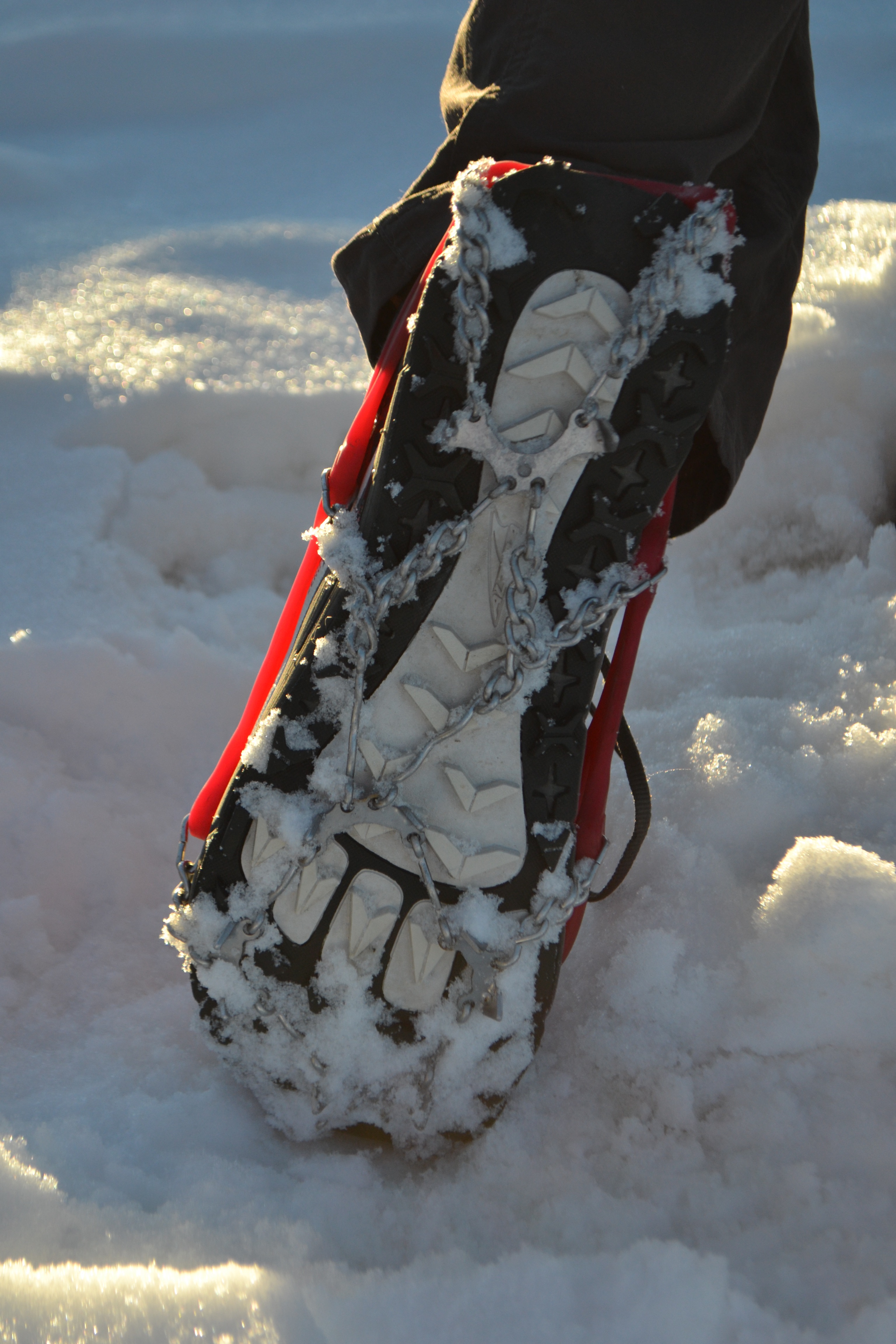
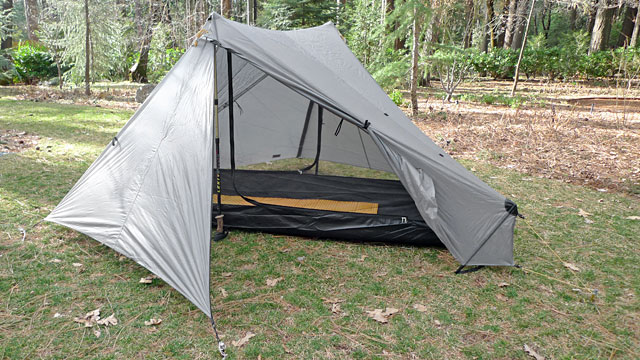

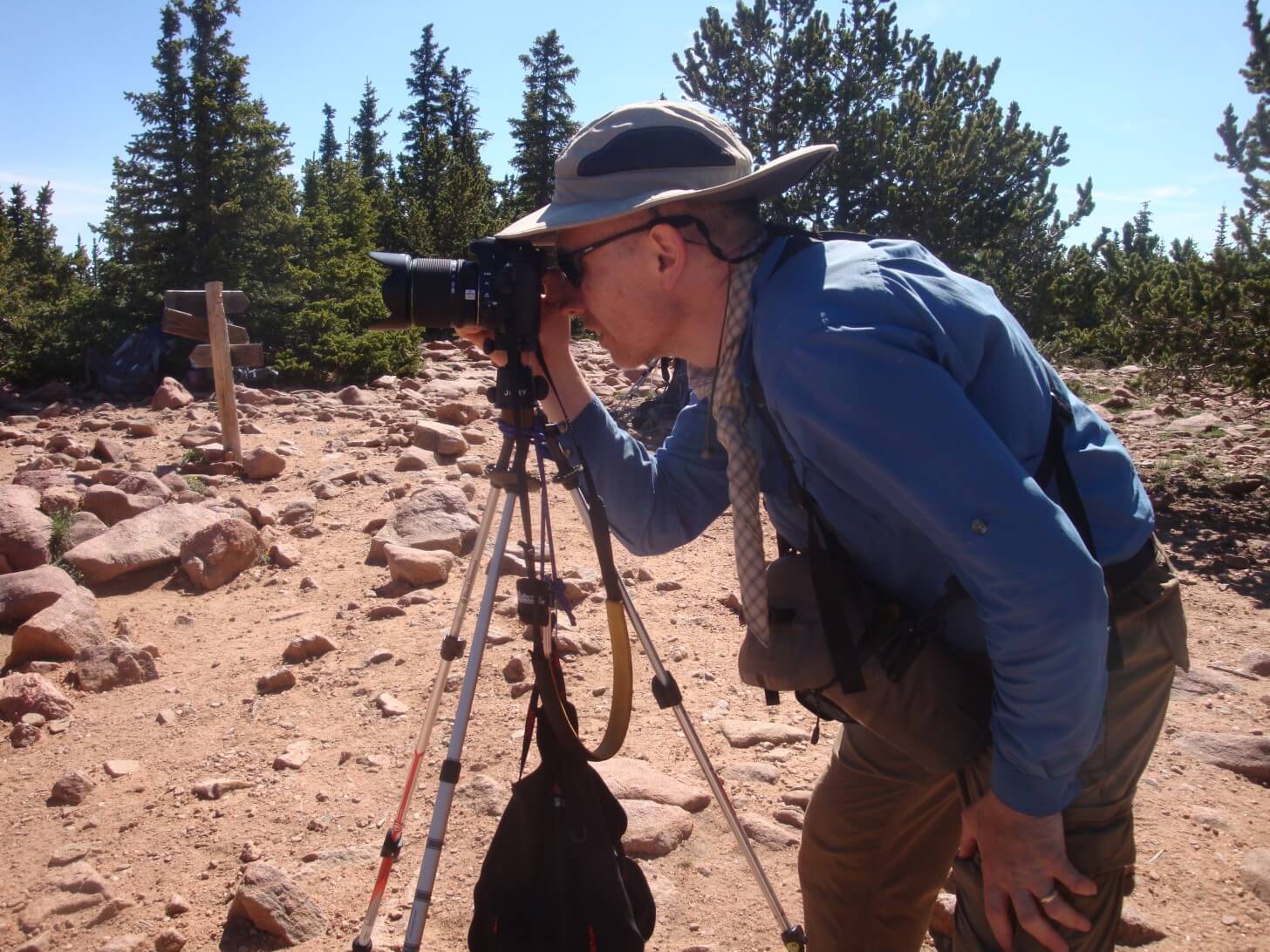
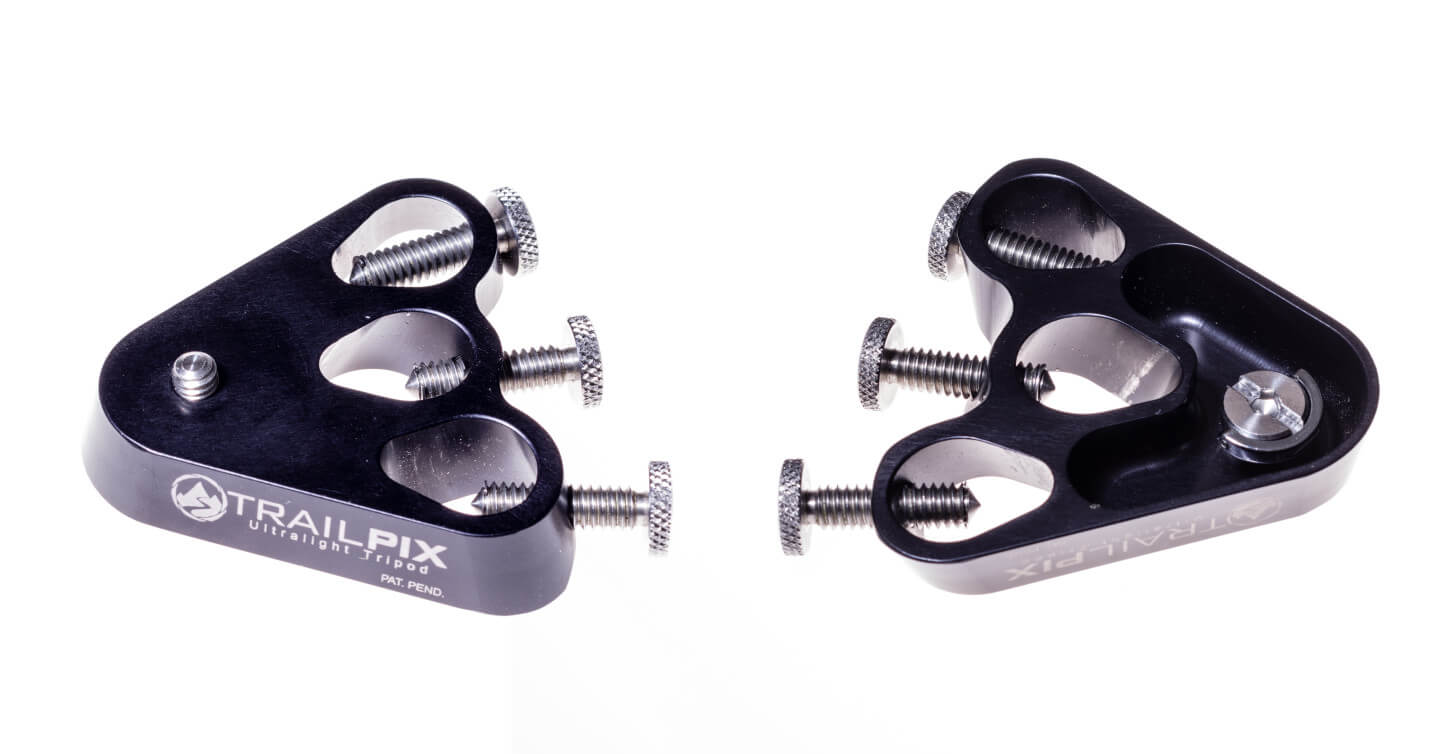
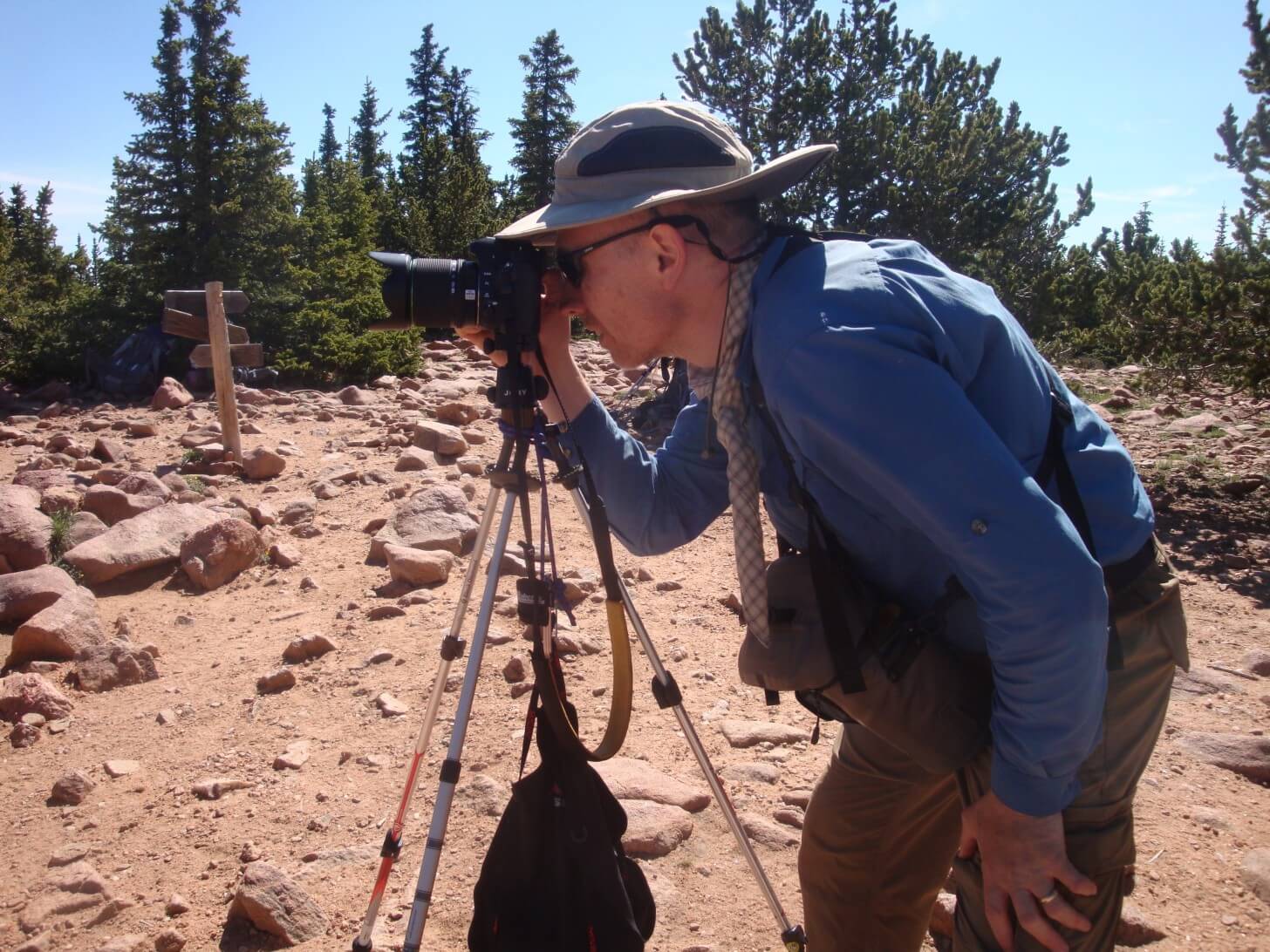
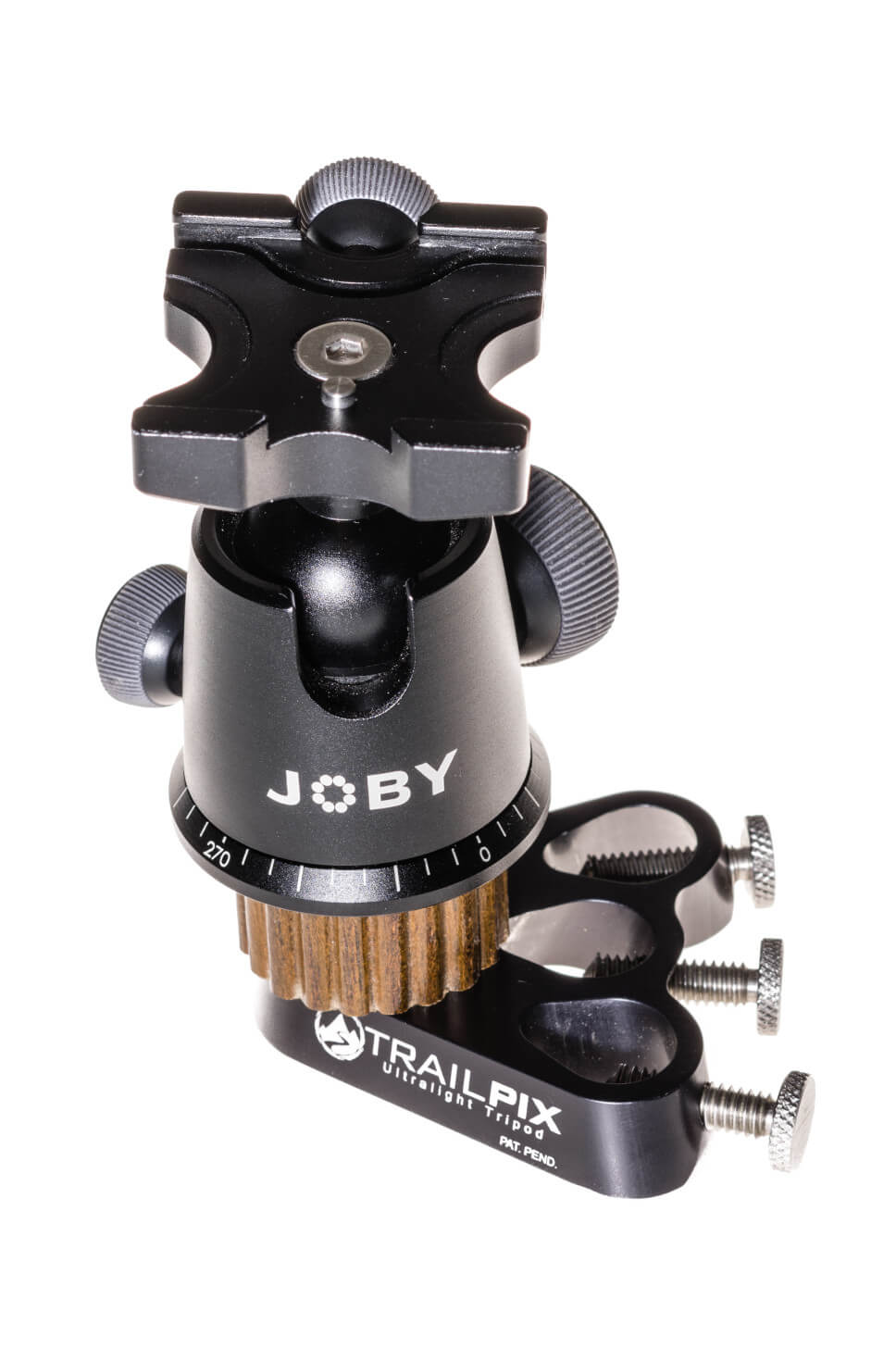
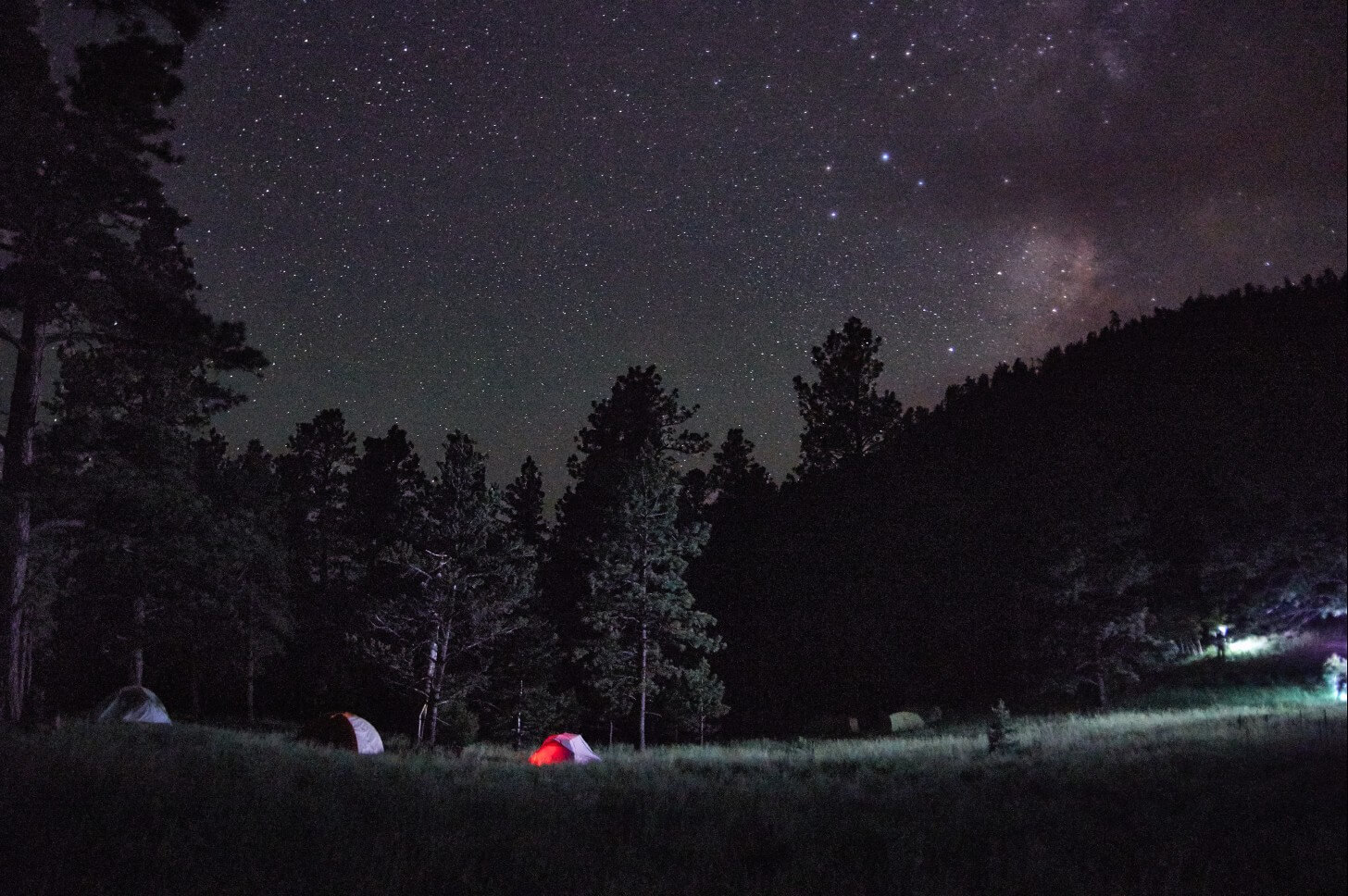


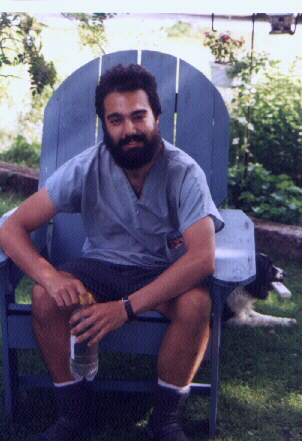
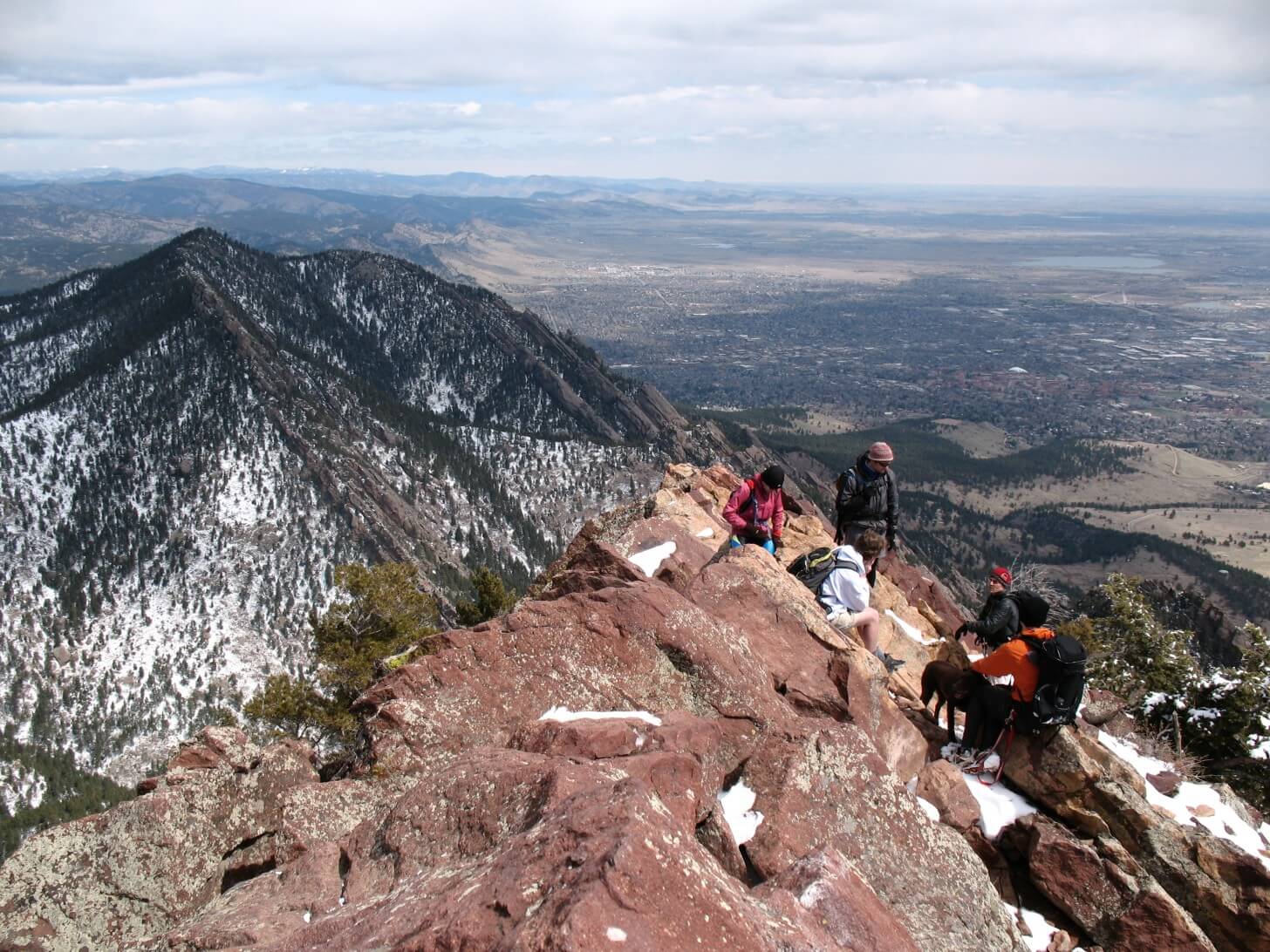
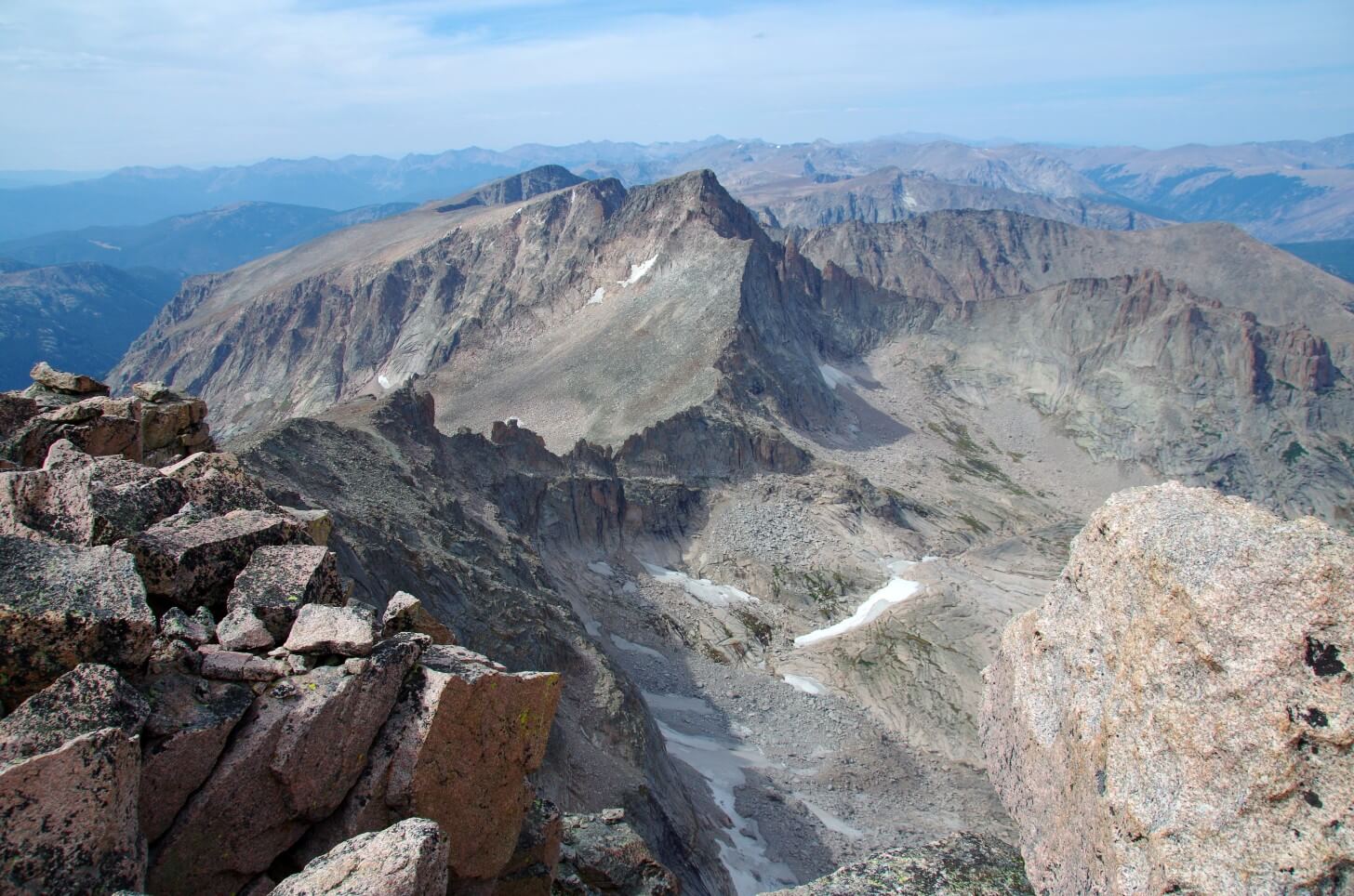
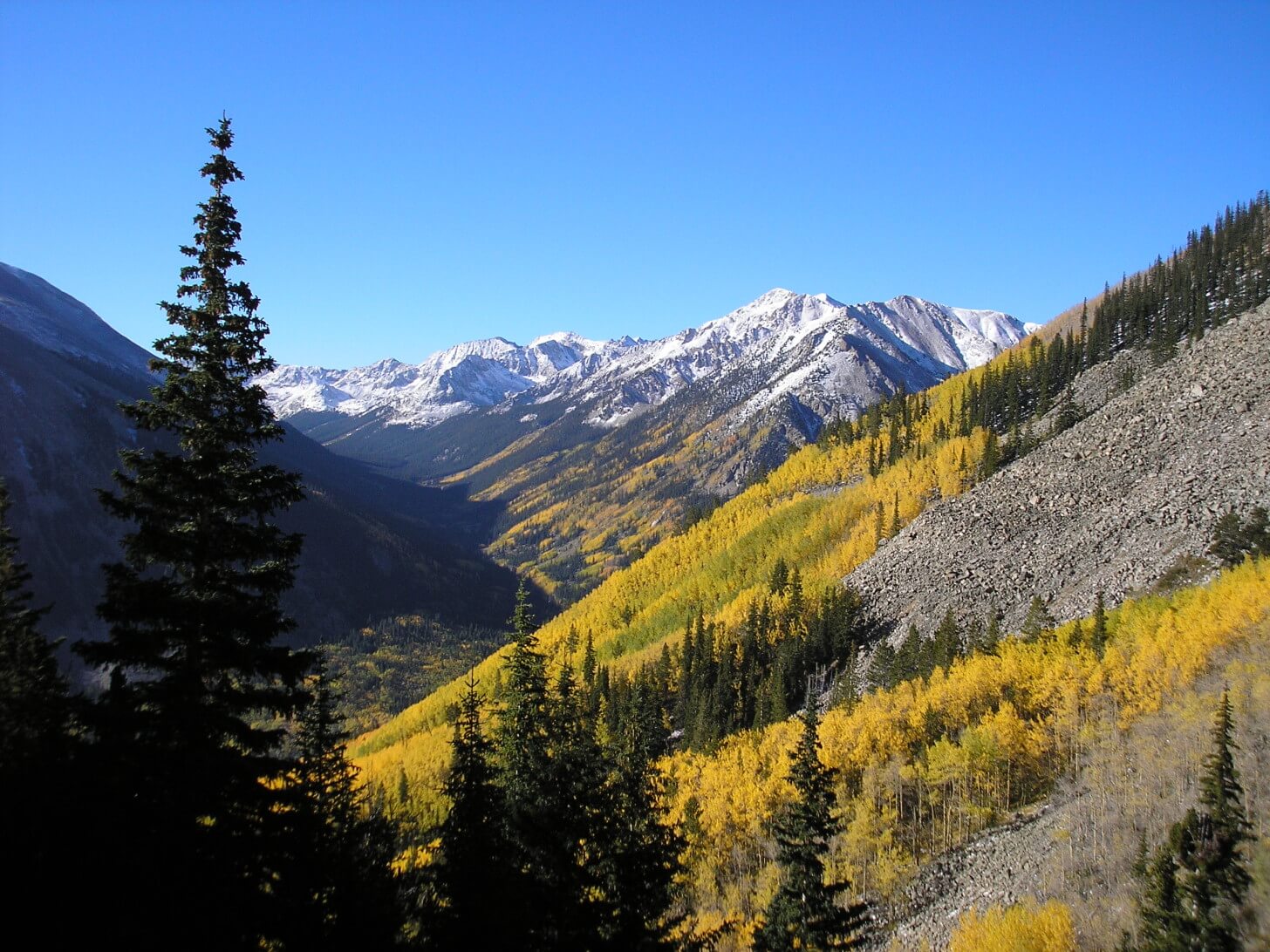

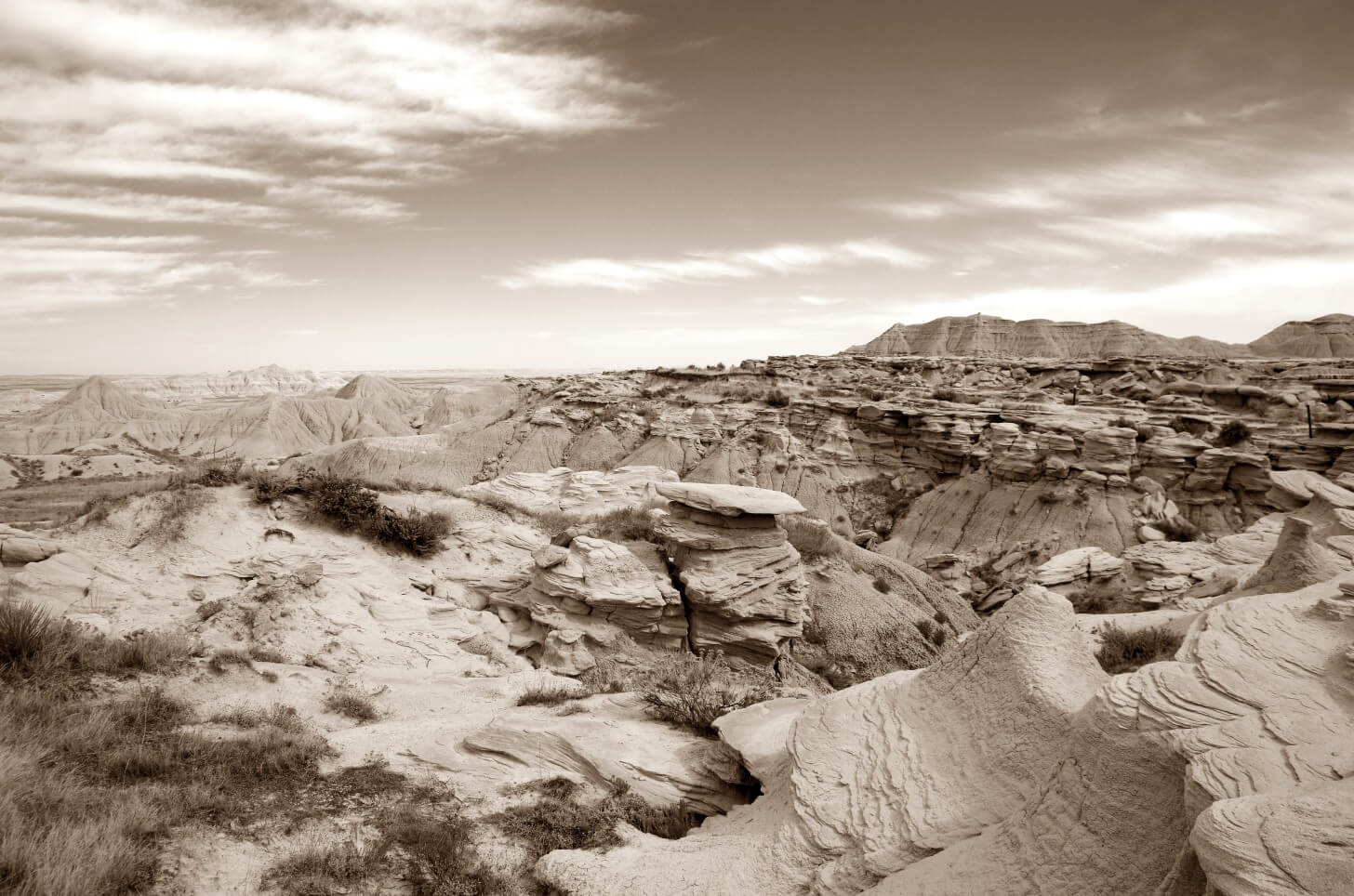
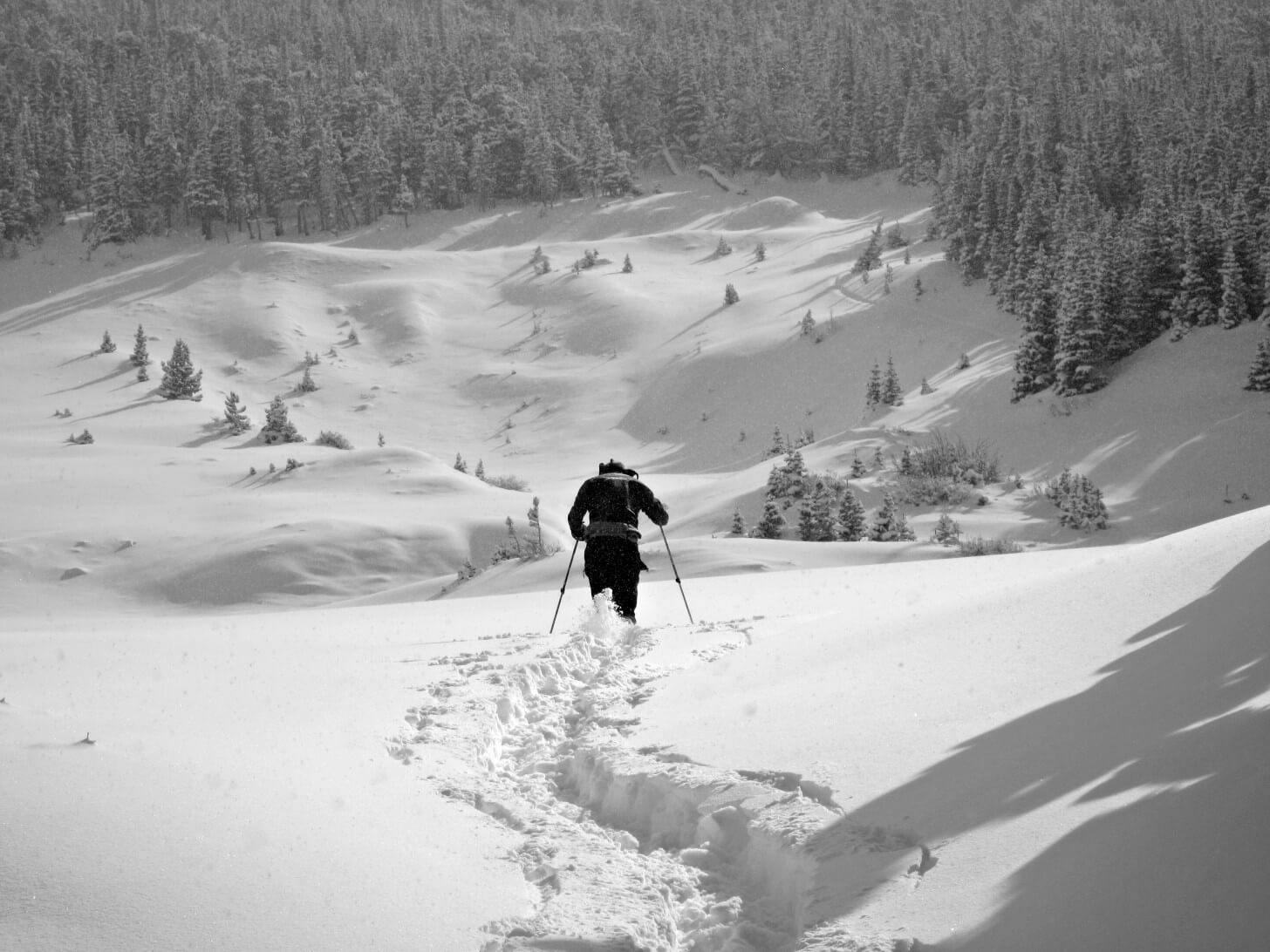
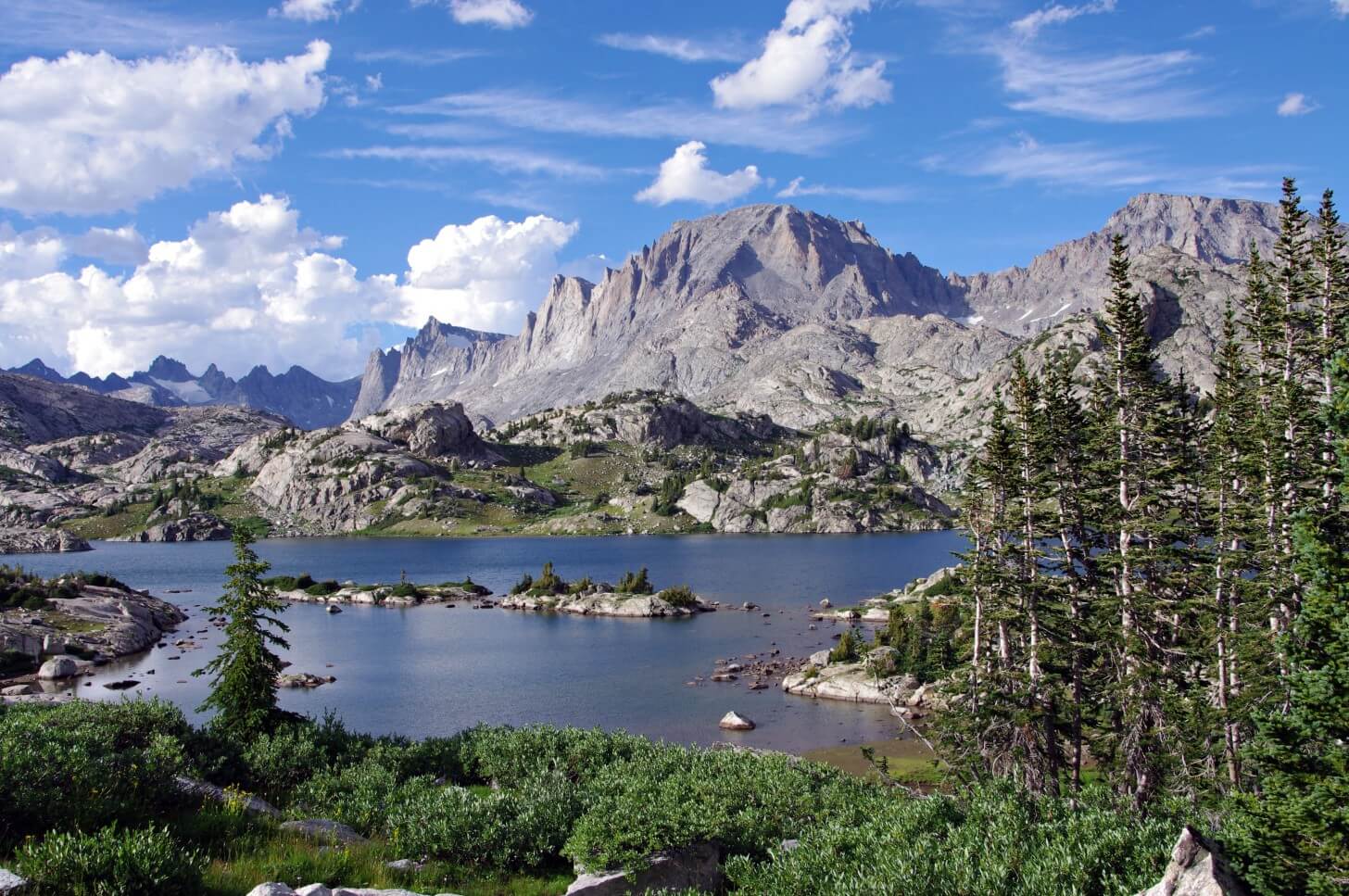
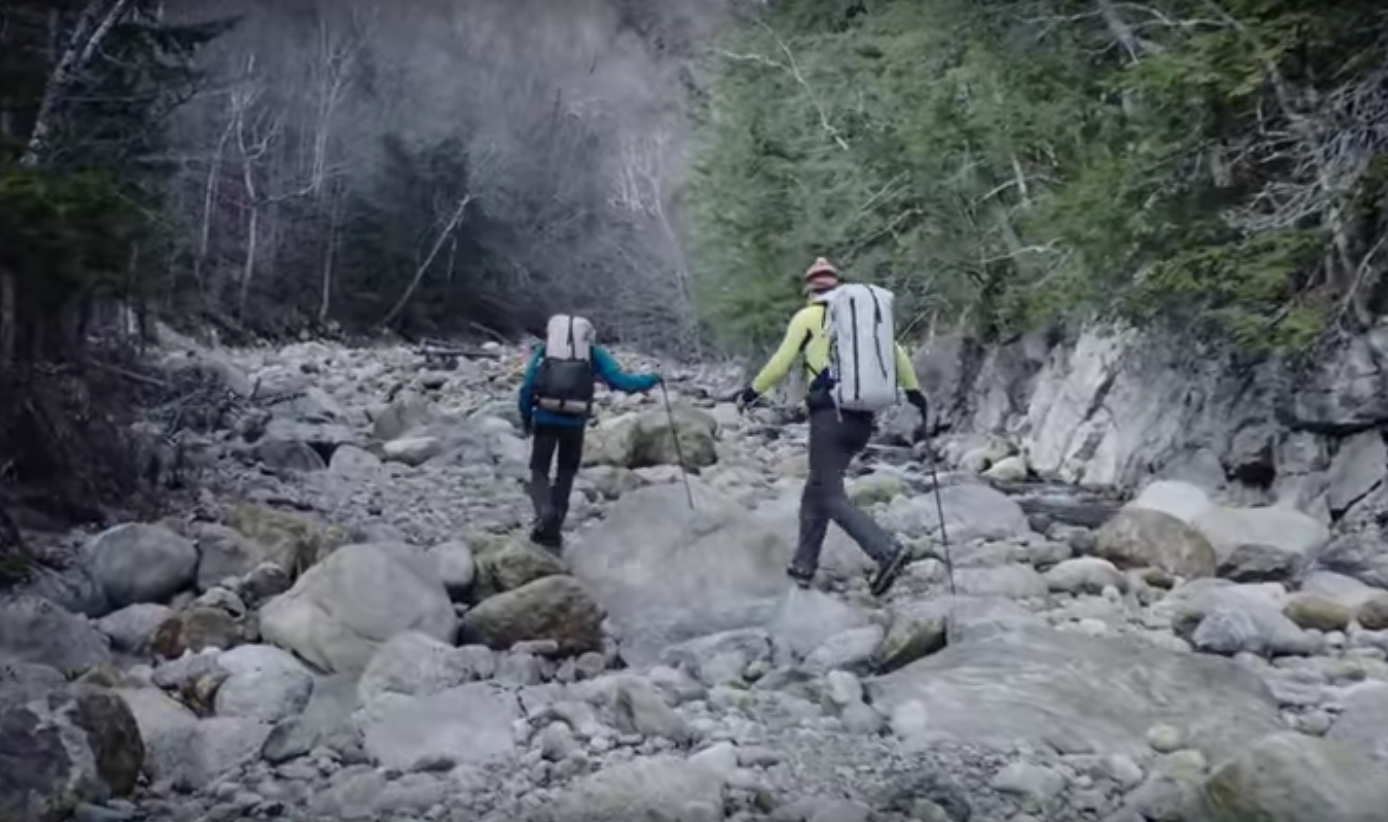

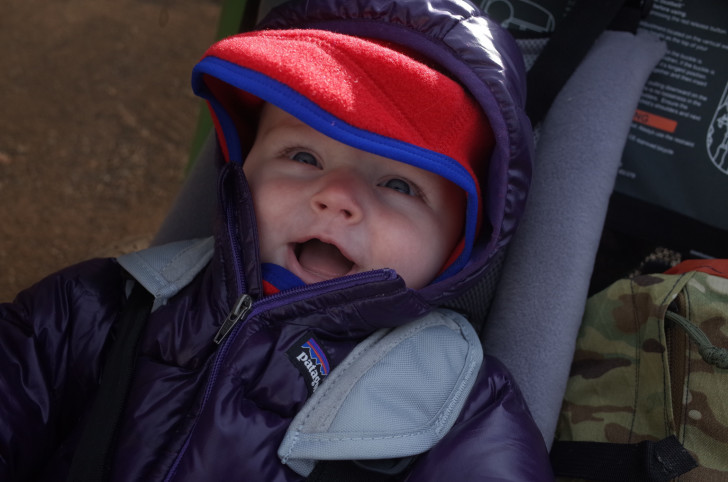
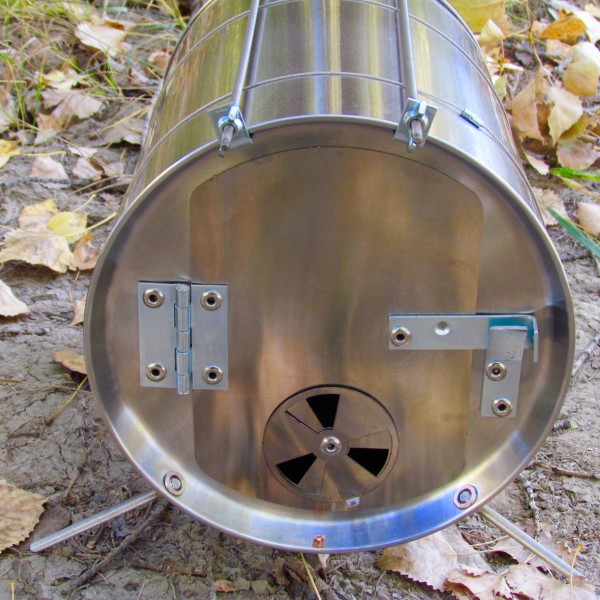
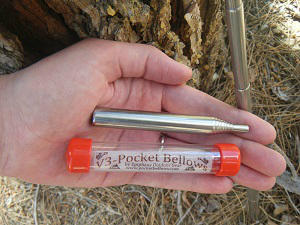
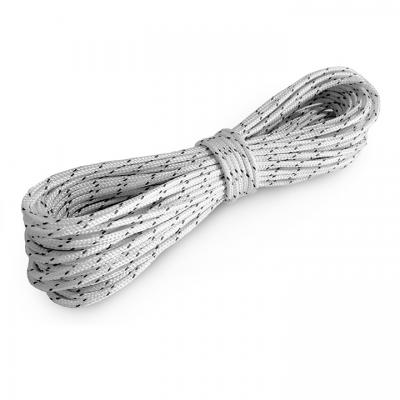
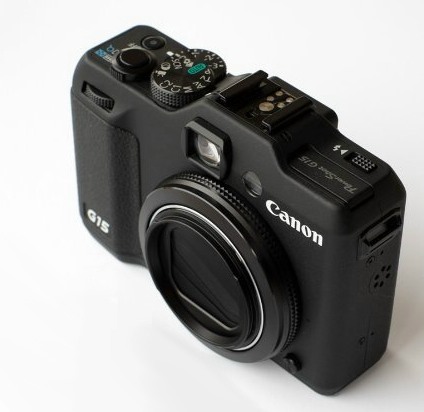
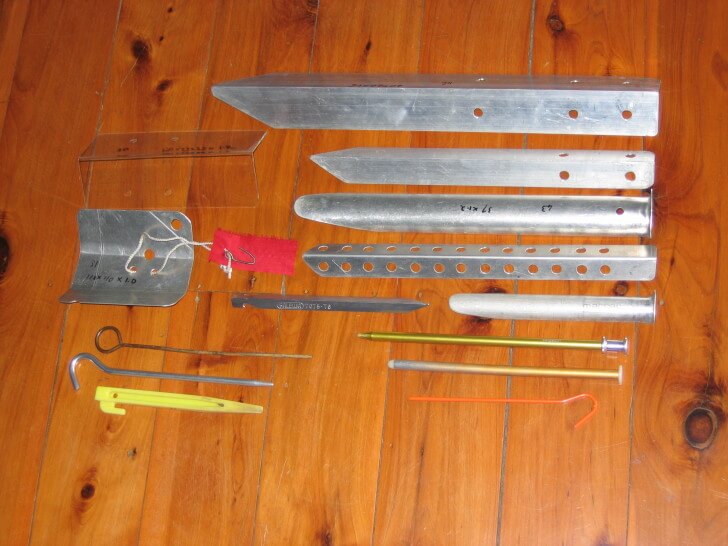
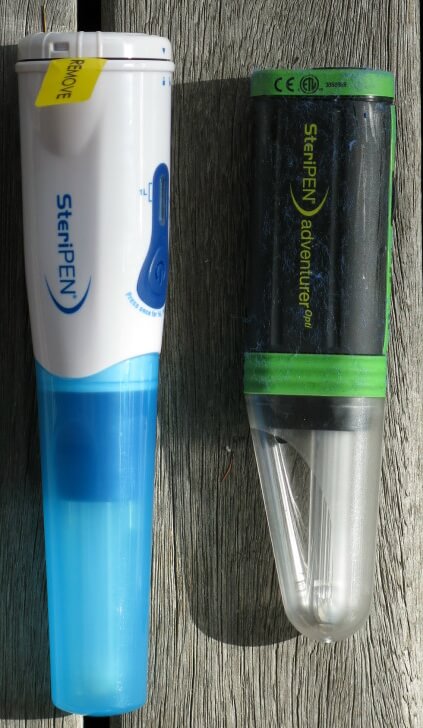
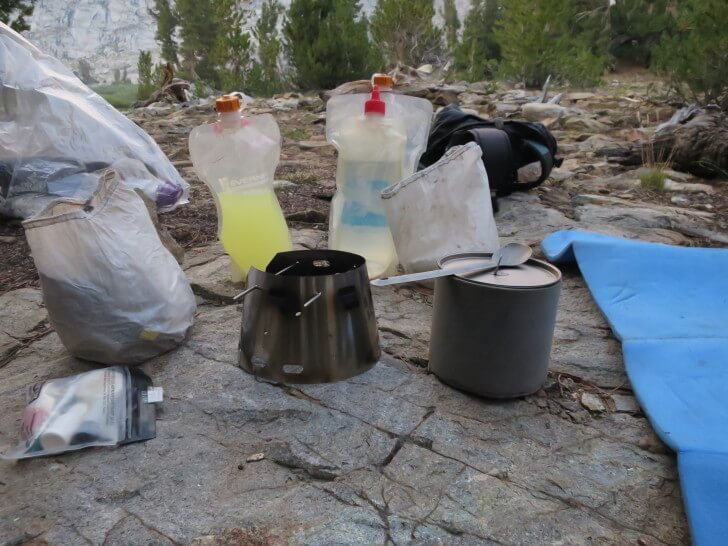
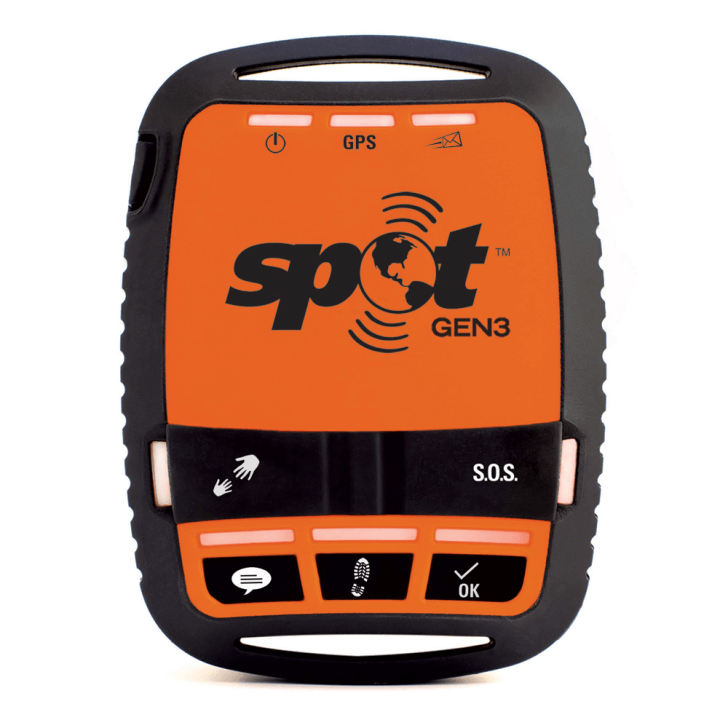
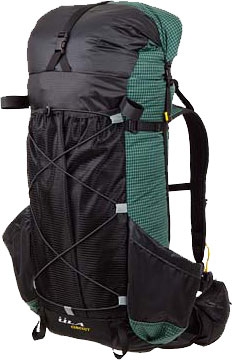
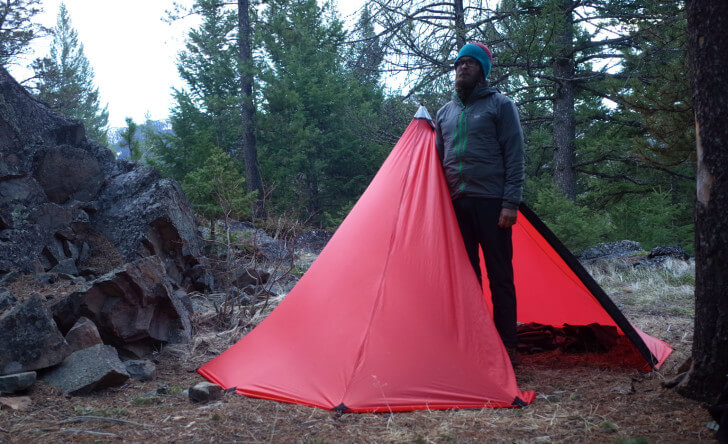
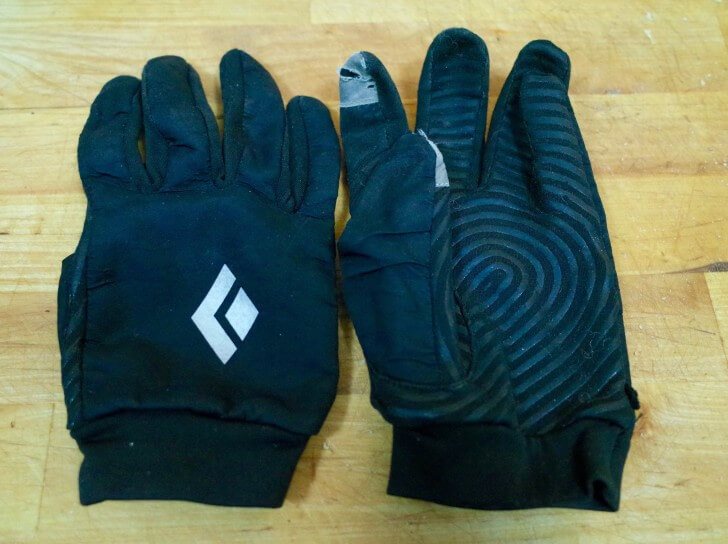
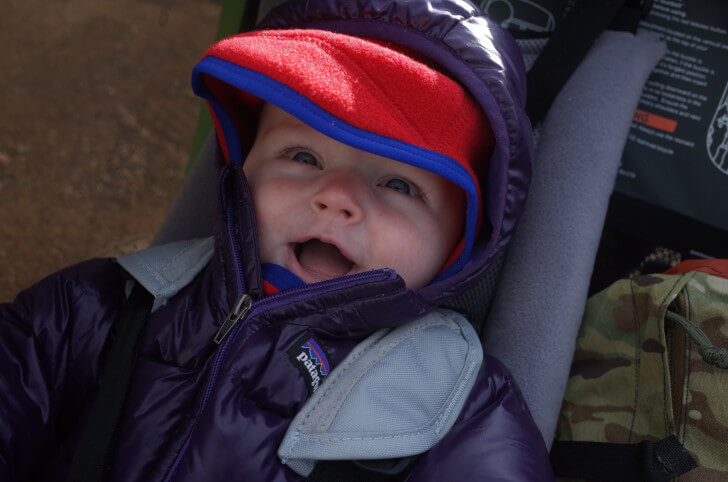
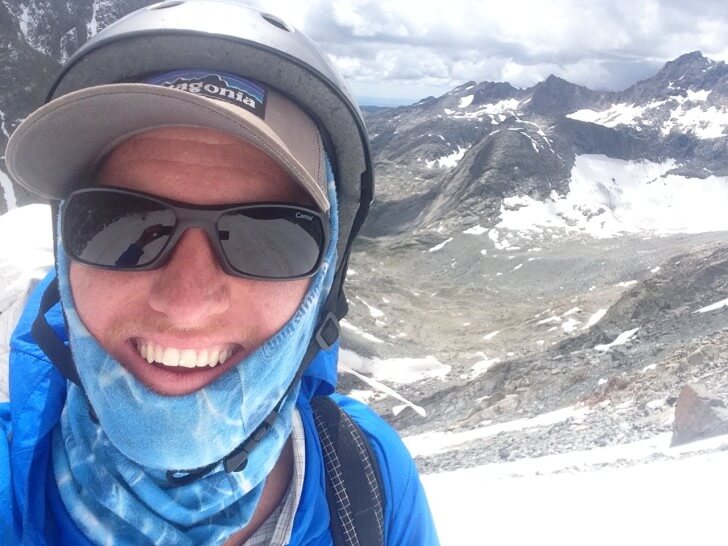
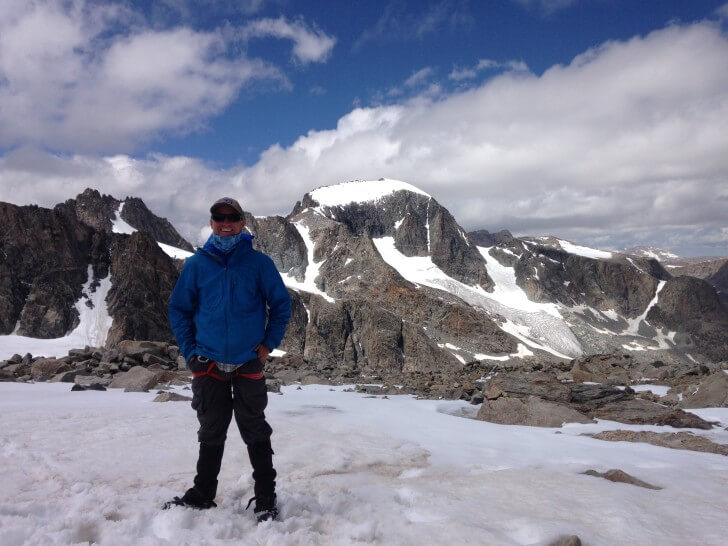
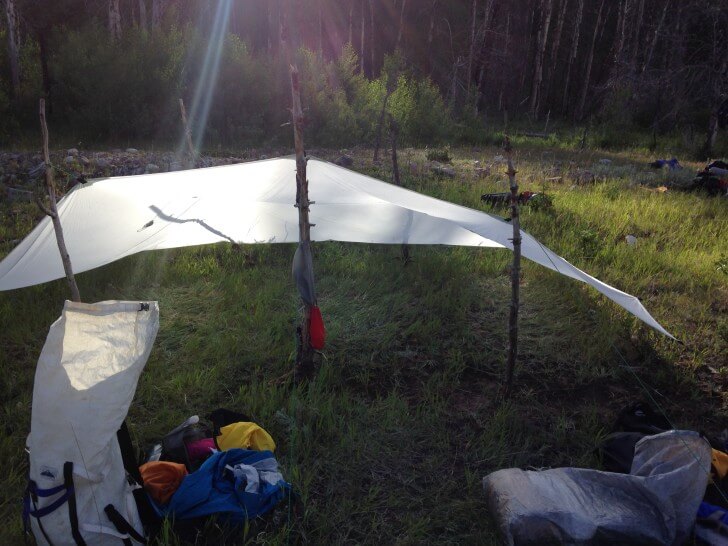
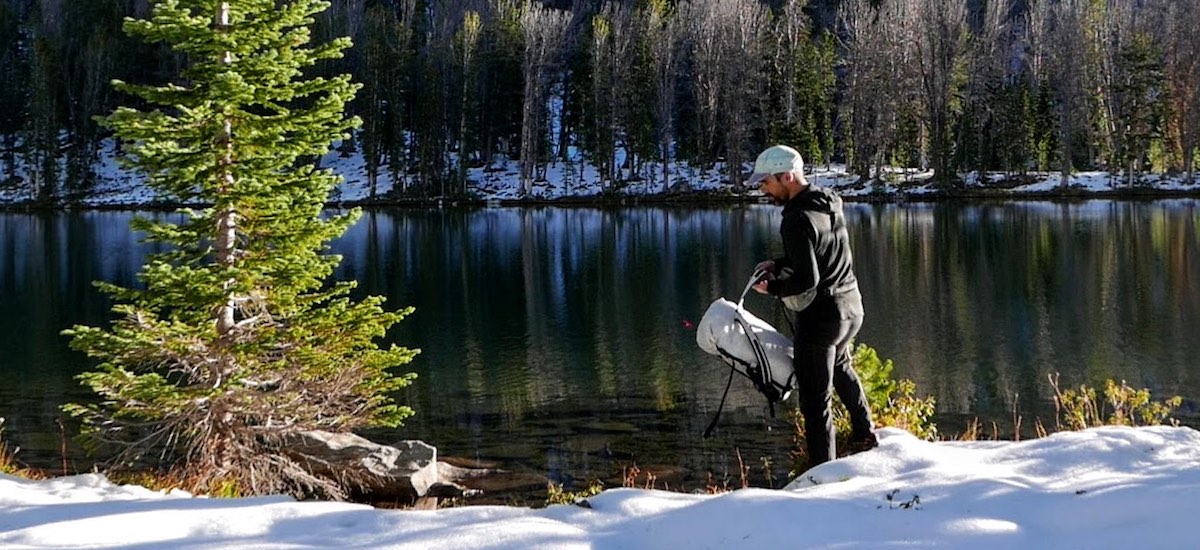
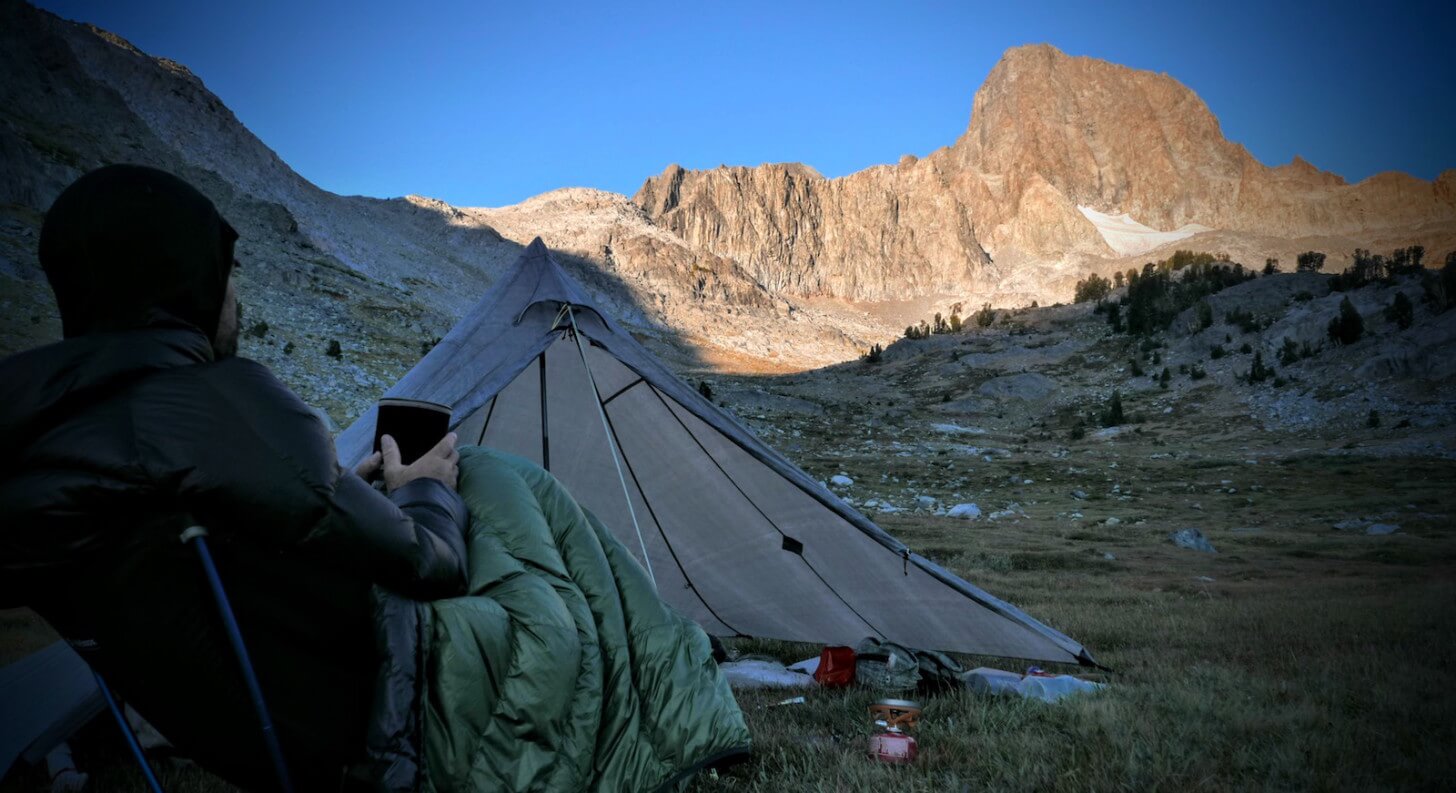
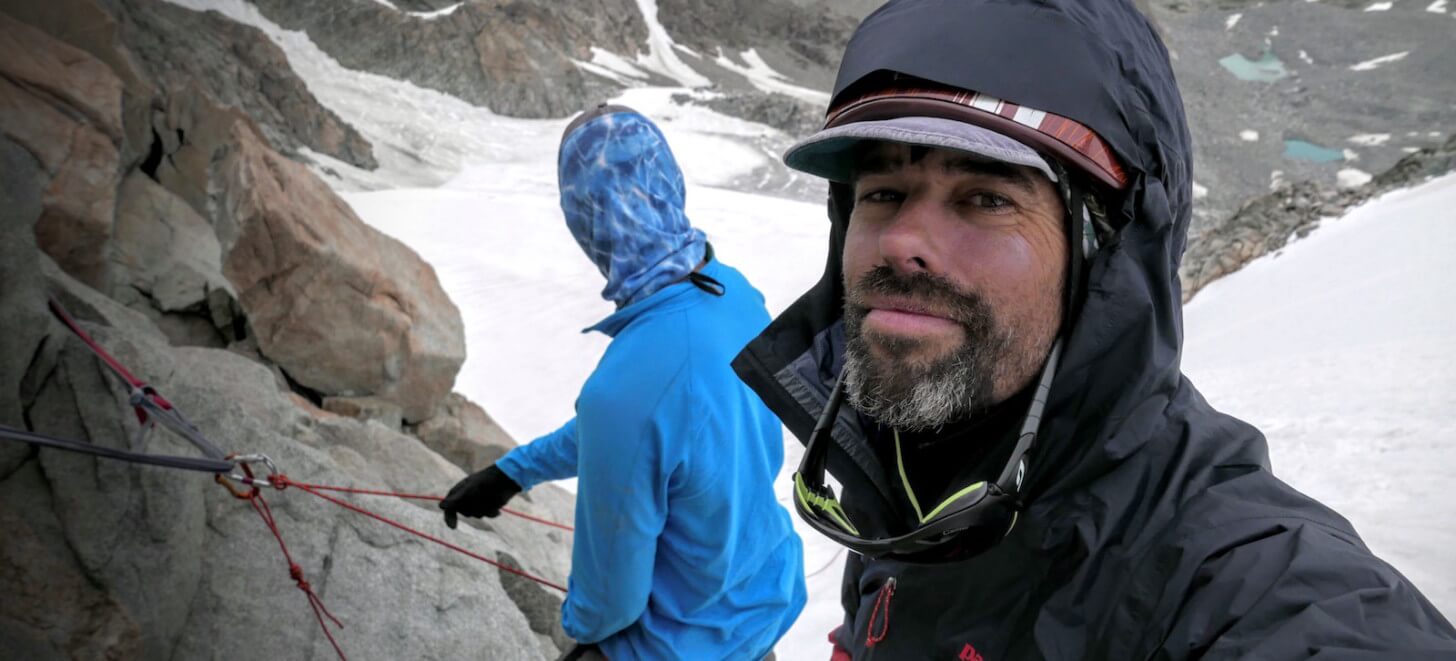

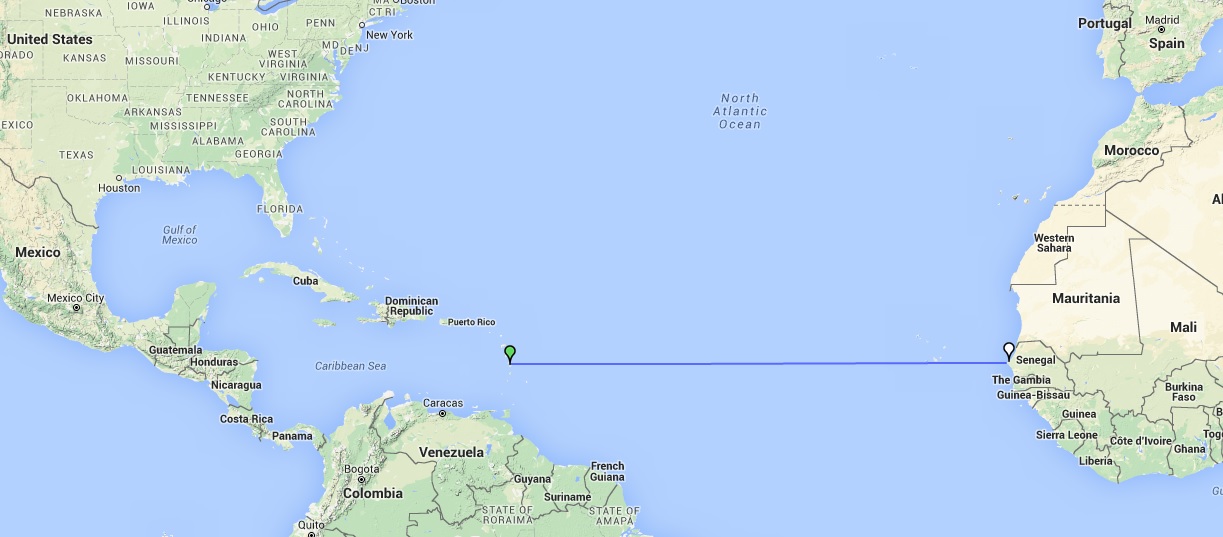
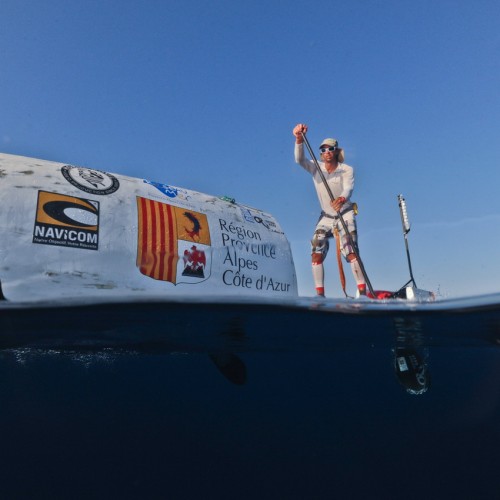
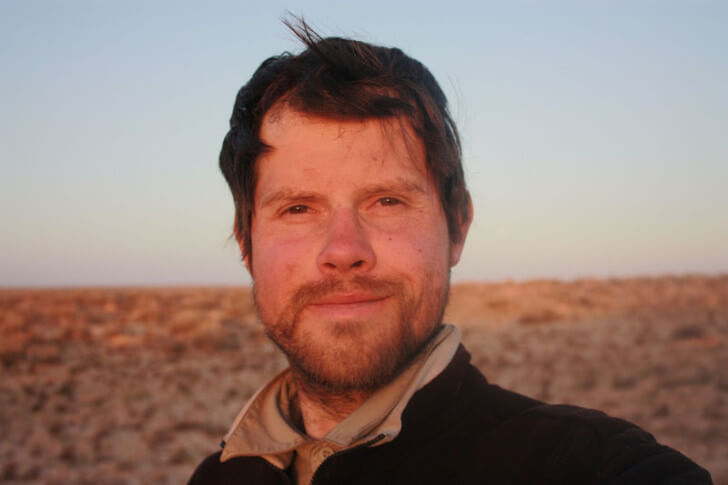
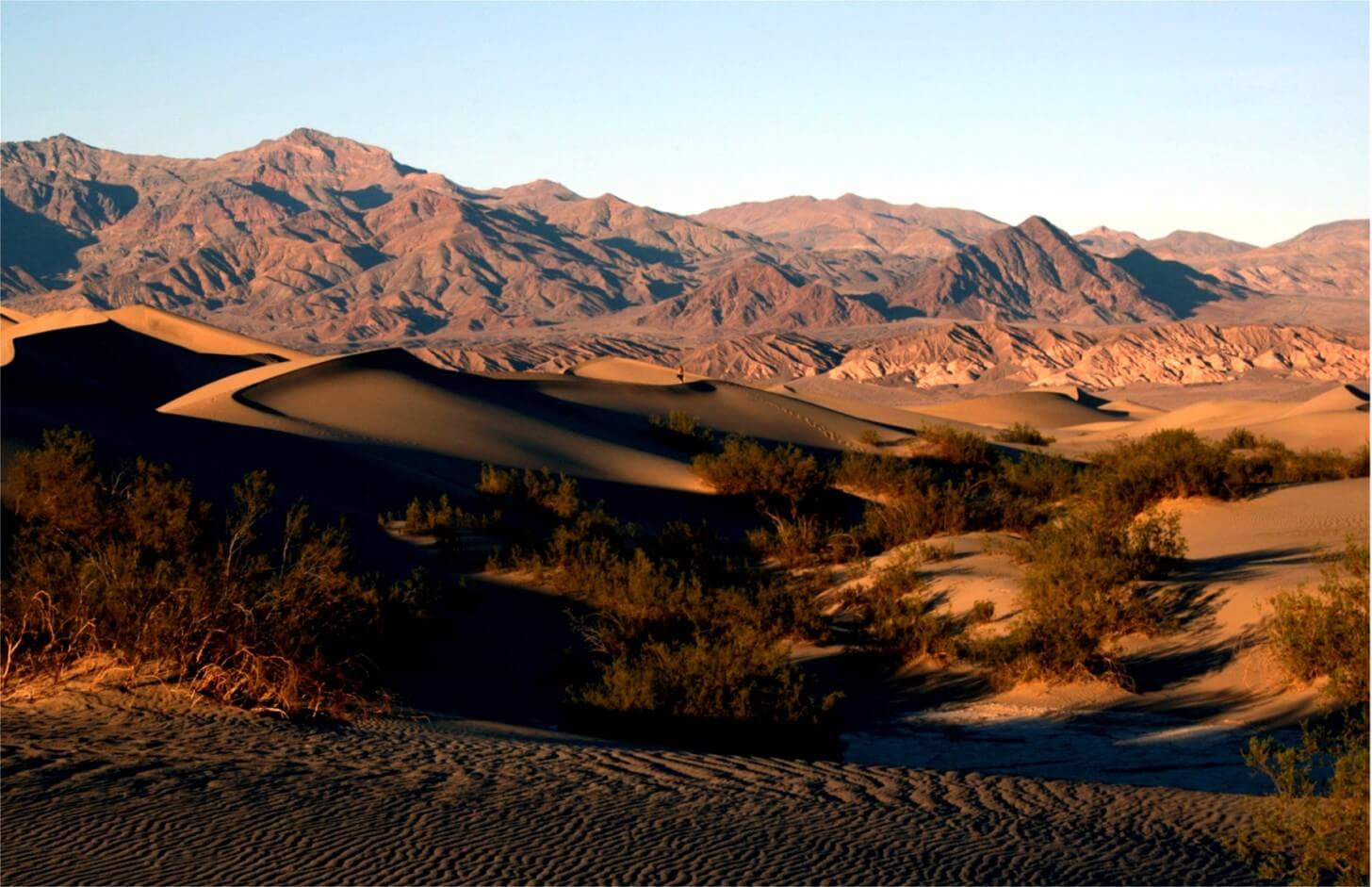
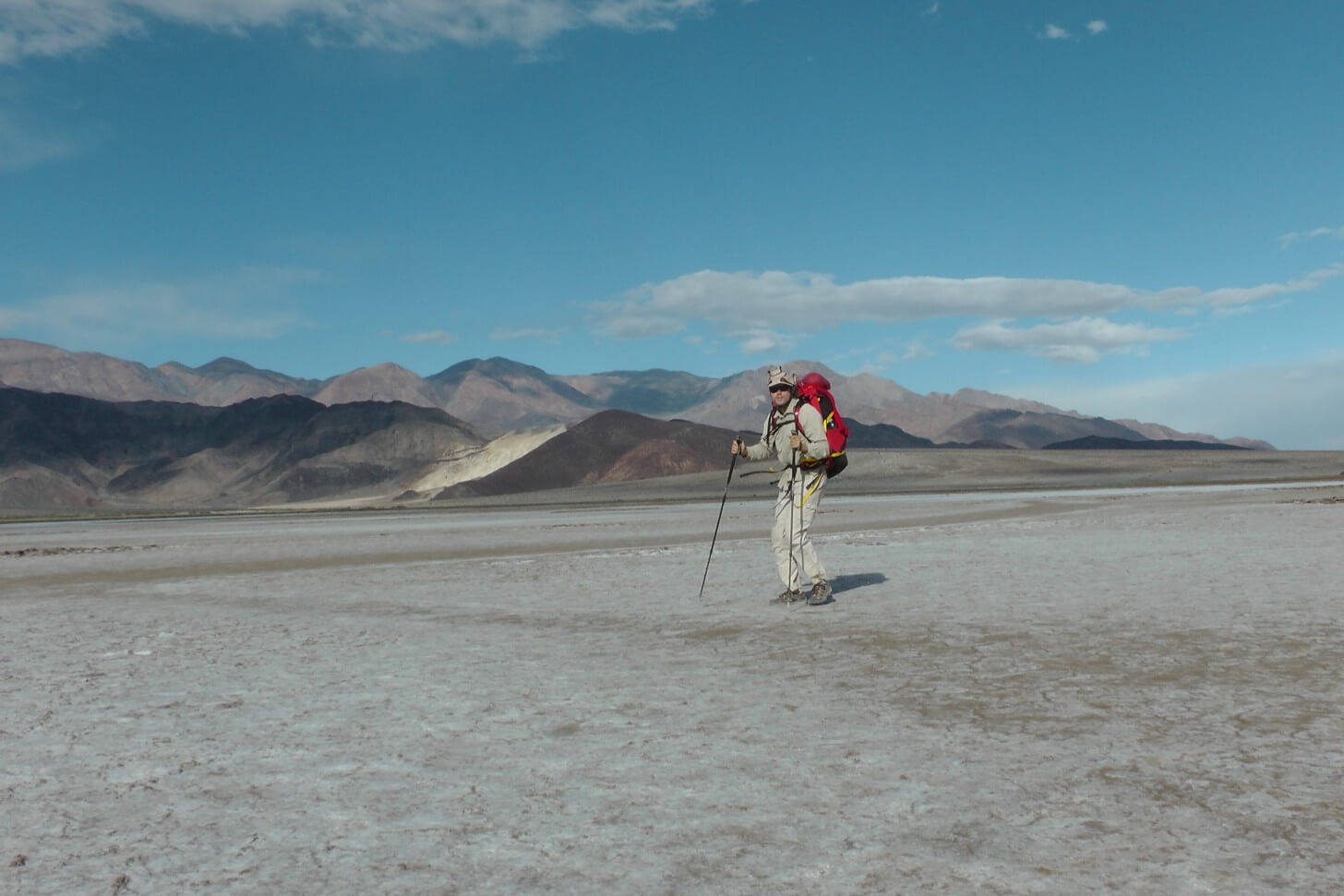
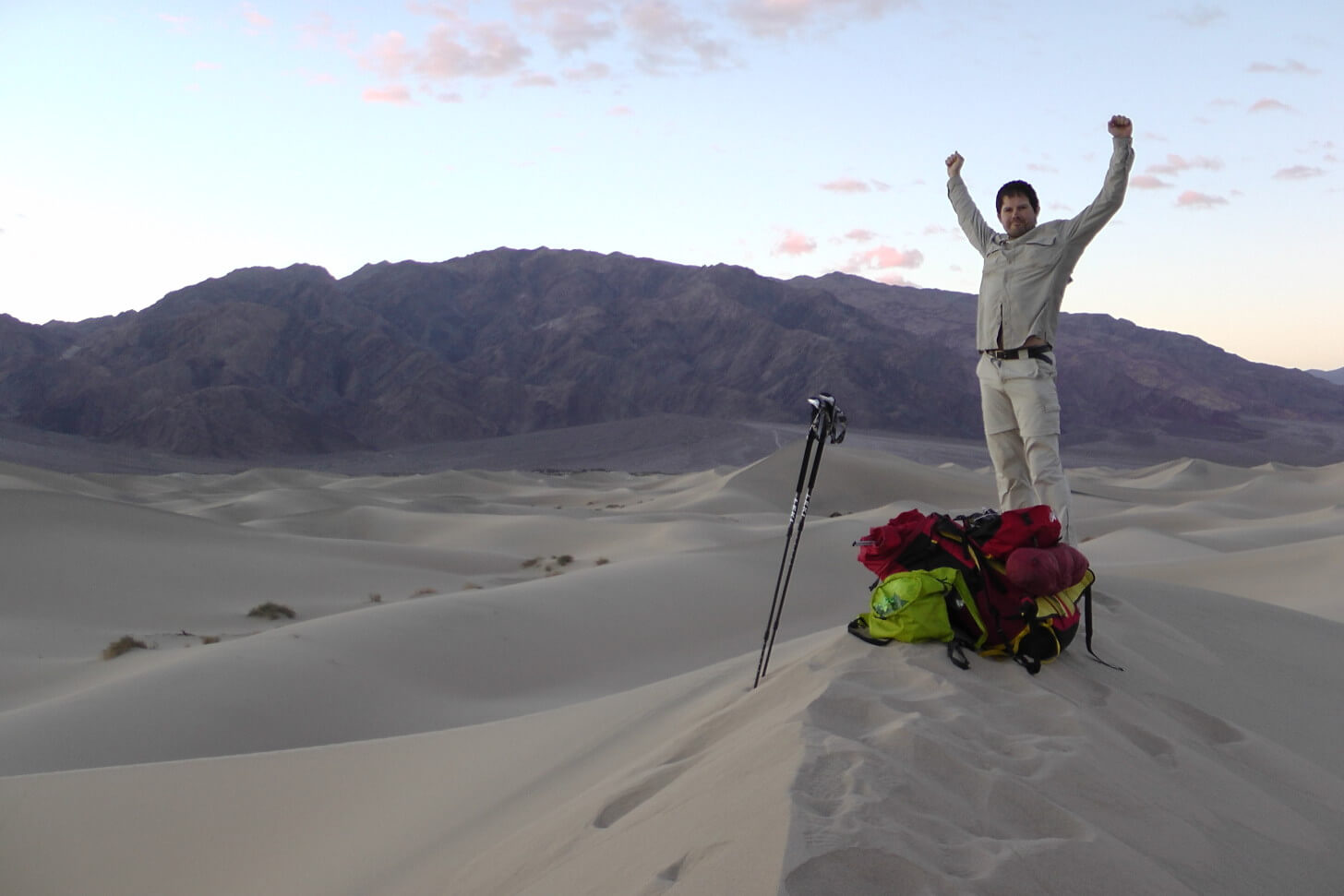
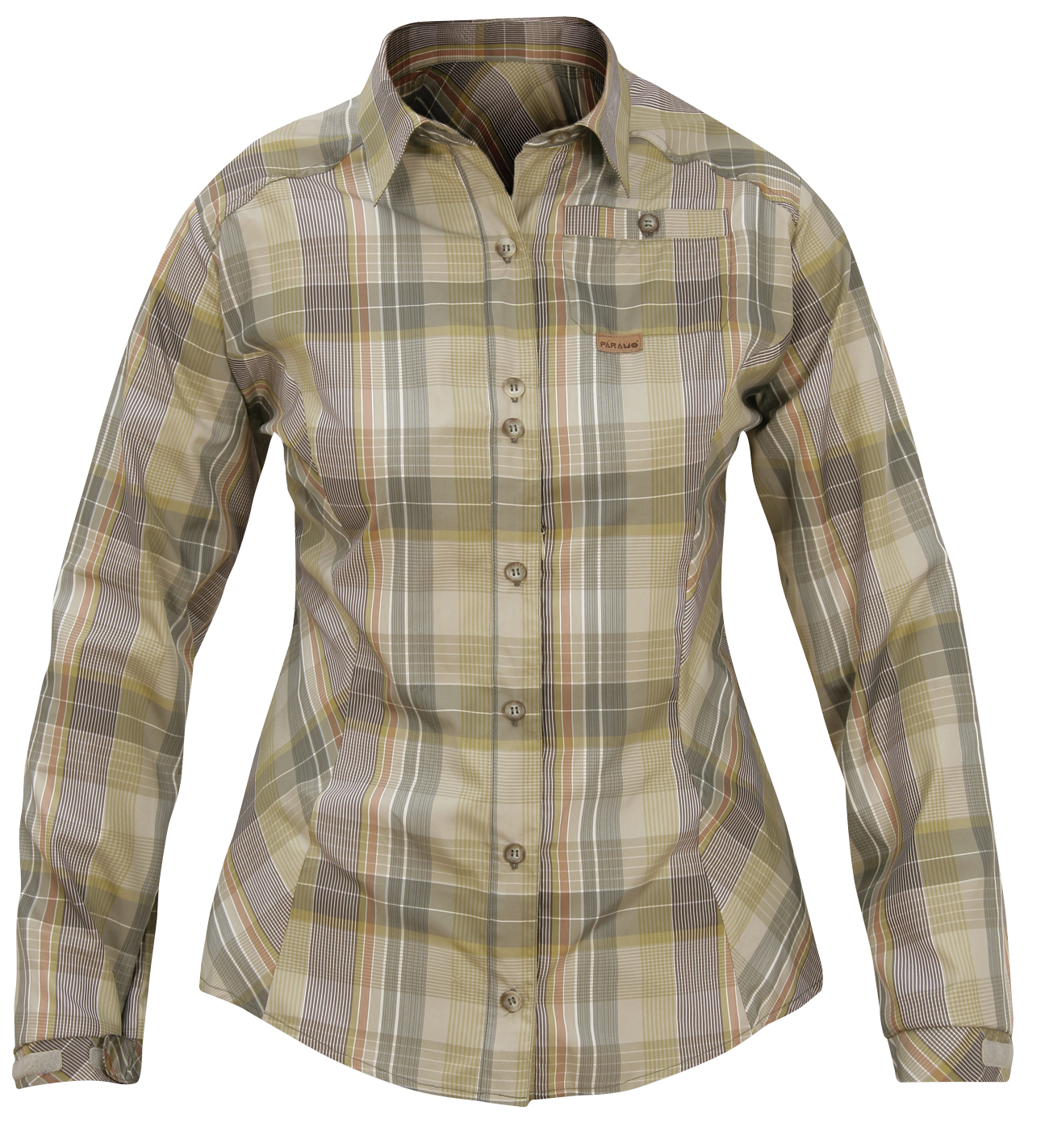
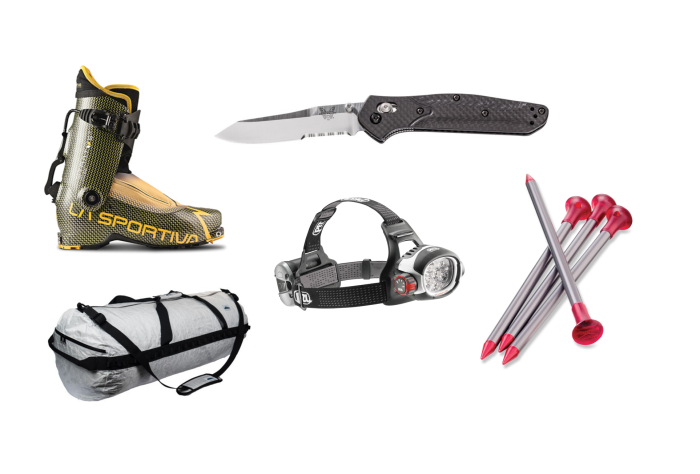
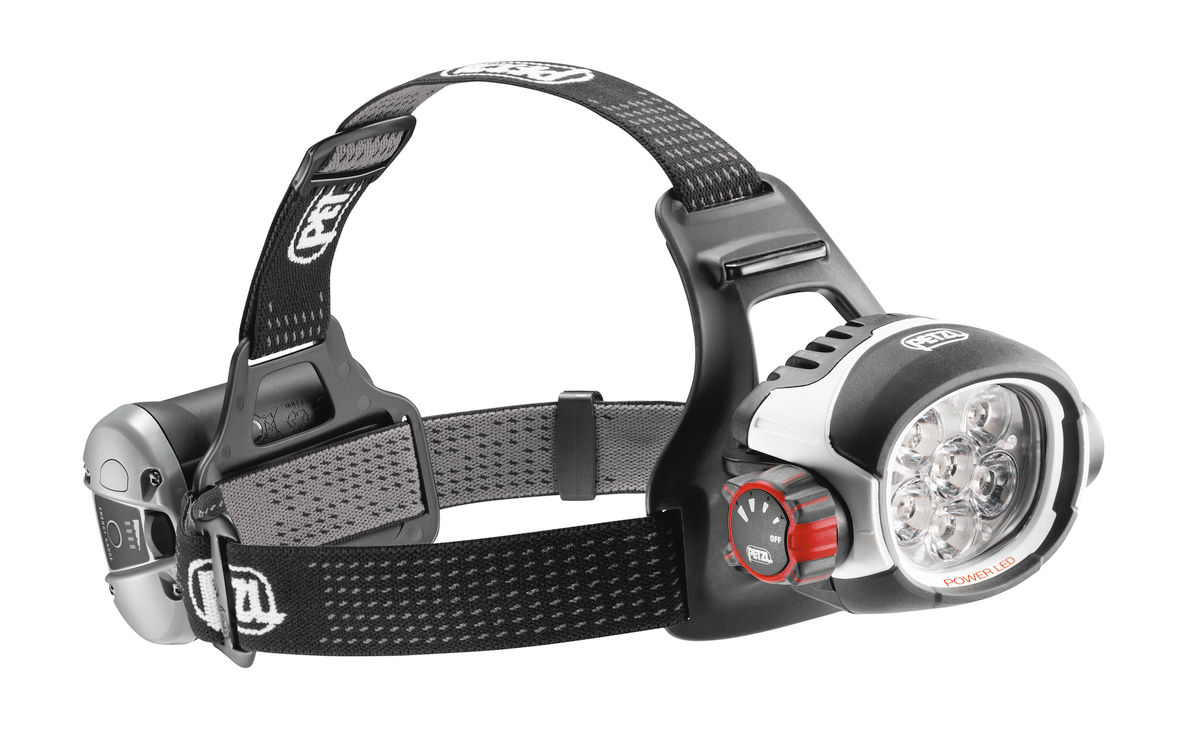
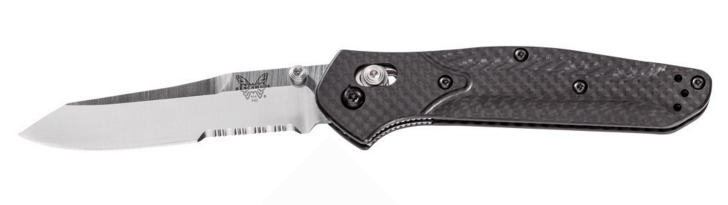
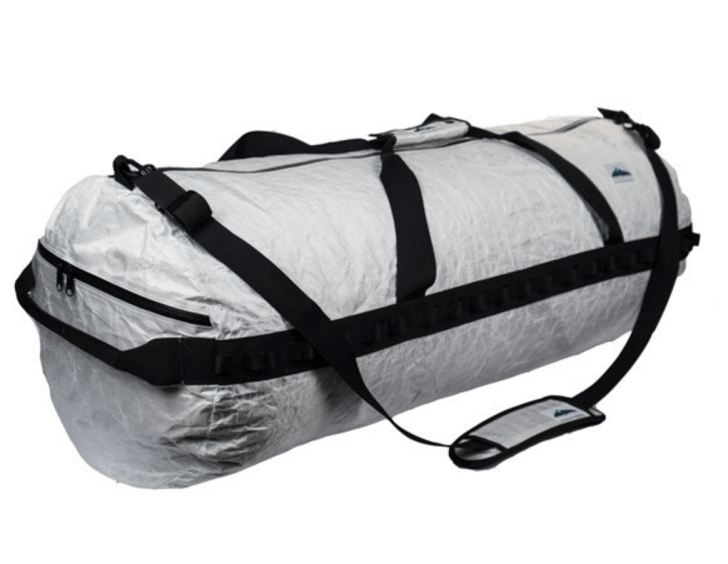 I spent $14 on my first expedition duffel in 1986. It was made of lightweight Cordura, with a Chinese zipper. It weighed less than two pounds. I used it for 10 years until it was stolen from my car. I replaced it with an obscenely heavy whitewater raft-fabric bag that has been just as trustworthy while still not breaking my bank. So when I heard that Hyperlite Mountain Gear was releasing a six hundred dollar duffel bag, I was laughing so hard tears were coming out.
 If you only have thirty bucks but still want to live high on the hog, then this product may just be up your alley.
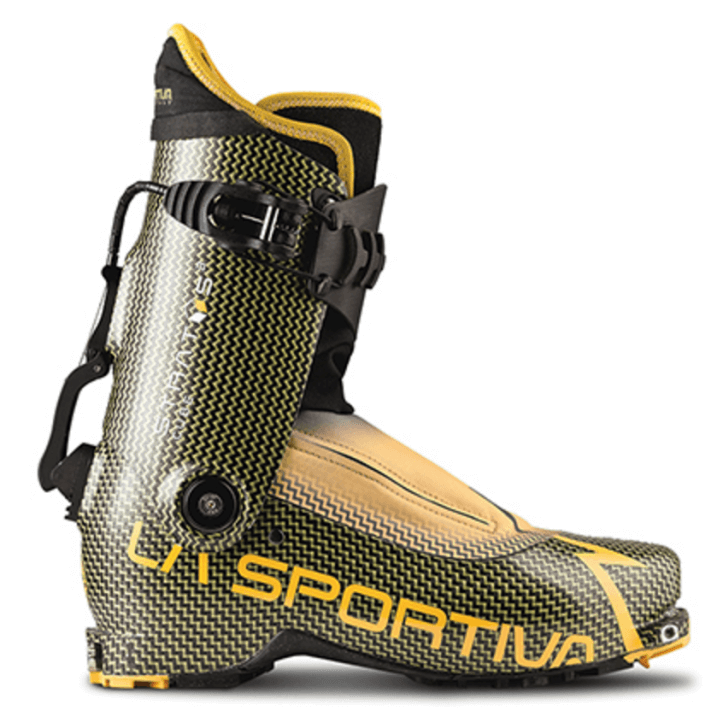 These boots weigh 555 g apiece – 19.6 ounces per boot. The La Sportiva Stratos Cube SKI BOOT weighs less than my first pair of trail running shoes.