

Clothing Systems
 Loading...
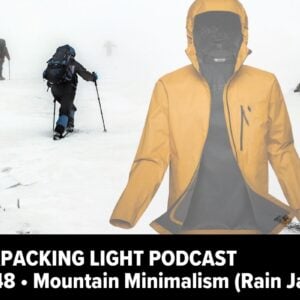
Episode 148 | Rain Jackets for Mountain Minimalism
How to choose rain gear for mountain minimalism based on exposure, retreat options, wind, abrasion, and thermal margin.
Details
Why You Should Spend a Few Ounces of Pack Weight on Rainwear Ventilation Features
In this article, we make the case for spending some extra weight on rain jackets and rain pants that offer more ventilation features (and durability) than typical ultralight rainwear styles (updated May 2026).
Details
Cottage Gear Guide: Ultralight Hiking & Backpacking Gear from Small, Startup, and Cottage Brands
Discover the most unique, innovative, and ultralight backpacking gear from small, startup, and cottage brands in our Cottage Gear Guide.
Details
By The Numbers: Fun Findings For Five Fuzzy Fabrics
Five fuzzy insulations get measured head-to-head: Polartec Alpha Direct, Primaloft Evolve, and three Teijin Octa builds. See how structure drives air permeability, MVTR, drying rate and energy, directional R-value, and durability. Results highlight Alpha’s breathability and efficiency, Evolve’s resilience, and Octa’s structured, durable use cases for high-output backcountry layering systems.
Details
Staff Picks 2025
Our staff selects their favorite hiking, backpacking, and other backcountry gear that they’ve used over the past year – the next edition of our infamous Staff Picks!
Details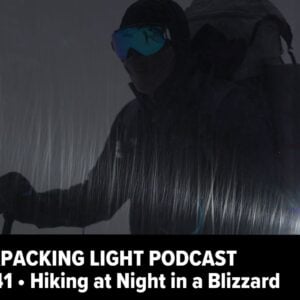
Episode 141 | Hiking at Night in a Blizzard
Critical winter layering, handwear, footwear, lighting, and navigation systems for safely hiking out through a sub-freezing blizzard at night.
Details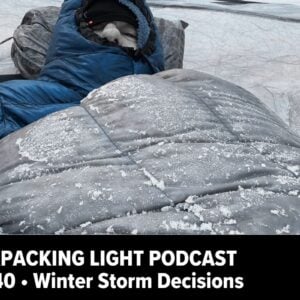
Episode 140 | Winter Storm Decisions
Use a six-question framework to decide whether to stay put or bail when winter storms, terrain, and fatigue raise backcountry risk.
Details
Episode 138 | Plan-Focus-Trust
Learn the Plan–Focus–Trust framework and discover how preparation removes fear, presence builds clarity, and trust turns small wins into lasting confidence – a mindset for wilderness travel and life goals.
Details
Episode 137 | The Risk Control Continuum
Learn how to manage backcountry risk using the Risk Control Continuum framework: use hazard triggers, control layers, and field tools like the HEAT and ECG checklists to detect drift, make better decisions, and stay safe in the backcountry.
Details
How Fishnet Works (Part 2): Layering for Moisture, Thermal Management in Cold-Weather Backpacking
Fishnet base layers offer a structural solution to the long-standing tradeoff between warmth and moisture control. By emphasizing airflow and vapor transport, they maintain comfort across cold, dry, and humid environments where conventional wicking fabrics fail. This article explains the thermophysiology of fishnet design and provides evidence-based strategies for layering in alpine and variable weather conditions.
Details
Episode 136 | Fringe Season Layering
Debunk wicking myths, optimize thermoregulation with hydrophobic base layers & utilize shell layers effectively to help with fringe season layering in the backcountry.
Details
Episode 135 | Field Notes – The Metabolic Cost of Bushwhacking
Understand how brush work, impedance work, and hazard work explains the true metabolic cost of bushwhacking and how resistance, rhythm, and stability impact energy.
Details
By the Numbers: The Energy Cost of Drying Your Base Layer
Drying wet base layers with body heat demands significant energy. The choice of fabric (wool vs. synthetic) may make less of a difference under some conditions; the quantity of water is key.
Details
By the Numbers: Another Look at Fabric Drying Performance – How can an Alpha Direct Base Layer take Longer to Dry than a Wool Base Layer?
A deep dive into the factors that cause Alpha Direct to take longer to dry than wool.
Details
Episode 130 | Bivy Sack Camping
Discover Ryan’s discreet bivy sack camping methodology for alpine environments, encompassing essential gear, requisite skills, and a critical analysis of tent practicality. Embrace the experience of open-air slumber.
Details
Testing Páramo Analogy Waterproof Clothing: How Well Does It Work for Rain (and Wind Shells)?
An in-depth analysis of Páramo Analogy Fabric to see how it performs in wet conditions.
Details
Handwear Systems for Backcountry Travel: Protecting Your Hands in Sun, Cold, Rain, Snow, and Wind
Learn how to build a lightweight, versatile handwear system for backpacking that protects your hands from sun, wind, rain, snow, and cold. This guide covers layering strategies, material science, field-tested tips, and real-world lessons to keep your hands functional and protected on the trail.
Details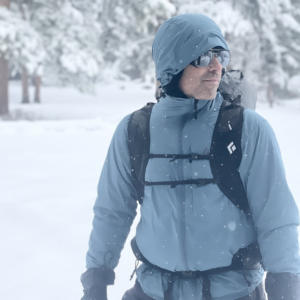
Wind Shirts for Backpacking
Wind shirt performance – design, technology, features, standardized breathability and air permeability data (MVTR and APR testing).
Details
Timmermade SUL 1.5 Down Sweater Gear Review
The Timmermade SUL 1.5 Down Sweater is a down jacket with an excellent warmth-to-weight ratio for ultralight backpackers.
Details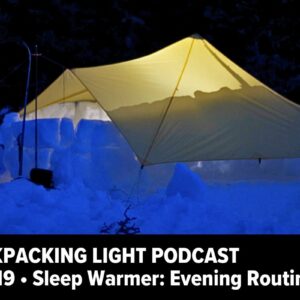
Episode 119 | Sleep Warmer: Evening Routines
In episode 119 of the Backpacking Light podcast we’re going to learn about bedtime routines and practices for sleeping warm in the backcountry.
DetailsJoin Our Community
Become a Backpacking Light Member
Forum Access
Unrestricted access to all forums, plus the ability to post and start new threads.
Premium Content
Unrestricted access to all 2,300+ articles, gear reviews, skills, stories, and more.
Community Posts
Post new content to the community including gear swaps, reviews, trip reports and more!
Online Education
Get unlimited access to all our online education (*Unlimited membership required).
Pack less. Be more. Become a member today!
