

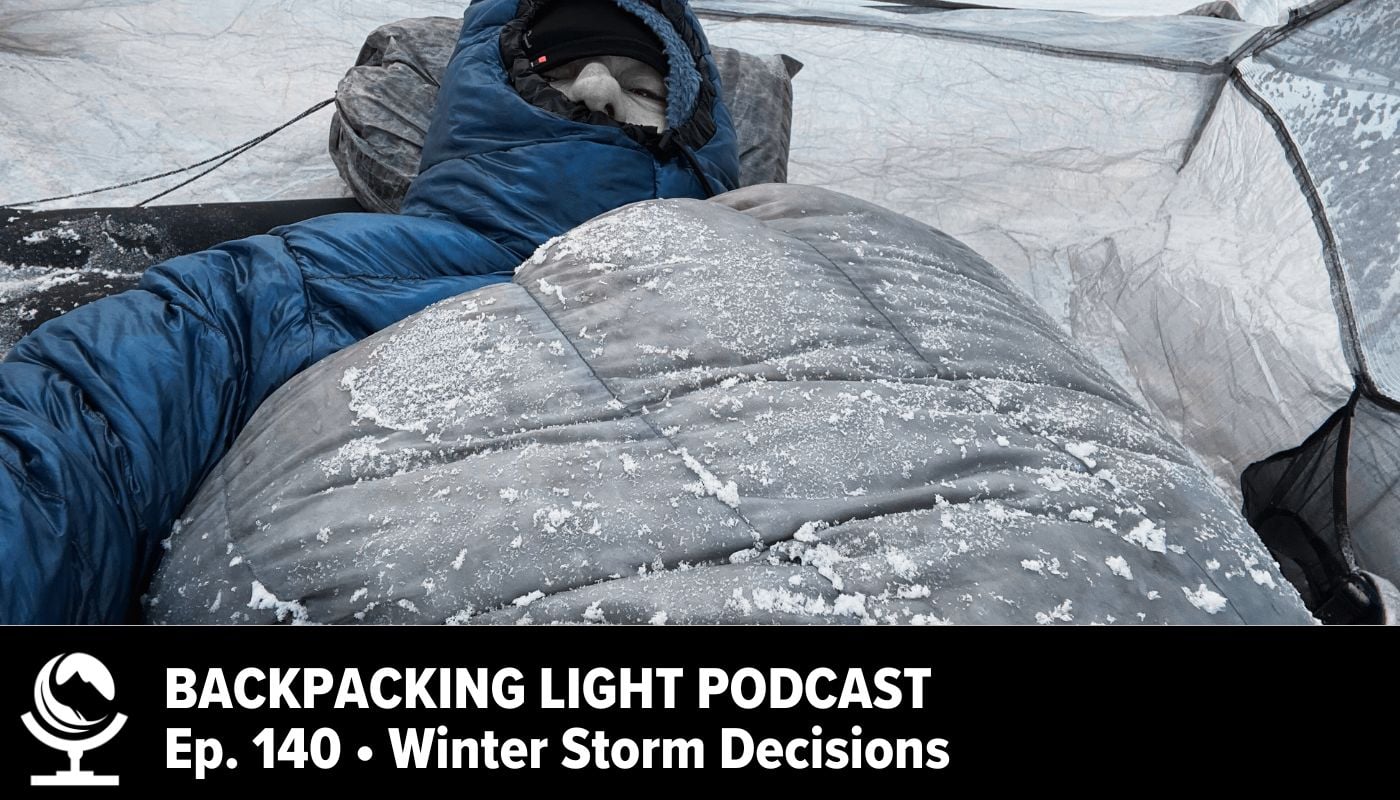
Episode 140 | Winter Storm Decisions
Episode Summary
Ryan walks through a structured, six-question framework for deciding whether to stay put or move when a winter storm deteriorates around you, using real backcountry examples to show how terrain, weather, gear, consequences, people, and trends shape safer choices.
Listen Now
together with:
Garage Grown Gear is an online marketplace featuring ultralight and cottage-industry outdoor gear, with a selection of backpacks, shelters, apparel, and accessories from independent brands. It focuses on small-batch, innovative products for backpacking, hiking, and adventure travel.

Born from a near-fatal accident in the mountains, Kahtoola builds innovative stretch-on traction, hiking crampons, and gaiters that make people more capable in the outdoors.
Show Notes:
What’s New at Backpacking Light?
- Find information about all of our upcoming Member Q&A’s, Webinars, Live Courses, other live events, and more on our Events Calendar Page.
Featured Brands and Products
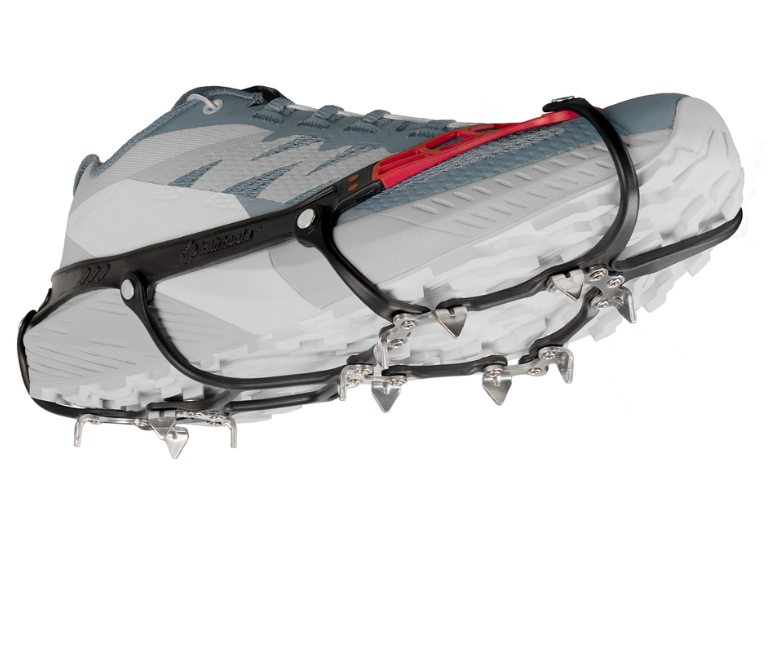
MICROspikes Ghost is a chain-free full-foot footwear traction device using a TPU underfoot matrix and hybrid TPE/TPR harness with twelve 0.36 in (9 mm) heat-treated stainless steel spikes per foot, weighing 6.4–7.4 oz (179–208 g) per pair and packing to 4.5 x 4 x 2 in.
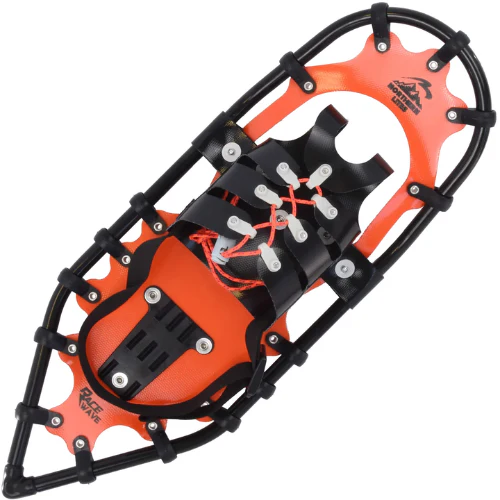
Northern Lites are just what their name implies: lightweight snowshoes that are meant to withstand rugged, snow-covered mountains. Loved and lauded by athletes, weekend-warriors and first-timers alike, these USA-made snowshoes will open your eyes to the beauty of a lightweight, snow-top flotation device.

Super Cruiser is a Polartec Alpha Direct 120gsm hooded fleece top available as a full zip with pockets or as a pullover; in size medium it weighs 7.8 oz (221 g) for the zip version with pockets and 6.5 oz (184 g) for the hoodie configuration.
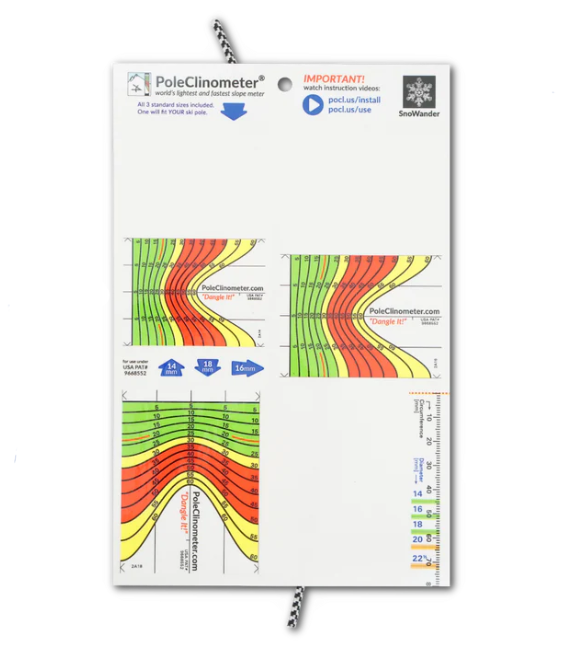
PoleClinometer by SnoWander is an adhesive ski pole inclinometer sticker that provides line-of-sight slope angle references when mounted on the upper shaft of a straight, uniform, cylindrical pole, with standard kits fitting 14–18 mm diameters and requiring approximately 60–75 mm of unobstructed shaft length.
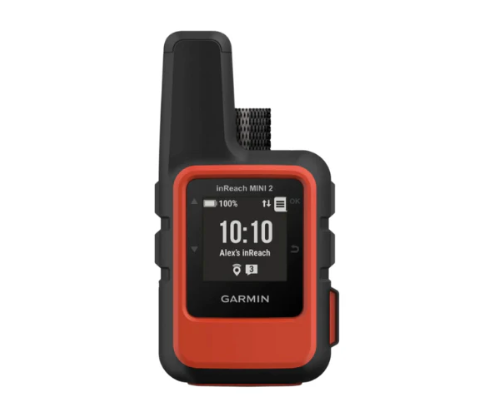
Two-way satellite communicator using the global Iridium network, with SOS, text messaging, location sharing, TracBack routing, weather forecasts, and digital compass, in a 2.04 x 3.90 x 1.03 in, IPX7-rated housing weighing 3.5 oz (100 g) with internal rechargeable lithium battery.
Discussion Highlights: Winter Storm Decisions
- The core scenario: winter terrain, deteriorating conditions, and the stay vs go decision
- Why common sayings like “dig in” or “trust your gut” fall short in winter storms
- Overview of a six-question framework for winter storm decision-making
- Terrain hazards: avalanche paths, terrain traps, fall potential, overhead hazard, water and ice
- Beartooth ski trip story showing how terrain alone forced a nighttime camp move
- Weather as dose: intensity multiplied by duration for wind, cold, precipitation, and visibility
- How staying put vs moving changes your total exposure to a bad weather dose
- Evaluating gear systems: shelter, sleep, clothing, stove and fuel, navigation, and communications
- Consequence management: realistic failure modes, rescue capacity, and knowing your self-evacuation limit
- Assessing people: physical, cognitive, and emotional states, plus skills and experience
- Group health as a critical decision gate for both storm camps and exits
- Watching trends over time, not just snapshots, in terrain hazard, weather, gear, and group condition
- Mixed strategies: moving to safer terrain, then riding out the rest of the storm
- Building the habit of running terrain, weather, gear, consequences, people, and trends out loud
- Using this framework to make winter storm choices that are evidence-based rather than emotional
Links, Mentions, and Related Content
- Masterclass: Winter Backpacking Masterclass
- Podcast: Episode 137: The Risk Control Continuum
- Wilderness Skills: Risk Management for Fringe-Season Backpacking


Discussion
Become a member to post in the forums.
Companion forum thread to: Episode 140 | Winter Storm Decisions
Use a six-question framework to decide whether to stay put or bail when winter storms, terrain, and fatigue raise backcountry risk.
Share your experiences about your decision-making process that affected whether you stayed put, or changed course/exited during a storm event (winter or other season).
Become a member to post in the forums.