Articles (2020)

Lightweight Backpacking News: Digest No. 7

Backpacking Light has scoured the web and will now bring you salient backpacking news stories, gear releases, and trip reports.

Introduction

If you’d like to submit a link to a timely (fresh) story for us to consider including in our next installment, please send it along to submissions@backpackinglight.com with the subject line “BPL NEWS DIGEST”.

Top Stories

Climbing El Capitan Via the Dawn Wall

Considered the hardest way to get up this colossal 3000 foot cliff, the Dawn Wall with its limited holds, smooth finish, and half-mile length is considered by many to be the hardest big-wall climb. Right now, two friends are in the midst of the climb – climbing during the day while the sun warms the rock and sleeping on the wall at night. As of Sunday, Tommy Caldwell and Kevin Jorgeson were working on the 15th of 32 pitches which vary in length and difficulty to reach the summit. If all goes well they expect to reach the summit in about a week or if challenges appear by mid-February. Fortunately, the men are in good spirits and good weather gives them and their families reasons to be hopeful. Caldwell and Jorgeson hope to reunite with their families who will reach the summit via hiking trails in the coming days to celebrate their achievement.

Why the Founder of Patagonia Opposes Dams

Yvon Chouinard, Patagonia’s founder, recently produced a documentary called DamNation aimed at exposing some of the fallacies of hydropower. The film centers on a recently approved, massive hydroelectric power dam in Canada. Chouinard says, “It really is a fallacy that hydro is clean power, it’s like ‘clean’ coal. There’s no such thing. I mean, with wind turbines and solar, it’s pretty crazy to destroy an entire river, destroy an entire valley, destroy some of the best agricultural land in Canada.” With his company’s aspirations in good hands, Chouinard seems to be diverting his energy to maintaining the wild land he so deeply loves.

  • Read the report on Yvon Chouinard and his new passion on theglobeandmail.com.
  • Watch the DamNation trailer below.

IMPORTANT: If you don’t see the video immediately below, or see a “Sorry…” message in the video player, just click this link to refresh the page, and you’ll be good.

Youtube video

Icebergs of Antarctica

Photographer Camille Seaman journeyed to Antarctica and took some absolutely stunning photos of Antarctica. Of his photography, Seaman said “One of my favorite shots, that I personally enjoy and can look at for a long time, I took in Antarctica. It’s one where there is a man standing on the rear of the heli-deck and he’s looking out across the frozen sea and there are two icebergs on the horizon… It could be a picture from outer space, or another planet, or a sci-fi thing, but it’s this planet.”

Top Stories Shorts

AIRLINES WANT YOU TO SUFFER – FIGHT BACK; GET OUTDOORS – If you needed motivation to get outside you won’t after reading this report on airlines from the New Yorker.

THE JOY OF TENKARA – Below: An interview with Tenkara experts about the sport and why it is becoming so appealing.

IMPORTANT: If you don’t see the video immediately below, or see a “Sorry…” message in the video player, just click this link to refresh the page, and you’ll be good.
Expeditions

BikePacking and Packrafting the Wrangells

 - 1
Backpedaling in Wrangells. Photo by Bjørn Olson used with permission of sidetracked.com.

The Wrangells are heavily-glaciated volcanoes in the interior of Alaska, and for Kim and Bjørn who set out across this expansive wilderness in Autumn the plan was to stick to the lower, glacier-less trails. This was the plan till early weather brought the snow much lower than expected. Nevertheless, they continued on, and despite problems with their GPS their trip was a huge success. They did this trip to honor their friends who had lost their lives while exploring our world. At the end of their trip they had a memorable experience and learned some valuable info about GPS satellites (read note at the end).

How Much Does it Cost to Climb Mt. Everest?

Climbing the most famous and tallest mountain in the world is expensive. With travel, gear, climbing permits, logistical support, and training Mountain Everest is one expensive cookie. Well surprisingly (or maybe obviously) the cost depends on which of the two popular routes to climb Everest you take. The more expensive route begins south of Everest in Nepal and will cost you almost $15,000 more than the north side from Tibet due to salaries for support staff and climbing permits.

Expedition Shorts

JUMP START YOUR NEW YEARS RESOLUTIONS – Undoubtedly, many of us made New Years Resolutions to get outside more often. With our busy lives this can be daunting. Consider Alastair Humphrey’s Microadventures designed to simplify the process and get you outdoors.

MT. EVEREST TIBET ROUTE AS SEEN FROM SPACE – A new photograph taken from space shows the popular Northeast Ridge route from Tibet, over glaciers to the summit of Mt. Everest.

33 DAYS ACROSS ALASKA – Some friends link up for an adventure across the Wrangell St. Elias National Park.

Photo of the Week

Hike Venture shares this great photo of Iceland. Needless to say it is now clear why it is named as such.

IMPORTANT: If you don’t see the photo immediately below, just click this link to refresh the page, and you’ll be good.

Skills

How to Face Uncertainty and Adversity on Your Backpacking Adventures

Most backpackers are well aware of the inherent danger in backcountry travel – that scenarios that can be handled by a car trip to the hospital can quickly become compounded by the remoteness and rugged terrain of the backcountry often with devastating results. Many of us have faced these scenarios and are fine today, but the internet is littered with examples of when things went badly. We understand the great risk and yet Nature keeps calling to us and we are helpless to not heed her call. However as in many worthwhile things in life, it is not a matter of if but when we will face extreme adversity in the wilderness. In BPL’s wilderness trekking school we strive to develop a mindset known as tolerance for adversity and uncertainty. This is the most important part – realizing that you will be ok and that you have the power to overcome the obstacle is the first step to surviving. In addition to a victory mindset, preparation and having the skills to face the challenges are of crucial importance. These skills include first aid, physical health and strength, and discernment to keep yourself out of unnecessary danger. We love the outdoors but we want to continue to enjoy them so don’t put yourself in danger and if you end up there be ready to fight for survival.

  • Read Wes Siler’s tips on creating a mindset and fostering skills to emerge victorious when things go wrong on indefinitelywild.com.
  • Josh Mathe in his recent article for BPL discusses the techniques necessary to train your brain and body to overcome limitations.

How to Take Photos in the Winter

Rob Sheppard, who grew up in Minnesota has developed a knack for taking photos in snow and ice. While learning photography on the banks of the Great Lakes with the wind swirling around him as the cold temperatures numbed is bones, Sheppard developed a love for the capturing the outdoors not shared by “fair-weather” photographers. He learned how finicky photography can be in the winter as the snow acts like a mirror by reflecting colors at an equivalent angle to viewer. Over the years, he has mastered snow and ice photography learning how to boost subtle colors during low-light settings. From batteries to gloves, he also has some great tips on techniques to dealing with winter photography in general.

Skills Shorts

MOUNTAIN BIKERS USE RACE CARS, TOY CHUTES, AND ARROWS TO FILM EPIC LINE – Your only limit is your imagination. These mountain bikers made a professional quality film demonstrating that a low budget doesn’t need to diminish the quality of your videos.

IMPORTANT: If you don’t see the video immediately below, or see a “Sorry…” message in the video player, just click this link to refresh the page, and you’ll be good.

Youtube video
CERTHERO.ORG HELPS YOU GET CERTIFIED – Launched by adventurers Logan Randolph and Sam Aarons, Certhero.org makes it easy to find certification courses in your area. Read Brian Green’s report.

People

Interview with Rosie Swale-Pope

Alastair Humphrey’s interviews Rosie about her unsupported 20,000-mile, 4-year run around the world. With only her trailer Icebird to keep her company, Rosie was the first ever to complete this journey doing it in memory of her husband who passed away from prostate cancer as a means to cope and to raise money and awareness. Now she is running across this U.S. – this time for fun! Try to keep up with this fiery 68-year-old and you may be out of luck. She inspires us to chase our dreams and its never too late.

An Unbreakable Spirit for Adventure

Adventurer and photographer Jim Harris suffered a paralyzing crash while training for an expedition in Patagonia just about a month ago. He has been recovering and healing from his injuries in a Cincinnati hospital. Over the years, Jim’s love of the outdoors pushed him to do great things. He says he’s not fearless rather he enjoys exploring and putting himself out of his comfort zone because that has forced him to grow. A staff writer for Cincinnati Times caught up with Jim while in the hospital and learned more about his life and his passion for the outdoors.

People Shorts

MAN “CLIMBS” MT. EVEREST TO SUPPORT DAUGHTER – James father of Charlotte who suffers from cerebral palsy is walking a local English hill 75 times (equivalent to climbing Mt. Everest) to raise funds for a treatment that will allow her to walk.

IMPORTANT: If you don’t see the video immediately below, or see a “Sorry…” message in the video player, just click this link to refresh the page, and you’ll be good.

Youtube video
110 OUTDOOR AMBASSADORS PROJECT – So far 74 people have been chosen as they have shaped our sport to what it is today. If you have someone in mind to nominate visit gearjunkie.com.

2014 Staff Picks

Backpacking Light’s staff is some of the most passionate backpackers around. Take a look at the ultralight gear we use and treasure.

Introduction

An annual tradition! The BPL Staff Favorites identify the 3 pieces of gear for each of us that has impacted us most in 2014. We hope you enjoy and wish you all the best for the New Year. Don’t forget to add your own favorites in the forum below!

Summary Table: Staff Favorites

 
Doug Johnson Suluk46 Tica Ice Tool Kovea Spider Stove Golite Shangri-La 5
Dave Chenault Bluewater Canyon Pro rope Paradox Unaweep 3900 Alpacka Scout
Roger Caffin NB 1210 Leadvilles Basic Baseplate Compass Deejo knife
Kevin Sawchuk Hoka One One Trail Designs Sidewinder ULC Buff
Eric Vann Altra Lone Peak Shoes Feathercraft Baylee Packraft Hyperlite Mountain Gear Porter 4400
Ryan Jordan Dynafit PDG / Madshus Eon AT Nordic Ski System NeoAir Xtherm Pad Sony RX100 Camera

Doug Johnson

Suluk46 Tica Ice Tool

 - 1

  • Learn more Here.
  • MSRP: $175
  • 5.1 oz / 146 g (68 cm length)

I have one of the original Tica Ice Tools- #26 and pre-Suluk 46, back when Steve Evans was first creating amazing gear. I studied this carbon fiber and titanium wonder as Steve developed it within the BackpackingLight forums, and stood amazed when I first held it in my hands. It made my previous ultralight axe feel like a tank and it is a piece of gear art. Since then, it has been my faithful companion on every non-technical climb or scramble. It disappears on a pack, so it joins me when I’d sometimes leave an axe at home. It self-arrests and self-belays with conviction, and has joined me across many glaciers and alpine routes. The newer version has some key improvements, most notably shaft plugs to keep the snow out. I LOVE this tool.

Kovea Spider Stove

 - 2

  • Learn more Here.
  • MSRP: about $65
  • 6.0 oz / 146 g

My favorite winter stove for years was my trusty Coleman Xtreme. But as the canisters became more and more rare, it was time for a change. Enter the Kovea Spider, a stove from Korea.

This remote canister stove allows standard canisters to be run upside down, ensuring a liquid feed that will work into lower temperatures and higher altitudes (much like the Xtreme). This stove also works great for groups, and was an excellent performer on a 10 day canoe trip in the Bowron Lakes, BC with my family last summer. It simmers beautifully and boils quickly as well. I have yet to put it to work melting snow, but I’ll test this out soon enough!


Support BPL and buy the Kovea Spider Stove at Amazon.com.


Golite Shangri-La 5

 - 3

  • Unavailable
  • 5 lb 10 oz / 2551 g (fly, pole, bug tent)

I was first drawn into ultralight backpacking via the Ray Jardine designs manufactured by Golite in the late ’90s. Sadly, after 16 years as a manufacturer of many classic ultralight products, Golite closed shop in 2014. Of the many Golite products I have used and loved, one of my favorites is the Shangri La 5 shelter. A pyramid tent with optional bug netting or floor, this is a highly versatile shelter that works equally well in the snow as it does as a group or family tent. In the last 5 years, this is my tent that gets the most usage by far. At 5.5 pounds with the bug netting, it’s not the lightest pyramid around, but it gobbles up my family of four with ease and is comfortable as a backcountry playroom as well. I love this shelter, and I’m sad to see Golite go. My best to Kim, Coup, and all of our friends at Golite- thanks for the great adventures.

Dave Chenault

Bluewater Canyon Pro rope

 - 4

  • Learn more Here.
  • MSRP: $179
  • 3.3 lbs / 1.5 kg

The Canyon Pro (renamed Zion Pro) is still the lightest and the most durable canyoneering rope available, making it ideal for multiday missions.  It adds minimal weight to already heavy packs, resists coreshots to a degree that makes it easy to not take any backup, and wears so well over the years that the high upfront cost will end up being a net savings.  The orange color features well in photos and is easy to find if you drop the coiled rope in a pothole.  It is fast, especially when new, and is thus not ideal for beginners, especially on longer single-strand rappels.


Support BPL and buy the  BlueWater Canyon Pro Rope  at Amazon.com.


Paradox Unaweep 3900

 - 5

  • Learn more Here.
  • MSRP: $339
  • 3.25 lbs / 1.5 kg

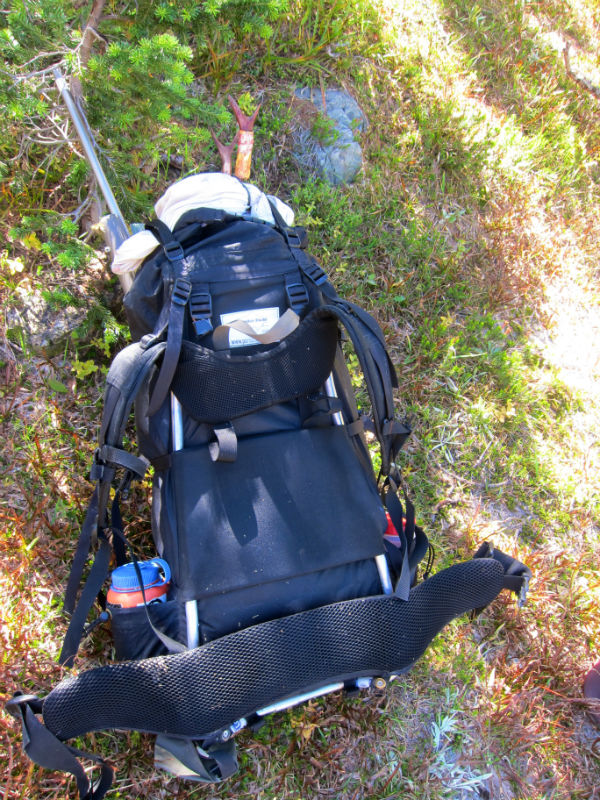
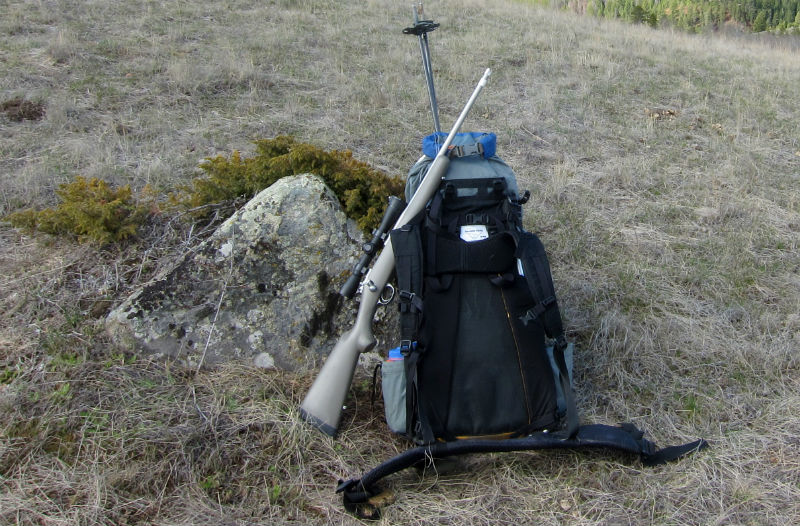
The Paradox suspension is by far the best I’ve used; it’s elegantly minimalist and carries 20 pound overnight loads and 80 pounds of deer meat equally well.  Coupled with a spare, yet functional bag made of durable materials and you have a category buster which renders everything but small daypacks redundant.  The Unaweep can truly carry anything you can fit in it or strap on it, so long as your legs are up to the task.  My favorite aspect of this versatile load hauler has been being able to take on lots of group gear.  Feeding my friends when they packed light on food, hauling my wife’s packraft, and carrying food and technical gear for my mother on a Grand Canyon trip have all been highlights of the year which the Unaweep made easy.  The 3900 size, in my preferred VX42, has a Talon compression panel.

Alpacka Scout

 - 6

  • Learn more Here.
  • MSRP: $545
  • 3 lbs 10 oz / 1.6 kg with the tie downs glued in

The Scout is not the most versatile packraft, and is not the boat I’d pick if I could only keep one.  However, it is my favorite, because of its modest size and weight, and because the style it demands, open boating on more moderate waters far from the road, invariably makes for my favorite trips.  It is tough as nails like the other Alpackas, and perfectly capable in class 3 so long as you’re in a position to not mind getting soaked.  The Scout does require aftermarket tiedowns for pack and seat attachment, the only thing I’d like to see Alpacka change.  That I was one of the last to squeak in before multi-stripe orders became extra only adds to the sentimentality.  Besides, if Captain Morgan (aka BPLer Morgan Rucks, pictured here at the APA Packraft Roundup) approves you cannot go wrong.

Roger Caffin

NB 1210 Leadvilles

 - 7

  • Learn more Here.
  • MSRP: $125
  • 11 oz / 315 g per shoe for size tested

These shoes were developed by New Balance for the Leadville high mountain race, and were reviewed in September 2013 here. The US size 10, 4E width were reviewed.

You will note from the photo that New Balance used Vibram soles for these shoes: an interesting departure for them. They normally use a royalty-free in-house sole. It would seem that these shoes have been very popular items and are still on sale in some places, with possibly more to come next year. (Yes, that is a hint for 2015.)

Since the review my wife and I have bought (yes, actually spent our money!) several more pairs, and we wear them daily on our morning training runs. They are not showing much sign of wear and are very comfortable. Of course, with that Vibram sole, they also grip very well.


Support BPL and buy the  New Balance Men’s MT1210 NBX Trail Running Shoe  at Amazon.com.


Basic Baseplate Compass

 - 8

Retailers and manufacturers would love you to buy a large heavy and certainly expensive compass, but instead I go for the simplest and lightest one I can find. The photo shows a Brunton 7DNL which was reviewed here in January 2010, but please do not take this as anything more than an example. There are plenty of other brands which are just as good – and some are much cheaper. In fact, some of the inexpensive no-name units do look very similar to some of the more expensive brand-name ones: a different door on the Chinese factory maybe? Yes, I have bought and used them as well.

The features you need for good navigation are the baseplate (not very big), a smoothly rotating ‘capsule’ so you can set the local declination, the liquid fill inside the capsule to damp the needle rotation so it settles quickly, and the N-S lines inside the capsule. With this sort of compass I can navigate to within a degree or two – and so can anyone else with a bit of practice. One last feature I strongly recommend: that loop of good nylon string through the corner hole, so the compass hangs around your neck. A compass buried inside your pack is of very little use.

Does this mean I am labelling as useless all those heavier features like mirrors, lenses and prisms and other do-dads? Yep, sure does. They add weight and cost, but you won’t be navigating any better with them. Good navigation is a combination of a compass to align the map, a good topo map, and some practice. Don’t forget the practice! In fact, in fine weather, I often navigate (very well thank you) using the sun and a rough idea of the time of day.


Support BPL and buy the  Suunto A-10 Compass  at Amazon.com.


Deejo knife

 - 9

  • Learn more Here.
  • MSRP: $26
  • 0.5 oz / 15 g

This knife, along with its bigger (35 g) brother, were reviewed in Jun-2014 here. There were some comments after the review that the steel was not the hardest knife-steel available – perhaps not, but mine has kept its edge quite well over a lot of use.

So why am I including this knife here? Because it is so neat and light (but very sharp and effective) and I find it in my pocket so very often. Crocodile Dundee bowie knives are all very well in the movies, but who actually carries one? For 99% of my needs this one is fine. Forget the machismo theory: look at real life use. OK, it’s a bit small for chopping up loaves of French bread – fair enough.

Ah yes – that rather sharp point: often used for minor surgery, like digging out splinters. Much more effective for that than a traditional SAK.


Support BPL and buy   Deejo Knives  at Amazon.com.


Kevin Sawchuk

Hoka One One

 - 10

  • Learn more Here.
  • MSRP: $160
  • 12 oz / 340 g each

While these shoes suck on difficult cross-country involving steep side slopes, climbing and hopping from rock to rock, they are spectacular in protecting your feet and legs on steep and rocky trails. They are pricey, but I’ve usually gotten 600-700 miles out of each pair making them similar in cost/mile to most trail runners.


Support BPL and buy the  Hoka One One Running Shoe  at Amazon.com.


Trail Designs Sidewinder ULC (ultralight cone)

 - 11

  • Currently unavailble
  • MSRP: $40
  • 4.5 oz / 128 g

Although currently not available this small cone stows in my BPL 1100ml pot providing a very lightweight and compact cooking system.  While not optimized for wood burning it’s not hard to figure out how to prop this system on rocks to make it work in a pinch.  If you bug Rand he may be willing to bring this back!

$40 (when available) 1.3 ounces (cone and stakes), 4.5 ounces (including pot, lid and esbit “gram cracker” stove).

Buff

 - 12

  • MSRP: $20
  • 1 oz / 28 g

From washing to drying, sun protection to adding a touch of warmth a Buff is nearly always with me in the outdoors.  I especially love them in the winter when they do such a good job of protecting my face from reflected sunlight.


Support BPL and buy  Buff Headwear at Amazon.com.


Eric Vann

Altra Lone Peaks

 - 13

  • Learn more Here.
  • MSRP: $120
  • 10.9 oz / 310 g

I used these shoes (the 1.5 version) continuously this summer while encountering rugged terrain while in the Bob Marshall wilderness. The shoes were subjected to snow, water while packrafting and crossing streams, dirt, and tough rock. Other than fraying seams, the shoes behaved wonderfully and although it’s probably time for me to get a new pair of shoes I still use them often. I am impressed with their tread and durability, and definitely recommend them. Altra has also released their 2.0 version which I’m sure builds upon these strengths.


Support BPL and buy the  Altra Men’s Lone Peak 2 Trail Running Shoe  at Amazon.com.


Feathercraft Baylee River Runner

 - 14

  • Learn more Here.
  • MSRP: $1275
  • 6.5 oz / 2.95 kg

While a little bit on the heavier and pricier side for a packraft, the Baylee’s value is clearly long term due to Feathercraft’s emphasis on its durability. The boat is a little more robust than some of the similar, lighter Alpacka models which makes it ideal for beginners and for rivers lined with rocks and branches. We are beginning to use these boats almost exclusively at the Montana High Adventure Base where we take out Boy Scout troops and venturing crews because they allow us to give the scouts an opportunity to enjoy the outdoors by packrafting while ensuring their safety that comes along with a more durable boat.

Hyperlite Mountain Gear Porter 4400

 - 15

  • Learn more Here.
  • MSRP: $345
  • 2.5 pounds / 1.1 kg

This is pack is great. I love its versatility. This summer while leading treks for Boy Scouts out of the Montana High Adventure Base, some people would give me a hard time for my “rucksack”, but by the end of the trip they were impressed with it’s as adaptability. Its shape allows you to pack the pack to hold bulky loads well plus its large volume (70 liters) makes it great for expeditions where you are carrying lots of gear and food. It has many tie down points for securing the gear to the pack or the pack to a packraft. Its water resistance makes it an ideal pack for packrafters. For those who like to have total control of how they pack their pack this one’s for you. It could use a few more exterior pockets but you can make your own (see here) or you can buy some form HMG.

Ryan Jordan

Dynafit PDG / Madshus Eon AT Nordic Ski System

 - 13

  • Learn more about Dynafit and Madshus.
  • MSRP: $295 (skis), $850 (boots), $550 (bindings)
  • 8.8 lb / 4.0 kg per pair of boots, skis, and bindings

In February, I wrote AT Nordic Ski Systems: Discovering the Best of Backcountry Nordic and Alpine Touring Systems Through Hybridization and introduced you to my hybrid AT Nordic rig – Madshus Eon Skis, Dynafit TLT Speed Superlite Bindings, and Dynafit Dy.N.A. PDG boots – a system that weighs only 8.8 lb per pair. The skis have a waxless base that prevents skin transitions on easy rolling terrain. Low-effort touring and ski-running come through biomechanical efficiency from with a boot cuff that rotates through a wide range of motion and unrestricted binding toe pin rotation. Unlocking the heel for the descents means that I have good control (better than normal!) on downhills. One of the system’s best features is that when the skis do have to be carried (e.g., when alpine climbing or low-elevation approach hiking) – the burden is light!


Support BPL and buy the  Madshus Eon Ski  and  Dynafit TLT Speed Superlight Speed Touring Bindings  and  Dynafit PDG Ski Boot  at Amazon.com.


NeoAir Xtherm Pad

 - 14

  • Learn more Here.
  • MSRP: $200
  • 15 oz / 425 g

I used to fiddle with multiple pads for winter snow camping. Some combination of my backpack, a partial-length foam pad, a torso-length inflatable, etc. I’ve since gravitated towards simplicity, and with the Xtherm, way more warmth. It takes up little space in my already bulky winter pack and gives me the rest and comfort I need for long, dark, cold winter nights. I’ve camped directly on snow with the Xtherm down to nearly thirty degrees below zero (F). Below about minus 15 (F), a 1/4” foam pad underneath the NeoAir is required as additional insulation, but I only bring that extra pad when the forecast is extra-cold. If I had to own only one pad for all-seasons, this would be it.

Photo: The morning after a -27 deg F night spent under the stars on a NeoAir Xtherm pad directly on the snow.


Support BPL and buy the  Thermarest Neo-Air Xtherm Sleeping Pad  at Amazon.com.


Sony RX100 Camera

 - 15

  • Learn more Here.
  • MSRP: $799
  • 9.3 oz / 263 g

I’m still on version m2 of the RX100 and can’t wait for it to break (I tend to shoot a lot in inclement and cold weather, so my camera’s lifespan is always limited) so I can upgrade to the m3! But I’m more than satisfied with the incredible performance-to-weight ratio of this little gem. A sharp, contrasty Zeiss lens combined with a high-resolution larger-than-average sensor, good manual controls, RAW capability, outstanding dynamic range, and terrific 1080p video at 60 fps make this my all-time favorite camera for backpacking.

Photo: Reconnaissance Lake, High Uinta Wilderness, Sony RX100 ISO 160, 10mm (28 mm @ 35mm equiv), f/5.6, 1/500


Support BPL and buy the  Sony RX100M m3 Camera  at Amazon.com.


Lightweight Backpacking News: Digest No. 6

Backpacking Light has scoured the web and will now bring you salient backpacking news stories, gear releases, and trip reports.

Introduction

If you’d like to submit a link to a timely (fresh) story for us to consider including in our next installment, please send it along to submissions@backpackinglight.com with the subject line “BPL NEWS DIGEST”.

Top Stories

Zion Slot Canyons

Eric Hanson an outdoor videographer, photographer, and writer recently made a video showing his adventures in Zion. The video includes breathtaking scenery and commentary on life and the outdoors. His video tells the story of canyoneering and how this relatively new sport has evolved to capture the minds and hearts of today’s adventurers. Zion is on the pinnacle of the climbing world and yet its vastness and terrain continue to offer climbers brand new and challenging routes. Eric’s story is about the human spirit communing with nature for inspiration, growth, and learning.

IMPORTANT: If you don’t see the video immediately below, or see a “Sorry…” message in the video player, just click this link to refresh the page, and you’ll be good.

Montana Land Package Passes

Montana Senators John Walsh and John Tester, and Representative Steve Daines have put aside the party rhetoric and shepherded bills through the Congress designating more land within the State of Montana as wilderness. The bills add 67,000 new acres to the Bob Marshall wilderness and prohibits future mining and drilling along 430,000 acres of the North Fork of the Flathead River. There was some concerns the bills would not get through, but some last-minute negotiations allowed the bill to become a “ride-on” for the must-pass national defense authorization bill. The House passed the National Defense Authorization Act (NDAA) which is the parent bill for the Montana Land package on December 4, and on December 12 the Senate approved the bill. With a signature from the President the wilderness package will become law.

Cody Townsend’s Line of the Year

If you haven’t seen this already you must not get on the internet too often. Cody Townsend, a professional skier filming in Alaska for the ski movie Days of My Youth launches through a couloir. His line went viral on facebook, twitter, and many media sites even appearing on ESPN’s homepage (normally reserved for mainstream sports). Cody’s line is intense and wild, and probably not recommended unless you are an excellent skier.

IMPORTANT: If you don’t see the video immediately below, or see a “Sorry…” message in the video player, just click this link to refresh the page, and you’ll be good.

Youtube video

Contradicting Visions of the Grand Canyon’s Future

A proposed $1 billion restaurant, hotel, and shop development just off the Grand Canyon National Park boundary on adjacent Navajo land is sure to be a boost to the local economy which sees 4.5 million visitors to the park each year. However the measure is meeting opposition from many within the Navajo community who see the development as threatening the sanctity of the land. This is one of many examples of forces within the Grand Canyon vying to define its image. From park entrance fee increases, to private developments on the bordering private land, to contract negotiations with park contractors, the Grand Canyon National Park is under a siege of sorts. How everything will be resolved remains to be seen but we hope we can maintain the park’s grandeur.

Top Story Shorts

Gear Junkie explores Malaria Prevention – A new development in the pursuit of malaria prevention has the potential to tip the scales in favor of malaria’s eradication.

Expeditions

Fatbiking the Land of 10,000 Lakes

In Minnesota in the winter, fatbiking isn’t a fad – it has become a way of life quickly replacing traditional nordic skiing as not only a means for recreation but as a form of transportation for active commuters. Several friends set off to explore the Northwest Trail, a demanding route that is more water than trail and in the winter is a real adventure for fatbikers. Fatbiking on frozen lakes is similar to glacier travel – there are always unstable areas waiting to pull you down below. To prepare for their 3-day, 120-mile journey, the friends practiced rescue techniques and the best methods to cross lakes. In the end their trips was a memorable one, and ironically the most harrowing experiences were found on the pavement in Duluth.

Bikepacking Huayhuash Mountains

The Huayhuash Mountains in the Peruvian Andes are a famous, dry-season trekking route. Several friends decide to up the ante and bikepack this route during the raining season. While many groups have tried to bikepack this route most don’t succeed. This group was determined to have a different result and despite the setbacks and challenges the trip was a huge success.

Photo of the Week

Hendrik Morkel takes this shot as the sun sets on his English adventure.

IMPORTANT: If you don’t see the photo immediately below, just click this link to refresh the page, and you’ll be good.

Skills

5 Essential Winter Survival Skills

It’s no surprise the margin for error in a winter expedition is much smaller than the summer. Inclement weather easily handled in the summer months can quickly compound even the smallest of setbacks. Having a solid foundation of winter survival skills can make a huge difference and help to successfully mitigate those challenges.

World Record Slackline

Alexander Schulz the new world record holder in slacklining recently set the record with his 100 m-high, 375 m-long slackline between two limestone pillars in the Chinese province of Guangxi. The trailer below is for the upcoming documentary which will follow Alexander’s journey and his pursuit of the record.

IMPORTANT: If you don’t see the video immediately below, or see a “Sorry…” message in the video player, just click this link to refresh the page, and you’ll be good.

Skills Short

Make your own environmentally-friendly Christmas tree – Forrest McCarthy describes a method to having (making) a “real” Christmas tree without cutting one down.

Gear

Ultralight Running Gear List

What do you need to run a 50 mile race? Well it obviously depends on the location, but for the North Face 50 Mile Championship Andrew Surka compiled this ultralight gear list. The race attracts the world’s best ultrarunners and is a grueling event that forges mental toughness and spurns those who do not prepare.

La Sportiva Nepal Cube GTX Boots

Chris Brinlee Jr used these boots over the course of several months in varying locations testing the boots durability and warmth. Although not lightweight from the most stringent sense, these 31 oz boots are used by hikers and climbers all over the world and offer warmth and stability.

Other Tidbits

#THISISHOWJESUSDIDIT – Hikers in Slovakia found a lake with ice so clear that you can see to the bottom.

IMPORTANT: If you don’t see the video immediately below, or see a “Sorry…” message in the video player, just click this link to refresh the page, and you’ll be good.

Youtube video
The CDT needs your help! – The CDT coalition coordinates with local, state, and federal governments to build the CDT, and needs your help to finish the last 32 miles.

How do you travel in the snow? – These winter stereotypes are a bit extreme yet entertaining. GearJunkie compiled a list of common methods for winter travel.

 - 1
Fatbiking in the winter. Photo used with permission of gearjunkie.com.

Fake Bears and MTB – In the original version of this digest, we posted an almost-awesome video of a mountain biker being chase by a griz, but we learned later that ’twas a faked GoPro film. We got suckered! File it away under “xmastime is busytime, editorial fact-checking gives way to eggnog and … well, spending time out of the office in the beautiful fresh snow of Montana!” But check out THIS vid, which shows the awful trickery involved in faking this vid:

IMPORTANT: If you don’t see the video immediately below, or see a “Sorry…” message in the video player, just click this link to refresh the page, and you’ll be good.

Youtube video

Winter Backpacking Checklist (Gear List): Ultralight Winter Snowcave Camping

A lightweight approach to traveling light in the winter on snowshoes.

2014 Update

Update: This article was originally published in January 2004, and was updated in December 2014. This update reflects changes that I’ve made since the original gear list was published, based on changes in my personal preferences and/or significant evolutions of material technology or design.

These changes have resulted in impactive benefits for me:

  • A simpler kit that requires less fiddling to use;
  • A warmer kit for less weight that reflects changes in choice and performance of materials in clothing and sleep systems;
  • A lighter pack – in fact, a pack that is about five pounds lighter today than it was ten years ago.

Of course, more experience gives me more confidence to use lighter gear. That realization shouldn’t be overlooked when analyzing your own progress as a lightweight backpacker over a period of years.

Context

Seasons: Winter, Early Spring
Length of Trip: 3-Day Weekend

The gear list provided below is one example of how a lightweight backpacker might select equipment for a 3-day weekend outing in temperate mountain ranges in the winter. Inherent assumptions in this list include:

  • Several feet of unconsolidated snowcover on the ground;
  • Overnight low temperatures of zero to fifteen degrees;
  • Daytime highs not above freezing;
  • Relatively flat terrain free of avalanche risk.

 - 1
Inside a makeshift winter snowcave built adjacent to a forest of shallow snow (snowpack is only about 5 feet deep). First, a trench is built, then a lattice of dead wood is laid in an arch fashion over the trench. The final step: pile a layer of snow across the lattice several inches (at least 8-12″) thick. The result: a warm, insulating shelter that is easy and quick to build.

Gear Notes

This list focuses on camping inside a snow cave. With enough snow cover, snow caves are the fastest, warmest types of snow shelters available. Properly built, a snow cave gives you the flexibility to use three-season gear to remain warm, which can save a tremendous amount of weight. However, this approach requires an exceptional level of skill in locating a site for, and properly building, a snow cave. In addition, snow caves can be wet enough to warrant the use of a highly water-resistant sleeping bag shell or bivy sack if you are using a down sleeping bag. Finally, digging a snow cave is wet business: waterproof raingear, or all-synthetic insulating clothing, may be warranted. An important disclaimer: if you are caught with an equipment kit like this and are unable to build a snow cave, or you build one improperly, you will subject yourself to severe risk of hypothermia if conditions are extremely cold. In context, it is important to note what constitutes an improperly built snow cave. Primarily, a properly built snow cave is one that is just large enough for the number of occupants (less volume to maintain a thermal mini-climate), has thick enough walls for proper insulation (generally, considered to be two feet), has a properly located entrance (below the level of the ground surface so warmed air doesn’t escape), and proper blocking of the entrance (with packs, a hung jacket, etc. to minimize cold air exchange).

In a snow cave, conditions are very damp. They tend to be quite humid, gear has no ability to dry, and dripping walls tend to get sleeping gear wet.

In 2004, when this list was originally published, I wrote:

Consequently, I have selected synthetic insulation in my clothing and sleeping bag, and have added a water resistant bivy sack to shed some of the external moisture. I have specified an insulated clothing and sleep system that will allow me to survive a night outside the snow cave, if a cave cannot be built. This system has been used to comfortably sleep at winter temperatures down to minus 10 degrees F outside of a tent. If the risk of spending a night in the open is very small, and you are a competent snow cave builder, I recommend that you save further weight with a lighter sleeping bag. I have spent nights down to zero degrees using the clothing specified in this list in combination with a two-pound synthetic bag rated to 40 degrees F (Integral Designs Andromeda Strain).

With advances in the moisture resistance of down, and the increase in breathability of water-resistant fabrics, I’m more inclined to go with a down bag with a highly water-resistant shell on it, and to skip the bivy sack (unless I know there is a very high likelihood of being caught in the open outside the shelter of a snow cave in stormy conditions).

In addition, the 2004 list included a white gas stove, as originally written:

I have elected to bring a white gas stove over a canister or alcohol stove, for its improved efficiency in melting snow. Snow cave environments are usually warm enough such that both white gas and alcohol stoves work well; however, a white gas stove has the power to melt several liters of snow quickly, and if I need to melt snow while still traveling at midday, and conditions are cold, I appreciate the power of a white gas system.

Significant advances in both inverted canister (i.e., liquid-feed) and integrated canister stoves have been made since then, and they now occupy standard spots on my winter gear list. In particular, my favorite solo winter stove is the MSR WindBoiler – a tiny little thing that has enough juice to rapidly deliver hot water from snow for a hot drink or meal in an emergency. Because it boils a small volume so rapidly, it’s a successful stove for a solo traveler, even in very cold conditions. In the warmth of a snow cave, or even an 18-inch deep “snow pit” out in the open, the warmth of the stove maintains plenty of thermal feedback to keep the canister from freezing and slowing down the boil.

Other important changes since 2004 (strike-outs indicate what was originally written):

  • I have selected wide mouth water bottles for their ability to resist freezing in the opening, and the wide mouth caps are easy to handle with gloves or mittens. I’ve seen (and experienced) enough failures of Nalgene Cantenes in the field that I am hard pressed to recommend them. However, aside from using hard-sided bottles, they still seem to be the “best of what’s available” for soft-sided wide-mouth bottles, and have enough durability to at least last for short trips…
  • I’ve chosen a hybrid LED headlamp with a high-power (1-watt) LED to give me the flexibility of navigating after dark, not an uncommon occurrence in the winter. There are so many good LED headlamp options that I can’t cover them all here, but the age of hybrids is over. I’ve simply selected a high-performing, bright, 1-LED lamp that can be fueled by lithium batteries for cold weather performance.
  • The clothing system has been simplified to three layers for the torso and two layers for the legs. This assumes two states of being in cold, foul weather: moving hard (traveling) or being still (camping). If your level of fitness is below that which might be required to stay warm on the move by moving fast, an extra traveling layer should be considered.

Some examples of brands and models/styles are listed below for reference only. They neither represent an endorsement of that particular product nor a suggestion that the product listed is the best choice in the context of any particular situation.

Changes from 2004 to 2014 are indicated by strike (2004) and bold (2014).

Clothing Worn

FUNCTION STYLE EXAMPLE WEIGHT
thin hat thermal headwear for active conditions thin PowerStretch balaclava 1.5 oz
active shirt bicomponent wind shirt Rab V-Trail Top Patagonia R 0.5 Hoody – lighter, more breathable 12.0 oz 8.5 oz
underwear trim-fitting support shorts, boxer-style Nike Spandex Running Short Tights 3.0 oz
active pants soft shell stretchwoven long pants Arc’Teryx Gamma MX Patagonia Simple Guide Pants – lighter, more breathable 18.0 oz 15.2 oz
gloves windproof waterproof, insulated gloves Cloudveil Icefloe Gloves Arc’Teryx Beta AR Gloves (warmer, waterproof) 5.0 oz 7.2 oz
snow socks ultralight thin, ski-style sock Smartwool Ultralight Ski Socks 4.0 oz
gaiters breathable gaiters Outdoor Research Flex-Tex none – not needed with overboots (see below) 4.5 oz 0.0 oz
boots insulated snow boots Baffin Tundra Inov-8 Roclite 286 GTX Boots + Forty Below LIght Energy TR Overboots – lighter and warmer system 48.0 oz 42.0 oz

Other Items Worn / Carried

FUNCTION STYLE EXAMPLE WEIGHT
ski poles one piece adjustable, carbon fiber, with snow baskets Stix X1 with Nordic handles Black Diamond Razor Carbon with snow baskets – more durable for long term use 8.0 oz 21.0 oz
snowshoes large deck model for deep snow Northern Lites Backcountry 30″ 43.0 oz
whistle pealess whistle on Spectra cord Fox 40 Mini Whistle, AirCore Plus lanyard 1.0 oz
watch compass / altimeter watch Suunto S6 Casio Pro-Trek PRG-270B – easier to use, esp. with gloves on 1.3 oz 2.1 oz

Other Clothing

FUNCTION STYLE EXAMPLE WEIGHT
storm jacket soft shell stretchwoven hardshell jacket Cloudveil Icefloe Patagonia M10 – lighter, less restrictive 20.0 oz 8.1 oz
insulating jacket synthetic down high loft insulating, hooded pullover Integral Designs Dolomitti Parka Feathered Friends Helios Hooded Jacket with Pertex Endurance Shell – lighter, warmer 23.0 oz 19.0 oz
insulating pants synthetic high loft insulating pants with side-zips Integral Designs Denali Pants Patagonia DAS Pants – lighter 20.0 oz 15.3 oz
warm hat wool beanie cap PossumDown Beanie 1.5 oz
warm mitts insulated mitts Integral Designs Down Mitts MLD eVENT mitten shells to go over gloves, extra pair of dry fleece glove liners – same weight, more versatile system with less duplicity 5.0 oz

Sleep System

FUNCTION STYLE EXAMPLE WEIGHT
snow shovel suitable for digging a snow cave SnowClaw Backcountry Snow Shovel 5.4 oz
bivy sack waterproof bottom, breathable top none Bozeman Mountain Works Quantum X Bivy Gossamer Gear Polycro Ground Cloth 6.5 oz 2.0 oz
sleeping bag synthetic down, rated to 10 °F Integral Designs North Twin PrimaLoft sleeping bag Englightened Equipment 10 °F winter quilt – lighter 23.0 oz
sleeping pad full length closed cell foam inflatable pad Cascade Designs Ridge Rest NeoAir Xtherm Sleeping Pad, Full Length – warmer, more comfortable 14.0 oz 15.0 oz
sleeping pad torso sized inflatable mattress – not needed Bozeman Mountain Works ComfortLite 10.0 oz 0.0 oz

Packing

FUNCTION STYLE EXAMPLE WEIGHT
backpack backpack with 30-lb carry capacity Granite Gear Vapor Trail Hyperlite Mountain Gear Porter 4400 – more comfortable, simpler, better snow and water shedding with less water absorption 32.0 oz 34.0 oz
stuff sack 250 ci 700 ci for clothing Bozeman Mountain Works SpinSack Hyperlite Mountain Gear XL Cuben Fiber 0.25 oz 0.5 oz
stuff sack 500 ci for sleeping gear 700 ci for sleeping gear Bozeman Mountain Works SpinSack Hyperlite Mountain Gear XL Cuben Fiber 0.25 oz 0.5 oz

Cooking and Water

FUNCTION STYLE EXAMPLE WEIGHT
stove white gas inverted canister MSR SimmerLite with pump and windscreen WindBoiler – faster, easier to use 11.0 oz 15.3 oz
fuel container titanium 8 oz net canister MSR Titan Fuel Bottle, 0.6L (empty weight of canister) 3.5 oz
cook pot 2L cookpot (large enough for melting snow) 1L pot included above in stove weight AntiGravityGear 2L Pot with lid & cozy 8.0 oz 0.0 oz
drinking mug 16+ oz capacity drinking mug Snow Peak 21 oz titanium mug Stove pot works great as an insulated drinking mug 2.8 oz 0.0 oz
utensil spork Vargo titanium spork Light My Fire Titanium Spork 0.5 oz 0.6 oz
lighting matches & 2 lighters Bic lighters (2) & storm matches in 4″ x 7″ Aloksak 1.5 oz
water bottles 1.5L soft bottles with wide mouth lids Two 48-oz Nalgene Cantenes 5.0 oz
food storage waterproof bag 12″ x 15″ Aloksak 2.0 oz

Other Essentials

FUNCTION STYLE EXAMPLE WEIGHT
maps custom printed on waterproof paper National Geographic Topo! 2.0 oz
light LED headlamp, suitable for nightime navigation Princeton Tec Yukon HL with lithium AA batteries Fenix HL22 – lighter 7.0 oz 3.0 oz
first aid minor wound care & meds assorted wound & blister care and medicines 2.0 oz
firestarting emergency firestarting – waterproof Sparklite & firestarter in 4″x7″ Aloksak 1.0 oz
sunglasses 100% UV blocking, plastic lenses/frames Julbo Native Dash SS – lighter, more comfortable 1.0 oz 0.5 oz
goggles lightweight ski goggles for blizzard travel Bolle Zoopla 3.0 oz
anti-fog for glasses & goggle care anti-fog balm, cleaning cloth 1.0 oz
sunscreen 100% UV blocking, waterproof, paste Dermatone 1.0 oz
personal hygiene assorted toiletries toothbrush, soap, toilet paper, non-alcohol hand gel, in 4″ x 7″ Aloksak 2.0 oz

Consumables

FUNCTION STYLE EXAMPLE WEIGHT
fuel white gas canister fuel, 2.5 days 6 3 oz / day 15 oz 8 oz
food 2.5 days 32 oz / day 80 oz
water average carried 1.5 quarts 48 oz

Weight Summary

(1) Total Weight Worn or Carried 9.33 9.28 lb
(2) Total Base Weight in Pack 15.53 11.41 lb
(3) Total Weight of Consumables 8.94 8.50 lb
(4) Total Initial Pack Weight (2) + (3) 24.47 19.91 lb
(5) Full Skin Out Weight (1) + (2) + (3) 33.70 29.24 lb

Lightweight Backpacking News: Digest No. 5

Backpacking Light has scoured the web and will now bring you salient backpacking news stories, gear releases, and trip reports.

Introduction

If you’d like to submit a link to a timely (fresh) story for us to consider including in our next installment, please send it along to submissions@backpackinglight.com with the subject line “BPL NEWS DIGEST”.

Top Stories

Jim Harris Needs Our Help

Adventurer Jim Harris has suffered a spinal injury in Punta Arenas, Chile while preparing for a packrafting and ski traverse of the Southern Patagonia Ice Field. Jim is a member of the Executive Council of the American Packrafting Association, a consummate expeditioner, and publisher of perpetualweekend.com. His friends and partners got him home despite the logistical challenges of transporting a severely injured person out of the remote wilderness as well as transporting him via plane back to the States. Jim is home in Cincinnati recovering after his surgery on December 1st surrounded by his family and friends. His fight is not yet over yet. Please consider supporting this influential adventurer.

Local Cincinnati News video broadcast of Jim returning home:

IMPORTANT: If you don’t see the video immediately below, or see a “Sorry…” message in the video player, just click this link to refresh the page, and you’ll be good.

The Gear Needed to Camp with Bear Grylls

Want to go camping with Bear Grylls? Sure many people claim he isn’t as wild as his show makes him appear but the truth is he gets outdoors often and we should respect him for that. Wes Siler was invited to camp with Bear Grylls and had an awesome adventure. Take a peek inside Siler’s pack and figure out what gear you might need to keep up with Bear Grylls.


Birds Eye View of the High Sierras

The High Sierras are a place of beauty and peace, and a haven for hikers. A few adventurers are taking this love to the skies as they cross between towering pillars using a slackline. Staring down at the valley below, for Preston Alden and his group, the slacklining isn’t about the hardest route or the longest line – it is about the remoteness of this wilderness setting and the joy that comes from exploring it from way up!


 - 1 Skylining in the Sierras. Photo by Krystle Wright used with permission of sidetracked.com.


An Antarctic Peninsula Adventure

Forest McCarthy teams up with Ice Axe Expeditions for a 10 day expedition in Antarctica. Filled with skiing, amazing wildlife, and glacier exploration, the trip was anything but uneventful. Oh, one small disclaimer – it was a cruise after all so its not like the explorers were completely devoid of luxury.


IMPORTANT: If you don’t see the video immediately below, or see a “Sorry…” message in the video player, just click this link to refresh the page, and you’ll be good.

Youtube video

Expeditions & Trips


McCarron to Ride the Rio Santa Cruz

Leon McCarron, an adventurer and filmmaker from Ireland, is traveling by horseback along the Rio Santa Cruz from the Atlantic Ocean to the Patagonian ice cap – a thousand-mile journey that should take him about a month. Leon is a fellow of the Royal Geographic Society and has a handful of impressive human-powered expeditions under his belt already, including a crazy and beautiful traverse of the Arabian Desert, which was featured in the award-winning film “Into the Empty Quarter” with Alastair Humphreys.


 - 2 Leon McCarron press photo. Used with permission of leonmccarron.com


2015 Bob Marshall Wilderness Open Details Announced

BPL member and contributing author, Dave Chenault announced the details about the 2015 Bob Marshall Open on his site. The Open is not a race but it is an opportunity to travel through some of the most rugged country in the lower 48. The posting was received with enthusiasm as BPL members and visitors to Dave’s site began commenting and posting to share their approval and excitement.


 - 3 Bob Marshall Wilderness used with permission of Dave Chenault.


Expedition Shorts

WASHINGTON POST REPORTER EXPLORES PATAGONIA – After years of trying to make this journey happen, Erin Williams and her husband plan 20 day expedition in the mass of wilderness compromising Argentina and Chile – Patagonia. It was an escape from the mainstream world filled with distractions and very devoid of nature. At the end they were ready to stay a while longer and soak in the beauty. Read more at the washingtonpost.com RUSSIAN EXPLORES SEARCH MYSTERIOUS CRATER – Russian explores descended into a mysterious crater in Siberia to search for clues as to its origin. The crater which was discovered in July is 54 feet deep. The crater had not stabilized until recently when it froze allowing for its exploration. Scientists hope to use the data and measurements collected to determine what caused its formation. Read more and view pictures at nationalgeographic.com MOOTHEW EXPLORES ROYAL ARCH ROUTEMoothew on Vimeo just posted a video from his trip on the Royal Arch Route: IMPORTANT: If you don’t see the video immediately below, or see a “Sorry…” message in the video player, just click this link to refresh the page, and you’ll be good. Royal Arch Route from moothew on Vimeo. CELEBRATE THE CLASS OF 2014Summit Photos of 166 Appalachian Trail Thru-Hikers from the 2014 Season at appalachiantrials.com. TRAIL SHOW TELLS THE LATEST ON THE TRANS-ADIRONDACK ROUTE – Learn about the Trans-Adirondack Route on the latest episode of The Trail Show. ANTARCTIC EXPLORER’S NOTEBOOK FOUND IN MELTING ICECentury-old notebook from Robert Falcon Scott’s legendary Antarctic Expedition found in the melting ice. Maybe one small benefit of global warming? Maybe?

Photo of the Week

IMPORTANT: If you don’t see the photo immediately below, just click this link to refresh the page, and you’ll be good. High Country guides takes to the Desolation Wilderness in California for tenkara fishing, brook trout, and stunning scenery.

Skills

Budgeting Time in the Mountains

Planning a backcountry adventure requires that you know at least a little bit about your route – its topography, terrain, and season govern the amount of time that you’ll spend traveling, biking, paddling, or skiing it. AMGA-certified mountain guide Donny Roth offers his perspective for estimating travel times while backcountry skiing in the mountains. Check it out – it’s good, solid skills, and the drawings are epic.

Skills Shorts

NEWS FLASH: TREKKING POLES MAKE HIKING EASIER – In all seriousness though, trekking poles are often overlooked when planning an expedition. Trekking poles can make a big difference when hiking by improve your endurance and your safety. The are a great piece of gear and can be used to pitch your shelter. Indefinitelywild explores there many uses.

MAKE YOUR OWN MANLY AX HANDLE – Art of Manliness explores the best way to carve your own ax handle from a log.

Gear

Products Using PrimaLoft Performance Down Blend now Hitting Stores

PrimaLoft announced in January at Outdoor Retailer Winter Market 2014 that it has blended synthetic fibers with water-resistant goose down to create a hybrid blend that is now showing up in products this fall. Keep your eyes peeled as performance reviews start to trickle out.

Patagonia & Yerdle Team Up to Put Used Gear to Good Use

Through its $20 Million & Change investment fund, Patagonia is investing in Yerdle, a mobile app where people give away things they no longer need, earning “Yerdle Credits” to use in shopping for what they want. Yerdle makes it easy to save money and reduce waste. Do you have unused camping and hiking gear? Consider “Yerdling it…” Learn more at Yerdle.com | Download the Yerdle App in iTunes

MSR WindBoiler vs. Jetboil Sol

It’s all about performance in wind. The fundamental differences in design between the WindBoiler and the Jetboil can be simply distilled: how exposed is the burner to wind? The MSR? Not so much. The Jetboil? Oops. The WindBoiler is destined to become … dare we say it … king of the Alpine? At high winds, a few ounces simply don’t matter. Hikin’ Jim breaks it down at his fantastic blog Adventures in Stoving.

Gear Shorts

HAMMOCK GIFT GUIDE – Gearjunkie.com published a Hammock Gift Guide that doesn’t go into great detail or exclusively focus on ultralight gear, but gives a nice peek into hammock camping gear.

SECTION HIKER DOWN JACKET REVIEW – BS Alert? A blogger may have sipped a bit of marketing Kool-Aid during his review of the Big Agnes Third Pitch Hooded Down Jacket Review when it control-cee-and-veed from the BA catalog copy about “revolutionary” tubes of down.

PETE AND CO. RELEASE THEIR NEW WINTER JACKET – Looking for a winter-worthy down jacket at the bleeding edge of high performance? Check out the K-Series Yukon from Pete and Co. if you have extra coin and are serious about expedition-worthy gear that isn’t made in China, actually holds up to extremes, and can be customized just for you.

PALEO BACKPACKING MEALS – The Jolly Green Giant takes a look at Paleo Meals for Backpacking.

Other News: Tidbits

IMPORTANT: If you don’t see the video immediately below, or see a “Sorry…” message in the video player, just click this link to refresh the page, and you’ll be good.

TRAILSIDE GAMES HAS A GAME FOR YOUTrailside Games has a stocking-stuffer (assuming you have a stocking that big enough to hold the outdoors) for you this season: “Backcountry: The Game.”

Backcountry The Game- AT Promo from Trailside Games on Vimeo.

JOB OPPORTUNITY IN THE OUTDOOR INDUSTRY – Hyperlite Mountain Gear is looking to hire a Marketing Manager. Live in Maine…surrounded by Cuben Fiber…c’mon, what’s not to love?

ANDREW SURKA HOSTS REDIT AMA – Reddit fan? Join Skurka at a Reddit AMA on December 6.

OUTPADDLE THE APOCALYPSE WITH THE APLACKALYPSE – Gear Junkie reviews Alpacka’s new white water raft, the Alpackalypse.

 - 5
Alpackalypse packraft in action. Used with permission from GearJunkie.com.

IMPORTANT: If you don’t see the video immediately below, or see a “Sorry…” message in the video player, just click this link to refresh the page, and you’ll be good.

JEREMY COLLINS DRAWS HIS OWN STORY – Jeremy was happy and had a wonderful life but he wanted more…He wanted to live adventurous and experience things outside the bonds of society. This trailer shows his journey.

.

GOBBLING ON THE TRAIL – It’s not too late to celebrate Thanksgiving on the trail with these great recipes.

IMPORTANT: If you don’t see the video immediately below, or see a “Sorry…” message in the video player, just click this link to refresh the page, and you’ll be good.

BANFF FILM FESTIVAL TRAILER – Alastair Humphrey’s Film chosen for Banff Film Festival. Trailer below:

Youtube video

In the Forums

BIKING THE JOHN MUIR TRAIL – Bored? Grab some popcorn and help solve the First World Problem of whether or not we should be able to Mountain Bike the John Muir Trail.

BPL MEMBERS SHARE BACKPACKING TIPS – Looking for some tips to improve your backpacking experience? This forum has tips on for everyone. Learn how to stay hydrated during your drive out from the trailhead, to how much chocolate you should bring on a trip, to the best packing tips.

THE BEST MOUNTAINEERING GEAR AS TOLD BY BPL MEMBERS – Hanging from a ledge and wondering if you have the right gear? Don’t let this be you! Read what gear you should bring before you go mountaineering.

BEST WAYS TO KEEP YOUR HANDS WARM – Keeping your hands warm in the winter is obviously important but it can be hard to find the balance between promoting warmth and causing sweat. Read these tips for keeping those fingers working.

Vertex Solid Fuel Stove Review

A solid fuel/alcohol stove that folds flat for storage and assembles into a rock-solid structure for stable cooking.

Introduction

I’m intrigued by solid fuel tablet and alcohol stoves to the extent that they can save weight and bulk in your kit, and, especially with solid fuel stoves, provide a measure of simplicity in form and operation.

To that end, I’m not so enamored by stoves with lots of little parts and pieces that the user must fiddle with to create something resembling a whole “stove” – in addition to the stove itself, there may be some type of windscreen, pot stand, base, etc. and by the time you arrange the little bits, you realize that some of the simplicity that you were seeking has been lost.

Thus, there is some degree of benefit with a stove that functions as a single unit, with the windscreen and pot stand integrated into a stable support structure.

The Vertex stove achieves this – sort of. It consists of three metal sheets that fit together with tab-and-slot connections. On the trail, then, some assembly is required – not much, but the fact that I have to “assemble” and “disassemble” my stove takes away some of the aesthetic appeal for me.

Once assembled, however, the stove is structurally rock-solid, and assuming the ground surface is reasonably level, it can easily support a big dutch oven full of water (it’s just an illustration…).

Vertex Solid Fuel Stove Review Jordan - 1
The Vertex stove includes a support plate for a solid fuel tablet (left). This plate can be replaced with an alcohol stove, as well, at which point it effectively becomes a pot support/wind screen for an alcohol stove. The pot sits atop the Vertex stove (right), which provides some shielding from wind for the fuel flame, but no function as a windscreen protecting the bottom of the pot.

Highlights

The Vertex stove packs flat when disassembled and stows into a 4″ x 7″ flat nylon storage bag.

Stainless sheet metal, tab-and-slot assembly, and solid structural design make this a sturdy, stable stove when assembled.

Solid fuel tray can be removed and replaced by an alcohol burner (Trangia, homemade soda can stove, etc.)

Wind screen and pot support are integrated into the design, not requiring extra pieces.

What to Consider

The 2.0 oz weight (including the stow bag, but not an alcohol burner) makes it pretty light … but not ultralight. Many, many other alcohol and solid fuel stoves are much lighter. A titanium version would likely hack 40% off the weight and be more appealing to gram-counters.

The need for assembly and disassembly may be an aesthetic barrier to some who seek ultimate simplicity through minimal fiddling in their equipment systems.

The stove measures about 5 in x 3 in x 3 in when assembled, and about 6 in x 3 in (flat) when disassembled (over time, as the stove becomes increasingly exposed to heat, the steel sheet develops some curvature that prevents it from stowing perfectly flat). So whether assembled or disassembled, don’t expect to stow it in your solo-sized ultralight cook pot.

Performance

It’s kind of funny to talk about “performance” of a solid fuel stove, because they are pretty limited in their capabilities due to low flame power and its sensitivity to wind. Any solid fuel stove system must take advantage of minimizing heat loss, minimizing flame exposure to wind, and in cold temperatures, ensuring that the lower part of the cooking pot is encapsulated.

In the absence of serious attention and engineering paid to heat transfer (the Trail Designs Caldera system comes to mind), the application of solid fuel stoves is limited to fair weather, warm temperatures, shelter-cooking, and very small water volumes.

The Vertex stove performs well enough under wind-free “summer” conditions (“warm” temperatures and “warm” water) for water volumes of a half liter or less, but as with most solid fuel stoves, the slightest breeze or colder conditions of the fringe seasons overwhelms it. On a recent back-porch test outside my home in Montana, with 16 oz of 35 deg F water in a 0.6-L titanium pot, 40 deg F outside temperature, and 1 mph of wind, I was unable to bring the water to a rolling boil before the 14g Esbit cube burned out. (It’s worth noting that when I wrapped the stove and part of the pot in an external windscreen, I was able to boil water under these conditions).

My Take

I could do without the assembly and disassembly requirement, and would prefer that the stove was simply an assembled “unit”. Of course, this makes stowage problematic for the Vertex, since its oblong shape makes it too wide to fit into most solo-sized cooking mugs. A stove that was circular in shape might suffer from less stability, but could be stowed more easily into a small pot.

I’d be willing to give up my need to avoid assembly if one significant change was made: allowing the pot to be supported below the top edge of the windscreen (“inside the stove”), rather than on top of it. This would allow for more heat transfer to the bottom and lower sides of the pot, and a more efficient stove that could work better in colder or inclement weather. This of course would make it far less versatile (several models of stoves would have to be offered for different pots) and would change this from a mass-market to a niche cottage product, requiring domestic manufacturing (the Vertex is currently made in China).

And while it seems ridiculous on some level to consider tenths of ounces problematic, I can’t get over the fact that the Vertex stove could also be made with titanium and save at least three quarters of an ounce.

In summary, I found the Vertex Stove to be worth a look – it’s well-designed, aesthetically beautiful, as stable as any alcohol or solid fuel stove on the market, and performs well enough for thru-hikers and others who have limited or casual hot water needs during the summer season.

Lightweight Backpacking News: Digest No. 4

Backpacking Light has scoured the web and will now bring you salient backpacking news stories, gear releases, and trip reports.

Top Stories

A Portrait of Orozbek

Life in America and probably most of the other countries where you are sitting and reading this is fairly routine. There is level of consistency each day and we have expectations that are routinely met. We have stable governments, access to roads, good transportation, clean water, easy access to abundant amounts of food, and a fairly homogenous social structure (at least outwardly represented via social media etc.). This is what life is like for those who live in the first world. Rough estimates pin this number at about 15% of the world’s population meaning at that 85% of the population of the world lives in underdeveloped or developing nations. A portrait of Orozbek, written by Jamie Bunchuk and published on Sidetracked.com, tells the tale about the majority. These people live in huts, deal with governments ripe with corruption, and struggle in poverty. When a “westerner” journeys to a world like this it is eye-opening; life is different, the culture is vibrant and varied, and people are so friendly.

The Edge of the World

Patagonia Park restored from pastures and fields to its original wild glory is a must see. Backpacker tells how the land for this extremely fascinating place – where vast mountains jut out of the ocean – was purchased from private entities and transformed into a public attraction. But don’t wait too long to head down…the whole world will want to see this place soon.

Trips

A Breath of Arctic Air

Finn and Niall McCann take to the mountains and the skies for an epic adventure. Speedwings combines several sports into one, adrenaline-packed mountain excursion. Participants ski the approaches, mountaineer and ice climb the peaks, and speedwing down into the valleys. Speedwings are similar to a big hang glider and you fly them with skis on so you can glide upon landing. Finn decided to pursue this kind of adventure after injuring his hand and no longer being able climb. At first he was distraught that he had lost his pastime but he soon realized that now he could pursue any activity he wanted. This is an important lesson for all of us. Often life will throw us a curveball and our perspective dictates how we will respond. We can curse our lot or embrace the new opportunity – it’s all up to us…

Paddling the Ganges in a £50 kayak

Tim Hobin purchased this kayak off eBay and set off for an exciting adventure. Covering 1000 km in a month, Tim was amazed by this the holiest river in the world and how the new and old world collided around it. He was awed by the temples and humbled by the excited children who swam to intercept and greet him. He took the trip to prove to himself (and everyone) that you are never too late to challenge yourself and even at age 50 you can work hard for 8-10 hours a day for month and love every minute of it.

Love on the Rocks: Italy’s Alta Via 2

Brendan Leonard tells the story of his trip to Italy’s Alta Via 2 in the Dolomites, a popular hiking location for climbers. Besides the adrenaline-enriched climbs and the staggering views, Leonard shares his trip with a beautiful Italian model/hiker/climber named Jen. The experience leaves him to wonder about his life and his relationship with Hilary back in the states. In the end, he gains clarity in his life and is better because of it. That’s the beauty of the outdoors – it gives us a fresh perspective and reminds us what’s important.

BPL Member Eric Moll’s interactive hike map

BPL member Eric Moll has come up with a cool way to share his hiking trips with us. His interactive map allows you to click on all the places he has hiked and read more about them. It is a cool way to organize hikes. Check it out!

Techniques

You’re lost! Here are ways to get found!

Going out in the woods is very rewarding and fun, but inherent danger due to restricted access to advanced medical care can quickly compound serious and even semi-serious injuries. These suggestions by Wes Siler are great tips for getting help when you are injured and out of service. Of course the best option, is to tell people in advance where you are going. Leaving a detailed itinerary with a route and campsites is a sure way to give people a good idea of where you will be.

12 Winter Camping Tips

Philip Werner of Section Hiker created this list of 12 winter camping tips. These relatively simple tips can make a world of difference and when applied will promote warmth and health while cold-weather camping.

Tasty Recipes destined to make your backpacking trips more enjoyable

Afterall, food does make a big difference on a trip. These recipes created by Sarah of TrailCooking.com like smoked salmon pasta or the cheesy rice should add some flavor to your warm meals. Enjoy!

Tips to Backpack more efficiently

How often do you find yourself setting up camp in the dark after a long, seemingly-manageable-distance day on the trail? Do you feel like the planning for your trip was spot on but maybe things fell through in the execution? If so, the above article written by BackpackingEngineer.com are fairly obvious and yet often underutilized. Learning to seamlessly apply these to your backpacking trips can make a difference and help make it more enjoyable.

Gear

The Best Sleeping Pads

Wes Siler tested 24 of the newest sleeping pads and categorized them as the best for every camper. There is the best pad for the ultralighter, the winter camper, the car camper, and the cheap camper. The pads were put through a baseline test: all were slept on a hardwood floor to prevent unfair comparison due to actual varied terrain. Then the grueling part began, Siler’s dogs were unleashed on the pads and tested “by tooth and nail”. The one caveat is all pads are full-length and inflatable as the author only wanted to test the most comfortable pads.

Sarek: Gear Analysis

In our first Lightweight Backpacking News Digest, we shared the story of two Swedish hikers who visited Sarek National Park. This is the follow up issue published by Backpacking North which takes a look at the gear used by the hikers. It is a detailed look at the weights and uses associated with each piece of gear including the clothing, photography gear used to capture this stunning environment, shelters, and miscellaneous gear.

More from the scree field

Backpacking Light now endorses motorcycle backpacking – the human powered form:

(cred to @bonafidechicken for passing this along) Glacier NP Wall Map – Jake Bramante, Glacier National Park trails expert and map publisher, announced the release of a beautiful wall map of GNP and its trails. » Hike734.com Senate Defeats Bill on Keystone XL Pipeline in Narrow Vote – After passing the House, the Senate shuts it down by one vote. The narrow victory is a win for conservation and environmental groups, and a bitter loss for Republicans. Mountain House brings us a fun hack via Twitter @MtnHouse:

Killian Jornet is a Spanish ultrarunner who has ambitions to run – yes, you read that right – up Everest. NBD, he’s already shattering records in some of the highest places on Earth, including Denali. » Read Christopher McDougall’s profile of Jornet at Outside Magazine

Patagonia Provisions (@PatagoniaProv) suggests that tsampa may very well be a viable culinary baselayer. Hikers: let’s explore this in new recipes. Hard to argue with the photo, we wouldn’t mind eating some of this in the backcountry:

Quotable

“It is not the mountain we conquer, but ourselves.” -Edmund Hillary, New Zealand mountaineer (thanks to @ehansen9 and @jeremyhanks for passing this along).

Can I Cook in my Tent?

Cooking in a tent has revolved around a stigma of gear destruction and personal harm. Cooking in a tent is not that dangerous and being responsible and aware of the hazards allows for safe cooking in a tent.

Introduction

 - 1
Pouring with rain outside, warm and dry inside, and dinner being served.

A recurrent question on many internet chat groups (including BPL) is “Can I cook in my tent?” Such a question always gets a horde of replies that to do so risks death and disaster, and the tent police. Worse, many comments add that you are forbidden to do so by stove manufacturers. Well, I will invoke Caffin’s Law here: “There is no limit to the stupidity available on the Internet”. What follows is very definitely my own personal biased opinion.

The sources of all these warnings can be divided into three categories: ignorance, stupidity, and company lawyers. Let us deal with the company lawyers first. Their concern is solely to protect their companies from liability claims from customers (it’s called CYA); they have zero concern for the survival of the customers. That is understandable – especially considering how some customers are able to misuse gear to an extreme. In many cases one can only sigh and mutter “Darwin Award”. (That’s a well-known “award” given to people who contribute the most to the evolution of humanity by removing their genes from the gene pool. There is even a web site for it.)

The second category is stupidity. Many people, lacking any decent knowledge of how a stove works, simply parrot what they have heard from other equally ignorant or stupid people. They don’t bother to check their “facts” or their “knowledge”, and apparently don’t want to think. (“Most people would die sooner than think – in fact they do so” – Bertrand Russell) I despair of dealing with stupidity, so we will pass on from here as well.

The third category is ignorance. Here we have some hope of improvement, by taking a decent look at what is involved, and making this (technical) information available to those who would like to know more. That’s what this article is about. And no, the answers are not simple. It all depends…

What are the Hazards?

It is undeniable that there are hazards – but let us look at them objectively. We could even try comparing them against the hazards of being killed while driving a car, or being killed by someone with a firearm, or being injured or killed by industrial pollution. Statistically, using a stove is much safer! Anyhow, the hazards with stoves fall in three main areas: getting burnt, losing gear (which might be vital to survival), and poisoning from the fumes. The last includes the obvious hazard of carbon monoxide (CO), but some fuels can also give off toxic fumes.

 - 2
A blow torch inside the house? Shock horror, we will all die!

While talking about hazards, let’s have a reality check. Some stove companies ‘ban’ the use of your stove inside any enclosed space, such as a tent or building. See for example the Danger section in the MSR User manual for the XGK-EX. I wonder how those lawyers handle the fact that (say) half of the houses in America are equipped with … gas stoves in their kitchens? Places like Home Depot sell a vast range of kerosene heaters for indoor use. Chefs in restaurants use canister-powered blow-torches to make crème brûlée. Oh Dearie Me – we are all going to die! (Which is true, but that’s another matter.)

But yes, there are some hazards, despite the ridicule. So get to know what those hazards are and how to deal with them. Basically, you need to be careful with the fuel, the flames, and the combustion products. But we do that every day at home.

Many of the hazards can be dealt with by being careful, using some common sense, and by having adequate ventilation. A family died in their family camping tent one night when they left their charcoal BBQ running inside their tent overnight – which they had sealed up to keep the warmth in. CO poisoning all around. Unfortunate, but lacking any common sense. In an incredible experiment, some “researchers” put some volunteers inside a sealed tent in the snow with a running stove, and measured how long it took for the volunteers to go unconscious from CO build-up. The ethics of that one leaves me boggled.

 - 3
Fine and sunny, or howling bad weather? Only 12 hours apart.

What the lawyers and pseudo-experts ignore in all of this are the hazards from banning the use of a stove inside the tent. If it is a fine quiet sunny afternoon at 200 m altitude, there are no problems to cooking outside. The same might apply at 2,000 m in the snow at 2 pm in bright sunshine: it’s quite nice outside. OK. But what if you are at 2,000 m in the snow at 7 pm and there is a 100 kph snow storm howling past outside the tent? What are your chances of ever getting the stove alight outside, let alone getting some hot food? Worse still, suppose you are at 6,000 m on a narrow ridge in the Himalayas in the evening? Without a stove, you can’t even get any water to drink, and you are definitely dehydrated. I asked staff at a major USA gear manufacturer about this, and they refused to answer the question. They just repeated what their lawyers had told them to say.

 - 4
Never mind the wind: you must cook outside…or so they tell me.

The above does not cover the risks to the cook of sitting outside in pouring rain, howling snowstorm or -15 C temperatures. You might freeze to death before you have made dinner! Unfortunately you can’t see the horizontal snow in the left hand picture – it is just visible in the full-sized original. In the right hand picture my poncho was flapping like mad: it was a posed photo for amusement during some bad weather. Contrast this with being inside a good tent in warm dry clothing on a nice airmat, watching dinner happen (see the first photo). No argument!

So let’s look at the different sorts of stoves or cooking arrangements we might consider using in a tent in some detail. Many of them are in fact quite unsuitable.

Wood Fires of all sorts

The hazard with wood fires is that they are somewhat uncontrolled. They can, and do, shoot sparks into the air above the stove, and they can make lots of eye-stinging smoke. Yes, I am including both open fires and “tin can wood stoves” here. Without any further ado, I suggest you do not use any wood fires near a tent – inside or outside.

Solid Fuel

 - 5
Think you will ever get any hot water from these in a storm?

There are several forms of solid fuel available, in the hexamine and candle wax classes. They can make a fair bit of smoke at times, and they certainly can give off toxic fumes under many conditions. The fumes are often due to incomplete combustion, so that intermediate combustion by-products are released. Small candles may be “safe”, but have you ever tried boiling water over one? Can you image even getting hot water from such a flame (let alone melting much snow) when outside in bad weather?

If you must use such fuels in bad weather, you may be in for a long wait for food or water even if you are inside a tent, and you will need to have a lot of ventilation. Personally, I would try very hard to avoid being in this situation.

Alcohol

Methyl alcohol is basically toxic to humans, so unburnt vapors won’t do you any good. Propyl alcohol gives off toxic by-products at times which won’t do you any good either. Used outside in an ‘alky’ stove, you can usually stay upwind and get away with it fairly safely. Ethyl alcohol is what you find in wine and spirits, and is (relatively) safe for humans – although drinking an excess can kill.

The problem with ethyl alcohol is that one cannot normally buy pure ethyl alcohol: one buys something vaguely called “methylated spirits” or other terms such as HEET [actually methyl alcohol]. The name [‘metho’] means that other substances have been added to the ethyl alcohol to make it undrinkable, thereby avoiding the revenuers. Unfortunately, there are no regulations in America covering just what can be added – and some very toxic chemicals have been and still are used by some companies. The vendors have not allowed for the use of the alcohol as a fuel, so breathing the fumes in can be dangerous. (In Australia regulations very severely limit what can be added, so that all methylated spirits is safe for burning.)

 - 6
Invisible flames on alcohol stoves – except where dangerous.

Apart from the fumes, there are some other hazards with alcohol stoves. The flame can be almost invisible, meaning you may or may not know when the stove is still burning. There are horrible stories of people trying to refill an alky before the flames went out completely. The left and middle photos here both have lit stoves in them: can you see the flames? (Sketti, by MiniBull Designs and White Box by White Box)

The fuel is easy to spill but hard to see, and will catch alight fairly easily. Spilt fuel is a fairly well-known risk with alky stoves in fact. You may find your stove sitting in a spreading ring of fire if you are not careful. For obvious reasons the stove in the right hand photo was not alight: I am not (too) stupid. One might say that spilt fuel could be the most dangerous aspect of alky stoves when used in a tent – or on a wood bench in a hut – to both you and to your gear.

Yes, you can use an alky inside your tent – but there are risks and you need to be aware of them. Given the slow rate of heating from most alky stoves, you may have to wait a bit for your dinner, and use a good windshield. But, it is possible.

White Gas

 - 7
Old white gas stoves: Handy Camper, Optimus 8R, and MSR Whisperlite.

This is an old favorite – and I do mean old. There is a myth that white gas stoves are more powerful than canister stoves, but this myth derives from comparisons against the old “Bleuet” canister stove. For very good technical reasons to do with the large amount of oxygen needed for complete combustion, white gas stoves are now generally lower in power than modern screw-thread canister stoves. However, white gas stoves have been very popular for decades, the fuel is quite cheap, and they still have a loyal following despite their high weight and high cost – and their hassles. (Sorry, I don’t have a good photo of a Svea.)

 - 8
MSR XGK being primed, photo by Kevin Babione.

The problems or hazards with white gas stoves include priming, CO emission, fuel weight and controllability (or lack of). The latter two are not relevant here, but priming is. Typically, users prime their white gas stoves using the MSR “fireball” technique. That is, you slosh fuel around the stove and light it, creating a small to large fireball engulfing the stove for a while. To quote the MSR instructions for their XGK stove: “A brief soccer ball size flame is normal”. Priming fireballs are not the only hazard with white gas: if the stove splutters at all you can also have a column of flame above your stove, as shown here. It is not hard for that to reach to the tent fabric above. You do not want that inside your tent! And, of course, some stoves generate a lot of CO, but to me that seems a smaller hazard than flames.

Many years ago a pair of climbers in the Himalayas found this out the hard way. They had trouble with wet matches, and did not realize how much white gas they had spilt. When they did get a flame the spilt fuel went “whoomp”, and all they had left were the tent poles. Sorry – I can no longer find the source for this story.

 - 9
A melted tent from an exploding white gas stove (photo author name withheld).

A further hazard with white gas stoves comes with the use of very large pots. The sheer size of the overhead reflector can mean that too much heat can be reflected down on the pressurized fuel tank. The pressure in the tank can rise to alarming heights. The photo here shows a melted tent after an “incident”. There were two MSR white gas stoves (Whisperlites from memory) running side by side, both with large pots, but well outside the tent. The fuel tanks overheated and exploded, and burning fuel splashed the tent from the outside. Two people nearby suffered severe burns as well, requiring urgent air evac and quite extensive plastic surgery.

If you wish to use a white gas stove in your tent, can I suggest that you first prime it just outside the tent? Stay inside yourself and just stick the stove outside, in the lee of the vestibule. Then bring the stove into the vestibule region, but maybe not too far in. Try to arrange it that there is no tent fabric above the stove. Then use a windshield around the stove to keep the flame under control – out of direct wind. That way you will also have enough ventilation that CO emission should not be a problem. And do not use a pot more than about 1.5 L.

Kerosene

 - 10
My Coleman Peak Apex II much used kero stove, showing signs of several rebuilds.

Ah, kerosene – the original fuel for ‘portable’ stoves, aka Primus. I used it for many years, first with an MSR Whisperlite, then with a Coleman Peak Apex II, even though it stank. Why use kero? Because it does not go ”whoomp” the way white gas does, and in the early days the screw-thread canister was not yet available. In fact, a common fire brigade demo was (and still is) to pour kero (or diesel) into a metal dish and to throw a lit match onto it. The match goes out. Then they do it with petrol or gasoline – from a distance. But my wife who was normally up the back of the tent severely disliked the whole kero stove thing because of the smell which bottled up at the back of the tent.

Kerosene and so some extent white gas, or petrol car fuel, have the advantage that you can often buy them in strange places like Nepal or the middle of Africa. And you can often arrange to buy a few jerry cans of the stuff too. Trekking in Nepal often sees one unlucky porter carrying the kero drum. It usually leaks – on his clothing.

 - 11
An early MSR G/K stove: the ‘K’ means it also burns kero.

As a historical side note, the 1979 instructions (in another image I have) for the MSR G/K stove, a predecessor of the XGK, say rather more realistically: “We do recommend against cooking in a tent. But when you have no other choice, use kerosene in a model G/K stove for relative safety because kerosene is far less volatile than gasoline.” That was before the lawyers took over.

The problems with kero are similar to those with white gas: priming is harder, CO emission can be significant, and so on. I was able to prime my kero stoves without fireballs by using a very small amount of methylated spirits as a priming fuel – as suggested in the above photo. It took practice, but I was sufficiently confident after a year or two that I could light my kero stove sort-of inside the vestibule of my tent. But starting the stove safely always took full concentration – which can be difficult if you are really tired.

Personally, I think kero stoves are even more dinosaur than white gas stoves, but if you learn to prime them properly with the right method you can use them in an open tent vestibule. Make sure you have plenty of ventilation – to get oxygen in and CO away. You just have to put up with the smell.

Canister Fuel – Propane and Butane

 - 12
Greg Child’s tent after the Bleuet accident on Shivling, photo author unknown.

No, I am not going to proclaim that canister stoves are perfectly safe when used inside a tent. You have fuel and a flame, and if you screw up things will go “whoomp”. In this case the climbers were using the old Bleuet canisters. My guess is that in the cold the butane would not come out of the first can, so one climber disconnected the can and attached a new one. Then he lit it. But the discarded can still had gas in it, plus a large hole, and it was venting. Despite the tent being opened to let the gas out, it had filled with butane vapor which predictably went “whoomp”. It is interesting to note however that the tent melted: it did not burn.

Let’s deal with the old Bleuet can first. I strongly recommend you do not use this can or the stove any more. There have been so many accidents with the “seal” that there are now official moves in Europe towards disqualifying the design. To put it bluntly, the Marseilles Regional Trauma Burn Centre is fed up with the number of cases they (and other burn centers) get from this system. The number of accidents is just too high – when they could be replaced with the far safer canister with a Lindal safety valve. I have to agree, after having one of the Bleuet stoves leak inside my pack.

 - 13
Basic hydrocarbon chain – butane in this case (green = carbon, red = hydrogen, thin rods are bonds).

Kerosene, white gas, propane and butane are all long-chain hydrocarbons with similar burning characteristics. However, propane and butane are far more volatile than white gas or kerosene, so they can vaporize at normal ambient temperatures. This means that under non-winter conditions upright canister stoves do not need priming. You screw the stove onto the canister, sit the lot upright, and gently open the valve while holding a flame next to the burner. It is perfectly possible to light up an upright canister stove inside your tent to have a flame no more than 10 mm high. No “whoomps”, no meter-high flames, just a small highly controllable little flame.

 - 14
A base plate (e.g. 3 ply) makes a stove so much more stable.

Now, let me hasten to add here, that if you are clumsy and tip your stove (plus pot) over, there will be trouble. A flare-up is most likely, and you will lose your dinner too. If you do this right inside your tent, on the groundsheet, you will have wet gear and a hole in the groundsheet. A nice hard base plate is considered by many to be essential for stability: I use a small square of light 3-ply.

In winter things are a bit more complicated, as it is likely you will be using a remote canister stove with a liquid feed. These do take a tiny bit of priming to get the stove hot enough (like >10 C) so the liquid fuel will vaporize. Yes, +10 C is quite enough: a far cry from the red heat needed for white gas and kero stoves. Users of the Coleman Xtreme stove as shown above (or my winter stove) often don’t really bother with a full priming cycle: they just start with the valve turned really low. So just a little more care is required – that’s all.

 - 15
Cooking INSIDE, from When Things Go Wrong: you really did not want to be outside!

What about field experience? Well, in my experience, most of the hoorah comes from people who do not know much about canister stoves – or maybe bad weather. Experienced winter campers, snow-shoers and XC ski tourers just retire to their tents and cook dinner, ignoring all the waffle. In the photo here the wind outside was clocking around 100 kph: even standing up was tricky. If this stamps all over your biases, my apologies about your hurt feelings, but I see no need to change what I have said. I have far too many years of safely cooking in my tent. But of course you may do as you wish.

But what about Fine Weather?

Well, OK you might say, but that does not mean you should cook in your tent in fine weather when so many vendors warn against doing so. Sigh – we have been through the vendor thing already. Strictly CYA.

But let us look a little more closely at the rest of the idea here. Maybe it is safer to cook inside your tent when the weather is really (really) bad, but not otherwise? That is a bit of an odd idea: isn’t that just when you are most at risk and when you are most stressed? Wouldn’t you be even safer when you are relaxed and not highly stressed? Ah, too many people just follow the mob. Find me some hard published statistics if you want to convince me.

 - 16
Cooking outside in fine weather.

Oh, OK, sometimes it is fine to sit and cook outside. Yes, I did have a windscreen around the stove here, but I removed it for the photo. It was a nice day, and it was lunch time.

Tent Fabric

Since one major aspect of the problem is the tent rather than the stove, a few words are in order about the flammability of the fabric. Yes, I have photos of some melted tents above. But notice that in most cases the tent melted in places but did not burn down. That is because most tent fabrics, when arranged as a tent, won’t support continued combustion. Look at the tents in the photos to see. My experiences with silnylon – like performing burn tests according to the Standards, indicate that silnylon at least can barely support a flame without having a candle underneath it. Of course, if it is pouring rain or a howling snow storm outside, the fabric is even less likely to melt.

It is an interesting exercise to search for “melted tent” on Google. None of the picture hits or text hits actually showed a melted tent. But then finding real hits among the Google guano can be difficult. There was one mention of a fire in a tent – but it was clear that the fire was driven by other materials.

Some States in America require that any tent be constructed out of fabric which has been treated with a flame retardant. I have several problems with this. First, the chemicals used are highly toxic to humans. That is well documented. Second the single bit of research done on the retardants has been grossly misused by the manufacturers of the retardant, to the extent that the researcher involved has disavowed the whole matter. Third, the level of retardant commonly used on commercial fabric is but a small fraction of the level which had to be used in the research to get an effect. Finally, the whole thing was driven right from the start by two groups. The first were the manufacturers of the chemicals, who stood to make huge profits. The second was Big Tobacco, who were seeking to divert attention away from the idea of a “fire-safe cigarette” which could be safely dropped on a fabric lounge cover without starting a fire. The whole thing has been well documented by The Chicago Tribune, amongst others. There has been no independent research to justify the use of flame retardants in the real world: it has all been political posturing with pictures of little girls in flannel pajamas in front of open fires and straight out fraudulent testimony. (And yes, I have references for all of this.)

Bottom line here: you may melt a hole in your tent with an ember from a fire or splashes of burning liquid fuel, but you are very unlikely to burn it down with a small carefully managed canister stove.

Lightweight Backpacking News: Digest No. 3

Backpacking Light has scoured the web and will now bring you salient backpacking news stories, gear releases, and trip reports.

Introduction

If you’d like to submit a link to a timely (fresh) story for us to consider including in our next installment, please send it along to submissions@backpackinglight.com with the subject line “BPL NEWS DIGEST”.

Top Stories

Hunting Alaska’s Elusive Big Game

Josh Moore and four buddies travel to the most remote mountain range in the most remote US state searching for the Dall Sheep – the content’s most elusive big game. These sheep are majestic and their ability to scale the tundra and talus is unmatched. The hunting party was rather successful filling their tags and even eating fresh Dall Sheep backstrap. However after spending ten days in the Alaskan wilderness, the group was most grateful to be cut off from the world as this immersion in the wilderness reminded them of their place in the natural world and gave them peace that could not be found anywhere else.

If I wasn’t living this Life, I’d be trying to

Youtube video

 - 1
Dave Cornthwaite courtesy Alastair Humphreys.

Alastair Humphreys interviews Dave Cornthwaite a former couch potato turned adventurer. In 2005, Dave began a quest to complete 25 1000 mile journeys to raise £1,000,000 for charity. So far Dave is almost half way done with 11 trips down including an ice trek through Europe, swimming the Missouri River, and skateboarding across Australia. Each one of Dave’s 1000 mile treks is completed using a different human powered device. Dave has learned two most important lessons on his quest. 1) That the kindness of strangers is commonplace and heartwarming, and 2) that pursuing your potential by challenging yourself to step out of your comfort zone is the greatest journey a person can ever go on. “Adventure makes us rich!” – Dave.

Barely Legal Bikerafting

 - 2
Biking in the remote Norway courtesy Mikkel Bølstad.

Despite warnings to his kids, Mikkel Soya Bølstad, decides to throw in with a stranger for his journey by bike and packraft across Europe’s largest mountain plateau. It turns out to not be a mistake as he makes a great friend and explores an amazing landscape. Mikkel Bølstad is a Norweigen outdoor writer, adventurer, and photographer, and a part-time teacher, and who loves the vast opportunities Scandanvia has to offer. This amazing story is published by Sidetracked.com an outdoor website specializing in thriving outdoors and loving every minute of it.

Forest McCarthy Explores the Grand Canyon of the Colorado River

Forest McCarthy and a group (16 people) organized a 200 mile trip through one of America’s last great wildernesses. The itinerary was filled with canyoneering, food, big water, and fellowship. It was truly an adventure and included a rappel of Garden Creek.

Youtube video

People

Bikerafting with Casey

Another guy who loves traveling the world like Dave Cornthwaite and uses a bike and packraft like Mikkel Bølstad is Casey Link. We’re all more connected than we think…Casey’s goals is to explore Europe and he’s been doing so carrying all his gear for the last 2 years.

Go For It, Keep a Smile, and Everything Will Work Out

Alastair Humphreys interviews Archie Leeming who has been traveling all over the Congo by bike and crossing the river by wooden canoe. During his travels, Archie feels the kindness of strangers and garners the perspective that often the media portrays the world much worse that it is. Googling “Congo” only highlights the negatives but the majority of the Congo is peaceful and inviting place with limited violence. His story is one of trying to better understand other cultures and find peace through a society much simpler than ours.

110 Outdoor Ambassadors Project

Gear Junkie has launched a project to recognize the pioneers of our sport. These hikers, mountaineers, and adventurers shaped our sport through their enthusiasm, passion for the outdoors, and courage to try something new. We want to recognize them and celebrate their legacy. If you know of a pioneer who should be recognized follow the link above to send in a nomination.

Toddler has walked over 300 miles by age 2

 - 3
Bodhi Bennett courtesy Caters News Agency.

Bodhi Bennett has been busy. Sharing his love of the outdoors with his parents, he has walked over 300 miles, visited 40 states, and even rock climbs.

Techniques

53 tips for off-trail navigation

Speaking of adventure and getting off the beaten path, Section Hiker presents these tips to help you stay classy while navigating off-trail. Off-trail navigation is hard but very rewarding. These tips will help you become a master-navigator. A few quick tips from the list: be wary of old roads – they may not lead where you want to go. And conserve energy by avoiding dense brush even if that means you have to go around.

The Complete Guide to Campfires

Whether it’s roasting fresh caught trout or staying warm on a winter expedition everyone loves a roaring fire. There is something spiritual about fire that enables you to just stare at it and wonder. Fires are also great for survival. In this series, Backpacker magazine presents its complete guide to firemaking including techniques for choosing the right setting and the best fuels. Log house or teepee? Lighting, feeding, fire uses, and extinguishing. It’s all here! Section hiker also broaches the topic of fire with it’s reader’s poll: what’s in your firemaking kit?

Top tips for efficient backpacking trip planning, preparation, and packing

There is a saying that there is no substitute for preparation. The Boy Scout motto is “Be prepared”, and in other news the world is indeed round. Backpacking adventures are awesome but often the preparation can be daunting and overwhelming. Sometimes the “prep time” prevents us from being spontaneous and grabbing our gear and getting out. Andrew Surka presents his techniques to streamlining the process that will enable you to take more trips on the fly because everything will be ready to go, and you’ll be able to plan those big expeditions with minimal heartache. A few simple techniques, like storing gear in a “dedicated” space, using templates from trip to trip to avoid reinventing the wheel, and starting well in advance will go along way to making your backpacking adventures focussed on the trail and not the leg work.

DIY: Dry Mixes for Hikers Pantry

Sarah from TrailCooking.com presents several recipes for making your own broths, salsas, soups, and sauces. The beauty? Well it’s the worst when a manufacturer discontinues your favorite mix. Additionally, making it yourself allows you to control your own ingredients adding your own favorite flavors or cutting down on too much sodium.

Fabulous One-pot meal recipes

 - 5
Fish Tacos courtesy TrailCooking.com.

Minimal dishes! Tasty food! Wonderful flavors while surrounded by nature! Everyone loves the beauty and ease of one-pot meals. Sarah shares her favorite recipes for fish tacos, chicken pasta, and chicken stew and dumplings.

Grocery Resupply like a champ

Often the scariest part of a thru-hiker’s journey – resubmergence into society – a resupply can force that experience far too often. You were out enjoying the woods and now you and your disheveled self must head into town for food. There’s staring and you just want to be back in nature. If this is how you feel when needing to grocery resupply this article is for you! Lix Thomas shares her tips for making this as painless as possible.

Gear

Enlightened Equipment specializes in lightweight gear

Enlightened Equipment, a popular cottage brand amongst the BPL community, started as an idea when the founder, Tim Marshall wanted to cut down on his gear weight. He started by converting his sleeping bag into a quilt filled with the highest quality down. The result is a lightweight quilt that is significantly lighter than a sleeping bag. Marshall’s company now in its fifth year employs 20 people as they churn out 300 quilts per month. Quilts are made-to-order specified for users weight and height, desired warmth, and personalized for color giving a consumer full control over their sleeping system and resulting weight.

Patagonia Nano-Air Jacket

 - 6
Patagonia Nano-Air Jacket courtesy Steve Graepel.

Patagonia releases their new Nano-Air jacket. Patagonia advertises the jacket as warm, stretchy, and breathable. Steve Graepel of Gear Junkie reviewed this new jacket and in a word loved it. The jacket is ideally suited for “athletes pursuing stop and go adventures in chilly environments” and Steve even claimed he would nominate the jacket for gear of the year.

Outerwear sale on Amazon.com

Spend $100, save an extra 25%. Spend $75, save an extra 20%. Spend $50, save an extra 15%. Clothing from all major outdoor retailers!

As Tucas celebrates 1-year anniversary with clothing prizes

Founded just one year ago, Marco Sanchez started the company to create and produce the very best ultralight clothing and outdoor gear. So far his expectations have been exceeded.

In case you missed it: Flash Reviews #3

In his third flash review installment, Ryan Jordan reviews the Klymit Motion 35 pack, a small volume panel-loading backpack that utilizes an inflatable framesheet for stability and load control. Also featured this week is the Sili-Dripper Coffee Brewer, a 100% silicone, collapsible pour-over brewer that uses #2 paper cone filters, and the Elemental Horizons Accessory Pocket which provides zippered access to minor essentials and easily mounts to any backpack.

Trips

Gary Fiedler completes seven-month trip in Boundary Waters

 - 7
On the boundary Waters courtesy Gary Fielder.

After his first 6 week trip in 2008, Gary Fiedler couldn’t get enough. This past March, he quit his job and began his journey through the Boundary Waters. At times he was carrying hundreds of pounds of gear and his portages were exhausting. He took tens of thousands of photos and has plans to make a coffee table picture book to chronicle his journey

Tracing the Heart of Alaska

A father takes his two-year-old son on a 800 mile loop of Cook Inlet, the heart of the population in Alaska. Cook Inlet is home to Alaska’s largest city, abundant populations of fish, whales, bears, and is the center of Alaska’s power production including oil refineries, natural gas lines, and wind turbines. To understand and experience Cook Inlet is to understand and experience the diversity of Alaska.

Venturing Crew One hosts annual planning meeting

After completing an ambitious 100 mile trekking and packrafting trip in the remote Bob Marshall Wilderness this past summer, the local Bozeman, BSA Venturing Crew is looking to challenge themselves yet again with a “glacier to sea” trip. Crew One is chartered by Backpacking Light, with the vision of imparting a tolerance for adversity and uncertainty in the hearts of youth by promoting outrageously adventurous wilderness expeditions by human power.

Windy Ridges and Sloe Gin

Youtube video
Martin Rye takes to the woods for a short excursion in the Peak District of the UK, just a stones throw from 20 million people. Filled with stunning scenery and some off-trail travel fun was had by all.

Rogue River Trail Backpacking

Gossamer Gear Ambassadors take to the trail in Southern Oregon for a leisurely jaunt filled with stunning scenery and a peaceful experience. The Rouge River Trail is 40 miles one-way and although not stunning alpine scenery the views could be on a postcard and even resemble the Shire.

News Updates

Timberland terminates Go-Lite’s trademark

Go-lite who recently filed for chapter 11 bankruptcy problems are only getting worse. Timberland who bought the rights to the Go-Lite trademark has terminated the trademark after unsuccessful bids to sell the company.