


Phillip, i exaggerated a bit to make the point. Agreed, no one expects their videos to convey everything.
Topic
Become a member to post in the forums.
.
Phillip, i exaggerated a bit to make the point. Agreed, no one expects their videos to convey everything.
Understood, and your contention that a lot will always be lost in translation is still totally correct. And I do sympathize with those who say that stopping to record video can detract from being ‘present’ in the trip. I had a professional photographer tell me years ago that there are times when something amazing is playing out in front of you, but you just have to put the camera down and enjoy it. I occasionally feel a pang of regret when I have a special encounter on a trip and miss recording it. Had I just left the camera at home then I would have experienced it fully AND not experienced the regret of not capturing it. These moments are rare for me though, and shooting some footage at intervals comes naturally now and only represents a small fraction of the time I’m outside. I don’t stress over it. It takes a while to get to that point admittedly, and some folks will always find it an intrusion.
Cheers.

It’s great to see so many well made video trip reports on this thread, each with a unique style and approach. There’s a lot to learn from all the editing techniques and camera angles folks use.
It does take time and some thought to shoot video in the field. And there can be significant time involved later for video editing and movie production. The same can be said for still images, especially if your trip has a strong photography focus, where you scout for shots to be taken later at magic hour, make photography a major part of campsite selection, carry heavy camera gear, etc.
I understand what some folks say about it sometimes detracting from the hiking experience. There’s a time and place for trips with and without a camera and I’ve enjoyed both kinds of trips. There is a simple joy to leaving the camera (and other unnecessary gear) at home and just being in the moment, especially on shorter trips. But it’s also really enjoyable to get home after a trip and go through all the photos and then being able to share them with friends and family.
Until recently I’ve almost exclusively taken only still images on trips. But on a recent JMT section hike, we shot a lot of video too. Below is a link to a first-draft video I just finished for the JMT hike. It’s kind of slow because it’s meant to be used with frequent pauses to add in narration during a slide show, but it’s easy to fast forward to the next still image or clip. It would be fun to reproduce this more as a short movie, with faster pacing, background music and maybe a 5 minute duration.
I just added a short video on the post trip reports thread if you’re bored: https://backpackinglight.com/forums/topic/2016-jmt-trip-teaser-video/

I enjoy watching videos on YouTube of hikers on the JMT, PCT, AT, etc., and I recently went to Yosemite hoping to make a similar video… I quickly became overwhelmed by the amount of work required to produce quality video and that doesn’t even include the work required to edit it all in post-production. I ended up throwing some videos into iMovie with some of the still photography.
<iframe src=”https://www.youtube.com/embed/mpv3tpFVT3k” width=”560″ height=”150″ frameborder=”0″ allowfullscreen=”allowfullscreen></iframe>
I too find still photography more enjoyable to produce without detracting from the enjoyment of the hike.
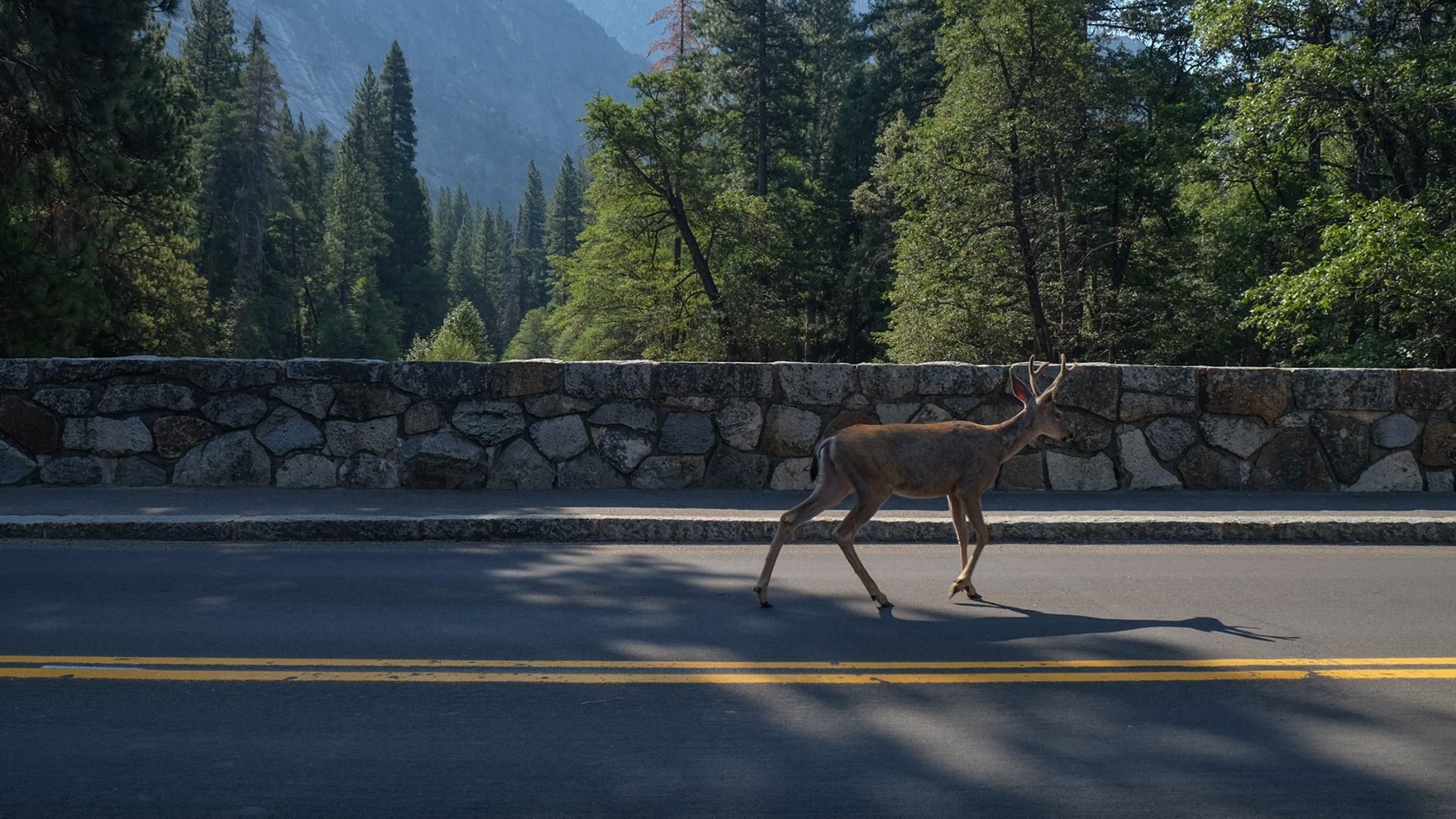
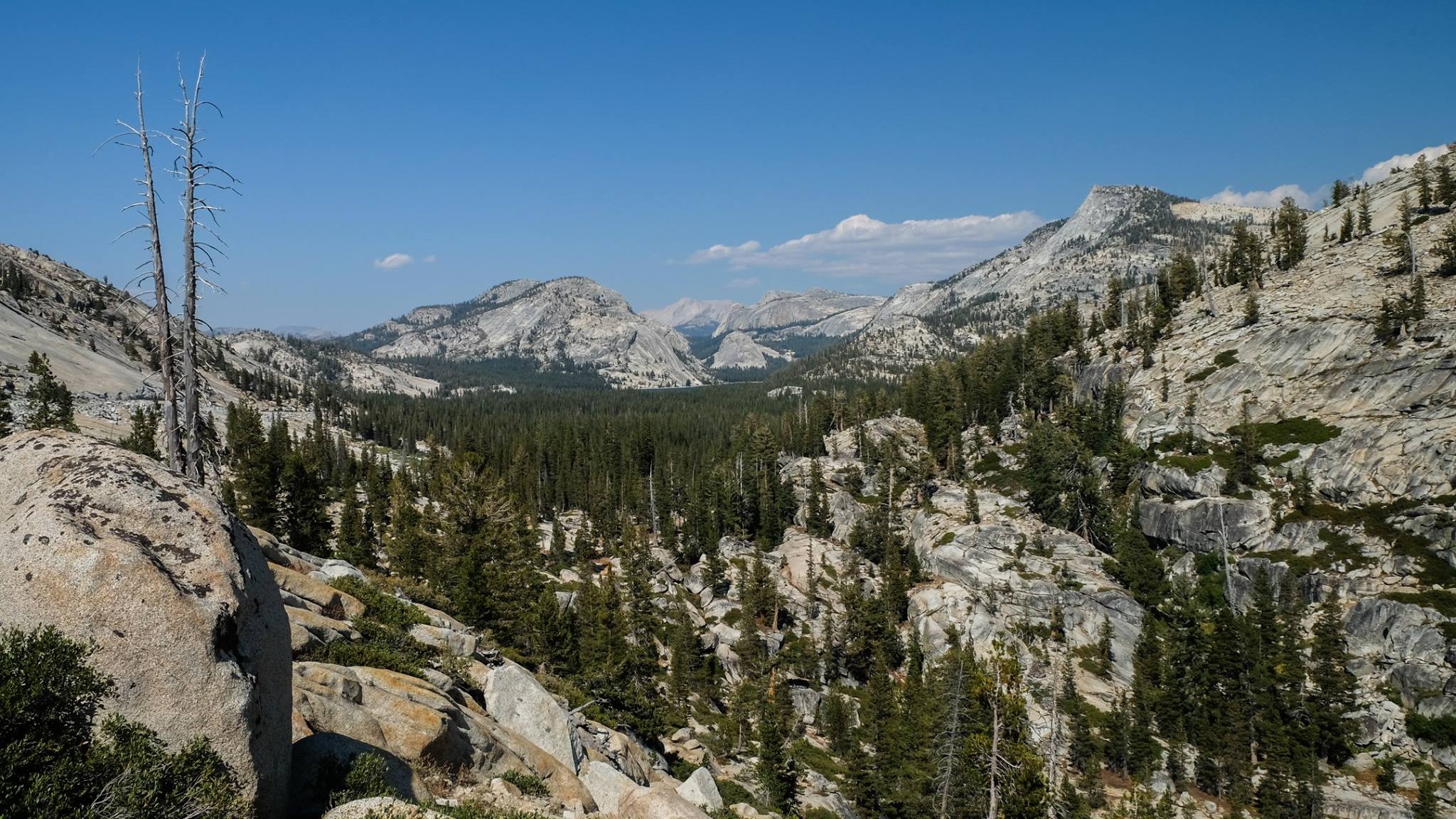
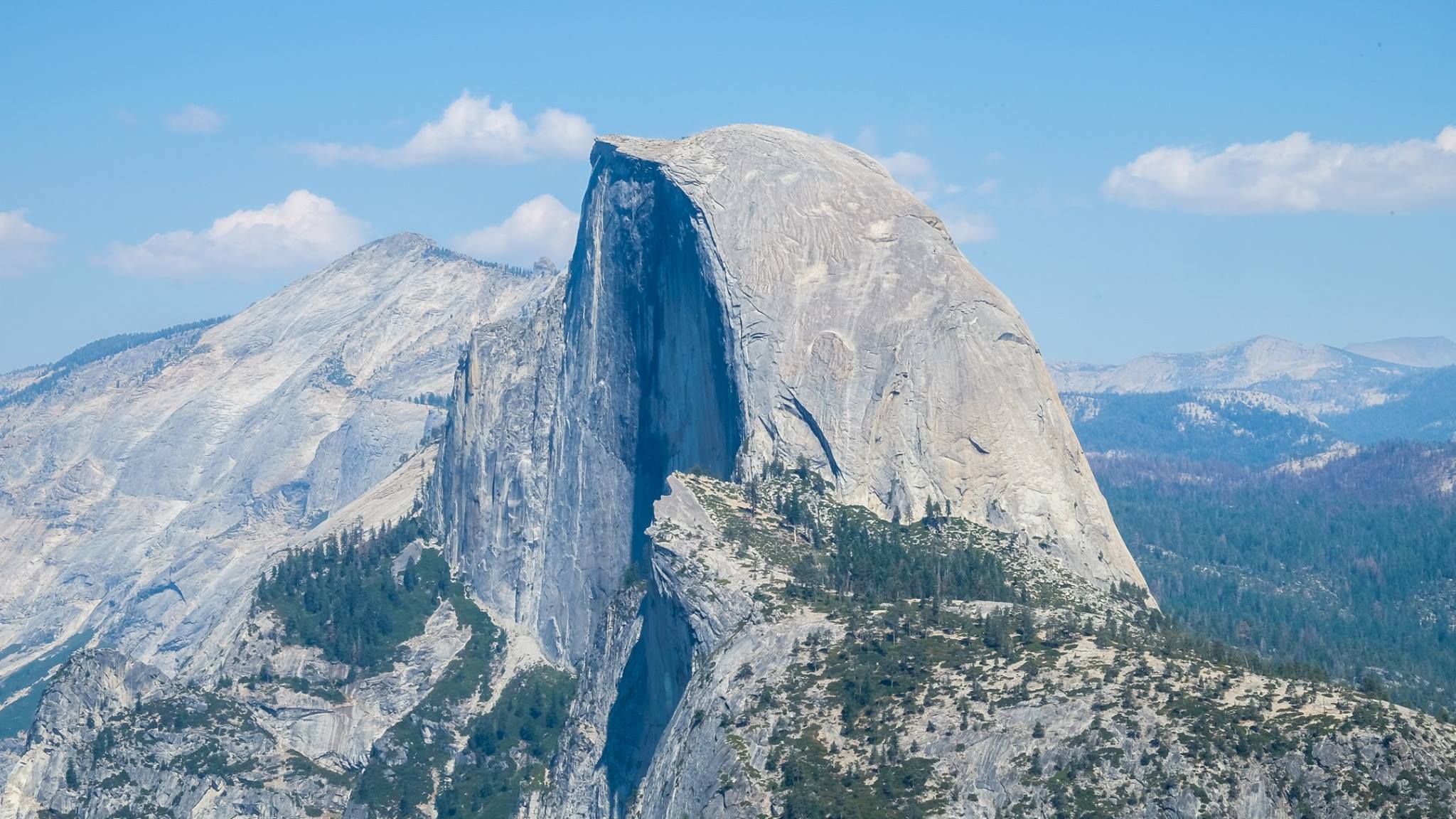
Nice video! Yep a ton of work for sure. My rule for myself is that I try to never let the technology interrupt my hiking experience. I tend to just turn on the camera, and let it run while hiking, or in camp, or take a few photos + videos without much effort. Great in theory, but when I return I end up with 90% bad footage that I have to sort out. My current workflow breaks down to ~2% filming, ~8% video editing, and ~90% on the soundtrack. Not efficient by any means. Nor is it pro quality or whatever. But in the end I have video to share with my kids that emulates how the trip actually felt. So it’s worth the time until I can streamline the workflow. (ie. Learn to take better footage vs relying on luck, and learn to record and mix audio faster)
Philip,
An interesting question. You obviously have a knack for video, plus you hike in areas teeming with wildlife and constantly moving landscapes that are conducive to great video. In addition many of your videos are multi-faceted with walking and water travel that can make video more compelling. I spend most of my time in deserts and it is rewarding to immerse myself in the somewhat static and silent world that might not be optimum for video unless one is highly skilled in the medium.
I generally do not care to watch video of trip reports but yours are an outstanding exception.
My preference for a trip report is a well written narrative with the why, when, how, and a reflection of the author’s perspective, feelings, observations, and philosophy. Pictures are a plus, though not necessary — think Colin Fletcher.
Perhaps people’s approach to trip reports is based on their own preference to what they read or watch. A generalization might be that older people like myself who grew up reading prefer written word with a few pictures over video, whereas younger people who grew up with more video might prefer video.
Let’s face it, post production of photos is time consuming (I shoot RAW and edit with Lightroom and Photoshop) and photo editing requires time to learn. Video editing done right is even more involved. Really good video would include a well written audio narrative (think National Geographic or Marlin Perkin’s Wild Kingdom). Before I retired I used to create educational videos for web-based training, which required video editing first then an audio narrative overlayed on top of the video using Camtasia for Mac — not audio during the filming. A 30 minute video with quality narrative would take several days to complete. I can do it, but it is too much like a job. With your abilities you might want to look into the narrative component; you will need a script, a quality microphone and software. You could pull it off well, most can’t.
Another thing that could really enhance a video report is aerial shots requiring a drone, something I would never consider or purchase. Not to mention I distain the thought of this technology in the wild.
For me, written trip reports with video clips are often not well integrated. If the report is not well written I usually skip the video. If it is well written, the video often makes the trip report disjointed. It is difficult to do both. An exception is instructional video such as how to use a piece of gear — it is hard to visualize how to inflate a pack raft with one of those bags. A stand alone video, in my opinion, can only be successful (for the average person like me) if the location such as Alaska is breathtaking, or the videographer has exceptional skill to capture the flavor of the location and events, or if the video contains quality narrative to support the visual. I think you have mastered the first two components.
Lastly, who is the audience and why do we even create trip reports. Years ago I would create reports for my kids and email them. It was easy to copy them to a BPL post. These trip reports were time consuming. My son liked them and he sometimes shared them with his friends, so a blog was better, which is why I created my blog — mostly for my kids with my son being more interested than my daughter. Over time, trips reports became too time consuming, so I usually do one detailed report a year, mostly at the end of each year and nowadays I normally don’t even post a link here on BPL. The past few years most of my blog trip reports are pretty short with the goal of “hey kids, this is where I was last week.” Since my son is now an adult, he is more interested in his own adventures so there is even less incentive for me to create trip reports and I am thrilled that I have influenced him to walk in the wilderness.
I measure my free time like a savings account. I don’t waste my money and I want to optimize my time. I don’t like to spend more than 60 minutes on a trip report. For me writing a report with a few pictures is usually completed in less than an hour. If it takes more than an hour I would rather go for a hike, which is easy for me as I can walk from my house into the open desert or the mountains since I live at the base of Mt San Jacinto. If I have a completely free evening, I can hike to a place in a couple hours that I enjoy spending my nights. So it is a matter of prioritizing my time given my unique location. I suspect some people might feel the same: is the time needed to create a video worth the time investment? And who does the video serve? For you it is obviously a creative endeavor with excellent results. Your videos are more than trip reports. They are art.
I find a camera to be a distraction when hiking. On many trips I forget about it, then realize I should take a couple pictures for the kids. Documenting a trip is a low priority, but if it turns out to be a trip worth sharing my only real option is to write about it because it wasn’t important at the time to take a lot of pictures or even video. And I am not inferring that I even can write a report that is worth reading. At my age I might have 10 years of good trips left in me, so the motivation is to savor each trip, not to distract myself with the thought of a post-trip report.
For you, you create great videos and obviously enjoy the effort. Keep it up and I look forward to each new one you post. For those who are interested in producing video, study the good ones you watch and incorporate those elements that make them good.
A very thoughtful and thorough explanation. I totally see where you are coming from. I do admit that my trip style and the things I see lend themselves particularly well to video TRs, and not everyone gets so lucky. I’ve considered adding narration, but have always demurred. I try to make my videos move along quickly, and there is not much time to talk ver the top of it, plus I hope most of it ends up being self-explanatory. :^)
Thanks for adding such detailed insight.

I find that when videoing in the outdoors, I can’t get the video/sound quality that I am interested in. Sound levels tend to be poor mostly due to wind noise. I have a lavalier mic, but that is a pain to bring on a trip. It is also difficult to get the light levels correct: the image is in the wrong orientation relative to the sun, balancing landscape / sky exposures are not easy and so on. Short videos of panoramas and action scenes like waterfalls work ok, narratives are much harder.
It is also difficult to get the video lengths correct. With the current YT generation videos over 3 minutes at too long. My 2 cents.

This is from Guadalupe Mountains National Park in April.
This is my humble attempt at video for my trips. I have a few more on my youtube channel. I enjoy making them but at times, I agree, it is a burden and it would be better to skip the video and just enjoy the trip itself.
Duplicate post … sorry.
Become a member to post in the forums.
 New Gear with Aluula FabricsLighter, stronger, more abrasion-resistant, and highly water-resistant - explore ultralight backpacking gear made with ALUULA Graflyte fabrics. Engineered for exceptional strength, durability, and lightweight performance, ALUULA Graflyte helps reduce pack weight without sacrificing reliability, making it ideal for demanding backcountry adventures.
 © Beartooth Media Group Inc.
 Loading...