Great Post, Jon Fong. I think and pack much the same way, although I do have a "car camp only" set of gear that duplicates some of my trail rig.
Manfred, I don't think we're using different definitions of "base weight": I'm not referring to it at all. I am referring to the "actual weight" of the pack my Scouts and I have to carry (or the persons with bloated packs and cast iron skillets referred to at the top of this thread) and although I strive to reduce my base weights, it remains absurd to tell a backpacker that his 40lb pack is actually "UL" because the base weight is only 6 pounds and he can hike in flip-flops. At least, it is to me.
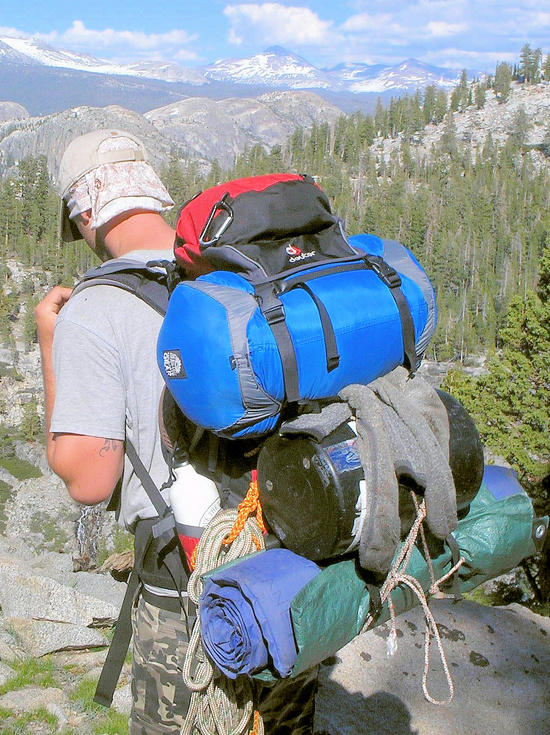
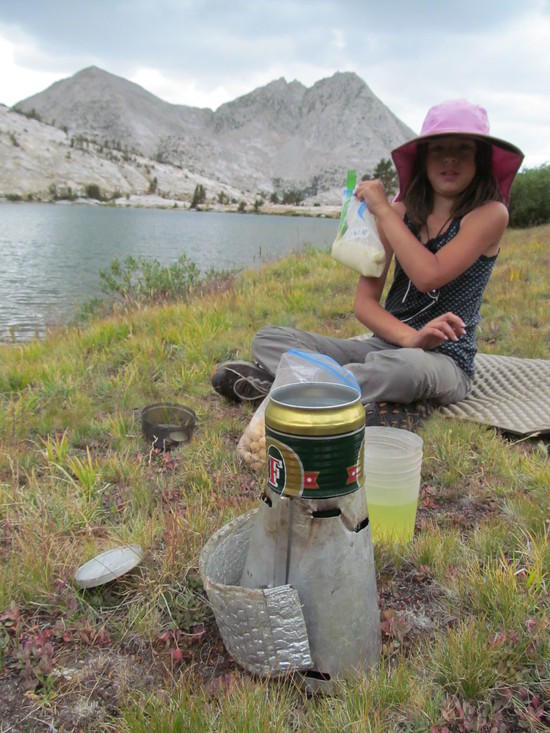
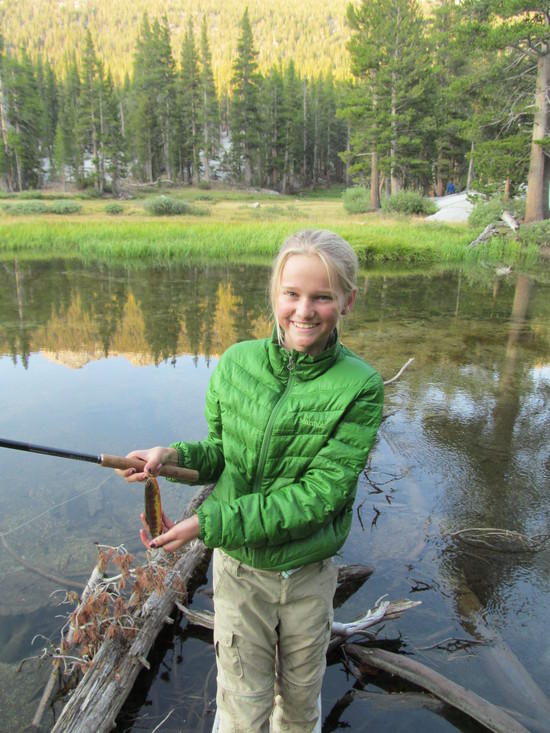
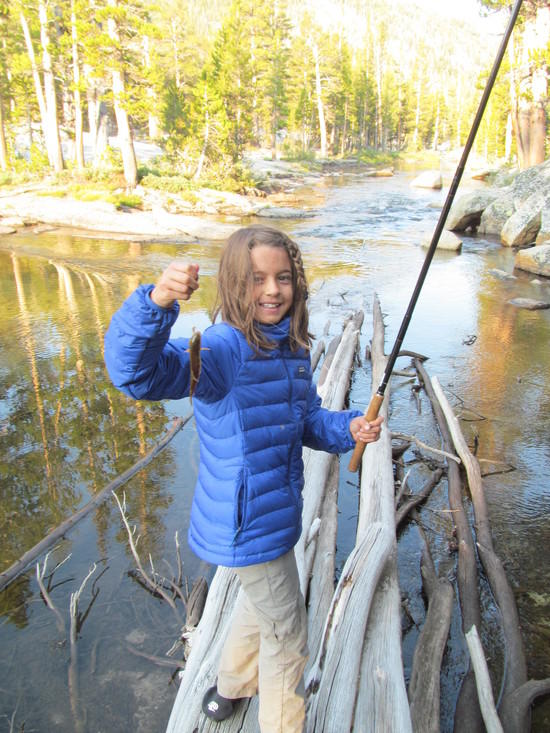
In fact, my base weight, using the commonly-accepted definition, is high by UL standards because I use a 32 year old Kelty Tioga external frame that weighs more than my sleeping bag, partly so that I can also carry fishing gear, a first aid kit suitable for more than one person, a water filter, gallon water bag, foldable bucket, canister stove, camera, phone, and e-gear that are generally inconsistent with soloist hikers w/o responsibility for others (but probably similar to what you carry as a parent). However, both the base and actual weights are way lower than they used to be, thanks to this site and community.
The UL backpackers we chatted with at the JMT/PCT junction @ Thousand Island had small packs that barely fit their Bearikades and appeared to contain very light bag/tent rigs. They were wearing Dolphin Shorts and Salomon trail runners and after they joshed me about the big Kelty and we swapped, I guess they were around 25lb "actual" with 3 days to go. I was 44lb actual with 3 quarts on board (at 7 to go) and the only way I can currently see to get lighter than that is to compromise safety, comfort, fun, finances and likely all four. I remain willing to learn, however. More importantly, to learn how to further lighten the Scouts on a budget.
We saw plenty of hikers on the PCT, River Trail and around Clark Lakes, most with large packs and items that haven't yet been influenced by the UL movement (or at least, "enough"), such as big, apparently synthetic sleeping bags, giant back-saving luxo-pads, a dude really with a swinging skillet and less-expensive tents with fiberglass rods and steel caps for poles. We saw others with gear similar to ours, but still in "giant" packs that dwarfed what the "real UL" guys we met had.
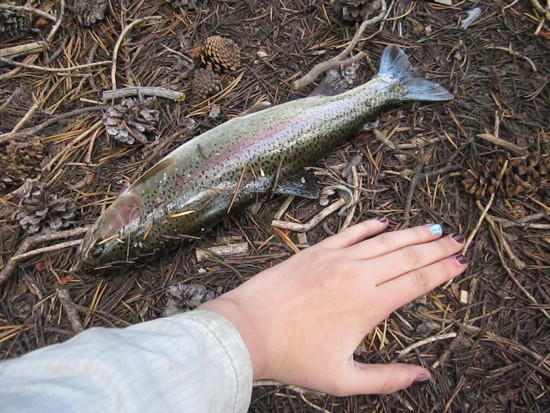
The other Scouts we saw on trail tended to have later-model packs, lighter-looking gear and grins on their faces. As with my group, some of those grins came from the nutrition gained by eating the emaciated, nearly-frozen (before cooking) ultralighters we found gasping by the trail weighed down only by a very stylish Dyneema packs and titanium spoon/trowel/stove combos. Meat. It's what's for dinner. Be Prepared.