


Introduction
Each year, our staff selects their favorite backcountry gear from the past 12 months, and we look forward to you sharing your favorite gear of the year as well in the forum comments below!
Our Staff
This year’s Staff Picks contributors are:

Shelters and Sleep Systems
Durston X-Mid 2
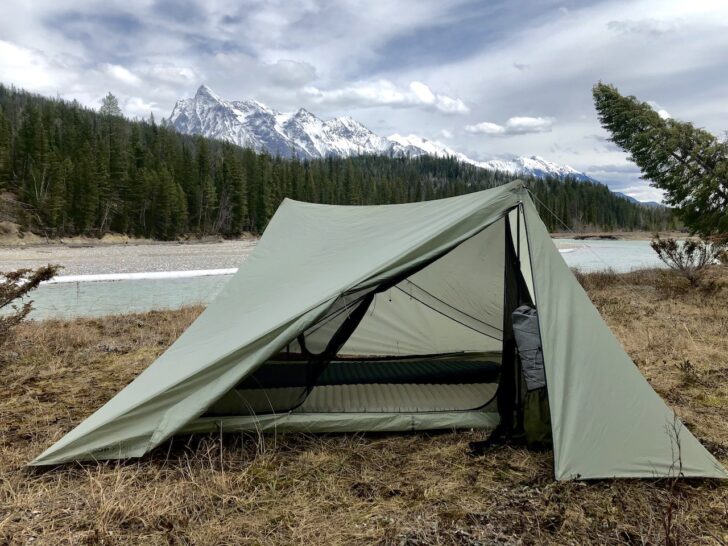
If you read my review of the Durston X-Mid 2P tent, you know that I am very impressed by it. The X-Mid 2P is a large, dual pole, two-person, double-wall, non-freestanding tent made of 20D silicone-coated polyester and weighing 2.5 lbs. The main reason I chose it for one of my staff picks this year is because of its rectangular shape – which solves the stability and ease of use problems of many other two-pole shelters. I have always been a big fan of rectangular footprint pyramid tents because they are extremely easy to pitch. If all four corners are pitched at right angles to each other (or close to right angles), the pitch will be taut. A rectangular shape tensions the perimeter, stabilizing the entire structure and allowing it to perform well in wind. The Durston X-Mid 2P takes this concept and makes it more livable by turning the traditional pyramid into a two-pole rather than one-pole shelter. It has been a joy to use the Durston X-Mid 2P tent in 2021 and I will continue to use it as my primary two-person, three-season tent. – Ben Kilbourne
Therm-A-Rest Pro-Lite Plus
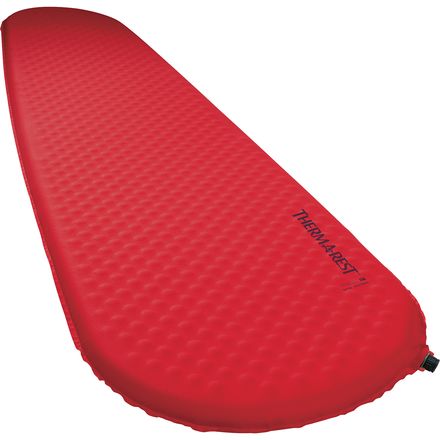
I’ve had my Therm-a-Rest ProLite Plus sleeping pad since 2015 and it’s been on pretty much every camping trip with me, including when sleeping in my car (I ditched memory foam because gets odd and stiff when cold). I love that the ProLite Plus is quiet when I shift around at night, and that even if deflated, it still offers a little cushion and insulation. Mine has a couple of patches in it and is still going strong. – Narinda Heng
REI Co-op Flash Air 2
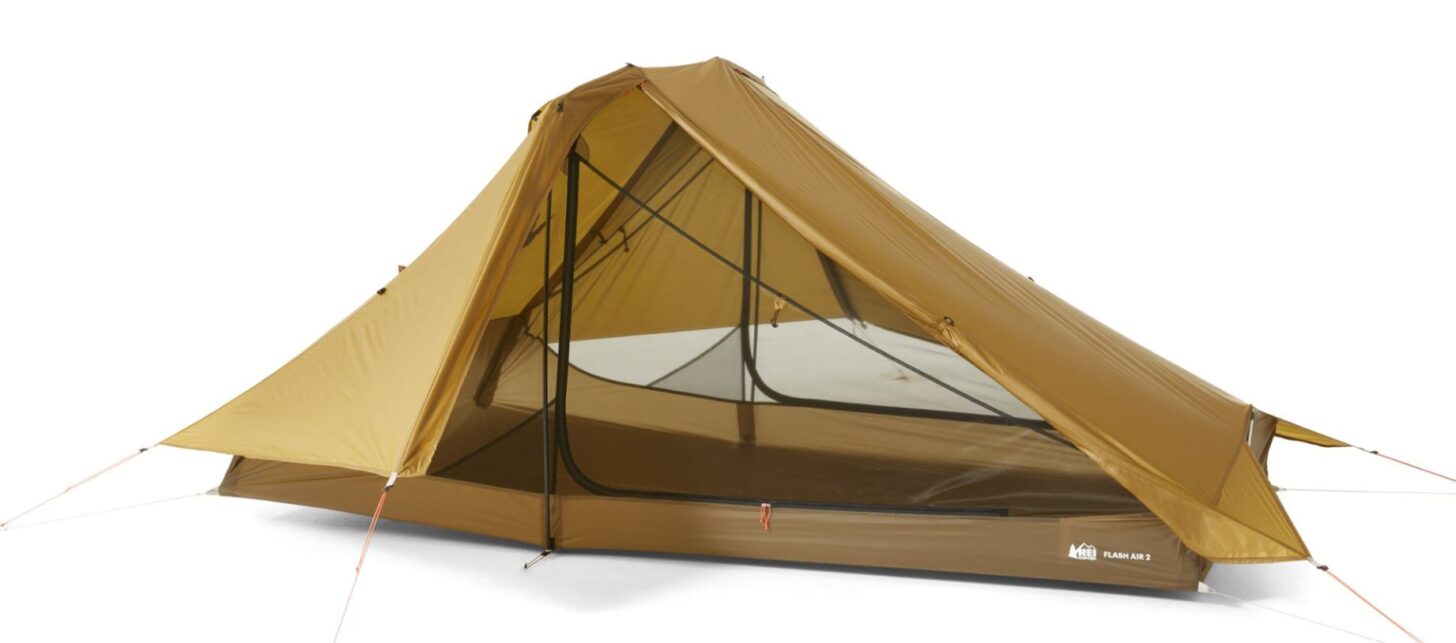
I recently reviewed this tent and have kept using it on trips with my girlfriend this year (when solo I usually opt for the Six Moon Designs Lunar Solo or a bivy and tarp combo). The REI Co-op Flash Air 2 is a lightweight shelter that provides protection from the elements and, while certainly cozy, isn’t cramped with two people in it. Setting it up is a breeze, which leaves me with more time on trips to fish, scramble up a peak, or just enjoy relaxing in the backcountry. – Mark Wetherington
Mountain Laurel Designs Poncho Tarp
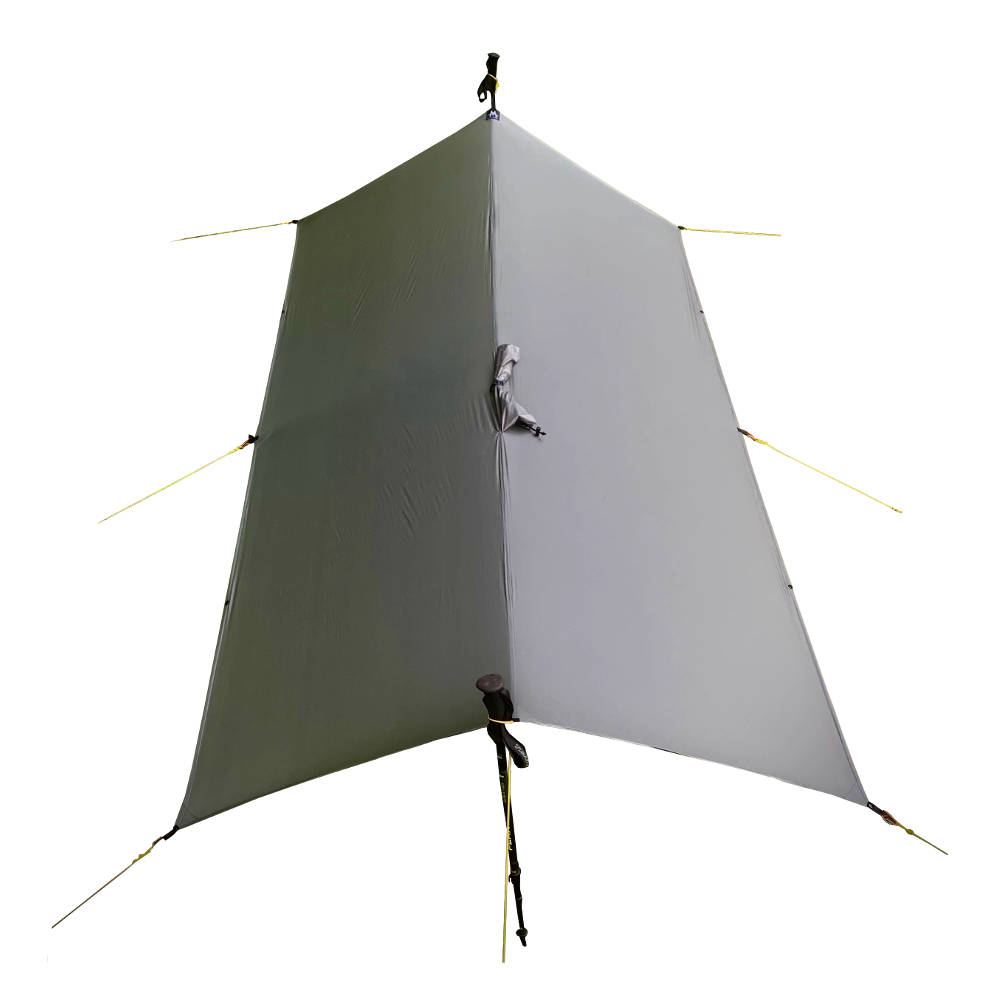
Multiple-use is the essence of lightweight backpacking. Using your shelter as your rain protection returns big savings in weight. The Mountain Laurel Designs Poncho Tarp is my usual home on 3-season trips when I don’t expect to spend a lot of time in camp or to encounter more bugs than a head-net can handle. As raingear, this silnylon poncho will actually keep you dry and well-ventilated, unlike the legions of waterproof-breathable jackets that are neither of those things. The Poncho Tarp kept me dry in a thru-hike of the Colorado Trail in which it rained 22 of the 28 days I was on trail. It performed in hours-long storms on the trail and in all-night downpours in camp. Paired with a lightweight bivy and groundsheet, you get effective shelter and raingear for about a pound. – Drew Smith
Zpacks Duplex
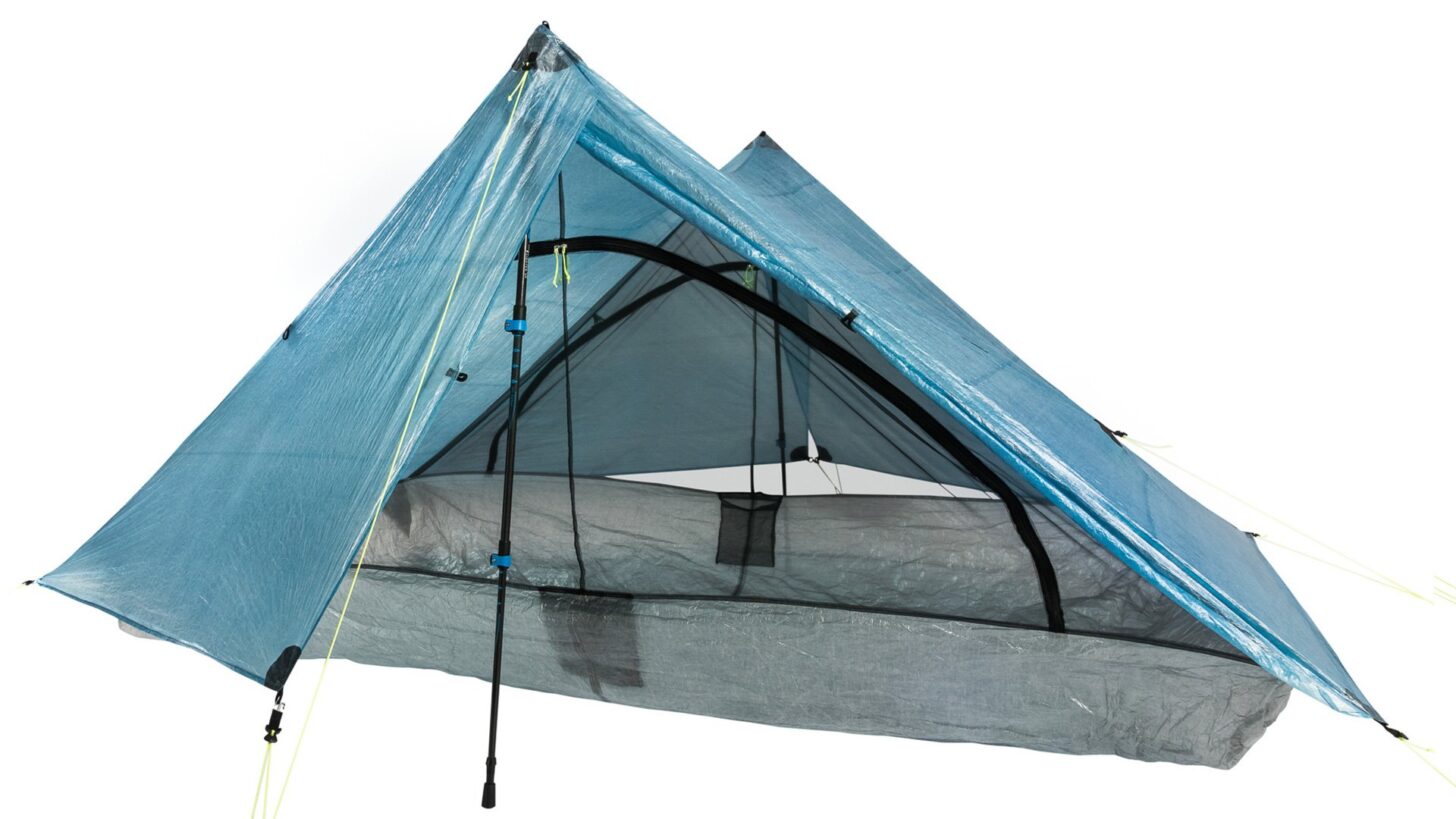
I love my Zpacks Duplex because it’s so spacious. I can literally tumble inside of my tent. Not only that but this tent holds up in the wind. I’ve never had any leaks in the rain and it’s easy to stake out. I found the learning curve to be the easiest out of the three tents that I used on the Appalachian Trail in 2021. – Shilletha Curtis
Therm-A-Rest Neo Air All Season
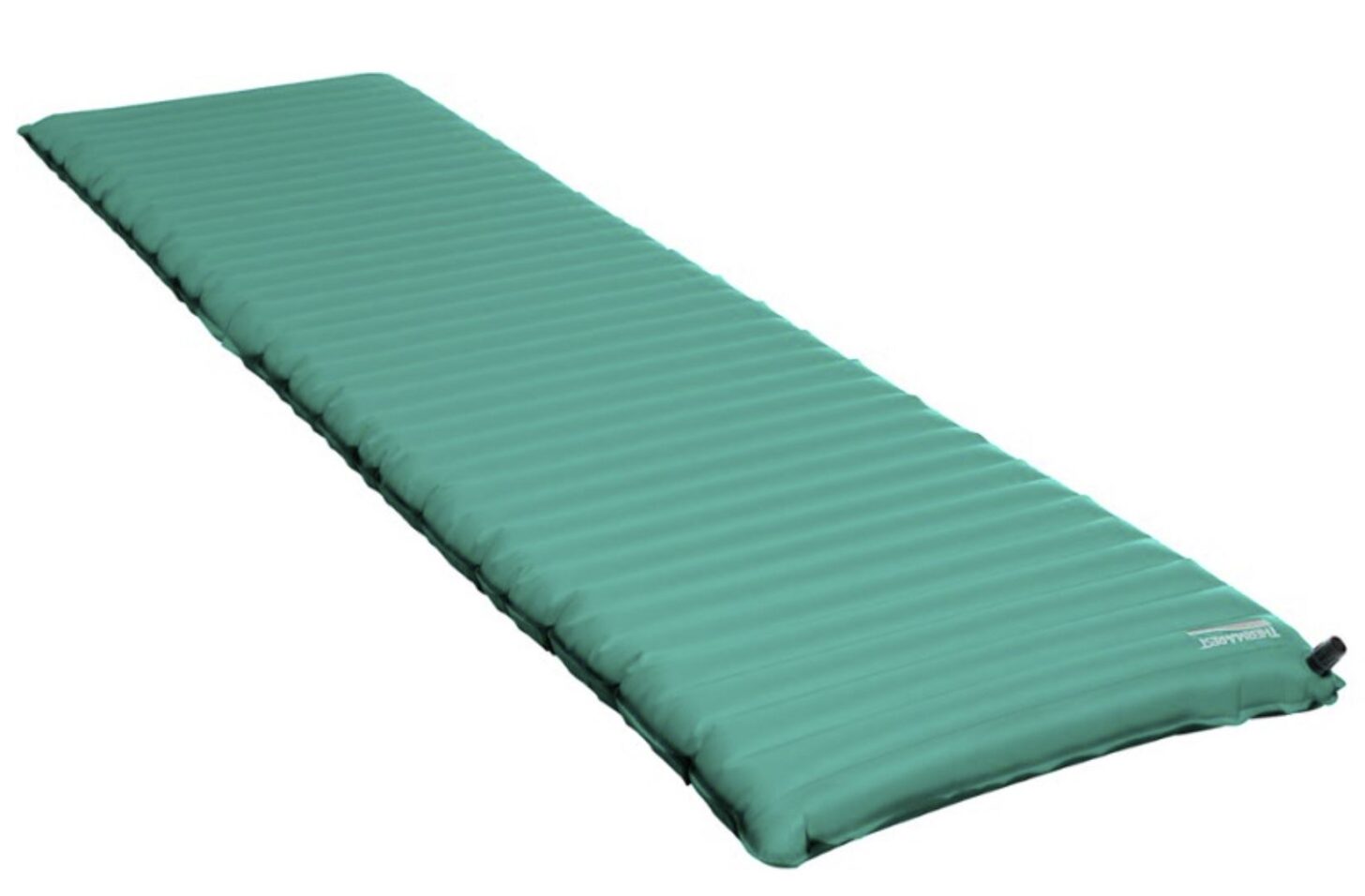
The Therm-A-Rest NeoAir All Season sleeping pad is no longer available but I wanted to mention it because it is my oldest piece of gear that I still use on most trips. I bought it around 2011, so I have been using it for at least ten years. It just recently sprung its very first leak, a tiny pinhole in the top fabric from a piece of a tumbleweed. Ten years with no holes is pretty amazing, in my opinion. This pad has a 70 D bottom fabric and 75 D polyester top fabric, has an R-value of 4.9, and weighs 19 oz (539 g) in size regular. It’s not the lightest thing out there, but holy cow, it is reliable and warm. When I replace it, I will probably take a look at the Therm-A-Rest NeoAir X-Therm, hoping it will last at least ten years, as well. – Ben Kilbourne
Enlightened Equipment Revelation 10 Degree
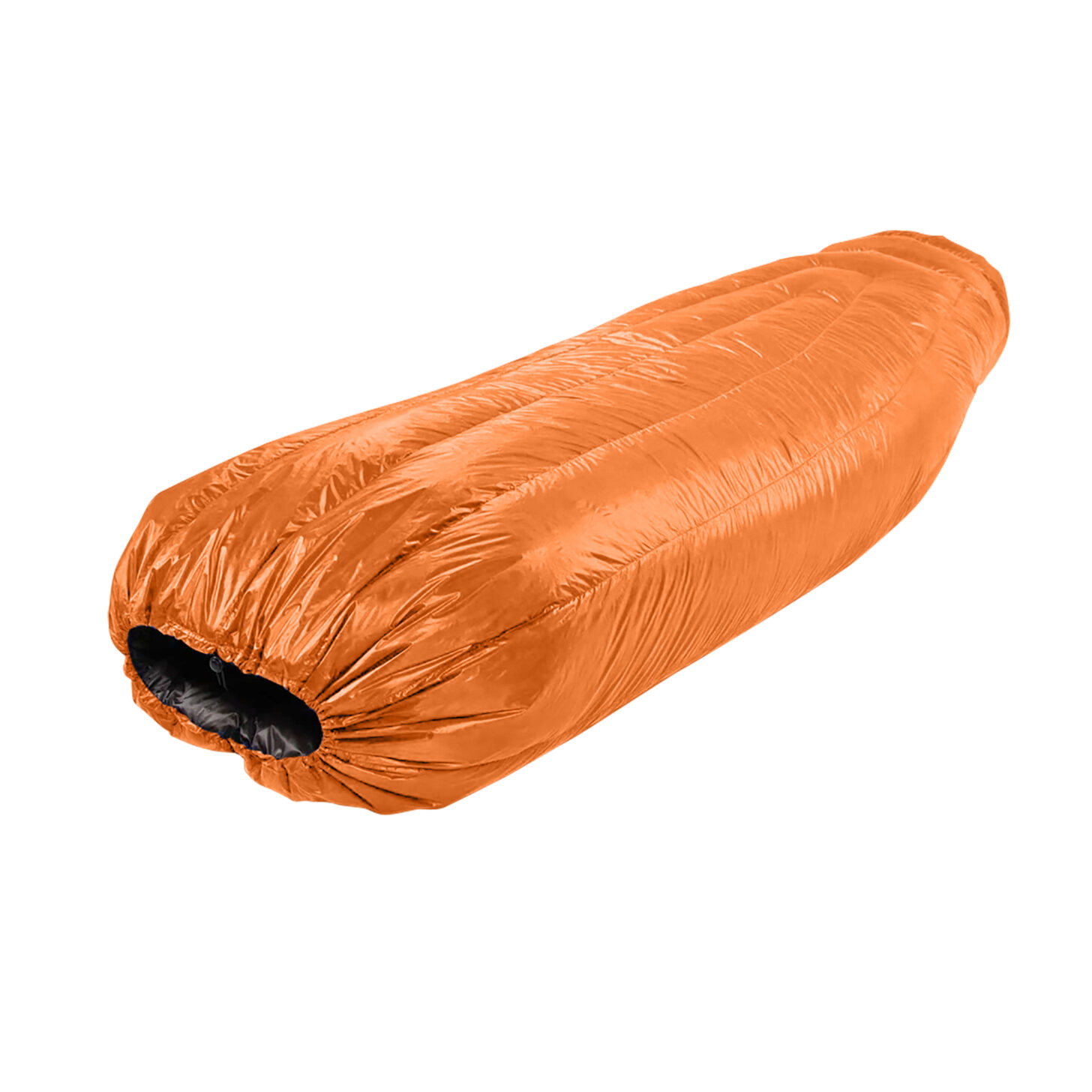
My 10 Degree Enlightened Equipment Revelation Down Quilt is the love of my hiking life. There’s nothing like setting up camp after a long day and being snuggled in my warm and comfortable quilt. At 24 ounces (680 g), how could I ever say no? What I love about the Revelation is how versatile it is. I can close the footbox on cold nights and when it’s warm, I can stick a leg out. If I want to sit around camp and chat with others, I can take my quilt with me and wrap it around me. – Shilletha Curtis
Packing Systems
Nunatak Equipment Bears Ears 50
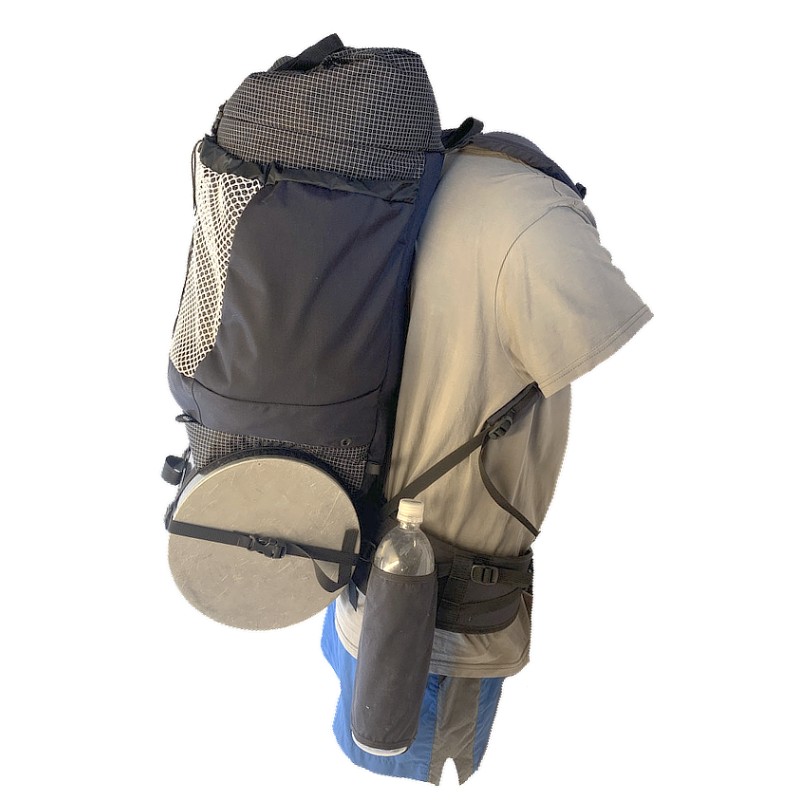
It’s rare enough to find a pack that solves one problem brilliantly. The Nunatak Bears Ears 50 solves two – how to store a bear canister effectively (low and externally) and how to get to your water bottles easily (via optional hipbelt mounted holders). The shoulder straps are thick and comfortable, and the rear pocket wraps all the way around the pack body for extra storage. Put it all together and you have an extraordinarily comfortable and stable frameless pack with lots of storage options. Bonus points – you can use the bear canister storage system for Ursacks, packrafts, or any other heavy/bulky items. – Andrew Marshall
Nashville Packs Cutaway

I have found a small pack that can fit a lot of stuff when pushed to the limits of its extension collar and exterior pockets – the Nashville Packs Cutaway. But unlike most frameless packs, this one has been comfortable for me to 29 pounds (13 kg) using the hybrid vest straps and a closed-cell foam pad attached to the back panel. – Iago Vazquez
Six Moon Designs Swift X Hiking Backpack
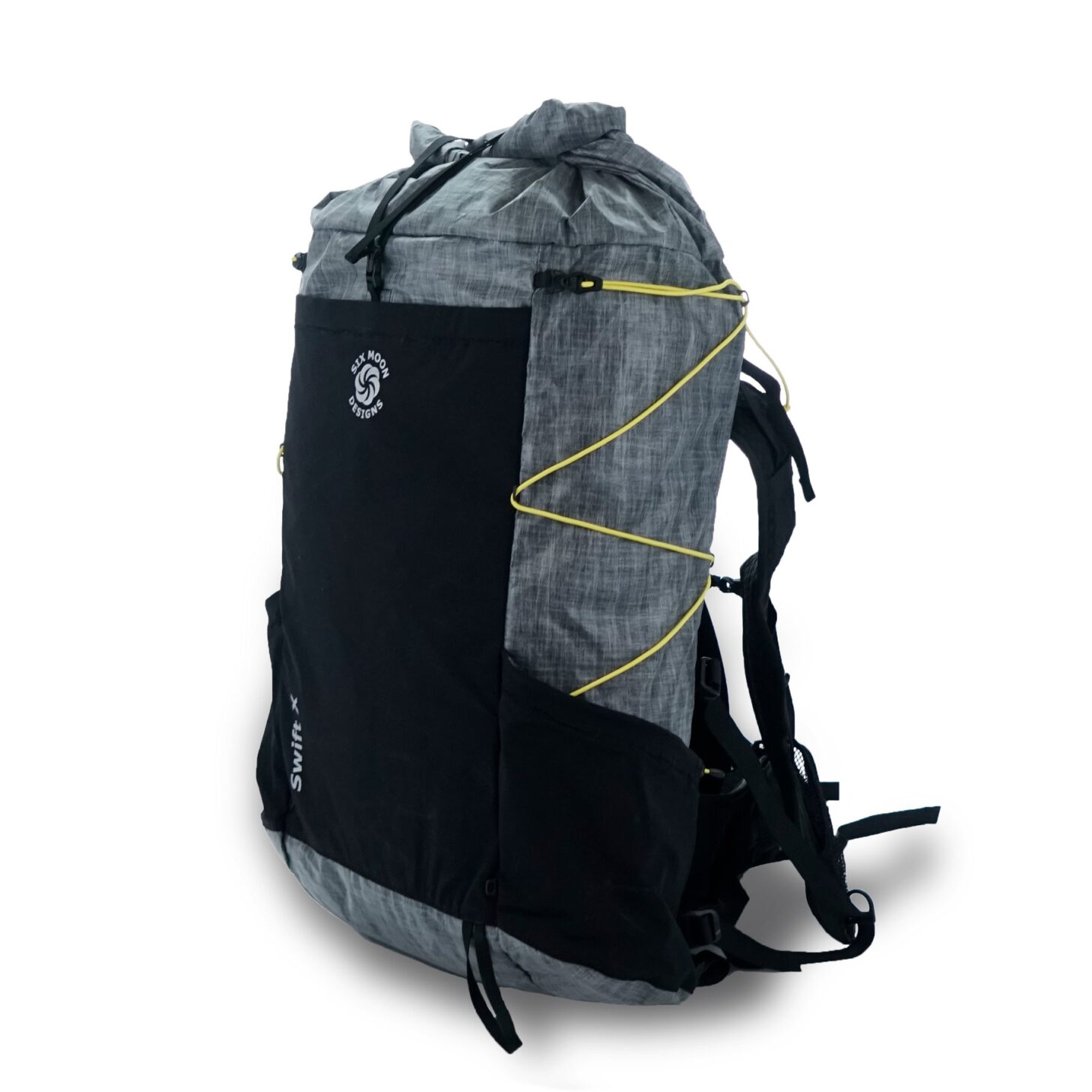
The Six Moon Designs Swift X is my favorite backpack. My pack is purple and I love that there are so many colors to choose from. These packs are fully adjustable when it comes to torso length, hip belt, and harness. Speaking of the harness, what a godsend for folks like me with back issues. The pack carries well and the support I get with the harness is critical. There are pockets in both the hip belt and harness, making snack and water consumption that much easier. Overall, this pack is lightweight, durable, and very well designed. – Shilletha Curtis
Pa’lante V2 Pack
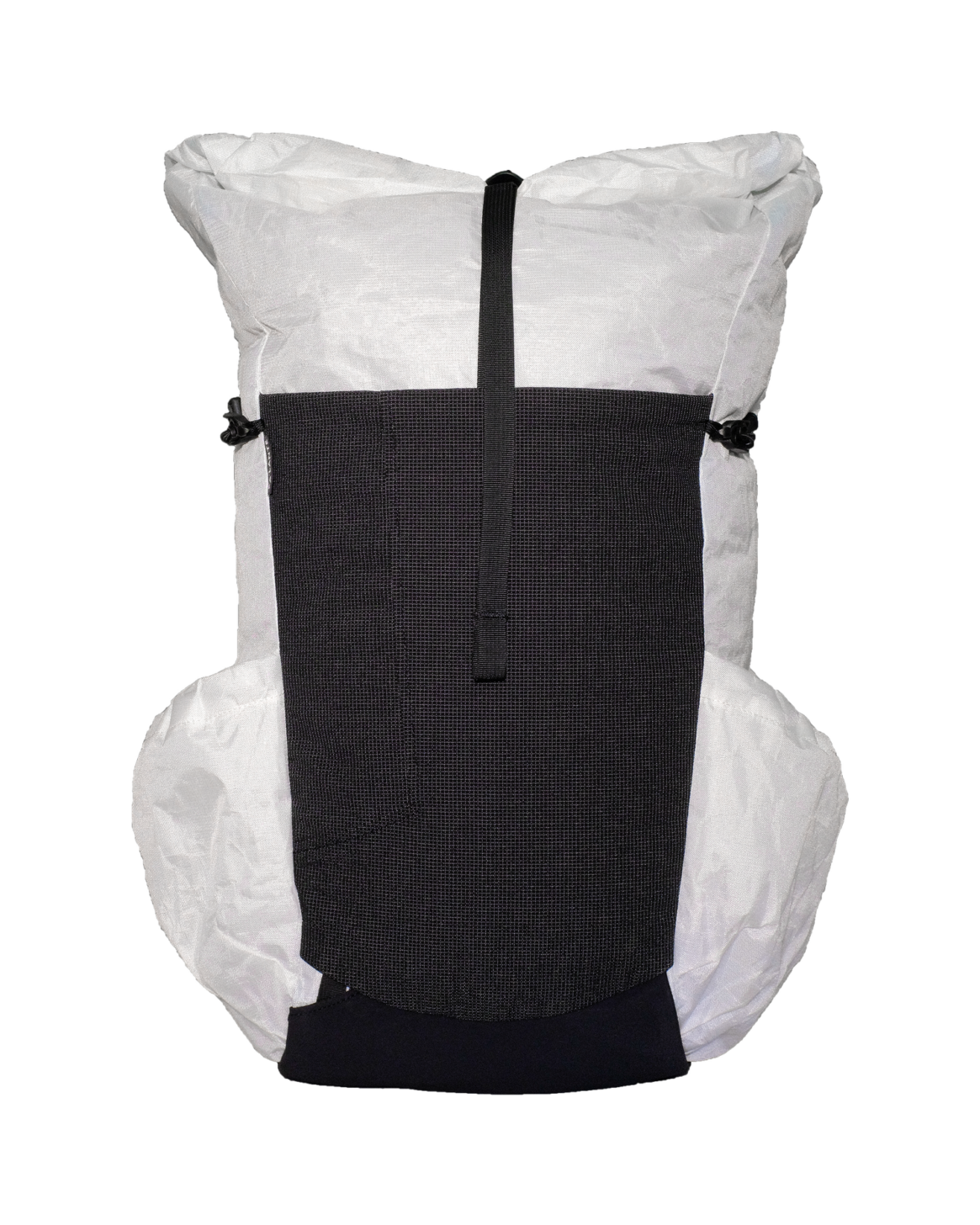
The Pa’lante V2 is my first frameless pack and it has been outstanding. Great design features, but not overengineered. Comfortable, durable, and just an all-around great pack for ultralight backpacking. – Mark Wetherington
Mountain Laurel Designs DCF Exodus 55L

The Mountain Laurel Designs DCF Exodus 55 L was my favorite frameless backpack in 2021. It’s light at 18 ounces (510 g), water-resistant, and extremely comfortable. It makes my staff picks list this year primarily because it would be impossible for me to overstate its comfort. When sized correctly (I have a 19.5 inch / 50 cm torso and use a size large), the shoulder straps attach near the top of my shoulders effectively negating the need for load-lifters or load-shifters with light to moderate loads. Moreover, the straps are thick, wide, widely spaced, and have no binding on the edges, so they don’t dig into my neck like some other straps. While Mountain Laurel Designs advertises the DCF Exodus 55 L pack as maxing out at a carrying capacity of 25 pounds (11 kg), I believe it can carry more than that comfortably, especially when using a foam pad as a frame sheet. I use four sections of a Therm-A-Rest Z-Lite which increases the load-carrying ability of the Exodus to at least 30lbs (for me). – Ben Kilbourne
Sea to Summit Ultra-Sil Nano Day Pack
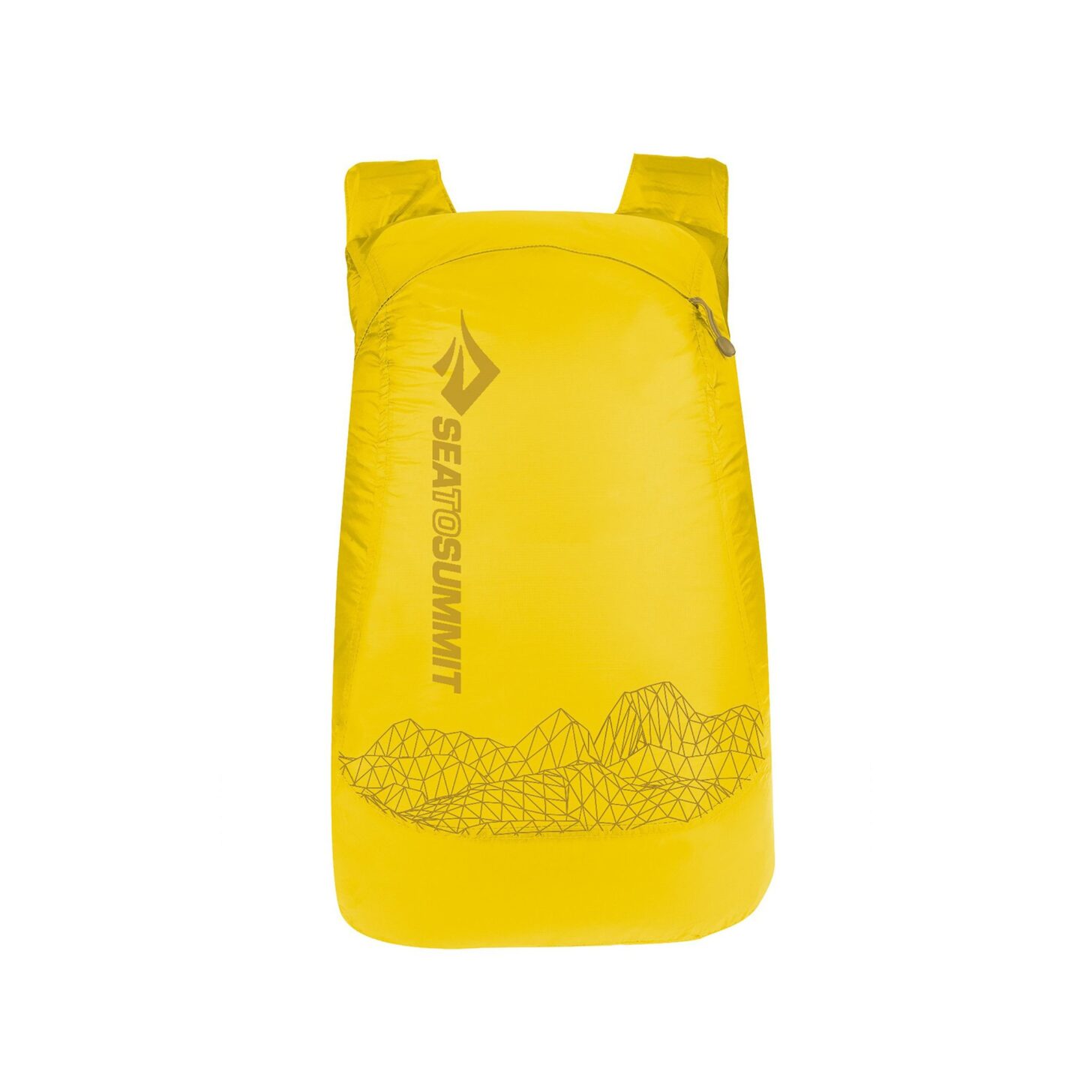
The Sea to Summit Ultra-Sil Nano Day Pack has undergone a few revisions since I bought mine about 12 years ago (see our latest review here). But the fact that I still have the original version is a testament to its durability despite its evanescent weight. At about 2 oz (57 g), it functions as a clothes bag in my backpack, and then as a capable day pack for summit or fishing side trips. At town stops it is a laundry bag and a grocery bag. On non-hiking trips, I throw it in my luggage (it packs down to about 2 x 1 inch / 5 x 2.5 cm) to enable day hikes should the opportunity arise. – Drew Smith
ULA Equipment Kid’s Spark Backpack
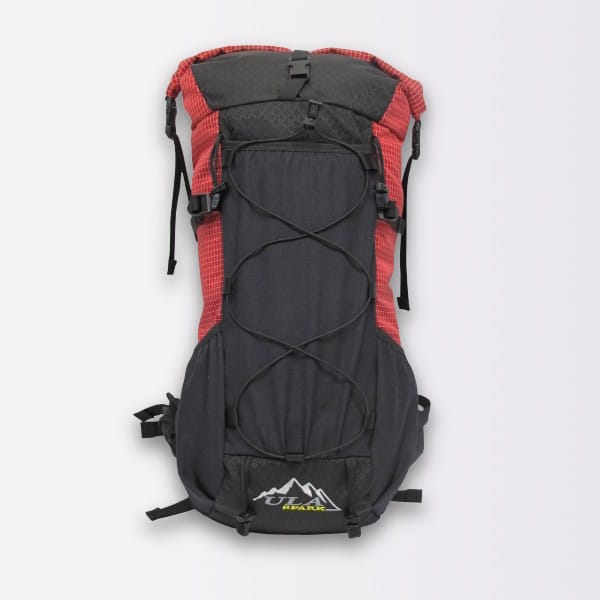
I’m always on the lookout for lightweight gear that fits and can be used easily by small children. This year, I decided to recommend the ULA Equipment Kid’s Spark Backpack to my hiking partner for three of his young girls, ages 8 through 10. They used them during our 8-day trek in the Wyoming Bighorns this summer, and I was very impressed by how comfortable they were for the girls when loaded with up to about 15 pounds (7 kg) or so of gear. – Ryan Jordan
Hyperlight Mountain Gear 2400 Windrider
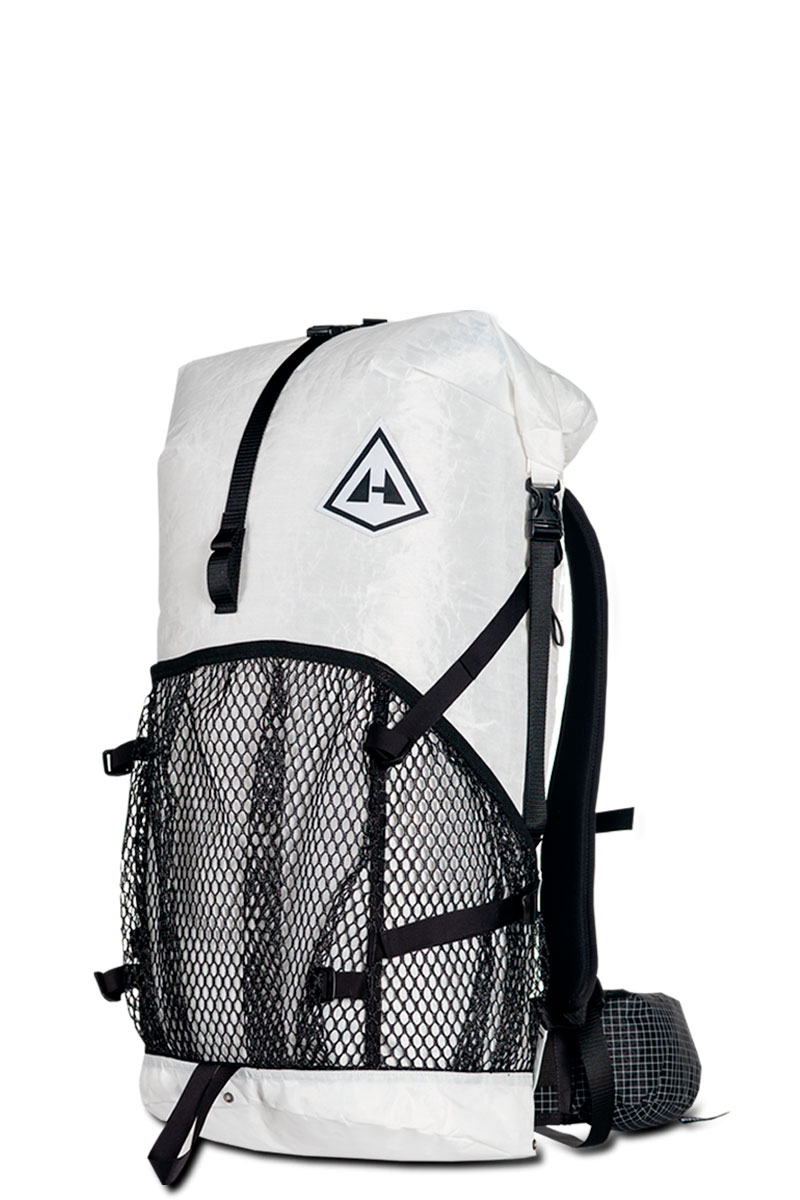
Slowly, I have dialed in my backpack needs and have settled into the Hyperlight Mountain Gear 2400 Windrider. This nearly waterproof DCH pack has a super-efficient design that can be expanded for a week-long trek or tightened down for a weekend getaway. At less than 2 pounds (1 kg), the pack gives me the freedom to do what I want and with the various accessory pouches and the external pouches, there is enough room to pack what I need. – Jeff de Graffenried
Clothing Systems
REI Co-op Take Your Time 7/8 Leggings
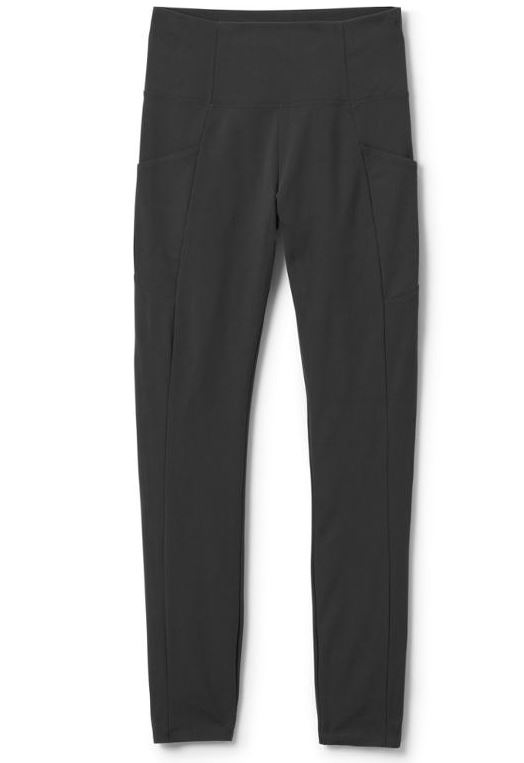
The fit and feel of the REI Co-op Take Your Time 7/8 Leggings (they are the softest leggings I’ve ever owned) make these my main go-to for hiking in the shoulder seasons. They have a mid-rise waist that stays secure – I love that I’m not hiking them up on the trail constantly. Most yoga pants aren’t long enough in the legs for me, and these cover my ankles and prevent those pesky black fly bites. These have thigh pockets that are easily accessible and deep – they can comfortably carry a phone, or any other small item you like to keep handy, but I love them most for keeping my hands warm when I don’t want to get out my gloves. I can see me keeping some hand warmers in here in the coming winter months. They are moisture-wicking and quick-drying. – Stephanie Jordan
Patagonia Duckbill Cap
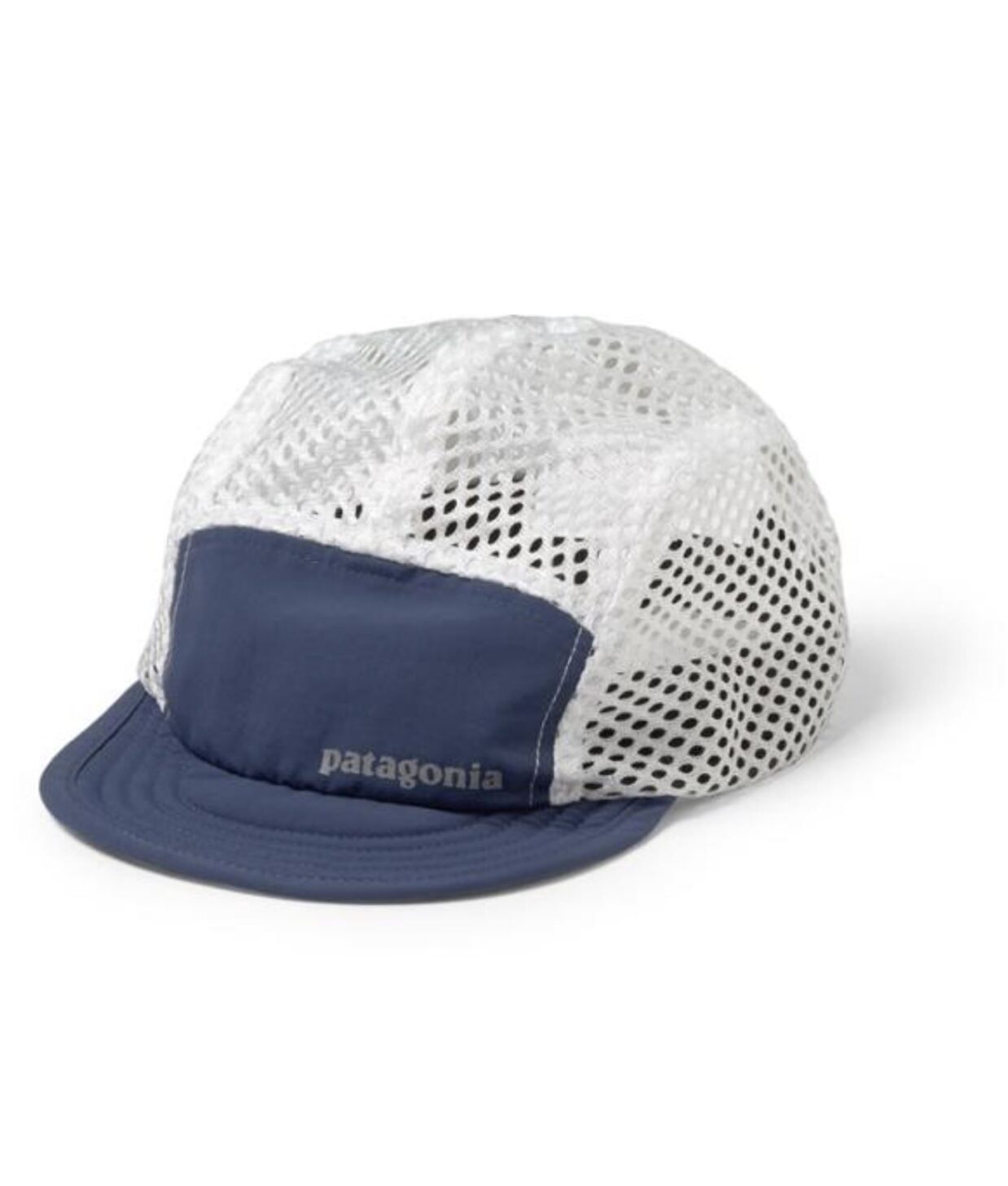
In more than six decades of wearing clothes (and counting), I’ve rarely gotten a compliment on my togs, much to the chagrin of my fashion-designer wife. But my Patagonia Duckbill Cap has triggered more than 100 unsolicited plaudits from total strangers. Keeps the sun out of my eyes, is easy to stuff into a pocket, covers my one-size-fits-none melon, and has plenty of ventilation. Almost useless in the rain, but that’s what poncho hoods are for. Patagonia might have discontinued all 1.9 ounces (54 g). No, you can’t have mine, it is a key component of my retirement plan. – Rex Sanders
Tasc Carrollton Lightweight Hoody and FreeFly Bamboo Lightweight Hoody
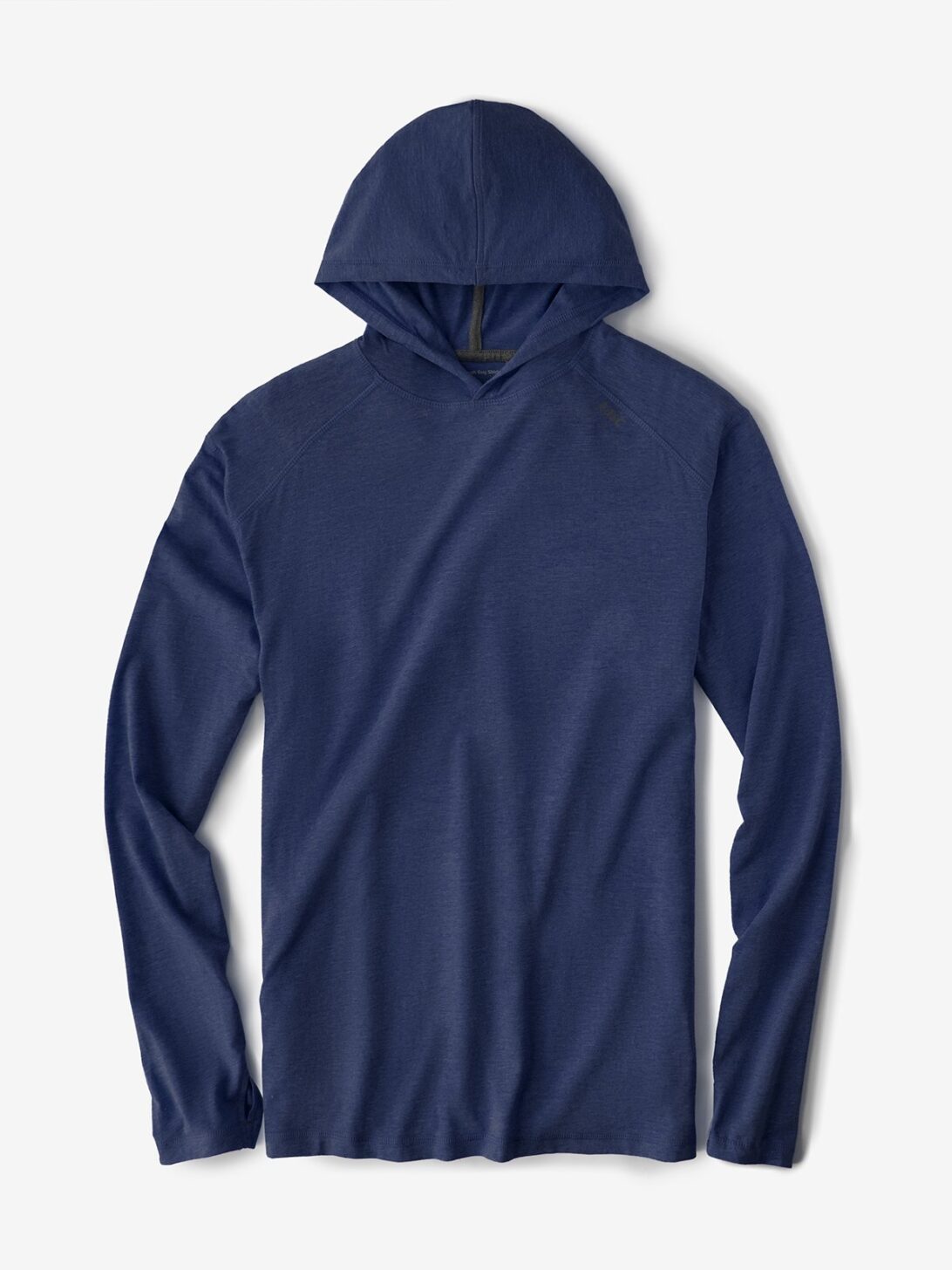
I have evaluated bamboo viscose clothes this summer in hot weather as a way to reduce my use of synthetic clothing. My two favorite pieces for extreme sun exposure have been the Tasc Carrollton Hoody and the FreeFly Bamboo Lightweight Hoody. The two main characteristics that stood out for me were comfort and odor control. After days of use and sweat, they do not accumulate much funk. I have found that the Tasc Carrollton (UPF 50+) protected me from sunburn in all-day exposure. But the fabric felt a bit thicker than I would like (160 gsm), so I also tried the FreeFly Bamboo Lightweight Hoody (UPF 20+, 140 gsm). I have yet to have an extended outing wearing the FreeFly to find out whether it provides sufficient sun protection, but so far it has worked well for a couple of hours of exposure. The lighter fabric does feel a bit airier. My previous lightweight synthetic hoody, the OR Echo Hoody from a couple of years ago, resulted in sunburn despite its UPF 15 rating.
One word of warning, bamboo viscose is often marketed as quick-drying, wicking, or other similar claims. I have found that, like most plant-based fabrics, when overwhelmed with moisture, they are neither quick-drying nor wicking. – Iago Vazquez
Appalachian Gear Company All-Paca Crew
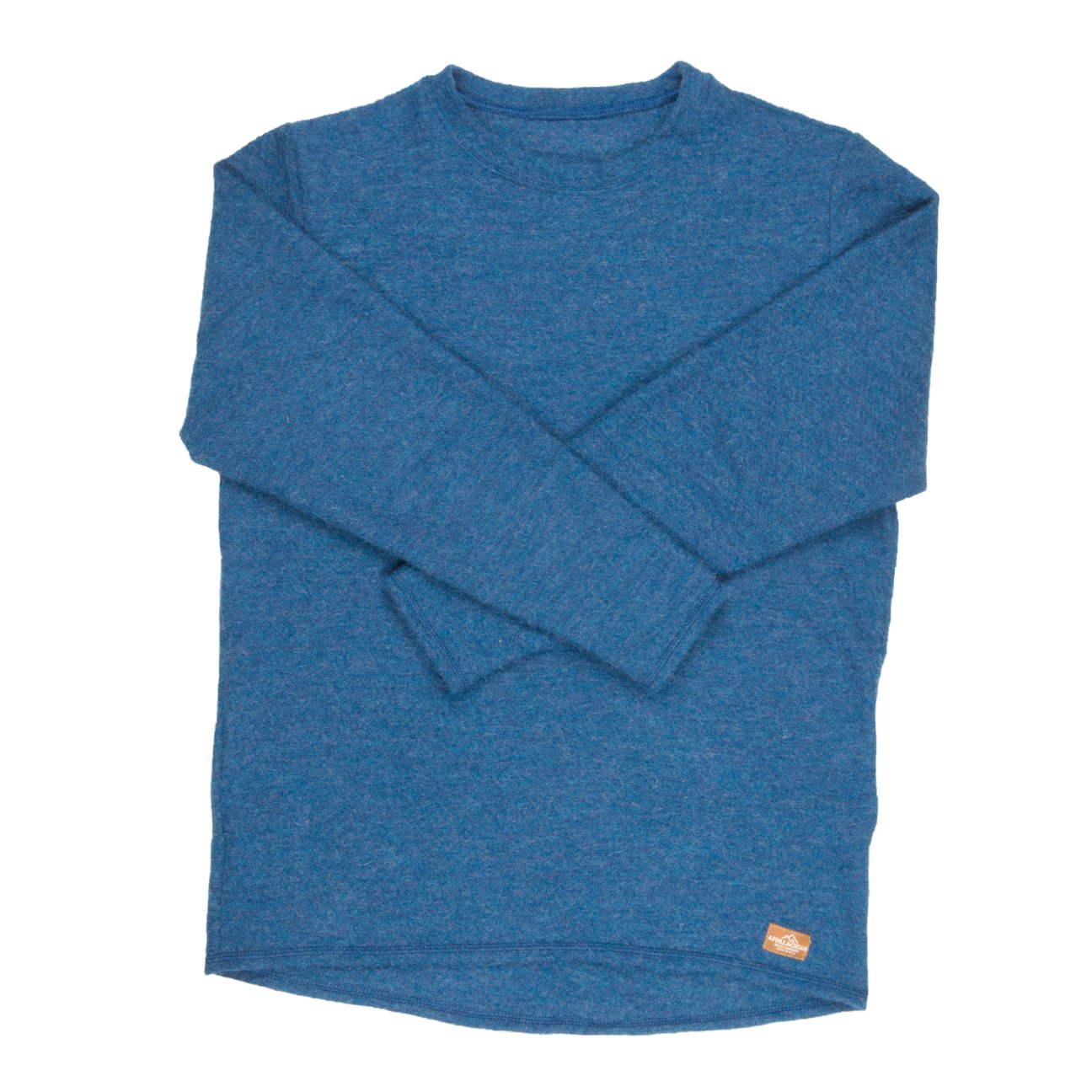
I’m sensitive to textures and tend to lean towards natural fibers whenever possible. When it comes to mid-layers, that means merino – until the last few years, that is. Appalachian Gear Company makes a lot of bold claims about how alpaca wool is superior to merino – claims I’ve yet to verify via testing with Backpacking Light fabric-testing wizard Stephen Seeber. But I’ll say this – the Appalachian Gear Company All-Paca Crew mid-layer is the most stink-proof material I’ve ever worn in the backcountry. The fabric is a little more scratchy than merino, but seems way more hydrophobic (according to my unscientific, but extensive, observation). The hooded version is popular, but I prefer the crew-neck because two or three hoods from my various other layers are more than enough! Seriously, not every layer needs a hood. – Andrew Marshall
Patagonia Baggies 5-inch Inseam Shorts
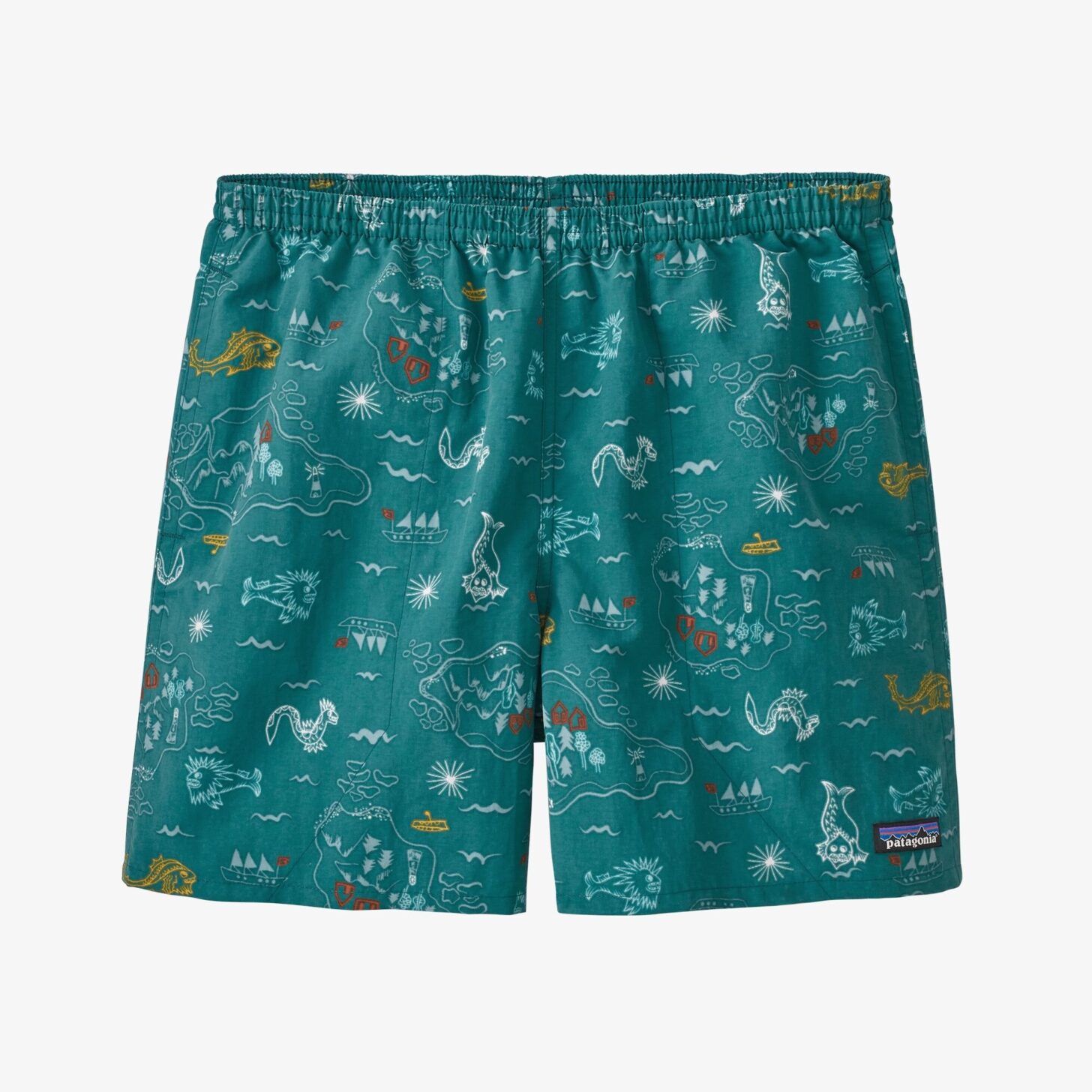
I’ve been wearing Patagonia Baggies shorts with 5-inch (13 cm) inseams for longer than I can remember. Incredibly tough, incredibly cool, dry fast enough, stuff rarely falls out of the pockets, almost un-noticed under pack hip belts, PFDs, and wetsuits, despite weighing 7 oz (202 grams). Yes, I’m one of those old dudes with skinny legs wearing unfashionably short shorts. Deal. – Rex Sanders
Senchi Designs Lark Hoodie
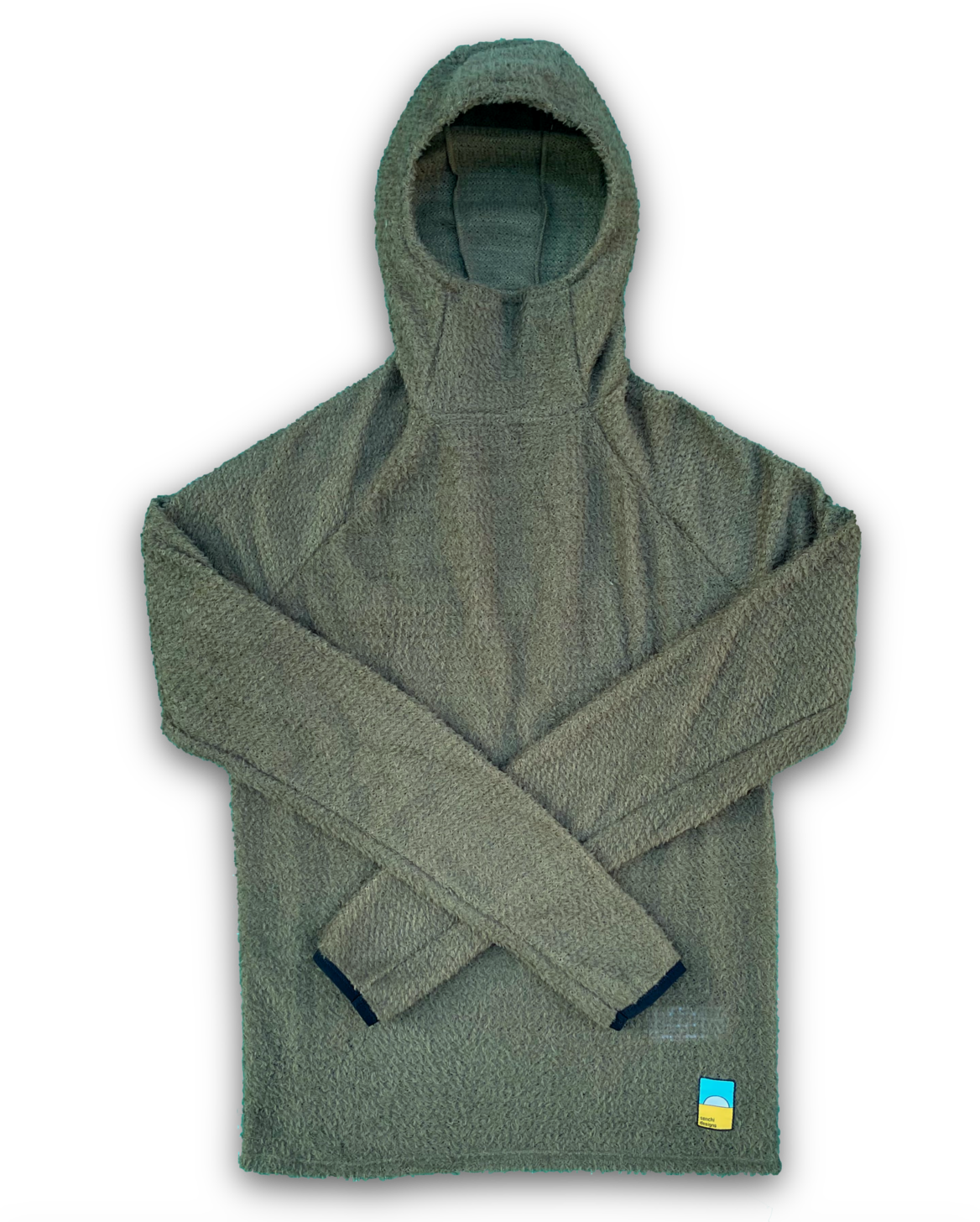
The Senchi Designs Lark Hoodie is an ultralight mid-layer or extra-warm baselayer, depending on what size you buy. I am 5 feet 11 inches (180 cm), 160 pounds (73 kg), and I purchased the Lark in size large (4.8 ounces / 136 g total weight). It fits comfortably over a baselayer, making it a perfect mid-layer to wear under a shell when winter hiking, backpacking in the rain, or packrafting in cool weather. The Polartec Alpha 90 Direct Insulation is super breathable, so it seems to work best under a wind-shedding layer such as a rain jacket. It’s also pretty stretchy, making it comfortable to sleep in. Because the material is basically little tufts of fleece held together by a thin, web-like lattice, it is not super durable and should be handled with care. In my experience, wearing a rainjacket over it sufficiently protects it from snagging on velcro, junipers, or sandstone. – Ben Kilbourne
TrailHeads Ponytail Hat
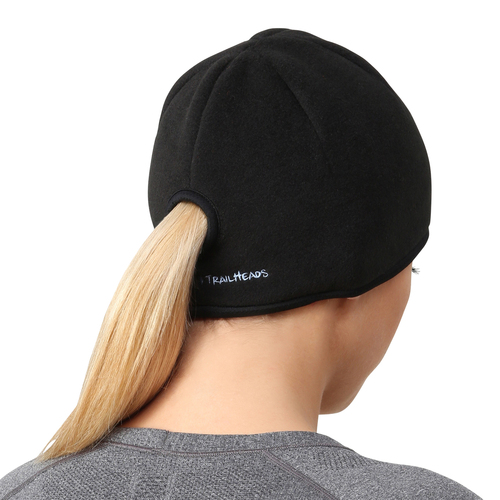
The TrailHeads Ponytail Hat is my most loved piece of gear. I have been using this for 17+ years and it has held up through all of the Rocky Mountain seasons. I’ve used it for backpacking, hiking, skiing, snowshoeing, and it has even fit under my bike helmet for fatbiking. It is soft and warm and fits a ponytail or low bun comfortably. It stays in place even while running. Keeps ears and head warm in cold temperatures. Even comfortable to sleep in during those cold high alpine summer nights while sleeping in a quilt. This is a great piece for anyone with long hair. It’s a signature piece for me and has been so easy to care for. – Stephanie Jordan
Smartwool Merino Sport 150 Hoodie

I wasn’t sure if I was going to be very happy with a shoulder season baselayer that didn’t offer any ventilation features like a zipper, or a non-balaclava style hood. The Smartwool Merino Sport 150 Hoodie surprised me in both aspects. I love the simplicity of not fiddling with a zipper or having it get in the way, and when paired with a lightweight hooded wind shirt (I really like to pair this with the Patagonia Houdini Air), the looser hood is comfortable and warm. Surprisingly, the hoodie has also made it into my summer pack, and when bugs aren’t biting, it provides sun protection and is still light enough to wear alone for warm days in the mountains. – Ryan Jordan
Zpacks Brushtail Possum Socks
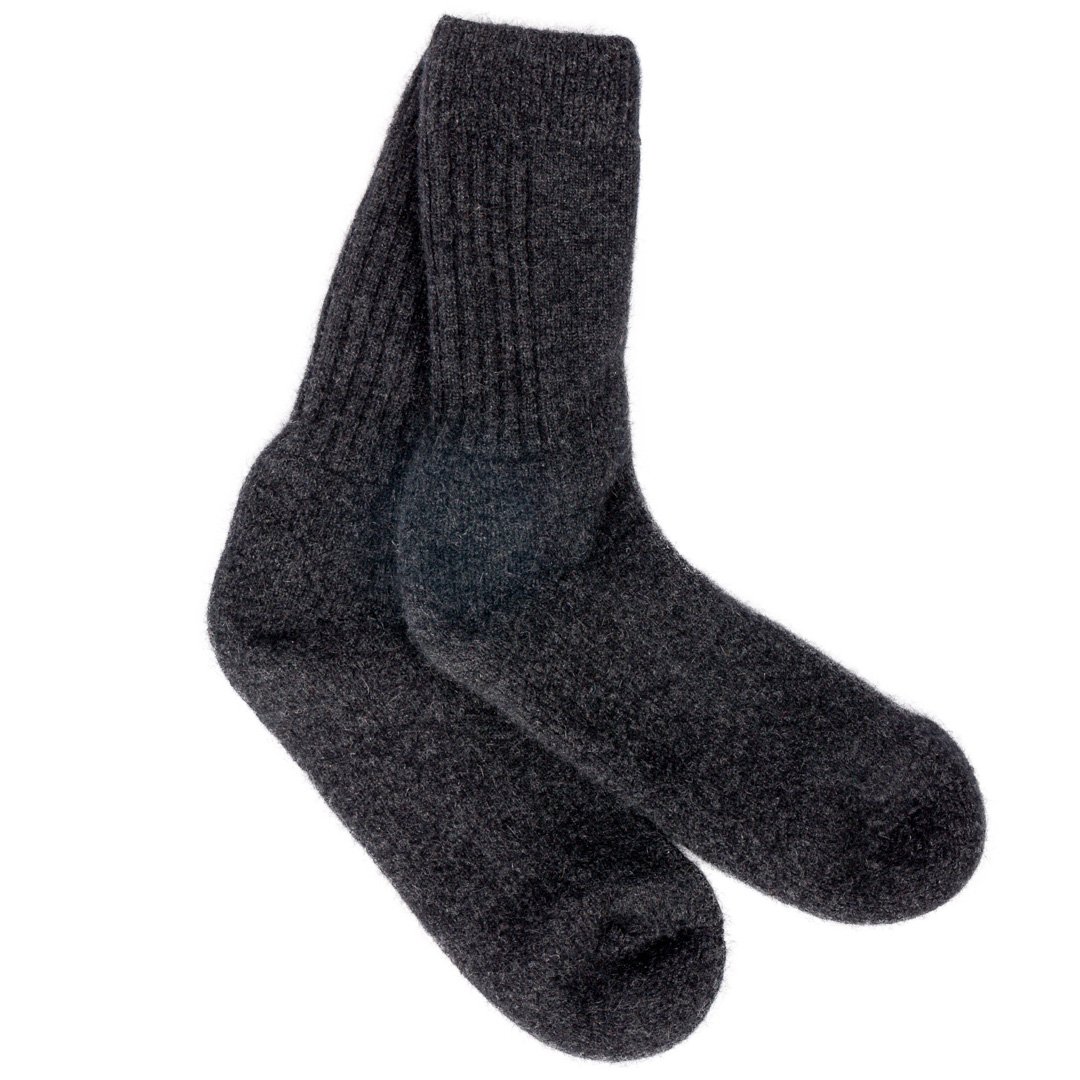
Spent too many nights with cold feet, trying in vain to warm up and dry out damp hiking socks. Decided to splurge on 3.1 ounces (88 g) of Zpacks Possumdown Socks dedicated to camp. I love slipping these on after a long day on the trail, both to pad around camp in cushioned comfort (with shoes, of course), and to keep my toes toasty during those long hours of darkness. – Rex Sanders
Endura Humvee Waterproof II Socks

Whether I am hiking during a New England Nor’Easter, or snowshoeing and spiking during the coldest parts of the Rocky Mountain winter, the Endura Humvee Waterproof Socks have become a core part of my winter weather gear. Winter treks have always been extra miserable for me as I’ve struggled to keep my feet warm regardless of the gear I have. These socks have allowed me to be out in the wilderness longer, safer, and with a heightened degree of enjoyment in winter conditions. Combine with gaiters and waterproof shoes for even more winter warmth and to keep the knit outer fabric of the Humvee Socks from getting saturated. – Chase Jordan
Cooking and Hydration
MSR LiteLifter
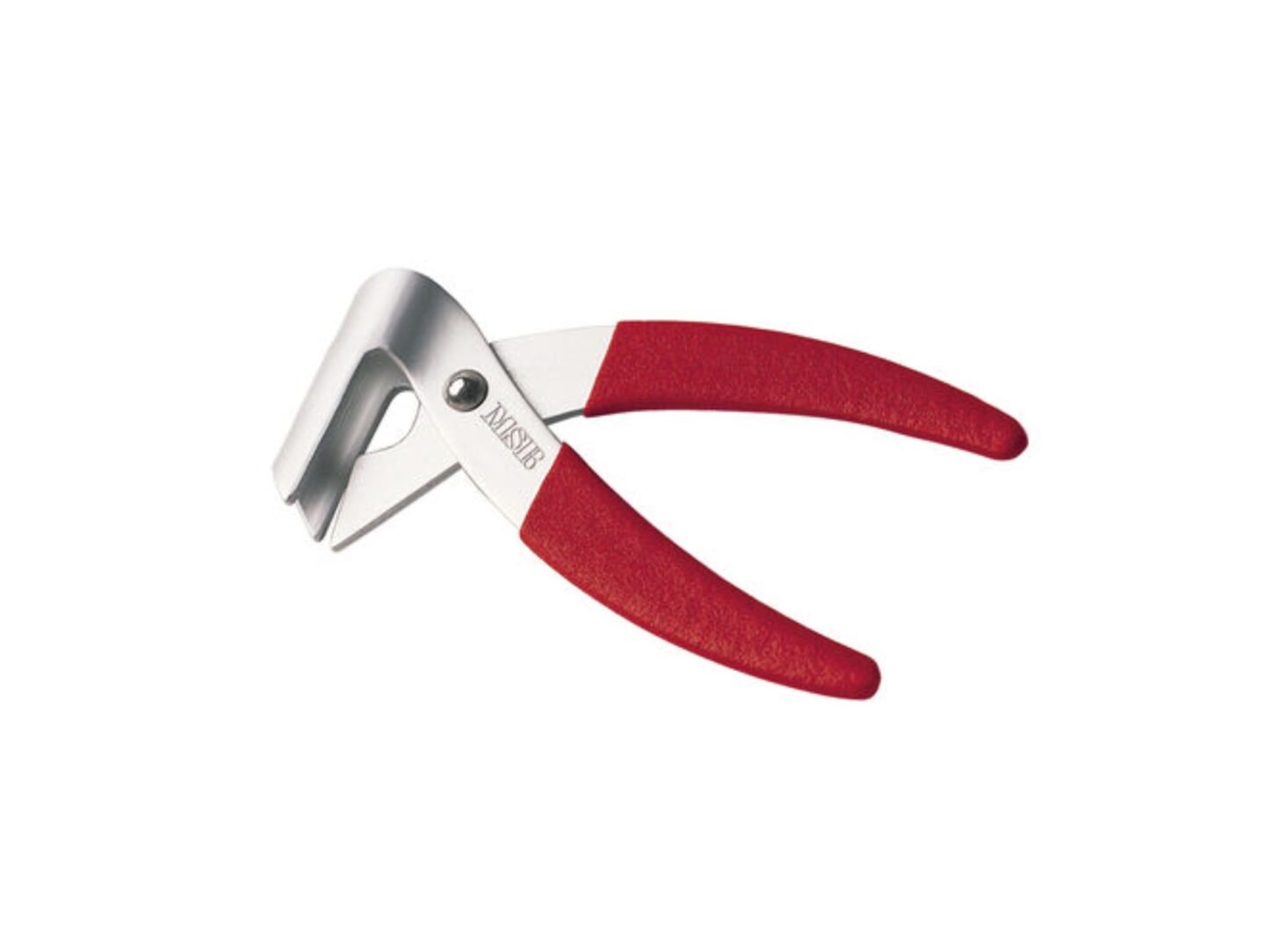
Billy grips, pot lifters, or spondonicals – there is no doubt that these are a marvelous invention, and (unlike so many trivial accessories) a pair should be in your pack. They completely solve the problem of handling a full hot pot or a frying pan. They work like a bent pair of pliers, with the rim of your pot fitting into a notch at the end of the pliers. Drop the grips over the edge of the pot and close the handles. The notch and the long handles mean you don’t have to squeeze very hard to maintain a secure hold. Other than the MSR LiteLifters, there are several brands on the market with minor variations in design, with a reasonable price ($8) including postage from eBay. Some are rather expensive (up to $70 from one American retailer). They are wonderful tools, but don’t leave them attached to the pot while cooking: they will get very hot in the updraft from the stove. The best place to leave them is on top of the lid on the pot. That way they hold the lid down, keeping steam in, and you will know exactly where they are when you need them.
For the curious, the (Australian) term spondonical comes from a Three Stooges movie, where Larry is performing some surgery.
Larry: “anesthetic”
Helper passes large rubber mallet, Larry dongs patient on head.
Larry: “scalpel”
Helper (passes scalpel): “scalpel”
Larry: “scissors”
Helper (passes scissors): “scissors”
Larry: “spondonical”
Helper: “spondonical?!” (rummage frantically through piles of instruments)
Pinnacle Foods
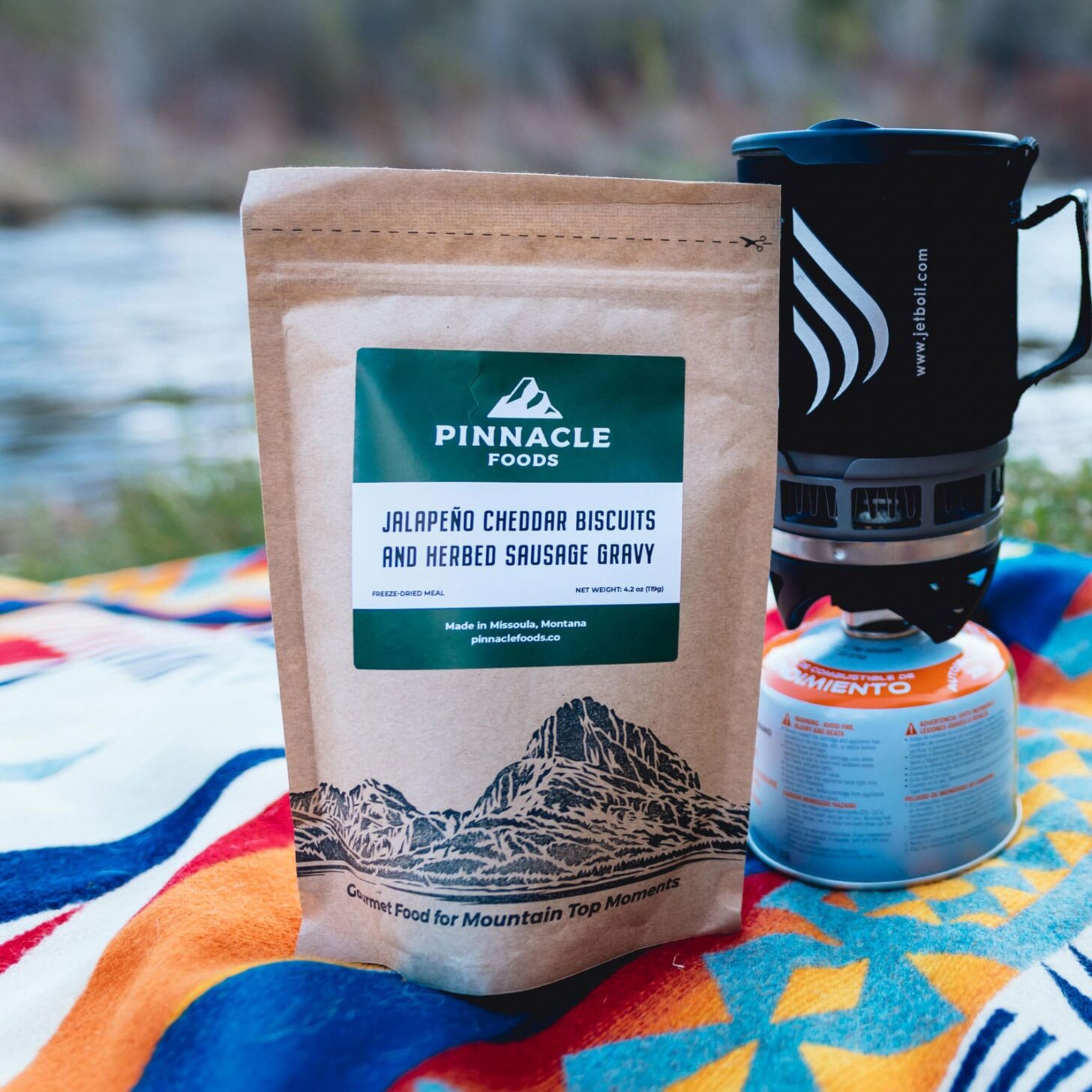
Pinnacle Foods makes the best freeze-dried meals I have ever had! These meals are absolutely delicious and the fact that the company is local to me – western Montana – makes it even better. Great choices of entrees. I’ve usually resigned myself to just having oatmeal or a bar for breakfast, but the Jalapeno Cheddar Biscuits and Herbed Sausage Gravy meal is a treat I found myself packing more often. – Mark Wetherington
MSR Windburner
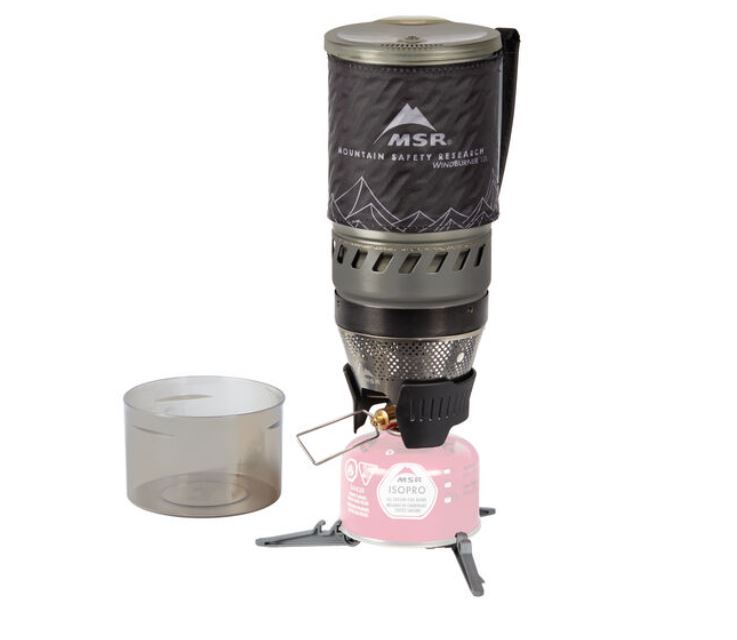
I have long been an ambassador for integrated canister stoves for their ease of use. This year, I swapped my old Jetboil Flash out for the MSR Windburner, and won’t be going back. The simplicity and sleekness of the integrated-canister design, coupled with excellent wind protection built into the pot makes this an excellent cooking system for backpacking in exposed mountain environments at high elevations. – Chase Jordan
Outdoor Herbivore CinnaMonkey Chomps
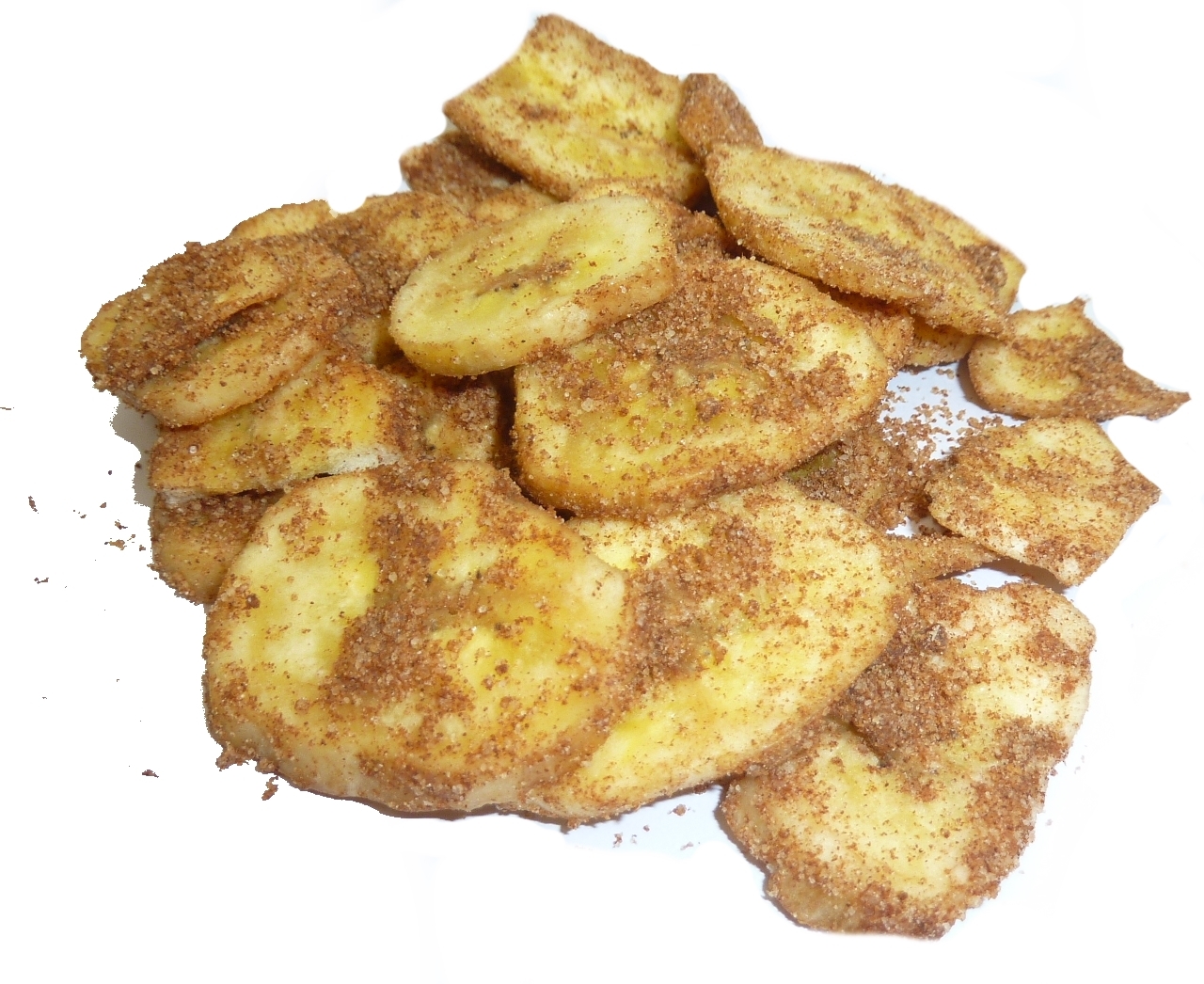
I spent a year over 2020/2021 researching and testing vegetarian and vegan packaged backpacking meals. Outdoor Herbivore and Pack-it Gourmet were both standouts. In particular, Outdoor Herbivore’s cinnamon-sugar dusted, baked plantains won me over for life. These things come in 6 oz (170 g) packages and pack an impressive 860 calories per serving – that’s 143 calories per ounce. I eat them on the go-between lunch and dinner, sub them out for breakfast if I want to get out of camp quickly, or have them for dessert. As a final perk, Outdoor Herbivore ships orders within one or two business days, making them a great choice if a last-minute trip comes up and you just can’t stomach a Backpacker’s Pantry dessert from your local big box store. Yes, you could probably make these yourself, but sometimes it’s worth spending a few extra bucks for convenience. – Andrew Marshall
Footwear
Altra Lone Peak
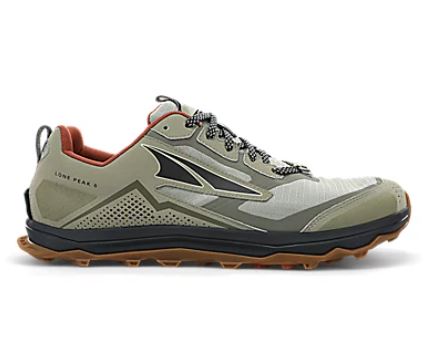
This year’s iteration of the Altra Lone Peak shoes keeps the comfort of the wide toe box, zero-drop sole, and excellent breathability that has kept me coming back to these shoes year after year. This year’s shoe, in addition, reduces some seams that were common failure points in the last model, making for one of Altra’s more durable trail running shoes yet. – Chase Jordan
Black Diamond Distance Spike Traction Devices
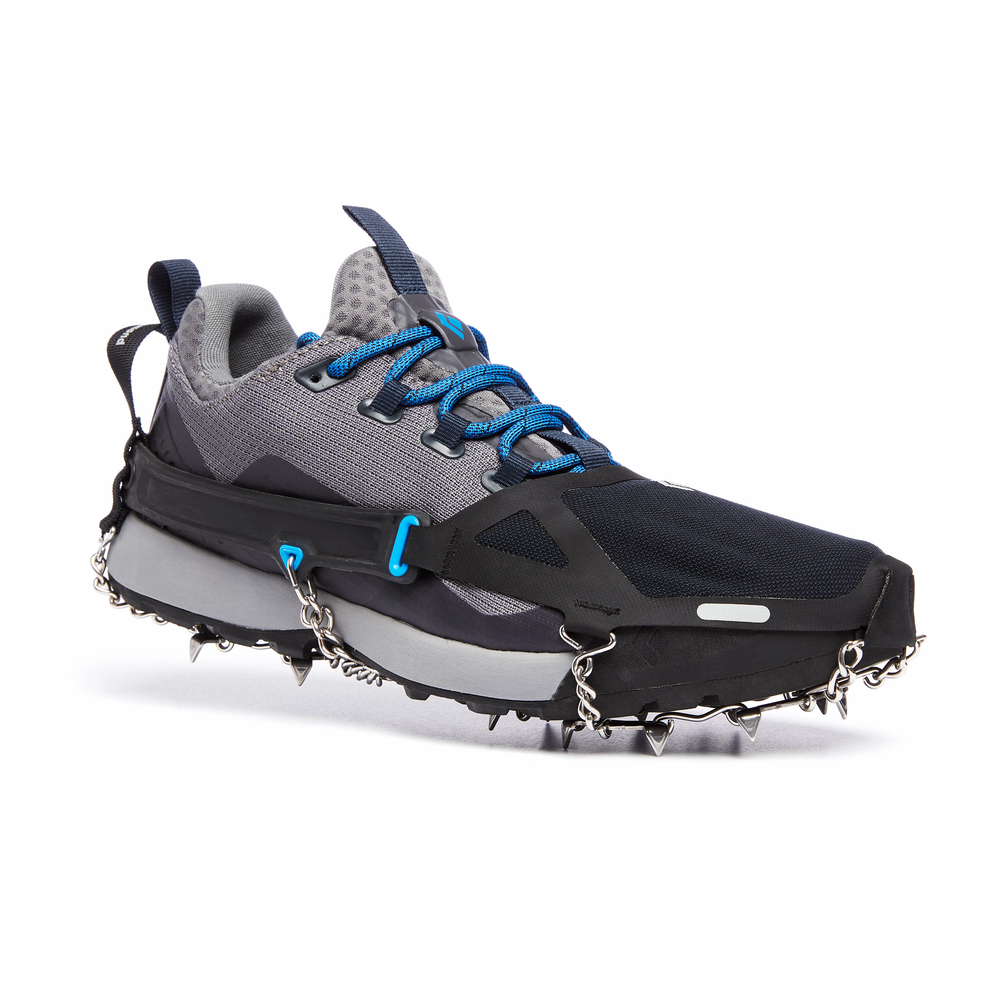
Winter is my favorite hiking season and the Black Diamond Distance Spike Traction Devices have quickly become my favorite traction device while hiking snowy and icy mountain trails. They are the first pair of spikes that have stayed in place and not shifted on my narrow feet, especially on steeper, icier terrain. The soft-shell toe cover is comfortable and keeps the snow from entering through my laces, helping keep my feet warm. The large heel loop makes them easy to take on and off. They are light (6.7 ounces / 190 g a pair) and small to pack. I appreciated the little storage bag that came with them, so I could toss them in my pack without getting other gear wet or snagging something fragile. I’ve worn these mostly over Hoka, Altra, and Topo Trail Runners. – Stephanie Jordan
Accessories
Peak Designs Capture Clip
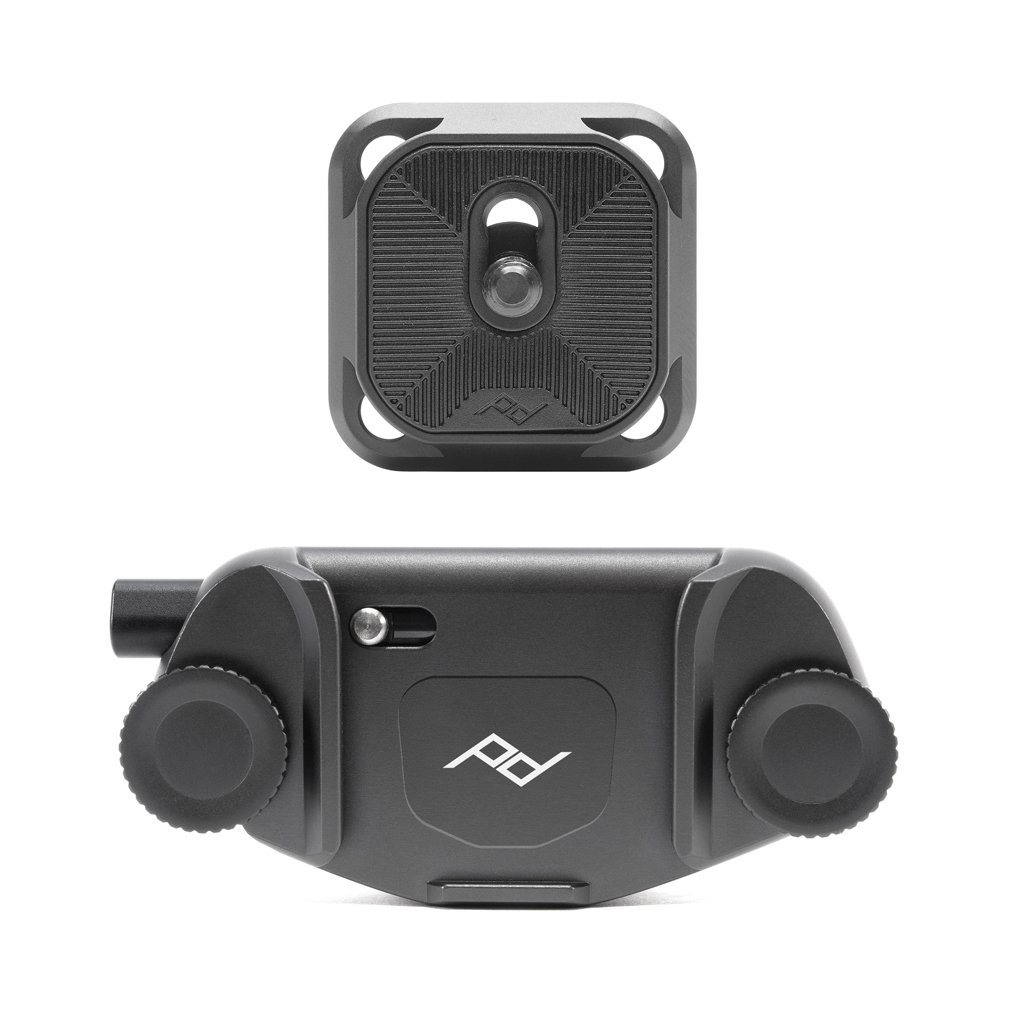
I bring the Peak Designs Capture Clip with me on every single hike and backpacking trip. I was an early adopter and have the original model! As a photographer out in the forests and on the trails, I like to keep my camera at the ready, and the Peak Design Capture Clip helps me have it in my hand at a moment’s notice. You never know when a fox or a marmot will scamper out in front of your feet! – Dan Hu
Katadyn Steripens

I used to employ both a filter and a Steripen. My wife just slept better when we went through both processes. After years of filters failing unexpectedly, I came to the conclusion that my one reliable source of water purification has been my Steripens. I bought my first one, the Adventure Opti in March 2011. After a couple of years, I got fed up with the type of batteries it required, which made it expensive to run, and I got a Classic 3. The Opti was relegated to supplemental use with larger groups. Now it is my son’s means of purification as a Scout after his first filter failed him on a three-day backpacking trip last year. We pack extra batteries and the devices have never failed. Will they one day? Probably. But the longest run I ever got out of a filter was the Sawyer Squeeze, which lasted about five years. This past October, on our three-day backpacking trip with the Scouts, a number of parents wondered about the Steripen, and my wife made the comment that she does not quite trust the blue light and would be more comfortable if we did both filter and UV again. As always, I reminded her that we have not gotten sick in the past couple of years using only the Steripens! – Iago Vazquez
Black Diamond Distance Carbon Running Poles
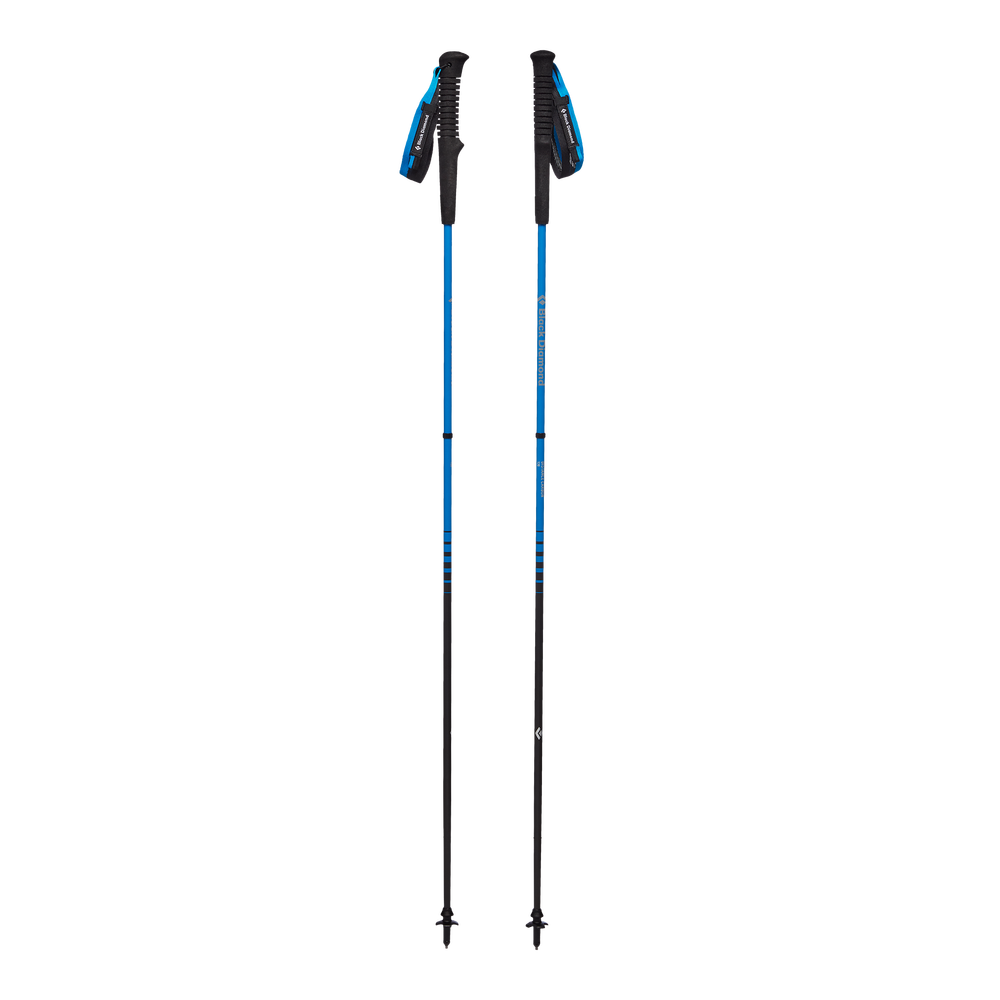
Over the years, I’ve seen so many sets of so-called ultralight carbon fiber poles break and be discarded that I can’t in good conscience recommend these somewhat disposable poles for most hikers anymore. Still, I like my trekking poles simple: foam grips, fixed-length, as stiff as possible, and of course, lightweight. That’s where the Black Diamond Distance Carbon Running Poles come in. They’ve been in my kit for the entirety of 2021 and have become my favorite pole for all conditions except backcountry winter skiing and snowshoeing in deep snow (the baskets are too small and I prefer adjustable-length poles for traveling through deep snow). Best of all, they are stiff, strong, and less than 7 ounces (200 g) per pair. – Ryan Jordan
Engelmann Spruce Cones
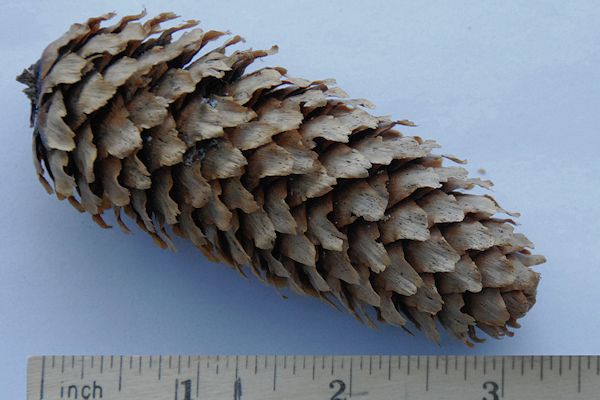
I am all for LNT, but am not at all excited to pack out used TP. Eliminating and reducing TP use is a win all the way around. There are many materials one may use as a substitute, but one of the most effective, available, and plentiful is the humble cone of the Englemann Spruce. These beautiful trees are common throughout the montane and subalpine zones of the Rockies and Cascades. The scales of the cone are not exactly soft, but they are papery and flexible. At about 3 inches long by an inch wide, they are big enough to give your fingers some separation from the business end, and small enough to get in where they need to go. Give them a try. – Drew Smith
Share your favorite gear of 2021 with us!
What are your favorite pieces of outdoor gear from 2021?
Tell us what you loved and why in the forum comments below!
Related Content
DISCLOSURE (Updated April 9, 2024)
- Backpacking Light does not accept compensation or donated/discounted products in exchange for product mentions or placements in editorial coverage. Some (but not all) of the links in this review may be affiliate links. If you click on one of these links and visit one of our affiliate partners (usually a retailer site), and subsequently place an order with that retailer, we receive a commission on your entire order, which varies between 3% and 15% of the purchase price. Affiliate commissions represent less than 15% of Backpacking Light's gross revenue. More than 70% of our revenue comes from Membership Fees. So if you'd really like to support our work, don't buy gear you don't need - support our consumer advocacy work and become a Member instead. Learn more about affiliate commissions, influencer marketing, and our consumer advocacy work by reading our article Stop wasting money on gear.


Discussion
Become a member to post in the forums.
Companion forum thread to: Staff Picks 2021
Each year, our staff selects their favorite hiking, backpacking, and other backcountry gear that they’ve used this year – our infamous Staff Picks!
ZPacks Sub Nero in Robic. Weighs 9.7 oz with 30 liter capacity. I’ve used it for about 35 days and nights this year and I’ve fallen in love it. Shoulder straps are well padded and the mesh front pocket holds quite a bit. What’s more I can comfortably carry more weight than any other similar volume pack I’ve owned. And it is shorter, wider and deeper than most frameless packs in the 25L to 35L range, which personally I find keeps the weight up higher and therefore makes everything ride better. Highly recommend.
The pack came with a blue folding ccf pad which I found woefully inadequate, so I instead opted for a cut piece of Ridgerest ccf with the ridges vertical to provide optimum rigidity and structure (great sit pad too). I also added a DIY shoulder strap water bottle holder (540 ml).
Hope to find one under the tree on December 25!! Same color too, lol
Ahhh – Spruce Cones ? ? ?
REI?
My favorite free ,best gear . Bread bag plastic tags for clothes pins.
I kind of thought 2021 Staff Picks would include gear that has come onto the market in the last year or two, but I know I’m being a stickler (as usual) so I suppose I should lighten up. Some items such as the REI Flex Air II and the Nunatak Bears Ear are recent, but the discontinued NeoAir All Season left me scratching my head a little. Gear such as the ZPacks Duplex and HMG 2400 Windrider have been around quite awhile (so passe’), however Andrew never says that anything on the list has to be recent, so I’ll let up.
Another new item I picked up this year which has recently come onto the market is the Exped Flexmat (M). Even though I like the Thermarest Z-Lite pad for colder temps, I never could bring myself to keep packing one because of its 14 oz weight. Of course the bulk is a downside, but with ccf there’s no worries about punctures, and when paired with something like a NeoAir Uberlite, NeoAir X-Lite or even a Klymit X Frame, it makes for a relatively light winter setup that works in all but the lowest temps. What’s even more though is its use as furniture to lounge around camp. Just find a tree, big rock or other solid object to serve as a backrest.
The Exped Flexmat (M) has virtually the same dimensions as the Z’Lite (72″ X 20″, 10 liter folded volume and .7″ to .75″ thick), however the Flexmat weighs 3.4 oz less. Listed weight is anywhere from 10.9 oz to 11.6 oz, but mine comes in at 10.6 oz on a very accurate scale. Pad is orange on one side (good for SAR) and olive green on the other. They are also available in Europe in olive green on both sides for stealth, not in North America however. R value is rated at 1.5 for what it’s worth.
Another item that has come onto the market relatively recently is the Thermarest Air Head Lite Pillow. Weighs 2.4 oz without stuffsack. After 2 different inflatable Exped pillows failed on me I decided to go with the Thermarest. Considering how pleased I’ve been with their sleeping pads, I have confidence the Airhead will hold up. Spent about 20 nights out with it so far and all is well.
Wish they’d come up with a wide folding pad.
Thomas C- bread bag tags are one of the most common things I find littering campsites!
“Wish they’d come up with a wide folding pad”
Your wish has been granted. Exped Flexmat LW. 25.6″ wide and 77.6″ long. Listed weight is 16.8 oz, but I’d bet it actually weighs less than that. If the length is more than you want you could of course just cut off 1 or 2 sections.
https://www.campsaver.com/exped-flexmat-lw-sleeping-pads.html?_iv_code=Z46-SLP-RTHG23E-7640445454988&utm_source=bing&utm_medium=free_product_listings&gclsrc=aw.ds&msclkid=86d3be8c6f9518d70a35df15682f1e1e&utm_campaign=Exped%3EUS%3EShopping&utm_term=4580909047930383&utm_content=Exped%3EShopping%3EUS
On longer trips where I hand wash clothes I pack 4 of these small size wooden clothespins that are 1 7/8″ long instead of the heavier 3″ long conventional wooden clothespins. Weight is negligible. Mini size (1″ long) are also available, but I find them to be just a little bit too small.
@MonteMasterson mentions surprise at how much “passe” gear :) is included in the list, but honestly my kit is so well dialed in that I have almost no interest in replacing anything unless it wears out. And then I’m most likely to replace it like-for-like if possible. The only “unnecessary” purchase I have made in the last 2-3 years is a Durston XMid 2P…and then only because I fear my (beloved) 8 year old Duplex may be nearing it’s end and I really don’t want to spend $700 on a shelter again.
Somebody would have to come out with something pretty amazing/revolutionary to coerce me into replacing perfectly good, and much loved, gear (something I would have happily done years ago).
I suppose I could add that I’ve had two NeoAir XLites during the same time I’ve had the All Season and the mylar film inside both of those has peeled leaving them somewhat uninsulated. The All Season by contrast is still warm even after all this time. Just felt worth noting that that product seemed to be excellent where other similar items weren’t quite as good. I have no idea why the All Season is so good though.
More All-Season praises – I have one that I purchased a couple of years ago on Gear Swap for $60. It was a warranty repair by thermarest – a small patch. I love this pad. Yes 19 oz is a little heavy, but it is warmer than the straight xlite model, with a very rugged exterior. Also the surface fabric on the top has a nicer feel than many pads when using a quilt. I could save a few (4?) ounces with an Xtherm, but I am not sure the $ per ounce is worth the expense.
I use a GG thin lite pad for protecting my Exped sleep pad from punctures. 2-3 ounces. Of course this has been around forever. It has very little r rate value. But way lighter than the flexmat.
https://www.gossamergear.com/products/thinlight-foam-pad?variant=30497164620
I don’t know the type of spruce cone recommended, but ours are sticky and covered with sap. Eew. However, one of my fav pieces of gear continues to be my trail bidet. Just keeps you clean throughout your hike. Easy, lightweight, nothing to pack out. So many different types, and they’re cheap to buy and try. Will never go back.
Hi Karen
Um . . .
A photo of the thing might help?
Cheers
Hopefully no one is using a spruce cone instead of a bidet.
Back in Kentucky we used corn cobs.
I wasn’t trying to throw shade at any of the classic gear items on the list, rather for some reason I had it in mind that “Staff Picks” should be newer stuff. Might be on my own with that one though. I often use a ZPacks .74 Solo Hexamid w/beak circa 2012 and I think it’s still the best for those who are under 5′ 11″ in terms of weight, small footprint, protection, simplicity, etc, so many of the items included in the Staff Picks are still as good or better than anything new.
Yea @jscott I get that 1/8″ Evazote is far lighter, but of course it also doesn’t provide near the advantages of the Flexmat either. More R value is the least of the Flexmat’s plusses. It offers much much more cushion on it own if one is Spartan enough and/or so inclined to go that route (no leaks like with air pads, never lets you down) or when combined with a 6 oz Klymit Inertia X-Lite torso length for example. But the biggest attraction to me of the Flexmat (or Z-Lite) is when lounging around camp for hours sipping bourbon, puffing on the vape and listening to music. I realize camp chairs are an option, but that’s a lot of extra weight which is single use only. Sitting on hard ground or 1/8″ foam pad just doesn’t get it. And lastly if the air pad goes flat in the middle of the night the Flexmat on its own will allow for a decent night’s sleep, especially if folded in half as a double thick torso length cushion. Ever notice how many thru hikers have Z-Lite attached to their packs, at least a 48″ length anyway?
Monte, my days of sleeping on a flexmat style foam pad are long gone. I’ve never had a leak on any of my sumptious air pads, partly because I baby them with things like the GG thinlight underneath to protect against punctures. I see the advantages of sitting on the Flexmat. But it weighs a nearly a pound. In winter, that would be worth it. But in winter, I day ski/hike and then retire to a room with a kitchen and a bed.
This makes me so happy. If we can do anything to get people to use what they have instead of buying the latest trend (often wasting their money) we’ll have succeeded: just get outside and enjoy yourself, and otherwise, be really intentional about what you do buy. I hope our reviews can continue to improve in order to get that message across the board instead of teasing people into buying something they don’t really need.
Ben’s pick of the old T-rest, and Drew’s Englemann cones – may be my two favorite picks this year.
However, I’m also appreciative of new gear that solves problems in a new way and makes our backcountry lives better. I can’t get myself to pull the trigger on the Nunatak Bears Ears pack yet, but dang, it does make sense, especially for those of us who use the Expedition Bearikade.
“However, I’m also appreciative of new gear that solves problems in a new way and makes our backcountry lives better. I can’t get myself to pull the trigger on the Nunatak Bears Ears pack yet, but dang, it does make sense, especially for those of us who use the Expedition Bearikade.”
As people are sick of hearing by now, I use a LuxuryLite frame with an ancient super light Mariposa sack strapped on. Altogether, it functions like the Bears Ears in terms of carrying a bear canister. Except the LL has a frame lip on the bottom that holds a canister perfectly. very solid. I carry the canister inside of my pack at the very bottom, resting securely on the lip. One could just as easily carry a canister outside with a smaller or different sack on top–like the Bears Ears.
Everything old is new again.
Hi jscott
I know the LL frame. My curiosity asks:
Why put the bear canister inside the pack bag, when it could sit happily on the base outside the bag? The bag could then rest on to of the bear can. Easier access to food.
Cheers
Roger, less bounce. I use a Bearikade Scout often. It’s not very big. The edges of a pack will hang over the Scout if it’s outside. When the canister is inside the pack, the whole bag sits very solidly on the metal frame lip with the canister on the bottom. I pack around the edges of the Scout. A Weekender will fit just barely sidewise all by itself, which is why I like a larger sack. Meanwhile, I carry my simple lunch in a GG belly pack along with my Steripen. So I don’t need access to food until I’m parked in camp.
Of course, a smaller bag might solve this issue for others.
I didn’t like the LL soft canisters because of too much bounce. someone with a smoother gait may feel differntly.
Aha! All is revealed. That makes sense.
Thanks
Cheers
Like @JCH most of my core gear hasn’t changes since 2014. While not perfect, I continue to be happy with my Nunatak Ghost Quilt, Zpacks Hexamid, MLD Superlite Bivy, Gossamer Gear Gorilla Pack, MLD 850 Pot, and Trail Designs UL Caldera.
My most favorite item was purchased in 2009. Patagonia Capilene 4 Hoody (these days called Thermal Weight) for cool/cold weather outdoor activities. Without wind protection the grid weave lets air flow through speeding the release of heat. With a shell it insulates well. Comfort down to 30F when running without a shell, below that with a shell. When walking on level ground comfortable down to 45F when combined with a wind shirt with hoods up. I am reasonably comfortable engage in high energy activities when it’s 65F by fully opening the zipper and pushing the sleeves up to my elbows. Dries amazingly quickly and feels more comfortable than any other shirt I have used when it’s wet.
Two recent clothing items which I have been very happy with their performance: Macpac Nitro Hoody made from Alpha Direct. A bit warmer than my Cap4 when worn under a shell and absorbs less water. Great active insulation. Gore Wear R7 Shakedry Trail Running Jacket. Good enough that I have started to use it not just for rain but as my windshirt.
FYI link to distance spike leads to bd access spike instead.
the backcountry bidet simply makes sense, i must admit
Become a member to post in the forums.