



Introduction
Lightweight wood saws for backpacking can be useful tools. I’ve used them for:
- Cutting firewood.
- Preparing limbs for snow trench shelter roofs.
- Building a pyramid for hanging a pot over a fire.
This article includes a video where I show the process by which a saw can be used for preparing wood for further hatchet-splitting (or batoning with a knife) to create dry kindling from wet wood.
Backpacking wood saws are not considered essential items by most of us, but they offer enough utility that it’s worth exploring the market to see what’s available across the weight spectrum.
Limitations
Backpacking wood saws suffer from three primary limitations:
- They are bulky.
- They are heavy.
- They don’t have enough cutting power to be useful.
So-called survival saws are the least bulky of all of them. They have no frame to hold the saw blade, which is typically just a short “chain”. Folding saws are less bulky than non-folding saws, but require more time to deploy.
In terms of weight, saws with longer blades require more framing to keep the blades stable, and will necessarily be heavier.
Cutting power and quality is defined by these three factors:
- Teeth per inch (TPI) – the number of teeth per inch of saw blade. The fewer teeth per inch (and the deeper the teeth), the faster you can saw through a given thickness of wood (generally), but the rougher the cut and more likely the teeth will get hung up on knots in the wood.
- Opposing teeth – saw blades with teeth that are perfectly in line (parallel to) with the saw blade cut more aggressively – i.e., faster with less effort, because cutting is performed on both push and pull strokes. This feature is a hallmark of pruning saws, which are designed with opposing teeth for cutting through live, wet wood. Dry wood blades do not have aggressively opposing teeth, and can get stuck in soft, wet woods that can swell during sawing (e.g., fir, pine).
- Blade length, thickness, and saw frame – the more robust a frame is (which provides blade stiffness), the thicker a blade is, and the longer a blade is, the more power you can transfer to the saw with your body. This makes cutting faster and more efficient. All of these features also add weight to the saw.
An Overview of Selected Wood Saw Models
One of the more popular compact camping saws is the veritable Sven Saw, a folding model with an aluminum frame and 15-inch blade that weighs about 11 oz (310 g).
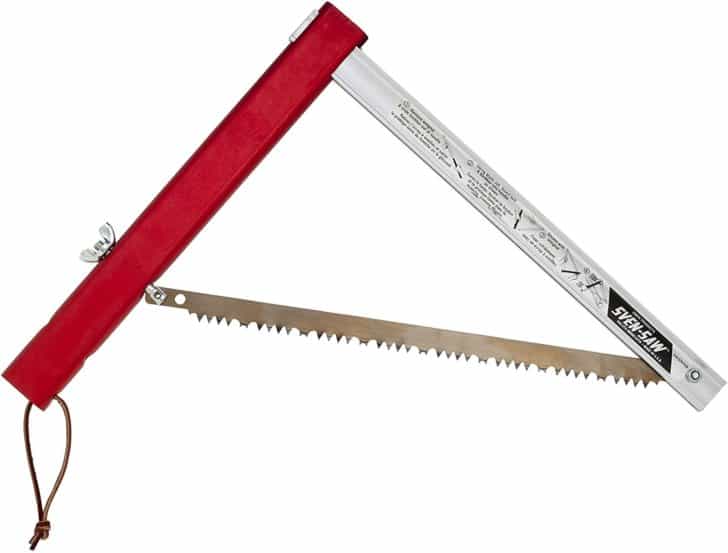
The Sven Saw is a powerful, functional saw that folds away to a relatively compact package, but is generally considered to be a bit heavy for the backpacker who needs a saw only for incidental use.
At the other end of the spectrum, one of the lightest and most compact wood saws is the Coghlan’s Pocket Saw, which weighs a little under 3 oz (86 g) and rolls to the size of a small spool of fishing line.
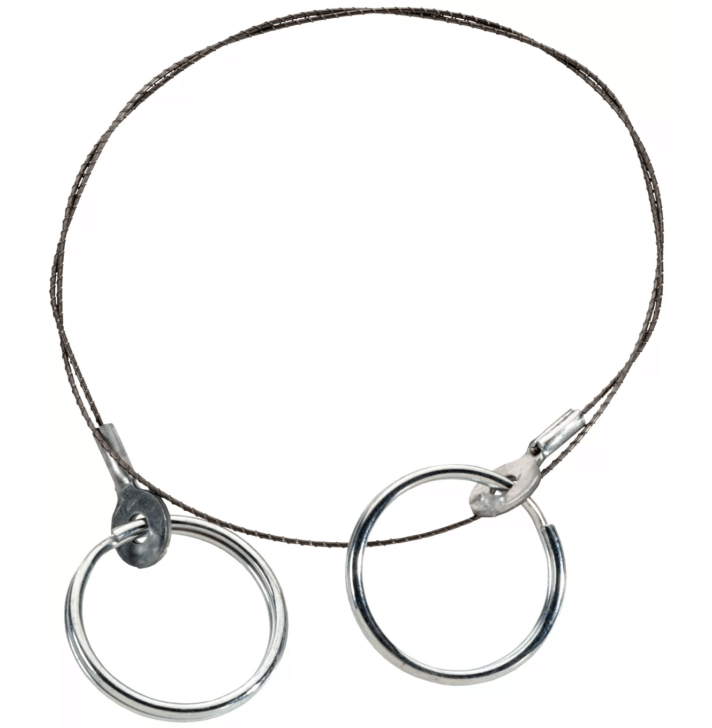
Although very compact and light, the Coghlan’s Pocket Saw has very little cutting power and is generally considered to be more useful in a survival kit than as a backcountry tool requiring frequent use.
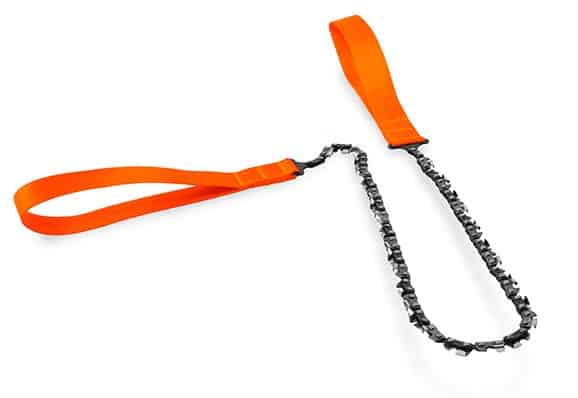
The Pocket Saw is a lighter weight version of the well-known Nordic Pocket Saw, which typically uses nylon webbing handles connected to a very light chainsaw-style blade. Nordic Pocket Saws are much more powerful than the Coghlan’s Pocket Saw and would be well worth the added weight of 2 oz (56 g) or so if you needed something that could actually cut wood.
I’ve used both the Sven Saw and the Coghlan’s Pocket Saw and neither of them is found in my backcountry kit today. For the past few years, I’ve been using two products that I find to be “high performance” (good cutting power) while still being light and compact enough that it doesn’t provide me undue hardship to include them on short backpacking trips.
The first one is the Bahco Laplander pruning saw.

It’s not quite as powerful as the Sven Saw, and has a much shorter blade length (7 in vs. 15 in). It’s a folding saw as well but requires only a push button to engage and it deploys quickly. It’s also more compact and lighter (6.8 oz / 193 g) than a Sven Saw. It cuts both wet and dry wood well.
The most popular alternatives to the Bahco Laplander are folding saws from Fiskars and Silky, especially the Silky Pocketboy 130. My experience with Fiskars folding saw blades is that they don’t hold their sharpness in response to heavy use. I find that Silky Saws are a little less ergonomic when it comes to discomfort in my hand during sustained sawing – the handle isn’t quite as comfortable for me as with the Bahco Laplander.
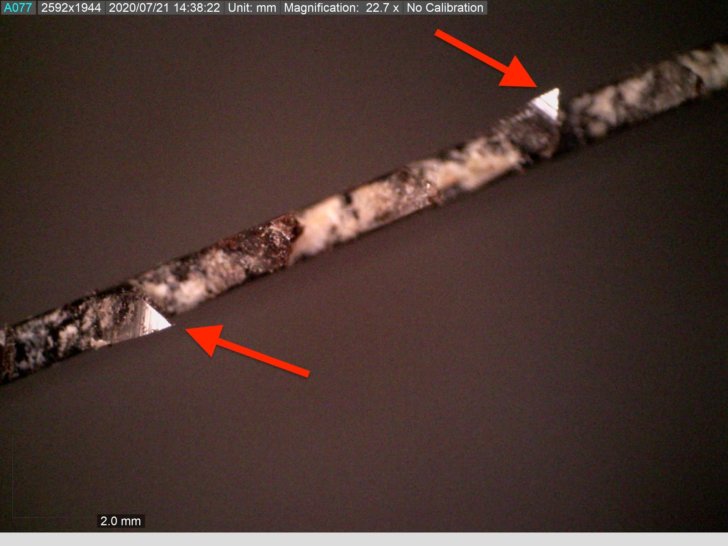
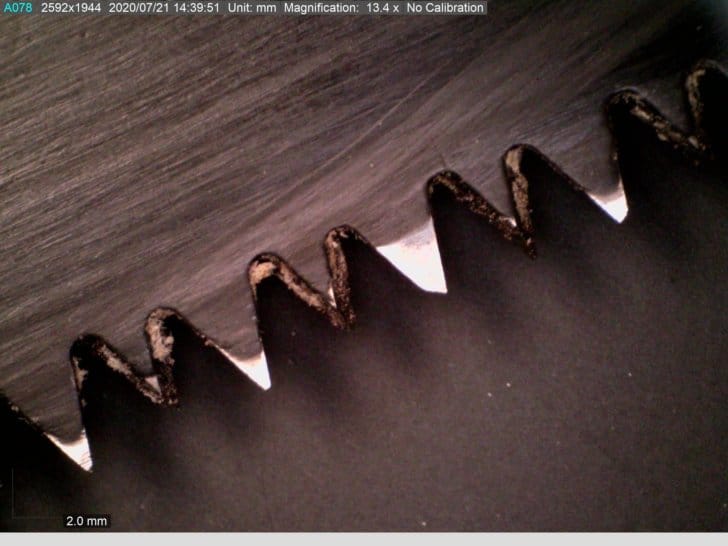
The second one is the Suluk 46 Uki Bucksaw.
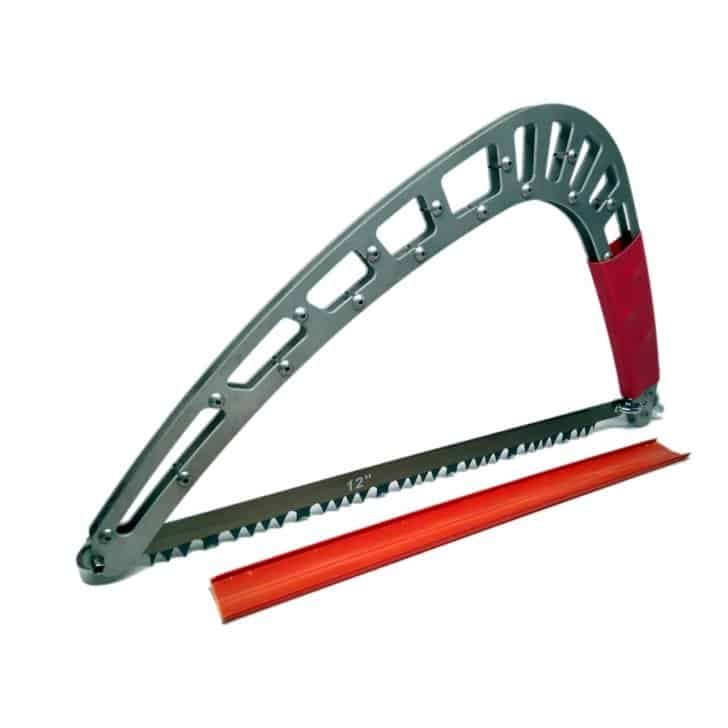
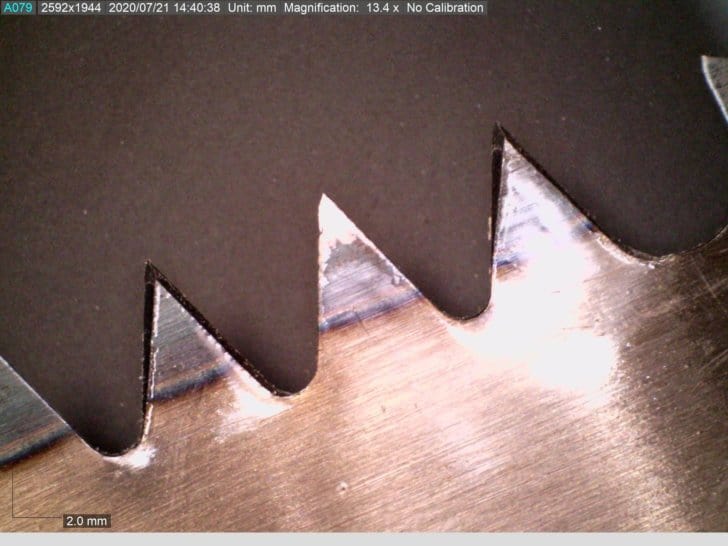
The Uki has a custom-designed aluminium frame built for stiffness and light weight (4.9 oz / 139 g), and uses standard 12-inch buck saw blades. Heat-shrink tubing is used to create a comfortable handle. It doesn’t fold, so it’s the bulkiest of the wood saws mentioned here. The blade can be tensioned to a very high level so it’s an efficient cutter. It cuts dry wood well, but suffers and gets stuck on wet softwoods like pine.
In Use (Videos)
The first two videos show the Bahco Laplander and the Suluk46 Uki in use on dry, soft wood (beetle-killed pine).
The second two videos show the same two saws on wet, harder wood (dead aspen).
Final Thoughts
Suluk46 accomplished something special: a beautifully-designed 12-inch buck saw that weighs less than 5 oz (142 g). It has potential, but its utility is limited by thin, aftermarket saw blades that shine when sawing through dry, soft wood but suffer for wet hardwoods. The Suluk 46 Uki buck saw will be fine for most users cutting dead fir and pine.
The Bahco Laplander is about 2 oz (56 g) heavier than the Uki. However, it’s more compact and more versatile, and represents the best of what a lightweight folding saw can offer.
The Sven Saw has the most power of all of these saws, due to its blade length. Like the Uki, it suffers when trying to saw through wet hardwoods.
The Pocket Saw is nearly useless beyond its ability to be included in a survival tool that you might give away as a gift, but otherwise is unable to efficiently cut wood that you can manage to break yourself with a swift kick.
DISCLOSURE (Updated April 9, 2024)
- Product mentions in this article are made by the author with no compensation in return. In addition, Backpacking Light does not accept compensation or donated/discounted products in exchange for product mentions or placements in editorial coverage.
- Some (but not all) of the links in this review may be affiliate links. If you click on one of these links and visit one of our affiliate partners (usually a retailer site), and subsequently place an order with that retailer, we receive a commission on your entire order, which varies between 3% and 15% of the purchase price. Affiliate commissions represent less than 15% of Backpacking Light's gross revenue. More than 70% of our revenue comes from Membership Fees. So if you'd really like to support our work, don't buy gear you don't need - support our consumer advocacy work and become a Member instead.
- Learn more about affiliate commissions, influencer marketing, and our consumer advocacy work by reading our article Stop wasting money on gear.


Discussion
Become a member to post in the forums.
Here’s what affects saw performance and how that’s revealed in four models from Bahco, Suluk46, Coghlan’s, and Sven Saw.
Thanks for the great article Ryan!
I’ve been wondering about lightweight cutting tools so this article is really timely. I’ll be giving the Bahco Laplander a closer look.
Hi Ryan, thanks for the review, I appreciate the opportunity to have one of my products featured on BPL. For others reading, Ryan did reach out to me beforehand about the possible limitation when used on wet, hard wood, on the Uki Bucksaw. I have researched and purchased a number of saw blades and haven’t noticed a difference, so let’s try something different…if someone can recommend a blade that works in all conditions, I will redesign the Uki Bucksaw to accept the new blade and send it back for testing. So let’s hear some recommendations!
Hi Ryan: I have been using a Little Buck Saw ( http://www.qiwiz.net/saws.html ) 4 ounce saw for the last 4 years. I have been able to cut wood wet or dry with this little saw up to 4 inch diameters. It takes about 2 minutes to assemble for use and packs in a Tyvek envelope.
https://backpackinglight.com/forums/topic/84465/
Curious to hear about thoughts regarding converted lightweight Japanese wood saws. I picked up one of these in the past, and there are several forum posts on similar. They cut nicely for the limited situations I have used one.
https://backpackinglight.com/forums/topic/85117/
Interesting article. I wish the trapezoidal saws one sees in say, the Piragis Northwoods Catalog, were also included as they are the most efficient folding saws.
I’ve owned a SVEN SAW for decades as well as a Gerber SwitchBlade wood and bone saw (2 different blades, thus the name)
I see wood “bow”, trapezoid or triangular take-down saws as good for canoe and car camping or with a hunting group where community property is distributed among campers/hunters.
The “wire” and “chain” type saws are more work than they are worth, from my own experience.
I have always found that Silky saws cut way better than the Bahco. You do need to have the Large or XL tooth blade though. The finer tooth sizes are for carpentry work. The Silky saws have a double row of teeth that only cut on the pull stroke, and have quite fine blades so your cutting style must adapt to this technique to get the best from the saws. I have a Gomboy210 for summer canoe trips and a Bigboy360 for winter use.
The Suluk saw has a thinner blade because it is held in tension by the frame. It is a blade with raker teeth, designed to clear wet sawdust from the cut as the blade moves through. It should have cut wet wood fine. This is the style of blade you’ll see on the movies of old lumberjacks felling and bucking timber. You can also buy these blades without raker teeth for use on dry wood. The cutting teeth should protude slightly on alternating sides of the blade (looking edge on), it’s designed to cut pushing forward. If left tensioned in the frame the blade can lose this set. You can bend them back out again with pliers or a special tool but better to store the blade loose. Good buck saw blades are hard to find nowadays, many don’t come with enough set in the first place.
If you are relying on wood for heat it really is a case of the longer the better when it comes to saws. I’ll generally use a 18″ fixed blade pruning saw for felling standing dead timber and then a 20″ Irwin 9TPI tooth panel saw or 21″ Dustrude folding bucksaw for turning that into firewood. When the temperatures are below -25 and the light is fading you don’t mess around with small saws!
The main issue with the Uki blade doesn’t seem to be that it’s a raker blade, but that it’s only 0.7mm thin. So the cut isn’t wide, and when wet wood swells during the cut, there may not be enough cut width to continue accommodating the blade’s free movement.
Silky Saws have excellent blades, for sure.
If the teeth are set properly on a buck saw blade they will make a cut that is substantially wider than the blade.
In over 50+ years of backpacking I have never needed a saw. What am I missing?
Aw heck Ryan, you left me out! I’m still selling these:
10.5″ blade carved from Corona pruning saw, ultralight at 3.1 oz., unlimited depth of cut, extremely rugged, very fast cutting (11 sec. through douglas fir 2×2), great for any kind of wood, and compared to a bow saw very compact and no assembly required.
8″ blade cut from Japanese nokigiri pull saw, super ultralight at 1.9 oz., unlimited depth of cut, no assembly required, good for smaller branches and great for bone and antlers.
Offered in Gear Deals
Maybe trail maintenance? Otherwise, I can’t imagine.
needed for bonfire backpacking..lol
Actually, I’ve sold a fair number of saws for trail maintenance to UL types, but many more to hunters, bushcrafters, preppers and UL people who camp where they are allowed to gather and burn deadwood.
For this
And spring archeology and fall elk hunting and anytime packrafting! We’re cutting wood all the time on trips in AK.
Some people backpack in the winter… not just ‘camping season’ as if there is such a thing.
Suggesting that You can’t have a normal size fire, or that all fires are bonfires is the kind of hyperbole that is ruining the world anyway.
>”I have never needed a saw. What am I missing?” -Nick
Trees, perhaps?
Not all of us do our hiking in the desert.
I’m joking.
I agree, in my 4+ decades of backpacking, I’ve never NEEDED a saw. I’ve used a saw to make nice, pretty firewood (which then got burned up). I’ve made clothes- and dish-drying racks from cut branches. I once even made a replacement knight for a chess set in a USFS cabin. It looked like a horse. Had little ears. Mostly, I’ve brought a pull saw along on my SECOND hike on a trail, when I knew of brush, downed small trees or low-hanging branches I wanted to clear during some pirate trail maintenance efforts.
I have brought a Sven saw on a 20-mile river canoeing trip and it was handy to clear downed trees so we didn’t have to portage the canoe around them, but that was probably a wash, effort-wise. It felt like the right thing to do, like clearing a trail, to leave it better for the next group.
That Nordic Pocket Saw? Forty nine Yankee dollars! For half of a chainsaw blade. Which are $12 (for a whole one) at Walmart. And there’s not even a half twist in the flat nylon wrist straps like proper ski-pole / trekking-pole straps have so they lie flat all around your wrist.
Maybe they reverse half the cutting teeth so it works on both pulls? Hard to see from the lousy pic on the website, but that would set it apart from a normal chainsaw chain.
Agreed on the dumb straps.
I was just being a little bit contrarian. I haven’t built a fire on a solo trip in almost 5 decades when I stopped cooking all my meals over a fire.
I do enjoy sitting around a campfire on the rare occasions I hike with others. Last fall an ember burnt a small hole in my Montbell UL Down Jacket even though I was wearing my Houdini to protect it.
I do hike in forests and in high mountains in winter too :-)
WAIT! How about a snow saw? Used for avalanche snow testing to cut blocks for strength and to find unstable sections like hoar frost layers.
Sadly they won’t do very well cutting wood, with the possible exception of balsa wood. ;o)
It is the only saw in many decades I’ve carried in the winter and then only after a bug snow dump when I’m back country skiing. It’s part of my snow safety kit.
What about having a really UL saw in the mix? Saws weighing 11, 3, 5, 7, and 5 ounces were reviewed and 3 ounce one was crap. While I carry that Bahco Laplander when I expect to do some trail work, the most I carry otherwise is the 1.5-ounce / 42-gram Coghlan’s Sierra Saw ($7 to $9, available at Walmart). Be careful if ordering online – there’s a much larger “Sierra Saw” by Coghlan’s for $10.

I used it yesterday to remove an overhanging 2.5″ branch on my way to the beach because it’s enough of scramble coming back up with my 12-foot net and a few salmon in a bucket in my backpack.
I brought it along 2 weeks ago on a 4-day BPing trip for gathering dead spruce branches for a warming fire.
In a National Forest, where wood gathering is allowed, you could avoid the weight of tent/tarp poles by cutting two branches to the desired lengths. 1.5 ounces is less than 10-16 ounces of trekking poles.
I’ve made some 11 to 17 grams SUL saws from bandsaw blades (ground in finger grooves and applied PlastiDip as a handle) and they work fine for making a few cuts, but are tedious, slow and uncomfortable if you have to cut a lot of wood.
If I used a twig stove, I wouldn’t want the larger saws – their larger teeth are hard to use on the 0.5″ to 1.5″ diameter branches I’d be cutting and the smaller teeth of the Sierra Saw do really well on those.
Corona folding saw. 6 inch blade. 5.5 ounces.
Here in pnw we have trees that fall across trail. Saw useful for that.
Winter – nice to have fire.
Last few trips I didn’t make one fire. Pretty warm, fire would make it worse
Become a member to post in the forums.