



When I was a junior in college my then-girlfriend drove from Atlanta to Savannah to break up with me, and it ended up being one of the better weekends we’d had in a while.
We strolled under Savannah’s leafy live oaks, hung out on the beach, and enjoyed each other’s company in a way we hadn’t in a long while. The coming loss sweetened the time we had left, each moment replete with a sense of forlorn beauty – at least that’s the way I remember it now, with my twenties well in the rearview mirror and my forties coming up fast over the horizon. As anyone who was my friend during that moment will tell you, that’s not the way it really was.
Time and absence – the two most potent seasonings of human experience.
This year I flew to Colorado to break up with the west – or more specifically, the kind of western mountain town I currently call home.
My twelve-day journey along the Collegiate Peaks Loop in Colorado was the result of a confluence of all-too-common western circumstances – a failed bid for a bucket-list permit on a different trail and a set of raging fires and choking smoke in my home range of the Sierra Nevada.
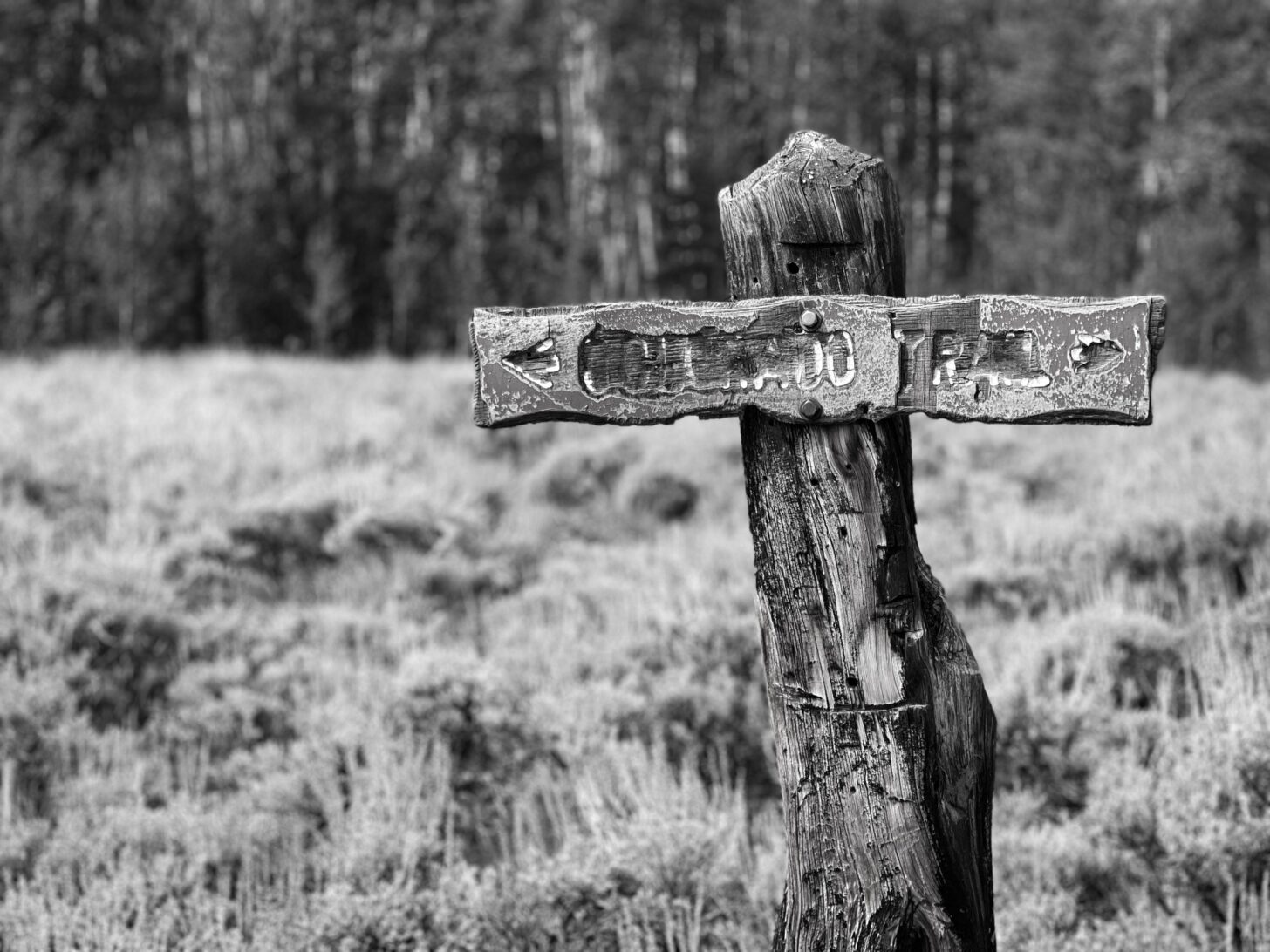
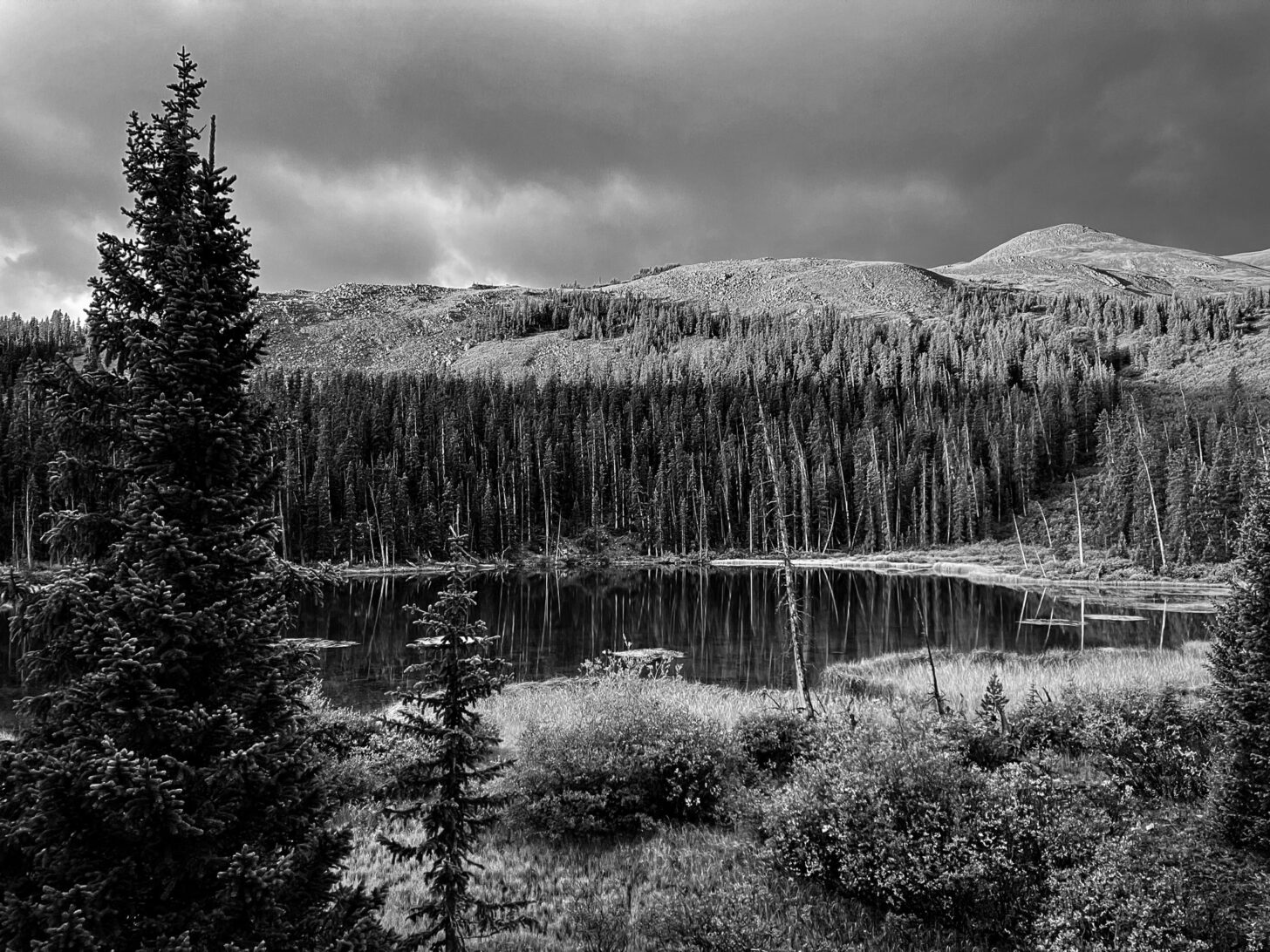
My hiking partner Nick and I try to do a big trip every year. In 2020 we actually scored a Wonderland Trail permit but had to cancel due to air quality in Mount Rainier National Park, which was how we ended up on a seven-day loop in the Smokies at the last minute. This year we had a more finely-tuned backup plan. When we failed to win the Wonderland permit lottery, we set our sites on the Colorado Rockies and met in Denver in early September. We let Nick acclimate for a few days (I live at 6,500 feet but he lives at 971) and then hit the Old Dusty, heading south out of Twin Lakes. The route follows the Colorado Trail East spur, then turns north along the Continental Divide Trail / Colorado Trail West spur back to Twin Lakes. The loop is 160 miles of sub-alpine aspen forest, high passes, and tucked-away lakes.
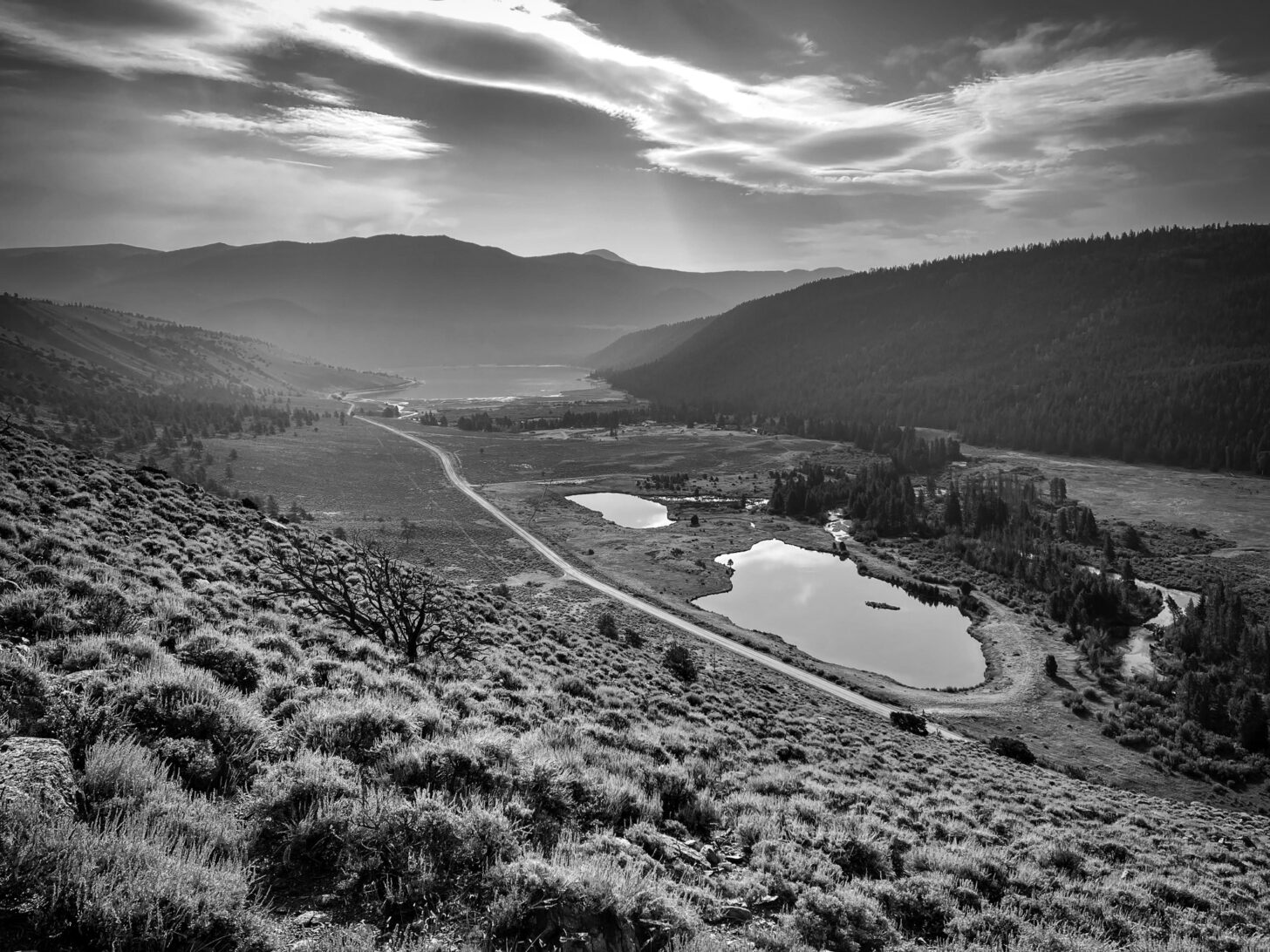
It seemed like a fitting breakup hike. And so we took our time in the first few days – Nick to allow his stressed cardiovascular system to acclimate a little more and myself to savor the unique western backpacking experiences that – I think – I may soon be leaving behind.
As Nick and I mosey along through the just-beginning-to-turn aspens, taking our time in camp and enjoying mid-morning stops for coffee and leisurely lunches, it might be worth explaining why I’m thinking of breaking up with the west. Like all lovers at the tail end of a relationship, I have not only my reasons but my doubts – and a strong desire to communicate both to anyone willing to listen.
So thank you, dear reader, for meeting me for coffee in this expensive western mountain town coffee shop – metaphorically speaking, I guess.
I’m not a western native. That’s the first thing you should know and it may color which side you take in my breakup story (you don’t have to take sides, but this is a breakup, so you probably will). As I mention quite a lot in my writing, I’m from the more shady, misty mountains of the southeastern United States. When I first moved west I was shocked to discover that strangers don’t necessarily wave to each other on the street or from front porches as we do back in Appalachia, and after spending some time in a western climate I’m convinced this is because in the southeast people are only two seconds away from slapping each other in fits of humidity-related rage.
And so my theory is that a certain degree of surface-level politeness has evolved, culturally speaking, to prevent old church ladies from bludgeoning each other over potato salad recipe disputes because it’s 97 degrees and 100% humidity at the Fourth of July picnic.
In any case, when I first ventured west in 2015 to thru-hike the Colorado Trail, I was smitten, as most everybody is. For one thing, when it rains on you, it mostly only does so for a few hours, and when it stops you and your gear can dry out as opposed to just slowly being eaten by fungus. The classic Colorado Rocky Mountain weather patterns held true for Nick and me, and we relished the cooling rain at low elevations early in our hike, knowing that we’d be warm and dry minutes after the showers passed over.
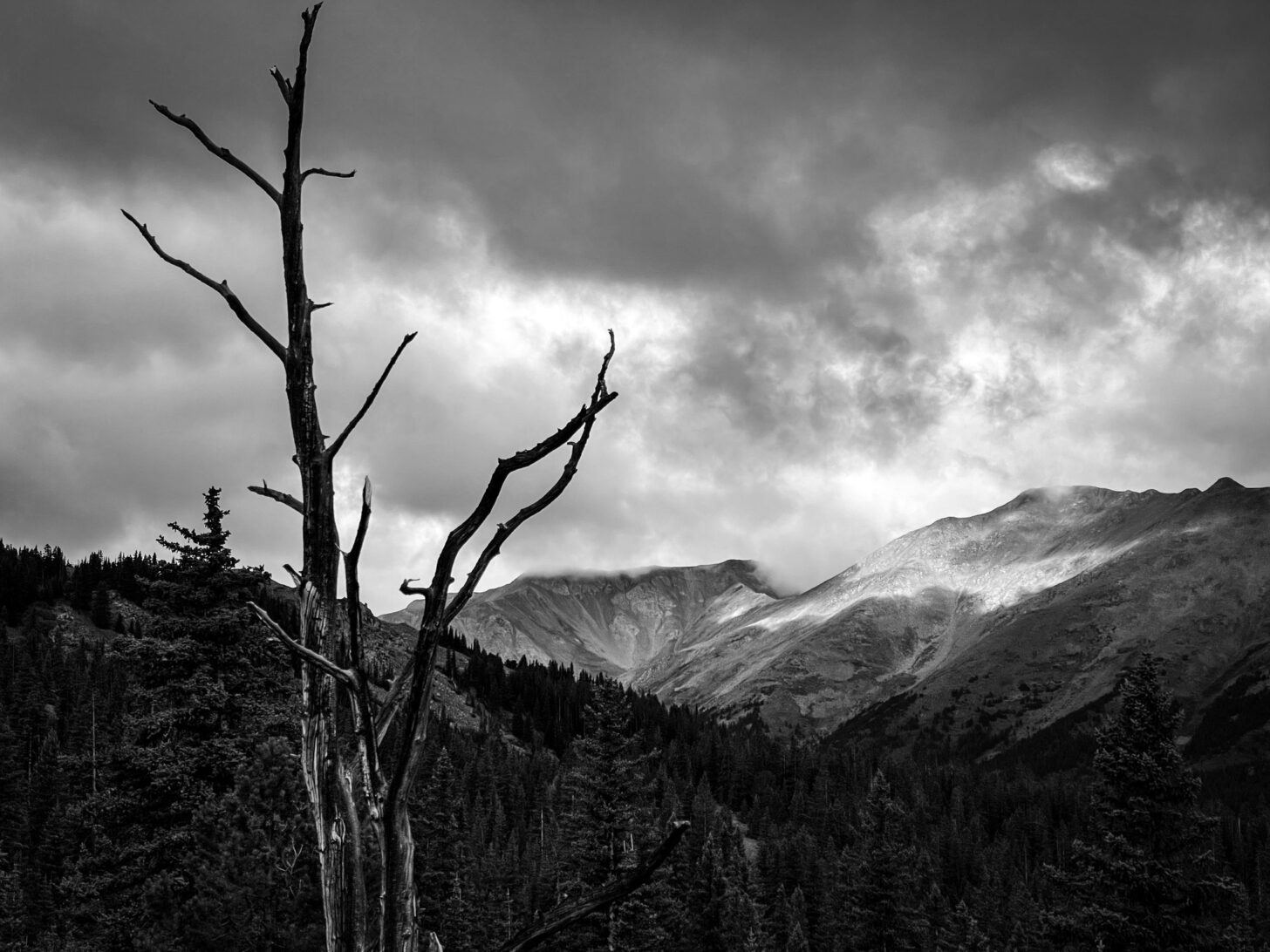
But of course, there’s a flip side to every coin, and the new reality of the west is that when it isn’t raining or snowing it might be about to catch on fire.
The implications for backpackers are obvious and immediate – increasingly difficult logistics, canceled plans, and stressful, hazardous hiking conditions being the most obvious. In 2021 I pulled the plug on a long-planned-and-trained-for Sierra High Route trip because I couldn’t make the risk assessment work in my favor with the High Sierra laboring under drought conditions and extreme fire danger. Canceling hikes like that has professional as well as personal ramifications for me. But forget backpacking for a second – let’s talk about just living in a certain kind of western mountain town right now.
My wife and I currently call the Tahoe basin home. It’s an astonishingly beautiful place to live, and also an astonishingly difficult place to live if you don’t happen to be Mark Zuckerburg, a Silicon Valley remote worker, or a black bear. Our housing crisis has made national news – twice – in the last year, and our rent doubled in 2021. We stayed afloat, barely, and consider it worth the effort and extra side-gigs we both take on to make ends meet in order to live in a beach town in the mountains with unparalleled outdoor access. But the work of being a normal person and living in an expensive western mountain town – like Tahoe, or Jackson, or Bozeman, or Whitefish – is not worth it if you can’t enjoy said mountain town, which we couldn’t with Tahoe’s air quality the worst in the world for a large chunk of the summer due to the Caldor and Dixie fires.
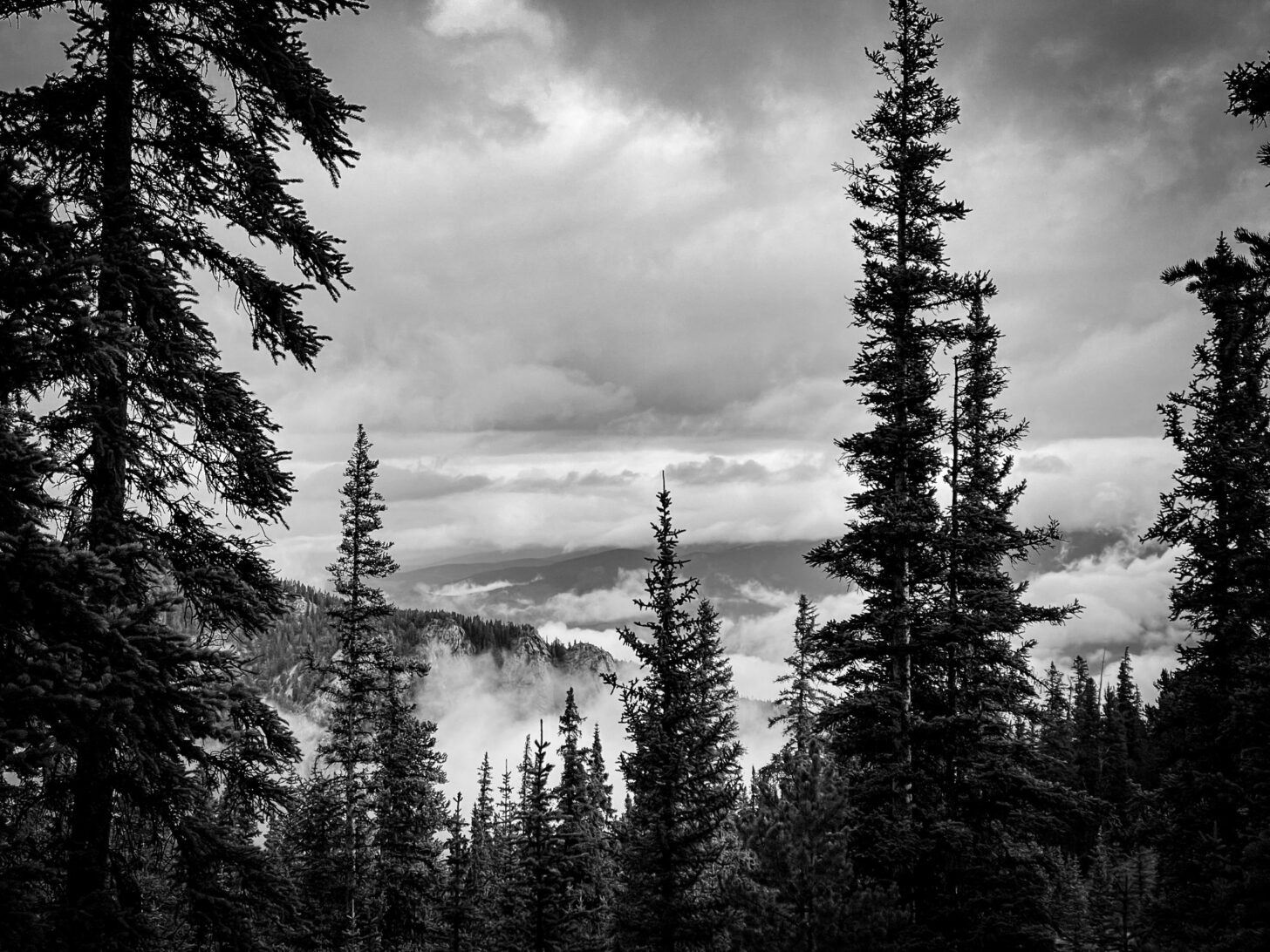
I realize that may sound trite in light of the massive property damage and evacuations those fires caused. But when you are sitting in your rented living room, knowing you’ll never be able to afford to buy a house in your area, surrounded by bills you aren’t sure you can pay, and your pregnant wife is wearing an N95 mask indoors because the AQI outside is 800 and the ash is raining down out of a sickly orange sky at 1:00 PM and you haven’t been outdoors or seen a blue sky in two weeks, you start to question the nature of your relationship with western mountain towns. To summarize – I can maybe live with an increased cost of living in western mountain towns, or increased impacts from wildfires – but maybe not both.
Member Exclusive
A Premium or Unlimited Membership* is required to view the rest of this article.
* A Basic Membership is required to view Member Q&A events


Discussion
Become a member to post in the forums.
We are not making intelligent choices.
On a recent overnight I was camped on an overlook in the front country with a view of Los Angeles, lights stretching from horizon to horizon…
Please excuse where my mind wanders when viewing scenes like this:
4,000,000 people using 128oz. of fresh water to flush ~8oz. of urine down the drain an average of ~6 times a day…every day. Forever.
Our wanton waste is staggering when you start running the numbers…There has got to be a better way.
nice view
amazing how you can get to wilderness so close to Los Angeles
I sometimes don’t flush after urinating. Especially if I expect a repeat in the near future. Several urinations for one flush
I would hope that most Californians have a brick in their toilet tank, or something to reduce the amount of water in each flush. And yes, I don’t flush after every pee. It’s not so bad.
As Craig says, we’re going to have to change behavior. That’s not so bad either. We’re going to have to give things up if we’re going to address global warming. This last is going to make us give a lot up whether we will or not. Easier to do it on our own terms as much as possible.
We’re having an atmospheric river pass through as I write. Pretty impressive!
will winter never end?
I think it’s pretty obvious that we’re not going to change behavior in a majority of people. So what then?
Enjoy what’s left! I wish there was more I could do for the next generation though.
using 128oz. of fresh water to flush ~8oz. of urine down the drain an average of ~6 times a day…every day. Forever. ??
Probably worse than that. The current LA County requirement (since 2016) is 1.28 gallons per flush or 160 oz. I’m sure many if not most toilets in LA County pre-date that requirement and possibly use several hundred ounces (3 gal is 384 oz.) a tricking leaky toilet flush flapper valve will lose several thousand per day; so if you hear a little water tinkling flowing noise…… ! Adds up to BIG numbers pretty fast!
Typically I do not participate on forums as much as I used to. But this article, even if not the typical gear/educational/technical nature, certainly hits home.
Years back I had the privilege of experiencing and eventually calling Alaska home for a while. Life circumstances had me move on but it is always still “home” in my heart. Unfortunately, over the years I could see the changes a warming trend had brought. When I went back “home” for a visit, that summer experienced one of the largest (lighting caused) wildfires that area had seen in years. It literally burnt up the wild places I frequented in my “back yard”. I had tears in my eyes seeing those forest and mountains on fire knowing they would most likely NEVER be the same in my lifetime, even if I moved back “home”. May sound awkward, but I did not break up with Alaska – circumstances made it break up with me.
Now that I am stuck in the mid-west with nothing remotely as good as the West or Alaska, much of my personal energy is spent trying to figure out ways to experience it before all the trees are burned or destroyed by insects, too dry to find water, or too smoky to breath.
And yes, those memories made “out west” will certainly reverberate in your mind for years to come if you move back east. Alaska still resonates within me even though I know it would not be the same.
Somewhat related – farming uses 80% of water in california. The farm reckoning is just beginning. People are a much smaller issue, though we should try to reduce our usage as much as we can.
“More than nine million acres of farmland in California are irrigated, representing roughly 80% of all water used for businesses and homes.”
https://www.ppic.org/publication/water-use-in-california/
Come up to Alaska for what you seek. You are welcome here, but you may end up in a cabin without running water. Trail hiking is easy by comparison. I enjoyed your discussion and I wish you and your family well, which ever path you take.
The most recent realtor stats have more Americans continuing to move to the Sunbelt, like this 2019 (pre-COVID) article mentions:
https://thehill.com/homenews/state-watch/439561-more-americans-are-moving-mostly-to-sun-belt-suburbs?amp
Updated for late 2021, I saw Florida had the most demand (top 4 of rental markets). Not much year long backpacking but there’s planes, trains, and automobiles.
Southern California was up there, then Phoenix, Austin, and Las Vegas. Probably a combination of jobs and not having to put up with winter. This even affects “secondary” markets like Albuquerque and Fresno, though people have moved internally too (from California to Arizona or to Albuquerque because San Diego has gotten too hot/want to see 4 seasons).
To be fair, I’ve known some from the Southwest move up north (from Arizona to Alaska …. or California to Minneapolis) for various reasons = water + cost of living, but still need to heat the home, etc..
I thought that was a great article.
I was born with crap lungs and Covid didn’t make them any better, so I’ll stay in Virginia, but even our one-week-a-year of trout fishing out west has taken casualties these past few years. Large, very occultish companies have bought a massive amount of land and housing here over the past five years, betting that climate change will force people back east, and it’s looking like they’ll make a mint.
This article in today’s NYT. I think you can read a couple articles per month without a subscription.
Some observations about the tangential impacts and sort of multiplier effects of extended dry periods as well as observations about how the dry periods make big rain events a bigger problem. One problem triggers a chain of problems.
I’m a scientist in California: Here’s what worries me most about the Drought
Too many people. Simple as that. More than once it has occurred to me that OP has it backwards: The West is breaking up with us. We’re too high maintenance for any reasonable environment to put up with us for very long. Gonna be a nasty divorce.
Just more gobsmackingly obvious in the west. It’s happening everywhere.
Too many people who won’t accept limits. U.S. folks especially think they have a divine right to instant gratification and all the amenities 24/7.
One benefit of backpacking is learning how to be very happy while carrying a minimum of ‘things’. It doesn’t take that much to be safe, warm, comfortable and fed. Meanwhile, the world opens up with your larger self and there it is! Nature revealing its secrets.
“Just more gobsmackingly obvious in the west. It’s happening everywhere.”
True enough, but some places are in a better position to mitigate the worst effects, at least temporarily. Canada and the PNW come to mind. But in the end, you’re on the mark. It’s gonna be a nasty divorce for humanity at large. I find myself wondering how many will survive, and at what level of civilization. It’s not just climate change directly, but mass migration and the wars it will lead to, opportunistic pathogens, etc. In the end, should the worst come to pass, I have placed my faith in the resilience of life at much lower levels of complexity, where the ability to adapt to rapidly changing, extreme conditions will provide an opportunity for life to evolve again in the direction of ever more complex organisms. Hopefully with more benign results next time around. In the meantime, I still manage to find more than enough natural beauty to immerse myself in up here in the PNW to keep me from even thinking about a divorce.
This is the crux of it, and likely always will be.
So how far do the limits go? Who sets them? And who enforces them?
I wonder about the extent we are an animal hardwired to resist limits in the first place. The tension between our biology and intellect are…well, the ageless story of all religion and philosophy.
We’ve all likely seen examples of communities of like-minded people go to pieces, even descend into outright violence, over perceived inequity…even if the inequity is as small as who always eats two extra bites of bread. Try and manage the behavior of a creature that operates like this on a global civilization scale. Yikes. It’s almost a wonder we’ve lasted so long.
Is membership in an affluent society that has strategically locked down its privilege the best we can hope for? Hasn’t that always been the goal of the family unit, the tribe, the village? And ultimately, maybe, the affluent break off a few crumbs for the less fortunate masses to make themselves feel good without actually giving anything real up? (The extent to which making sure your neighbors are reasonably well fed- lest they come for what you have- is actually a survival strategy is another topic entirely). Fast-forward to 2022: So you ride a bike, eat a little less sushi, and change your lightbulbs. Because make no mistake, any “limits” or sacrifices the average American thinks they’re making to save the world still keep them comfortably in the top 1%.
Long live CHAFF.
Random musings of an ageing CHAFFista:
“So how far do the limits go? Who sets them? And who enforces them?”
The Ultimate Reality, aka Mother Nature, in the vernacular.
“Is membership in an affluent society that has strategically locked down its privilege the best we can hope for?”
As long as we are born into that society when it is on top of the heap, as my generation and the one that succeeded it were. The situation has been deteriorating strategically ever since, relative to the rest of the world, and domestically regarding the fraction of our affluent society that gets to enjoy the fruits of said privilege. Timing is everything.
“The tension between our biology and intellect are…well, the ageless story of all religion and philosophy.”
In simplified form an epitaph for the human race? So much knowledge; so little wisdom.
Become a member to post in the forums.