

Episode 149 | Durability
Episode Summary
This is Part 1 (of 4) in a new series called Principles of Outdoor Gear Design and focuses on the topic of outdoor gear durability. Ryan Jordan examines durability through the relationship between product, use case, and user behavior. Backpack examples connect materials, manufacturing, and engineering to wear, damage, repair, and continued function. Learn how to interpret durability claims and evaluate the weight, cost, and maintenance tradeoffs involved in choosing gear. (This series is made possible by support from Vaer Watches as part of the Built by Vaer initiative, a partnership collaboration between Backpacking Light and Vaer to bring in-depth educational resources about product design to the Backpacking Light community.)
Listen Now
together with Vaer Watches
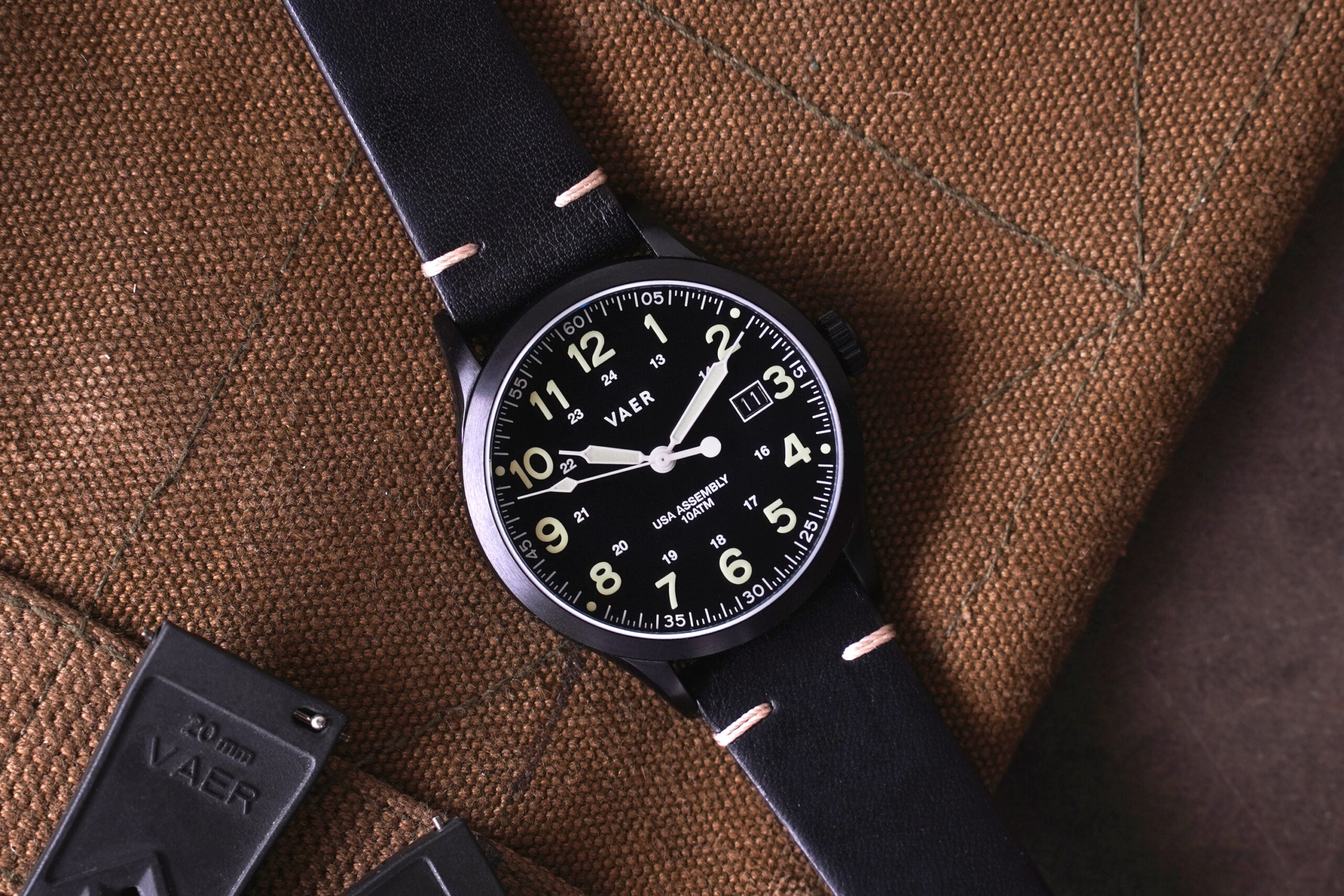
Durability isn't about weight or bulk. It's about a watch that keeps working long after you stop thinking about it. The C5 Tactical Field Solar runs on light, with a six-month power reserve from a single charge, so there's no battery to die mid-trip. A sapphire crystal, locking screwdown crown and 100m water resistance protect a matte black steel case that weighs just 64g. Assembled in the USA and backed by a 2-year waterproof warranty.
Show Notes
What do we mean by durability – and what do we value?
- Surviving a difficult trip, remaining functional for years, and retaining a nearly new appearance describe different outcomes.
- Product × use case × user behavior: construction gives gear physical capabilities; environmental exposure, trip demands, and handling influence how long it remains useful.
- Our expectations determine how much deterioration, maintenance, and repair we accept. Those judgments are distinct from the physical changes in the gear.
- Years of ownership need context: amount of use, loads, conditions, handling, and repair history.
How is durability engineered?
- Finished-product behavior depends on materials, geometry, connections, and manufacturing quality – not the main fabric alone.
- Abrasion, puncture, and tearing involve different processes. Evidence from one test does not answer every question about field damage.
- Shoulder-strap attachments illustrate how stitches, fabric, and reinforcement transfer loads, and why stronger thread alone may not solve a seam failure.
- Frame sleeves and suspension connections show why an intact frame can lose useful support when surrounding components deteriorate.
- Strength, stiffness, toughness, fracture toughness, fatigue resistance, and creep resistance describe different responses to loads and damage.
- Environmental exposure, hardware slippage, damage tolerance, repairability, and design margin also affect continued function.
- Additional weight or cost helps only when it addresses the construction or failure mechanism limiting useful life.
How do use case and user behavior affect durability?
- Thru-hiking adds repeated loading and prolonged exposure, with loads changing between resupplies.
- Brush can snag exposed pockets and their attachments; how the pocket is packed and how the user frees a snag change the demand.
- Sandstone scrambling exposes fabric to abrasion and may require lifting the pack through different attachment points.
- Heavy carries place demands on the frame, sleeves, seams, and suspension connections together.
- Setting down, dropping, lifting, sitting on, inspecting, and repairing gear influence the forces and damage it experiences.
- Considering user behavior does not excuse poor design or manufacturing. Evidence is needed before assigning a cause to a failure.
How do we apply this when choosing and using gear?
- Interpret positive and negative durability reports against the use and handling behind the reported outcome.
- Identify the function and component that need to last under your conditions before accepting more weight or paying more.
- Include the skill, time, and willingness required for maintenance and repair in the buying decision.
- Recognize that continued function through repair and preservation of original parts reflect different expectations of endurance.
Links, Mentions, and Related Content
Learn more at Backpacking Light:
- Research: Technical Fabrics for Backpacks, Shelters, and Storage Systems: A Comparative Guide – comparisons of fabric construction, properties, and limitations relevant to the episode’s material discussion.
- Podcast: Episode 139 | Repair Kits – planning repairs around trip context, consequences, and the skills and equipment available.
- Podcast: Episode 112 | The Analog Backcountry Experience – related listening ahead of the series’ discussion of usability and analog design.
Engineering References:
These resources support the general concepts discussed. They do not establish the remaining service life of a particular product or the cause of an individual failure. ASTM links provide standard descriptions; full procedures may require purchase.
- Cambridge – strength and toughness: material-property background for understanding design tradeoffs.
- Cambridge – strength and toughness teaching article: further explanation of these distinct material behaviors.
- University of Michigan – force and stress: how force and loaded area relate to stress.
- Virginia Tech – cyclic loading and fatigue: background on damage under repeated loading.
- ASTM E399 – fracture toughness: scope of a standardized test for metallic materials, rather than a general test of outdoor-product durability.
- ASTM D3884 – abrasion resistance of textile fabrics: a controlled rubbing test.
- ASTM D2261 – fabric tearing strength: testing tear propagation.
- ASTM F1342 – puncture resistance of protective clothing: a distinct test of penetration resistance.
- ASTM D1683 – sewn seams: testing failure in woven-fabric seam assemblies.
- NIST – accelerated weathering of polymers: research on exposure and changes in material performance.
- NASA – damage tolerance: technical background on evaluating structures with existing damage.
- NASA – Systems Engineering Handbook appendix: additional engineering background for considering requirements and design allowances.
About this series
Principles of Outdoor Gear Design is a four-part series created in partnership with Vaer Watches that features episodes about durability, usability, simplicity, and performance in outdoor gear design. It combines philosophy, engineering, and practical backcountry experience for outdoor industry professionals and users.


Discussion
Become a member to post in the forums.
Companion forum thread to: Episode 149 | Durability
What makes outdoor gear durable? Ryan Jordan connects materials, manufacturing, and design with the conditions and handling gear encounters in the backcountry. Using backpacks as a recurring example, he explains wear, failure, repairability, and the tradeoffs behind longer useful life. Part one of Principles of Outdoor Gear Design provides a foundation for evaluating durability claims and choosing gear for your needs.
Become a member to post in the forums.