


Introduction
Before the “Reduce, Reuse, Recycle” movement, we had “Use it up, make it do, or do without”. Such lessons in frugality may also be applied to lightweight backpacking. In some cases, the result is better than the ‘original’. This is one of them: vacuum sealing recycled mylar bags for backpacking food.
Like many other hikers, I dehydrate or assemble many of my own meals. Some of my backpacker friends complain that dehydrated tuna makes their packs smell like cat food, but those little, dried pieces of tuna can puncture the common plastic bag (aka ‘ZipLoc’R), encouraging the spread of food odors. Some other dried foods do the same. With an application of the “Reuse” philosophy, we can do a whole lot better.
The Mylar Snack Bag
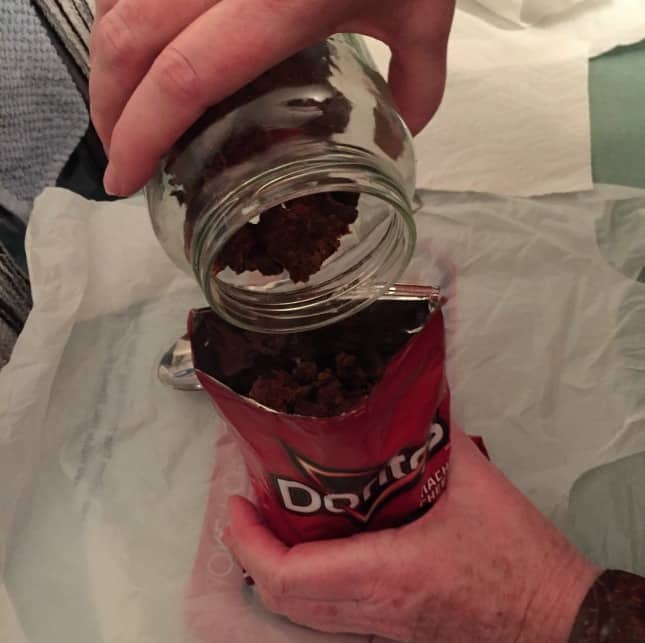
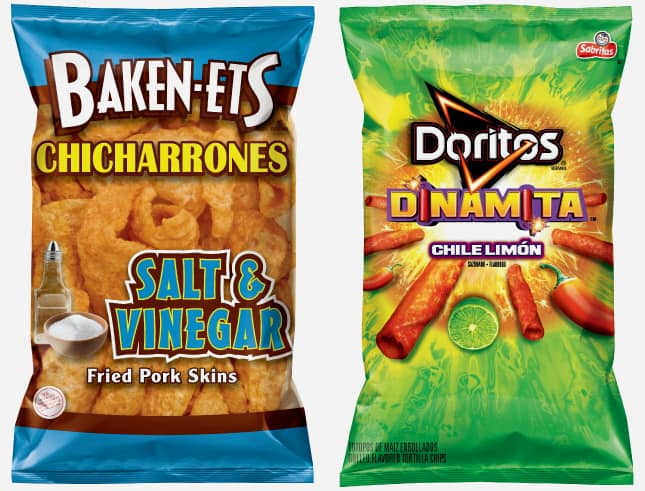
Consider the MylarTM snack bag used for popcorn or chips. Notice how well it stops odor transfer, holds a cushion of air around that fragile food and prevents vapor transfer. And it can do this for years on end. Why not reuse it? I have been doing this successfully for more than 15 years.
A common Mylar bag is more puncture, vapor, and moisture resistant than that most store-bought ziplock-style plastic bags. It takes some effort to degrease bags that have stored fried chips, so baked or air-popped snacks make for easier clean up, but some hot water and baking soda added to my dish detergent usually does the trick to clean used Mylar snack bags. Then, a thorough rinse and an air dry gives me nearly free but highly reliable meal storage bags. If I am concerned that the food will pierce these tougher bags, I line them with a layer of paper, waxed or otherwise. An added plus is that the paper can be used for tinder, and if I have to carry that extra quarter-ounce, by golly, I am going to use it for something!
Technical Information on the Mylar Snack Bag
Mylar is a Trademark of Dupont Teijin Films. Melinex and Hostaphan are two other well-known trade names for this plastic. It is really a thin, stretched film of polyethylene terephthalate (PET). PET is also used to make the well-known “rocket-base” bottles for fizzy drinks.
Member Exclusive
A Premium or Unlimited Membership* is required to view the rest of this article.
* A Basic Membership is required to view Member Q&A events


Discussion
Become a member to post in the forums.
Companion forum thread to: Vacuum-Sealed Recycled Mylar Bags for Backpacking Food Packaging: Better than ZipLocs
Mylar bags for backpacking food keep food fresh and protected from moisture. How about vacuum sealing reusable (e.g., snack chip) bags?
Coffee bags that roasters use seem good for this.
I use an old vintage iron to seal them.
@jamesdmarco
Hi, James. I lost contact when the Yahoo group went away.
Ken in NC
Ken, yeah, it was a pretty good group for several years. Later!
Awesome…! We don’t eat the stuff that comes in those bags…
Hand Sealer
http://www.ebay.com/itm/Handy-Mini-Electric-Plastic-Bag-Sealer-/222245317262
Too bad we don’t have the Facebook “like” option, because I’d use it to mark your post. Even though I rarely eat mylar-encased snacks, the Pavlovian response is strong — my mouth is watering right now.
Great tip. Thanks! One question which no one has asked: what temperature setting on the clothes iron works best (seals without melting too much)?
Trial and error. Each iron and each bag will be different.
Heat the iron to a medium setting, then when hot, touch the bag. Melt — too hot. No Seal — too cool.
Well, I would defer to Rosaleen as far as heat settings, but I use a high heat. Note that I usually just put the iron on as high as it will go. But, I also use a piece of paper to keep the iron clean (a dimpled piece of paper towel)…it makes a bit of a mess with the colored dyes and melted plastic, otherwise. Maybe with less insulation, like a thin paper strip across the top for labeling, you can use a lower heat. Also note that on occasion, I have “bumped” the package where extra air or food is. It results in a small hole, so this is something to avoid. A piece of cellophane tape can be used to close up any holes.
Anyway, my daughters food saver did real well. Since we folded the top (to avoid all the vacuum pressure, and to supply some thickness for the heating element) it worked pretty well. But, it can make a mess of the heating element. The packets for 1 person were smaller than say a packet of Lipton rice sides. We were not all that fussy about removing the air, though.
The technique is NOT about preserving/sterilizing foods, though this is a byproduct. It is about keeping pack volume down and maintaining dry/clean food for the hike. Dehydration will usually be enough to preserve foods. Fats and oils can still go rancid, so, while being edible, do not last as long as non-oily foods.
Weight is always reduced with dehydrated foods. Unless you are hiking in a desert, water weight can be significant. This can easily add a pound per day to your food bag iff you do not dehydrate or carry dehydrated foods.
I melt with my iron if I use high. I think older irons have less safety features. So, trial and error.
What temperature is the iron set to?
I doubt that the temperature dial on the average domestic iron would be what we might call ‘calibrated’. You may have to experiment with YOUR iron.
Cheers
Irons have thermostats to control the temperature. You can usually hear the thermostat click as you are using them.
If irons get too hot, they melt synthetic fabrics.
Cotton is usually 150-200º C
Polyester/Rayon/Silk is 110-150º C
Nylon is below 110º C
http://www.ebay.com/gds/Everything-You-Need-to-Know-About-Your-Irons-Settings-/10000000177940893/g.html
Hence, trial and error.
It’s not really the Mylar itself which is being melted and welded; it’s the polyethylene layer on the inside of the bag which does that. My guess would be somewhere in the 110-150 C range. A bit of release paper between the iron and the bag, as Rosaleen suggested, could be good.
Cheers
Great article and discussion! Just thinking aloud but I think you could do the same if you wanted to use the larger chip bags for bigger portions (i.e. small groups). As a Scout leader, I would really like for our Scouts to give this a go instead of expensive, land-filling Ziplocs.
Rosaleen, may I post this article on our troop’s website? Thanks…
Dan
may I post this article on our troop’s website?
You need to ask Ryan for permission to copy from the BPL web site.
ryan@backpackinglight.com
Cheers
http://www.webstaurantstore.com/ary-vacmaster-947220-8-x-12-full-mesh-qt-size-external-vacuum-packaging-pouches-bags-3-mil-50-pack/120VBM947220.html
I bought a different brand of these bags from here a year ago. THere was no scent breakthrough that I or others could detect.
Useful for trash hauling in addition for food storage.
I very much like concept of reusing the Mylar bags, thanks for that informative info!
In an effort to minimize routine trash, does anyone have experience trying the same thing with the plastic liners from cereal boxes? They seem tough as nails and certainly food grade… I’ll give it a go and let others know what I discover.
Hi Dan
I do not KNOW, but I suspect those bags are mainly polyethylene. If so, they should also seal just fine – but maybe the sealed bags should be kept in the dark to protect the contents. Please test and let us know!
Cheers
Bacteria won’t grow at the low moisture (water activity, actually) levels that are associated with dehydrated meals. I would be MUCH more careful with moist items like trail mix and tuna.
When setting the iron temperature, you can certainly use the “synthetic” and “cotton” levels as guidance. The lower end of the “synthetic” (including polyester and polypropylene) range won’t be enough to seal since the iron manufacturer doesn’t want to melt your shirt. Many of those pouches use two different webs of polypropylene, with the inner web being metallized on one side and a discreet layer of lower temperature material to help with the sealing. The outer web of material can be either polypropylene or PET, not easy to tell by just looking at it. The bags with PET will be able to withstand a higher temperature. Also, some bags are sealed with a “cold seal” adhesive, rather than with the heat sealed version. You might notice the cold seal as a whitish strip after opening it.
Tom
Cereal liners are high density polyethylene, with some of the more flavorful cereals using an added layer of EVOH for aroma barrier. While the relatively thick cereal liners have pretty good moisture barrier, they are not as good as a metallized film and often have significant leaks at the end seals. They will be more puncture resistant then the metallized polypropylene pouches. Not sure how important the light barrier is, unless you plan on leaving your dried food sitting on the counter, rather than in the cupboard. Best to toss them into the freezer anyway to further slow oxidation/rancidity.
Tom
Good info, Tom! Thanks! My family seems to go through cereal and the article on mylar chip bags got me thinking that maybe the cereal liners could work similarly and save us from simply throwing the plastic away. I anticipate sealing up some dried meals (mac/ch, noodles, etc) as needed for my summer trips and not for long term storage.
Correction: The bags and brand currently offered are the same as last year.
Become a member to post in the forums.