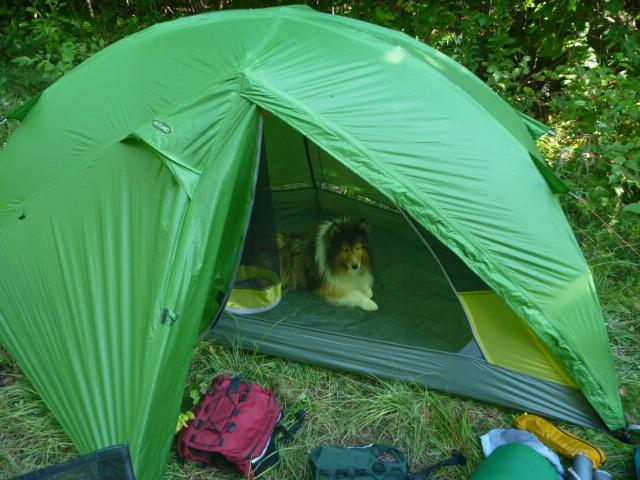
Jon; So have kicked it around, and still choose silpoly for my purpose; that is, building an all weather solo tent. By all weather I mean a tent with a bathtub floor, a free standing flexible pole framework, and an outer canopy that stays rigid over the framework. Only in this way will the pole framework and canopy reinforce each other to keep the tent solidly taut in all weather.
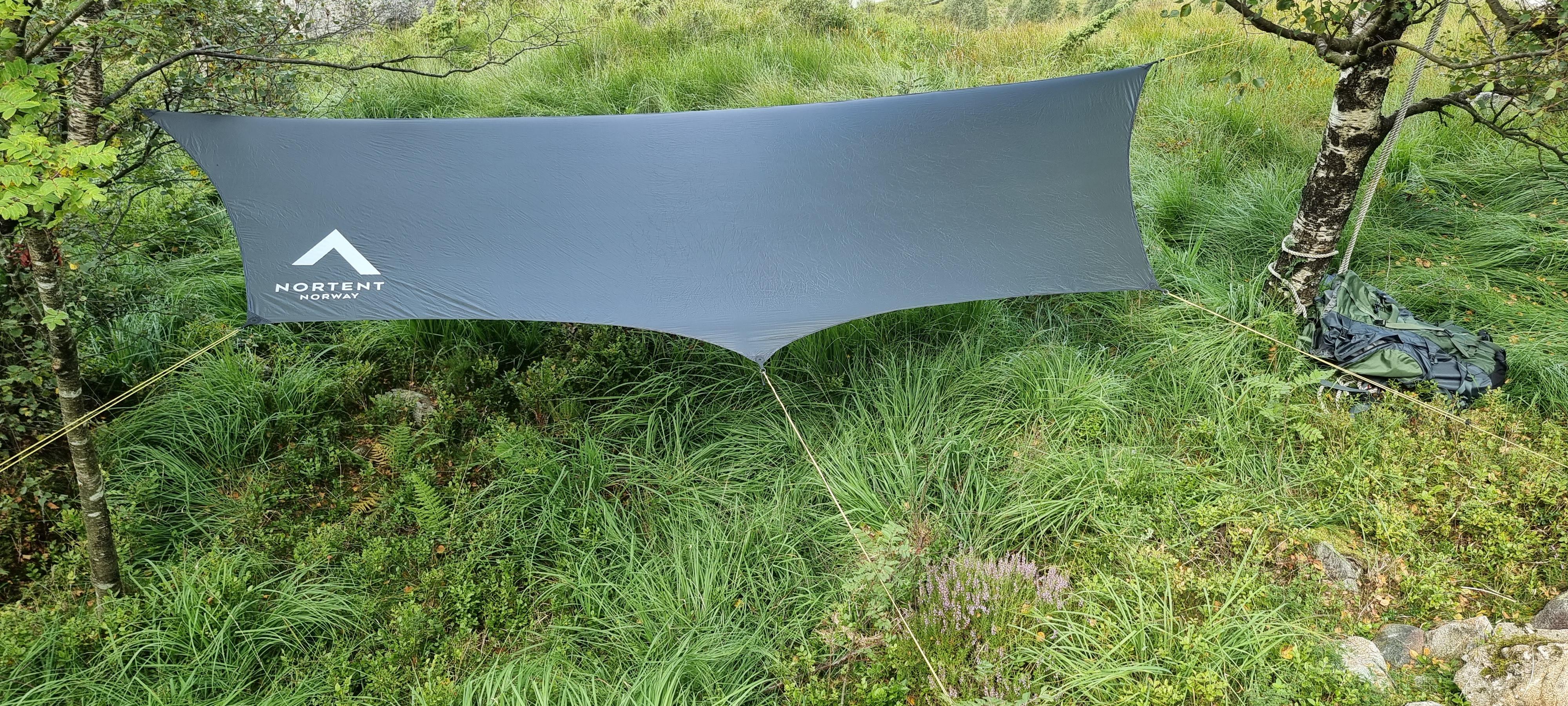
Unfortunately, nylon, including silnylon, does not do this in stormy weather. It expands, so does not interact with a framework to create a tight and stable structure. It may be different with pegged out tarps; but unfortunately, pegged tarps are no match for really severe storms. Saying that it is no big deal to retighten the attachments to the pegs does not give me an ounce of comfort in the deluges that I’ve encountered. Sure, most of the time weather is not so awful; but the whole concept of backpacking IMO is to be ready for the worst, because in many places like Colorado, hikes lasting more than a few days greatly increase the odds of encountering foul weather that can smash tarps and many tents flat, or even blow them away.
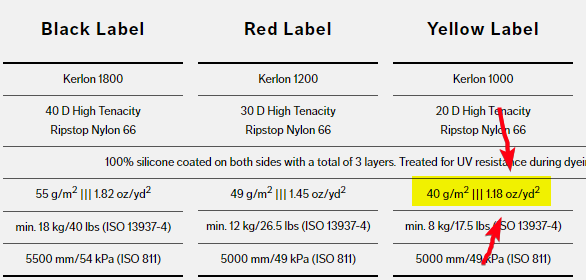
With that in mind, I tested some of the Sling Fin 10D silnylon in horrid weather outside my walkout basement in a couple days of freezing rain. True to form, the nylon expanded. The fabric was tightened again and left in the embroidery loop, and only expanded even further. A prototype canopy of 30D silnylon was also twice tested last year in the same location in similar weather. It was solid as a rock inside the basement, but outside the walkout, even with a deck overhead, could easily be pushed over, and out in the open could have been blown flat.
So guess it is all about how much protection you want from a shelter. For me the answer is enough to keep me safe and dry.
By the way, I sent the 10D tarp to Taiwan by priority mail, and will check USPS with the tracking code and let you know. I had some surgery this week, and have been under the weather, so to speak.