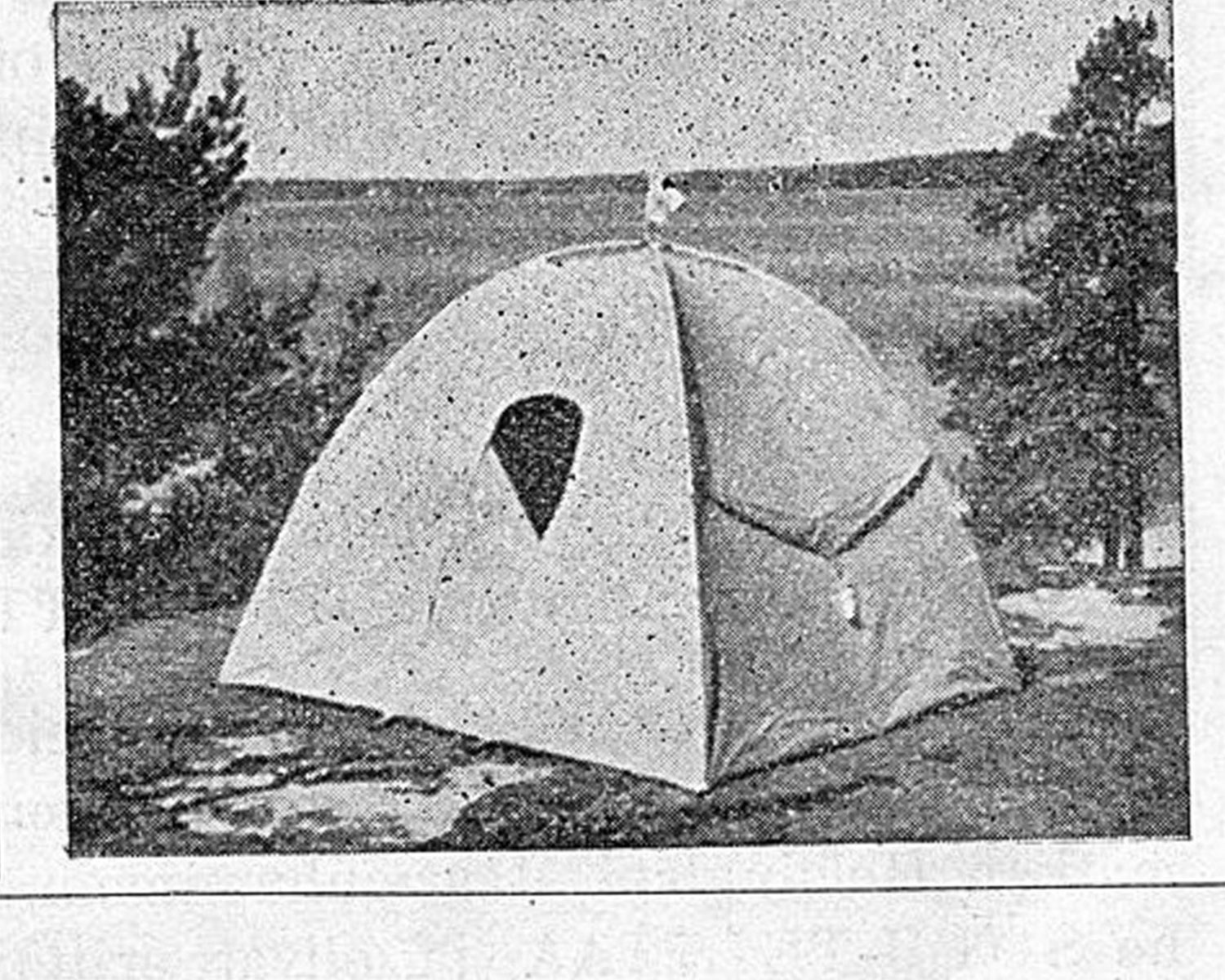
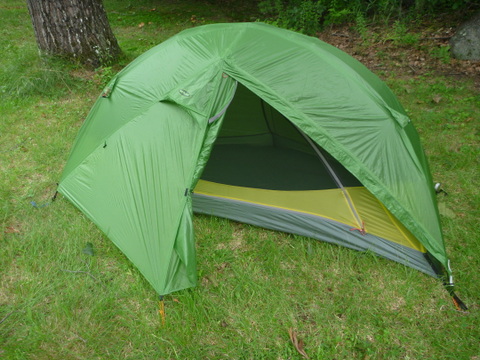
Hi Roger, – As already noted, agree with you and others about the need for overhead protection to allow entry and exit with protection against rain and snow. There are a multitude of ways to do this, but a basic two pole dome like the original Jansport Wedge is not one of them. The tunnel design is one of them, but not the only one.
So wish you would stop using the phrase, “Pop-Up” derisively about tent designs. In fact, a design that uses a frame to create a self-supporting tent exerts much less pressure on stakes (or on deadmen, or rocks, etc). There are a multitude of places besides Japan where this is a critical advantage in windstorms. To put it another way, if the stakes anchor the tent but are not as critical to support it, they are not nearly as critical to keep it upright as stakes are for trekking pole tents, or for tunnel tents attacked by winds from either side. The challenge, of course, is to design the most aerodynamic structure, resistant to winds from all directions, not to mention best strength-to-weight, protected entry and egress, etc. I once read and keep in mind an article about structures designed for wings for sailplanes, and learned that one such design was incredibly better than the others in all respects, due simply to the design of the frame.
Of greater concern to me is whether the waterproof breathable material from Dyneema is sufficiently vapor permeable to keep a single wall tent dry inside in conditions that would otherwise make such a tent wet and uncomfortable on the inside. If the answer is yes it can, then the material is a big step forward despite obvious drawbacks that can be remedied. I doubt that it can, but will keep an open mind; although it is of no practical importance to me, having no expectation of purchasing the material let along the tent anytime soon, if ever. But who knows? The fabrics available today are a far cry from what we had to work with just a few years ago.