Hi Dan,
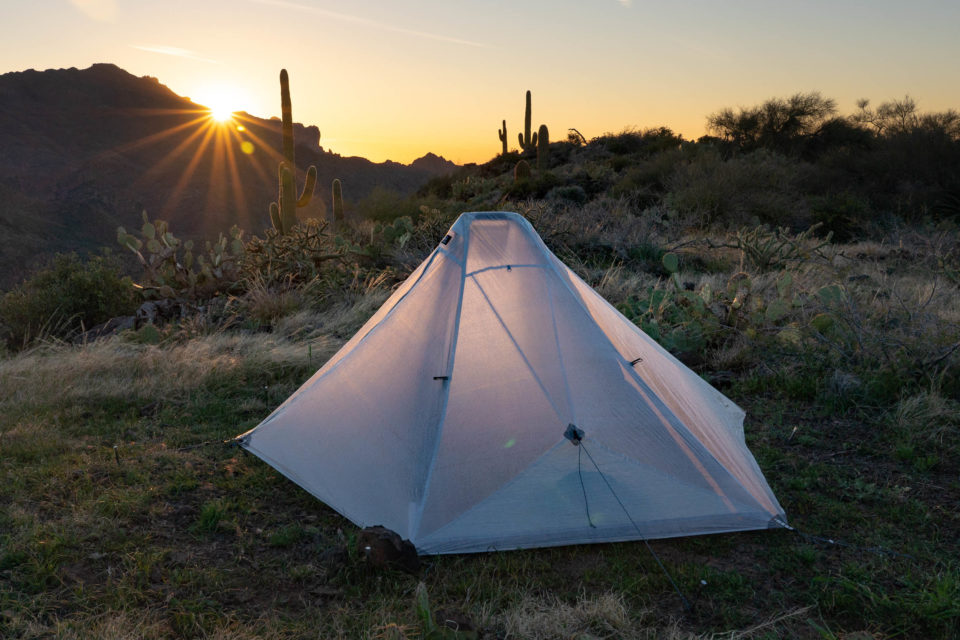
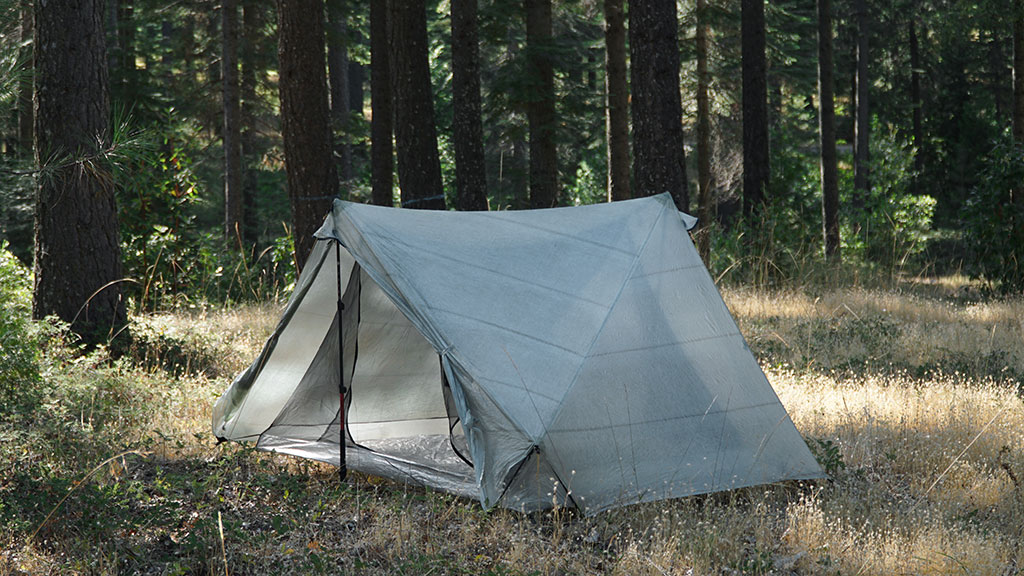
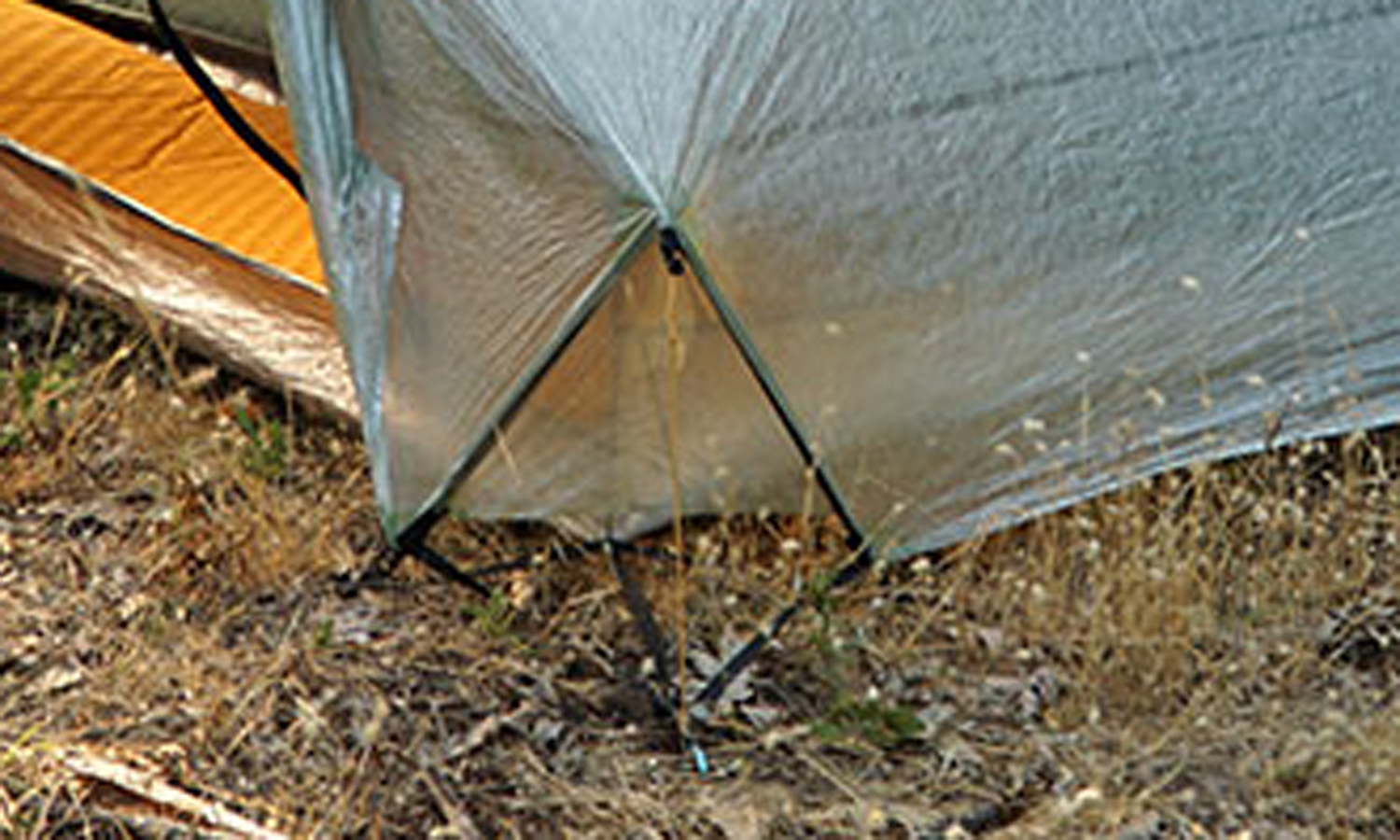
Yes I’m aware and those are fine designs for certain conditions. There is still strong likelihood of a tear in a number of ways. A corner stake blows out and leaves the tent violently flapping and wrenching the canopy from the weighted down tent floor perhaps. Mesh tears apart at the seams very easily. I personally appreciate this more streamlined and durable design.
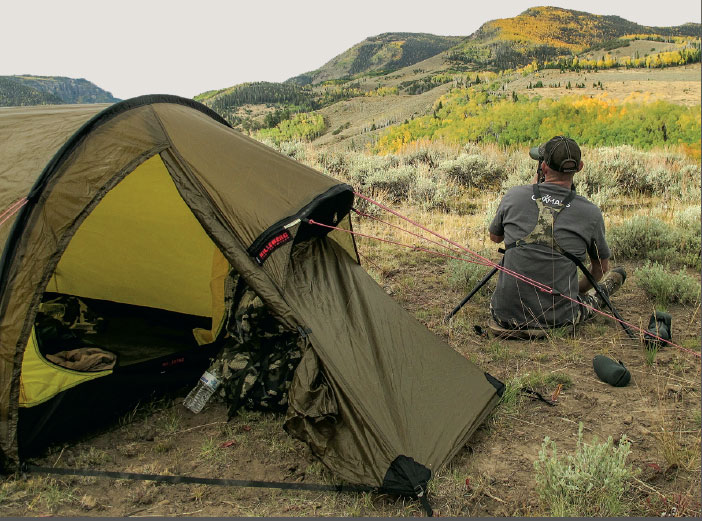
As for blowing sand and snow. Yes I realize that some can still enter under the vestibules, but the amount that makes it through the vestibule and then the mesh will be minimal and less direct. In the case of sand I just want to minimize the amount that hits my face while sleeping. In the case of snow camping I see this as a solo model in which case you can sleep right in the middle far from the open vestibule edges and spindrift. Pitching on snow is another scenario in which mesh in that low gap area could easily become frozen to ice and snow. Not trying to open this up to serious winter scrutiny, just sharing observations.
Thanks but no actually I don’t need or want a specialized tent with zero mesh to deal with conditions I’m very familiar with. I’ll trust in my own experiences and judgement to select versatile gear that aligns well with my own desired level of protection and comfort.
This appeals to me as a versatile and dependable wind worthy solo shelter with the occasional 2nd occupant, in which case it’s a fairly high volume shelter.
I ain’t trying to sell this thing to anybody, most likely not even myself. But I appreciate some potentially very notable advantages of it’s design that could put it in a category of its own if proven through testing.





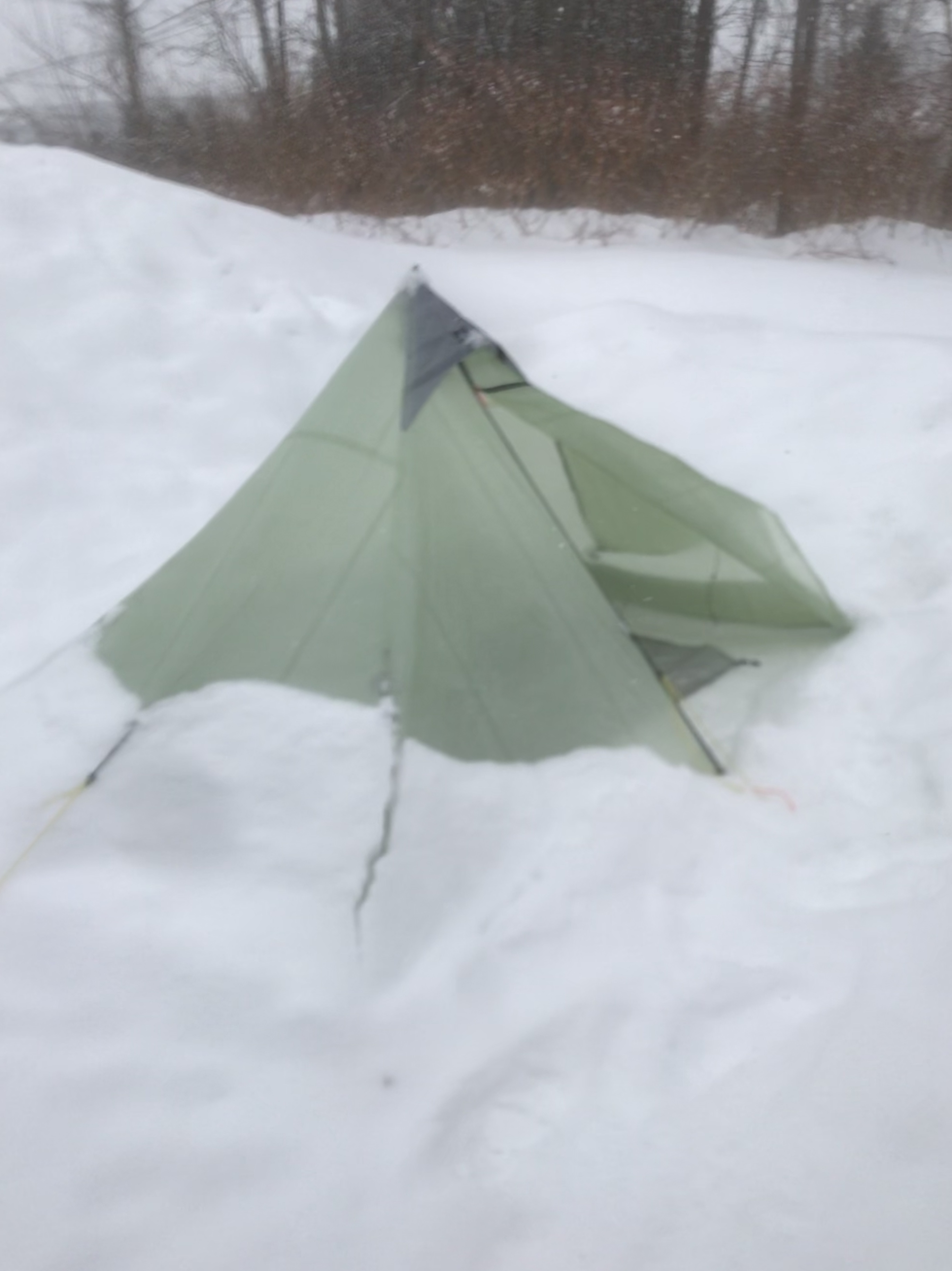
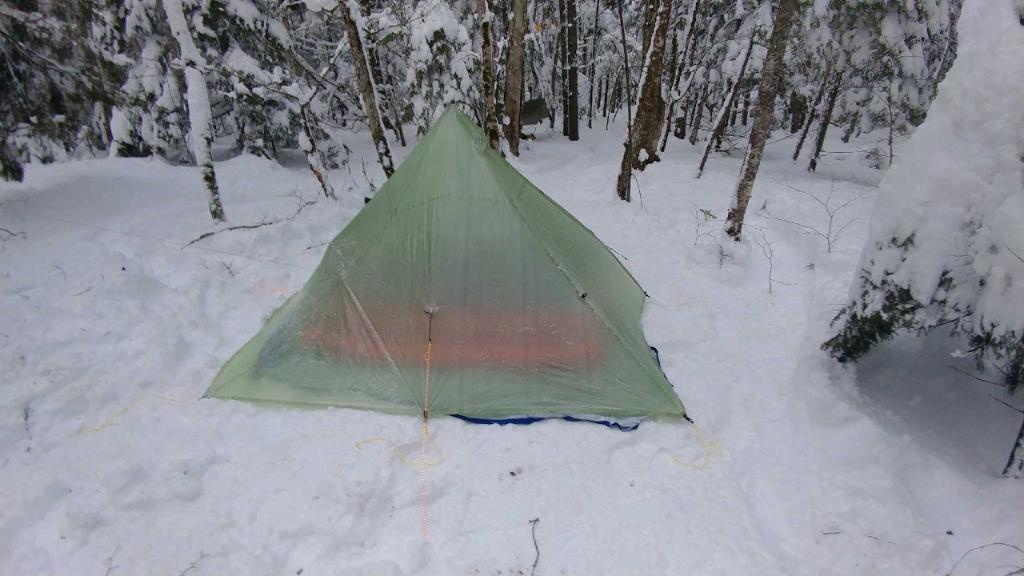
 Or else… spindrift :•)