Seeing that the thread has drifted over the horizon we may as well continue…
In practical terms, here’s the choice of fabrics I’ve spotted for a truly storm-worthy 3.5 season lightweight shelter:
- RSBTR 20d Silpoly PU4000 @ 20d/1.4oz finished/4000mm hh
- RSBTR 30d Mountain Silnylon 6.6 @ 30d/1.4oz finished/>3000mm hh
- Thru-Hiker 30d? Shield 6.6 Silnylon @ 1.4oz finished />1000mm hh
- Extremtextil 30d Silnylon 6.6 @ 1.2oz finished / 2000mm hh
- A wide choice of 30d 1.1oz nylon 6 ripstop @ c1.4 oz finished, varied hh.
If there’s anything else out there, I’d appreciate a heads up.
Richard’s aged hh figures for the non-PU 20d silpoly weren’t confidence inspiring, so the PU4000 seems the only practical lightweight silpoly on the market for long-term usage – very waterproof, but questionable strength.
Let’s reject nylon 6 as 6.6 is a much superior fabric unless price is your only consideration. Personally I’m OK with trusting the vendors that it’s genuine 6.6, and you can easily check that the stretch when wet is within parameters to confirm.
The Extremtextil 6.6 is not the 20d with the controversial weave – it’s new. Seems to have a lighter coating than the RSBTR 6.6 but a lower hh, which figures. The Thru-Hiker 6.6 has a marginal hh. For long-term use, the more generously coated MTN 6.6 looks like the best bet.
So the final shortlist is the Silpoly PU4000 vs the MTN 6.6 silnylon. Which to choose?
First, it’s worth noting that Hilleberg classify their high quality 20d 6.6 silnylon as Yellow Label, for clement conditions. Which immediately sets bells ringing for a weaker 20d silpoly. No-one is using anything in 20d for foul-weather shelters that I can see.
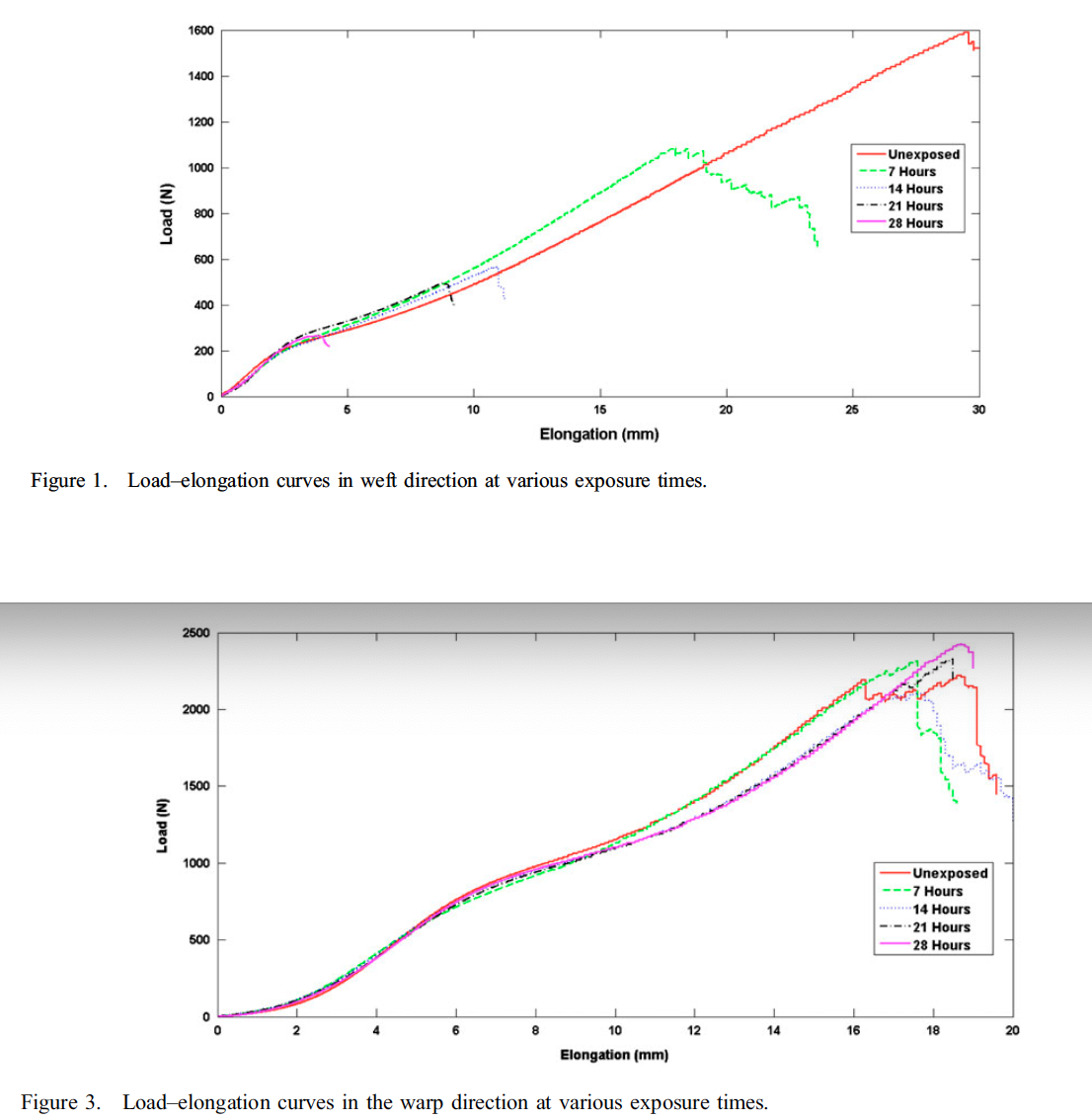
You can see that the PU coating on a 20d silpoly takes the weight up to match the 30d silnylon 6.6. They both have hh to spare. Finished weight for weight, the 6.6 is going to be very much stronger, as it’s a stronger material at a higher denier. Yes, it will have a bit more stretch and water absorption, but not nearly as bad as a nylon 6. which is what most people are used to.
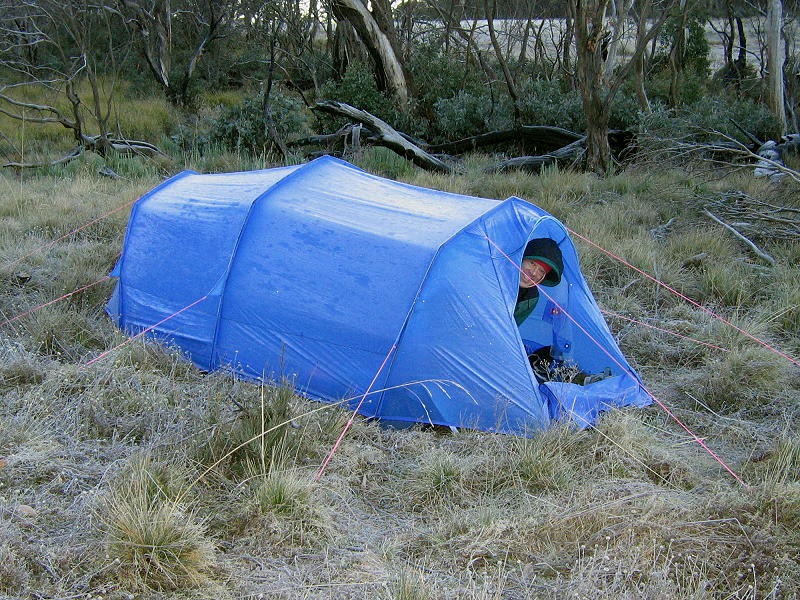
We know for sure that a good 30d silnlyon can take severe weather in a small shelter – the Akto and the Warmlite, for example, have an extensive track-record for surviving challenging conditions.
But as I’ve posted above, vendors are much more wary about silpoly,. They either use a much higher denier like Nordisk, or they don’t recommend exposed use like Yama and TrekkerTent, or they simply don’t offer it at all – on his Fabric Mojo page Ron Bell says he doesn’t feel it’s suitable. It may be OK with the right construction, but there’s no firm proof as yet from a widely used shelter and I don’t want to be the one who finds out on a nasty night many days walk from safety.
Given that there’s no weight penalty for the 30d silnylon vs the 20d silpoly PU, my instinct is to accept the slightly greater stretch and sleep more securely when the elements go crazy.
On the balance of benefits, I’d tend to agree with Roger. Sudden extreme variations of humidity aren’t common, and you can design around the issue by using strong stretch loops on the lee and/or extending the poles. And as walkers our tents are rarely exposed to extended sun and you don’t hear of old Atkos or Warmlites shredding in the wind so the UV performance of 6.6 seems to be fine in practice.
TL:DNR: 30d nylon 6.6 is proven for use in nasty conditions while 20d silpoly is experimental at best. Are you feeling lucky?