I think my mix was a bit thick. I should have let the oil heat up more. Water drops should jump. I cheat with the color using red palm oil. It’s a high heat oil that doesn’t go rancid. Adds a little color to your fried food.
Topic
Become a member to post in the forums.
.
I think my mix was a bit thick. I should have let the oil heat up more. Water drops should jump. I cheat with the color using red palm oil. It’s a high heat oil that doesn’t go rancid. Adds a little color to your fried food.

Third photo looks good, don’t care about the color. In the first photo, do the bits on the pan brush off easily? With seasoned pans, they suggest gentle cleaning of the pan. Was the heat even or did you have to swirl the pan a bit? Looks good!
I washed the pan with Dawn dish soap before use.
I used an excessive amount of oil. Straight red oil changes the flavor slightly. I wasn’t using the Kovea Spider. I’ll try that tomorrow with avocado oil.
I may swirl it around after it’s separated from the pan. I just keep repositioning it on a small burner.
The hard part is flipping. Something like a T-fal mini egg pan with rounded edges, except for the handle would be the easiest.

Dawn dish soap will tend to remove the seasoning
At home I use a stainless steel pad and water, get out all the food bits, dry, apply a little oil. Per the wise people on the internet and then experience.
If you’re using titanium then maybe you don’t need the oil because it won’t rust
I’ve noticed if I cook something with water and especially acid like tomato it removes the seasoning
I used the Dawn to purposely remove anything that might be deemed as seasoning.
Im also not lifting the pan and while I’m sliding it around, the flame isn’t exposed. This is to not waste gas in the process. If I did, it would be a lot easier to get an even brown. I am using a metal flipper adding extra weight. A luxury item.
‘Using extra oil disperses the heat better. Red palm oil is thick like coconut oil.. it does impart a sort of carrot flavor that some may find offensive. More like fry bread than a pancake.
using avocado oil and being a bit stingy, centering the pan on the Kovea, neglecting the cover resulted in the center overcooking and slightly burning. Some sticking, yet I could flip it without anything stuck to the pan.
I think offsetting the pan, rotating it around the burner rather than centering it might work. Staying with my self imposed rule, never exposing the flame, I doubt if I could do a perfectly colored traditional pancake.
Taste wise, my mistakes were passable. The pan came clean.

If it washes off with dish soap, it’s not really seasoning, it’s just oil. Seasoning is polymerized and isn’t harmed by soap.
So an old pan is better than a new pan. It becomes seasoned through use or you can season it.
The trick may be in the flame spread. A higher flame hits the edges of the pan. A low flame centers on the middle. Starting with a high flame until bubbles appear around the edge of the pancake, then using a low flame to cook the middle. Of course, it could be done gradually. Perhaps turning the flame gradually down and then back up.
“They” say not to wash your seasoned cast iron pan in detergent because it will remove the seasoning
I have just taken their advice and not tried it
I have put liquid with tomatoes in the seasoned pan and it took off a lot of the seasoning
This is all home cooking based but it would probably apply to seasoning a thin aluminum or titanium pan.
Of course, no one on the internet seasons thin AL and ti pans so maybe they’re different
We have a heavy (French) cast iron frying pan and a smaller light aluminium one (sheet metal, not cast). The latter used to have a Teflon layer, but that died a long time ago. Equally, it is definitely not flat any more. But it is polished.
Sue had a lot of trouble with things sticking to both pans – until I persuaded her to stop using anything more than hot water and paper to clean them. Much joy ever since.
Cheers
I think Richard is right. Seasoning is like a very thin coat of boiled linseed oil. Going through a process to actually season my pan, I can tell the difference. Soap won’t remove it like it will oil.
I can see it wearing down and water getting underneath it, helped along by the soap. Acids could weaken the metal bond. Not washing with soap would leave a protective oil layer on top of the polymer.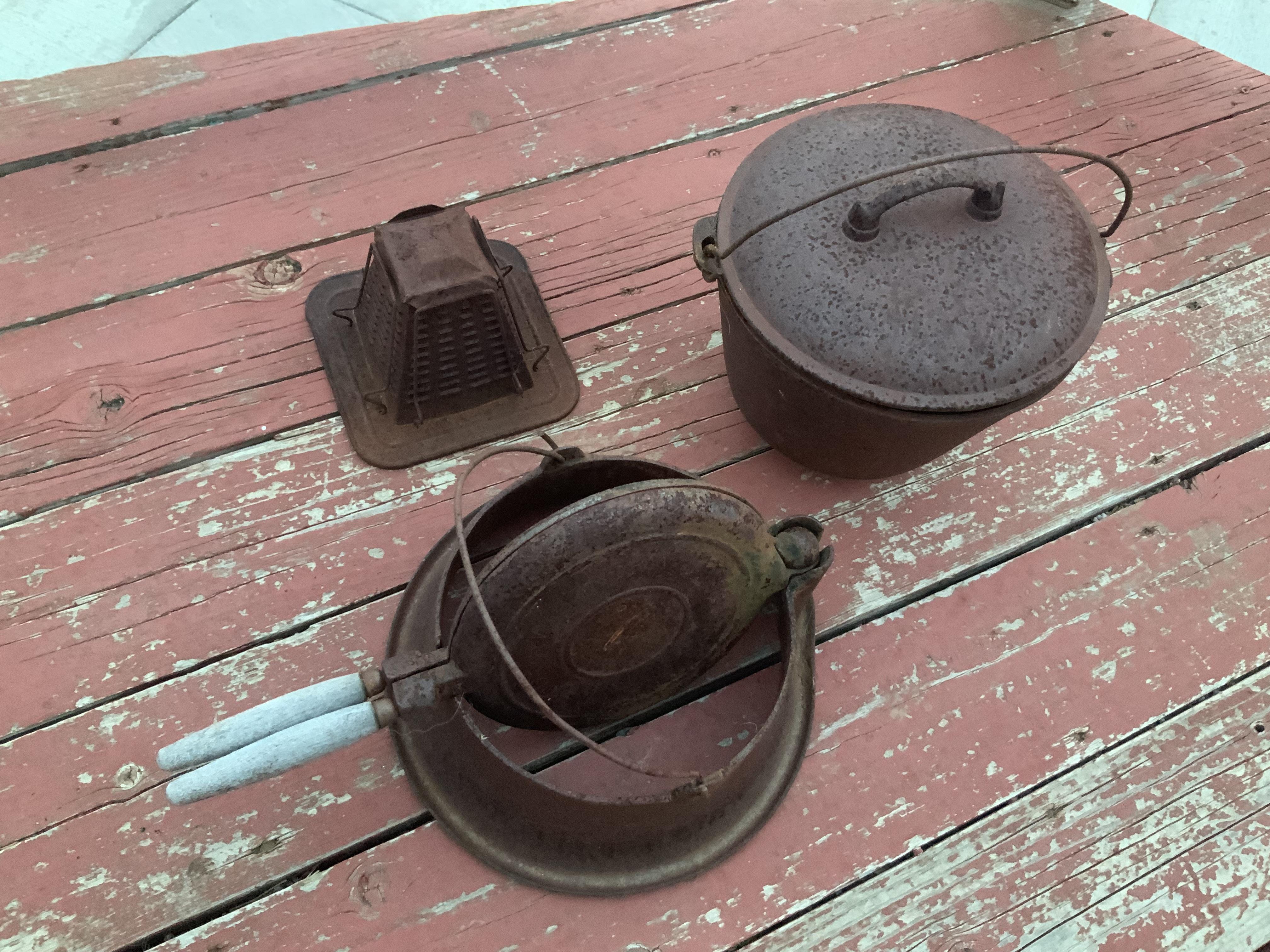

I’ve had the same carbon steel wok since the early 1980’s. It was seasoned with oil then, and has NEVER been washed with soap. Carbon steel has large “pores” so seasoning is something that works well. I Can’t say whether it works as well with Ti or Al. My preliminary guess, based on experience, is it doesn’t.

Ok guys and girls…..BPL has 20,000 + active members watching and waiting to learn how to season a titanium plate so they can cook eggs without sticking. Prepare them well for next year’s spring days on the trails.
Teach them about the alcohol stoves that have a good ability to simmer so as not to over heat the plates/pans.

Seems to me that frying eggs without them sticking is a matter of low heat and some butter on the pan. Metal and stove are very secondary.
But what we have not seen on BPL (afaik) is a review of egg carriers. How do you carry your eggs without them leaking everywhere by the end of the day?
Cheers
Great! Looking forward to seeing a video of you cooking an Omelet on a Seasoned Titanium pan over one of your alcohol stove that simmer!
The alcohol stoves with an on/off valve.
Sep 16, 2018 at 12:24 am#3556025Reply
DAN-Y/FANCEE FEESTBPL MEMBER
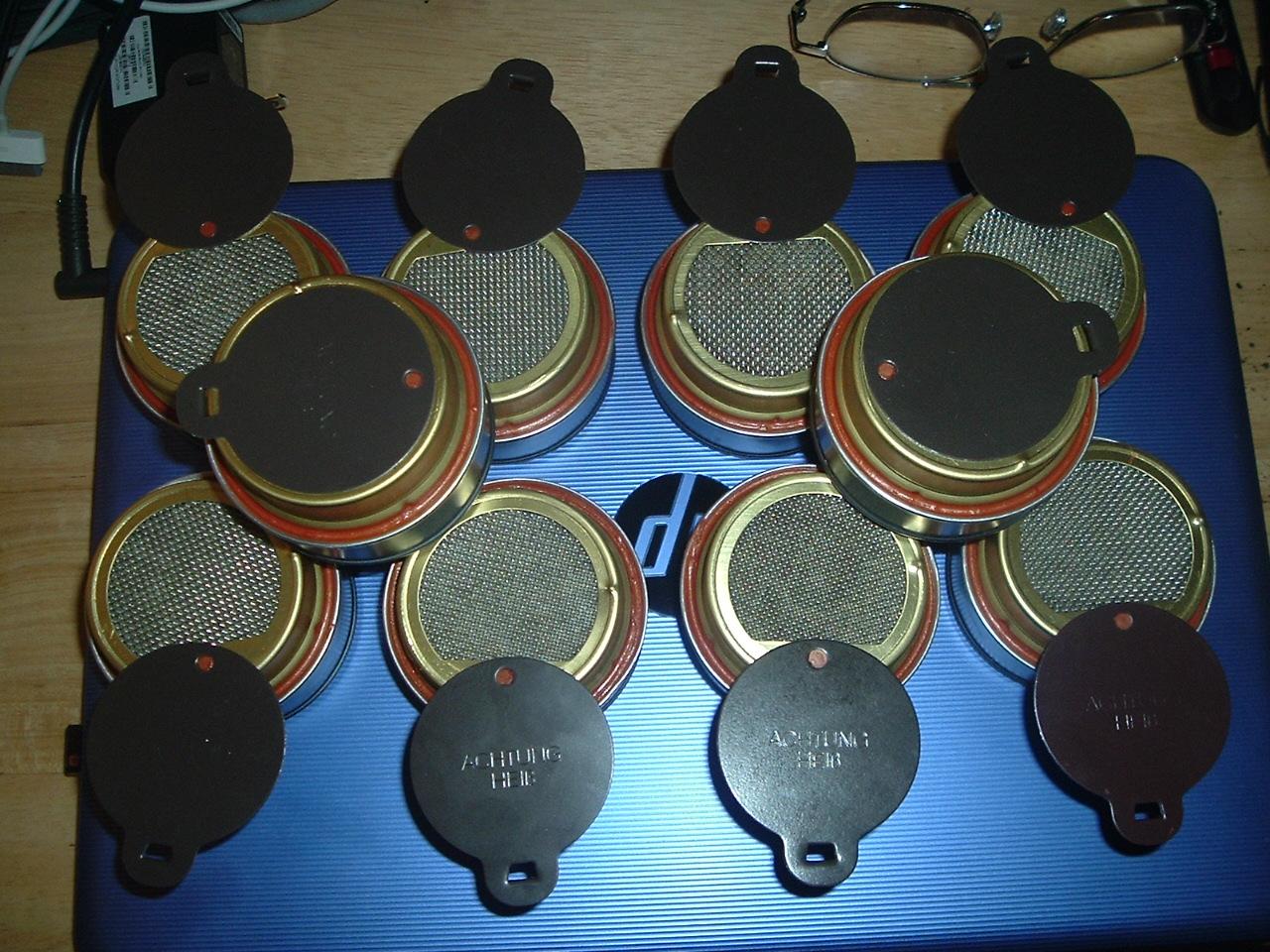
I made these in the no-spill design of the Starlyte. The simmer/shut off valves are permanently integrated into the burners. Next week I’ll be teaching the Boy Scouts how to use them. Let the fun begin The scouts won’t ask how much each weighs
Nobody remembers what I post :-(
I made quite a few of these for folks out west.
It was specifically designed to be used in the western United States where burn bans are in effect during drought conditions. Federal and State laws require stoves to have shut-off valves during high risk fire conditions. This stove meets the rigid requirements of Cal Fire in the State of California where there so many wild fires existing as of this date. Once the stove is filled with fuel, it will not spill out just as we see when jelled alcohol is used. Laws refer to jelled petroleum as being legal in backpacking stoves.

Sep 23, 2023 at 2:08 pm#3789732Reply
Jon Fong / Flat Cat GearBPL MEMBER
I think that I may have Cracked the Code on how to pan fry in the backcountry using a thin-walled titanium pan. Even heat distribution, no hot spots.
I agree with Jon. Use a thin walled Teflon coated titanium pan to fry in the backcountry.
Never fried anything on a backpacking stove, but one thing I notice at home is that eggs stick a lot less if you use solid fat (like shortening or butter) instead of oil. I have no idea why this is but it’s very consistent. Maybe worth trying?
Don’t use bacon grease because that normally contains sugar, which will make sticking and burning worse.
I think it depends on the level of fire danger. Stage 2 has exemptions for LP or stoves with a 5’ chimney. Perhaps that’s been updated.
I agree solid fat works better.
A windscreen helped distribute the heat evenly.
Using a can lid appears to create a more even appearance. A bit of a half moon though. Bigger lid?
I’ve cooked on slabs of quartzite. You can adapt to any pan. Trying to turn a pancake in a 5” pan is near impossible. A metal plate might work better.
I sold my titanium skillet after finding that ti will NOT spread heat evenly like aluminum does.
I have a 3 cup Open Country hard anodized aluminum pot and a “two egg” ceramic lined aluminum skillet (handle cut off for use with pot grippers. All have worked wonderfully for decades.
Did I mention I eschew titanium? (Well except for my Trail Designs Ti Caldera Cone stove and Inferno double wall insert.) The insert is for turning it into a “gassifier” stove that burns hottt! with hardwoods and pretty durn hot with pines and hemlock.
Oct 6, 2023 at 2:45 pm
Roger Caffin
Seems to me that frying eggs without them sticking is a matter of low heat and some butter on the pan. Metal and stove are very secondary.But what we have not seen on BPL (afaik) is a review of egg carriers. How do you carry your eggs without them leaking everywhere by the end of the day?
If I want fresh eggs when backpacking I use this doo-hicky. Never got a larger one. Bought it for less than $2 or so one time when I was trying to pad-out a (likely Amazon) purchase to get above the free shipping amount. I put it in a super tiny cooler pack (maybe the size of a stack of 4-6 slices of Wonder Bread) along with a super tiny gel blue-ice-brick. Typically put that at the very top of my pack when hiking. Not at all SUL, but a treat nevertheless.
Works well, never a broken egg.
But, I mostly use freeze-dried eggs when wanting eggs on a journey…
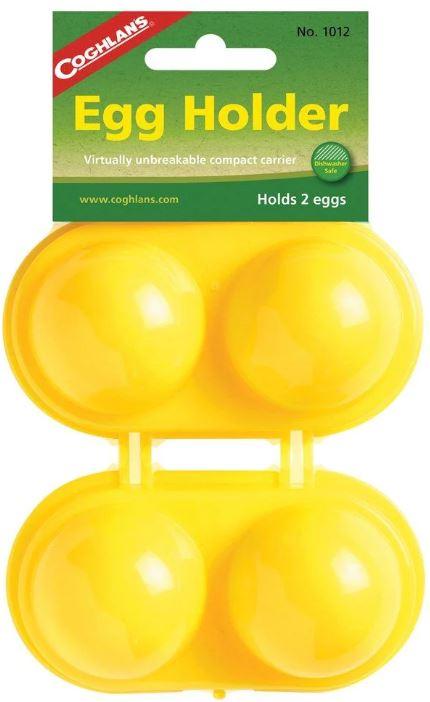
I wonder if that would survive a 15’ drop.
Would YOU survive a 15′ drop ? ? ? ? ?
Cheers
The heck with the eggs; I’m not sure I would survive such a drop…
Become a member to post in the forums.
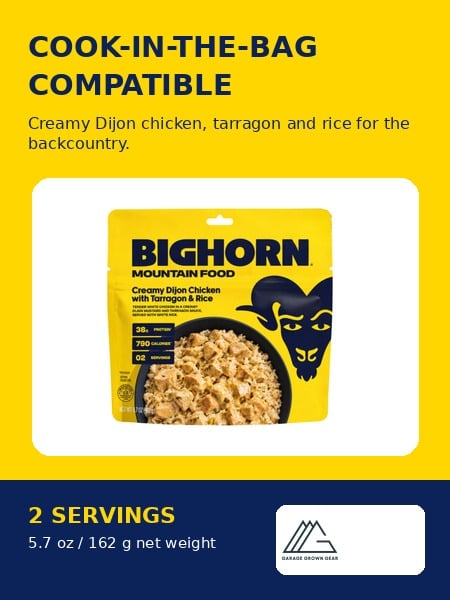 Creamy Dijon ChickenCook-in-the-bag chicken, tarragon, and rice backcountry meal with 2 servings. Net weight 5.7oz | 162g
 © Beartooth Media Group Inc.
 Loading...