Sometimes a natural area is better off without human access. This is as I understand it, a view stated above in the thread. This sentiment is also what I take to be the mission of at least one private conservation group, the Nature Conservancy which buys land and restricts access in perpetuity to conserve and protect the acquired land. Some of its properties continue to be impacted by humans however for the sake of restoration and environmental mitigation, for example, restoring a wetland. The Nature Conservancy allows access to its properties by invitation or guided tour on a very select basis. In effect, the Nature Conservancy is IMO building walled gardens.
Trails are not good for the wilderness. This assertion in my view is a bit more problematic, given that in the USA at least most of what we might call wilderness is in fact public land created and protected by public law, and since the 1970s often acquired by the use of public funds. So the public wilderness lands were not created and protected for the sake of a few very fit cross-country backpackers. They were also created and protected to include limited non motorized access of all Americans including equestrians, fishermen, children.
The agency managers of these lands (BLM, USFS, US Dept of Interior) have their objectives and missions stated in law as well as subsequent rules and regulations to allow certain kinds of access and to promote environmental protection. There is usually careful study at the local level of the tradeoffs involved between protection and access when building and maintaining trails. For certain sections along the PCT, the USFS working with the Pacific Crest Trail Association often work in cooperation.
Since the early 1970s, the environmental movement represented by such groups as the Sierra Club and the Wilderness Society have also supported access and trails if only because you need to educate people to appreciate need for wilderness in order to get voting citizens to support tax dollars and legislation to protect wilderness.
Access and trails enable us to teach the younger generations to love and appreciate nature and wilder places. Over the last 10 years I have taken perhaps two dozen small groups of 6th and 7th graders backpacking on the 30 mile long Skyline to Sea Trail in the Santa Cruz Mtns. This trail by no means passes through wilderness but it does pass through three or four major ecosystems that represent the California Coastal Range. My goal when teaching Leave No Trace principles to these kids is to help them unlearn the worst car camping habits such as building trenches around thier tents, scraping their dishes at the source of water, planning messy meals that create a lot of micro trash.
Finally, I own a red tent and I use it in the winter and fall especially for snow camping.
Cheers


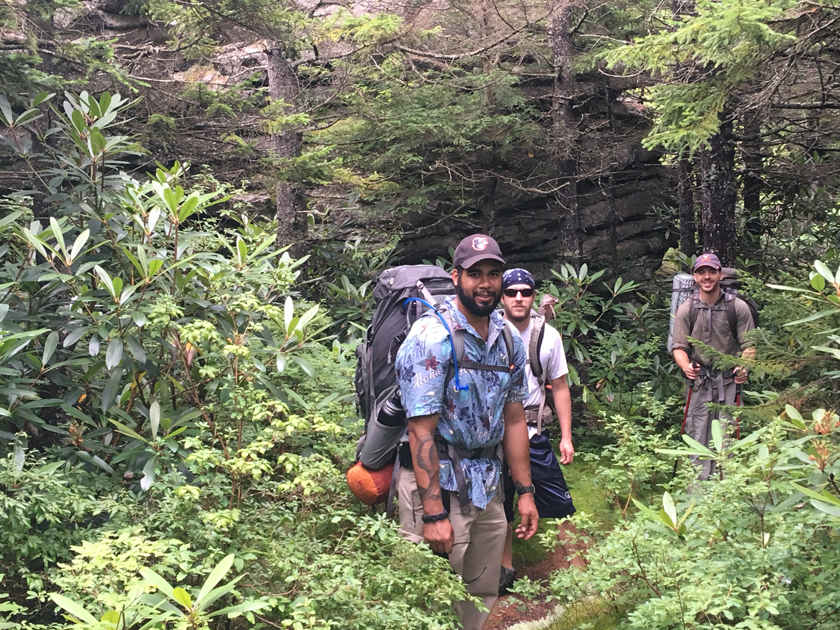 Shirts like this should be banned too!