@stevenseeber
100%. There are a few clever things I did from a carbon fiber perspective here, but here is the basics you can start with:
you can buy dimensional carbon fiber tubes from a lot of suppliers. The quality and dimensional accuracy will vary. Some providers are very good, but tend to be expensive, if you order carbon from amazon, you might have high dimensional variation. (composites are inherently hard to make perfectly dimensionally accurate). For a project like this you have 2 primary concerns about the carbon you select:
1. dimensional accuracy. You want the carbon to fit into the joints of your chair, and the cord locks, etc, but most importantly you;re going to need a coupling for the long poles (this is where dimensional accuracy needs to be excellent)
2. strength/weight ratio. There are 3 major influences to this ratio. a. what the carbon is made from (all carbon is a combination of the actual carbon and epoxy, this comes in varying ratios, and this determines some of it’s properties) b. Layup design (how the fibers are oriented, like wood determines against what forces it will be strongest) c. How the carbon is formed (depending on how pressurized the contents are during curing and what method was used to make the tube will have an influence – e.g. pulltruded tubes are different from roll wraped are different from filament wound.)
⬆ this is all just meant to explain some of what using carbon in a project adds in terms of complication, but I don’t want to make it sound harder than it has to be.
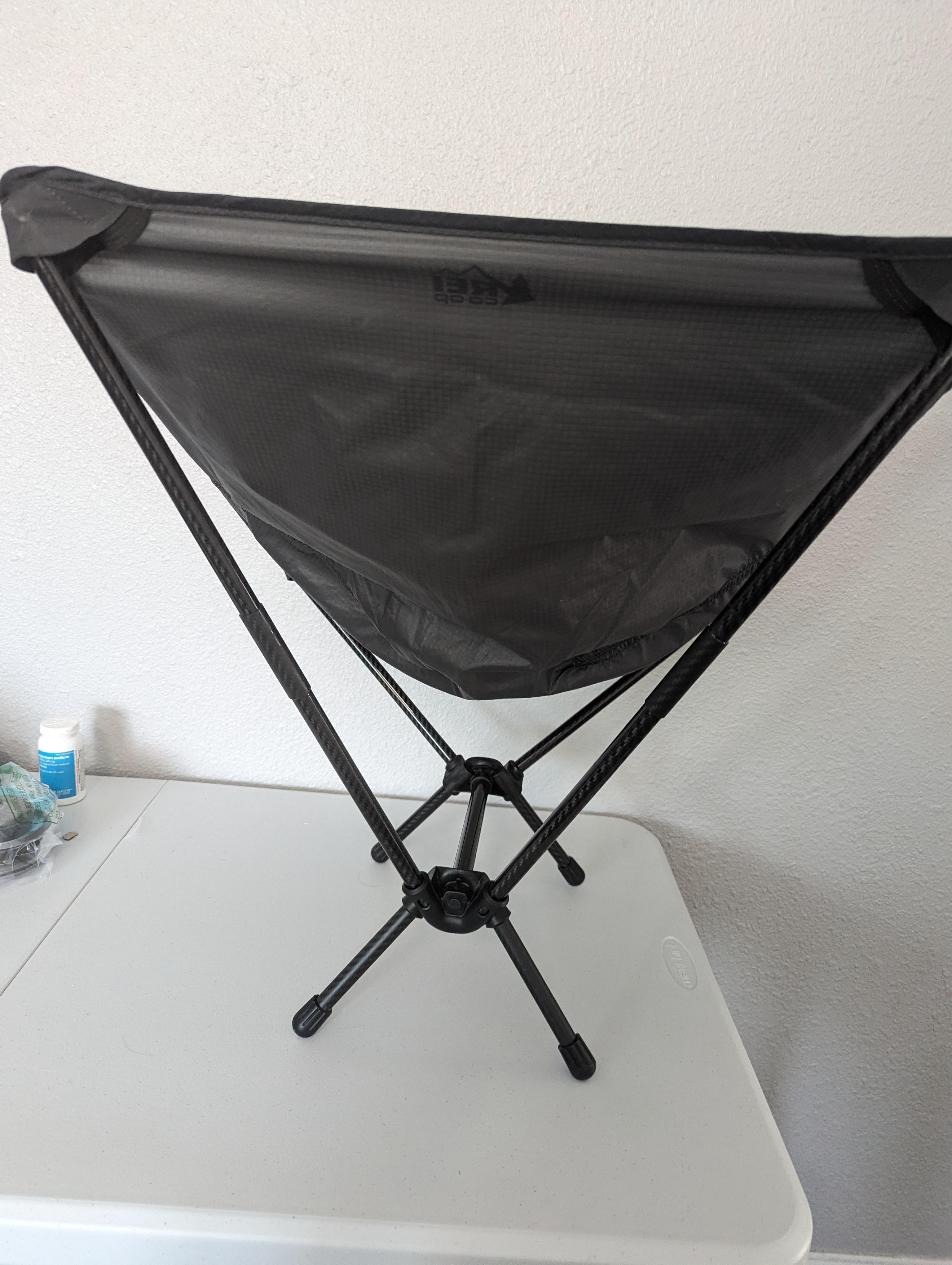
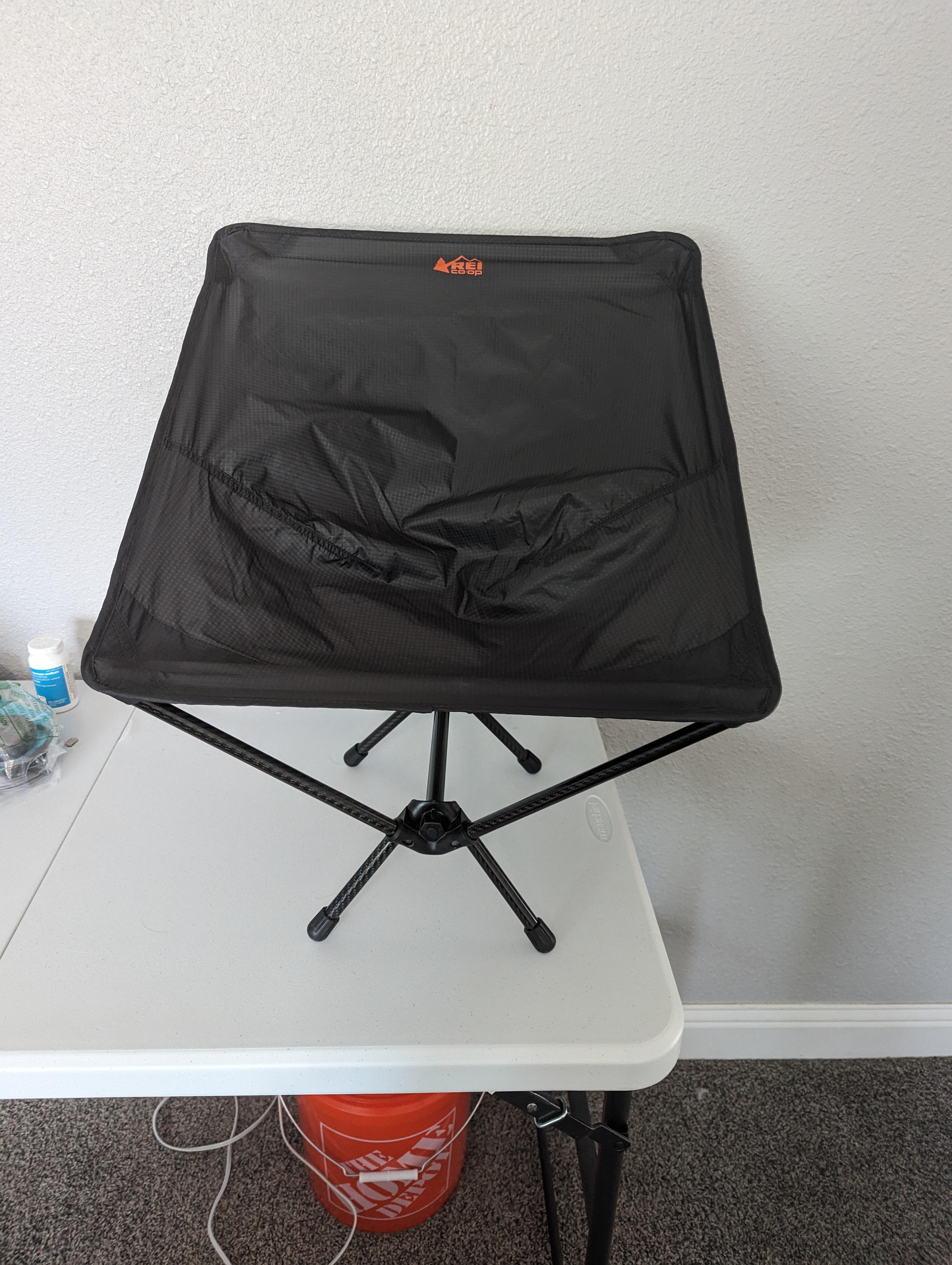
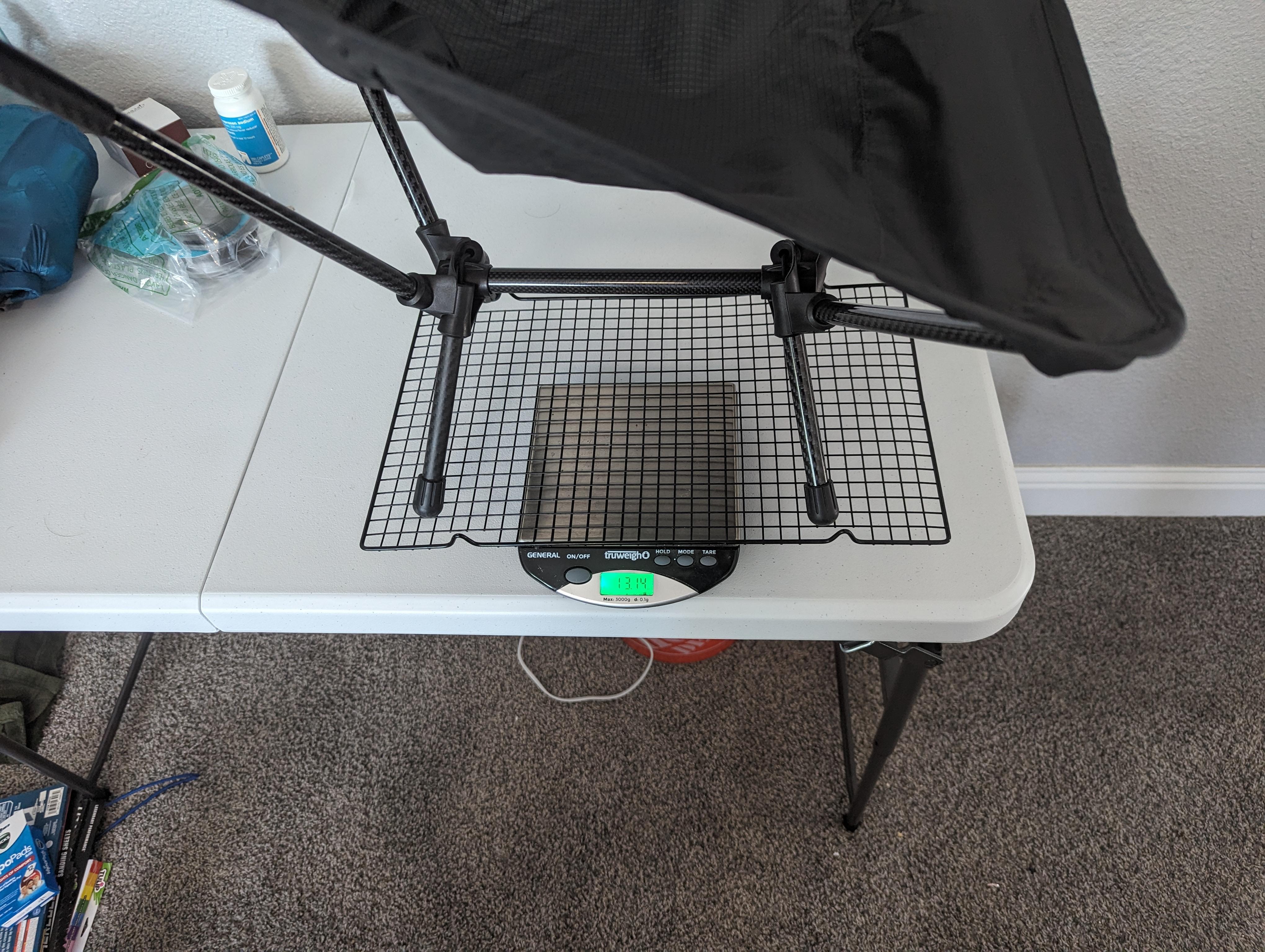
In simple terms, all you need to do is find a tube you think will work, that actually is lighter than the DAC featherlight it comes with and do a swap out of the tubes (I also swapped the shock cord on some tubes for something lighter, and have some more ideas on how I can lighten it up further.
The hardest part would be engineering the coupling if you want the packed dimensions of your chair to remain the same (the long tubes could be one pice which would be about 5g lighter, but would double the packed length of the chair). In my case I chose to have the coupling on the outside of the long tubes (rather than internal as the original poles were designed). I did this for strength. (note – for the same material and wall thickness, increasing the diameter of a tube by just 20% will double it’s stiffness). So by having the coupling slide over the outside of the tube it is much stronger than the original design (a concern when cutting weight)
You could further cut weight by shortening the legs of the chair, if you’re okay with that comfort and stability compromise.
Let me know if I am answering your questions. If you want to purchase some carbon tubes to play around with Rock West Composites makes extremely dimensionally accurate tubes with all kinds of different layups and characteristics, diameters and thicknesses. https://www.rockwestcomposites.com/tubing/round-tubing/round-carbon-fiber-tubing
Also, if people are interested, I could make these into kits for folks.