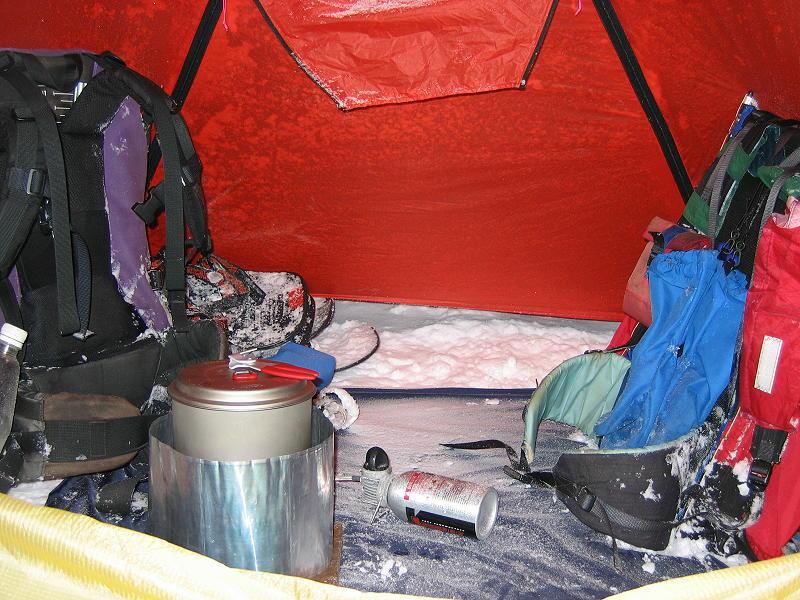
In my experience, the fireball only happens with user error. If you practice in non critical conditions and are aware of the fireball problem, you can avoid it.
If it’s already warm, then goes out and cools a bit, I think that’s the risky time. Put out some more fuel to (re) prime it. It’s already warm so there’s more of a cloud of evaporated WG, then light it and there’s a fireball. Or something like that.
Maybe if when you light it, and hold your head back, your eyebrows won’t be singed. And otherwise be aware of the potential of a fireball. Maybe young adult males shouldn’t be allowed to use (in my experience – my problems were when I was a young adult male).
Another problem with WG is that it has a lot of impurities (different molecular weight organic molecules). It’s more likely to clog up the valve. My WG stove got plugged a couple times. My ~1972 whisperlite universal had a built in orifice cleaner – you shake it back and forth and it cleans out the jet. You want to know how to clean out your jet.
Upright canister stoves feed evaporated butane into the valve and orifice. Much more pure low molecular weight organic molecules so the valve and orifice don’t get plugged up. Inverted canister doesn’t have this property – more likely to get plugged up like WG.
But, in -30F temps I’d probably use a WG stove, but it would be nice if I could figure out how to get an upright canister to work. This is theoretical since I don’t go out in that cold temps.
I tried kerosene once, but it is so stinky. Even when I was careful not to spill it. It doesn’t have the fireball problem though.