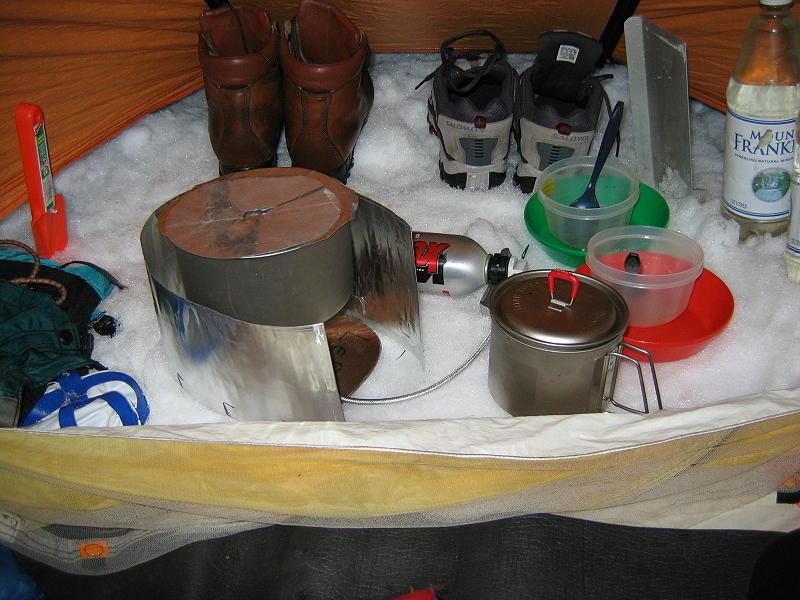
I would suspect that a full canister may work at those temperatures,
It does not make any difference whether the canister is full or down to 10%. None at all.
if the gas flow rate is high the canister will quickly cool off even more.
If used with an upright stove where the fuel has to vaporise inside the container, this is correct. Mind you, once you get a flame going some radiation from the flame back onto the container will really help, and there are other tricks of the trade as well.
An invertable stove may work, however; now you are adding more potential -40F failure points: hoses, o-rings, valves and such.
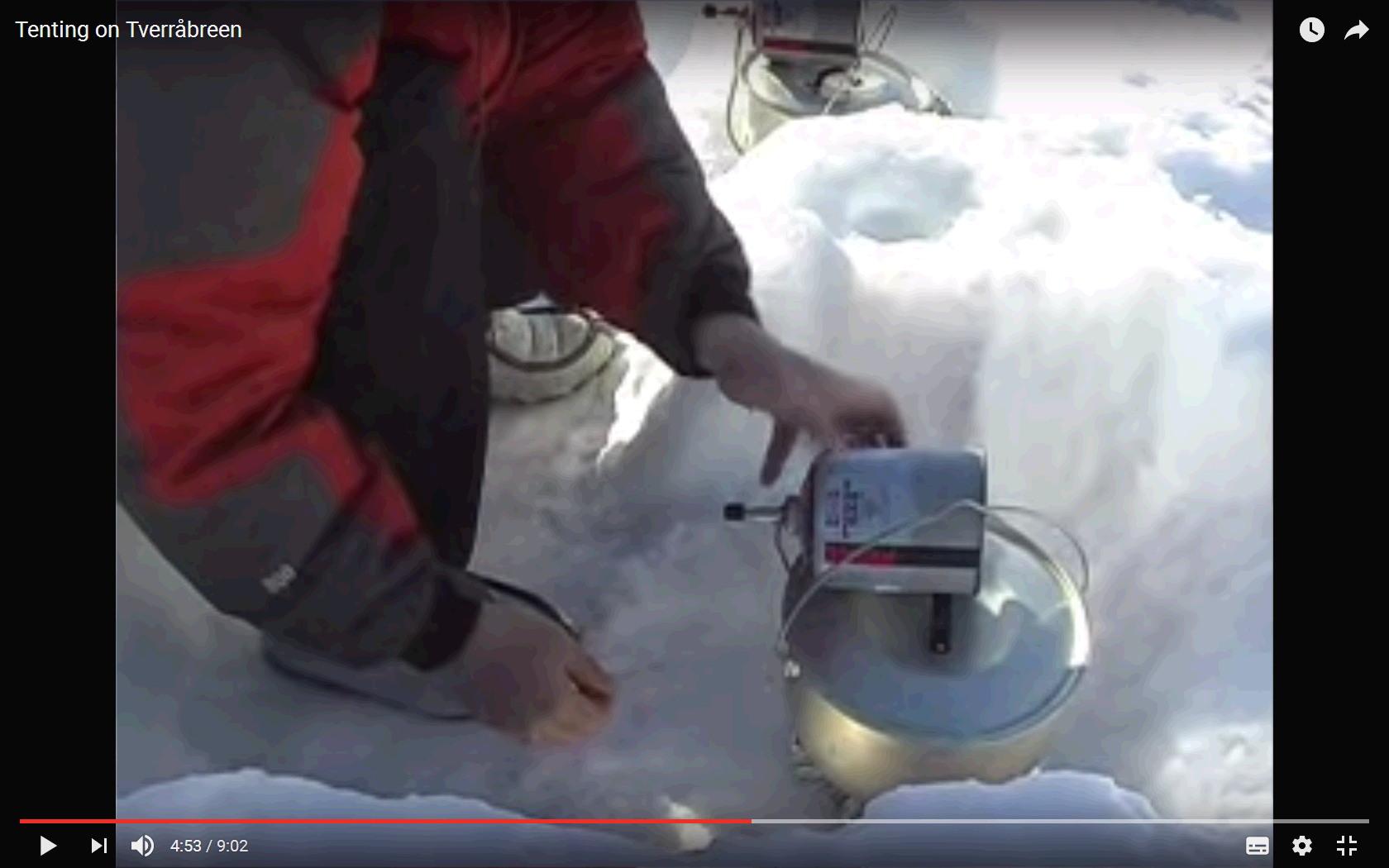
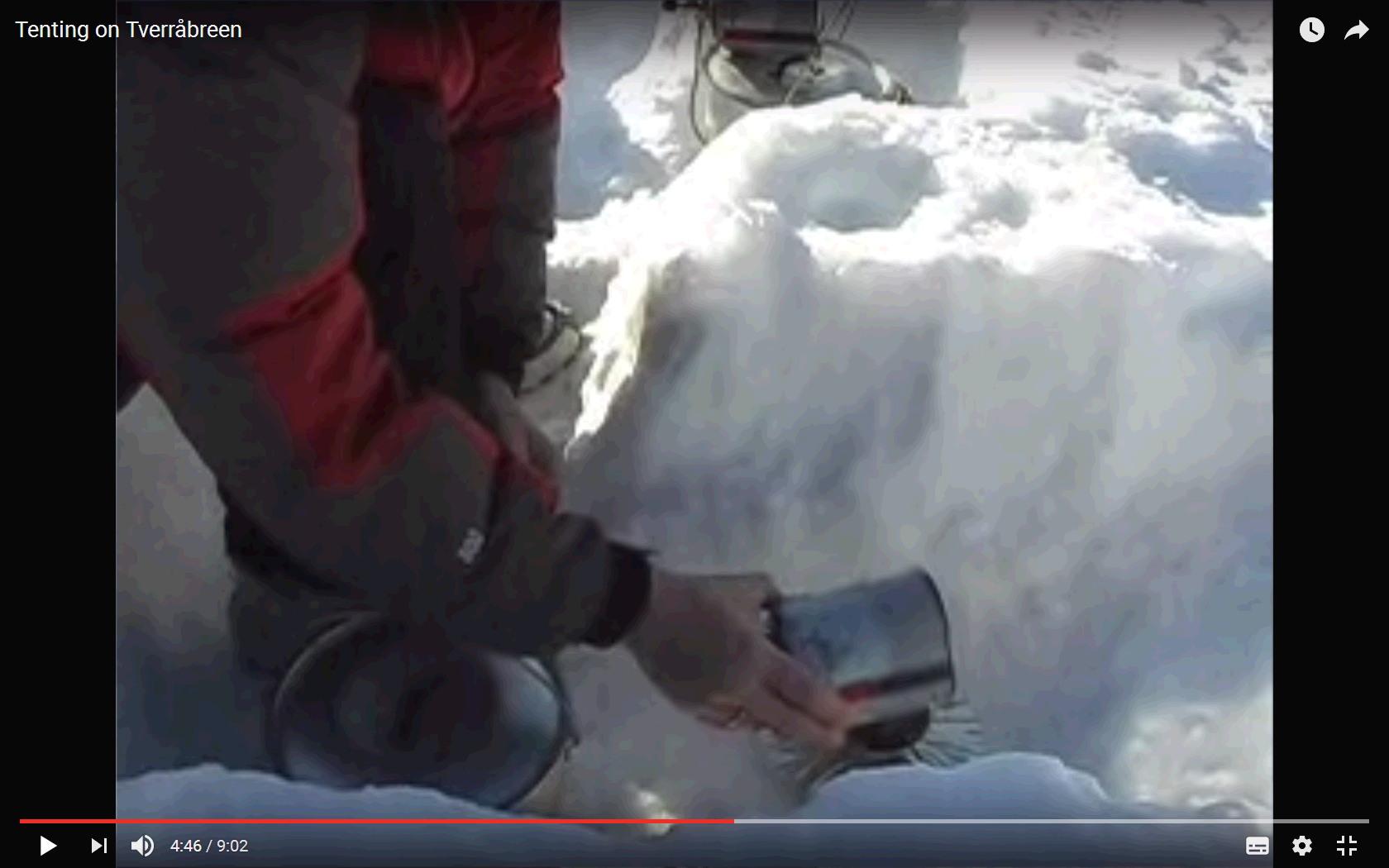
Yes, a remote inverted canister stove will do just fine as the vaporisation does not happen within the container.
Normally one is not concerned about lower temperature limits with a stove, but the seals at the canister can get cold. The ‘normal’ material for a stove is Viton, which is rated down to -29 C (and up to +250 C). It is common to use the slightly less expensive Nitrile or Neoprene at the canister, and these go down to -40 C/-43 C.
If you are going to be working colder than that (UGH!), then a change to materials such as fluorosilicone (-60 C), Norprene (-60 C), PFA (-100 C) or Teflon (-185 C) should be considered, although there are many other options at the cold end. It is a specialised subject: consult a specialist supplier. Stuff IS available.
I would suggest not using silicone as it is known to be slightly porous to propane, although the effect at an O-ring would be extremely small.
I use Nitrile for the O-rings on the canisters, Viton at the stove, and PFA for the hose on my stoves.
Cheers