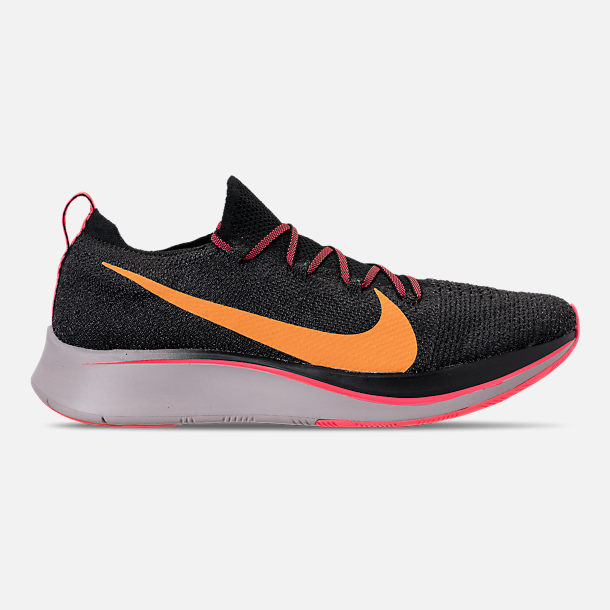
These days, his strong advice is that barefoot enthusiasts should protect themselves from rocky trails using some kind of rock plate or they are at high risk of injury. The trick is to achieve this without sacrificing too much ground feel or stack height.
I would agree if a person is running on rocky paths.
8 years ago I was wearing cross country flats on a trip and must have stepped hard on a pointed rock. I didn’t really notice any pain. Keep in mind my shoes weigh about 5 ounces each, so they are more minimalist than what people here are wearing. 10 miles later, at the end of the day, I had a blister that covered the entire ball of my foot. If one walks barefooted enough, you can extinguish a cigarette with your foot and not feel it, which is probably why I didn’t notice I had such a serious foot injury.
So I drained the blister and went to bed. The next day we had to walk over 20 miles to our camp. It was a rough day for me and the last 8 miles I had to walk, limp so slowly that we got to our campsite hours later than planned finishing in the dark, but we had to get there because it was our only water source.
The third day was okay even though it was a 21 mile hike with 6,000 feet of elevation loss. A little pain starting out but it went away, even when we had to walk a longish section of lava fields.
After this incident I experimented with a few pair of minimalist shoes with rock plates and didn’t like any of them and went back to my racing flats. I actually hated the rock plates because the shoes were too stiff. I haven’t had a single problem since.
I’ve done a bit of hiking in Five Fingers. They have tougher soles than my flats, but have two features that are a “no-go” for me. First is they are incredibly hot and begin to stink after a few days on the trail. The second is your toes splay out and it is easy to kick the tiny toe against a rock or other object. Over time, the last issue seems to go away as your body gets used to these things and reacts quickly via the feed-back mechanism.
The more one walks in minimalist shoes the better (or quicker) the mind and body reacts to feedback from the feet. Even at 67 I am probably more lithe on my feet than most hikers, meaning I step more lightly on the ground as I walk — if that makes sense. However, most people can’t operate at home on a daily basis as I do. It never snows here. For example, over the past 2.5 years, other than backpacking trips, I haven’t worn a pair of shoes except once, when I went to a funeral. At home I wear only flip flops or nothing. I even go to fancy restaurants in flip-flops. When my wife and I go camping, I do most of our day hikes in flip-flops. Walking 10 miles in flip-flops isn’t uncommon because my feet are conditioned to do that.
Most people probably shouldn’t wear really minimalist shoes if they can’t be shoeless most of the year or walk several miles every single day in these shoes.
Many people wear shoes that are too small or too narrow. My flats are too big. A proper fit using a Brannock device and an ample toe box would be a size 11 for me. I buy size 12; some shoes are 12.5 or even 13. 30 years ago my proper size was a 10.
I haven’t paid much attention to the current offering of shoes over the past several years. It seems that the Hoka brand might be a good option for many people with the extra cushioning, assuming one can get a good fit. However if one has a “mechanical” problem as Roger suggested, then changing shoes doesn’t solve the root cause of the problem, nor do custom shoe beds (or whatever they are called).
I am wary of foot doctors. Seems humans didn’t need them until the 20th century when marketing became a successful profession and people no longer had to walk everywhere or were unwilling to walk because they now had the option not to. Take that with a grain of salt. I don’t think we need dentists either, if we properly brush and floss everyday — I go once every 5 years. Dentists want us to visit them every 6 months so our over abundance of dentists can stay in business and make a very good living.
So take care of your feet, meaning exercise them daily… we need to walk several miles EVERY day, which for most people is incredibly difficult to make the time to do it. I walk 7 or 8 miles almost every day, which is usually around 3 hours daily. This will help alleviate problems. If problems occur, it can be difficult to figure out what the problem is, as this thread confirms.
Sounds like Rusty has a hard to diagnose problem. What I would do in his “shoes” would be to walk very little for a few months and the pain will probably go away — if it doesn’t then there is a serious injury. If it does go away then I would slowly and carefully get my feet back in shape by walking. But we’re modern humans and we (myself included) are inclined not to exercise patience with these kinds of things.
Preventative maintenance is walking daily, but one has to start out slowly if it hasn’t been part of the daily routine.