Roger writes:
>> The needle valve is valving liquid….So liquid is going up the tube to the stove. It vaporises up there.
Roger, at full flame, in cold weather, I definitely agree with you. But at a low-heat valve setting, say at startup, or during a low-heat simmer, there would be a larger pressure drop right at the valve. Especially in warm weather, I expect some (all?) of the fuel might vaporize just downstream of the valve due to this drop.
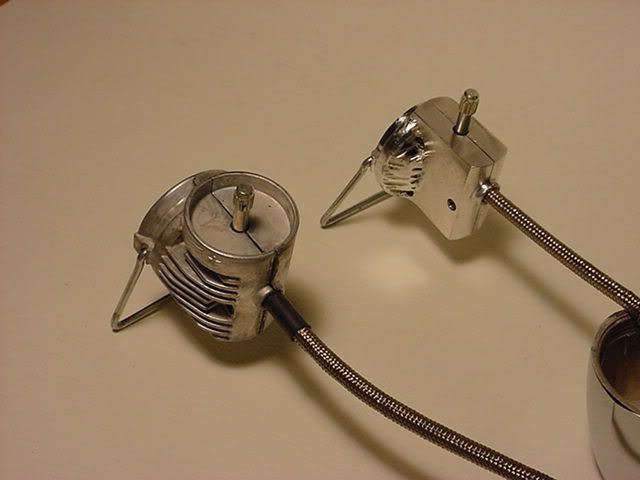
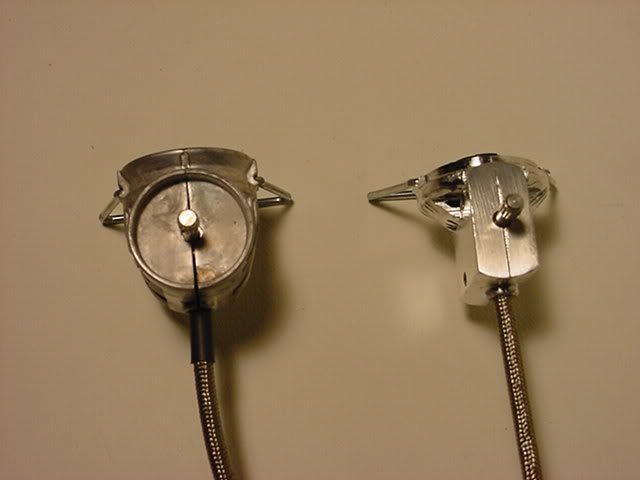
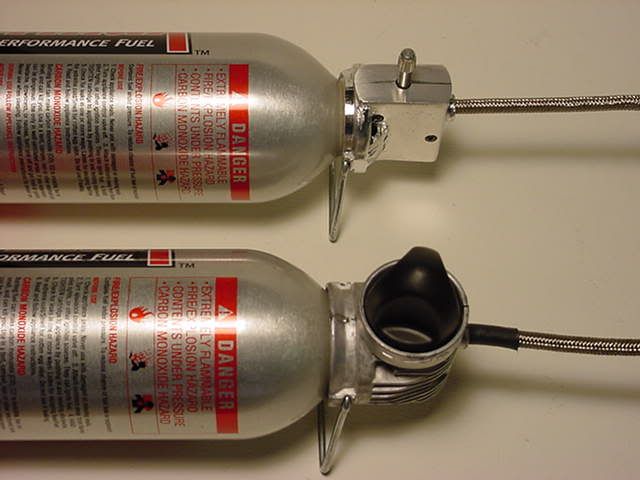
If this were true, the fins would serve to conduct heat from the outside air into the evaporating fuel, providing the necessary heat of vaporization.
From a design standpoint, I think this would be desirable during startup where the pre-heat tube is still cool. The fuel still needs to vaporize before it reaches the jet to mix with the air, and the fins would help this process — reducing the chance of a fireball, as you say. Also, during low-heat simmering, it may be advantageous for the fuel to vaporize right at the valve to allow better flame control and reduce sputtering. (Both of these issues are probably irrelevant for full-throttle Winter snow melting.)
If a mixed-phase fuel were sometimes present in the fuel line upstream of the pre-heat tube, it might offer an explanation for the “wire” and “filter material” in the fuel line. Both of these mystery components might serve to smooth out the flow of a mixed-phase fuel to reduce burping and sputtering.
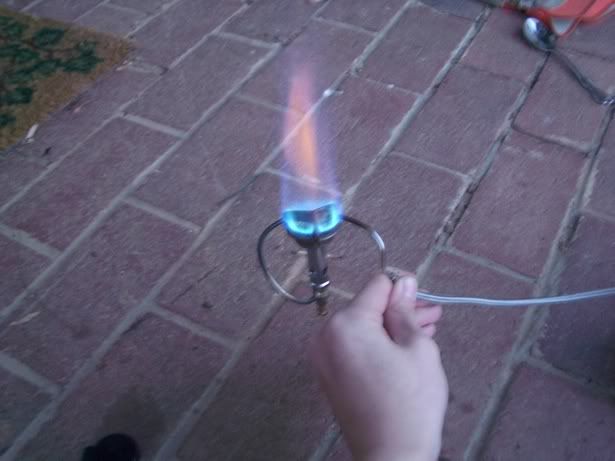
All of this is sheer speculation, of course. What we need is a transparent fuel tube so we could watch the fuel vaporize on it’s way to the burner…
Cheers,
-Mike